War at home and trade abroad made Muromachi Bizen the busiest forge region in Japan: a century of Sengoku demand after the Ōnin War, and export missions to Ming China carrying blades by the tens of thousands.
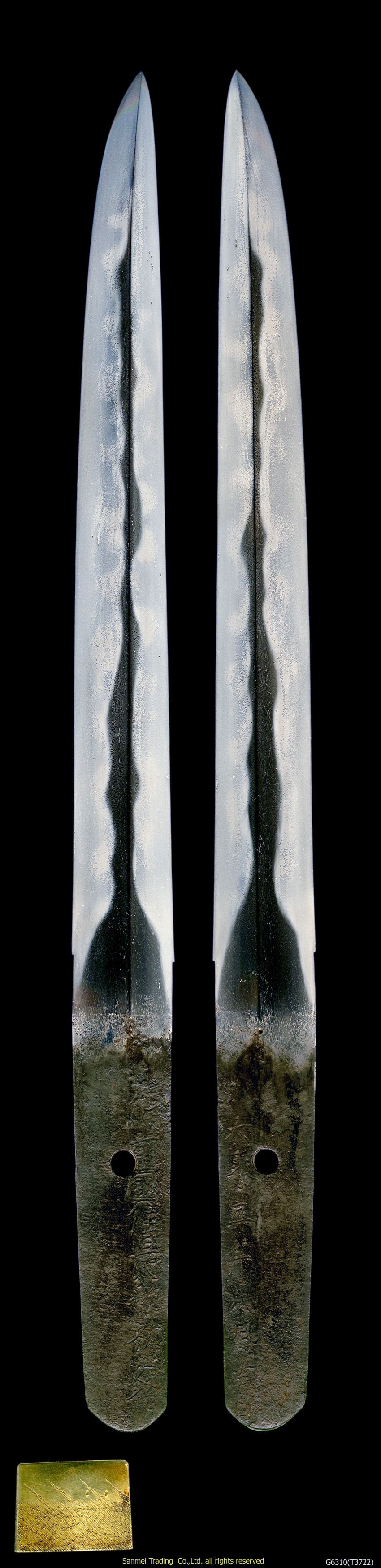
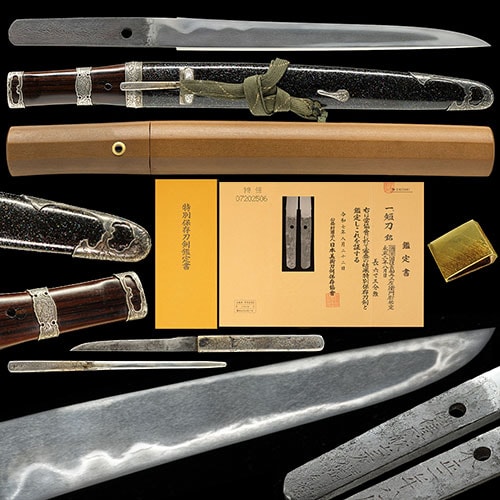
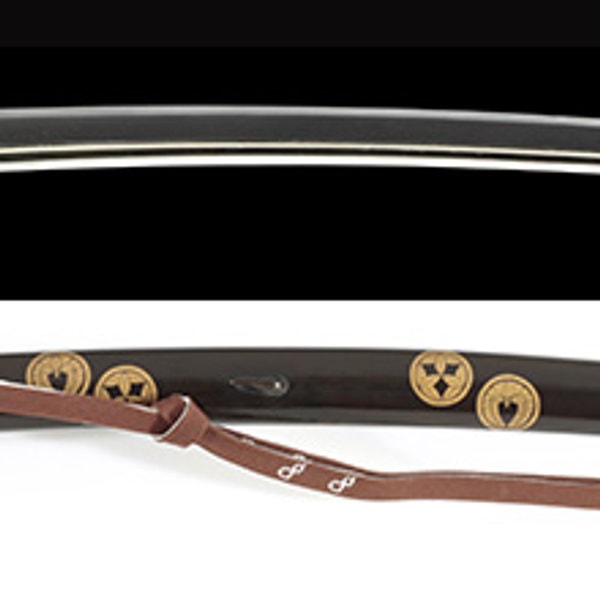
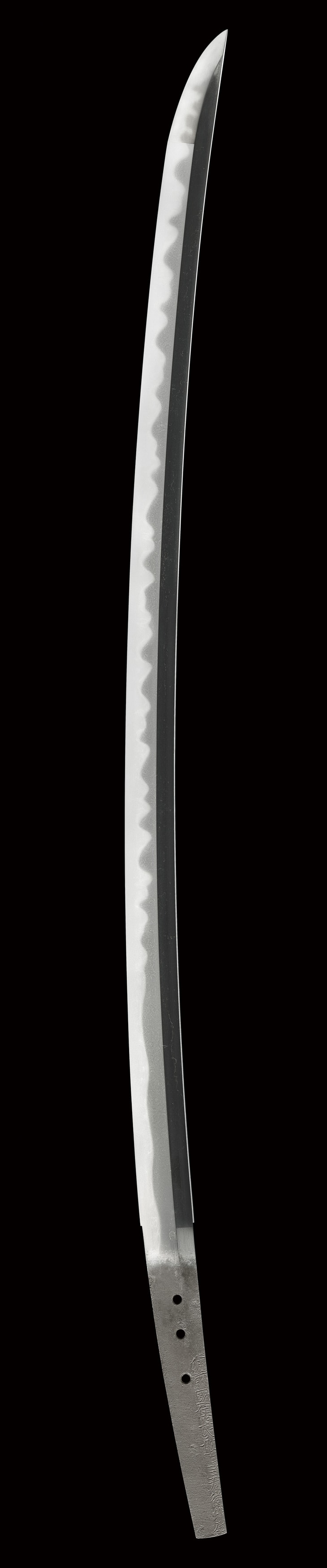
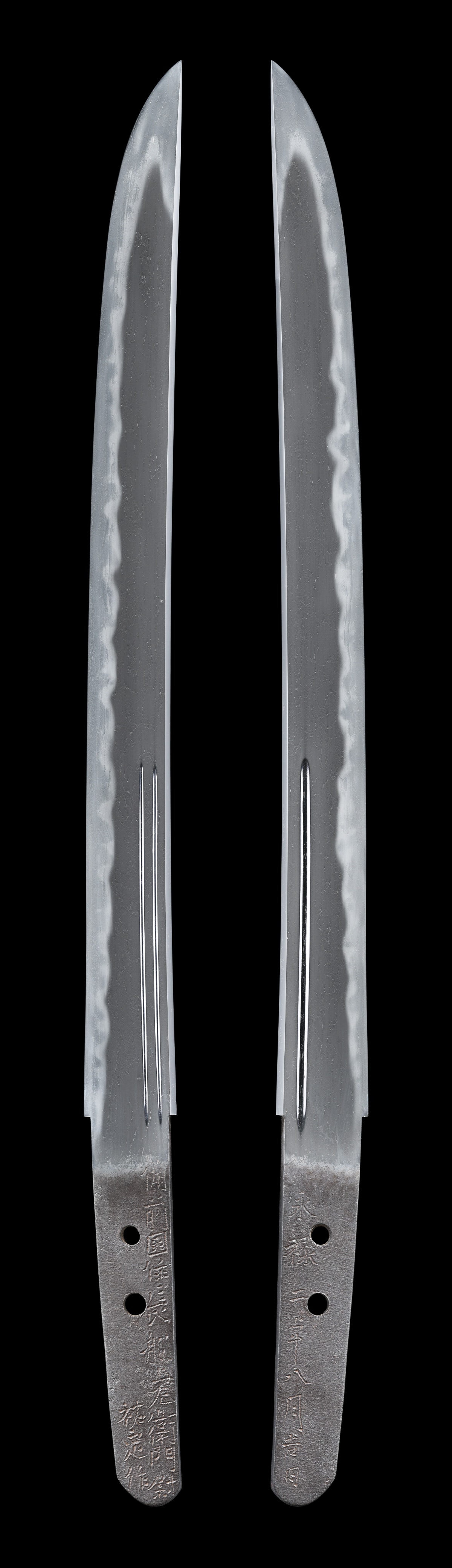
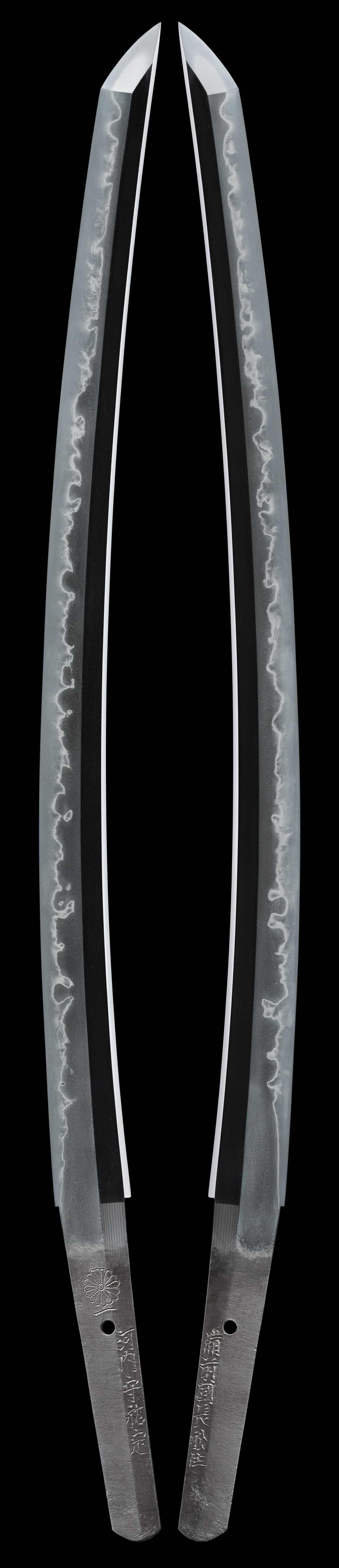
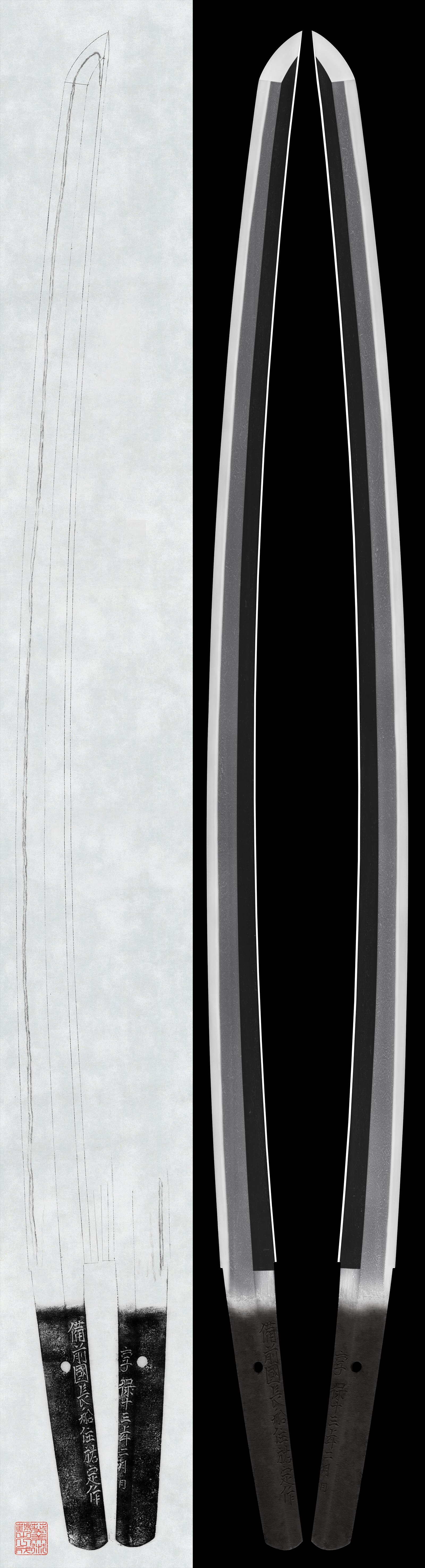
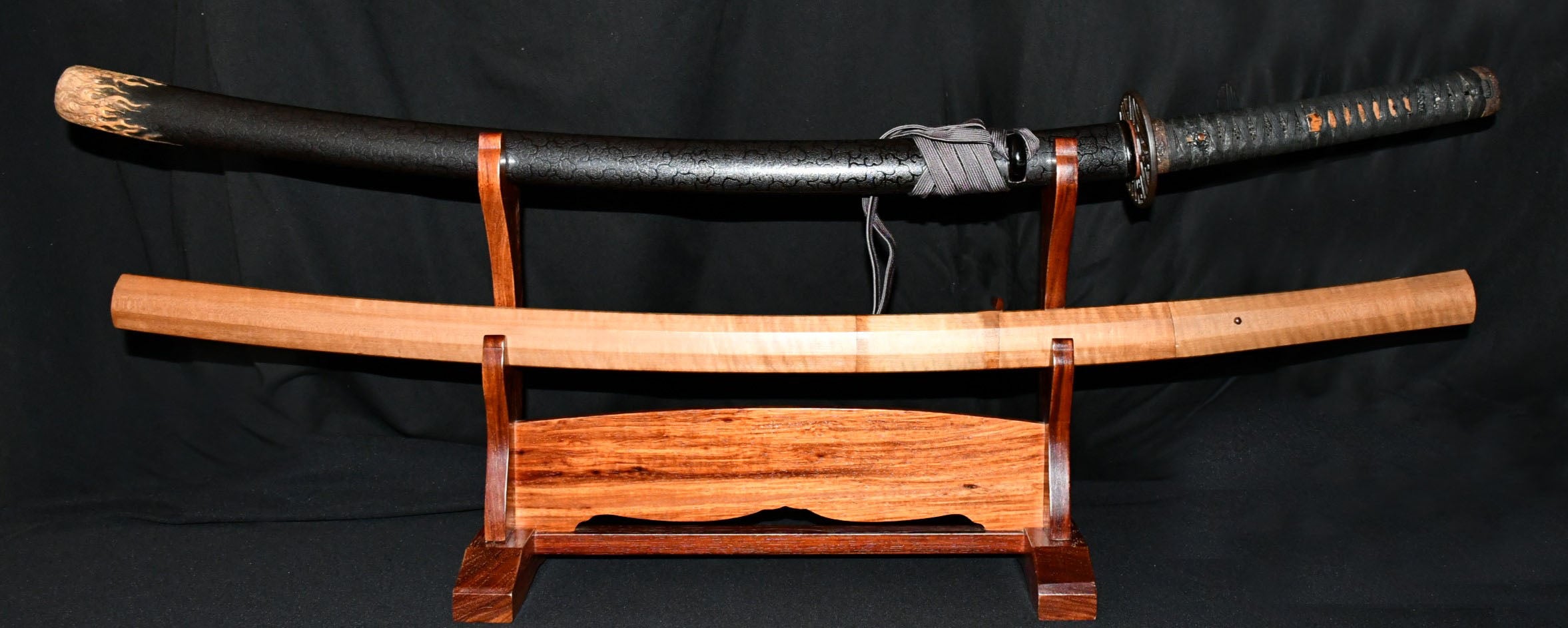
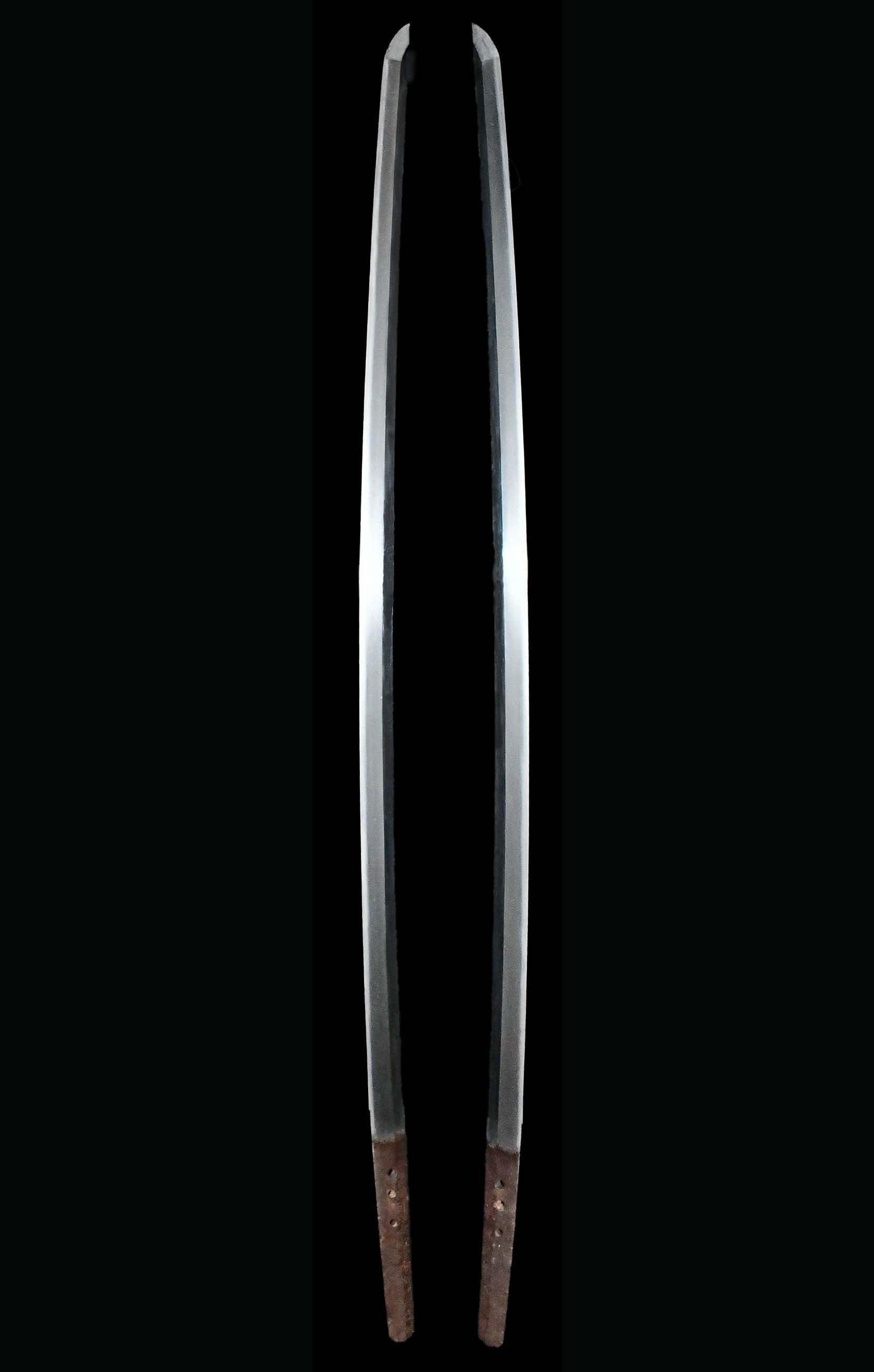
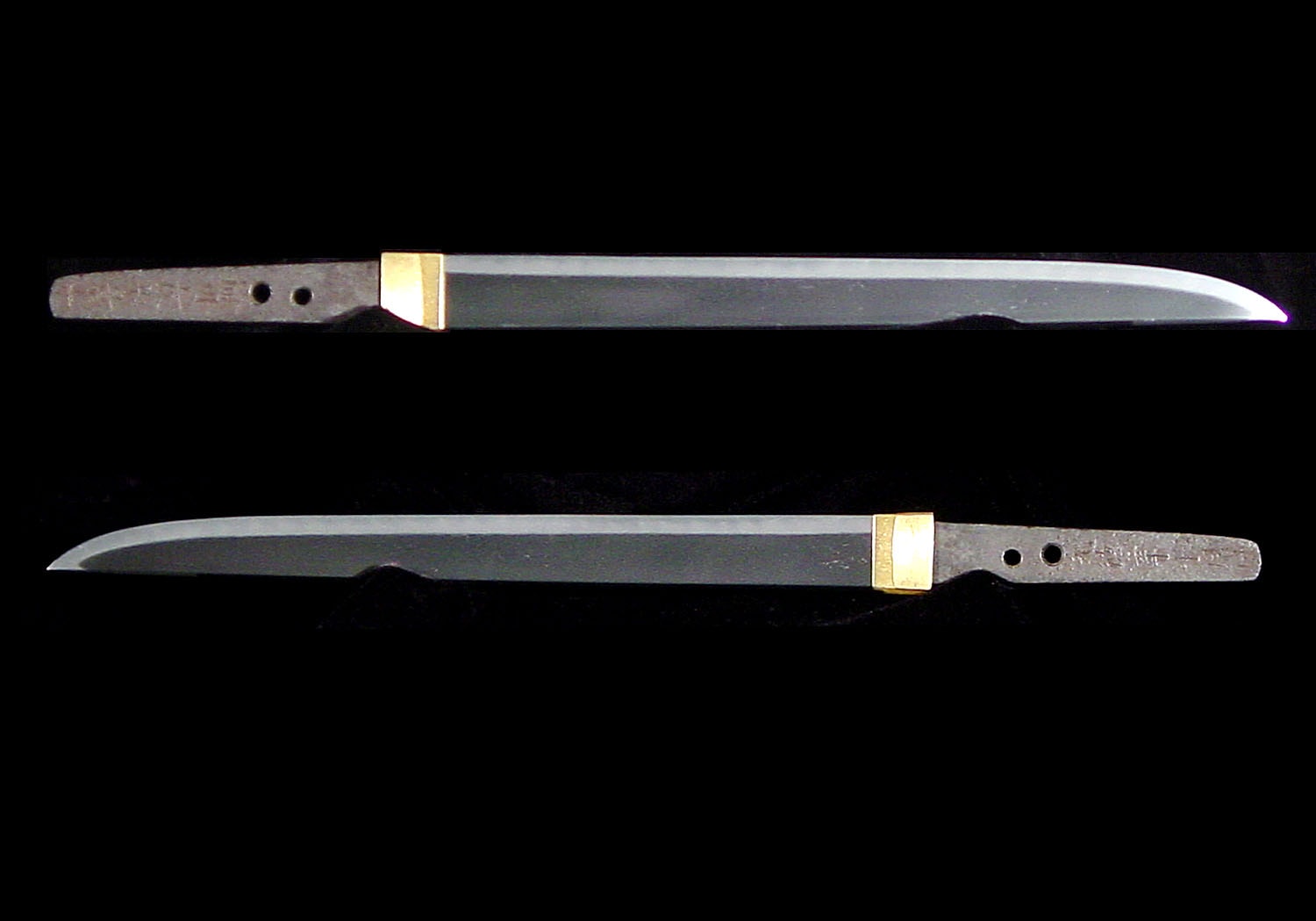
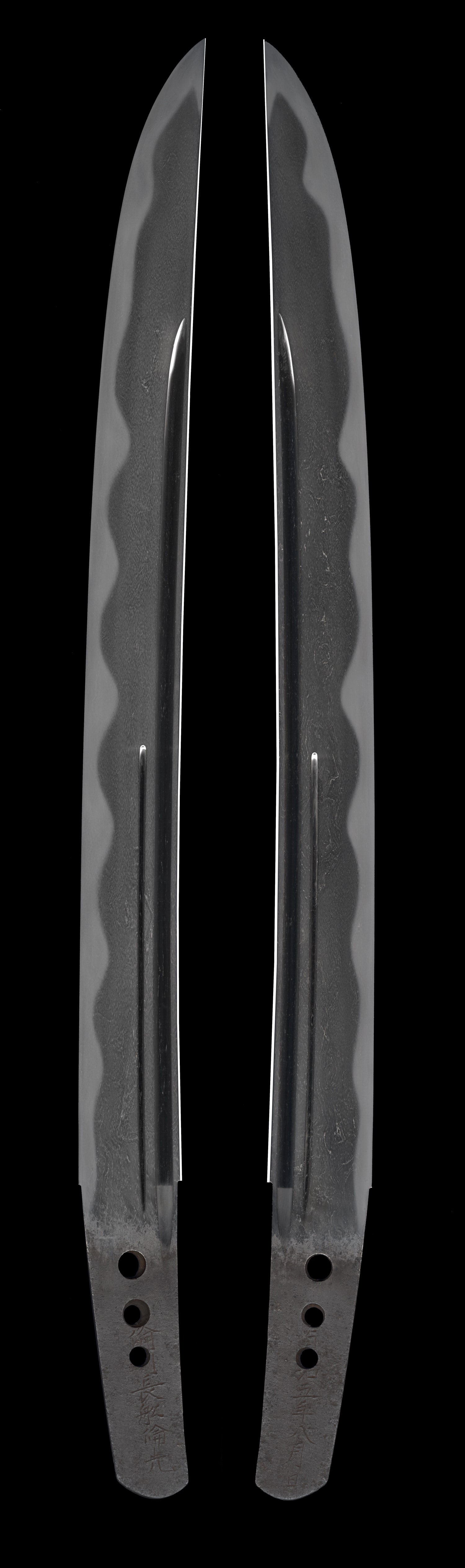
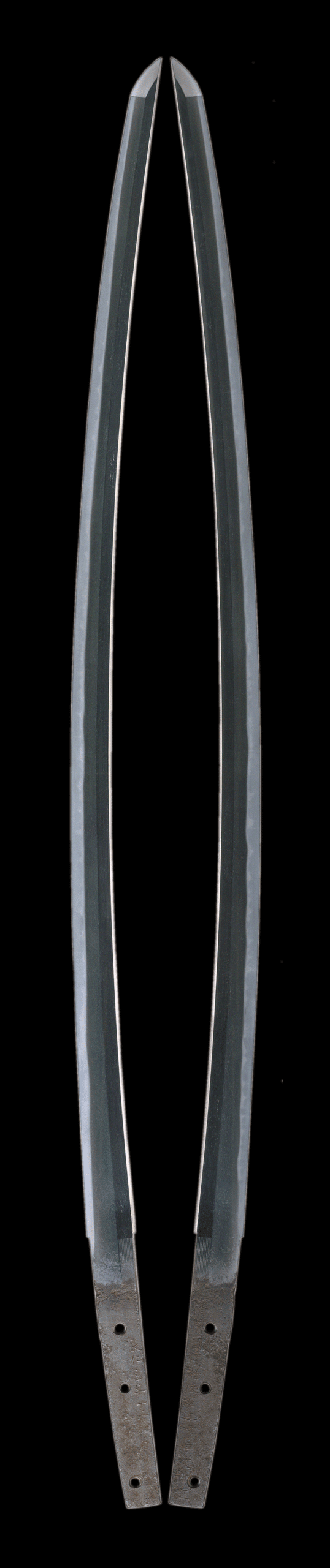
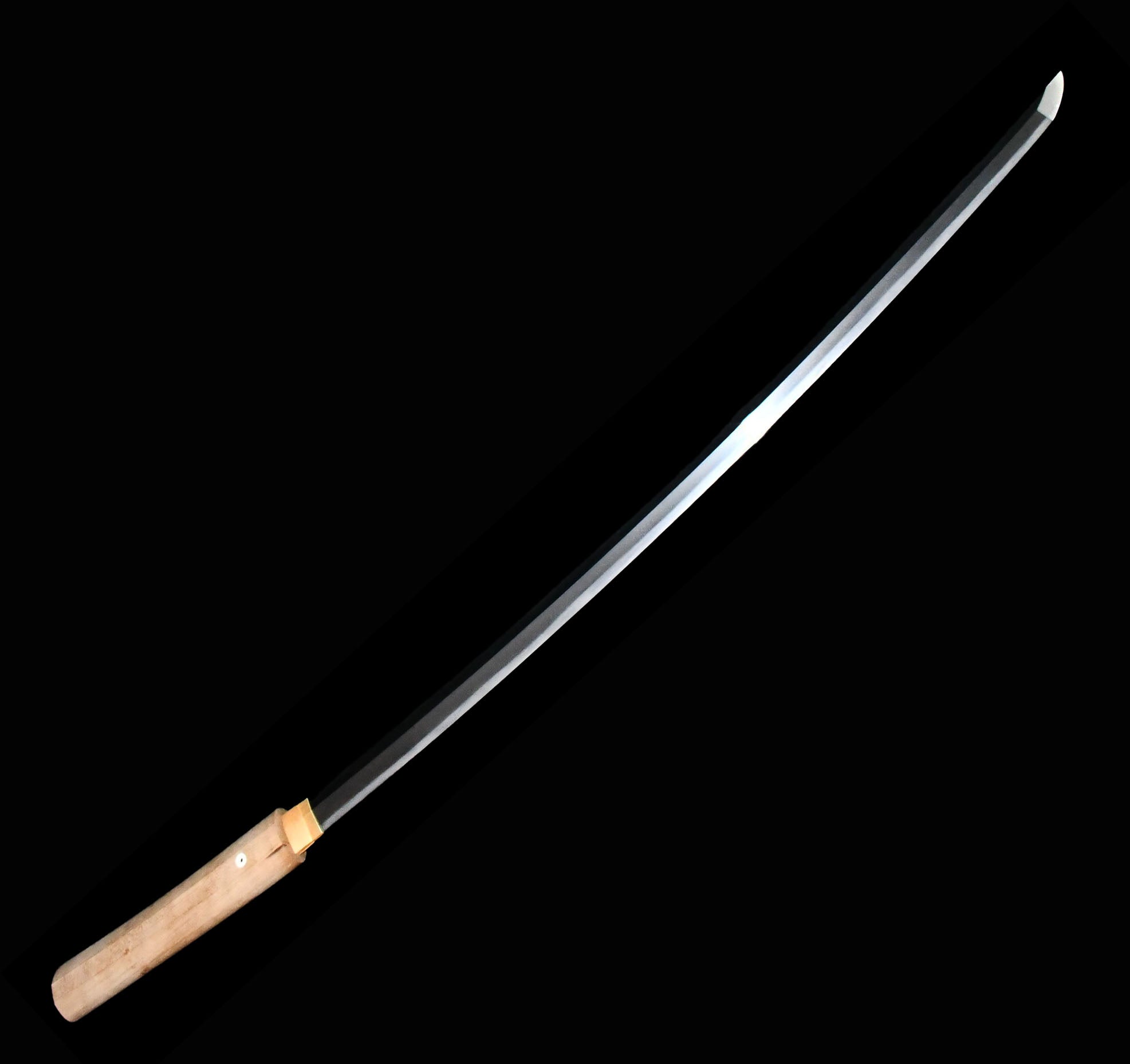
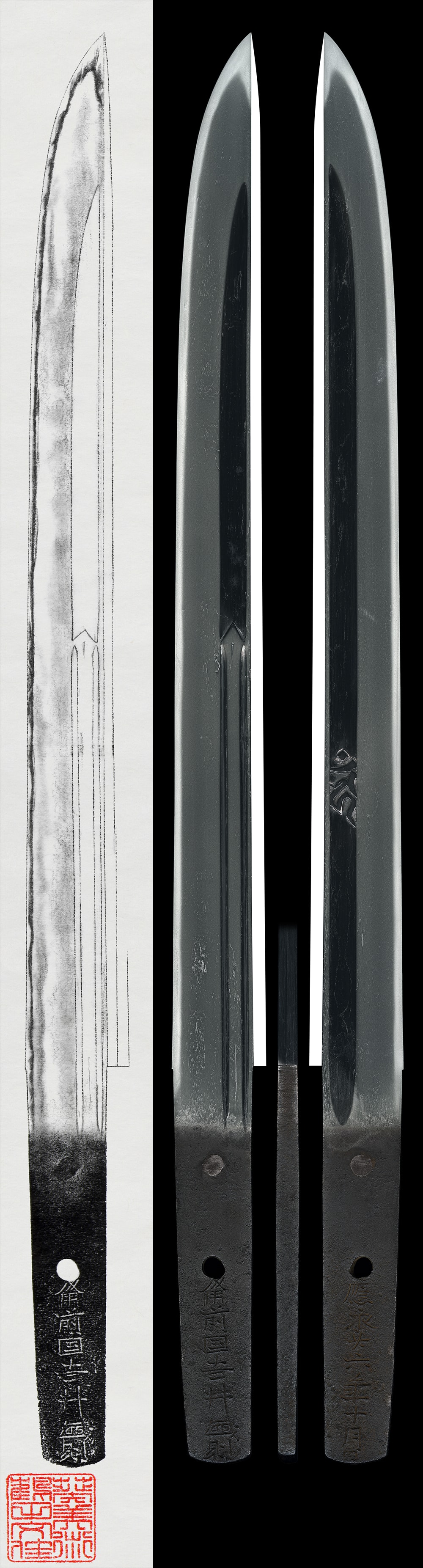
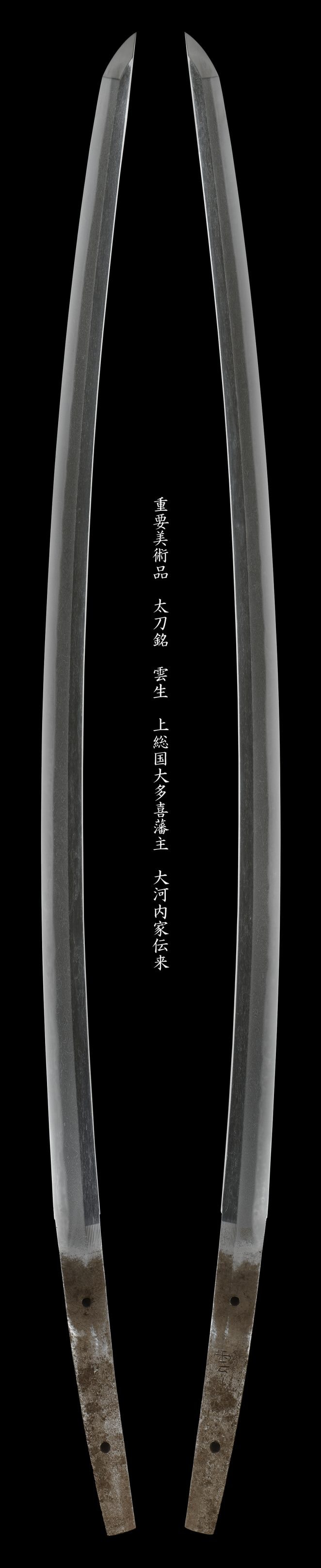
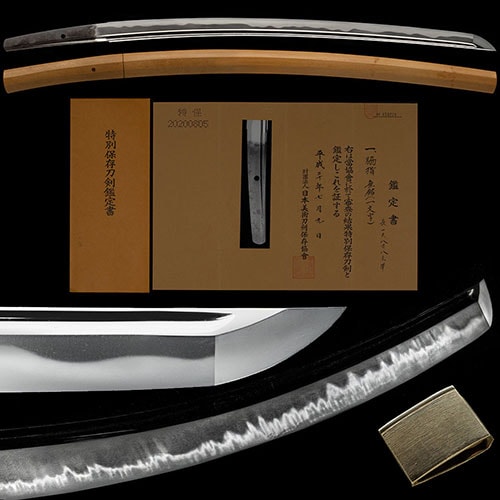
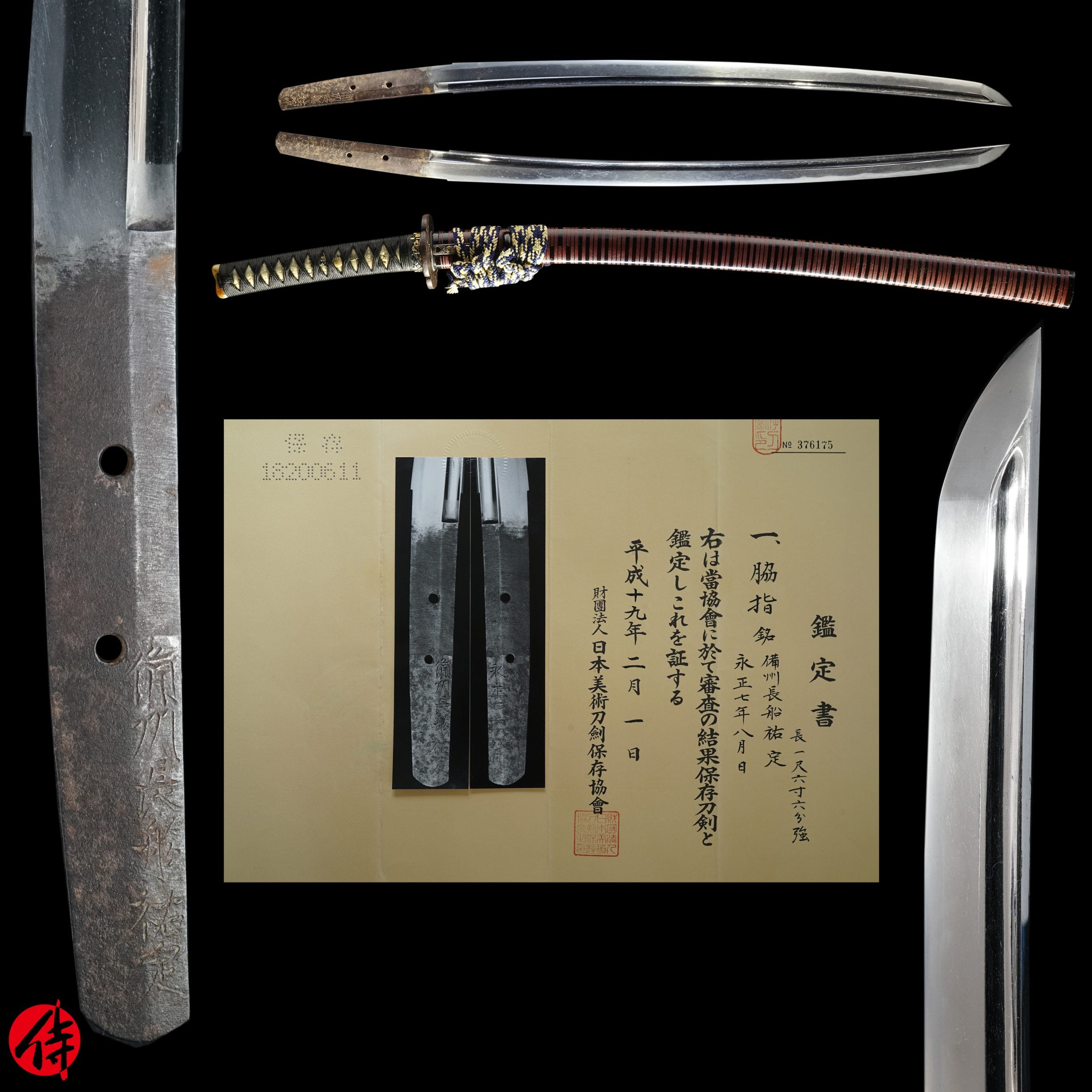
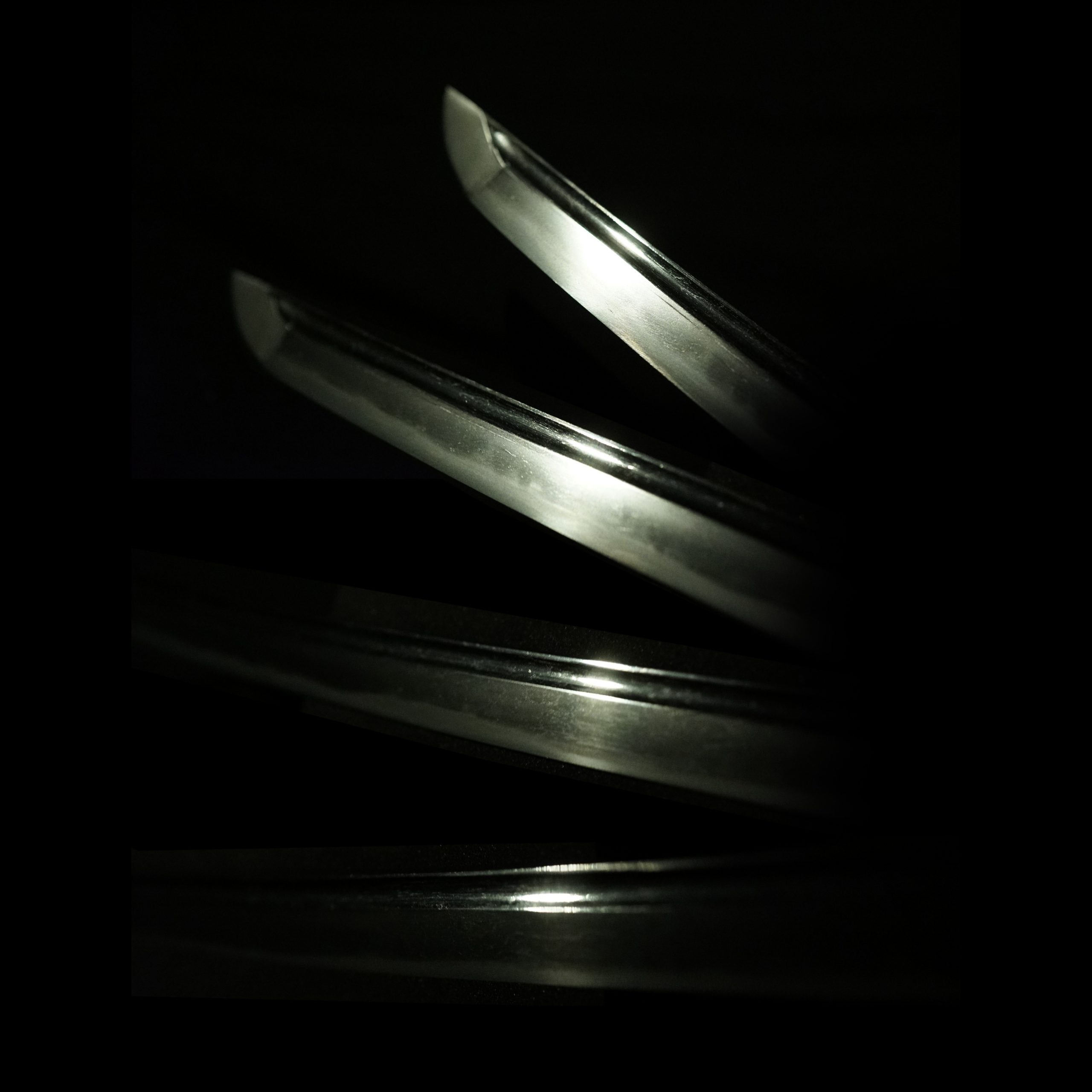
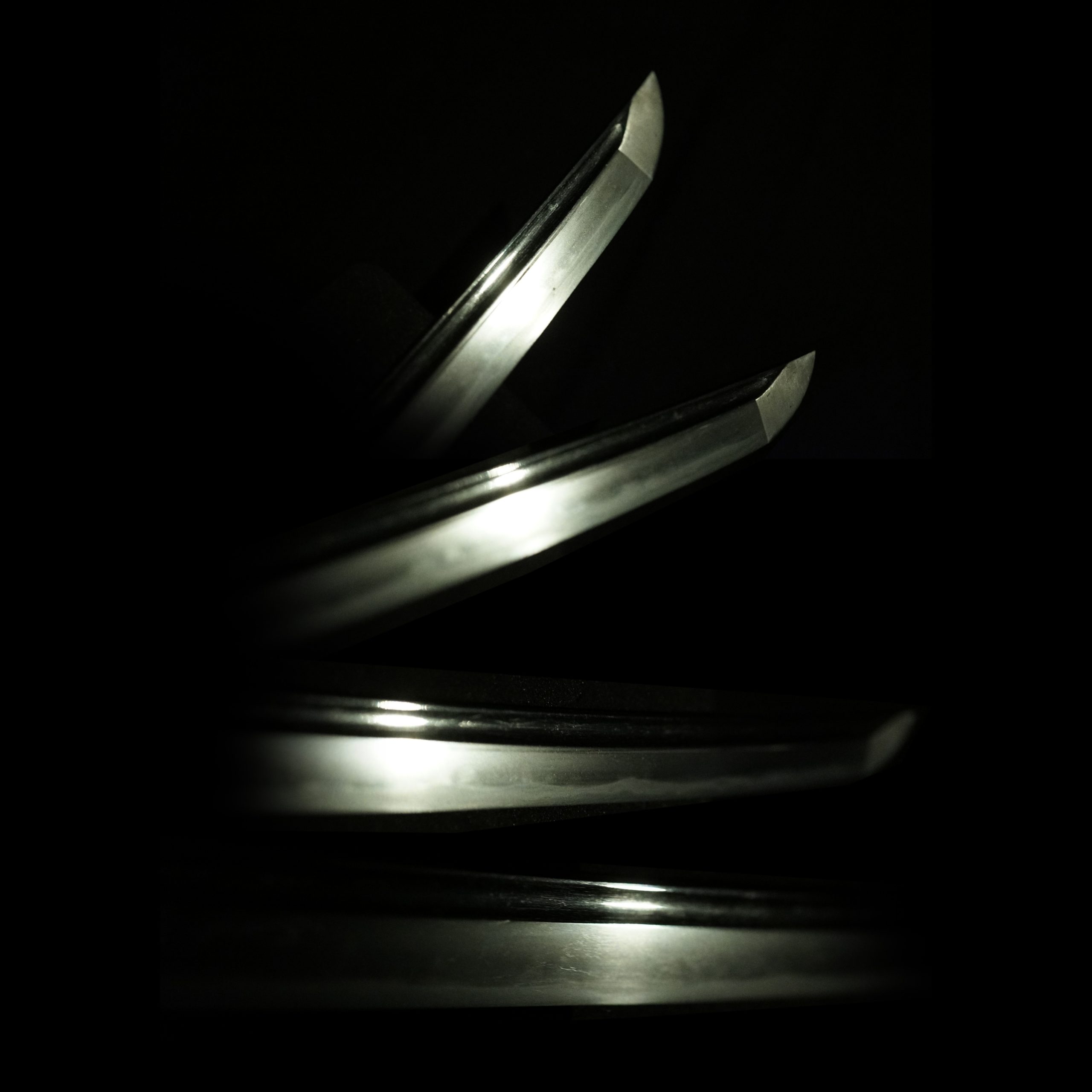
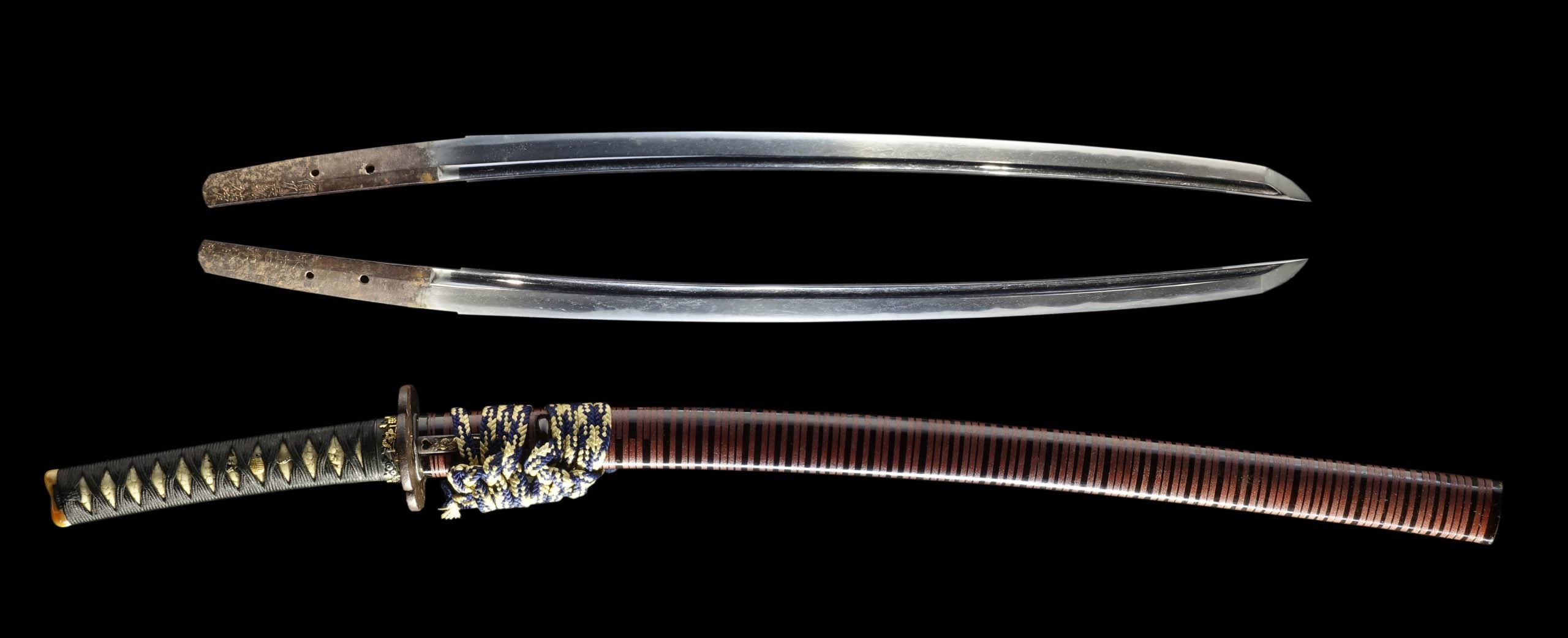
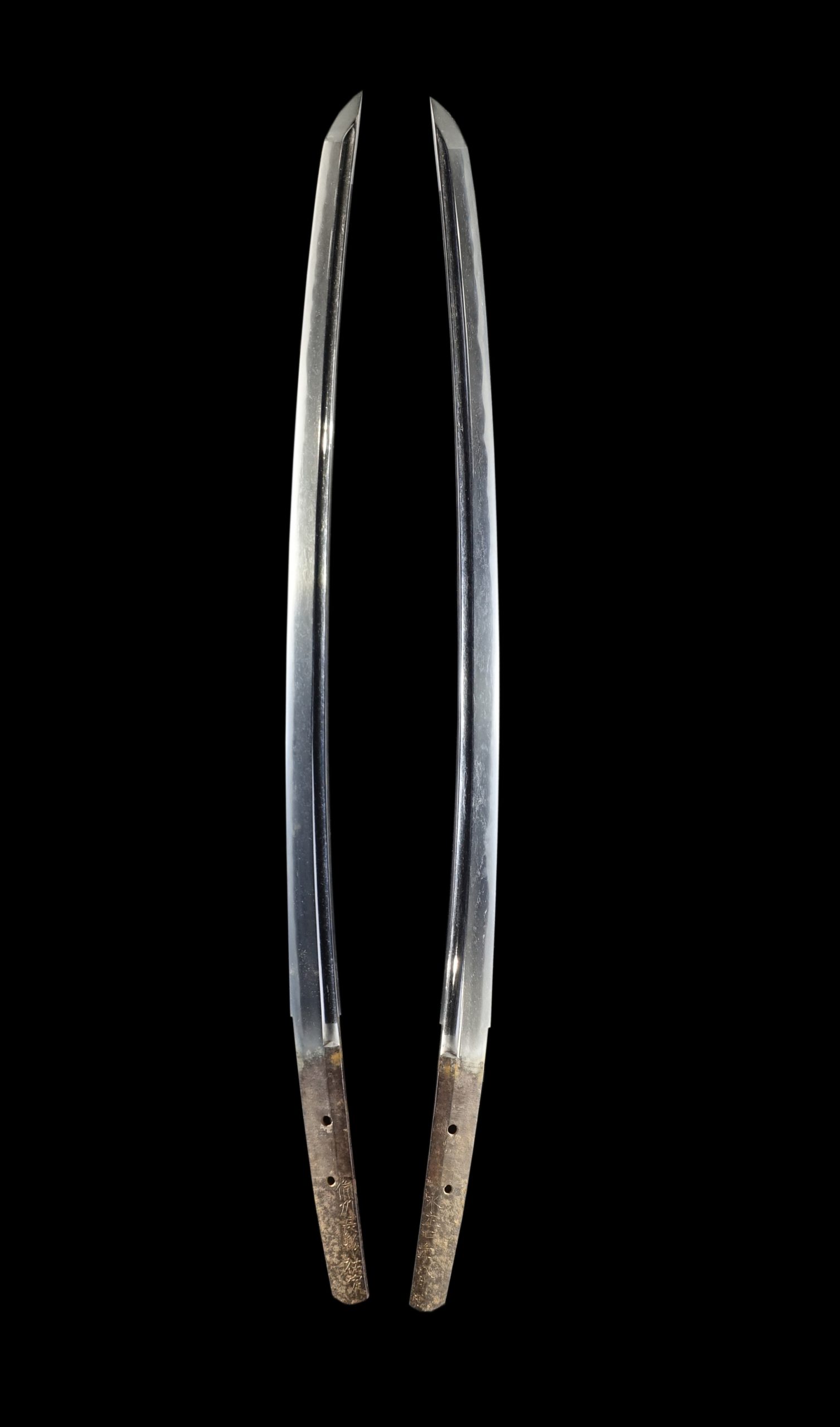
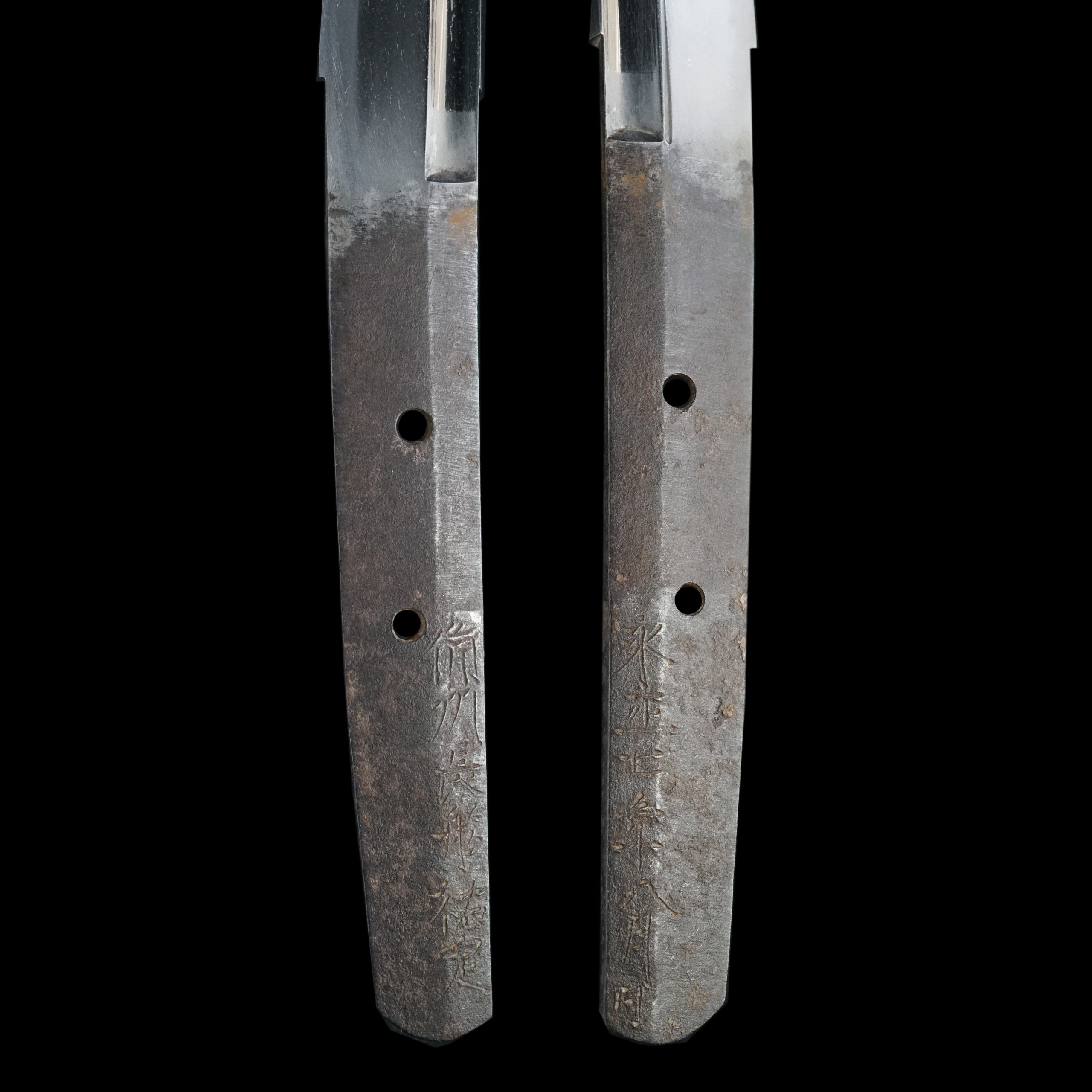
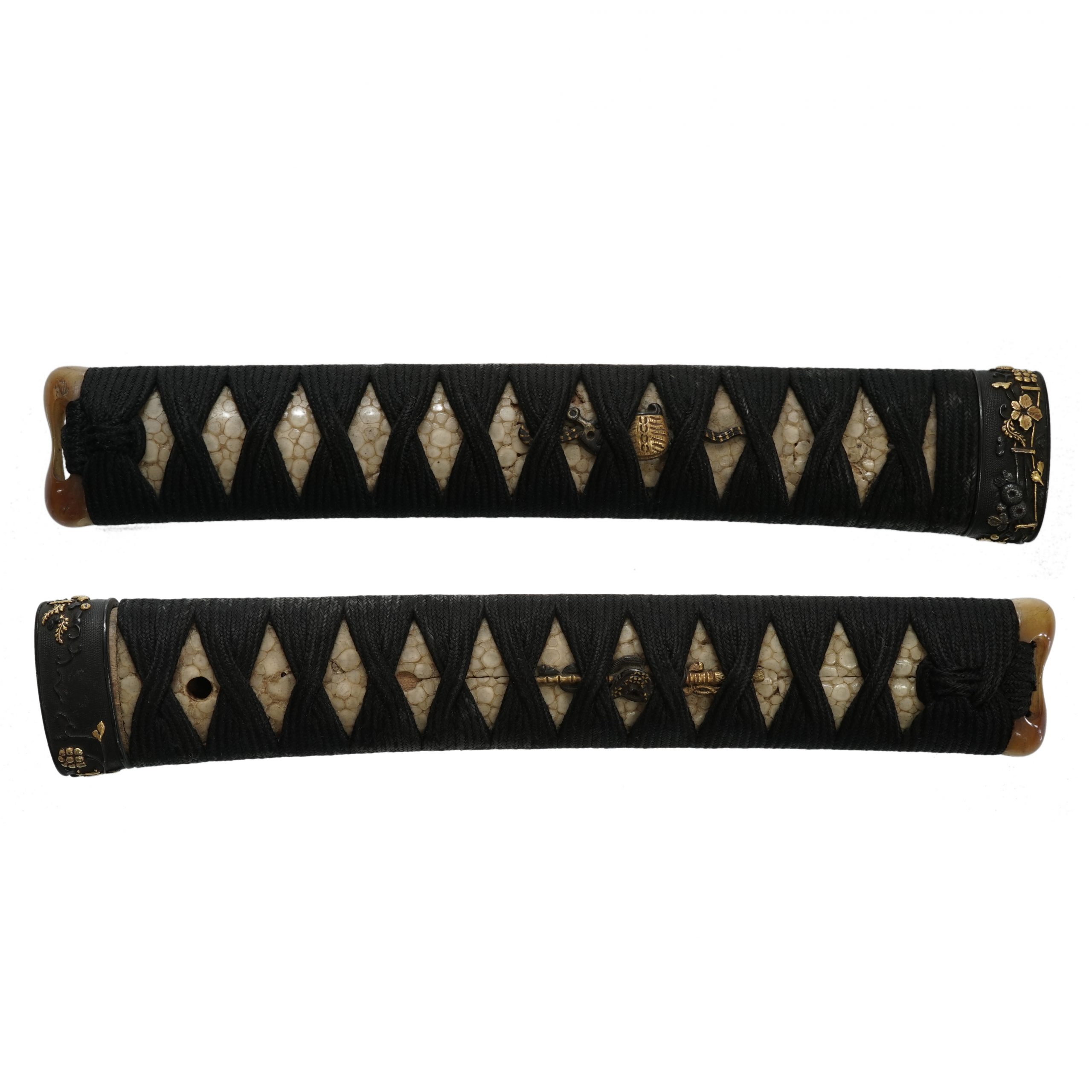
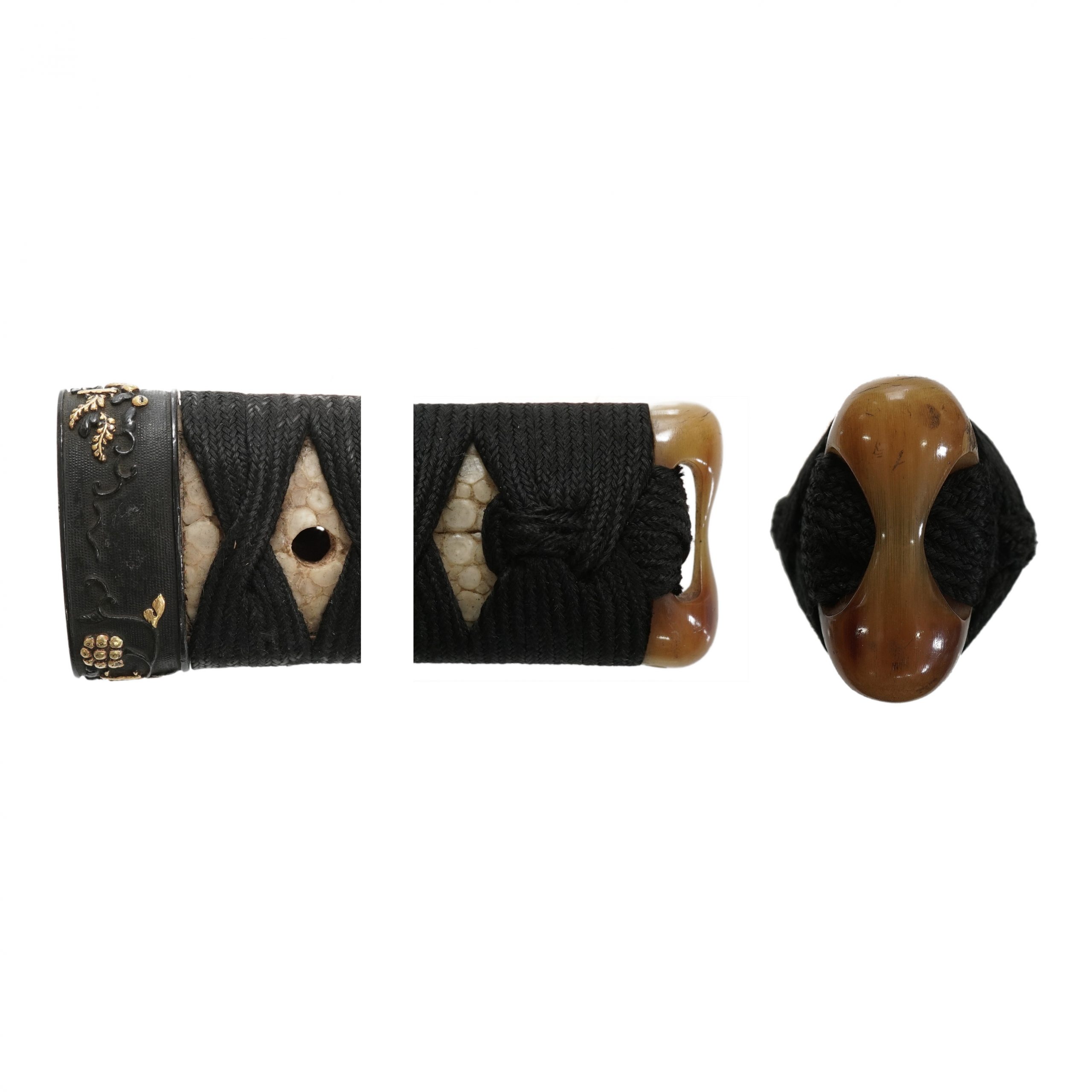
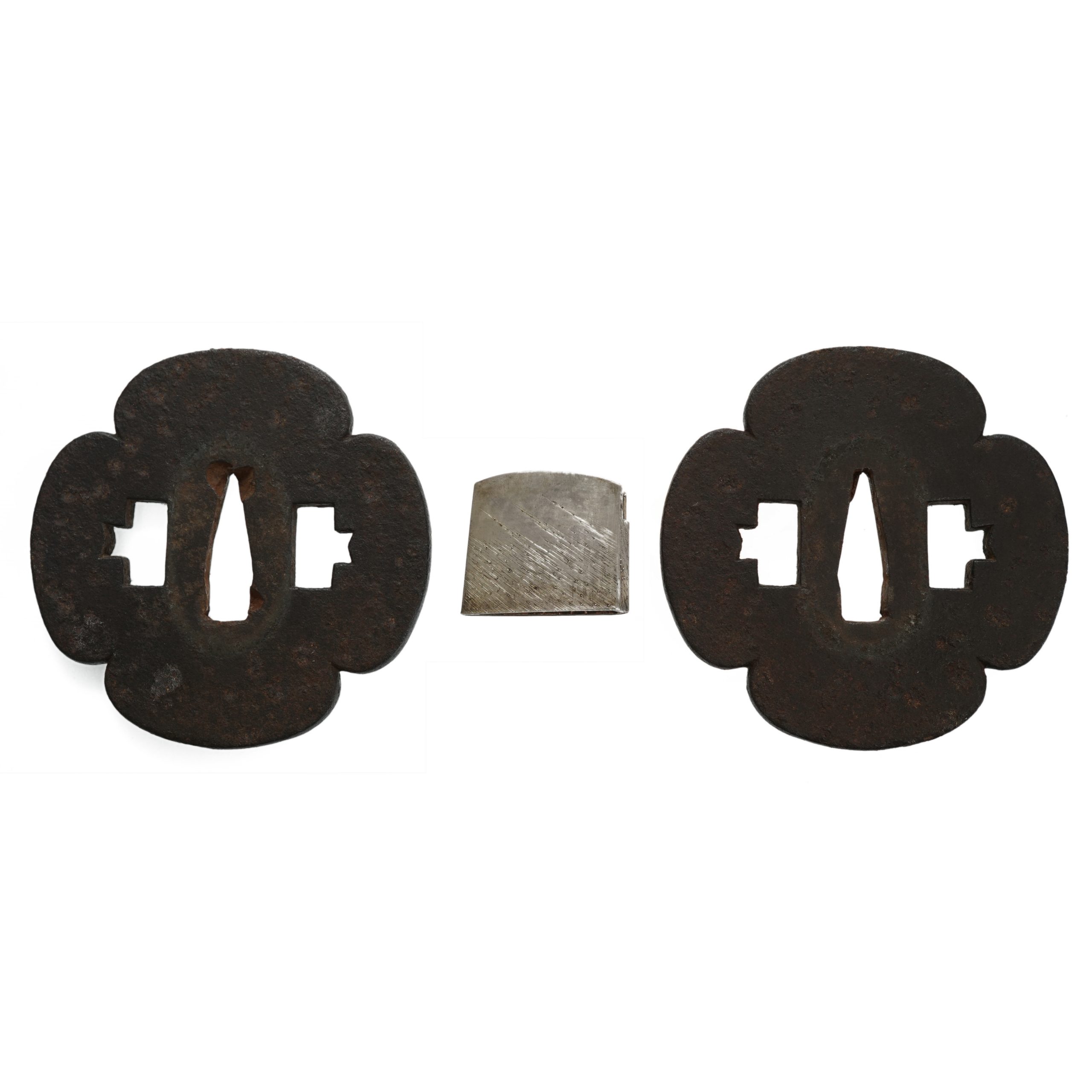
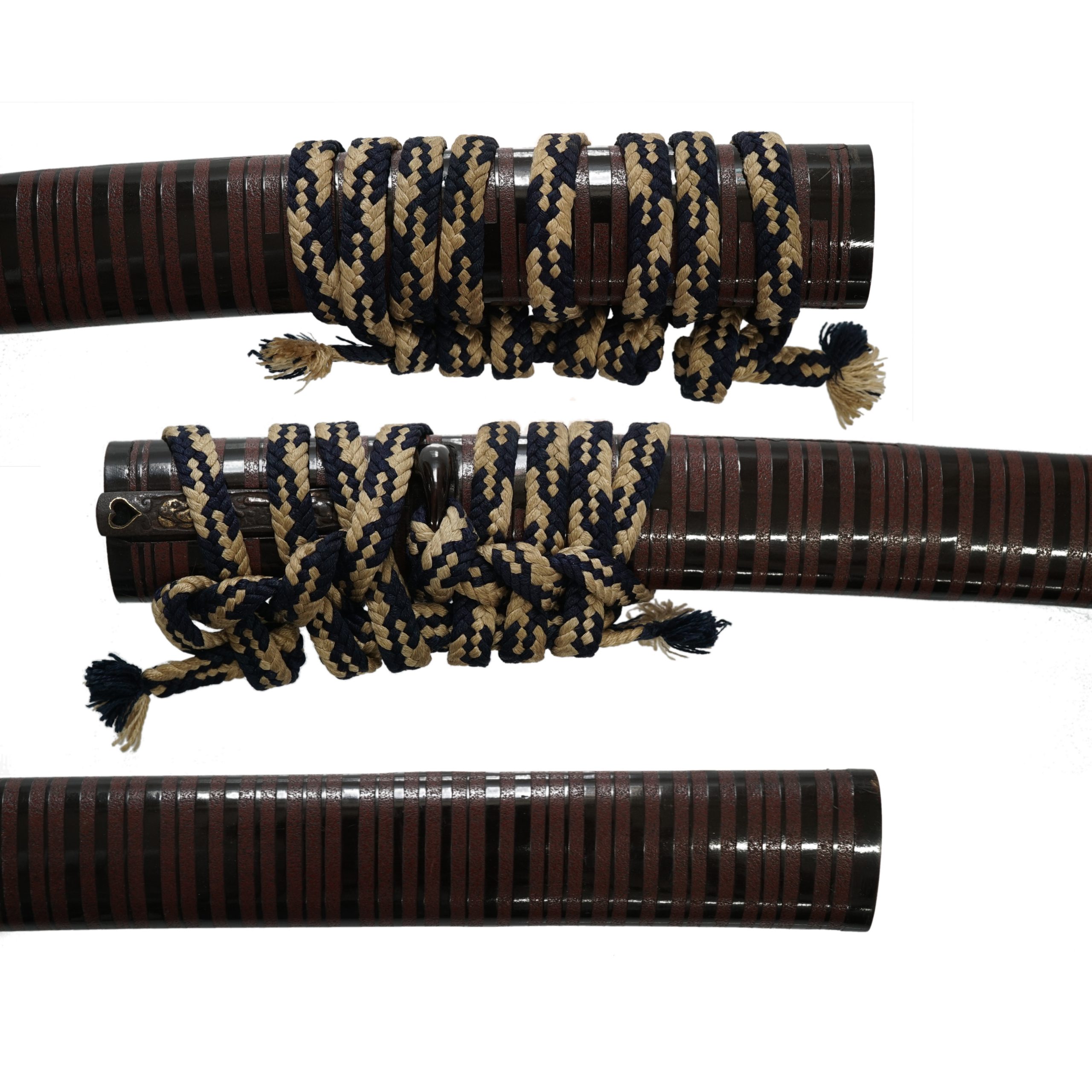
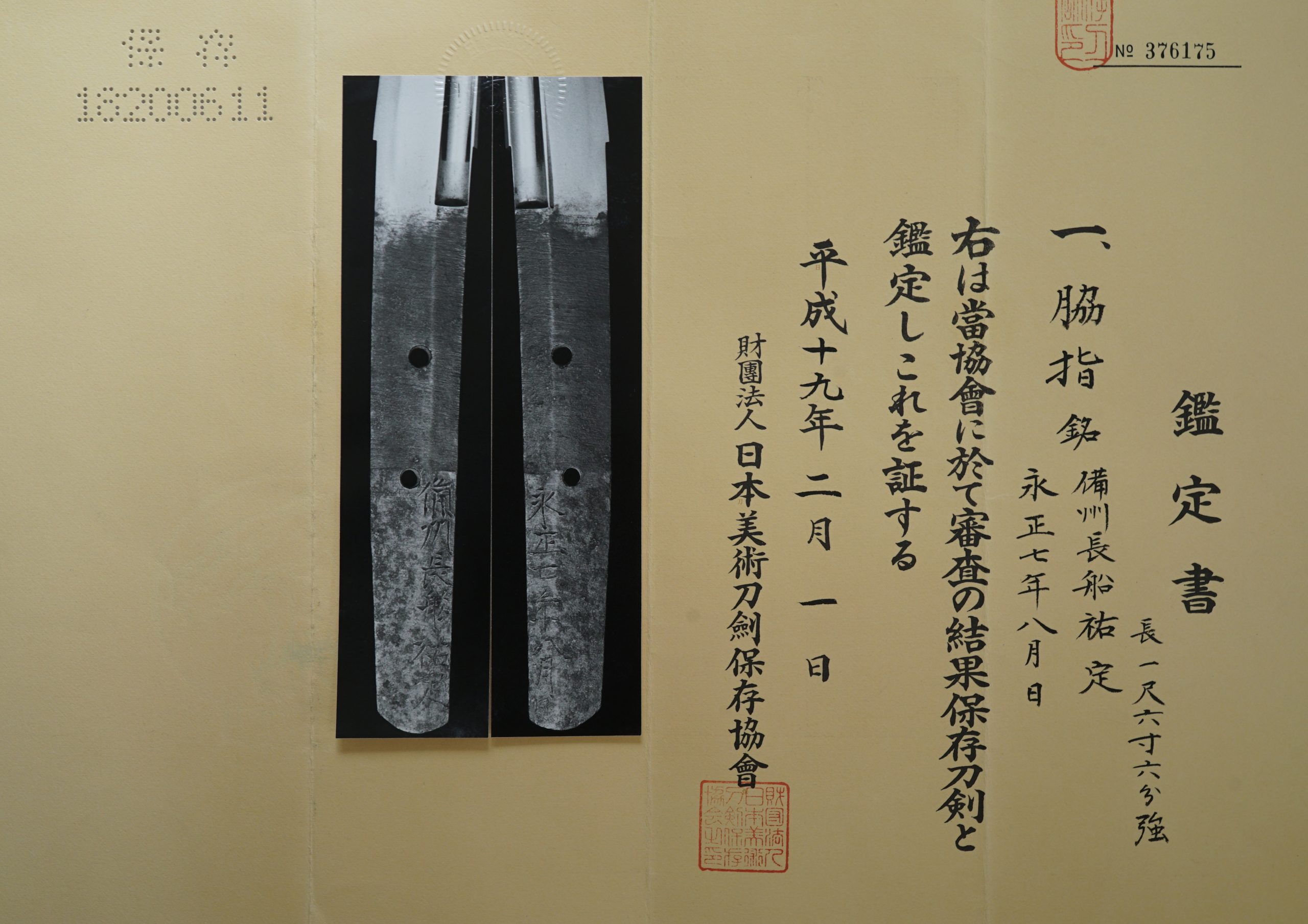
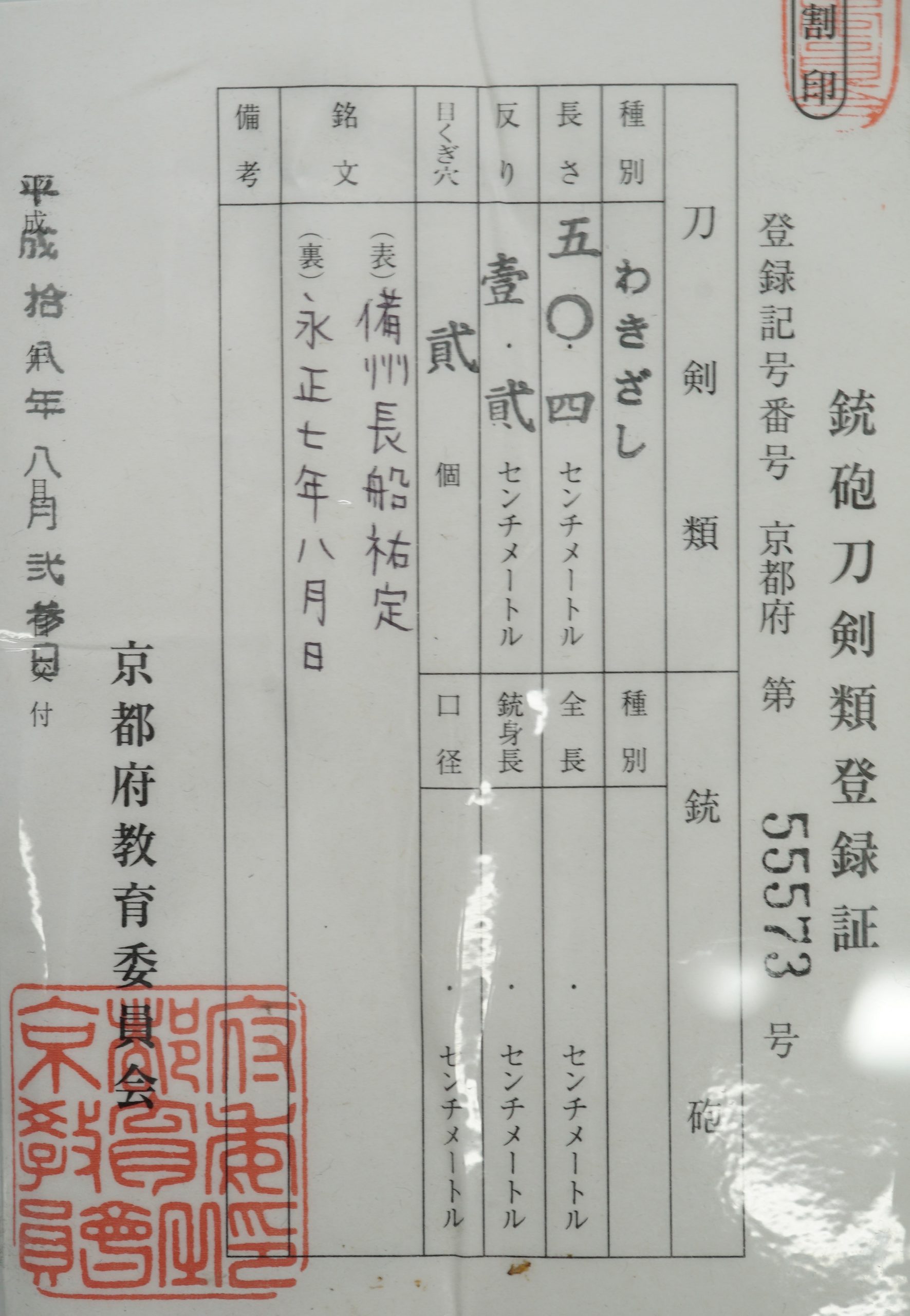
This antique Japanese Wakizashi is signed by Bishu Osafune Sukesada and dated to August of the seventh year of Tensho (1510 A.D.). Sukesada was a prominent smith from the Osafune school in Bizen province during the late Muromachi Period, a time of high demand for swords. The blade measures 50.4 cm in length with a curvature of 1.2 cm and comes with an NBTHK Hozon certificate.
 NihontoWatch
mei · Osafune · Koto · nagasa 50.4cm · sori 1.2cm
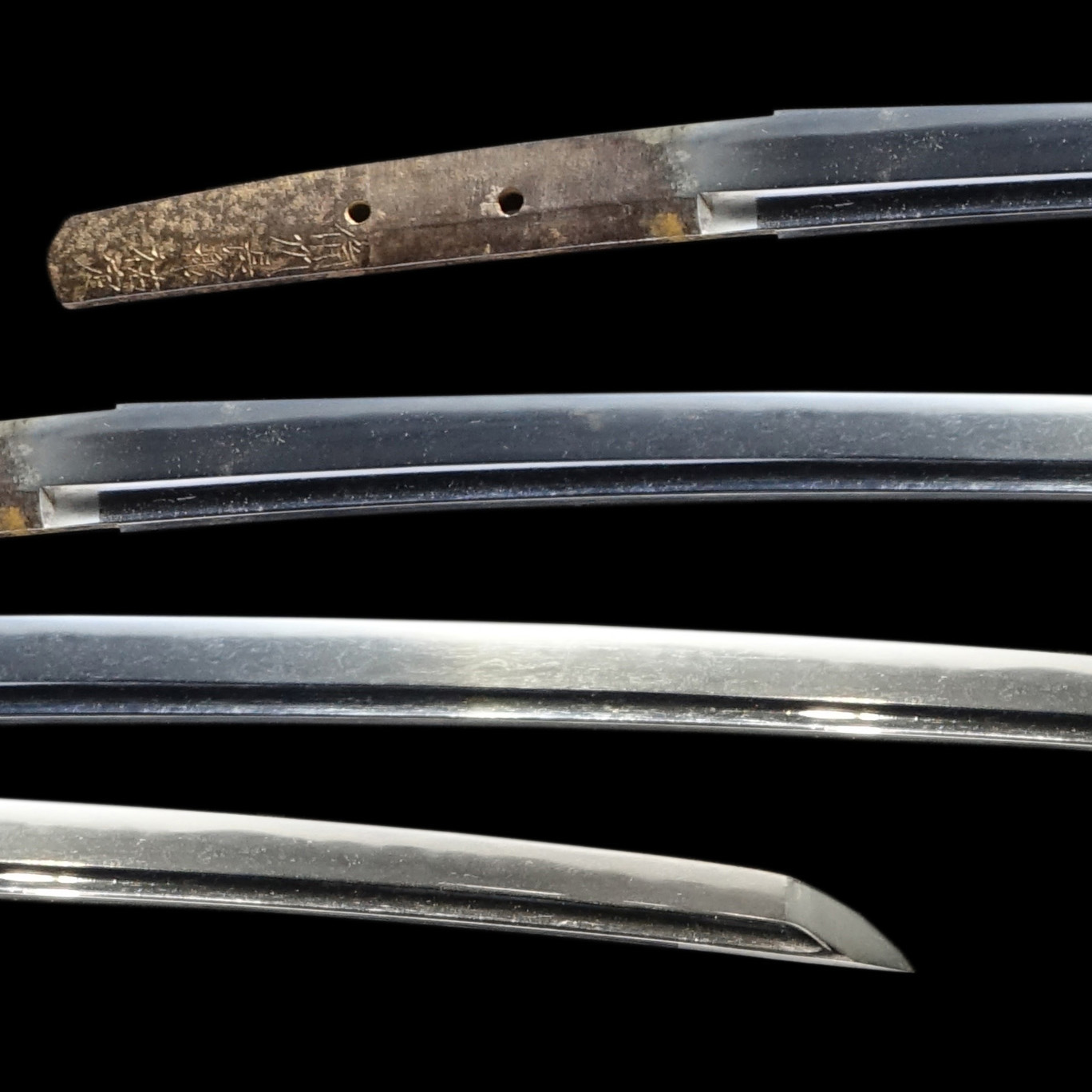
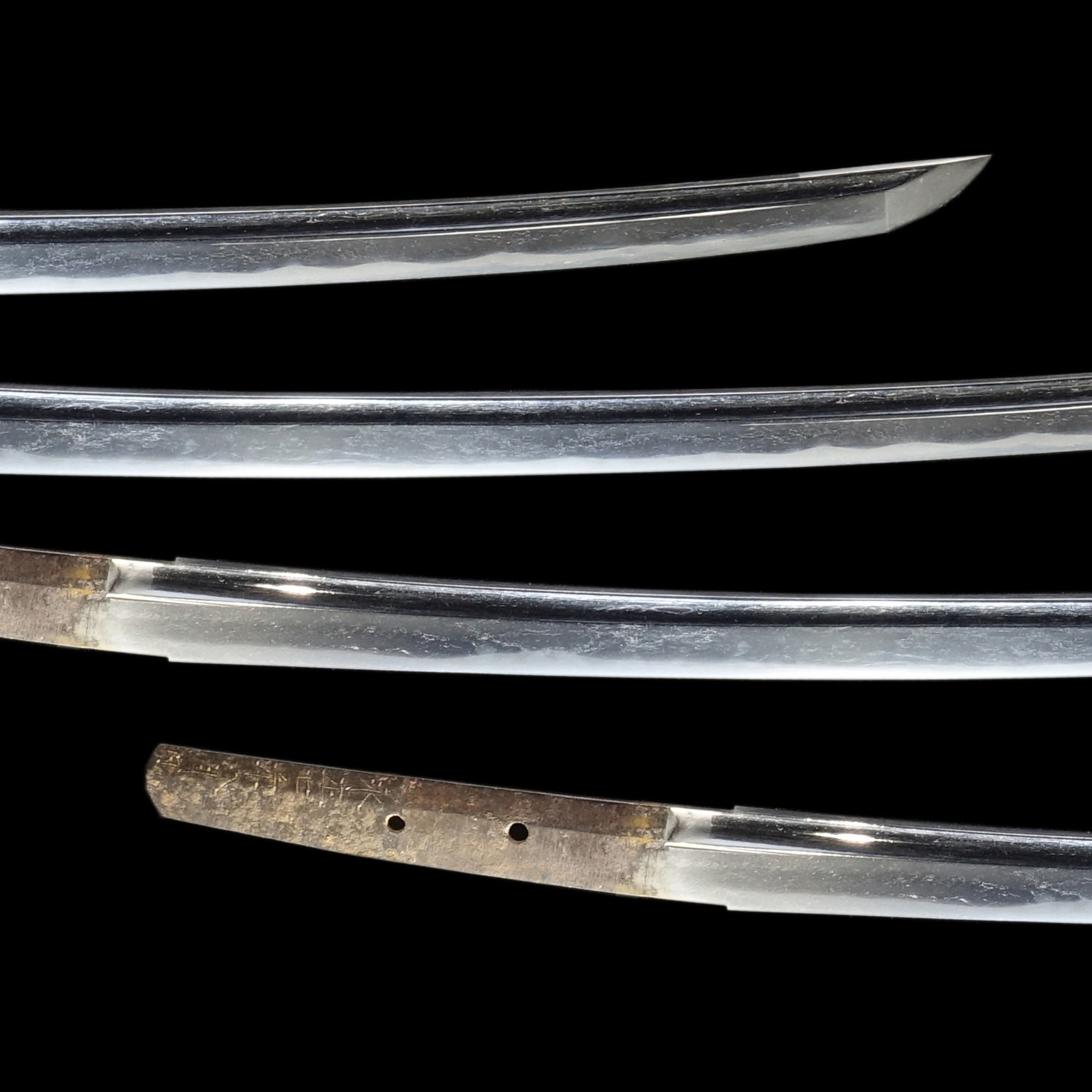
Osafune (Sue-Bizen), Bizen · Bizen · around 1504-1551
Fujishiro Jo-jo saku · Tōken Taikan top 8%
5 pieces on the market now
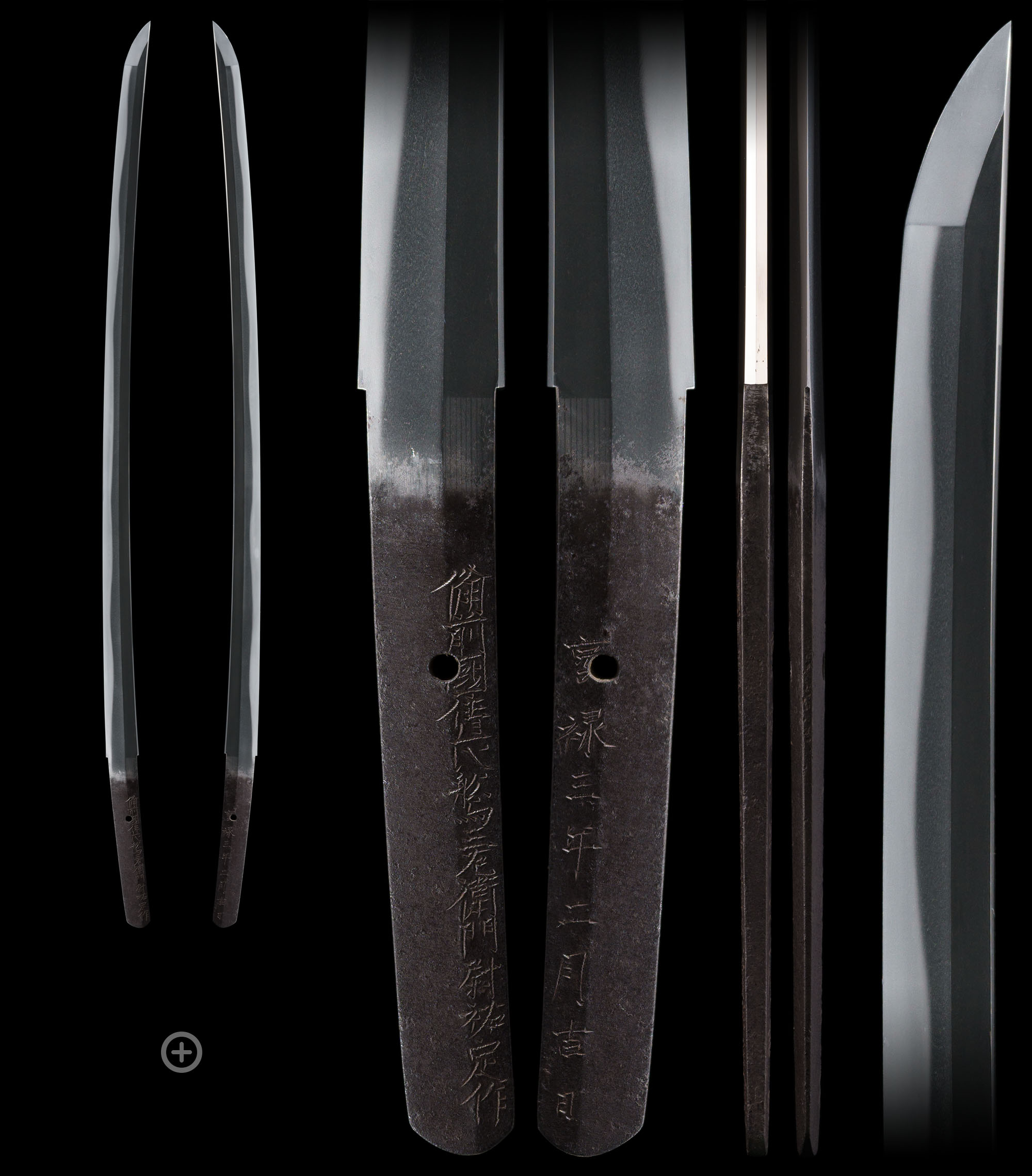
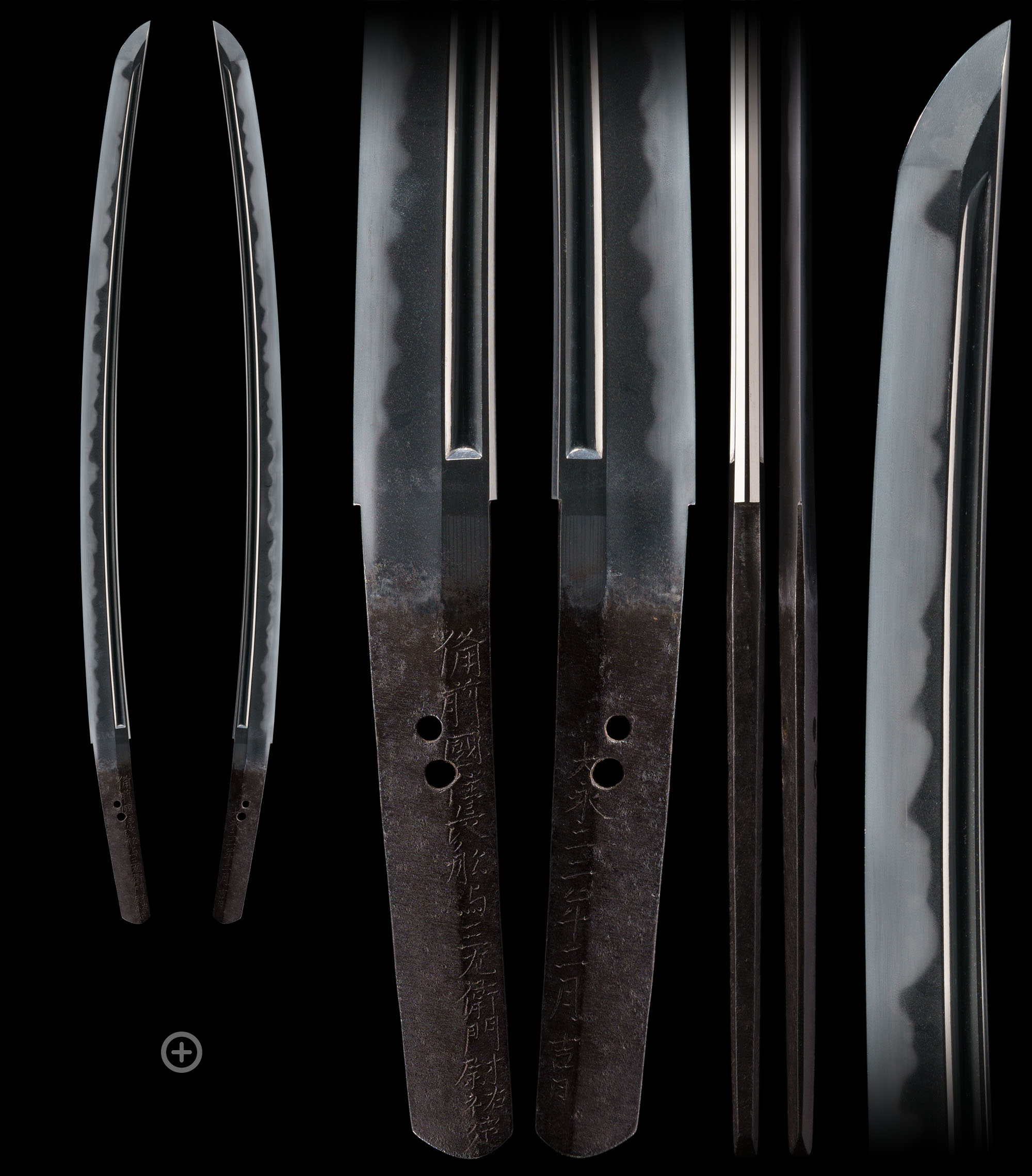
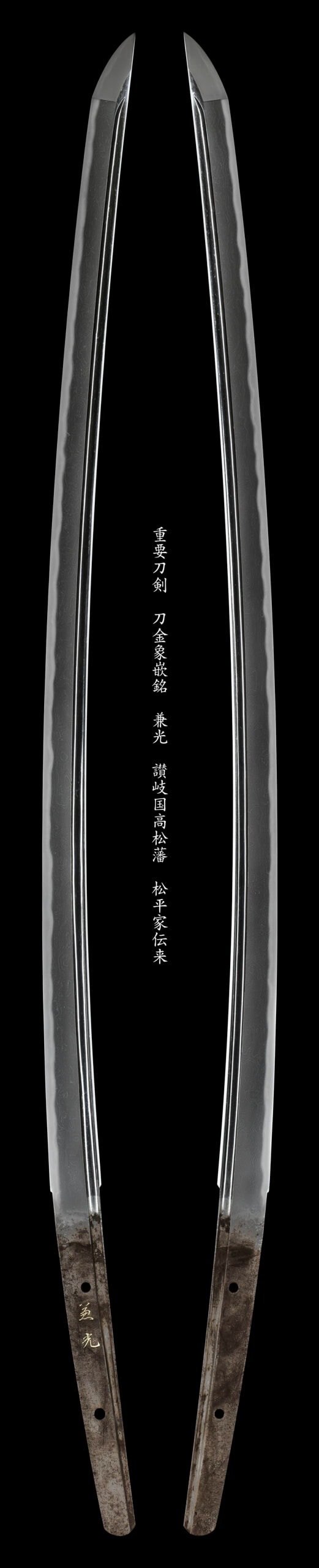
A katana dated Daiei 3 (1523), made in the smith's fifty-seventh year and signed in full as Bizen no Kuni resident, Osafune Yosozaemon no Jo Sukesada, descends in the Hachisuka family and is the highest-papered blade in this record. Sukesada is less a man than a house. The name belongs to the Osafune forges of the late Muromachi that scholars group together as Sue-Bizen, and of these the published sources are blunt about its scale: "of the Osafune smiths of the late Muromachi, the most prosperous was the Sukesada family"[[c:1]]. The early-modern reference Hayami-dashi, the published commentary notes, "lists as many as twenty-one Sukesada smiths who add a personal name to the signature"[[c:2]]. Within that crowd one branch stands first by name and by hand, the Yosozaemon no Jo line, of whom the first generation, born in Onin 1 by back-count from a tanto inscribed made at age seventy-one in Tenbun 6, is the apex of the name. The published record states the ranking plainly: "among the Sukesada of the same name, the one who styles himself Yosozaemon no Jo is the most famous, and the most skilled"[[c:3]].
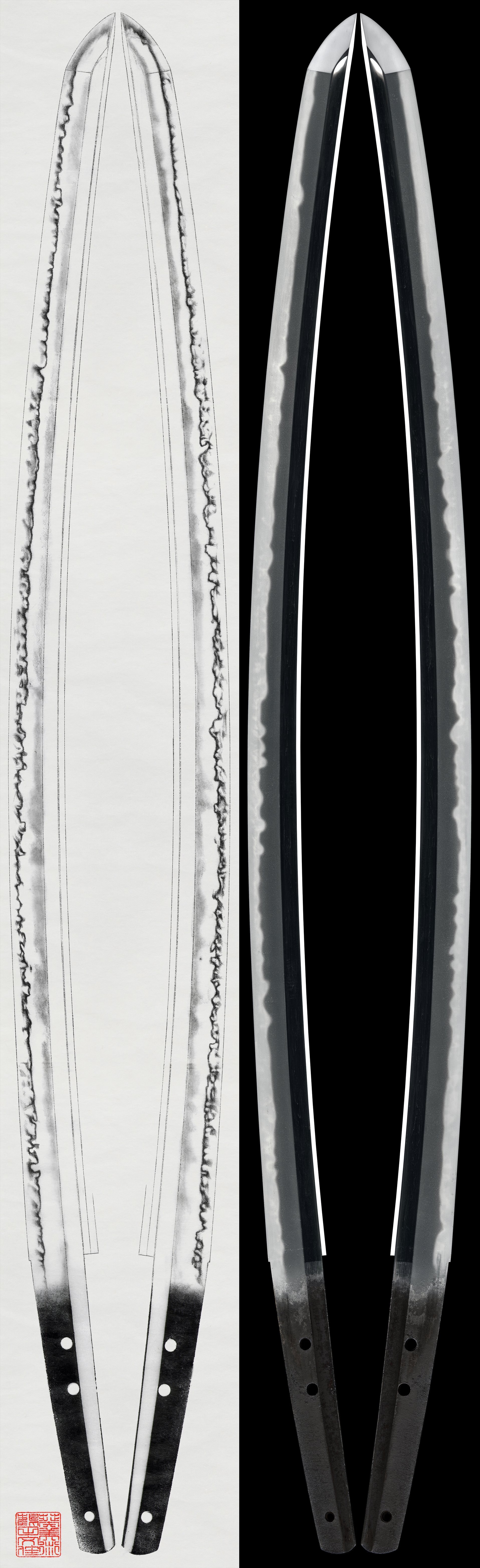
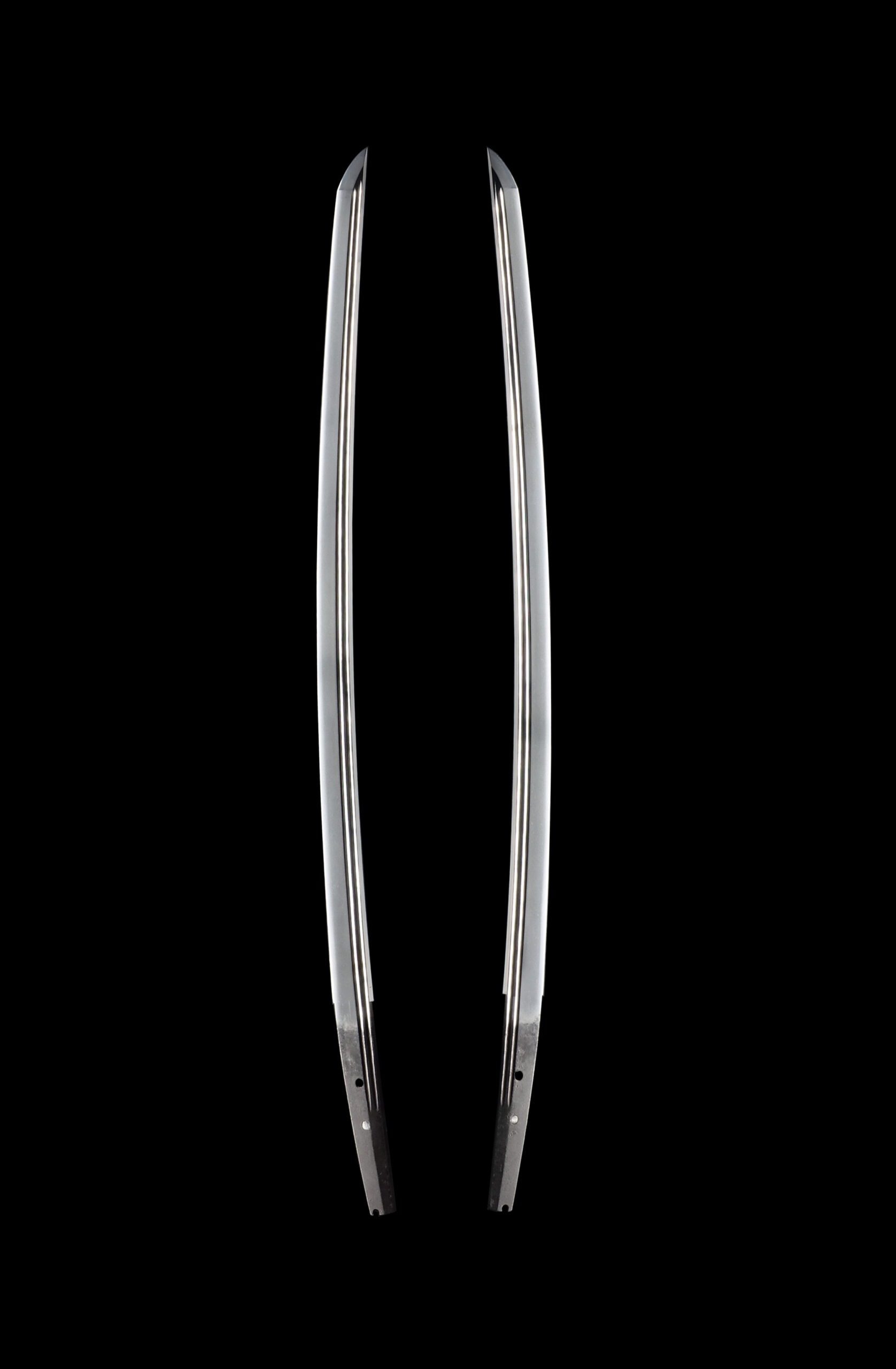
His characteristic hand is the temper the late Bizen workshops made their own. Over the body runs an open-waisted gunome that builds into a double-structured midare, the koshi-biraki fukushiki-gunome that more than any other feature marks a Sue-Bizen blade, mixed with ko-gunome-choji and pointed togariba, ashi and yo entering richly, the nioiguchi tending to tighten, ko-nie adhering, small tobiyaki interspersed and the nioiguchi bright. The published sources call the dated uchigatana that carry it the representative work not of one smith only: one Jubi-era piece they describe as "a typical work among Sue-Bizen blades, and among works of the same hand the most excellent representative example"[[c:4]]. It is a temper of breadth rather than of a single flourish, the wide, complex line answering the broad mihaba and sakizori of the late-Muromachi uchigatana on which it most often appears.
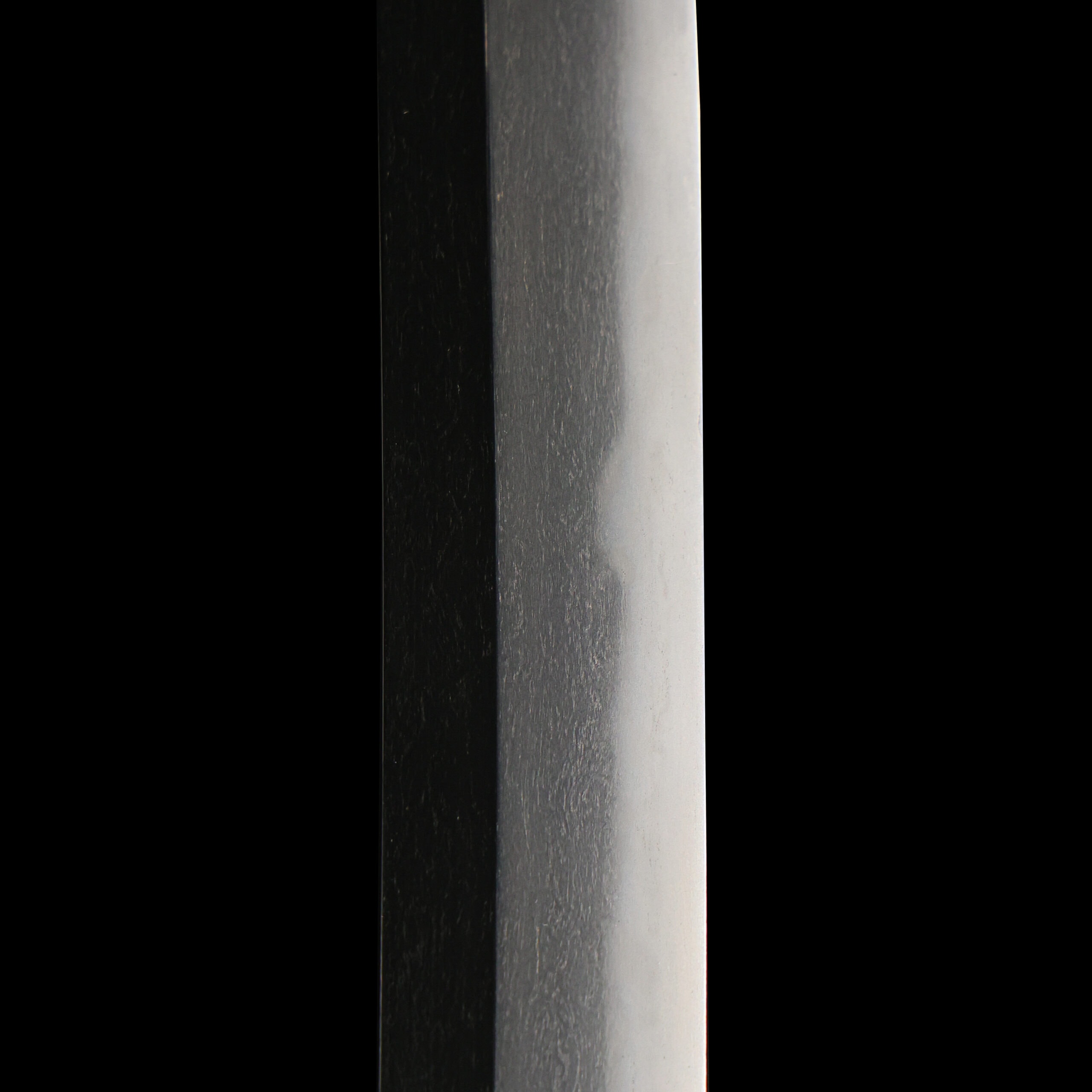
The jigane is the foil to that animated edge. It is a ko-itame forged tight and well packed, fine ji-nie laid over it like dust and a fine, dense chikei woven through, the surface refined and high in quality. On the best signed pieces a faint midare-utsuri rises along the shinogi-ji, the last trace of the bright reflection that filled the school's Kamakura prime, here grown thin in the steel of a later, busier age. The boshi most often runs into a small round or enters as a midare-komi, slightly pointed, with hakikake and a turnback that runs a little long. Across the corpus the activity is carried in abundant ashi and yo, with kinsuji and sunagashi frequent, the temper deep in nioi and ko-nie rather than in towering clusters of clove.
What lifts Yosozaemon above the run of the house is the breadth the judges keep naming. Beyond the double-structured gunome he commands two further registers. One is the flamboyant face: a temper that climbs the body into full hitatsura with frequent tobiyaki and muneyaki, deep in nie, the standing itame and the gathered nie answering each other. The published sources note that hitatsura is apt to lack refinement, yet single out his examples as well made, and one such blade is a collaboration signed jointly with Genbei no Jo Sukesada, the two foremost personal names of the family on one nakago. The other is the calm face, the deliberately quiet suguha and hiro-suguha, broad and shallowly undulating, sometimes mixed with ko-gunome and fushi; of these the commentary remarks that even "when he tempers a suguha he is skilled"[[c:5]], and elsewhere that he is "a master among the Sue-Bizen smiths, accomplished alike in suguha and in midare"[[c:6]]. One unusual blade divides the temper into double-structured gunome at the koshimoto and monouchi and bridges the span between with suguha, a hamon the judges call rare. Beneath all of this sits the chronology of the name itself, the central scholarly question around Sukesada: a second generation shares the Yosozaemon signature, the Meikan records two Yozaemon smiths a generation apart, and a body of blades carries the Sukesada name with no personal name at all, judged to the house by era and quality.
What sets him apart within his own school he is given by the same judges who place him there. His bright, well-packed ko-itame and the wide, double-structured gunome distinguish him from the plainer mass of late-Bizen production, while the faintness of his utsuri and the busy complexity of his edge separate him from the classical Osafune of two centuries before. The published commentary names "the Sue-Bizen-particular double-structured gunome he tempers"[[c:7]] as the signature of his typical work, and ranks his finest dated uchigatana as representative of all Sue-Bizen, not of Sukesada alone. He stands beside his fellow late-Osafune master Kiyomitsu as one of the two great names of the workshop's final age, and his hand is the standard against which the school's unsigned blades are measured.
For the collector Yosozaemon no Jo Sukesada is the most attainable of the great Bizen names, which is to say attainable in a way the Kamakura masters are not, never that he is common at the top. Fujishiro grades the first generation Jo-jo saku, and the Toko Taikan values his work at 1,000 yen. He has no National Treasures; his record on this evidence runs through one Important Cultural Property and one Tokubetsu Juyo blade among fifty-nine Juyo and a long file of prewar Juyo Bijutsuhin, so the higher tiers number a little over sixty designated works on record and reach the market only rarely, a notable event when one does. His blades are kept in long-held collections and daimyo houses grounded in their own provenance: the Tokubetsu Juyo katana, made in his fifty-seventh year, is "a single blade of excellent workmanship transmitted in the Hachisuka family"[[c:8]], while the Mori and Ii houses, the Imperial collection, and a wakizashi recorded as having belonged to the warrior Yamanaka Shikanosuke carry others. A signed and dated Yosozaemon Sukesada, broad, healthy and bright, with the open-waisted gunome reading clearly down its edge, is the late-Bizen blade a serious collector can realistically hope to encounter, and the surest single document of how Osafune worked in its last great generation.
Where Sukesada stands among comparable artisans: across all of nihontō, and within tradition, era, and period. The tiers (Foremost · Leading · Major · Notable) weigh official designations from the NBTHK and Japan's Agency for Cultural Affairs, together with historical honors of lasting repute such as the Sansaku and Meibutsu-chō.
Select a lens to see how it's measured.
Years he was demonstrably active, proven by signed-and-dated blades
Bizen-den · Bizen
Phase: Sue-Bizen末備前· 1441–1596
78 pieces on the market now
The last great chapter of Osafune unfolds in the Eisho and Tenbun years of the late Muromachi, when the riverside workshop turned its accumulated craft toward an age of constant war. Where Oei-Bizen had looked backward, reviving the tachi shape and the choji temper of the Kamakura masters under Yasumitsu and Morimitsu, Sue-Bizen faces forward into Sengoku demand. The leading hands carry the same family characters one generation further: the Sukesada group, headed by Yosazaemon-no-jo Sukesada and the Hikobee-jo Sukesada said to be his father, alongside Katsumitsu (often Jirozaemon-no-jo), Munemitsu, Tadamitsu of the Heiroemon-jo line, and the Kiyomitsu smiths Magoemon-no-jo and Gorozaemon-no-jo. The setsumei draw a sharp line through their output. Commissioned blades, chumon-uchi, were signed with full zokumyo, dated, and frequently inscribed with the name of the ordering party, as on the Katsumitsu and Sadamitsu naginata of Meio 8 made for the Miyake of Kojima, a house that fed into the Ukita. Below them ran the bulk trade of kazu-uchimono, the arms that supplied the warring provinces, and it is the chumon-uchi masters that the designations preserve. What the steel does in this window is distinct from every earlier Osafune register. The shape is the uchigatana: wide mihaba with thick kasane, pronounced sakizori, an extended chu-kissaki or o-kissaki, and a short nakago suited to the katate-uchi one-handed draw, a body unlike the koshizori tachi of Ko-Osafune or the broad Nanbokucho profile of Soden-Bizen. The forging tightens into ko-itame over which a midare-utsuri stands faintly rather than vividly, weaker than the bright reflection of the founding generation.
The signature temper is the open-waisted koshi-no-hiraita gunome, splitting at the heads into fukushiki compound midare and mixed with togariba and choji; it is nioi-based with ko-nie and a bright nioiguchi, with ashi, yo, kinsuji and small tobiyaki worked through. Against this, Soden-Bizen had pushed Soshu nie and notare, while the founders had tempered flamboyant choji over a vivid utsuri. Two specialties branch off the gunome base: the Kiyomitsu and Tadamitsu suguha, calm and tightly forged, and the hitatsura of high-tempered pieces with long muneyaki and yubashiri, seen in the warlord-smiths Akamatsu Masanori and Ishikawa Yukihisa. To kantei a Sue-Bizen blade is to read the body first and the temper second. The compact uchigatana sugata with thick kasane and a short tang fixes the late-Muromachi date; the faint utsuri over dense ko-itame keeps it in Bizen; the open-waisted compound gunome names the group. The masters then separate by hand: Katsumitsu is set apart by the abundant choji he folds into the gunome, yielding a more florid, brilliant dekiguchi than his peers; Tadamitsu and the Kiyomitsu smiths are read out by their suguha, with Magoemon-no-jo's itame standing in mokume to distinguish his ground. The cutting reputation is documented directly, as on the Hikobee-jo Sukesada katana of Keicho 5 carrying a tameshi inscription naming the tester Ichihara Hachibee. Provenance threads through the supplementary signatures: Masanori's reward blades cut for his retainers, the Miyake names tying the workshop to the Ukita, and the Shinjuro Sukesada whose few large works may have ended in the Tensho flood. The horimono carried from the mainline, bonji with rendai, Fudo Myoo, and shrine dedications, persist on these blades as a final mark of the line. Learn more →
| Smith | Era | Designated |
|---|---|---|
| Sukesada祐定 | 1504-1551 | 72 |
| Sukesada祐定 | 1532-1583 | 18 |
| Sukesada祐定 | 1547-1592 | 8 |
| Sukesada祐定 | 1487-1521 | 5 |
| Sukesada祐定 | 1532-1573 | 3 |
War at home and trade abroad made Muromachi Bizen the busiest forge region in Japan: a century of Sengoku demand after the Ōnin War, and export missions to Ming China carrying blades by the tens of thousands.
Certifies a genuine blade worth preserving: a signature confirmed correct, or, if unsigned, an era, province, and school that the NBTHK can reliably identify.
The NBTHK (Nihon Bijutsu Tōken Hozon Kyōkai, the Society for the Preservation of Japanese Art Swords) is a public-interest incorporated foundation founded in 1948 and supervised by Japan’s Agency for Cultural Affairs (Bunkachō); it is based at the Japanese Sword Museum in Tokyo. Its expert panels physically examine each submitted work (shinsa) and issue a certificate (kanteishō) ranking it by artistic and historical merit. NBTHK papers are the most widely recognized standard of authentication for Japanese swords and fittings.
NBTHK official siteReturns/exchanges limited to defects caused by shipping (except willful misconduct or gross negligence by the company); customers must contact within 72 hours of receiving the product.
This antique Japanese Wakizashi is signed by Bishu Osafune Sukesada and dated to August of the seventh year of Tensho (1510 A.D.). Sukesada was a prominent smith from the Osafune school in Bizen province during the late Muromachi Period, a time of high demand for swords. The blade measures 50.4 cm in length with a curvature of 1.2 cm and comes with an NBTHK Hozon certificate.
NihontoWatchmei · Osafune · Koto · nagasa 50.4cm · sori 1.2cm
Osafune (Sue-Bizen), Bizen · Bizen · around 1504-1551
Fujishiro Jo-jo saku · Tōken Taikan top 8%
5 pieces on the market now
A katana dated Daiei 3 (1523), made in the smith's fifty-seventh year and signed in full as Bizen no Kuni resident, Osafune Yosozaemon no Jo Sukesada, descends in the Hachisuka family and is the highest-papered blade in this record. Sukesada is less a man than a house. The name belongs to the Osafune forges of the late Muromachi that scholars group together as Sue-Bizen, and of these the published sources are blunt about its scale: "of the Osafune smiths of the late Muromachi, the most prosperous was the Sukesada family"[[c:1]]. The early-modern reference Hayami-dashi, the published commentary notes, "lists as many as twenty-one Sukesada smiths who add a personal name to the signature"[[c:2]]. Within that crowd one branch stands first by name and by hand, the Yosozaemon no Jo line, of whom the first generation, born in Onin 1 by back-count from a tanto inscribed made at age seventy-one in Tenbun 6, is the apex of the name. The published record states the ranking plainly: "among the Sukesada of the same name, the one who styles himself Yosozaemon no Jo is the most famous, and the most skilled"[[c:3]].
His characteristic hand is the temper the late Bizen workshops made their own. Over the body runs an open-waisted gunome that builds into a double-structured midare, the koshi-biraki fukushiki-gunome that more than any other feature marks a Sue-Bizen blade, mixed with ko-gunome-choji and pointed togariba, ashi and yo entering richly, the nioiguchi tending to tighten, ko-nie adhering, small tobiyaki interspersed and the nioiguchi bright. The published sources call the dated uchigatana that carry it the representative work not of one smith only: one Jubi-era piece they describe as "a typical work among Sue-Bizen blades, and among works of the same hand the most excellent representative example"[[c:4]]. It is a temper of breadth rather than of a single flourish, the wide, complex line answering the broad mihaba and sakizori of the late-Muromachi uchigatana on which it most often appears.
The jigane is the foil to that animated edge. It is a ko-itame forged tight and well packed, fine ji-nie laid over it like dust and a fine, dense chikei woven through, the surface refined and high in quality. On the best signed pieces a faint midare-utsuri rises along the shinogi-ji, the last trace of the bright reflection that filled the school's Kamakura prime, here grown thin in the steel of a later, busier age. The boshi most often runs into a small round or enters as a midare-komi, slightly pointed, with hakikake and a turnback that runs a little long. Across the corpus the activity is carried in abundant ashi and yo, with kinsuji and sunagashi frequent, the temper deep in nioi and ko-nie rather than in towering clusters of clove.
What lifts Yosozaemon above the run of the house is the breadth the judges keep naming. Beyond the double-structured gunome he commands two further registers. One is the flamboyant face: a temper that climbs the body into full hitatsura with frequent tobiyaki and muneyaki, deep in nie, the standing itame and the gathered nie answering each other. The published sources note that hitatsura is apt to lack refinement, yet single out his examples as well made, and one such blade is a collaboration signed jointly with Genbei no Jo Sukesada, the two foremost personal names of the family on one nakago. The other is the calm face, the deliberately quiet suguha and hiro-suguha, broad and shallowly undulating, sometimes mixed with ko-gunome and fushi; of these the commentary remarks that even "when he tempers a suguha he is skilled"[[c:5]], and elsewhere that he is "a master among the Sue-Bizen smiths, accomplished alike in suguha and in midare"[[c:6]]. One unusual blade divides the temper into double-structured gunome at the koshimoto and monouchi and bridges the span between with suguha, a hamon the judges call rare. Beneath all of this sits the chronology of the name itself, the central scholarly question around Sukesada: a second generation shares the Yosozaemon signature, the Meikan records two Yozaemon smiths a generation apart, and a body of blades carries the Sukesada name with no personal name at all, judged to the house by era and quality.
What sets him apart within his own school he is given by the same judges who place him there. His bright, well-packed ko-itame and the wide, double-structured gunome distinguish him from the plainer mass of late-Bizen production, while the faintness of his utsuri and the busy complexity of his edge separate him from the classical Osafune of two centuries before. The published commentary names "the Sue-Bizen-particular double-structured gunome he tempers"[[c:7]] as the signature of his typical work, and ranks his finest dated uchigatana as representative of all Sue-Bizen, not of Sukesada alone. He stands beside his fellow late-Osafune master Kiyomitsu as one of the two great names of the workshop's final age, and his hand is the standard against which the school's unsigned blades are measured.
For the collector Yosozaemon no Jo Sukesada is the most attainable of the great Bizen names, which is to say attainable in a way the Kamakura masters are not, never that he is common at the top. Fujishiro grades the first generation Jo-jo saku, and the Toko Taikan values his work at 1,000 yen. He has no National Treasures; his record on this evidence runs through one Important Cultural Property and one Tokubetsu Juyo blade among fifty-nine Juyo and a long file of prewar Juyo Bijutsuhin, so the higher tiers number a little over sixty designated works on record and reach the market only rarely, a notable event when one does. His blades are kept in long-held collections and daimyo houses grounded in their own provenance: the Tokubetsu Juyo katana, made in his fifty-seventh year, is "a single blade of excellent workmanship transmitted in the Hachisuka family"[[c:8]], while the Mori and Ii houses, the Imperial collection, and a wakizashi recorded as having belonged to the warrior Yamanaka Shikanosuke carry others. A signed and dated Yosozaemon Sukesada, broad, healthy and bright, with the open-waisted gunome reading clearly down its edge, is the late-Bizen blade a serious collector can realistically hope to encounter, and the surest single document of how Osafune worked in its last great generation.
Where Sukesada stands among comparable artisans: across all of nihontō, and within tradition, era, and period. The tiers (Foremost · Leading · Major · Notable) weigh official designations from the NBTHK and Japan's Agency for Cultural Affairs, together with historical honors of lasting repute such as the Sansaku and Meibutsu-chō.
Select a lens to see how it's measured.
Years he was demonstrably active, proven by signed-and-dated blades
Bizen-den · Bizen
Phase: Sue-Bizen末備前· 1441–1596
78 pieces on the market now
The last great chapter of Osafune unfolds in the Eisho and Tenbun years of the late Muromachi, when the riverside workshop turned its accumulated craft toward an age of constant war. Where Oei-Bizen had looked backward, reviving the tachi shape and the choji temper of the Kamakura masters under Yasumitsu and Morimitsu, Sue-Bizen faces forward into Sengoku demand. The leading hands carry the same family characters one generation further: the Sukesada group, headed by Yosazaemon-no-jo Sukesada and the Hikobee-jo Sukesada said to be his father, alongside Katsumitsu (often Jirozaemon-no-jo), Munemitsu, Tadamitsu of the Heiroemon-jo line, and the Kiyomitsu smiths Magoemon-no-jo and Gorozaemon-no-jo. The setsumei draw a sharp line through their output. Commissioned blades, chumon-uchi, were signed with full zokumyo, dated, and frequently inscribed with the name of the ordering party, as on the Katsumitsu and Sadamitsu naginata of Meio 8 made for the Miyake of Kojima, a house that fed into the Ukita. Below them ran the bulk trade of kazu-uchimono, the arms that supplied the warring provinces, and it is the chumon-uchi masters that the designations preserve. What the steel does in this window is distinct from every earlier Osafune register. The shape is the uchigatana: wide mihaba with thick kasane, pronounced sakizori, an extended chu-kissaki or o-kissaki, and a short nakago suited to the katate-uchi one-handed draw, a body unlike the koshizori tachi of Ko-Osafune or the broad Nanbokucho profile of Soden-Bizen. The forging tightens into ko-itame over which a midare-utsuri stands faintly rather than vividly, weaker than the bright reflection of the founding generation.
The signature temper is the open-waisted koshi-no-hiraita gunome, splitting at the heads into fukushiki compound midare and mixed with togariba and choji; it is nioi-based with ko-nie and a bright nioiguchi, with ashi, yo, kinsuji and small tobiyaki worked through. Against this, Soden-Bizen had pushed Soshu nie and notare, while the founders had tempered flamboyant choji over a vivid utsuri. Two specialties branch off the gunome base: the Kiyomitsu and Tadamitsu suguha, calm and tightly forged, and the hitatsura of high-tempered pieces with long muneyaki and yubashiri, seen in the warlord-smiths Akamatsu Masanori and Ishikawa Yukihisa. To kantei a Sue-Bizen blade is to read the body first and the temper second. The compact uchigatana sugata with thick kasane and a short tang fixes the late-Muromachi date; the faint utsuri over dense ko-itame keeps it in Bizen; the open-waisted compound gunome names the group. The masters then separate by hand: Katsumitsu is set apart by the abundant choji he folds into the gunome, yielding a more florid, brilliant dekiguchi than his peers; Tadamitsu and the Kiyomitsu smiths are read out by their suguha, with Magoemon-no-jo's itame standing in mokume to distinguish his ground. The cutting reputation is documented directly, as on the Hikobee-jo Sukesada katana of Keicho 5 carrying a tameshi inscription naming the tester Ichihara Hachibee. Provenance threads through the supplementary signatures: Masanori's reward blades cut for his retainers, the Miyake names tying the workshop to the Ukita, and the Shinjuro Sukesada whose few large works may have ended in the Tensho flood. The horimono carried from the mainline, bonji with rendai, Fudo Myoo, and shrine dedications, persist on these blades as a final mark of the line. Learn more →
| Smith | Era | Designated |
|---|---|---|
| Sukesada祐定 | 1504-1551 | 72 |
| Sukesada祐定 | 1532-1583 | 18 |
| Sukesada祐定 | 1547-1592 | 8 |
| Sukesada祐定 | 1487-1521 | 5 |
| Sukesada祐定 | 1532-1573 | 3 |
War at home and trade abroad made Muromachi Bizen the busiest forge region in Japan: a century of Sengoku demand after the Ōnin War, and export missions to Ming China carrying blades by the tens of thousands.
Certifies a genuine blade worth preserving: a signature confirmed correct, or, if unsigned, an era, province, and school that the NBTHK can reliably identify.
The NBTHK (Nihon Bijutsu Tōken Hozon Kyōkai, the Society for the Preservation of Japanese Art Swords) is a public-interest incorporated foundation founded in 1948 and supervised by Japan’s Agency for Cultural Affairs (Bunkachō); it is based at the Japanese Sword Museum in Tokyo. Its expert panels physically examine each submitted work (shinsa) and issue a certificate (kanteishō) ranking it by artistic and historical merit. NBTHK papers are the most widely recognized standard of authentication for Japanese swords and fittings.
NBTHK official siteReturns/exchanges limited to defects caused by shipping (except willful misconduct or gross negligence by the company); customers must contact within 72 hours of receiving the product.