War at home and trade abroad made Muromachi Bizen the busiest forge region in Japan: a century of Sengoku demand after the Ōnin War, and export missions to Ming China carrying blades by the tens of thousands.
 NihontoWatchNihontoWatch
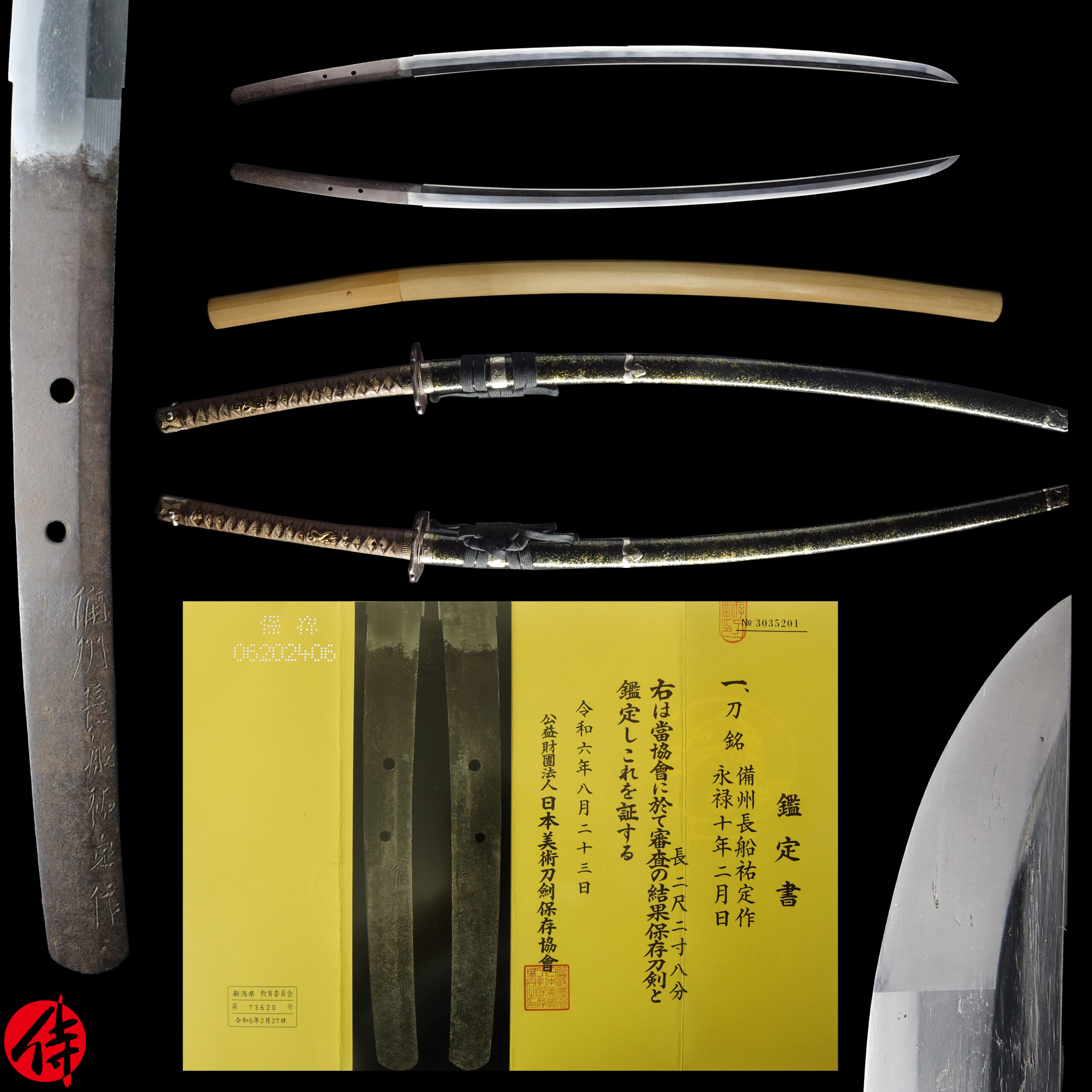
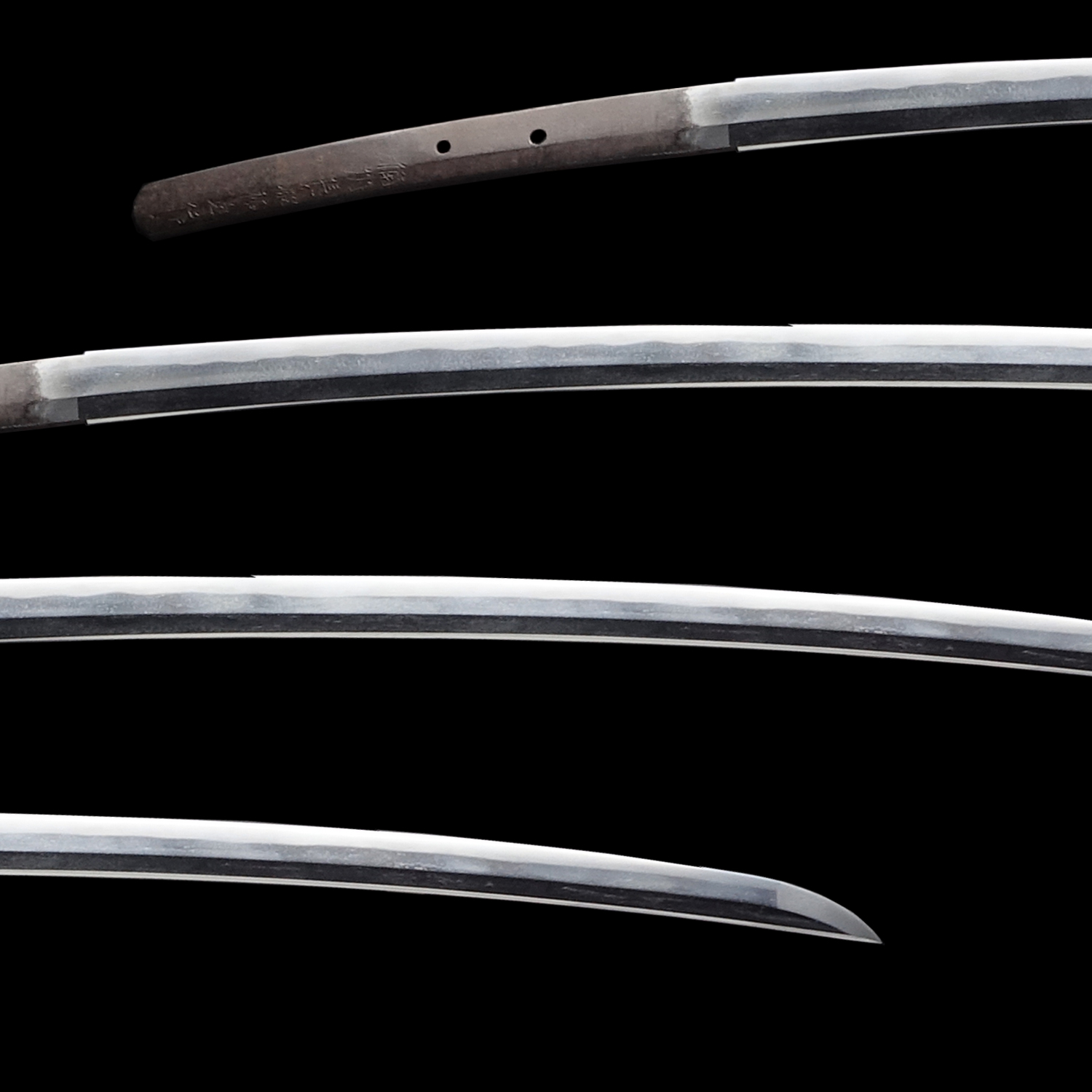
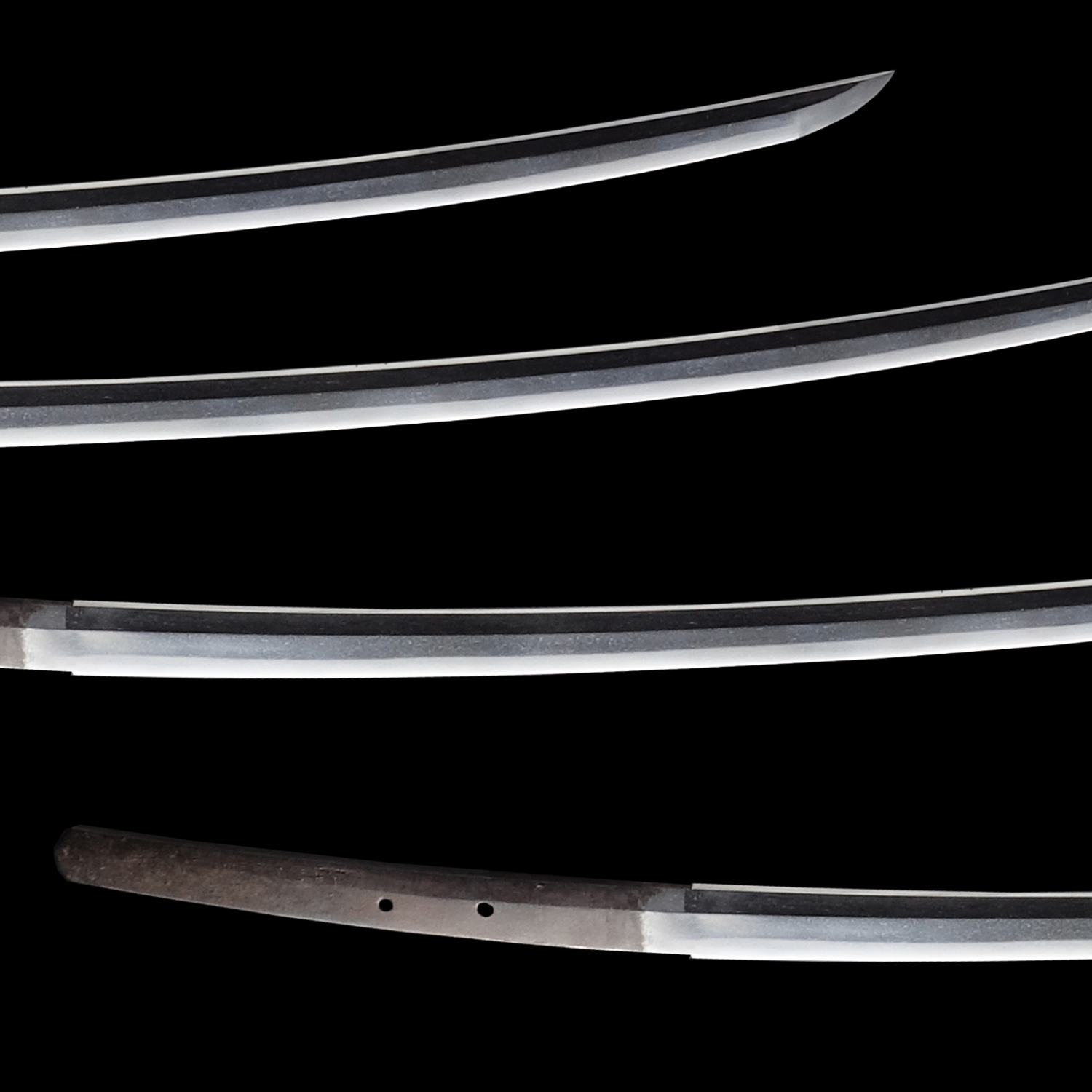
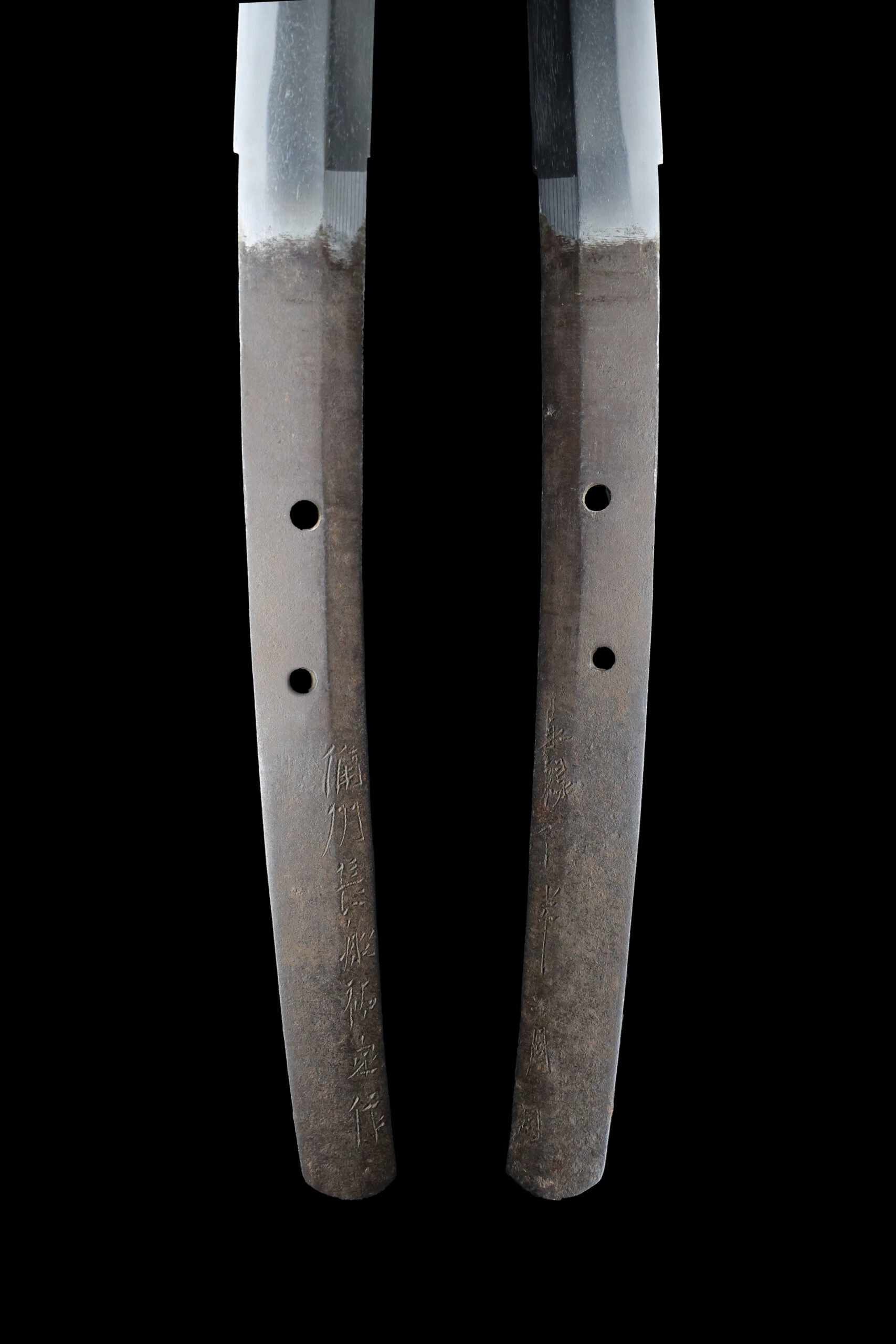
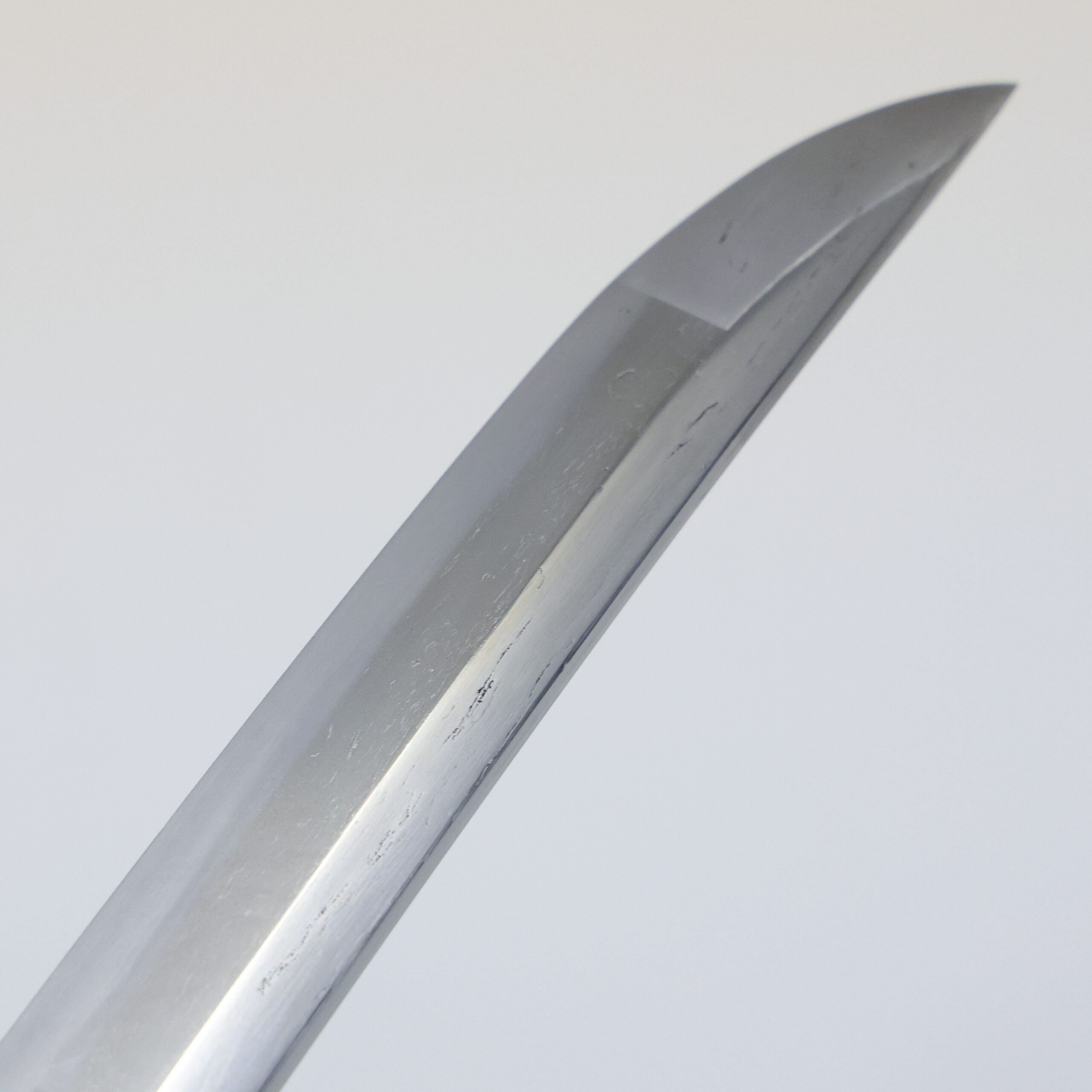
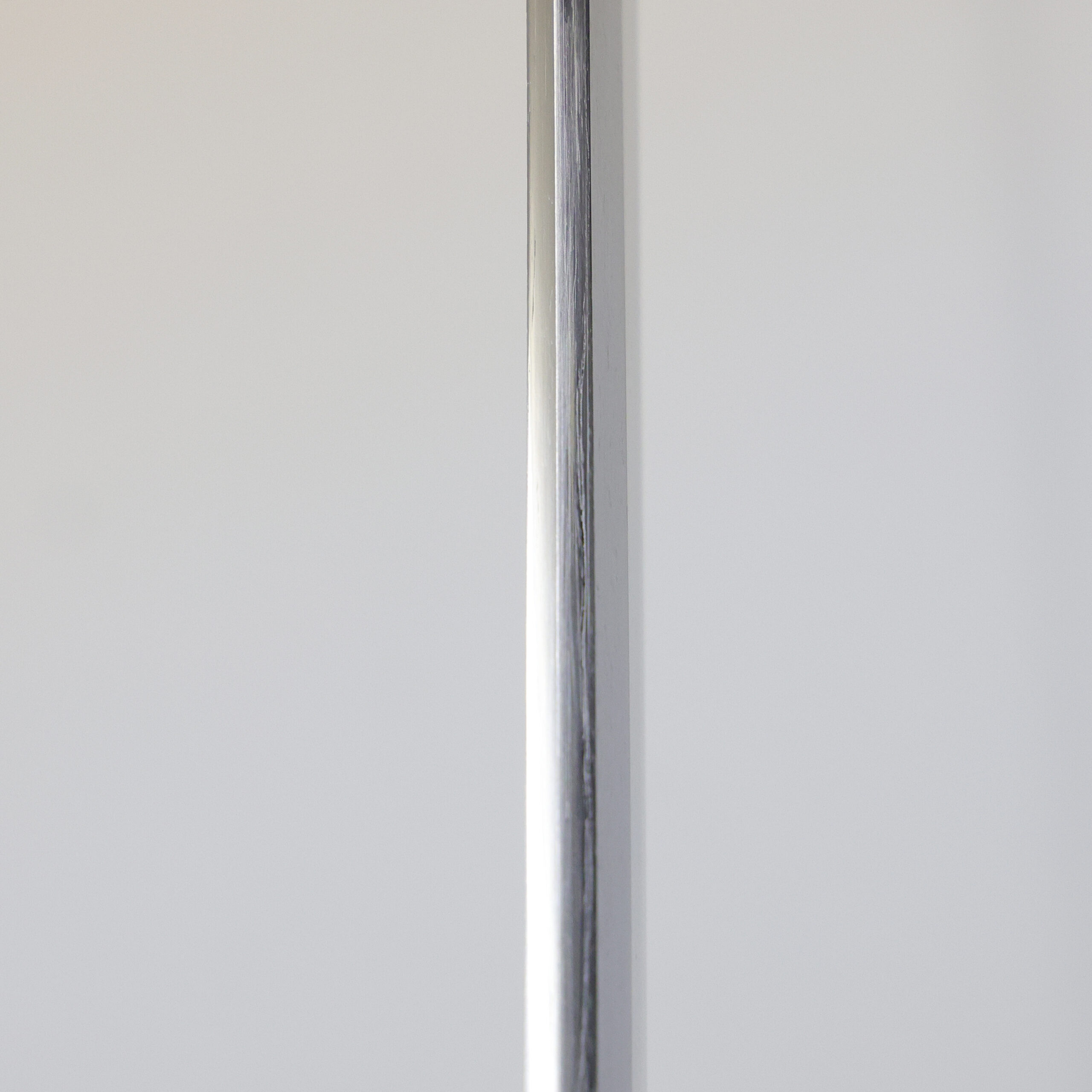
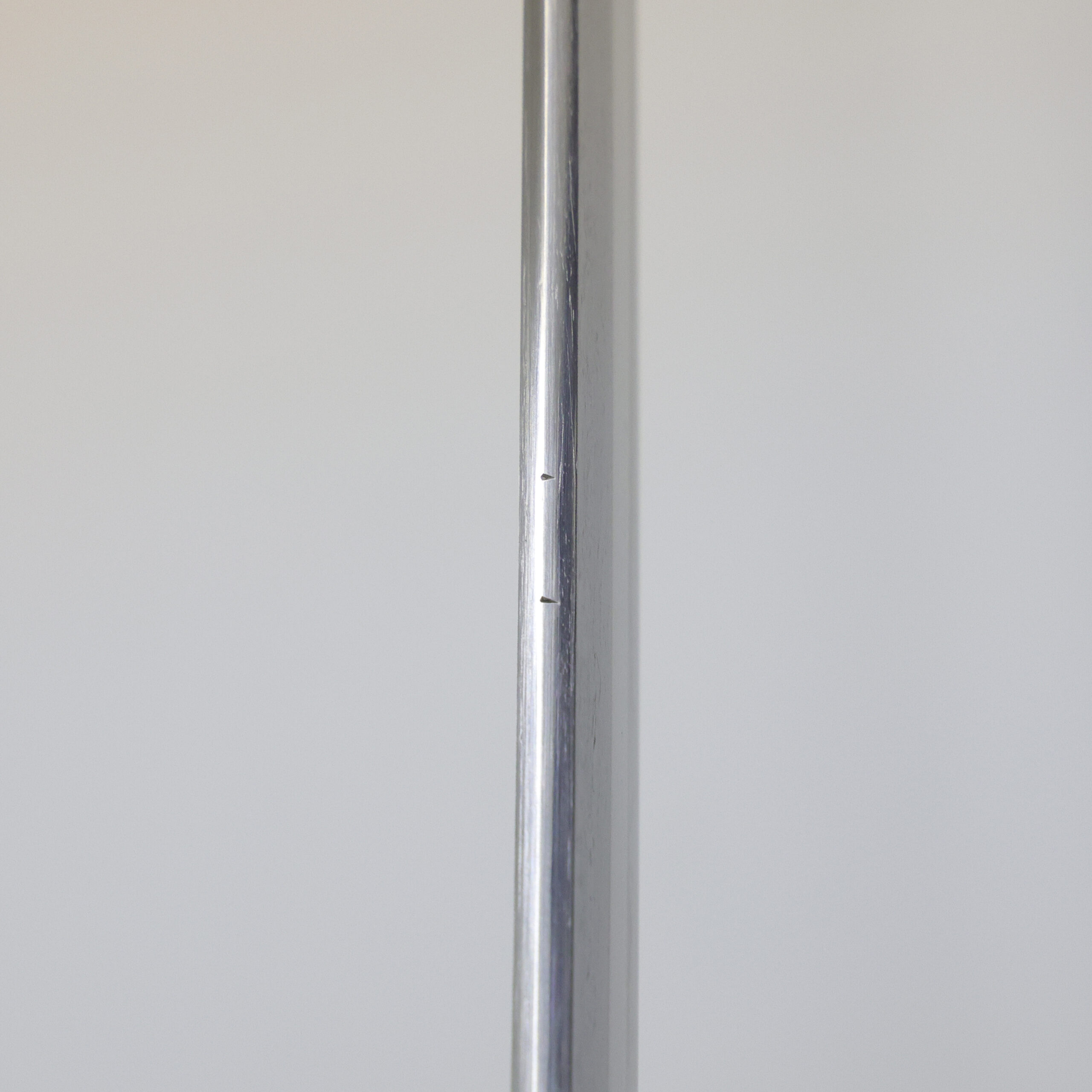
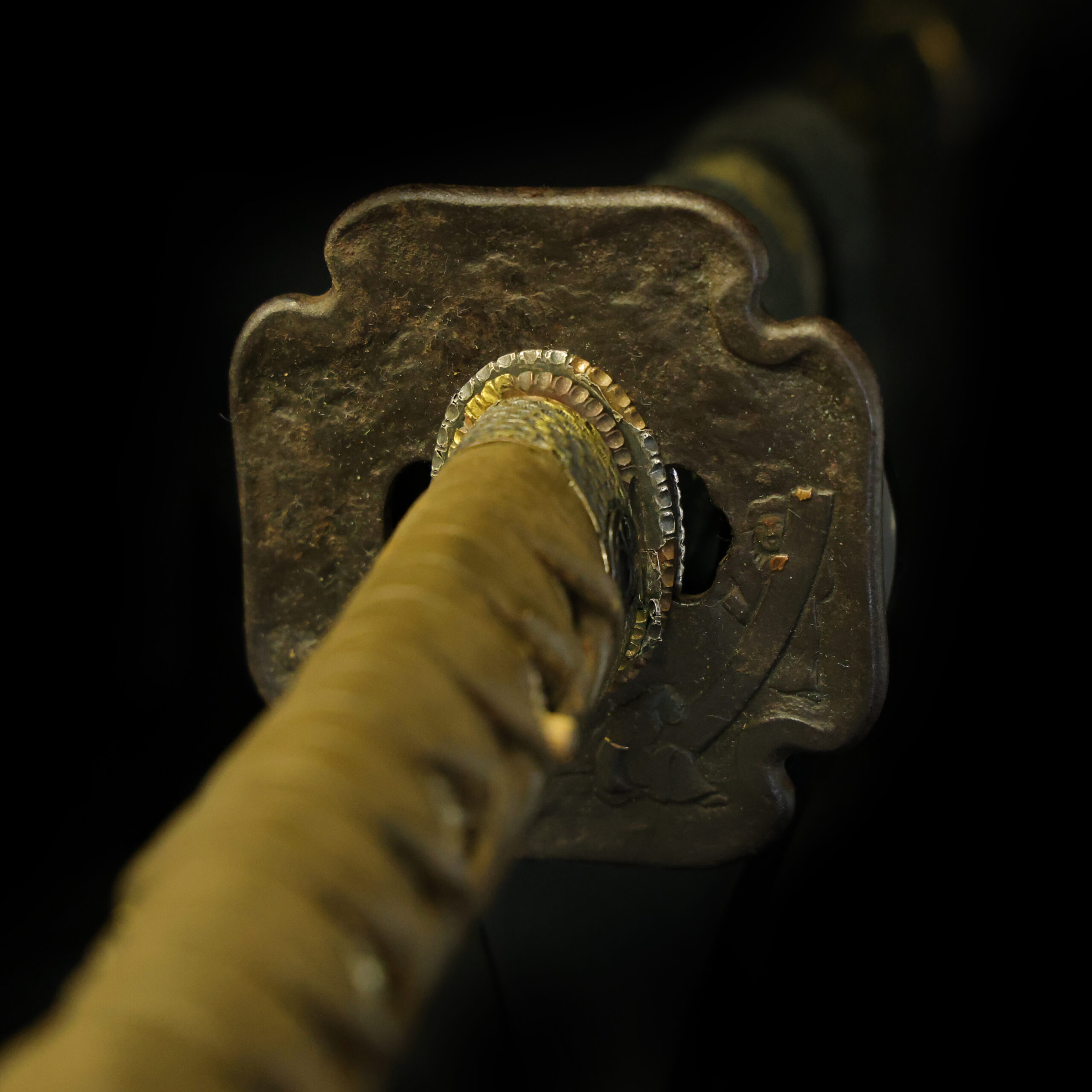
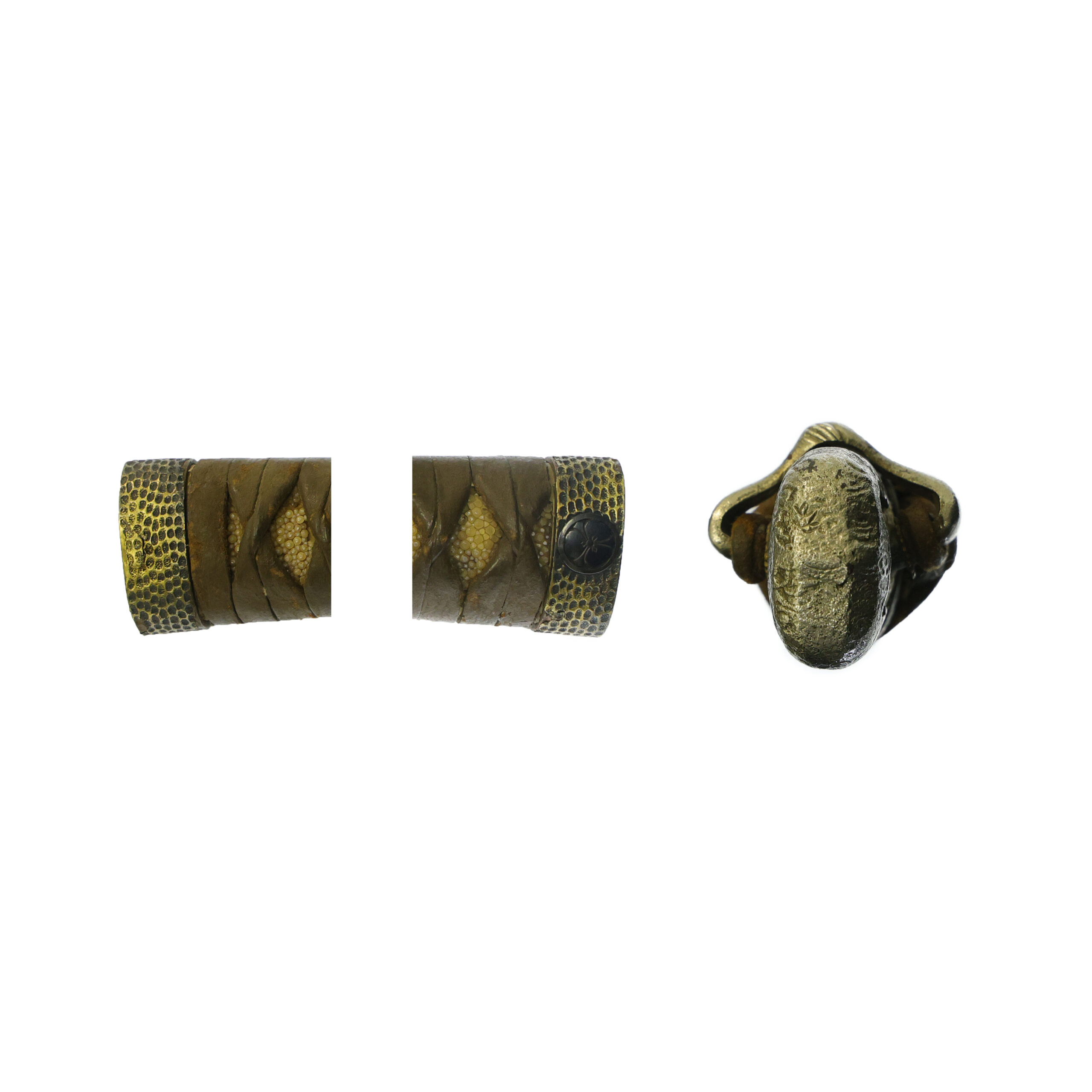
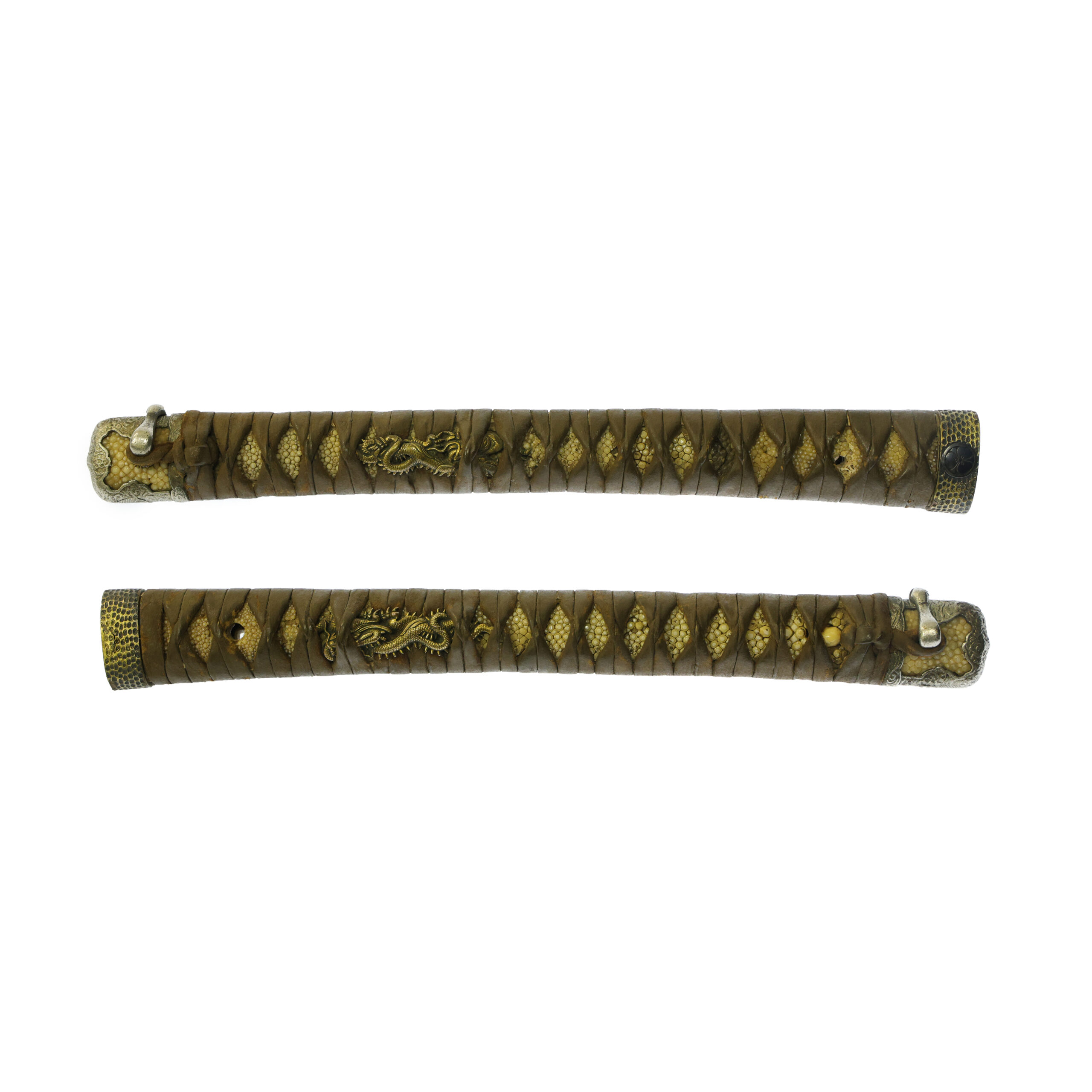
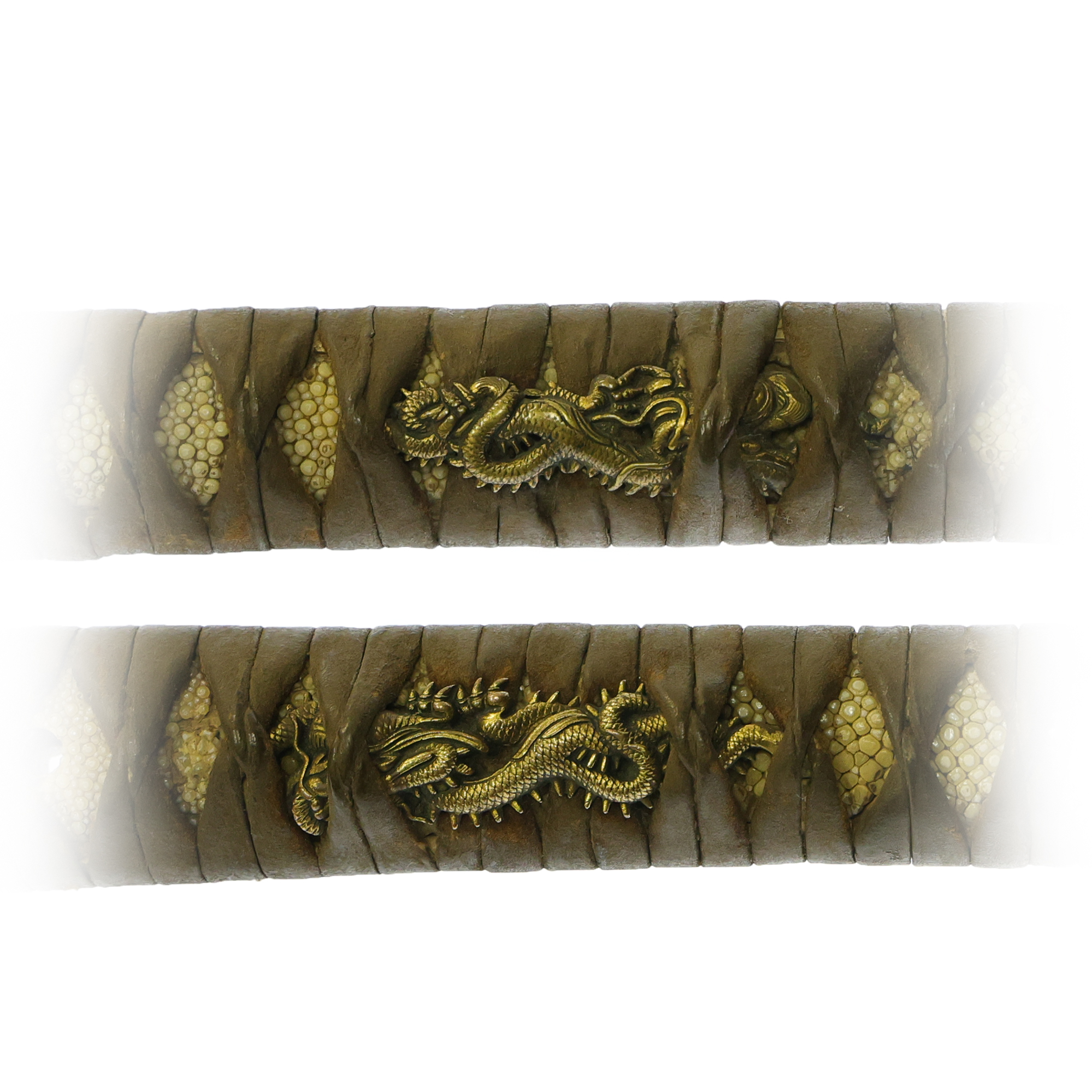
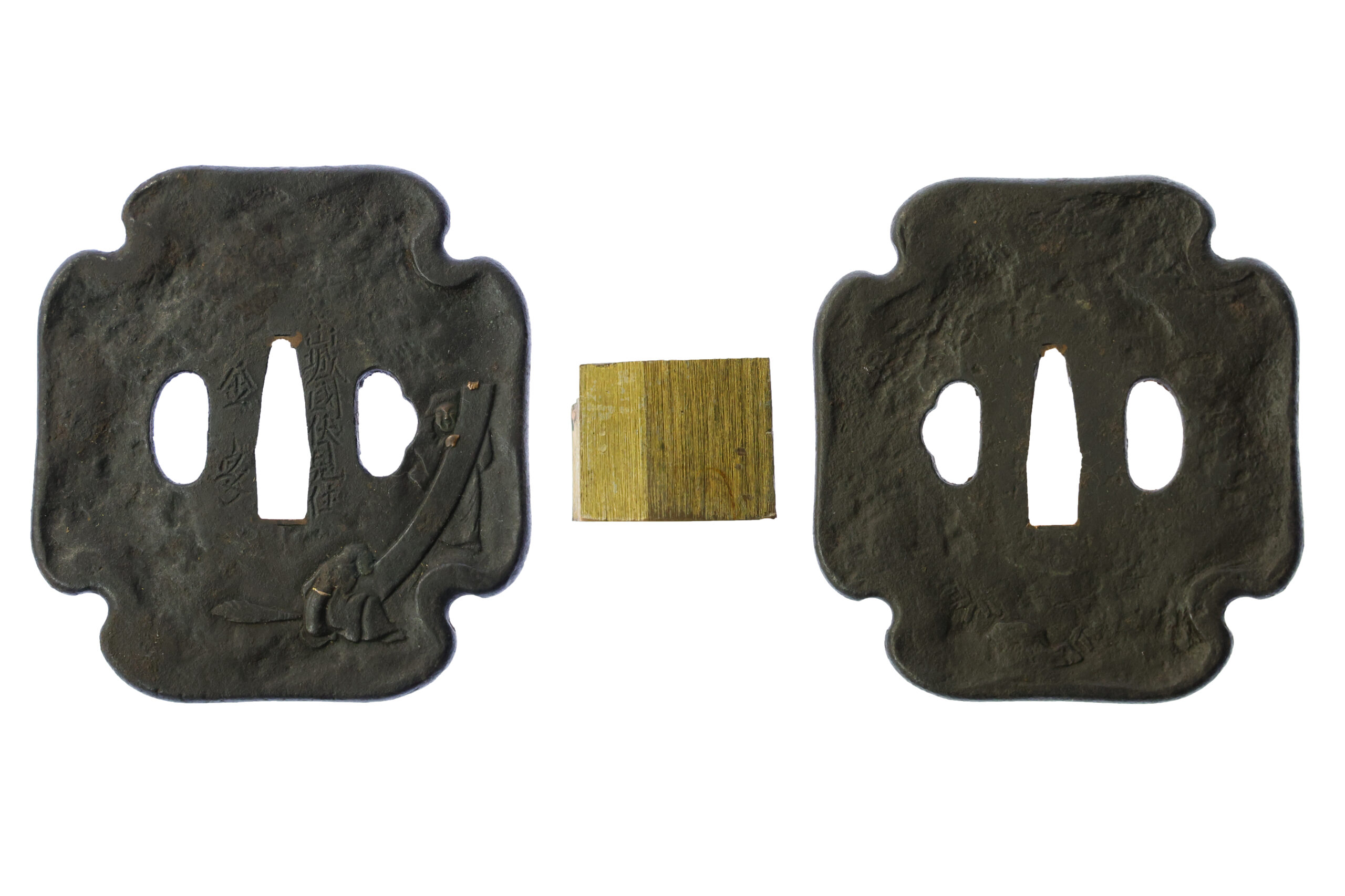
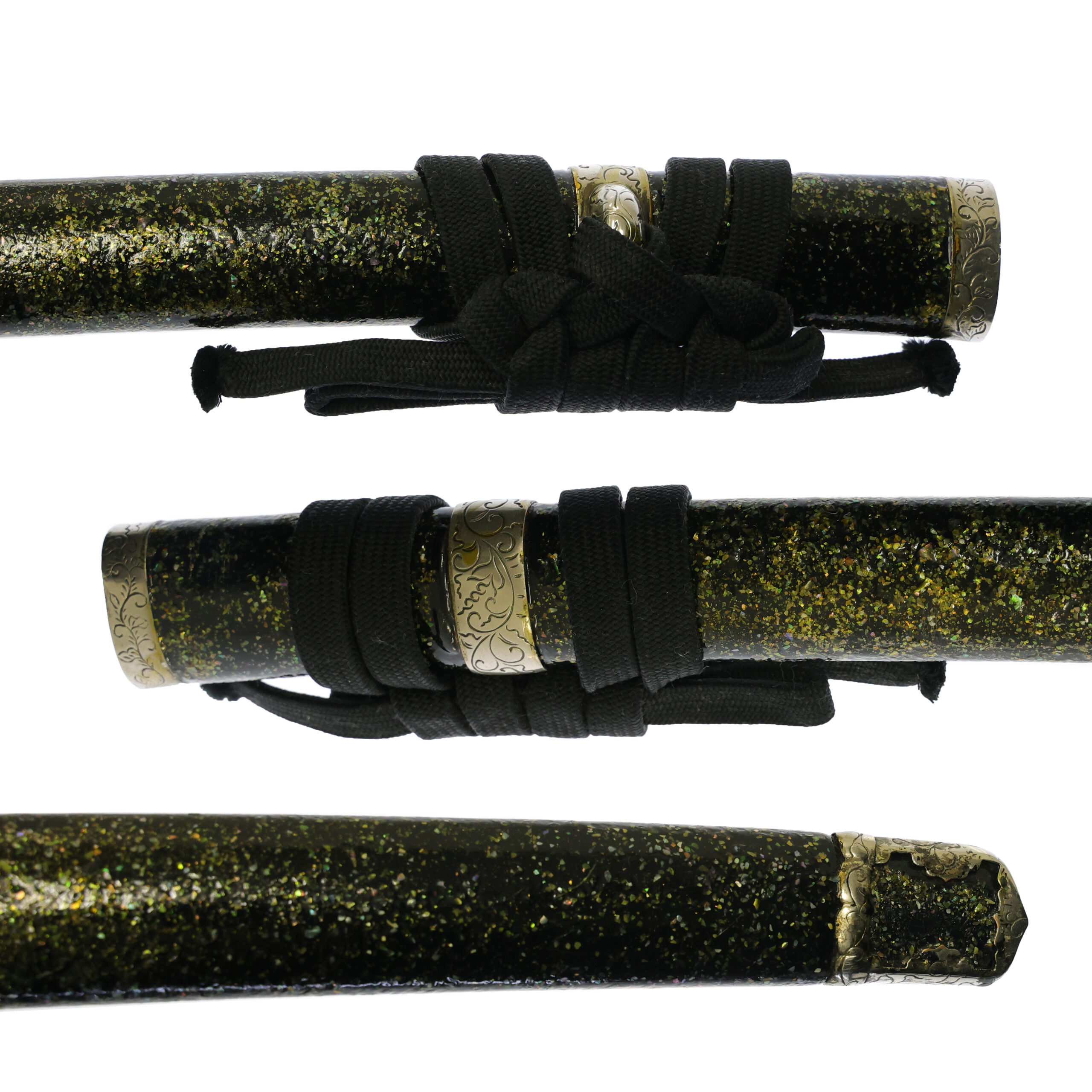
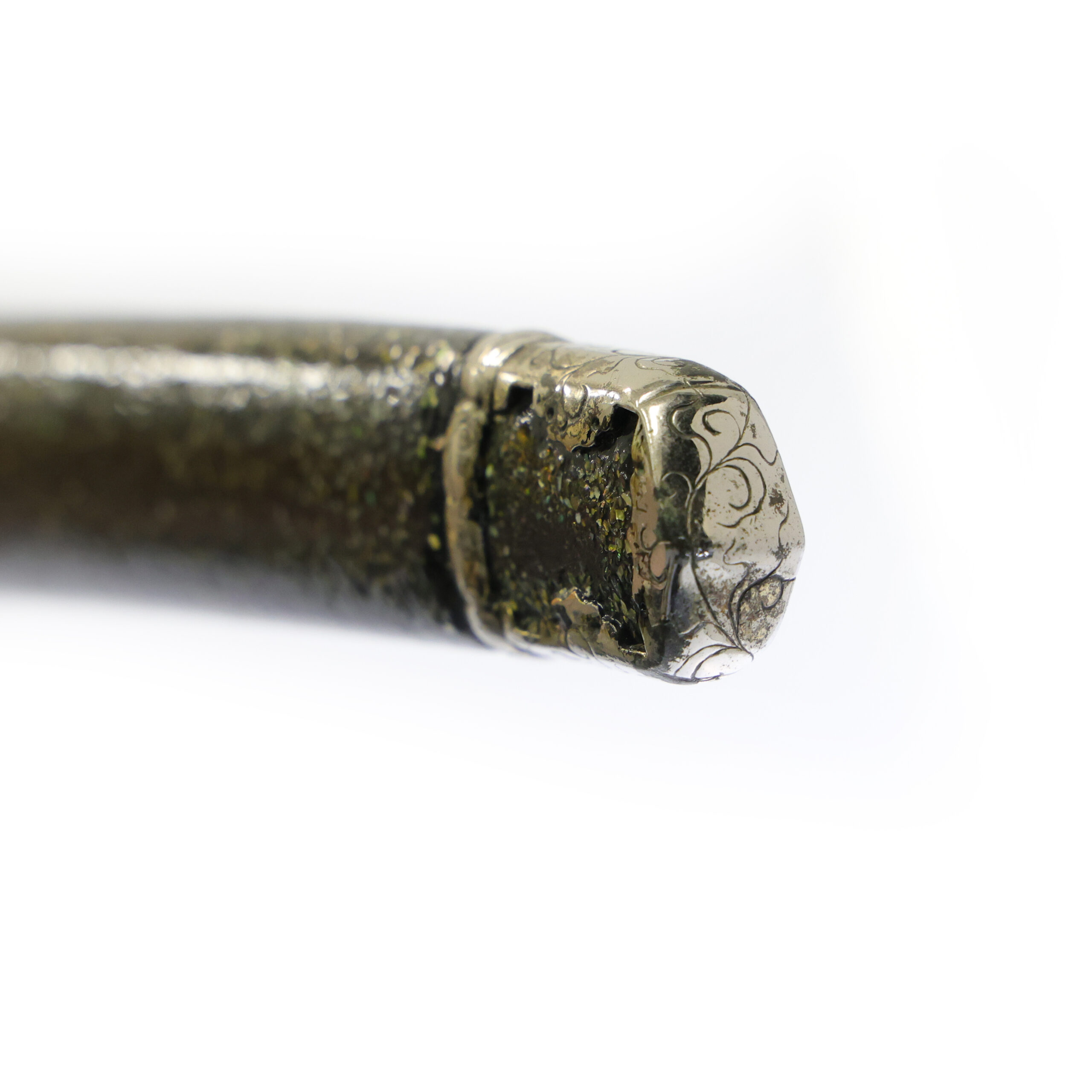
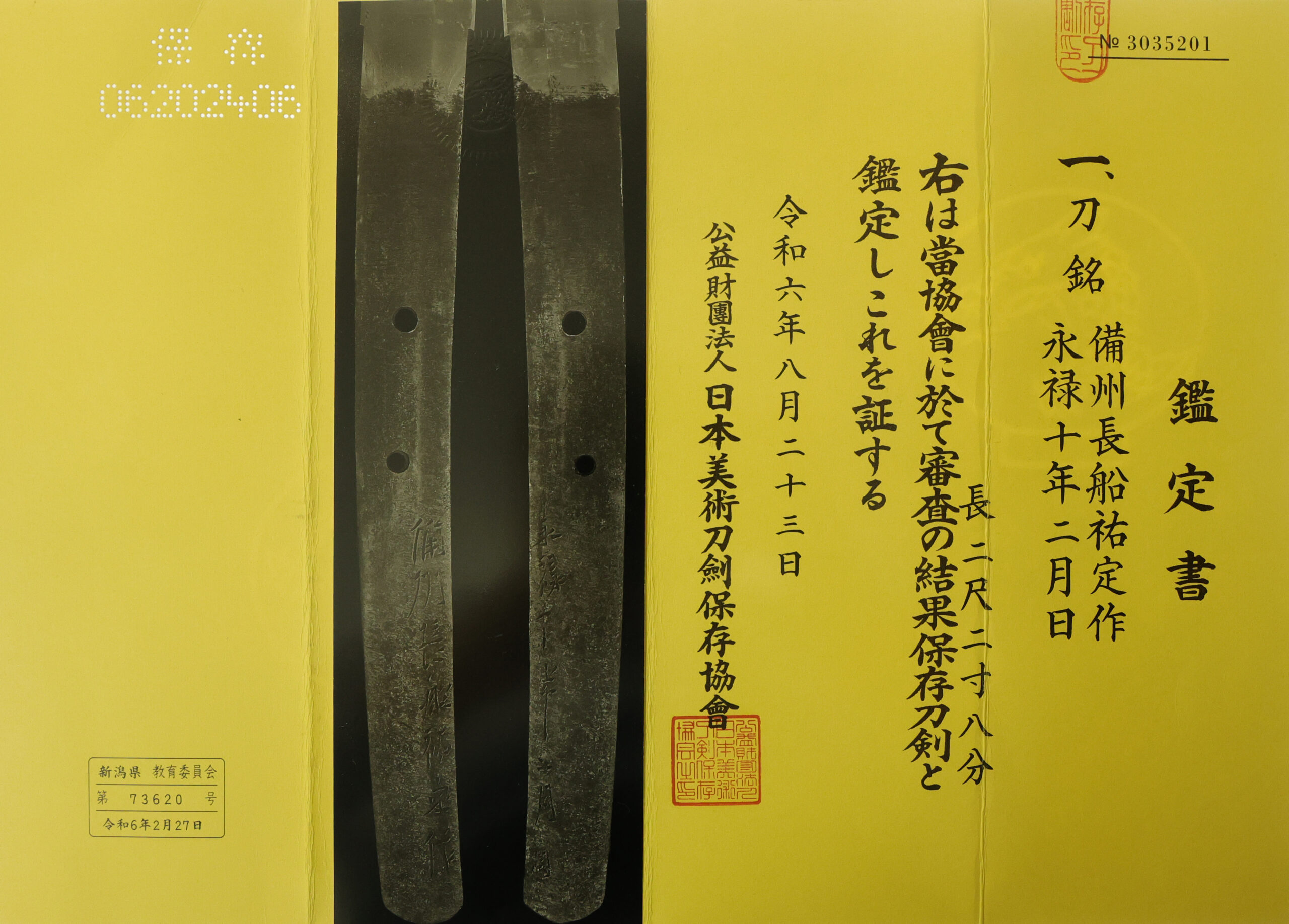
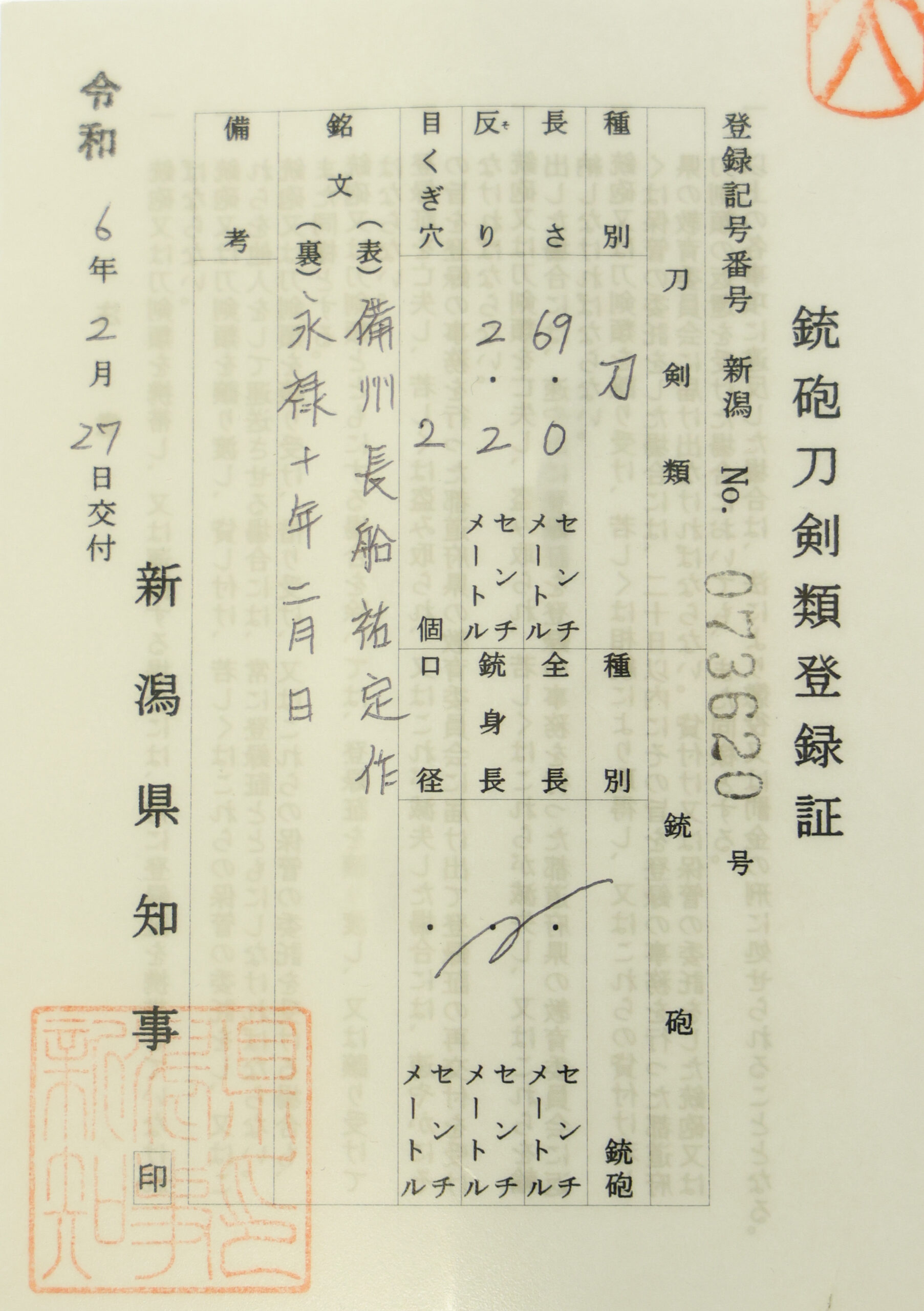
Antique Japanese Sword Katana signed by Osafune Sukesada with NBTHK Hozon Certificate 【Description】 This blade bears the signature “Bishu Osafune Sukesada” (備州長船祐定) and was forged in the 10th year of the Eiroku era (1567), during the late Muromachi period. “Bishu” refers to the old Bizen province, located in today’s Okayama Prefecture, and “Osafune” designates one of its most prosperous sword-making schools. “Sukesada” is the smith’s name. The reverse side of the tang (nakago) bears the inscription of the year. During the late Muromachi period (Sengoku era, or Warring States period), Japan was marked by continuous warfare and political unrest. Samurai demanded highly reliable weapons for battle, which drove swordsmiths like Sukesada to produce large numbers of refined and functional blades. Swordsmiths working in Bizen at the end of the Muromachi period (approximately 1492–1569 A.D.) are collectively referred to as “Matsu-Bizen” (“matsu” meaning “late” or “end”). Among them, the Sukesada school was one of the most renowned and long-lasting lineages of the Osafune tradition. Over sixty swordsmiths are known to have used the name “Sukesada,” making it a prestigious brand-like name that symbolized the craftsmanship and reputation of Bizen blades. Because this sword was produced during an age of near-constant warfare, it is possible that it was commissioned by a samurai and carried on the battlefield. This History of Bizen Osafune School It is said that Osafune school was founded by Mitsutada (光忠), who was active during the mid-Kamakura period. Bizen Osafune school was the biggest one of all other schools in Bizen province, and they received many orders from feudal lords or renowned Samurai. They were called Osafunemono and were beloved by Samurai warriors. Among the swordsmiths who belonged to this school, Nagamitsu, Sanenaga, and Kagemitsu are known as Osafune Sansaku, the three renowned Osafune swordsmiths. There are also four other prominent swordsmiths who were from Bizen Osafune school. They are called Osafune Shiten-no, the four masters of Osafune school. Their names are Nagamitsu, Kanemitsu, Nagayoshi, and Motoshige. BIZEN is located near the Chugoku Mountains, where iron sands, one of the essential materials for making Japanese swords, were abundant. Furthermore, BIZEN swordsmiths had close access to the Yoshi River, where they could find water and charcoal. This geological location contributed to the swordsmiths forging high-quality refined blades. We presume BIZEN was quite active in sword-forging from ancient times. It is said that BIZEN DEN was created by groups of swordsmiths there during the late Heian era (Late 12th century). These ancient swordsmiths in Bizen province are called Ko-Bizen (Old Bizen) swordsmiths. By inheriting the sword forging techniques from Ko-Bizen swordsmiths, the Bizen Osafune school flourished from the mid-Kamakura period. It is appraised as a Hozon Token (保存刀剣) issued by NBTHK (Nihon Bijutsu Touken Hozon Kyokai: 日本美術刀剣保存協会). This authentication paper was only given to authentic Japanese swords, well preserved and high quality with artistic value. *Please keep in mind that there are a few Kitae Kizu on this blade. If you like to see the detailed condition, please feel free to contact us. 【 Blade】 Cutting Edge Length(Nagasa) : 69.0 cm (27.1 inches) Curvature(Sori) : 2.2 cm (0.86 inches) Hamon : The crystalline structure which forms along the cutting edge of a blade as a result of the hardening process Jimon(Jihada) : visible steel surface pattern created by folding and hammering during forging process Kissaki : Kissaki is the tip of the Japanese sword. Nakago : Nakago is the tang of the Japanese sword. Japanese swordsmiths left the black rust on the tang because it prevents red rust while the tang is in its handle. And the discoloration of the tang was created over time, and it is a great indicator for a Japanese sword specialist to estimate when the sword was forged. Koshirae : Koshirae is t
Offered by Samurai Museum

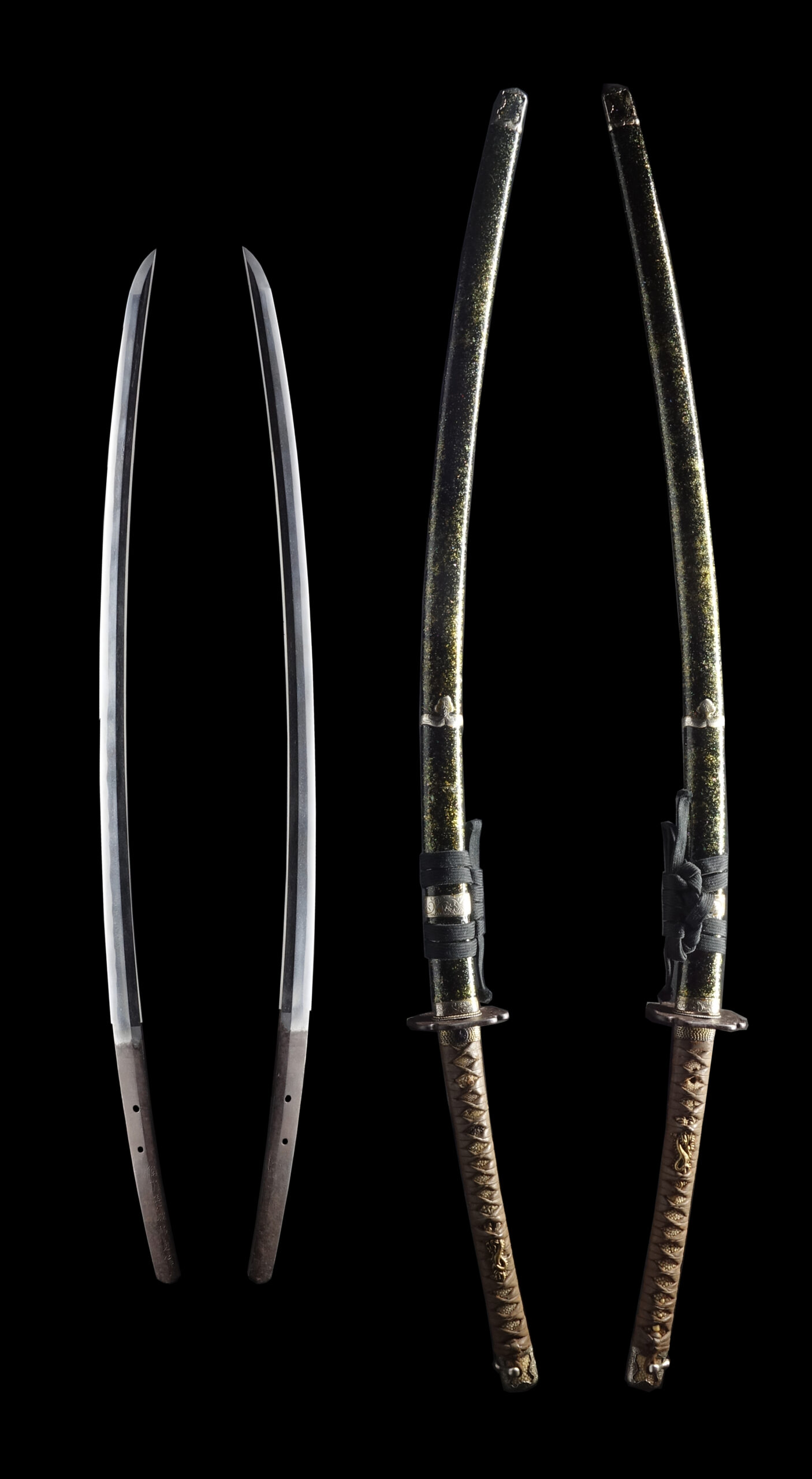
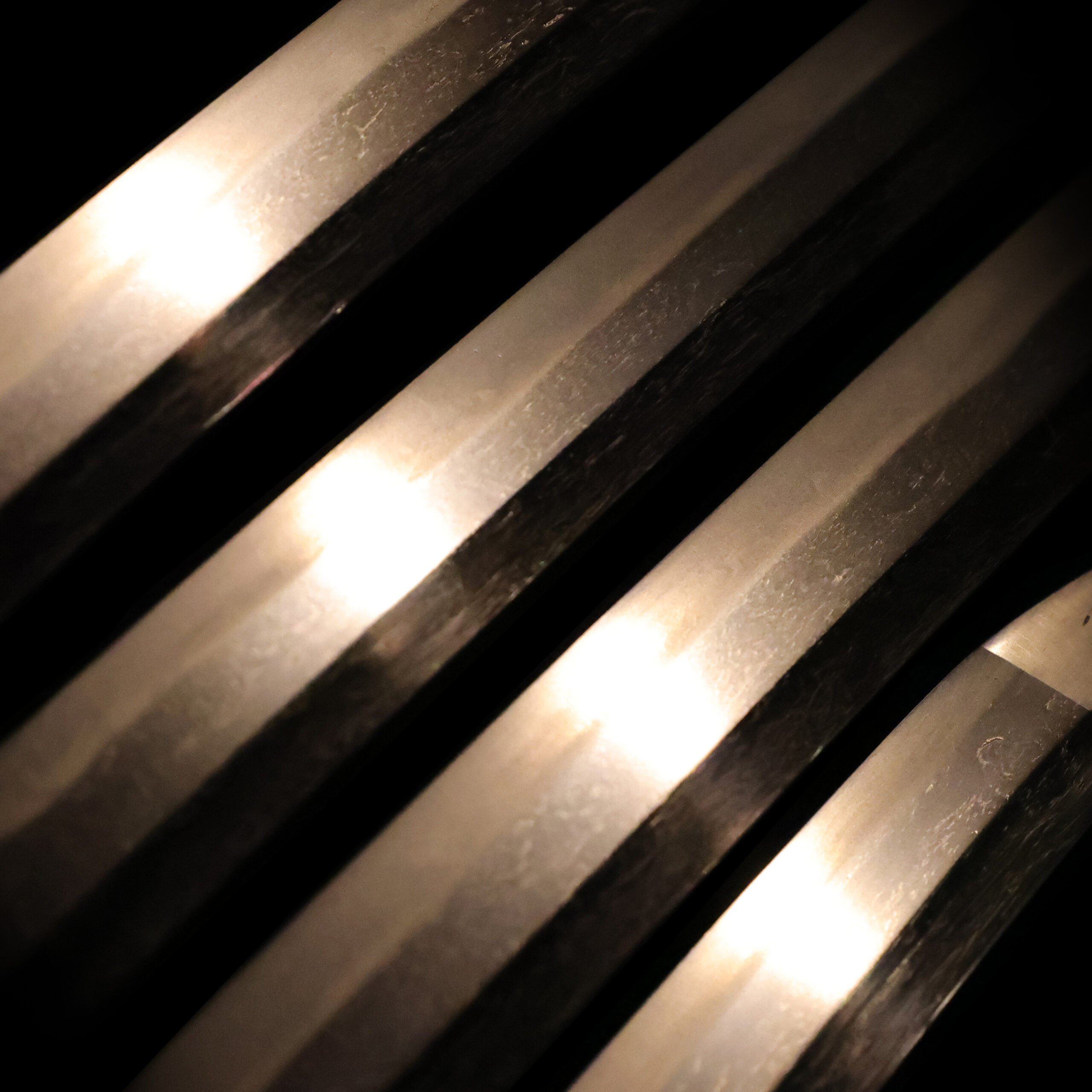
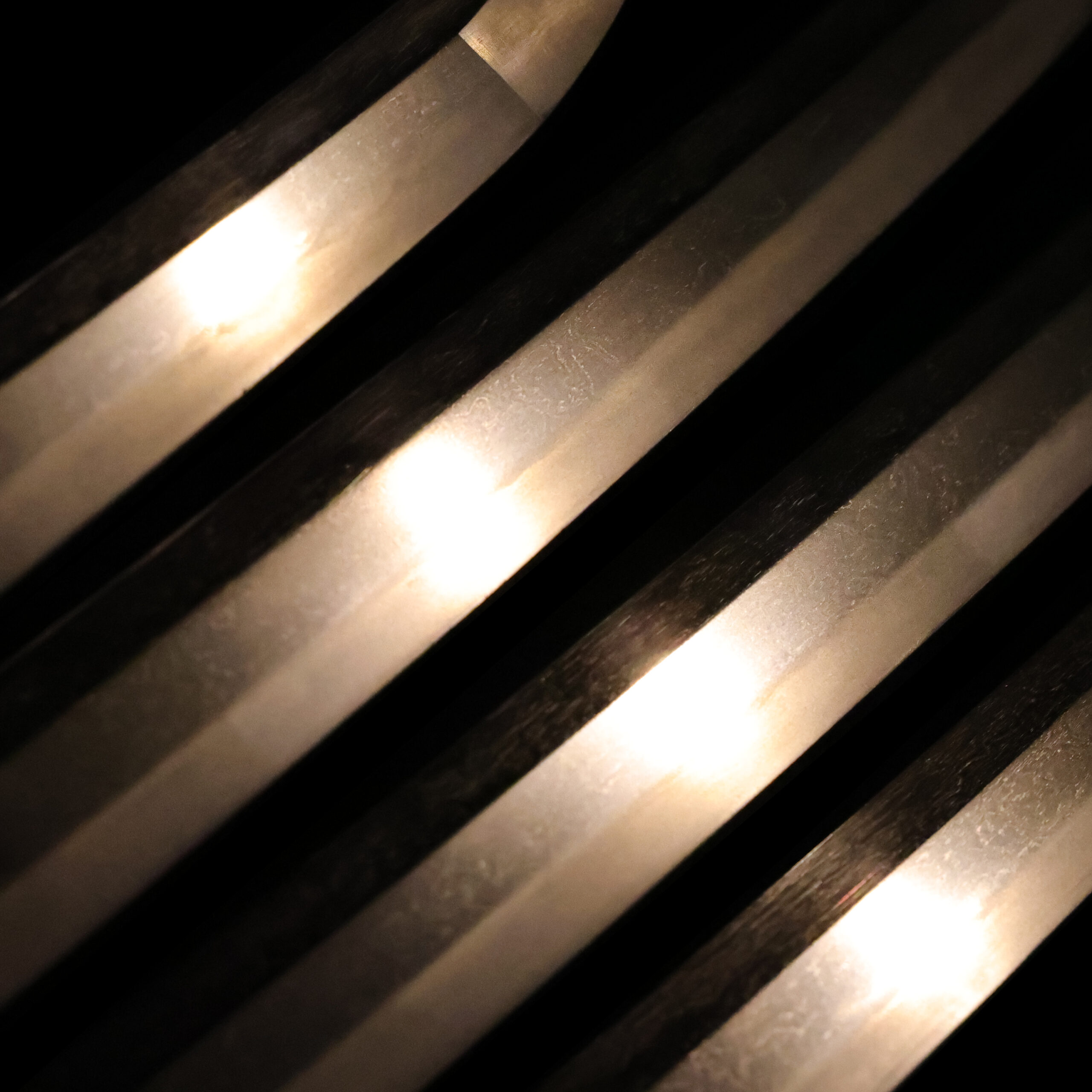
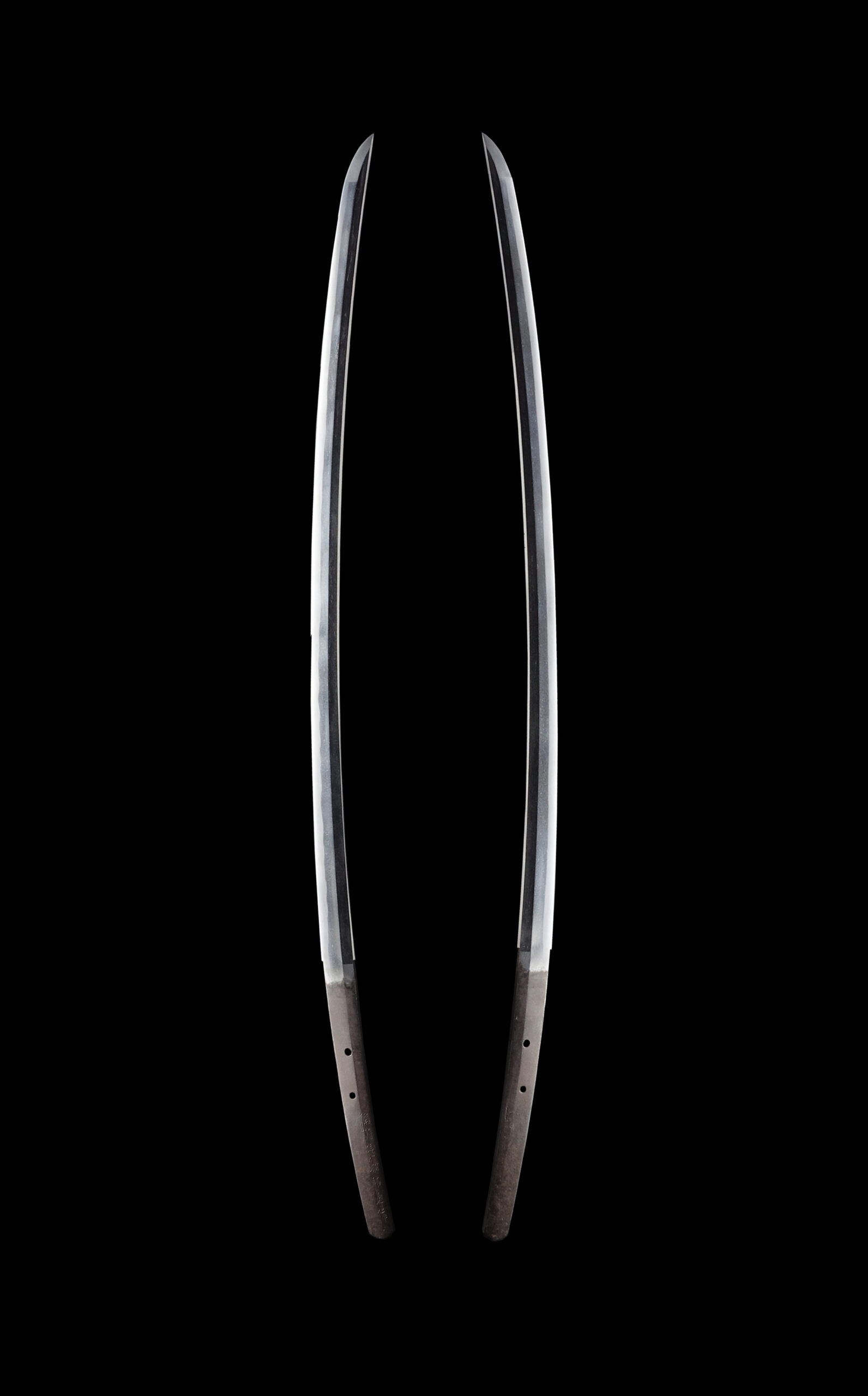
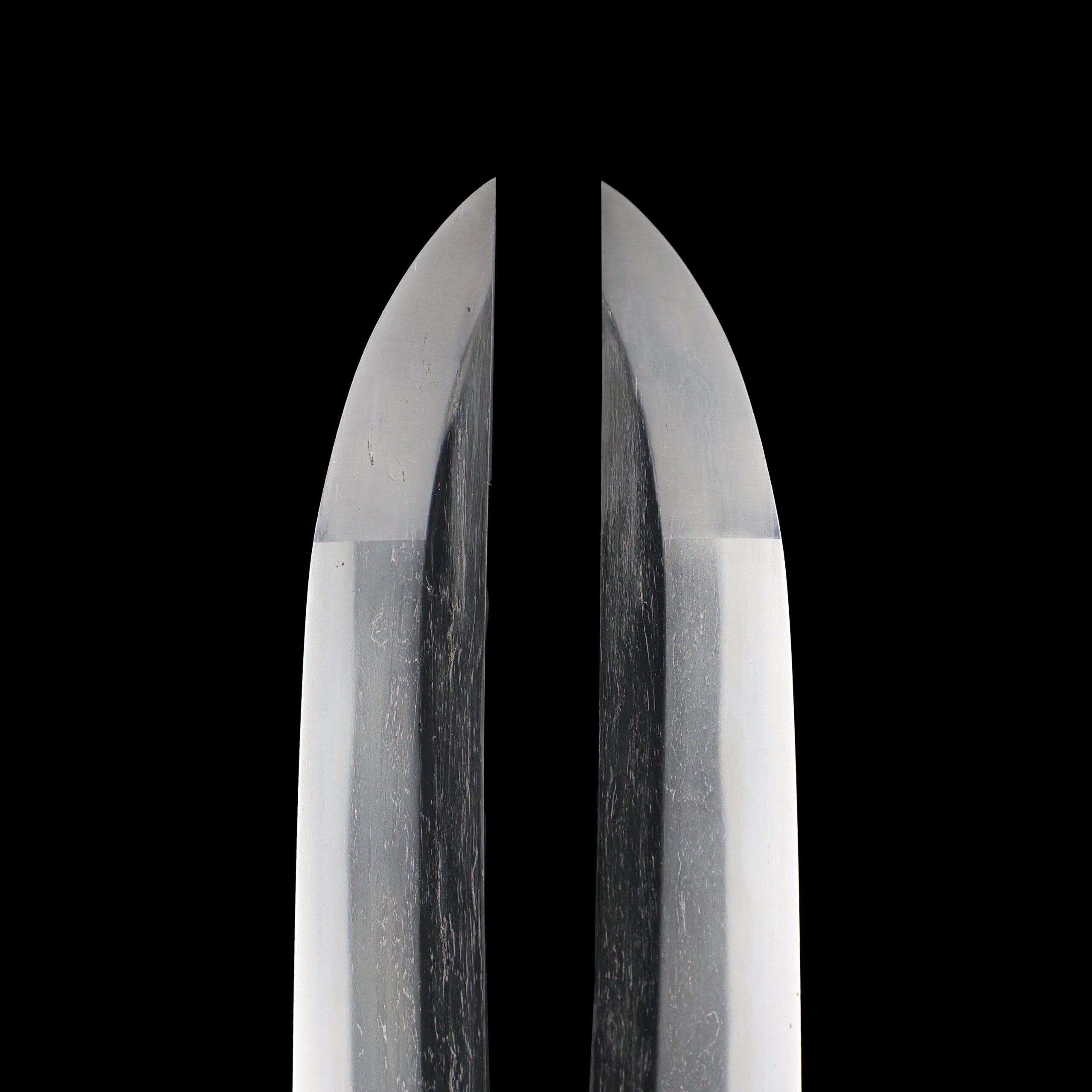
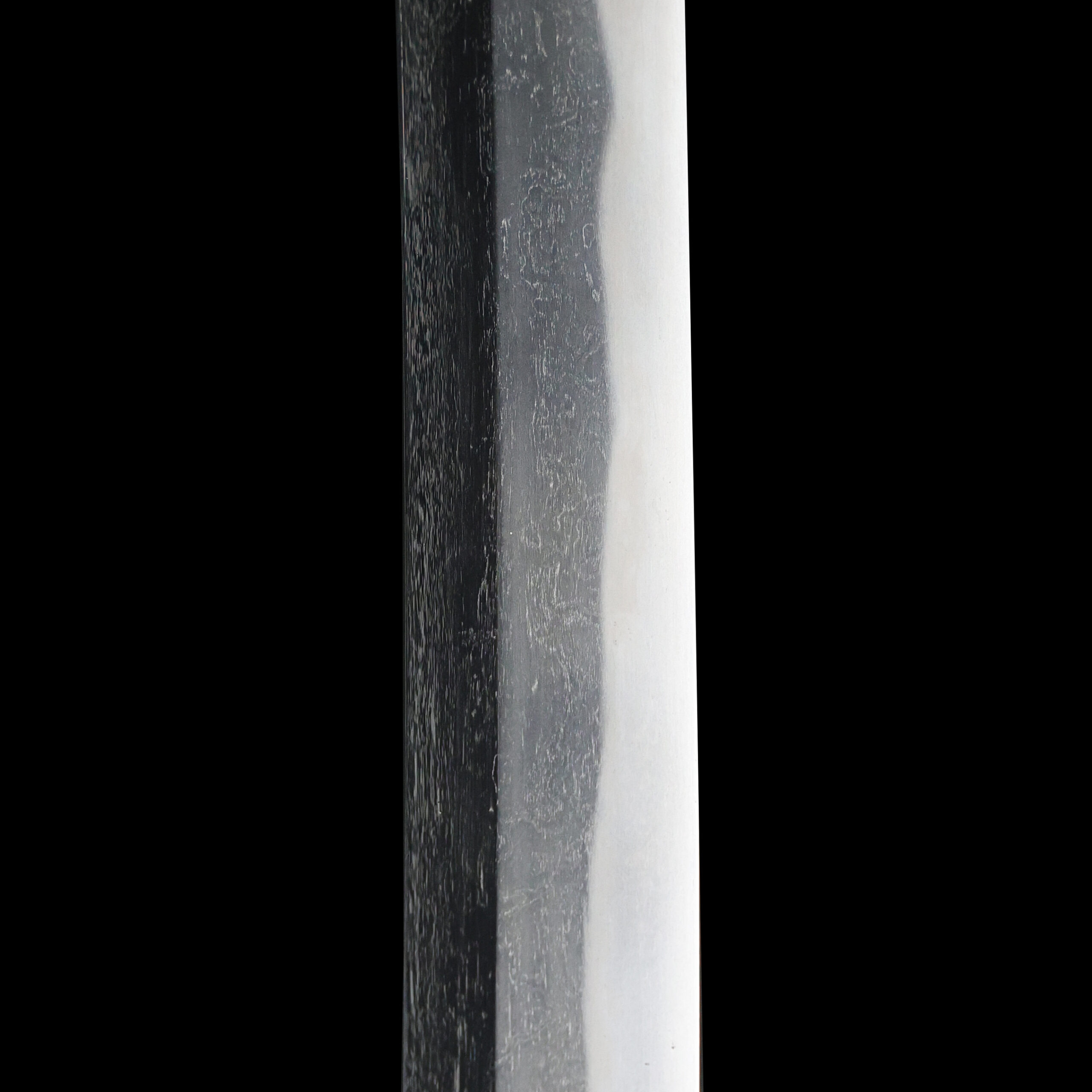
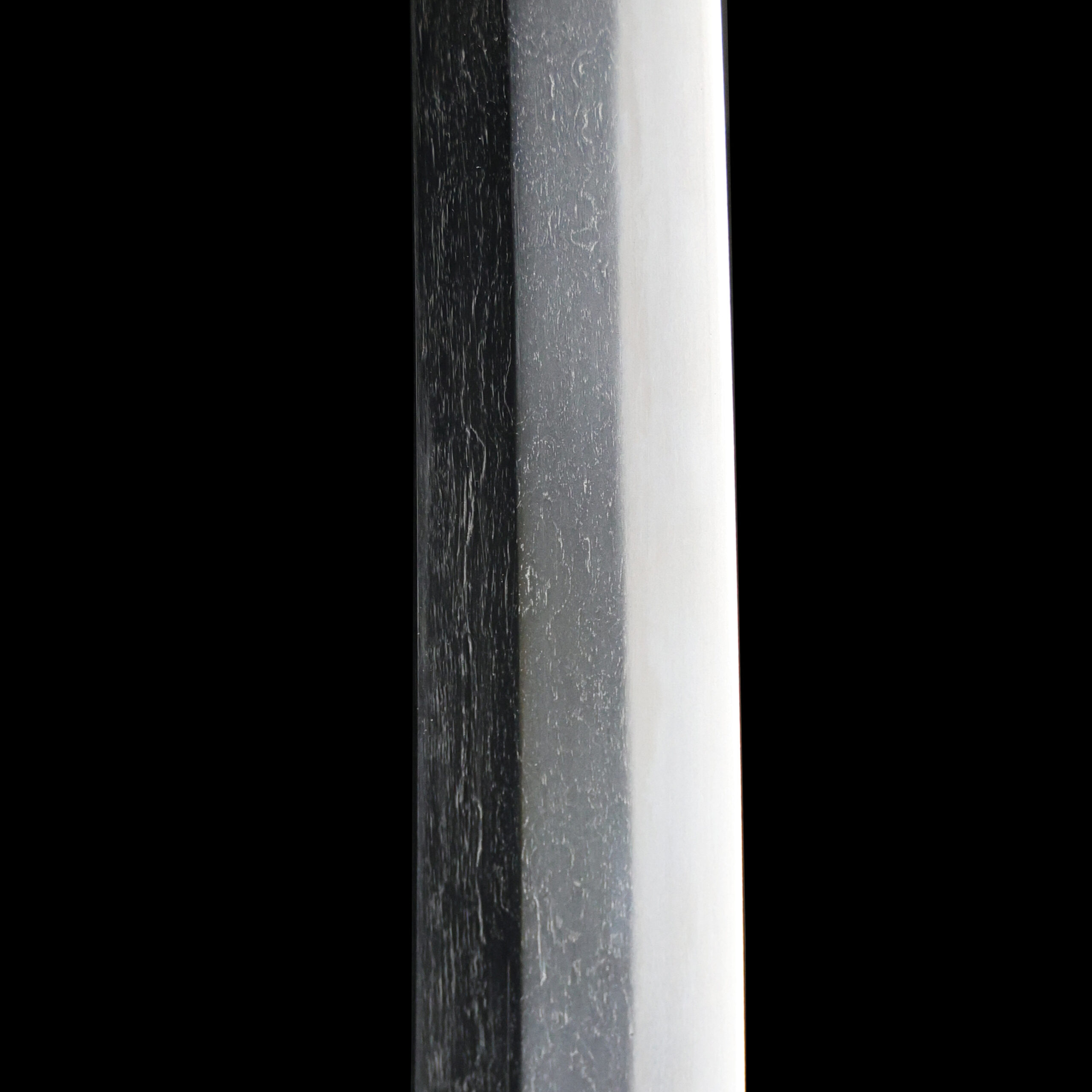
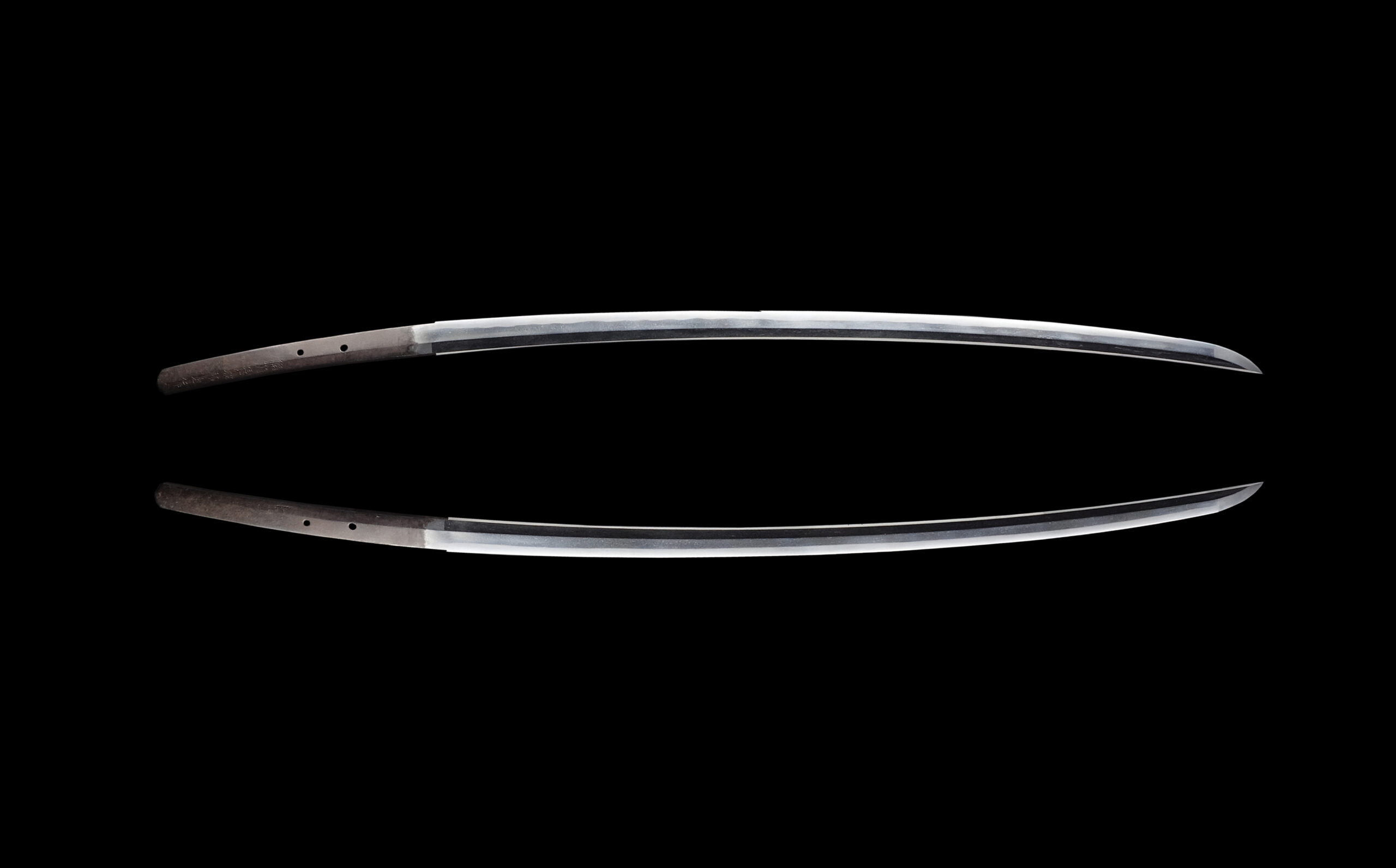
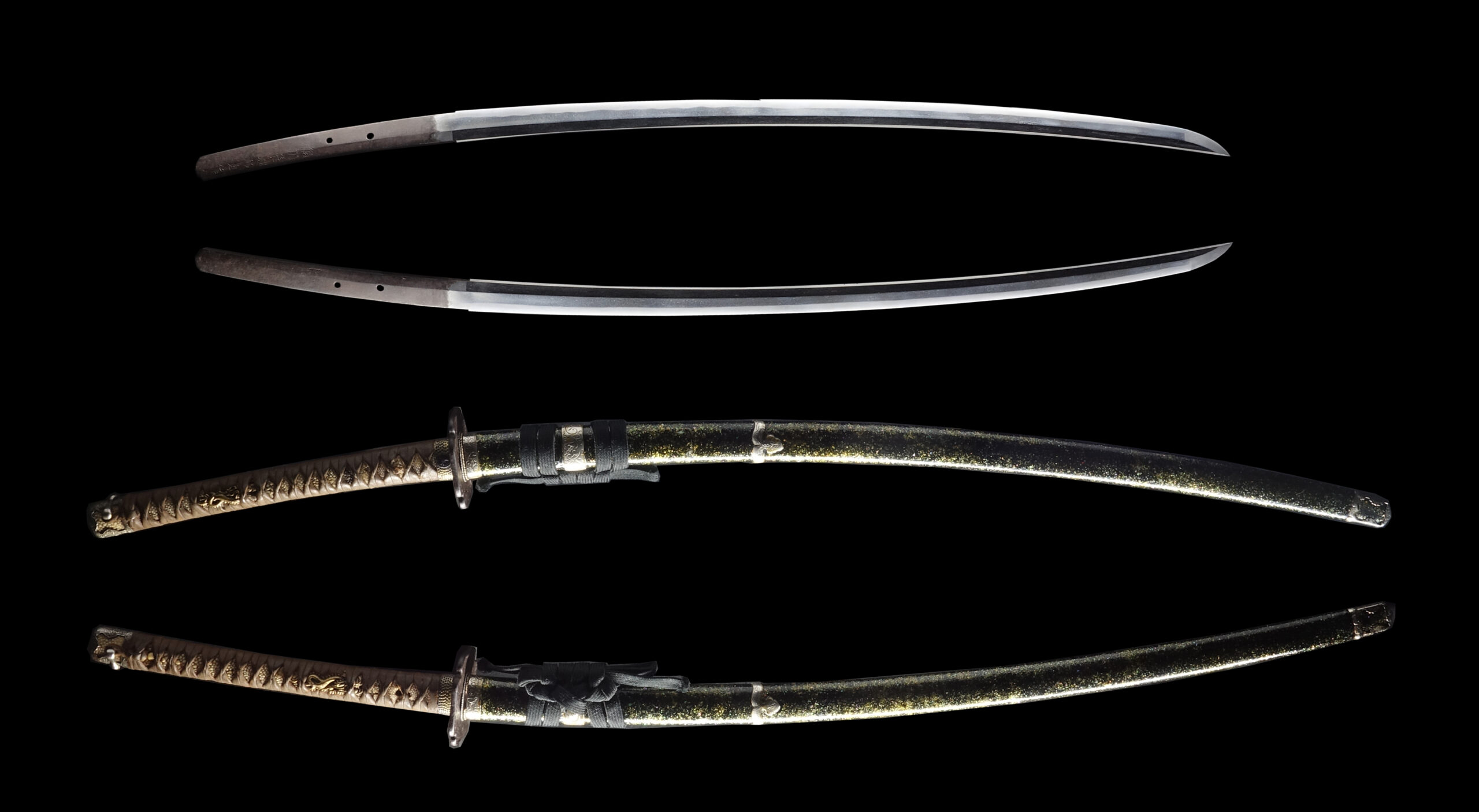
Bizen-den · Bizen · around 1532-1555
Bizen-den · Bizen
Phase: Sue-Bizen末備前· 1441–1596
51 pieces on the market now
The last great chapter of Osafune unfolds in the Eisho and Tenbun years of the late Muromachi, when the riverside workshop turned its accumulated craft toward an age of constant war. Where Oei-Bizen had looked backward, reviving the tachi shape and the choji temper of the Kamakura masters under Yasumitsu and Morimitsu, Sue-Bizen faces forward into Sengoku demand. The leading hands carry the same family characters one generation further: the Sukesada group, headed by Yosazaemon-no-jo Sukesada and the Hikobee-jo Sukesada said to be his father, alongside Katsumitsu (often Jirozaemon-no-jo), Munemitsu, Tadamitsu of the Heiroemon-jo line, and the Kiyomitsu smiths Magoemon-no-jo and Gorozaemon-no-jo. The setsumei draw a sharp line through their output. Commissioned blades, chumon-uchi, were signed with full zokumyo, dated, and frequently inscribed with the name of the ordering party, as on the Katsumitsu and Sadamitsu naginata of Meio 8 made for the Miyake of Kojima, a house that fed into the Ukita. Below them ran the bulk trade of kazu-uchimono, the arms that supplied the warring provinces, and it is the chumon-uchi masters that the designations preserve. What the steel does in this window is distinct from every earlier Osafune register. The shape is the uchigatana: wide mihaba with thick kasane, pronounced sakizori, an extended chu-kissaki or o-kissaki, and a short nakago suited to the katate-uchi one-handed draw, a body unlike the koshizori tachi of Ko-Osafune or the broad Nanbokucho profile of Soden-Bizen. The forging tightens into ko-itame over which a midare-utsuri stands faintly rather than vividly, weaker than the bright reflection of the founding generation.
The signature temper is the open-waisted koshi-no-hiraita gunome, splitting at the heads into fukushiki compound midare and mixed with togariba and choji; it is nioi-based with ko-nie and a bright nioiguchi, with ashi, yo, kinsuji and small tobiyaki worked through. Against this, Soden-Bizen had pushed Soshu nie and notare, while the founders had tempered flamboyant choji over a vivid utsuri. Two specialties branch off the gunome base: the Kiyomitsu and Tadamitsu suguha, calm and tightly forged, and the hitatsura of high-tempered pieces with long muneyaki and yubashiri, seen in the warlord-smiths Akamatsu Masanori and Ishikawa Yukihisa. To kantei a Sue-Bizen blade is to read the body first and the temper second. The compact uchigatana sugata with thick kasane and a short tang fixes the late-Muromachi date; the faint utsuri over dense ko-itame keeps it in Bizen; the open-waisted compound gunome names the group. The masters then separate by hand: Katsumitsu is set apart by the abundant choji he folds into the gunome, yielding a more florid, brilliant dekiguchi than his peers; Tadamitsu and the Kiyomitsu smiths are read out by their suguha, with Magoemon-no-jo's itame standing in mokume to distinguish his ground. The cutting reputation is documented directly, as on the Hikobee-jo Sukesada katana of Keicho 5 carrying a tameshi inscription naming the tester Ichihara Hachibee. Provenance threads through the supplementary signatures: Masanori's reward blades cut for his retainers, the Miyake names tying the workshop to the Ukita, and the Shinjuro Sukesada whose few large works may have ended in the Tensho flood. The horimono carried from the mainline, bonji with rendai, Fudo Myoo, and shrine dedications, persist on these blades as a final mark of the line. Learn more →
| Smith | Era | Designated |
|---|---|---|
| Sukesada祐定 | 1504-1551 | 72 |
| Sukesada祐定 | 1532-1583 | 18 |
| Sukesada祐定 | 1547-1592 | 8 |
| Sukesada祐定 | 1487-1521 | 5 |
| Sukesada祐定 | 1532-1573 | 3 |
Bizen in the Muromachi period
War at home and trade abroad made Muromachi Bizen the busiest forge region in Japan: a century of Sengoku demand after the Ōnin War, and export missions to Ming China carrying blades by the tens of thousands.
Certifies a genuine blade worth preserving: a signature confirmed correct, or, if unsigned, an era, province, and school that the NBTHK can reliably identify.
The NBTHK (Nihon Bijutsu Tōken Hozon Kyōkai, the Society for the Preservation of Japanese Art Swords) is a public-interest incorporated foundation founded in 1948 and supervised by Japan’s Agency for Cultural Affairs (Bunkachō); it is based at the Japanese Sword Museum in Tokyo. Its expert panels physically examine each submitted work (shinsa) and issue a certificate (kanteishō) ranking it by artistic and historical merit. NBTHK papers are the most widely recognized standard of authentication for Japanese swords and fittings.
NBTHK official siteReturns/exchanges limited to defects caused by shipping (except willful misconduct or gross negligence by the company); customers must contact within 72 hours of receiving the product.
Certificate reading — 銘 備州長船祐定作 永禄十年二月日