NihontoWatch Mon

NihontoWatch

MarketAuctions
Encyclopedia
NihontoWatch Mon

NihontoWatch

MarketAuctions
Encyclopedia

Description

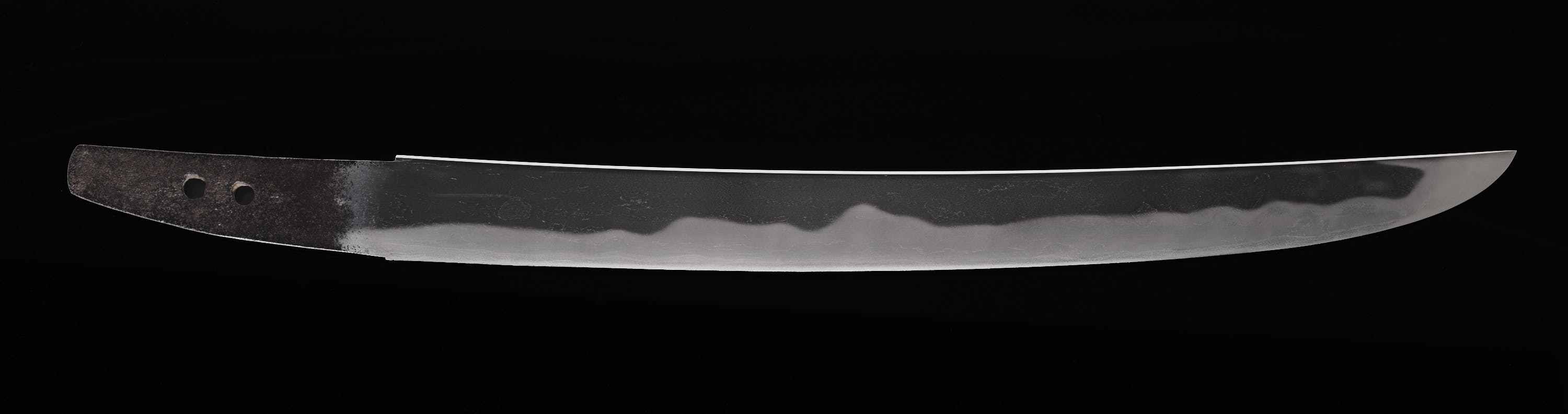
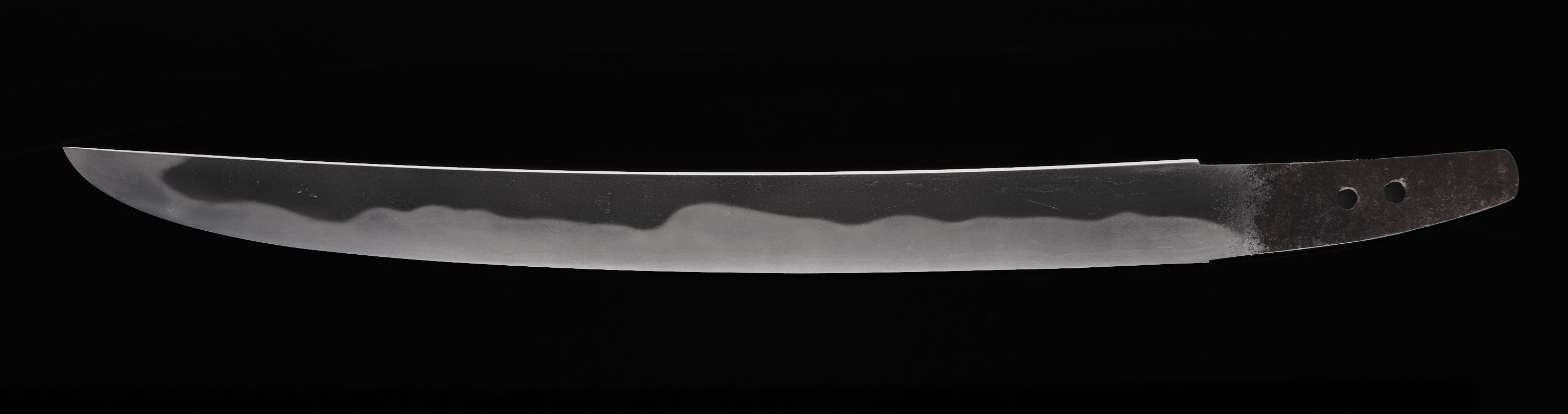
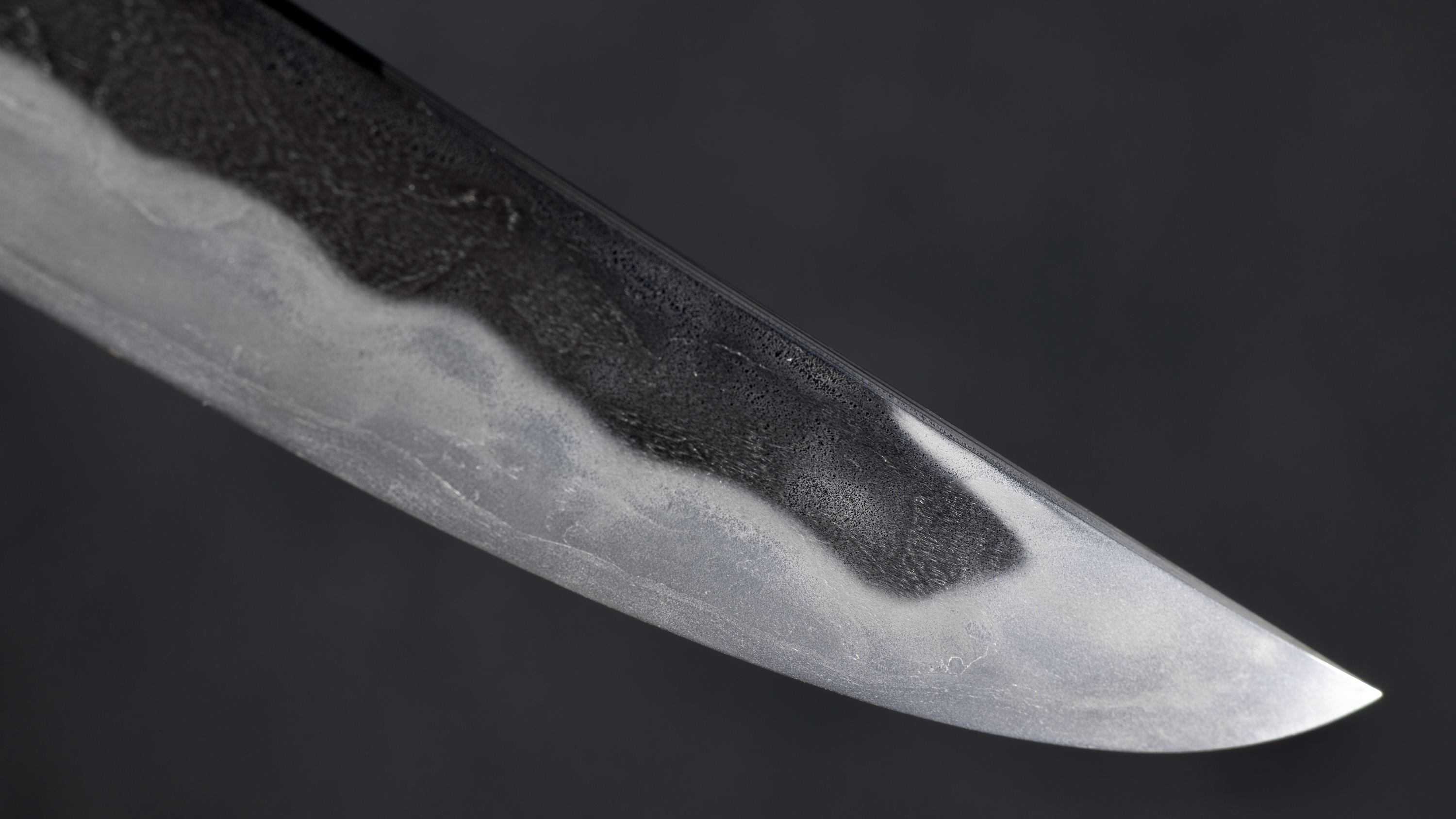
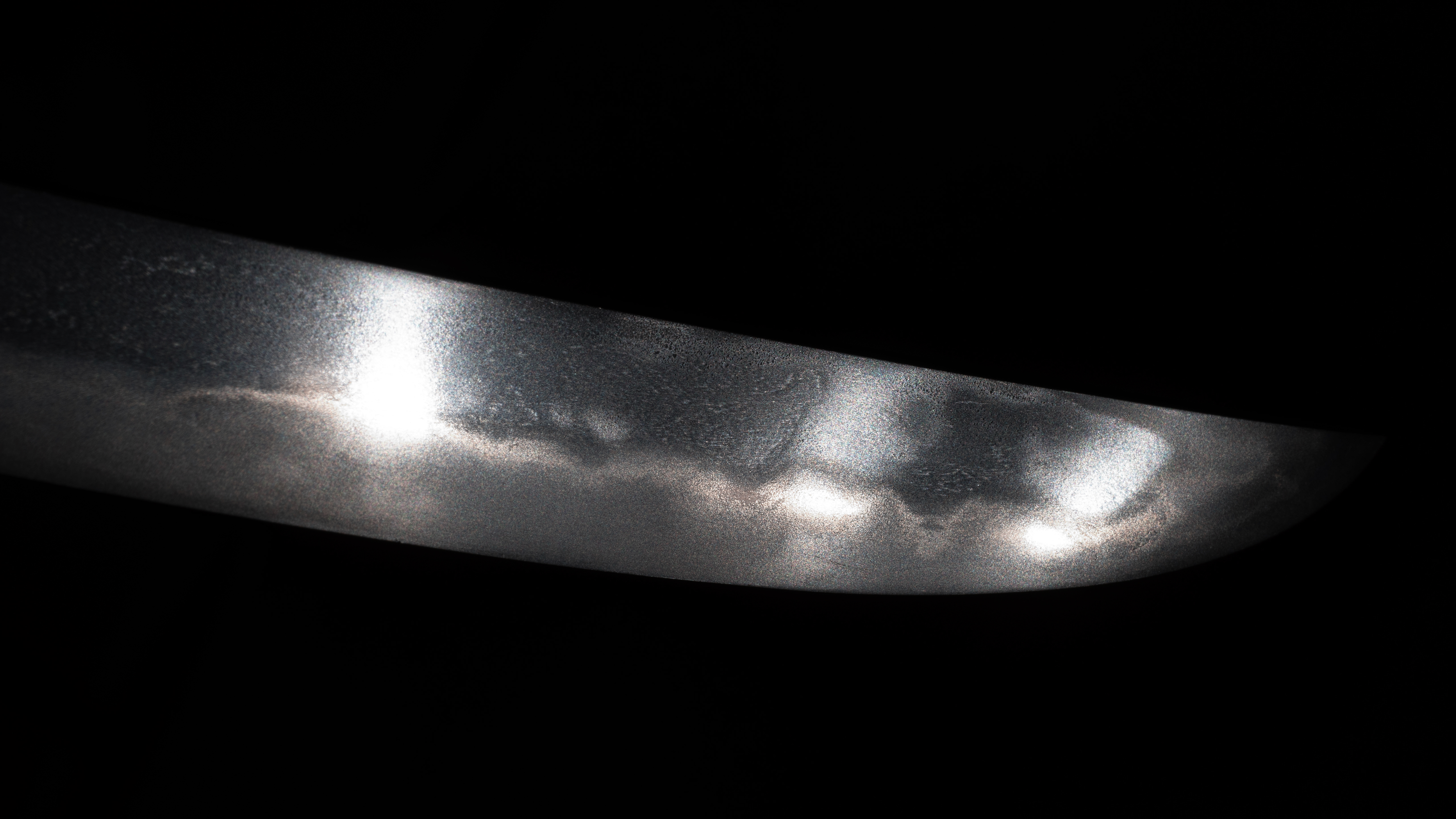
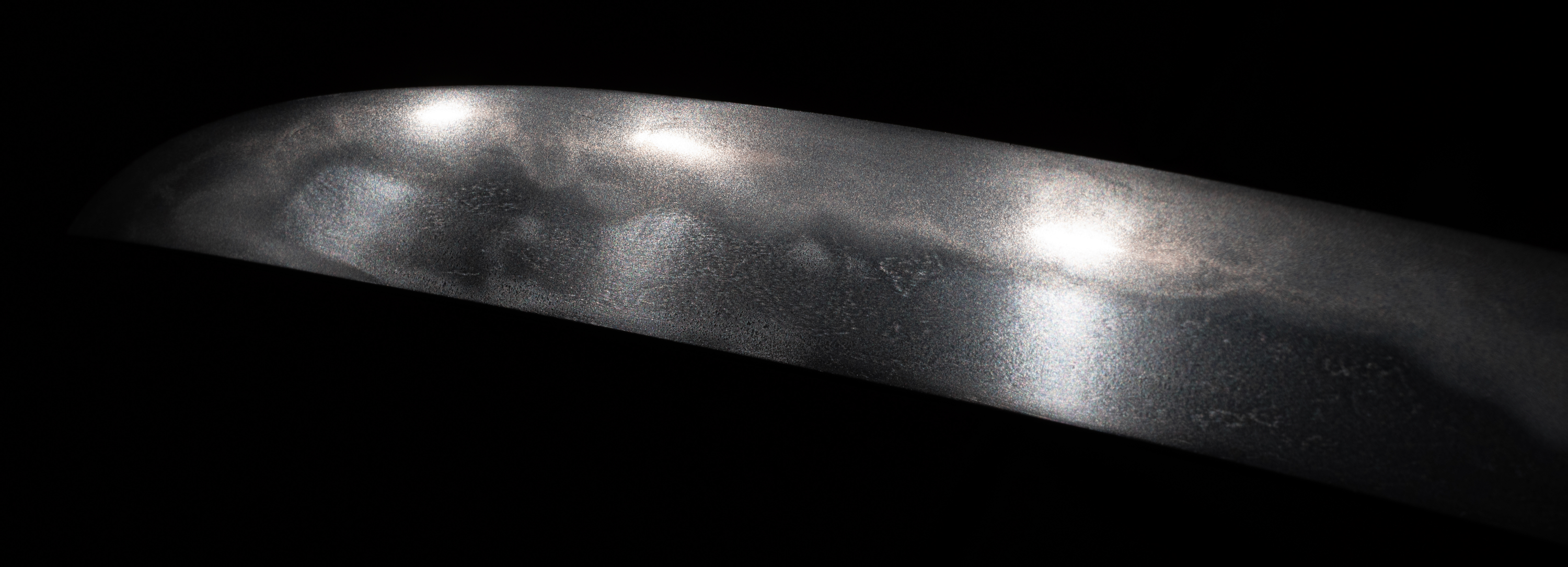
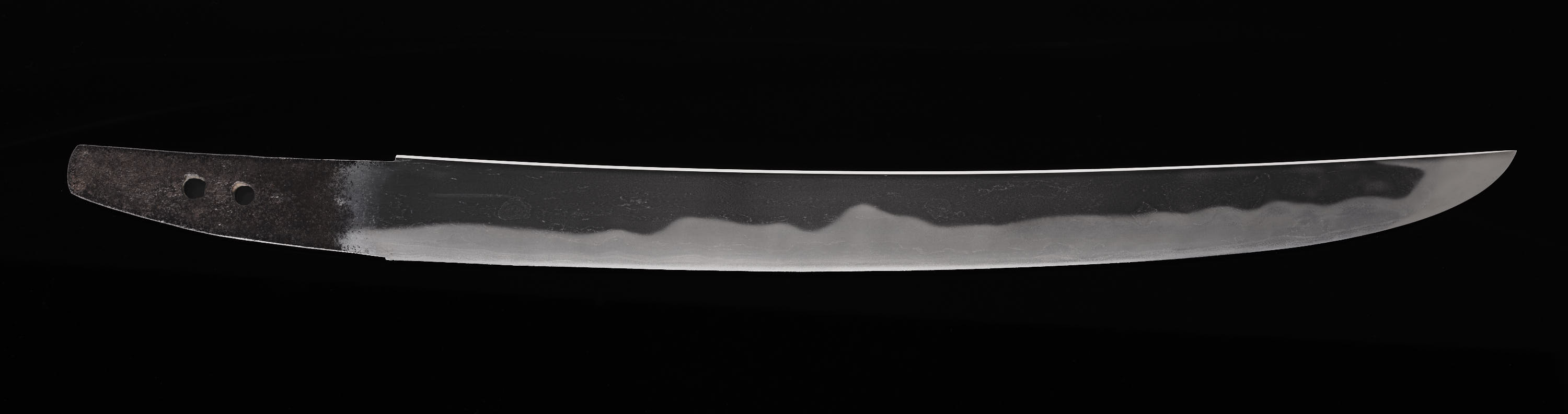
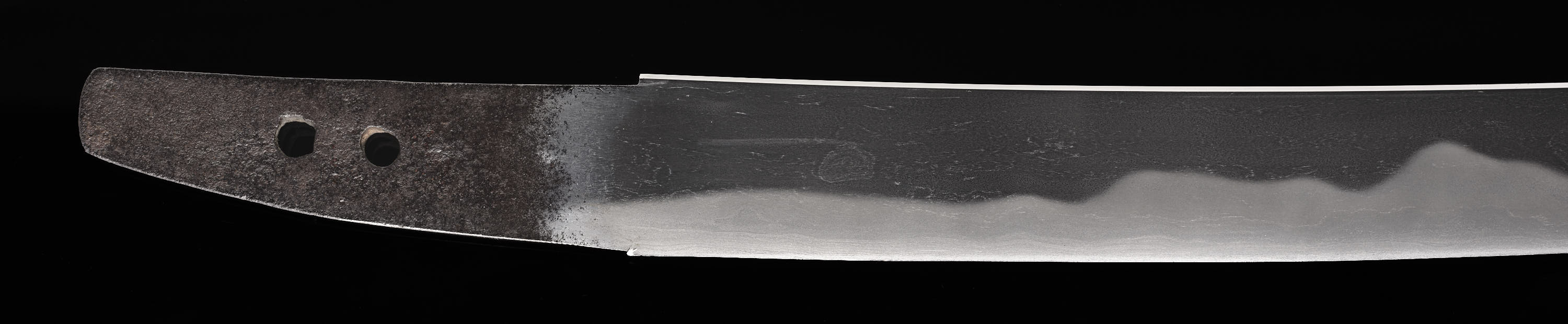
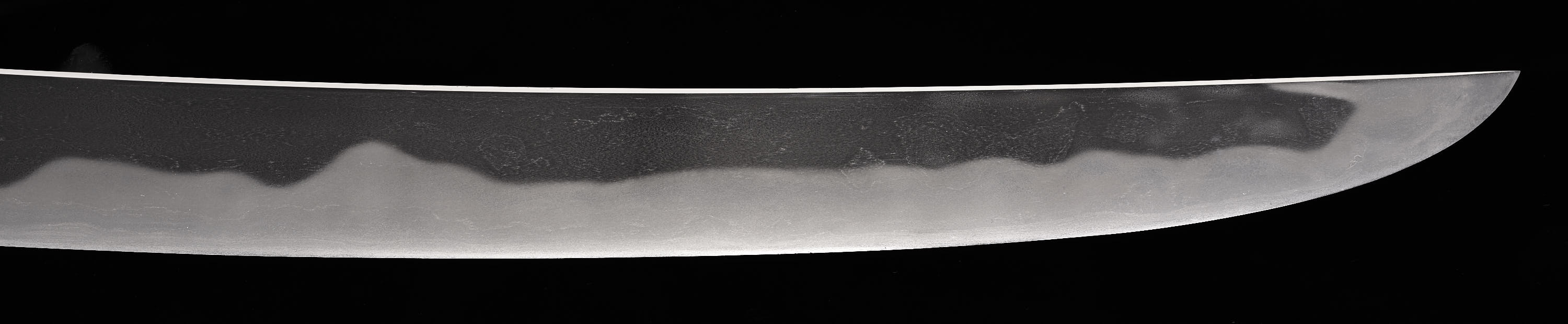
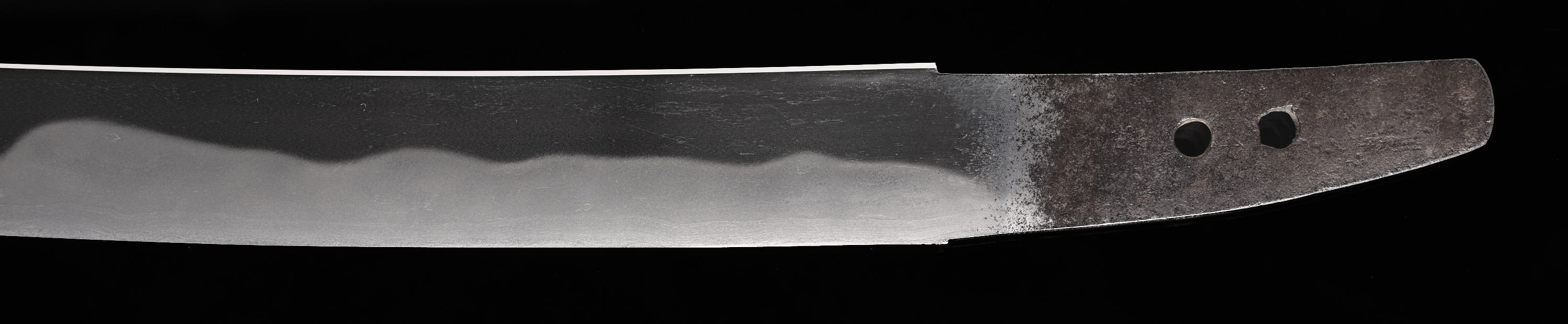
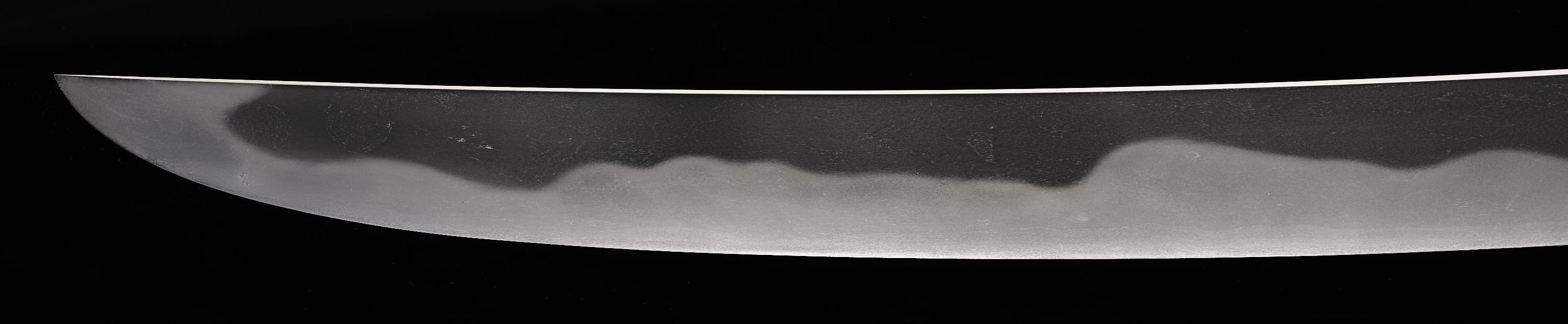
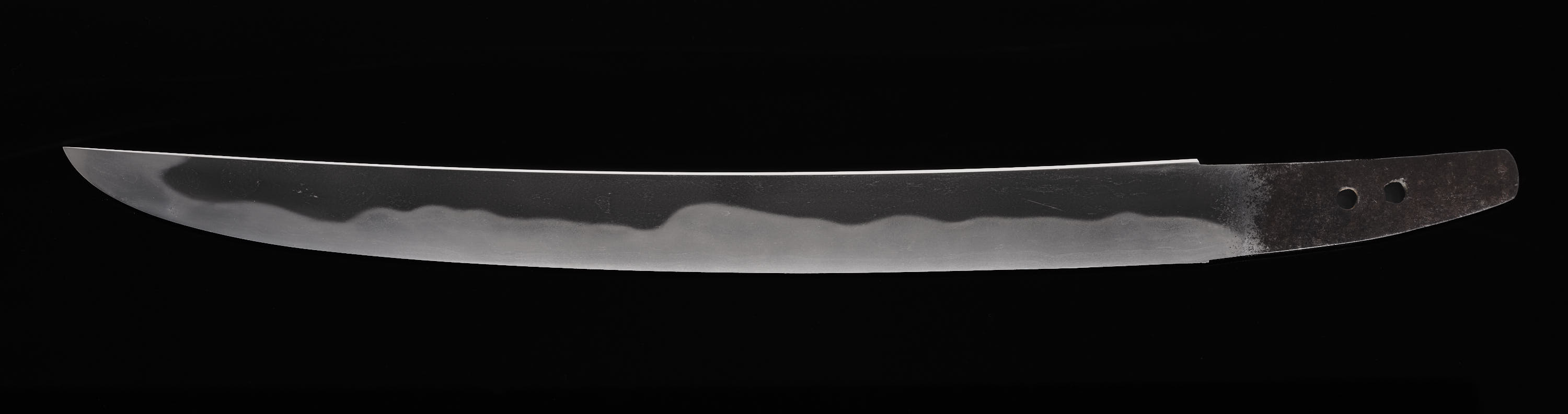
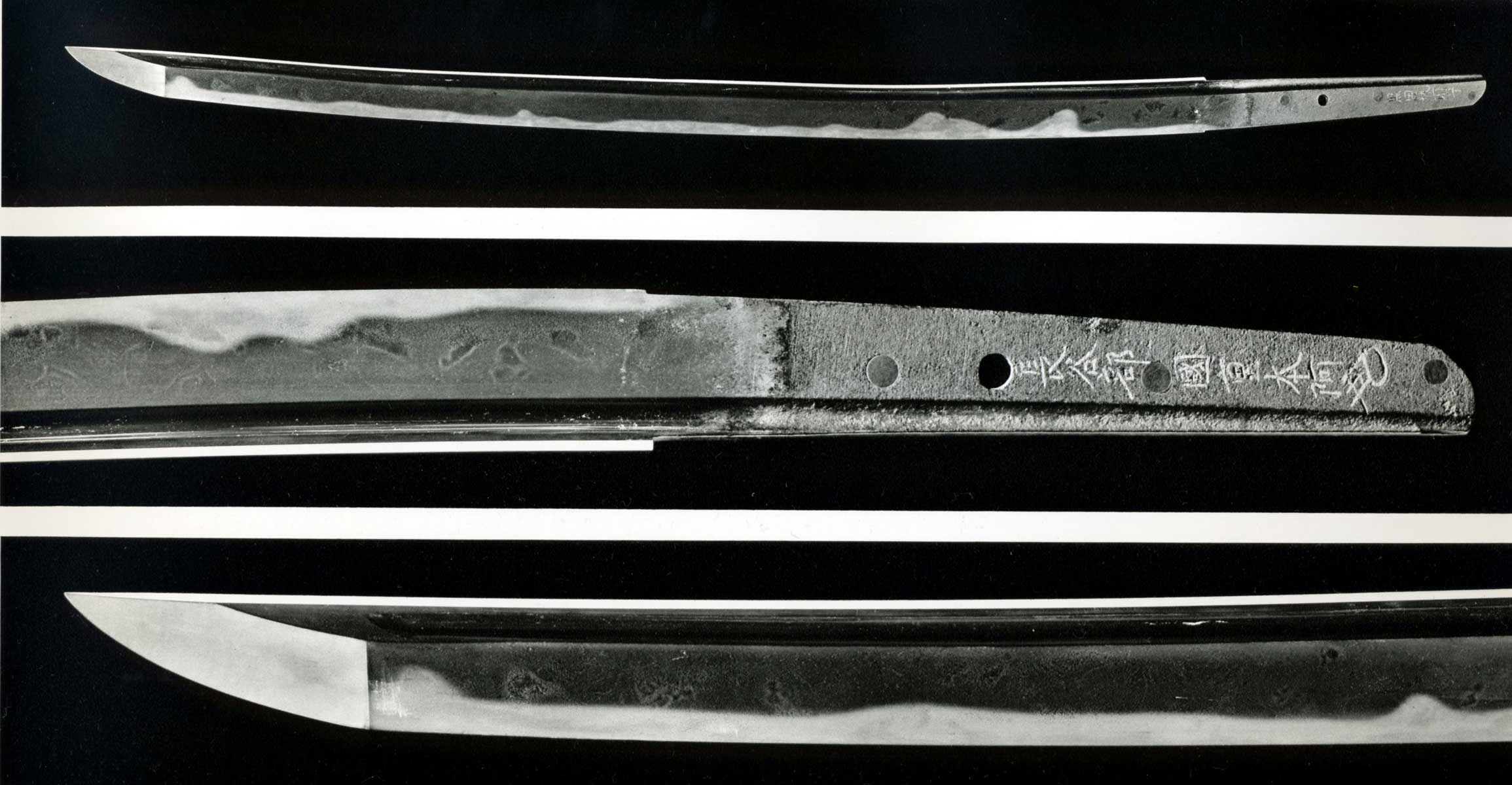
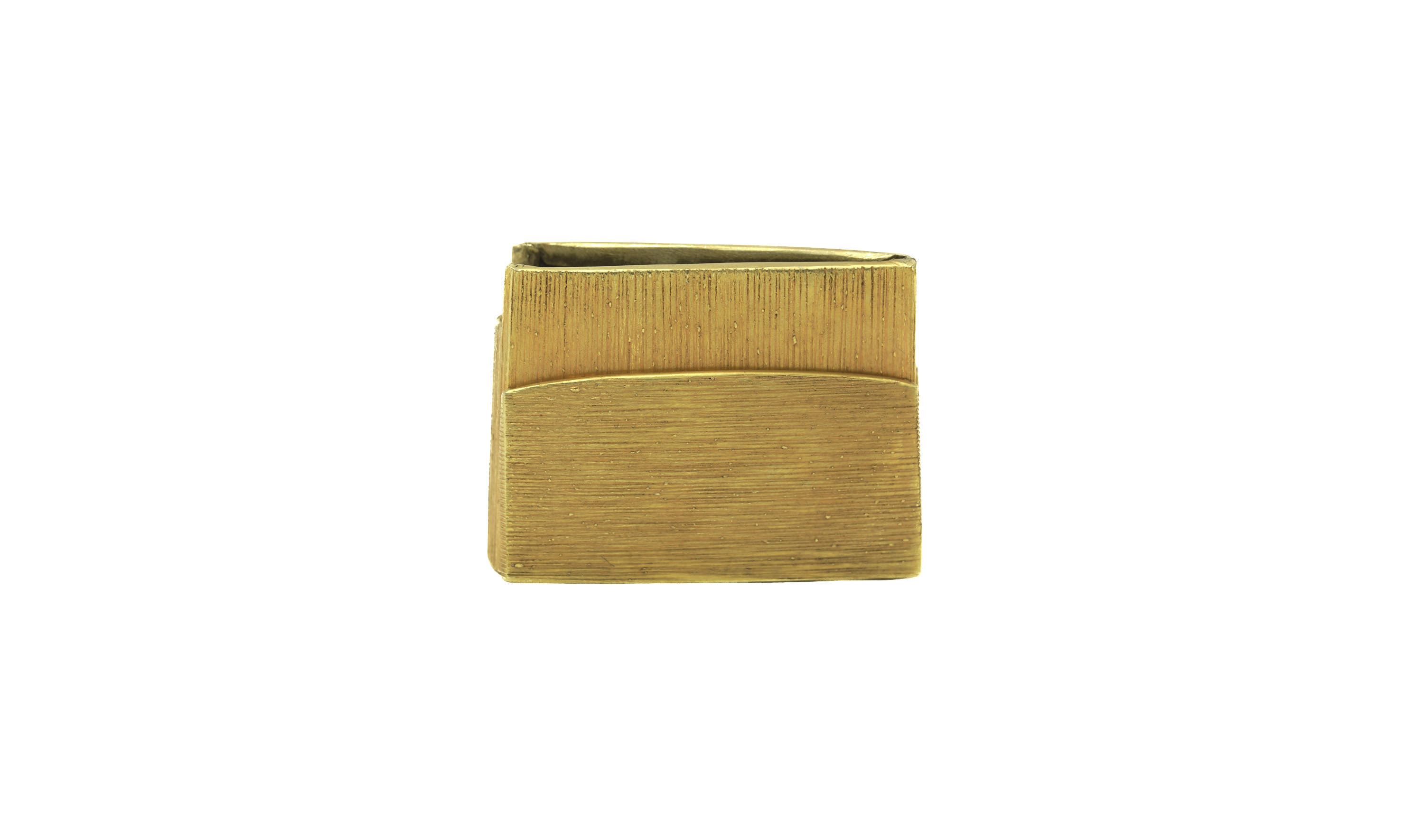
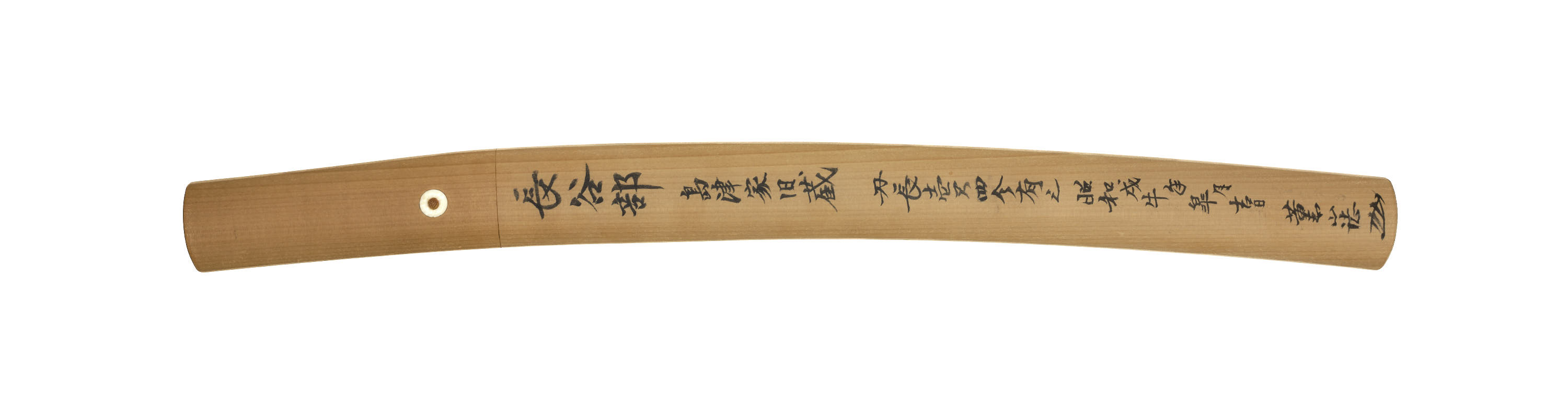
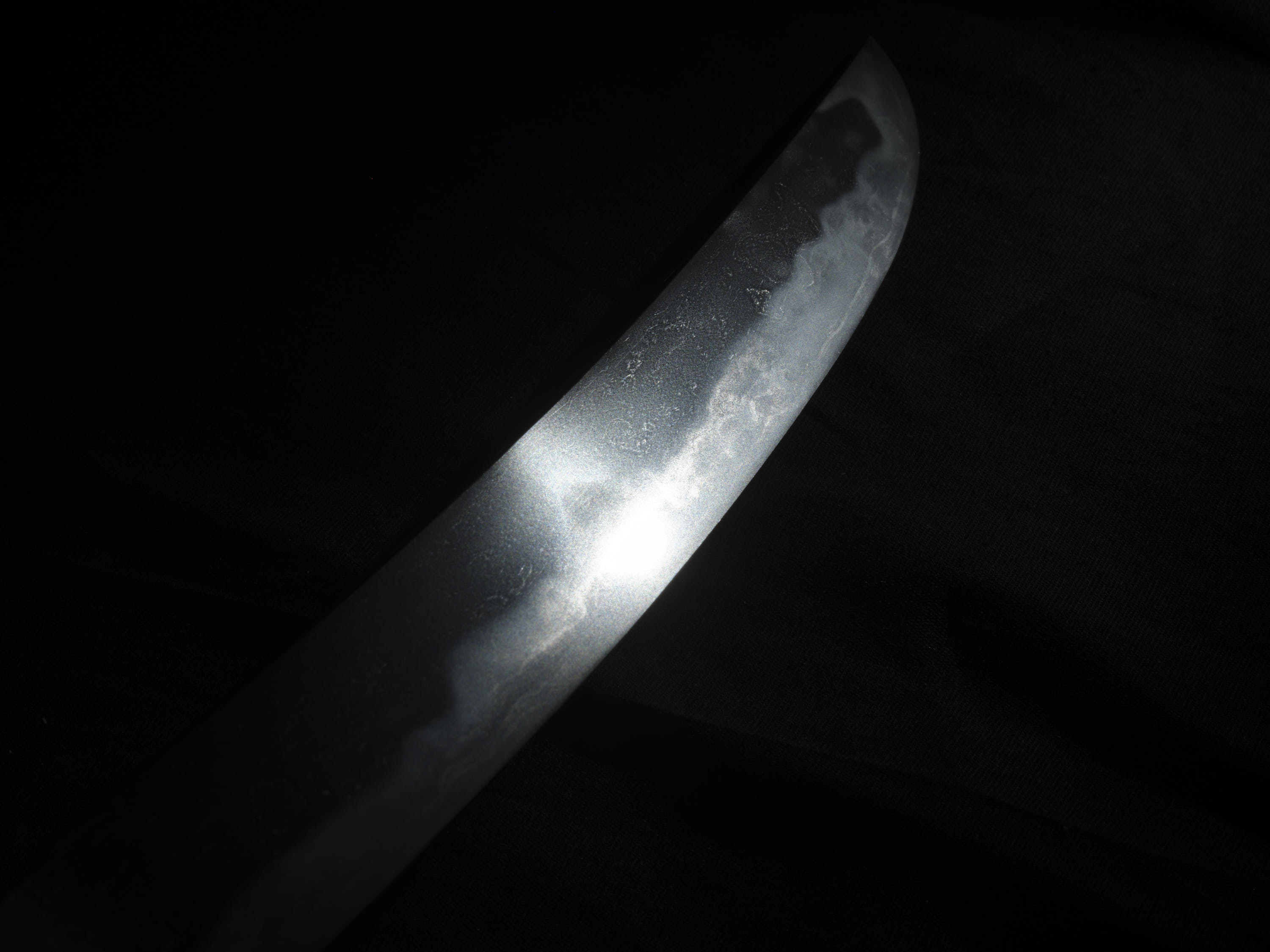
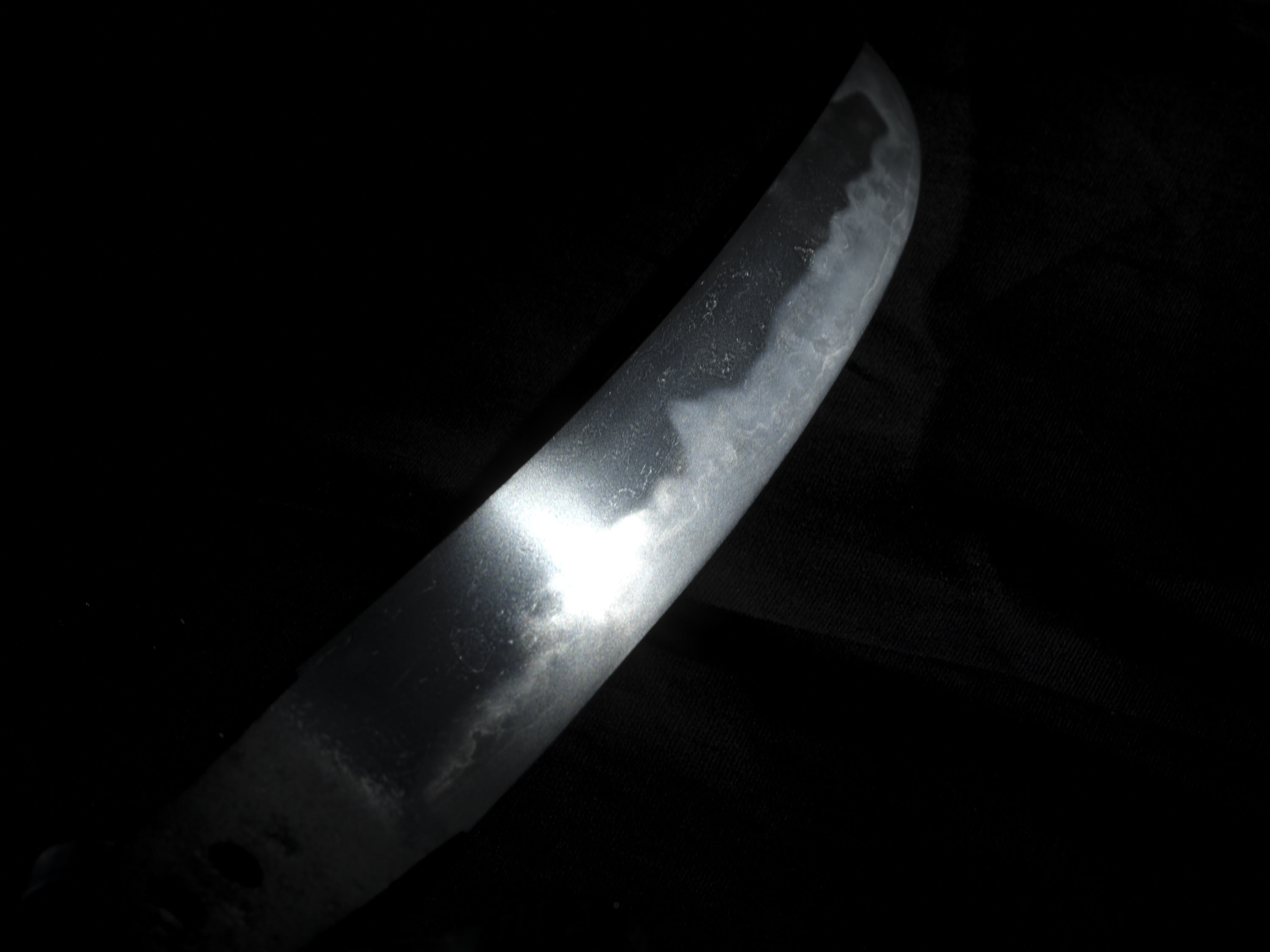
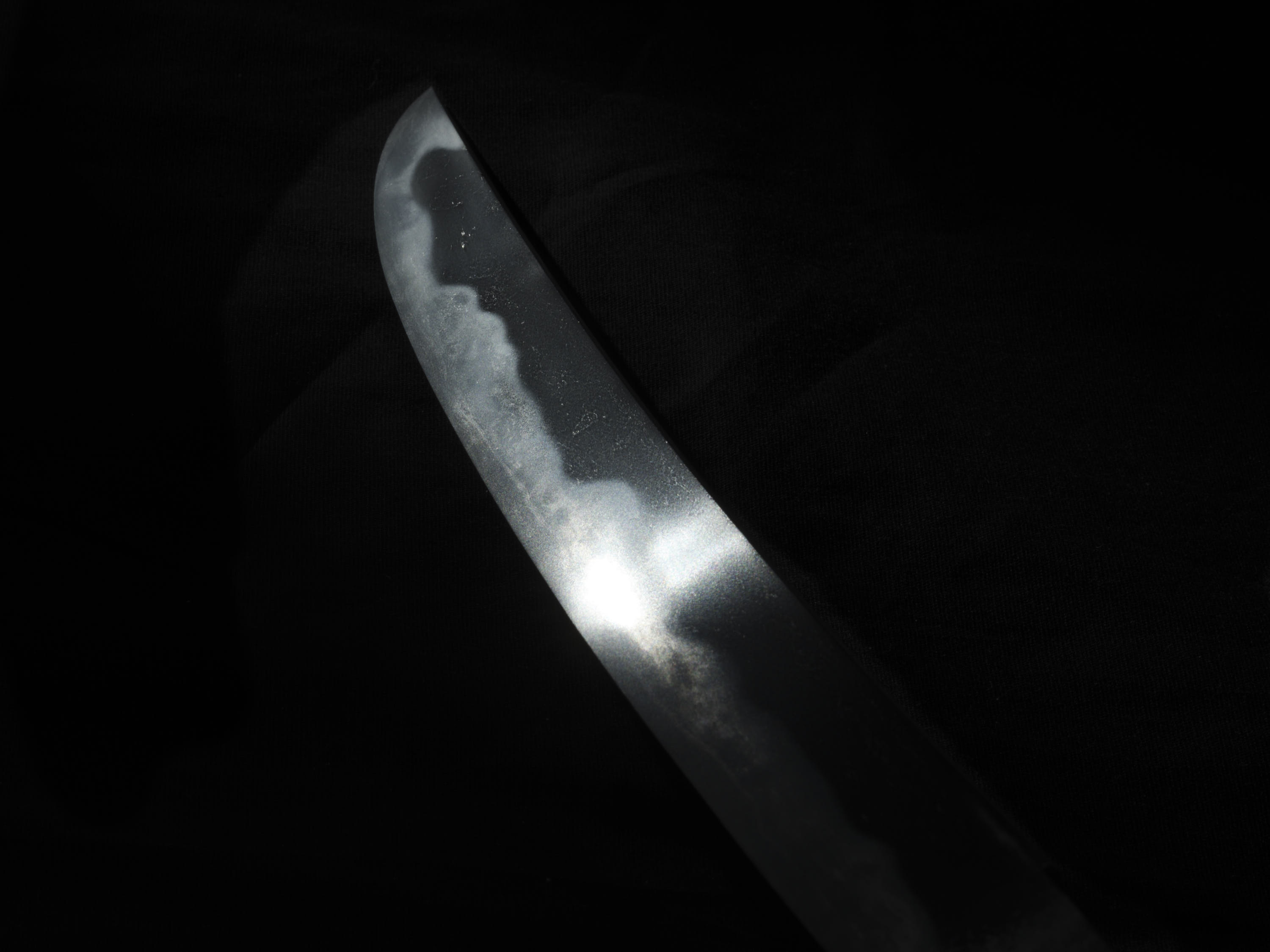
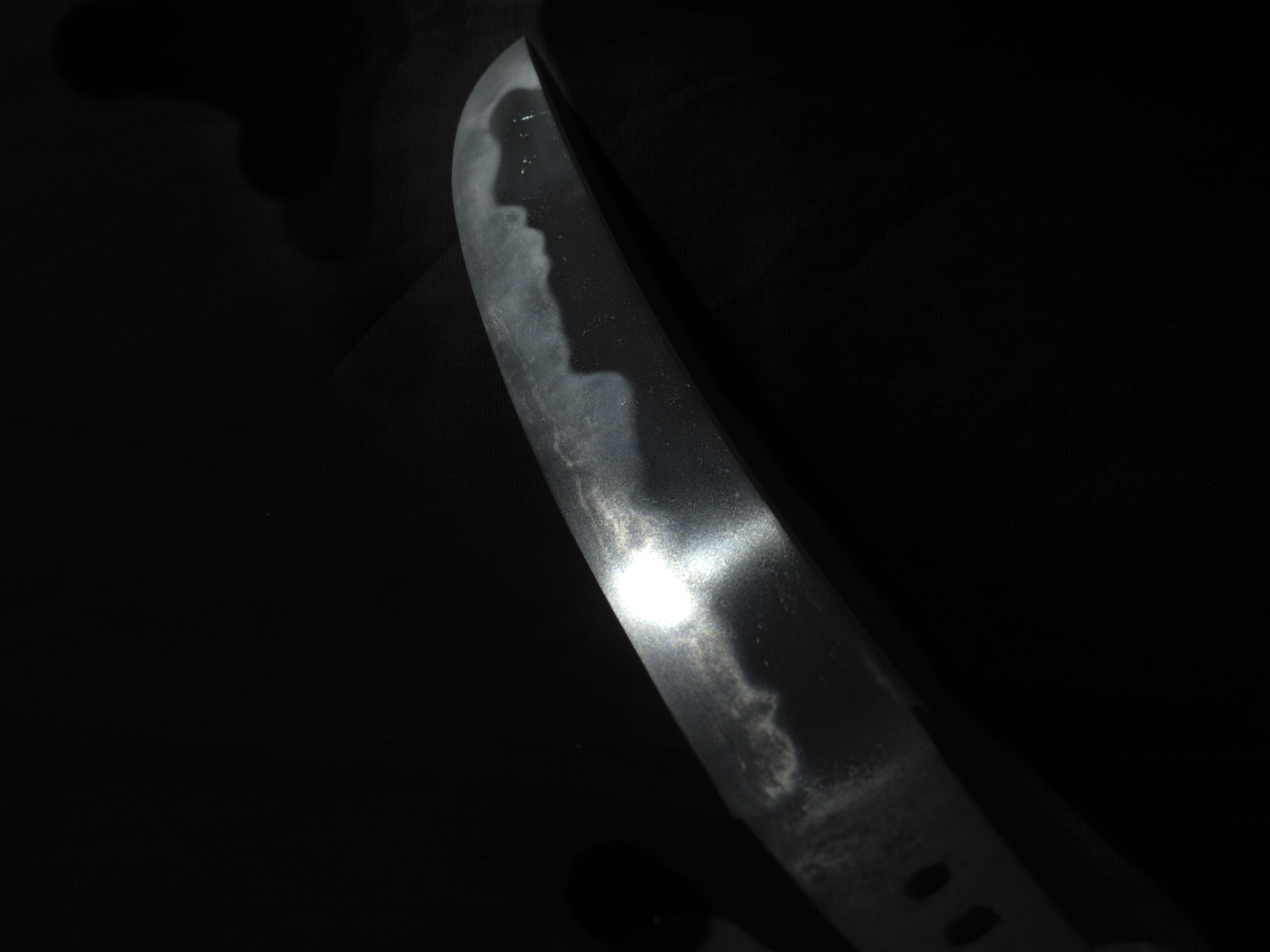
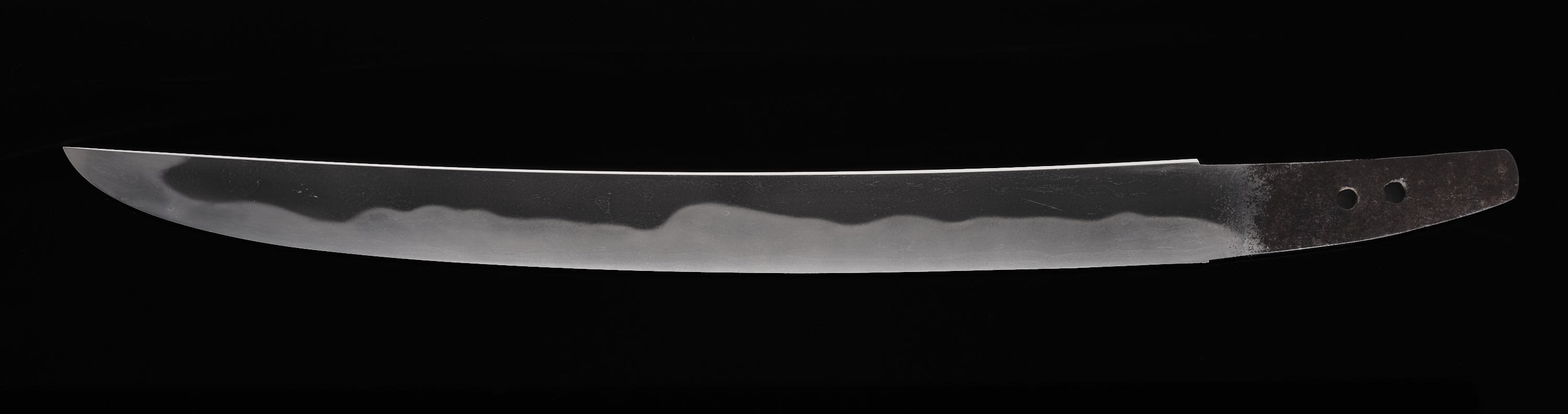
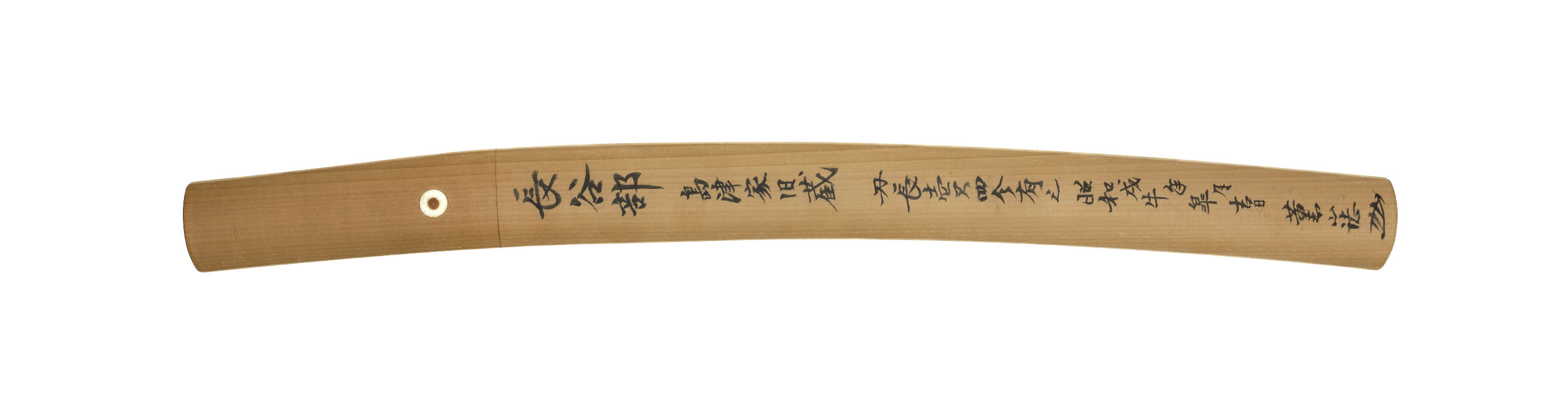
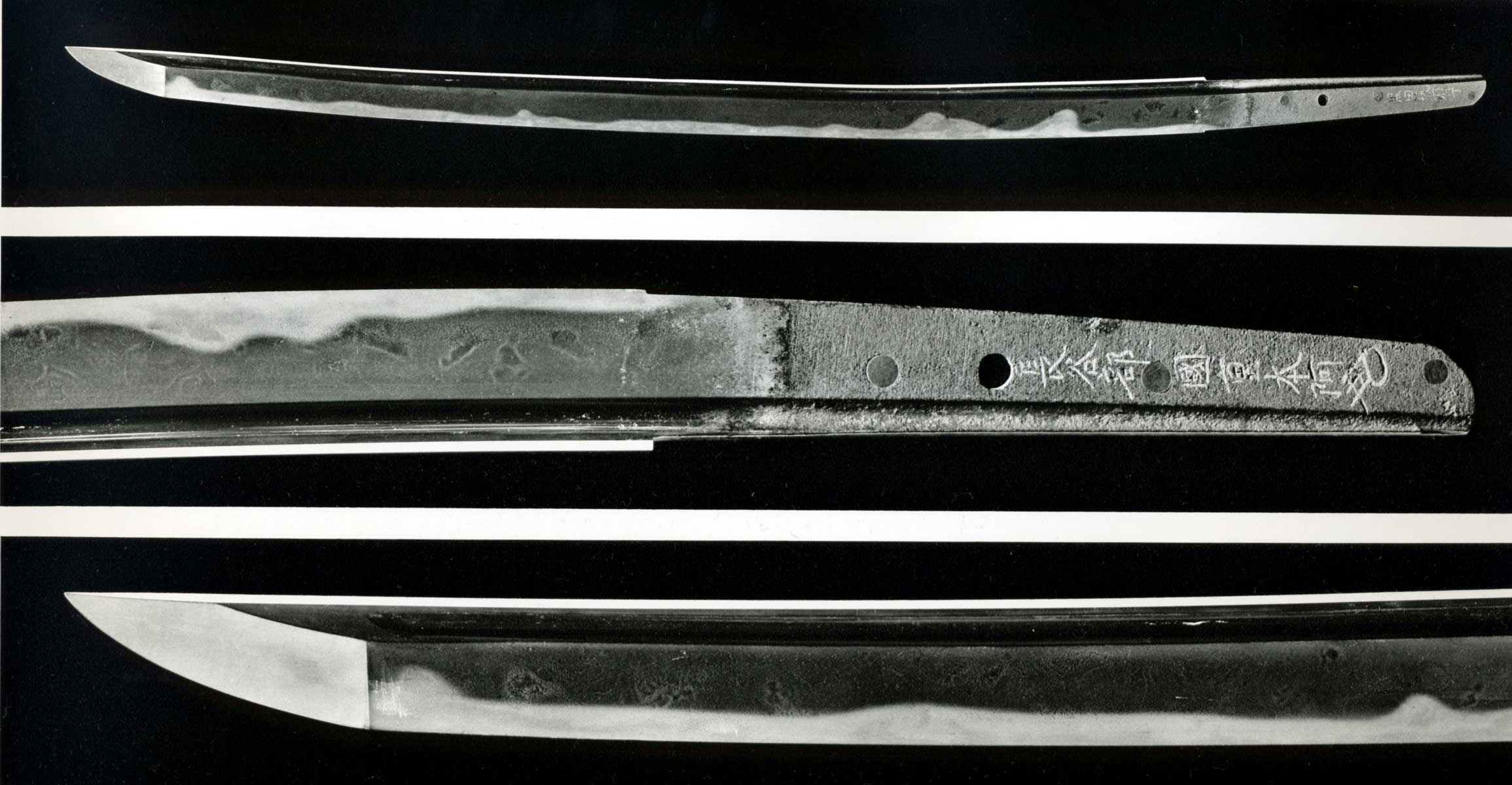
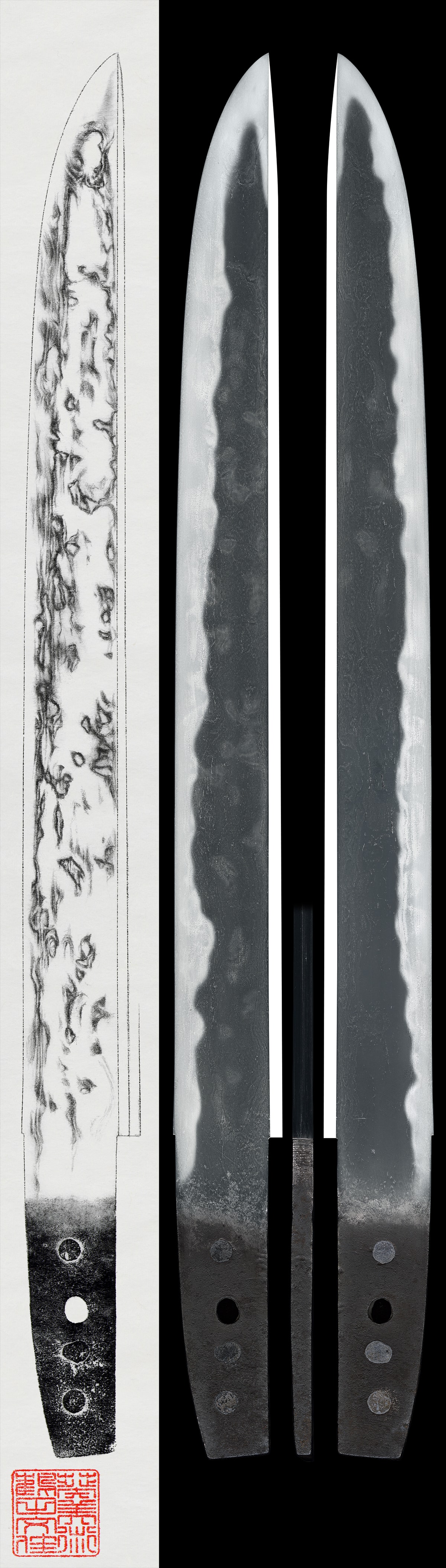
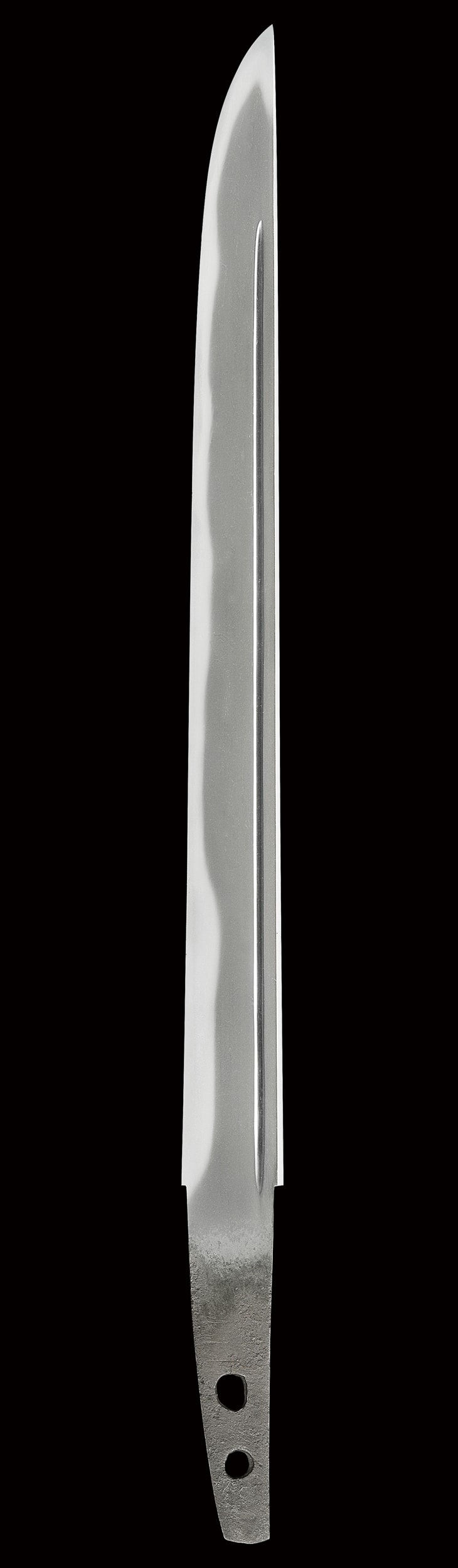
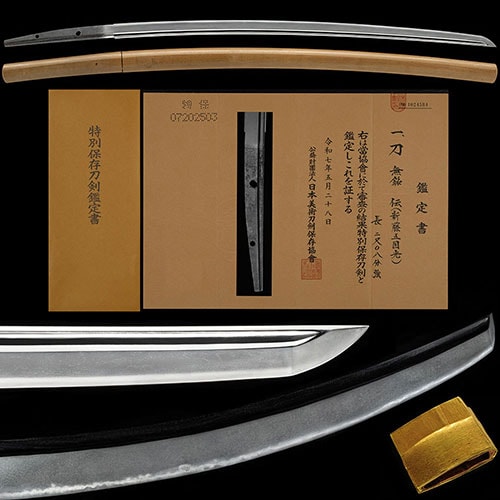
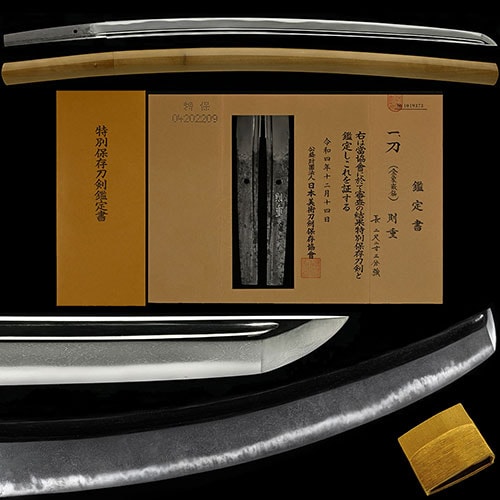
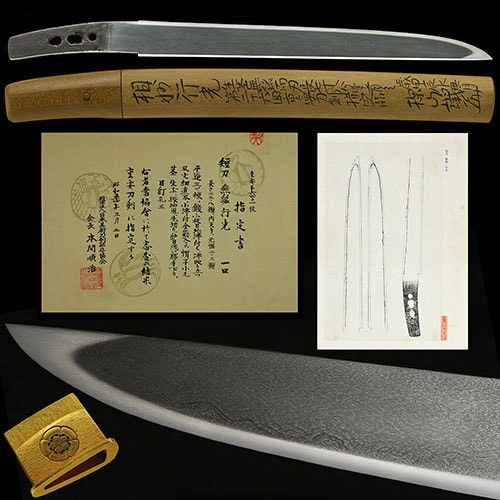
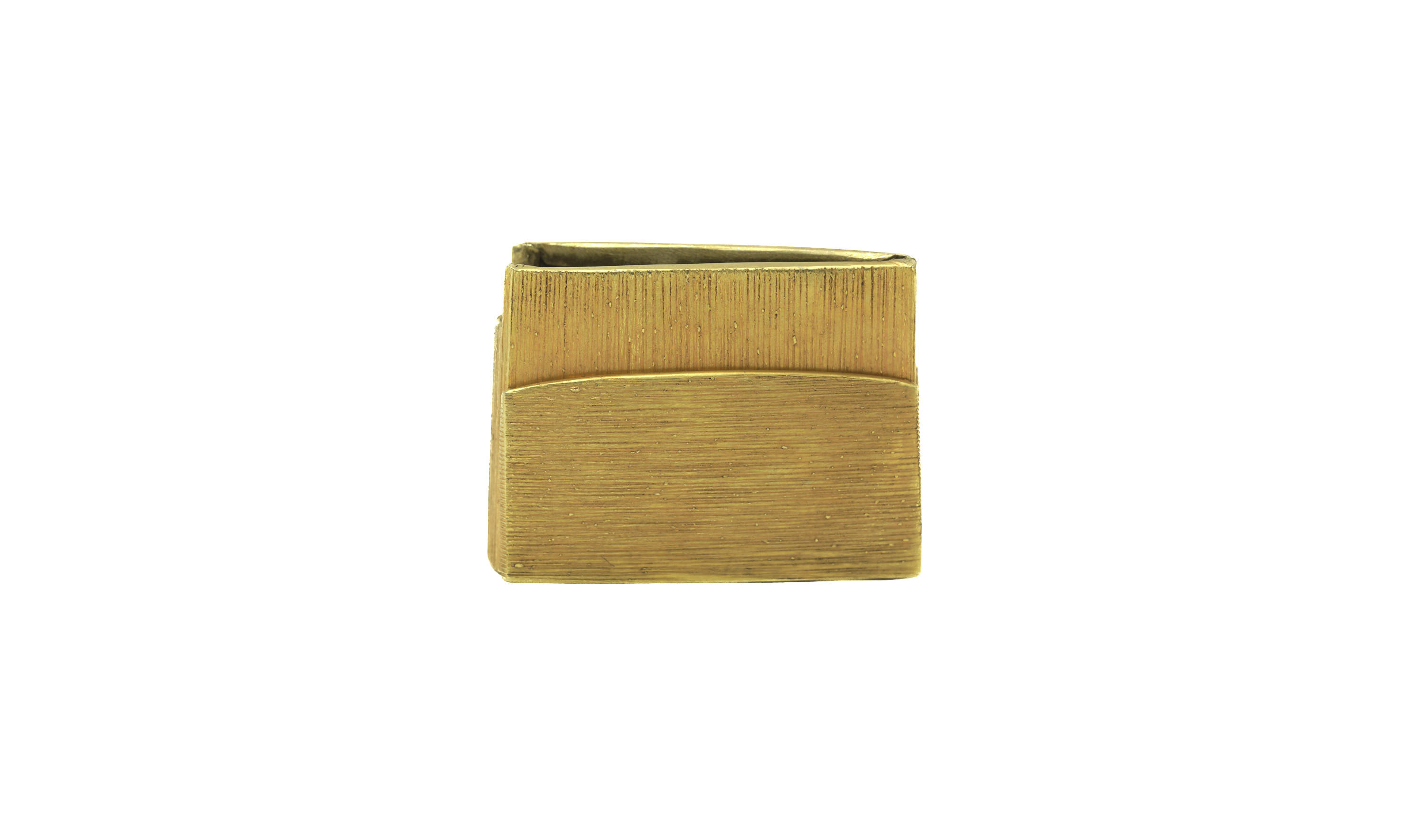
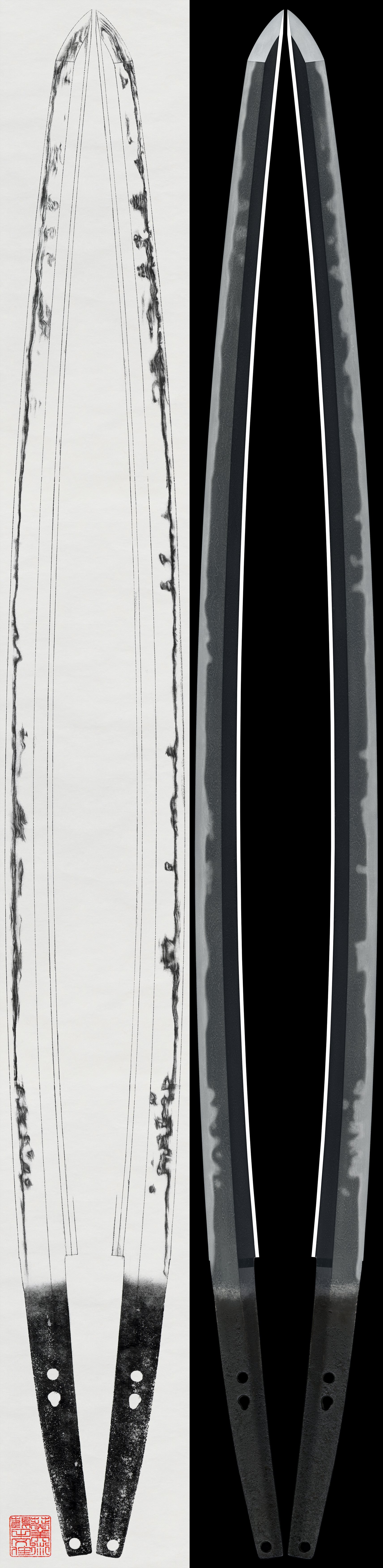
This is a Juyo wakizashi attributed to the Hasebe school. It is a sunnobi tanto, meaning it is slightly longer than a typical tanto. The blade exhibits characteristics of the Hasebe school, such as funagata nakago, zanguri hada, and tobiyaki.

NBTHK Setsumei

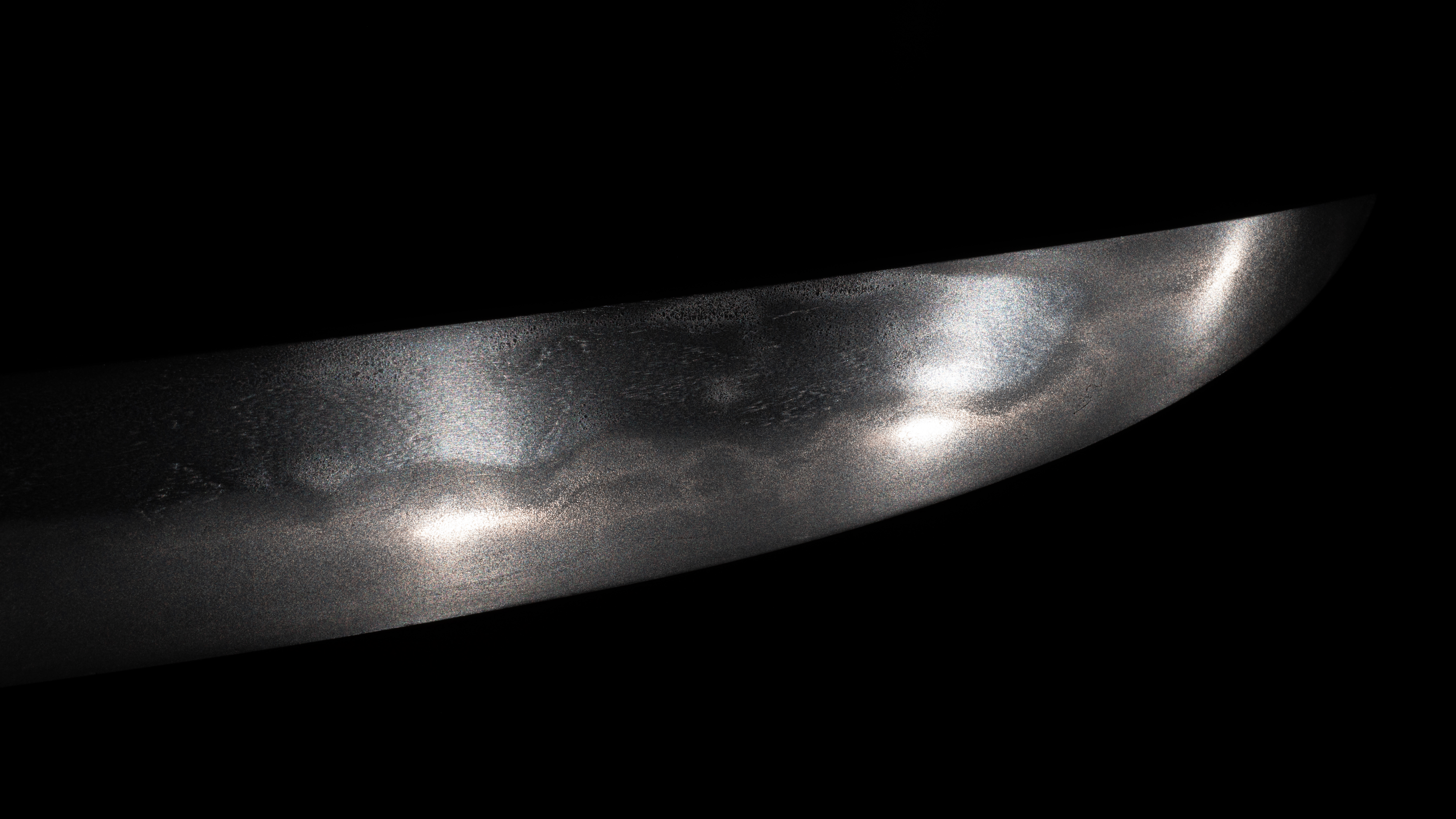
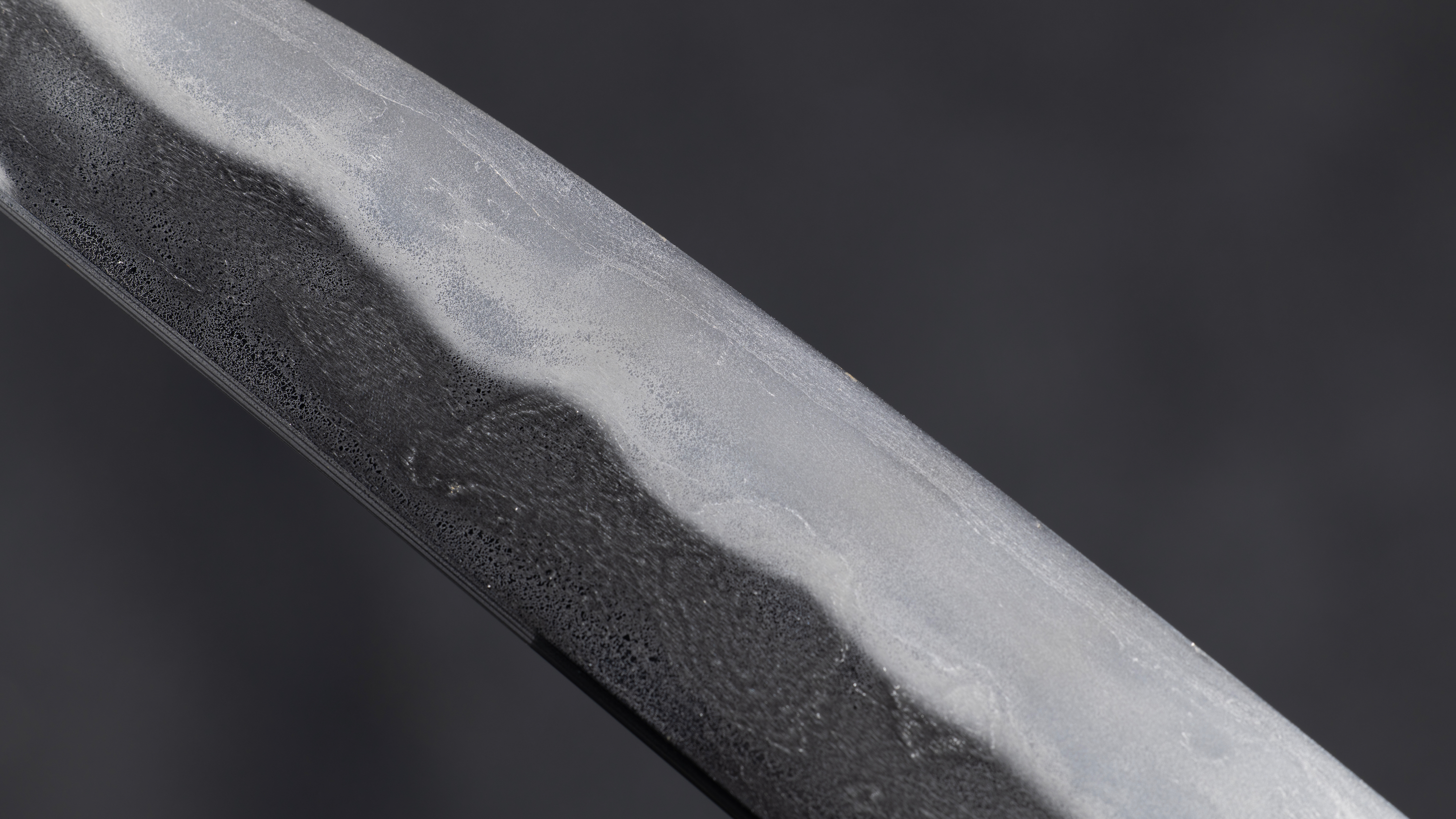
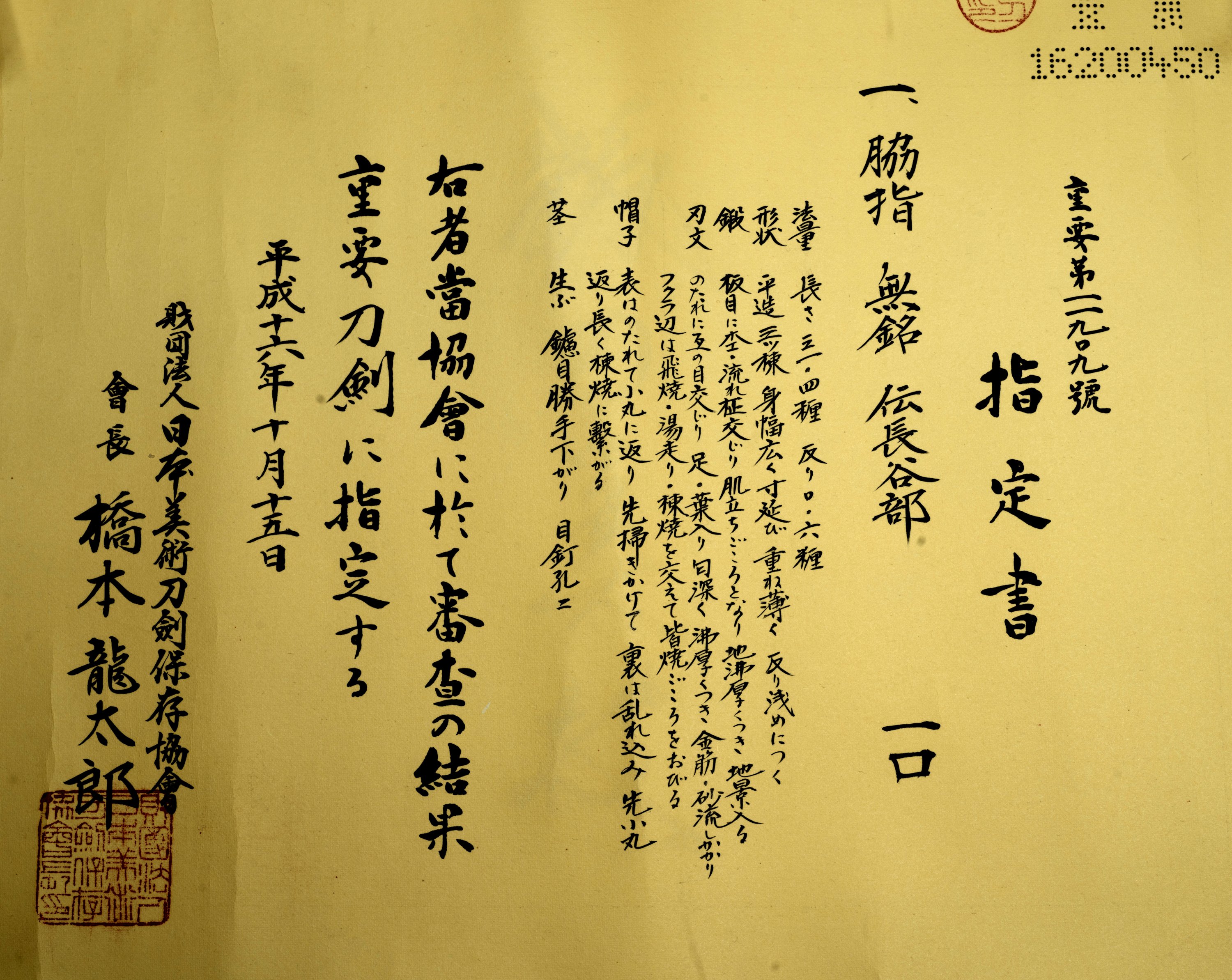
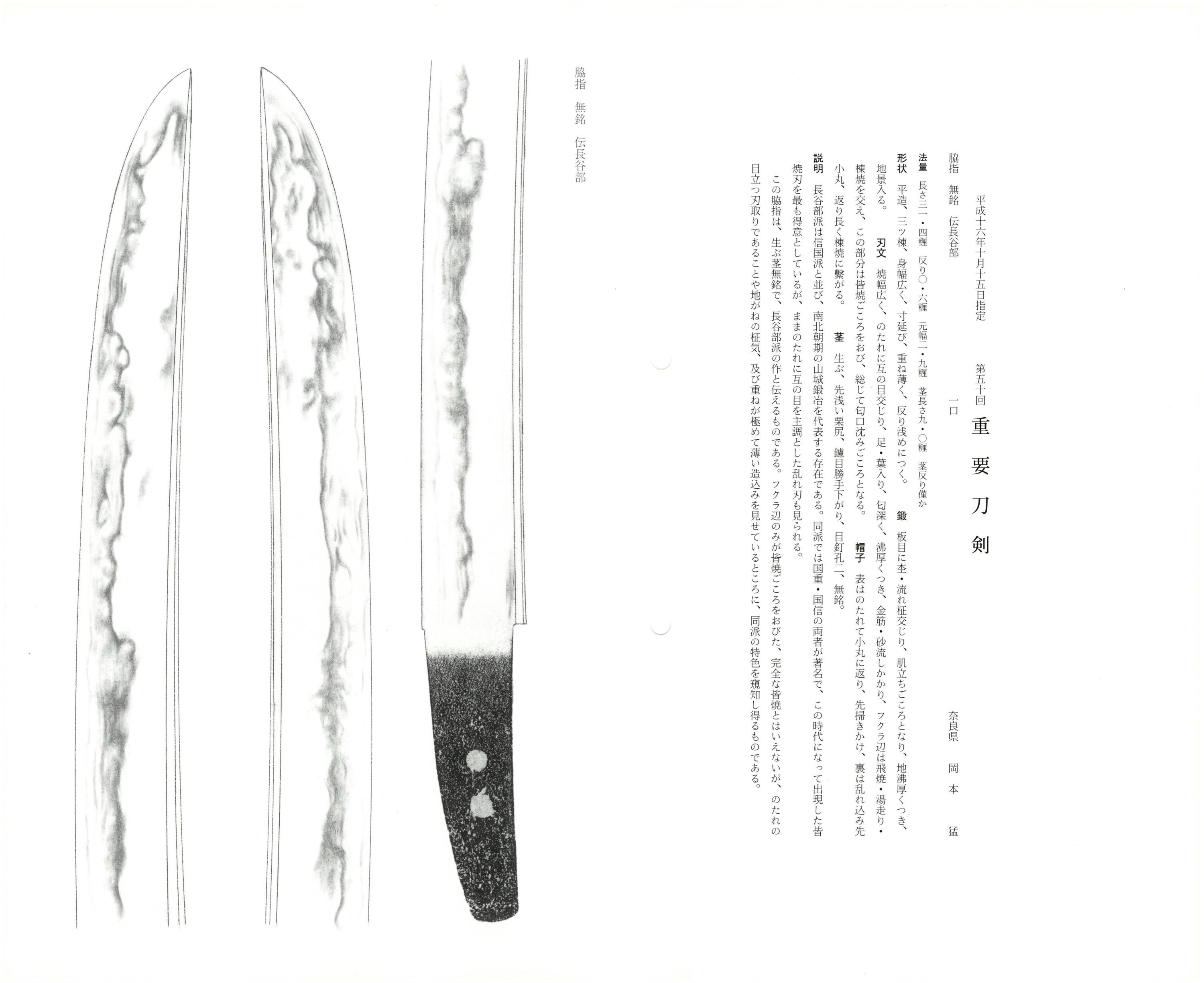
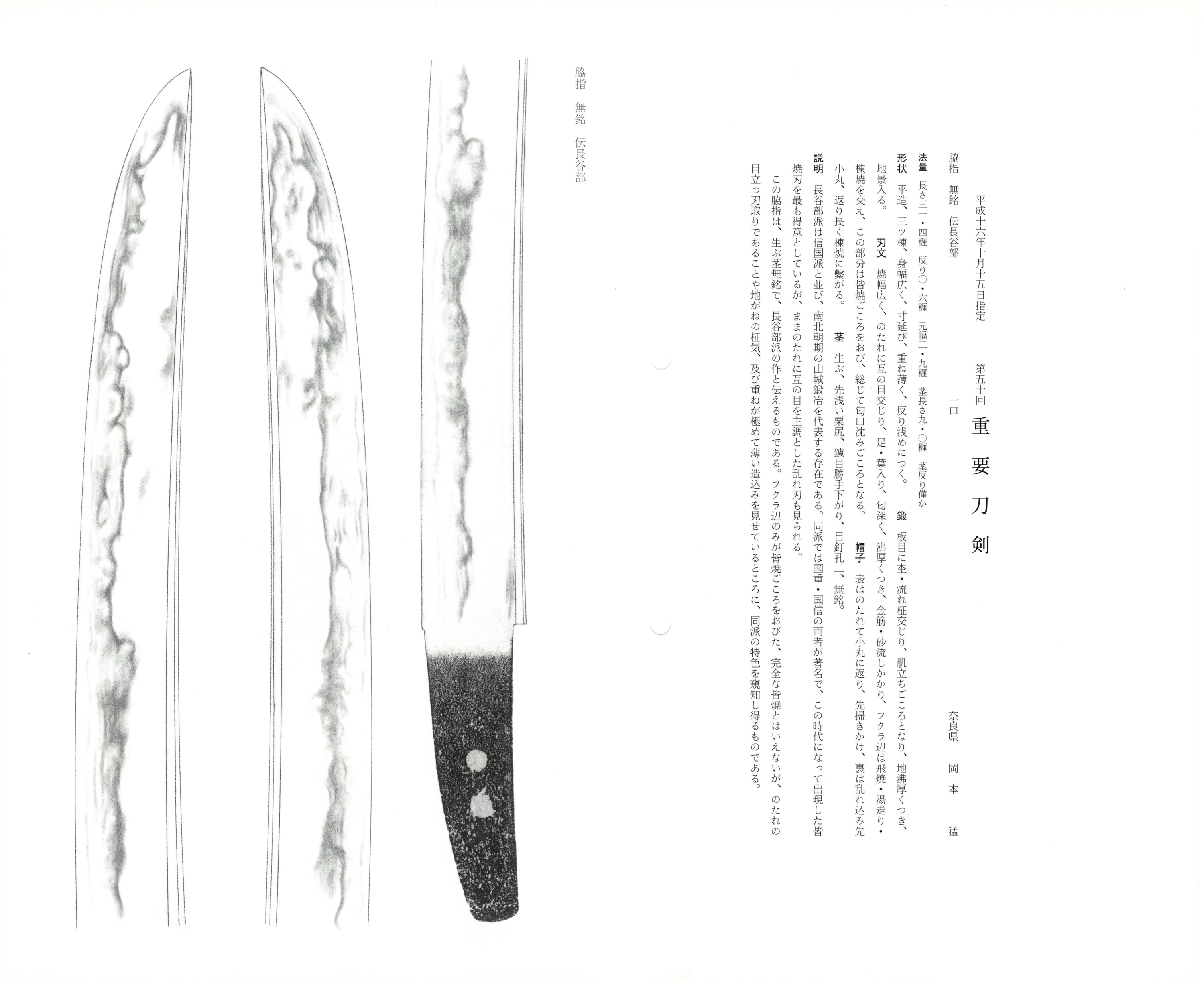
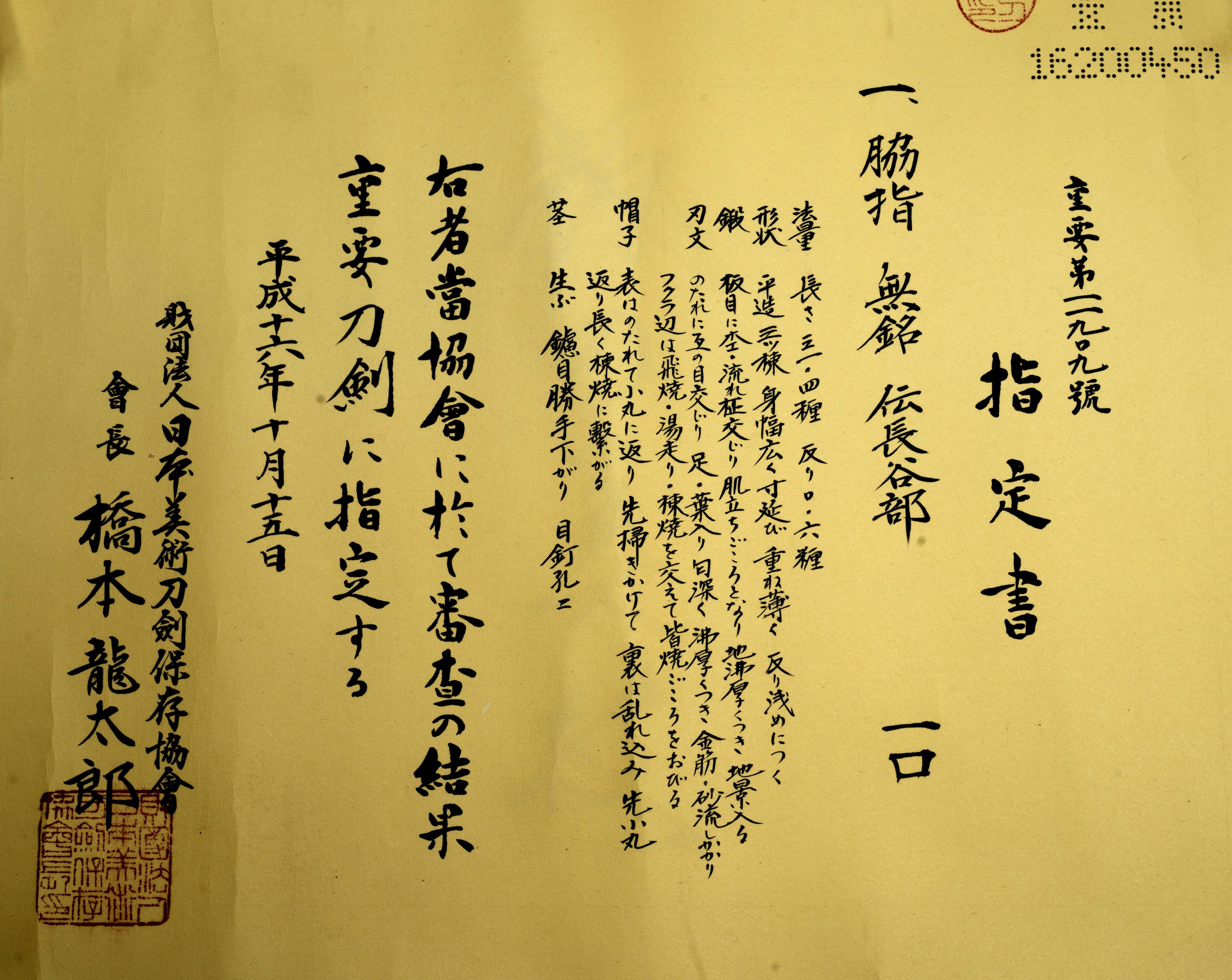
Jūyō-Tōken, 50th Session — Designated October 15, 2004 Wakizashi, mumei: den Hasebe (長谷部) Setsumei by Takeshi (猛) Measurements Nagasa 31.4 cm, sori 0.6 cm, motohaba 2.9 cm, nakago-nagasa 9.0 cm, nakago-sori slight Description Keijō: hira-zukuri construction with mitsu-mune; wide mihaba; sun-nobi proportions; thin kasane; and a somewhat shallow sori. Kitae: itame-hada mixed with mokume, flowing nagare, and masame; tending toward hada-dachi; with thickly adhering ji-nie and appearing chikei. Hamon: Broadly tempered; notare mixed with gunome, with ashi and yō; deep nioi with thickly adhering nie; kinsuji and sunagashi appear; around the fukura there are tobiyaki, yubashiri, and muneyaki—in this area it takes on a partial hitatsura-like aspect; overall, the nioiguchi shows a tendency toward shizumi (subdued). Bōshi: On the omote, notare turning back in ko-maru with hakikake at the point; on the ura, it enters in midare-komi and forms ko-maru with a long kaeri that connects into the muneyaki. Horimono: None. Nakago: ubu; nakago-jiri is a shallow kurijiri; yasurime are katte-sagari; two mekugi-ana; unsigned. Artisan Den Hasebe school (長谷部派) Era Nanbokuchō period Explanation The Hasebe lineage, together with the Nobukuni lineage, represents a principal current among the Yamashiro smiths of the Nanbokuchō period. Within this group, Kunishige and Kuninobu are especially well known. The school is regarded as particularly adept at forging hitatsura (full-tempered) blades—an approach that emerged in this period—though there are also examples in which the temper is based on notare with gunome as the prevailing feature, producing a midare-ba of that type. This wakizashi has an ubu tang and is unsigned, and it is traditionally transmitted as a work of the Hasebe school. Although only the area around the fukura takes on a hitatsura-like tendency—so it cannot be called a complete hitatsura—the prominent notare-based temper, the masame tendency within the jigane, and the construction showing an extremely thin kasane are all points through which one may perceive characteristic features of this school.

NihontoWatch MonNihontoWatch
MarketAuctionsEncyclopedia
Swords›Sōshū-den›Hasebe›Juyo Den Hasebe Sunnobi Tanto
wakizashiJūyō
Hasebe School

Juyo Den Hasebe Sunnobi Tanto

den · Hasebe · Nanbokucho · nagasa 31.2cm · sori 0.4cm

€30,000
Visit seller website →
Hasebe School — 1 of 19
Hasebe School — 2 of 19
Hasebe School — 3 of 19
Hasebe School — 4 of 19
Hasebe School — 5 of 19
Hasebe School — 6 of 19
Hasebe School — 7 of 19
Hasebe School — 8 of 19
Hasebe School — 9 of 19
Hasebe School — 10 of 19
Hasebe School — 11 of 19
Hasebe School — 12 of 19
Hasebe School — 13 of 19
Hasebe School — 14 of 19
Hasebe School — 15 of 19
Hasebe School — 16 of 19
Hasebe School — 17 of 19
Hasebe School — 18 of 19
Hasebe School — 19 of 19
1 / 19
1 / 19
Hasebe School — 1 of 19Hasebe School — 2 of 19Hasebe School — 3 of 19Hasebe School — 4 of 19Hasebe School — 5 of 19Hasebe School — 6 of 19Hasebe School — 7 of 19Hasebe School — 8 of 19Hasebe School — 9 of 19Hasebe School — 10 of 19Hasebe School — 11 of 19Hasebe School — 12 of 19Hasebe School — 13 of 19Hasebe School — 14 of 19Hasebe School — 15 of 19Hasebe School — 16 of 19Hasebe School — 17 of 19Hasebe School — 18 of 19Hasebe School — 19 of 19
Measurements & details
Smith
Hasebe School
Type
Wakizashi
School
Hasebe
Period
Nanbokucho(1334)
Province
Yamashiro
Signature
den(0% of this smith's designated works are signed)
Measurements
Nagasa 31.2cmSori 0.4cmMotohaba 2.9cmKasane 0.45cmWeight 200g
Description

This is a Juyo wakizashi attributed to the Hasebe school. It is a sunnobi tanto, meaning it is slightly longer than a typical tanto. The blade exhibits characteristics of the Hasebe school, such as funagata nakago, zanguri hada, and tobiyaki.

NBTHK Zufu Commentary

Juyo #50

AI translation — may contain errors

-, 50th Session — Designated October 15, 2004

, : Hasebe (長谷部)

by Takeshi (猛)

Measurements 31.4 cm, 0.6 cm, 2.9 cm, 9.0 cm, slight

Description Keijō: construction with ; wide ; proportions; thin ; and a somewhat shallow . : mixed with , flowing , and ; tending toward ; with thickly adhering and appearing . : Broadly tempered; mixed with , with and ; deep with thickly adhering ; and appear; around the there are , , and —in this area it takes on a partial -like aspect; overall, the shows a tendency toward (subdued). : On the , turning back in with at the point; on the , it enters in and forms with a long that connects into the . : None. : ; is a shallow ; are ; two ; unsigned.

Artisan Hasebe school (長谷部派)

Era period

Explanation The Hasebe lineage, together with the lineage, represents a principal current among the Yamashiro smiths of the period. Within this group, Kunishige and Kuninobu are especially well known. The school is regarded as particularly adept at forging (full-tempered) blades—an approach that emerged in this period—though there are also examples in which the temper is based on with as the prevailing feature, producing a -ba of that type.

This has an tang and is unsigned, and it is traditionally transmitted as a work of the Hasebe school. Although only the area around the takes on a -like tendency—so it cannot be called a complete —the prominent -based temper, the tendency within the , and the construction showing an extremely thin are all points through which one may perceive characteristic features of this school.

About the school

Hasebe

長谷部

Soshu-den · Yamashiro

4 pieces on the market now

›

The Hasebe school (長谷部) took its base in Kyoto, at Gojo-bomon Inokuma in Yamashiro, where it settled during the Nanbokucho period after a longer migration that the published sources now read as a movement out of Yamato, through maturation in Sagami, and at last into the capital. Its founder, Hasebe Kunishige, carried the Soshu-den learned in the orbit of Masamune, counted in the old reckoning among the Masamune-juttetsu, and his Yamato substrate shows through the Soshu manner in his steel. Learn more →
6 recorded smiths132 designated works
Leading smiths
SmithEraDesignated
Kunishige國重1334-136054
Kuninobu國信1334-136341
Kunihira國平1336-13643
Kageshige景重1532-15550
Kunishige國重1370-13720
Explore the Hasebe school →
NBTHK Certificate
Jūyō Tōken重要刀剣
Important Sword
›

A blade of top-grade workmanship and condition, formally judged to rank with a nationally recognized Important Art Object (Jūyō Bijutsuhin). Awarded only at the NBTHK’s competitive annual examination.

Of Japan’s roughly 2.5 million registered swords, only 12,307 (about 1 in 203) have ever attained Jūyō.

About the NBTHK›

The NBTHK (Nihon Bijutsu Tōken Hozon Kyōkai, the Society for the Preservation of Japanese Art Swords) is a public-interest incorporated foundation founded in 1948 and supervised by Japan’s Agency for Cultural Affairs (Bunkachō); it is based at the Japanese Sword Museum in Tokyo. Its expert panels physically examine each submitted work (shinsa) and issue a certificate (kanteishō) ranking it by artistic and historical merit. NBTHK papers are the most widely recognized standard of authentication for Japanese swords and fittings.

NBTHK official site→
Seller
M
Mandarin Mansion
Established 2005 · 21 yrs on the market
🇳🇱Ships from Netherlands
›
✓Verified dealermandarinmansion.com
Settles in EUR
✓Ships worldwide✓English supportWire transferPayPal
Return policy

Returns accepted on items ordered from the site when an item does not appear to be as depicted and described; buyer must notify via email within 7 days of receipt. Refund covers purchase price minus shipping, bank fees, and currency conversion. Sales on items paid in terms are final, as are sales of items personally inspected.

View all of Mandarin Mansion’s listings→View this item on the dealer’s site→

Previously sold — Hasebe School

Tokyo Sword
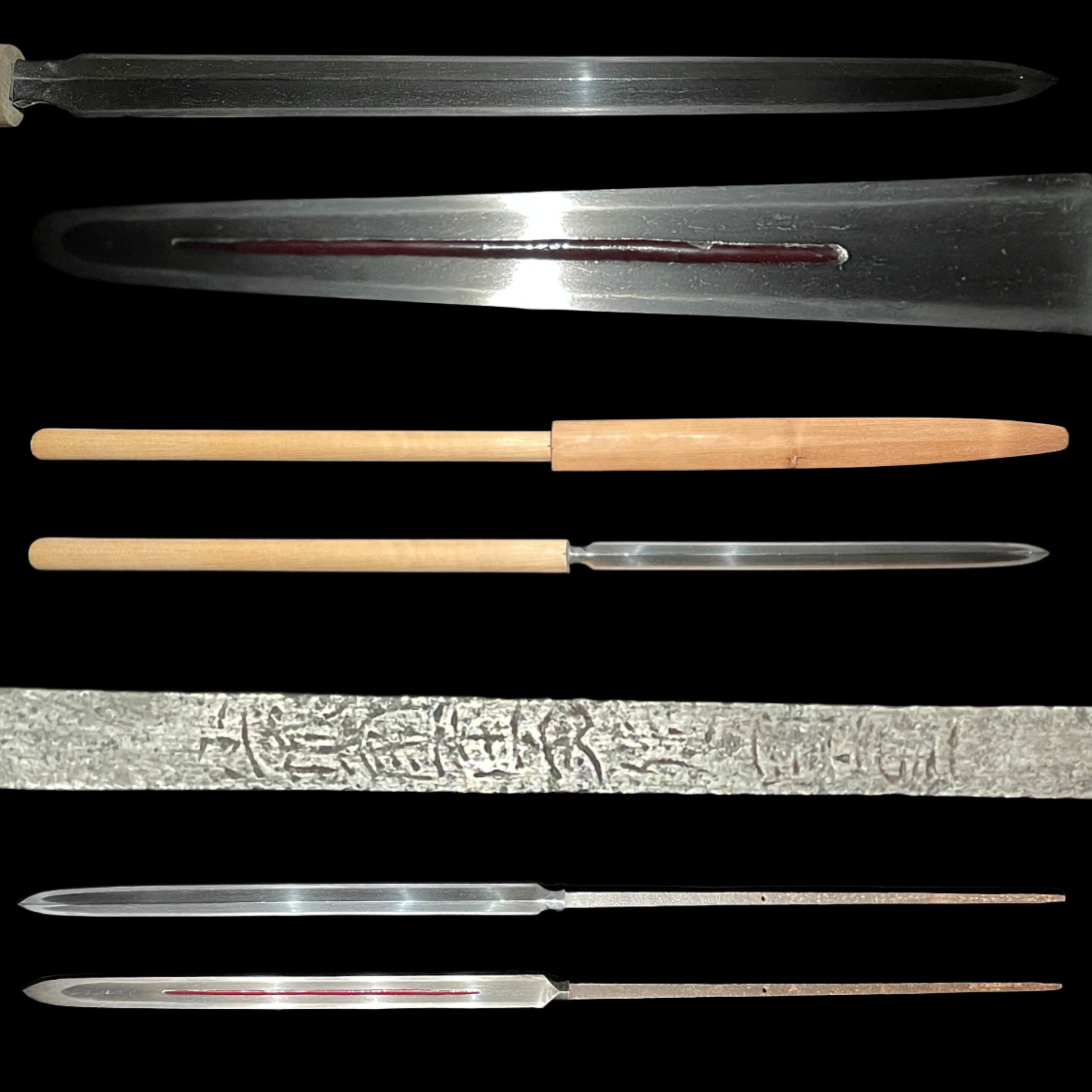
Yari - by Hasebe School - Long Hirasankaku Yari (Spear): Yamashirokokuju Kunishige, signed Edo periodYari - by Hasebe School - Long Hirasankaku Yari (Spear): Yamashirokokuju Kunishige, signed Edo period
Sold

Yari

ByHasebe School
SOLD
Aoi Art
Tanto - by Hasebe School - Mumei (Hasebe)Tanto - by Hasebe School - Mumei (Hasebe)
Sold

Tantō

ByHasebe School
SOLD
Unique Japan
Tokuho
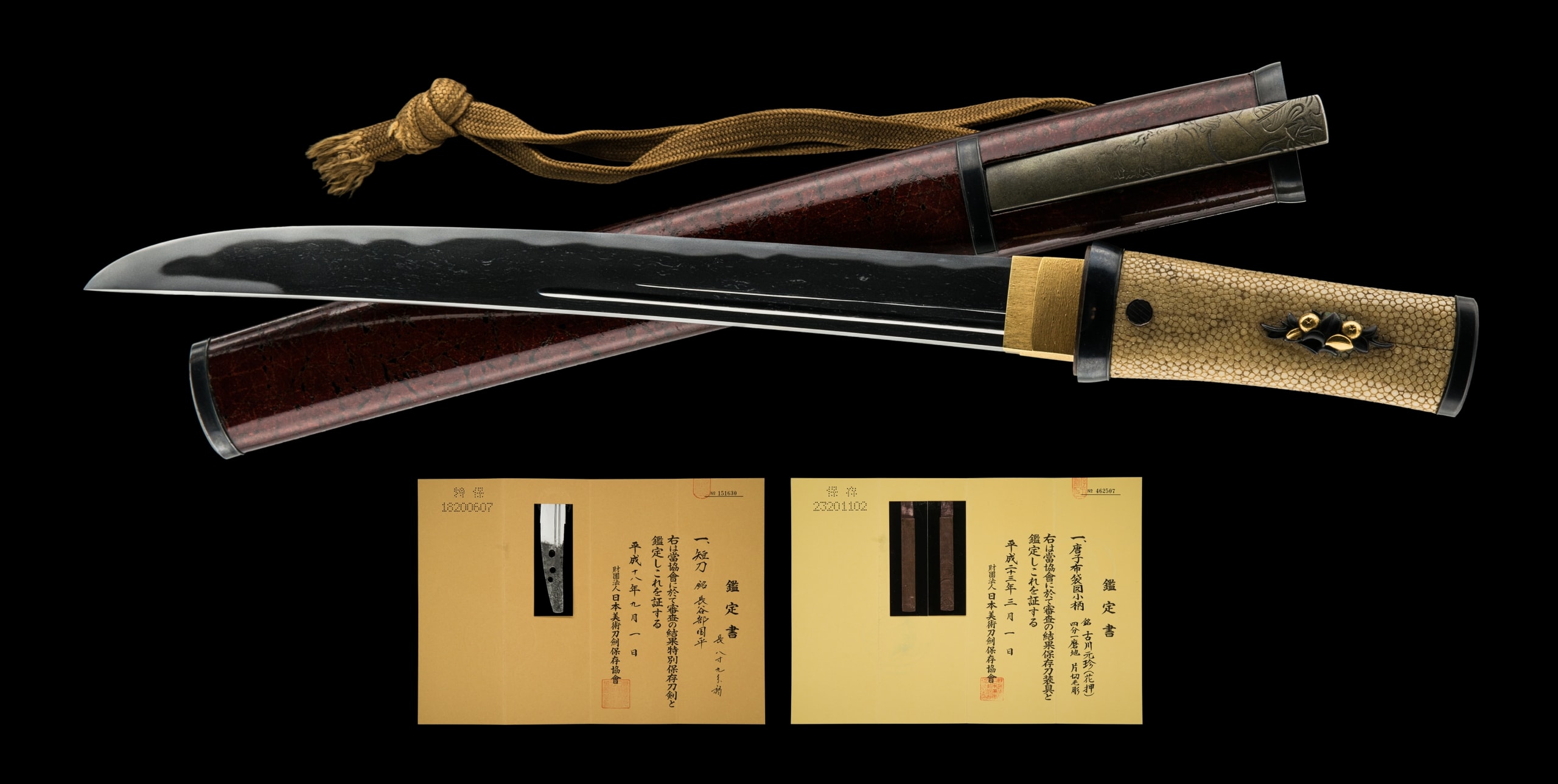
Tanto - Tokuho - by Hasebe School - A Hasebe Kunihira TantoTanto - Tokuho - by Hasebe School - A Hasebe Kunihira Tanto
Sold

Tantō

ByHasebe School
SOLD
Kusanagi
Hozon
Katana - Hozon - by Hasebe School - 出来は長谷部皆焼在銘『国重』保存刀剣鑑定書Katana - Hozon - by Hasebe School - 出来は長谷部皆焼在銘『国重』保存刀剣鑑定書
Sold

Katana

ByHasebe School
SOLD

More from the Hasebe school

View all →
Hyozaemon
Tokuho
Wakizashi - Tokuho - by Hasebe School - Hasebe KunishigeWakizashi - Tokuho - by Hasebe School - Hasebe Kunishige

Wakizashi

ByHasebe School
¥3,200,000
Nihonto Australia
Tokuho
Tanto - Tokuho - by Hasebe Kunishige - Sunnobi Tanto: Kunishige - with NBTHK Tokubetsu Hozon CertificateTanto - Tokuho - by Hasebe Kunishige - Sunnobi Tanto: Kunishige - with NBTHK Tokubetsu Hozon Certificate

Tantō

ByHasebe Kunishige
Ask
Eirakudo
Tokuho
Katana - Tokuho - by Hasebe School - Hasebe - Tokubetsu Hozon TokenKatana - Tokuho - by Hasebe School - Hasebe - Tokubetsu Hozon Token

Katana

ByHasebe School
¥3,300,000

More from the Sōshū tradition

View all →
Samurai Nippon
Jūyō
Katana - Jūyō - by Soshu Norishige - Mumei (Attributed to Norishige)Katana - Jūyō - by Soshu Norishige - Mumei (Attributed to Norishige)

Katana

BySoshu Norishige
Ask
Toukentakarado
Tokuho
Wakizashi - Tokuho - by Sa Kunihiro - Mumei Attributed to Den Sa KunihiroWakizashi - Tokuho - by Sa Kunihiro - Mumei Attributed to Den Sa Kunihiro

Wakizashi

BySa Kunihiro
¥1,500,000
Nihon Art
Jūyō
Katana - Jūyō - by Soshu Norishige - Juyo Etchu Norishige Katana with Kochu KinzoganmeiKatana - Jūyō - by Soshu Norishige - Juyo Etchu Norishige Katana with Kochu Kinzoganmei

Katana

BySoshu Norishige
Ask
Eirakudo
Tokuho
Katana - Tokuho - by Shintogo Kunimitsu - Shintogo Kunimitsu - Tokubetsu Hozon TokenKatana - Tokuho - by Shintogo Kunimitsu - Shintogo Kunimitsu - Tokubetsu Hozon Token

Katana

ByShintogo Kunimitsu
¥7,500,000
Aoi Art
Tokuho
Katana - Tokuho - by Gō Yoshihiro - Mumei (Unsigned) Den Go YoshihiroKatana - Tokuho - by Gō Yoshihiro - Mumei (Unsigned) Den Go Yoshihiro

Katana

ByGō Yoshihiro
¥35,000,000
Tsuruginoya
Tokujū
Katana - Tokuju - by Soshu Yukimitsu - Soshu YukimitsuKatana - Tokuju - by Soshu Yukimitsu - Soshu Yukimitsu

Katana

BySoshu Yukimitsu
Ask
Eirakudo
Jūyō
Tanto - Jūyō - by Soshu Yukimitsu - Soshu Yukimitsu - Juyo TokenTanto - Jūyō - by Soshu Yukimitsu - Soshu Yukimitsu - Juyo Token

Tantō

BySoshu Yukimitsu
Ask
Choshuya
Jūyō
Tanto - Jūyō - by Soshu Norishige - Ubu-nakago Mumei NorishigeTanto - Jūyō - by Soshu Norishige - Ubu-nakago Mumei Norishige

Tantō

BySoshu Norishige
¥6,500,000

Swords

  • Katana
  • Wakizashi
  • Tantō
  • Tachi
  • Naginata
  • Yari

Fittings

  • Tsuba
  • Fuchi-Kashira
  • Kozuka
  • Menuki

By Certification

  • Tokujū
  • Jūyō
  • Tokuho
  • Hozon

Resources

  • Dealer Directory
  • Artist Directory
  • Glossary
  • Browse All
Nihontowatch© 2026
TermsPrivacyCookiesAbout

Description

This is a Juyo wakizashi attributed to the Hasebe school. It is a sunnobi tanto, meaning it is slightly longer than a typical tanto. The blade exhibits characteristics of the Hasebe school, such as funagata nakago, zanguri hada, and tobiyaki.

NBTHK Setsumei

Jūyō-Tōken, 50th Session — Designated October 15, 2004 Wakizashi, mumei: den Hasebe (長谷部) Setsumei by Takeshi (猛) Measurements Nagasa 31.4 cm, sori 0.6 cm, motohaba 2.9 cm, nakago-nagasa 9.0 cm, nakago-sori slight Description Keijō: hira-zukuri construction with mitsu-mune; wide mihaba; sun-nobi proportions; thin kasane; and a somewhat shallow sori. Kitae: itame-hada mixed with mokume, flowing nagare, and masame; tending toward hada-dachi; with thickly adhering ji-nie and appearing chikei. Hamon: Broadly tempered; notare mixed with gunome, with ashi and yō; deep nioi with thickly adhering nie; kinsuji and sunagashi appear; around the fukura there are tobiyaki, yubashiri, and muneyaki—in this area it takes on a partial hitatsura-like aspect; overall, the nioiguchi shows a tendency toward shizumi (subdued). Bōshi: On the omote, notare turning back in ko-maru with hakikake at the point; on the ura, it enters in midare-komi and forms ko-maru with a long kaeri that connects into the muneyaki. Horimono: None. Nakago: ubu; nakago-jiri is a shallow kurijiri; yasurime are katte-sagari; two mekugi-ana; unsigned. Artisan Den Hasebe school (長谷部派) Era Nanbokuchō period Explanation The Hasebe lineage, together with the Nobukuni lineage, represents a principal current among the Yamashiro smiths of the Nanbokuchō period. Within this group, Kunishige and Kuninobu are especially well known. The school is regarded as particularly adept at forging hitatsura (full-tempered) blades—an approach that emerged in this period—though there are also examples in which the temper is based on notare with gunome as the prevailing feature, producing a midare-ba of that type. This wakizashi has an ubu tang and is unsigned, and it is traditionally transmitted as a work of the Hasebe school. Although only the area around the fukura takes on a hitatsura-like tendency—so it cannot be called a complete hitatsura—the prominent notare-based temper, the masame tendency within the jigane, and the construction showing an extremely thin kasane are all points through which one may perceive characteristic features of this school.

NihontoWatch MonNihontoWatch
MarketAuctionsEncyclopedia
Swords›Sōshū-den›Hasebe›Juyo Den Hasebe Sunnobi Tanto
wakizashiJūyō
Hasebe School

Juyo Den Hasebe Sunnobi Tanto

den · Hasebe · Nanbokucho · nagasa 31.2cm · sori 0.4cm

€30,000
Visit seller website →
Hasebe School — 1 of 19
Hasebe School — 2 of 19
Hasebe School — 3 of 19
Hasebe School — 4 of 19
Hasebe School — 5 of 19
Hasebe School — 6 of 19
Hasebe School — 7 of 19
Hasebe School — 8 of 19
Hasebe School — 9 of 19
Hasebe School — 10 of 19
Hasebe School — 11 of 19
Hasebe School — 12 of 19
Hasebe School — 13 of 19
Hasebe School — 14 of 19
Hasebe School — 15 of 19
Hasebe School — 16 of 19
Hasebe School — 17 of 19
Hasebe School — 18 of 19
Hasebe School — 19 of 19
1 / 19
1 / 19
Hasebe School — 1 of 19Hasebe School — 2 of 19Hasebe School — 3 of 19Hasebe School — 4 of 19Hasebe School — 5 of 19Hasebe School — 6 of 19Hasebe School — 7 of 19Hasebe School — 8 of 19Hasebe School — 9 of 19Hasebe School — 10 of 19Hasebe School — 11 of 19Hasebe School — 12 of 19Hasebe School — 13 of 19Hasebe School — 14 of 19Hasebe School — 15 of 19Hasebe School — 16 of 19Hasebe School — 17 of 19Hasebe School — 18 of 19Hasebe School — 19 of 19
Measurements & details
Smith
Hasebe School
Type
Wakizashi
School
Hasebe
Period
Nanbokucho(1334)
Province
Yamashiro
Signature
den(0% of this smith's designated works are signed)
Measurements
Nagasa 31.2cmSori 0.4cmMotohaba 2.9cmKasane 0.45cmWeight 200g
Description

This is a Juyo wakizashi attributed to the Hasebe school. It is a sunnobi tanto, meaning it is slightly longer than a typical tanto. The blade exhibits characteristics of the Hasebe school, such as funagata nakago, zanguri hada, and tobiyaki.

NBTHK Zufu Commentary

Juyo #50

AI translation — may contain errors

-, 50th Session — Designated October 15, 2004

, : Hasebe (長谷部)

by Takeshi (猛)

Measurements 31.4 cm, 0.6 cm, 2.9 cm, 9.0 cm, slight

Description Keijō: construction with ; wide ; proportions; thin ; and a somewhat shallow . : mixed with , flowing , and ; tending toward ; with thickly adhering and appearing . : Broadly tempered; mixed with , with and ; deep with thickly adhering ; and appear; around the there are , , and —in this area it takes on a partial -like aspect; overall, the shows a tendency toward (subdued). : On the , turning back in with at the point; on the , it enters in and forms with a long that connects into the . : None. : ; is a shallow ; are ; two ; unsigned.

Artisan Hasebe school (長谷部派)

Era period

Explanation The Hasebe lineage, together with the lineage, represents a principal current among the Yamashiro smiths of the period. Within this group, Kunishige and Kuninobu are especially well known. The school is regarded as particularly adept at forging (full-tempered) blades—an approach that emerged in this period—though there are also examples in which the temper is based on with as the prevailing feature, producing a -ba of that type.

This has an tang and is unsigned, and it is traditionally transmitted as a work of the Hasebe school. Although only the area around the takes on a -like tendency—so it cannot be called a complete —the prominent -based temper, the tendency within the , and the construction showing an extremely thin are all points through which one may perceive characteristic features of this school.

About the school

Hasebe

長谷部

Soshu-den · Yamashiro

4 pieces on the market now

›

The Hasebe school (長谷部) took its base in Kyoto, at Gojo-bomon Inokuma in Yamashiro, where it settled during the Nanbokucho period after a longer migration that the published sources now read as a movement out of Yamato, through maturation in Sagami, and at last into the capital. Its founder, Hasebe Kunishige, carried the Soshu-den learned in the orbit of Masamune, counted in the old reckoning among the Masamune-juttetsu, and his Yamato substrate shows through the Soshu manner in his steel. Learn more →
6 recorded smiths132 designated works
Leading smiths
SmithEraDesignated
Kunishige國重1334-136054
Kuninobu國信1334-136341
Kunihira國平1336-13643
Kageshige景重1532-15550
Kunishige國重1370-13720
Explore the Hasebe school →
NBTHK Certificate
Jūyō Tōken重要刀剣
Important Sword
›

A blade of top-grade workmanship and condition, formally judged to rank with a nationally recognized Important Art Object (Jūyō Bijutsuhin). Awarded only at the NBTHK’s competitive annual examination.

Of Japan’s roughly 2.5 million registered swords, only 12,307 (about 1 in 203) have ever attained Jūyō.

About the NBTHK›

The NBTHK (Nihon Bijutsu Tōken Hozon Kyōkai, the Society for the Preservation of Japanese Art Swords) is a public-interest incorporated foundation founded in 1948 and supervised by Japan’s Agency for Cultural Affairs (Bunkachō); it is based at the Japanese Sword Museum in Tokyo. Its expert panels physically examine each submitted work (shinsa) and issue a certificate (kanteishō) ranking it by artistic and historical merit. NBTHK papers are the most widely recognized standard of authentication for Japanese swords and fittings.

NBTHK official site→

Seller
M
Mandarin Mansion
Established 2005 · 21 yrs on the market
🇳🇱Ships from Netherlands
›
✓Verified dealermandarinmansion.com
Settles in EUR
✓Ships worldwide✓English supportWire transferPayPal
Return policy

Returns accepted on items ordered from the site when an item does not appear to be as depicted and described; buyer must notify via email within 7 days of receipt. Refund covers purchase price minus shipping, bank fees, and currency conversion. Sales on items paid in terms are final, as are sales of items personally inspected.

View all of Mandarin Mansion’s listings→View this item on the dealer’s site→

Previously sold — Hasebe School

Tokyo Sword
Yari - by Hasebe School - Long Hirasankaku Yari (Spear): Yamashirokokuju Kunishige, signed Edo periodYari - by Hasebe School - Long Hirasankaku Yari (Spear): Yamashirokokuju Kunishige, signed Edo period
Sold

Yari

ByHasebe School
SOLD
Aoi Art
Tanto - by Hasebe School - Mumei (Hasebe)Tanto - by Hasebe School - Mumei (Hasebe)
Sold

Tantō

ByHasebe School
SOLD
Unique Japan
Tokuho
Tanto - Tokuho - by Hasebe School - A Hasebe Kunihira TantoTanto - Tokuho - by Hasebe School - A Hasebe Kunihira Tanto
Sold

Tantō

ByHasebe School
SOLD
Kusanagi
Hozon
Katana - Hozon - by Hasebe School - 出来は長谷部皆焼在銘『国重』保存刀剣鑑定書Katana - Hozon - by Hasebe School - 出来は長谷部皆焼在銘『国重』保存刀剣鑑定書
Sold

Katana

ByHasebe School
SOLD

More from the Hasebe school

View all →
Hyozaemon
Tokuho
Wakizashi - Tokuho - by Hasebe School - Hasebe KunishigeWakizashi - Tokuho - by Hasebe School - Hasebe Kunishige

Wakizashi

ByHasebe School
¥3,200,000
Nihonto Australia
Tokuho
Tanto - Tokuho - by Hasebe Kunishige - Sunnobi Tanto: Kunishige - with NBTHK Tokubetsu Hozon CertificateTanto - Tokuho - by Hasebe Kunishige - Sunnobi Tanto: Kunishige - with NBTHK Tokubetsu Hozon Certificate

Tantō

ByHasebe Kunishige
Ask
Eirakudo
Tokuho
Katana - Tokuho - by Hasebe School - Hasebe - Tokubetsu Hozon TokenKatana - Tokuho - by Hasebe School - Hasebe - Tokubetsu Hozon Token

Katana

ByHasebe School
¥3,300,000

More from the Sōshū tradition

View all →
Samurai Nippon
Jūyō
Katana - Jūyō - by Soshu Norishige - Mumei (Attributed to Norishige)Katana - Jūyō - by Soshu Norishige - Mumei (Attributed to Norishige)

Katana

BySoshu Norishige
Ask
Toukentakarado
Tokuho
Wakizashi - Tokuho - by Sa Kunihiro - Mumei Attributed to Den Sa KunihiroWakizashi - Tokuho - by Sa Kunihiro - Mumei Attributed to Den Sa Kunihiro

Wakizashi

BySa Kunihiro
¥1,500,000
Nihon Art
Jūyō
Katana - Jūyō - by Soshu Norishige - Juyo Etchu Norishige Katana with Kochu KinzoganmeiKatana - Jūyō - by Soshu Norishige - Juyo Etchu Norishige Katana with Kochu Kinzoganmei

Katana

BySoshu Norishige
Ask
Eirakudo
Tokuho
Katana - Tokuho - by Shintogo Kunimitsu - Shintogo Kunimitsu - Tokubetsu Hozon TokenKatana - Tokuho - by Shintogo Kunimitsu - Shintogo Kunimitsu - Tokubetsu Hozon Token

Katana

ByShintogo Kunimitsu
¥7,500,000
Aoi Art
Tokuho
Katana - Tokuho - by Gō Yoshihiro - Mumei (Unsigned) Den Go YoshihiroKatana - Tokuho - by Gō Yoshihiro - Mumei (Unsigned) Den Go Yoshihiro

Katana

ByGō Yoshihiro
¥35,000,000
Tsuruginoya
Tokujū
Katana - Tokuju - by Soshu Yukimitsu - Soshu YukimitsuKatana - Tokuju - by Soshu Yukimitsu - Soshu Yukimitsu

Katana

BySoshu Yukimitsu
Ask
Eirakudo
Jūyō
Tanto - Jūyō - by Soshu Yukimitsu - Soshu Yukimitsu - Juyo TokenTanto - Jūyō - by Soshu Yukimitsu - Soshu Yukimitsu - Juyo Token

Tantō

BySoshu Yukimitsu
Ask
Choshuya
Jūyō
Tanto - Jūyō - by Soshu Norishige - Ubu-nakago Mumei NorishigeTanto - Jūyō - by Soshu Norishige - Ubu-nakago Mumei Norishige

Tantō

BySoshu Norishige
¥6,500,000

Swords

  • Katana
  • Wakizashi
  • Tantō
  • Tachi
  • Naginata
  • Yari

Fittings

  • Tsuba
  • Fuchi-Kashira
  • Kozuka
  • Menuki

By Certification

  • Tokujū
  • Jūyō
  • Tokuho
  • Hozon

Resources

  • Dealer Directory
  • Artist Directory
  • Glossary
  • Browse All
Nihontowatch© 2026
TermsPrivacyCookiesAbout
NihontoWatch Mon

NihontoWatch

MarketAuctions
Encyclopedia
NihontoWatch Mon

NihontoWatch

MarketAuctions
Encyclopedia