Sixty years of war between two courts drove blades long and broad, and Osafune met the demand: Kanemitsu and Chōgi led forges serving the provincial warriors who did the fighting, while Sōshū influence arrived with the armies to create Sōden-Bizen.
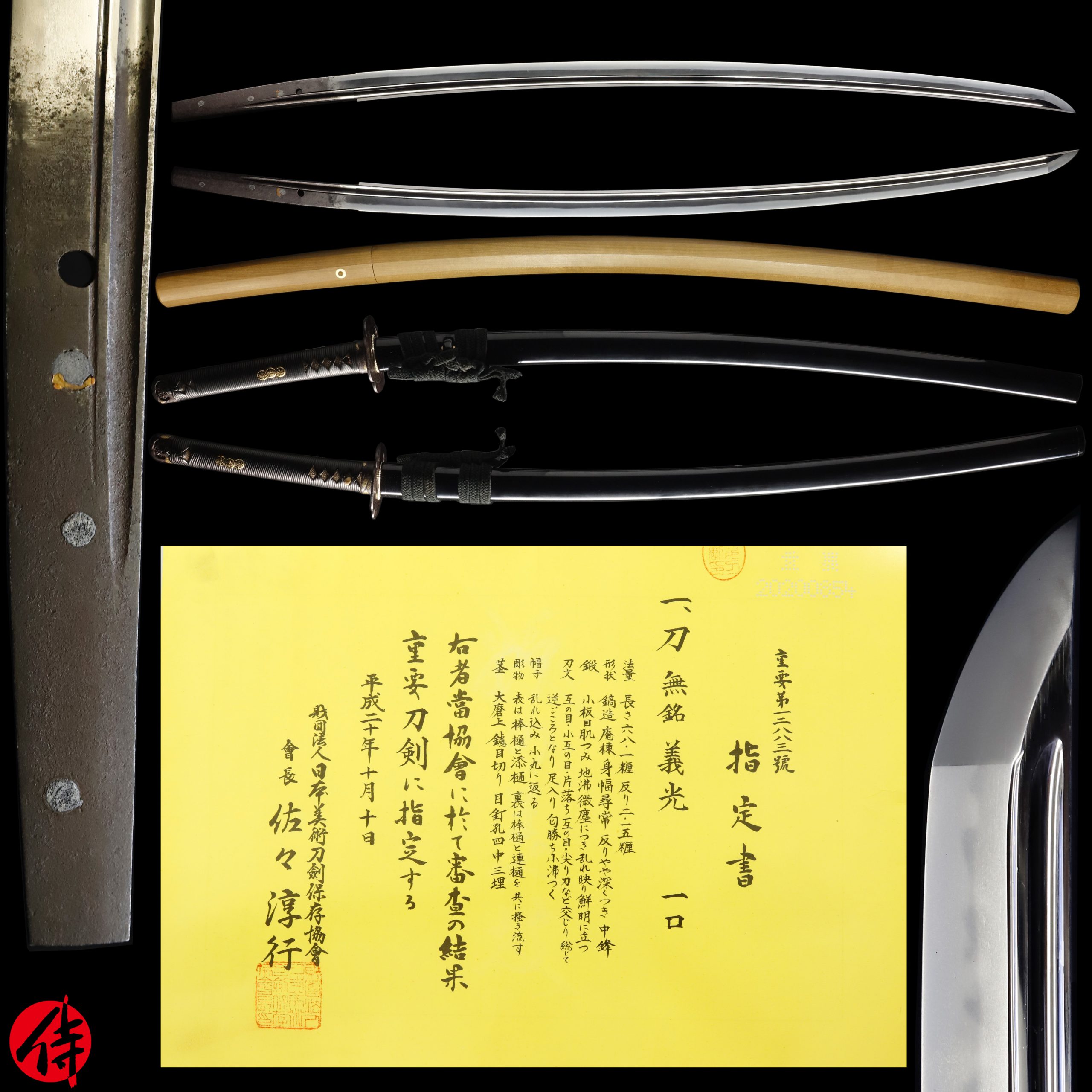
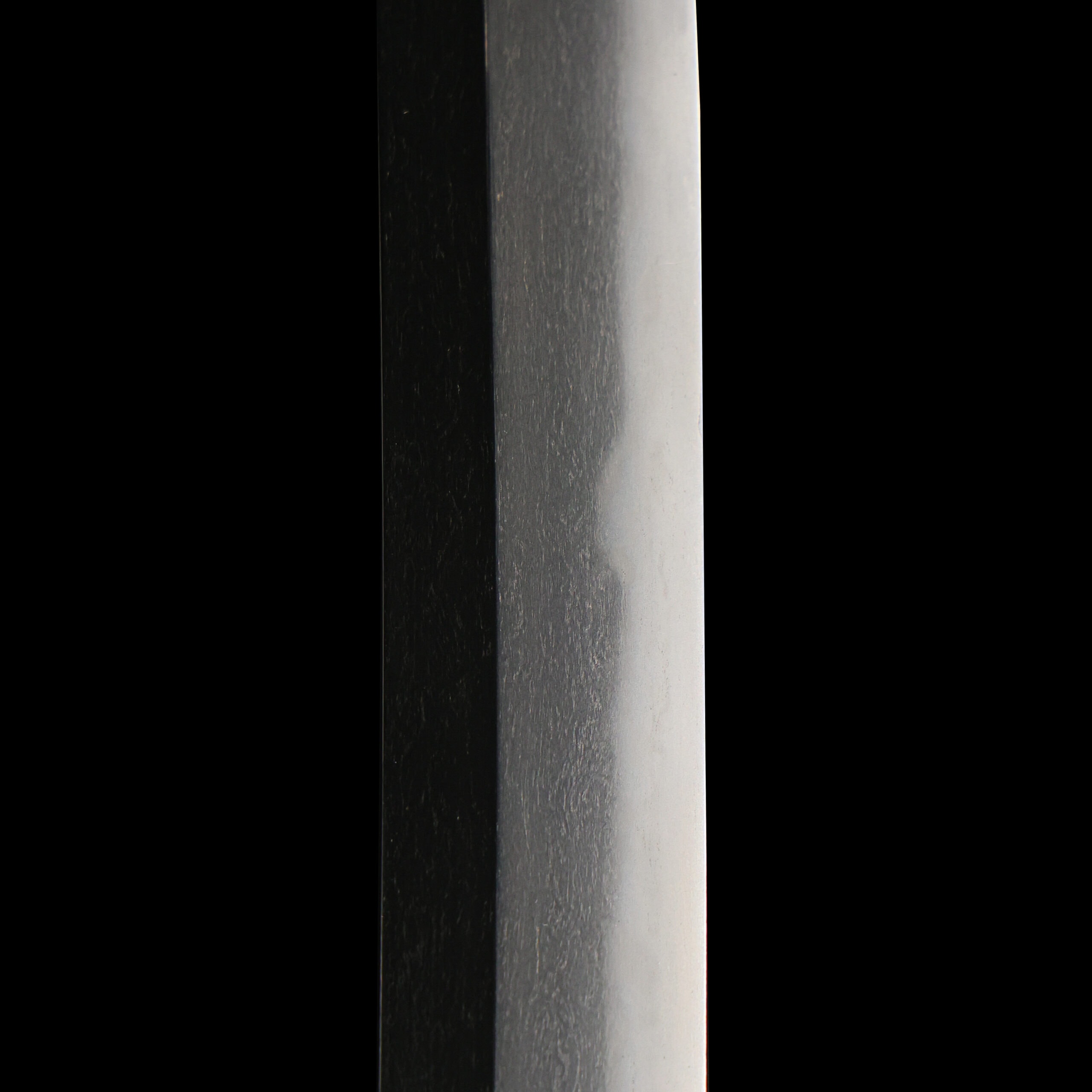
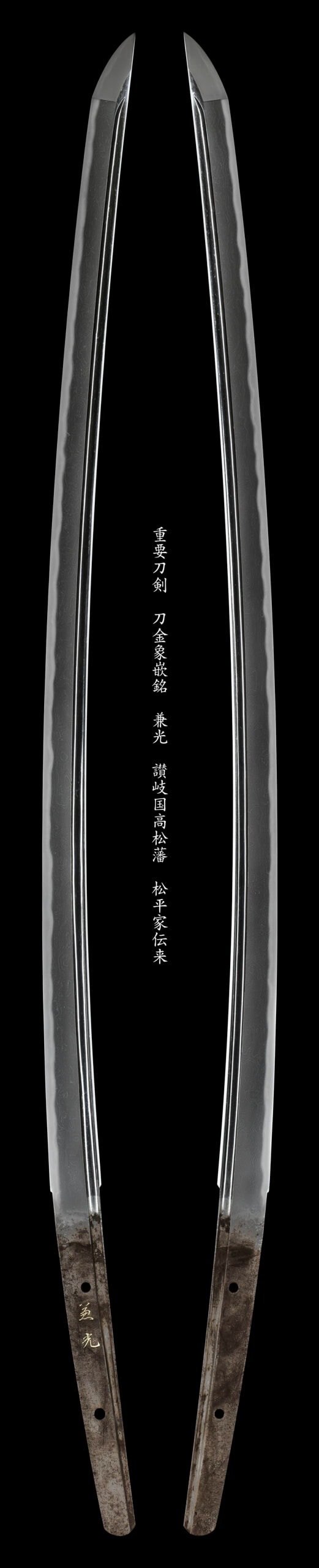
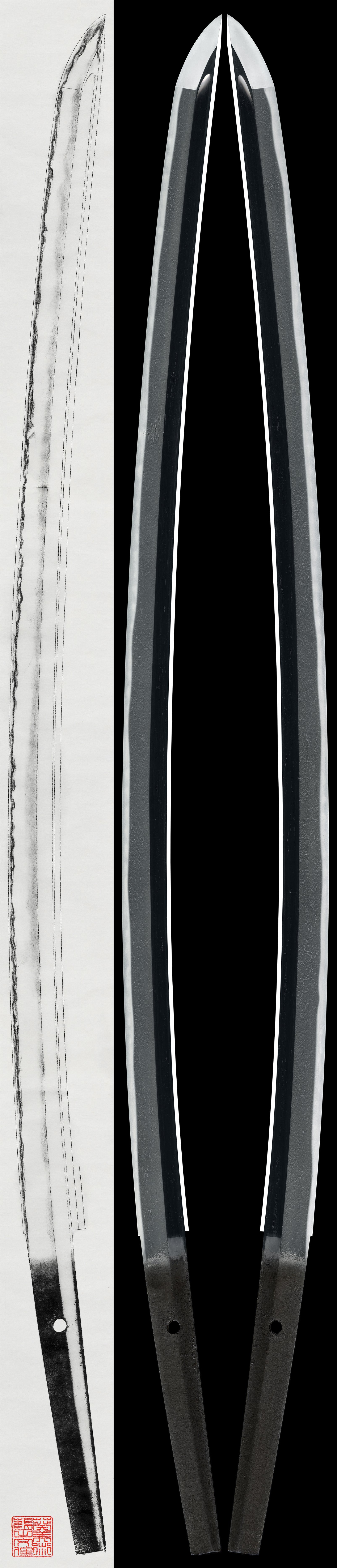
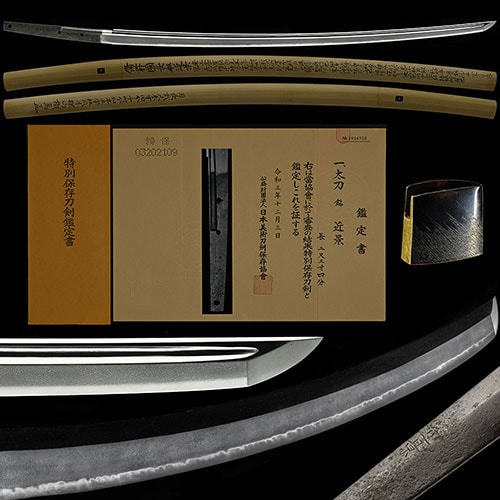
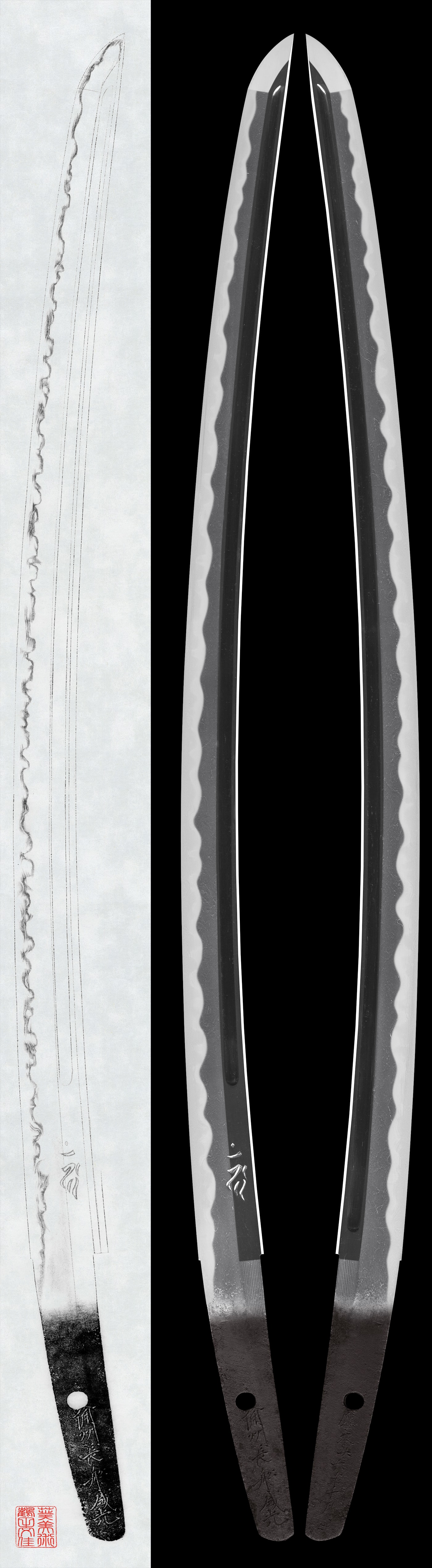
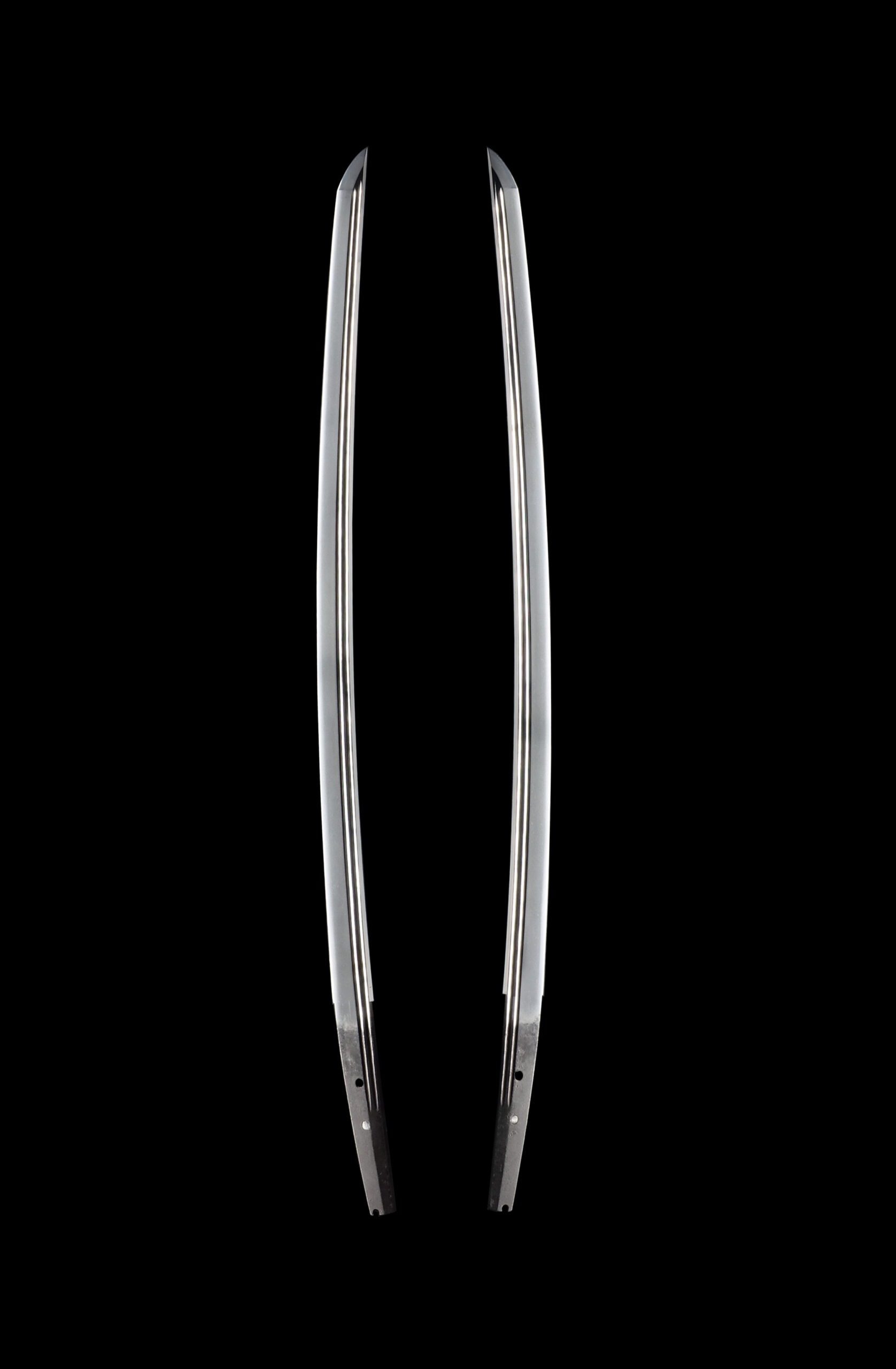
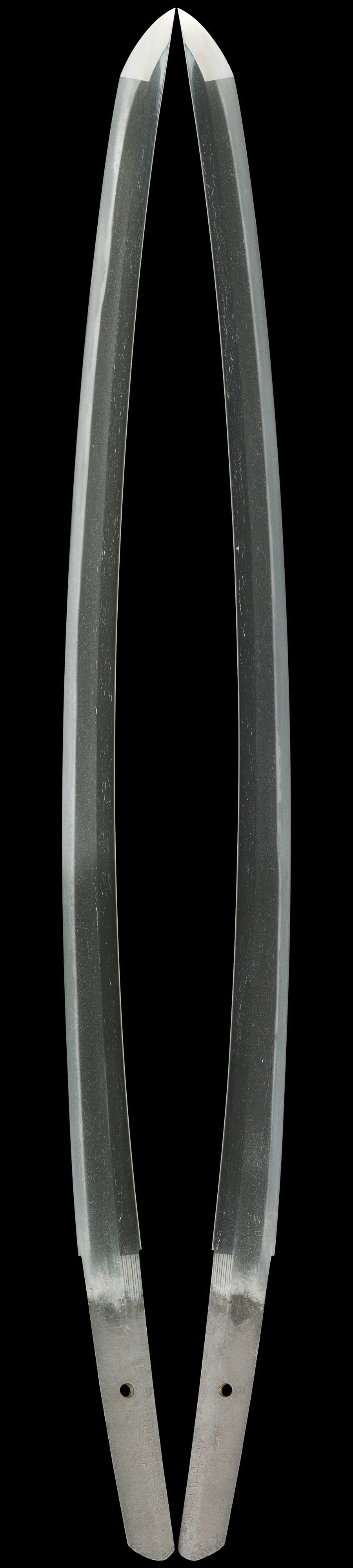
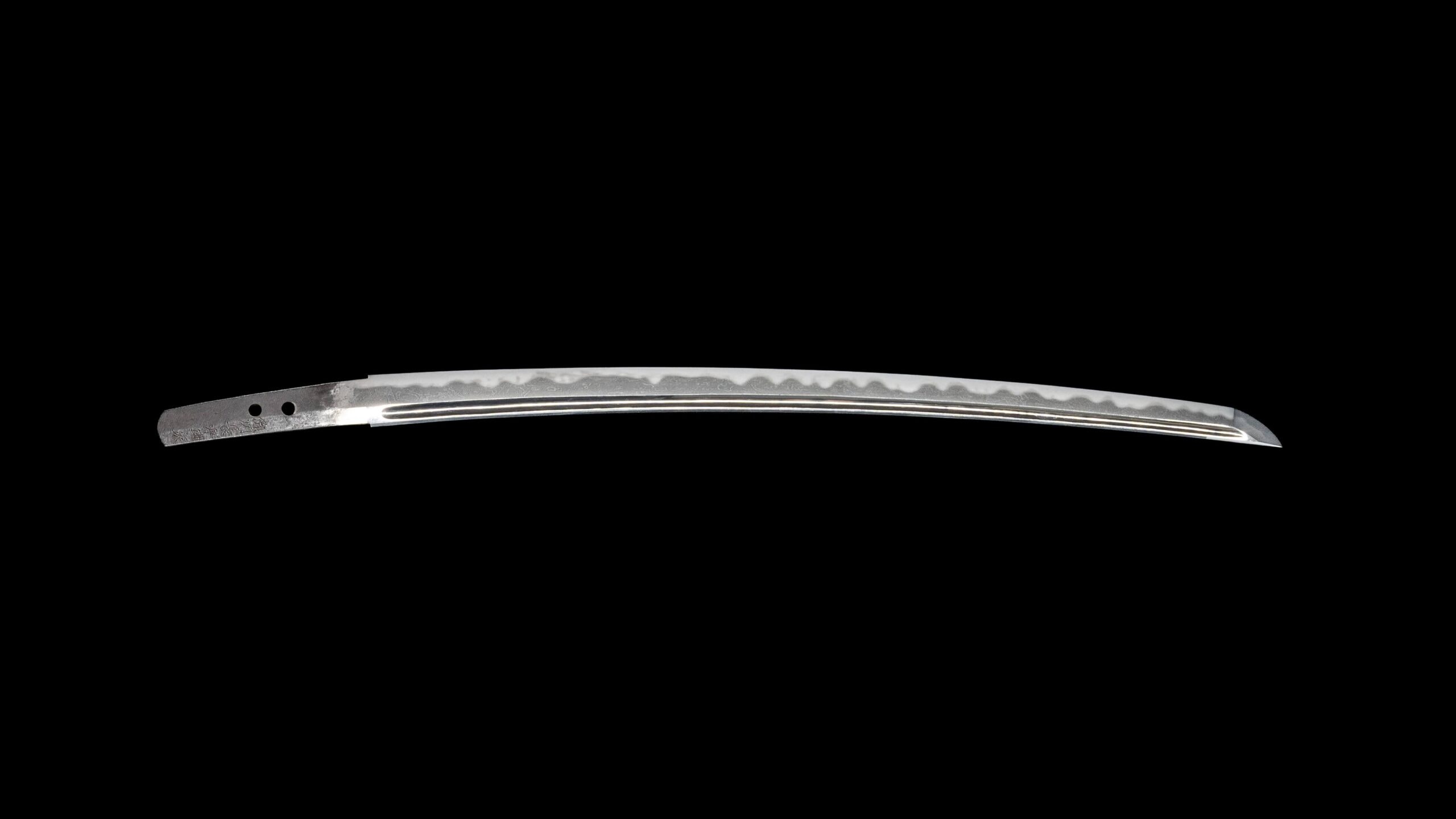
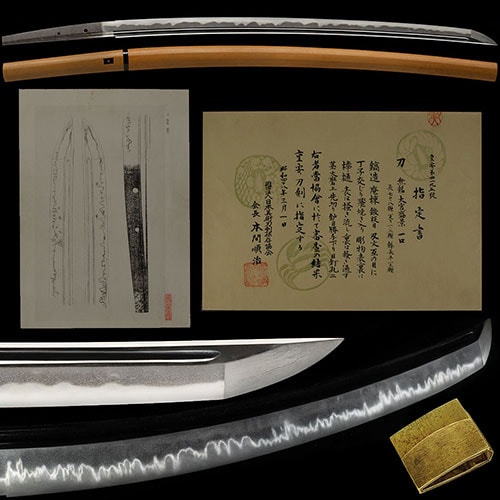
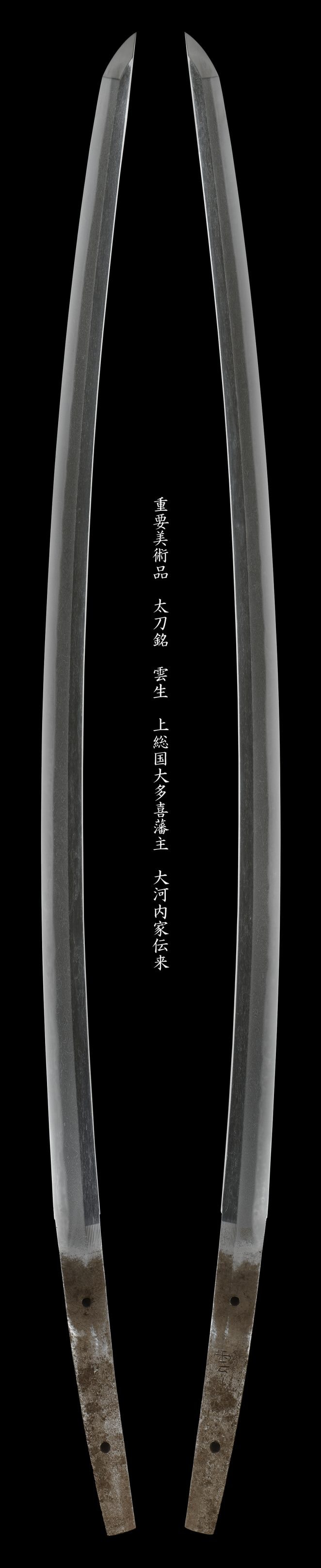
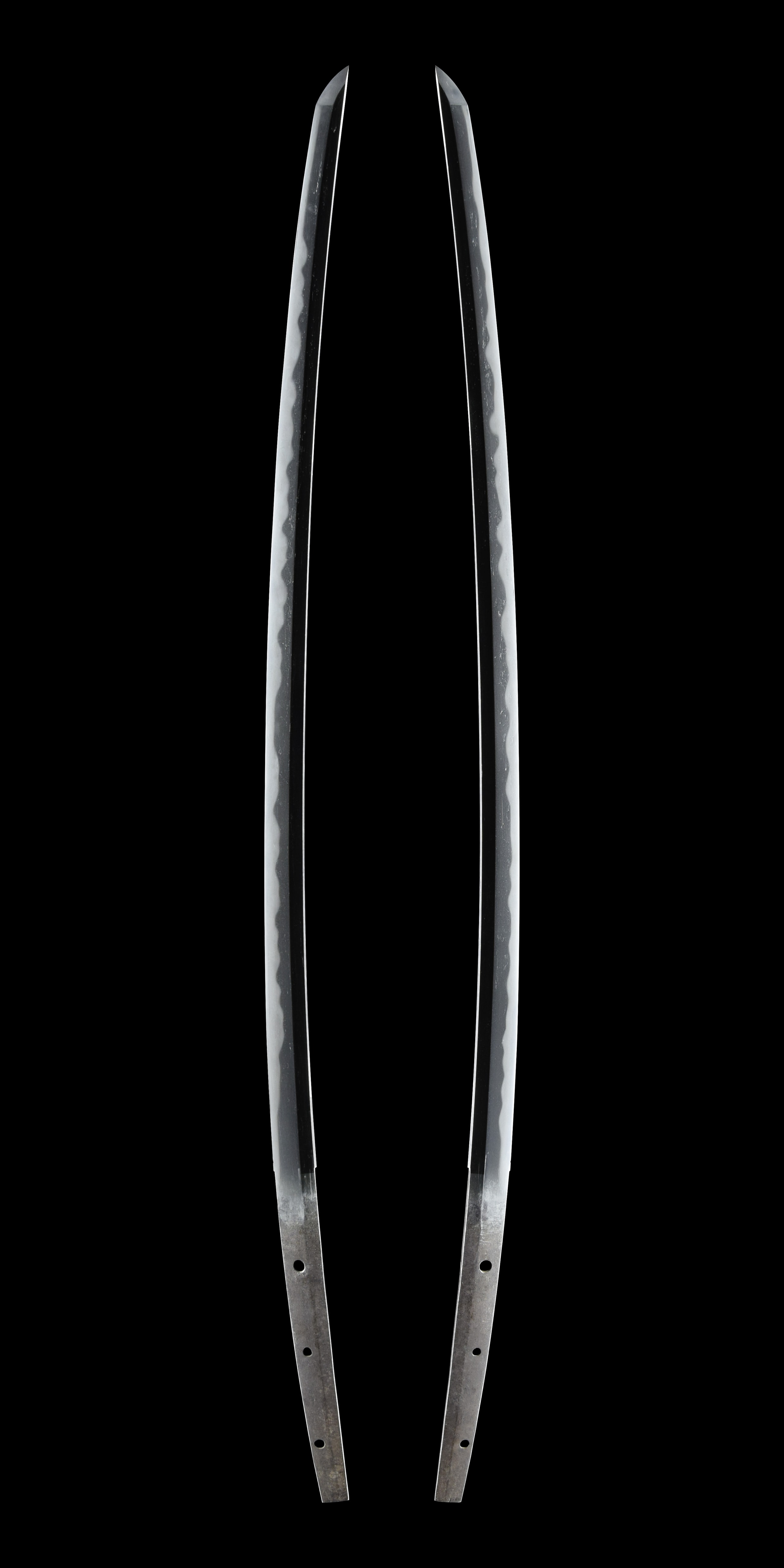
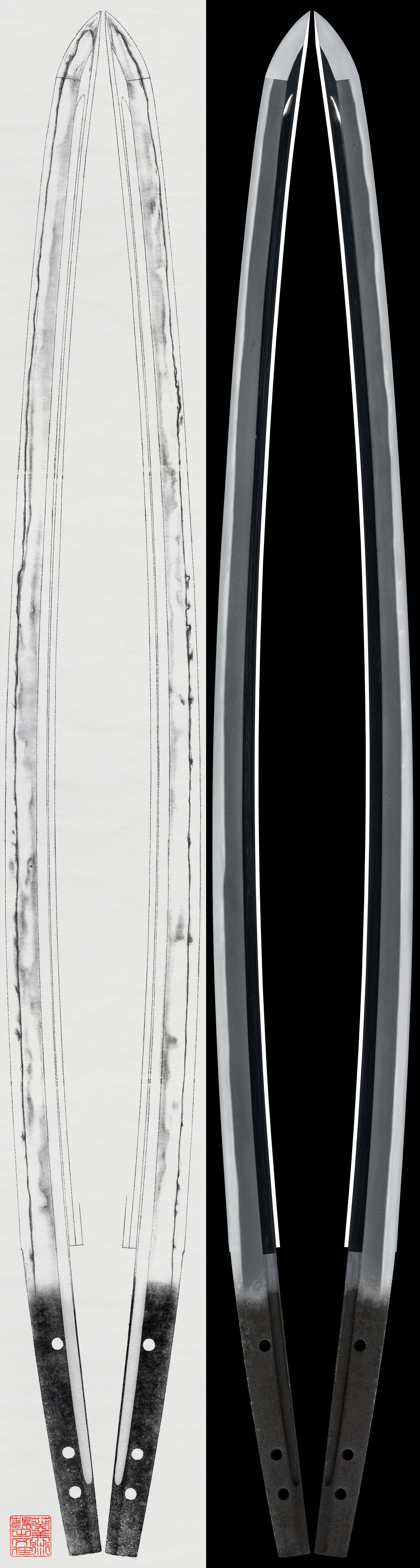
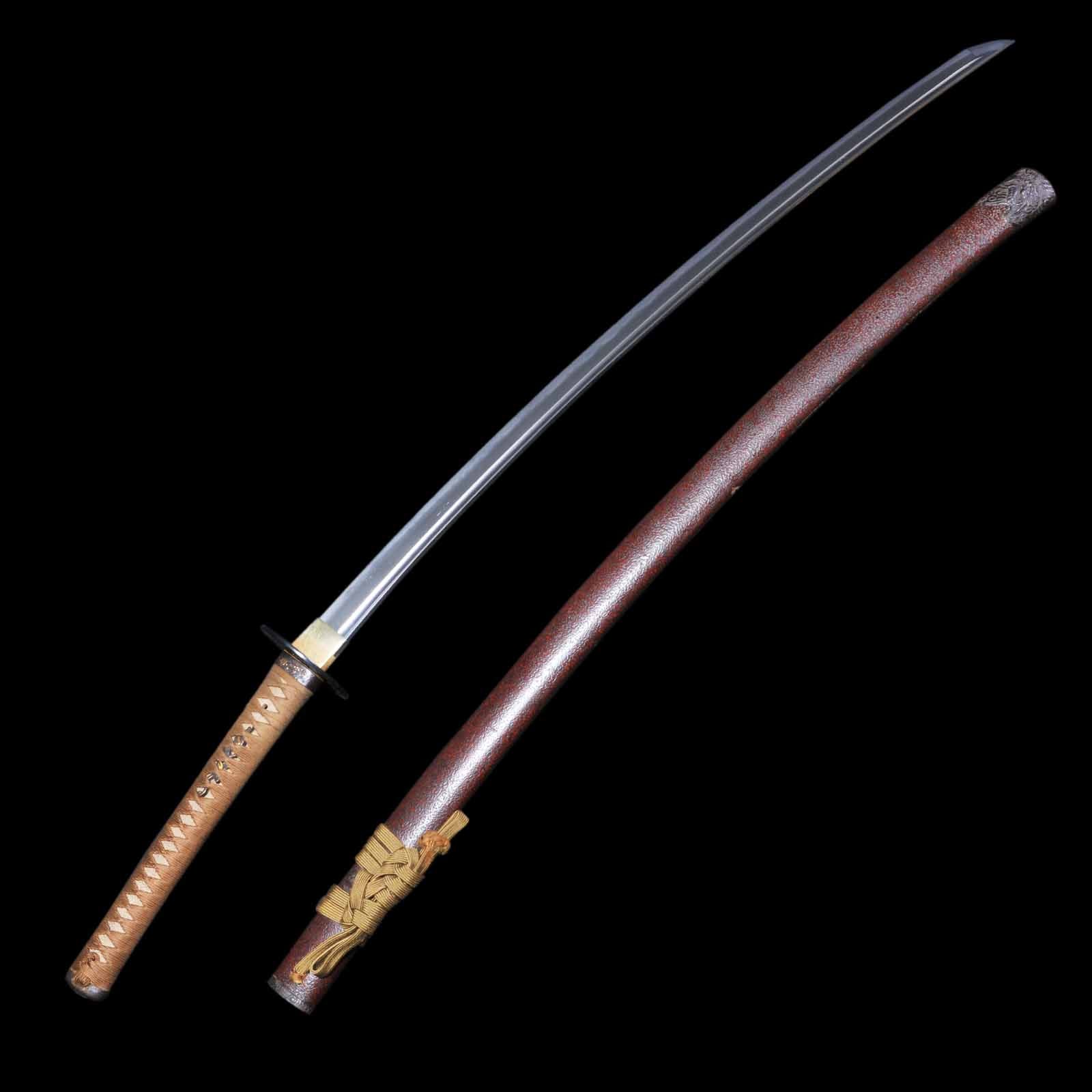
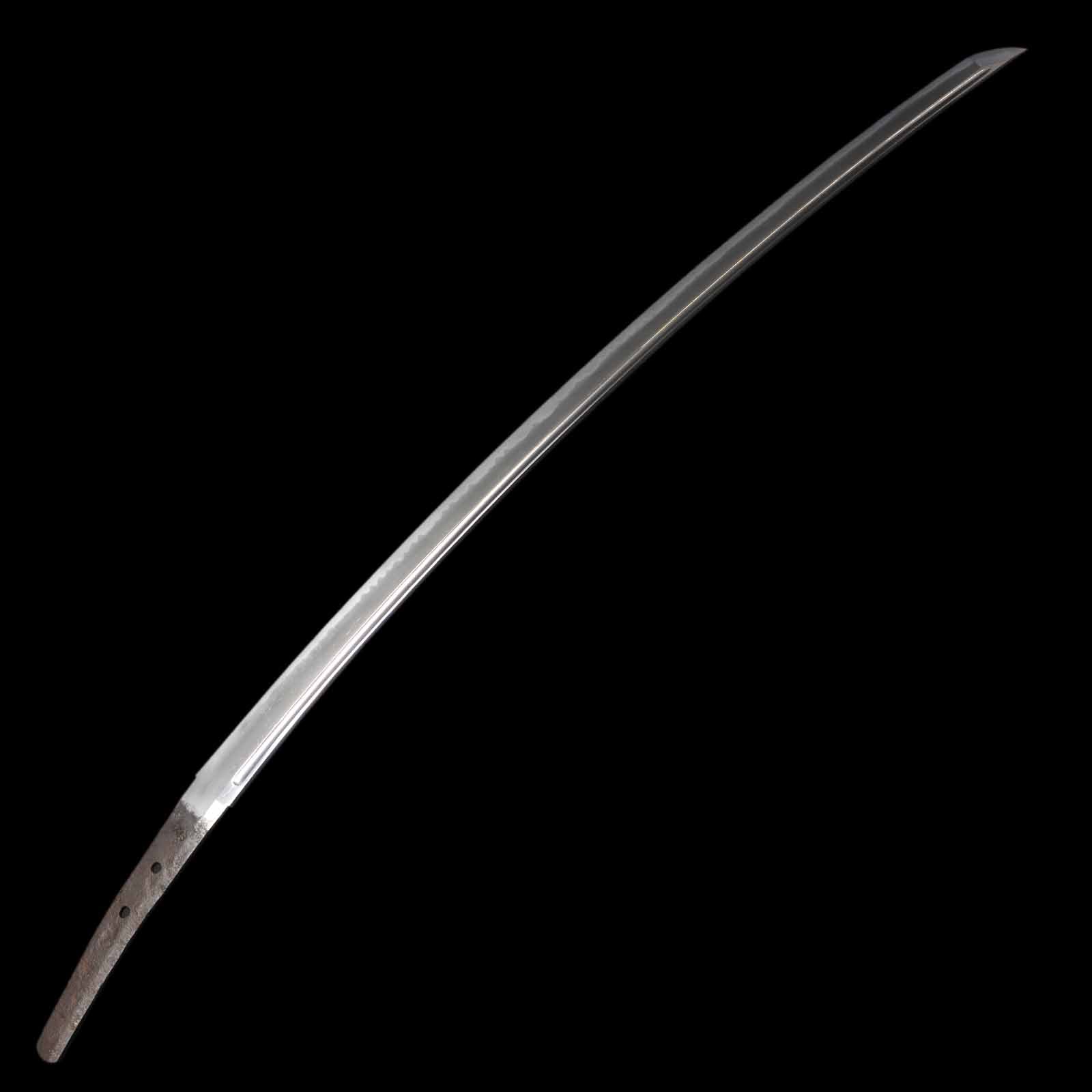
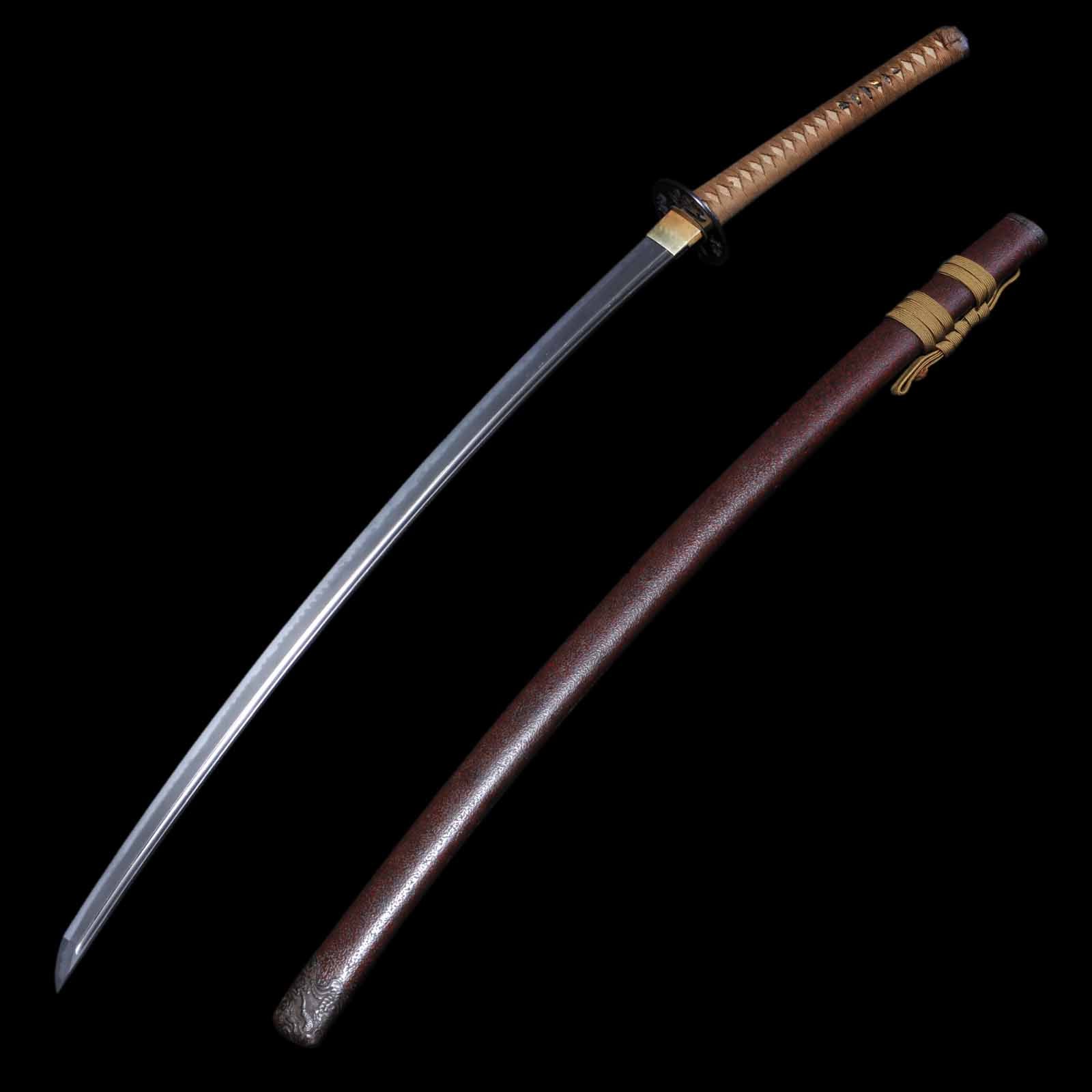
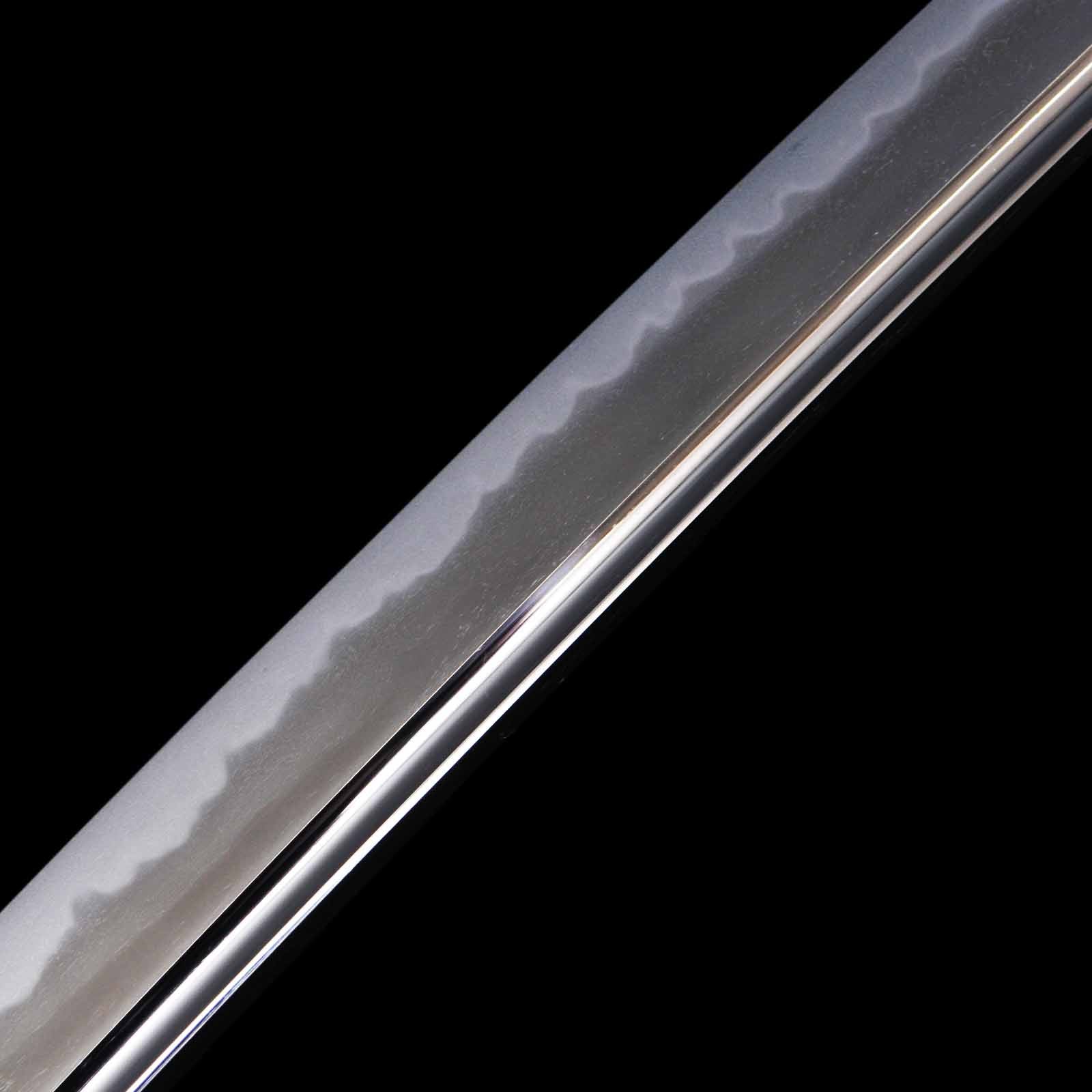
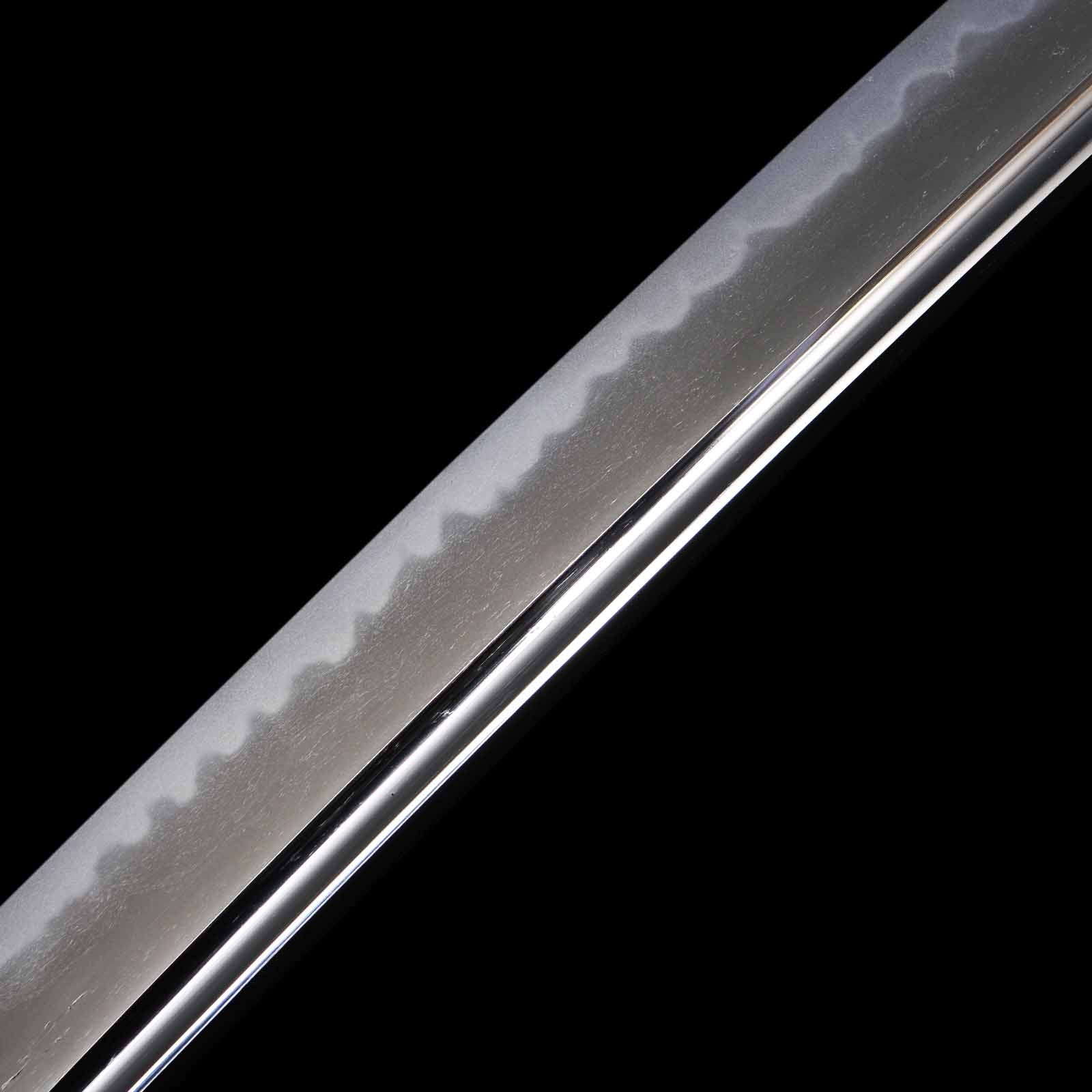
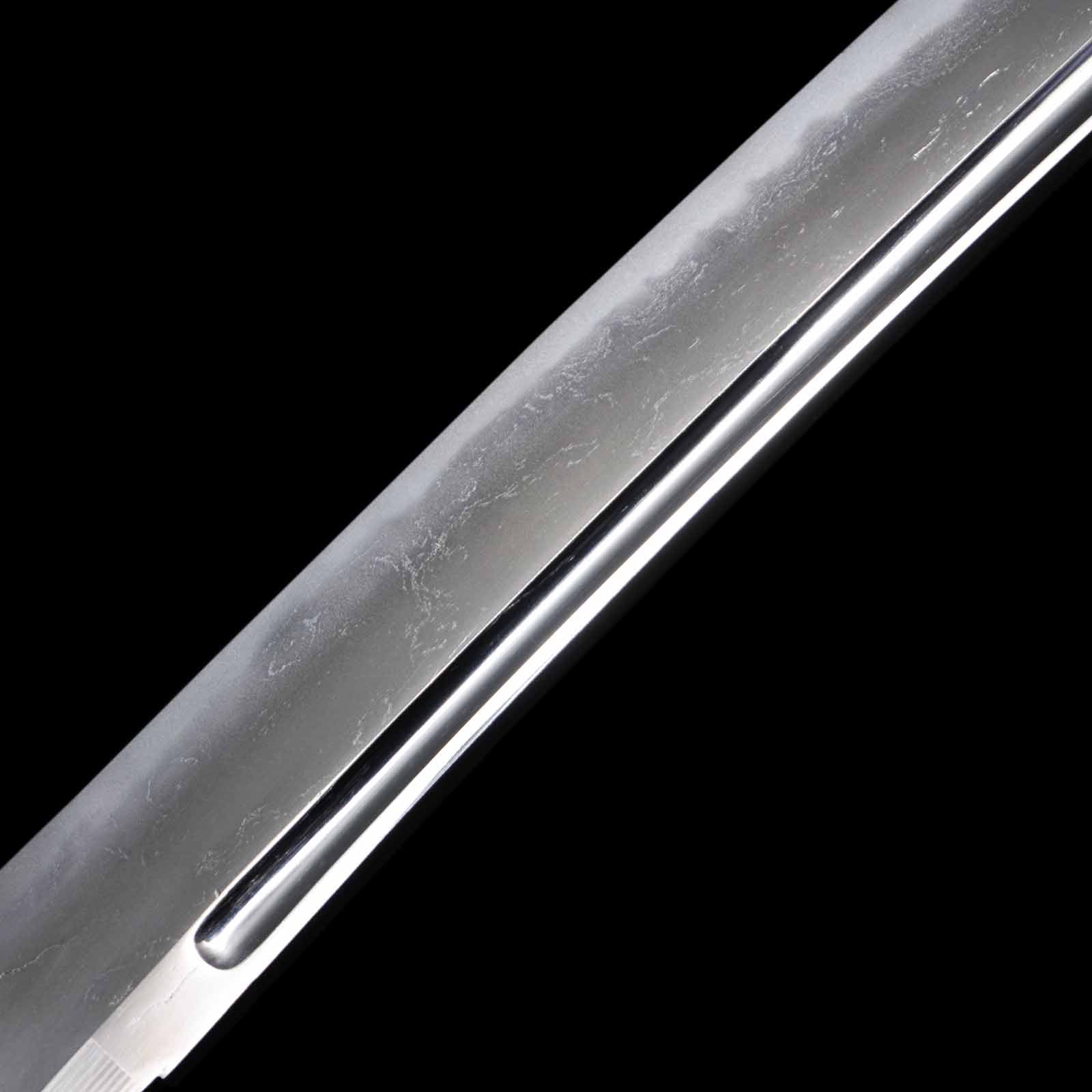
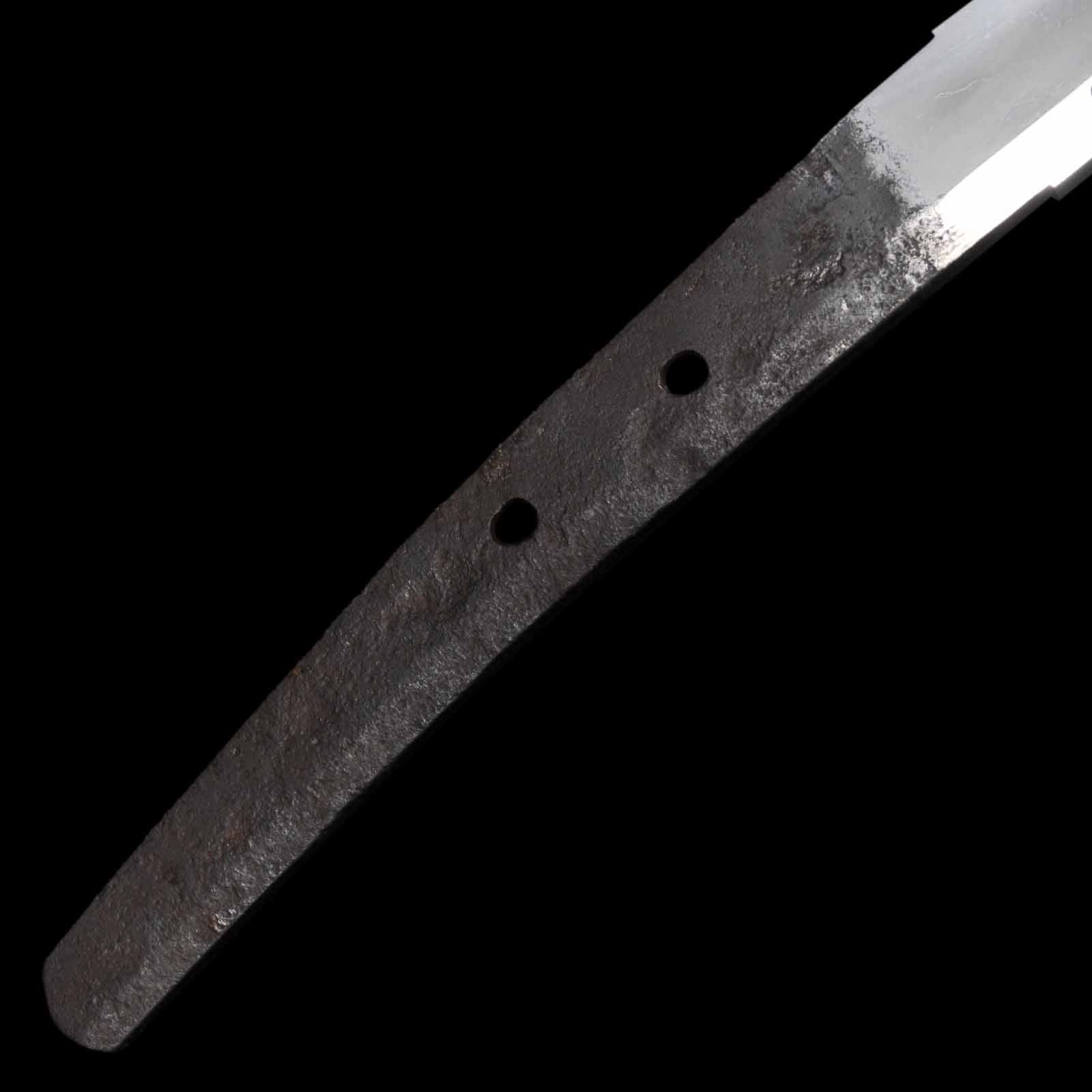
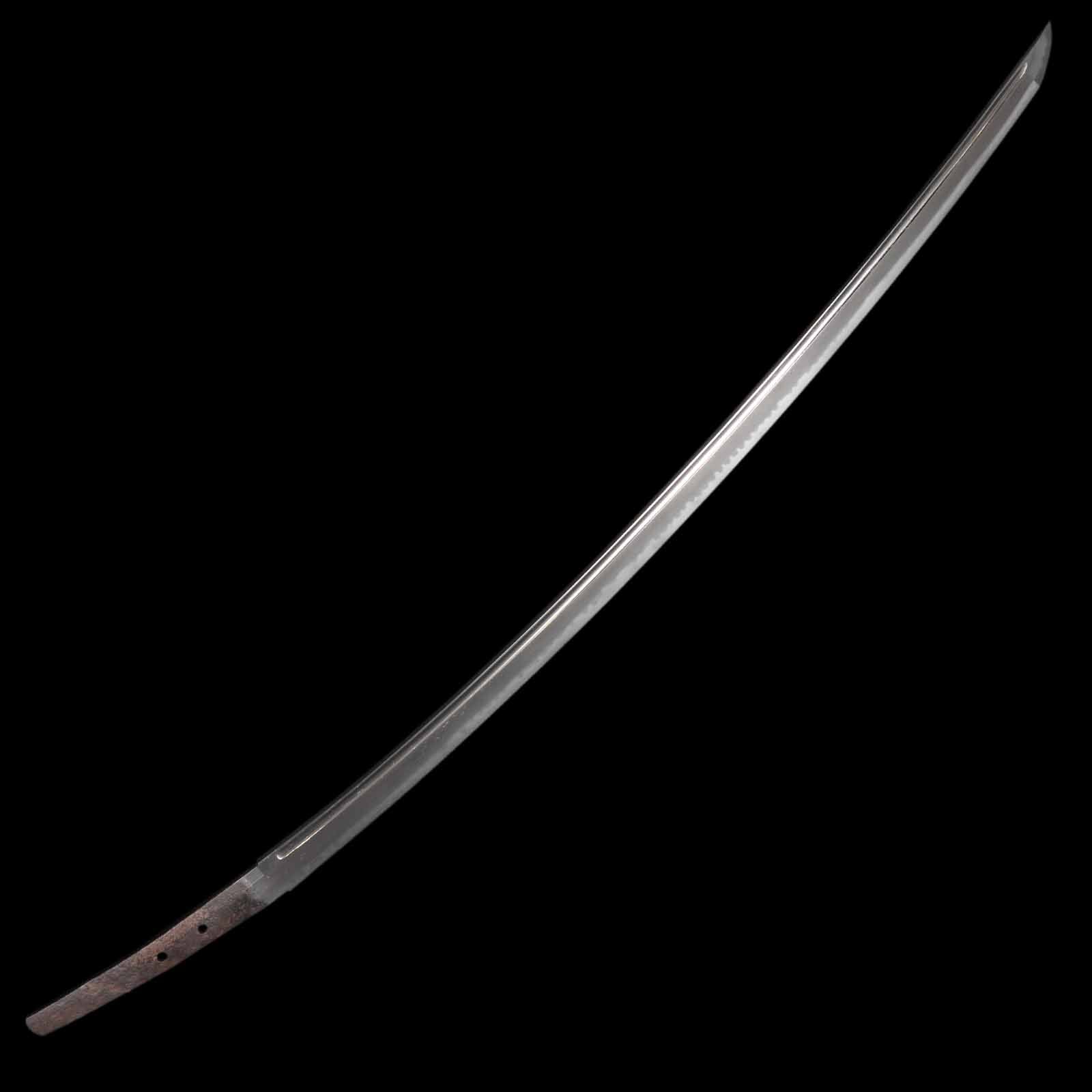
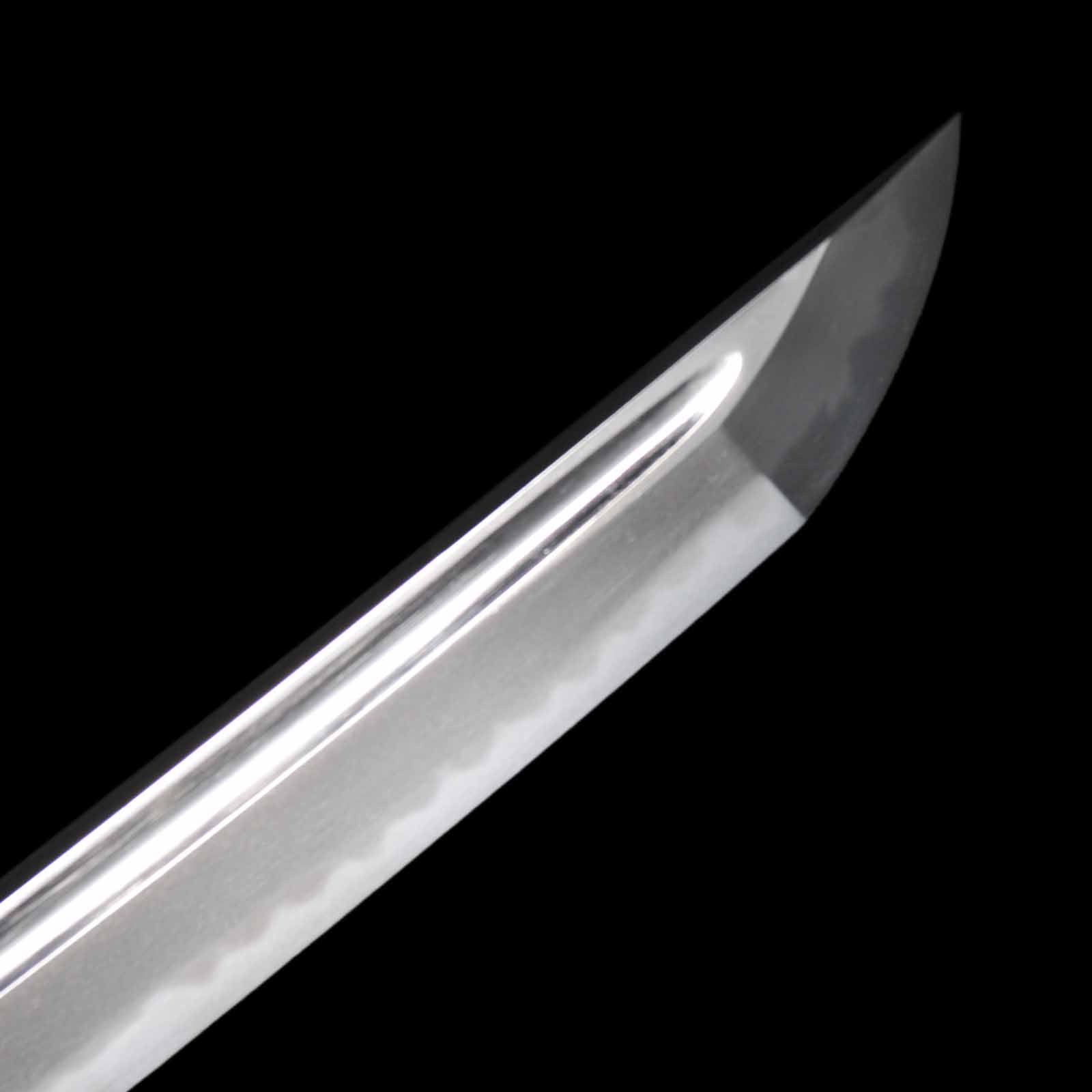
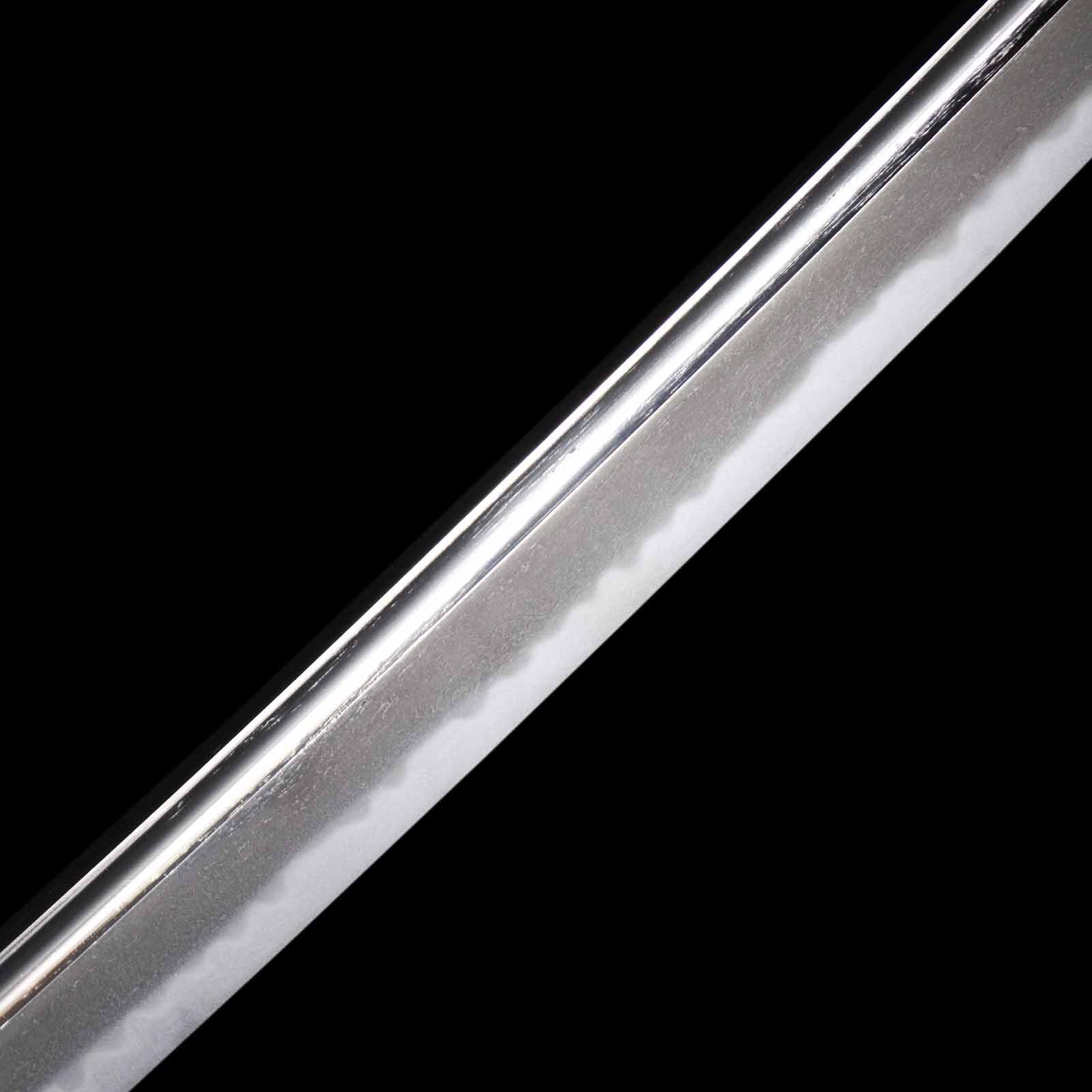
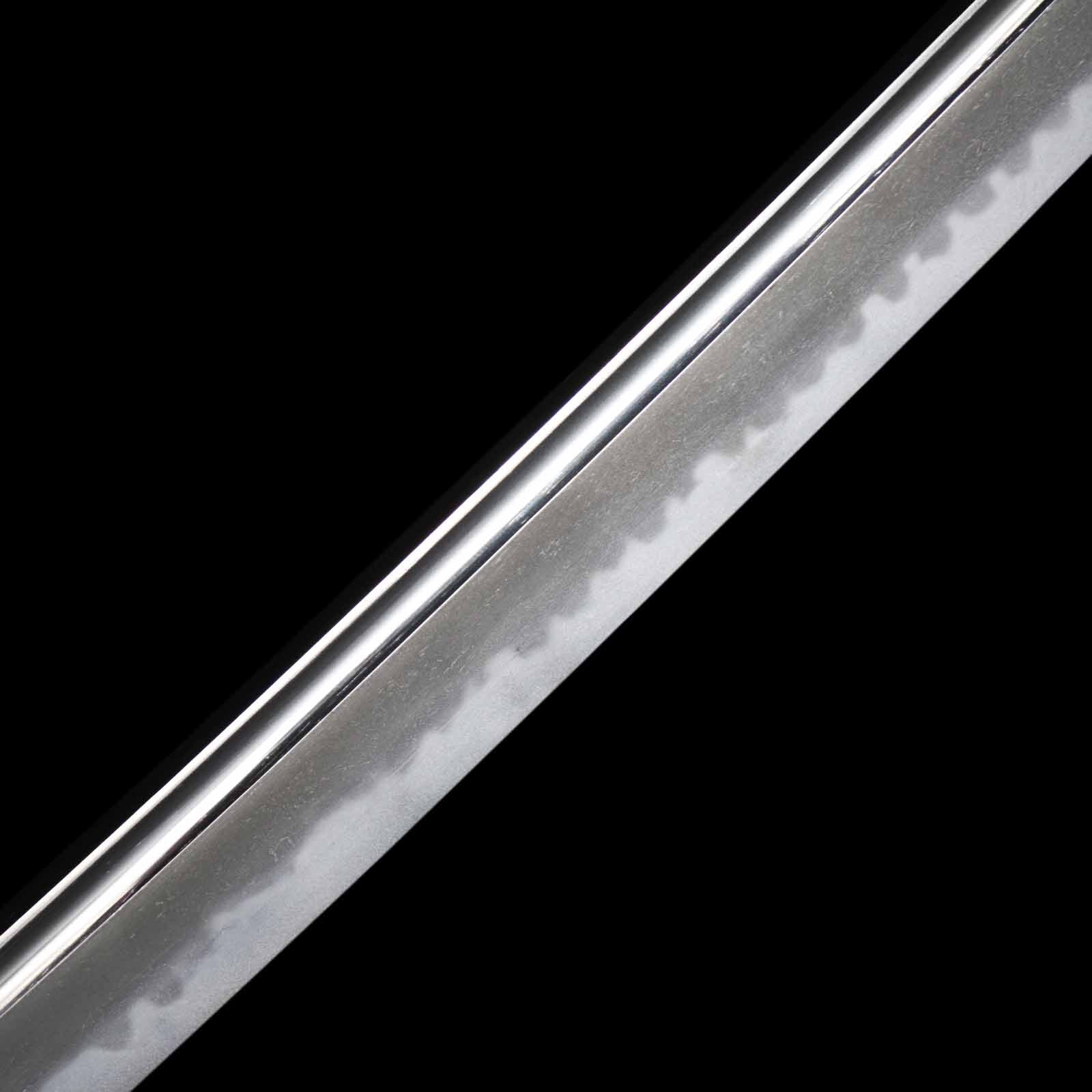
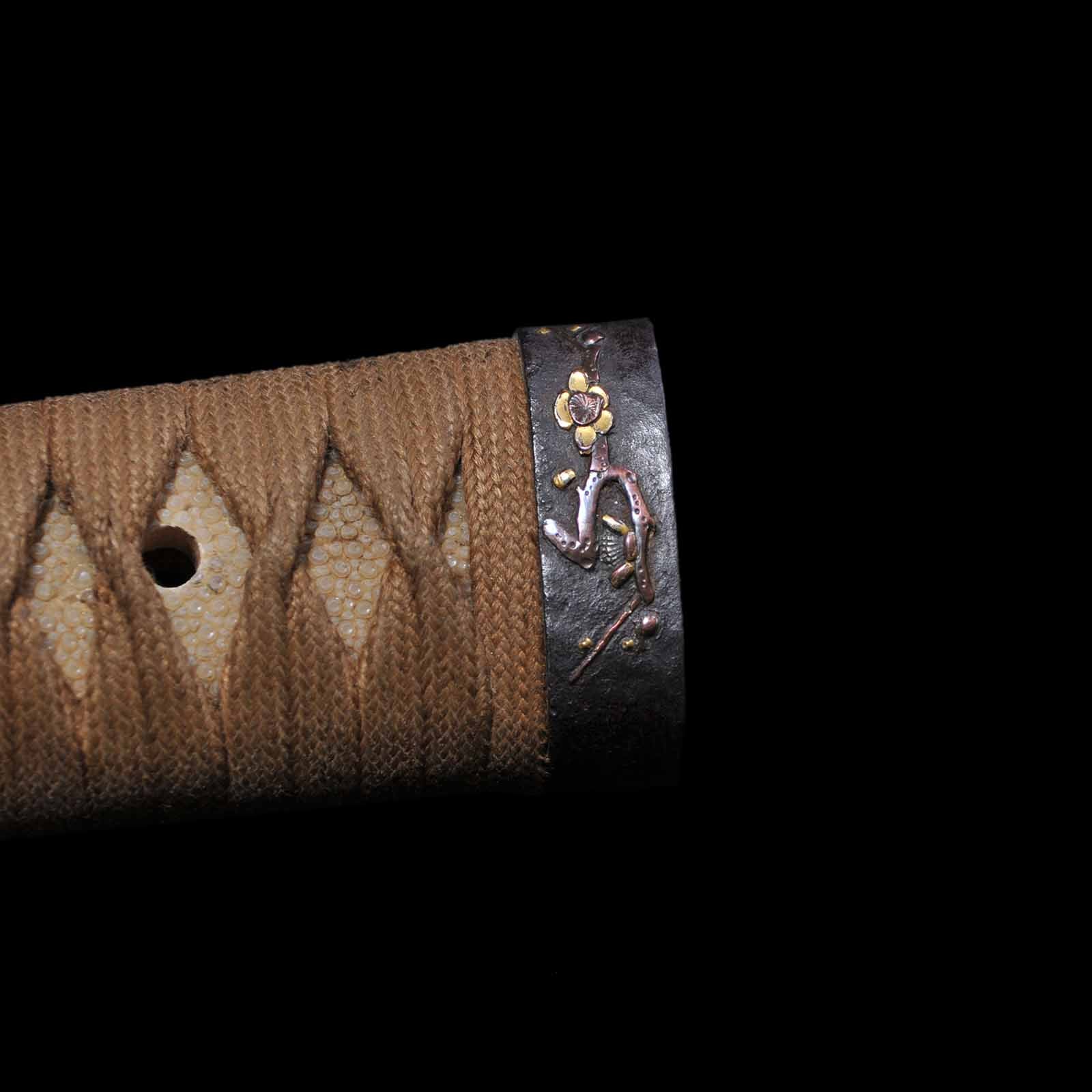
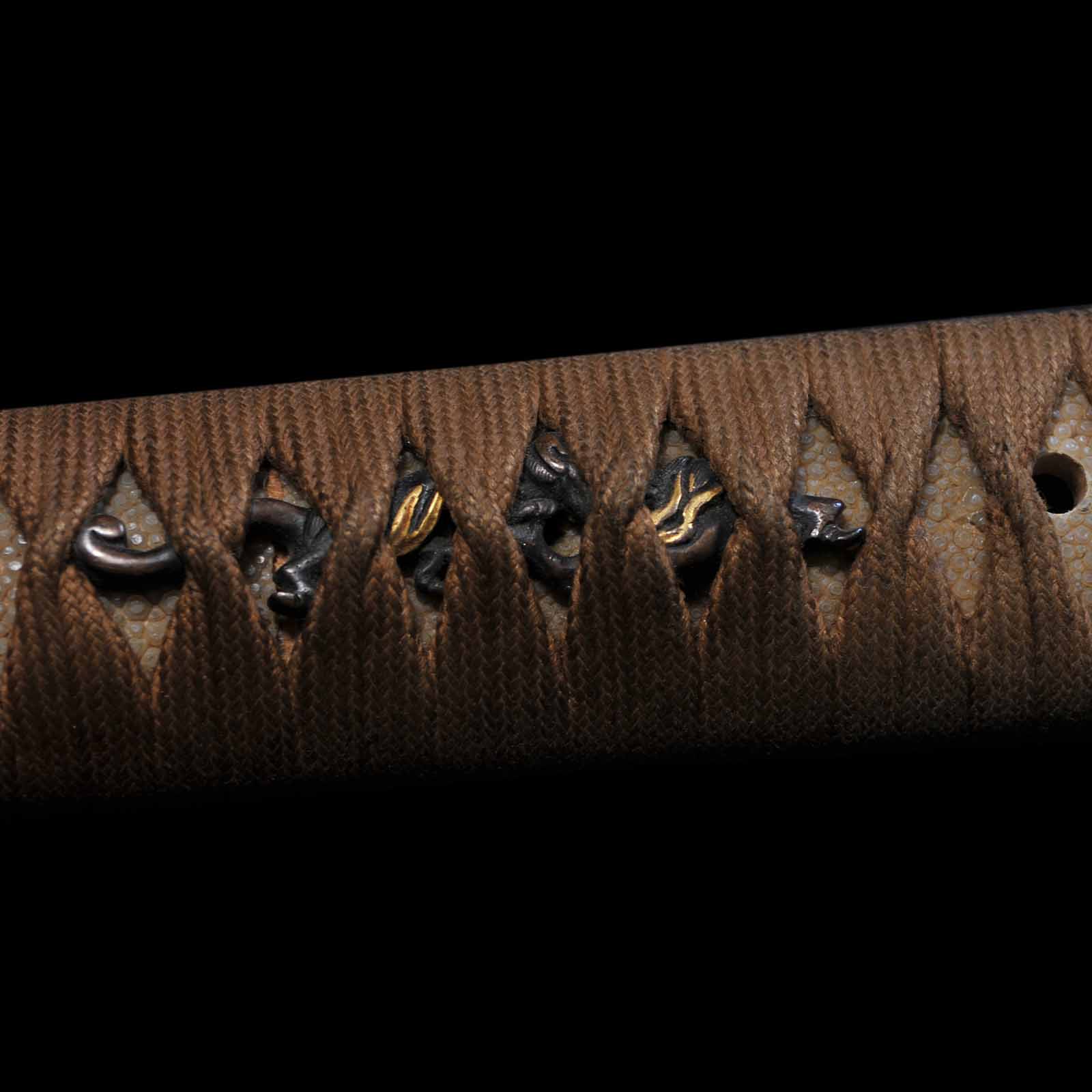
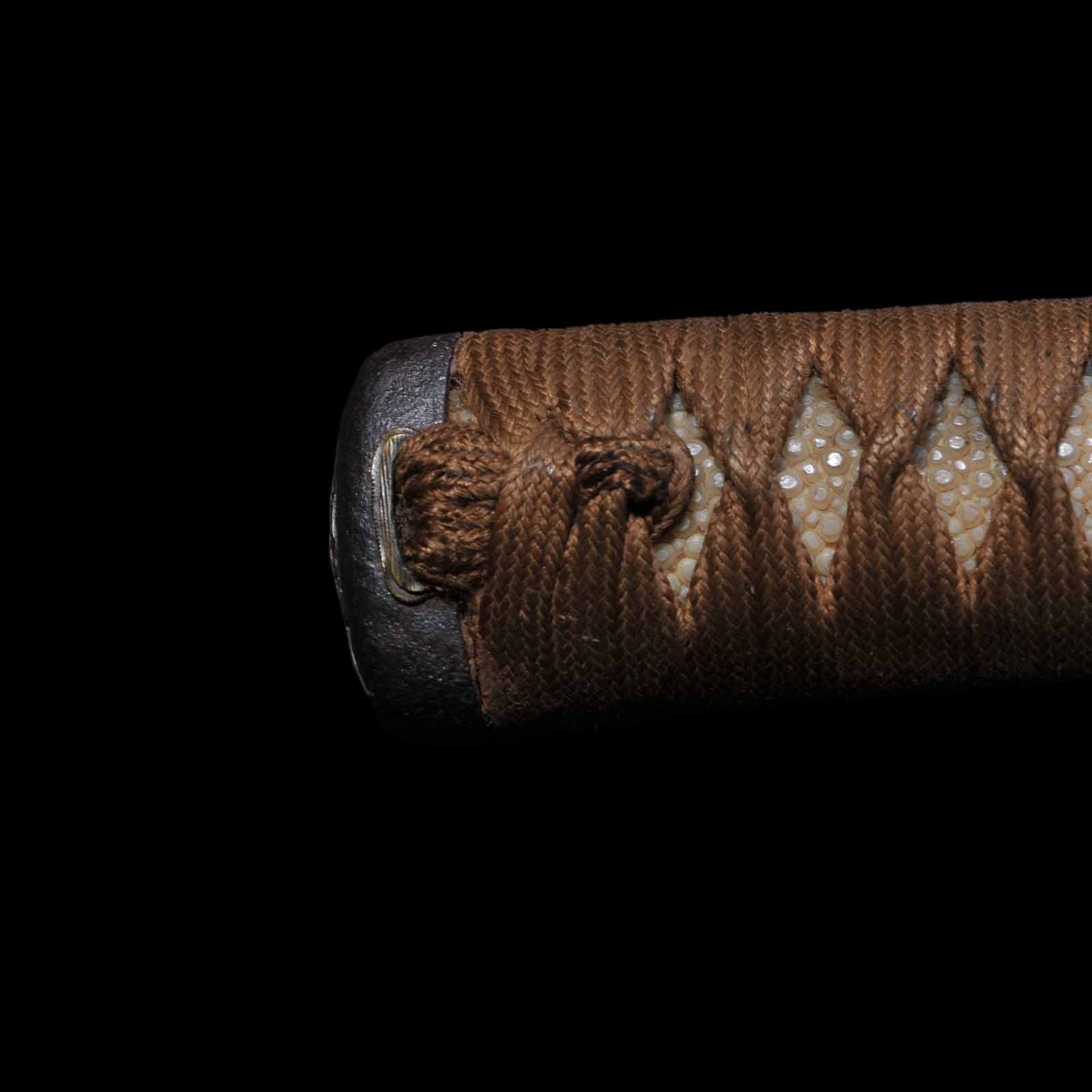
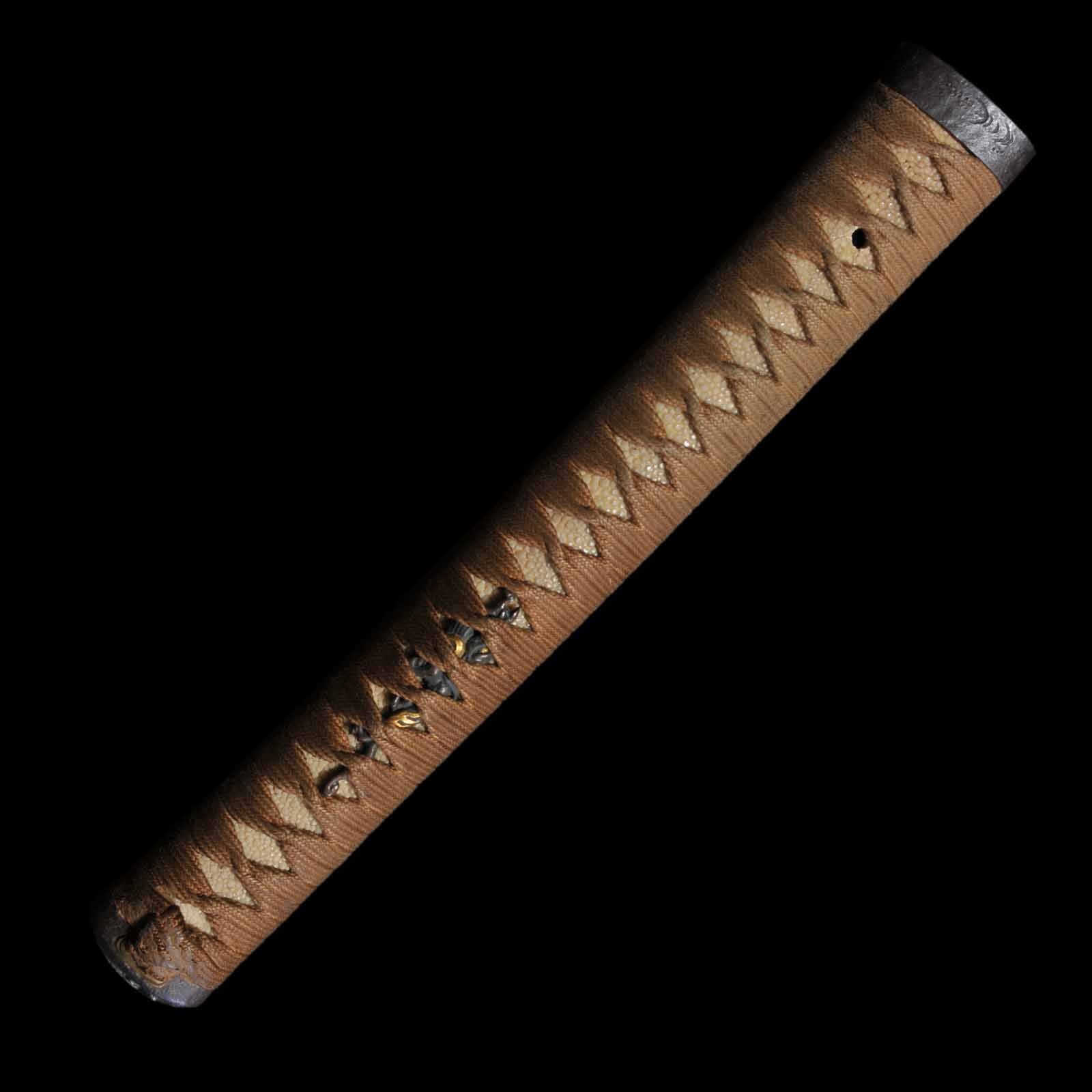
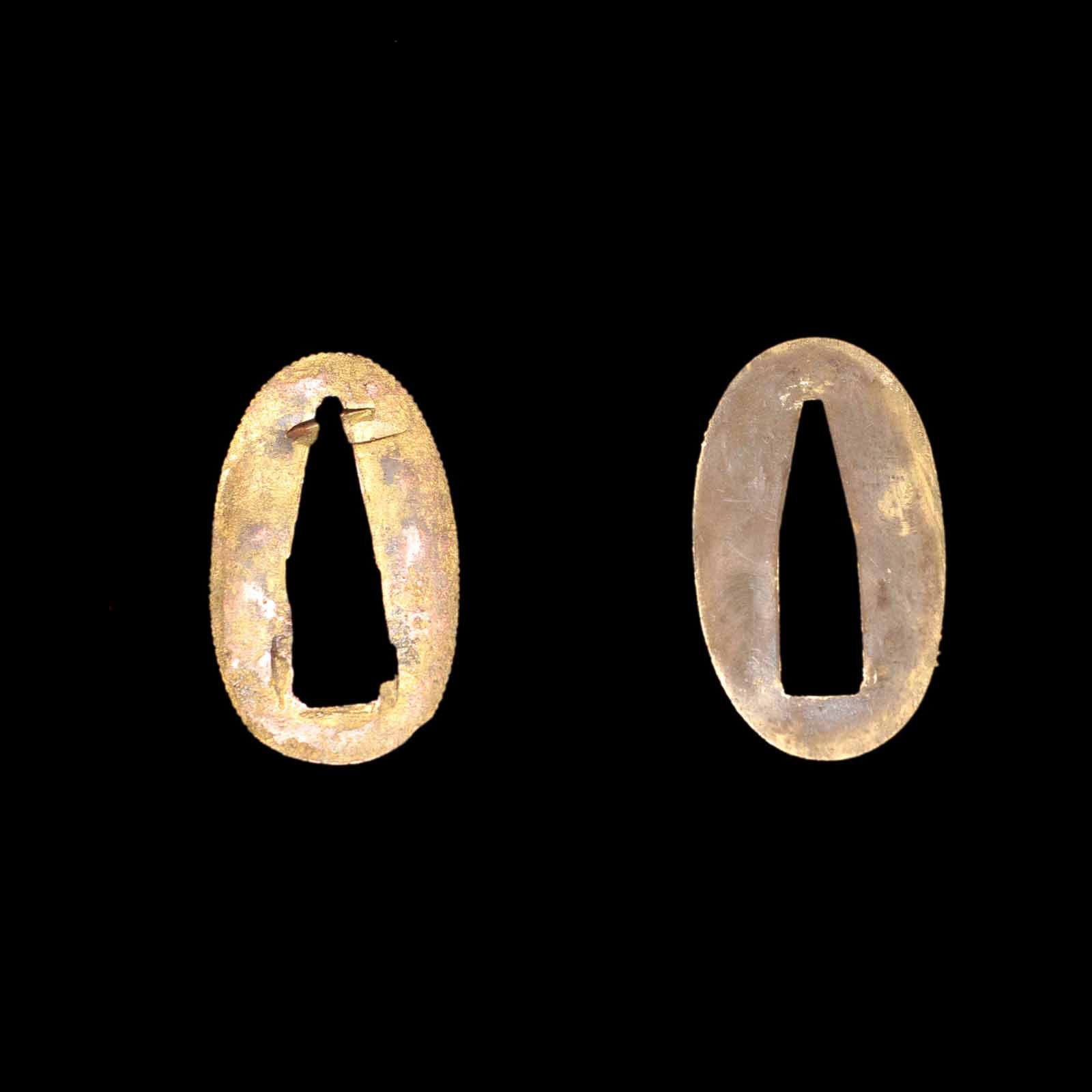
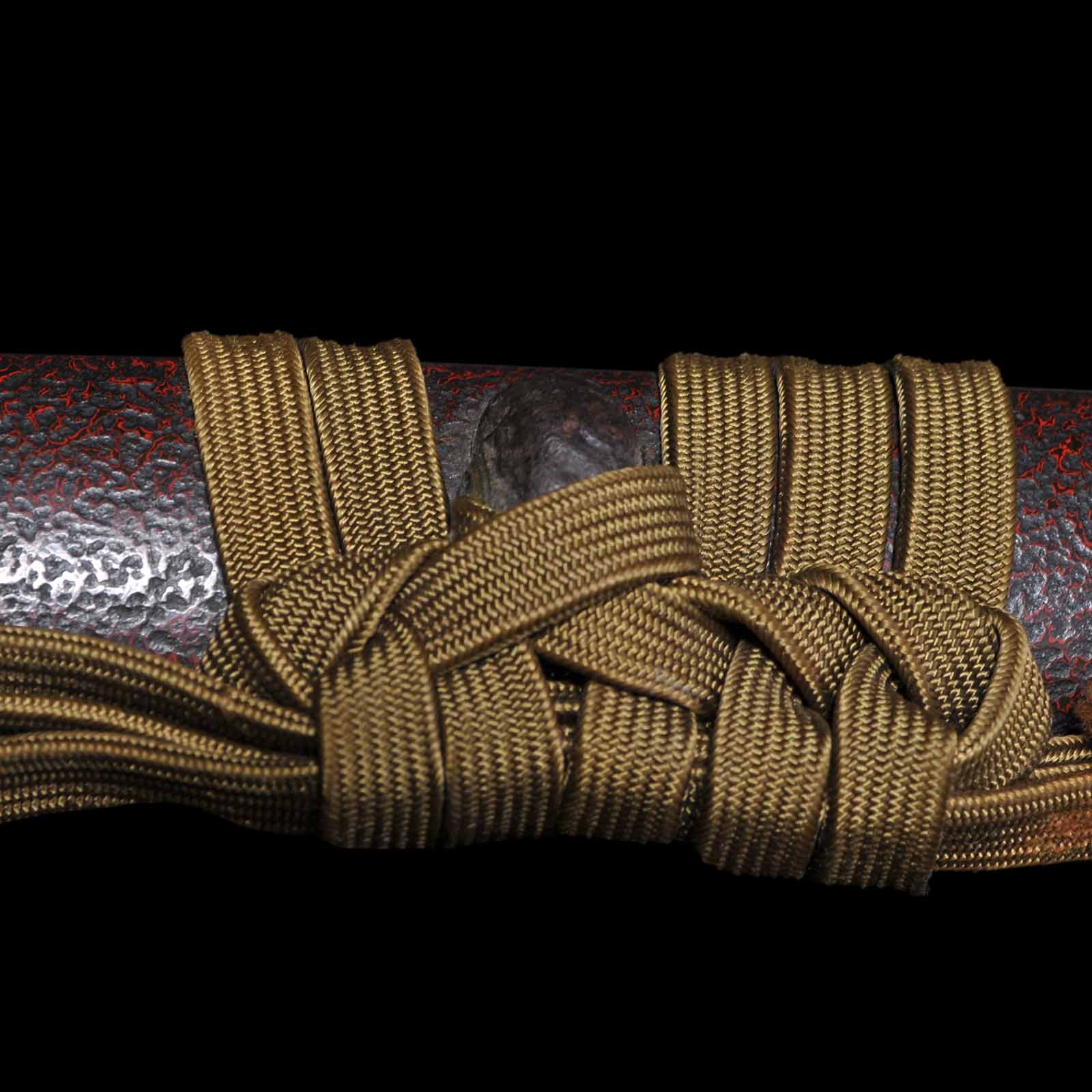
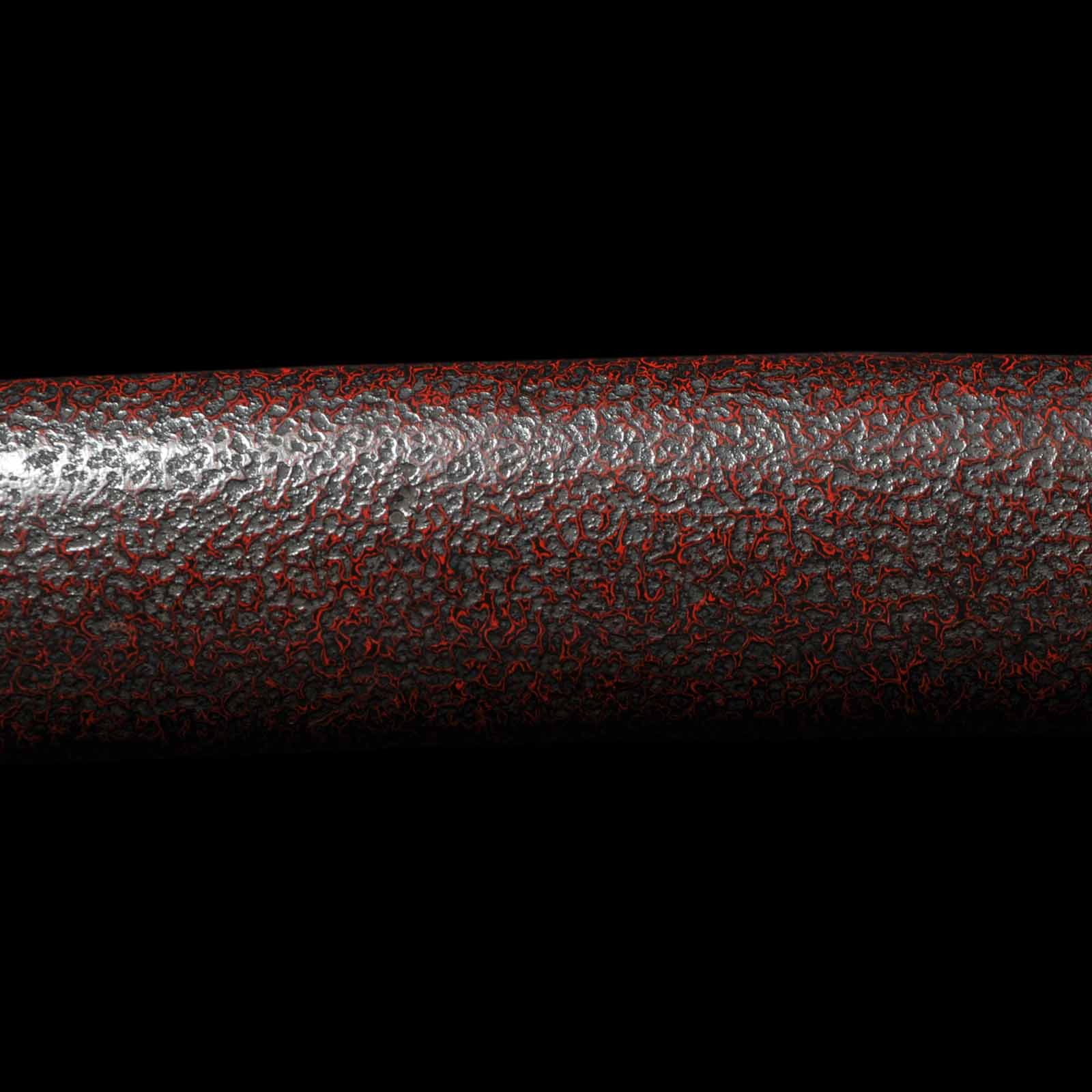
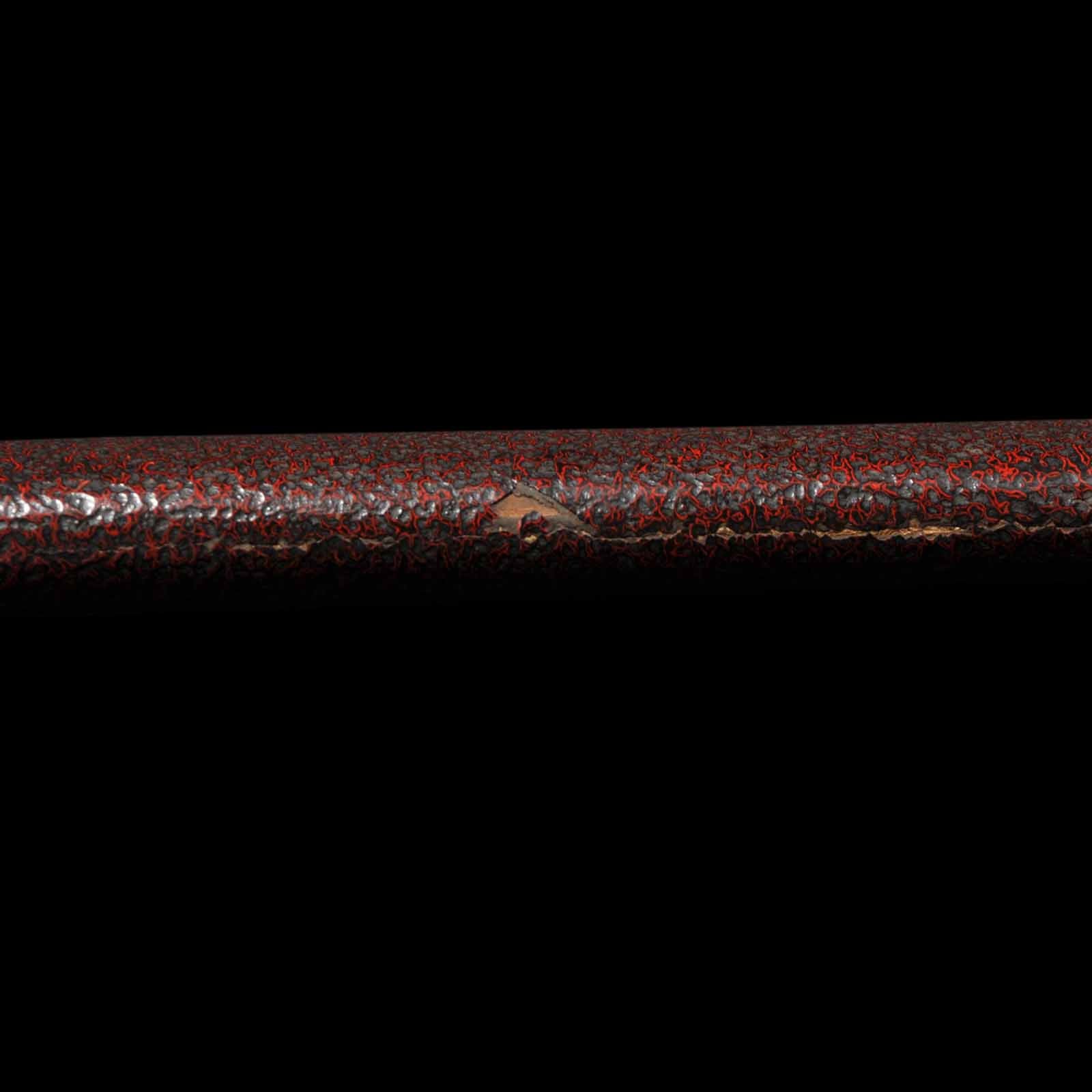
This katana is attributed to Yoshimitsu of the Osafune school and was designated as a Juyo Token by the Society for Preservation of Japanese Art Swords in 2020. The blade is estimated to have been made between the end of the Kamakura period and the Nanbokucho period and features a mixture of itame and mokume hada, ko-gunome hamon mixed with choji and togariba, and active hataraki. The nakago is suriage with only one character legible.
 NihontoWatch
suriage-mumei · Osafune · Koto · nagasa 73.3cm · sori 2.6cm
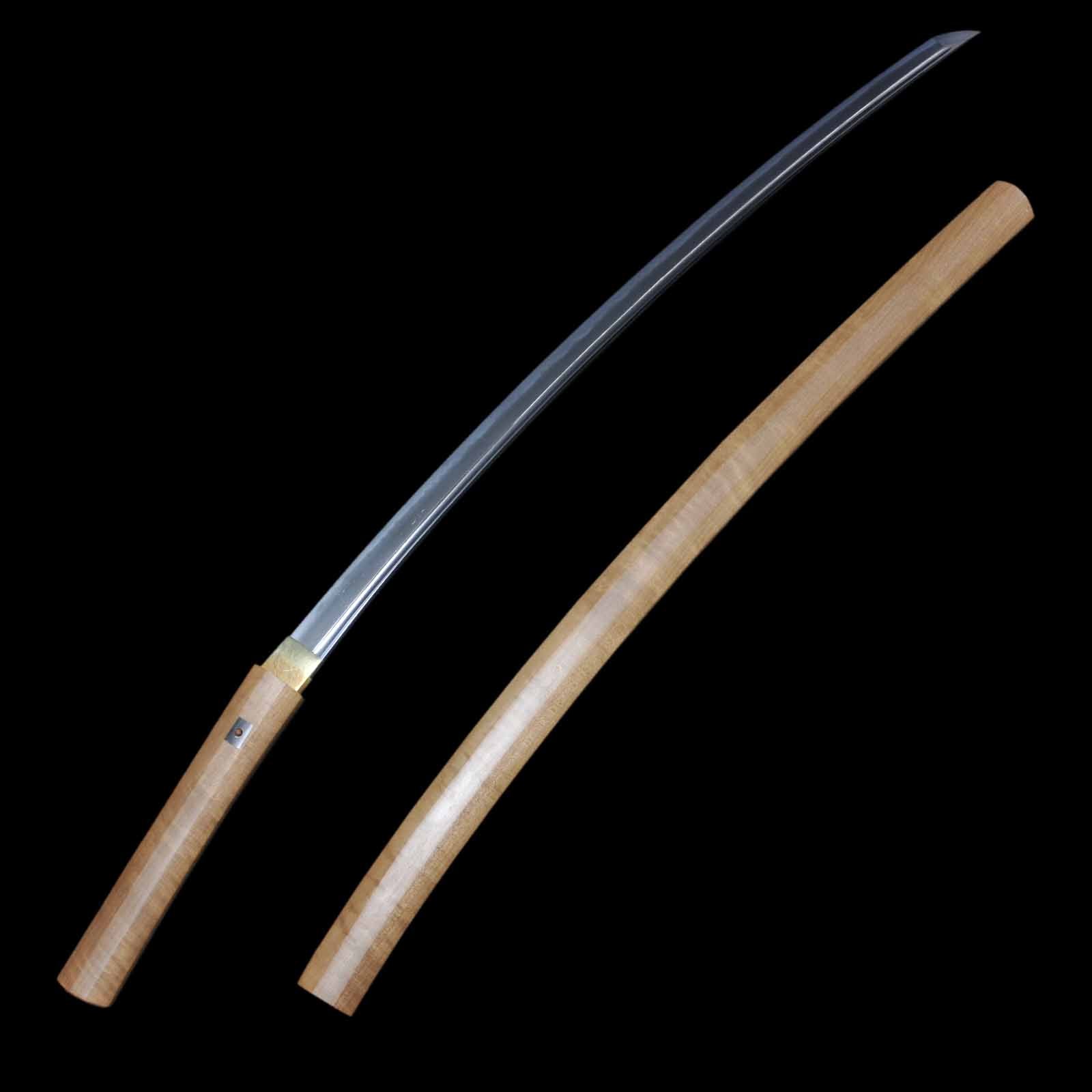
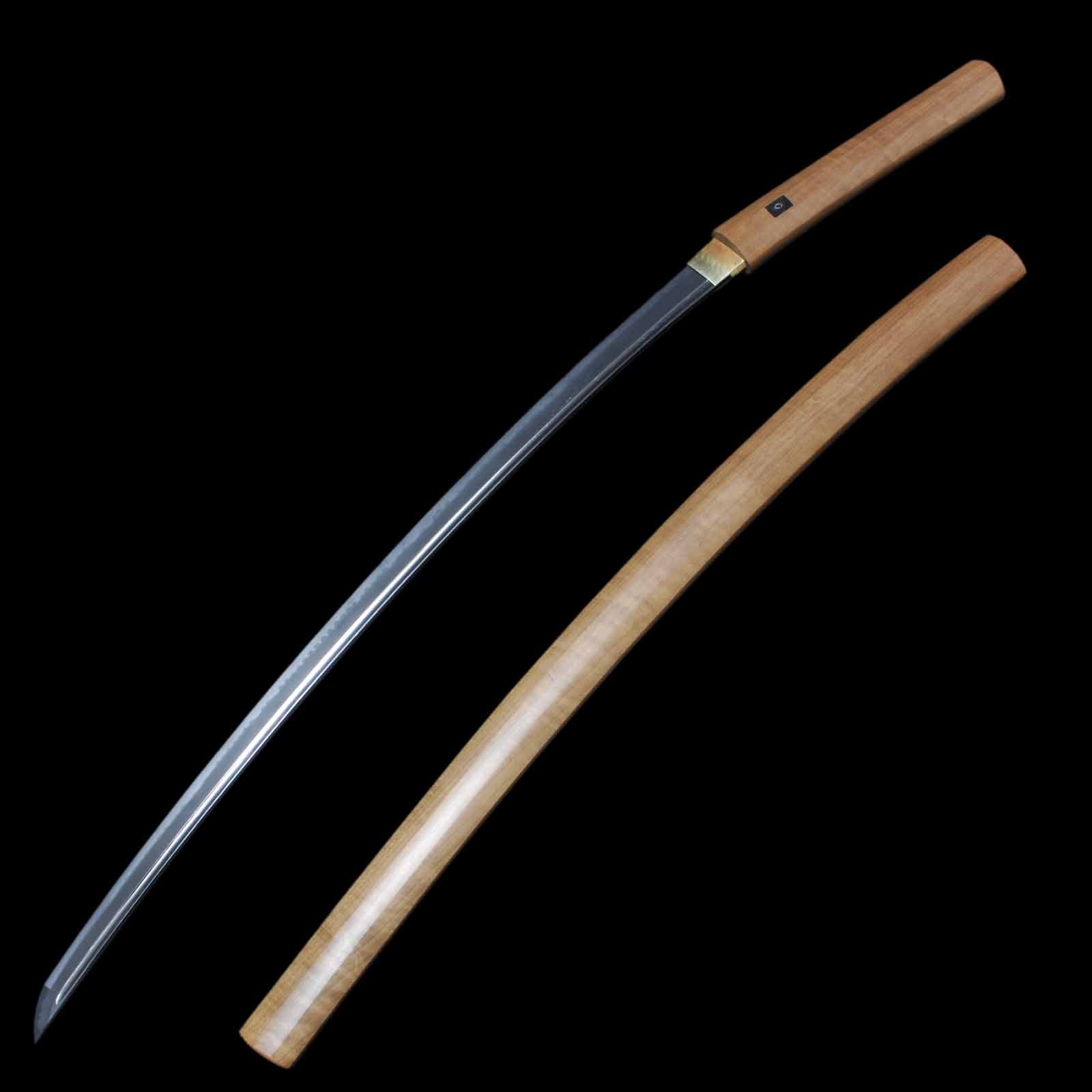
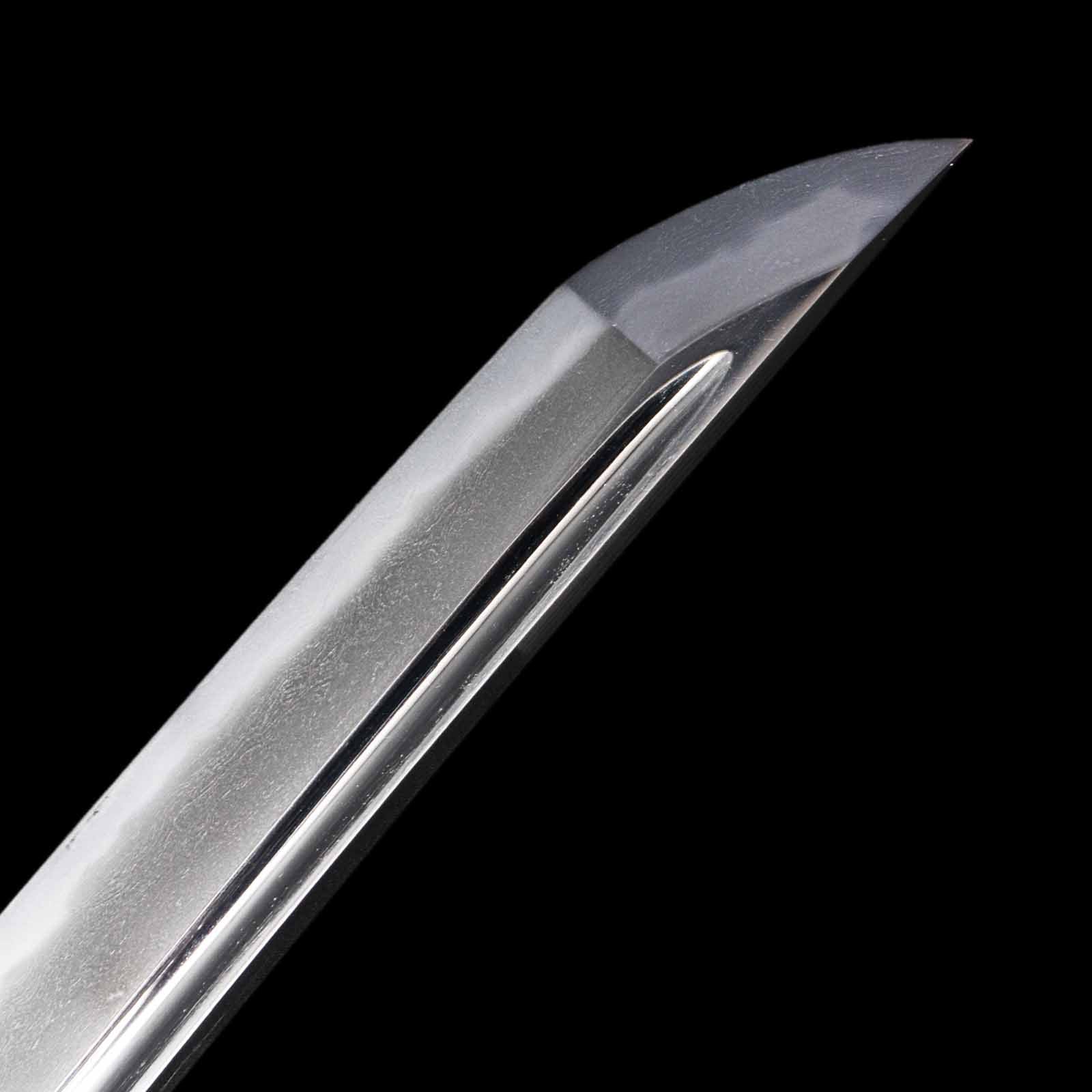
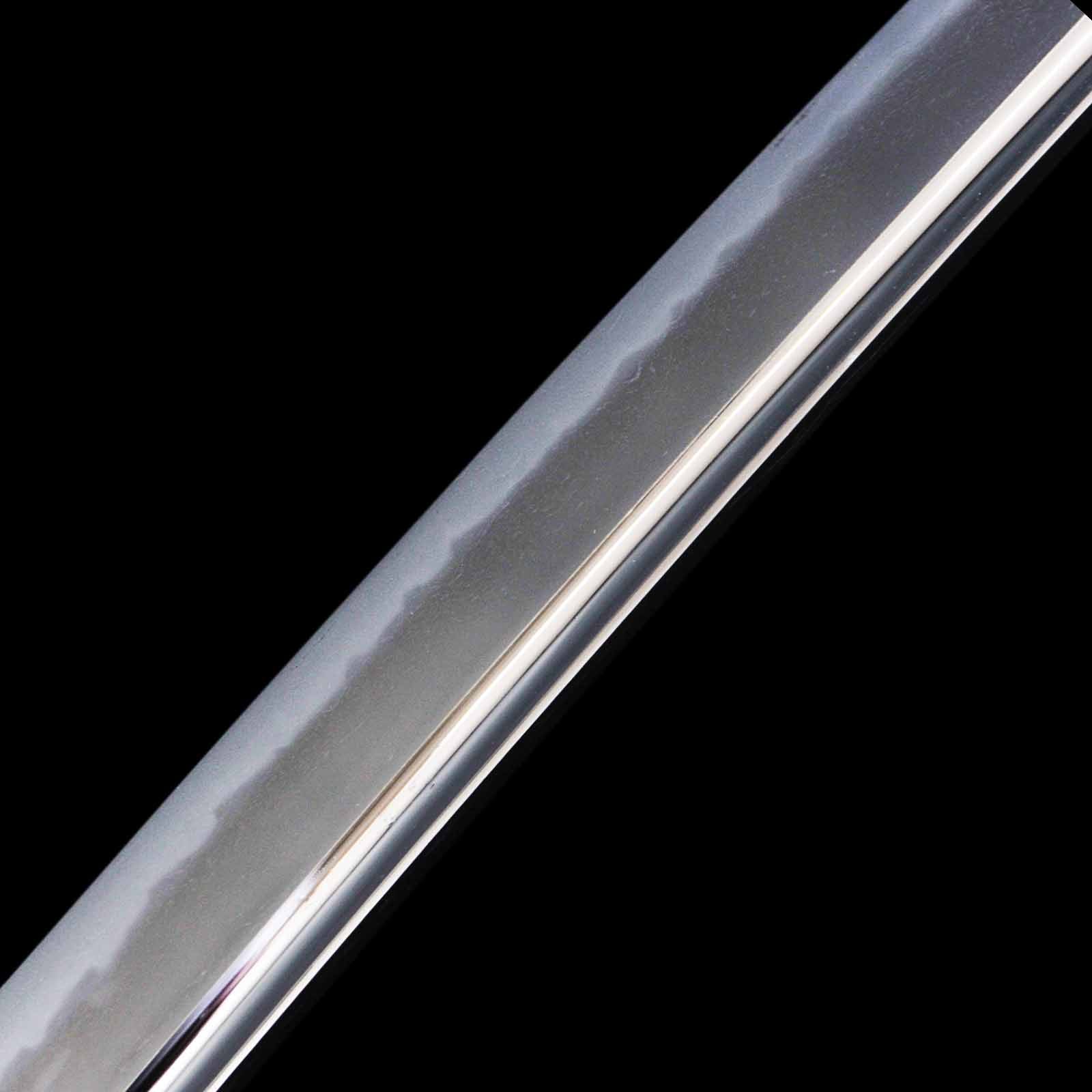
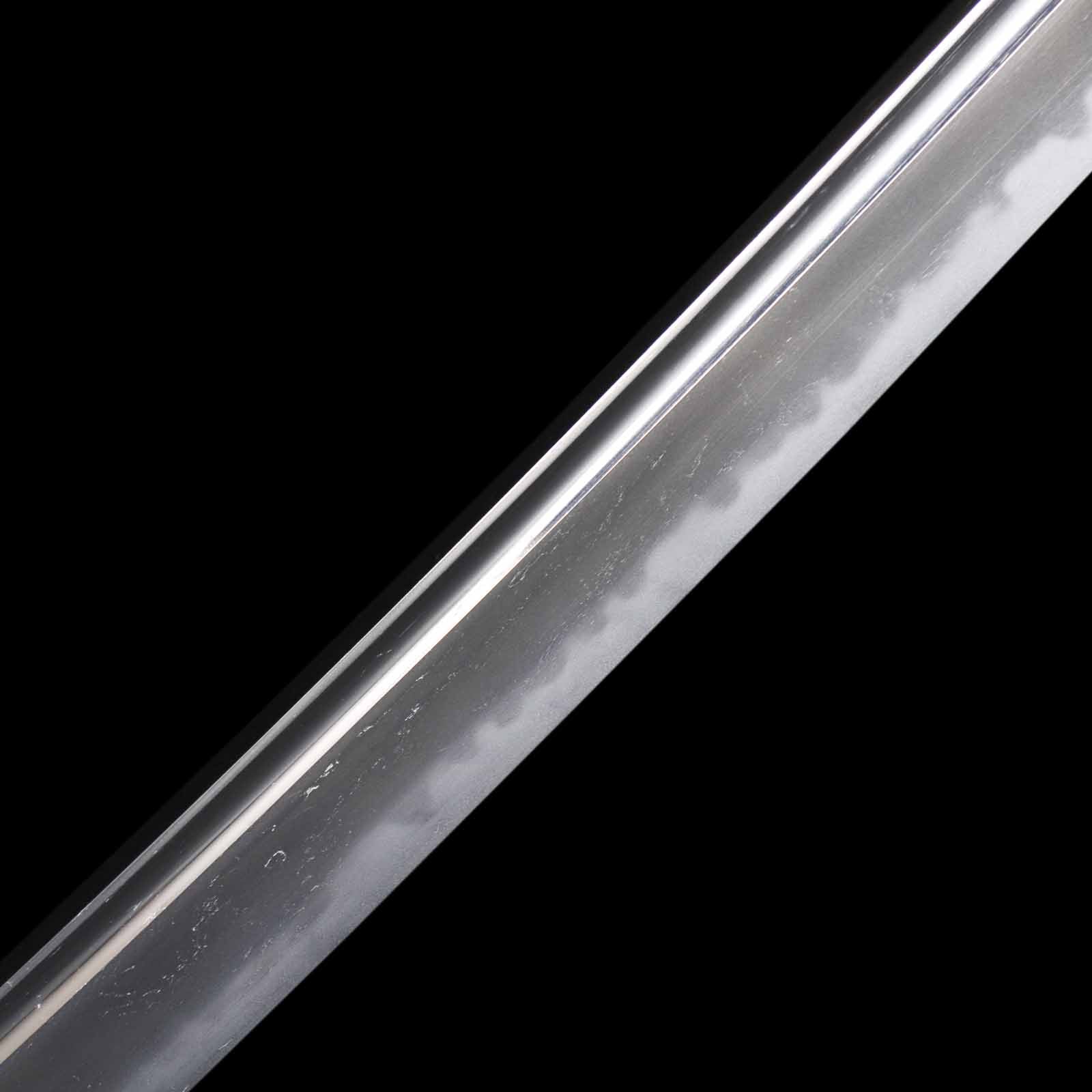
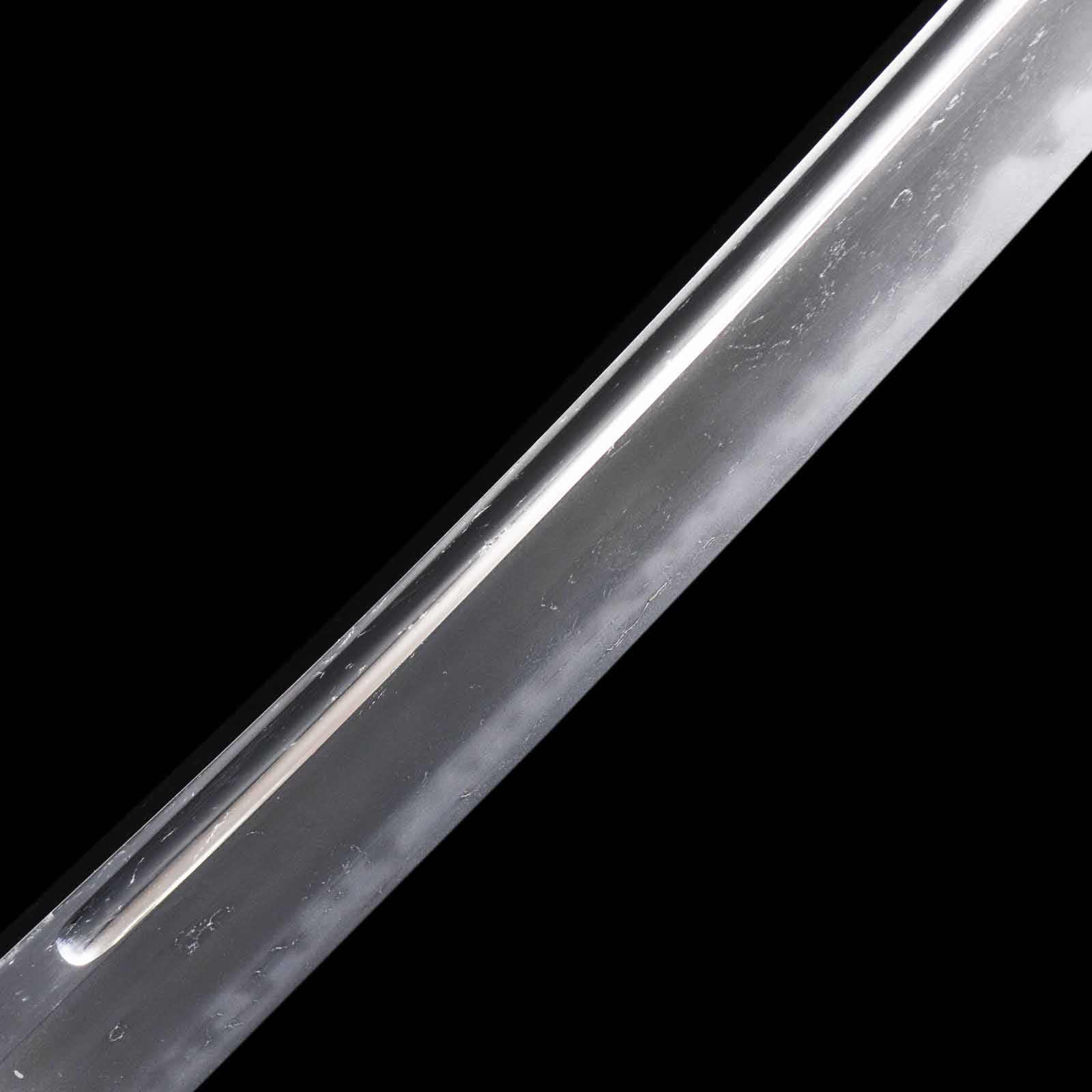
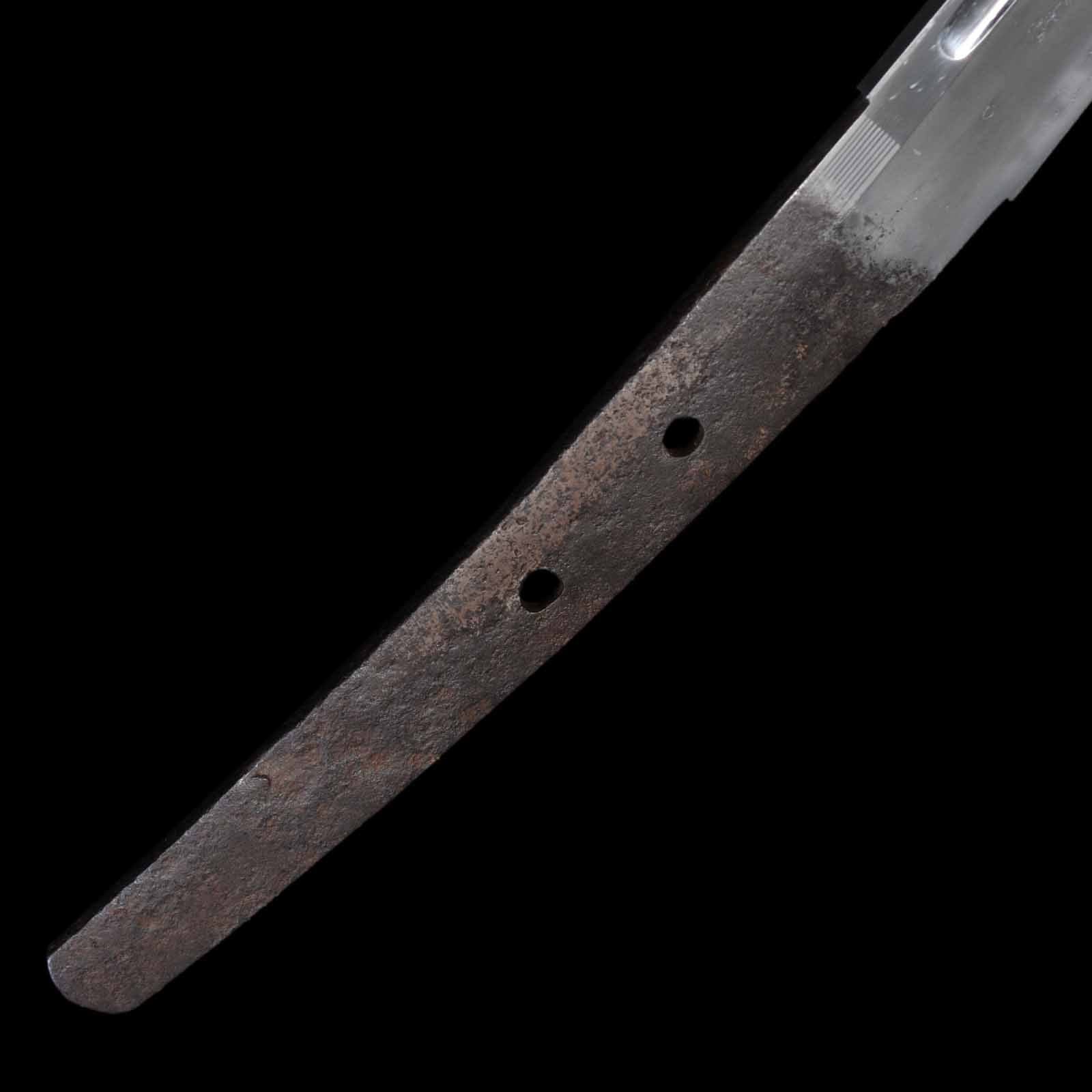
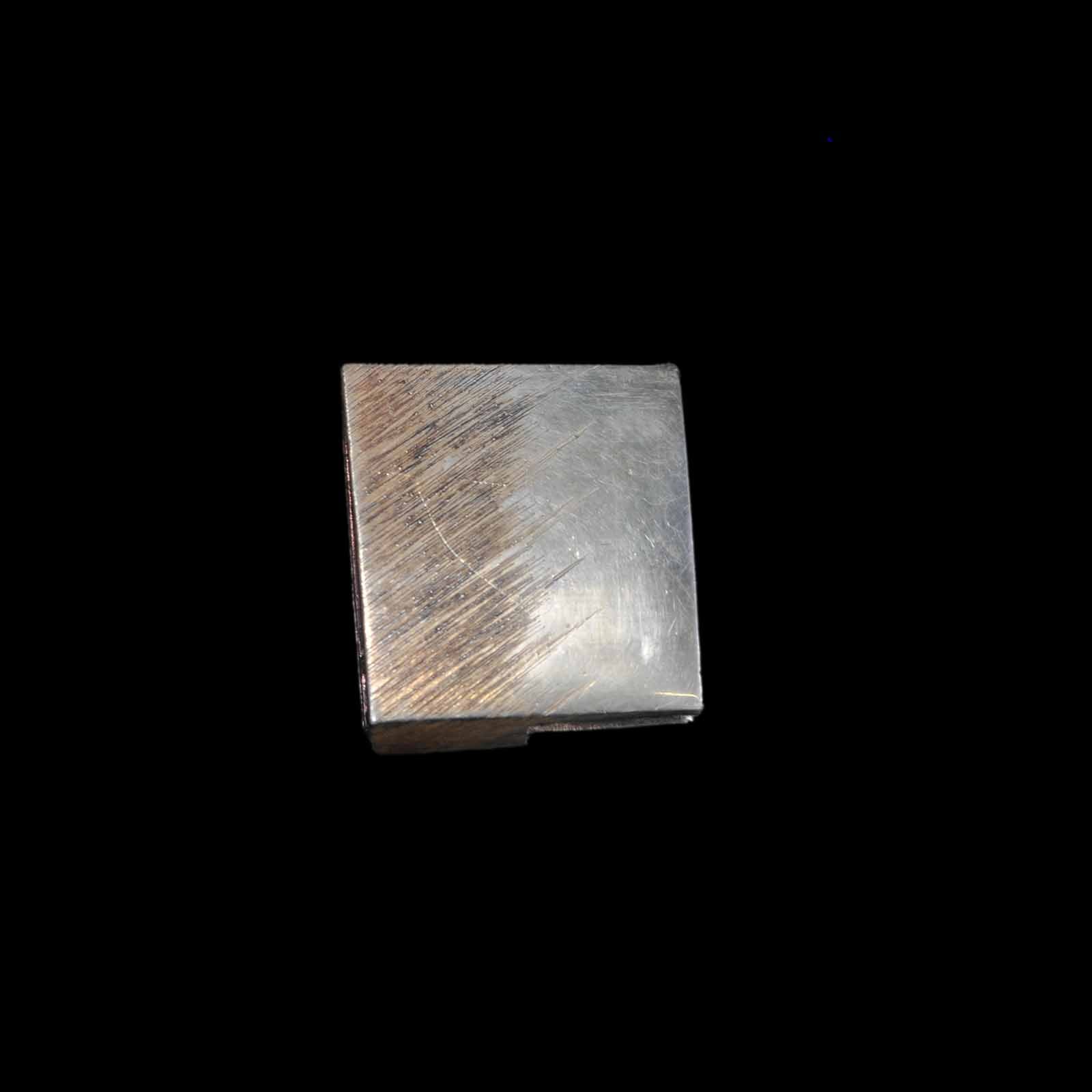
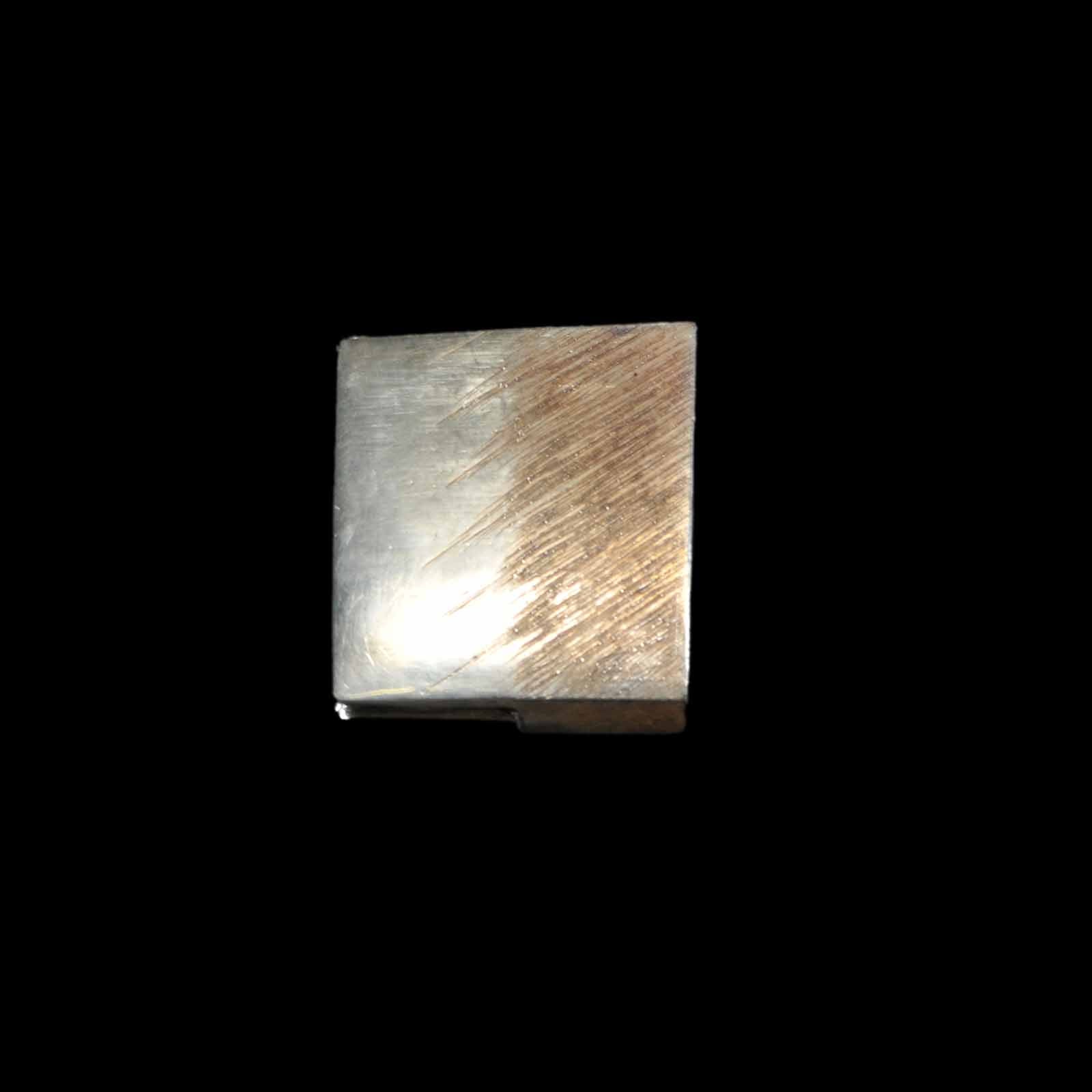
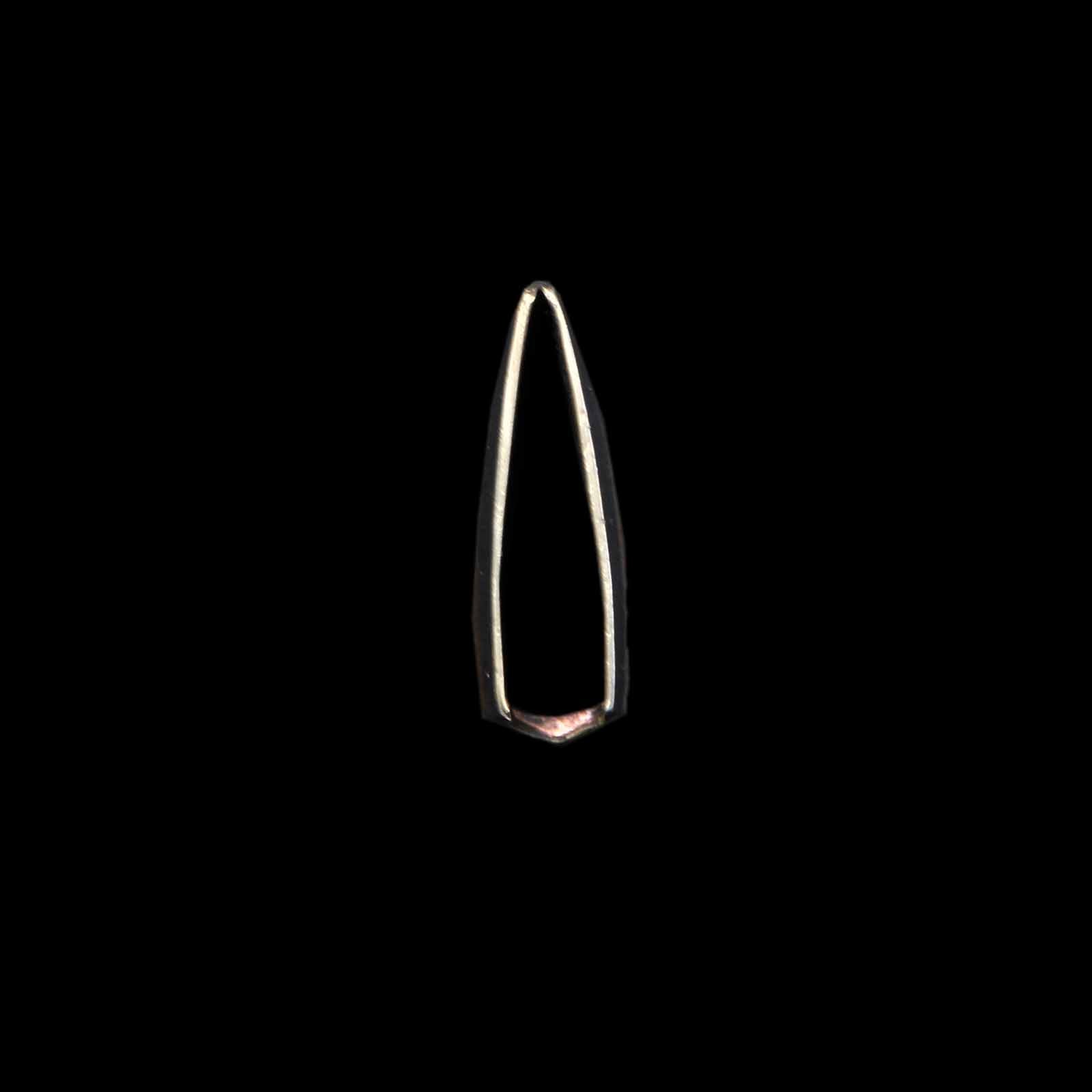
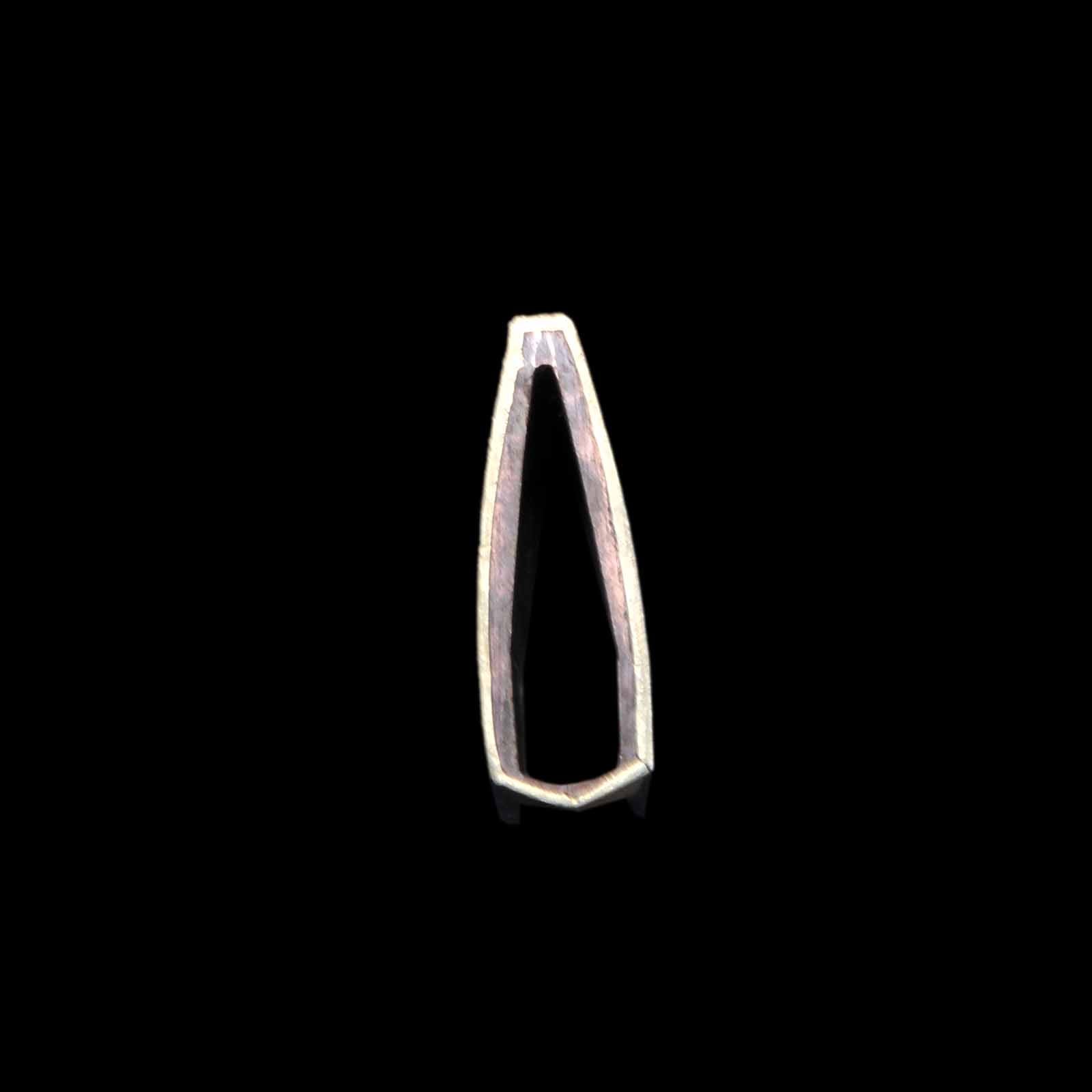
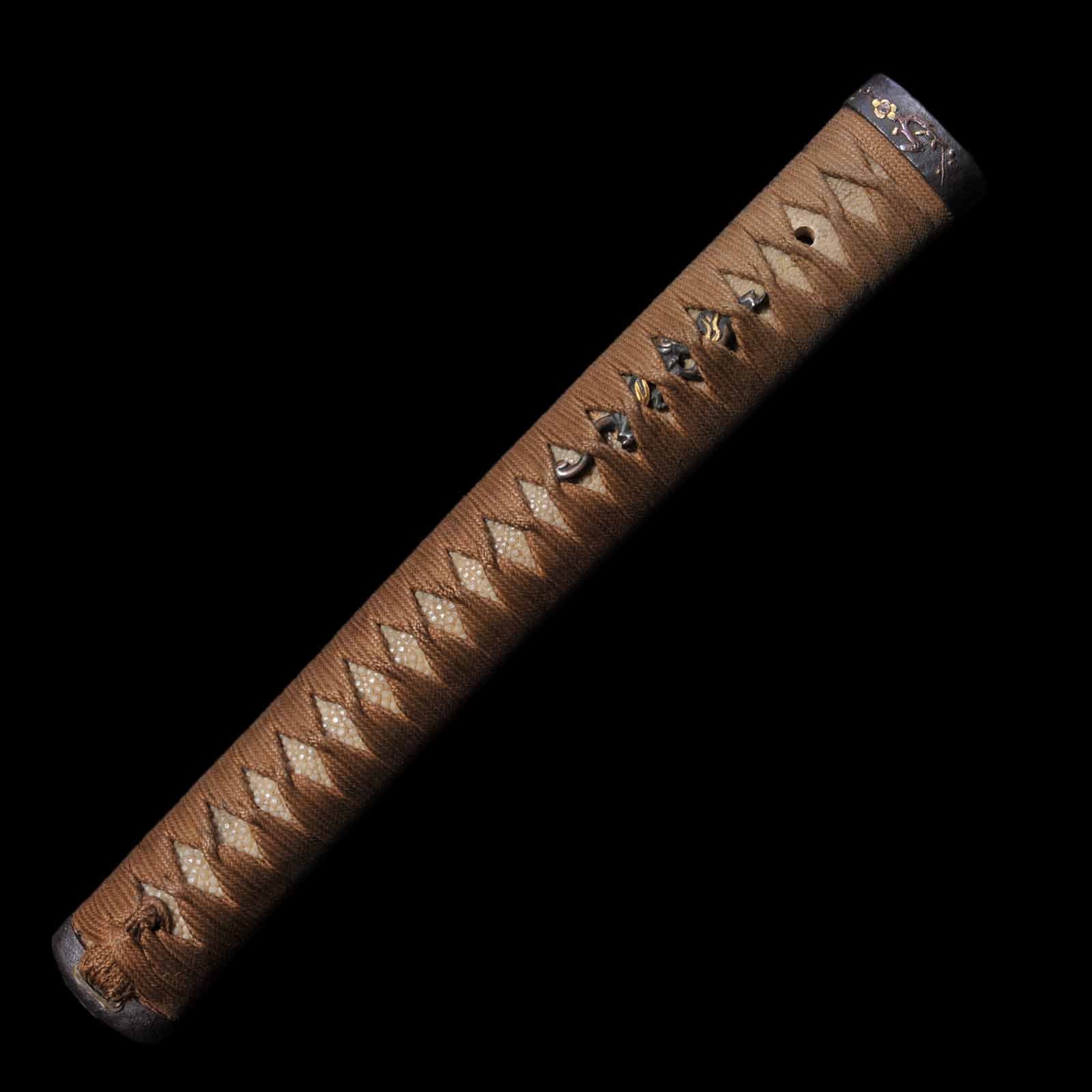
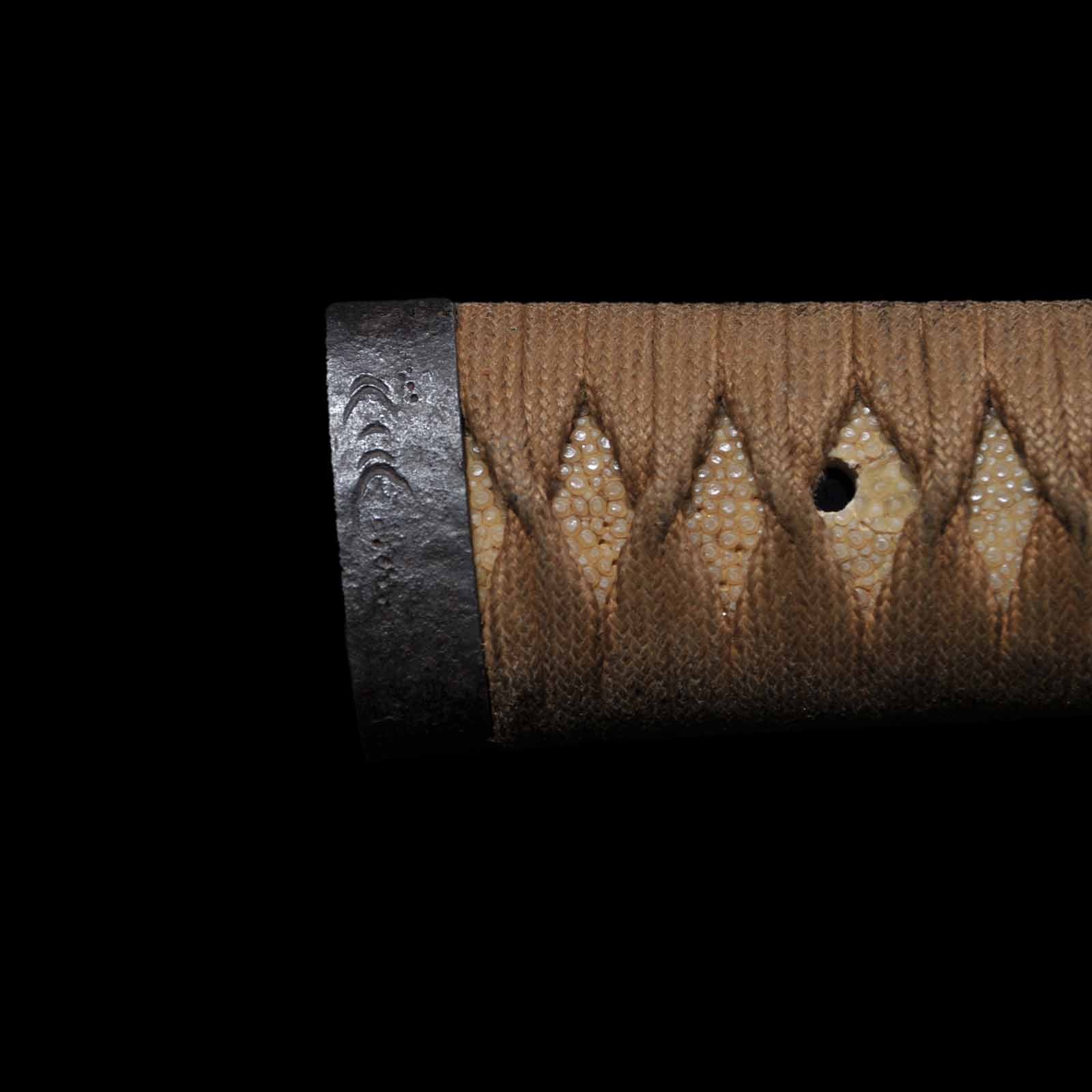
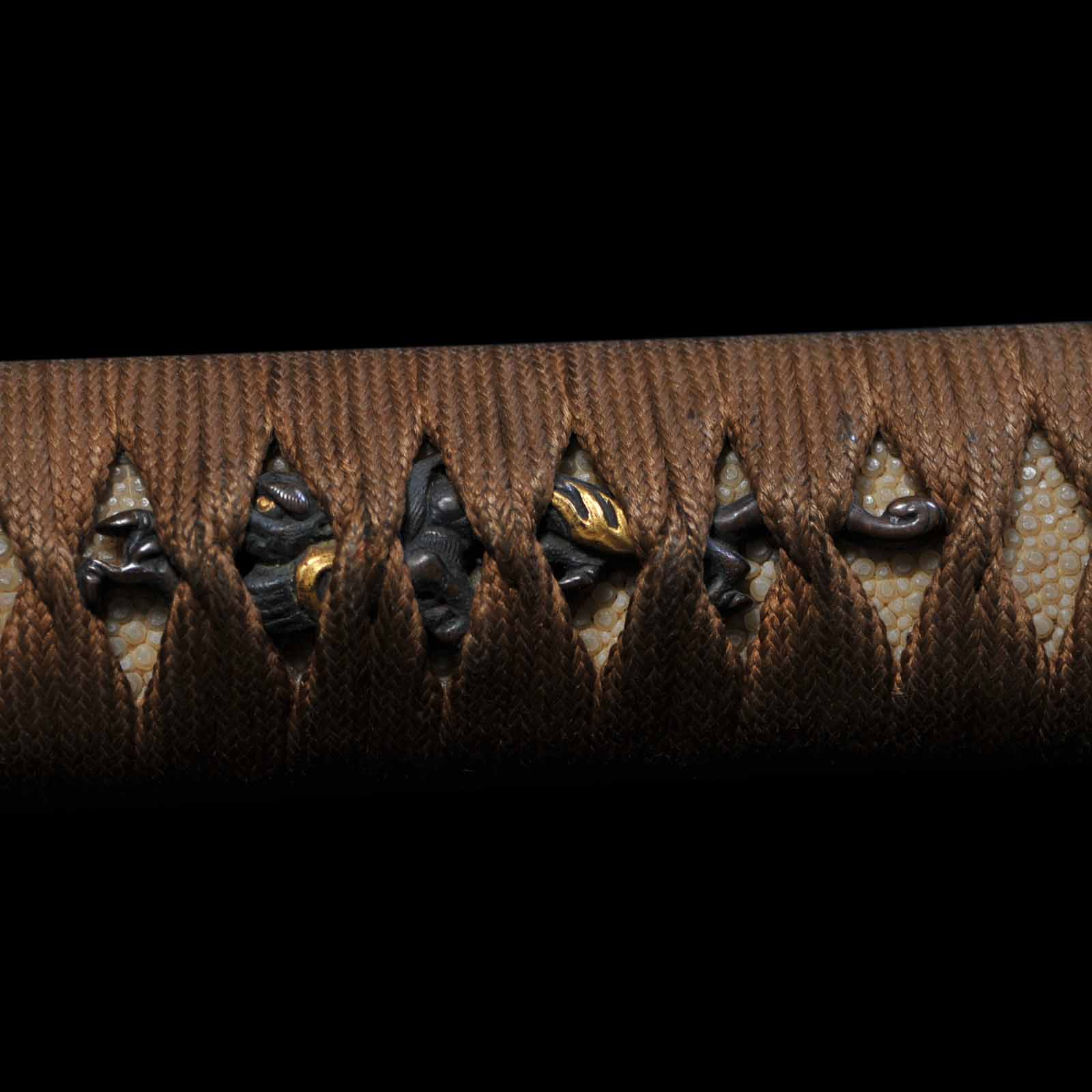
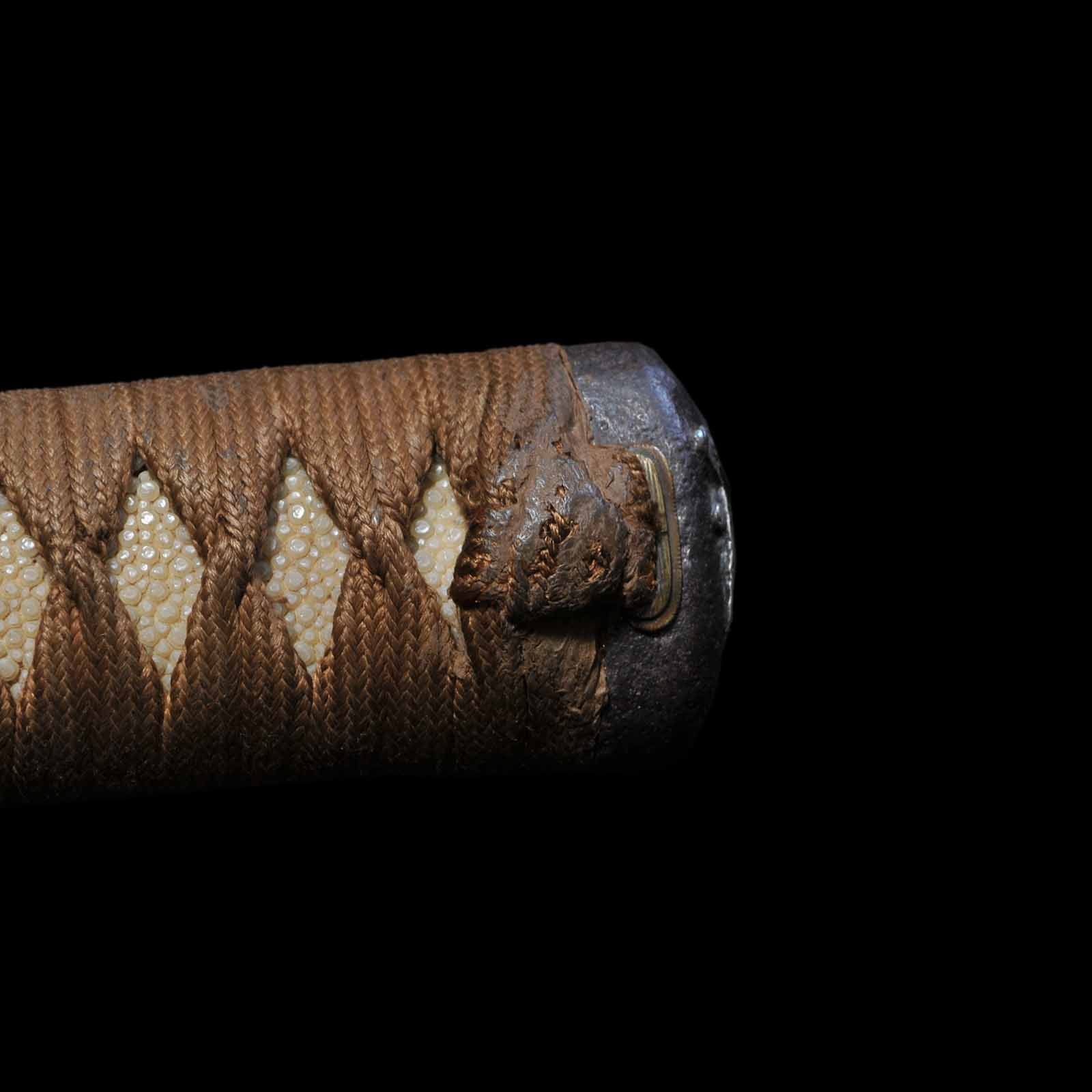
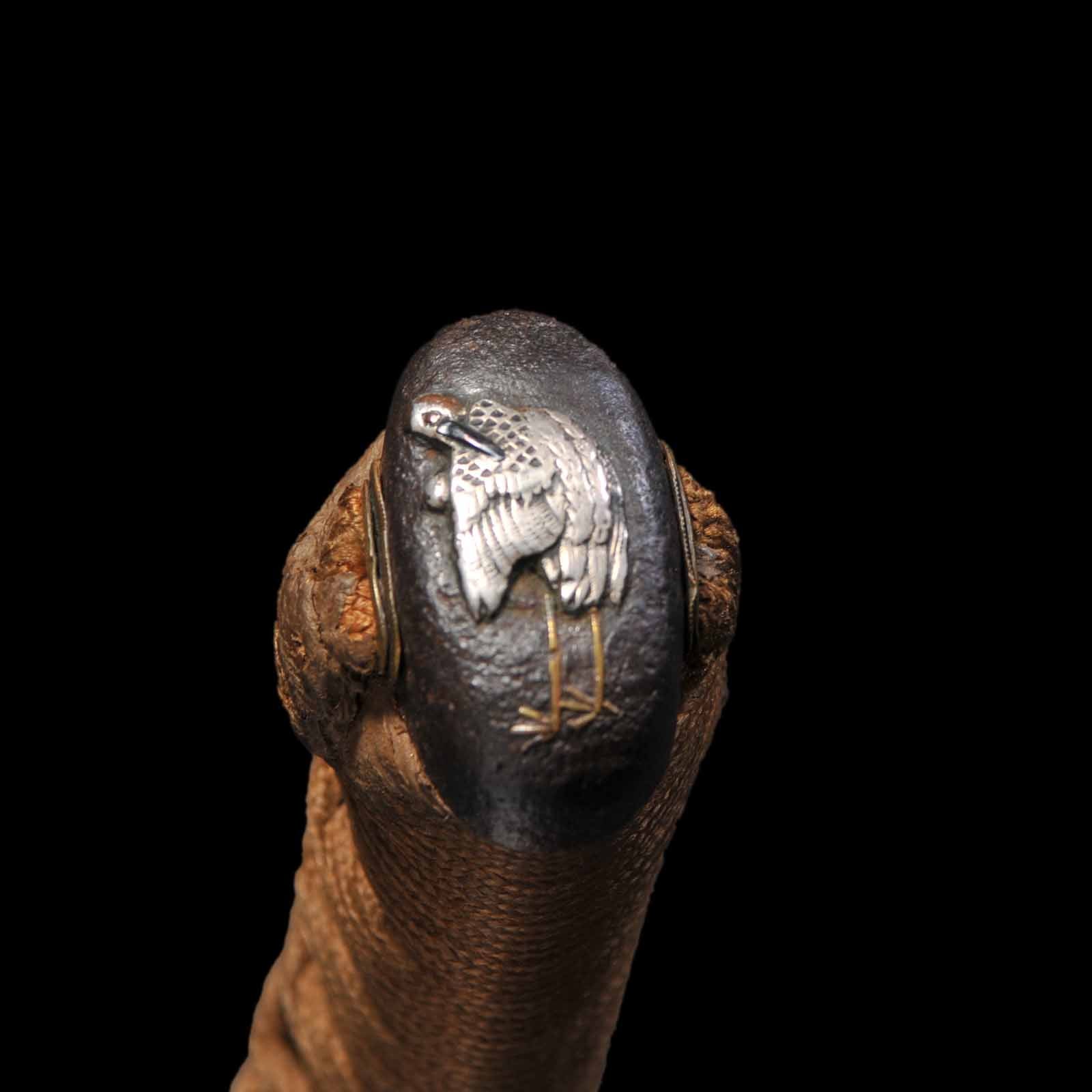
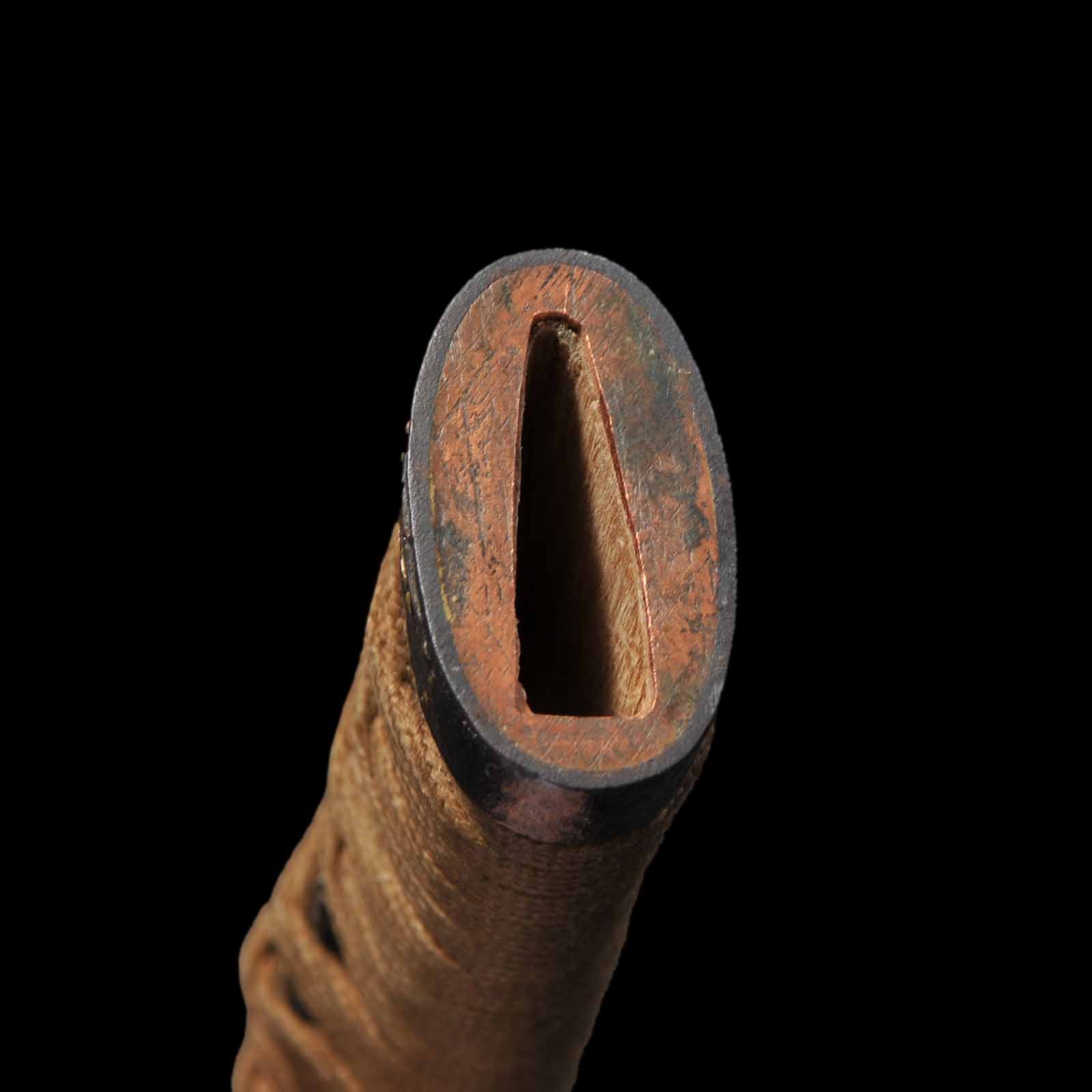
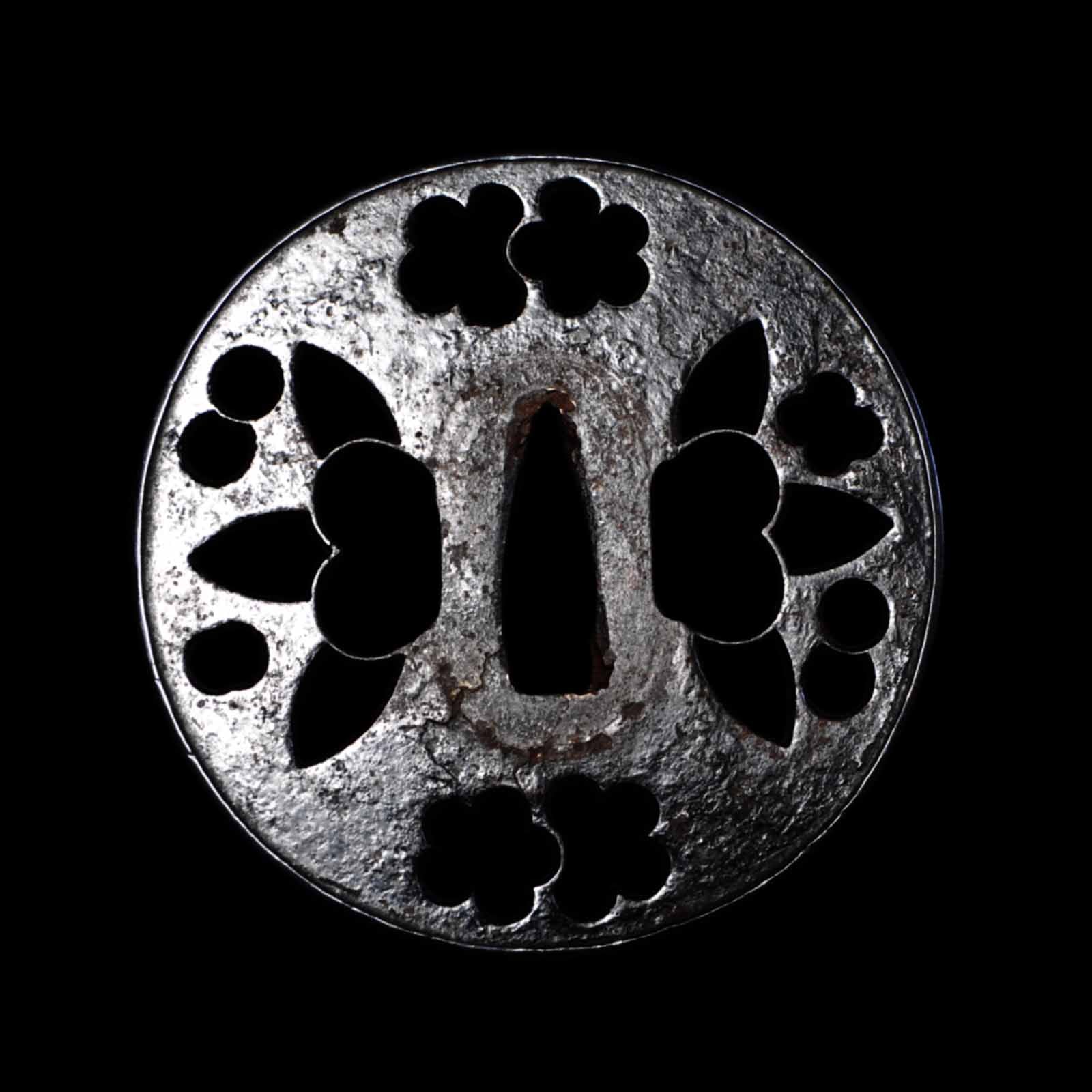
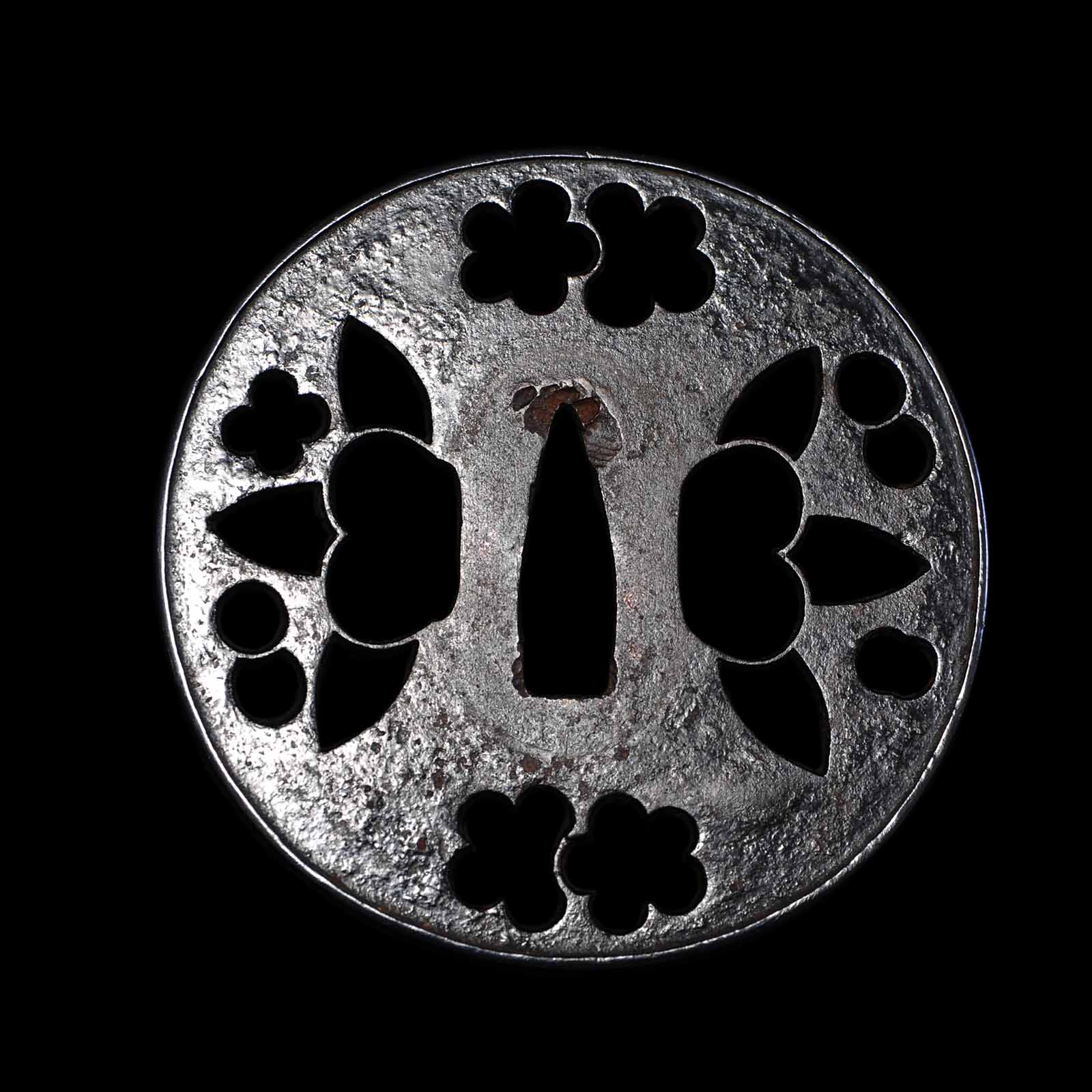
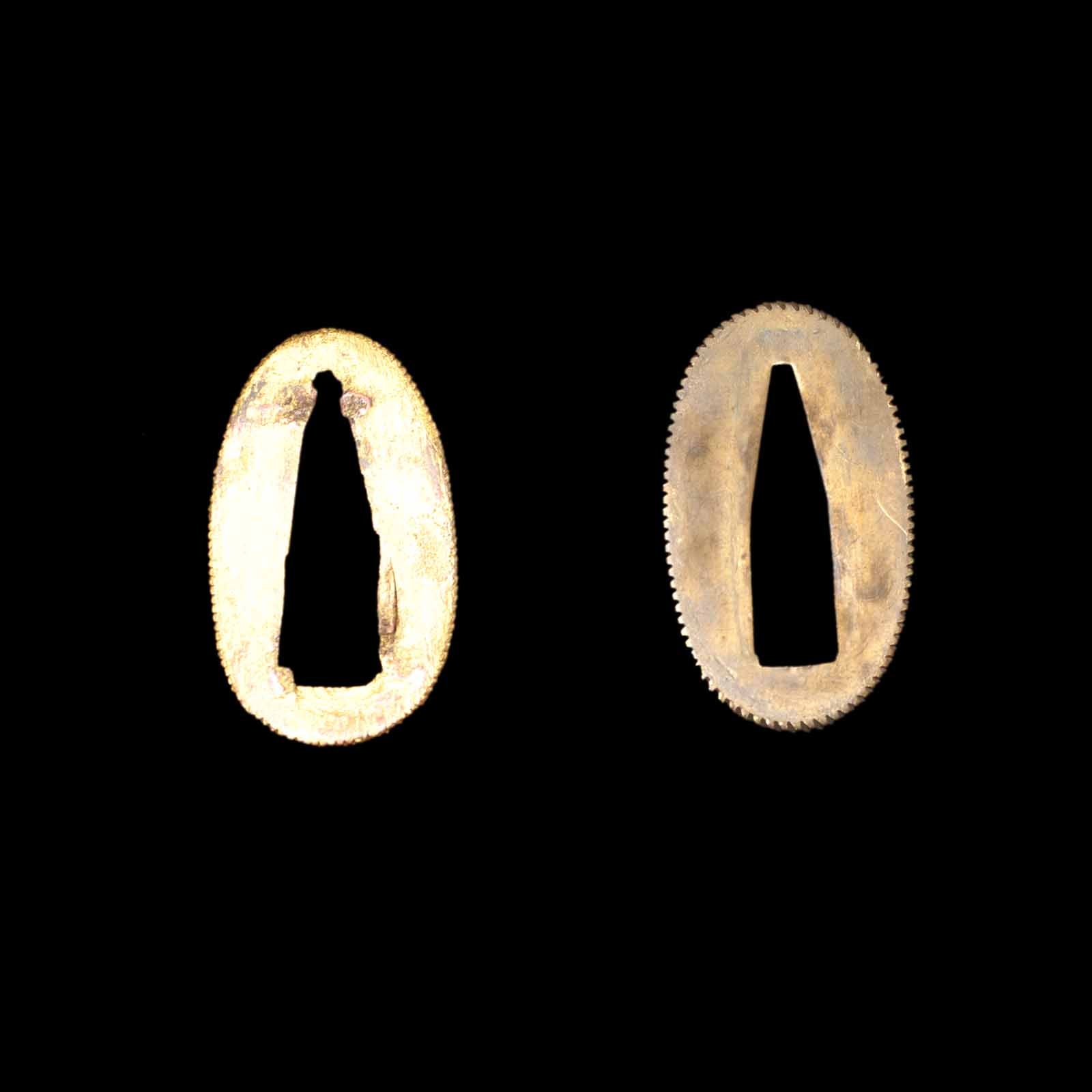
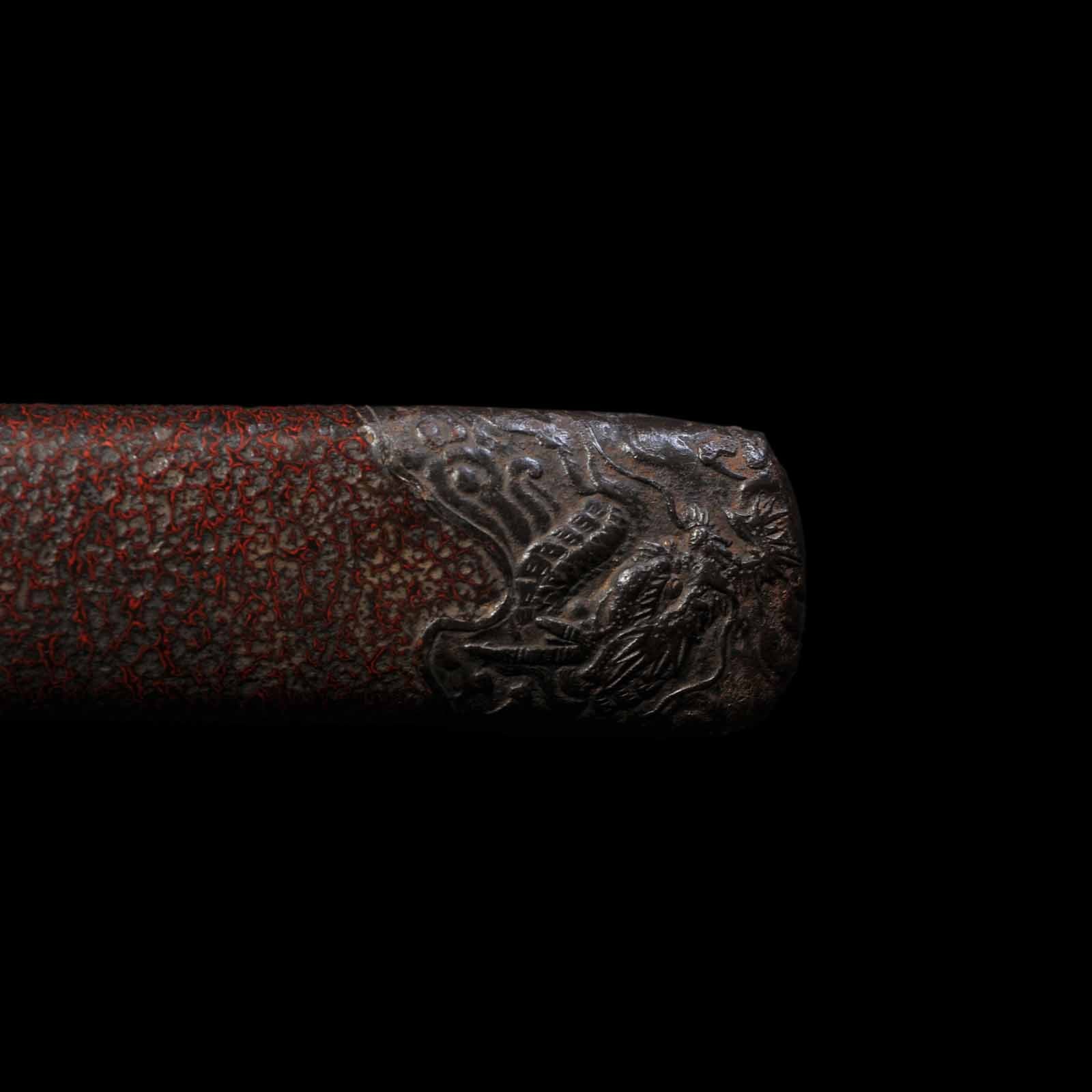
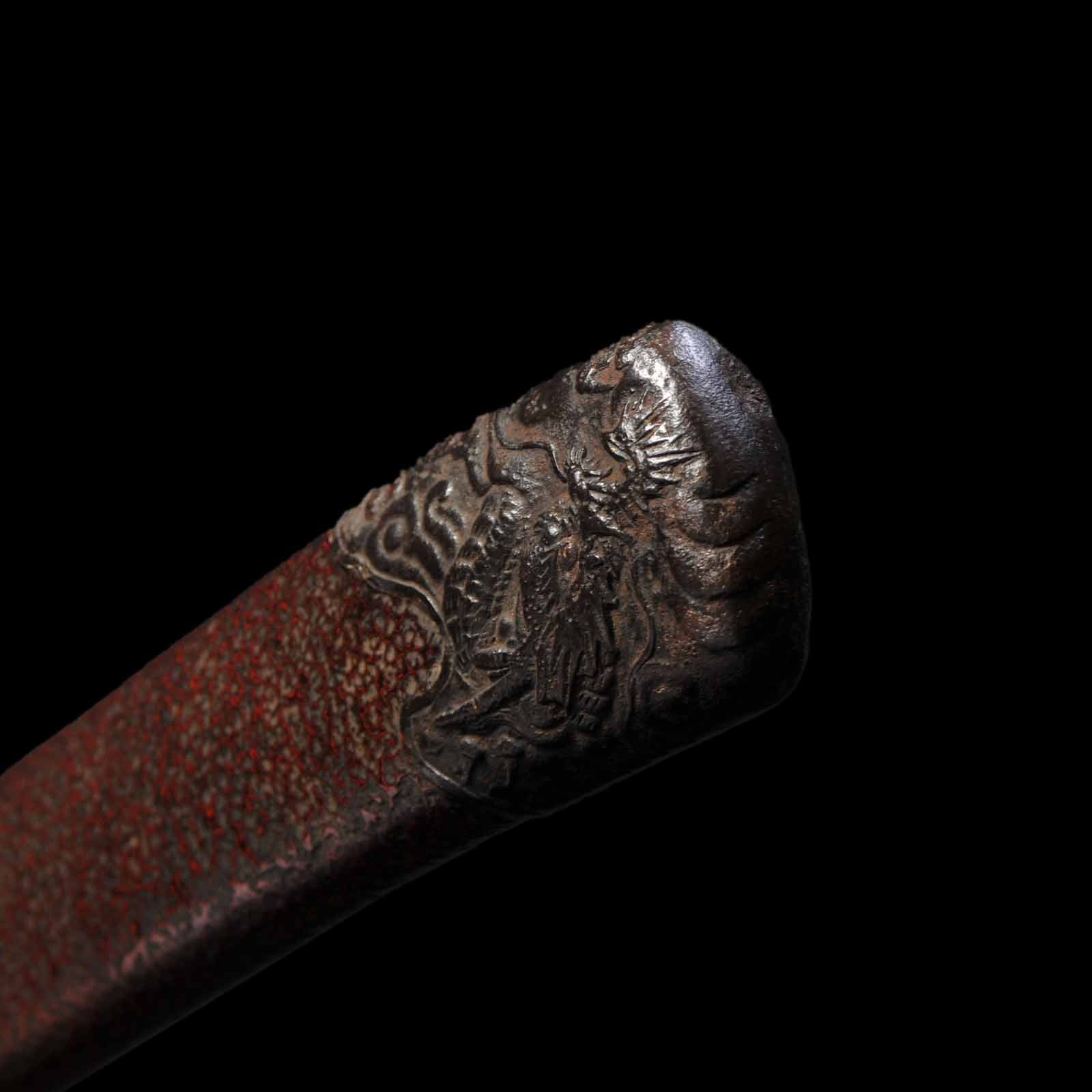
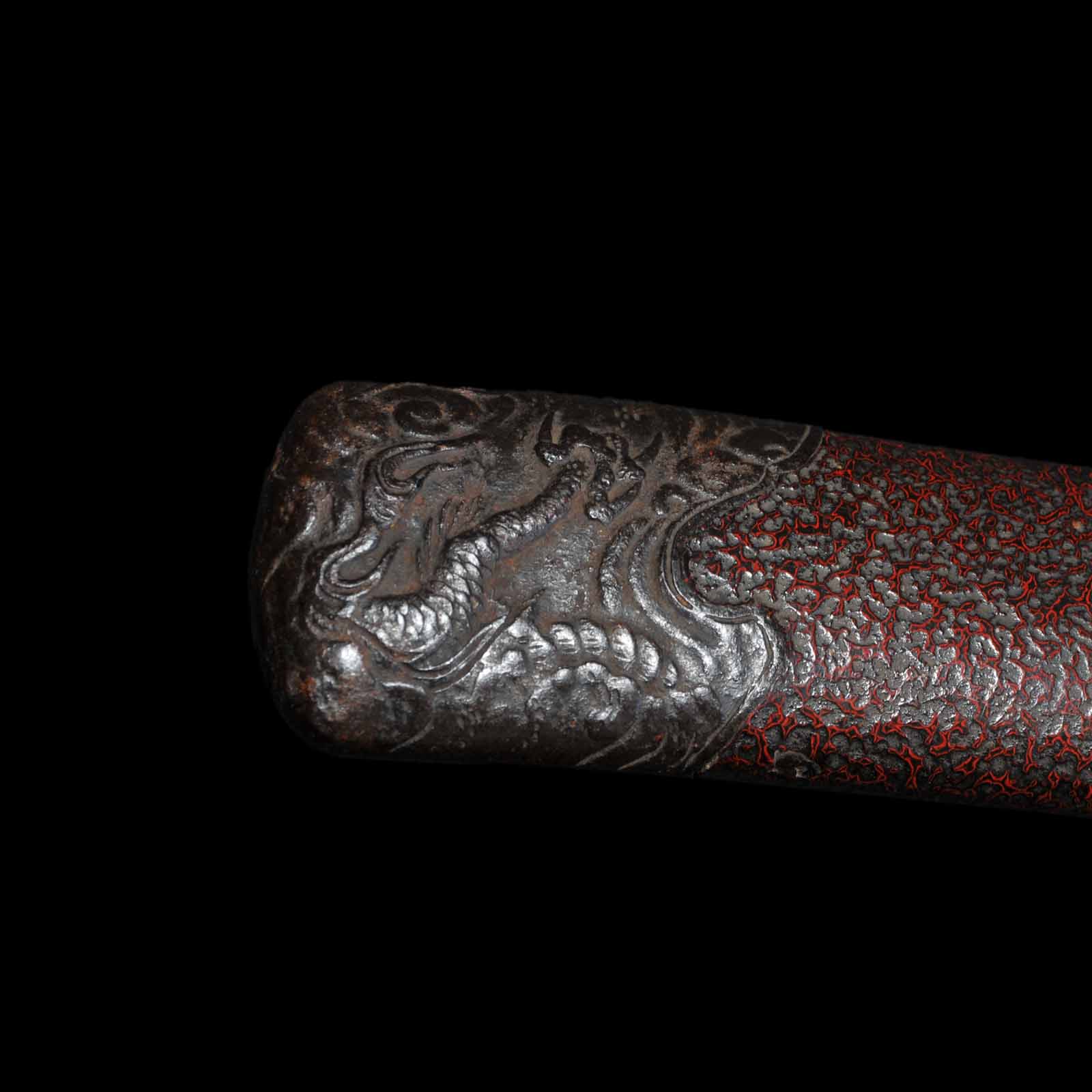
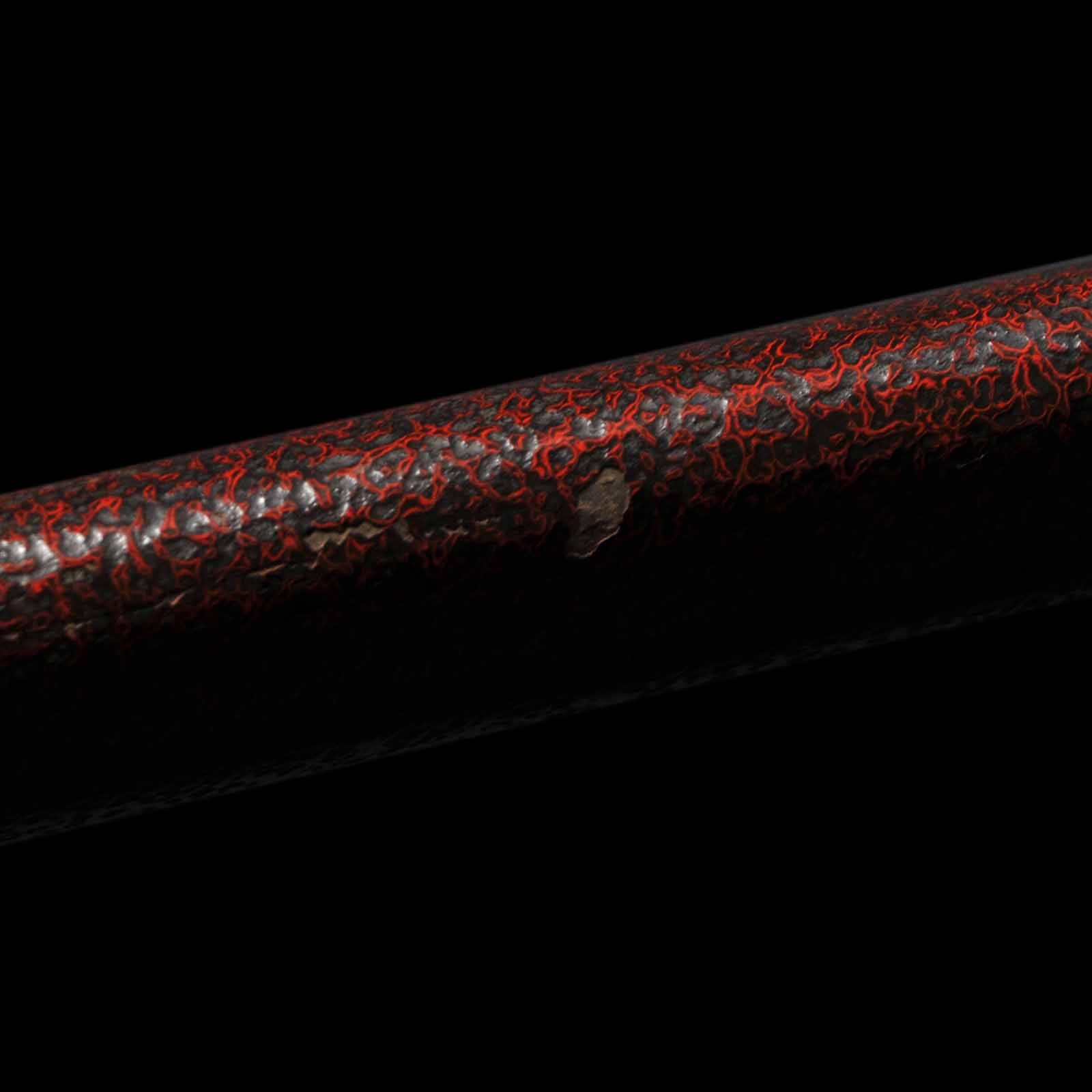
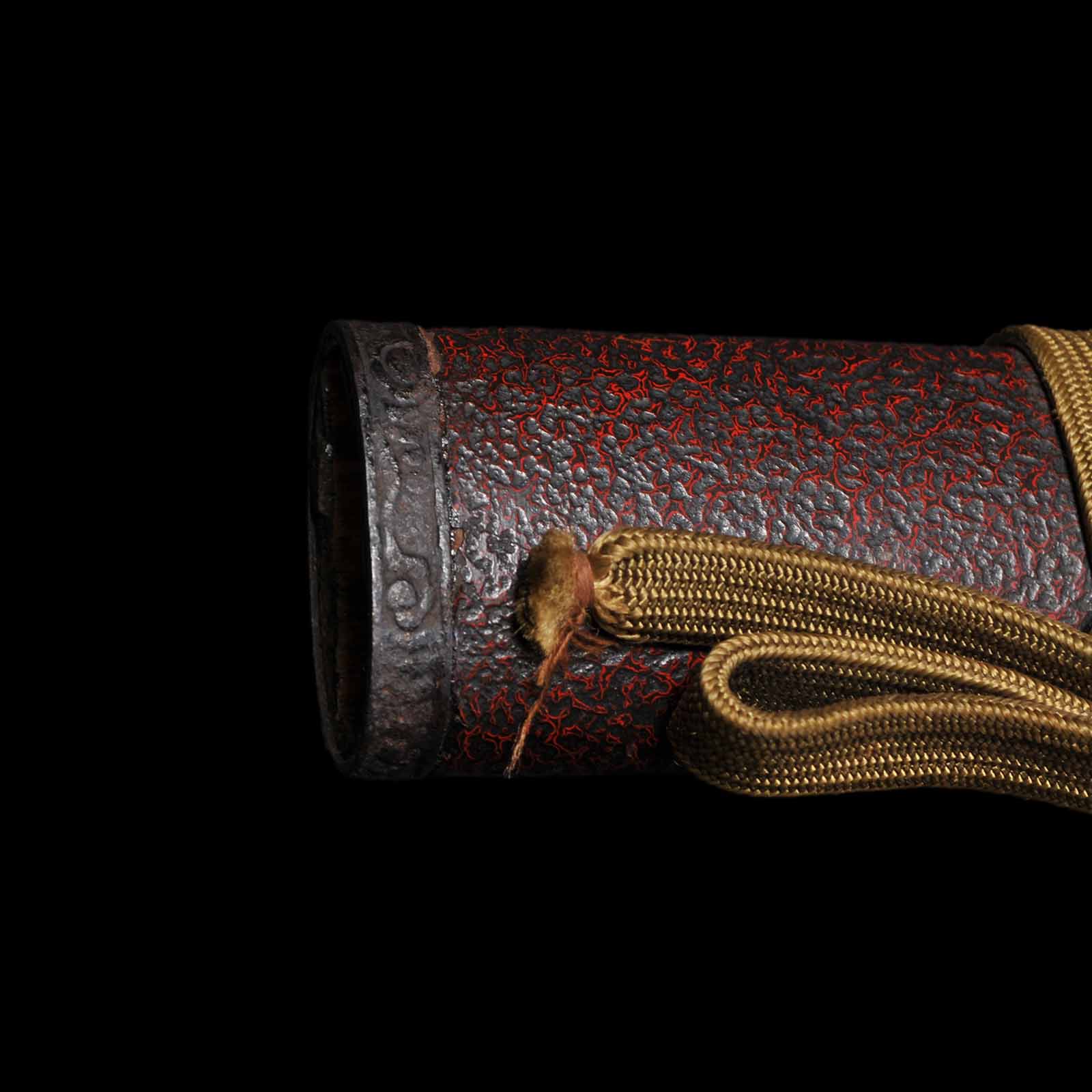
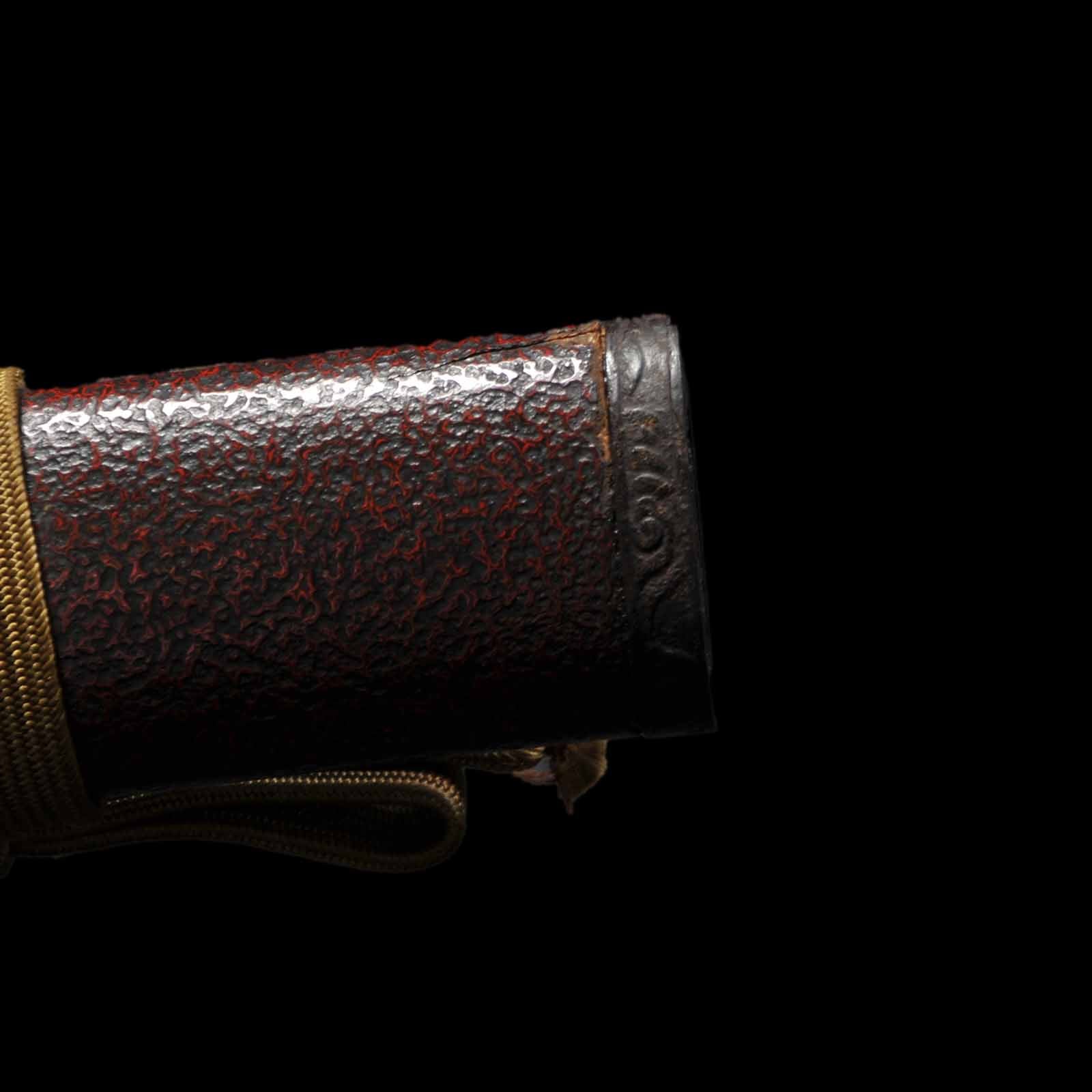
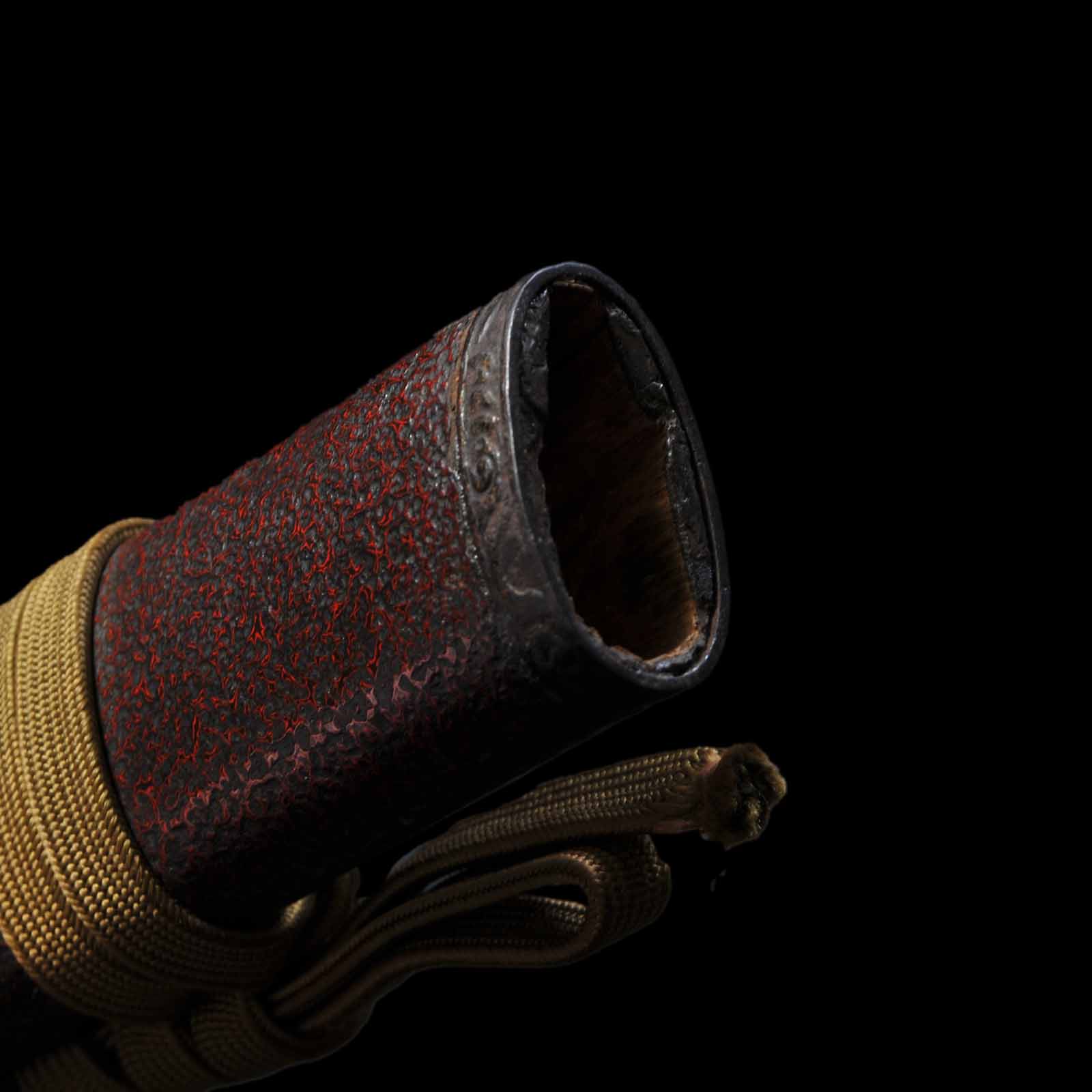
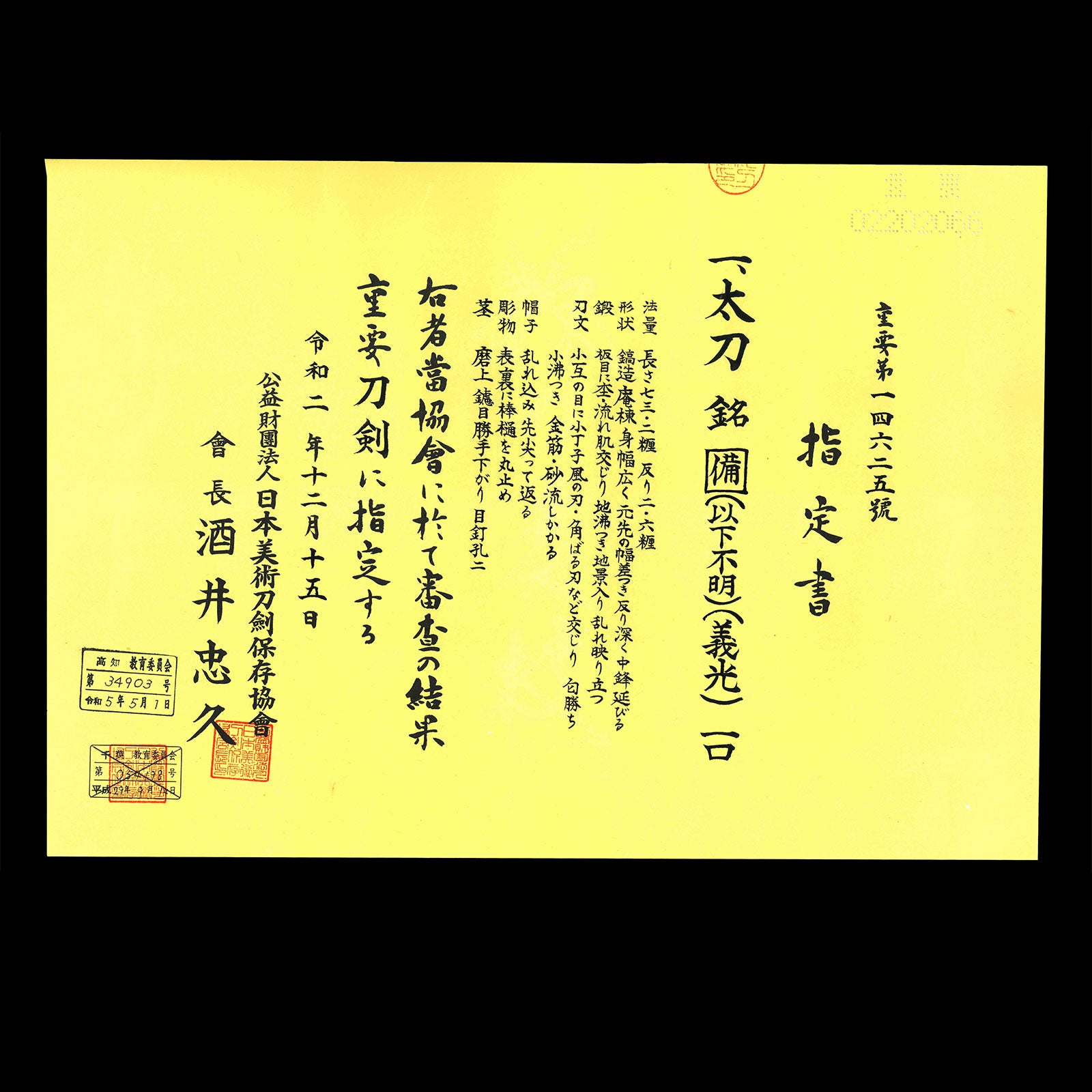
Bizen Osafune (Kanemitsu lineage) · Bizen · around 1334-1349
Fujishiro Jo-jo saku · Tōken Taikan top 10%
A tachi dated Kōei 2 (1343), eighth month, signed in full Bizen no Kuni Osafune Yoshimitsu, is among the firmest documents of this smith. Yoshimitsu was a swordsmith of the Bizen Osafune school of the late Kamakura into the Nanbokuchō period, by the prevailing tradition a son of Kagemitsu and the younger brother of Kanemitsu, with one account placing the first generation in the Nagamitsu line. His dated works run from Genkō at the close of Kamakura through Jōji, roughly forty years that almost exactly parallel Kanemitsu, and the sword reference books distinguish a first generation, following his father, from a second that more nearly resembles his brother. Like Kanemitsu he commonly used Northern Court era names, although a tantō dated Kōkoku 6, a Southern Court name, also survives. He belongs to the central Osafune workshop at the moment it turned from the classicism of Kagemitsu toward the broad Nanbokuchō manner of Kanemitsu, and his record is read on the seam between the two.
His recognition turns on a single axis the judges restate on nearly every blade: his is the manner of the Kanemitsu group, but the irregularity is composed in a smaller pattern. Over an itame jigane that stands a little, often mixed with nagare and mokume, he tempers an angular gunome and kataochi-style gunome, with ko-gunome, ko-chōji and pointed elements intermixed, the whole resolving into a small-scale midare, in places running reversed, with ashi and yō entering, the nioiguchi nioi-dominant with ko-nie, and fine sunagashi and kinsuji through the line. The kataochi and the angular gunome carry over from his father Kagemitsu, while the crowding of many different edge-forms inside the irregularity is named as his own hand. On one signed tachi the published sources put it plainly, that 'compared with his elder brother Kanemitsu the irregularity is of smaller motifs, and the inclusion of pointed elements within the tempered edge is readily perceived as a hallmark of Yoshimitsu'[[c:1]].
The jigane is the constant beneath that edge. The itame carries ji-nie, fine chikei enter, and a vivid midare-utsuri stands clearly, the bright Osafune reflection he shares with the school but renders well-defined; on the tightest-forged pieces the steel packs into ko-itame and the utsuri only sharpens, and one signed tachi mixes a jifu-toned texture into the jigane. His earliest dated tachi stand apart from this prime manner. They are slender, high in koshizori with funbari, forged in tight ko-itame with a bō-utsuri or a straight utsuri, and tempered not in gunome at all but in a calm suguha with slight ko-ashi, nioi-dominant with ko-nie, a register the judges read as following Kagemitsu rather than Kanemitsu.
The profile thus divides in three. The early dated tachi, in the Kagemitsu suguha, anchor the chronology, and of the Kōei 2 piece the published sources note that it is 'extremely similar to a Kanemitsu tachi dated Kōei 3, sixth month'[[c:2]], an Important Art Object, the two hands documented working side by side. The prime, the kataochi and angular gunome in their smaller midare, is the body of the record. A third, smaller register pushes toward strong nie in the soden Bizen feeling the period prized: a naginata-naoshi wakizashi the judges call a deliberate stressing of Sōshū-den, with abundant ji-nie, yubashiri, sunagashi and kinsuji, and a wide ō-kissaki katana that turns blackish in the steel and adds yahazu-ba, of which the published sources write that, weighing the excellence of its nie and the activity along the edge, it 'shows workmanship of upper-rank soden Bizen worthy of Yoshimitsu and his circle'[[c:3]]. The first-and-second-generation question is left open across the Genkō-to-Jōji span, and is the central scholarly matter around him.
What sets him apart from his neighbours is exactly what the judges name, and it is drawn from his own work rather than from theirs. Against Kanemitsu his midare is the smaller and calmer, the cutting edge quieter; against his father Kagemitsu his prime carries more nie and the Sōshū-touched activity of his late hand. On one ō-suriage mumei katana the published commentary records that, the sugata and jiba at first suggesting the circle around Kanemitsu, it is precisely because 'the irregularity, set against Kanemitsu's broad openness, presents somewhat smaller-scale features that the blade is to be judged Yoshimitsu'[[c:4]], and on a Jūyō katana that 'the way many different edge-forms intermix within the irregularity displays the character of Yoshimitsu'[[c:5]]. He stands as the quieter, more closely worked hand of the great mid-Osafune workshop, the brother who held to the small-patterned midare while Kanemitsu opened the line outward.
For the collector he is a documented but uncommon Osafune name. Fujishiro grades him Jō-jō saku. He has no National Treasures; his record runs instead through an Important Cultural Property, two Tokubetsu Jūyō tachi and some thirty-two Jūyō blades, and signed work is genuinely scarce, only about a dozen of the surviving pieces bearing a signature against a far larger body of ō-suriage mumei katana. The Important Cultural Property, a signed and dated tachi, is preserved at Kameoka Hachiman-gū in Miyagi. The named provenance of his blades is daimyō: the Kōei 2 tachi passed from Tokugawa Yorinobu of Kishū to the Saijō Matsudaira house in 1667 and stayed there; a Kenmu-era signed tachi was held near Torigoe Shrine in Asakusa and is said to have been a wearing sword of the shogun Ienari. With only a couple of blades in the Tokubetsu Jūyō tier and the rest at Jūyō, a signed and dated Yoshimitsu reaches the market only seldom, and a privately held example, especially an ubu dated tachi, is a notable thing for a collector to encounter, a document of how the Kanemitsu line was carried in a quieter key.
Where Yoshimitsu stands among comparable artisans: across all of nihontō, and within tradition, era, and period. The tiers (Foremost · Leading · Major · Notable) weigh official designations from the NBTHK and Japan's Agency for Cultural Affairs, together with historical honors of lasting repute such as the Sansaku and Meibutsu-chō.
Select a lens to see how it's measured.
Years he was demonstrably active, proven by signed-and-dated blades
Bizen-den · Bizen
236 pieces on the market now
No single workshop in the history of Japanese swordmaking grew larger or lasted longer than Osafune, the riverside village in Bizen Province whose name became, across three centuries, a byword for the province's mainline. Its de facto founder was Mitsutada (光忠), working at Osafune in the middle Kamakura period; tradition makes him the son of Chikatada, and the genealogies derive his line from the Ko-Bizen Masatsune group already settled in the village. His blades, bold and imposing with a jigane so refined the sources say it can at a glance suggest Kyoto work, were treasured from old as the swords of commanders, and from his hand the school spread immediately: his sons Nagamitsu (長光) and Sanenaga (眞長), his grandson Kagemitsu (景光), and outward through pupils and collaterals until, by the late Kamakura years, Osafune was less a family than an industry. The line is conventionally read as a three-generation spine, Mitsutada founding it, Nagamitsu setting its classical standard, Kagemitsu bringing both temper and forging to their finished form before handing the manner to his pupil Chikakage (近景), whose echo of the master is so close that signed Kagemitsu blades are sometimes read as Chikakage daimei. What binds the membership is a shared steel before any shared temper. The forging is itame mixed with mokume, tightening on the finest blades into a dense ko-itame; fine ji-nie adheres, chikei enter, and over all of it stands the midare-utsuri that anchors even the most Kyoto-like jigane back to Bizen. On that floor the founding generation tempers a flamboyant choji-midare mixed with gunome: Mitsutada's tadpole-headed kawazuko-choji, Nagamitsu's round-topped plump choji, the deep nioi with ko-nie, the bright nioiguchi. From here the school divides by hand and by era. Sanenaga draws the calm pole, a gentle chu-suguha of tightened nioiguchi; Kagemitsu completes the slanting, square-shouldered kataochi-gunome over a suguha base, the family's last great Kamakura invention, carried on by his close kinsman Kagemasa (景政). The Nanbokucho generation then turns toward Soshu-den: Kanemitsu (兼光), fourth master of the mainline, pioneers a broad notare and is read, with Chogi (長義), as the head of Soden-Bizen, the Bizen wing that worked Soshu nie into a jigane that still throws a Bizen utsuri.
Chogi is called the most un-Bizen of Bizen smiths, his ear-shaped mimigata his tell; around him Nagashige (長重), Yoshikage (義景), Tomomitsu (倫光) and Kanenaga (兼長) press the Soshu side by degrees, while Motoshige (元重), of a separate Hatakeda descent, carries an Aoe-tinged squared, slanting ha. Two generations later the Oei revival returns to Kamakura: Yasumitsu (康光) and Morimitsu (盛光), the twin pillars of Oei-Bizen, revive the tachi shape and the choji temper over a wide-waisted koshibiraki-gunome, both finishing in the pointed rosoku-no-shin (candle-wick) boshi that gives the late date away. For the collector the school is a school of discriminations, and to kantei it is to read those fine partitions. The constant midare-utsuri over a bright ko-itame fixes the province; the boshi then sorts the maker, Mitsutada's pointed midare-komi against Nagamitsu's composed ko-maru Sansaku turn, Kagemitsu's contained return, the candle-wick tongue of Oei. Within a single phase the calls turn on a half-step: Nagamitsu's plump crests against Sanenaga's cooler nioiguchi, Kagemasa's freer play against Kagemitsu's tighter order, Nagashige read out of Chogi by a nie that surpasses his brother's. The standing of the best is matched by their patrimony. Mitsutada, Nagamitsu and Kagemitsu each hold National Treasures and stand at the head of Fujishiro's Sai-jo saku; their named blades, the Daihannya Nagamitsu, the Kogaryu Kagemitsu, the O-Kanemitsu, passed through Nobunaga, Ieyasu, Uesugi Kenshin and the great daimyo houses. Because Nagamitsu and the Nanbokucho masters signed and survived in number, Osafune offers what most peerage names cannot, a deep field of Tokubetsu Juyo and Juyo work that a patient collector may still realistically hold. Through every register the same hand declares itself: the bright steel, the vivid reflection, and a temper that runs, across three centuries, as the spine of Bizen. Learn more →
| Smith | Era | Designated |
|---|---|---|
| Mitsutada光忠 | 1238-1239 | 60 |
| Nagamitsu長光 | 1274-1304 | 244 |
| Kagemitsu景光 | 1303-1336 | 143 |
| Kanemitsu兼光 | 1323-1370 | 231 |
| Sanenaga眞長 | 1299-1309 | 64 |
Bizen in the Nanbokuchō period
Sixty years of war between two courts drove blades long and broad, and Osafune met the demand: Kanemitsu and Chōgi led forges serving the provincial warriors who did the fighting, while Sōshū influence arrived with the armies to create Sōden-Bizen.
A blade of top-grade workmanship and condition, formally judged to rank with a nationally recognized Important Art Object (Jūyō Bijutsuhin). Awarded only at the NBTHK’s competitive annual examination.
Of Japan’s roughly 2.5 million registered swords, only 12,307 (about 1 in 203) have ever attained Jūyō.
The NBTHK (Nihon Bijutsu Tōken Hozon Kyōkai, the Society for the Preservation of Japanese Art Swords) is a public-interest incorporated foundation founded in 1948 and supervised by Japan’s Agency for Cultural Affairs (Bunkachō); it is based at the Japanese Sword Museum in Tokyo. Its expert panels physically examine each submitted work (shinsa) and issue a certificate (kanteishō) ranking it by artistic and historical merit. NBTHK papers are the most widely recognized standard of authentication for Japanese swords and fittings.
NBTHK official siteAs a general rule, returns/exchanges are not accepted on Japanese sword orders unless damaged upon delivery. Other items: returns/exchanges accepted within 7 days of delivery. Cancellation for personal reasons incurs a 30% restocking fee (70% refunded). Return shipping must be prepaid and insured by the buyer; shipping/handling fees are non-refundable. Contact katana@tozando.co.jp to initiate a return.

This katana is attributed to Yoshimitsu of the Osafune school and was designated as a Juyo Token by the Society for Preservation of Japanese Art Swords in 2020. The blade is estimated to have been made between the end of the Kamakura period and the Nanbokucho period and features a mixture of itame and mokume hada, ko-gunome hamon mixed with choji and togariba, and active hataraki. The nakago is suriage with only one character legible.
NihontoWatchsuriage-mumei · Osafune · Koto · nagasa 73.3cm · sori 2.6cm
Bizen Osafune (Kanemitsu lineage) · Bizen · around 1334-1349
Fujishiro Jo-jo saku · Tōken Taikan top 10%
A tachi dated Kōei 2 (1343), eighth month, signed in full Bizen no Kuni Osafune Yoshimitsu, is among the firmest documents of this smith. Yoshimitsu was a swordsmith of the Bizen Osafune school of the late Kamakura into the Nanbokuchō period, by the prevailing tradition a son of Kagemitsu and the younger brother of Kanemitsu, with one account placing the first generation in the Nagamitsu line. His dated works run from Genkō at the close of Kamakura through Jōji, roughly forty years that almost exactly parallel Kanemitsu, and the sword reference books distinguish a first generation, following his father, from a second that more nearly resembles his brother. Like Kanemitsu he commonly used Northern Court era names, although a tantō dated Kōkoku 6, a Southern Court name, also survives. He belongs to the central Osafune workshop at the moment it turned from the classicism of Kagemitsu toward the broad Nanbokuchō manner of Kanemitsu, and his record is read on the seam between the two.
His recognition turns on a single axis the judges restate on nearly every blade: his is the manner of the Kanemitsu group, but the irregularity is composed in a smaller pattern. Over an itame jigane that stands a little, often mixed with nagare and mokume, he tempers an angular gunome and kataochi-style gunome, with ko-gunome, ko-chōji and pointed elements intermixed, the whole resolving into a small-scale midare, in places running reversed, with ashi and yō entering, the nioiguchi nioi-dominant with ko-nie, and fine sunagashi and kinsuji through the line. The kataochi and the angular gunome carry over from his father Kagemitsu, while the crowding of many different edge-forms inside the irregularity is named as his own hand. On one signed tachi the published sources put it plainly, that 'compared with his elder brother Kanemitsu the irregularity is of smaller motifs, and the inclusion of pointed elements within the tempered edge is readily perceived as a hallmark of Yoshimitsu'[[c:1]].
The jigane is the constant beneath that edge. The itame carries ji-nie, fine chikei enter, and a vivid midare-utsuri stands clearly, the bright Osafune reflection he shares with the school but renders well-defined; on the tightest-forged pieces the steel packs into ko-itame and the utsuri only sharpens, and one signed tachi mixes a jifu-toned texture into the jigane. His earliest dated tachi stand apart from this prime manner. They are slender, high in koshizori with funbari, forged in tight ko-itame with a bō-utsuri or a straight utsuri, and tempered not in gunome at all but in a calm suguha with slight ko-ashi, nioi-dominant with ko-nie, a register the judges read as following Kagemitsu rather than Kanemitsu.
The profile thus divides in three. The early dated tachi, in the Kagemitsu suguha, anchor the chronology, and of the Kōei 2 piece the published sources note that it is 'extremely similar to a Kanemitsu tachi dated Kōei 3, sixth month'[[c:2]], an Important Art Object, the two hands documented working side by side. The prime, the kataochi and angular gunome in their smaller midare, is the body of the record. A third, smaller register pushes toward strong nie in the soden Bizen feeling the period prized: a naginata-naoshi wakizashi the judges call a deliberate stressing of Sōshū-den, with abundant ji-nie, yubashiri, sunagashi and kinsuji, and a wide ō-kissaki katana that turns blackish in the steel and adds yahazu-ba, of which the published sources write that, weighing the excellence of its nie and the activity along the edge, it 'shows workmanship of upper-rank soden Bizen worthy of Yoshimitsu and his circle'[[c:3]]. The first-and-second-generation question is left open across the Genkō-to-Jōji span, and is the central scholarly matter around him.
What sets him apart from his neighbours is exactly what the judges name, and it is drawn from his own work rather than from theirs. Against Kanemitsu his midare is the smaller and calmer, the cutting edge quieter; against his father Kagemitsu his prime carries more nie and the Sōshū-touched activity of his late hand. On one ō-suriage mumei katana the published commentary records that, the sugata and jiba at first suggesting the circle around Kanemitsu, it is precisely because 'the irregularity, set against Kanemitsu's broad openness, presents somewhat smaller-scale features that the blade is to be judged Yoshimitsu'[[c:4]], and on a Jūyō katana that 'the way many different edge-forms intermix within the irregularity displays the character of Yoshimitsu'[[c:5]]. He stands as the quieter, more closely worked hand of the great mid-Osafune workshop, the brother who held to the small-patterned midare while Kanemitsu opened the line outward.
For the collector he is a documented but uncommon Osafune name. Fujishiro grades him Jō-jō saku. He has no National Treasures; his record runs instead through an Important Cultural Property, two Tokubetsu Jūyō tachi and some thirty-two Jūyō blades, and signed work is genuinely scarce, only about a dozen of the surviving pieces bearing a signature against a far larger body of ō-suriage mumei katana. The Important Cultural Property, a signed and dated tachi, is preserved at Kameoka Hachiman-gū in Miyagi. The named provenance of his blades is daimyō: the Kōei 2 tachi passed from Tokugawa Yorinobu of Kishū to the Saijō Matsudaira house in 1667 and stayed there; a Kenmu-era signed tachi was held near Torigoe Shrine in Asakusa and is said to have been a wearing sword of the shogun Ienari. With only a couple of blades in the Tokubetsu Jūyō tier and the rest at Jūyō, a signed and dated Yoshimitsu reaches the market only seldom, and a privately held example, especially an ubu dated tachi, is a notable thing for a collector to encounter, a document of how the Kanemitsu line was carried in a quieter key.
Where Yoshimitsu stands among comparable artisans: across all of nihontō, and within tradition, era, and period. The tiers (Foremost · Leading · Major · Notable) weigh official designations from the NBTHK and Japan's Agency for Cultural Affairs, together with historical honors of lasting repute such as the Sansaku and Meibutsu-chō.
Select a lens to see how it's measured.
Years he was demonstrably active, proven by signed-and-dated blades
Bizen-den · Bizen
236 pieces on the market now
No single workshop in the history of Japanese swordmaking grew larger or lasted longer than Osafune, the riverside village in Bizen Province whose name became, across three centuries, a byword for the province's mainline. Its de facto founder was Mitsutada (光忠), working at Osafune in the middle Kamakura period; tradition makes him the son of Chikatada, and the genealogies derive his line from the Ko-Bizen Masatsune group already settled in the village. His blades, bold and imposing with a jigane so refined the sources say it can at a glance suggest Kyoto work, were treasured from old as the swords of commanders, and from his hand the school spread immediately: his sons Nagamitsu (長光) and Sanenaga (眞長), his grandson Kagemitsu (景光), and outward through pupils and collaterals until, by the late Kamakura years, Osafune was less a family than an industry. The line is conventionally read as a three-generation spine, Mitsutada founding it, Nagamitsu setting its classical standard, Kagemitsu bringing both temper and forging to their finished form before handing the manner to his pupil Chikakage (近景), whose echo of the master is so close that signed Kagemitsu blades are sometimes read as Chikakage daimei. What binds the membership is a shared steel before any shared temper. The forging is itame mixed with mokume, tightening on the finest blades into a dense ko-itame; fine ji-nie adheres, chikei enter, and over all of it stands the midare-utsuri that anchors even the most Kyoto-like jigane back to Bizen. On that floor the founding generation tempers a flamboyant choji-midare mixed with gunome: Mitsutada's tadpole-headed kawazuko-choji, Nagamitsu's round-topped plump choji, the deep nioi with ko-nie, the bright nioiguchi. From here the school divides by hand and by era. Sanenaga draws the calm pole, a gentle chu-suguha of tightened nioiguchi; Kagemitsu completes the slanting, square-shouldered kataochi-gunome over a suguha base, the family's last great Kamakura invention, carried on by his close kinsman Kagemasa (景政). The Nanbokucho generation then turns toward Soshu-den: Kanemitsu (兼光), fourth master of the mainline, pioneers a broad notare and is read, with Chogi (長義), as the head of Soden-Bizen, the Bizen wing that worked Soshu nie into a jigane that still throws a Bizen utsuri.
Chogi is called the most un-Bizen of Bizen smiths, his ear-shaped mimigata his tell; around him Nagashige (長重), Yoshikage (義景), Tomomitsu (倫光) and Kanenaga (兼長) press the Soshu side by degrees, while Motoshige (元重), of a separate Hatakeda descent, carries an Aoe-tinged squared, slanting ha. Two generations later the Oei revival returns to Kamakura: Yasumitsu (康光) and Morimitsu (盛光), the twin pillars of Oei-Bizen, revive the tachi shape and the choji temper over a wide-waisted koshibiraki-gunome, both finishing in the pointed rosoku-no-shin (candle-wick) boshi that gives the late date away. For the collector the school is a school of discriminations, and to kantei it is to read those fine partitions. The constant midare-utsuri over a bright ko-itame fixes the province; the boshi then sorts the maker, Mitsutada's pointed midare-komi against Nagamitsu's composed ko-maru Sansaku turn, Kagemitsu's contained return, the candle-wick tongue of Oei. Within a single phase the calls turn on a half-step: Nagamitsu's plump crests against Sanenaga's cooler nioiguchi, Kagemasa's freer play against Kagemitsu's tighter order, Nagashige read out of Chogi by a nie that surpasses his brother's. The standing of the best is matched by their patrimony. Mitsutada, Nagamitsu and Kagemitsu each hold National Treasures and stand at the head of Fujishiro's Sai-jo saku; their named blades, the Daihannya Nagamitsu, the Kogaryu Kagemitsu, the O-Kanemitsu, passed through Nobunaga, Ieyasu, Uesugi Kenshin and the great daimyo houses. Because Nagamitsu and the Nanbokucho masters signed and survived in number, Osafune offers what most peerage names cannot, a deep field of Tokubetsu Juyo and Juyo work that a patient collector may still realistically hold. Through every register the same hand declares itself: the bright steel, the vivid reflection, and a temper that runs, across three centuries, as the spine of Bizen. Learn more →
| Smith | Era | Designated |
|---|---|---|
| Mitsutada光忠 | 1238-1239 | 60 |
| Nagamitsu長光 | 1274-1304 | 244 |
| Kagemitsu景光 | 1303-1336 | 143 |
| Kanemitsu兼光 | 1323-1370 | 231 |
| Sanenaga眞長 | 1299-1309 | 64 |
Bizen in the Nanbokuchō period
Sixty years of war between two courts drove blades long and broad, and Osafune met the demand: Kanemitsu and Chōgi led forges serving the provincial warriors who did the fighting, while Sōshū influence arrived with the armies to create Sōden-Bizen.
A blade of top-grade workmanship and condition, formally judged to rank with a nationally recognized Important Art Object (Jūyō Bijutsuhin). Awarded only at the NBTHK’s competitive annual examination.
Of Japan’s roughly 2.5 million registered swords, only 12,307 (about 1 in 203) have ever attained Jūyō.
The NBTHK (Nihon Bijutsu Tōken Hozon Kyōkai, the Society for the Preservation of Japanese Art Swords) is a public-interest incorporated foundation founded in 1948 and supervised by Japan’s Agency for Cultural Affairs (Bunkachō); it is based at the Japanese Sword Museum in Tokyo. Its expert panels physically examine each submitted work (shinsa) and issue a certificate (kanteishō) ranking it by artistic and historical merit. NBTHK papers are the most widely recognized standard of authentication for Japanese swords and fittings.
NBTHK official siteAs a general rule, returns/exchanges are not accepted on Japanese sword orders unless damaged upon delivery. Other items: returns/exchanges accepted within 7 days of delivery. Cancellation for personal reasons incurs a 30% restocking fee (70% refunded). Return shipping must be prepaid and insured by the buyer; shipping/handling fees are non-refundable. Contact katana@tozando.co.jp to initiate a return.