 NihontoWatchNihontoWatch
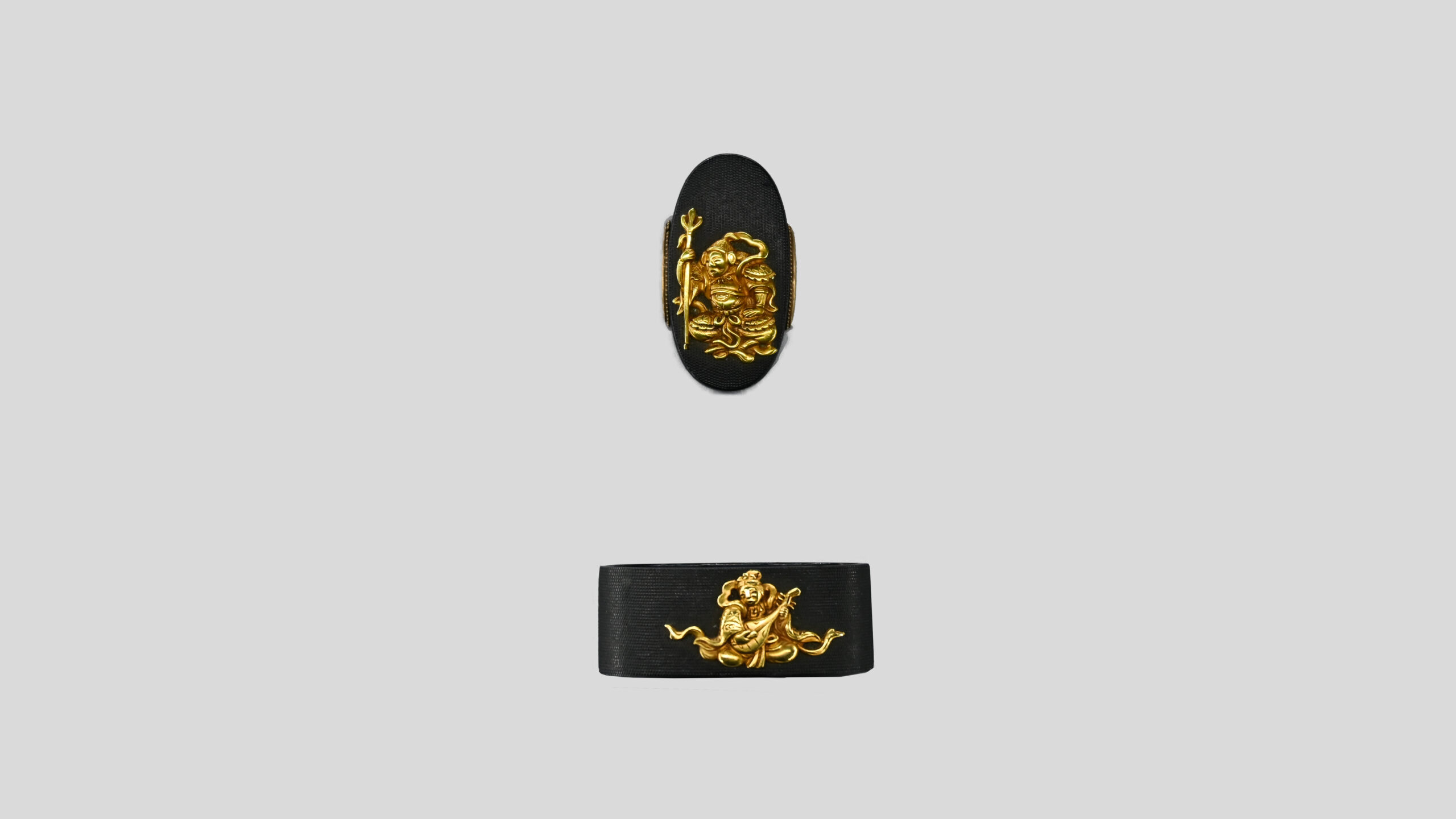
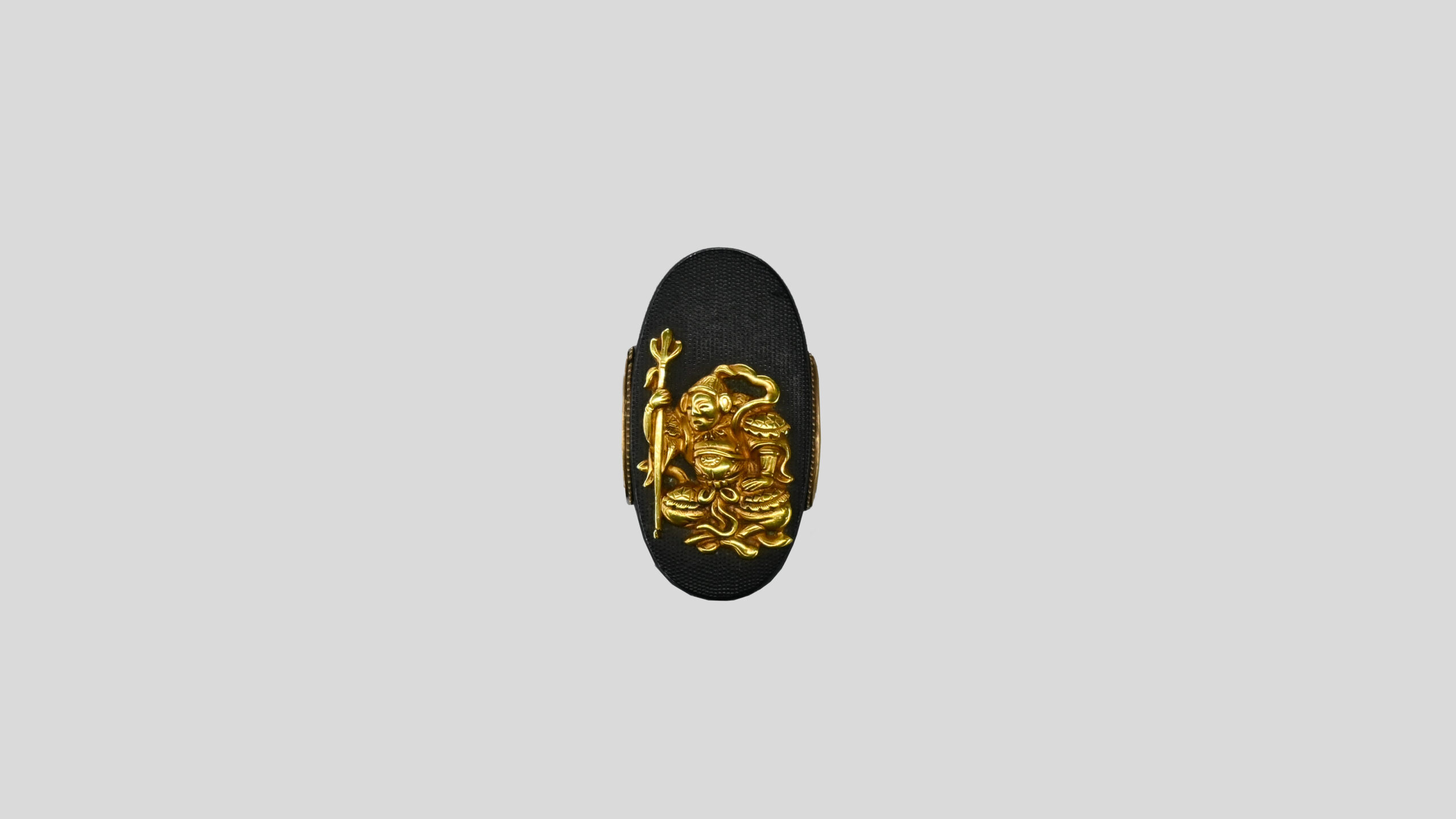
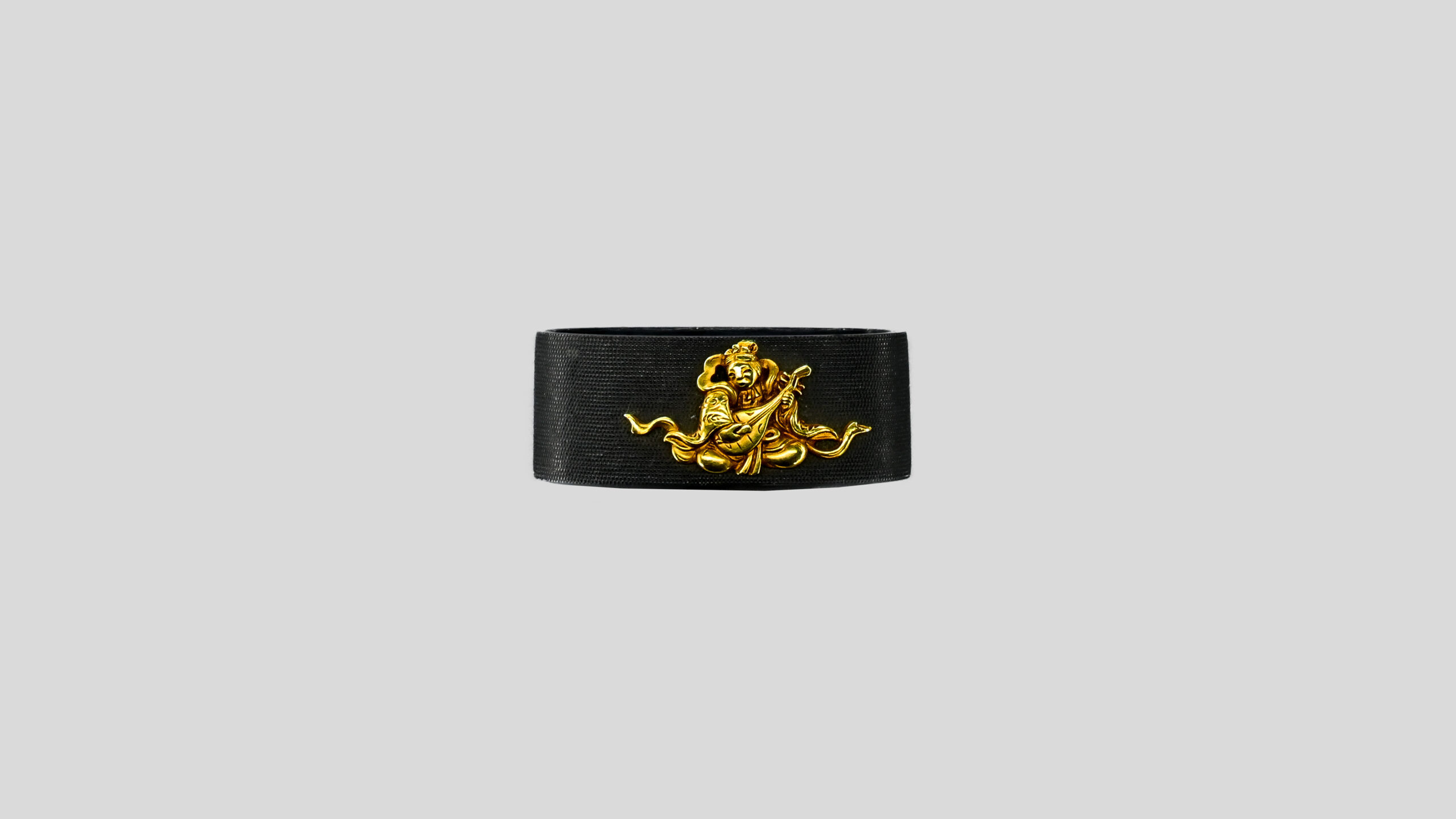
後藤家宗家10代当主である廉乗は、1628年に生まれました。幼名は亀一、また四郎兵衛家宗家の光倫の名を継ぐ前には源四郎とも名乗っていました。その後、1652年に25歳で10代当主となりました。後藤家は伝統的に京都を拠点としていましたが、廉乗は1662年に一家を江戸へ移し、そこには17代当主の後藤典乗の代まで留まることとなりました。1683年、56歳で廉乗の号を名乗り、1697年に養子の光信(通乗)が11代当主となるまで京都で隠居する間も制作を続けました。 縁頭として、本作は後藤家の作品としては珍しく、10代後藤当主の技量を証明する毘沙門天の見事な描写がなされています。
NihontoWatch
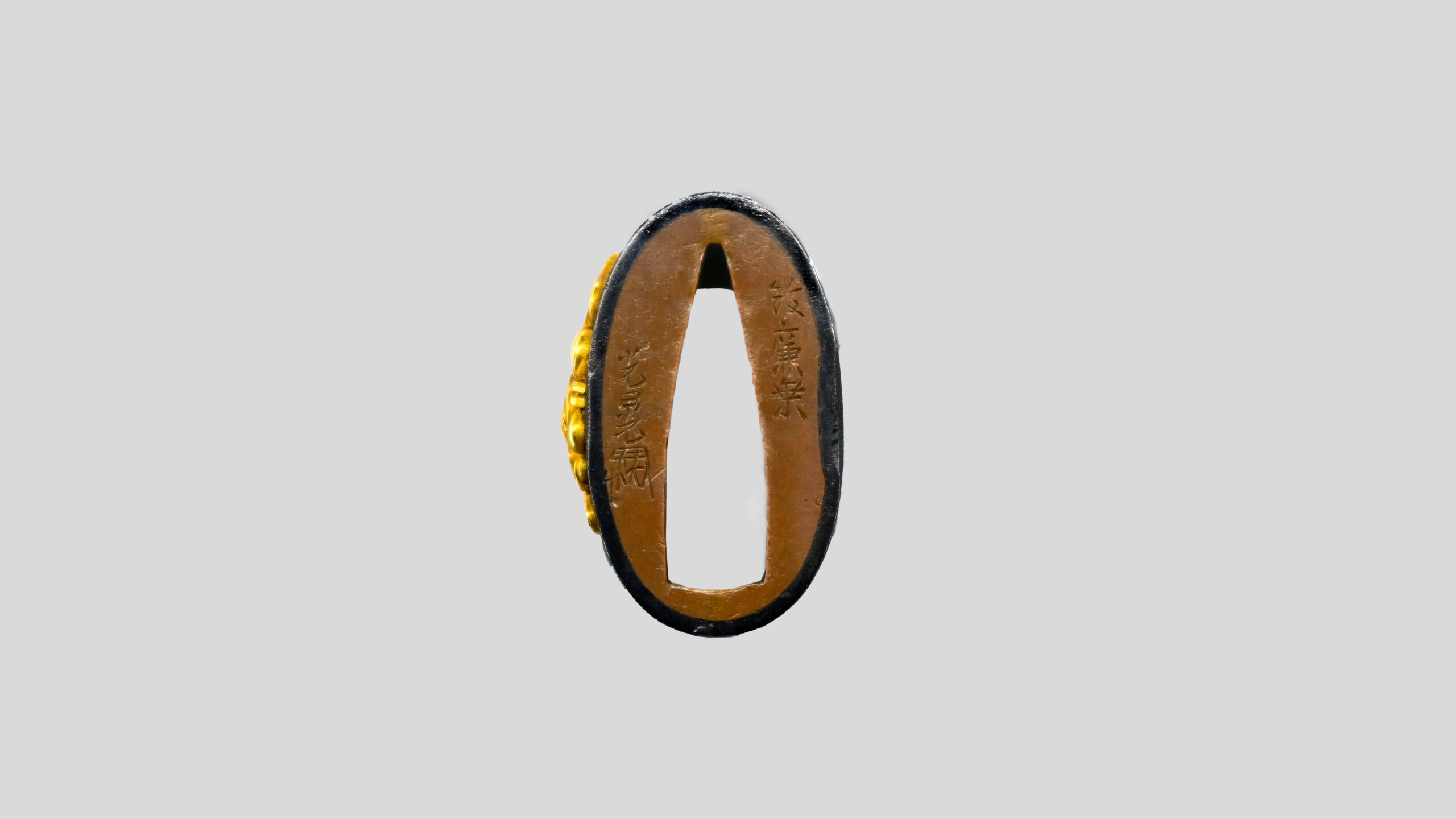
光明
江戸
伝
特別保存 (NBTHK)
販売店の記載のまま
店舗の英語原文からの機械翻訳・誤りを含む場合があります ·
家彫 · 山城
現在2点販売中
家彫 · 山城
現在305点販売中
後藤派は、室町時代中期に初代祐乗が将軍足利義政に仕えて創始した彫金の宗家であり、「日本彫物の元祖」と仰がれ、「古今独歩の鏨師」と賞賛される祐乗を祖として十五代にわたり嫡流の技を継承した。祐乗の作品は東山御物として数多く取り上げられ、後世に名を残した名工は挙って後藤家の祐乗に範をとっている。四代光乗・五代徳乗は織田信長、次いで豊臣秀吉に仕え、大判・分銅・彫物の三役を担い、桃山時代の豪華美を格調高く表示した。幕末には一乗が「後藤家の掉尾を飾る名工」として家風を大成し、門下の荒木東明・中川一勝らが一派の技を継承した。 後藤派の作域は三所物・縁頭・鐔・揃金具と多岐にわたり、赤銅魚子地を基調とした高彫金色絵を家風の根幹とする。金紋裏哺金仕立の小柄笄、金無垢地容彫の目貫など、素材と技法の選択に一貫した格式が認められる。三代乗真は「大振りで力強く、量感の豊かな彫技」[[c:1]]を特徴とし、紋の肉取りが豊かで鏨使いが手強く、赤銅の色相も漆黒で麗わしい。桃山期の作には鋤出高彫に金・銀・素銅の象嵌色絵を駆使した豪華絢爛の大名道具が見られ、近世には四分一磨地や朧銀地に甲鋤毛彫・平象嵌を組み合わせた多彩な表現も展開された。龍・獅子・鶏・犀・鯰といった動物意匠から、松竹梅・桐紋・粟穂・四季草花に至るまで画題は広範であり、各代が武家好みの吉祥意匠を格調高く仕上げている。 後藤派に帰せられる作品には「気品があって格調が高く」[[c:2]]「力漲る」と評される一貫した品格が通底する。歴代の折紙制度によって初代祐乗以来の作が厳格に鑑定・伝承され、「家彫の誇りは確実に後代に伝わっている」[[c:3]]と繰り返し認められる。後藤流に熟達した門弟の作が「後藤家御家彫と見紛うまでの出来」[[c:4]]と称されることからも、その規範性の高さが窺える。日本金工史において、後藤派は赤銅魚子地高彫金色絵という技法体系を確立し、室町から明治に至る四百余年の間、彫金の最高規範として君臨した一門である。 詳しく見る →
保存刀装具のうち、出来・保存状態が一層優れ、銘文や作風に資料的価値の高いものと認められたものです。
日本美術刀剣保存協会(NBTHK)は、1948年に設立され、文化庁の監督を受ける公益財団法人で、東京・刀剣博物館に本部を置きます。専門の審査員が出品作を直接審査し、美術的・歴史的価値に応じた鑑定書を発行します。NBTHKの鑑定書は、日本刀および刀装具の真正性を示す最も広く認知された基準です。
NBTHK公式サイト商品到着後7日以内にご連絡ください。その際の送料はお客様ご負担とさせていただきます。ご返金は、商品到着後お送りしたときと同じ状態であることを確認の上、翌日ご指定の口座にお振込みさせていただきます。
¥600,000