大和五派は奈良の大寺の影で育った。手掻の名は東大寺転害門に由来する。柾目と静かな直刃の厳格は寺の美学であり、後世はまさにその節度を賞美してきた。
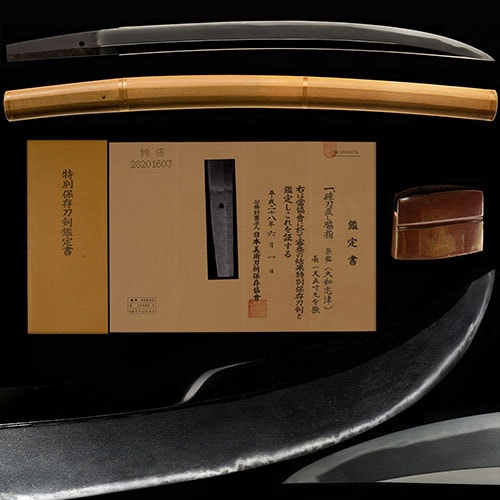
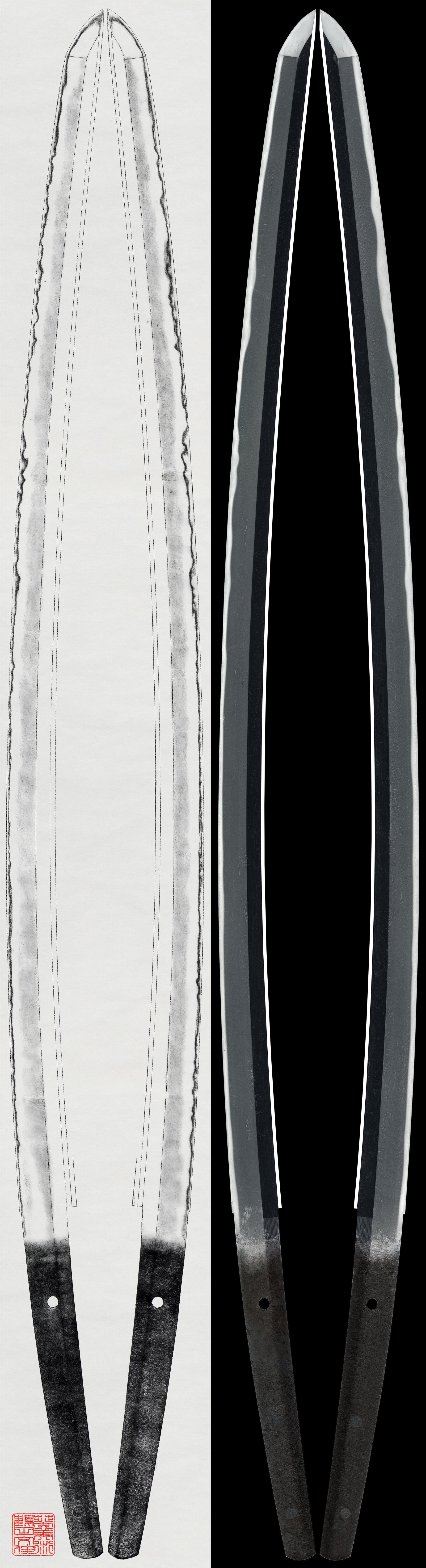
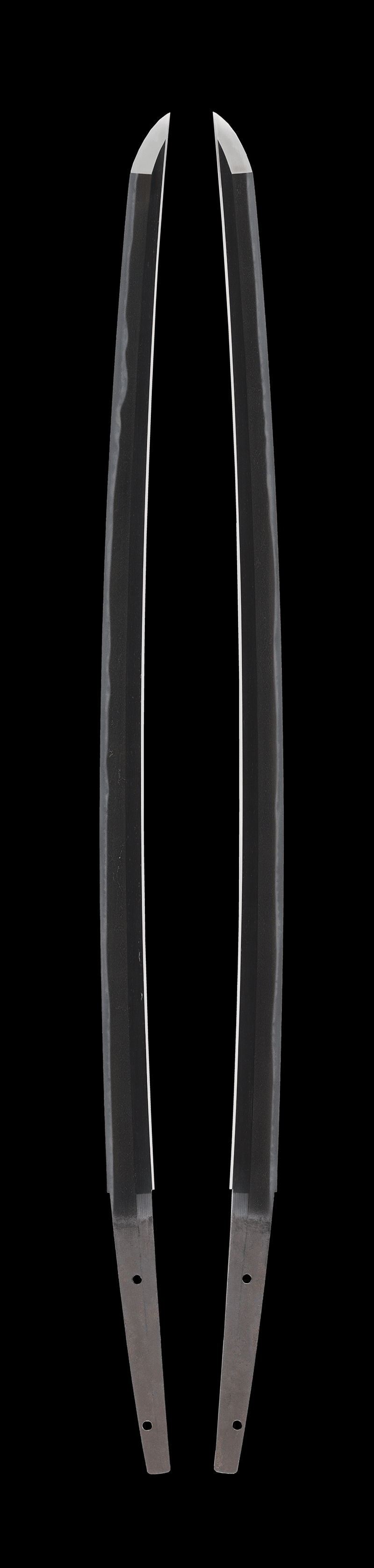
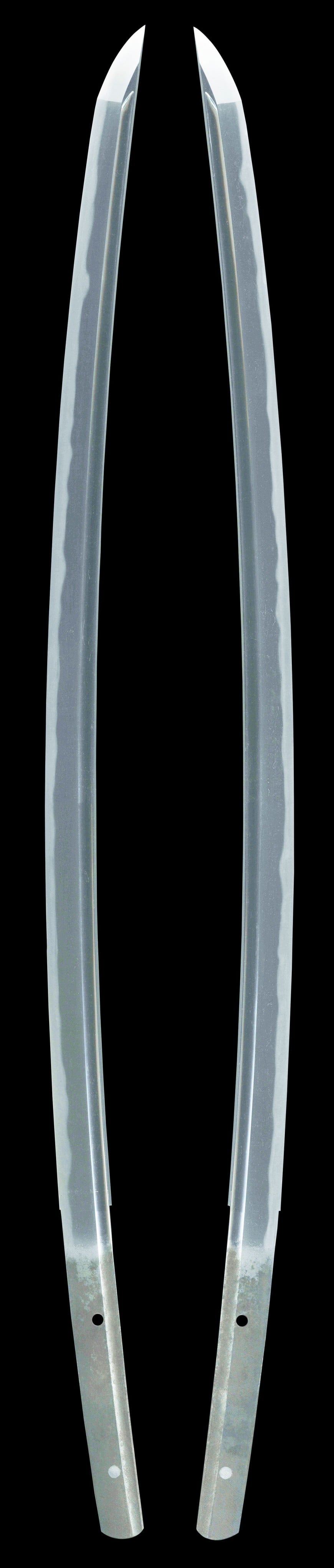
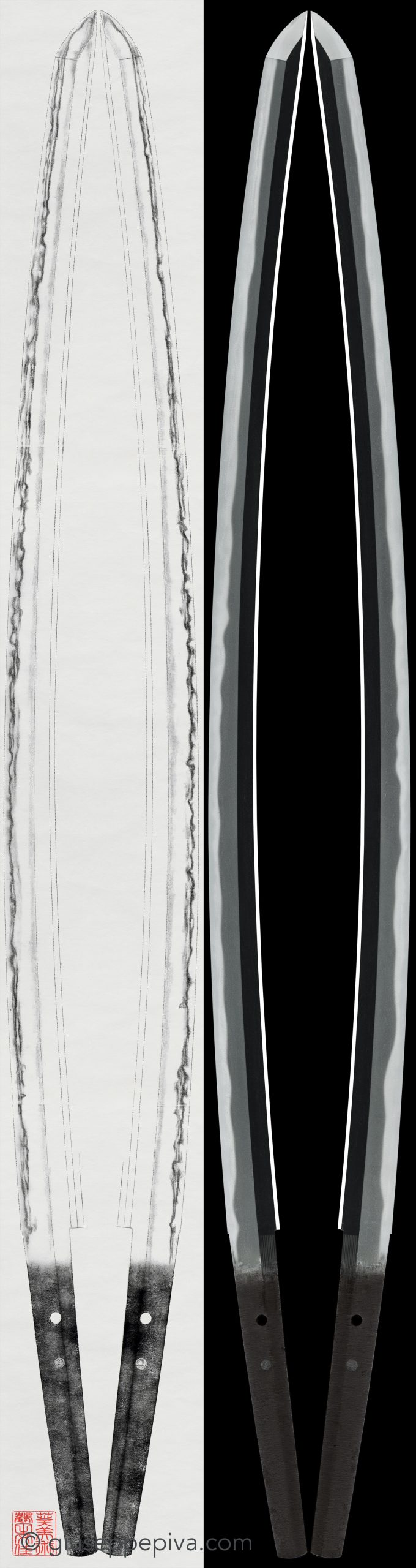
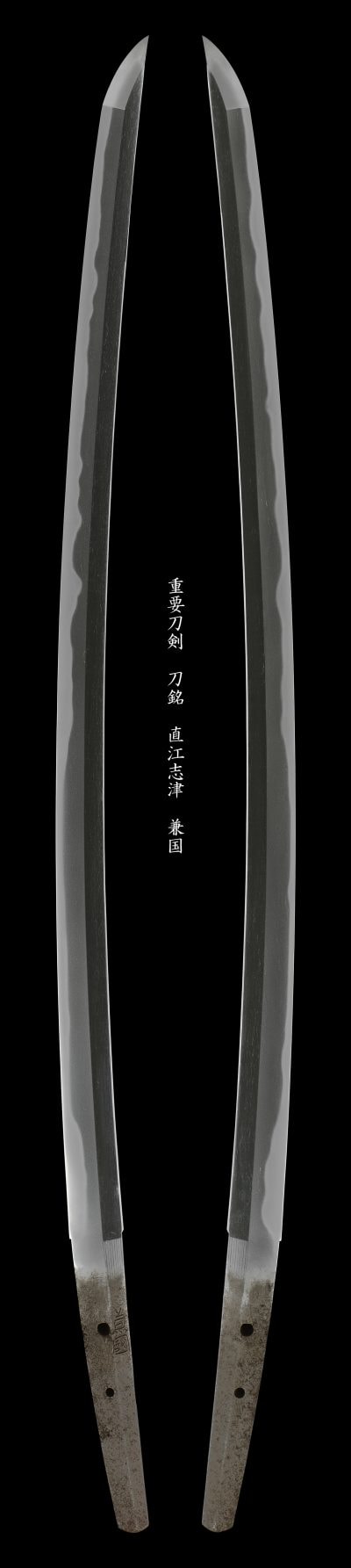
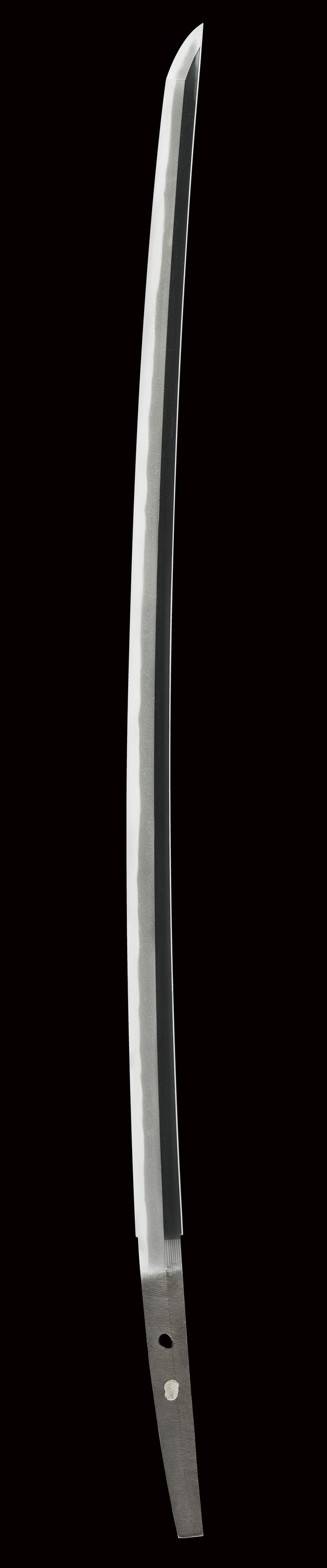
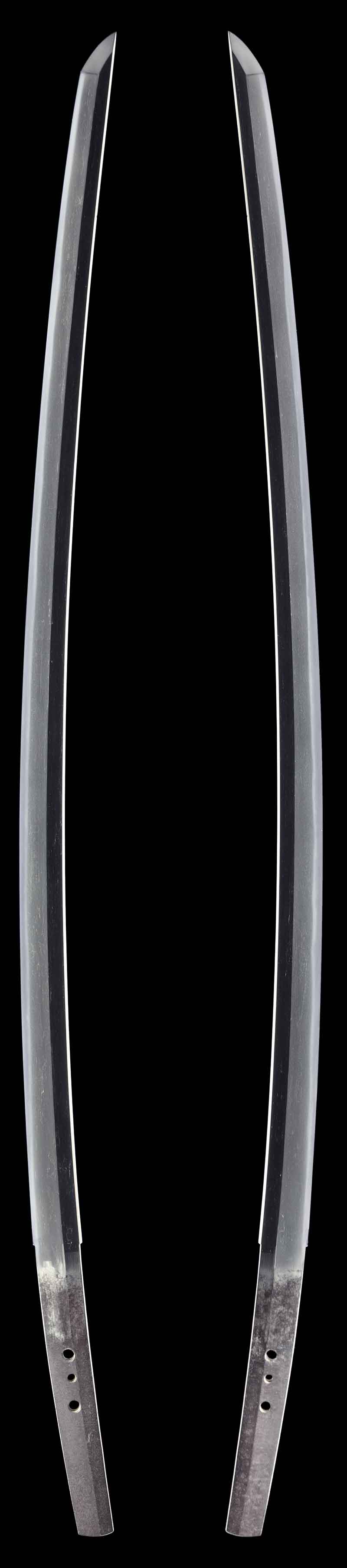
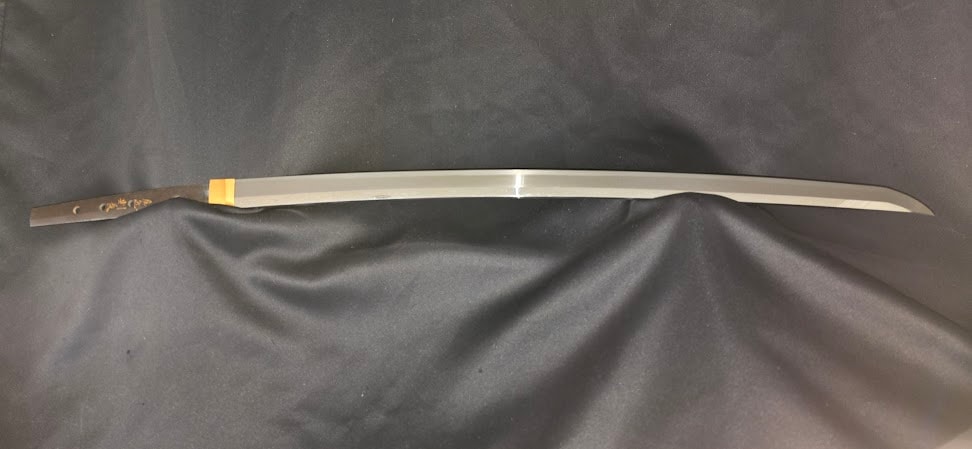
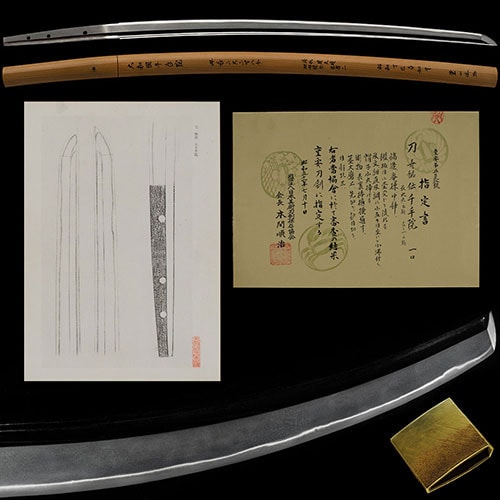
商品番号 UJKA138 – 売約済 大和志津 刀 (大和志津) 本刀を「大和志津」と極めることは、日本刀の歴史における極めて重要な転換点を指し示しています。大和志津とは、志津三郎兼氏が相模の正宗に師事するため大和国を離れる前、その作風に大和伝の古典的な気風と体裁を色濃く残していた初期の活動期を指します。地肌には大和伝伝統の板目に流れごころの肌(松皮肌)が混じり、活気に満ちた刃文には、後に大和と相州の両伝を融合させ完成させることとなる、幅広の互目や沸の働きが既に予見されています。これら初期の作は、一つの伝統に確固として根ざしながらも、次なる時代への変遷を予感させる稀有な立ち位置にあります。 本作は、大磨上無銘であり、磨上の過程で元の銘は失われています。しかしながら、その本質的な格調の高さは一目瞭然です。広い身幅と深い反りは、鎌倉末期の力強い姿(姿)を今に伝え、板目に柾がかった地肌は精緻かつ鮮明です。のたれを基調に互目を交え、砂流しが頻りに入る刃文は、大和志津派の真骨頂とも言える明るく冴えた冴えを見せています。本作は1970年(昭和45年)6月1日の第19回重要刀剣指定(指定証番号3247号)を受けています。白鞘には、20世紀を代表する刀剣学者の一人である佐藤寒山先生による鞘書きが施されています。 外装は、Unique Japanによって誂えられた特製拵に収められており、2015年にNTHK-NPO(日本刀剣保存会)の鑑定を受けています。江戸時代の鉄地鍔には、毛彫りを交えた蕗の葉の透かしが施され、赤銅地の縁頭には獅子の図が高彫り・色絵で表現されています。目貫は不動明王の象徴である三鈷柄剣の図。柄は白鮫に茶の糸を菱巻とし、鞘は本装いのために新調された黒の変わり塗りとなっています。 商品番号 UJKA138 種別 刀 極め 大和志津(無銘) 国 大和 時代 古刀 - 鎌倉時代末期
 NihontoWatch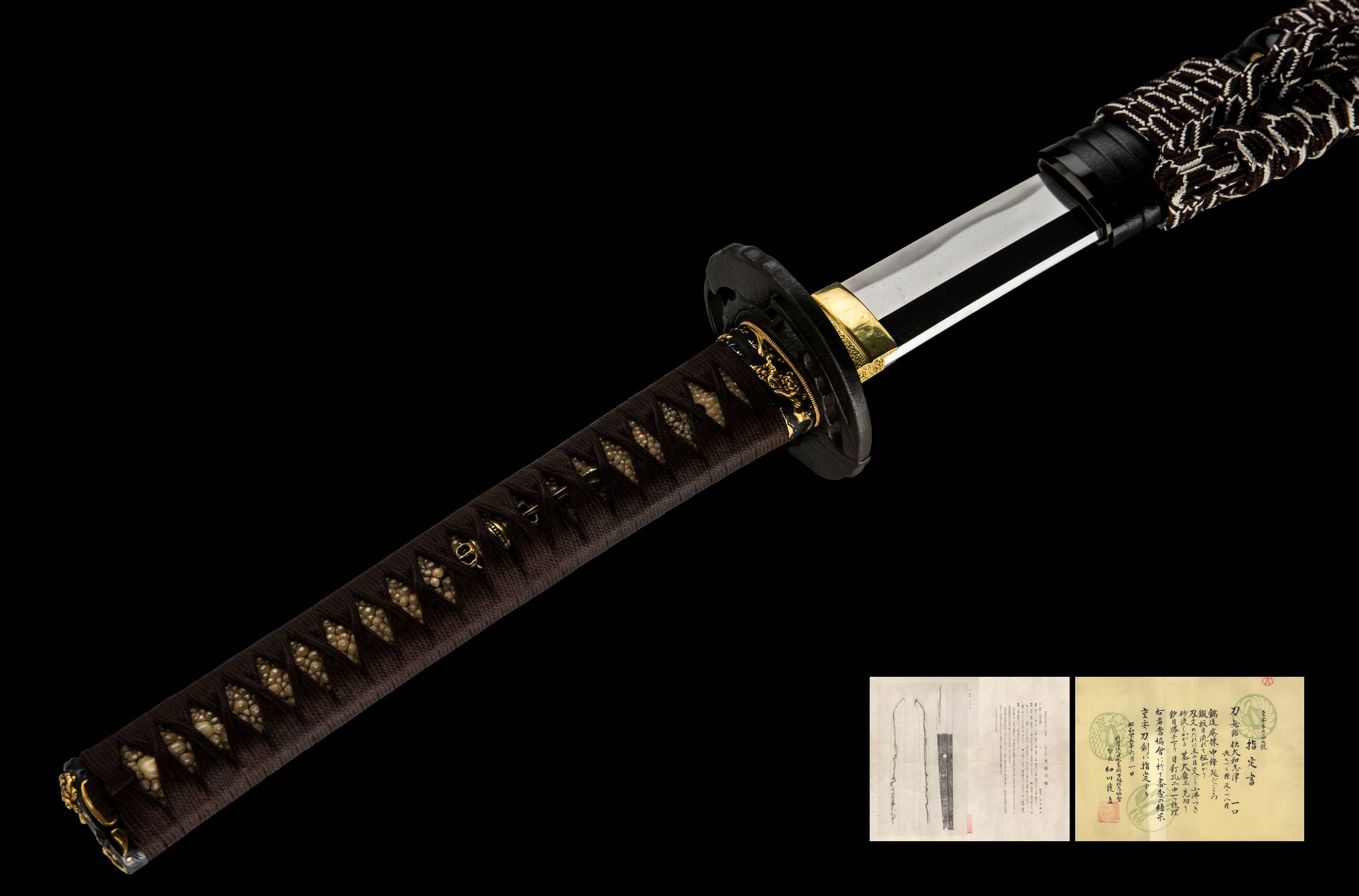
大和伝 · 大和
現在3点販売中
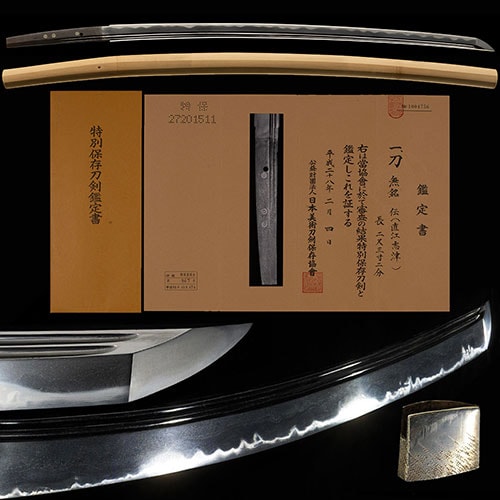
大和志津とは、本来、志津三郎兼氏が濃州多芸郡志津に移り住む以前、すなわち大和に在住して包氏と銘していた時代の作を指す呼称である[[c:1]]。兼氏は大和の手掻派に出自を持ちながら、相模の正宗の門に入って相州伝を修め、後に美濃志津へ移住して志津一門を樹立した工であり、その大和在住期の作が本来の意における大和志津に当たる。しかし兼氏が美濃へ去った後も、大和に残って同じ包氏の名跡を襲った者が存在しており、広義にはこれらの一門の作を含めて大和志津と総称している。本流派の現存作は大磨上無銘の刀・脇指として極められるものが多く、作者は大和国包氏と記される。南北朝期を中心とし、なかには兼氏の前身ではなく、その名跡を継承した南北朝の包氏と思われる在銘短刀も伝わって、年代が兼氏に接近する一面をうかがわせる。 地鉄は板目が総体に流れて柾がかり、とくに刃寄りに柾の目立つものが多く、杢目や大板目を交え、肌立ちごころとなって地沸が厚くつき、地景が入り、ものによっては淡く沸映りが立つ。すなわち大和本国に通じる柾がかった肌に、相州伝の錬れと沸づきが融合した鍛えである。刃文は直刃または浅いのたれを基調とし、互の目・小互の目・尖りごころの刃を交え、部分的に頭の丸い互の目が連れごころとなり、足・葉がよく入る。刃縁にはほつれ・二重刃・喰違刃・打のけ・湯走り・飛焼などがさかんに現われ、刃中には金筋・砂流しが頻りにかかって、匂口は明るく冴える。帽子は掃きかけて焼づめごころとなり、ものによっては火焔風を呈する。これらは大和気質に相州及び美濃風が混在した作柄として共通し、本流派の典型をなす。志津本流が相州色をより強く打ち出した放胆なのたれ刃を示すのに対し、大和志津は柾がかった肌と帽子の掃きかけ・焼づめなど大和の気質を色濃く残す点で見分けられ、また直江志津に比して刃取りが穏やかで地刃の沸の働きを身上とする。鎬高の造込みや刃縁のほつれ、火焔風の帽子といった大和味の混在こそが、志津と鑑しながらなお大和志津と極める理論的な拠りどころとなる。 鑑定にあたっては、柾がかって肌立つ鍛えに地沸厚く地景が入る地鉄、直刃ないし浅いのたれに小互の目を交えて二重刃・喰違刃・打のけ・湯走りを伴う刃縁の働き、掃きかけ焼づめごころの帽子という三点が要となる。代表作には、長門国長府毛利家に伝来した一口や、幕末の大村益次郎の指料、将軍家より牧野家に下賜され三睡の号を持つ包氏在銘の短刀[[c:2]]などがあり、後者は乱れの一部に名物分部志津を想起させるところがある。地刃の保存のよい優品も少なくなく、なかには鋒の延びごころを除けば大和本国の包永あたりを髣髴とさせるものもあって、本流派が大和と相州・美濃の伝統を橋渡しする位置にあることを示している。正宗十哲に数えられる兼氏の系を母胎としつつ、大和の根を保ち続けた一門として、南北朝期の作刀史にその名をとどめている。 詳しく見る →
| 刀工 | 時代 | 指定 |
|---|---|---|
| 包氏 | 1350-1375 | 16 |
鎌倉時代の大和
大和五派は奈良の大寺の影で育った。手掻の名は東大寺転害門に由来する。柾目と静かな直刃の厳格は寺の美学であり、後世はまさにその節度を賞美してきた。
特別保存刀剣の中から、特に出来が優れ、国認定の重要美術品に準ずると判断された名品です。年に一度の重要刀剣審査で選ばれます。
極めて選別的で、日本に登録された約250万口の刀剣のうち、重要刀剣に達したものは12,357口(約202口に1口)にすぎません。
日本美術刀剣保存協会(NBTHK)は、1948年に設立され、文化庁の監督を受ける公益財団法人で、東京・刀剣博物館に本部を置きます。専門の審査員が出品作を直接審査し、美術的・歴史的価値に応じた鑑定書を発行します。NBTHKの鑑定書は、日本刀および刀装具の真正性を示す最も広く認知された基準です。
NBTHK公式サイトAll swords come with a three-day inspection period beginning from the date of delivery. If not satisfied, the sword may be returned within this period for a full refund of the purchase price. Outside of this period, all sales are final. Swords purchased on a layaway payment plan are not eligible for the three-day inspection period.