二つの朝廷が争った六十年、刀身は長大化し、長船がその需要に応えた。兼光と長義の工房は実際に戦う国人層の武士に仕え、軍勢とともに相州風が届いて相伝備前が生まれた。
 NihontoWatchNihontoWatch
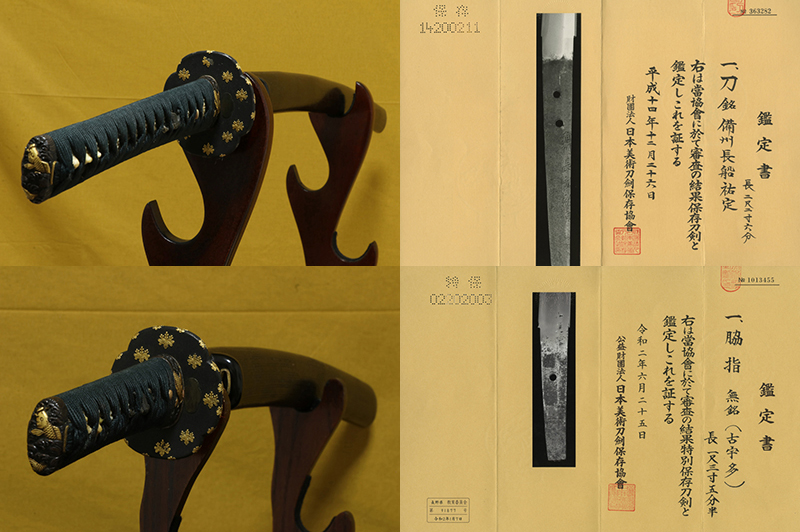
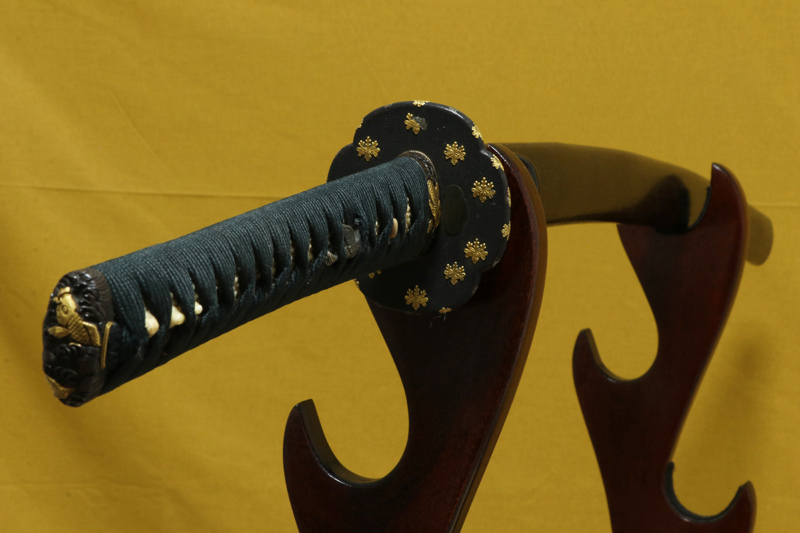
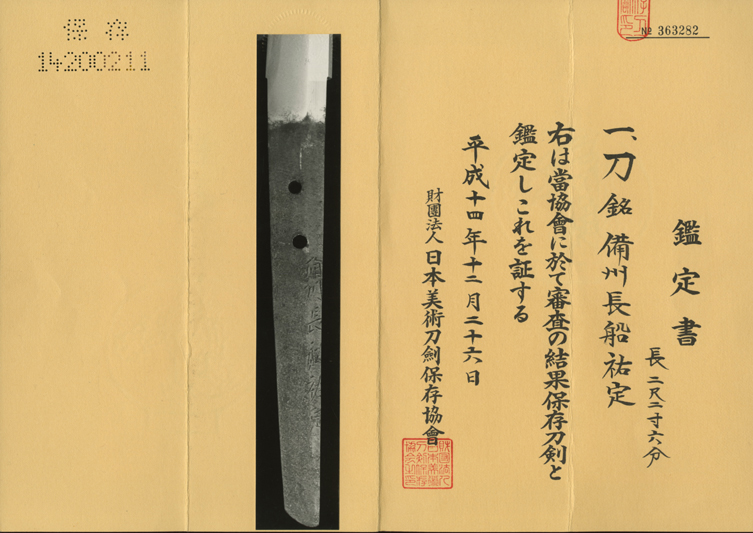
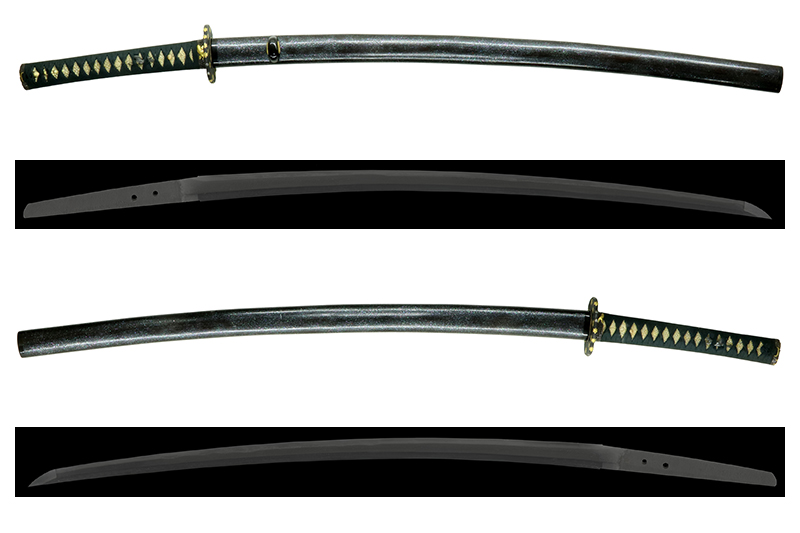
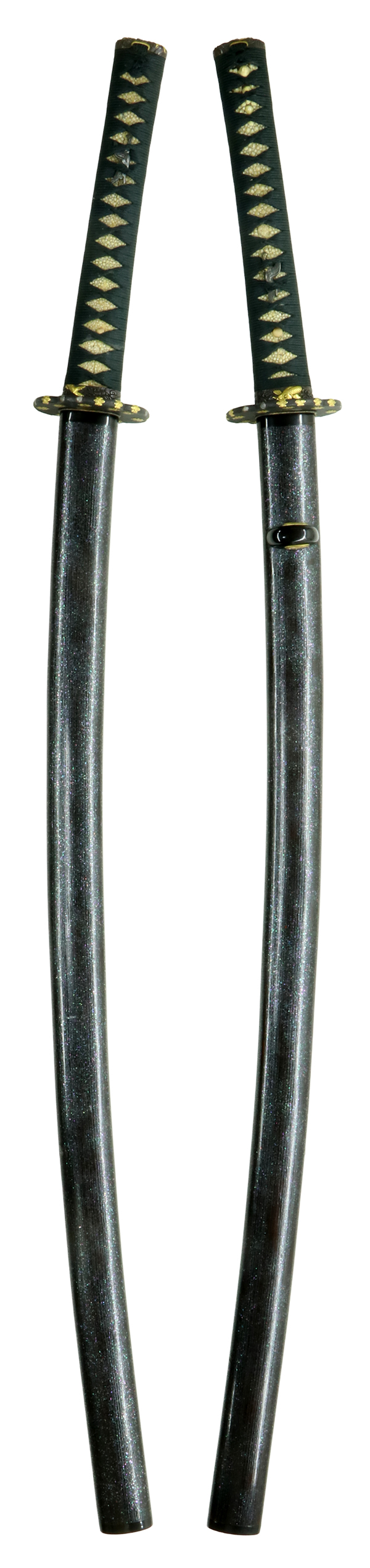
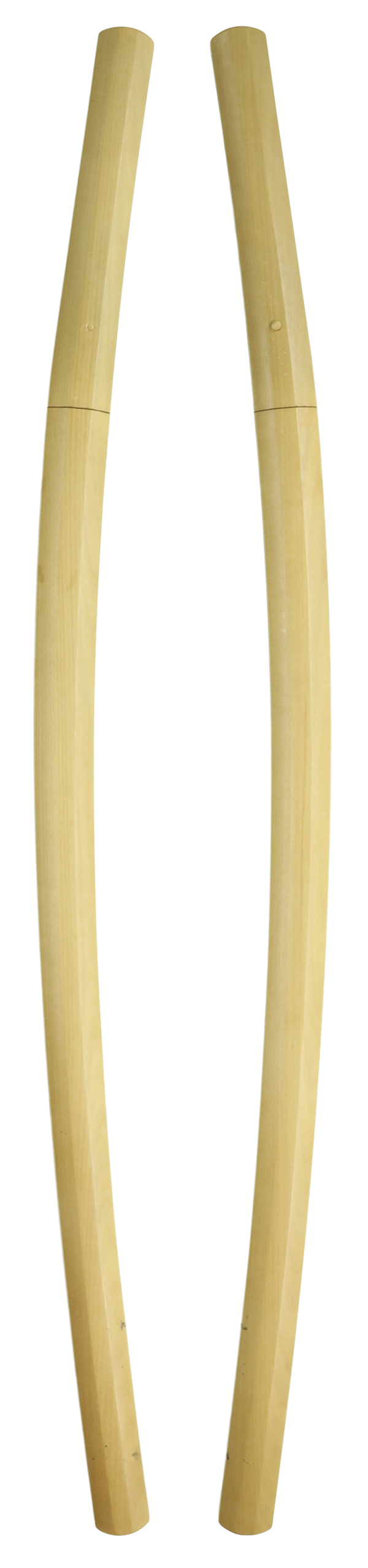
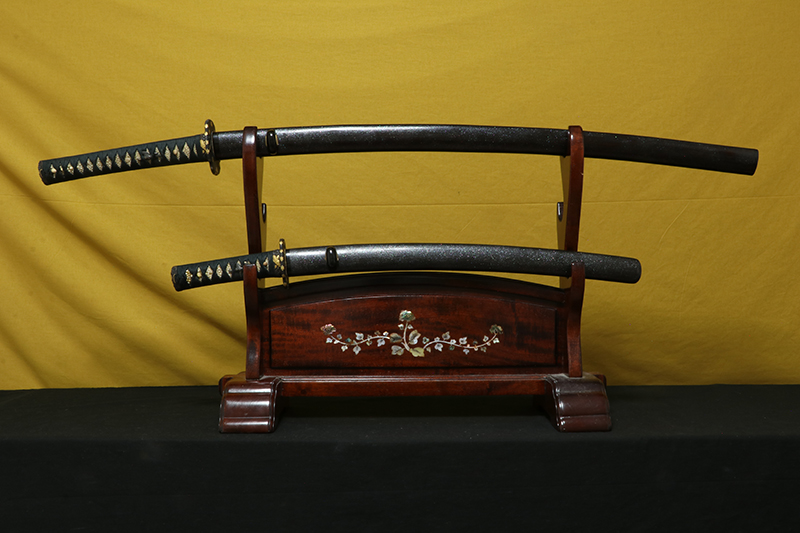
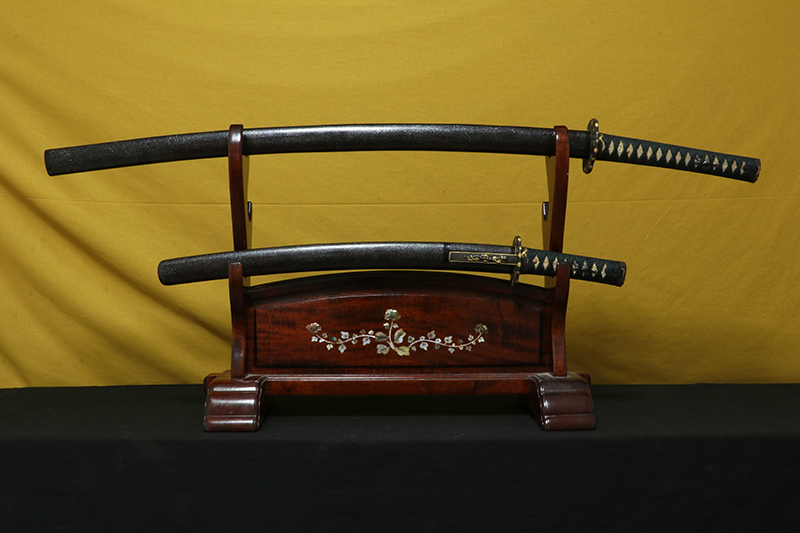
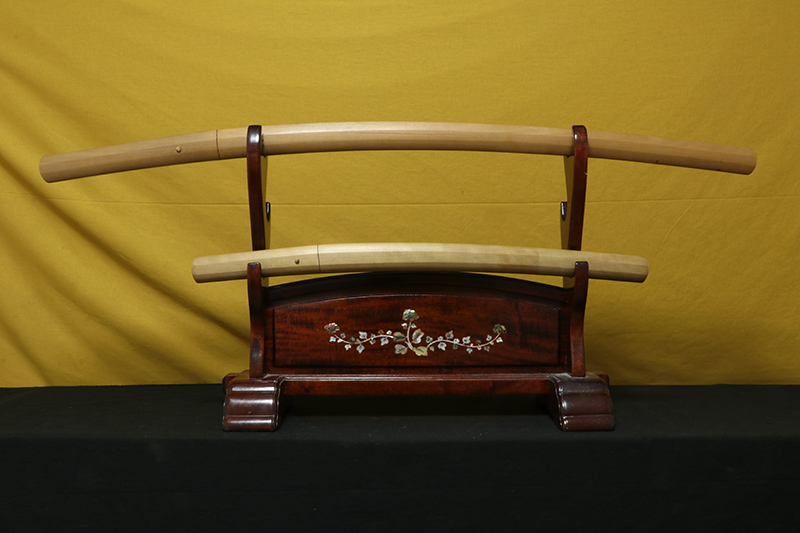
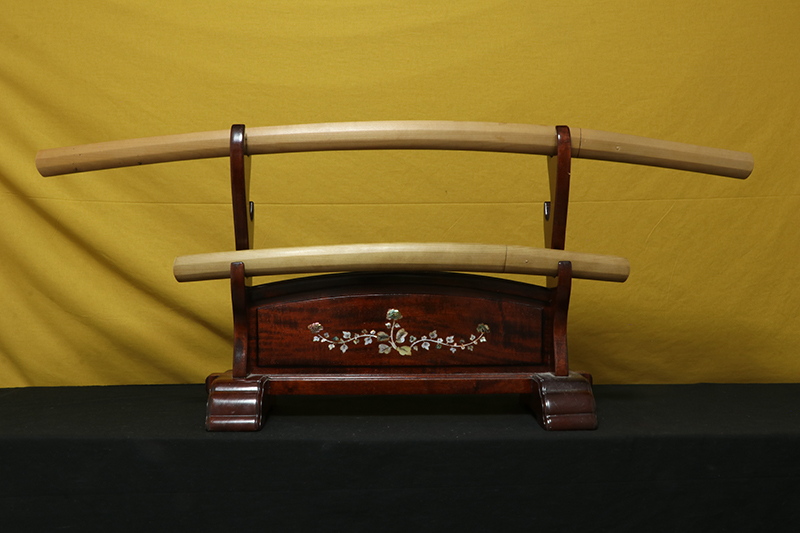
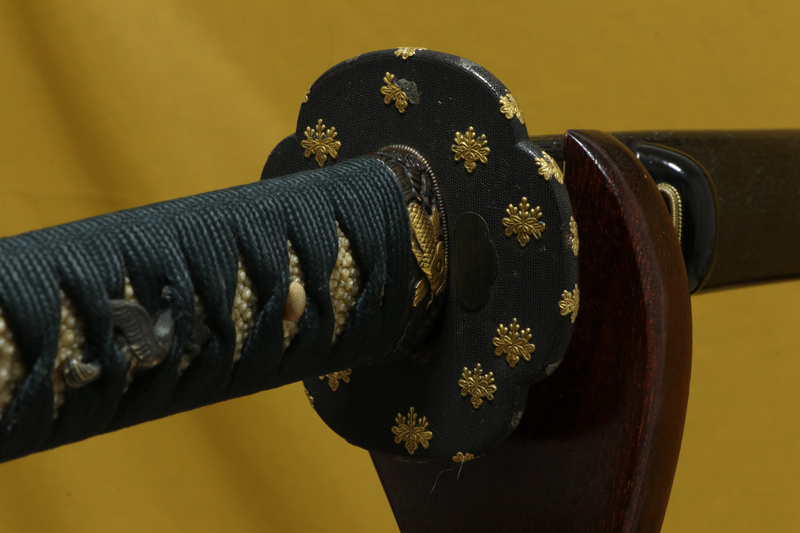
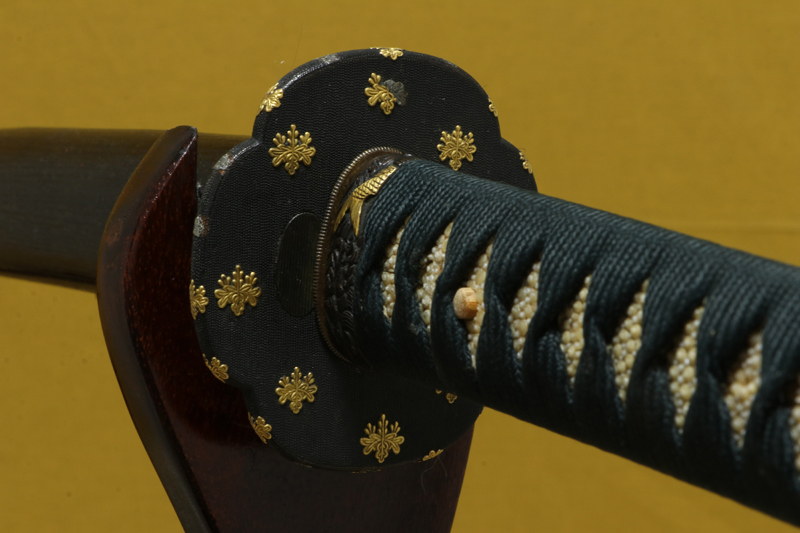
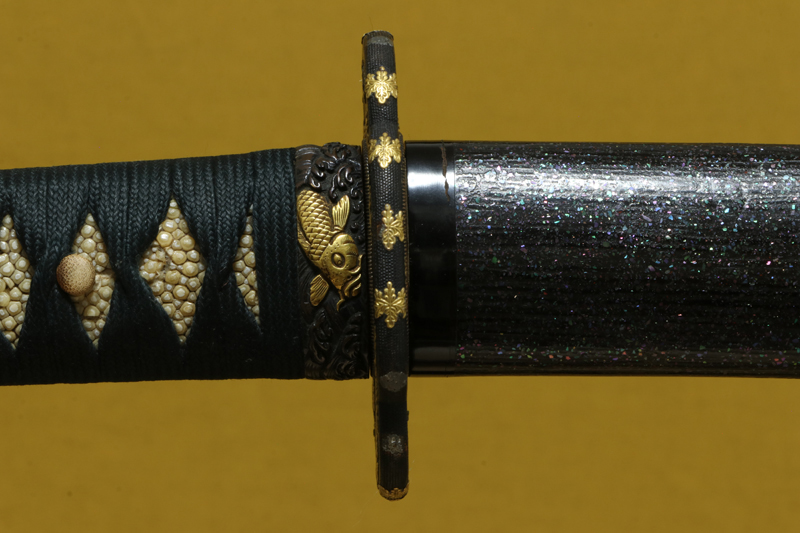
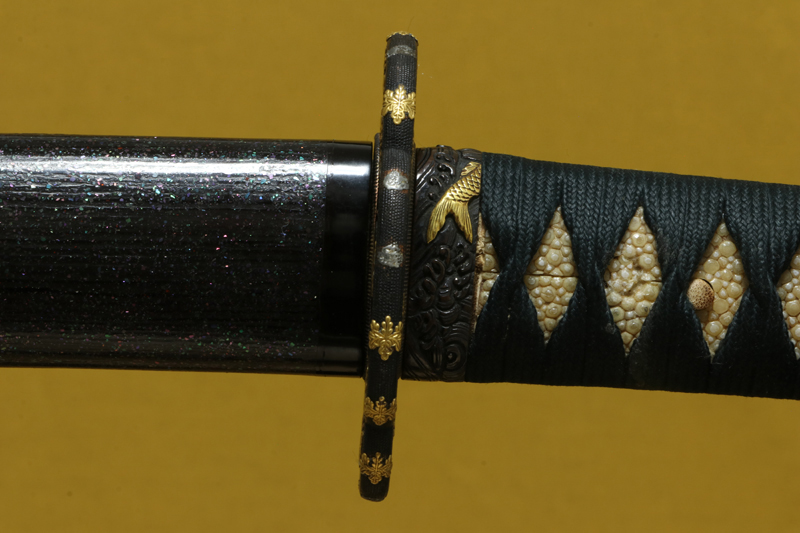
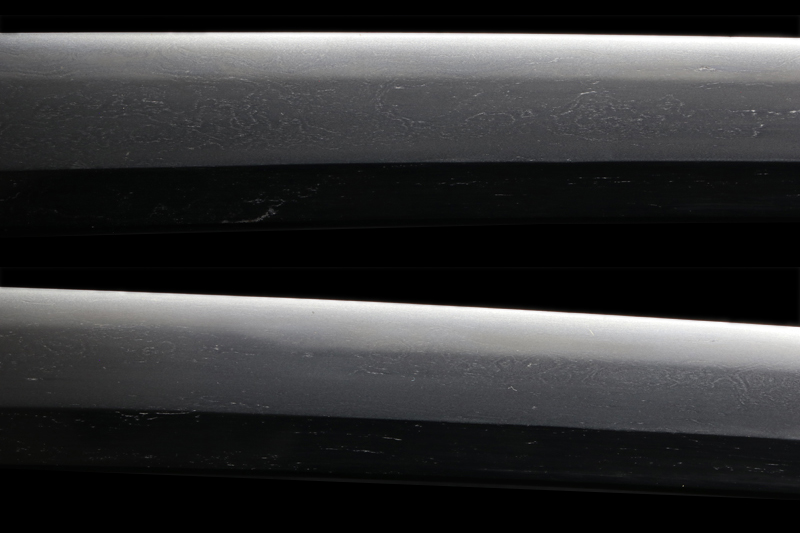
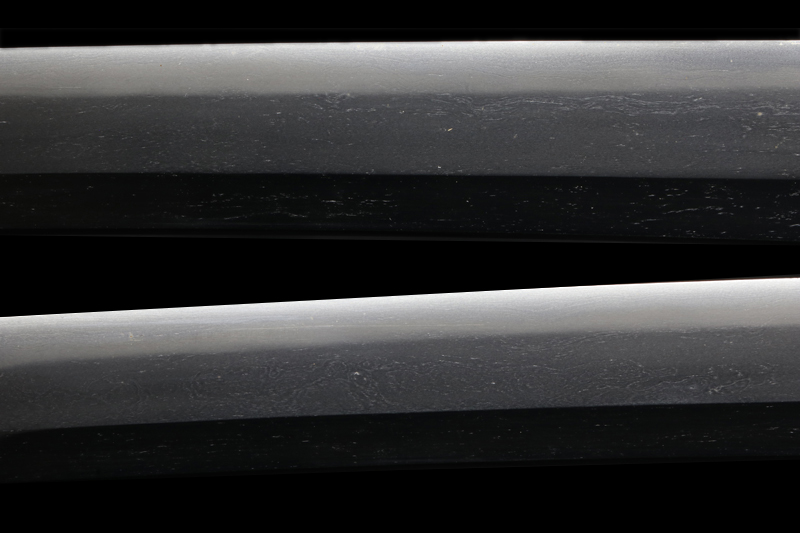
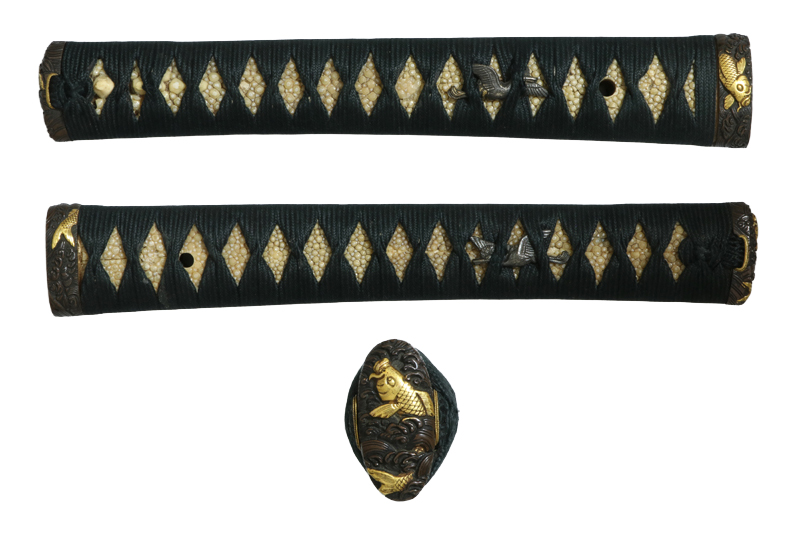
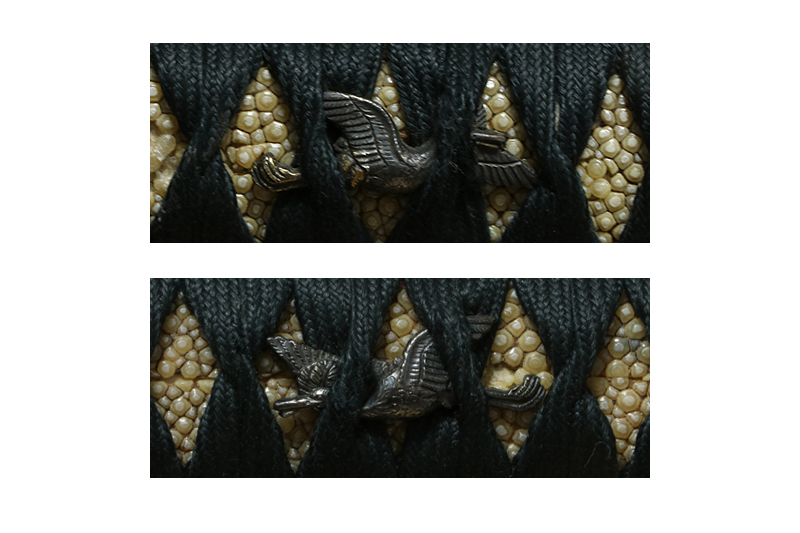
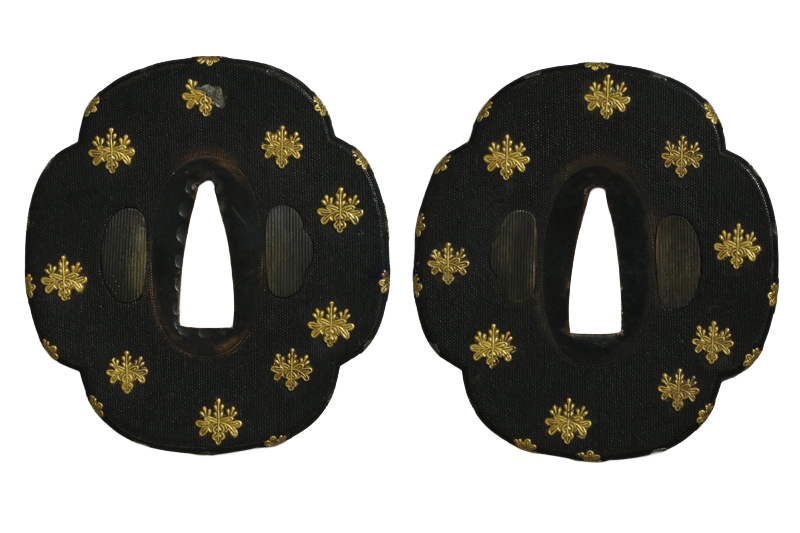
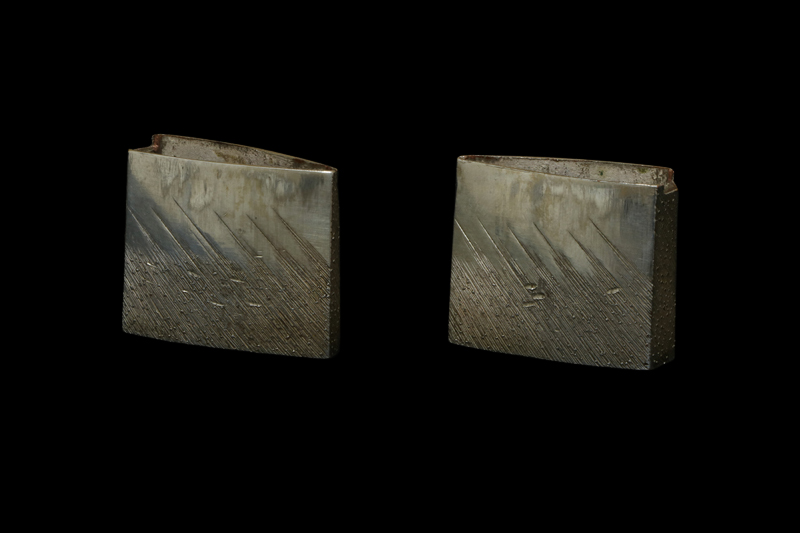
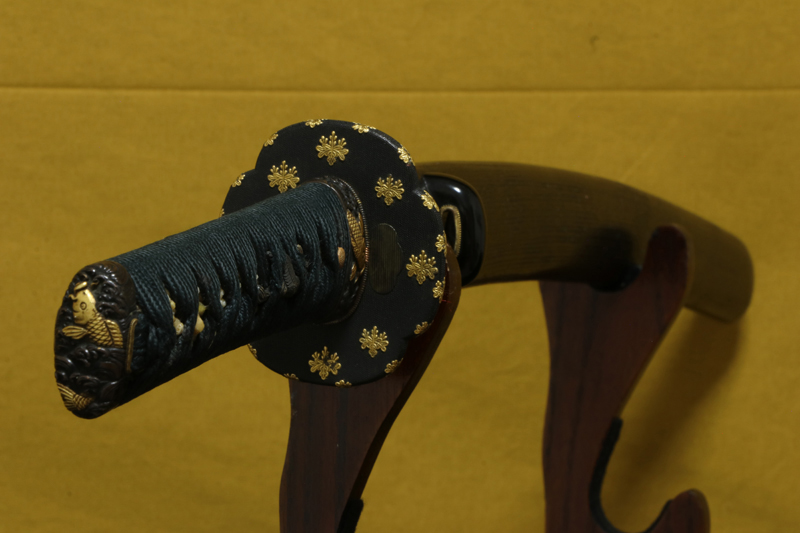
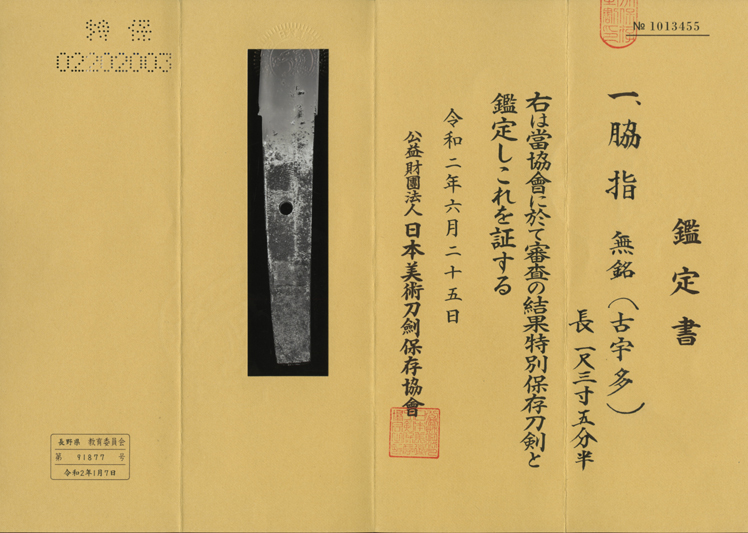
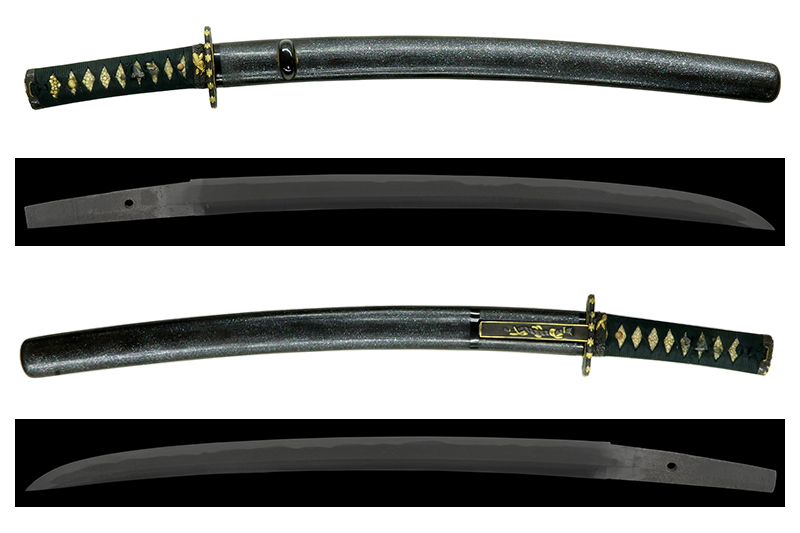
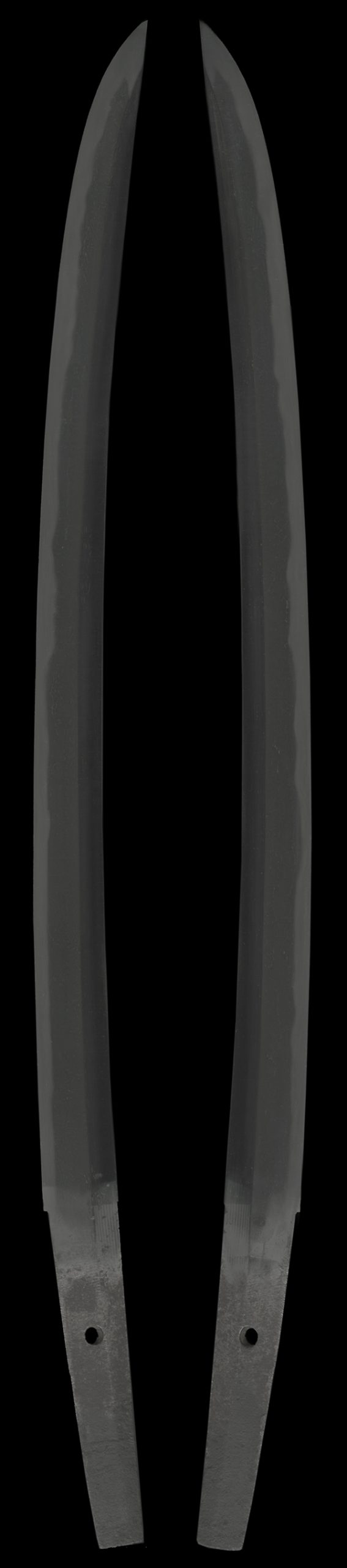
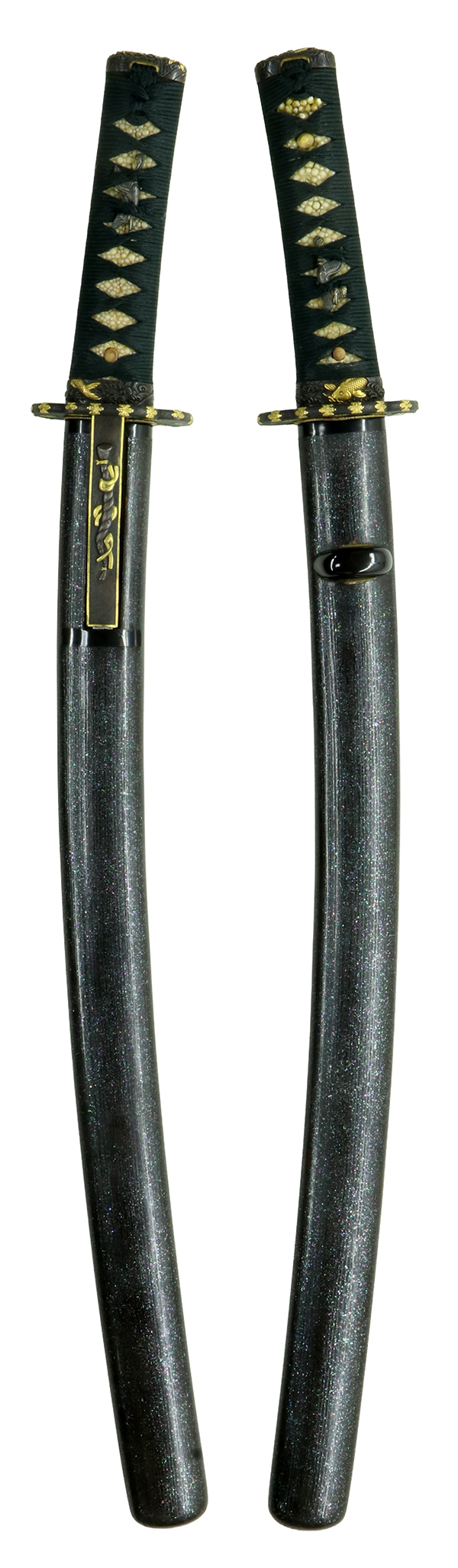
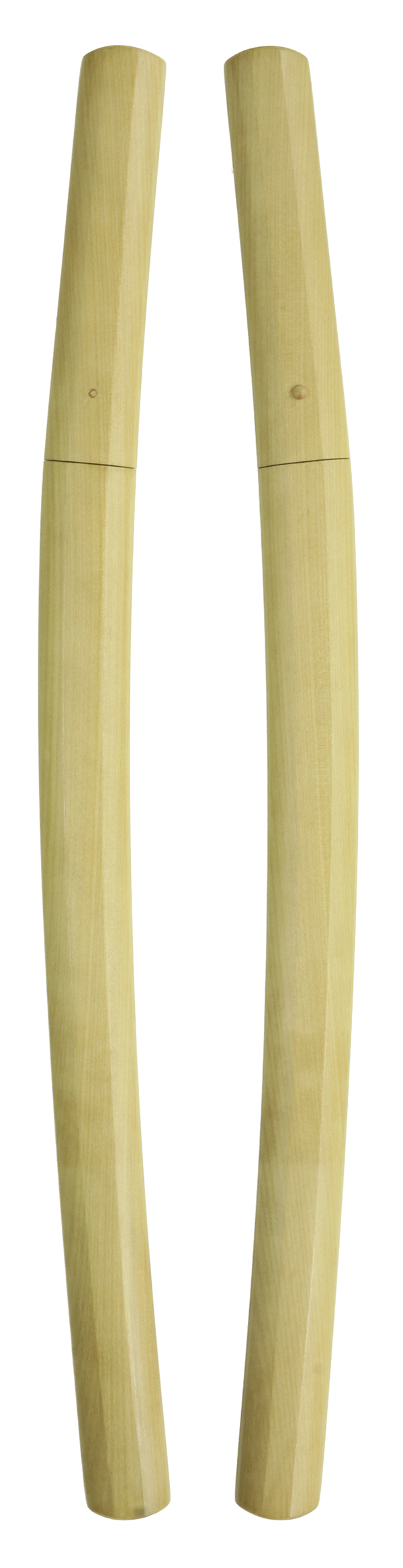
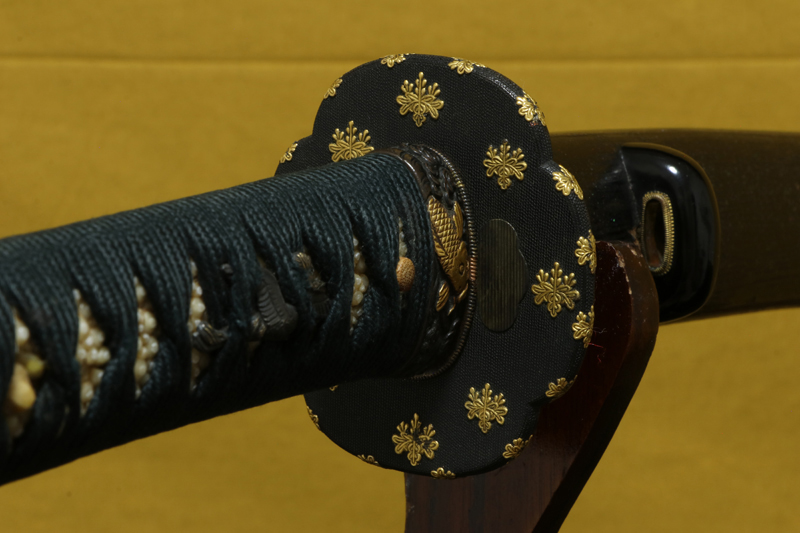
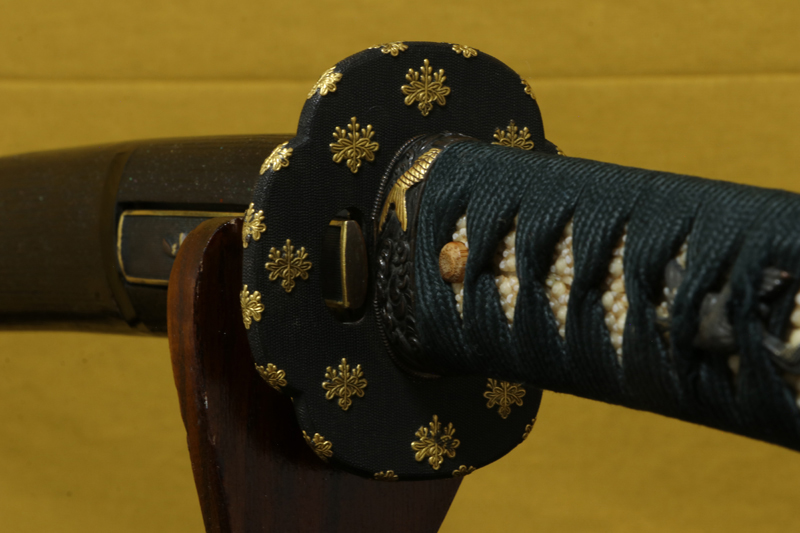
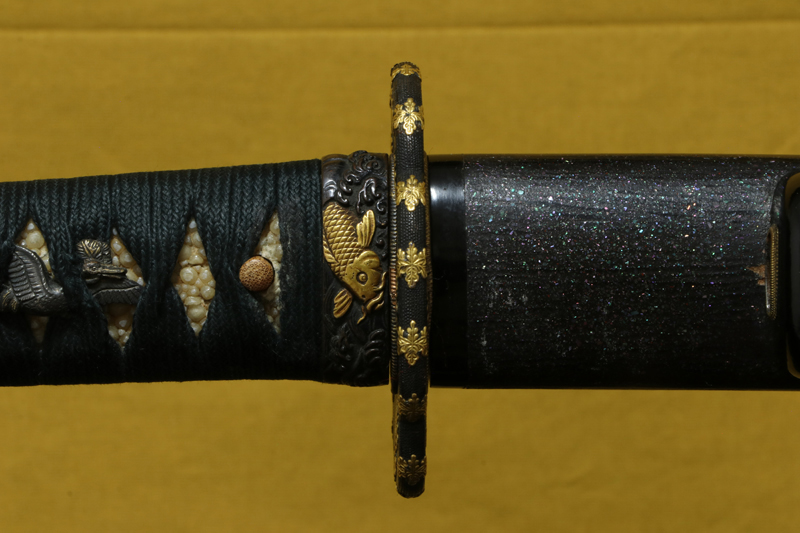
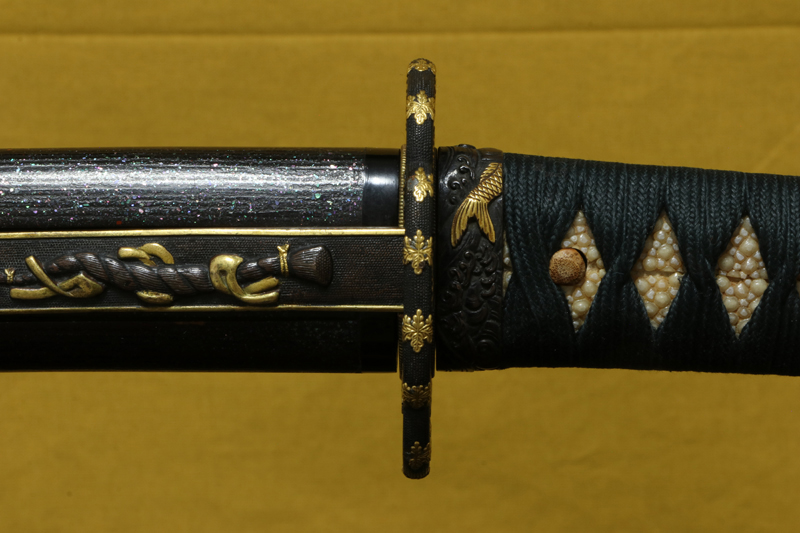
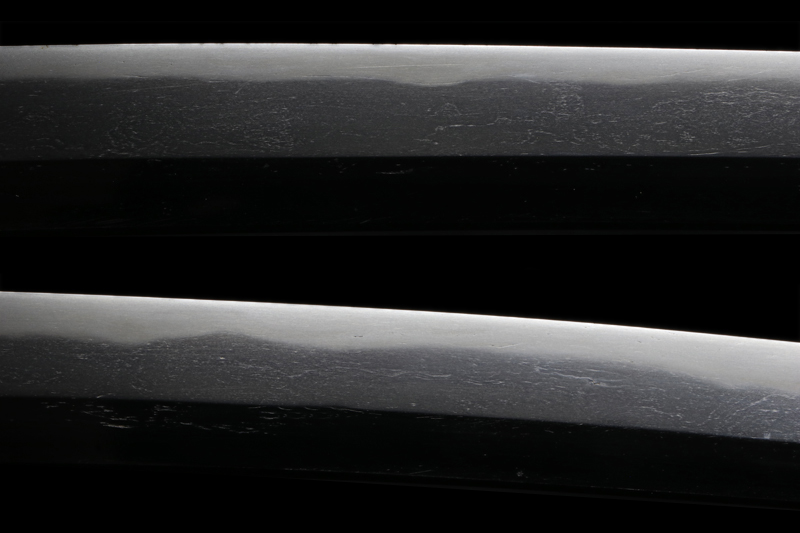
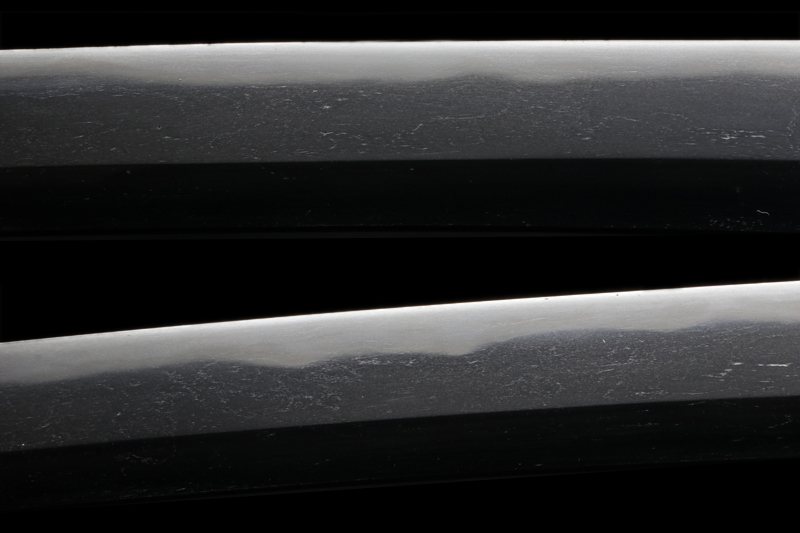
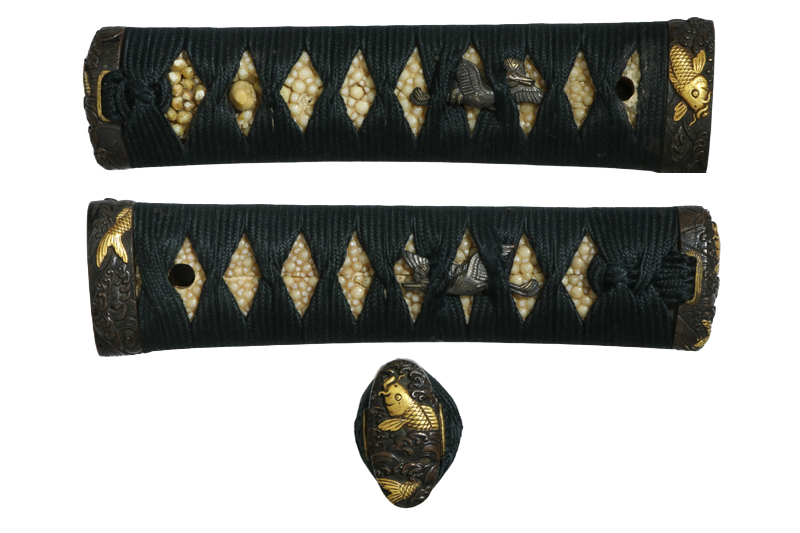
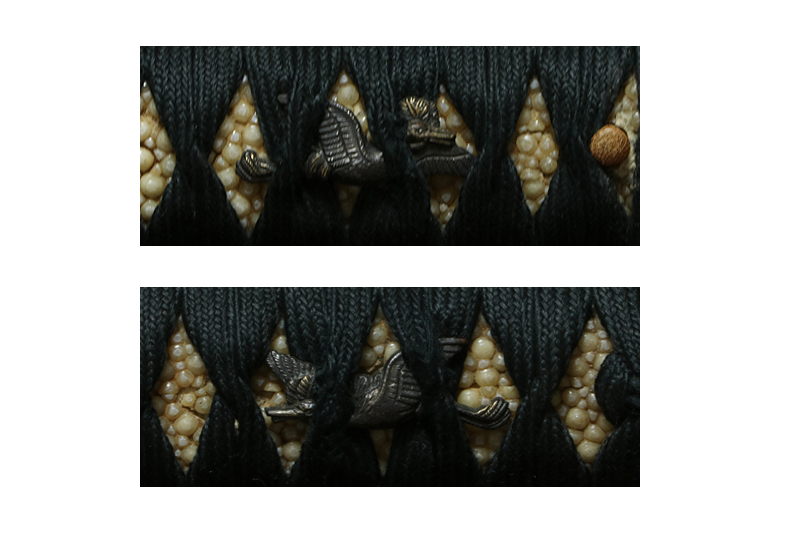
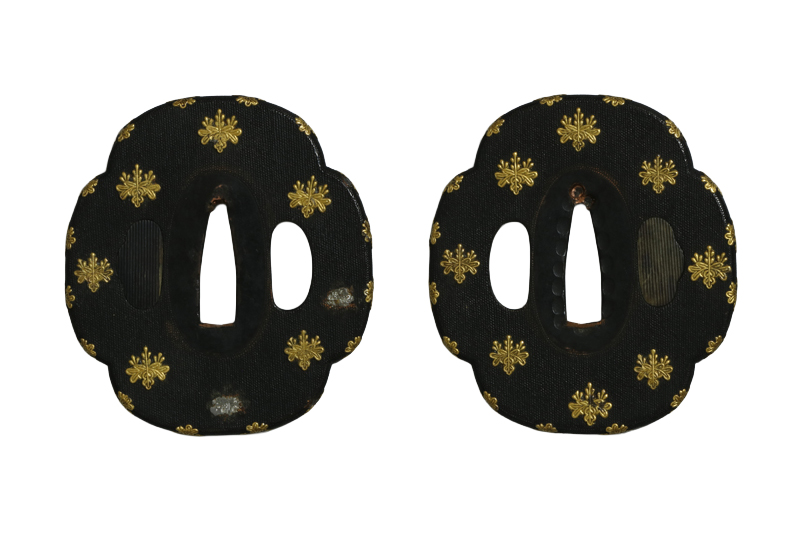
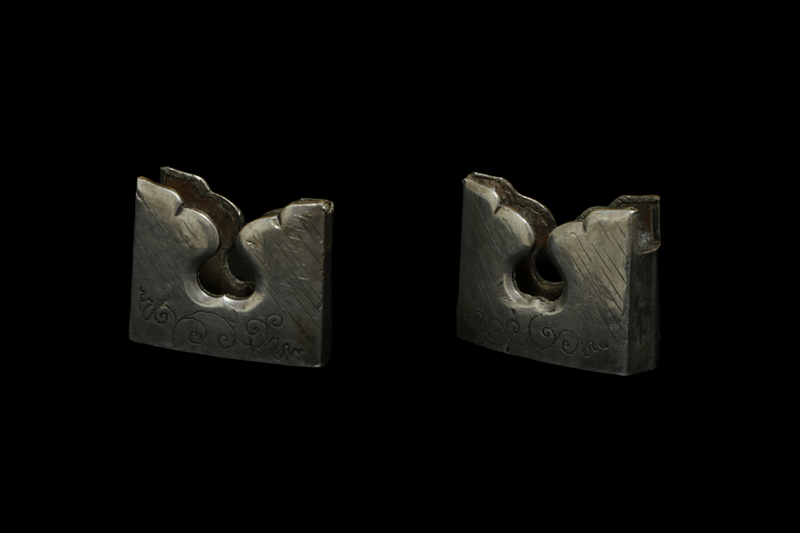
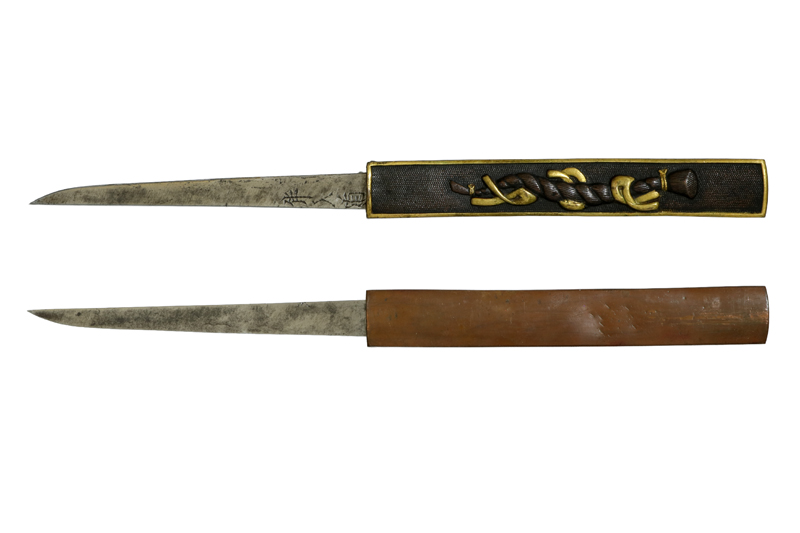
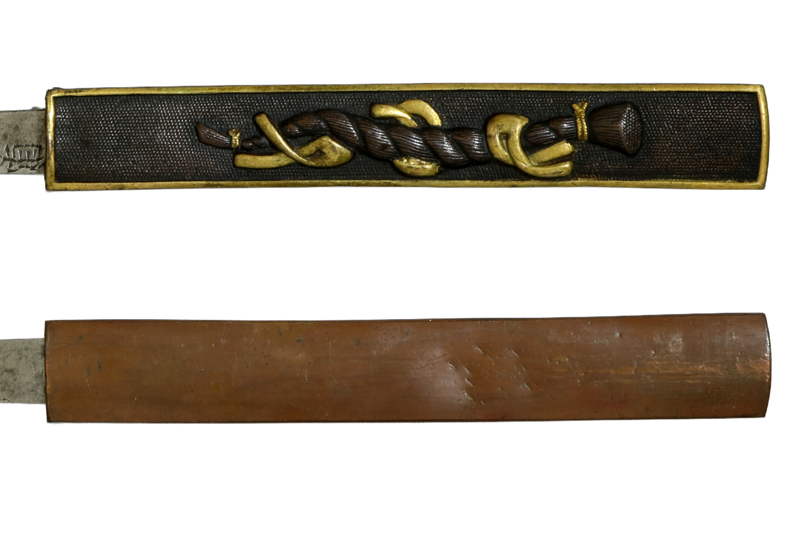
Hozon Token Bisyu Osafune Sukesada with Shirosaya Tokubetsu Hozon Token Mumei Kouda with Shirosaya And with Daissyo Koshirae. 室町時代後期の備州長船祐定と、南北朝期の無銘古宇多に、揃い金具を用いた大小拵を仕立てた刀と脇差である。 刀・脇差ともにコンディションは良好で、拵もまた上質な金具類を用いた見事な大小拵となっている。 コレクションに最適な作品です。 This is a sword and wakizashi pair, comprising a late Muromachi-period Bizen Osafune Sukesada and an unsigned Ko-Uda blade from the Nanbokuchō period, both mounted in matching daishō koshirae with en suite fittings. Both blades are in good condition, and the mountings are also an impressive daishō koshirae of high-quality workmanship. This is an ideal set for a collection. 備州長船祐定 「刀姿 sword figure」 鎬造り、庵棟。身幅・重ねともに尋常で、腰反りが付き、中鋒となる。 茎は生ぶで、棟側がわずかに削られている。鑢目には浅い筋違鑢が見られ、茎尻は刃上がり栗尻となる。 Shinogi-zukuri, iori-mune. The blade has standard width and thickness, with koshizori curvature and a medium kissaki. The tang is ubu, though the mune side has been slightly filed down. The file marks are shallow sujikai-yasuri, and the tang tip is ha-agari kurijiri. 「地鉄 jigane」 地鉄は板目肌に小板目が交じりが流れ柾かかり、乱れ映りが入る。 The jigane is predominantly itame mixed with ko-itame, with portions flowing into masame, and displays midare-utsuri. 「刃紋 hamon」 刃文は互の目乱れで、刃縁に砂流しが盛んにかかり、刃中には金筋が盛んに働いて、簾刃のようになる。帽子は乱れ込み、小丸に返る。 The hamon is gunome-midare, with lively sunagashi along the habuchi and vigorous kinsuji within the hamon, producing an appearance reminiscent of sudare-ba. The boshi is midare-komi and returns in komaru. 「特徴 detailed」 室町時代に祐定を名乗る鍛冶はかなりの数にのぼる。その中でも、「彦兵衛尉祐定」「与三左衛門尉祐定」「与左衛門祐定」「源兵衛尉祐定」が名高い。 本作は天文三年の年紀を有する祐定の作であるが、俗名が記されていないため、いずれの祐定にあたるかは判然としない。 本作は、私見では天文から永禄頃の祐定の作と思われる。小板目交じりの板目肌に、働きのある互の目乱れを焼いた逸品である。 刀身の状態は概ね良好である。 拵は比較的近年に製作された大小拵であるが、上質な金具類が用いられている。 鞘は、横刷毛目塗に貝散らしを施した見事な作域である。 During the Muromachi period, there were quite a large number of swordsmiths who signed with the name Sukesada. Among them, the best known are Hikobei no Jo Sukesada, Yosazaemon no Jo Sukesada, Yozaemon Sukesada, and Genbei no Jo Sukesada. This work bears a date inscription of Tenbun 3 (1534) and is a work by a smith signing Sukesada; however, since no personal name is recorded, it is unclear which Sukesada he was. In my view, this piece is likely the work of a Sukesada smith active around the Tenbun to Eiroku eras. It is an excellent piece, featuring an itame jihada mixed with ko-itame and a gunome-midare hamon rich in activity. The condition of the blade is generally good. The mounting is a daisho koshirae made relatively recently, but it employs high-quality fittings. The scabbard is a splendid example, finished in yoko-hakeme lacquer and decorated with scattered shell inlay. 「拵 Koshirae」 ハバキ(habaki) :銀無垢一重腰祐乗。 鍔(tsuba) :赤銅魚子地木瓜形金桐紋散し。 縁頭(futikasira):赤銅地波に鯉の図金象嵌。 目貫(menuki) :鷺の図。 柄(tsuka) :鮫は親粒が付き巻鮫、柄巻は正絹黒の諸捻り巻。 鞘(saya) : 横刷毛目塗に貝散らし鞘。 「刀剣の状態 condition of blade」 研:概ね良好です。 傷:欠点に成るような傷は有りません。 無銘(古宇田) 菖蒲造り庵棟、身幅重尋常、鳥居反り中鋒。茎は大磨り揚げで筋違い鑢がかかり、茎尻は一文字に切られる。 Shobu-zukuri with an iori-mune; standard width and thickness; torii-zori curvature; medium kissaki. The tang is o-suriage and bears sujikai file marks, and the tang tip is cut straight across in ichimonji style. 地鉄は板目肌、刃寄り柾目となり流れ、地沸微塵に厚くつき、地景入り、鉄黒みがかる。 The jigane is itame, becoming flowing masame toward the ha; it is thickly covered with fine ji-nie, contains chikei, and the steel shows a darkish hue. 刃紋は互の目乱れ、刃縁小沸付き砂流しかかり、刃中金筋が栄んに働き、簾刃のようになる。釯子は乱れ込み履き掛け小丸に返る。 The hamon is gunome-midare, with fine ko-nie along the habuchi, sunagashi, and vigorous kinsuji within the hamon, producing an appearance reminiscent of sudare-ba. The boshi is midare-komi, shows hakikake, and returns in komaru. 宇多派は、鎌倉時代後期の古入道国光を祖とし、国房・国宗・国次らの刀工が活躍し、同銘を相継いで室町時代後期に至るまで大いに繁栄した。 鎌倉時代末期から南北朝時代にかけての作品を古宇多、室町期の作品を宇多という。 同派はもとより大和国宇陀郡の出身であることから、大和伝の気質を強く示すものが多く見られるが、越中則重や江義弘に倣ったと思われる、相州伝風の作も存在する。 本作は、南北朝時代に作られた薙刀を、江戸時代に脇差へ仕立て直したものである。 刀身は相州伝を焼いた、典型的な南北朝期の古宇多の作域を示している。 The Uda school traces its origins to Ko-Nyūdō Kunimitsu of the late Kamakura period. Swordsmiths such as Kunifusa, Kunimune, and Kunitsugu were active within the school, and by passing down the same name through successive generations, the lineage flourished greatly until the late Muromachi period. Works produced from the end of the Kamakura period through the Nanbokuchō period are referred to as Ko-Uda, while those of the Muromachi period are called simply Uda. Because the school originally came from Uda District in Yamato Province, many of its works strongly display the character of the Yamato tradition. At the same time, there are also works in a Sōshū-style manner, apparently influenced by Norishige of Etchū and Go Yoshihiro. This piece is a naginata forged in the Nanbokuchō period and later remounted as a wakizashi during the Edo period. The blade exhibits a typical Ko-Uda style of the Nanbokuchō period, with workmanship showing the influence of the Sōshū tradition. The condition of the blade is generally good. The mounting is a relatively recent daishō koshirae, but it is fitted with high-quality metal fittings. The scabbard is an excellent example, finished in horizontal brush-mark lacquer and decorated with scattered shell inlay. ハバキ(habaki) :素銅地銀着一重猪目変わり鍔。 小柄(kotsuka) : 赤銅魚子地しめ縄の図。


備前伝 · 備前
現在56点販売中
祐定派は、室町時代後期に備前国長船(現在の岡山県瀬戸内市)の地に栄えた末備前の主流工房である。鎌倉以来の長船鍛冶が太刀の時代を閉じ、太刀に代わって身幅の広い長大な打刀を諸手で用いる時代に入ると、祐定の名はその新しい需要を一手に担う一群の総称となった。説明書がこれを末長船で最も繁栄した一家と記すとおり、祐定を切った工は数十を数え、近世の刀剣書は俗名を冠した者だけでも二十一人を挙げる。その大群のなかで腕においても名においても抜きん出るのが、俗名を負った数工である。最も著名にして上手とされる与三左衛門尉祐定、その父と伝える彦兵衛尉祐定、豪壮の鍛えで知られる源兵衛尉祐定、二様の作風を能くする彦左衛門尉祐定らがそれで、初代与三左衛門尉は天文六年紀の短刀から逆算して応仁元年の生まれと推定され、永正から天文にかけて一派の頂点に立った。これら名工の入念な注文打のかたわら、戦国の旺盛な需要に応える数打物が大量に鍛えられ、一派は名工と量産の二つの層を同時に抱えた。 作風には末備前の工房がわがものとした明らかな共通語法がある。刃文を統べる一つの極は、腰の開いた互の目が複式の乱れに組み上がる腰開きの複式互の目で、これに小互の目丁子・尖り刃を交え、足・葉さかんに入り、匂本位に小沸つき、小さな飛焼を交えて匂口が明るい。いま一つの極は、意図して静かな直刃あるいは広直刃で、これに小互の目を交え、砂流し・金筋がかかる。地鉄はいずれの刃の下でも小板目をよくつめて鍛え、地沸を微塵に敷き、地景を細かに織りなして、鎬寄りに淡く乱れ映りが立つことがあり、鎌倉全盛の明るい映りの名残をわずかに残す。帽子は乱れ込みに小丸となり、あるいは尖りごころに掃きかけて返る。姿は寸延びて身幅広く、重ね厚く先反りつき、両手打に適した茎となるのが時代の徴である。これらの特徴は一派を通じて繰り返されるが、名工と数打を分かつのは作域の広さと地刃の冴えである。与三左衛門尉は複式互の目に加えて沸深い皆焼と穏やかな直刃の双方を能くし、源兵衛尉は鍛錬の定評と広直刃に、彦兵衛尉は直刃を地としつつ備前本来の賑やかな乱れに、彦左衛門尉は華やかな乱れと静かな直刃の二様に、それぞれの手を見せる。これに対し数打物は作風相似て個性に乏しく、地刃の働きも浅い。 鑑定の勘所は、まずこの名工と数打との別を見極めることにある。名工の注文打は地鉄が精良で地刃の沸がよくつき匂口冴え、年紀の傍らに所持者の銘を負うものが多い。源兵衛尉の天文二十三年紀の刀は惟宗忠頼の所持銘を、彦左衛門尉の天正四年の刀は播州の和田出雲守のための「為播州住和田出雲守重代延之也」[[c:1]]の銘を負い、説明書はかかる為打・注文打があればこそ末備前の名声が高いと明言する。三工のうちでも与三左衛門尉の格はとりわけ高く、説明書は与三左衛門尉を冠するものが最も有名にして上手と記し、その典型作を末備前を代表する一口と位置づける。切れ味の評にあっても末備前は実用刀として重んじられ、戦国の武器としての需要がこの隆盛を支えた。伝来もまた一派の評価を裏づけ、与三左衛門尉の五十七歳の作は蜂須賀家に伝わり、ほかに毛利家・井伊家、本間による御物台帳に所載の作、武将山中鹿介の所持と伝える脇指などが数えられる。幅広く明るく、腰の開いた互の目の冴えて読める在銘年紀の祐定は、長船がその最後の偉大な世代にいかに鍛えたかを語る確かな一証である。 詳しく見る →
南北朝時代の備前
二つの朝廷が争った六十年、刀身は長大化し、長船がその需要に応えた。兼光と長義の工房は実際に戦う国人層の武士に仕え、軍勢とともに相州風が届いて相伝備前が生まれた。
保存刀剣のうち、出来が一層優れ、保存状態も良好と認められたものです。再刃や、室町・江戸期の多くの無銘作は対象外となり、保存刀剣より高い基準が課されます。
日本美術刀剣保存協会(日刀保)は、1948年に設立され、文化庁の監督を受ける公益財団法人で、東京・刀剣博物館に本部を置きます。専門の審査員が出品作を直接審査し、美術的・歴史的価値に応じた鑑定書を発行します。日刀保の鑑定書は、日本刀および刀装具の真正性を示す最も広く認知された基準です。
日刀保公式サイトご購入頂いた商品の到着してから3日以内であれば返金もしくは交換対応をいたします。返品時の送料と返金する際の振込手数料はお客様のご負担とさせていただきます。