三人の天下人が戦国の世紀を終わらせ、刀は新しい秩序の道具となった。1588年の刀狩は刀を武士の標章とし、名刀は条約のごとく家々の間を行き交い、鑑定は以後この境で古刀と新刀を分かつ。
 NihontoWatchNihontoWatch
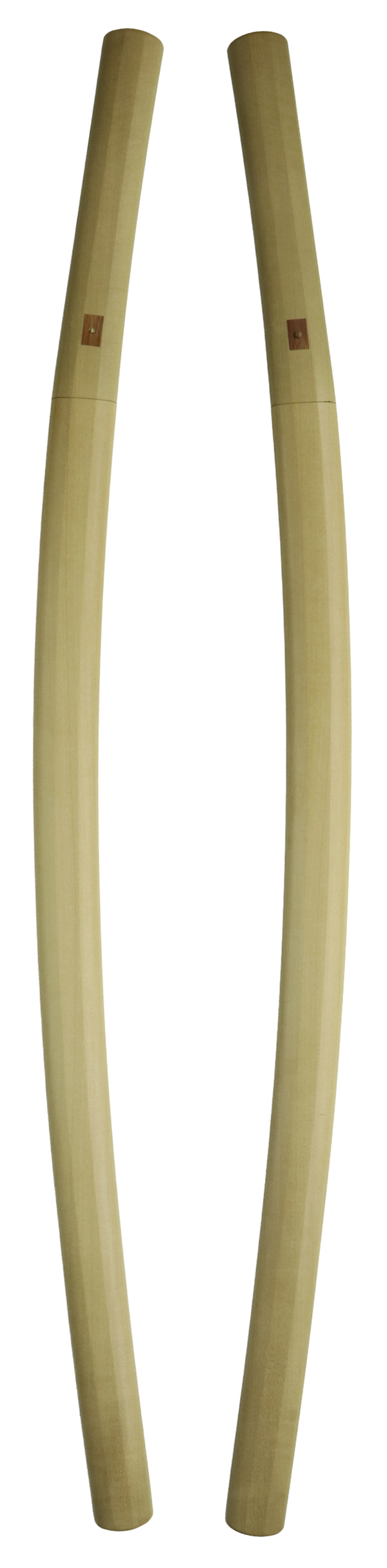
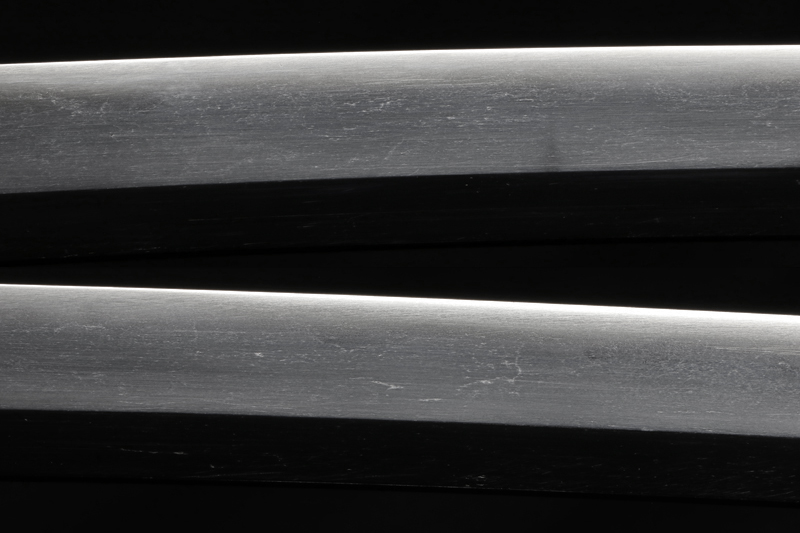
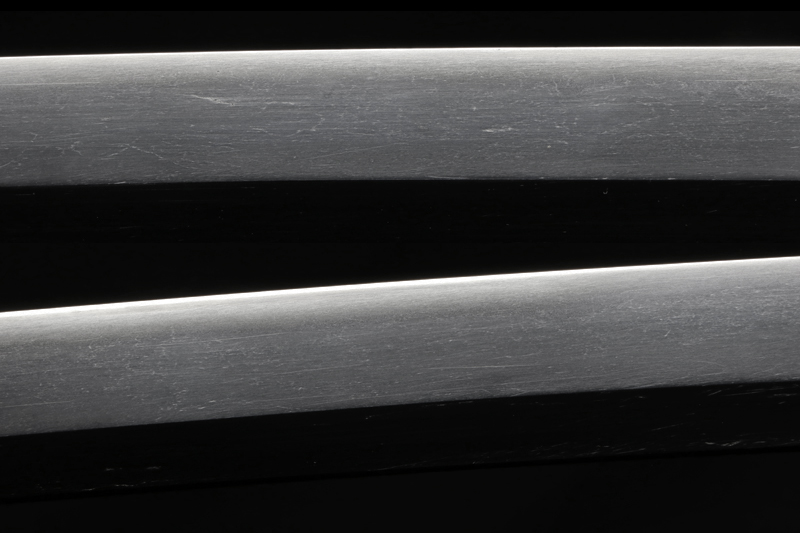
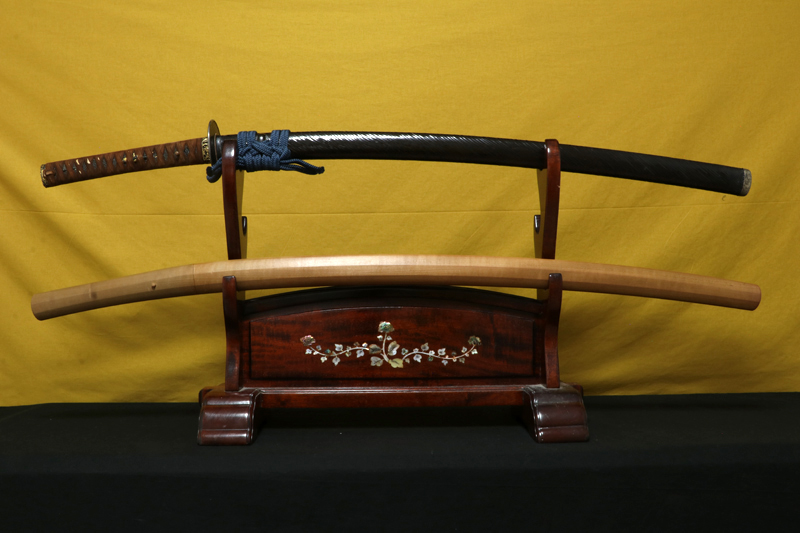
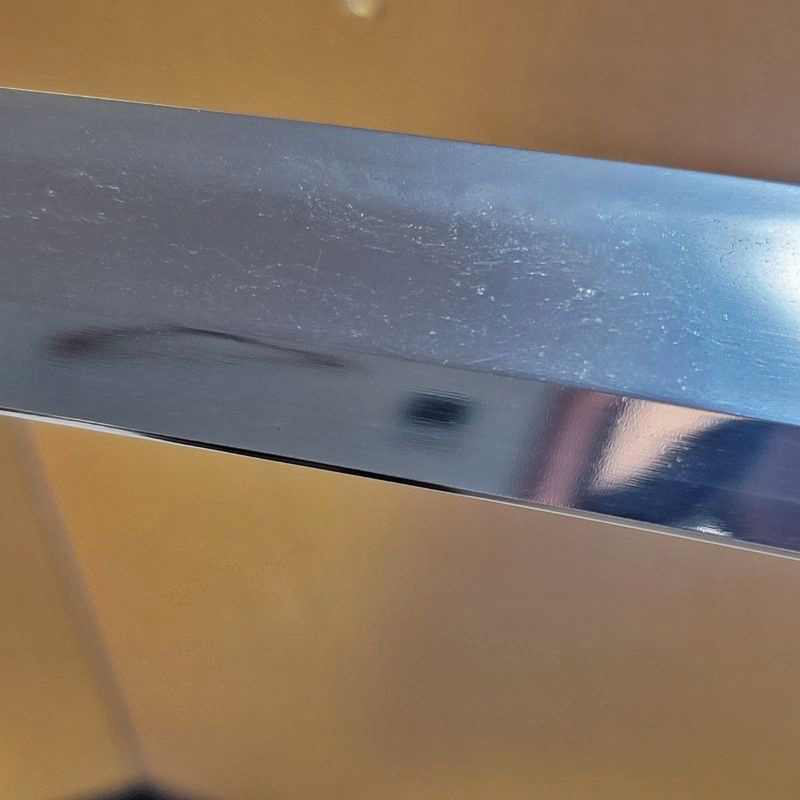
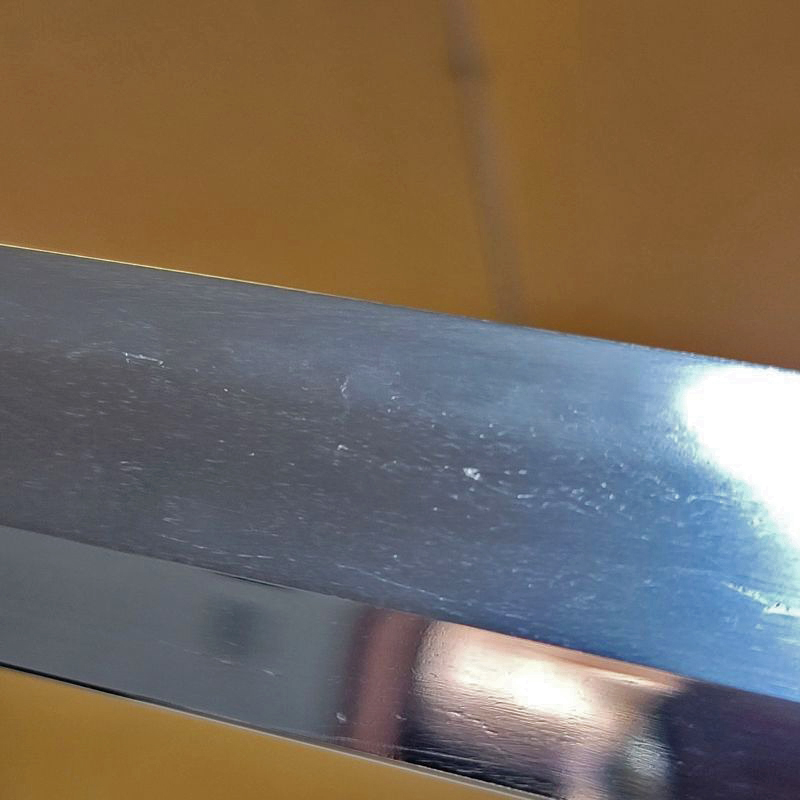
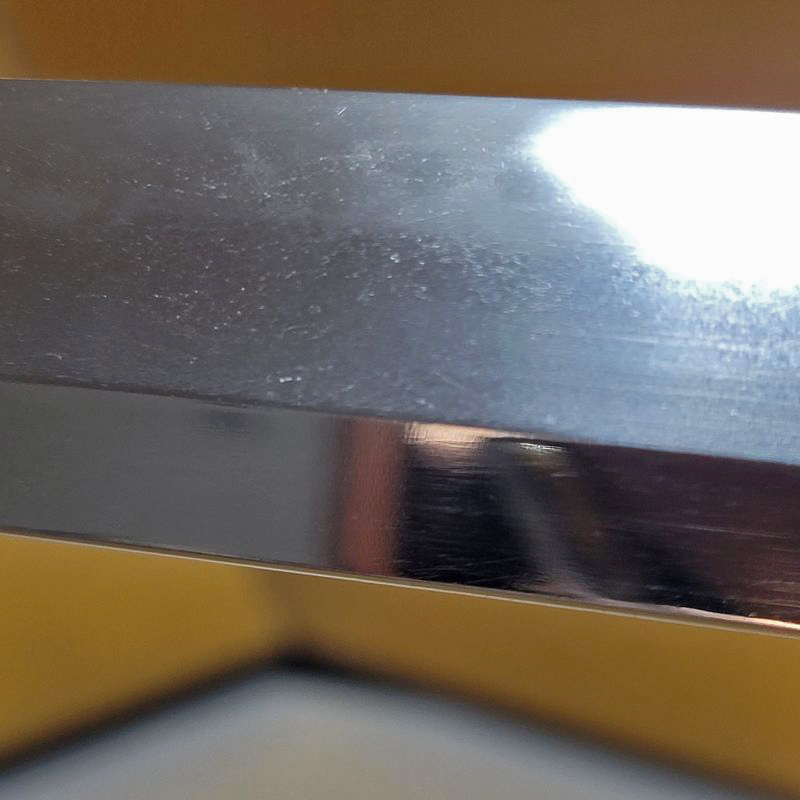
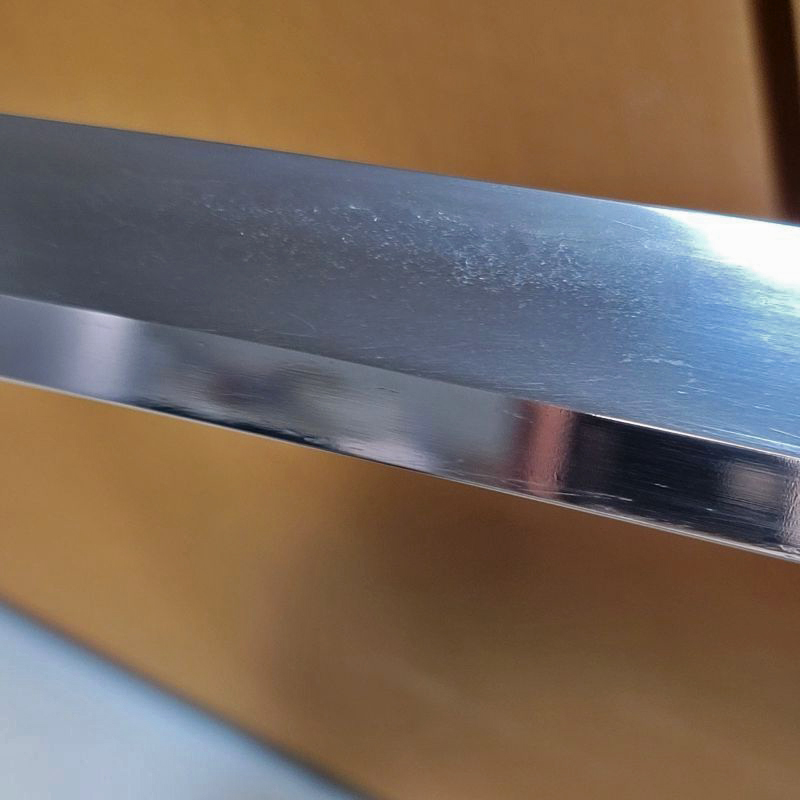
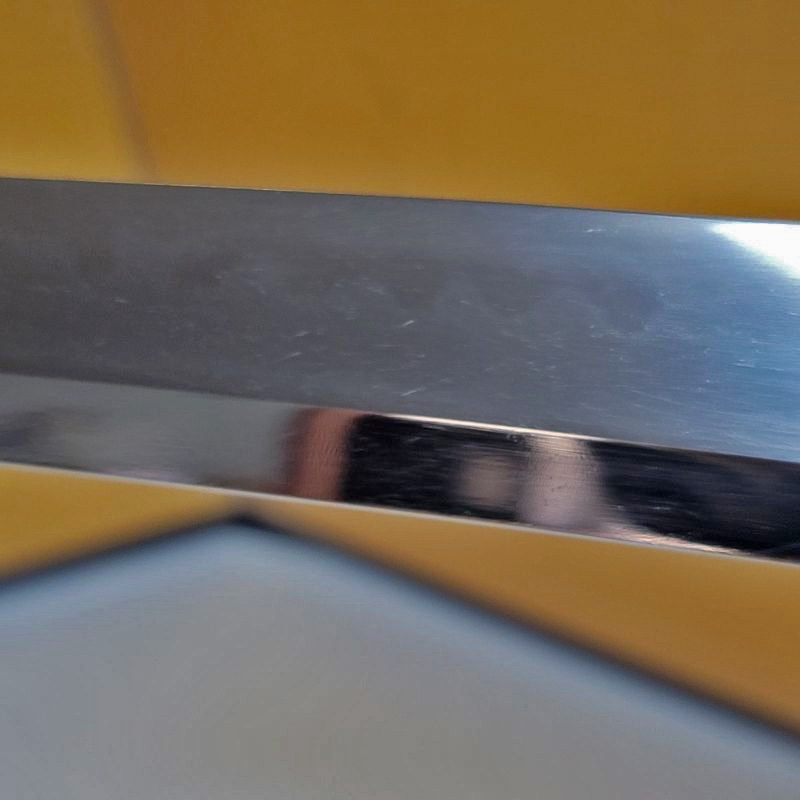
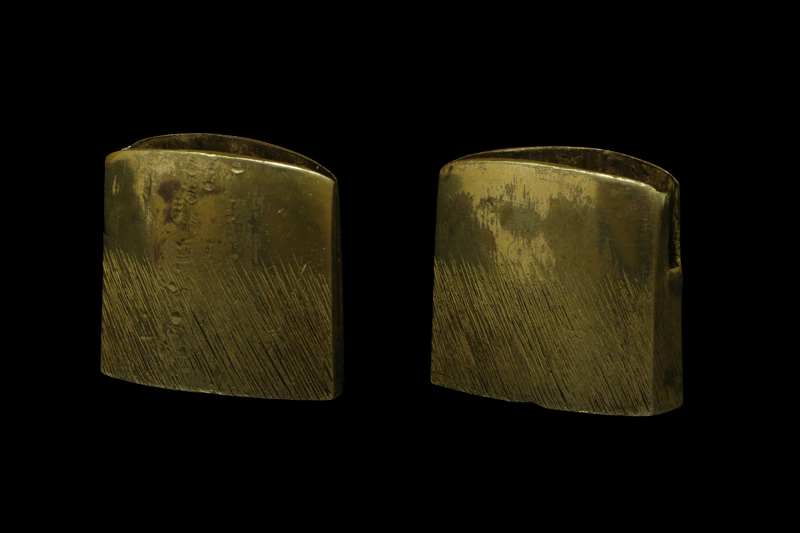
Hozon Token Koto Mumei Dotanuki Masakuni with Shirosaya. 本刀は、戦国肥後の実戦刀、同田貫の代表的刀工、肥後同田貫正國の作品です。 良く詰んだ地鉄に、働きの有る刃紋を焼いた素晴らしい刀です。 刀身は古研ぎですが、10万円で研ぎを承ります。 また既存の拵に刀身を合わせることも可能です。 This blade is a work of Higo Dotanuki Masakuni, one of the leading smiths of the Dotanuki school, famed for producing practical battlefield swords in Sengoku-period Higo. It is a fine example, with a beautifully compact steel surface and an active hamon, making it a highly attractive sword with much to admire. The blade is presently in old polish, but repolishing is available for ¥100,000. We can also fit the blade to an existing koshirae. 「刀姿 sword figure」 鎬造り庵棟、身幅尋常重やや厚く、鳥居反りで中鋒が延びる。茎は磨り揚げられ鑢目は筋違い、茎尻は一文字に切られる。 The blade is of shinogi-zukuri form with an iori-mune back. Its mihaba is of standard width, with a slightly thick kasane, and it has a torii-zori curvature with an extended chū-kissaki. The nakago has been suriage (shortened), the file marks are sujikai, and the nakagojiri is cut straight across in an ichimonji shape. 「地鉄 jigane」 地鉄は板目肌に、杢目・流れ肌が交じり肌立、地沸が付く。 The jihada is primarily itame-hada, mixed with mokume and nagare-hada, with the grain standing out clearly, and ji-nie is present. 「刃紋 hamon」 刃紋は互の目に小互の目交じり、砂流しかかり。刃中は金筋が働く。帽子は乱れ込み小丸に返る。 The hamon is gunome mixed with ko-gunome, with areas of sunagashi. Within the tempered edge, kinsuji are actively present. The boshi becomes irregular and turns back in a komaru form. 「特徴 detailed」 同田貫派は、肥後国菊池の同田貫(現在の熊本県)を拠点とした刀工集団で、永禄年間(1558〜1570年)以降に活躍しました。彼らは延寿派の後継とされています。 中でも、永禄から天正(1558〜1592年)にかけての正國、清國、兵部、又八らが特に有名です。とりわけ正國・清國兄弟は、加藤清正に召し抱えられ、偏諱を賜るほどの名工として知られ、優れた作品を今日に伝えています。 同田貫の作風は、強靭で実用性の高い豪壮な刀として知られ、武士の実戦用として重宝されました。その切れ味と耐久性の高さから熊本城の常備刀として採用され、同田貫派は全盛期を迎えます。しかし、加藤家の改易後に衰退し、鍛刀技術は一時途絶えました。 その後、江戸時代後期になると、九代正勝が薩州正幸に鍛刀技術を学び、「新々刀同田貫」として復興されました。十代宗広、十一代宗春の時代に再び繁栄を迎え、同田貫の名をあらためて世に知らしめました。 宗広は、通称を寿太郎または延寿太郎といい、新々刀期(1772年以降)の肥後を代表する刀工の一人に数えられます。 本作は無銘ながら、日本美術刀剣保存協会において「同田貫正國」と極められた一振りです。時代は天正頃、加藤清正が肥後北半国の領主となった時期にあたります。 この時代の同田貫の刀は、甲冑の上からでも叩き斬れるよう、重厚で刃肉が豊かについた造りを特徴としています。その一方で、鍛え疵が多く、刃文も実用性を重視した簡素なものが一般的です。 しかし本刀は、美しく精緻な地鉄を備え、互の目乱れの刃文に加え、刃中には金筋が盛んに働いており、通常の無銘同田貫とは一線を画す、同田貫正國らしい作風を見事に示した作品です。 刀身の状態は古研ぎのため曇っていますが、研ぎ直すことで、さらに素晴らしい姿を現すことでしょう。なお、研ぎは10万円にて承っております。期間は約1か月半です。 また、既存の拵に刀身を合わせることも可能です。 The Dotanuki school was a group of swordsmiths based in Dotanuki, Kikuchi in Higo Province (present-day Kumamoto Prefecture) and was active from the Eiroku era (1558–1570) onward. They are regarded as the successors to the Enju school. Among them, Masakuni, Kiyokuni, Hyobu, and Matahachi, who worked from the Eiroku to Tensho periods (1558–1592), are particularly well known. Of these, the brothers Masakuni and Kiyokuni are especially famous as master smiths who were retained by Kato Kiyomasa and were honored by receiving a character from his name. Excellent works by them have been handed down to the present day. The workmanship of the Dotanuki school is known for its bold, powerful, and highly practical swords, which were prized by warriors for actual battlefield use. Owing to their exceptional sharpness and durability, they were adopted as the standard swords kept at Kumamoto Castle, and the Dotanuki school reached the height of its prosperity. However, after the confiscation of the Kato family’s fief, the school declined, and its sword-forging tradition was temporarily interrupted. Later, in the late Edo period, the ninth-generation Masakatsu studied sword-forging under Sasshū Masayuki, and the tradition was revived as Shinshinto Dotanuki. It flourished once again under the tenth-generation Munehiro and the eleventh-generation Muneharu, bringing renewed fame to the Dotanuki name. Munehiro, also known by the common names Jutaro or Enjutaro, is counted among the representative swordsmiths of Higo in the Shinshinto period (after 1772). Although unsigned, this sword has been attributed by the NBTHK (The Society for Preservation of Japanese Art Swords) to Dotanuki Masakuni. It dates to around the Tensho period, when Kato Kiyomasa became the ruler of the northern half of Higo Province. Dotanuki swords of this period are characterized by their massive construction and full, substantial blade geometry, designed to cut effectively even through armor. At the same time, they generally tend to show many forging flaws, and their temper patterns are often simple, reflecting a strong emphasis on practicality. This blade, however, possesses a beautiful and finely forged steel surface, and in addition to its gunome-midare hamon, the hardened edge shows especially active kinsuji, clearly setting it apart from ordinary unsigned Dotanuki works and splendidly demonstrating the workmanship characteristic of Dotanuki Masakuni. The blade is presently clouded due to an old polish, but with repolishing, its qualities would be revealed to even greater advantage. Polishing is available for ¥100,000, and the required time is approximately one and a half months. We can also mount the blade in an existing set of sword fittings. 「拵 Koshirae」 ハバキ(habaki) :素銅地一重の金鍍金。 鞘(saya) :白鞘。 「刀剣の状態 condition of blade」 研:古研ぎのため曇っていますが、10万円で研ぎます。 傷:欠点になるような傷はありません。

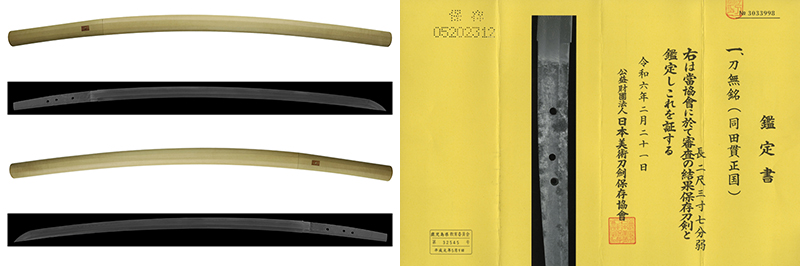
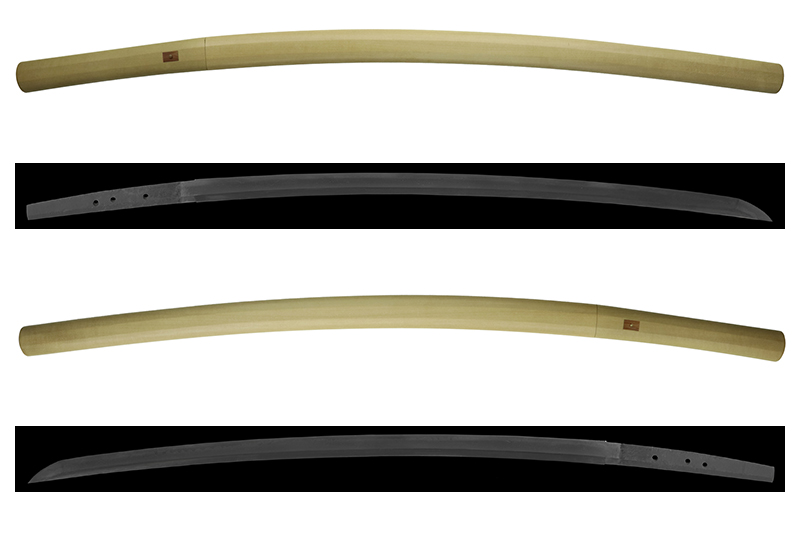
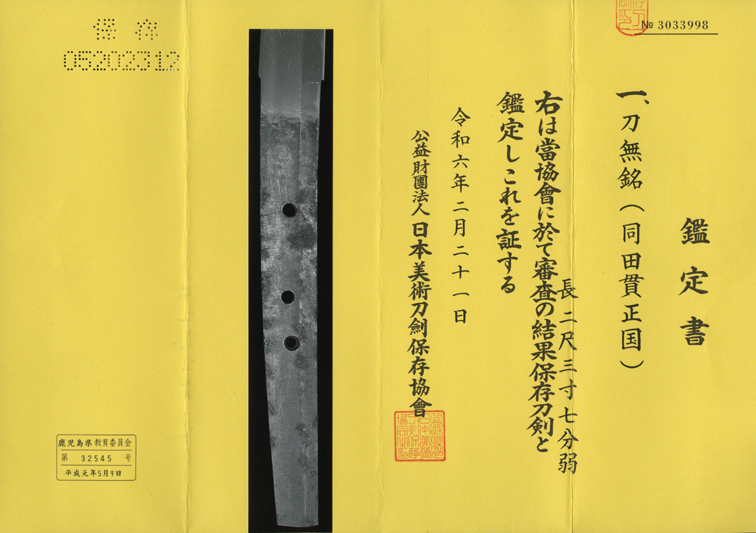

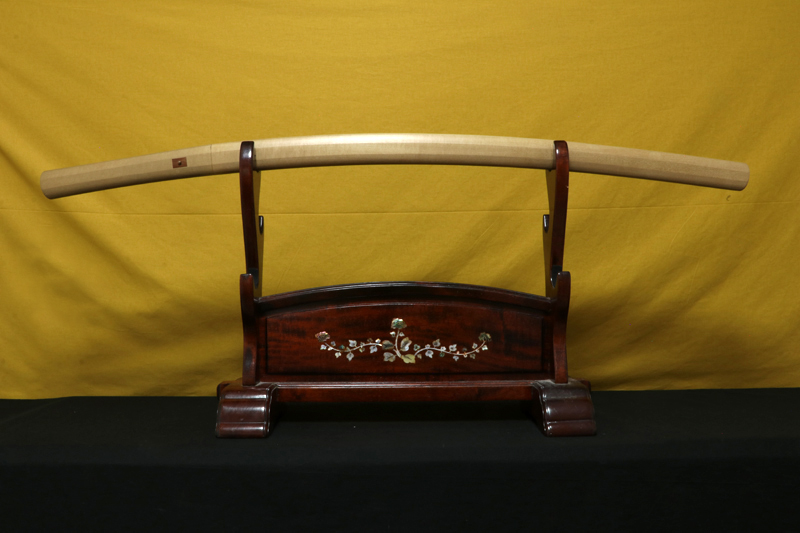
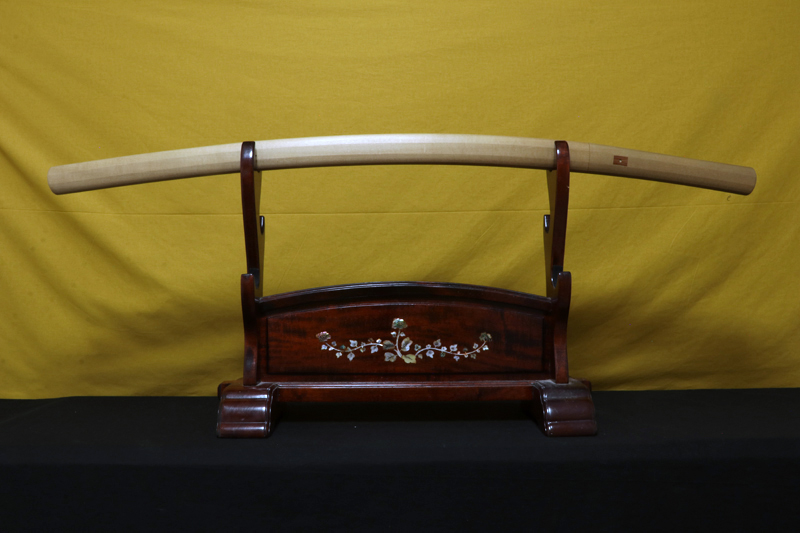
備前伝 · 肥後 · 1573-1592頃
正國の位置づけを、日本刀全体および伝法・時代・時期ごとに示します。各区分(随一・屈指・有数・著名)は、日刀保および文化庁による指定に加え、三作や名物帳などの歴史的栄誉を加味したものです。
各項目を選ぶと評価方法が表示されます。
備前伝 · 肥後
現在12点販売中
同田貫は肥後国の菊池に室町末期から興り、新刀期に及んで活躍した一派である。説示は本派を九州肥後を代表する流派として位置づけ、その一門に正国・上野介・又八(又八左衛門)・正広・兵部・左馬介・国勝らの工があったことを伝える。年紀を備えた遺例には天正から慶長に跨がる作が見られ、上野介には慶長九年・慶長十六年八月吉日の銘があって、新古を跨ぐ形でこの工が活躍したことが知られる。正国の薙刀は桃山時代の製作と鑑せられ、刀身とほぼ同時期に誂えられた拵を伴う例もある。説示の伝える工と年紀からは、戦国末から江戸初頭にかけての肥後にあって、実用の需に応えた工房の姿がうかがえる。 作風は、身幅広く重ね厚く平肉の豊かな豪壮な造込みを基調とする。説示はこれを武骨な姿とも記し、鎬造の刀のほかに大身槍や大振りの薙刀の作例も数多く経眼されると述べる。鍛えは板目肌で、処々に流れ肌や杢目を交え、やや肌立ちごころとなり、地沸がつく。刃文はのたれを基調に小互の目・小丁子・小尖り刃などが交じり、足・葉がよく入り、匂口は締りがちで叢沸となり、飛焼や棟焼を見せ、金筋・砂流しの細かにかかる作がある。互の目乱れを主とする例や、正広の薙刀のように直刃を焼いて匂口の沈む作も伝えられ、一派のうちに振幅のあることが説示から読み取れる。見分けに当たっては、頑健な姿態と、匂口の締まった乱刃に叢沸・飛焼・棟焼の交じる地刃の様相が手がかりとなる。 伝承の面では、説示はこの派の刀の鋭利さが古くから賞讃され、実用刀として知られてきたことを繰り返し記す。代表工とされる上野介には、常に見る同派の作域よりも変化に富み野趣の感じられる作があり、沈みごころの地刃に渋い味わいの醸される一口が同工および同派を代表する出来として挙げられている。正国の薙刀は、地沸の微塵に厚くついた鍛えと、同派の常以上に明るく沸づいて刃中の頻りに働く刃文をもって秀作と評され、黒漆金蒔絵柄鞘薙刀拵を附帯する。又八の薙刀には匂口の締まった作に沸のつく一派の特色がよく示され、黒塗薙刀拵を伴う。資料は僅少ながら、これらの遺例は、肥後にあって頑健と切れ味を旨とした同田貫の性格を、刀・薙刀の双方に即して伝えるものといえる。 詳しく見る →
桃山時代
三人の天下人が戦国の世紀を終わらせ、刀は新しい秩序の道具となった。1588年の刀狩は刀を武士の標章とし、名刀は条約のごとく家々の間を行き交い、鑑定は以後この境で古刀と新刀を分かつ。
銘が正しい、または無銘でも年代・国・系統を確実に指摘できる、保存に値する真正の作と鑑定されたものです。
日本美術刀剣保存協会(日刀保)は、1948年に設立され、文化庁の監督を受ける公益財団法人で、東京・刀剣博物館に本部を置きます。専門の審査員が出品作を直接審査し、美術的・歴史的価値に応じた鑑定書を発行します。日刀保の鑑定書は、日本刀および刀装具の真正性を示す最も広く認知された基準です。
日刀保公式サイトご購入頂いた商品の到着してから3日以内であれば返金もしくは交換対応をいたします。返品時の送料と返金する際の振込手数料はお客様のご負担とさせていただきます。