三人の天下人が戦国の世紀を終わらせ、刀は新しい秩序の道具となった。1588年の刀狩は刀を武士の標章とし、名刀は条約のごとく家々の間を行き交い、鑑定は以後この境で古刀と新刀を分かつ。
 NihontoWatchNihontoWatch
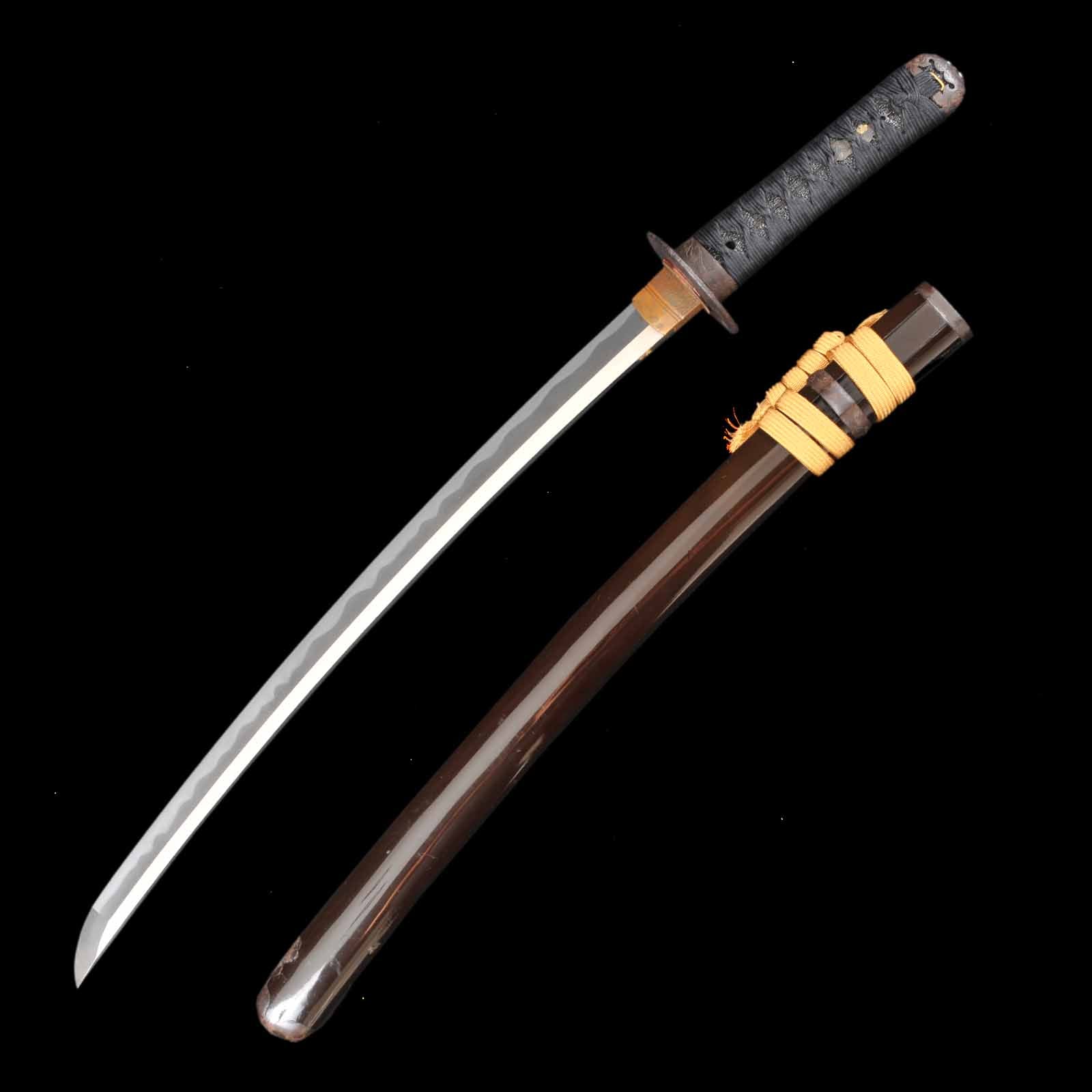
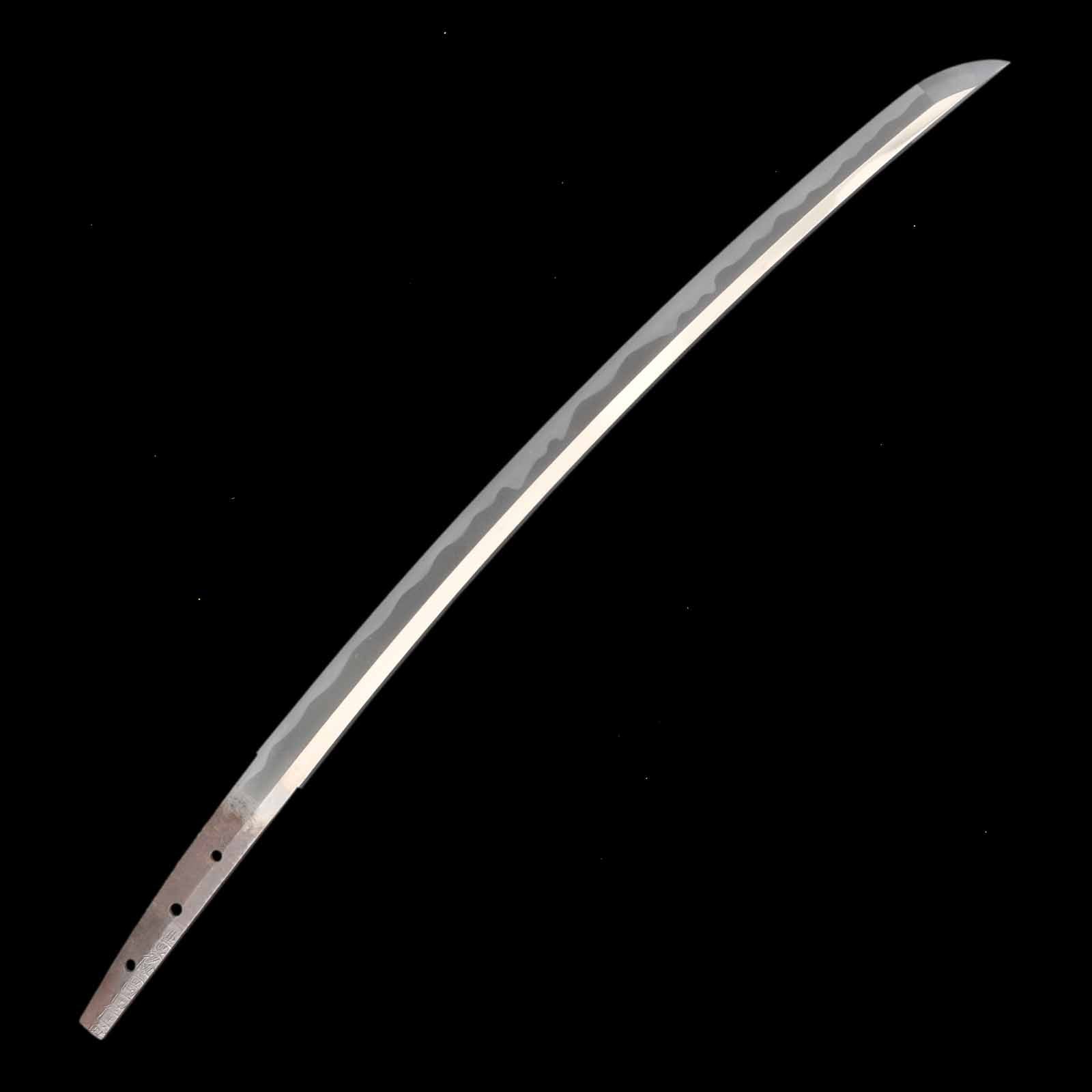
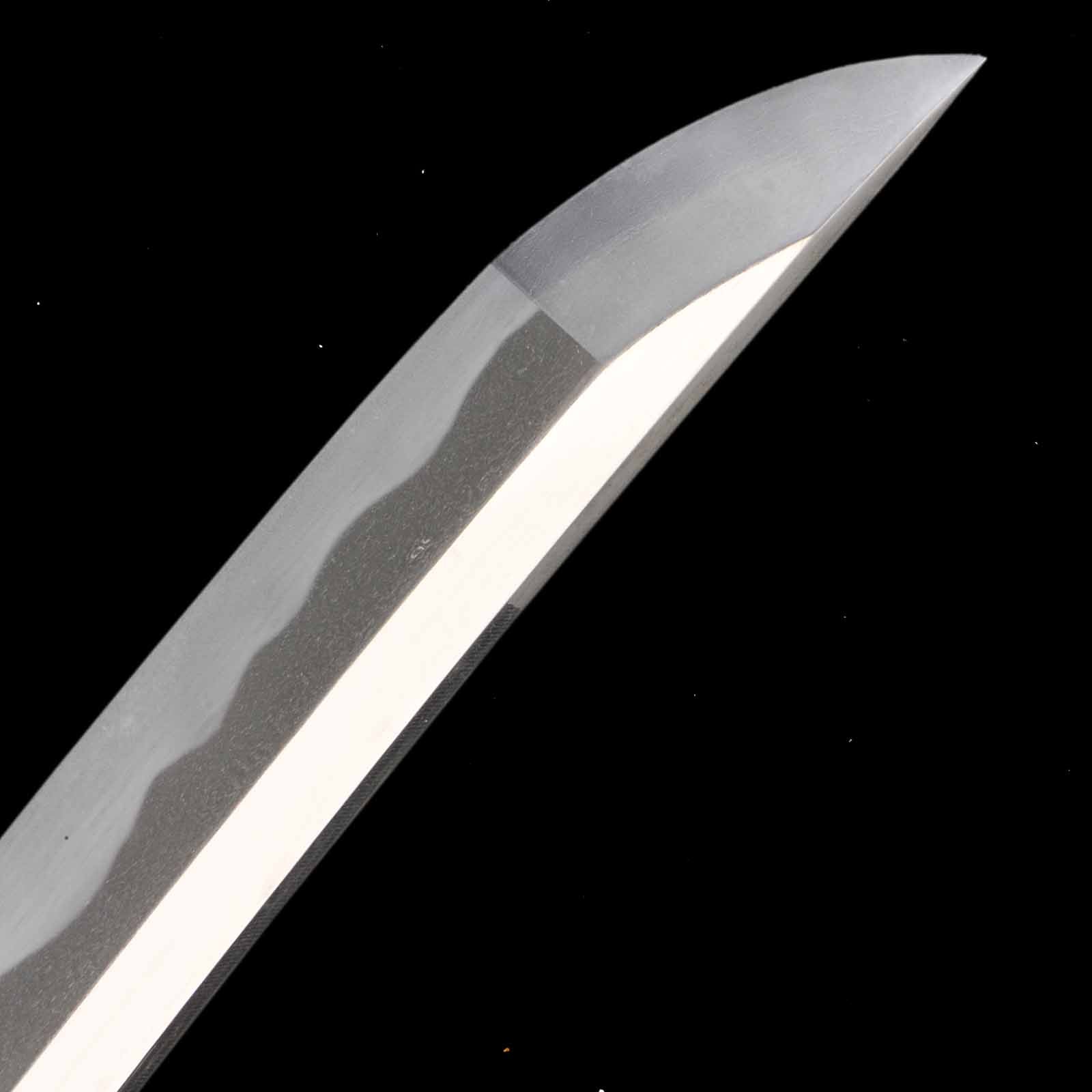
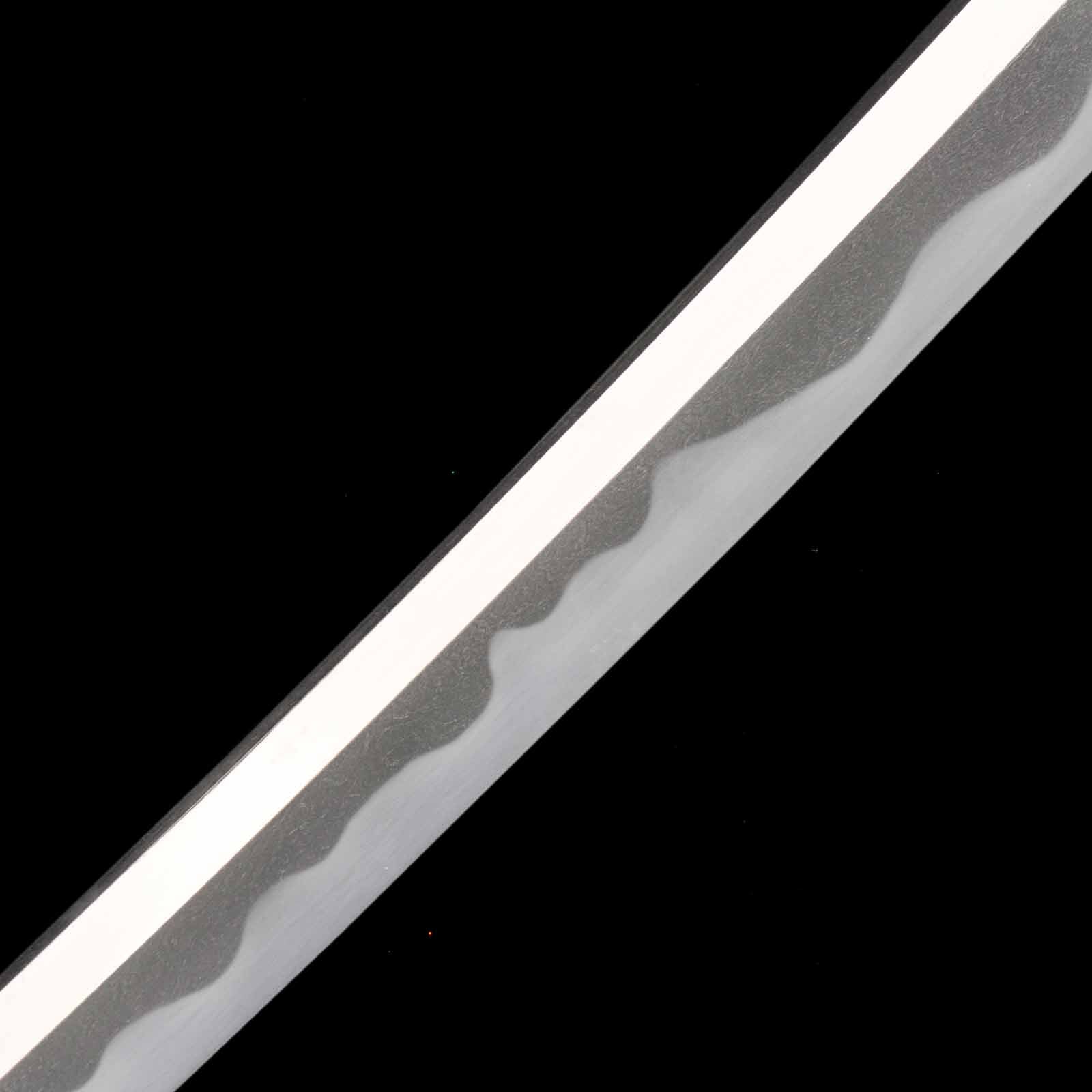
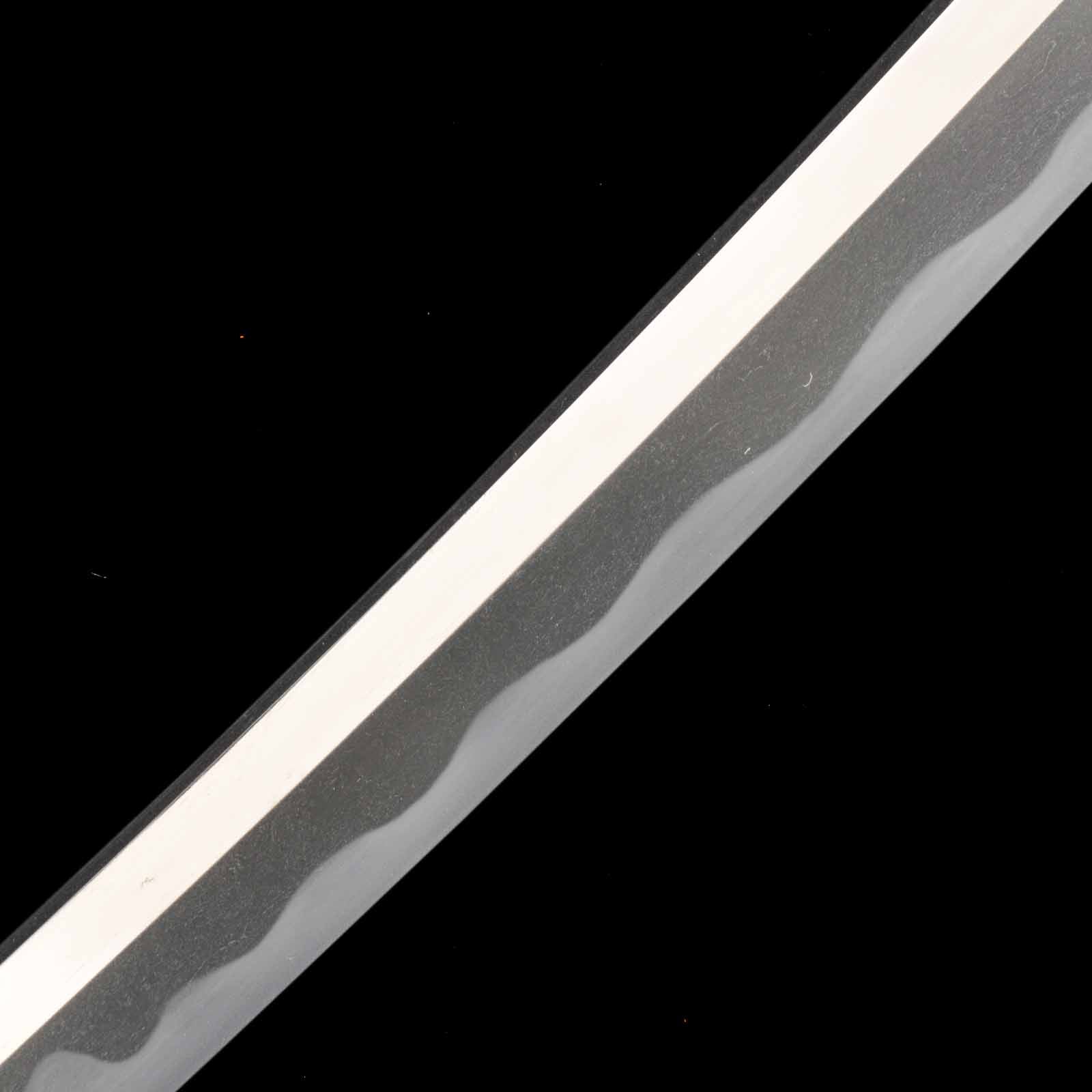
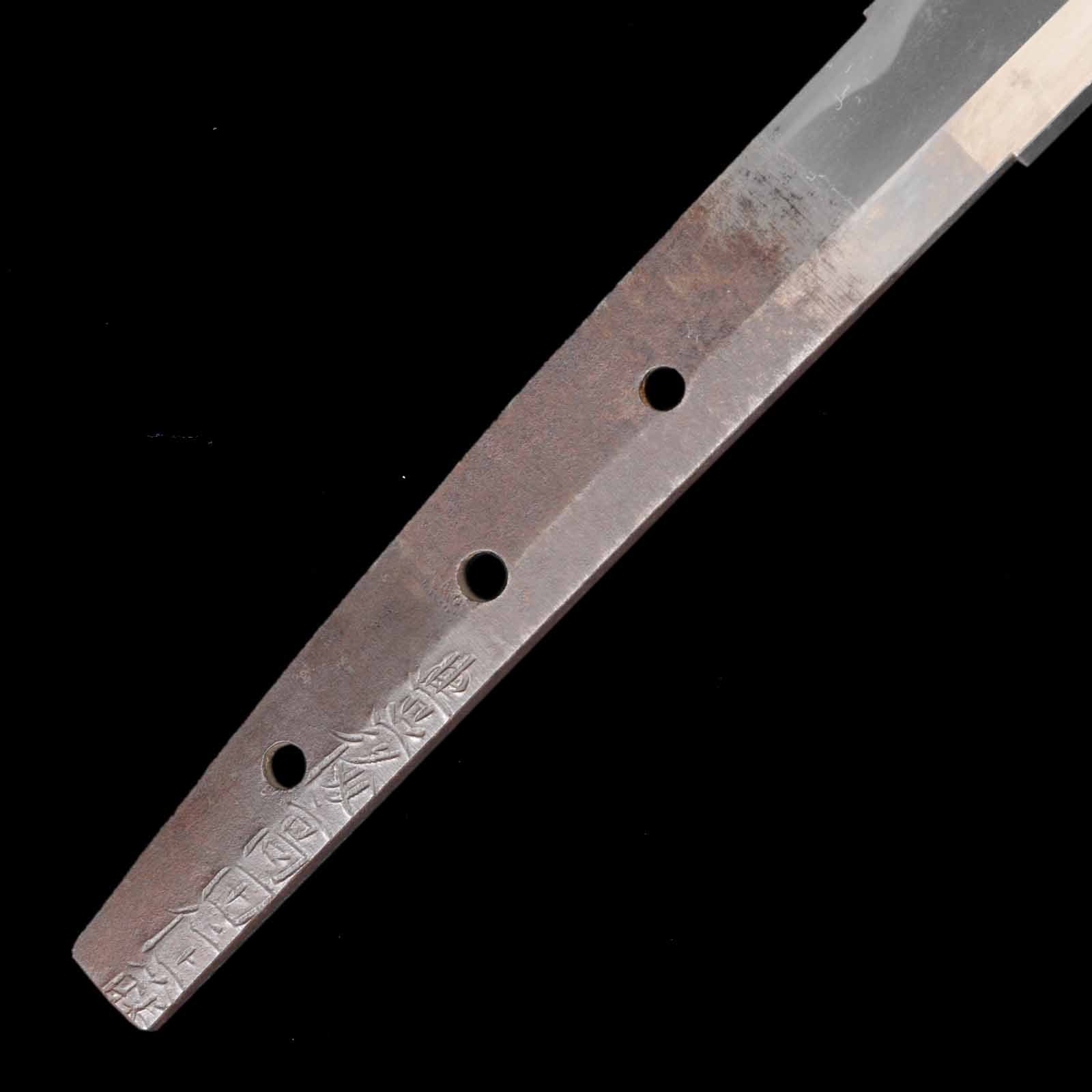
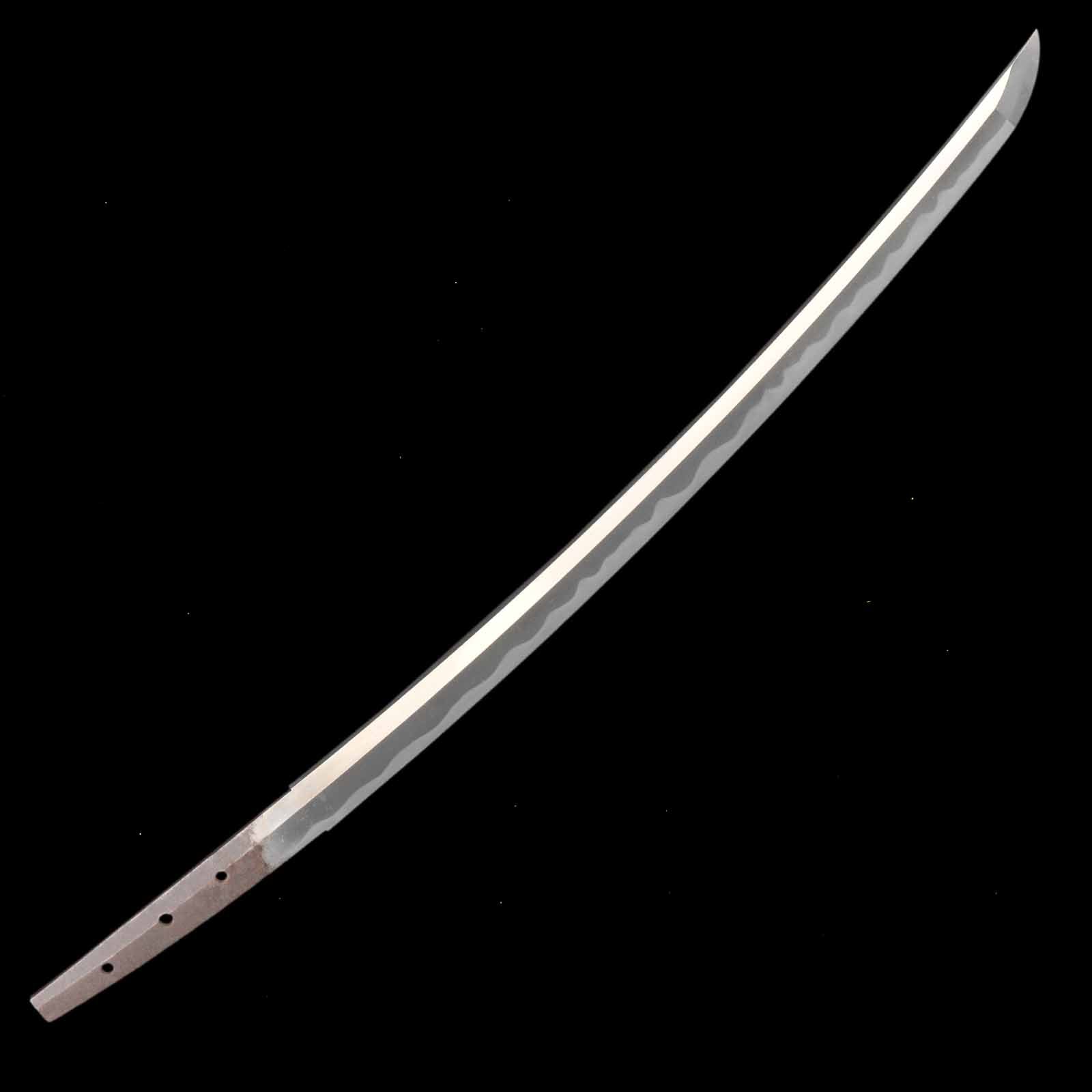
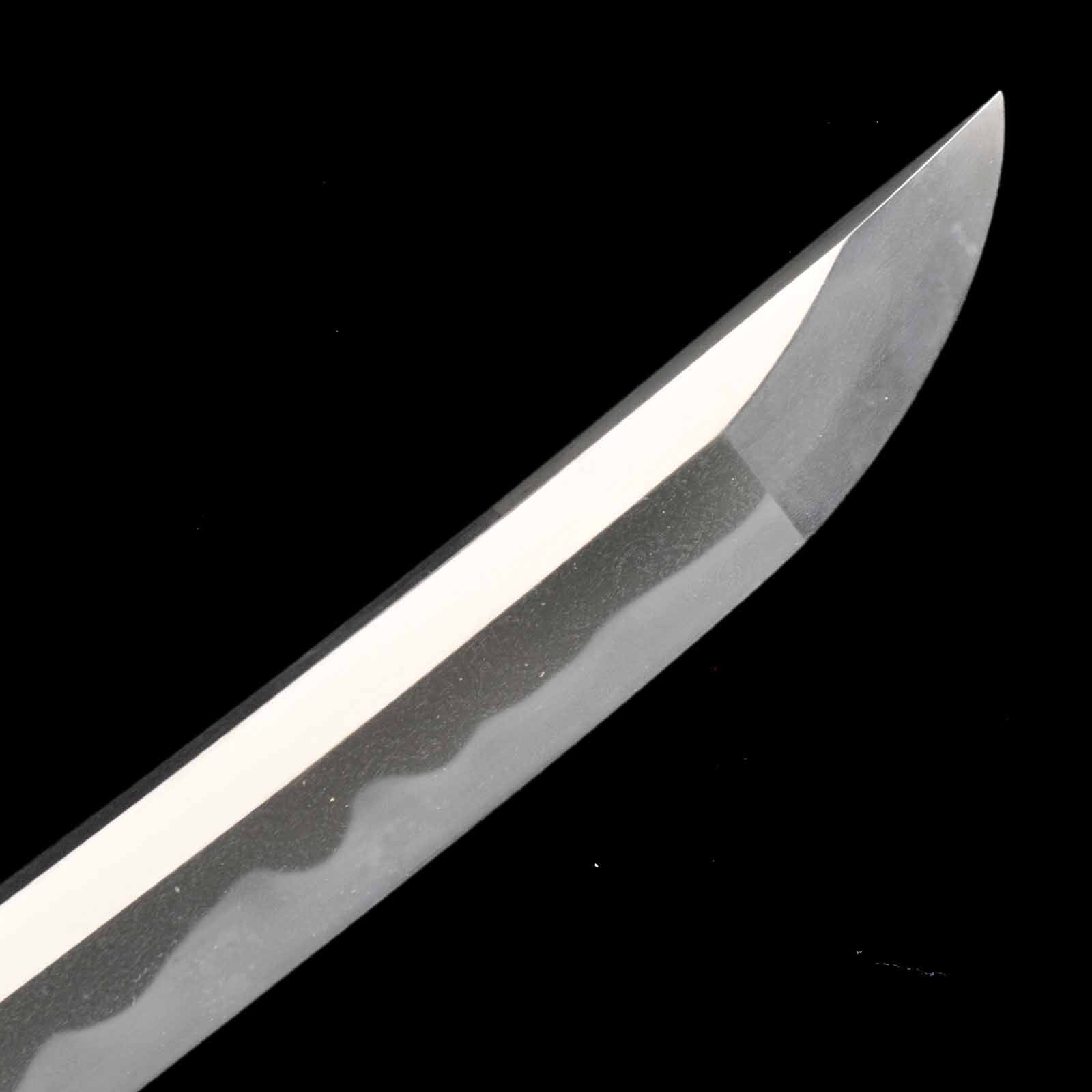
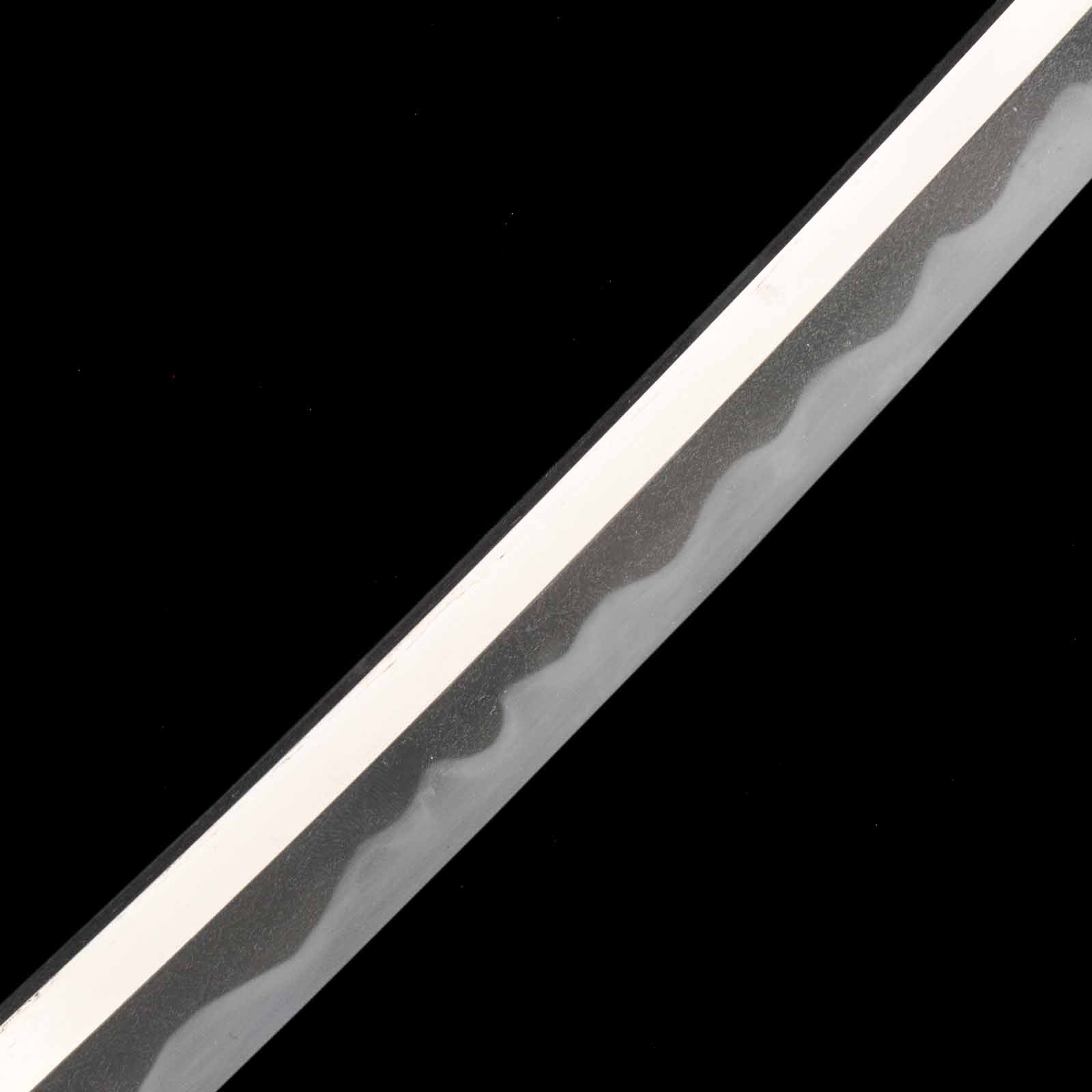
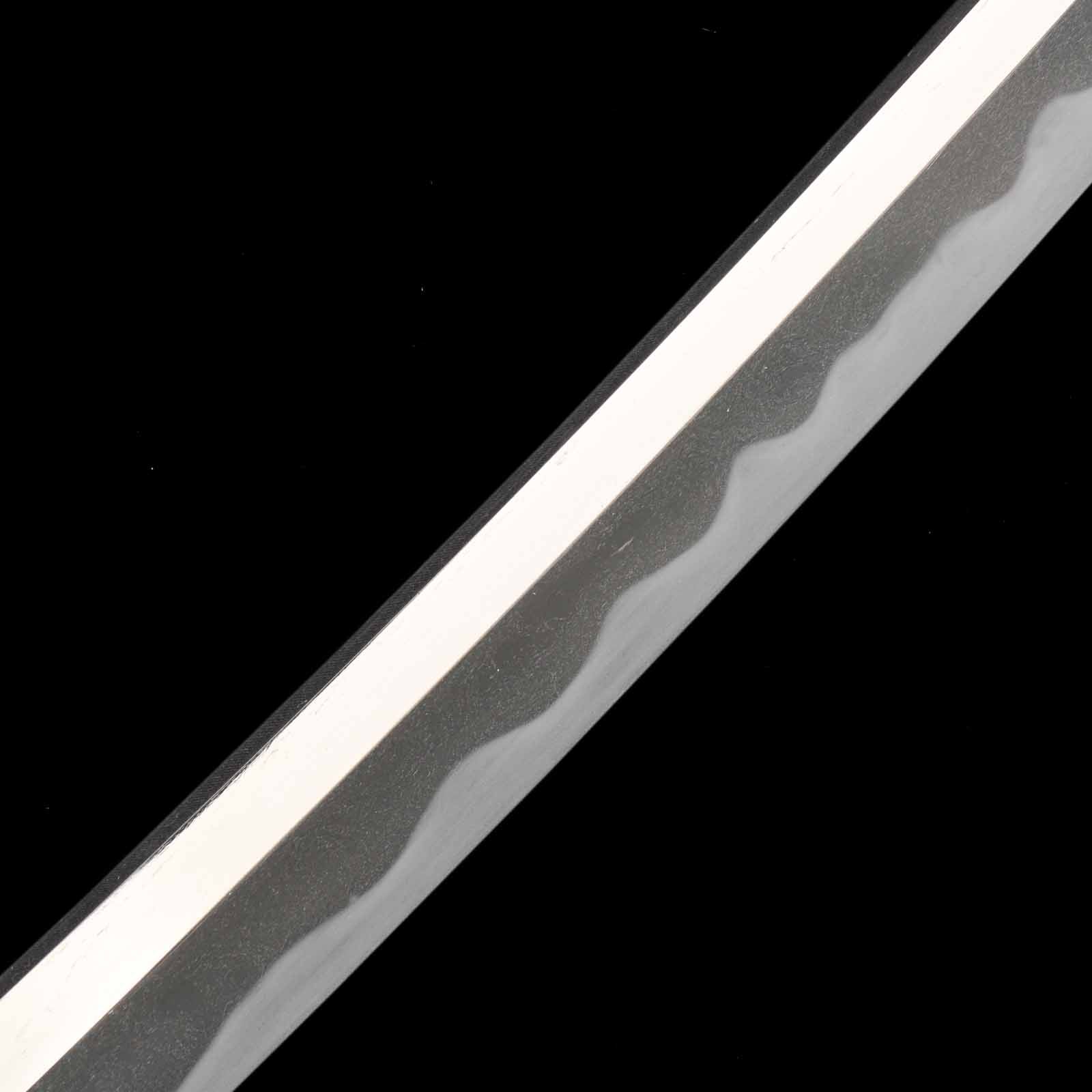
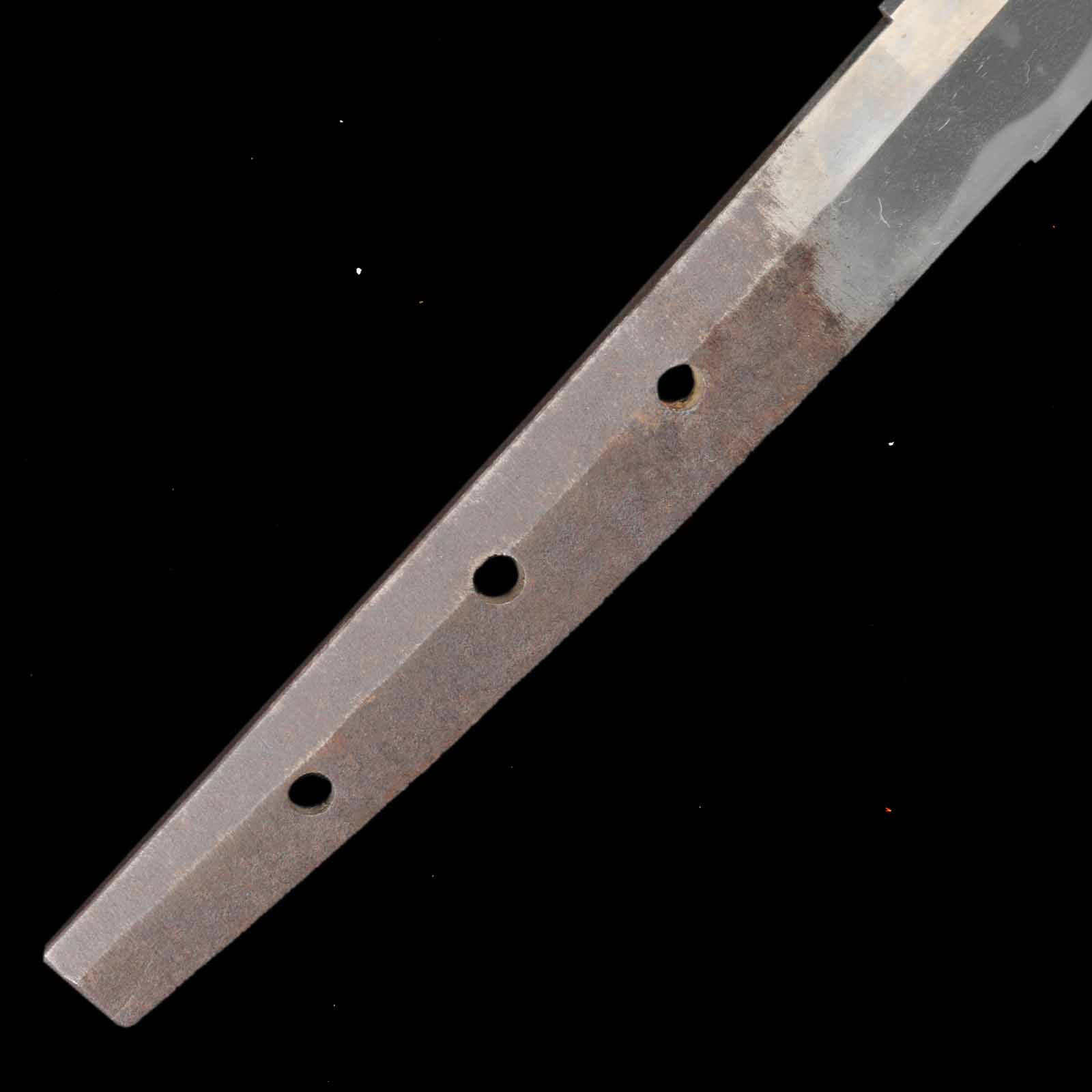
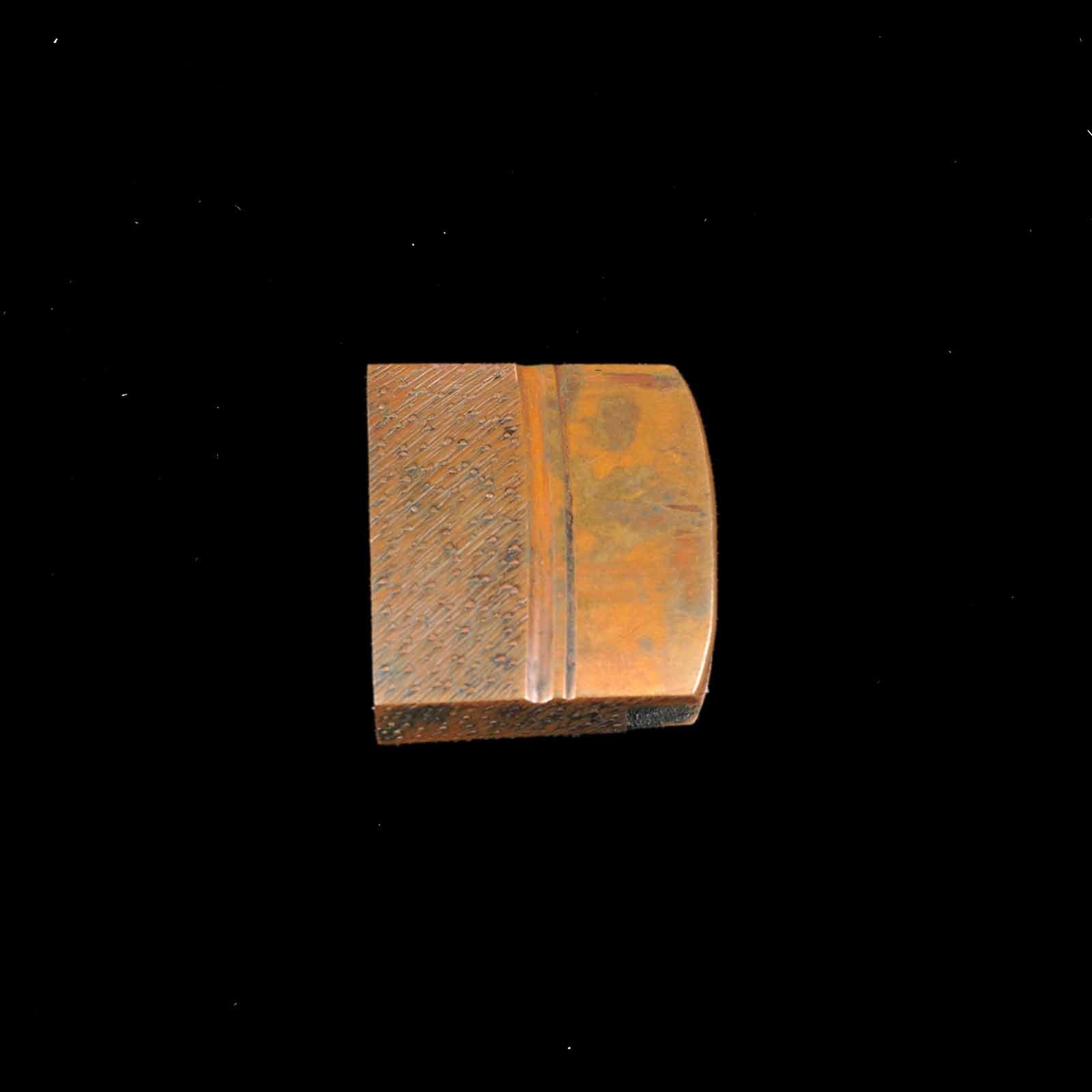
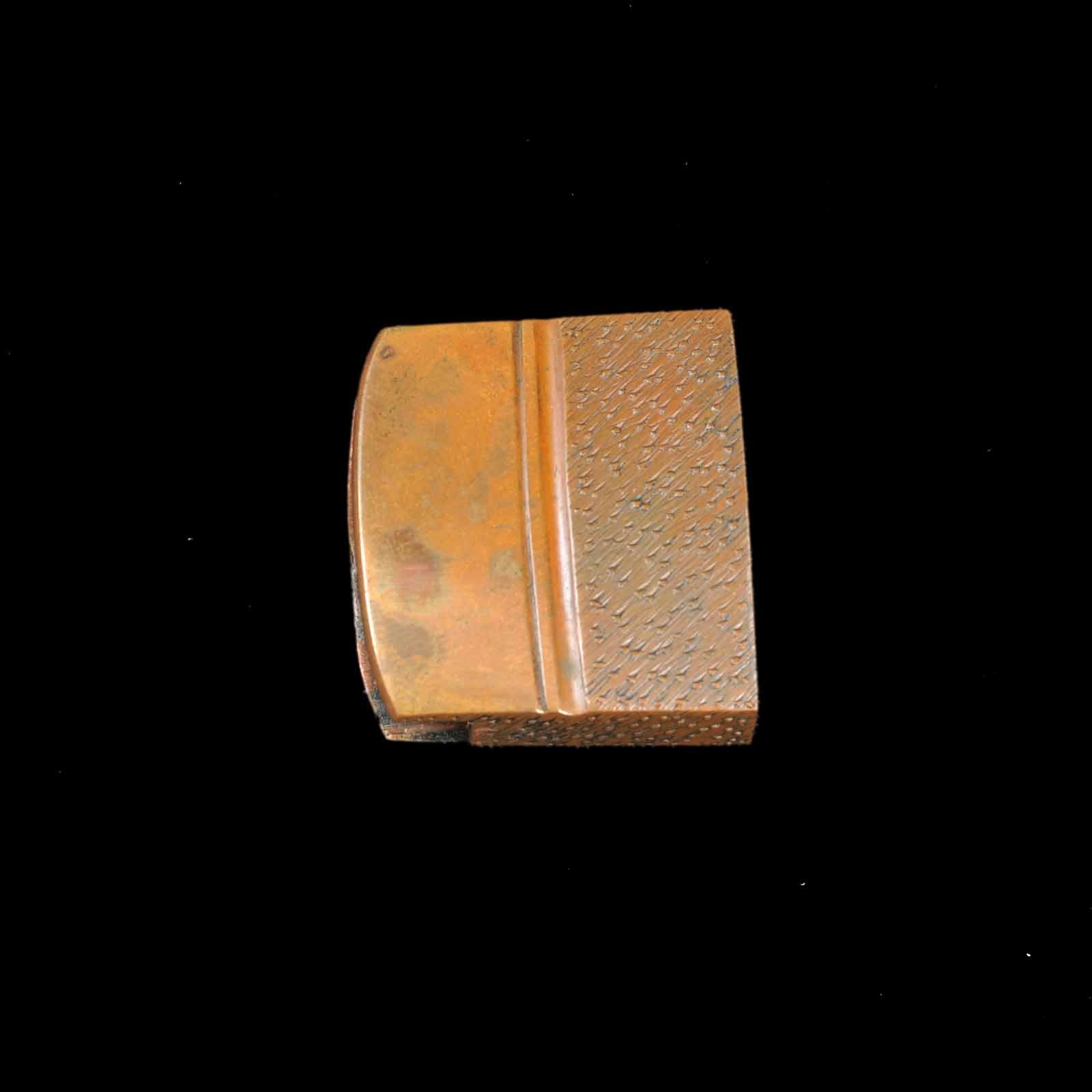
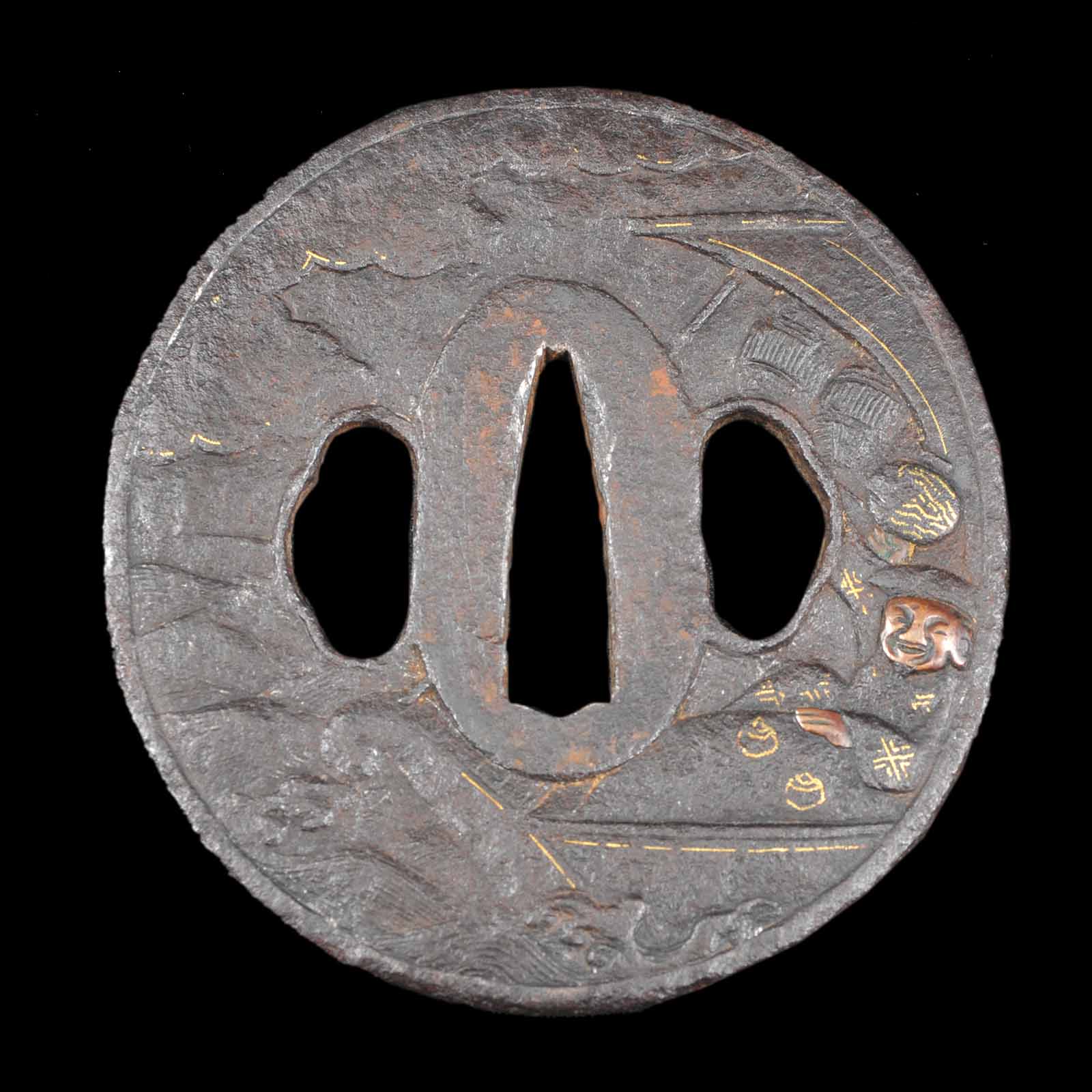
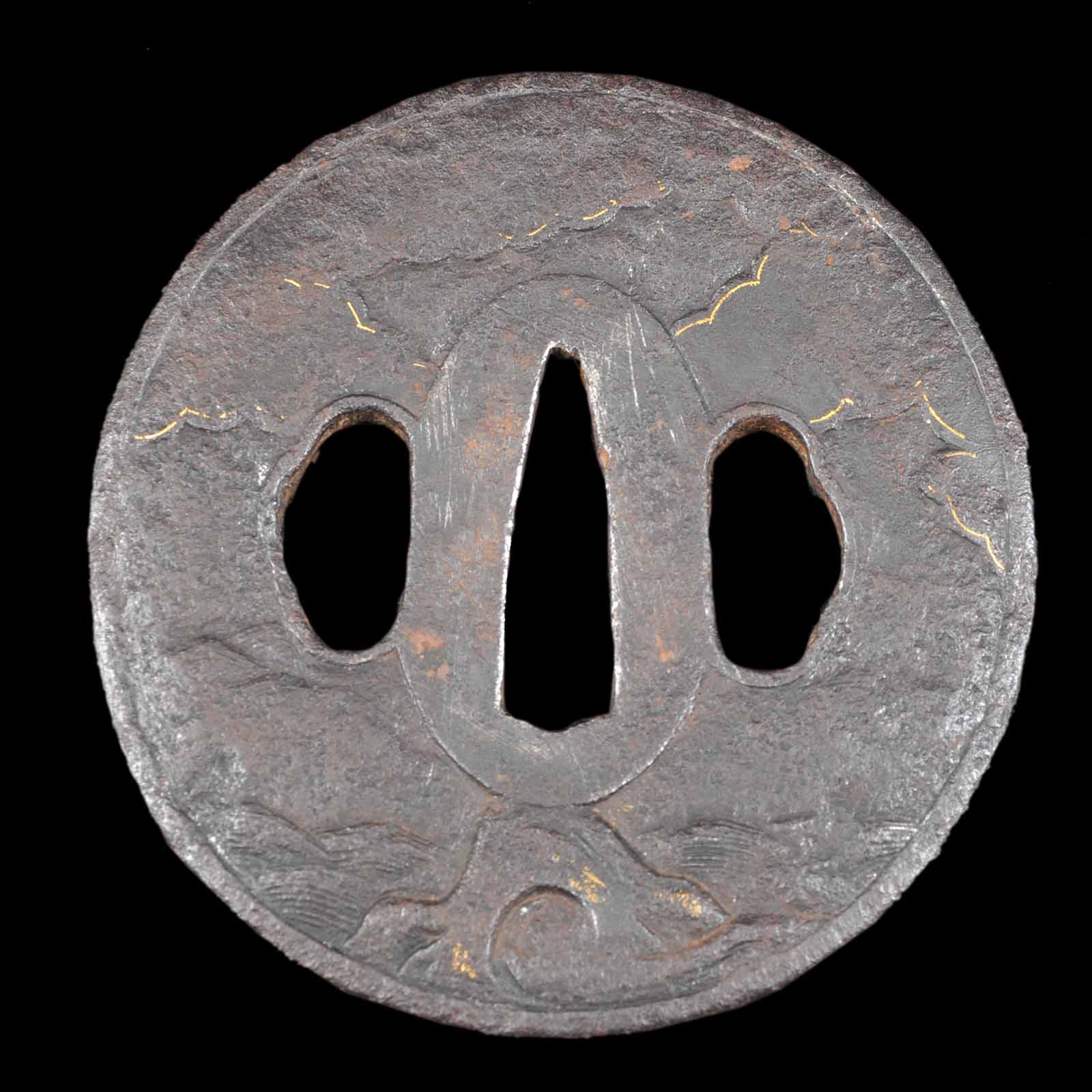
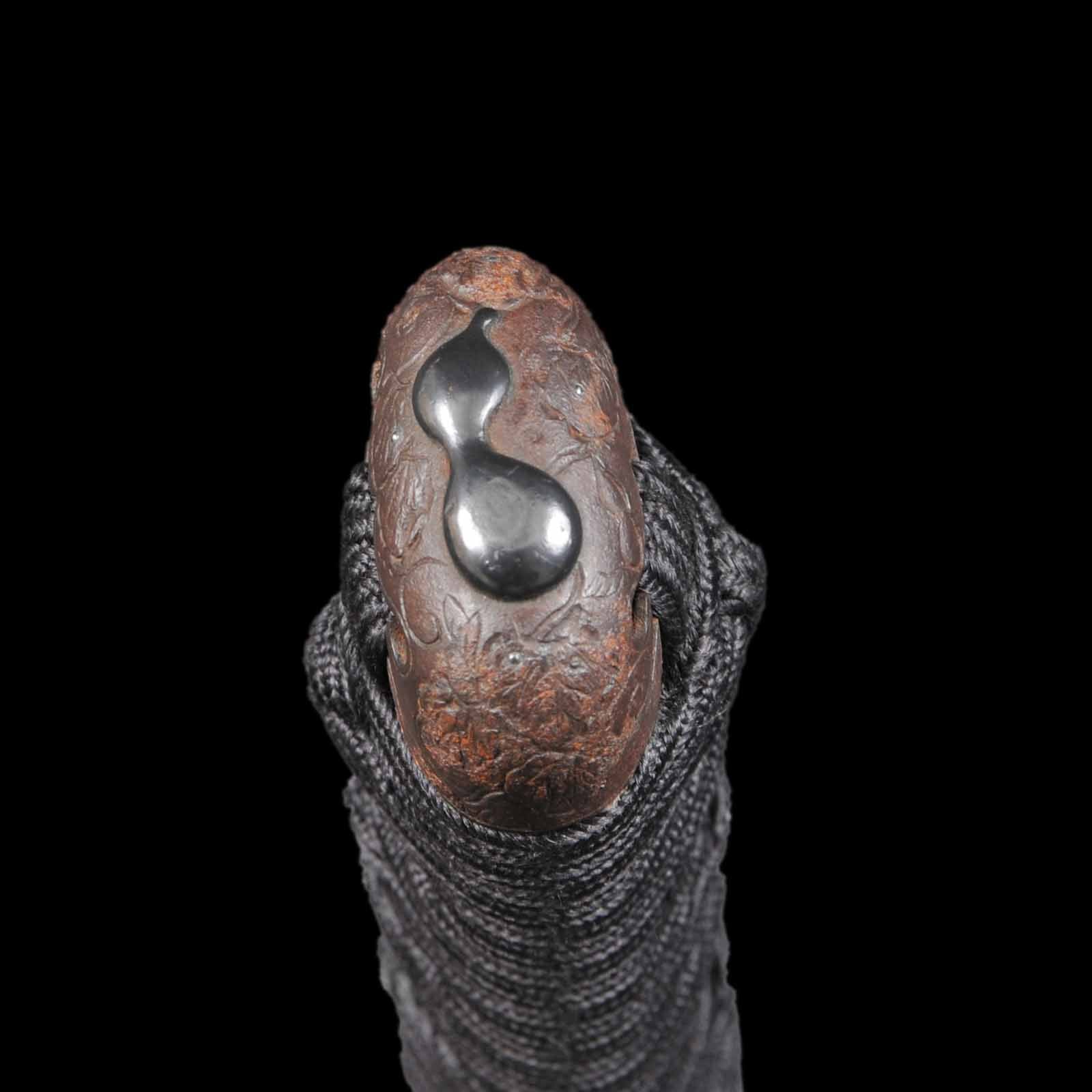
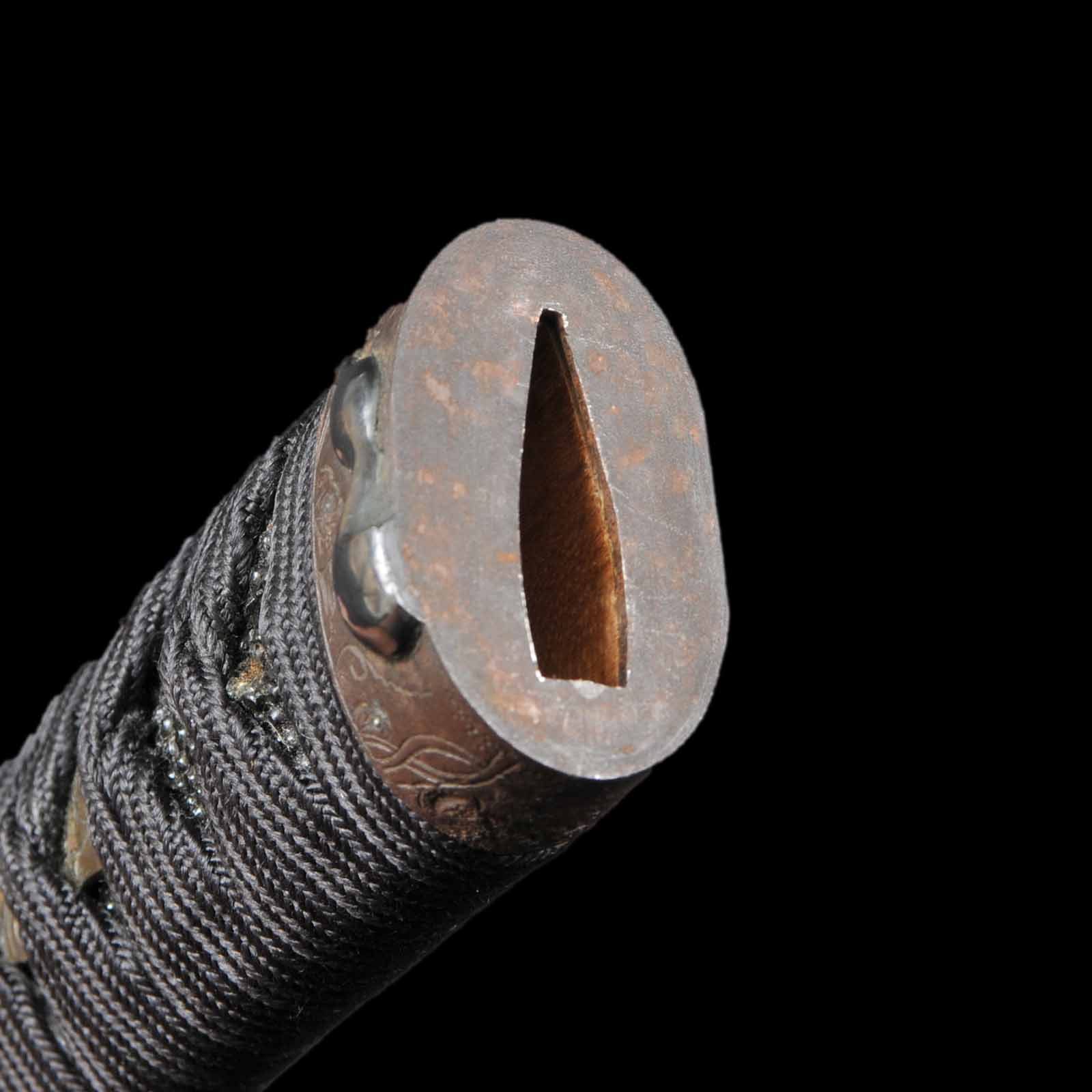
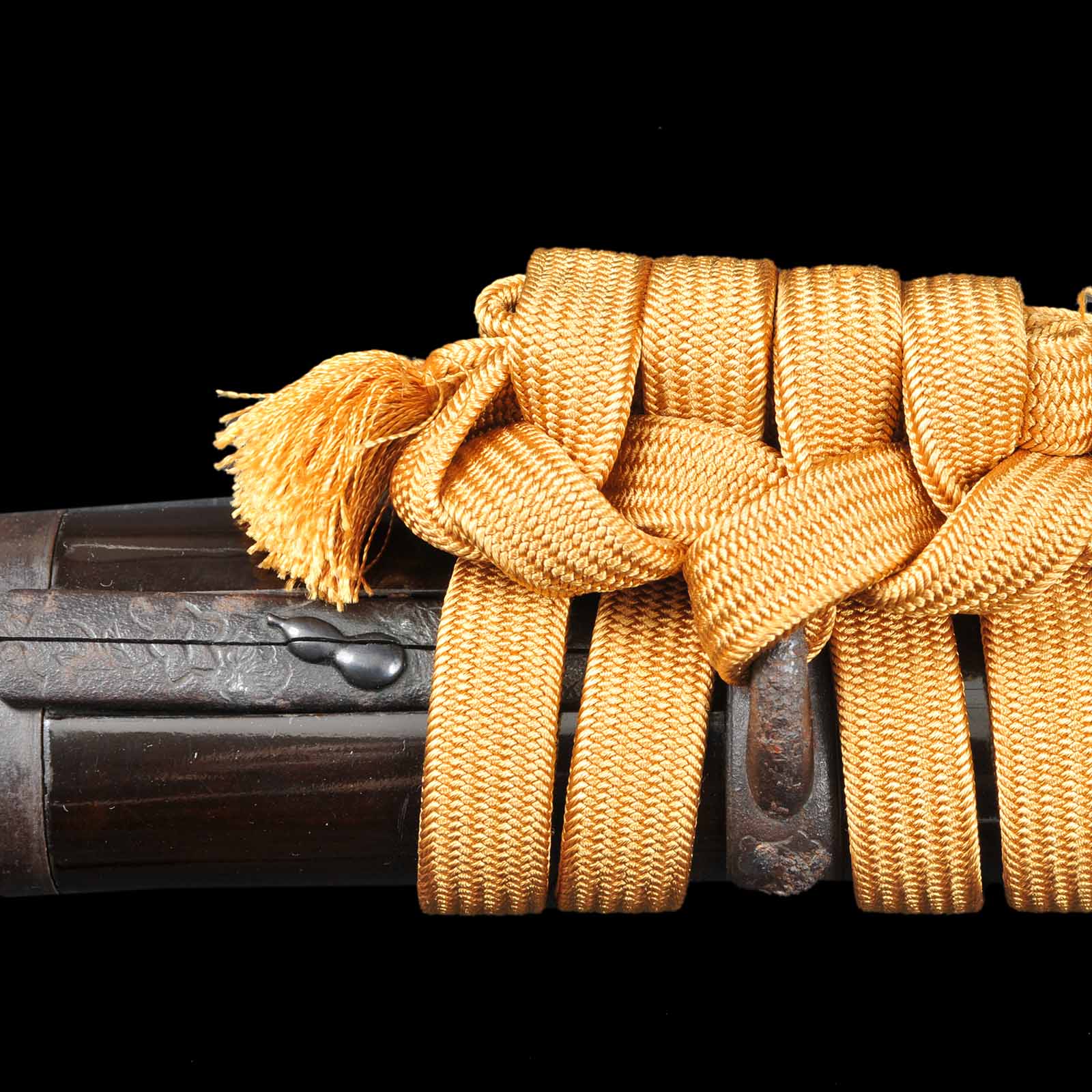
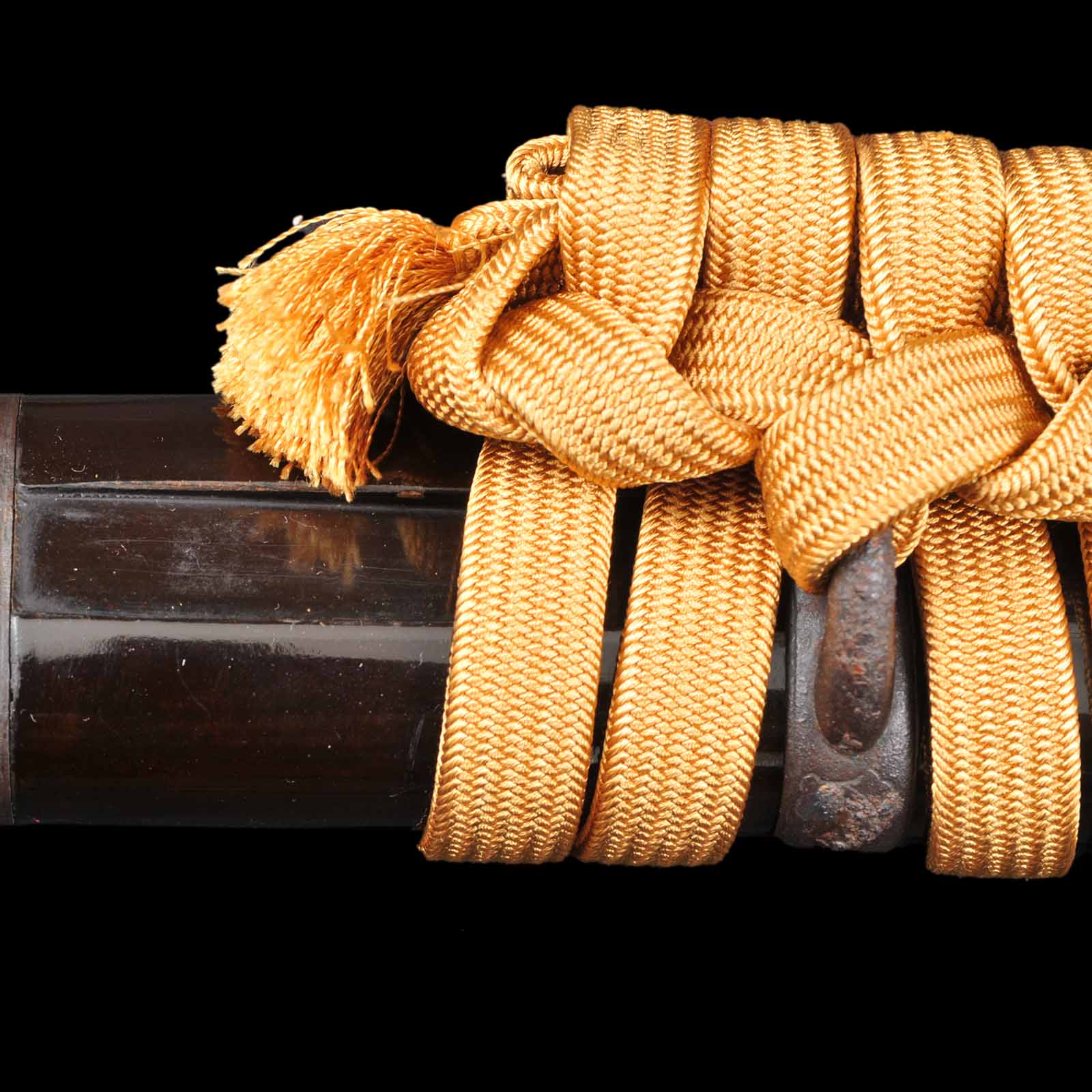
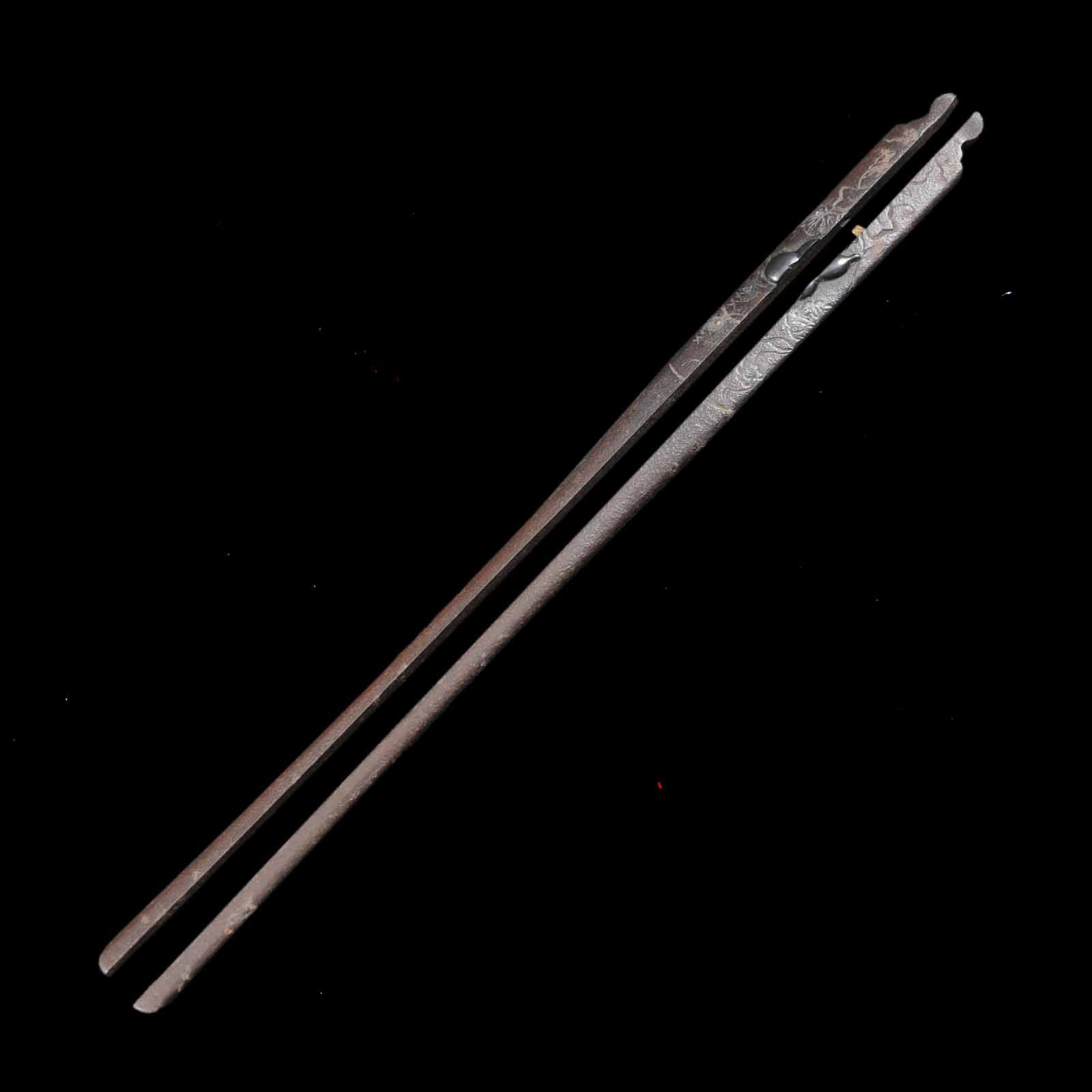
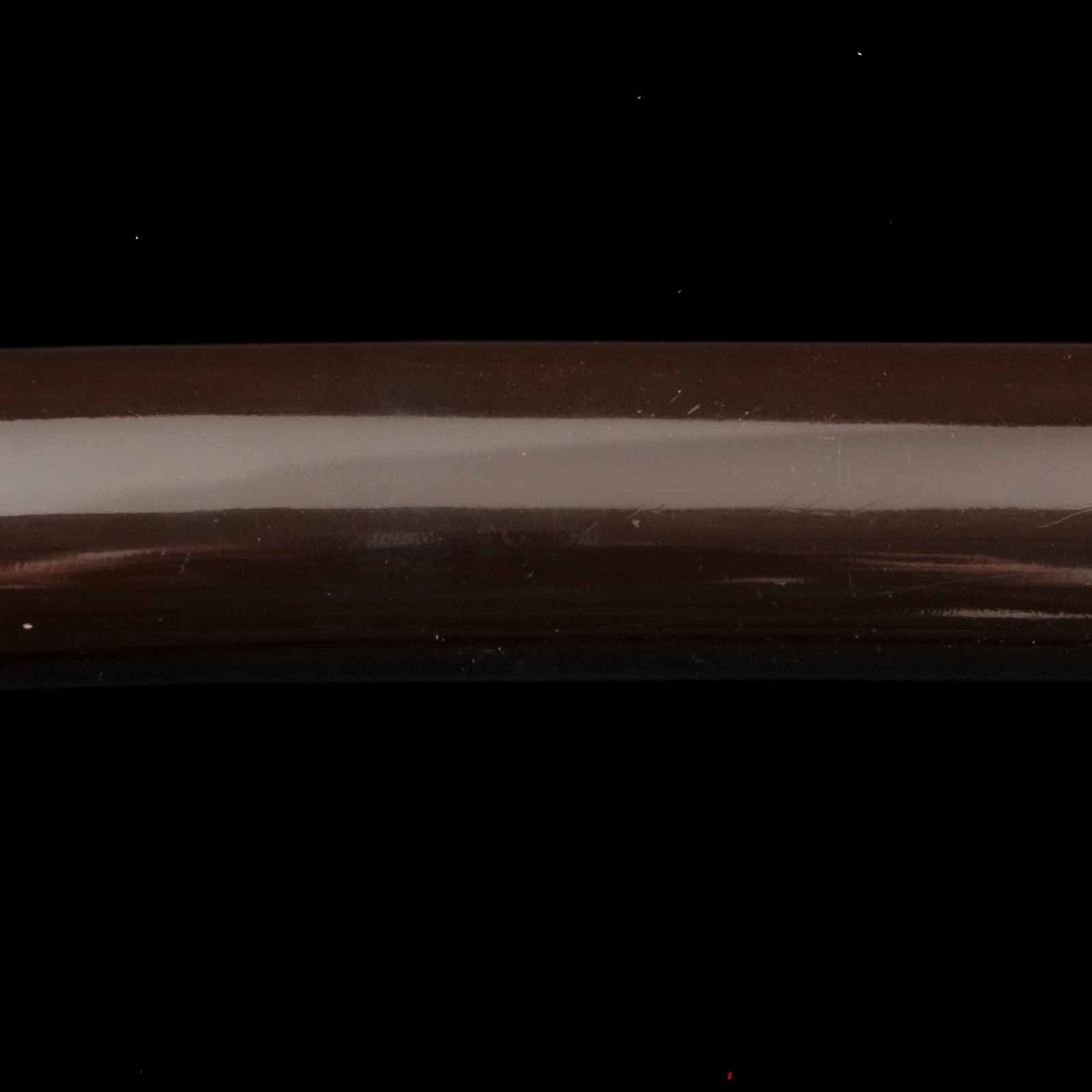
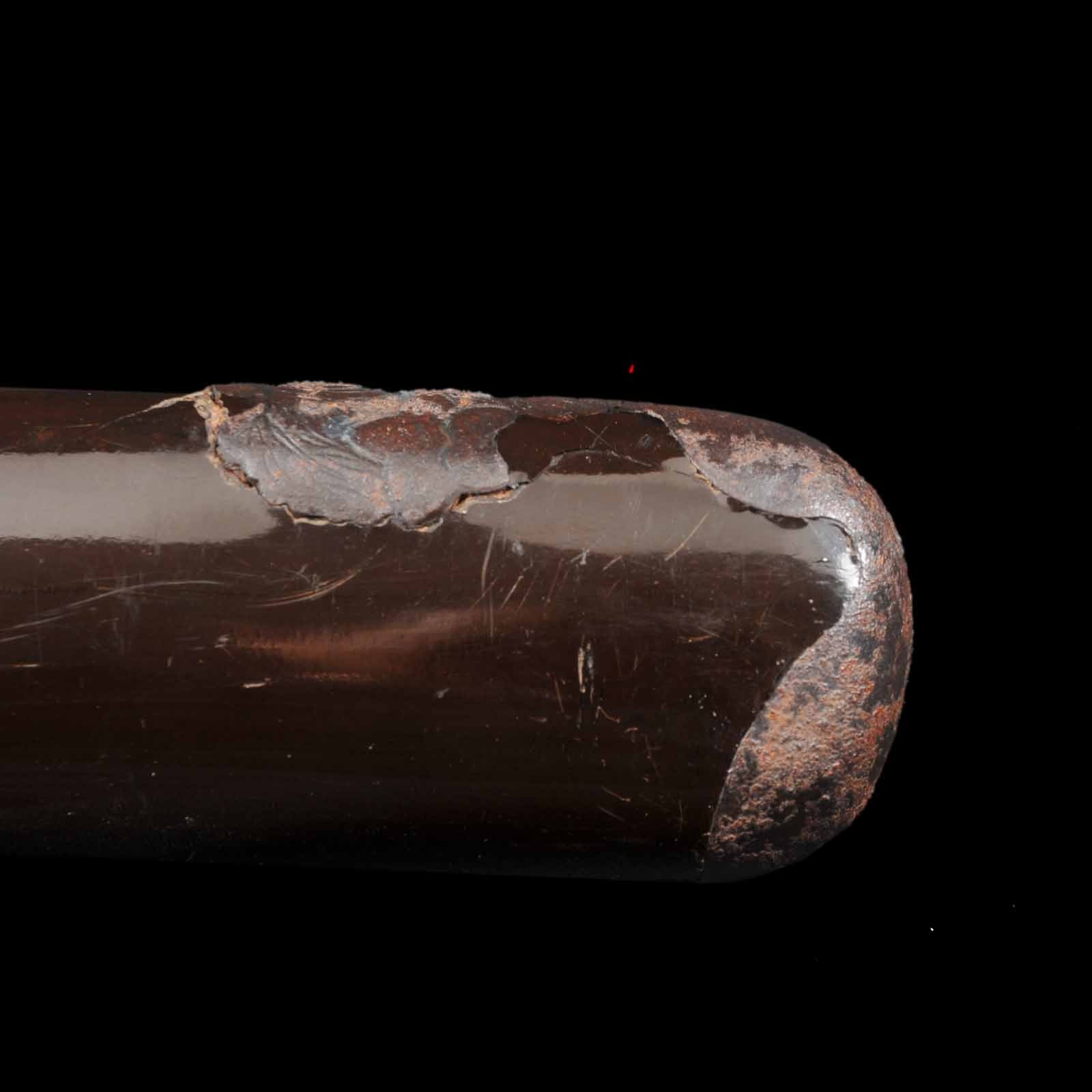
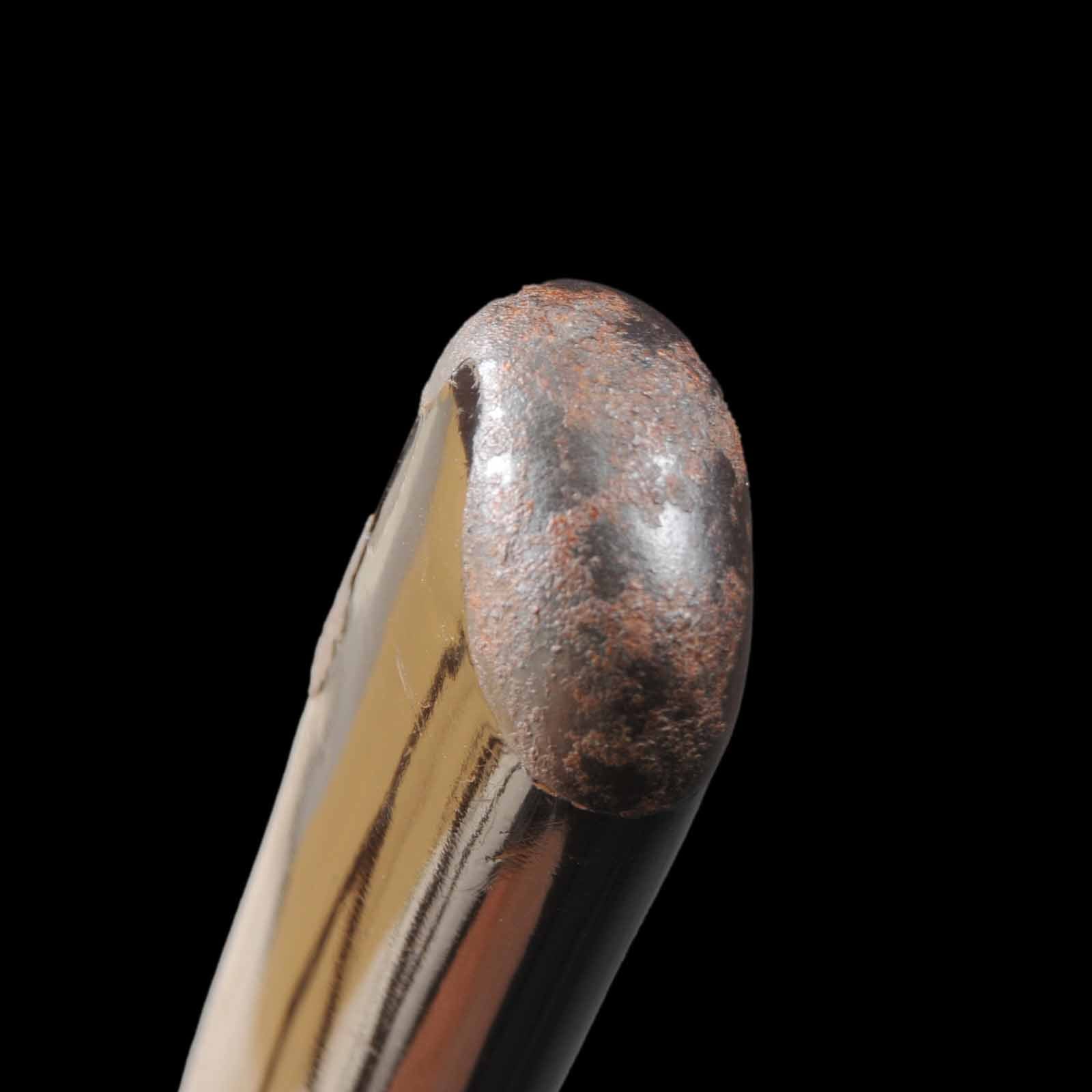
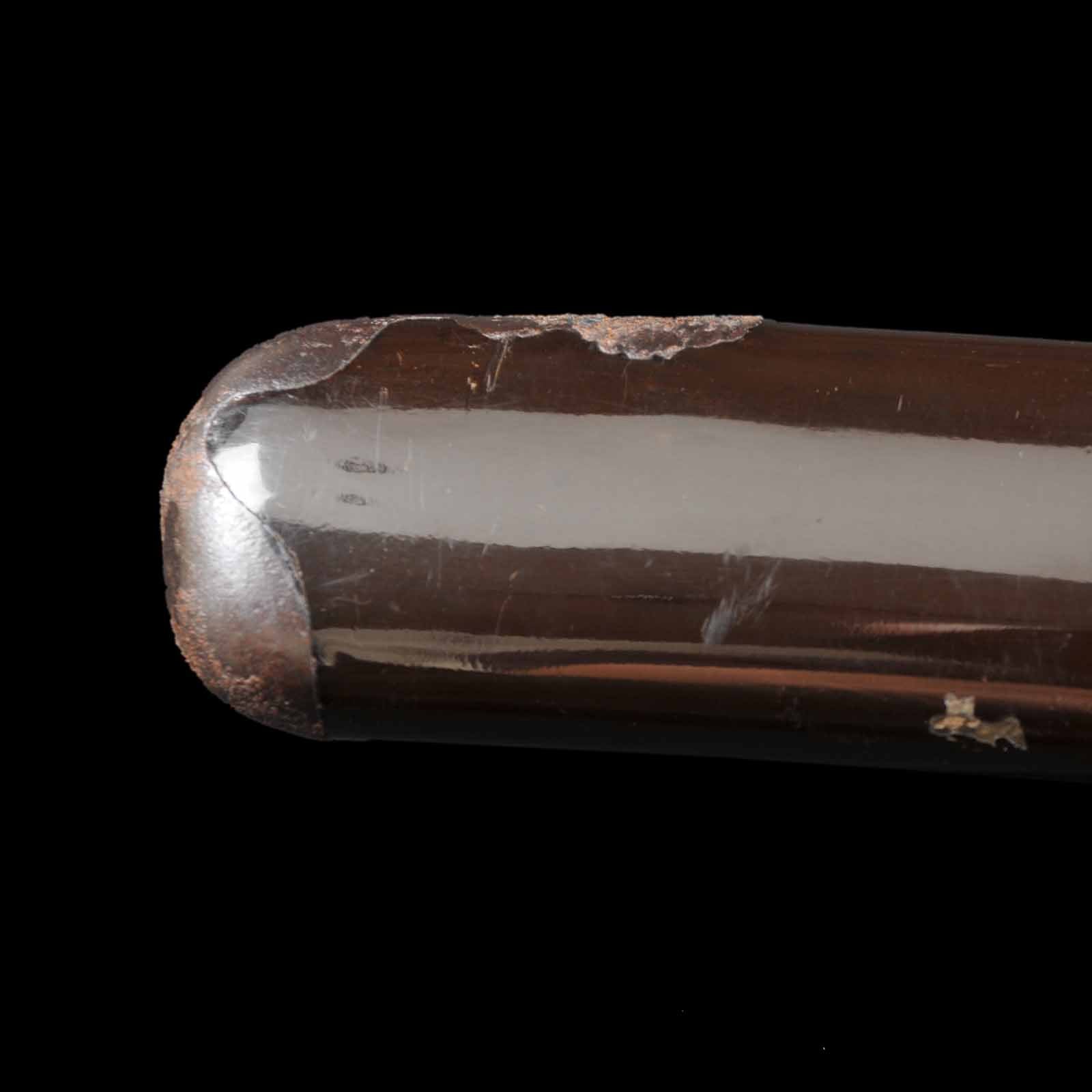
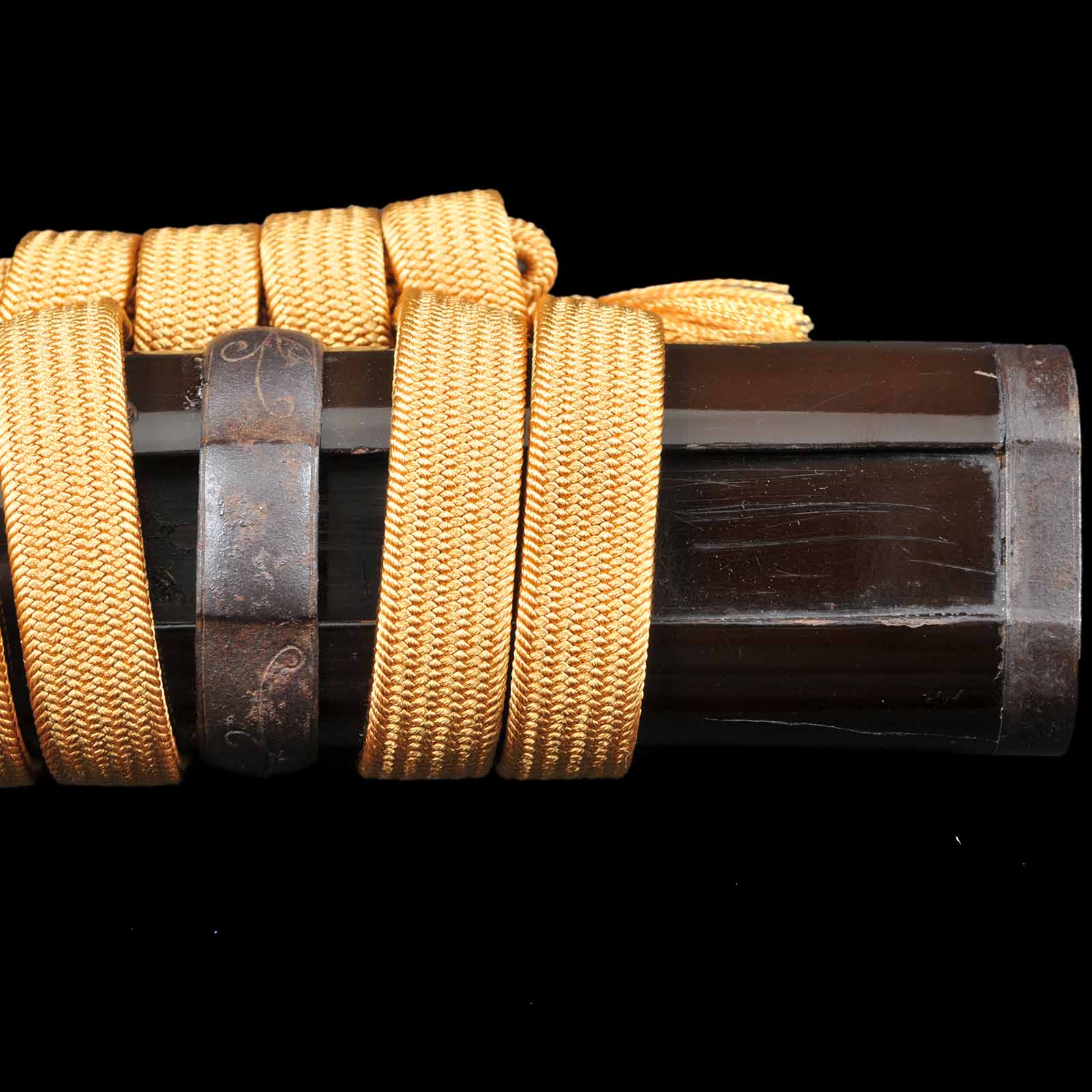
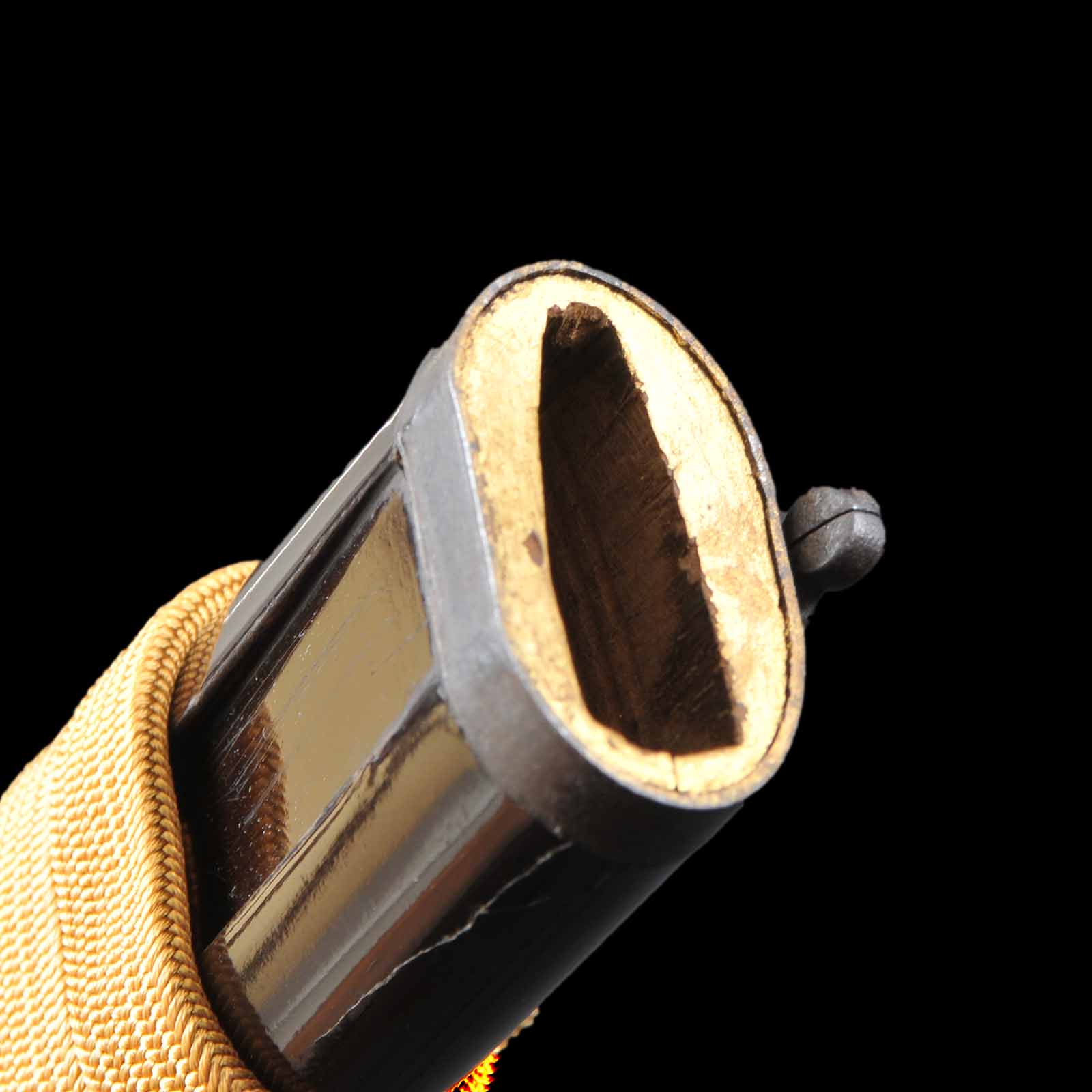
This piece is a wakizashi from the early Shinto period of Koshirae, unified by the gourd theme. The sword is well preserved, polished and virtually free of flaws, making this a sound sword. The jigane is very clean with neat itame. Hamon has a wide gunome with some areas of fukuro-choji. The nakago is engraved with “Fuji... living in Bungo Takada”. Due to the suriage, the full name is unknown, but it can be assumed that it was made by a Fujiwara Takada family swordsmith of the Shinto period. Fujiwara Takada refers to a group of swordsmiths who made swords in Bungo Takada (present-day Oita Prefecture) from the Azuchi-Momoyama period onward, and their works. Swords made in this region during the Koto period are known as taira takada, and were popular among samurai as a brand of high-quality katana from that time. The tsuba, fuchigashira, menuki, kojiri, and wari-kogai on the koshirae are all consistent with the gourd theme. Unfortunately, the kozuka is missing, but the exterior gives off the atmosphere of the period. The tsuka has been rewound in recent years. This is such a wonderful Japanese sword at an amazing price. This is an opportunity you should not miss. Blade length: 47.5 cm Curvature: 1.3 cm Number of Mekugi hole: 3 Sakihaba: 20.5 mm Sakikasane: 4.8 mm Motohaba: 27.9 mm Motokasane: 5.3 mm Signature: Bungo Takada ju Fuji...(front) Era: Shinto Structure: Shinogi-zukuri, Iori-mune Jigane: Itame Hamon: Gunome Boshi: Notarete Haitte Nakamaru ni Kaeru Weight: 430 g(blade only)/670 g(without Saya) Nakago: Suriage Koshirae: Light brown silk wrapped Tsuka with black Cha-urumi lacquered Saya Original Registration No.: Hiroshima 35224 Please contact us if the katana you are looking for is not listed here.
NihontoWatch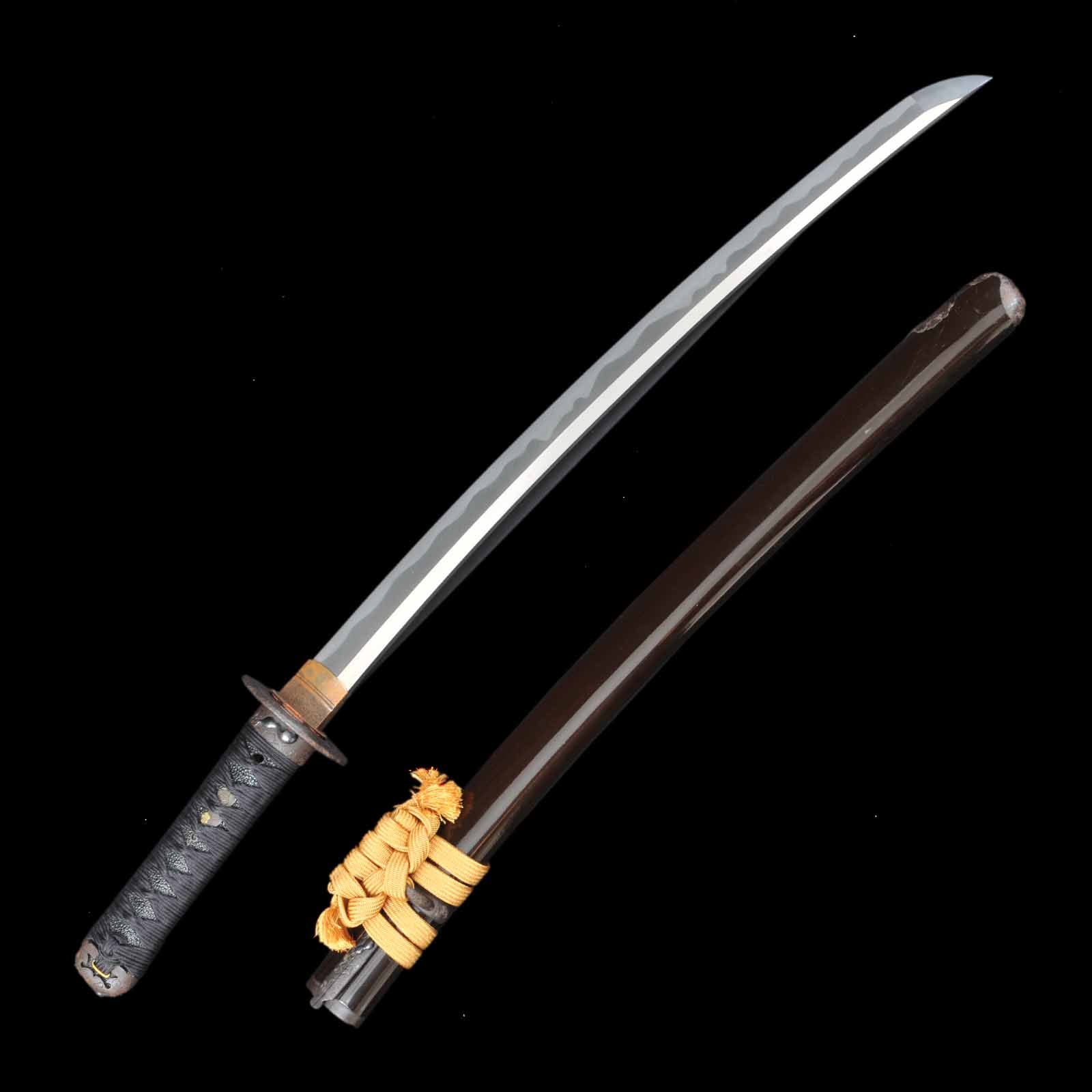


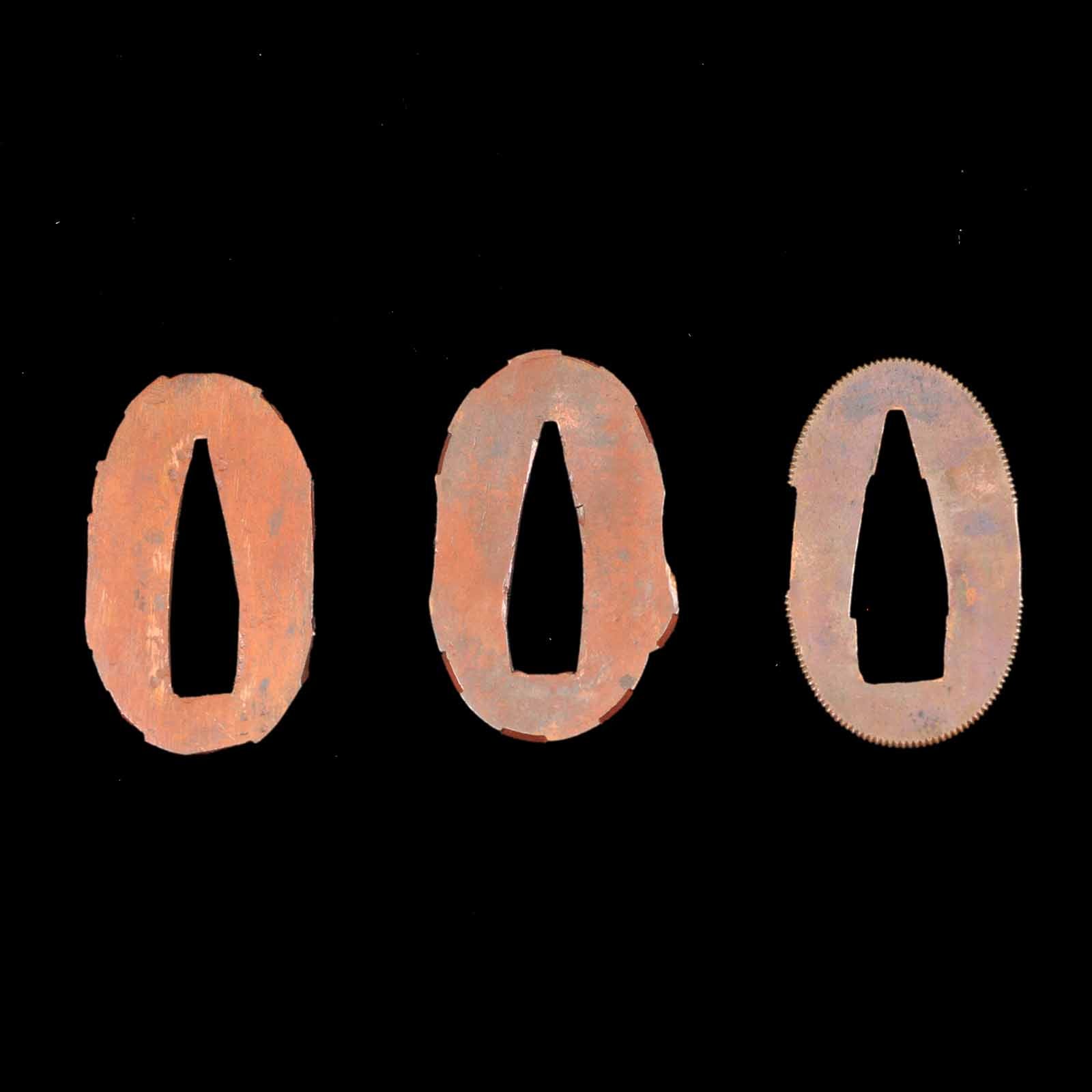
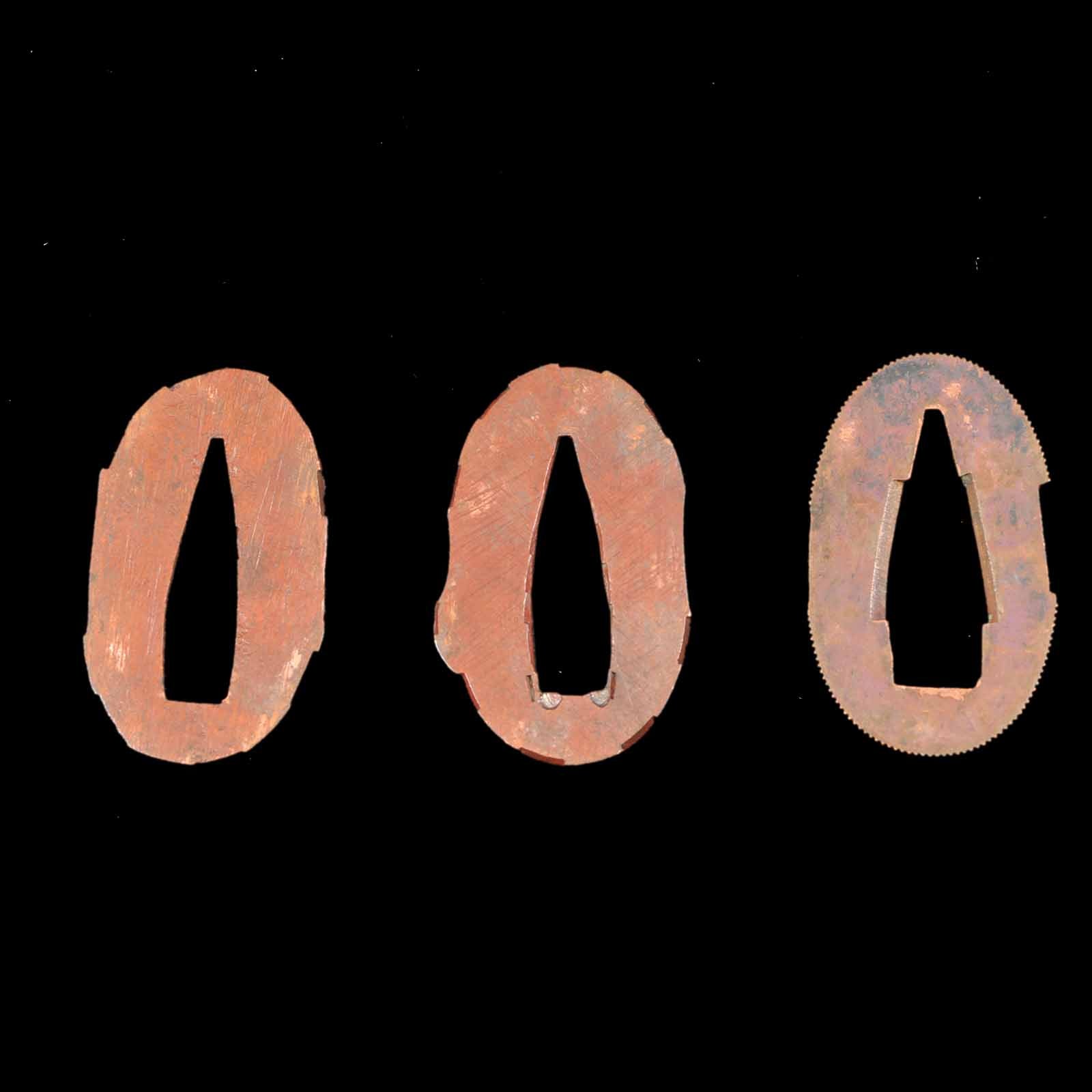
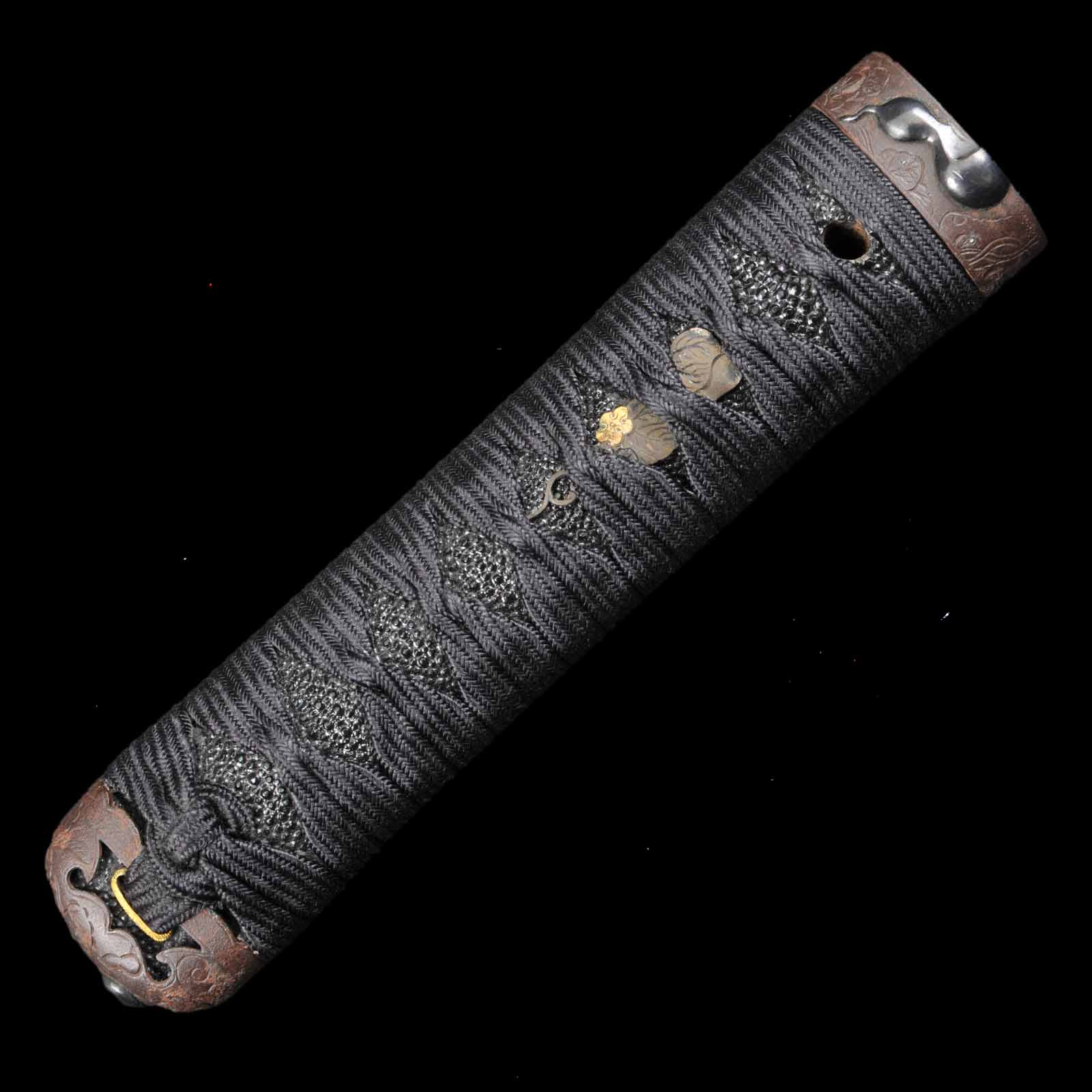
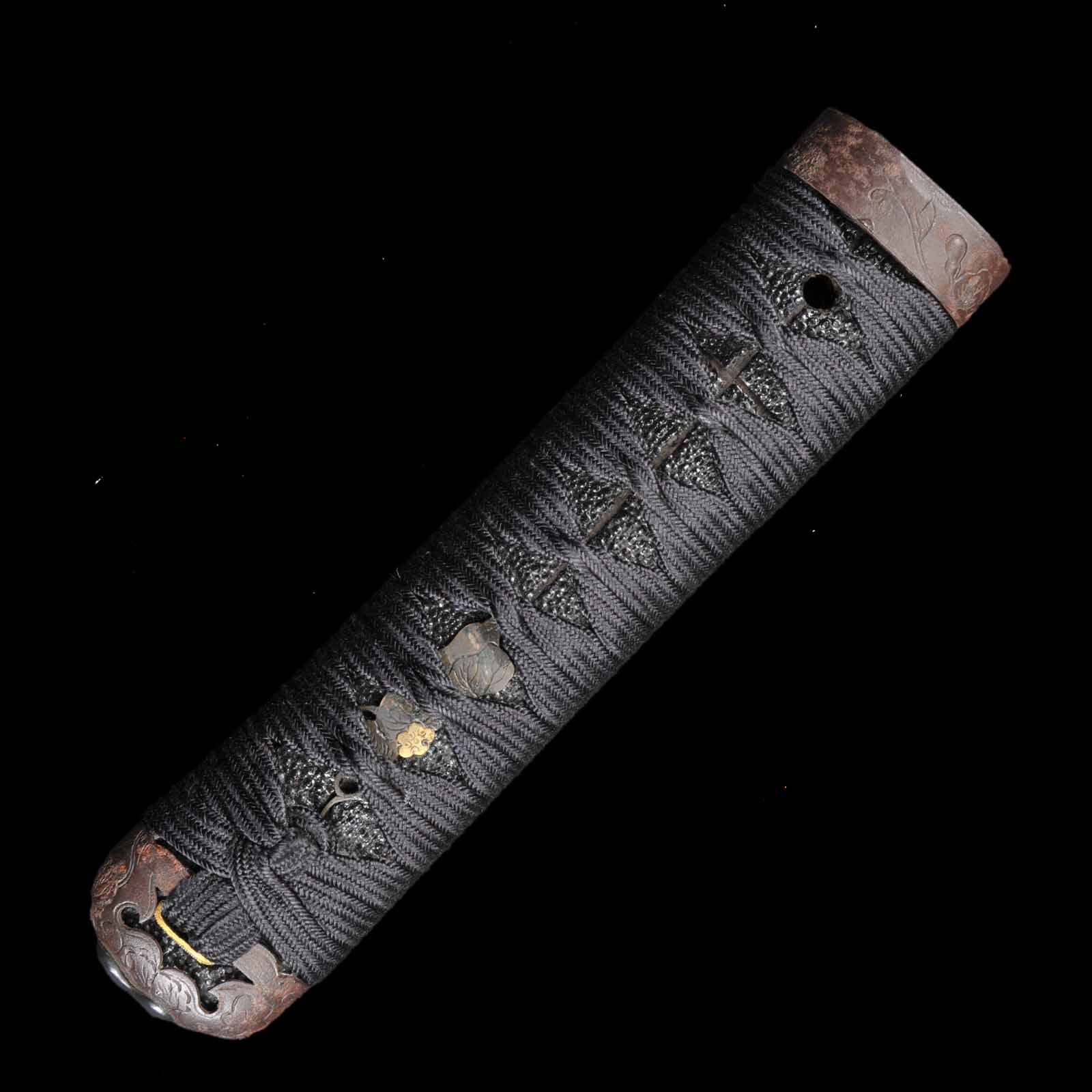
備前伝 · 豊後
現在30点販売中
豊後国の高田派は、同国高田荘の地名を負う一門で、鎌倉初期に定秀・行平らの名工を出した九州刀の伝統が一時跡絶えた後、南北朝時代に友行が同地に現れて再興した鍛冶集団である。説示は友行をもって高田鍛冶の祖とし、現存する年紀作に貞治・正平の年号を伝える点を挙げる。友行のほか、その子あるいは門人と伝える時行が著名で、別系と思われる行政には建徳二年紀の短刀がある。南北朝期の作には「藤原」を冠し、室町期以降は「平」を銘じて「盛」「守」「鎮」「統」などを通字とし、これらを総じて平高田と汎称する。さらに末期に至って再び「藤原」を冠するようになり、江戸期以降もこれを踏襲して藤原高田と呼び習わされ区分される。この間に長盛・竪守・鎮教・鎮清・鎮正らを輩出し、鎮正の門からは伊予宇和島に移った国房が出て新刀期へと繋がるなど、室町後期から江戸期に及ぶ長い系譜を形づくった。 作風は説示の記すところ多彩で、一様には括れない。鍛えは板目に杢を交え、総じて肌立ちごころとなり、柾に流れる態を見せて、地沸つき地景入り、白気映りや乱れ映りが立つものが多い。刃文は直刃を基調とするものから、小互の目や角ばる互の目を交えて乱れるもの、腰の開いた複式風で末備前を彷彿とさせるもの、さらに皆焼に及ぶものまで幅がある。祖の友行は同時代の左文字一類に近似するが、刃中に角ばる互の目が間遠に連れ、地に白けが強く地斑を交える点が見どころとされる。室町期の作の多くに共通する要所として、刃中に針の先で突いたような固い葉が入ることが従来指摘されており、系統と時代の判別に資する。姿形は室町中期頃までは反りが深くついて反らせたものが多く、末期は身幅広めで反りが幾分浅く、中鋒が延びて時代を映した頑健な造込みとなる。行政の作のように、鍛えが大きく流れて古典色が濃く、櫃中に行平を踏襲した倶利迦羅の浮彫を施す例もみられる。 伝承の上では、高田物は実用刀として広く行き渡った一方、斯界の評価は決して高くないとされてきた。説示はその傾向を踏まえつつ、地刃に破綻なく締まりごころとなり、来国行を参考にしたとも言えるほどの出来を示す鎮教や、地鉄精良で匂口冴える鎮清の作をもって面目を挽回する出色の一口と評し、平高田中で最も技倆に優れ直刃を得意とした長盛を一派の代表として挙げる。伝来を備える品も少なくなく、行政の短刀は庄内酒井家に伝わって本阿弥光忠の折紙を添え、鎮教には黒田家の重宝となり享保名物追記に載る権藤鎮教の長刀があり、長盛の脇指には島津継豊から本田親章へ拝領された切付銘を持つものがある。中世豊後刀工の作域を今に伝える資料として、また実用に堪える堅牢さと九州古典派の余韻を併せ持つ一門として位置づけられる。 詳しく見る →
桃山時代
三人の天下人が戦国の世紀を終わらせ、刀は新しい秩序の道具となった。1588年の刀狩は刀を武士の標章とし、名刀は条約のごとく家々の間を行き交い、鑑定は以後この境で古刀と新刀を分かつ。
As a general rule, returns/exchanges are not accepted on Japanese sword orders unless damaged upon delivery. Other items: returns/exchanges accepted within 7 days of delivery. Cancellation for personal reasons incurs a 30% restocking fee (70% refunded). Return shipping must be prepaid and insured by the buyer; shipping/handling fees are non-refundable. Contact katana@tozando.co.jp to initiate a return.