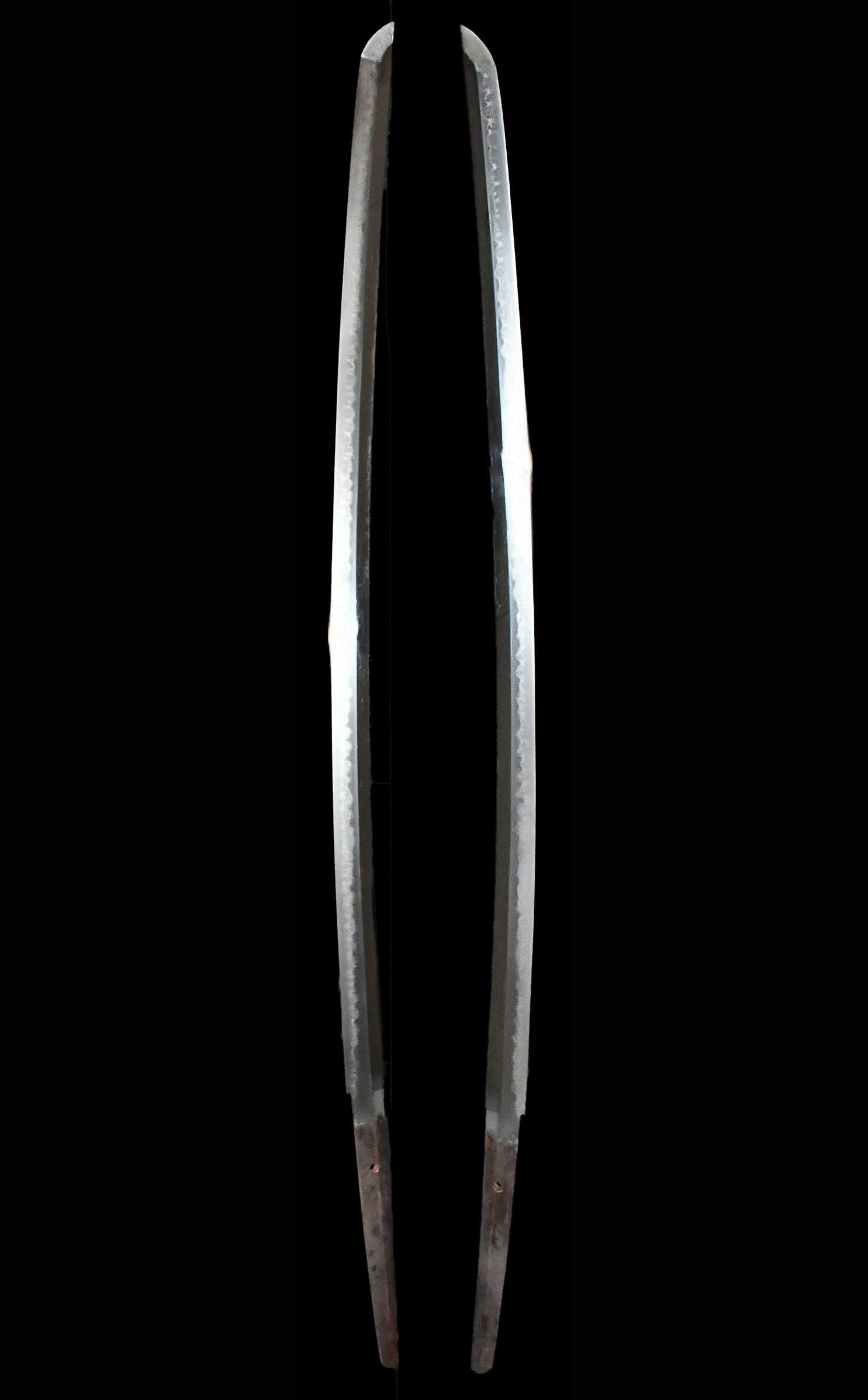
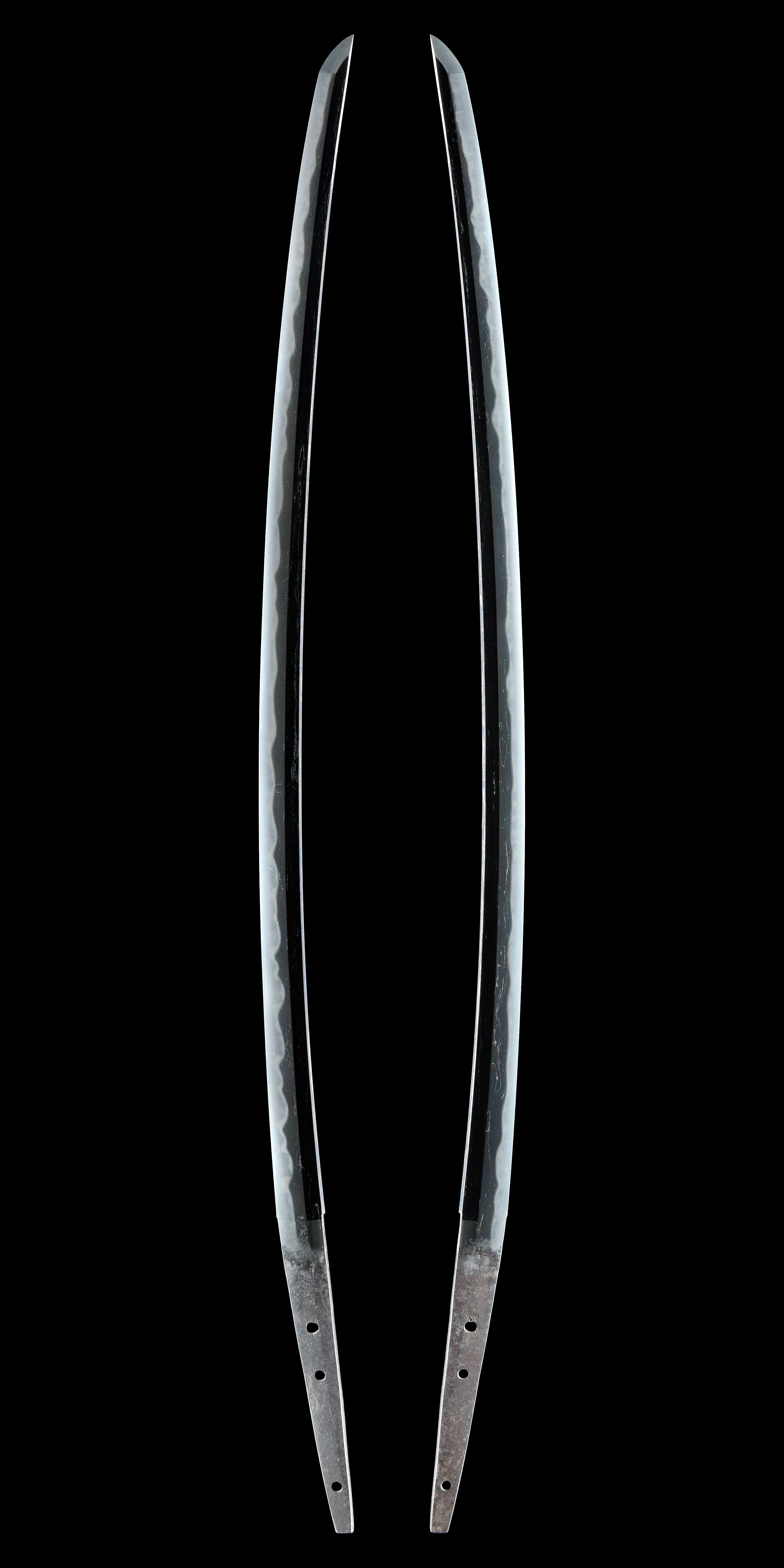
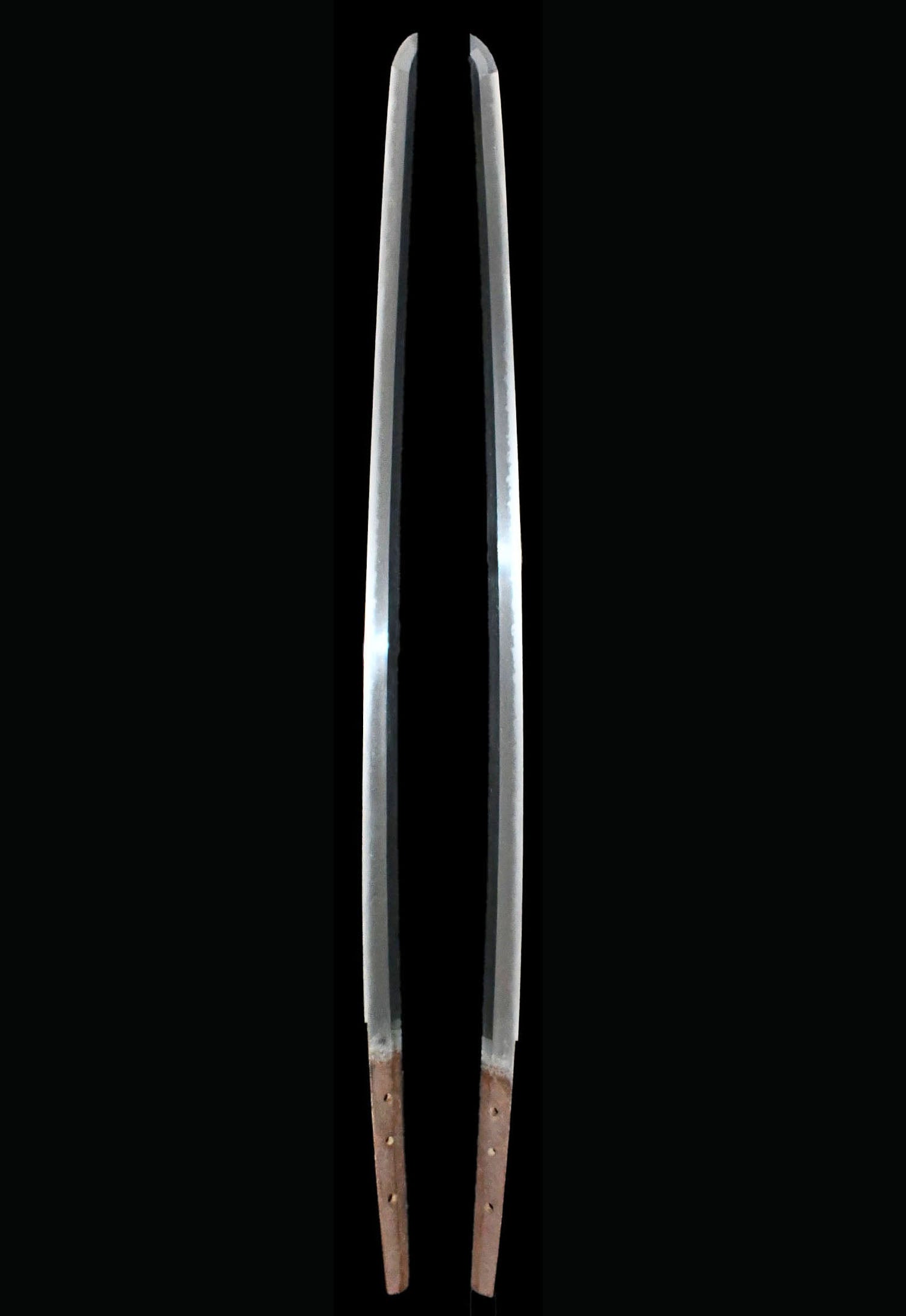
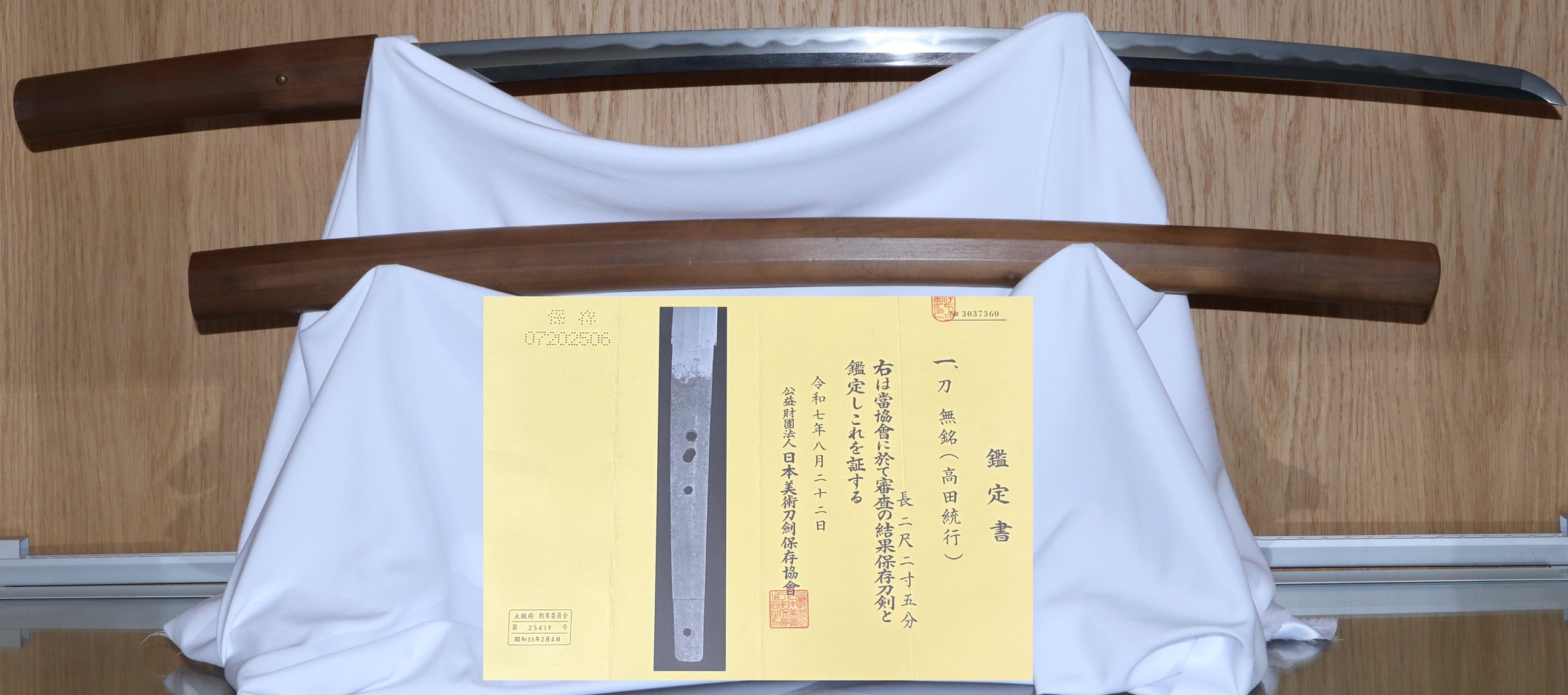
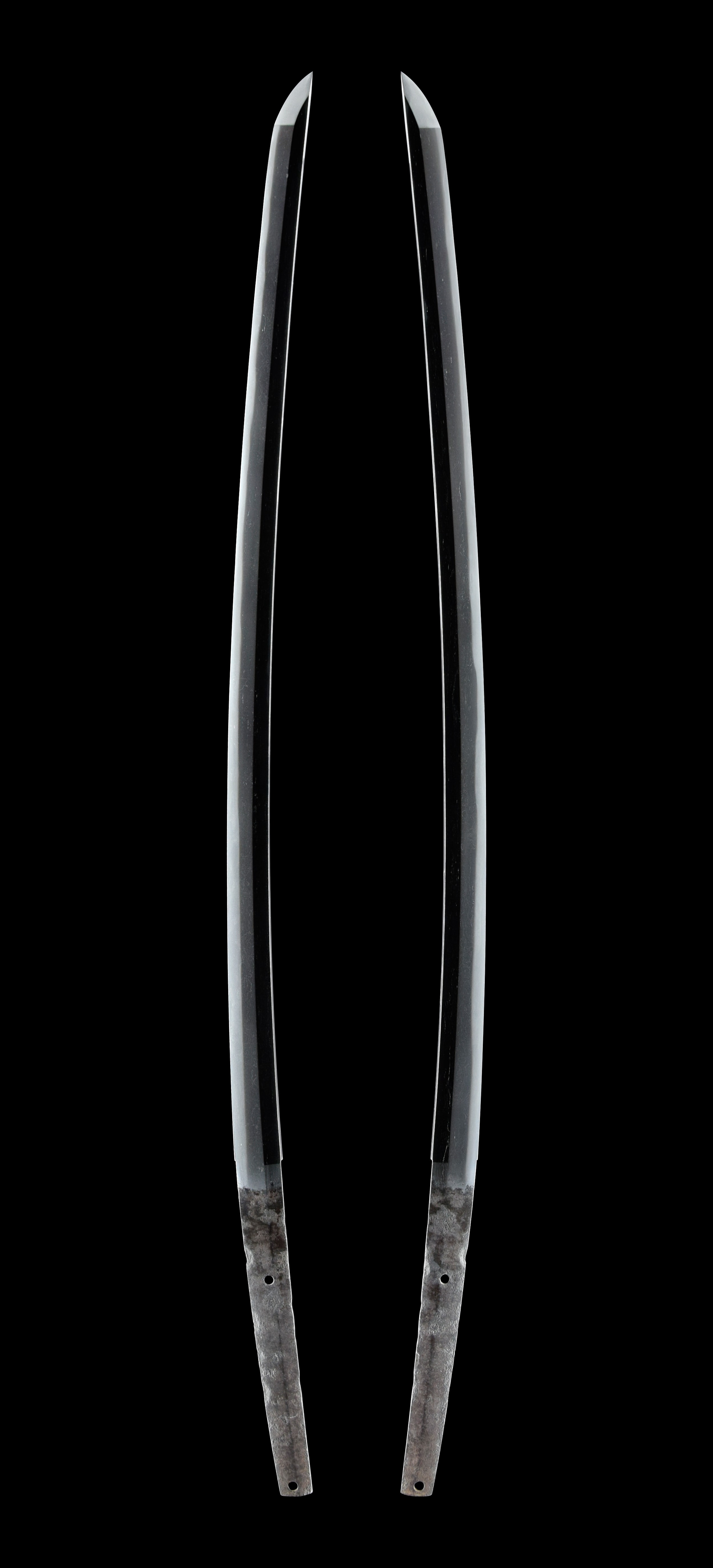
Tomoyuki worked in Takada-shō of Bungo Province in the period, and the published sources name him the founder of the Takada line, the school that carried Kyushu swordsmithing through the period and on into the era. They set him at a turning point in the province: Bungo had produced the monk Sadahide and Yukihira in the early period, after which noted smiths ceased for a time, and with Tomoyuki the work revives. The reference books split the name across generations, treating Bunwa-dated work as the first and Sadaji-onward as the second, but on the evidence of the blades the judges hold the surviving body to be one hand, noting that "extant examples are assessed as belonging to the period". His dated pieces run from Shōhei 2 (1347) through Shōhei 13 (1358) to Jōji 6 (1367), and from these few signed works the larger body of his attributions is read.
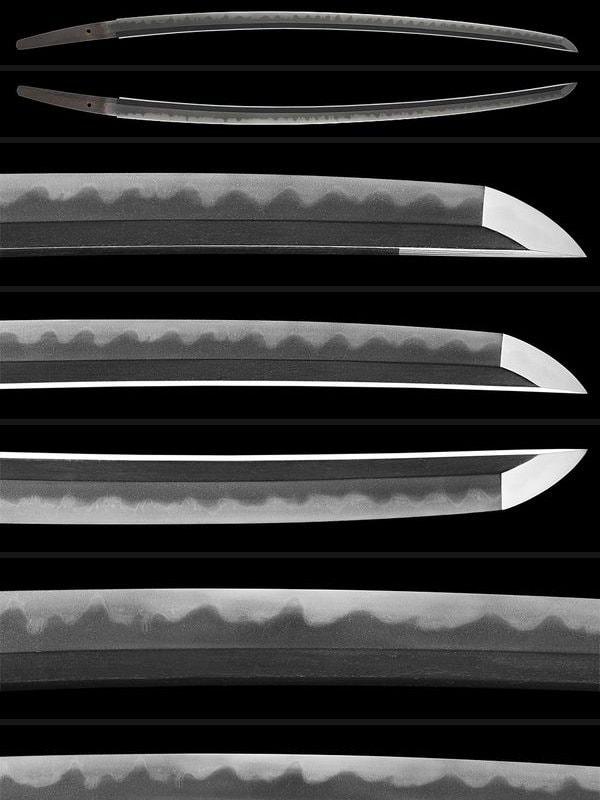
His characteristic hand is told first against the group of , whose contemporary manner his work resembles, and then by the points where it parts from it. The published sources name those points plainly: "within the , angular run at widely spaced intervals, and within the steel a whitish cast stands out conspicuously". The temper is -toned and quiet rather than brilliant, a narrow or middle base into which those spaced angular enter, with small , and mixed, the generally subdued, carrying , , , with and running through and, in places, small and . It is the angular turn within an otherwise calm line, set off at intervals, that the judges return to as his own.
The is the constant and the surer tell. It is an , at times mixed with and , standing a little toward , with and entering, and through it runs a pronounced , the steel taking on a whitish, sometimes dark cast with and mottling intermixed. The published sources make this the deciding feature: examining one close to the group, they grant the resemblance yet conclude that "the strongly whitish quality is precisely the point by which it is recognized as the work of the Takada smiths". The steel falls short of the group's brilliance, its less keen, and that very shortfall, with the , is the Takada mark.
His record has two faces, and the published commentary keeps them apart. A small number of , signed pieces, several of them dated, anchor the name: the wide, , the groove-end dropping on the blade face in the manner, one carrying at the base, and one broad with an extended . Of the Sadaji 6 (1367) the judges write that it is "uncommon in both its workmanship and its inscription, and its value as documentary material is therefore high", and they note a comparable signed piece dated Shōhei 13 (1358). The larger part of his work is and a , wide-bodied with shallow and an , the imposing form before shortening, judged to him from era and from the and rather than from any signature. On these the runs with to a , or pointed and turning back.
What sets the Takada Tomoyuki apart is exactly what the judges name. He stands close to the late (Sue-) tradition in the cut of his temper, yet apart from it in the whitish, mottled , the subdued , and the spaced angular . His own bright and the angular turn in the hold him at the time apart from the plainer Kyushu work around him, and the published sources say his recognized character is "well expressed in the , and " together rather than in one isolated feature. He is named the founder of the Takada works, the smith with whom, in the judges' words, the line "became the founder of the Takada-mono", a workshop tradition that would run for centuries after him.
For the collector he is a rare early Kyushu name, graded Jō-jō by Fujishiro. His signed and dated work survives in only a handful of examples, the Jūyō Bijutsuhin and among them, and these few pieces are what document the attribution of his many shortened, unsigned blades. His highest honours are patrimony rather than market: an unsigned of some 180 cm attributed to him is a National Treasure preserved at Ōyamazumi Shrine on Ōmishima, given long ago into the keeping of the shrine through the Ōmori family, and a signed ranks as an Important Cultural Property. His record otherwise runs through the prewar Jūyō Bijutsuhin and ten blades, fifteen designated works on record in all, with examples held at the Sano Art Museum and Atsuta Jingū and in long-private collections, several with provenance in the Matsudaira house. The blades that can be encountered are the and unsigned attributions, dignified long of broad shape; they come to light only from time to time, and a signed Takada Tomoyuki, the documentary core of his record, is the rarer thing for a collector to meet.