鎌倉時代は備前の頂点である。伝えでは一文字派の工が後鳥羽上皇の御番鍛冶に列し、世紀の半ばには光忠が長船派を興して、注文は公家からも武家政権からも流れ込んだ。国宝刀剣の数で備前に並ぶ国はない。
 NihontoWatchNihontoWatch
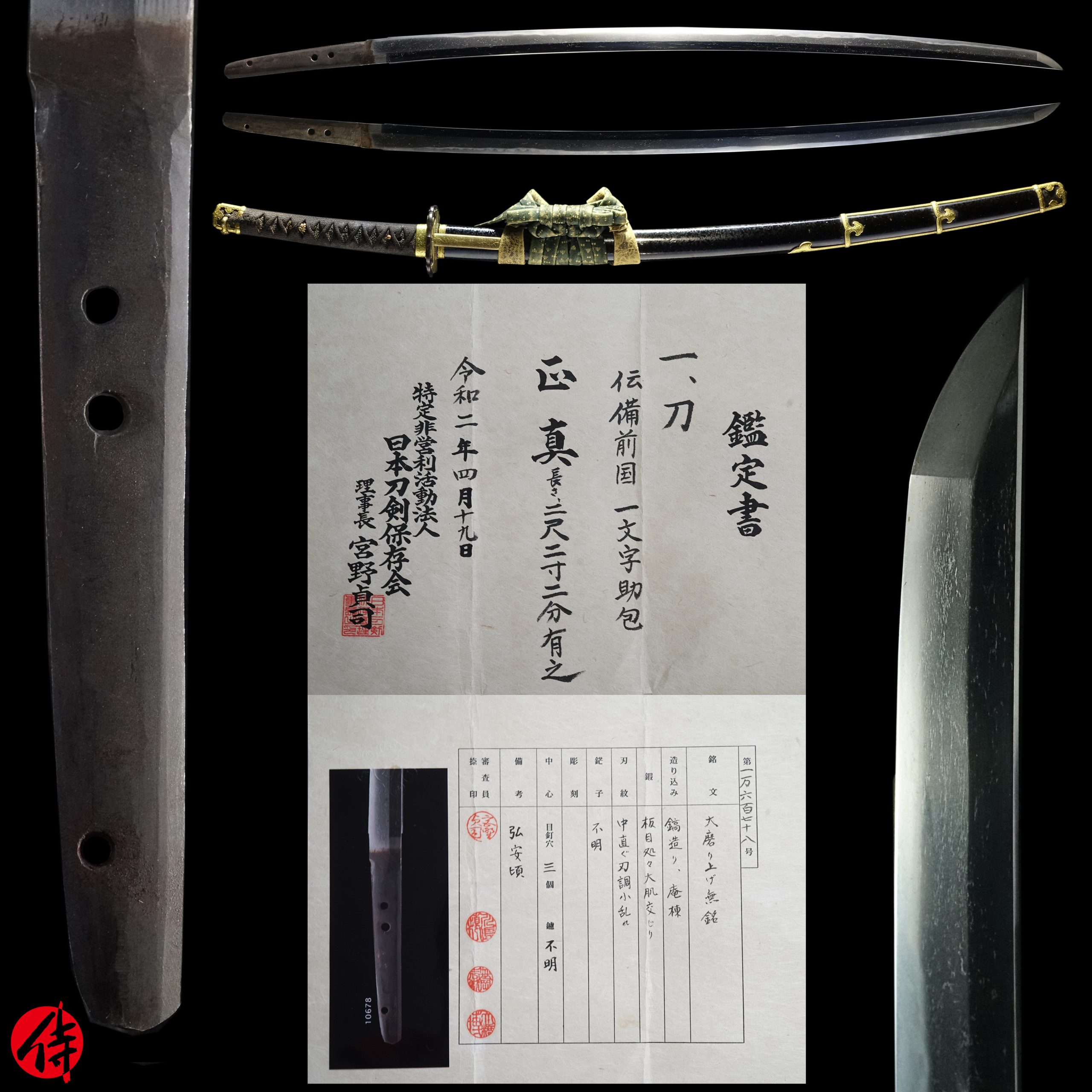
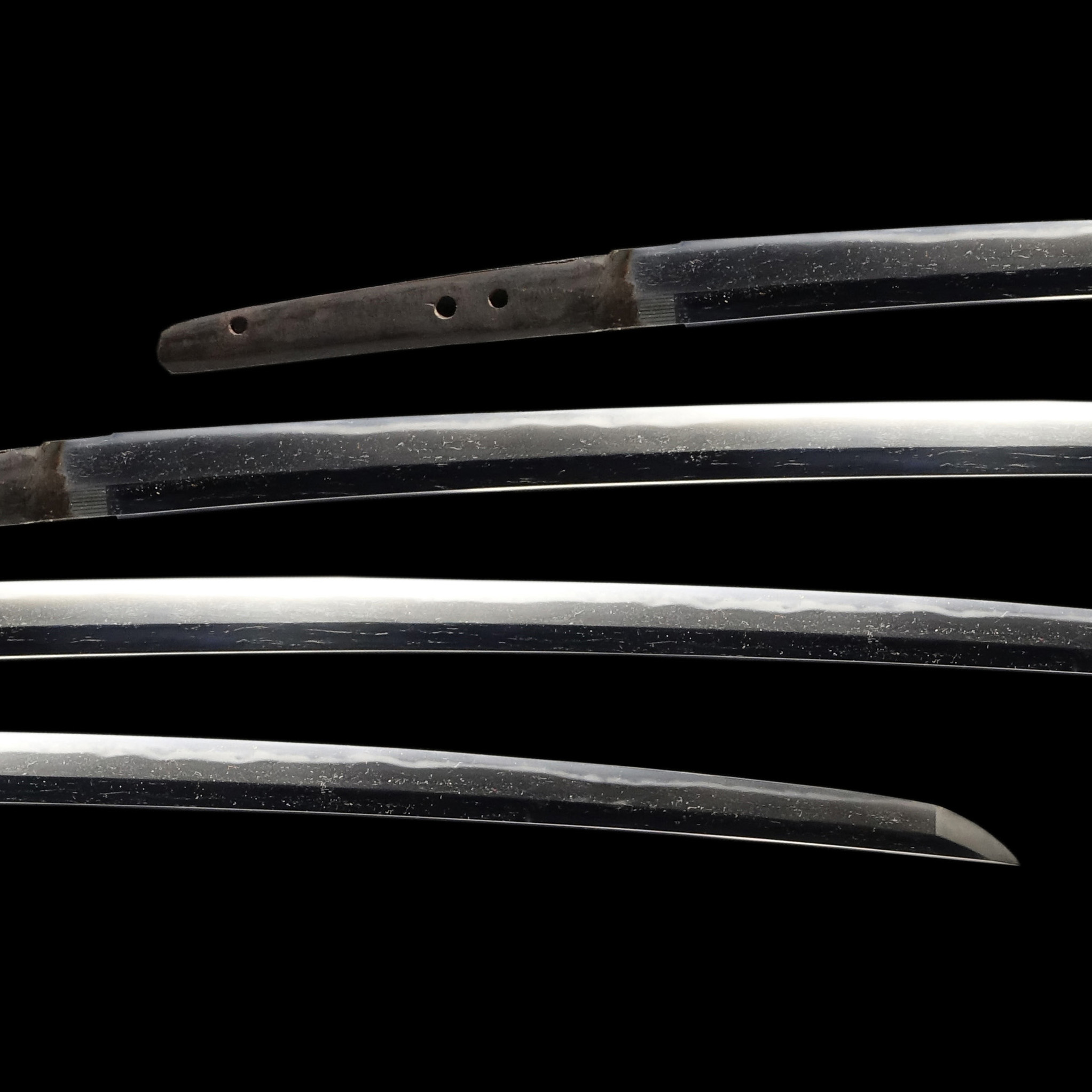
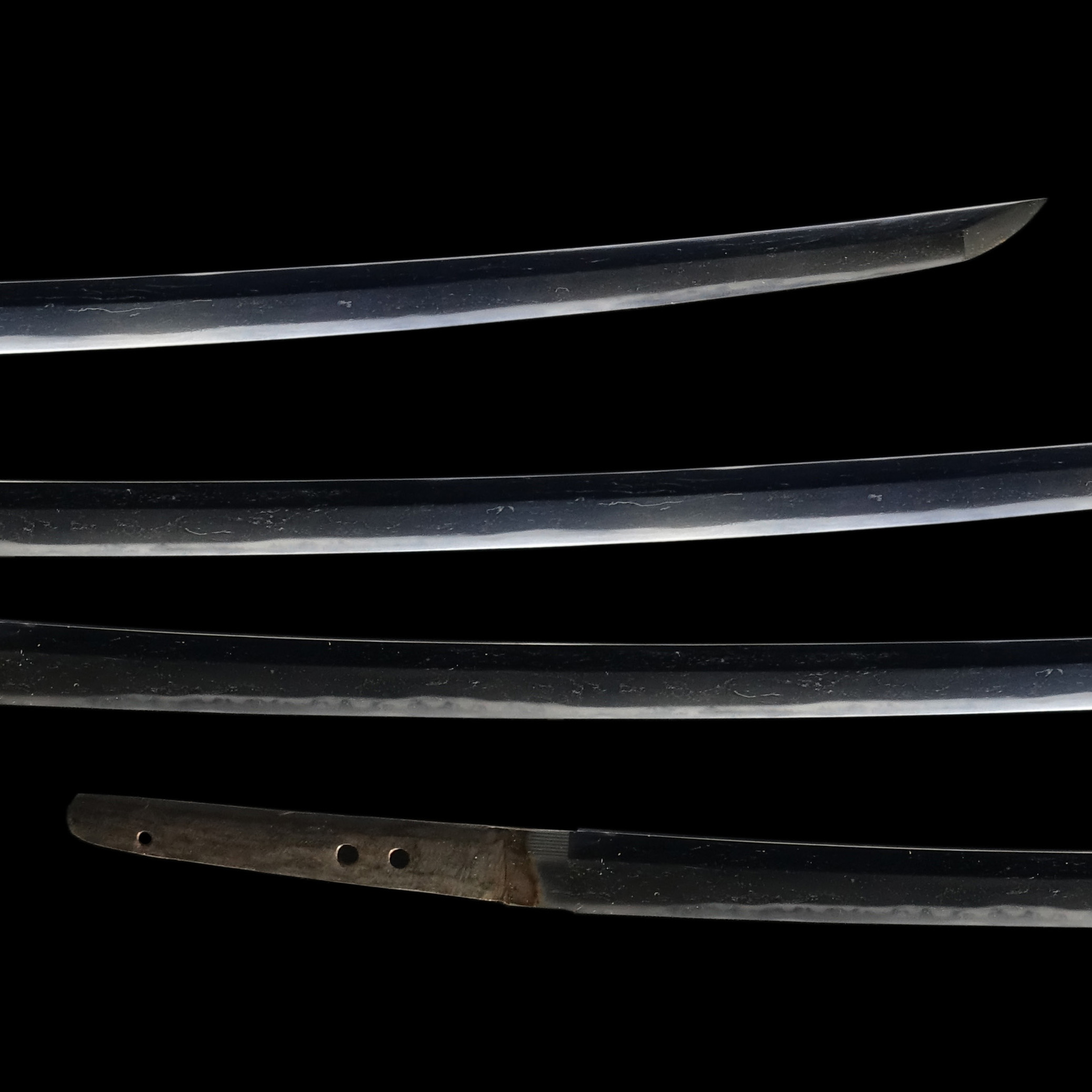
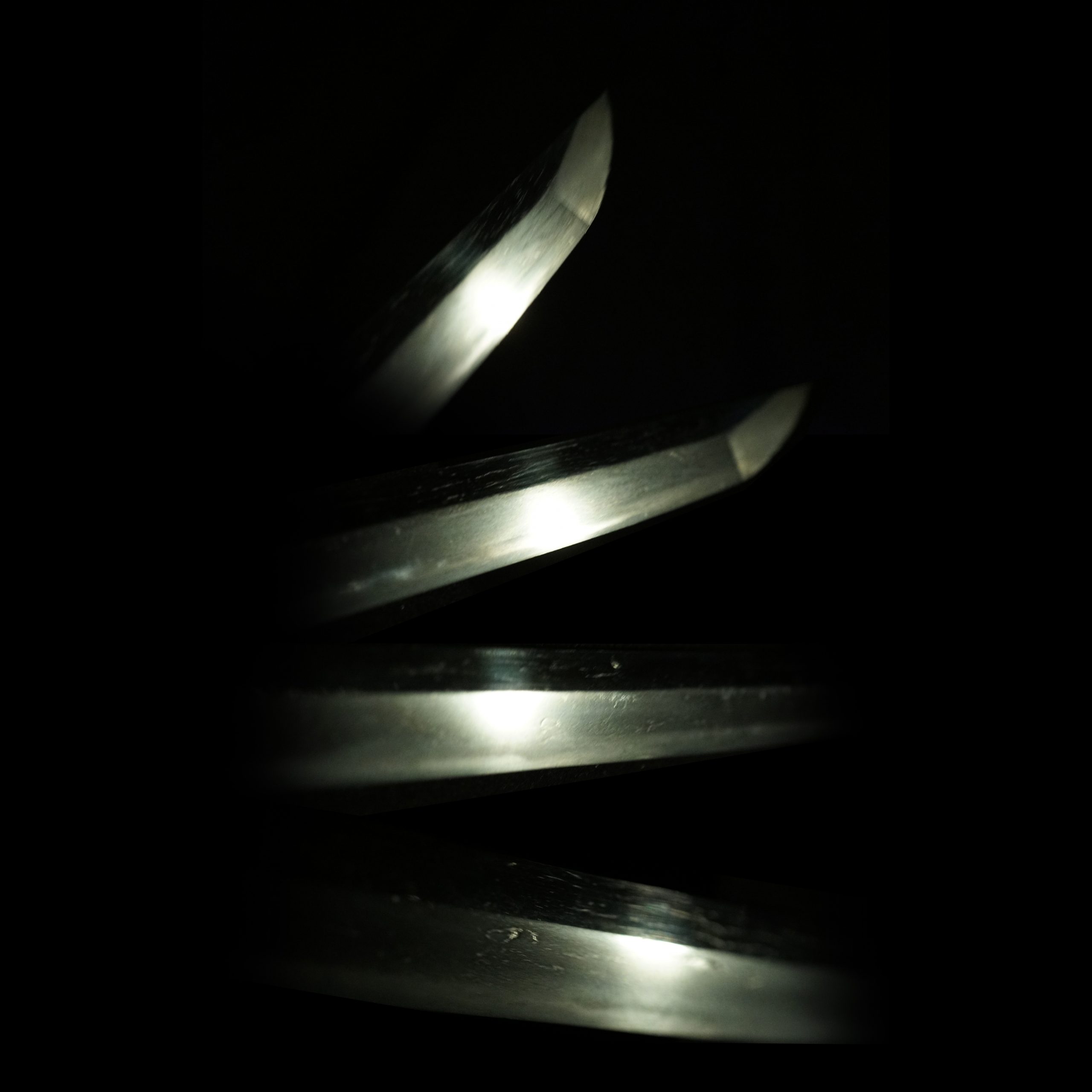
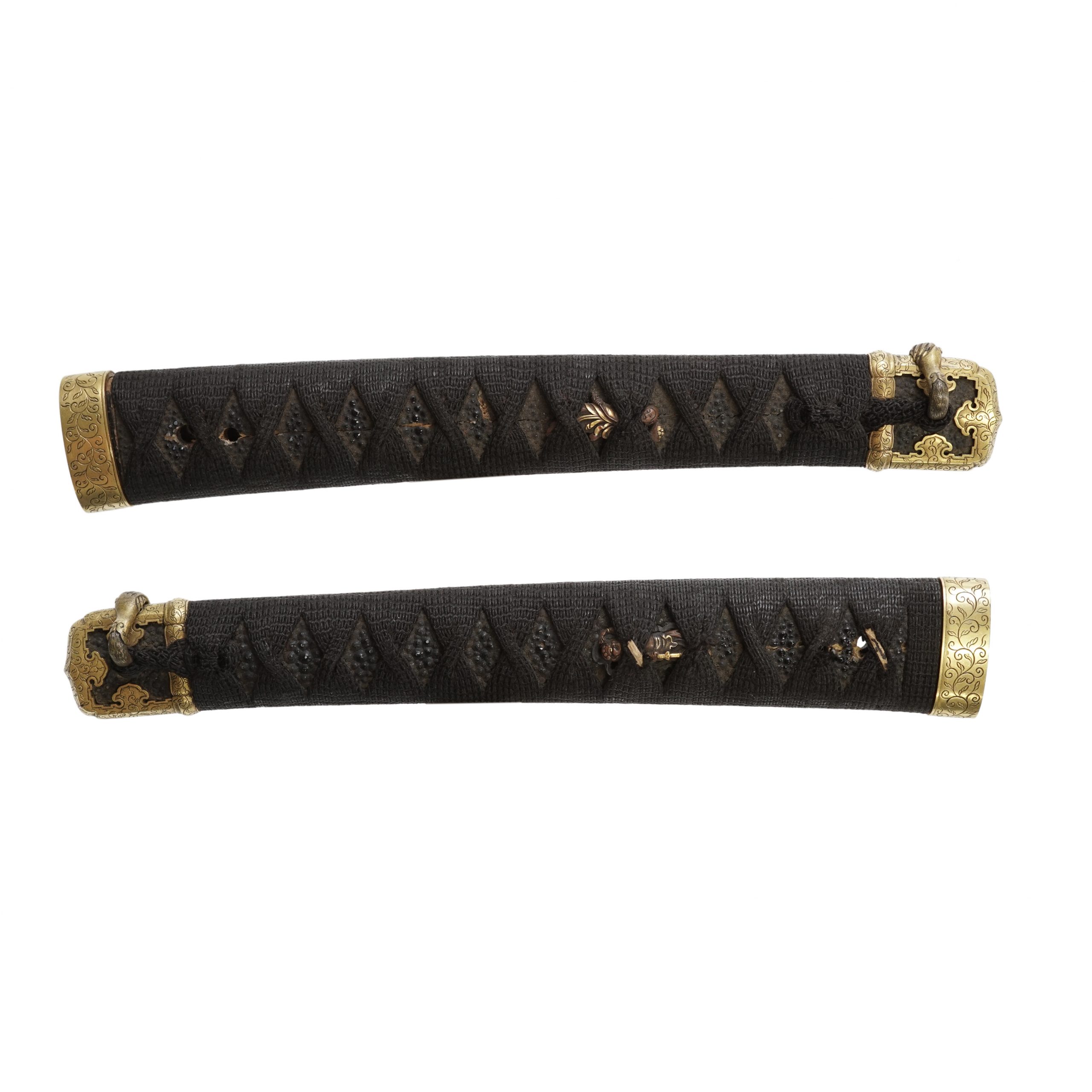
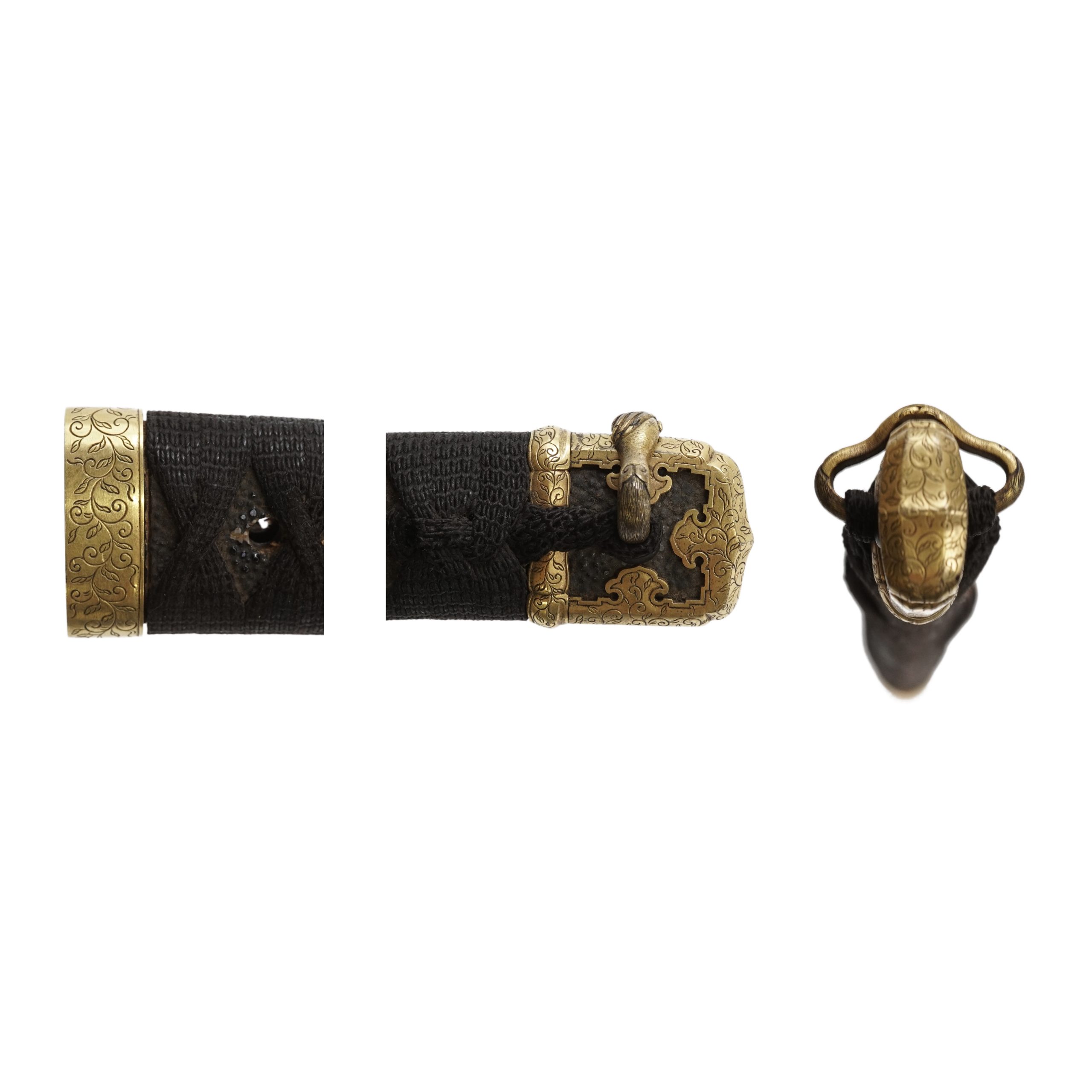
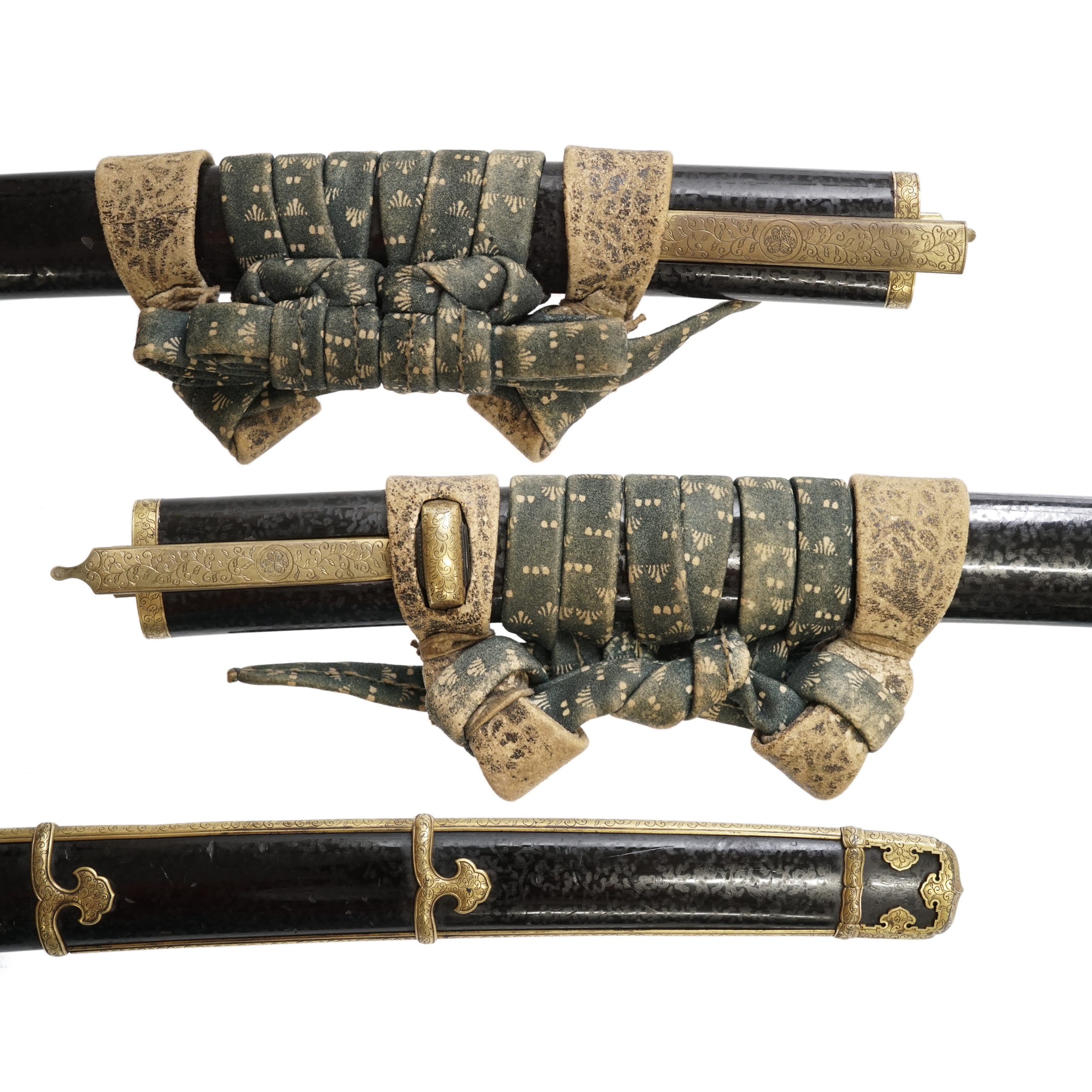
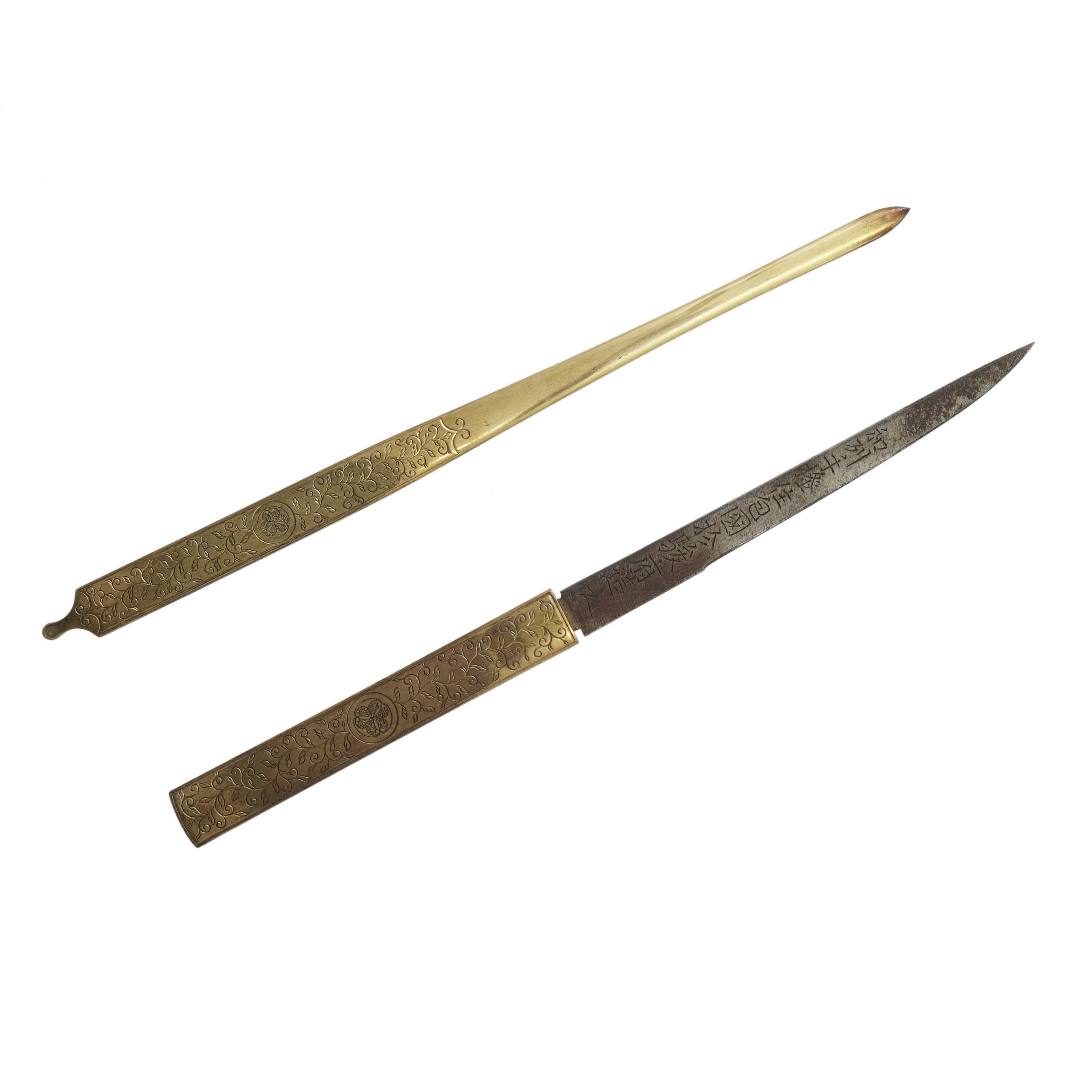
Antique Japanese Sword Tachi Unsigned Sukekane with NTHK Kanteisho Certificate 【Description】 This Samurai sword was forged by Ichimonji Sukekane(一文字助包), according to NTHK, Nihon Touken Hozon Kai. Ichimonji Sukekane is a swordsmith who belonged to Fukuoka Ichimonji school in Fukuoka town in Bizen province, a prestigious sword making place. Fukuoka Ichimonji started to flourish from the beginning of the Kamakura era(1184-1185) when the military government(Bakufu) started to control Japan instead of the emperor court. Many of the swords forged by swordsmiths from Fukuoka Ichimonji school were unsigned. Sometimes, they just signed Ichi(one in Japanese). It was quite common for Fukuoka Ichimonji swords to be shortened(Suriage) in the Muromachi period to be used as katana. The signatures were cut because of this adjustment. Large number of great swords were created by Fukuoka Ichimonji school, and several swords have been designated as national treasures of Japan. The number of designated swords forged by Fukuoka Ichimonji school is the second-highest after that of Bizen Osafune school in the Touken category(Japanese sword). The first generation Sukekane was active from the beginning of the Kamakura period to the middle of the Kamakura period. The Tachi sword forged by the first generation Sukekane is designated as a national treasure of Japan. NTHK believes a later generation Sukekane forged this blade at the end of the Kamakura period. This blade comes with a beautiful set of Tachi sword mountings. 【Blade】 Length : 63.2 cm Curvature : 1.5 c m Hamon : The blade pattern created by the tempering process Jimon : Visible surface pattern on the steel Nakago : The blade was shortened at least twice based on how many nakago holes it has. 【Sword Mountings】 Fuchi-Kashira : A pair of matching sword fittings that cover the upper and bottom parts of its sword hilt. Tsuka and Menuki : Tsuka is the handle of the Japanese sword and Menuki is its decoration . Tsuba and Habaki : Tsuba is the handguard for the Japanese Sword and Habaki is the equipment to make the blade not touch its scabbard inside.It prevents the blade from getting rusty and chipped. This type of shape is called Aoi-Gata-Tsuba. It’s a combination of four leaves of Aoi. Aoi means hollyhock in Japanese. It’s often found for Tachi Tsuba. Each edge makes Inome pattern, which looks like a heart mark. Inome pattern has been used since ancient times in Japan especially as a part of decoration for shrine or temple. As its name implies, eyes of boar are the origin of this pattern. It’s believed that Inome pattern works as an amulet so that it protects us from evil spirits or fire. Also, it’s said that it brings good-luck. Karakusa-Monyou(design of ivy) is engraved on the whole surface. Ivy has vitality and it thrives strongly. So, arabesque design represents prosperity and longevity. Saya : Saya is the scabbard for the Japanese sword. This saya has Tachi style(horse mounted style) Kougai & Kozuka : Koduka is the small knife stored in Koduka Hitsu(groove of the sheath of the Japanese sword). Many Tsubas(handguard) has two holes to put Koduka and Kougai(equipment for appearance) next to Nakago Ana(a hole of the Tsuba to put sword) Authentication Paper : NTHK Kanteisho Certificate for the blade NTHK, also known as NPO Nihon Touken Hozon Kai, is the oldest organization for sword authentication of Japanese swords in modern times. It was established in 1889 during the post-Samurai era. They authenticated the blade on April 19th in the second year of Reiwa (2020). The purchaser will receive this original certificate as well. —————————————————————– 【About us】 Samurai Museum is located in Tokyo, Japan, exhibiting antique artifacts related to the Samurai history. Samurai Museum Shop is the place for those who are interested in Japanese culture and craftsmanship. We deal with antique Samurai swords/armor, traditional crafts made in Japan and so on. 【 Japanese Sword& Export Process 】 The Japanese swor
NihontoWatch
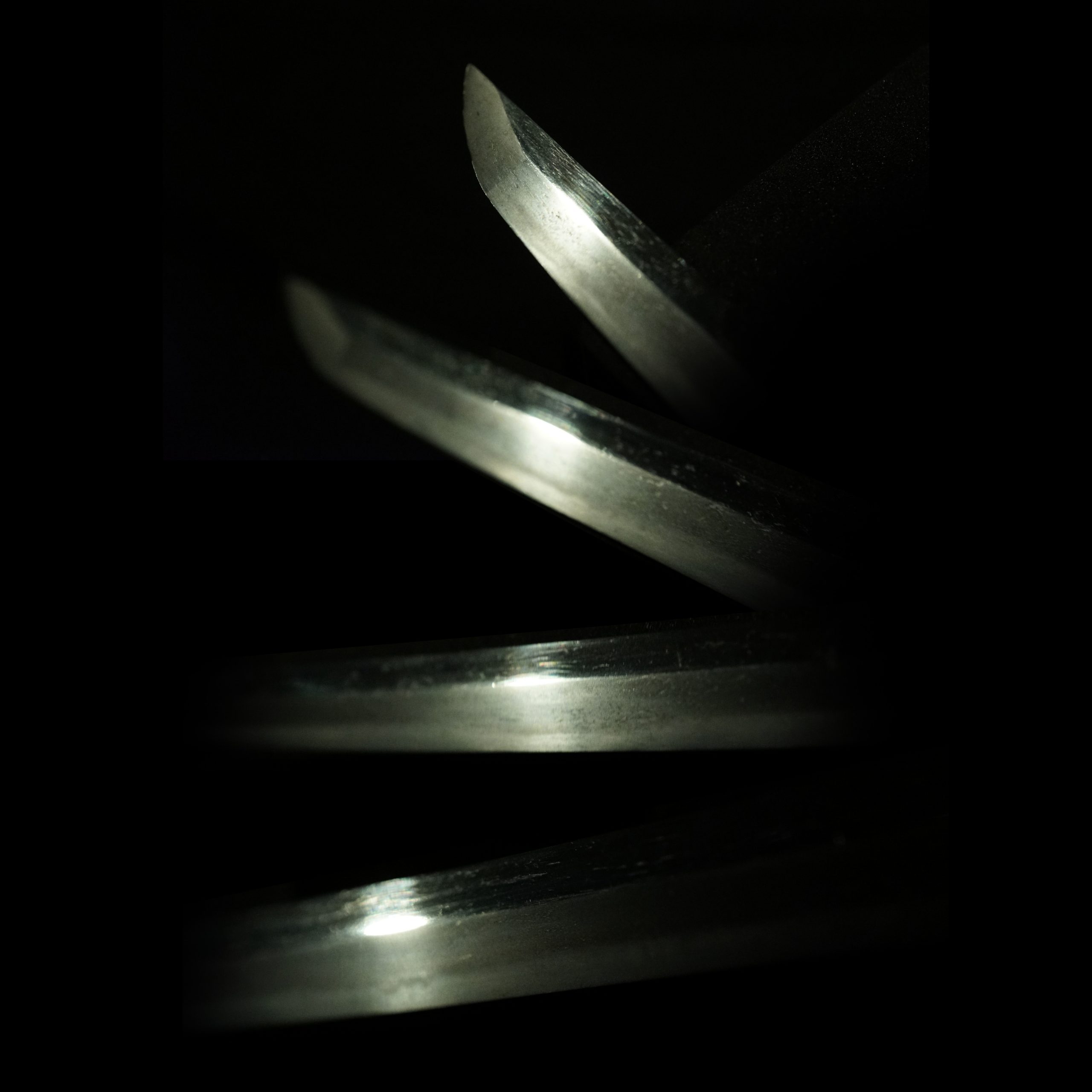
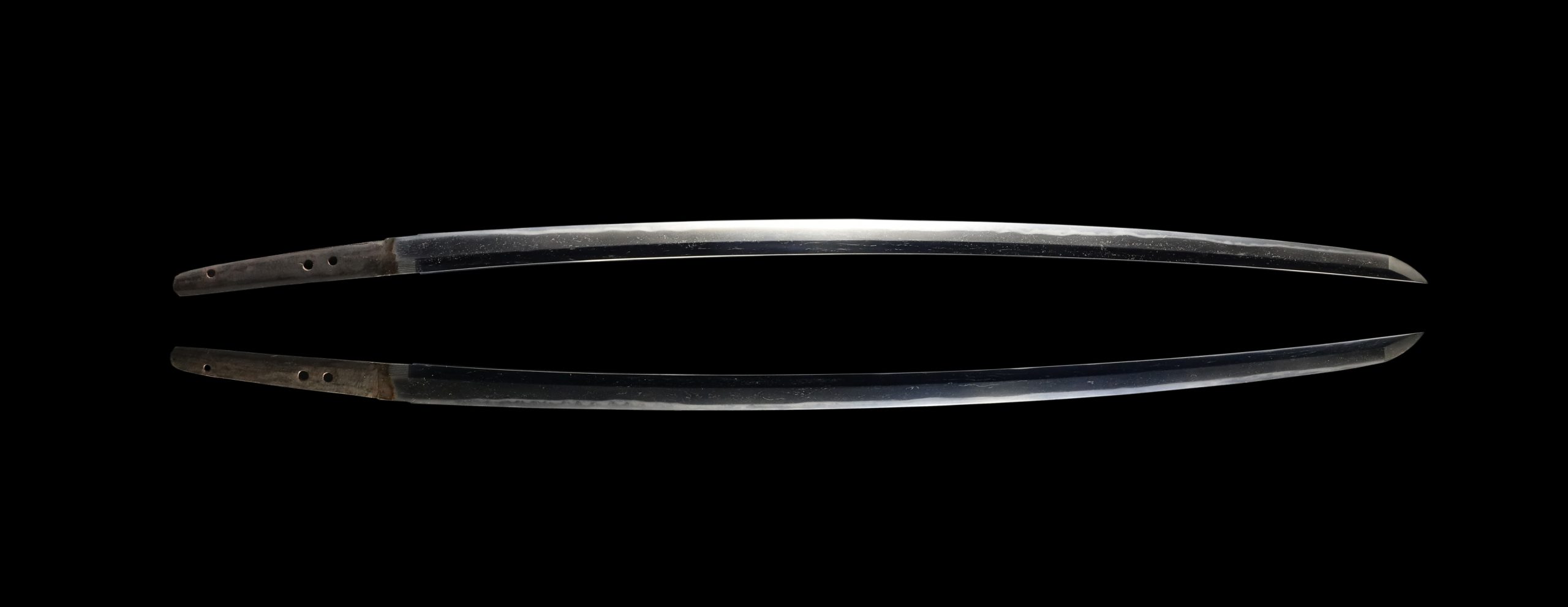
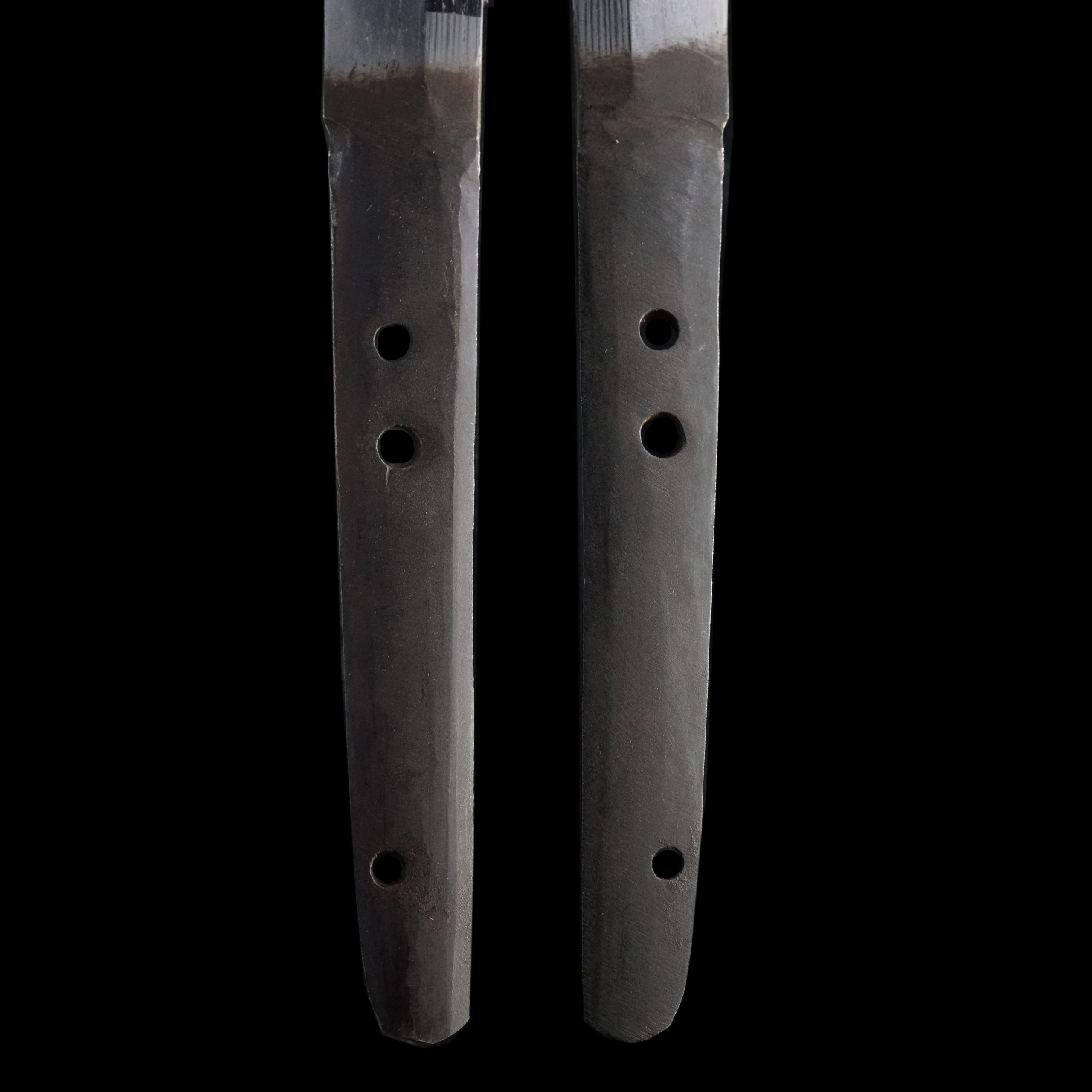
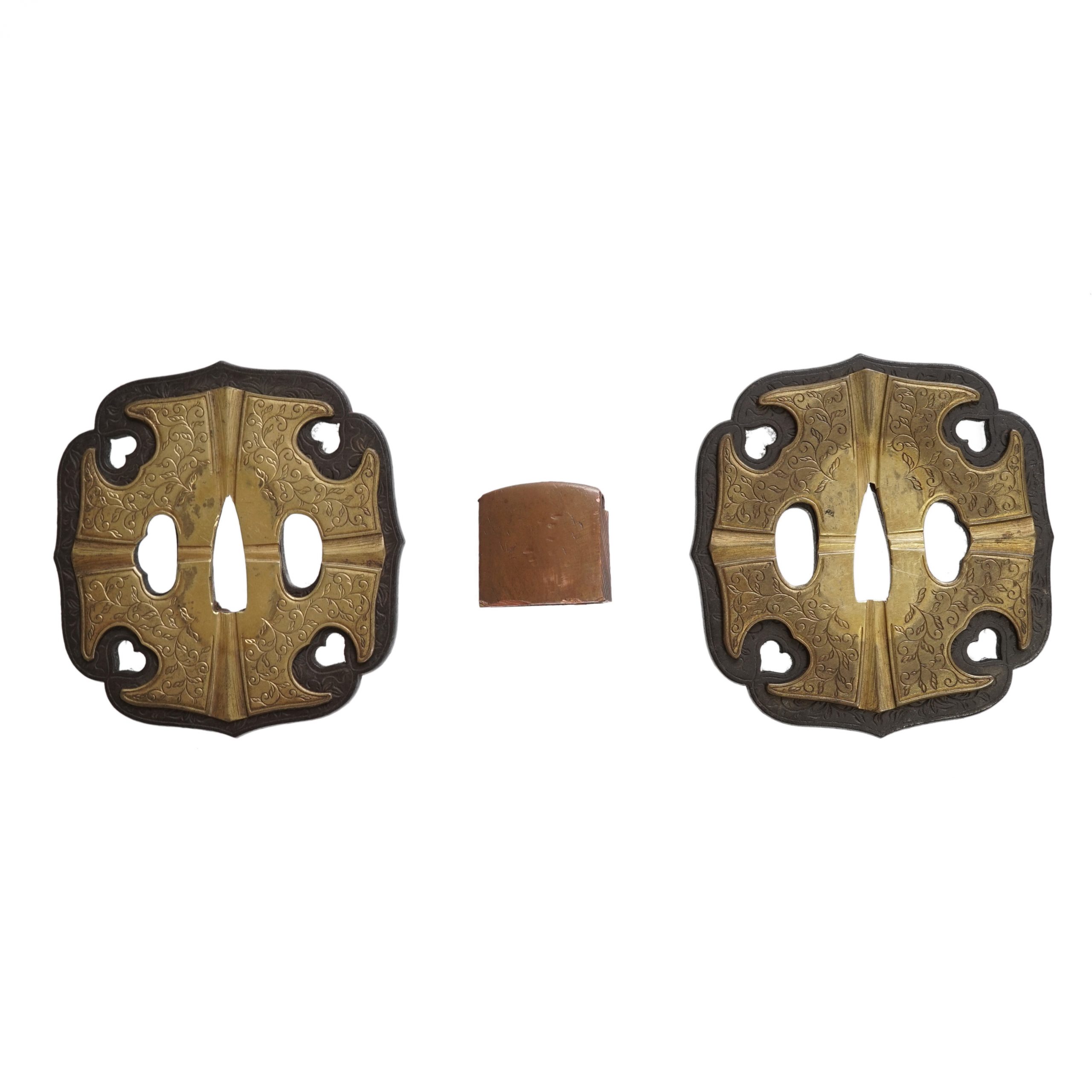
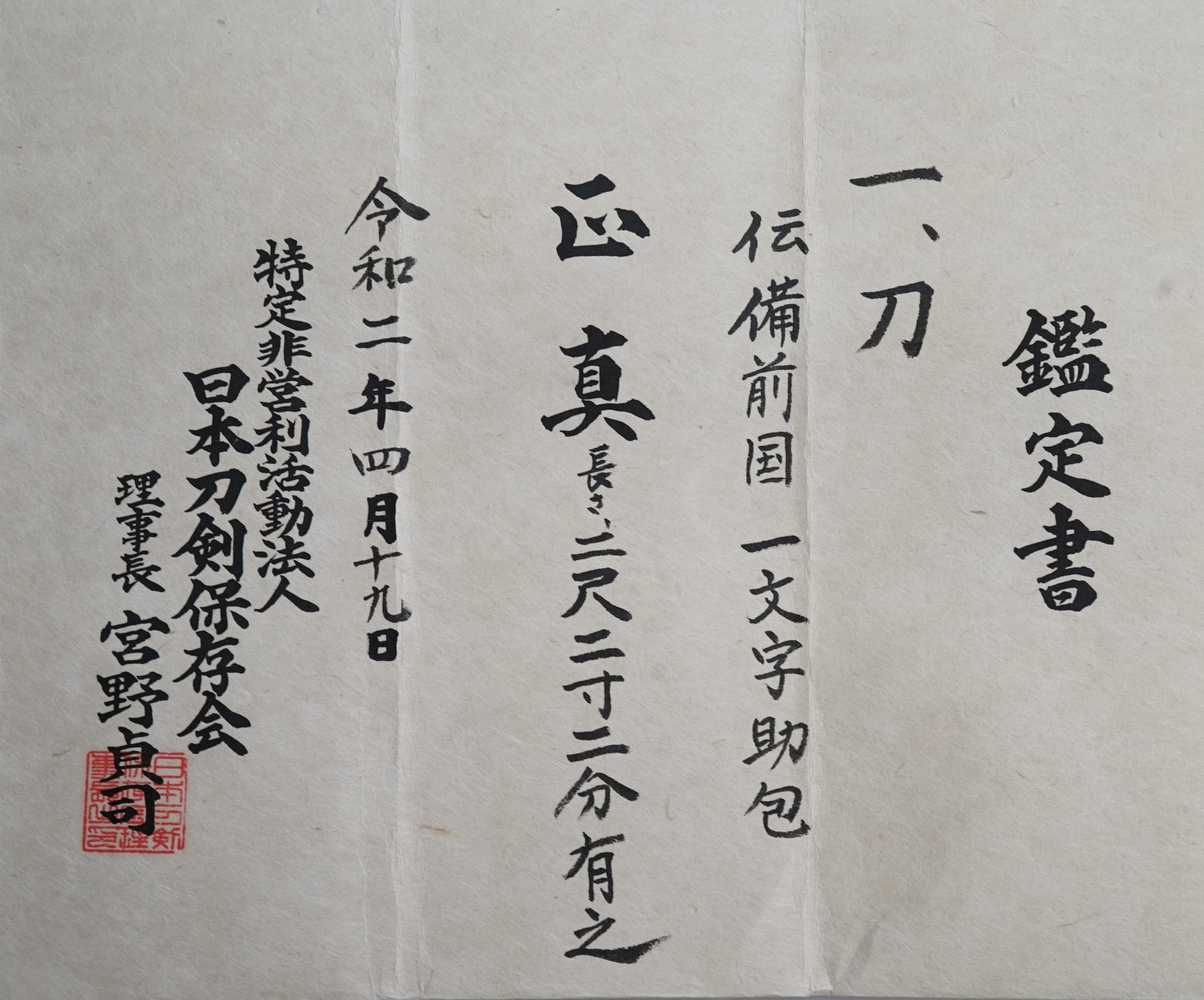
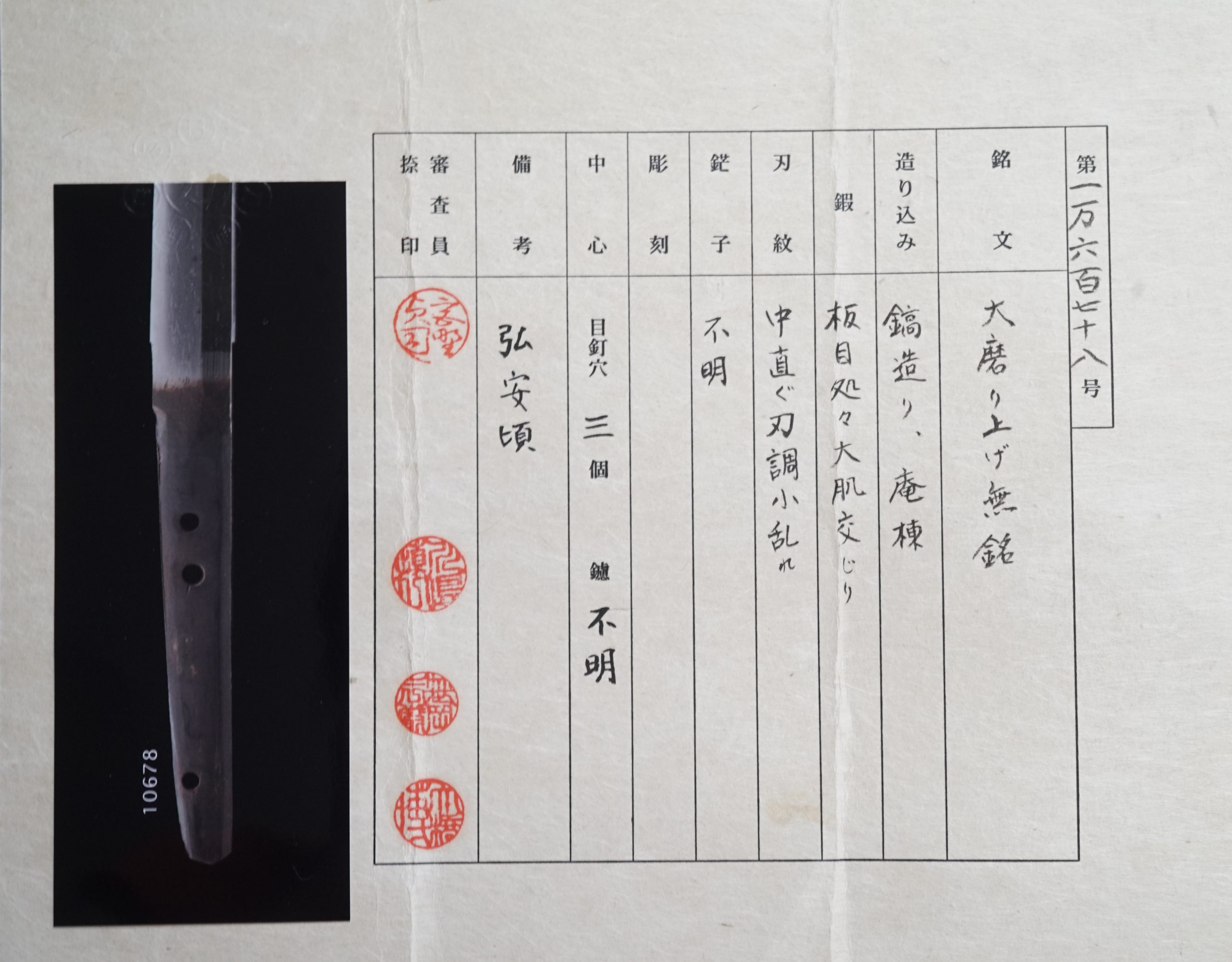
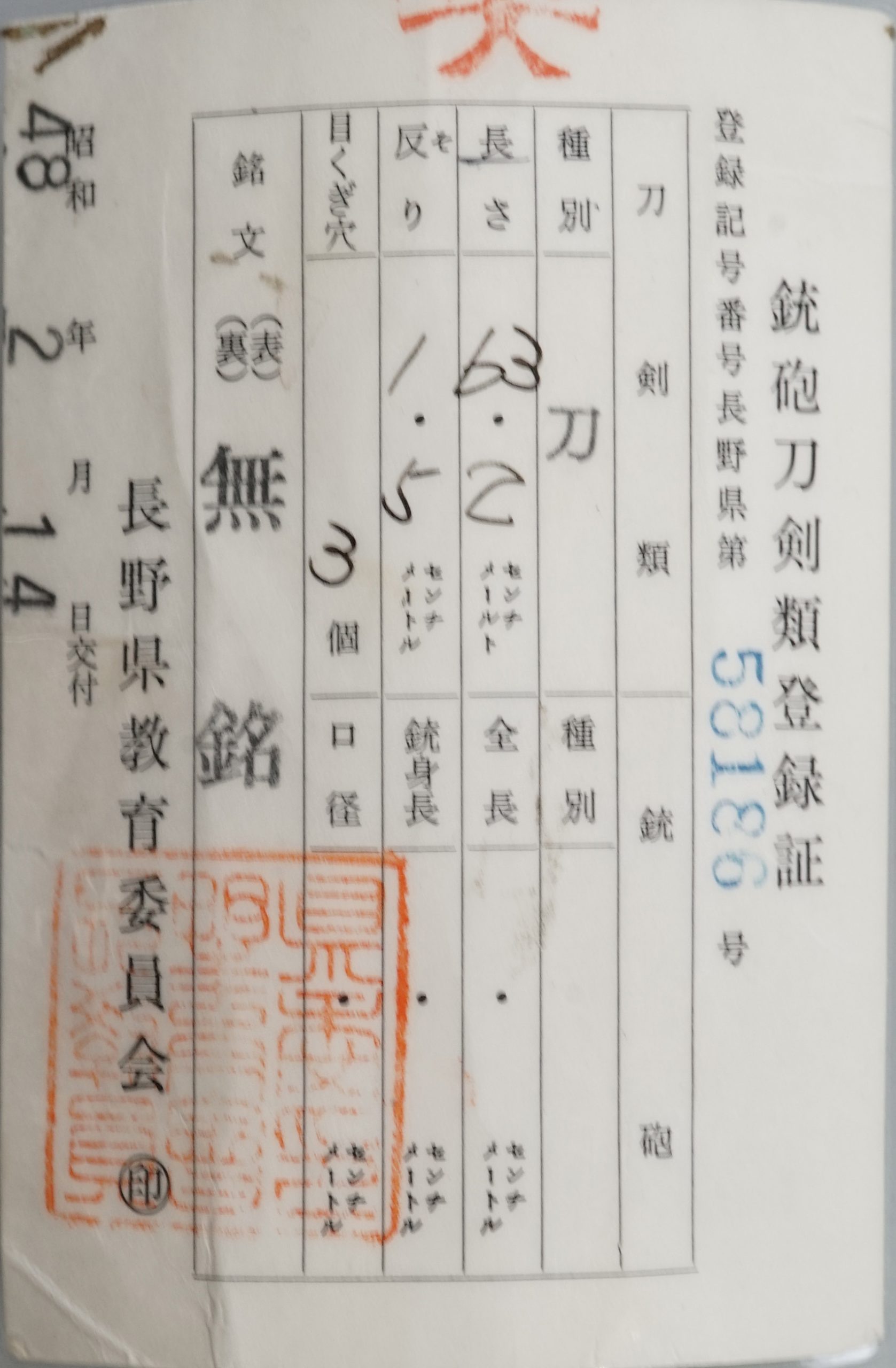
備前伝 · 備前
現在2点販売中
吉岡一文字派は、備前国吉岡の地に興った一文字の一門である。福岡一文字が最盛をきわめた後、鎌倉時代の最末期から南北朝時代にかけて、その手を継いでこの地に栄えた後期一文字の流れにあたる。一派の名は太刀の茎頭に切る「一」の字に由来し、その下にそれぞれの個銘を加えるのを常とした。代表工はいずれも「助」を通字とし、助光をはじめ、助義・助茂・助吉・助秀らが知られる。現存する在銘作の年紀は永仁・元応・元亨・元徳から延慶・嘉暦を経て貞和の頃に及び、鎌倉終焉前後のおよそ数十年にわたって、長銘の今なお読めるものが数口残されている。なかでも左近将監に任じた助光は、「一」の一字の下に備前国吉岡住左近将監紀助光と長く銘を切り、年紀作・在銘作によって一派の基準を定めた工とされる。 作風には吉岡に通じる一筋の語法がある。地鉄はよく鍛えた板目で、時に小板目につみ、杢目や流れ肌を交えて地沸つき、最上手には地景が細かに頻りに入り、在銘・極めのいずれにも鮮明な乱れ映りが立つ。ある太刀では下半に直ぐ状の映りが立ち、上半でこれが乱れ映りに転じるなど、一派が共有する地鉄である。刃文は焼にさまで高低を見せず、丁子乱れに小丁子・小互の目あるいは頭の丸い互の目を交え、直刃調の中に小足・葉を托し、匂口は明るく冴えて匂勝ちに小沸づく。棒樋を掻き通すものが多い。これらの常の手は、福岡一文字の聳えるような重花丁子に対して、より穏やかに、より緻密に揃えた一線をなす。両派は種ではなく規模によって分かれるのであって、大模様の丁子を焼いて一見福岡に紛れる作も稀にはあるが、吉岡の通例はむしろ乱れの中に互の目が目立ち、やや小出来となるところにある。物打辺で直刃調となり焼幅のやや狭まるものも見られ、時に逆がかる刃を交える。 鑑定の勘所は、明るい乱れ映りの立つ精緻な地鉄と、小模様の互の目を交えた揃った丁子乱れにあり、これを母体たる福岡の大模様から分かつ。刃中の足・葉、淡い二重刃風、細かな金筋・砂流しといった働きも見どころとなる。一派のうちでは助光が年紀作・在銘作に恵まれて格別に重んじられ、その作は指定制度の最上位にまで及んでいる。元応二年紀の在銘薙刀は生ぶのまま加賀前田家に伝来し、後世の大磨上無銘ながら本阿弥家が助光と鑑して金象嵌を加えた刀には、徳川家光・阿部忠秋・前田家といった名を伝える来歴を留めるものもある。助茂・助義は生ぶの太刀姿と年紀を残して資料的価値が高く、助秀は数少ない脇指の作例を伝える。在銘の確実な遺作は総じて少なく、長銘と年紀を備えたものは一派研究の好資料として珍重される。これらの作は、吉岡が鎌倉の終焉まで一文字の手を保ち伝えたことを今に語り継いでいる。 詳しく見る →
鎌倉時代の備前
鎌倉時代は備前の頂点である。伝えでは一文字派の工が後鳥羽上皇の御番鍛冶に列し、世紀の半ばには光忠が長船派を興して、注文は公家からも武家政権からも流れ込んだ。国宝刀剣の数で備前に並ぶ国はない。
NTHKの中心的な鑑定書で、相応の出来を備えた作に発行されます。在銘作は銘の正真を、無銘作は審査員による刀工・流派の極めを示します。点数を記す詳細な審査表が付されます。
NTHK(日本刀剣保存会)は、NBTHK(1948年設立)に先立つ1910年に創立された、日本で最も古い刀剣鑑定団体です。長く会を率いた会長の没後、NTHKとNTHK-NPOの二つに分かれ、いずれも審査を続けています。NTHKの鑑定書は、点数と審査員の所見を併記する詳細な審査表が特徴で、特に無銘作の極めに定評があります。
Returns/exchanges limited to defects caused by shipping (except willful misconduct or gross negligence by the company); customers must contact within 72 hours of receiving the product.