室町期の長船は二層の商いを営んだ。兵卒のための数打ち物と、注文主の俗名を銘に負う注文打ちである。末備前であっても、祐定の最上作は一派のいかなる時代の作にも劣らない。
 NihontoWatchNihontoWatch
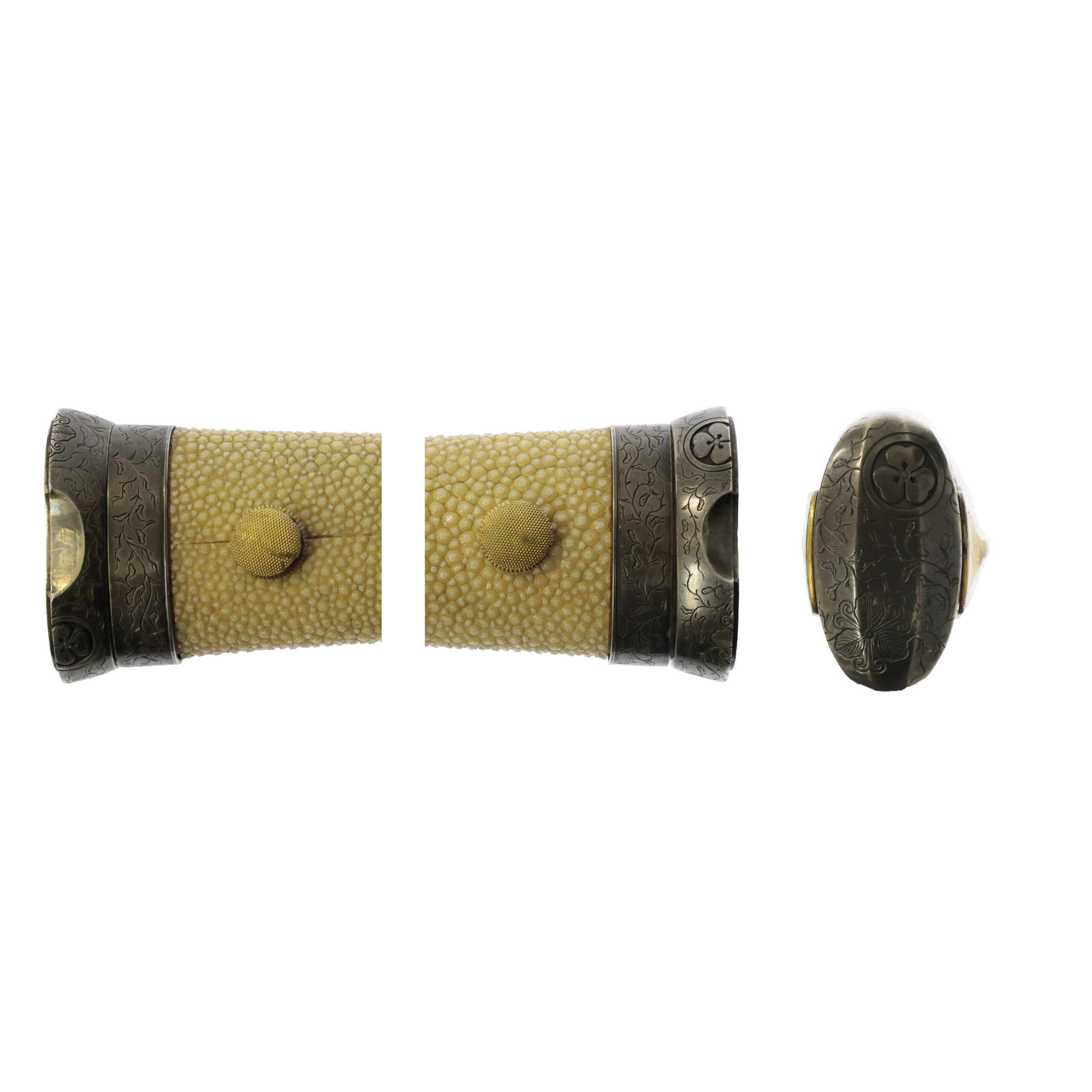
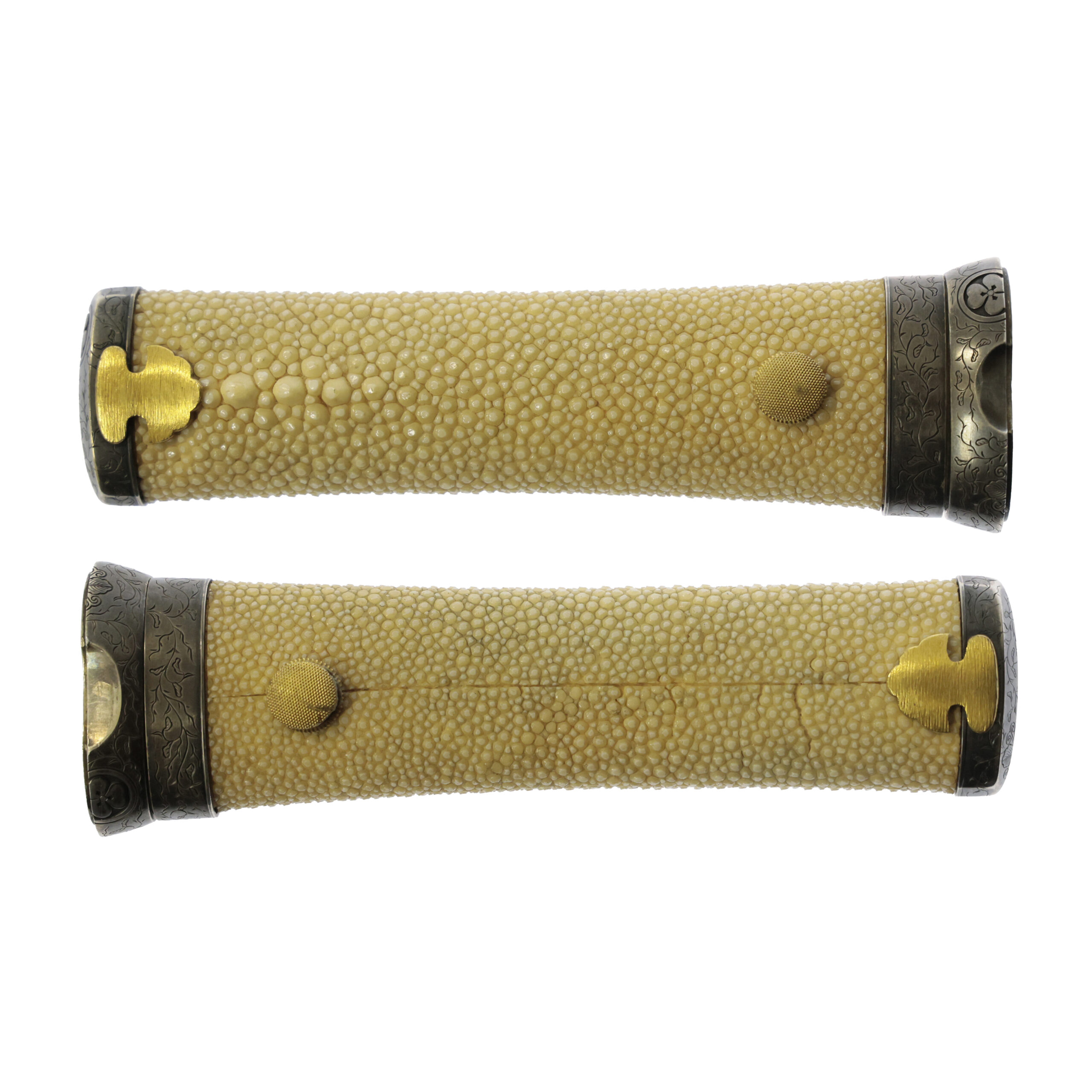
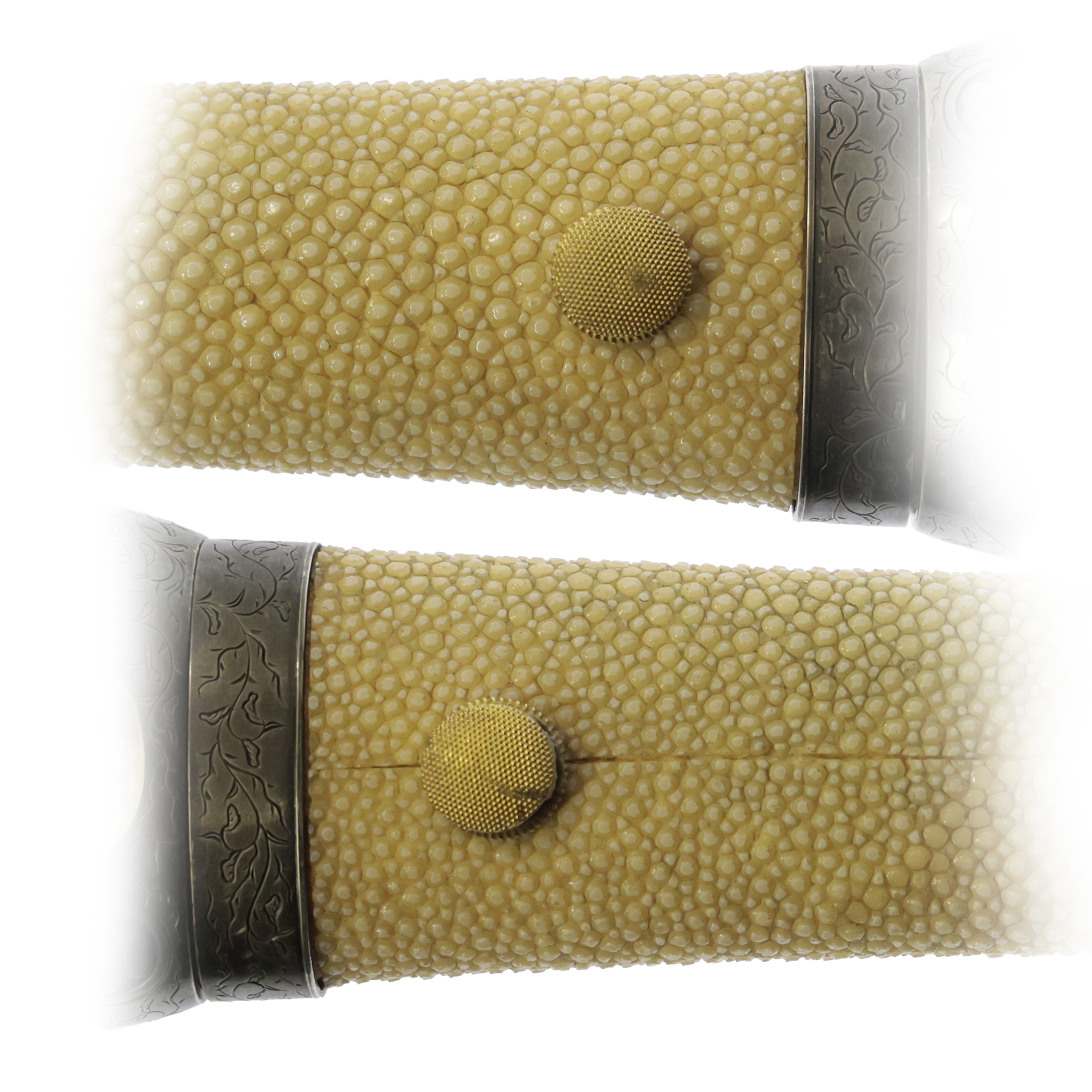
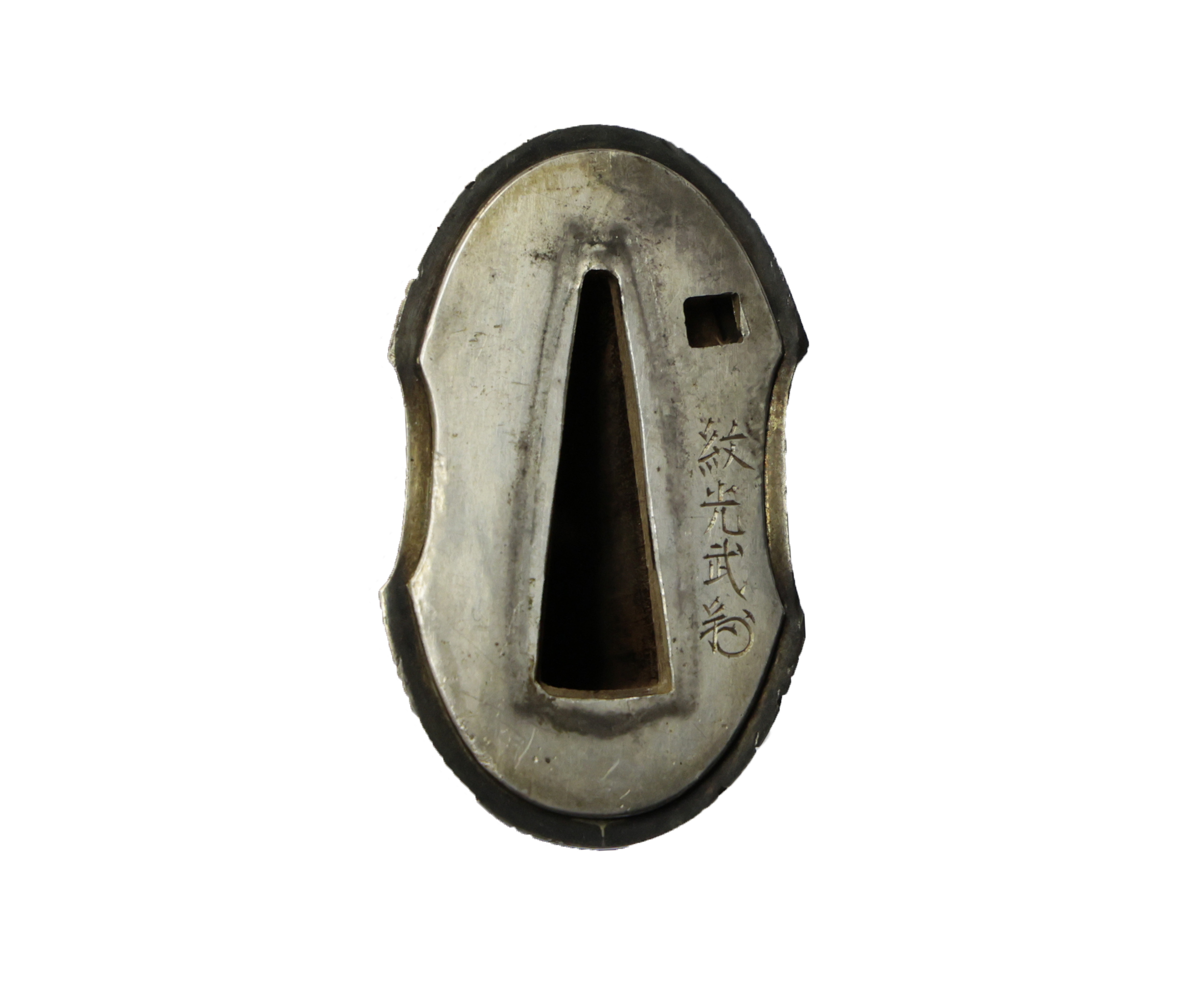
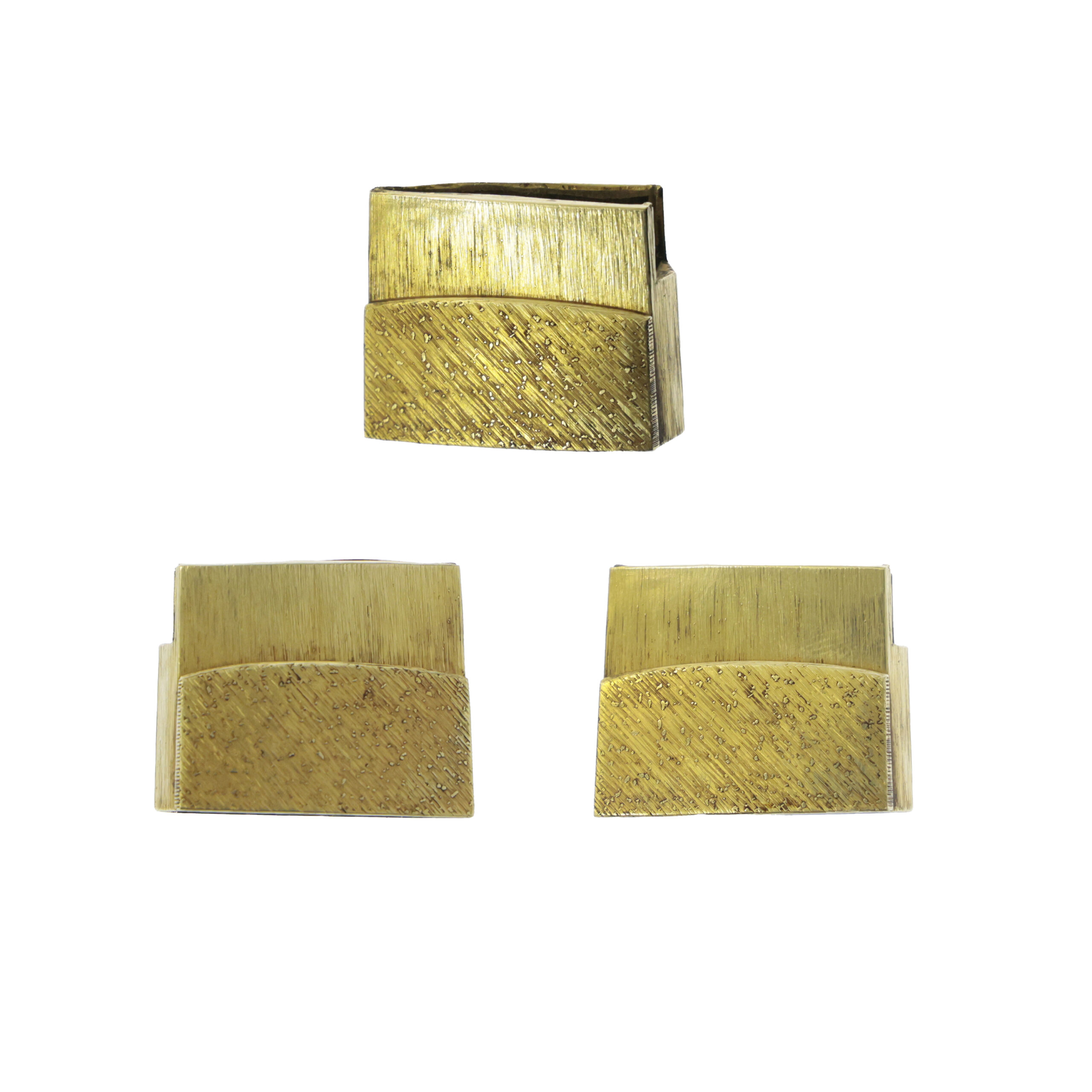
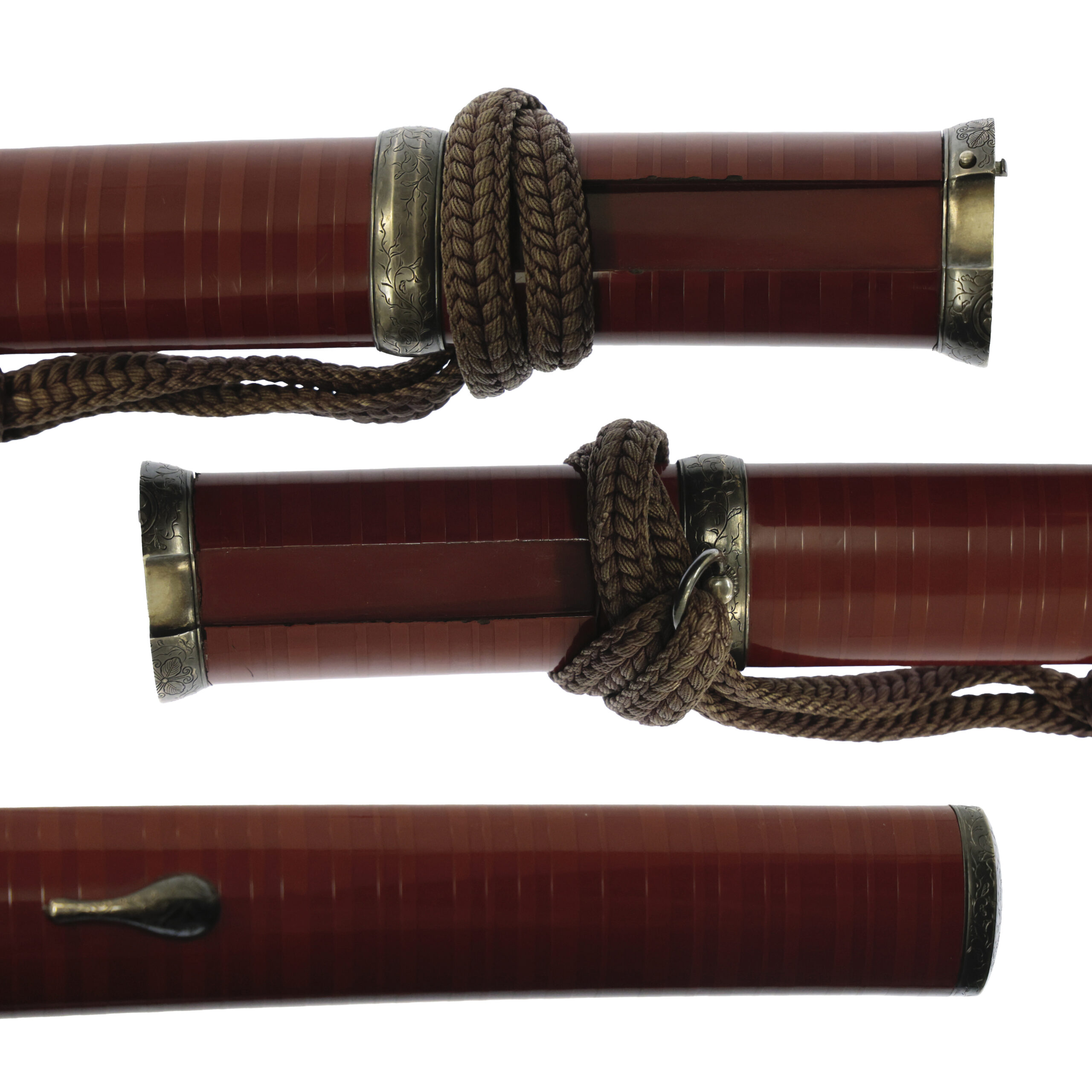
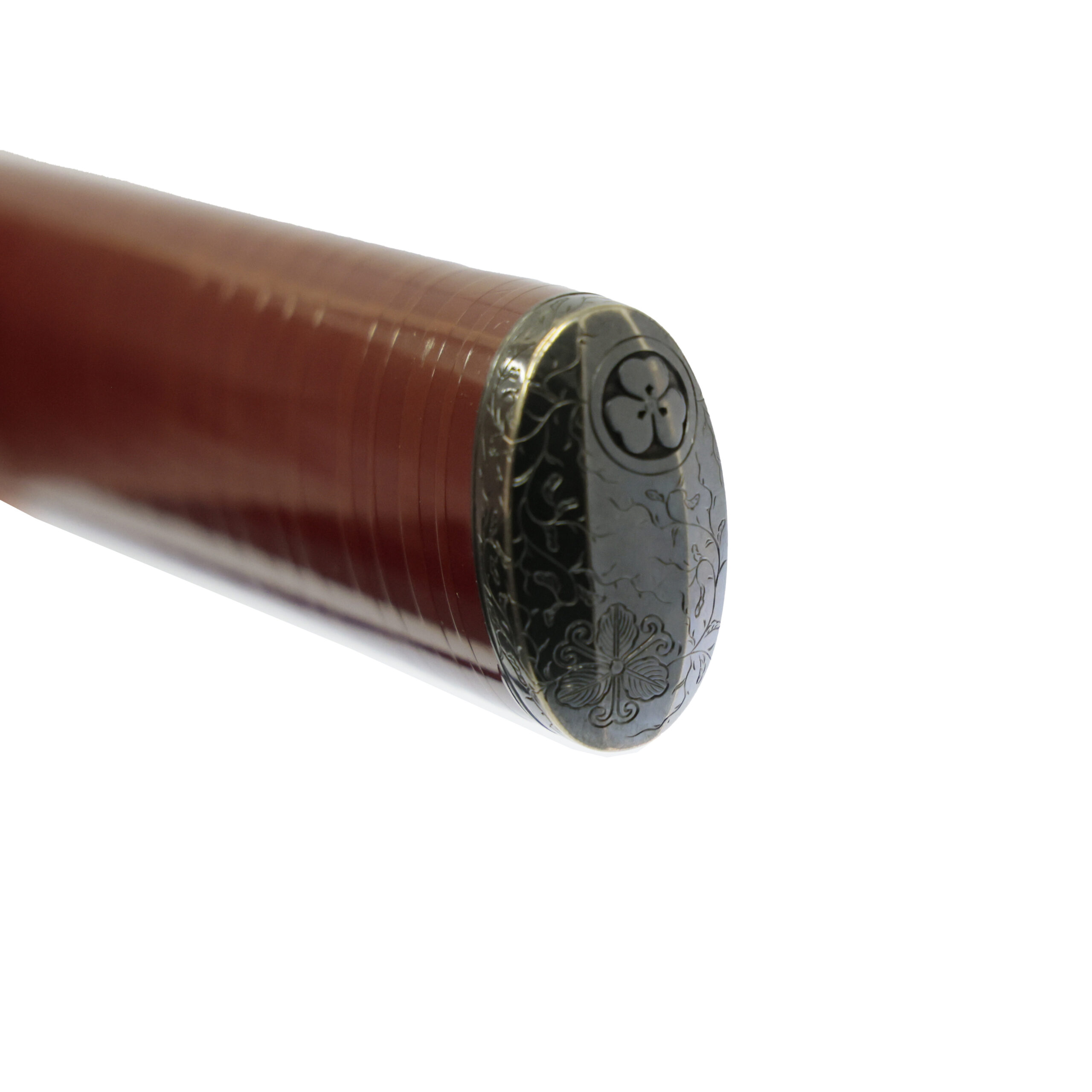
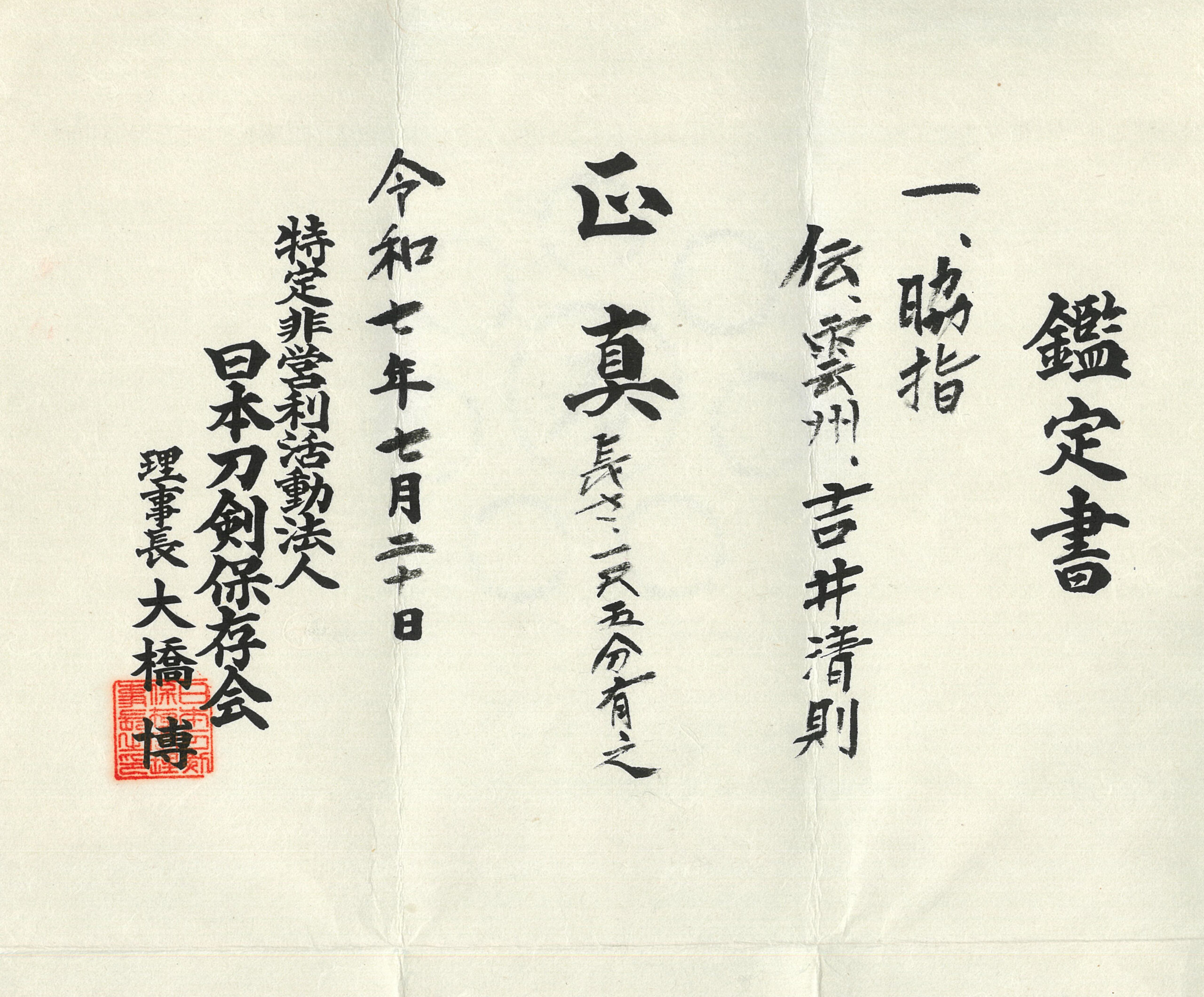
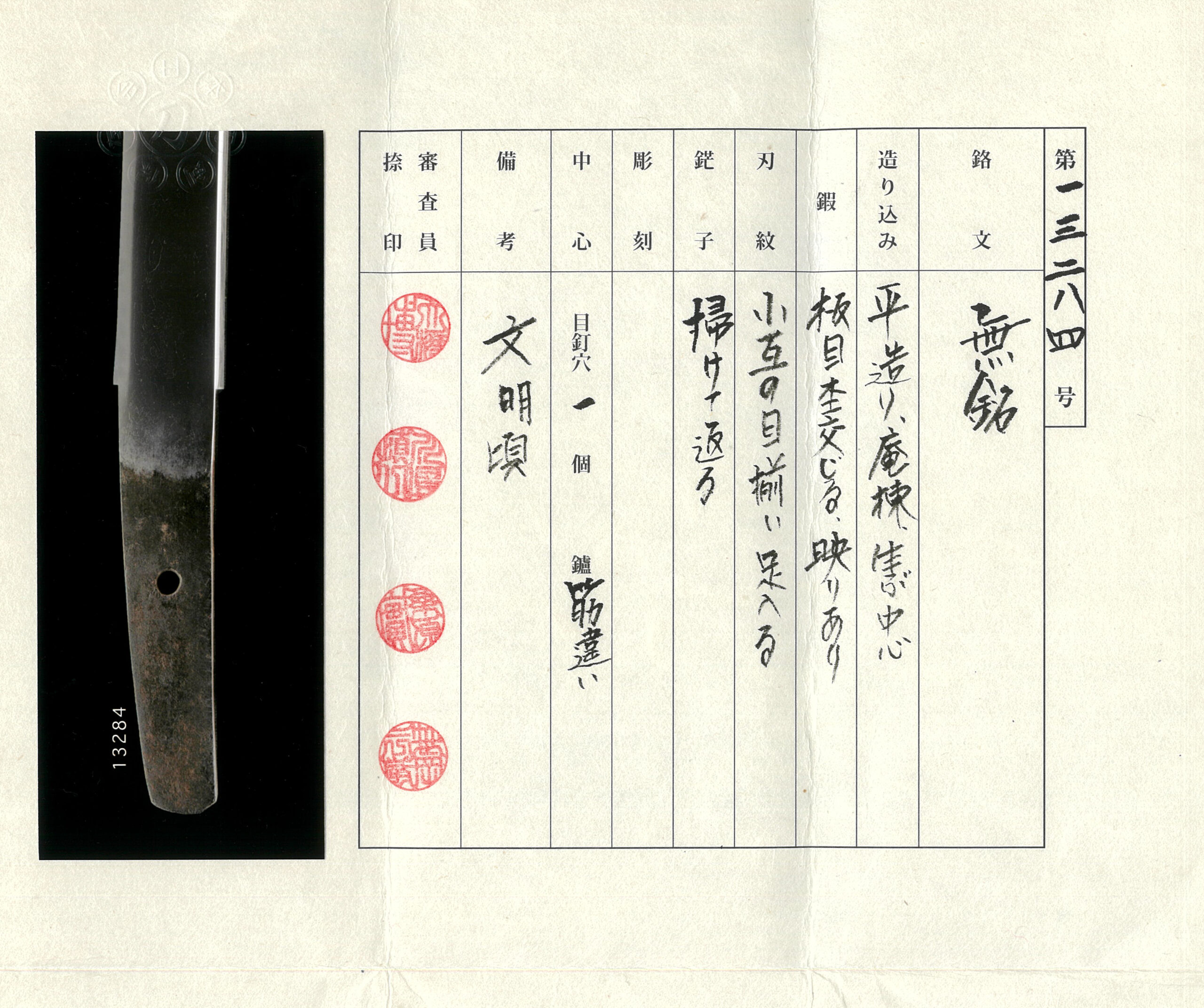
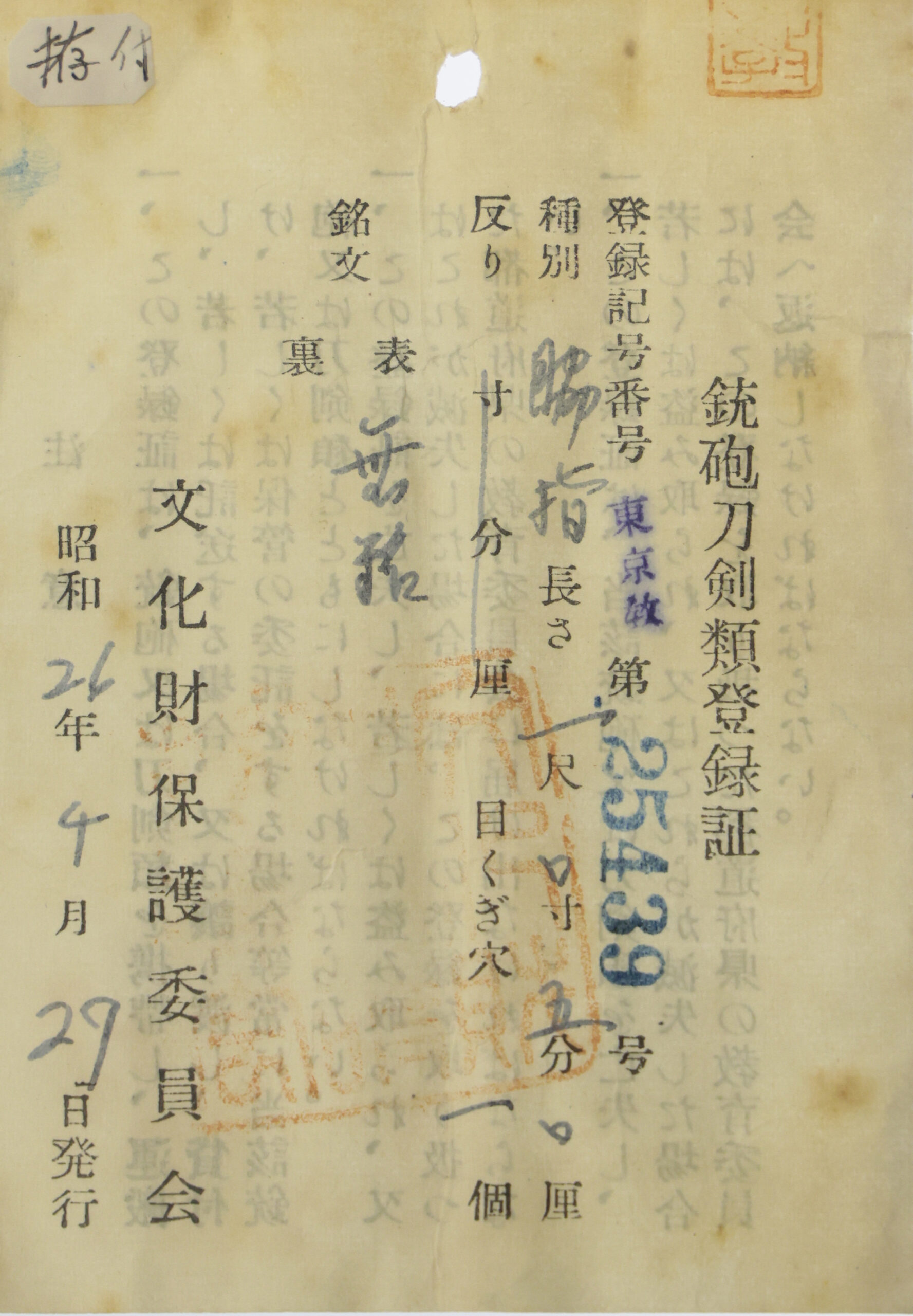
This wakizashi has been appraised by the NTHK as attributed to Den Unshu Yoshii Kiyonori (伝雲州 吉井清則), dating to the Bunmei era (文明, 1469–1487), mid Muromachi period. The Yoshii school is said to have been founded by Tamenori (為則) in Yoshii village during the late Kamakura period (late 13th century). Kiyonori, the son of Yoshii Yoshinori, was active from the Ōei to Eikyō eras (1394–1441) of the early Muromachi period. He first worked in Bizen province (today’s Okayama prefecture), one of medieval Japan’s most prominent sword-forging centers, and later moved in his mature years to Unshū (雲州), another name for Izumo province, corresponding to present-day Shimane prefecture. The Yoshii school flourished from the late Kamakura through the Muromachi period, producing many renowned smiths whose names often contained the character 則 (Nori), such as Noritsuna, Kiyonori, Kagenori, and Yoshinori. Blades from this lineage were forged during turbulent times following the Nanbokuchō period (1336–1392), when Japan was divided between northern and southern imperial courts. The Yoshii smiths, working amidst these conflicts, produced robust and practical swords that were highly valued by warriors of the era. *Please keep in mind that there is a couple of Kitae Kizu and black rusts on the blade. Fuchi-Kashira The fuchi-kashira features not only the Katabami-mon (片喰紋), as seen on the habaki, but also the Mitsu Kashiwa (三つ柏) family crest, which depicts three broad oak leaves. In ancient Japan, oak leaves were commonly used as natural vessels for serving food and offerings, making them an essential part of daily life. This close relationship with food and nature also extended into the realm of faith. Early Japanese religions, rooted in everyday life, worshiped natural elements such as the sun, mountains, rivers, and oceans. Offerings were made to these sacred objects, and oak leaves, along with other plant leaves, were used as containers for these offerings. These practices influenced the development of Shinto (神道), where oak leaves are still used in rituals today. Because of this background, oak leaves came to symbolize sacredness, auspiciousness, and continuity. Oak leaves also have the unique characteristic of retaining old leaves until new ones grow, which gave rise to the belief that they represent “unbroken generations” and the “transfer of authority.” Originally, the Kashiwa crest was closely associated with shrines, their deities, and shrine families, reflecting its strong connection with Shintoism. Over time, the emblem spread to the samurai class, likely through ties to shrines and religious institutions. By the Edo period, family crests became popular among common people as well, and the Kashiwa-mon was widely adopted. Today, it remains one of the most recognized and cherished Japanese family crests. Habaki The habaki is decorated with a Katabami-mon (片喰紋), a traditional Japanese family crest. The motif is based on the leaves of the katabami plant (oxalis), a perennial herb also written as 酢漿草 in Japanese. The name “katabami” comes from the plant’s habit of folding its leaves at night, which makes them appear as if they have been partially eaten. Because the plant is extremely resilient—growing back even after being trampled—it came to symbolize strong vitality and endurance. For this reason, the katabami motif was adopted as a family crest and is regarded as one of the oldest and most historically significant crests in Japan. Saya This saya (scabbard) features a decorative lacquer technique known as Fuemaki-nuri (笛巻塗). The name literally means “flute-wrap lacquer” and refers to a method in which thin cords or strings are wrapped around the scabbard before being coated with multiple layers of lacquer. Once dried and polished, the surface reveals a textured, ridged pattern reminiscent of the wrapping on a traditional Japanese flute (fue, 笛). Authentication Paper NTHK, also known as NPO Nihon Touken Hozon Kai, is the oldest organization for sword authentication of Japanese swords in modern times. It was established in 1910 during the post-Samurai era. They authenticated the blade on July 20th in the 7th year of Reiwa (2025).

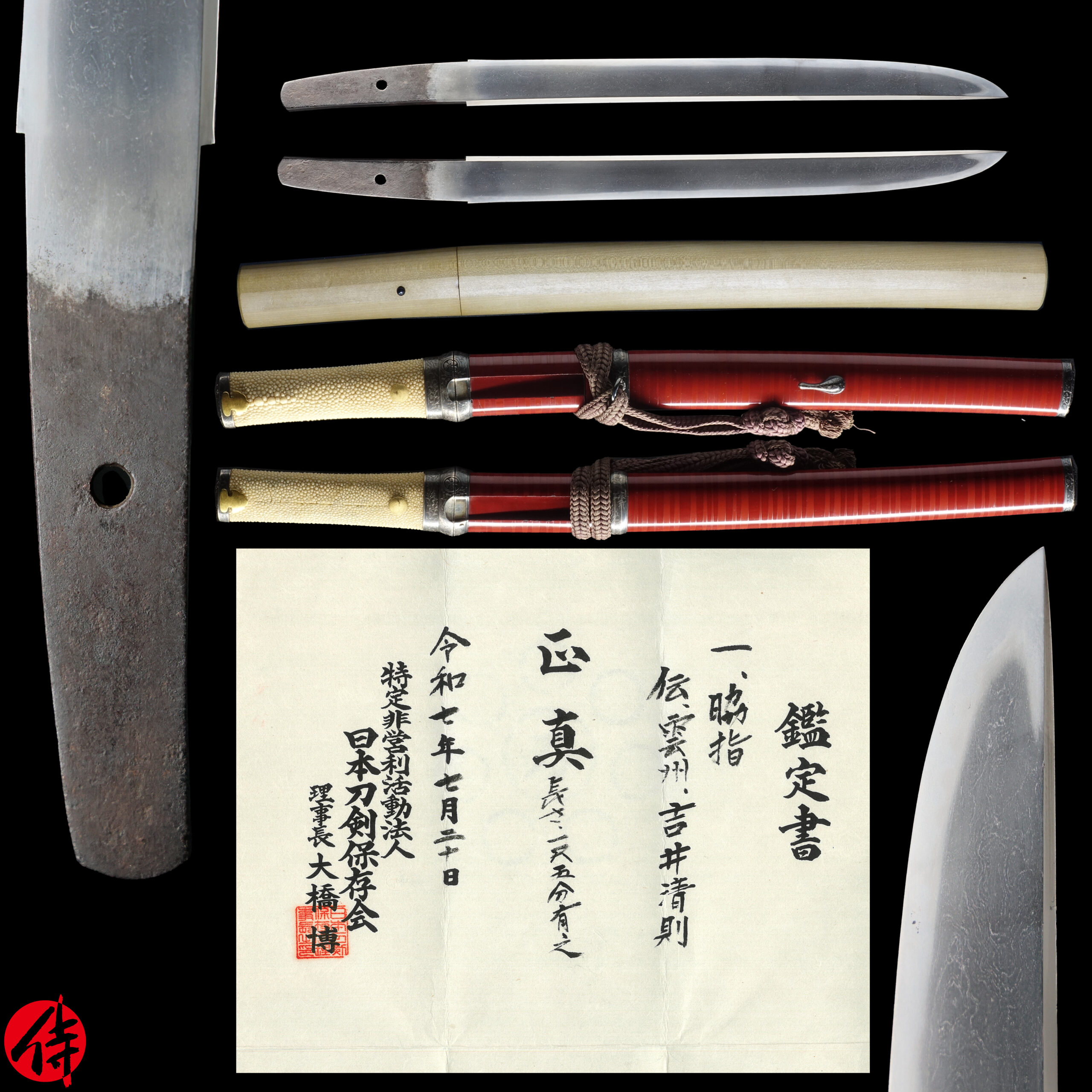
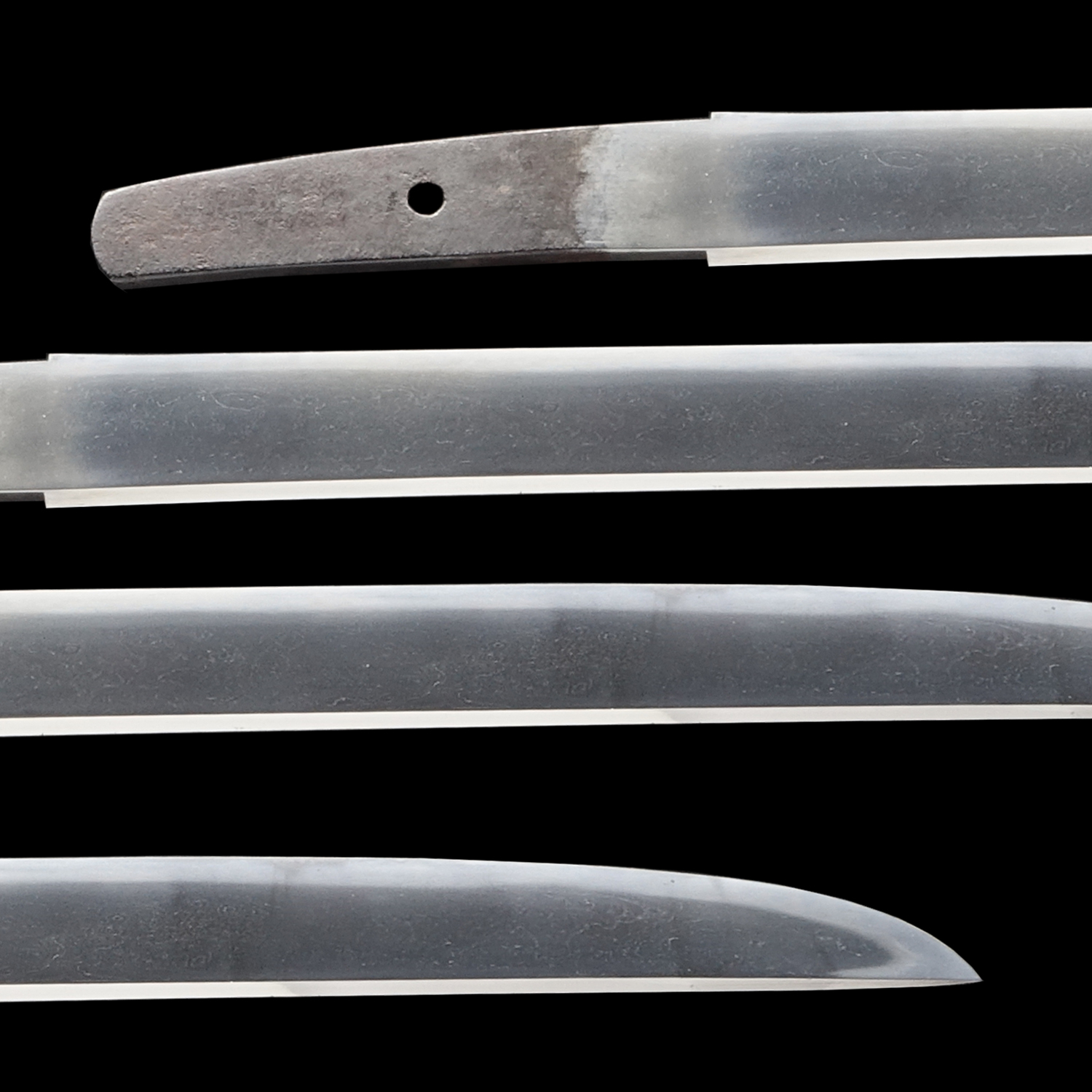
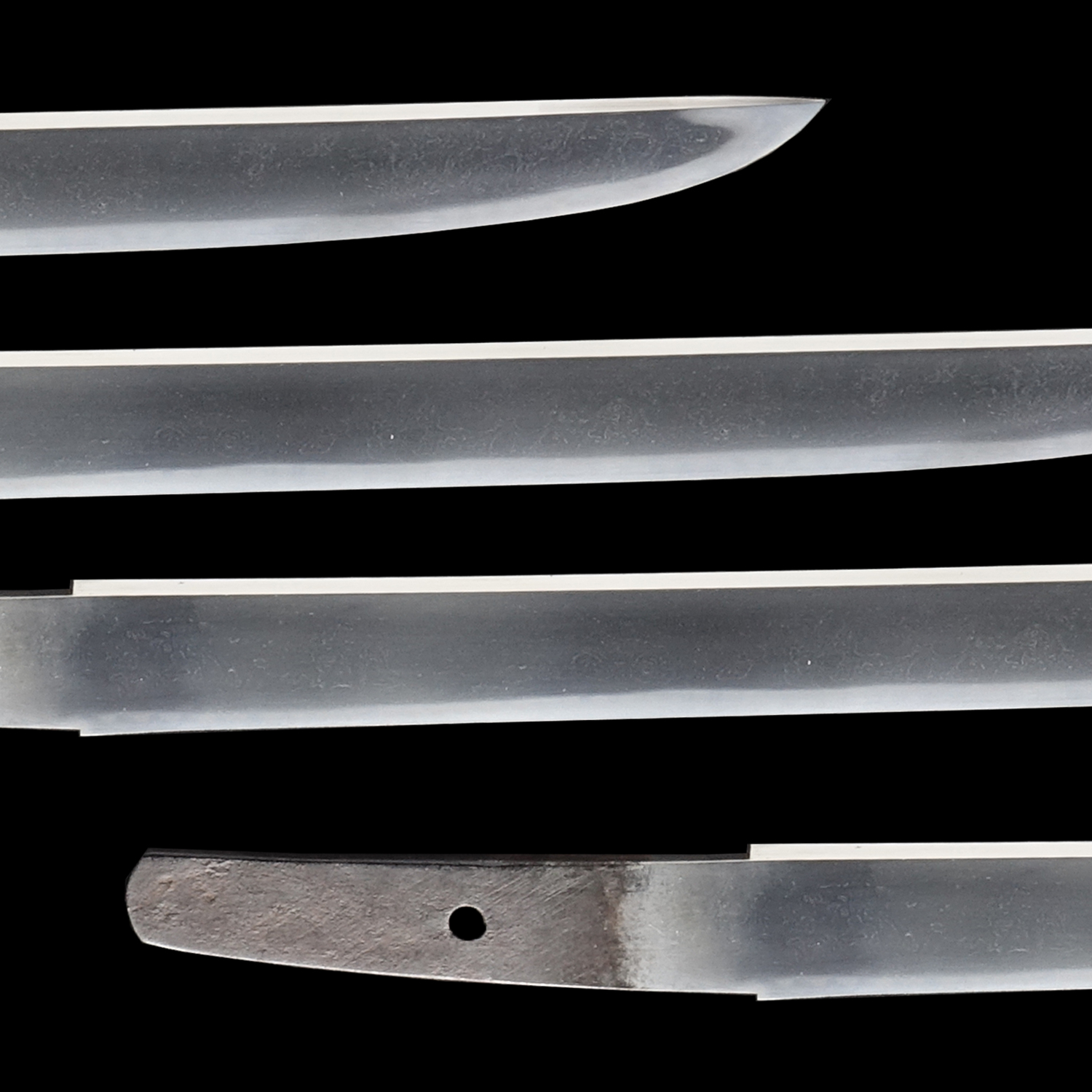
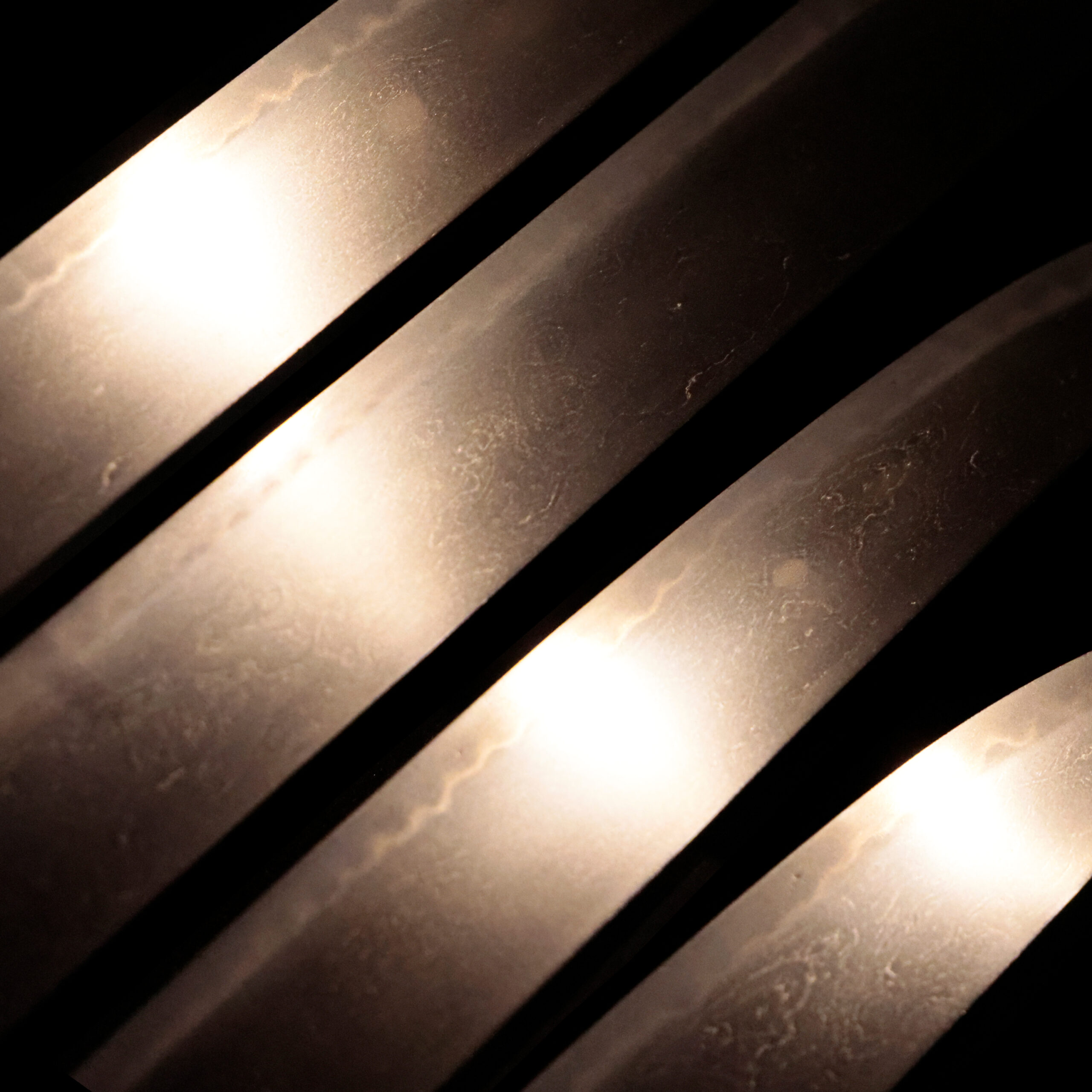
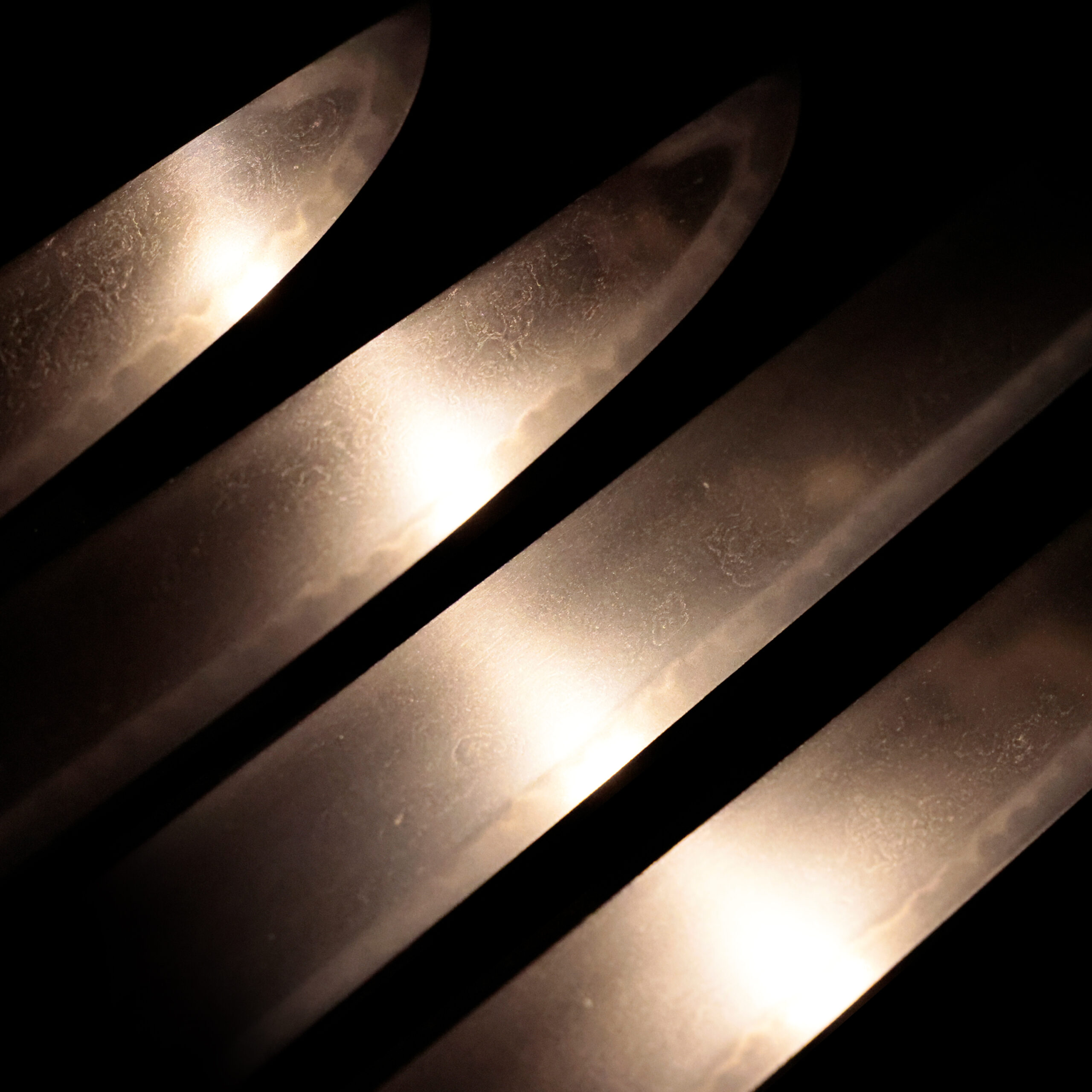
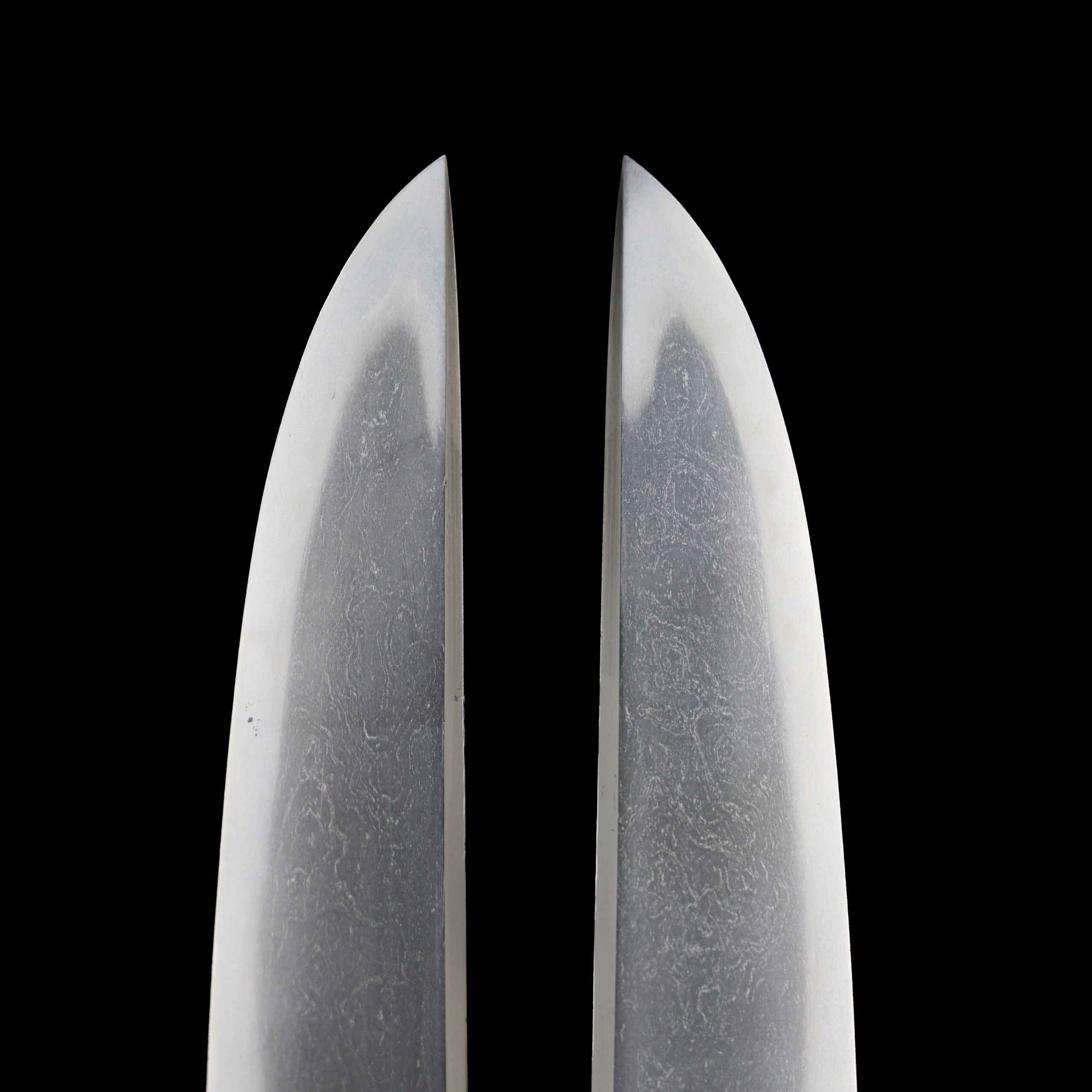
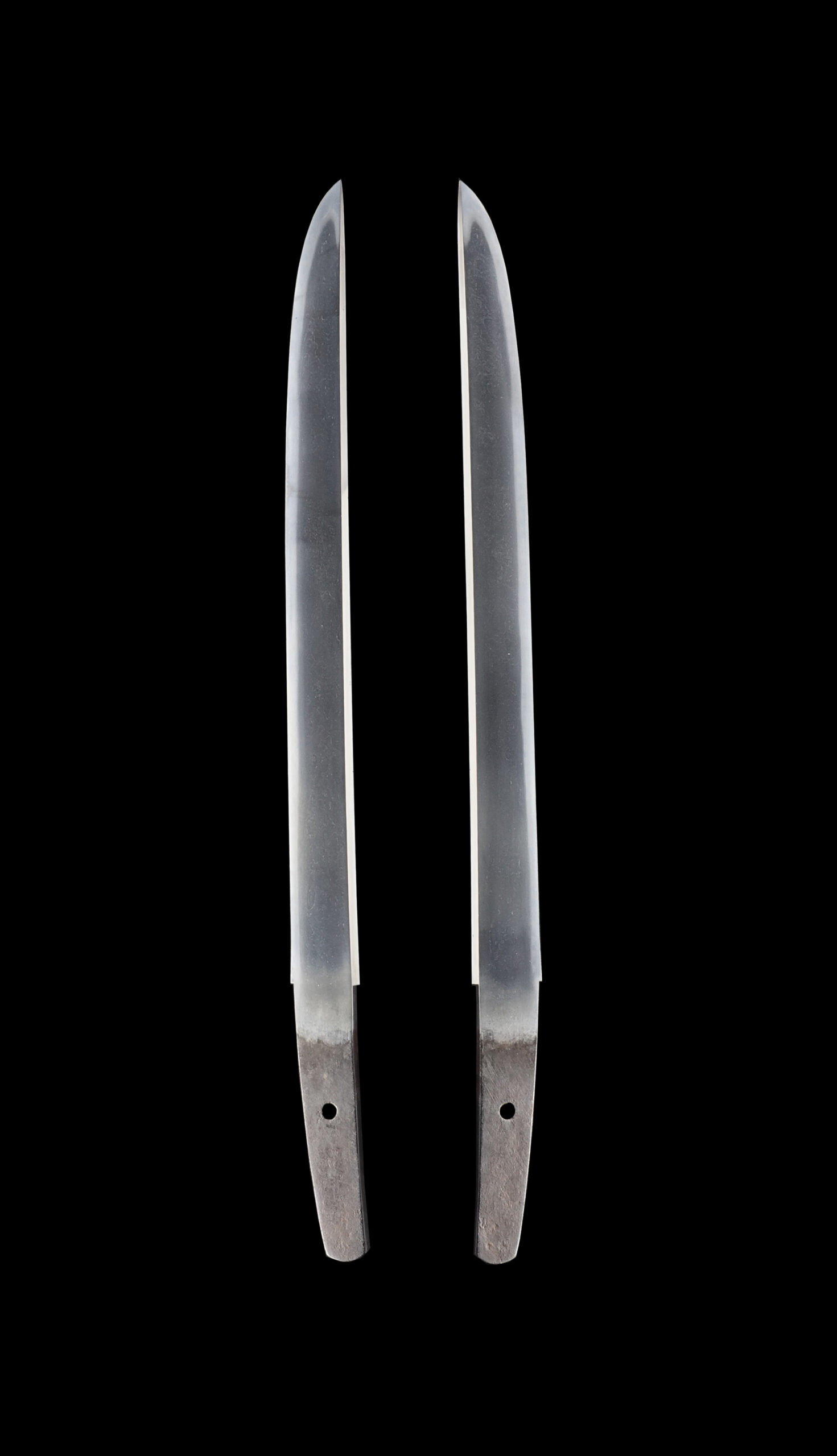
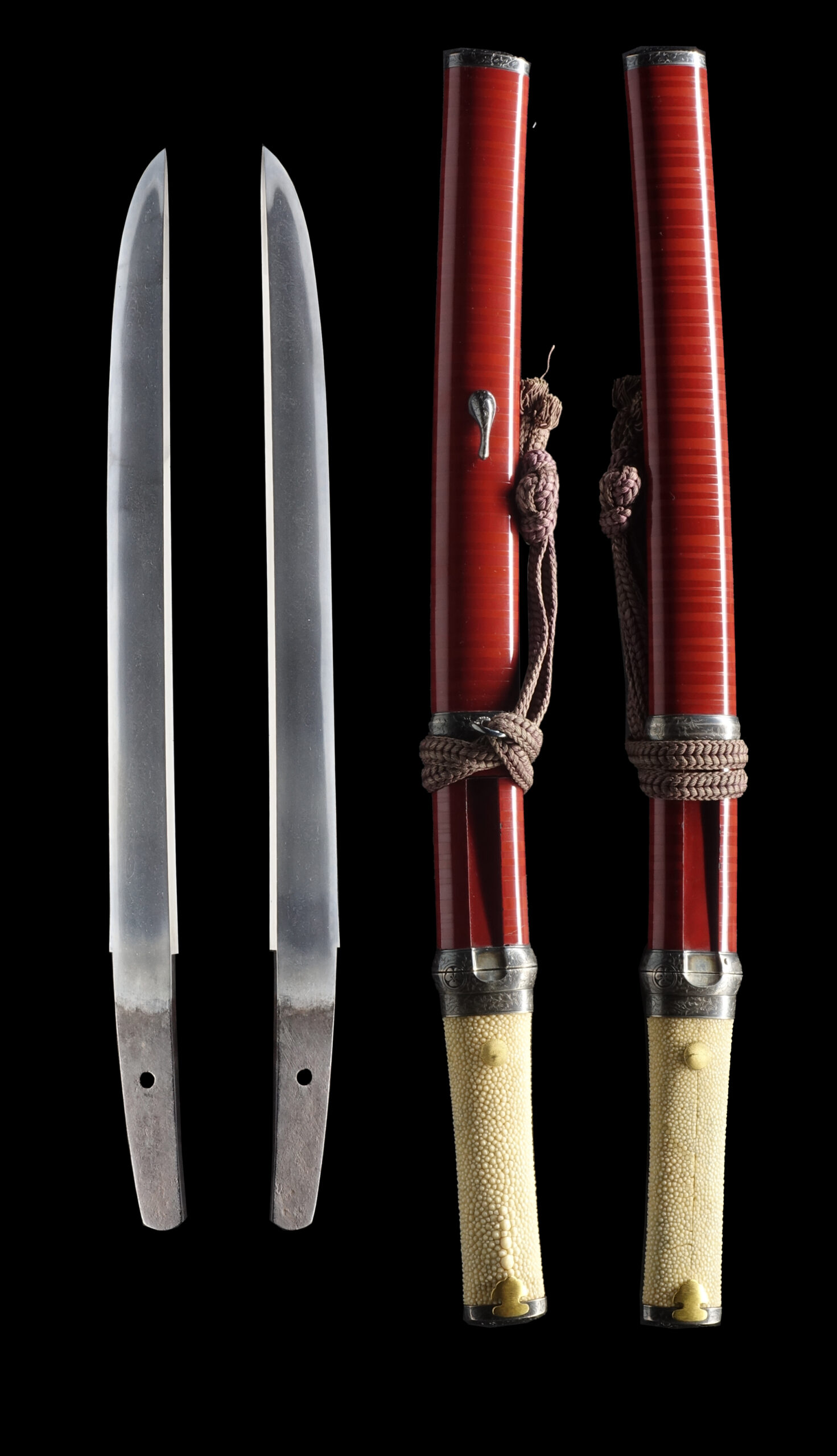
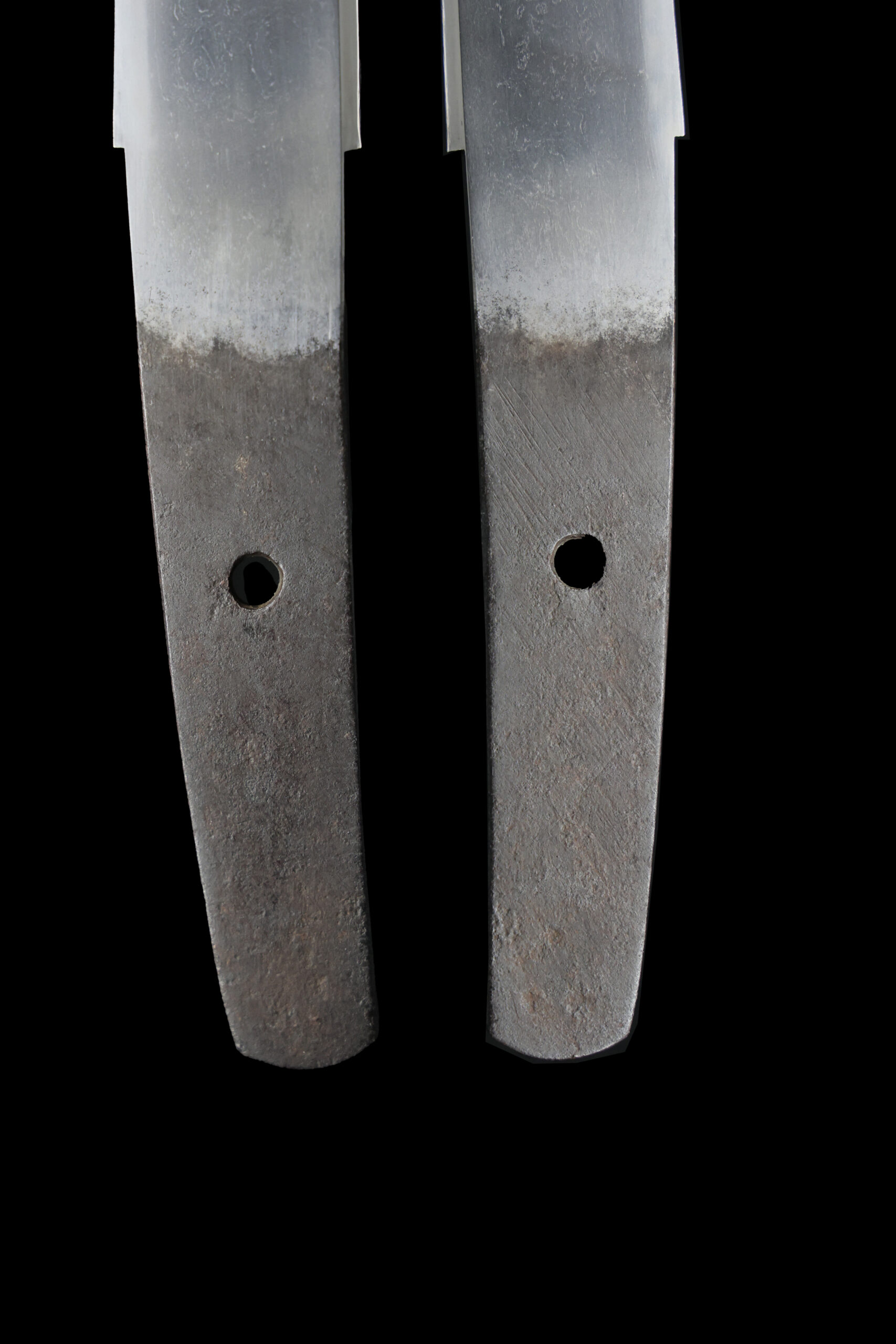
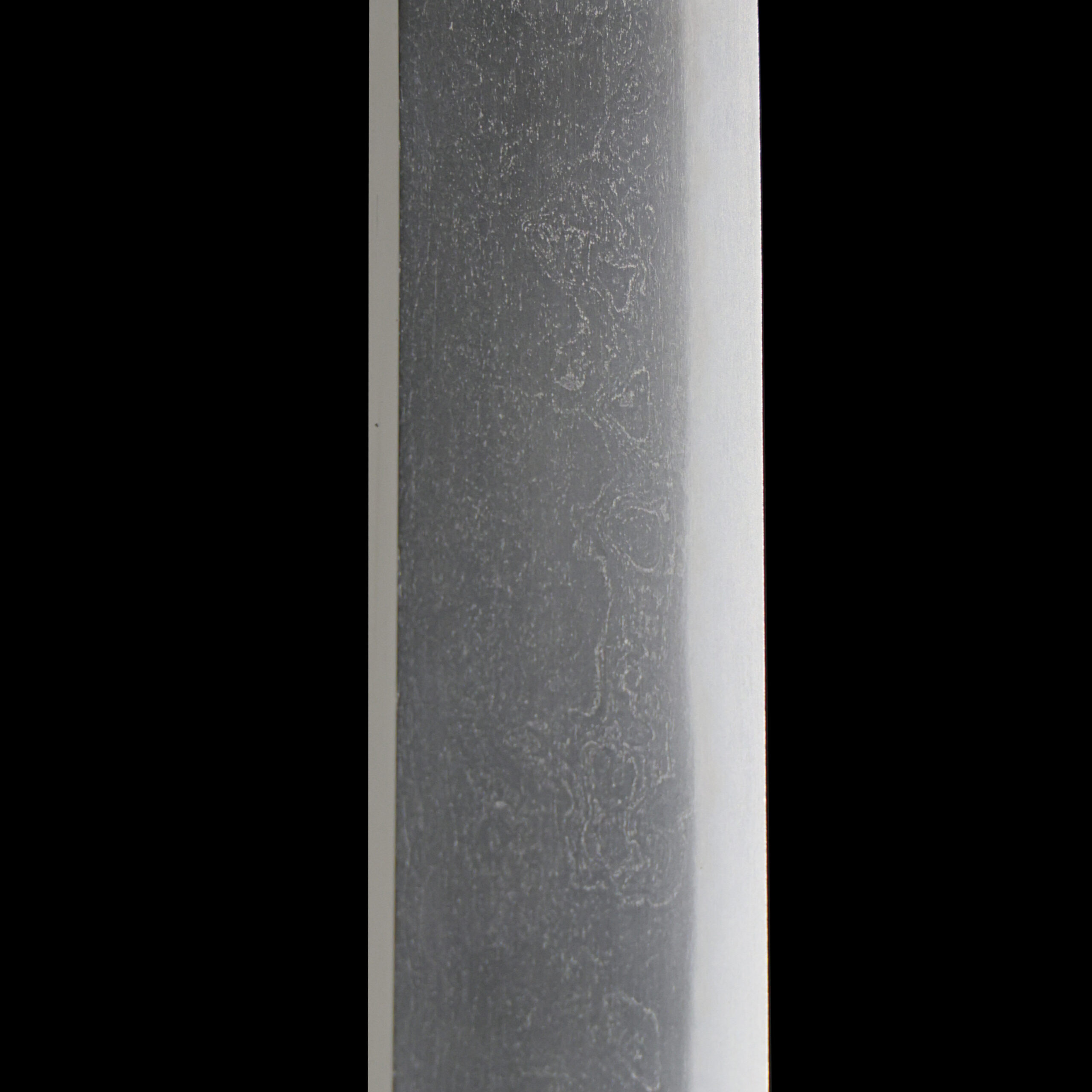
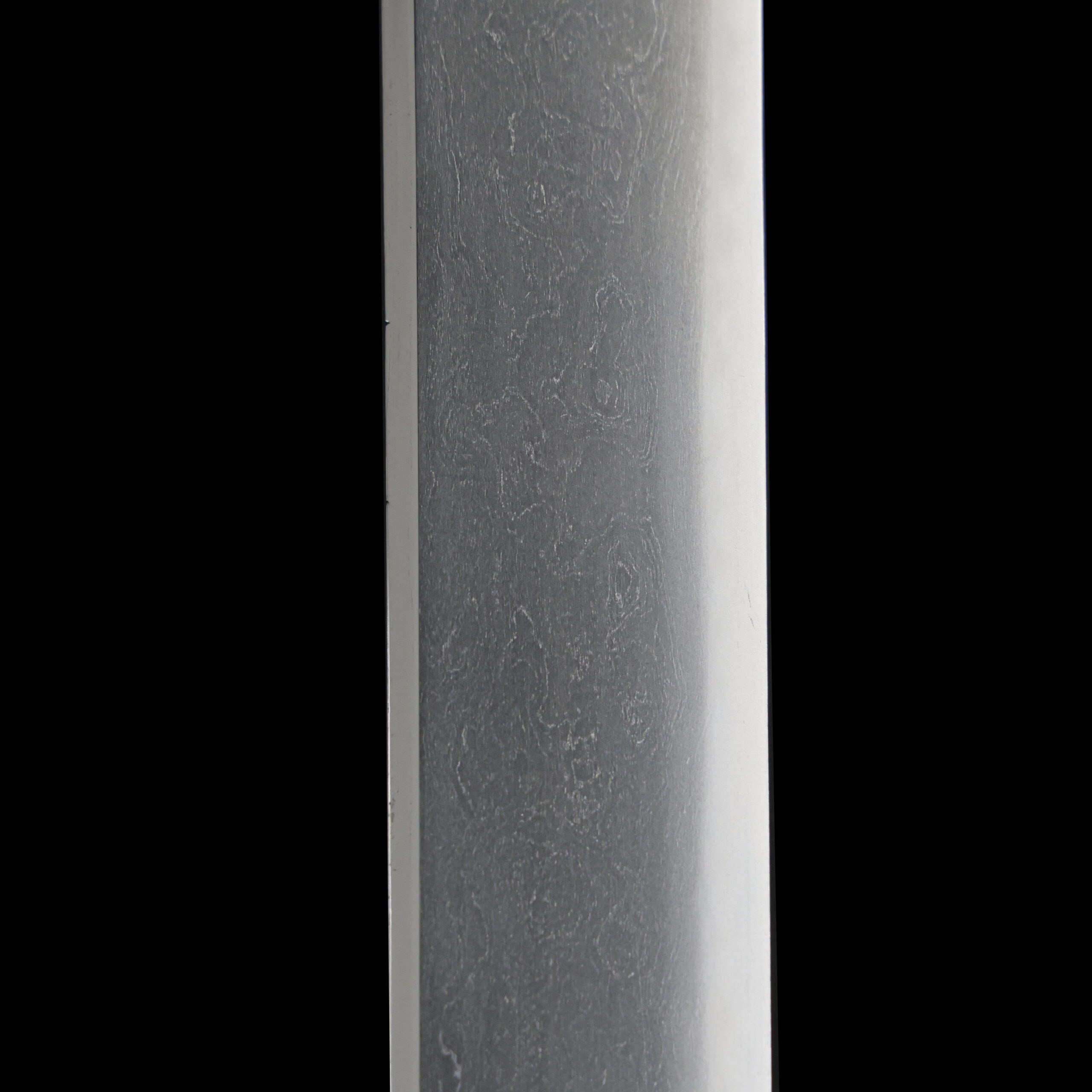
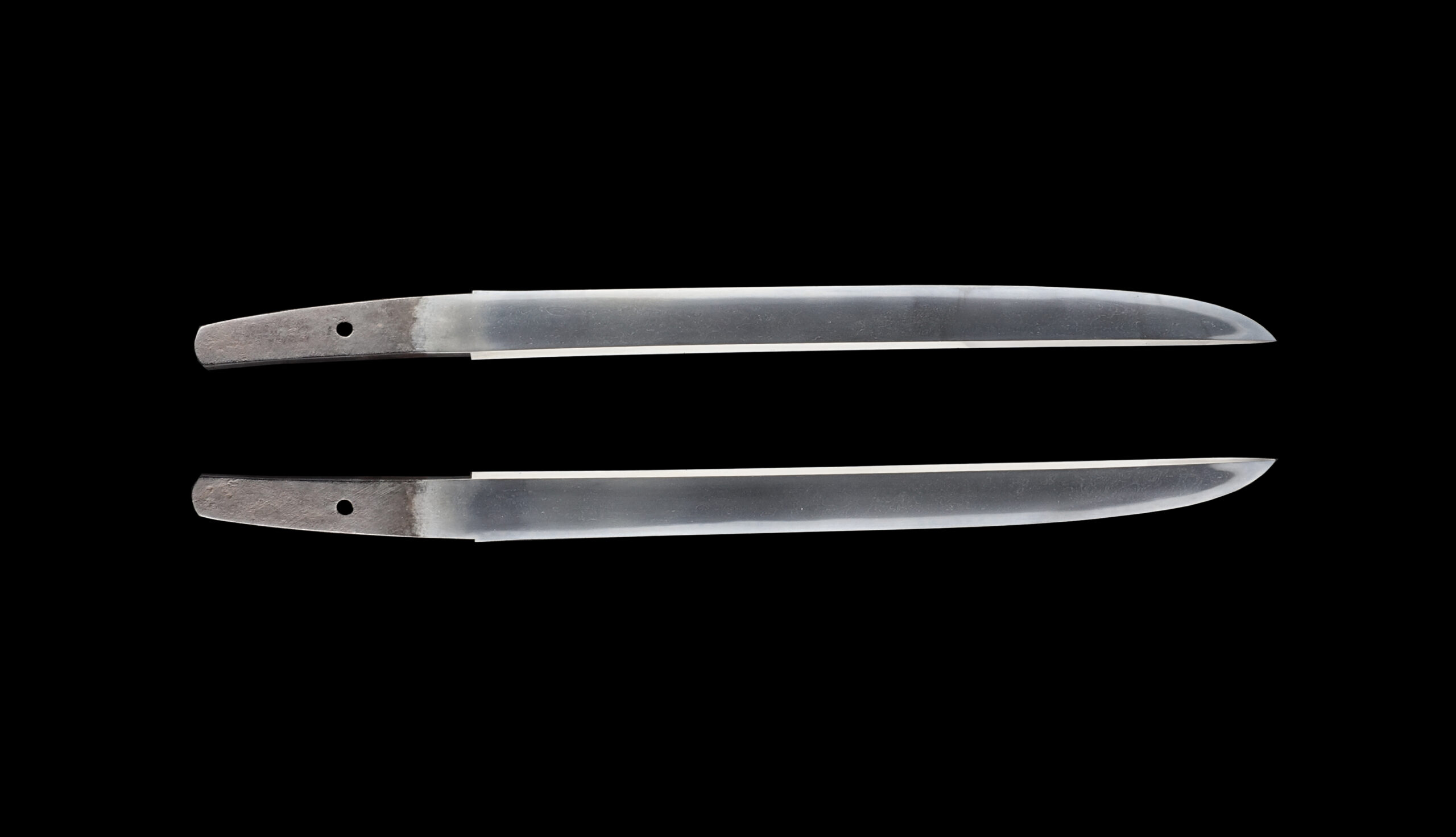
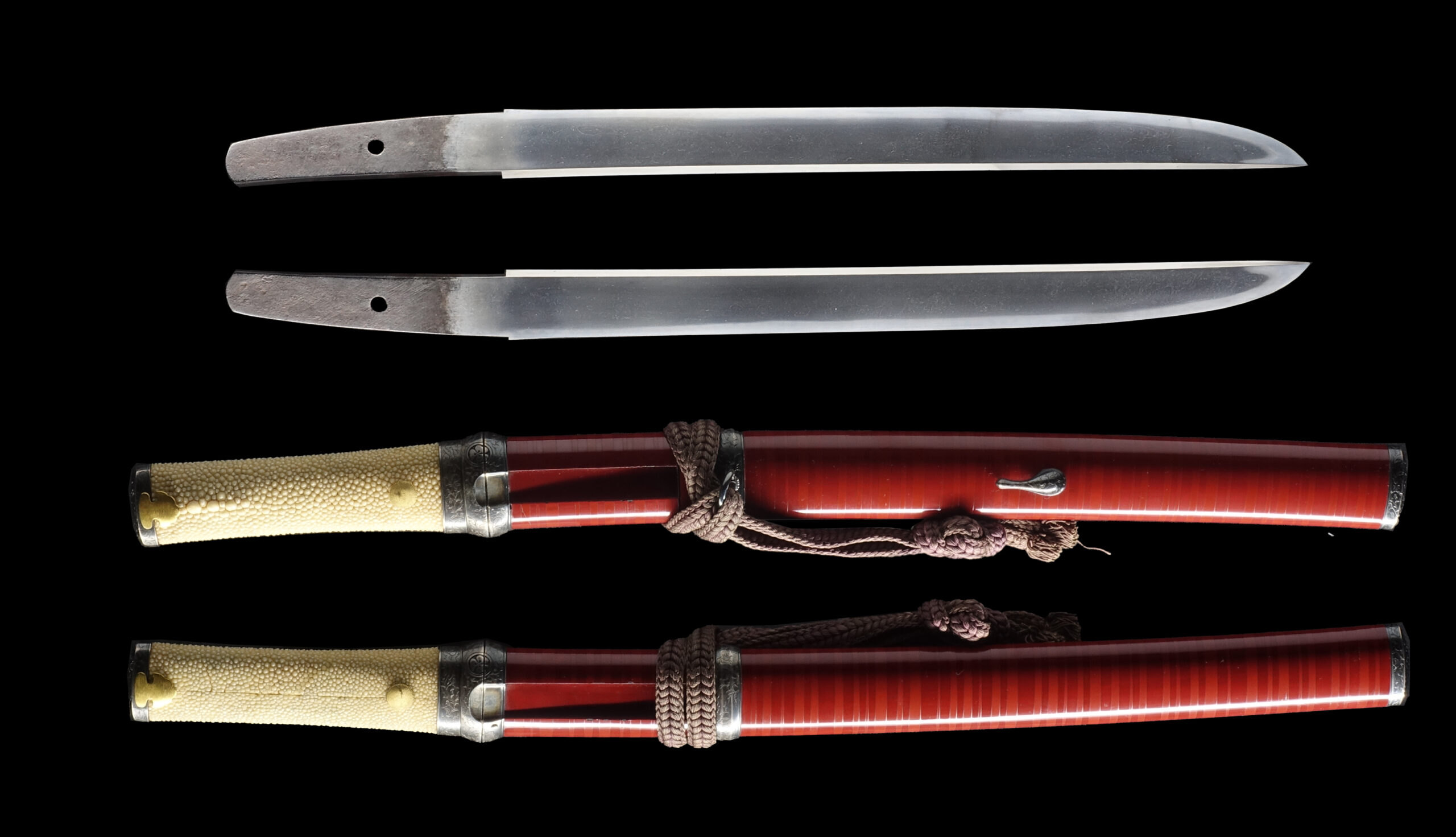
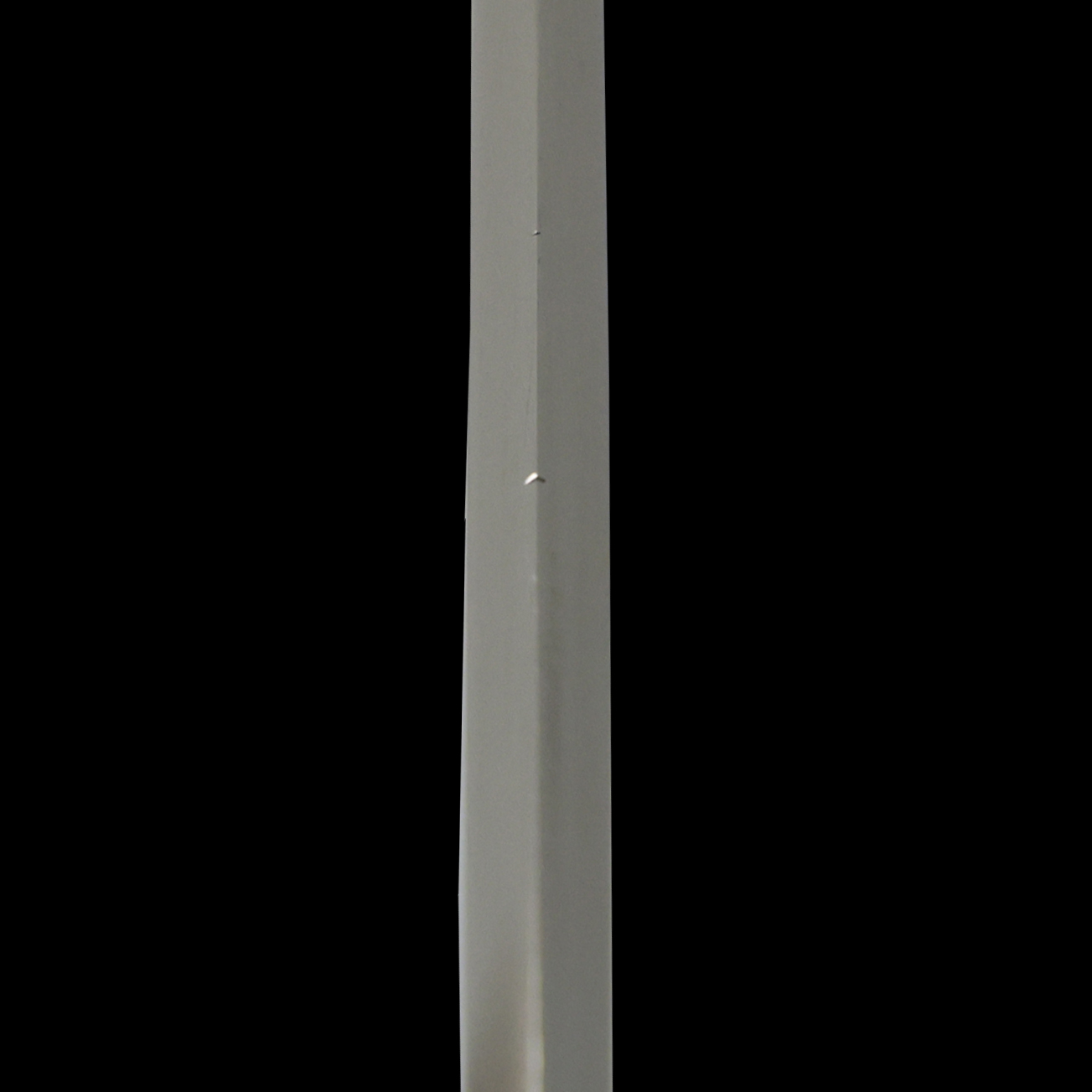
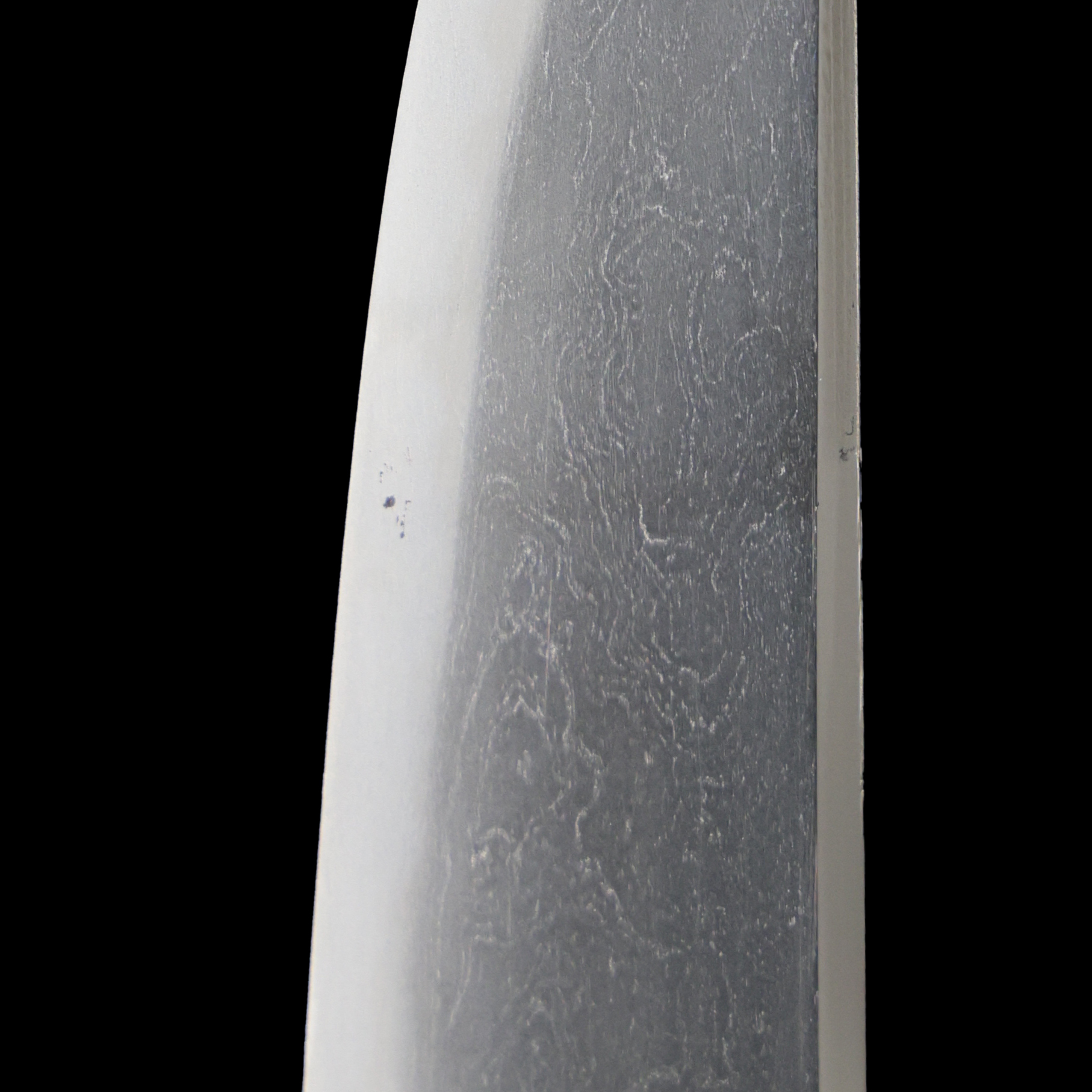
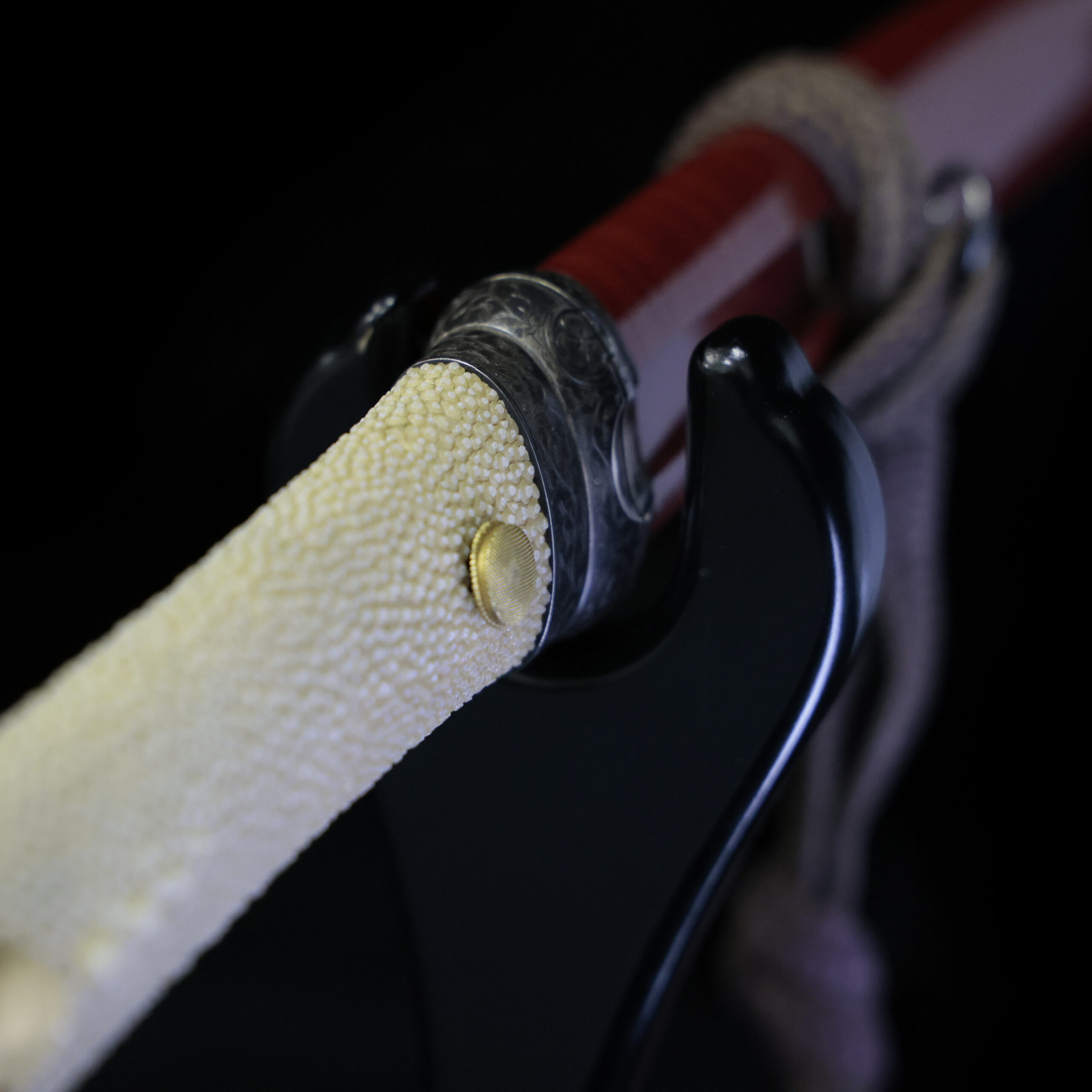
販売店の記載のまま
備前伝 · 備前
現在4点販売中
備前国吉井川をへだてて長船村と相対する吉井の地に、室町期に至って他の備前諸派が長船本流に統合される中、ただ一派その流れに与せず独自の作風を保って続いた一門がある。これが吉井派である。鎌倉後期の為則を祖として始まると伝えるが、その頃まで遡る作は稀有で、現存して年代の知れる作は鎌倉末期から南北朝期に始まる。NBTHKは南北朝を降らぬ作を古吉井、室町期のものを吉井として区別する。一門は「次」ならぬ「則」の字を通字とし、清次の伝えとともに景則・盛則・清則・永則と「則」字の名跡が連なる。中でも景則は名跡が最も長く続き、一説に吉井の嫡流とも伝えて、鎌倉末から室町中期まで一派の縦糸をなす。清則の子永則はのち出雲へ移住したとの伝えがあり、同国には後代の永則が数工あって伝えに符合する。 この一門を決するのは、規則的に連れて焼かれる小互の目である。やや肌立つ板目の上にこの刃を焼き、尖り刃・角がかる刃を交えて尖りごころを生み、しばしば逆がかって小丁子を交える。整然と反復するこの「吉井刃」を背骨として、清則・盛則らはこれを匂本位に控えめな小沸で締め、景則は刃中の強い沸を立てて、伊達家旧蔵の太刀が古備前と極められるほど最も古い備前へと結びつく。地鉄は杢を交えてつんだ板目で、処々綾杉風を呈し、地沸つき地景入る。その上に一門は備前物中独特の映りを立てる。これは焼刃の形がそのまま地に影となって映じたようなもので、長船本流の柔らかな雲のような乱れ映りのように漂うのではなく、上の刃文の輪郭を地に呼応させて繰り返す。連れた互の目の華やかな半面に対し、僅かに小互の目を交えた細直刃という静かな半面があり、同じ工が両様を打ち分ける。永則の細直刃に交じる小互の目のように、最も静かな刃にも畳み込まれた互の目が窺え、これが則光風の尋常な直刃と紛れるところを吉井へと引き戻す。銘は逆鏨を多用して切られ、銘字までもが一門の標を帯びる。 鑑定の勘所は、何よりこの整然たる連れにある。吉井の刀を分かつのは華やかさでも大きさでもなく、刀身の全長を一定の調子で走る小互の目の反復であり、これによって長船嫡流と分かたれる。背後に立つ影のごとき映りと、逆鏨の銘とが、これを補強する。逆にその作風の強さゆえ、後代のものが往々美濃物と誤鑑され易い点も心得るべきである。主要工の格は名高い鎌倉の名工というよりは記録の明確な上手で、藤代は清則を中作、盛則・永則を中上作とし、一門の手の平均を上回る位置に置く。その作はことごとく在銘で多くは年紀をもつため、求める者は年代まで定め得る工に出会い、これは室町備前の手にとってそれ自体が一つの魅力である。連れた互の目と映りに惹かれる収集家にとって、年紀作はこの一派の作風を最も明快に手にする道であり、伝来の知れるものでは景則の太刀が佐野美術館に、清則の太刀が靖國神社に、永則の大太刀が徳川美術館に納まる。古吉井の精緻な基準に最も近づくのは清則文安の脇指のような頂点の作で、室町期の吉井物にしてはよく沸づき、説示はこれを古吉井の作域にせまる出来と評する。 詳しく見る →
室町時代の備前
室町期の長船は二層の商いを営んだ。兵卒のための数打ち物と、注文主の俗名を銘に負う注文打ちである。末備前であっても、祐定の最上作は一派のいかなる時代の作にも劣らない。
日本刀剣保存会の中心的な鑑定書で、相応の出来を備えた刀剣に発行されます。在銘作は銘の正真を、無銘作は審査員による刀工・流派の極めを示します。点数を記す詳細な審査表が付されます。
日本刀剣保存会は、日本美術刀剣保存協会(1948年設立)に先立つ1910年に創立された、日本で最も古い刀剣鑑定団体です。長く会を率いた会長の没後、日本刀剣保存会と特定非営利活動法人日本刀剣保存会の二つに分かれ、いずれも審査を続けています。刀剣に対する日本刀剣保存会の鑑定書は、点数と審査員の所見を併記する詳細な審査表が特徴です(刀装具の鑑定書に点数は付されません)。特に無銘作の極めに定評があります。
Returns/exchanges limited to defects caused by shipping (except willful misconduct or gross negligence by the company); customers must contact within 72 hours of receiving the product.