NihontoWatch Mon

NihontoWatchBETA

MarketAuctions
Encyclopedia
NihontoWatch Mon

NihontoWatchBETA

MarketAuctions
Encyclopedia

Description

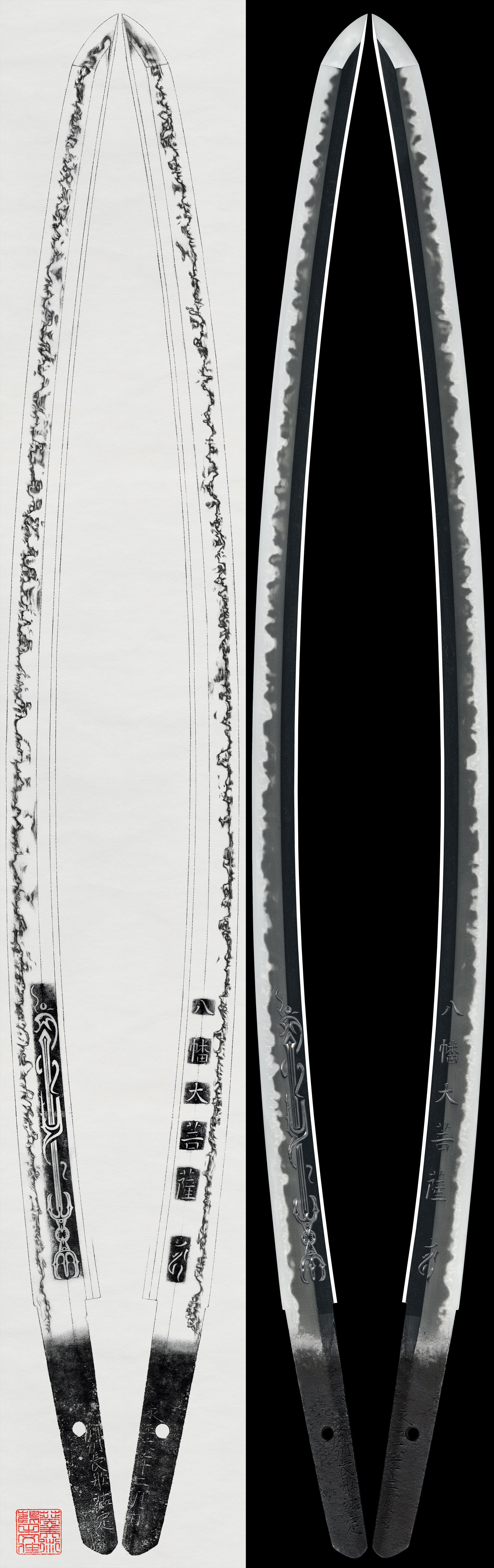
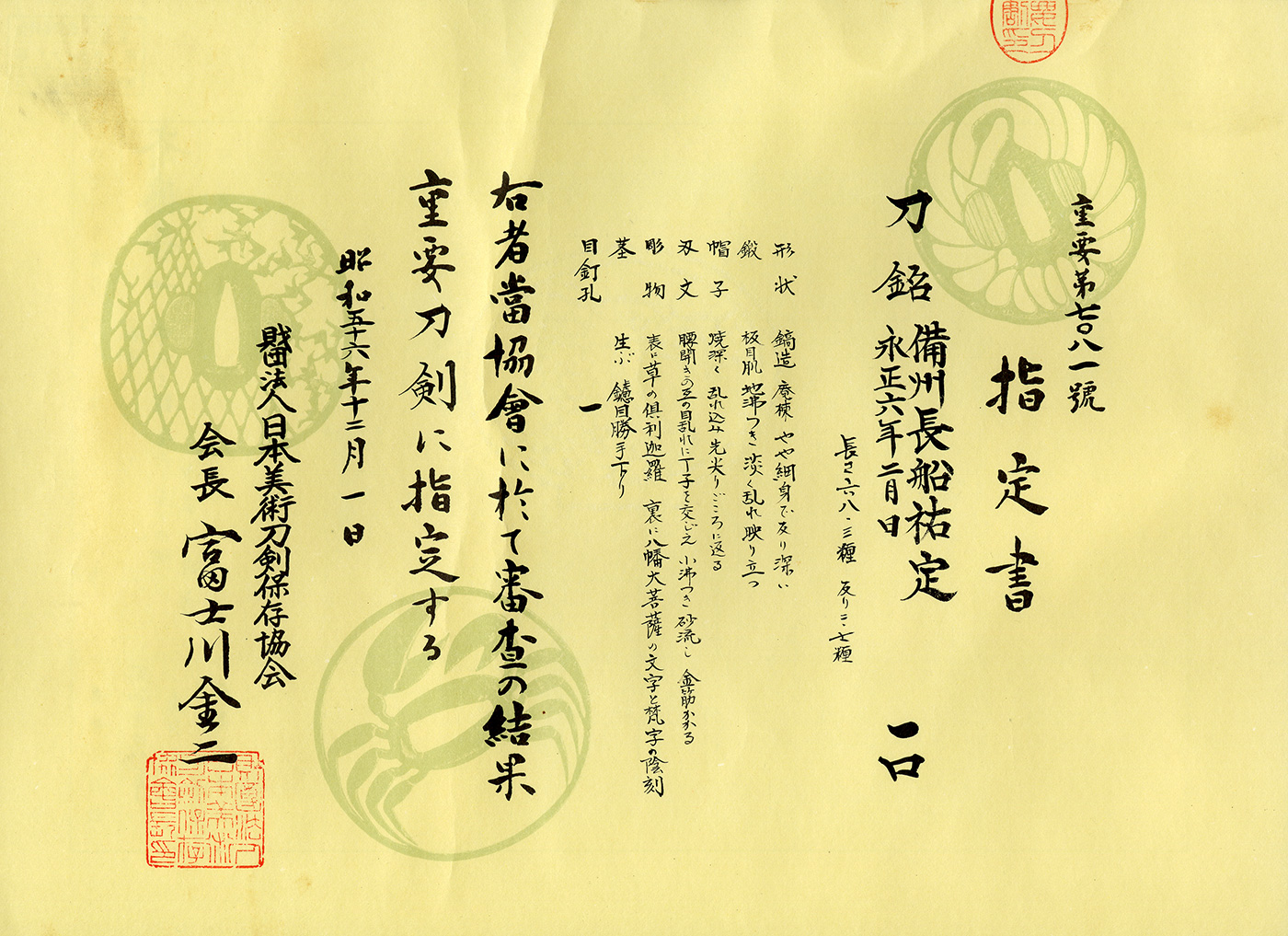
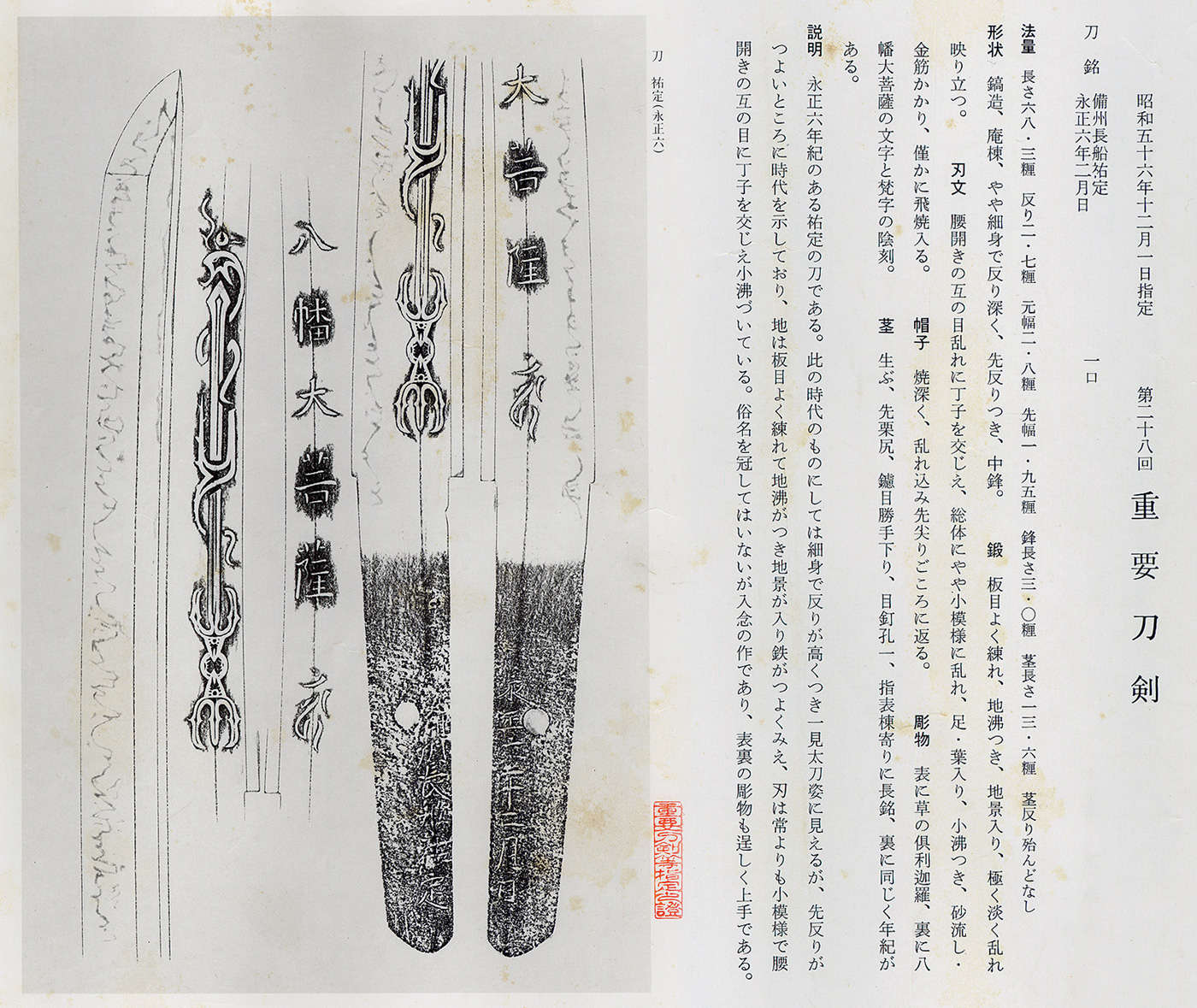
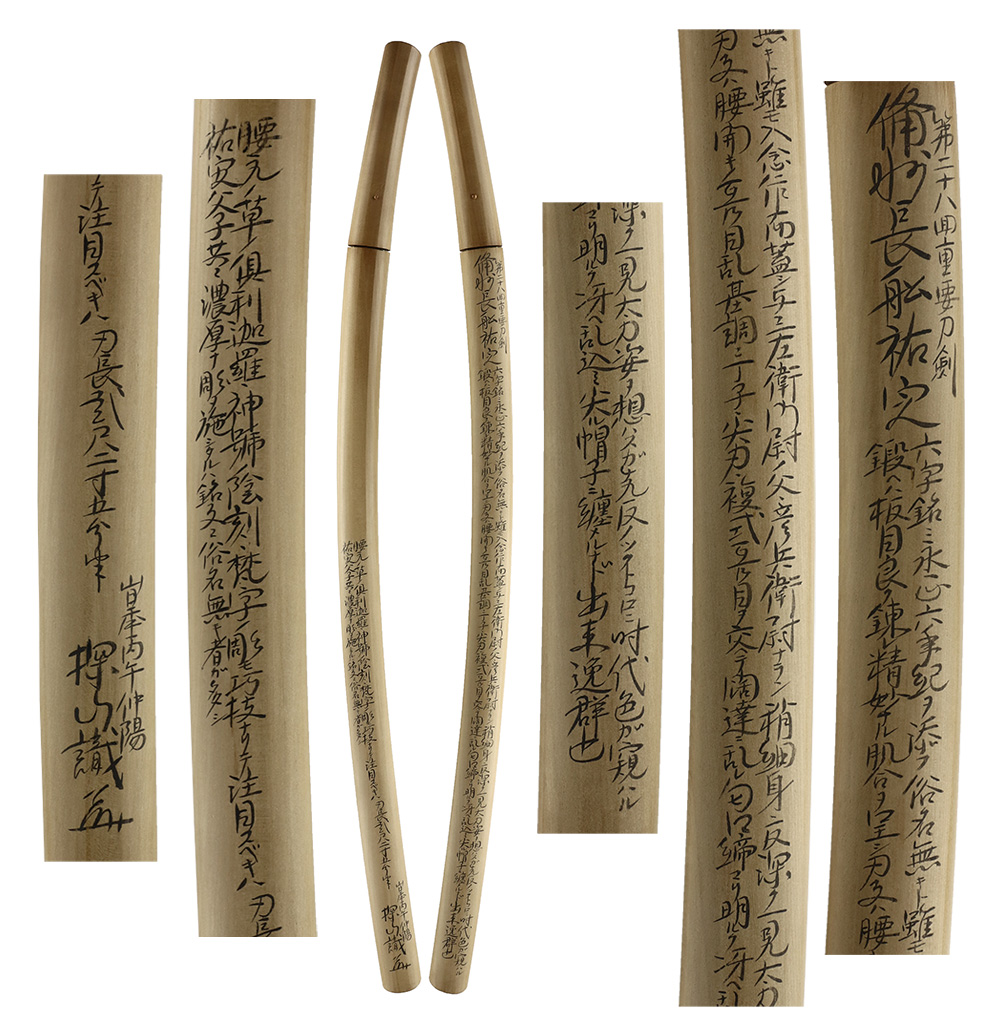
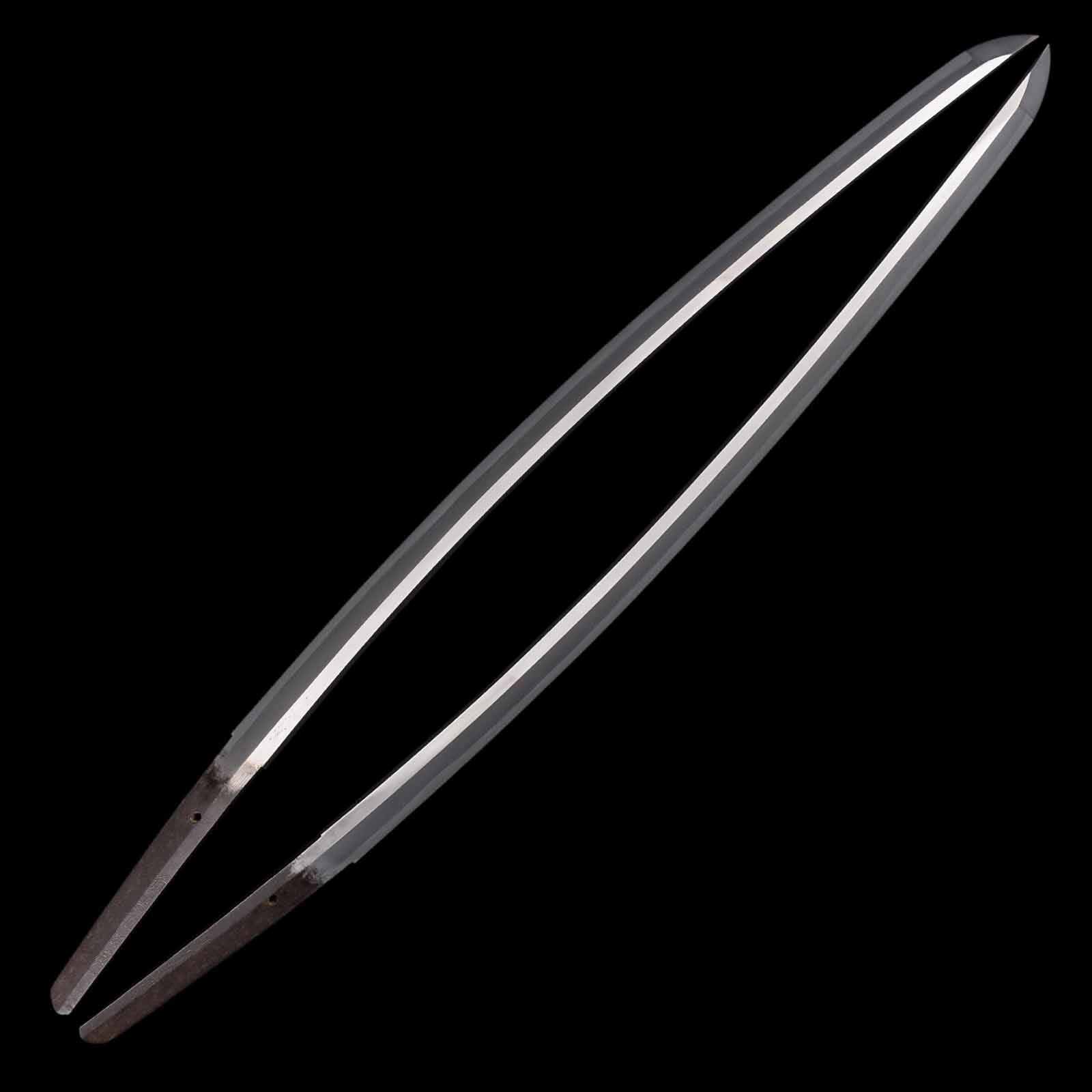
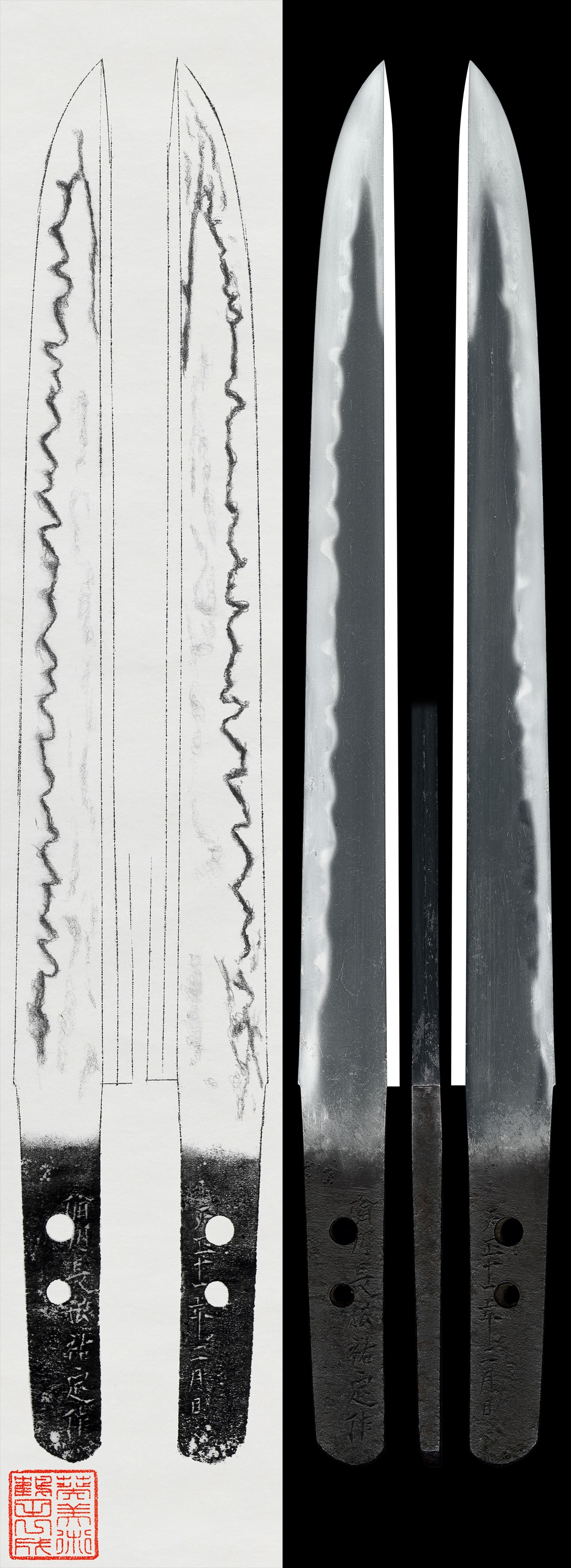
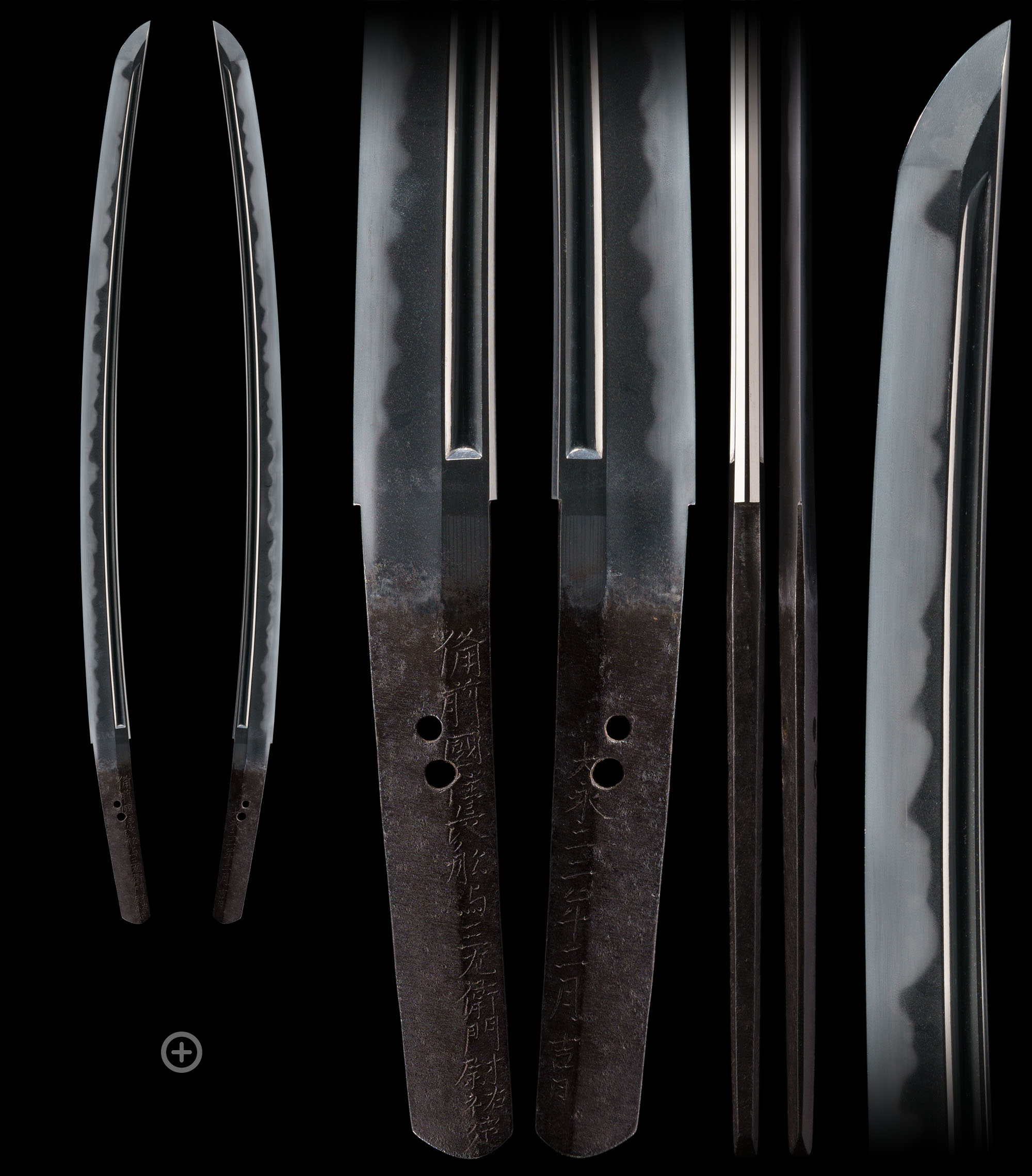
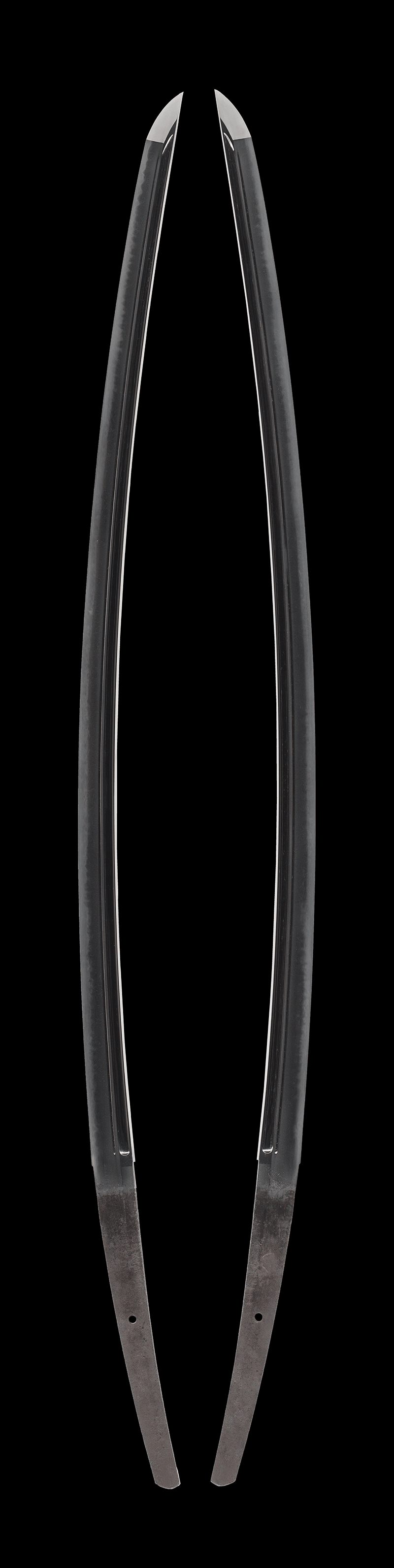
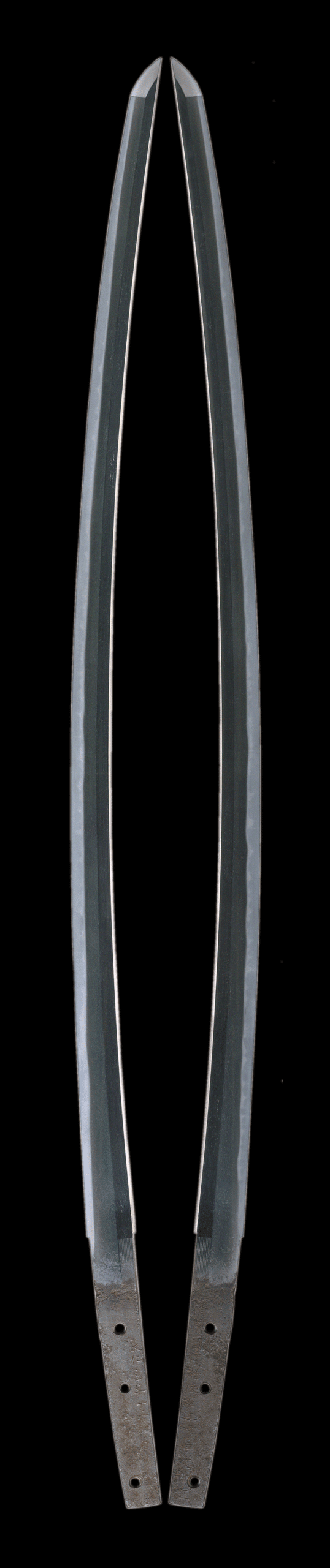
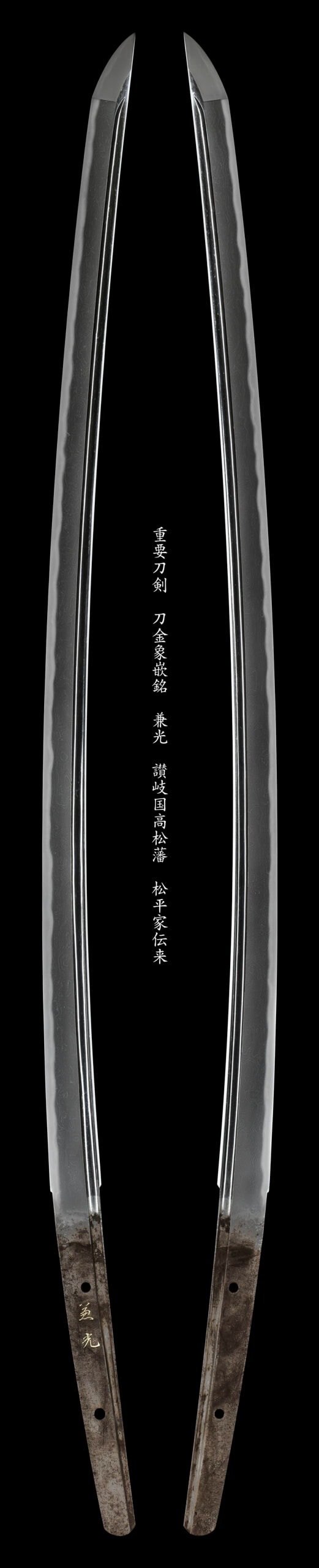
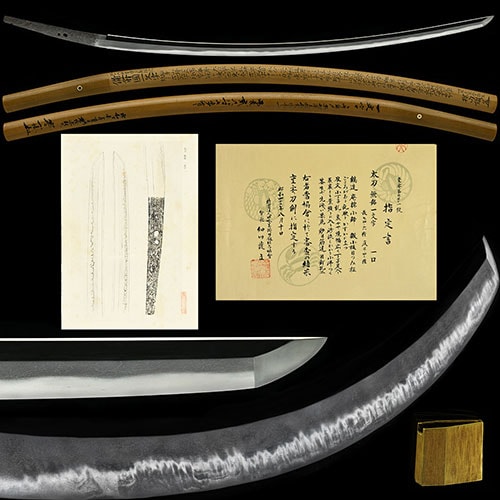
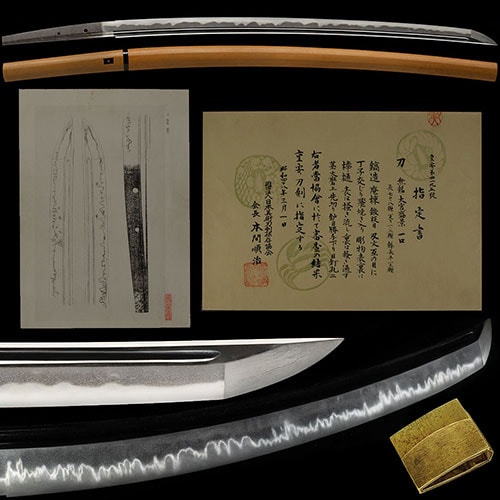
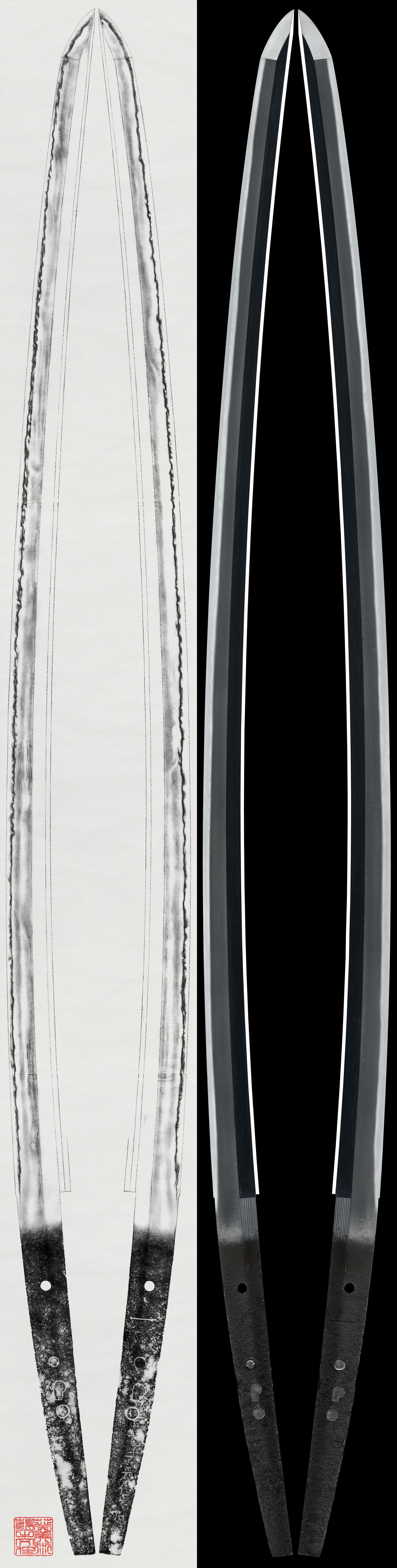
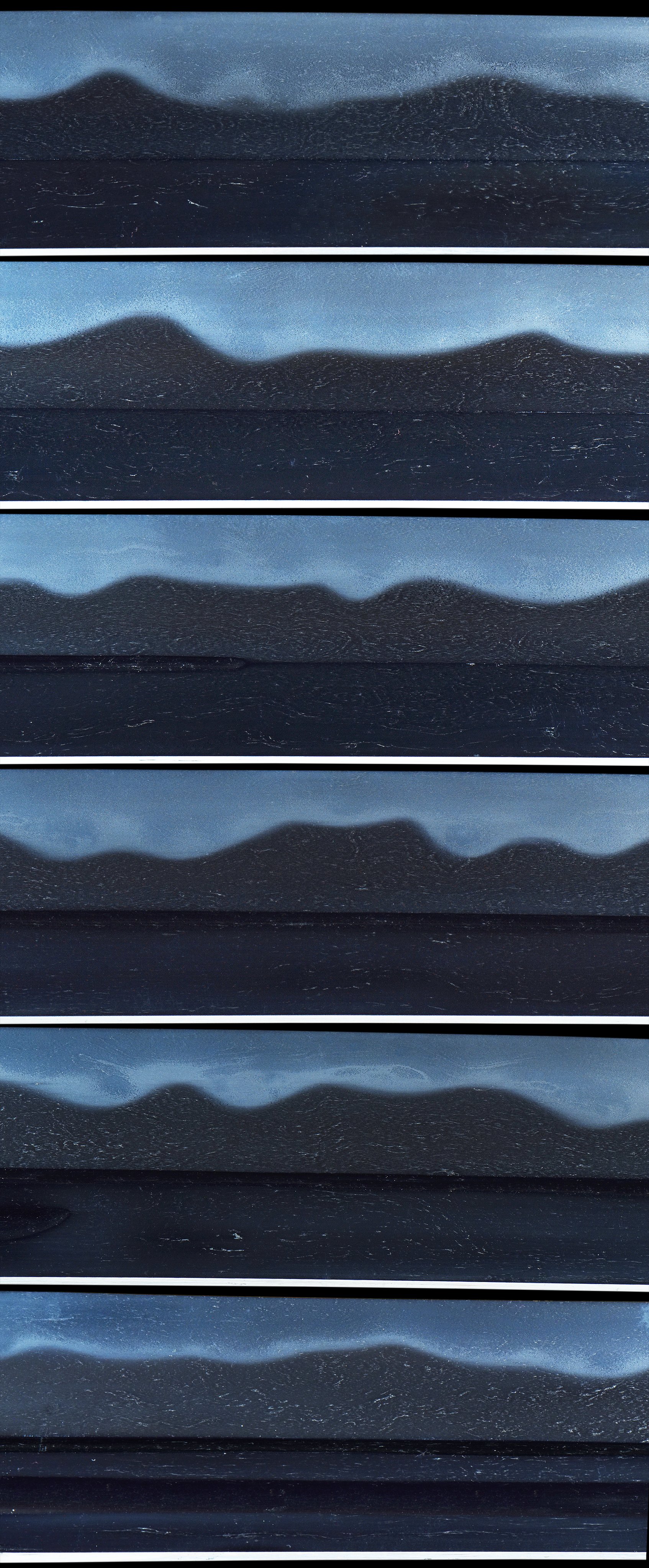
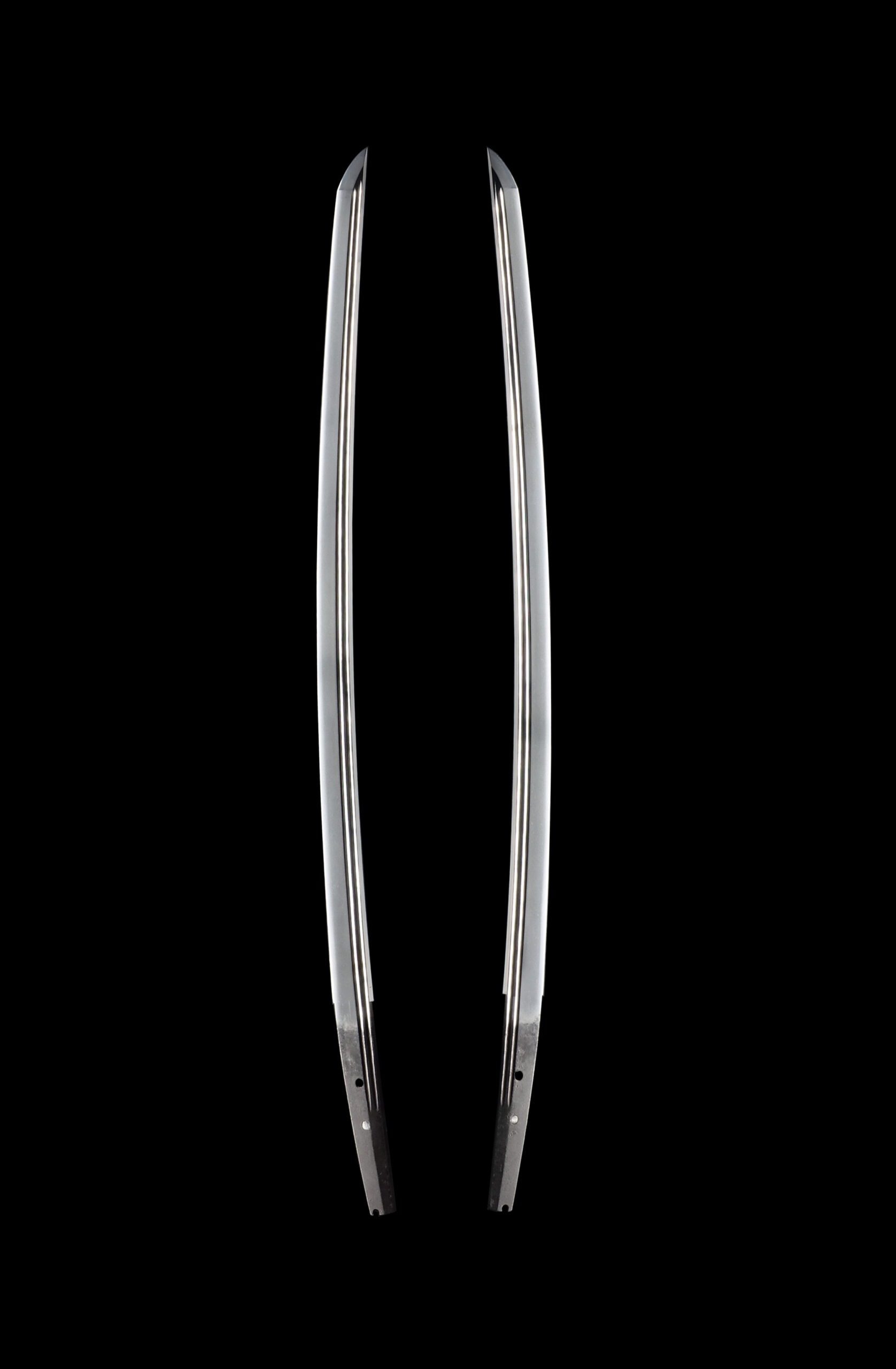
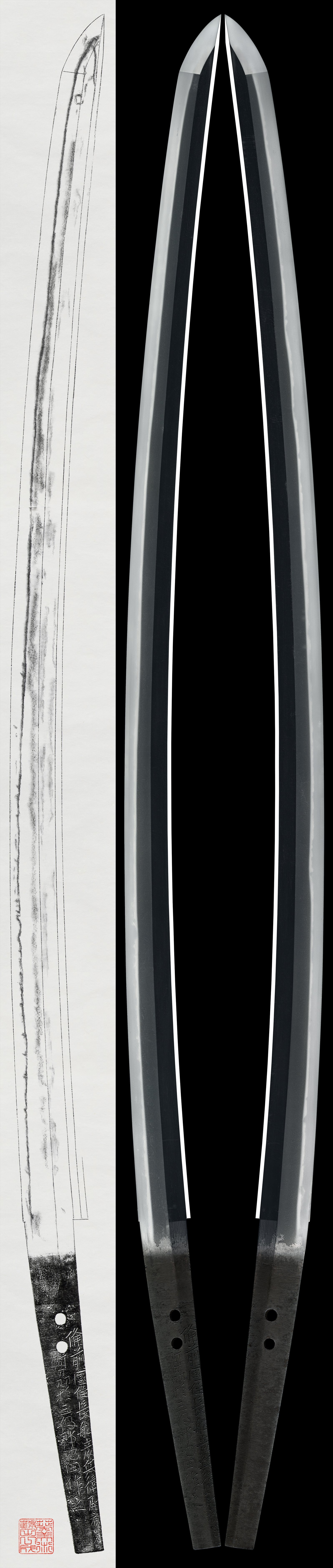
This is a katana by Bishu Osafune Sukesada, dated February, Eisho 6 (1509). It is a 28th Juyo Token. The blade is slender with deep curvature, giving the impression of a tachi-style shape.

NihontoWatch MonNihontoWatchBETA
MarketAuctionsEncyclopedia
Swords›Bizen-den›Osafune›Sue-Bizen›Sukesada›Katana: Bishu Osafune Sukesada (Hikobei no Jo Sukesada) - Dated February, Eisho 6 (1509), 28th Juyo Token
katana
Sukesada

mei · Osafune · Koto · nagasa 68.3cm · sori 2.8cm

SOLD
Sukesada — 1 of 6
Sukesada — 2 of 6
Sukesada — 3 of 6
Sukesada — 4 of 6
Sukesada — 5 of 6
Sukesada — 6 of 6
1 / 6
1 / 6
Sukesada — 1 of 6Sukesada — 2 of 6Sukesada — 3 of 6Sukesada — 4 of 6Sukesada — 5 of 6Sukesada — 6 of 6
Measurements & details
Smith
Sukesada
Type
Katana
School
Sukesada
Period
Around 1487–1521(Chōkyō–Eishō)
Province
Bizen
Signature
Signed(100% of this smith's designated works are signed)
Measurements
Nagasa 68.3cmSori 2.8cmMotohaba 3cmSakihaba 2.1cmKasane 0.54cmWeight 615g
Description
About the maker

Sukesada

祐定

Sue-Bizen Osafune (Sukesada) · Bizen · around 1487-1521

Fujishiro Jo-jo saku · Tōken Taikan top 18%

›

Hikobei-no-jo Sukesada is one of three smiths the published sources lift out of the crowded body of Sue-Bizen Osafune masters who signed Sukesada in the late Muromachi, his five designated works all signed katana dated between Meio 7 (1498) and Eisho 14 (1517). Among the many smiths who used the name Sukesada in late-Muromachi Osafune, the NBTHK's commentary repeats that those bearing the common-name titles Yosozaemon-no-jo, Genbei-no-jo, and this Hikobei-no-jo are 「とりわけ技術が高い」[[c:1]], the most accomplished of the line even within the same period and school. The published sources transmit a further fact that fixes his place in the family: he was the elder, 「与三左衛門尉祐定の父と伝え」[[c:2]], the father of Yosozaemon-no-jo Sukesada, the most celebrated of all the Sue-Bizen Sukesada. He sits, then, at the head of the most distinguished branch of the last great phase of the Osafune line, the generation that worked the long uchigatana as the tachi fell out of use.

His declared specialty is a calm one. The published sources read his manner as broadly suguha, the register in which his fine pieces are found, his hand summarised as 「作風は概ね直刃で, この手のものに佳作を見る」[[c:3]]. The Eisho 10 katana of 1513 shows that quiet domain at its best. The yakiba is taken deliberately broad on a suguha base, into which gunome and ko-gunome enter, the ashi present and the yo conspicuous, ko-nie clinging along a habuchi that here and there drifts into faint hotsure and a little yubashiri, fine sunagashi running through and long kinsuji striking across the temper. The boshi is tempered deep, shallow and notare-leaning into a pointed cast on the omote, straight to a large maru on the ura, the kaeri brushed down long on both sides. It is a restrained blade carrying a great deal of incident within the line, the kind of finely controlled suguha the published sources name his own.

The other pole of his range is fully native Bizen, and the NBTHK is explicit that he is no less skilled in it: 「本作のような備前本来の乱れ刃もまた上手である」[[c:4]]. Here the keynote is choji mixed with gunome, the valleys of the midare opening at the base into a waist-spread koshi-biraki form, ko-choji and ko-gunome and pointed togariba folded in, the pattern in places building into a double-flower juka and a compound fukushiki midare. The jigane beneath is a tight ko-itame to itame, closely packed and clear, ji-nie attaching, fine chikei entering, and across it a midare-utsuri that runs from faint to fully risen, the speckled reflection the old Bizen steel throws back. On his most exuberant work the nie thickens, kinsuji and sunagashi play through the ha, small bead-like tobiyaki drop into the ji, and the nioiguchi stays bright and clear over the whole. The Meio 7 katana of 1498, the earliest dated of the five, is the apex of this manner, a tall flamboyant midare in which the published sources read the full play of multiple kinds of teeth, juka and fukushiki forms together, and judge it a piece in which 「彦兵衛尉祐定の本領が遺憾無く発揮された」[[c:5]].

The two manners are not separate periods but one working range, and the designated blades favour the flamboyant pole while the commentary keeps naming the suguha as his proper domain. The signature register is consistent and is where a collector reads him first. All five are katana on ubu nakago, a long signature cut on the omote and a date on the ura, several of them in fine chisel run over two columns. The most explicit, the Meio 7 and the Eisho 6 katana, carry the full common name, Bizen no Kuni Osafune Hikobei-no-jo Sukesada saku; the pieces that sign only Osafune Sukesada without the title are appraised as Hikobei-no-jo from the manner of the mei, as the Eisho 14 and Eisho 10 commentaries say outright. One of the Eisho-dated blades drops the jo character to read simply Hikobei Sukesada, a form the published sources note is unusual but occasionally seen. The carvings deepen the picture and recur across the group: paired bo-hi with a companion tsure-hi or soe-hi, run through or stopped in maru-dome, and at the base a religious motif, on different blades a Sanskrit bonji, a Kurikara dragon, or the carved invocation Namu Hachiman Daibosatsu cut in intaglio.

What sets him apart within the Sukesada body is read by his own affirmed traits rather than by contrast. His is the high-quality end of Sue-Bizen production, the ji and ha both bright and clear on his best pieces, the suguha finely grained and the midare disciplined even at its most lively, and the NBTHK calls one Eisho 6 katana, with its Kurikara and Namu Hachiman Daibosatsu carving, a work in which the Sue-Bizen character is well displayed. His relationship to the wider name is genealogical and direct: father of Yosozaemon-no-jo, set by the published sources beside Genbei-no-jo as one of the three masters whose technique stands above the rest of the line. He is distinguished from his more famous son and from the many ordinary Sukesada not by a single eccentric tell but by the evenness of his quality, the breadth of his range from quiet suguha to compound midare, and the care of his carving and signature.

Five of his works have passed Juyo, and all five sit in that one register, none raised to a higher designation, so they form the body of his designated work that can in principle change hands. Fujishiro rates him Jo-jo saku, an upper-grade ranking, and his Toko Taikan valuation places him among the substantial Sue-Bizen names without reaching the top of the school. None of the five carries a recorded line of provenance or a named former owner in the published record, which is in keeping with a working uchigatana smith whose blades were made to be used rather than handed down through a daimyo house. For a private collector he is among the more attainable of the distinguished Osafune masters, a dated and signed Hikobei-no-jo Sukesada coming to market from time to time and offering, in a single blade, both his finely controlled suguha and the bright Bizen midare the published record places at the height of late Osafune work.

Historical importance

Where Sukesada stands among comparable artisans: across all of nihontō, and within tradition, era, and period. The tiers (Foremost · Leading · Major · Notable) weigh official designations from the NBTHK and Japan's Agency for Cultural Affairs, together with historical honors of lasting repute such as the Sansaku and Meibutsu-chō.

随一
Foremost
屈指
Leading
有数
Major
著名
Notable

Select a lens to see how it's measured.

Designation record
5 designated works
Jūyō
5
Sukesada — full profileSue-Bizen Osafune (Sukesada) school

Dated Works

Years he was demonstrably active, proven by signed-and-dated blades

Active period
1504–1513Editorial estimate: 1487–1521
4 of 5 designated works carry a date
1500
1510
1520
About the school

Sukesada

祐定

Bizen-den · Bizen

Phase: Sue-Bizen末備前· 1441–1596

71 pieces on the market now

›

The last great chapter of Osafune unfolds in the Eisho and Tenbun years of the late Muromachi, when the riverside workshop turned its accumulated craft toward an age of constant war. Where Oei-Bizen had looked backward, reviving the tachi shape and the choji temper of the Kamakura masters under Yasumitsu and Morimitsu, Sue-Bizen faces forward into Sengoku demand. Learn more →

11 recorded smiths118 designated works
Leading smiths
SmithEraDesignated
Sukesada祐定1504-155172
Sukesada祐定1532-158318
Sukesada祐定1547-15928
Sukesada祐定1487-15215
Sukesada祐定1532-15733
Explore the Sukesada school →
Warning — certificate not found

We could not find an authenticity certificate on the seller’s listing. Japanese swords and fittings are normally papered by the NBTHK (or the NTHK). Without one, the attribution is the seller’s own assessment and has not been independently verified — treat it with caution and ask the dealer about certification before buying.

Seller
A
Aoi Art
🇯🇵Ships from Japan
›
✓Verified dealeraoijapan.com
✓Ships worldwide✓English supportWire transferPayPalCredit card
Return policy

If you wish to return an item, please notify us within 3 days of receipt. After this period we cannot accept cancellations. Please ship the return to us within 5 business days. Cancellation is conditional on the item being kept in the same condition as at the time of sale, so please handle it with care.
View all of Aoi Art’s listings→View this item on the dealer’s site→

Previously sold by Sukesada

Aoi Art
Tokuho
Katana - Tokuho - by Sukesada - Bizen no Kuni ju Osafune Hikobei no Jo Sukesada Made at Ikeda, Miyoshi District, Awa ProvinceKatana - Tokuho - by Sukesada - Bizen no Kuni ju Osafune Hikobei no Jo Sukesada Made at Ikeda, Miyoshi District, Awa Province
Sold

Katana

BySukesada
SOLD
Samurai Shokai
Hozon
Katana - Hozon - by Sukesada - Bizen no Kuni ju Osafune Hikobeino Jo Sukesada saku, Eisho 10th year, 8th month, auspicious dayKatana - Hozon - by Sukesada - Bizen no Kuni ju Osafune Hikobeino Jo Sukesada saku, Eisho 10th year, 8th month, auspicious day
Sold

Katana

BySukesada
SOLD
Iida Koendo
Tokuho
Tachi - Tokuho - by Sukesada - Koto Tachi: Bishu Osafune Sukesada, Dated Meio 9th Year, 8th MonthTachi - Tokuho - by Sukesada - Koto Tachi: Bishu Osafune Sukesada, Dated Meio 9th Year, 8th Month
Sold

Tachi

BySukesada
SOLD

More Sue-Bizen works

View all →
Tozando
Hozon
Katana - Hozon - by Sukesada - Bishū Osafune Sukesada - NBTHK Hozon Token Certified, Dated Eiroku 8 (1565)Katana - Hozon - by Sukesada - Bishū Osafune Sukesada - NBTHK Hozon Token Certified, Dated Eiroku 8 (1565)

Katana

BySukesada
¥1,620,000
Aoi Art
Hozon
Wakizashi - Hozon - by Osafune Norimitsu - Bishu Osafune Norimitsu. A date in August, 1465.Wakizashi - Hozon - by Osafune Norimitsu - Bishu Osafune Norimitsu. A date in August, 1465.

Wakizashi

ByOsafune Norimitsu
Starting Bid¥2,500,000
Aoi Art
Hozon
Tanto - Hozon - by Sukesada - Bishu Osafune Sukesada Saku (1583)Tanto - Hozon - by Sukesada - Bishu Osafune Sukesada Saku (1583)

Tantō

BySukesada
¥250,000
World Seiyudo
Tokuho
Katana - Tokuho - by Sukesada - Yokoyama-Kozuke-Daijo Fujiwara SukesadaKatana - Tokuho - by Sukesada - Yokoyama-Kozuke-Daijo Fujiwara Sukesada

Katana

BySukesada
¥2,200,000
Asahi Token
Jūyō
Wakizashi - Jūyō - by Sukesada - Bizen Osafune Yosazaemonjo Sukesada, a Lucky Day in February, Daiei 2Wakizashi - Jūyō - by Sukesada - Bizen Osafune Yosazaemonjo Sukesada, a Lucky Day in February, Daiei 2

Wakizashi

BySukesada
Ask
Hyozaemon
Tokuho
Wakizashi - Tokuho - by Osafune Munemitsu - Sakyō-no-shin MunemitsuWakizashi - Tokuho - by Osafune Munemitsu - Sakyō-no-shin Munemitsu

Wakizashi

ByOsafune Munemitsu
¥2,900,000
Sanmei
Tokuho
Tanto - Tokuho - by Sukesada - Double-Edged Tanto: Osafune SukesadaTanto - Tokuho - by Sukesada - Double-Edged Tanto: Osafune Sukesada

Tantō

BySukesada
¥1,200,000
Hyozaemon
Tokuho
Katana - Tokuho - by Kiyomitsu - A masterpiece by Magoemonjo Kiyomitsu, a prominent smith of Sue-Bizen.Katana - Tokuho - by Kiyomitsu - A masterpiece by Magoemonjo Kiyomitsu, a prominent smith of Sue-Bizen.

Katana

ByKiyomitsu
¥3,800,000

More from the Osafune school

View all →
Aoi Art
Jūyō Bijutsuhin
Daisho - Jubi - by Osafune Nagamitsu - Dai Sho: Katana (Important Art Object): Mumei (Den Nagamitsu) / Wakizashi: Mumei (Sekishu Naotsuna)Daisho - Jubi - by Osafune Nagamitsu - Dai Sho: Katana (Important Art Object): Mumei (Den Nagamitsu) / Wakizashi: Mumei (Sekishu Naotsuna)

Daishō

ByOsafune Nagamitsu
Ask
Eirakudo
Tokuho
Tachi - Tokuho - by Osafune Sanenaga - Sanenaga Tachi: Tokubetsu Hozon TokenTachi - Tokuho - by Osafune Sanenaga - Sanenaga Tachi: Tokubetsu Hozon Token

Tachi

ByOsafune Sanenaga
¥7,500,000
Iida Koendo
Jūyō
Tachi - Jūyō - by Osafune Shigezane - Bishu Osafune ju Shigezane, Enbun 3rd year, 12th monthTachi - Jūyō - by Osafune Shigezane - Bishu Osafune ju Shigezane, Enbun 3rd year, 12th month

Tachi

ByOsafune Shigezane
¥33,000,000
Aoi Art
Tokuho
Katana - Tokuho - by Osafune Motomitsu - Mumei (Attributed to Osafune Motomitsu)Katana - Tokuho - by Osafune Motomitsu - Mumei (Attributed to Osafune Motomitsu)

Katana

ByOsafune Motomitsu
Starting Bid¥1,200,000
Nihonto.com
Jūyō
Tanto - Jūyō - by Osafune Kagemitsu - Juyo Tanto by Bizen KagemitsuTanto - Jūyō - by Osafune Kagemitsu - Juyo Tanto by Bizen Kagemitsu

Tantō

ByOsafune Kagemitsu
¥89,500
Iida Koendo
Jūyō
Tachi - Jūyō - by Osafune Nagamitsu - Bizenkoku Osafune ju Sakonshogen Nagamitsu tsukuru, Einin Gannen Junigatsu Hi (December 1293)Tachi - Jūyō - by Osafune Nagamitsu - Bizenkoku Osafune ju Sakonshogen Nagamitsu tsukuru, Einin Gannen Junigatsu Hi (December 1293)

Tachi

ByOsafune Nagamitsu
¥55,000,000
Iida Koendo
Jūyō
Tachi - Jūyō - by Osafune Nagamitsu - NagamitsuTachi - Jūyō - by Osafune Nagamitsu - Nagamitsu

Tachi

ByOsafune Nagamitsu
¥33,000,000
Goushuya
Jūyō
Katana - Jūyō - by Osafune Kanemitsu - Kanemitsu with Gold Inlay InscriptionKatana - Jūyō - by Osafune Kanemitsu - Kanemitsu with Gold Inlay Inscription

Katana

ByOsafune Kanemitsu
Ask

More from the Bizen tradition

View all →
Eirakudo
Jūyō
Tachi - Jūyō - by Fukuoka Ichimonji School - Fukuoka Ichimonji - Juyo TokenTachi - Jūyō - by Fukuoka Ichimonji School - Fukuoka Ichimonji - Juyo Token

Tachi

ByFukuoka Ichimonji School
Ask
Tsuruginoya
Jūyō
Katana - Jūyō - by Fukuoka Ichimonji School - Mumei Fukuoka IchimonjiKatana - Jūyō - by Fukuoka Ichimonji School - Mumei Fukuoka Ichimonji

Katana

ByFukuoka Ichimonji School
¥10,000,000
Hyozaemon
Tokuho
Wakizashi - Tokuho - by Fukuoka Ichimonji Yoshifusa - Fukuoka Ichimonji YoshifusaWakizashi - Tokuho - by Fukuoka Ichimonji Yoshifusa - Fukuoka Ichimonji Yoshifusa

Wakizashi

ByFukuoka Ichimonji Yoshifusa
Ask
Eirakudo
Jūyō
Katana - Jūyō - by Omiya Morikage - Ohmiya Morikage - Juyo TokenKatana - Jūyō - by Omiya Morikage - Ohmiya Morikage - Juyo Token

Katana

ByOmiya Morikage
¥4,000,000
Aoi Art
Jūyō
Katana - Jūyō - by Yoshioka Ichimonji Sukemitsu - Ichi Bizen-koku Yoshioka Sakon Sho (Sukemitsu)Katana - Jūyō - by Yoshioka Ichimonji Sukemitsu - Ichi Bizen-koku Yoshioka Sakon Sho (Sukemitsu)

Katana

ByYoshioka Ichimonji Sukemitsu
¥9,500,000
Eirakudo
Jūyō
Katana - Jūyō - by Motoshige - Motoshige - Juyo TokenKatana - Jūyō - by Motoshige - Motoshige - Juyo Token

Katana

ByMotoshige
¥6,000,000
Nihonto Antiques
Jūyō
Katana - Jūyō - by Chogi - Den Chōgi (Nagayoshi) - JuyoKatana - Jūyō - by Chogi - Den Chōgi (Nagayoshi) - Juyo

Katana

ByChogi
Ask
Samurai Museum
Tokuho
Wakizashi - Tokuho - by Osafune Kagemitsu - Antique Japanese Sword Wakizashi Attributed to Den Osafune Kagemitsu NBTHK Tokubetsu Hozon CertificateWakizashi - Tokuho - by Osafune Kagemitsu - Antique Japanese Sword Wakizashi Attributed to Den Osafune Kagemitsu NBTHK Tokubetsu Hozon Certificate

Wakizashi

ByOsafune Kagemitsu
¥20,234

Swords

  • Katana
  • Wakizashi
  • Tantō
  • Tachi
  • Naginata
  • Yari

Fittings

  • Tsuba
  • Fuchi-Kashira
  • Kozuka
  • Menuki

By Certification

  • Tokujū
  • Jūyō
  • Tokuho
  • Hozon

Resources

  • Dealer Directory
  • Artist Directory
  • Glossary
  • Browse All
Nihontowatch© 2026
TermsPrivacyCookiesAbout

Description

This is a katana by Bishu Osafune Sukesada, dated February, Eisho 6 (1509). It is a 28th Juyo Token. The blade is slender with deep curvature, giving the impression of a tachi-style shape.

NihontoWatch MonNihontoWatchBETA
MarketAuctionsEncyclopedia
Swords›Bizen-den›Osafune›Sue-Bizen›Sukesada›Katana: Bishu Osafune Sukesada (Hikobei no Jo Sukesada) - Dated February, Eisho 6 (1509), 28th Juyo Token
katana
Sukesada

mei · Osafune · Koto · nagasa 68.3cm · sori 2.8cm

SOLD
Sukesada — 1 of 6
Sukesada — 2 of 6
Sukesada — 3 of 6
Sukesada — 4 of 6
Sukesada — 5 of 6
Sukesada — 6 of 6
1 / 6
1 / 6
Sukesada — 1 of 6Sukesada — 2 of 6Sukesada — 3 of 6Sukesada — 4 of 6Sukesada — 5 of 6Sukesada — 6 of 6
Measurements & details
Smith
Sukesada
Type
Katana
School
Sukesada
Period
Around 1487–1521(Chōkyō–Eishō)
Province
Bizen
Signature
Signed(100% of this smith's designated works are signed)
Measurements
Nagasa 68.3cmSori 2.8cmMotohaba 3cmSakihaba 2.1cmKasane 0.54cmWeight 615g
Description
About the maker

Sukesada

祐定

Sue-Bizen Osafune (Sukesada) · Bizen · around 1487-1521

Fujishiro Jo-jo saku · Tōken Taikan top 18%

›

Hikobei-no-jo Sukesada is one of three smiths the published sources lift out of the crowded body of Sue-Bizen Osafune masters who signed Sukesada in the late Muromachi, his five designated works all signed katana dated between Meio 7 (1498) and Eisho 14 (1517). Among the many smiths who used the name Sukesada in late-Muromachi Osafune, the NBTHK's commentary repeats that those bearing the common-name titles Yosozaemon-no-jo, Genbei-no-jo, and this Hikobei-no-jo are 「とりわけ技術が高い」[[c:1]], the most accomplished of the line even within the same period and school. The published sources transmit a further fact that fixes his place in the family: he was the elder, 「与三左衛門尉祐定の父と伝え」[[c:2]], the father of Yosozaemon-no-jo Sukesada, the most celebrated of all the Sue-Bizen Sukesada. He sits, then, at the head of the most distinguished branch of the last great phase of the Osafune line, the generation that worked the long uchigatana as the tachi fell out of use.

His declared specialty is a calm one. The published sources read his manner as broadly suguha, the register in which his fine pieces are found, his hand summarised as 「作風は概ね直刃で, この手のものに佳作を見る」[[c:3]]. The Eisho 10 katana of 1513 shows that quiet domain at its best. The yakiba is taken deliberately broad on a suguha base, into which gunome and ko-gunome enter, the ashi present and the yo conspicuous, ko-nie clinging along a habuchi that here and there drifts into faint hotsure and a little yubashiri, fine sunagashi running through and long kinsuji striking across the temper. The boshi is tempered deep, shallow and notare-leaning into a pointed cast on the omote, straight to a large maru on the ura, the kaeri brushed down long on both sides. It is a restrained blade carrying a great deal of incident within the line, the kind of finely controlled suguha the published sources name his own.

The other pole of his range is fully native Bizen, and the NBTHK is explicit that he is no less skilled in it: 「本作のような備前本来の乱れ刃もまた上手である」[[c:4]]. Here the keynote is choji mixed with gunome, the valleys of the midare opening at the base into a waist-spread koshi-biraki form, ko-choji and ko-gunome and pointed togariba folded in, the pattern in places building into a double-flower juka and a compound fukushiki midare. The jigane beneath is a tight ko-itame to itame, closely packed and clear, ji-nie attaching, fine chikei entering, and across it a midare-utsuri that runs from faint to fully risen, the speckled reflection the old Bizen steel throws back. On his most exuberant work the nie thickens, kinsuji and sunagashi play through the ha, small bead-like tobiyaki drop into the ji, and the nioiguchi stays bright and clear over the whole. The Meio 7 katana of 1498, the earliest dated of the five, is the apex of this manner, a tall flamboyant midare in which the published sources read the full play of multiple kinds of teeth, juka and fukushiki forms together, and judge it a piece in which 「彦兵衛尉祐定の本領が遺憾無く発揮された」[[c:5]].

The two manners are not separate periods but one working range, and the designated blades favour the flamboyant pole while the commentary keeps naming the suguha as his proper domain. The signature register is consistent and is where a collector reads him first. All five are katana on ubu nakago, a long signature cut on the omote and a date on the ura, several of them in fine chisel run over two columns. The most explicit, the Meio 7 and the Eisho 6 katana, carry the full common name, Bizen no Kuni Osafune Hikobei-no-jo Sukesada saku; the pieces that sign only Osafune Sukesada without the title are appraised as Hikobei-no-jo from the manner of the mei, as the Eisho 14 and Eisho 10 commentaries say outright. One of the Eisho-dated blades drops the jo character to read simply Hikobei Sukesada, a form the published sources note is unusual but occasionally seen. The carvings deepen the picture and recur across the group: paired bo-hi with a companion tsure-hi or soe-hi, run through or stopped in maru-dome, and at the base a religious motif, on different blades a Sanskrit bonji, a Kurikara dragon, or the carved invocation Namu Hachiman Daibosatsu cut in intaglio.

What sets him apart within the Sukesada body is read by his own affirmed traits rather than by contrast. His is the high-quality end of Sue-Bizen production, the ji and ha both bright and clear on his best pieces, the suguha finely grained and the midare disciplined even at its most lively, and the NBTHK calls one Eisho 6 katana, with its Kurikara and Namu Hachiman Daibosatsu carving, a work in which the Sue-Bizen character is well displayed. His relationship to the wider name is genealogical and direct: father of Yosozaemon-no-jo, set by the published sources beside Genbei-no-jo as one of the three masters whose technique stands above the rest of the line. He is distinguished from his more famous son and from the many ordinary Sukesada not by a single eccentric tell but by the evenness of his quality, the breadth of his range from quiet suguha to compound midare, and the care of his carving and signature.

Five of his works have passed Juyo, and all five sit in that one register, none raised to a higher designation, so they form the body of his designated work that can in principle change hands. Fujishiro rates him Jo-jo saku, an upper-grade ranking, and his Toko Taikan valuation places him among the substantial Sue-Bizen names without reaching the top of the school. None of the five carries a recorded line of provenance or a named former owner in the published record, which is in keeping with a working uchigatana smith whose blades were made to be used rather than handed down through a daimyo house. For a private collector he is among the more attainable of the distinguished Osafune masters, a dated and signed Hikobei-no-jo Sukesada coming to market from time to time and offering, in a single blade, both his finely controlled suguha and the bright Bizen midare the published record places at the height of late Osafune work.

Historical importance

Where Sukesada stands among comparable artisans: across all of nihontō, and within tradition, era, and period. The tiers (Foremost · Leading · Major · Notable) weigh official designations from the NBTHK and Japan's Agency for Cultural Affairs, together with historical honors of lasting repute such as the Sansaku and Meibutsu-chō.

随一
Foremost
屈指
Leading
有数
Major
著名
Notable

Select a lens to see how it's measured.

Designation record
5 designated works
Jūyō
5
Sukesada — full profileSue-Bizen Osafune (Sukesada) school

Dated Works

Years he was demonstrably active, proven by signed-and-dated blades

Active period
1504–1513Editorial estimate: 1487–1521
4 of 5 designated works carry a date
1500
1510
1520
About the school

Sukesada

祐定

Bizen-den · Bizen

Phase: Sue-Bizen末備前· 1441–1596

71 pieces on the market now

›

The last great chapter of Osafune unfolds in the Eisho and Tenbun years of the late Muromachi, when the riverside workshop turned its accumulated craft toward an age of constant war. Where Oei-Bizen had looked backward, reviving the tachi shape and the choji temper of the Kamakura masters under Yasumitsu and Morimitsu, Sue-Bizen faces forward into Sengoku demand. Learn more →

11 recorded smiths118 designated works
Leading smiths
SmithEraDesignated
Sukesada祐定1504-155172
Sukesada祐定1532-158318
Sukesada祐定1547-15928
Sukesada祐定1487-15215
Sukesada祐定1532-15733
Explore the Sukesada school →
Warning — certificate not found

We could not find an authenticity certificate on the seller’s listing. Japanese swords and fittings are normally papered by the NBTHK (or the NTHK). Without one, the attribution is the seller’s own assessment and has not been independently verified — treat it with caution and ask the dealer about certification before buying.

Seller
A
Aoi Art
🇯🇵Ships from Japan
›
✓Verified dealeraoijapan.com
✓Ships worldwide✓English supportWire transferPayPalCredit card
Return policy

If you wish to return an item, please notify us within 3 days of receipt. After this period we cannot accept cancellations. Please ship the return to us within 5 business days. Cancellation is conditional on the item being kept in the same condition as at the time of sale, so please handle it with care.

View all of Aoi Art’s listings→View this item on the dealer’s site→

Previously sold by Sukesada

Aoi Art
Tokuho
Katana - Tokuho - by Sukesada - Bizen no Kuni ju Osafune Hikobei no Jo Sukesada Made at Ikeda, Miyoshi District, Awa ProvinceKatana - Tokuho - by Sukesada - Bizen no Kuni ju Osafune Hikobei no Jo Sukesada Made at Ikeda, Miyoshi District, Awa Province
Sold

Katana

BySukesada
SOLD
Samurai Shokai
Hozon
Katana - Hozon - by Sukesada - Bizen no Kuni ju Osafune Hikobeino Jo Sukesada saku, Eisho 10th year, 8th month, auspicious dayKatana - Hozon - by Sukesada - Bizen no Kuni ju Osafune Hikobeino Jo Sukesada saku, Eisho 10th year, 8th month, auspicious day
Sold

Katana

BySukesada
SOLD
Iida Koendo
Tokuho
Tachi - Tokuho - by Sukesada - Koto Tachi: Bishu Osafune Sukesada, Dated Meio 9th Year, 8th MonthTachi - Tokuho - by Sukesada - Koto Tachi: Bishu Osafune Sukesada, Dated Meio 9th Year, 8th Month
Sold

Tachi

BySukesada
SOLD

More Sue-Bizen works

View all →
Tozando
Hozon
Katana - Hozon - by Sukesada - Bishū Osafune Sukesada - NBTHK Hozon Token Certified, Dated Eiroku 8 (1565)Katana - Hozon - by Sukesada - Bishū Osafune Sukesada - NBTHK Hozon Token Certified, Dated Eiroku 8 (1565)

Katana

BySukesada
¥1,620,000
Aoi Art
Hozon
Wakizashi - Hozon - by Osafune Norimitsu - Bishu Osafune Norimitsu. A date in August, 1465.Wakizashi - Hozon - by Osafune Norimitsu - Bishu Osafune Norimitsu. A date in August, 1465.

Wakizashi

ByOsafune Norimitsu
Starting Bid¥2,500,000
Aoi Art
Hozon
Tanto - Hozon - by Sukesada - Bishu Osafune Sukesada Saku (1583)Tanto - Hozon - by Sukesada - Bishu Osafune Sukesada Saku (1583)

Tantō

BySukesada
¥250,000
World Seiyudo
Tokuho
Katana - Tokuho - by Sukesada - Yokoyama-Kozuke-Daijo Fujiwara SukesadaKatana - Tokuho - by Sukesada - Yokoyama-Kozuke-Daijo Fujiwara Sukesada

Katana

BySukesada
¥2,200,000
Asahi Token
Jūyō
Wakizashi - Jūyō - by Sukesada - Bizen Osafune Yosazaemonjo Sukesada, a Lucky Day in February, Daiei 2Wakizashi - Jūyō - by Sukesada - Bizen Osafune Yosazaemonjo Sukesada, a Lucky Day in February, Daiei 2

Wakizashi

BySukesada
Ask
Hyozaemon
Tokuho
Wakizashi - Tokuho - by Osafune Munemitsu - Sakyō-no-shin MunemitsuWakizashi - Tokuho - by Osafune Munemitsu - Sakyō-no-shin Munemitsu

Wakizashi

ByOsafune Munemitsu
¥2,900,000
Sanmei
Tokuho
Tanto - Tokuho - by Sukesada - Double-Edged Tanto: Osafune SukesadaTanto - Tokuho - by Sukesada - Double-Edged Tanto: Osafune Sukesada

Tantō

BySukesada
¥1,200,000
Hyozaemon
Tokuho
Katana - Tokuho - by Kiyomitsu - A masterpiece by Magoemonjo Kiyomitsu, a prominent smith of Sue-Bizen.Katana - Tokuho - by Kiyomitsu - A masterpiece by Magoemonjo Kiyomitsu, a prominent smith of Sue-Bizen.

Katana

ByKiyomitsu
¥3,800,000

More from the Osafune school

View all →
Aoi Art
Jūyō Bijutsuhin
Daisho - Jubi - by Osafune Nagamitsu - Dai Sho: Katana (Important Art Object): Mumei (Den Nagamitsu) / Wakizashi: Mumei (Sekishu Naotsuna)Daisho - Jubi - by Osafune Nagamitsu - Dai Sho: Katana (Important Art Object): Mumei (Den Nagamitsu) / Wakizashi: Mumei (Sekishu Naotsuna)

Daishō

ByOsafune Nagamitsu
Ask
Eirakudo
Tokuho
Tachi - Tokuho - by Osafune Sanenaga - Sanenaga Tachi: Tokubetsu Hozon TokenTachi - Tokuho - by Osafune Sanenaga - Sanenaga Tachi: Tokubetsu Hozon Token

Tachi

ByOsafune Sanenaga
¥7,500,000
Iida Koendo
Jūyō
Tachi - Jūyō - by Osafune Shigezane - Bishu Osafune ju Shigezane, Enbun 3rd year, 12th monthTachi - Jūyō - by Osafune Shigezane - Bishu Osafune ju Shigezane, Enbun 3rd year, 12th month

Tachi

ByOsafune Shigezane
¥33,000,000
Aoi Art
Tokuho
Katana - Tokuho - by Osafune Motomitsu - Mumei (Attributed to Osafune Motomitsu)Katana - Tokuho - by Osafune Motomitsu - Mumei (Attributed to Osafune Motomitsu)

Katana

ByOsafune Motomitsu
Starting Bid¥1,200,000
Nihonto.com
Jūyō
Tanto - Jūyō - by Osafune Kagemitsu - Juyo Tanto by Bizen KagemitsuTanto - Jūyō - by Osafune Kagemitsu - Juyo Tanto by Bizen Kagemitsu

Tantō

ByOsafune Kagemitsu
¥89,500
Iida Koendo
Jūyō
Tachi - Jūyō - by Osafune Nagamitsu - Bizenkoku Osafune ju Sakonshogen Nagamitsu tsukuru, Einin Gannen Junigatsu Hi (December 1293)Tachi - Jūyō - by Osafune Nagamitsu - Bizenkoku Osafune ju Sakonshogen Nagamitsu tsukuru, Einin Gannen Junigatsu Hi (December 1293)

Tachi

ByOsafune Nagamitsu
¥55,000,000
Iida Koendo
Jūyō
Tachi - Jūyō - by Osafune Nagamitsu - NagamitsuTachi - Jūyō - by Osafune Nagamitsu - Nagamitsu

Tachi

ByOsafune Nagamitsu
¥33,000,000
Goushuya
Jūyō
Katana - Jūyō - by Osafune Kanemitsu - Kanemitsu with Gold Inlay InscriptionKatana - Jūyō - by Osafune Kanemitsu - Kanemitsu with Gold Inlay Inscription

Katana

ByOsafune Kanemitsu
Ask

More from the Bizen tradition

View all →
Eirakudo
Jūyō
Tachi - Jūyō - by Fukuoka Ichimonji School - Fukuoka Ichimonji - Juyo TokenTachi - Jūyō - by Fukuoka Ichimonji School - Fukuoka Ichimonji - Juyo Token

Tachi

ByFukuoka Ichimonji School
Ask
Tsuruginoya
Jūyō
Katana - Jūyō - by Fukuoka Ichimonji School - Mumei Fukuoka IchimonjiKatana - Jūyō - by Fukuoka Ichimonji School - Mumei Fukuoka Ichimonji

Katana

ByFukuoka Ichimonji School
¥10,000,000
Hyozaemon
Tokuho
Wakizashi - Tokuho - by Fukuoka Ichimonji Yoshifusa - Fukuoka Ichimonji YoshifusaWakizashi - Tokuho - by Fukuoka Ichimonji Yoshifusa - Fukuoka Ichimonji Yoshifusa

Wakizashi

ByFukuoka Ichimonji Yoshifusa
Ask
Eirakudo
Jūyō
Katana - Jūyō - by Omiya Morikage - Ohmiya Morikage - Juyo TokenKatana - Jūyō - by Omiya Morikage - Ohmiya Morikage - Juyo Token

Katana

ByOmiya Morikage
¥4,000,000
Aoi Art
Jūyō
Katana - Jūyō - by Yoshioka Ichimonji Sukemitsu - Ichi Bizen-koku Yoshioka Sakon Sho (Sukemitsu)Katana - Jūyō - by Yoshioka Ichimonji Sukemitsu - Ichi Bizen-koku Yoshioka Sakon Sho (Sukemitsu)

Katana

ByYoshioka Ichimonji Sukemitsu
¥9,500,000
Eirakudo
Jūyō
Katana - Jūyō - by Motoshige - Motoshige - Juyo TokenKatana - Jūyō - by Motoshige - Motoshige - Juyo Token

Katana

ByMotoshige
¥6,000,000
Nihonto Antiques
Jūyō
Katana - Jūyō - by Chogi - Den Chōgi (Nagayoshi) - JuyoKatana - Jūyō - by Chogi - Den Chōgi (Nagayoshi) - Juyo

Katana

ByChogi
Ask
Samurai Museum
Tokuho
Wakizashi - Tokuho - by Osafune Kagemitsu - Antique Japanese Sword Wakizashi Attributed to Den Osafune Kagemitsu NBTHK Tokubetsu Hozon CertificateWakizashi - Tokuho - by Osafune Kagemitsu - Antique Japanese Sword Wakizashi Attributed to Den Osafune Kagemitsu NBTHK Tokubetsu Hozon Certificate

Wakizashi

ByOsafune Kagemitsu
¥20,234

Swords

  • Katana
  • Wakizashi
  • Tantō
  • Tachi
  • Naginata
  • Yari

Fittings

  • Tsuba
  • Fuchi-Kashira
  • Kozuka
  • Menuki

By Certification

  • Tokujū
  • Jūyō
  • Tokuho
  • Hozon

Resources

  • Dealer Directory
  • Artist Directory
  • Glossary
  • Browse All
Nihontowatch© 2026
TermsPrivacyCookiesAbout
NihontoWatch Mon

NihontoWatchBETA

MarketAuctions
Encyclopedia
NihontoWatch Mon

NihontoWatchBETA

MarketAuctions
Encyclopedia