War at home and trade abroad made Muromachi Bizen the busiest forge region in Japan: a century of Sengoku demand after the Ōnin War, and export missions to Ming China carrying blades by the tens of thousands.
 NihontoWatchNihontoWatch
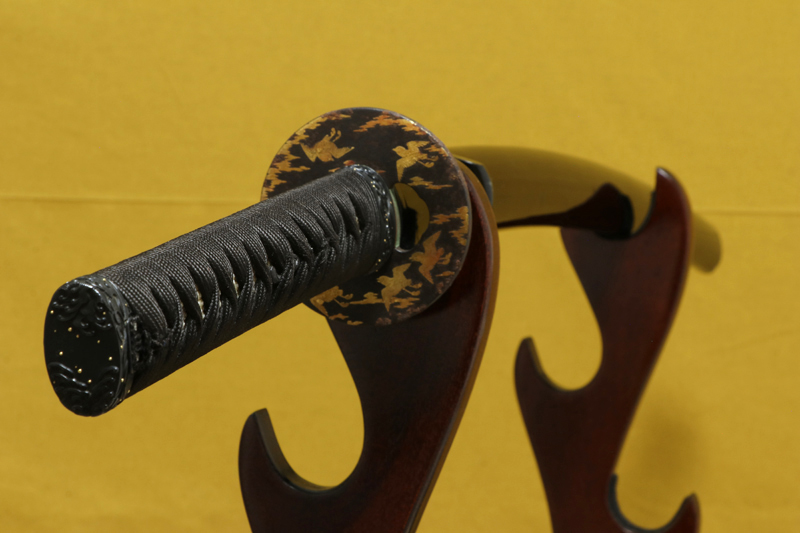
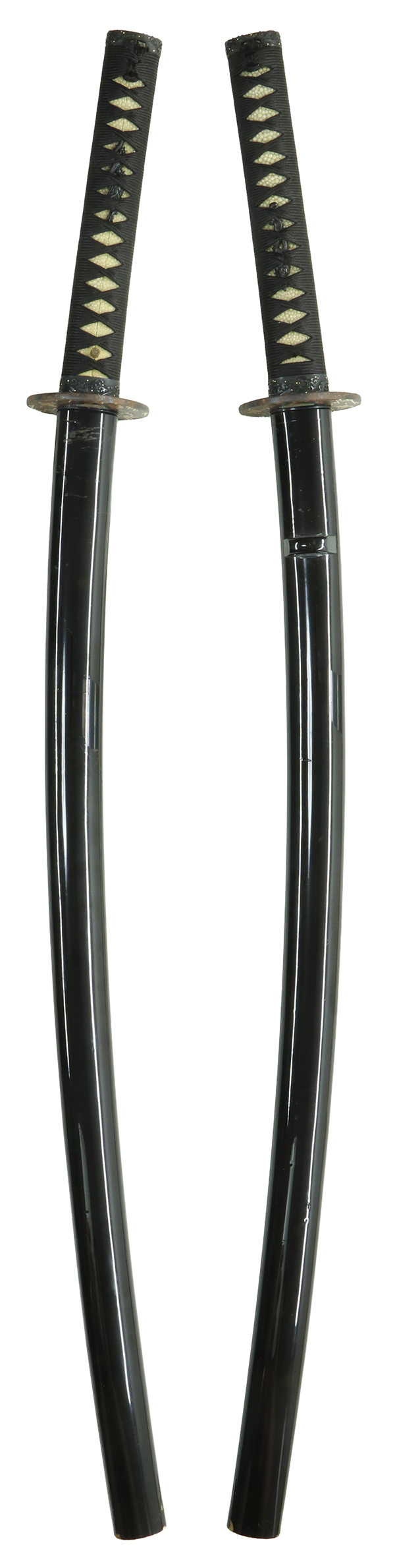
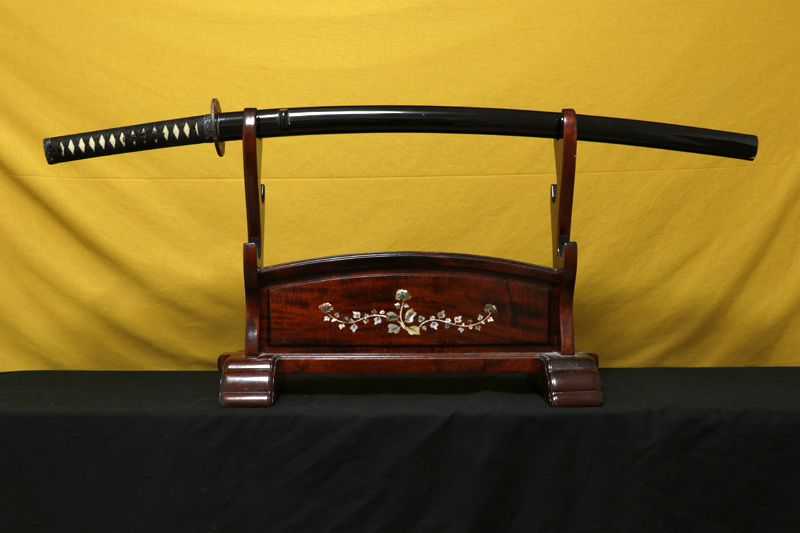
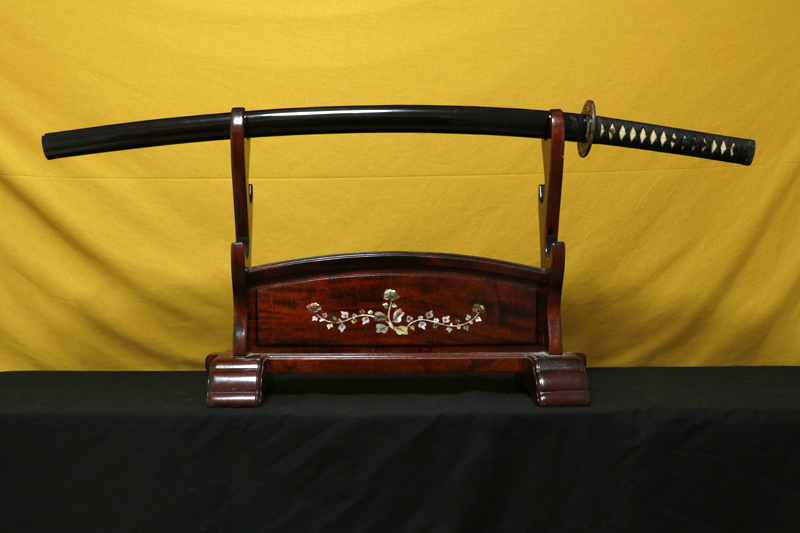
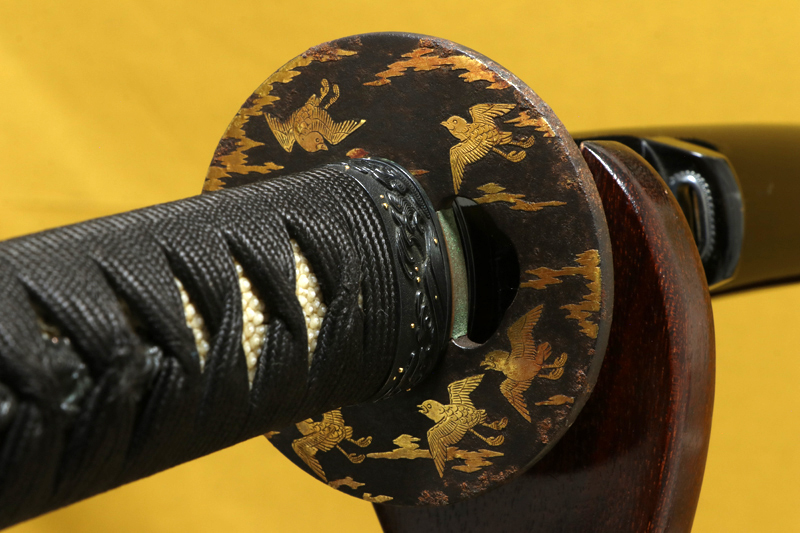
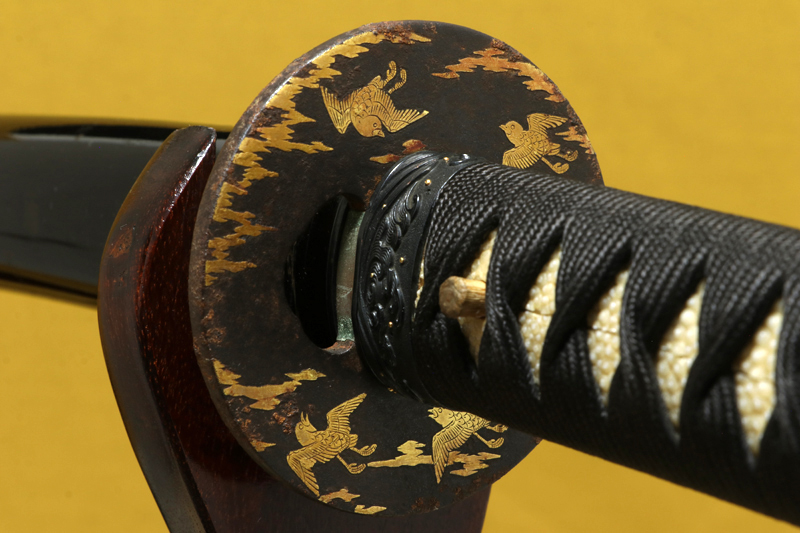
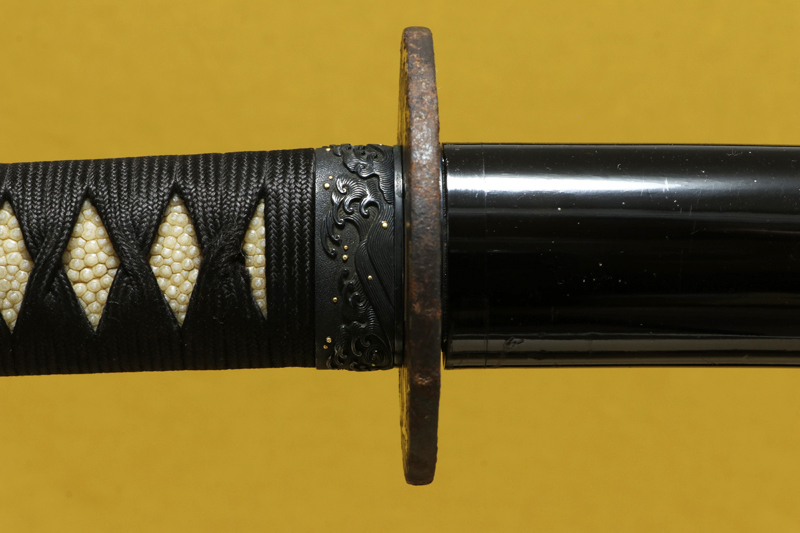
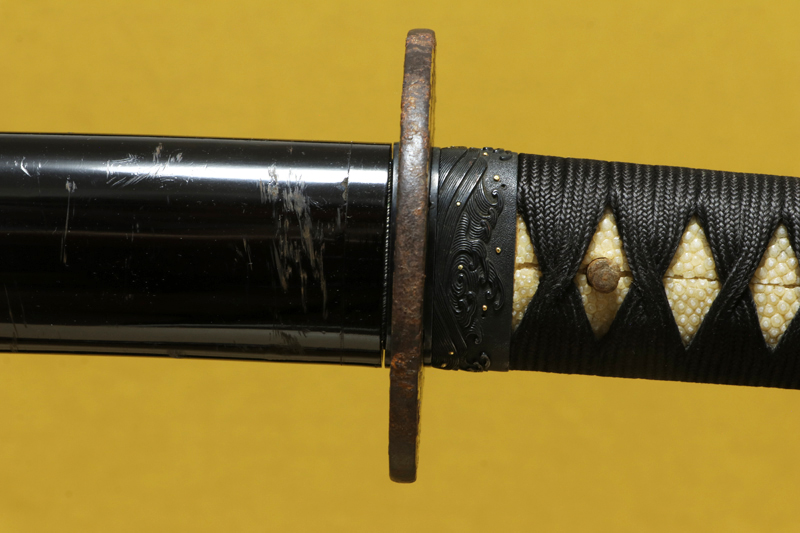
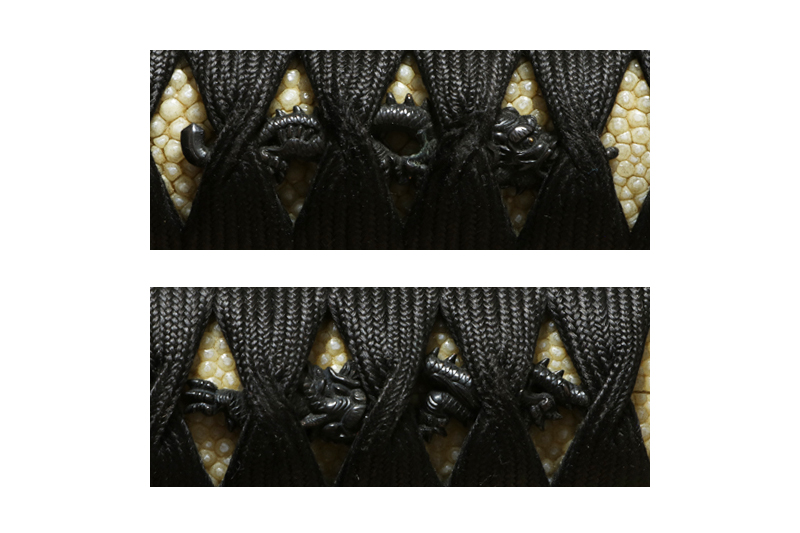
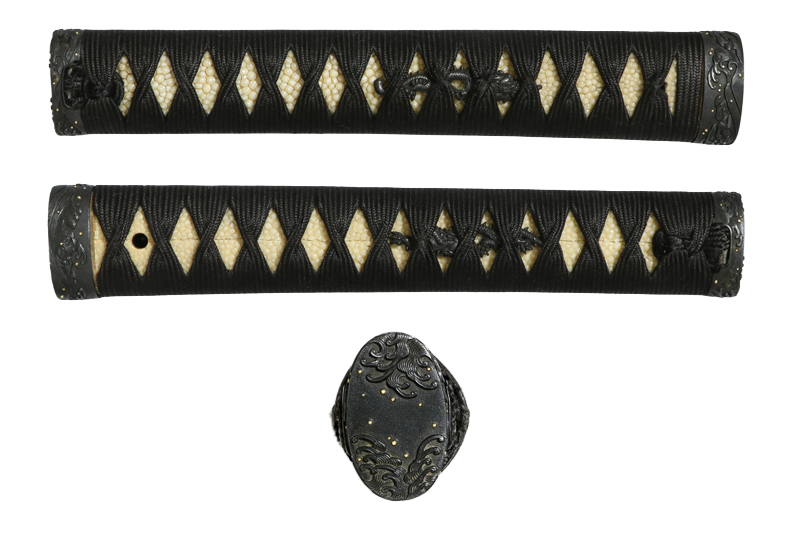
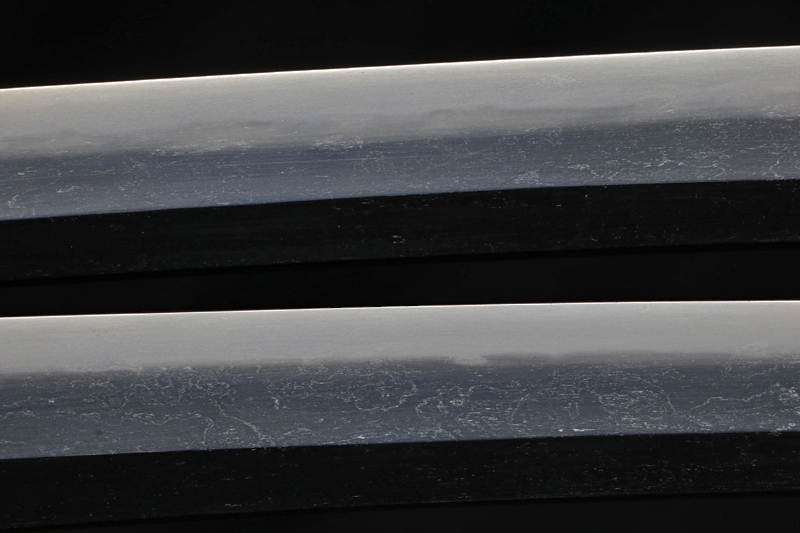
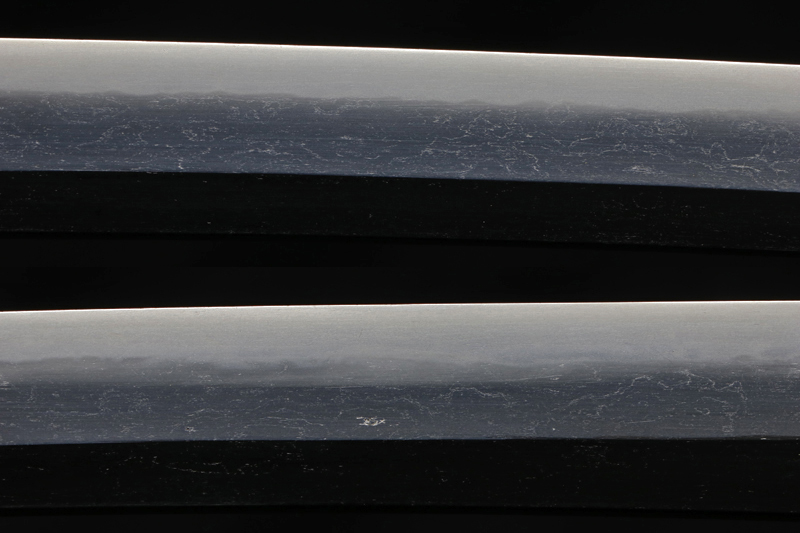
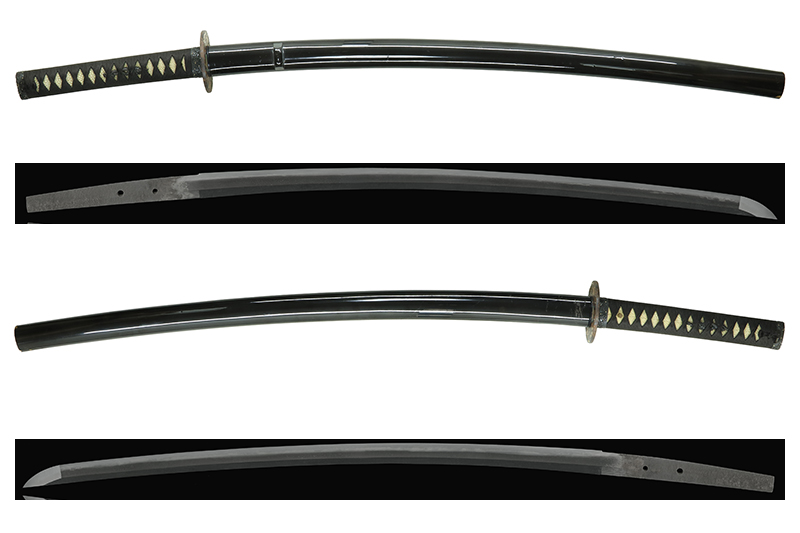
Hozon Token Bizen kuni ju Osafune Sukesada with Koshirae. 室町後期、天正三年(1575年)の年紀を有する備前長船祐定の刀。俗名はありませんが、銘ぶり・地鉄・刃文などから彦左衛門尉祐定の作と思われます。 よく鍛えられた板目肌に、祐定らしい直崩れの刃文を焼き、磨り上げながらも身幅・重量ともに十分。研ぎ減りも少なく、鍛え割れなどの目立つ欠点も見られません。 拵は、赤銅地に金象嵌を施した波濤図の縁頭、龍図目貫を配した上質な仕立て。 刀身・拵ともに保存状態の良い、魅力ある備前長船祐定の一振りです。 A katana by Bizen Osafune Sukesada, dated Tensho 3 (1575), from the late Muromachi period. Although the signature does not include a zokumyo, the style of the mei, jigane, and hamon suggest that it may be the work of Hikozaemon-no-jo Sukesada. The well-forged itame-hada displays a characteristic suguha-kuzure hamon. Although suriage, the blade retains substantial width and weight, with little loss from polishing and no noticeable flaws such as kitae-ware. The fine koshirae features shakudo fuchi-kashira decorated with deeply carved waves and gold inlay, together with shakudo dragon menuki. Both the blade and koshirae are well preserved, making this a highly attractive example of Bizen Osafune Sukesada. 「刀姿 sword figure」 鎬造り庵棟、身幅重尋常、鳥居反り大鋒。茎は磨り揚げられ鑢目は浅い筋違い、茎尻は一文字に切られる。 The blade is of shinogi-zukuri construction with an iori-mune. The mihaba (blade width) and kasane (thickness) are of standard proportions, with a torii-zori curvature and an elongated chu-kissaki. The nakago has been suriage (shortened), with shallow sujikai yasurime (diagonal file marks), and the nakago-jiri is cut in an ichimonji (straight) shape. 「地鉄 jigane」 地鉄は、板目肌に小板目が交じり刃寄りから流れ、乱れ映りが立つ。 The jigane is a well-forged itame-hada mixed with ko-itame, showing a flowing grain toward the ha, with distinct midare-utsuri. 「刃紋 hamon」 刃紋は、直崩れ刃、刃縁沸が付き砂流しかかり、刃中は葉が入り金筋が働く。釯子は乱れ込み掃き掛け尖り返る。 The hamon is suguha-kuzure, with nie along the habuchi and sunagashi activity. Within the ha are yo and prominent kinsuji. The boshi is midare-komi with hakikake, ending in a pointed kaeri. 「特徴 detailed」 備前国住長船祐定作、室町時代に祐定を名乗る鍛冶はかなりの数います。その中でも「彦兵衛尉祐定」「与三左衛門尉祐定」「与左衛門尉祐定」「源兵衛尉祐定」が有名です。 この短刀は俗名が入っていないため、確定はできませんが、銘ぶり・天正三年の年季・地鉄・刃紋から 彦左衛門尉祐定 の作品だと思います。 彦左衛門尉祐定は、室町時代の永正から天正まで数代にわたり活躍した長船の鍛冶です。 なお銘ですが、「備州長船住」と切られているものは数打ちとされていますが、本作は「備前國住」と切られているため、数打ち物ではありません。 本作は、板目肌を鍛えた地鉄に、典型的な直崩れ刃を焼いた素晴らしい作品です。磨り揚げられていますが重さはたっぷりとあり、研ぎ減りもあまりありません。 コンディションも良好で、鍛え割れ等の欠点となるような傷は見当たりません。 拵は、縁頭が赤銅地の波濤の図で彫が深く、波飛沫が金象嵌で表されています。目貫は赤銅地の龍の図、切羽も赤銅です。鞘は経年による傷はありますが、概ね良好です。 刀身・拵ともに状態が良い 備前長船國住祐定。コレクションに最適です。 Bizen Kuni Ju Osafune Sukesada During the Muromachi period, a considerable number of swordsmiths used the name Sukesada. Among them, the best known include Hikobe-no-jo Sukesada, Yosazaemon-no-jo Sukesada, Yozaemon-no-jo Sukesada, and Genbe-no-jo Sukesada. As this tanto does not include a zokumyo (personal title/name) in the signature, a definitive attribution cannot be made. However, judging from the style of the mei, the dated inscription of Tensho 3 (1575), as well as the jigane and hamon, I believe this blade to be the work of Hikozaemon-no-jo Sukesada. Hikozaemon-no-jo Sukesada refers to a line of Osafune smiths active over several generations during the Muromachi period, from the Eisho era through the Tensho era. It is also worth noting the form of the signature. Blades signed “Bishu Osafune Ju” are generally regarded as kazu-uchi—mass-produced blades. This example, however, is signed “Bizen Kuni Ju,” indicating that it is not a kazu-uchi work. The blade is an excellent example, featuring a well-forged itame-hada with a characteristic suguha-kuzure hamon. Although the blade has been suriage (shortened), it still retains substantial weight and shows relatively little loss from repeated polishing. The overall condition is very good, with no apparent flaws such as forging cracks (kitae-ware) or other significant defects. The koshirae is also particularly attractive. The fuchi-kashira are of shakudo and decorated with deeply carved waves, with the splashing foam highlighted in gold inlay. The menuki depict dragons in shakudo, and the seppa are also made of shakudo. The saya shows some age-related wear and scratches, but remains in generally good condition. A fine Bizen Osafune Sukesada with both the blade and koshirae preserved in very good condition. An excellent addition to a Japanese sword collection. 「拵 Koshirae」 ハバキ(habaki) :素銅地銀着一重の腰祐乗。 鍔(tsuba) :鉄地丸形千鳥の図金象嵌。 縁頭(futikasira):赤銅地波濤の図波飛沫金象嵌。 目貫(menuki) :赤銅地龍の図。 柄(tsuka) : 柄糸は正絹黒の諸撮み巻。 鞘(saya) : 黒呂。 「刀剣の状態 condition of blade」 研:概ね良好です。 傷:欠点に成るような傷は有りません。
Offered by Giheiya
This piece has sold
54 on the market
Get an email when new Sukesada School work hits the market.


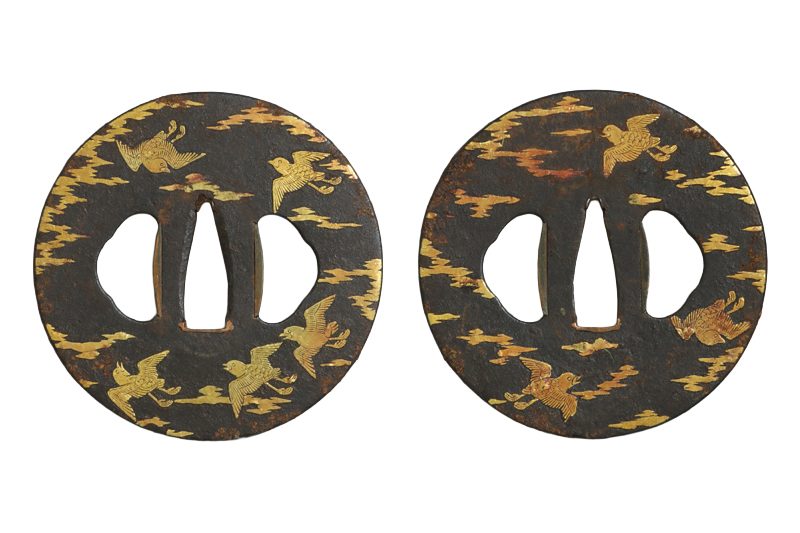
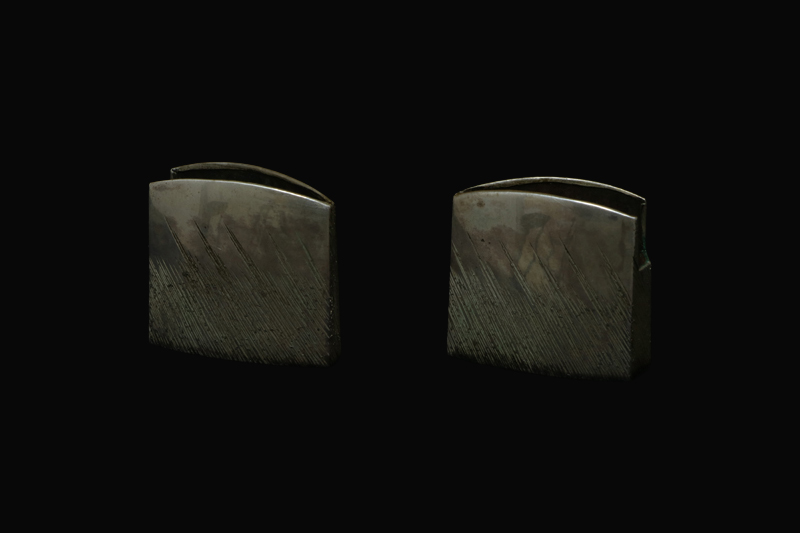
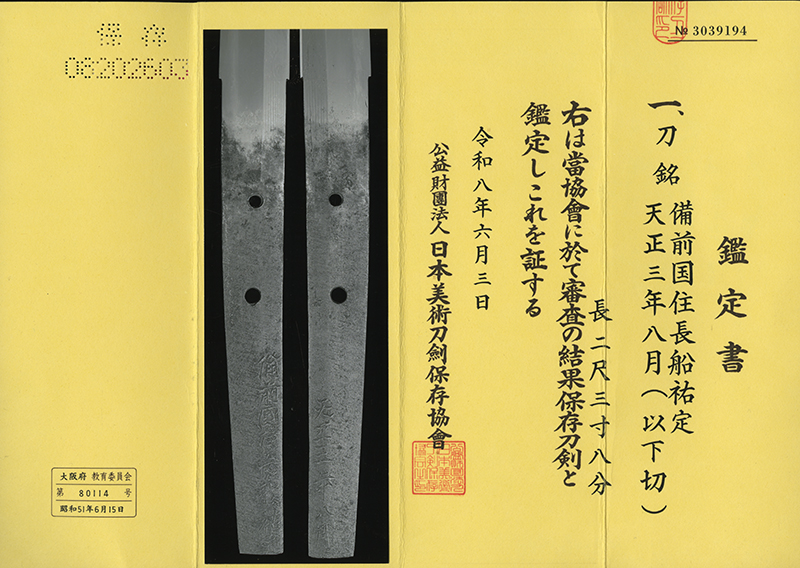
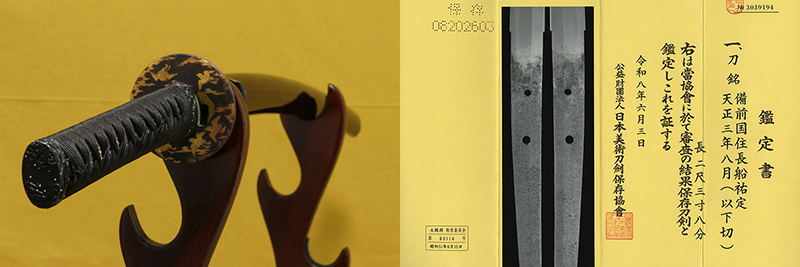
As written by the shop
Bizen-den · Bizen
54 pieces on the market now
Sukesada (祐定) is the great name of late-Muromachi Osafune, the most prosperous of the Bizen forges that scholars group together as Sue-Bizen. The signature was carried by a body of smiths so large that the early-modern reference Hayami-dashi lists as many as twenty-one who appended a zokumyo (common name) to distinguish themselves, and the published commentary is blunt that of all the late-Osafune families the Sukesada line was the largest and most productive. Two registers of work issue from this single name. At the top stand the masters identified by their common-name titles, Yosozaemon-no-jo, Hikobei-no-jo, Genbei-no-jo, and Hikozaemon-no-jo, whose custom commissions (chumon-uchi) the sources distinguish sharply from the mass run; beneath them lies the great body of kazu-uchi-mono, the bulk production signed plainly Sukesada with no personal name, dated and placed to the house by era and quality. Hikobei-no-jo is recorded as the father of Yosozaemon-no-jo, who in turn heads the most distinguished branch, born in Onin 1 by back-count from a tanto inscribed at age seventy-one in Tenbun 6; the name then runs in same-signature generations down through the Eiroku and Tensho years. The shared vocabulary of the school is the temper the late Bizen workshops made their own. Over a jigane of tightly packed ko-itame, fine ji-nie settling like dust, chikei woven through, and a faint midare-utsuri rising near the shinogi (the thinned last trace of the bright reflection that filled the Osafune prime), the smiths build an open-waisted koshi-biraki gunome that develops into the doubled, compound fukushiki structure marking a Sue-Bizen blade above all else. Mixed into it run choji, ko-gunome, and pointed togariba, in places gathering into the double-flower juka and the crab's-claw formation called kani-no-tsume; the hamon is nioi-based with ko-nie adhering, ashi and yo entering richly, kinsuji and sunagashi trailing, the nioiguchi bright and clear. A second pole answers this flamboyance, the quiet hiro-suguha, broad and shallowly undulating with ko-gunome folded in, of which Genbei-no-jo in particular was the master, while a livelier hitatsura climbs the body with frequent tobiyaki and muneyaki on certain tanto, often in moroha-zukuri.
The blades take the robust late-Muromachi uchigatana form, wide in body with little taper, thick in kasane, deep in sori with sakizori and an extended chu-kissaki. The divergence between the masters and the general production is one of care rather than kind: Yosozaemon's bright, well-packed ko-itame and his command of all three registers, gunome, suguha, and hitatsura, set his typical work apart from the coarser bulk, and the commentary states plainly that it is precisely because such chumon-uchi exist that the Sue-Bizen name carries its high standing. To kantei a Sukesada blade is first to read the signature register, then the manner. A named master signs a long mei on the omote with the date on the ura, often over two columns and frequently with carving (bo-hi, a Kurikara dragon, a bonji, or the invocation Namu Hachiman Daibosatsu); the bulk kazu-uchi-mono sign Sukesada alone and are judged to the house by era and the Bizen-den keynote of koshi-biraki gunome on bright ko-itame. Yosozaemon-no-jo leads the name in renown and breadth, ranked beside the late-Osafune Kiyomitsu among the two great hands of the workshop's closing age, his blades transmitted in daimyo houses grounded in their own provenance, the Hachisuka, the Mori, and the Ii, with a wakizashi recorded to the warrior Yamanaka Shikanosuke and others in Honma's inventory of the Imperial collection. Genbei-no-jo and Hikobei-no-jo follow, their custom blades often carrying an owner inscription beside the date, and Hikozaemon-no-jo offers the approachable end of a famous name. The Sukesada cutting reputation runs through the whole body, the heavy sakizori uchigatana made to be worn and used two-handed as the tachi fell from use. For the collector this is the most attainable of the great Bizen names, never common at its summit yet, in a signed and dated example with the open-waisted gunome reading clearly down its edge, the surest single document of how Osafune worked in its last great generation. Learn more →
| Smith | Era | Designated |
|---|---|---|
| Sukesada祐定 | 1504-1551 | 72 |
| Sukesada祐定 | 1532-1583 | 18 |
| Sukesada祐定 | 1547-1592 | 8 |
| Sukesada祐定 | 1487-1521 | 5 |
| Sukesada祐定 | 1532-1573 | 3 |
Bizen in the Muromachi period
War at home and trade abroad made Muromachi Bizen the busiest forge region in Japan: a century of Sengoku demand after the Ōnin War, and export missions to Ming China carrying blades by the tens of thousands.
Certifies a genuine blade worth preserving: a signature confirmed correct, or, if unsigned, an era, province, and school that the NBTHK can reliably identify.
The NBTHK (Nihon Bijutsu Tōken Hozon Kyōkai, the Society for the Preservation of Japanese Art Swords) is a public-interest incorporated foundation founded in 1948 and supervised by Japan’s Agency for Cultural Affairs (Bunkachō); it is based at the Japanese Sword Museum in Tokyo. Its expert panels physically examine each submitted work (shinsa) and issue a certificate (kanteishō) ranking it by artistic and historical merit. NBTHK papers are the most widely recognized standard of authentication for Japanese swords and fittings.
NBTHK official siteWithin 3 days of the item's arrival, we offer a refund or an exchange. Return shipping and the bank transfer fee for the refund are at the customer's expense.