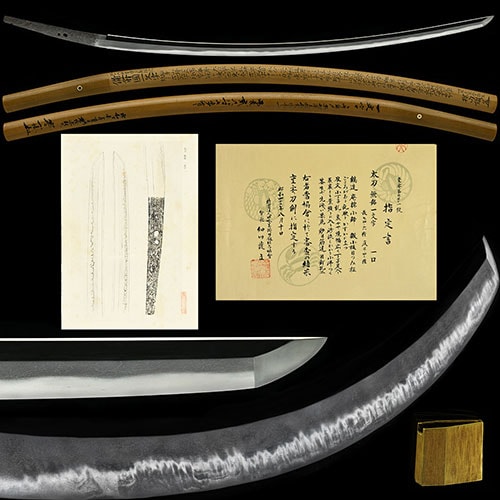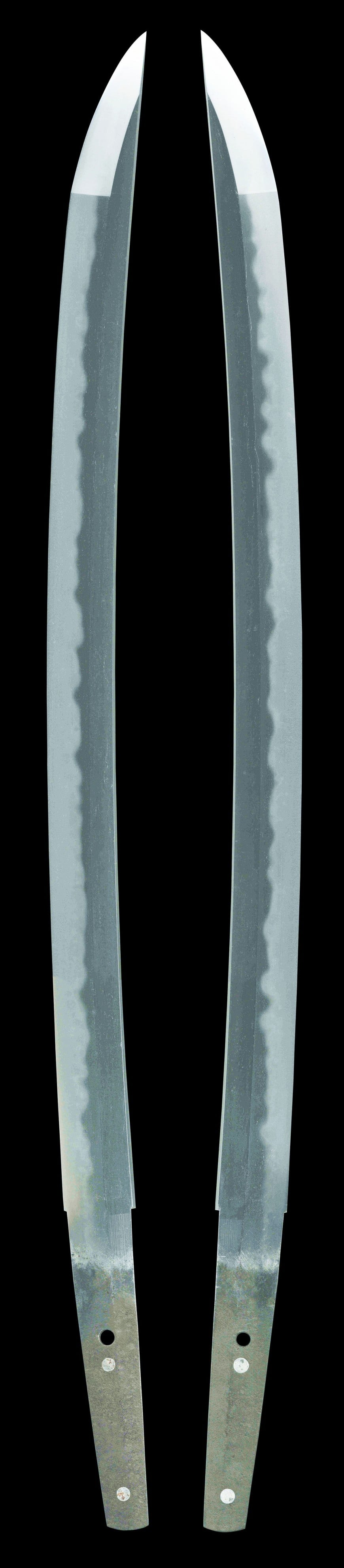



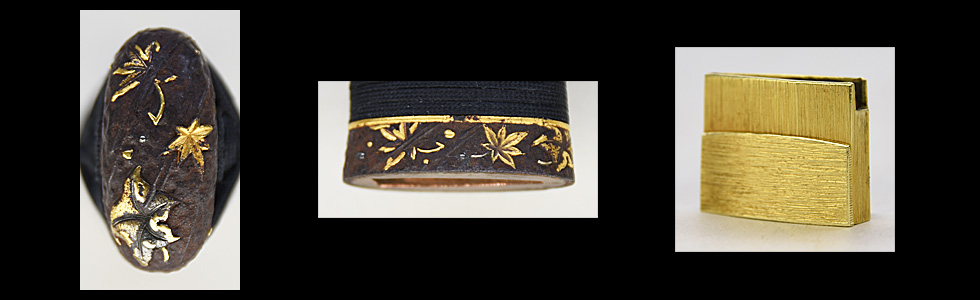
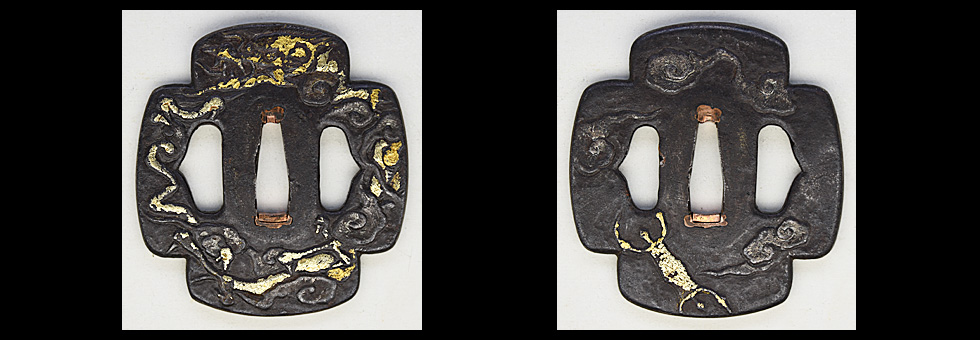
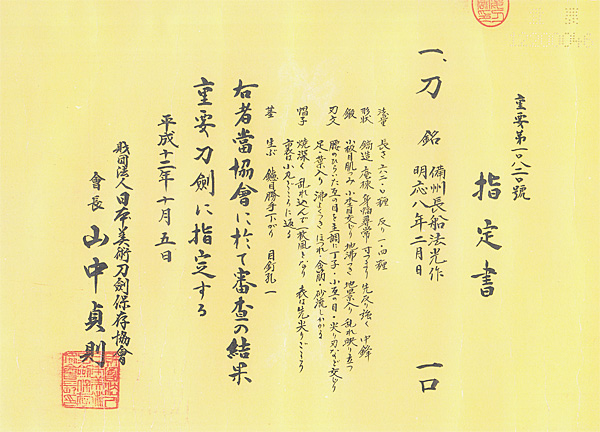
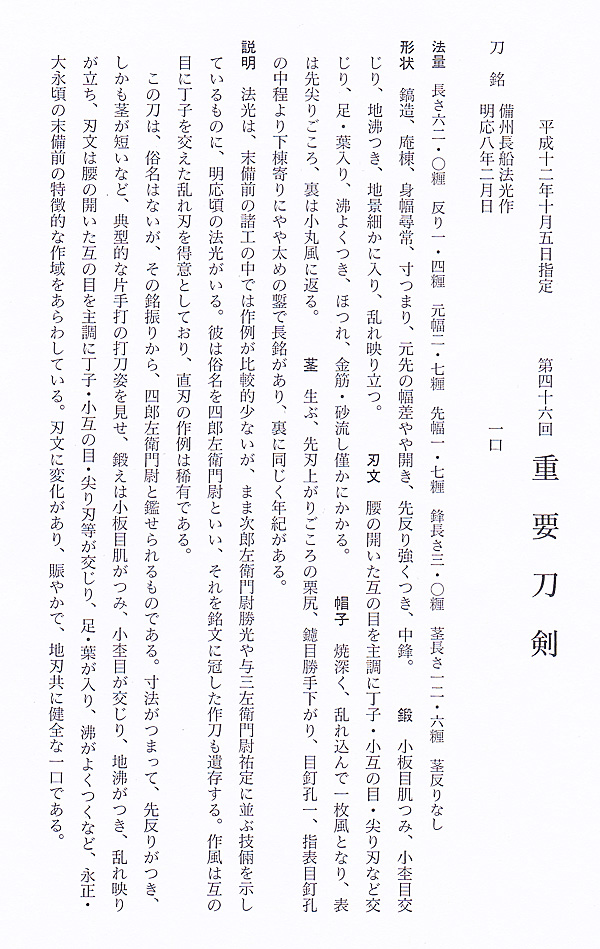







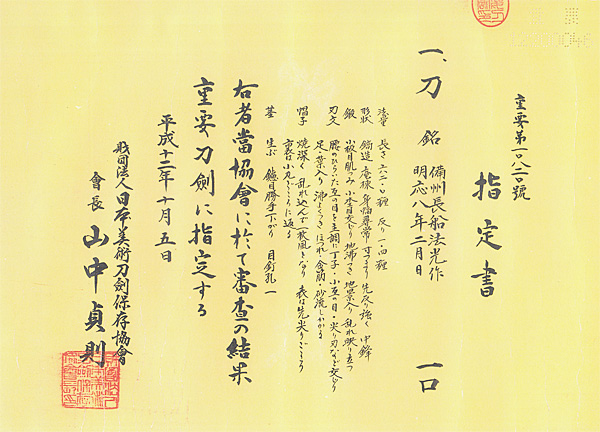
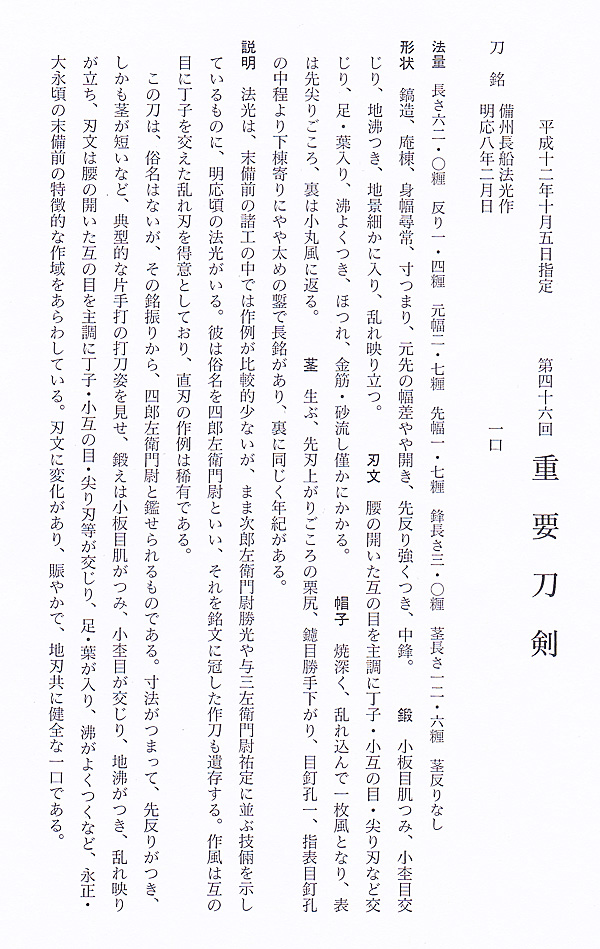
-, 46th Session — Designated October 5, 2000
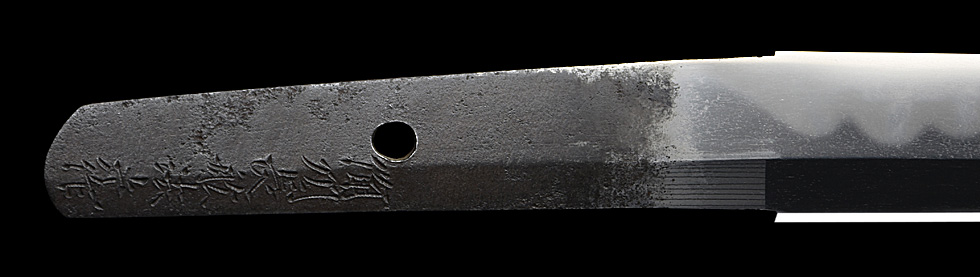
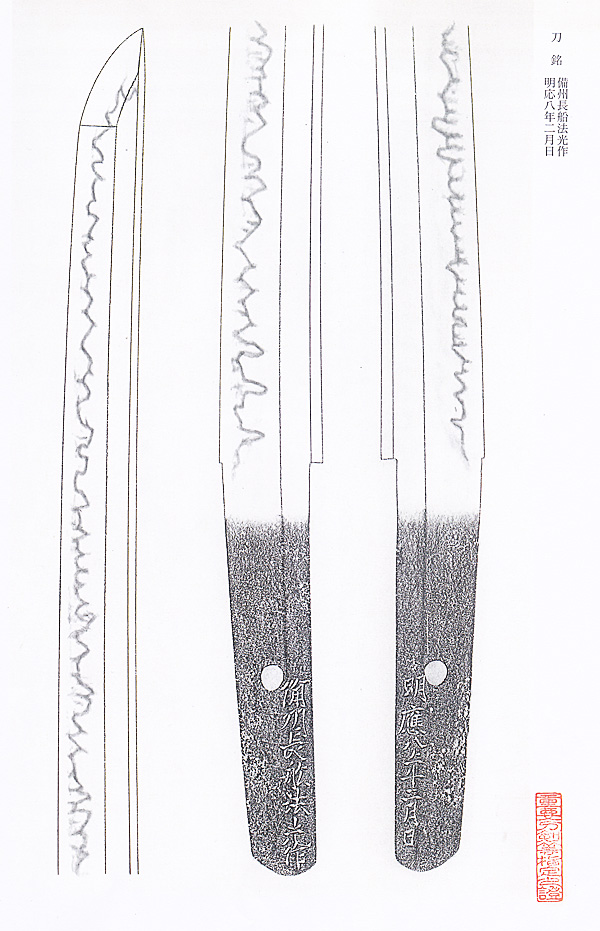
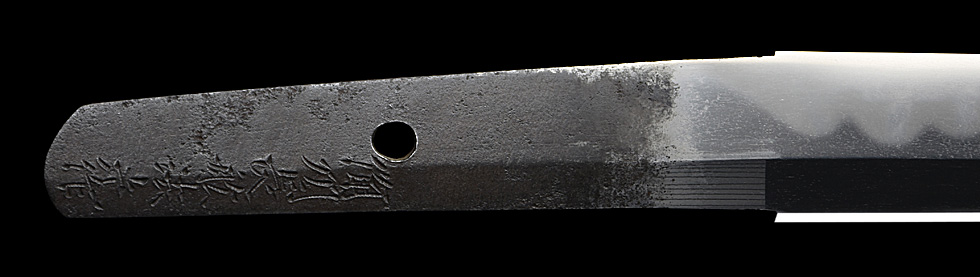
, : Bishū Norimitsu (備州長船法光)
by (洋)
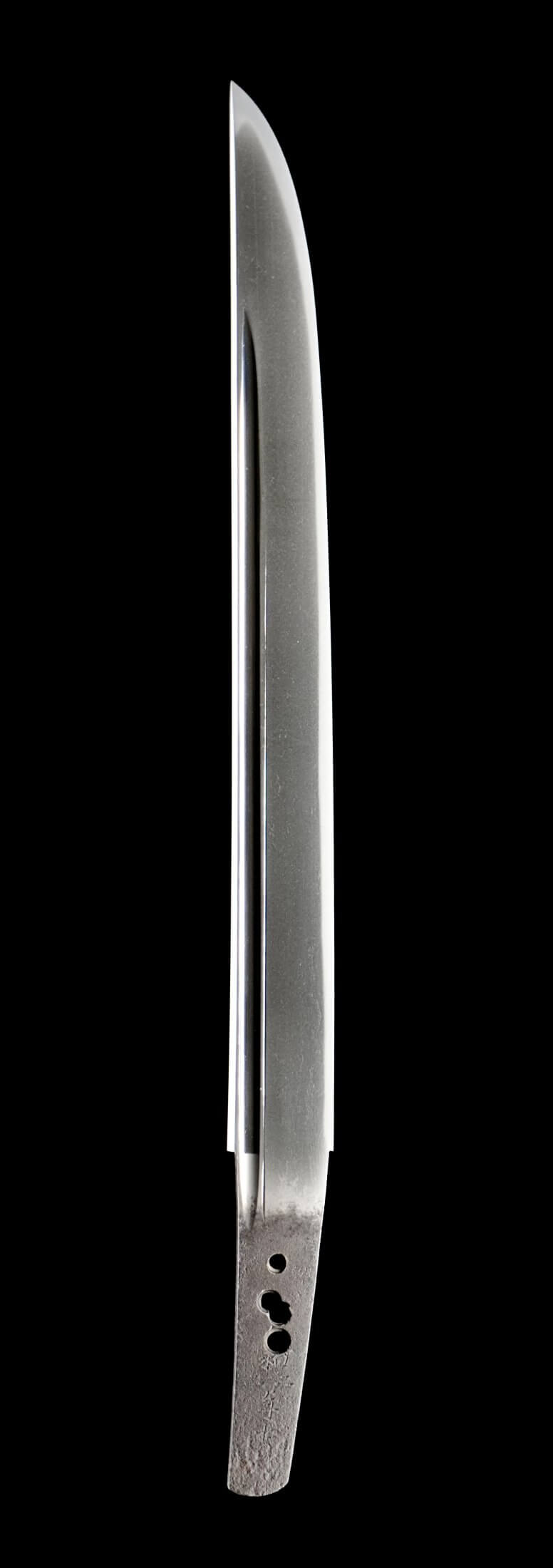
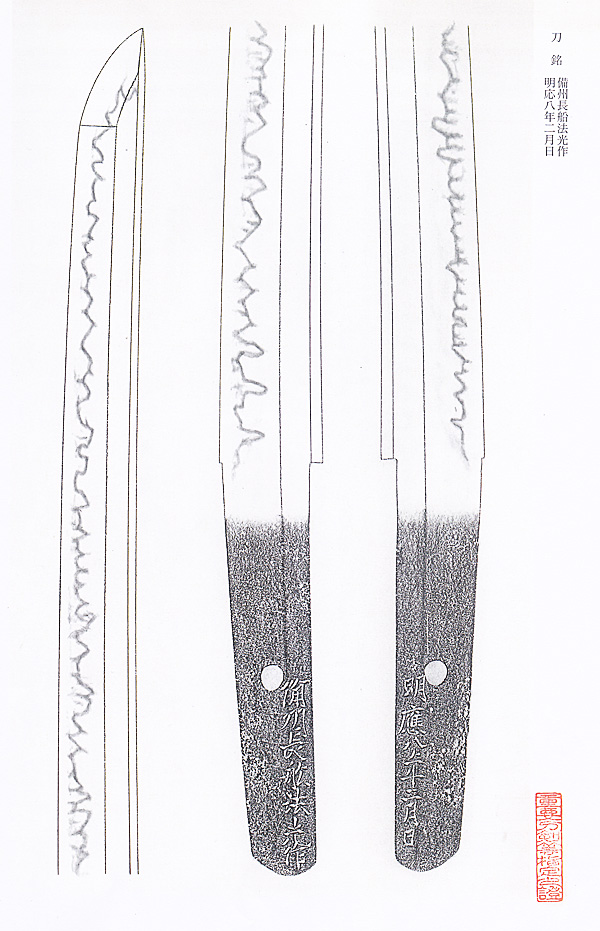
Measurements 62.0 cm, 1.4 cm, 2.7 cm, 1.7 cm, 3.0 cm, 12.6 cm, none
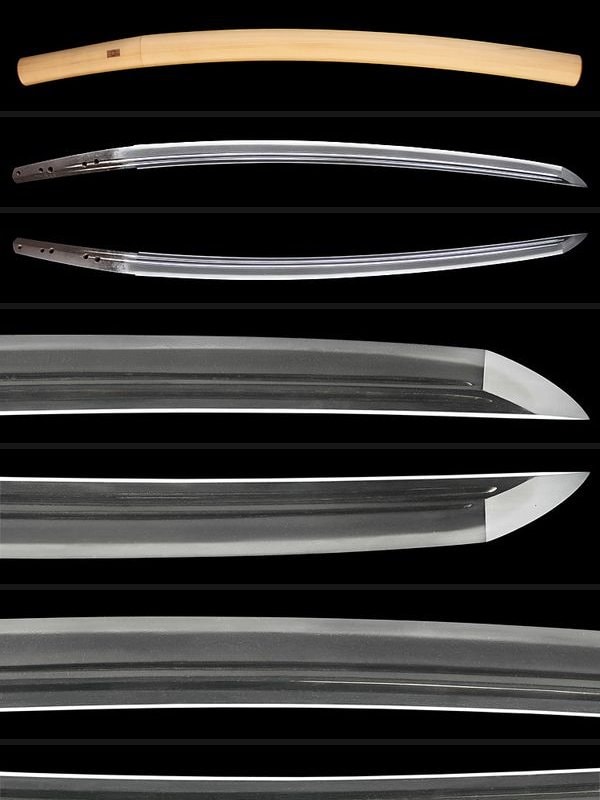
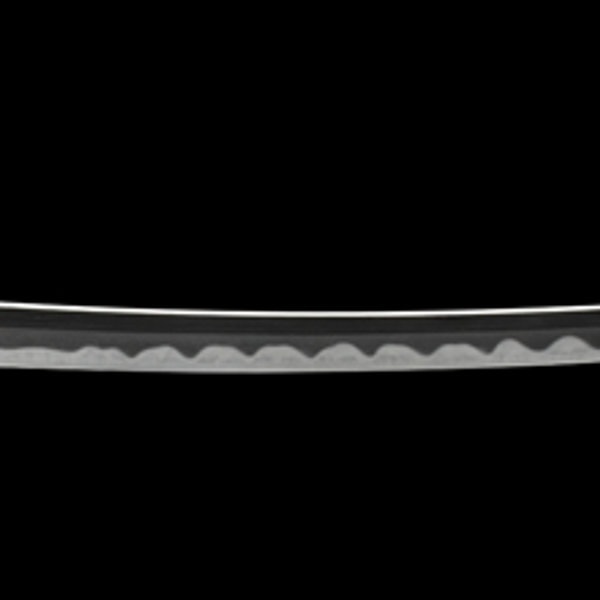
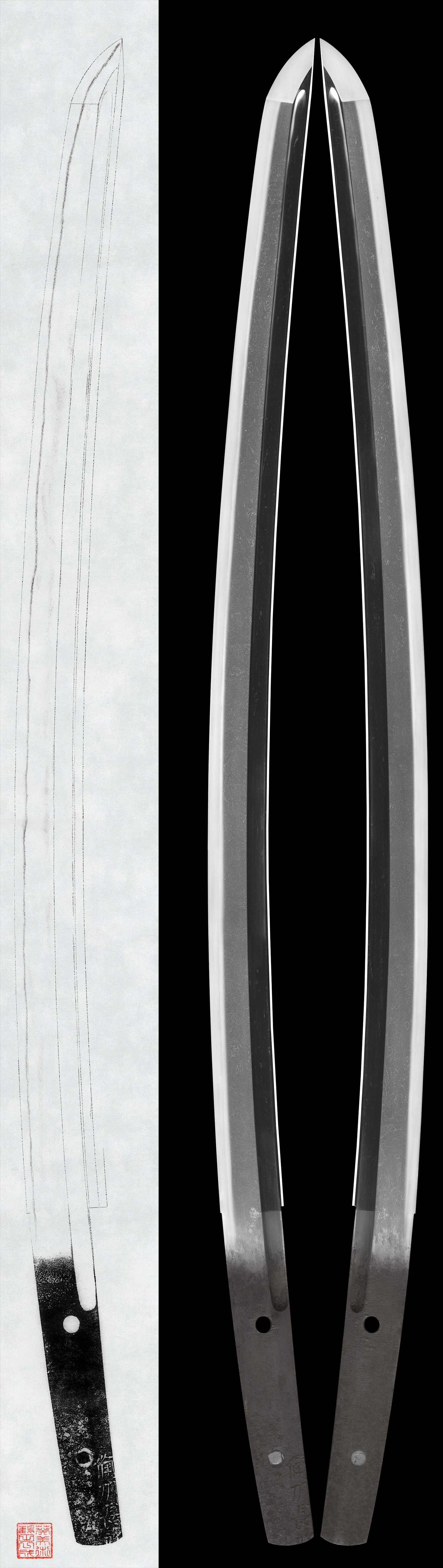
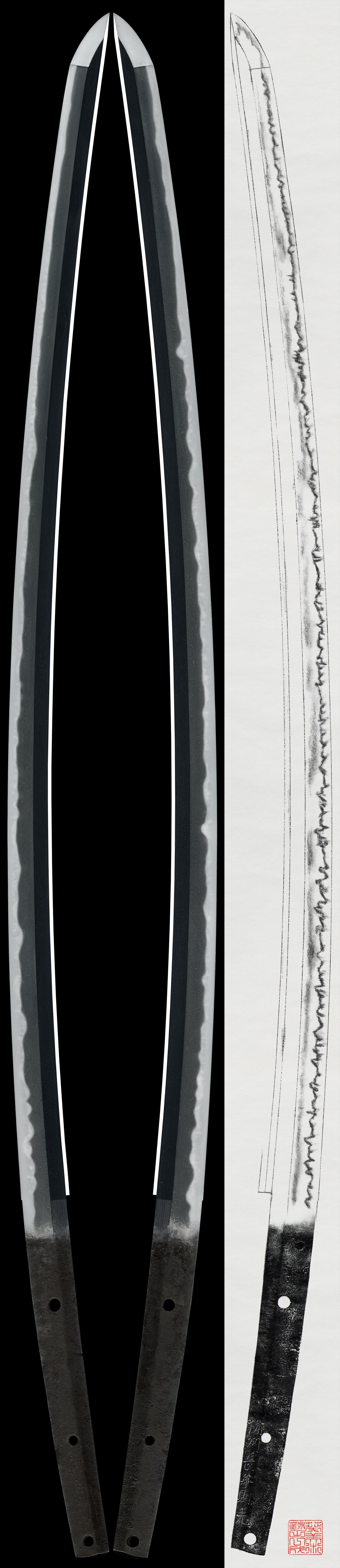
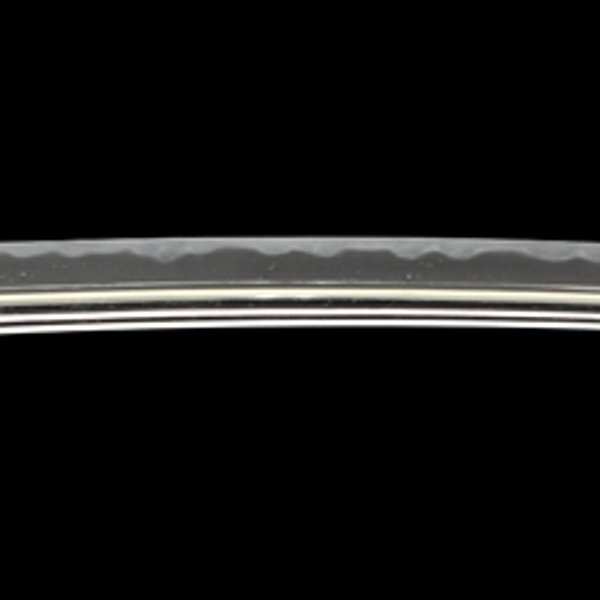
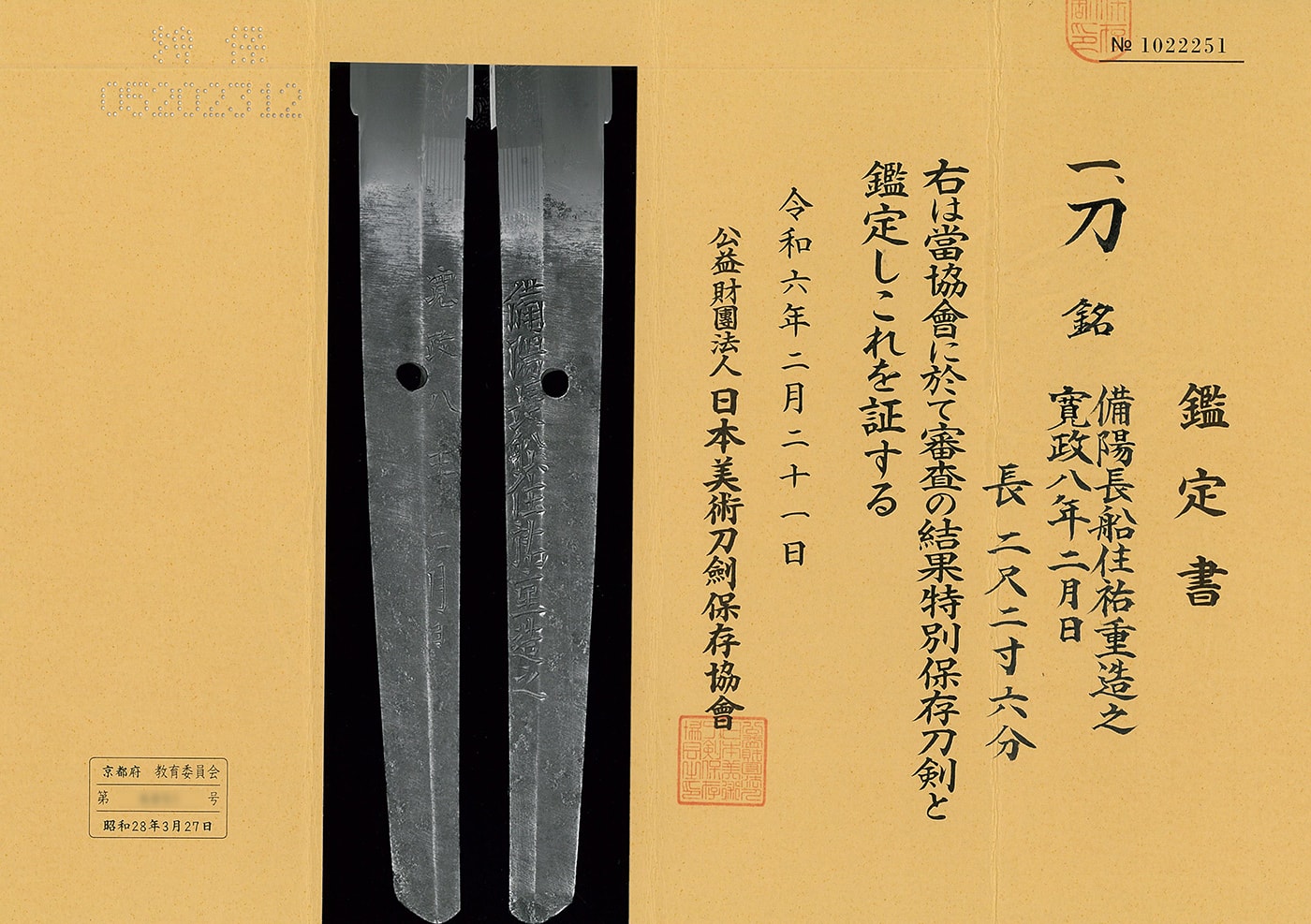
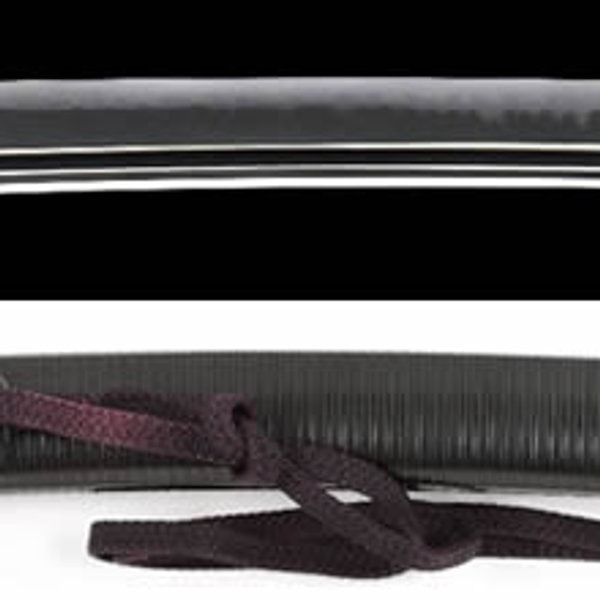
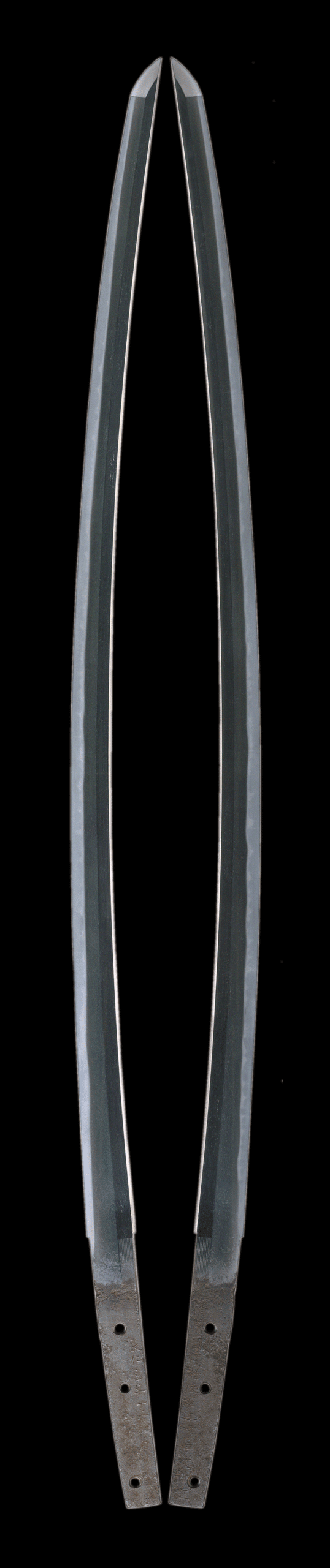
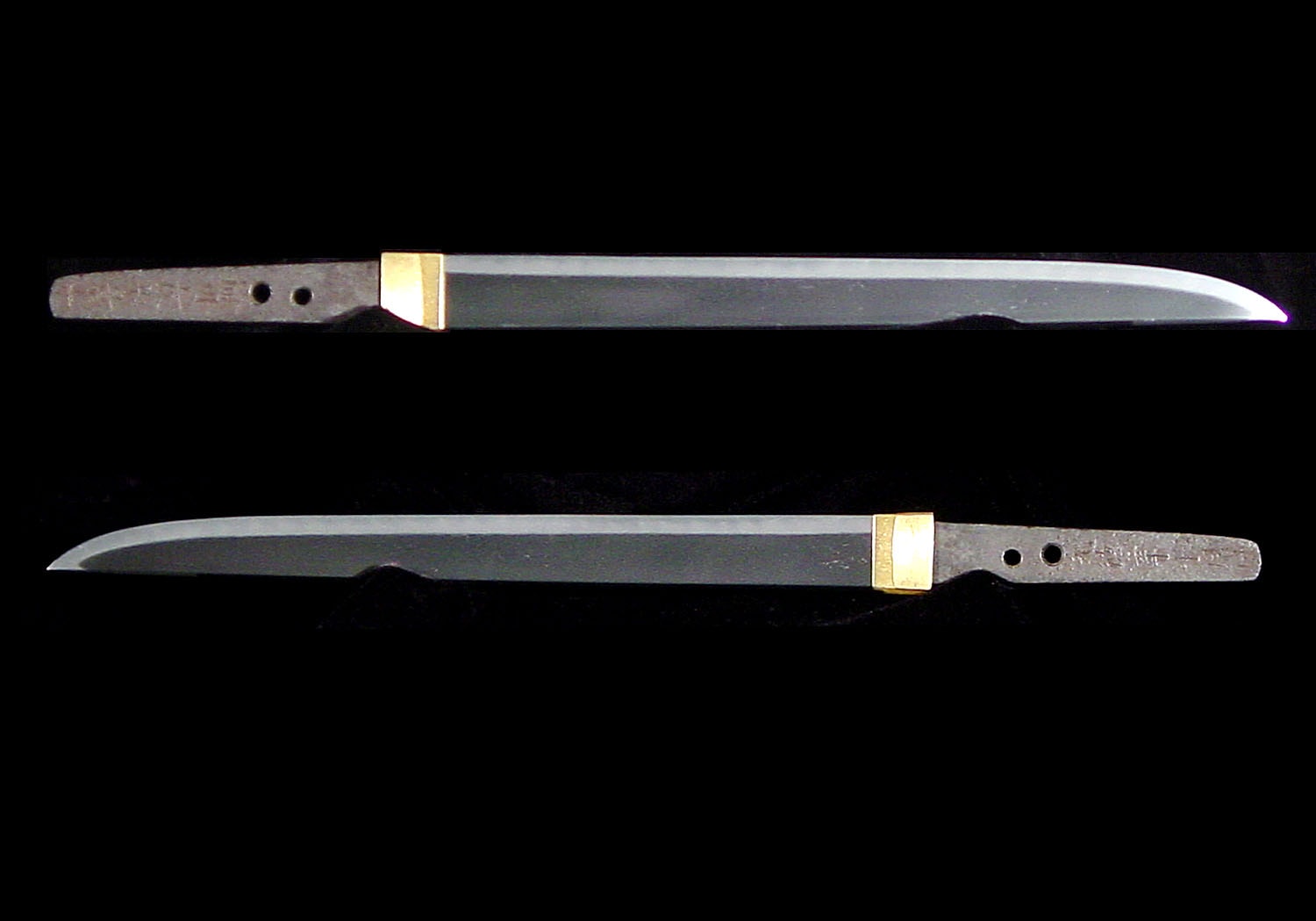
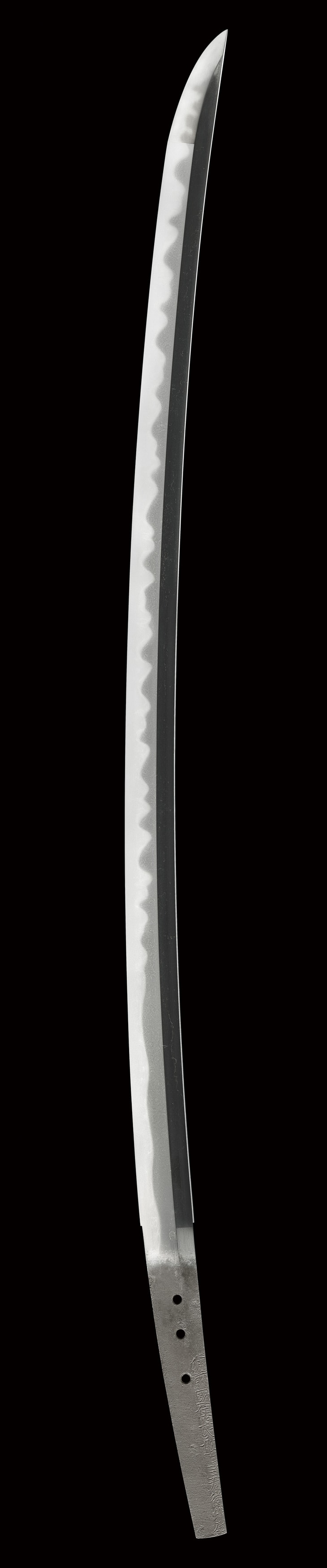
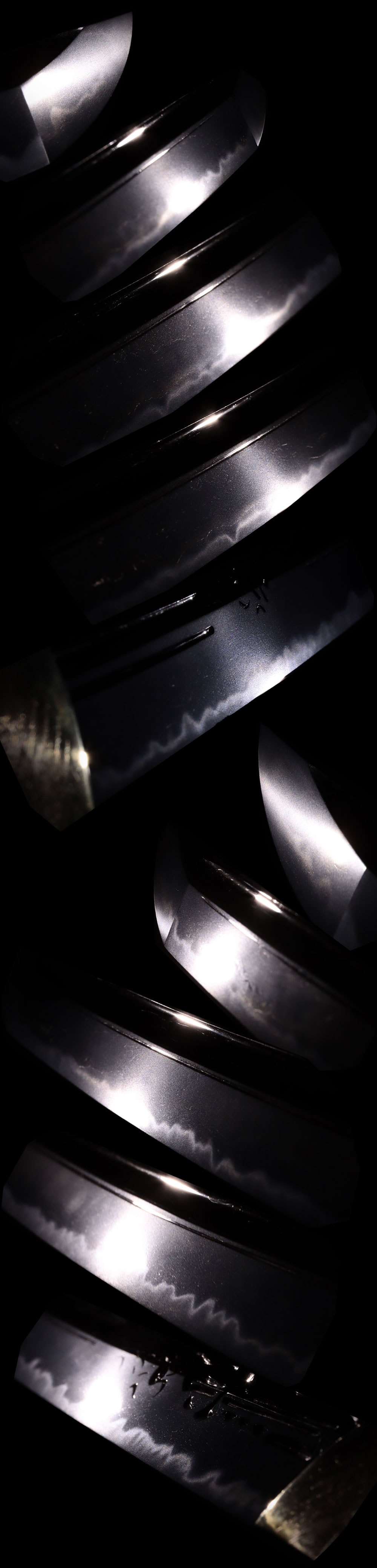
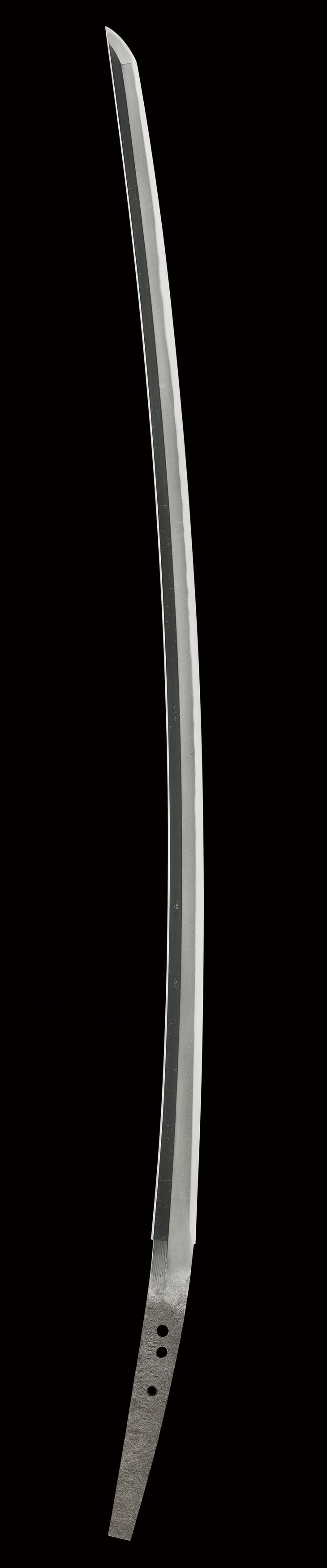
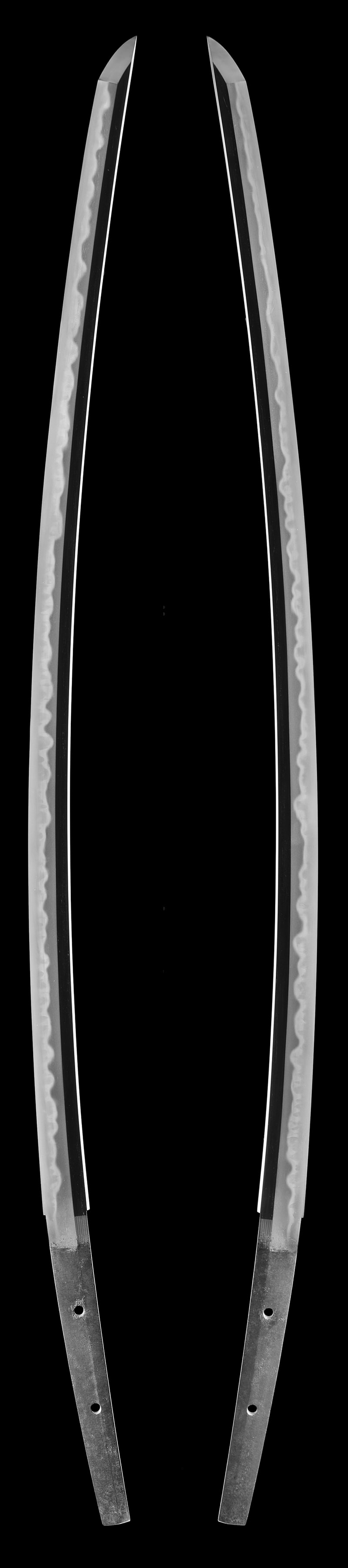
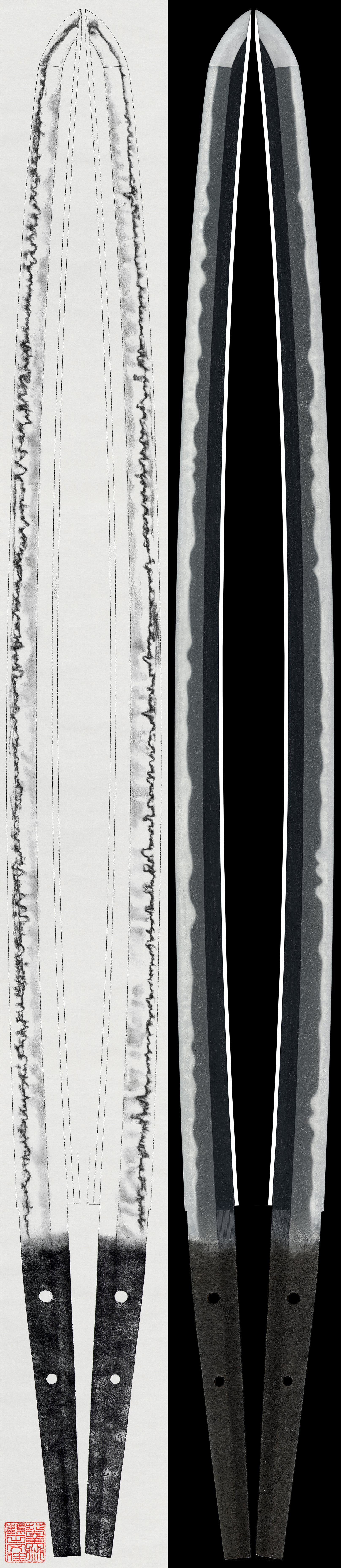
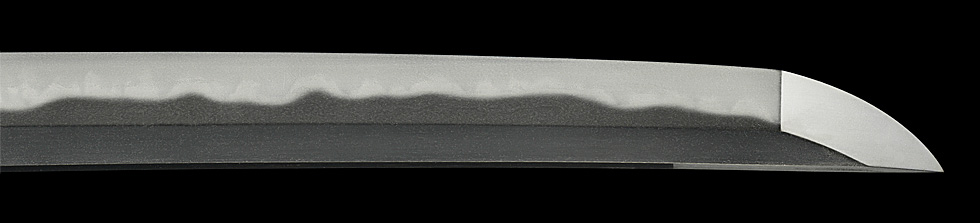
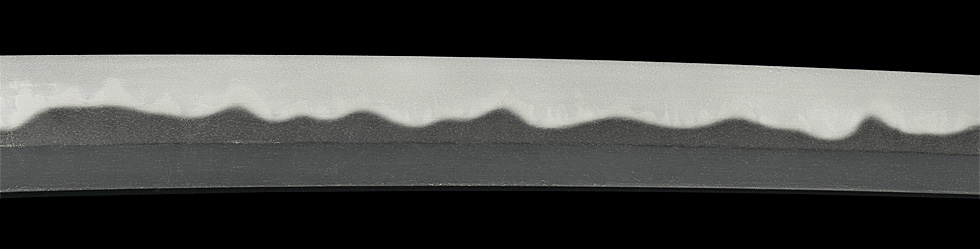
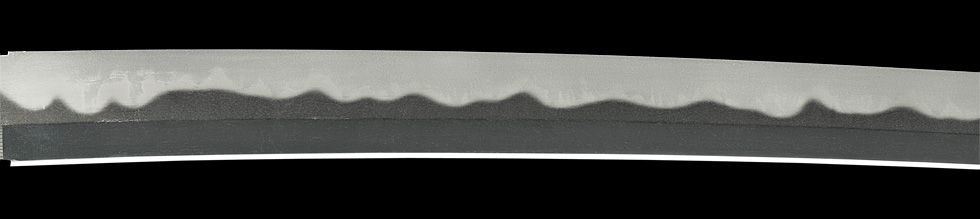
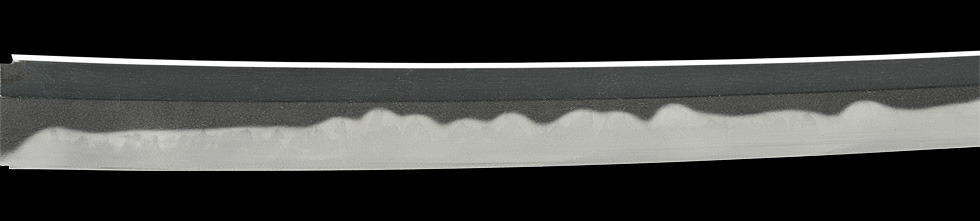
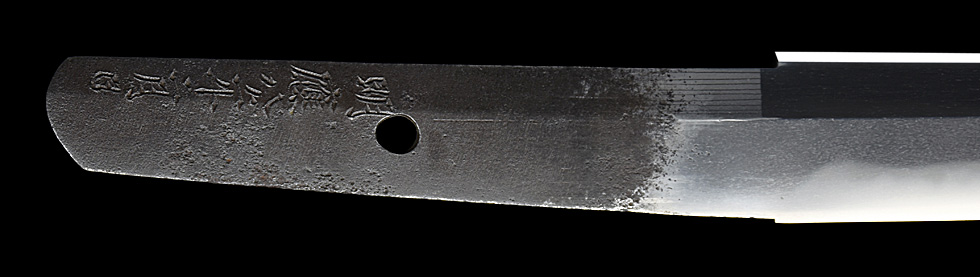
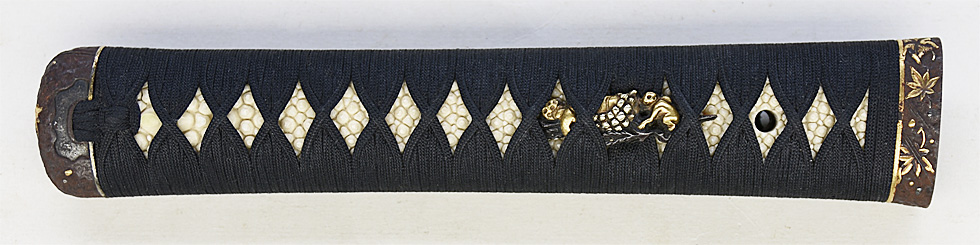
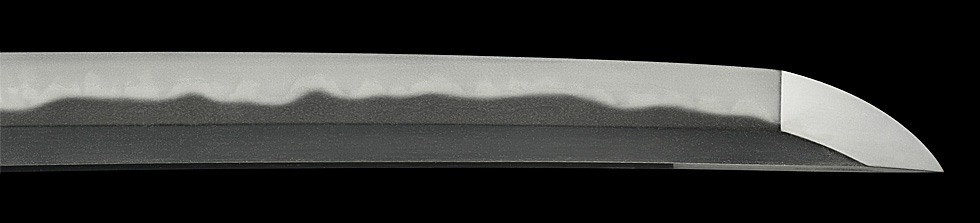
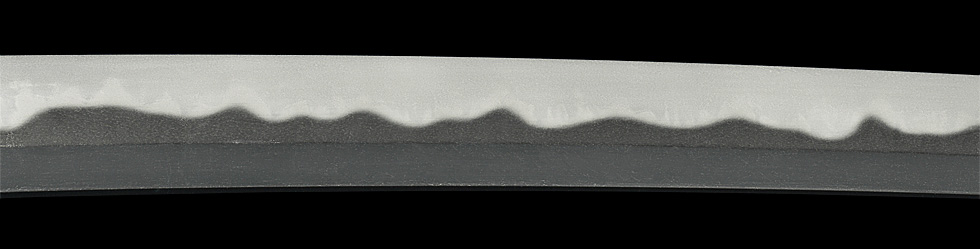
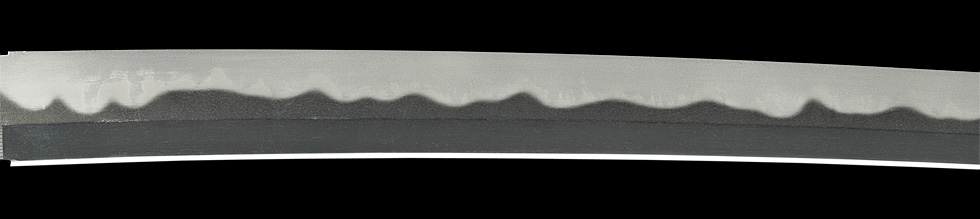
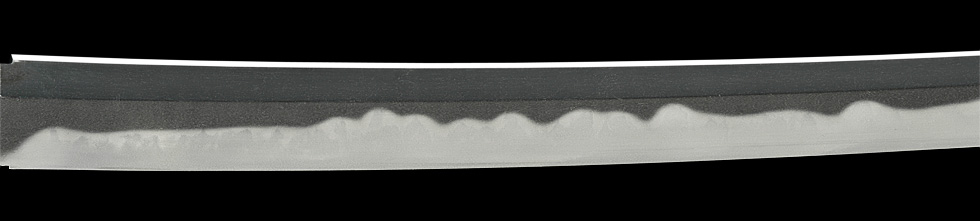
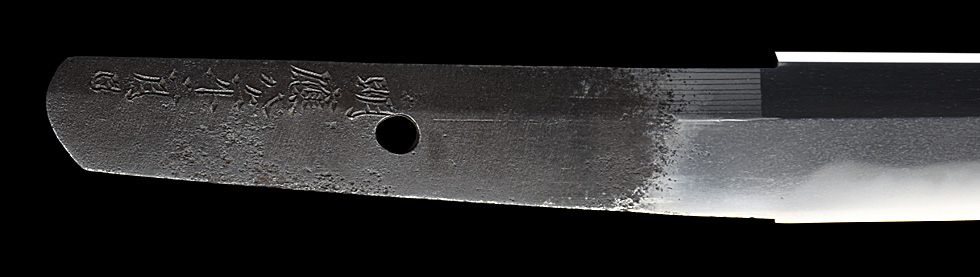
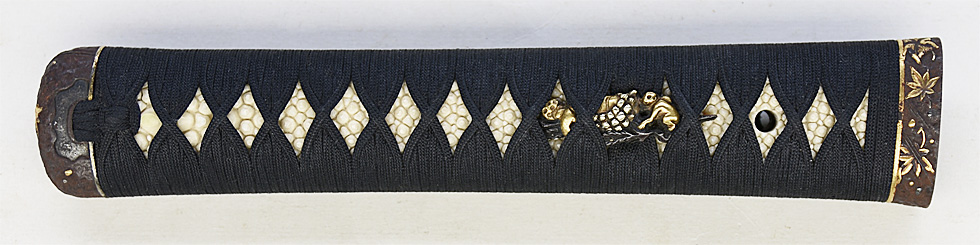
Description Keijō: , ; standard ; somewhat ; the difference between and width opens slightly; strong ; . : Dense mixed with ; appears; fine enter; stands out. : With a basis of whose “waists” open broadly ( ), mixed with , , and ; with and ; adheres well; slight , and faint and are seen. : Deeply tempered, and tending toward an -like appearance; on the it shows a somewhat pointed tendency, while on the it turns back in a -like manner. : None. : ; with a tendency toward ; ; one ; on the , below the and slightly toward the , there is a long signature cut with a somewhat thick chisel; on the there is a date inscription.
Artisan Bishū (法光)
Era Meiō 8 (1499), period
Explanation Among the various smiths of , left comparatively few extant works; however, there was a active around the Meiō era who demonstrates technical ability on a level comparable to Jirōzaemon no Jō Katsumitsu and Yosōzaemon no Jō Sukesada. He was commonly known as Shirōzaemon no Jō, and blades survive on which this common name is prefixed to the inscription. In terms of style, he excelled in in which are mixed into ; examples in are exceptionally rare.
This does not bear the common name, yet from the manner of the signature it is appraised as the work of Shirōzaemon no Jō. With its somewhat compact proportions, pronounced , and a notably short tang, it presents the typical katate-uchi . The forging shows tightly packed with admixture of , accompanied by , with standing out. The , centered on broadly opened and mixed with , , and , contains and with well-adhering —altogether expressing the characteristic working range of around the Eishō to Daiei eras. The displays variation and a lively feeling, and this is a blade in (sound and well-preserved) condition in both and .