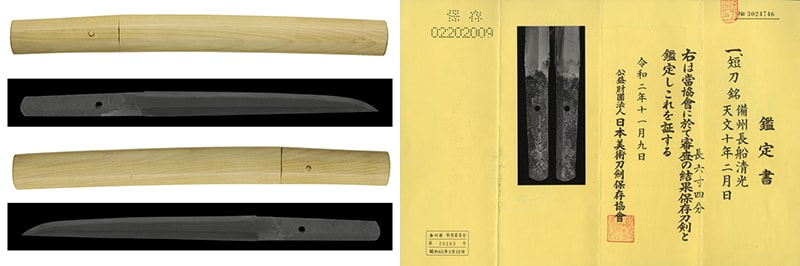
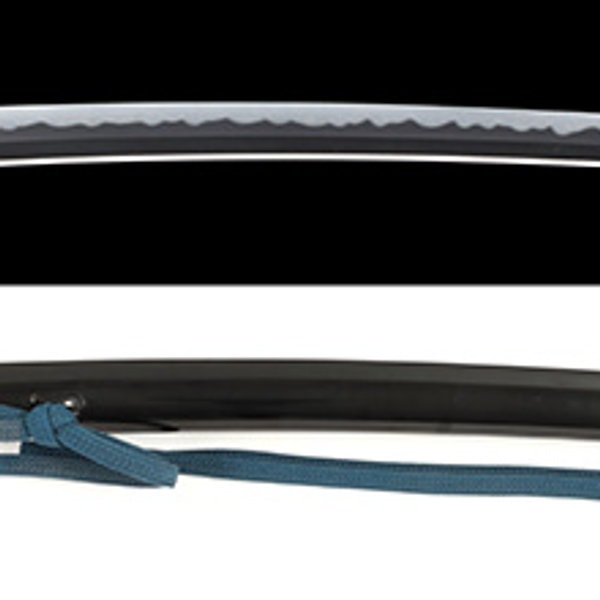
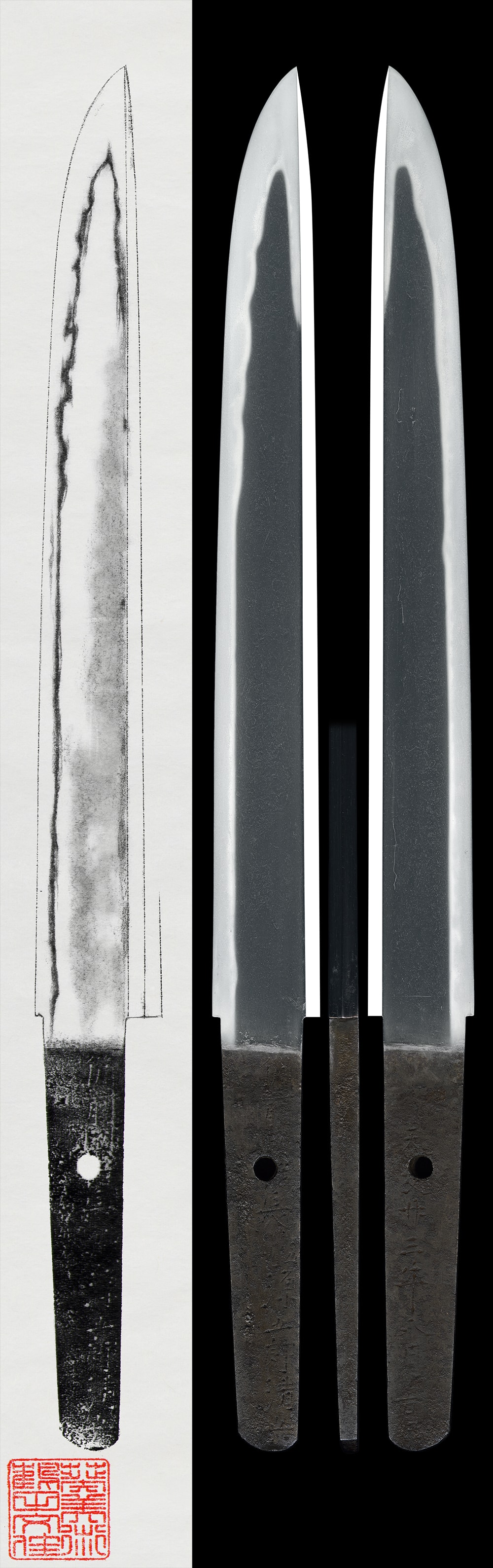
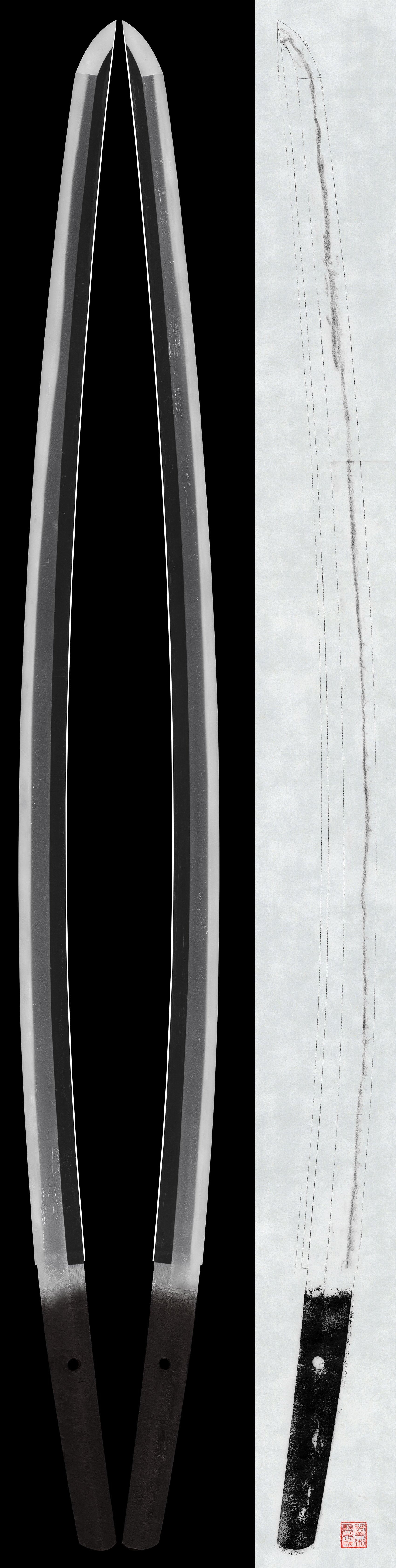
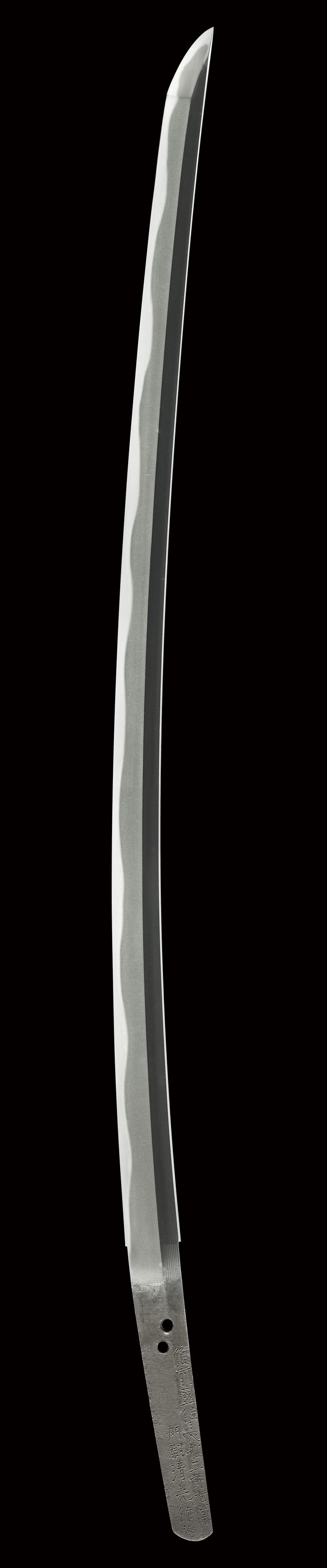
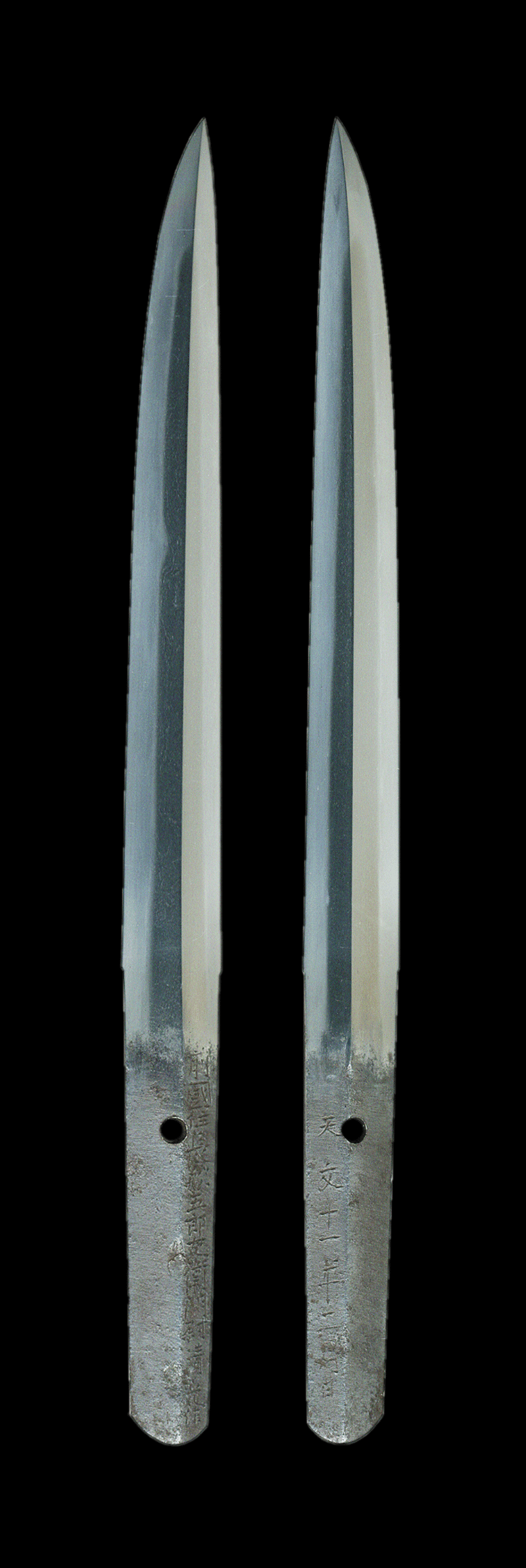
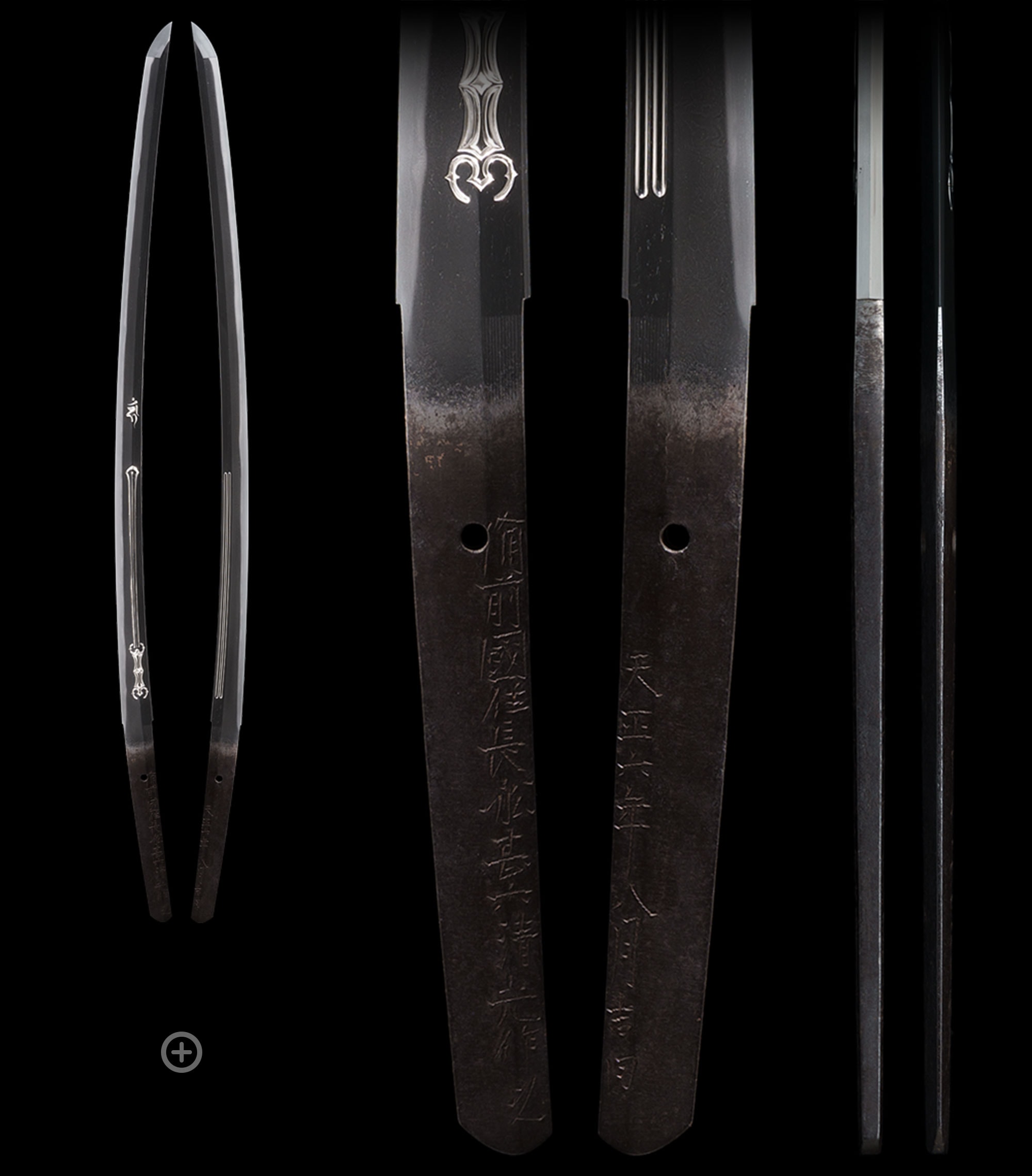
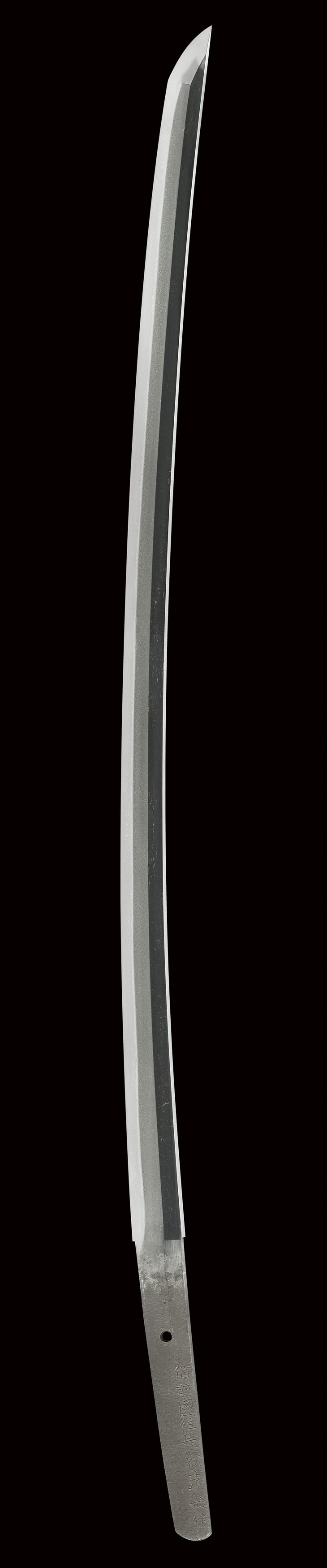
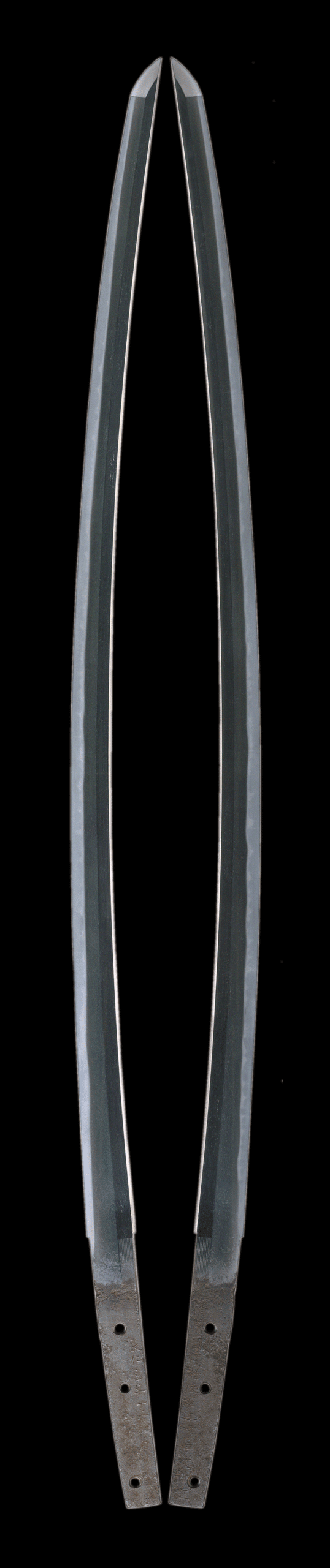
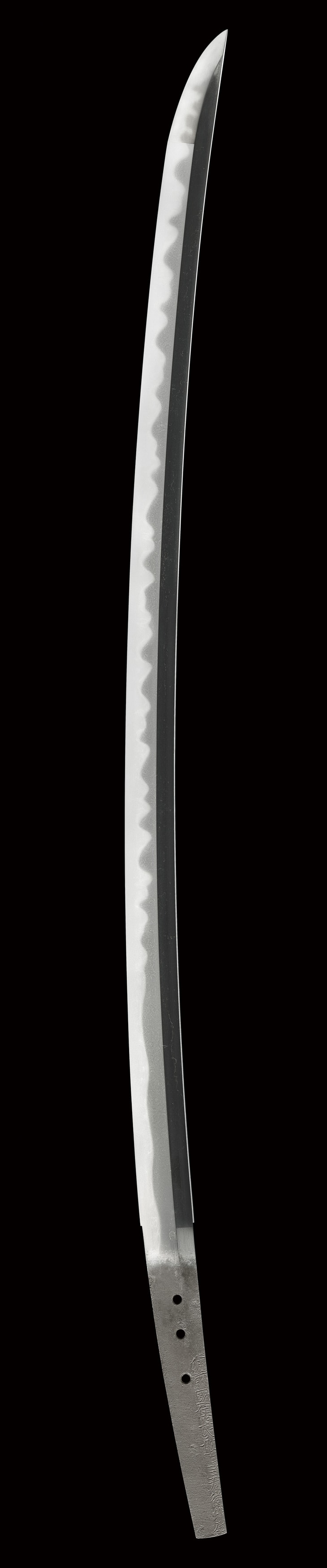
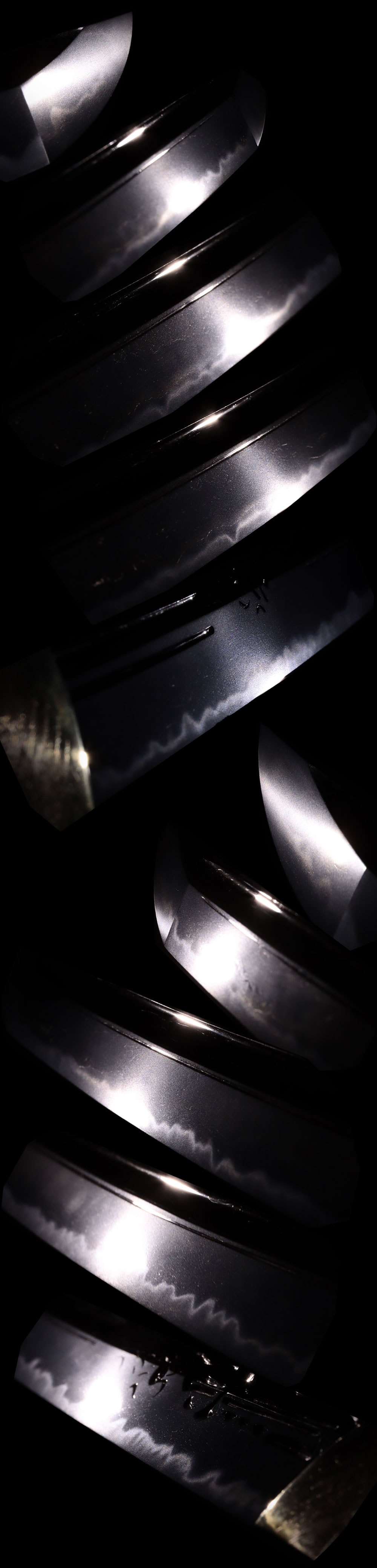
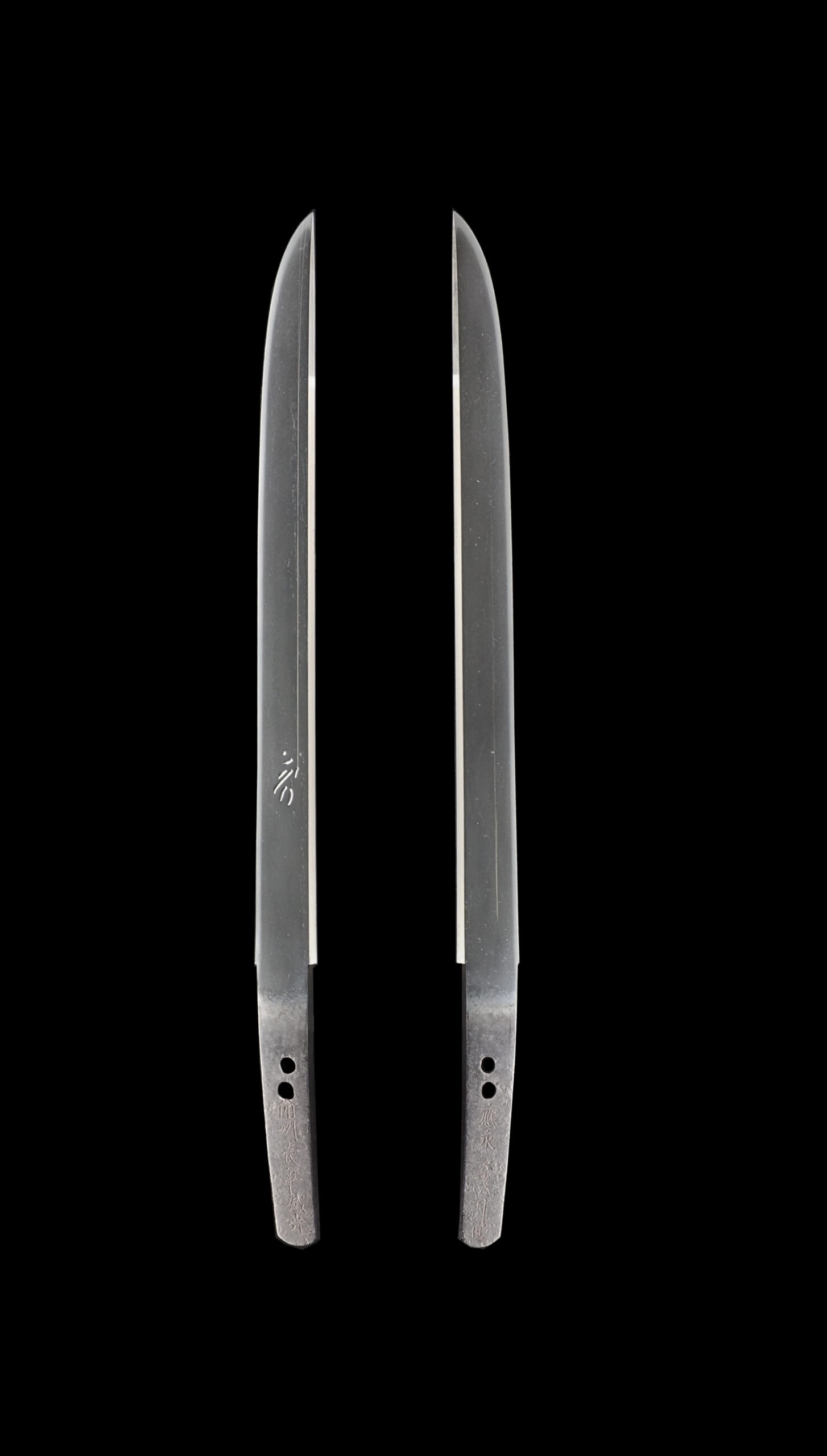
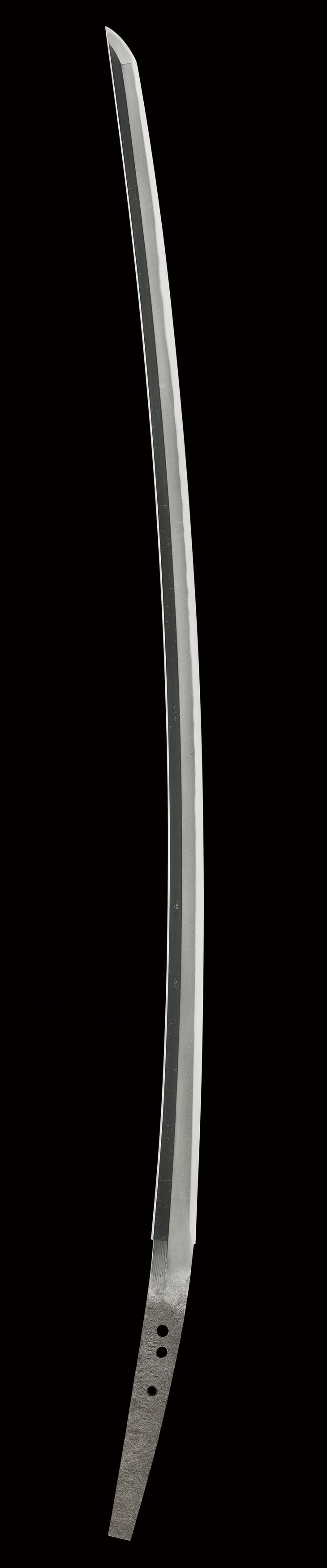
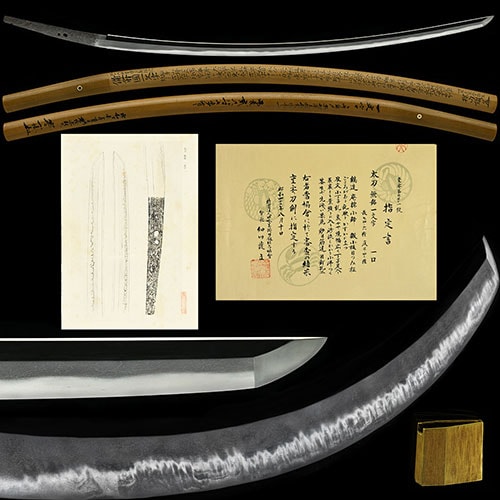
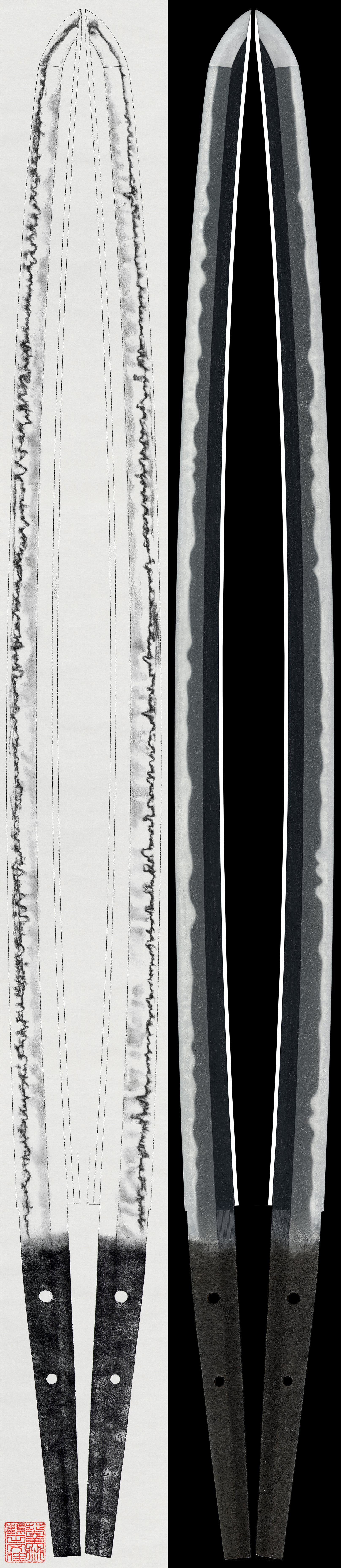
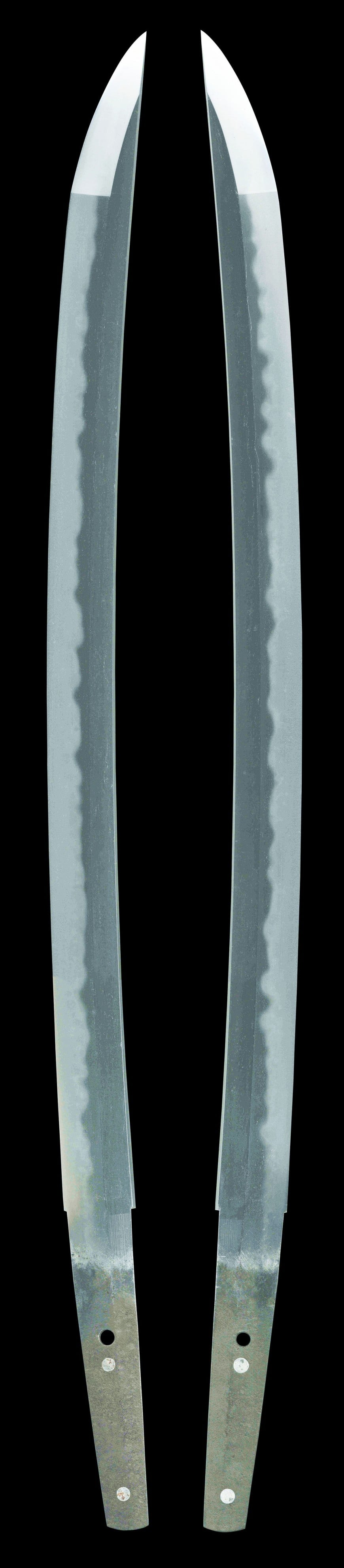
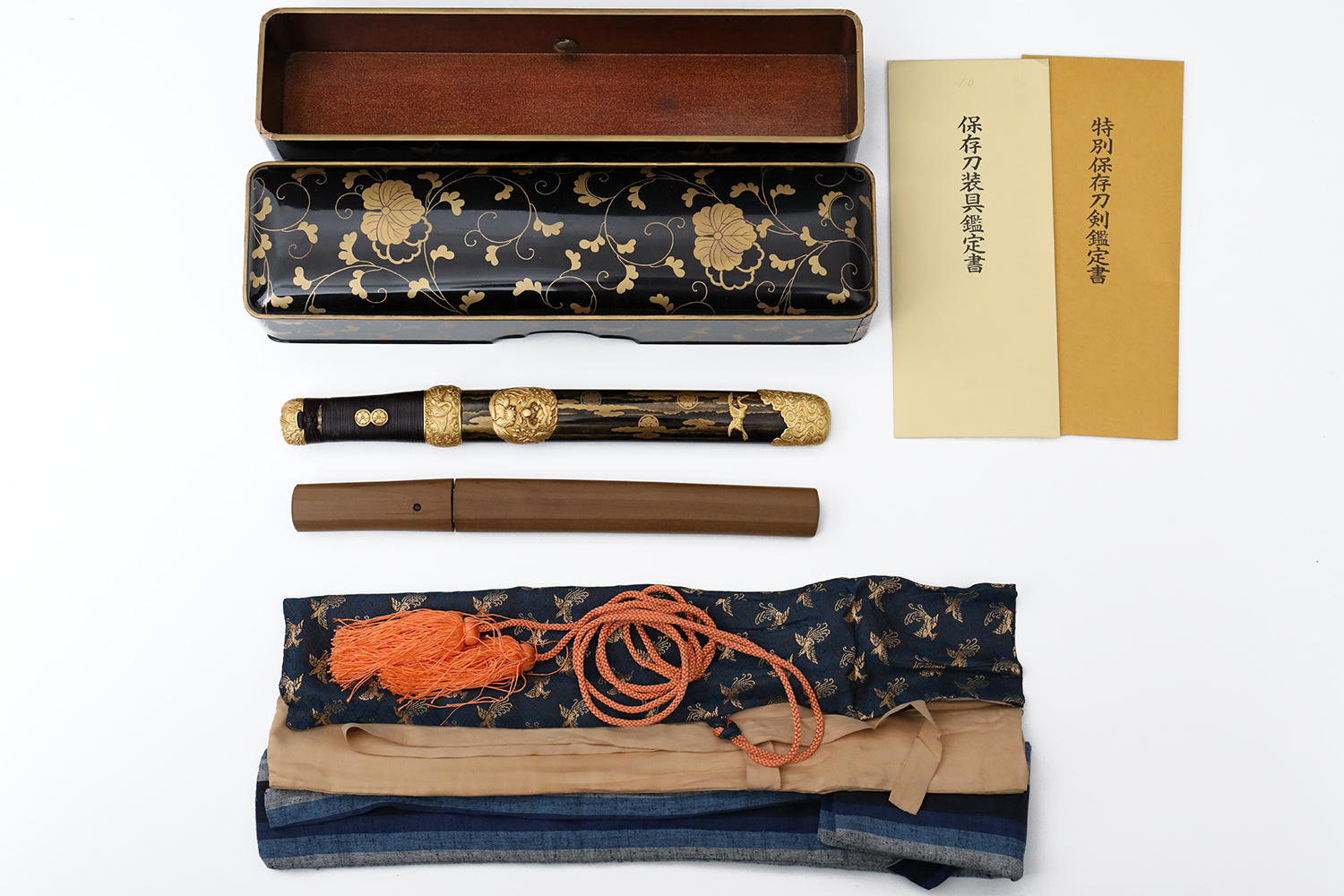
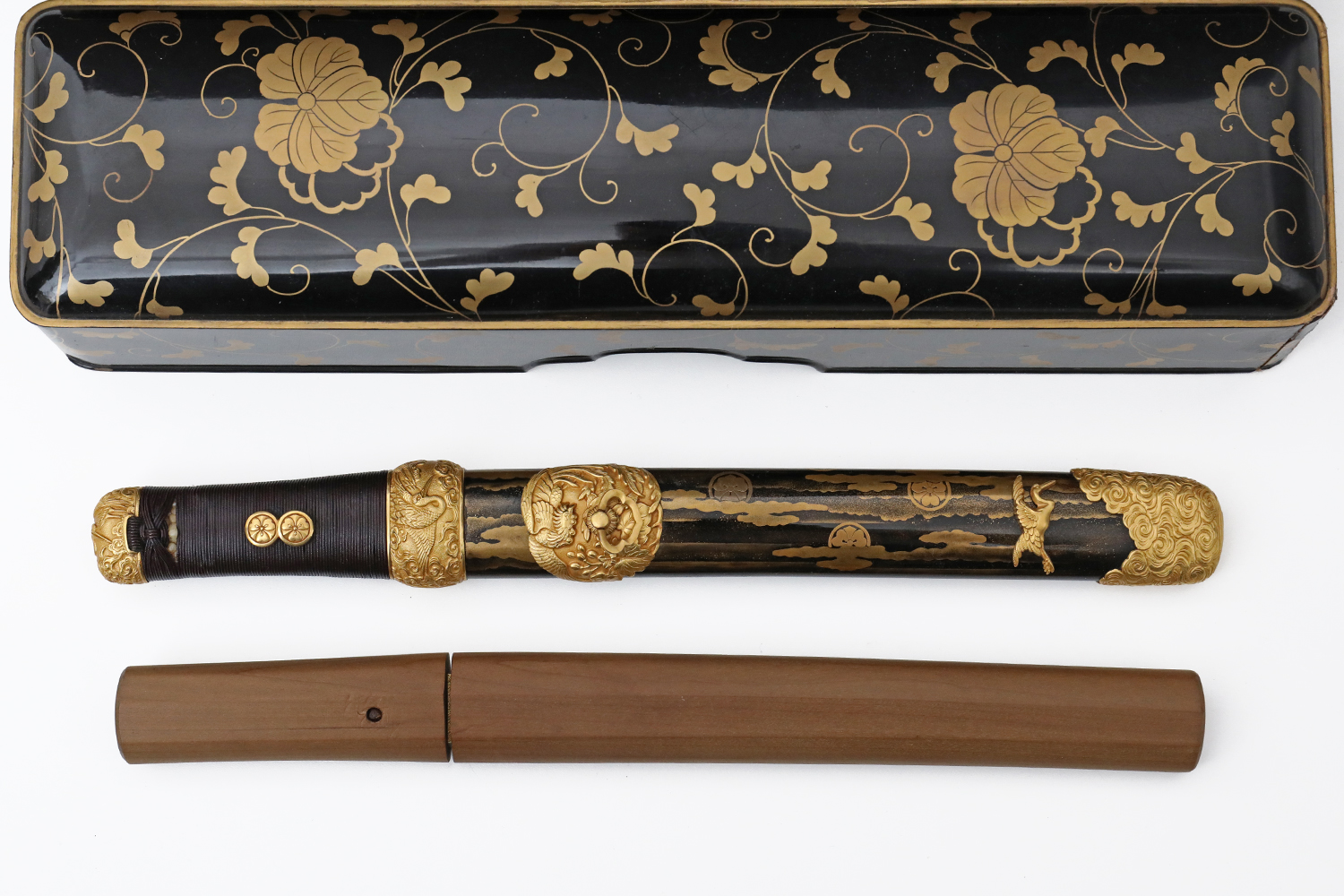
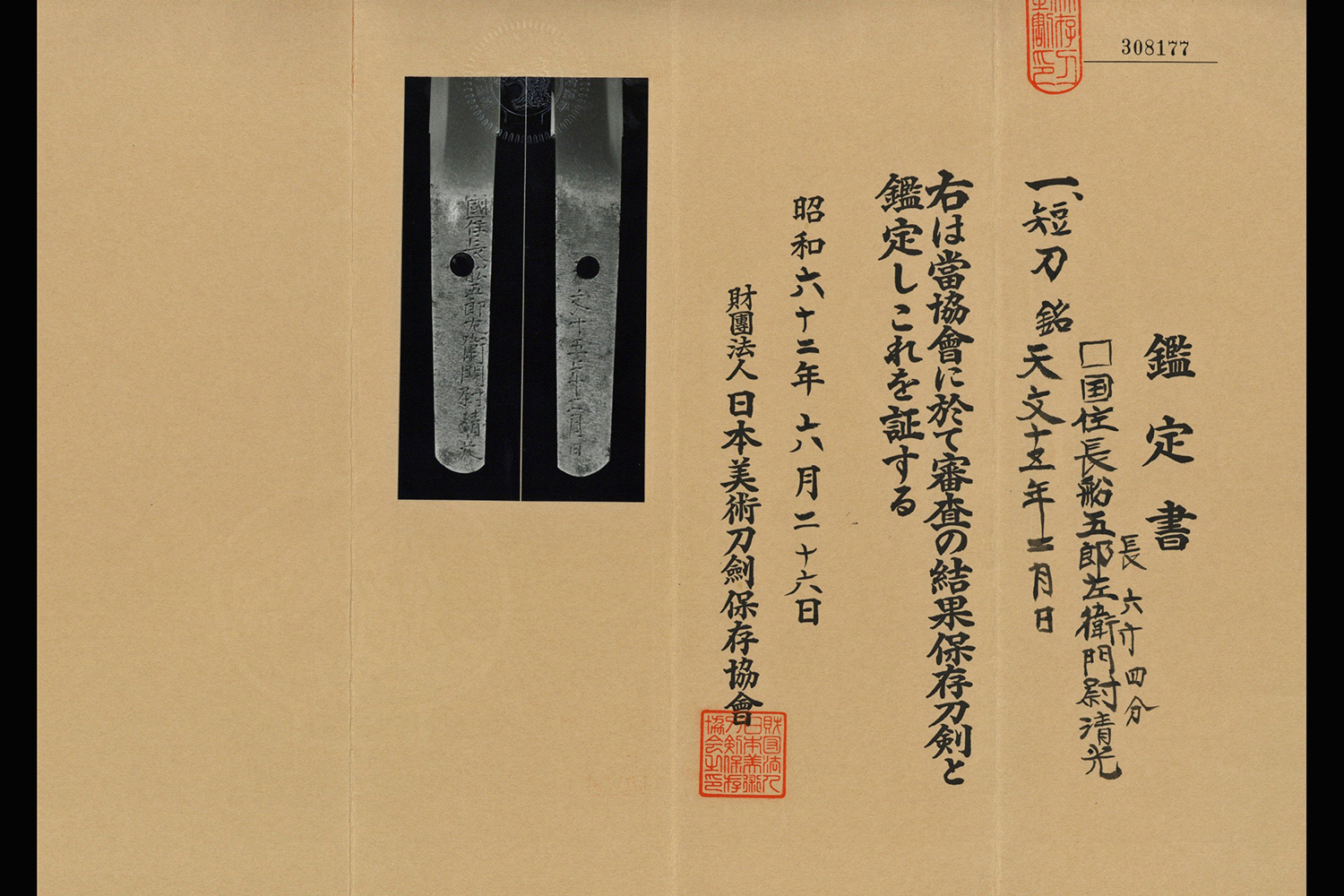
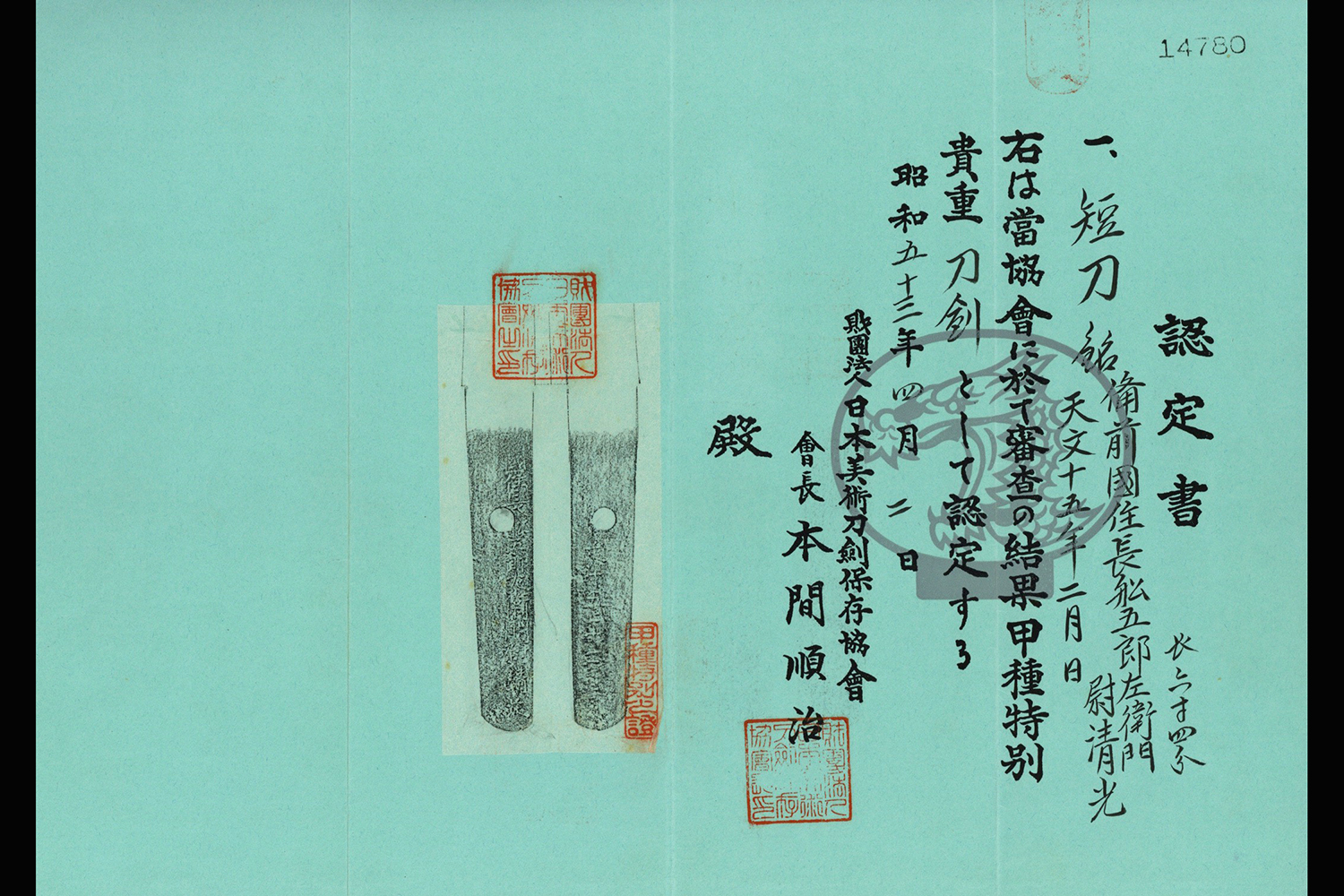
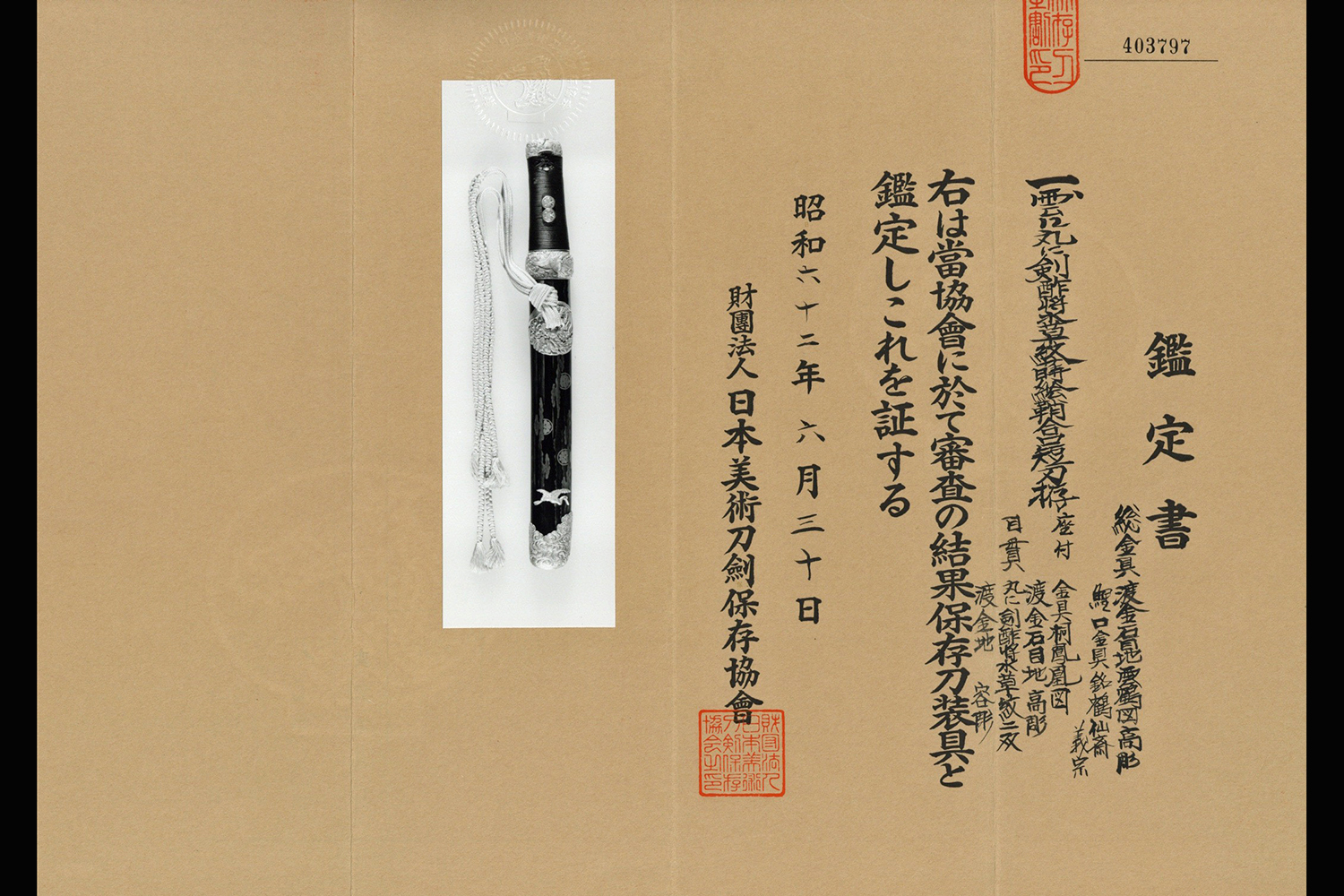
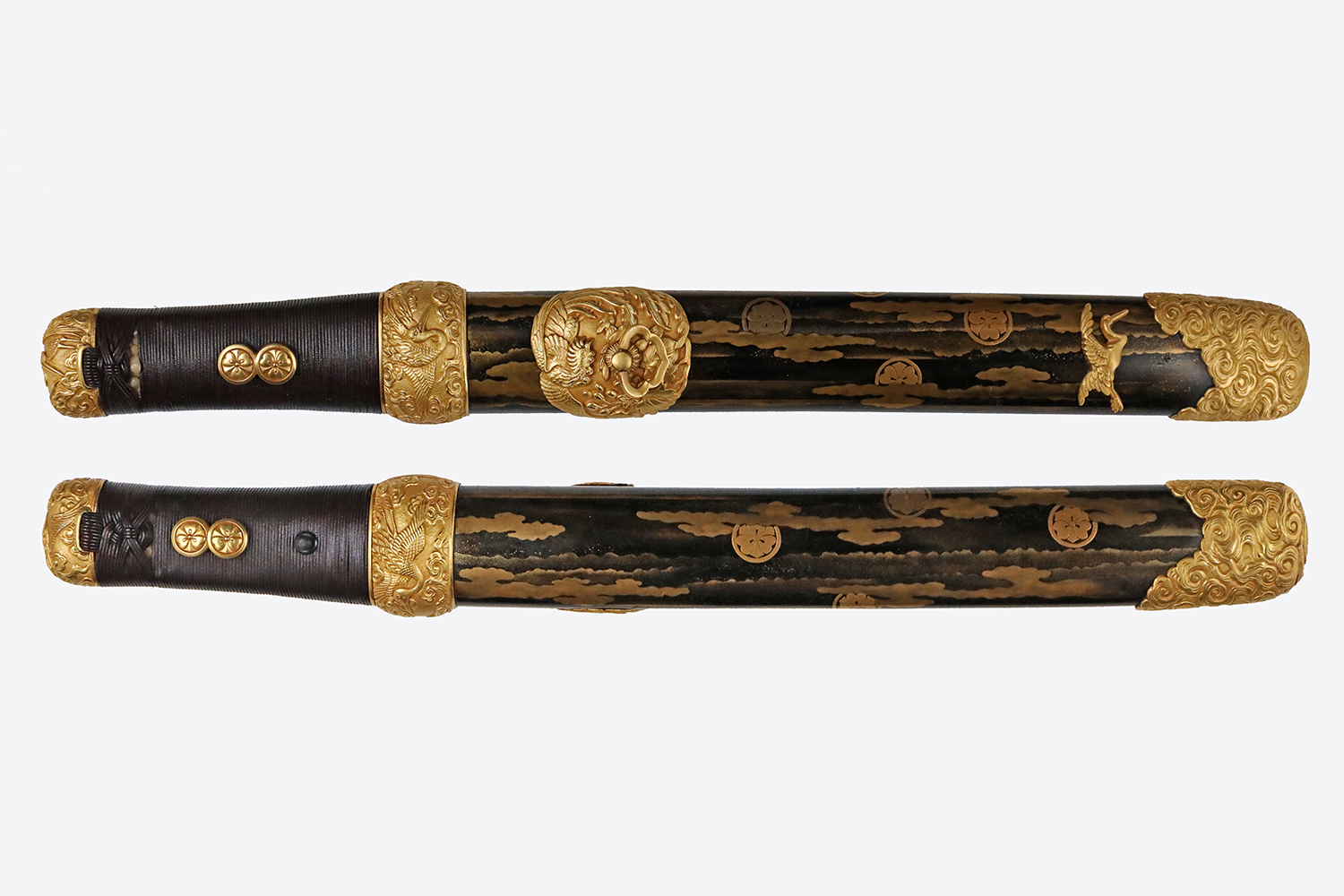
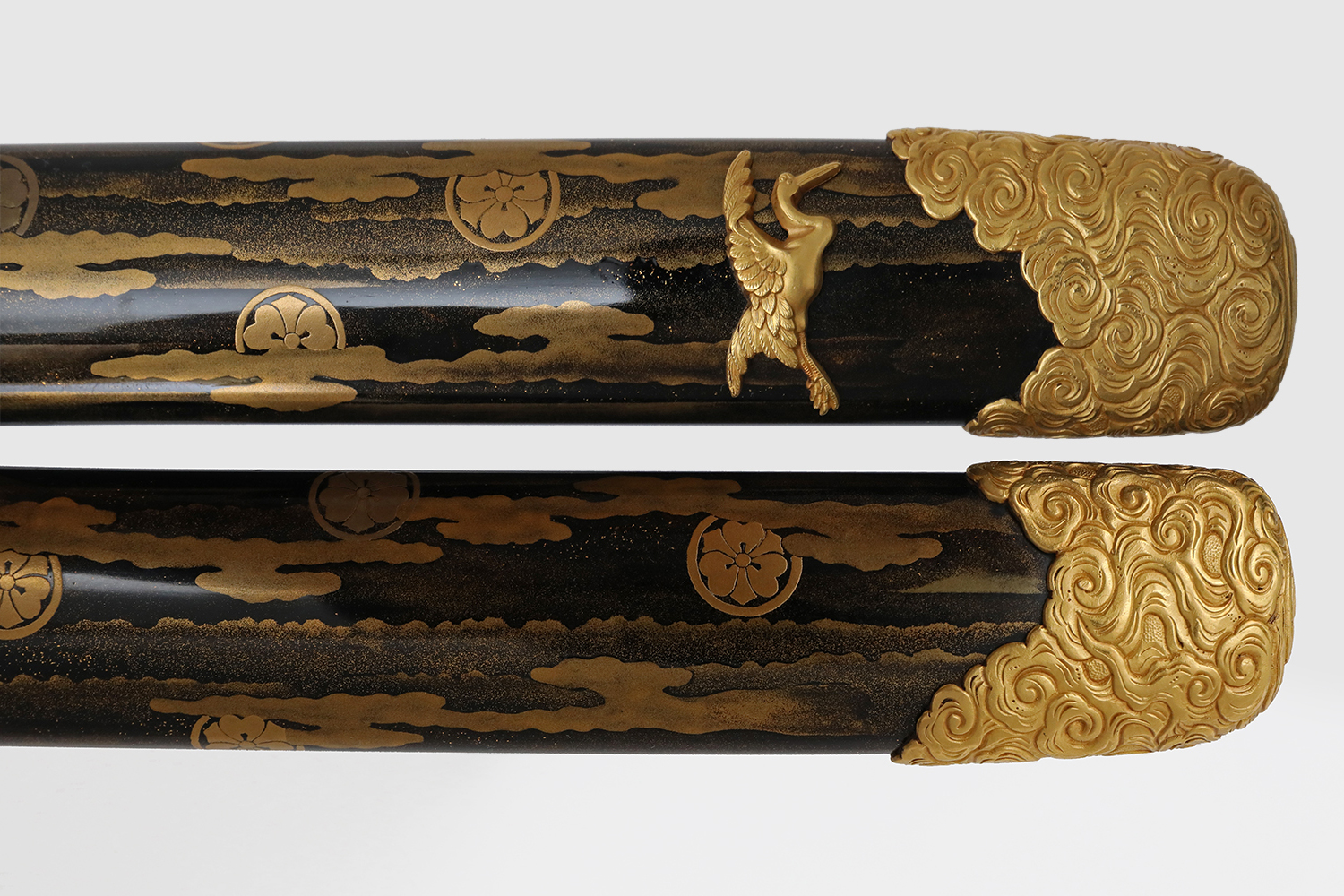
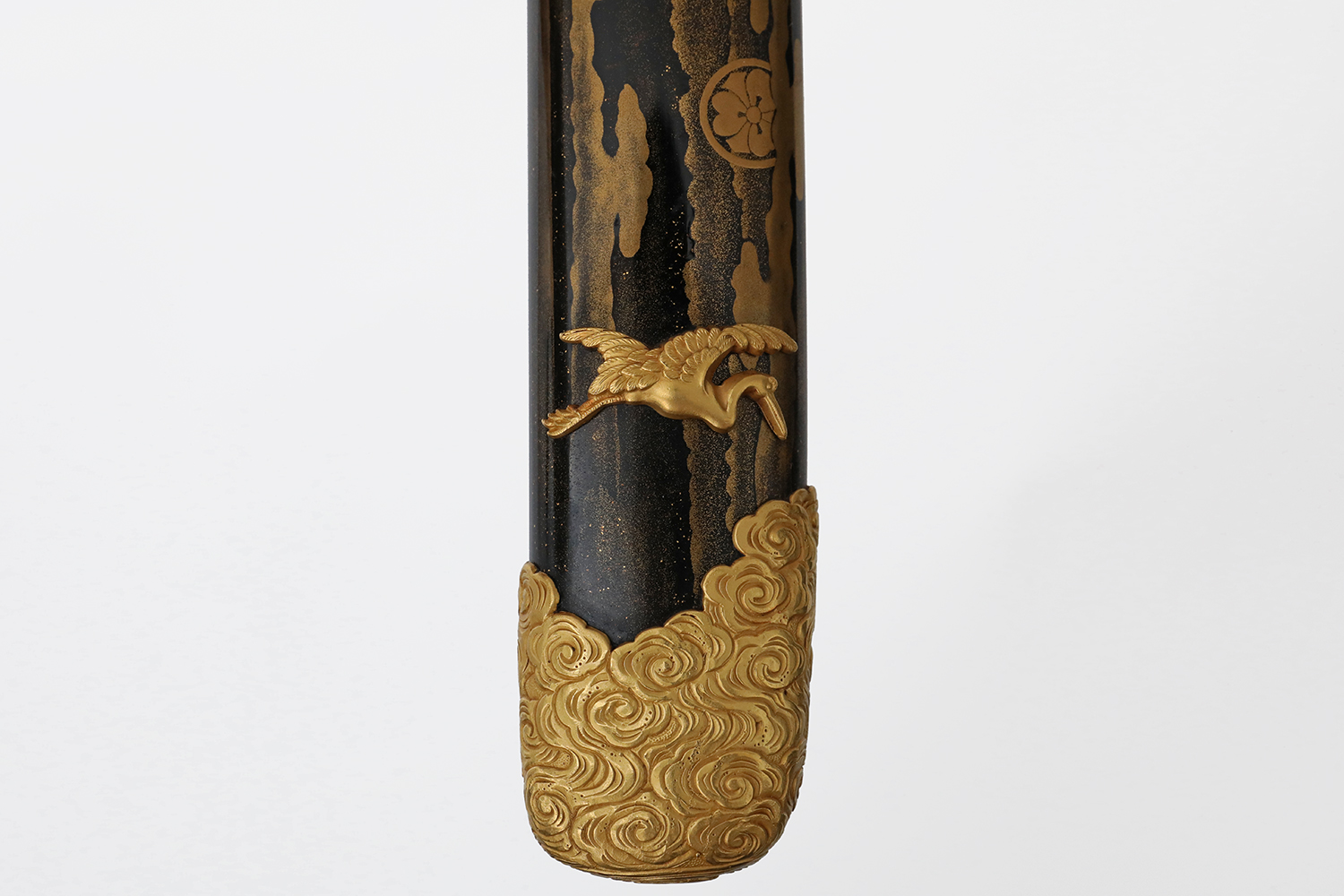
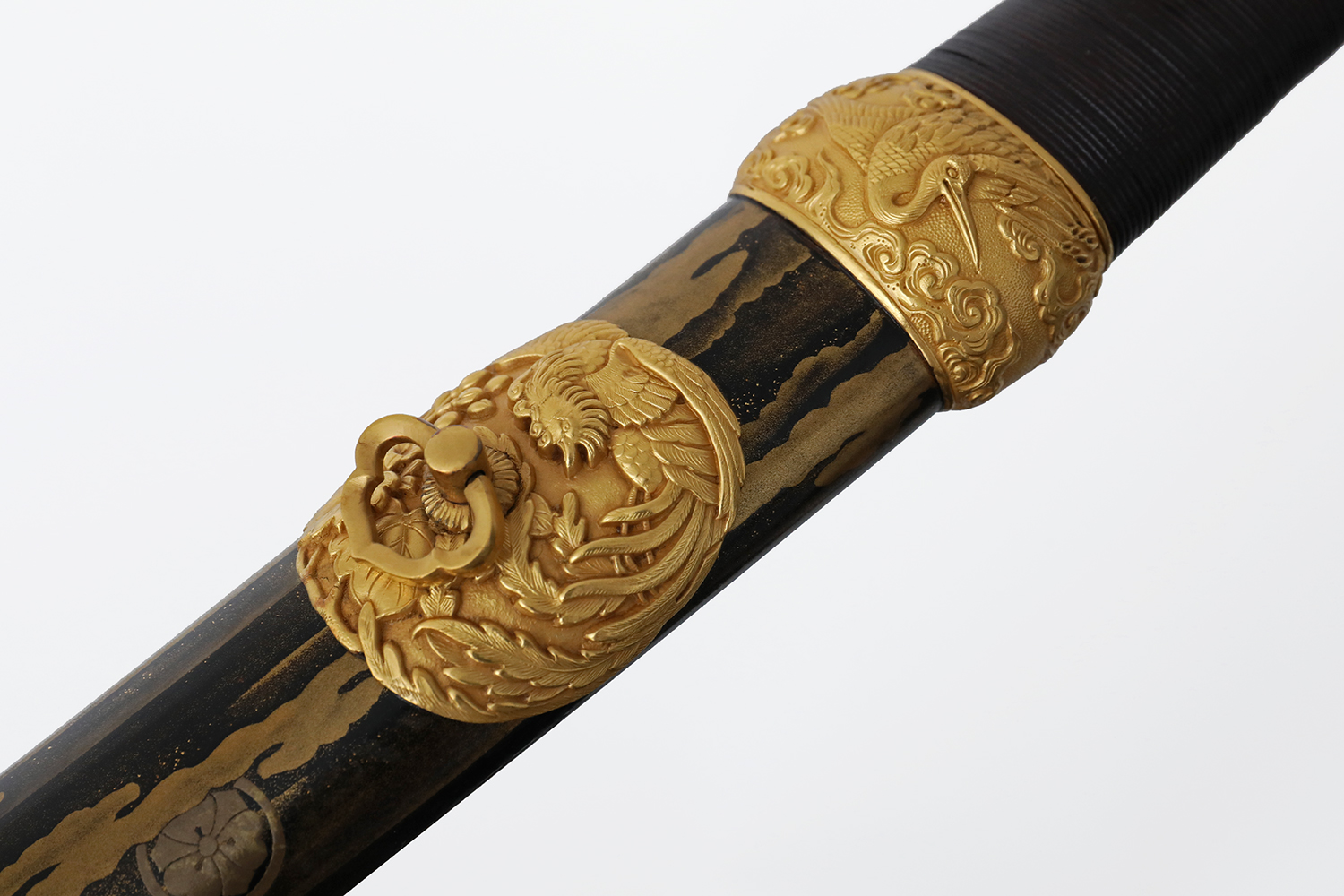
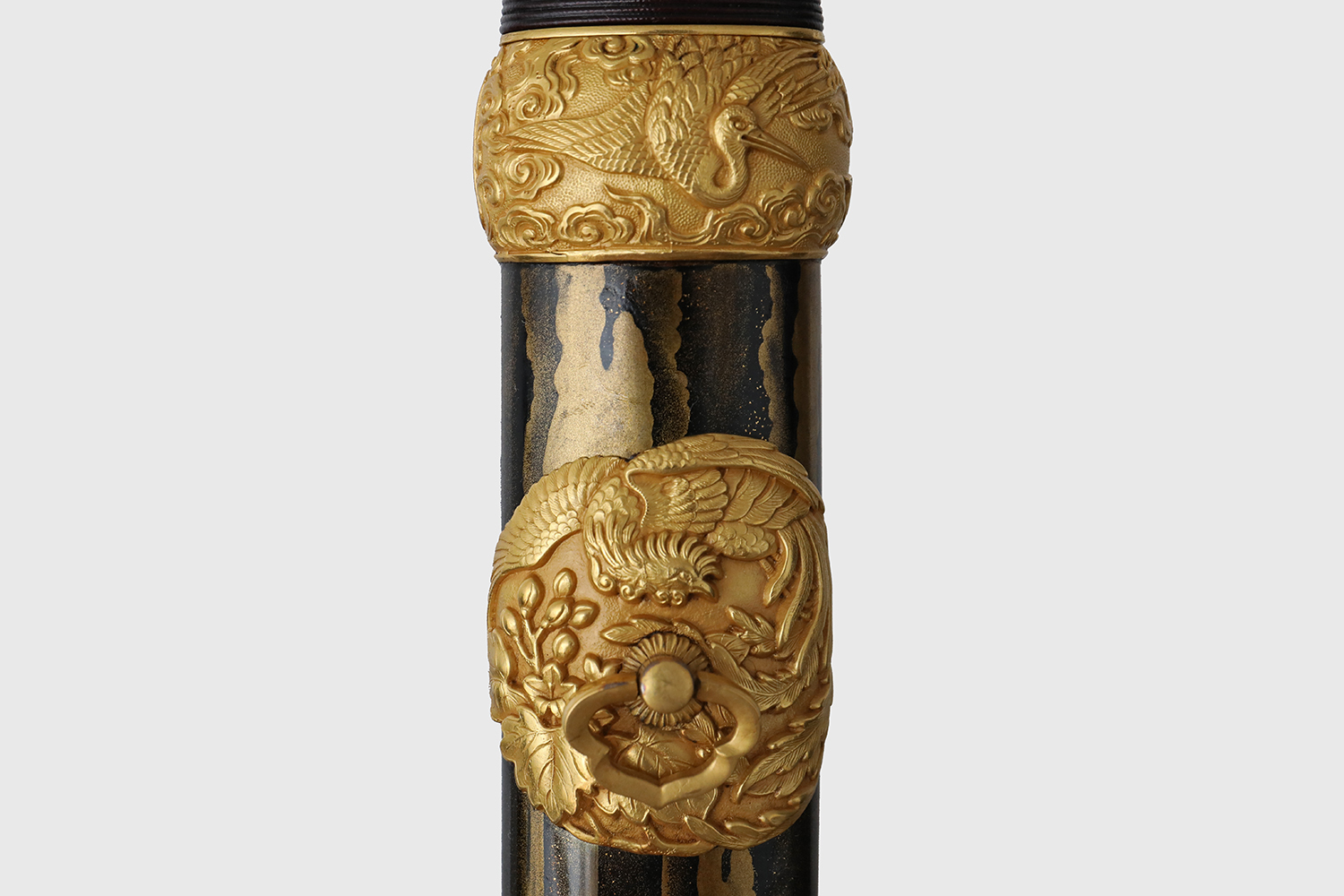
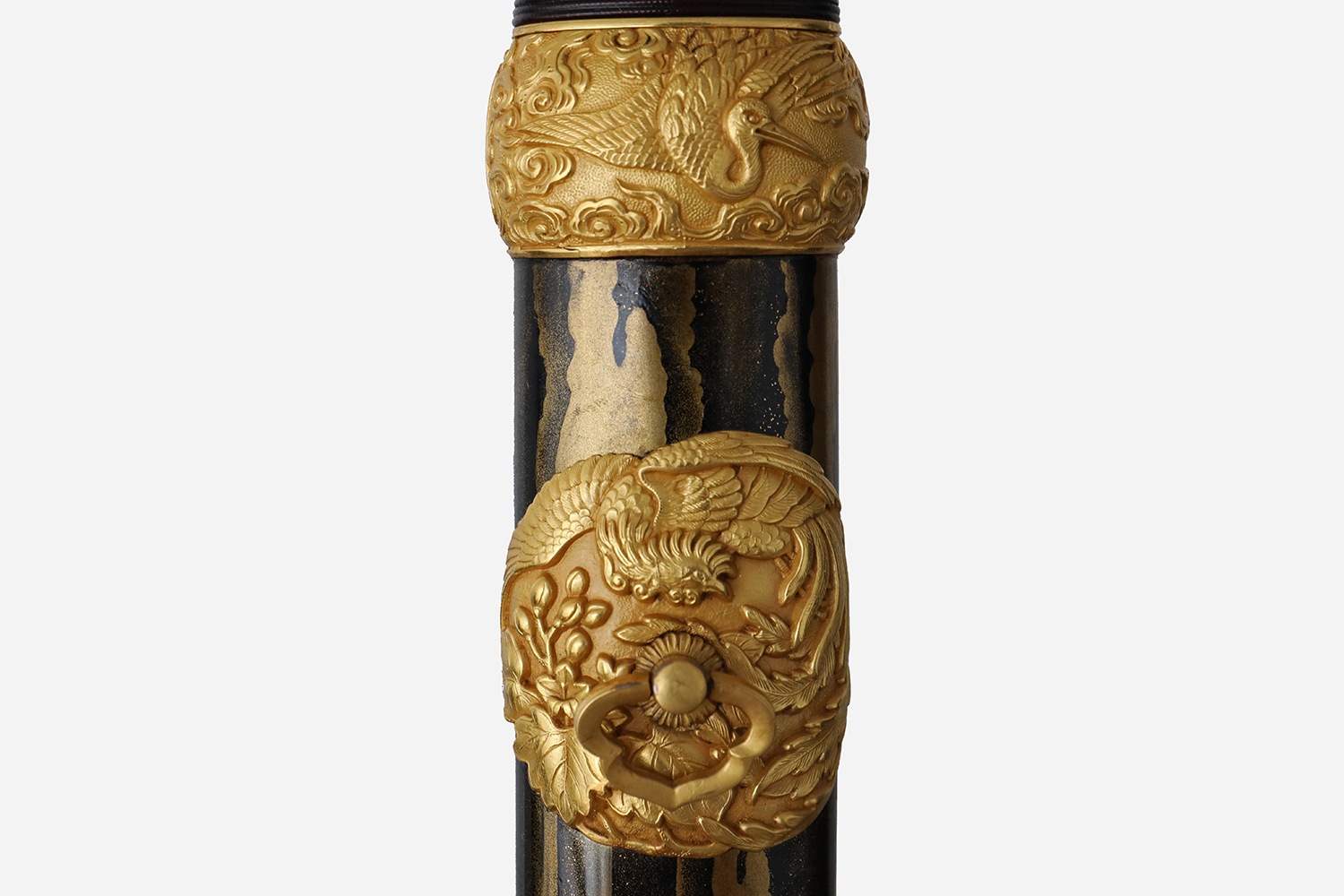
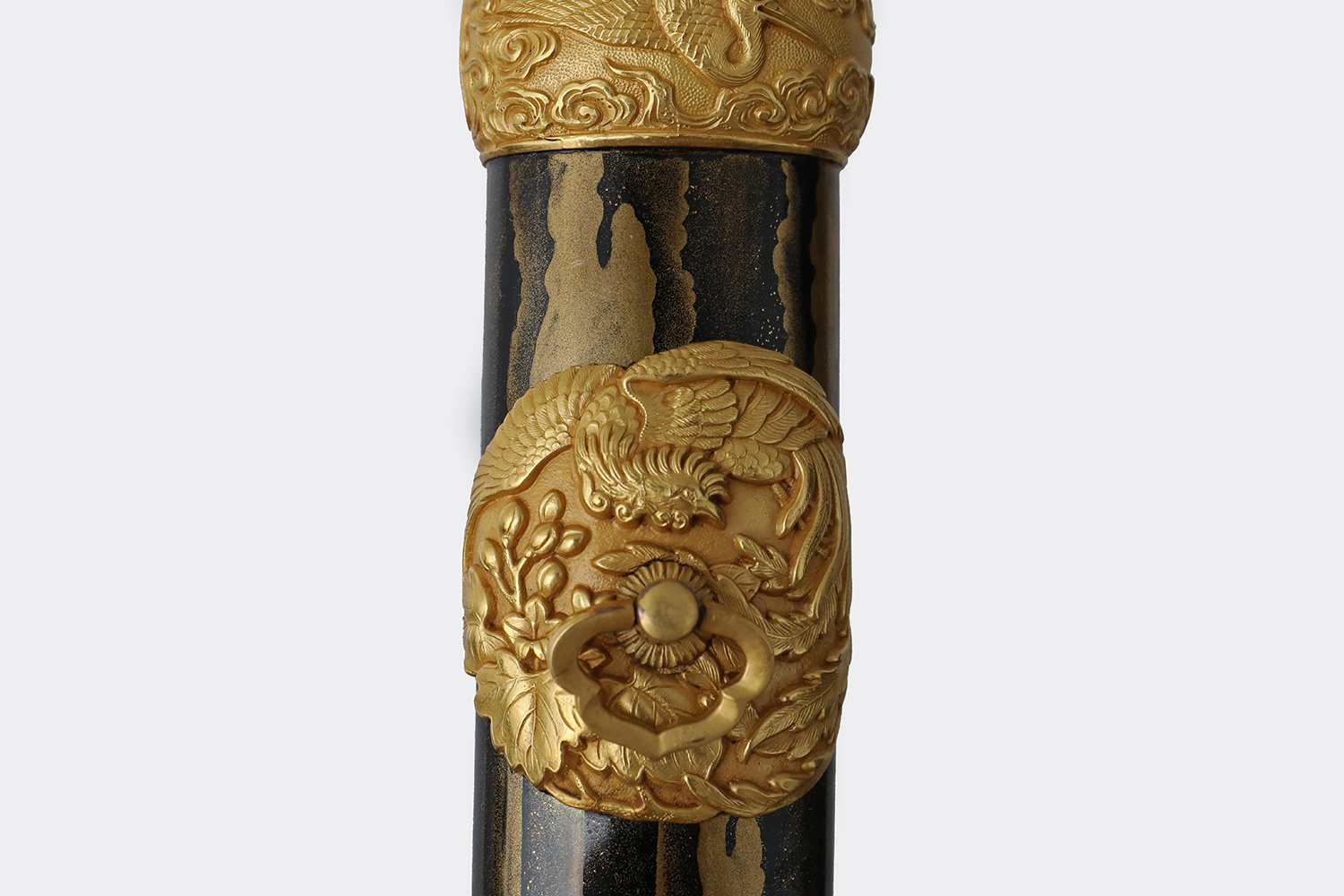
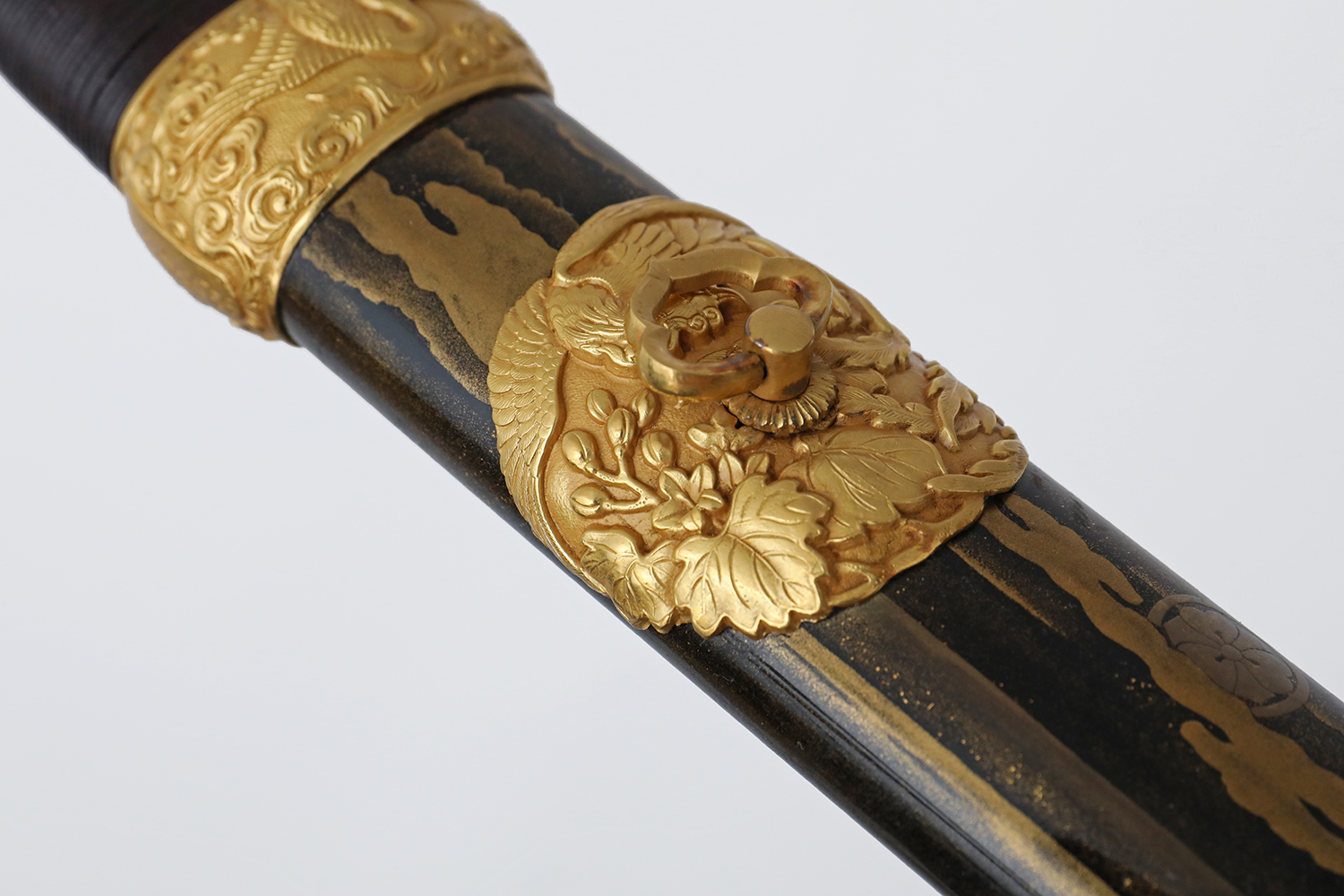
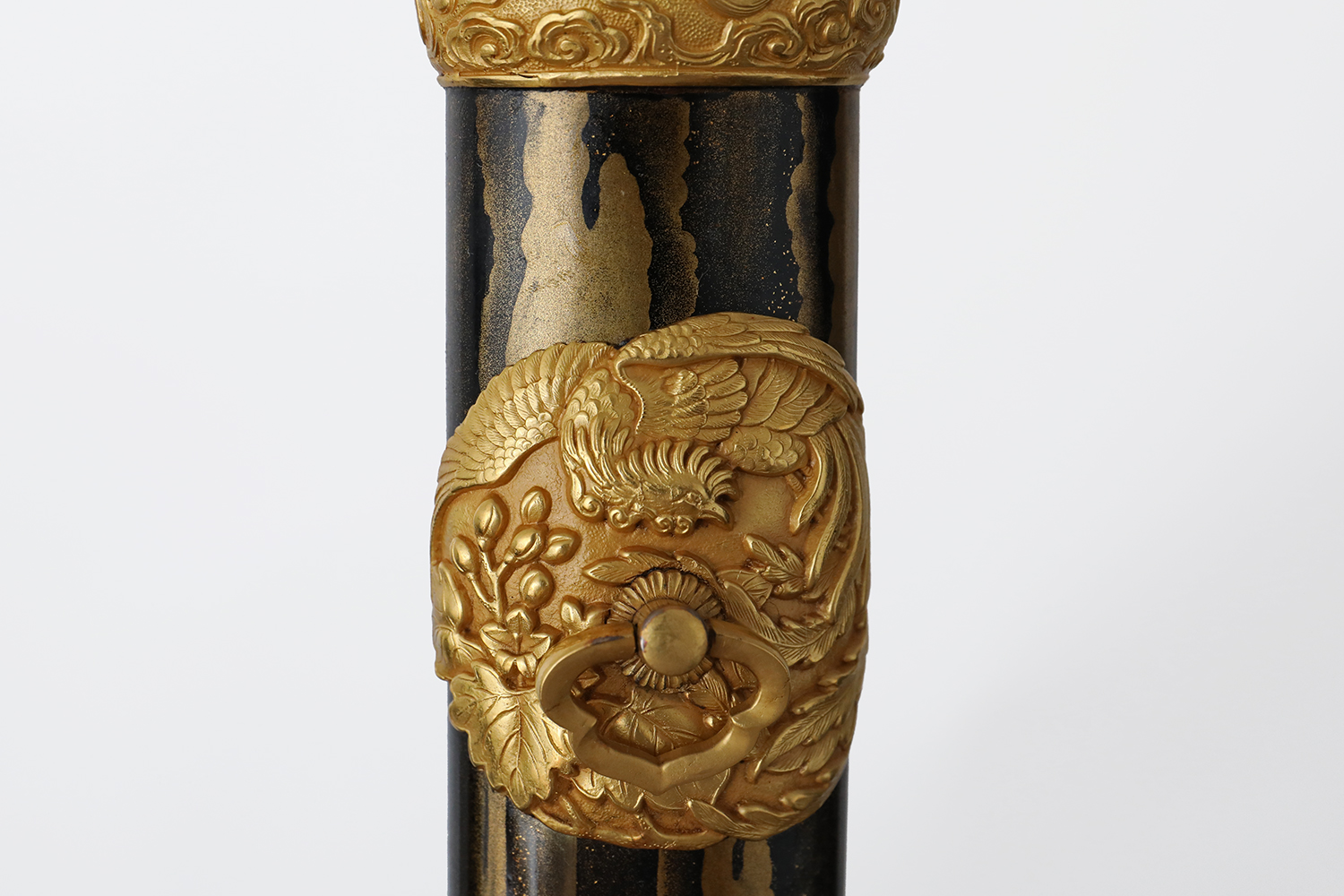
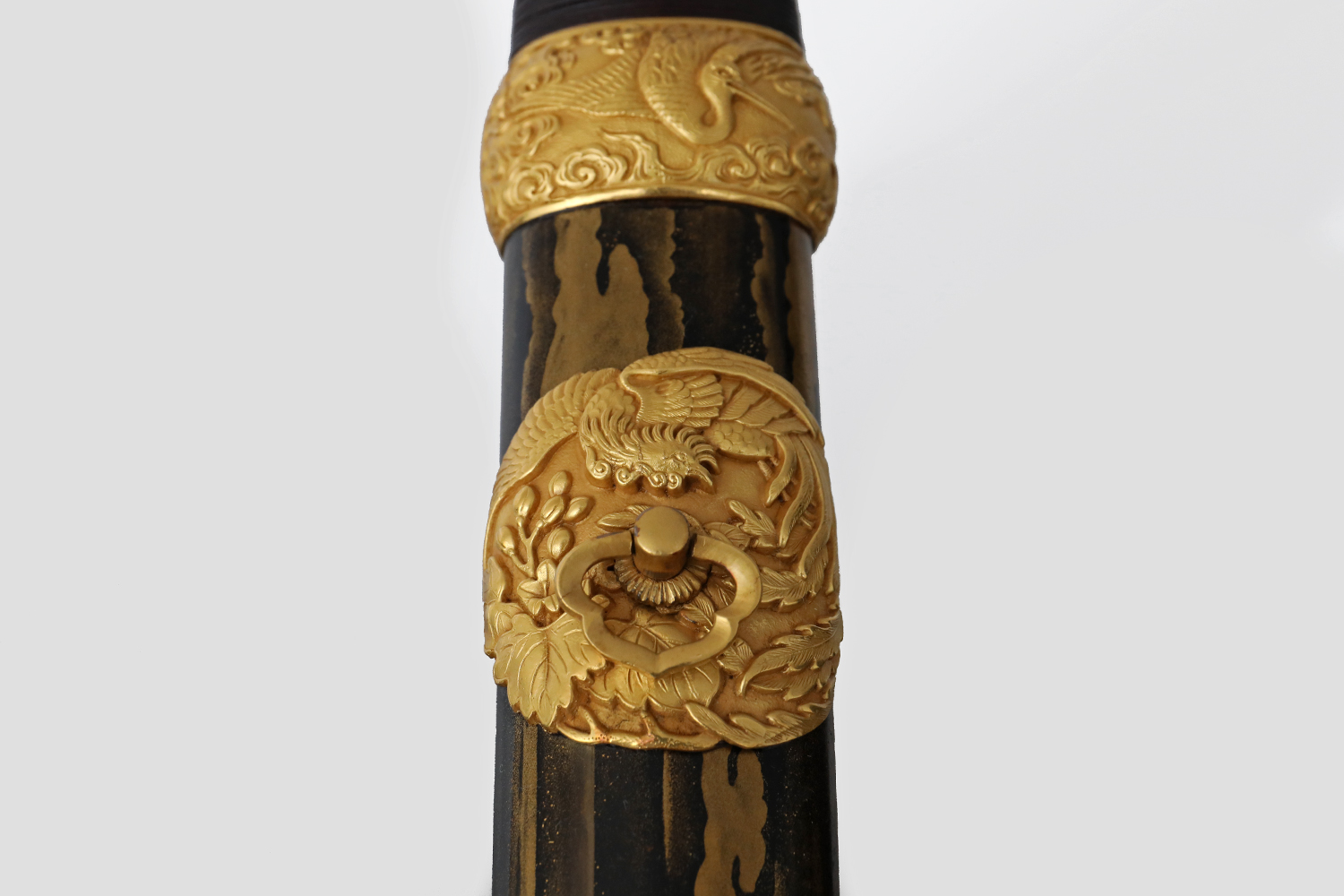
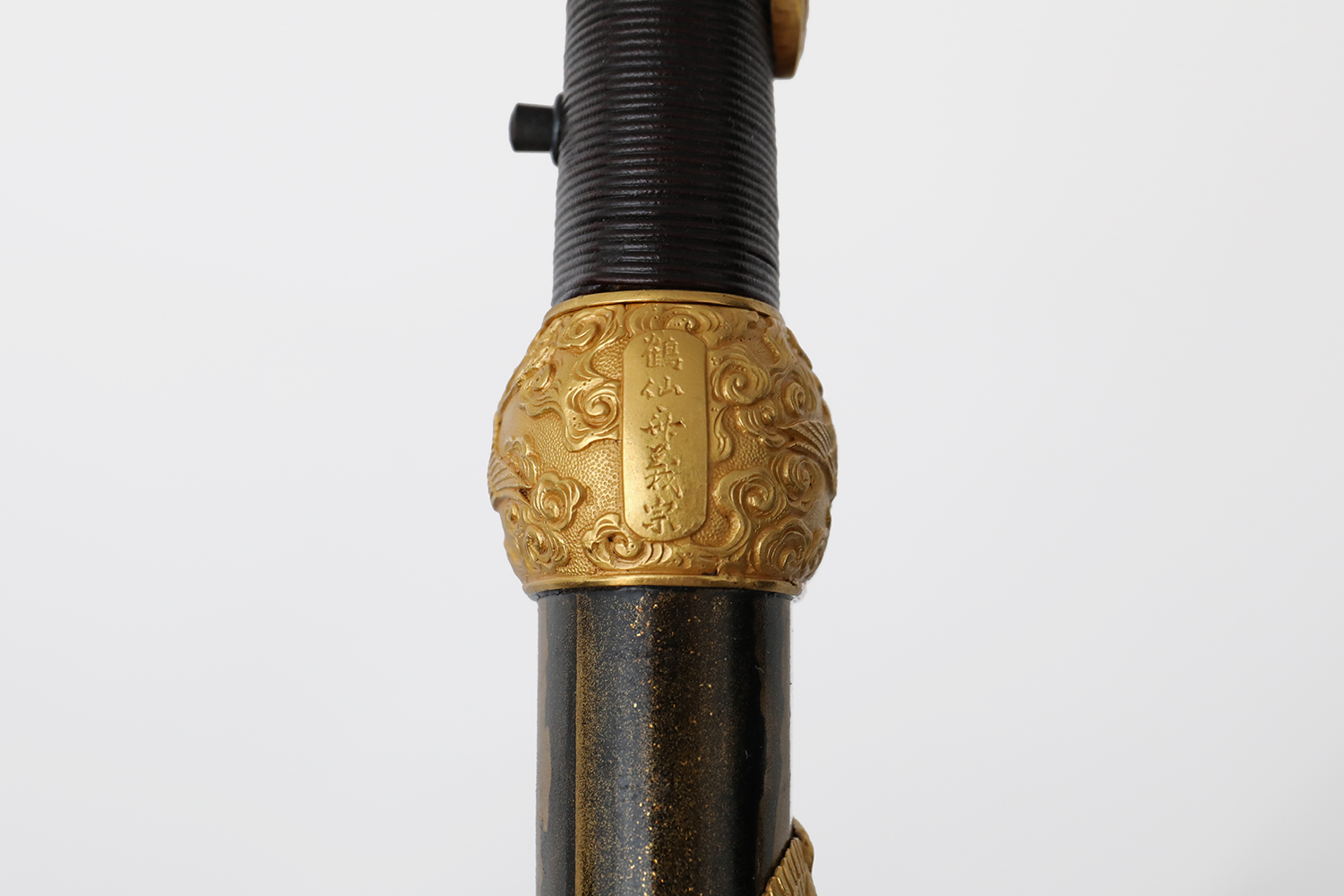
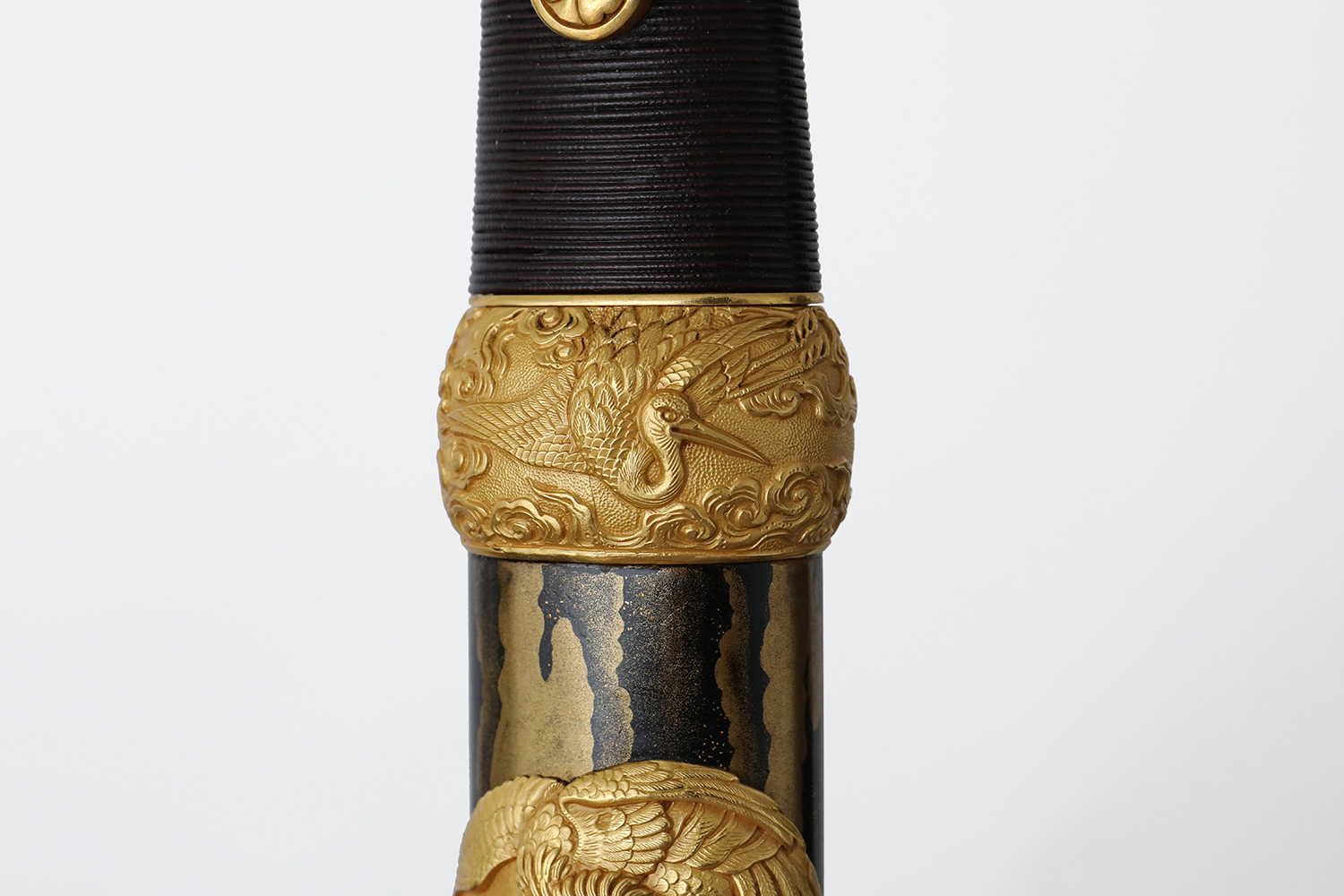
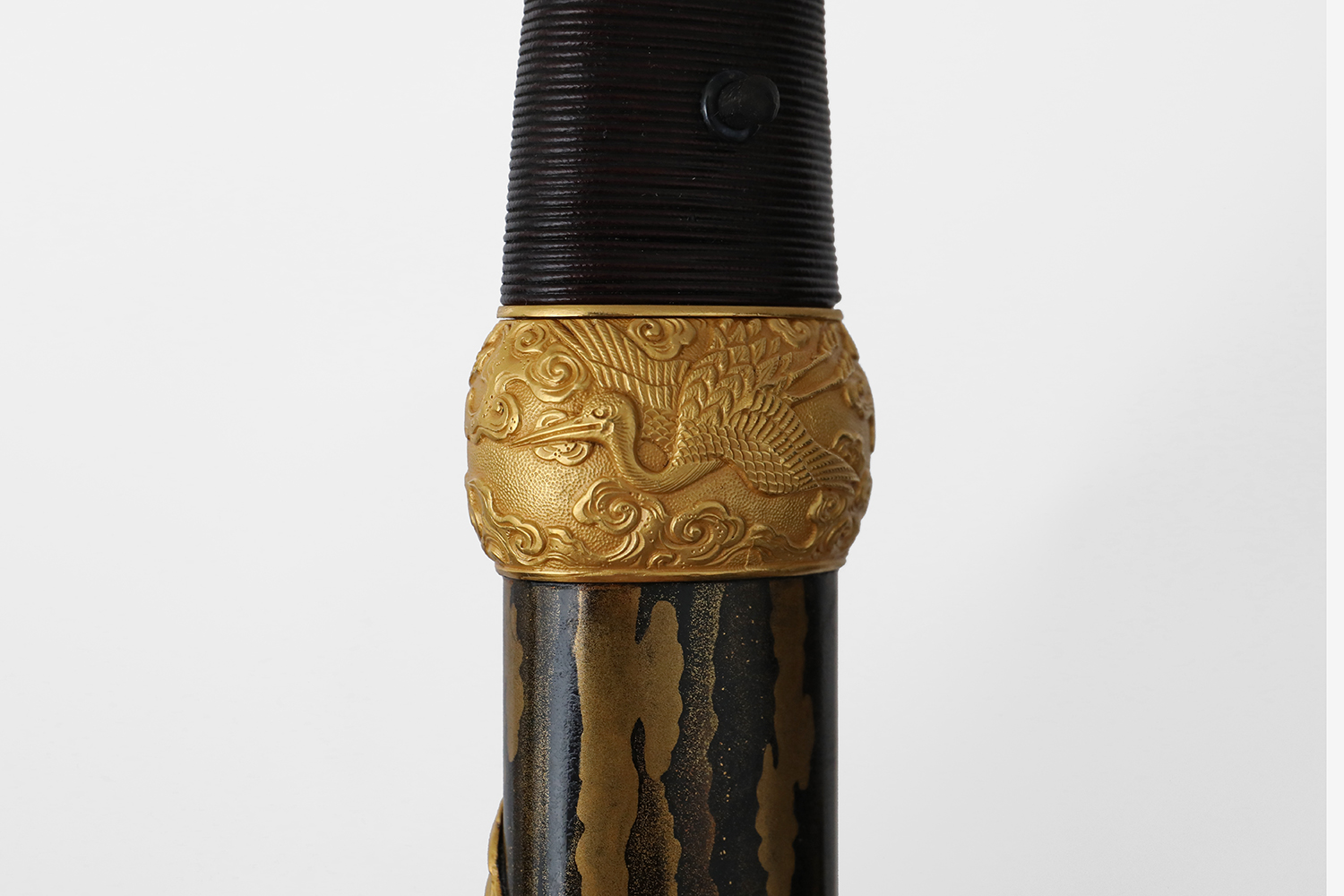
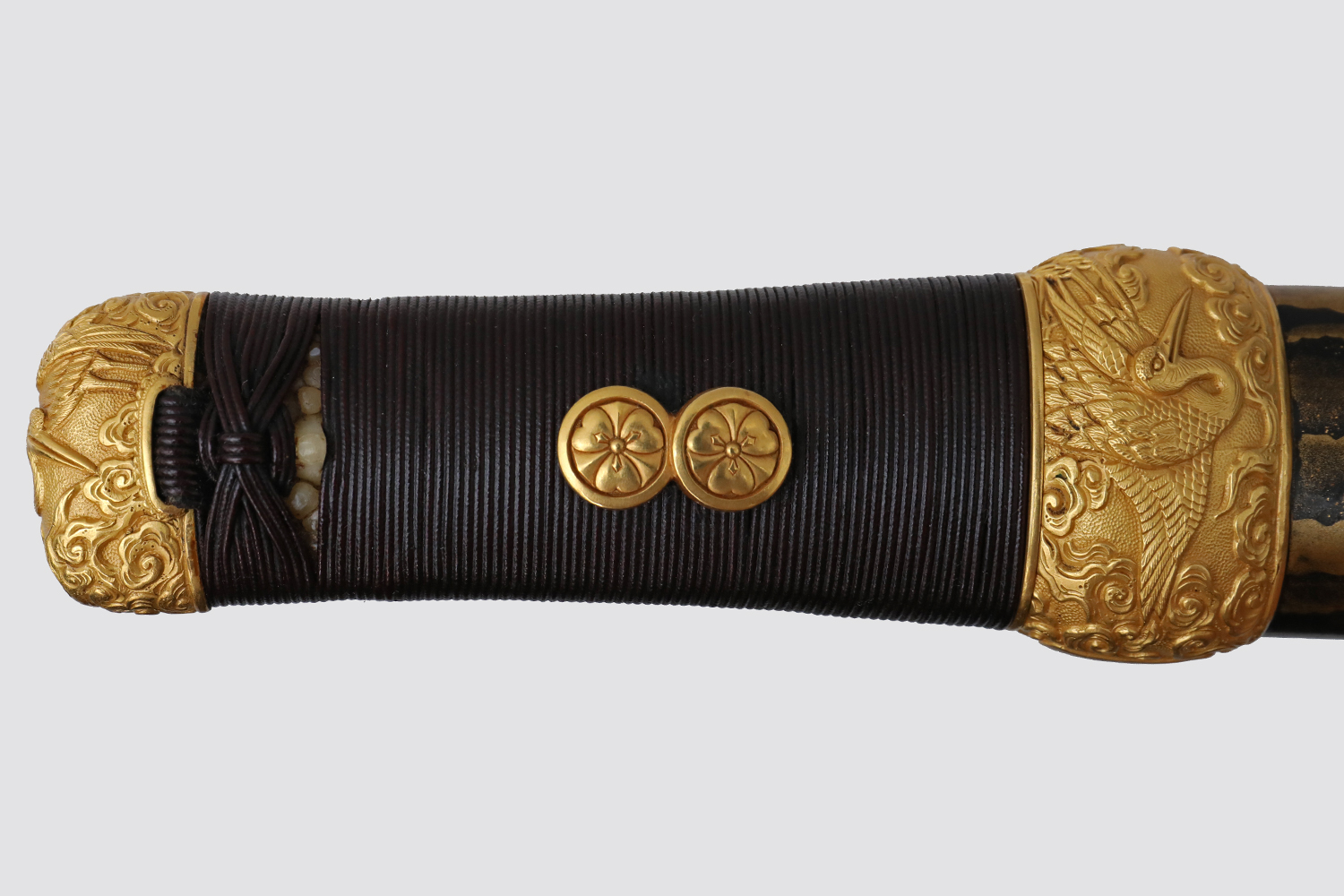
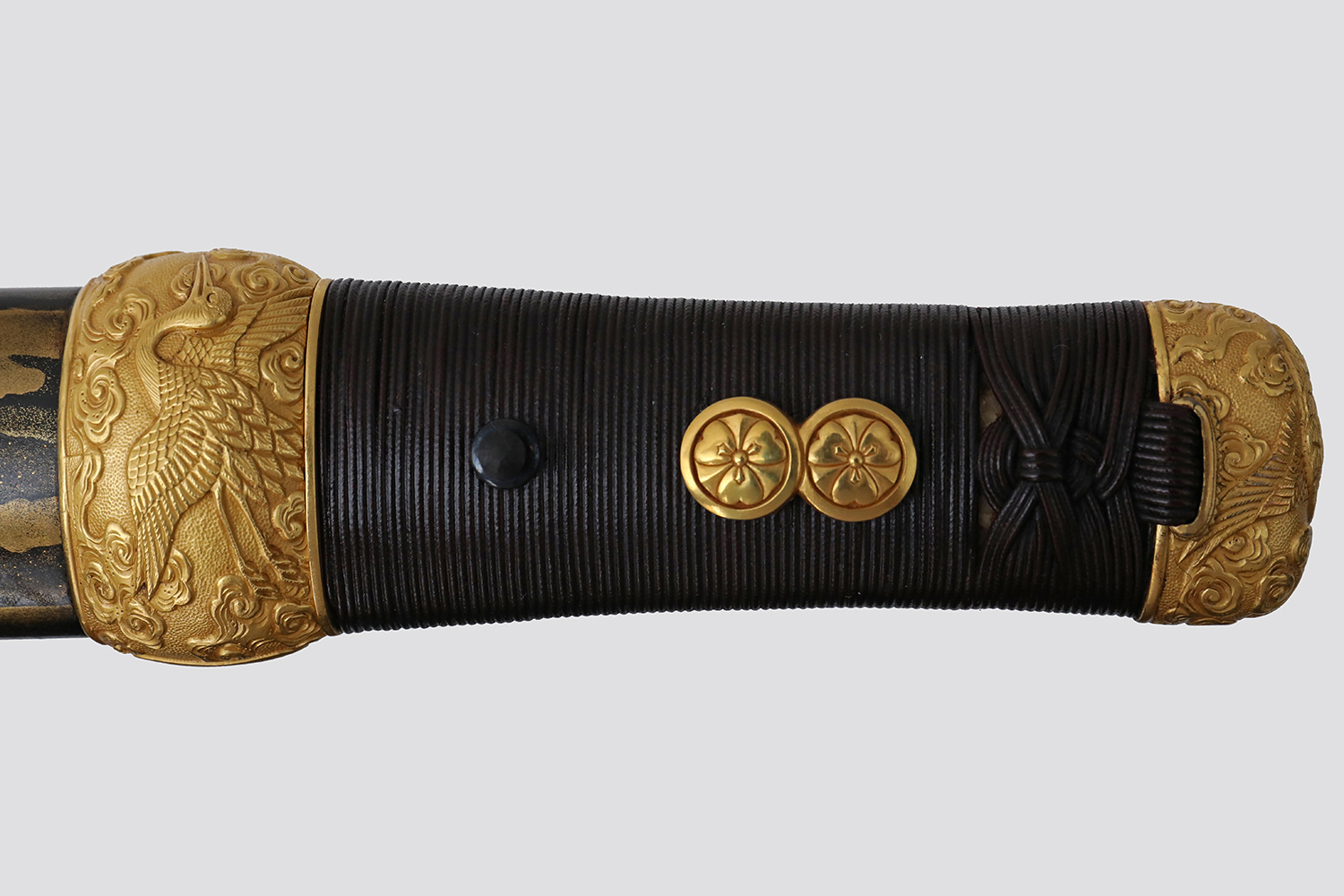
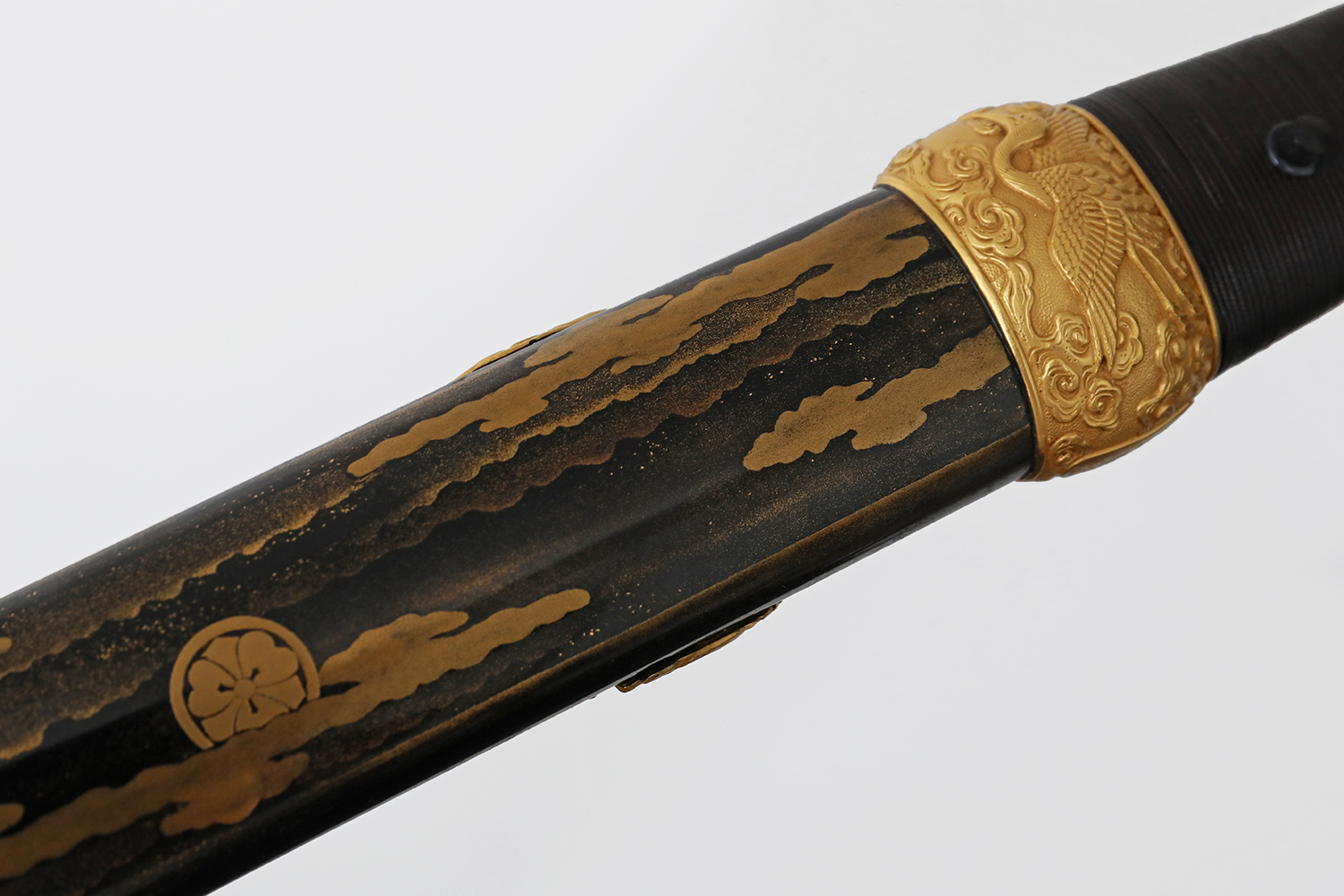
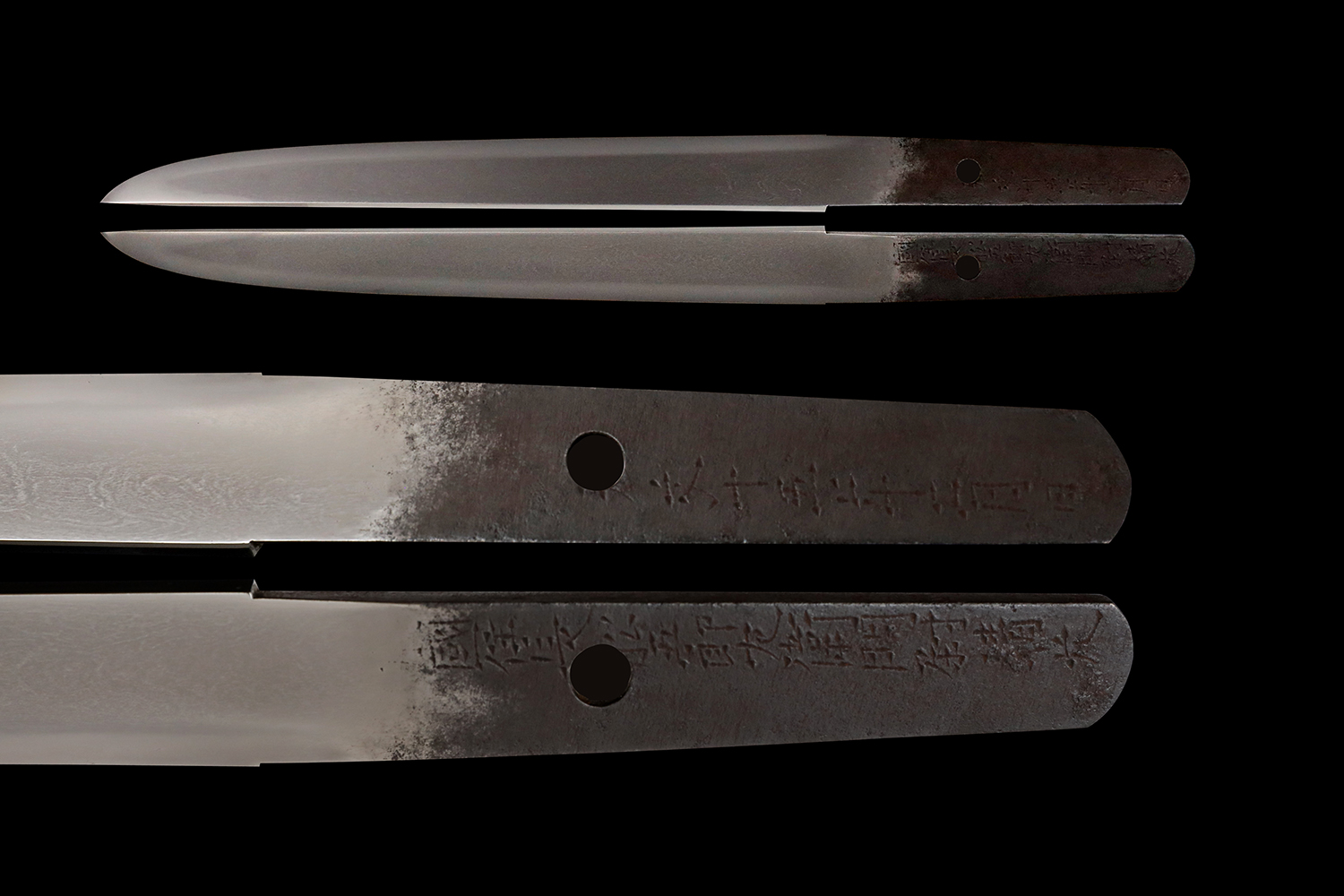
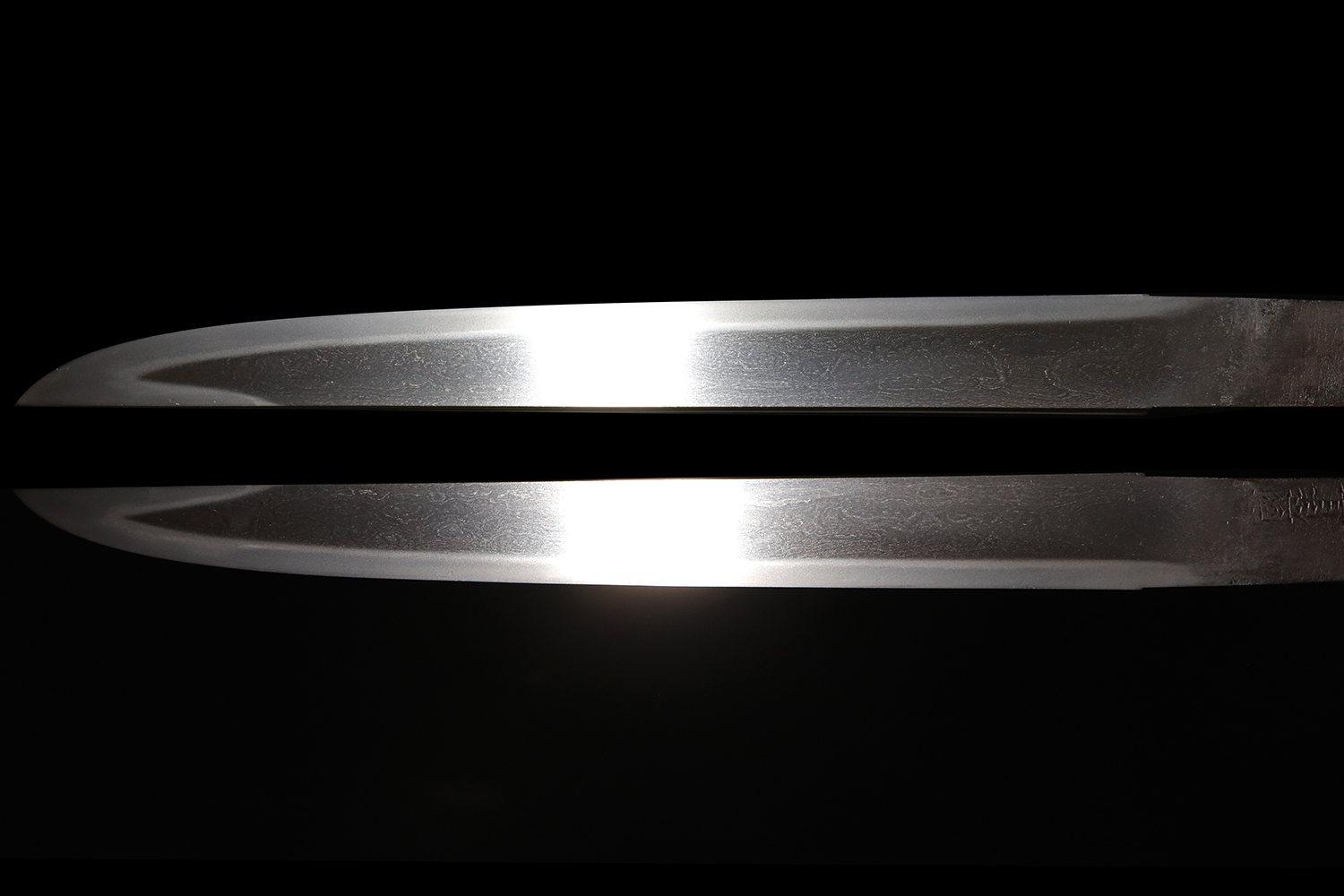
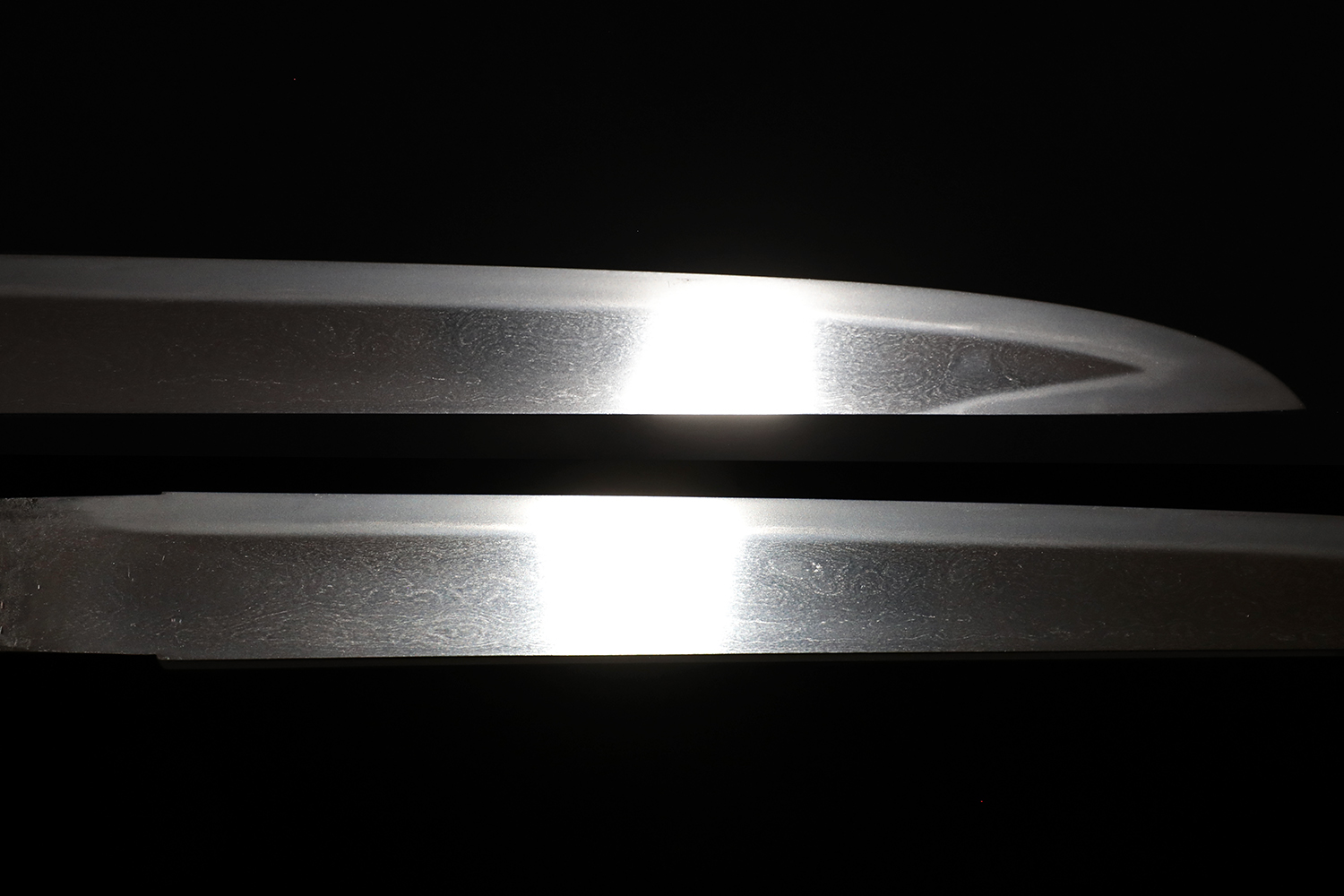
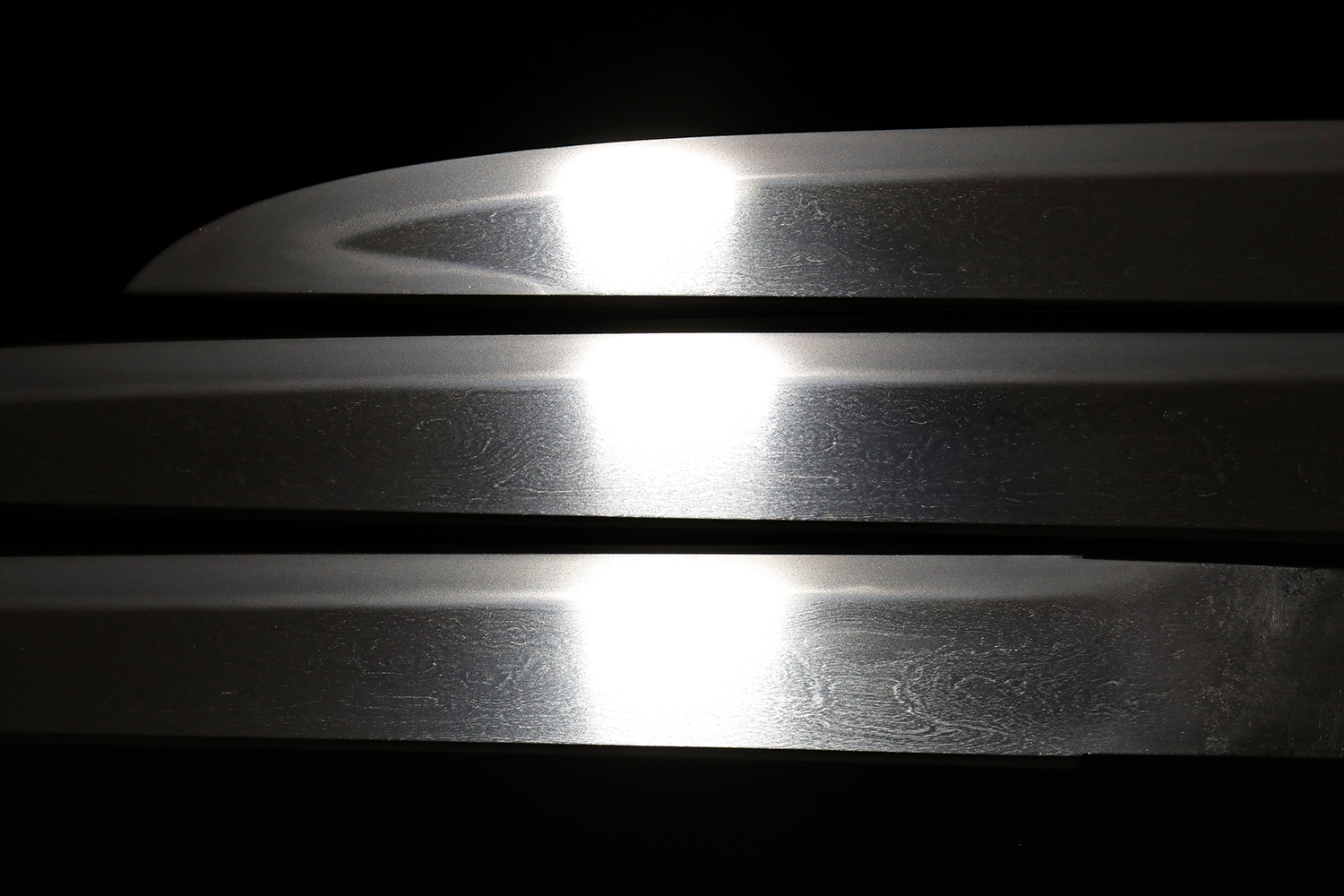
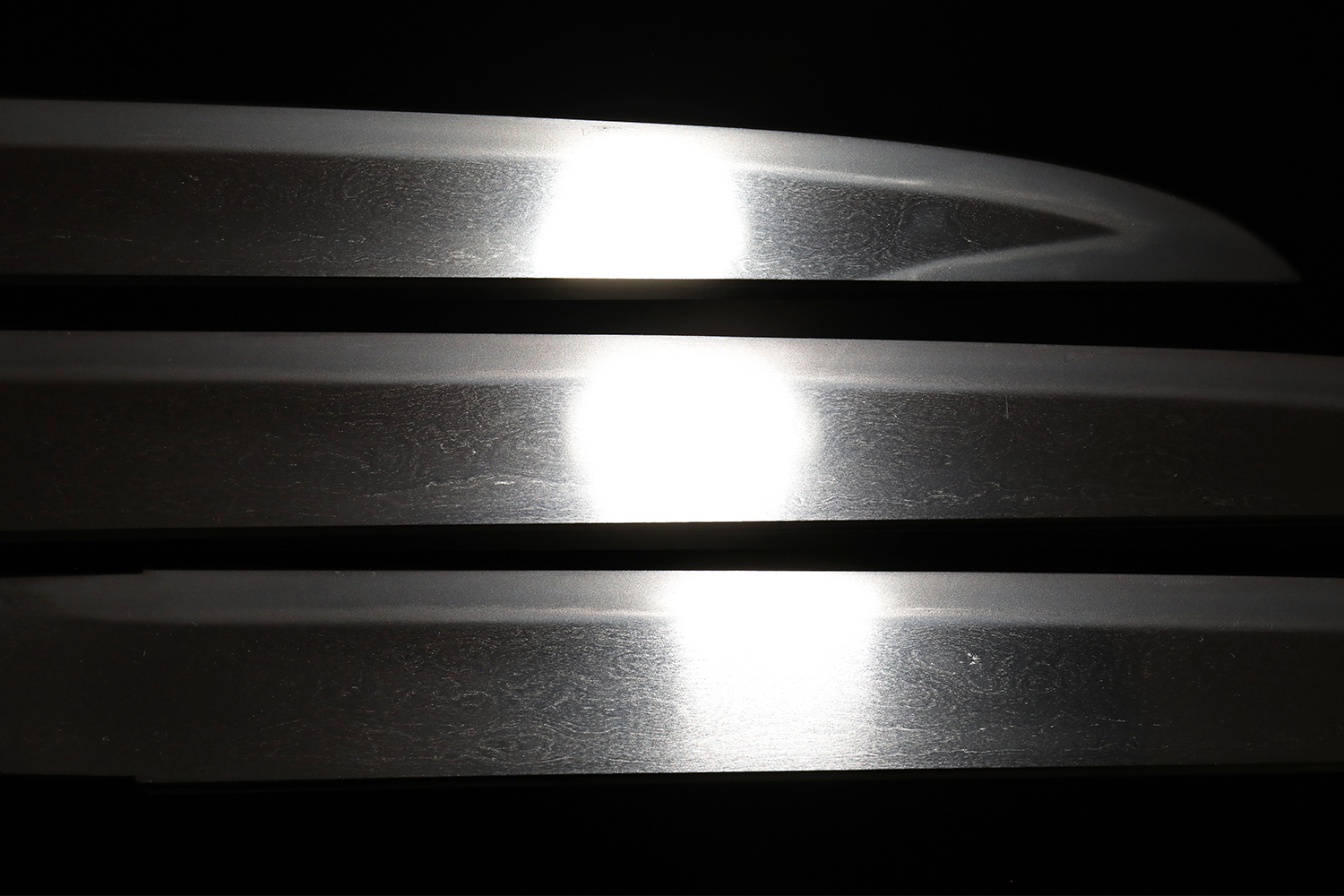
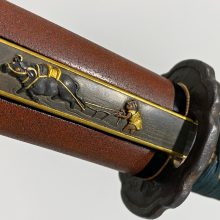
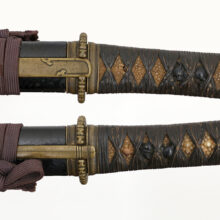
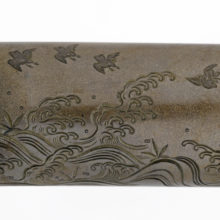
This is a Koto Yoroi-Doshi Tanto by Kiyomitsu from the mid to late Muromachi period. It features high-quality fittings and a suguha hamon. The blade has both a Tokubetsu Koshu and an NBTHK Hozon certificate, while the koshirae has an XNTBHK Hozon certificate.
 NihontoWatchBETA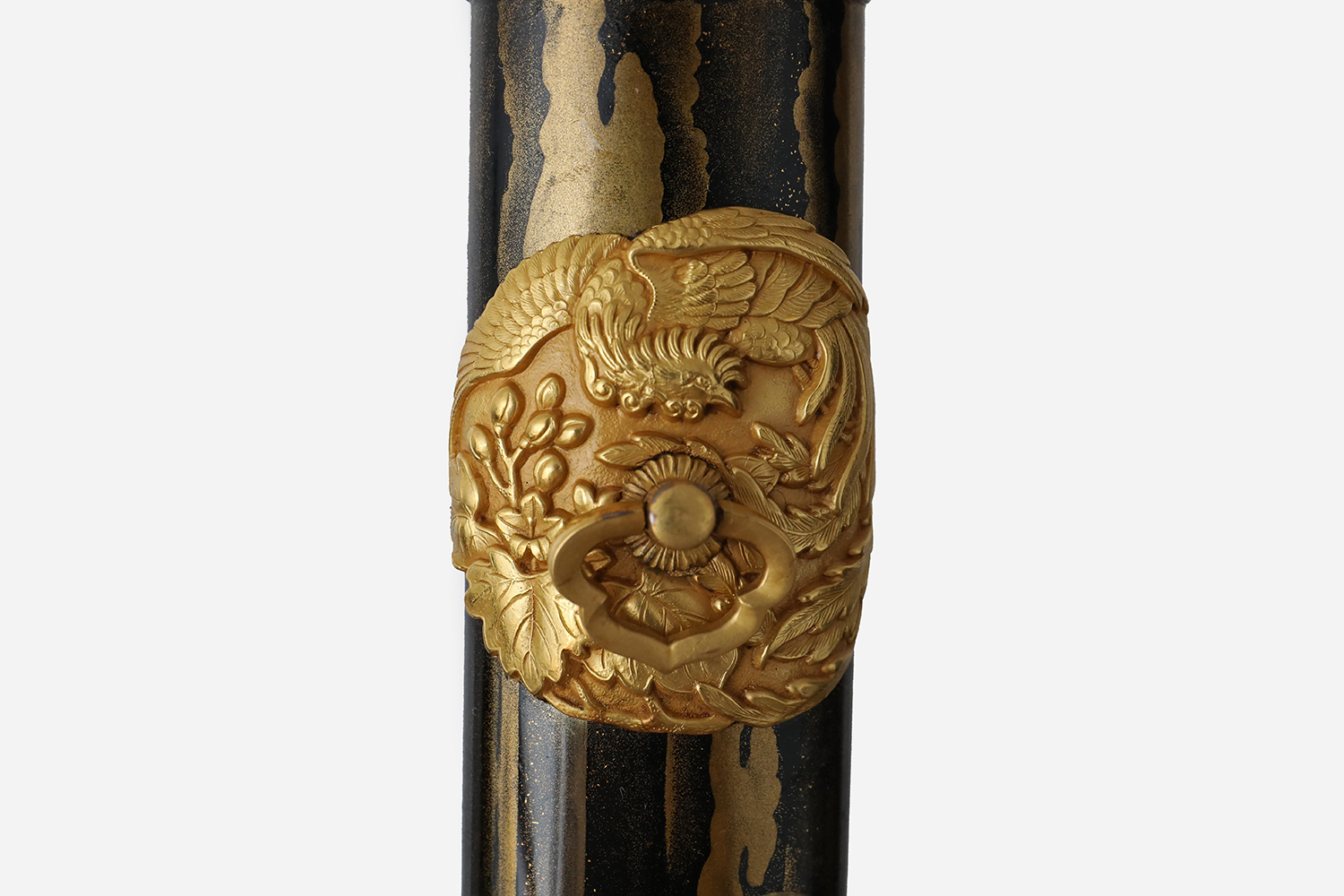
Bizen-den · Bizen
26 pieces on the market now
Within the Bizen Osafune workshops of the closing Muromachi period, the body of smiths and their output that scholars group under the heading Sue-Bizen, the name Kiyomitsu (清光) was carried by a large number of hands. The setsumei consistently note that the swords signed in the Tenbun, Kōji, and Eiroku eras issue from Osafune in Bizen Province, and that the Hayami reference work enumerates roughly ten craftsmen who used common names (zokumyō) such as Gorōzaemon-no-jō, Magōemon-no-jō, Yosazaemon-no-jō, Hikobei-no-jō, and Magobei-no-jō. Learn more →
| Smith | Era | Designated |
|---|---|---|
| Kiyomitsu清光 | 1532-1572 | 19 |
| Kiyomitsu清光 | 1558-1571 | 11 |
Certifies a genuine blade worth preserving: a signature confirmed correct, or, if unsigned, an era, province, and school that the NBTHK can reliably identify.
The NBTHK (Nihon Bijutsu Tōken Hozon Kyōkai, the Society for the Preservation of Japanese Art Swords) is a public-interest incorporated foundation founded in 1948 and supervised by Japan’s Agency for Cultural Affairs (Bunkachō); it is based at the Japanese Sword Museum in Tokyo. Its expert panels physically examine each submitted work (shinsa) and issue a certificate (kanteishō) ranking it by artistic and historical merit. NBTHK papers are the most widely recognized standard of authentication for Japanese swords and fittings.
NBTHK official siteIf the item fails to meet the description, it may be eligible for a return (at the seller's discretion). Item(s) must be shipped back only via FedEx or UPS within 48 hours of receipt, in original undamaged state. Costs are the purchaser's responsibility.
This is a Koto Yoroi-Doshi Tanto by Kiyomitsu from the mid to late Muromachi period. It features high-quality fittings and a suguha hamon. The blade has both a Tokubetsu Koshu and an NBTHK Hozon certificate, while the koshirae has an XNTBHK Hozon certificate.
NihontoWatchBETABizen-den · Bizen
26 pieces on the market now
Within the Bizen Osafune workshops of the closing Muromachi period, the body of smiths and their output that scholars group under the heading Sue-Bizen, the name Kiyomitsu (清光) was carried by a large number of hands. The setsumei consistently note that the swords signed in the Tenbun, Kōji, and Eiroku eras issue from Osafune in Bizen Province, and that the Hayami reference work enumerates roughly ten craftsmen who used common names (zokumyō) such as Gorōzaemon-no-jō, Magōemon-no-jō, Yosazaemon-no-jō, Hikobei-no-jō, and Magobei-no-jō. Learn more →
| Smith | Era | Designated |
|---|---|---|
| Kiyomitsu清光 | 1532-1572 | 19 |
| Kiyomitsu清光 | 1558-1571 | 11 |
Certifies a genuine blade worth preserving: a signature confirmed correct, or, if unsigned, an era, province, and school that the NBTHK can reliably identify.
The NBTHK (Nihon Bijutsu Tōken Hozon Kyōkai, the Society for the Preservation of Japanese Art Swords) is a public-interest incorporated foundation founded in 1948 and supervised by Japan’s Agency for Cultural Affairs (Bunkachō); it is based at the Japanese Sword Museum in Tokyo. Its expert panels physically examine each submitted work (shinsa) and issue a certificate (kanteishō) ranking it by artistic and historical merit. NBTHK papers are the most widely recognized standard of authentication for Japanese swords and fittings.
NBTHK official siteIf the item fails to meet the description, it may be eligible for a return (at the seller's discretion). Item(s) must be shipped back only via FedEx or UPS within 48 hours of receipt, in original undamaged state. Costs are the purchaser's responsibility.