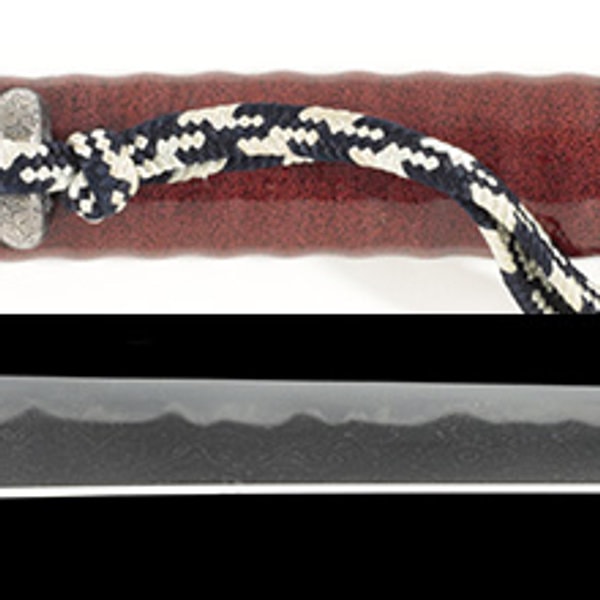
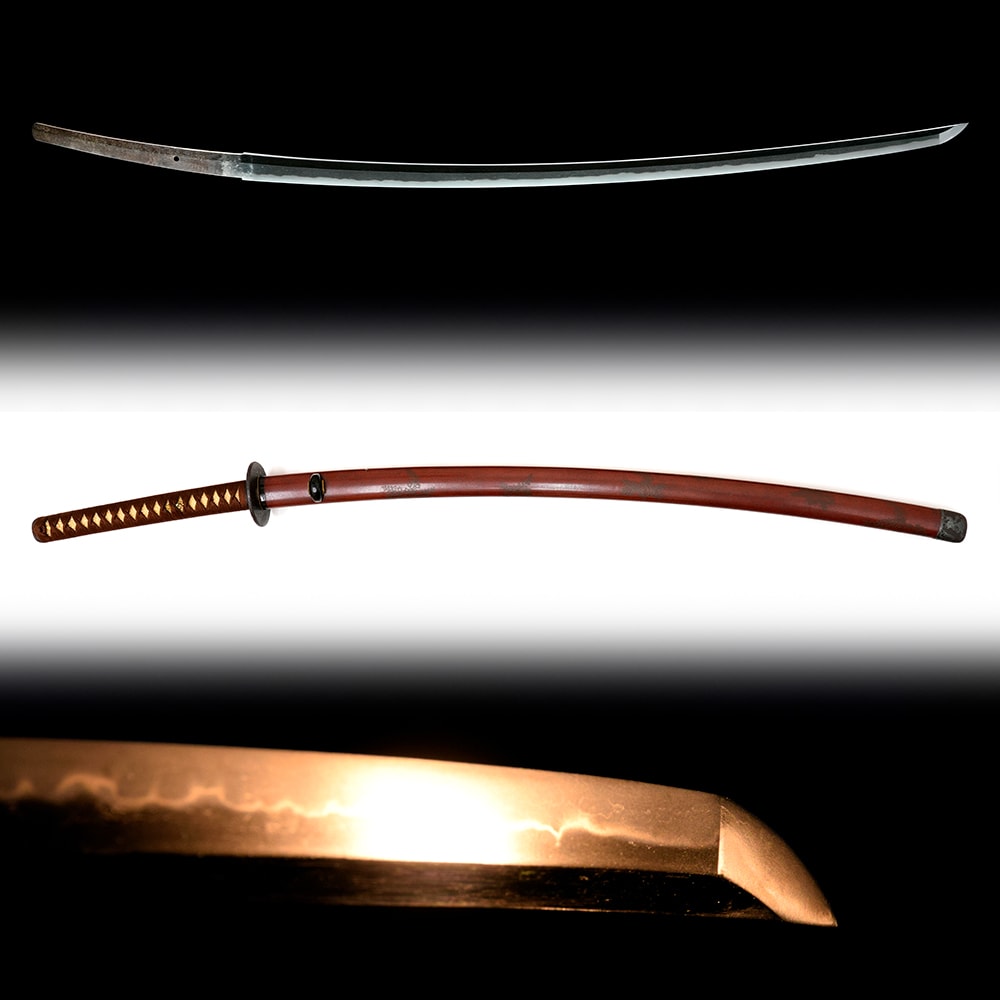
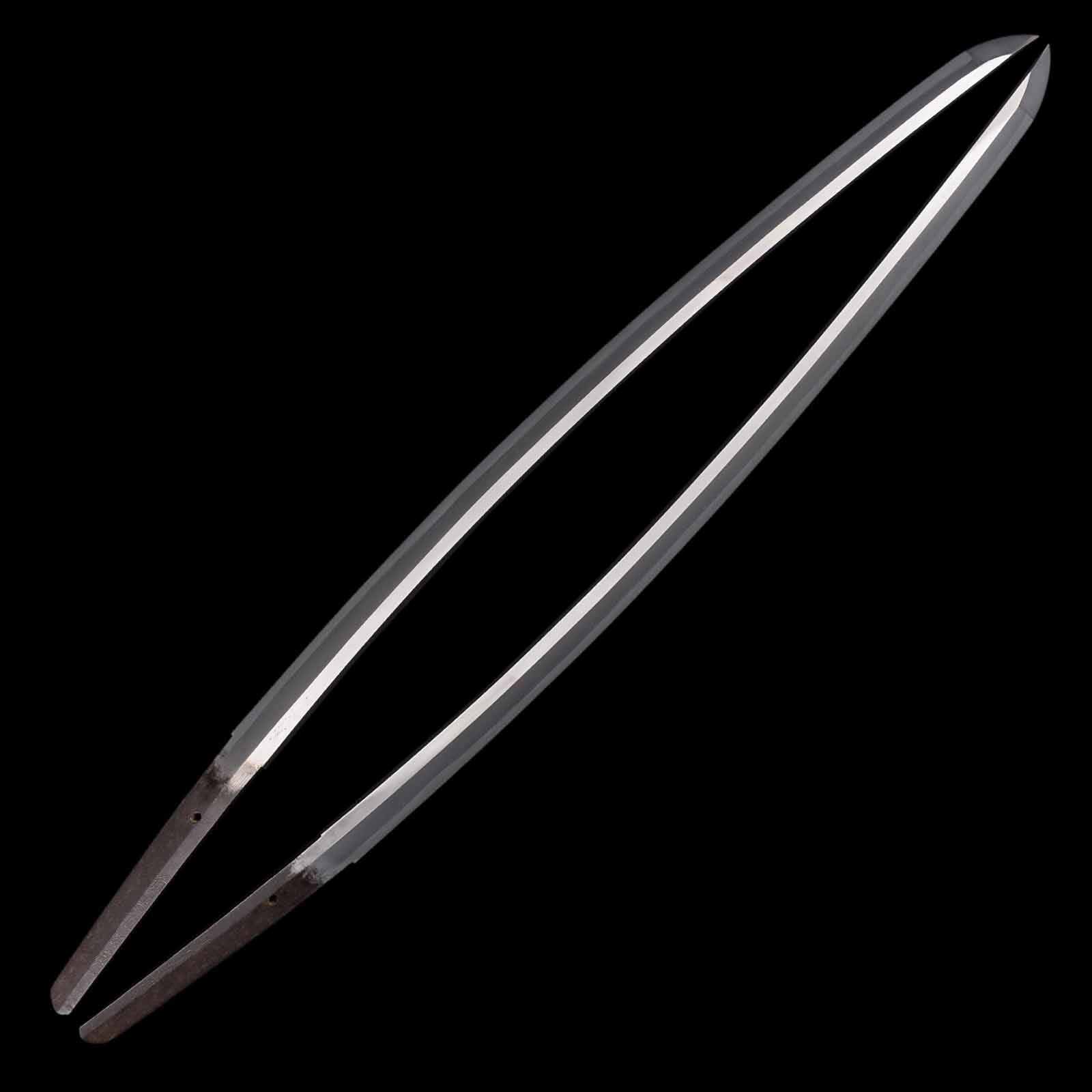
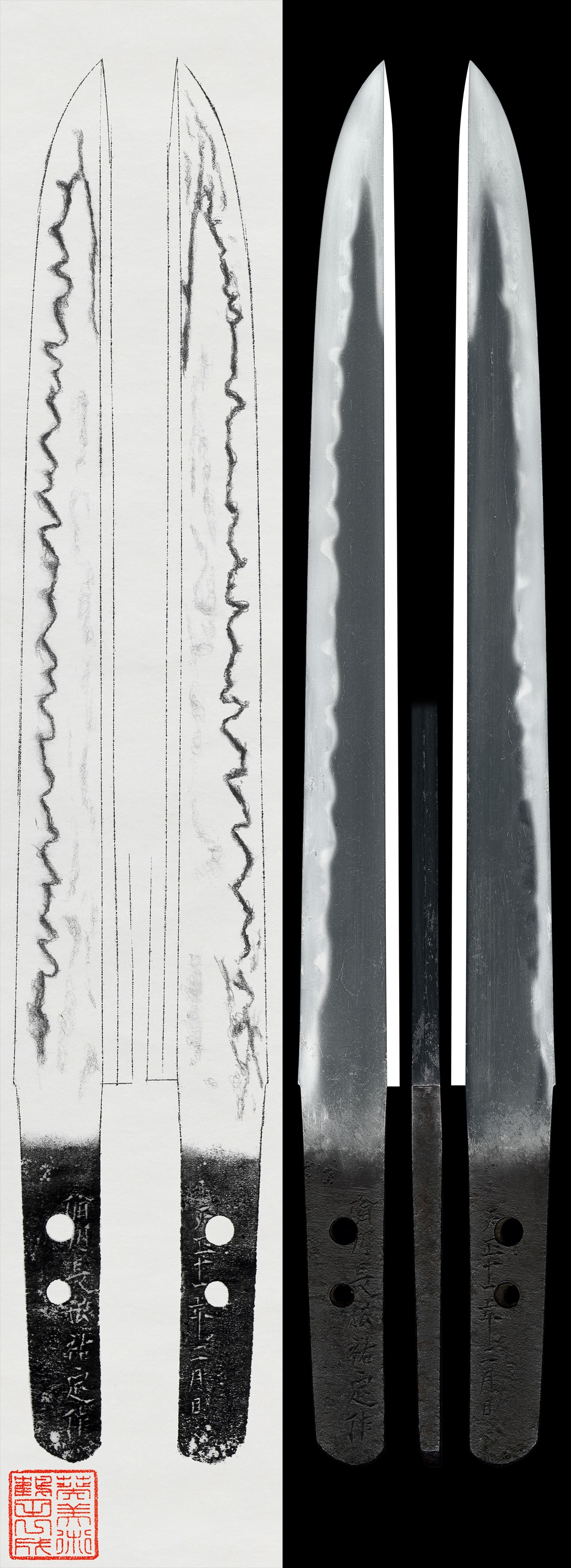
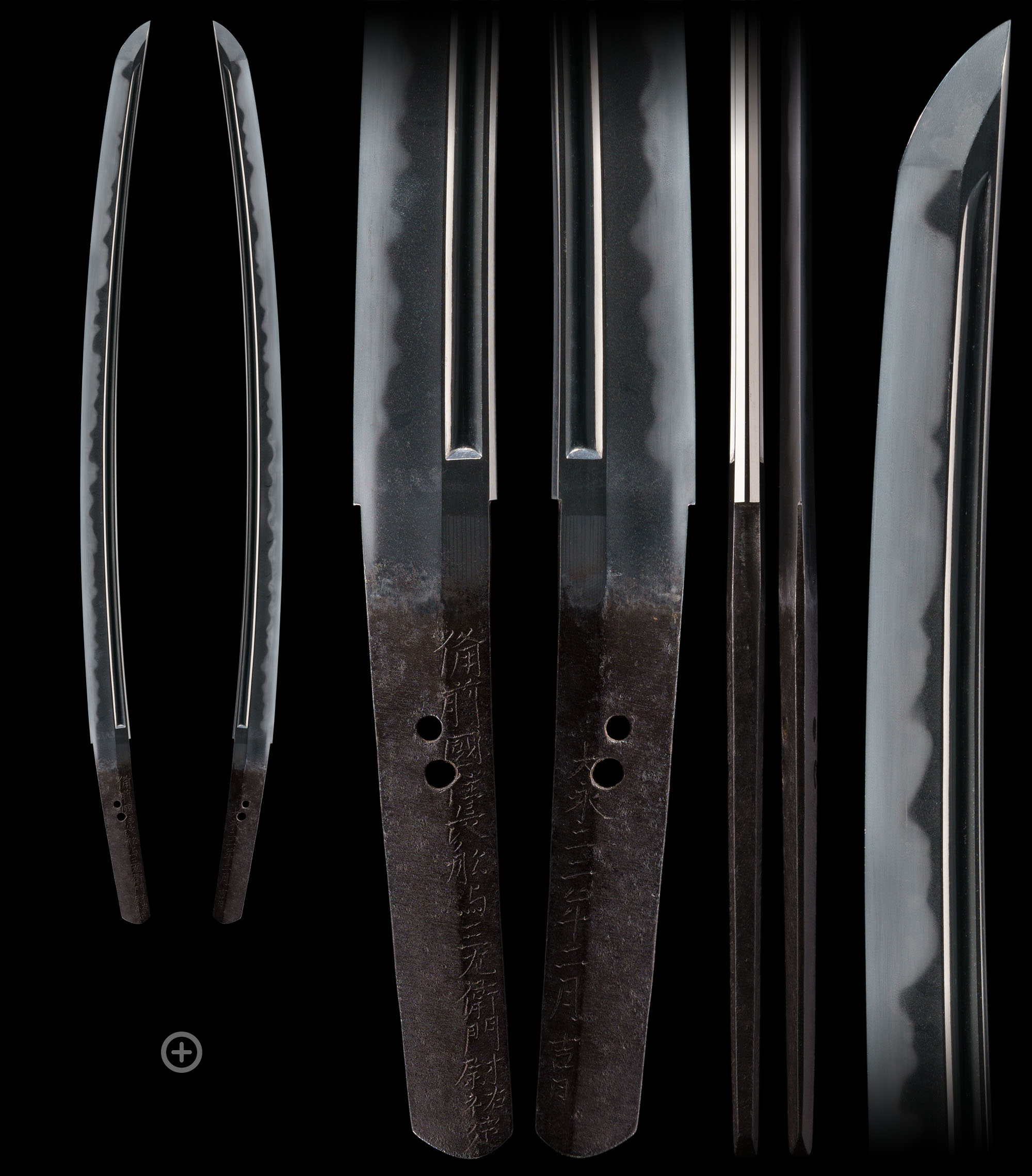
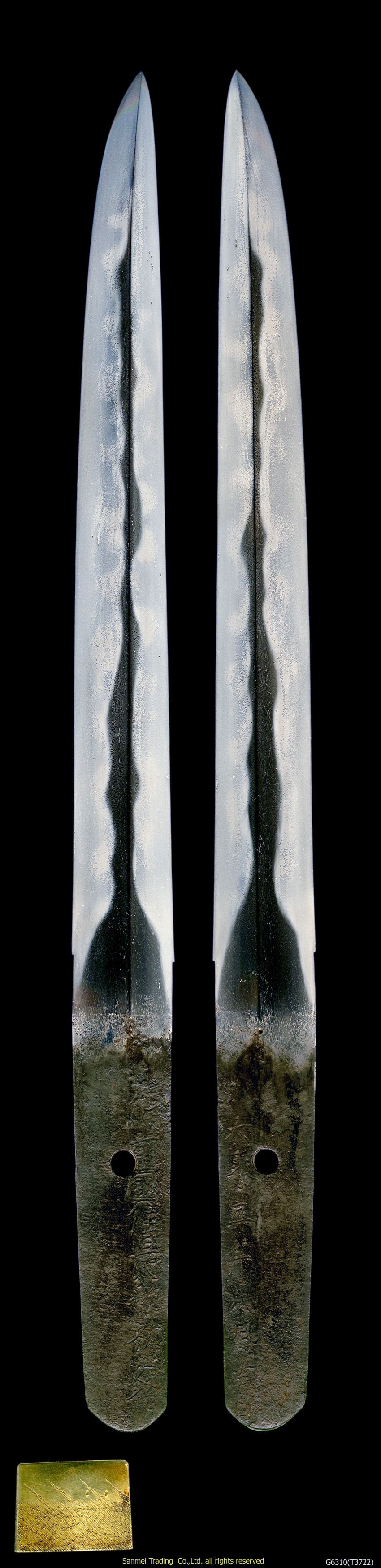
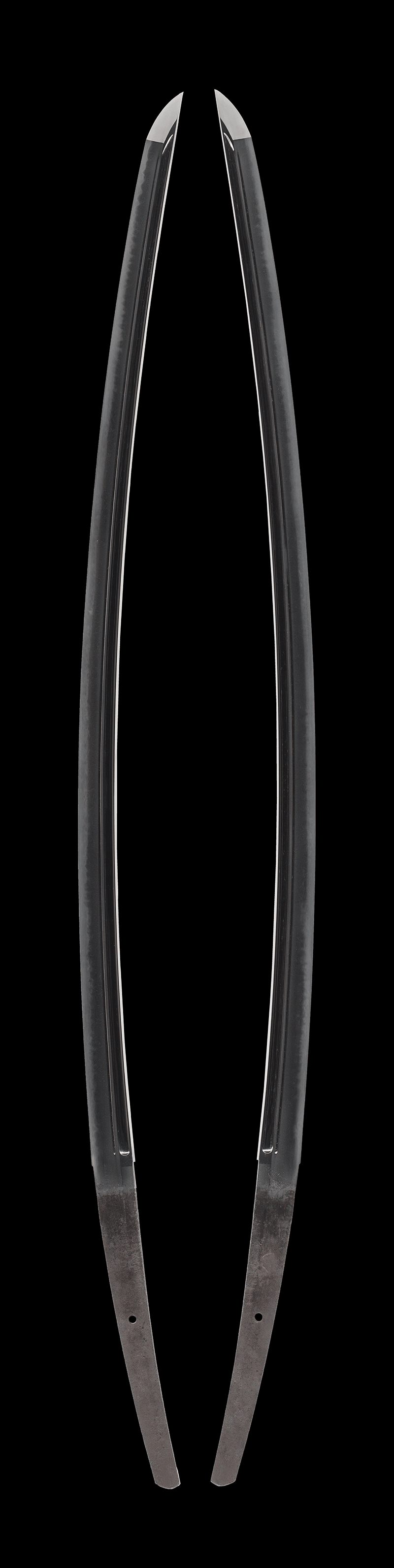
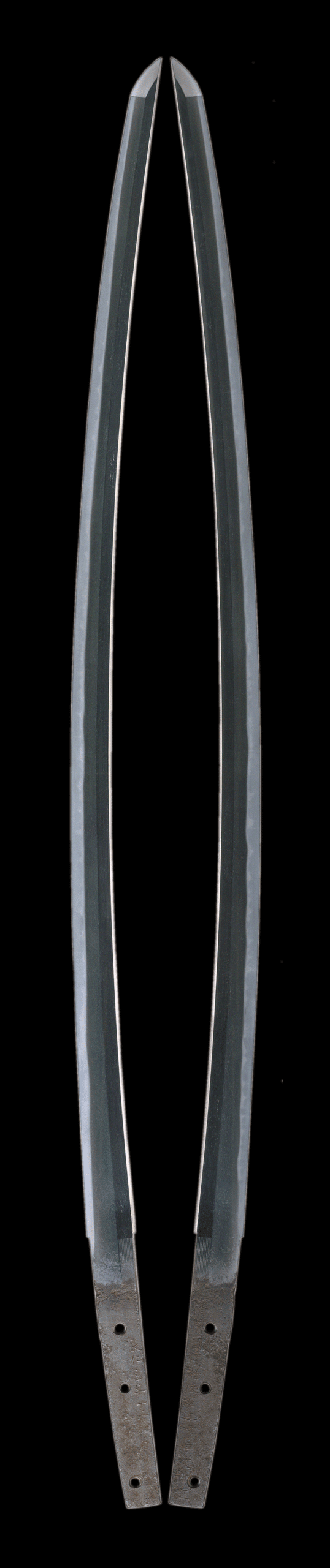
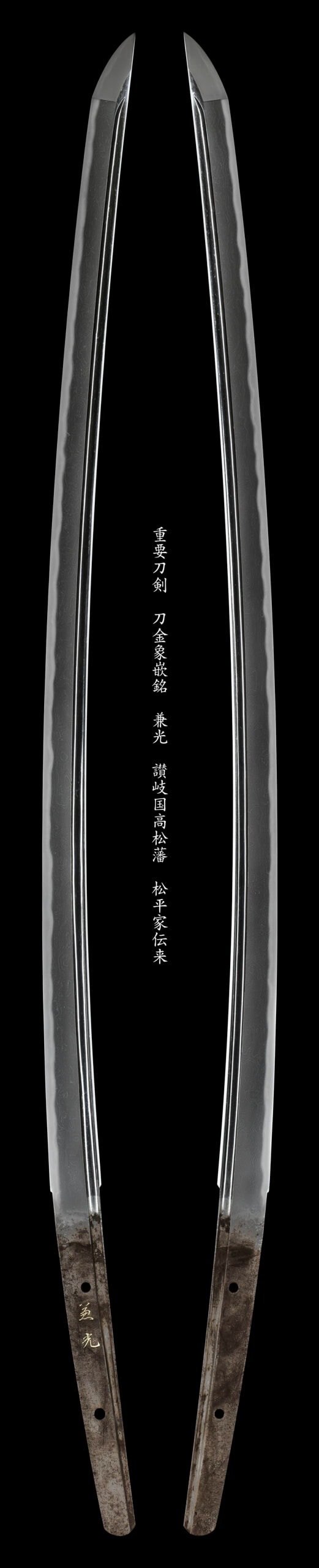
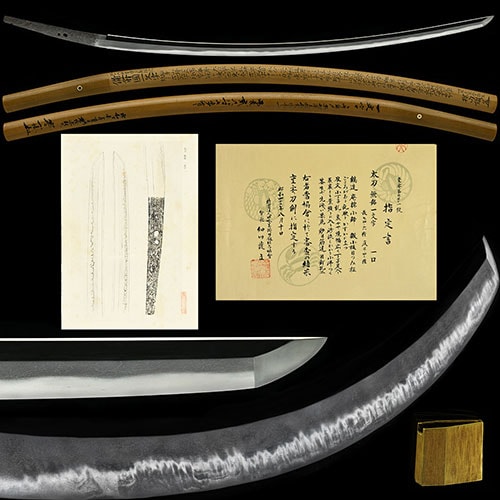
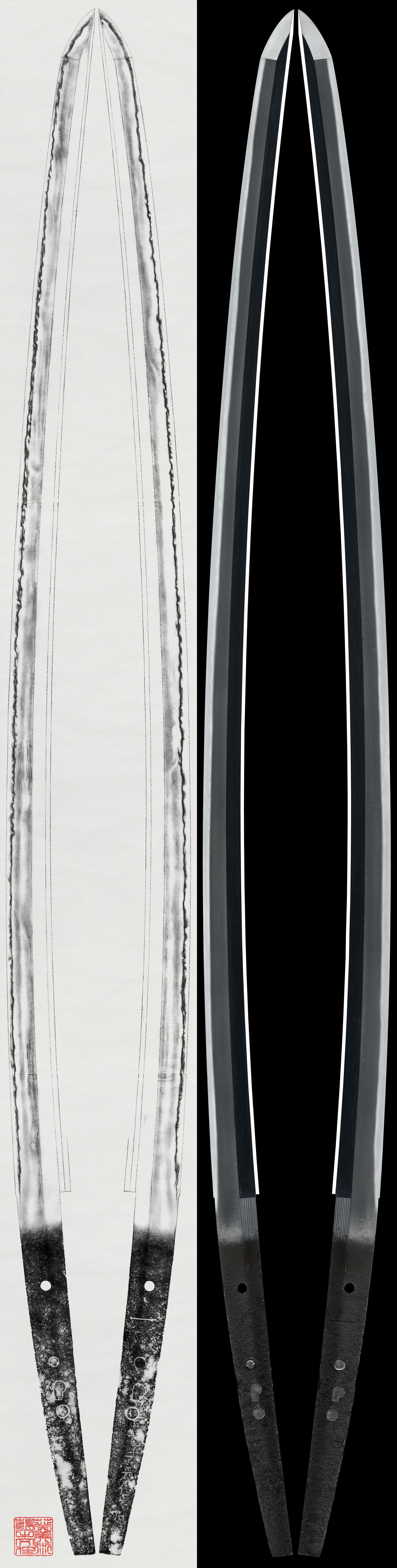
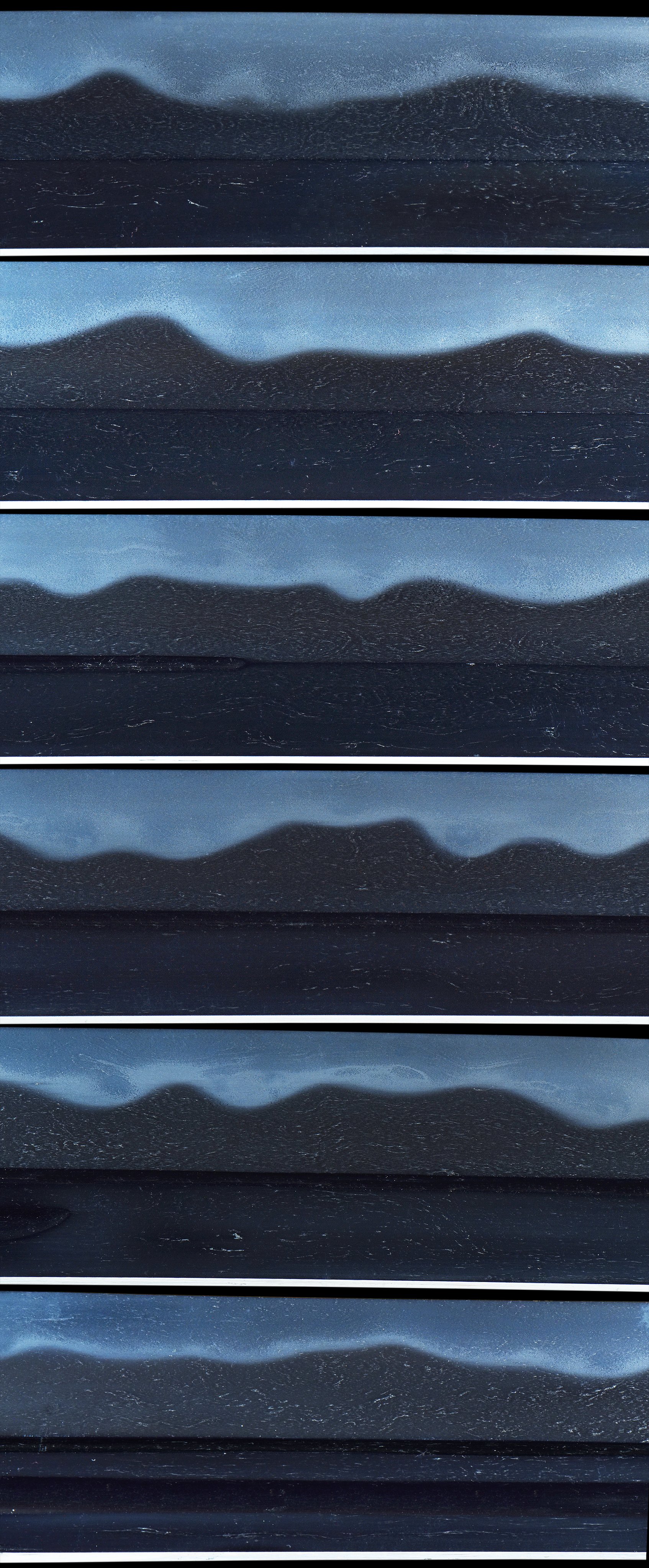
This listing features a katana attributed to Sukesada of the Bizen Osafune school, active during the late Muromachi period (specifically around the Eisho era). The blade has an ubu-nakago (original tang) and is unsigned (mumei). Sukesada was a prominent smith during the Sengoku period, known for producing excellent works for powerful warlords.
 NihontoWatchBETA
mumei · Osafune · Muromachi
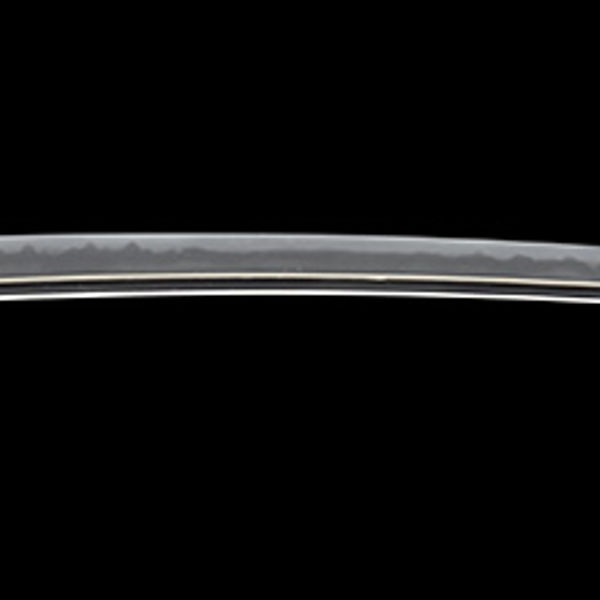
Bizen-den · Bizen · around 1532-1555
4 pieces on the market now
Sukesada represents the most prosperous smithing lineage among the Osafune swordsmiths of the late Muromachi period, collectively termed Sue-Bizen. According to the Hayami Den, as many as twenty-one smiths are recorded as having appended a zokumyo (common name) to their signatures while working under the Sukesada name. Within this large group, those who particularly distinguished themselves in technical ability are the smiths bearing the titles Yosazaemon no Jo, Hikobei no Jo, and Genbei no Jo. Yosazaemon no Jo Sukesada stands foremost among them, being especially rich in the number of superior works. Two generations bear the same signature; from an extant tanto signed "Tenbun 6, made at the age of seventy-one," one can calculate retrospectively that the first generation was born in Onin 1 (1467). Hikobei no Jo Sukesada is traditionally said to have been the father of Yosazaemon no Jo. Genbei no Jo Sukesada enjoys a strong reputation for the excellence of his forging and is further characterized by particular strength in suguha-toned temper patterns. A later generation, Shichibee Sukesada, is recorded as the fifth generation descended from Yosazaemon no Jo of the Eisho era, faithfully continuing the style of his forebears. The Sukesada line also produced notable joint works (gassaku), as in the celebrated naginata made collaboratively with Jirozaemon no Jo Katsumitsu for the Bizen warlord Ukita Yoshie.
The working range of the Sukesada smiths is broad, encompassing koshi-biraki gunome (gunome with an opened waist), suguha, and hitatsura, and in each mode a high level of skill is evident. The forging is characteristically a dense ko-itame-hada, tightly compacted and well refined, with extremely fine ji-nie adhering thickly, fine chikei, and a faint midare-utsuri standing out. Their signature temper centers on koshi-biraki gunome mixed with choji, ko-gunome, and togariba; in places it takes on a compound, double-layered (fukushiki) character, producing the distinctive formation known as kani no tsume (crab's claws). The hamon is nioi-dominant with well-adhering ko-nie, accompanied by kinsuji and sunagashi, while vigorous tobiyaki frequently appear, at times developing into a hitatsura-like manner. The nioiguchi is consistently bright and clear. Their blades display the typical uchigatana form of the late Muromachi period, with somewhat compact proportions, thick kasane, pronounced sakizori, and an extended chu-kissaki, conveying an impression of robust and powerful bearing. Production extends across katana, wakizashi, tanto in hira-zukuri and moroha-zukuri, and naginata of bold and magnificent form.
The Sukesada line constitutes the most representative body of swordsmiths within the Sue-Bizen tradition, and their works were transmitted in the collections of prominent warrior houses including the Sendai Date, the Mori, the Ikeda of Bizen, the Ii of Hikone, and the Shonai Sakai families. Works by the leading Sukesada smiths are distinguished by an abundance of points worthy of appreciation: the forging achieves an excellent-quality (seiryo) texture that is generally tightly compacted, and both ji and ha are bright and vividly clear, showing workmanship of exceptional distinction. Their versatility is particularly noteworthy, ranging from the calm composure of broad suguha with a tightened nioiguchi to the flamboyant vigor of large-patterned midare rich in variation and internal activity. Whether in the restrained power of a suguha-based work or the spirited expansiveness of a hitatsura-inflected piece, the Sukesada smiths consistently demonstrate that both ji and ha are exceedingly kenzen (sound and well-preserved), a testament to the superlative technical accomplishment that places them at the forefront of late Muromachi swordmaking.
Bizen-den · Bizen
Phase: Sue-Bizen末備前· 1441–1596
71 pieces on the market now
The last great chapter of Osafune unfolds in the Eisho and Tenbun years of the late Muromachi, when the riverside workshop turned its accumulated craft toward an age of constant war. Where Oei-Bizen had looked backward, reviving the tachi shape and the choji temper of the Kamakura masters under Yasumitsu and Morimitsu, Sue-Bizen faces forward into Sengoku demand. Learn more →
| Smith | Era | Designated |
|---|---|---|
| Sukesada祐定 | 1504-1551 | 72 |
| Sukesada祐定 | 1532-1583 | 18 |
| Sukesada祐定 | 1547-1592 | 8 |
| Sukesada祐定 | 1487-1521 | 5 |
| Sukesada祐定 | 1532-1573 | 3 |
We could not find an authenticity certificate on the seller’s listing. Japanese swords and fittings are normally papered by the NBTHK (or the NTHK). Without one, the attribution is the seller’s own assessment and has not been independently verified — treat it with caution and ask the dealer about certification before buying.
If, due to our fault, the item differs significantly from its proper condition, the item may be returned. Cooling-off is within one week of the item's arrival.
This listing features a katana attributed to Sukesada of the Bizen Osafune school, active during the late Muromachi period (specifically around the Eisho era). The blade has an ubu-nakago (original tang) and is unsigned (mumei). Sukesada was a prominent smith during the Sengoku period, known for producing excellent works for powerful warlords.
NihontoWatchBETAmumei · Osafune · Muromachi
Bizen-den · Bizen · around 1532-1555
4 pieces on the market now
Sukesada represents the most prosperous smithing lineage among the Osafune swordsmiths of the late Muromachi period, collectively termed Sue-Bizen. According to the Hayami Den, as many as twenty-one smiths are recorded as having appended a zokumyo (common name) to their signatures while working under the Sukesada name. Within this large group, those who particularly distinguished themselves in technical ability are the smiths bearing the titles Yosazaemon no Jo, Hikobei no Jo, and Genbei no Jo. Yosazaemon no Jo Sukesada stands foremost among them, being especially rich in the number of superior works. Two generations bear the same signature; from an extant tanto signed "Tenbun 6, made at the age of seventy-one," one can calculate retrospectively that the first generation was born in Onin 1 (1467). Hikobei no Jo Sukesada is traditionally said to have been the father of Yosazaemon no Jo. Genbei no Jo Sukesada enjoys a strong reputation for the excellence of his forging and is further characterized by particular strength in suguha-toned temper patterns. A later generation, Shichibee Sukesada, is recorded as the fifth generation descended from Yosazaemon no Jo of the Eisho era, faithfully continuing the style of his forebears. The Sukesada line also produced notable joint works (gassaku), as in the celebrated naginata made collaboratively with Jirozaemon no Jo Katsumitsu for the Bizen warlord Ukita Yoshie.
The working range of the Sukesada smiths is broad, encompassing koshi-biraki gunome (gunome with an opened waist), suguha, and hitatsura, and in each mode a high level of skill is evident. The forging is characteristically a dense ko-itame-hada, tightly compacted and well refined, with extremely fine ji-nie adhering thickly, fine chikei, and a faint midare-utsuri standing out. Their signature temper centers on koshi-biraki gunome mixed with choji, ko-gunome, and togariba; in places it takes on a compound, double-layered (fukushiki) character, producing the distinctive formation known as kani no tsume (crab's claws). The hamon is nioi-dominant with well-adhering ko-nie, accompanied by kinsuji and sunagashi, while vigorous tobiyaki frequently appear, at times developing into a hitatsura-like manner. The nioiguchi is consistently bright and clear. Their blades display the typical uchigatana form of the late Muromachi period, with somewhat compact proportions, thick kasane, pronounced sakizori, and an extended chu-kissaki, conveying an impression of robust and powerful bearing. Production extends across katana, wakizashi, tanto in hira-zukuri and moroha-zukuri, and naginata of bold and magnificent form.
The Sukesada line constitutes the most representative body of swordsmiths within the Sue-Bizen tradition, and their works were transmitted in the collections of prominent warrior houses including the Sendai Date, the Mori, the Ikeda of Bizen, the Ii of Hikone, and the Shonai Sakai families. Works by the leading Sukesada smiths are distinguished by an abundance of points worthy of appreciation: the forging achieves an excellent-quality (seiryo) texture that is generally tightly compacted, and both ji and ha are bright and vividly clear, showing workmanship of exceptional distinction. Their versatility is particularly noteworthy, ranging from the calm composure of broad suguha with a tightened nioiguchi to the flamboyant vigor of large-patterned midare rich in variation and internal activity. Whether in the restrained power of a suguha-based work or the spirited expansiveness of a hitatsura-inflected piece, the Sukesada smiths consistently demonstrate that both ji and ha are exceedingly kenzen (sound and well-preserved), a testament to the superlative technical accomplishment that places them at the forefront of late Muromachi swordmaking.
Bizen-den · Bizen
Phase: Sue-Bizen末備前· 1441–1596
71 pieces on the market now
The last great chapter of Osafune unfolds in the Eisho and Tenbun years of the late Muromachi, when the riverside workshop turned its accumulated craft toward an age of constant war. Where Oei-Bizen had looked backward, reviving the tachi shape and the choji temper of the Kamakura masters under Yasumitsu and Morimitsu, Sue-Bizen faces forward into Sengoku demand. Learn more →
| Smith | Era | Designated |
|---|---|---|
| Sukesada祐定 | 1504-1551 | 72 |
| Sukesada祐定 | 1532-1583 | 18 |
| Sukesada祐定 | 1547-1592 | 8 |
| Sukesada祐定 | 1487-1521 | 5 |
| Sukesada祐定 | 1532-1573 | 3 |
We could not find an authenticity certificate on the seller’s listing. Japanese swords and fittings are normally papered by the NBTHK (or the NTHK). Without one, the attribution is the seller’s own assessment and has not been independently verified — treat it with caution and ask the dealer about certification before buying.
If, due to our fault, the item differs significantly from its proper condition, the item may be returned. Cooling-off is within one week of the item's arrival.