NihontoWatch Mon

NihontoWatchBETA

MarketAuctions
Encyclopedia
NihontoWatch Mon

NihontoWatchBETA

MarketAuctions
Encyclopedia

Description

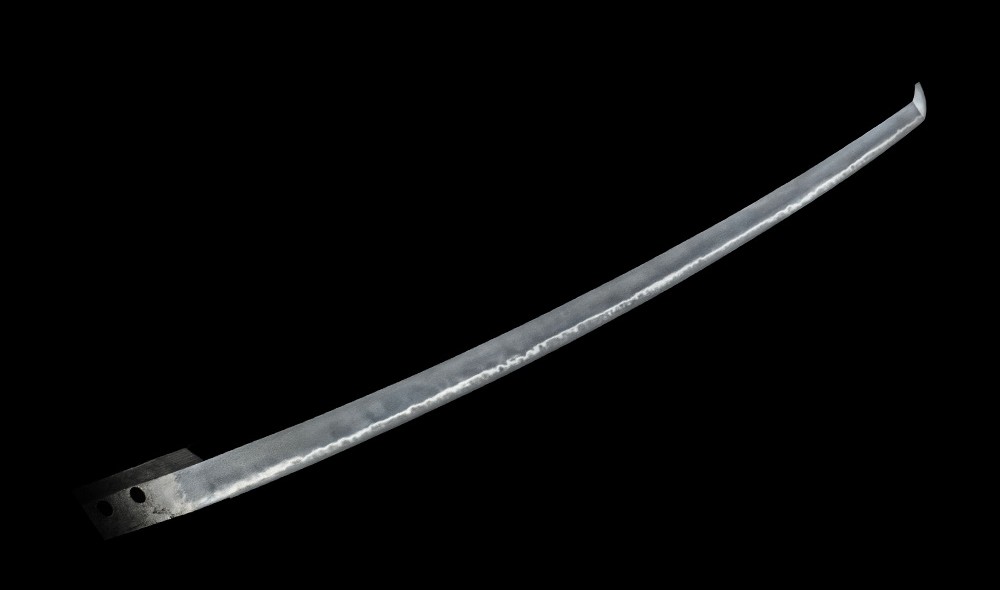
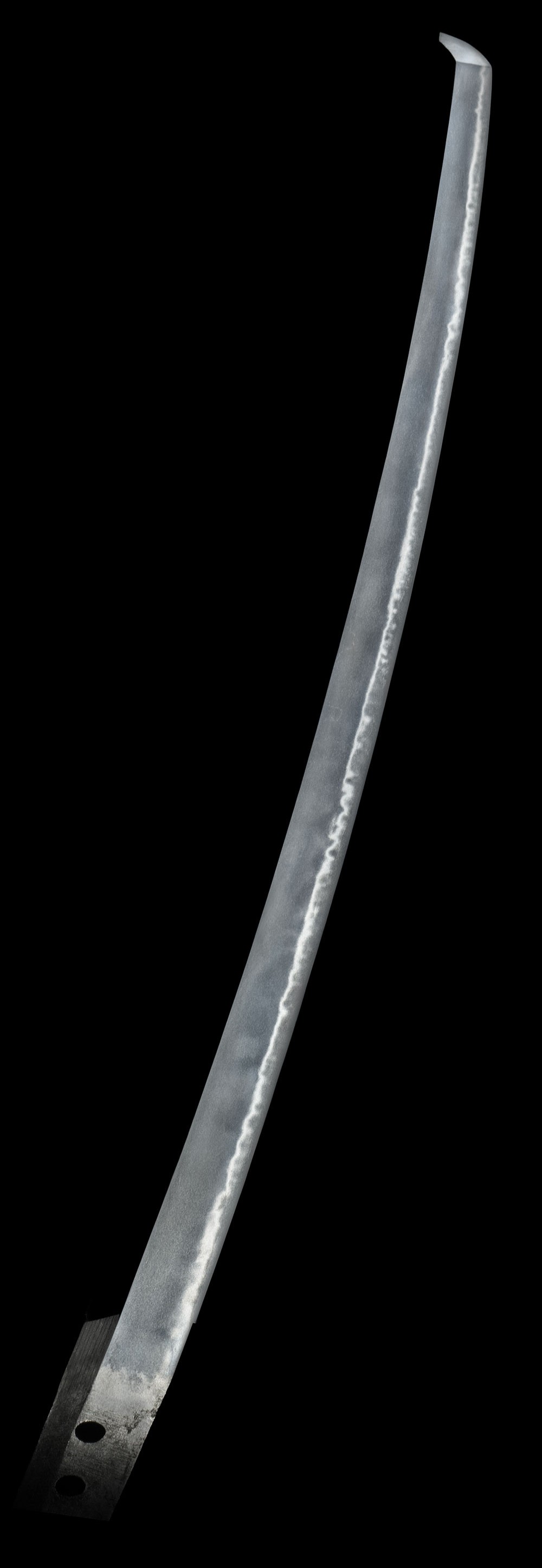
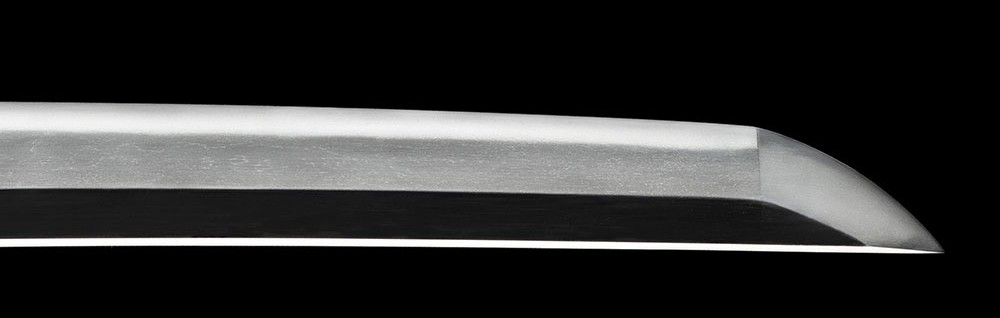
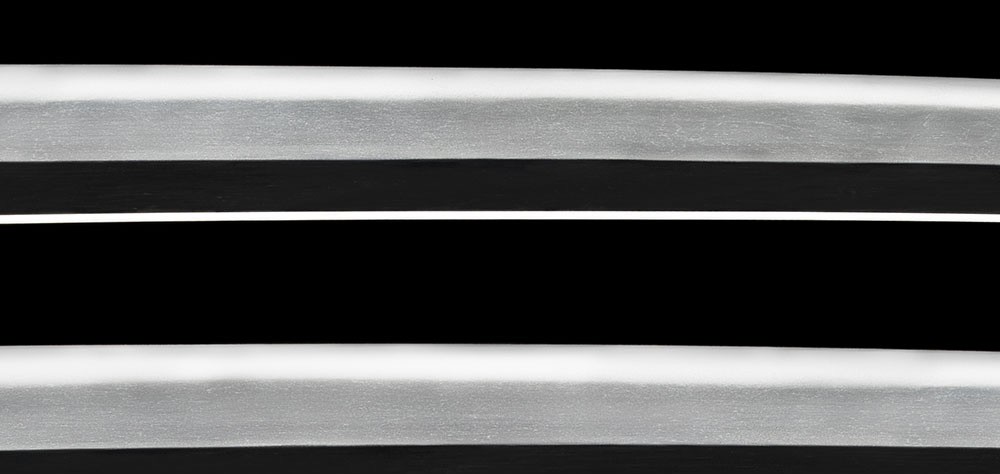
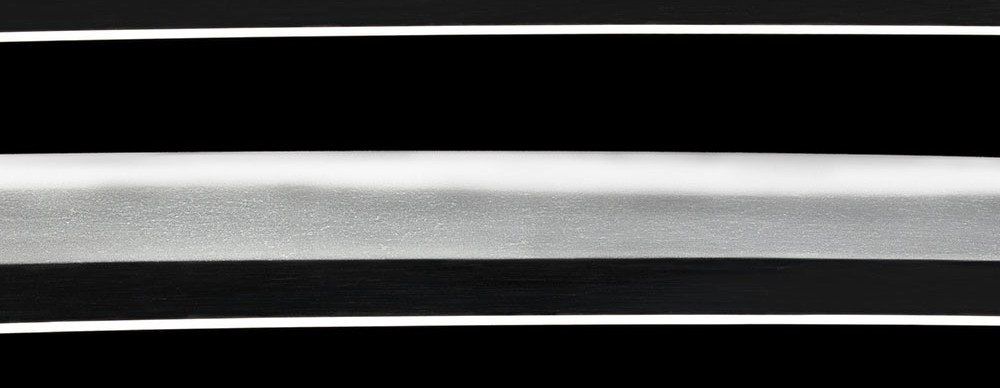
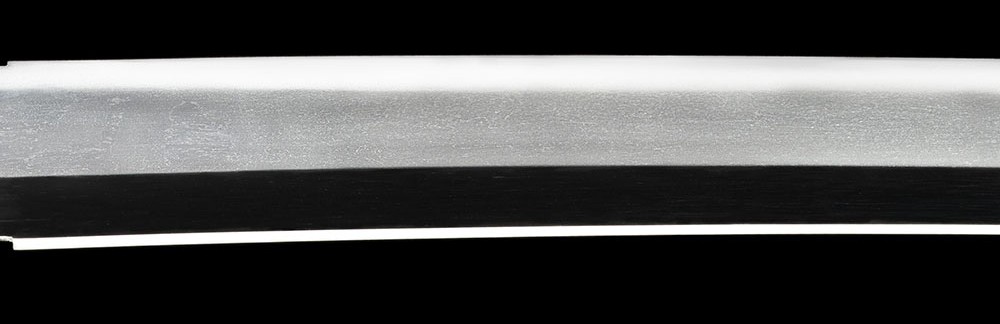
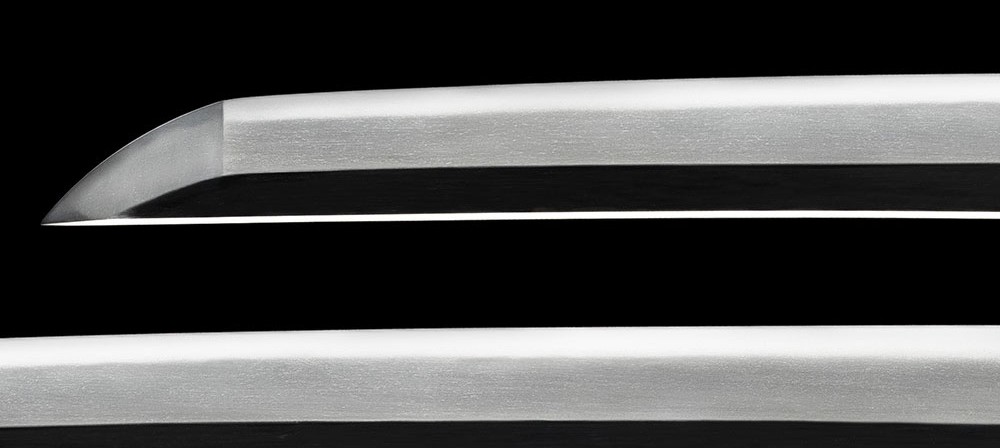
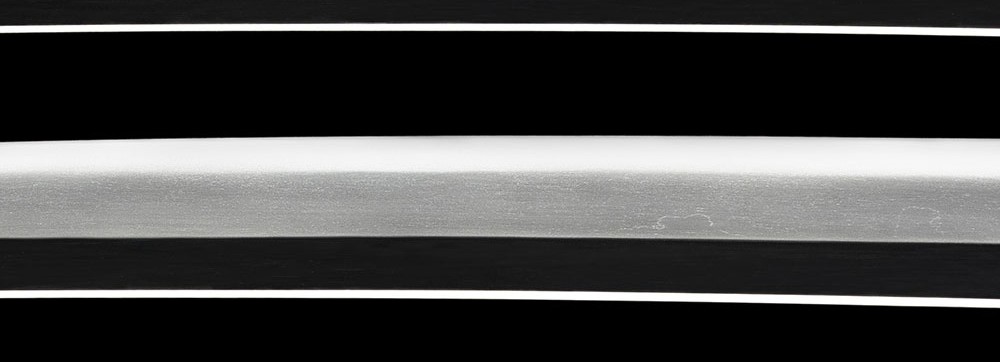
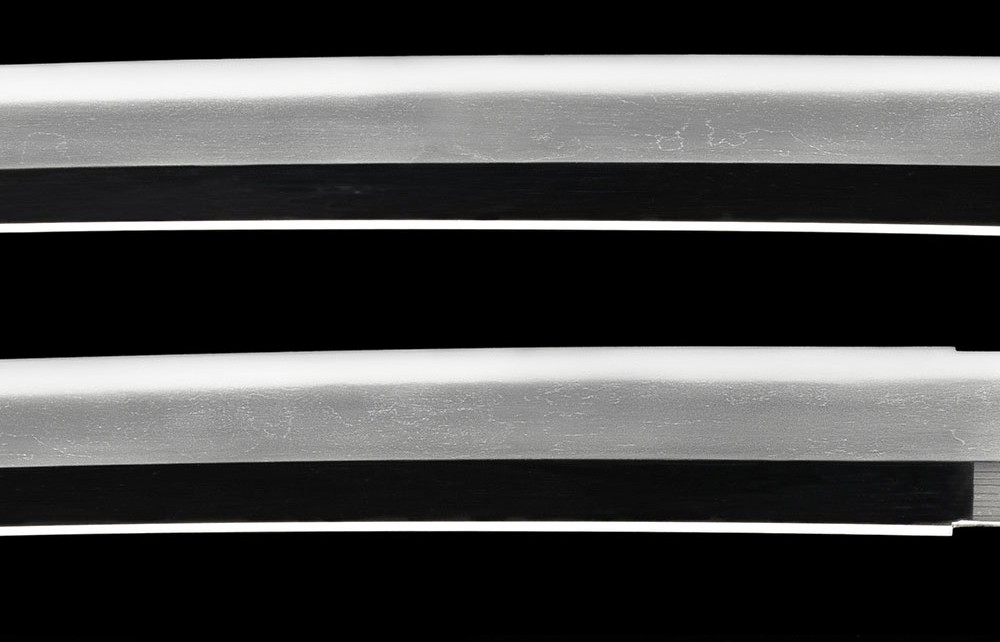
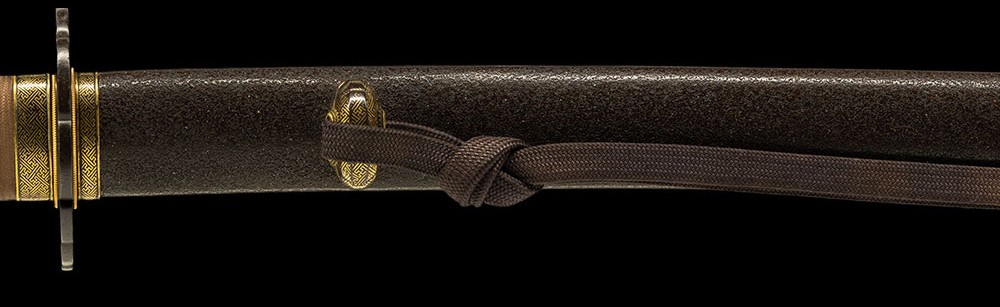
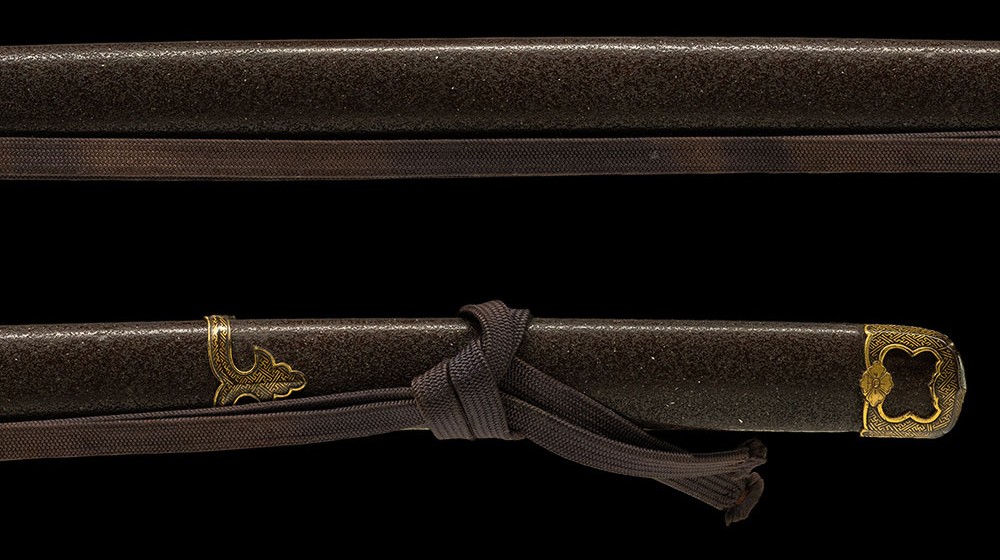
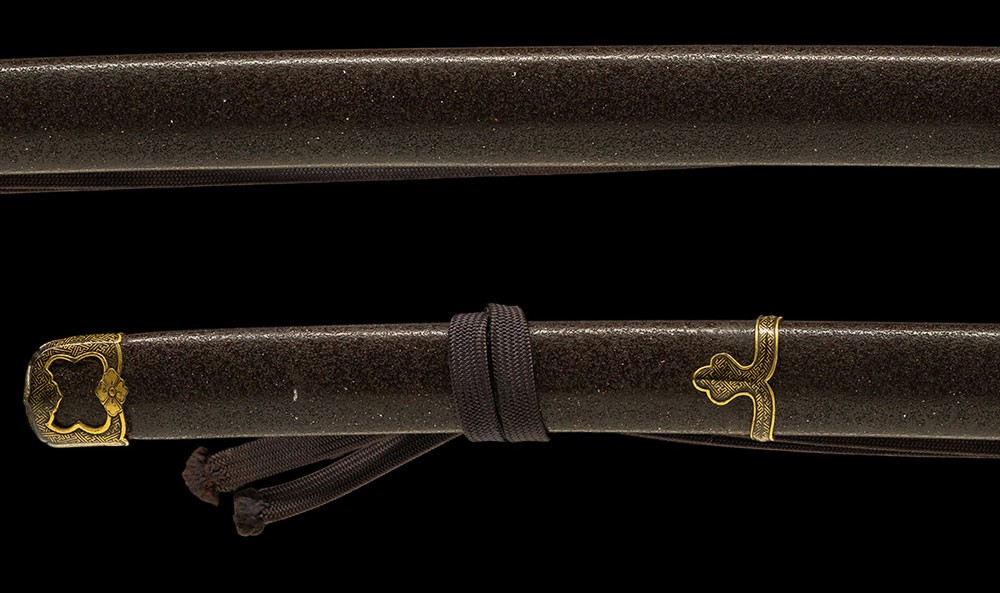
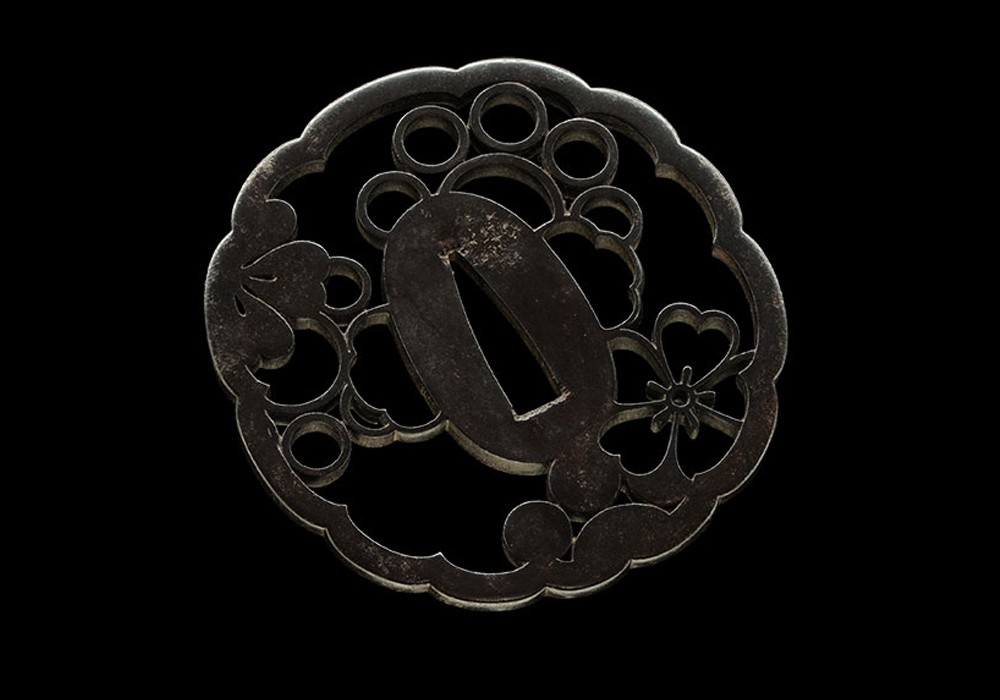
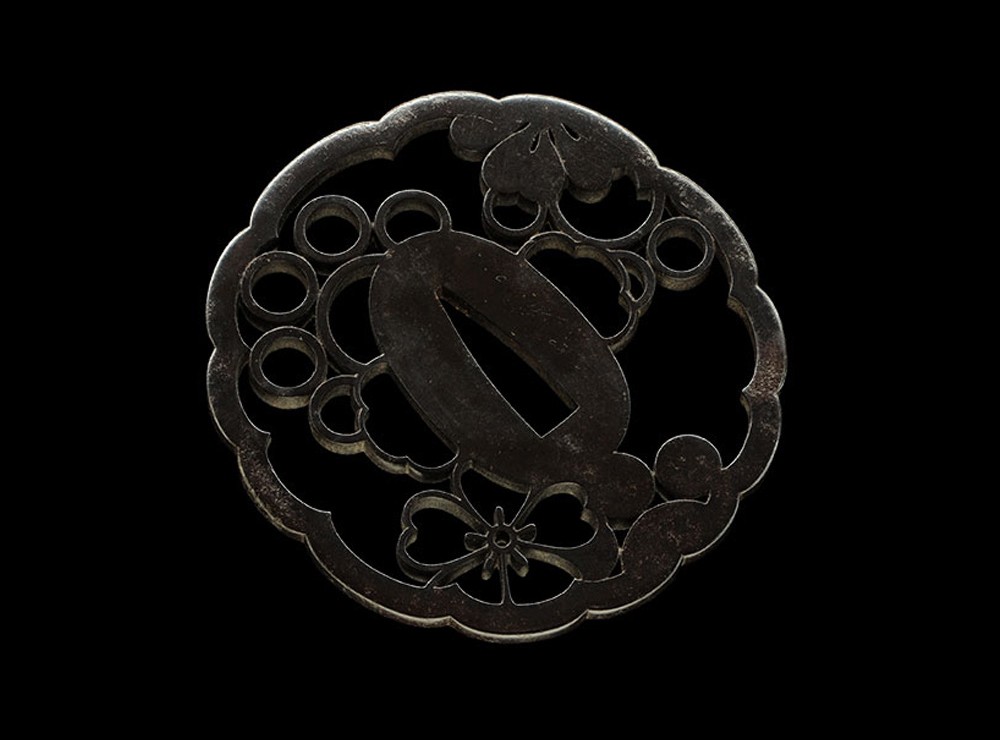
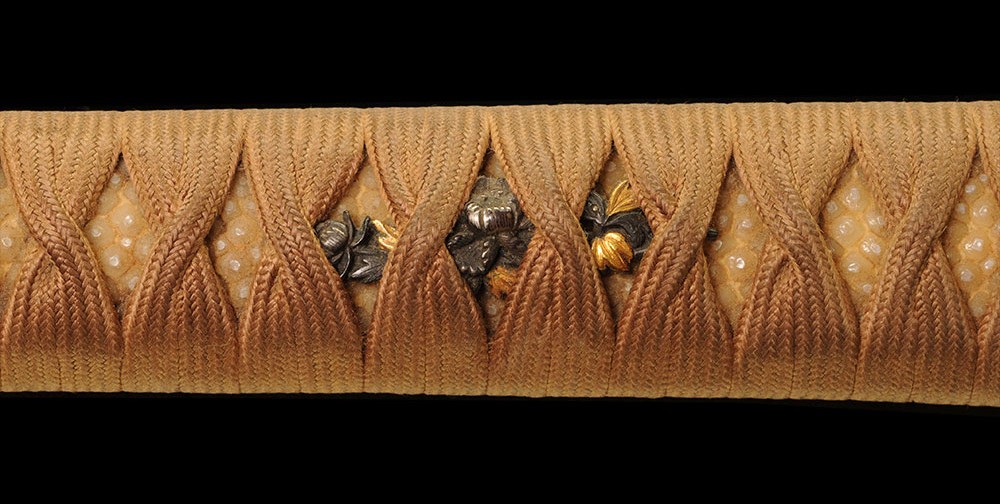
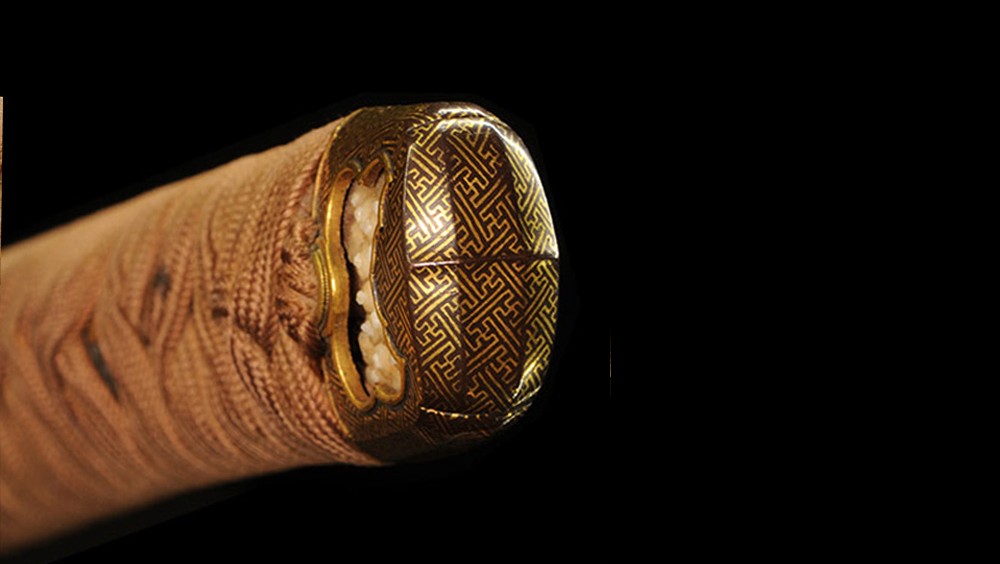
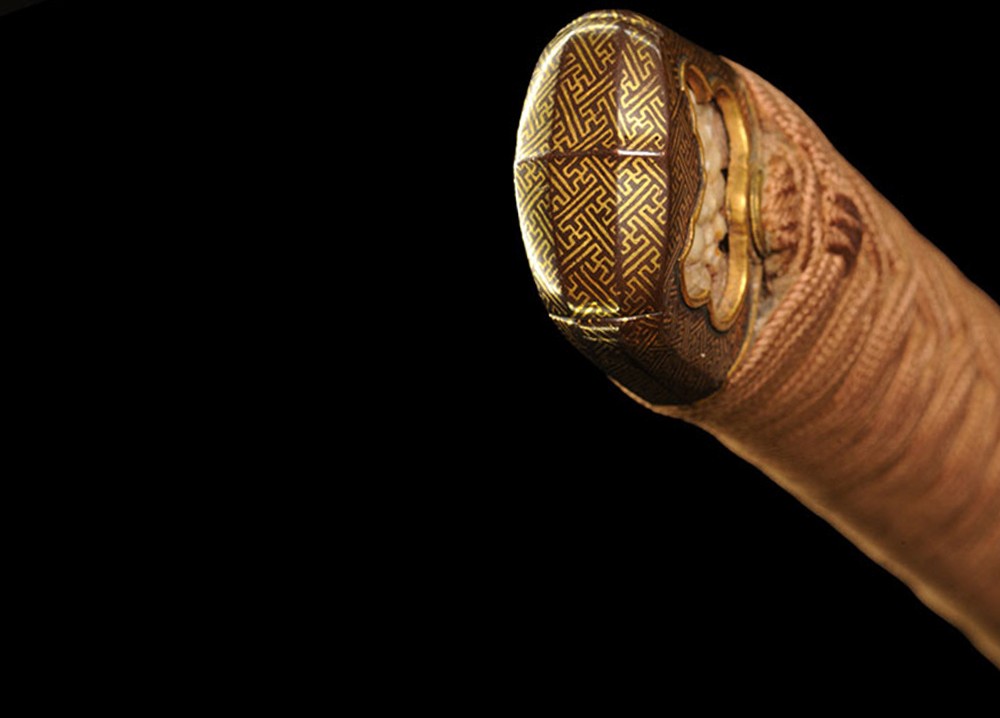
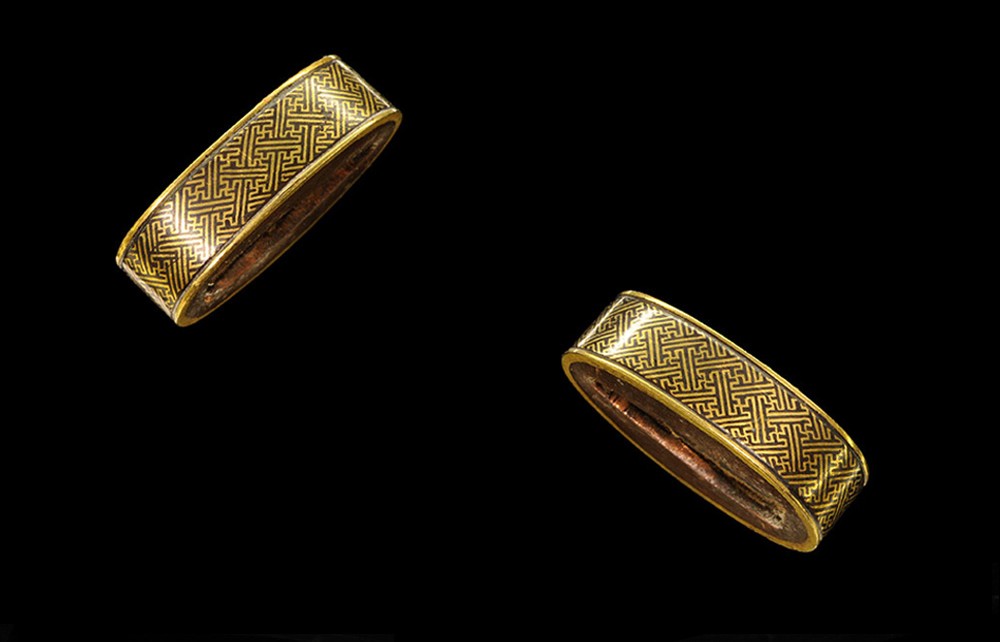
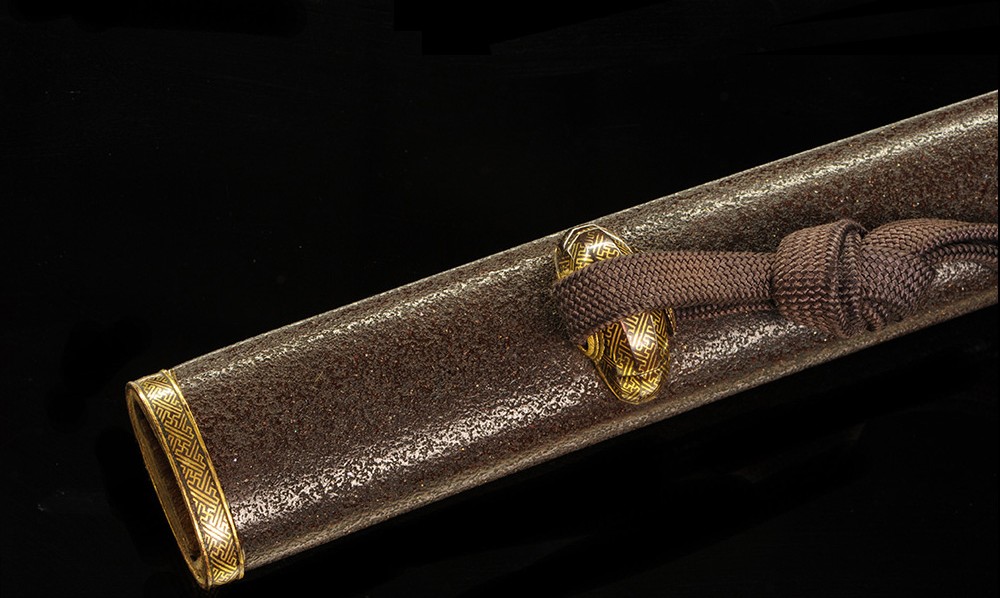
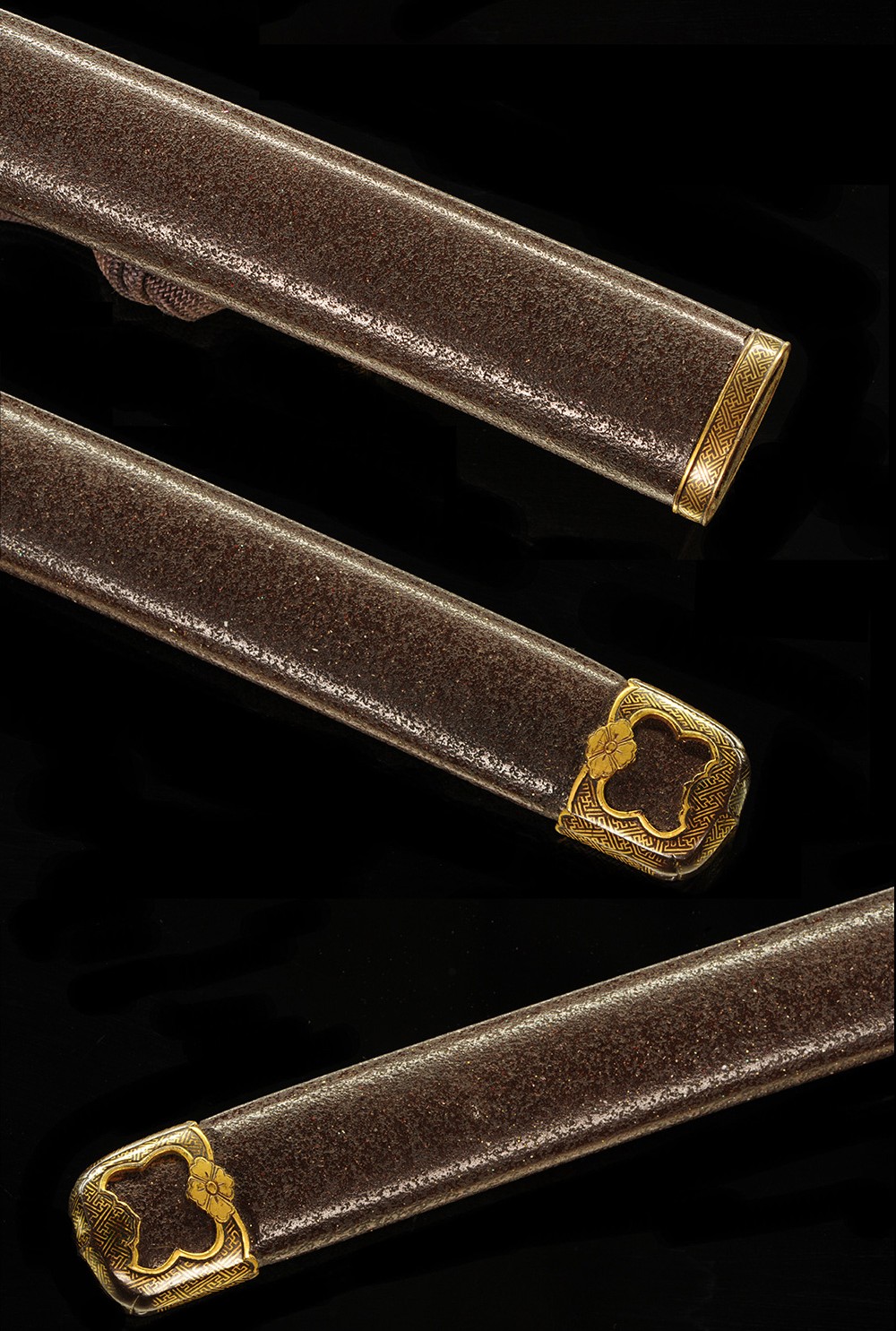
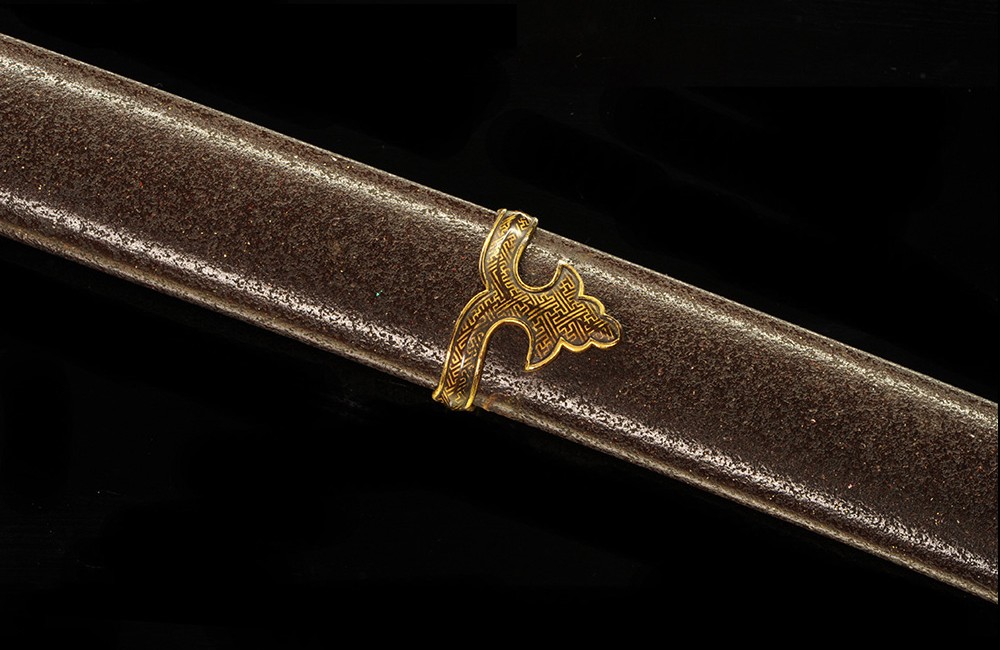
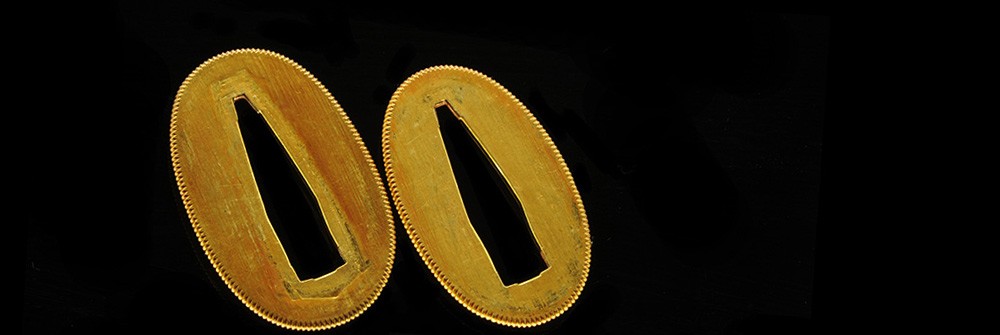
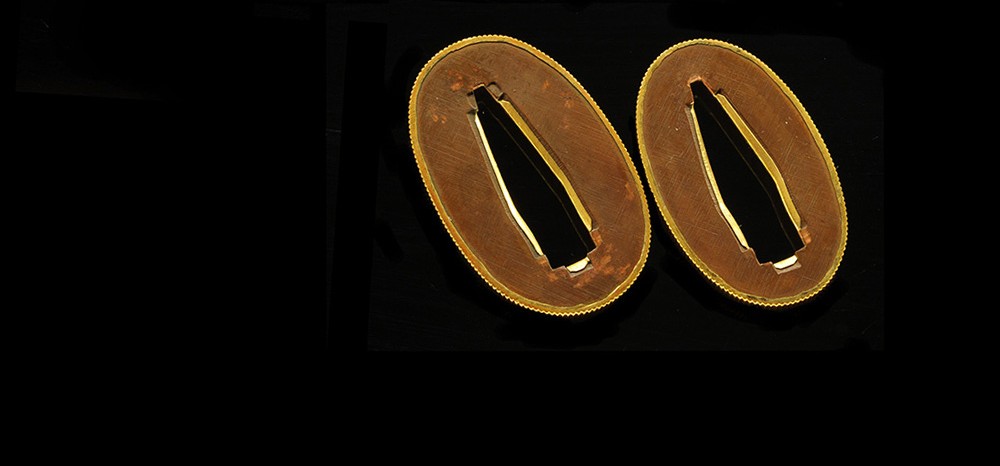
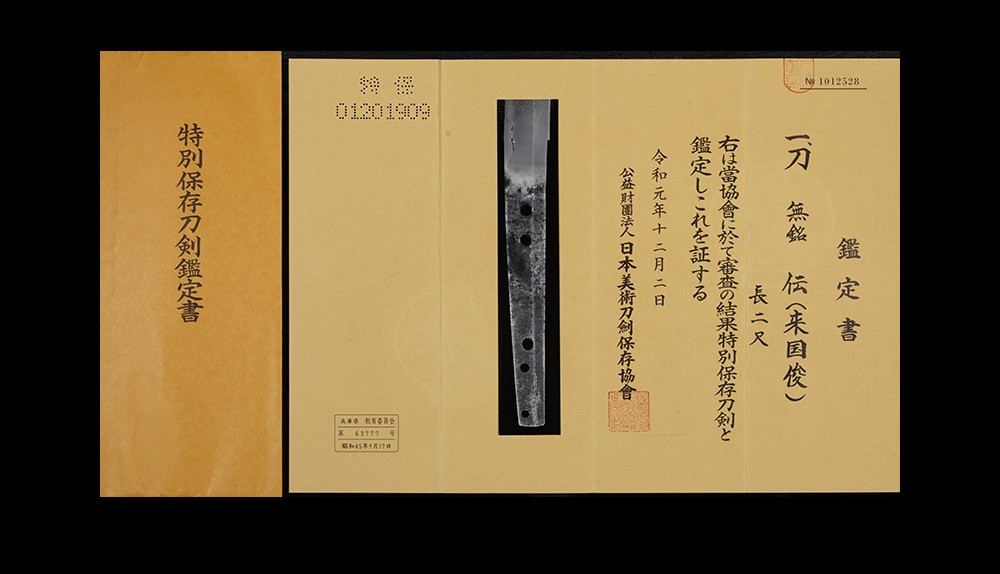
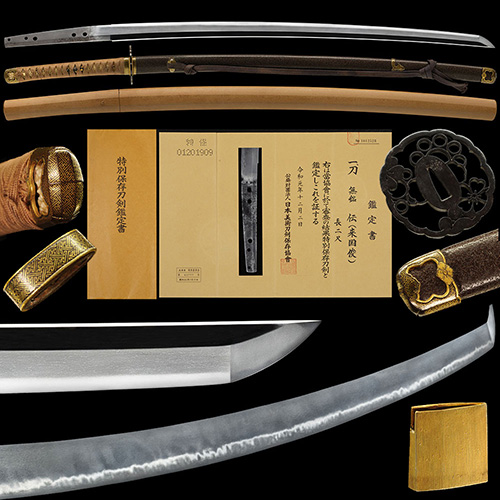
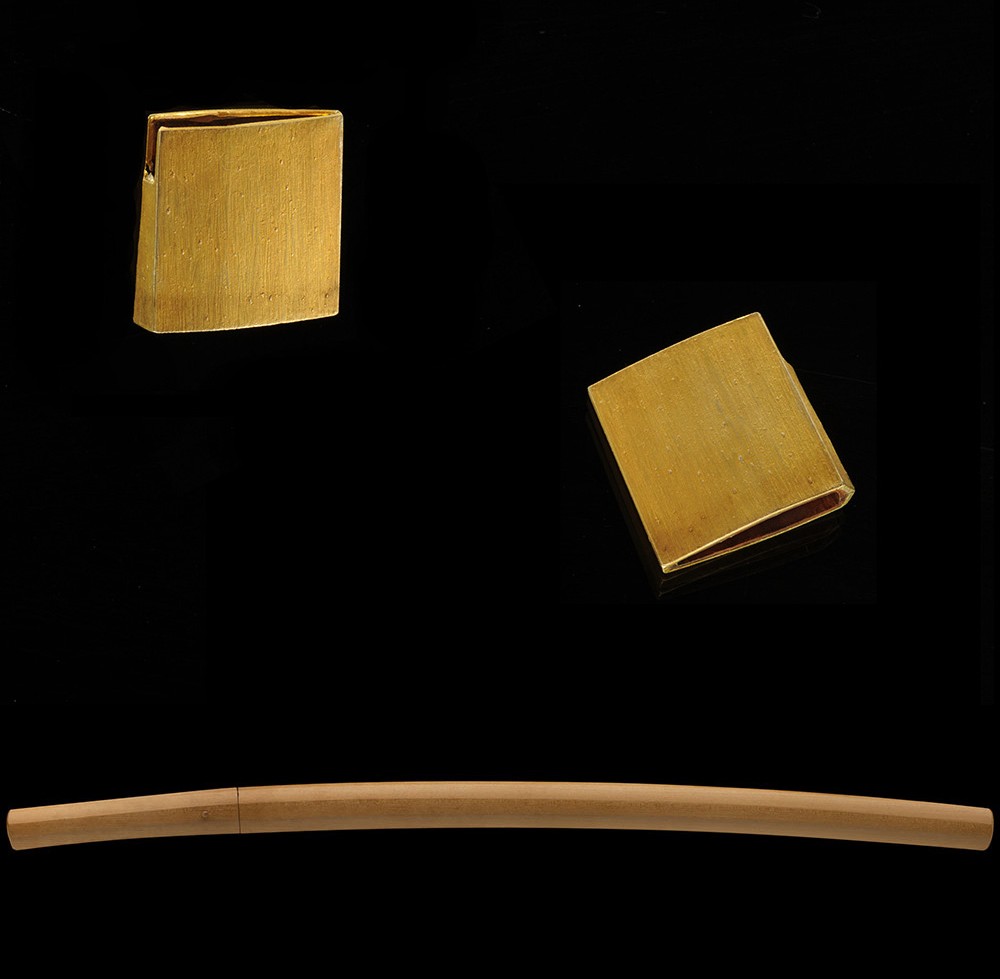
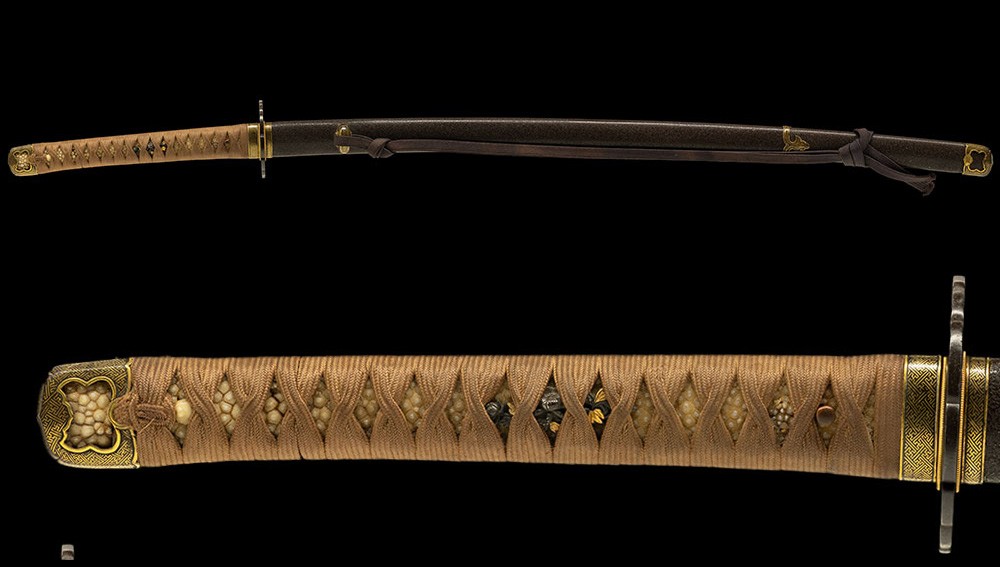
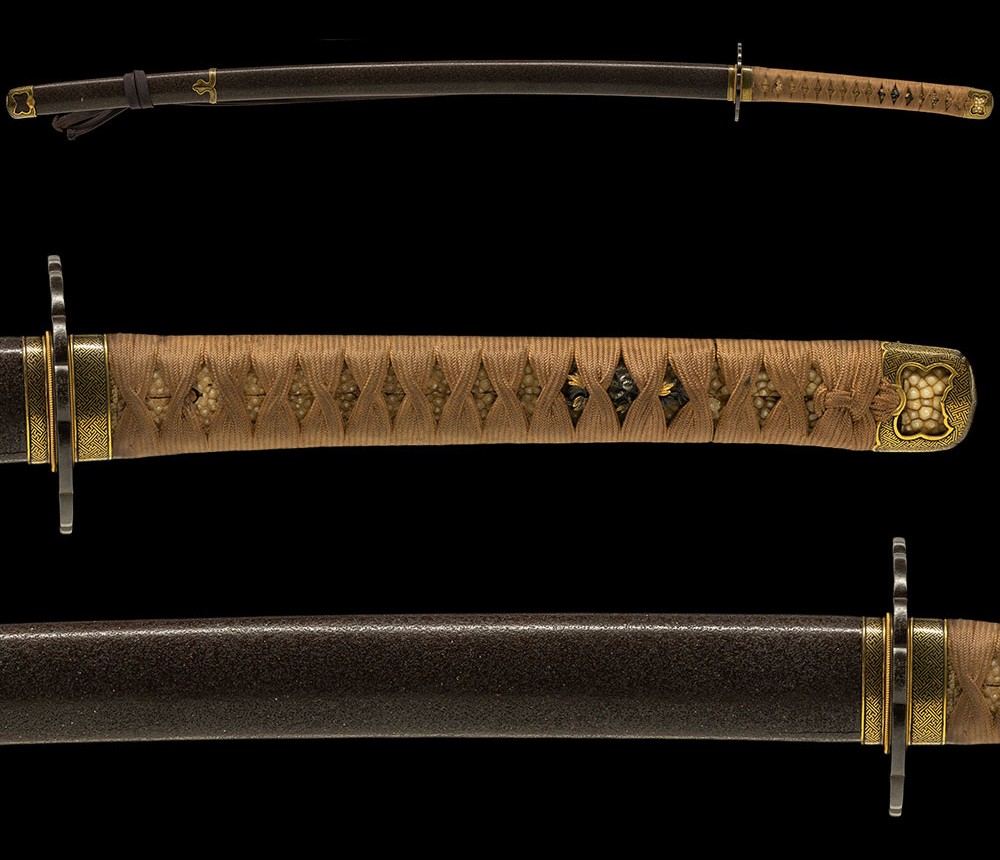
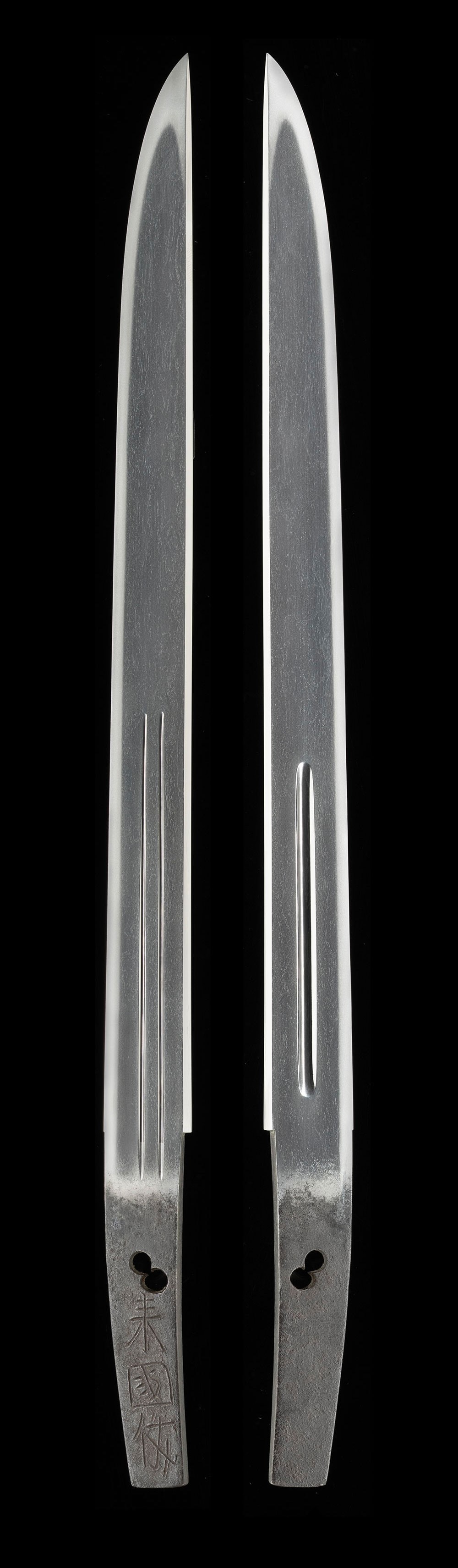
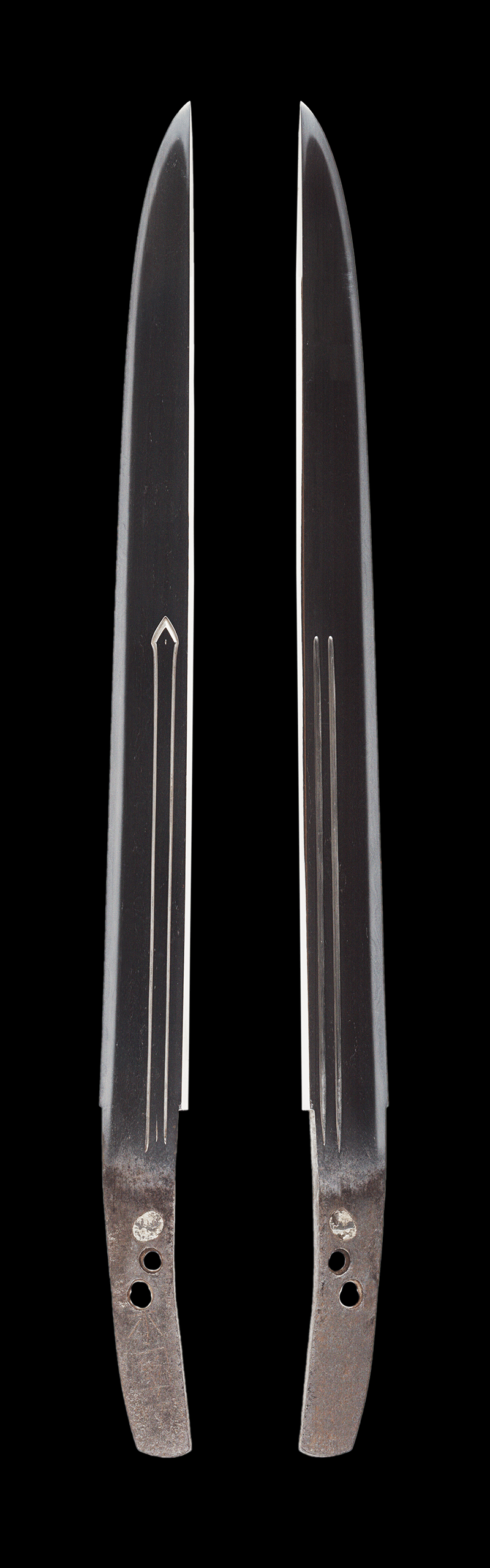
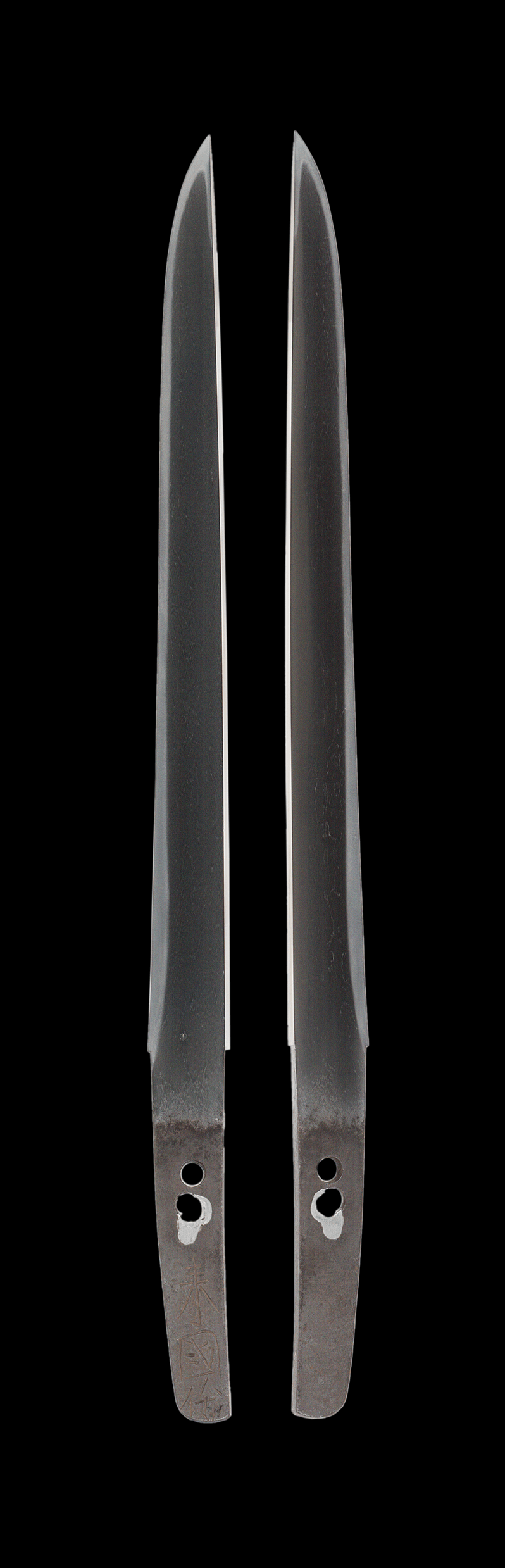
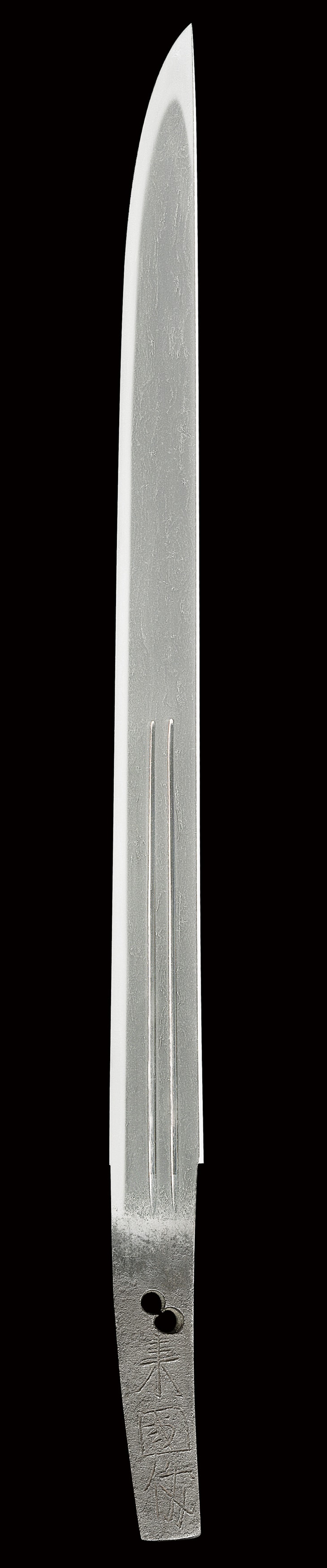
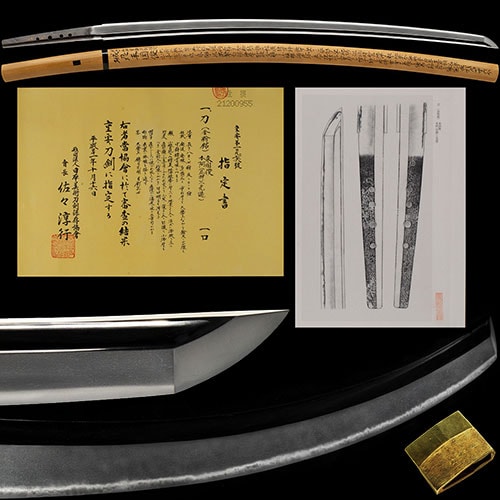
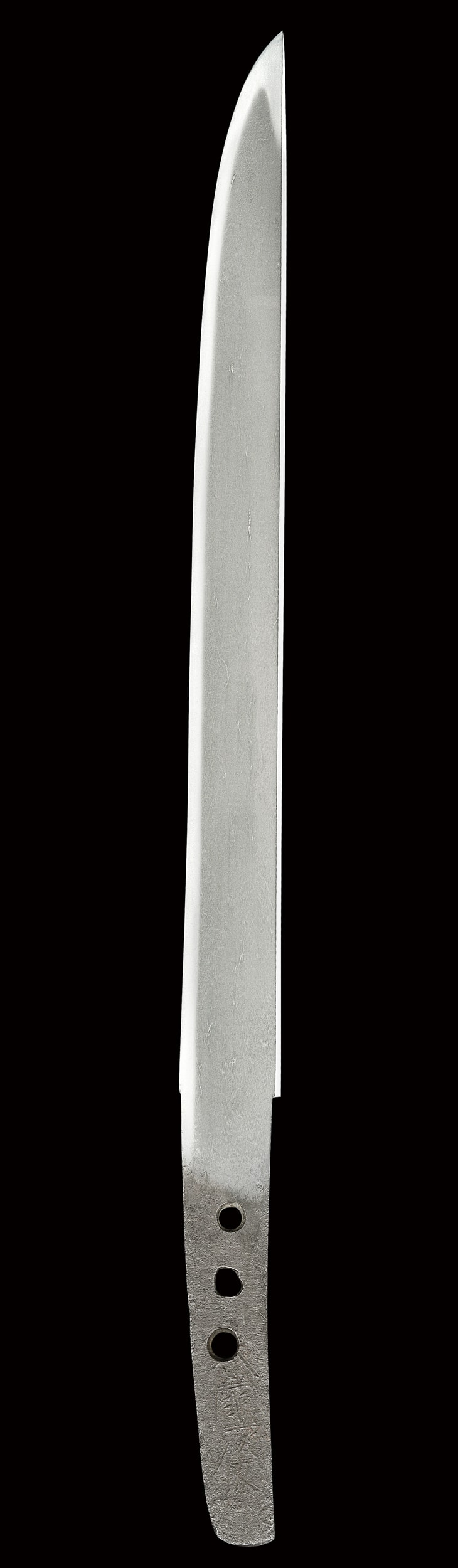
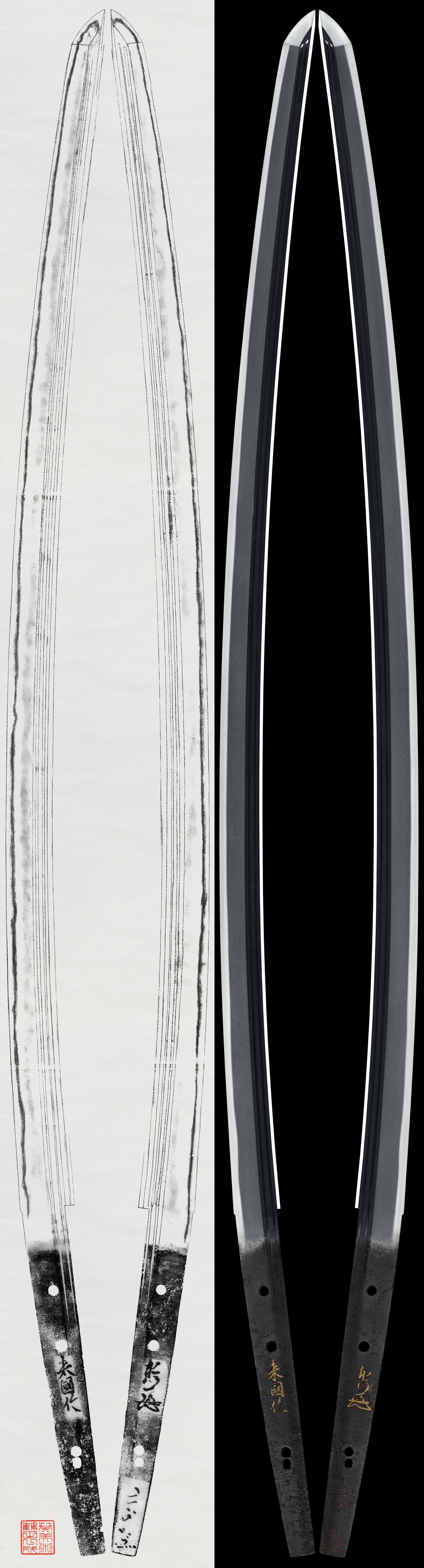
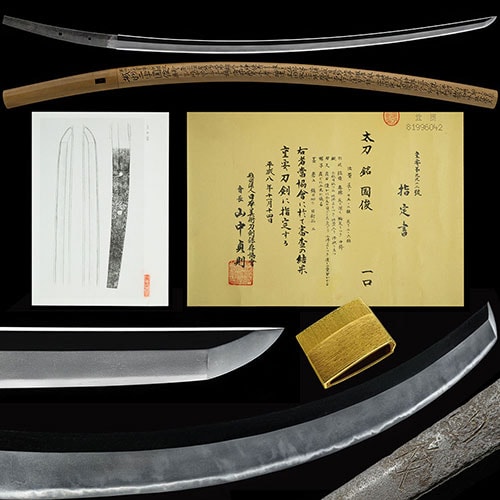
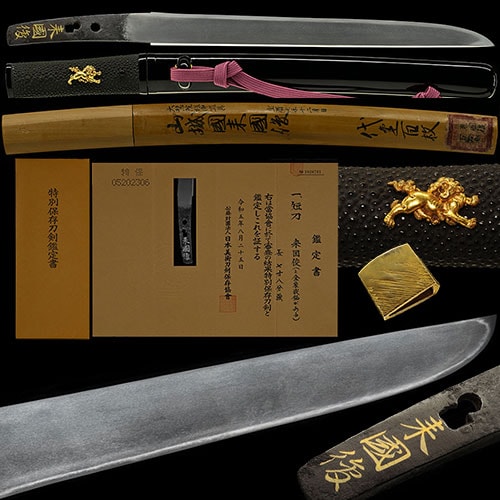
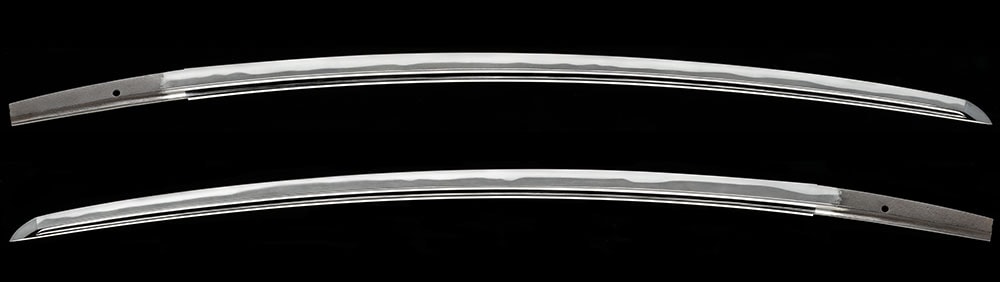
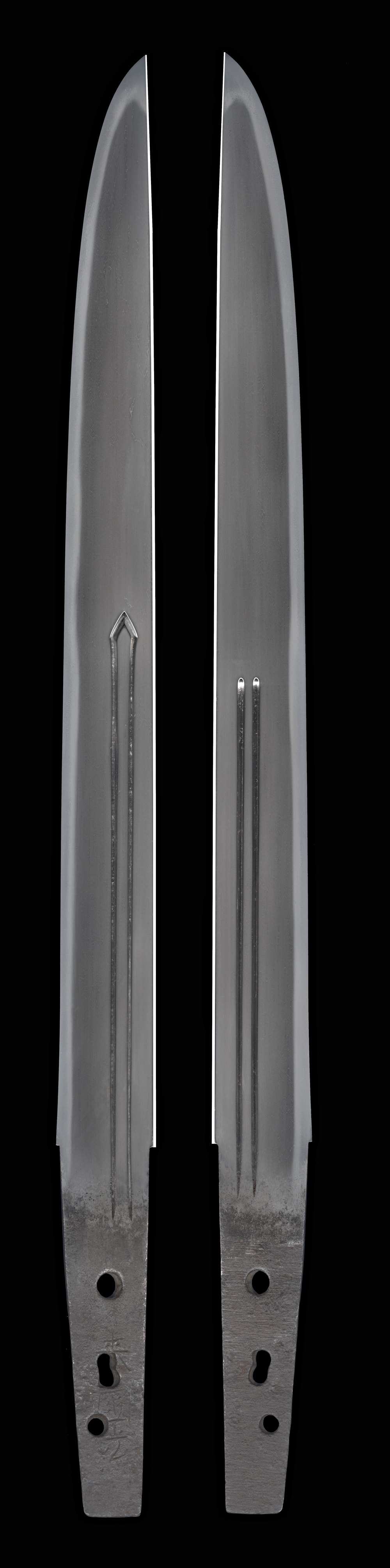
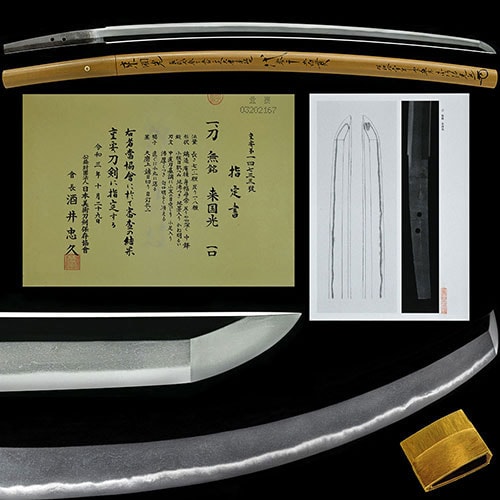
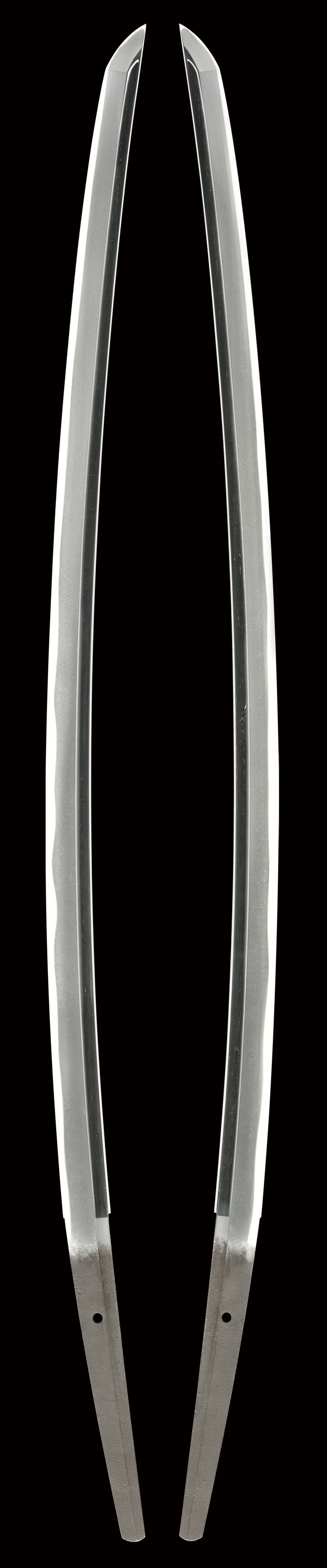
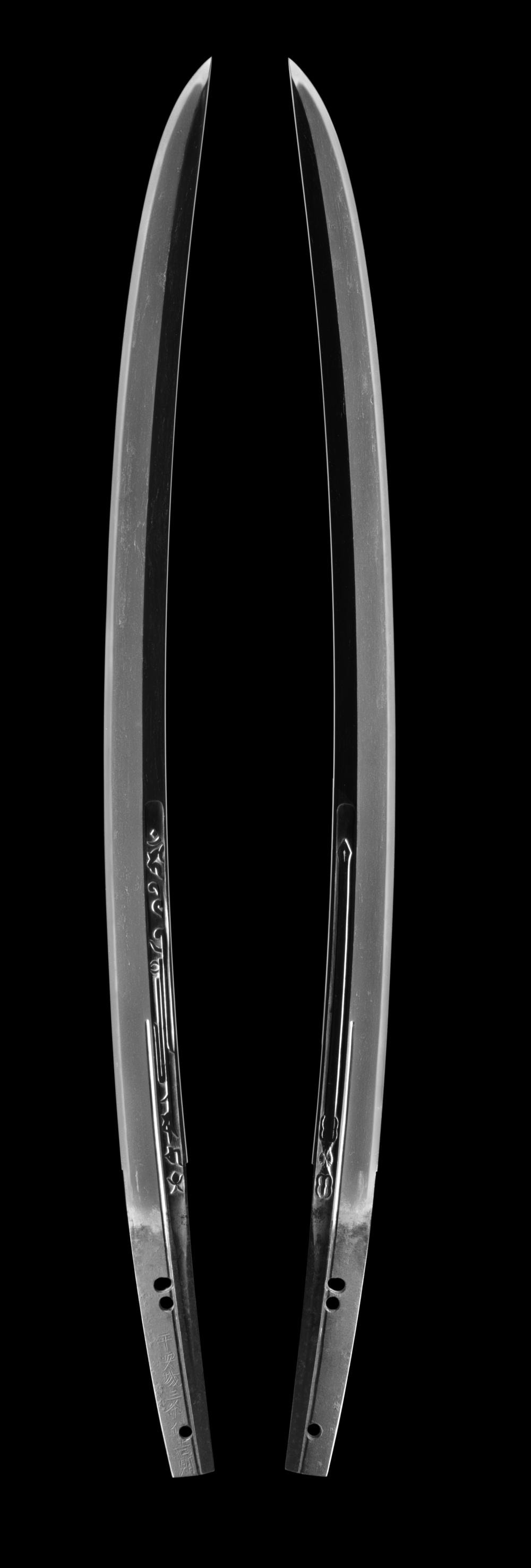
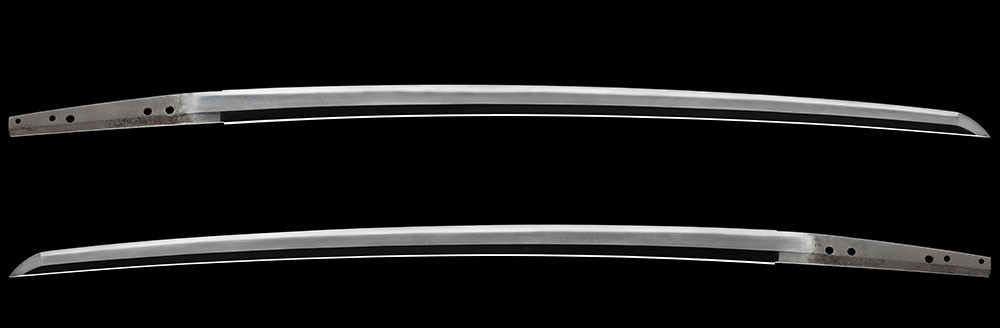
This is an excellent katana by Rai Kunitoshi, a prominent smith of the Rai school from the late Kamakura period. It features a vivid midare-utsuri on a bright jigane, with a suguha-style hamon mixed with small gunome and choji, frequently interspersed with ashi and yo. The sword comes with a period hantachi koshirae and is certified as Tokubetsu Hozon Token by the NBTHK.

NihontoWatch MonNihontoWatchBETA
MarketAuctionsEncyclopedia
Swords›Yamashiro-den›Rai›Kunitoshi›Katana: Rai Kunitoshi - Tokubetsu Hozon Token
katanaTokubetsu Hozon
Rai Kunitoshi

Katana: Rai Kunitoshi - Tokubetsu Hozon Token

mei · Rai · Shoo (1288-1293) · nagasa 60.8cm · sori 1.2cm

¥3,000,000
Visit seller website →
Rai Kunitoshi — 1 of 30
Rai Kunitoshi — 2 of 30
Rai Kunitoshi — 3 of 30
Rai Kunitoshi — 4 of 30
Rai Kunitoshi — 5 of 30
Rai Kunitoshi — 6 of 30
Rai Kunitoshi — 7 of 30
Rai Kunitoshi — 8 of 30
Rai Kunitoshi — 9 of 30
Rai Kunitoshi — 10 of 30
Rai Kunitoshi — 11 of 30
Rai Kunitoshi — 12 of 30
Rai Kunitoshi — 13 of 30
Rai Kunitoshi — 14 of 30
Rai Kunitoshi — 15 of 30
Rai Kunitoshi — 16 of 30
Rai Kunitoshi — 17 of 30
Rai Kunitoshi — 18 of 30
Rai Kunitoshi — 19 of 30
Rai Kunitoshi — 20 of 30
Rai Kunitoshi — 21 of 30
Rai Kunitoshi — 22 of 30
Rai Kunitoshi — 23 of 30
Rai Kunitoshi — 24 of 30
Rai Kunitoshi — 25 of 30
Rai Kunitoshi — 26 of 30
Rai Kunitoshi — 27 of 30
Rai Kunitoshi — 28 of 30
Rai Kunitoshi — 29 of 30
Rai Kunitoshi — 30 of 30
1 / 30
1 / 30
Rai Kunitoshi — 1 of 30Rai Kunitoshi — 2 of 30Rai Kunitoshi — 3 of 30Rai Kunitoshi — 4 of 30Rai Kunitoshi — 5 of 30Rai Kunitoshi — 6 of 30Rai Kunitoshi — 7 of 30Rai Kunitoshi — 8 of 30Rai Kunitoshi — 9 of 30Rai Kunitoshi — 10 of 30Rai Kunitoshi — 11 of 30Rai Kunitoshi — 12 of 30Rai Kunitoshi — 13 of 30Rai Kunitoshi — 14 of 30Rai Kunitoshi — 15 of 30Rai Kunitoshi — 16 of 30Rai Kunitoshi — 17 of 30Rai Kunitoshi — 18 of 30Rai Kunitoshi — 19 of 30Rai Kunitoshi — 20 of 30Rai Kunitoshi — 21 of 30Rai Kunitoshi — 22 of 30Rai Kunitoshi — 23 of 30Rai Kunitoshi — 24 of 30Rai Kunitoshi — 25 of 30Rai Kunitoshi — 26 of 30Rai Kunitoshi — 27 of 30Rai Kunitoshi — 28 of 30Rai Kunitoshi — 29 of 30Rai Kunitoshi — 30 of 30
Measurements & details
Smith
Rai Kunitoshi
Type
Katana
School
Rai
Period
Around 1288–1319(Shoo)
Province
Yamashiro
Signature
Signed(65% of this smith's designated works are signed)
Measurements
Nagasa 60.8cmSori 1.2cmMotohaba 2.7cmSakihaba 1.8cmKasane 0.51cmWeight 471g
Description

This is an excellent katana by Rai Kunitoshi, a prominent smith of the Rai school from the late Kamakura period. It features a vivid midare-utsuri on a bright jigane, with a suguha-style hamon mixed with small gunome and choji, frequently interspersed with ashi and yo. The sword comes with a period hantachi koshirae and is certified as Tokubetsu Hozon Token by the NBTHK.

About the maker

Kunitoshi

國俊

Rai (Yamashiro) · Yamashiro · around 1288-1319

Fujishiro Sai-jo saku · Tōken Taikan top 1%

6 pieces on the market now

›

The published sources open Rai Kunitoshi's record with a single settled fact: he was "the first smith of the Rai line to crown his name with the character Rai, and all who followed took the practice from him"[[c:1]]. Traditionally the son of Rai Kuniyuki, he worked in Kyoto at the close of the Kamakura period. Dated blades open in the Shoo and Einin eras, fall silent for a time, then resume in Showa and continue through Bunpo, Gen'o and Genko; a tachi of Showa 4 (1315) in the Tokugawa Art Museum bears the age inscription seventy-five (七十五歳), and a work of Genko 1 (1321), cut at eighty-two, stands near the end of his production. This run of dated pieces is the backbone of the late Kamakura Rai chronology.

His hand is the Rai mainline at its most refined. The tachi are slender or of standard width with a pronounced taper, the curvature koshi-zori, turning to a rounded wa-zori on shortened blades, and the point small or medium. On this body he burns a chu-suguha or hoso-suguha in ko-nie with ko-choji and ko-gunome mixed in; ashi and yo enter well, at times slanting toward the nakago in the Kyoto manner the published sources call kyo-sakaashi. Nijuba appears in places, fine kinsuji and sunagashi run through the ha, and the nioiguchi is tight and bright; the boshi turns in a calm ko-maru, the tip lightly swept. The judgment the published sources attach to the whole is consistent: "a refined and calm manner that is Kyoto work through and through"[[c:2]].

The jigane carries as much of the attribution as the hamon: a tightly knit ko-itame with thick, often dust-fine ji-nie, fine chikei, and a nie-utsuri standing clearly over it; one Juyo appraisal adds that "the refinement of the jigane in particular deserves special mention"[[c:3]]. Here and there the larger, softer patches the texts call Rai-hada (来肌) intrude, and on tanto the hada may flow toward masame in places, both accepted as marks of the school rather than flaws. The packed ko-itame, the fine nie over it and the standing utsuri are what the appraisals return to whenever an unsigned blade is settled on his name.

Nearly half of his published record is tanto: the sources state again and again that where the two-character Kunitoshi left a single example, the meibutsu Aizen Kunitoshi, Rai Kunitoshi left many. These are hira-zukuri and mitsu-mune, of standard width or slightly elongated, with the quiet uchi-zori of the late Kamakura period; the suguha may take a shallow notare, the kaeri of the ko-maru boshi often runs down long, and the hamachi is frequently hardened in. Carving is habitual, a katana-hi with a slender koshi-bi or suken set beside it, or bonji over gomabashi, the added side groove being a practice "peculiar to Rai work"[[c:4]]. Suguha rules him, yet a small choji group stands at the opposite limit. Its representative is a National Treasure tachi, and a kodachi raised at the 27th Tokubetsu Juyo session, slender, high in koshi-zori, mixing large-lobed choji with the nie thick in the ha, is called "the most flamboyant range of work in his oeuvre"[[c:5]], "just evoking Niji Kunitoshi"[[c:6]]. That evocation is the heart of the school's classic question, whether the two-character Kunitoshi and the three-character Rai Kunitoshi are one smith or two. The combined dated works run from Koan 1 (1278) to Genko 1 (1321), some forty years and no strain for a single career, and counted back from the age inscription of seventy-five, the lone dated Niji blade falls at age thirty-eight. In recent years, the sources write, re-examination of the workmanship and the signature forms has brought the same-smith view toward acceptance, prompting a rethink of the two-smith position, and the choji blades above are read as key material on his side of the divide. The signatures hold further scholarship: the Gen'o pieces turn cursive enough that the notes weigh his old age against a second generation; rare works add the Minamoto surname; and on a Genko 2 folded-signature katana once worn by Shimazu Narinobu, the character kuni is cut in the manner of his pupil Rai Kunitsugu, read as one of the rare cases of the pupil signing in the master's name, the third such example known.

The contrast with Niji Kunitoshi is the standing formula of his appraisals: against a grand body with ikubi point and a flamboyant choji-dominated midare, the three-character works set a slender or standard build, a suguha or suguha with small-patterned midare, and a gentle effect overall, so the two hands can be told apart even while the one-smith question stays open. His other neighbors lie within the school. At its quietest his hoso-suguha "can at first glance be mistaken for Ryokai"[[c:7]], and his calmest, largest tanto are read first toward Rai Kunimitsu before the dignity of the work, "a grade higher"[[c:8]], settles the attribution on Kunitoshi. His pupils Rai Kunimitsu and Rai Kunitsugu carried the school through the end of Kamakura, and the line between master and pupils is fine enough that the meibutsu Yuki Rai Kunitoshi, a tanto recorded in the Meibutsucho, is itself said at first sight to suggest Kunimitsu and Kunitsugu.

For a master of this rank he is unusually approachable. Fujishiro grades him Sai-jo saku; five of his blades are National Treasures and eleven are Important Cultural Properties, with twenty-one Tokubetsu Juyo and one hundred forty-three Juyo beneath them, one hundred sixty-four blades across those two tiers. Signed work is abundant, one hundred thirty-four signed against ninety-one unsigned here, which is why his chronology can be written at all. Ten blades are locked in the National Treasure and Important Cultural Property tiers and will never trade, among them the kodachi of Futarasan Shrine at Nikko; the Tokugawa Art Museum holds the age-75 tachi, and other works rest with the Tokyo National Museum, the Nezu Museum, the Sano Art Museum and the Kurokawa Institute. Sixty-one blades carry recorded provenance: Toyotomi Hideyoshi, the shoguns Tokugawa Hidetada and Iemitsu, the Owari and Kishu Tokugawa, the Maeda, the Uesugi, the Shimazu of Kagoshima and the Sanada of Matsushiro. Yet thirty-six works are recorded in private hands and many more sit in the tradeable Juyo tiers, so a suguha tanto or tachi by Rai Kunitoshi, late Kamakura Yamashiro work in its purest form, remains a goal a serious collector can actually reach; the choji blades and the dated pieces stand effectively beyond the market.

Historical importance

Where Kunitoshi stands among comparable artisans: across all of nihontō, and within tradition, era, and period. The tiers (Foremost · Leading · Major · Notable) weigh official designations from the NBTHK and Japan's Agency for Cultural Affairs, together with historical honors of lasting repute such as the Sansaku and Meibutsu-chō.

随一
Foremost
屈指
Leading
有数
Major
著名
Notable

Select a lens to see how it's measured.

Designation record
208 designated works
Kokuhō (National Treasure)
4
Jūyō Bunkazai
8
Jūyō Bijutsuhin
28
Gyobutsu (Imperial)
4
Tokubetsu Jūyō
21
Jūyō
143
6 works by Kunitoshi on the market→
Kunitoshi — full profileRai (Yamashiro) school

Dated Works

Years he was demonstrably active, proven by signed-and-dated blades

Active period
1290–1319Editorial estimate: 1288–1319
7 of 120 designated works carry a date
1290
1300
1310
1320
About the school

Rai

来

Yamashiro-den · Yamashiro

38 pieces on the market now

›

A calm, lustrous steel is the first thing the connoisseur's eye is meant to settle on with the Rai school: a finely forged ko-itame (小板目) worked until it is dense and refined, over which the ji-nie lies thickly in minute particles, fine chikei (地景) enter, and a nie-utsuri rises in the ji. This bright, refined jihada, the surface the trade reads as Rai-hada when its softer, looser patches intrude, is the constant beneath every manner the house produced. Learn more →

23 recorded smiths1040 designated works
Leading smiths
SmithEraDesignated
Kunitoshi國俊1278-128885
Kuniyuki國行1259-1260127
Kunimitsu國光1326-1351269
Kunitoshi國俊1288-1319208
Kunitsugu國次1311-132765
Explore the Rai school →
NBTHK Certificate
Tokubetsu Hozon Tōken特別保存刀剣
Sword Especially Worthy of Preservation
›

A Hozon-certified blade judged to show notably superior workmanship and a better state of preservation. The bar is higher: re-tempered blades and most unsigned Muromachi/Edo works are excluded.

About the NBTHK›

The NBTHK (Nihon Bijutsu Tōken Hozon Kyōkai, the Society for the Preservation of Japanese Art Swords) is a public-interest incorporated foundation founded in 1948 and supervised by Japan’s Agency for Cultural Affairs (Bunkachō); it is based at the Japanese Sword Museum in Tokyo. Its expert panels physically examine each submitted work (shinsa) and issue a certificate (kanteishō) ranking it by artistic and historical merit. NBTHK papers are the most widely recognized standard of authentication for Japanese swords and fittings.

NBTHK official site→
Seller
E
Eirakudo
🇯🇵Ships from Japan
›
✓Verified dealereirakudo.shop
Settles in JPY
✓Ships worldwide✓English supportWire transferCredit card
Return policy

Returns/exchanges/cancellations not accepted after shipment except for significant defects; if defective, return/exchange possible within 3 days of arrival (return shipping paid by customer).

View all of Eirakudo’s listings→View this item on the dealer’s site→

More works by Rai Kunitoshi

View all →
Eirakudo
Jūyō
Tanto - Jūyō - by Rai Kunitoshi - Rai Kunitoshi Tanto Juyo TokenTanto - Jūyō - by Rai Kunitoshi - Rai Kunitoshi Tanto Juyo Token

Tantō

ByRai Kunitoshi
Ask
Iida Koendo
Jūyō
Tanto - Jūyō - by Rai Kunitoshi - Rai KunitoshiTanto - Jūyō - by Rai Kunitoshi - Rai Kunitoshi

Tantō

ByRai Kunitoshi
¥11,000,000
Iida Koendo
Tokuho
Tanto - Tokuho - by Rai Kunitoshi - Rai KunitoshiTanto - Tokuho - by Rai Kunitoshi - Rai Kunitoshi

Tantō

ByRai Kunitoshi
¥7,700,000
Choshuya
Tokuho
Tanto - Tokuho - by Rai Kunitoshi - Rai KunitoshiTanto - Tokuho - by Rai Kunitoshi - Rai Kunitoshi

Tantō

ByRai Kunitoshi
¥4,300,000
Nihon Art
Tokuho
Tanto - Tokuho - by Rai Kunitoshi - Rai Kunitoshi - Late KamakuraTanto - Tokuho - by Rai Kunitoshi - Rai Kunitoshi - Late Kamakura

Tantō

ByRai Kunitoshi
Ask

Previously sold by Rai Kunitoshi

World Seiyudo
Jūyō
Katana - Jūyō - by Rai Kunitoshi - Mumei Rai Kunitoshi - Juyo TokenKatana - Jūyō - by Rai Kunitoshi - Mumei Rai Kunitoshi - Juyo Token
Sold

Katana

ByRai Kunitoshi
SOLD
Samurai Nippon
Tanto - by Rai Kunitoshi - Rai KunitoshiTanto - by Rai Kunitoshi - Rai Kunitoshi
Sold

Tantō

ByRai Kunitoshi
SOLD
Eirakudo
Jūyō
Katana - Jūyō - by Rai Kunitoshi - Rai Kunitoshi - Juyo TokenKatana - Jūyō - by Rai Kunitoshi - Rai Kunitoshi - Juyo Token
Sold

Katana

ByRai Kunitoshi
SOLD
World Seiyudo
Tokuho
Katana - Tokuho - by Rai Kunitoshi - Rai Kunitoshi - Tokubetsu Hozon Token, O-wazamonoKatana - Tokuho - by Rai Kunitoshi - Rai Kunitoshi - Tokubetsu Hozon Token, O-wazamono
Sold

Katana

ByRai Kunitoshi
SOLD
Nihon Art
Katana - by Rai Kunitoshi - Niji KunitoshiKatana - by Rai Kunitoshi - Niji Kunitoshi
Sold

Katana

ByRai Kunitoshi
SOLD
Aoi Art
Tokujū
Katana - Tokuju - by Rai Kunitoshi - Rai Kunitoshi with Golden Inscription by Hon'amiKatana - Tokuju - by Rai Kunitoshi - Rai Kunitoshi with Golden Inscription by Hon'ami
Sold

Katana

ByRai Kunitoshi
SOLD
Samurai Nippon
Tanto - by Rai Kunitoshi - Rai KunitoshiTanto - by Rai Kunitoshi - Rai Kunitoshi
Sold

Tantō

ByRai Kunitoshi
SOLD
Iida Koendo
Jūyō
Tanto - Jūyō - by Rai Kunitoshi - Past Sales ItemTanto - Jūyō - by Rai Kunitoshi - Past Sales Item
Sold

Tantō

ByRai Kunitoshi
SOLD

More from the Rai school

View all →
Eirakudo
Jūyō
Katana - Jūyō - by Rai Kunimitsu - Rai Kunimitsu - Juyo TokenKatana - Jūyō - by Rai Kunimitsu - Rai Kunimitsu - Juyo Token

Katana

ByRai Kunimitsu
¥7,800,000
Bushido Antique Japanese Swords
Tokuho
Katana - Tokuho - by Rai Kunitsugu - Rai Kunitsugu DaitoKatana - Tokuho - by Rai Kunitsugu - Rai Kunitsugu Daito

Katana

ByRai Kunitsugu
¥35,000
Samurai Nippon
Tokuho
Wakizashi - Tokuho - by Nakajima Rai School - Nakajima Rai (Mumei) - Naginata-naoshiWakizashi - Tokuho - by Nakajima Rai School - Nakajima Rai (Mumei) - Naginata-naoshi

Wakizashi

ByNakajima Rai School
¥780,000
Samurai Nippon
Jūyō
Tachi - Jūyō - by Ryokai - Ryokai (Kinpun-mei)Tachi - Jūyō - by Ryokai - Ryokai (Kinpun-mei)

Tachi

ByRyokai
¥4,850,000
Eirakudo
Jūyō
Tanto - Jūyō - by Rai Kunimitsu - Rai Kunimitsu Tanto - Juyo TokenTanto - Jūyō - by Rai Kunimitsu - Rai Kunimitsu Tanto - Juyo Token

Tantō

ByRai Kunimitsu
Ask
Nipponto
Jūyō
Katana - Jūyō - by Rai Kuniyuki - Kuniyuki (Yamashiro Kyoto Rai School Founder) (From Baron Sugiyama Shigemaru Family)Katana - Jūyō - by Rai Kuniyuki - Kuniyuki (Yamashiro Kyoto Rai School Founder) (From Baron Sugiyama Shigemaru Family)

Katana

ByRai Kuniyuki
Ask
Nipponto
Jūyō
Katana - Jūyō - by Rai Kunitsugu - Rai Kunitsugu (Listed in Kantou Hibi Sho Zoku 2)Katana - Jūyō - by Rai Kunitsugu - Rai Kunitsugu (Listed in Kantou Hibi Sho Zoku 2)

Katana

ByRai Kunitsugu
Ask
Shoubudou
Jūyō
Katana - Jūyō - by Nakajima Rai Kuninaga - Mumei (Nakajima Rai)Katana - Jūyō - by Nakajima Rai Kuninaga - Mumei (Nakajima Rai)

Katana

ByNakajima Rai Kuninaga
¥5,800,000

More from the Yamashiro tradition

View all →
Samurai Nippon
Tokujū
Katana - Tokuju - by Awataguchi Kuniyoshi - Mumei (Attributed to Awataguchi Kuniyoshi)Katana - Tokuju - by Awataguchi Kuniyoshi - Mumei (Attributed to Awataguchi Kuniyoshi)

Katana

ByAwataguchi Kuniyoshi
Ask
Eirakudo
Tokuho
Katana - Tokuho - by Shintogo Kunimitsu - Shintogo Kunimitsu - Tokubetsu Hozon TokenKatana - Tokuho - by Shintogo Kunimitsu - Shintogo Kunimitsu - Tokubetsu Hozon Token

Katana

ByShintogo Kunimitsu
¥7,500,000
Nihon Art
Tokuho
Tanto - Tokuho - by Shintogo Kunimitsu - Shintogo KunimitsuTanto - Tokuho - by Shintogo Kunimitsu - Shintogo Kunimitsu

Tantō

ByShintogo Kunimitsu
Ask
Eirakudo
Jūyō
Tachi - Jūyō - by Ayanokoji Sadatoshi - Sadatoshi - Juyo TokenTachi - Jūyō - by Ayanokoji Sadatoshi - Sadatoshi - Juyo Token

Tachi

ByAyanokoji Sadatoshi
¥7,700,000
Aoi Art
Tokuho
Katana - Tokuho - by Shintogo Kunimitsu - Unsigned (Attributed to Shintogo)Katana - Tokuho - by Shintogo Kunimitsu - Unsigned (Attributed to Shintogo)

Katana

ByShintogo Kunimitsu
¥7,800,000
Samurai Nippon
Jūyō
Katana - Jūyō - by Enju Kunitoki - Kunitoki (Enju) with Gold Inlay MeiKatana - Jūyō - by Enju Kunitoki - Kunitoki (Enju) with Gold Inlay Mei

Katana

ByEnju Kunitoki
¥4,900,000
Iida Koendo
Tokuho
Tanto - Tokuho - by Rai Kunimitsu - Rai KunimitsuTanto - Tokuho - by Rai Kunimitsu - Rai Kunimitsu

Tantō

ByRai Kunimitsu
¥7,700,000
Toushin
Hozon
Katana - Hozon - by Enju School - Enju (Mumei)Katana - Hozon - by Enju School - Enju (Mumei)

Katana

ByEnju School
¥550,000

Swords

  • Katana
  • Wakizashi
  • Tantō
  • Tachi
  • Naginata
  • Yari

Fittings

  • Tsuba
  • Fuchi-Kashira
  • Kozuka
  • Menuki

By Certification

  • Tokujū
  • Jūyō
  • Tokuho
  • Hozon

Resources

  • Dealer Directory
  • Artist Directory
  • Glossary
  • Browse All
Nihontowatch© 2026
TermsPrivacyCookies

Description

This is an excellent katana by Rai Kunitoshi, a prominent smith of the Rai school from the late Kamakura period. It features a vivid midare-utsuri on a bright jigane, with a suguha-style hamon mixed with small gunome and choji, frequently interspersed with ashi and yo. The sword comes with a period hantachi koshirae and is certified as Tokubetsu Hozon Token by the NBTHK.

NihontoWatch MonNihontoWatchBETA
MarketAuctionsEncyclopedia
Swords›Yamashiro-den›Rai›Kunitoshi›Katana: Rai Kunitoshi - Tokubetsu Hozon Token
katanaTokubetsu Hozon
Rai Kunitoshi

Katana: Rai Kunitoshi - Tokubetsu Hozon Token

mei · Rai · Shoo (1288-1293) · nagasa 60.8cm · sori 1.2cm
¥3,000,000

Visit seller website →
Rai Kunitoshi — 1 of 30
Rai Kunitoshi — 2 of 30
Rai Kunitoshi — 3 of 30
Rai Kunitoshi — 4 of 30
Rai Kunitoshi — 5 of 30
Rai Kunitoshi — 6 of 30
Rai Kunitoshi — 7 of 30
Rai Kunitoshi — 8 of 30
Rai Kunitoshi — 9 of 30
Rai Kunitoshi — 10 of 30
Rai Kunitoshi — 11 of 30
Rai Kunitoshi — 12 of 30
Rai Kunitoshi — 13 of 30
Rai Kunitoshi — 14 of 30
Rai Kunitoshi — 15 of 30
Rai Kunitoshi — 16 of 30
Rai Kunitoshi — 17 of 30
Rai Kunitoshi — 18 of 30
Rai Kunitoshi — 19 of 30
Rai Kunitoshi — 20 of 30
Rai Kunitoshi — 21 of 30
Rai Kunitoshi — 22 of 30
Rai Kunitoshi — 23 of 30
Rai Kunitoshi — 24 of 30
Rai Kunitoshi — 25 of 30
Rai Kunitoshi — 26 of 30
Rai Kunitoshi — 27 of 30
Rai Kunitoshi — 28 of 30
Rai Kunitoshi — 29 of 30
Rai Kunitoshi — 30 of 30
1 / 30
1 / 30
Rai Kunitoshi — 1 of 30Rai Kunitoshi — 2 of 30Rai Kunitoshi — 3 of 30Rai Kunitoshi — 4 of 30Rai Kunitoshi — 5 of 30Rai Kunitoshi — 6 of 30Rai Kunitoshi — 7 of 30Rai Kunitoshi — 8 of 30Rai Kunitoshi — 9 of 30Rai Kunitoshi — 10 of 30Rai Kunitoshi — 11 of 30Rai Kunitoshi — 12 of 30Rai Kunitoshi — 13 of 30Rai Kunitoshi — 14 of 30Rai Kunitoshi — 15 of 30Rai Kunitoshi — 16 of 30Rai Kunitoshi — 17 of 30Rai Kunitoshi — 18 of 30Rai Kunitoshi — 19 of 30Rai Kunitoshi — 20 of 30Rai Kunitoshi — 21 of 30Rai Kunitoshi — 22 of 30Rai Kunitoshi — 23 of 30Rai Kunitoshi — 24 of 30Rai Kunitoshi — 25 of 30Rai Kunitoshi — 26 of 30Rai Kunitoshi — 27 of 30Rai Kunitoshi — 28 of 30Rai Kunitoshi — 29 of 30Rai Kunitoshi — 30 of 30
Measurements & details
Smith
Rai Kunitoshi
Type
Katana
School
Rai
Period
Around 1288–1319(Shoo)
Province
Yamashiro
Signature
Signed(65% of this smith's designated works are signed)
Measurements
Nagasa 60.8cmSori 1.2cmMotohaba 2.7cmSakihaba 1.8cmKasane 0.51cmWeight 471g
Description

This is an excellent katana by Rai Kunitoshi, a prominent smith of the Rai school from the late Kamakura period. It features a vivid midare-utsuri on a bright jigane, with a suguha-style hamon mixed with small gunome and choji, frequently interspersed with ashi and yo. The sword comes with a period hantachi koshirae and is certified as Tokubetsu Hozon Token by the NBTHK.

About the maker

Kunitoshi

國俊

Rai (Yamashiro) · Yamashiro · around 1288-1319

Fujishiro Sai-jo saku · Tōken Taikan top 1%

6 pieces on the market now

›

The published sources open Rai Kunitoshi's record with a single settled fact: he was "the first smith of the Rai line to crown his name with the character Rai, and all who followed took the practice from him"[[c:1]]. Traditionally the son of Rai Kuniyuki, he worked in Kyoto at the close of the Kamakura period. Dated blades open in the Shoo and Einin eras, fall silent for a time, then resume in Showa and continue through Bunpo, Gen'o and Genko; a tachi of Showa 4 (1315) in the Tokugawa Art Museum bears the age inscription seventy-five (七十五歳), and a work of Genko 1 (1321), cut at eighty-two, stands near the end of his production. This run of dated pieces is the backbone of the late Kamakura Rai chronology.

His hand is the Rai mainline at its most refined. The tachi are slender or of standard width with a pronounced taper, the curvature koshi-zori, turning to a rounded wa-zori on shortened blades, and the point small or medium. On this body he burns a chu-suguha or hoso-suguha in ko-nie with ko-choji and ko-gunome mixed in; ashi and yo enter well, at times slanting toward the nakago in the Kyoto manner the published sources call kyo-sakaashi. Nijuba appears in places, fine kinsuji and sunagashi run through the ha, and the nioiguchi is tight and bright; the boshi turns in a calm ko-maru, the tip lightly swept. The judgment the published sources attach to the whole is consistent: "a refined and calm manner that is Kyoto work through and through"[[c:2]].

The jigane carries as much of the attribution as the hamon: a tightly knit ko-itame with thick, often dust-fine ji-nie, fine chikei, and a nie-utsuri standing clearly over it; one Juyo appraisal adds that "the refinement of the jigane in particular deserves special mention"[[c:3]]. Here and there the larger, softer patches the texts call Rai-hada (来肌) intrude, and on tanto the hada may flow toward masame in places, both accepted as marks of the school rather than flaws. The packed ko-itame, the fine nie over it and the standing utsuri are what the appraisals return to whenever an unsigned blade is settled on his name.

Nearly half of his published record is tanto: the sources state again and again that where the two-character Kunitoshi left a single example, the meibutsu Aizen Kunitoshi, Rai Kunitoshi left many. These are hira-zukuri and mitsu-mune, of standard width or slightly elongated, with the quiet uchi-zori of the late Kamakura period; the suguha may take a shallow notare, the kaeri of the ko-maru boshi often runs down long, and the hamachi is frequently hardened in. Carving is habitual, a katana-hi with a slender koshi-bi or suken set beside it, or bonji over gomabashi, the added side groove being a practice "peculiar to Rai work"[[c:4]]. Suguha rules him, yet a small choji group stands at the opposite limit. Its representative is a National Treasure tachi, and a kodachi raised at the 27th Tokubetsu Juyo session, slender, high in koshi-zori, mixing large-lobed choji with the nie thick in the ha, is called "the most flamboyant range of work in his oeuvre"[[c:5]], "just evoking Niji Kunitoshi"[[c:6]]. That evocation is the heart of the school's classic question, whether the two-character Kunitoshi and the three-character Rai Kunitoshi are one smith or two. The combined dated works run from Koan 1 (1278) to Genko 1 (1321), some forty years and no strain for a single career, and counted back from the age inscription of seventy-five, the lone dated Niji blade falls at age thirty-eight. In recent years, the sources write, re-examination of the workmanship and the signature forms has brought the same-smith view toward acceptance, prompting a rethink of the two-smith position, and the choji blades above are read as key material on his side of the divide. The signatures hold further scholarship: the Gen'o pieces turn cursive enough that the notes weigh his old age against a second generation; rare works add the Minamoto surname; and on a Genko 2 folded-signature katana once worn by Shimazu Narinobu, the character kuni is cut in the manner of his pupil Rai Kunitsugu, read as one of the rare cases of the pupil signing in the master's name, the third such example known.

The contrast with Niji Kunitoshi is the standing formula of his appraisals: against a grand body with ikubi point and a flamboyant choji-dominated midare, the three-character works set a slender or standard build, a suguha or suguha with small-patterned midare, and a gentle effect overall, so the two hands can be told apart even while the one-smith question stays open. His other neighbors lie within the school. At its quietest his hoso-suguha "can at first glance be mistaken for Ryokai"[[c:7]], and his calmest, largest tanto are read first toward Rai Kunimitsu before the dignity of the work, "a grade higher"[[c:8]], settles the attribution on Kunitoshi. His pupils Rai Kunimitsu and Rai Kunitsugu carried the school through the end of Kamakura, and the line between master and pupils is fine enough that the meibutsu Yuki Rai Kunitoshi, a tanto recorded in the Meibutsucho, is itself said at first sight to suggest Kunimitsu and Kunitsugu.

For a master of this rank he is unusually approachable. Fujishiro grades him Sai-jo saku; five of his blades are National Treasures and eleven are Important Cultural Properties, with twenty-one Tokubetsu Juyo and one hundred forty-three Juyo beneath them, one hundred sixty-four blades across those two tiers. Signed work is abundant, one hundred thirty-four signed against ninety-one unsigned here, which is why his chronology can be written at all. Ten blades are locked in the National Treasure and Important Cultural Property tiers and will never trade, among them the kodachi of Futarasan Shrine at Nikko; the Tokugawa Art Museum holds the age-75 tachi, and other works rest with the Tokyo National Museum, the Nezu Museum, the Sano Art Museum and the Kurokawa Institute. Sixty-one blades carry recorded provenance: Toyotomi Hideyoshi, the shoguns Tokugawa Hidetada and Iemitsu, the Owari and Kishu Tokugawa, the Maeda, the Uesugi, the Shimazu of Kagoshima and the Sanada of Matsushiro. Yet thirty-six works are recorded in private hands and many more sit in the tradeable Juyo tiers, so a suguha tanto or tachi by Rai Kunitoshi, late Kamakura Yamashiro work in its purest form, remains a goal a serious collector can actually reach; the choji blades and the dated pieces stand effectively beyond the market.

Historical importance

Where Kunitoshi stands among comparable artisans: across all of nihontō, and within tradition, era, and period. The tiers (Foremost · Leading · Major · Notable) weigh official designations from the NBTHK and Japan's Agency for Cultural Affairs, together with historical honors of lasting repute such as the Sansaku and Meibutsu-chō.

随一
Foremost
屈指
Leading
有数
Major
著名
Notable

Select a lens to see how it's measured.

Designation record
208 designated works
Kokuhō (National Treasure)
4
Jūyō Bunkazai
8
Jūyō Bijutsuhin
28
Gyobutsu (Imperial)
4
Tokubetsu Jūyō
21
Jūyō
143
6 works by Kunitoshi on the market→
Kunitoshi — full profileRai (Yamashiro) school

Dated Works

Years he was demonstrably active, proven by signed-and-dated blades

Active period
1290–1319Editorial estimate: 1288–1319
7 of 120 designated works carry a date
1290
1300
1310
1320
About the school

Rai

来

Yamashiro-den · Yamashiro

38 pieces on the market now

›

A calm, lustrous steel is the first thing the connoisseur's eye is meant to settle on with the Rai school: a finely forged ko-itame (小板目) worked until it is dense and refined, over which the ji-nie lies thickly in minute particles, fine chikei (地景) enter, and a nie-utsuri rises in the ji. This bright, refined jihada, the surface the trade reads as Rai-hada when its softer, looser patches intrude, is the constant beneath every manner the house produced. Learn more →

23 recorded smiths1040 designated works
Leading smiths
SmithEraDesignated
Kunitoshi國俊1278-128885
Kuniyuki國行1259-1260127
Kunimitsu國光1326-1351269
Kunitoshi國俊1288-1319208
Kunitsugu國次1311-132765
Explore the Rai school →
NBTHK Certificate
Tokubetsu Hozon Tōken特別保存刀剣
Sword Especially Worthy of Preservation
›

A Hozon-certified blade judged to show notably superior workmanship and a better state of preservation. The bar is higher: re-tempered blades and most unsigned Muromachi/Edo works are excluded.

About the NBTHK›

The NBTHK (Nihon Bijutsu Tōken Hozon Kyōkai, the Society for the Preservation of Japanese Art Swords) is a public-interest incorporated foundation founded in 1948 and supervised by Japan’s Agency for Cultural Affairs (Bunkachō); it is based at the Japanese Sword Museum in Tokyo. Its expert panels physically examine each submitted work (shinsa) and issue a certificate (kanteishō) ranking it by artistic and historical merit. NBTHK papers are the most widely recognized standard of authentication for Japanese swords and fittings.

NBTHK official site→
Seller
E
Eirakudo
🇯🇵Ships from Japan
›
✓Verified dealereirakudo.shop
Settles in JPY
✓Ships worldwide✓English supportWire transferCredit card
Return policy

Returns/exchanges/cancellations not accepted after shipment except for significant defects; if defective, return/exchange possible within 3 days of arrival (return shipping paid by customer).

View all of Eirakudo’s listings→View this item on the dealer’s site→

More works by Rai Kunitoshi

View all →
Eirakudo
Jūyō
Tanto - Jūyō - by Rai Kunitoshi - Rai Kunitoshi Tanto Juyo TokenTanto - Jūyō - by Rai Kunitoshi - Rai Kunitoshi Tanto Juyo Token

Tantō

ByRai Kunitoshi
Ask
Iida Koendo
Jūyō
Tanto - Jūyō - by Rai Kunitoshi - Rai KunitoshiTanto - Jūyō - by Rai Kunitoshi - Rai Kunitoshi

Tantō

ByRai Kunitoshi
¥11,000,000
Iida Koendo
Tokuho
Tanto - Tokuho - by Rai Kunitoshi - Rai KunitoshiTanto - Tokuho - by Rai Kunitoshi - Rai Kunitoshi

Tantō

ByRai Kunitoshi
¥7,700,000
Choshuya
Tokuho
Tanto - Tokuho - by Rai Kunitoshi - Rai KunitoshiTanto - Tokuho - by Rai Kunitoshi - Rai Kunitoshi

Tantō

ByRai Kunitoshi
¥4,300,000
Nihon Art
Tokuho
Tanto - Tokuho - by Rai Kunitoshi - Rai Kunitoshi - Late KamakuraTanto - Tokuho - by Rai Kunitoshi - Rai Kunitoshi - Late Kamakura

Tantō

ByRai Kunitoshi
Ask

Previously sold by Rai Kunitoshi

World Seiyudo
Jūyō
Katana - Jūyō - by Rai Kunitoshi - Mumei Rai Kunitoshi - Juyo TokenKatana - Jūyō - by Rai Kunitoshi - Mumei Rai Kunitoshi - Juyo Token
Sold

Katana

ByRai Kunitoshi
SOLD
Samurai Nippon
Tanto - by Rai Kunitoshi - Rai KunitoshiTanto - by Rai Kunitoshi - Rai Kunitoshi
Sold

Tantō

ByRai Kunitoshi
SOLD
Eirakudo
Jūyō
Katana - Jūyō - by Rai Kunitoshi - Rai Kunitoshi - Juyo TokenKatana - Jūyō - by Rai Kunitoshi - Rai Kunitoshi - Juyo Token
Sold

Katana

ByRai Kunitoshi
SOLD
World Seiyudo
Tokuho
Katana - Tokuho - by Rai Kunitoshi - Rai Kunitoshi - Tokubetsu Hozon Token, O-wazamonoKatana - Tokuho - by Rai Kunitoshi - Rai Kunitoshi - Tokubetsu Hozon Token, O-wazamono
Sold

Katana

ByRai Kunitoshi
SOLD
Nihon Art
Katana - by Rai Kunitoshi - Niji KunitoshiKatana - by Rai Kunitoshi - Niji Kunitoshi
Sold

Katana

ByRai Kunitoshi
SOLD
Aoi Art
Tokujū
Katana - Tokuju - by Rai Kunitoshi - Rai Kunitoshi with Golden Inscription by Hon'amiKatana - Tokuju - by Rai Kunitoshi - Rai Kunitoshi with Golden Inscription by Hon'ami
Sold

Katana

ByRai Kunitoshi
SOLD
Samurai Nippon
Tanto - by Rai Kunitoshi - Rai KunitoshiTanto - by Rai Kunitoshi - Rai Kunitoshi
Sold

Tantō

ByRai Kunitoshi
SOLD
Iida Koendo
Jūyō
Tanto - Jūyō - by Rai Kunitoshi - Past Sales ItemTanto - Jūyō - by Rai Kunitoshi - Past Sales Item
Sold

Tantō

ByRai Kunitoshi
SOLD

More from the Rai school

View all →
Eirakudo
Jūyō
Katana - Jūyō - by Rai Kunimitsu - Rai Kunimitsu - Juyo TokenKatana - Jūyō - by Rai Kunimitsu - Rai Kunimitsu - Juyo Token

Katana

ByRai Kunimitsu
¥7,800,000
Bushido Antique Japanese Swords
Tokuho
Katana - Tokuho - by Rai Kunitsugu - Rai Kunitsugu DaitoKatana - Tokuho - by Rai Kunitsugu - Rai Kunitsugu Daito

Katana

ByRai Kunitsugu
¥35,000
Samurai Nippon
Tokuho
Wakizashi - Tokuho - by Nakajima Rai School - Nakajima Rai (Mumei) - Naginata-naoshiWakizashi - Tokuho - by Nakajima Rai School - Nakajima Rai (Mumei) - Naginata-naoshi

Wakizashi

ByNakajima Rai School
¥780,000
Samurai Nippon
Jūyō
Tachi - Jūyō - by Ryokai - Ryokai (Kinpun-mei)Tachi - Jūyō - by Ryokai - Ryokai (Kinpun-mei)

Tachi

ByRyokai
¥4,850,000
Eirakudo
Jūyō
Tanto - Jūyō - by Rai Kunimitsu - Rai Kunimitsu Tanto - Juyo TokenTanto - Jūyō - by Rai Kunimitsu - Rai Kunimitsu Tanto - Juyo Token

Tantō

ByRai Kunimitsu
Ask
Nipponto
Jūyō
Katana - Jūyō - by Rai Kuniyuki - Kuniyuki (Yamashiro Kyoto Rai School Founder) (From Baron Sugiyama Shigemaru Family)Katana - Jūyō - by Rai Kuniyuki - Kuniyuki (Yamashiro Kyoto Rai School Founder) (From Baron Sugiyama Shigemaru Family)

Katana

ByRai Kuniyuki
Ask
Nipponto
Jūyō
Katana - Jūyō - by Rai Kunitsugu - Rai Kunitsugu (Listed in Kantou Hibi Sho Zoku 2)Katana - Jūyō - by Rai Kunitsugu - Rai Kunitsugu (Listed in Kantou Hibi Sho Zoku 2)

Katana

ByRai Kunitsugu
Ask
Shoubudou
Jūyō
Katana - Jūyō - by Nakajima Rai Kuninaga - Mumei (Nakajima Rai)Katana - Jūyō - by Nakajima Rai Kuninaga - Mumei (Nakajima Rai)

Katana

ByNakajima Rai Kuninaga
¥5,800,000

More from the Yamashiro tradition

View all →
Samurai Nippon
Tokujū
Katana - Tokuju - by Awataguchi Kuniyoshi - Mumei (Attributed to Awataguchi Kuniyoshi)Katana - Tokuju - by Awataguchi Kuniyoshi - Mumei (Attributed to Awataguchi Kuniyoshi)

Katana

ByAwataguchi Kuniyoshi
Ask
Eirakudo
Tokuho
Katana - Tokuho - by Shintogo Kunimitsu - Shintogo Kunimitsu - Tokubetsu Hozon TokenKatana - Tokuho - by Shintogo Kunimitsu - Shintogo Kunimitsu - Tokubetsu Hozon Token

Katana

ByShintogo Kunimitsu
¥7,500,000
Nihon Art
Tokuho
Tanto - Tokuho - by Shintogo Kunimitsu - Shintogo KunimitsuTanto - Tokuho - by Shintogo Kunimitsu - Shintogo Kunimitsu

Tantō

ByShintogo Kunimitsu
Ask
Eirakudo
Jūyō
Tachi - Jūyō - by Ayanokoji Sadatoshi - Sadatoshi - Juyo TokenTachi - Jūyō - by Ayanokoji Sadatoshi - Sadatoshi - Juyo Token

Tachi

ByAyanokoji Sadatoshi
¥7,700,000
Aoi Art
Tokuho
Katana - Tokuho - by Shintogo Kunimitsu - Unsigned (Attributed to Shintogo)Katana - Tokuho - by Shintogo Kunimitsu - Unsigned (Attributed to Shintogo)

Katana

ByShintogo Kunimitsu
¥7,800,000
Samurai Nippon
Jūyō
Katana - Jūyō - by Enju Kunitoki - Kunitoki (Enju) with Gold Inlay MeiKatana - Jūyō - by Enju Kunitoki - Kunitoki (Enju) with Gold Inlay Mei

Katana

ByEnju Kunitoki
¥4,900,000
Iida Koendo
Tokuho
Tanto - Tokuho - by Rai Kunimitsu - Rai KunimitsuTanto - Tokuho - by Rai Kunimitsu - Rai Kunimitsu

Tantō

ByRai Kunimitsu
¥7,700,000
Toushin
Hozon
Katana - Hozon - by Enju School - Enju (Mumei)Katana - Hozon - by Enju School - Enju (Mumei)

Katana

ByEnju School
¥550,000

Swords

  • Katana
  • Wakizashi
  • Tantō
  • Tachi
  • Naginata
  • Yari

Fittings

  • Tsuba
  • Fuchi-Kashira
  • Kozuka
  • Menuki

By Certification

  • Tokujū
  • Jūyō
  • Tokuho
  • Hozon

Resources

  • Dealer Directory
  • Artist Directory
  • Glossary
  • Browse All
Nihontowatch© 2026
TermsPrivacyCookies
NihontoWatch Mon

NihontoWatchBETA

MarketAuctions
Encyclopedia
NihontoWatch Mon

NihontoWatchBETA

MarketAuctions
Encyclopedia