Muromachi turned sword making into an industry: the uchigatana rose with massed infantry warfare, Osafune and Seki produced bundle swords beside custom orders, and the Ming trade carried Japanese blades abroad by the tens of thousands.
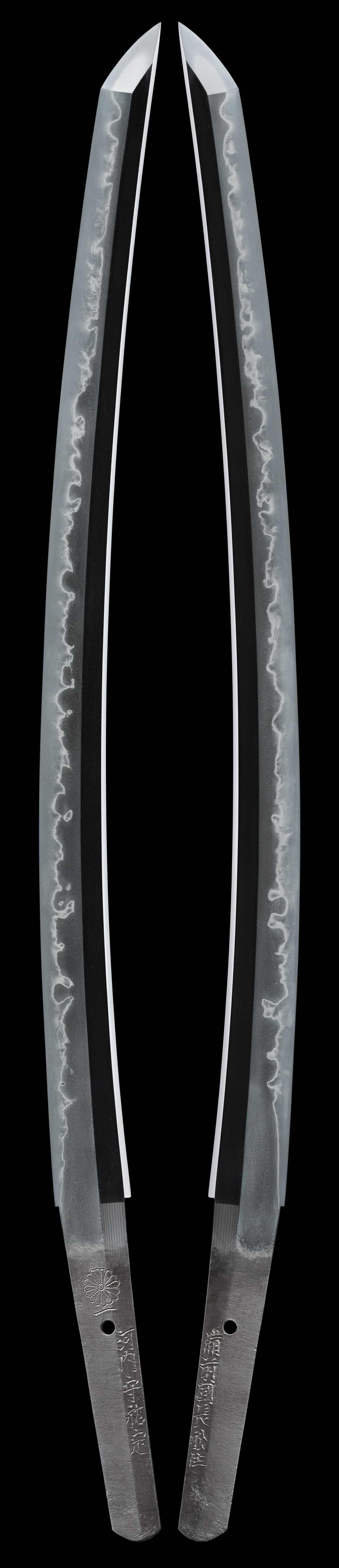
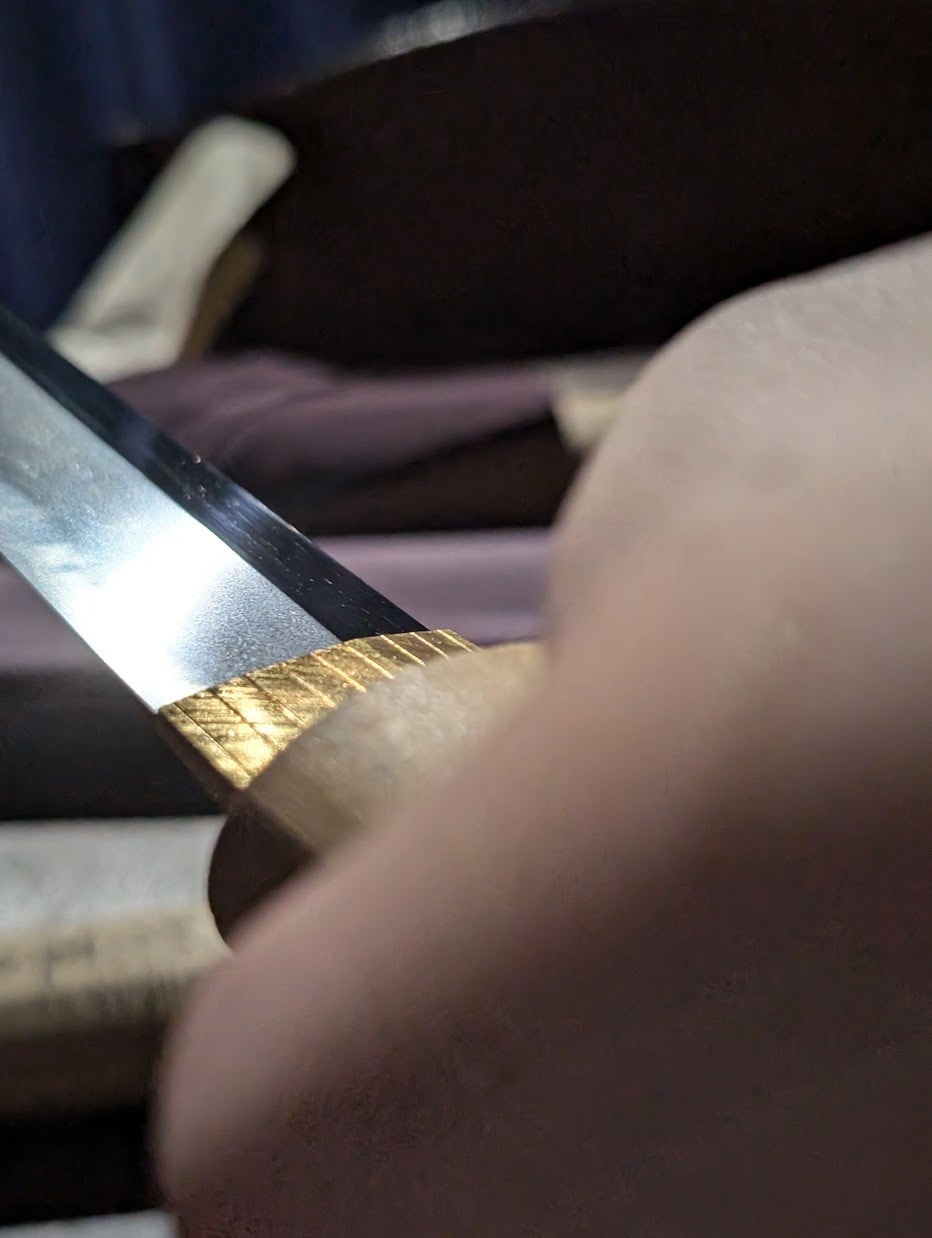
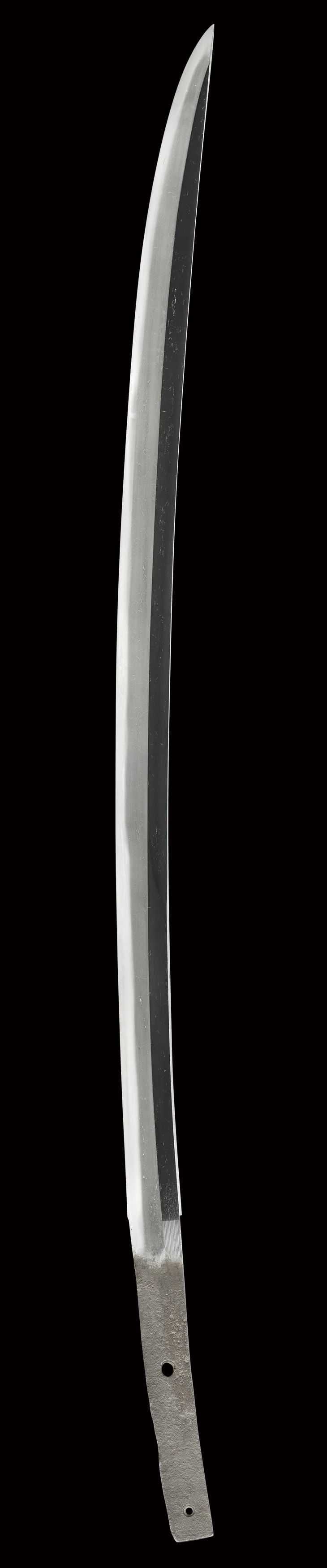
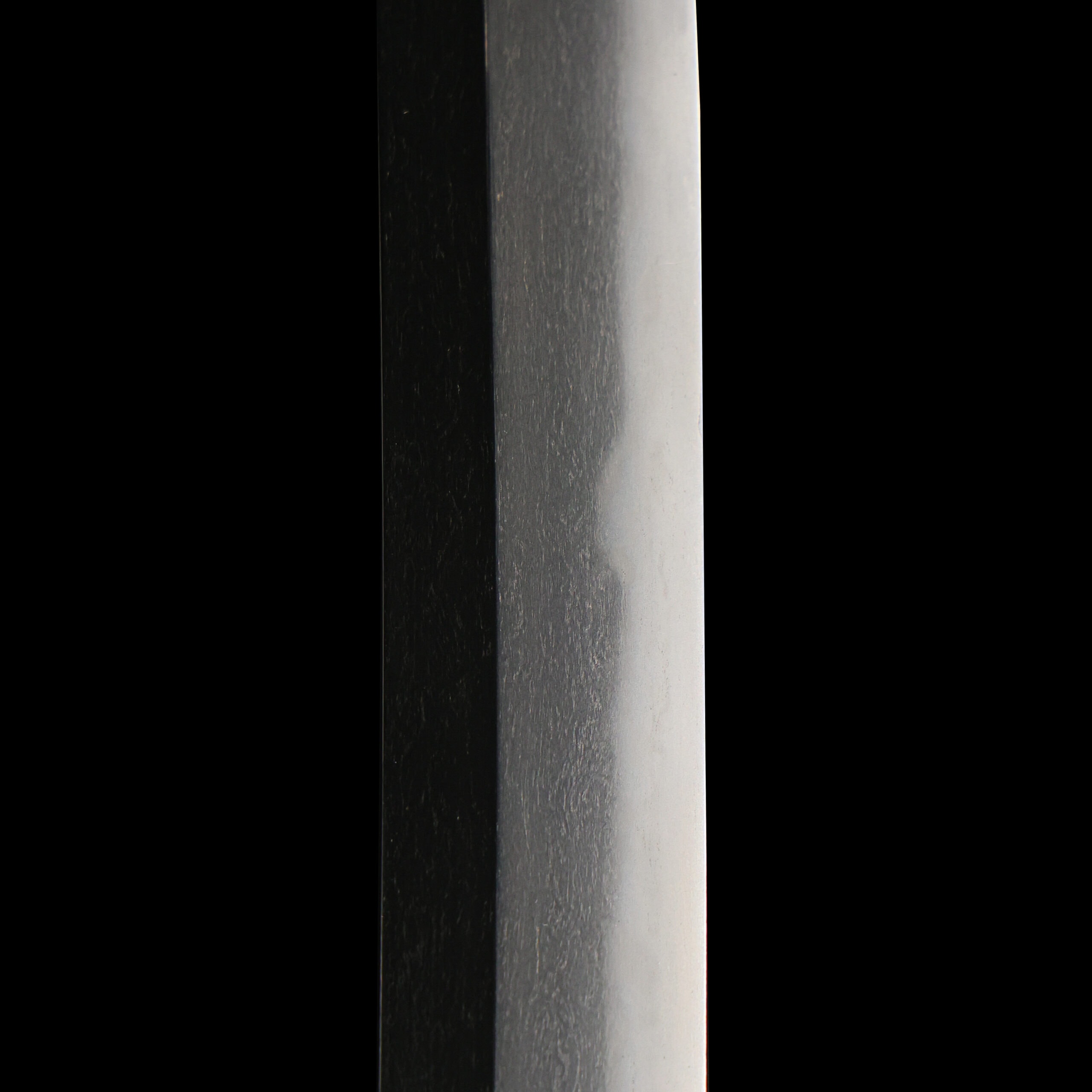
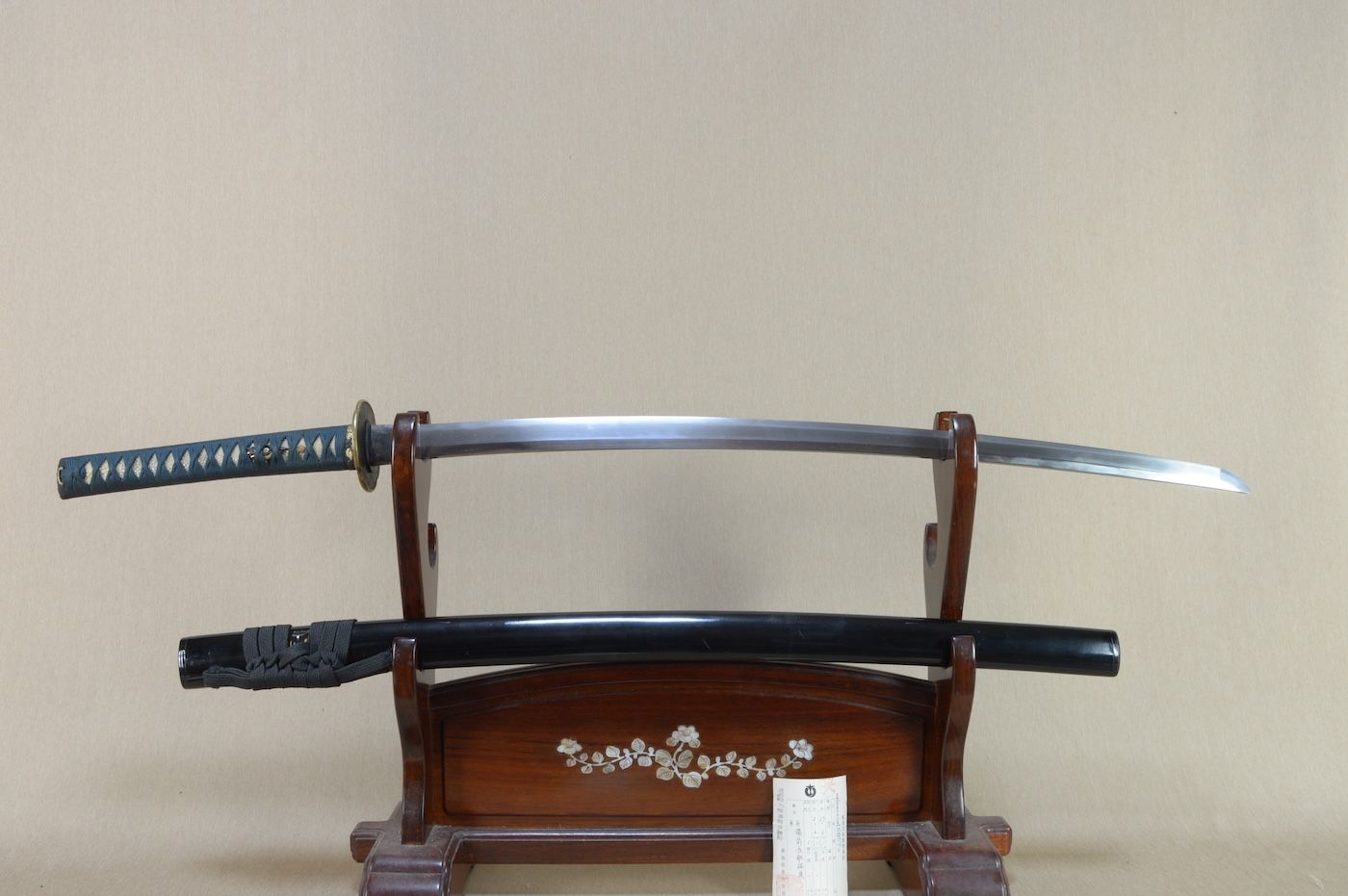
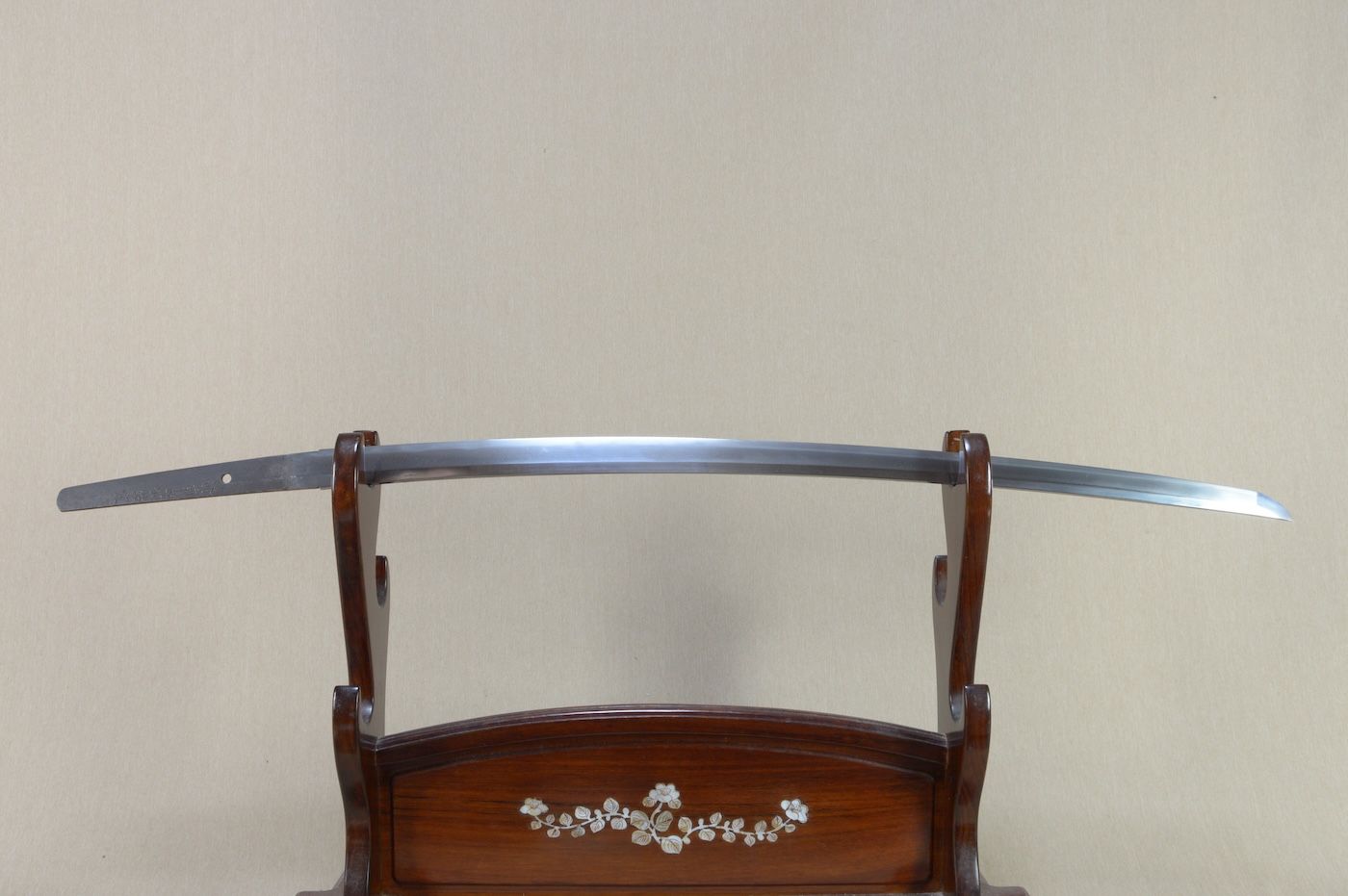
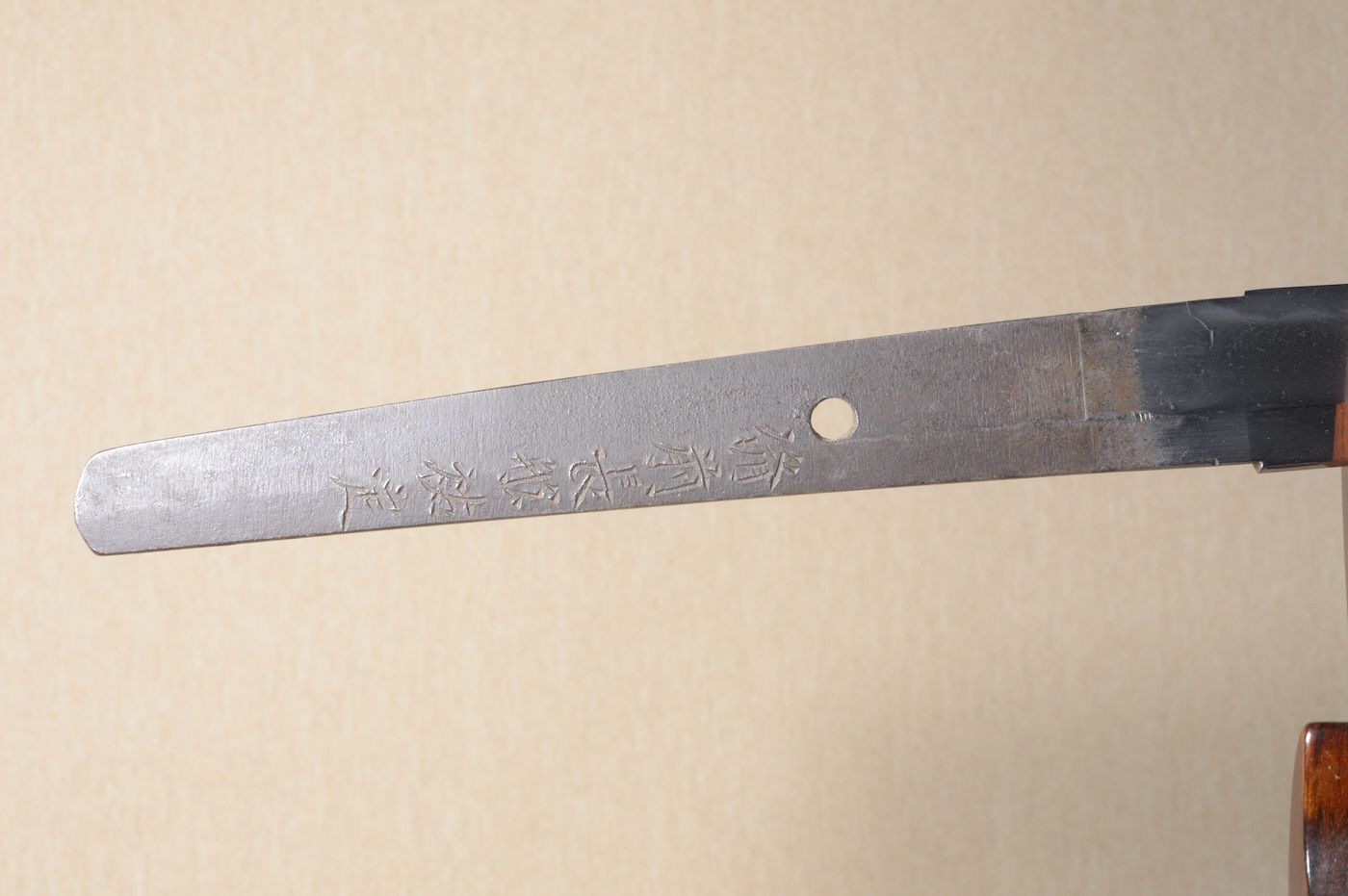
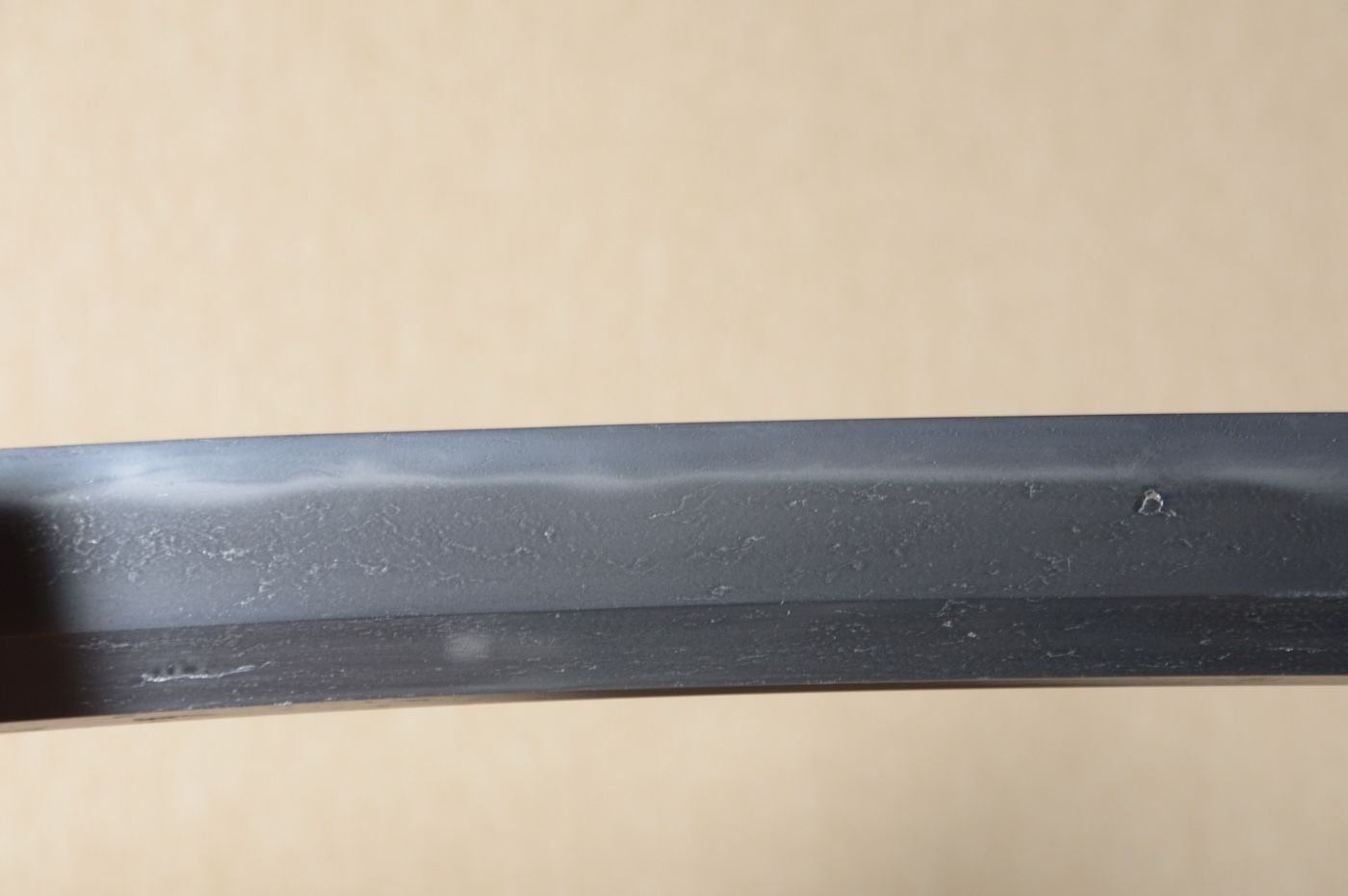
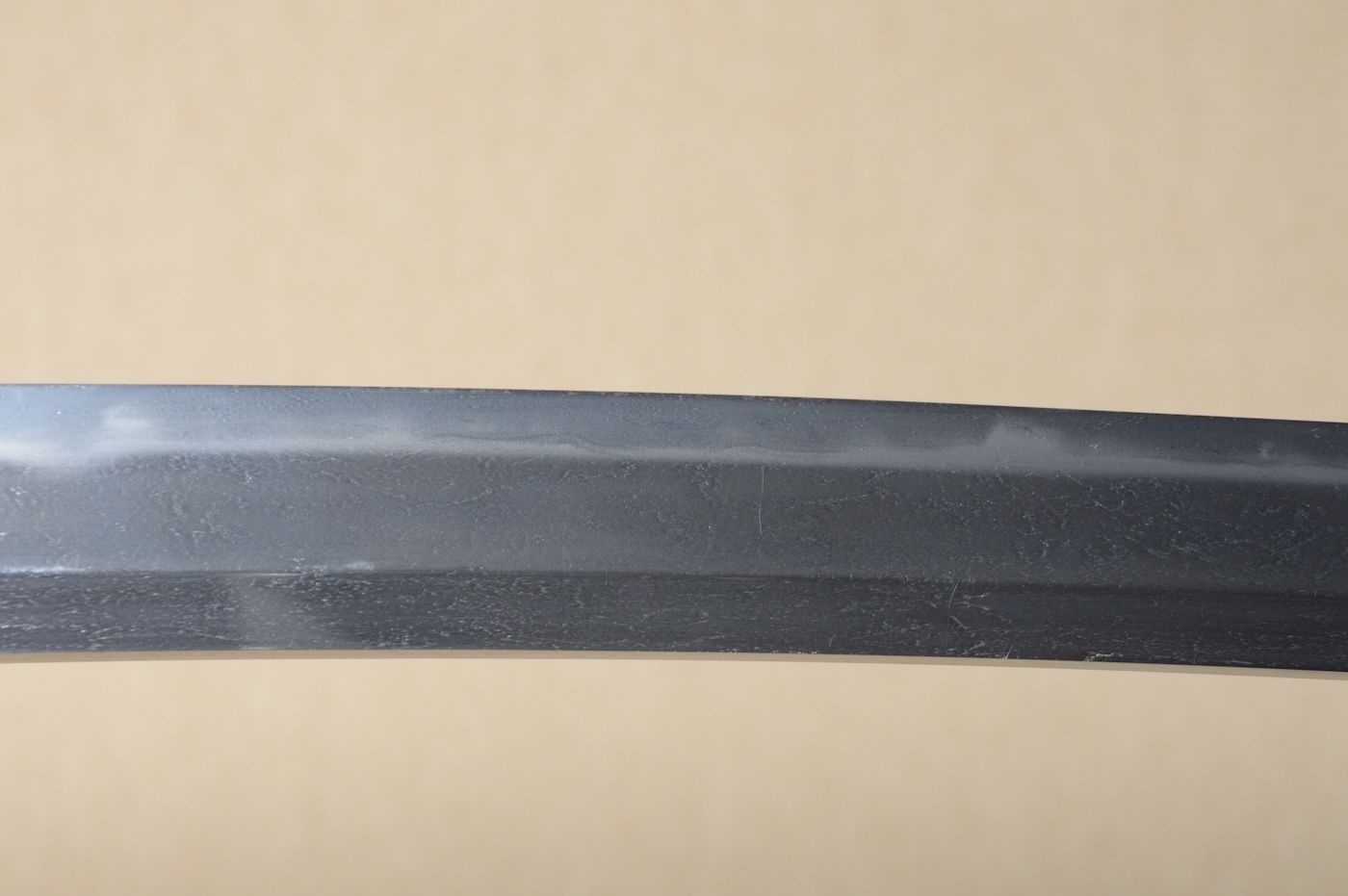
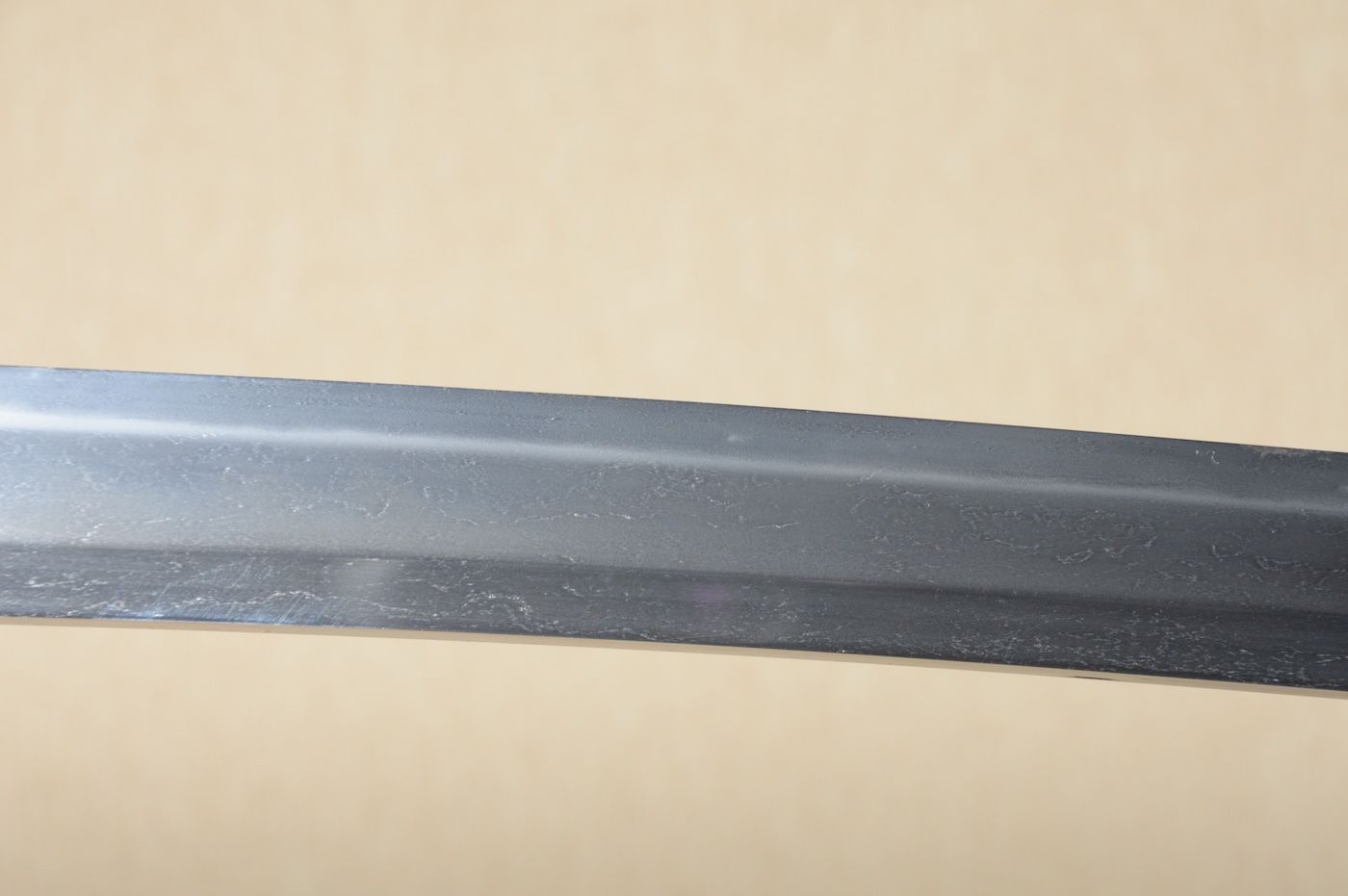
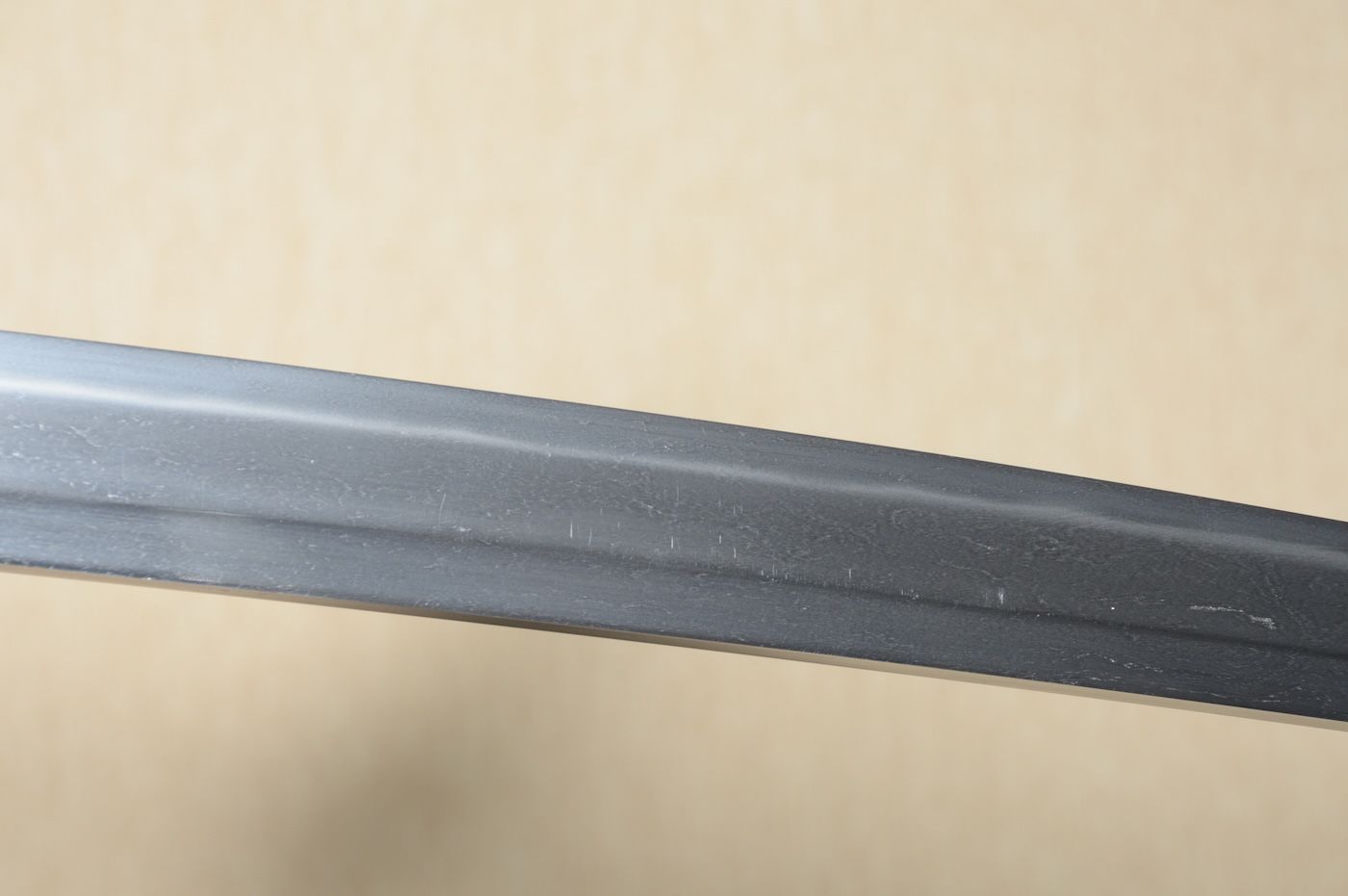
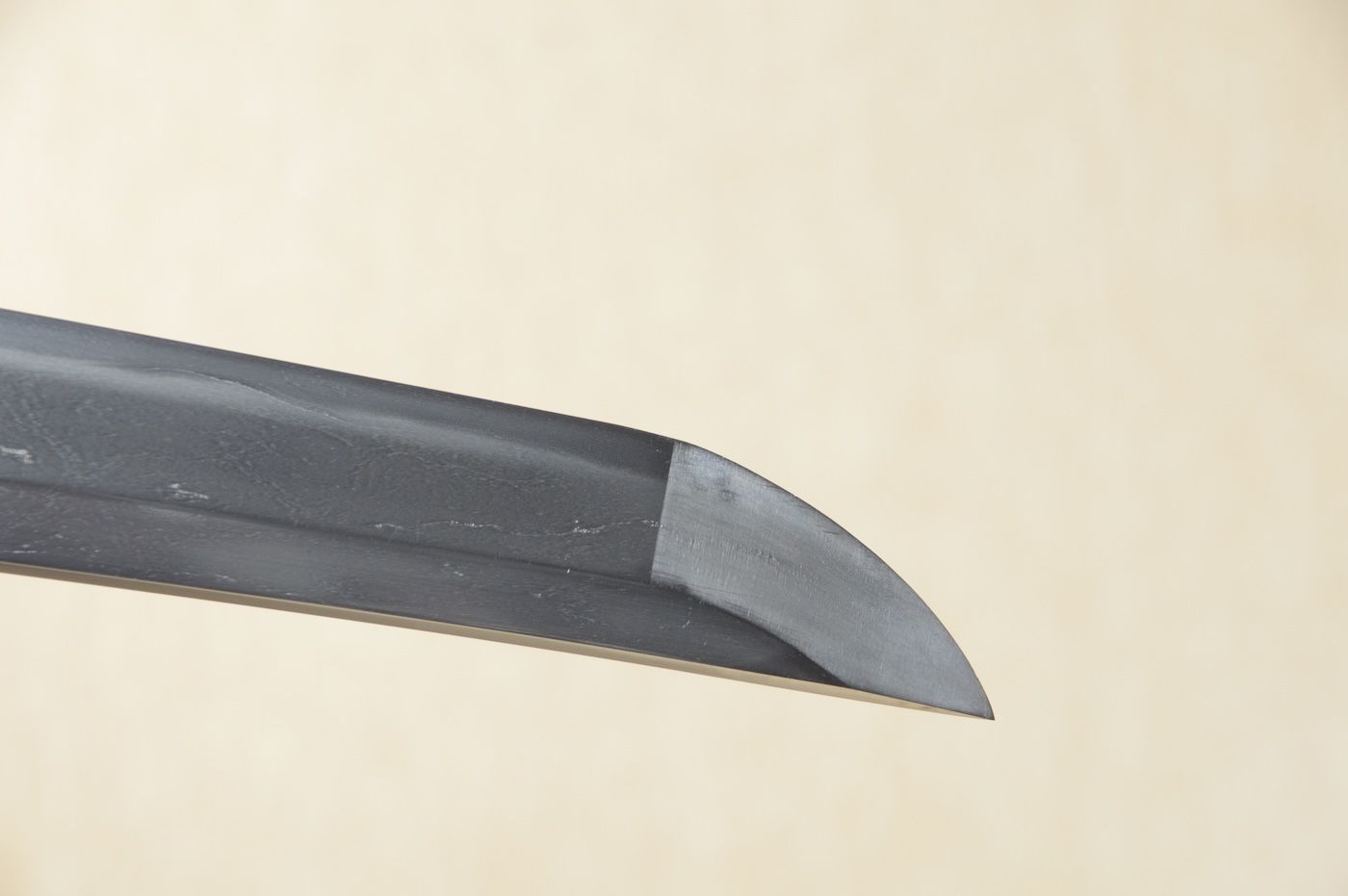
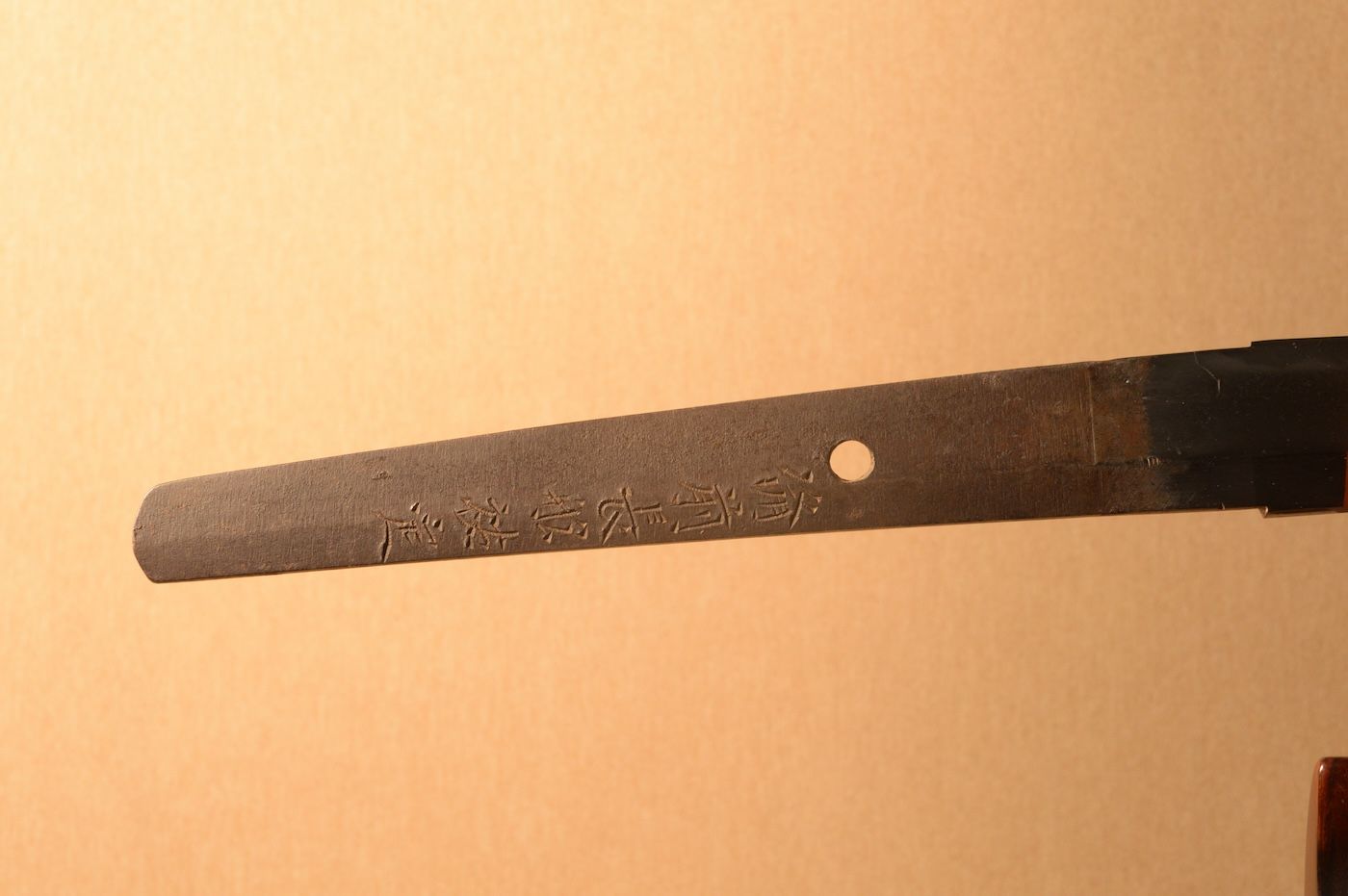
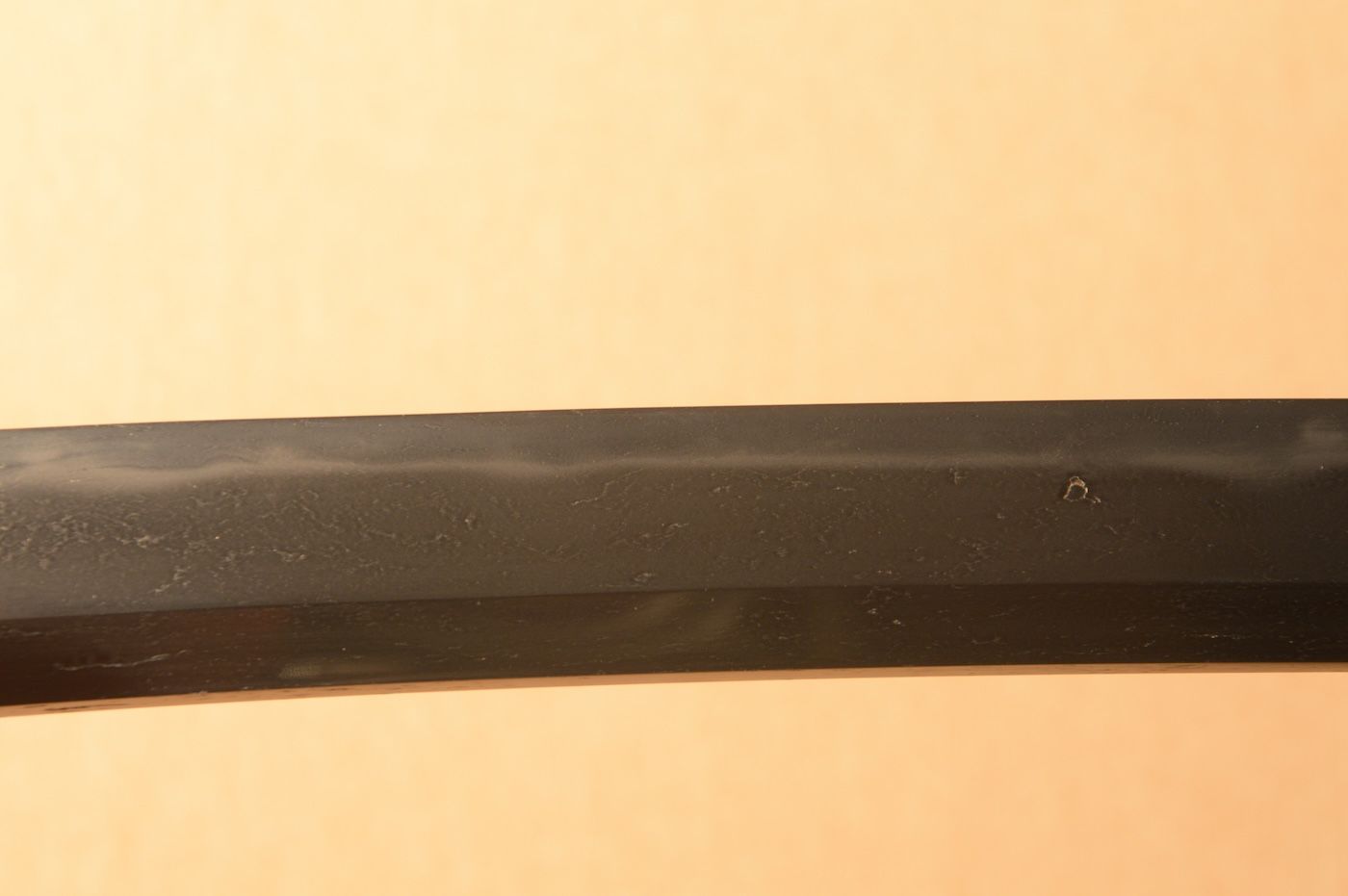
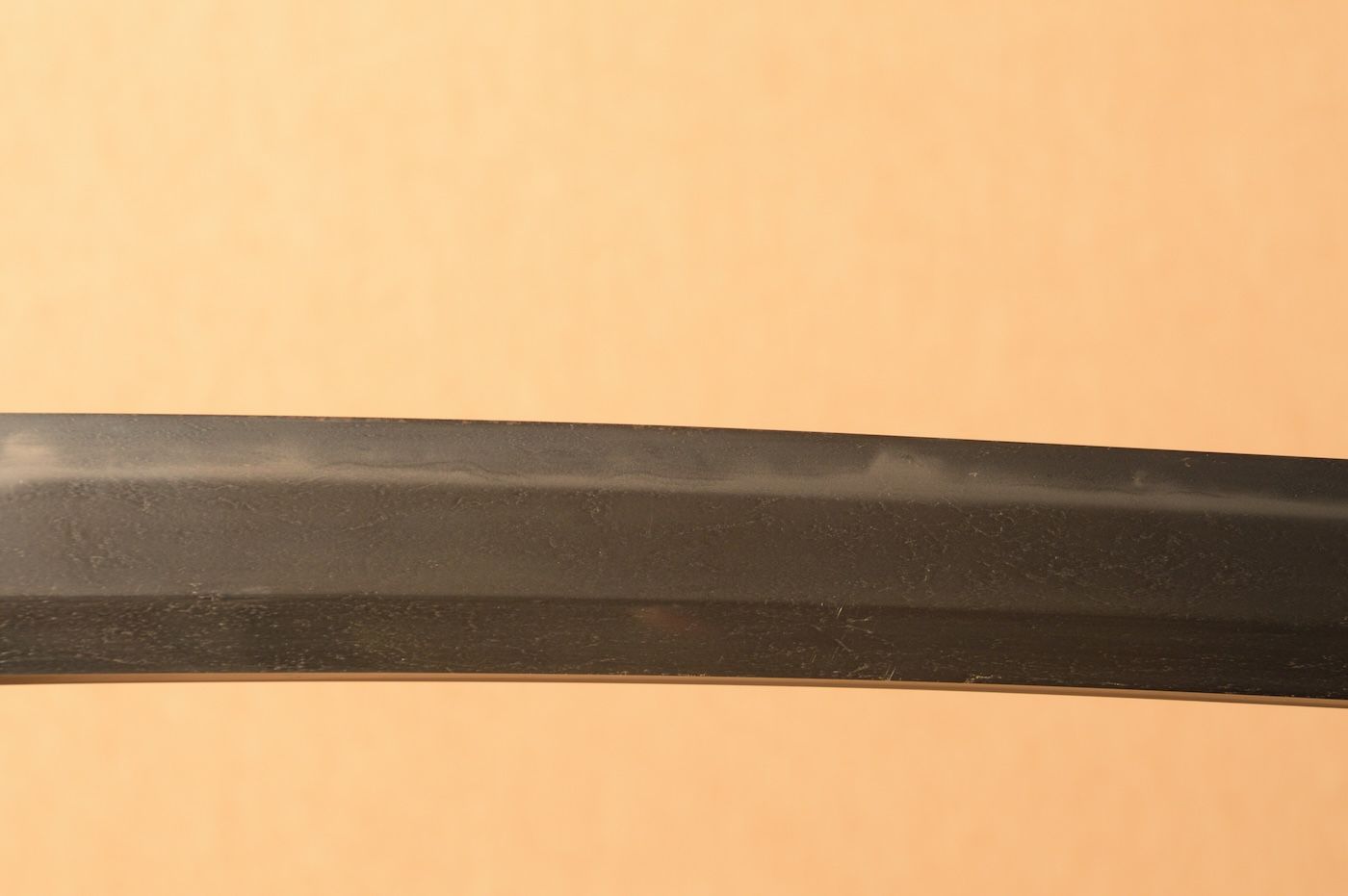
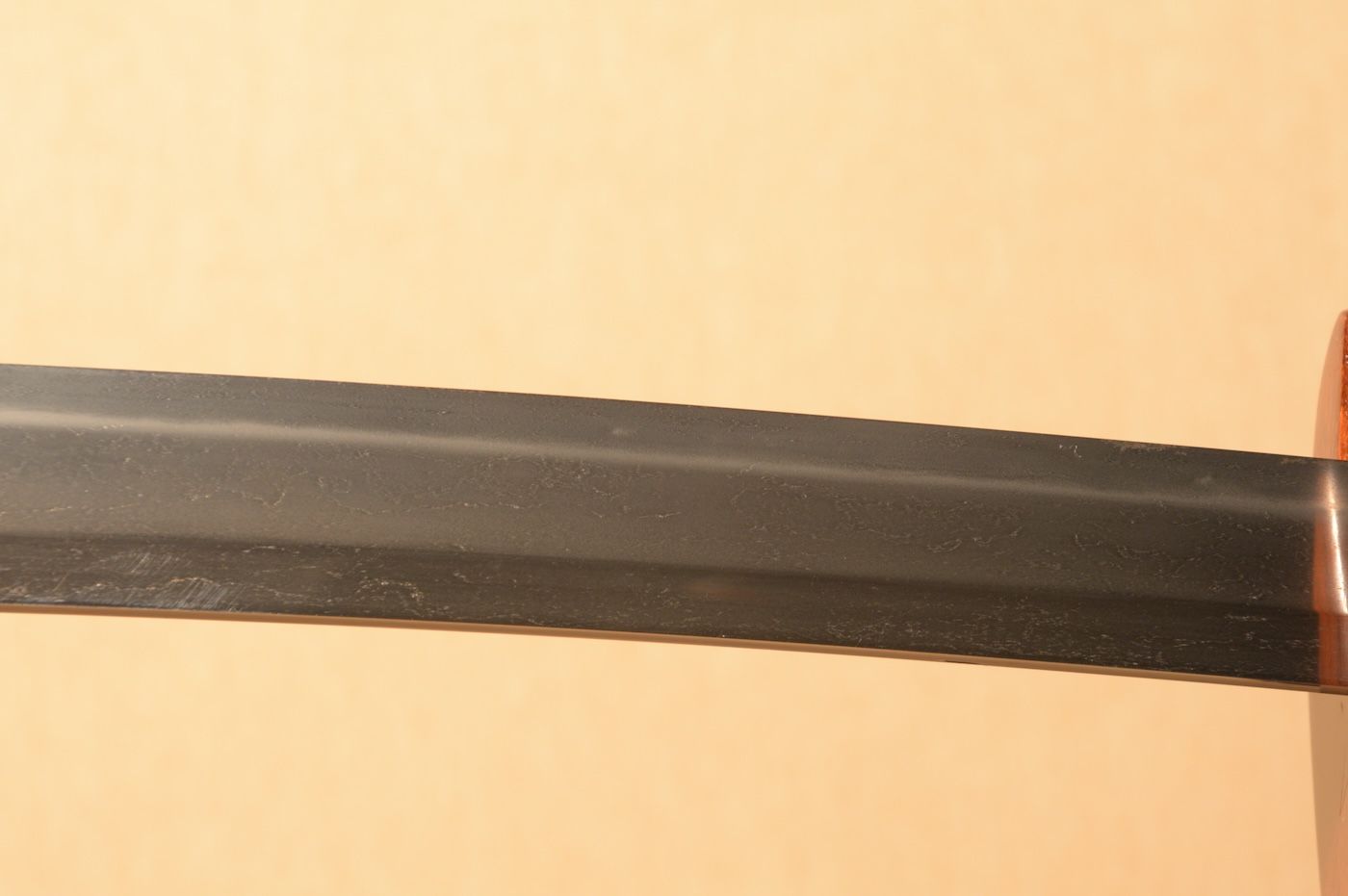
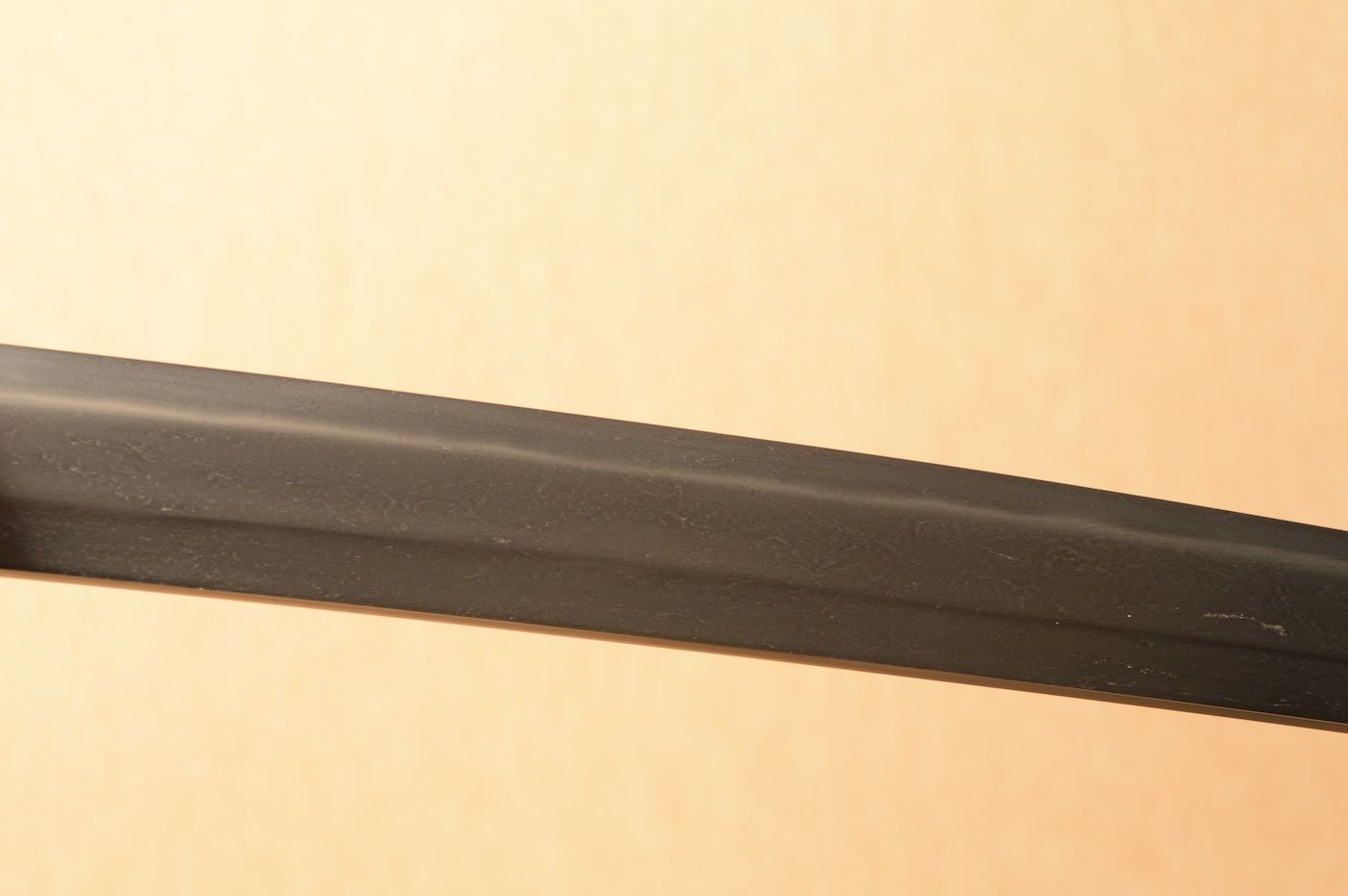
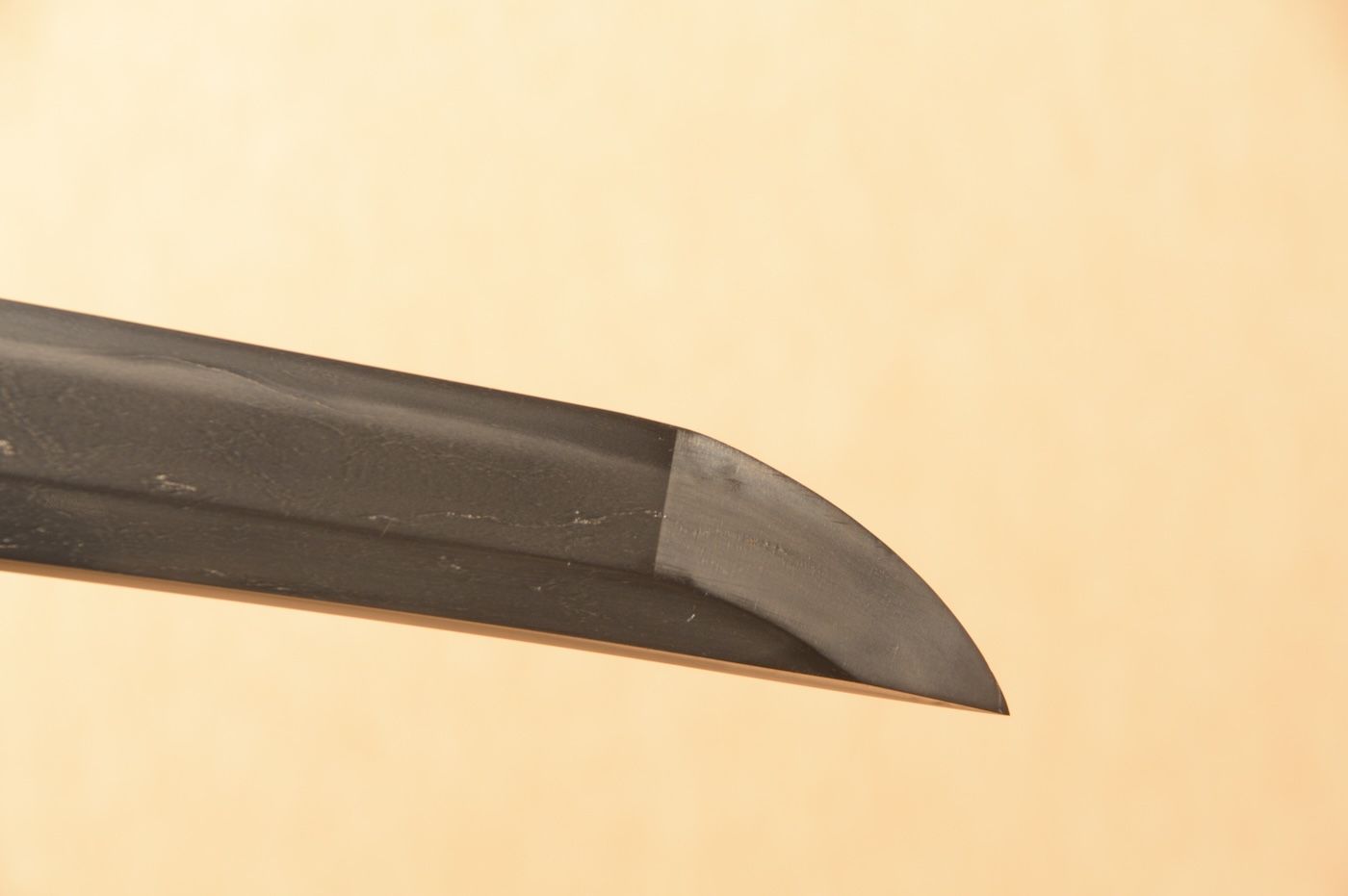
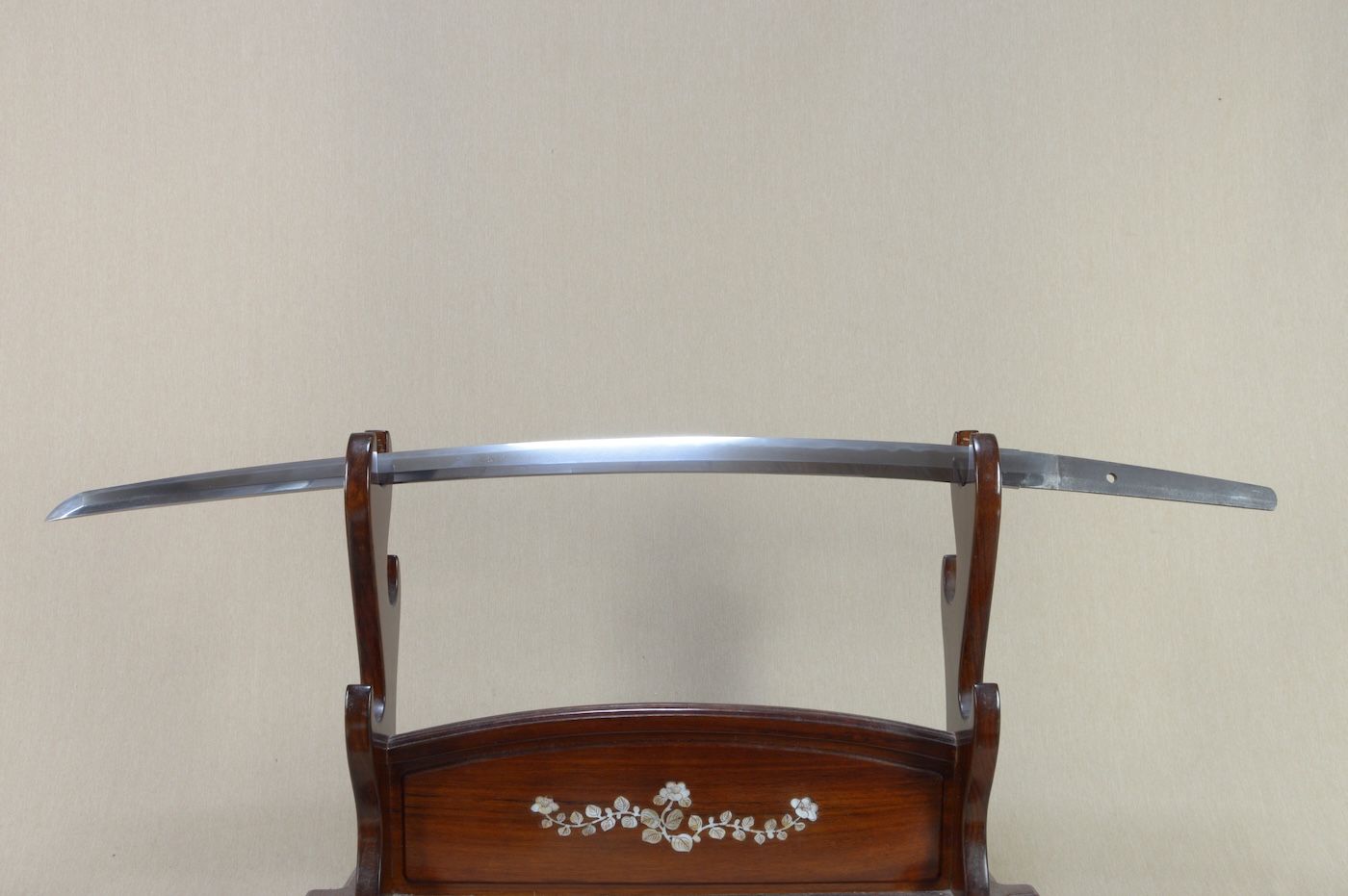
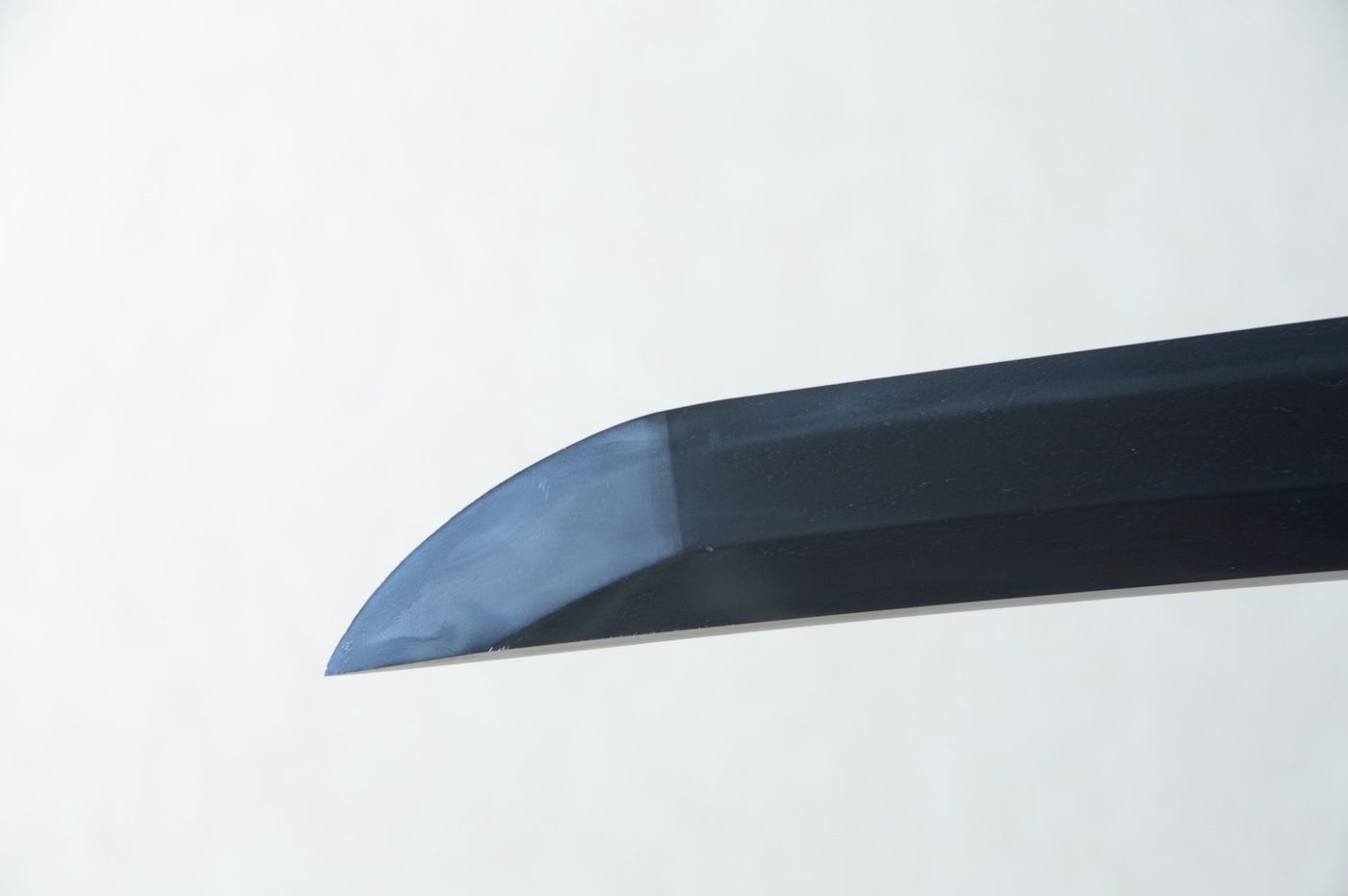
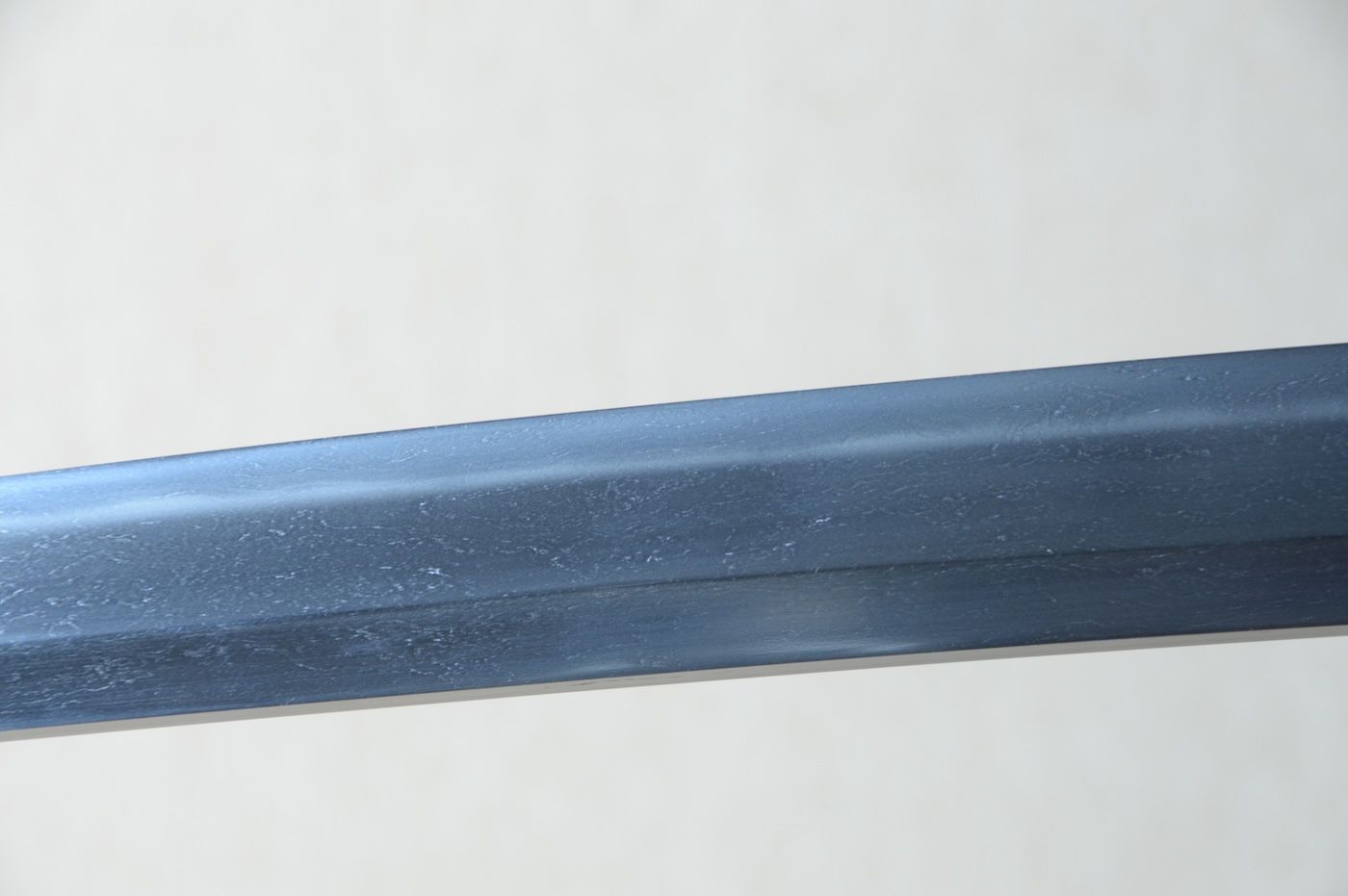
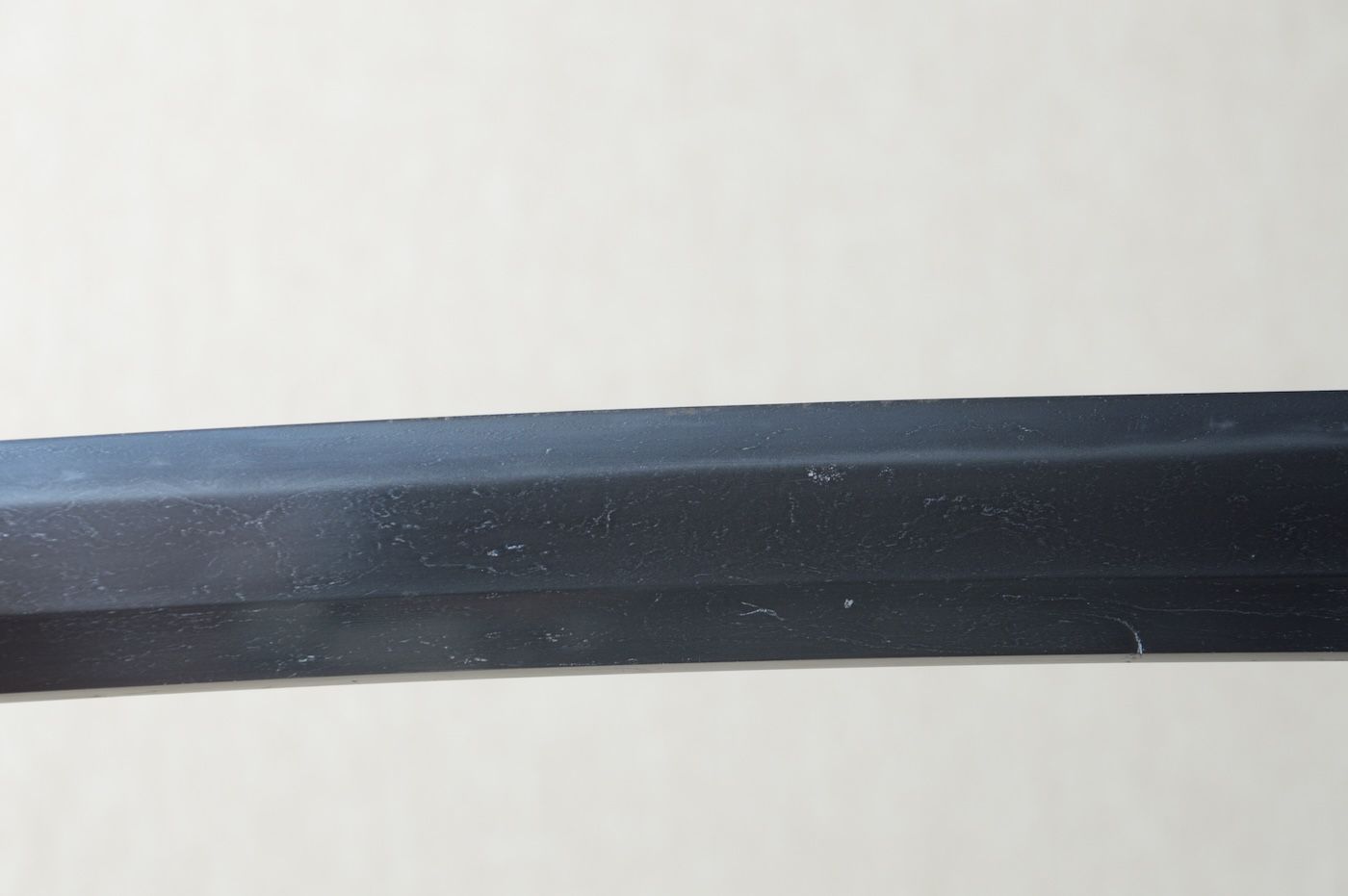
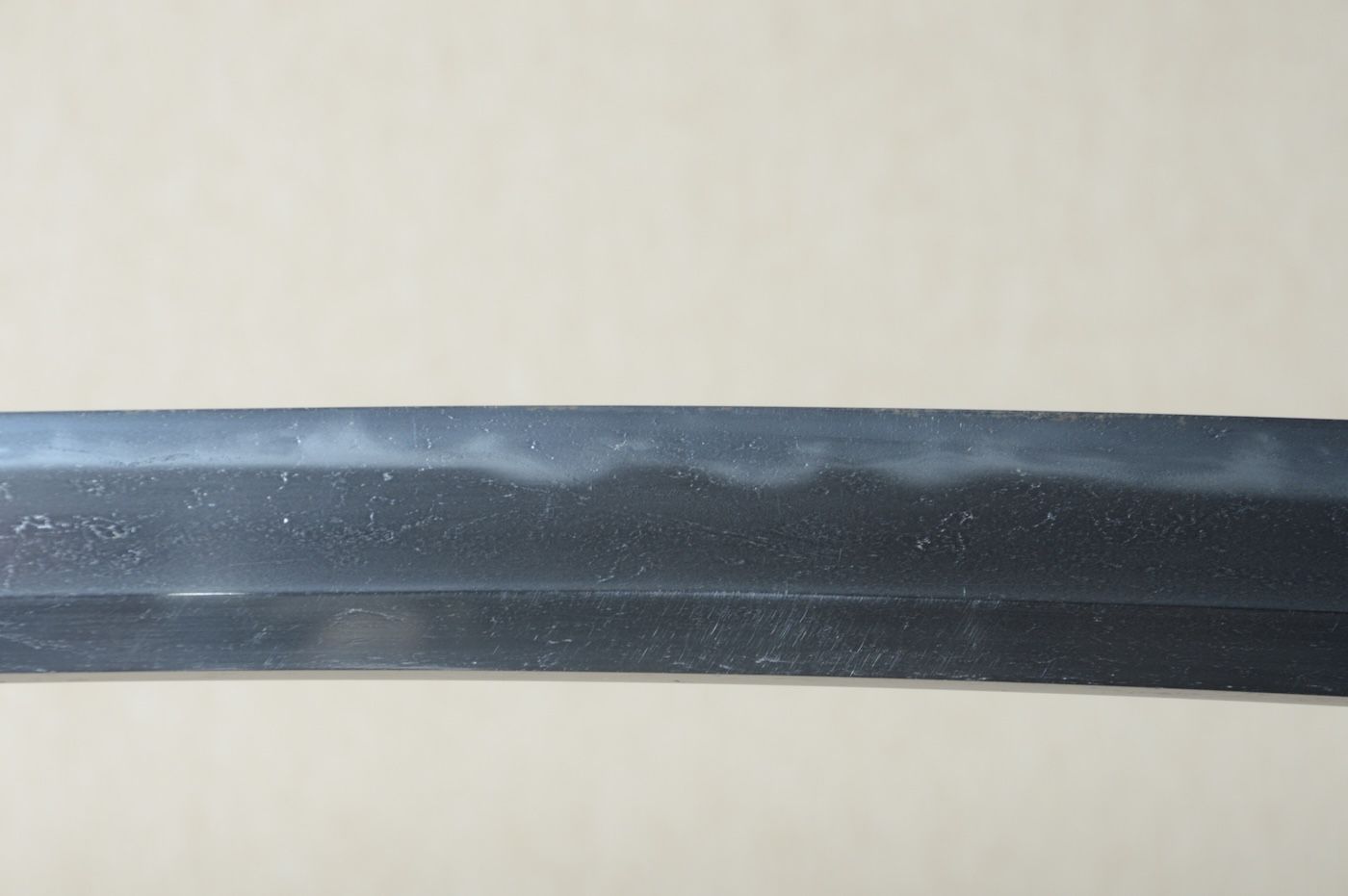
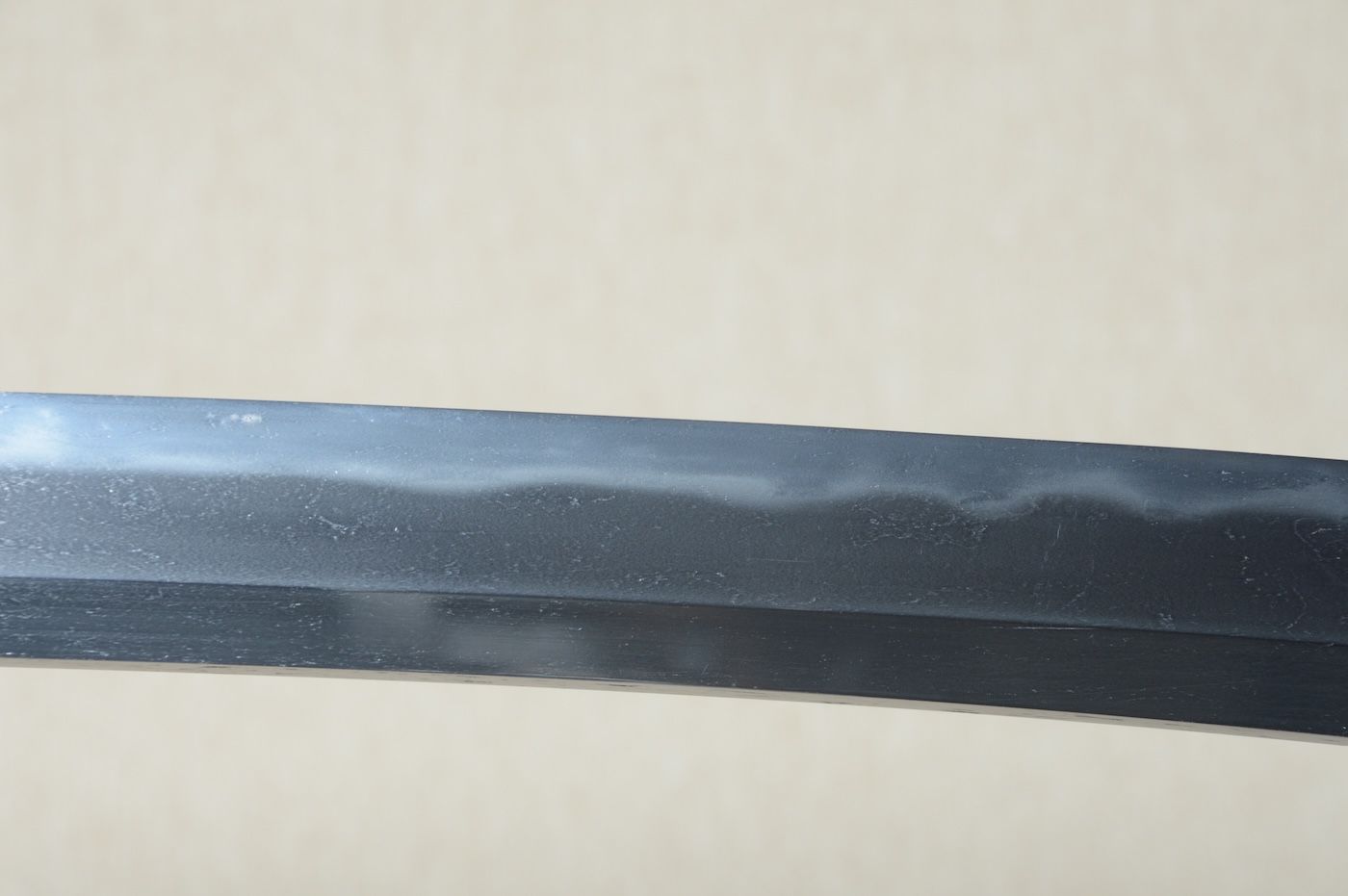
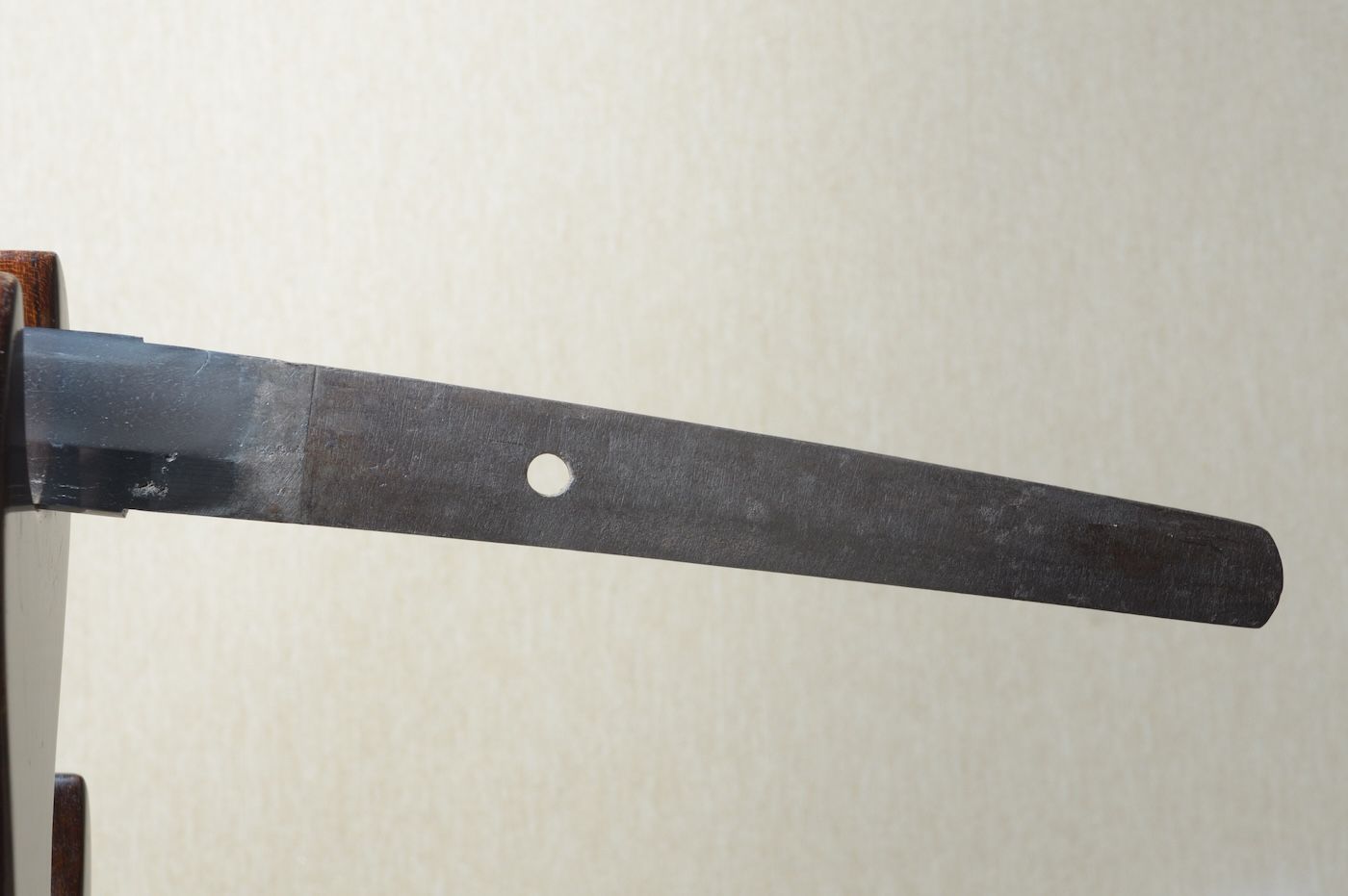
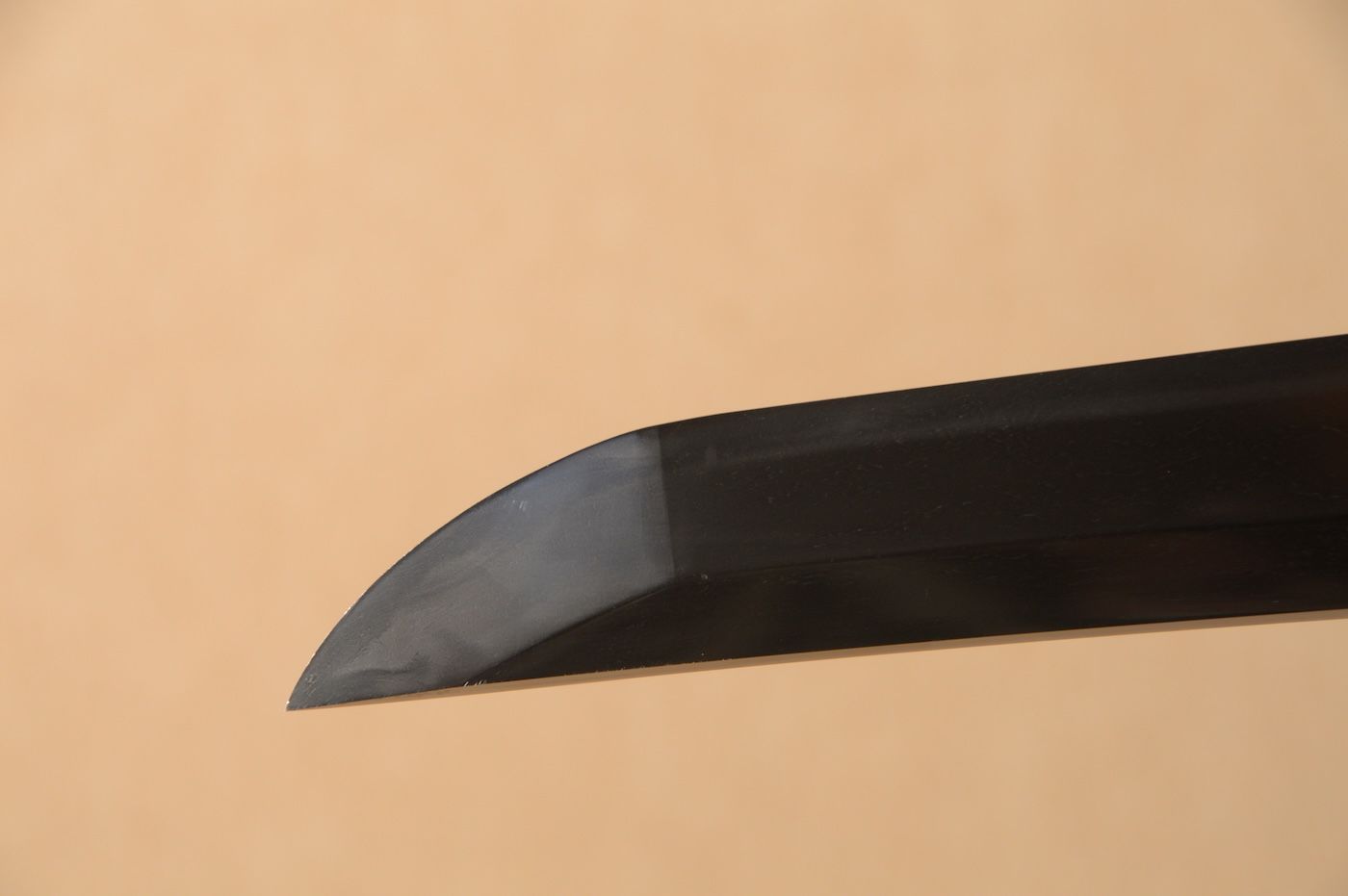
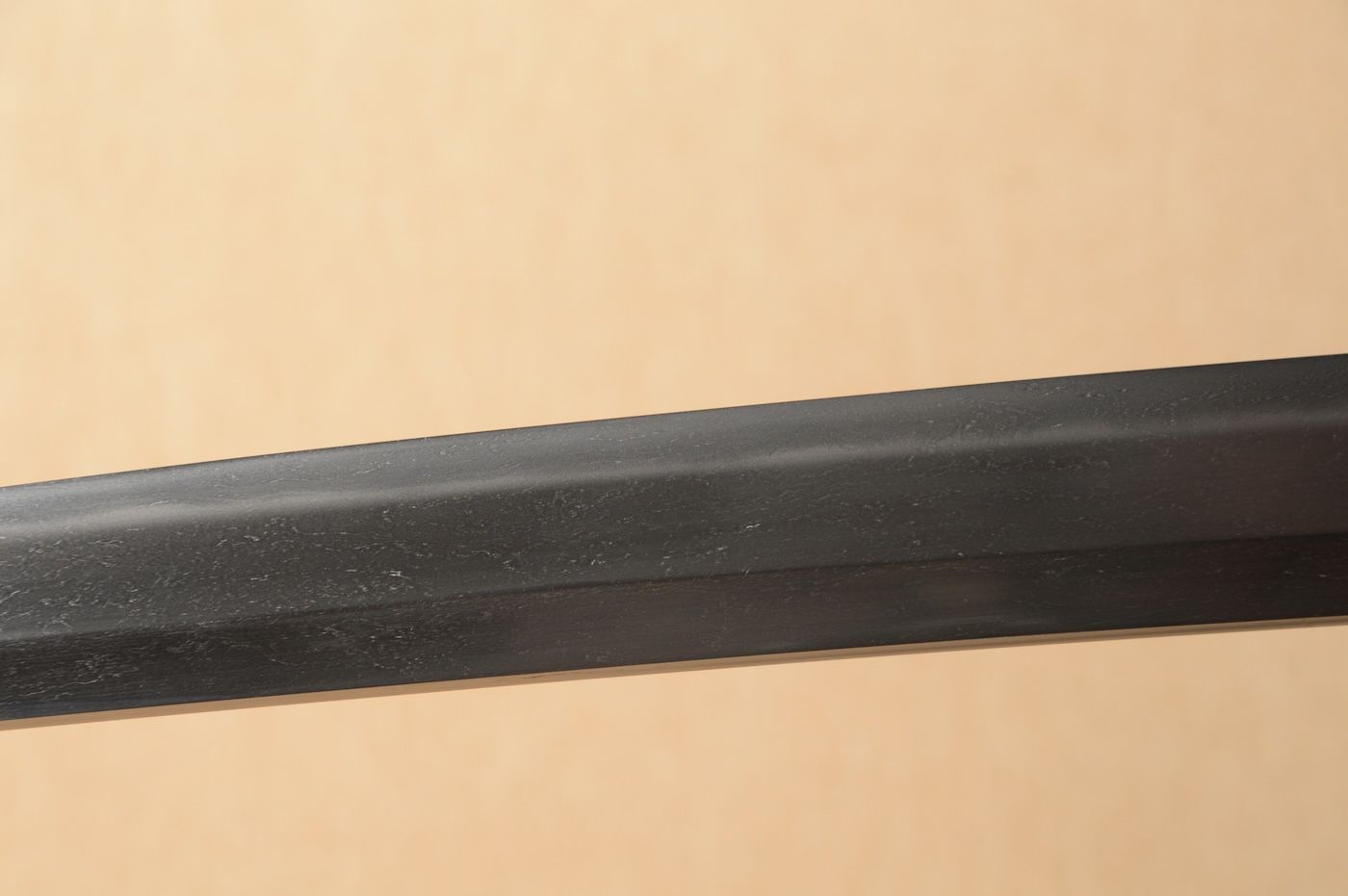
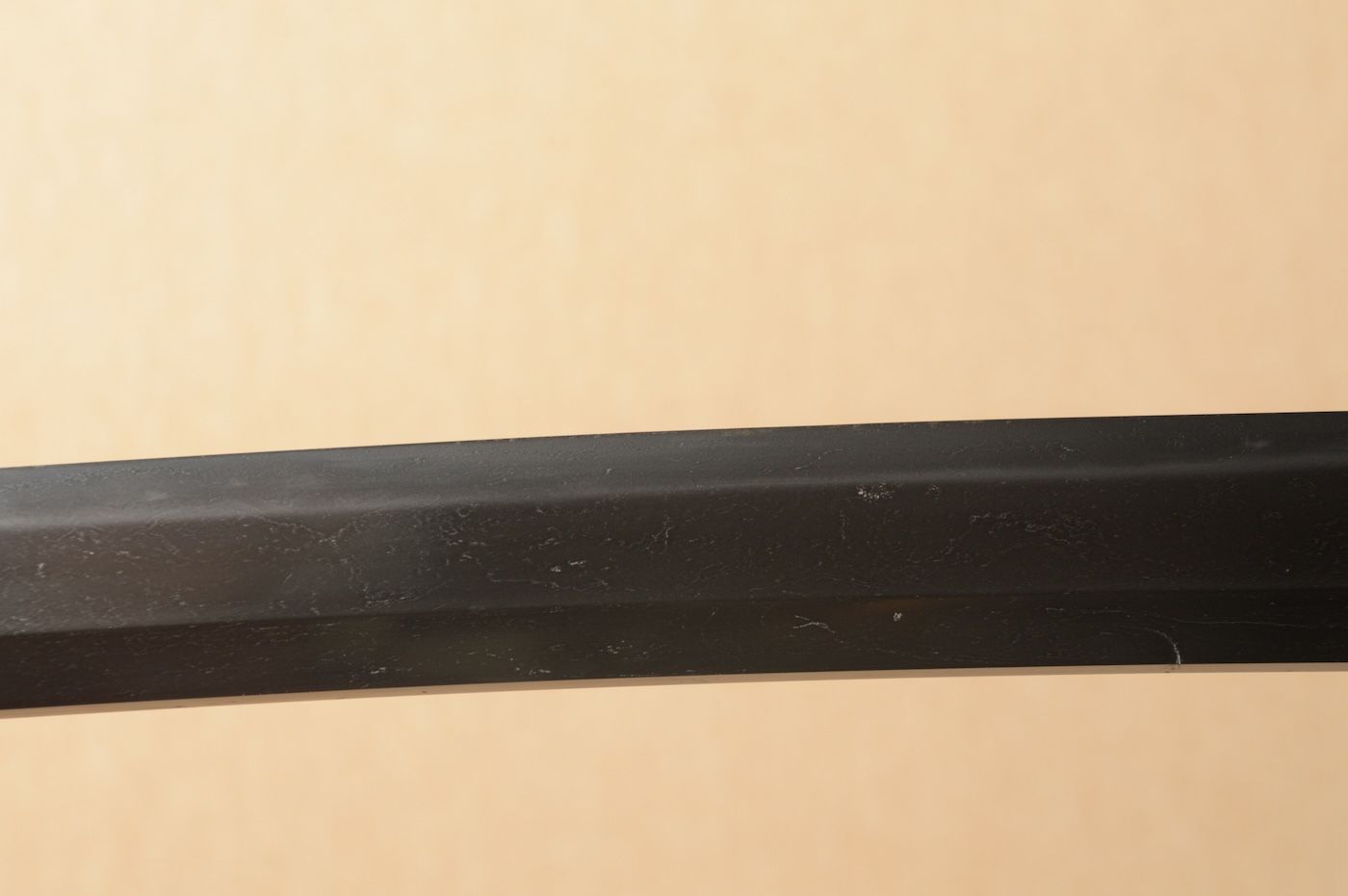
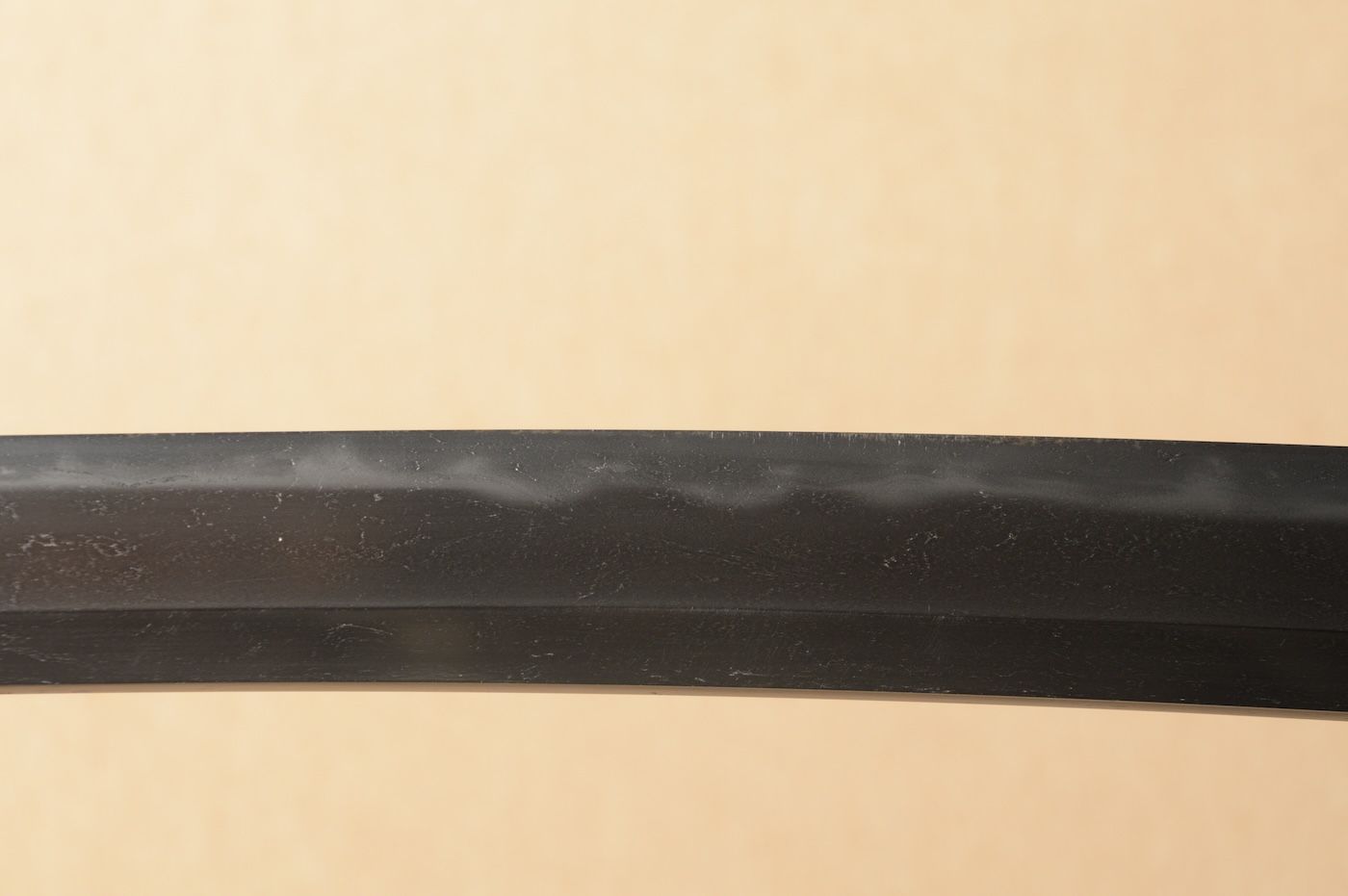
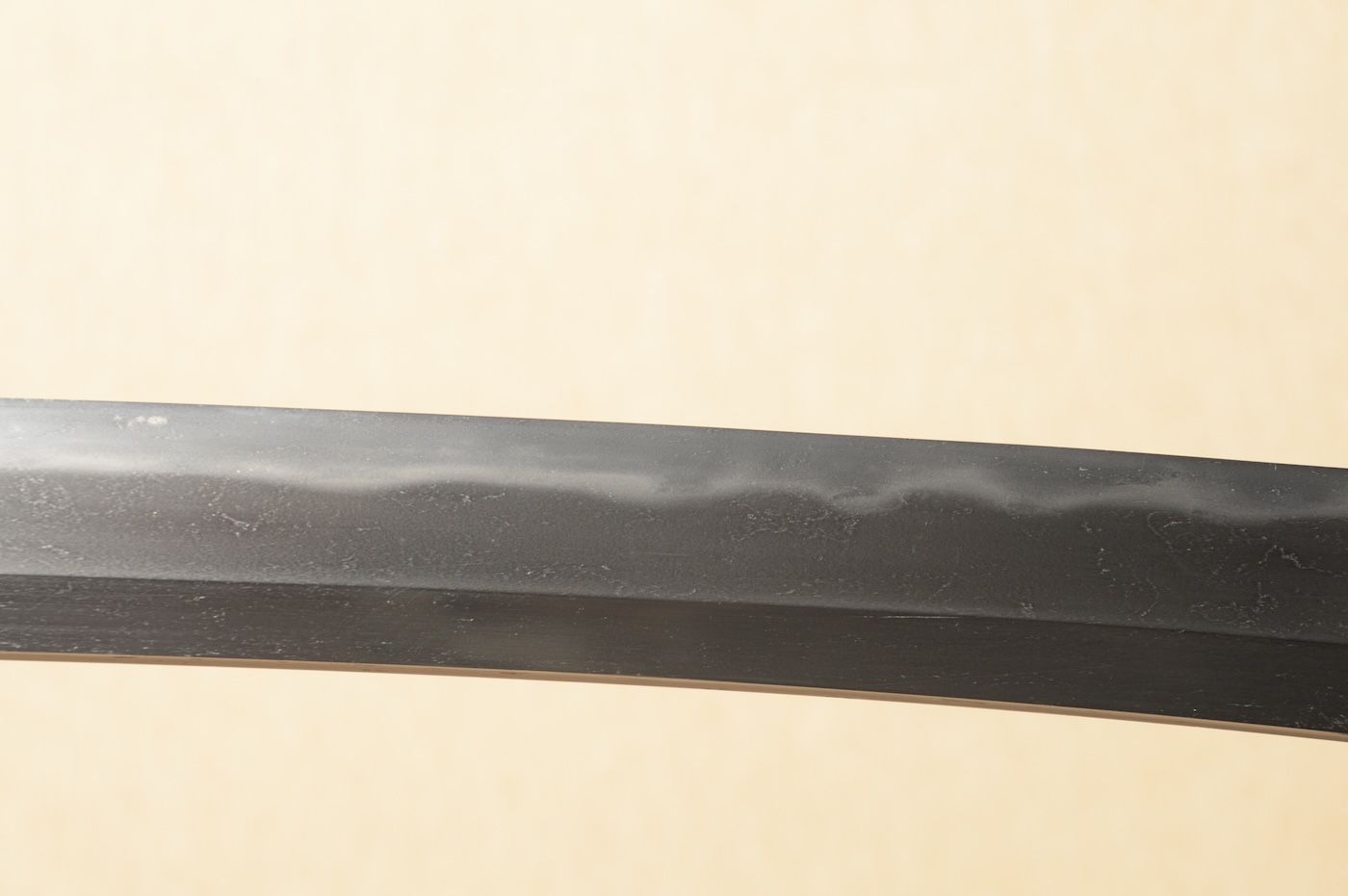
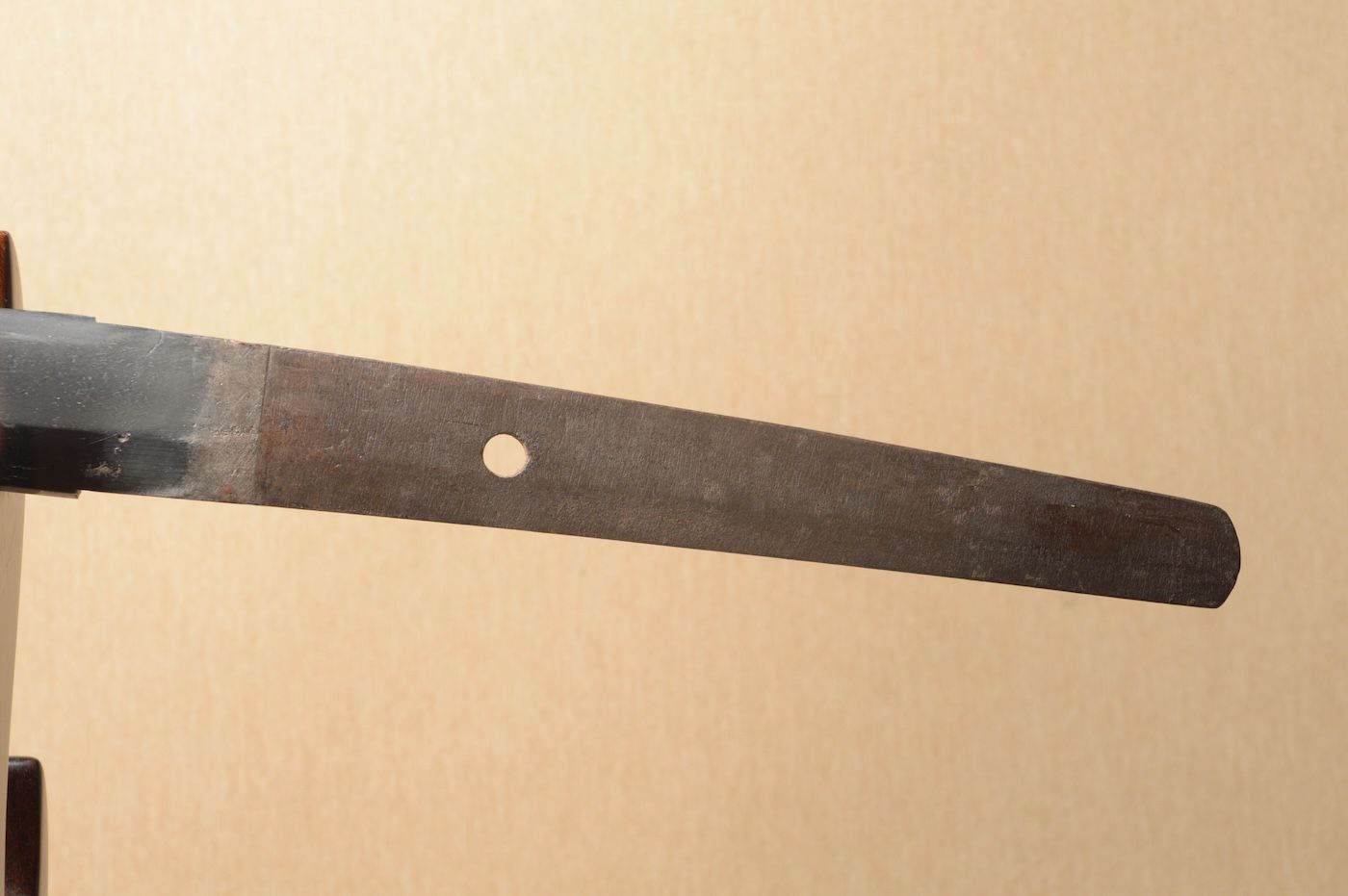
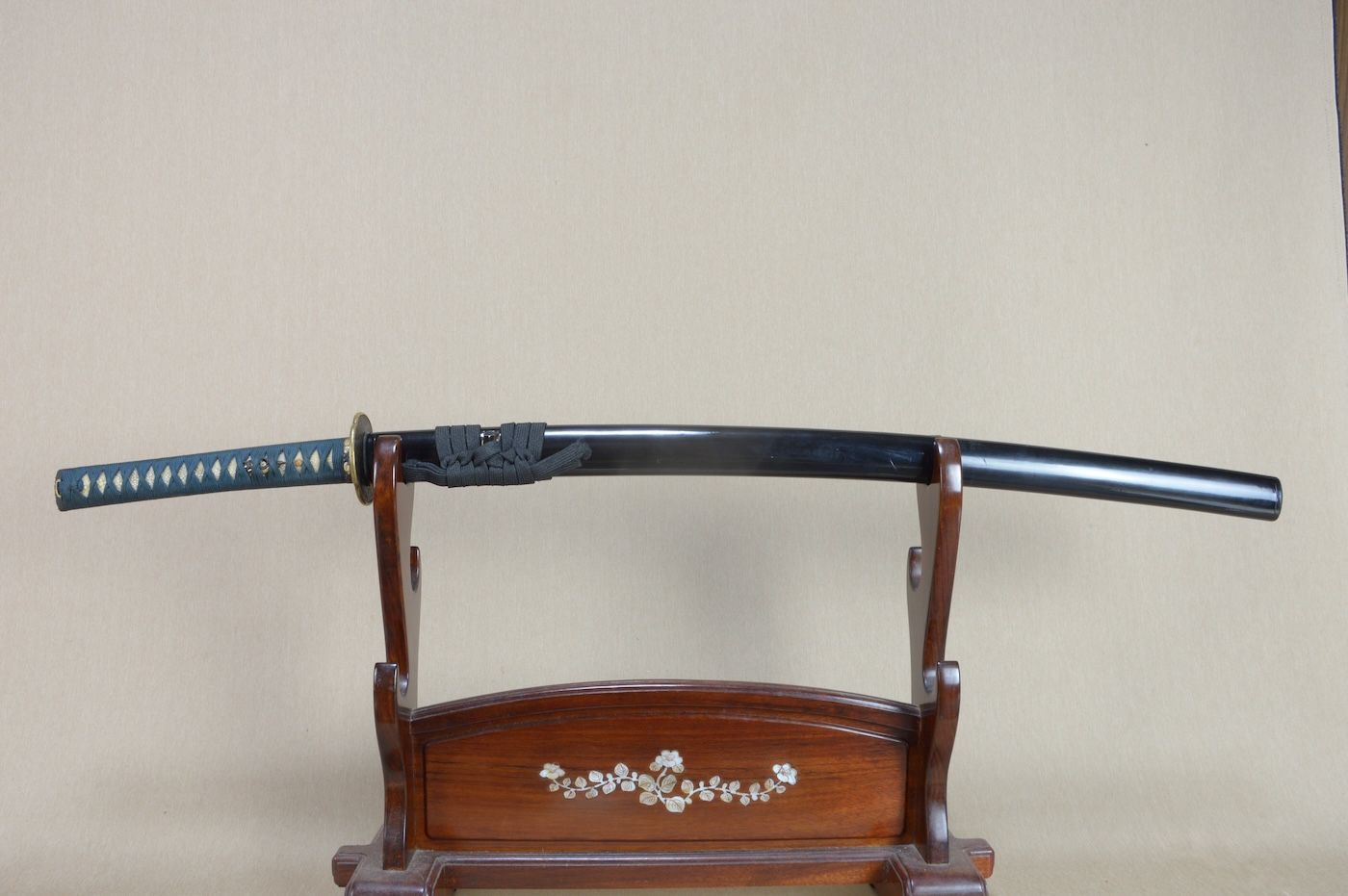
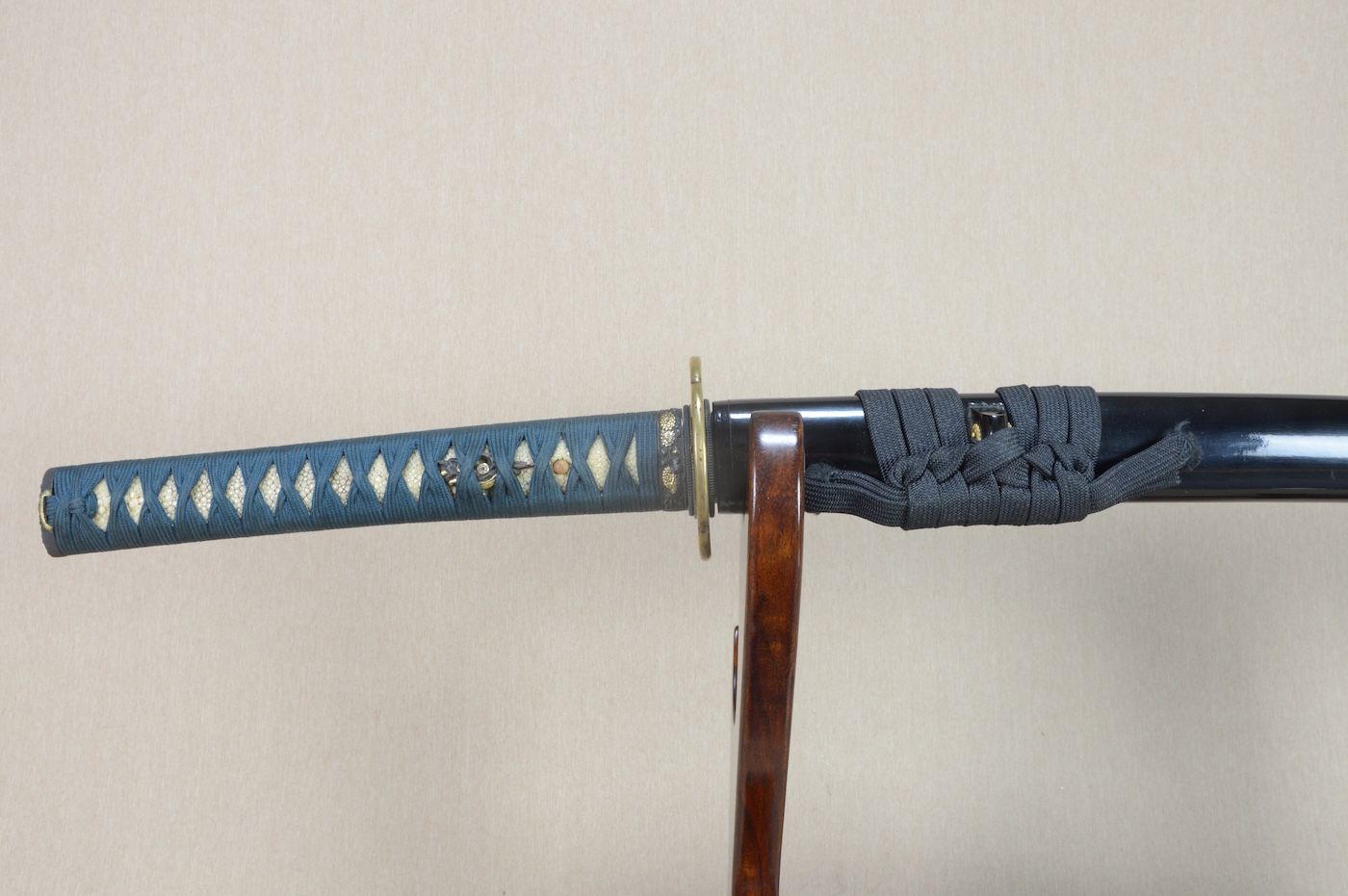
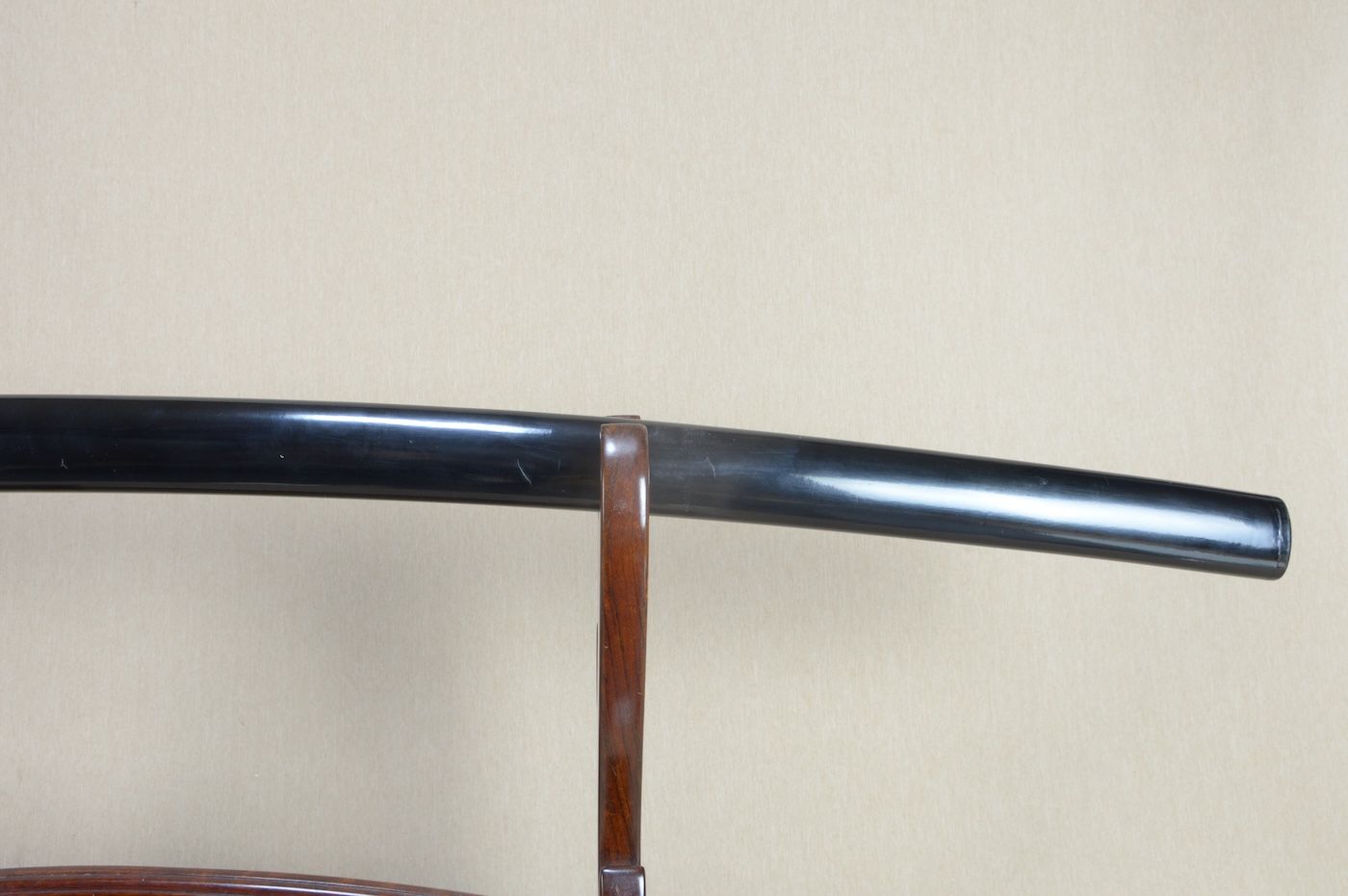
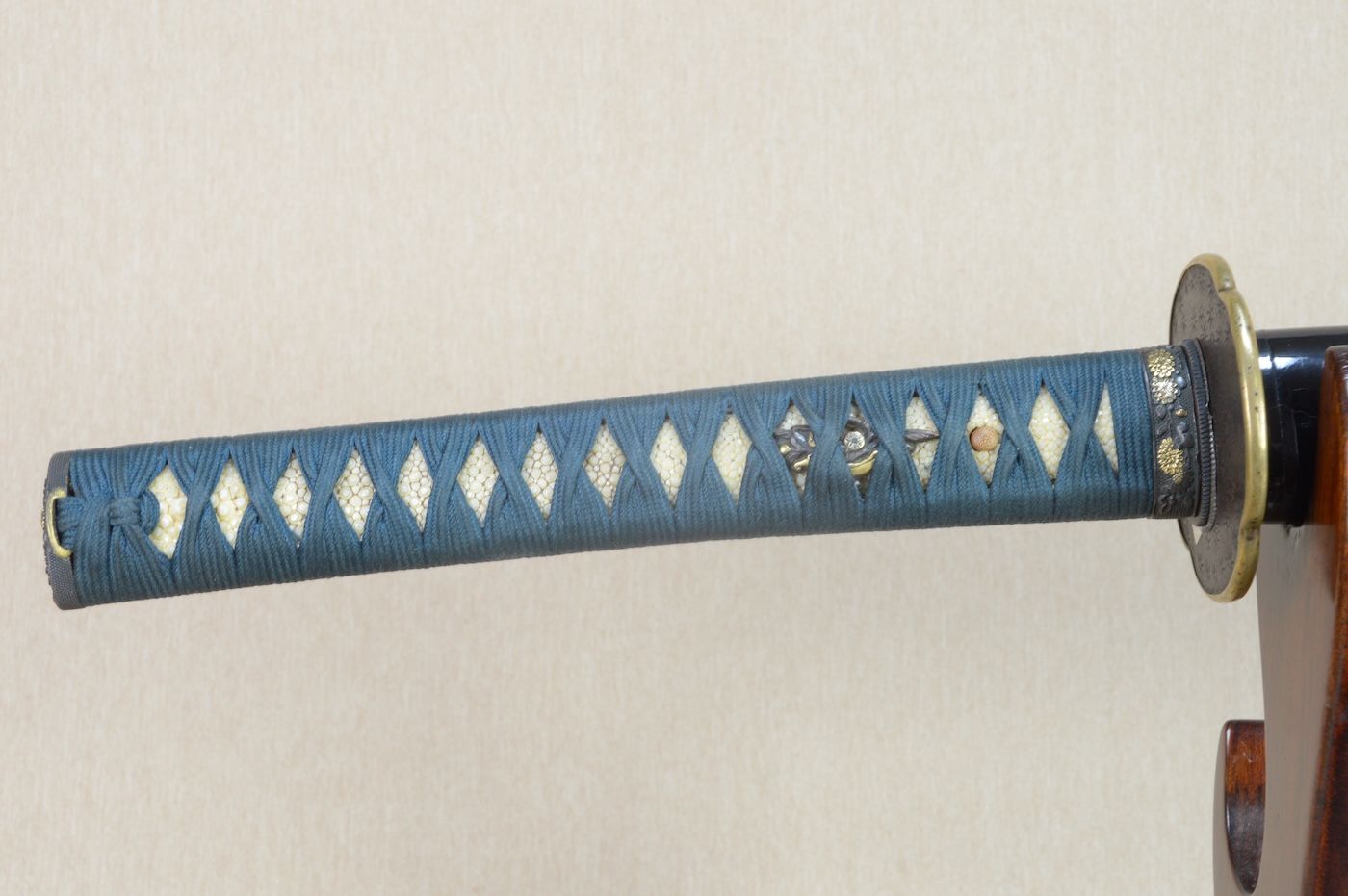
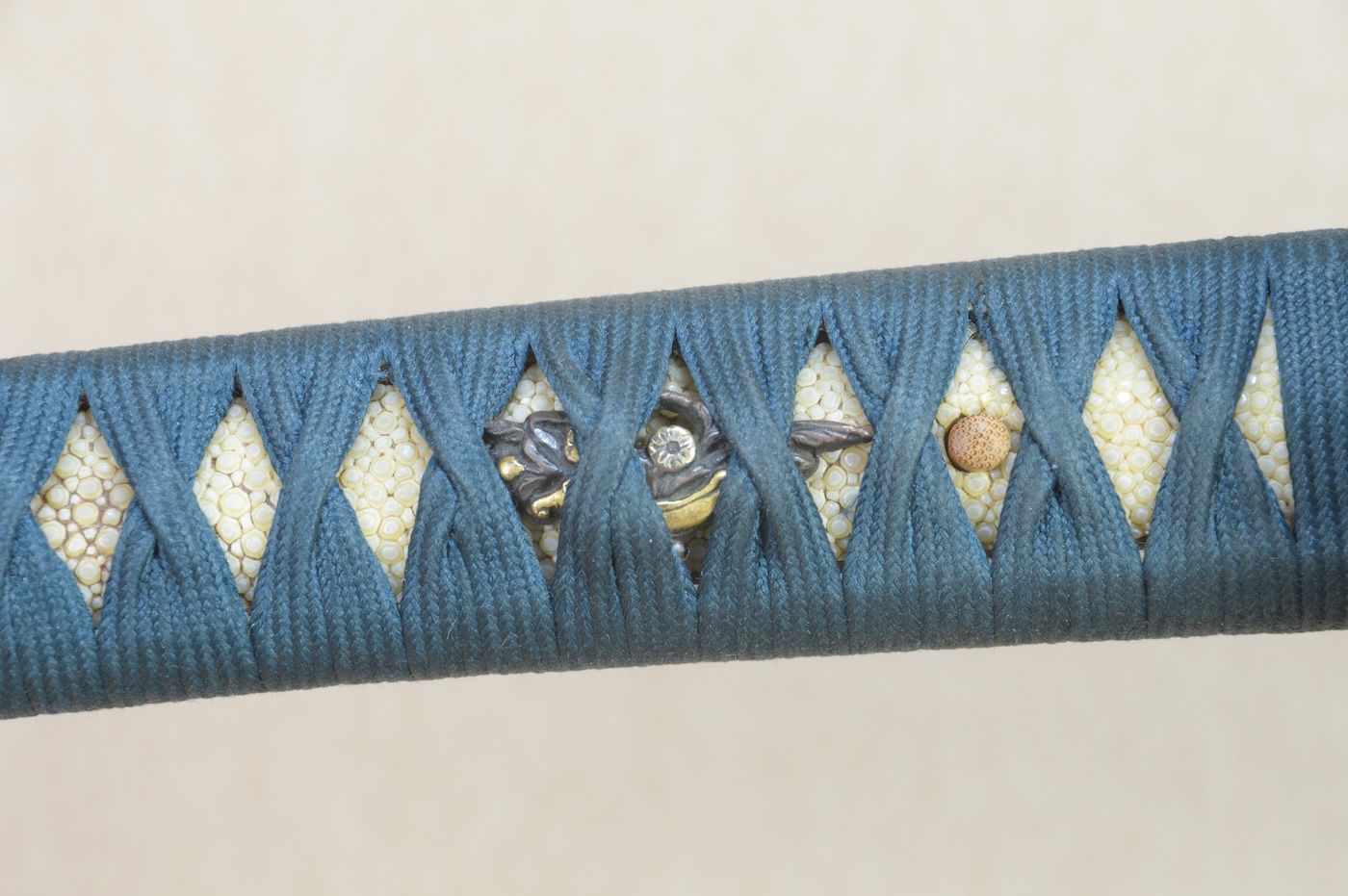
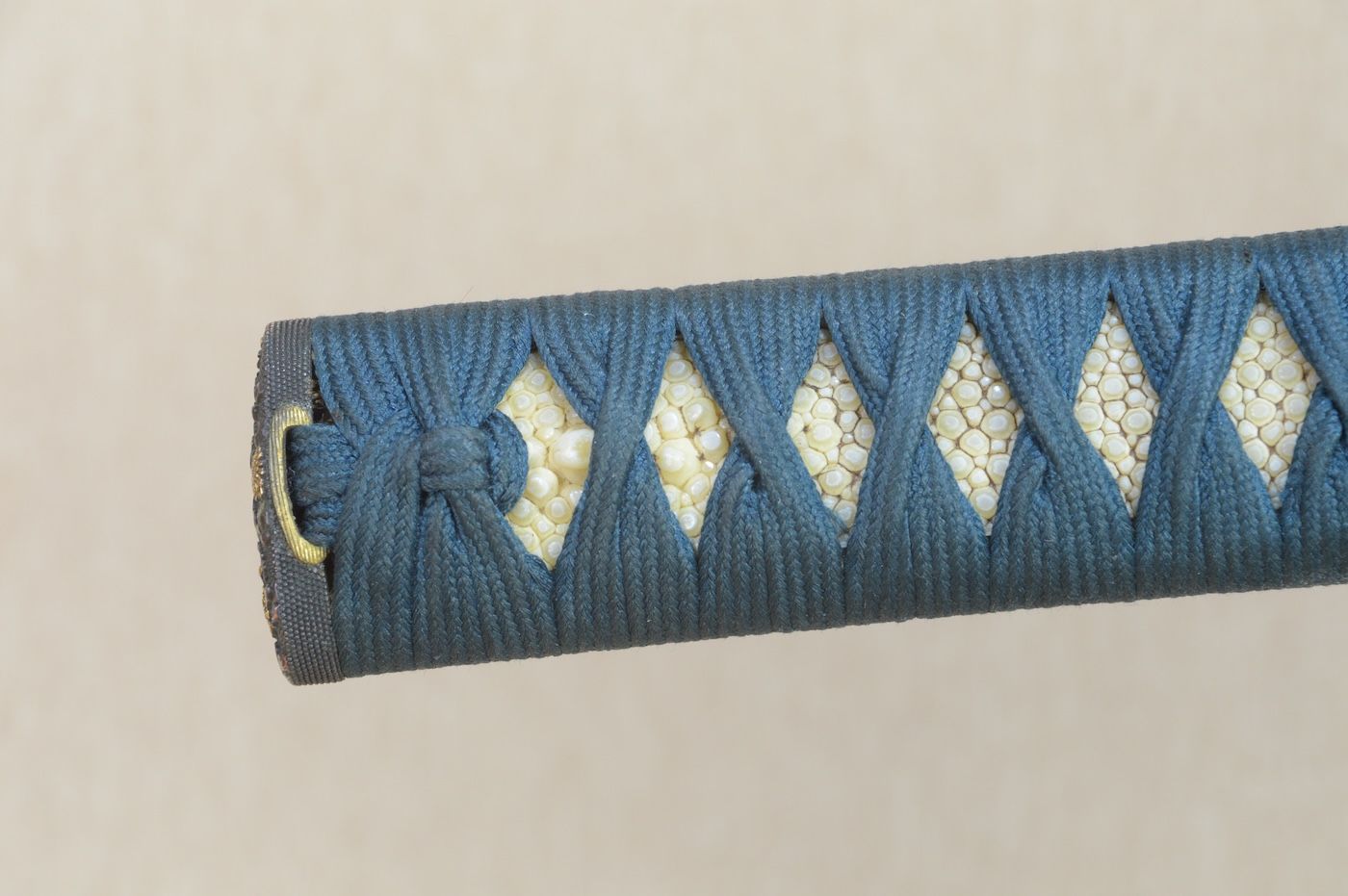
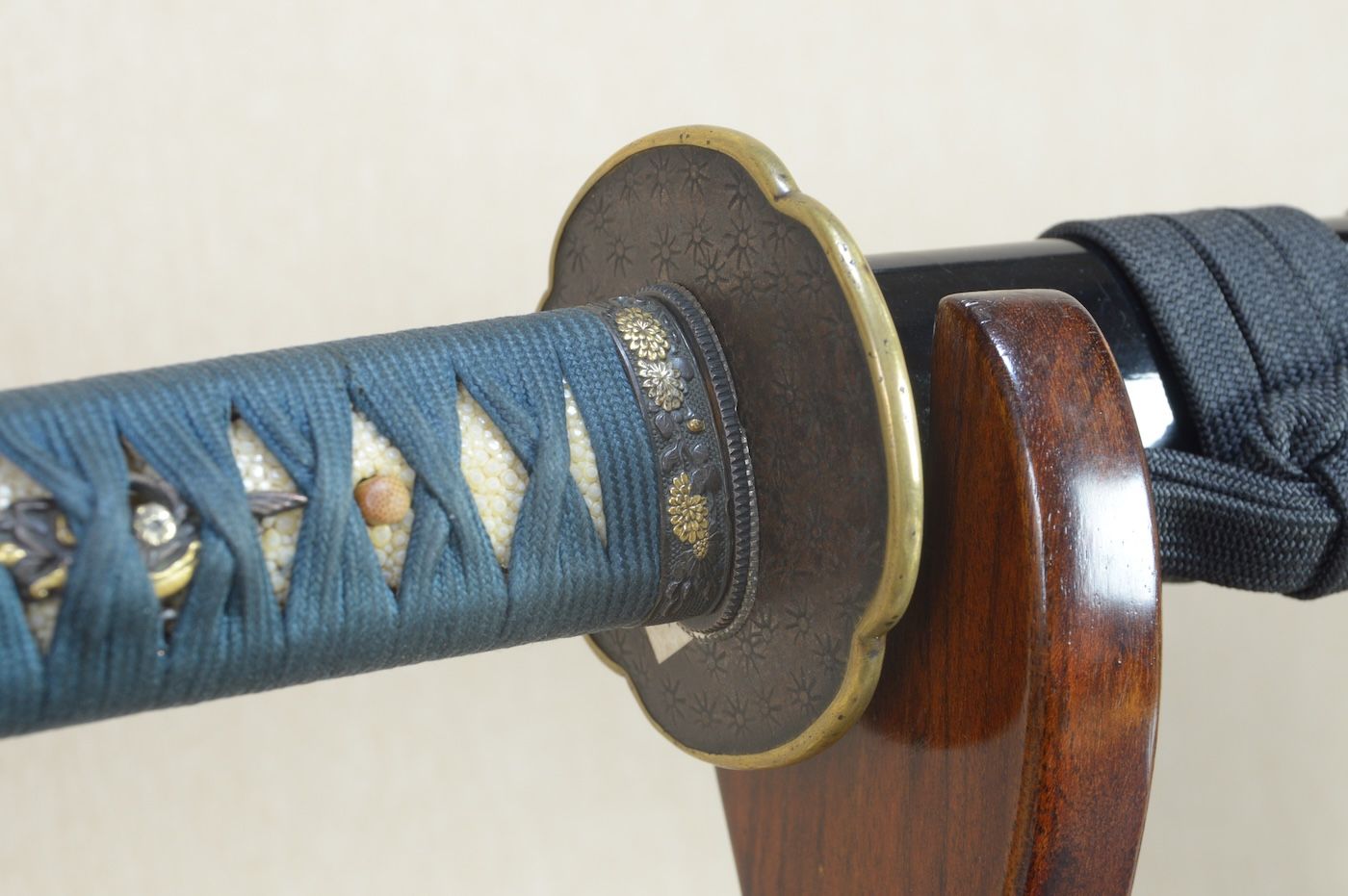
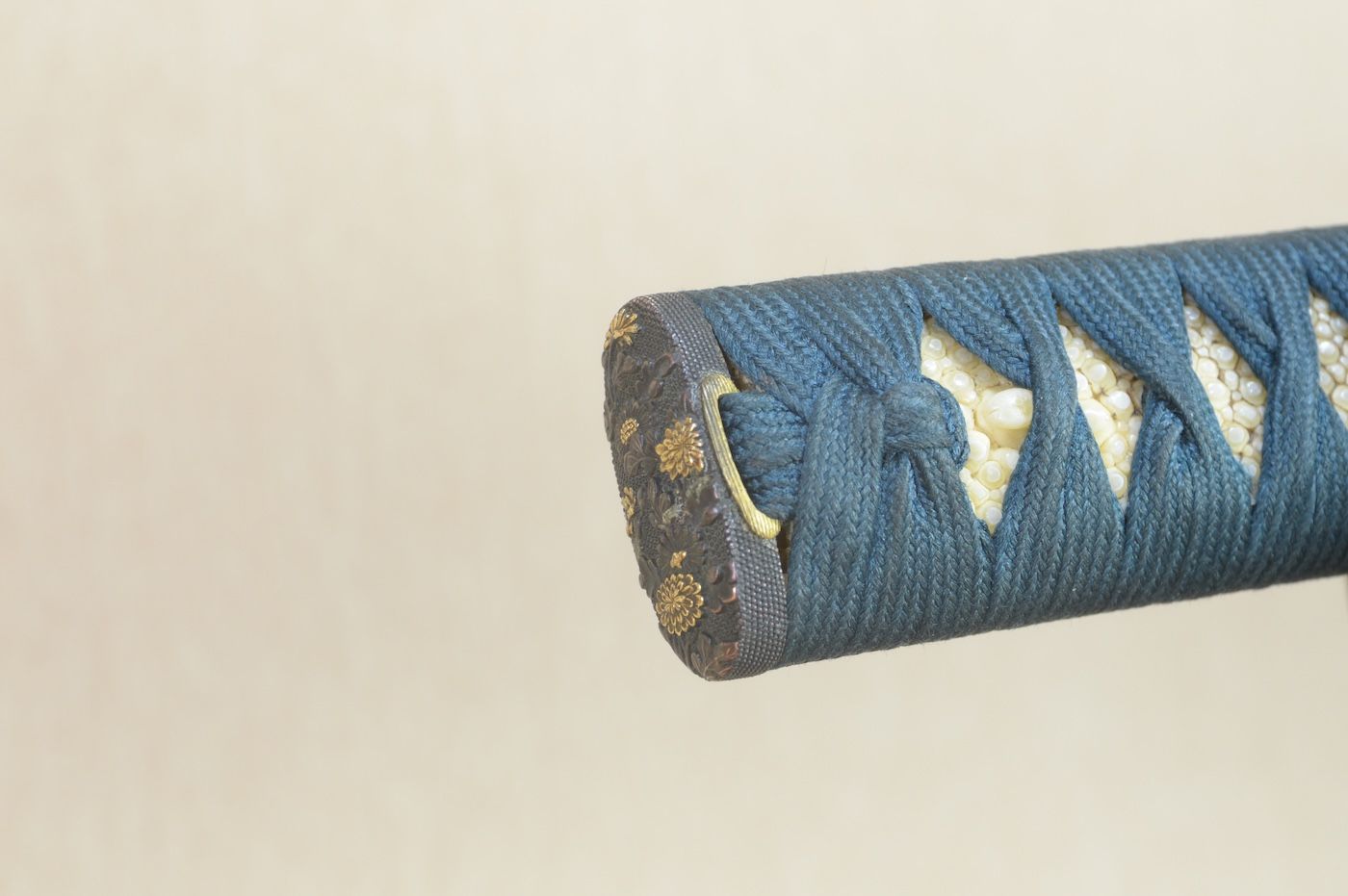
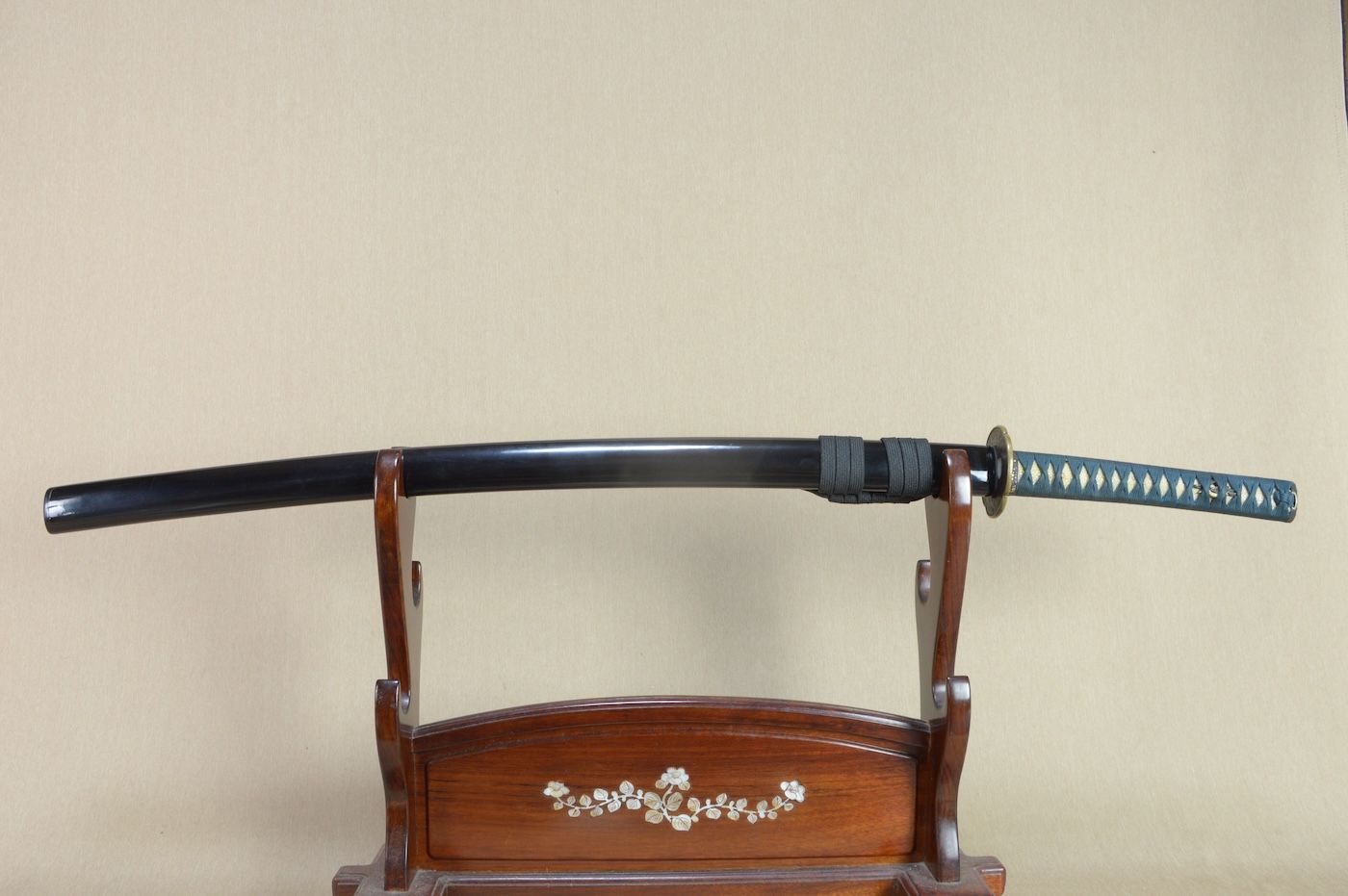
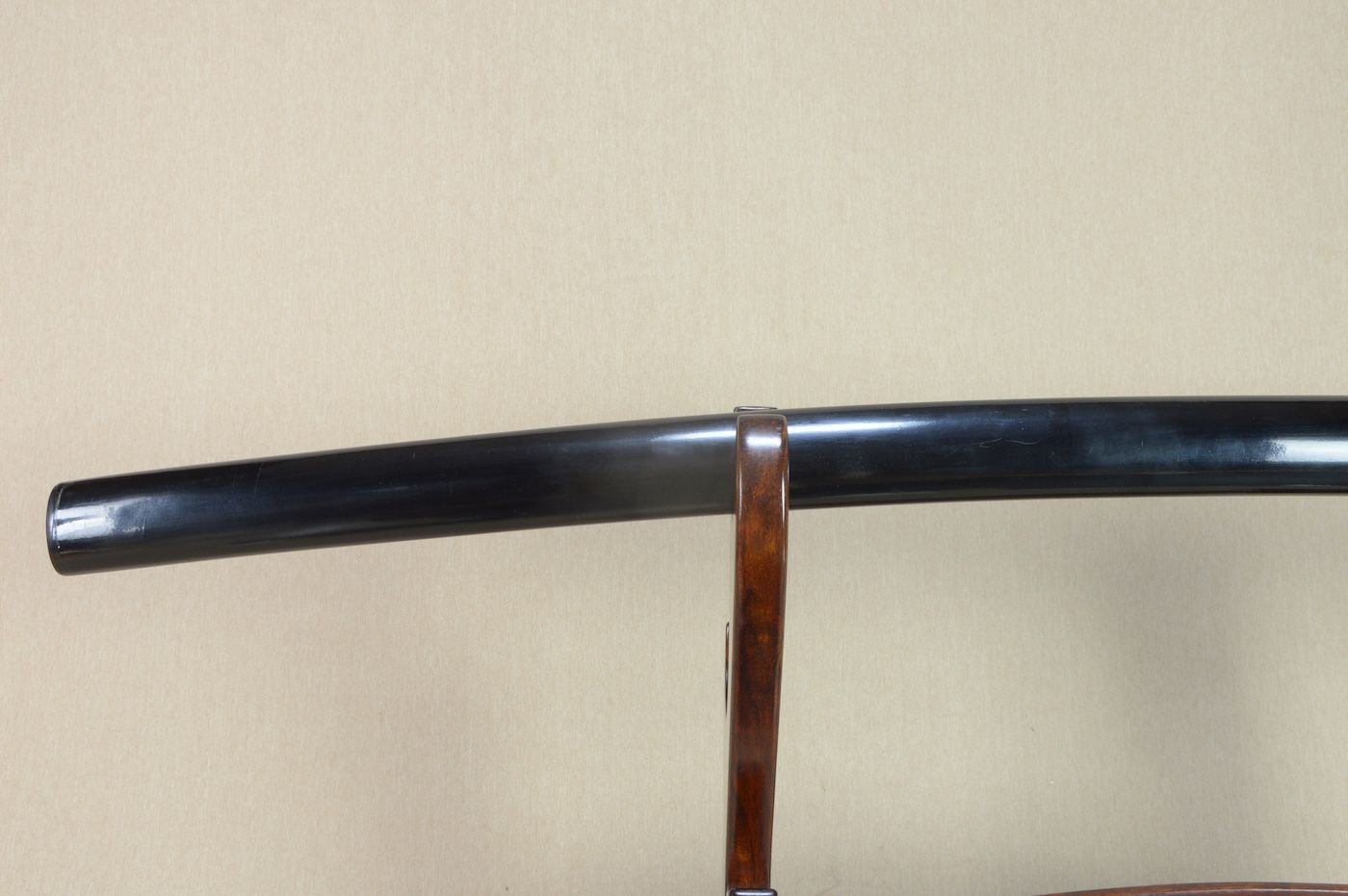
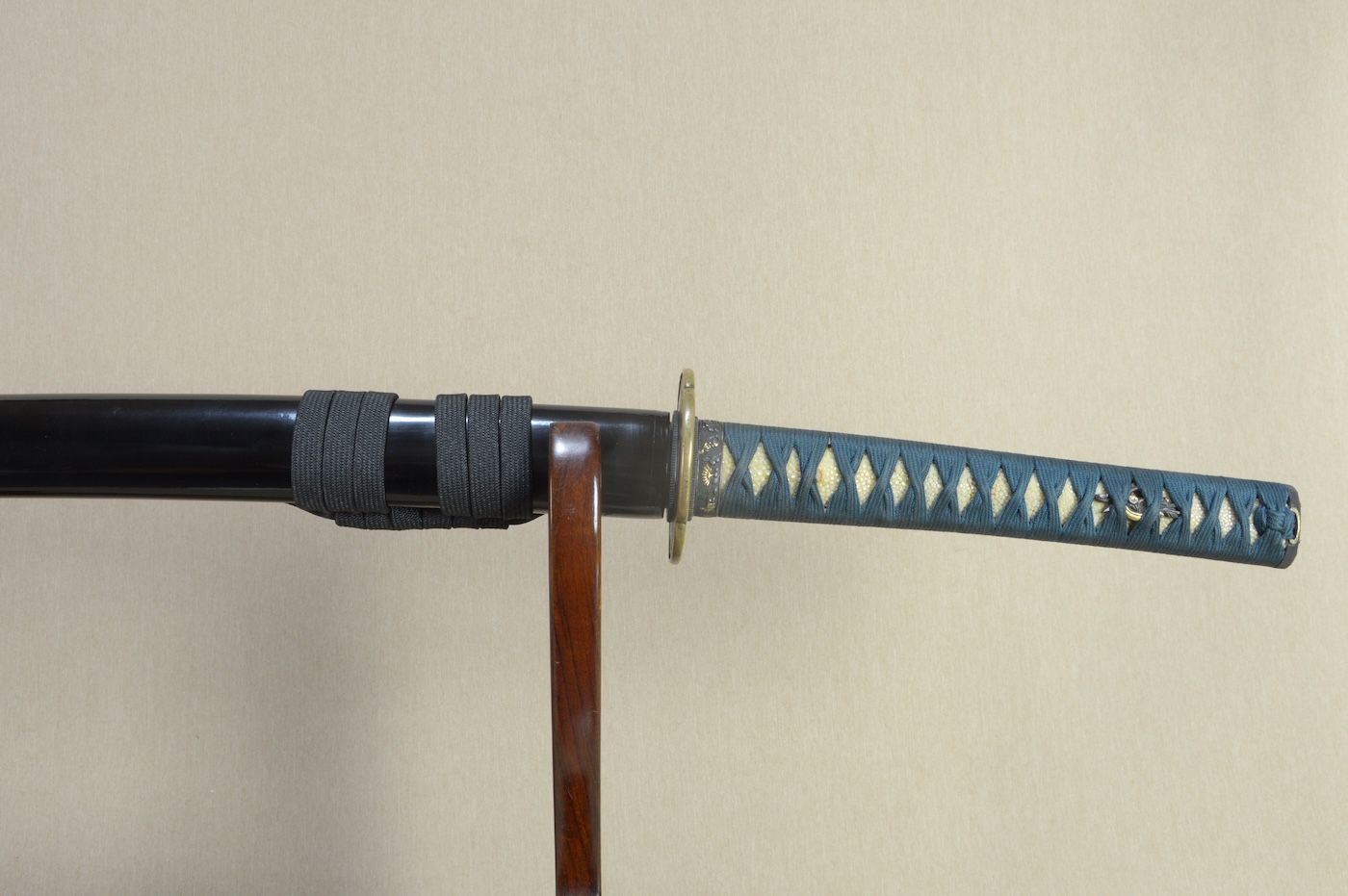
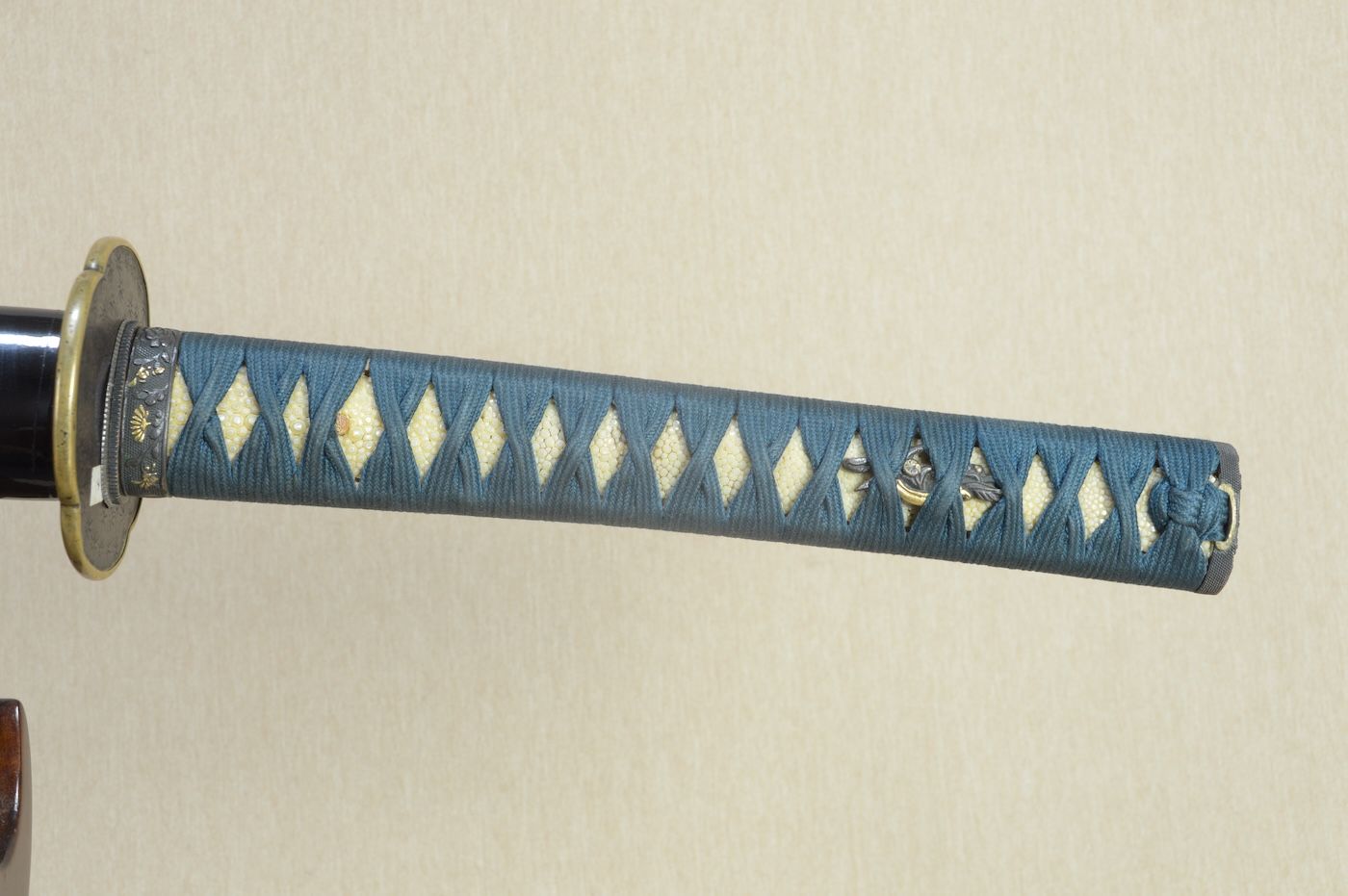
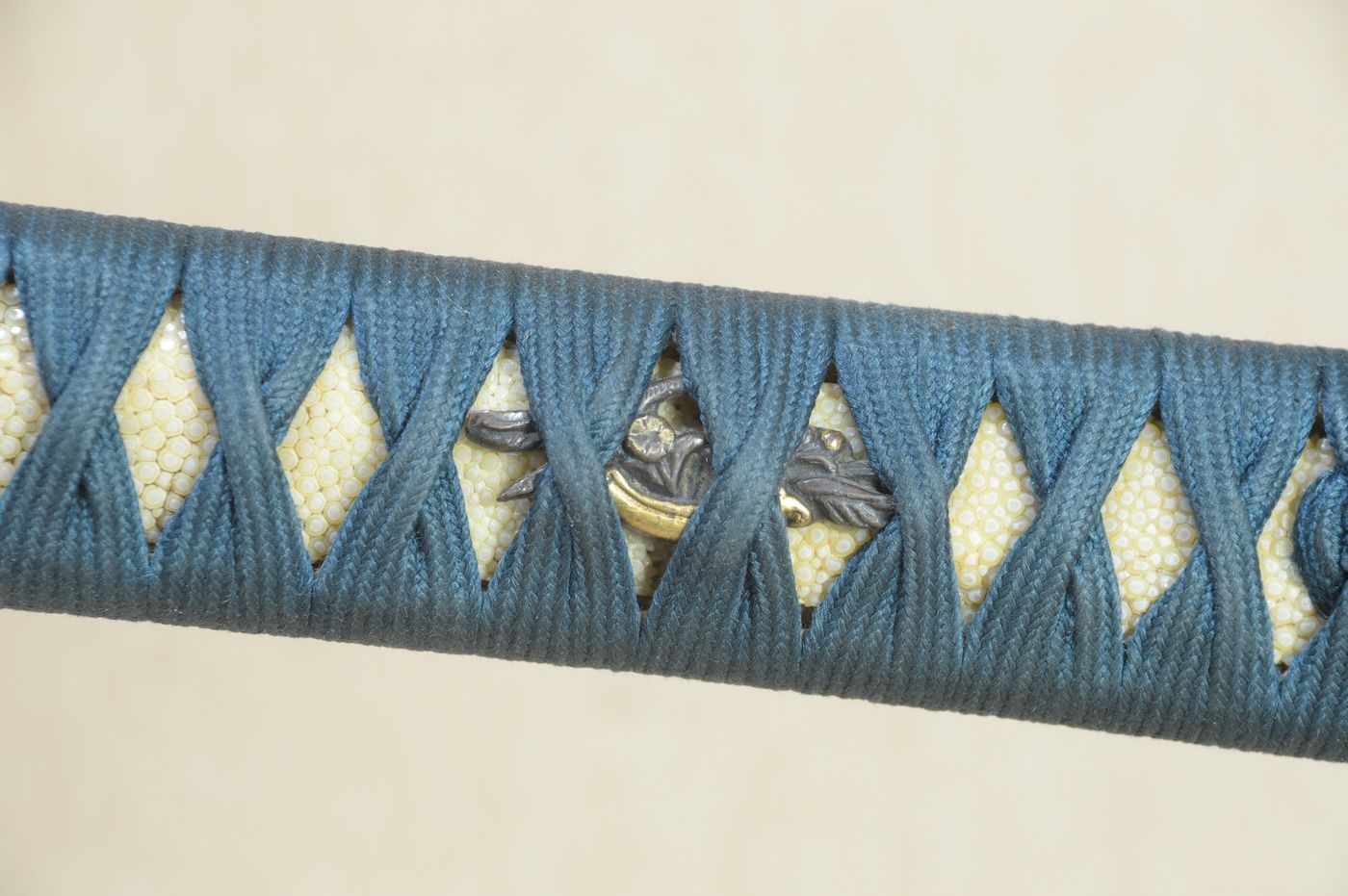
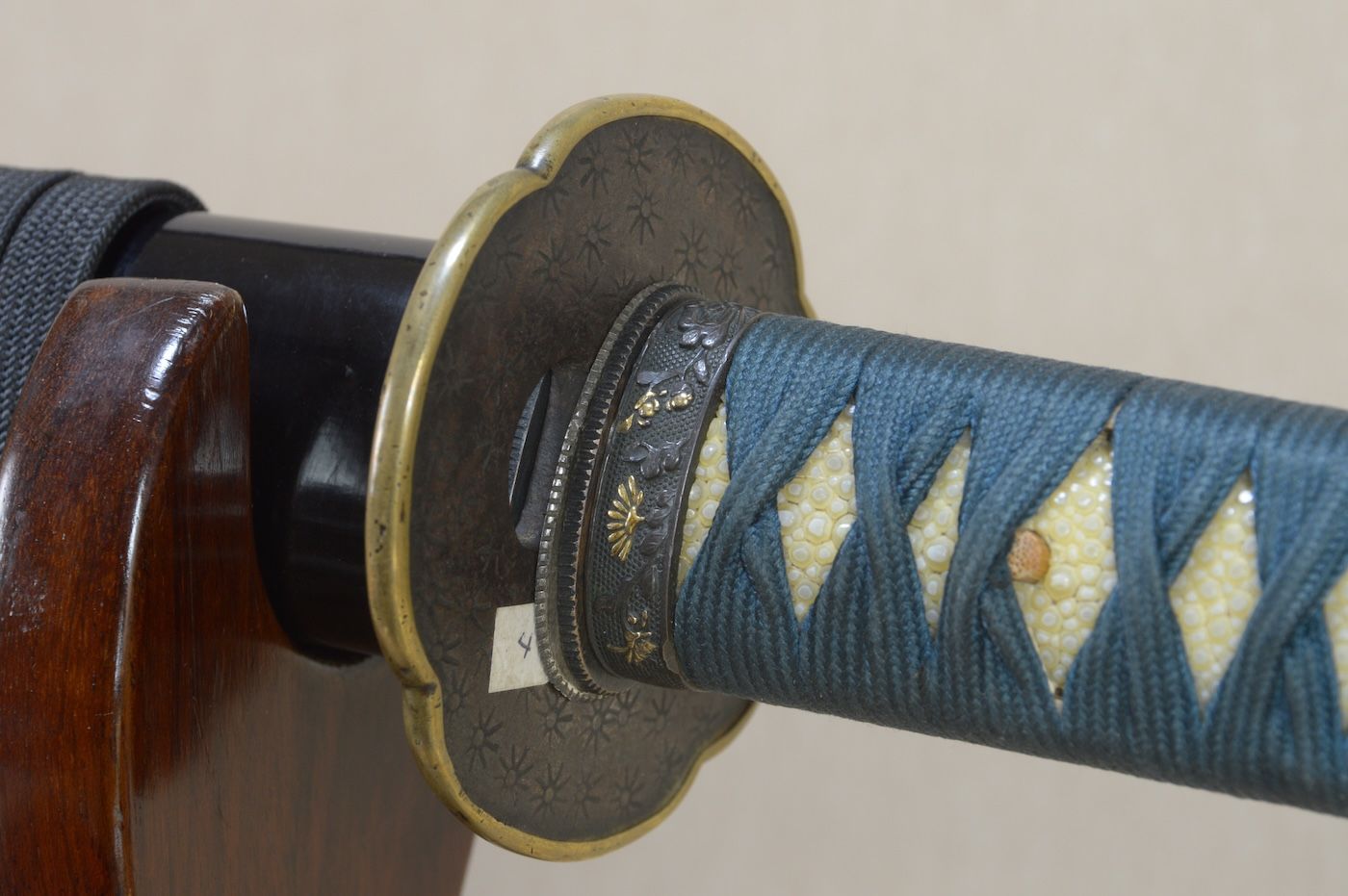
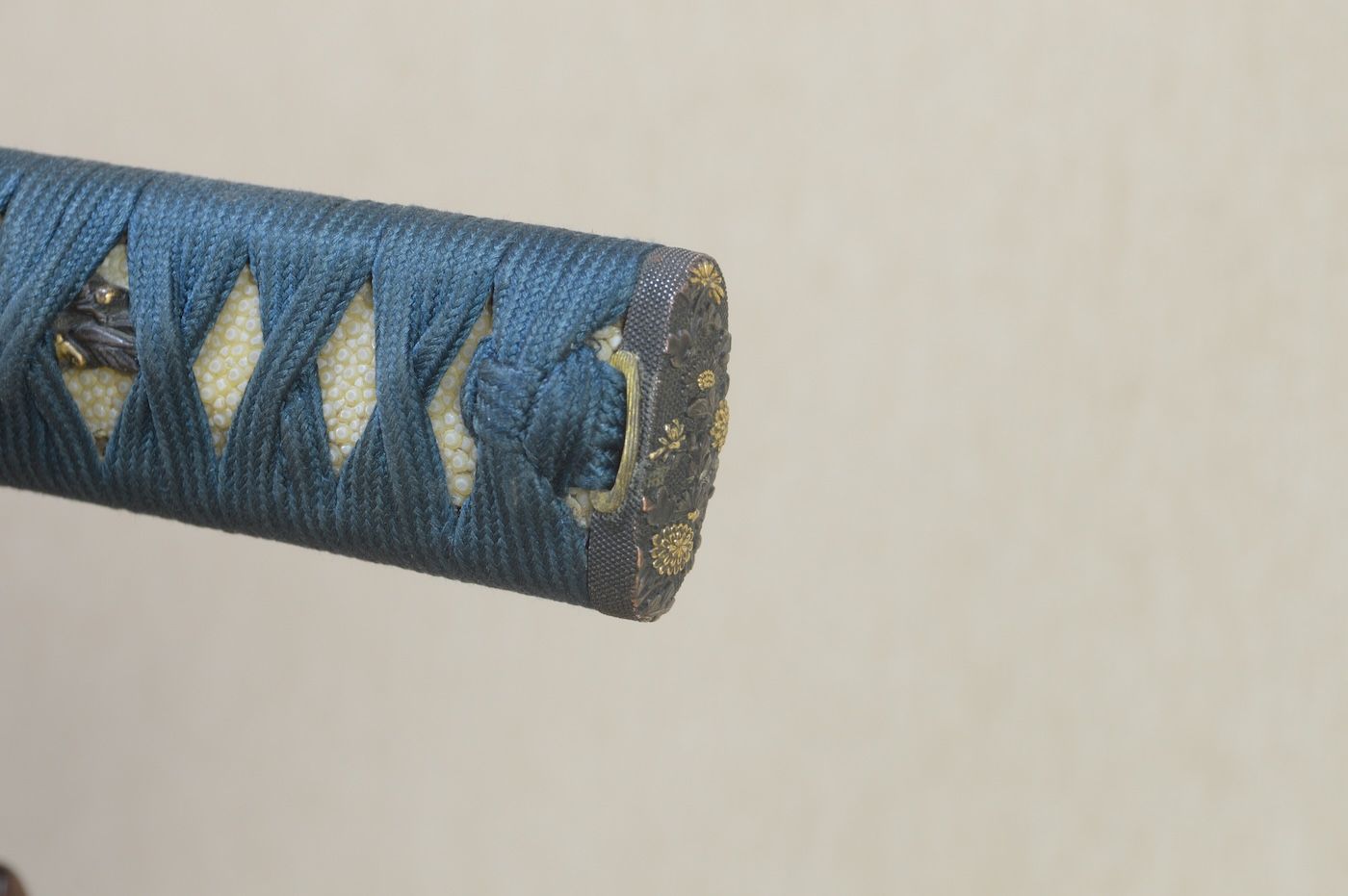
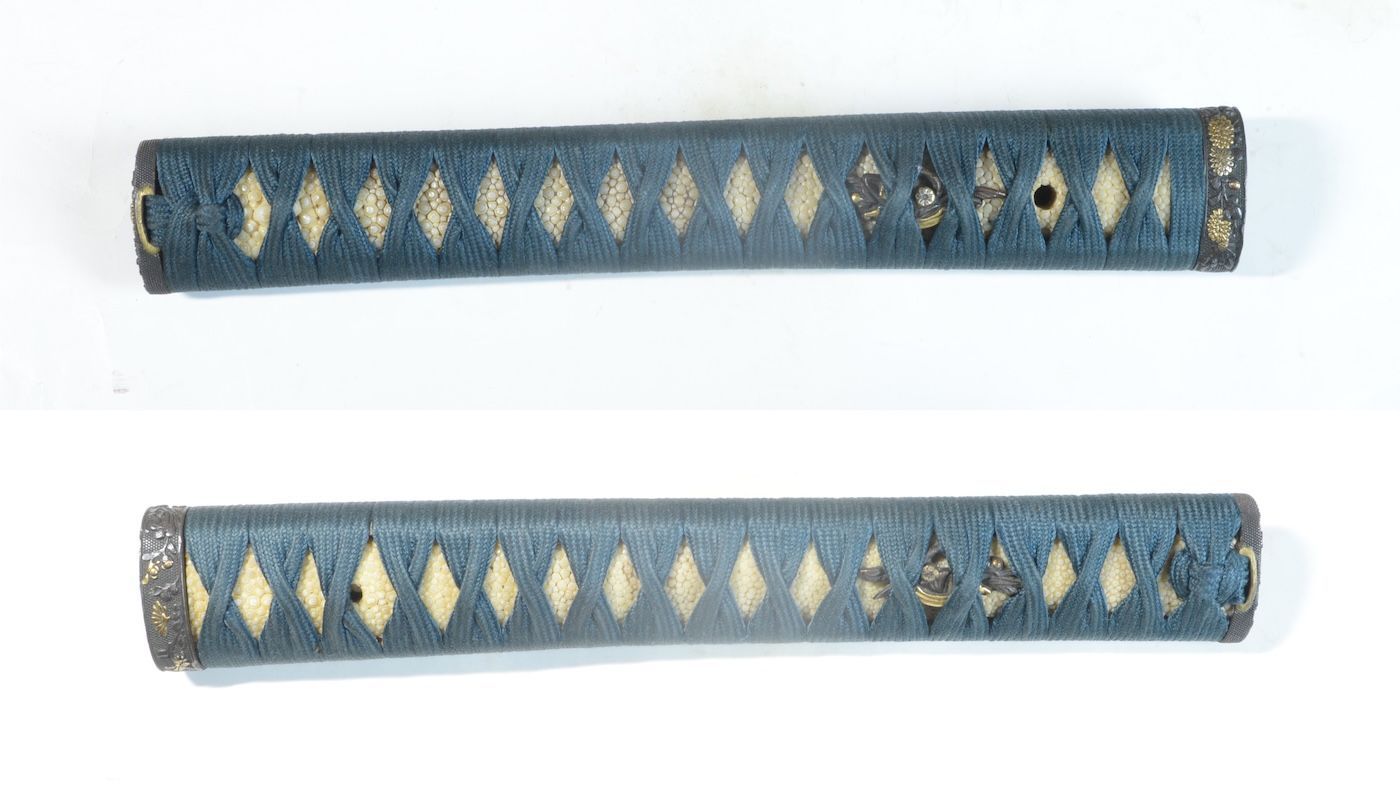
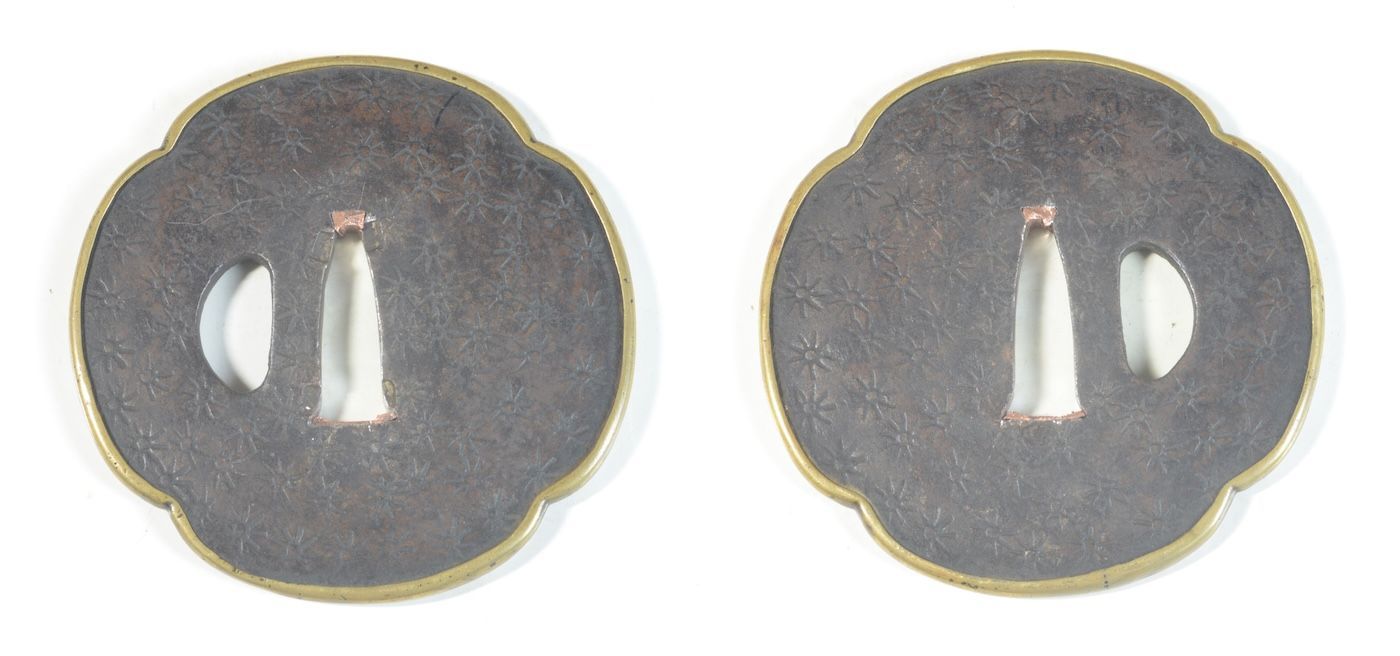
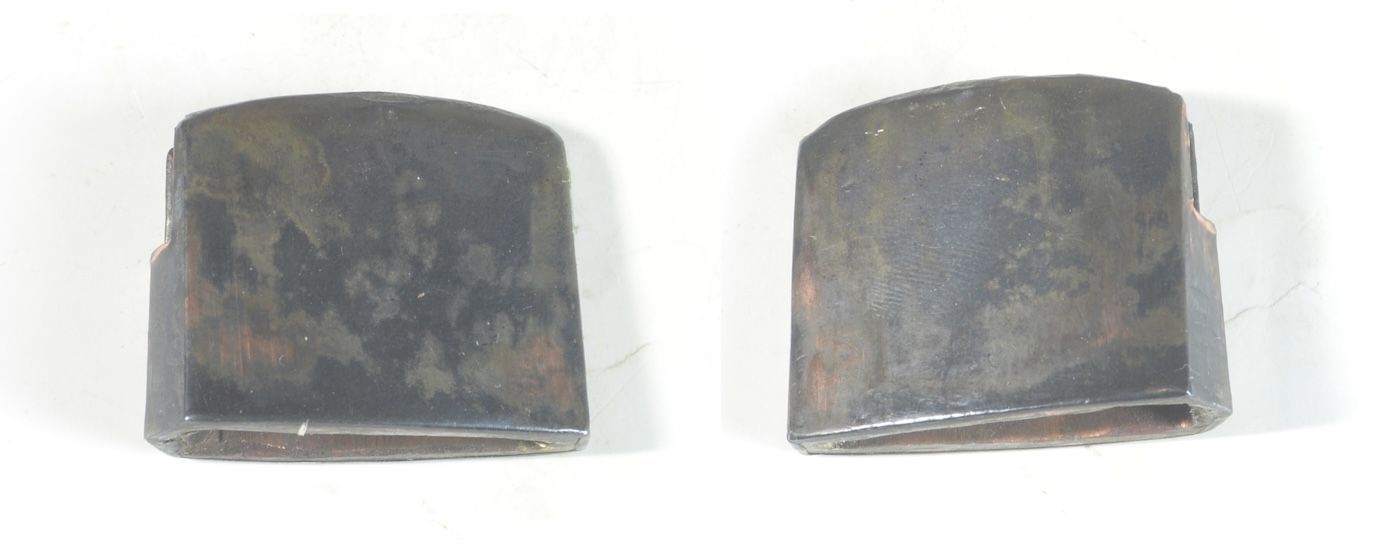
This is a katana by Sukesada of the Sue-Bizen school, active during the Muromachi period (Genki era, 1570-1573). It features a graceful form with deep sori and a tapering tip, a well-forged itame-hada jigane, and a nioi-deki hamon with a straight temper line mixed with gunome. The blade is in good condition and comes with an antique uchigatana koshirae featuring a mokko-shaped tsuba with fukurin and a kuro-ro saya.
 NihontoWatch
mei · Osafune · Muromachi · nagasa 69.6cm · sori 2.2cm
Muromachi turned sword making into an industry: the uchigatana rose with massed infantry warfare, Osafune and Seki produced bundle swords beside custom orders, and the Ming trade carried Japanese blades abroad by the tens of thousands.
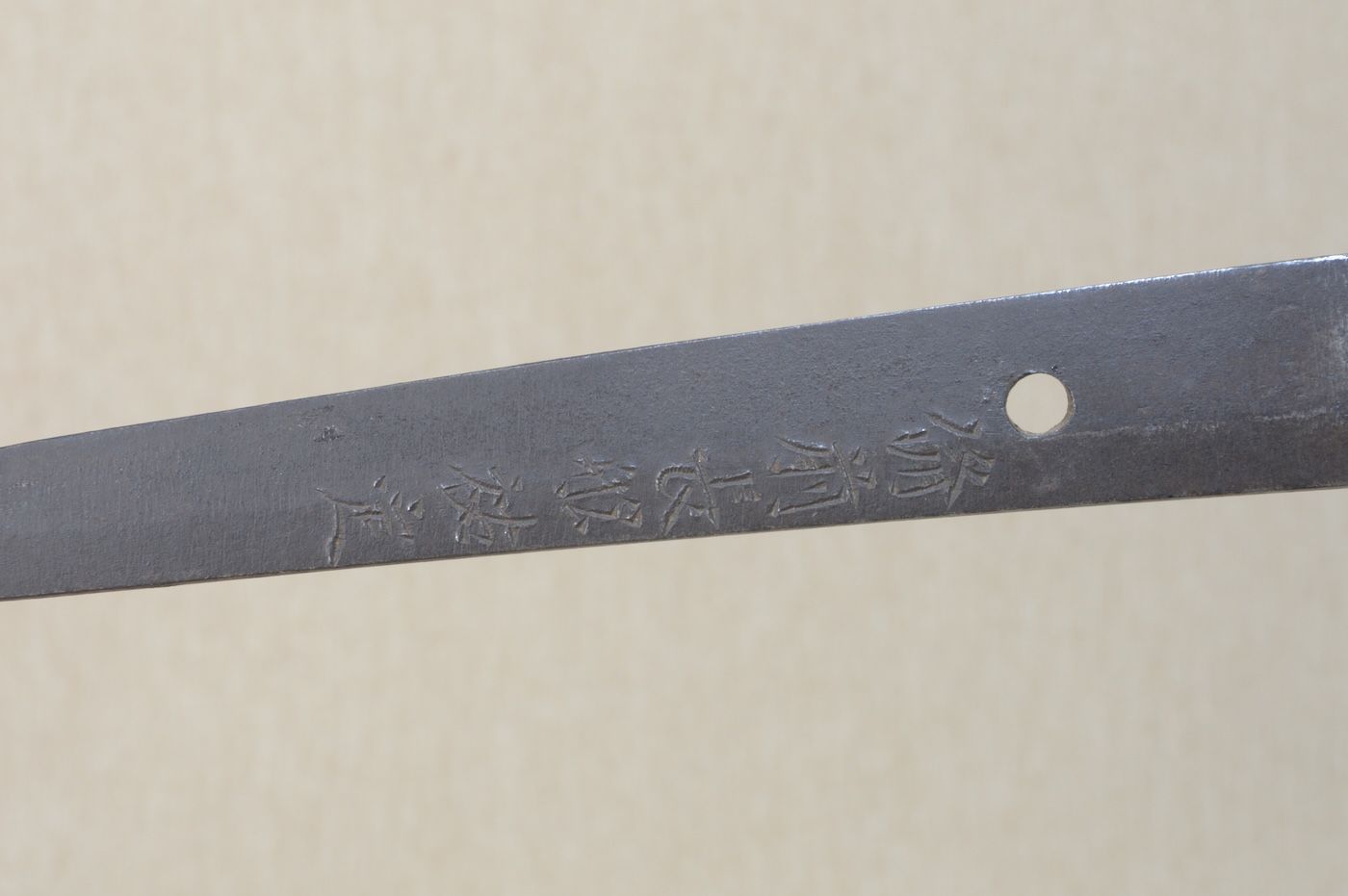
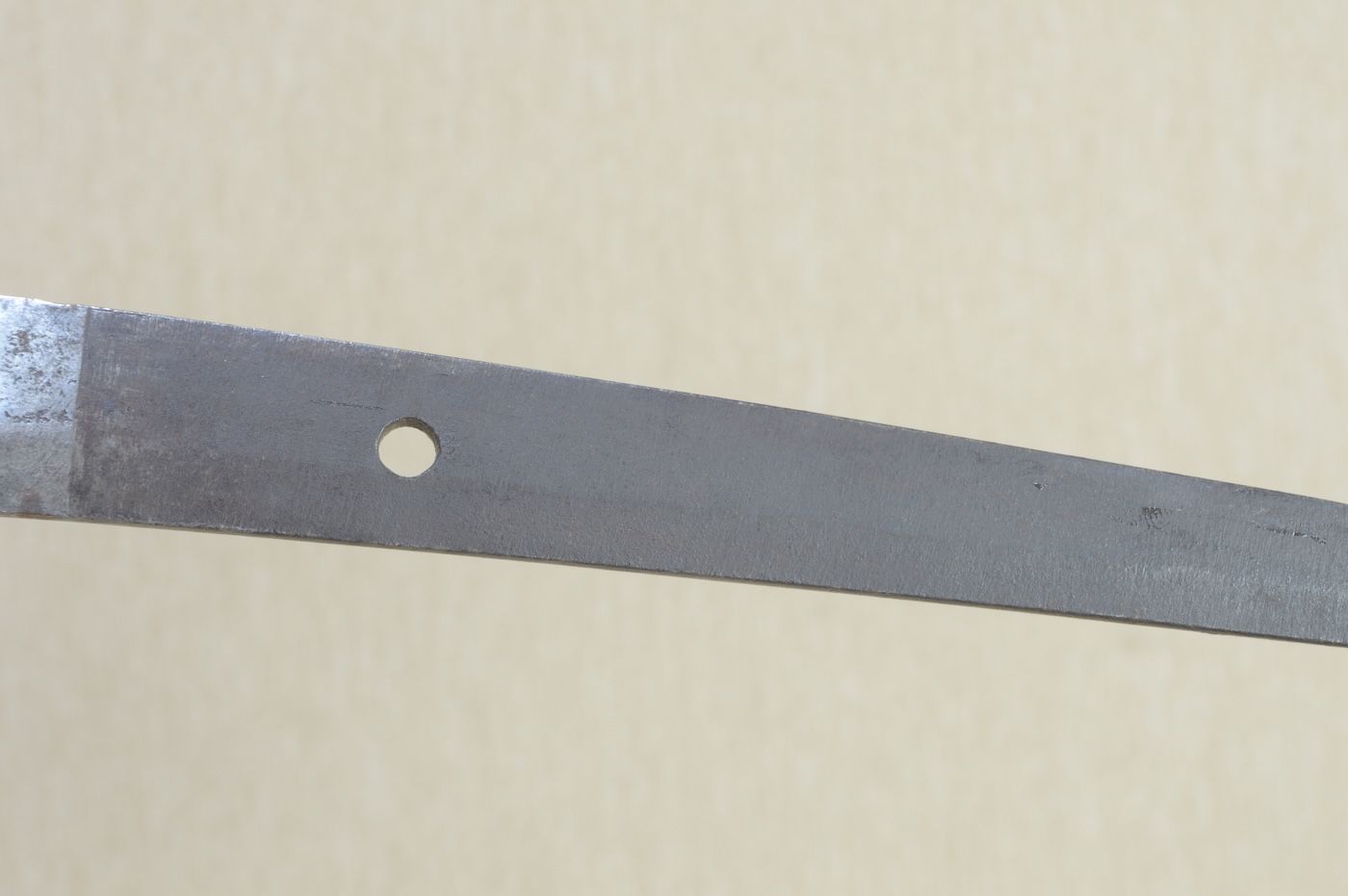
We could not find an authenticity certificate on the seller’s listing. Japanese swords and fittings are normally papered by the NBTHK (or the NTHK). Without one, the attribution is the seller’s own assessment and has not been independently verified — treat it with caution and ask the dealer about certification before buying.
Please contact us promptly after the item's arrival. Except where the item is defective, we cannot accept returns. For returns due to customer circumstances, the cost is the customer's responsibility. In the case of a defective item, we bear the cost.
This is a katana by Sukesada of the Sue-Bizen school, active during the Muromachi period (Genki era, 1570-1573). It features a graceful form with deep sori and a tapering tip, a well-forged itame-hada jigane, and a nioi-deki hamon with a straight temper line mixed with gunome. The blade is in good condition and comes with an antique uchigatana koshirae featuring a mokko-shaped tsuba with fukurin and a kuro-ro saya.
NihontoWatchmei · Osafune · Muromachi · nagasa 69.6cm · sori 2.2cm
Muromachi turned sword making into an industry: the uchigatana rose with massed infantry warfare, Osafune and Seki produced bundle swords beside custom orders, and the Ming trade carried Japanese blades abroad by the tens of thousands.
We could not find an authenticity certificate on the seller’s listing. Japanese swords and fittings are normally papered by the NBTHK (or the NTHK). Without one, the attribution is the seller’s own assessment and has not been independently verified — treat it with caution and ask the dealer about certification before buying.
Please contact us promptly after the item's arrival. Except where the item is defective, we cannot accept returns. For returns due to customer circumstances, the cost is the customer's responsibility. In the case of a defective item, we bear the cost.