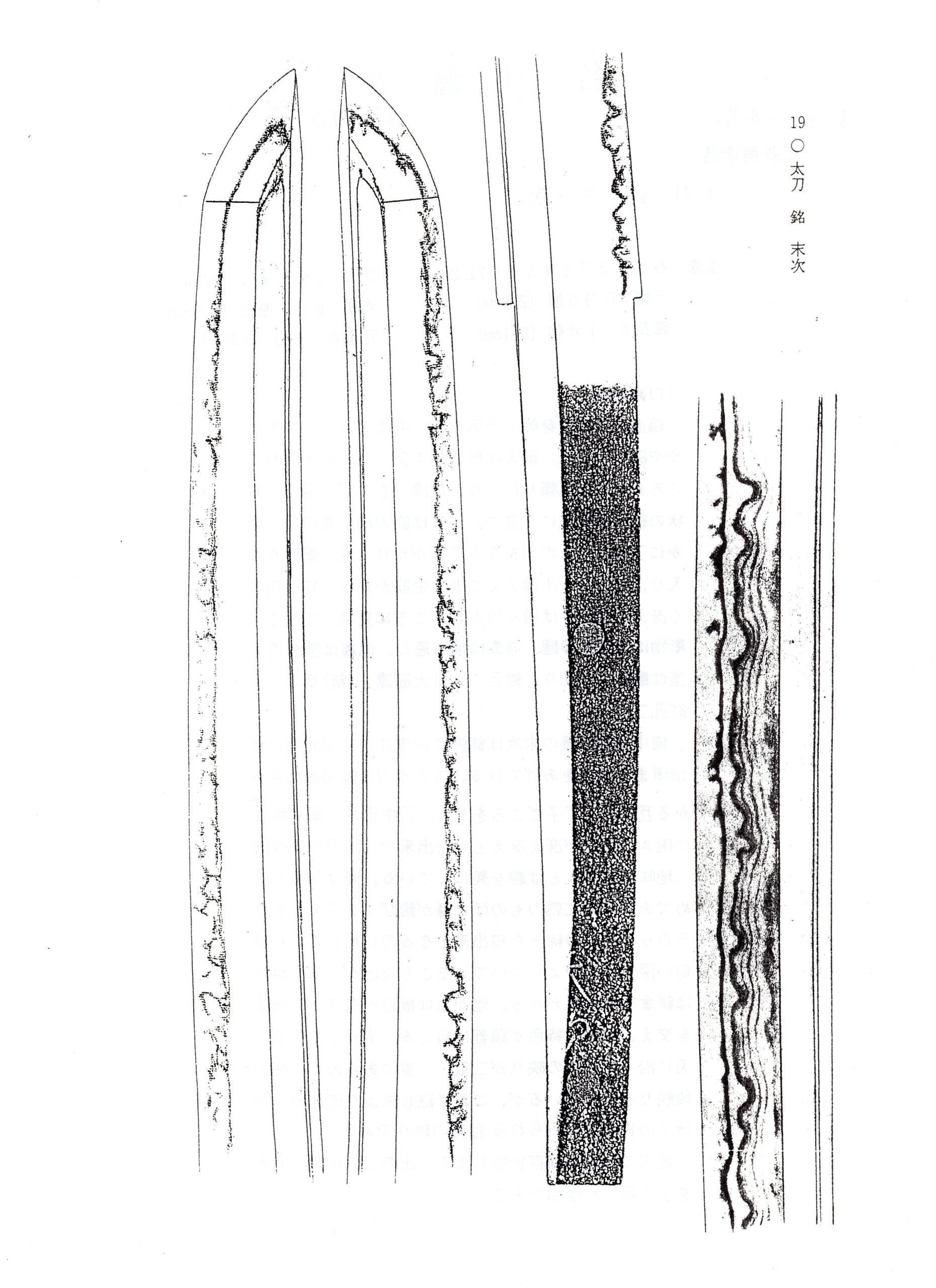
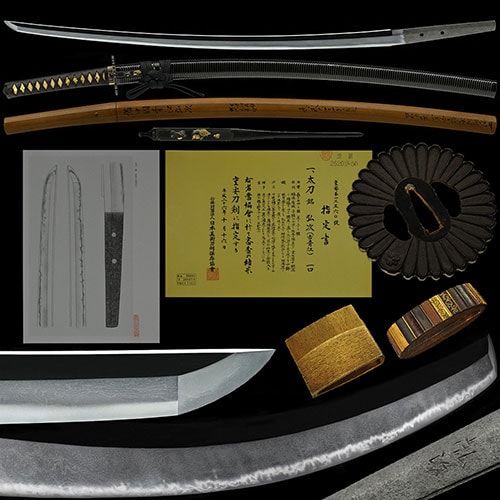
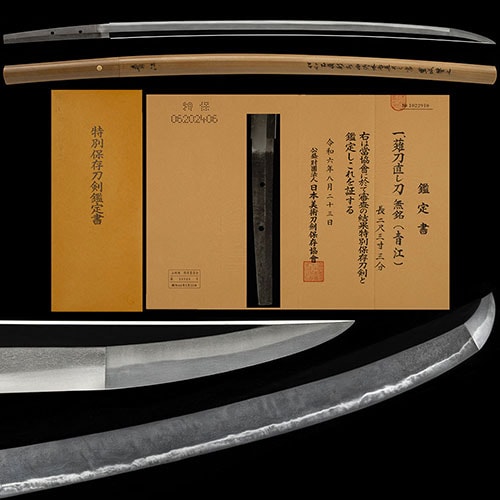
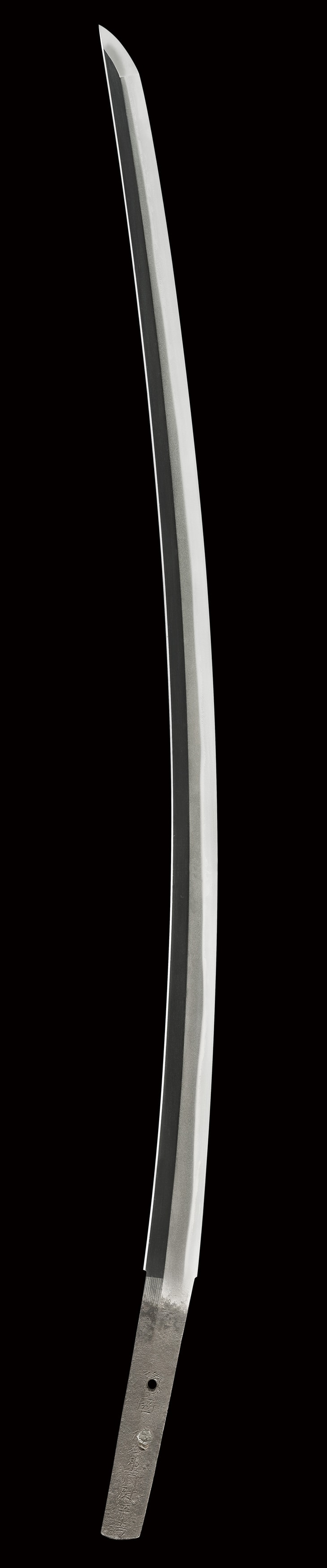
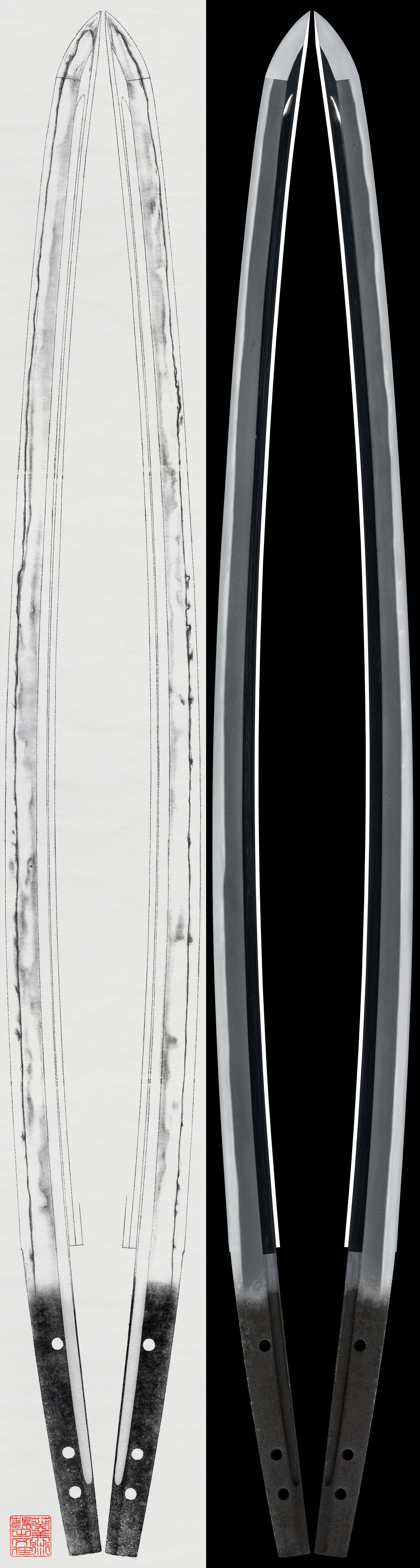
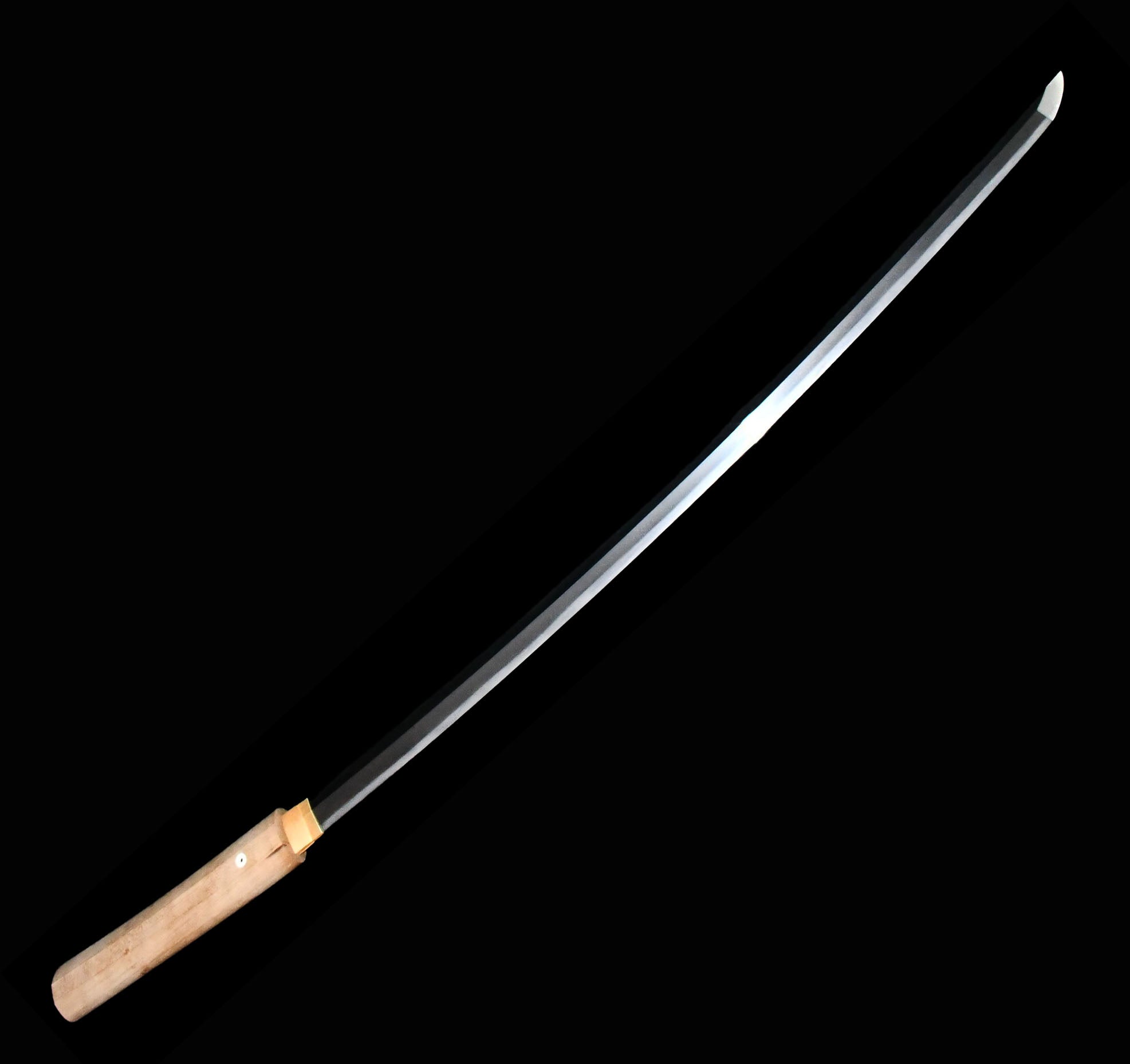
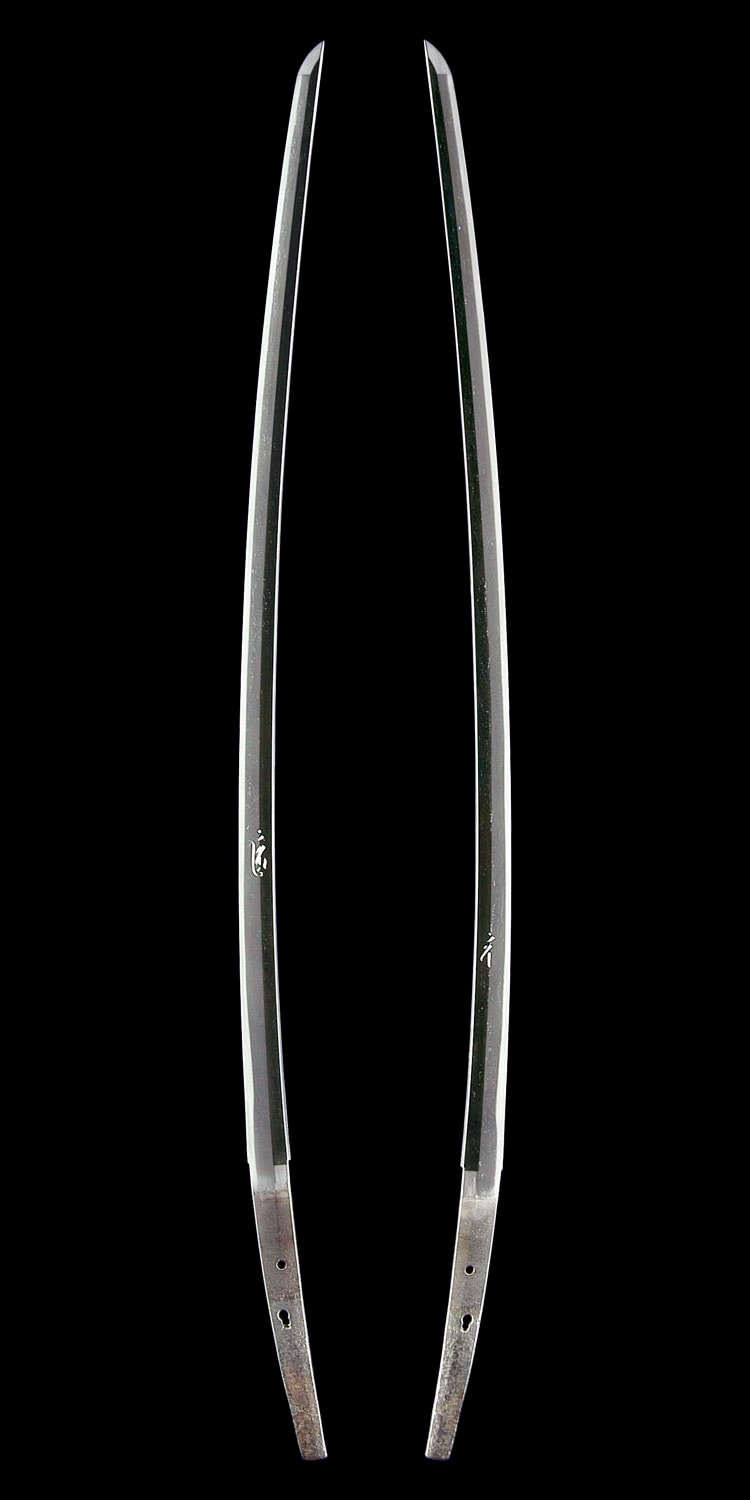
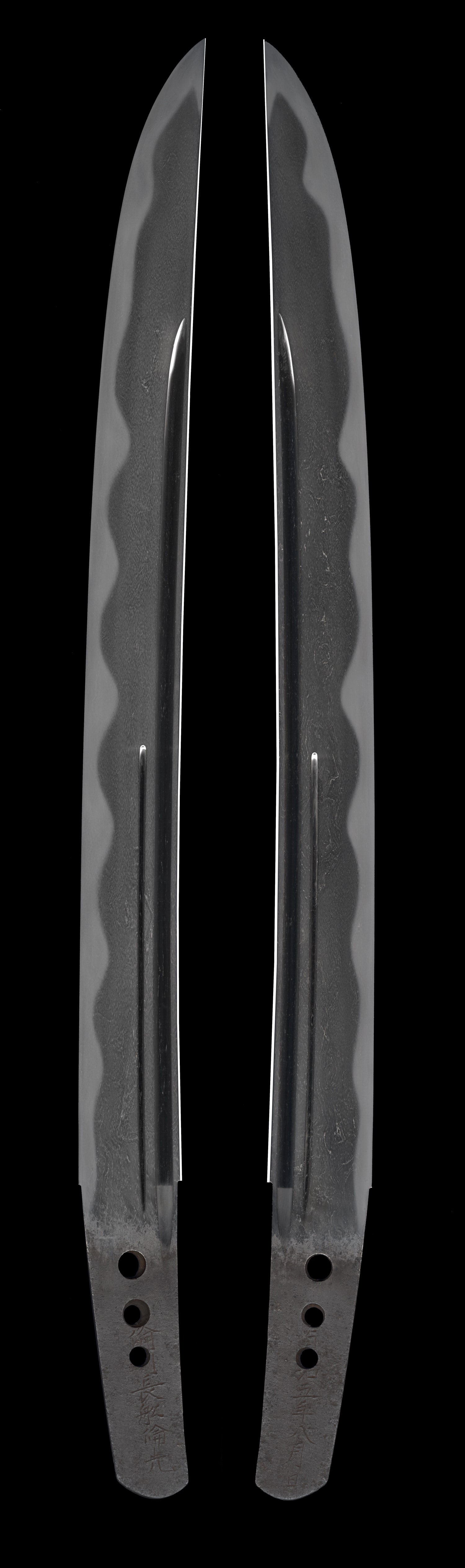
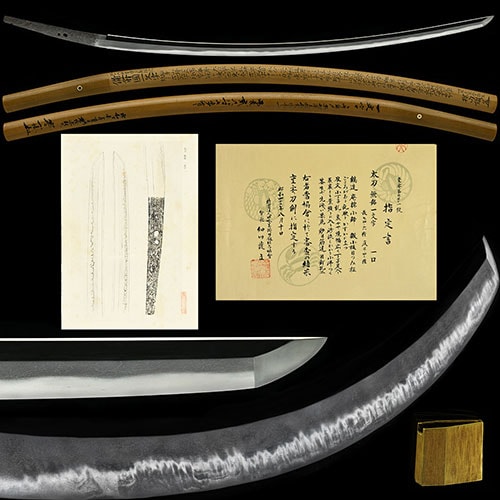
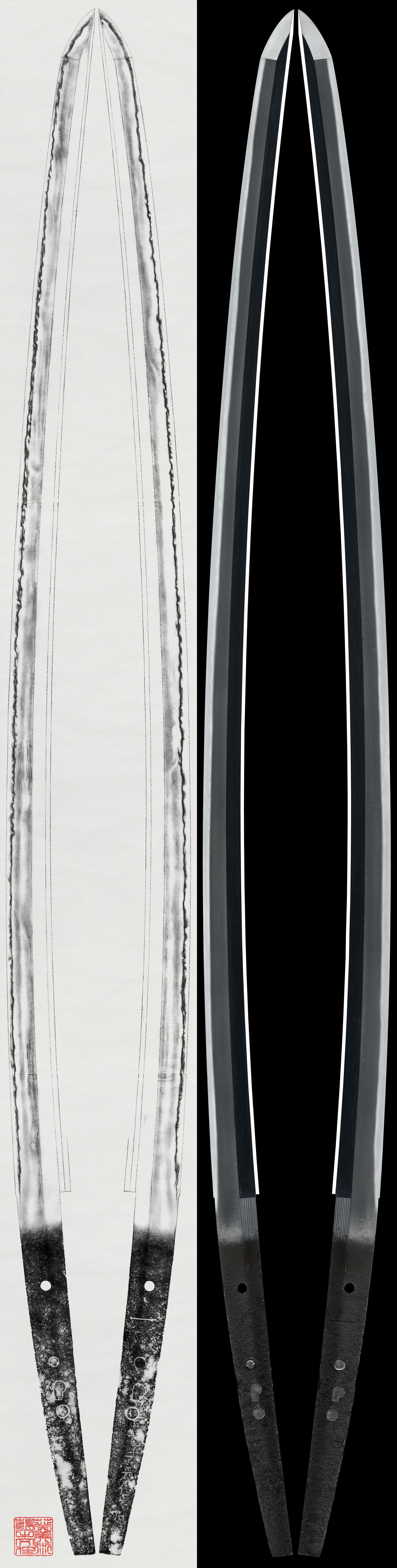
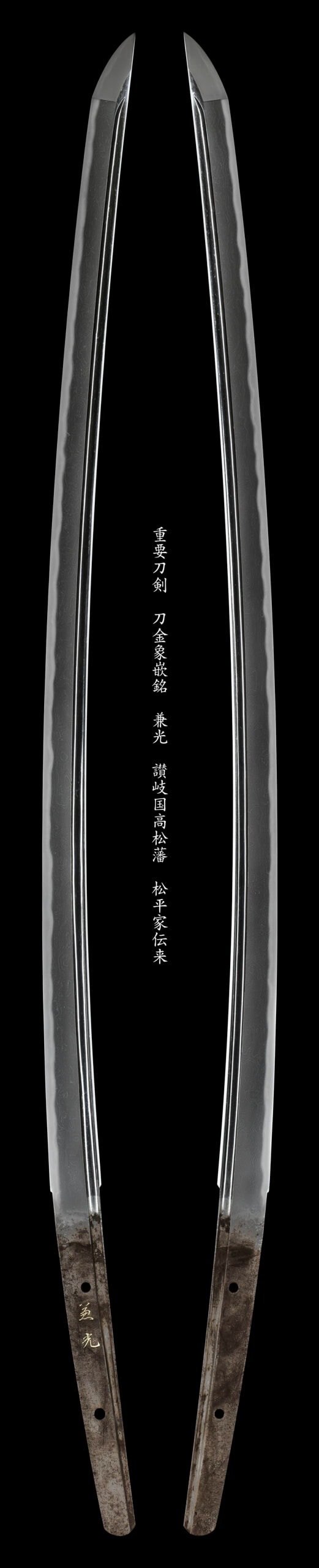
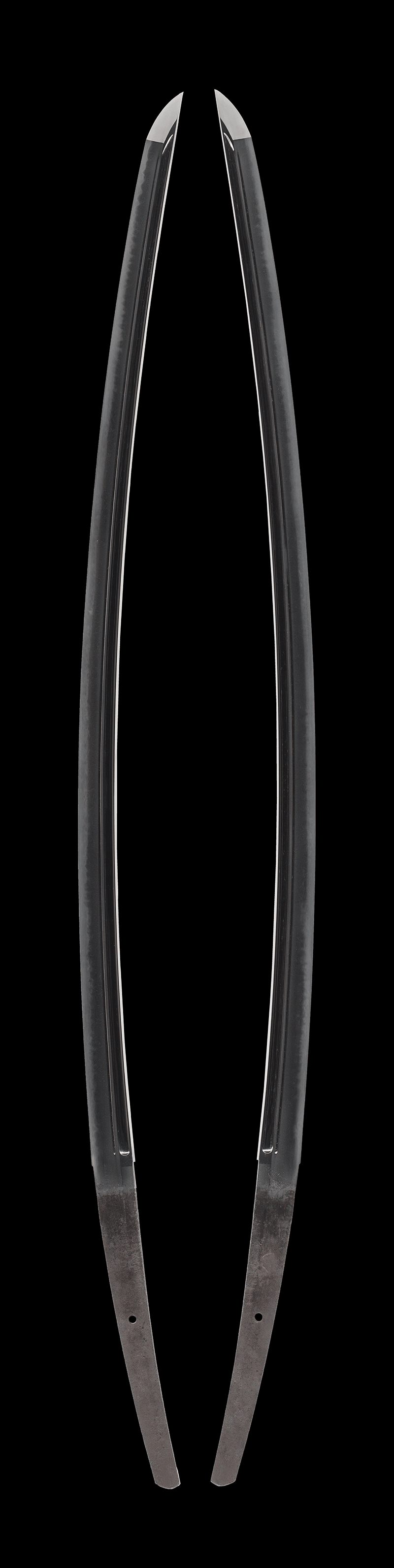
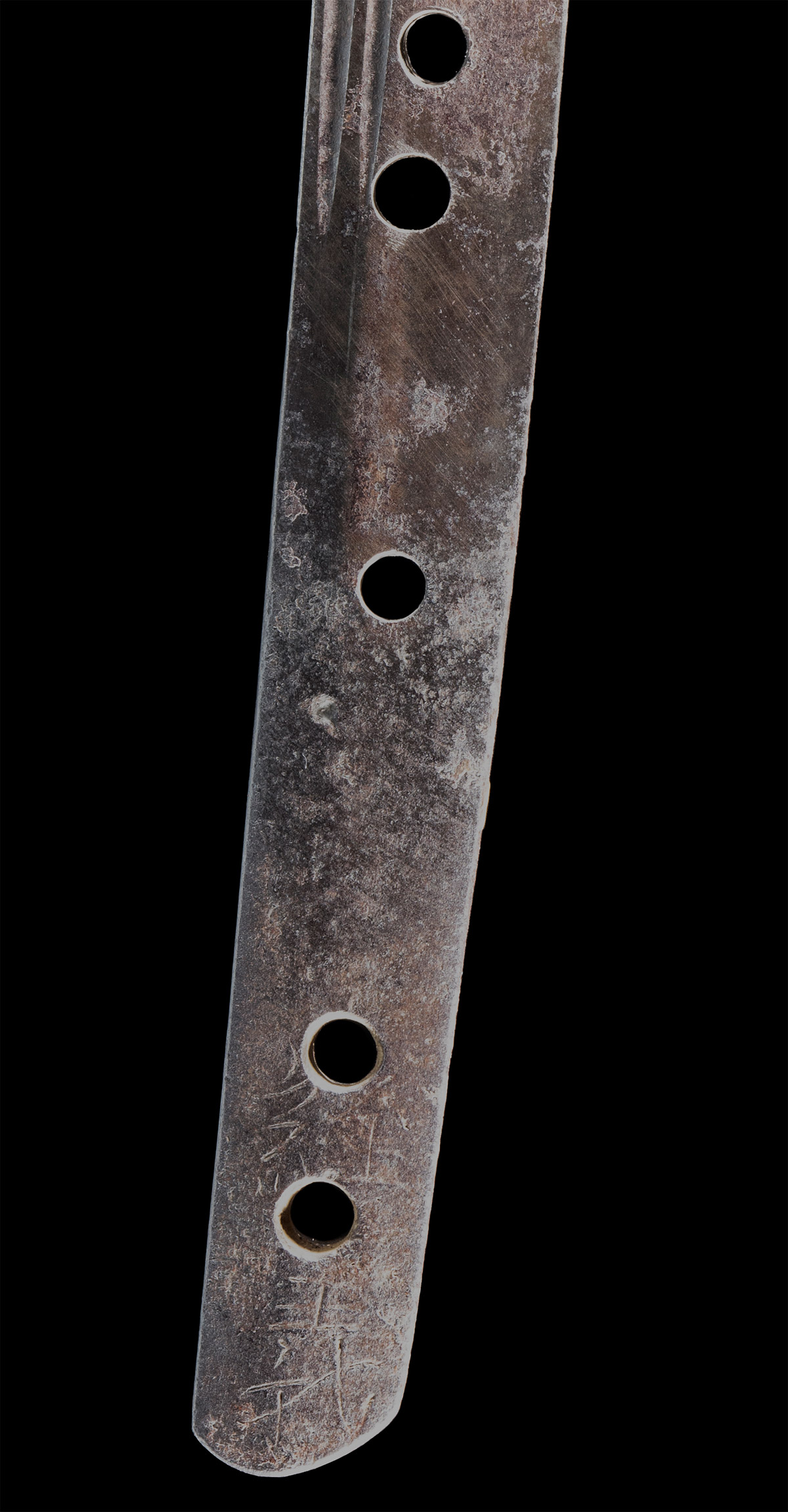
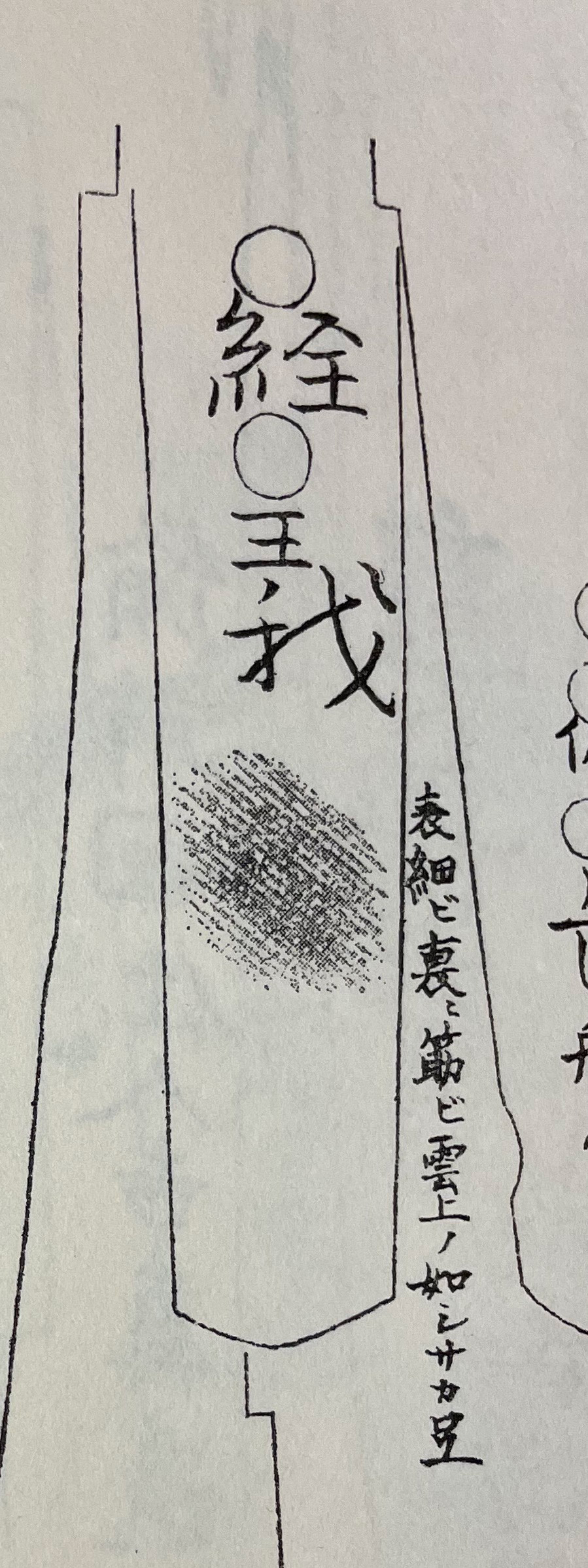
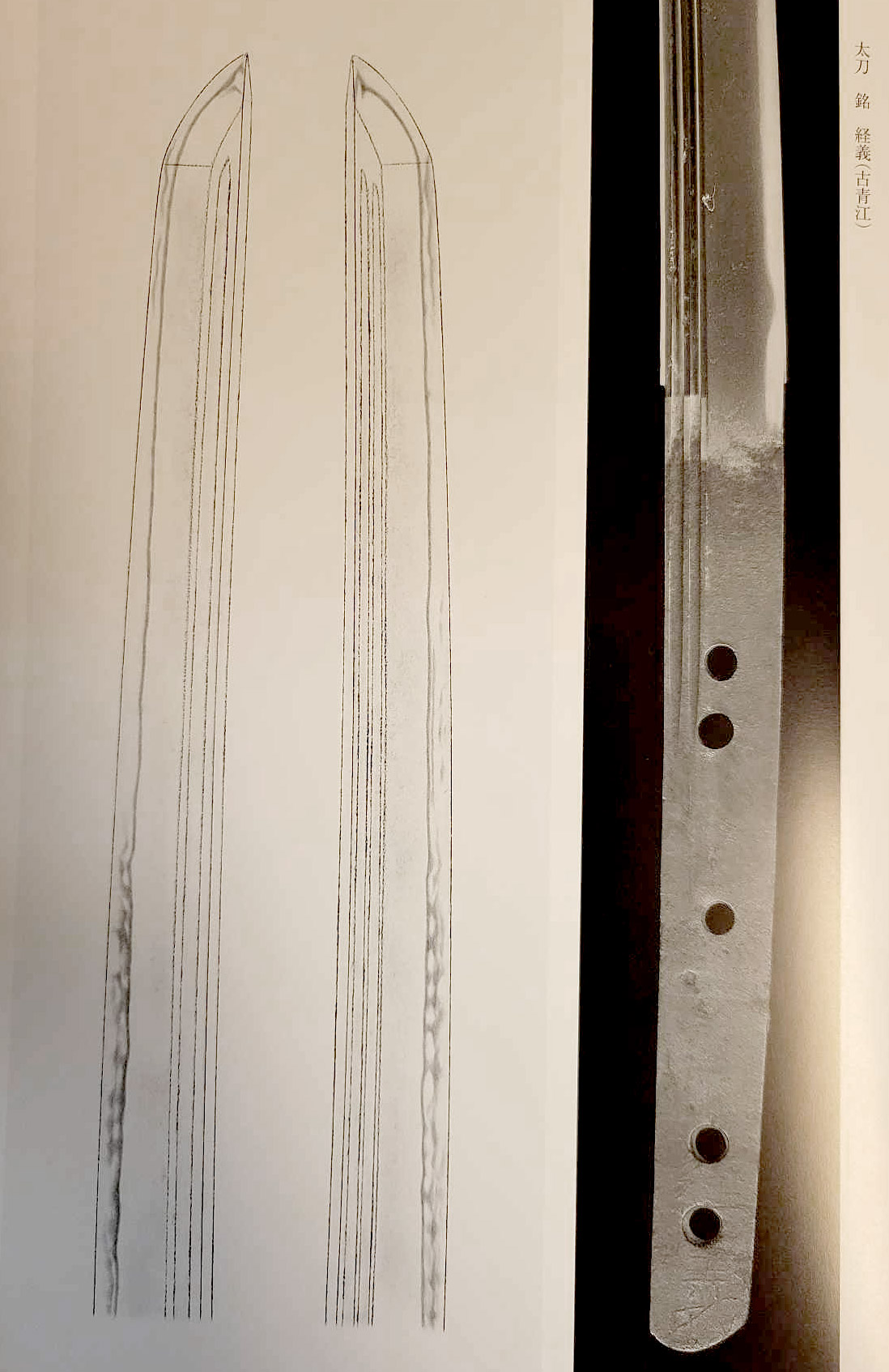
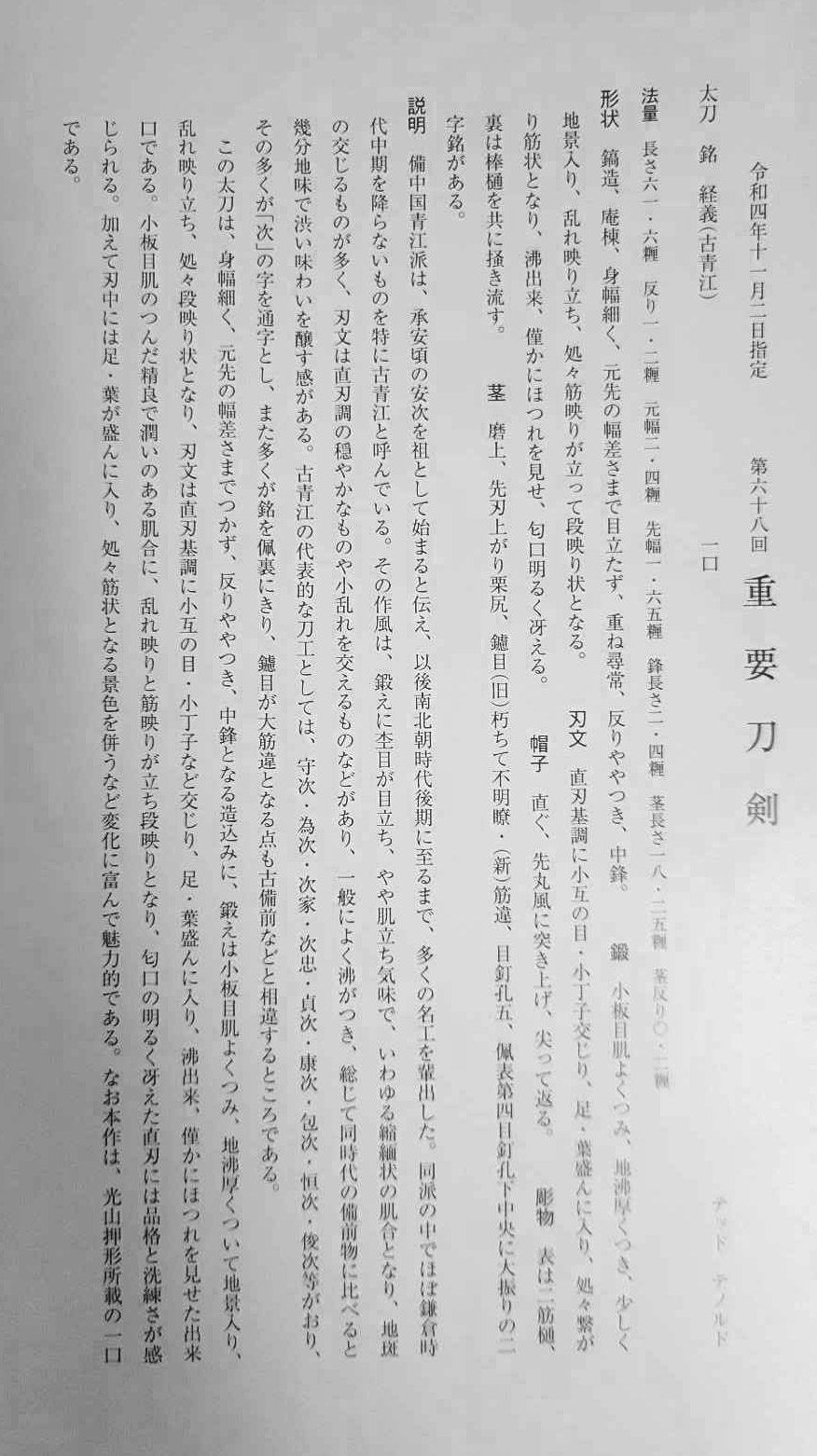
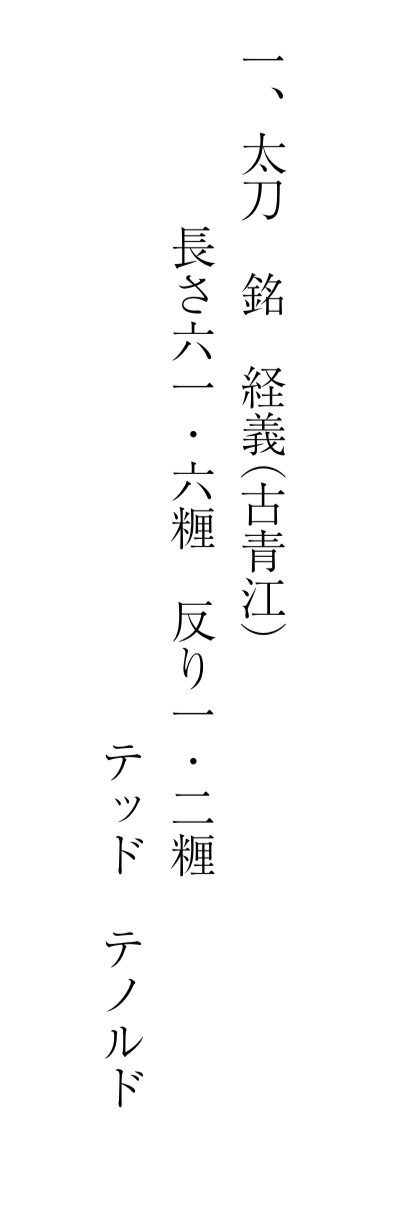
This is a tachi by Ko-Aoe Tsuneyoshi from Bitchu Province, active around the Bun'ei era (1264–1275). Although shortened, it retains a two-character signature and is the only known work by this smith. The blade features a refined ko-itame kitae with midare-utsuri and a suguha-chō hamon with sparkling nie, reflecting the elegance of the Aoe School. It is designated as Juyo Token by the NBTHK.
 NihontoWatch
mei · Aoe · Koto (987-1596) · nagasa 61.6cm · sori 1.2cm

Bizen-den · Bitchu · around 987-1596
1 piece on the market now
Bizen-den · Bitchu
Phase: Ko-Aoe古青江· 1100–1235
3 pieces on the market now
The Ko-Aoe school flourished in the lower basin of the Takahashi River in Bitchu Province, forging swords at the districts of Koi and Manju in a region long renowned as a source of iron. The school is traditionally held to have begun with Yasutsugu around the Joan era (1171-1175), and works produced from the end of the Heian period through approximately the mid-Kamakura period are distinguished as Ko-Aoe, with production continuing under the broader Aoe designation through the late Nanbokucho era. Learn more →
| Smith | Era | Designated |
|---|---|---|
| Masatsune正恒 | 1213-1219 | 28 |
| Yasutsugu康次 | 1211-1213 | 11 |
| Kanetsugu包次 | 1211-1213 | 9 |
| Tsunetsugu恒次 | 1207-1211 | 12 |
| Suketsugu助次 | 1261-1264 | 14 |
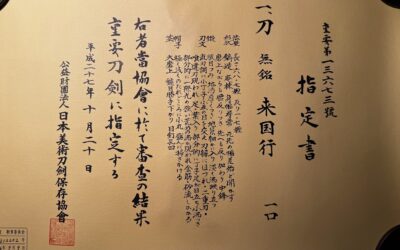
A blade of top-grade workmanship and condition, formally judged to rank with a nationally recognized Important Art Object (Jūyō Bijutsuhin). Awarded only at the NBTHK’s competitive annual examination.
Of Japan’s roughly 2.5 million registered swords, only 12,307 (about 1 in 203) have ever attained Jūyō.
The NBTHK (Nihon Bijutsu Tōken Hozon Kyōkai, the Society for the Preservation of Japanese Art Swords) is a public-interest incorporated foundation founded in 1948 and supervised by Japan’s Agency for Cultural Affairs (Bunkachō); it is based at the Japanese Sword Museum in Tokyo. Its expert panels physically examine each submitted work (shinsa) and issue a certificate (kanteishō) ranking it by artistic and historical merit. NBTHK papers are the most widely recognized standard of authentication for Japanese swords and fittings.
NBTHK official siteThis is a tachi by Ko-Aoe Tsuneyoshi from Bitchu Province, active around the Bun'ei era (1264–1275). Although shortened, it retains a two-character signature and is the only known work by this smith. The blade features a refined ko-itame kitae with midare-utsuri and a suguha-chō hamon with sparkling nie, reflecting the elegance of the Aoe School. It is designated as Juyo Token by the NBTHK.
NihontoWatchmei · Aoe · Koto (987-1596) · nagasa 61.6cm · sori 1.2cm
Bizen-den · Bitchu · around 987-1596
1 piece on the market now
Bizen-den · Bitchu
Phase: Ko-Aoe古青江· 1100–1235
3 pieces on the market now
The Ko-Aoe school flourished in the lower basin of the Takahashi River in Bitchu Province, forging swords at the districts of Koi and Manju in a region long renowned as a source of iron. The school is traditionally held to have begun with Yasutsugu around the Joan era (1171-1175), and works produced from the end of the Heian period through approximately the mid-Kamakura period are distinguished as Ko-Aoe, with production continuing under the broader Aoe designation through the late Nanbokucho era. Learn more →
| Smith | Era | Designated |
|---|---|---|
| Masatsune正恒 | 1213-1219 | 28 |
| Yasutsugu康次 | 1211-1213 | 11 |
| Kanetsugu包次 | 1211-1213 | 9 |
| Tsunetsugu恒次 | 1207-1211 | 12 |
| Suketsugu助次 | 1261-1264 | 14 |
A blade of top-grade workmanship and condition, formally judged to rank with a nationally recognized Important Art Object (Jūyō Bijutsuhin). Awarded only at the NBTHK’s competitive annual examination.
Of Japan’s roughly 2.5 million registered swords, only 12,307 (about 1 in 203) have ever attained Jūyō.
The NBTHK (Nihon Bijutsu Tōken Hozon Kyōkai, the Society for the Preservation of Japanese Art Swords) is a public-interest incorporated foundation founded in 1948 and supervised by Japan’s Agency for Cultural Affairs (Bunkachō); it is based at the Japanese Sword Museum in Tokyo. Its expert panels physically examine each submitted work (shinsa) and issue a certificate (kanteishō) ranking it by artistic and historical merit. NBTHK papers are the most widely recognized standard of authentication for Japanese swords and fittings.
NBTHK official site