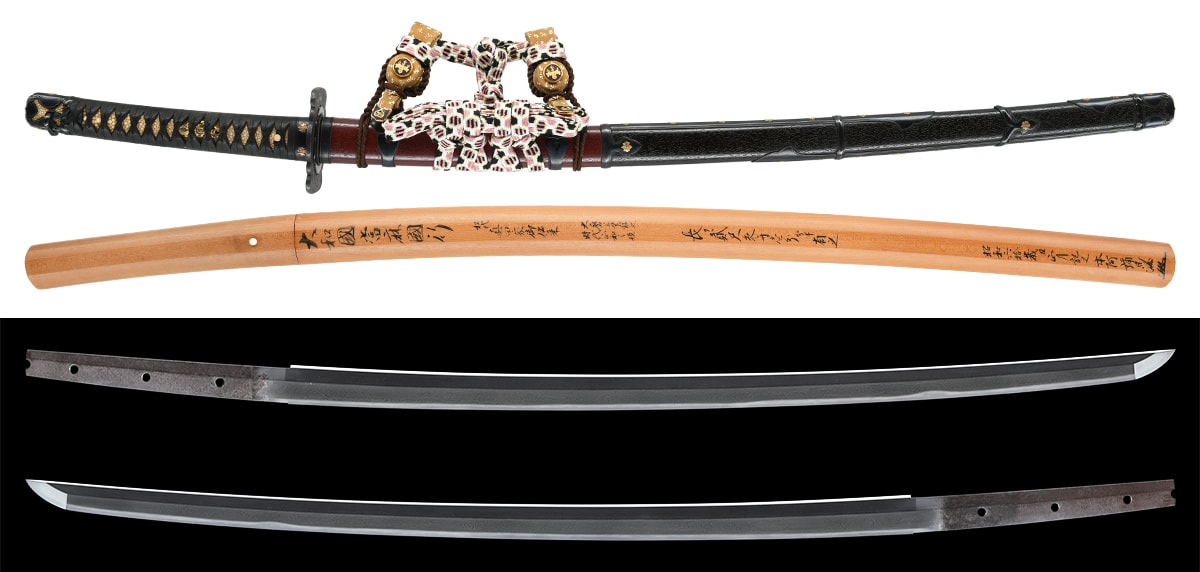
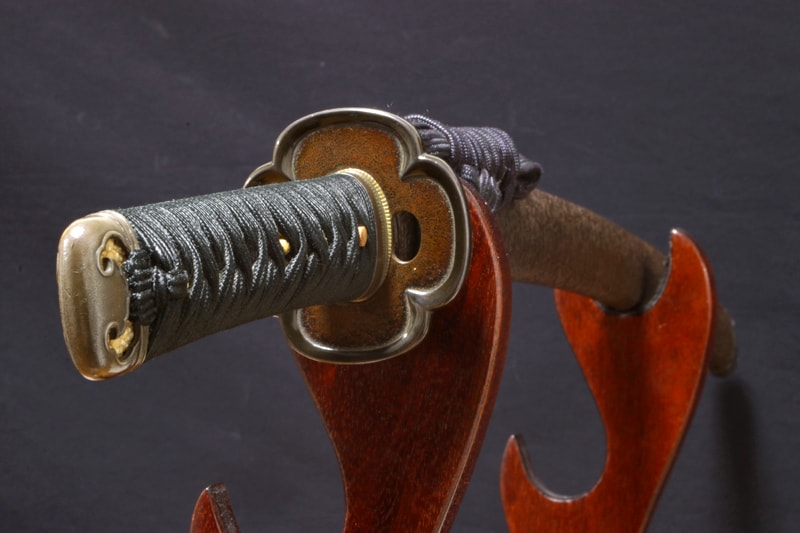
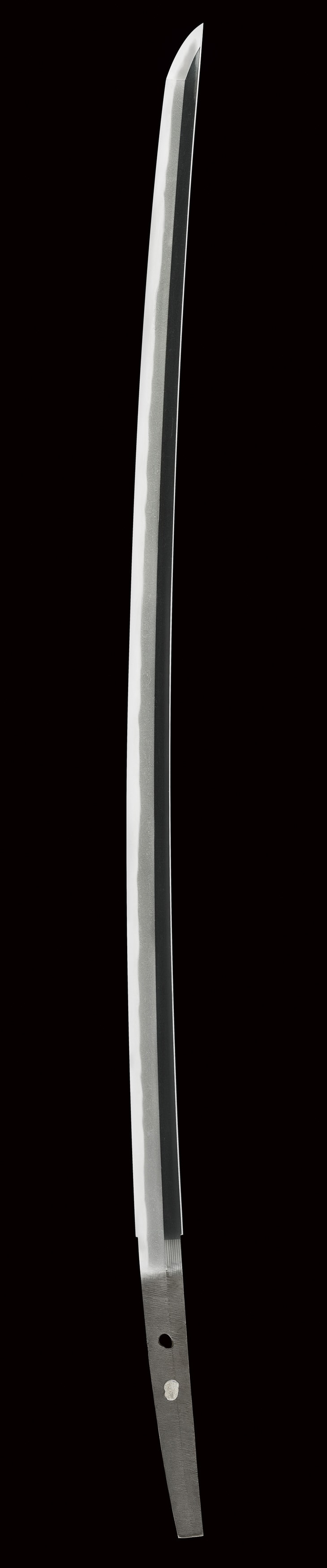
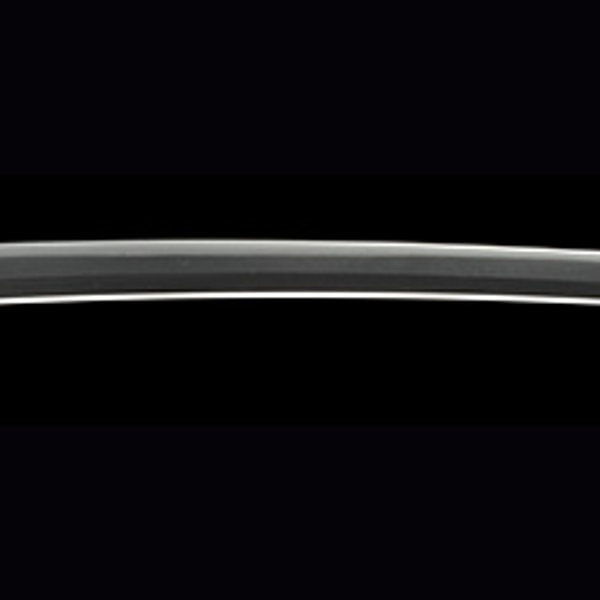
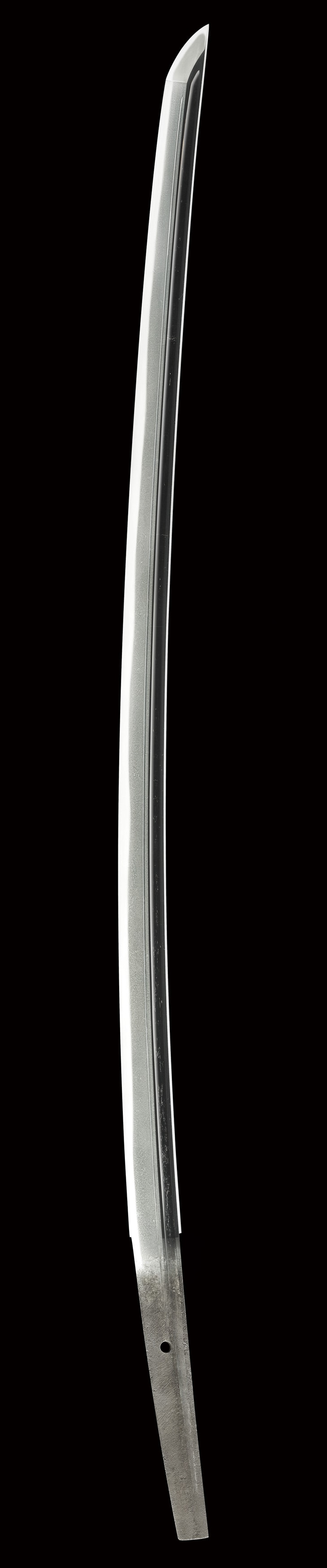
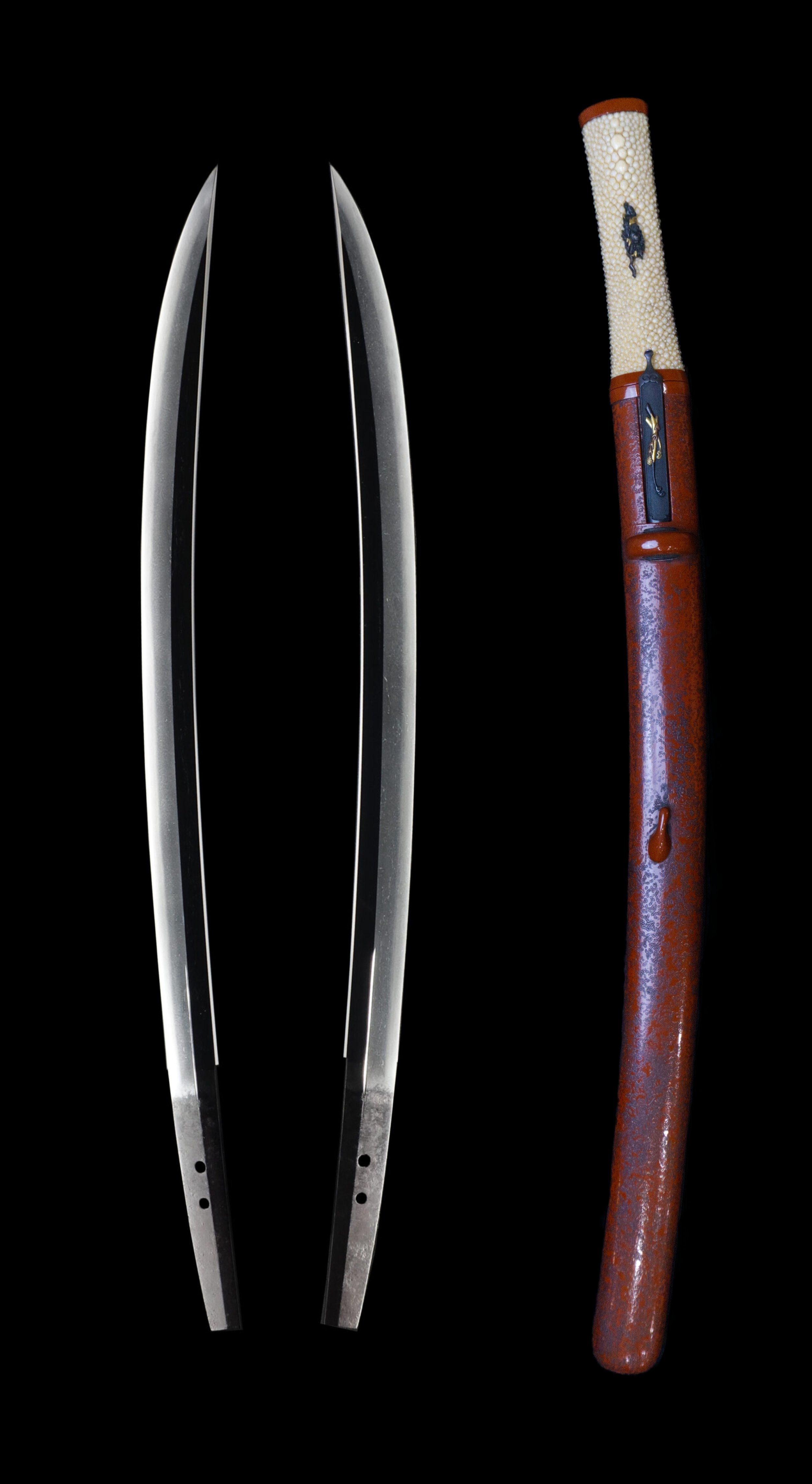
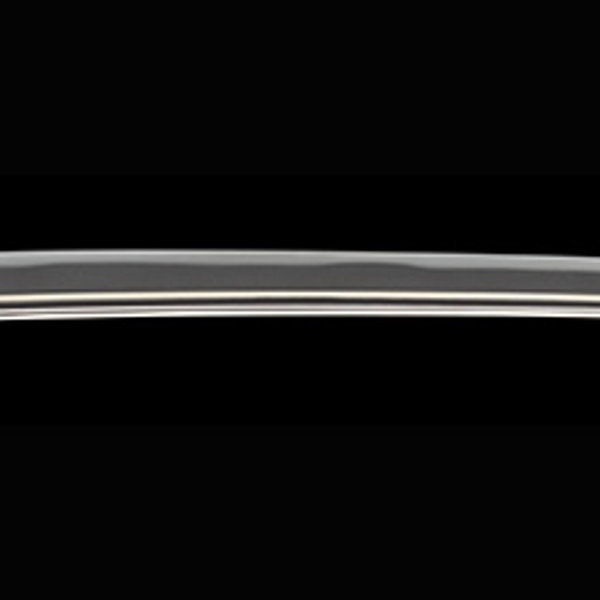
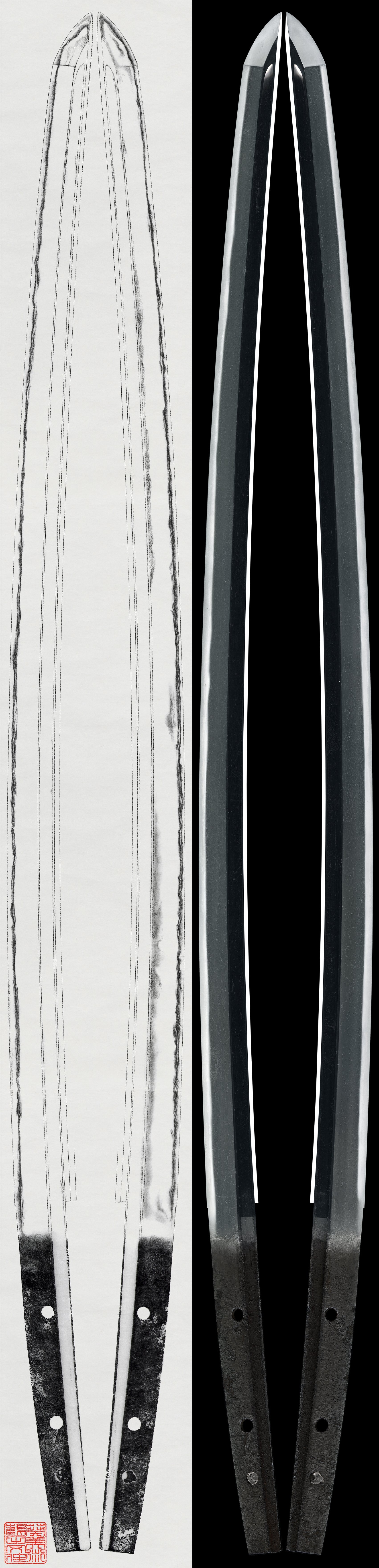
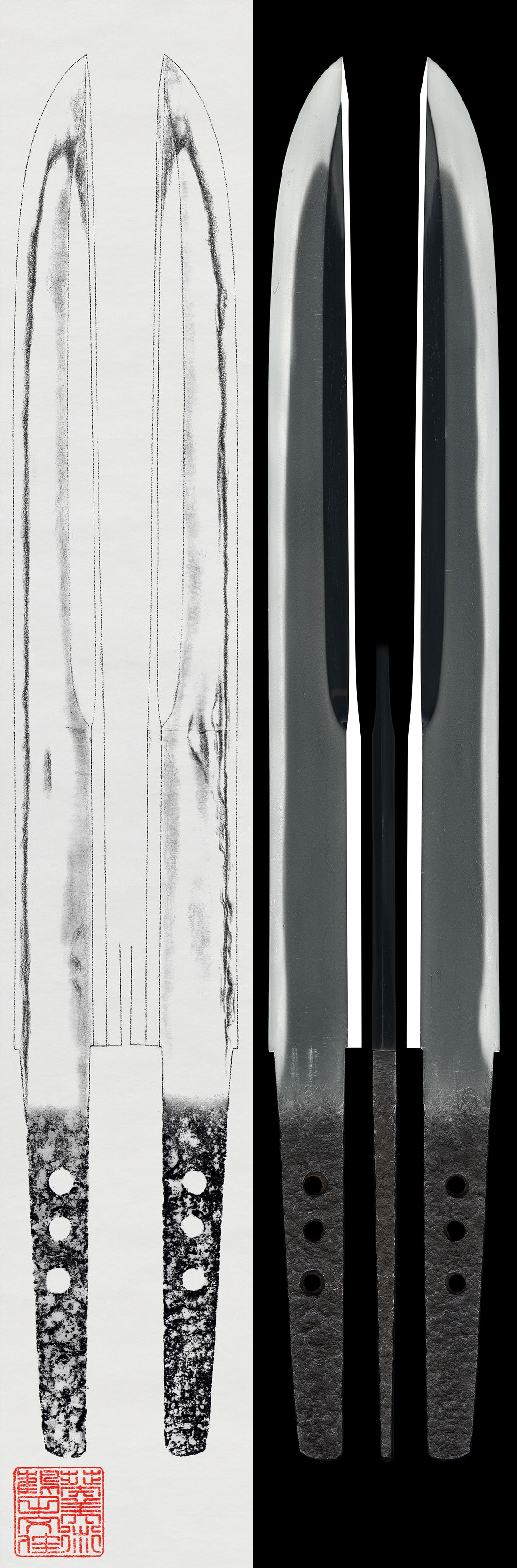
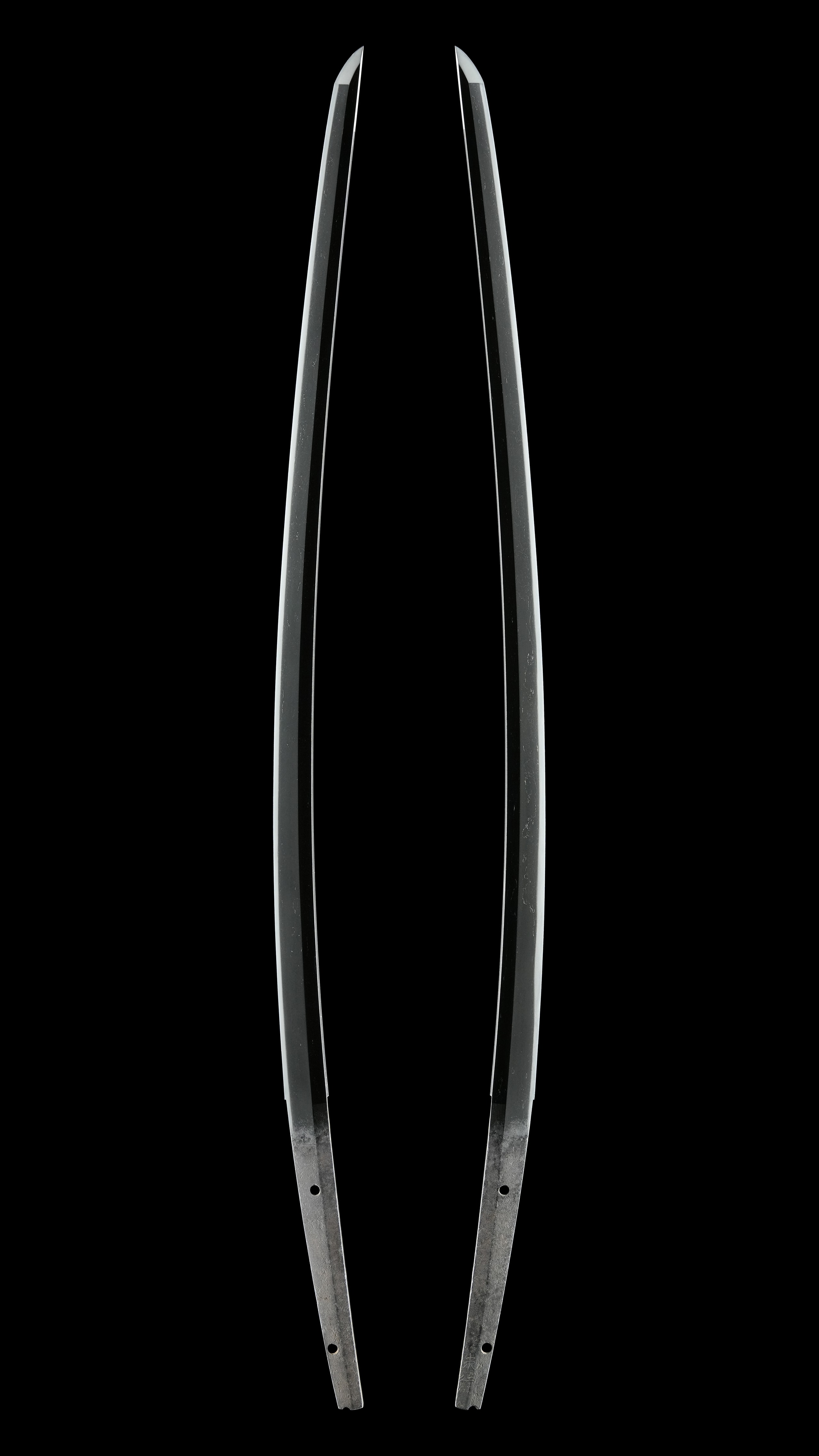
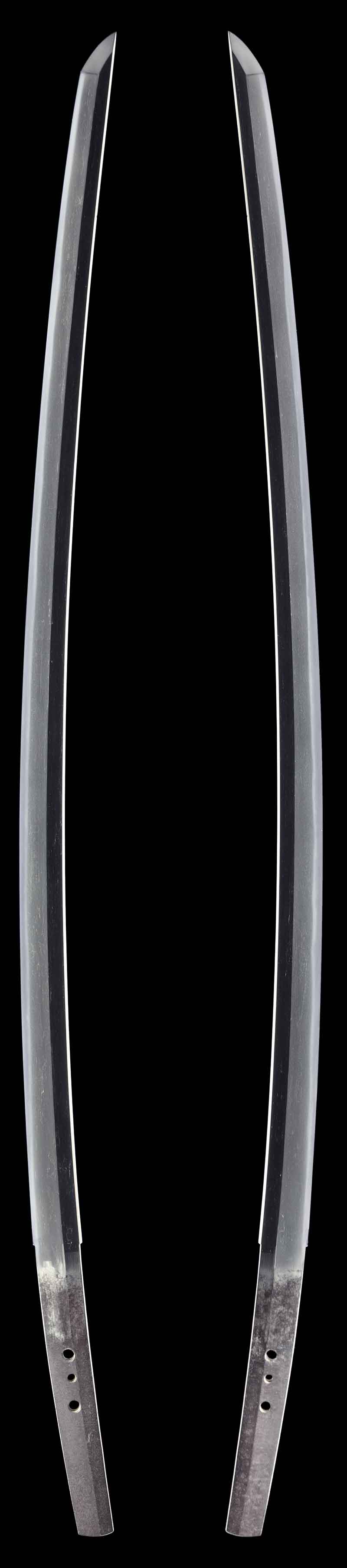
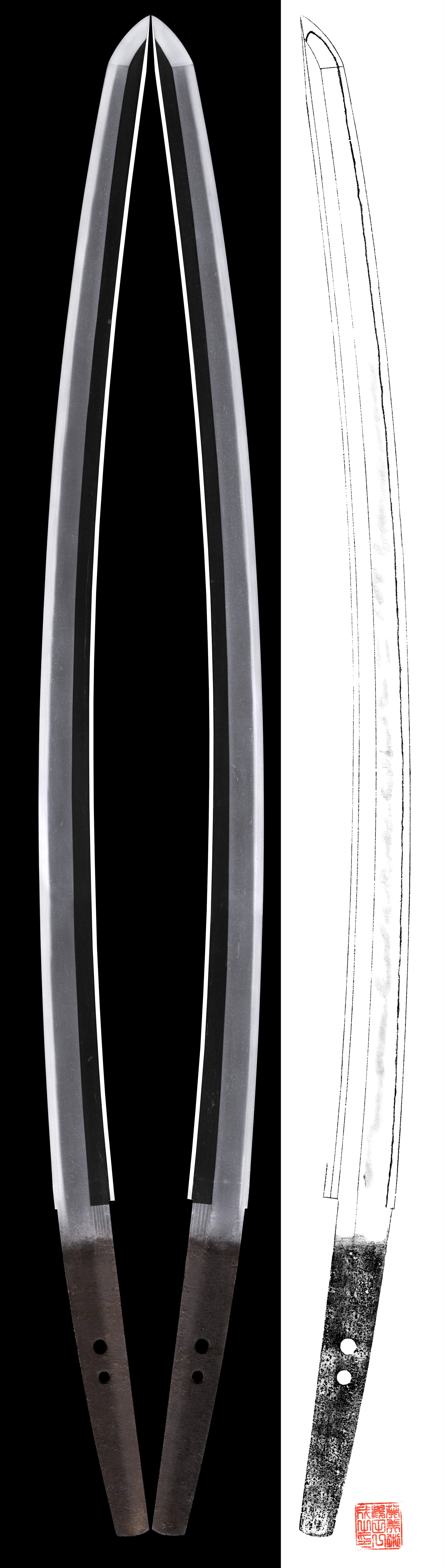
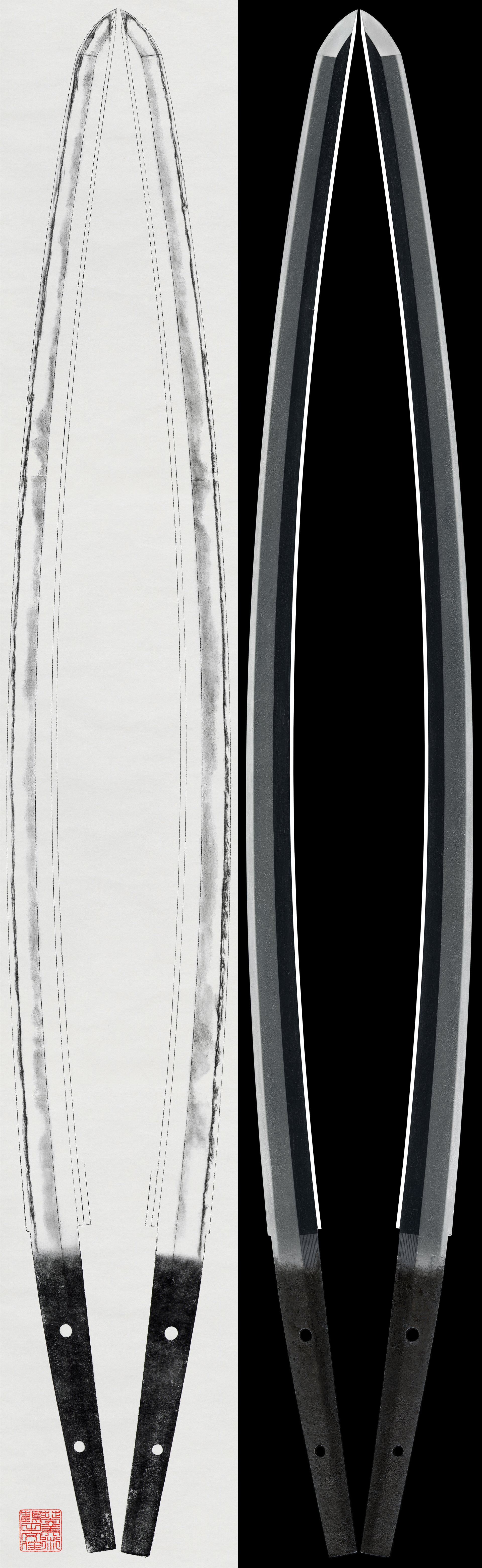
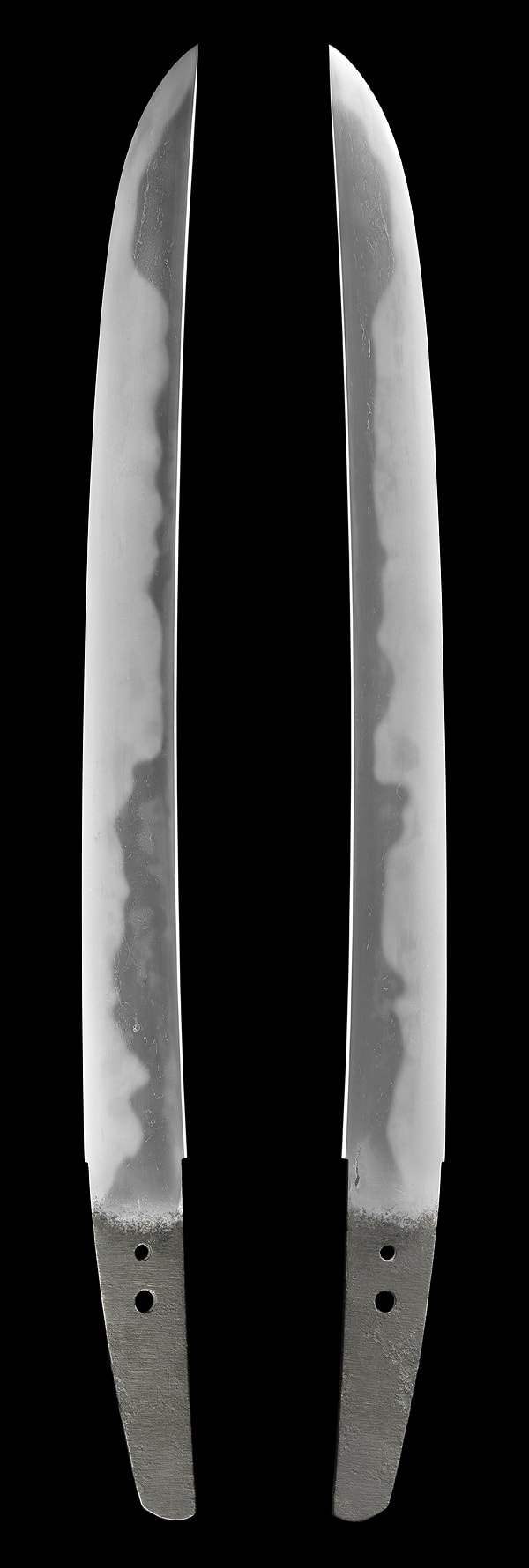
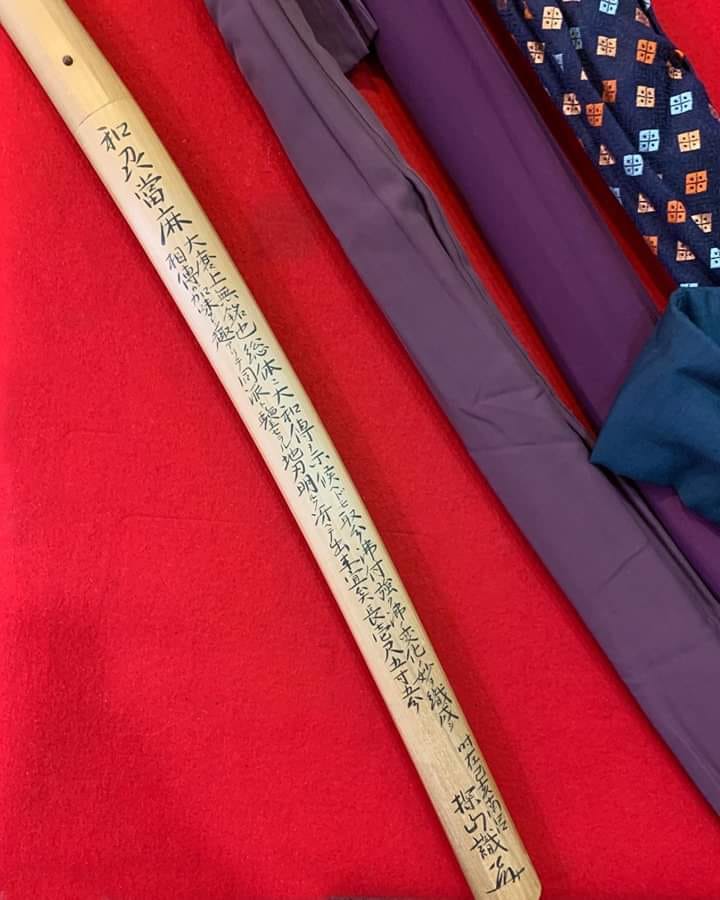
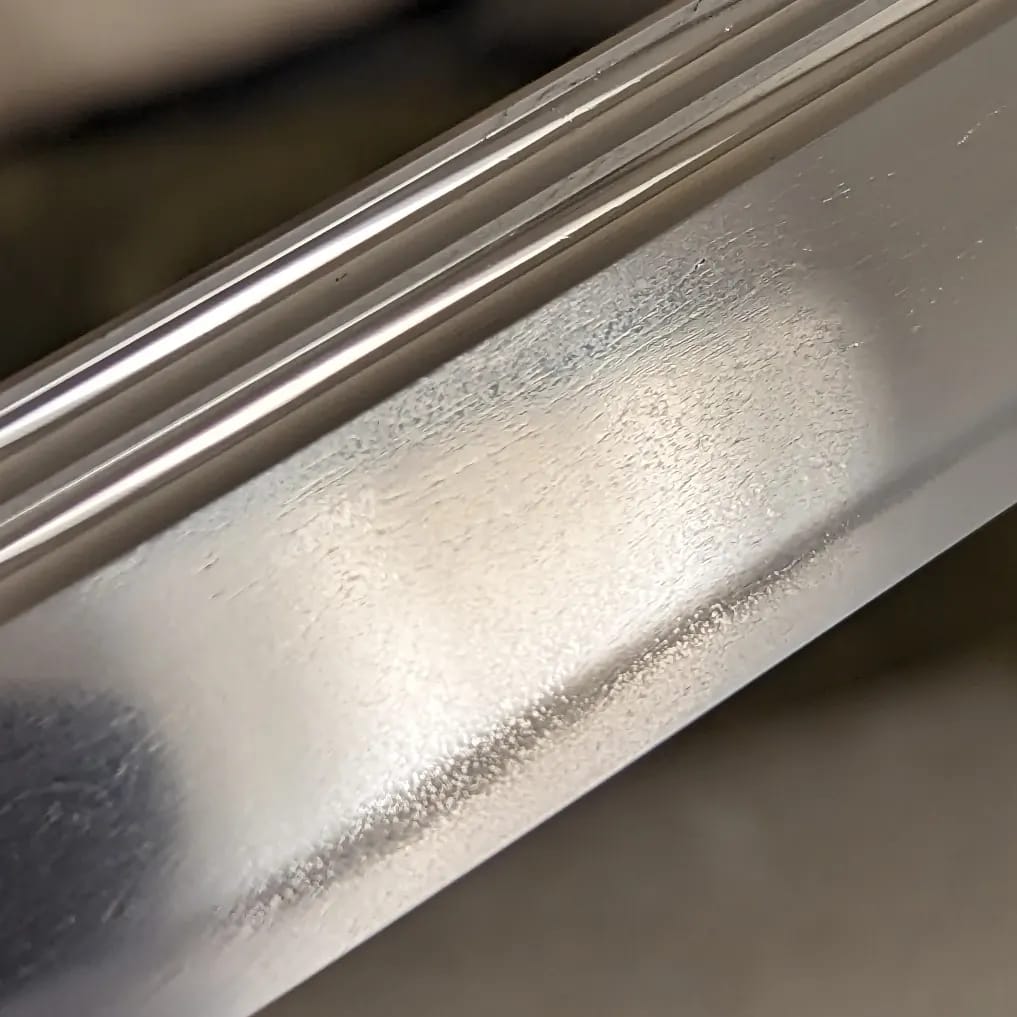
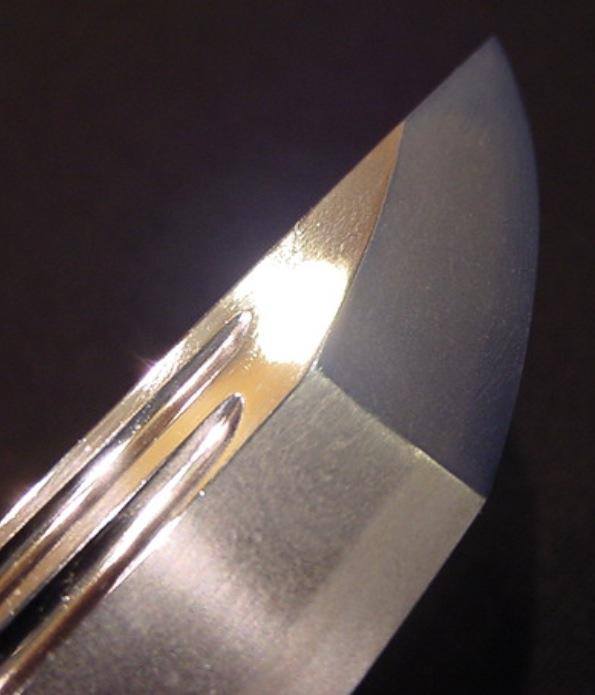
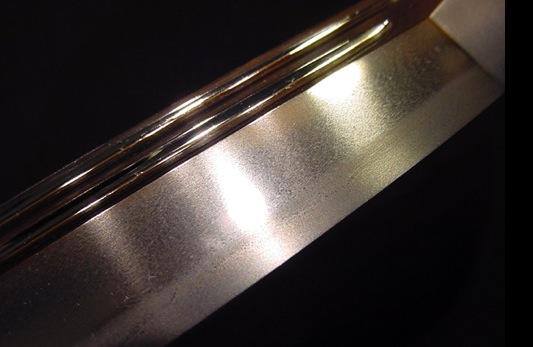
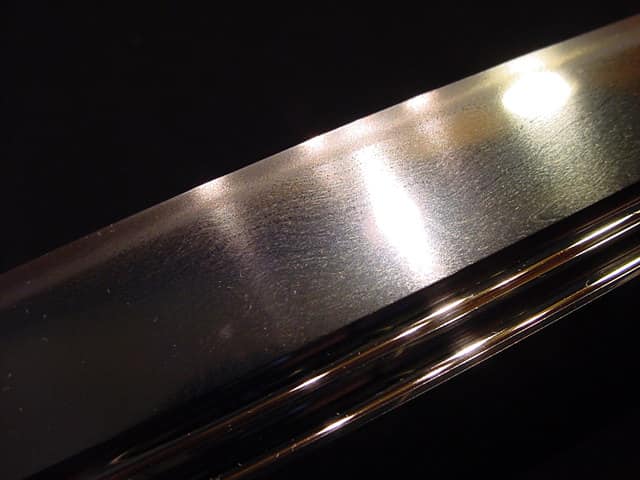
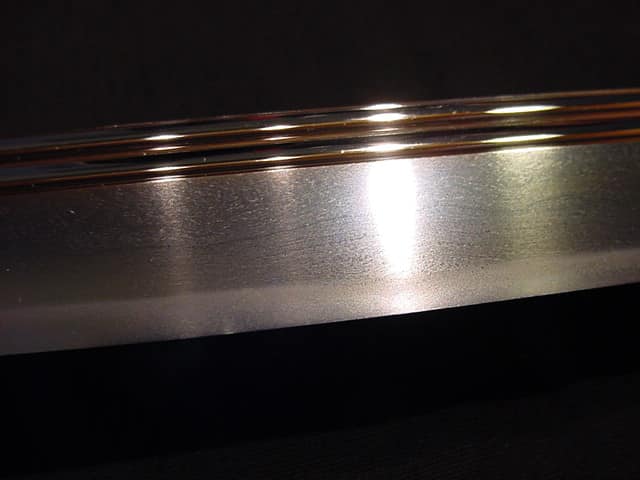
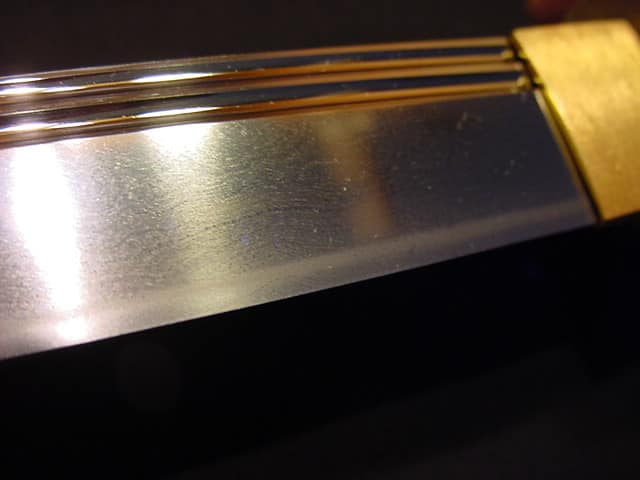
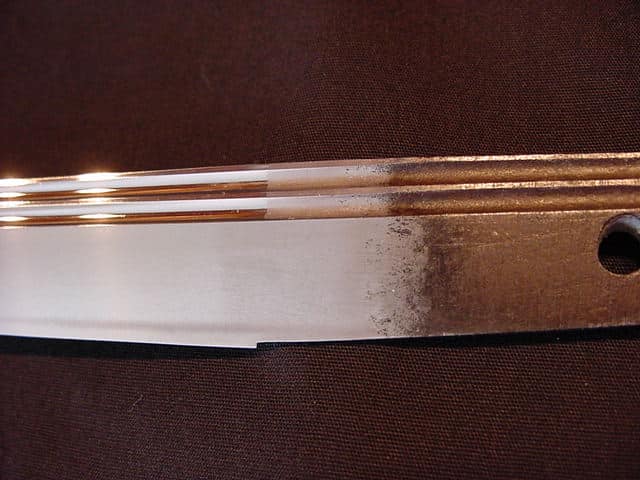
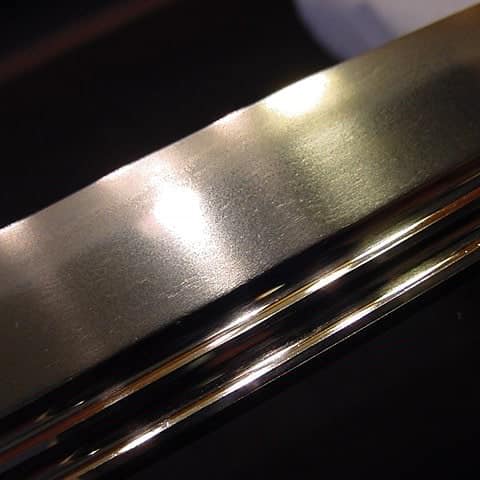
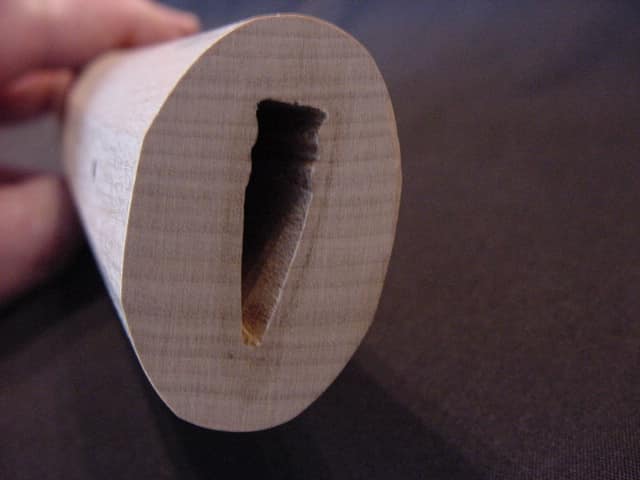
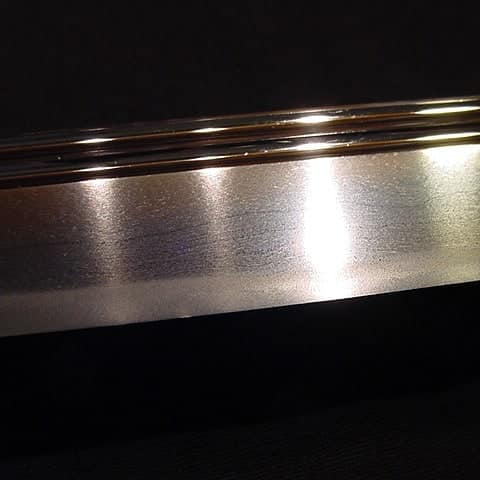
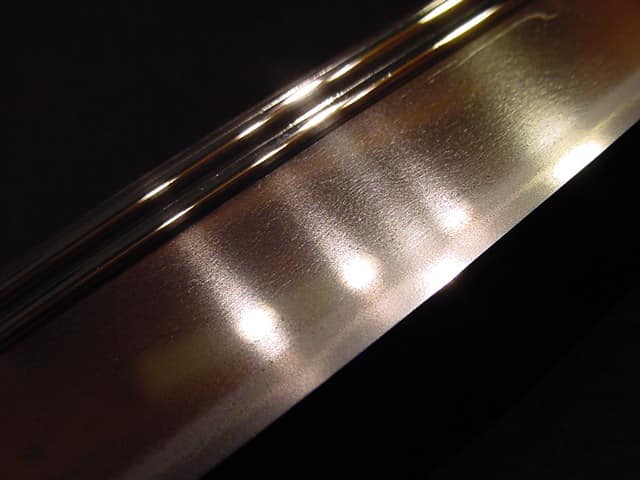
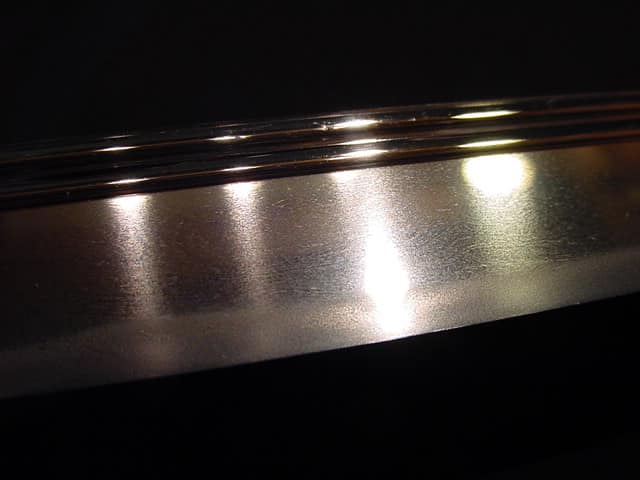
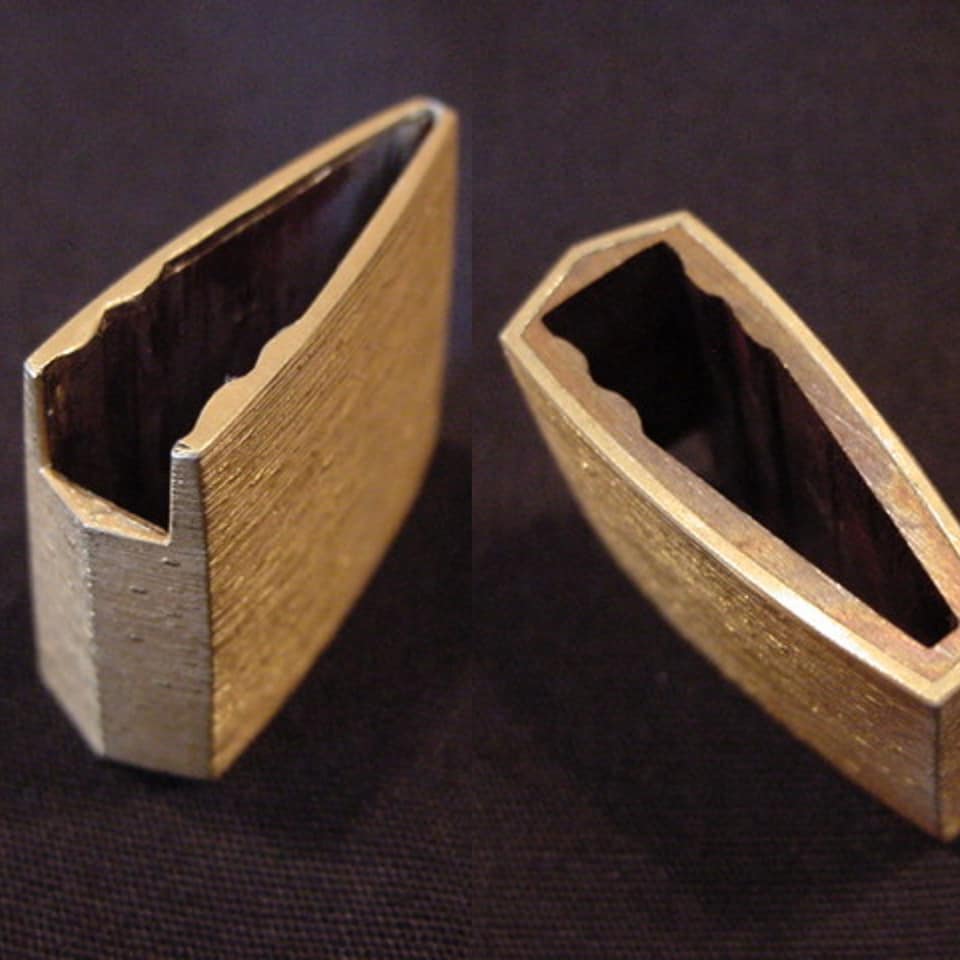
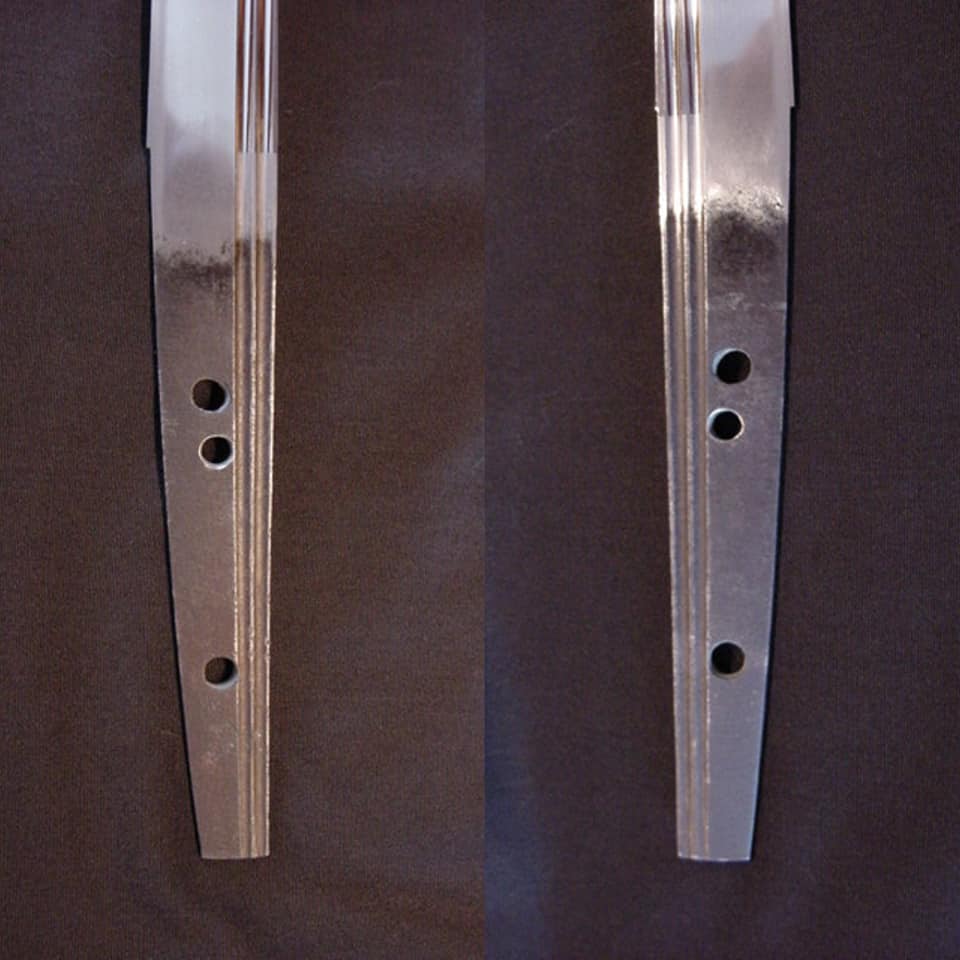
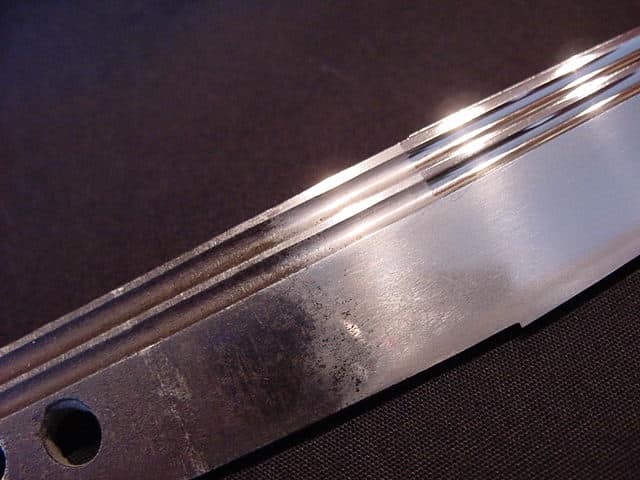
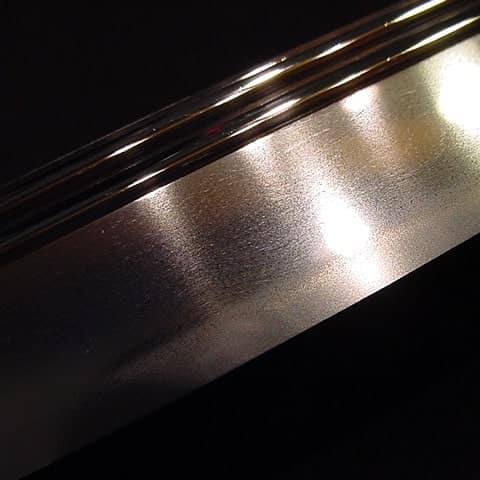
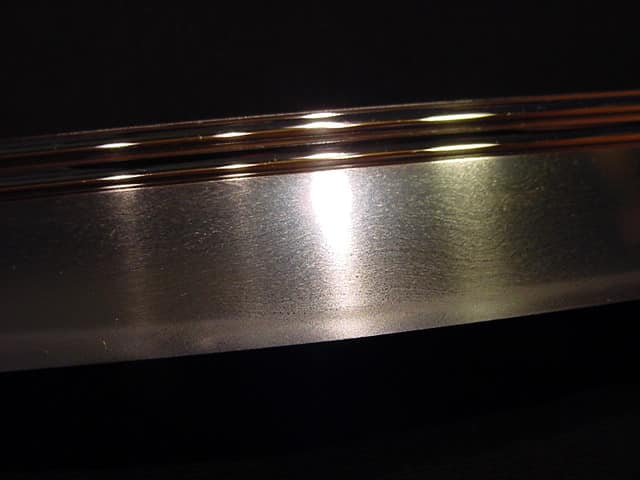
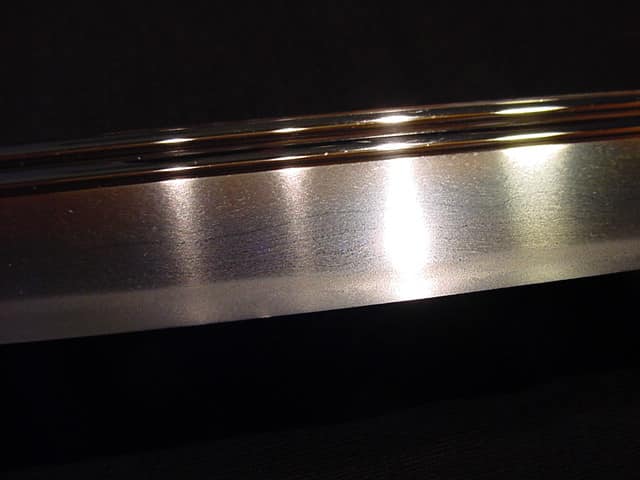
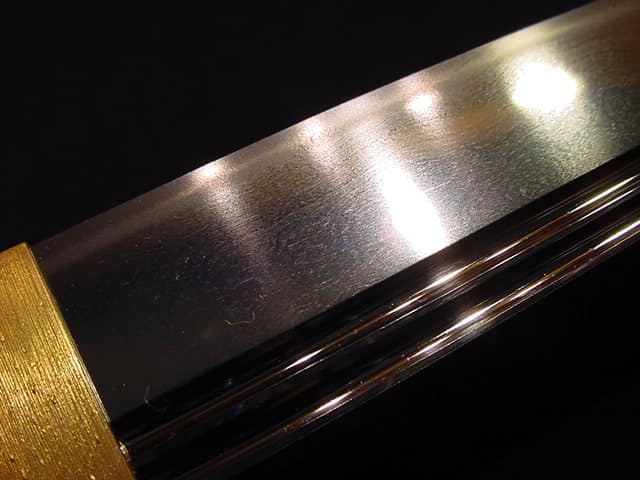
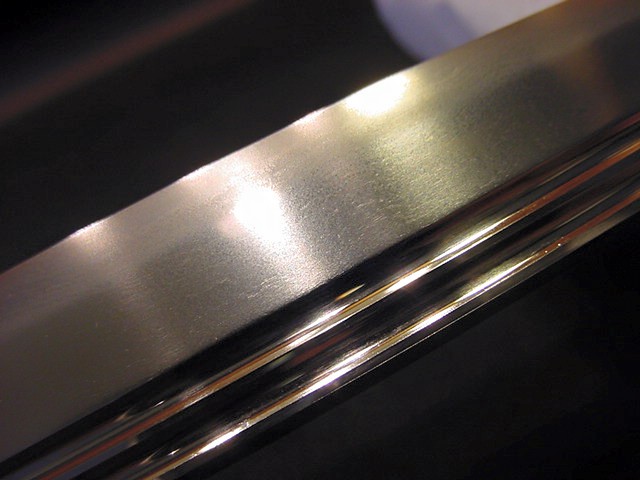
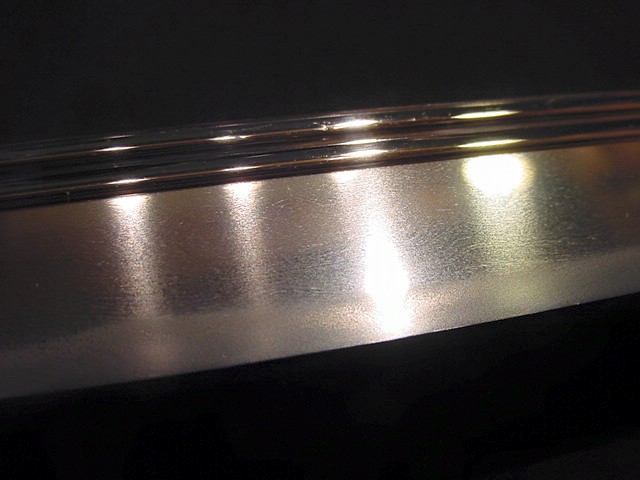
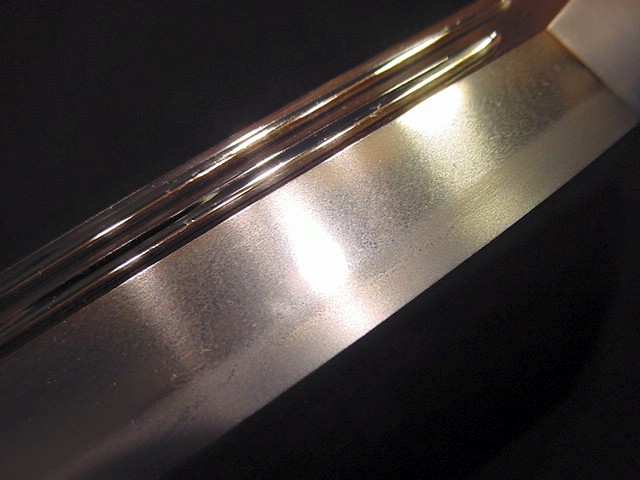
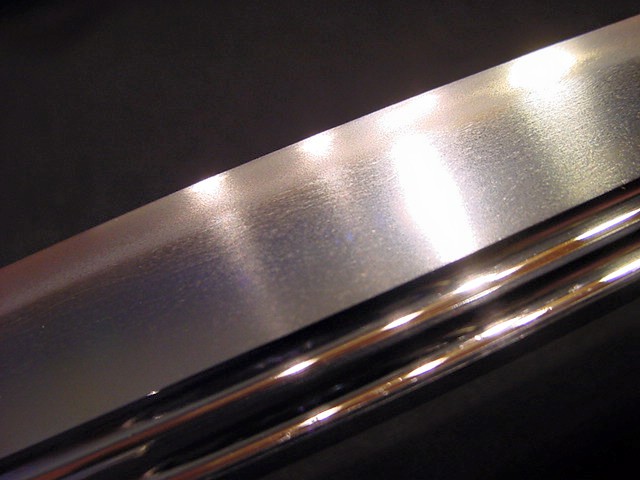
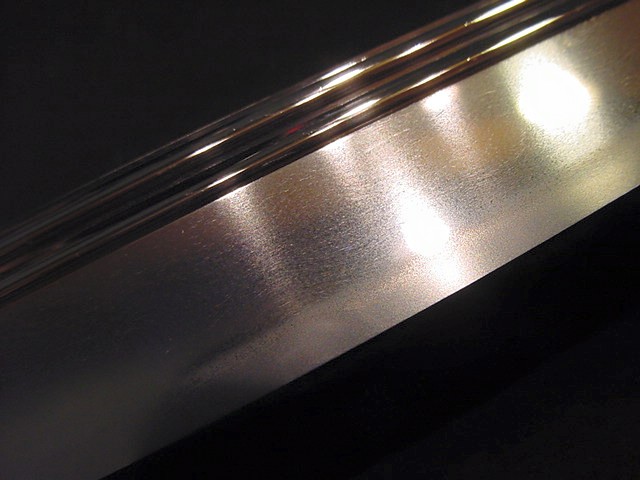
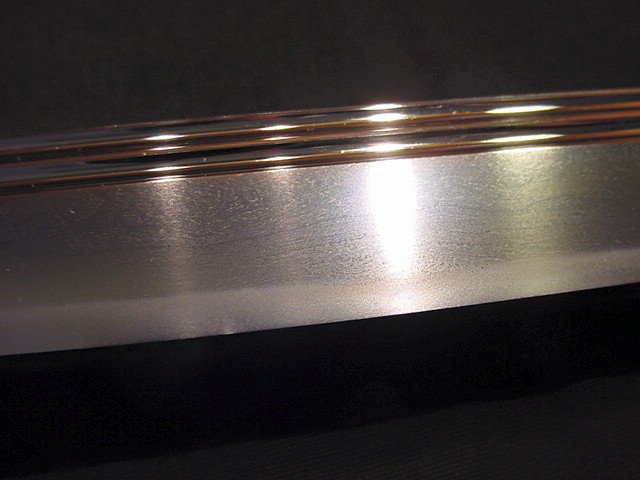
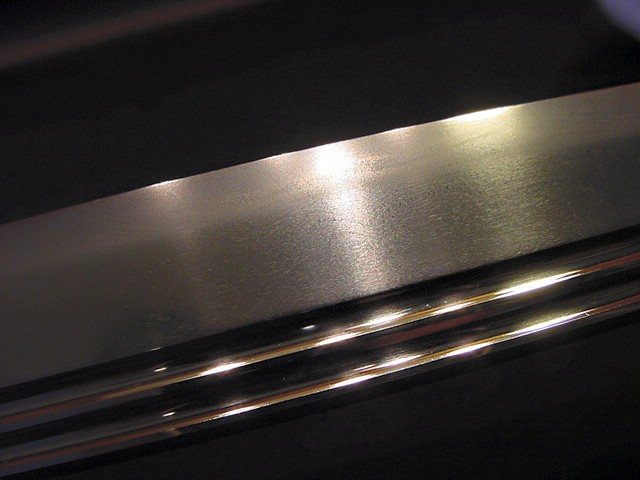
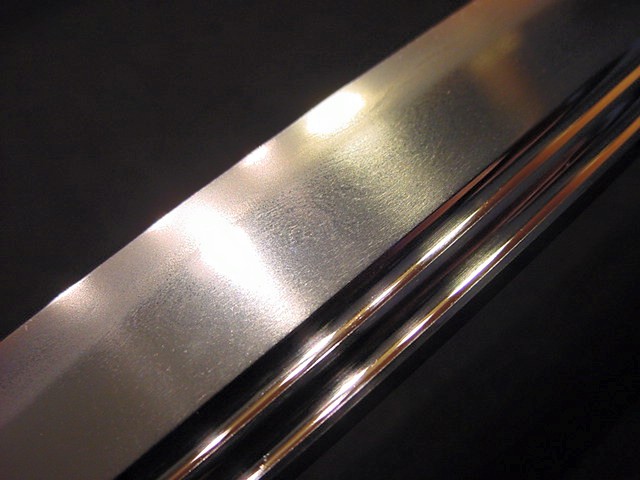
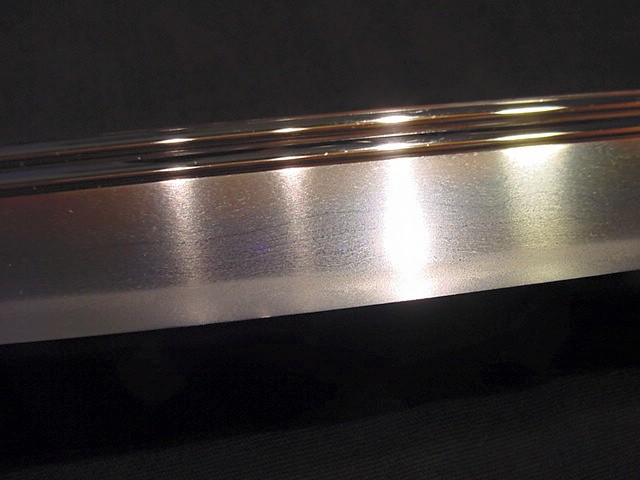
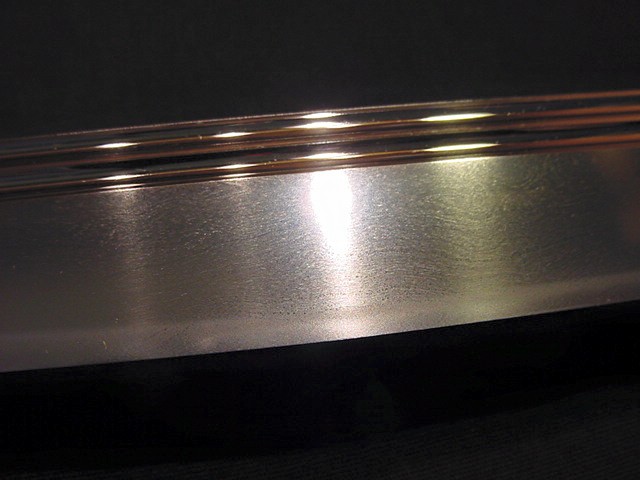
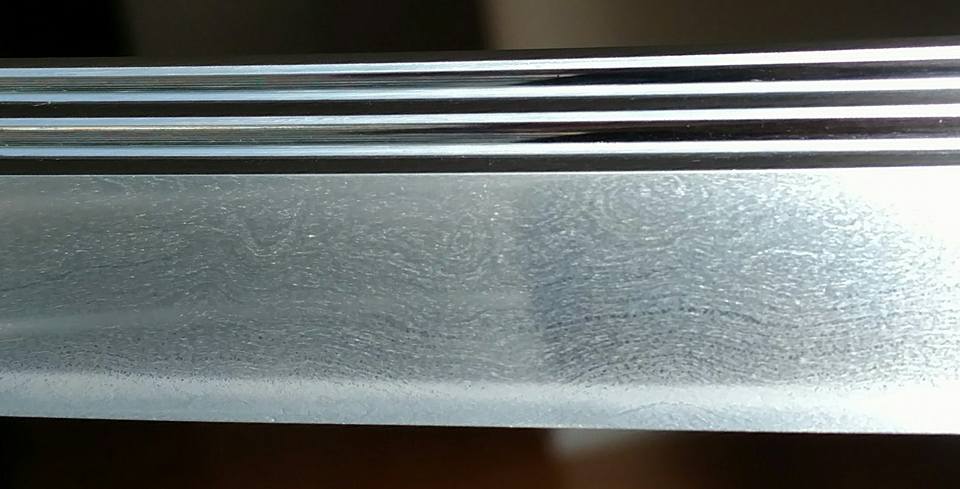
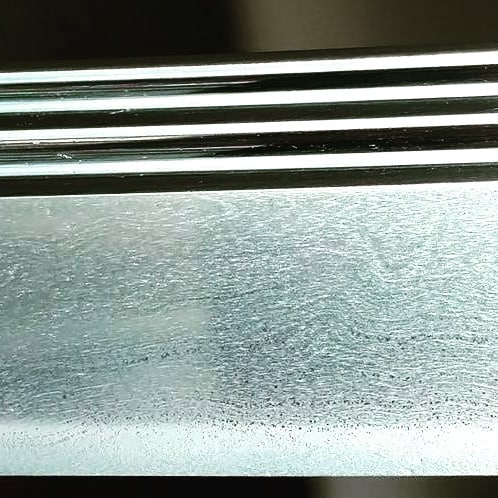
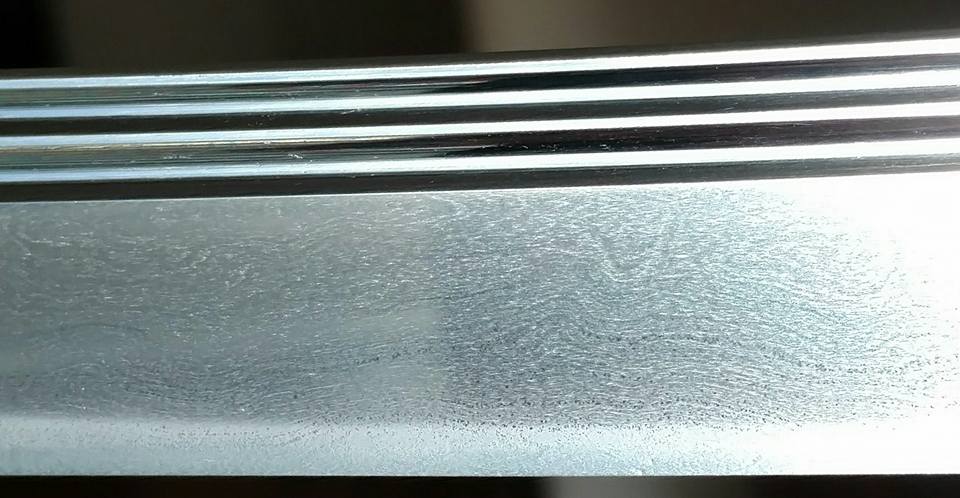
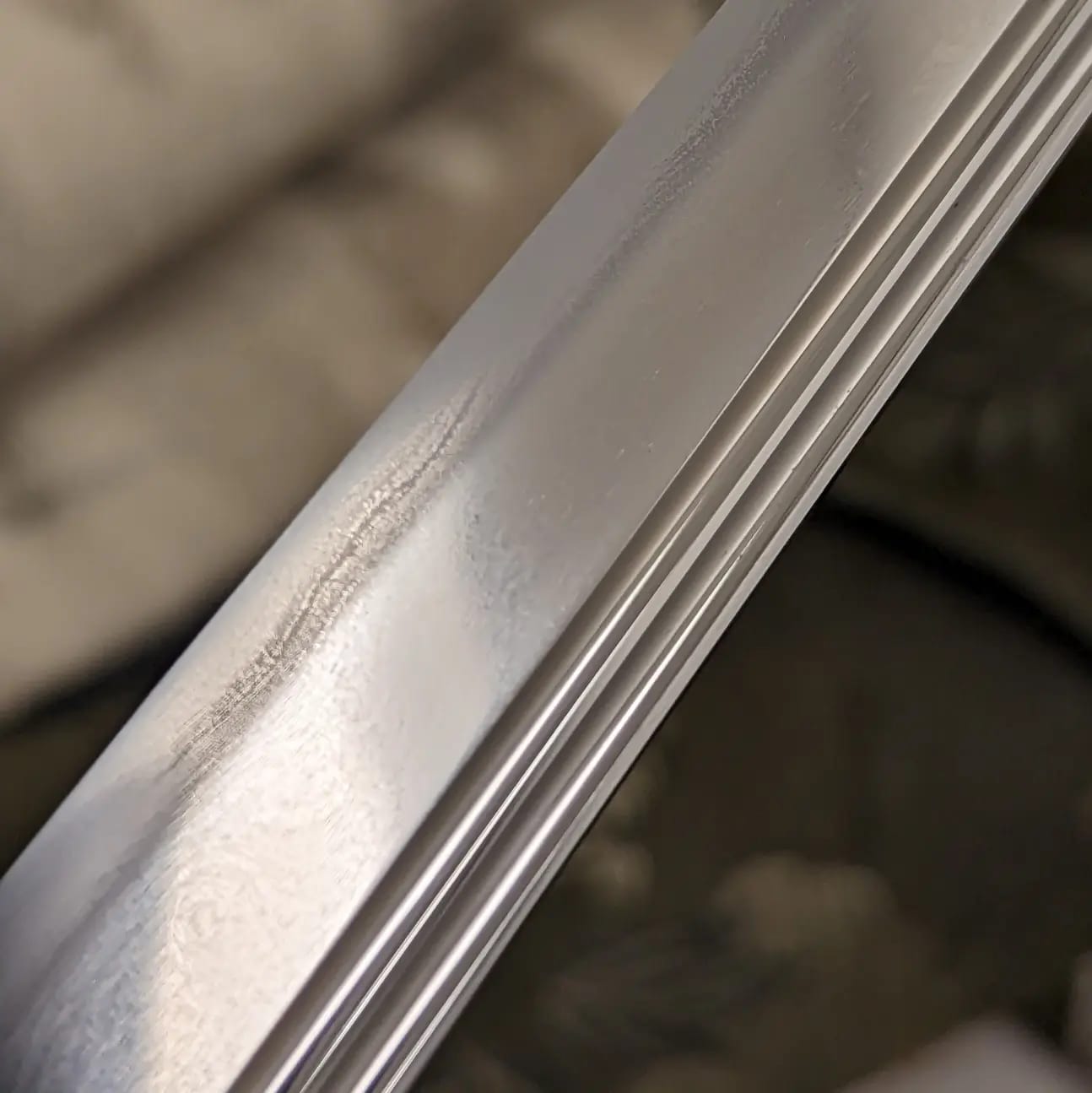
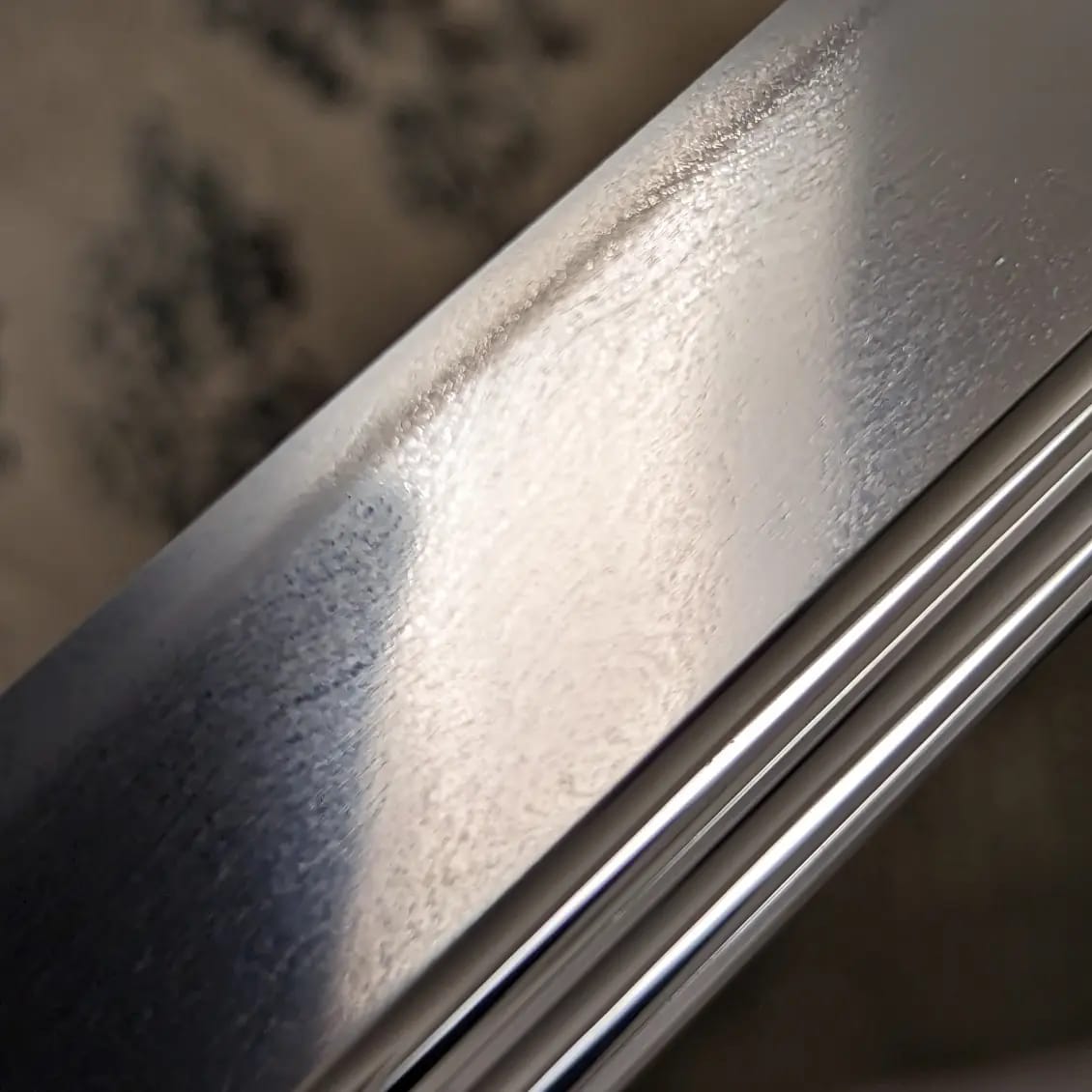
This is a Yamato Taima school wakizashi. The blade is o-suriage and mumei, displaying characteristics of the Yamato tradition with Sōshū influence. The jiba is bright and clear, and the deki is excellent.
 NihontoWatch
suriage-mumei · Taima · Koto · nagasa 46.9cm
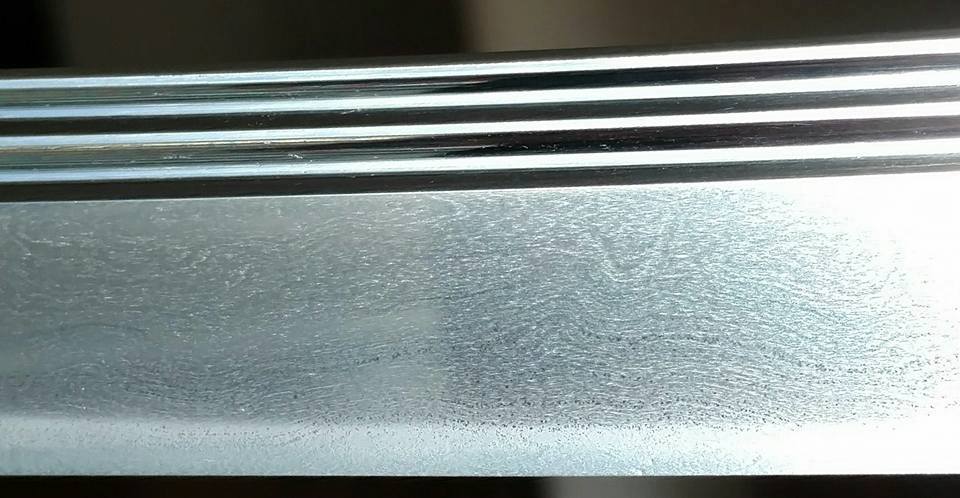


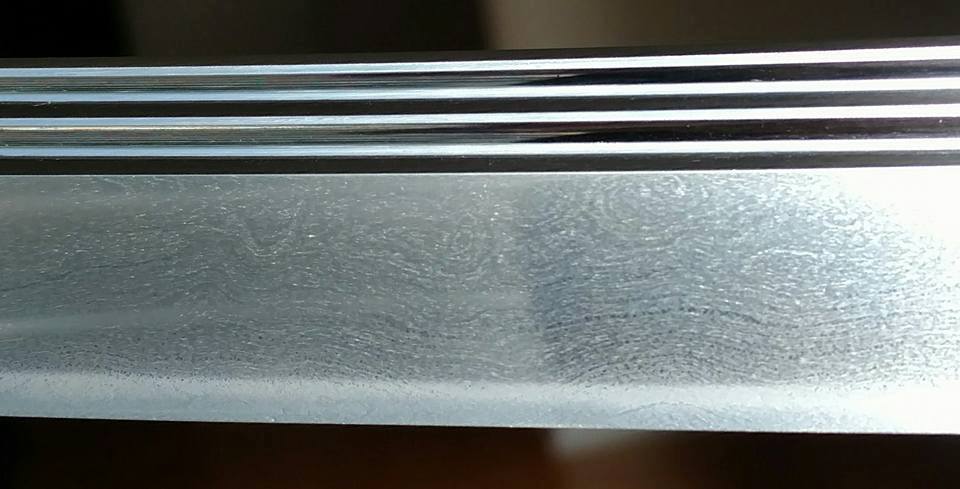
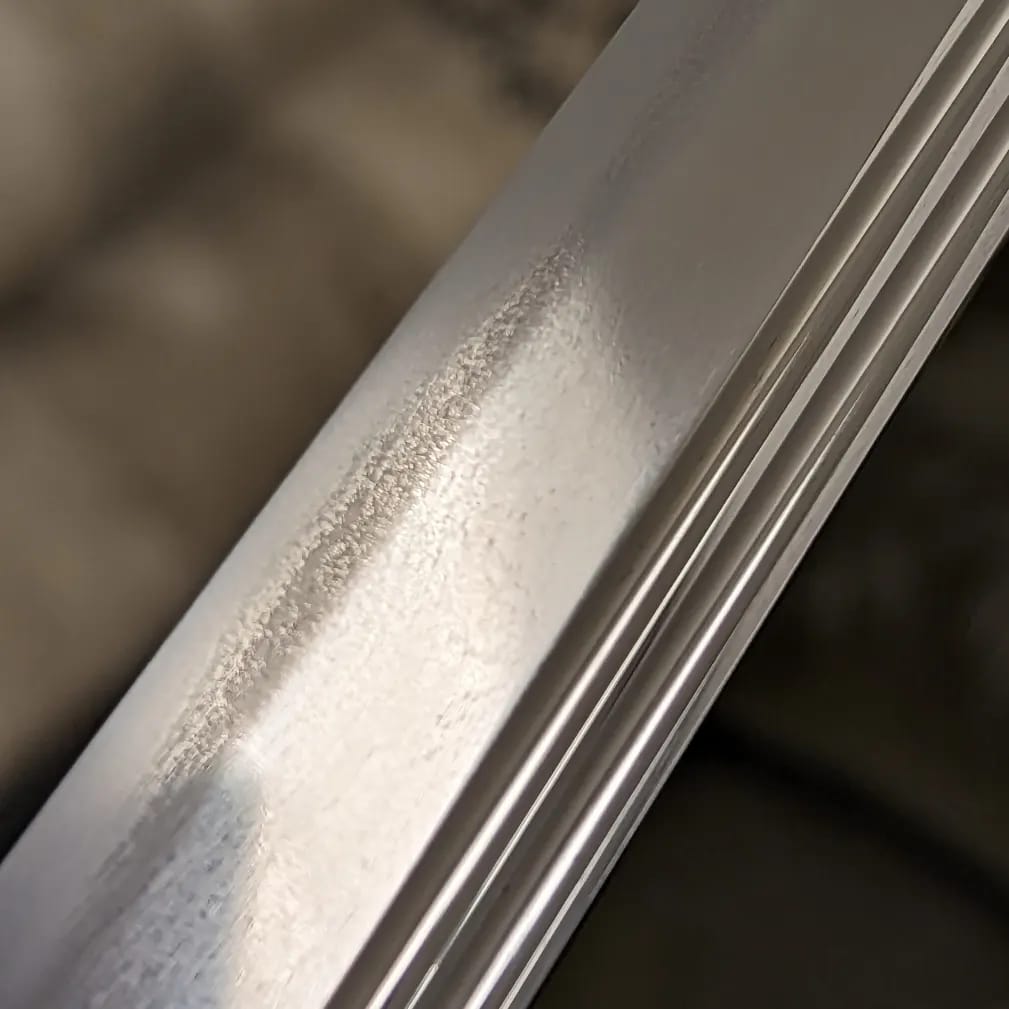
Yamato-den · Yamato
11 pieces on the market now
At Taima-dera in Yamato Province, the temple from which the school takes its name, a body of swordsmiths gathered in the late Kamakura period under Kuniyuki, who is transmitted as the founder of the line. The Taima group is counted among the five schools of the Yamato-den, the others being Tegai, Senjuin, Shikkake, and Hosho, and like its siblings it grew out of a monastic milieu in which the smiths worked in dependence upon the temple. Learn more →
| Smith | Era | Designated |
|---|---|---|
| Aritoshi有俊 | 1264-1275 | 41 |
| Nobunaga信長 | 1394-1428 | 6 |
| Tomokiyo友清 | 1319-1321 | 5 |
| Tomoyuki友行 | 1278-1288 | 5 |
| Toshinaga俊長 | 1352-1356 | 5 |
A Hozon-certified blade judged to show notably superior workmanship and a better state of preservation. The bar is higher: re-tempered blades and most unsigned Muromachi/Edo works are excluded.
The NBTHK (Nihon Bijutsu Tōken Hozon Kyōkai, the Society for the Preservation of Japanese Art Swords) is a public-interest incorporated foundation founded in 1948 and supervised by Japan’s Agency for Cultural Affairs (Bunkachō); it is based at the Japanese Sword Museum in Tokyo. Its expert panels physically examine each submitted work (shinsa) and issue a certificate (kanteishō) ranking it by artistic and historical merit. NBTHK papers are the most widely recognized standard of authentication for Japanese swords and fittings.
NBTHK official siteThis is a Yamato Taima school wakizashi. The blade is o-suriage and mumei, displaying characteristics of the Yamato tradition with Sōshū influence. The jiba is bright and clear, and the deki is excellent.
NihontoWatchsuriage-mumei · Taima · Koto · nagasa 46.9cm
Yamato-den · Yamato
11 pieces on the market now
At Taima-dera in Yamato Province, the temple from which the school takes its name, a body of swordsmiths gathered in the late Kamakura period under Kuniyuki, who is transmitted as the founder of the line. The Taima group is counted among the five schools of the Yamato-den, the others being Tegai, Senjuin, Shikkake, and Hosho, and like its siblings it grew out of a monastic milieu in which the smiths worked in dependence upon the temple. Learn more →
| Smith | Era | Designated |
|---|---|---|
| Aritoshi有俊 | 1264-1275 | 41 |
| Nobunaga信長 | 1394-1428 | 6 |
| Tomokiyo友清 | 1319-1321 | 5 |
| Tomoyuki友行 | 1278-1288 | 5 |
| Toshinaga俊長 | 1352-1356 | 5 |
A Hozon-certified blade judged to show notably superior workmanship and a better state of preservation. The bar is higher: re-tempered blades and most unsigned Muromachi/Edo works are excluded.
The NBTHK (Nihon Bijutsu Tōken Hozon Kyōkai, the Society for the Preservation of Japanese Art Swords) is a public-interest incorporated foundation founded in 1948 and supervised by Japan’s Agency for Cultural Affairs (Bunkachō); it is based at the Japanese Sword Museum in Tokyo. Its expert panels physically examine each submitted work (shinsa) and issue a certificate (kanteishō) ranking it by artistic and historical merit. NBTHK papers are the most widely recognized standard of authentication for Japanese swords and fittings.
NBTHK official site