NihontoWatch Mon

NihontoWatch

MarketAuctions
Encyclopedia
NihontoWatch Mon

NihontoWatch

MarketAuctions
Encyclopedia

Description

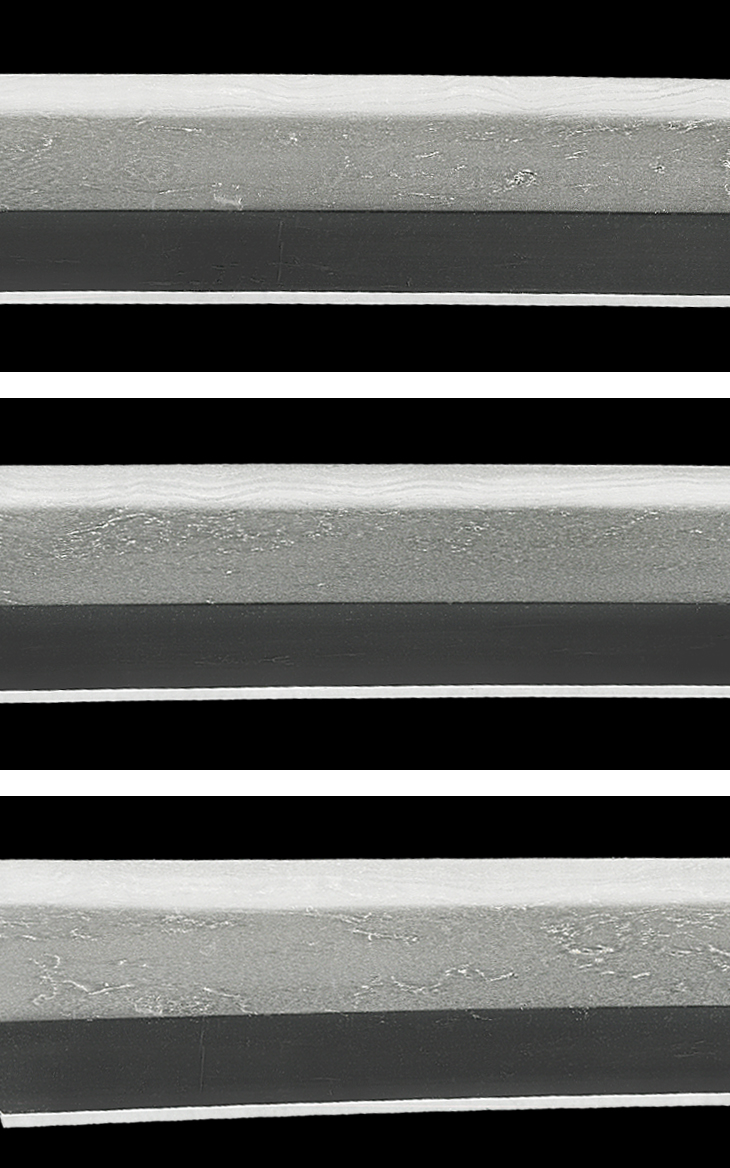
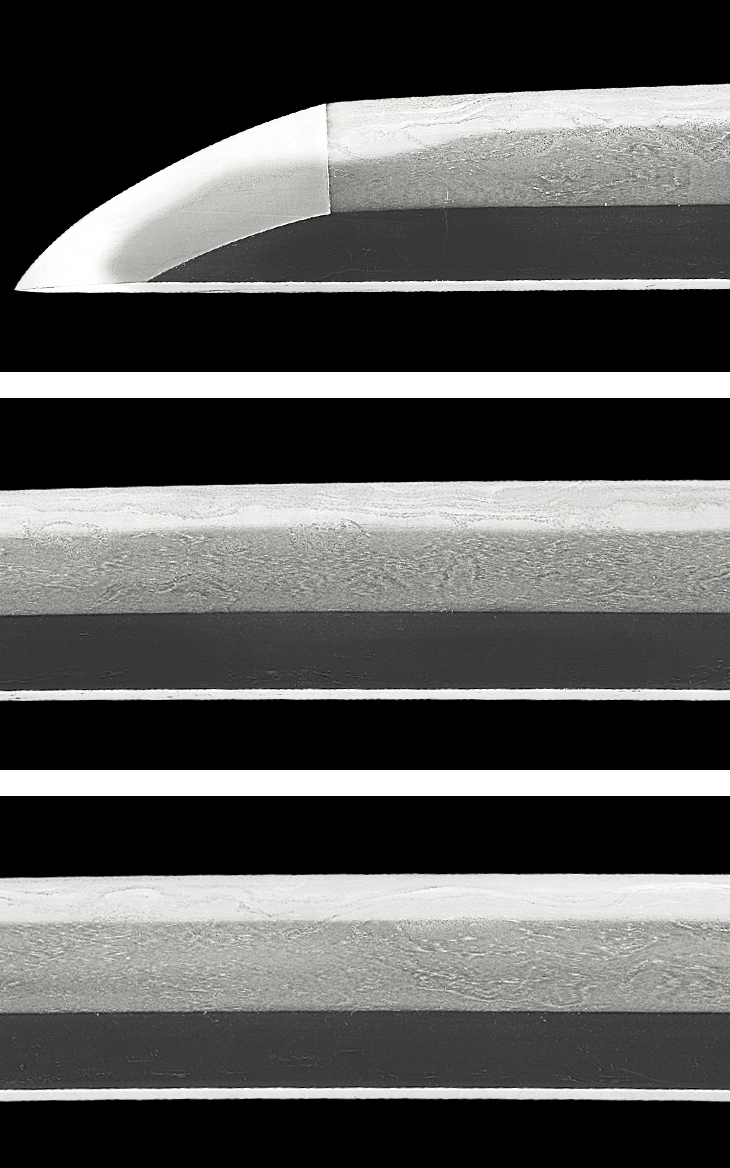
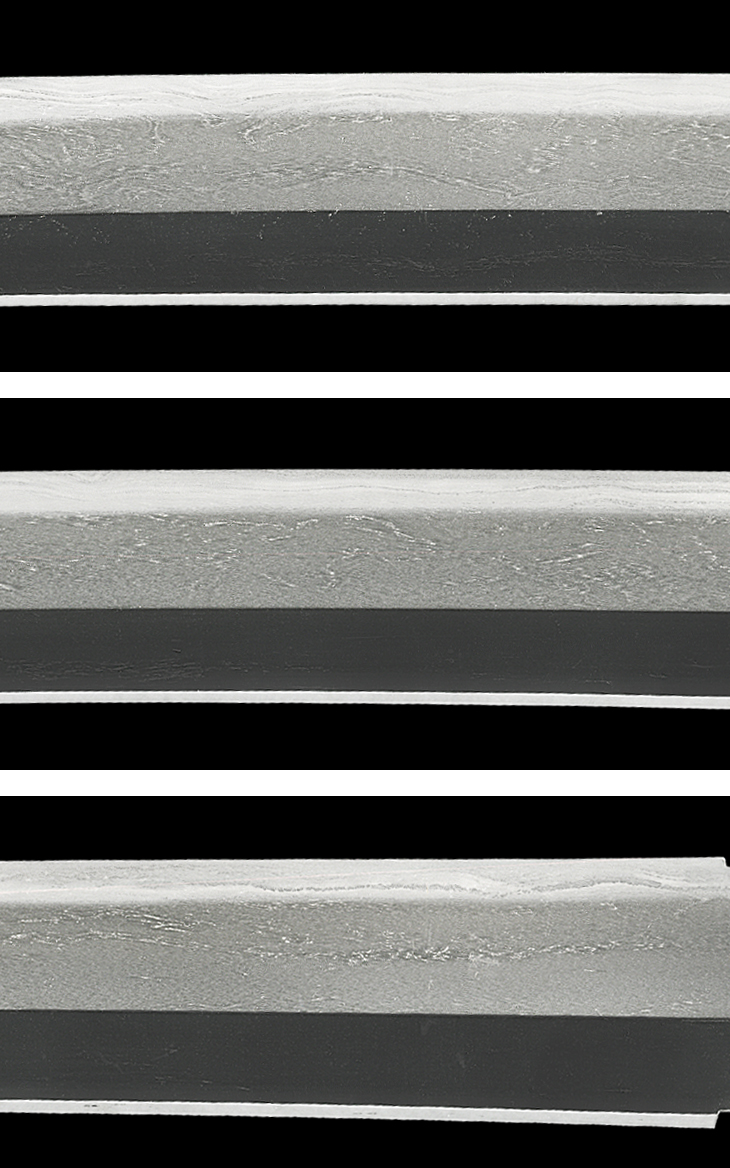
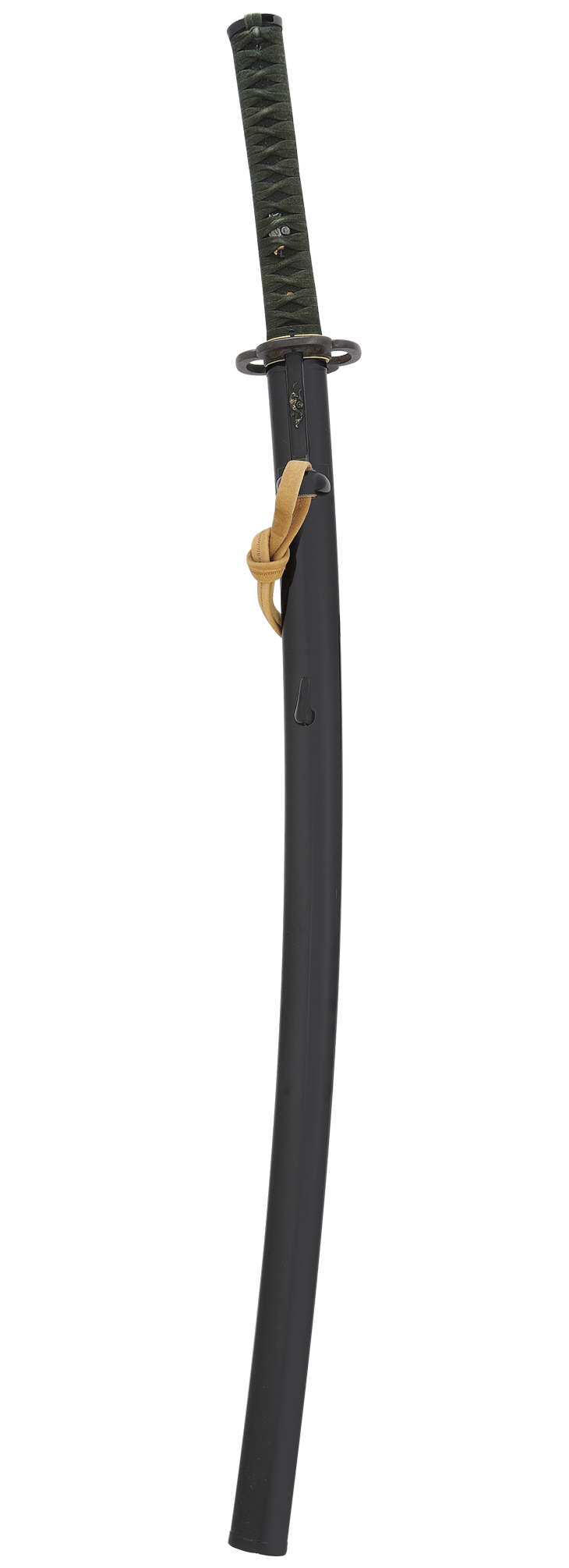
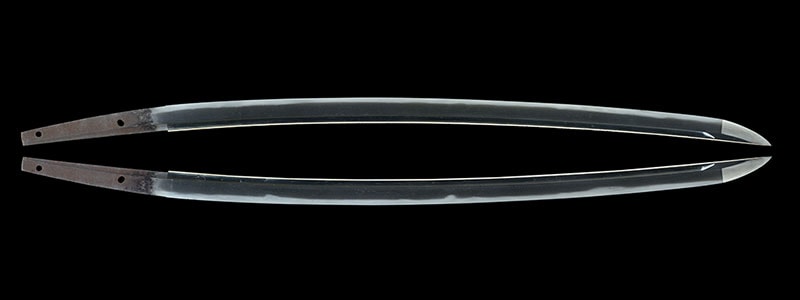
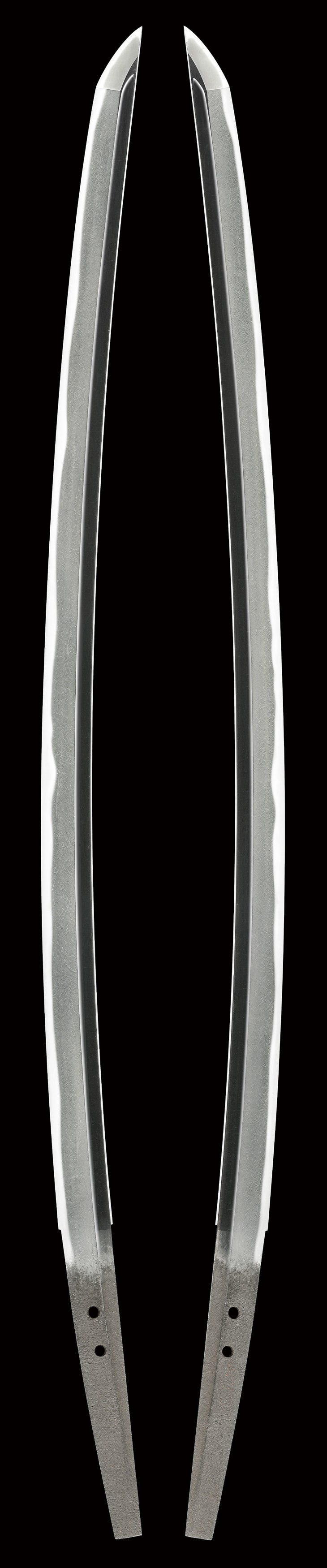
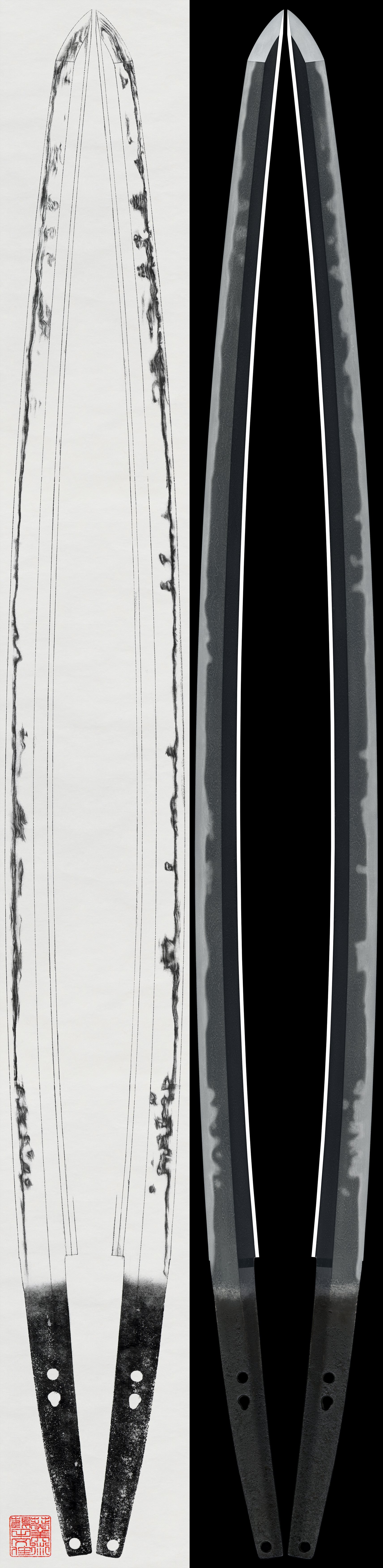
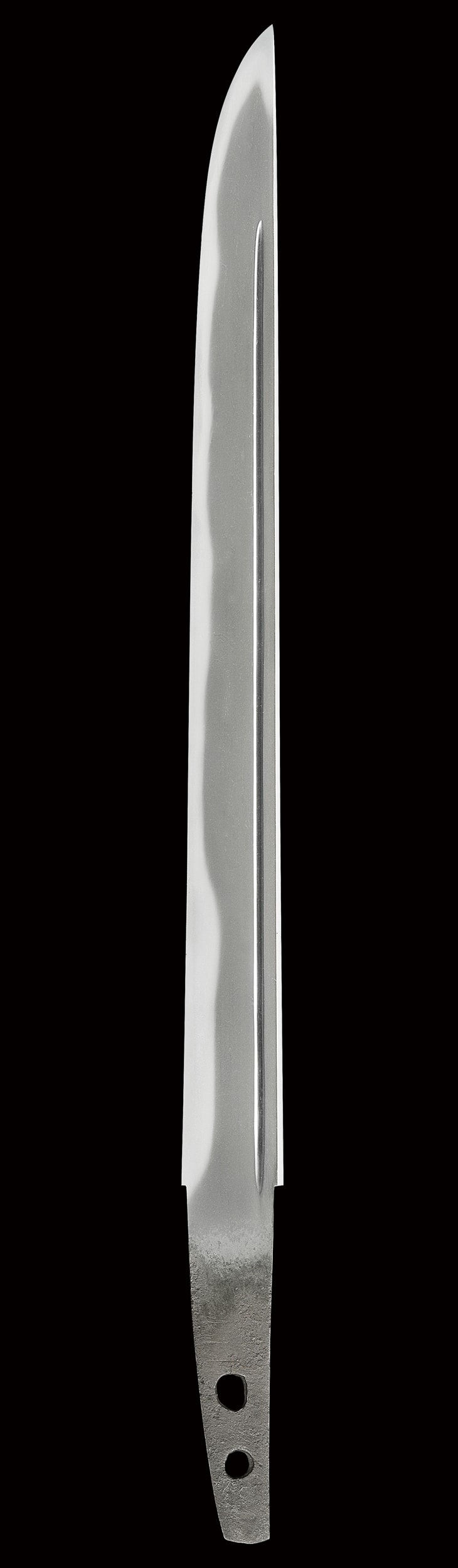
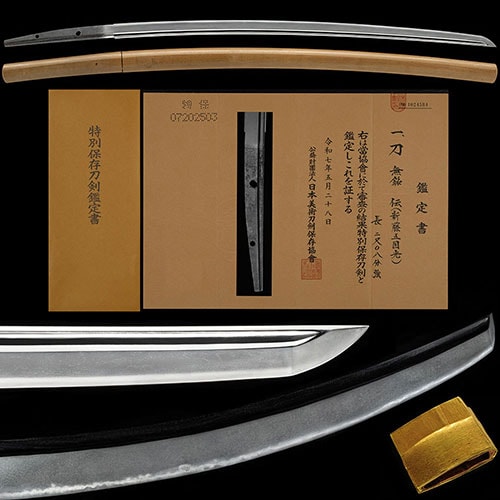
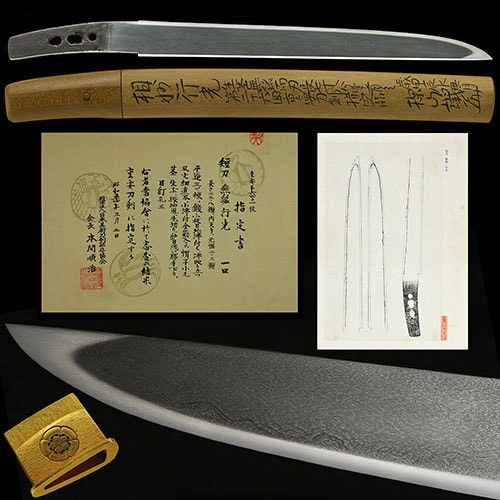
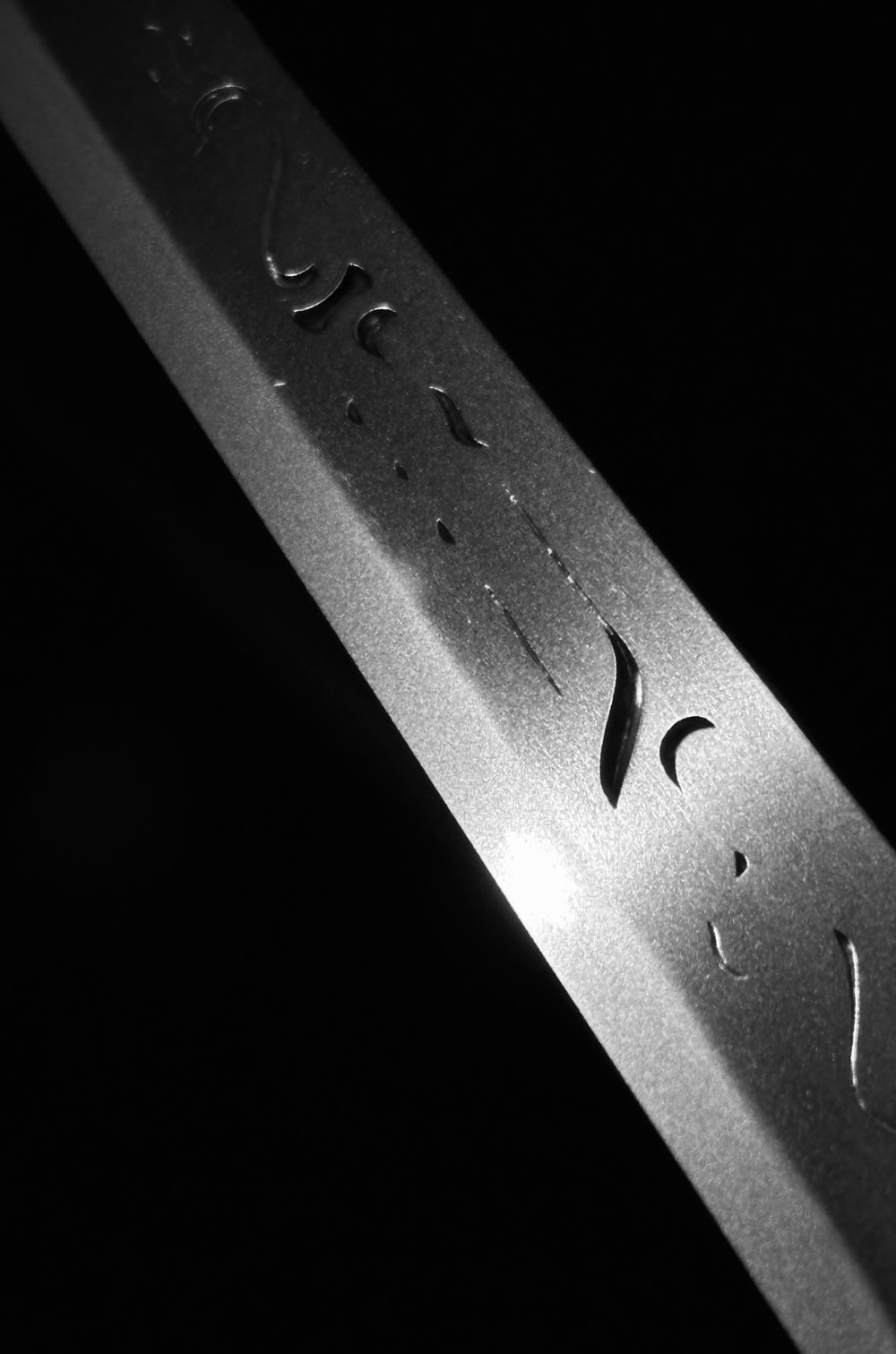
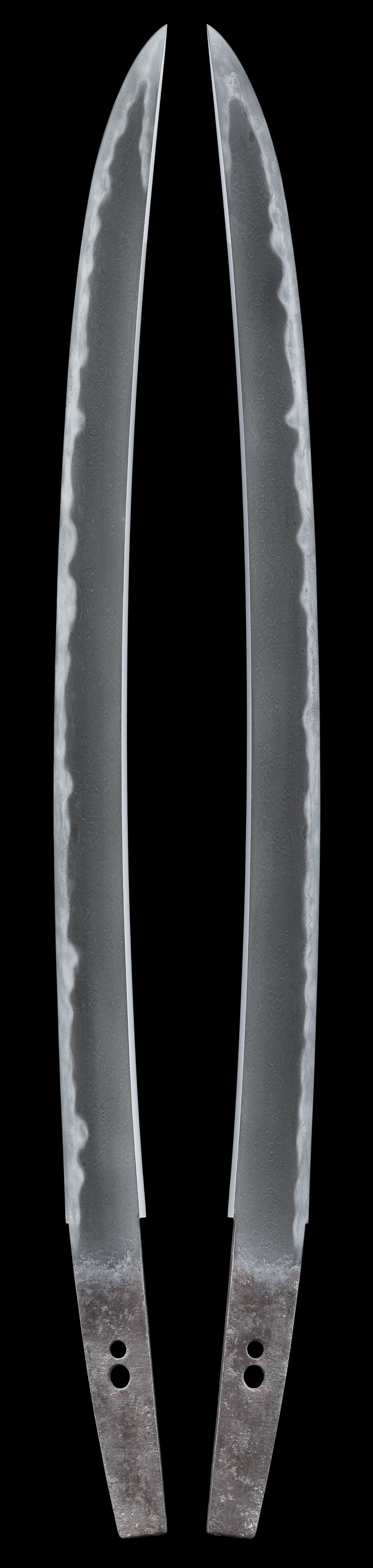
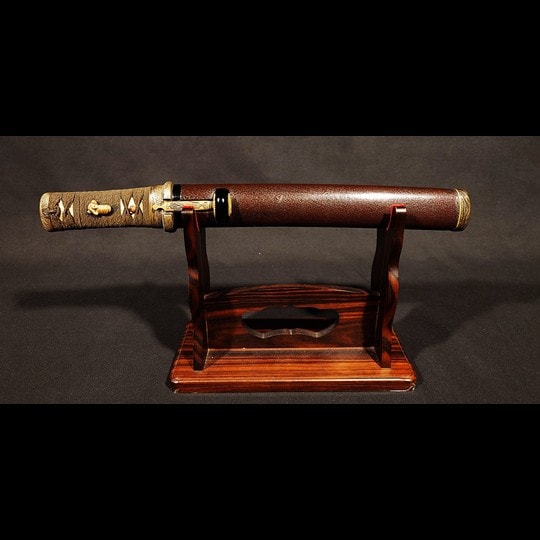
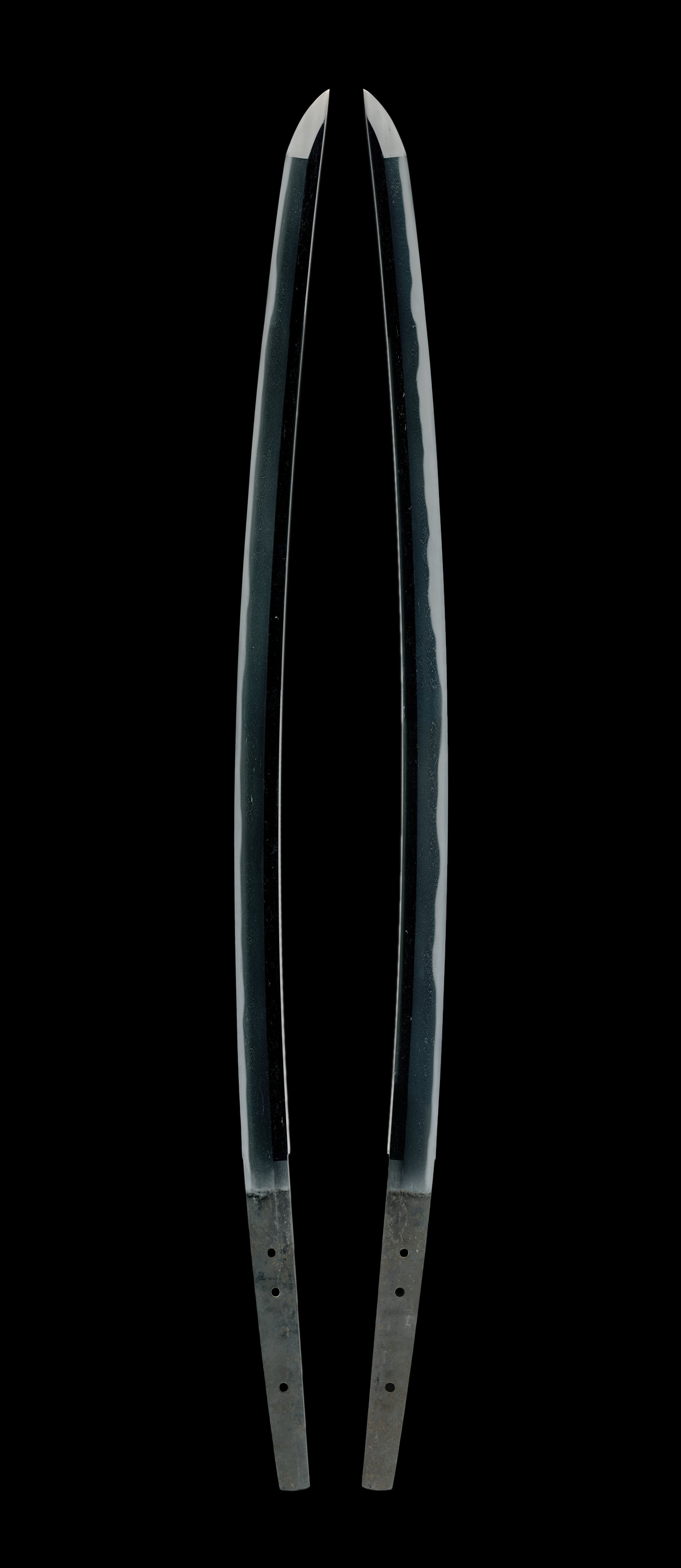
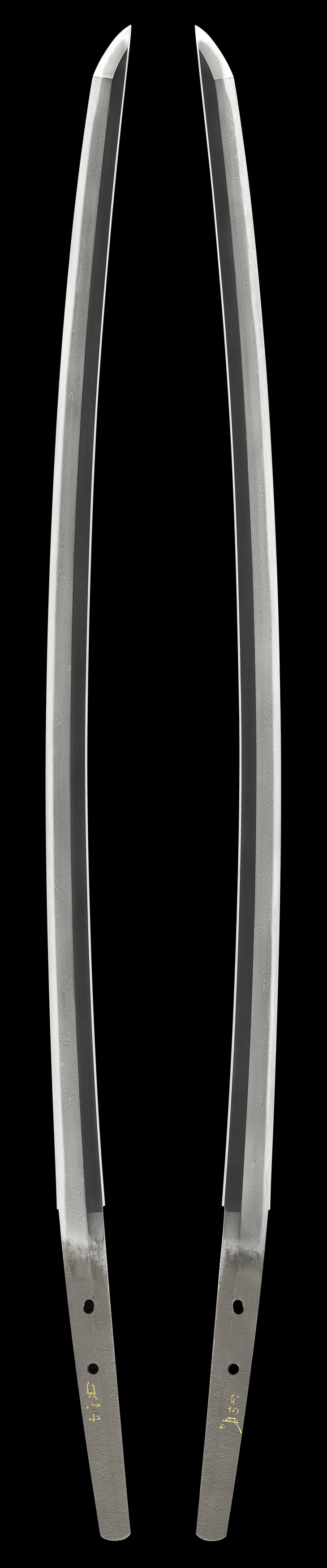
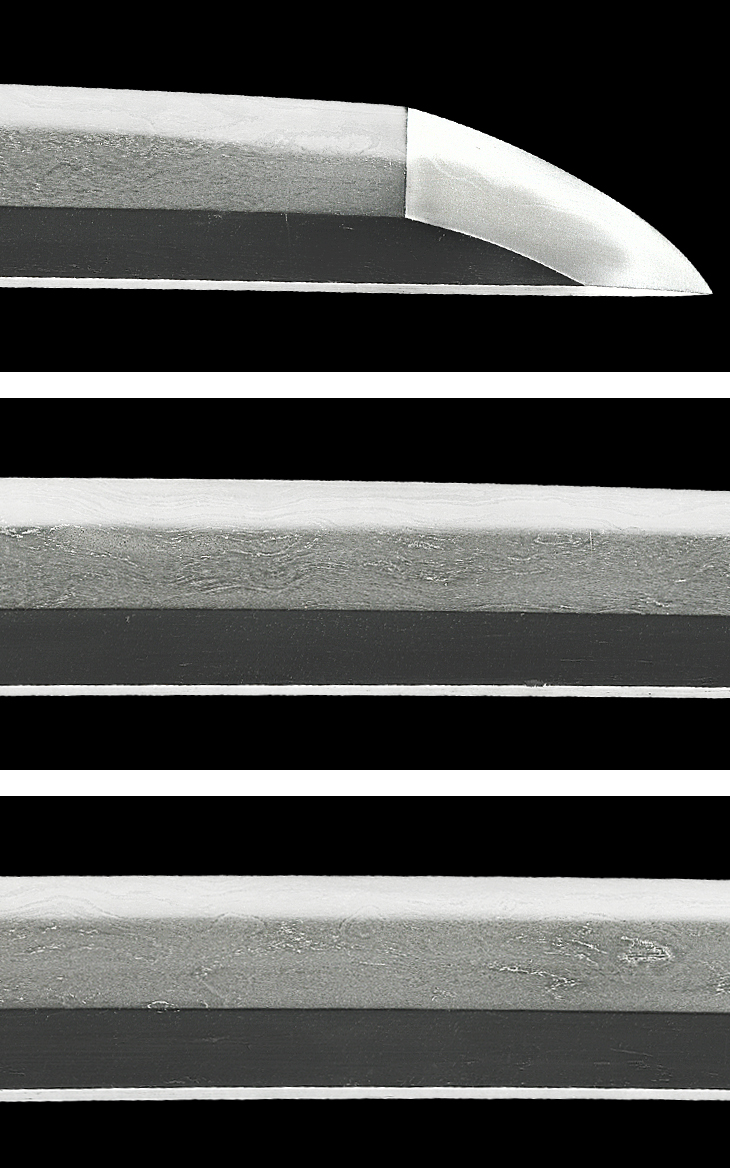
This is a Juyo Token designated katana by Sadamune, attributed via a gold inlay mei by Hon'ami Kojun (15th generation). It features a beautiful and vibrant jigane with thick nie and frequent chikei, and a hamon that is suguha-cho with ko-gunome mixed in, showing intense kinsuji and sunagashi. The sword comes with a Tensho koshirae and a shirasaya, and is considered a masterpiece among Sadamune's works.

NBTHK Setsumei

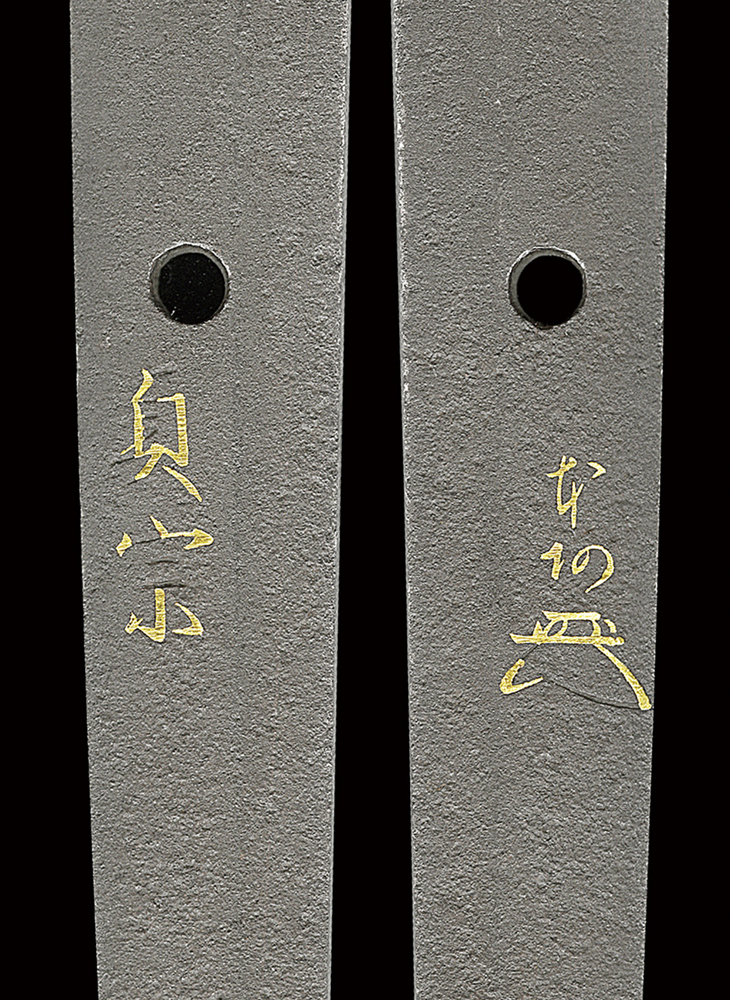
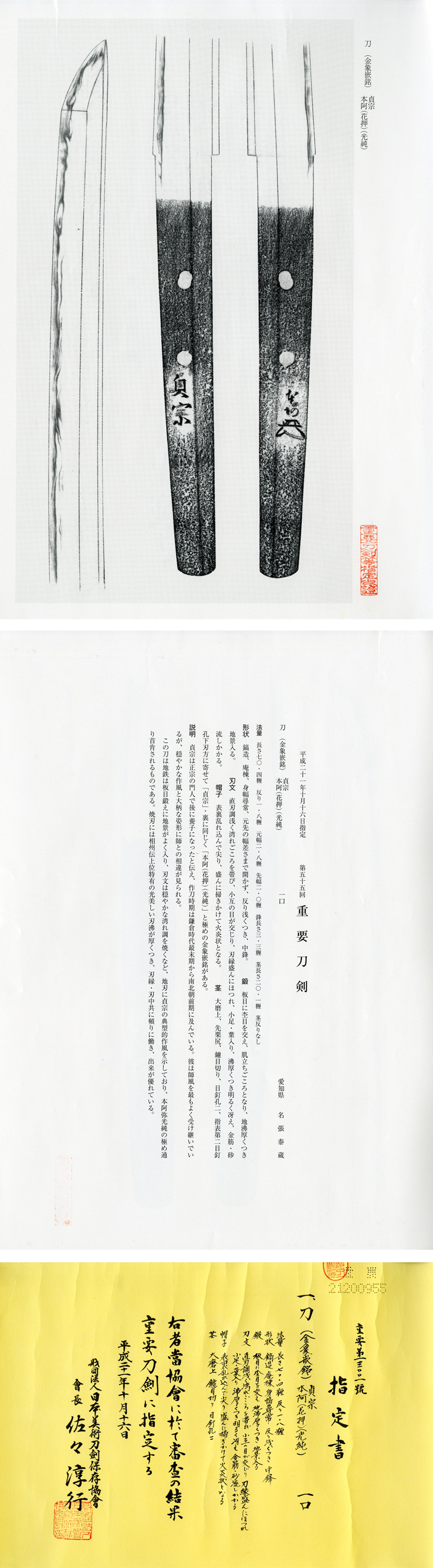
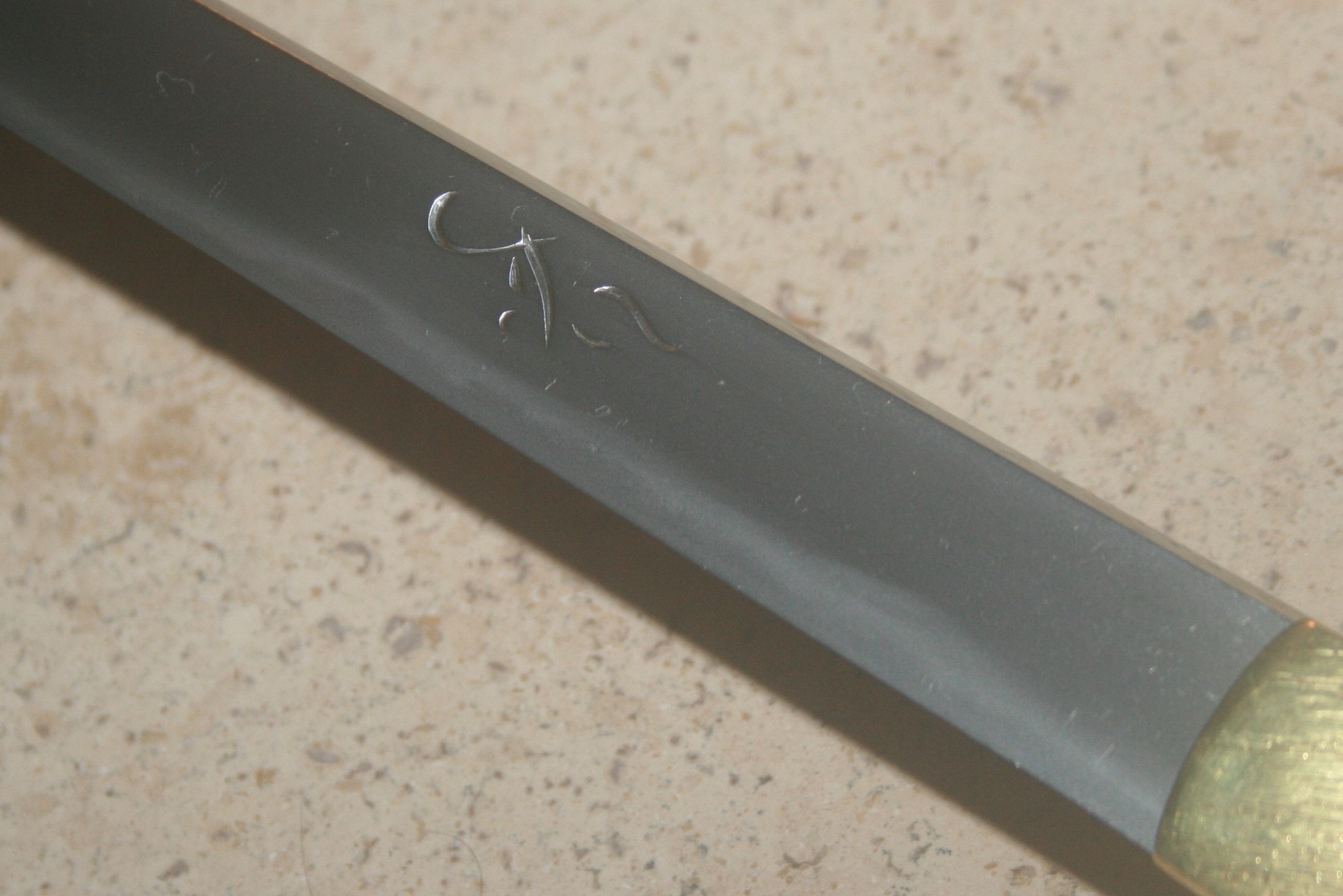
Jūyō-Tōken, 55th Session — Designated October 16, 2009 Katana, kinzogan-mei: Sadamune (貞宗) Measurements Nagasa 70.4 cm, sori 1.8 cm, motohaba 2.8 cm, sakihaba 2.0 cm, kissaki-nagasa 3.3 cm, nakago-nagasa 20.1 cm, nakago-sori none Description Keijō: shinogi-zukuri, iori-mune; standard mihaba with little difference between base and tip width; shallow sori; chū-kissaki. Kitae: itame-hada mixed with mokume; tending toward hada-dachi; abundant ji-nie; chikei enters. Hamon: a suguha-based temper with a gently shallow notare-like tendency, mixed with small gunome; the habuchi is very active with marked hotsure; ko-ashi and yō appear; thick nie adheres, bright and clear; kinsuji and sunagashi run through. Bōshi: on both sides it turns in with midare-komi and becomes pointed; vigorous hakikake produces a flame-like (kaen-jō) appearance. Horimono: None. Nakago: ō-suriage; kuri-jiri; kiri yasurime; two mekugi-ana. On the sashioshi omote, placed below the second mekugi-ana toward the edge side, there is a gold-inlaid attribution “貞宗”; on the reverse, likewise, “本阿(花押)(光純)”—a kiwame kinzogan-mei. Artisan Sadamune (貞宗) Era Very late Kamakura to early Nanbokuchō period Explanation Sadamune is traditionally regarded as a disciple of Masamune who later became his adopted son. His period of swordmaking extends from the very end of the Kamakura period into the early Nanbokuchō period. While he inherited his teacher’s manner more fully than anyone, differences from Masamune are seen in his calm approach and in larger, more expansive blade shapes. In this katana, the jigane is forged in itame with abundant chikei, and the hamon is a gentle, slightly undulating (notare-tinged) style. Thus, both ji and ha display Sadamune’s typical manner, and the attribution by Hon’ami Mitsuzumi may be affirmed. In the tempered area there is the thickly adhering, beautifully lustrous ha-nie characteristic of high-ranking works in the Sōshū tradition; activities appear frequently both along the habuchi and within the hamon, and the workmanship is excellent.

NihontoWatch MonNihontoWatch
MarketAuctionsEncyclopedia
Swords›Sōshū-den›Soshu›Sadamune›Katana: Sadamune (Gold Inlay Mei)
katanaJūyō
Soshu Sadamune

Katana: Sadamune (Gold Inlay Mei)

kinzogan-mei · Nanbokucho · nagasa 70.4cm · sori 1.8cm

SOLD
Soshu Sadamune — 1 of 8
Soshu Sadamune — 2 of 8
Soshu Sadamune — 3 of 8
Soshu Sadamune — 4 of 8
Soshu Sadamune — 5 of 8
Soshu Sadamune — 6 of 8
Soshu Sadamune — 7 of 8
Soshu Sadamune — 8 of 8
1 / 8
1 / 8
Soshu Sadamune — 1 of 8Soshu Sadamune — 2 of 8Soshu Sadamune — 3 of 8Soshu Sadamune — 4 of 8Soshu Sadamune — 5 of 8Soshu Sadamune — 6 of 8Soshu Sadamune — 7 of 8Soshu Sadamune — 8 of 8
Measurements & details
Smith
Soshu Sadamune
Type
Katana
School
Soshu
Period
Around 1329–1331(Gentoku)
Province
Sagami
Signature
kinzogan-mei(0% of this smith's designated works are signed)
Measurements
Nagasa 70.4cmSori 1.8cmMotohaba 2.94cmSakihaba 2.03cmKasane 0.69cm
Description

This is a Juyo Token designated katana by Sadamune, attributed via a gold inlay mei by Hon'ami Kojun (15th generation). It features a beautiful and vibrant jigane with thick nie and frequent chikei, and a hamon that is suguha-cho with ko-gunome mixed in, showing intense kinsuji and sunagashi. The sword comes with a Tensho koshirae and a shirasaya, and is considered a masterpiece among Sadamune's works.

NBTHK Zufu Commentary

Juyo #55

AI translation — may contain errors

-, 55th Session — Designated October 16, 2009

, : Sadamune (貞宗)

Measurements 70.4 cm, 1.8 cm, 2.8 cm, 2.0 cm, 3.3 cm, 20.1 cm, none

Description Keijō: , ; standard with little difference between base and tip width; shallow ; . : mixed with ; tending toward ; abundant ; enters. : a -based temper with a gently shallow -like tendency, mixed with small ; the is very active with marked ; and appear; thick adheres, bright and clear; and run through. : on both sides it turns in with and becomes pointed; vigorous produces a flame-like () appearance. : None. : ; kuri-; ; two . On the sashioshi , placed below the second toward the edge side, there is a gold-inlaid attribution “貞宗”; on the reverse, likewise, “本阿(花押)(光純)”—a .

Artisan Sadamune (貞宗)

Era Very late to early period

Explanation Sadamune is traditionally regarded as a disciple of Masamune who later became his adopted son. His period of swordmaking extends from the very end of the period into the early period. While he inherited his teacher’s manner more fully than anyone, differences from Masamune are seen in his calm approach and in larger, more expansive blade shapes.

In this , the is forged in with abundant , and the is a gentle, slightly undulating (-tinged) style. Thus, both and display Sadamune’s typical manner, and the attribution by Hon’ami Mitsuzumi may be affirmed. In the tempered area there is the thickly adhering, beautifully lustrous characteristic of high-ranking works in the tradition; activities appear frequently both along the and within the , and the workmanship is excellent.

About the maker

Sadamune

貞宗

Soshu (Sagami) · Sagami · around 1329-1331

Fujishiro Sai-jo saku · Tōken Taikan top 2%

›

At its twenty-seventh Tokubetsu Juyo session the NBTHK designated the O-Horidashi Sadamune, a katana of the Kyoho Meibutsu-cho whose name records that Tokugawa Ieyasu discovered it at Fushimi; Ieyasu gave it to Maeda Toshitsune in Genna 2 (1616). Its maker, Sadamune, called Hikoshiro (彦四郎), was the pupil of Masamune and by tradition later his adopted son, by some records his son, and succeeded him as the second generation of the Soshu mainline, working from the very end of Kamakura into early Nanbokucho. The published sources repeat that for him "no certain signed work exists at all"[[c:1]]: the entire oeuvre is mumei, settled by Hon'ami kinzogan and shu-mei attribution inscriptions and by origami, and his manner is known by triangulation, for "what bridges Masamune and Nobukuni is Sadamune"[[c:2]].

The kantei line against the master is qualitative and constant. In nearly half of his designation texts the NBTHK states the standing formula that "compared with Masamune, his appeal lies on the whole in a calm, relaxed notare-based midareba"[[c:3]]. One text details the contrast: the forging somewhat calmer than Masamune's, the hada standing less, the ji-nie sparser, the workings of kinsuji and inazuma somewhat scarcer and quieter. His own positive signature is the chisel. He is the carving master of Soshu: bonji, suken, gomabashi, sanko-ken and kurikara recur far beyond anything on Masamune, Yukimitsu or Norishige, and "the twin grooves were a specialty of Sadamune"[[c:4]], cut on katana and tanto alike, a meibutsu katana being named Futasujihi Sadamune for them. The published sources add that the horimono is precisely what was not seen in Masamune: his carving "follows the line of Daishinbo, excelling in kasane-bori, the layered relief carving, which he passed to his pupil Nobukuni"[[c:5]].

The jigane is an itame mixing mokume, on the finest pieces kneaded close and minutely covered in ji-nie, with chikei entering finely and incessantly, at times with a slightly standing tendency. Over it the hamon runs as a shallow notare mixing gunome, ko-gunome and ko-choji, ashi and yo entering, the nioiguchi deep, the nie thick, bright and clear, kinsuji and sunagashi working through the ha, hotsure and yubashiri at the habuchi; the boshi is midare-komi or sugu with ko-maru and hakikake, often with a pointed tendency. The texts name as the mark of his deki "the beautifully shining nie peculiar to the top rank of Soshu-den work"[[c:6]]. Around this mainstream two poles stand. "Suguha is rare"[[c:7]] in him: the few quiet pieces carry a suguha-cho with shallow notare feeling and ko-gunome spaced wide, and a Tokubetsu Juyo tanto in this manner is said to recall the Kokuho meibutsu Fushimi Sadamune. At the livelier pole the gunome grows prominent, rough nie mixes in places, tobiyaki and yubashiri scatter and the boshi sweeps up in flame-like hakikake; a few works show a hitatsura-like feeling, yet the texts measure the limit exactly, "never going so far as Hiromitsu and Akihiro"[[c:8]].

His sugata divides into two types for tachi and tanto alike, and the NBTHK dates each blade by which build it shows. The earlier keeps the Kamakura-end style the texts call old-fashioned (古調): blades of ordinary width with chu-kissaki, and small tanto with little or no sori, the smallest of them likened to the meibutsu Taikogane Sadamune. The later is the grand Nanbokucho build that carries most of the surviving work: o-suriage mumei katana of wide mihaba with little taper and an extended point, and wide sunnobi hira-zukuri tanto and ko-wakizashi of thin kasane, very often ubu. On the ubu pieces the nakago itself is a tell, funagata with a ken-form tip and katte-sagari yasurime, called "exactly the rule of Sadamune"[[c:9]]. Kata-kiriha-zukuri was a construction he favored, the celebrated example being the Kiriha Sadamune handed down in the Kishu Tokugawa family as the sword of its first lord Yorinobu. Old Edo-period papers are sometimes corrected at designation: blades papered to Takagi Sadamune or to Yukimitsu have been re-judged as Soshu Sadamune.

Among Masamune's students the published sources call him the one who carries the master's manner most faithfully, his skill next to the master's; at the top of his range the boundary runs against Masamune himself. Of a Juyo Bijutsuhin katana formerly of Ikeda Nakahiro, Honma Junji remarked that the hamon shows more variation than the usual work, a flame-like boshi and brilliant nie, and that he "would rather see it as Masamune"[[c:10]]. Downstream the same triangulation holds: his gentler notare and his horimono are exactly what reappear in Nobukuni, and it is through Sadamune that the Soshu carving tradition passes to that pupil and his line.

Fujishiro rates him Sai-jo saku, and eighty-seven designated works stand on record: four National Treasures, twelve Important Cultural Properties, two prewar Juyo Bijutsuhin, twenty-three Tokubetsu Juyo and forty-six Juyo, sixty-nine blades in the two upper NBTHK tiers together. The meibutsu carried by his attributions are many. Beside the O-Horidashi stand the Kiriha, the Zentokuin given by the shogun Hidetada to Maeda Toshinaga, the Ujiie of the Kyoho Meibutsu-cho, the Taikogane, the Futasujihi, and the Shishi Sadamune, a treasured sword of Toyotomi Hideyoshi burned in the fall of Osaka and retempered by the first-generation Yasutsugu. Forty-one blades carry recorded provenance: one katana is recorded as presented by the shogun Ienobu and worn by Ietsugu, another was given by Tsunayoshi to Yanagisawa Yoshisato in Genroku 10 (1697), and transmissions run through the Owari and Kishu Tokugawa, Maeda, Date, Mori, Ikeda, Satake, Hachisuka and Takatsukasa houses. For the collector very little of this can ever trade. The National Treasures and Important Cultural Properties are patrimony outside the market, and recorded examples rest in the Tokyo National Museum, the Tokugawa Art Museum, the Mitsui Memorial Museum and the Sano Art Museum. What can realistically be met is the Tokubetsu Juyo and Juyo tier, sixty-nine blades, nearly all o-suriage mumei katana or sunnobi wakizashi resting on Hon'ami attributions; such a blade comes to market only rarely, and a piece carrying the twin grooves or the layered relief carving, the chisel his master never showed, is an event when it does.

Historical importance

Where Sadamune stands among comparable artisans: across all of nihontō, and within tradition, era, and period. The tiers (Foremost · Leading · Major · Notable) weigh official designations from the NBTHK and Japan's Agency for Cultural Affairs, together with historical honors of lasting repute such as the Sansaku and Meibutsu-chō.

随一
Foremost
屈指
Leading
有数
Major
著名
Notable

Select a lens to see how it's measured.

Designation record
86 designated works
Kokuhō (National Treasure)
4
Jūyō Bunkazai
12
Jūyō Bijutsuhin
2
Tokubetsu Jūyō
23
Jūyō
45
Sadamune — full profileSoshu (Sagami) school
About the school

Soshu

相州

Soshu-den · Sagami

Phase: Sōshū相州· 1288–1385

46 pieces on the market now

›

Steel "bright and clear," with thick ji-nie and chikei entering frequently, is the constant the NBTHK returns to in nearly every blade of this phase, and it marks the moment the Soshu tradition reached its summit in Sagami. Learn more →

34 recorded smiths840 designated works
Leading smiths
SmithEraDesignated
Masamune正宗1288-129384
Sadamune貞宗1329-133186
Go Yoshihiro義弘1299-130254
Akihiro秋廣1346-137027
Kunimitsu國光1293-132269
Explore the Soshu school →
NBTHK Certificate
Jūyō Tōken重要刀剣
Important Sword
›

A blade of top-grade workmanship and condition, formally judged to rank with a nationally recognized Important Art Object (Jūyō Bijutsuhin). Awarded only at the NBTHK’s competitive annual examination.

Of Japan’s roughly 2.5 million registered swords, only 12,307 (about 1 in 203) have ever attained Jūyō.

About the NBTHK›

The NBTHK (Nihon Bijutsu Tōken Hozon Kyōkai, the Society for the Preservation of Japanese Art Swords) is a public-interest incorporated foundation founded in 1948 and supervised by Japan’s Agency for Cultural Affairs (Bunkachō); it is based at the Japanese Sword Museum in Tokyo. Its expert panels physically examine each submitted work (shinsa) and issue a certificate (kanteishō) ranking it by artistic and historical merit. NBTHK papers are the most widely recognized standard of authentication for Japanese swords and fittings.

NBTHK official site→
Seller
S
Samurai Nippon
Established 1977 · 49 yrs on the market
🇯🇵Ships from Japan
›
✓Verified dealersamurai-nippon.net
✓Ships worldwide✓English supportWire transferPayPalCredit card
Return policy

For one-of-a-kind items such as swords, sword fittings, and antiques, please contact us about a return within 3 days of the item's arrival and ship it back within 8 days. Refunds are issued the same day the returned item arrives.

View all of Samurai Nippon’s listings→View this item on the dealer’s site→

Previously sold by Soshu Sadamune

Iida Koendo
Tokujū
Katana - Tokuju - by Soshu Sadamune - Koto Katana: Mumei (Sadamune) with Honami Kouon OrigamiKatana - Tokuju - by Soshu Sadamune - Koto Katana: Mumei (Sadamune) with Honami Kouon Origami
Sold

Katana

BySoshu Sadamune
SOLD
Samurai Nippon
Jūyō
Katana - Jūyō - by Soshu Sadamune - Mumei (Attributed to Soshu Sadamune)Katana - Jūyō - by Soshu Sadamune - Mumei (Attributed to Soshu Sadamune)
Sold

Katana

BySoshu Sadamune
SOLD

More from the Soshu school

View all →
Samurai Nippon
Jūyō
Katana - Jūyō - by Soshu Norishige - Mumei (Attributed to Norishige)Katana - Jūyō - by Soshu Norishige - Mumei (Attributed to Norishige)

Katana

BySoshu Norishige
Ask
Nihon Art
Jūyō
Katana - Jūyō - by Soshu Norishige - Juyo Etchu Norishige Katana with Kochu KinzoganmeiKatana - Jūyō - by Soshu Norishige - Juyo Etchu Norishige Katana with Kochu Kinzoganmei

Katana

BySoshu Norishige
Ask
Eirakudo
Tokuho
Katana - Tokuho - by Shintogo Kunimitsu - Shintogo Kunimitsu - Tokubetsu Hozon TokenKatana - Tokuho - by Shintogo Kunimitsu - Shintogo Kunimitsu - Tokubetsu Hozon Token

Katana

ByShintogo Kunimitsu
¥7,500,000
Aoi Art
Tokuho
Katana - Tokuho - by Gō Yoshihiro - Mumei (Unsigned) Den Go YoshihiroKatana - Tokuho - by Gō Yoshihiro - Mumei (Unsigned) Den Go Yoshihiro

Katana

ByGō Yoshihiro
¥35,000,000
Tsuruginoya
Tokujū
Katana - Tokuju - by Soshu Yukimitsu - Soshu YukimitsuKatana - Tokuju - by Soshu Yukimitsu - Soshu Yukimitsu

Katana

BySoshu Yukimitsu
Ask
Eirakudo
Jūyō
Tanto - Jūyō - by Soshu Yukimitsu - Soshu Yukimitsu - Juyo TokenTanto - Jūyō - by Soshu Yukimitsu - Soshu Yukimitsu - Juyo Token

Tantō

BySoshu Yukimitsu
Ask
Choshuya
Jūyō
Tanto - Jūyō - by Soshu Norishige - Ubu-nakago Mumei NorishigeTanto - Jūyō - by Soshu Norishige - Ubu-nakago Mumei Norishige

Tantō

BySoshu Norishige
¥6,500,000
Eirakudo
Tokuho
Katana - Tokuho - by Soshu Norishige - Norishige - Tokubetsu Hozon TokenKatana - Tokuho - by Soshu Norishige - Norishige - Tokubetsu Hozon Token

Katana

BySoshu Norishige
¥6,500,000

More from the Sōshū tradition

View all →
Toukentakarado
Tokuho
Wakizashi - Tokuho - by Sa Kunihiro - Mumei Attributed to Den Sa KunihiroWakizashi - Tokuho - by Sa Kunihiro - Mumei Attributed to Den Sa Kunihiro

Wakizashi

BySa Kunihiro
¥1,500,000
Katana Yamadaiya
Tokuho
Katana - Tokuho - by Sa Kunihiro - Tokubetsu Hozon Token: Mumei (Attributed to Sakunihiro)Katana - Tokuho - by Sa Kunihiro - Tokubetsu Hozon Token: Mumei (Attributed to Sakunihiro)

Katana

BySa Kunihiro
¥1,650,000
Samurai Nippon
Jūyō
Tanto - Jūyō - by Soshu Yukimitsu - Soshu Yukimitsu (Ubu Mumei)Tanto - Jūyō - by Soshu Yukimitsu - Soshu Yukimitsu (Ubu Mumei)

Tantō

BySoshu Yukimitsu
¥6,700,000
Nihon Art
Tokuho
Tanto - Tokuho - by Shintogo Kunimitsu - Shintogo Kunimitsu TantoTanto - Tokuho - by Shintogo Kunimitsu - Shintogo Kunimitsu Tanto

Tantō

ByShintogo Kunimitsu
Ask
Choshuya
Tokuho
Katana - Tokuho - by Soshu Norishige - Unsigned (O-suriage) NorishigeKatana - Tokuho - by Soshu Norishige - Unsigned (O-suriage) Norishige

Katana

BySoshu Norishige
Ask
Token-Net
Jūyō
Tachi - Jūyō - by Naotsuna - Sekishu Dewan Naotsuna Saku (Iwami)Tachi - Jūyō - by Naotsuna - Sekishu Dewan Naotsuna Saku (Iwami)

Tachi

ByNaotsuna
¥5,800,000
Onihonto
Tokuho
Tanto - Tokuho - by Sa Yasuyoshi - YasuyoshiTanto - Tokuho - by Sa Yasuyoshi - Yasuyoshi

Tantō

BySa Yasuyoshi
¥16,000
Aoi Art
Tokuho
Katana - Tokuho - by Sa Sadayoshi - Unsigned (Attributed to Sa Sadayoshi)Katana - Tokuho - by Sa Sadayoshi - Unsigned (Attributed to Sa Sadayoshi)

Katana

BySa Sadayoshi
Starting Bid¥1,300,000

Swords

  • Katana
  • Wakizashi
  • Tantō
  • Tachi
  • Naginata
  • Yari

Fittings

  • Tsuba
  • Fuchi-Kashira
  • Kozuka
  • Menuki

By Certification

  • Tokujū
  • Jūyō
  • Tokuho
  • Hozon

Resources

  • Dealer Directory
  • Artist Directory
  • Glossary
  • Browse All
Nihontowatch© 2026
TermsPrivacyCookiesAbout

Description

This is a Juyo Token designated katana by Sadamune, attributed via a gold inlay mei by Hon'ami Kojun (15th generation). It features a beautiful and vibrant jigane with thick nie and frequent chikei, and a hamon that is suguha-cho with ko-gunome mixed in, showing intense kinsuji and sunagashi. The sword comes with a Tensho koshirae and a shirasaya, and is considered a masterpiece among Sadamune's works.

NBTHK Setsumei

Jūyō-Tōken, 55th Session — Designated October 16, 2009 Katana, kinzogan-mei: Sadamune (貞宗) Measurements Nagasa 70.4 cm, sori 1.8 cm, motohaba 2.8 cm, sakihaba 2.0 cm, kissaki-nagasa 3.3 cm, nakago-nagasa 20.1 cm, nakago-sori none Description Keijō: shinogi-zukuri, iori-mune; standard mihaba with little difference between base and tip width; shallow sori; chū-kissaki. Kitae: itame-hada mixed with mokume; tending toward hada-dachi; abundant ji-nie; chikei enters. Hamon: a suguha-based temper with a gently shallow notare-like tendency, mixed with small gunome; the habuchi is very active with marked hotsure; ko-ashi and yō appear; thick nie adheres, bright and clear; kinsuji and sunagashi run through. Bōshi: on both sides it turns in with midare-komi and becomes pointed; vigorous hakikake produces a flame-like (kaen-jō) appearance. Horimono: None. Nakago: ō-suriage; kuri-jiri; kiri yasurime; two mekugi-ana. On the sashioshi omote, placed below the second mekugi-ana toward the edge side, there is a gold-inlaid attribution “貞宗”; on the reverse, likewise, “本阿(花押)(光純)”—a kiwame kinzogan-mei. Artisan Sadamune (貞宗) Era Very late Kamakura to early Nanbokuchō period Explanation Sadamune is traditionally regarded as a disciple of Masamune who later became his adopted son. His period of swordmaking extends from the very end of the Kamakura period into the early Nanbokuchō period. While he inherited his teacher’s manner more fully than anyone, differences from Masamune are seen in his calm approach and in larger, more expansive blade shapes. In this katana, the jigane is forged in itame with abundant chikei, and the hamon is a gentle, slightly undulating (notare-tinged) style. Thus, both ji and ha display Sadamune’s typical manner, and the attribution by Hon’ami Mitsuzumi may be affirmed. In the tempered area there is the thickly adhering, beautifully lustrous ha-nie characteristic of high-ranking works in the Sōshū tradition; activities appear frequently both along the habuchi and within the hamon, and the workmanship is excellent.

NihontoWatch MonNihontoWatch
MarketAuctionsEncyclopedia
Swords›Sōshū-den›Soshu›Sadamune›Katana: Sadamune (Gold Inlay Mei)
katanaJūyō
Soshu Sadamune

Katana: Sadamune (Gold Inlay Mei)

kinzogan-mei · Nanbokucho · nagasa 70.4cm · sori 1.8cm

SOLD
Soshu Sadamune — 1 of 8
Soshu Sadamune — 2 of 8
Soshu Sadamune — 3 of 8
Soshu Sadamune — 4 of 8
Soshu Sadamune — 5 of 8
Soshu Sadamune — 6 of 8
Soshu Sadamune — 7 of 8
Soshu Sadamune — 8 of 8
1 / 8
1 / 8
Soshu Sadamune — 1 of 8Soshu Sadamune — 2 of 8Soshu Sadamune — 3 of 8Soshu Sadamune — 4 of 8Soshu Sadamune — 5 of 8Soshu Sadamune — 6 of 8Soshu Sadamune — 7 of 8Soshu Sadamune — 8 of 8
Measurements & details
Smith
Soshu Sadamune
Type
Katana
School
Soshu
Period
Around 1329–1331(Gentoku)
Province
Sagami
Signature
kinzogan-mei(0% of this smith's designated works are signed)
Measurements
Nagasa 70.4cmSori 1.8cmMotohaba 2.94cmSakihaba 2.03cmKasane 0.69cm
Description

This is a Juyo Token designated katana by Sadamune, attributed via a gold inlay mei by Hon'ami Kojun (15th generation). It features a beautiful and vibrant jigane with thick nie and frequent chikei, and a hamon that is suguha-cho with ko-gunome mixed in, showing intense kinsuji and sunagashi. The sword comes with a Tensho koshirae and a shirasaya, and is considered a masterpiece among Sadamune's works.

NBTHK Zufu Commentary

Juyo #55

AI translation — may contain errors

-, 55th Session — Designated October 16, 2009

, : Sadamune (貞宗)

Measurements 70.4 cm, 1.8 cm, 2.8 cm, 2.0 cm, 3.3 cm, 20.1 cm, none

Description Keijō: , ; standard with little difference between base and tip width; shallow ; . : mixed with ; tending toward ; abundant ; enters. : a -based temper with a gently shallow -like tendency, mixed with small ; the is very active with marked ; and appear; thick adheres, bright and clear; and run through. : on both sides it turns in with and becomes pointed; vigorous produces a flame-like () appearance. : None. : ; kuri-; ; two . On the sashioshi , placed below the second toward the edge side, there is a gold-inlaid attribution “貞宗”; on the reverse, likewise, “本阿(花押)(光純)”—a .

Artisan Sadamune (貞宗)

Era Very late to early period

Explanation Sadamune is traditionally regarded as a disciple of Masamune who later became his adopted son. His period of swordmaking extends from the very end of the period into the early period. While he inherited his teacher’s manner more fully than anyone, differences from Masamune are seen in his calm approach and in larger, more expansive blade shapes.

In this , the is forged in with abundant , and the is a gentle, slightly undulating (-tinged) style. Thus, both and display Sadamune’s typical manner, and the attribution by Hon’ami Mitsuzumi may be affirmed. In the tempered area there is the thickly adhering, beautifully lustrous characteristic of high-ranking works in the tradition; activities appear frequently both along the and within the , and the workmanship is excellent.

About the maker

Sadamune

貞宗

Soshu (Sagami) · Sagami · around 1329-1331

Fujishiro Sai-jo saku · Tōken Taikan top 2%

›

At its twenty-seventh Tokubetsu Juyo session the NBTHK designated the O-Horidashi Sadamune, a katana of the Kyoho Meibutsu-cho whose name records that Tokugawa Ieyasu discovered it at Fushimi; Ieyasu gave it to Maeda Toshitsune in Genna 2 (1616). Its maker, Sadamune, called Hikoshiro (彦四郎), was the pupil of Masamune and by tradition later his adopted son, by some records his son, and succeeded him as the second generation of the Soshu mainline, working from the very end of Kamakura into early Nanbokucho. The published sources repeat that for him "no certain signed work exists at all"[[c:1]]: the entire oeuvre is mumei, settled by Hon'ami kinzogan and shu-mei attribution inscriptions and by origami, and his manner is known by triangulation, for "what bridges Masamune and Nobukuni is Sadamune"[[c:2]].

The kantei line against the master is qualitative and constant. In nearly half of his designation texts the NBTHK states the standing formula that "compared with Masamune, his appeal lies on the whole in a calm, relaxed notare-based midareba"[[c:3]]. One text details the contrast: the forging somewhat calmer than Masamune's, the hada standing less, the ji-nie sparser, the workings of kinsuji and inazuma somewhat scarcer and quieter. His own positive signature is the chisel. He is the carving master of Soshu: bonji, suken, gomabashi, sanko-ken and kurikara recur far beyond anything on Masamune, Yukimitsu or Norishige, and "the twin grooves were a specialty of Sadamune"[[c:4]], cut on katana and tanto alike, a meibutsu katana being named Futasujihi Sadamune for them. The published sources add that the horimono is precisely what was not seen in Masamune: his carving "follows the line of Daishinbo, excelling in kasane-bori, the layered relief carving, which he passed to his pupil Nobukuni"[[c:5]].

The jigane is an itame mixing mokume, on the finest pieces kneaded close and minutely covered in ji-nie, with chikei entering finely and incessantly, at times with a slightly standing tendency. Over it the hamon runs as a shallow notare mixing gunome, ko-gunome and ko-choji, ashi and yo entering, the nioiguchi deep, the nie thick, bright and clear, kinsuji and sunagashi working through the ha, hotsure and yubashiri at the habuchi; the boshi is midare-komi or sugu with ko-maru and hakikake, often with a pointed tendency. The texts name as the mark of his deki "the beautifully shining nie peculiar to the top rank of Soshu-den work"[[c:6]]. Around this mainstream two poles stand. "Suguha is rare"[[c:7]] in him: the few quiet pieces carry a suguha-cho with shallow notare feeling and ko-gunome spaced wide, and a Tokubetsu Juyo tanto in this manner is said to recall the Kokuho meibutsu Fushimi Sadamune. At the livelier pole the gunome grows prominent, rough nie mixes in places, tobiyaki and yubashiri scatter and the boshi sweeps up in flame-like hakikake; a few works show a hitatsura-like feeling, yet the texts measure the limit exactly, "never going so far as Hiromitsu and Akihiro"[[c:8]].

His sugata divides into two types for tachi and tanto alike, and the NBTHK dates each blade by which build it shows. The earlier keeps the Kamakura-end style the texts call old-fashioned (古調): blades of ordinary width with chu-kissaki, and small tanto with little or no sori, the smallest of them likened to the meibutsu Taikogane Sadamune. The later is the grand Nanbokucho build that carries most of the surviving work: o-suriage mumei katana of wide mihaba with little taper and an extended point, and wide sunnobi hira-zukuri tanto and ko-wakizashi of thin kasane, very often ubu. On the ubu pieces the nakago itself is a tell, funagata with a ken-form tip and katte-sagari yasurime, called "exactly the rule of Sadamune"[[c:9]]. Kata-kiriha-zukuri was a construction he favored, the celebrated example being the Kiriha Sadamune handed down in the Kishu Tokugawa family as the sword of its first lord Yorinobu. Old Edo-period papers are sometimes corrected at designation: blades papered to Takagi Sadamune or to Yukimitsu have been re-judged as Soshu Sadamune.

Among Masamune's students the published sources call him the one who carries the master's manner most faithfully, his skill next to the master's; at the top of his range the boundary runs against Masamune himself. Of a Juyo Bijutsuhin katana formerly of Ikeda Nakahiro, Honma Junji remarked that the hamon shows more variation than the usual work, a flame-like boshi and brilliant nie, and that he "would rather see it as Masamune"[[c:10]]. Downstream the same triangulation holds: his gentler notare and his horimono are exactly what reappear in Nobukuni, and it is through Sadamune that the Soshu carving tradition passes to that pupil and his line.

Fujishiro rates him Sai-jo saku, and eighty-seven designated works stand on record: four National Treasures, twelve Important Cultural Properties, two prewar Juyo Bijutsuhin, twenty-three Tokubetsu Juyo and forty-six Juyo, sixty-nine blades in the two upper NBTHK tiers together. The meibutsu carried by his attributions are many. Beside the O-Horidashi stand the Kiriha, the Zentokuin given by the shogun Hidetada to Maeda Toshinaga, the Ujiie of the Kyoho Meibutsu-cho, the Taikogane, the Futasujihi, and the Shishi Sadamune, a treasured sword of Toyotomi Hideyoshi burned in the fall of Osaka and retempered by the first-generation Yasutsugu. Forty-one blades carry recorded provenance: one katana is recorded as presented by the shogun Ienobu and worn by Ietsugu, another was given by Tsunayoshi to Yanagisawa Yoshisato in Genroku 10 (1697), and transmissions run through the Owari and Kishu Tokugawa, Maeda, Date, Mori, Ikeda, Satake, Hachisuka and Takatsukasa houses. For the collector very little of this can ever trade. The National Treasures and Important Cultural Properties are patrimony outside the market, and recorded examples rest in the Tokyo National Museum, the Tokugawa Art Museum, the Mitsui Memorial Museum and the Sano Art Museum. What can realistically be met is the Tokubetsu Juyo and Juyo tier, sixty-nine blades, nearly all o-suriage mumei katana or sunnobi wakizashi resting on Hon'ami attributions; such a blade comes to market only rarely, and a piece carrying the twin grooves or the layered relief carving, the chisel his master never showed, is an event when it does.
Historical importance

Where Sadamune stands among comparable artisans: across all of nihontō, and within tradition, era, and period. The tiers (Foremost · Leading · Major · Notable) weigh official designations from the NBTHK and Japan's Agency for Cultural Affairs, together with historical honors of lasting repute such as the Sansaku and Meibutsu-chō.

随一
Foremost
屈指
Leading
有数
Major
著名
Notable

Select a lens to see how it's measured.

Designation record
86 designated works
Kokuhō (National Treasure)
4
Jūyō Bunkazai
12
Jūyō Bijutsuhin
2
Tokubetsu Jūyō
23
Jūyō
45
Sadamune — full profileSoshu (Sagami) school
About the school

Soshu

相州

Soshu-den · Sagami

Phase: Sōshū相州· 1288–1385

46 pieces on the market now

›

Steel "bright and clear," with thick ji-nie and chikei entering frequently, is the constant the NBTHK returns to in nearly every blade of this phase, and it marks the moment the Soshu tradition reached its summit in Sagami. Learn more →

34 recorded smiths840 designated works
Leading smiths
SmithEraDesignated
Masamune正宗1288-129384
Sadamune貞宗1329-133186
Go Yoshihiro義弘1299-130254
Akihiro秋廣1346-137027
Kunimitsu國光1293-132269
Explore the Soshu school →
NBTHK Certificate
Jūyō Tōken重要刀剣
Important Sword
›

A blade of top-grade workmanship and condition, formally judged to rank with a nationally recognized Important Art Object (Jūyō Bijutsuhin). Awarded only at the NBTHK’s competitive annual examination.

Of Japan’s roughly 2.5 million registered swords, only 12,307 (about 1 in 203) have ever attained Jūyō.

About the NBTHK›

The NBTHK (Nihon Bijutsu Tōken Hozon Kyōkai, the Society for the Preservation of Japanese Art Swords) is a public-interest incorporated foundation founded in 1948 and supervised by Japan’s Agency for Cultural Affairs (Bunkachō); it is based at the Japanese Sword Museum in Tokyo. Its expert panels physically examine each submitted work (shinsa) and issue a certificate (kanteishō) ranking it by artistic and historical merit. NBTHK papers are the most widely recognized standard of authentication for Japanese swords and fittings.

NBTHK official site→
Seller
S
Samurai Nippon
Established 1977 · 49 yrs on the market
🇯🇵Ships from Japan
›
✓Verified dealersamurai-nippon.net
✓Ships worldwide✓English supportWire transferPayPalCredit card
Return policy

For one-of-a-kind items such as swords, sword fittings, and antiques, please contact us about a return within 3 days of the item's arrival and ship it back within 8 days. Refunds are issued the same day the returned item arrives.

View all of Samurai Nippon’s listings→View this item on the dealer’s site→

Previously sold by Soshu Sadamune

Iida Koendo
Tokujū
Katana - Tokuju - by Soshu Sadamune - Koto Katana: Mumei (Sadamune) with Honami Kouon OrigamiKatana - Tokuju - by Soshu Sadamune - Koto Katana: Mumei (Sadamune) with Honami Kouon Origami
Sold

Katana

BySoshu Sadamune
SOLD
Samurai Nippon
Jūyō
Katana - Jūyō - by Soshu Sadamune - Mumei (Attributed to Soshu Sadamune)Katana - Jūyō - by Soshu Sadamune - Mumei (Attributed to Soshu Sadamune)
Sold

Katana

BySoshu Sadamune
SOLD

More from the Soshu school

View all →
Samurai Nippon
Jūyō
Katana - Jūyō - by Soshu Norishige - Mumei (Attributed to Norishige)Katana - Jūyō - by Soshu Norishige - Mumei (Attributed to Norishige)

Katana

BySoshu Norishige
Ask
Nihon Art
Jūyō
Katana - Jūyō - by Soshu Norishige - Juyo Etchu Norishige Katana with Kochu KinzoganmeiKatana - Jūyō - by Soshu Norishige - Juyo Etchu Norishige Katana with Kochu Kinzoganmei

Katana

BySoshu Norishige
Ask
Eirakudo
Tokuho
Katana - Tokuho - by Shintogo Kunimitsu - Shintogo Kunimitsu - Tokubetsu Hozon TokenKatana - Tokuho - by Shintogo Kunimitsu - Shintogo Kunimitsu - Tokubetsu Hozon Token

Katana

ByShintogo Kunimitsu
¥7,500,000
Aoi Art
Tokuho
Katana - Tokuho - by Gō Yoshihiro - Mumei (Unsigned) Den Go YoshihiroKatana - Tokuho - by Gō Yoshihiro - Mumei (Unsigned) Den Go Yoshihiro

Katana

ByGō Yoshihiro
¥35,000,000
Tsuruginoya
Tokujū
Katana - Tokuju - by Soshu Yukimitsu - Soshu YukimitsuKatana - Tokuju - by Soshu Yukimitsu - Soshu Yukimitsu

Katana

BySoshu Yukimitsu
Ask
Eirakudo
Jūyō
Tanto - Jūyō - by Soshu Yukimitsu - Soshu Yukimitsu - Juyo TokenTanto - Jūyō - by Soshu Yukimitsu - Soshu Yukimitsu - Juyo Token

Tantō

BySoshu Yukimitsu
Ask
Choshuya
Jūyō
Tanto - Jūyō - by Soshu Norishige - Ubu-nakago Mumei NorishigeTanto - Jūyō - by Soshu Norishige - Ubu-nakago Mumei Norishige

Tantō

BySoshu Norishige
¥6,500,000
Eirakudo
Tokuho
Katana - Tokuho - by Soshu Norishige - Norishige - Tokubetsu Hozon TokenKatana - Tokuho - by Soshu Norishige - Norishige - Tokubetsu Hozon Token

Katana

BySoshu Norishige
¥6,500,000

More from the Sōshū tradition

View all →
Toukentakarado
Tokuho
Wakizashi - Tokuho - by Sa Kunihiro - Mumei Attributed to Den Sa KunihiroWakizashi - Tokuho - by Sa Kunihiro - Mumei Attributed to Den Sa Kunihiro

Wakizashi

BySa Kunihiro
¥1,500,000
Katana Yamadaiya
Tokuho
Katana - Tokuho - by Sa Kunihiro - Tokubetsu Hozon Token: Mumei (Attributed to Sakunihiro)Katana - Tokuho - by Sa Kunihiro - Tokubetsu Hozon Token: Mumei (Attributed to Sakunihiro)

Katana

BySa Kunihiro
¥1,650,000
Samurai Nippon
Jūyō
Tanto - Jūyō - by Soshu Yukimitsu - Soshu Yukimitsu (Ubu Mumei)Tanto - Jūyō - by Soshu Yukimitsu - Soshu Yukimitsu (Ubu Mumei)

Tantō

BySoshu Yukimitsu
¥6,700,000
Nihon Art
Tokuho
Tanto - Tokuho - by Shintogo Kunimitsu - Shintogo Kunimitsu TantoTanto - Tokuho - by Shintogo Kunimitsu - Shintogo Kunimitsu Tanto

Tantō

ByShintogo Kunimitsu
Ask
Choshuya
Tokuho
Katana - Tokuho - by Soshu Norishige - Unsigned (O-suriage) NorishigeKatana - Tokuho - by Soshu Norishige - Unsigned (O-suriage) Norishige

Katana

BySoshu Norishige
Ask
Token-Net
Jūyō
Tachi - Jūyō - by Naotsuna - Sekishu Dewan Naotsuna Saku (Iwami)Tachi - Jūyō - by Naotsuna - Sekishu Dewan Naotsuna Saku (Iwami)

Tachi

ByNaotsuna
¥5,800,000
Onihonto
Tokuho
Tanto - Tokuho - by Sa Yasuyoshi - YasuyoshiTanto - Tokuho - by Sa Yasuyoshi - Yasuyoshi

Tantō

BySa Yasuyoshi
¥16,000
Aoi Art
Tokuho
Katana - Tokuho - by Sa Sadayoshi - Unsigned (Attributed to Sa Sadayoshi)Katana - Tokuho - by Sa Sadayoshi - Unsigned (Attributed to Sa Sadayoshi)

Katana

BySa Sadayoshi
Starting Bid¥1,300,000

Swords

  • Katana
  • Wakizashi
  • Tantō
  • Tachi
  • Naginata
  • Yari

Fittings

  • Tsuba
  • Fuchi-Kashira
  • Kozuka
  • Menuki

By Certification

  • Tokujū
  • Jūyō
  • Tokuho
  • Hozon

Resources

  • Dealer Directory
  • Artist Directory
  • Glossary
  • Browse All
Nihontowatch© 2026
TermsPrivacyCookiesAbout
NihontoWatch Mon

NihontoWatch

MarketAuctions
Encyclopedia
NihontoWatch Mon

NihontoWatch

MarketAuctions
Encyclopedia