The Haitōrei edict of 1876 ended sword wearing and nearly ended the craft itself. Military demand and imperial patronage kept a remnant alive, and in 1906 Gassan Sadakazu and Miyamoto Kanenori were named Artists to the Imperial Household.
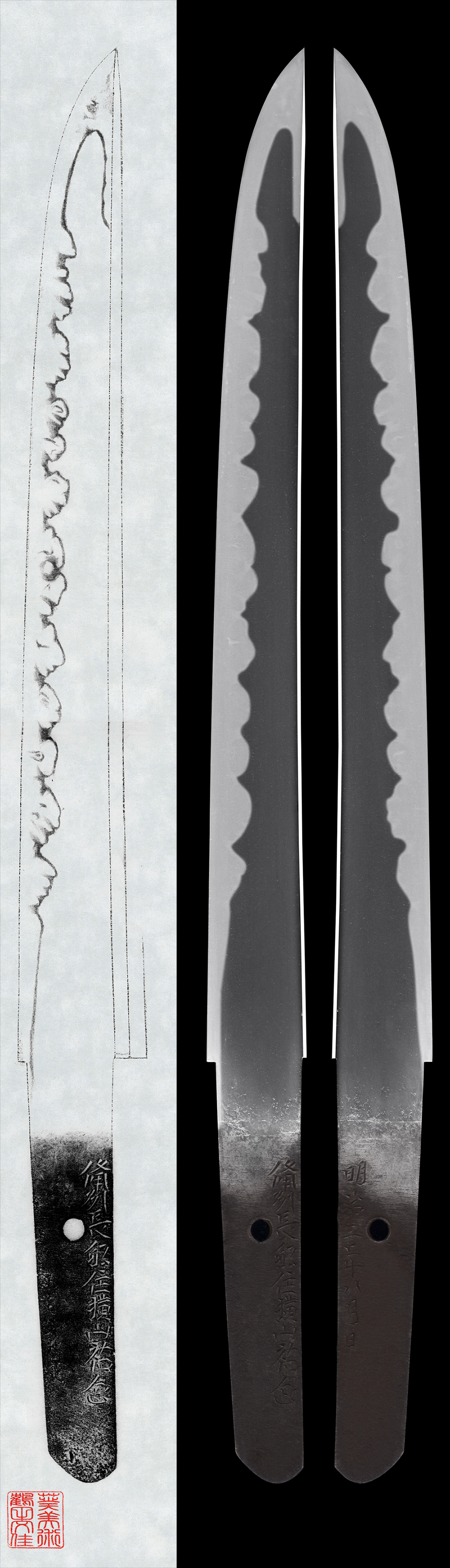
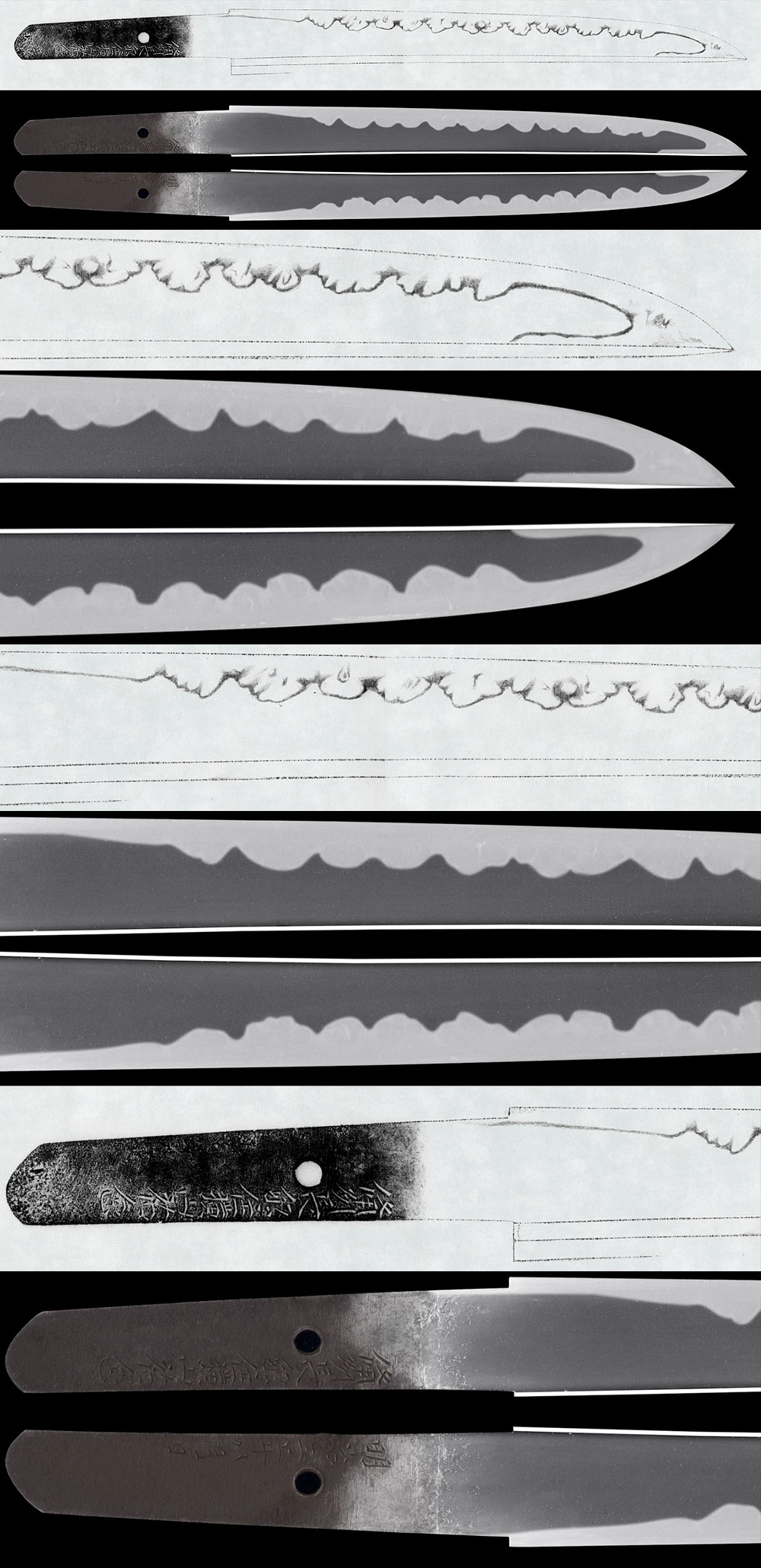
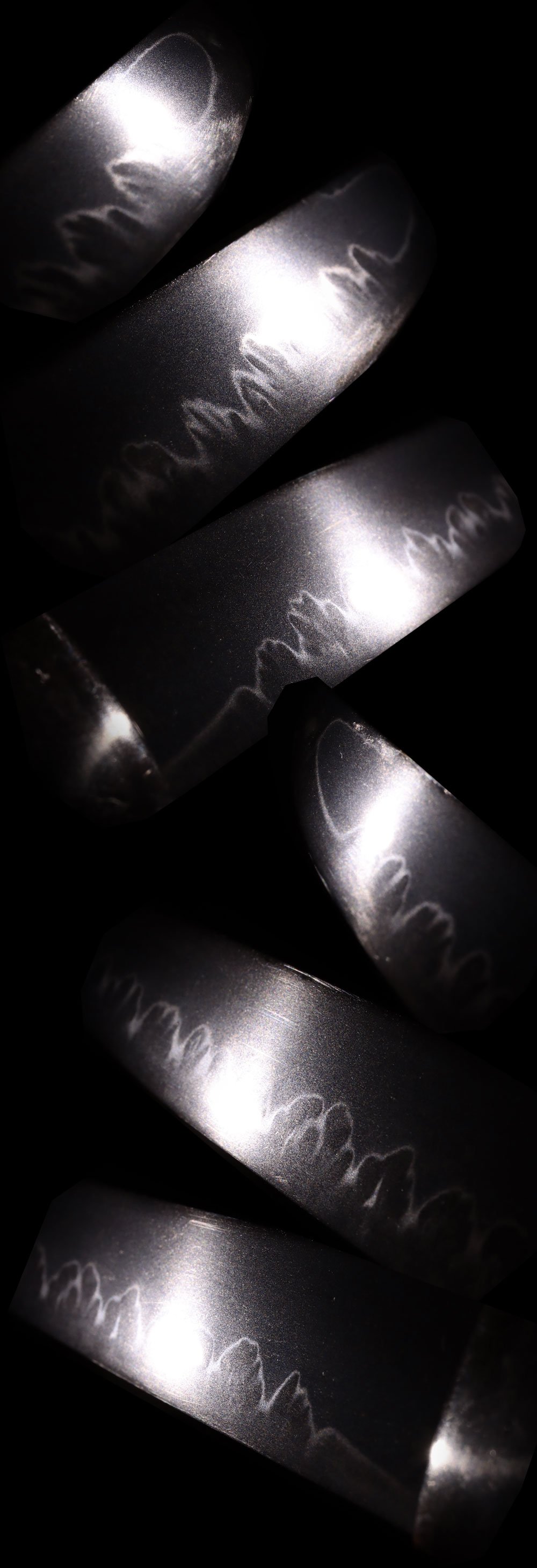
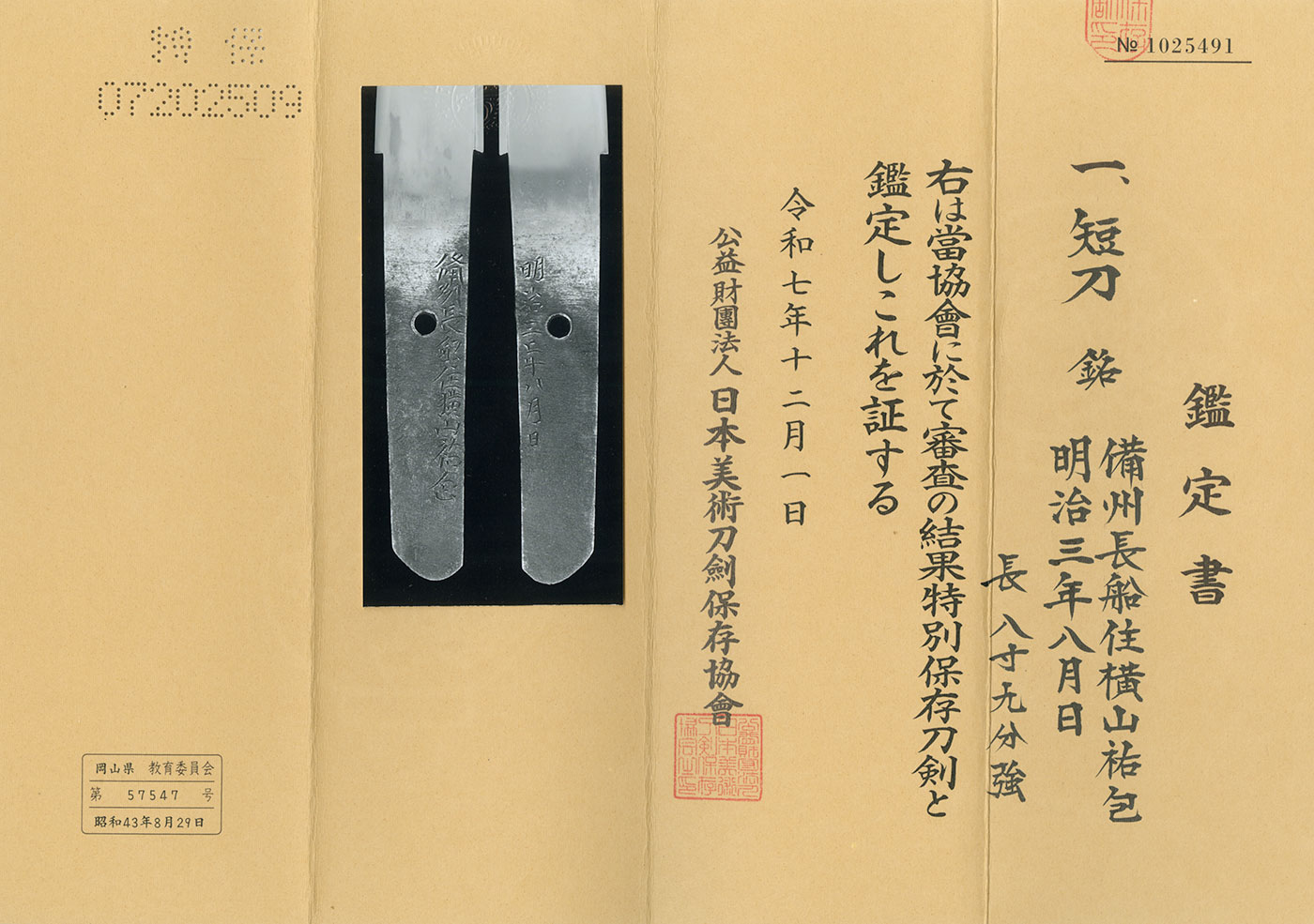
Ordering Number: 25050Tanto in Shirasaya with Koshirae (NBTHK Tokubetsu Hozon Token)Signature:Bishu Osafune Ju Yokoyama Sukekane 備州長船住横山祐包A day in August, Meiji 3 明治三年八月日 (1870)(We divide 4 sections for each sword as Saijyo Saku, Jyojyo Saku, Jyo Saku and Regular Saku).This work is ranked as Jyojyo Saku for Bishu Osafune Ju Yokoyama Sukekane.Habaki: Single copper habaki.Blade Length: 27.2cm (10.71in)Curvature: 0.0cm (0.0in)Mekugi-ana: 1Motohaba: 2.78cm (1.09in)Kasane: 0.68cm (0.27in)Weight: 235gEra: Meiji3, 1870Shape: Tanto with wide mihaba and thick kasane.Jigane: Fine ko-itame hada well forged, producing refined and plain steel.Hamon: Yakoyama school's distinctive gunome-choji hamon with a tight Nioikuchi.Features:The Yokoyama school, founded by Yokoyama Sukenaga, flourished during the late Edo period. They produced flamboyant gunome-choji hamon with a distinctive tight nioiguchi, featuring highly decorative patterns reminiscent of flower petals. This is a valuable work made just before the Haitorei Edict abolishing the wearing of swords.The hamon displays the characteristic tightly controlled gunome-choji of the Yokoyama school, creating a work with both a brilliant and delicate atmosphere.Koshirae:Tsuba: Mokko-shaped iron tsuba with gold designFuchi/Kashira: Wave design on shakudo groundMenuki: Pine cone designKozuka: Daruma design on plain copper groundNBTHK Tokubetsu Hozon CertificateAoiArt estimation paper: Whole OshigataPlease note: the price does not include the shipping fees.PPrice:500,000JPYOrder FormRelated Items:Tanto: Bishu Osafune Katsumitsu (February 1503)(NBTHK Hozon Token)Tanto: Sa-no-Yukihide (NBTHK Tokubetsu Hozon Token)Tanto: Kanemachi Ssaku(NBTHK Kicho Token)Tanto:Muramasa 村正Tanto: Remaining steel from the sacred treasure sword of the Imperial Grand Shrine Made by Matsuyama ju Ryusen Nyudo Sadatsugu (Living National Treasure)(NBTHK Tokubetsu Hozon)Tanto:Mumei (Yamamura) (NBTHK Hozon Token)
Certificate reading — 銘 備州長船住横山祐包 明治三年八月日
Offered by Aoi Art
This piece has sold
Get an email when a new Yokoyama Sukekane piece hits the market.


Bizen-den · Bizen · around 1834-1872
Tōken Taikan top 60%
8 pieces on the market now
Bizen-den · Bizen
24 pieces on the market now
| Smith | Era | Designated |
|---|---|---|
| Sukenobu祐信 | 1830-1844 | 0 |
| Suketaka祐高 | 1865-1868 | 0 |
| Sukeharu祐春 | 1864-1865 | 0 |
| Sukehiro祐廣 | 1854-1860 | 0 |
| Sukekane祐包 | 1868-1912 | 0 |
Meiji: survival after the edict
The Haitōrei edict of 1876 ended sword wearing and nearly ended the craft itself. Military demand and imperial patronage kept a remnant alive, and in 1906 Gassan Sadakazu and Miyamoto Kanenori were named Artists to the Imperial Household.
A Hozon-certified blade judged to show notably superior workmanship and a better state of preservation. The bar is higher: re-tempered blades and most unsigned Muromachi/Edo works are excluded.
The NBTHK (Nihon Bijutsu Tōken Hozon Kyōkai, the Society for the Preservation of Japanese Art Swords) is a public-interest incorporated foundation founded in 1948 and supervised by Japan’s Agency for Cultural Affairs (Bunkachō); it is based at the Japanese Sword Museum in Tokyo. Its expert panels physically examine each submitted work (shinsa) and issue a certificate (kanteishō) ranking it by artistic and historical merit. NBTHK papers are the most widely recognized standard of authentication for Japanese swords and fittings.
NBTHK official siteIf you wish to return an item, please notify us within 3 days of receipt. After this period we cannot accept cancellations. Please ship the return to us within 5 business days. Cancellation is conditional on the item being kept in the same condition as at the time of sale, so please handle it with care.