Edo was the sword’s age of connoisseurship: the Hon’ami appraisers, the shogunal register of famous blades of 1719, and a thriving literature turned the sword into an object of study even as it ceased to be drawn in war.
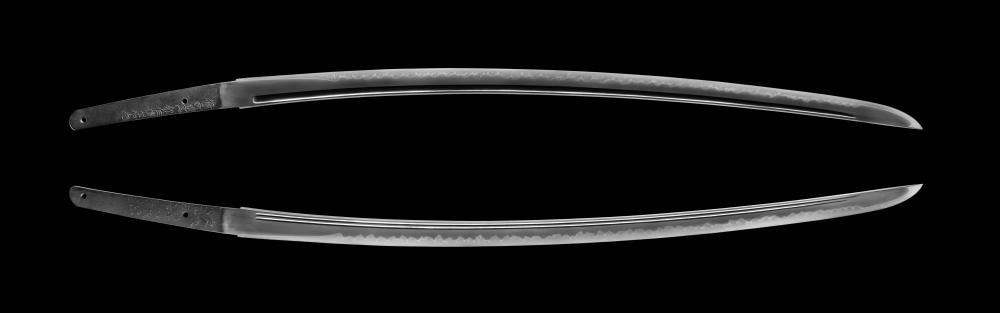
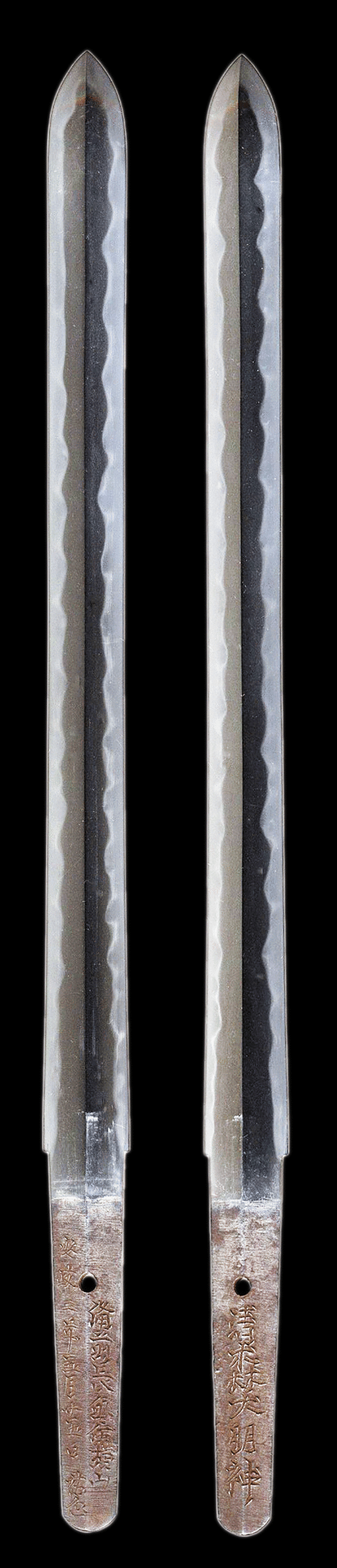
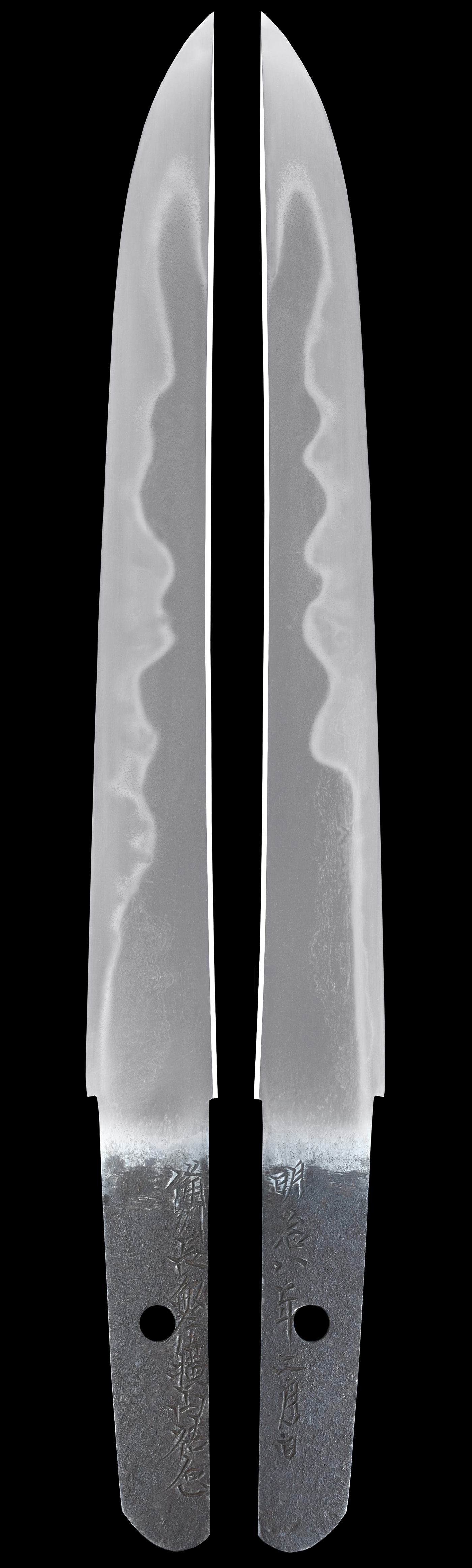
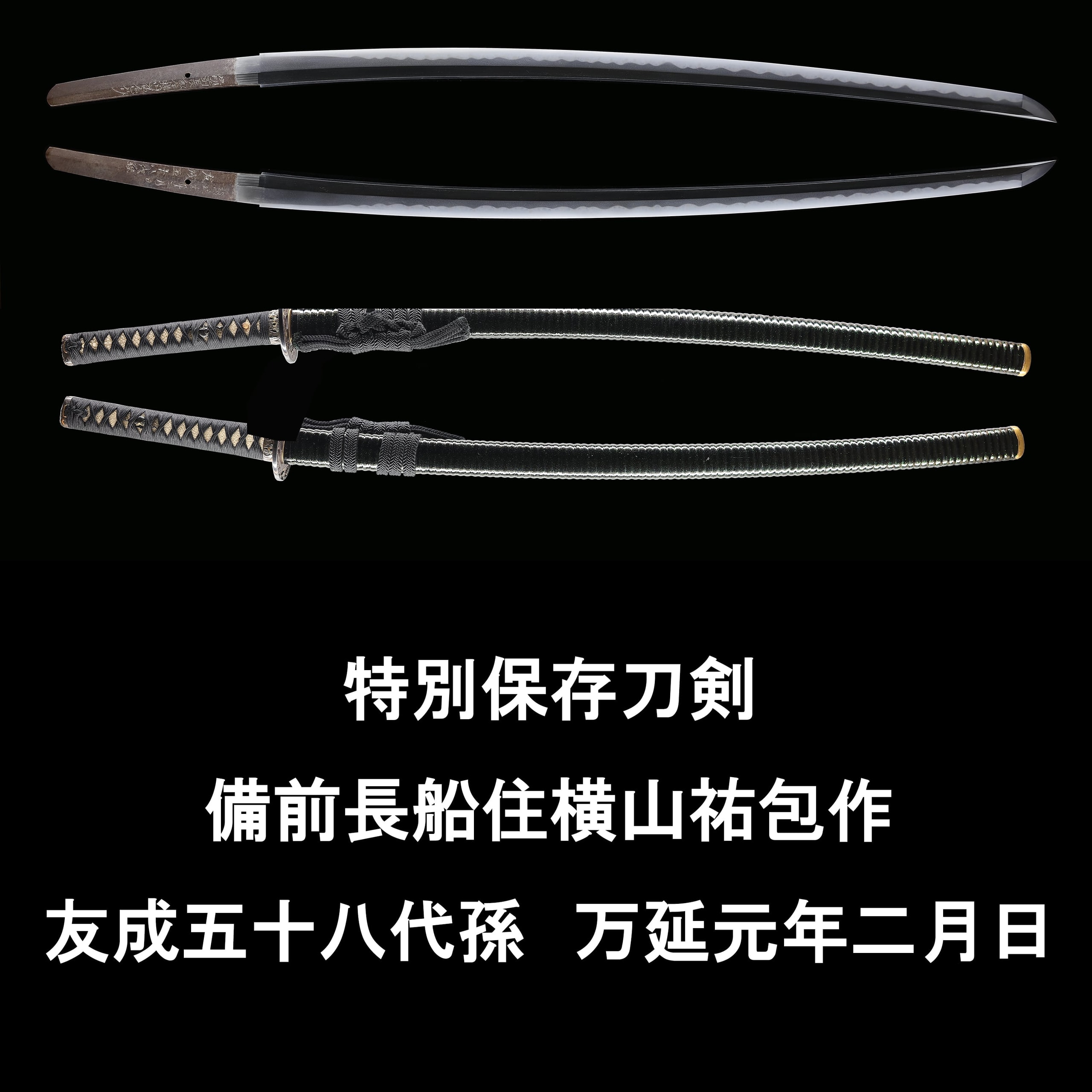
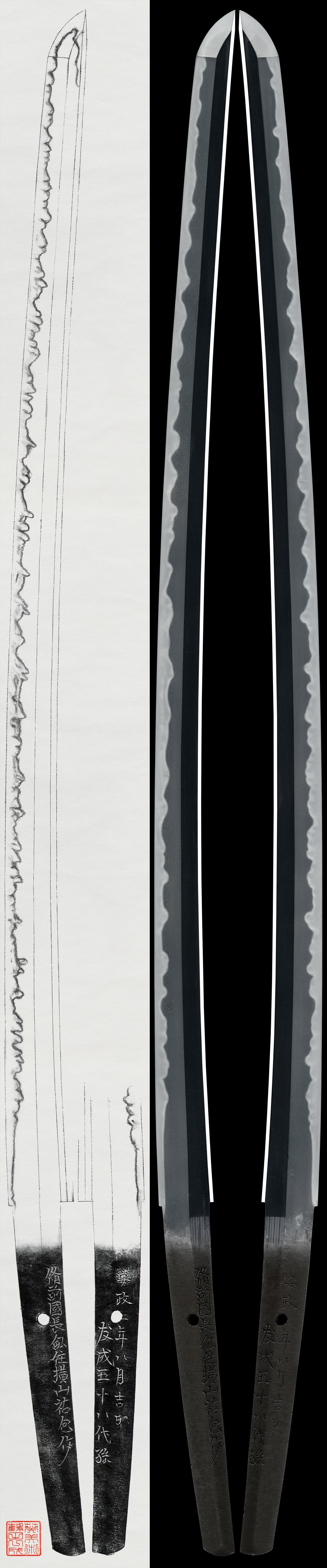
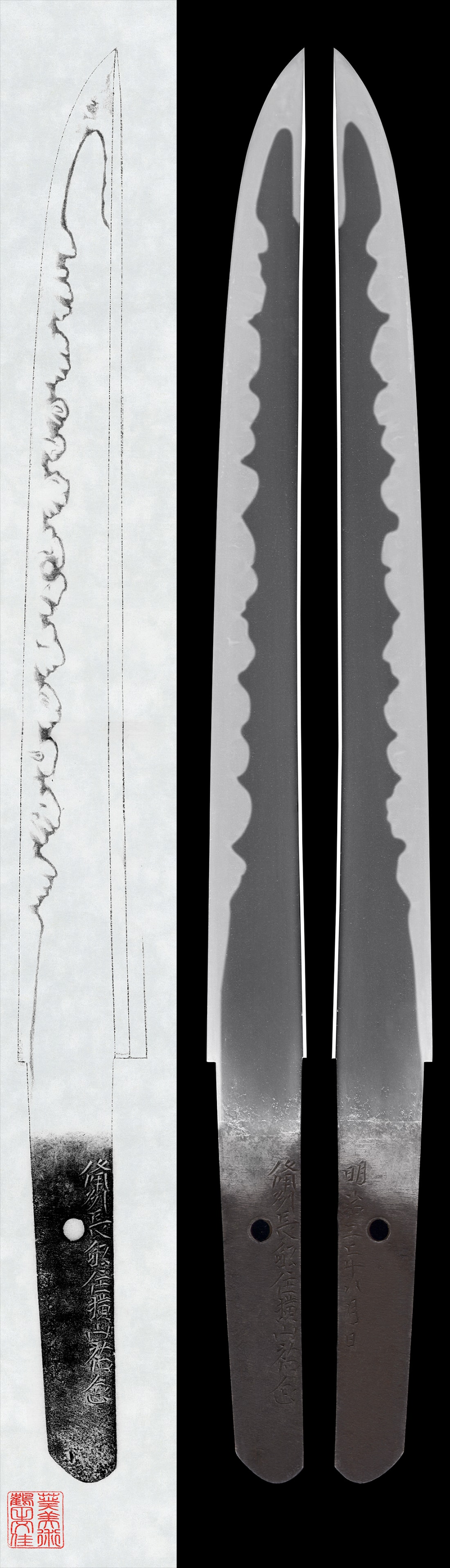
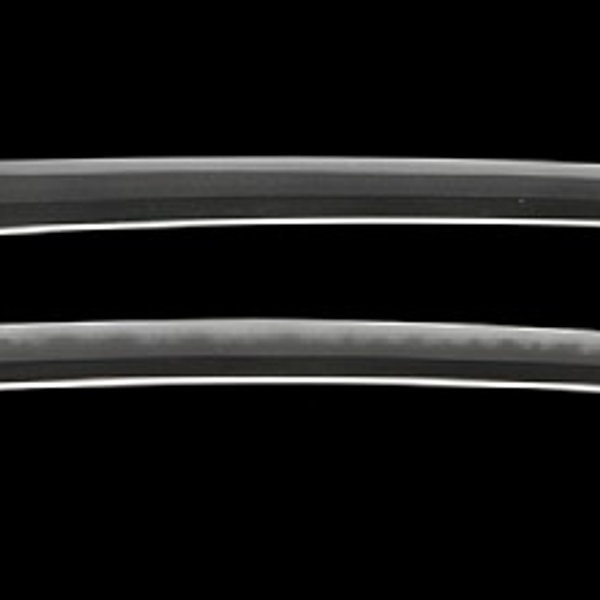
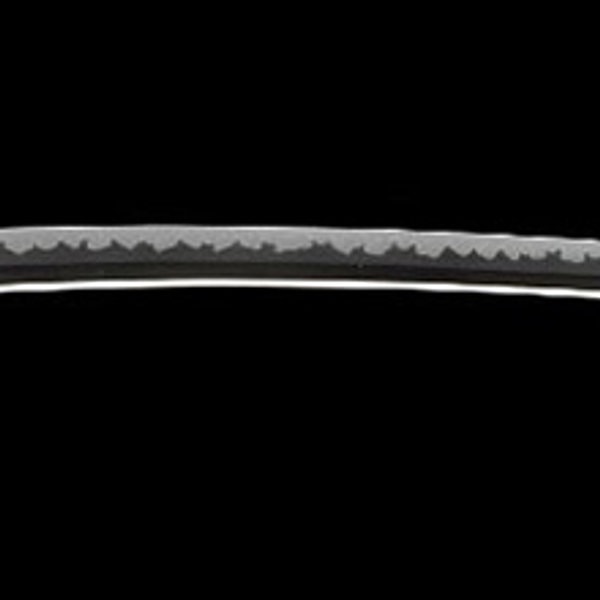
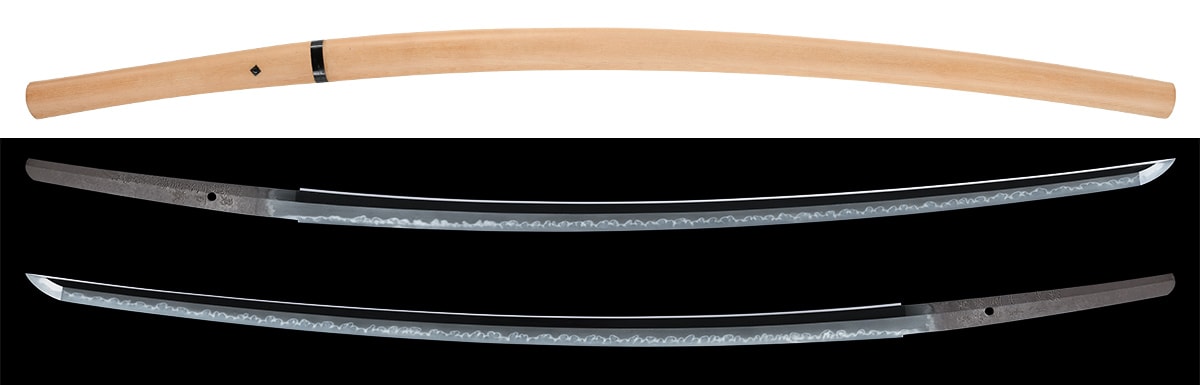
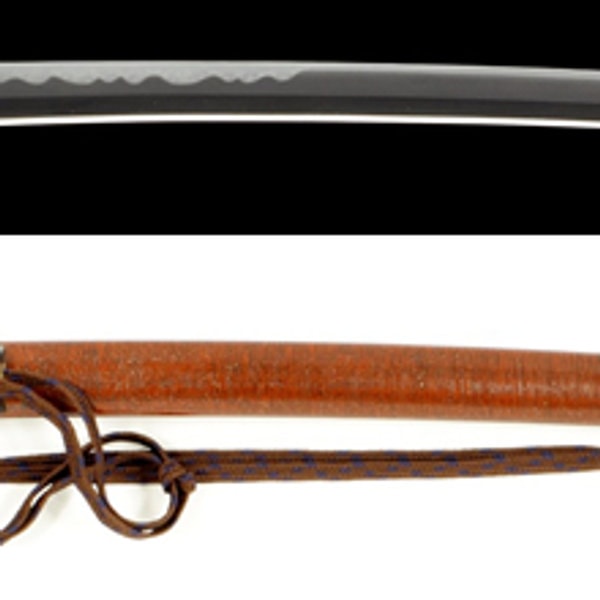
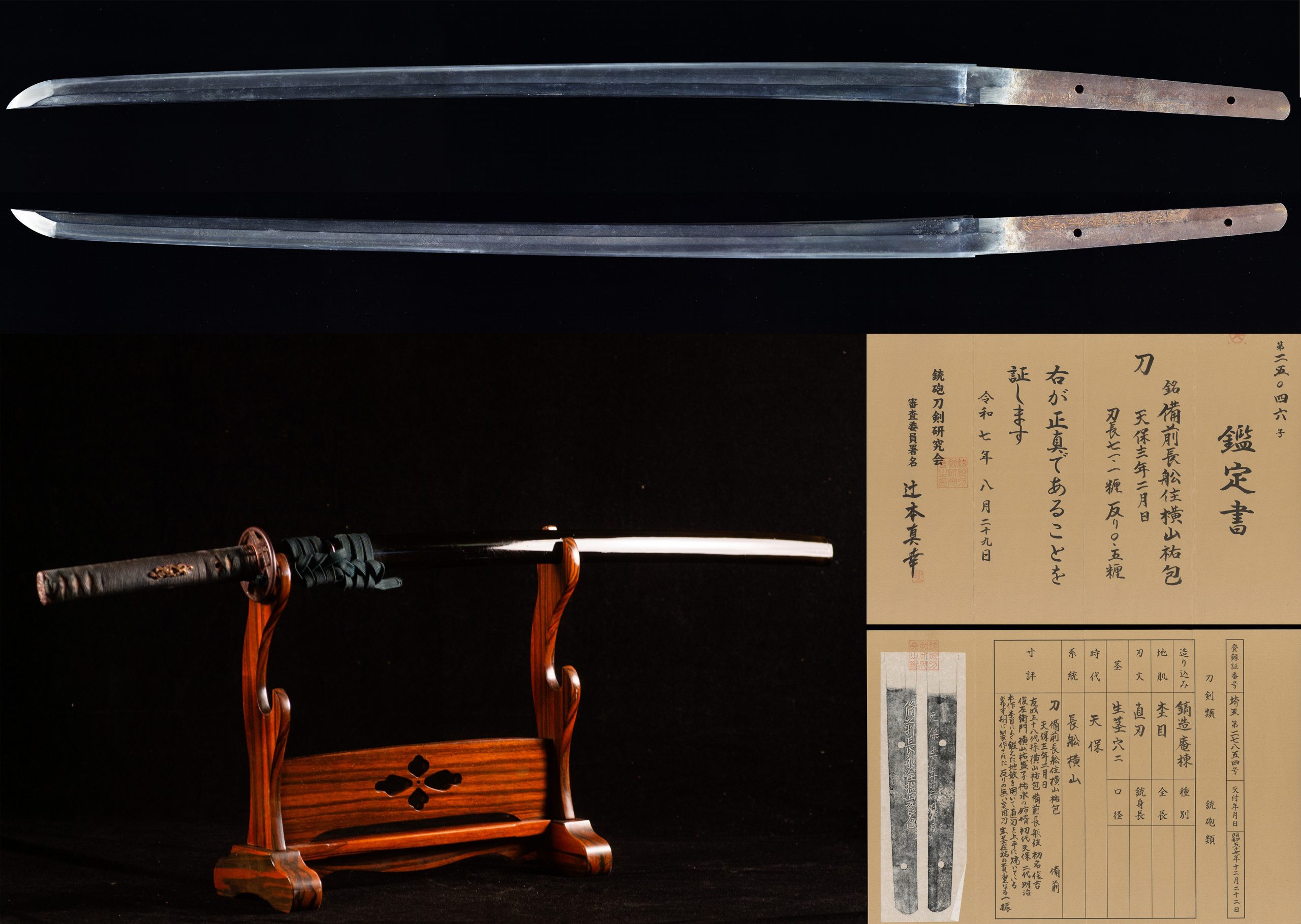
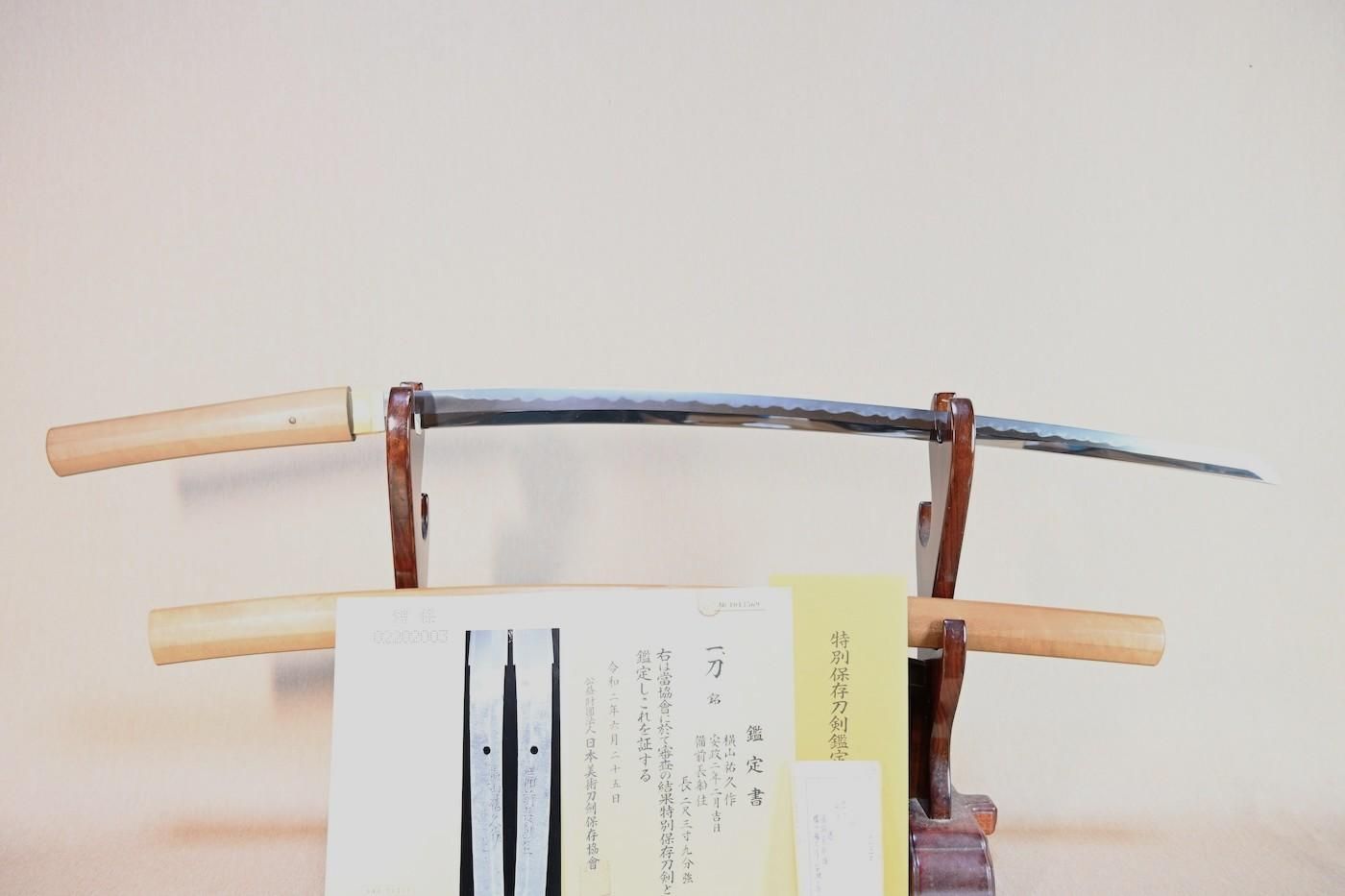
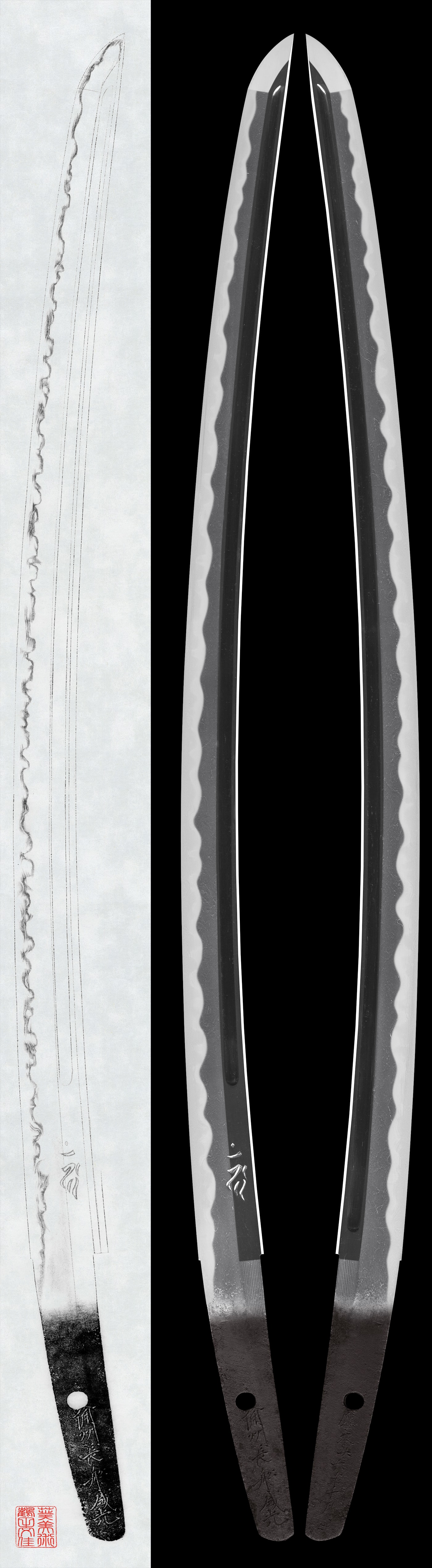
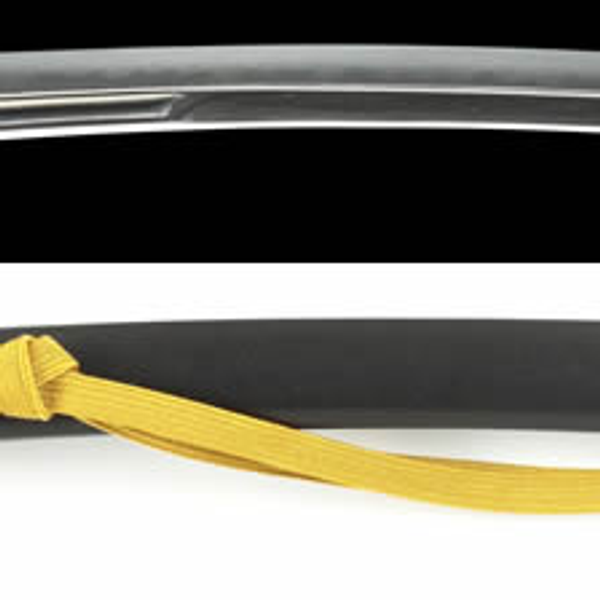
This listing from Ginza Choshuya features a wakizashi signed by Sukekane, a renowned Bizen Osafune smith from the late Edo period who served the Ikeda family of Okayama Domain. The blade is dated Kaei 2 (1849) and was forged at Tenmangu Shrine for Hashizume Yukinori. Sukekane was celebrated for his brilliant choji-midare hamon, praised by Nankai Taro Choson for its elegant appearance.
 NihontoWatch
mei · Osafune · Kaei (1848-1854)
Bizen-den · Bizen · around 1834-1872
Tōken Taikan top 60%
11 pieces on the market now
Bizen-den · Bizen
44 pieces on the market now
| Smith | Era | Designated |
|---|---|---|
| Sukenobu祐信 | 1830-1844 | 0 |
| Suketaka祐高 | 1865-1868 | 0 |
| Sukeharu祐春 | 1864-1865 | 0 |
| Sukehiro祐廣 | 1854-1860 | 0 |
| Sukekane祐包 | 1868-1912 | 0 |
The Edo period (1615 to 1868)
Edo was the sword’s age of connoisseurship: the Hon’ami appraisers, the shogunal register of famous blades of 1719, and a thriving literature turned the sword into an object of study even as it ceased to be drawn in war.
We could not find an authenticity certificate on the seller’s listing. Japanese swords and fittings are normally papered by the NBTHK (or the NTHK). Without one, the attribution is the seller’s own assessment and has not been independently verified — treat it with caution and ask the dealer about certification before buying.
If, due to our fault, the item differs significantly from its proper condition, the item may be returned. Cooling-off is within one week of the item's arrival.

This listing from Ginza Choshuya features a wakizashi signed by Sukekane, a renowned Bizen Osafune smith from the late Edo period who served the Ikeda family of Okayama Domain. The blade is dated Kaei 2 (1849) and was forged at Tenmangu Shrine for Hashizume Yukinori. Sukekane was celebrated for his brilliant choji-midare hamon, praised by Nankai Taro Choson for its elegant appearance.
NihontoWatchmei · Osafune · Kaei (1848-1854)
Bizen-den · Bizen · around 1834-1872
Tōken Taikan top 60%
11 pieces on the market now
Bizen-den · Bizen
44 pieces on the market now
| Smith | Era | Designated |
|---|---|---|
| Sukenobu祐信 | 1830-1844 | 0 |
| Suketaka祐高 | 1865-1868 | 0 |
| Sukeharu祐春 | 1864-1865 | 0 |
| Sukehiro祐廣 | 1854-1860 | 0 |
| Sukekane祐包 | 1868-1912 | 0 |
The Edo period (1615 to 1868)
Edo was the sword’s age of connoisseurship: the Hon’ami appraisers, the shogunal register of famous blades of 1719, and a thriving literature turned the sword into an object of study even as it ceased to be drawn in war.
We could not find an authenticity certificate on the seller’s listing. Japanese swords and fittings are normally papered by the NBTHK (or the NTHK). Without one, the attribution is the seller’s own assessment and has not been independently verified — treat it with caution and ask the dealer about certification before buying.
If, due to our fault, the item differs significantly from its proper condition, the item may be returned. Cooling-off is within one week of the item's arrival.