War at home and trade abroad made Muromachi Bizen the busiest forge region in Japan: a century of Sengoku demand after the Ōnin War, and export missions to Ming China carrying blades by the tens of thousands.
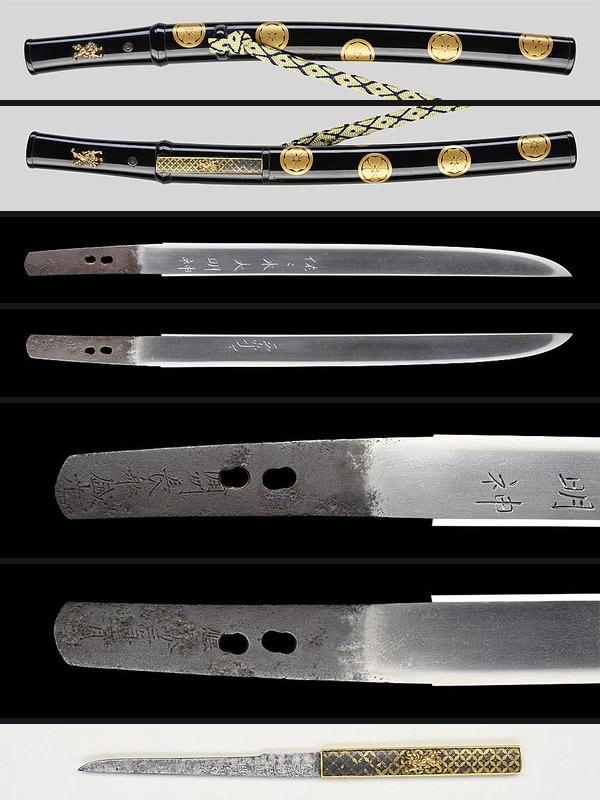
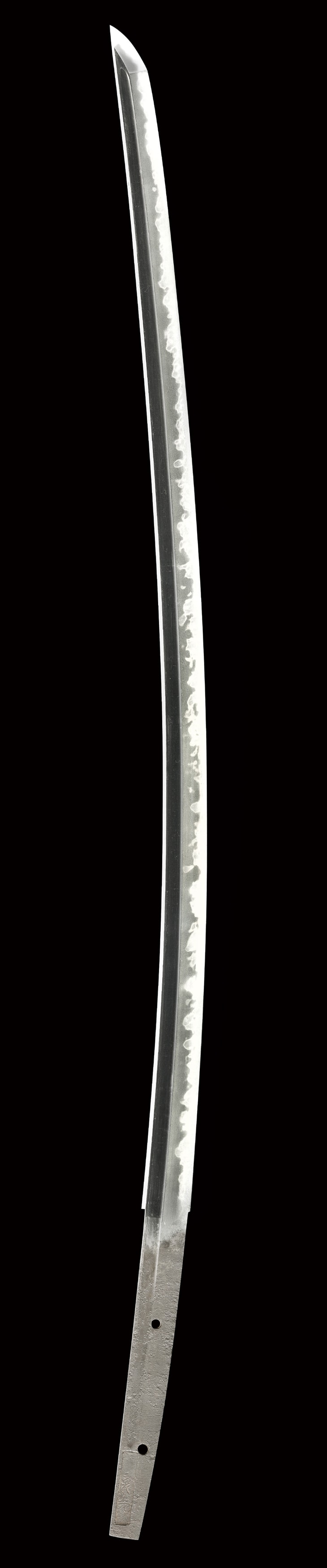
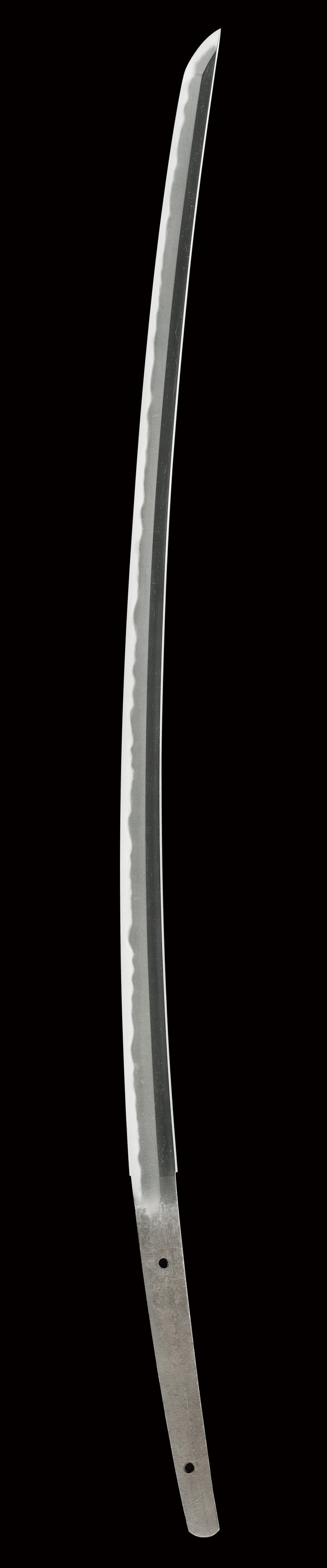
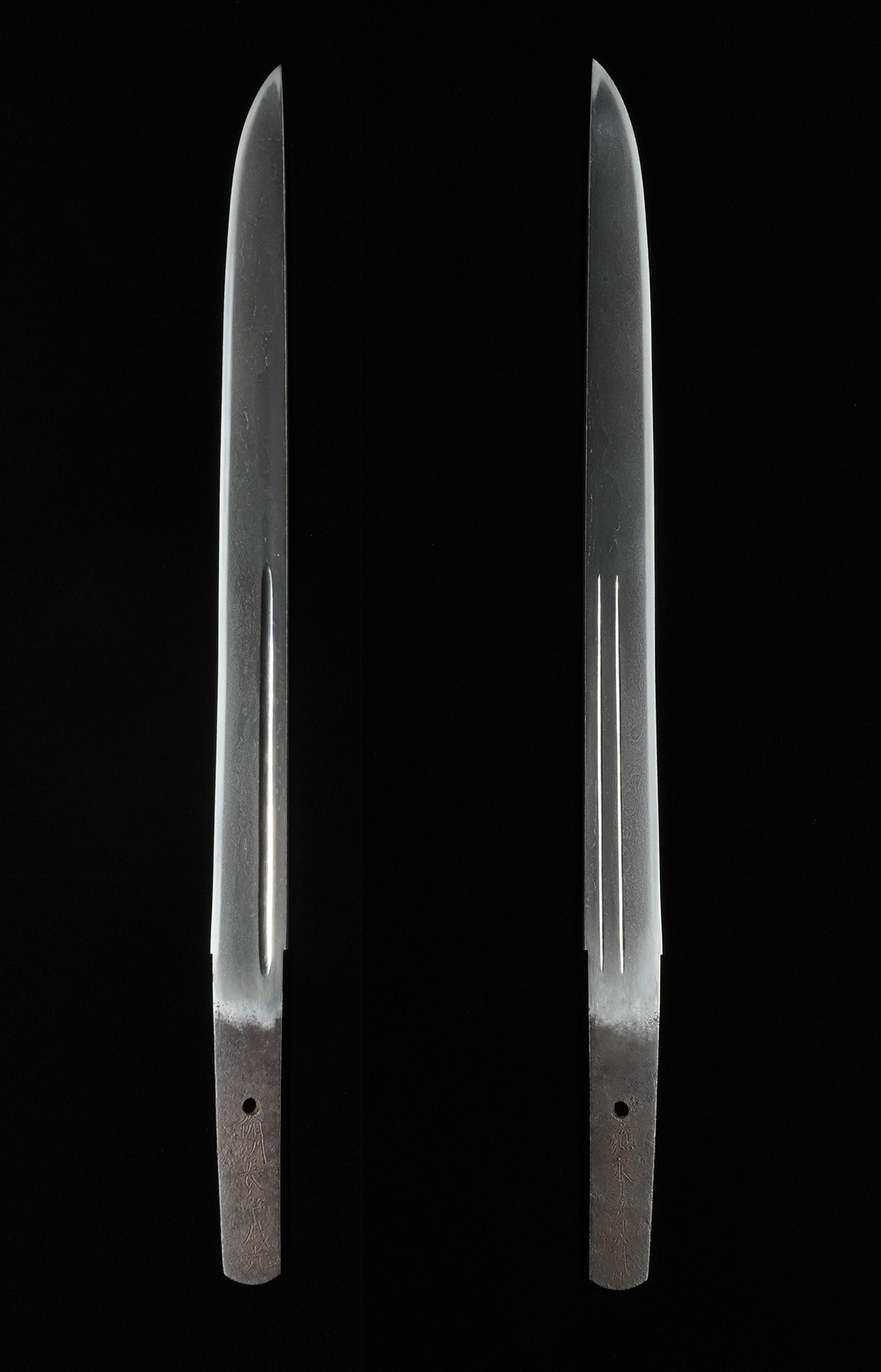
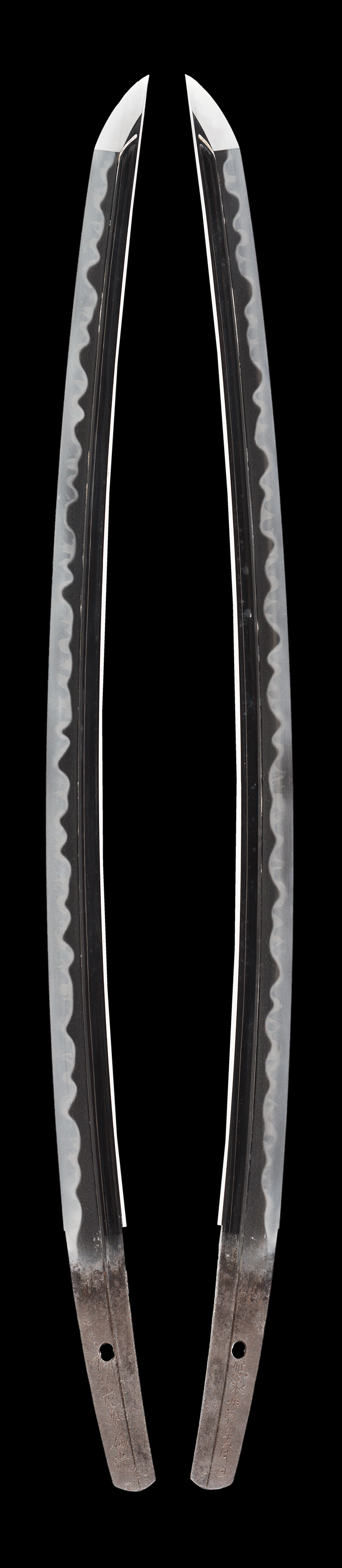
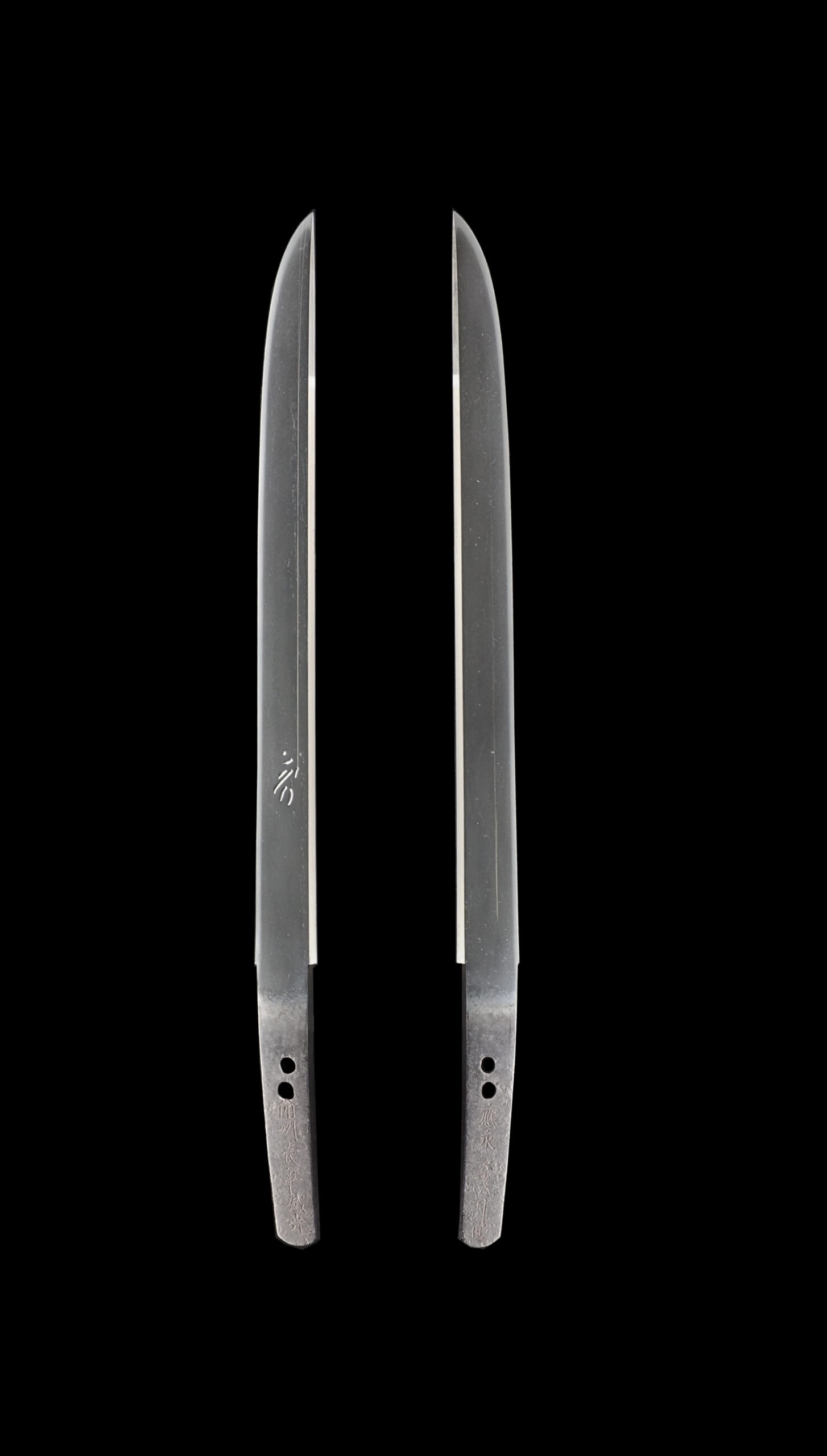
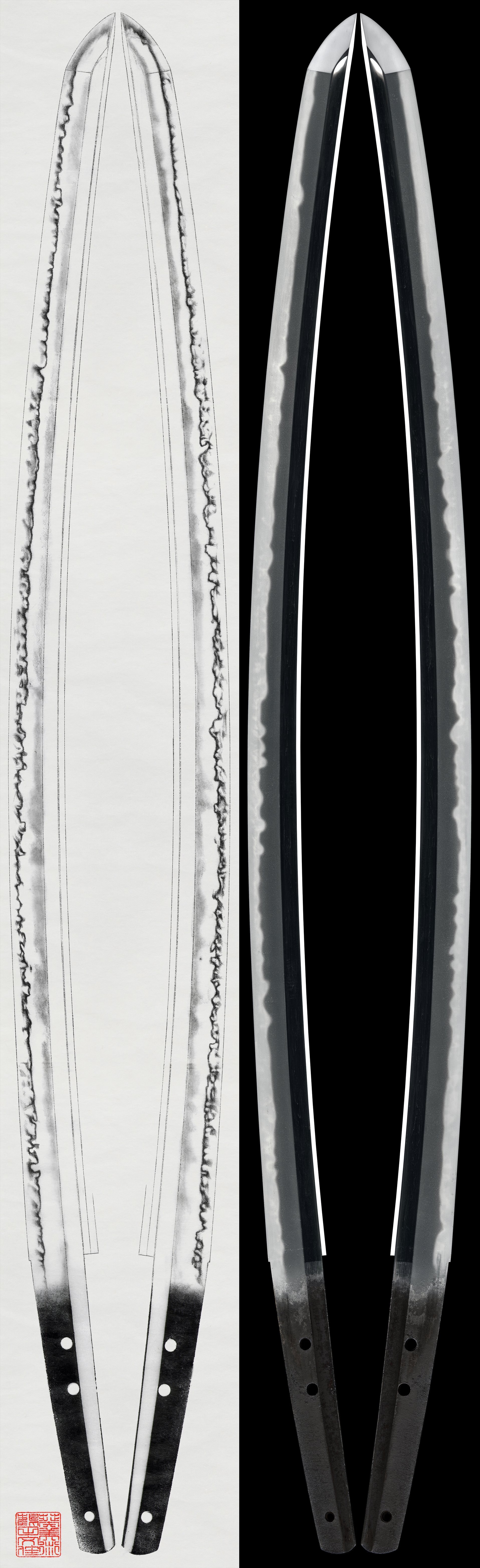
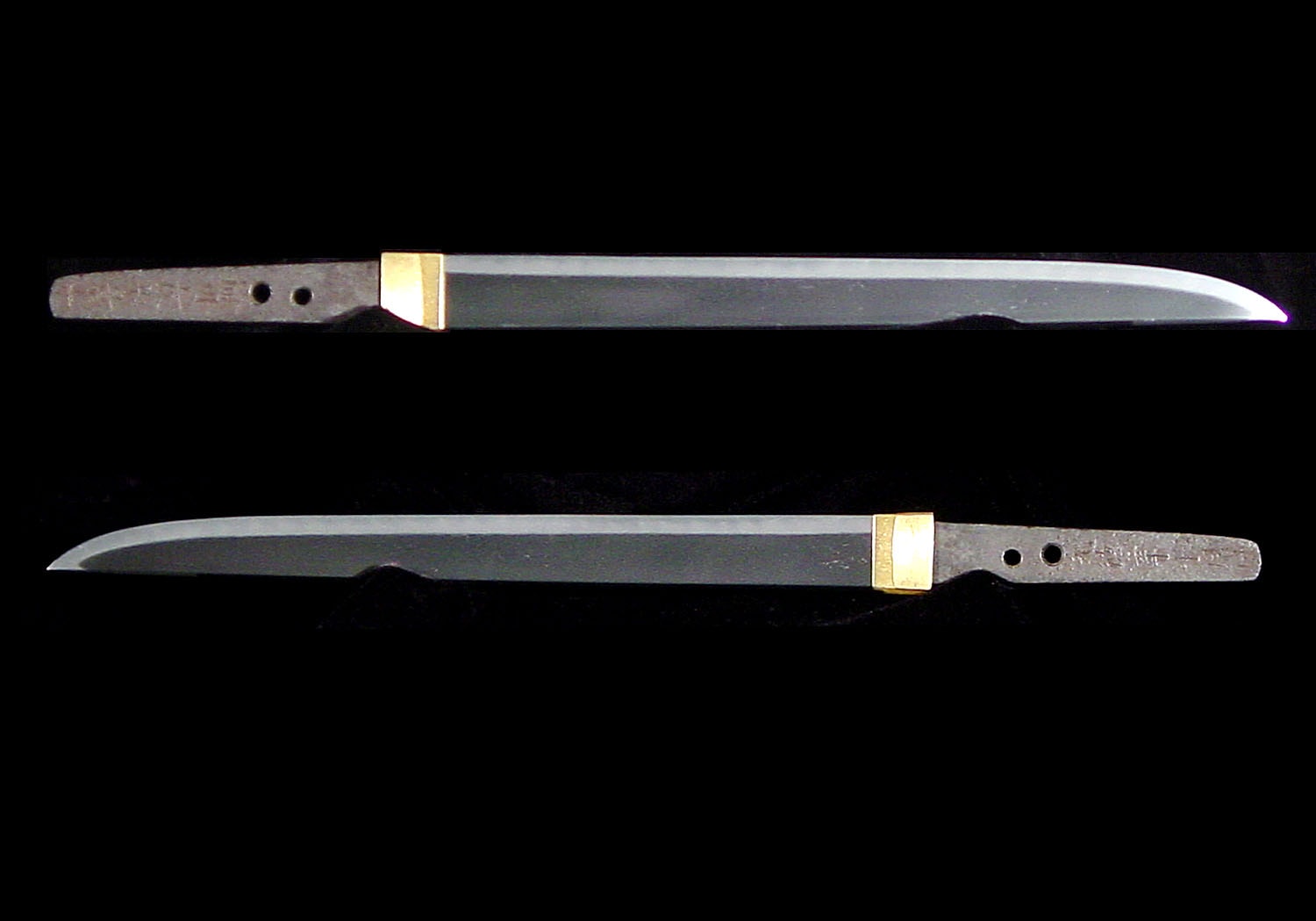
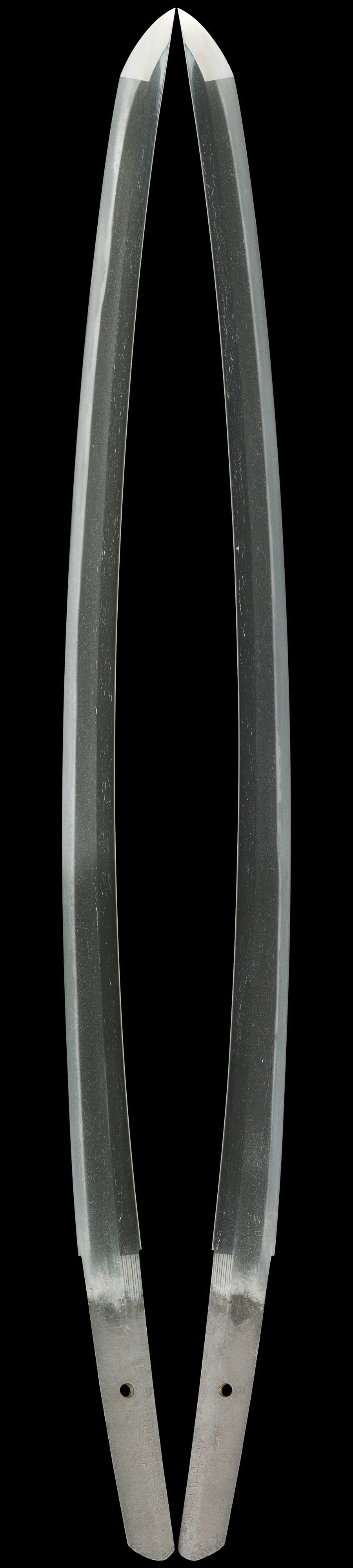
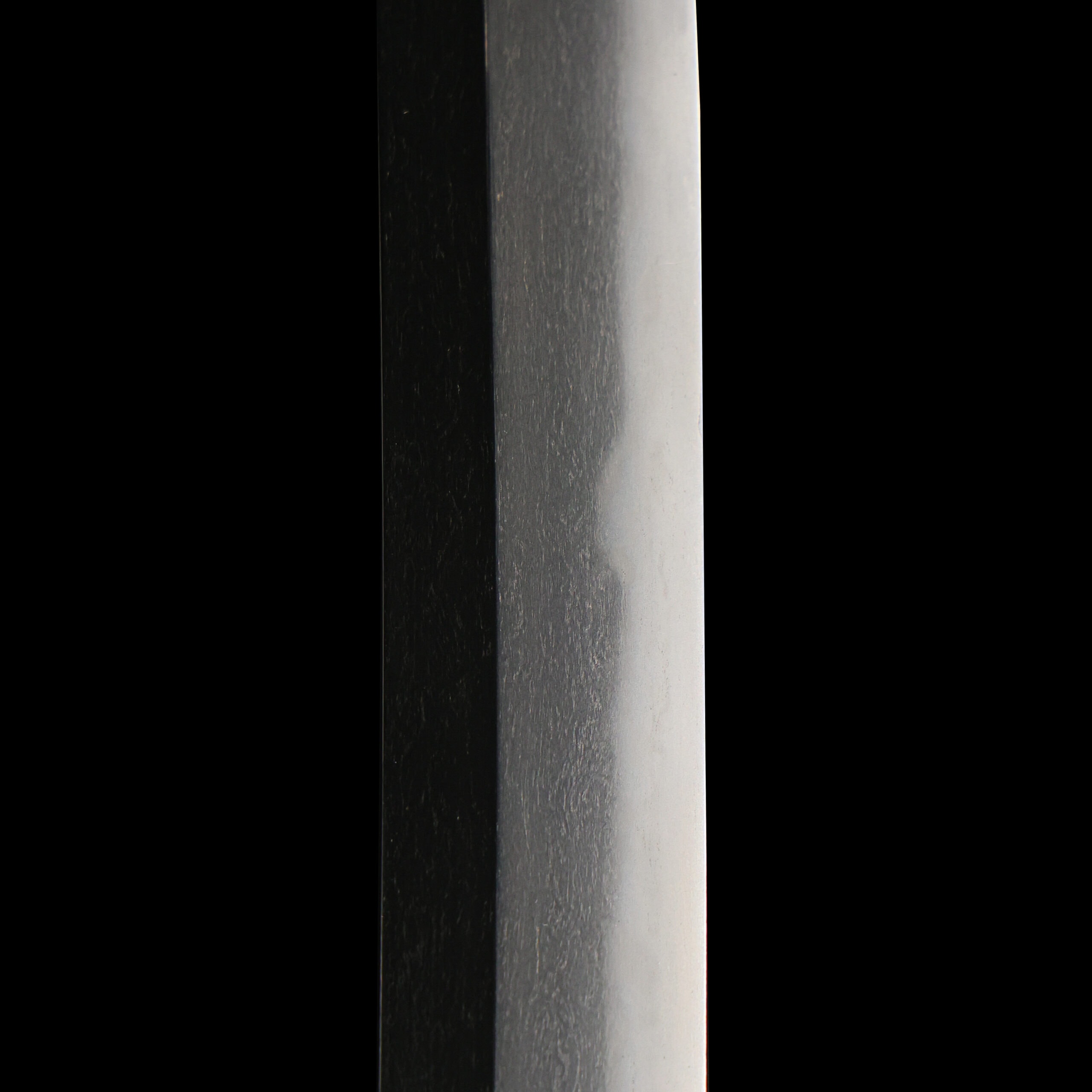
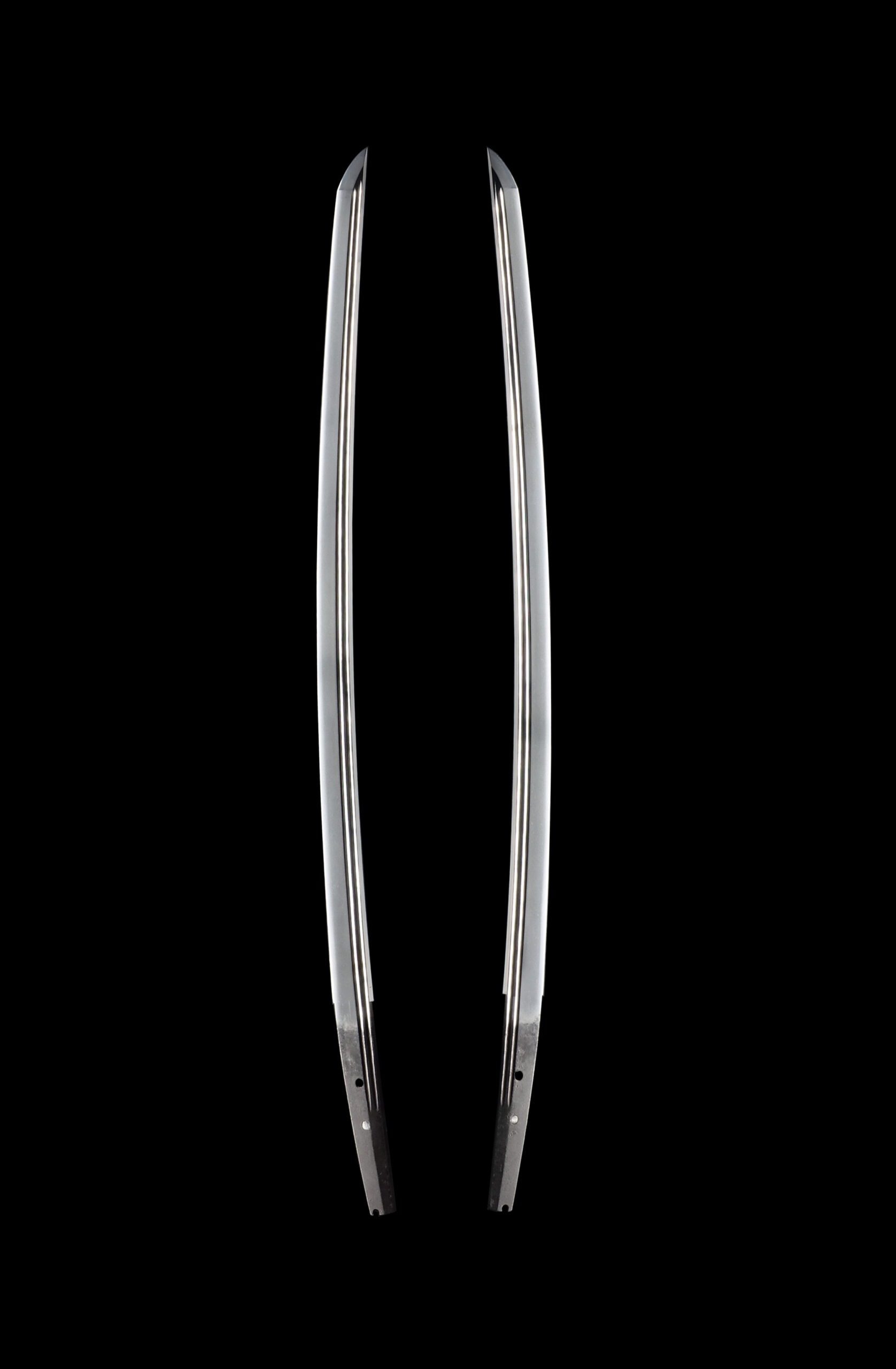
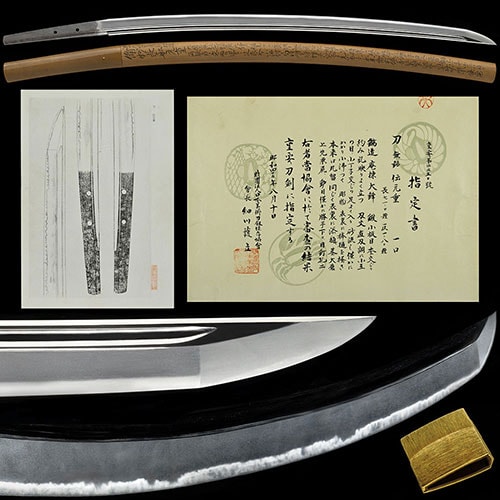
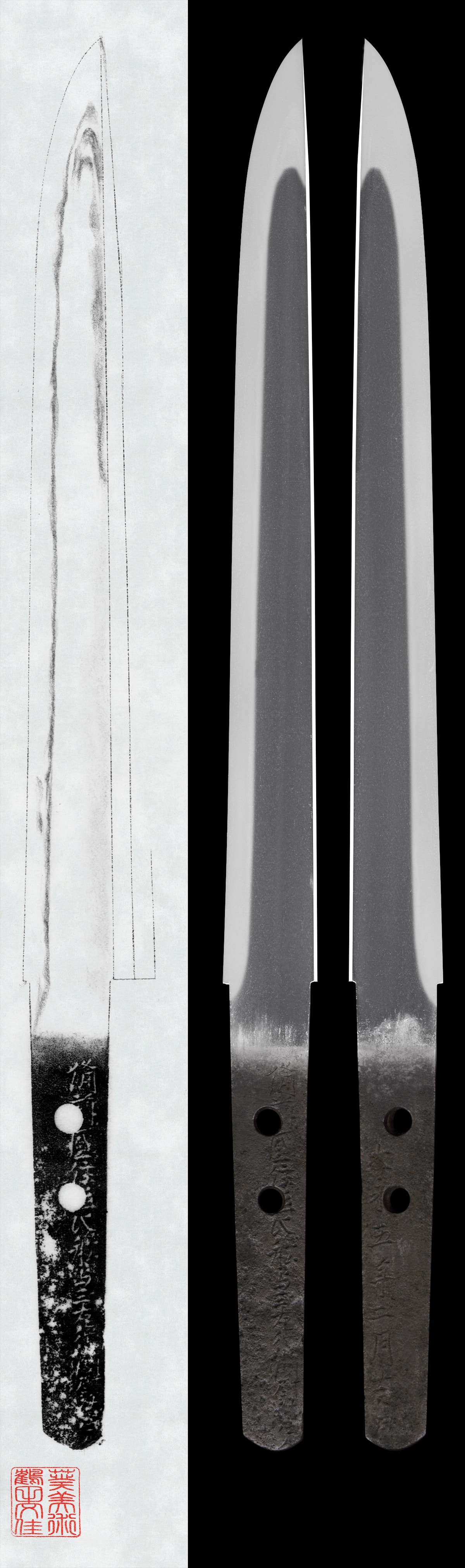
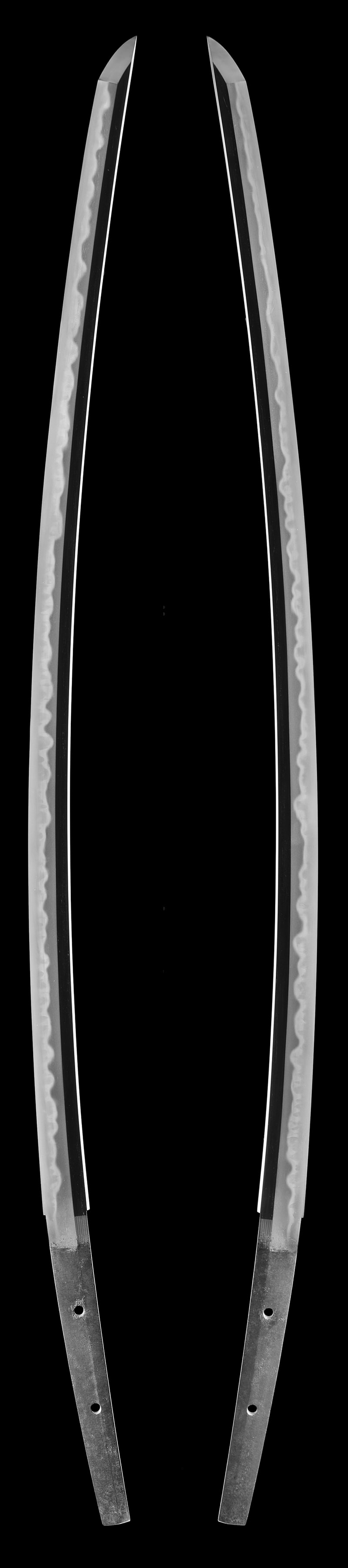
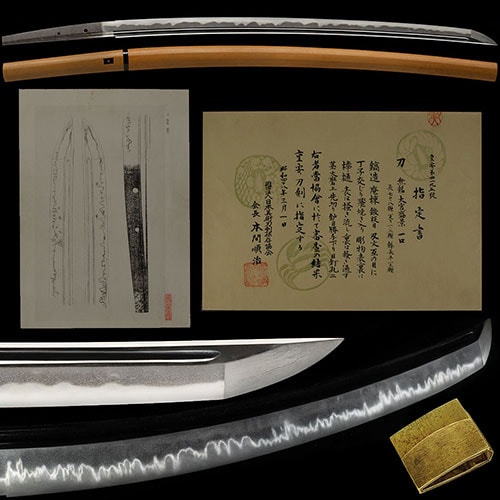
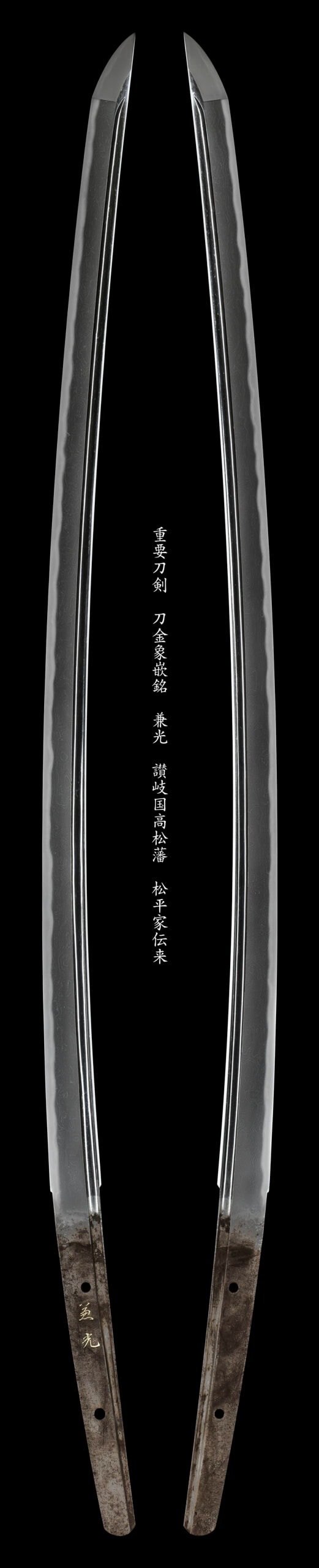
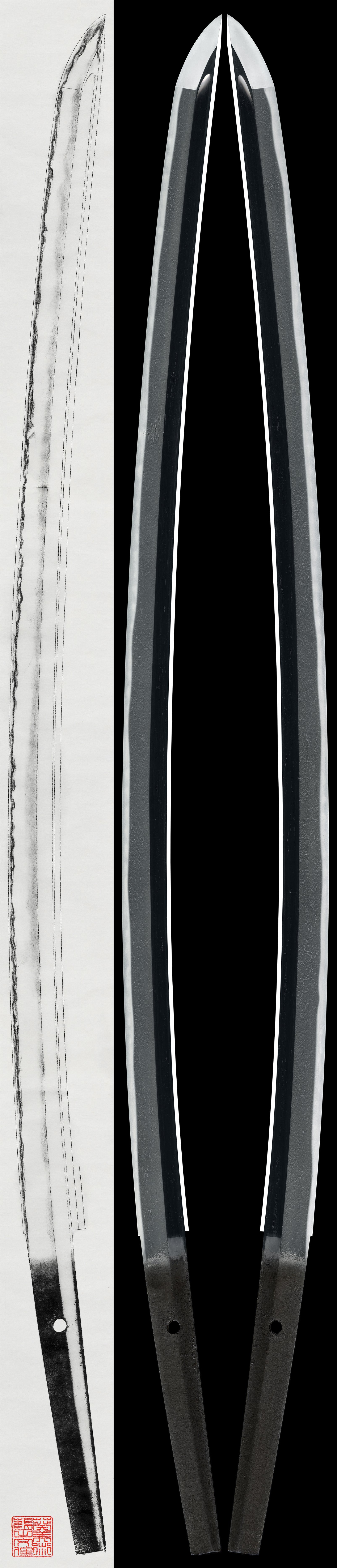
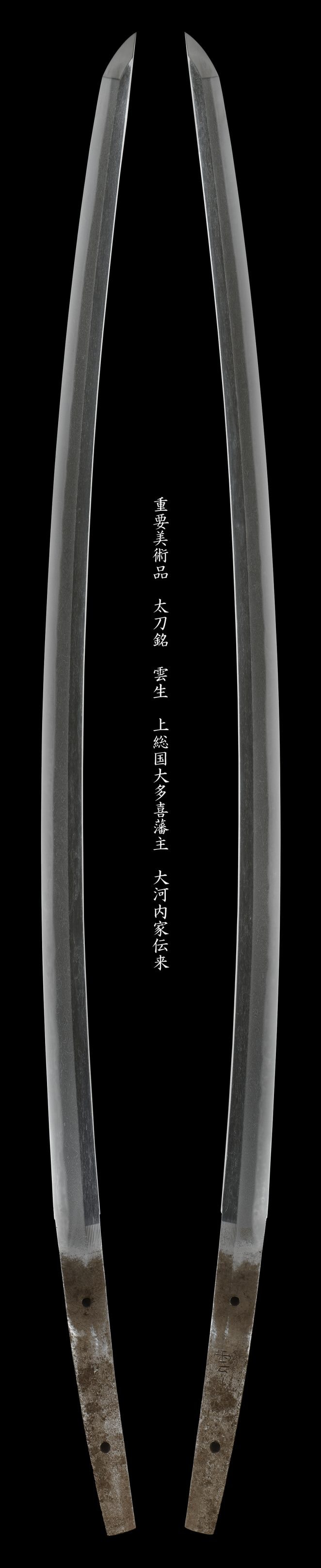
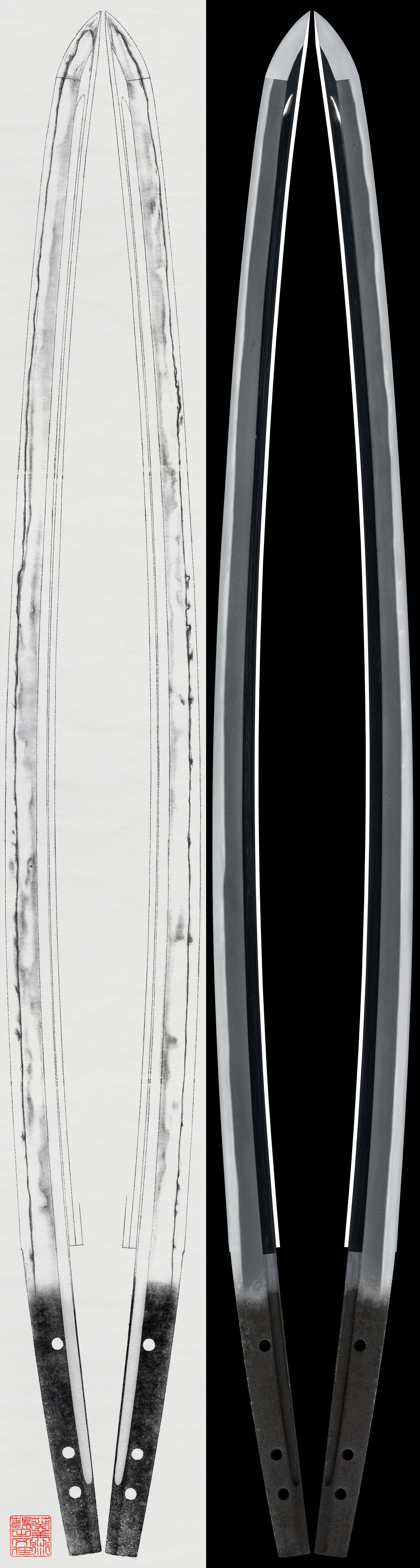
This is a wakizashi by Naomitsu, dating to the early Muromachi period (around Oei era) from Bizen Province. Naomitsu is considered a collaborator of Morimitsu and Yasumitsu, and while his own works are few, a superb tachi with the 'Bishu Osafune Naomitsu' mei dated Oei 11th year, 10th month (formerly owned by the Tokugawa Shogun family and designated 11th Juyo Token) demonstrates his high skill. The listing mentions various generations of Naomitsu throughout the Nanbokucho to Tenmon periods.
 NihontoWatch
Bizen-den · Bizen · around 1394-1428
Tōken Taikan top 31%
Where Naomitsu stands among comparable artisans: across all of nihontō, and within tradition, era, and period. The tiers (Foremost · Leading · Major · Notable) weigh official designations from the NBTHK and Japan's Agency for Cultural Affairs, together with historical honors of lasting repute such as the Sansaku and Meibutsu-chō.
Select a lens to see how it's measured.
Bizen-den · Bizen
Phase: Ōei-Bizen応永備前· 1390–1441
235 pieces on the market now
The Oei-Bizen and Eikyo-Bizen smiths represent the resurgence of the Osafune school in Bizen Province during the early Muromachi period, an era in which a conscious revival of Kamakura-period aesthetics transformed the character of Bizen swordmaking after the bold, expansive forms of the Nanbokucho period. The school's foremost representatives are Yasumitsu and Morimitsu, described by the NBTHK as the "twin pillars" of Oei-Bizen, both active around the Oei era (1394--1428). Morimitsu is held by one tradition to have been the son of Moromitsu, a representative smith of the late Nanbokucho ko-zori group, and his earliest dated works bridge the transitional character of his father's generation and the fully developed Oei-Bizen idiom. The name Yasumitsu was successively inherited through as many as five generations, while the succeeding Eikyo-Bizen phase -- centered on the fourth-generation Norimitsu and his contemporary Sukemitsu -- carried the tradition forward into the mid-Muromachi period. Related smiths such as Tsuneie of the Hatakeda branch worked in a manner so closely aligned with Osafune production that the NBTHK observes there are "no grounds -- whether in workmanship, the character of the signature, or any other point" by which their work could be distinguished from the main line. Within the Oei-Bizen manner, two principal modes of tempering are recognized. " In both modes the school's identity is revealed through shared forging characteristics: itame-hada mixed with mokume in which the grain stands out conspicuously, with dark lines resembling chikei entering the jihada and midare-utsuri or bo-utsuri standing prominently in the ground. " The boshi assumes the idiosyncratic form popularly termed the "candlewick" (rosoku no shin), becoming pointed at the tip -- a diagnostic hallmark of the school.
A further point of connoisseurship is the finishing of bo-hi with rounded ends (maru-dome) above the machi. The transition from Oei-Bizen to Eikyo-Bizen is marked by Norimitsu's development of a somewhat intermediary character, retaining the koshi-biraki gunome and bright nioiguchi of the earlier masters while introducing tighter grain and elements that point toward the eventual Sue-Bizen style. Moromitsu's earlier production establishes the bridge from the opposite direction, his ko-zori period works showing "signs foreshadowing the style of Oei-Bizen" in their more flamboyant midare passages. The ideal pursued by the Oei-Bizen and Eikyo-Bizen smiths "appears to have been a revival of the Kamakura period," visible in their elegant tachi proportions and in the deliberate re-creation of choji tempering that had fallen out of favour during the Nanbokucho period. Yet the NBTHK consistently emphasizes that the school's own distinctive character is always discernible beneath this revivalist surface. " Both masters' works are consistently described as kenzen -- sound and well-preserved -- with a jigane of superior quality possessing an urumi richness. The school's influence pervaded early Muromachi sword production, and the Eikyo-Bizen continuation through Norimitsu ensured that the Osafune tradition maintained vitality and refinement well into the fifteenth century. Whether in the commanding vigour of the large-pattern choji-midare or in the quiet classical elegance of the suguha mode, the Oei-Bizen and Eikyo-Bizen smiths collectively represent one of the most accomplished chapters in the long history of Bizen swordsmithing. Learn more →
| Smith | Era | Designated |
|---|---|---|
| Mitsutada光忠 | 1238-1239 | 60 |
| Nagamitsu長光 | 1274-1304 | 244 |
| Kagemitsu景光 | 1303-1336 | 143 |
| Kanemitsu兼光 | 1323-1370 | 231 |
| Sanenaga眞長 | 1299-1309 | 64 |
Bizen in the Muromachi period
War at home and trade abroad made Muromachi Bizen the busiest forge region in Japan: a century of Sengoku demand after the Ōnin War, and export missions to Ming China carrying blades by the tens of thousands.
A blade of top-grade workmanship and condition, formally judged to rank with a nationally recognized Important Art Object (Jūyō Bijutsuhin). Awarded only at the NBTHK’s competitive annual examination.
Of Japan’s roughly 2.5 million registered swords, only 12,307 (about 1 in 203) have ever attained Jūyō.
The NBTHK (Nihon Bijutsu Tōken Hozon Kyōkai, the Society for the Preservation of Japanese Art Swords) is a public-interest incorporated foundation founded in 1948 and supervised by Japan’s Agency for Cultural Affairs (Bunkachō); it is based at the Japanese Sword Museum in Tokyo. Its expert panels physically examine each submitted work (shinsa) and issue a certificate (kanteishō) ranking it by artistic and historical merit. NBTHK papers are the most widely recognized standard of authentication for Japanese swords and fittings.
NBTHK official siteIf, due to our fault, the item differs significantly from its proper condition, the item may be returned. Cooling-off is within one week of the item's arrival.

This is a wakizashi by Naomitsu, dating to the early Muromachi period (around Oei era) from Bizen Province. Naomitsu is considered a collaborator of Morimitsu and Yasumitsu, and while his own works are few, a superb tachi with the 'Bishu Osafune Naomitsu' mei dated Oei 11th year, 10th month (formerly owned by the Tokugawa Shogun family and designated 11th Juyo Token) demonstrates his high skill. The listing mentions various generations of Naomitsu throughout the Nanbokucho to Tenmon periods.
NihontoWatchBizen-den · Bizen · around 1394-1428
Tōken Taikan top 31%
Where Naomitsu stands among comparable artisans: across all of nihontō, and within tradition, era, and period. The tiers (Foremost · Leading · Major · Notable) weigh official designations from the NBTHK and Japan's Agency for Cultural Affairs, together with historical honors of lasting repute such as the Sansaku and Meibutsu-chō.
Select a lens to see how it's measured.
Bizen-den · Bizen
Phase: Ōei-Bizen応永備前· 1390–1441
235 pieces on the market now
The Oei-Bizen and Eikyo-Bizen smiths represent the resurgence of the Osafune school in Bizen Province during the early Muromachi period, an era in which a conscious revival of Kamakura-period aesthetics transformed the character of Bizen swordmaking after the bold, expansive forms of the Nanbokucho period. The school's foremost representatives are Yasumitsu and Morimitsu, described by the NBTHK as the "twin pillars" of Oei-Bizen, both active around the Oei era (1394--1428). Morimitsu is held by one tradition to have been the son of Moromitsu, a representative smith of the late Nanbokucho ko-zori group, and his earliest dated works bridge the transitional character of his father's generation and the fully developed Oei-Bizen idiom. The name Yasumitsu was successively inherited through as many as five generations, while the succeeding Eikyo-Bizen phase -- centered on the fourth-generation Norimitsu and his contemporary Sukemitsu -- carried the tradition forward into the mid-Muromachi period. Related smiths such as Tsuneie of the Hatakeda branch worked in a manner so closely aligned with Osafune production that the NBTHK observes there are "no grounds -- whether in workmanship, the character of the signature, or any other point" by which their work could be distinguished from the main line. Within the Oei-Bizen manner, two principal modes of tempering are recognized. " In both modes the school's identity is revealed through shared forging characteristics: itame-hada mixed with mokume in which the grain stands out conspicuously, with dark lines resembling chikei entering the jihada and midare-utsuri or bo-utsuri standing prominently in the ground. " The boshi assumes the idiosyncratic form popularly termed the "candlewick" (rosoku no shin), becoming pointed at the tip -- a diagnostic hallmark of the school.
A further point of connoisseurship is the finishing of bo-hi with rounded ends (maru-dome) above the machi. The transition from Oei-Bizen to Eikyo-Bizen is marked by Norimitsu's development of a somewhat intermediary character, retaining the koshi-biraki gunome and bright nioiguchi of the earlier masters while introducing tighter grain and elements that point toward the eventual Sue-Bizen style. Moromitsu's earlier production establishes the bridge from the opposite direction, his ko-zori period works showing "signs foreshadowing the style of Oei-Bizen" in their more flamboyant midare passages. The ideal pursued by the Oei-Bizen and Eikyo-Bizen smiths "appears to have been a revival of the Kamakura period," visible in their elegant tachi proportions and in the deliberate re-creation of choji tempering that had fallen out of favour during the Nanbokucho period. Yet the NBTHK consistently emphasizes that the school's own distinctive character is always discernible beneath this revivalist surface. " Both masters' works are consistently described as kenzen -- sound and well-preserved -- with a jigane of superior quality possessing an urumi richness. The school's influence pervaded early Muromachi sword production, and the Eikyo-Bizen continuation through Norimitsu ensured that the Osafune tradition maintained vitality and refinement well into the fifteenth century. Whether in the commanding vigour of the large-pattern choji-midare or in the quiet classical elegance of the suguha mode, the Oei-Bizen and Eikyo-Bizen smiths collectively represent one of the most accomplished chapters in the long history of Bizen swordsmithing. Learn more →
| Smith | Era | Designated |
|---|---|---|
| Mitsutada光忠 | 1238-1239 | 60 |
| Nagamitsu長光 | 1274-1304 | 244 |
| Kagemitsu景光 | 1303-1336 | 143 |
| Kanemitsu兼光 | 1323-1370 | 231 |
| Sanenaga眞長 | 1299-1309 | 64 |
Bizen in the Muromachi period
War at home and trade abroad made Muromachi Bizen the busiest forge region in Japan: a century of Sengoku demand after the Ōnin War, and export missions to Ming China carrying blades by the tens of thousands.
A blade of top-grade workmanship and condition, formally judged to rank with a nationally recognized Important Art Object (Jūyō Bijutsuhin). Awarded only at the NBTHK’s competitive annual examination.
Of Japan’s roughly 2.5 million registered swords, only 12,307 (about 1 in 203) have ever attained Jūyō.
The NBTHK (Nihon Bijutsu Tōken Hozon Kyōkai, the Society for the Preservation of Japanese Art Swords) is a public-interest incorporated foundation founded in 1948 and supervised by Japan’s Agency for Cultural Affairs (Bunkachō); it is based at the Japanese Sword Museum in Tokyo. Its expert panels physically examine each submitted work (shinsa) and issue a certificate (kanteishō) ranking it by artistic and historical merit. NBTHK papers are the most widely recognized standard of authentication for Japanese swords and fittings.
NBTHK official siteIf, due to our fault, the item differs significantly from its proper condition, the item may be returned. Cooling-off is within one week of the item's arrival.