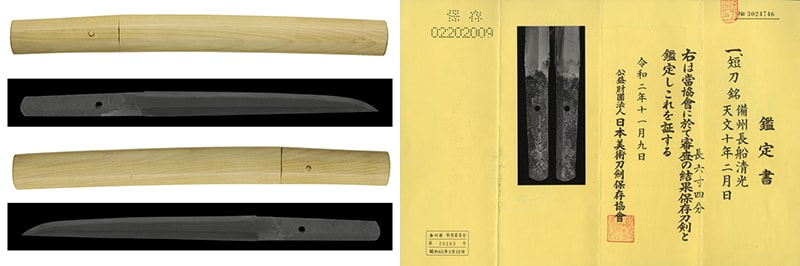
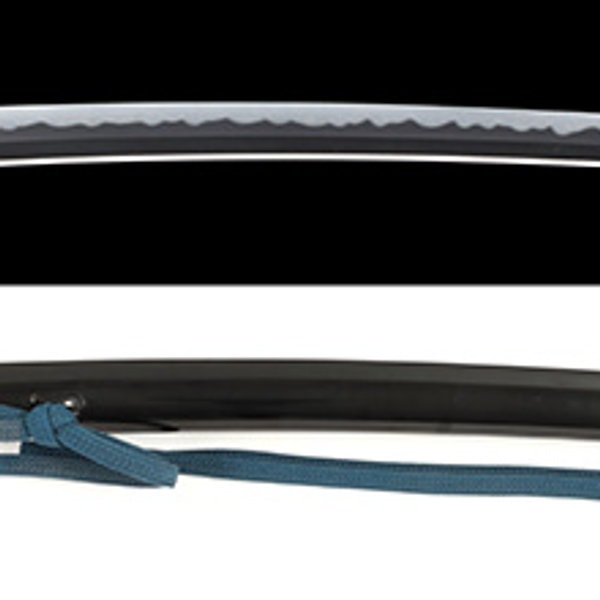
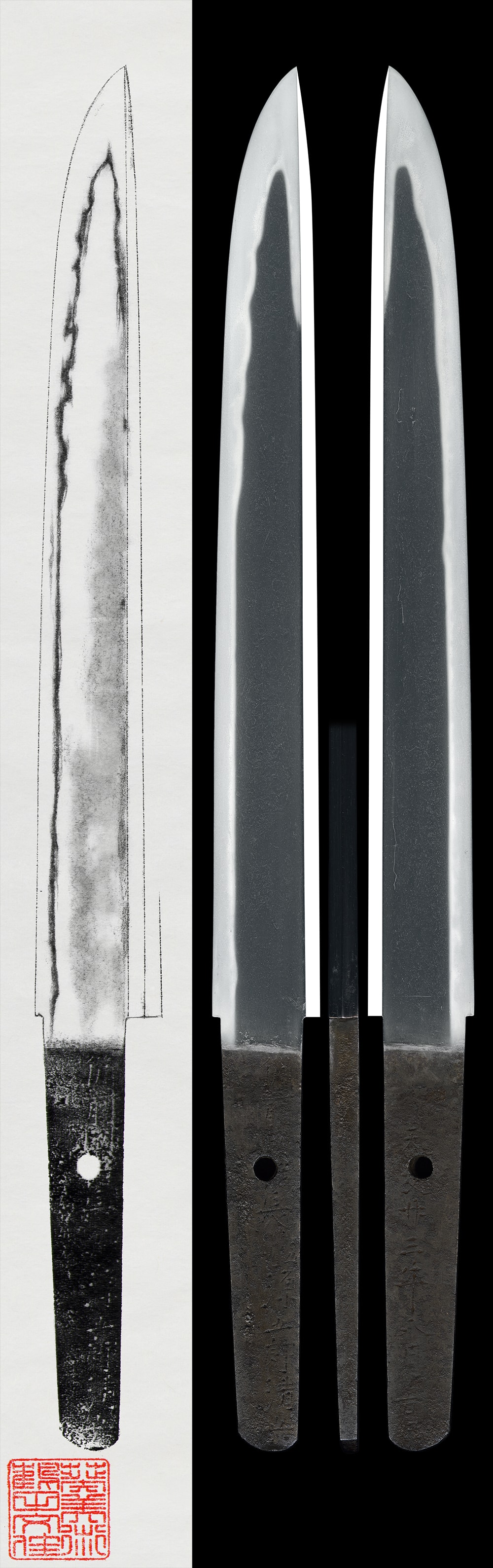
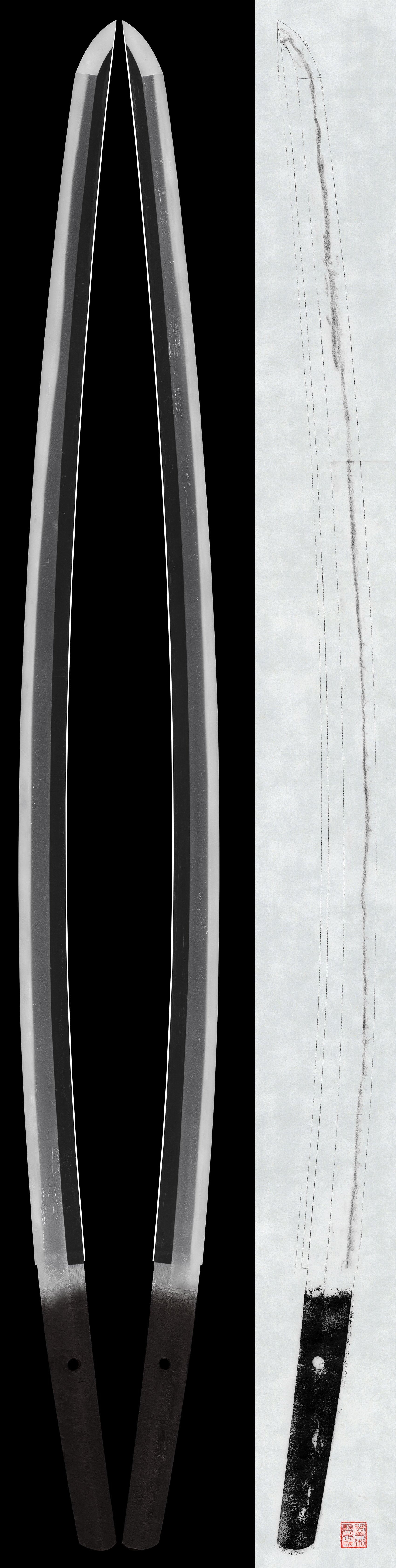
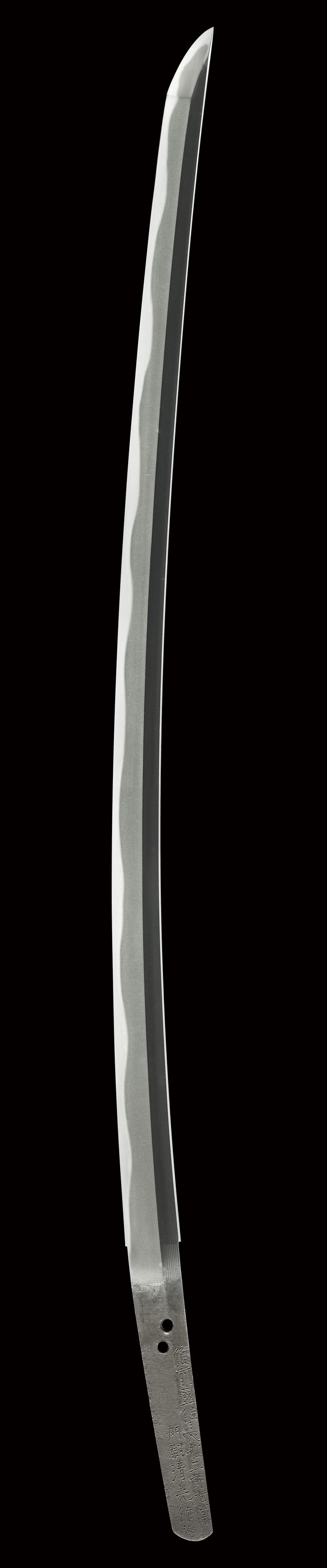
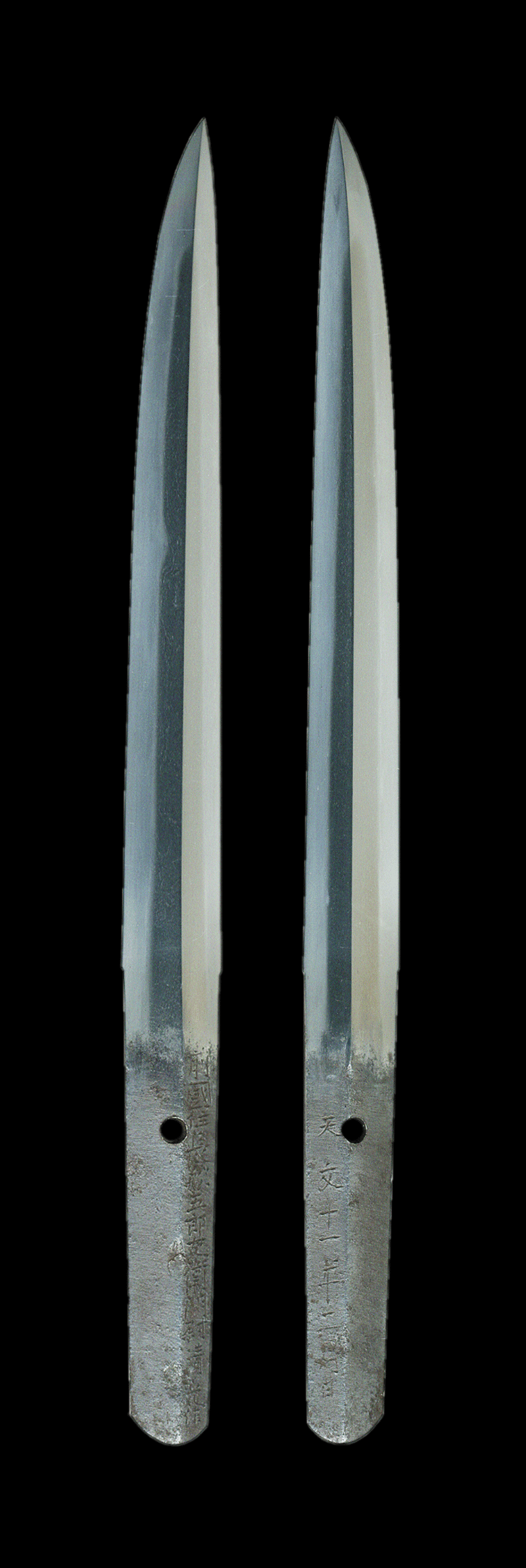
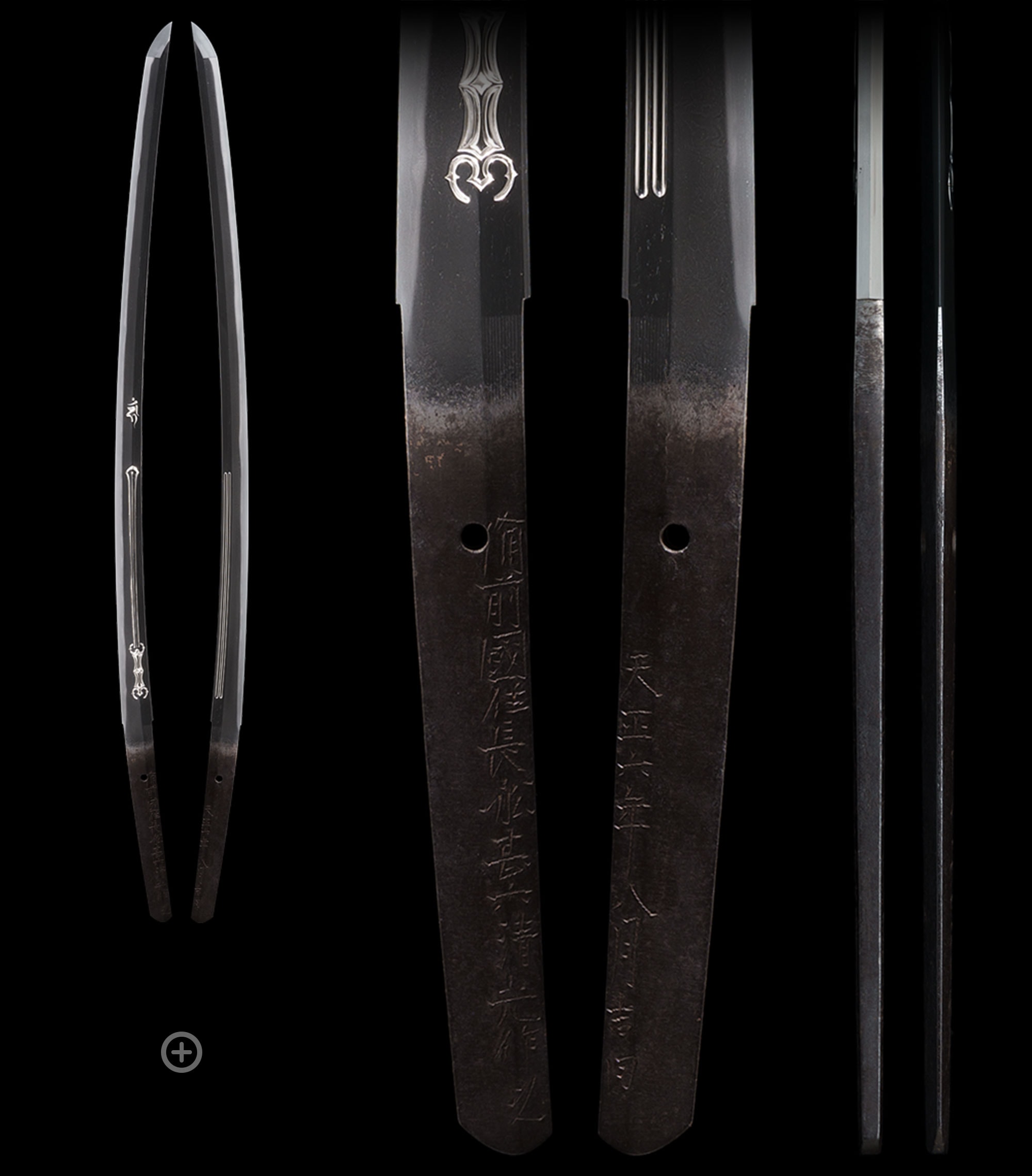
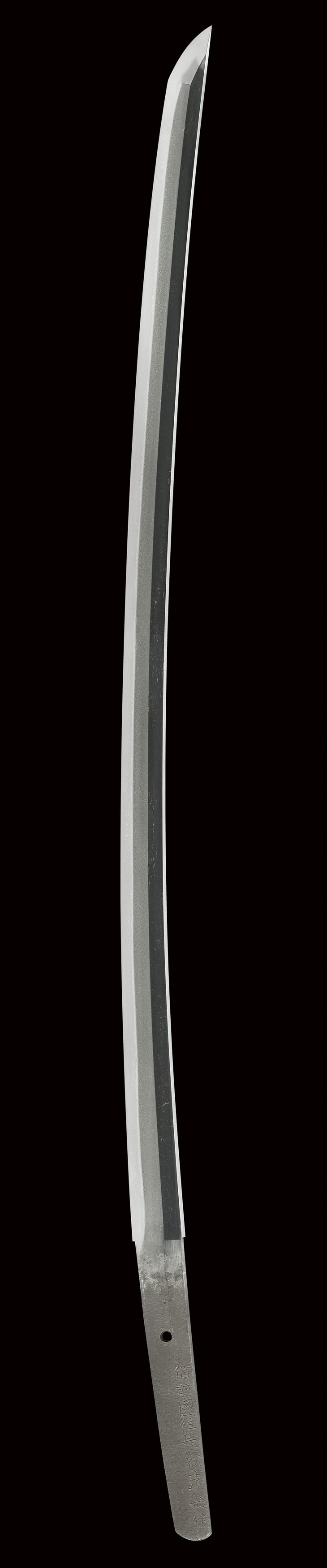
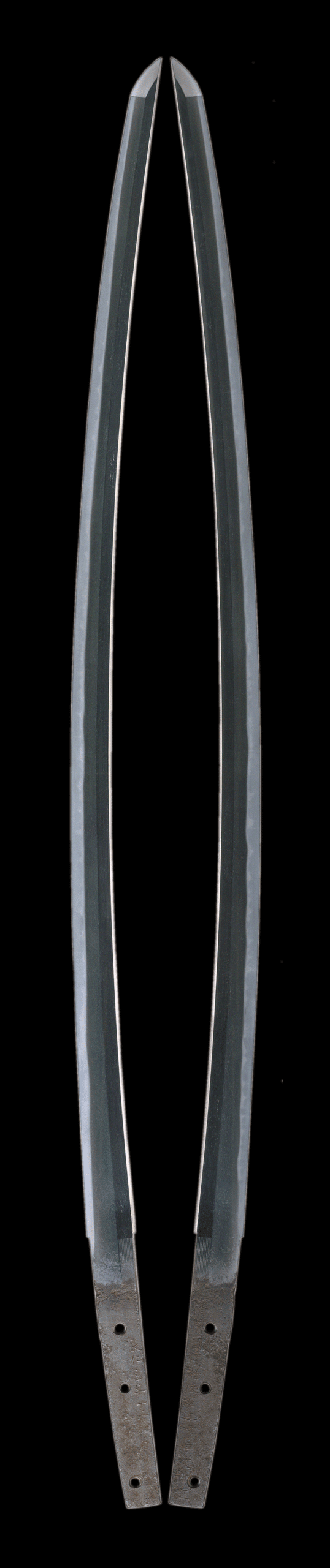
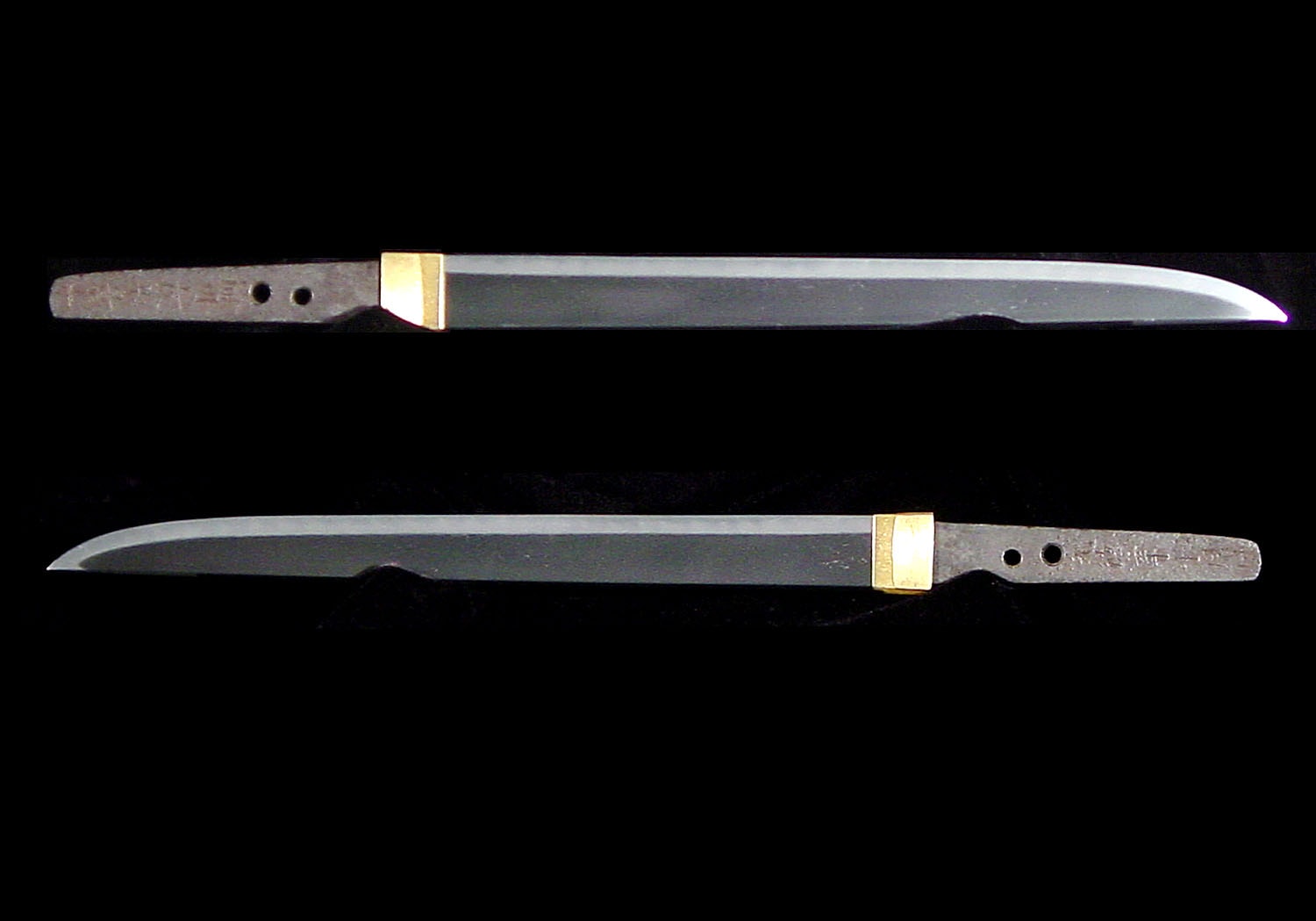
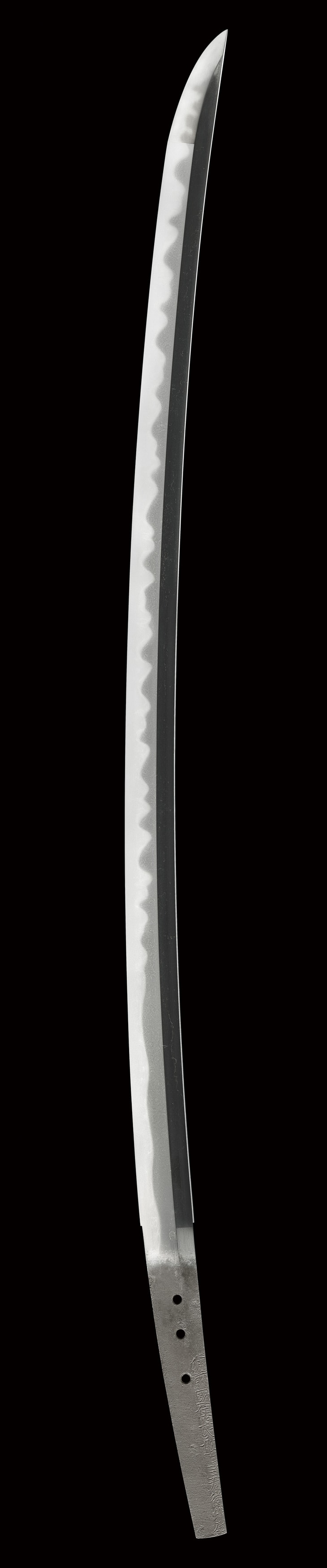
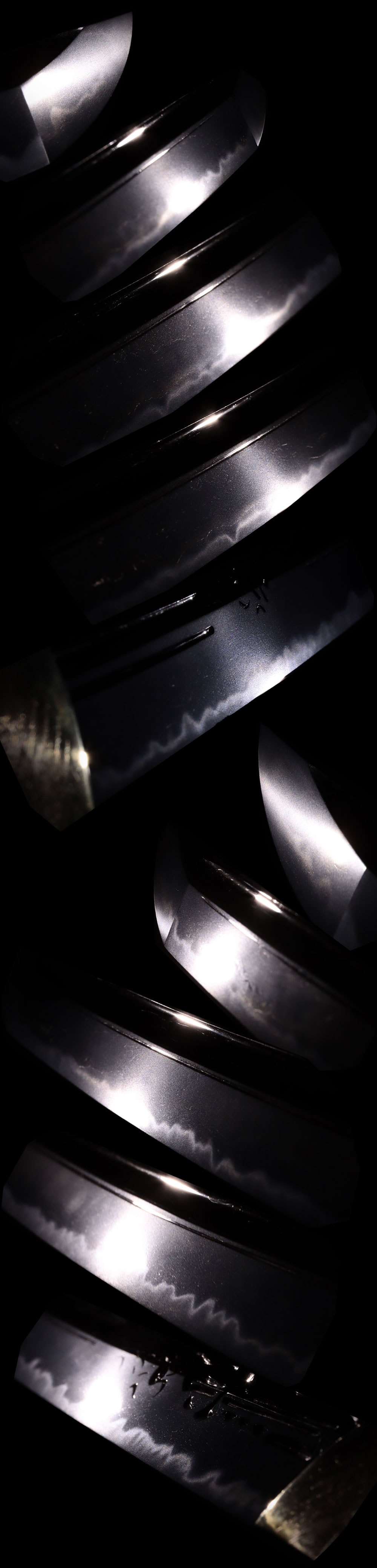
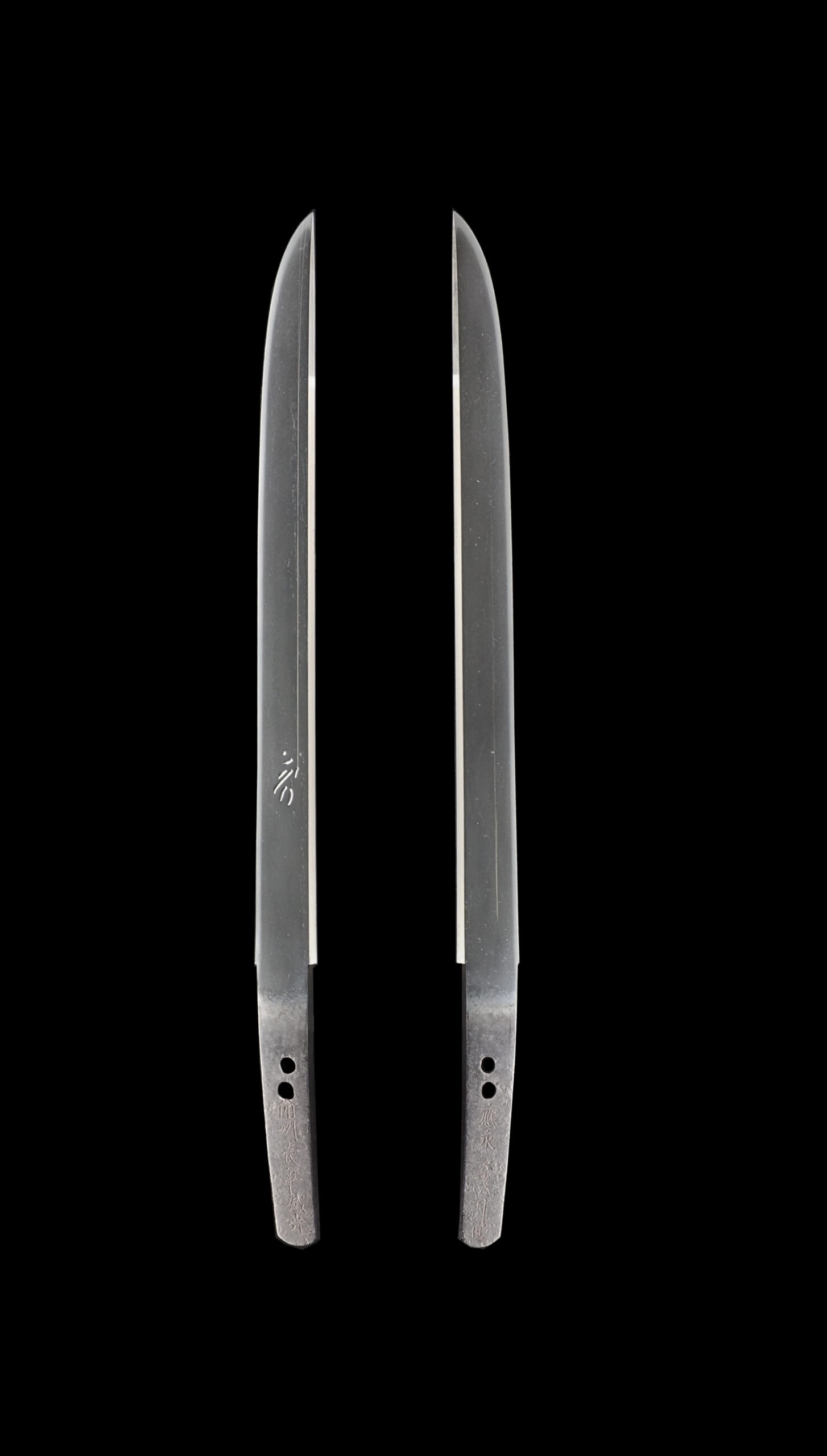
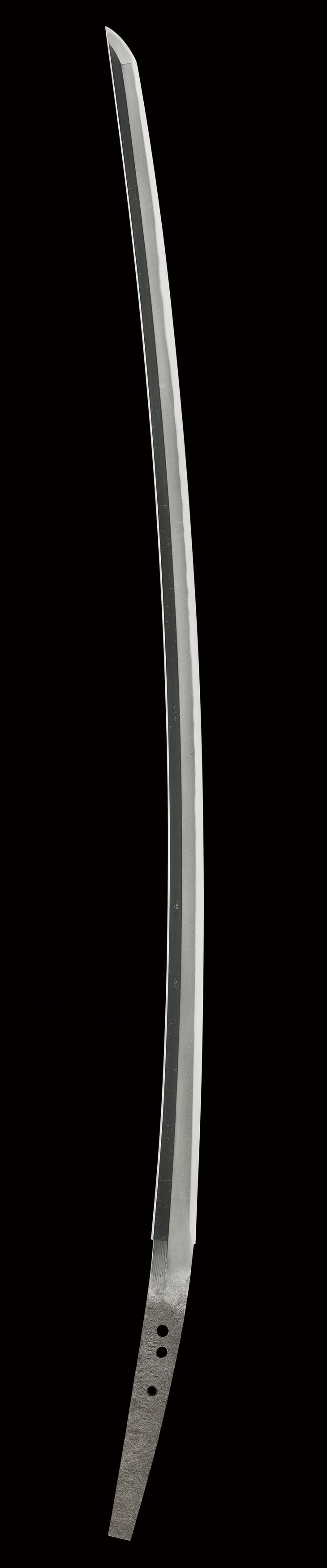
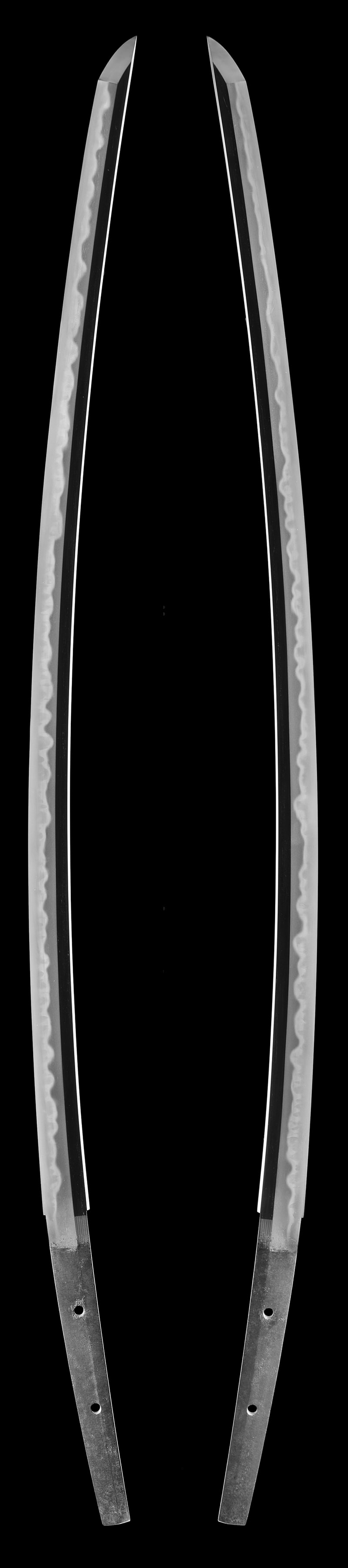
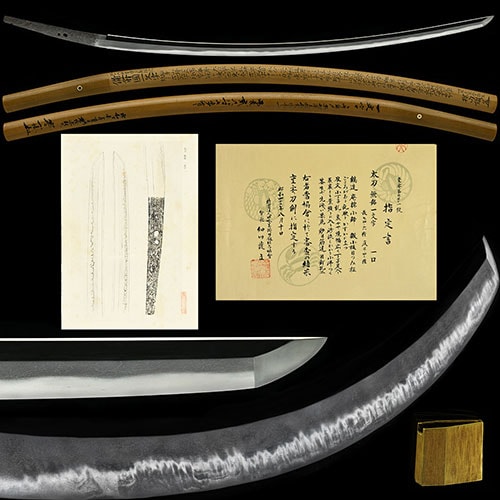
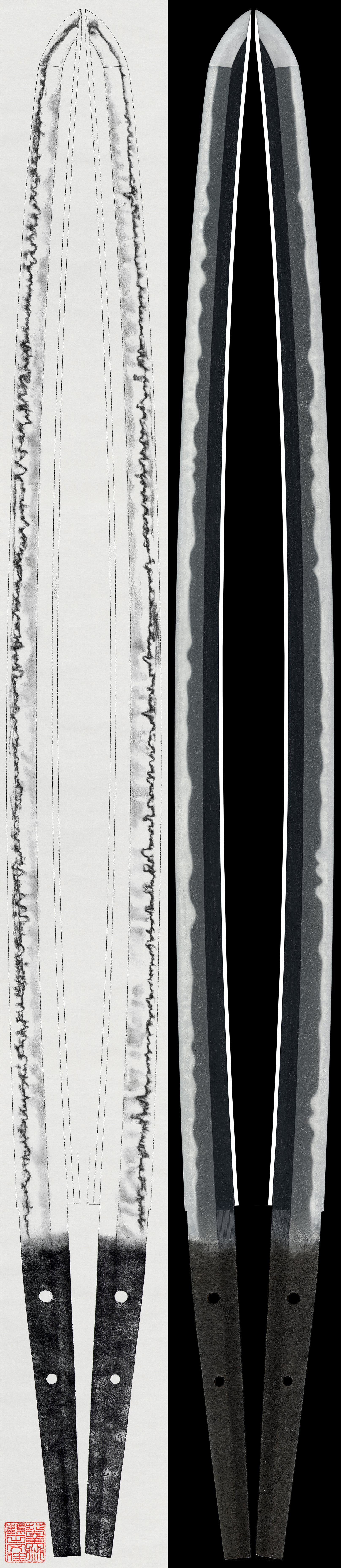
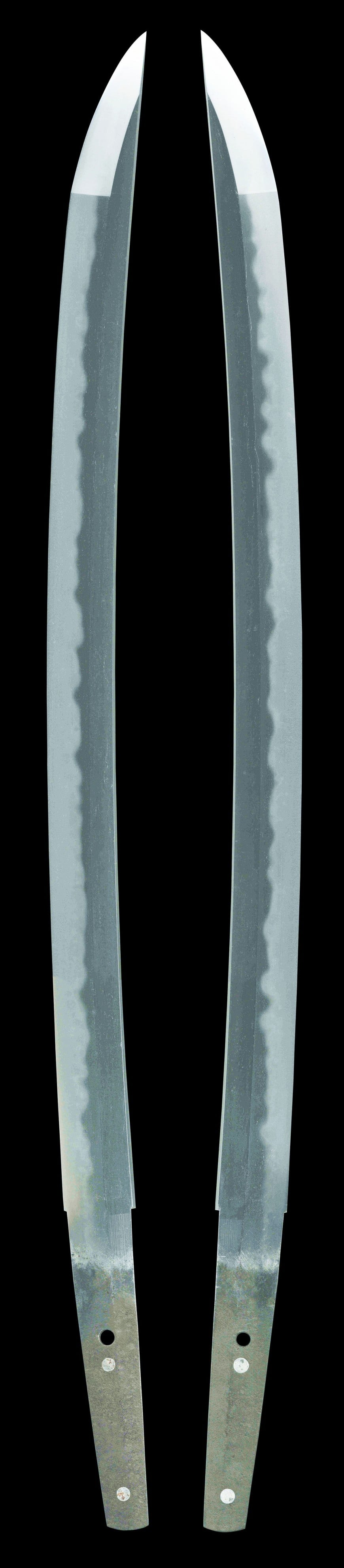
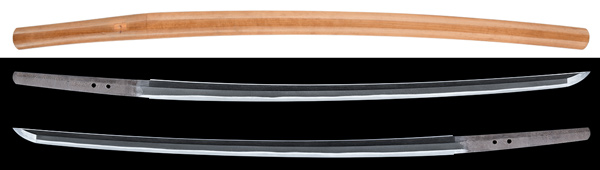
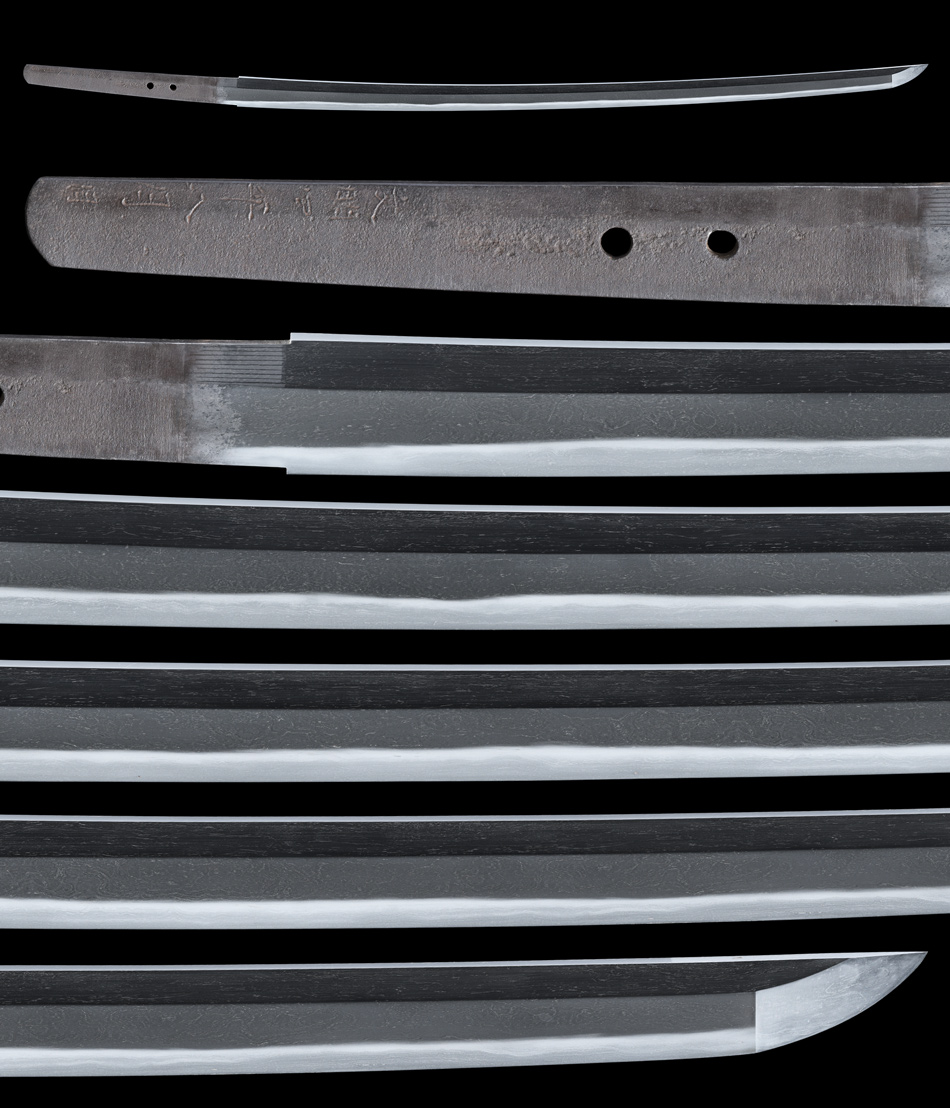
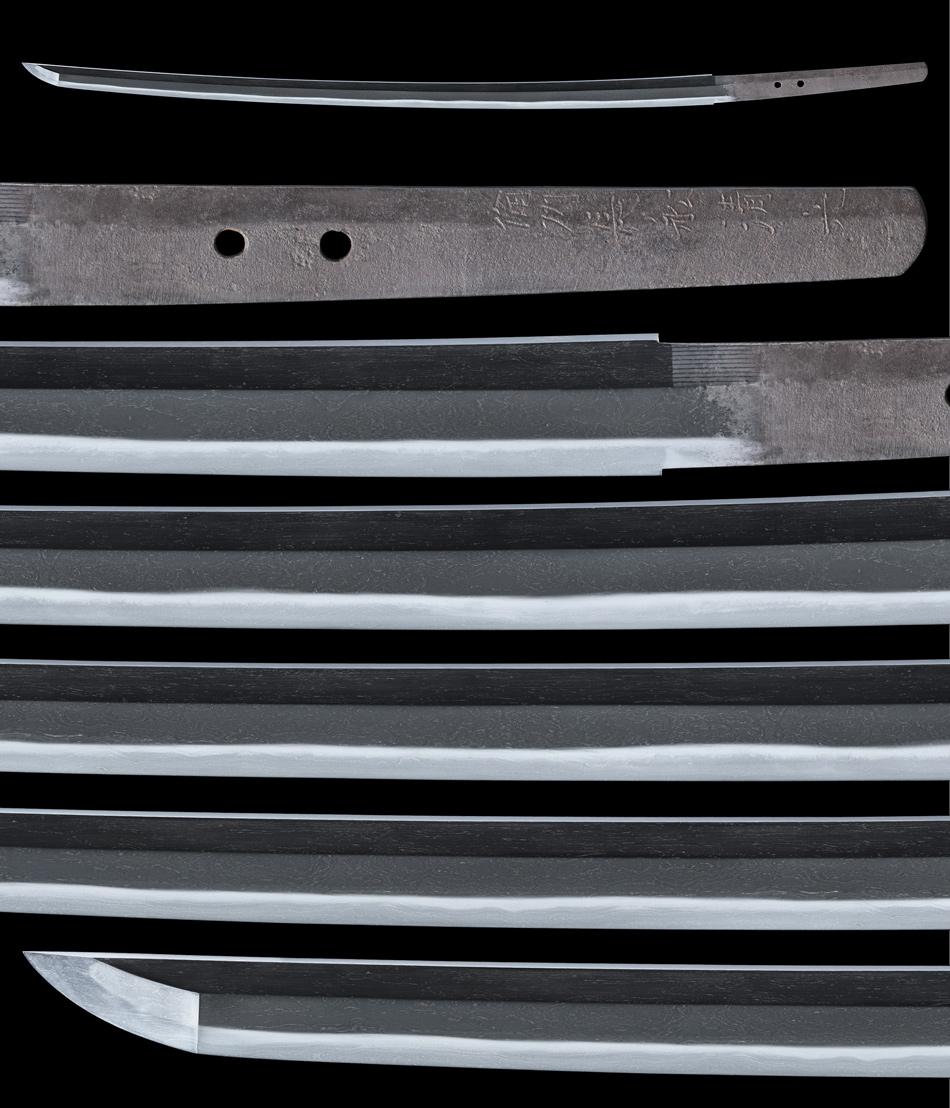
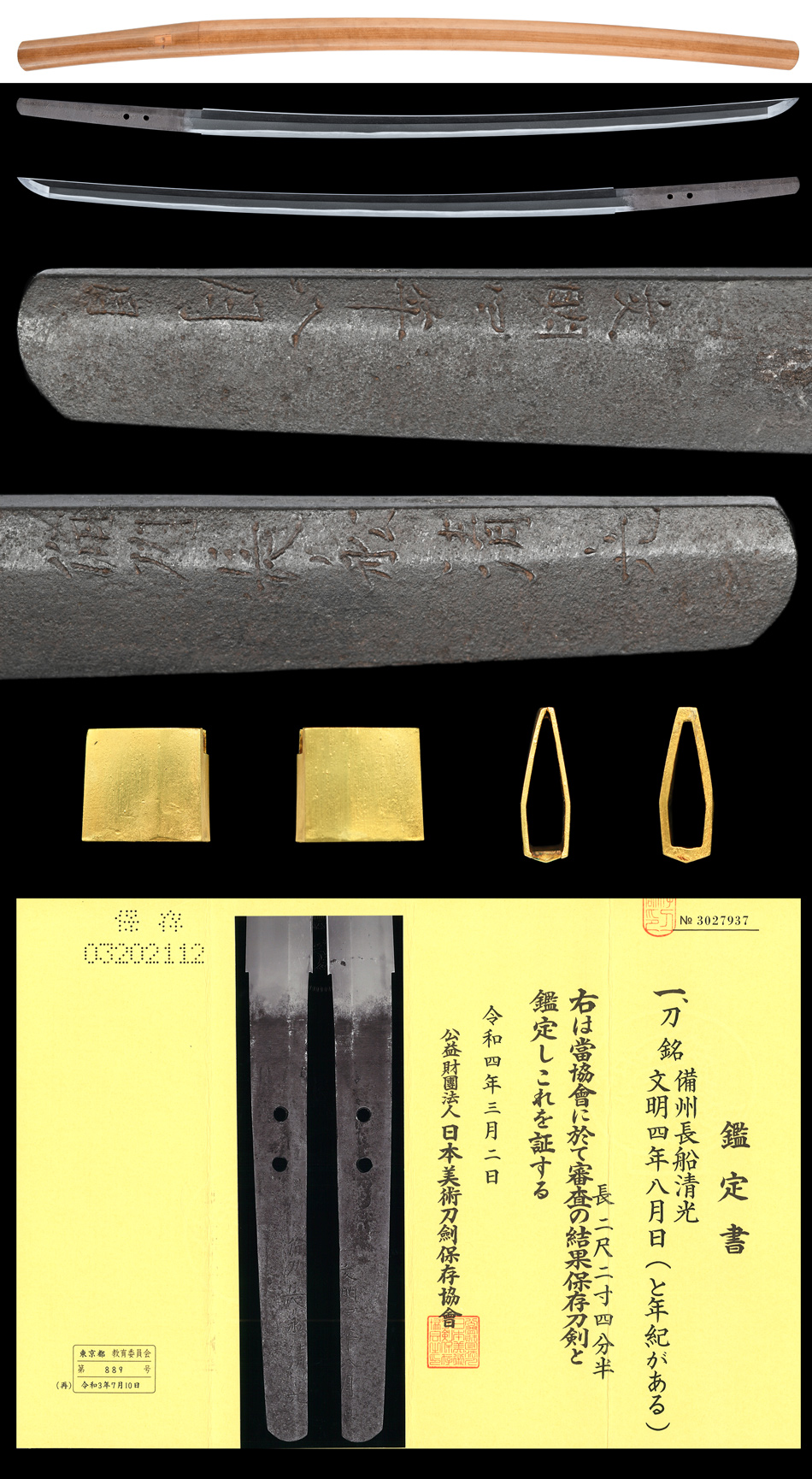
This is a katana by Kiyomitsu of Bishu Osafune, dating to the Muromachi period. The blade has a straight hamon and is accompanied by a Hozon Token certificate from the NBTHK. It features a kiriyasuri file pattern on the nakago and comes with a shirasaya.
 NihontoWatchBETA
mei · Osafune · Muromachi · nagasa 68cm · sori 1.2cm

Bizen-den · Bizen
26 pieces on the market now
Within the Bizen Osafune workshops of the closing Muromachi period, the body of smiths and their output that scholars group under the heading Sue-Bizen, the name Kiyomitsu (清光) was carried by a large number of hands. The setsumei consistently note that the swords signed in the Tenbun, Kōji, and Eiroku eras issue from Osafune in Bizen Province, and that the Hayami reference work enumerates roughly ten craftsmen who used common names (zokumyō) such as Gorōzaemon-no-jō, Magōemon-no-jō, Yosazaemon-no-jō, Hikobei-no-jō, and Magobei-no-jō. Learn more →
| Smith | Era | Designated |
|---|---|---|
| Kiyomitsu清光 | 1532-1572 | 19 |
| Kiyomitsu清光 | 1558-1571 | 11 |
Certifies a genuine blade worth preserving: a signature confirmed correct, or, if unsigned, an era, province, and school that the NBTHK can reliably identify.
The NBTHK (Nihon Bijutsu Tōken Hozon Kyōkai, the Society for the Preservation of Japanese Art Swords) is a public-interest incorporated foundation founded in 1948 and supervised by Japan’s Agency for Cultural Affairs (Bunkachō); it is based at the Japanese Sword Museum in Tokyo. Its expert panels physically examine each submitted work (shinsa) and issue a certificate (kanteishō) ranking it by artistic and historical merit. NBTHK papers are the most widely recognized standard of authentication for Japanese swords and fittings.
NBTHK official siteNo cooling-off period or returns; refund only if the purchased sword is proven fake, capped at purchase price (excludes commission sales, accessories, auction items).
This is a katana by Kiyomitsu of Bishu Osafune, dating to the Muromachi period. The blade has a straight hamon and is accompanied by a Hozon Token certificate from the NBTHK. It features a kiriyasuri file pattern on the nakago and comes with a shirasaya.
NihontoWatchBETAmei · Osafune · Muromachi · nagasa 68cm · sori 1.2cm
Bizen-den · Bizen
26 pieces on the market now
Within the Bizen Osafune workshops of the closing Muromachi period, the body of smiths and their output that scholars group under the heading Sue-Bizen, the name Kiyomitsu (清光) was carried by a large number of hands. The setsumei consistently note that the swords signed in the Tenbun, Kōji, and Eiroku eras issue from Osafune in Bizen Province, and that the Hayami reference work enumerates roughly ten craftsmen who used common names (zokumyō) such as Gorōzaemon-no-jō, Magōemon-no-jō, Yosazaemon-no-jō, Hikobei-no-jō, and Magobei-no-jō. Learn more →
| Smith | Era | Designated |
|---|---|---|
| Kiyomitsu清光 | 1532-1572 | 19 |
| Kiyomitsu清光 | 1558-1571 | 11 |
Certifies a genuine blade worth preserving: a signature confirmed correct, or, if unsigned, an era, province, and school that the NBTHK can reliably identify.
The NBTHK (Nihon Bijutsu Tōken Hozon Kyōkai, the Society for the Preservation of Japanese Art Swords) is a public-interest incorporated foundation founded in 1948 and supervised by Japan’s Agency for Cultural Affairs (Bunkachō); it is based at the Japanese Sword Museum in Tokyo. Its expert panels physically examine each submitted work (shinsa) and issue a certificate (kanteishō) ranking it by artistic and historical merit. NBTHK papers are the most widely recognized standard of authentication for Japanese swords and fittings.
NBTHK official siteNo cooling-off period or returns; refund only if the purchased sword is proven fake, capped at purchase price (excludes commission sales, accessories, auction items).