In the Sengoku era the school served a second warrior court: the Later Hōjō at Odawara, whose patronage kept the Tsunahiro line forging hitatsura for the uchigatana age until the castle fell to Hideyoshi in 1590.
 NihontoWatchNihontoWatch
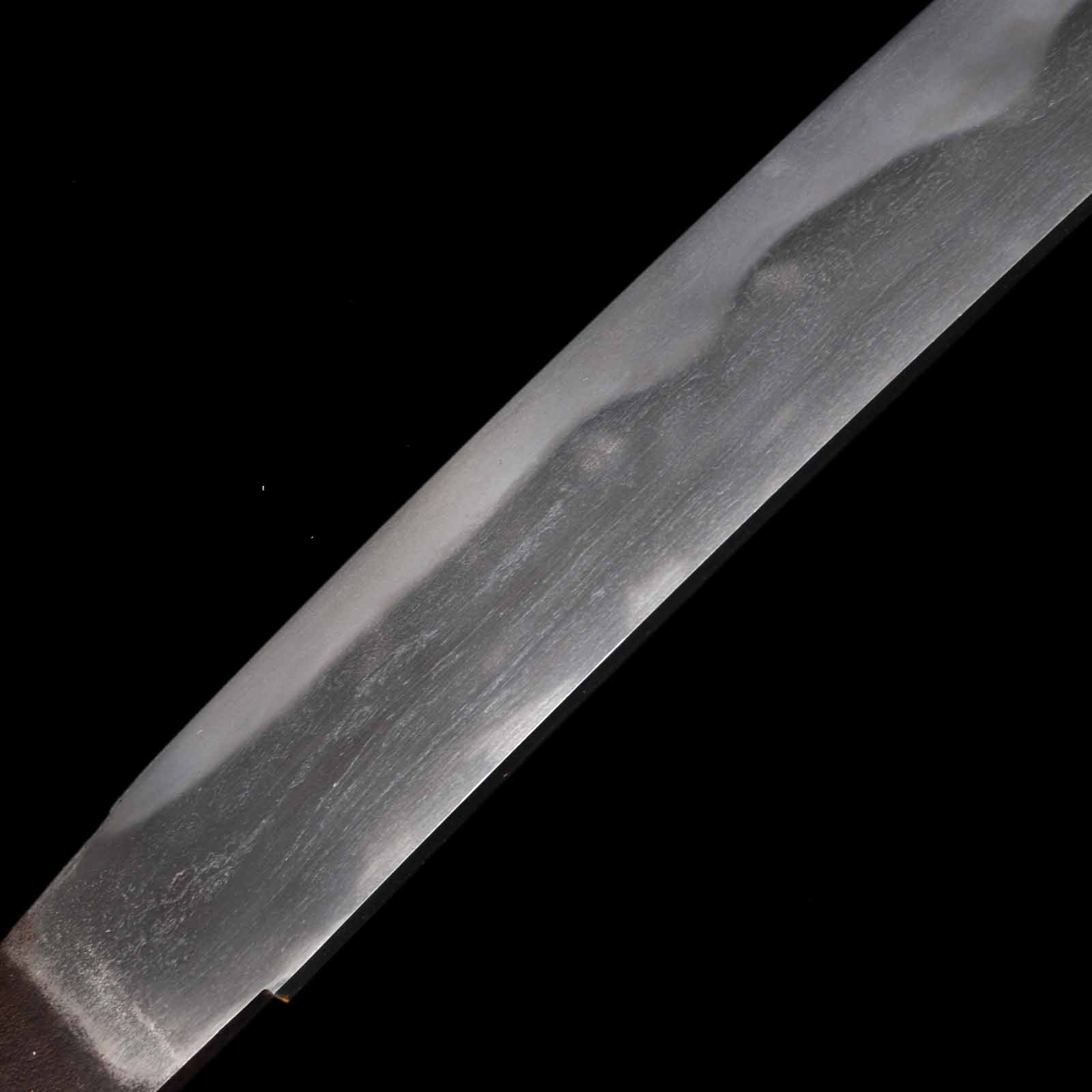
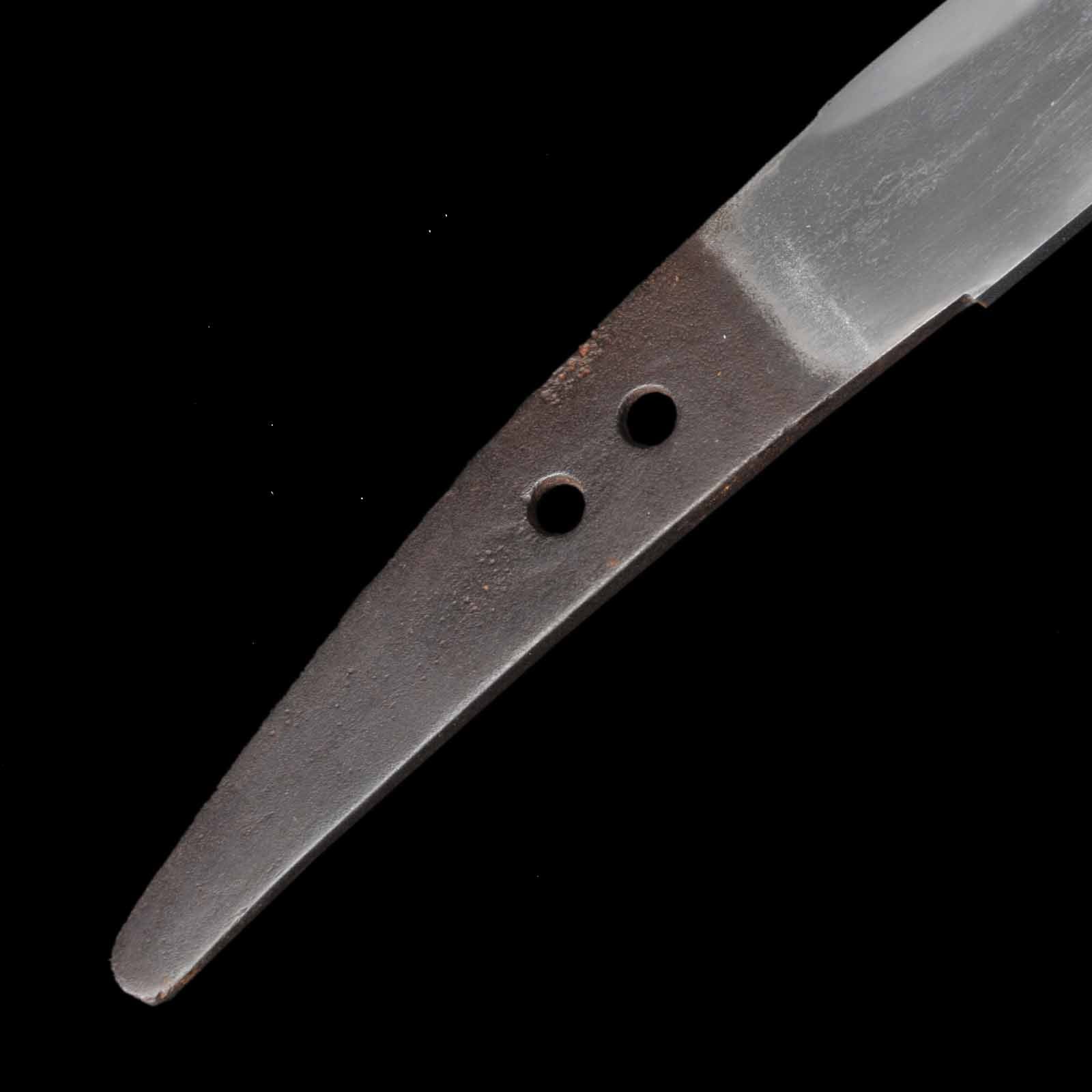
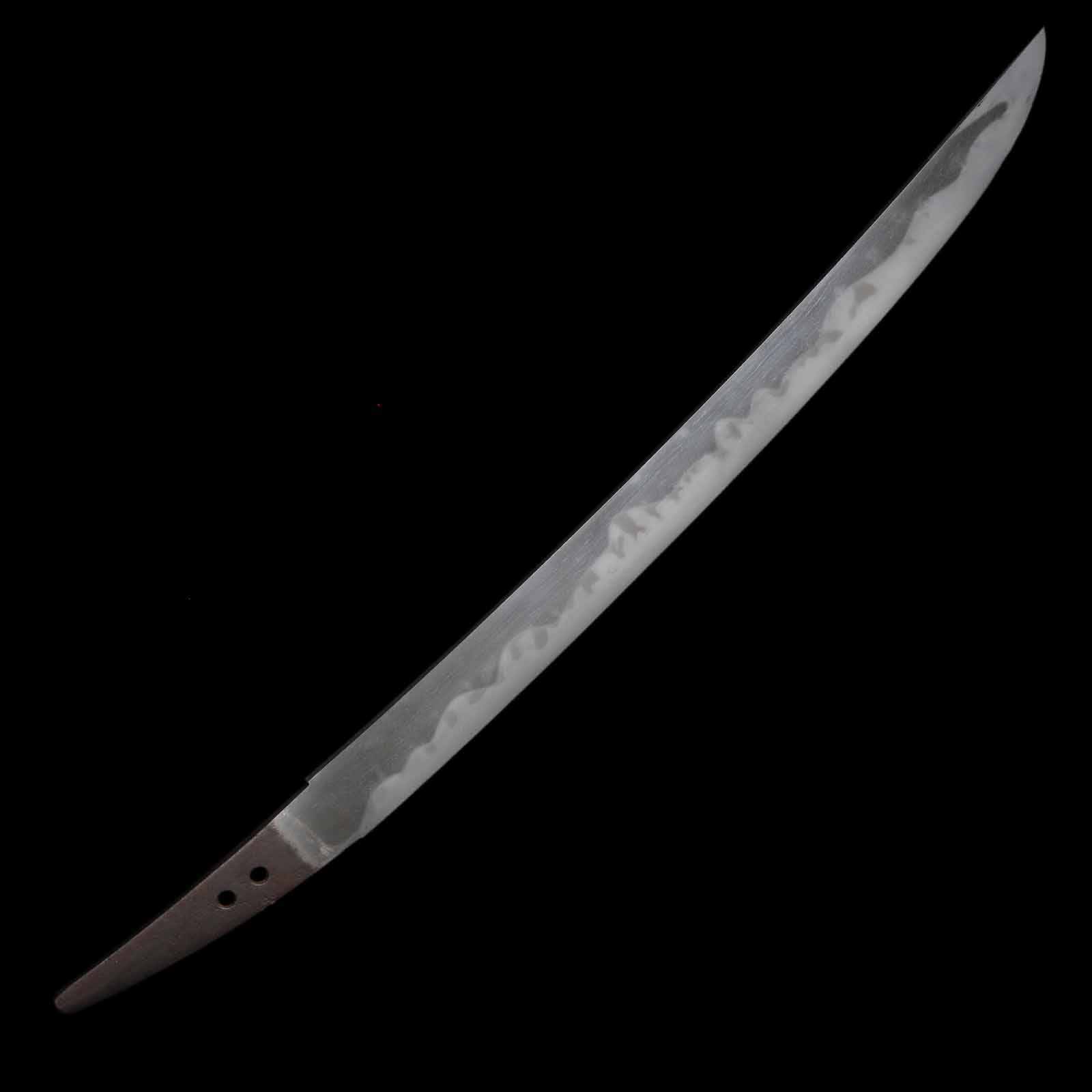
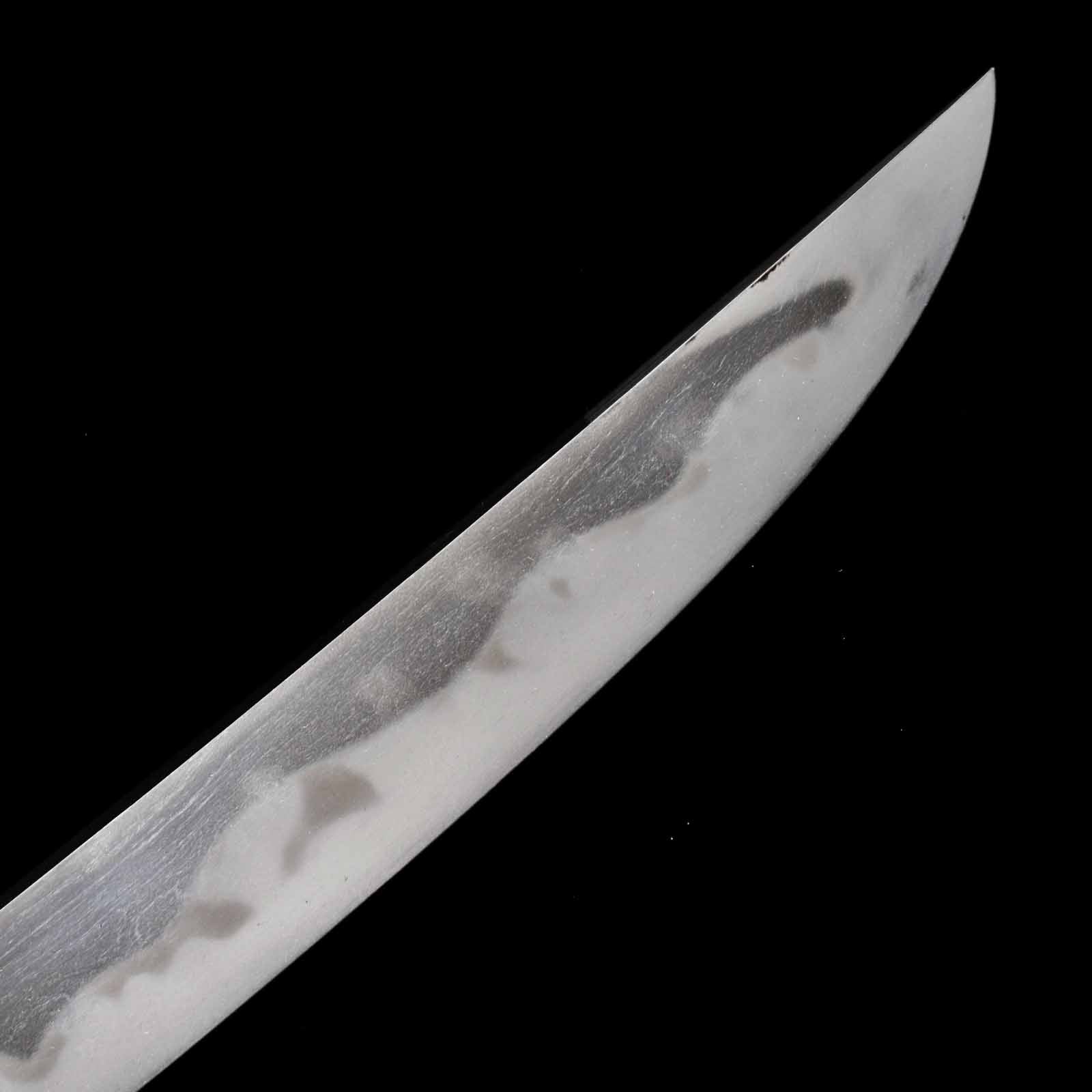
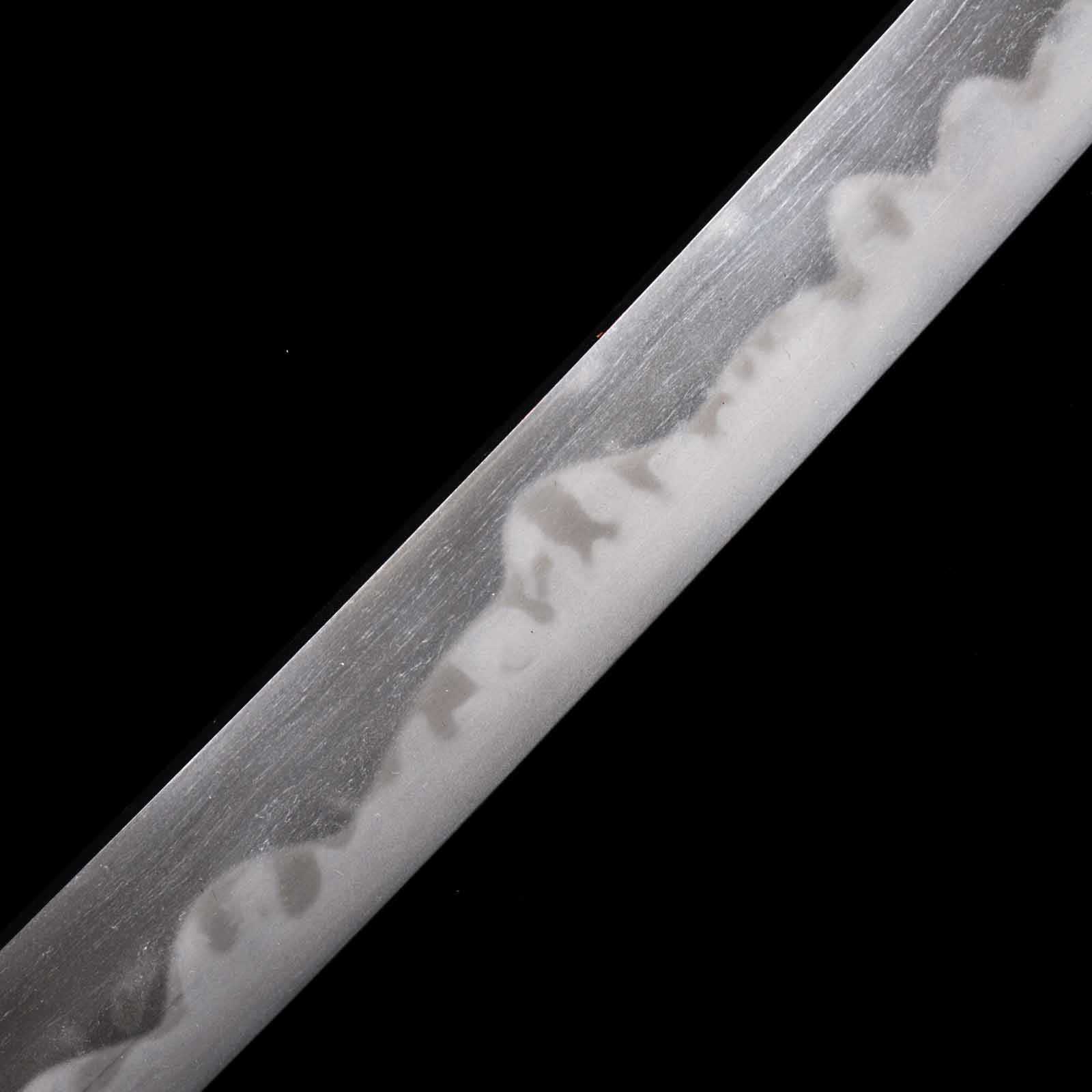
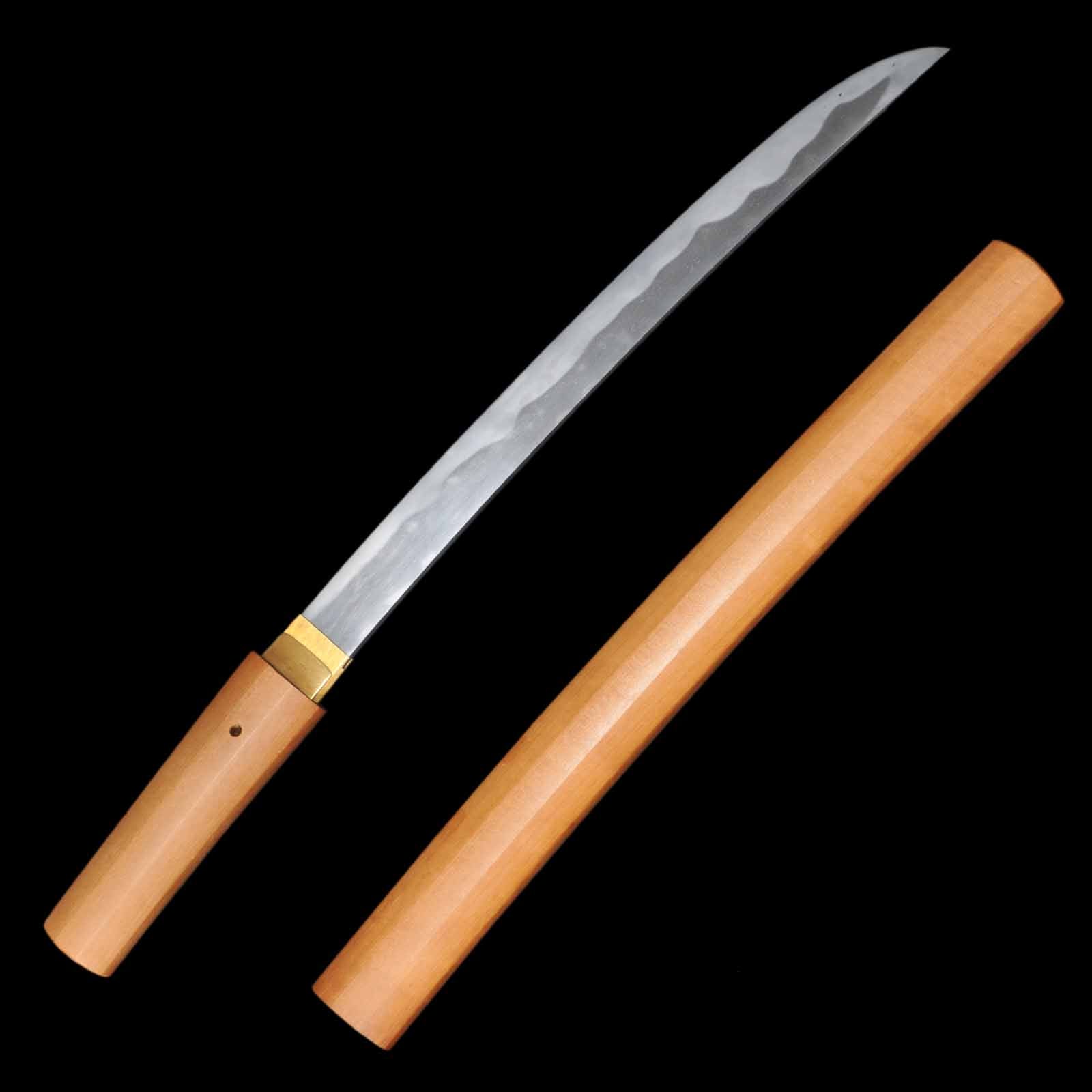
A powerful hira-zukuri blade with a lively, moist itame-hada and a dynamic gunome-midare hamon mixed with fukuro-chōji and hakomidare, in exceptional polish and condition We are pleased to present a wakizashi formally certified as Hozon Tōken by the NBTHK (Nihon Bijutsu Tōken Hozon Kyōkai), an authentic work attributed to Tsunahiro (綱廣). In exceptional polish and extremely fine condition, it reveals the intricate workings of both the jigane (surface steel) and hamon (temper line) with striking clarity. Inheriting the grand tradition of the Odawara smith group, founded under the patronage of the Gohōjō family, this piece blends powerful historical presence with certified, museum-grade artistic value. On the smith — Tsunahiro (綱廣) Tsunahiro was a distinguished lineage of swordsmiths whose activity spanned from the koto period through to the Meiji era. The first-generation Tsunahiro relocated from Kamakura to Odawara during the Sengoku (Warring States) period, laying the foundation of the famous Odawara smith group with the backing of the rising Gohōjō clan. The character "Tsuna" (綱) in his name was in fact personally granted by Ujitsuna, the second head of the Gohōjō family. The second generation was later called upon by Tokugawa Ieyasu, ensuring the lineage continued to flourish through the Edo period and up until the Meiji era. Workmanship and condition Carefully polished and exceptionally well maintained, the blade shows no rust or chips, preserving outstanding overall health. The jigane is a well-developed, moist itame-hada (wood-grain pattern), alive with active hataraki (activity) such as yubashiri (spilling nie) and chikei (dark lines within the steel). The hamon is a powerful and highly expressive gunome-midare (irregular clove-shaped pattern), dynamic in structure and interwoven in places with fukuro-chōji (pod-shaped clove motifs) and hakomidare (box-shaped irregularity). A small forged mark on the kissaki (sashi-omote side) serves as a characteristic sign of its traditional hand-forged nature, in no way detracting from the piece's deep aesthetic appreciation. Form A dynamic and substantial hira-zukuri wakizashi with a graceful sori (curvature) of 0.8 cm. Its generous yet balanced proportions exude an unmistakable aura of dignity and martial strength, creating an impressive profile that commands attention at a glance. The mounting (shirasaya) The blade is housed in a clean, traditional shirasaya (plain wood resting scabbard) that has protected it over generations. Its solid construction and precise fit ensure the pristine state of the steel is preserved for future appreciation. An antique wakizashi brimming with history, certified by the NBTHK, and kept in such excellent condition — a rare opportunity for collectors, and an enduring masterpiece offered at an extraordinarily accessible value.
Sue-Soshu School末相州派
Offered by Tozando

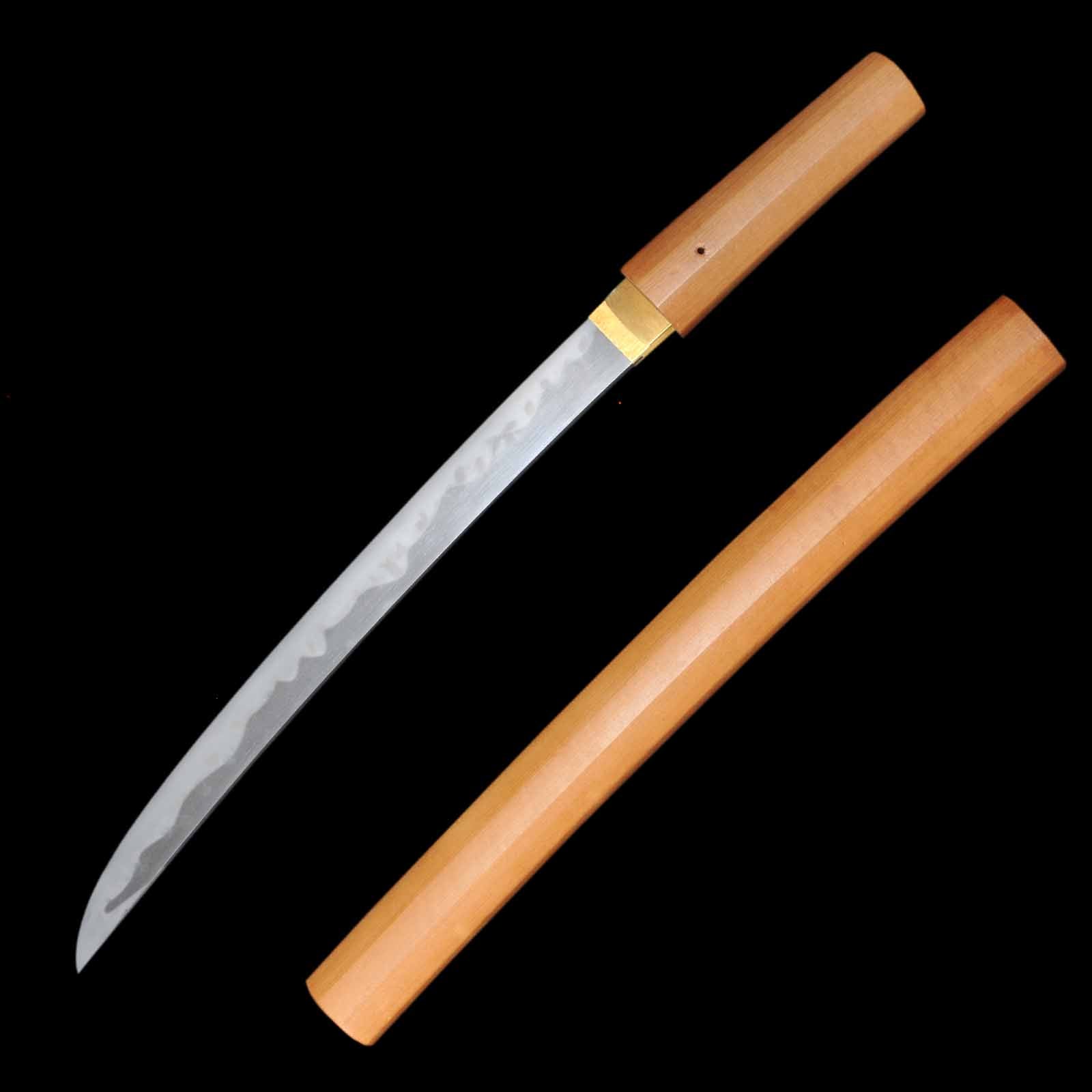
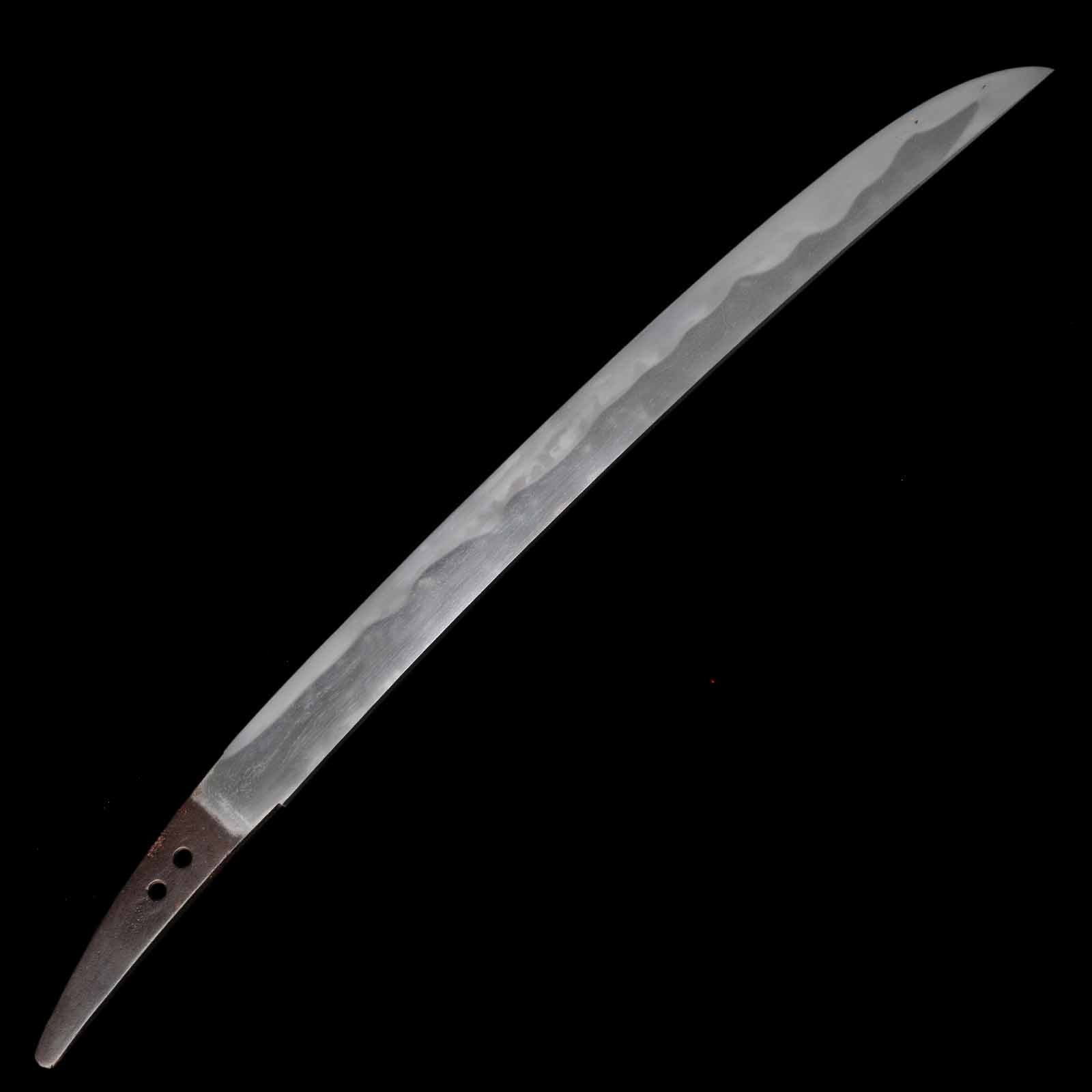
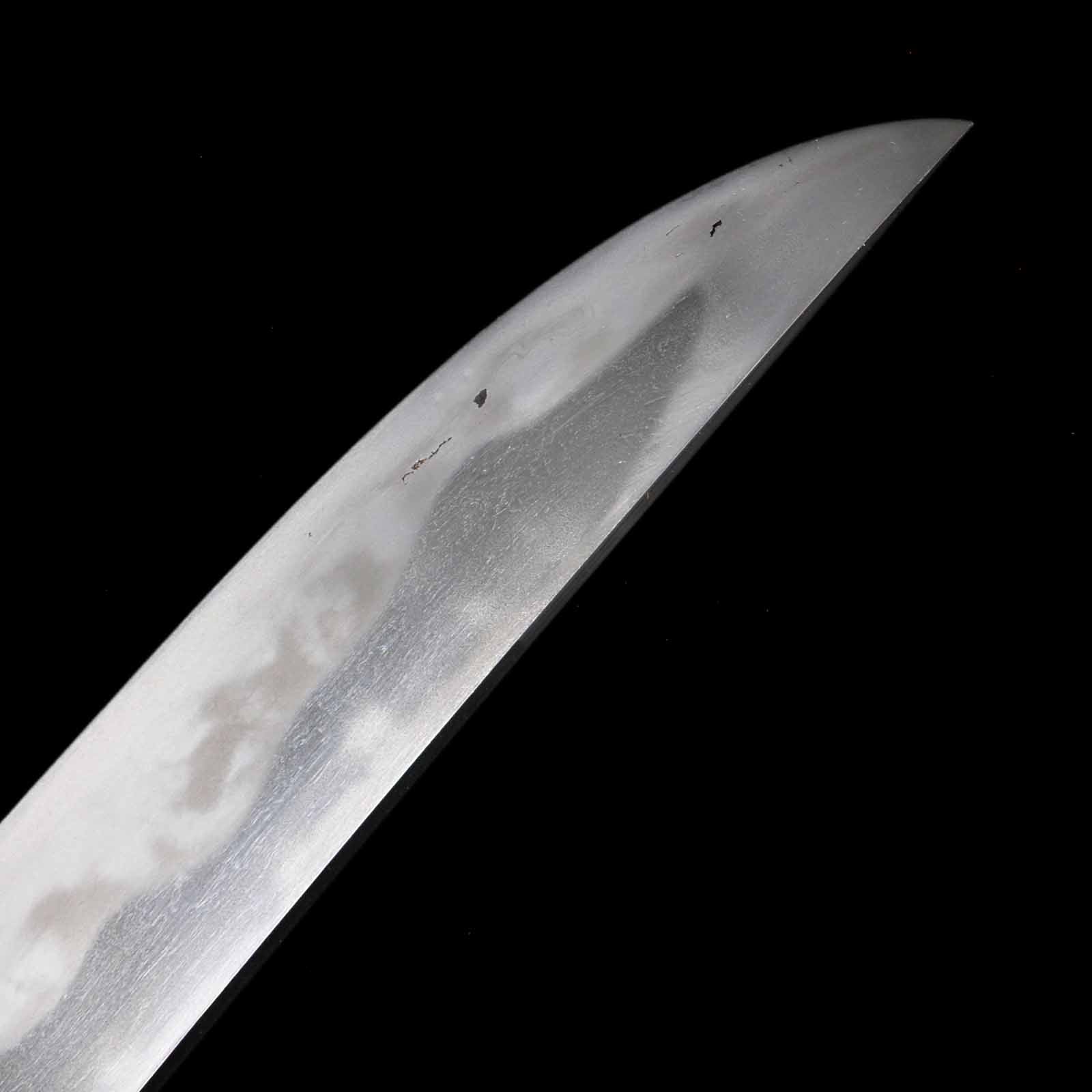
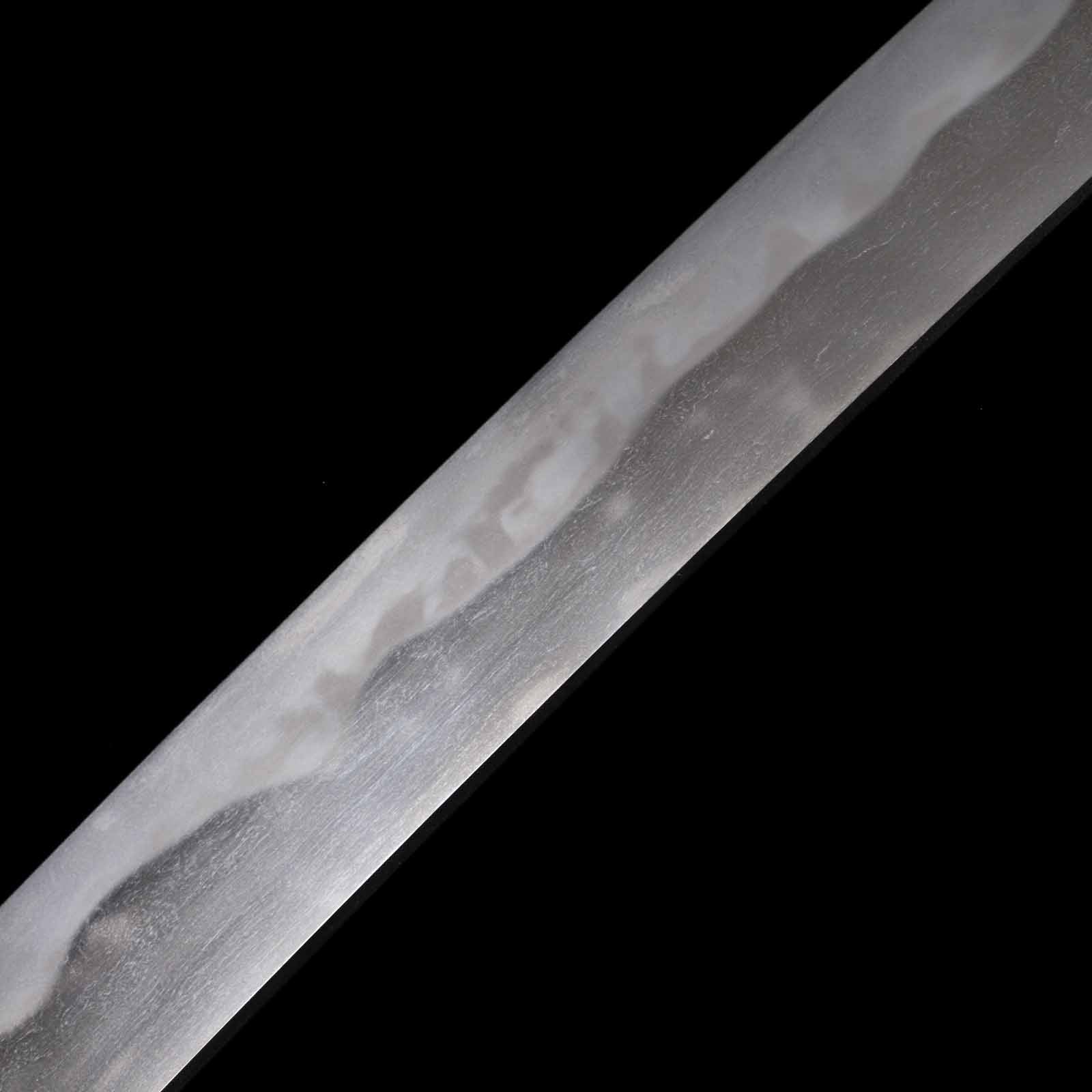
Machine translation of the shop's Japanese ·
Soshu-den · Sagami
21 pieces on the market now
Within the province of Sagami, where Masamune and his successors had set the Soshu-den on its course, a late body of smiths carried that workmanship forward through the Muromachi period after the classic Nanbokucho masters had passed. These are the Sue-Soshu (末相州), the late Sagami line that took up the manner of Hiromitsu and Akihiro and worked it into the sixteenth century under the patronage of the Later Hojo of Odawara. The published sources draw a division within the group: one body of smiths remained at Kamakura while a separate circle lived at Odawara under the Hojo, the latter collectively called the Odawara-Soshu. The Tsunahiro line anchors the whole, its shodai transmitted as a descendant of Hiromasa who first signed Masahiro, summoned by Hojo Ujitsuna to Odawara and granted the character tsuna; the name then passed as a workshop title through several generations into the Edo period. Around it stand Tsunaie, a retained smith of the Hojo regarded among the more skilled of the late line; Fusamune, the Odawara smith whose carving carries a long reputation; the mid-Muromachi Hiromasa, transmitted as the third generation of his name; Masahiro, a Sagami lineage of four or five generations said to descend from a younger son of Masamune; and Hirotsugu of Kamakura, who also bears Tenbun-era inscriptions tying him to Suruga. The shared vocabulary of the school is read off temper, steel, and carving together. The jigane is an itame mixed with mokume and nagare-hada that tends to stand and open rather than gather tightly, ji-nie adhering across it with chikei entering, the Odawara hands (Fusamune above all) tightening this toward a packed ko-itame. Over that ground the smiths temper a gunome-midare into which choji, togariba, the arrow-notch yahazu tooth, and ko-notare enter, the ha widening as it rises; nie attaches with sunagashi and kinsuji, and tobiyaki with muneyaki are then carried across the ji until the whole becomes hitatsura, the full-temper manner the sources name as the inheritance from Hiromitsu and Akihiro.
The Odawara face leans angular and compound, gunome heads breaking into doubled and koshi-biraki structures over a tight, nioi-dominant nioiguchi, while the Kamakura face of Tsunahiro keeps the broader, yahazu-laced midare. Devotional carving recurs throughout, true and grass kurikara, bonji on a lotus rendai, sanko-ken and gomabashi in raised relief, and incised invocations such as Hachiman Daibosatsu. Set against the classic Soshu-den apex, the divergence is one of register rather than kind: where the Kamakura and Nanbokucho masters reached great depth of nie and clarity of steel, the late line works a flatter, more demonstrative hitatsura over a standing grain, the steel less deep and the nie less profound, the flamboyance of full temper standing in for the restrained command of the founders. For kantei, the Sue-Soshu blade announces itself by the Muromachi sugata (compact hira-zukuri tanto with uchizori, or sun-nobi wakizashi of wide mihaba with sakizori) carrying full hitatsura over an open, standing itame, with the dense devotional horimono the sources treat as a defining mark of Sagami work of the era; the absence of the deep, lucid nie and the midare-utsuri-free clarity of the Kamakura masters separates it from classic Soshu. The Odawara hand is told from the Kamakura hand by its tighter steel, its angular and koshi-biraki gunome, and Fusamune's exceptionally refined relief carving. Among the members, Tsunahiro is the first name of the group, the smith who closes the tradition, the published sources naming him well known and highly skilled within the group, with Tsunaie and Fusamune as the next most accomplished; Hiromasa and Masahiro furnish the dated, ubu-signed documents on which the divided generations are anchored. Provenance, where it survives, is real and distinguished: a Tsunahiro wakizashi bears the ownership inscription of the Hojo retainer Sakurai Daigaku and later passed to Okubo Ichio, while one of his blades is recorded in Honma's inventory of the Imperial collection; most members, however, carry no recorded daimyo or temple history, their standing resting on the rarity of a signed late-Sagami blade and the carving and steel the sources praise on each. A signed Sue-Soshu work, seldom met yet not locked away as national patrimony, offers the student the Muromachi register of the Soshu-den read whole. Learn more →
| Smith | Era | Designated |
|---|---|---|
| Fusamune總宗 | 1504-1521 | 5 |
| Tsunahiro綱廣 | 1532-1555 | 14 |
| Hiromasa廣正 | 1444-1456 | 4 |
| Tsunaie綱家 | 1532-1555 | 3 |
| Hirotsugu廣次 | 1492-1501 | 4 |
Sōshū in the Muromachi period
In the Sengoku era the school served a second warrior court: the Later Hōjō at Odawara, whose patronage kept the Tsunahiro line forging hitatsura for the uchigatana age until the castle fell to Hideyoshi in 1590.
Certifies a genuine blade worth preserving: a signature confirmed correct, or, if unsigned, an era, province, and school that the NBTHK can reliably identify.
The NBTHK (Nihon Bijutsu Tōken Hozon Kyōkai, the Society for the Preservation of Japanese Art Swords) is a public-interest incorporated foundation founded in 1948 and supervised by Japan’s Agency for Cultural Affairs (Bunkachō); it is based at the Japanese Sword Museum in Tokyo. Its expert panels physically examine each submitted work (shinsa) and issue a certificate (kanteishō) ranking it by artistic and historical merit. NBTHK papers are the most widely recognized standard of authentication for Japanese swords and fittings.
NBTHK official siteAs a general rule, returns/exchanges are not accepted on Japanese sword orders unless damaged upon delivery. Other items: returns/exchanges accepted within 7 days of delivery. Cancellation for personal reasons incurs a 30% restocking fee (70% refunded). Return shipping must be prepaid and insured by the buyer; shipping/handling fees are non-refundable. Contact katana@tozando.co.jp to initiate a return.
¥510,000
Certificate reading — 無銘(綱広)