二世紀半の泰平のあいだ、刀は武器である以上に武士の身分の標章であった。江戸の実証と大坂の華やぎのように都市ごとの作風が育ち、時代の末には需要も細っていく。
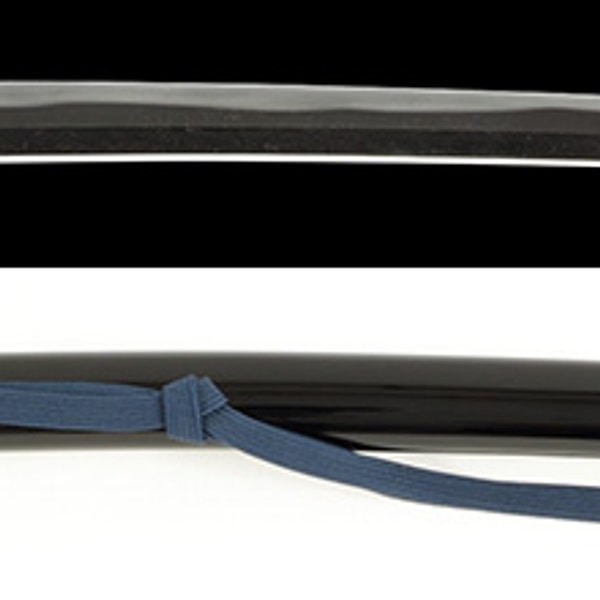
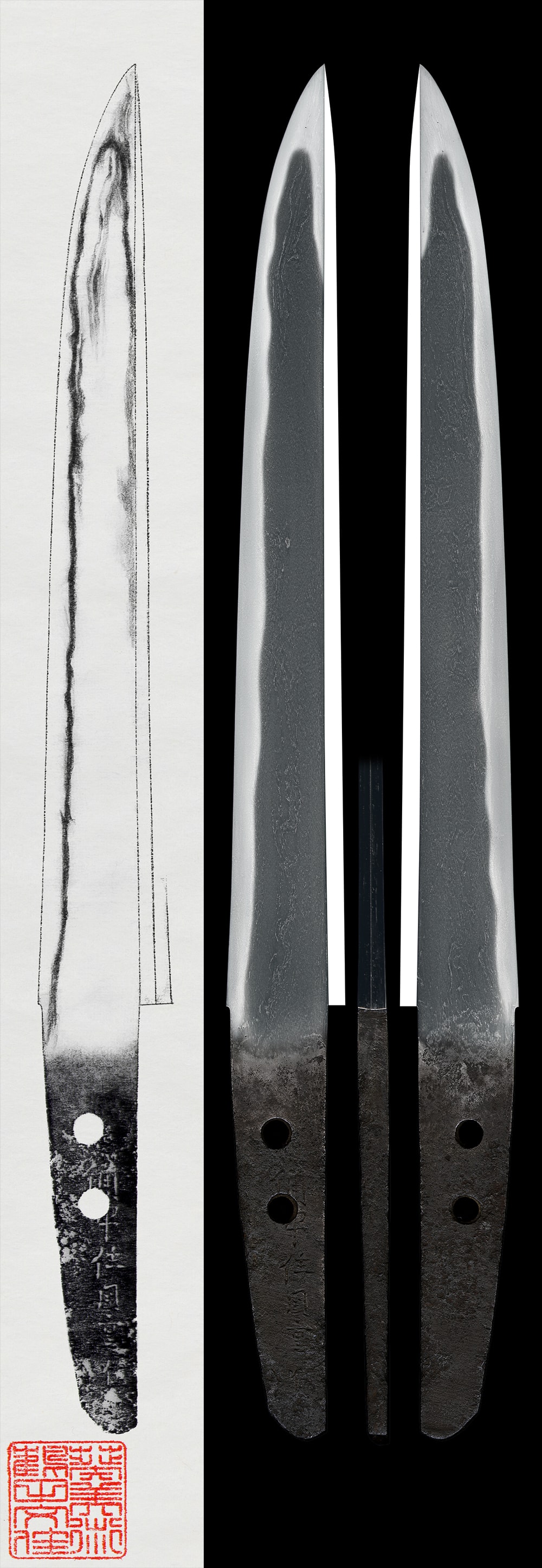
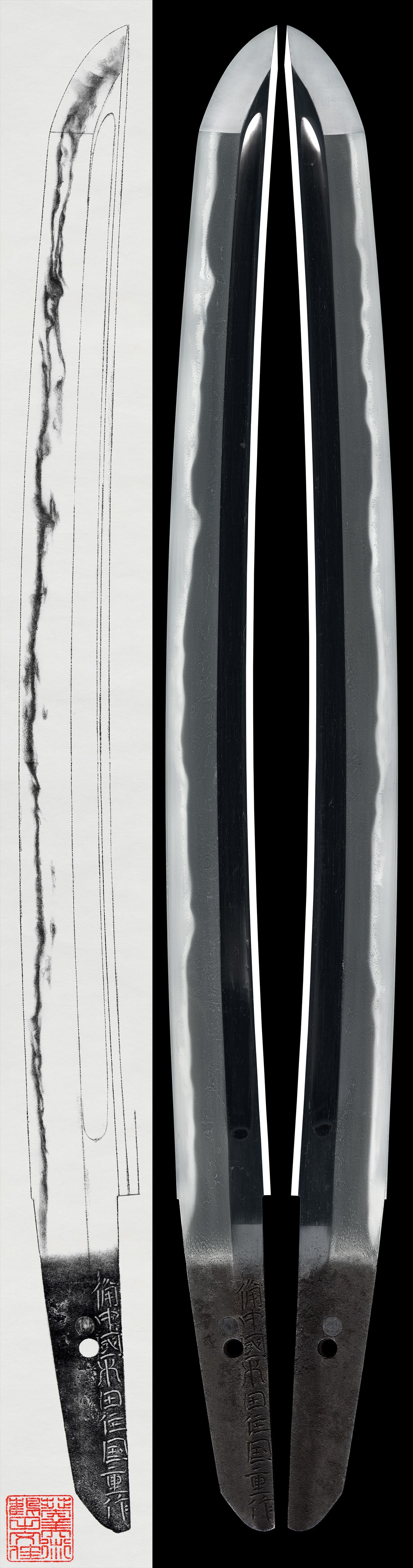
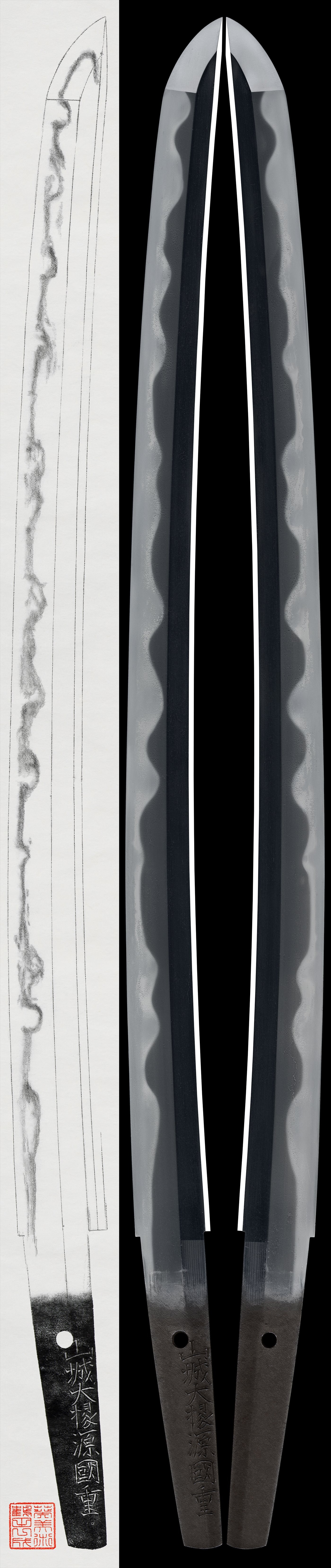
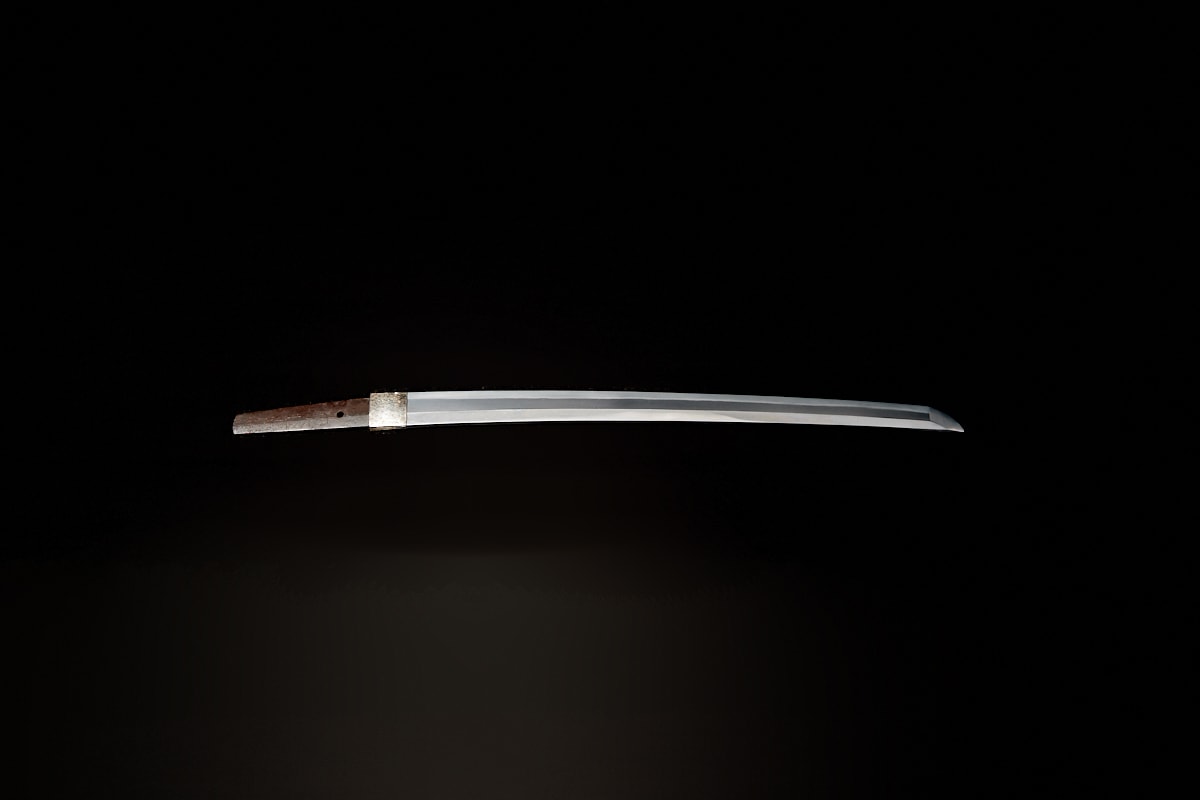
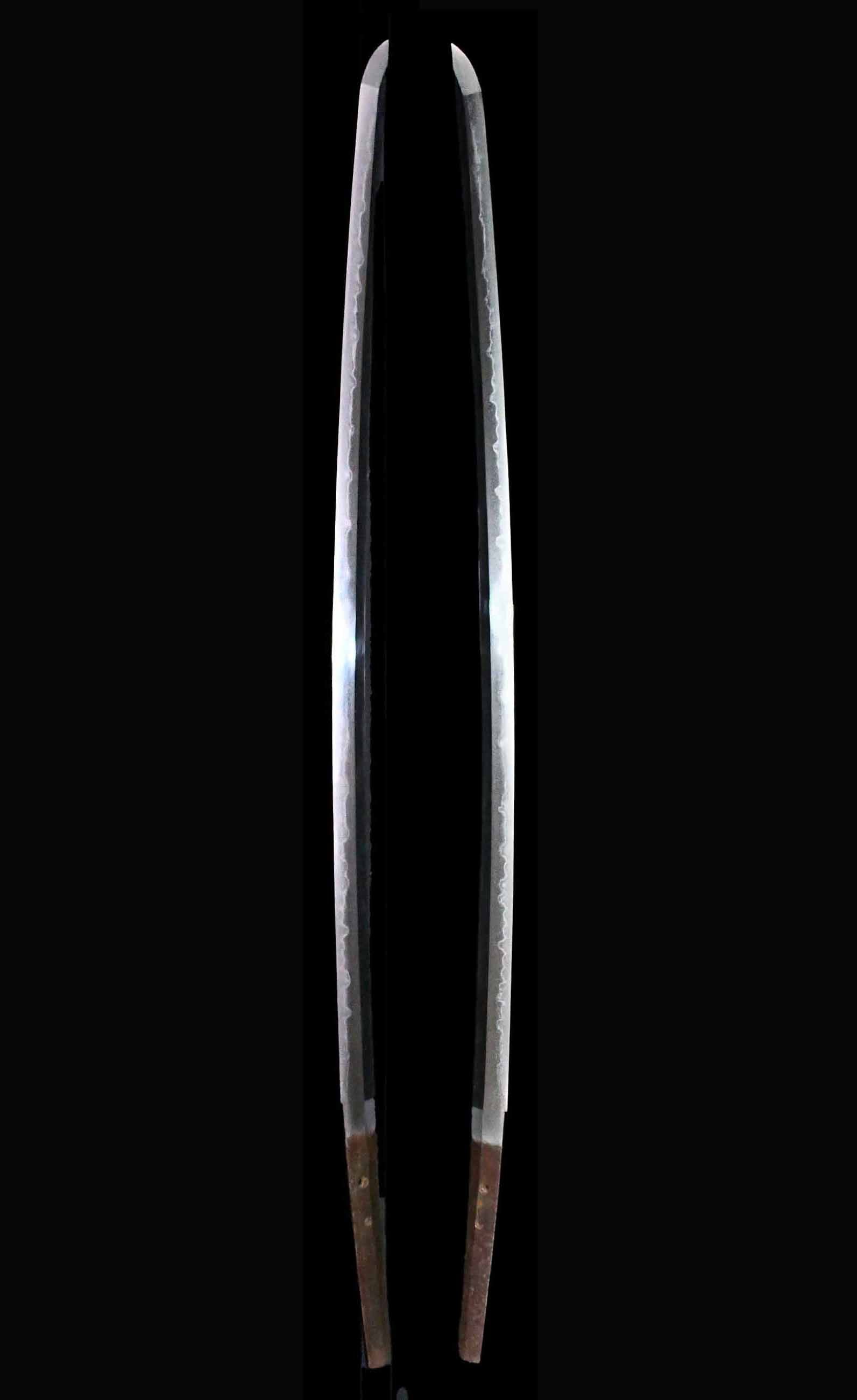
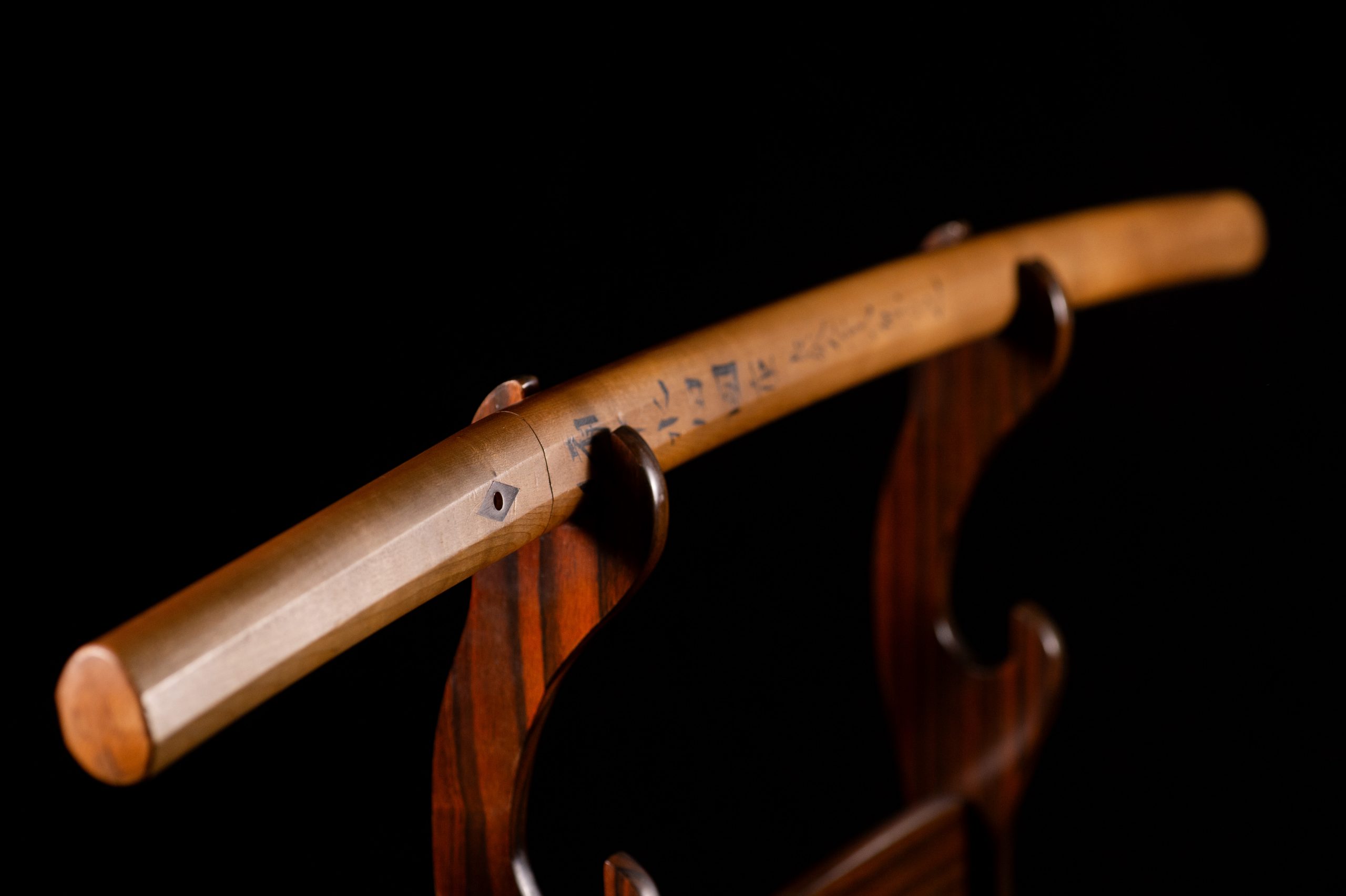
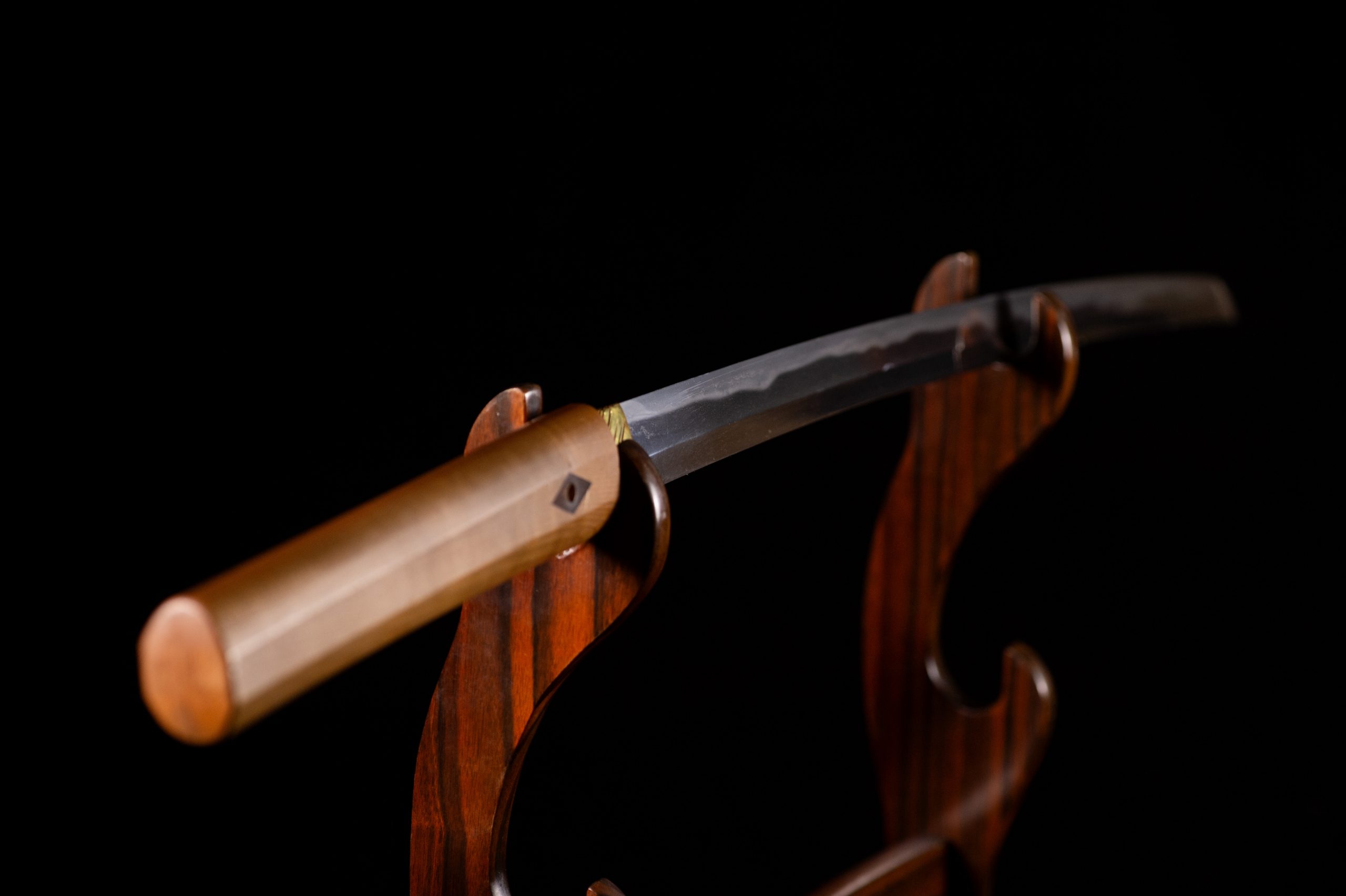
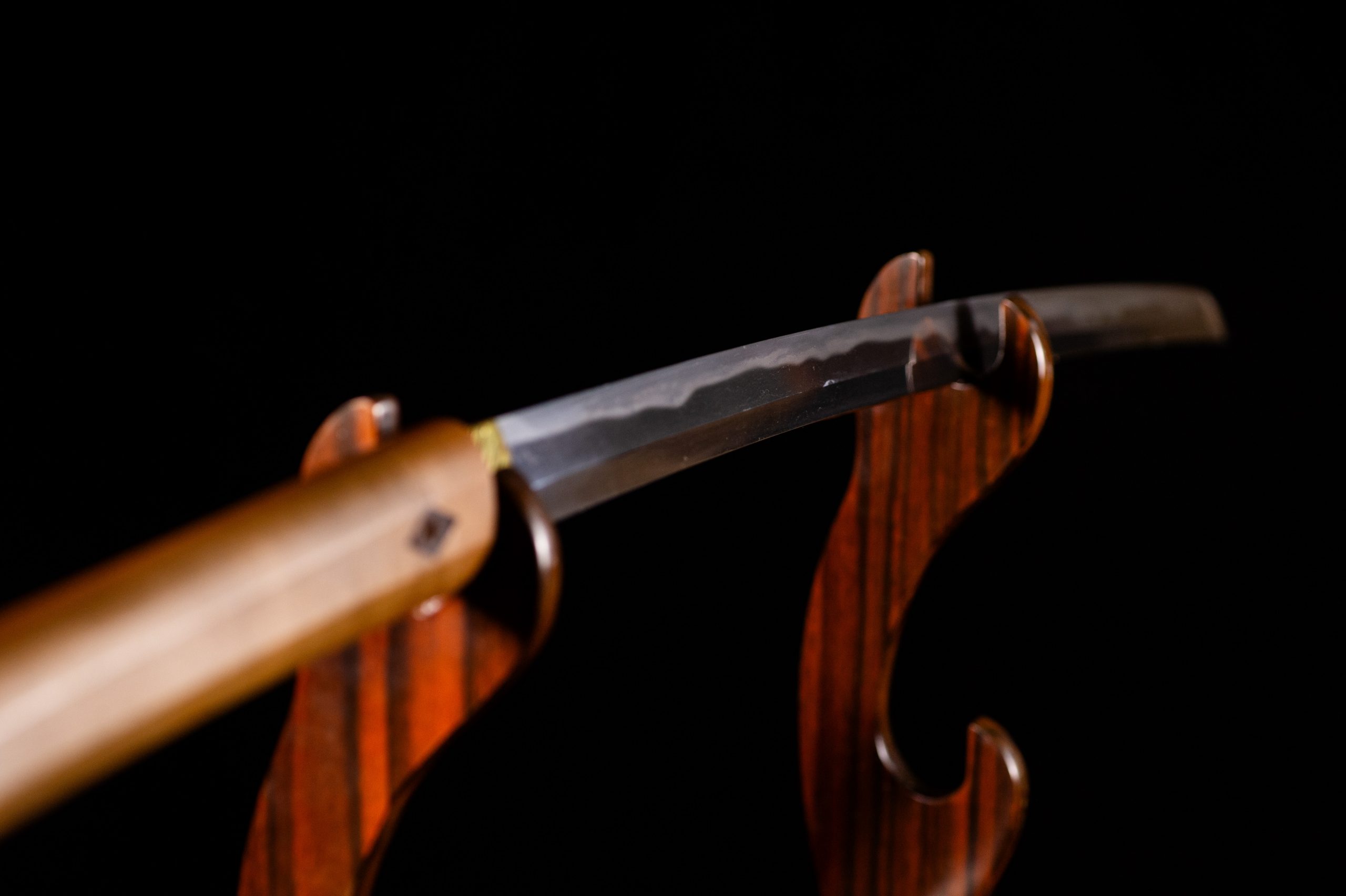
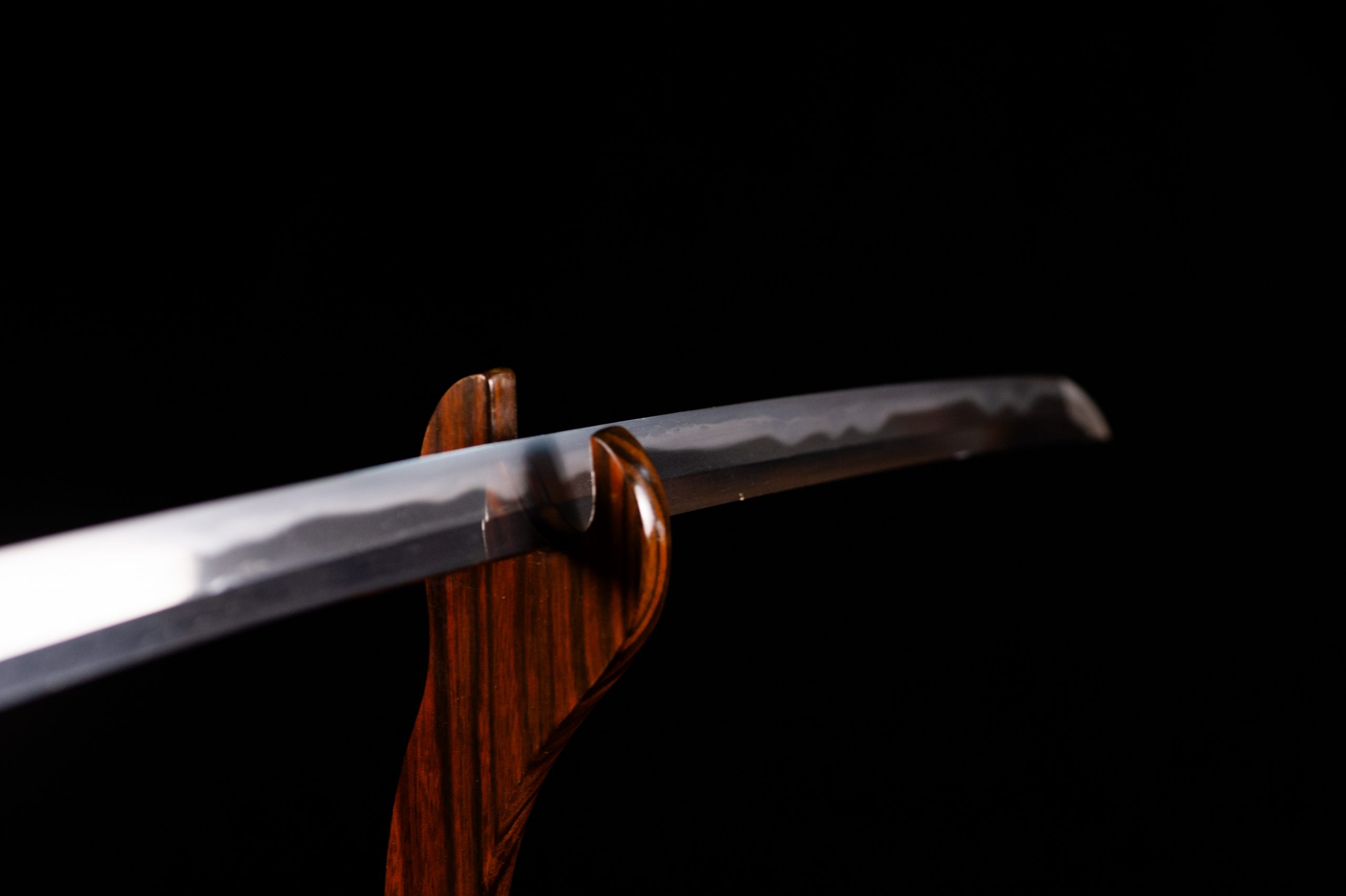
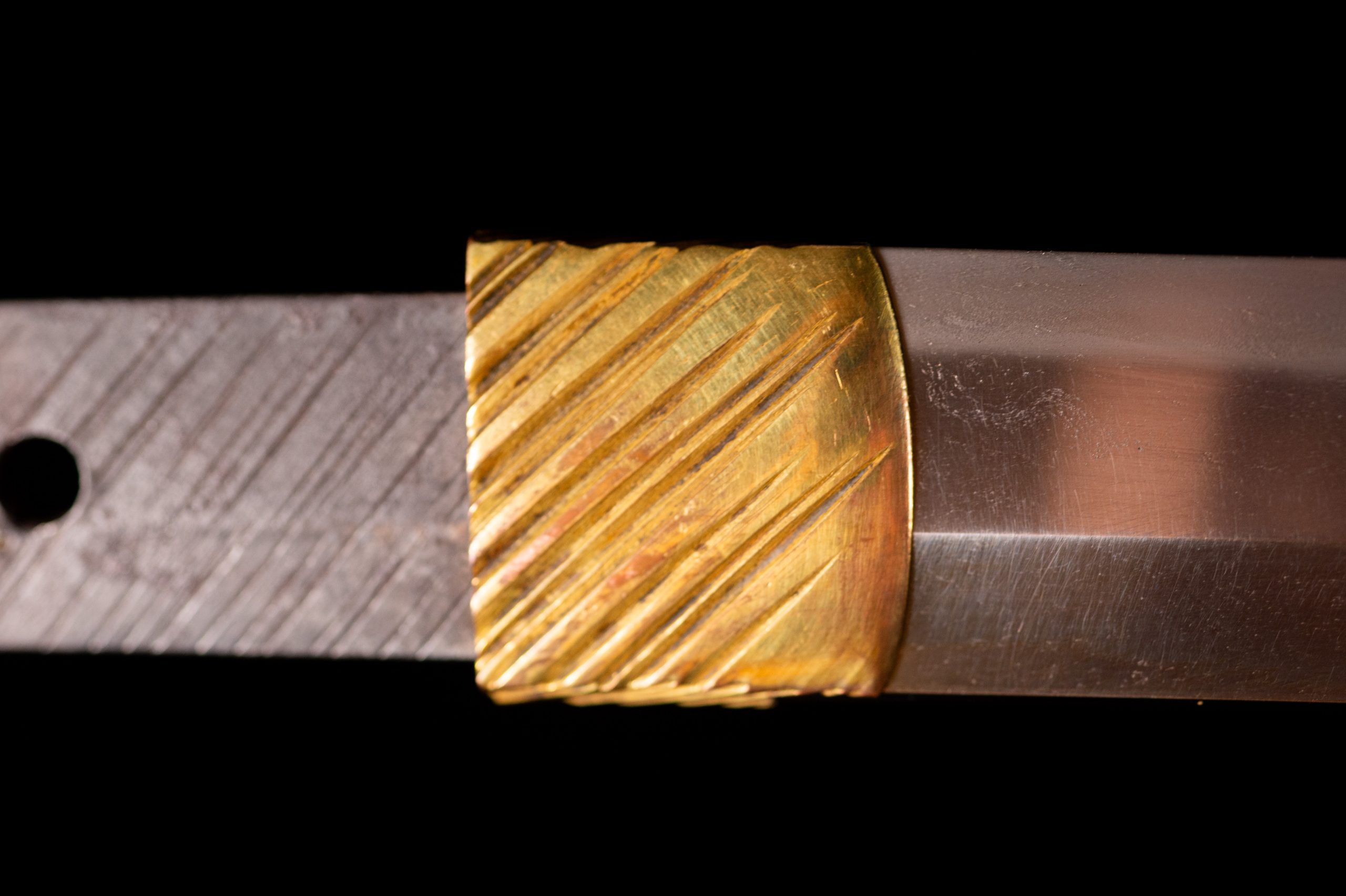
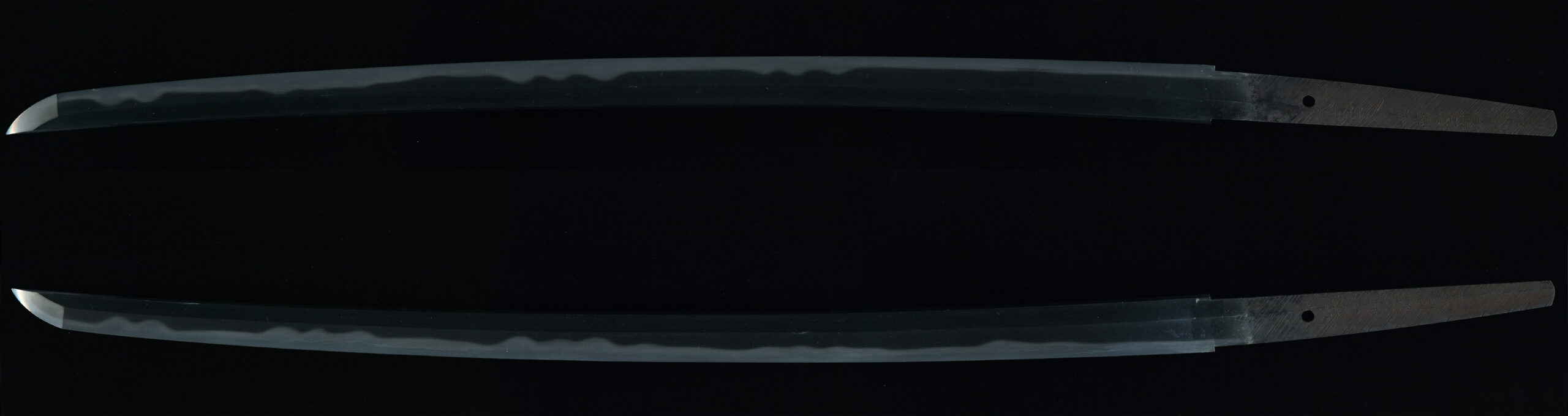
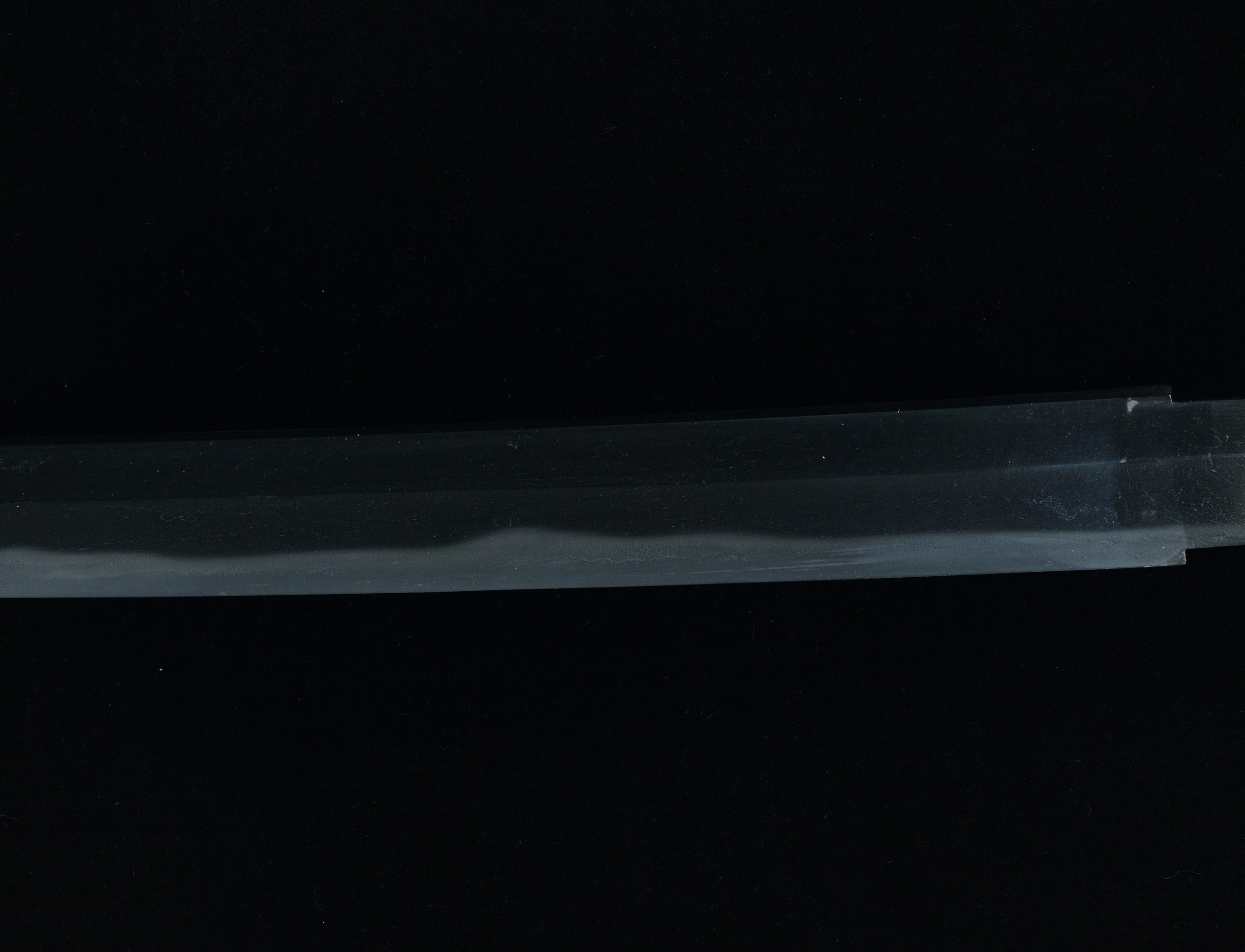
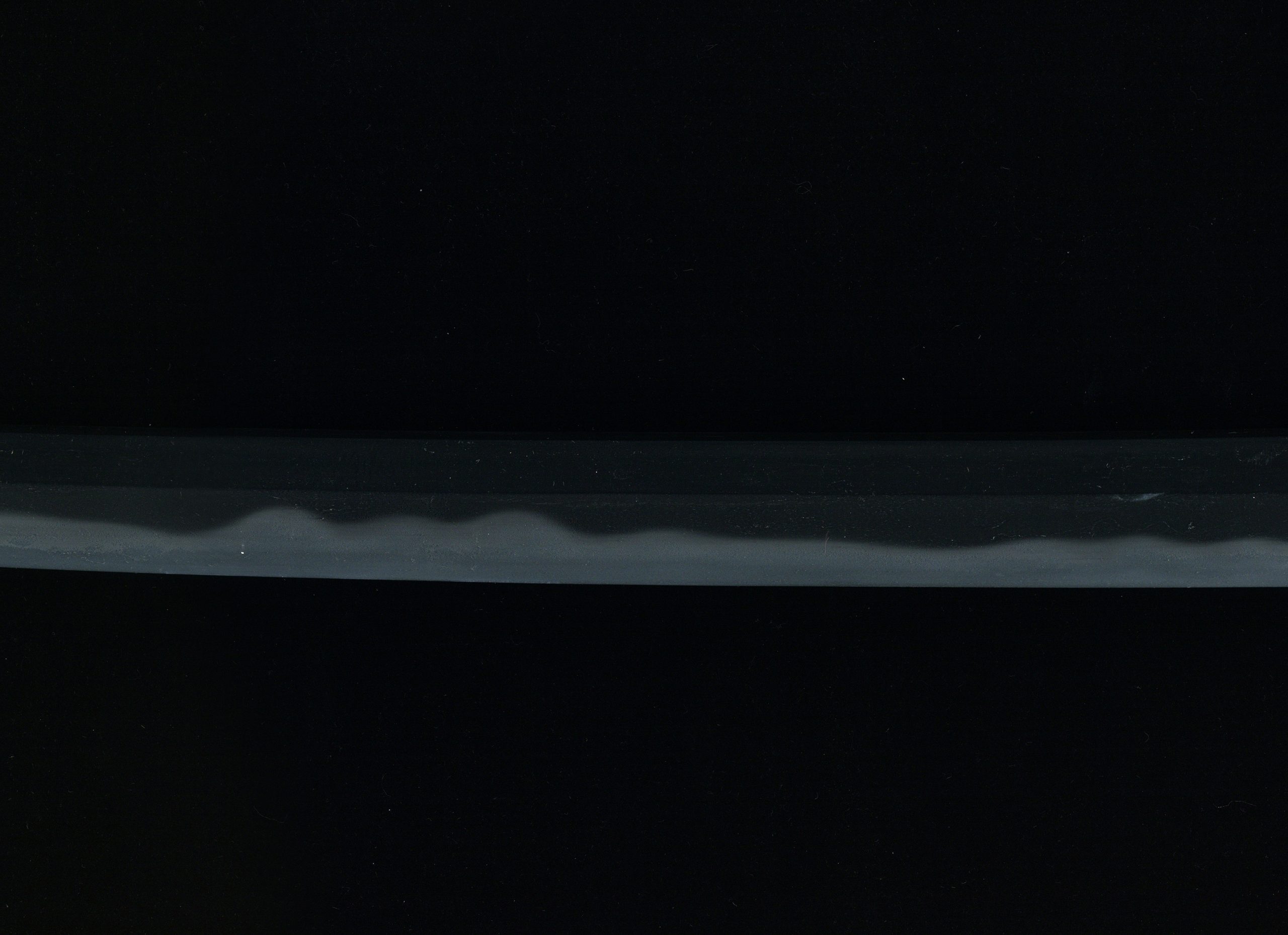
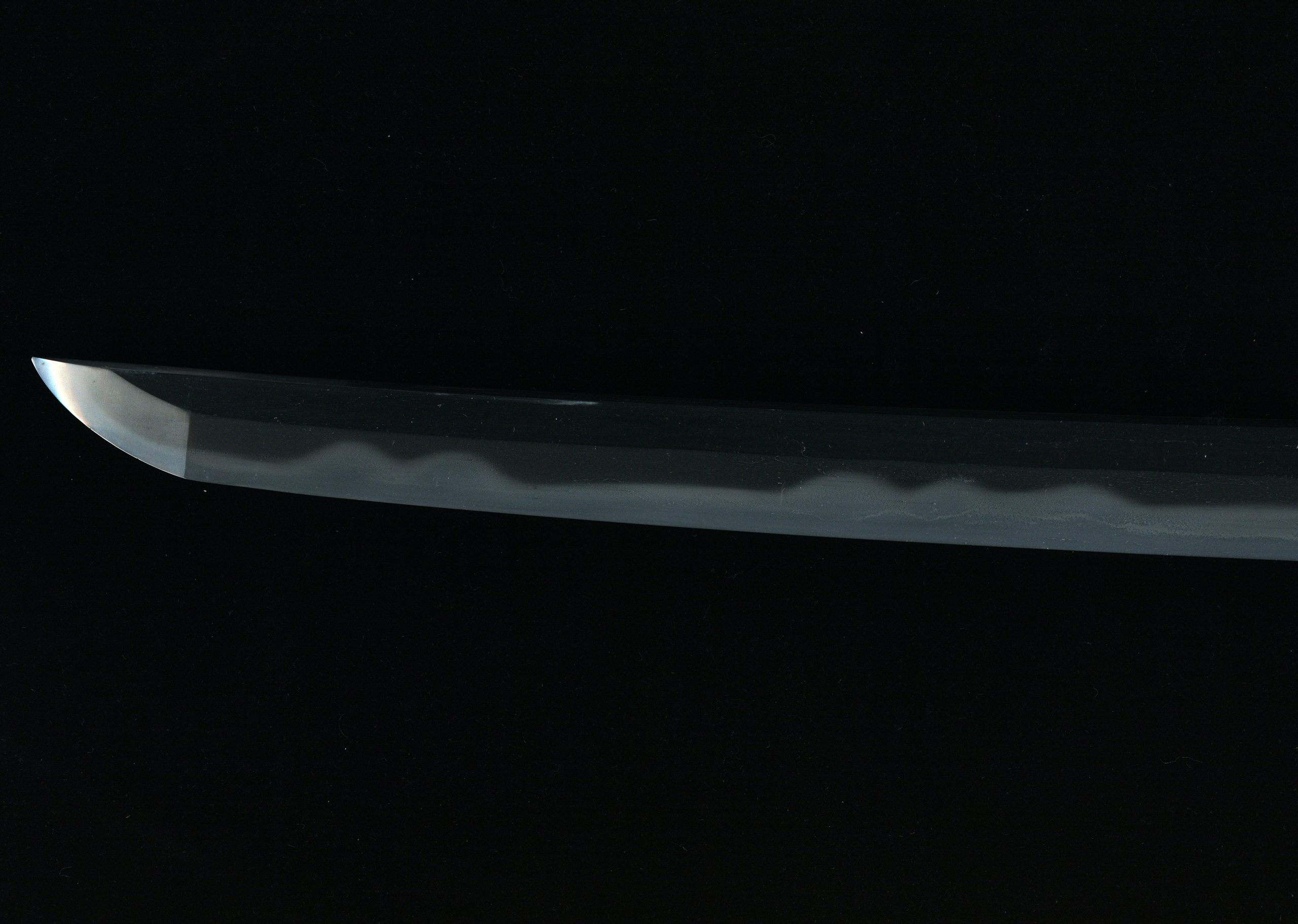
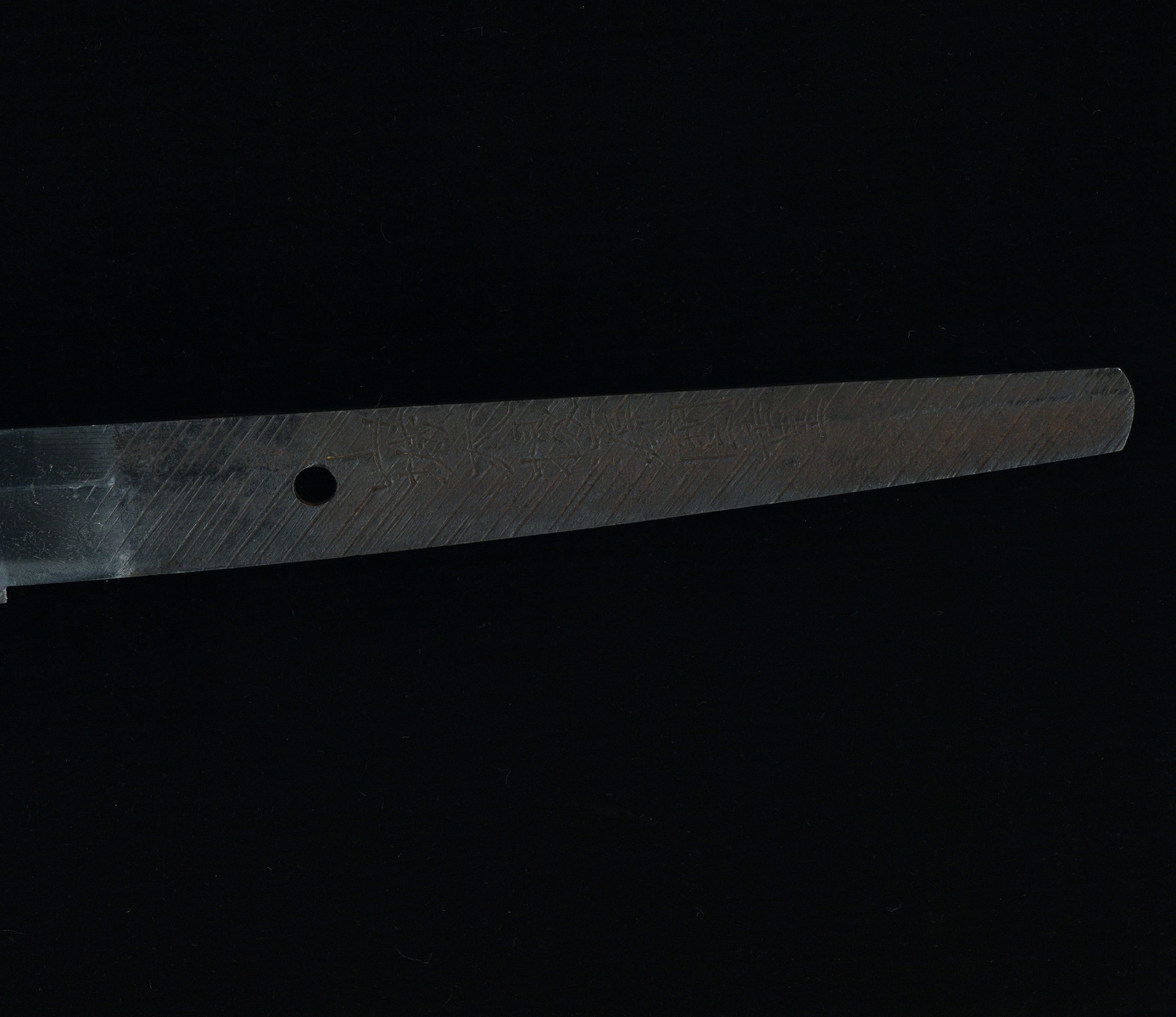
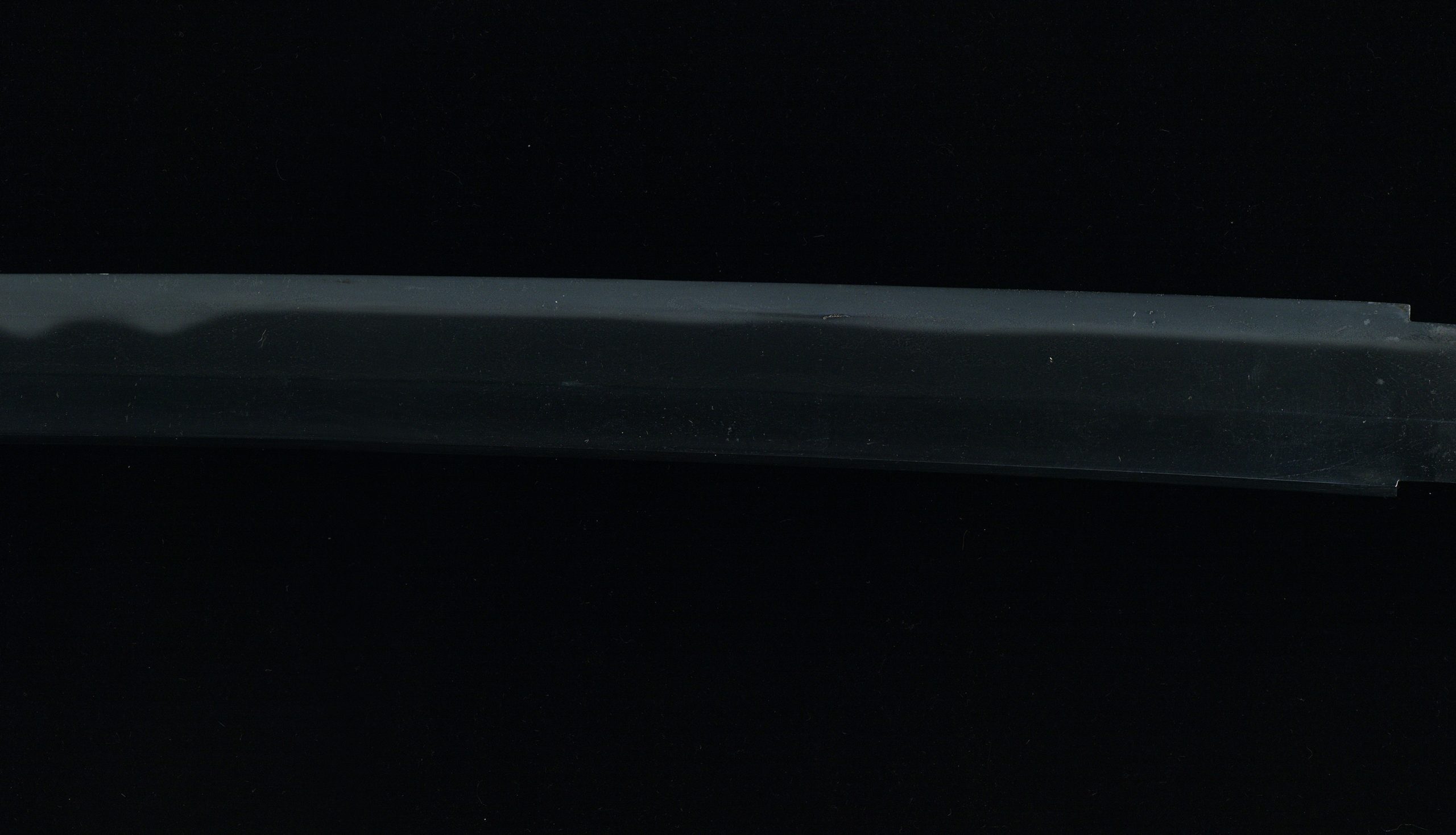
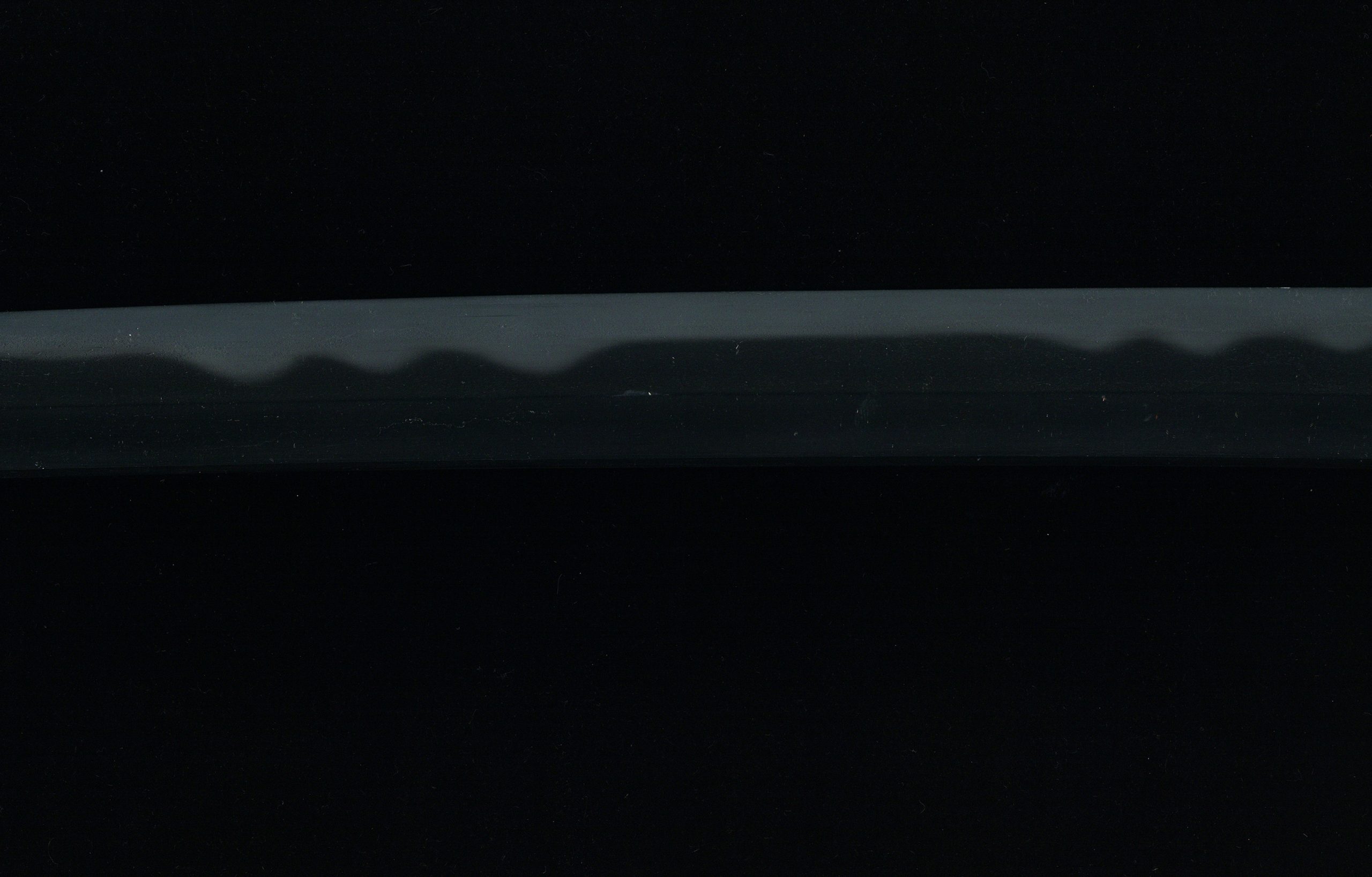
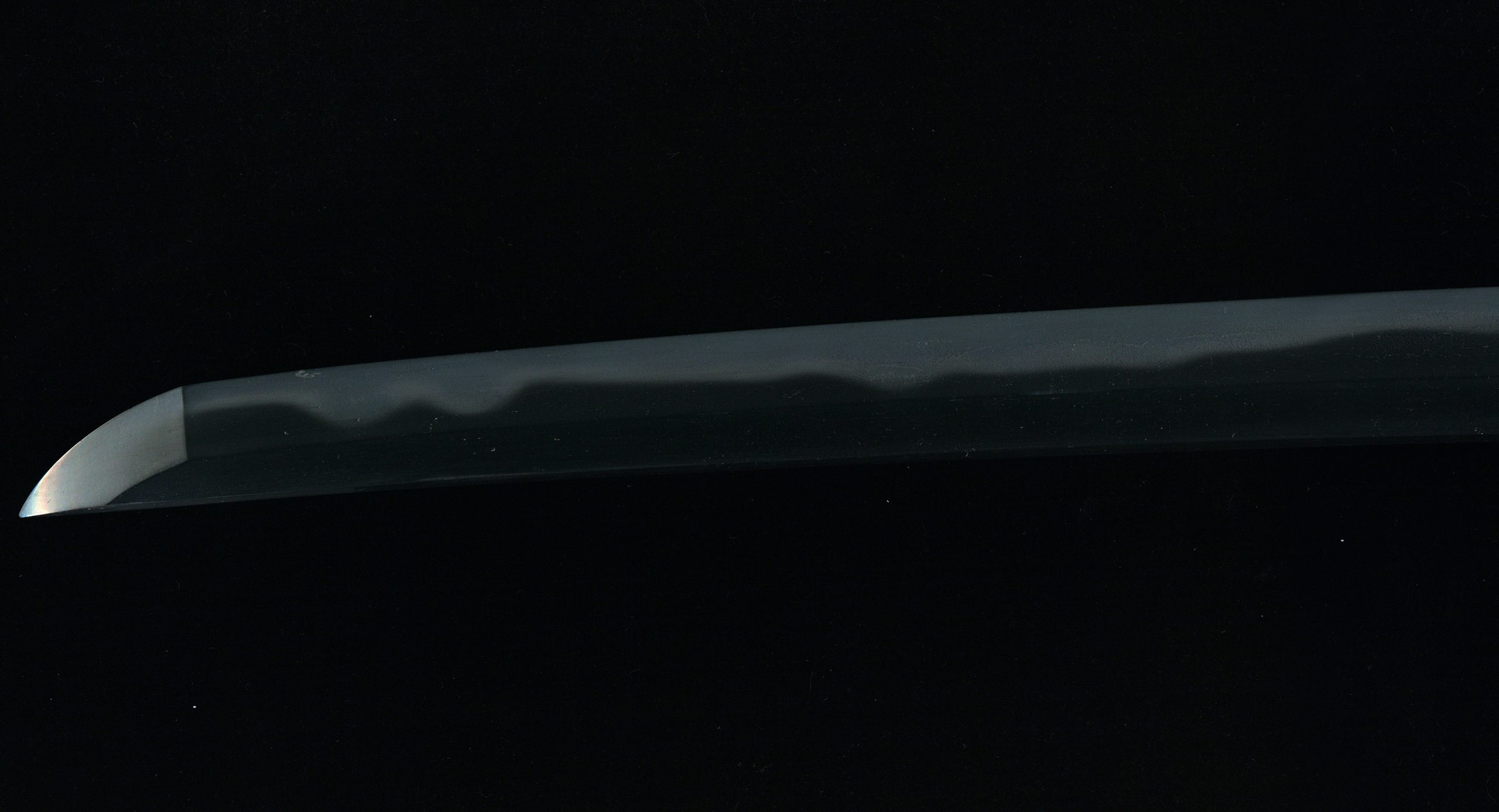
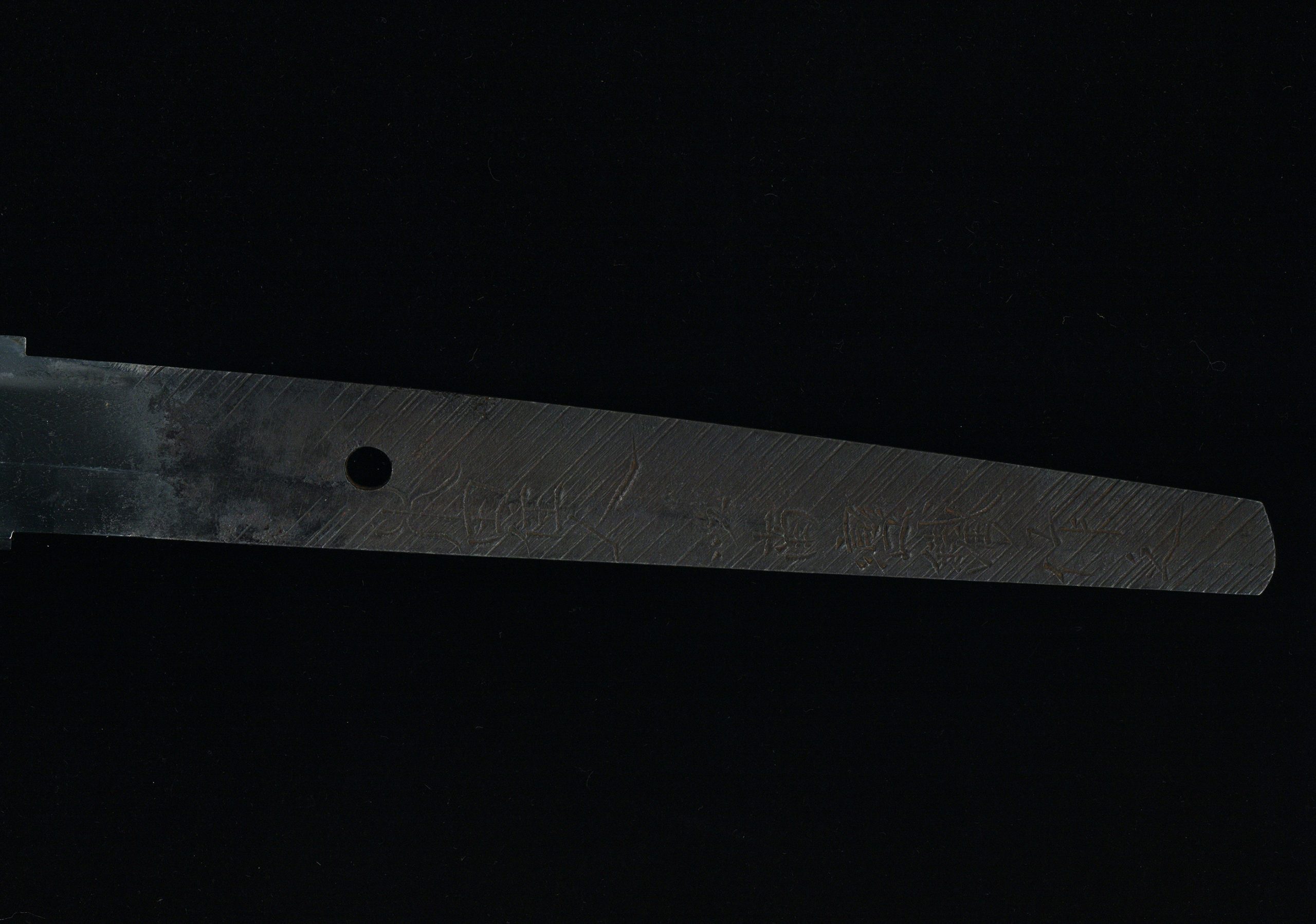
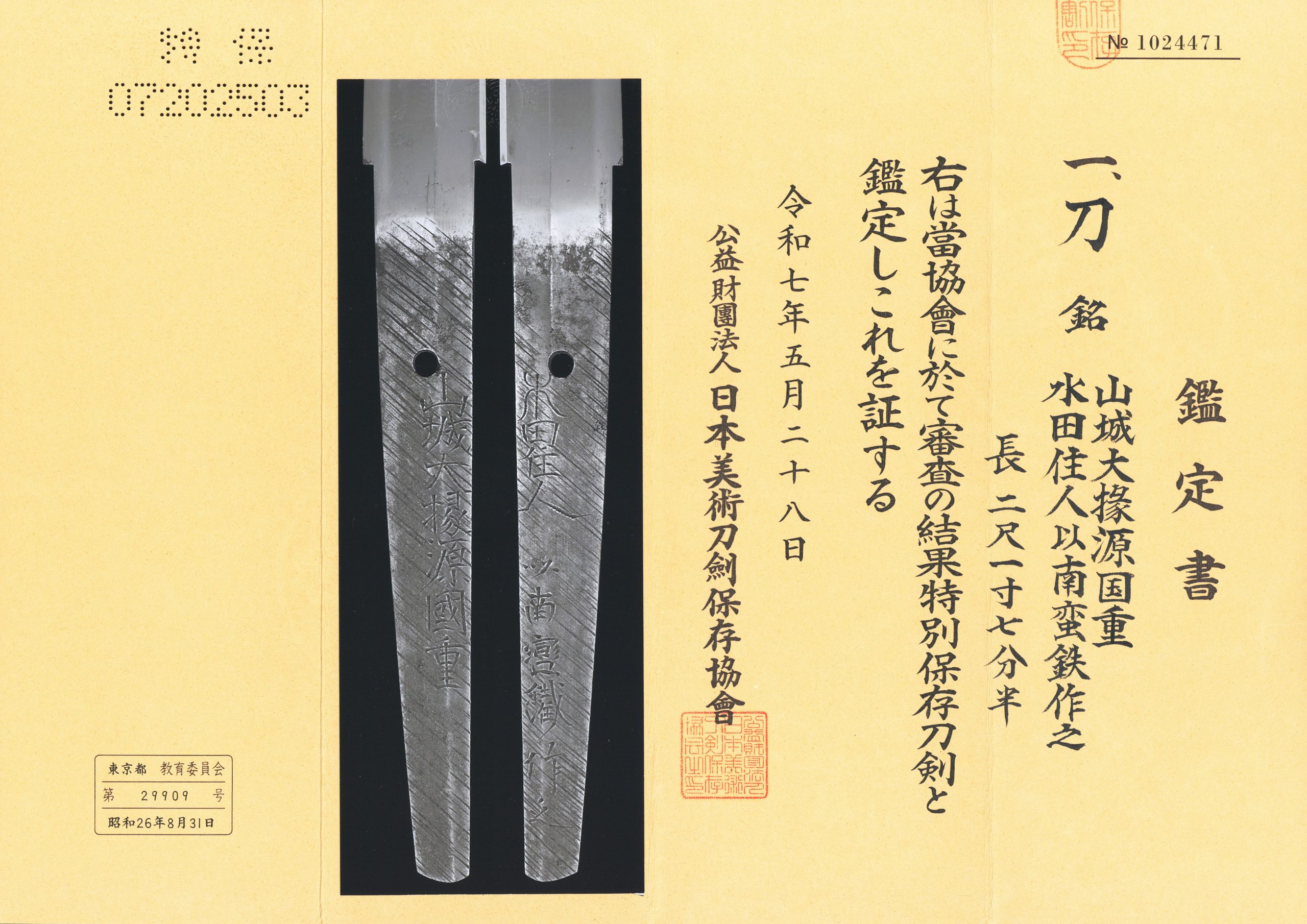
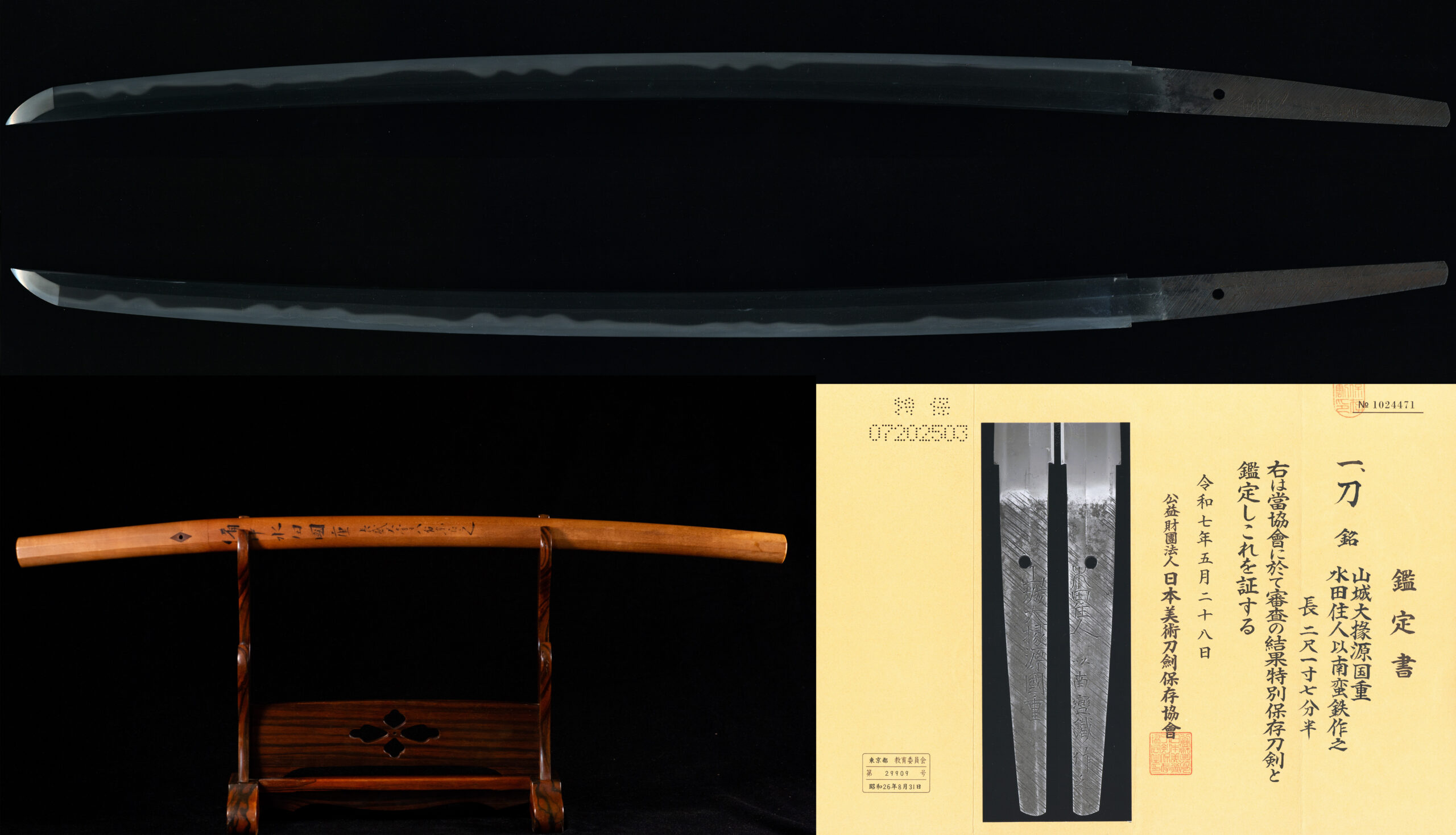
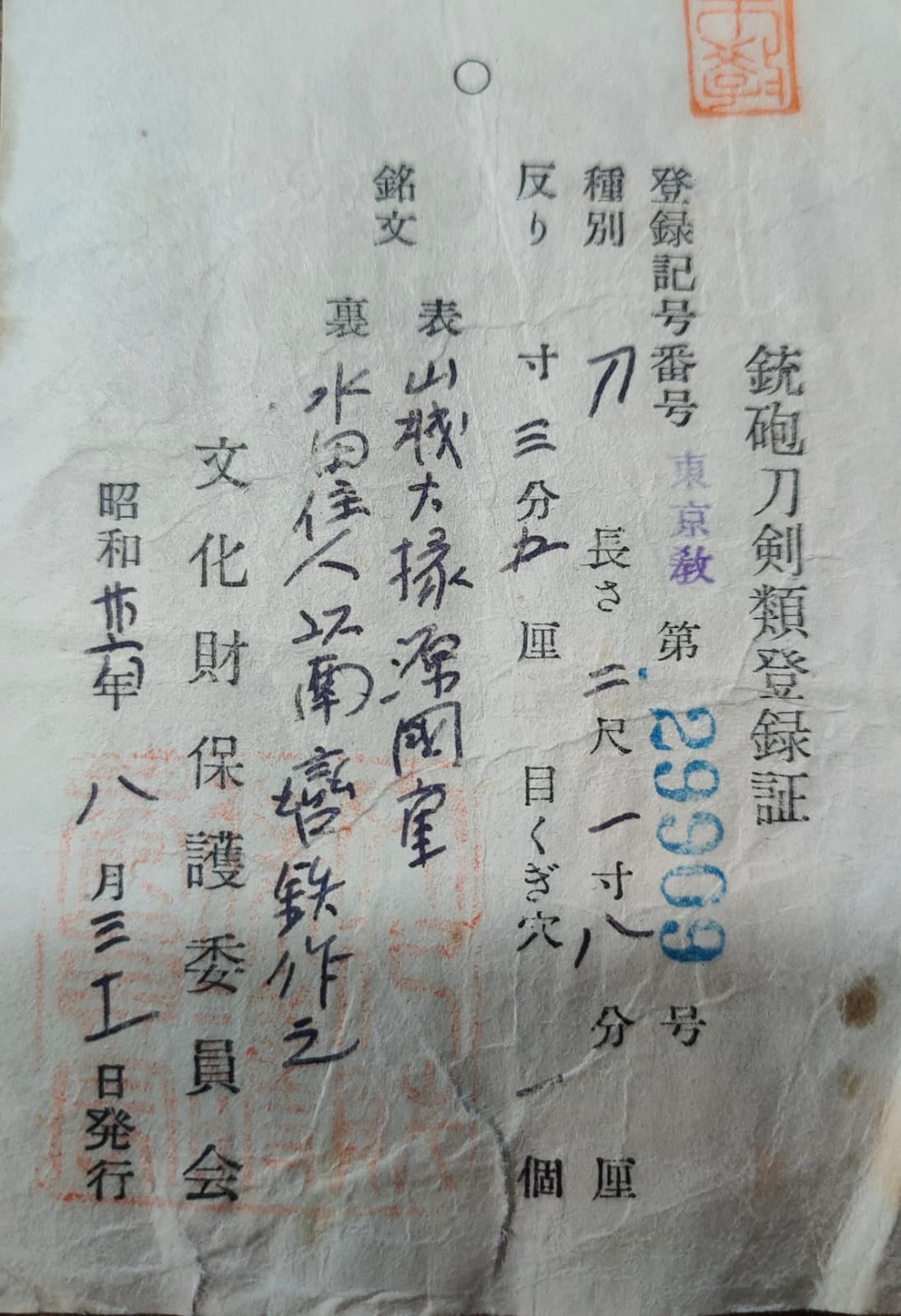
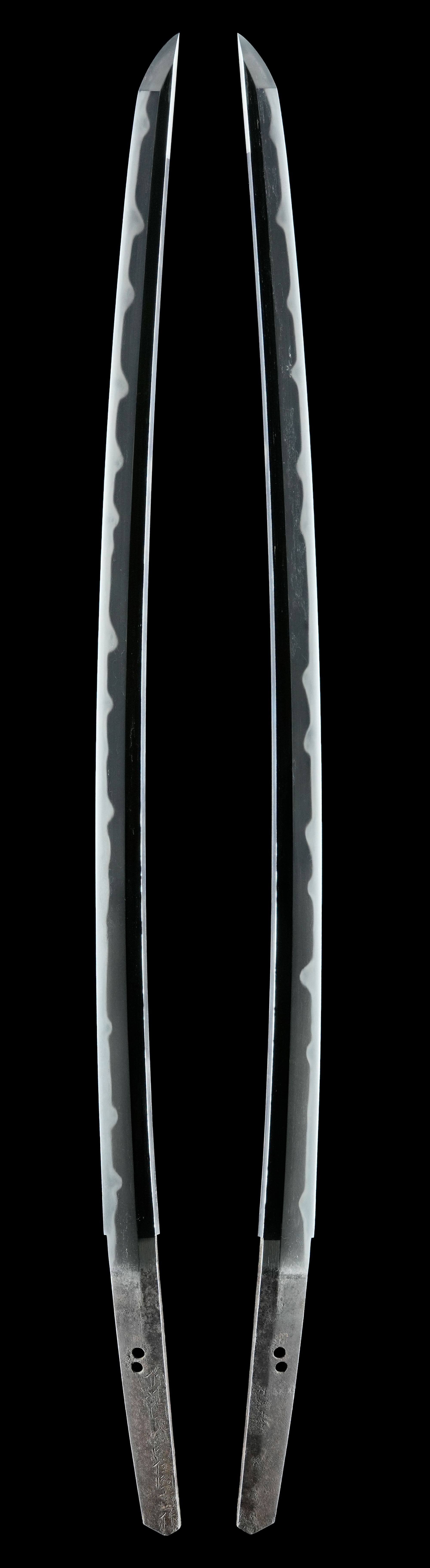
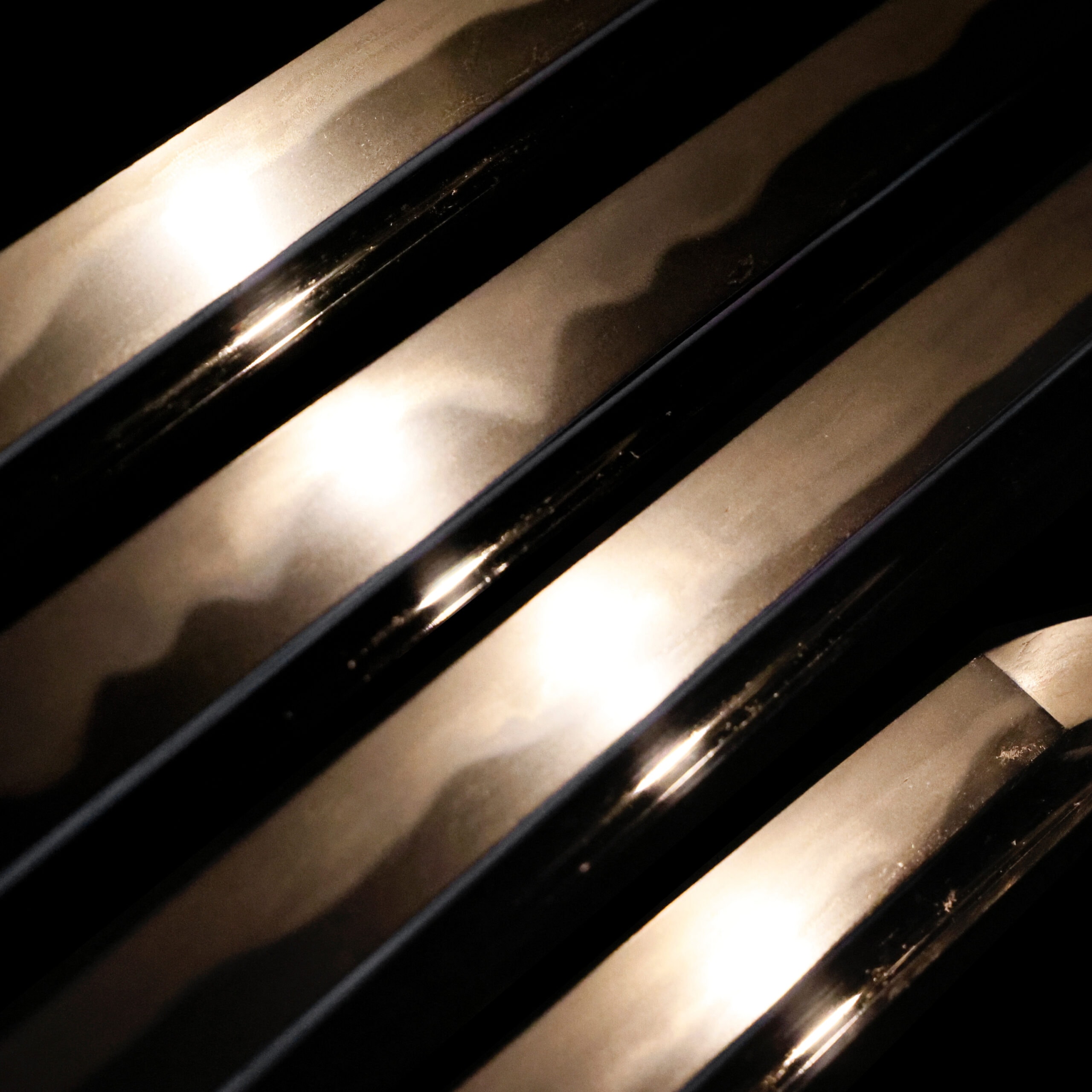
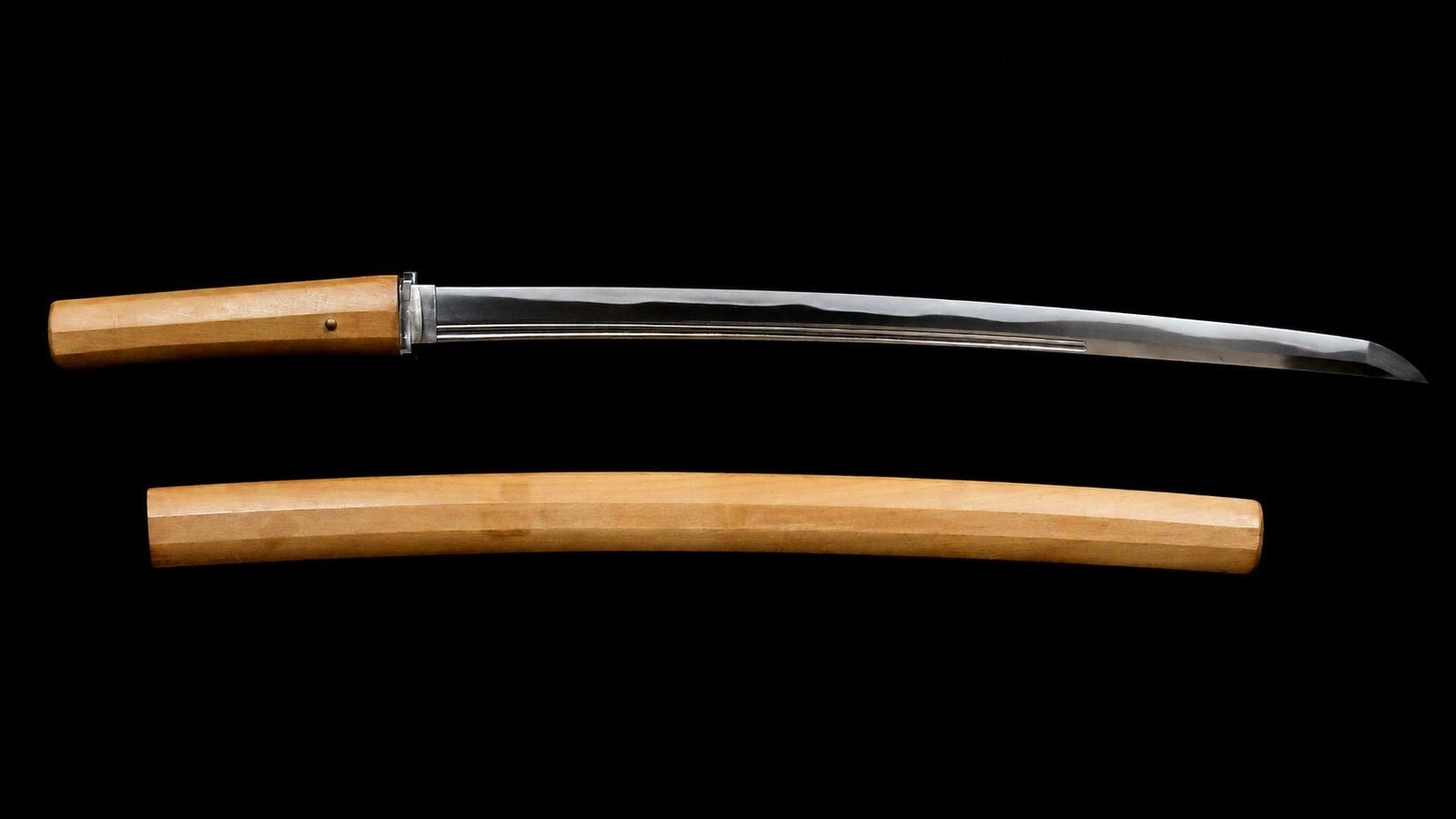
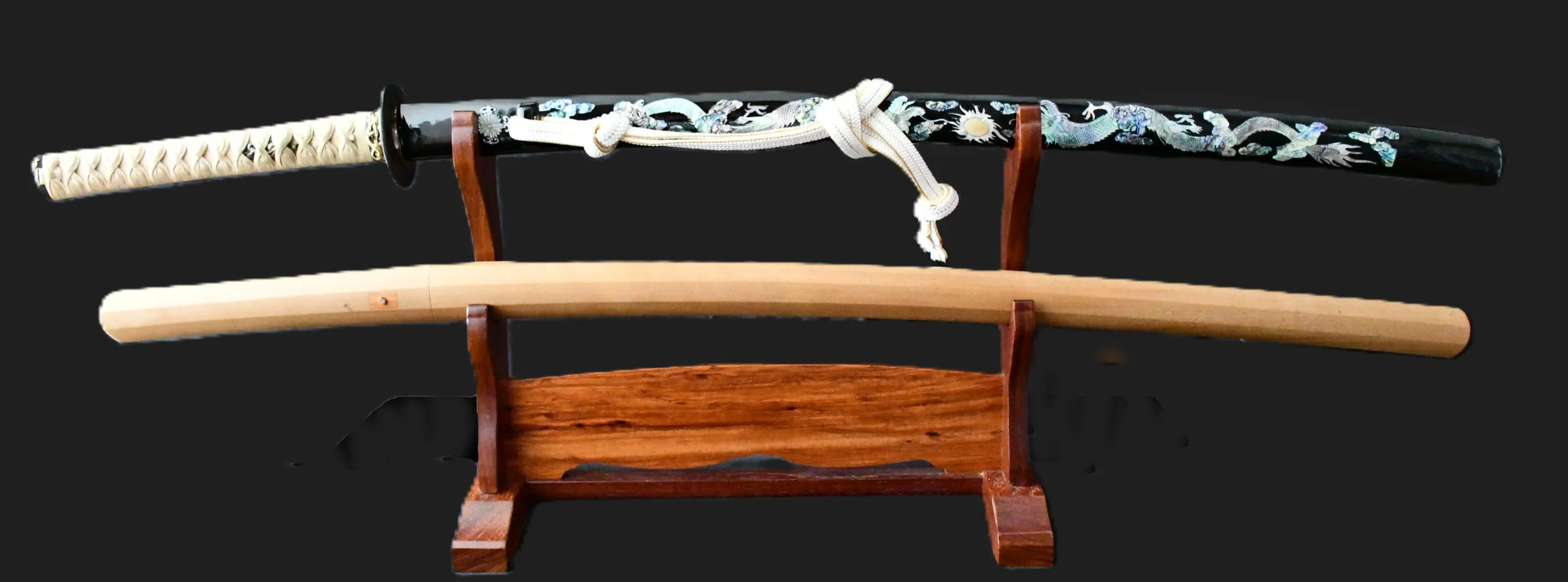
Description ITEM DESCRIPTION: Comes with kimono or cotton bag. Comes with certificate of supein Nihonto. Documentation Documentation 1) NBTHK Certificate (刀剣鑑定書 / “Sword Appraisal Certificate”) Heading: 刀 鑑定書 Translation: Katana — Appraisal Certificate Mei: 山城大掾源国重 Translation: Inscription: Yamashiro Daijō Minamoto Kunishige (Additional inscription): 水田住人以南蛮鉄作之 Translation: (Additional inscription): “Resident of Mizuta; made using nanban-tetsu (imported/‘western’ iron/steel)” Length: 二尺二寸七分半 Translation: Length: 2 shaku 2 sun 7.5 bu (≈ 68.94 cm) Text: 右は當協會に於て審査の結果特別保存刀剣と鑑定しこれを證する Translation: The above item has been examined by this association and, as a result, is appraised as Tokubetsu Hozon Tōken (Especially Preserved Sword) and is hereby certified. Smith, school, and context The signature 山城大掾源国重 (Yamashiro Daijō Minamoto Kunishige) is commonly linked to the Mizuta lineage (備中水田) , described in reference material and specialist trade sources as active in the early Shintō phase (Edo period) . These sources also place the granting of the title “Yamashiro Daijō” for this Kunishige in Shōhō 2 (1645) , and associate him with the “Edo Mizuta” designation. The additional inscription 「以南蛮鉄作之」 is commercially and historically significant because it explicitly states the use of nanban-tetsu , imported iron/steel that some Edo-period smiths incorporated—often as a deliberate technical and prestige marker. (No guesswork here: it is recorded because it is literally present in the mei and in both documents). Technical description of the blade This is a shinogi-zukuri katana with a classical overall profile, a medium-proportioned kissaki , and a clearly defined yokote in the photographs. The hamon reads as notare-midare , broad and continuous in its undulation, with a well-defined hardened boundary along the edge. The polish allows a clean reading of the hamon outline; fine superficial handling/storage marks are visible under hard lighting. The nakago is signed and shows diag
 NihontoWatch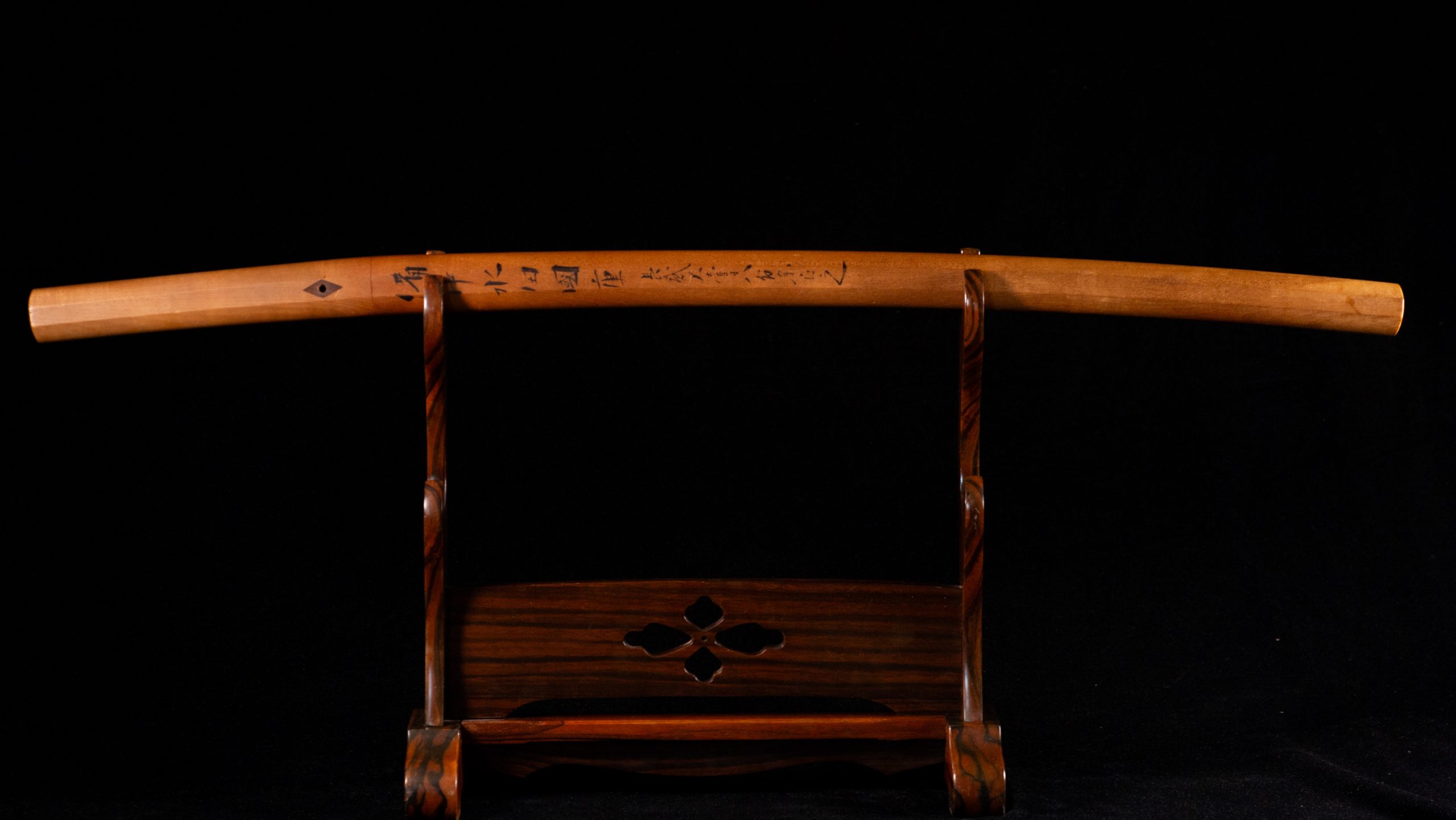


新刀 · 備中 · 1624-1644頃
藤代 Jo-jo saku · 刀剣大鑑 上位26%
現在11点販売中
國重の位置づけを、日本刀全体および伝統・時代・時期ごとに示します。各位(随一・屈指・有数・著名)は、NBTHK および文化庁による指定に加え、三作や名物帳などの歴史的栄誉を加味したものです。
各項目を選ぶと評価方法が表示されます。
新刀 · 備中
現在18点販売中
水田派は、室町時代末期の備中国に現れ、国重の名を代々受け継いだ一派である。松山、呰部、井原、荏原、新見など備中各地に拠を構えて作刀し、その勢いは古刀期から新刀期にまで及んだ。説示によれば、新見の国重は銘鑑により備後から備中新見荘に入り、後に松山城主三村家の刀工となったとされ、ほかに備後福山や河波でも作刀した工が知られる。新見住三郎左衛門尉国重、井原住の国重、英賀郡呰部住の大月左兵衛尉国重、水田住の大月与五右衛門国重など、地名と俗名を冠して長銘を切る工が代を重ねて連なり、国重と名乗る刀工が一門に圧倒的に多いことが、この派の大きな特徴をなしている。 作風は古刀期と新刀期とで趣を異にする。古水田と称される作には、腰の開いた互の目乱れを主調として小丁子や小乱れを交え、匂口が締まって小沸がつく、ややこせこせとした趣のものが見られ、茎先が大きく刃上りとなる点が見どころとされる。地鉄は小板目肌つみ、地沸がついて映りが立つ。新刀期の作になると、板目が流れて柾を交じえる鍛えに、小のたれや互の目を焼き、沸が深く、殊に荒沸が激しくつき、相州伝を強く意識した出来となる。地沸厚く地景太く入って湯走りがかかり、砂流し・金筋を頻りに見せ、棟焼がしきりにかかって皆焼風を呈する一群があり、帽子は掃き掛けて火焰風となり、あるいは焼深く一枚風となって長く返る。物打辺に矢筈風の刃を交えること、また小板目に小杢目を交え地沸微塵に厚くついて淡く映り立つ地鉄も、この派を見分ける拠りどころとなる。彫物を巧みにこなす工もあり、棒樋に倶利迦羅や梵字を施した大小の作が残る。 鑑定にあたっては、互の目や角ばる刃を交えた焼高い刃取り、矢筈風の刃、一枚風あるいは火焰風の帽子、棟焼の頻発といった水田特有の見どころが、相州・美濃に寄った実用本位の造込みと相俟って手掛かりとなる。沸の崩れや荒沸の激しさは、よく斬れる実戦の刀としての性格を物語る。在銘の確かな作は数が限られ、なかでも大月与五右衛門国重のごとく一門の他工にも稀なほど出来の優れたものが存する。新見の国重の一作は『光山押形』に所載し、附帯する古鞘に六代将軍徳川家宣すなわち文昭院の御陣刀であった旨が記される伝来の確かなものであって、備中の地に長く栄えた水田派の位置づけを今に伝えている。 詳しく見る →
江戸時代
二世紀半の泰平のあいだ、刀は武器である以上に武士の身分の標章であった。江戸の実証と大坂の華やぎのように都市ごとの作風が育ち、時代の末には需要も細っていく。
保存刀剣のうち、出来が一層優れ、保存状態も良好と認められたものです。再刃や、室町・江戸期の多くの無銘作は対象外となり、保存刀剣より高い基準が課されます。
日本美術刀剣保存協会(NBTHK)は、1948年に設立され、文化庁の監督を受ける公益財団法人で、東京・刀剣博物館に本部を置きます。専門の審査員が出品作を直接審査し、美術的・歴史的価値に応じた鑑定書を発行します。NBTHKの鑑定書は、日本刀および刀装具の真正性を示す最も広く認知された基準です。
NBTHK公式サイト14-day return if items arrive damaged or in unexpected condition; customer bears return shipping + insurance; items returned in original condition with all accessories; antique armour non-returnable; only regular priced items refundable; shipping costs non-refundable.
Description ITEM DESCRIPTION: Comes with kimono or cotton bag. Comes with certificate of supein Nihonto. Documentation Documentation 1) NBTHK Certificate (刀剣鑑定書 / “Sword Appraisal Certificate”) Heading: 刀 鑑定書 Translation: Katana — Appraisal Certificate Mei: 山城大掾源国重 Translation: Inscription: Yamashiro Daijō Minamoto Kunishige (Additional inscription): 水田住人以南蛮鉄作之 Translation: (Additional inscription): “Resident of Mizuta; made using nanban-tetsu (imported/‘western’ iron/steel)” Length: 二尺二寸七分半 Translation: Length: 2 shaku 2 sun 7.5 bu (≈ 68.94 cm) Text: 右は當協會に於て審査の結果特別保存刀剣と鑑定しこれを證する Translation: The above item has been examined by this association and, as a result, is appraised as Tokubetsu Hozon Tōken (Especially Preserved Sword) and is hereby certified. Smith, school, and context The signature 山城大掾源国重 (Yamashiro Daijō Minamoto Kunishige) is commonly linked to the Mizuta lineage (備中水田) , described in reference material and specialist trade sources as active in the early Shintō phase (Edo period) . These sources also place the granting of the title “Yamashiro Daijō” for this Kunishige in Shōhō 2 (1645) , and associate him with the “Edo Mizuta” designation. The additional inscription 「以南蛮鉄作之」 is commercially and historically significant because it explicitly states the use of nanban-tetsu , imported iron/steel that some Edo-period smiths incorporated—often as a deliberate technical and prestige marker. (No guesswork here: it is recorded because it is literally present in the mei and in both documents). Technical description of the blade This is a shinogi-zukuri katana with a classical overall profile, a medium-proportioned kissaki , and a clearly defined yokote in the photographs. The hamon reads as notare-midare , broad and continuous in its undulation, with a well-defined hardened boundary along the edge. The polish allows a clean reading of the hamon outline; fine superficial handling/storage marks are visible under hard lighting. The nakago is signed and shows diag
NihontoWatch新刀 · 備中 · 1624-1644頃
藤代 Jo-jo saku · 刀剣大鑑 上位26%
現在11点販売中
國重の位置づけを、日本刀全体および伝統・時代・時期ごとに示します。各位(随一・屈指・有数・著名)は、NBTHK および文化庁による指定に加え、三作や名物帳などの歴史的栄誉を加味したものです。
各項目を選ぶと評価方法が表示されます。
新刀 · 備中
現在18点販売中
水田派は、室町時代末期の備中国に現れ、国重の名を代々受け継いだ一派である。松山、呰部、井原、荏原、新見など備中各地に拠を構えて作刀し、その勢いは古刀期から新刀期にまで及んだ。説示によれば、新見の国重は銘鑑により備後から備中新見荘に入り、後に松山城主三村家の刀工となったとされ、ほかに備後福山や河波でも作刀した工が知られる。新見住三郎左衛門尉国重、井原住の国重、英賀郡呰部住の大月左兵衛尉国重、水田住の大月与五右衛門国重など、地名と俗名を冠して長銘を切る工が代を重ねて連なり、国重と名乗る刀工が一門に圧倒的に多いことが、この派の大きな特徴をなしている。 作風は古刀期と新刀期とで趣を異にする。古水田と称される作には、腰の開いた互の目乱れを主調として小丁子や小乱れを交え、匂口が締まって小沸がつく、ややこせこせとした趣のものが見られ、茎先が大きく刃上りとなる点が見どころとされる。地鉄は小板目肌つみ、地沸がついて映りが立つ。新刀期の作になると、板目が流れて柾を交じえる鍛えに、小のたれや互の目を焼き、沸が深く、殊に荒沸が激しくつき、相州伝を強く意識した出来となる。地沸厚く地景太く入って湯走りがかかり、砂流し・金筋を頻りに見せ、棟焼がしきりにかかって皆焼風を呈する一群があり、帽子は掃き掛けて火焰風となり、あるいは焼深く一枚風となって長く返る。物打辺に矢筈風の刃を交えること、また小板目に小杢目を交え地沸微塵に厚くついて淡く映り立つ地鉄も、この派を見分ける拠りどころとなる。彫物を巧みにこなす工もあり、棒樋に倶利迦羅や梵字を施した大小の作が残る。 鑑定にあたっては、互の目や角ばる刃を交えた焼高い刃取り、矢筈風の刃、一枚風あるいは火焰風の帽子、棟焼の頻発といった水田特有の見どころが、相州・美濃に寄った実用本位の造込みと相俟って手掛かりとなる。沸の崩れや荒沸の激しさは、よく斬れる実戦の刀としての性格を物語る。在銘の確かな作は数が限られ、なかでも大月与五右衛門国重のごとく一門の他工にも稀なほど出来の優れたものが存する。新見の国重の一作は『光山押形』に所載し、附帯する古鞘に六代将軍徳川家宣すなわち文昭院の御陣刀であった旨が記される伝来の確かなものであって、備中の地に長く栄えた水田派の位置づけを今に伝えている。 詳しく見る →
江戸時代
二世紀半の泰平のあいだ、刀は武器である以上に武士の身分の標章であった。江戸の実証と大坂の華やぎのように都市ごとの作風が育ち、時代の末には需要も細っていく。
保存刀剣のうち、出来が一層優れ、保存状態も良好と認められたものです。再刃や、室町・江戸期の多くの無銘作は対象外となり、保存刀剣より高い基準が課されます。
日本美術刀剣保存協会(NBTHK)は、1948年に設立され、文化庁の監督を受ける公益財団法人で、東京・刀剣博物館に本部を置きます。専門の審査員が出品作を直接審査し、美術的・歴史的価値に応じた鑑定書を発行します。NBTHKの鑑定書は、日本刀および刀装具の真正性を示す最も広く認知された基準です。
NBTHK公式サイト14-day return if items arrive damaged or in unexpected condition; customer bears return shipping + insurance; items returned in original condition with all accessories; antique armour non-returnable; only regular priced items refundable; shipping costs non-refundable.




![Wakizashi - Tokuho - 作 國重 - 脇差[備中国水田住国重][日本美術刀剣保存協会]特別保存刀剣](/_next/image?url=https%3A%2F%2Fitbhfhyptogxcjbjfzwx.supabase.co%2Fstorage%2Fv1%2Fobject%2Fpublic%2Flisting-images%2Fworld-seiyudo%2FL31940%2F00.jpg&w=2560&q=90)