1853年のペリー来航は徳川の泰平をほどき、二世紀ぶりに実用刀の大量需要を生んだ。四谷正宗と呼ばれた清麿はその前夜に世を去り、宗次や行秀が最後の好況を担った。
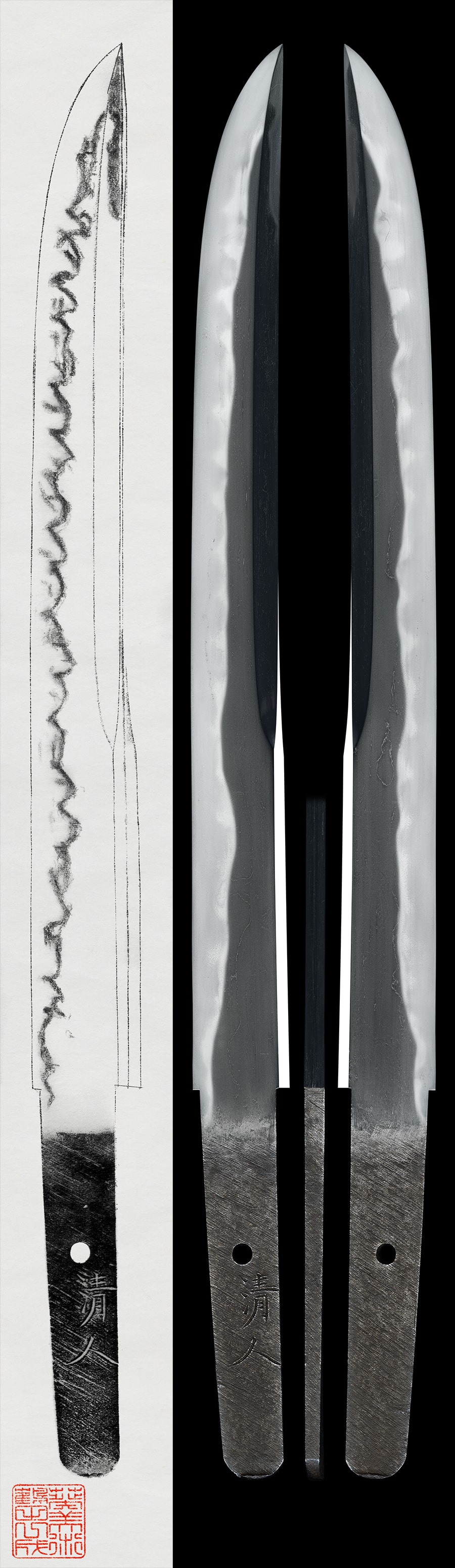
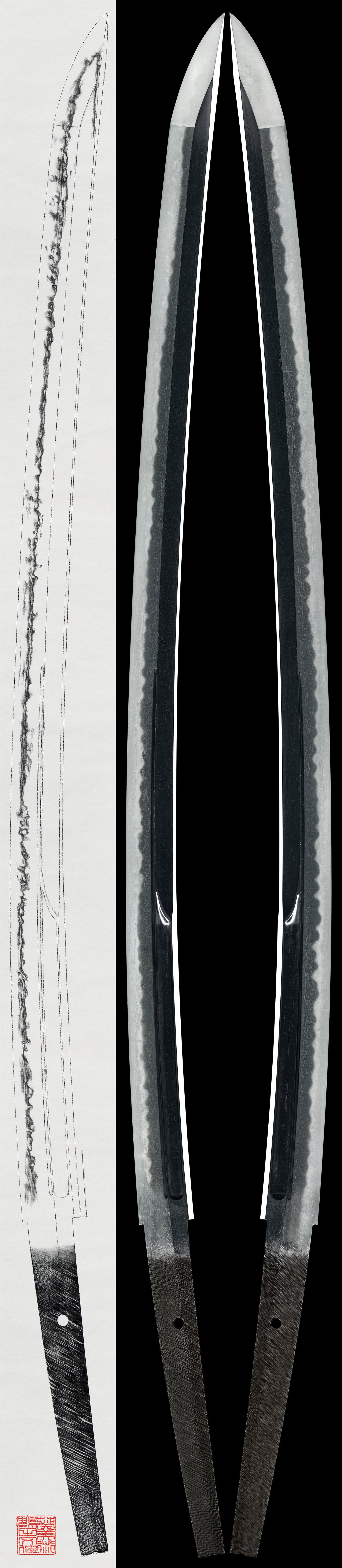
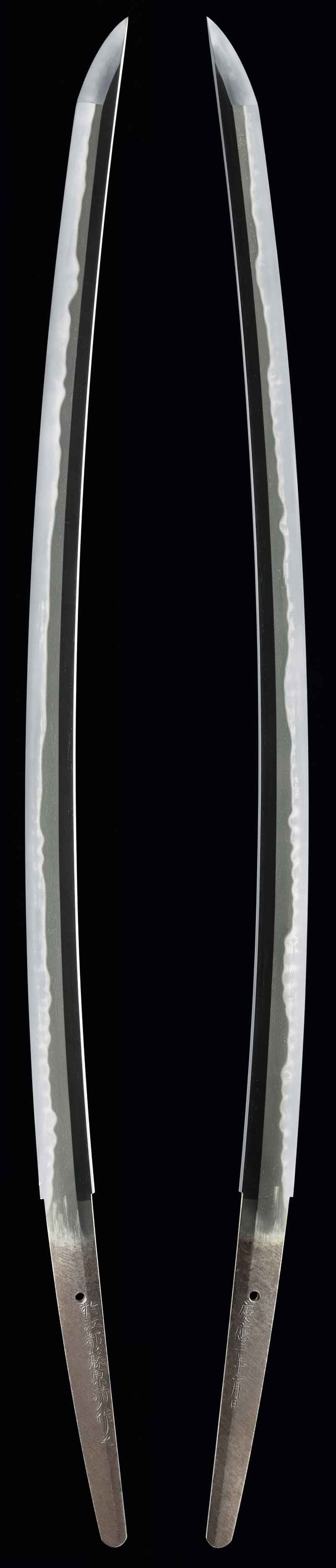
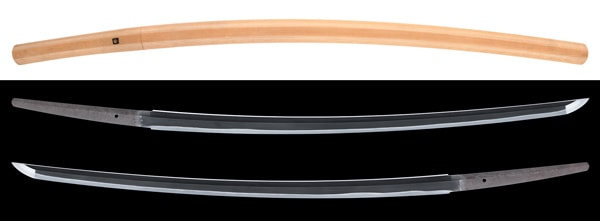
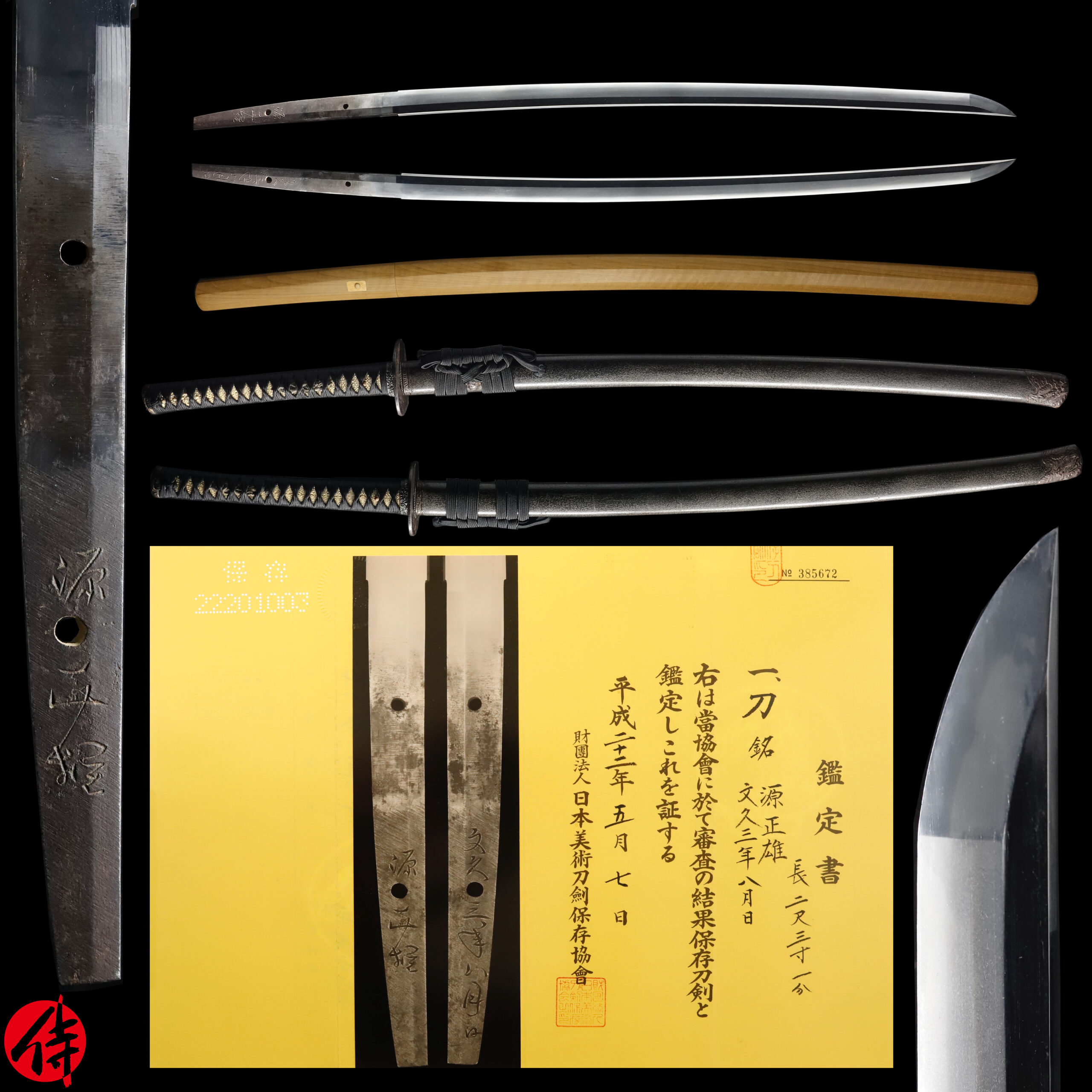
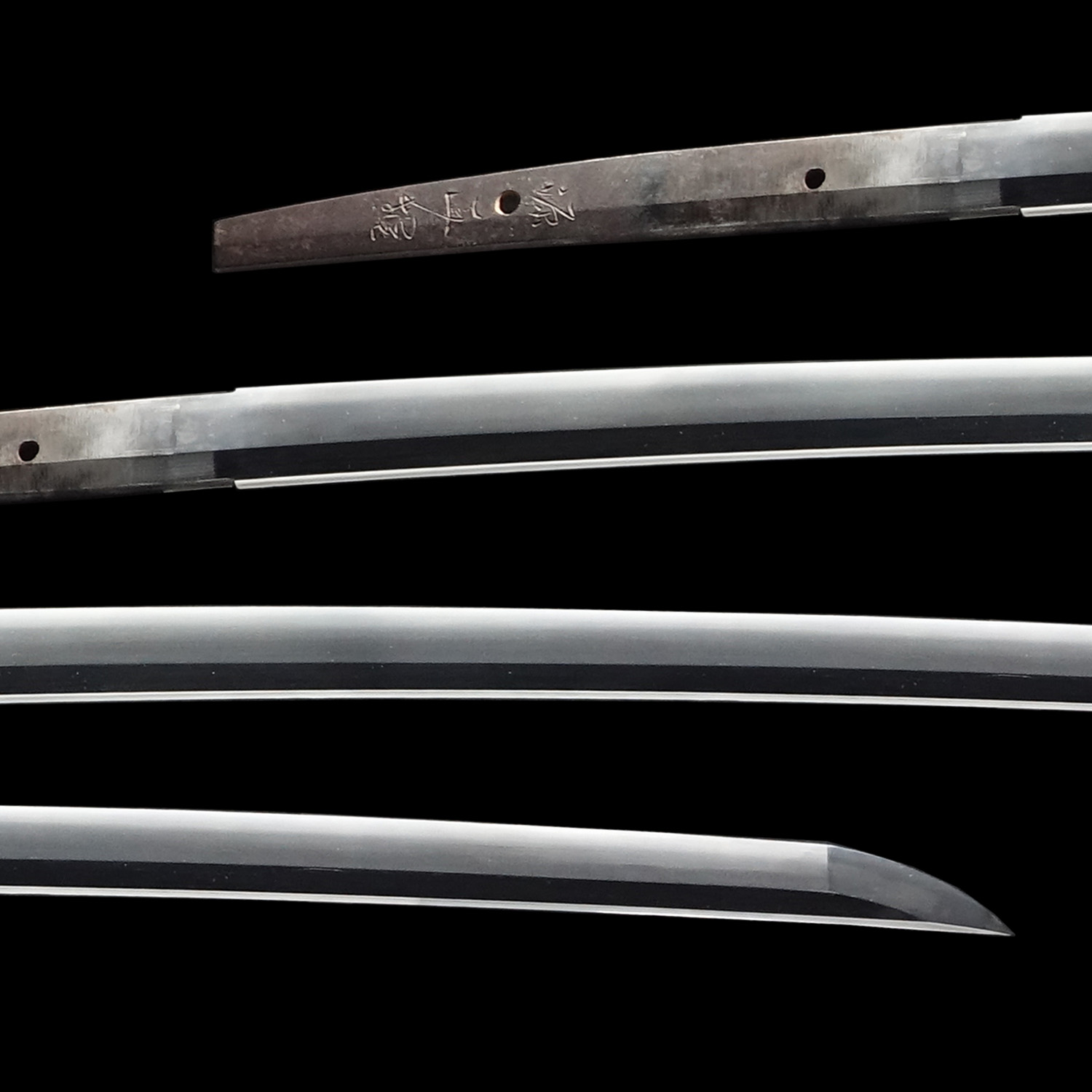
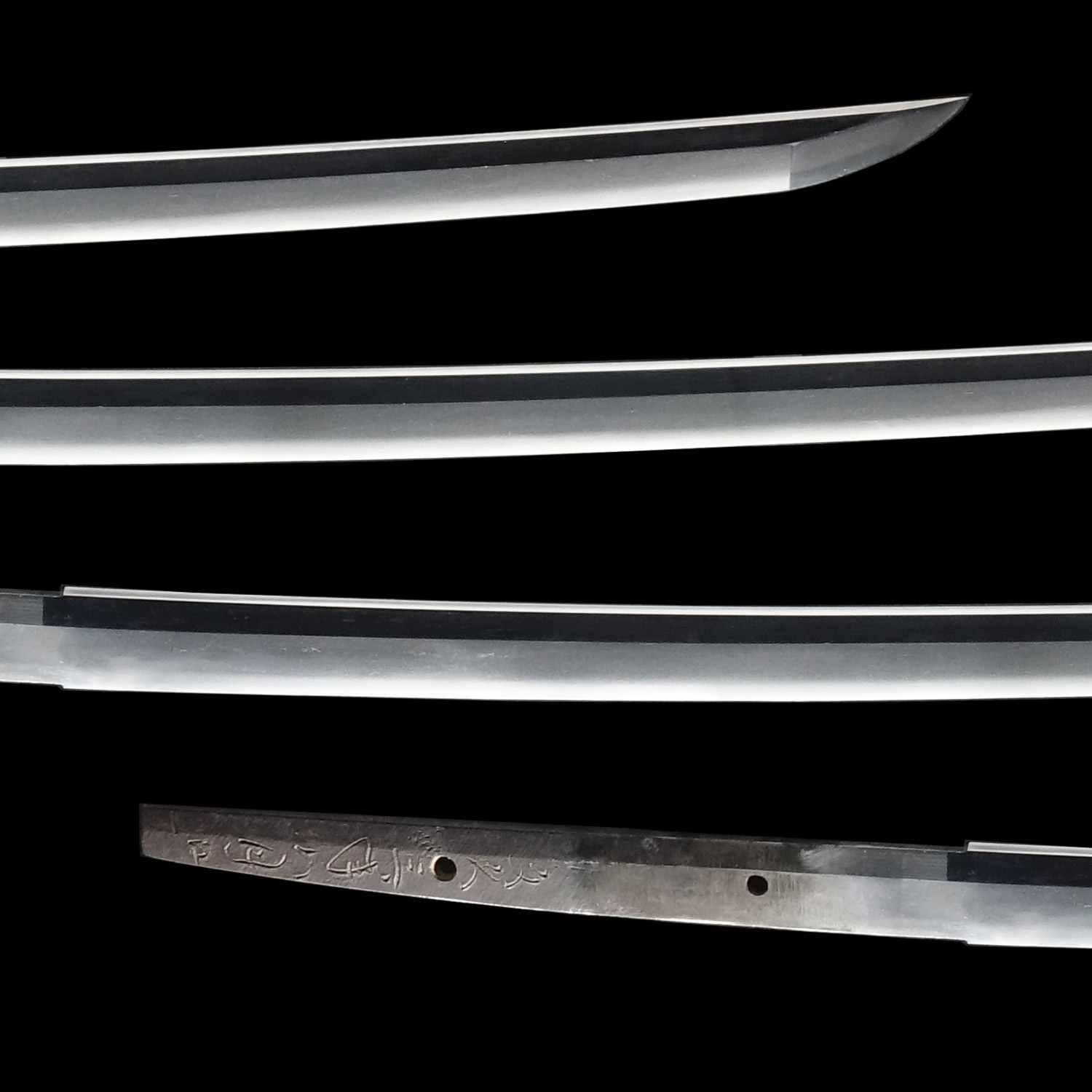
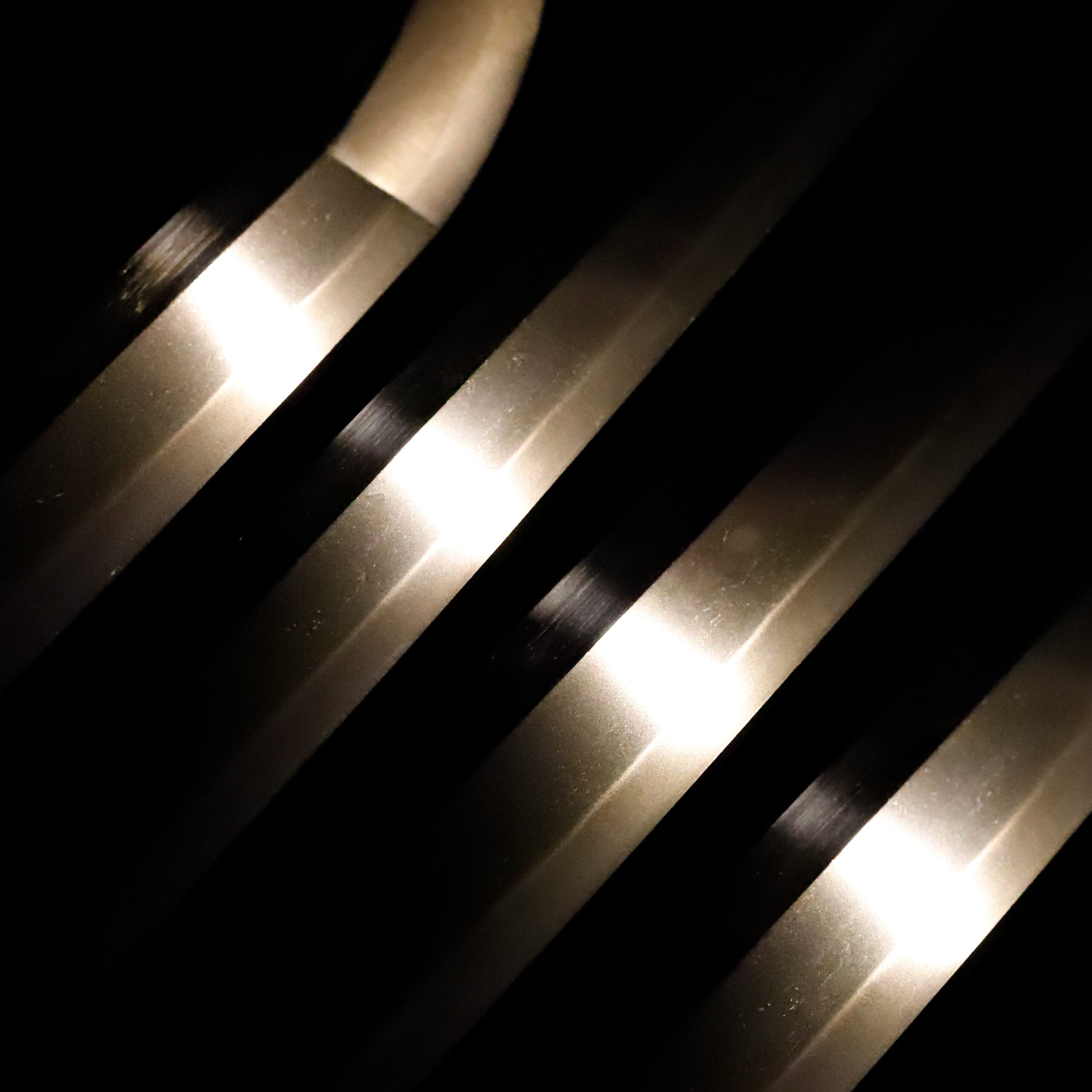
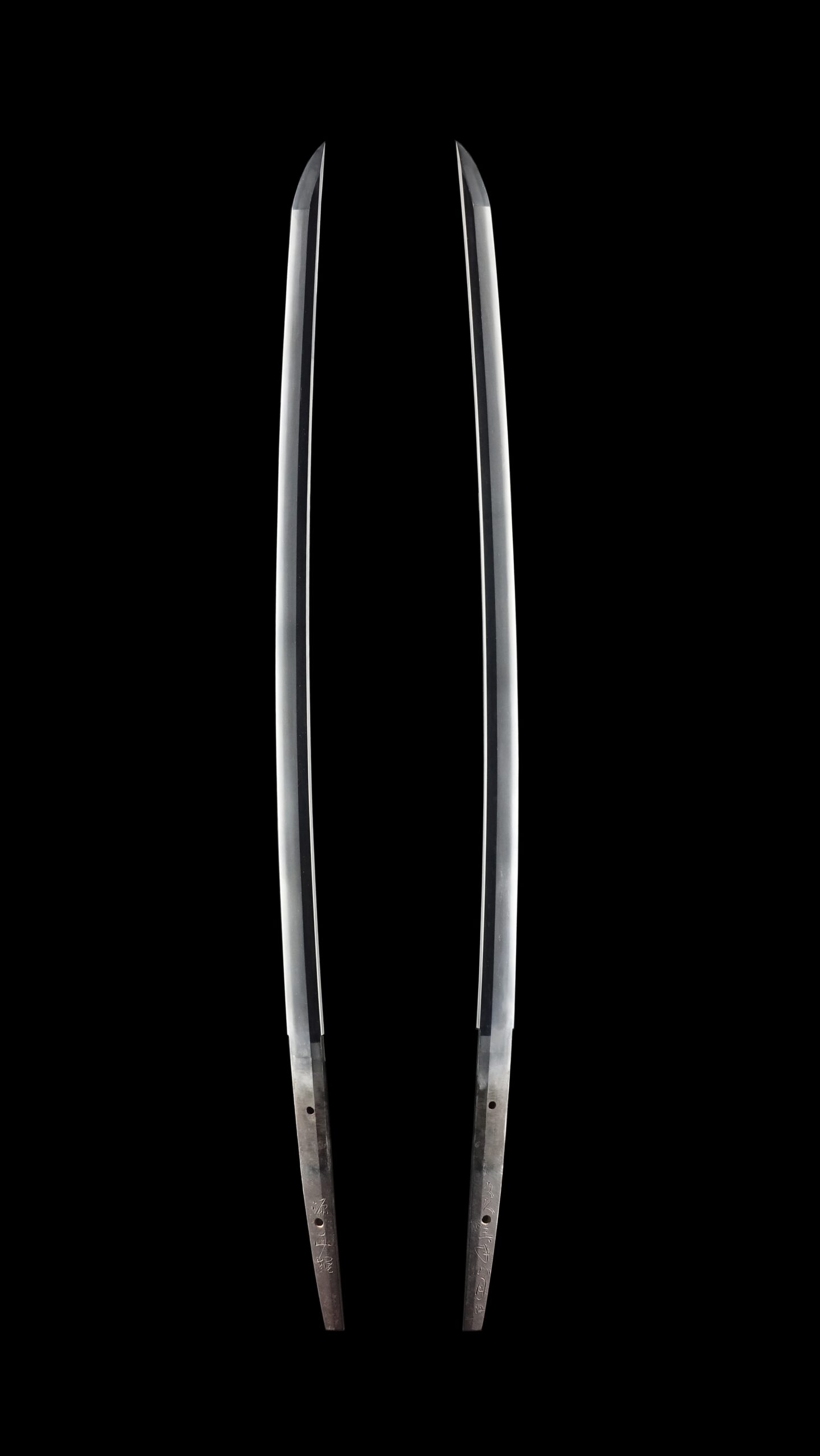
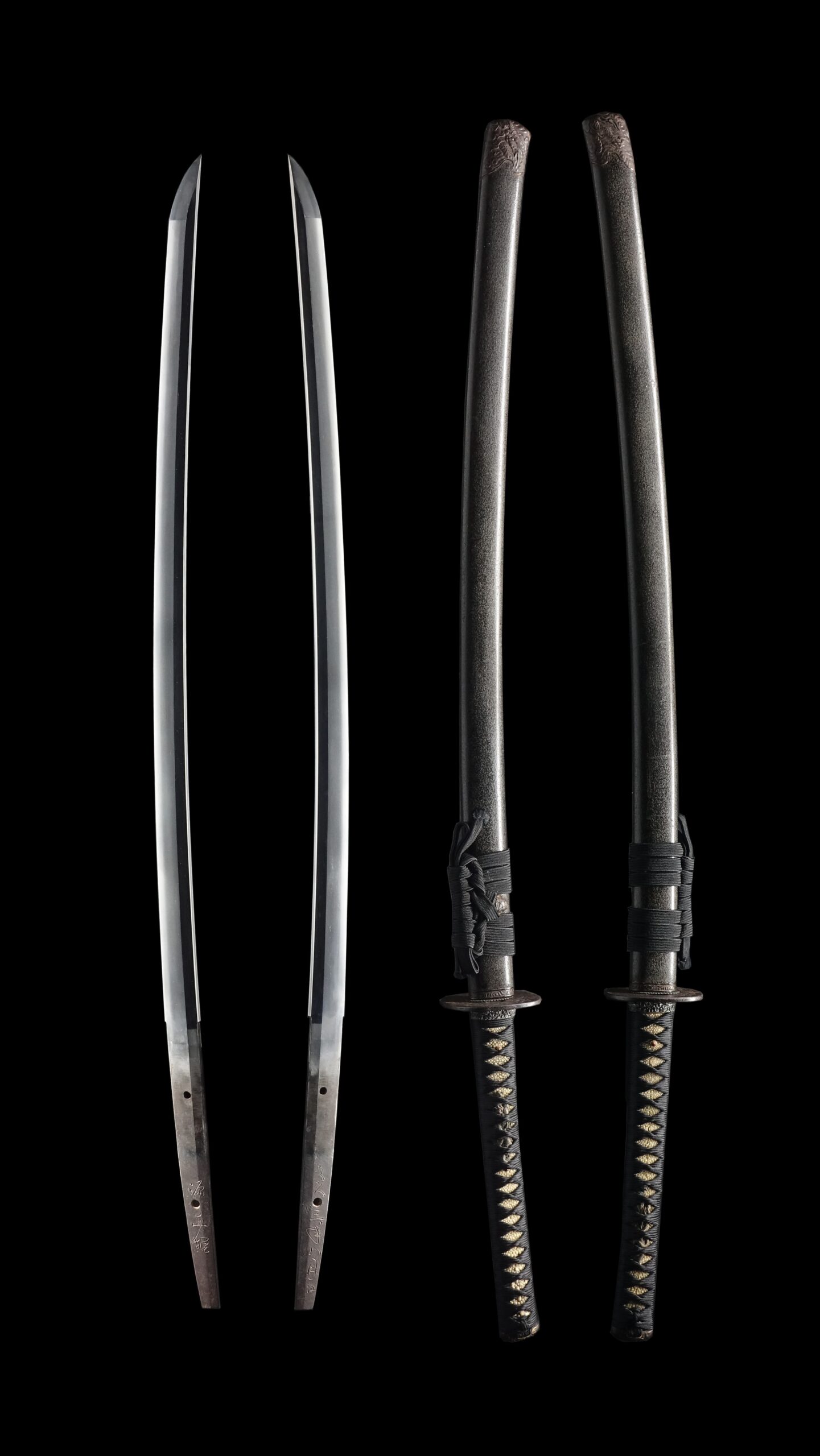
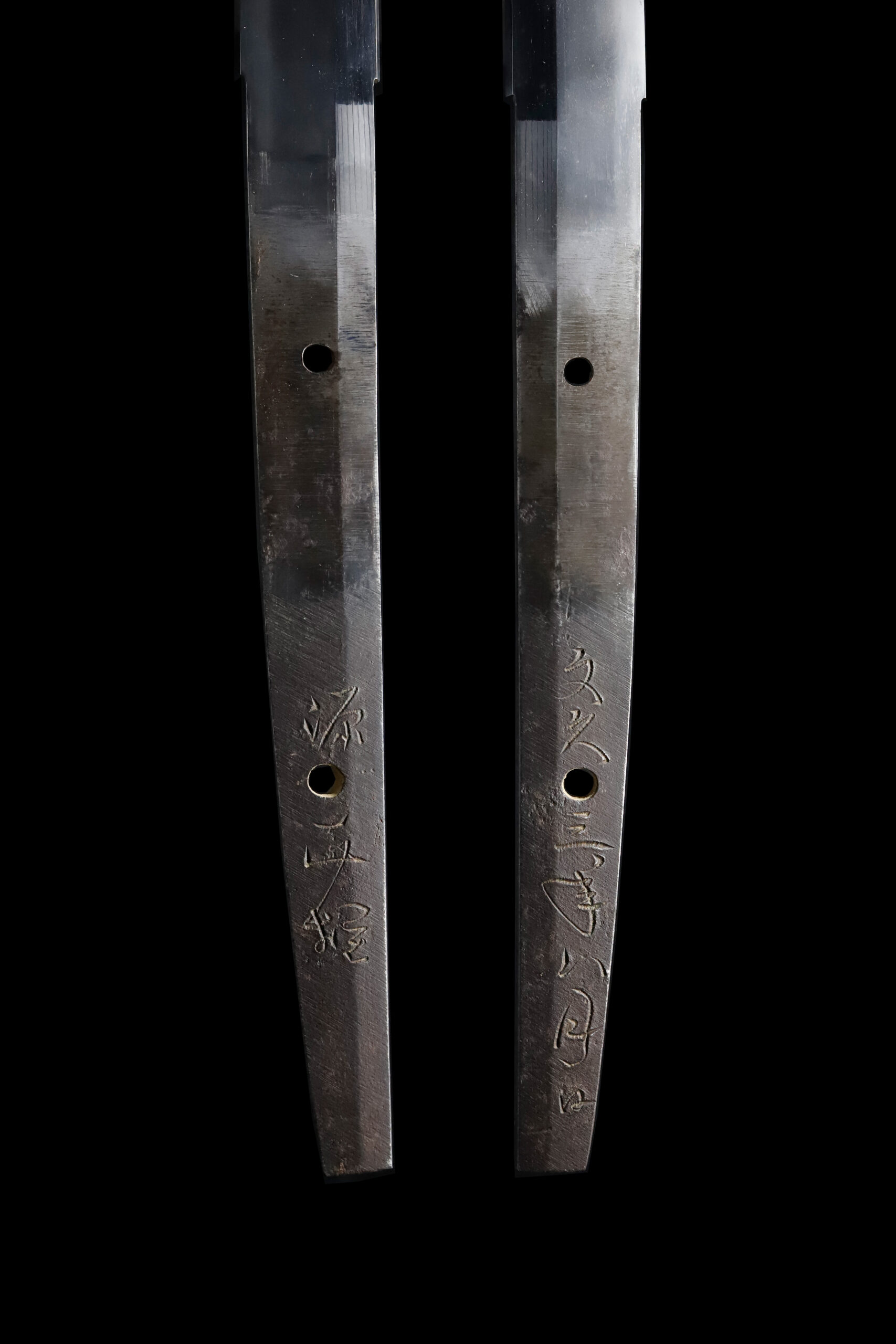
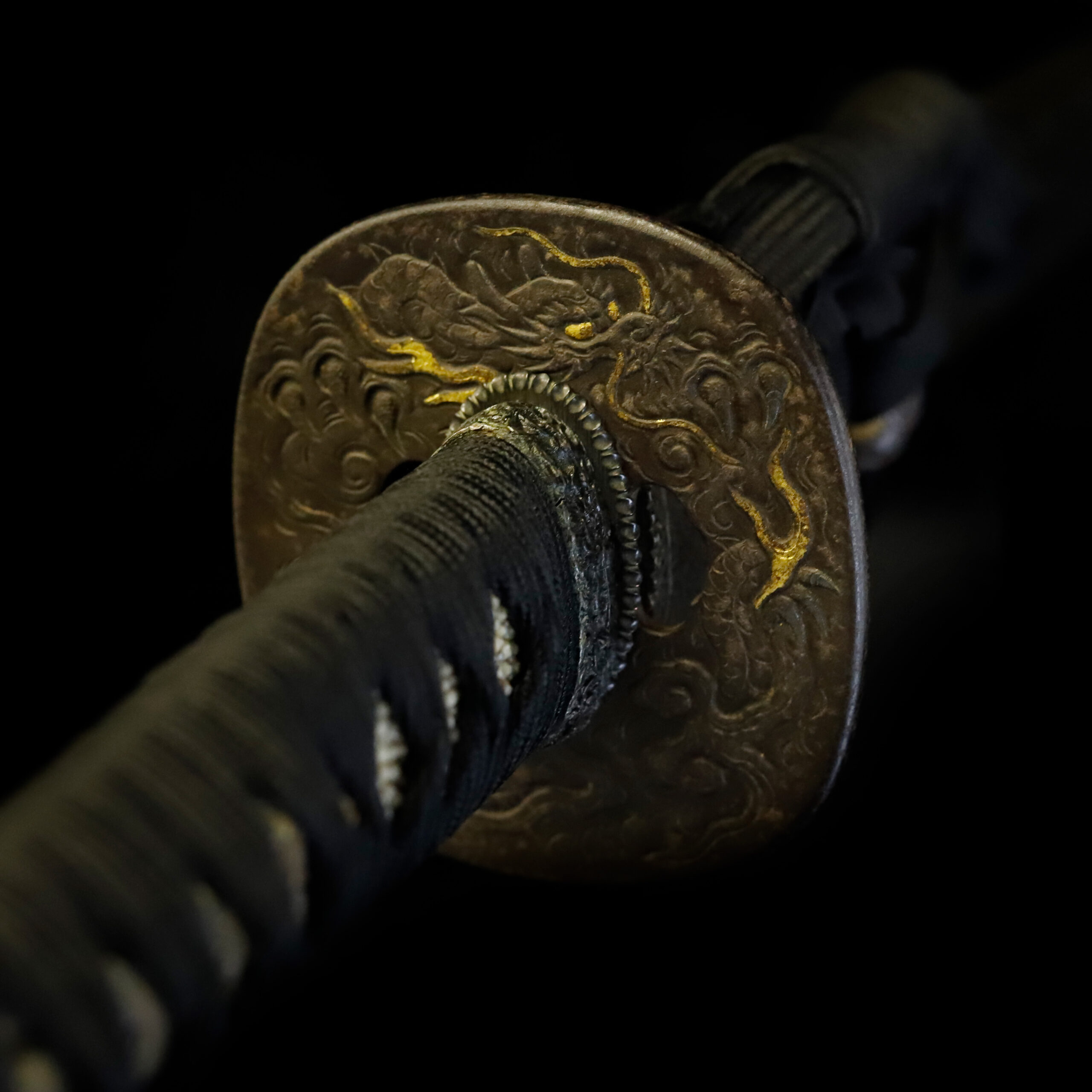
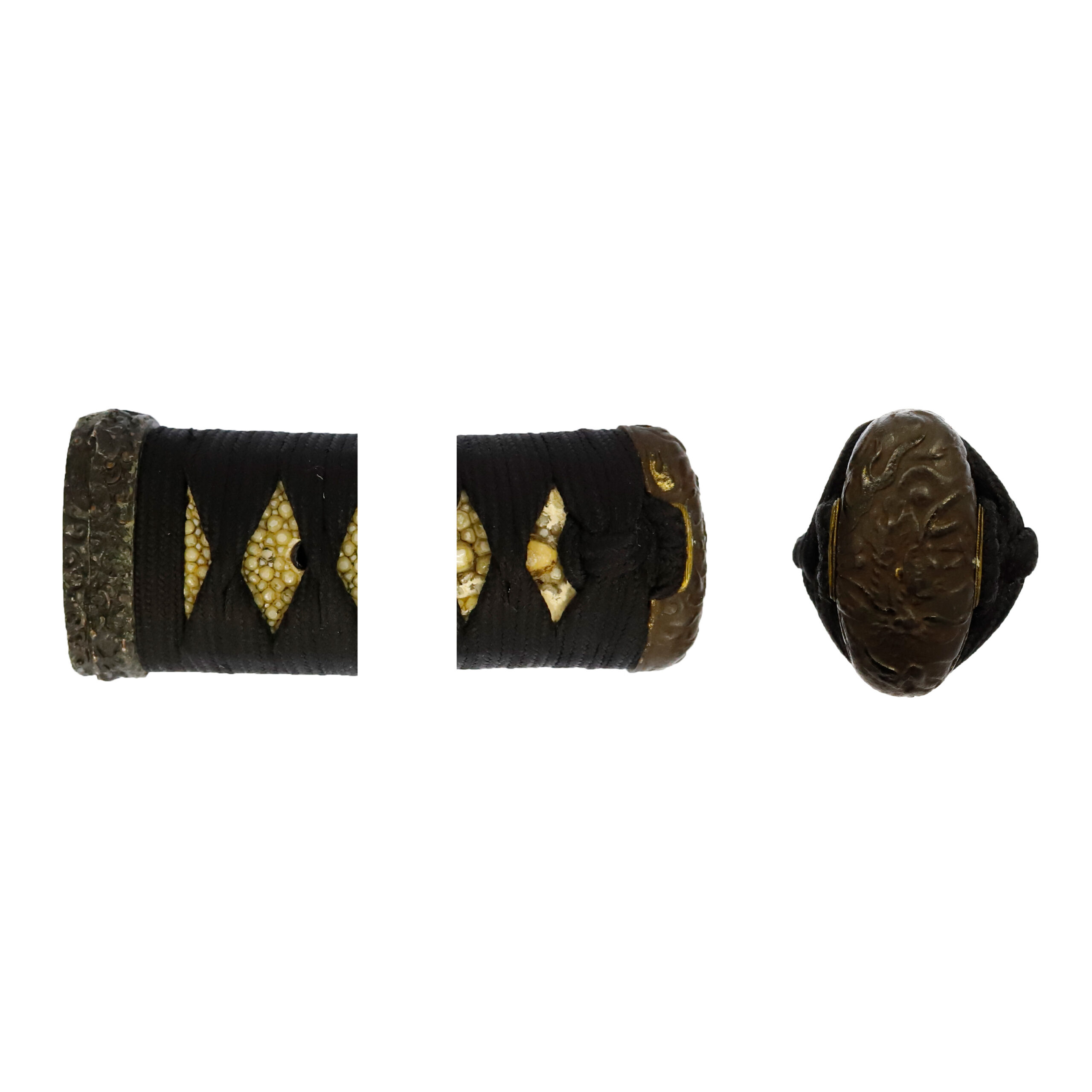
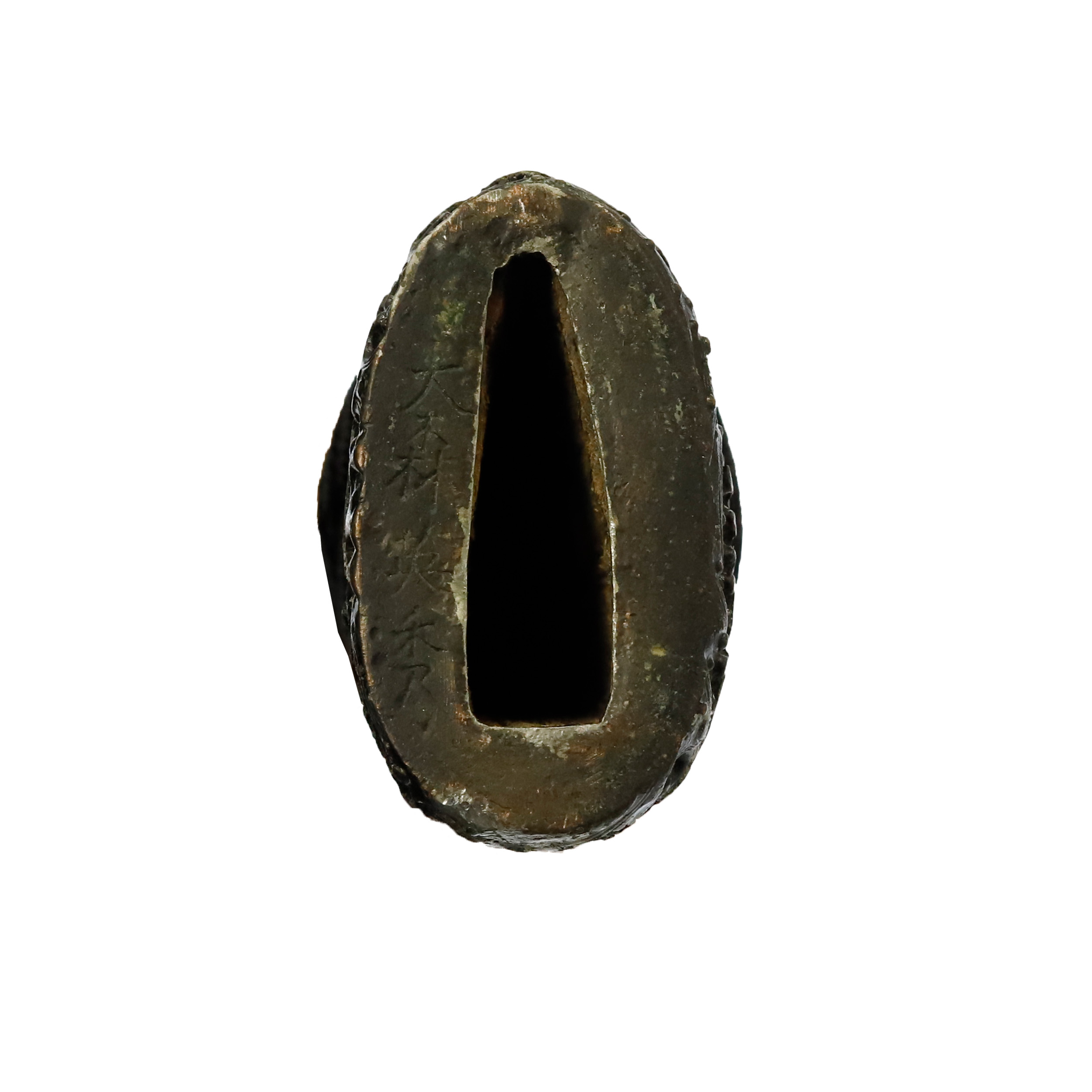
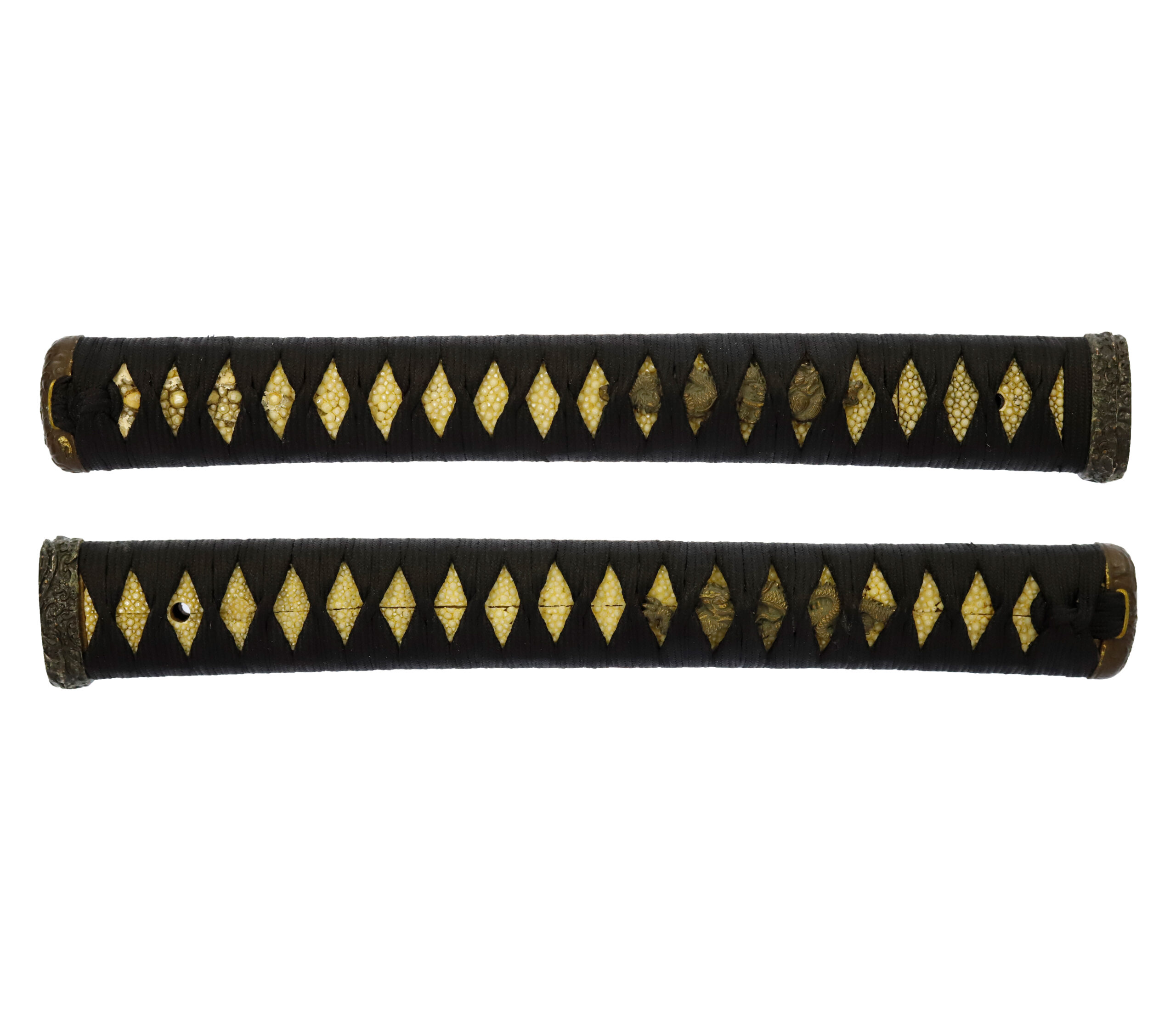
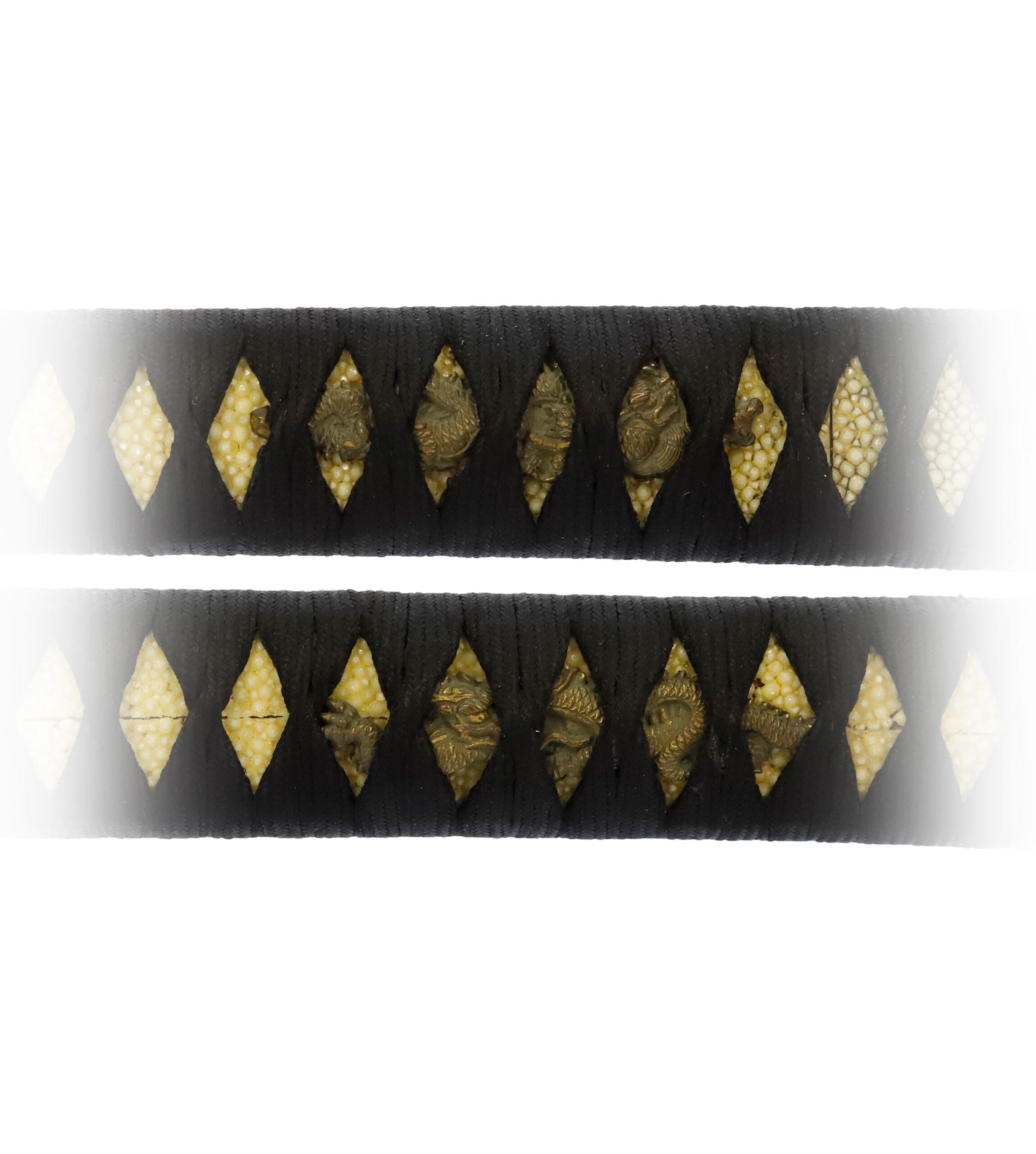
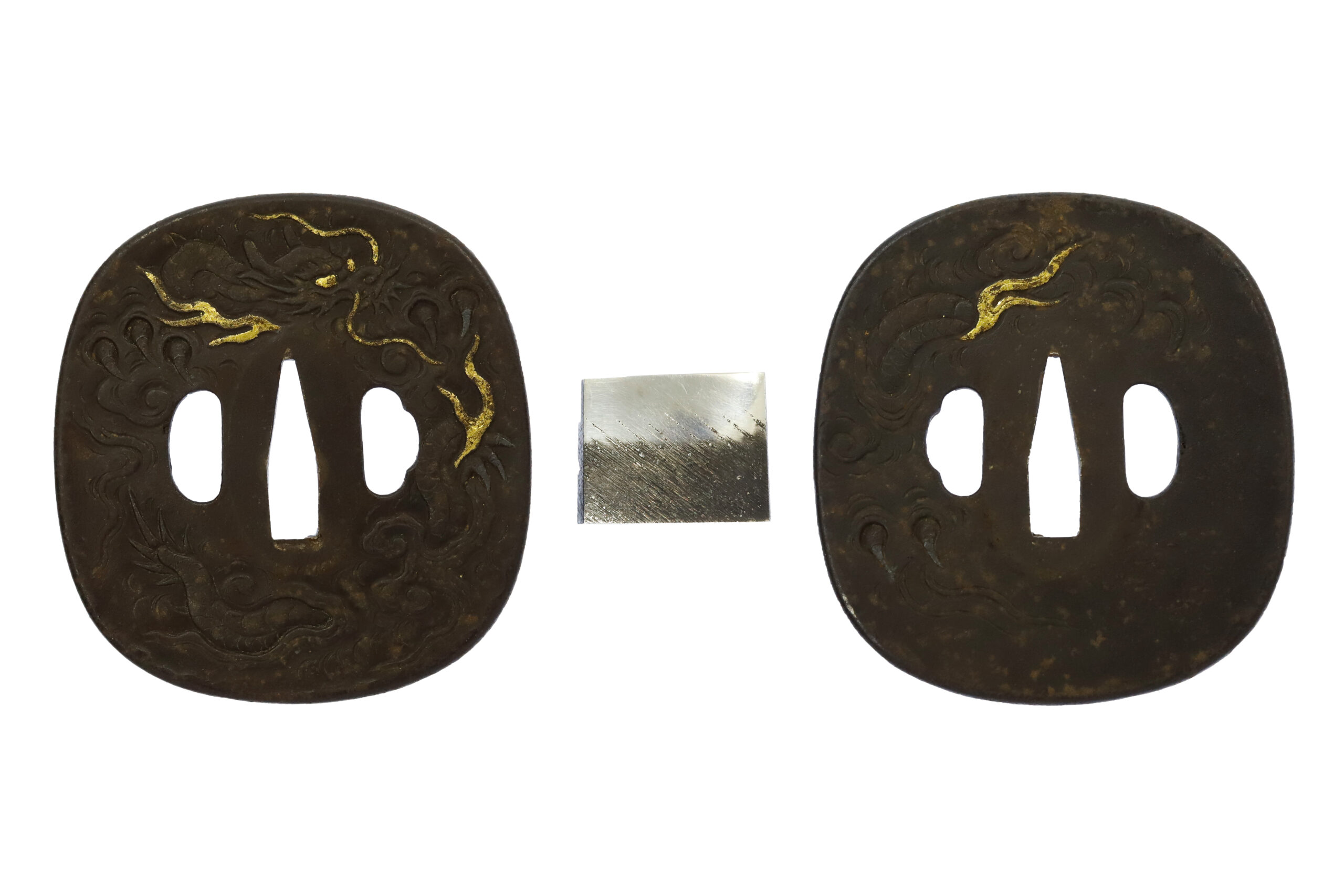
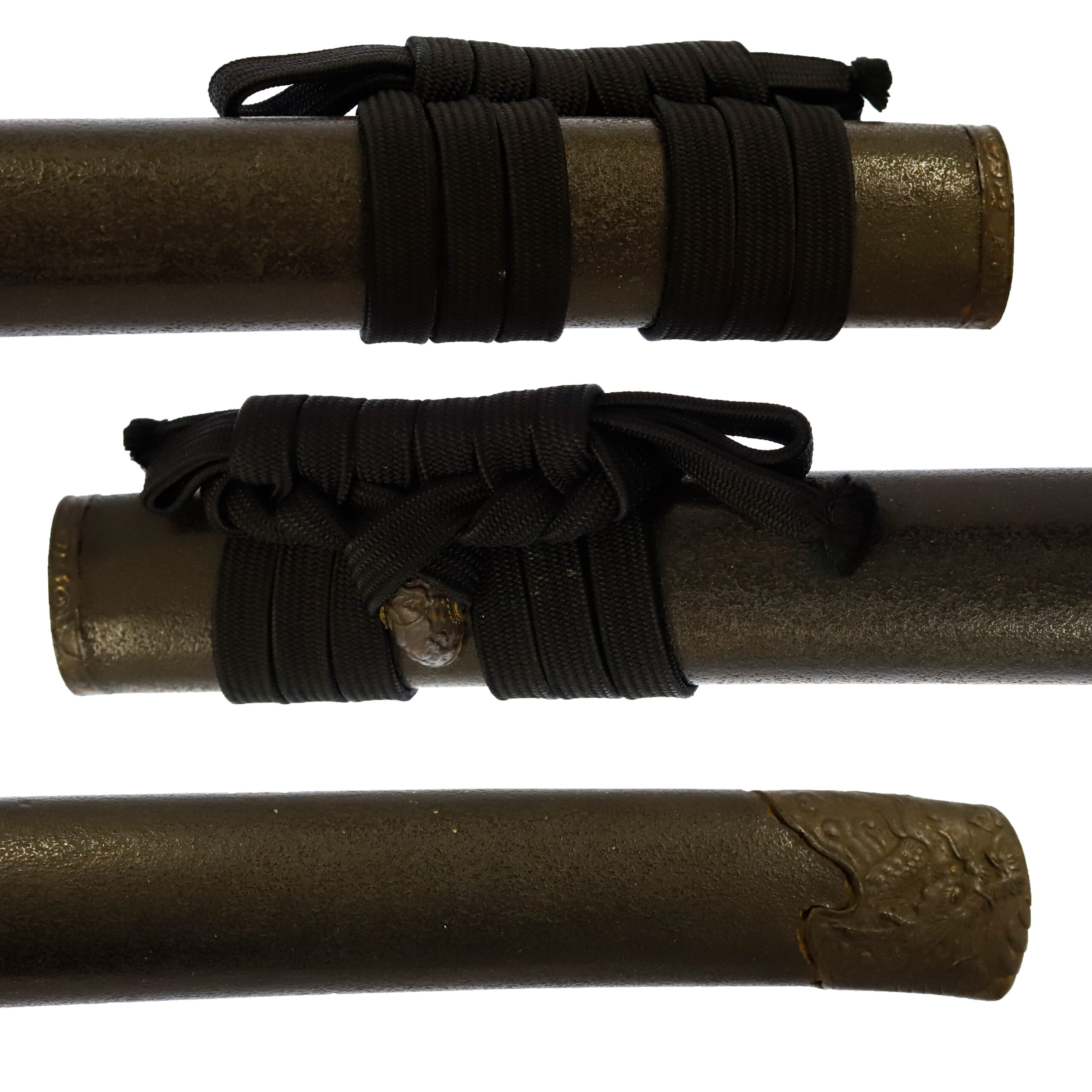
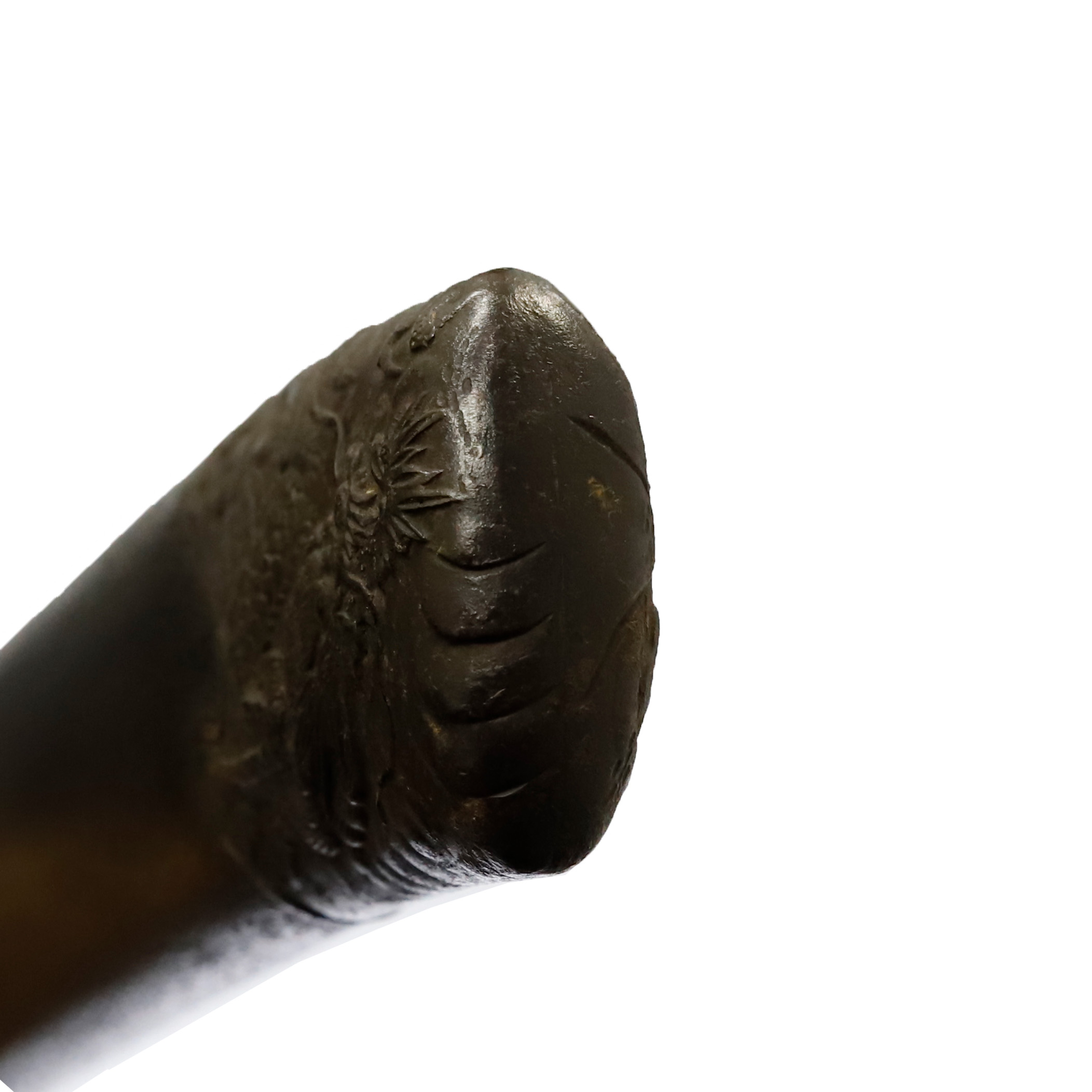
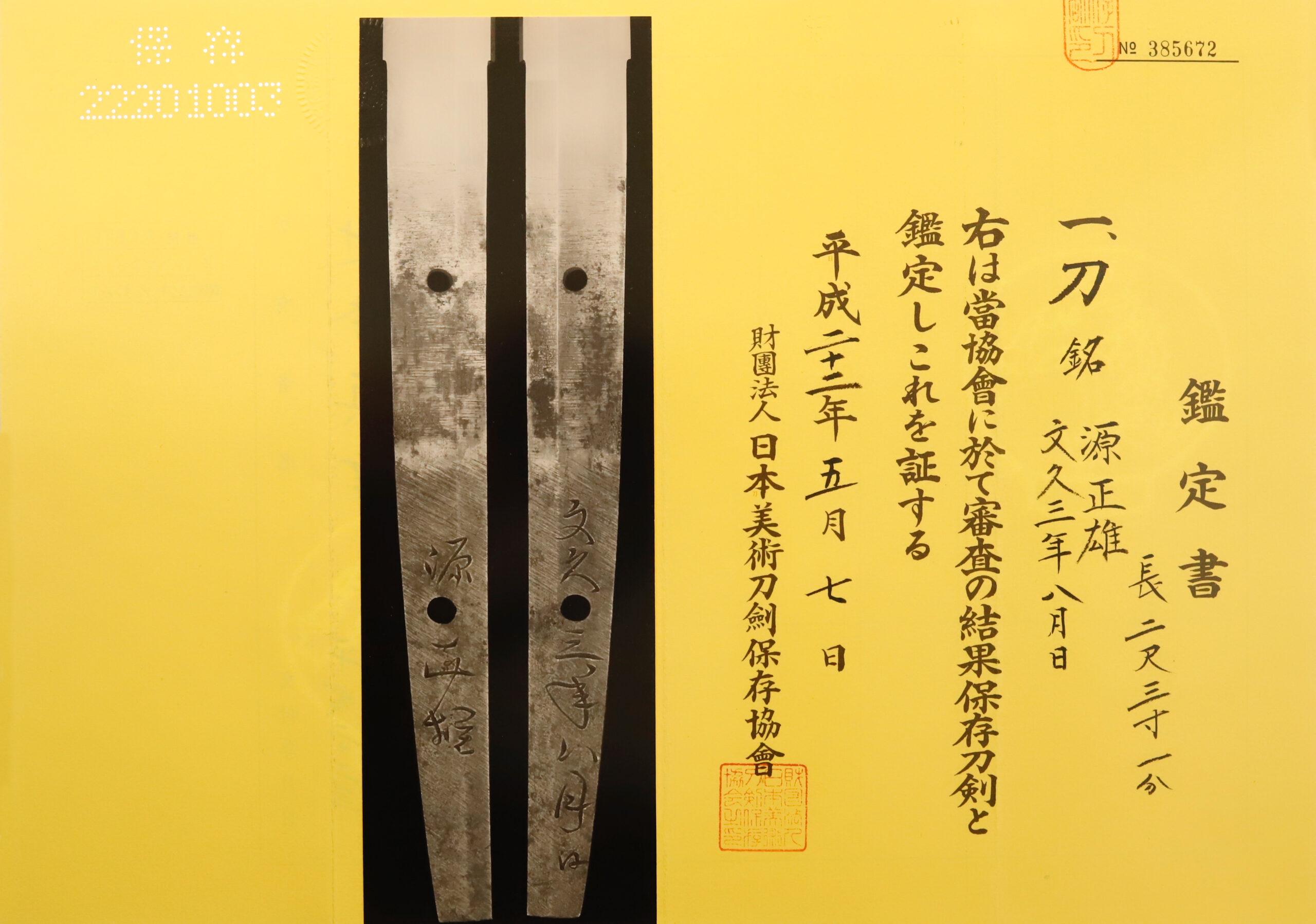
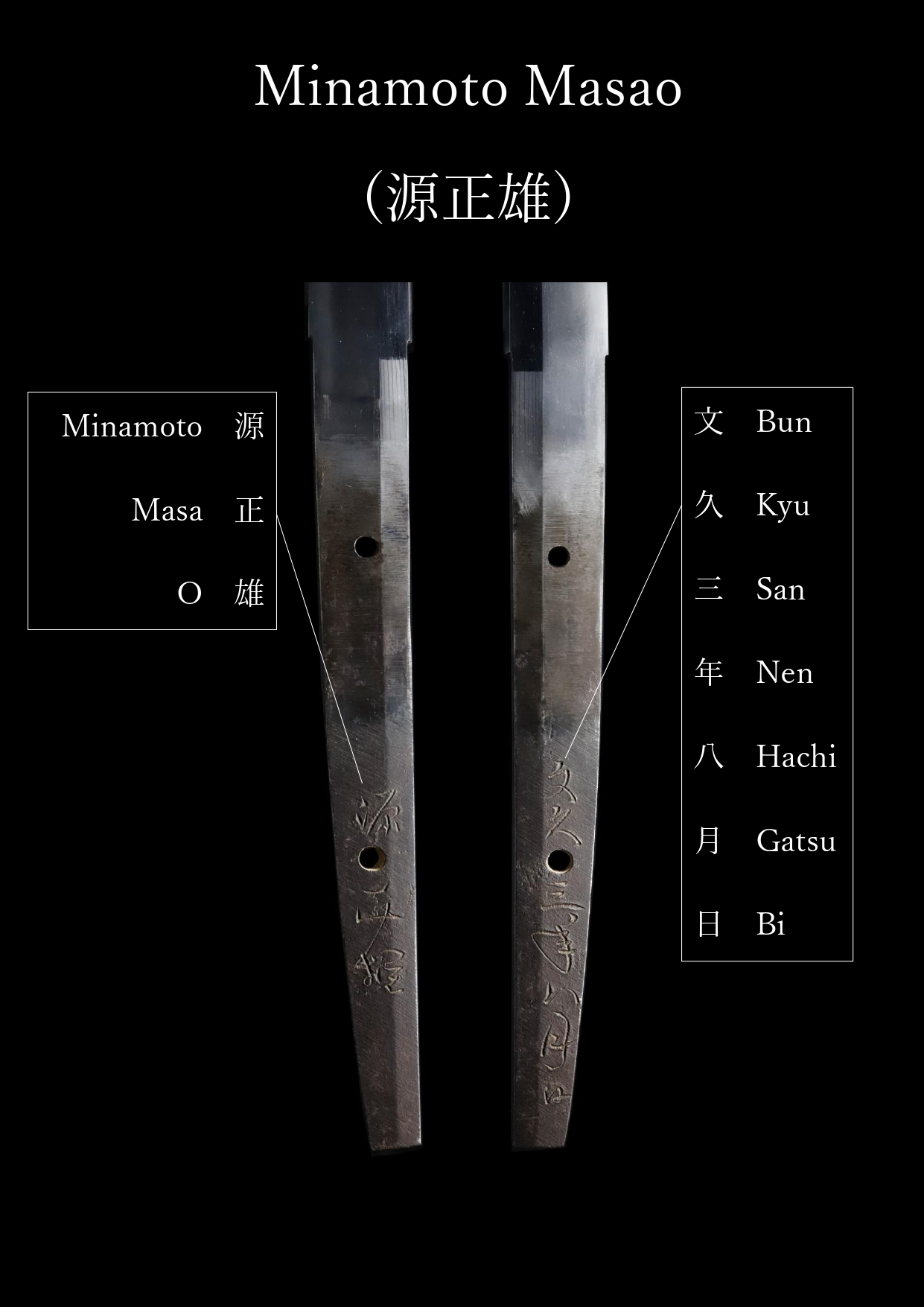
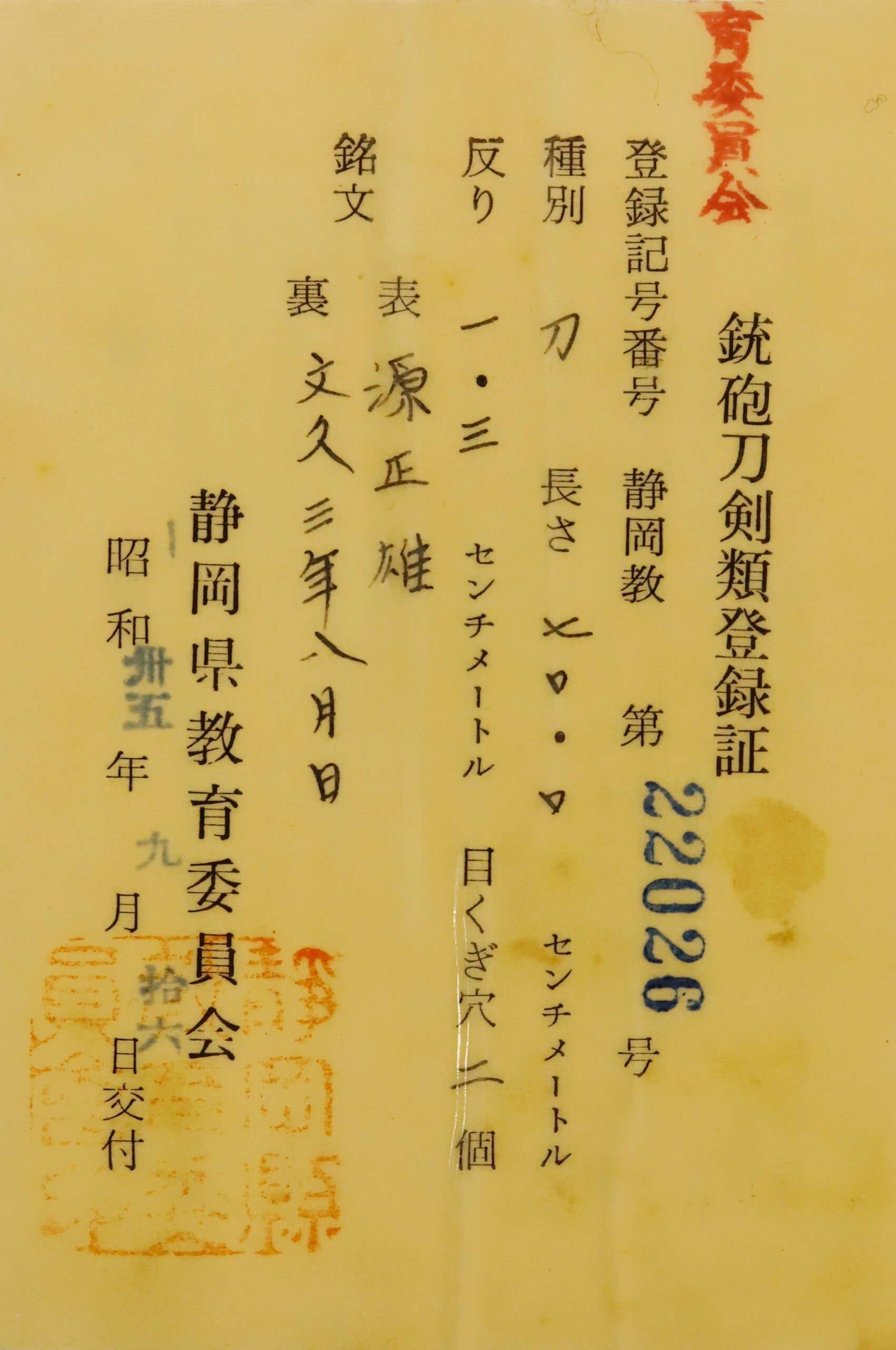
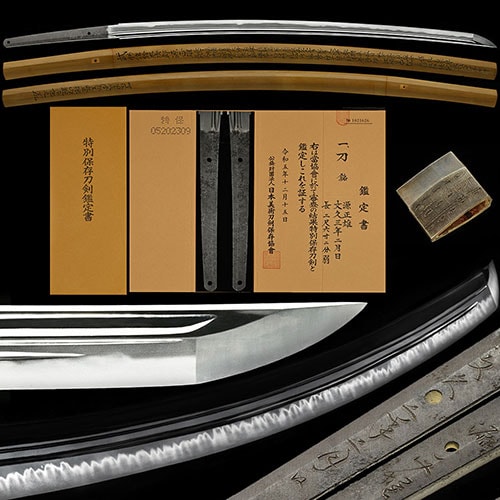
Antique Japanese Sword Katana Signed by Minamoto Masao with Hozon Certificate 【Description】 This blade was signed by Minamoto Masao (源正雄) in the third year of the Bunkyu era (1863: The end of the Edo period). Masao’s birth name was Suzuki Jiro (鈴木次郎). He was born in Mino province (Today’s Gifu prefecture). He was famous for being the best apprentice of Minamoto Kiyomaro (源清麿), one of the most renowned swordsmiths at the end of the Edo period. Masao was trusted by Kiyomaro so much that he sometimes did a Daisaku for Kiyomaro. Daisaku is a regular act where an apprentice or a child of the swordsmith signs his master’s name with his master’s permission or forges a blade on behalf of the master. That means that his master highly acknowledged Kunitomo’s craftsmanship. That is also why there aren’t many remaining blades signed by Masao, who dedicated his career to helping his master. It is said that Masao became an independent swordsmith in the 6th year of the Ka-Ei era (1853). And he resided in Okachimachi city in Edo (Today’s Tokyo). In the 5th year of the Ansei era (1857), Masao was invited by Matsumae domain, a direct retainer of Tokugawa Shogunate located on today’s Hokkaido island. He forged blades in Hakodate city using carbon steel produced there for about three years. Overall, his active period as an independent swordsmith was 12 years. Considering that this blade was forged in 1863, we believe it was made in Edo city at the end of his career when he mastered excellent craftsmanship. This blade is appraised as a Hozon Token(保存刀剣) issued by NBTHK(Nihon Bijutsu Touken Hozon Kyokai:日本美術刀剣保存協会). This authentication paper was only given to authentic Japanese swords, well preserved with artistic value. 【 Blade】 Cutting Edge Length(Nagasa) : 70.0 cm( 27.5 inches) Curvature(Sori) : 1.3 cm( 0.55 inches) Hamon : The crystalline structure which forms along the cutting edge of a blade as a result of the hardening process Jimon(Jihada) : visible steel surface pattern created by folding and hammering during forging process Nakago : Nakago is the tang of the Japanese sword. Japanese swordsmiths left the black rust on the tang because it prevents red rust while the tang is in its handle. And the discoloration of the tang was created over time, and it is a great indicator for a Japanese sword specialist to estimate when the sword was forged. Koshirae: Koshirae is the mounting of the Japanese sword. There are several parts that consist of Koshirae such as Saya(Scabbard), Tsuka(Handle), Tsuba(Handguard). Fuchi-Kashira : A pair of matching sword fittings that cover the upper and bottom parts of its sword hilt. The dragon is the common motif for sword mountings of this Koshirae. On this Fuchi Kashira, engraving lines are worn out due to aging and it is challenging to see its design. We think a dragon is depicted on the Kashira part, and waves or clouds are designed on the Fuchi part. Tsuka and Menuki : Tsuka is the handle of the Japanese sword and Menuki is its decoration. It seems golden paint was initially applied to these dragons. We estimate this coloring faded due to aging, and also, the former owners of this blade gripped this Tsuka many times. We hope you would feel and enjoy the long history of this work. If you focus on the upper Menuki, you will find that this dragon brings a ball-shaped object in its left hand. It is the Nyoi Houju (如意宝珠, Cintāmaṇi); a fantasy jewel that fulfills any desire and gives out treasure, clothes, food, and drinks. Moreover, it heals illness and suffering, removes evils, purifies muddy water, and prevents disasters. It is said this magical item is taken from the brain of the dragon king. Tsuba and Habaki : Tsuba is the handguard for the Japanese Sword and Habaki is the equipment to make the blade not touch its scabbard inside. It prevents the blade from getting rusty and chipped. The figure of a giant dragon peeking through clouds is engraved. The dragon’s eyes, beard, and flames are colored with golden pain
 NihontoWatch
在銘 · 弘化 · 長さ 70cm · 反り 1.3cm
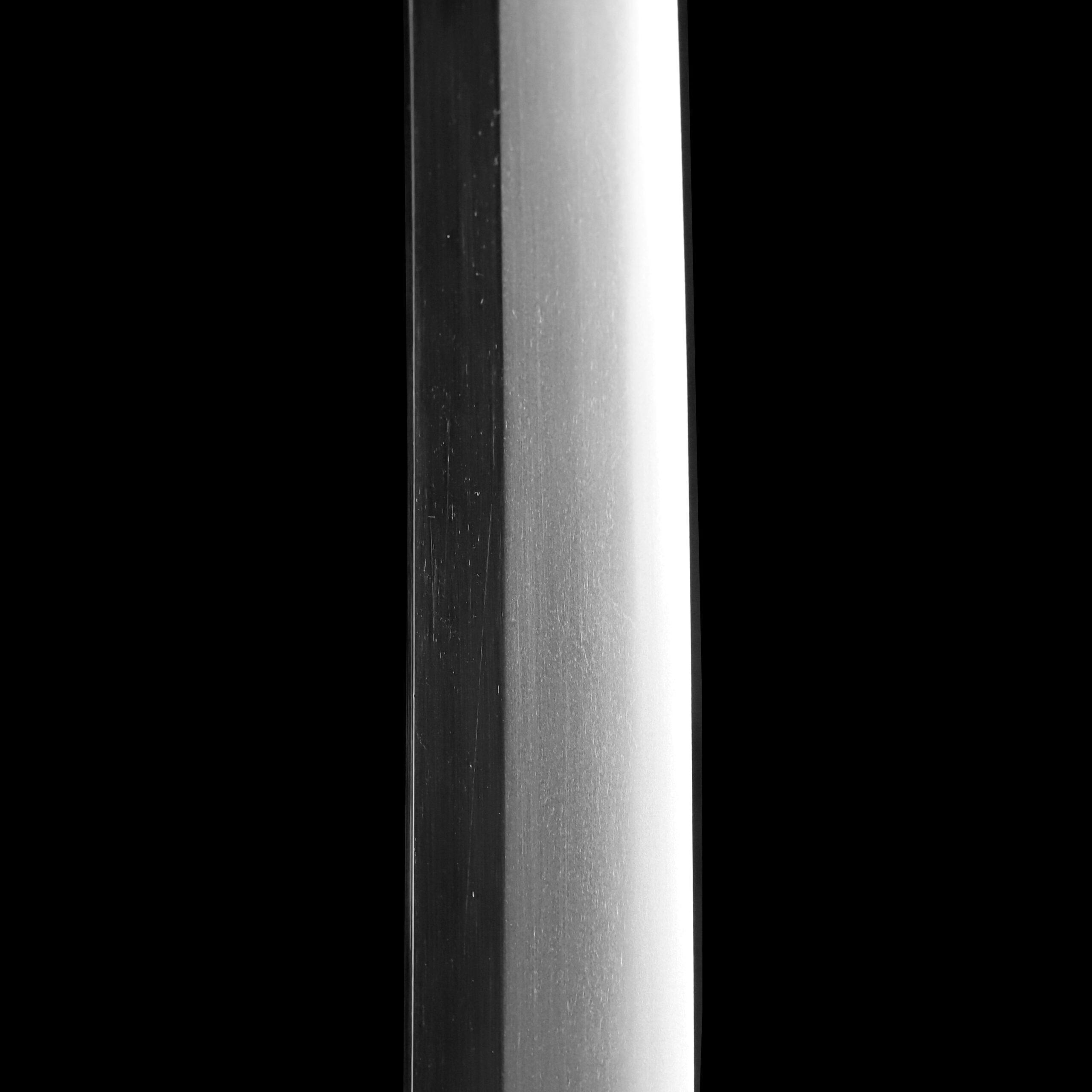
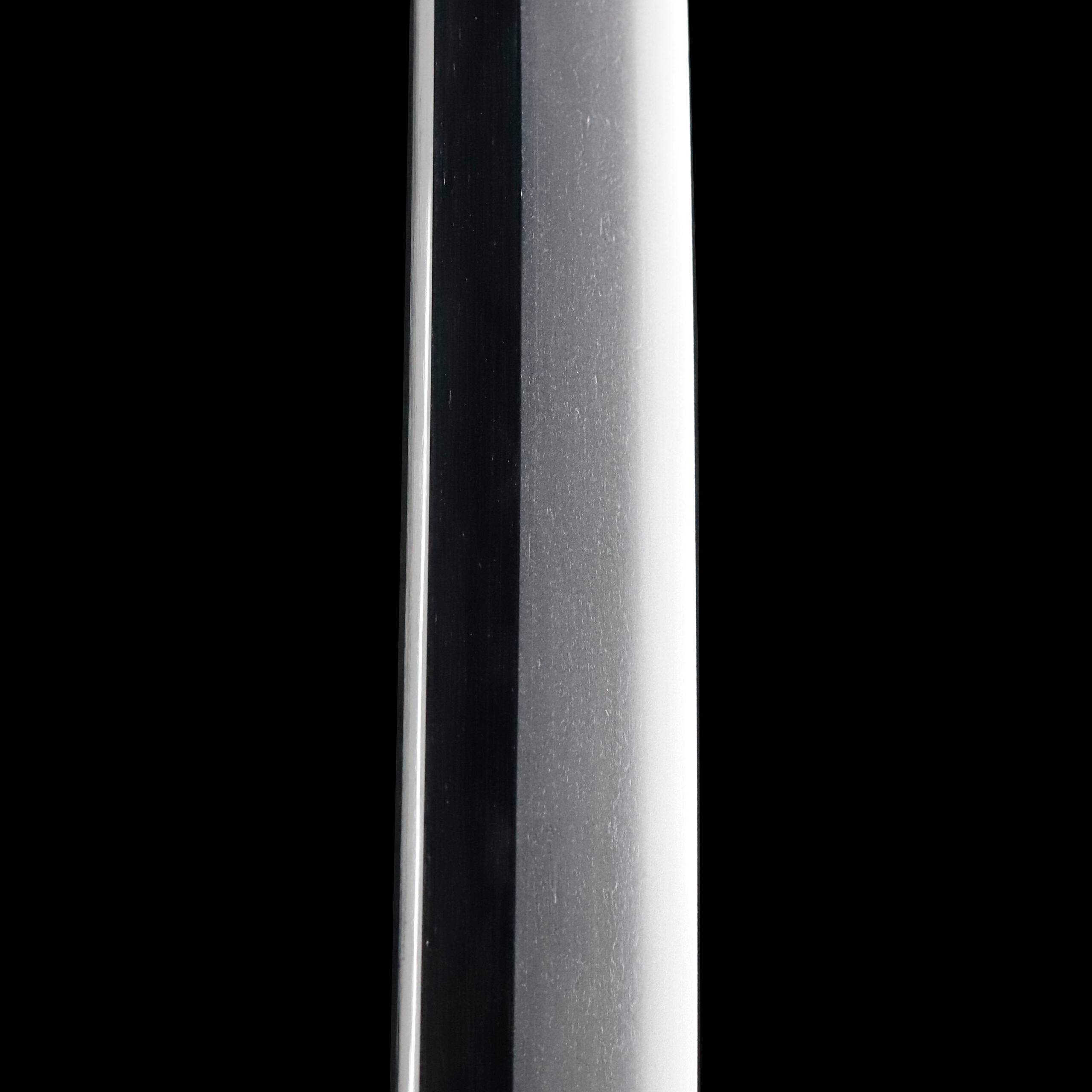
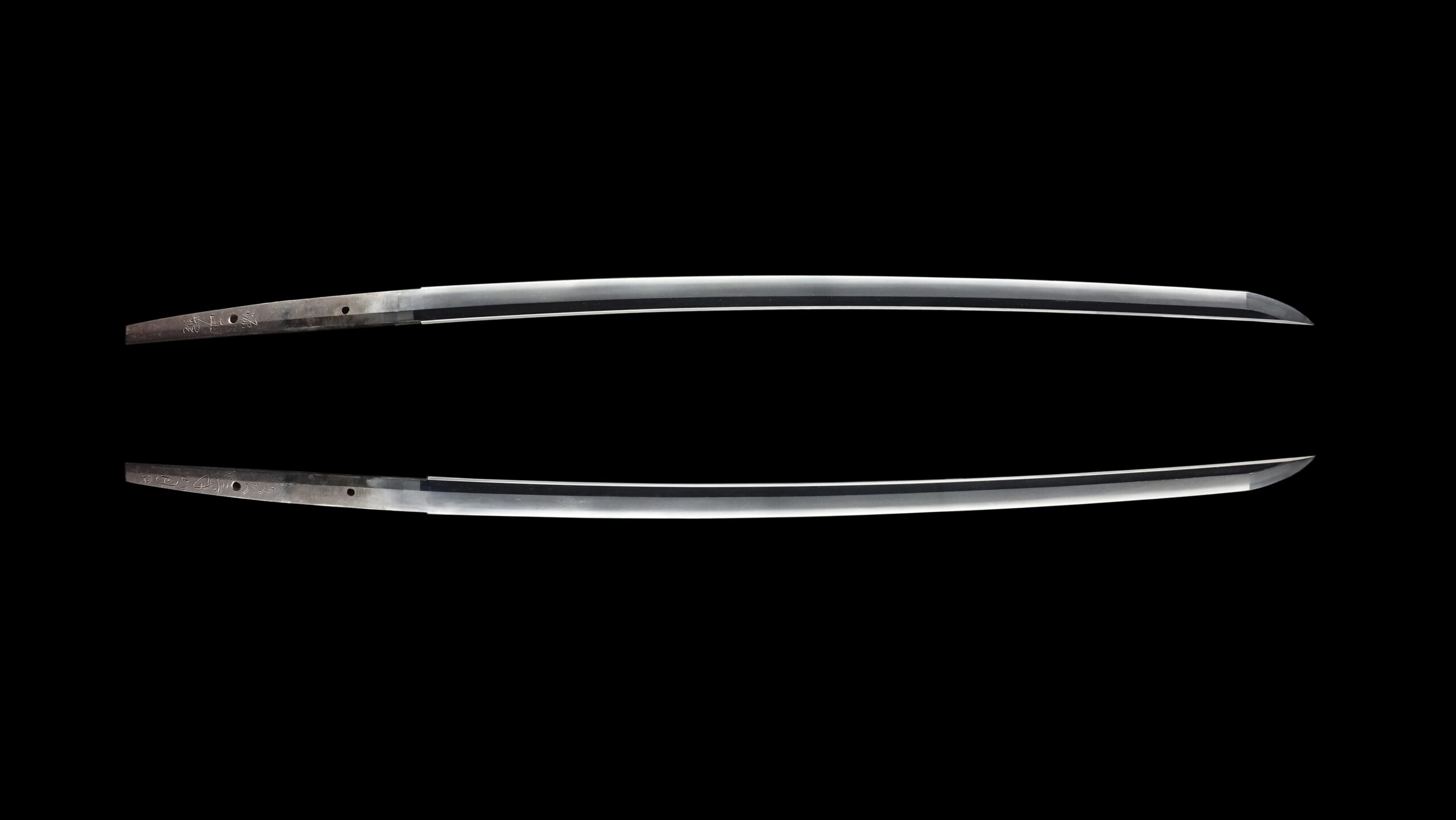
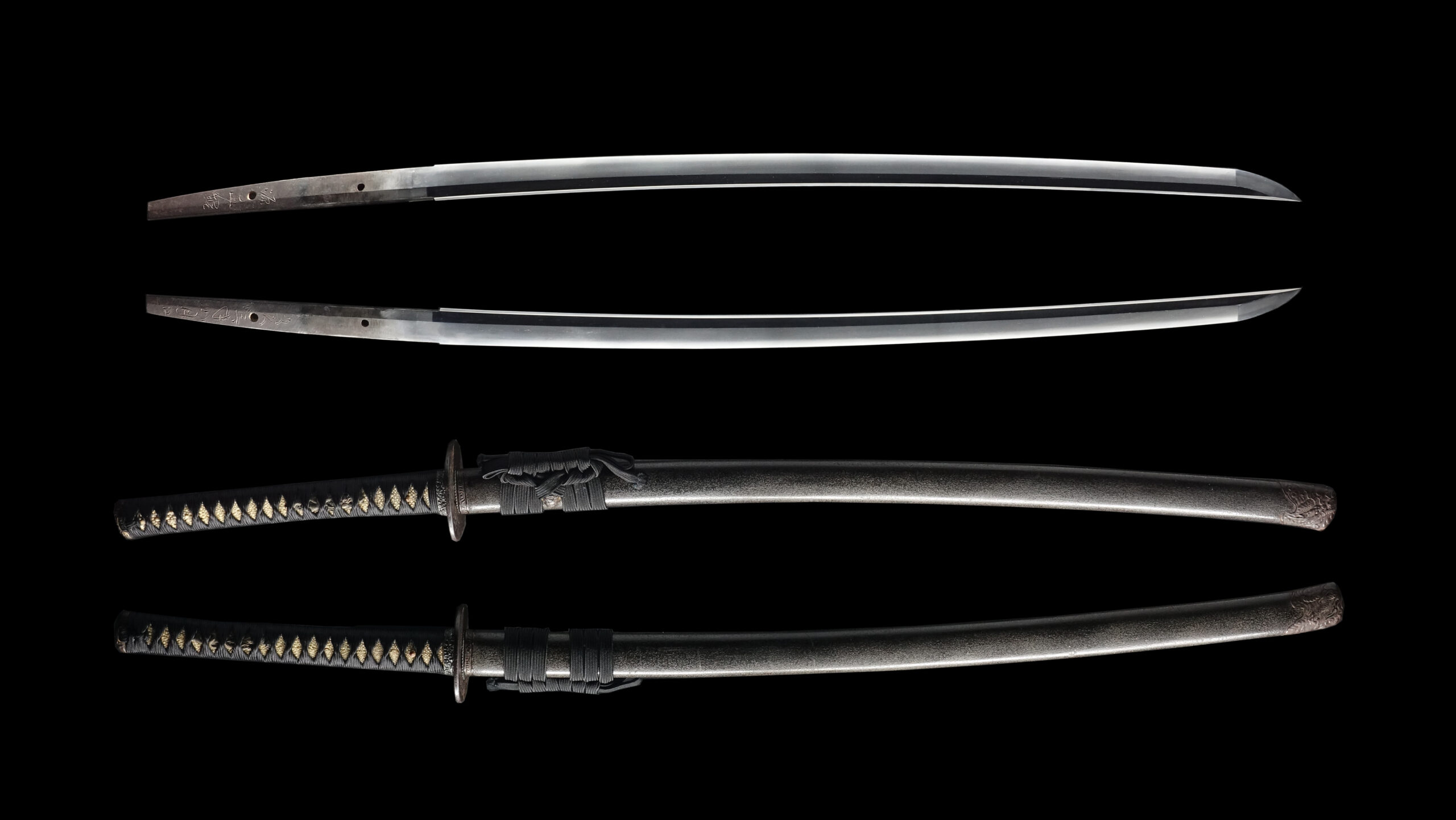
新々刀 · 武蔵 · 1844-1857頃
藤代 Jo-jo saku · 刀剣大鑑 上位31%
現在3点販売中
正雄の位置づけを、日本刀全体および伝統・時代・時期ごとに示します。各位(随一・屈指・有数・著名)は、NBTHK および文化庁による指定に加え、三作や名物帳などの歴史的栄誉を加味したものです。
各項目を選ぶと評価方法が表示されます。
在銘年紀作が示す、確実に活動していた年代
新々刀 · 武蔵
現在15点販売中
清麿一門は、十九世紀中頃の江戸に興った新々刀の一派で、相州伝の豪壮な復興をその核に据える。中心に立つのは山浦清麿で、文化十年信濃小諸赤岩村に郷士信風の次男として生まれ、はじめ内蔵助環と称した。上田藩工河村寿隆に鍛刀を学び、初銘を正行とし、一時師より贈られた秀寿と銘したのち同年のうちに正行へ復している。天保六年、兵法家として名高い幕臣窪田清音の後援を得て江戸に出で、天保十三年から一年を長州萩で送り、弘化二年に再び江戸へ戻って、翌三年秋に四谷伊賀町に住して銘を清麿と改めた。相州伝を得意とすること甚だしく、世に四谷正宗と称せられた。その糾合した門には、信濃以来の同じ道を歩んだ兄真雄、越後三条より鏡師を廃して入門した栗原信秀、羽州庄内より出府して師の刀債を後に完済した斎藤清人らが連なり、嘉永七年の清麿自刃の後も、その相州復古の手は幕末から明治初年へと伝えられた。 一門を貫く語法は、五百年を遡って相州に通う沸本位の作風にある。やや肌立つ流れごころの板目をよくつめ、地沸を微塵に厚く敷き、地景頻りに入って鉄が冴え、映りはない。その上に互の目乱れに小のたれを交え、沸厚く処々荒めに叢立ち、長い金筋と盛んな砂流しが頻りにかかる覇気ある刃を焼く。帽子は乱れ込み、尖りごころに掃きかけて返る。この共通の地刃の内に、各工の手が分かれる。清麿は志津三郎兼氏を仰いだ志津伝を得意中の得意とし、その地沸・地景の厚さと荒沸の富みにおいて一門を圧して、菖蒲造・冠落造の脇指や短刀に華やかな乱れを見せる。信秀はその志津の調子に最もよく迫った手で、説明書はその技を一門中最も師に迫るものとし、互の目に尖り刃・角互の目を交えて砂流し・金筋を頻りにかけるが、覇気と迫力は師に遠く及ばないとも率直に記す。彼ひとりの見どころは鏡師の修業に発する彫物で、草の倶利迦羅・珠追竜・竜乗り観音など多彩な図柄を刻み、一派中で彫物を伴うのは彼の刀のみである。真雄は寿隆風の丁子に始まって相州伝に転じた弟と同じ展開を辿るが、説明書は地景・砂流し・金筋がやや少なく出来が清麿に及ばないとし、なお優作では地沸厚く強い鍛えを称える。清人は頭の丸い互の目を主調に長い足と豊かな沸を保って師風を忠実に継ぐ一方、清麿には見られぬ大和伝の直刃を独り保ち、よくつんだ小板目に微塵の地沸を敷いて地刃の冴えた直刃を焼く。 鑑定の勘所は、まずこの相州への遡りにある。同時代の新々刀工が備前の丁子や虎徹の詰んだ地鉄を写したのに対し、本一門は地沸・地景厚く荒沸に富み金筋・砂流し頻りなる地刃を、借りものの模様によらずその力強さと明るさによって示す。姿もまた手がかりで、身幅広く元先の幅差少なく、鎬幅狭く平肉つかず、大鋒の延びてふくらの枯れた豪壮な体配が一門独特のものとされる。位列にあって清麿は晩年のあらゆる刀工の中でも最も人気の高い一人で、藤代はこれを最上作とし、真雄を上作、信秀・清人をこれに次ぐ手とする。国宝・重要文化財はなく、その地位は今日の指定の級と僅かな来歴に拠る。来歴は広汎というより確かで歴史に響くもので、清麿の作は岩崎家と静嘉堂文庫、後援者窪田清音、大小を註文した松代藩士、剣客中条金之助の手を経、信秀の片切刃の脇指は将軍慶喜への献上と伝え越後三条の八幡社にも伝わり、清人の一口は亡師の遺志を託されて稜威尾羽張の神号を刻む。多くは伝えられて市場には出ず、在銘の作が世に現れるのは時折に限られるが、年紀を備えたその一口は、相州が江戸に甦った瞬間を語る証として、新々刀を集める者の前に立つ最も報いある手の一つである。 詳しく見る →
幕末 最後の需要
1853年のペリー来航は徳川の泰平をほどき、二世紀ぶりに実用刀の大量需要を生んだ。四谷正宗と呼ばれた清麿はその前夜に世を去り、宗次や行秀が最後の好況を担った。
銘が正しい、または無銘でも年代・国・系統を確実に指摘できる、保存に値する真正の作と鑑定されたものです。
日本美術刀剣保存協会(NBTHK)は、1948年に設立され、文化庁の監督を受ける公益財団法人で、東京・刀剣博物館に本部を置きます。専門の審査員が出品作を直接審査し、美術的・歴史的価値に応じた鑑定書を発行します。NBTHKの鑑定書は、日本刀および刀装具の真正性を示す最も広く認知された基準です。
NBTHK公式サイトReturns/exchanges limited to defects caused by shipping (except willful misconduct or gross negligence by the company); customers must contact within 72 hours of receiving the product.
Antique Japanese Sword Katana Signed by Minamoto Masao with Hozon Certificate 【Description】 This blade was signed by Minamoto Masao (源正雄) in the third year of the Bunkyu era (1863: The end of the Edo period). Masao’s birth name was Suzuki Jiro (鈴木次郎). He was born in Mino province (Today’s Gifu prefecture). He was famous for being the best apprentice of Minamoto Kiyomaro (源清麿), one of the most renowned swordsmiths at the end of the Edo period. Masao was trusted by Kiyomaro so much that he sometimes did a Daisaku for Kiyomaro. Daisaku is a regular act where an apprentice or a child of the swordsmith signs his master’s name with his master’s permission or forges a blade on behalf of the master. That means that his master highly acknowledged Kunitomo’s craftsmanship. That is also why there aren’t many remaining blades signed by Masao, who dedicated his career to helping his master. It is said that Masao became an independent swordsmith in the 6th year of the Ka-Ei era (1853). And he resided in Okachimachi city in Edo (Today’s Tokyo). In the 5th year of the Ansei era (1857), Masao was invited by Matsumae domain, a direct retainer of Tokugawa Shogunate located on today’s Hokkaido island. He forged blades in Hakodate city using carbon steel produced there for about three years. Overall, his active period as an independent swordsmith was 12 years. Considering that this blade was forged in 1863, we believe it was made in Edo city at the end of his career when he mastered excellent craftsmanship. This blade is appraised as a Hozon Token(保存刀剣) issued by NBTHK(Nihon Bijutsu Touken Hozon Kyokai:日本美術刀剣保存協会). This authentication paper was only given to authentic Japanese swords, well preserved with artistic value. 【 Blade】 Cutting Edge Length(Nagasa) : 70.0 cm( 27.5 inches) Curvature(Sori) : 1.3 cm( 0.55 inches) Hamon : The crystalline structure which forms along the cutting edge of a blade as a result of the hardening process Jimon(Jihada) : visible steel surface pattern created by folding and hammering during forging process Nakago : Nakago is the tang of the Japanese sword. Japanese swordsmiths left the black rust on the tang because it prevents red rust while the tang is in its handle. And the discoloration of the tang was created over time, and it is a great indicator for a Japanese sword specialist to estimate when the sword was forged. Koshirae: Koshirae is the mounting of the Japanese sword. There are several parts that consist of Koshirae such as Saya(Scabbard), Tsuka(Handle), Tsuba(Handguard). Fuchi-Kashira : A pair of matching sword fittings that cover the upper and bottom parts of its sword hilt. The dragon is the common motif for sword mountings of this Koshirae. On this Fuchi Kashira, engraving lines are worn out due to aging and it is challenging to see its design. We think a dragon is depicted on the Kashira part, and waves or clouds are designed on the Fuchi part. Tsuka and Menuki : Tsuka is the handle of the Japanese sword and Menuki is its decoration. It seems golden paint was initially applied to these dragons. We estimate this coloring faded due to aging, and also, the former owners of this blade gripped this Tsuka many times. We hope you would feel and enjoy the long history of this work. If you focus on the upper Menuki, you will find that this dragon brings a ball-shaped object in its left hand. It is the Nyoi Houju (如意宝珠, Cintāmaṇi); a fantasy jewel that fulfills any desire and gives out treasure, clothes, food, and drinks. Moreover, it heals illness and suffering, removes evils, purifies muddy water, and prevents disasters. It is said this magical item is taken from the brain of the dragon king. Tsuba and Habaki : Tsuba is the handguard for the Japanese Sword and Habaki is the equipment to make the blade not touch its scabbard inside. It prevents the blade from getting rusty and chipped. The figure of a giant dragon peeking through clouds is engraved. The dragon’s eyes, beard, and flames are colored with golden pain
NihontoWatch在銘 · 弘化 · 長さ 70cm · 反り 1.3cm
新々刀 · 武蔵 · 1844-1857頃
藤代 Jo-jo saku · 刀剣大鑑 上位31%
現在3点販売中
正雄の位置づけを、日本刀全体および伝統・時代・時期ごとに示します。各位(随一・屈指・有数・著名)は、NBTHK および文化庁による指定に加え、三作や名物帳などの歴史的栄誉を加味したものです。
各項目を選ぶと評価方法が表示されます。
在銘年紀作が示す、確実に活動していた年代
新々刀 · 武蔵
現在15点販売中
清麿一門は、十九世紀中頃の江戸に興った新々刀の一派で、相州伝の豪壮な復興をその核に据える。中心に立つのは山浦清麿で、文化十年信濃小諸赤岩村に郷士信風の次男として生まれ、はじめ内蔵助環と称した。上田藩工河村寿隆に鍛刀を学び、初銘を正行とし、一時師より贈られた秀寿と銘したのち同年のうちに正行へ復している。天保六年、兵法家として名高い幕臣窪田清音の後援を得て江戸に出で、天保十三年から一年を長州萩で送り、弘化二年に再び江戸へ戻って、翌三年秋に四谷伊賀町に住して銘を清麿と改めた。相州伝を得意とすること甚だしく、世に四谷正宗と称せられた。その糾合した門には、信濃以来の同じ道を歩んだ兄真雄、越後三条より鏡師を廃して入門した栗原信秀、羽州庄内より出府して師の刀債を後に完済した斎藤清人らが連なり、嘉永七年の清麿自刃の後も、その相州復古の手は幕末から明治初年へと伝えられた。 一門を貫く語法は、五百年を遡って相州に通う沸本位の作風にある。やや肌立つ流れごころの板目をよくつめ、地沸を微塵に厚く敷き、地景頻りに入って鉄が冴え、映りはない。その上に互の目乱れに小のたれを交え、沸厚く処々荒めに叢立ち、長い金筋と盛んな砂流しが頻りにかかる覇気ある刃を焼く。帽子は乱れ込み、尖りごころに掃きかけて返る。この共通の地刃の内に、各工の手が分かれる。清麿は志津三郎兼氏を仰いだ志津伝を得意中の得意とし、その地沸・地景の厚さと荒沸の富みにおいて一門を圧して、菖蒲造・冠落造の脇指や短刀に華やかな乱れを見せる。信秀はその志津の調子に最もよく迫った手で、説明書はその技を一門中最も師に迫るものとし、互の目に尖り刃・角互の目を交えて砂流し・金筋を頻りにかけるが、覇気と迫力は師に遠く及ばないとも率直に記す。彼ひとりの見どころは鏡師の修業に発する彫物で、草の倶利迦羅・珠追竜・竜乗り観音など多彩な図柄を刻み、一派中で彫物を伴うのは彼の刀のみである。真雄は寿隆風の丁子に始まって相州伝に転じた弟と同じ展開を辿るが、説明書は地景・砂流し・金筋がやや少なく出来が清麿に及ばないとし、なお優作では地沸厚く強い鍛えを称える。清人は頭の丸い互の目を主調に長い足と豊かな沸を保って師風を忠実に継ぐ一方、清麿には見られぬ大和伝の直刃を独り保ち、よくつんだ小板目に微塵の地沸を敷いて地刃の冴えた直刃を焼く。 鑑定の勘所は、まずこの相州への遡りにある。同時代の新々刀工が備前の丁子や虎徹の詰んだ地鉄を写したのに対し、本一門は地沸・地景厚く荒沸に富み金筋・砂流し頻りなる地刃を、借りものの模様によらずその力強さと明るさによって示す。姿もまた手がかりで、身幅広く元先の幅差少なく、鎬幅狭く平肉つかず、大鋒の延びてふくらの枯れた豪壮な体配が一門独特のものとされる。位列にあって清麿は晩年のあらゆる刀工の中でも最も人気の高い一人で、藤代はこれを最上作とし、真雄を上作、信秀・清人をこれに次ぐ手とする。国宝・重要文化財はなく、その地位は今日の指定の級と僅かな来歴に拠る。来歴は広汎というより確かで歴史に響くもので、清麿の作は岩崎家と静嘉堂文庫、後援者窪田清音、大小を註文した松代藩士、剣客中条金之助の手を経、信秀の片切刃の脇指は将軍慶喜への献上と伝え越後三条の八幡社にも伝わり、清人の一口は亡師の遺志を託されて稜威尾羽張の神号を刻む。多くは伝えられて市場には出ず、在銘の作が世に現れるのは時折に限られるが、年紀を備えたその一口は、相州が江戸に甦った瞬間を語る証として、新々刀を集める者の前に立つ最も報いある手の一つである。 詳しく見る →
幕末 最後の需要
1853年のペリー来航は徳川の泰平をほどき、二世紀ぶりに実用刀の大量需要を生んだ。四谷正宗と呼ばれた清麿はその前夜に世を去り、宗次や行秀が最後の好況を担った。
銘が正しい、または無銘でも年代・国・系統を確実に指摘できる、保存に値する真正の作と鑑定されたものです。
日本美術刀剣保存協会(NBTHK)は、1948年に設立され、文化庁の監督を受ける公益財団法人で、東京・刀剣博物館に本部を置きます。専門の審査員が出品作を直接審査し、美術的・歴史的価値に応じた鑑定書を発行します。NBTHKの鑑定書は、日本刀および刀装具の真正性を示す最も広く認知された基準です。
NBTHK公式サイトReturns/exchanges limited to defects caused by shipping (except willful misconduct or gross negligence by the company); customers must contact within 72 hours of receiving the product.


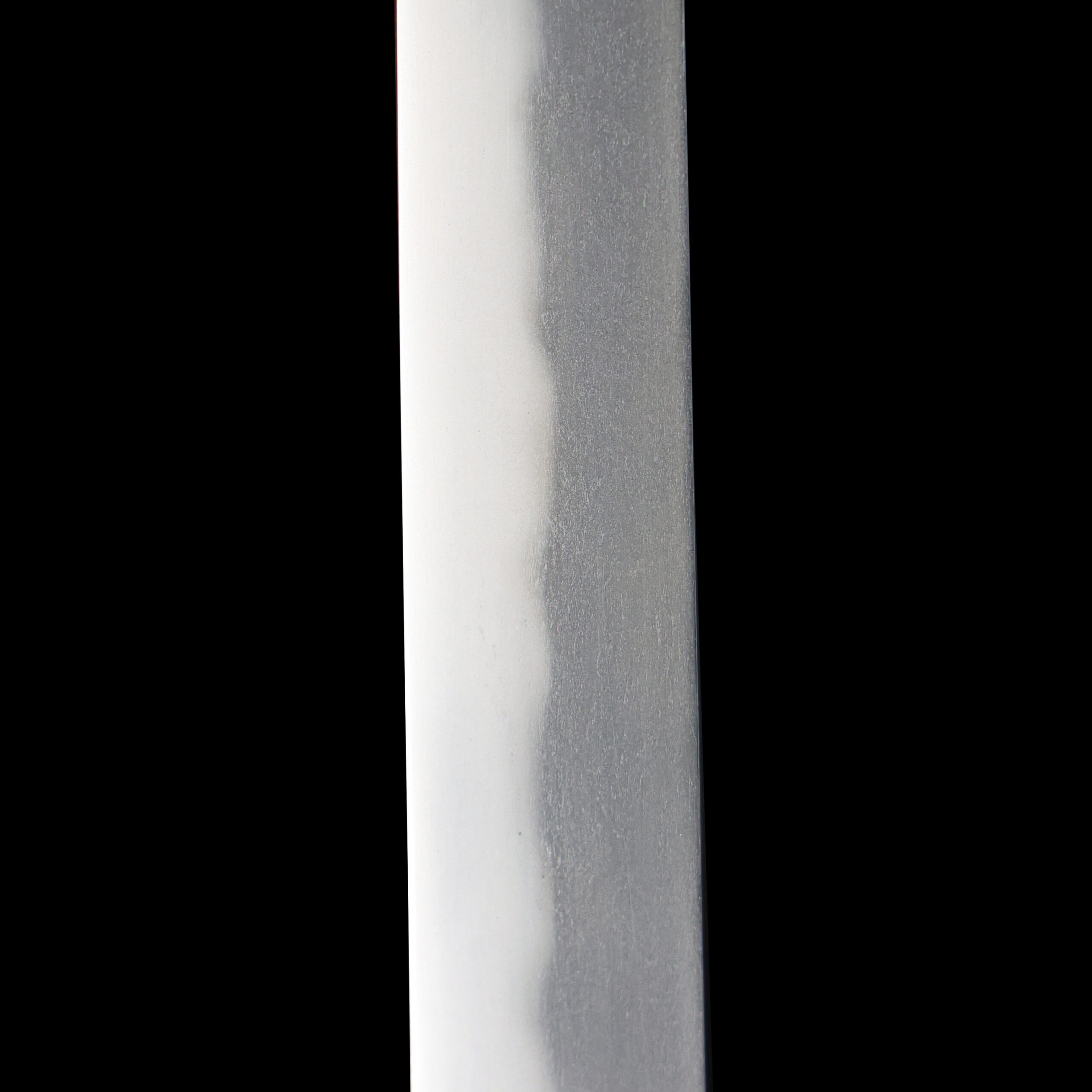
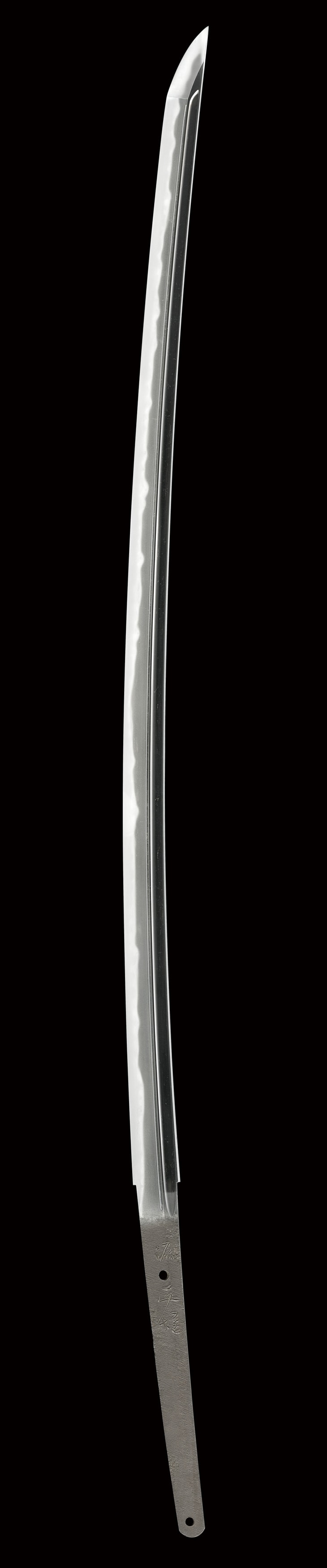
![Tanto - Tokuho - 作 正雄 - 短刀[源正雄][日本美術刀剣保存協会]特別保存刀剣](/_next/image?url=https%3A%2F%2Fitbhfhyptogxcjbjfzwx.supabase.co%2Fstorage%2Fv1%2Fobject%2Fpublic%2Flisting-images%2Fworld-seiyudo%2FL31886%2F00.jpg&w=2560&q=90)


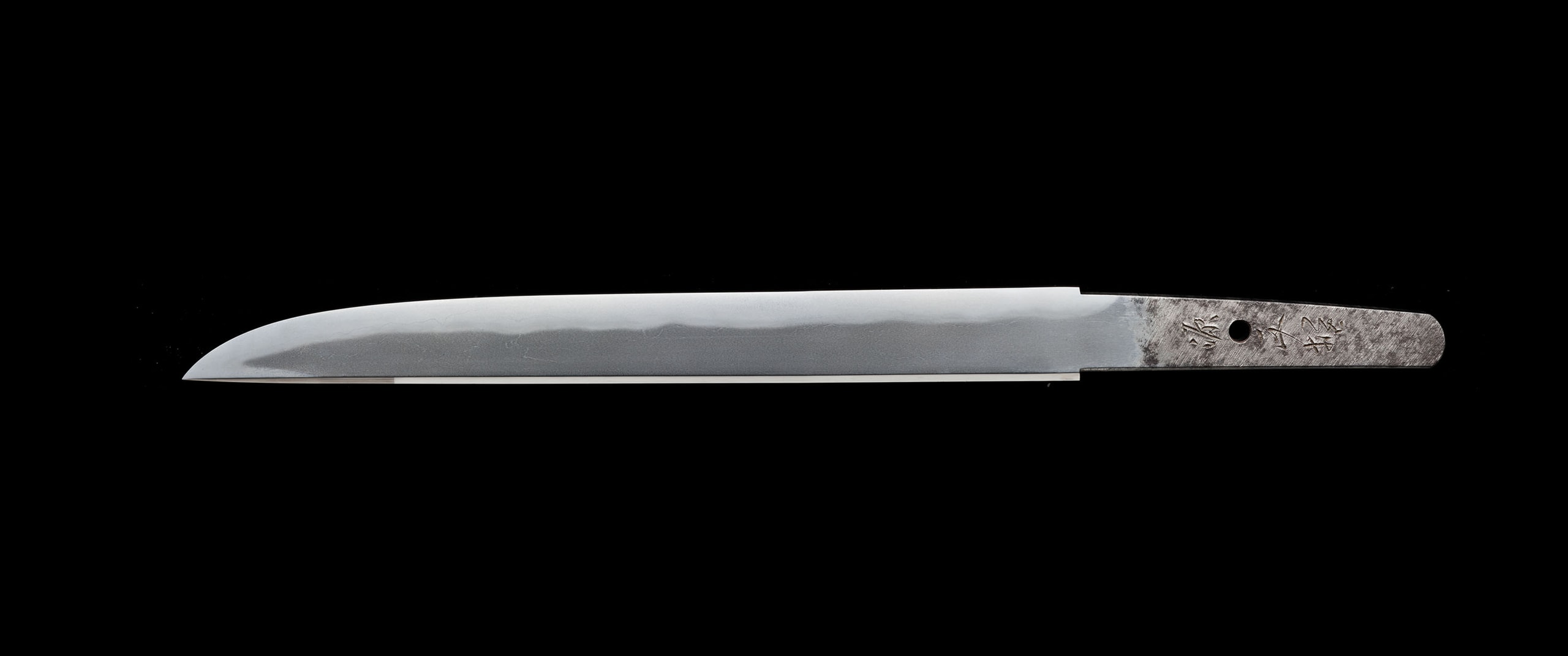
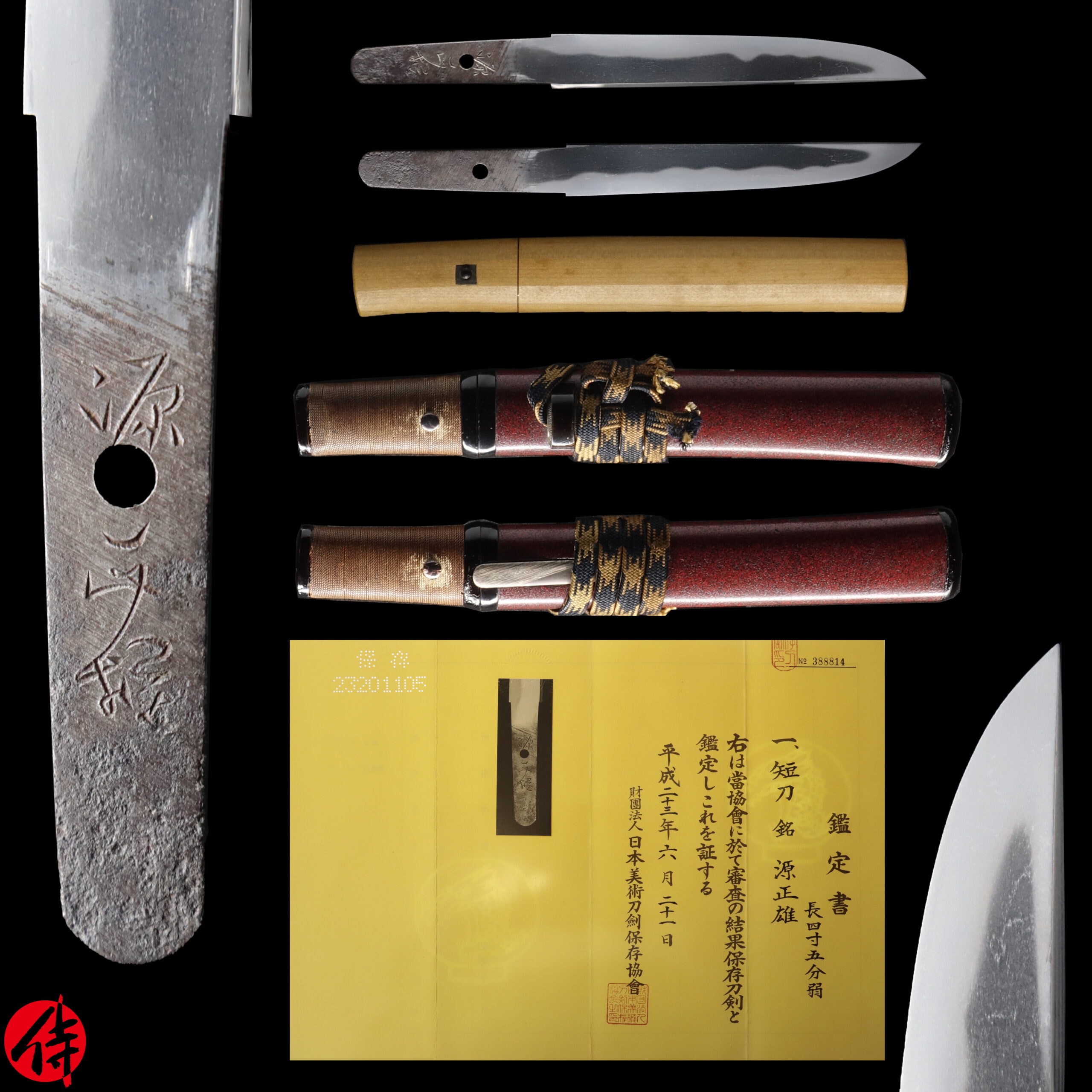
![Tanto - Hozon - 作 正雄 - 短刀[源正雄][N.T.H.K.]日本刀剣保存会 鑑定書付](/_next/image?url=https%3A%2F%2Fitbhfhyptogxcjbjfzwx.supabase.co%2Fstorage%2Fv1%2Fobject%2Fpublic%2Flisting-images%2Fworld-seiyudo%2FL31810%2F00.jpg&w=2560&q=90)