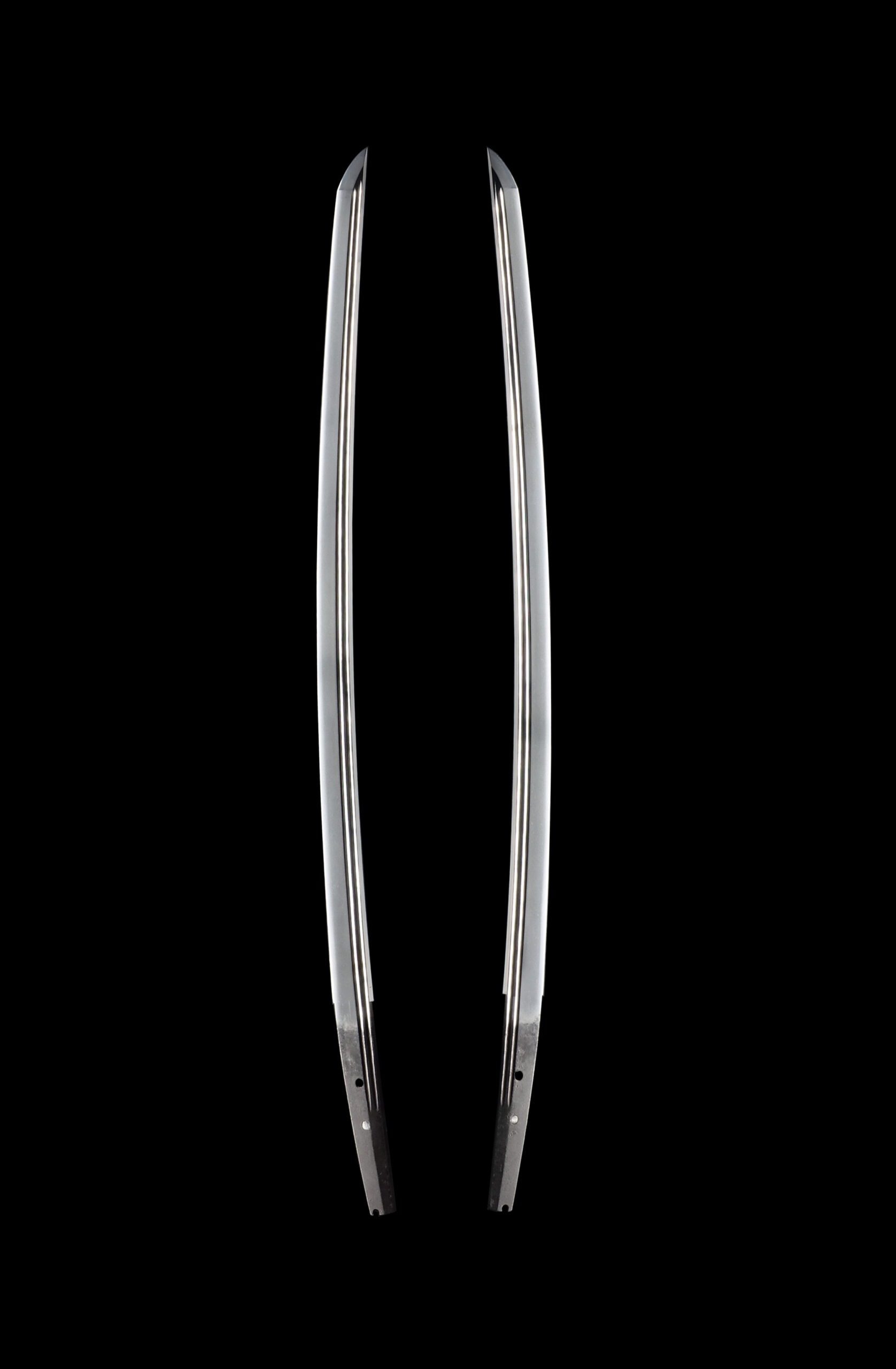
二つの朝廷が争った六十年、刀身は長大化し、長船がその需要に応えた。兼光と長義の工房は実際に戦う国人層の武士に仕え、軍勢とともに相州風が届いて相伝備前が生まれた。
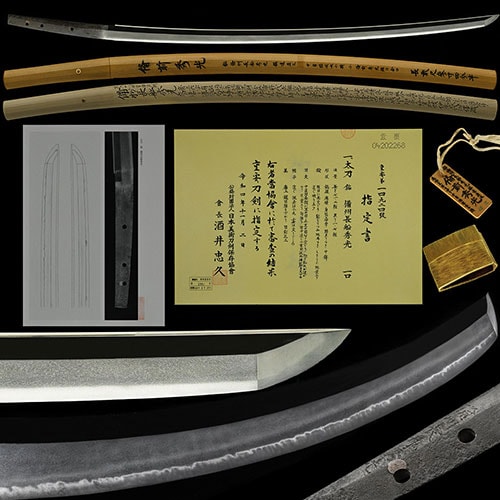
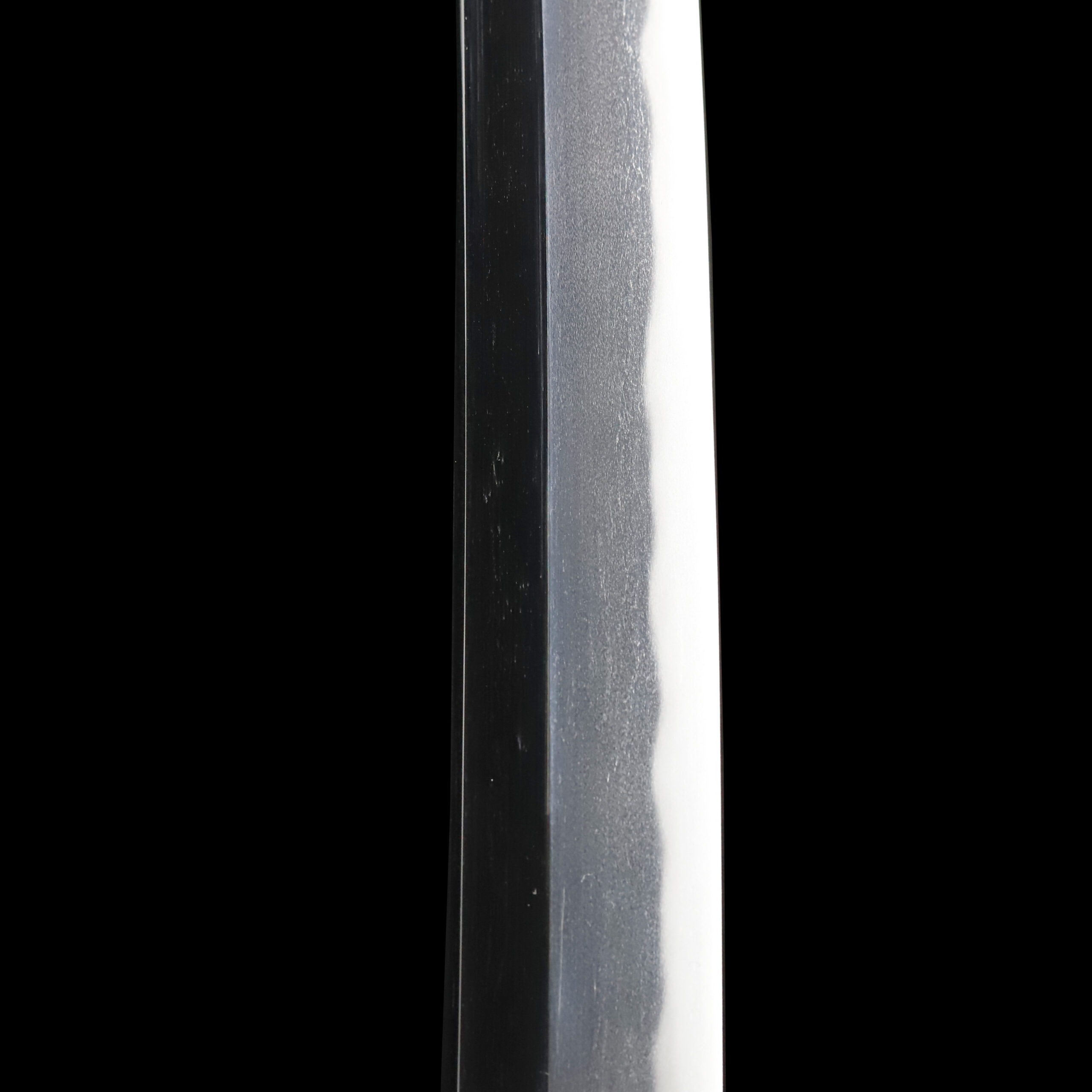
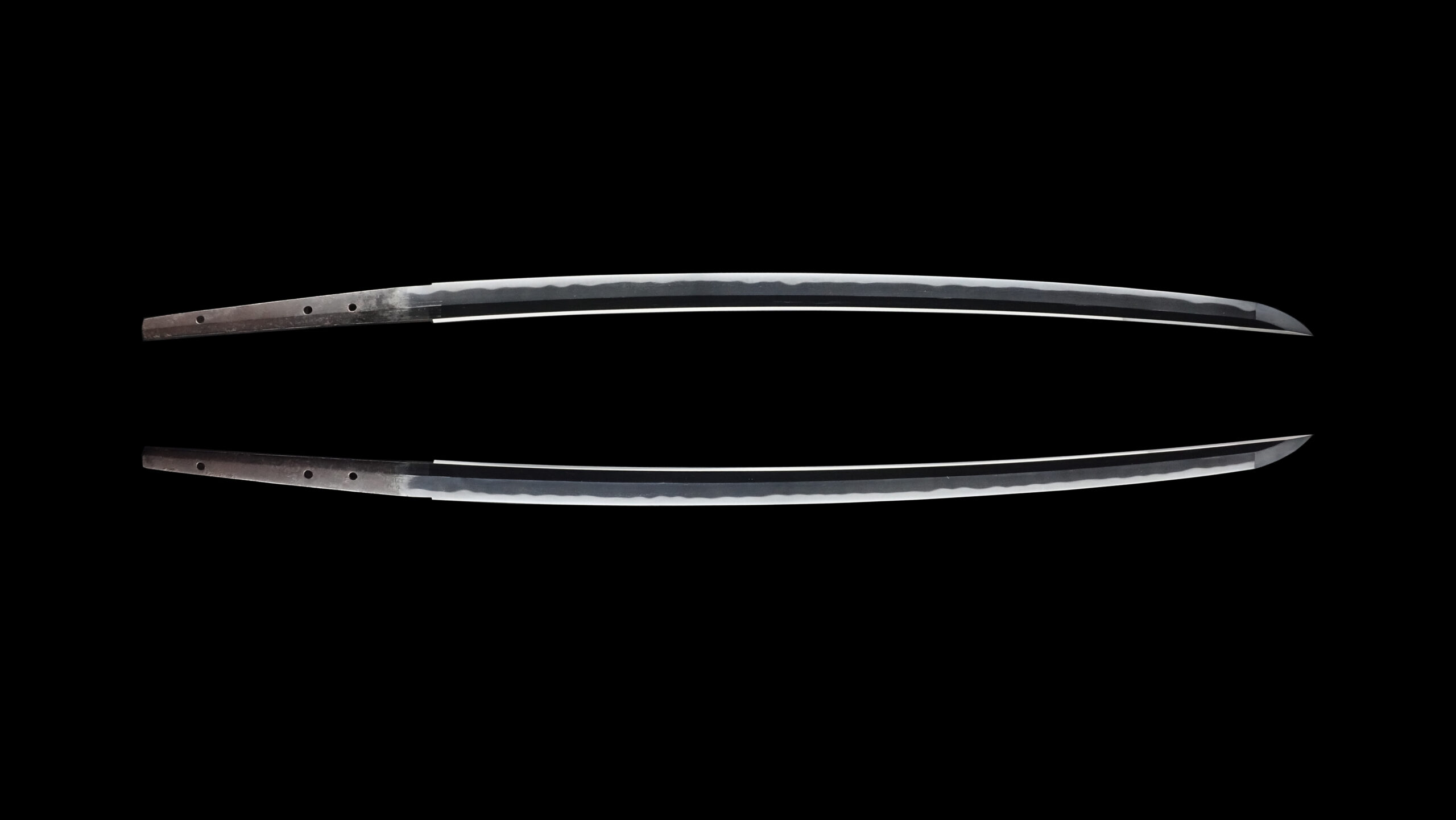
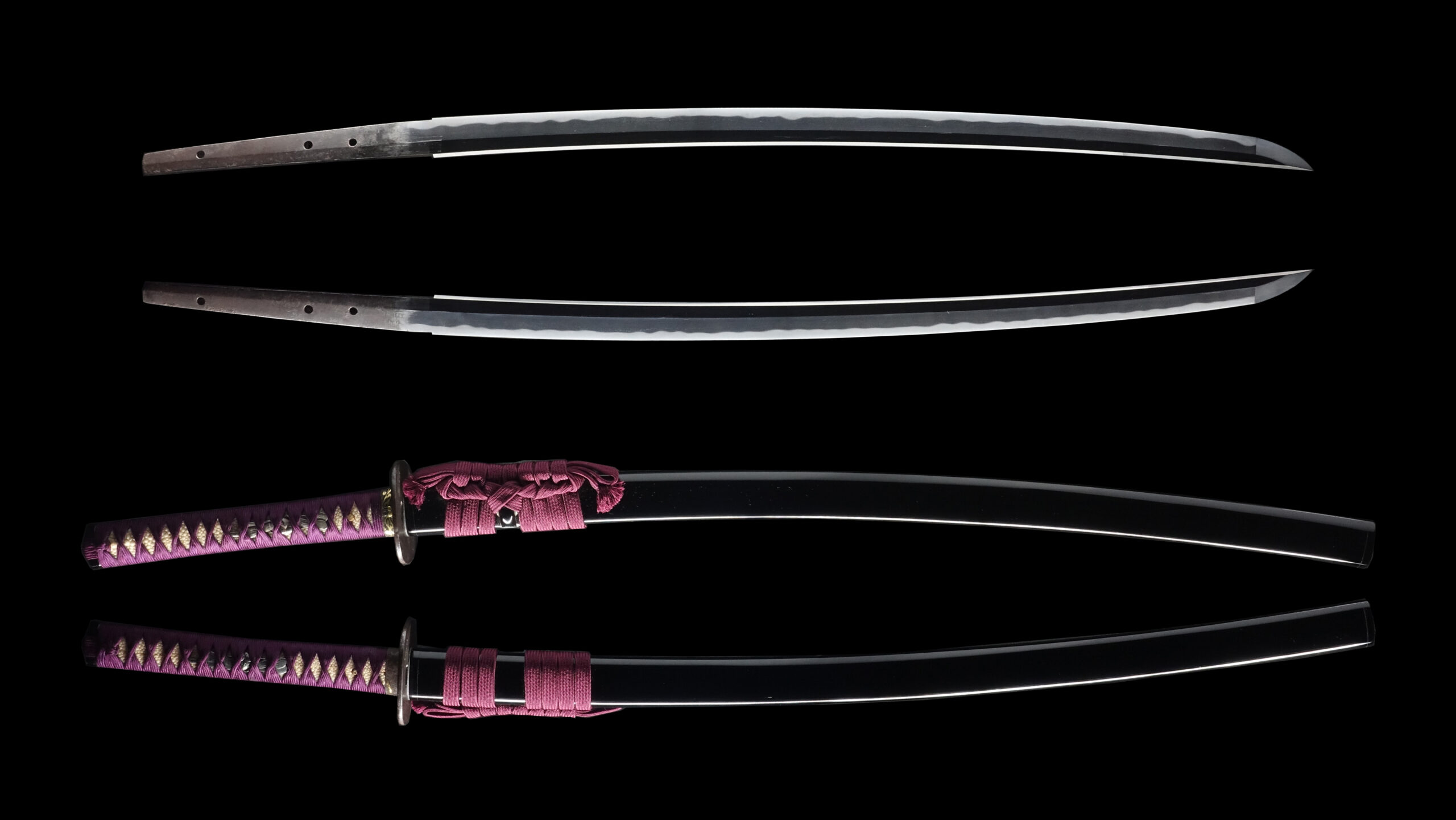
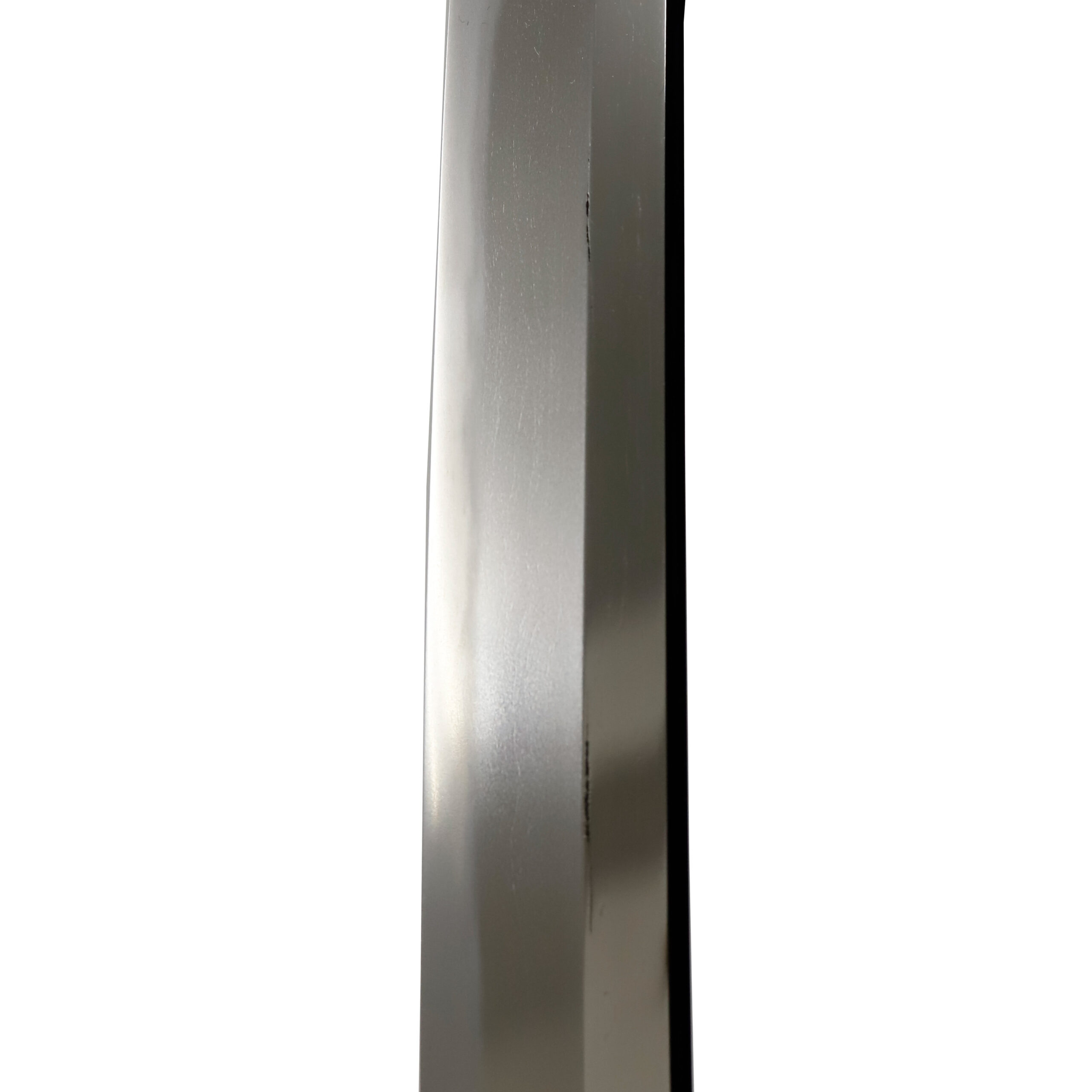
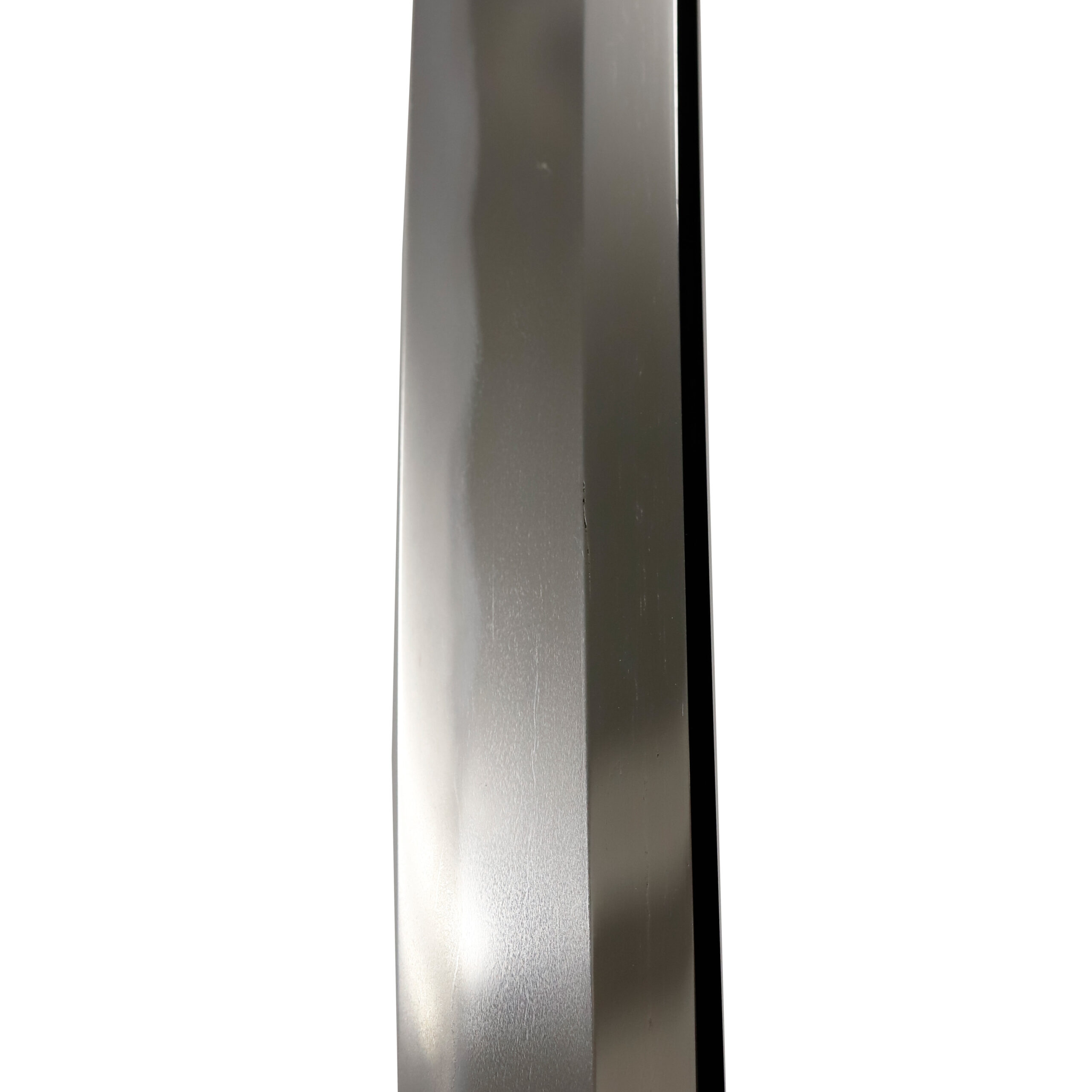
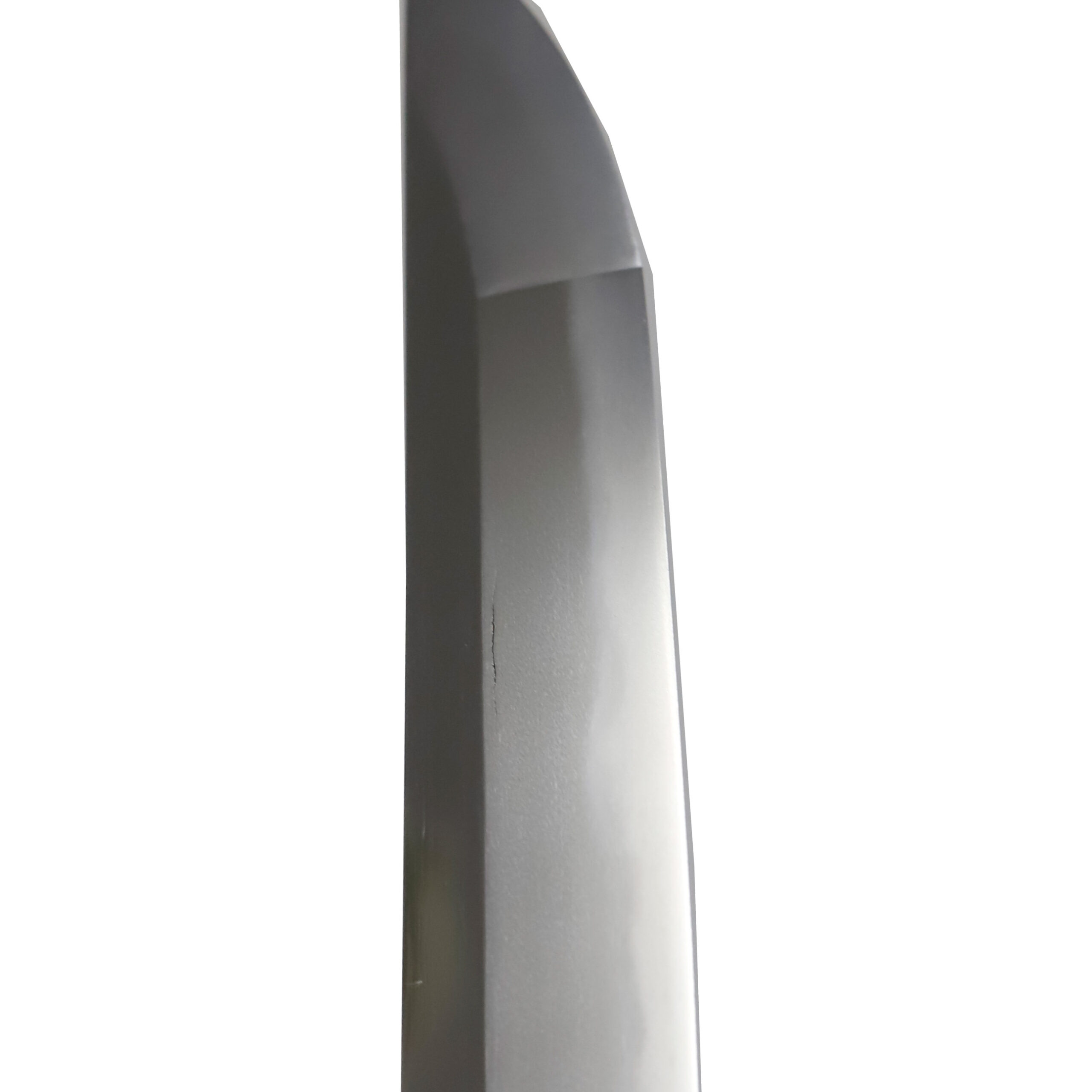
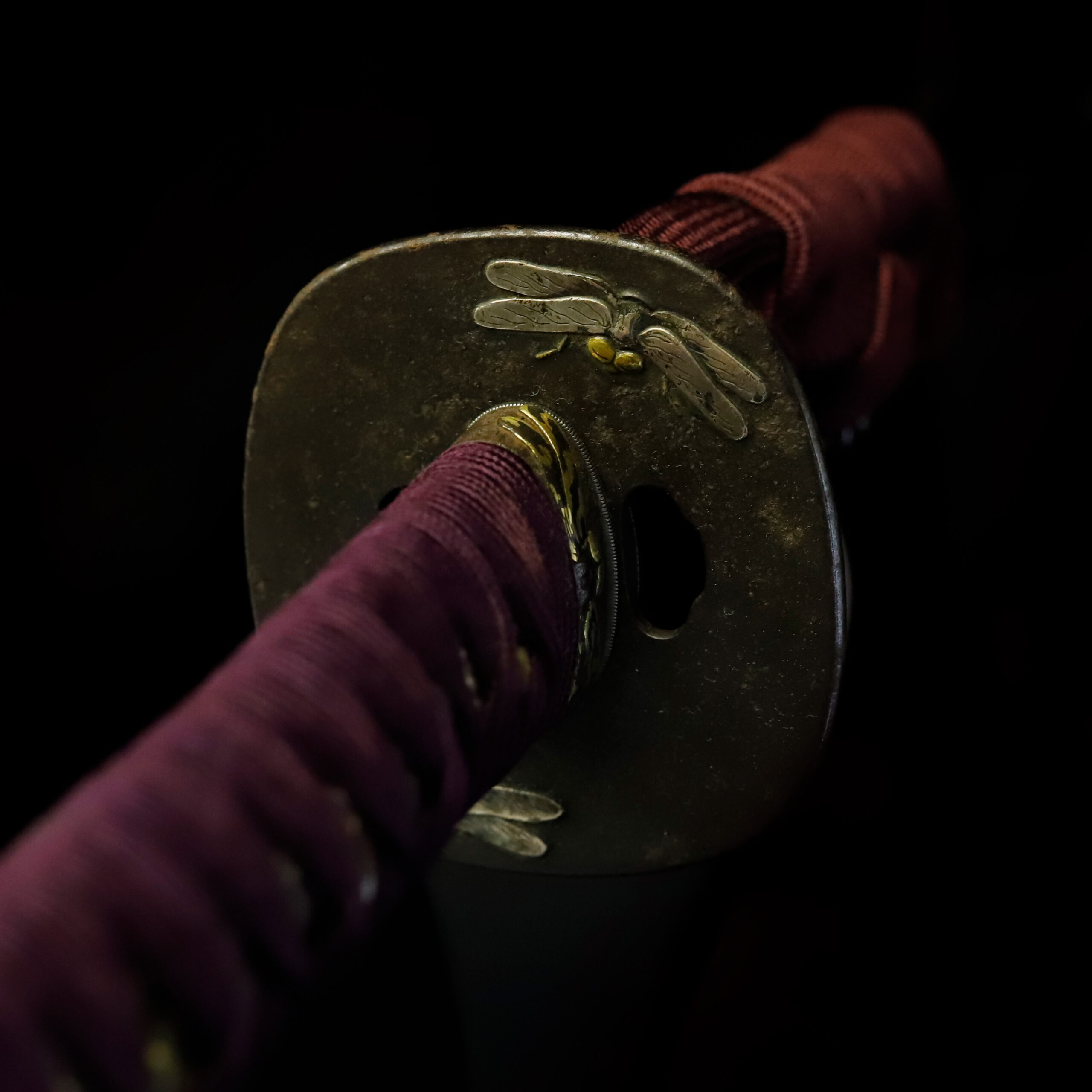
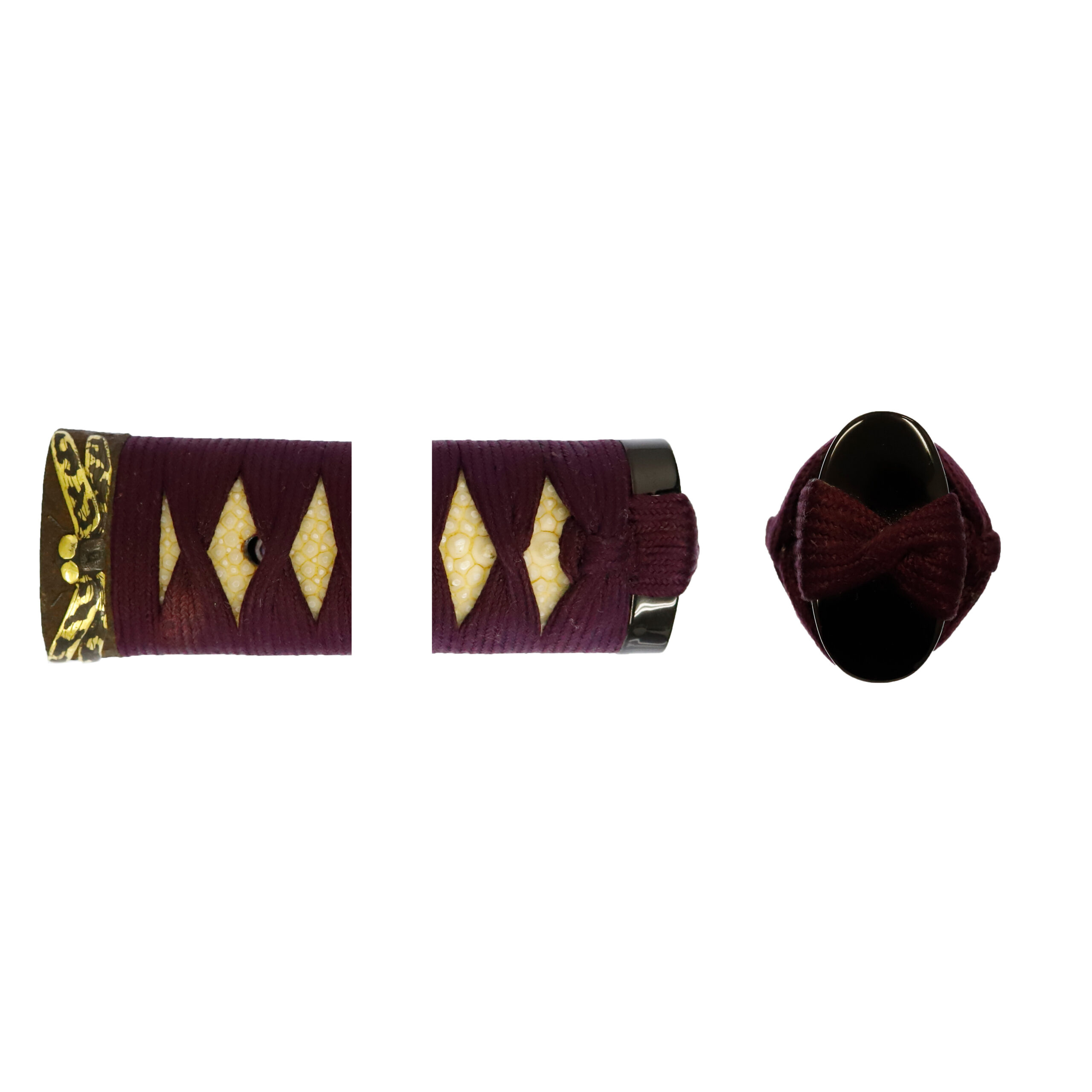
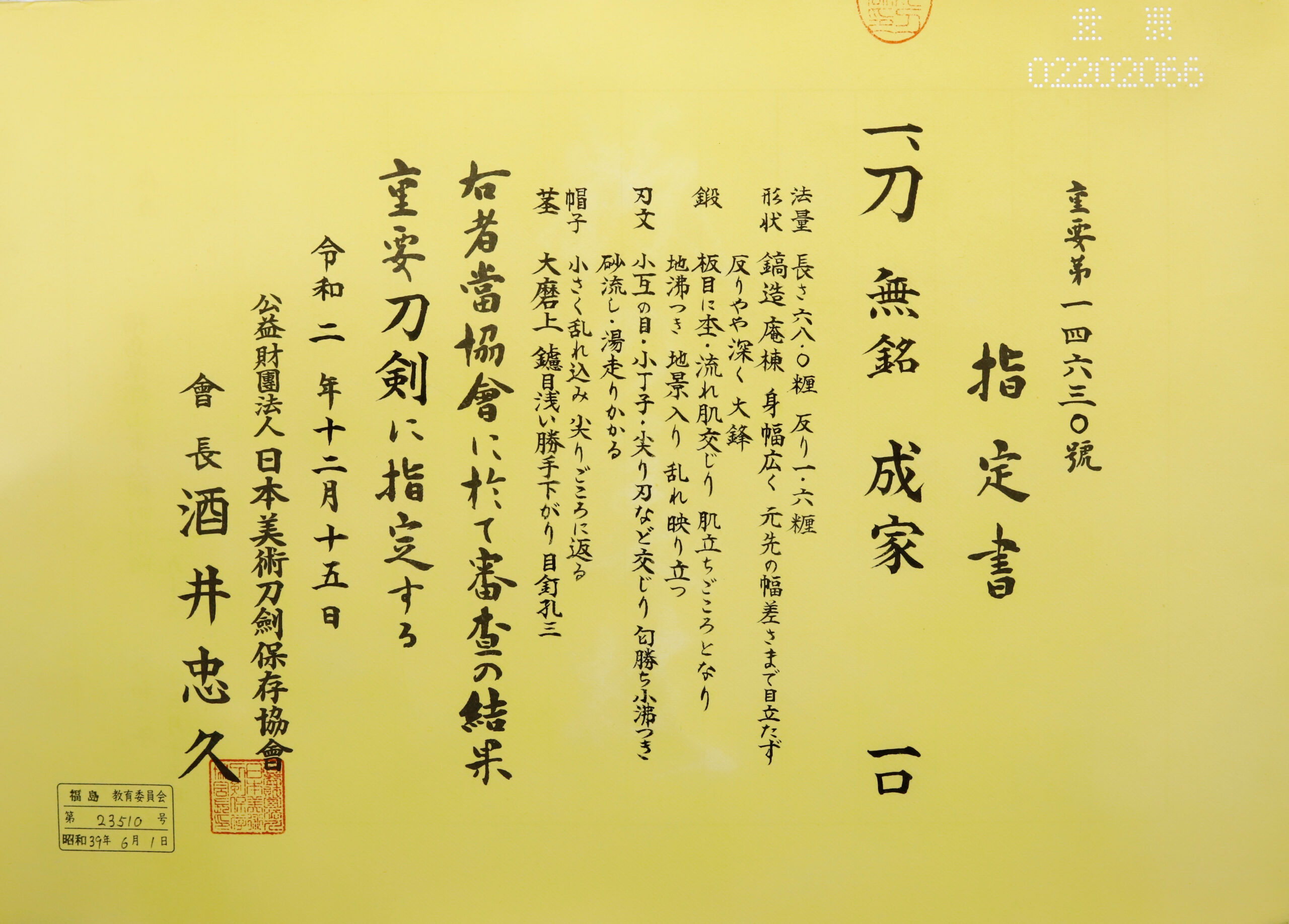
日本刀 備前長船成家(伝) 日本美術刀剣保存協会(NBTHK) 重要刀剣指定品 【解説】 概要 本作は、南北朝時代中期から後期(14世紀中頃から後半)にかけて活躍した備前長船の絵師、成家(なりいえ)の作と極められた一振りです。日本美術刀剣保存協会による重要刀剣の鑑定を受けています。現存する記録によれば、成家は文和(1352-1356年)や康安(1361-1362年)の年紀銘を残しており、本作は650年以上の歳月を経た名品といえます。 成家は備前国(現在の岡山県)に居住し、備前長船派の祖である光忠の弟・景秀の孫にあたると伝えられています。 景秀の作刀は、名将・伊達政宗の愛刀としても知られており、その孫である成家もまた、同時代の備前の巨匠・兼光と作風が酷似することから、両者の間には深い交流があったと推測されています。 成家は「小反(こぞり)」派の代表的工匠として位置づけられています。小反とは、南北朝時代の長船派において、兼光などの主流派とは別に独自の作風を展開した一群を指します。成家はその中でも筆頭に挙げられる名工であり、他に師光、康光、倫光などがこの派の著名な刀工として知られています。 成家が活躍した南北朝時代は、朝廷が南北に分かれ戦乱が続いた激動の時代でした。多くの武士が戦場に赴く中、成家をはじめとする小反派の刀工たちは、実戦に耐えうる極めて質の高い刀剣を世に送り出し、武士たちの需要に応えていたのです。 備前長船派の歴史 長船派は、鎌倉時代中期の光忠を始祖として興りました。備前国の中でも最大の流派であり、時の権力者や名だたる武将から多くの注文を受けました。その作品は「長船物」として広く親しまれ、武士たちの間で絶大な信頼と人気を誇りました。 歴代の刀工の中でも、長光、真長、景光の三名は「長船三作」と称され、さらに長光、兼光、長義、元重の四名は「長船四天王」として、その名を歴史に刻んでいます。 備前国は中国山地に近く、刀剣の主原料である良質な砂鉄が豊富に採れました。さらに、吉井川の豊かな水と炭にも恵まれており、この地質的条件が、洗練された高品質な刀剣を生み出す土壌となりました。備前における作刀の歴史は古く、平安時代後期には「古備前」と呼ばれる刀工集団によって備前伝の基礎が築かれました。長船派は、この古備前の伝統と技術を継承し、鎌倉時代中期以降、空前の繁栄を遂げたのです。 本作は、日本美術刀剣保存協会(NBTHK)より「重要刀剣」に指定されています。この鑑定書は、保存状態が極めて良好で、かつ芸術的価値が特に高いと認められた真作にのみ与えられるものです。重要刀剣は「特別保存刀剣」の上位ランクに位置し、その審査対象となるにはまず特別保存の指定を受けている必要があります。重要刀剣に指定されることは稀であり、愛好家やコレクターの間で非常に高く評価されるステータスとなっています。 ※鎬地にわずかな鍛え傷が見受けられます。詳細なコンディションについては、お気軽にお問い合わせください。 【刀身】 長さ(Nagasa):68.0 cm 反り(Sori):1.6 cm 刃文(Hamon):
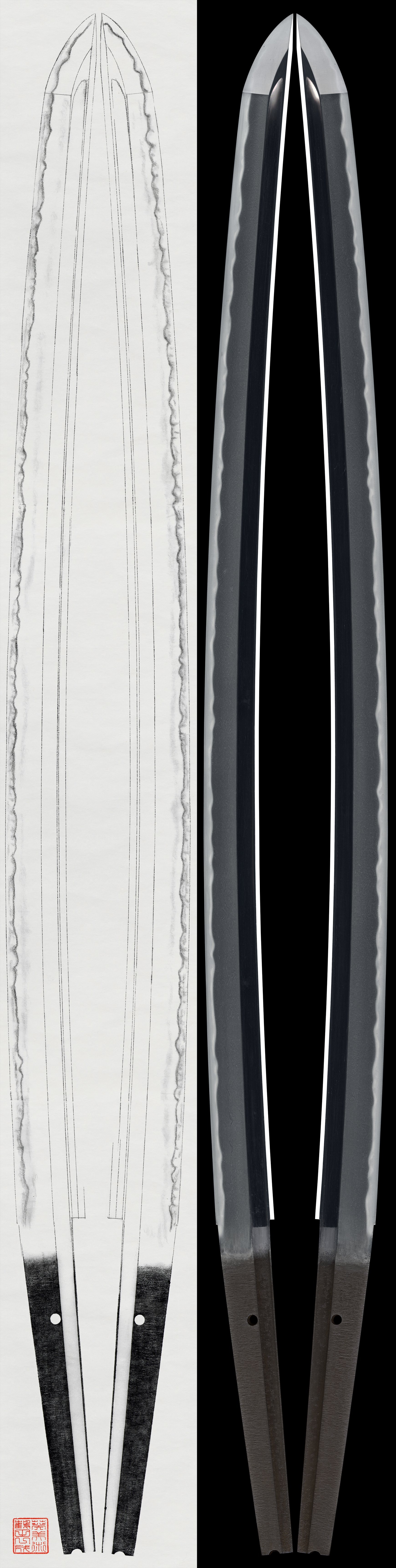
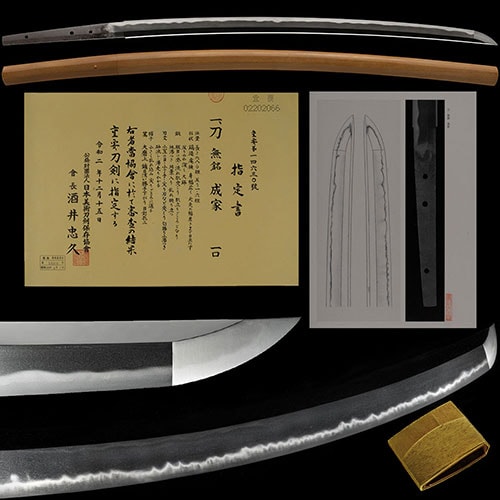
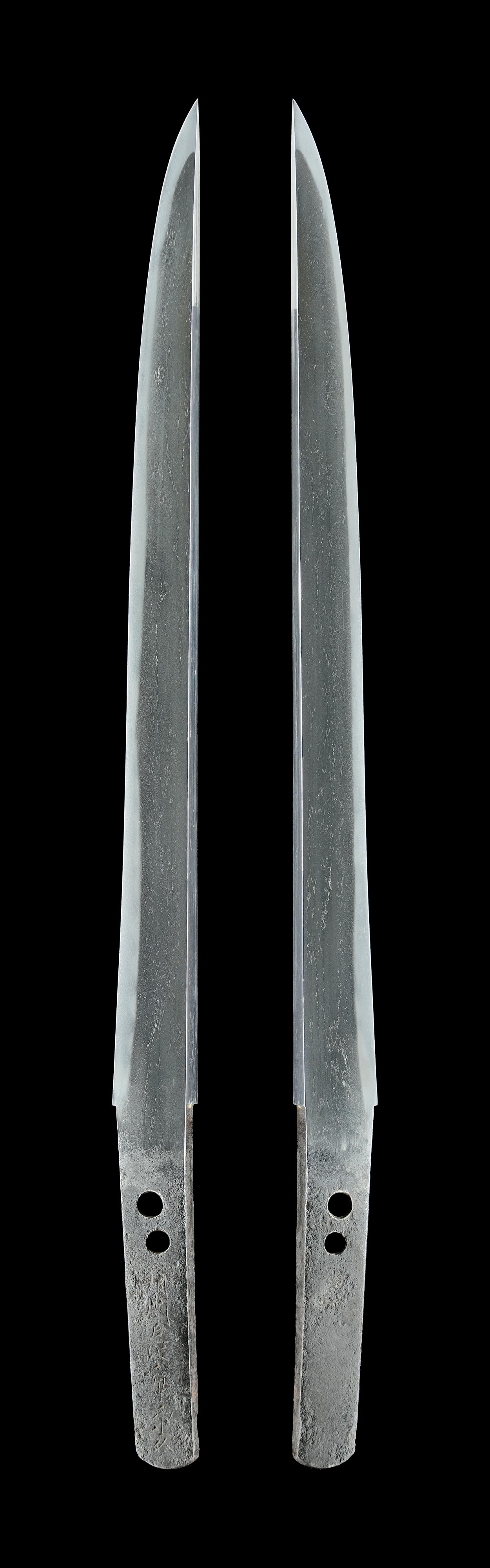
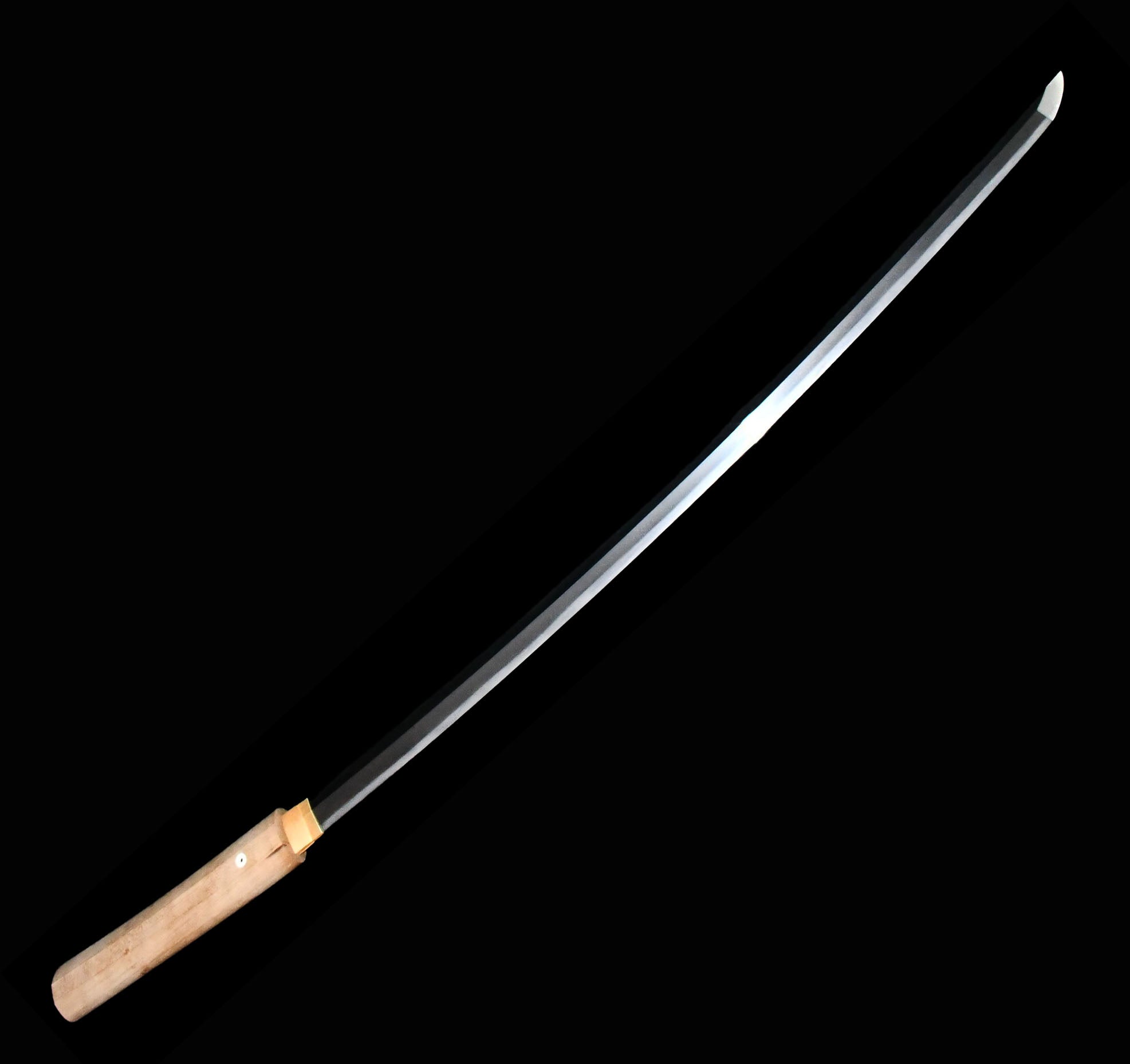
備前国長船派の成家は、一説に景秀(光忠の弟)の子孫と伝え、南北朝時代後期に活躍した、所謂、小反りに属する刀工の一人であ しながら、 銘鑑には文和から康安といった比較的年代の遡る年紀を挙げており、また作風及び銘字などから、兼光との関係も考えられ、今後の 検討が俟たれるところである。彼の技術は同年代の兼光一門の政光に比して優るとも劣らぬものであり、のたれや互の目交じりの乱れ刃を得意 とし、兼光に比すると大らかさに幾分譲る感がある。 この刀は、身幅が広く、元先の幅差がさまで目立たず、大鋒に結び、加えて重ねが厚く鎬も高い剛健な体配を呈している。鍛えは板目に杢・ 流れ肌が交じり、淡く乱れ映りが立ち、刃文は、小互の目・小丁子・尖り刃等が小模様に連れて交じり、帽子は直ぐ調に小さく乱れ込み、先が 尖りごころとなるなど、 兼光一門に類似した作風を見せている。 就中、地鉄に変わりがね風の地景が入り、刃文が小模様に連れる等の手法にい わゆる小反り物の特徴をみせており、成家はその小反り物のうちでも南北朝最盛期の代表工であり、極めが正しく首肯される出来映えである。
 NihontoWatch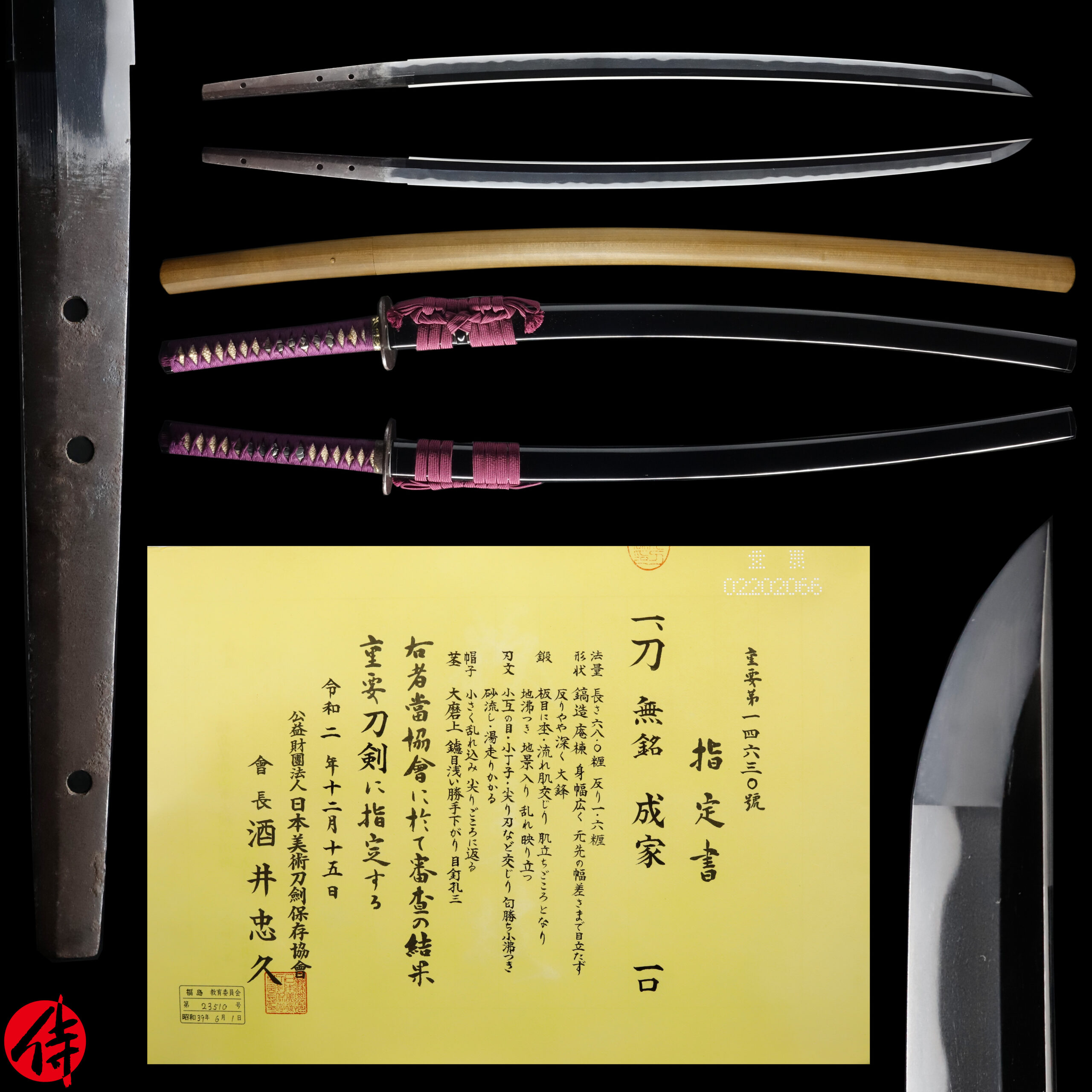
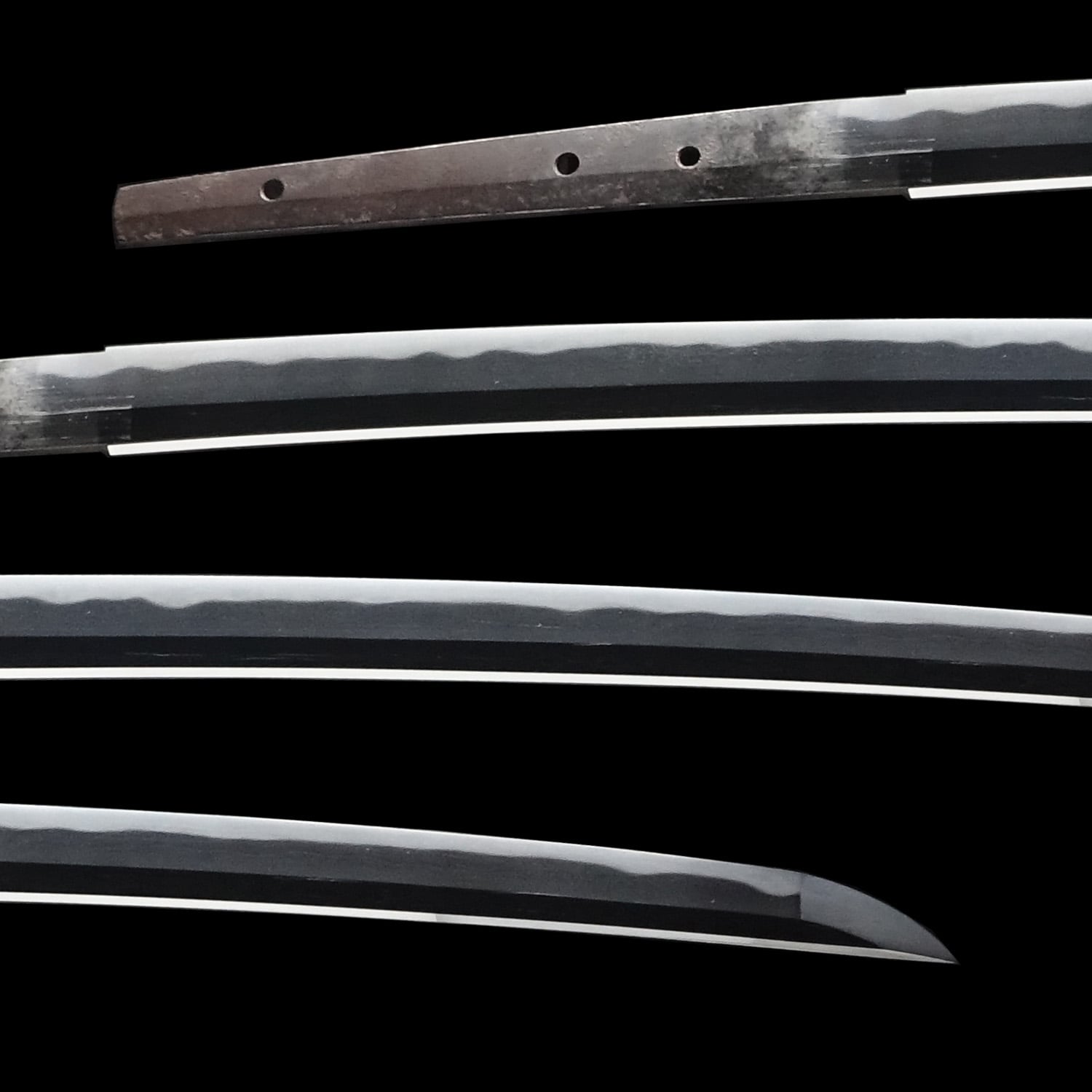
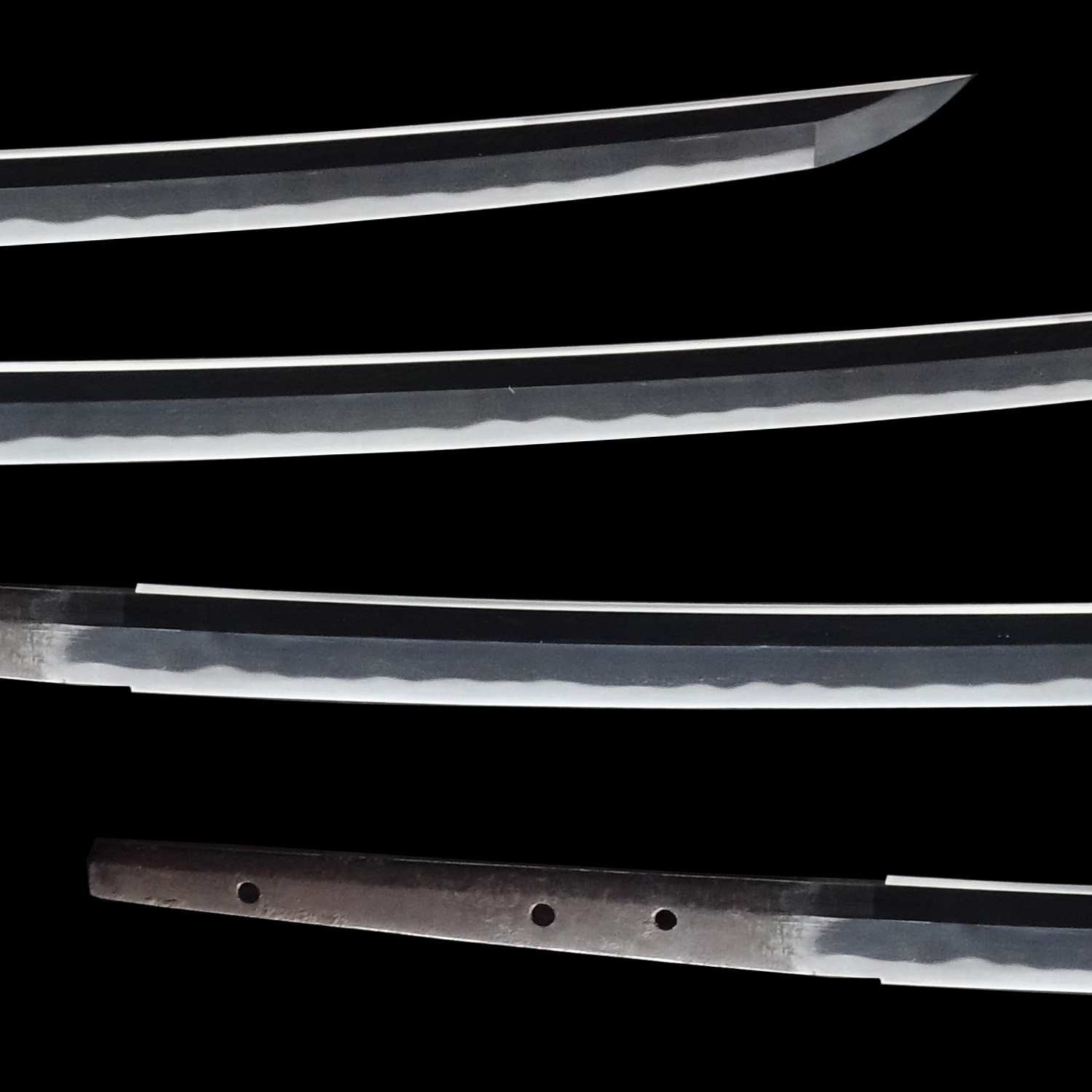
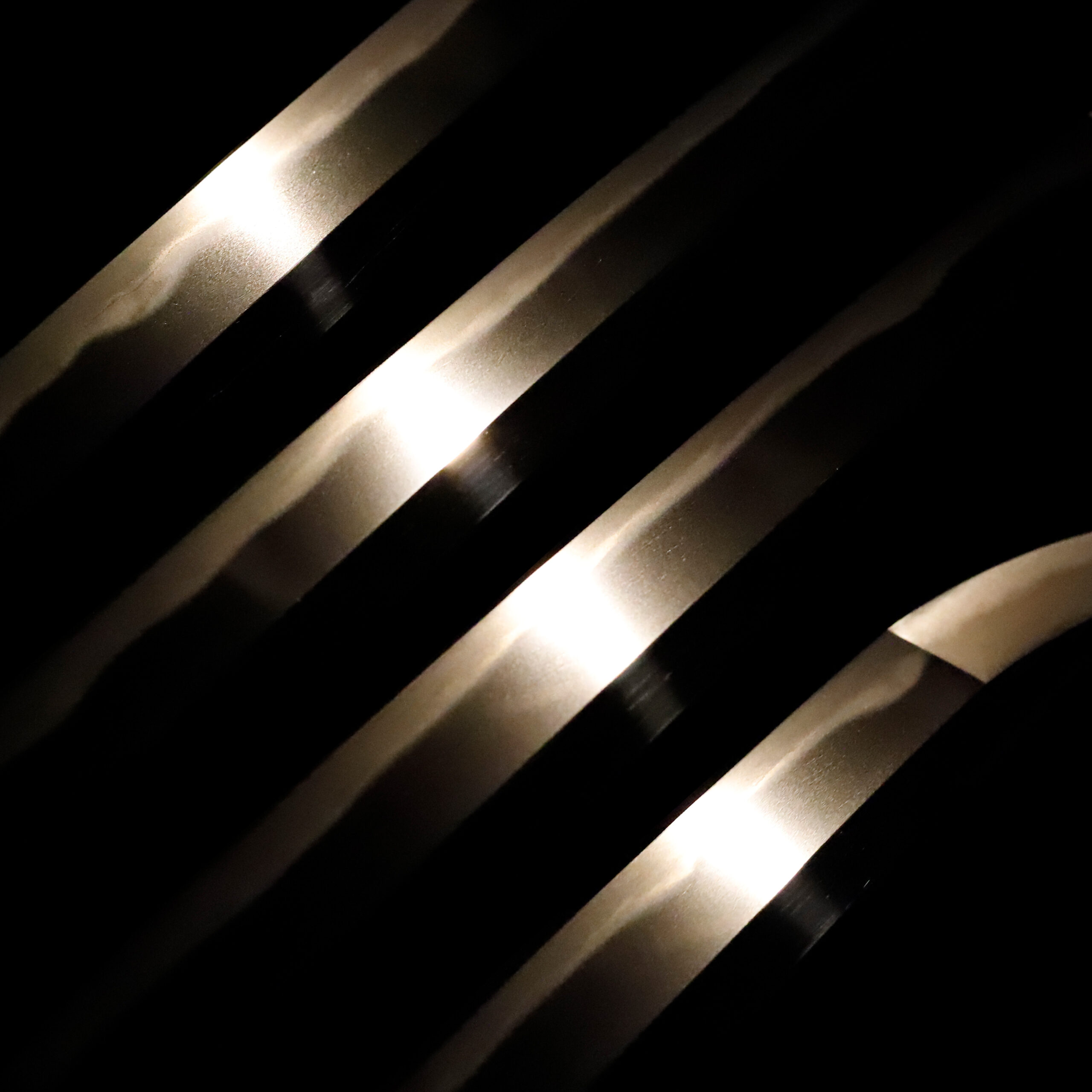
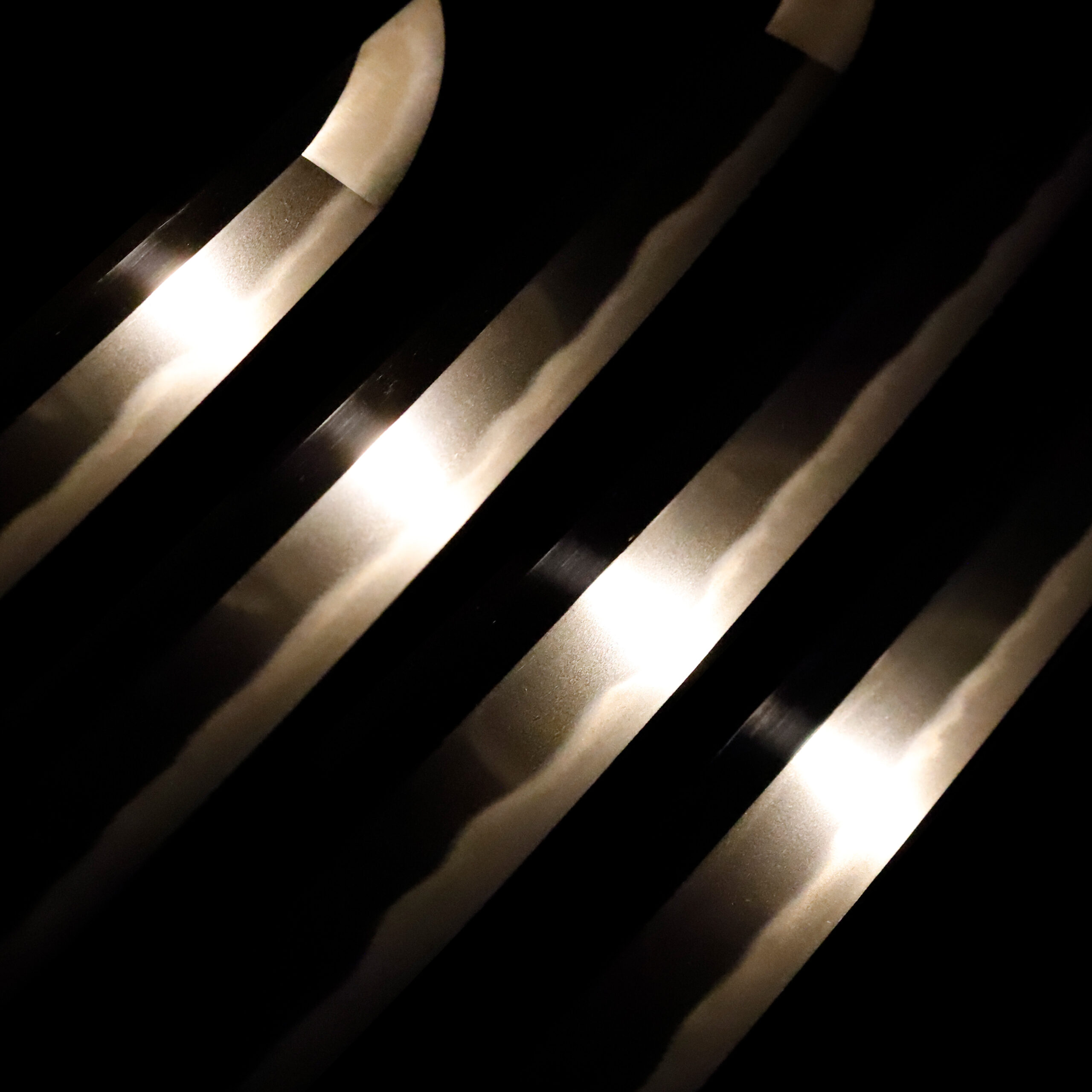
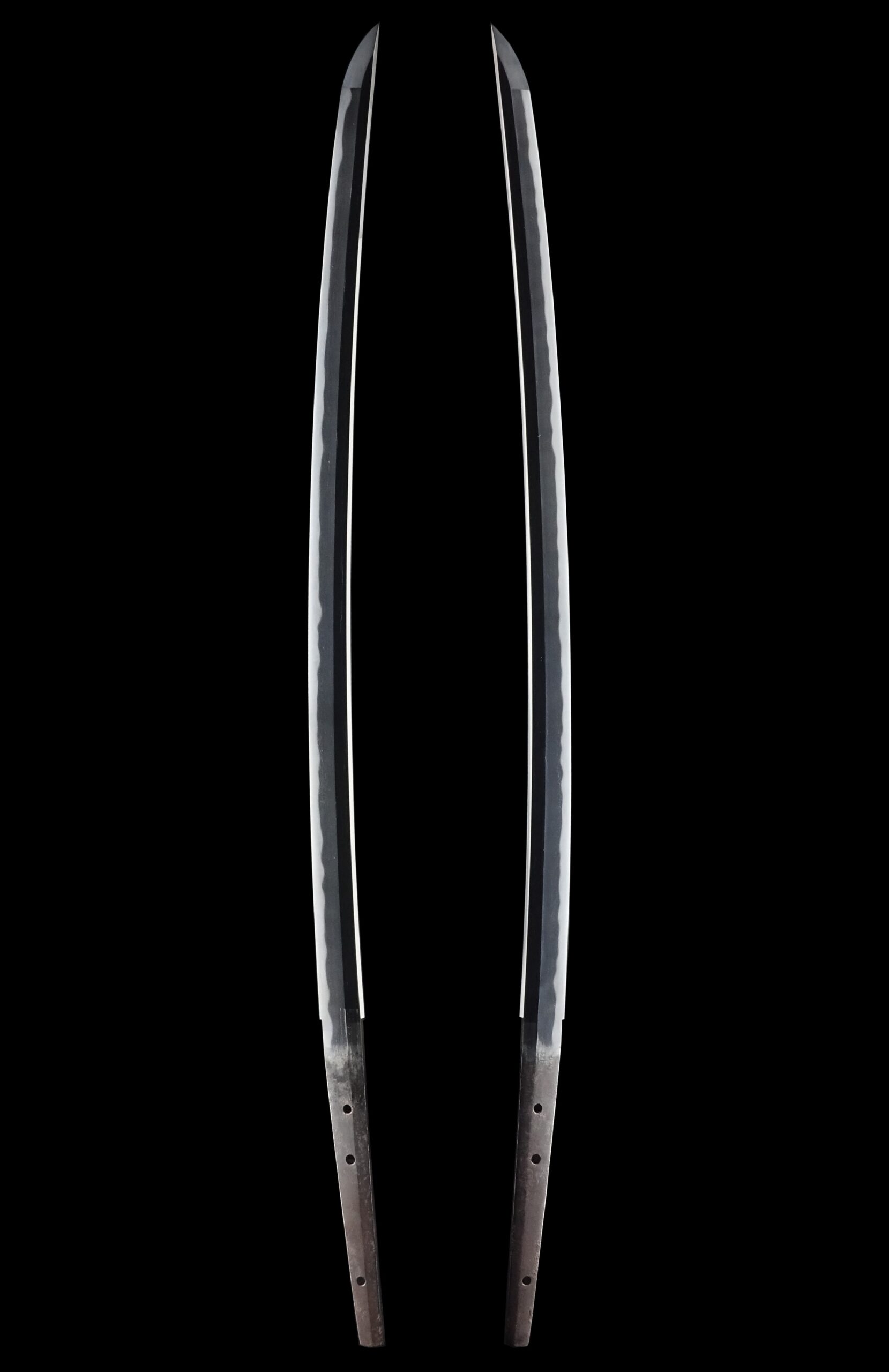
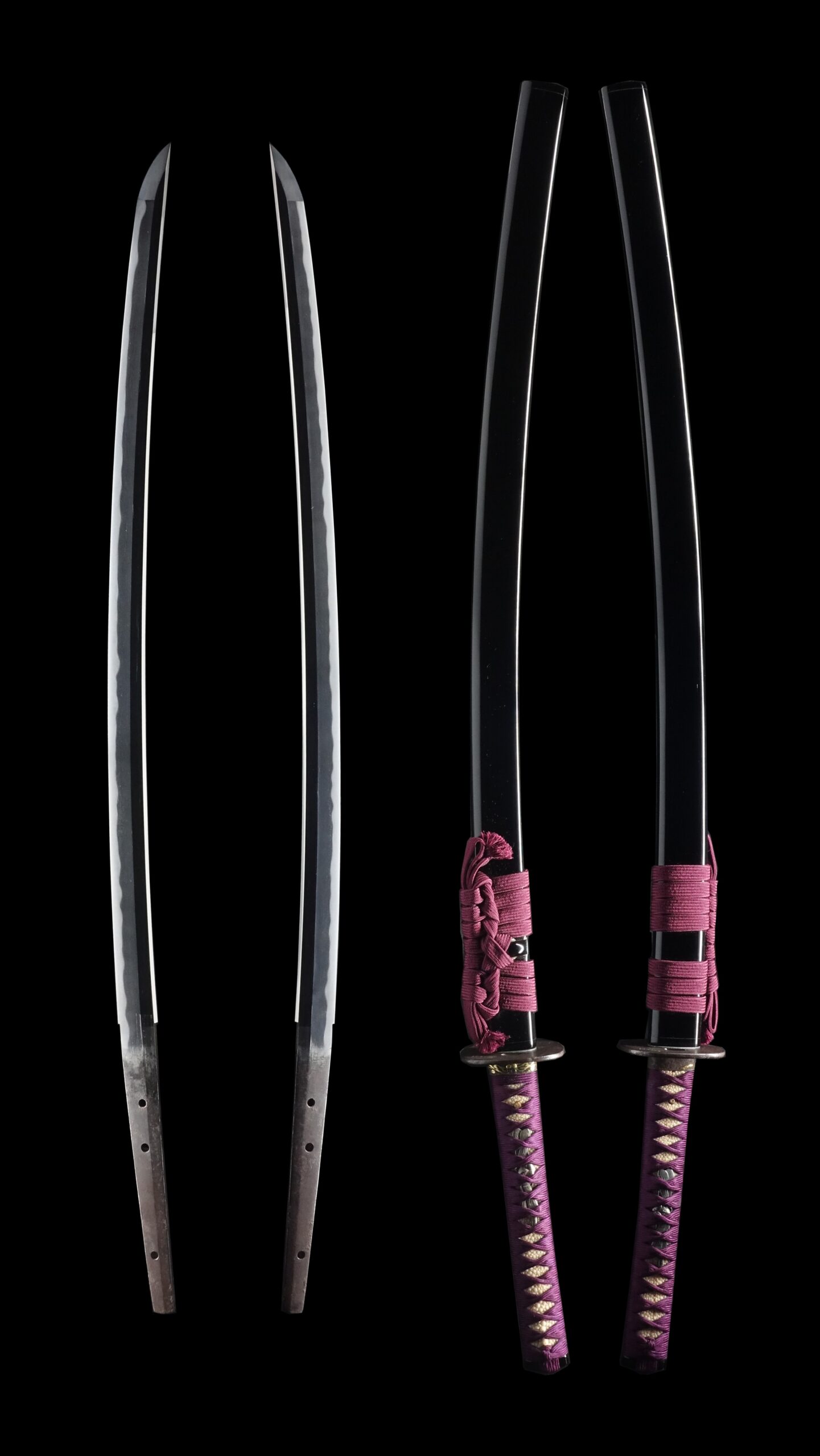
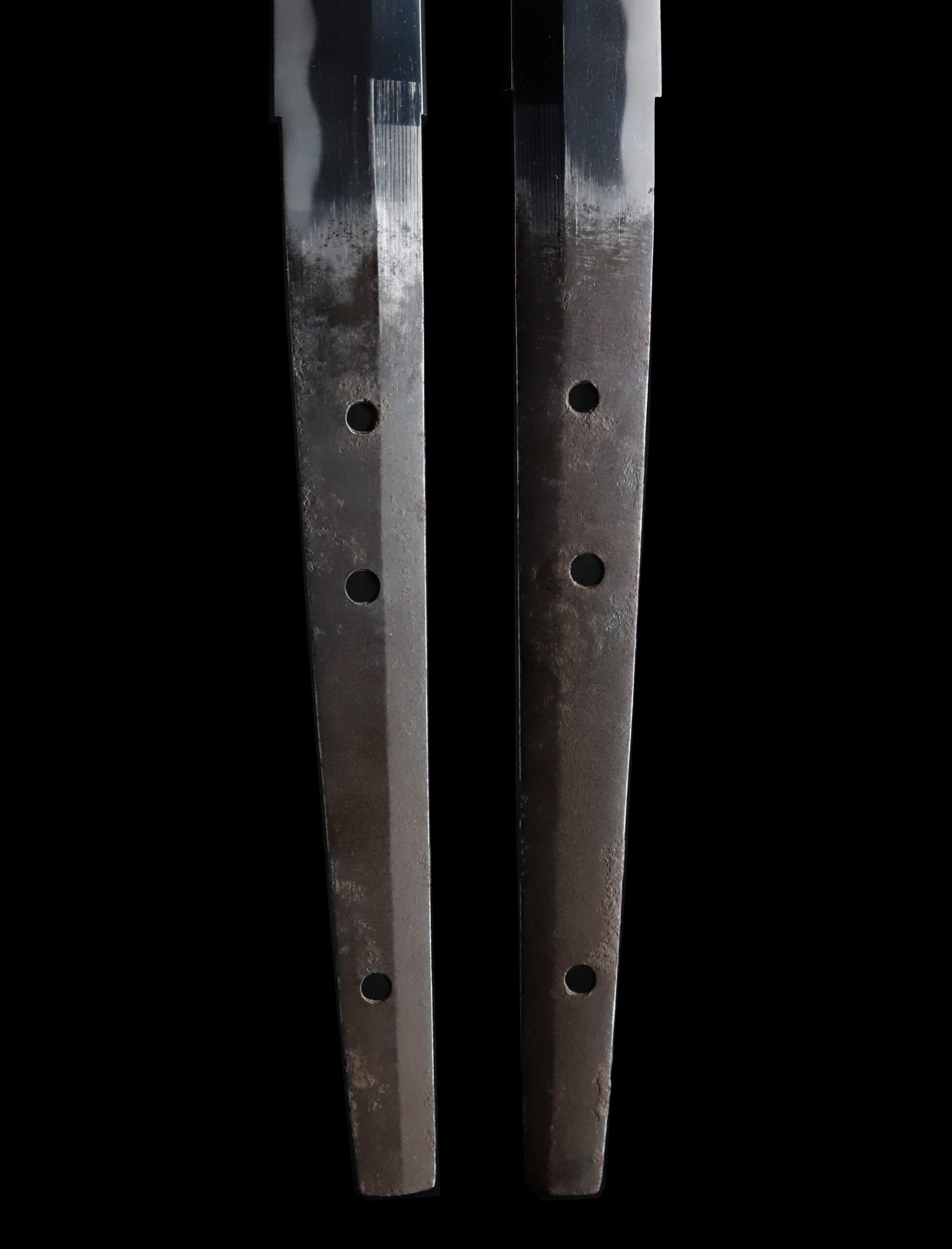
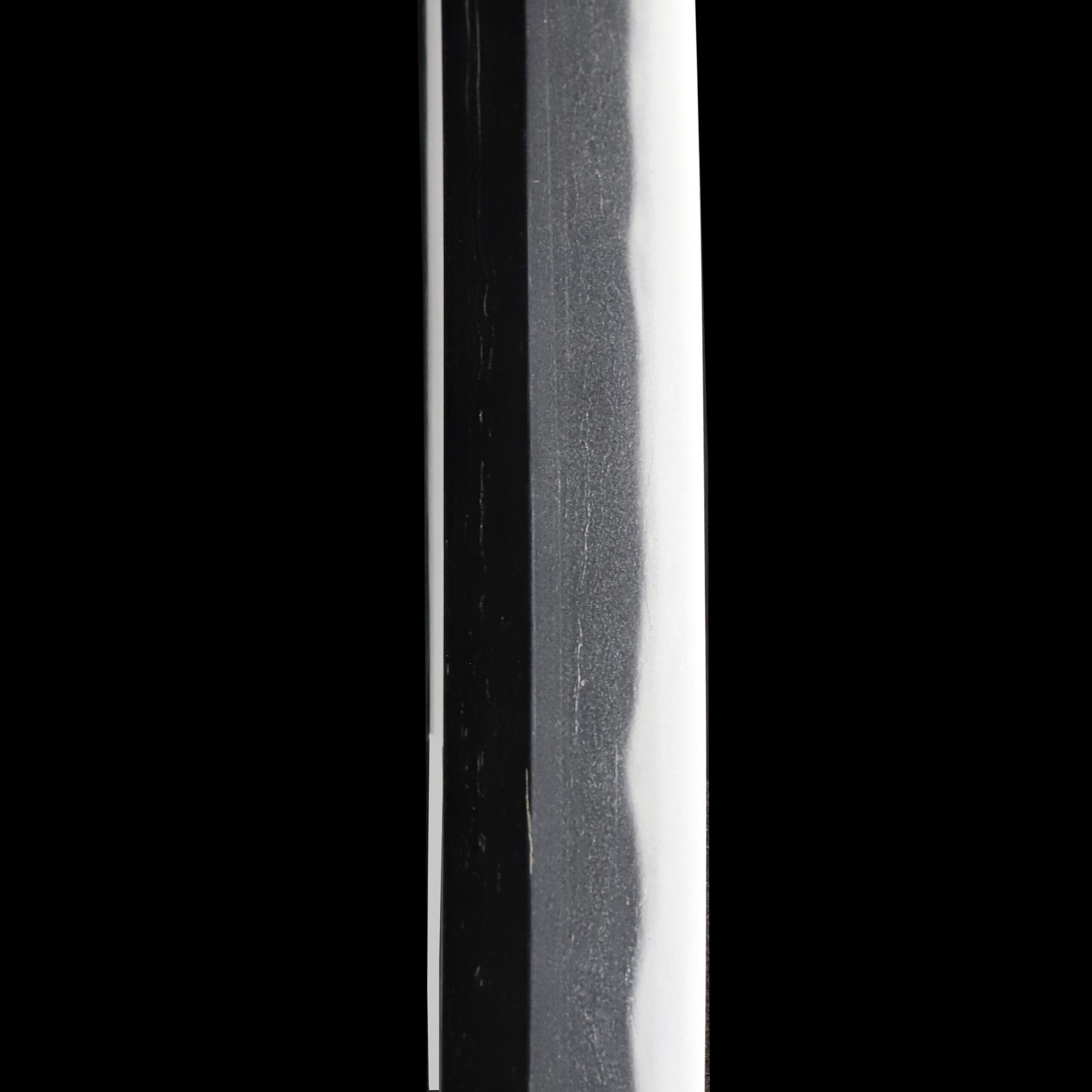
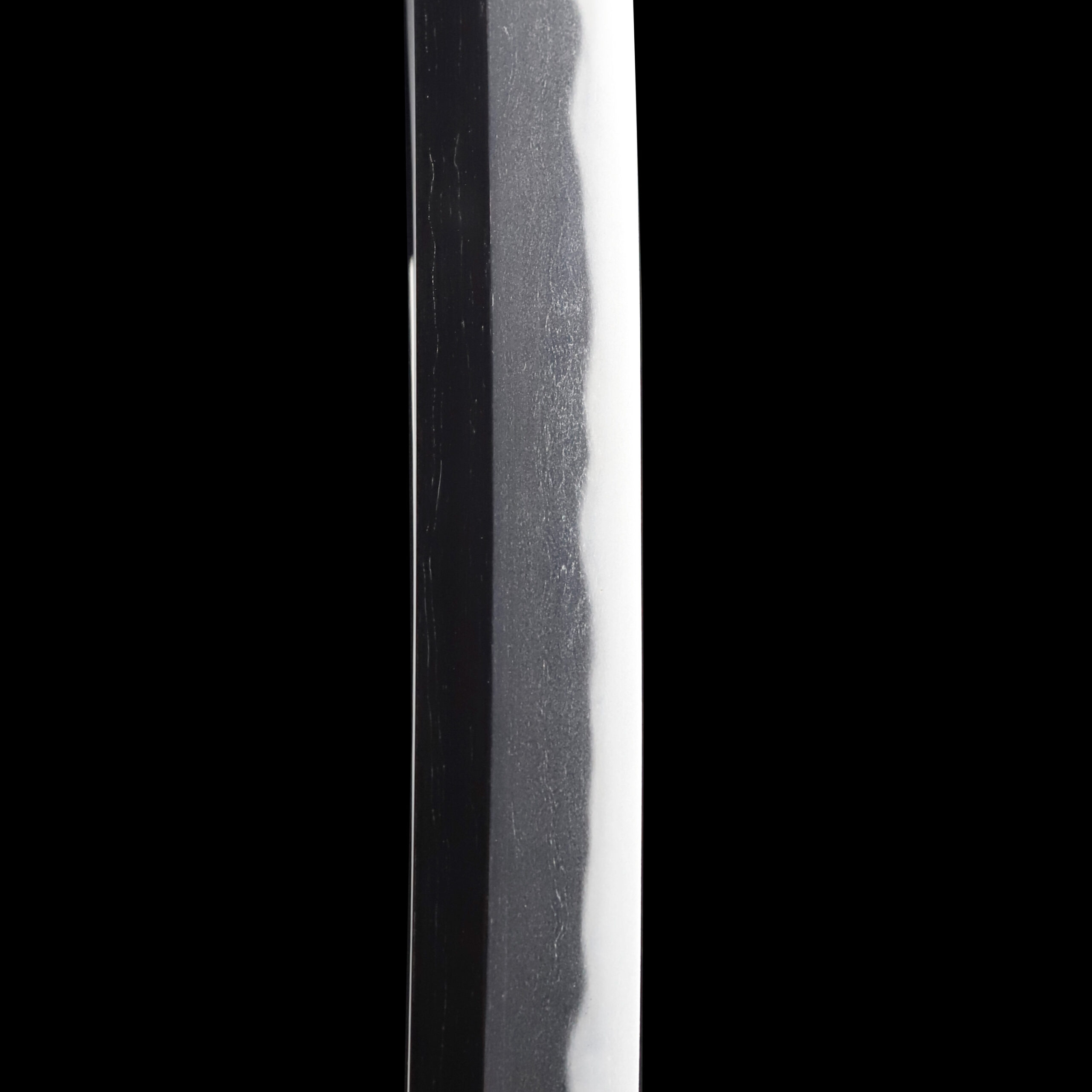
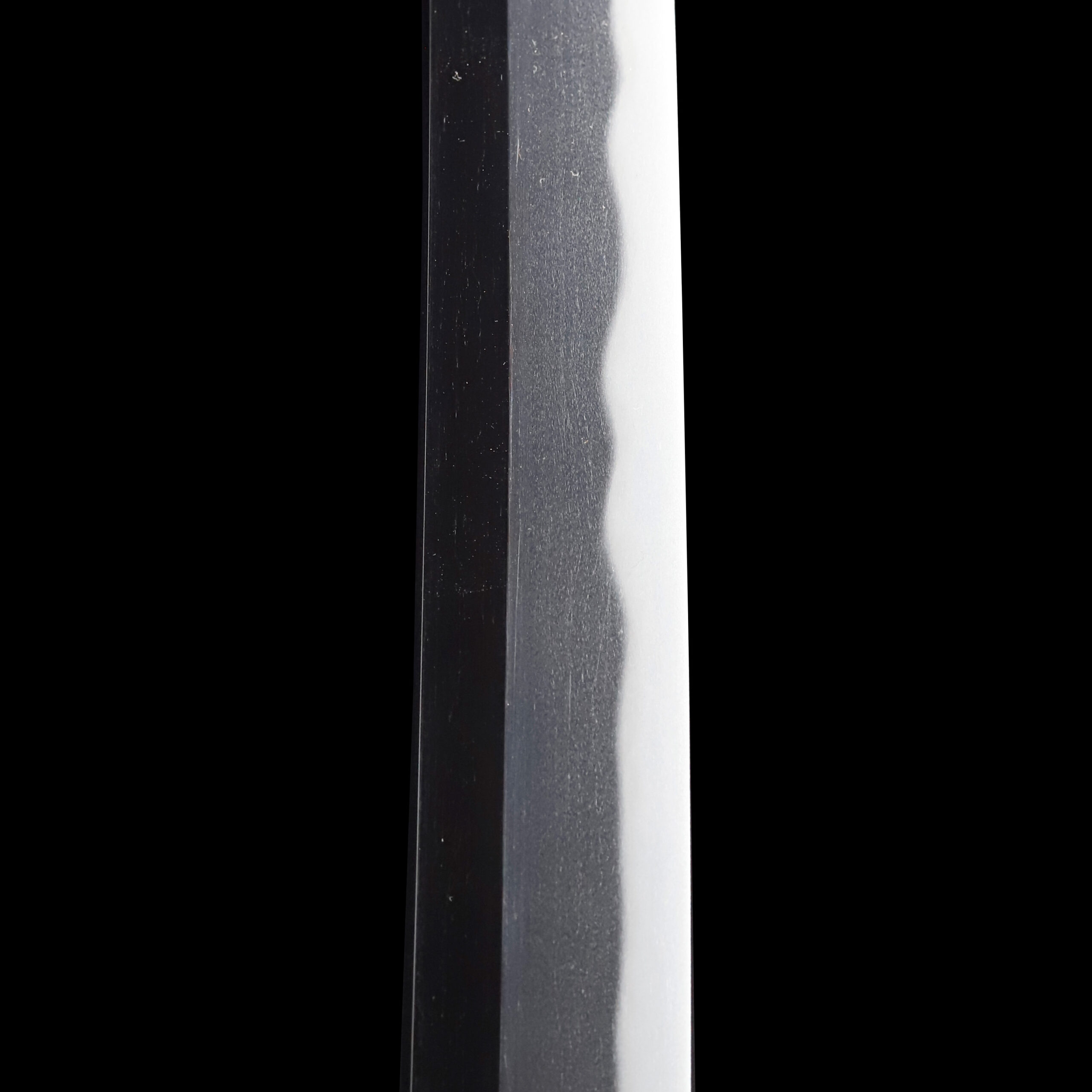
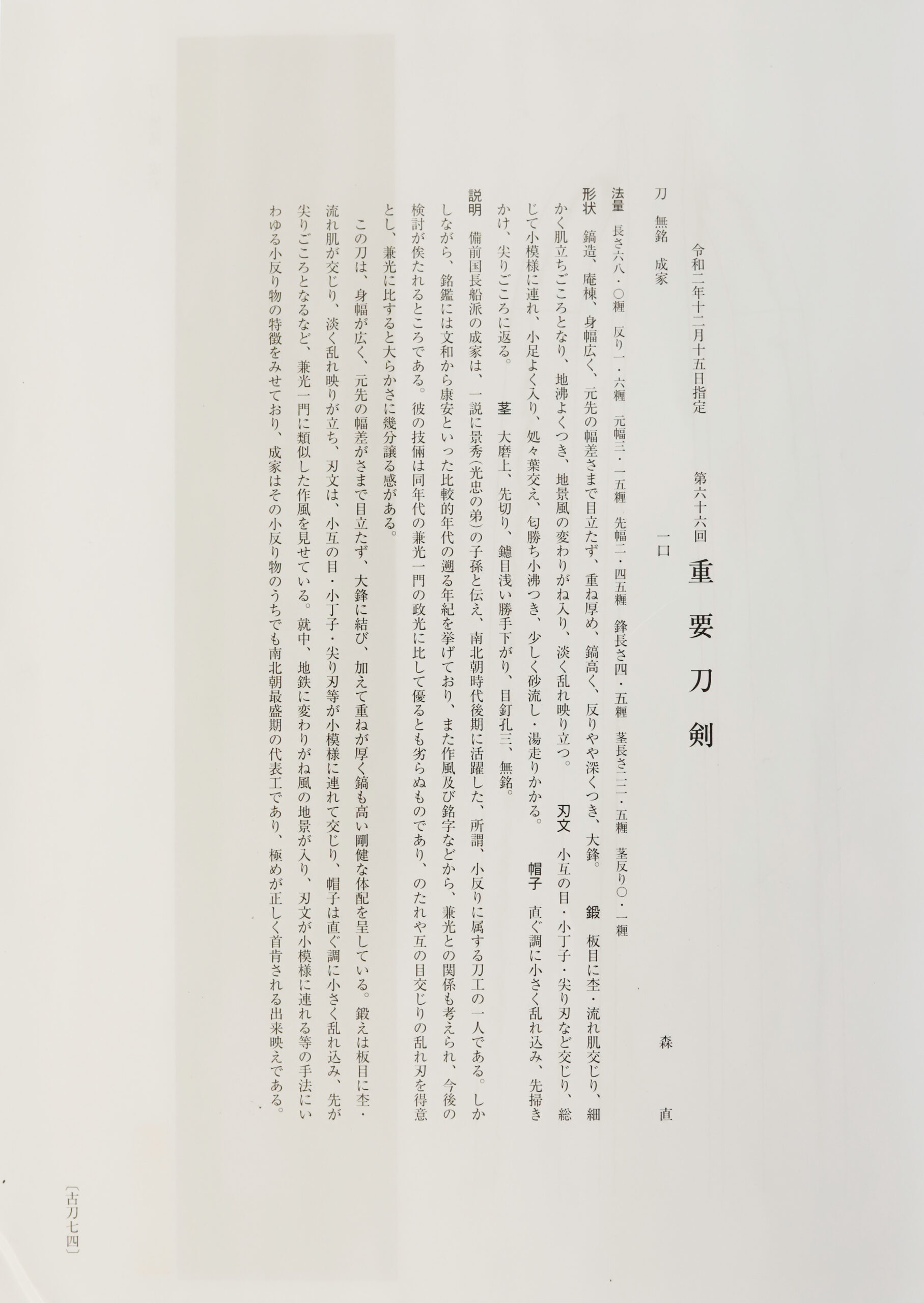
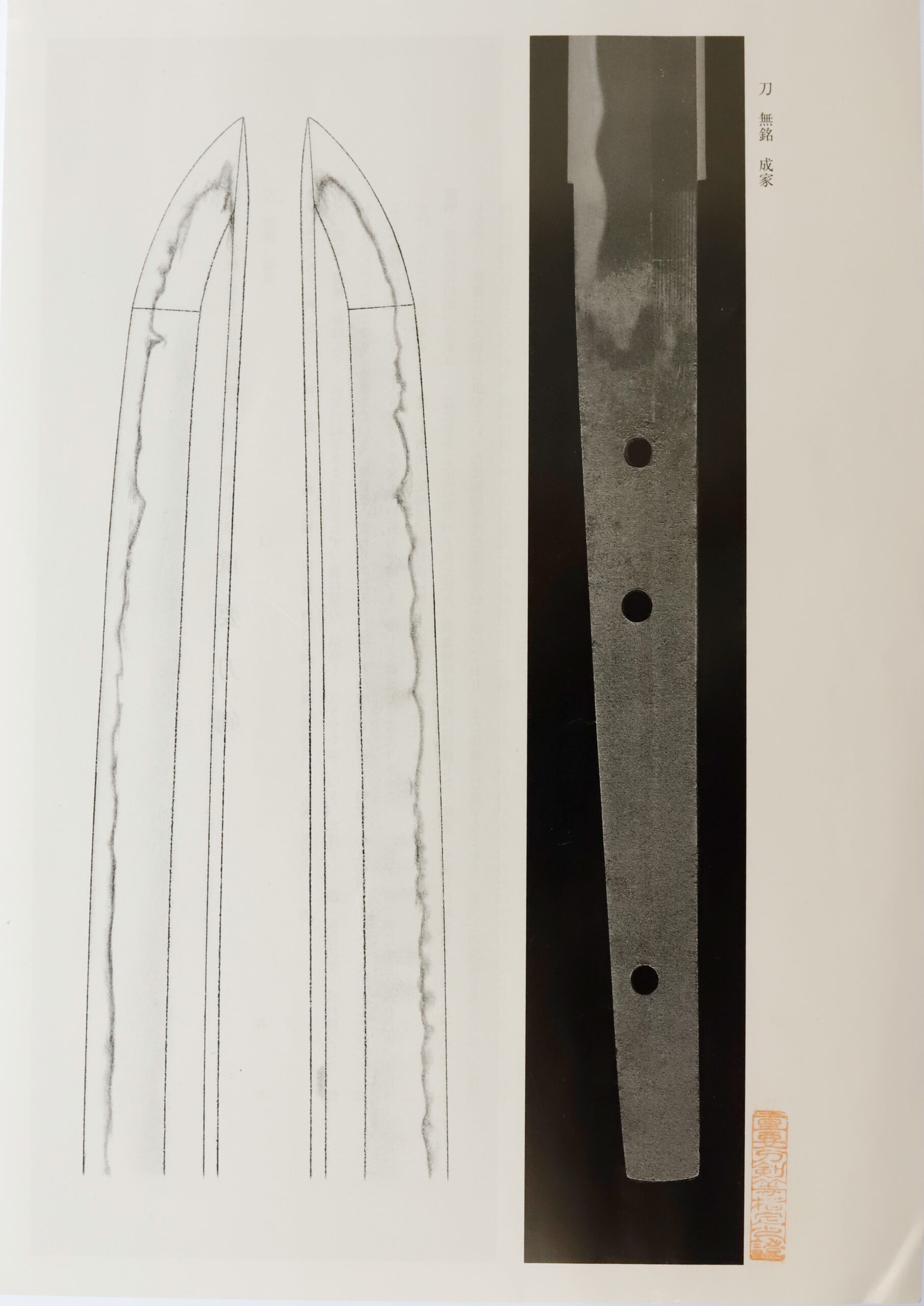
備前国長船派の成家は、一説に景秀(光忠の弟)の子孫と伝え、南北朝時代後期に活躍した、所謂、小反りに属する刀工の一人であ しながら、 銘鑑には文和から康安といった比較的年代の遡る年紀を挙げており、また作風及び銘字などから、兼光との関係も考えられ、今後の 検討が俟たれるところである。彼の技術は同年代の兼光一門の政光に比して優るとも劣らぬものであり、のたれや互の目交じりの乱れ刃を得意 とし、兼光に比すると大らかさに幾分譲る感がある。 この刀は、身幅が広く、元先の幅差がさまで目立たず、大鋒に結び、加えて重ねが厚く鎬も高い剛健な体配を呈している。鍛えは板目に杢・ 流れ肌が交じり、淡く乱れ映りが立ち、刃文は、小互の目・小丁子・尖り刃等が小模様に連れて交じり、帽子は直ぐ調に小さく乱れ込み、先が 尖りごころとなるなど、 兼光一門に類似した作風を見せている。 就中、地鉄に変わりがね風の地景が入り、刃文が小模様に連れる等の手法にい わゆる小反り物の特徴をみせており、成家はその小反り物のうちでも南北朝最盛期の代表工であり、極めが正しく首肯される出来映えである。
Kozori (Bizen Osafune) · 備前 · 1352-1362頃
藤代 Chu-jo saku · 刀剣大鑑 上位18%
現在3点販売中
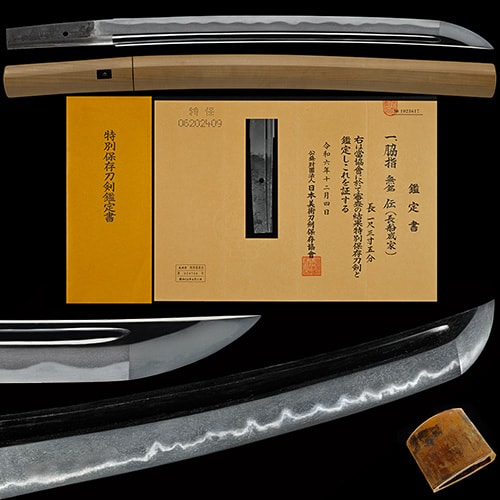
成家は南北朝後期の備前長船の刀工で、その作風を確定する年紀作は、文和・貞治から康安・応安・永和に及び、脇指の一口は康安二年の年紀をとどめる。銘鑑は光忠の弟・景秀の子孫と伝えるが、説明書はその系譜を措いて、作風の上から彼を小反物のうちに置く。小反とは、兼光と直接の師弟関係をもたない南北朝後期の長船刀工を指す呼称であり、その意味は今日でも漠然としていると本会は記す。説明が繰り返し立ち返るのは、作風および銘字の書風に読まれる兼光との関係であり、これを決せぬまま、「兼光との関係も考えられ、今後の検討が俟たれるところである」[[c:1]]と説く。彼はほとんど大磨上無銘の刀によって知られる工で、その名は重要文化財および重要刀剣二十口に及ぶ。
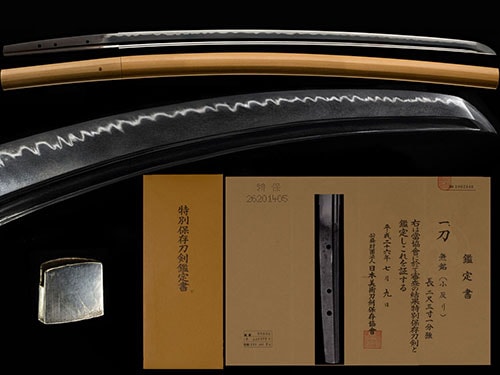
彼を特徴づける手は、一見兼光に見紛い、仔細に鑑て分かたれる互の目主調の乱れ刃である。小互の目・小のたれ・尖り刃を基調に、角ばる互の目・腰の開いた互の目を交え、総じて小模様にこずむ。本会はその得意の刃を端的に、「のたれや互の目交じりの乱れ刃を得意とし」[[c:2]]と記す。一種の刃形よりむしろ、小模様のうちに多種の刃を交える点が同工のものである。判者はこれを終始兼光に引き比べる。ある重要刀剣の刀には、一見兼光に見紛うとしたうえで、「焼刃の互の目がこずむ傾向が窺われ」[[c:3]]と加え、そのこずみのうちに成家と鑑すべき見どころを見出している。兼光に比すると幾分大らかさに不足するが、技術においては劣らぬと説明書は繰り返す。
地鉄は杢・流れ肌を交えた板目で、肌立ちごころとなり、地沸が細かにつき、変わりがね風の地景が入り、時に太く変わり鉄状に走り、時に地斑ごころを交える。乱れ映りが淡く立ち、時代の備前の映りをなすが、最も小模様にこずむ作では直ぐ状の映りとなるものもあり、地鉄は映りに加えて肌立つ板目と変わりがねの地景によって読まれる。刃中には足・葉がよく入り、匂勝ちに小沸つき、金筋・砂流しが細かにかかる。帽子は乱れ込んで先尖り、小丸に返るか焼詰めとなり、返りに掃きかける。棒樋を、しばしば添樋や梵字の痕跡を伴って掻き通す。姿は南北朝後期の幅広の体配で、身幅が広く元先の幅差が目立たず、大鋒に結び、反り浅く、手持ち重く、多くは大磨上無銘で姿を成す。
作域は茎で二分される。生ぶの一群は原姿と長銘・年紀をとどめ、腰反りの太刀や磨上げの平造脇指がこれに属して、他の一切の基準作となる。はるかに多くは大磨上無銘で、作風のみによって極められ、鑑定の論はこれらの上で繰り返される。すなわち、まず兼光一門と読まれ、次いで小さくこずむ乱れ、多種の刃を交える点、地刃に帯びる野趣によって成家へと帰せられる。年紀はまた、考証の上で独自の重みをもつ。銘鑑は文和・康安といった、小反物としては比較的年代の遡る年紀を挙げており、本会はこれに注目し、康安二年の脇指を好資料とする。
小反の刀工のなかで、説明書は彼を上手の一人に位置づける。その技倆を同年代の兼光門人・政光に比し、「彼の技術は同年代の兼光一門の政光に比して優るとも劣らず」[[c:4]]と記し、一口には南北朝最盛期の小反物の代表工と称する。彼を枠づける比較は、それゆえ借り物ではなく尺度である。兼光に並べられるのは、兼光から分かたれるためであり、読みを導くのは彼自身の典型の特色である。兼光の開くところに彼の乱れはこずみ、兼光一門の冴える地に彼の地は変わりがねの地景と淡い映りを帯び、整った彼らの刃に対して彼の焼刃は多くの小さな刃を集める。これらが判者の名指す同工の特色であり、類似はその訂正の対象としてのみ文中に残る。
藤代の評は成家を中上作とし、指定の記録は重要文化財一口と重要刀剣二十口に立ち、国宝も特別重要刀剣もこれに含まれない。重要文化財はそうした指定の常として市場の外に置かれる伝来である。重要刀剣の作は、そのほとんどが大磨上無銘の刀であり、私の蔵家が現実に出会いを望みうるものであるが、市に現れるのは折にふれてに過ぎない。彼の作の伝来は記録に乏しい。一口の刀は、三河国西尾藩城代家老今井定弘が戊辰・鳥羽伏見の戦いに佩用したものと伝え、朱石目地塗鞘打刀拵とともに伝来する。それを除けば所持者の多くは記録されず、長く私蔵に伝えられたと言うほかない。終始兼光に引き比べられる小反の名手にあって、在銘・年紀の作はより稀な出会いであり、大磨上無銘の刀がより常の出会いであって、いずれも意のままにではなく、辛抱とともに見出される。
成家の位置づけを、日本刀全体および伝統・時代・時期ごとに示します。各位(随一・屈指・有数・著名)は、NBTHK および文化庁による指定に加え、三作や名物帳などの歴史的栄誉を加味したものです。
各項目を選ぶと評価方法が表示されます。
在銘年紀作が示す、確実に活動していた年代
備前伝 · 備前
現在26点販売中
小反は、南北朝時代末期から室町時代初期にかけて備前長船の地に働いた一群の刀工を、血脈ではなく除外によって括った呼称である。すなわち兼光一門、長義、元重、大宮一門といった当時の長船の主立った系統のいずれにも直接の師弟関係を結ばぬ周縁の手を、まとめて一名のもとに集めたものであり、その名の意味するところは今日なお漠然としていると本会は率直に記す。秀光、家助、成家、家守、師光、守助らがこれに数えられ、銘鑑はおのおのを数代に立てて初代を鎌倉後期から建武・暦応の頃に置くが、確たる初代作を経眼せず、現存の有銘作はおおむね文和・貞治から永徳・明徳を経て応永一桁代に及ぶ。それゆえ各遺例は一手に確定的に帰すよりも、作風と年紀によって読まれるのを常とする。師光が倫光の子にして応永備前の盛光の父と伝えられ、家助が畠田派を承けて応永備前の一角をなすように、この一群は長船嫡流の華やかな本流とその次代の応永備前との間に、静かな周縁の地帯をなして横たわる。 この一派を貫く手は小模様の乱れである。兼光一門が太く円い互の目を焼くのに対し、小反の工はおおむね同じ趣を小さくこずんだ刃に収め、小のたれを本位として小互の目を連れごころに焼き、これに尖り刃、角ばる刃、腰の開いた互の目を交え、処々逆ごころを見せて、総じて小さくこずむ。足・葉よく入り、匂を主調にわずかに小沸つき、金筋・砂流しが細かに働き、丁子を交えてもなお控えめにとどまる。地鉄は板目に杢を交えて流れごころとなり、肌やや立って地沸細かにつき、地景が黒く沈み、時に地斑を交え、その上に淡い、あるいは鮮明な乱れ映りが立つ。短刀・平造の作では棒映り、直ぐ状の映りとなるものも見え、いずれにせよこの映りが、同時代の相州風の手から一派を分かち、備前の地に繋ぎ止める最も確かな標となる。帽子は刃文に従って乱れ込み尖りごころに掃きかけ、あるいは小丸に結ぶ。棒樋を掻き、梵字、護摩箸、倶利迦羅などを彫る作もある。一派の常を越えて、師光の至徳の太刀のように腰の開いた互の目に高低を見せて華やかに乱れ、応永備前を予兆させる作もあり、家守の応永の太刀のごとく重ね厚く先反りを加えて次代の姿に近づくものもある。 収集の観点から小反の物が求められるのは、何よりそれが資料として明瞭であるからである。鑑定の勘所は二つの敷居を分かつことにある。一つは兼光本流との別で、模様の小さくこずむ点と、やや控えめな作位とによってこれを読み、いま一つは応永備前との別で、腰の開いた互の目と棒映りのうちに次代の萌芽を見ながら、なお南北朝の古調の姿と抑えた焼きにとどまる点をもって分かつ。主要な工の格はおのずから別れ、師光は上々作に位し、秀光、家助、成家、守助、家守らは中上作の位を占める。在銘の作はおおむね生ぶで年紀を備えた太刀として遺り、成家のように大磨上無銘の刀によって主に知られる工もあるが、いずれの場合も、年紀の確かな南北朝の備前として頗る貴重とされる。伝来は概して薄いが確かで、黒田家、加賀前田家、庄内酒井家、皇室の手を経た作や、林原美術館、東京国立博物館、京都国立博物館、春日大社に伝わる作が知られ、その多くは伝持されて市場に現れることは稀である。在銘有年紀の小反物が世に出るのは折に触れてに過ぎず、根気を要するが、現れればそれは、長船派が南北朝の世をいかに閉じ、応永の再興へといかに身を運んだかを、一年一年読みうる確かな文書となる。 詳しく見る →
二つの朝廷が争った六十年、刀身は長大化し、長船がその需要に応えた。兼光と長義の工房は実際に戦う国人層の武士に仕え、軍勢とともに相州風が届いて相伝備前が生まれた。
特別保存刀剣の中から、特に出来が優れ、国認定の重要美術品に準ずると判断された名品です。年に一度の重要刀剣審査で選ばれます。
極めて選別的で、日本に登録された約250万口の刀剣のうち、重要刀剣に達したものは12,307口(約203口に1口)にすぎません。
日本美術刀剣保存協会(NBTHK)は、1948年に設立され、文化庁の監督を受ける公益財団法人で、東京・刀剣博物館に本部を置きます。専門の審査員が出品作を直接審査し、美術的・歴史的価値に応じた鑑定書を発行します。NBTHKの鑑定書は、日本刀および刀装具の真正性を示す最も広く認知された基準です。
NBTHK公式サイトReturns/exchanges limited to defects caused by shipping (except willful misconduct or gross negligence by the company); customers must contact within 72 hours of receiving the product.
日本刀 備前長船成家(伝) 日本美術刀剣保存協会(NBTHK) 重要刀剣指定品 【解説】 概要 本作は、南北朝時代中期から後期(14世紀中頃から後半)にかけて活躍した備前長船の絵師、成家(なりいえ)の作と極められた一振りです。日本美術刀剣保存協会による重要刀剣の鑑定を受けています。現存する記録によれば、成家は文和(1352-1356年)や康安(1361-1362年)の年紀銘を残しており、本作は650年以上の歳月を経た名品といえます。 成家は備前国(現在の岡山県)に居住し、備前長船派の祖である光忠の弟・景秀の孫にあたると伝えられています。 景秀の作刀は、名将・伊達政宗の愛刀としても知られており、その孫である成家もまた、同時代の備前の巨匠・兼光と作風が酷似することから、両者の間には深い交流があったと推測されています。 成家は「小反(こぞり)」派の代表的工匠として位置づけられています。小反とは、南北朝時代の長船派において、兼光などの主流派とは別に独自の作風を展開した一群を指します。成家はその中でも筆頭に挙げられる名工であり、他に師光、康光、倫光などがこの派の著名な刀工として知られています。 成家が活躍した南北朝時代は、朝廷が南北に分かれ戦乱が続いた激動の時代でした。多くの武士が戦場に赴く中、成家をはじめとする小反派の刀工たちは、実戦に耐えうる極めて質の高い刀剣を世に送り出し、武士たちの需要に応えていたのです。 備前長船派の歴史 長船派は、鎌倉時代中期の光忠を始祖として興りました。備前国の中でも最大の流派であり、時の権力者や名だたる武将から多くの注文を受けました。その作品は「長船物」として広く親しまれ、武士たちの間で絶大な信頼と人気を誇りました。 歴代の刀工の中でも、長光、真長、景光の三名は「長船三作」と称され、さらに長光、兼光、長義、元重の四名は「長船四天王」として、その名を歴史に刻んでいます。 備前国は中国山地に近く、刀剣の主原料である良質な砂鉄が豊富に採れました。さらに、吉井川の豊かな水と炭にも恵まれており、この地質的条件が、洗練された高品質な刀剣を生み出す土壌となりました。備前における作刀の歴史は古く、平安時代後期には「古備前」と呼ばれる刀工集団によって備前伝の基礎が築かれました。長船派は、この古備前の伝統と技術を継承し、鎌倉時代中期以降、空前の繁栄を遂げたのです。 本作は、日本美術刀剣保存協会(NBTHK)より「重要刀剣」に指定されています。この鑑定書は、保存状態が極めて良好で、かつ芸術的価値が特に高いと認められた真作にのみ与えられるものです。重要刀剣は「特別保存刀剣」の上位ランクに位置し、その審査対象となるにはまず特別保存の指定を受けている必要があります。重要刀剣に指定されることは稀であり、愛好家やコレクターの間で非常に高く評価されるステータスとなっています。 ※鎬地にわずかな鍛え傷が見受けられます。詳細なコンディションについては、お気軽にお問い合わせください。 【刀身】 長さ(Nagasa):68.0 cm 反り(Sori):1.6 cm 刃文(Hamon):
備前国長船派の成家は、一説に景秀(光忠の弟)の子孫と伝え、南北朝時代後期に活躍した、所謂、小反りに属する刀工の一人であ しながら、 銘鑑には文和から康安といった比較的年代の遡る年紀を挙げており、また作風及び銘字などから、兼光との関係も考えられ、今後の 検討が俟たれるところである。彼の技術は同年代の兼光一門の政光に比して優るとも劣らぬものであり、のたれや互の目交じりの乱れ刃を得意 とし、兼光に比すると大らかさに幾分譲る感がある。 この刀は、身幅が広く、元先の幅差がさまで目立たず、大鋒に結び、加えて重ねが厚く鎬も高い剛健な体配を呈している。鍛えは板目に杢・ 流れ肌が交じり、淡く乱れ映りが立ち、刃文は、小互の目・小丁子・尖り刃等が小模様に連れて交じり、帽子は直ぐ調に小さく乱れ込み、先が 尖りごころとなるなど、 兼光一門に類似した作風を見せている。 就中、地鉄に変わりがね風の地景が入り、刃文が小模様に連れる等の手法にい わゆる小反り物の特徴をみせており、成家はその小反り物のうちでも南北朝最盛期の代表工であり、極めが正しく首肯される出来映えである。
NihontoWatch備前国長船派の成家は、一説に景秀(光忠の弟)の子孫と伝え、南北朝時代後期に活躍した、所謂、小反りに属する刀工の一人であ しながら、 銘鑑には文和から康安といった比較的年代の遡る年紀を挙げており、また作風及び銘字などから、兼光との関係も考えられ、今後の 検討が俟たれるところである。彼の技術は同年代の兼光一門の政光に比して優るとも劣らぬものであり、のたれや互の目交じりの乱れ刃を得意 とし、兼光に比すると大らかさに幾分譲る感がある。 この刀は、身幅が広く、元先の幅差がさまで目立たず、大鋒に結び、加えて重ねが厚く鎬も高い剛健な体配を呈している。鍛えは板目に杢・ 流れ肌が交じり、淡く乱れ映りが立ち、刃文は、小互の目・小丁子・尖り刃等が小模様に連れて交じり、帽子は直ぐ調に小さく乱れ込み、先が 尖りごころとなるなど、 兼光一門に類似した作風を見せている。 就中、地鉄に変わりがね風の地景が入り、刃文が小模様に連れる等の手法にい わゆる小反り物の特徴をみせており、成家はその小反り物のうちでも南北朝最盛期の代表工であり、極めが正しく首肯される出来映えである。
Kozori (Bizen Osafune) · 備前 · 1352-1362頃
藤代 Chu-jo saku · 刀剣大鑑 上位18%
現在3点販売中
成家は南北朝後期の備前長船の刀工で、その作風を確定する年紀作は、文和・貞治から康安・応安・永和に及び、脇指の一口は康安二年の年紀をとどめる。銘鑑は光忠の弟・景秀の子孫と伝えるが、説明書はその系譜を措いて、作風の上から彼を小反物のうちに置く。小反とは、兼光と直接の師弟関係をもたない南北朝後期の長船刀工を指す呼称であり、その意味は今日でも漠然としていると本会は記す。説明が繰り返し立ち返るのは、作風および銘字の書風に読まれる兼光との関係であり、これを決せぬまま、「兼光との関係も考えられ、今後の検討が俟たれるところである」[[c:1]]と説く。彼はほとんど大磨上無銘の刀によって知られる工で、その名は重要文化財および重要刀剣二十口に及ぶ。
彼を特徴づける手は、一見兼光に見紛い、仔細に鑑て分かたれる互の目主調の乱れ刃である。小互の目・小のたれ・尖り刃を基調に、角ばる互の目・腰の開いた互の目を交え、総じて小模様にこずむ。本会はその得意の刃を端的に、「のたれや互の目交じりの乱れ刃を得意とし」[[c:2]]と記す。一種の刃形よりむしろ、小模様のうちに多種の刃を交える点が同工のものである。判者はこれを終始兼光に引き比べる。ある重要刀剣の刀には、一見兼光に見紛うとしたうえで、「焼刃の互の目がこずむ傾向が窺われ」[[c:3]]と加え、そのこずみのうちに成家と鑑すべき見どころを見出している。兼光に比すると幾分大らかさに不足するが、技術においては劣らぬと説明書は繰り返す。
地鉄は杢・流れ肌を交えた板目で、肌立ちごころとなり、地沸が細かにつき、変わりがね風の地景が入り、時に太く変わり鉄状に走り、時に地斑ごころを交える。乱れ映りが淡く立ち、時代の備前の映りをなすが、最も小模様にこずむ作では直ぐ状の映りとなるものもあり、地鉄は映りに加えて肌立つ板目と変わりがねの地景によって読まれる。刃中には足・葉がよく入り、匂勝ちに小沸つき、金筋・砂流しが細かにかかる。帽子は乱れ込んで先尖り、小丸に返るか焼詰めとなり、返りに掃きかける。棒樋を、しばしば添樋や梵字の痕跡を伴って掻き通す。姿は南北朝後期の幅広の体配で、身幅が広く元先の幅差が目立たず、大鋒に結び、反り浅く、手持ち重く、多くは大磨上無銘で姿を成す。
作域は茎で二分される。生ぶの一群は原姿と長銘・年紀をとどめ、腰反りの太刀や磨上げの平造脇指がこれに属して、他の一切の基準作となる。はるかに多くは大磨上無銘で、作風のみによって極められ、鑑定の論はこれらの上で繰り返される。すなわち、まず兼光一門と読まれ、次いで小さくこずむ乱れ、多種の刃を交える点、地刃に帯びる野趣によって成家へと帰せられる。年紀はまた、考証の上で独自の重みをもつ。銘鑑は文和・康安といった、小反物としては比較的年代の遡る年紀を挙げており、本会はこれに注目し、康安二年の脇指を好資料とする。
小反の刀工のなかで、説明書は彼を上手の一人に位置づける。その技倆を同年代の兼光門人・政光に比し、「彼の技術は同年代の兼光一門の政光に比して優るとも劣らず」[[c:4]]と記し、一口には南北朝最盛期の小反物の代表工と称する。彼を枠づける比較は、それゆえ借り物ではなく尺度である。兼光に並べられるのは、兼光から分かたれるためであり、読みを導くのは彼自身の典型の特色である。兼光の開くところに彼の乱れはこずみ、兼光一門の冴える地に彼の地は変わりがねの地景と淡い映りを帯び、整った彼らの刃に対して彼の焼刃は多くの小さな刃を集める。これらが判者の名指す同工の特色であり、類似はその訂正の対象としてのみ文中に残る。
藤代の評は成家を中上作とし、指定の記録は重要文化財一口と重要刀剣二十口に立ち、国宝も特別重要刀剣もこれに含まれない。重要文化財はそうした指定の常として市場の外に置かれる伝来である。重要刀剣の作は、そのほとんどが大磨上無銘の刀であり、私の蔵家が現実に出会いを望みうるものであるが、市に現れるのは折にふれてに過ぎない。彼の作の伝来は記録に乏しい。一口の刀は、三河国西尾藩城代家老今井定弘が戊辰・鳥羽伏見の戦いに佩用したものと伝え、朱石目地塗鞘打刀拵とともに伝来する。それを除けば所持者の多くは記録されず、長く私蔵に伝えられたと言うほかない。終始兼光に引き比べられる小反の名手にあって、在銘・年紀の作はより稀な出会いであり、大磨上無銘の刀がより常の出会いであって、いずれも意のままにではなく、辛抱とともに見出される。
成家の位置づけを、日本刀全体および伝統・時代・時期ごとに示します。各位(随一・屈指・有数・著名)は、NBTHK および文化庁による指定に加え、三作や名物帳などの歴史的栄誉を加味したものです。
各項目を選ぶと評価方法が表示されます。
在銘年紀作が示す、確実に活動していた年代
備前伝 · 備前
現在26点販売中
小反は、南北朝時代末期から室町時代初期にかけて備前長船の地に働いた一群の刀工を、血脈ではなく除外によって括った呼称である。すなわち兼光一門、長義、元重、大宮一門といった当時の長船の主立った系統のいずれにも直接の師弟関係を結ばぬ周縁の手を、まとめて一名のもとに集めたものであり、その名の意味するところは今日なお漠然としていると本会は率直に記す。秀光、家助、成家、家守、師光、守助らがこれに数えられ、銘鑑はおのおのを数代に立てて初代を鎌倉後期から建武・暦応の頃に置くが、確たる初代作を経眼せず、現存の有銘作はおおむね文和・貞治から永徳・明徳を経て応永一桁代に及ぶ。それゆえ各遺例は一手に確定的に帰すよりも、作風と年紀によって読まれるのを常とする。師光が倫光の子にして応永備前の盛光の父と伝えられ、家助が畠田派を承けて応永備前の一角をなすように、この一群は長船嫡流の華やかな本流とその次代の応永備前との間に、静かな周縁の地帯をなして横たわる。 この一派を貫く手は小模様の乱れである。兼光一門が太く円い互の目を焼くのに対し、小反の工はおおむね同じ趣を小さくこずんだ刃に収め、小のたれを本位として小互の目を連れごころに焼き、これに尖り刃、角ばる刃、腰の開いた互の目を交え、処々逆ごころを見せて、総じて小さくこずむ。足・葉よく入り、匂を主調にわずかに小沸つき、金筋・砂流しが細かに働き、丁子を交えてもなお控えめにとどまる。地鉄は板目に杢を交えて流れごころとなり、肌やや立って地沸細かにつき、地景が黒く沈み、時に地斑を交え、その上に淡い、あるいは鮮明な乱れ映りが立つ。短刀・平造の作では棒映り、直ぐ状の映りとなるものも見え、いずれにせよこの映りが、同時代の相州風の手から一派を分かち、備前の地に繋ぎ止める最も確かな標となる。帽子は刃文に従って乱れ込み尖りごころに掃きかけ、あるいは小丸に結ぶ。棒樋を掻き、梵字、護摩箸、倶利迦羅などを彫る作もある。一派の常を越えて、師光の至徳の太刀のように腰の開いた互の目に高低を見せて華やかに乱れ、応永備前を予兆させる作もあり、家守の応永の太刀のごとく重ね厚く先反りを加えて次代の姿に近づくものもある。 収集の観点から小反の物が求められるのは、何よりそれが資料として明瞭であるからである。鑑定の勘所は二つの敷居を分かつことにある。一つは兼光本流との別で、模様の小さくこずむ点と、やや控えめな作位とによってこれを読み、いま一つは応永備前との別で、腰の開いた互の目と棒映りのうちに次代の萌芽を見ながら、なお南北朝の古調の姿と抑えた焼きにとどまる点をもって分かつ。主要な工の格はおのずから別れ、師光は上々作に位し、秀光、家助、成家、守助、家守らは中上作の位を占める。在銘の作はおおむね生ぶで年紀を備えた太刀として遺り、成家のように大磨上無銘の刀によって主に知られる工もあるが、いずれの場合も、年紀の確かな南北朝の備前として頗る貴重とされる。伝来は概して薄いが確かで、黒田家、加賀前田家、庄内酒井家、皇室の手を経た作や、林原美術館、東京国立博物館、京都国立博物館、春日大社に伝わる作が知られ、その多くは伝持されて市場に現れることは稀である。在銘有年紀の小反物が世に出るのは折に触れてに過ぎず、根気を要するが、現れればそれは、長船派が南北朝の世をいかに閉じ、応永の再興へといかに身を運んだかを、一年一年読みうる確かな文書となる。 詳しく見る →
二つの朝廷が争った六十年、刀身は長大化し、長船がその需要に応えた。兼光と長義の工房は実際に戦う国人層の武士に仕え、軍勢とともに相州風が届いて相伝備前が生まれた。
特別保存刀剣の中から、特に出来が優れ、国認定の重要美術品に準ずると判断された名品です。年に一度の重要刀剣審査で選ばれます。
極めて選別的で、日本に登録された約250万口の刀剣のうち、重要刀剣に達したものは12,307口(約203口に1口)にすぎません。
日本美術刀剣保存協会(NBTHK)は、1948年に設立され、文化庁の監督を受ける公益財団法人で、東京・刀剣博物館に本部を置きます。専門の審査員が出品作を直接審査し、美術的・歴史的価値に応じた鑑定書を発行します。NBTHKの鑑定書は、日本刀および刀装具の真正性を示す最も広く認知された基準です。
NBTHK公式サイトReturns/exchanges limited to defects caused by shipping (except willful misconduct or gross negligence by the company); customers must contact within 72 hours of receiving the product.