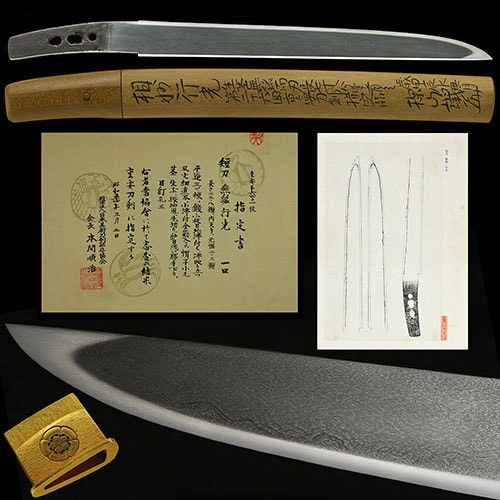
1333年に鎌倉は落ちたが、一派の最大の時代はその後に来た。師の水準で鍛える貞宗、皆焼を大成した広光と秋広。相州風は軍勢とともに広がり、一時は国じゅうの様式となった。
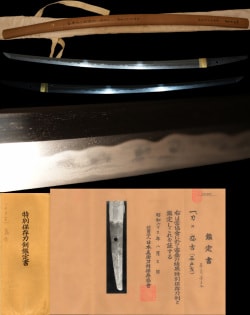
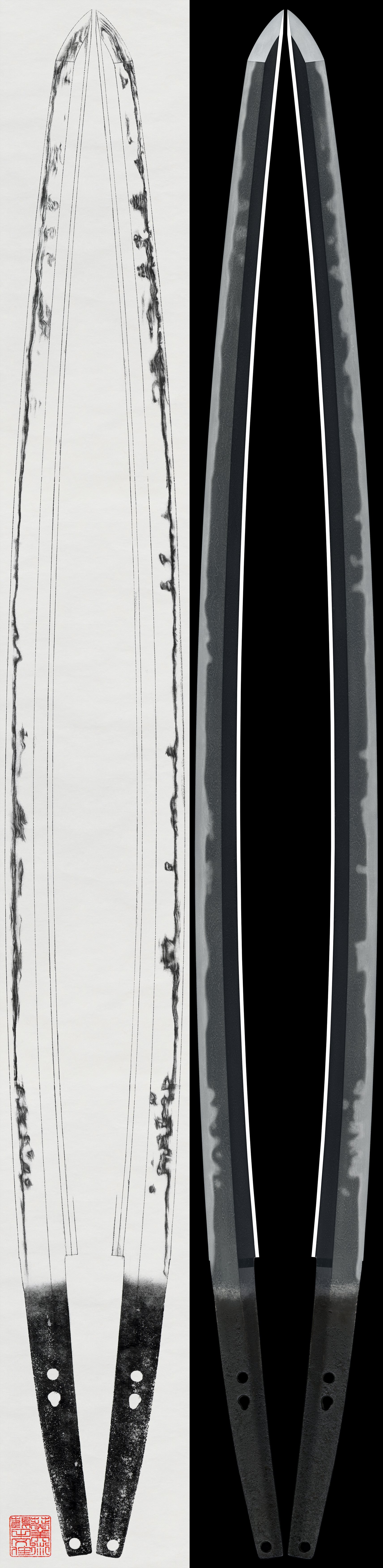
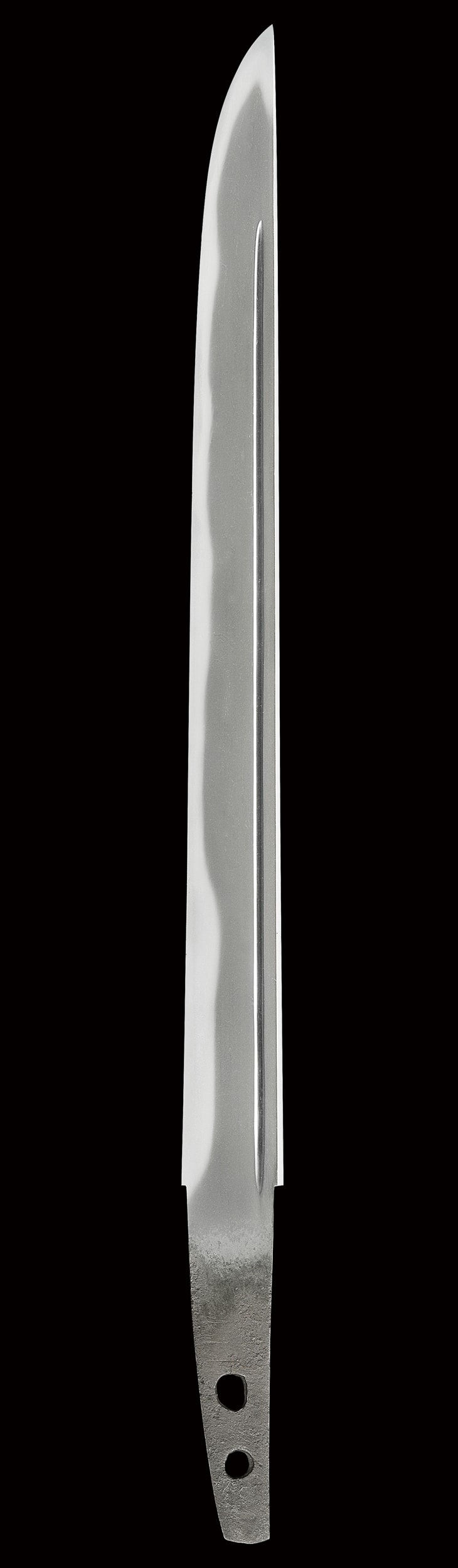
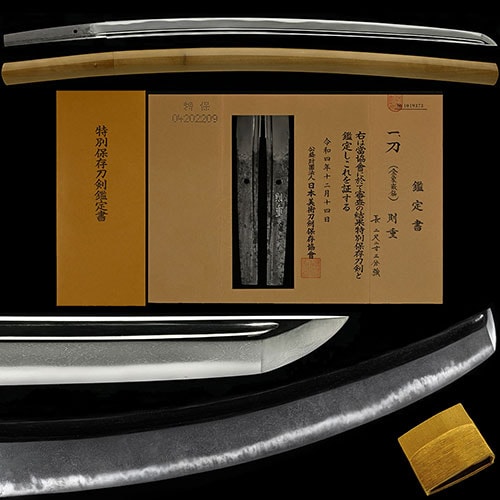
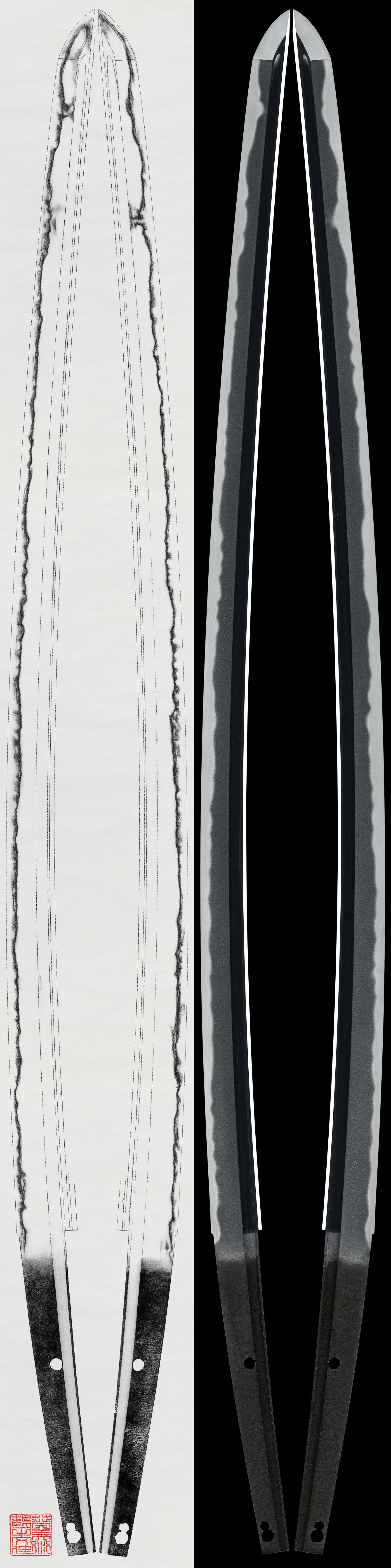
安吉は、大左の子で、後に筑前から長州に移住したと伝えるが、このことは「長州住安吉」と切った正平十七年紀の重要美術品の短刀があることからも分かる。この刀は、反りが浅くつく南北朝の姿で、地沸微塵に厚くつき、地景頻りに入る肌立った地鉄に、のたれに、互の目・湯走り・飛び焼きを頻りに交え、足・葉よく入り、金筋砂流し頻りに掃き掛け、刃中の働き盛んで、覇気溢れ、地刃明るく冴える安吉の傑作である。
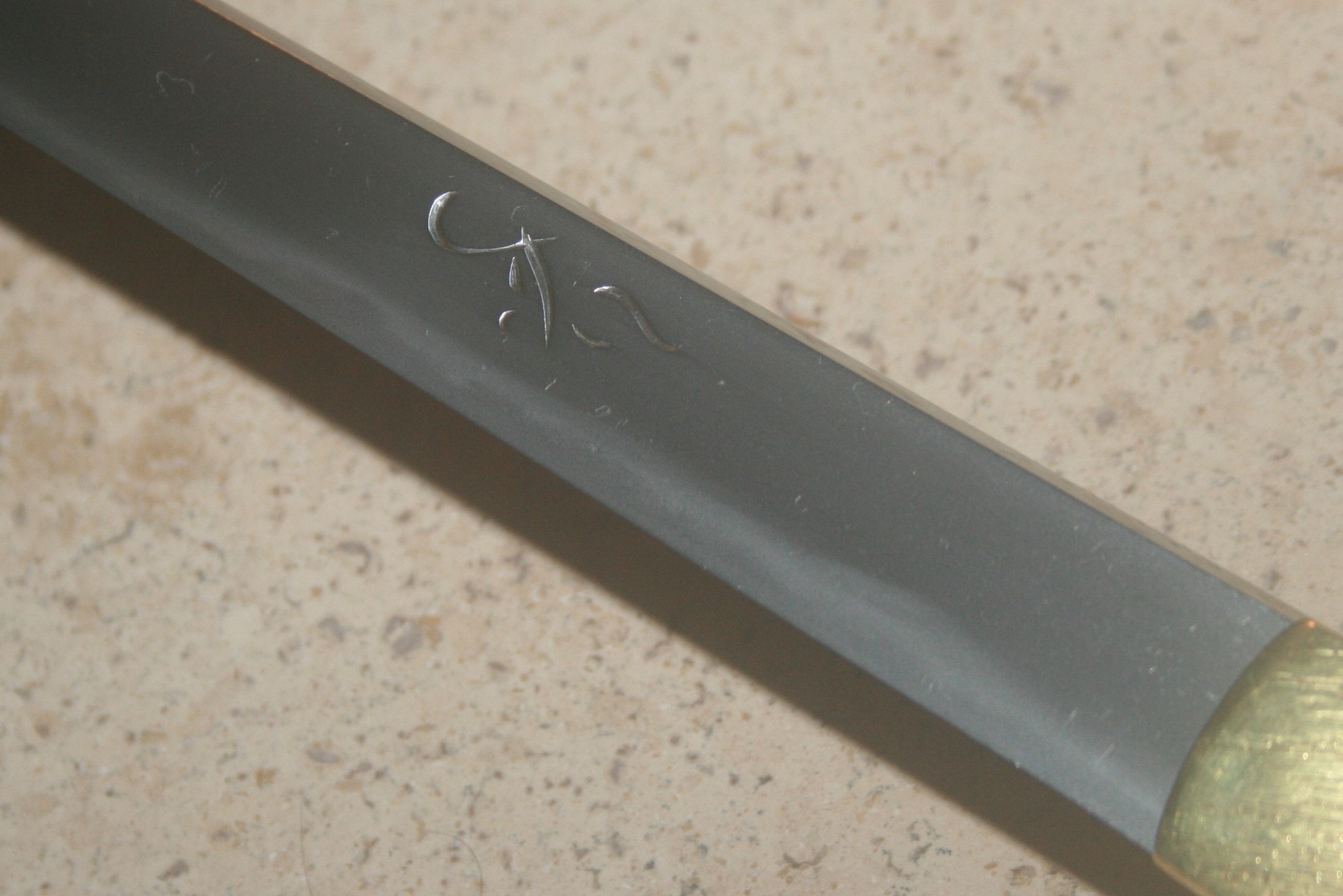
大左の子安吉は筑前から長州に移住したと伝えているが、このことは正平十七年紀で長州住安吉と切った短刀(重要美術品)に見る銘振りが常の安吉と同一であることからも首肯される。こののち長州安吉と明記した安吉の作には永和及び至徳年間のものが遺存し、応永年紀のものは作柄・銘振りから明らかに代替りの安吉とせられるものである。常に見る安吉は、のたれで小沸つき一見兼光などの長船物に紛れる作風を見せるが、この作は地刃ともに沸づいて大模様の乱刃を焼いて磊落の感があり、つき上げて尖って返る帽子にこの派の特色を示している。南北朝の長州安吉の一作風をあらわしたものである。
 NihontoWatch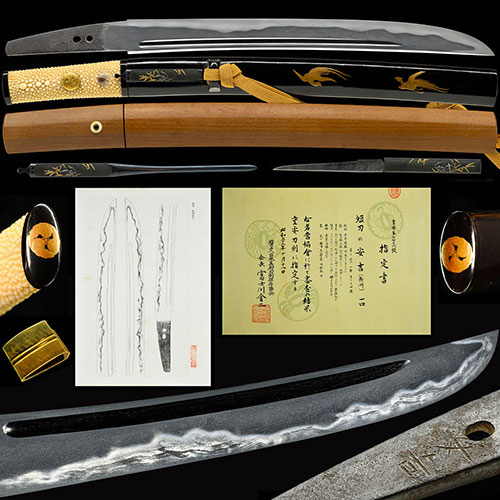
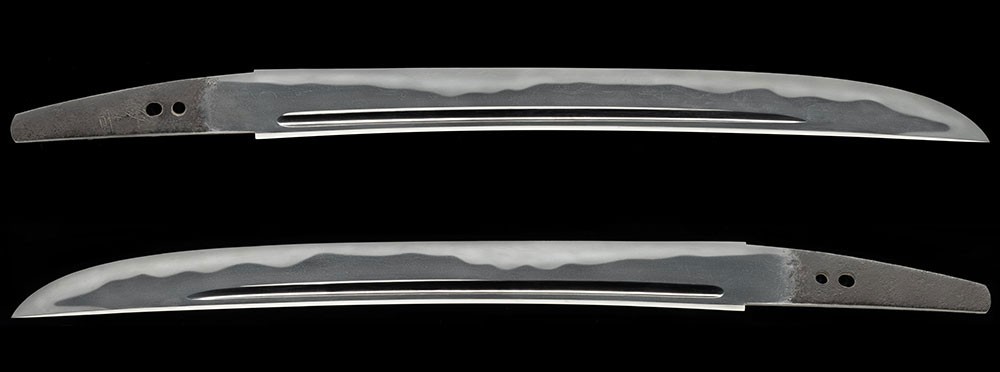
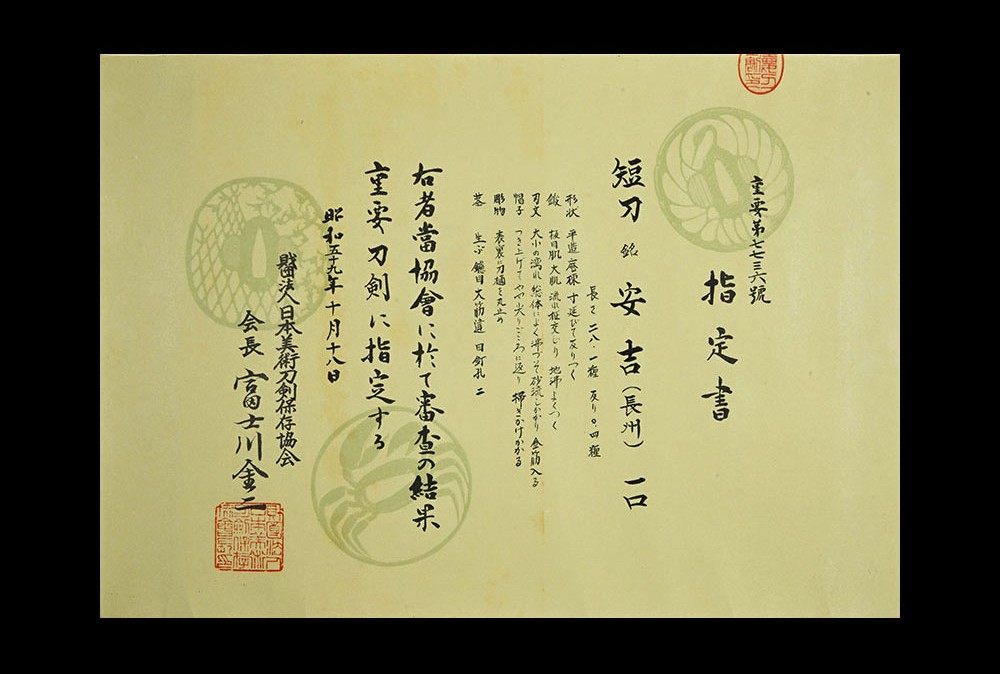
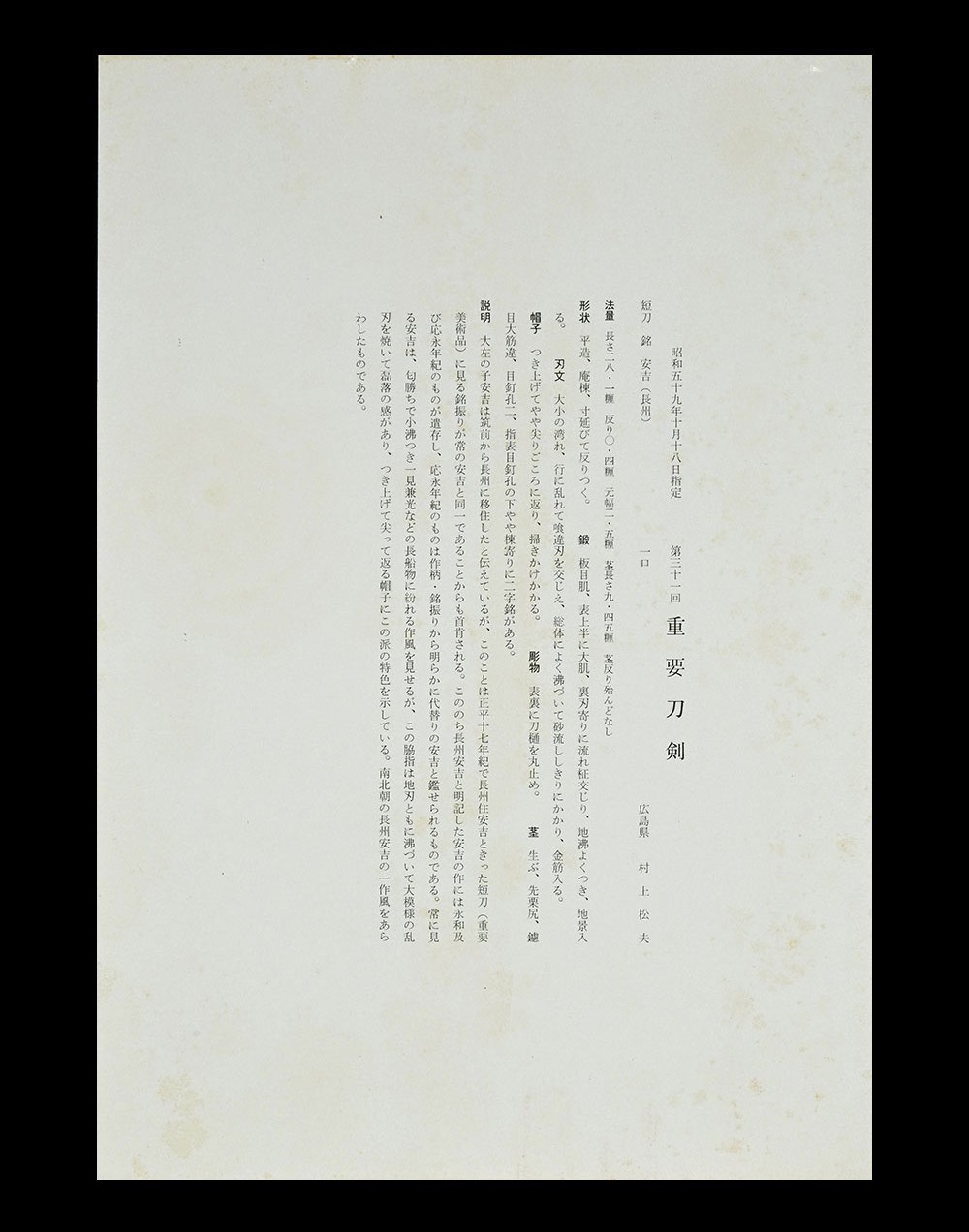
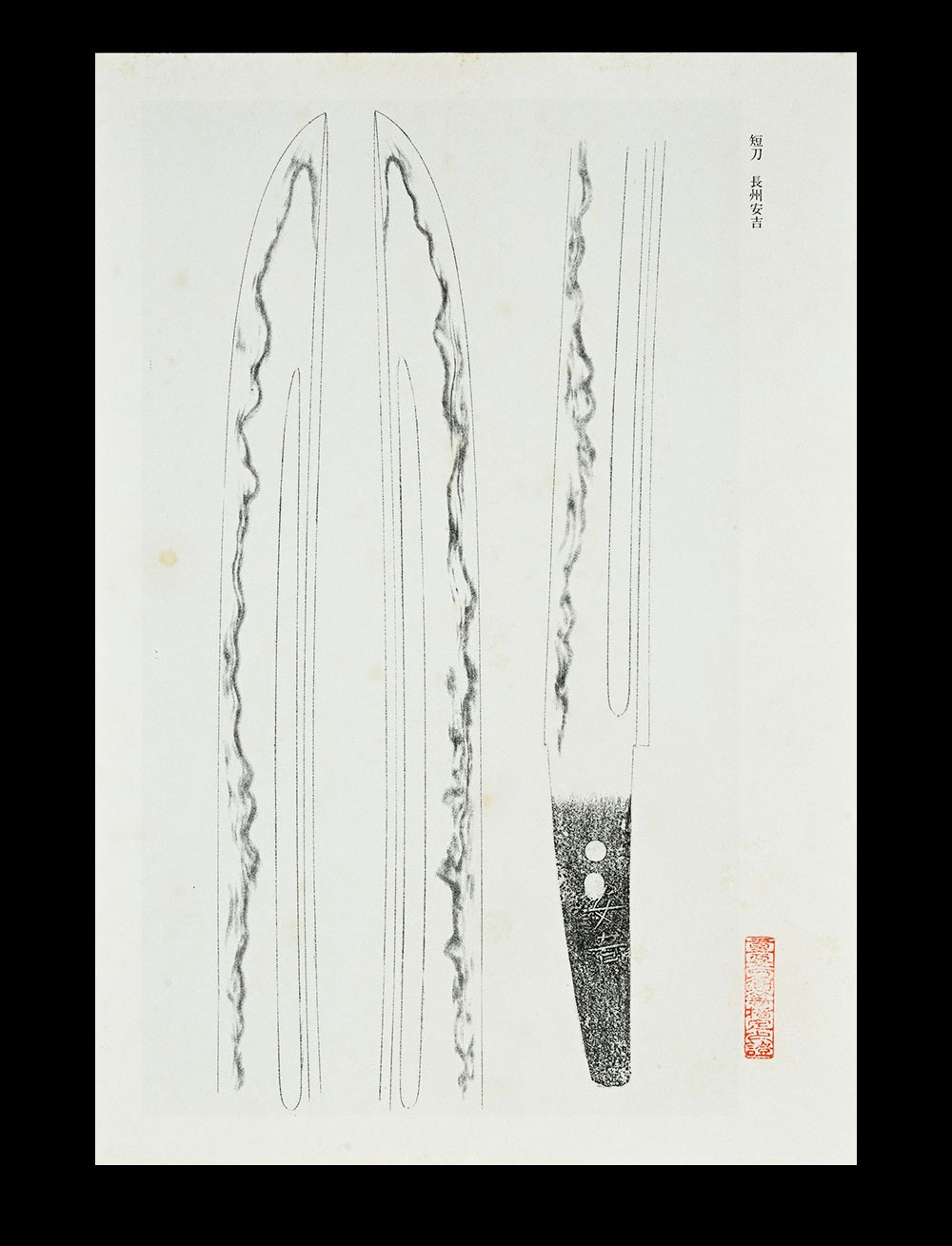
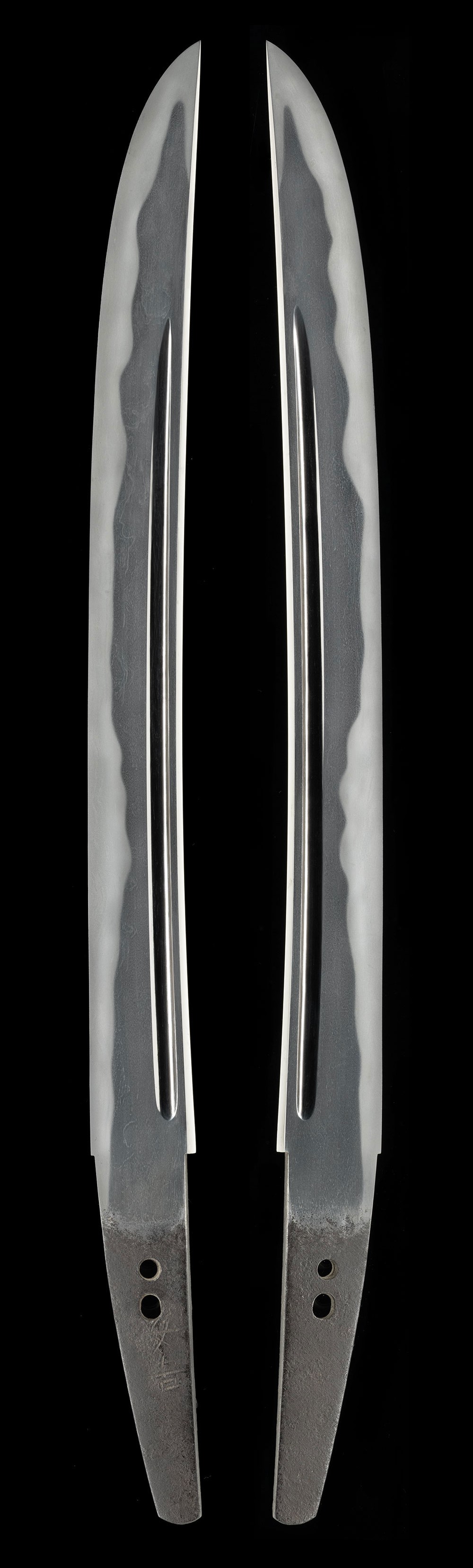
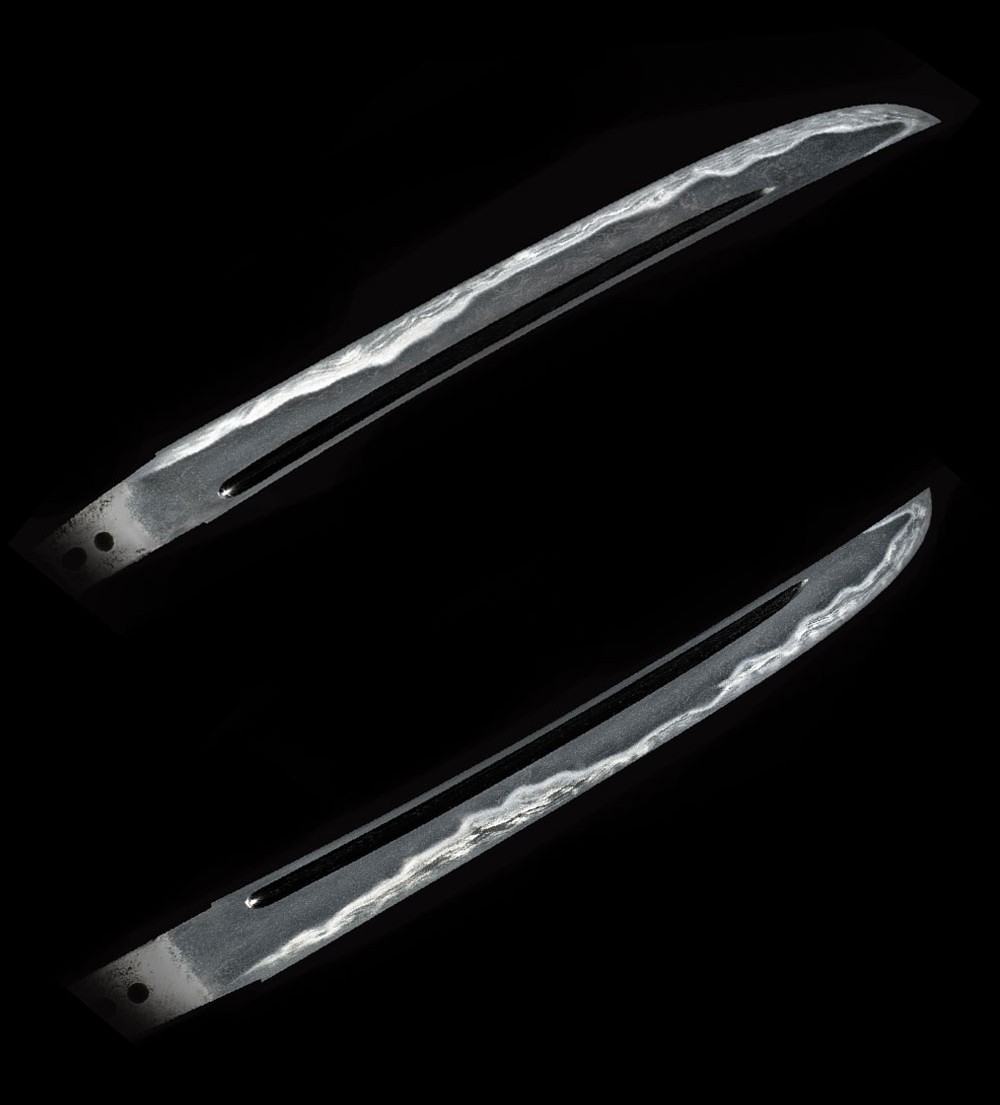
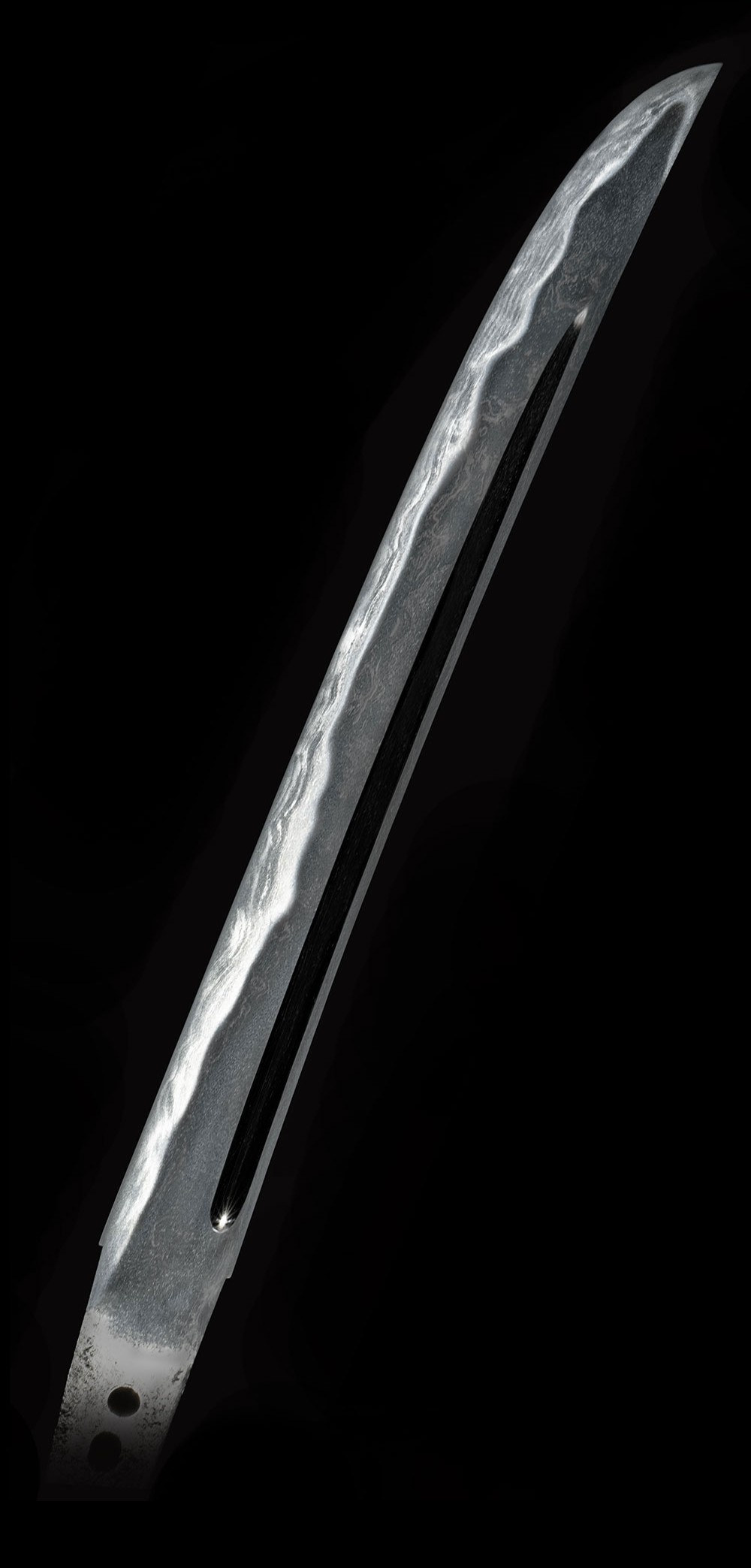
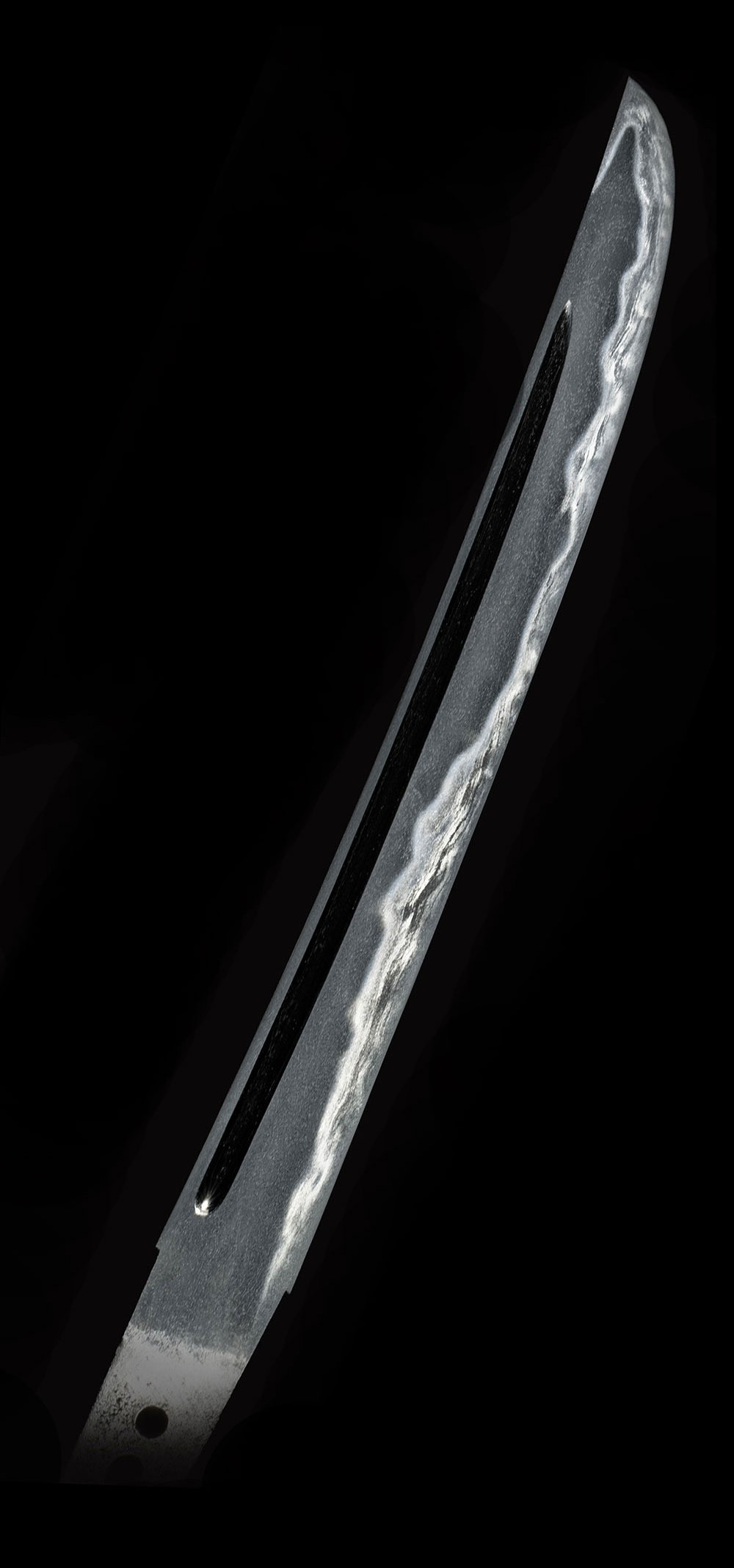
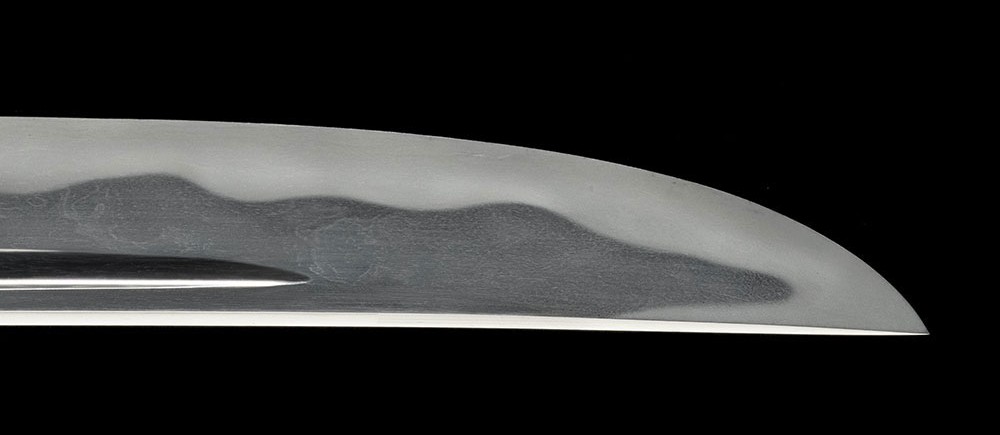
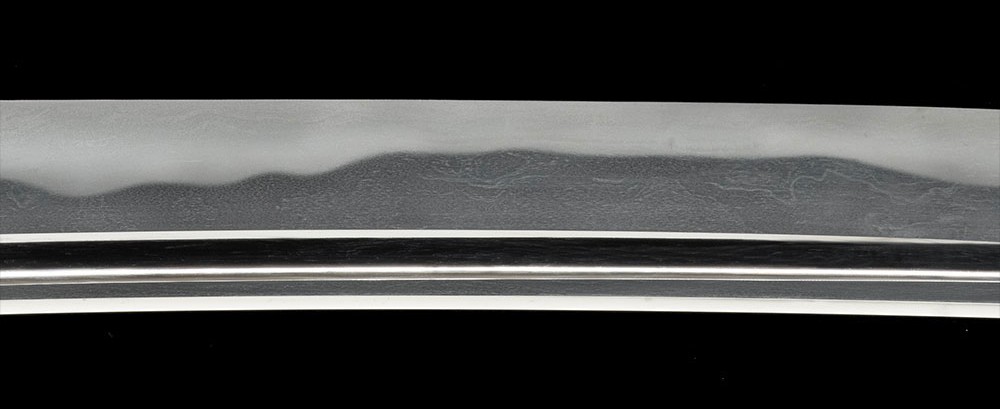
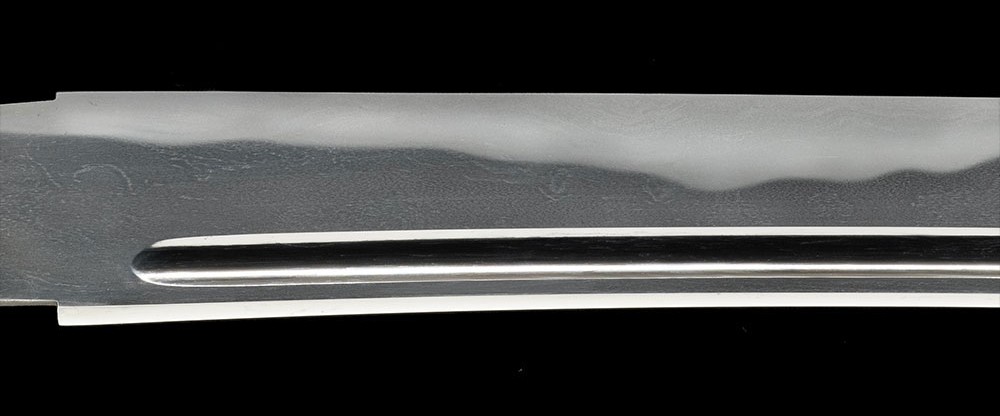
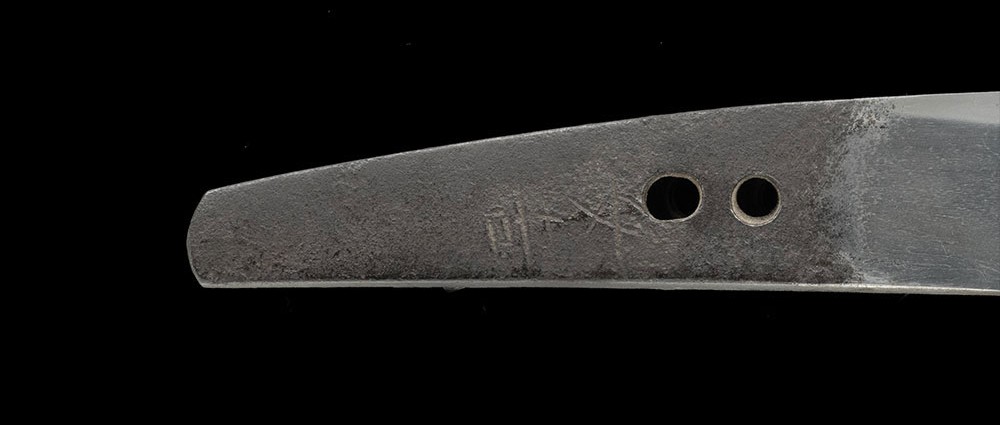
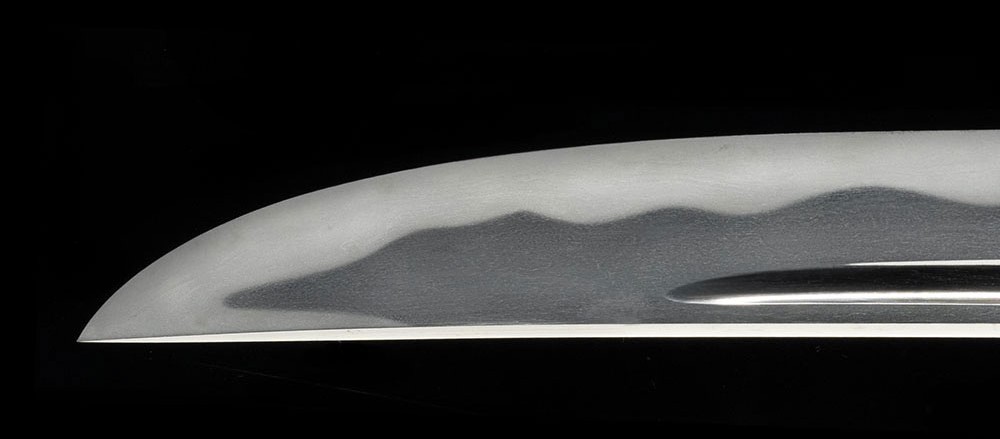
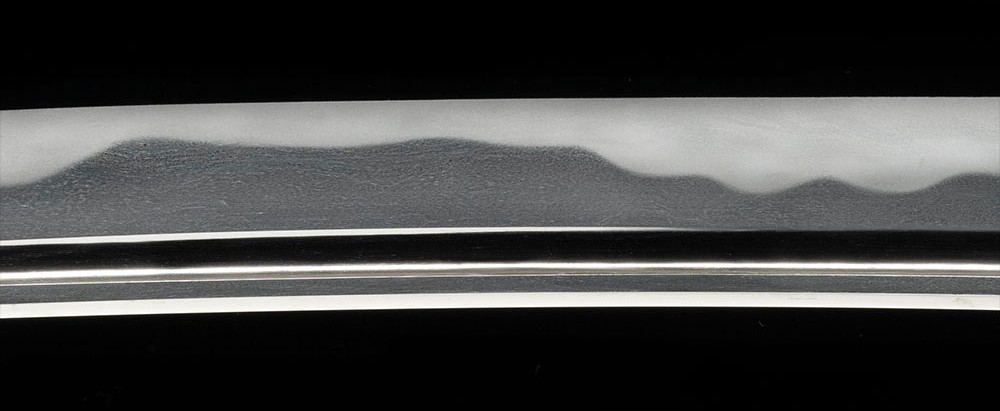
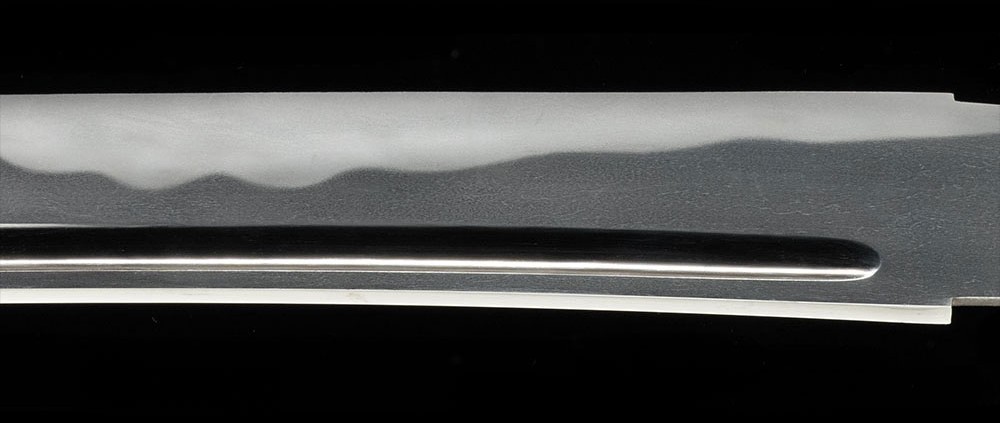
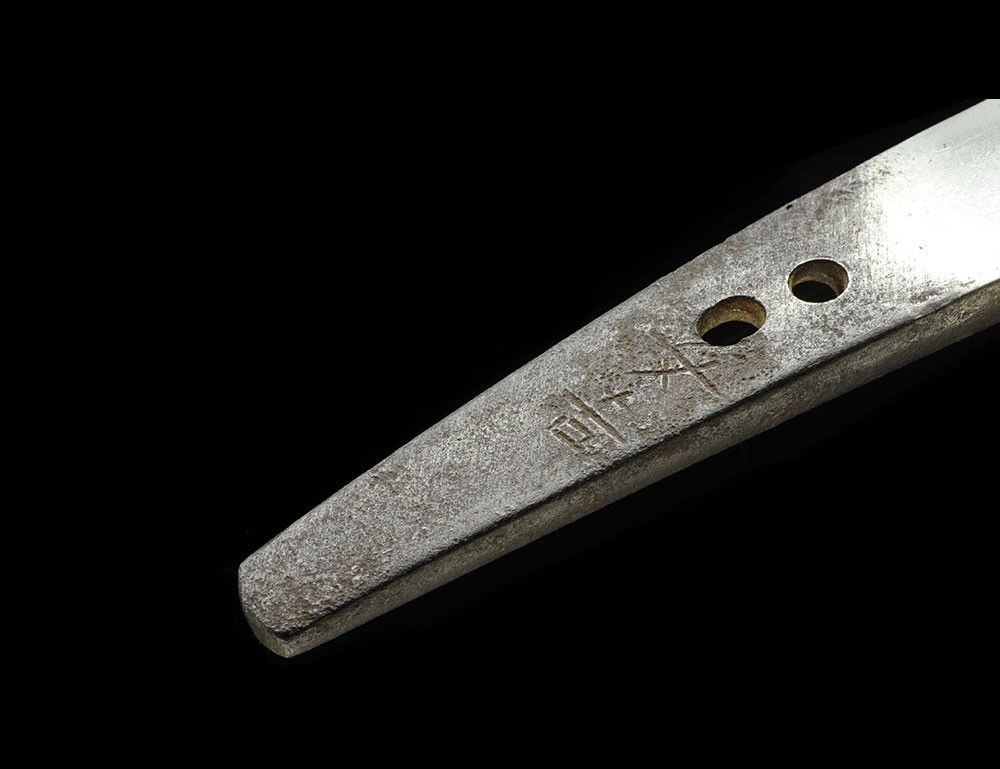
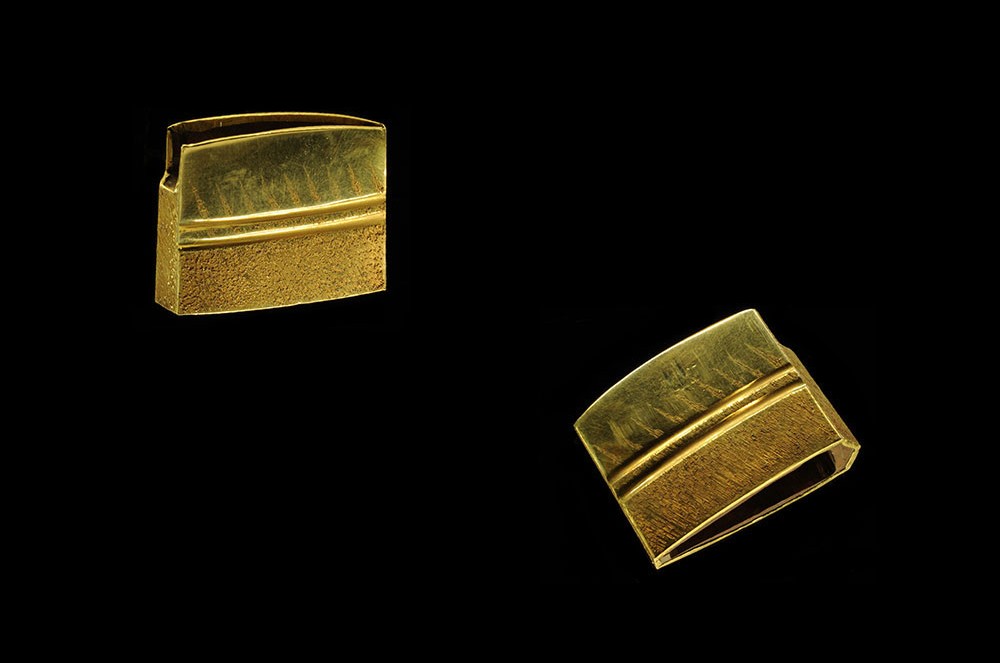
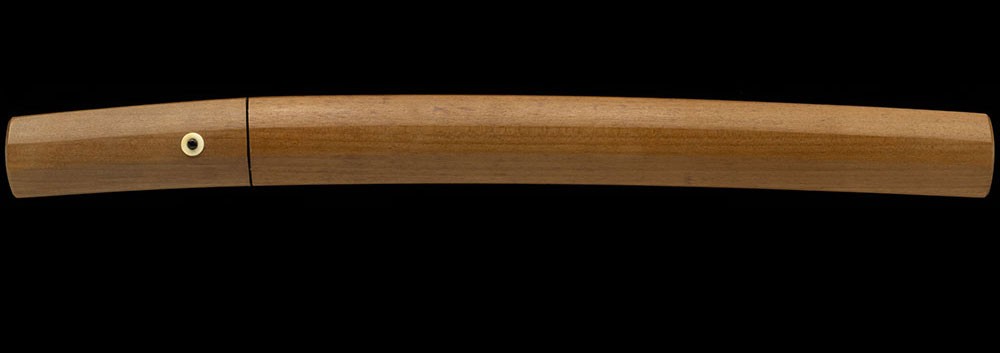
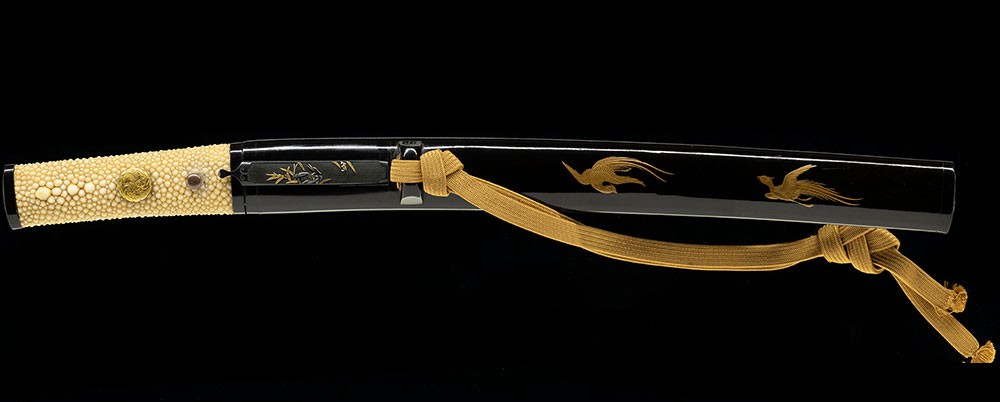
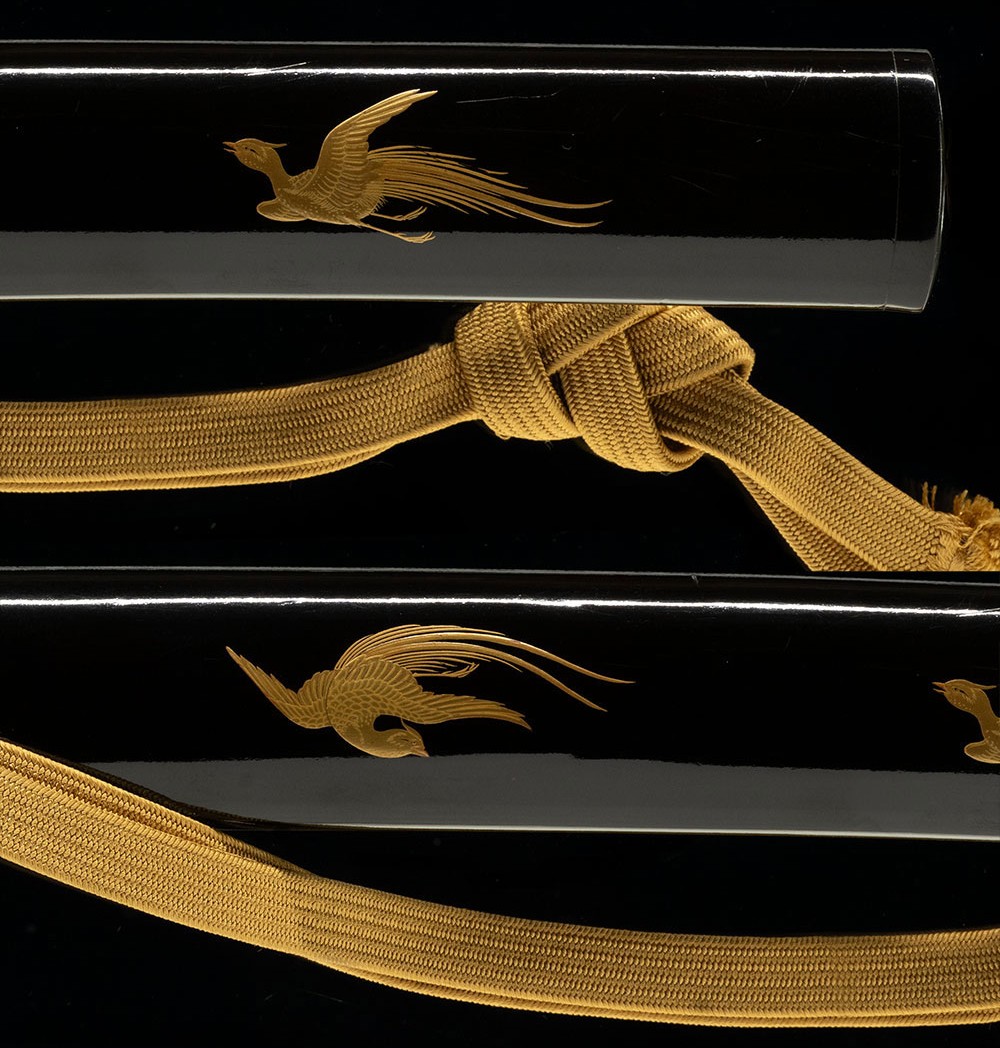
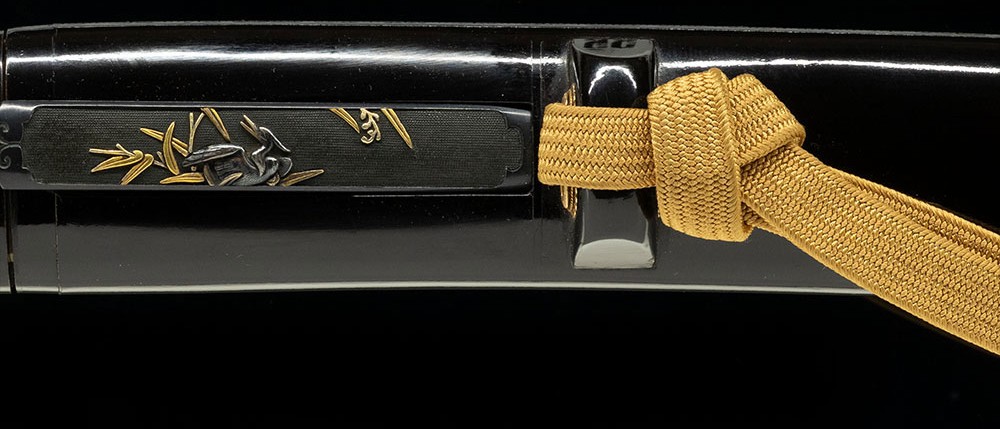
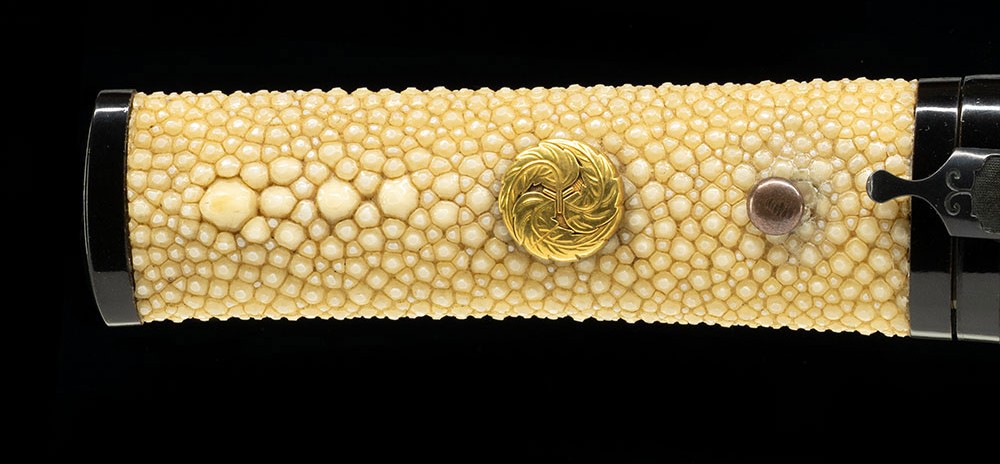
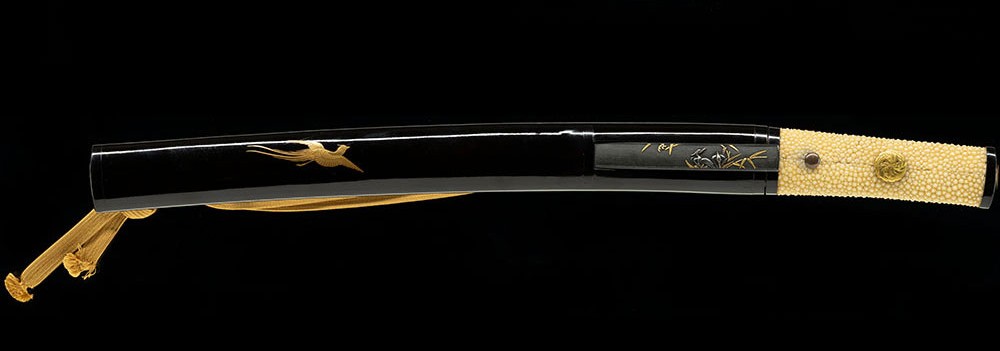
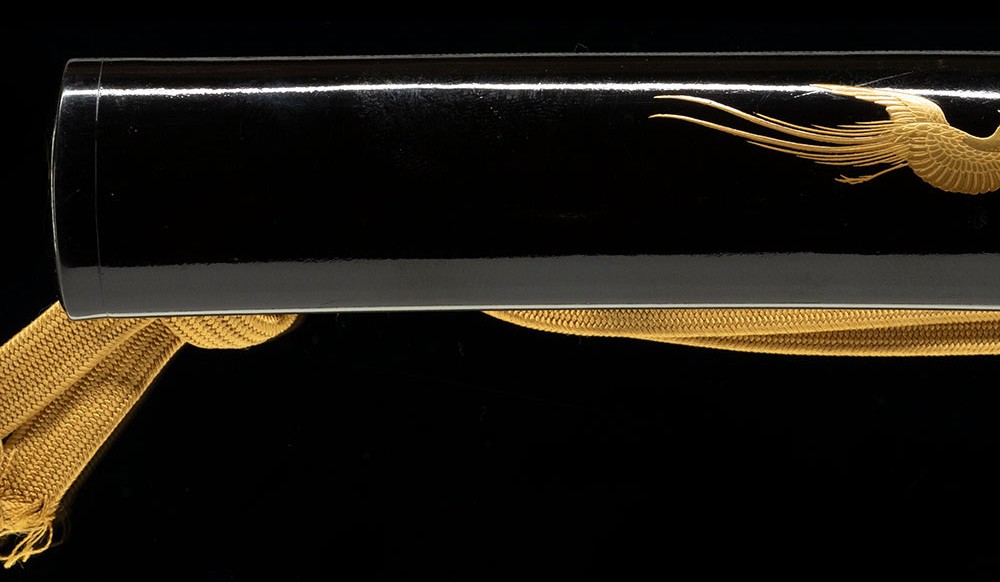
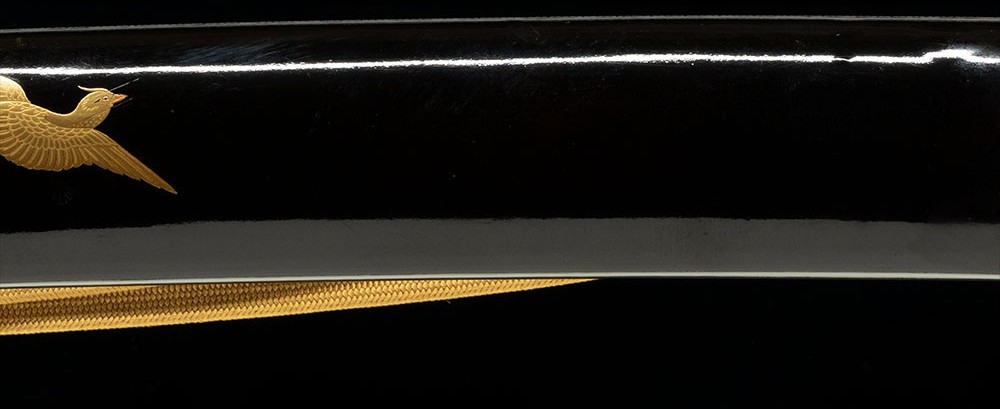
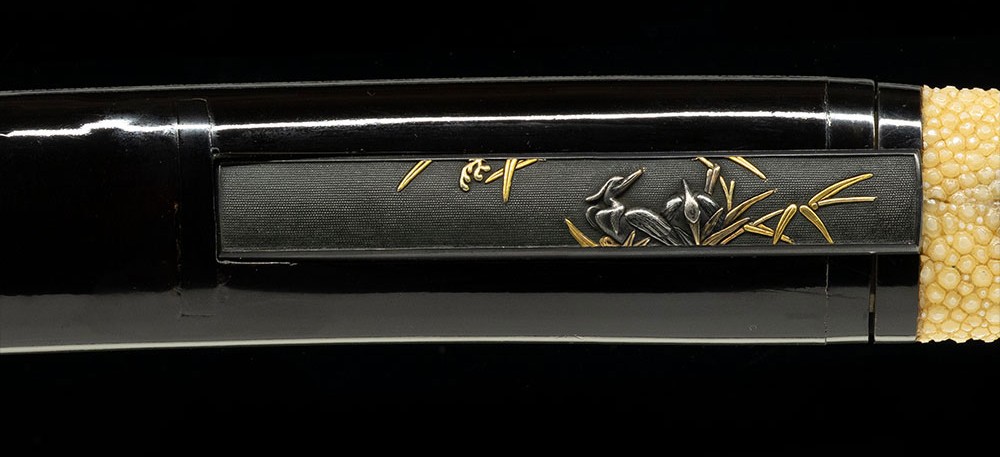
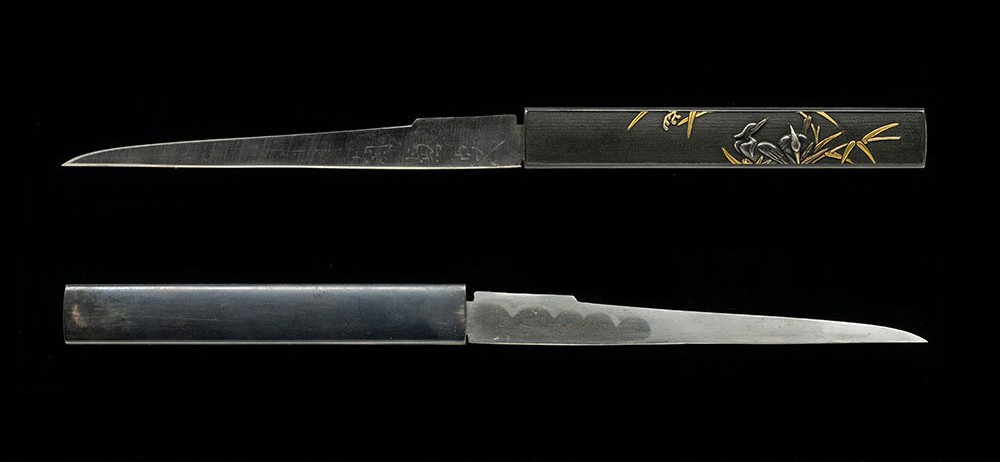
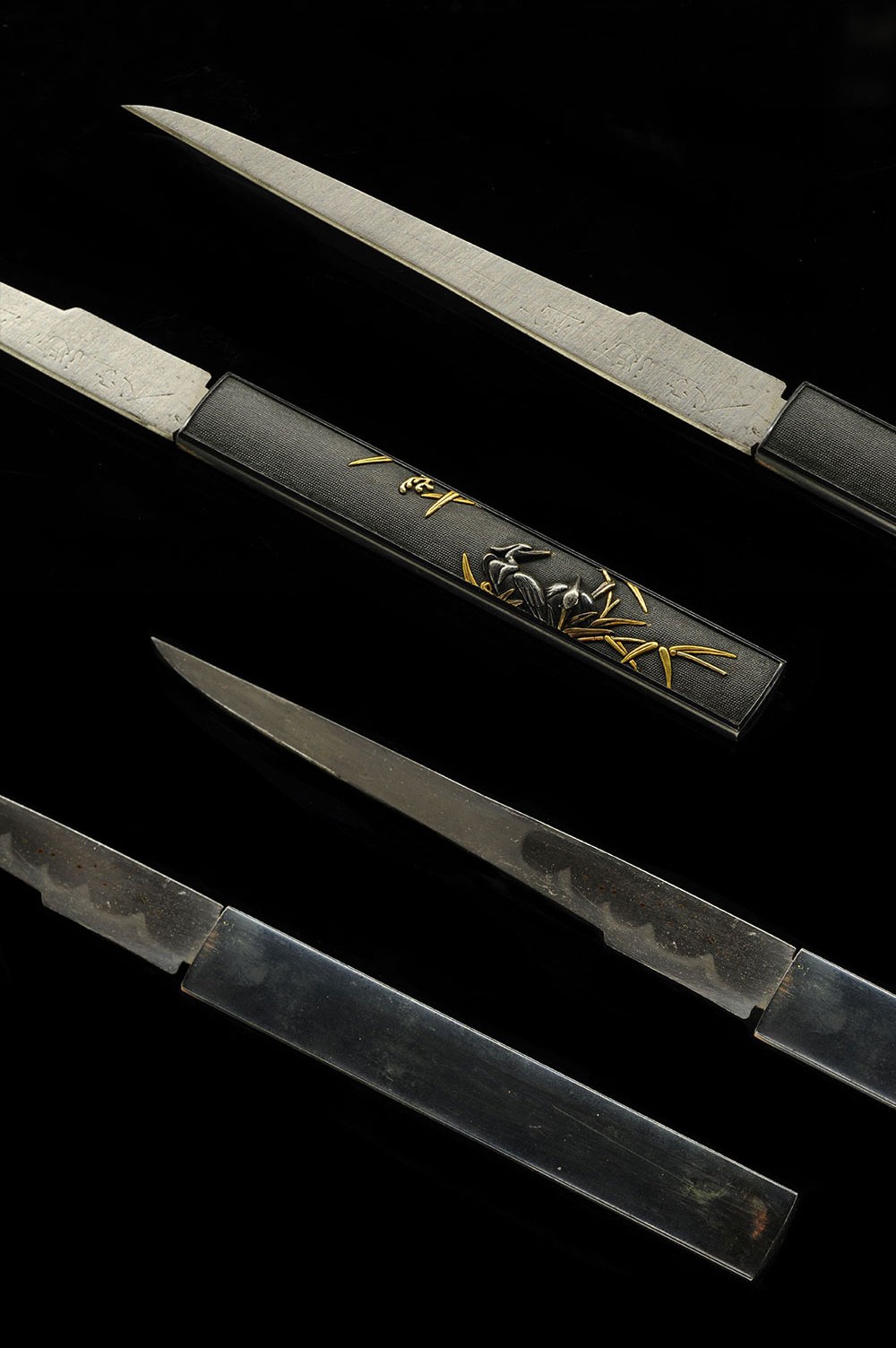
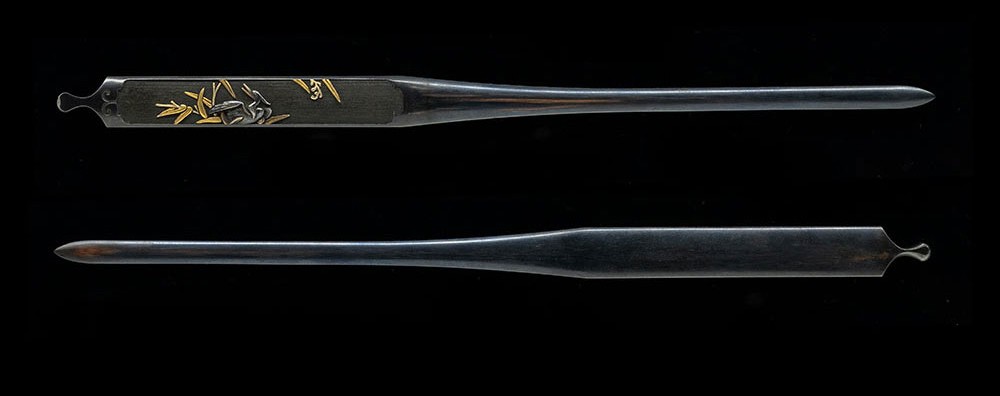
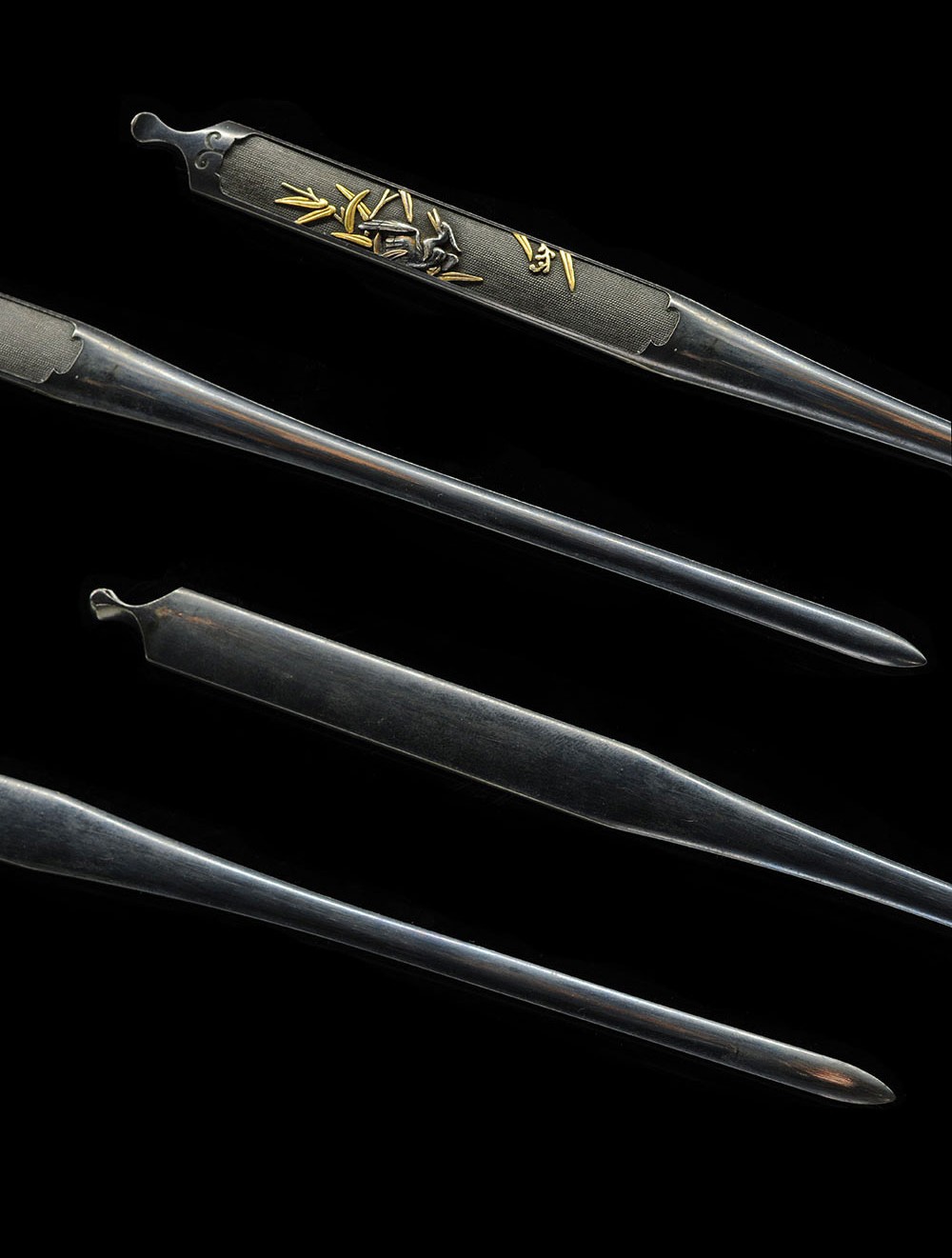
大左の子安吉は筑前から長州に移住したと伝えているが、このことは正平十七年紀で長州住安吉と切った短刀(重要美術品)に見る銘振りが常の安吉と同一であることからも首肯される。こののち長州安吉と明記した安吉の作には永和及び至徳年間のものが遺存し、応永年紀のものは作柄・銘振りから明らかに代替りの安吉とせられるものである。常に見る安吉は、のたれで小沸つき一見兼光などの長船物に紛れる作風を見せるが、この作は地刃ともに沸づいて大模様の乱刃を焼いて磊落の感があり、つき上げて尖って返る帽子にこの派の特色を示している。南北朝の長州安吉の一作風をあらわしたものである。
相州伝 · 長門 · 1394-1428頃
藤代 Jo-jo saku
現在1点販売中
安吉の位置づけを、日本刀全体および伝統・時代・時期ごとに示します。各位(随一・屈指・有数・著名)は、NBTHK および文化庁による指定に加え、三作や名物帳などの歴史的栄誉を加味したものです。
各項目を選ぶと評価方法が表示されます。
相州伝 · 長門
時期区分: 末左· 1338–1450
現在1点販売中
末左とは、大左の後を承けた左文字派の後代を総称する呼び名である。説明文がたびたび繰り返すように、筑前国左文字は南北朝時代初期に出現し、それまでの古典的な九州物の作域から脱皮して地刃の明るく冴えた作風を確立したが、その一門は末左と汎称され、安吉・行弘・吉貞・国弘・弘行・弘安・貞吉らが師風をよく受け継いで活躍した。これらの諸工は大左の子あるいは門人と伝えられる。安吉は大左の子で、後に筑前から長州へ移住したと伝え、その移住は正平十七年紀の「長州住安吉」の銘振りが常々の安吉銘と一致することから首肯される。弘安は行弘の子と伝え、現存作に正平二十年紀、『埋忠押形』所載のものに正平十三年紀がある。国弘は吉弘の子とも定行の子とも伝え、貞国は左国弘の子で時代を応安頃とする。世代は南北朝盛期から末期、降って室町初期の応永にまで及び、安吉の作には永和・応永年紀のものが遺って代替りの存在も窺われる。 作風の上では、末左は大左が確立した相州伝を一代隔てて受け継いでいる。鍛えは板目に小板目・杢を交え、肌立ちごころとなって地沸が厚くつき、地景が細かに頻りに入り、淡く沸映りが立つ。刃文はのたれを基調に互の目・小互の目・尖りごころの刃を交え、足・葉が入り、匂が深く小沸が厚くついて、金筋・砂流しが細かにかかる。帽子は乱れ込んで突き上げ、先が尖りごころとなって掃きかけ、長く返る。これらは左一類の特徴であり、無銘の刀を左一類と鑑る拠りどころとなる。ただし大左の地刃に見られる際立った冴えに対し、末左ではその度合いがやや劣り、匂口が沈みごころとなる作も少なくない。作柄は一門の諸工に比して特に際立った個性を見出し難く、定型化の傾きをもつ。なかには安吉のように刃沸が弱く匂勝ちで、刃近くに棒映りを現して備前気質を交える手もあり、大左の純然たる相州伝からの隔たりを示している。 末左を大左と分かつ鑑定の要点は、地刃の冴えの度合いと、作風の定型化の度合いにある。明るく冴えた地と突き上げて尖る帽子という見どころは共有しつつも、末左ではその冴えが一段退く。無銘極めにおいては、互の目の目立つものは弘安に、最も華やかに大模様へ乱れたものは国弘に擬する、というのが本阿弥家以来の見方である。主要工としては、行弘が大左に最も接近する弟子として一群の頭に立ち、安吉・国弘・弘安・貞国らが続く。在銘作は一様に頗る稀で、太刀の弘安在銘や安吉の生ぶ在銘短刀のごときは資料的価値が極めて高く、その多くは大磨上無銘の同工極めを通じて世に伝わる。伝来も豊かで、弘安の刀には黒田家・高須松平家・久松家に伝わったものがあり、本阿弥光忠・光温らの折紙を伴う。貞国の短刀は毛利家に伝わり、吉弘の太刀は備前池田家に伝来して、八代将軍吉宗より池田継政が拝領したと考えられている。 詳しく見る →
南北朝時代の相州
1333年に鎌倉は落ちたが、一派の最大の時代はその後に来た。師の水準で鍛える貞宗、皆焼を大成した広光と秋広。相州風は軍勢とともに広がり、一時は国じゅうの様式となった。
特別保存刀剣の中から、特に出来が優れ、国認定の重要美術品に準ずると判断された名品です。年に一度の重要刀剣審査で選ばれます。
極めて選別的で、日本に登録された約250万口の刀剣のうち、重要刀剣に達したものは12,307口(約203口に1口)にすぎません。
日本美術刀剣保存協会(NBTHK)は、1948年に設立され、文化庁の監督を受ける公益財団法人で、東京・刀剣博物館に本部を置きます。専門の審査員が出品作を直接審査し、美術的・歴史的価値に応じた鑑定書を発行します。NBTHKの鑑定書は、日本刀および刀装具の真正性を示す最も広く認知された基準です。
NBTHK公式サイト商品発送後の返品・交換・キャンセルには、基本的に対応しておりません。商品に重大な瑕疵がある場合のみ、当サイトでご購入いただいた商品到着後3日以内であれば返品•交換が可能です。
¥9,500,000
安吉は、大左の子で、後に筑前から長州に移住したと伝えるが、このことは「長州住安吉」と切った正平十七年紀の重要美術品の短刀があることからも分かる。この刀は、反りが浅くつく南北朝の姿で、地沸微塵に厚くつき、地景頻りに入る肌立った地鉄に、のたれに、互の目・湯走り・飛び焼きを頻りに交え、足・葉よく入り、金筋砂流し頻りに掃き掛け、刃中の働き盛んで、覇気溢れ、地刃明るく冴える安吉の傑作である。
大左の子安吉は筑前から長州に移住したと伝えているが、このことは正平十七年紀で長州住安吉と切った短刀(重要美術品)に見る銘振りが常の安吉と同一であることからも首肯される。こののち長州安吉と明記した安吉の作には永和及び至徳年間のものが遺存し、応永年紀のものは作柄・銘振りから明らかに代替りの安吉とせられるものである。常に見る安吉は、のたれで小沸つき一見兼光などの長船物に紛れる作風を見せるが、この作は地刃ともに沸づいて大模様の乱刃を焼いて磊落の感があり、つき上げて尖って返る帽子にこの派の特色を示している。南北朝の長州安吉の一作風をあらわしたものである。
NihontoWatch大左の子安吉は筑前から長州に移住したと伝えているが、このことは正平十七年紀で長州住安吉と切った短刀(重要美術品)に見る銘振りが常の安吉と同一であることからも首肯される。こののち長州安吉と明記した安吉の作には永和及び至徳年間のものが遺存し、応永年紀のものは作柄・銘振りから明らかに代替りの安吉とせられるものである。常に見る安吉は、のたれで小沸つき一見兼光などの長船物に紛れる作風を見せるが、この作は地刃ともに沸づいて大模様の乱刃を焼いて磊落の感があり、つき上げて尖って返る帽子にこの派の特色を示している。南北朝の長州安吉の一作風をあらわしたものである。
相州伝 · 長門 · 1394-1428頃
藤代 Jo-jo saku
現在1点販売中
安吉の位置づけを、日本刀全体および伝統・時代・時期ごとに示します。各位(随一・屈指・有数・著名)は、NBTHK および文化庁による指定に加え、三作や名物帳などの歴史的栄誉を加味したものです。
各項目を選ぶと評価方法が表示されます。
相州伝 · 長門
時期区分: 末左· 1338–1450
現在1点販売中
末左とは、大左の後を承けた左文字派の後代を総称する呼び名である。説明文がたびたび繰り返すように、筑前国左文字は南北朝時代初期に出現し、それまでの古典的な九州物の作域から脱皮して地刃の明るく冴えた作風を確立したが、その一門は末左と汎称され、安吉・行弘・吉貞・国弘・弘行・弘安・貞吉らが師風をよく受け継いで活躍した。これらの諸工は大左の子あるいは門人と伝えられる。安吉は大左の子で、後に筑前から長州へ移住したと伝え、その移住は正平十七年紀の「長州住安吉」の銘振りが常々の安吉銘と一致することから首肯される。弘安は行弘の子と伝え、現存作に正平二十年紀、『埋忠押形』所載のものに正平十三年紀がある。国弘は吉弘の子とも定行の子とも伝え、貞国は左国弘の子で時代を応安頃とする。世代は南北朝盛期から末期、降って室町初期の応永にまで及び、安吉の作には永和・応永年紀のものが遺って代替りの存在も窺われる。 作風の上では、末左は大左が確立した相州伝を一代隔てて受け継いでいる。鍛えは板目に小板目・杢を交え、肌立ちごころとなって地沸が厚くつき、地景が細かに頻りに入り、淡く沸映りが立つ。刃文はのたれを基調に互の目・小互の目・尖りごころの刃を交え、足・葉が入り、匂が深く小沸が厚くついて、金筋・砂流しが細かにかかる。帽子は乱れ込んで突き上げ、先が尖りごころとなって掃きかけ、長く返る。これらは左一類の特徴であり、無銘の刀を左一類と鑑る拠りどころとなる。ただし大左の地刃に見られる際立った冴えに対し、末左ではその度合いがやや劣り、匂口が沈みごころとなる作も少なくない。作柄は一門の諸工に比して特に際立った個性を見出し難く、定型化の傾きをもつ。なかには安吉のように刃沸が弱く匂勝ちで、刃近くに棒映りを現して備前気質を交える手もあり、大左の純然たる相州伝からの隔たりを示している。 末左を大左と分かつ鑑定の要点は、地刃の冴えの度合いと、作風の定型化の度合いにある。明るく冴えた地と突き上げて尖る帽子という見どころは共有しつつも、末左ではその冴えが一段退く。無銘極めにおいては、互の目の目立つものは弘安に、最も華やかに大模様へ乱れたものは国弘に擬する、というのが本阿弥家以来の見方である。主要工としては、行弘が大左に最も接近する弟子として一群の頭に立ち、安吉・国弘・弘安・貞国らが続く。在銘作は一様に頗る稀で、太刀の弘安在銘や安吉の生ぶ在銘短刀のごときは資料的価値が極めて高く、その多くは大磨上無銘の同工極めを通じて世に伝わる。伝来も豊かで、弘安の刀には黒田家・高須松平家・久松家に伝わったものがあり、本阿弥光忠・光温らの折紙を伴う。貞国の短刀は毛利家に伝わり、吉弘の太刀は備前池田家に伝来して、八代将軍吉宗より池田継政が拝領したと考えられている。 詳しく見る →
南北朝時代の相州
1333年に鎌倉は落ちたが、一派の最大の時代はその後に来た。師の水準で鍛える貞宗、皆焼を大成した広光と秋広。相州風は軍勢とともに広がり、一時は国じゅうの様式となった。
特別保存刀剣の中から、特に出来が優れ、国認定の重要美術品に準ずると判断された名品です。年に一度の重要刀剣審査で選ばれます。
極めて選別的で、日本に登録された約250万口の刀剣のうち、重要刀剣に達したものは12,307口(約203口に1口)にすぎません。
日本美術刀剣保存協会(NBTHK)は、1948年に設立され、文化庁の監督を受ける公益財団法人で、東京・刀剣博物館に本部を置きます。専門の審査員が出品作を直接審査し、美術的・歴史的価値に応じた鑑定書を発行します。NBTHKの鑑定書は、日本刀および刀装具の真正性を示す最も広く認知された基準です。
NBTHK公式サイト商品発送後の返品・交換・キャンセルには、基本的に対応しておりません。商品に重大な瑕疵がある場合のみ、当サイトでご購入いただいた商品到着後3日以内であれば返品•交換が可能です。
¥9,500,000


![Wakizashi - Tokuho - 作 定行 - 脇差 朱銘[佐野貞幸]日本美術刀剣保存協会 特別保存刀剣](/_next/image?url=https%3A%2F%2Fitbhfhyptogxcjbjfzwx.supabase.co%2Fstorage%2Fv1%2Fobject%2Fpublic%2Flisting-images%2Fworld-seiyudo%2FL31508%2F00.jpg&w=2560&q=90)