戦国の世、一派は第二の主家に仕えた。小田原の後北条氏である。その庇護のもと綱広系は打刀の時代の皆焼を鍛え続け、1590年の落城とともに新刀の時代へ散った。
 NihontoWatchNihontoWatch
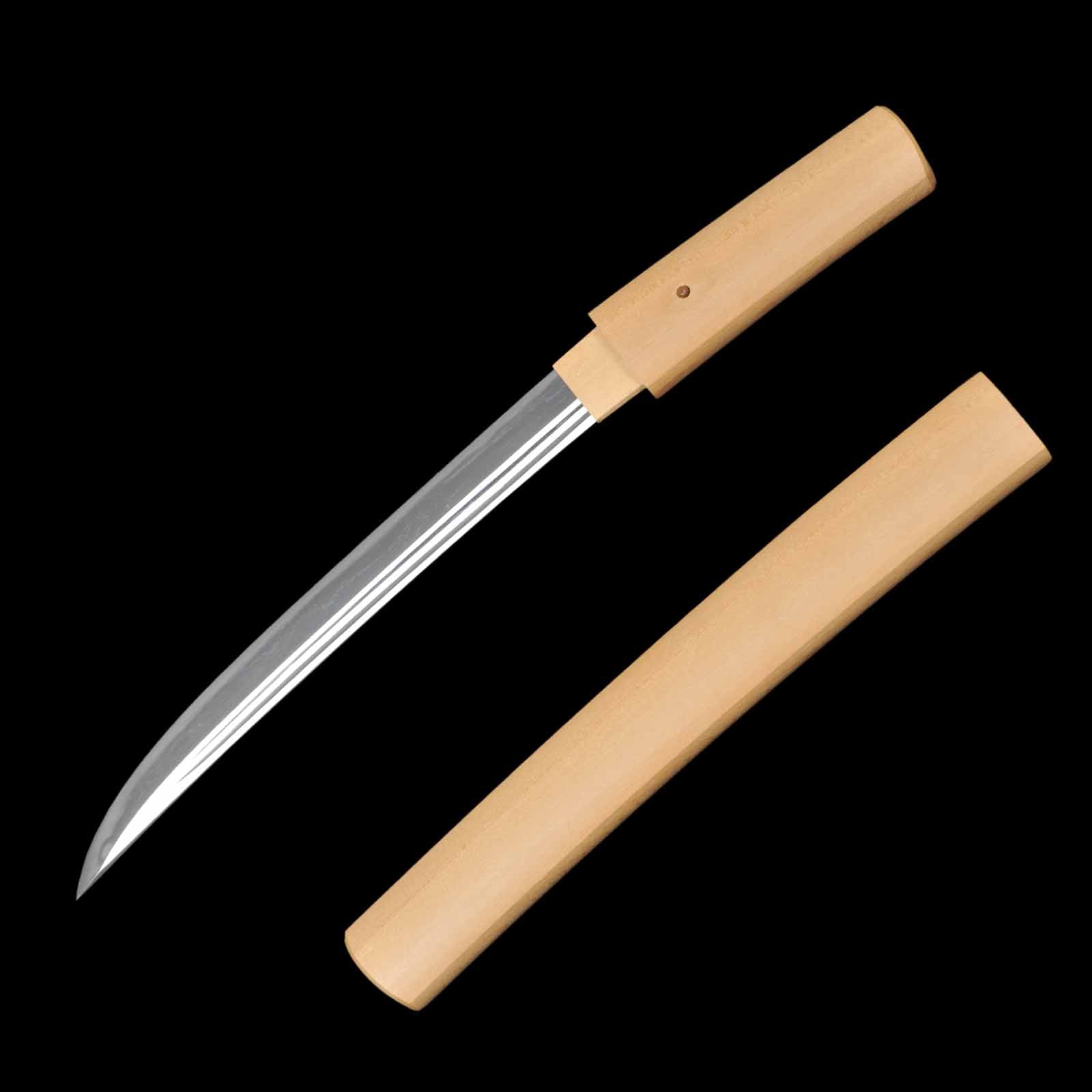
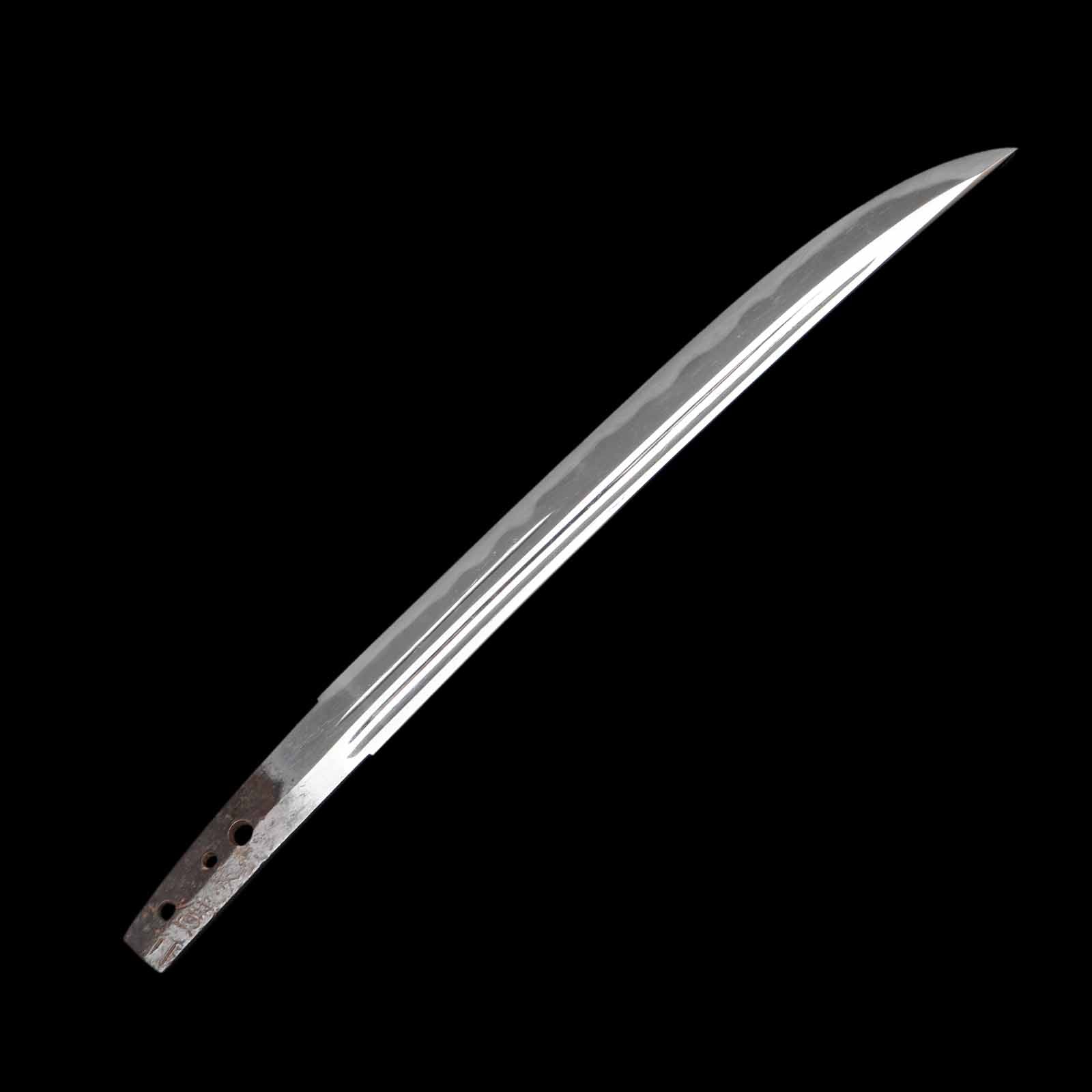
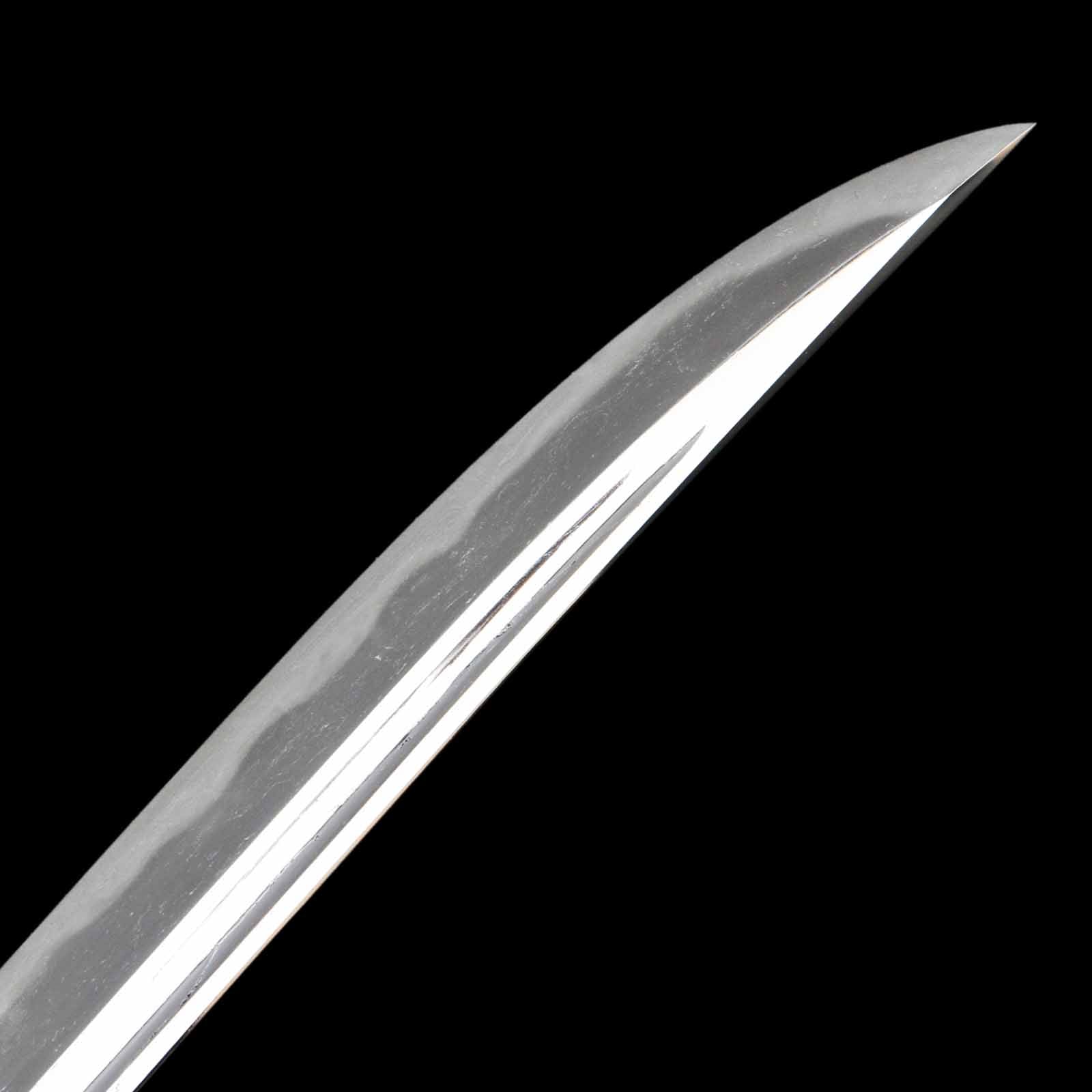
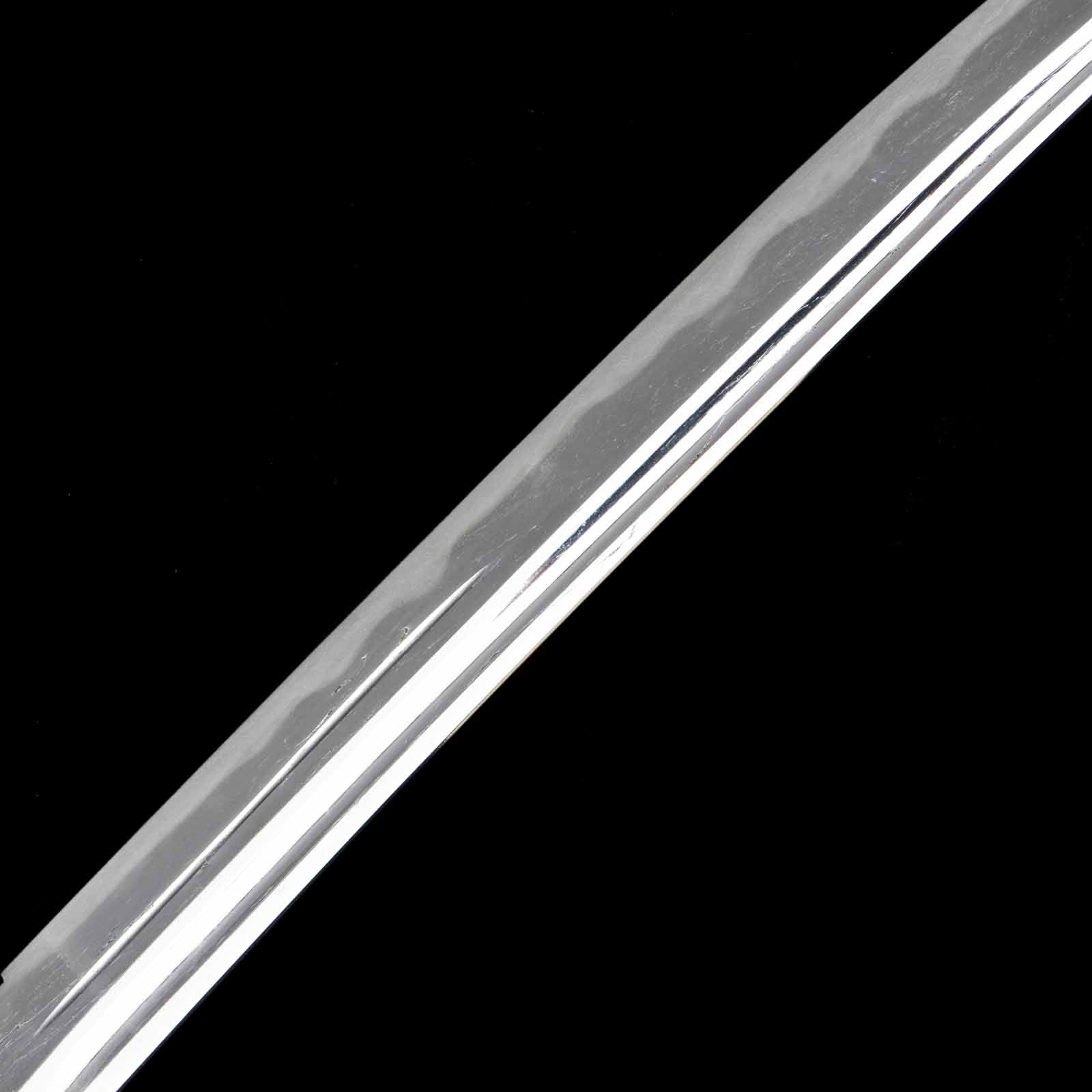
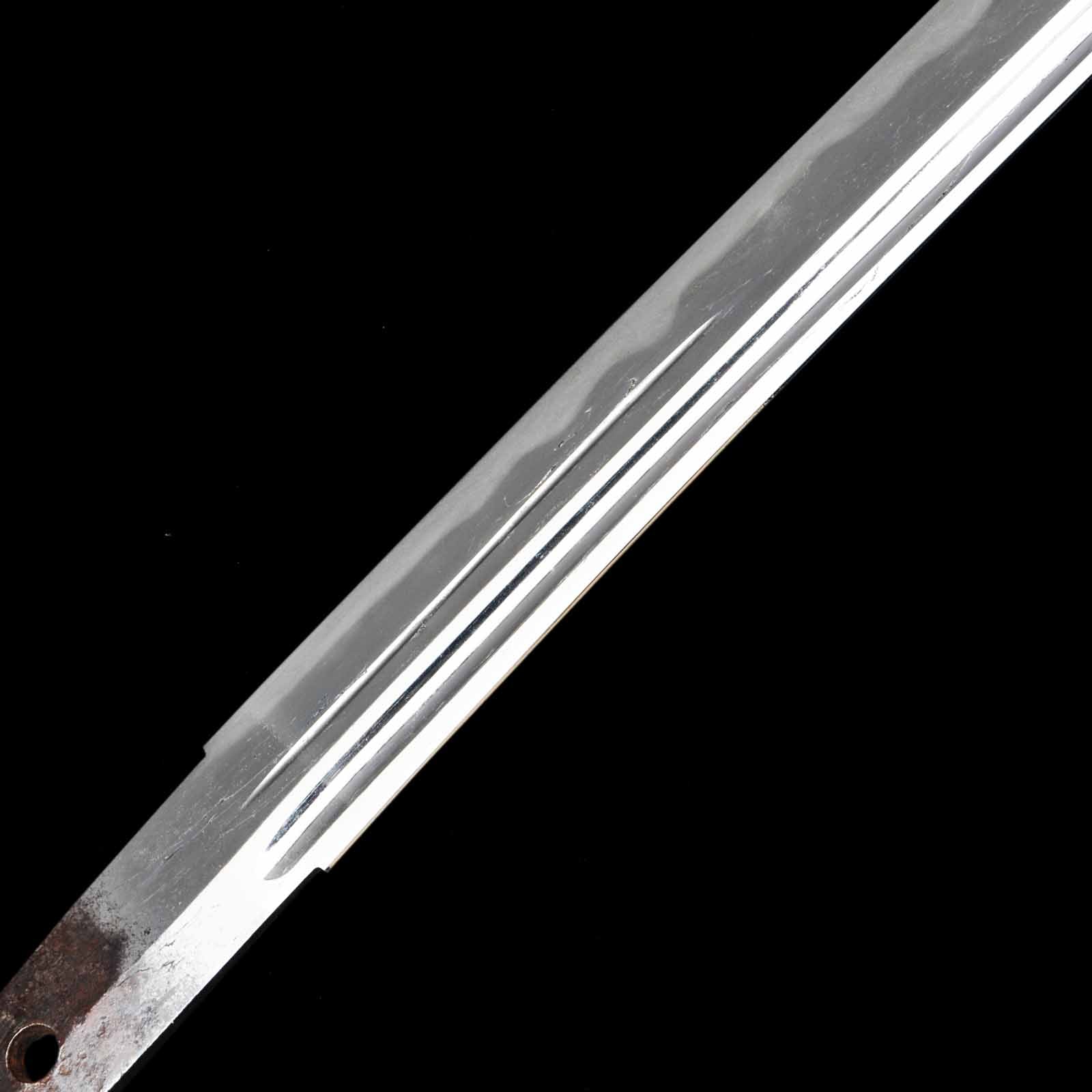
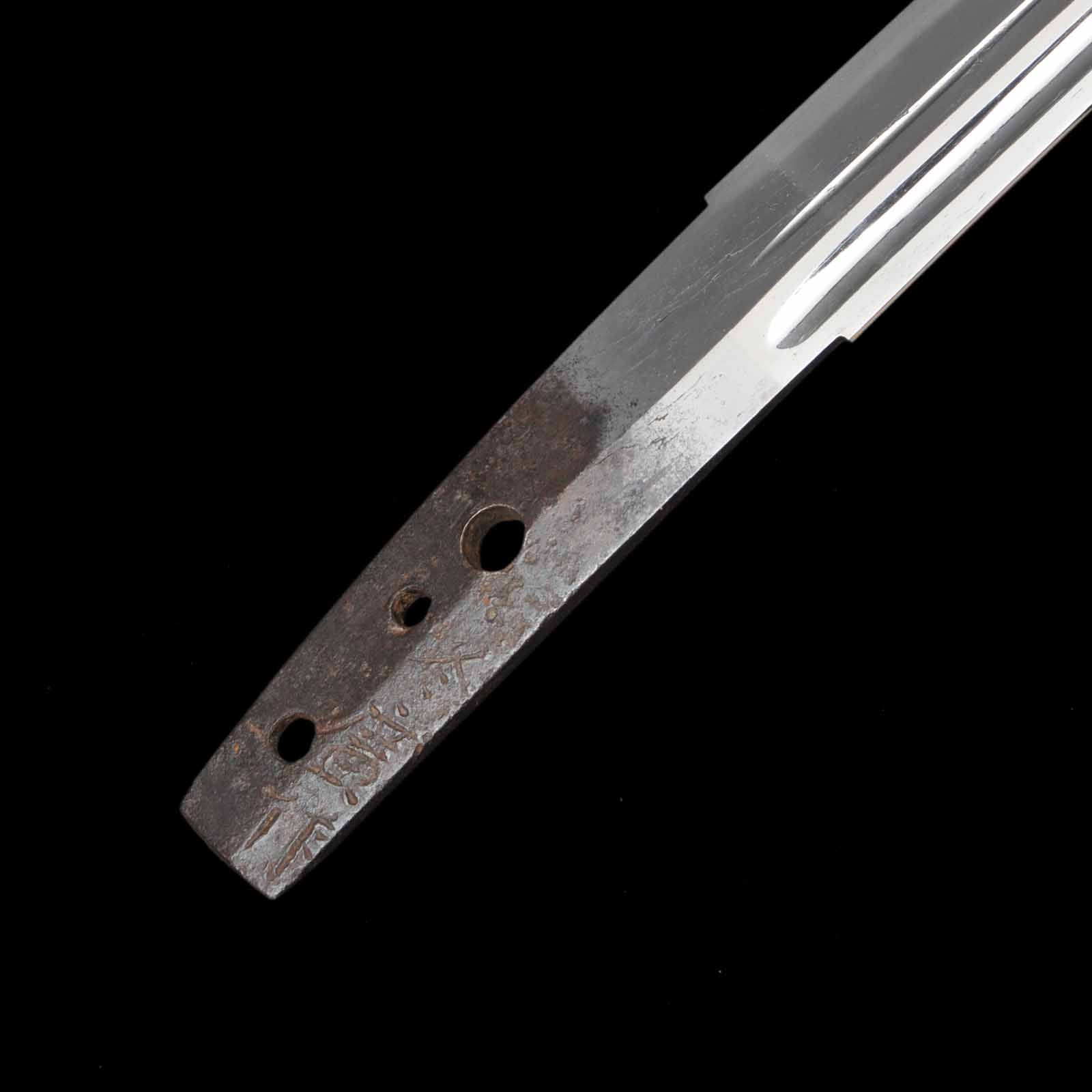
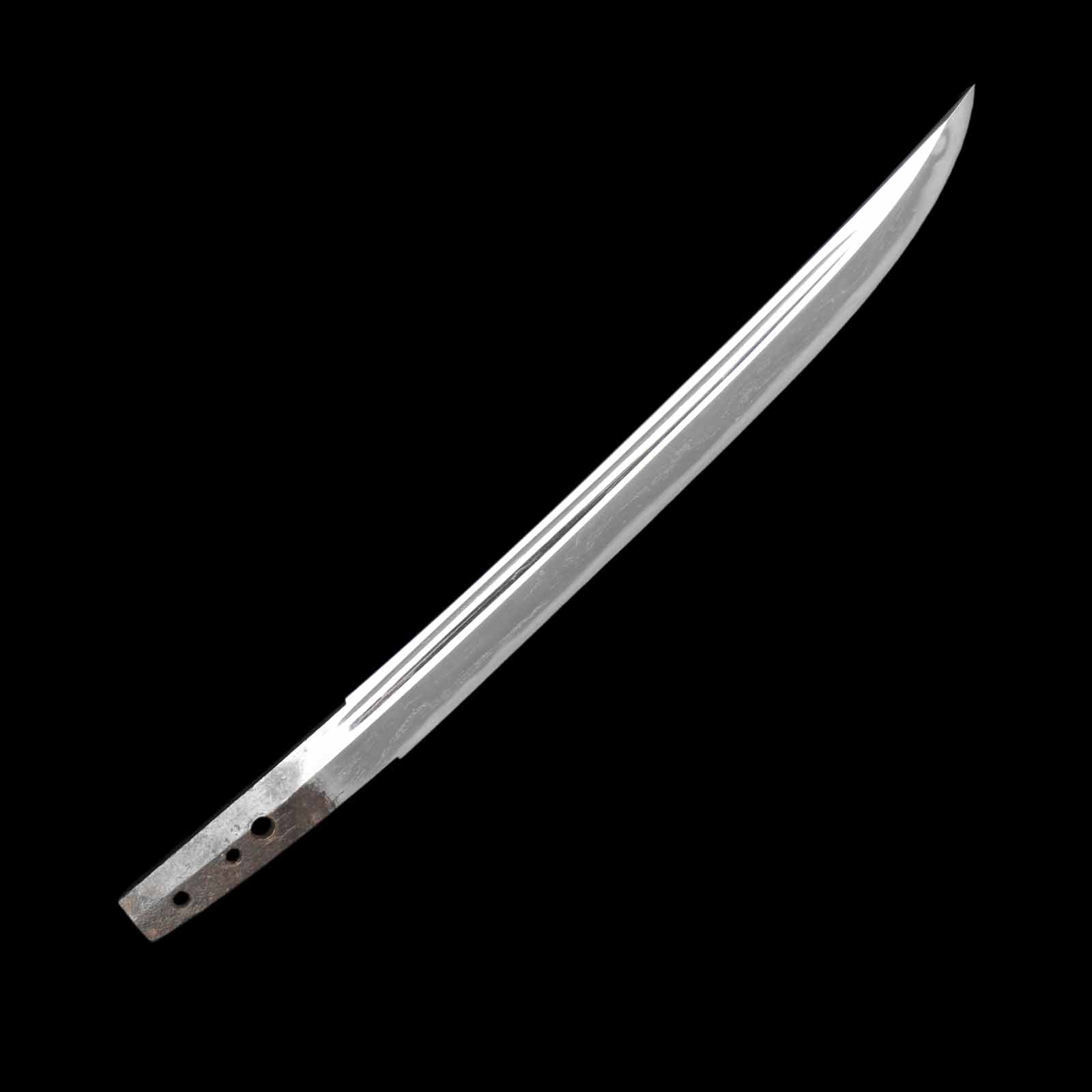
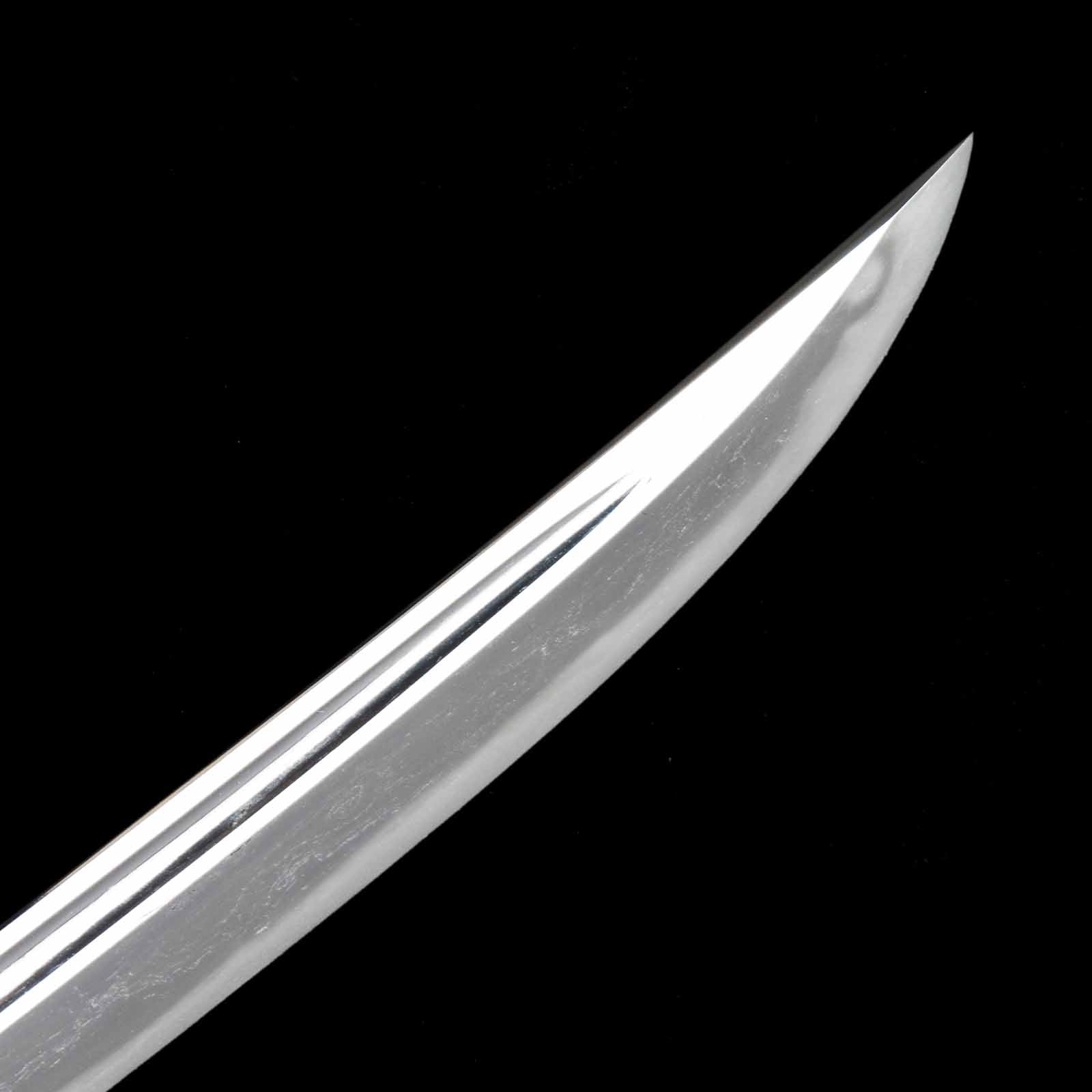
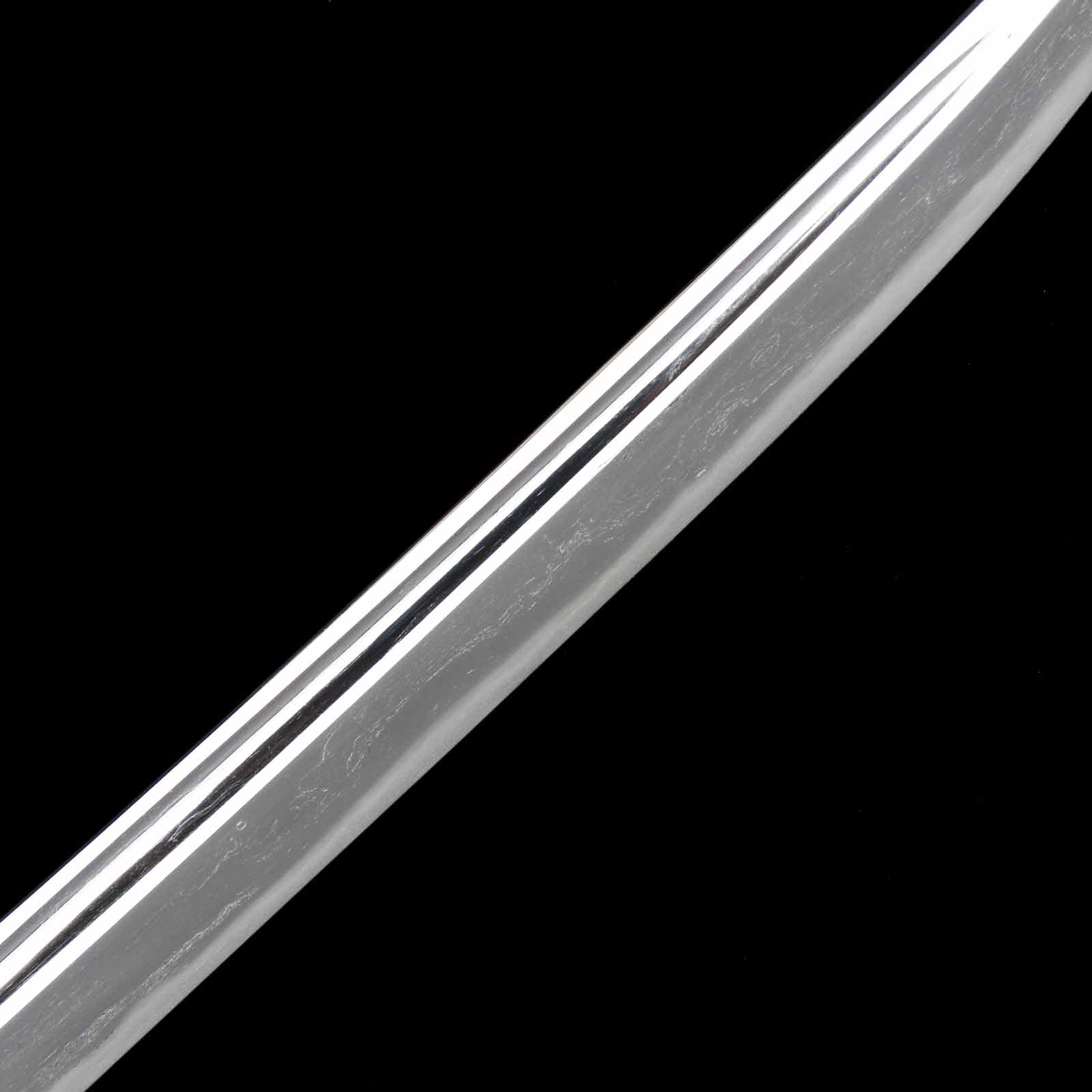
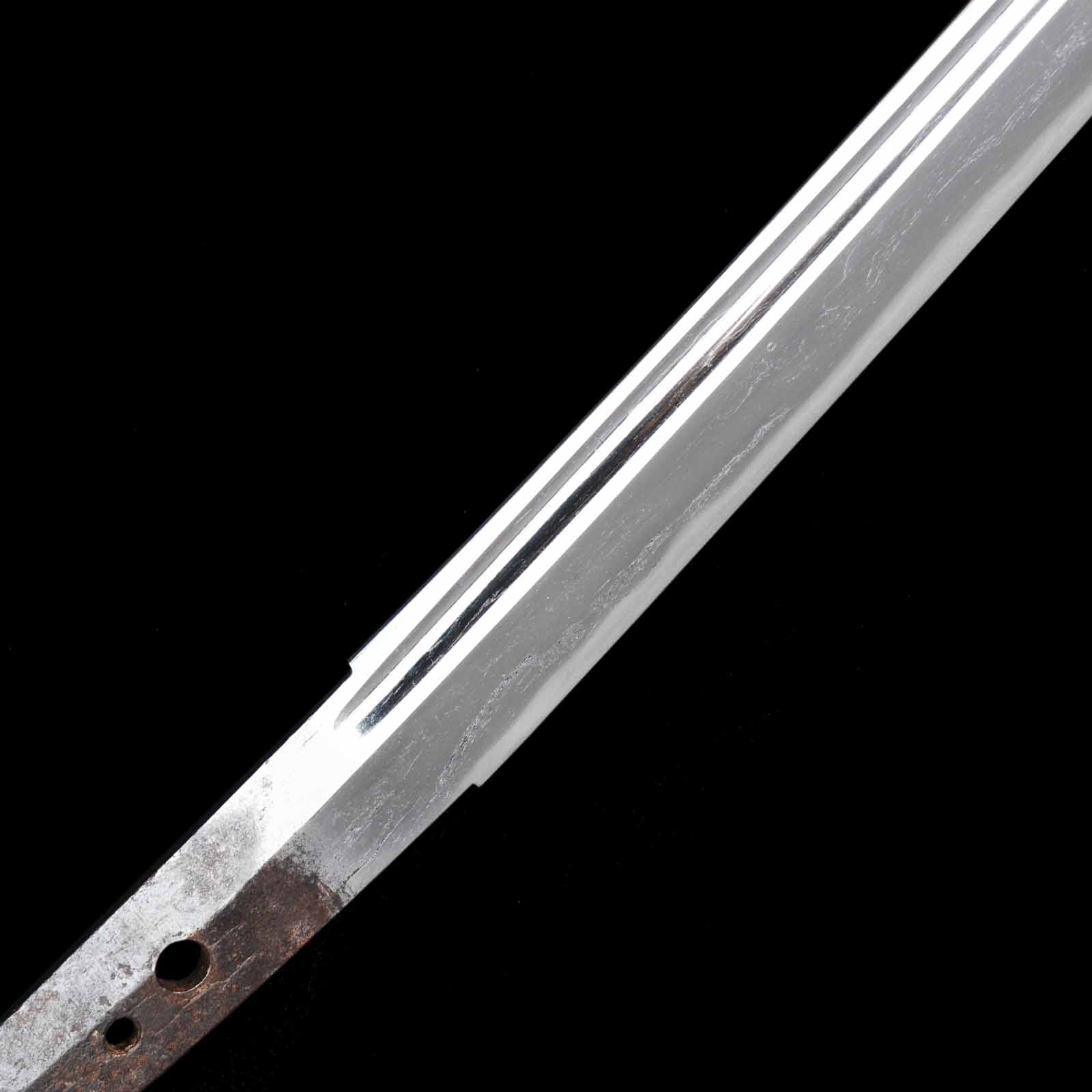
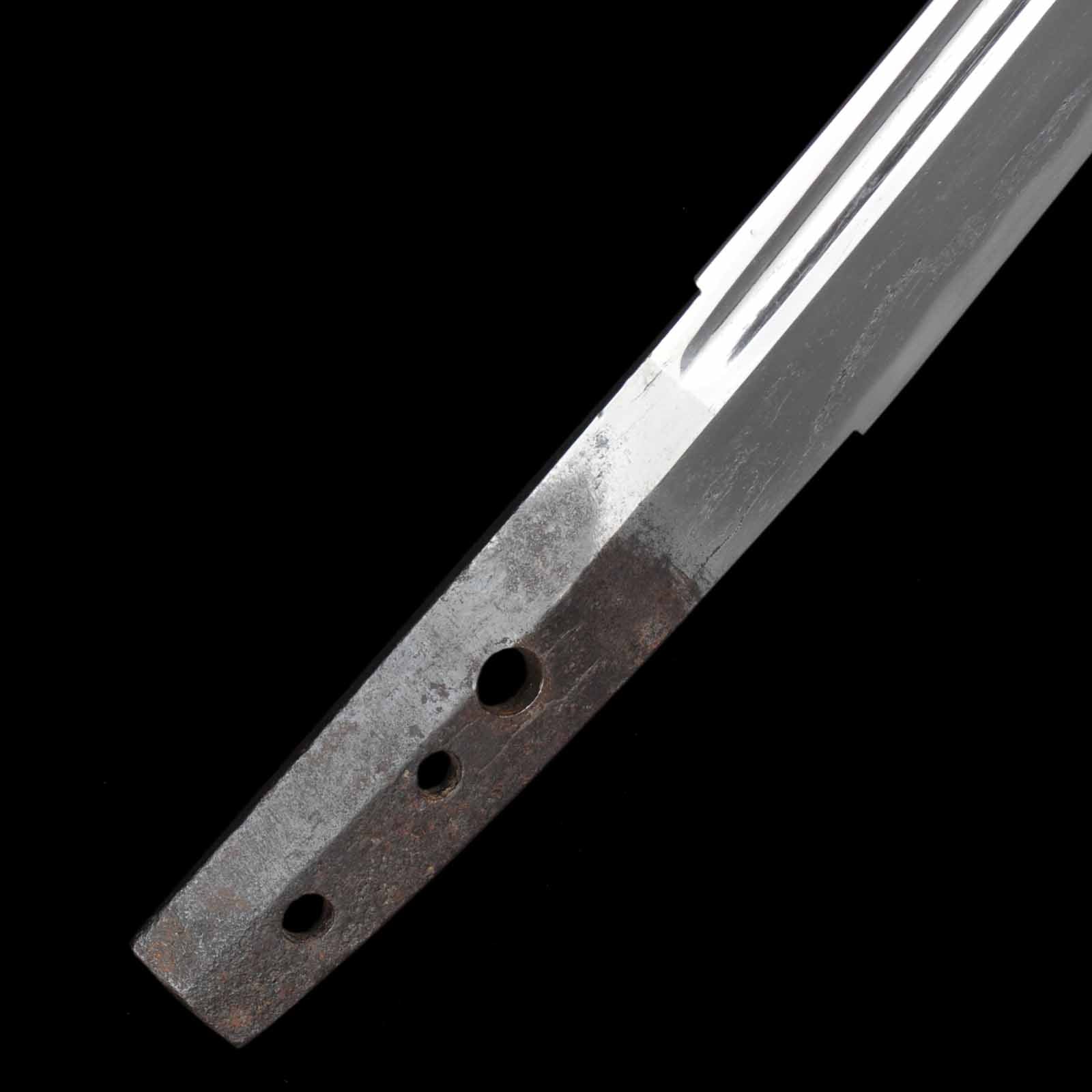
The first Fuyuhiro is said to be the son of the second Hirotsugu who was in Soshu. After studying Soshu-den, he moved to Obama, Wakasa, around 1460 and began making swords. He was a prominent swordsmith who was very trusted by warlords in western Japan because of his excellent quality. After the first generation, his successors continued to make swords under the same name through successive generations until the Edo period (1603-1868), making Fuyuhiro one of the most prestigious swordsmiths in the Wakasa region. This tanto is a well-preserved piece with the signature of Fuyuhiro. The shape of the unokubi is similar to that of a shobu, and the hada is the traditional Soshu-den itame, a very bright and brilliant workmanship. Hamon is a mixture of gunome and midare with nie on sashi-mote. Sashi-ura has ko-gunome with notare and has a completely different look on the front and back. The blade has a hi engraved on it. On the sashi-omote there is a soe-hi of about 8 cm, but we can assume that this is not original and was added at a later date. The koshirae is shirasaya. The wooden habaki and tsuka are one piece. This is an opportunity to own a koto period fuyuhiro at an unbeatable price. Blade length: 24.1 cm Curvature: 0.3 cm Number of Mekugi hole: 3 Motohaba: 24.1 mm Motokasane: 1.7 mm Signature: Fuyuhjiro Saku(front) Era: Koto Structure: Shinogi-zukuri, Iori-mune Jigane: Itame Hamon: Gunome Midare/Notare Boshi: O-maru Weight(without Saya): 120 g Nakago: Suriage Original Registration No.: Kyoto 52176 Please contact us if the katana you are looking for is not listed here.
NihontoWatch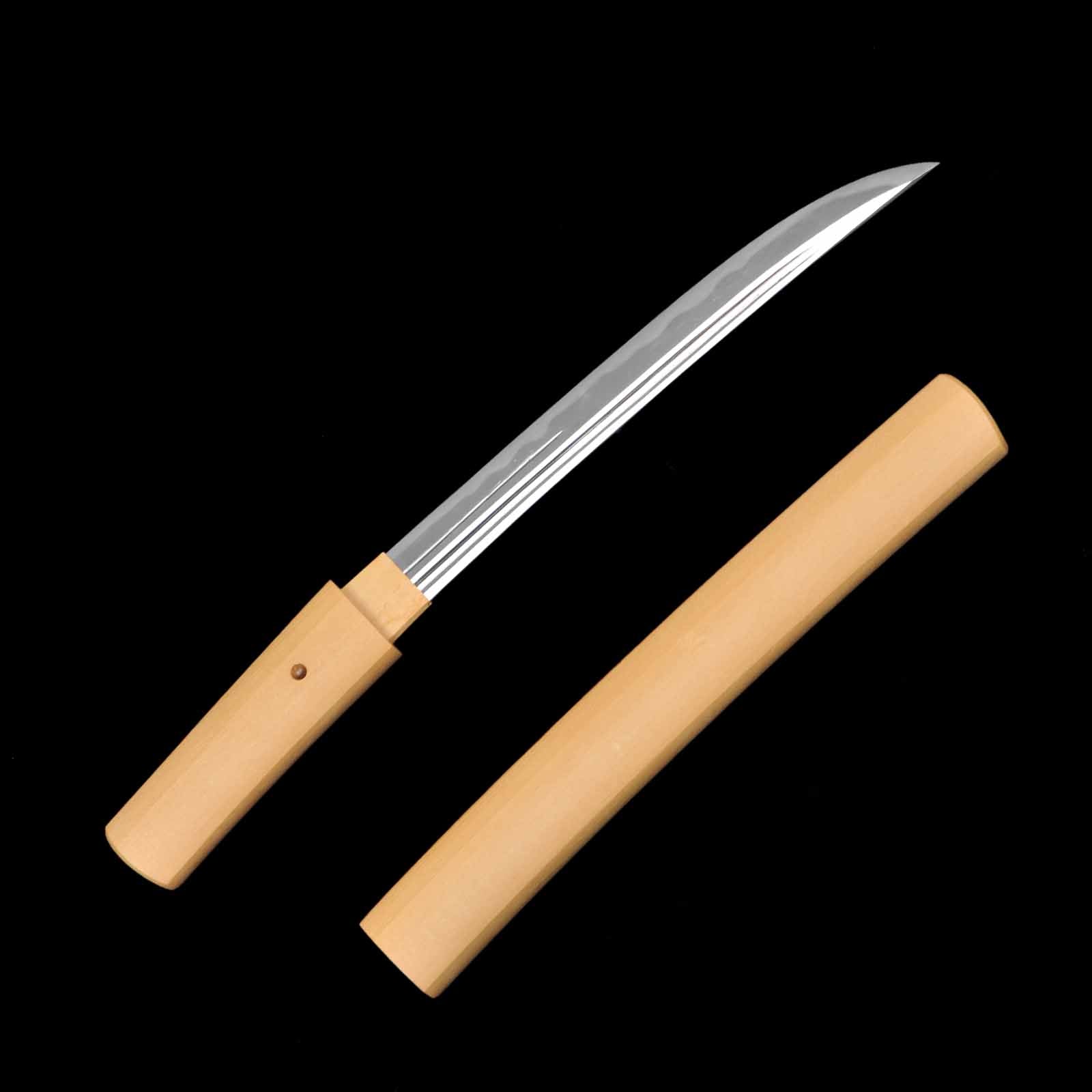
相州伝 · 若狭
現在8点販売中
若狭冬広は、相州広次三代目の子と伝え、室町時代の康正頃に若州小浜へ移住したとされる一系である。説示によれば、その名跡は新々刀時代にまで続き、五代を数えたとも言われる。年紀のうえでは永正十二年紀に「冬広伍七三才」と銘した作が知られ、ほかに永正・天文・元亀・天正の年紀があって、室町後期から戦国期を通じての制作が確かめられる。源流は相州にあり、後には相州綱広の門に学んだと伝えるものの、相州住と銘した作は見ないとも記される。同じ頃に若州・伯州・雲州・備前・備中などと住所を切り替えた作があり、これらが同人によるものか否かは検討の余地が残るとして、説示はいずれも断を避けている。 作風として説示が繰り返し挙げるのは末相州風と末備前風の二様であり、同一の系のうちにこの両者が併存する点が判別の鍵となる。地鉄は板目に杢目・流れ肌を交え、肌立ちごころとなって地沸がつき、地景が頻りに入る。刃文は焼幅広く、のたれに小互の目・小丁子や尖り刃を交え、足・葉が盛んに入り、荒めの沸を交えて砂流し・金筋がかかり、匂口の明るいものが多い。中には中直刃を基調に互の目・尖り刃を交え、飛焼が頻りに加わって棟焼も総体にかかり、皆焼となる作がある。一方で太直刃調に小互の目を交える穏やかな直刃出来もみられ、直刃と乱れの両様を焼き分ける。帽子は乱れ込んで尖りごころとなり、あるいは小丸に掃きかけて返る。彫物を得意とし、草の倶利迦羅・梵字・棒樋・添樋などを施した作が伝わる。造込みは庵棟の鎬造を主とし、先反りつき大鋒に延びた豪壮なものから、反り浅い中鋒の尋常な姿まで幅がある。代の判別にあたっては、二字銘を初代の作とみるなど、銘のかたちと地刃の冴えとを併せて見るのが説示の示すところである。 鑑定の要点は、肌立つ板目鍛えに地沸・地景の加わる地鉄と、のたれ・互の目に沸を伴って砂流しのかかる刃取り、さらに皆焼を交える作のあることに置かれる。住所銘や年紀を切った作が多く、作刀地を明記した刀工銘や天正八年紀のごとく、資料としての価値の高い在銘作が伝わる点も本系の特色である。代表作には、若州小浜での所伝を裏づける在銘の刀のほか、備後国西条や備中松山など他国で鍛えた作があり、宮興盛のもとで天正五年に作刀した一口など、他国における活動を示す好資料も含まれる。彫物に長じた一面は、相州風よりむしろ平安城長吉などに近いと評され、両者の関係が問われることもある。末相州の流れを受けつつ末備前風をも併せ、若狭の地にあって戦国期から江戸期へと長く続いた一系として位置づけられる。 詳しく見る →
室町時代の相州
戦国の世、一派は第二の主家に仕えた。小田原の後北条氏である。その庇護のもと綱広系は打刀の時代の皆焼を鍛え続け、1590年の落城とともに新刀の時代へ散った。
As a general rule, returns/exchanges are not accepted on Japanese sword orders unless damaged upon delivery. Other items: returns/exchanges accepted within 7 days of delivery. Cancellation for personal reasons incurs a 30% restocking fee (70% refunded). Return shipping must be prepaid and insured by the buyer; shipping/handling fees are non-refundable. Contact katana@tozando.co.jp to initiate a return.