 NihontoWatchNihontoWatch
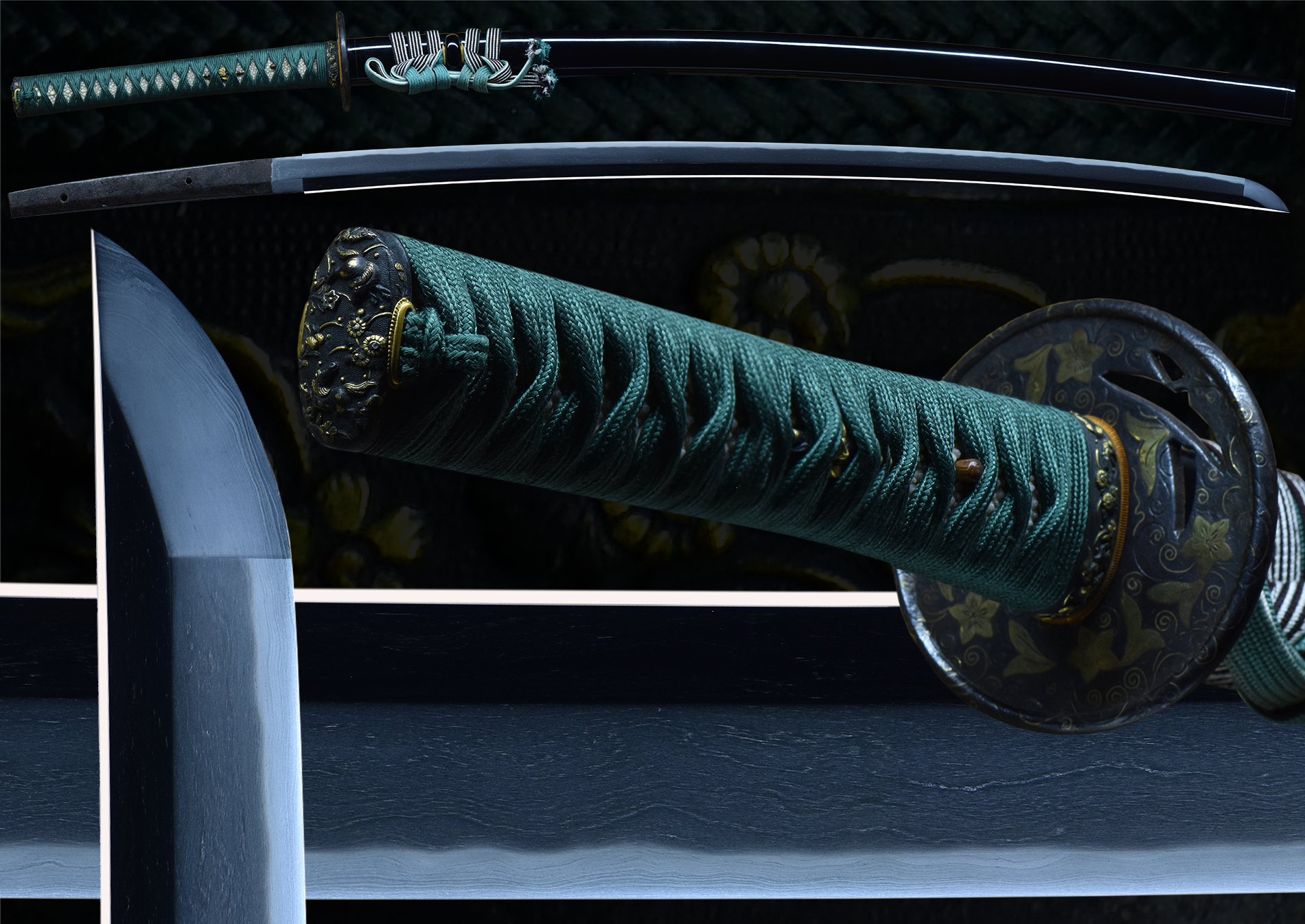
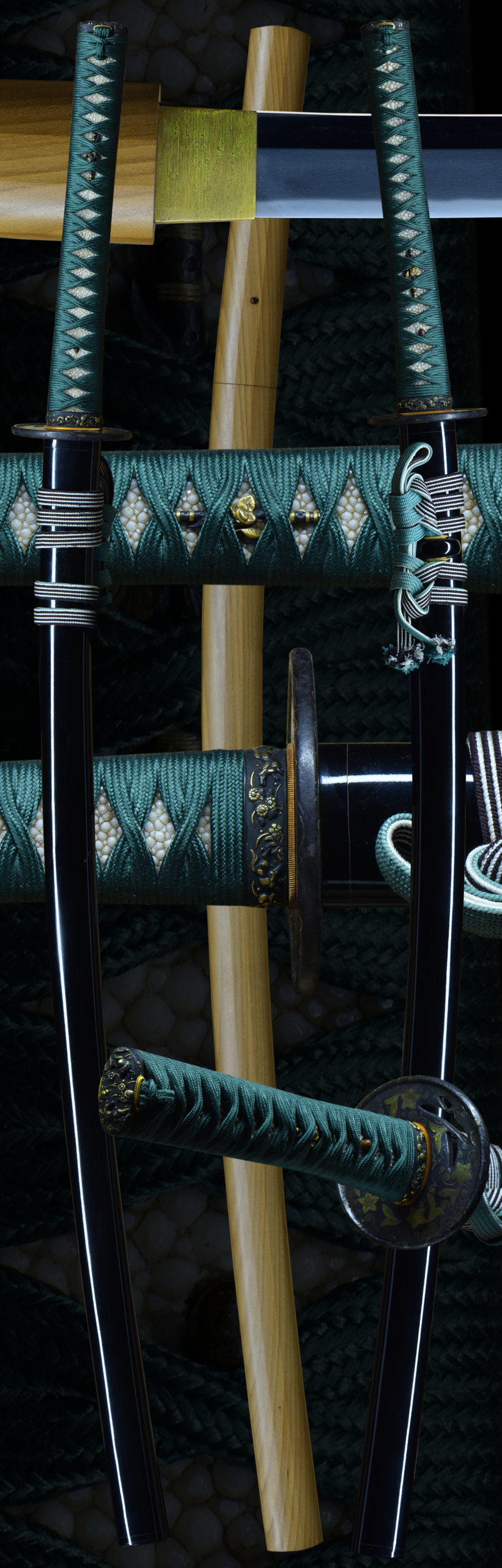
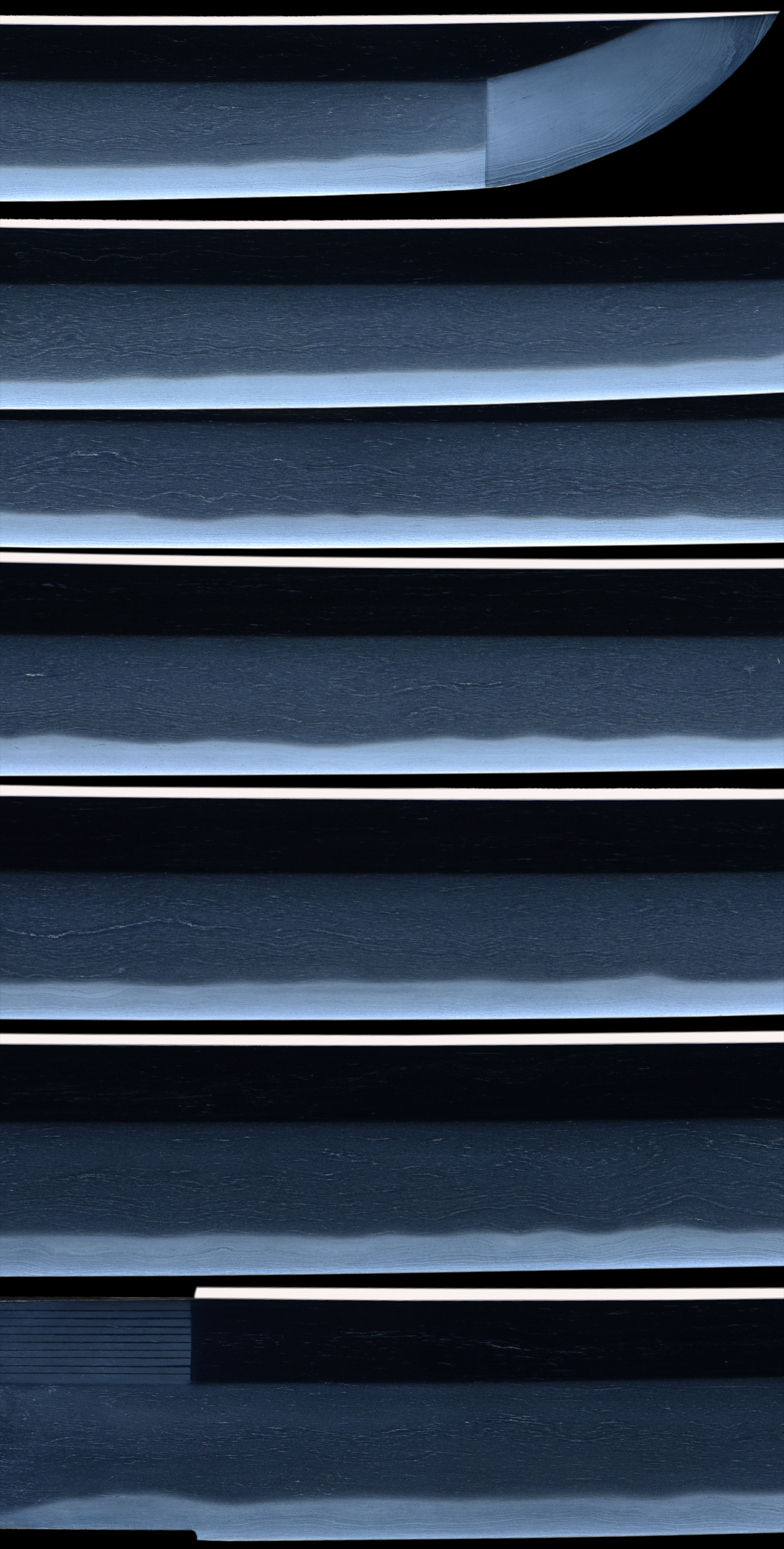
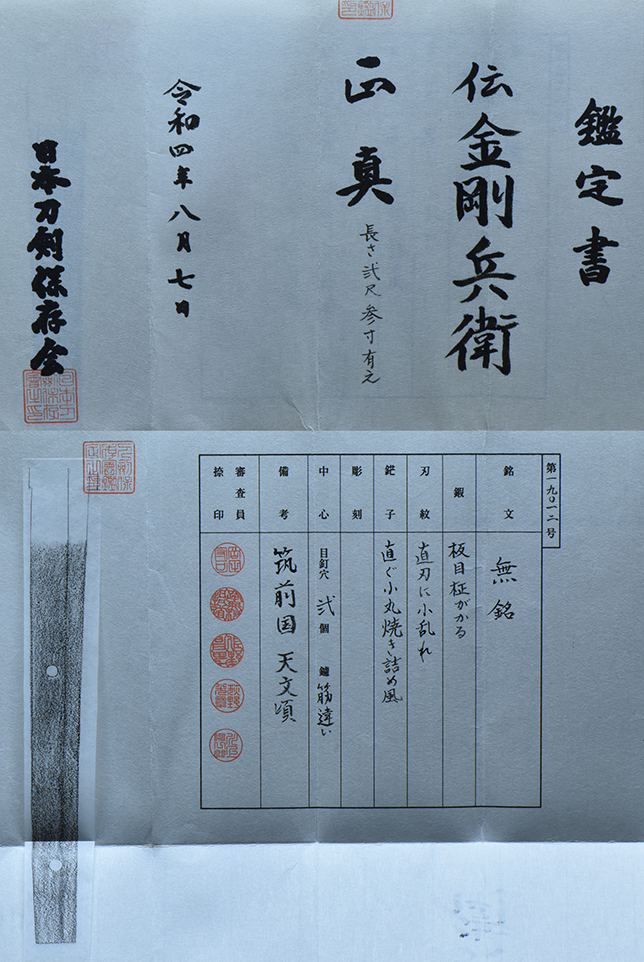
Muromachi Period KatanaDen Kongō-ByōeTenbun Era (1532–1555) – Chikuzen ProvinceWith Restored KoshiraeNTHK Kanteisho (2022)There is a distinct presence to a true Muromachi blade.This katana is attributed by NTHK toDen Kongō-Byōe, dating to the Tenbun era (1532–1555), forged during the height of the Sengoku period — when swords were instruments of survival, not display.Unsigned (mumei), as many authentic battlefield blades of the era are, it carries the quiet authority of nearly five centuries of preservation.The BladeThe sugata reflects mid-16th century practicality — balanced and purposeful.The jigane shows tight mokume / itame hada with visible standing grain. The hamon is primarily suguha with restrained midare, consistent with early Chikuzen workmanship. The boshi presents in rounded yakizume style.This is not a flamboyant Edo piece.It is honest Sengoku-era steel — sound, restrained, and historically grounded.Restored KoshiraeThe sword is mounted in complete koshirae that has been professionally restored for structural integrity and long-term preservation.Matching menukiTraditional tsukamakiIron tsuba with age characterLacquered saya in restored conditionThe mounts present cohesively and allow the blade to be appreciated as a unified historical object.ConditionBlade structurally soundHealthy sugataBoshi intactNo fatal flaws observedSurface condition appropriate for ageMounts stable and restoredMinor signs of age are present, as expected of a blade approaching 500 years old, but nothing detracts from its integrity.PerspectiveTenbun-era blades are finite. Properly attributed Muromachi examples with papers and complete mounts are increasingly absorbed into long-term collections.This is a sword meant for a serious collector — someone who understands that ownership of a piece like this is temporary stewardship.Nearly five centuries have passed.It is ready for its next chapter. Mei:Mume (Den Kongo-Byoe)Date:Tenbun Era (1532-1555)Nagasa:27-1/2 inchesSori:19.0 mmWidth at the ha-machi:28.2 mmWidth at the yokote:19.9 mmThickness at the mune-machi:7.3 mmConstruction:Shinogi zukuriMune:IoriNakago:UbuKitae:Itame/Mokume/MasameHamon:Midare/SugubaBoshi:MaruCondition:Good polish
NihontoWatch

脇物 · 筑前
現在10点販売中
南北朝期の筑前国には左文字派と金剛兵衛派の二大流派が並存した。金剛兵衛派は福岡を拠点とし、同時代の左文字派とは異なる作風を示す。現存する有銘作には室町期を遡るものは見られず、最も古い紀年作として「筑州冷泉貞盛 正平廿五一月日」[[c:1]]銘の短刀(重要美術品)が知られる。貞盛作に見られる地刃の大和気質は、この派の成立に大和鍛冶の影響があったことを示唆している。 鍛えは大板目に板目を交え、処々大杢目が混じり、刃寄りに僅かに流れ肌を交えて柾となる。総体に肌立ちごころで、地沸がつき、かな色はやや黒みがかって濁りを帯びる。刃文は細直刃を基調とし、僅かに浅くのたれをおび、小互の目ごころの刃を交える。小足が入り、匂口は締まりごころに小沸がよくつく。刃縁はほつれ、ささやかながら砂流しや金筋が地刃にまたがって現れる。九州独特のかな味を示しつつ、匂口がやや沈みごころとなる点にこの派の特色がある。 現存する金剛兵衛派の古作は、いずれも大磨上げの無銘品として「古金剛兵衛」と極められている。身幅が広く、反りが浅くつき、中鋒から大鋒となる南北朝期の体配を示し、棒樋や棒樋に添樋を施した例が多い。質実にして力強い姿形を備え、地景が頻りに入った地がねと、細直刃ながら変化に富んだ刃文は見どころが多く、鎌倉末期から南北朝期における筑前鍛冶の優れた作例として評価されている。 詳しく見る →
NTHKの中心的な鑑定書で、相応の出来を備えた作に発行されます。在銘作は銘の正真を、無銘作は審査員による刀工・流派の極めを示します。点数を記す詳細な審査表が付されます。
NTHK(日本刀剣保存会)は、NBTHK(1948年設立)に先立つ1910年に創立された、日本で最も古い刀剣鑑定団体です。長く会を率いた会長の没後、NTHKとNTHK-NPOの二つに分かれ、いずれも審査を続けています。NTHKの鑑定書は、点数と審査員の所見を併記する詳細な審査表が特徴で、特に無銘作の極めに定評があります。
We offer a 48 hour inspection period for all Antique items shipped within the United States only. If the item is not to your satisfaction, we will gladly refund your money less any shipping and handling fees. All sales are final after the 48 hour inspection period. Please note that all discounted items are a final sale and not returnable.