二つの朝廷、六十年の戦、そして刀剣史上もっとも劇的な姿。幅広の刀身、延びた切先、後代に磨上げられて雄大な刀となった大太刀。相州風がこの時代の様式であった。
 NihontoWatchNihontoWatch
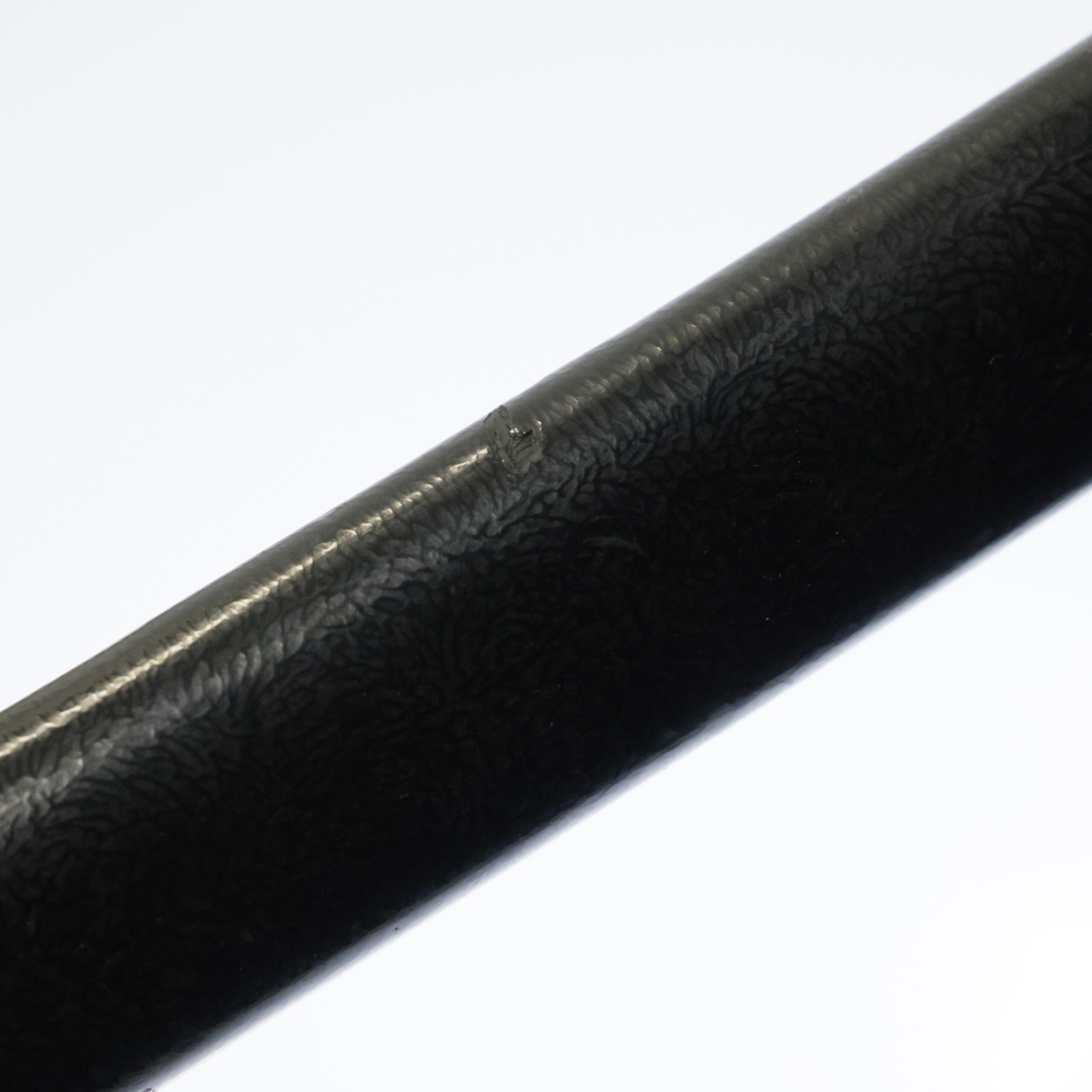
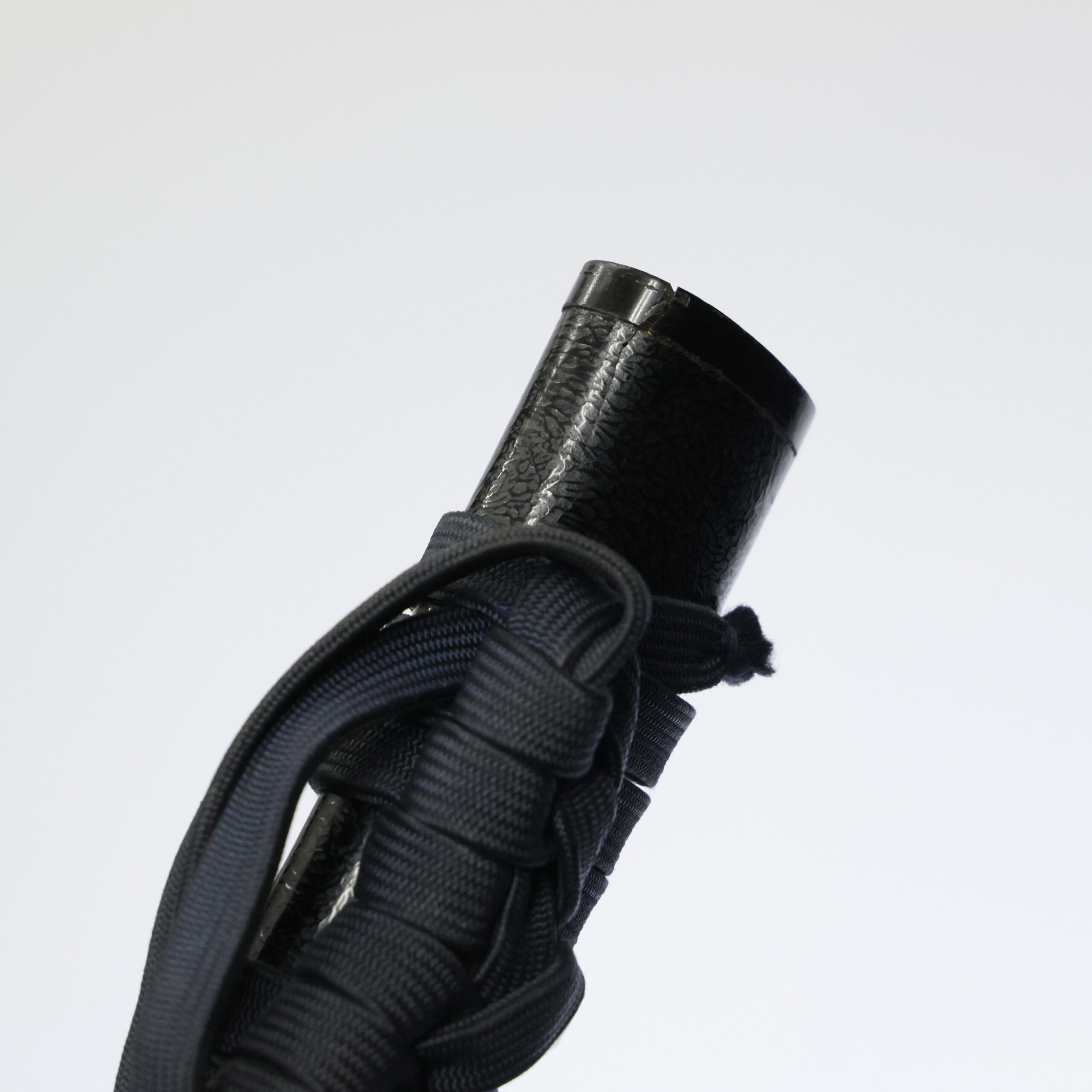
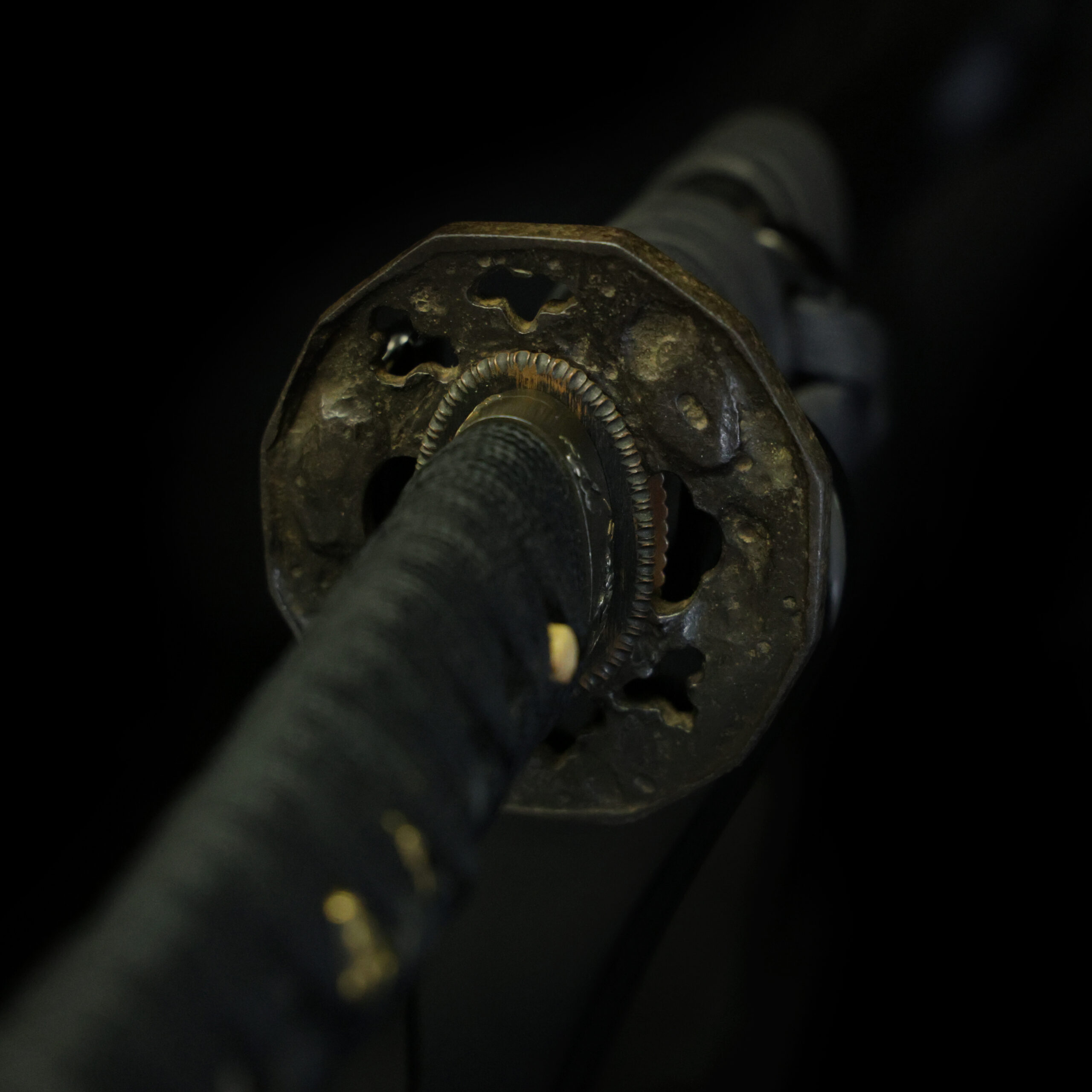
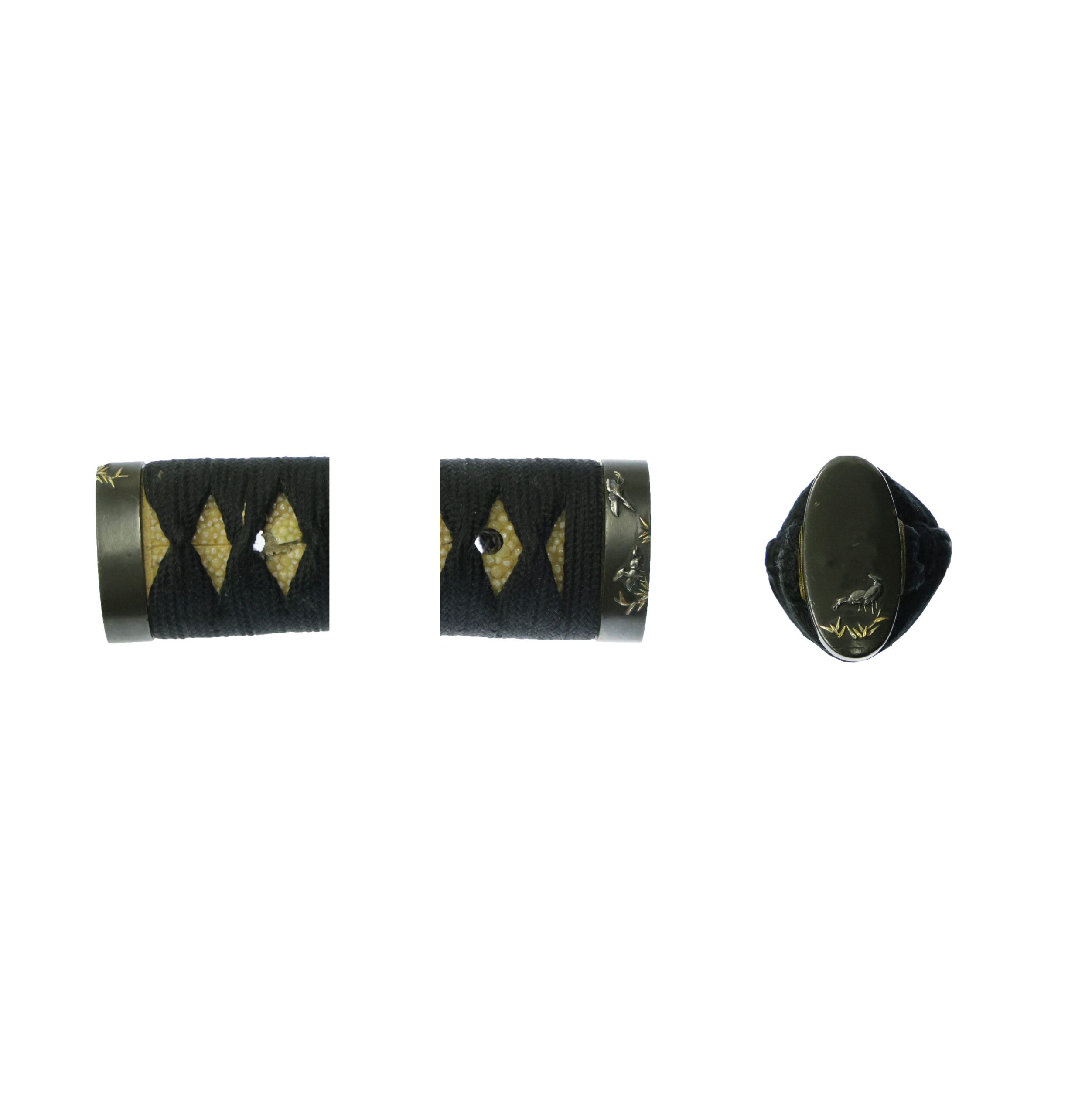
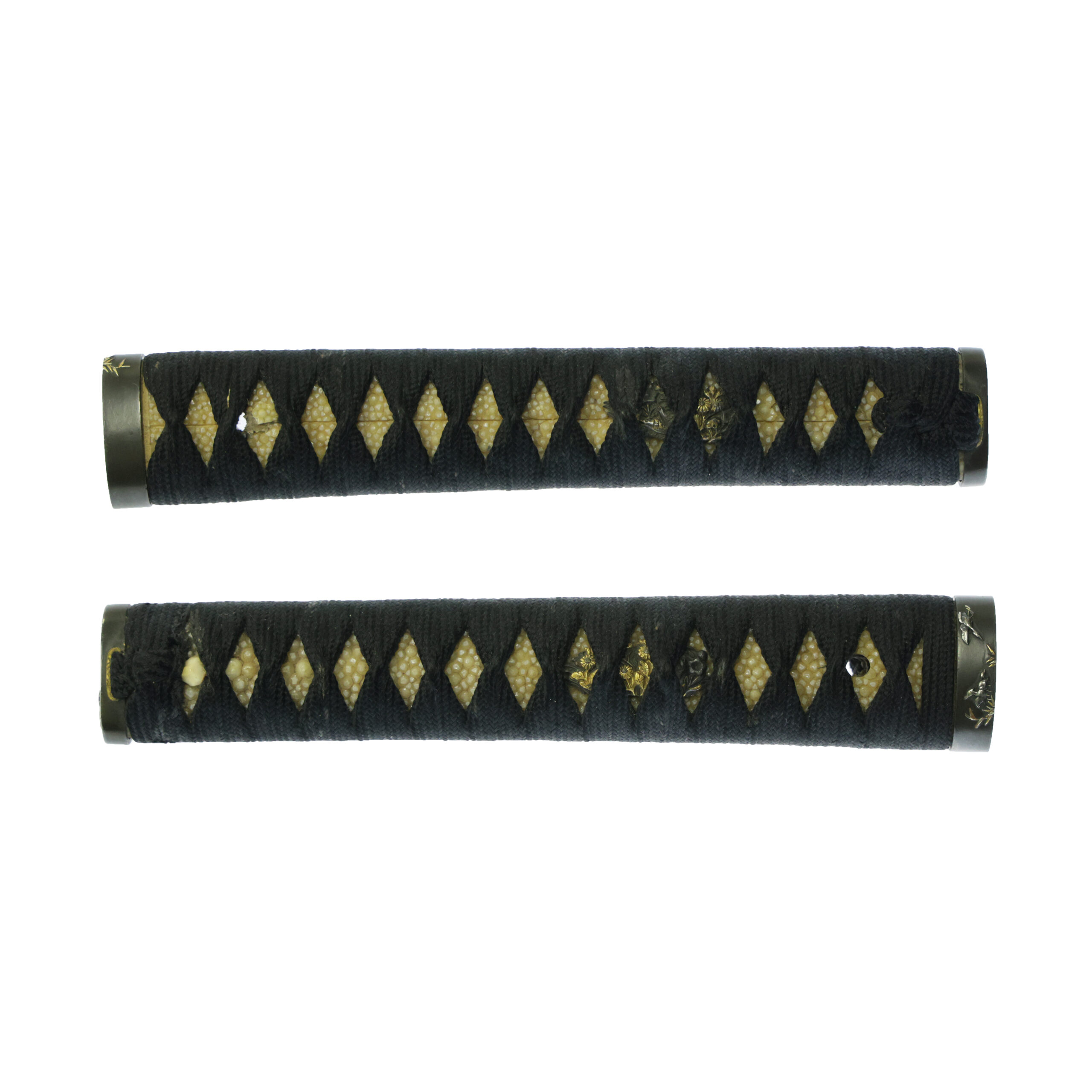
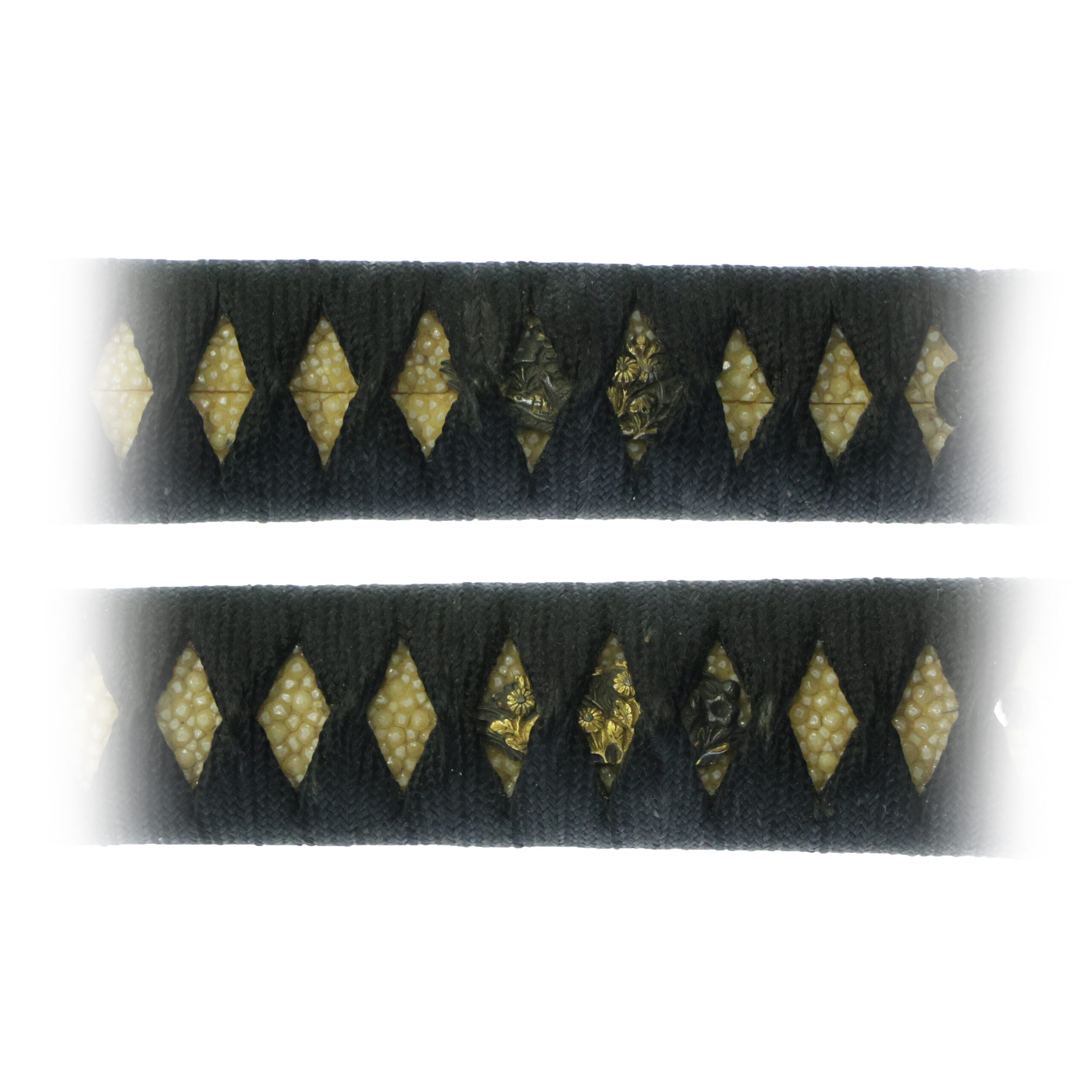
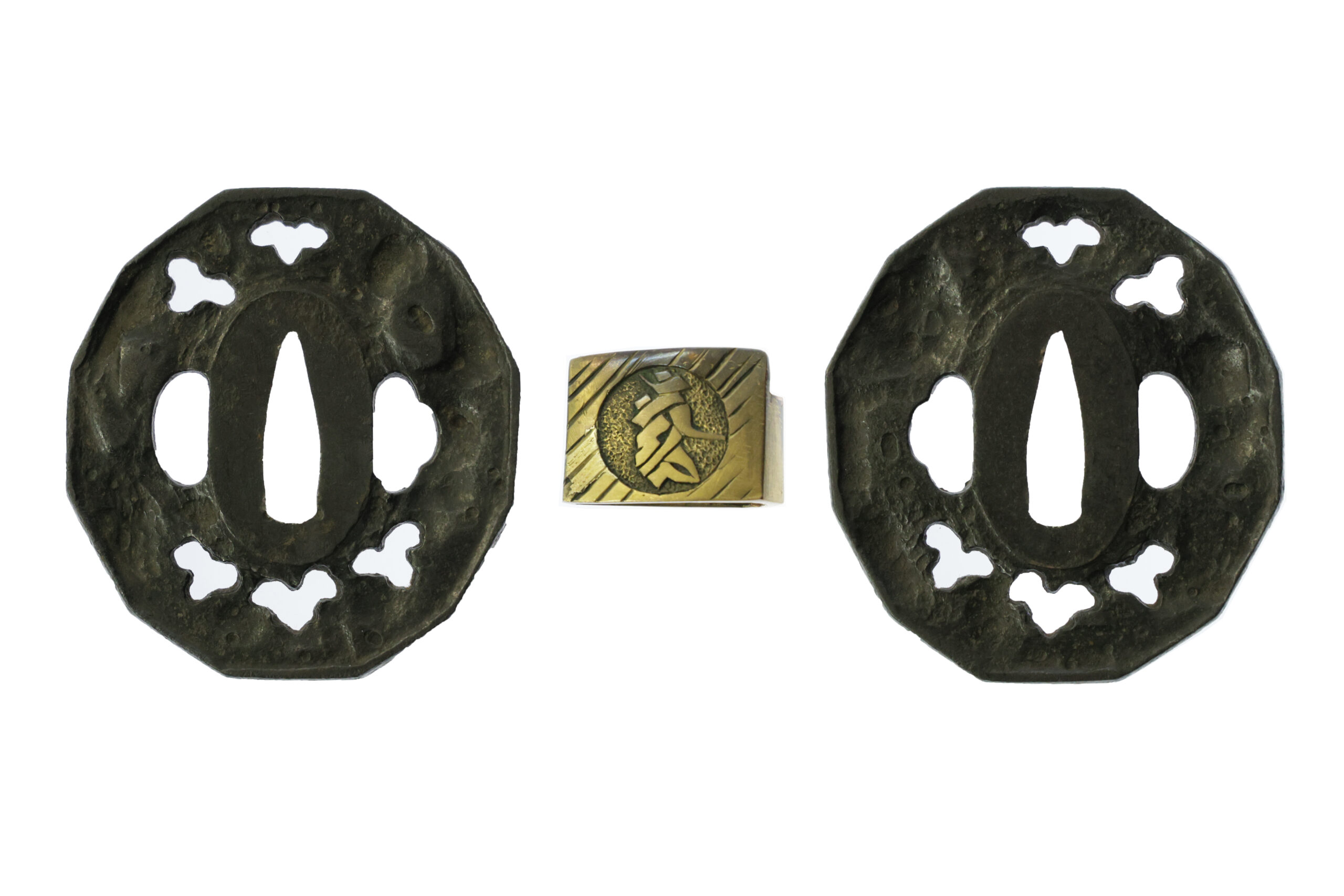
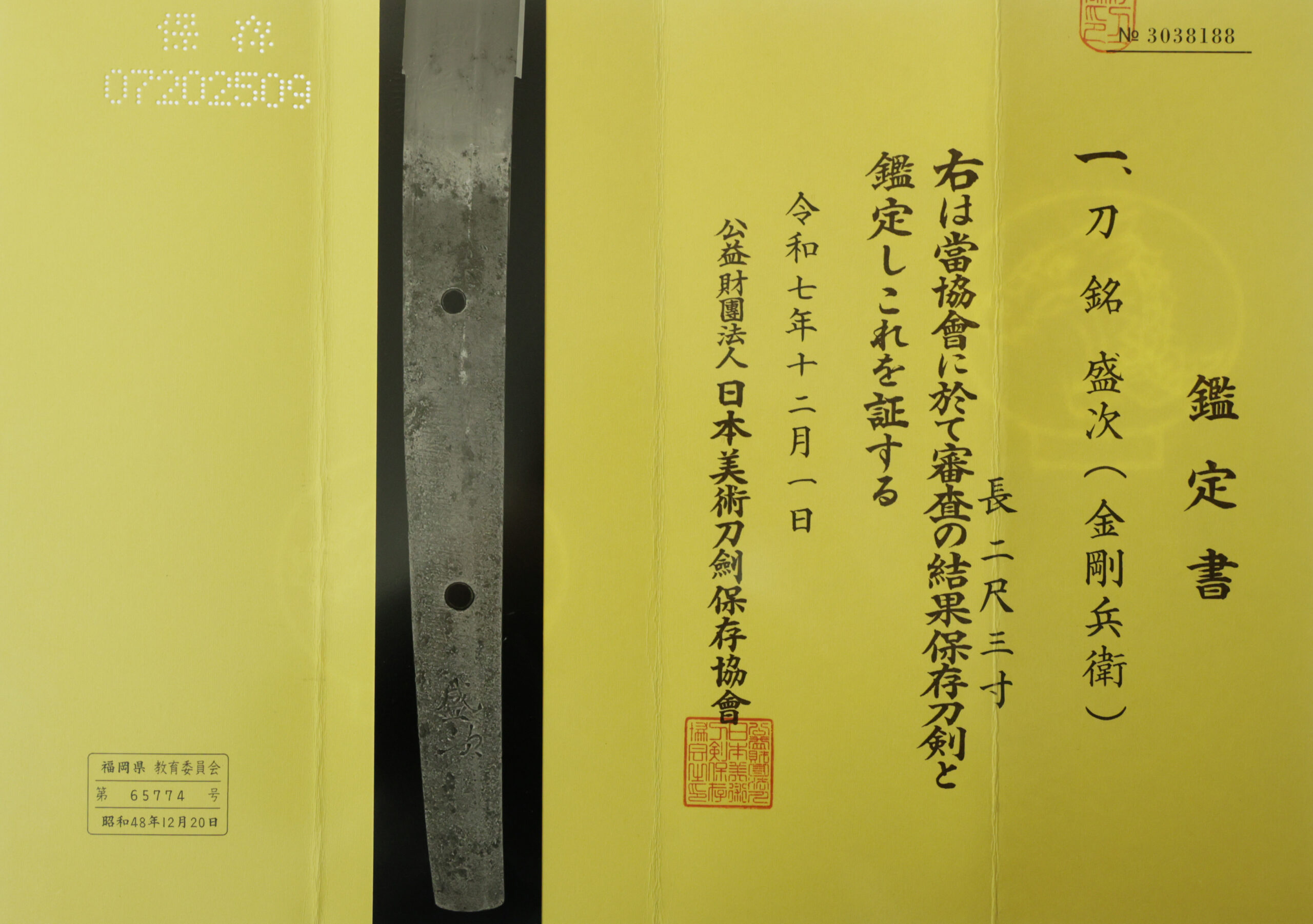
This blade was signed by Moritsugu (盛次), a swordsmith of the Kongō Hyōe (金剛兵衛) school, active in Chikuzen Province (present-day Fukuoka Prefecture) during the late Muromachi period (early to mid-16th century). The Kongō Hyōe school is a prestigious lineage said to have been founded by Kongō Hyōe Morikuni in the late Kamakura period (around the late 13th century). It maintained close ties with the Sairen school, one of the most prominent swordsmith groups in the region. Many accomplished swordsmiths emerged from this lineage. The smiths of the Kongō Hyōe school resided in the Urayama area, near Kamado Shrine—also known as Kongō Hōman—reflecting the school’s strong association with Buddhism. In fact, the group is believed to have forged swords for Hōmanzan(宝満山) a powerful religious and military Buddhist center of the time. A characteristic feature of this school is the use of the character “盛” (Mori) in the smiths’ names, as seen in Moritsugu. In general, the term “Kongō Hyōe” refers to works produced during the late Muromachi period, while “Ko-Kongō Hyōe” (Old Kongō Hyōe) denotes earlier works from the late Kamakura to Nanbokuchō periods. It is appraised as a Hozon Token (保存刀剣) issued by NBTHK (Nihon Bijutsu Touken Hozon Kyokai:日本美術刀剣保存協会). *Please note that there are a few kitae-kizu, small chips and some areas of rust on this blade. If you would like to know more about its detailed condition, please feel free to contact us. Fuchi-Kashira The birds depicted on this Fuchi Kashira seems to be a heron (鷺, Sagi). The heron, a beautiful water bird, was considered a symbol of noble character and high-ranking bureaucrats because of its appearance of standing unstained in the muddy water of rivers and rice fields. Also, the heron is often depicted in classical Chinese paintings as well since it is an auspicious bird. For example, A painting depicting a heron, a lotus, and a drunken hibiscus represents that one’s future life will be filled with happiness, wealth, and prosperity. Tsuka and Menuki The theme of this fuchi-kashira is akikusa (秋草, autumn grasses), a traditional motif in Japanese art associated with the beauty of the autumn season and the changing of nature. The surrounding floral designs appear to include kiku (菊, chrysanthemum) and kikyō (桔梗, bellflower), identifiable by their distinctive petal shapes. This suggests that the overall composition represents akikusa, a motif that captures the refined aesthetic of autumn in Japan. In addition, a bird is depicted among the autumn grasses, which is likely a quail (鶉, uzura). The combination of autumn grasses and quail is a classic motif in waka and haiku poetry, evoking the quiet, melancholic atmosphere of the autumn season. Tsuba and Habaki The motif of this Tsuba appears to be Wild goose (雁, Kari). The wild goose is a migratory bird that represents fall. Its pattern is also called “Karigane (雁金),” and some families used this motif for their family crests. The design that describes diagonally flying wild geese is named “Gankou Mon (雁行文).” This bird is engraved by not only a realistic figure but also a very simplified shape: Hiragana (ひらがな, a kind of Japanese letter) “he (へ)” shape that sometimes makes also wild goose. Saya *Please note that there are some cracks and areas of peeling on this scabbard. If you would like to know more about its detailed condition, please feel free to contact us. Authentication Paper They authenticated the blade on December 1st in the 7th year of Reiwa (2025). They appraised it as Hozon Touken, the blade worth preserving for Japanese society.

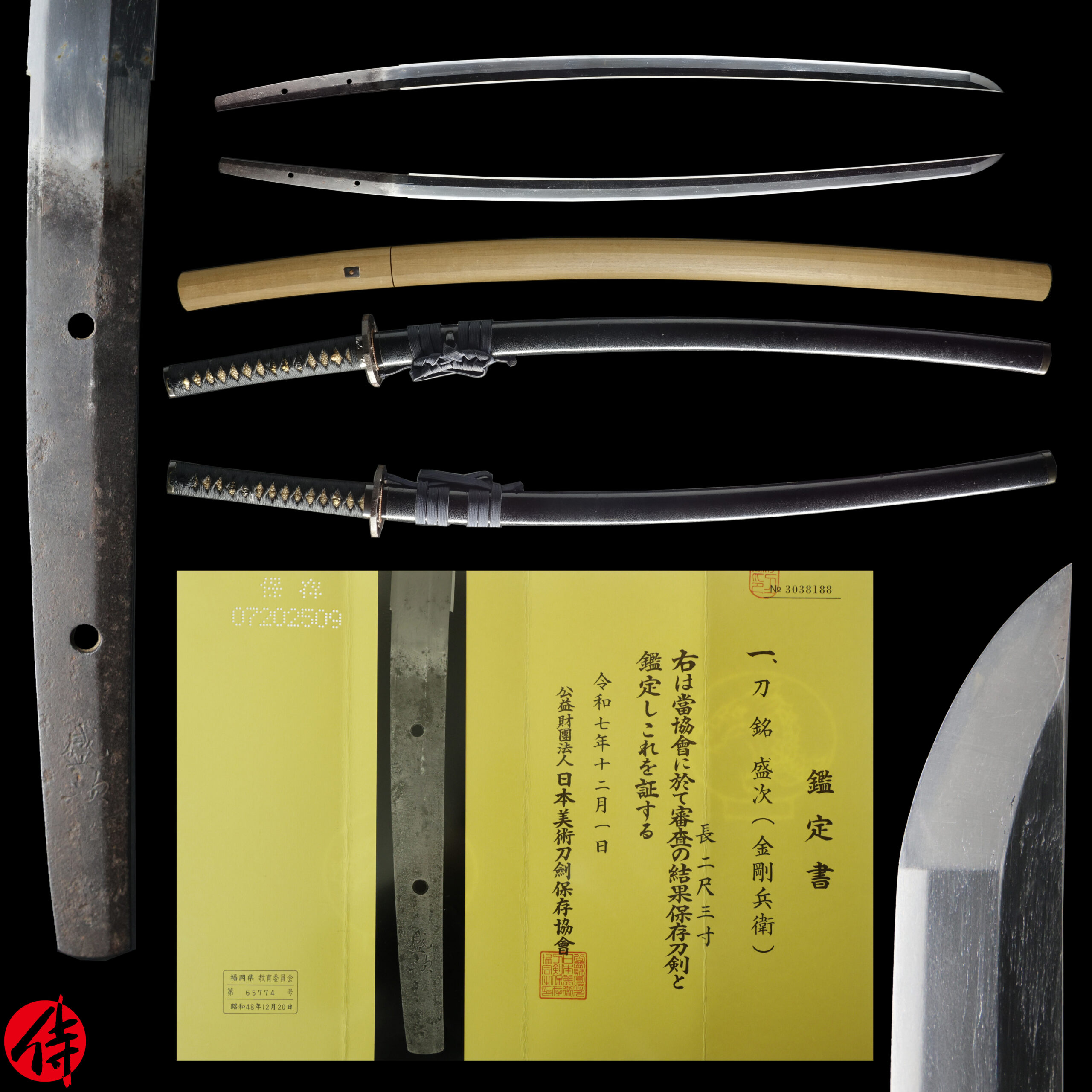
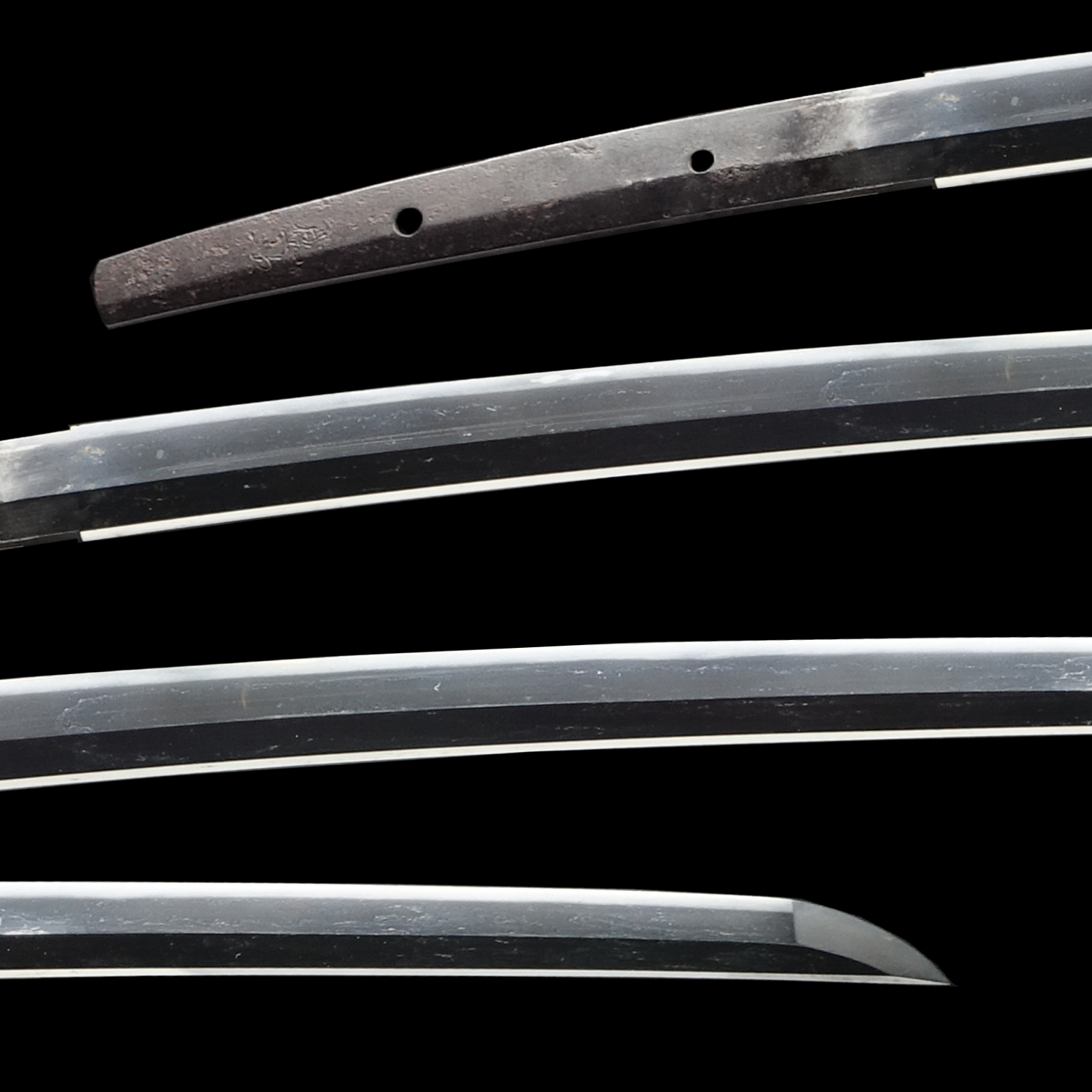
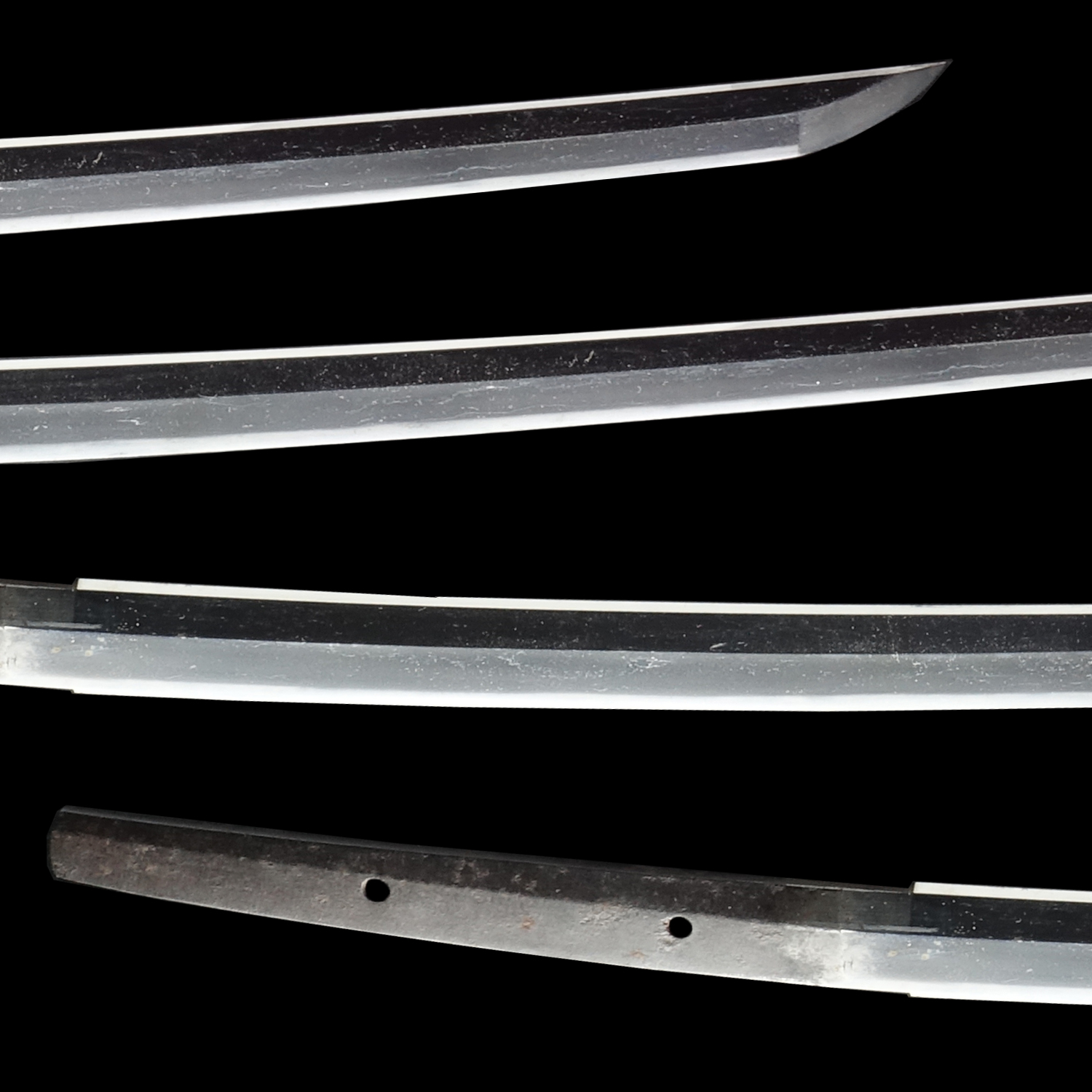
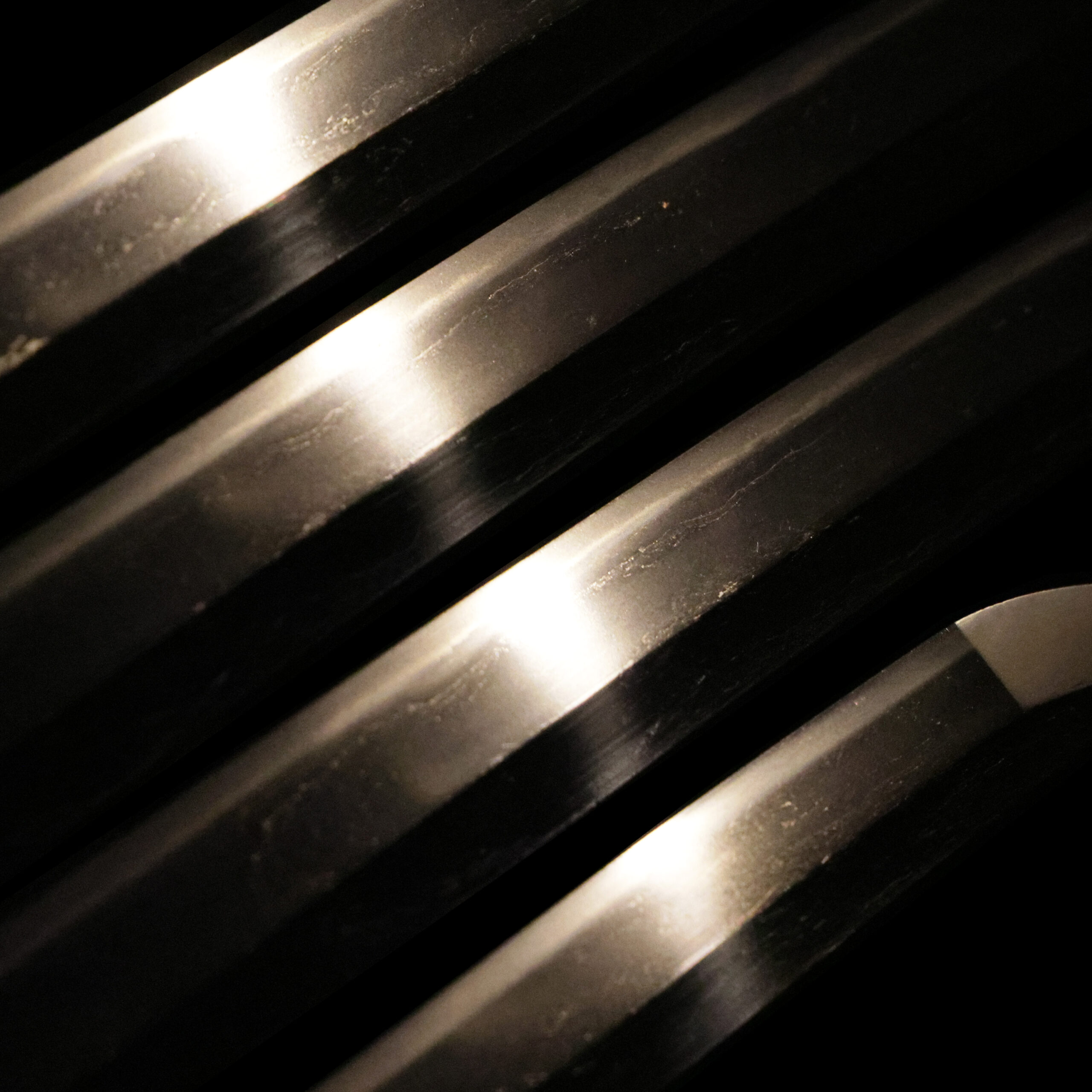
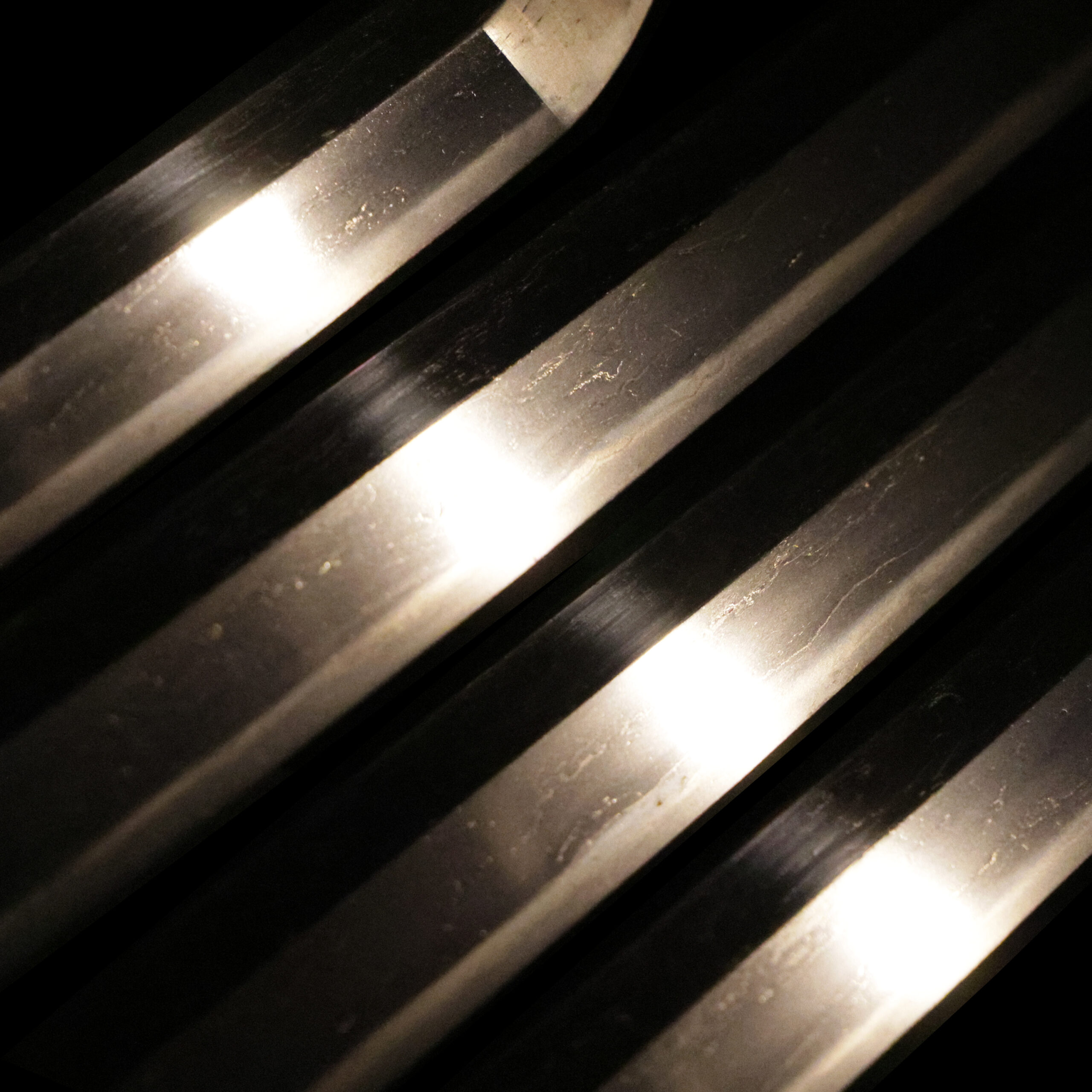
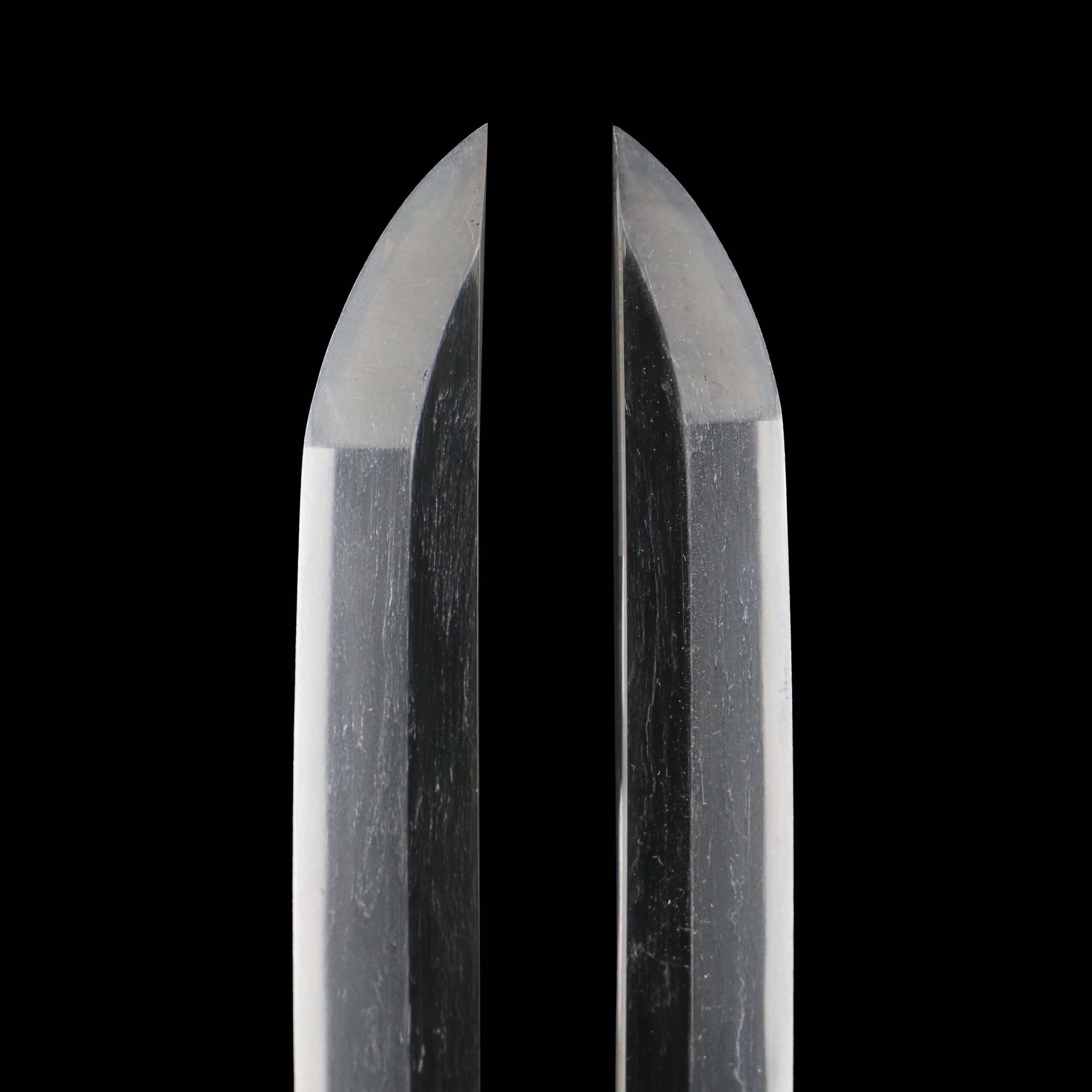
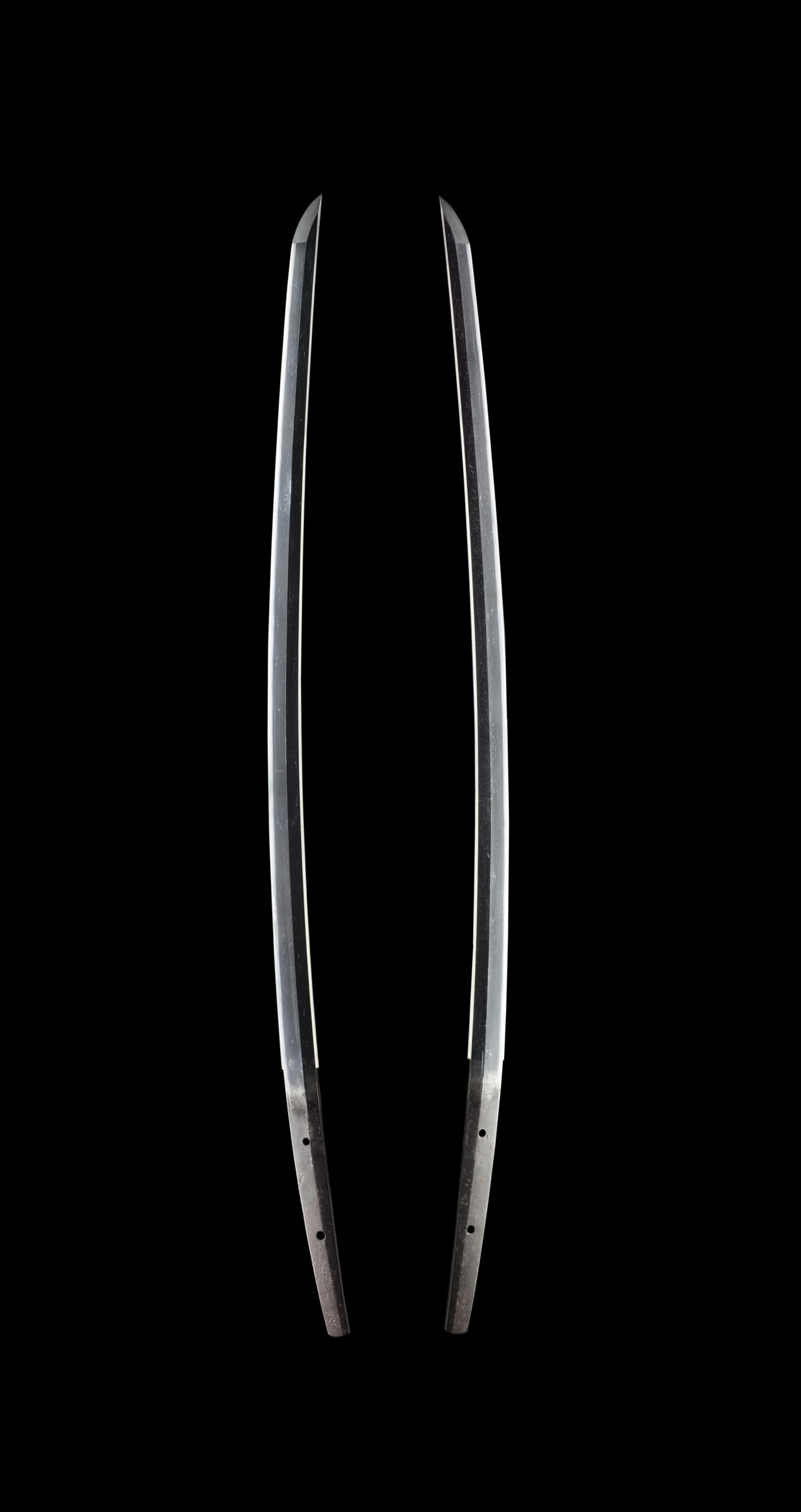
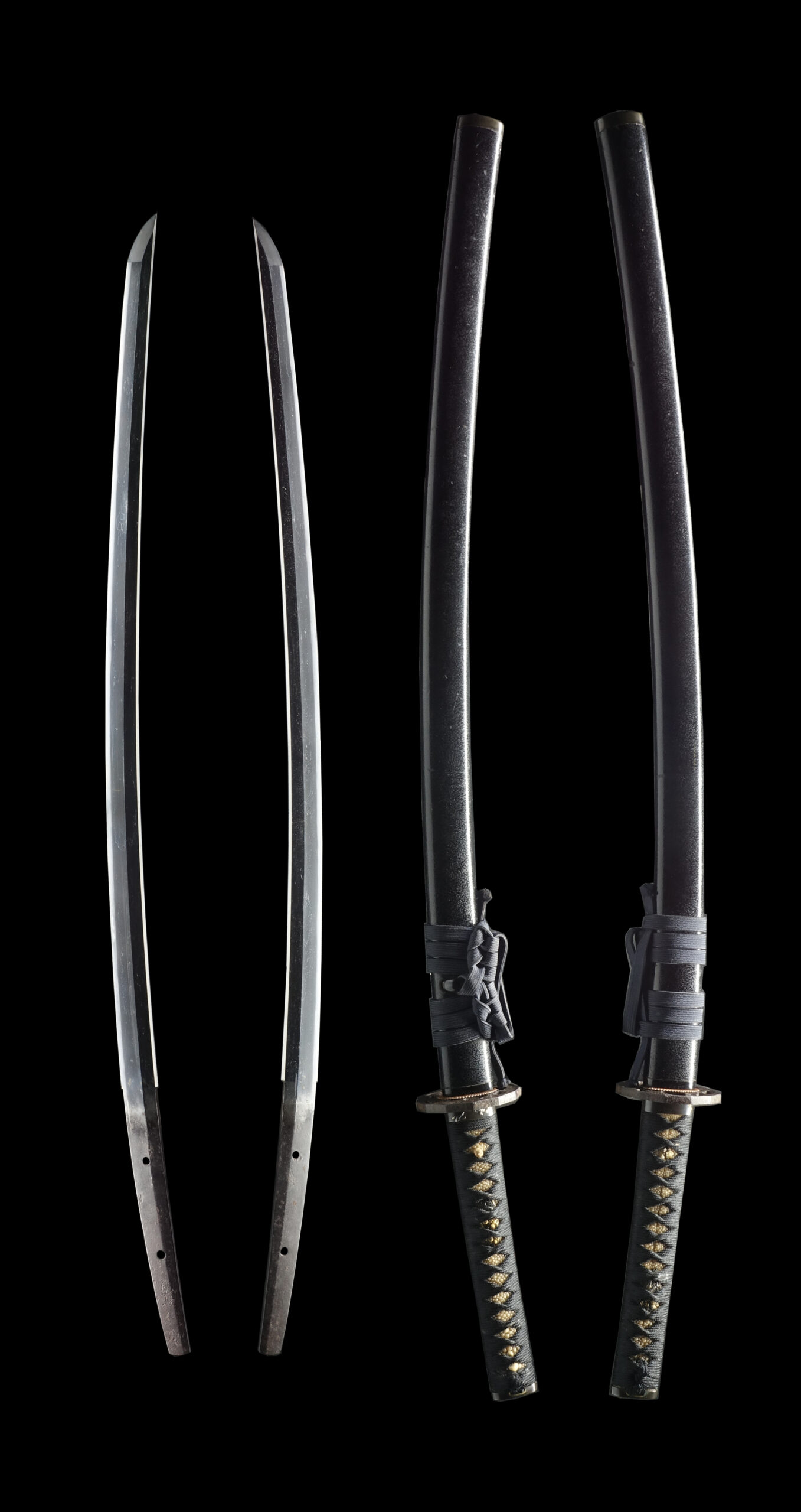
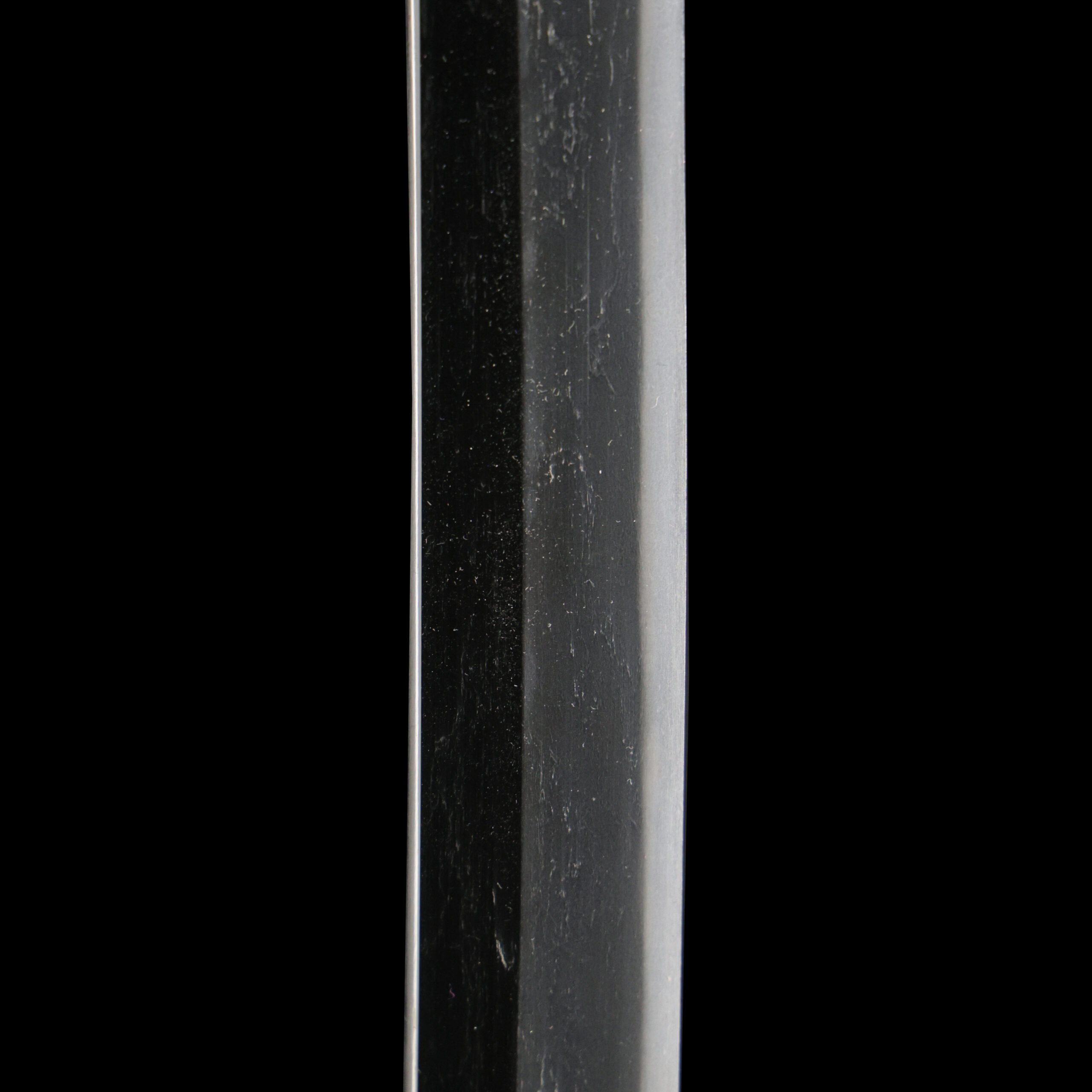
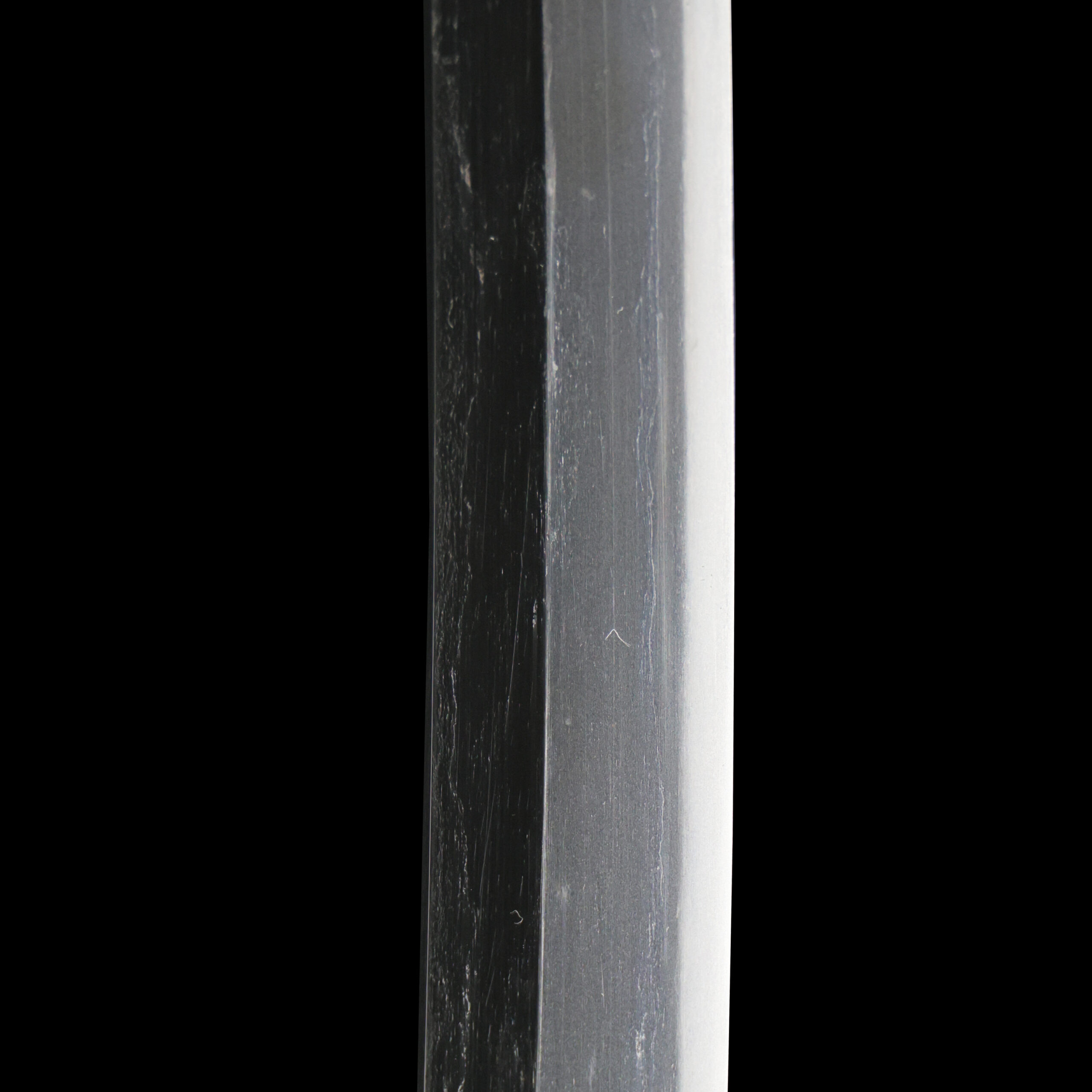
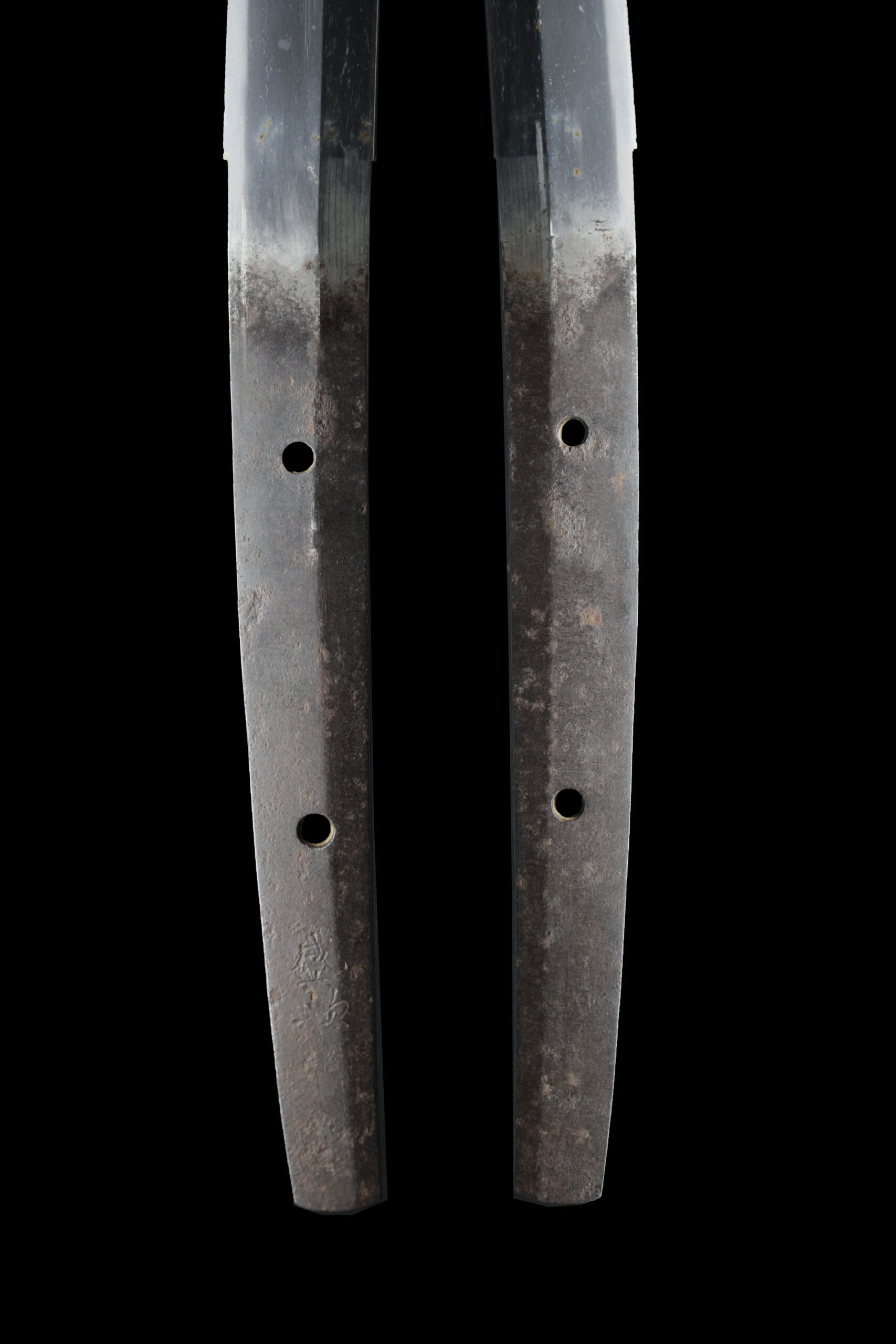
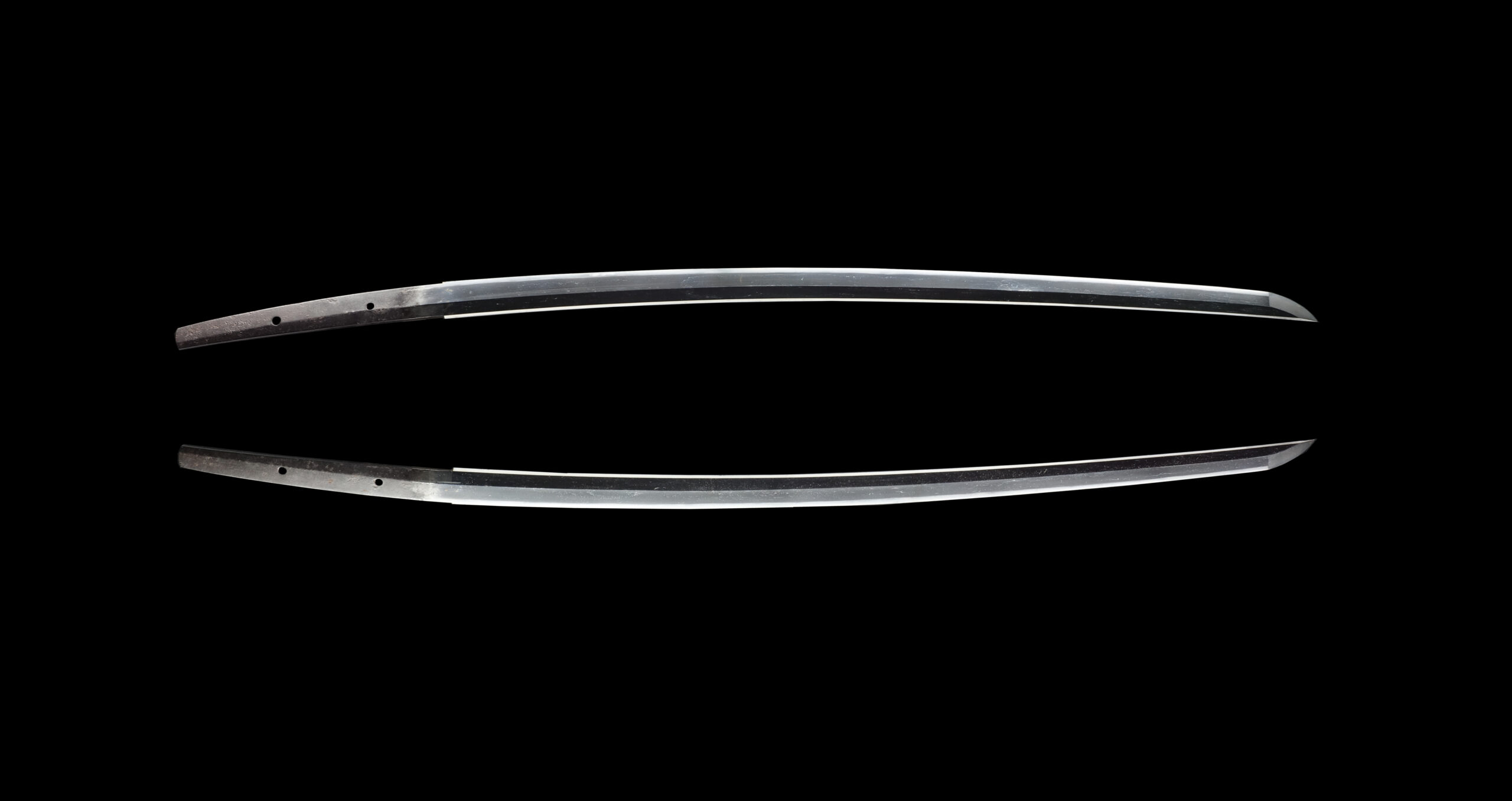
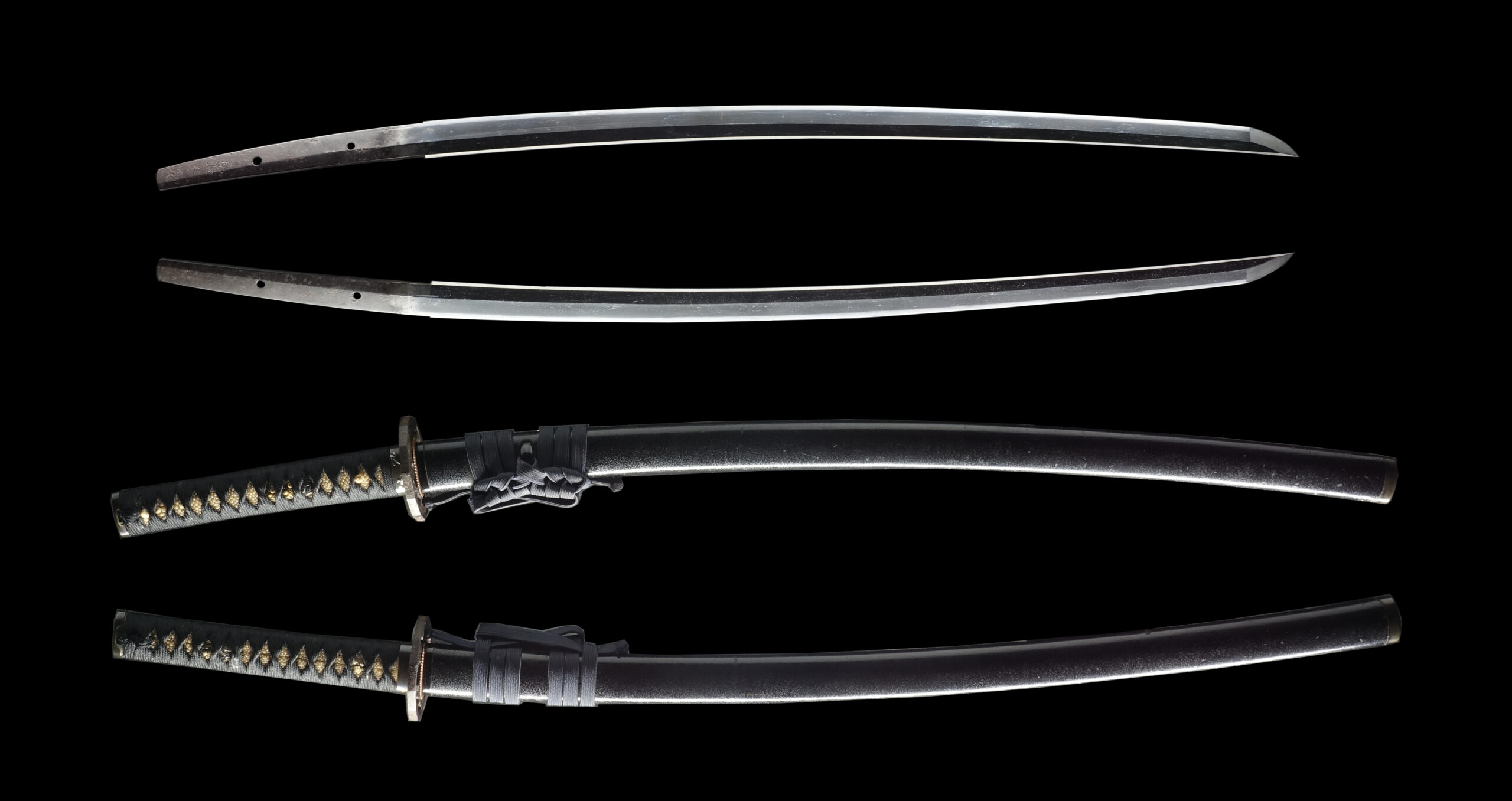
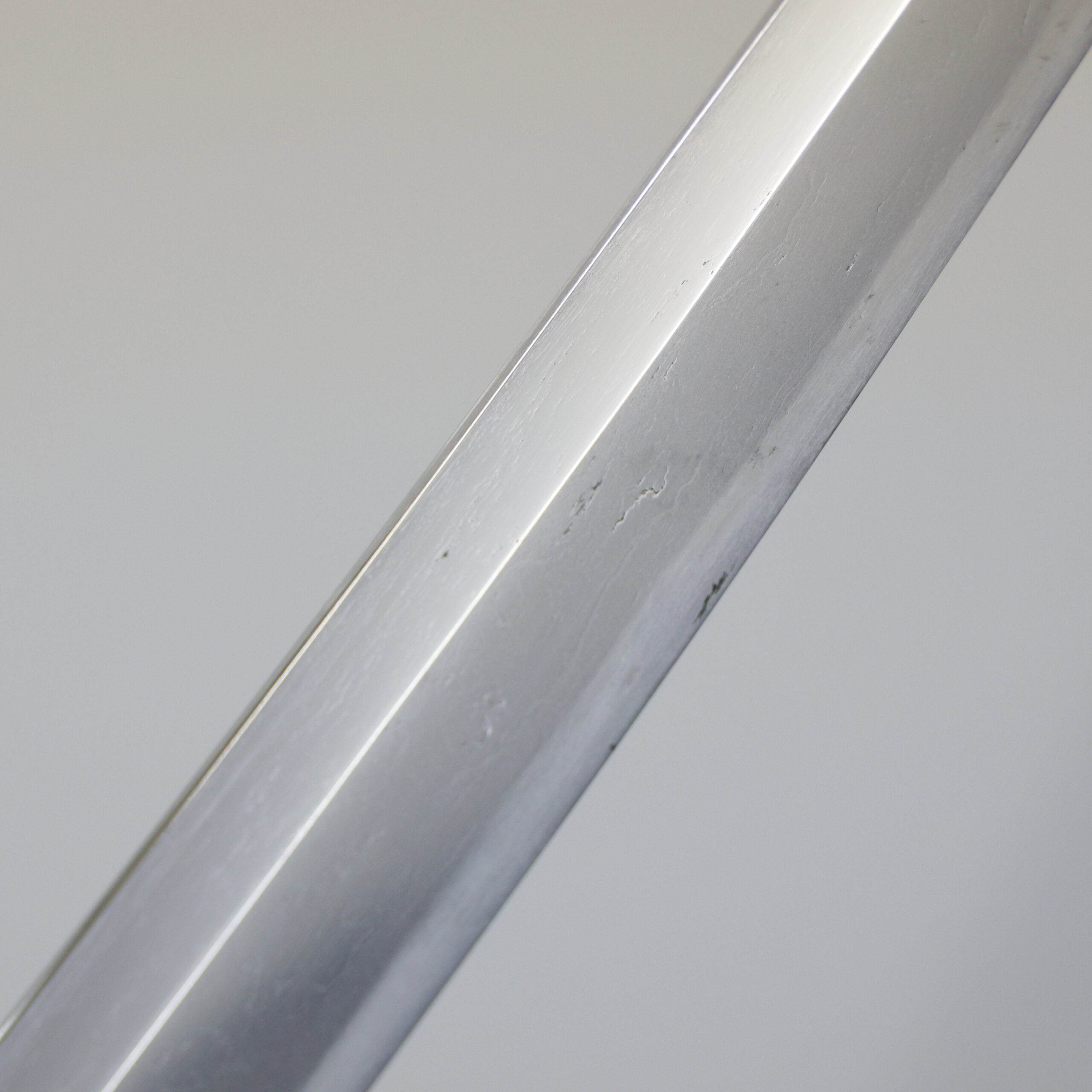
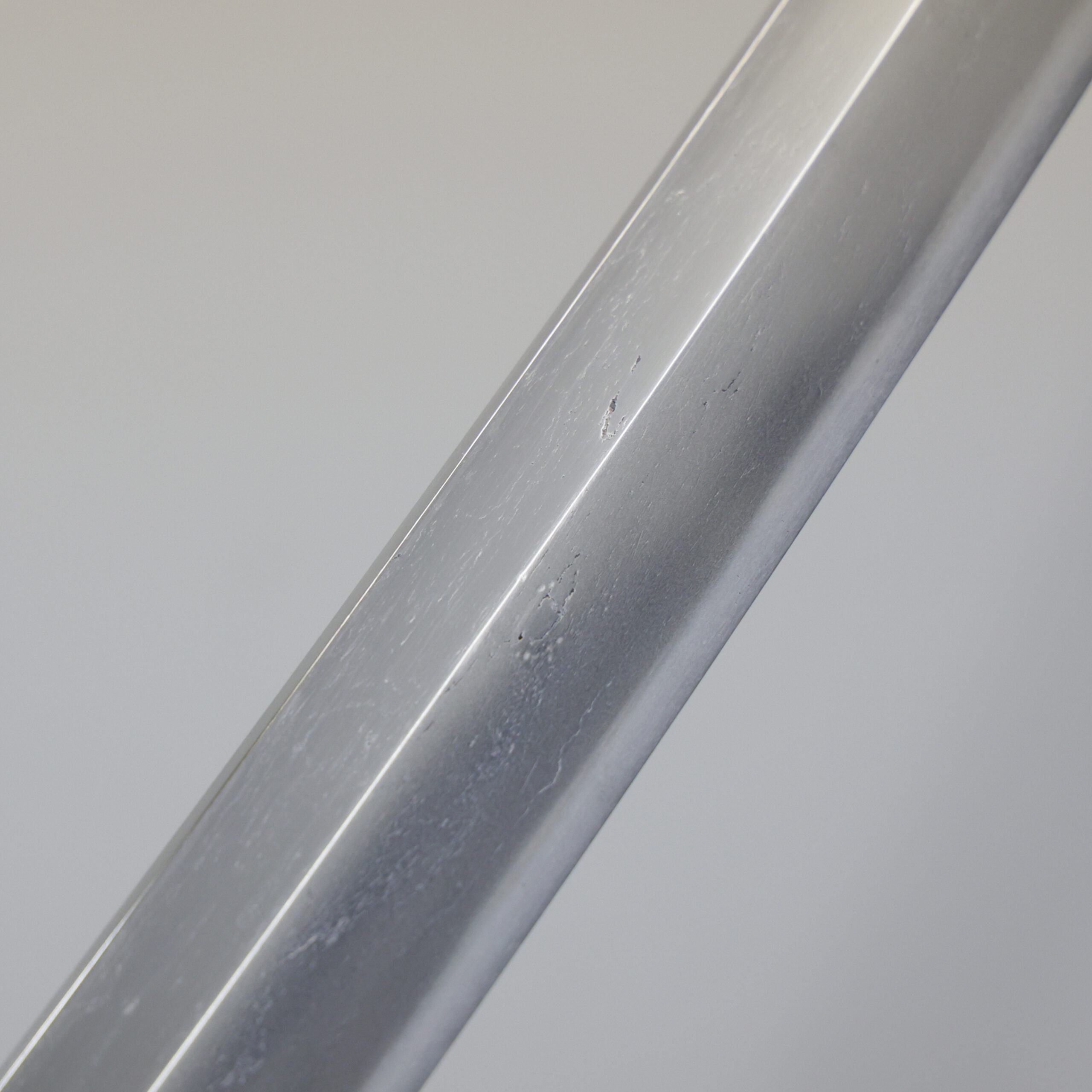
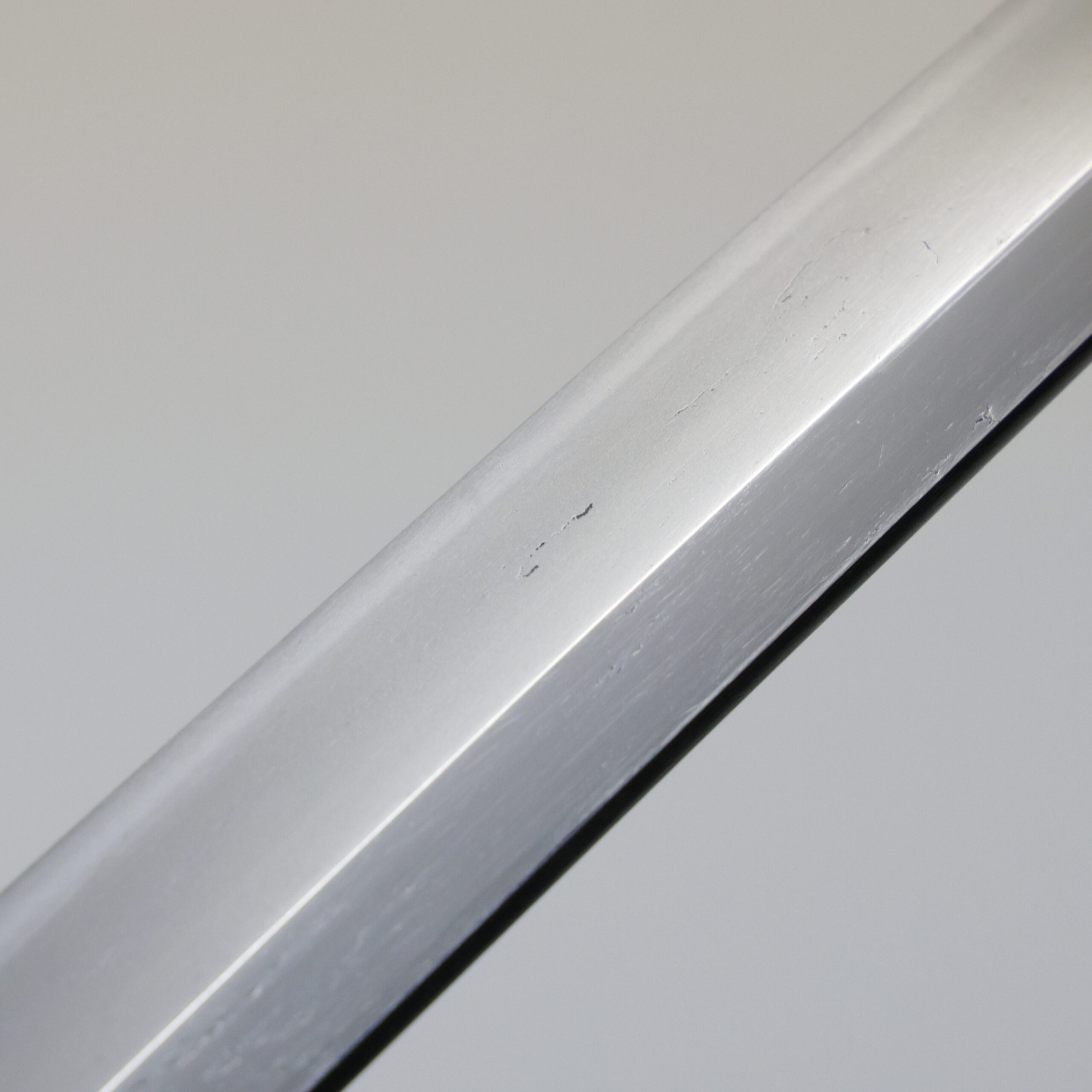
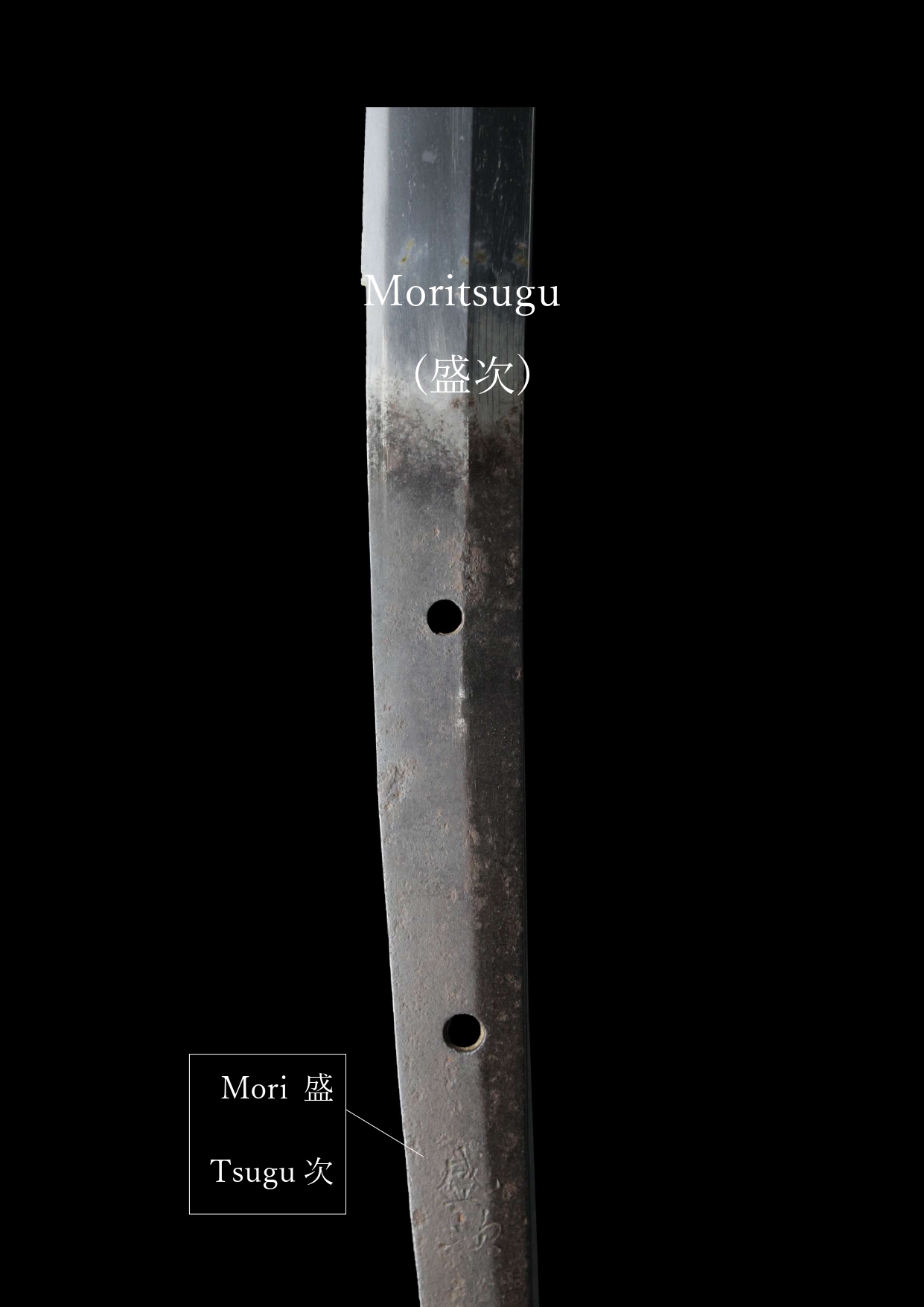
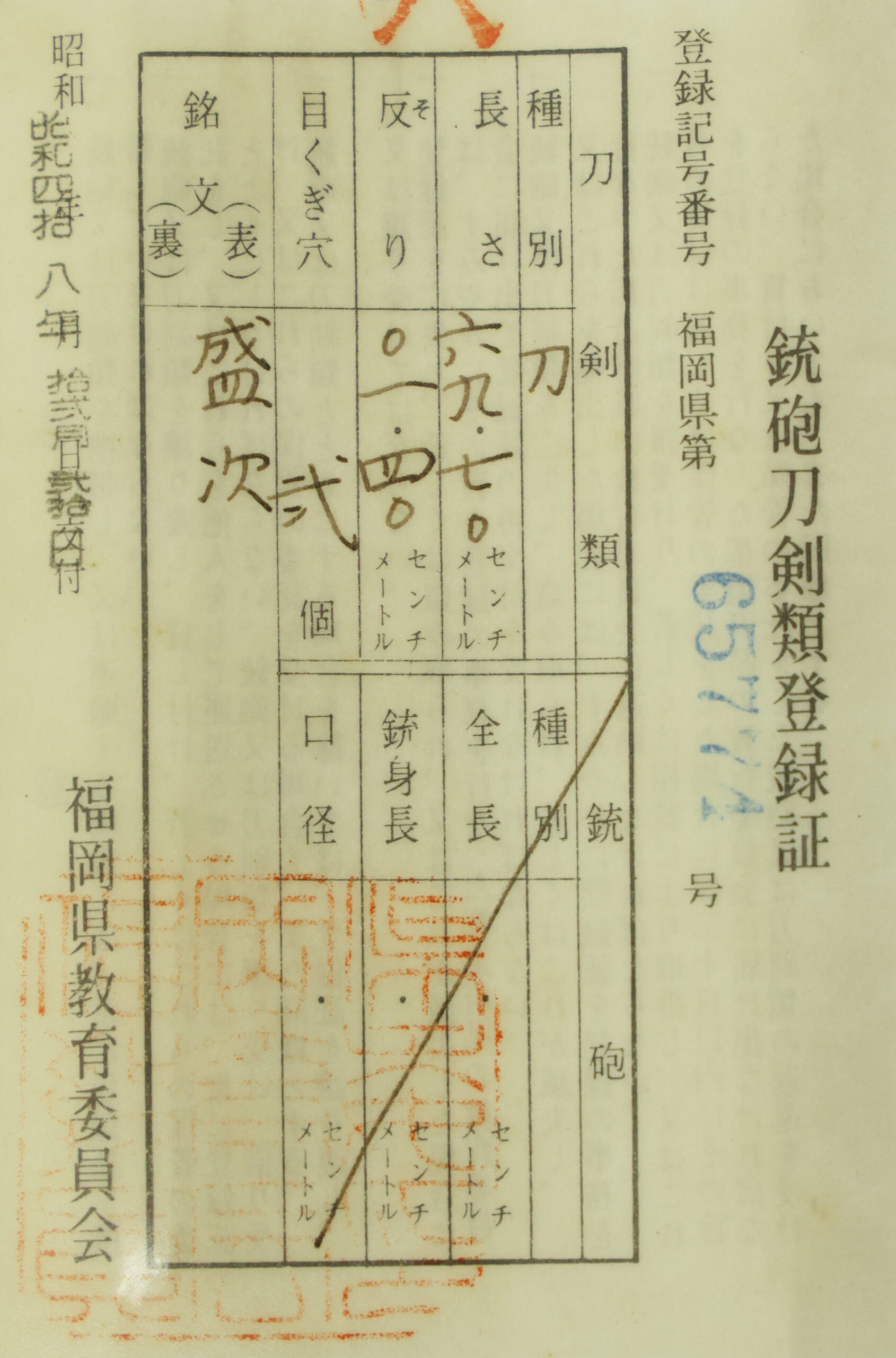
販売店の記載のまま
脇物 · 筑前
現在11点販売中
南北朝期の筑前国には左文字派と金剛兵衛派の二大流派が並存した。金剛兵衛派は福岡を拠点とし、同時代の左文字派とは異なる作風を示す。現存する有銘作には室町期を遡るものは見られず、最も古い紀年作として「筑州冷泉貞盛 正平廿五一月日」[[c:1]]銘の短刀(重要美術品)が知られる。貞盛作に見られる地刃の大和気質は、この派の成立に大和鍛冶の影響があったことを示唆している。 鍛えは大板目に板目を交え、処々大杢目が混じり、刃寄りに僅かに流れ肌を交えて柾となる。総体に肌立ちごころで、地沸がつき、かな色はやや黒みがかって濁りを帯びる。刃文は細直刃を基調とし、僅かに浅くのたれをおび、小互の目ごころの刃を交える。小足が入り、匂口は締まりごころに小沸がよくつく。刃縁はほつれ、ささやかながら砂流しや金筋が地刃にまたがって現れる。九州独特のかな味を示しつつ、匂口がやや沈みごころとなる点にこの派の特色がある。 現存する金剛兵衛派の古作は、いずれも大磨上げの無銘品として「古金剛兵衛」と極められている。身幅が広く、反りが浅くつき、中鋒から大鋒となる南北朝期の体配を示し、棒樋や棒樋に添樋を施した例が多い。質実にして力強い姿形を備え、地景が頻りに入った地がねと、細直刃ながら変化に富んだ刃文は見どころが多く、鎌倉末期から南北朝期における筑前鍛冶の優れた作例として評価されている。 詳しく見る →
南北朝時代
二つの朝廷、六十年の戦、そして刀剣史上もっとも劇的な姿。幅広の刀身、延びた切先、後代に磨上げられて雄大な刀となった大太刀。相州風がこの時代の様式であった。
銘が正しい、または無銘でも年代・国・系統を確実に指摘できる、保存に値する真正の作と鑑定されたものです。
日本美術刀剣保存協会(日刀保)は、1948年に設立され、文化庁の監督を受ける公益財団法人で、東京・刀剣博物館に本部を置きます。専門の審査員が出品作を直接審査し、美術的・歴史的価値に応じた鑑定書を発行します。日刀保の鑑定書は、日本刀および刀装具の真正性を示す最も広く認知された基準です。
日刀保公式サイトReturns/exchanges limited to defects caused by shipping (except willful misconduct or gross negligence by the company); customers must contact within 72 hours of receiving the product.