1800年前後、水心子正秀は著述をもって、鍛刀は古作の法に立ち返るべしと説いた。復古刀の運動である。最大の後継者直胤は、数百年絶えていた備前伝と相州伝を確信をもって再現した。
 NihontoWatchNihontoWatch
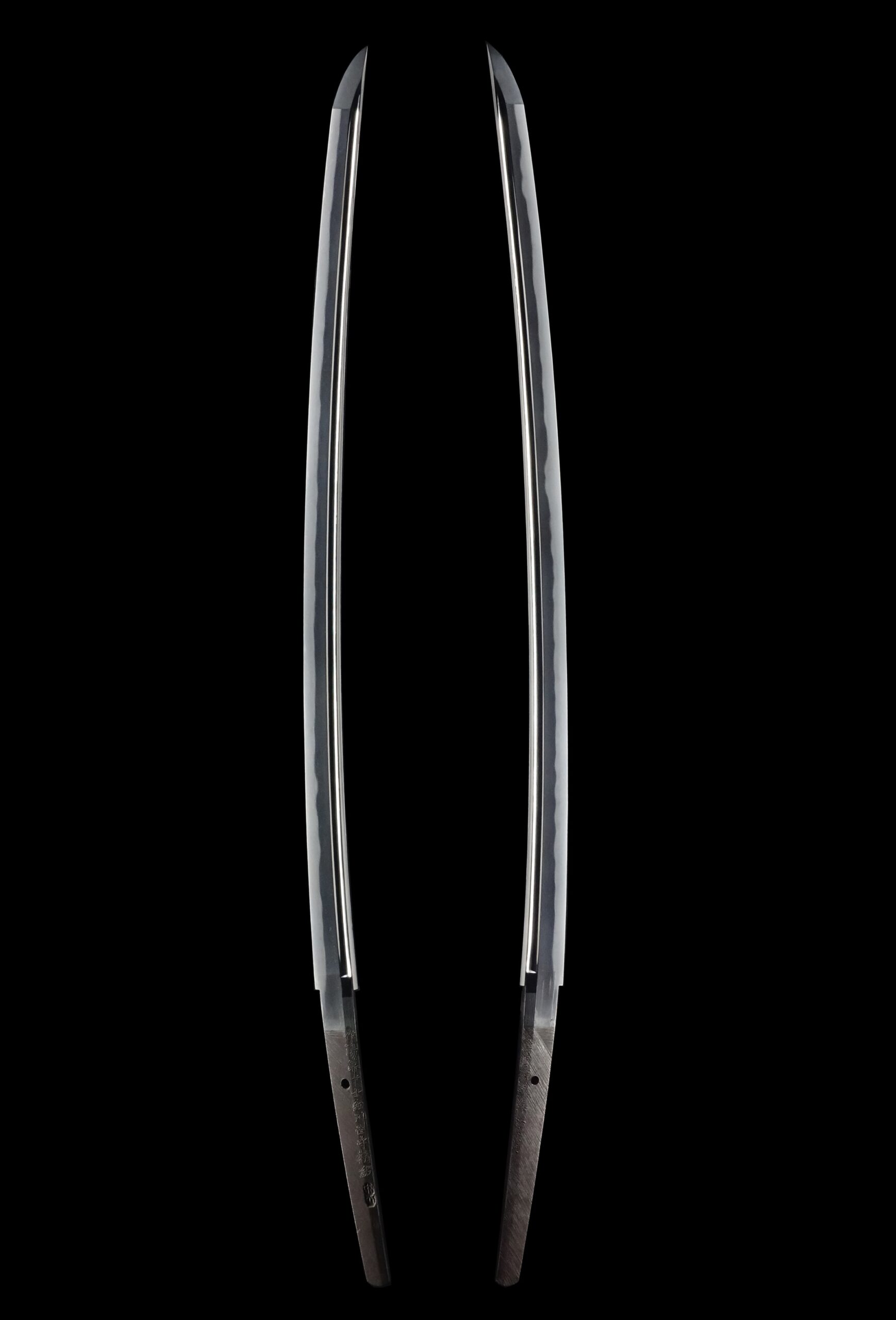
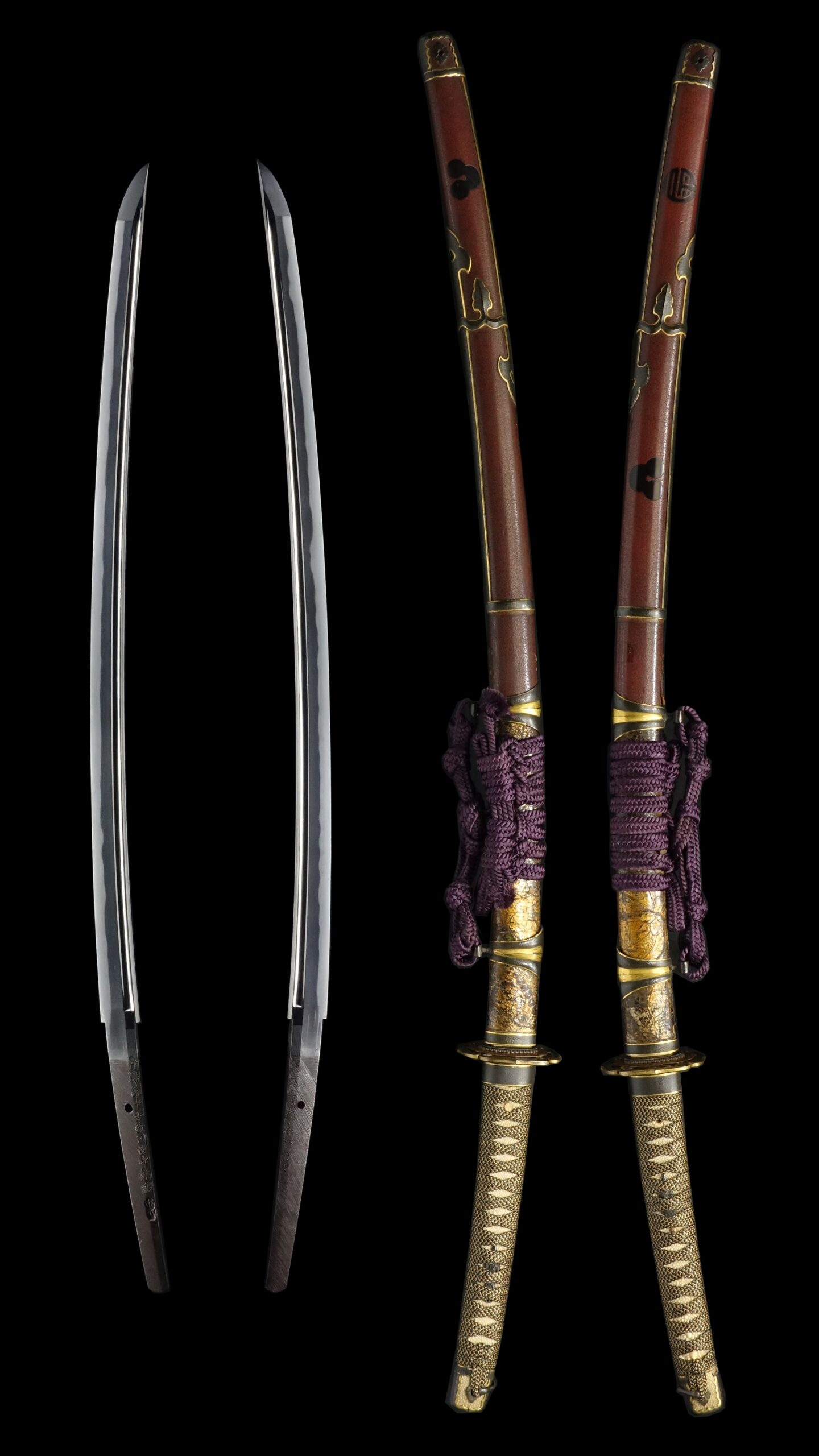
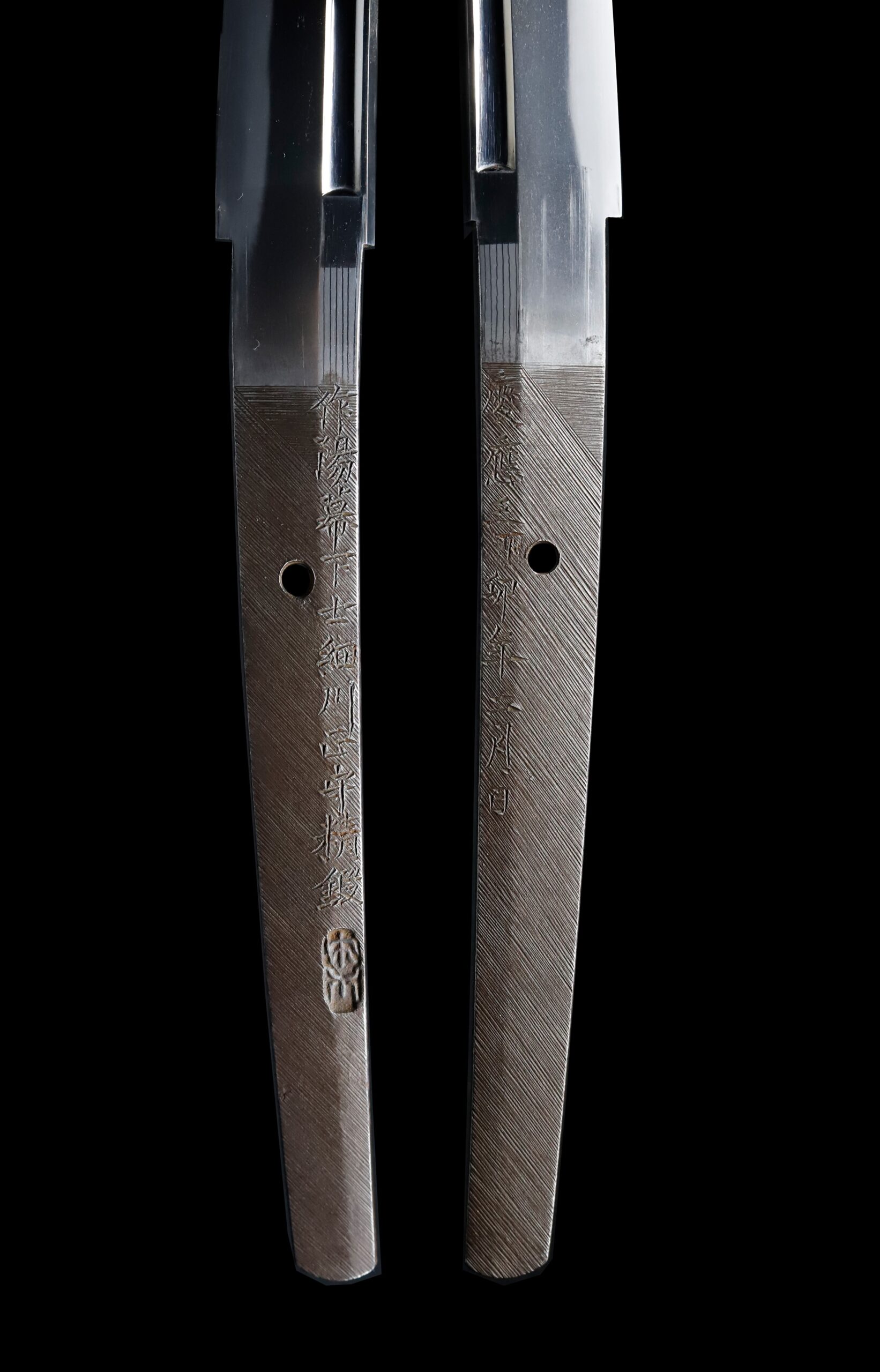
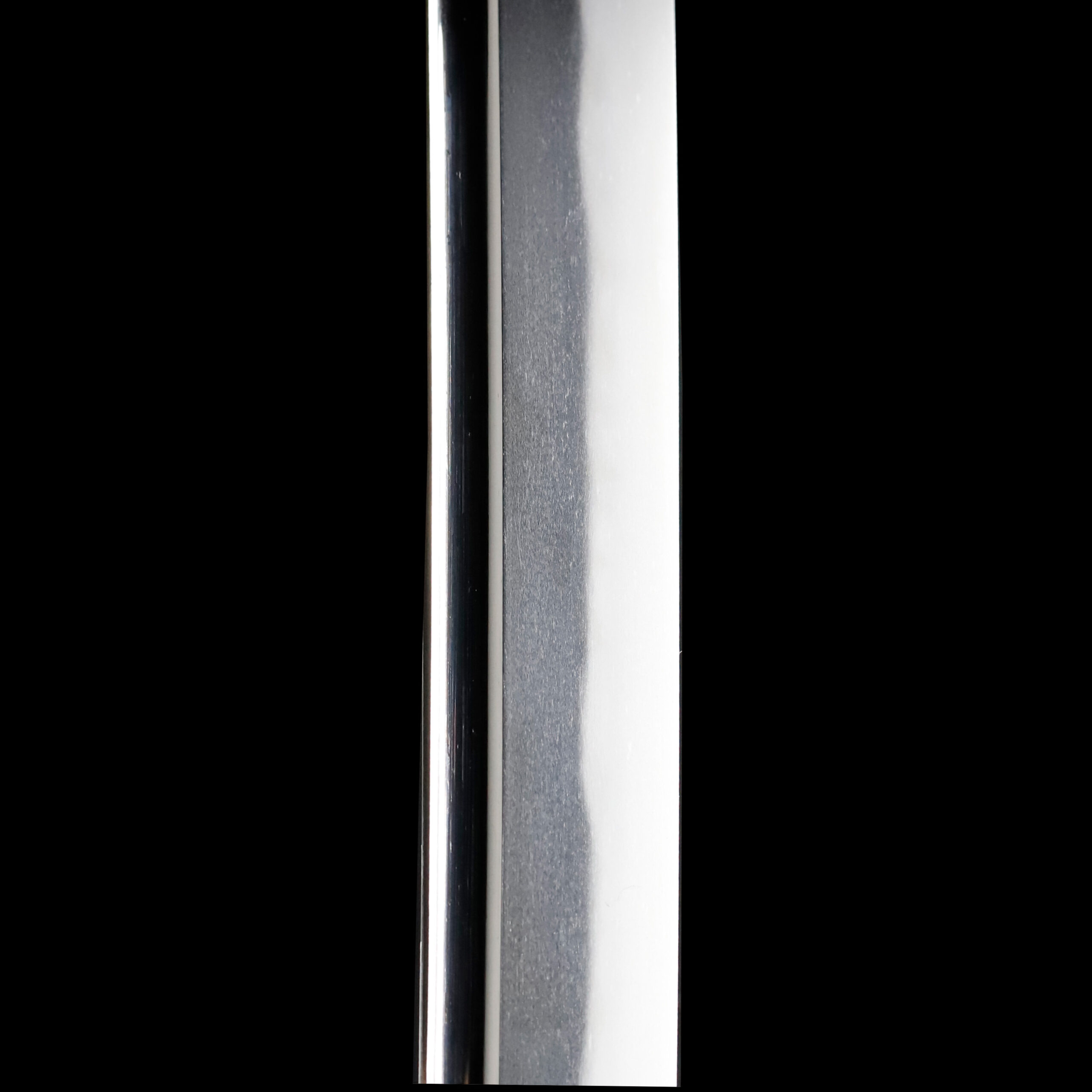
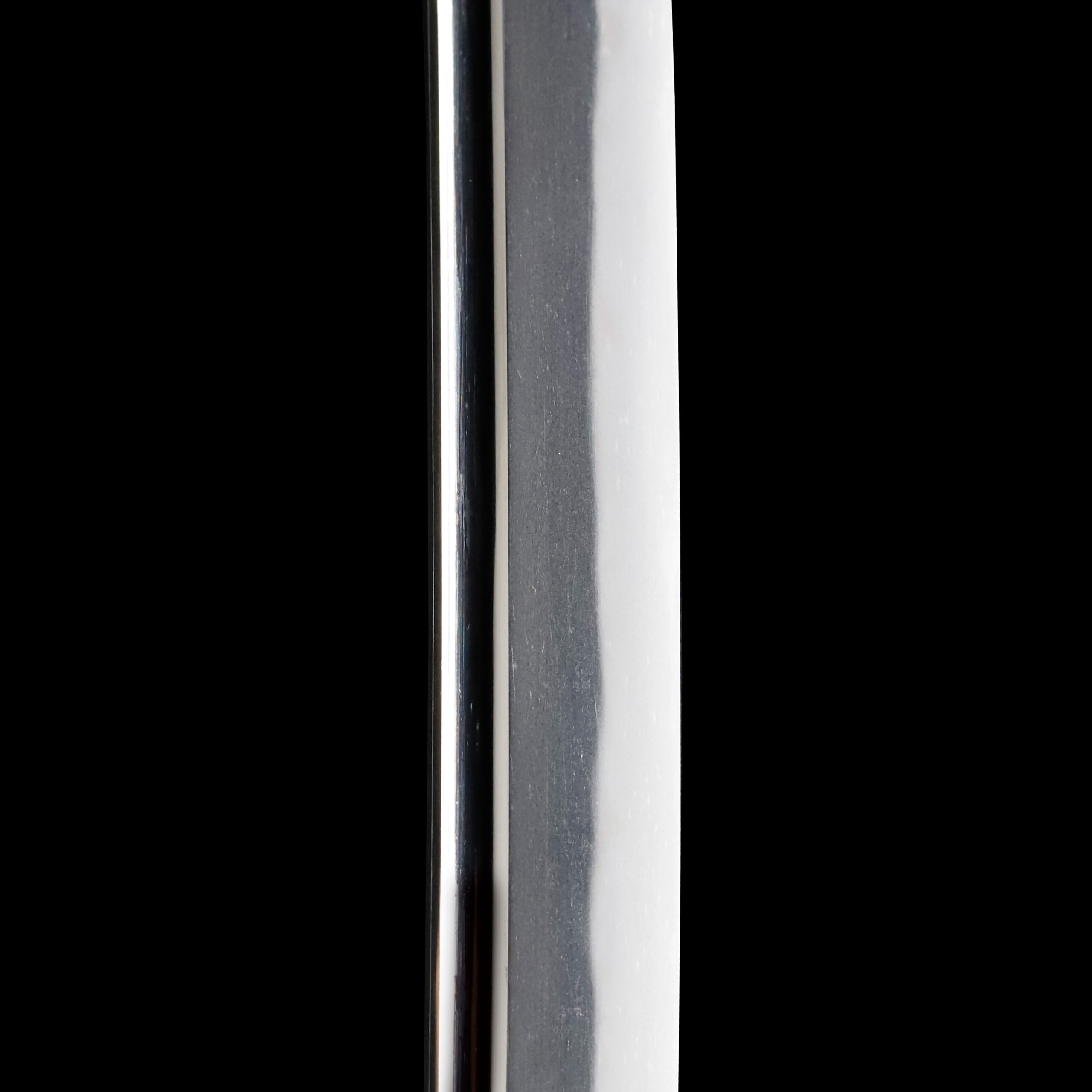
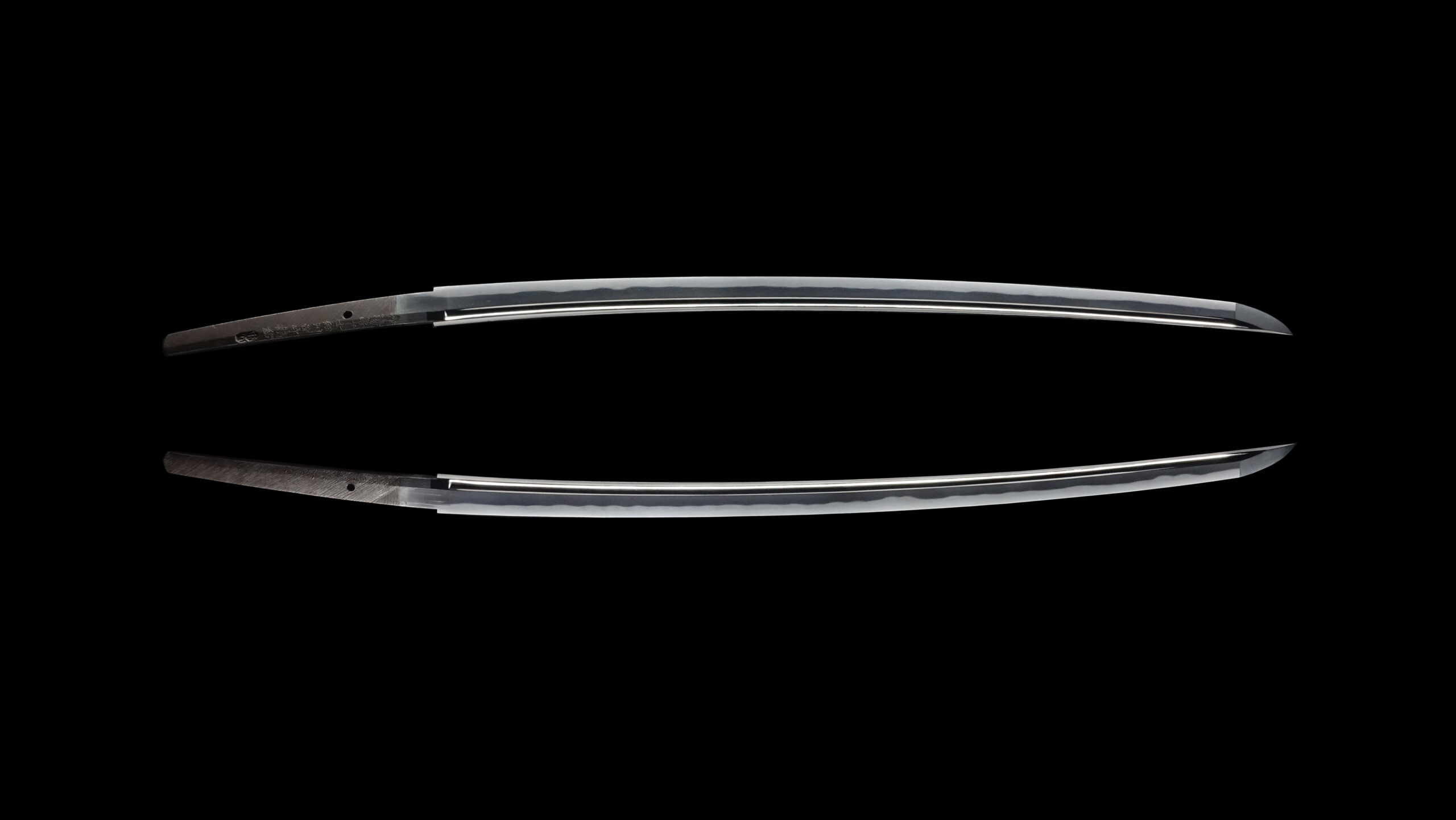
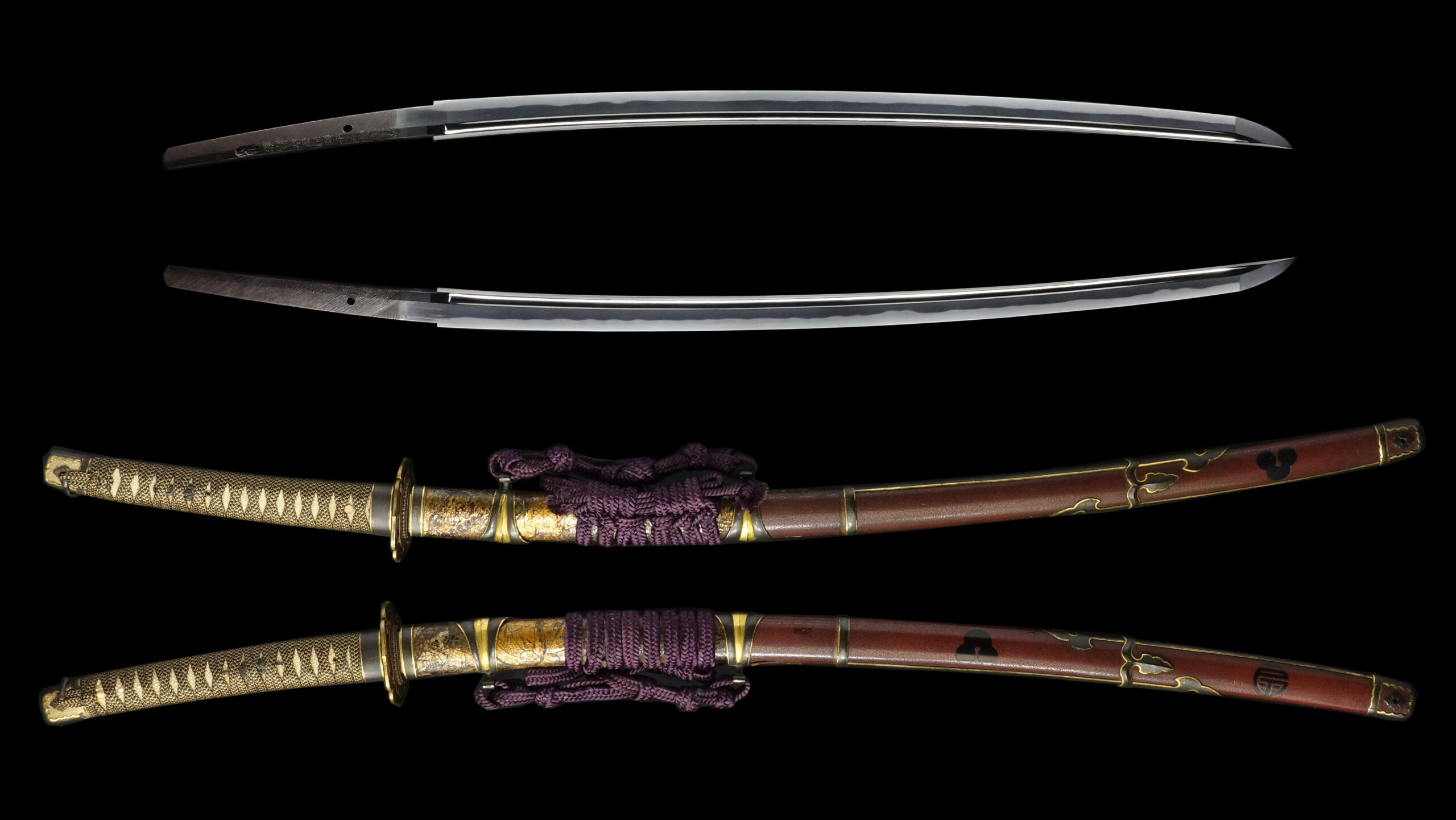
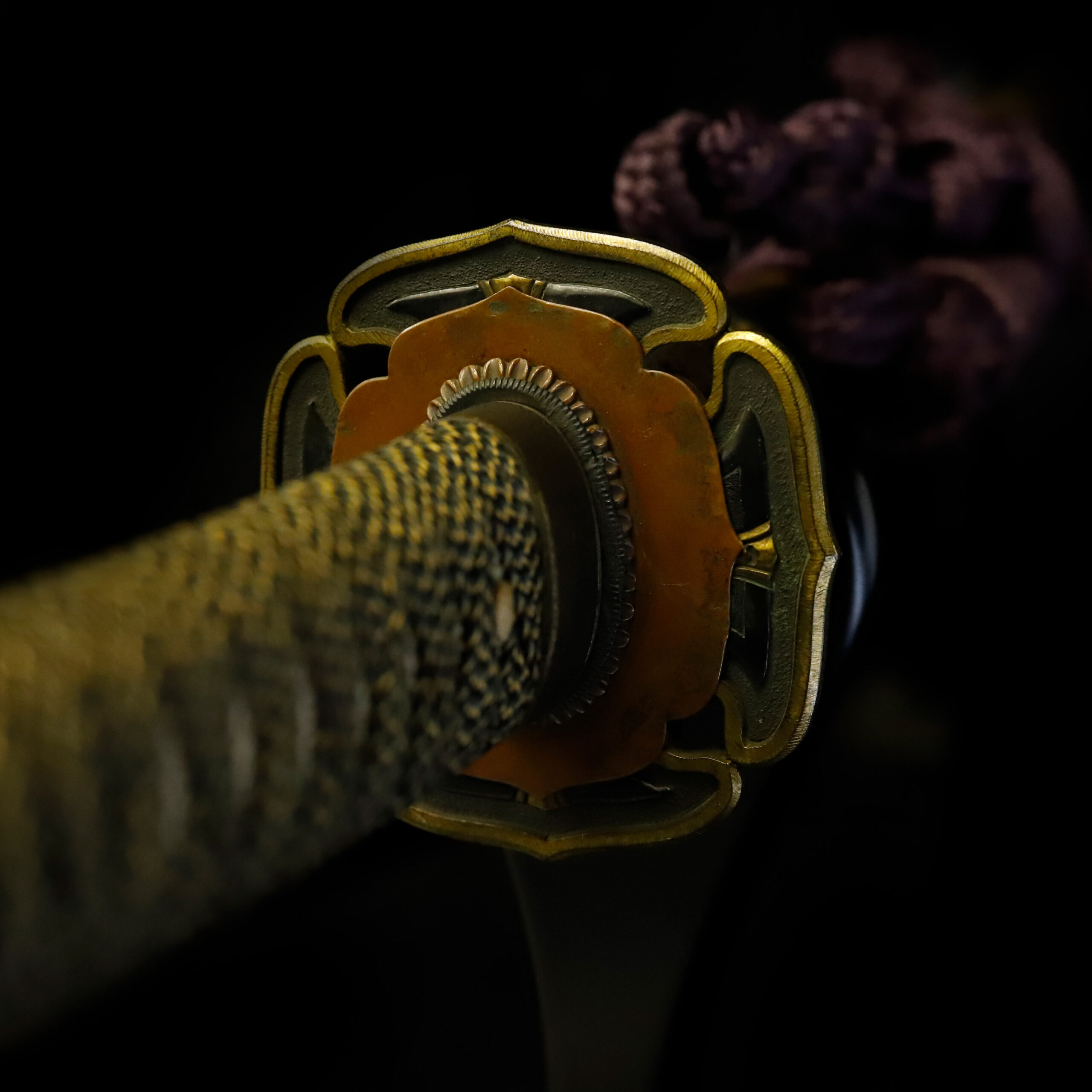
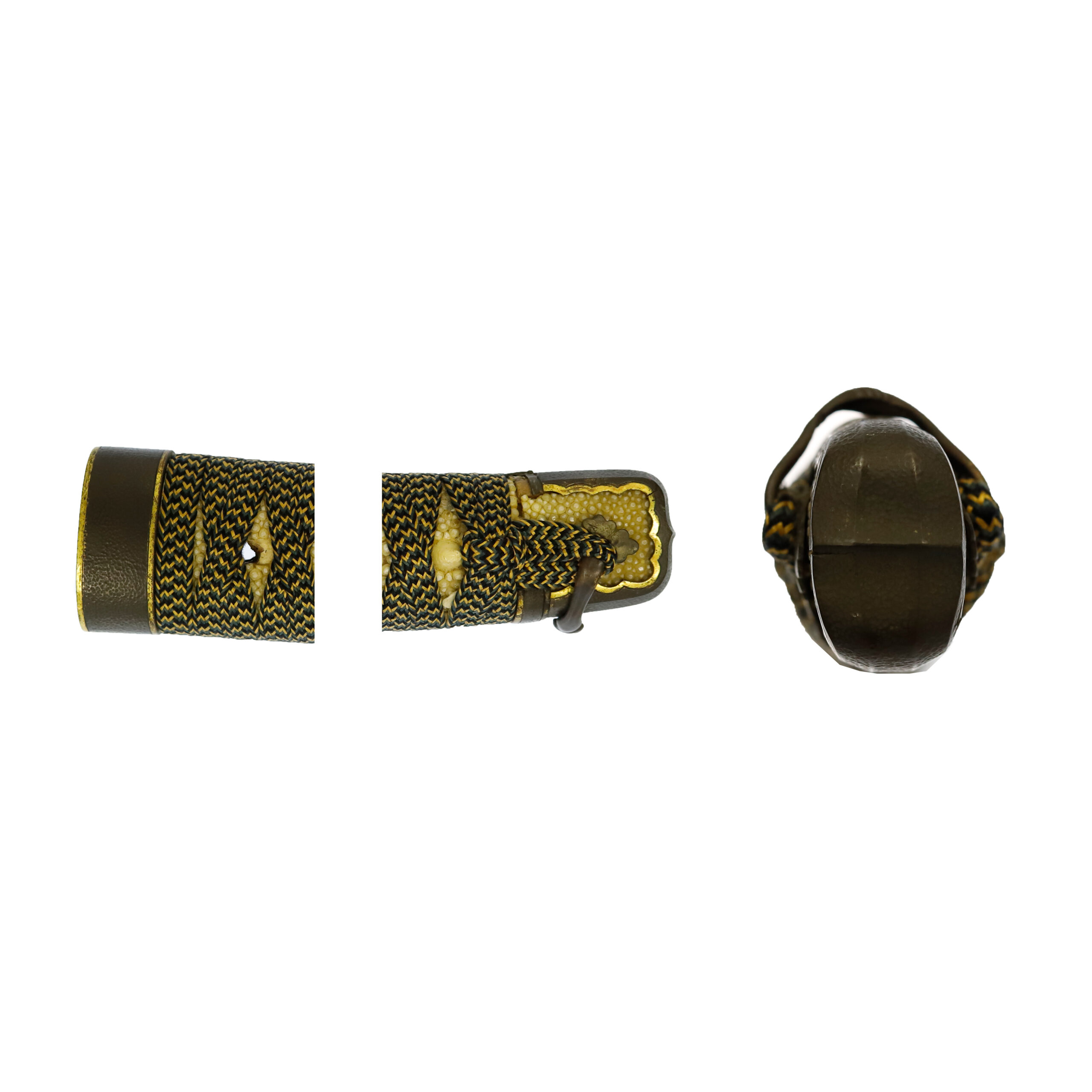
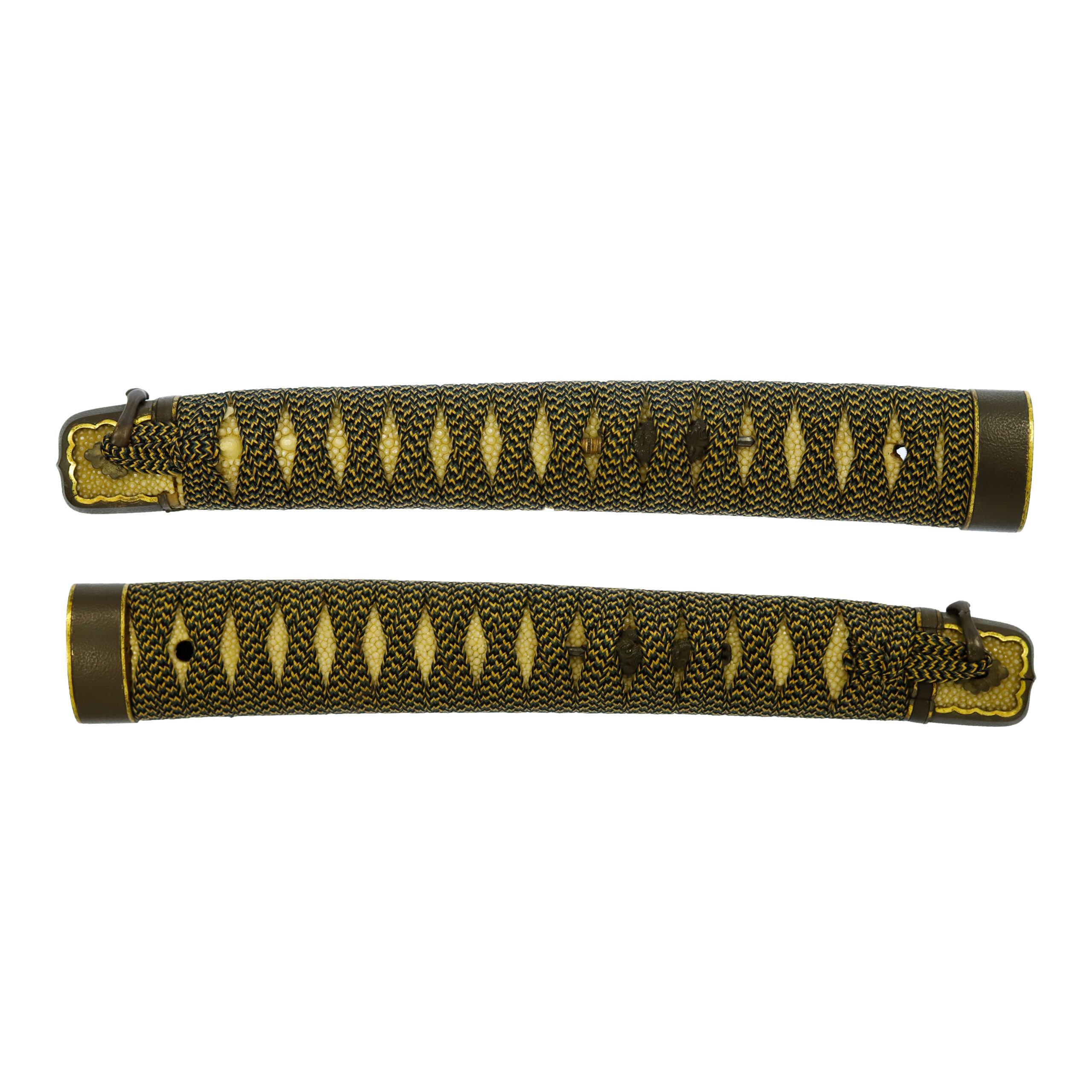
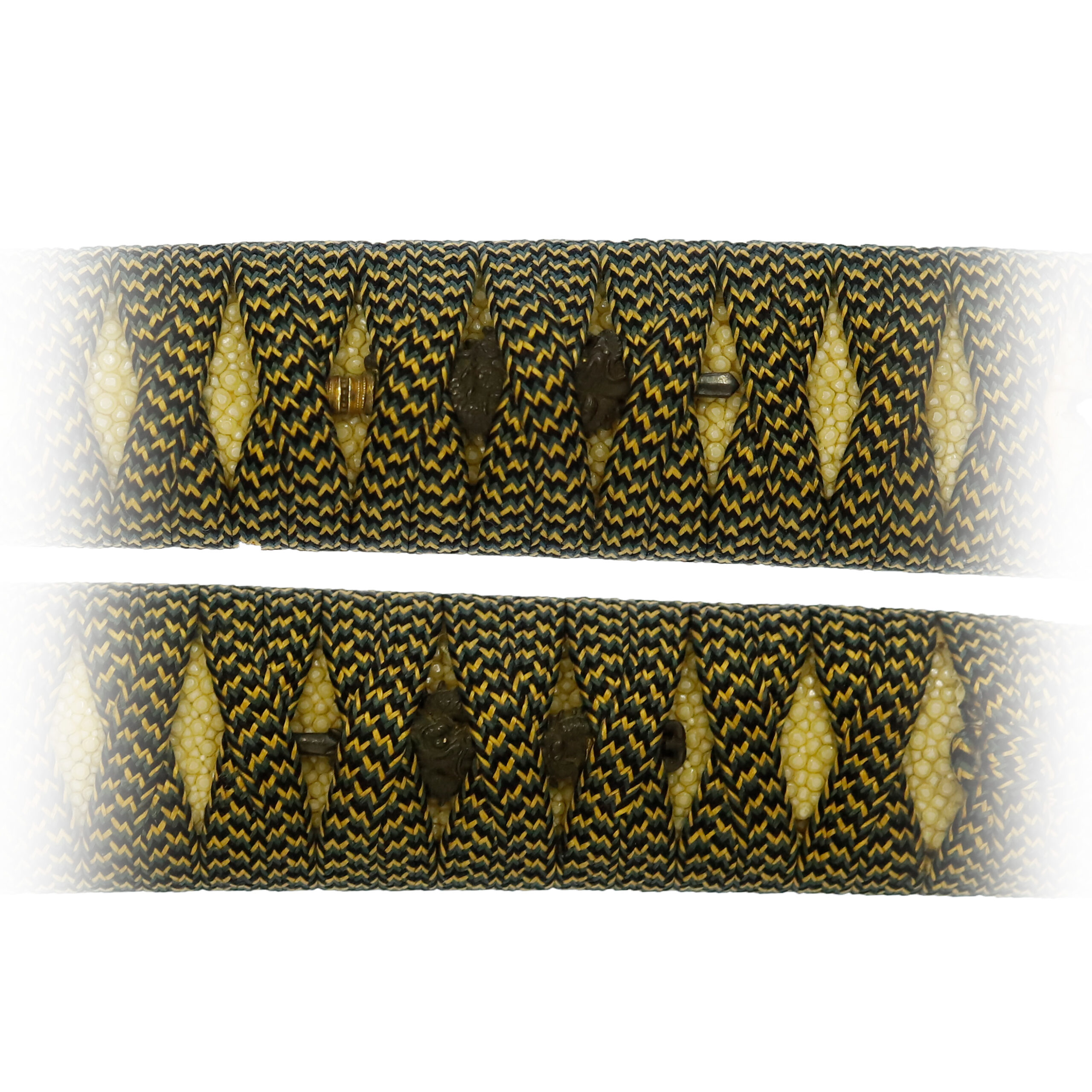
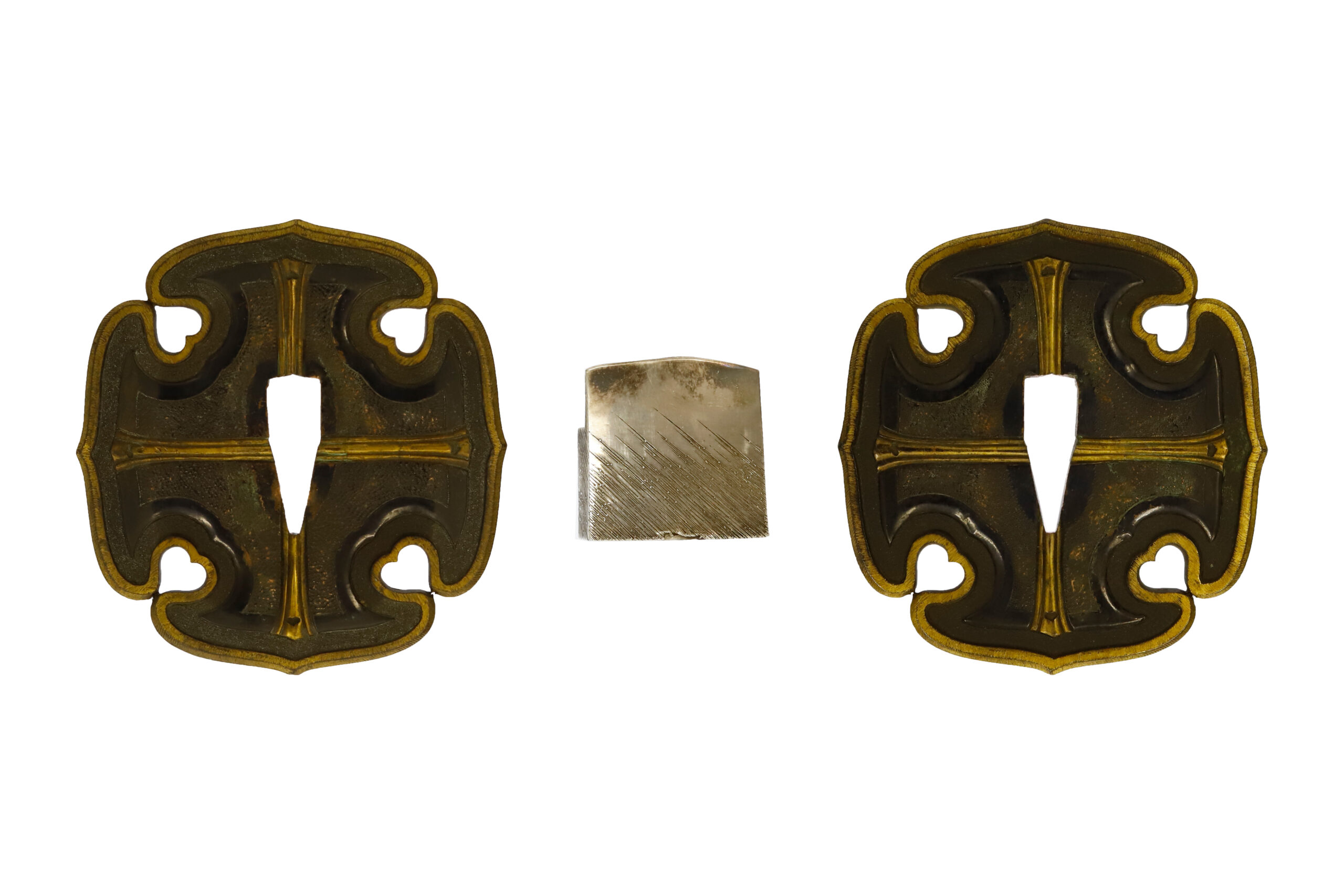
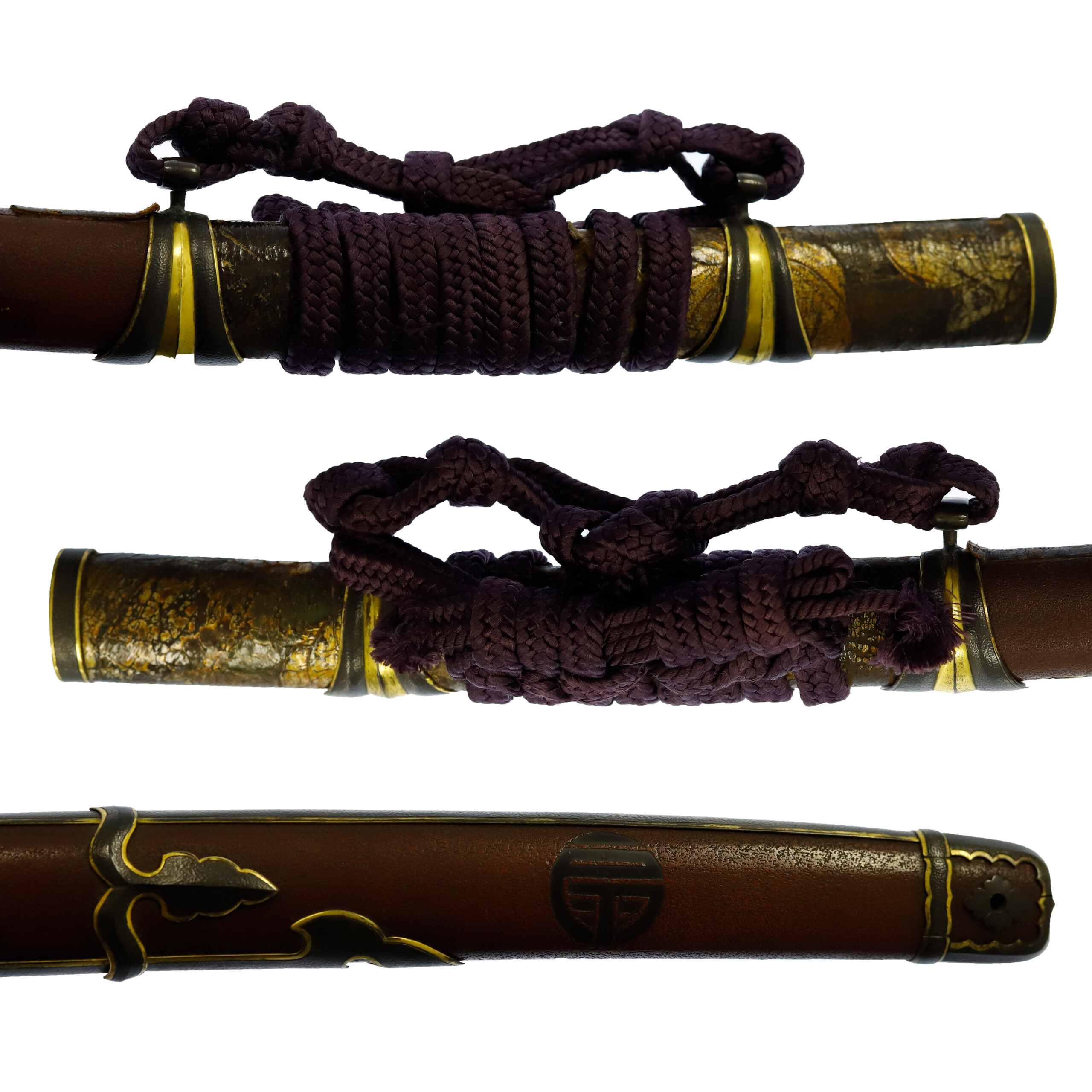
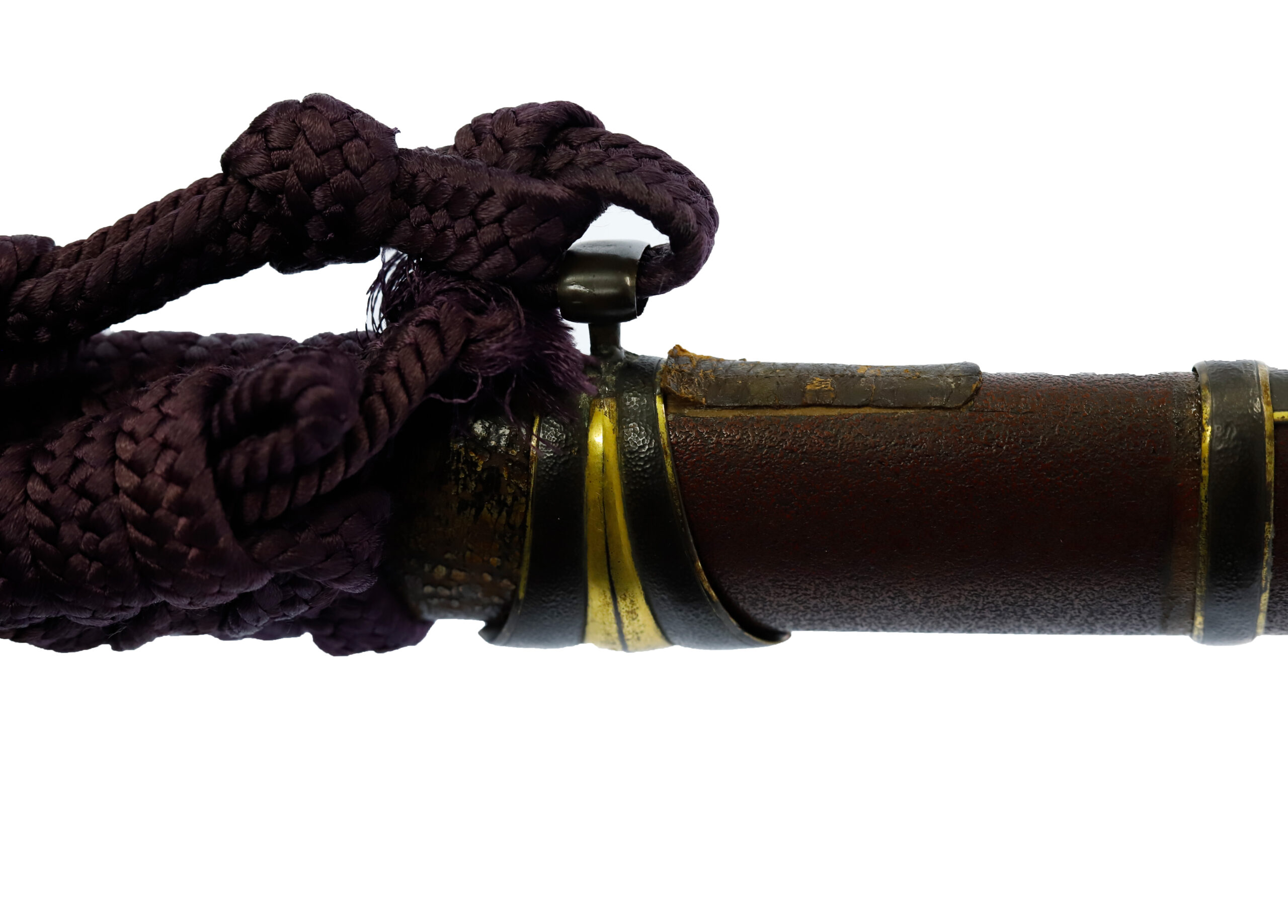
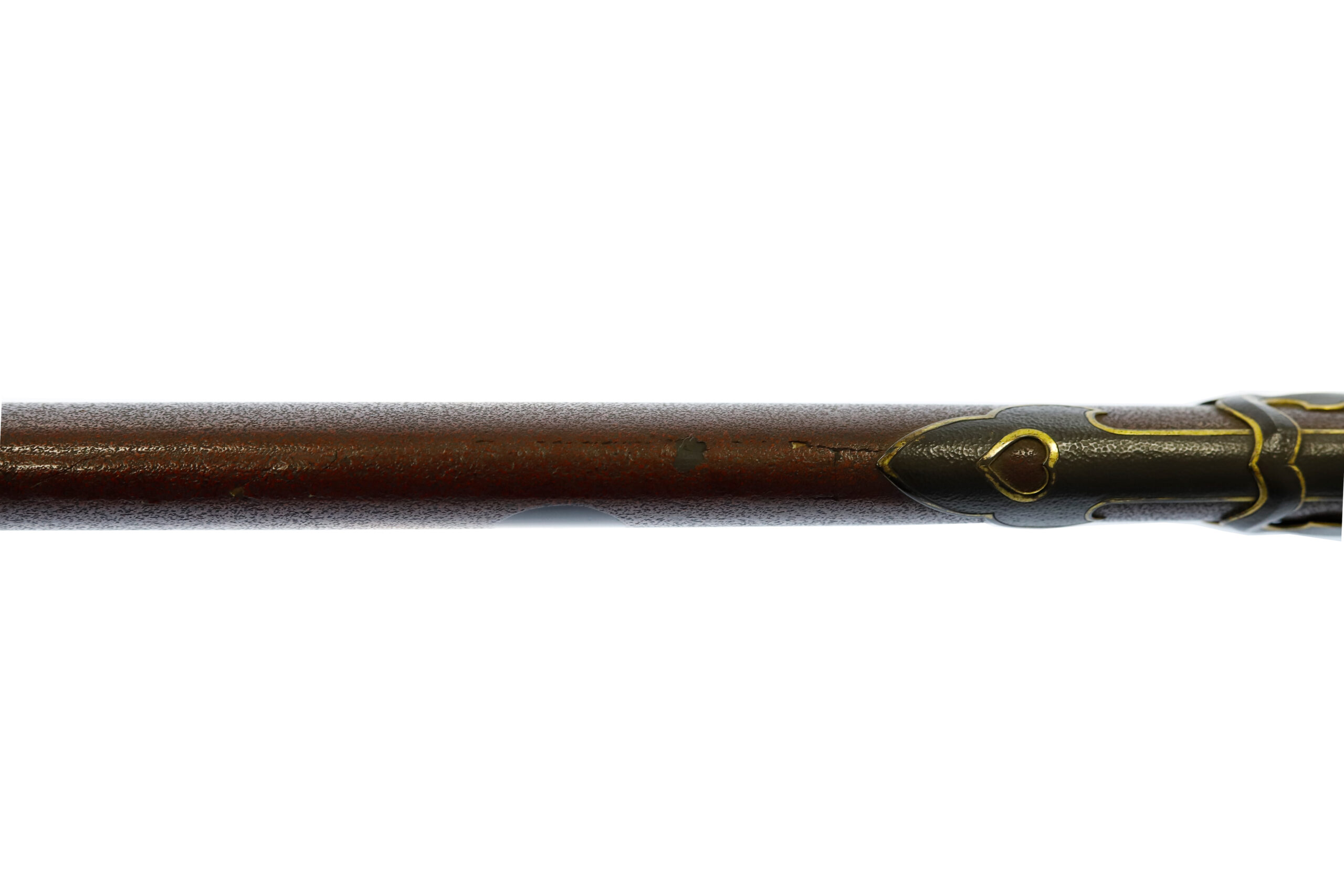
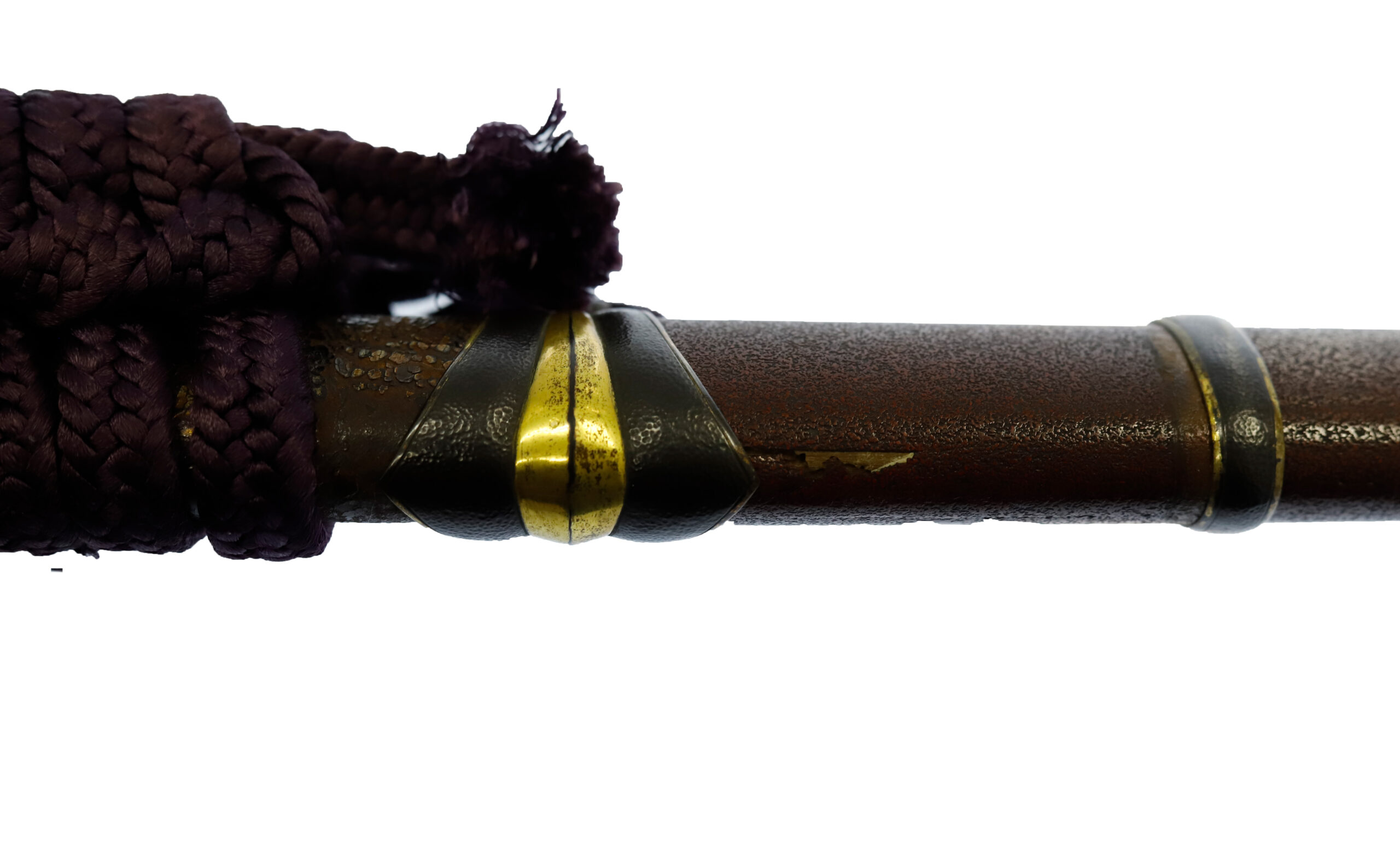
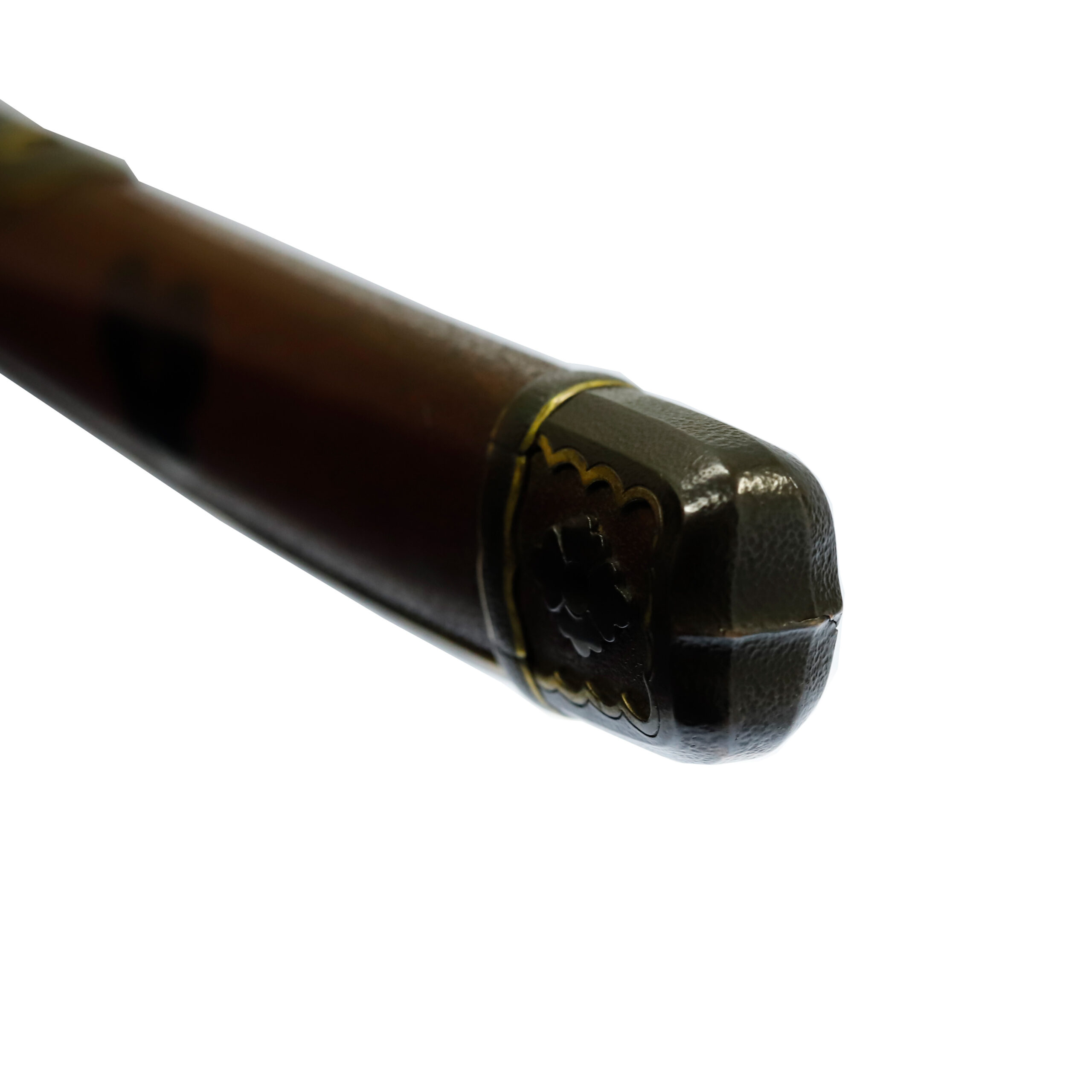
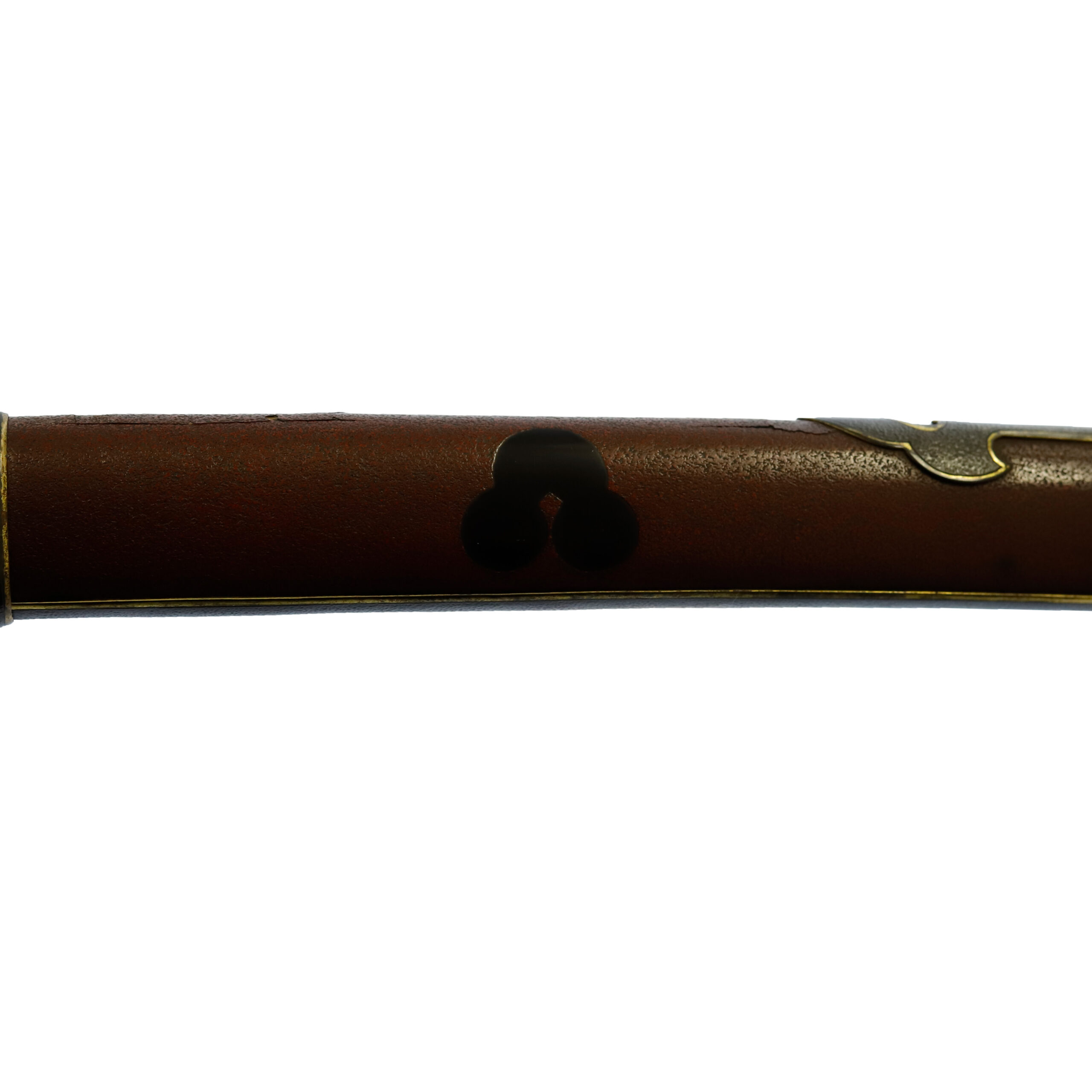
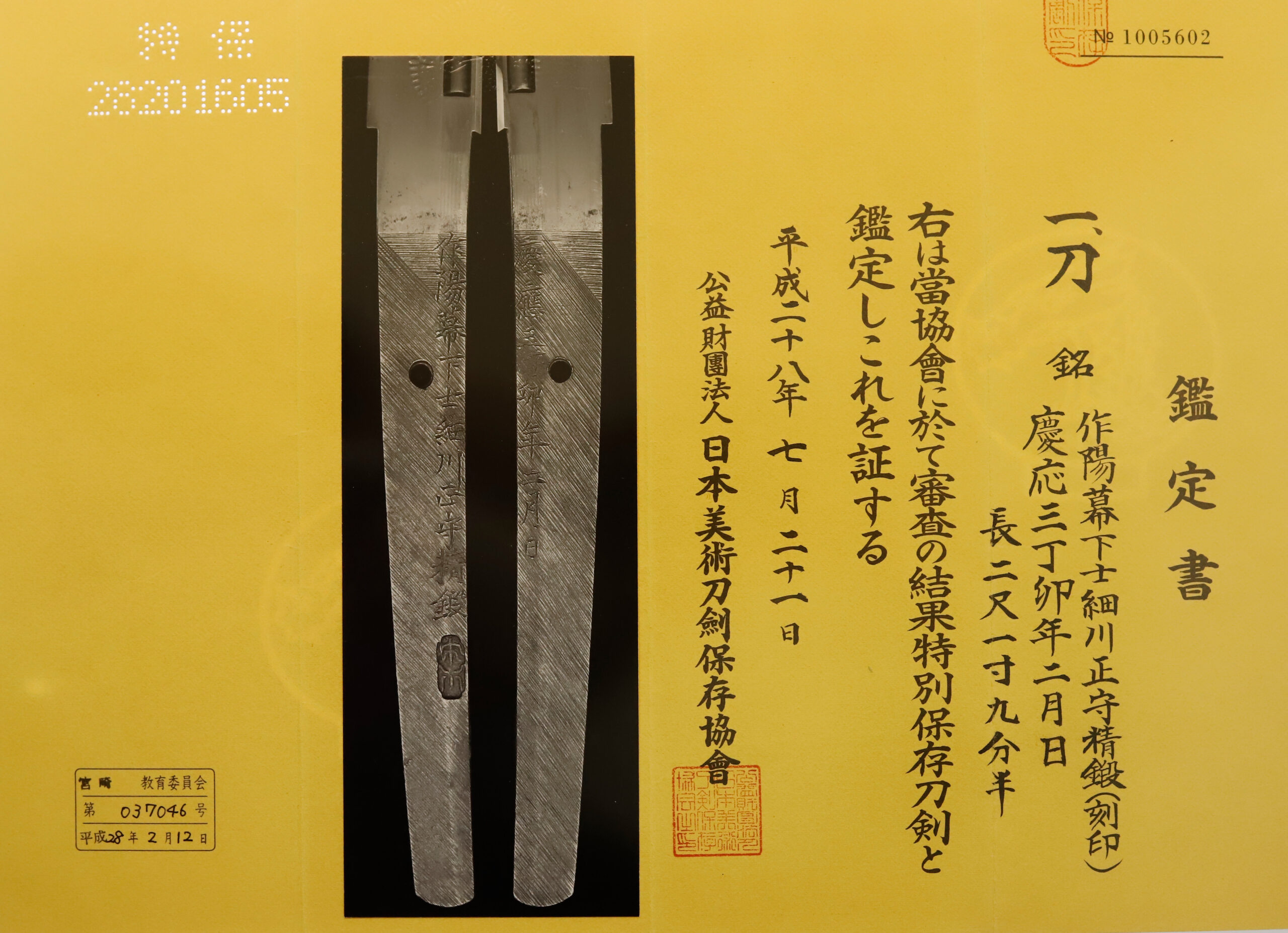
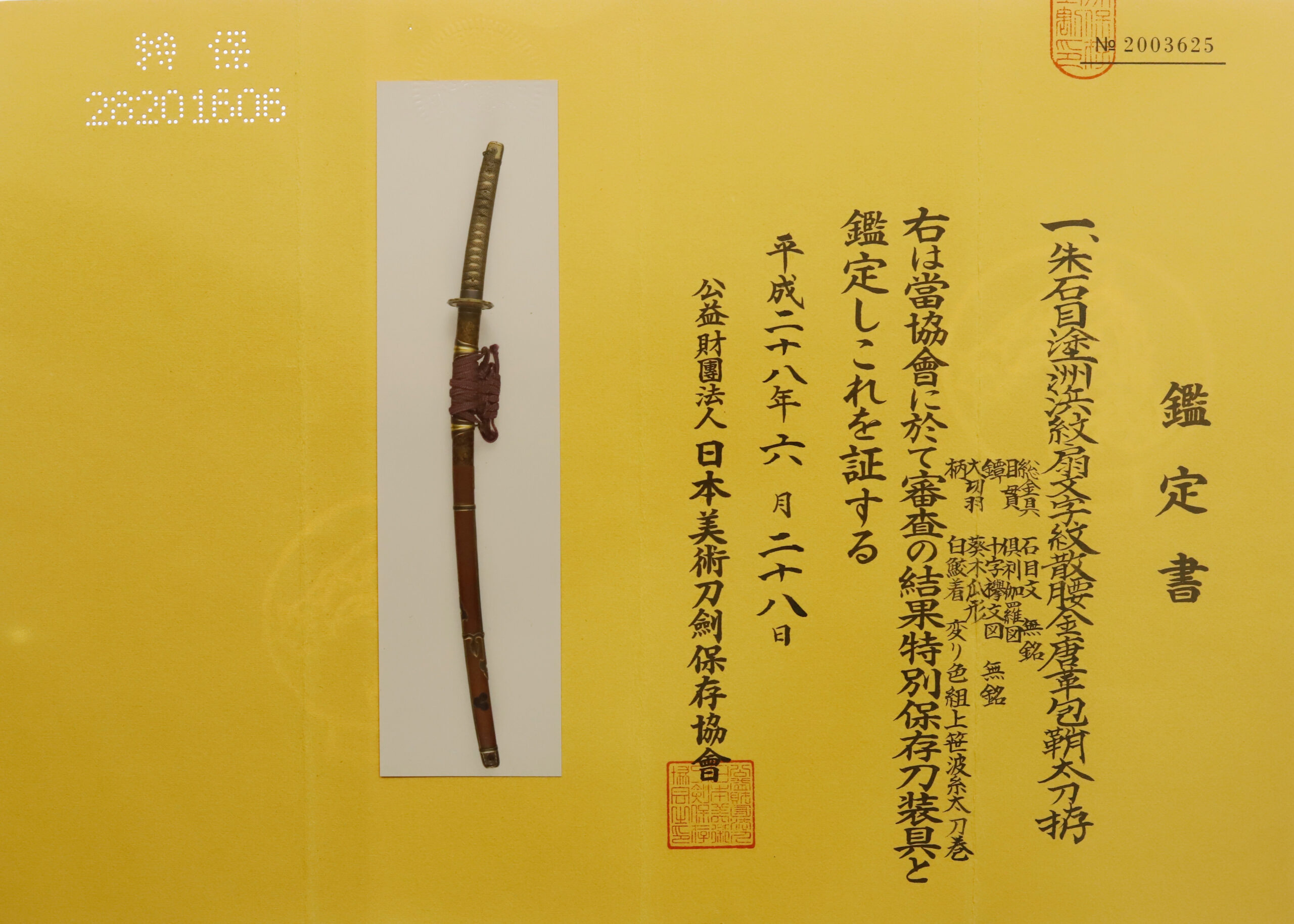
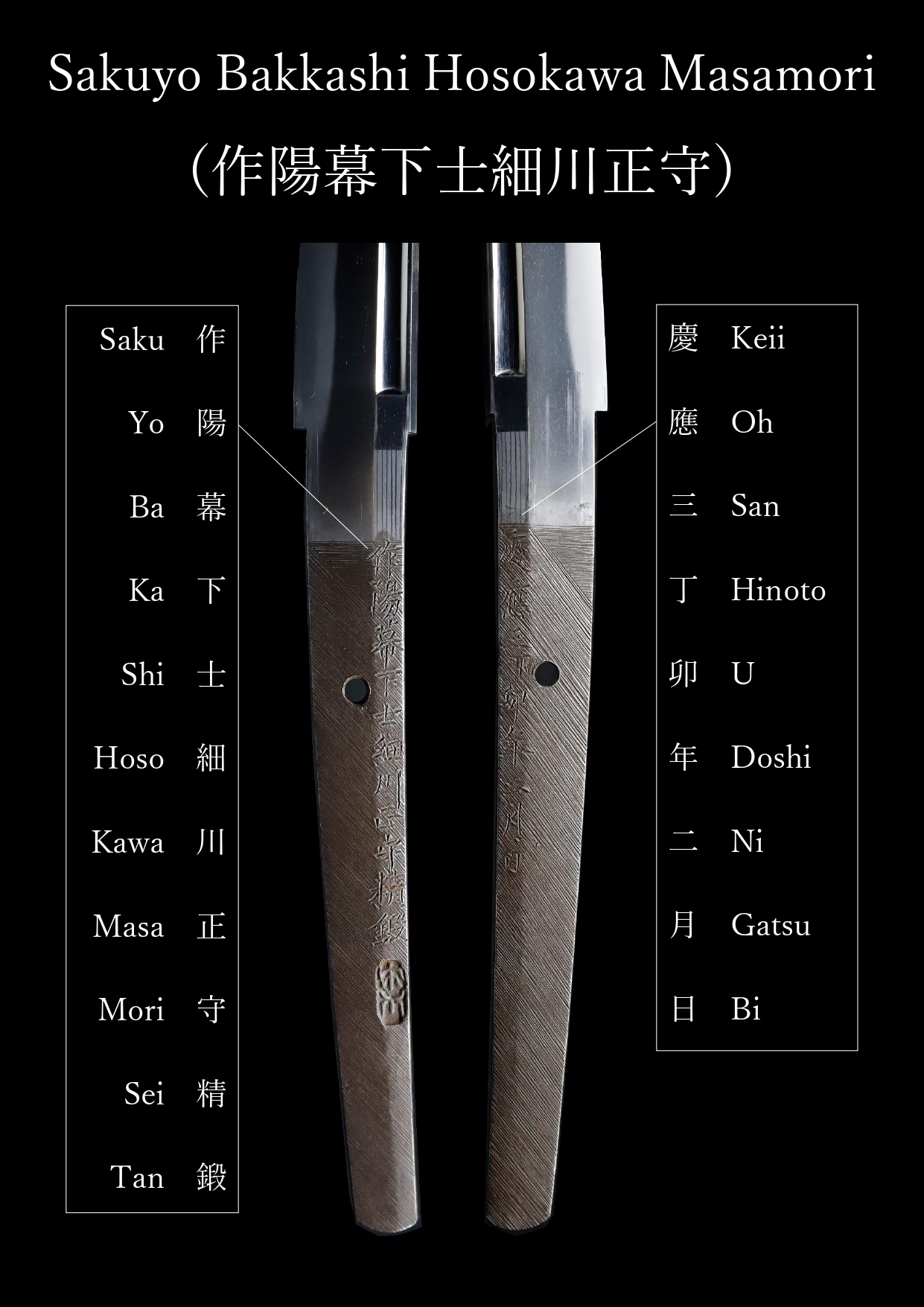
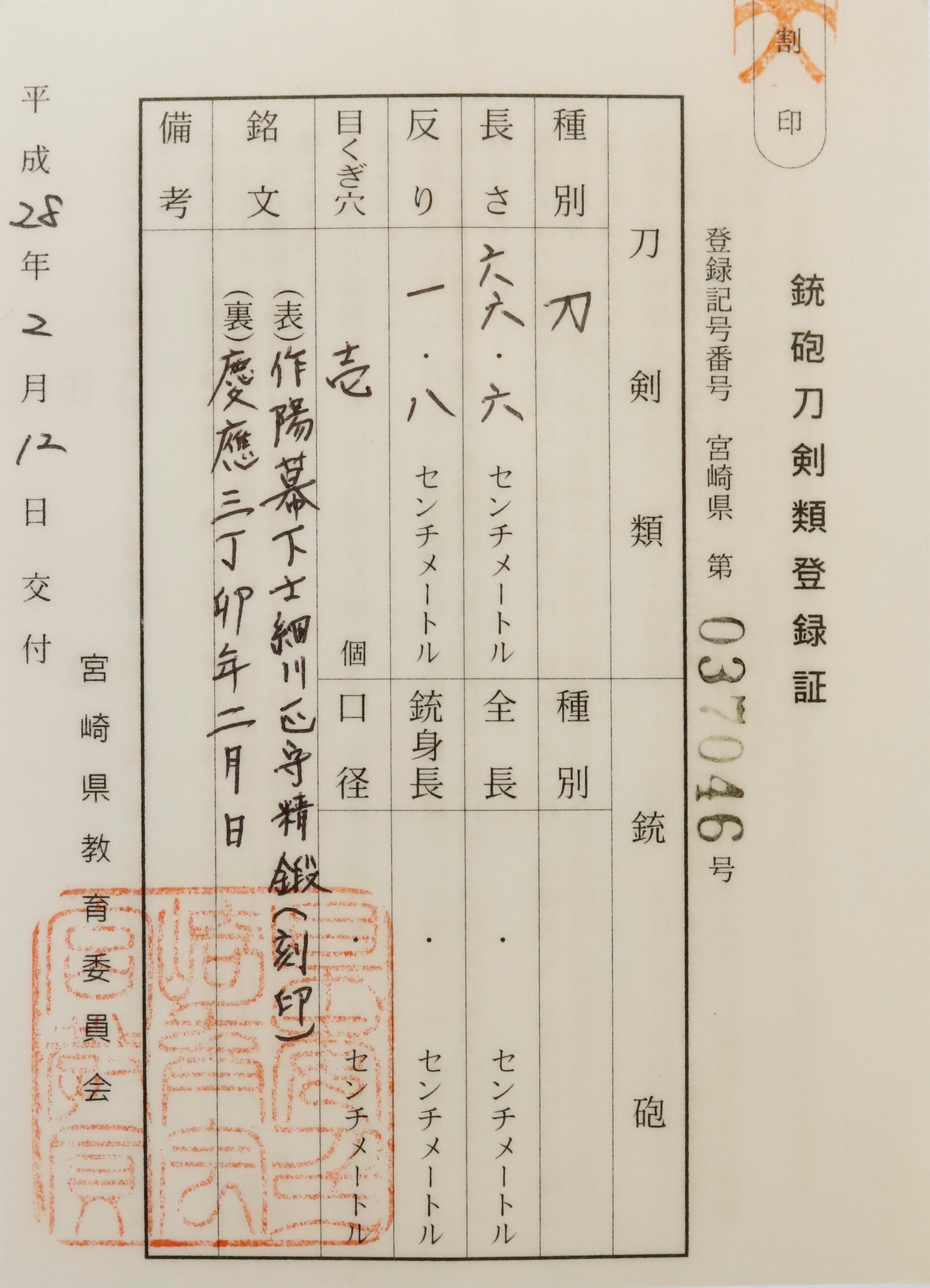
Summary This blade was signed by Saku Yo Bakkashi Hosokawa Masamori (作陽幕下士細川正守) in the 3rd year of the Keio era (1867: The end of the Edo period). Saku Yo Bakkashi signifies that he was also a Samurai, and we assume he engraved these letters to show his dignity for being a Samurai. Hosokawa Masamori was active during the Koka-early Meiji era (1844-early 1870s). He was the son of Hosokawa Masayoshi, one of the most renowned swordsmiths during the late Edo period. Hosokawa Masanori&Masayoshi His father, Hosokawa Masayoshi, had learned sword-forging techniques under the master, Suishinshi Masahide(水心子正秀), one of the most famous swordsmiths in Samurai history. Masamori learned sword-forging techniques in Edo city under master Taikei Naotane, an apprentice of Suishinshi Masahide. Masayoshi was an extremely skilled swordsmith, and he was excellent at forging blades with Choji Midare Hamon, which is the characteristic of the Bizen sword-forging style (BIZEN DEN). Masamori also mastered this excellent sword-forging technique from his father. Choji Midare Hamon is an Irregular wavy tempering line. Most of Masamori’s work reflects on Bizen Den (One of the Five Japanese sword-forging traditions). Hosokawa Masamori was famous for having a gorgeous groove (Hi: 樋) on his creations. Mamori and his father served the Matsudaira clan in the Sakushu Tsuyama domain(today’s Okayama prefecture). They served the clan as a Hanko(藩工), who exclusively forged swords for a specific clan. Tachi Koshirae This blade is stored in Tachi(太刀) Koshirae. Tachi was mainly used by an armored Samurai with one hand on horseback from the Heian period (794-1185 A.D.) until the early Muromachi period. TACHI was suspended loosely on the left waist with its edge facing the ground so that you could draw it faster to cut down soldiers on the ground. Because of its gorgeous looking, having a Tachi-style sword mounting became a social status among Samurai. This Koshirae was also appraised as a Tokubetsu Hozon Tosogu by NBTHK. It is appraised as a Tokubetsu Hozon Token(特別保存刀剣) issued by NBTHK(Nihon Bijutsu Touken Hozon Kyokai:日本美術刀剣保存協会). Fuchi-Kashira The Kabutogane (冑金/兜金) is a metal fitting that is attached to the end of a handle. And a Sarute/Sarude (猿手) is attached to this Kabutogane. The user of a sword passed the Udenukio (腕貫緒, a cord wrapped around the wrist to prevent a sword from falling out of the hand, mainly used when riding a horse) through this ring. In addition, the Fuchi Kanamono (縁金物) is also a metal fitting attached to the handle, but on the opposite side of Kabutogane. It seems all these black-colored metal parts of this handle have a stone-like surface. It is the same as other metal fittings such as Kuchi Kanamono (口金物, a metal fitting that is attached to the tip of the scabbard close to Tsuba), Seme Kanamono (責金物, a ring-shaped metal fitting placed in the middle of the scabbard to prevent the sheath from cracking), Ashi Kanamono (足金物, metal fittings attached to the positions where Sageo cord is wrapped), and Ishiduki Kanamono (石突金物, a metal fitting that is attached to the end of the scabbard). Tsuka and Menuki You could see the figure of the sword and a dragon wrapped around its blade part. This motif is called the Kurikara (倶利伽羅) pattern. It is the sword that Fudo Myo-O (不動明王, acalanātha) holds with his right hand. It is believed that this sword could cut off worldly desires: Sandoku (三毒). The Sandoku is the three fundamental earthly desires; Ton (貪, greed), Jin (瞋, anger, grudge), and Chi (癡, delusion, complaint). Fudo Myo-O is one of the objects of worship in Buddhism. According to a theory, it is the incarnation of Dainichi Nyorai (大日如来, Mahāvairocana, the principal image of esoteric Buddhism). Because of its sturdy appearance, it came to be worshiped as a god of war and is said to have been worshiped by many Samurai. Tsuba and Habaki This is a typical shape of the Tachi Goshirae Tsuba (太刀拵鐔). The difference between Tachi Tsuba (太刀鐔) and Katana Tsuba (刀鐔) is that the top and bottom positions of the Nakago hole (茎櫃, center hole) are reversed. The Tsuba of this Koshirae has Aoi (葵) Tsuba shape. The Ju-Ji (十字, cross) pattern is designed with golden metal. According to the certificate, the Tasuki (襷, geometric pattern with intersecting diagonal lines) pattern is also designed on this Tsuba. However, now it is challenging to see because of aging. If you focus on four corners and the tips of the golden cross mark, you will find a heart mark-shaped hole is engraved on each edge. It is called the Inome (猪の目) pattern. The Inome pattern has been used since ancient times. As its name implies, the boar’s eyes are the origin of this pattern. Some people believed the Inome design would work as an amulet to protect them from evil spirits or fire. Also, it is said it would bring good luck. On this Katana’s Koshirae, you could also find this Inome pattern on the scabbard. Saya If you focus on the middle and tip of this scabbard, you will find the Suhama (洲浜) patterns. The Suhama is an island-shaped sandbank that is formed on a coast. This design seems to be three circles arranged side by side and similar to the Japanese character’s shape: 品. We estimate that the Suhama patterns were designed on this scabbard as family crests. The Suhama pattern comes from Suhama-Dai (洲浜台), which was used in celebrations. It is said its auspiciousness is why Suhama patterns were incorporated into family crests. You would also capture a Japanese letter on the tip of this scabbard. It is written as 扇, which means a fan. We believe it is a type of Moji (文字, character) pattern because the character’s shape is deformed to fit in a circle. Many of the family crests depict animals and plants. However, some arranged characters, as seen on this family crest. *Please keep in mind that there are some areas where lacquer came off. If you like to see the detailed condition, please check other photos or contact us. Authentication Paper They authenticated the blade on July 21st in the 28th year of Heisei (2016). Its Koshirae (sword mounting) was also authenticated in the same year. They appraised them as Tokubetsu Hozon Touken& Tosogu, the blade&sword mounting especially worth preserving for Japanese society.

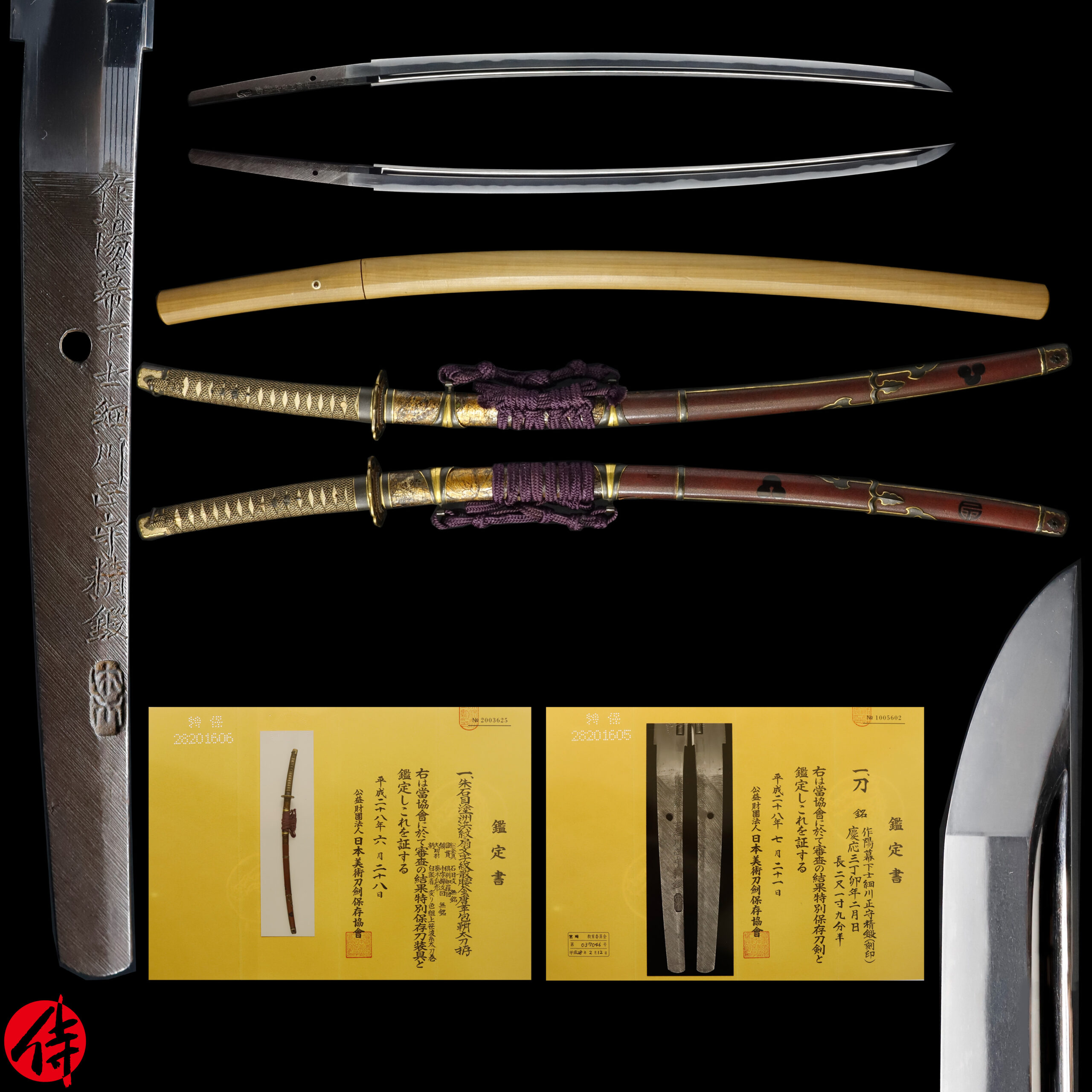
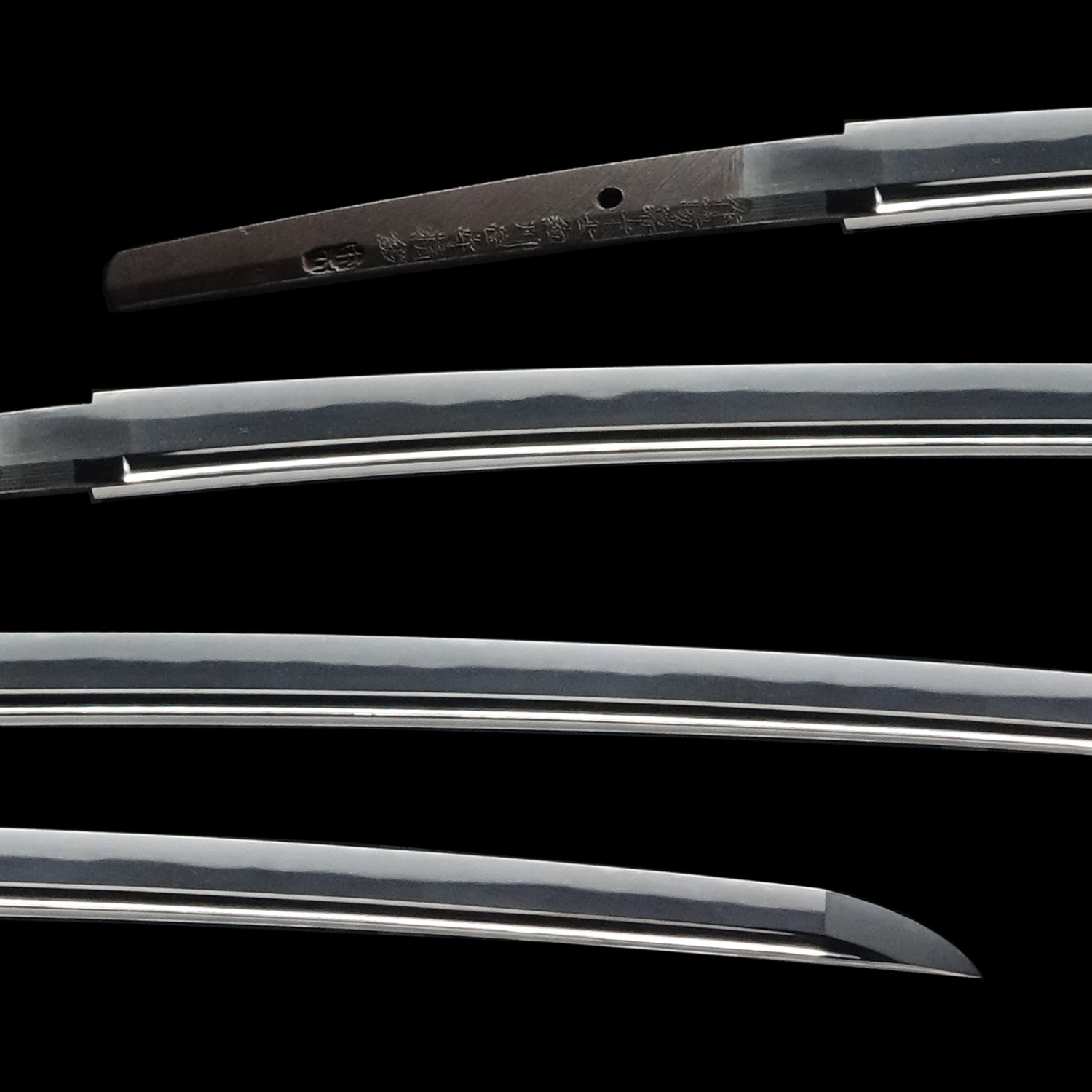
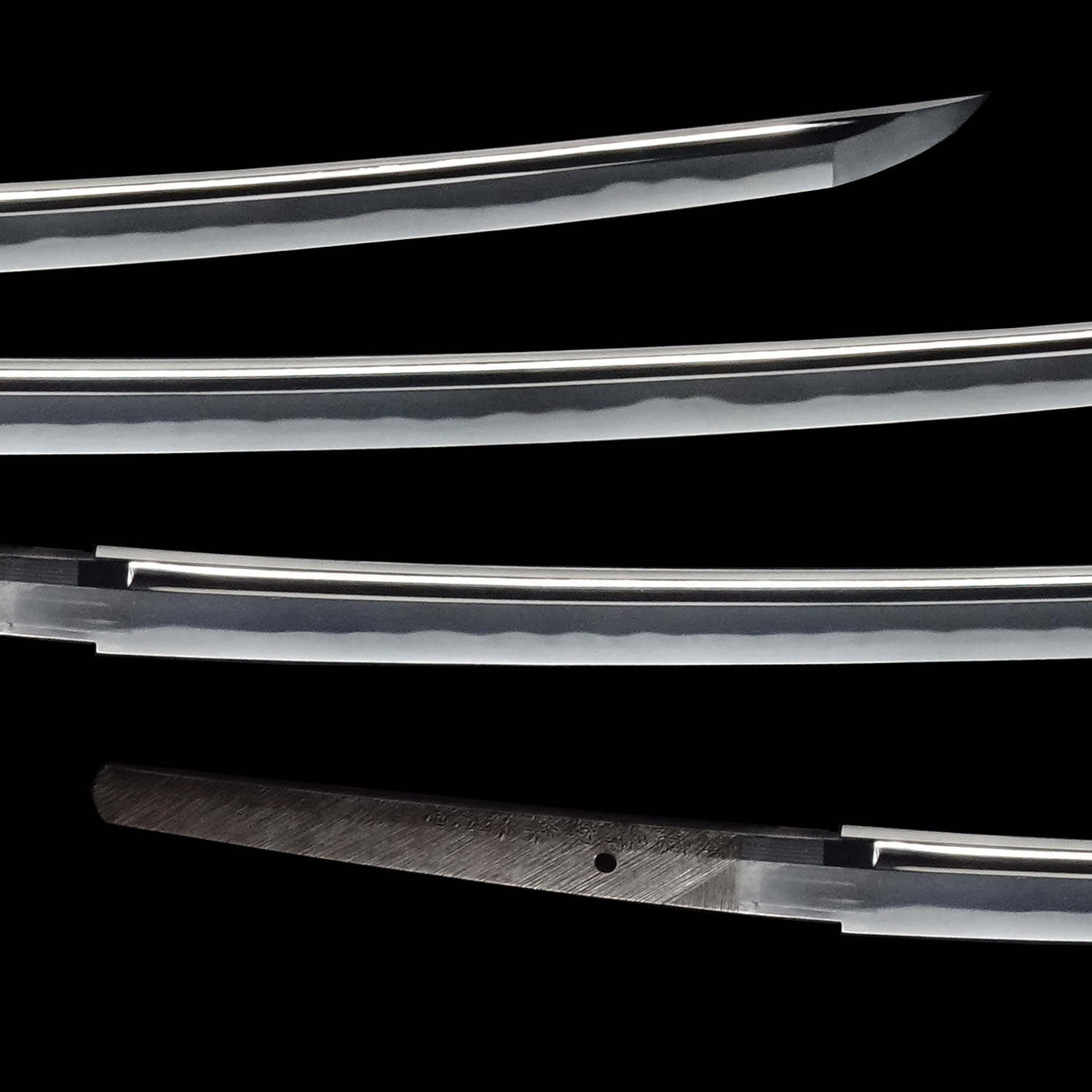
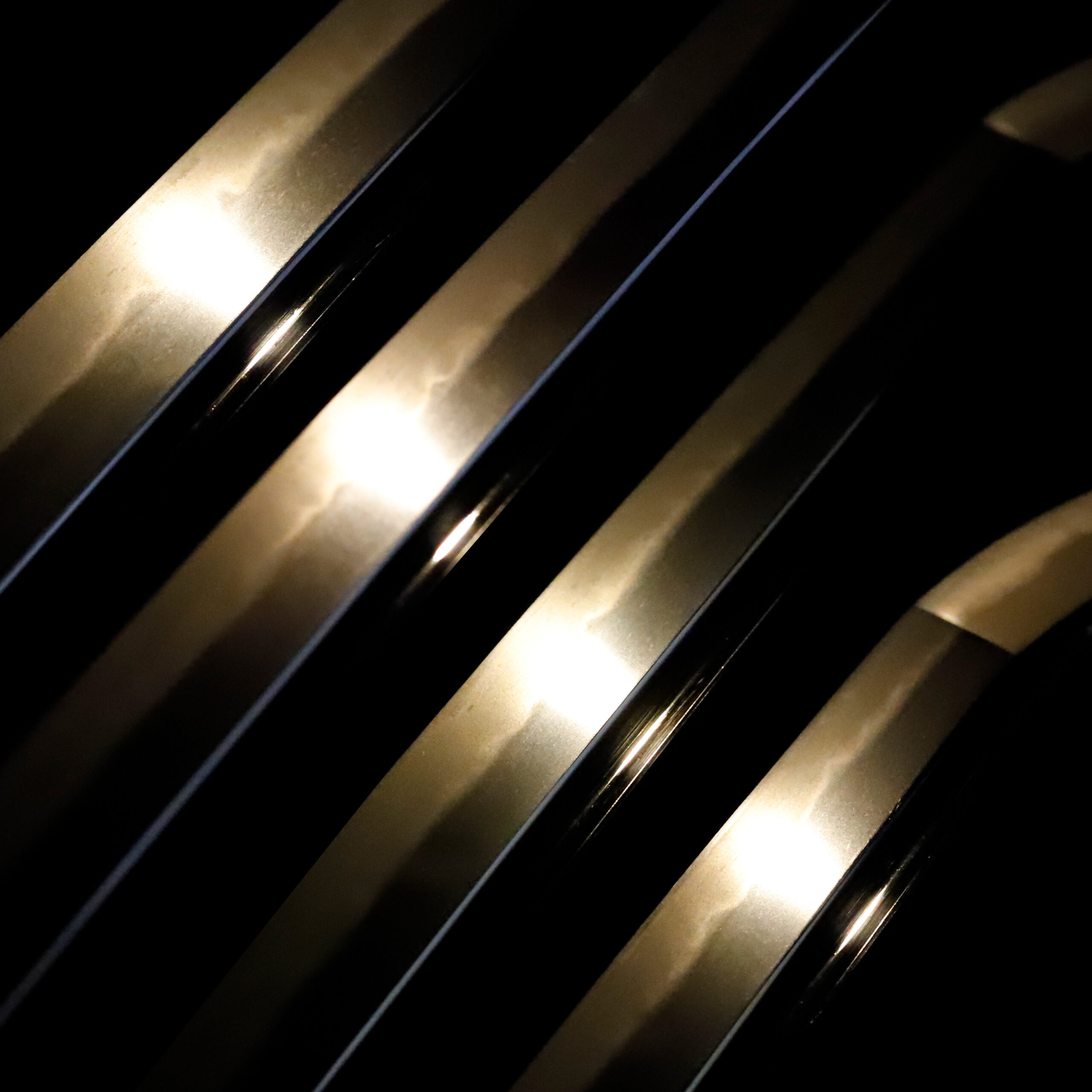
販売店の記載のまま
新々刀 · 美作 · 1854-1867頃
藤代 中上作 · 刀剣大鑑 上位76%
現在2点販売中
正守は美作国津山の藩工であり、細川正義の嫡子である。正義はもと下野国鹿沼の出身であるが、江戸に出て水心子正秀の門に学び、備前伝及び相州伝を得意とし、特に備前伝には見るべきものがあった。正守は全く師父の作風を継承し、技術も正義に次ぐものと評され、正義門下では師に次ぐ技量を誇る刀工である。作品には「作陽幕下士細川正守」[[c:1]]と長銘を切り、安政・元治・慶応と続く年紀を遺している。
作風は得意の備前伝を主とし、形状は鎬造、庵棟で、身幅広く重ね厚く、反りつき、中鋒延びごころから大鋒に至るものが見られる。鍛えは小板目肌よくつみ、地沸厚くつき、地景の入るものがある。刃文は丁子に互の目丁子・尖り刃等を交え、足総体に長く頻りに入り、小沸よくつき、部分的に一際光の強い荒めの沸が現われ、金筋・砂流し細かにかかり、匂口明るい。帽子は乱れ込んで先尖りごころに掃きかけ、あるいは小丸に返るものがある。茎は生ぶ、先栗尻、鑢目大筋違に化粧つくを常とする。
得意の備前伝を焼いて成功した作は、いずれも父正義に迫る出来栄えを示し、同作中の白眉と称される。中には同工の常以上に丁子の房が大振りで、焼きに高低を見せて一際華やかに乱れ、手持ちの重い豪壮な体配と相俟って父正義の傑作に劣らぬ出来口に仕上がるものがあり、正守屈指の名品と称すべきものである。
正守の位置づけを、日本刀全体および伝法・時代・時期ごとに示します。各区分(随一・屈指・有数・著名)は、NBTHK および文化庁による指定に加え、三作や名物帳などの歴史的栄誉を加味したものです。
各項目を選ぶと評価方法が表示されます。
新々刀 · 武蔵
現在71点販売中
水心子正秀派は、十八世紀末から十九世紀初頭の江戸に興り、刀はすべて鎌倉の昔に復すべしとする復古刀運動を中核に据えた新々刀の一門である。開祖水心子正秀は、寛延三年に出羽国赤湯に川部儀八郎として生まれ[[c:1]]、武州下原の鍛冶吉英に学んだのち山形秋元家に仕え、のちに江戸浜町に移って約五十年に及ぶ作刀生活を送り、文政八年に七十六歳で歿した。彼は新々刀の祖と称され、古作の伝法を意図して甦らせることを唱えてその理論を世に広めたが、説明書は正秀自身の才のありかをむしろ壮年までの大坂写しに見いだす。この一門の物語で最も重きをなすのは、彼が江戸に糾合し育てた門人たちであろう。復古刀論を実地に示した第一の門人大慶直胤、二代正義細川守秀がその直下に立ち、さらに直胤の門から養子となった次郎太郎直勝、直胤の女婿と伝える水心子正次、正義の嫡子正守、米沢上杉家に仕えた長運斎綱俊、水戸藩工直江助政が連なって、出羽・江戸を中心に各藩へと広がった。 この一門を貫く共通の語法は、古刀各伝の意図的な復興にある。よく約んだ無地風に近い小板目に地沸を厚くつけ、その地の上に相州伝ののたれ・互の目、あるいは備前伝の丁子・互の目を焼くのが基調で、技術論的かつ教導的な性格がこれを支える。正秀の典型は津田助広に私淑した大坂写しの濤瀾乱れと井上真改風の広直刃にあり、地へこぼれる黒味がちの荒い沸が終始の手癖をなした。これに対して門人たちは古備前への遡りをいっそう深め、新々刀には本来失われた映りを意図して甦らせた。直胤はよくつんだ小板目に乱れ映りを鮮明に立て、後期長船の逆がかりを示す丁子乱れを焼いてこれを得意とし、説明書はその丁子乱れの巧みさを新々刀第一と評する。直勝は兼光に範をとった片落ち互の目を主体に、直胤よりも豪壮な姿と低く静かな焼きで古調を醸し、正次と正守はともに直胤・正義の二伝を忠実に承けて相州伝と備前伝を均しく再現し、綱俊は丁子に互の目を交えた備前伝を主調とした。一方で正秀みずからの備前伝・相州伝は終始焼刃が浅く荒い沸を交え、説明書はその技が門人直胤に及ばないと明記する。差異は資料の支持する範囲で明瞭で、直胤の備前・相州の両伝、直勝の長船写しに見る逆がかりと大杢目、助政の真改風直刃に偏した作域がそれぞれを分かつ。 鑑定の勘所は、まずこの意図的な映りと逆がかりに置かれる。明るい乱れ映りと角互の目を伴う逆がかりの丁子は、映りも逆がかりも持たぬ一般の新々刀から備前伝を分かち、相州伝は独特の渦巻肌と叢づき縞がかる沸の働きによって示される。位列としては正秀を上々作、直胤を最上作の在銘の大名跡とし、正義に次ぐ正守、綱俊、助政らがこれに続く。この一門は在銘・有年紀の作を数多く遺したため、その鑑定の問題は極めの難ではなくむしろ系統内の位置にあり、年ごとに変化する銘がその発展を正確に辿らせる。伝来は真田家伝来の大小や本間による御物台帳に所載の御太刀の副作、各藩工としての藩命作にうかがわれ、正秀が向き直らせた江戸の作刀は直胤を介して直勝・正次らへ受け継がれ、兼光・景光をねらった長船復古として幕末の十九世紀作刀に広く及んだ。 詳しく見る →
新々刀 復古の運動
1800年前後、水心子正秀は著述をもって、鍛刀は古作の法に立ち返るべしと説いた。復古刀の運動である。最大の後継者直胤は、数百年絶えていた備前伝と相州伝を確信をもって再現した。
保存刀剣のうち、出来が一層優れ、保存状態も良好と認められたものです。再刃や、室町・江戸期の多くの無銘作は対象外となり、保存刀剣より高い基準が課されます。
日本美術刀剣保存協会(NBTHK)は、1948年に設立され、文化庁の監督を受ける公益財団法人で、東京・刀剣博物館に本部を置きます。専門の審査員が出品作を直接審査し、美術的・歴史的価値に応じた鑑定書を発行します。NBTHKの鑑定書は、日本刀および刀装具の真正性を示す最も広く認知された基準です。
NBTHK公式サイトReturns/exchanges limited to defects caused by shipping (except willful misconduct or gross negligence by the company); customers must contact within 72 hours of receiving the product.