The monasteries that had sustained Yamato lost ground through the Muromachi period, and the schools thinned with them; Sue-Tegai kept the old masame manner alive in quantity. The burning of Tōdaiji’s Great Buddha hall in 1567 closed the temple age.
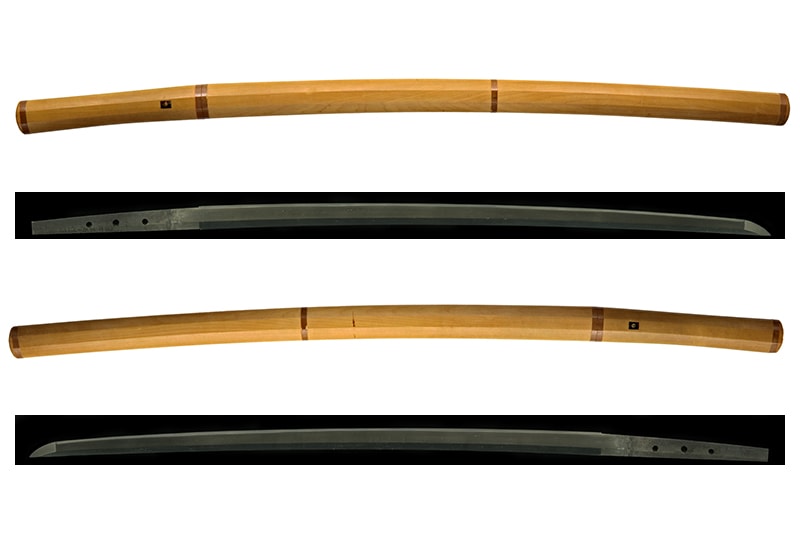
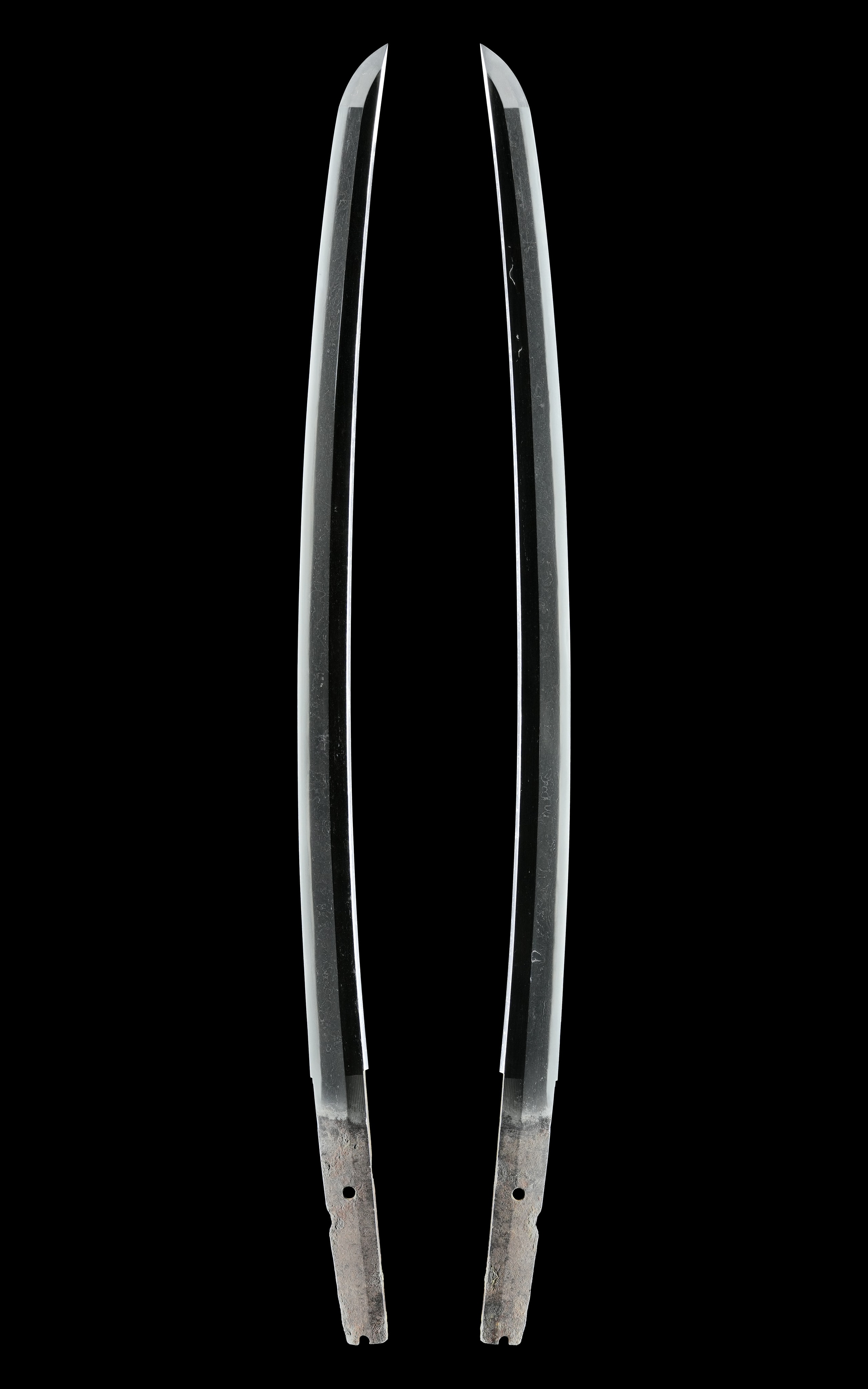
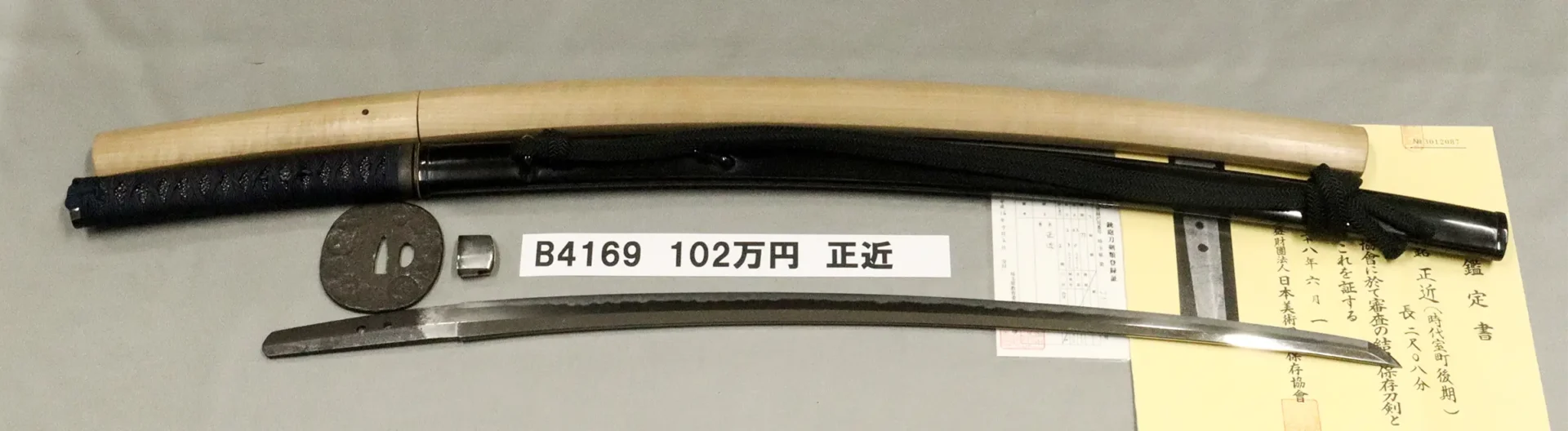
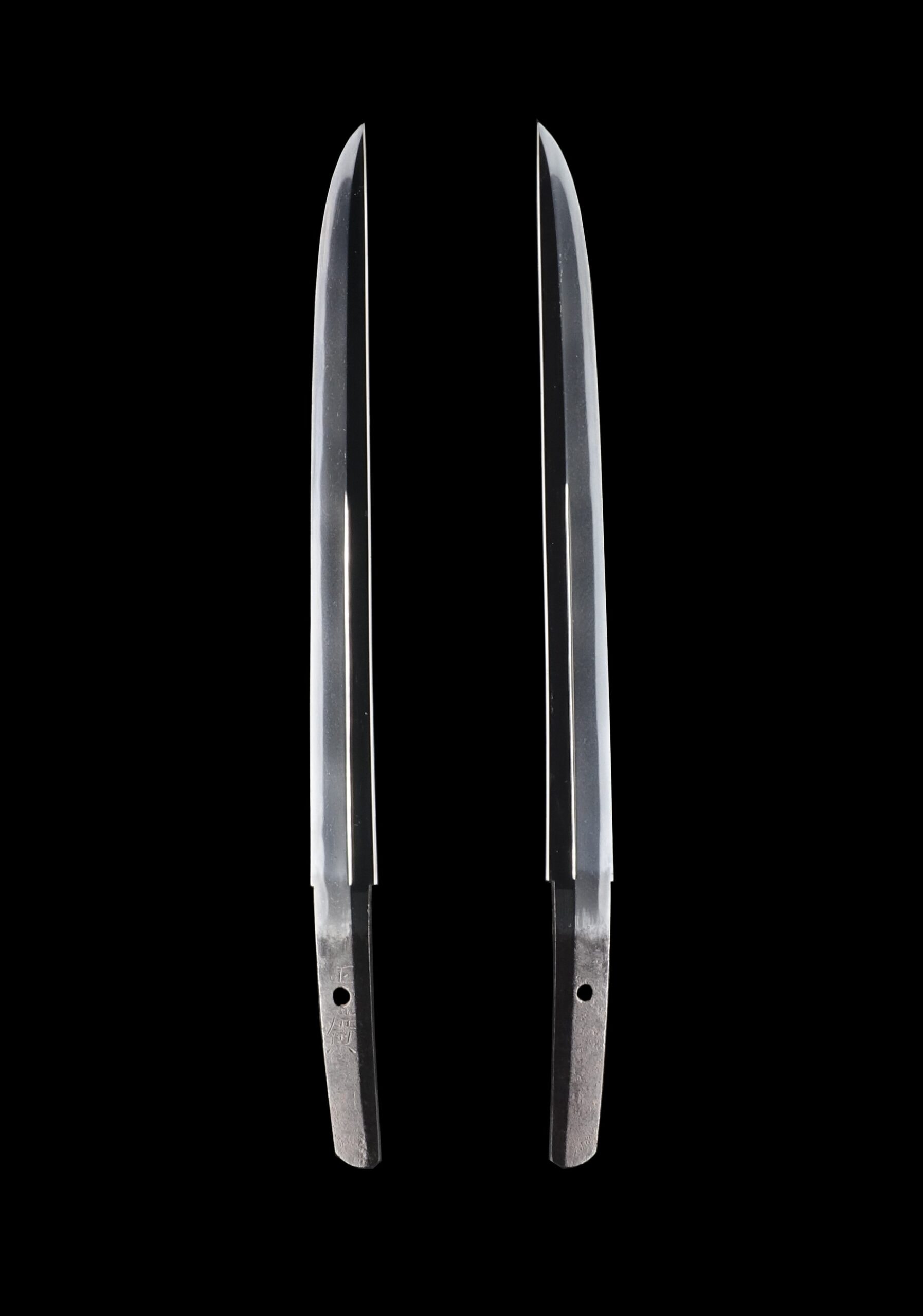
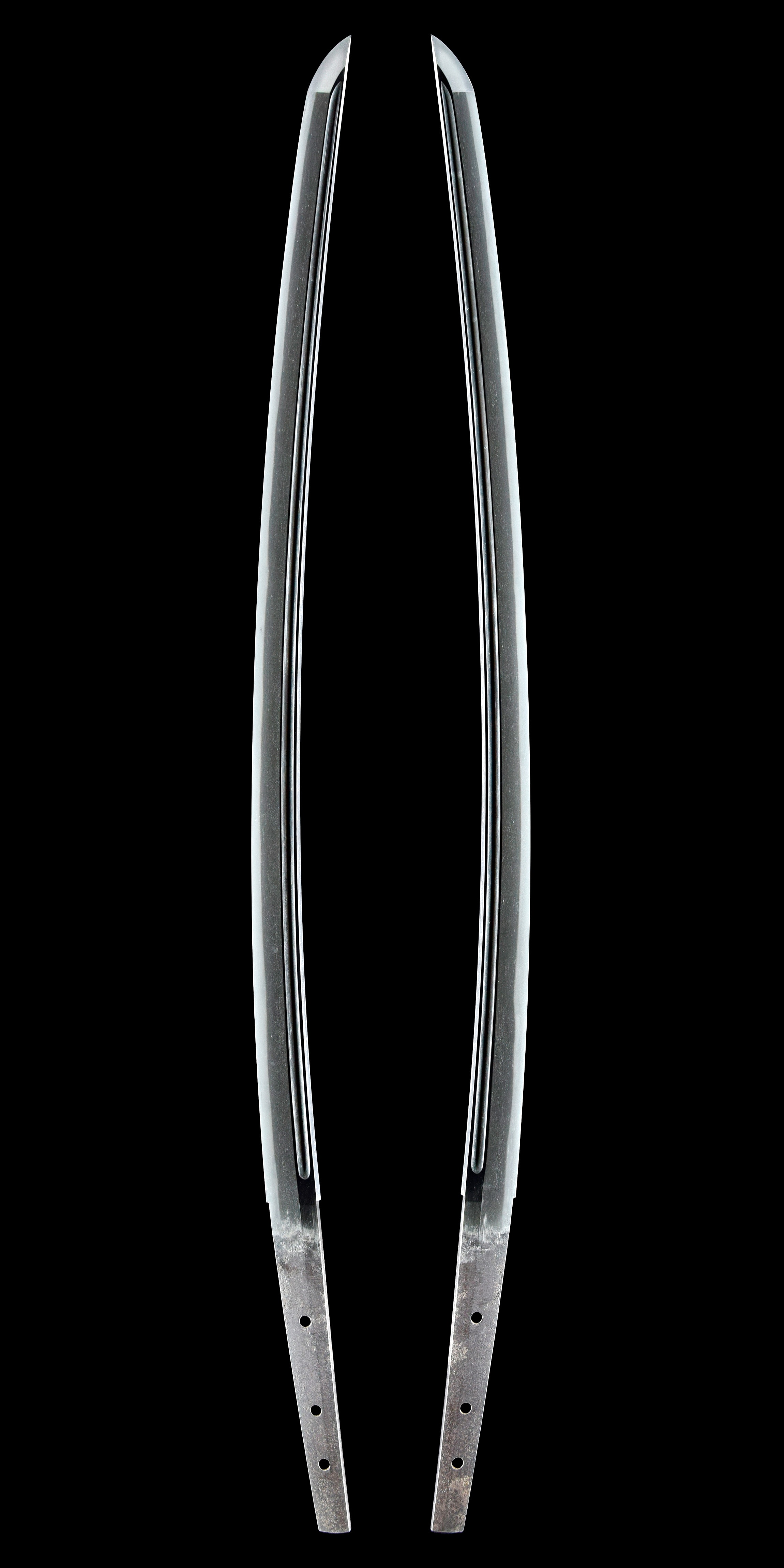
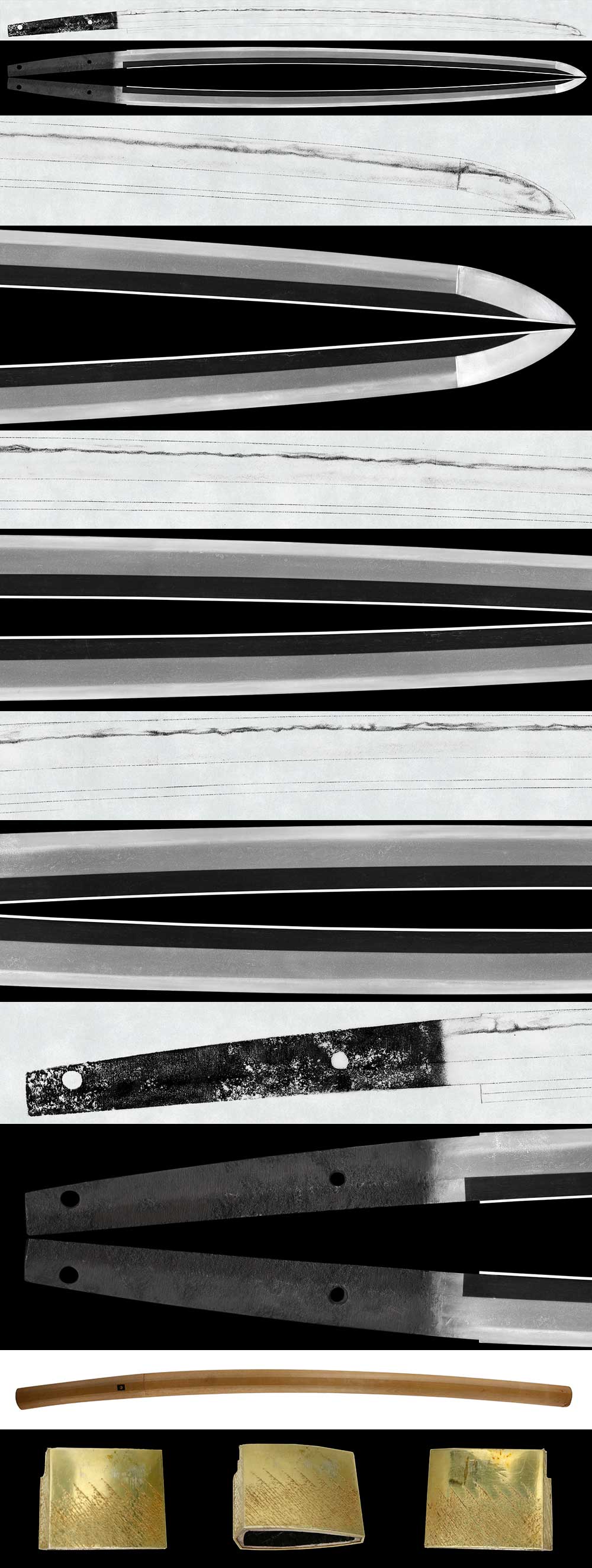
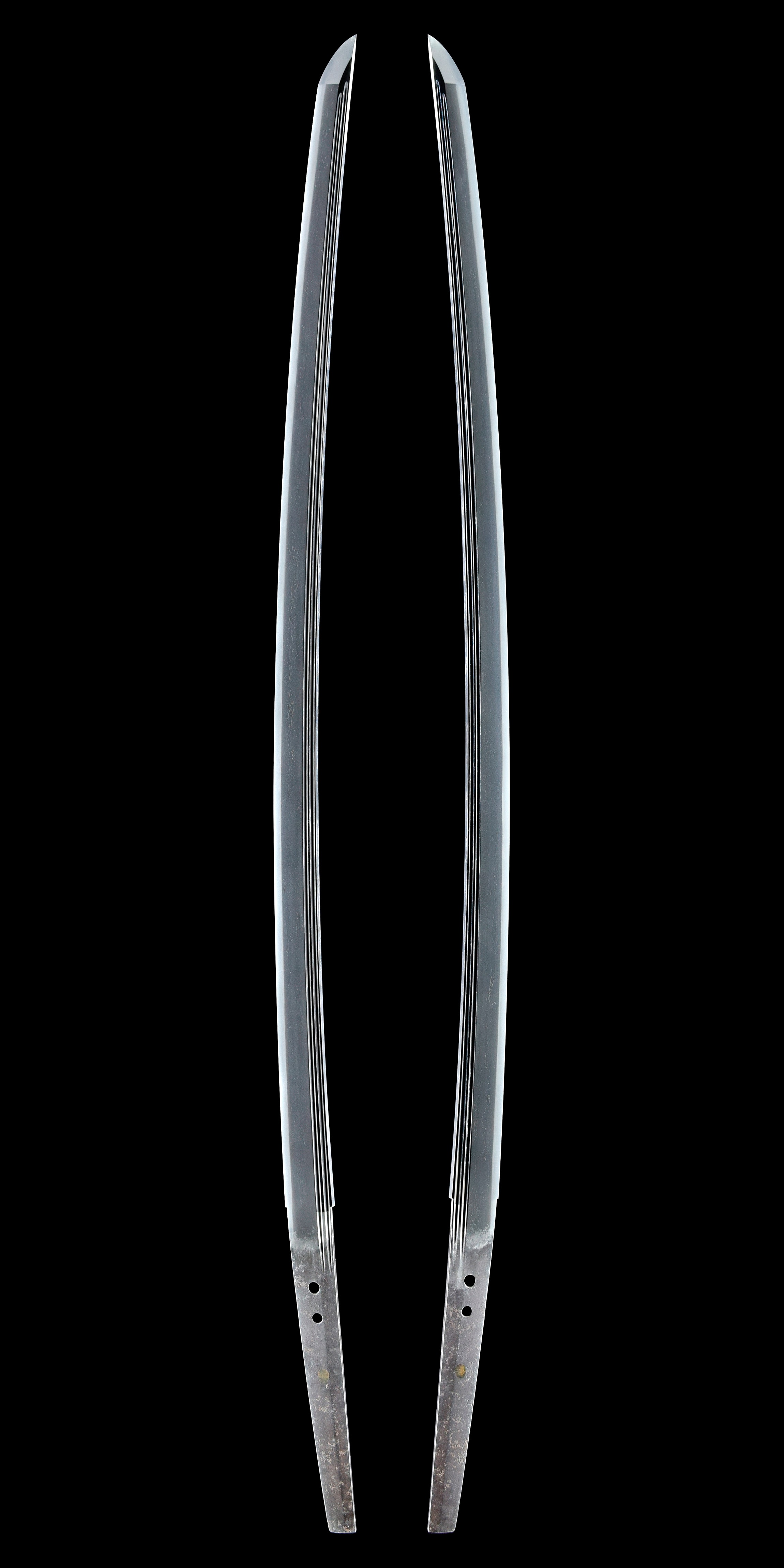
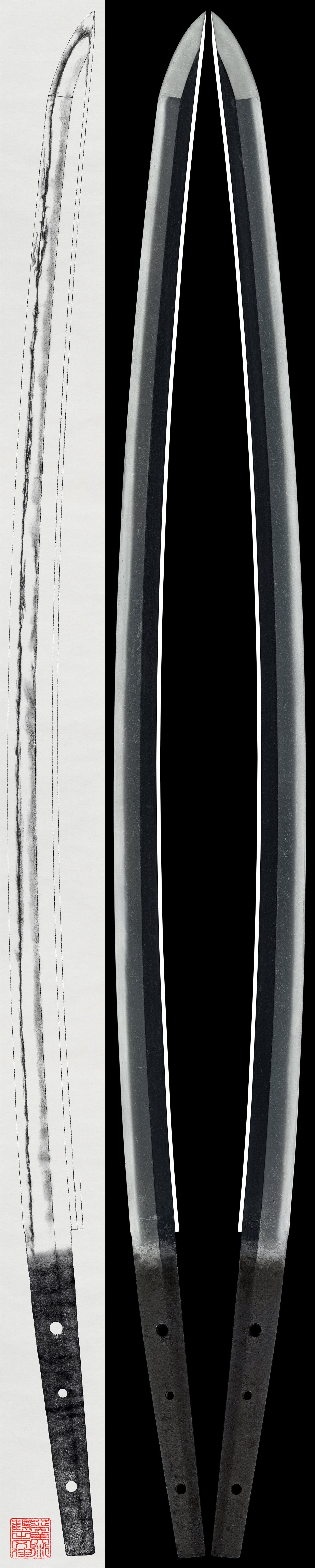
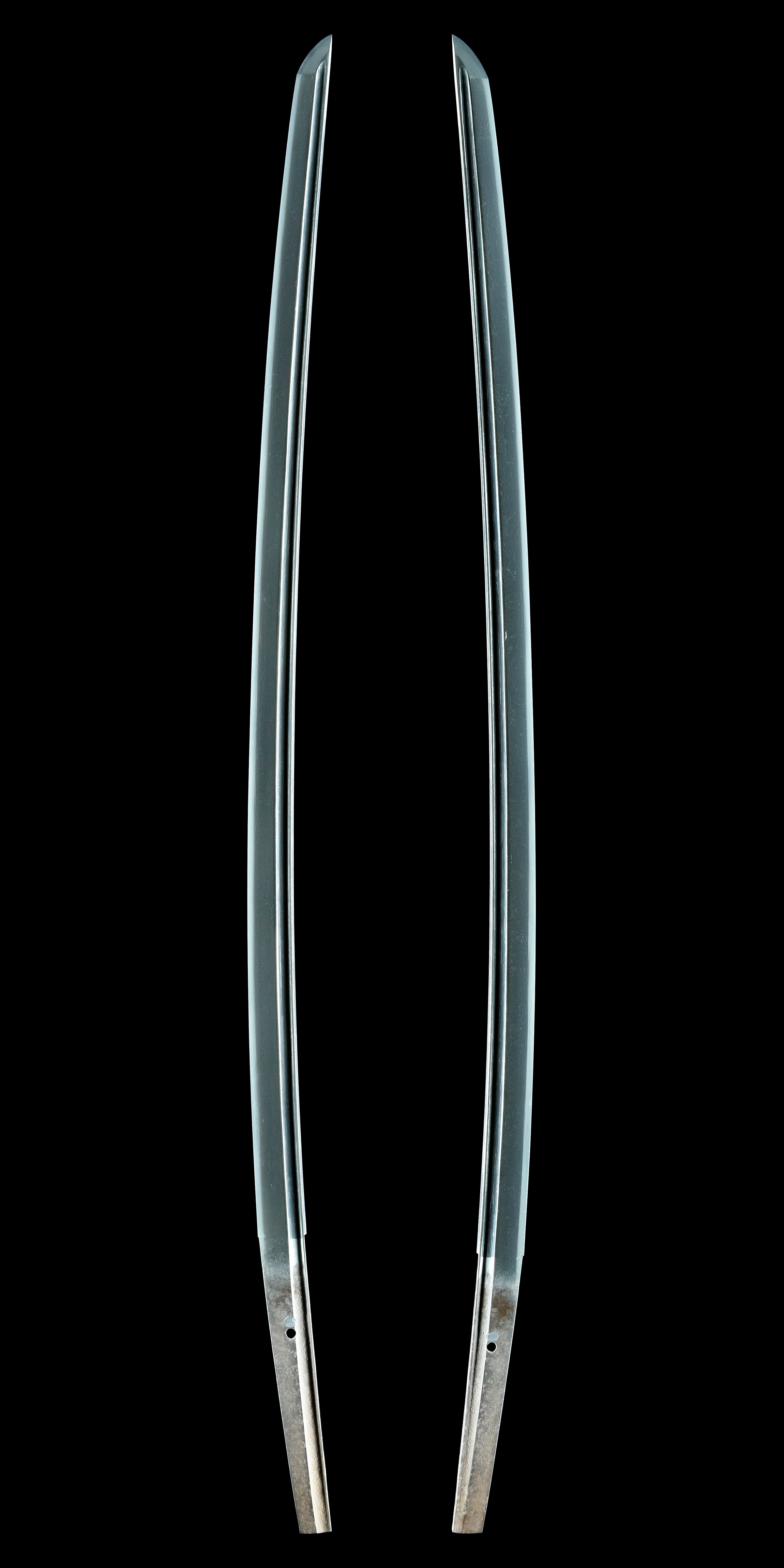
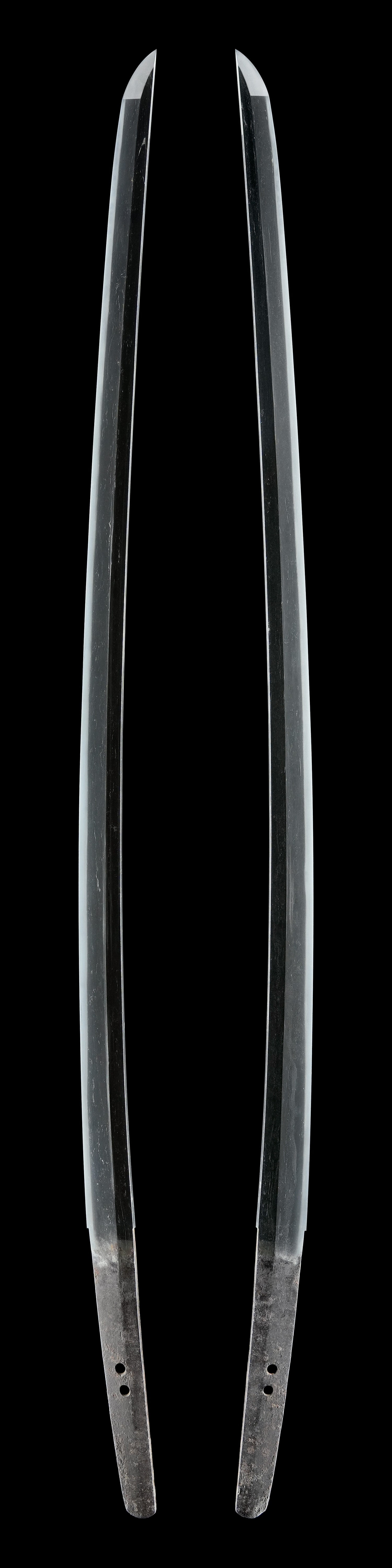
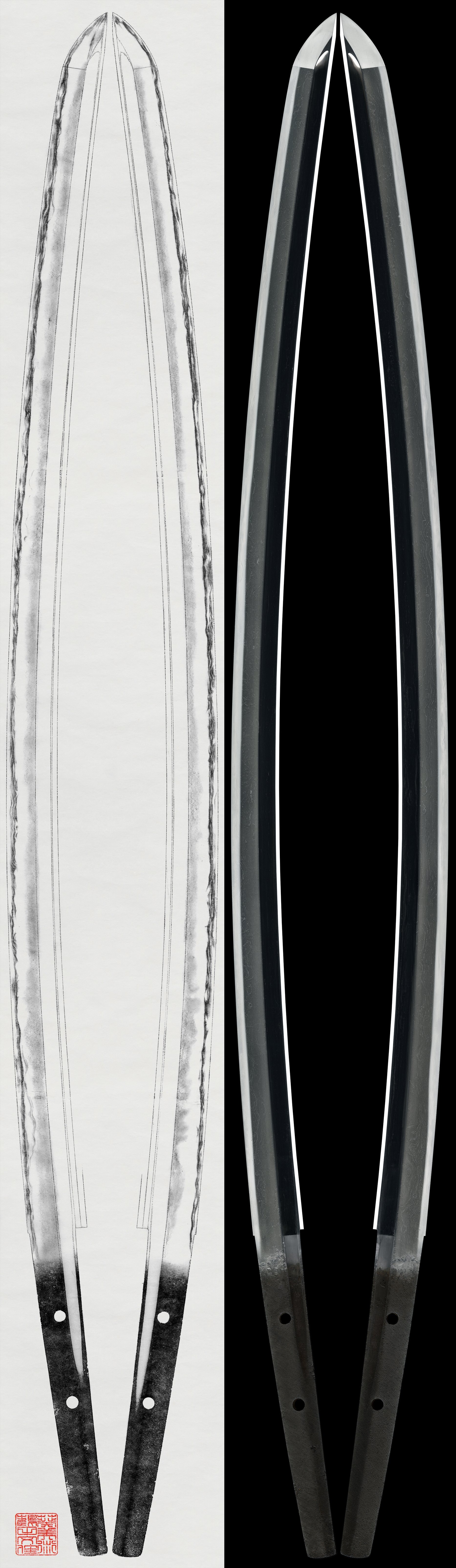
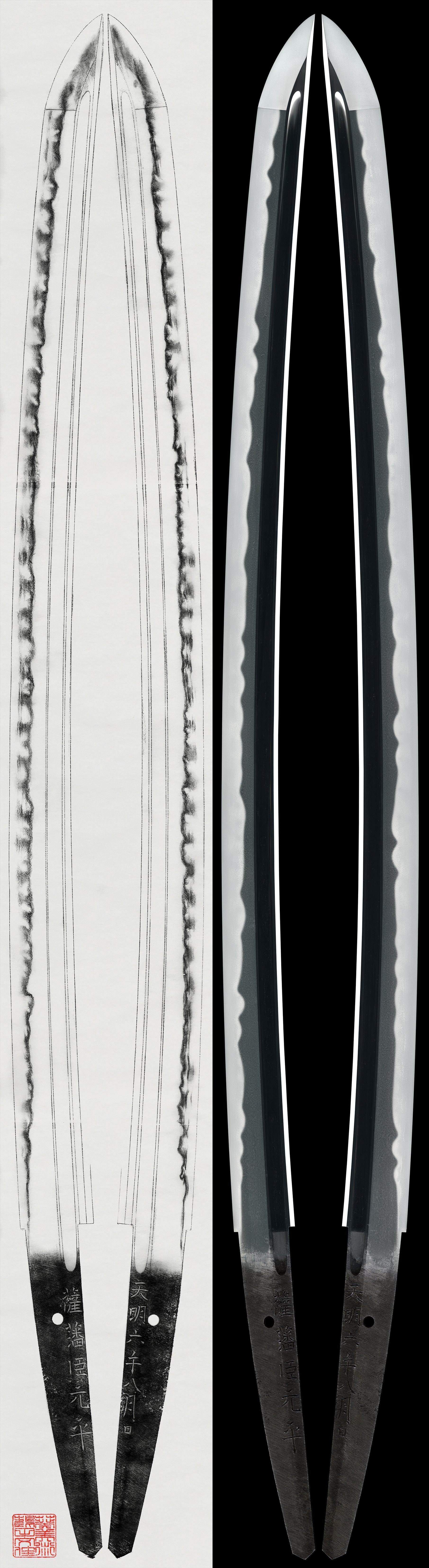
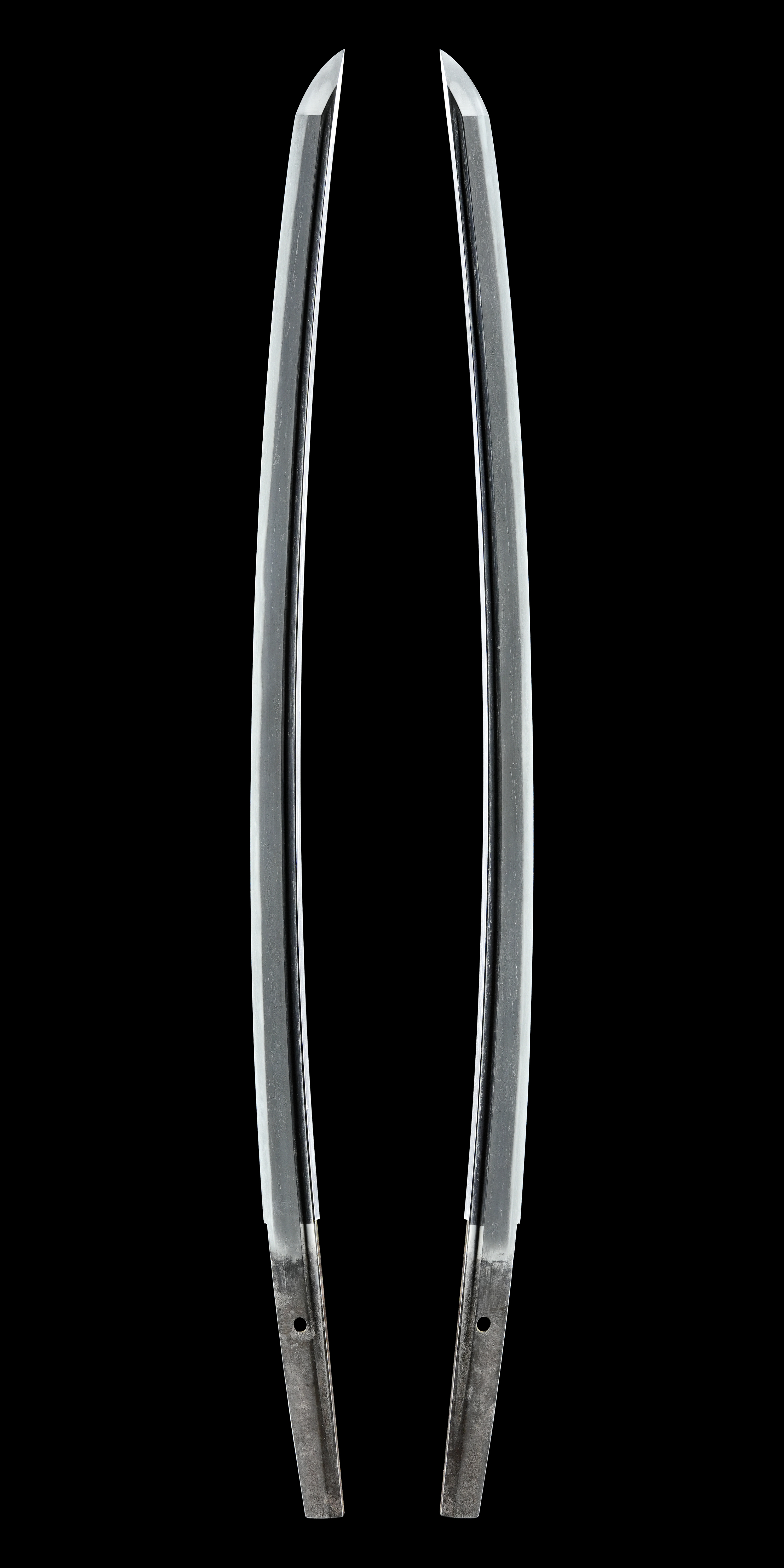
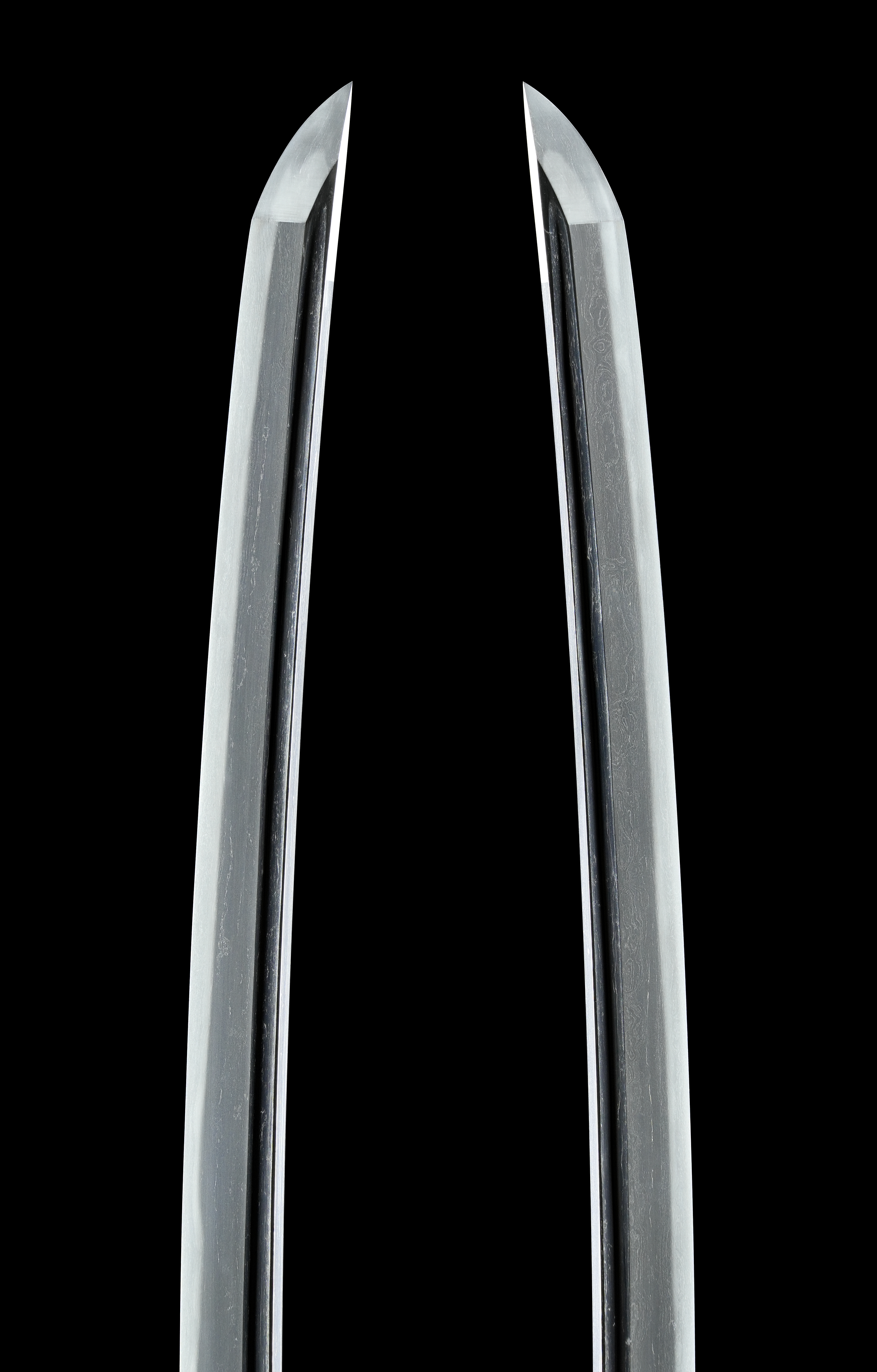
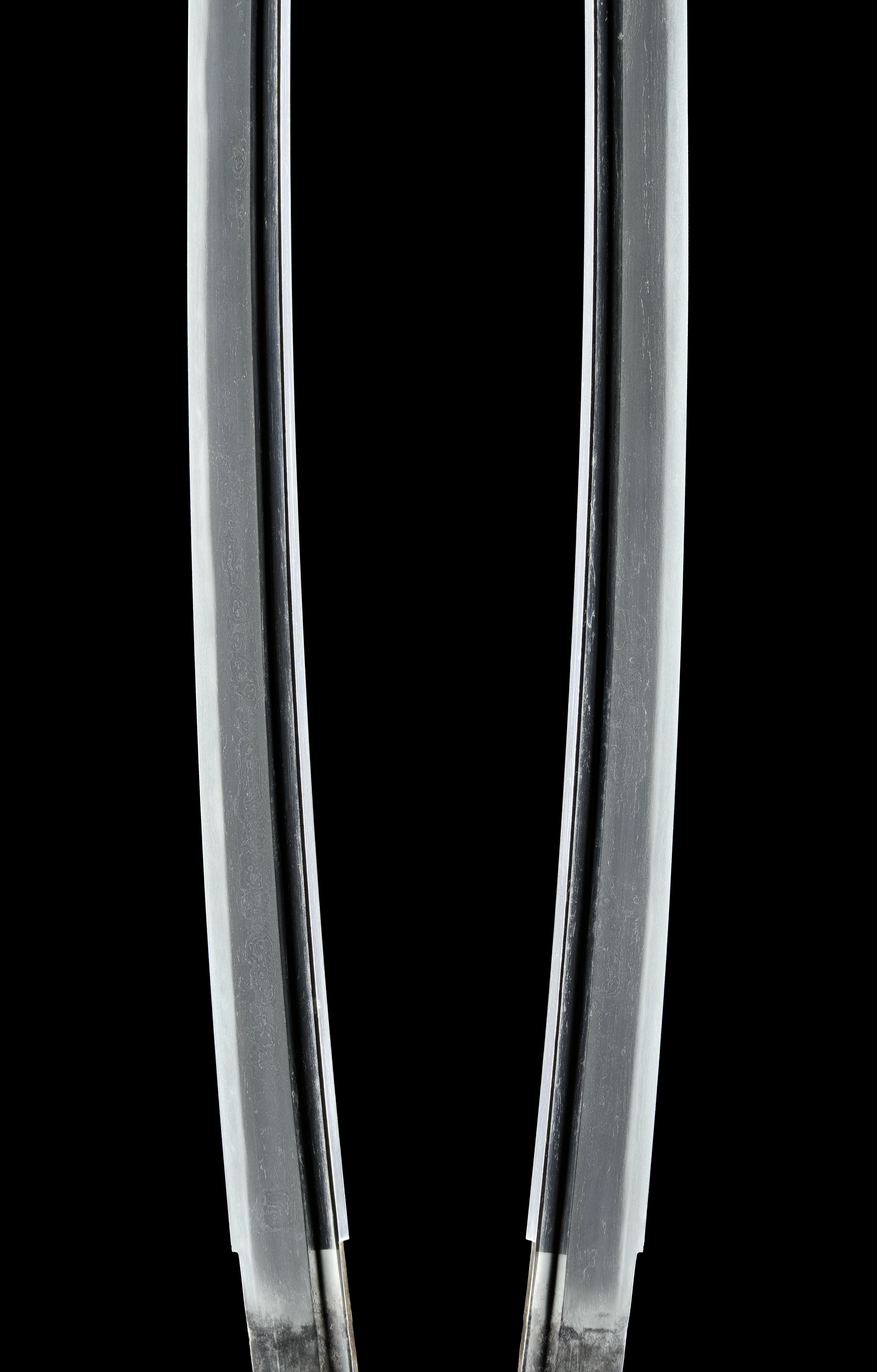
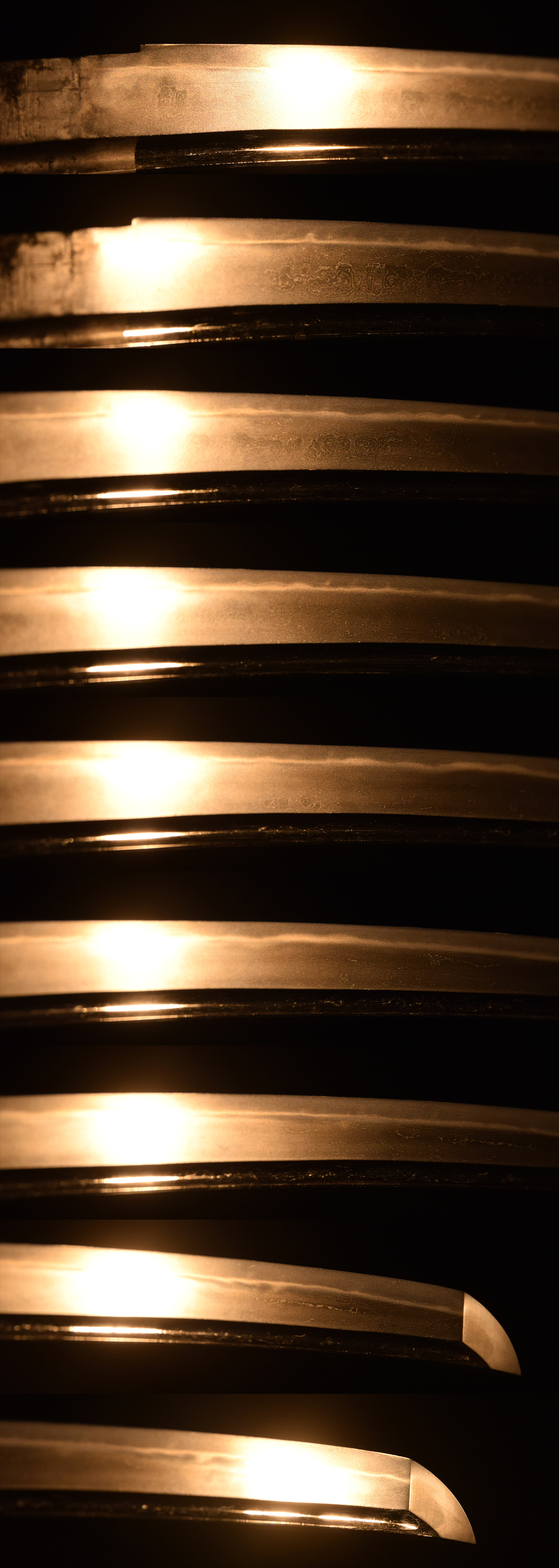
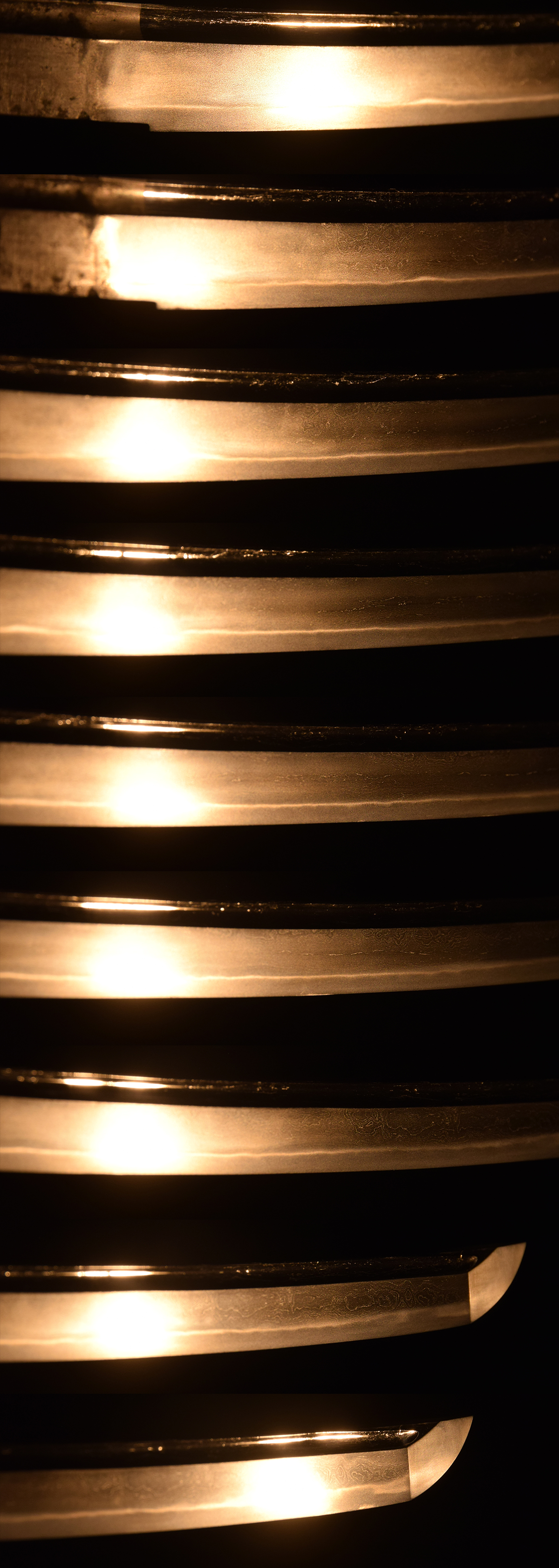
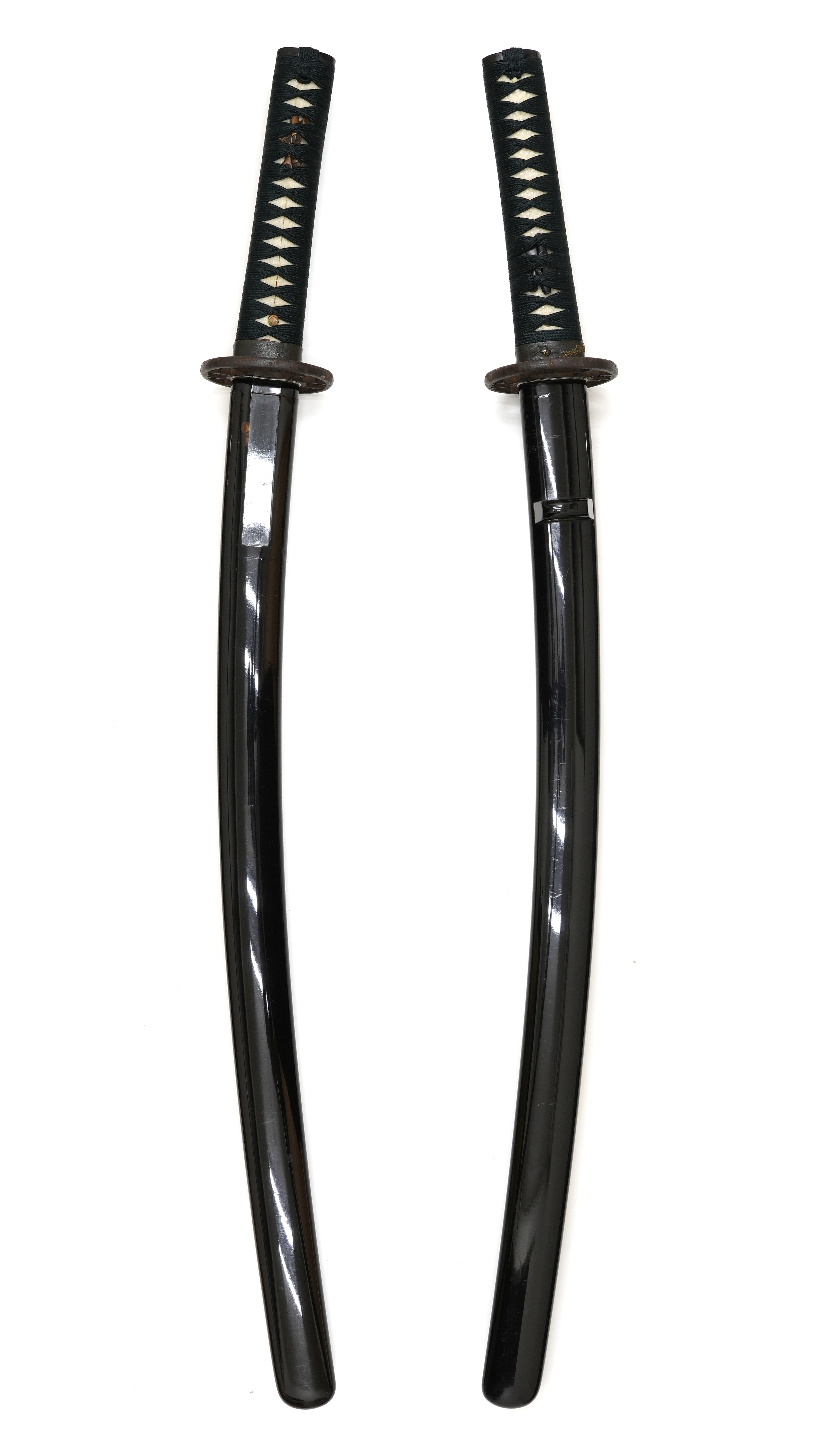
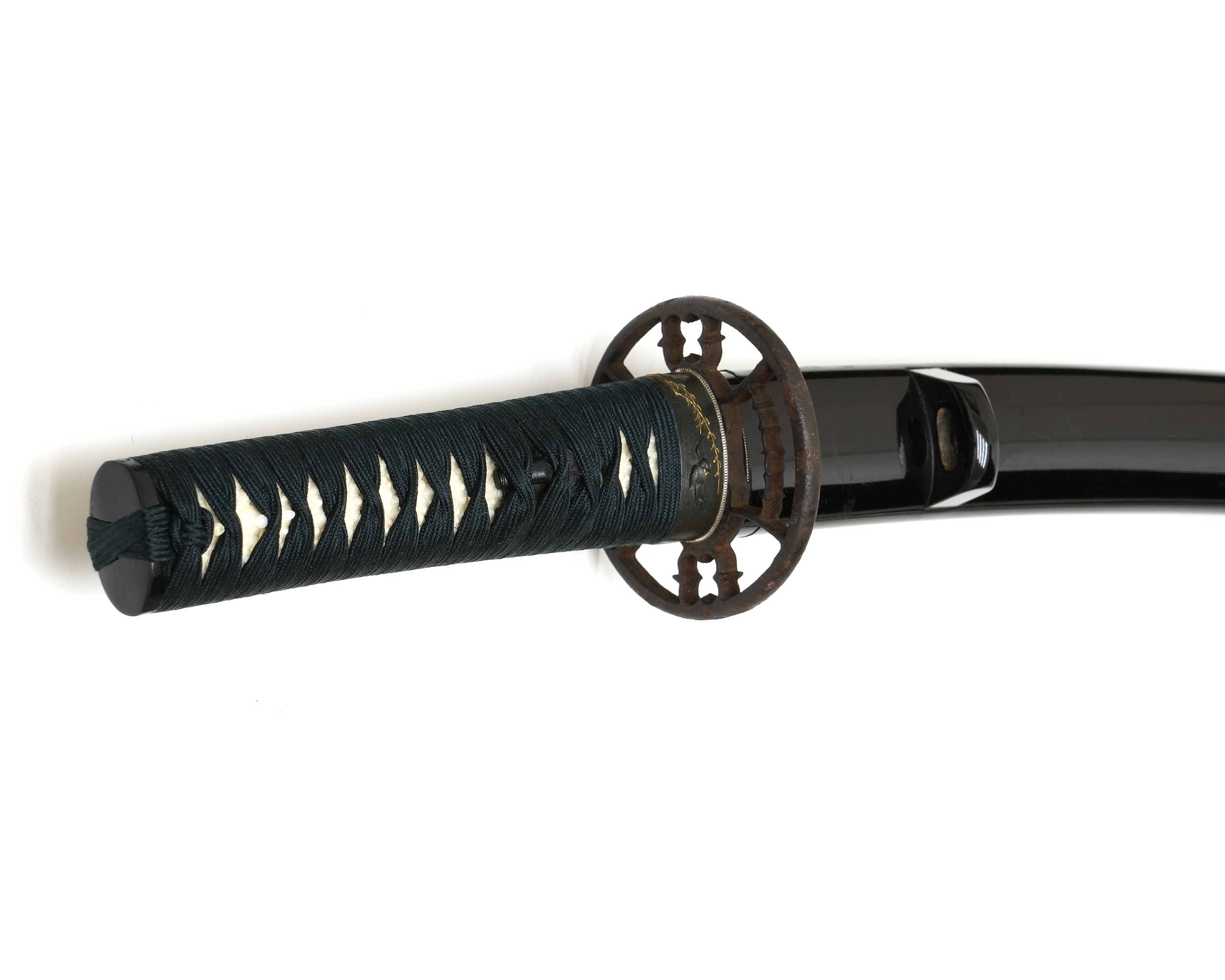
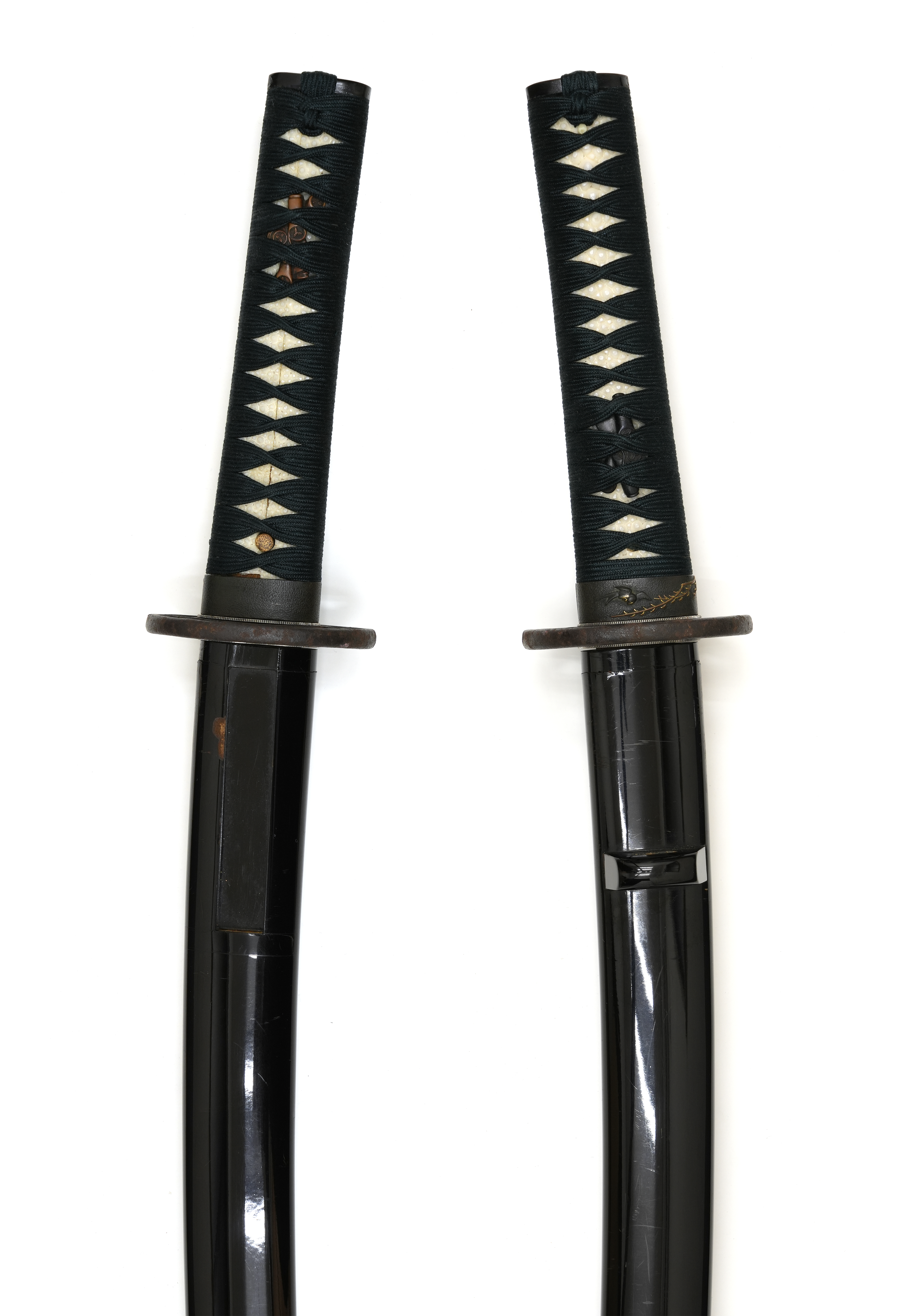
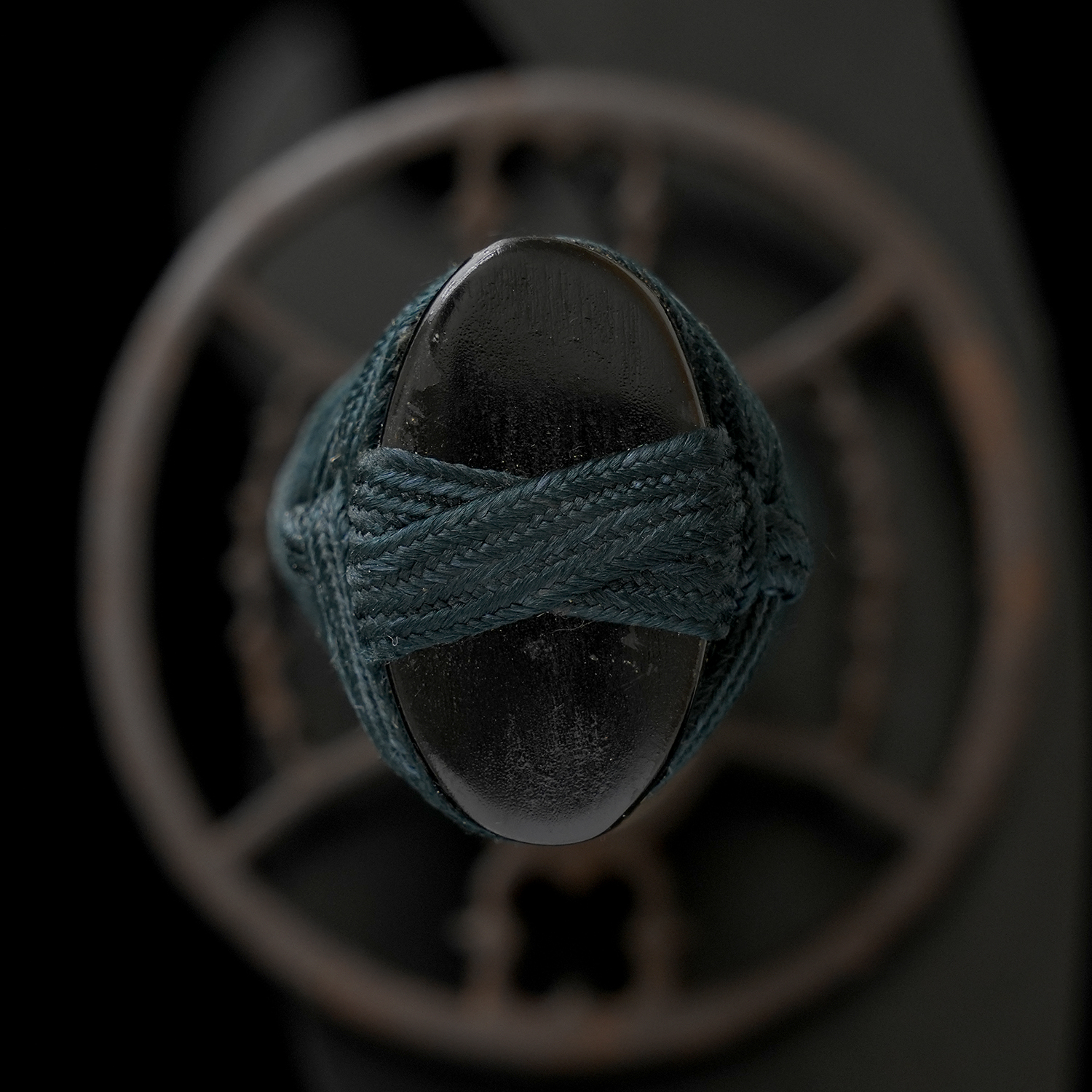
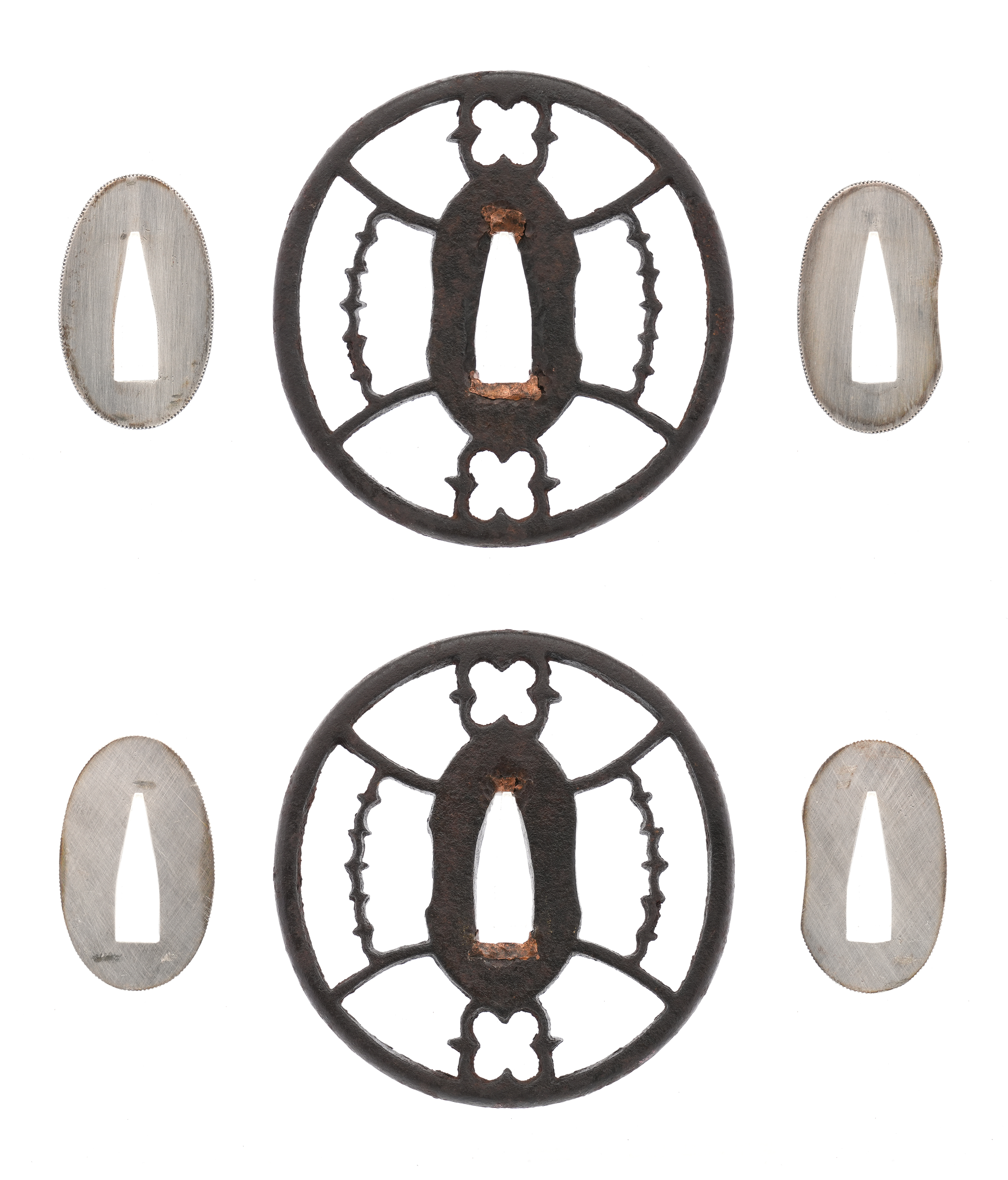
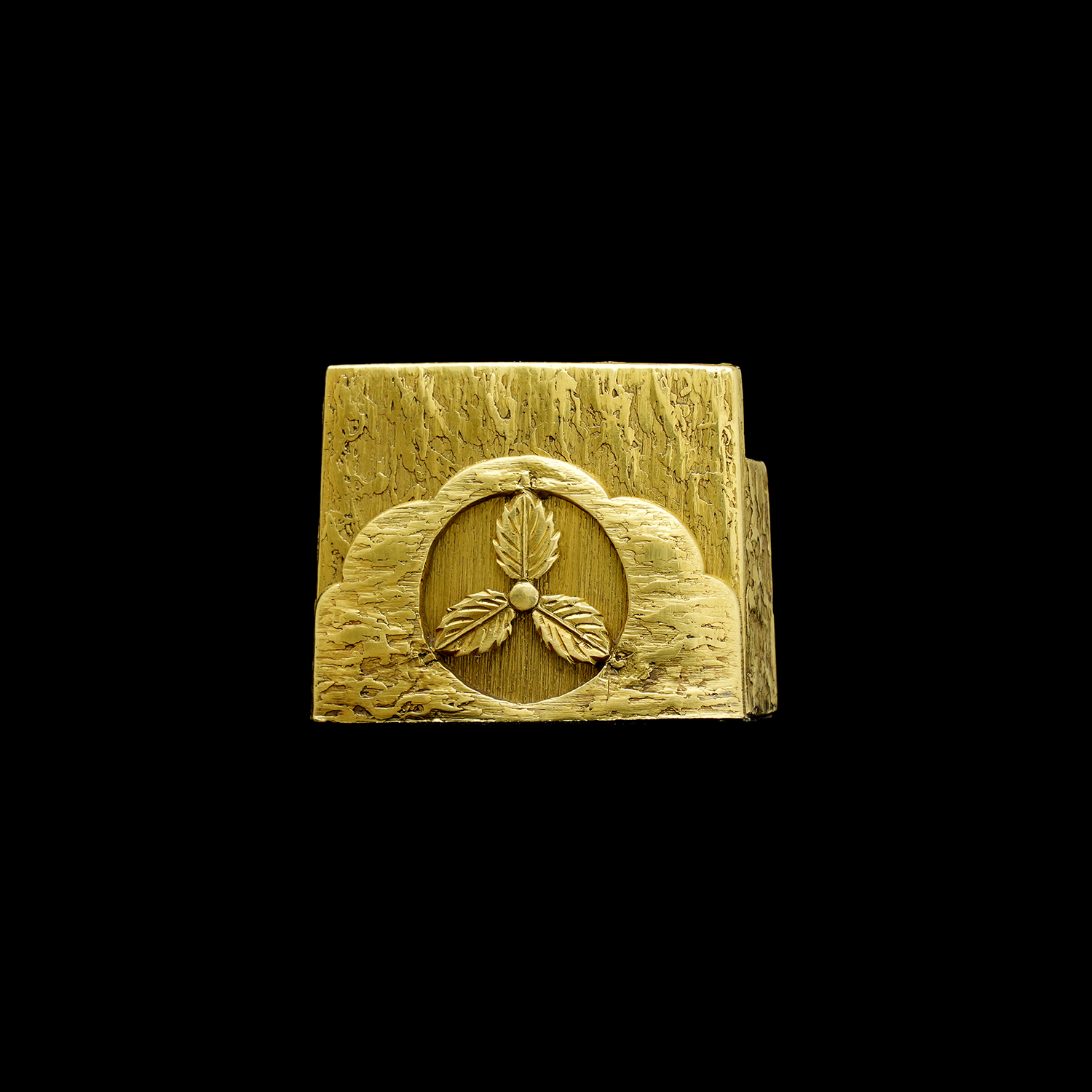
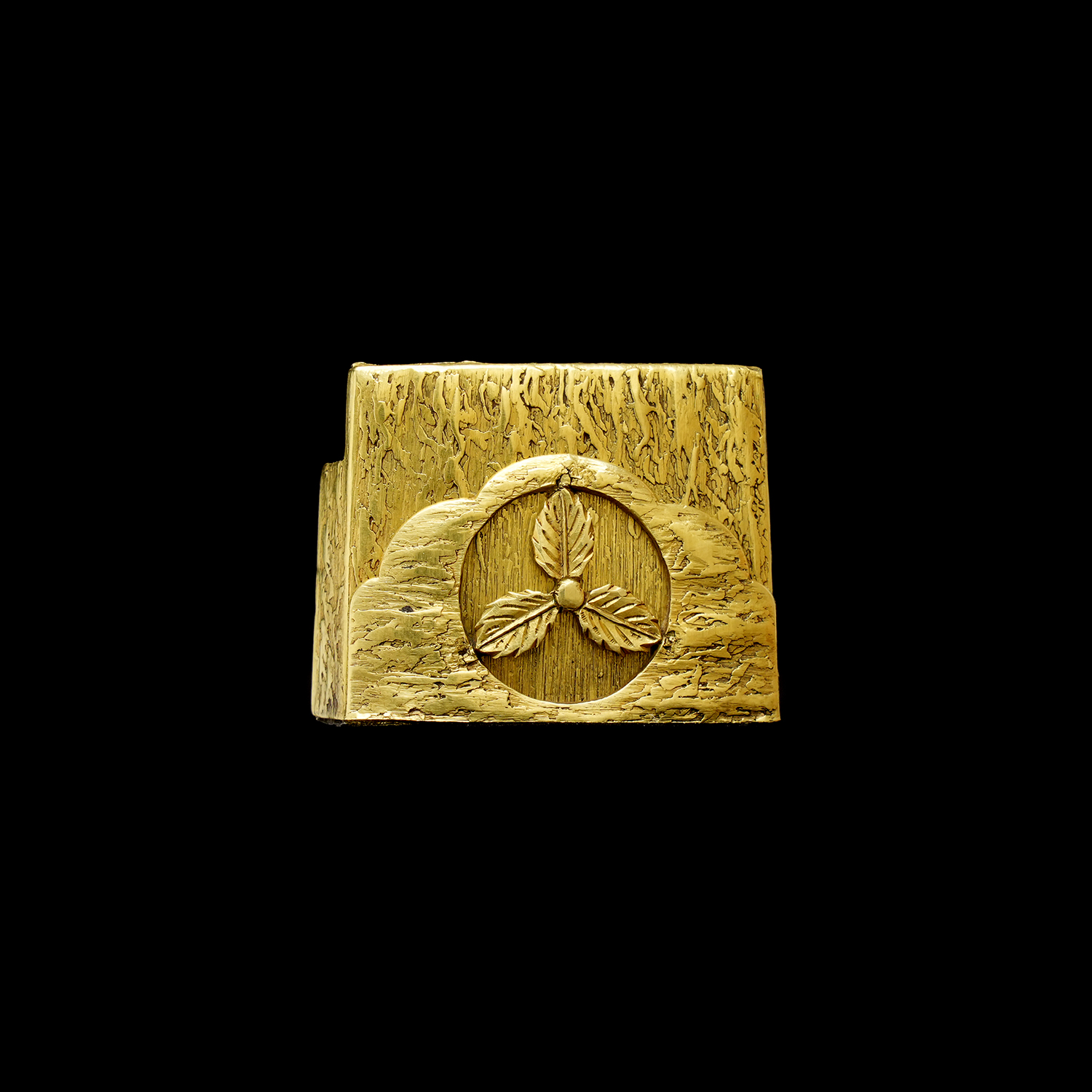
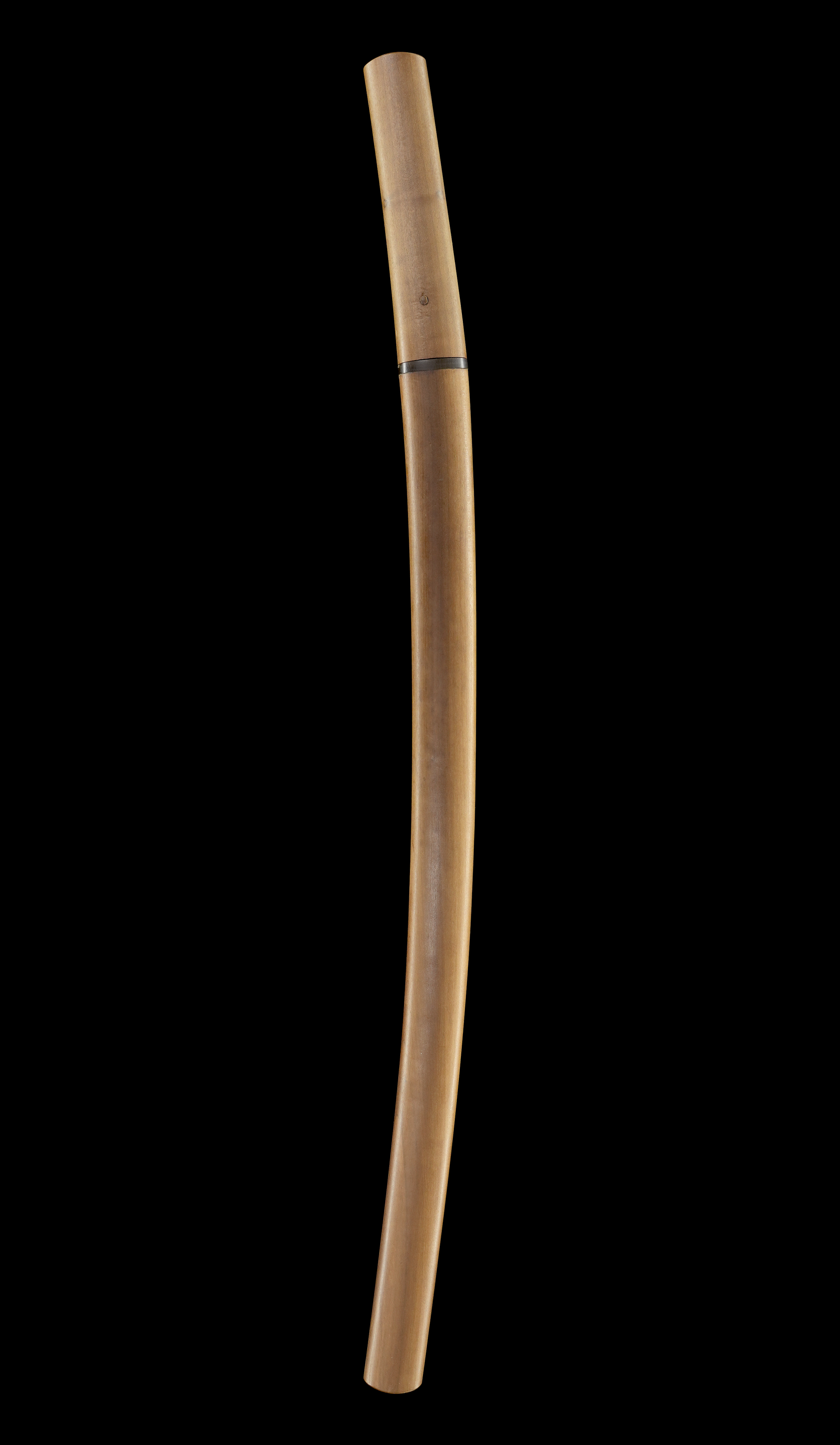
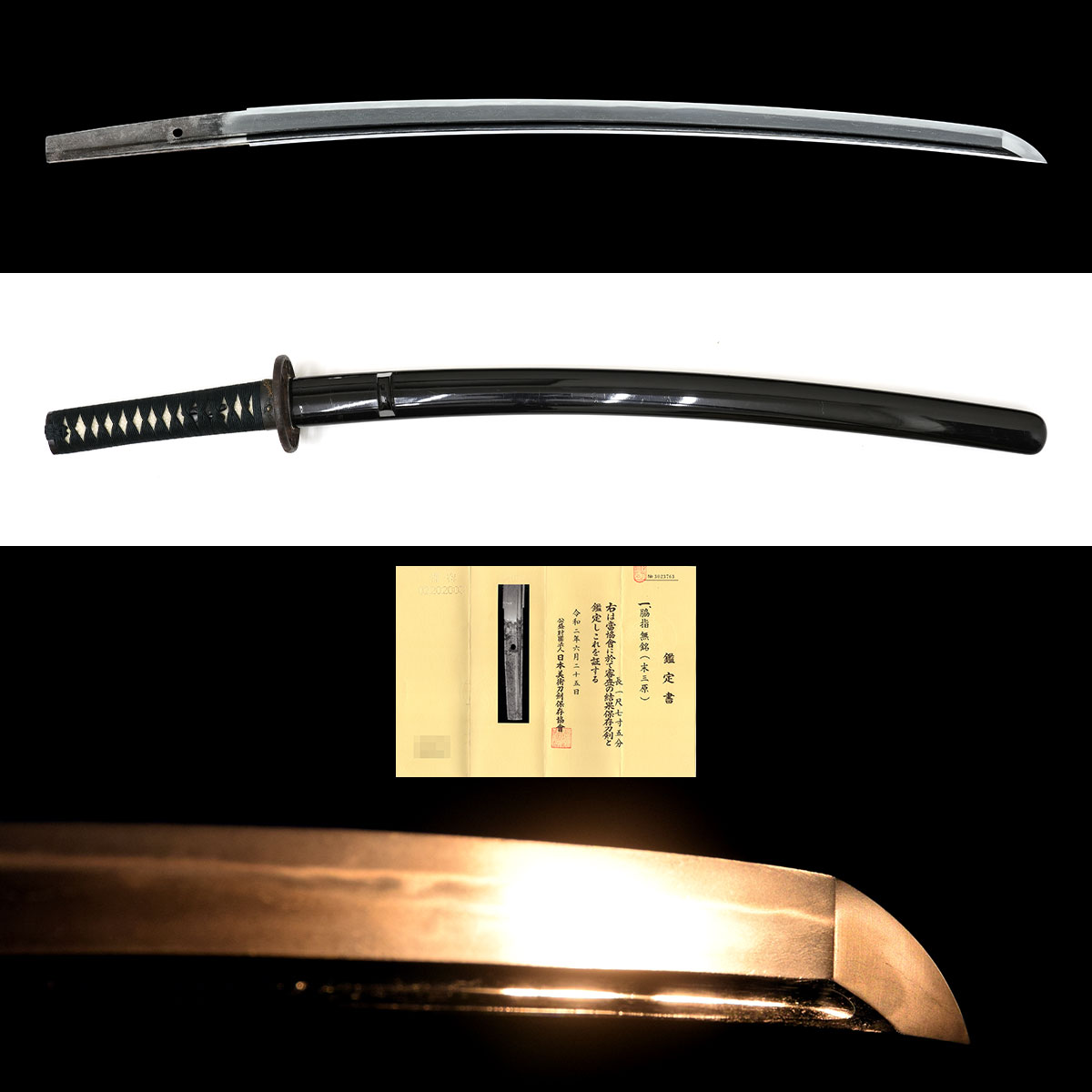
This is a mumei wakizashi attributed to Tadamitsu of the Sue-Mihara school, dating to the Muromachi period. It features a well-forged mokume hada with ji-nie and chikei, and a chu-suguha hamon with ashi and yo. The wakizashi comes with a Hozon Token certificate and a koshirae with black lacquer saya and Tosa Kashiwa mon.
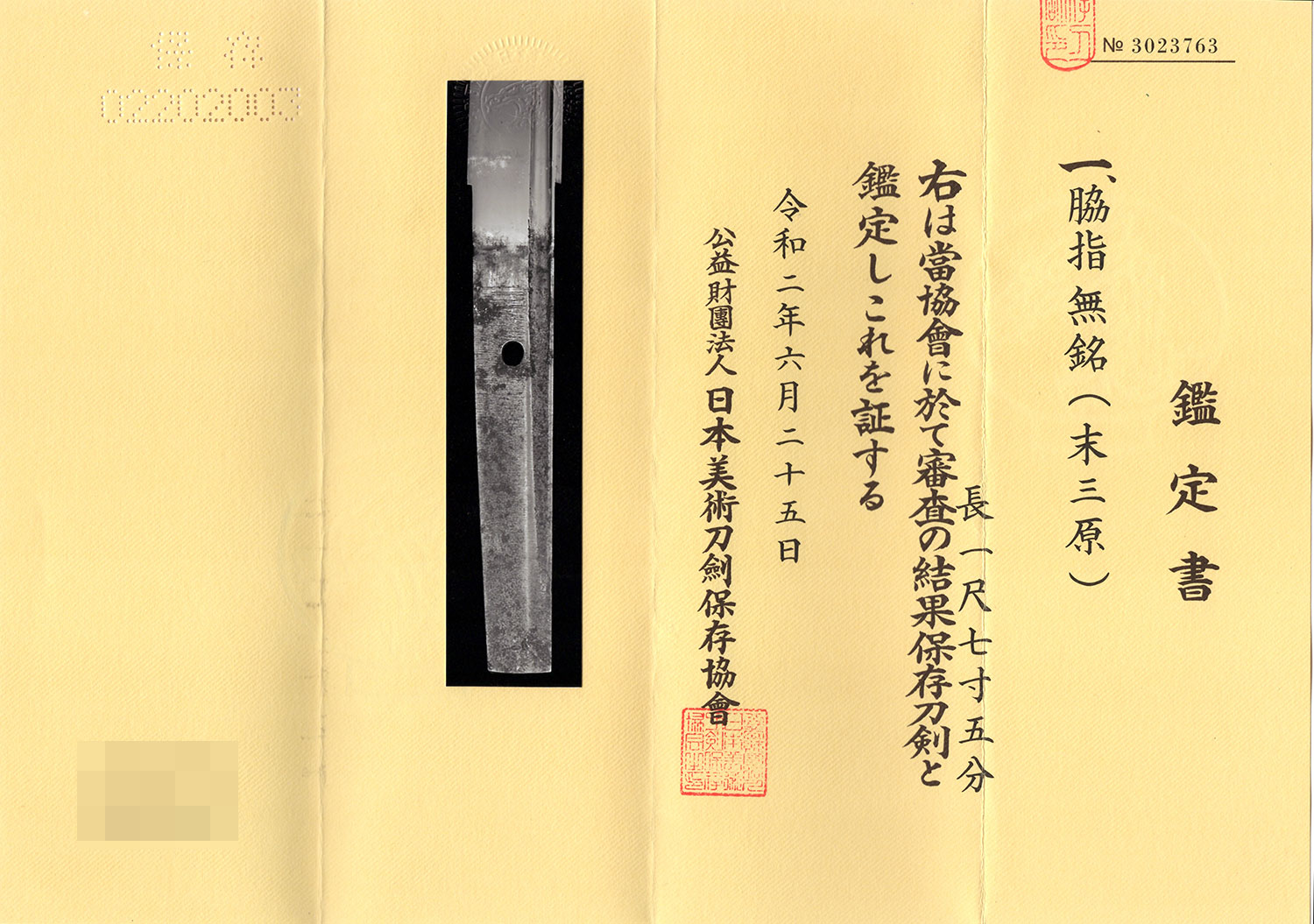
Certificate reading — 無銘(末三原)
 NihontoWatch
mumei · Mihara · Late Muromachi (c. 1460) · nagasa 53cm · sori 1.4cm
Yamato-den · Bingo
4 pieces on the market now
| Smith | Era | Designated |
|---|---|---|
| Masamune正宗 | 1469-1487 | 0 |
| Masaoki正興 | 1521-1528 | 0 |
| Nagashige長重 | 1487-1489 | 0 |
| Kaneyasu兼安 | 1469-1487 | 0 |
| Takakane高兼 | 1504-1521 | 0 |
Yamato in the Muromachi period
The monasteries that had sustained Yamato lost ground through the Muromachi period, and the schools thinned with them; Sue-Tegai kept the old masame manner alive in quantity. The burning of Tōdaiji’s Great Buddha hall in 1567 closed the temple age.
Certifies a genuine blade worth preserving: a signature confirmed correct, or, if unsigned, an era, province, and school that the NBTHK can reliably identify.
The NBTHK (Nihon Bijutsu Tōken Hozon Kyōkai, the Society for the Preservation of Japanese Art Swords) is a public-interest incorporated foundation founded in 1948 and supervised by Japan’s Agency for Cultural Affairs (Bunkachō); it is based at the Japanese Sword Museum in Tokyo. Its expert panels physically examine each submitted work (shinsa) and issue a certificate (kanteishō) ranking it by artistic and historical merit. NBTHK papers are the most widely recognized standard of authentication for Japanese swords and fittings.
NBTHK official siteReturns accepted within 3 days of delivery for defective items or significant discrepancies; customer bears return shipping and bank fees.
¥990,000
This is a mumei wakizashi attributed to Tadamitsu of the Sue-Mihara school, dating to the Muromachi period. It features a well-forged mokume hada with ji-nie and chikei, and a chu-suguha hamon with ashi and yo. The wakizashi comes with a Hozon Token certificate and a koshirae with black lacquer saya and Tosa Kashiwa mon.
Certificate reading — 無銘(末三原)
NihontoWatchmumei · Mihara · Late Muromachi (c. 1460) · nagasa 53cm · sori 1.4cm
Yamato-den · Bingo
4 pieces on the market now
| Smith | Era | Designated |
|---|---|---|
| Masamune正宗 | 1469-1487 | 0 |
| Masaoki正興 | 1521-1528 | 0 |
| Nagashige長重 | 1487-1489 | 0 |
| Kaneyasu兼安 | 1469-1487 | 0 |
| Takakane高兼 | 1504-1521 | 0 |
Yamato in the Muromachi period
The monasteries that had sustained Yamato lost ground through the Muromachi period, and the schools thinned with them; Sue-Tegai kept the old masame manner alive in quantity. The burning of Tōdaiji’s Great Buddha hall in 1567 closed the temple age.
Certifies a genuine blade worth preserving: a signature confirmed correct, or, if unsigned, an era, province, and school that the NBTHK can reliably identify.
The NBTHK (Nihon Bijutsu Tōken Hozon Kyōkai, the Society for the Preservation of Japanese Art Swords) is a public-interest incorporated foundation founded in 1948 and supervised by Japan’s Agency for Cultural Affairs (Bunkachō); it is based at the Japanese Sword Museum in Tokyo. Its expert panels physically examine each submitted work (shinsa) and issue a certificate (kanteishō) ranking it by artistic and historical merit. NBTHK papers are the most widely recognized standard of authentication for Japanese swords and fittings.
NBTHK official siteReturns accepted within 3 days of delivery for defective items or significant discrepancies; customer bears return shipping and bank fees.
¥990,000