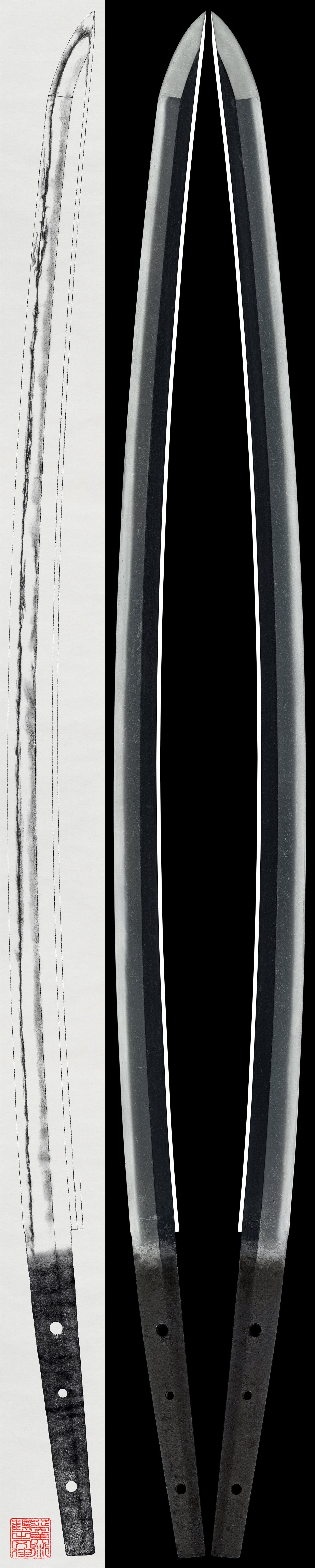
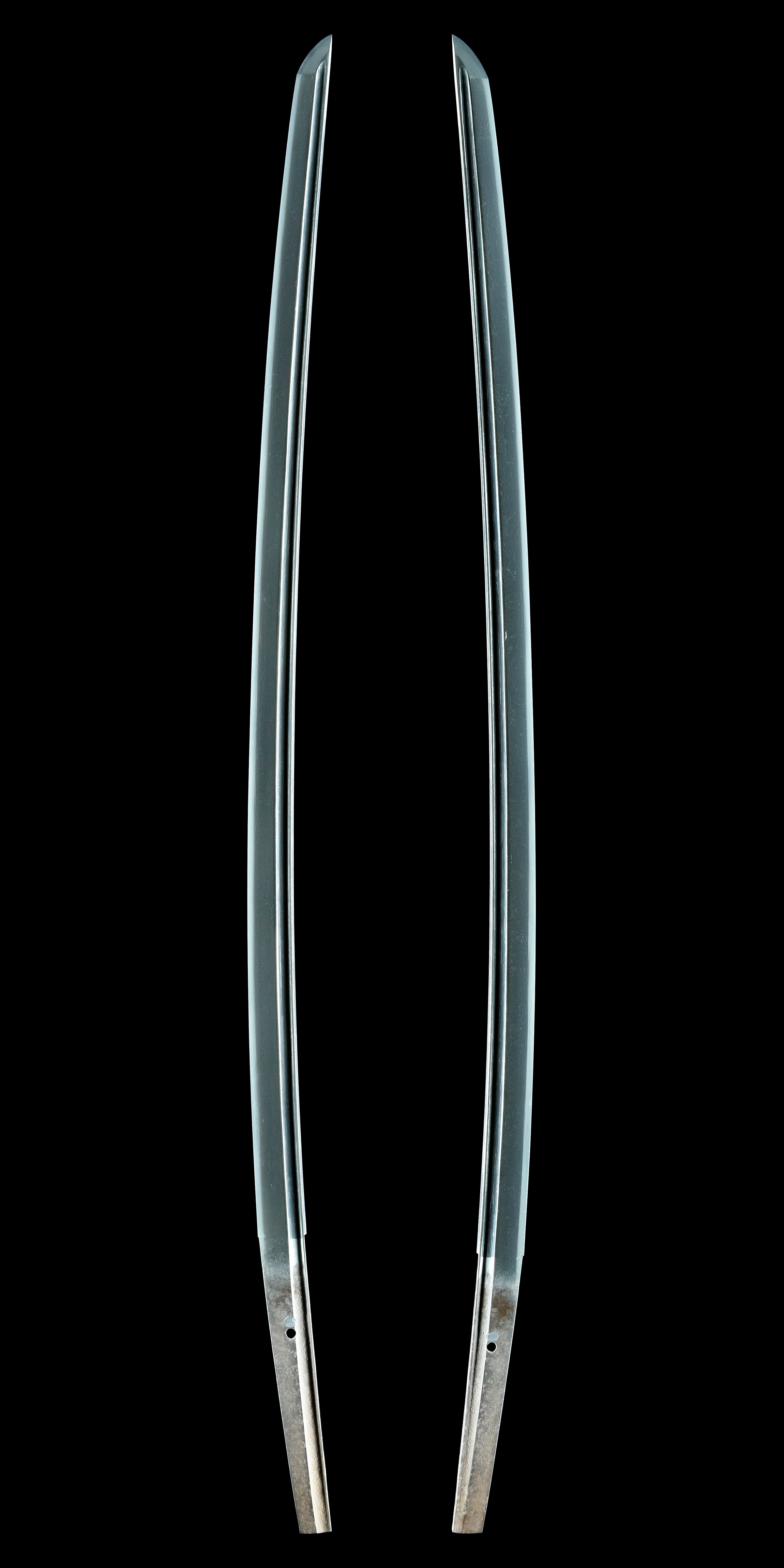
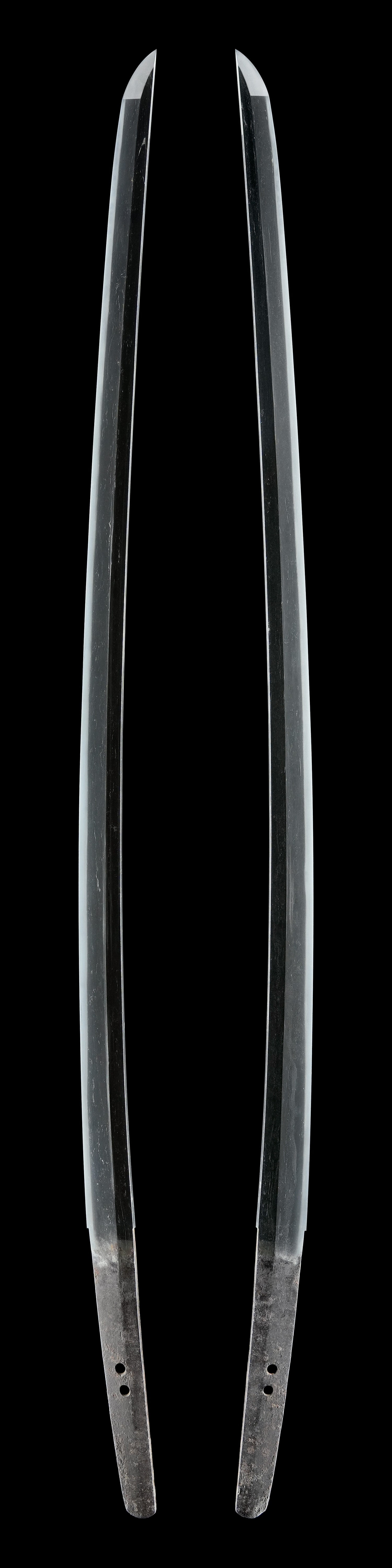
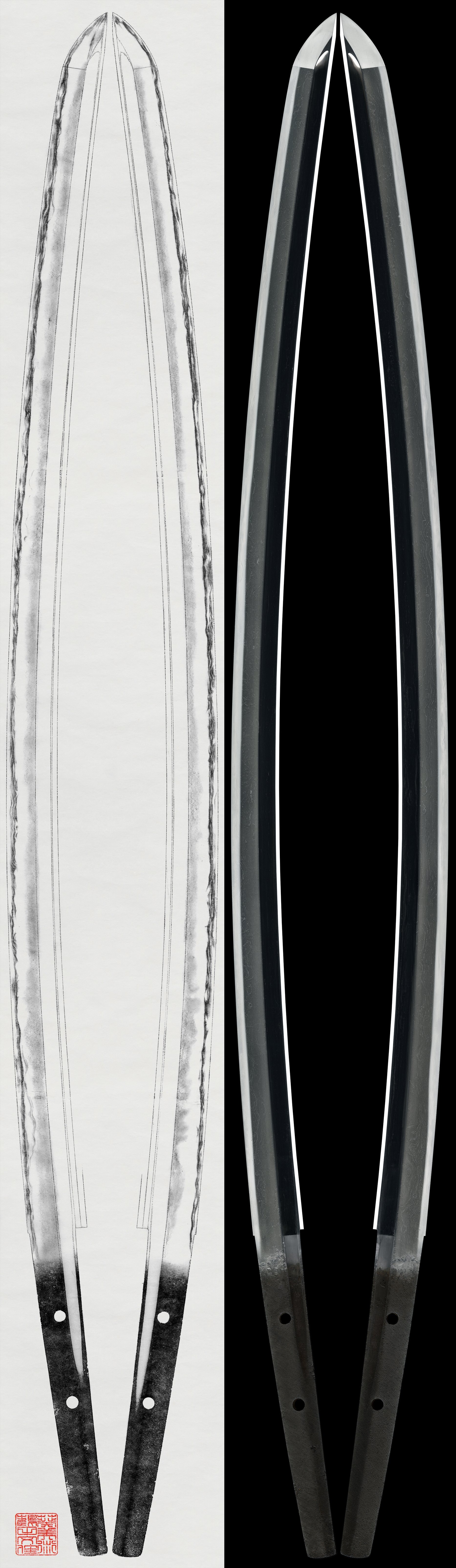
The curved, ridged tachi took its classic form in the Heian provinces while the court refined its culture in the capital. Its patrons were the military nobility whose feuds ended in the Genpei War, and whose blades became heirlooms almost at once.
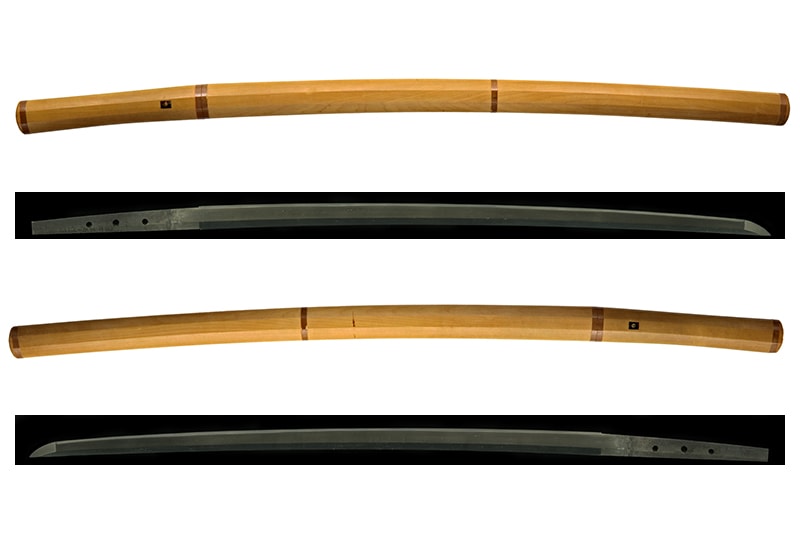
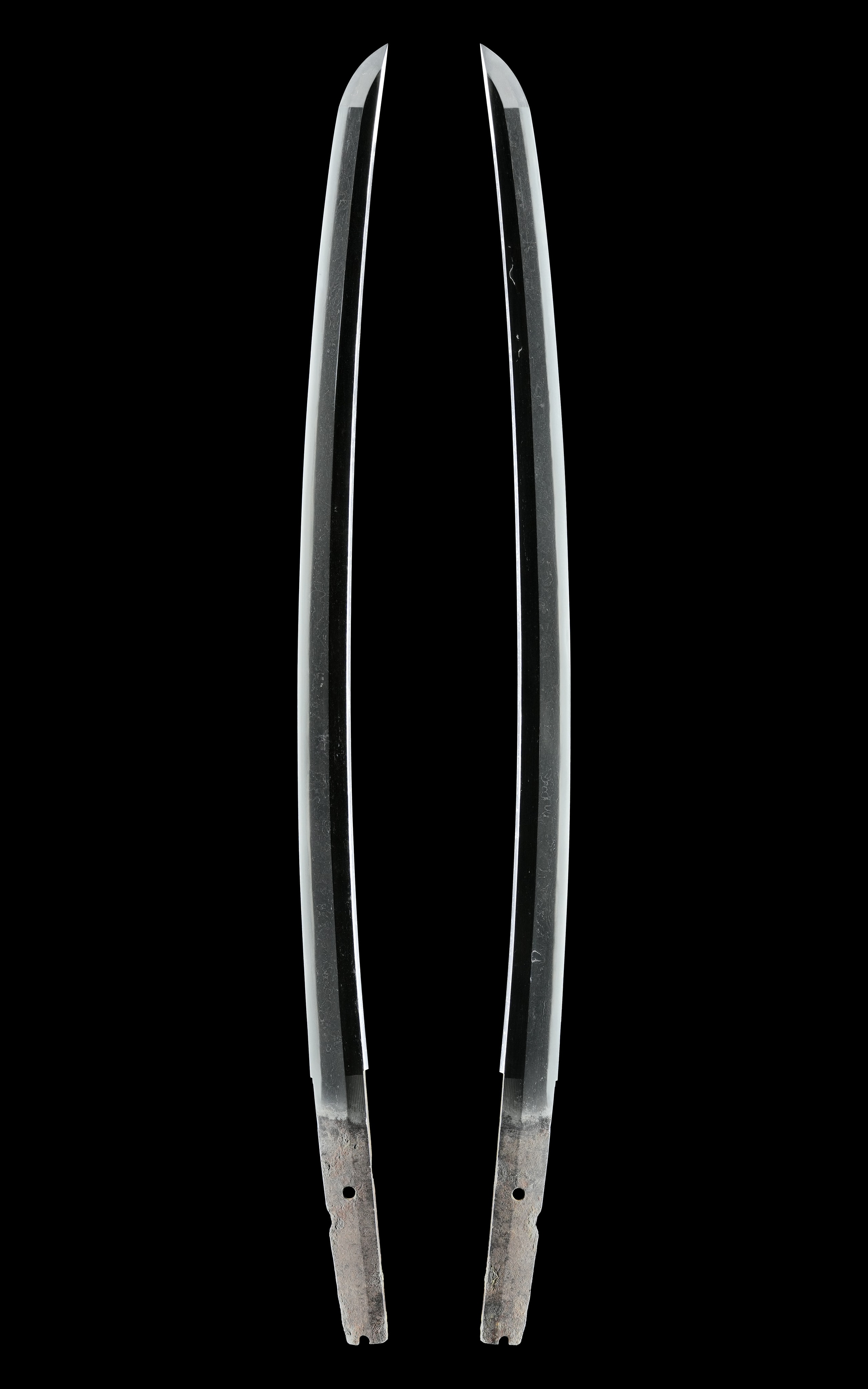
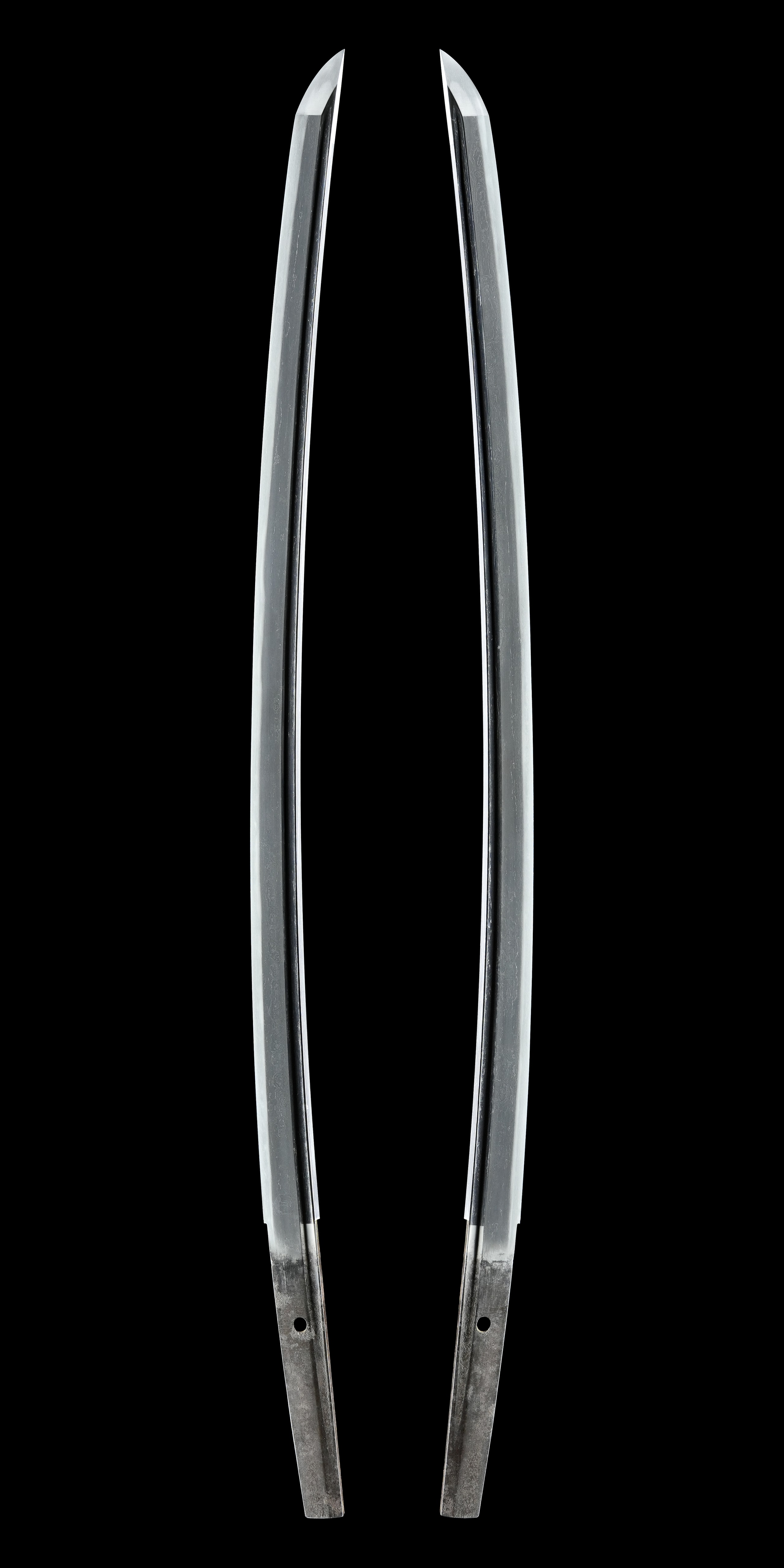
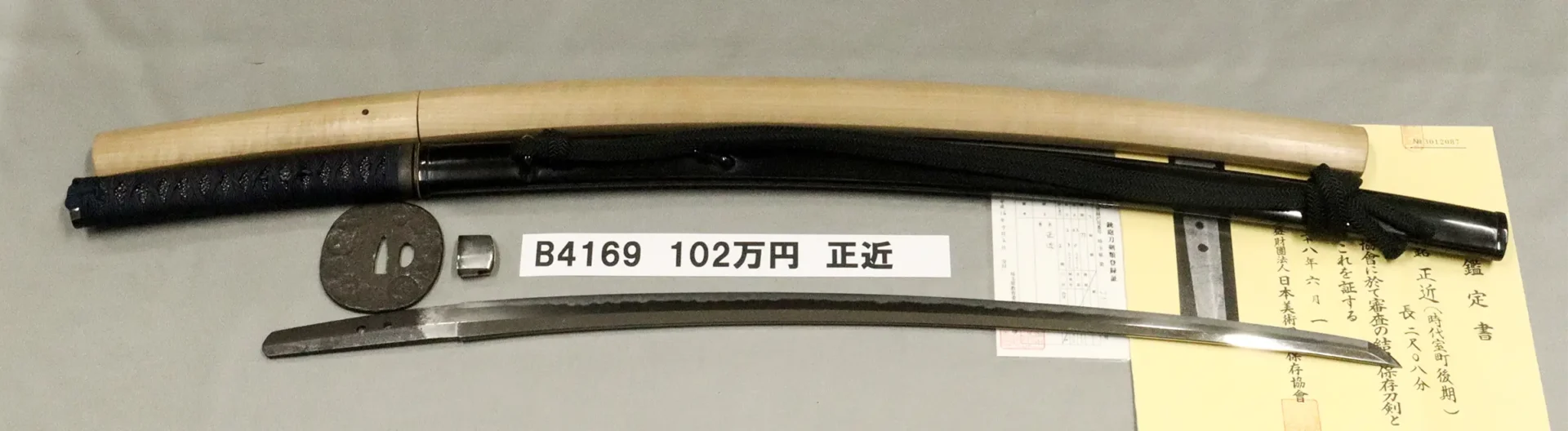
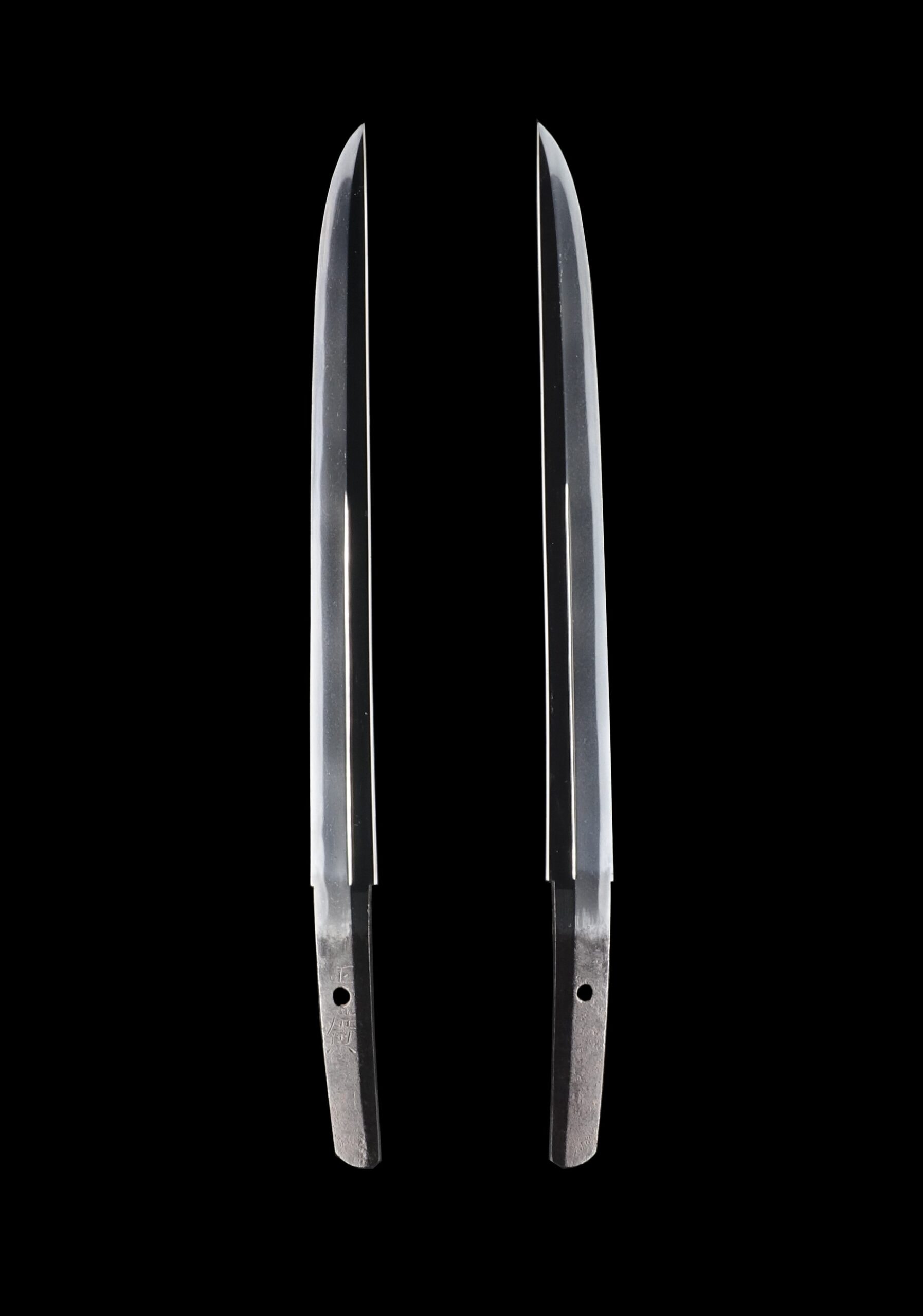
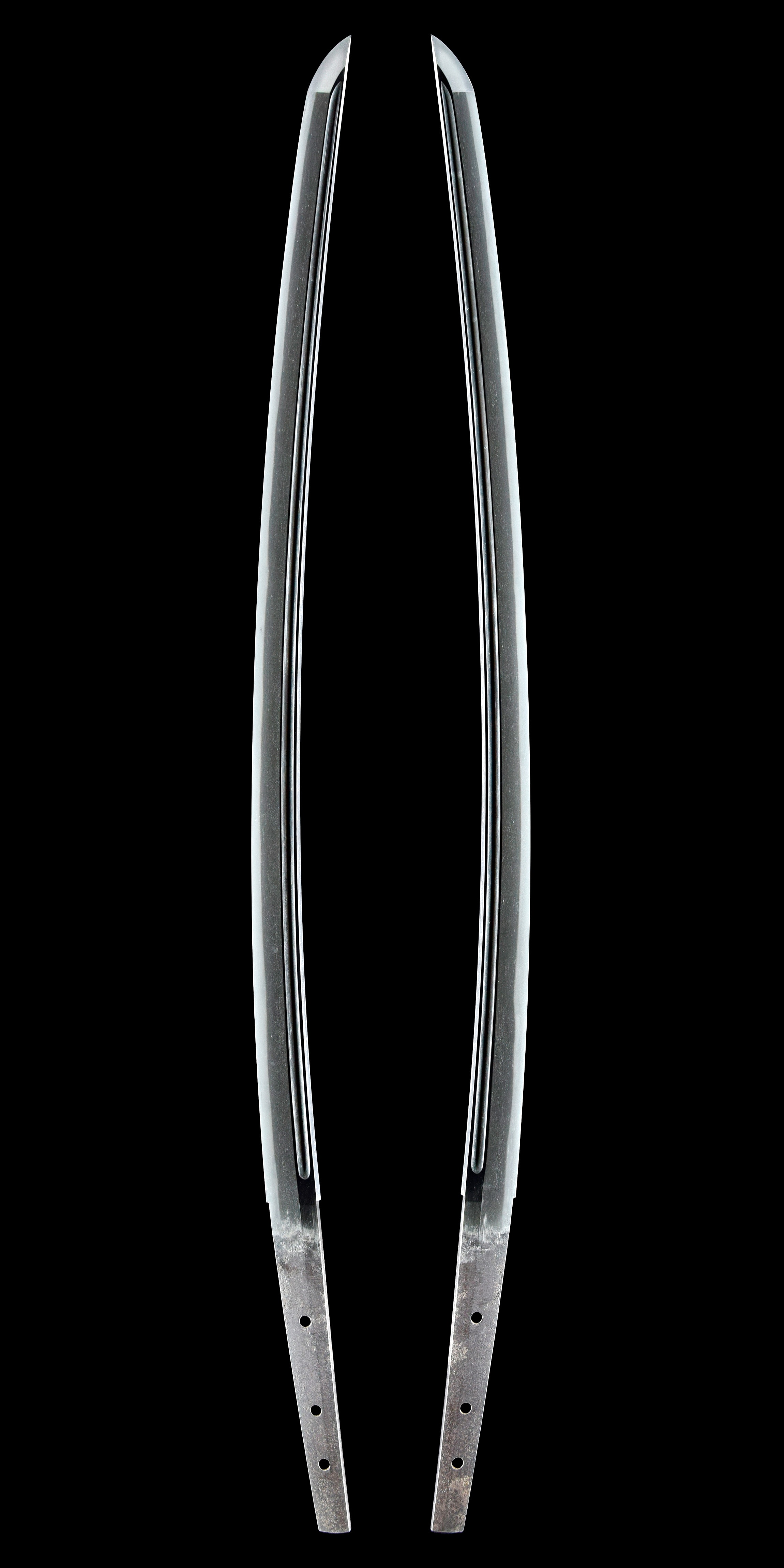
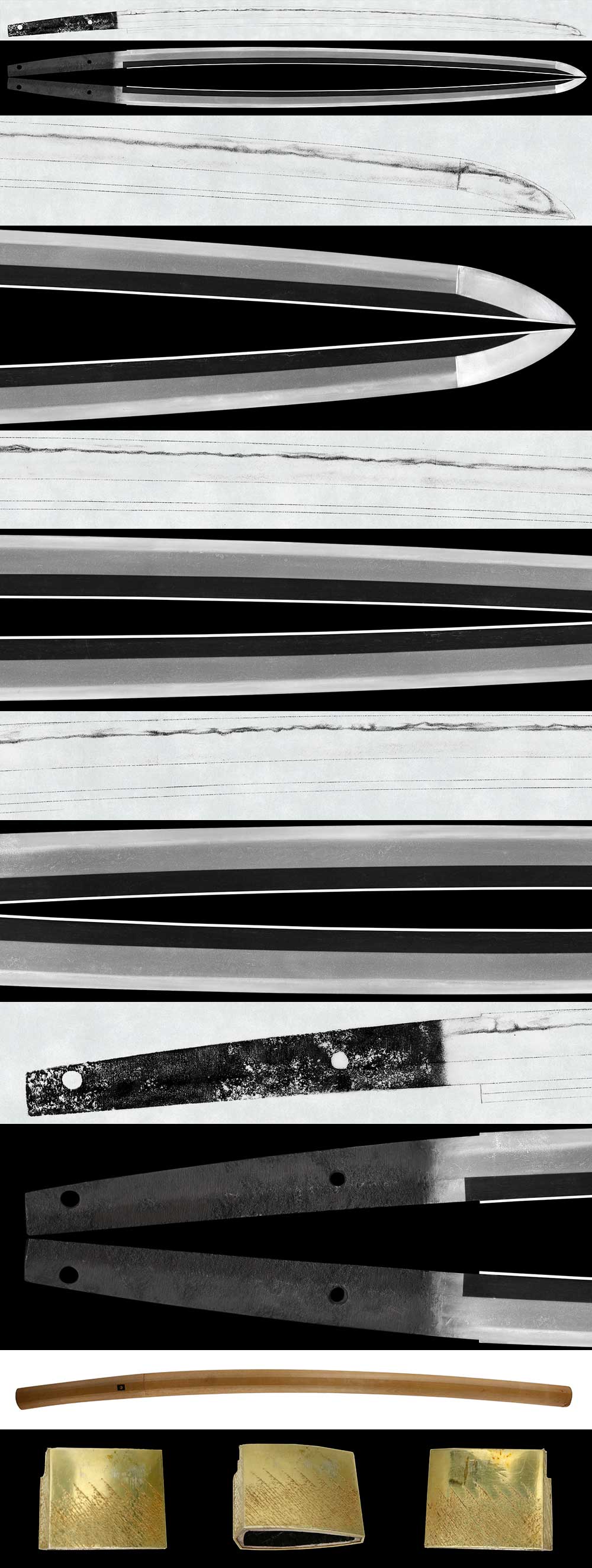
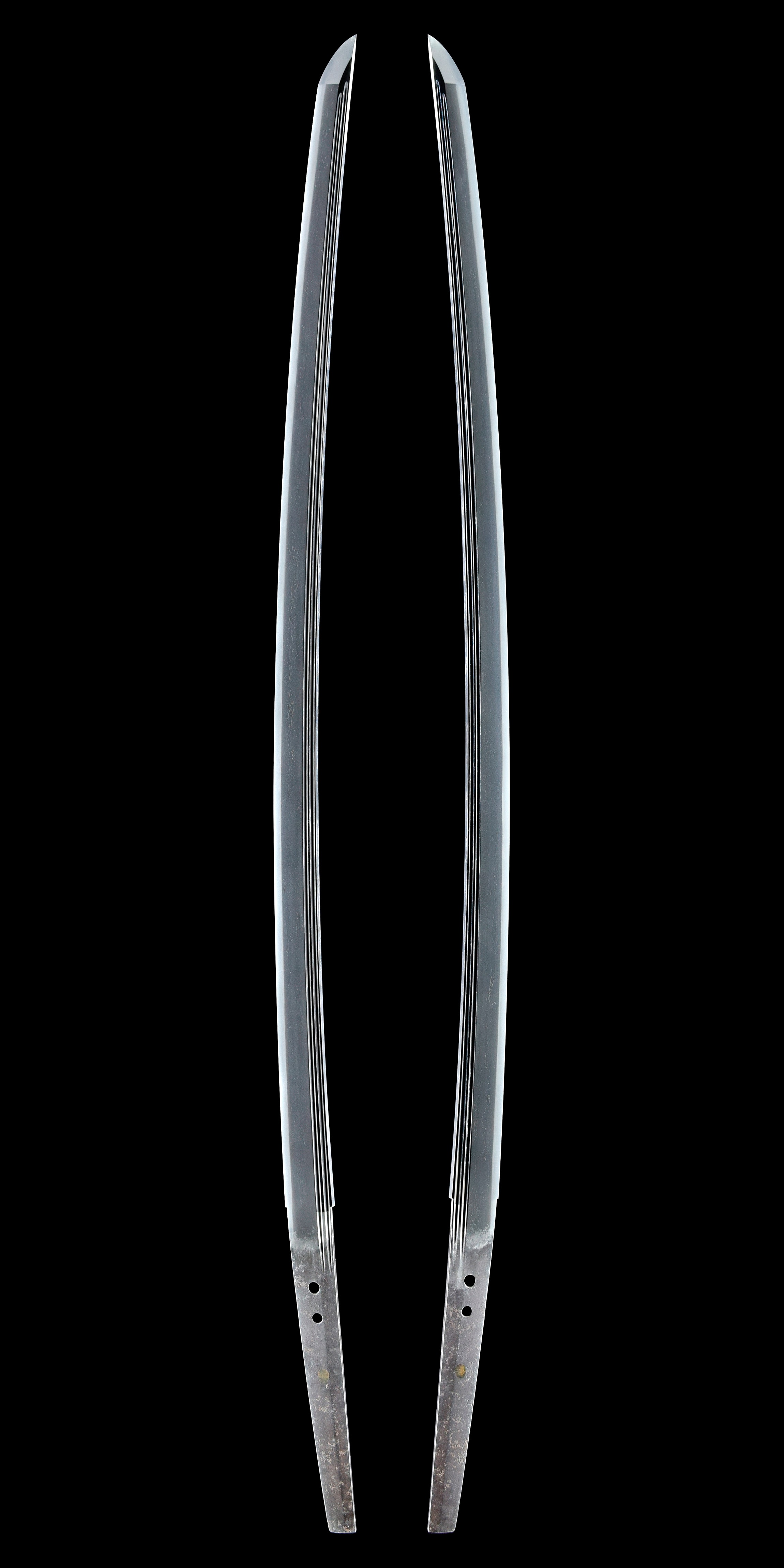
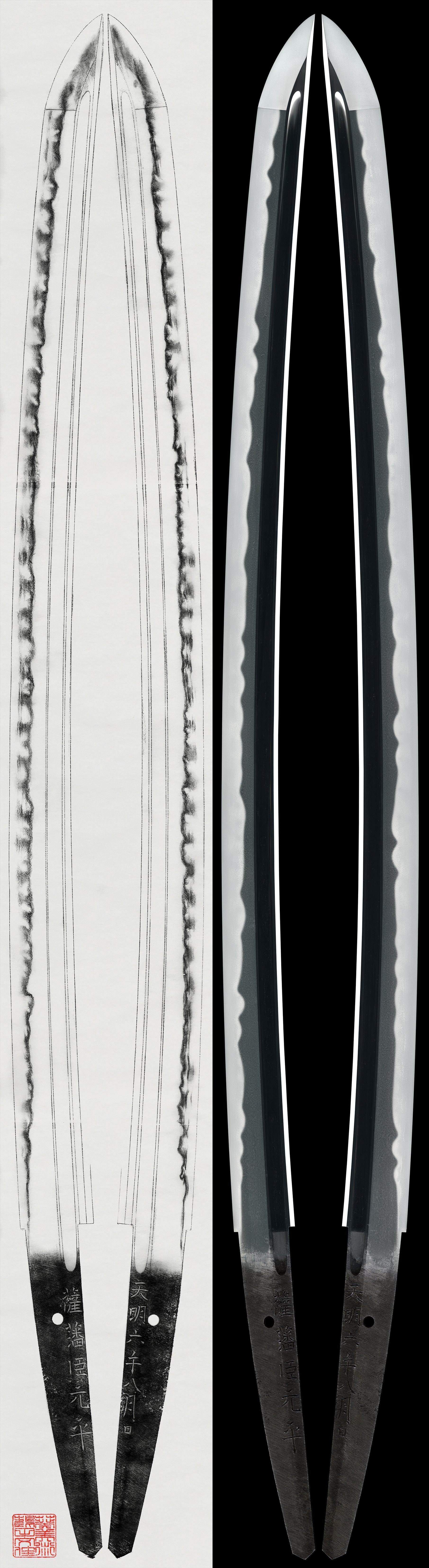
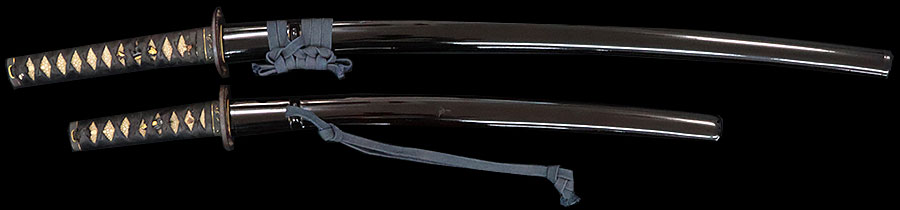
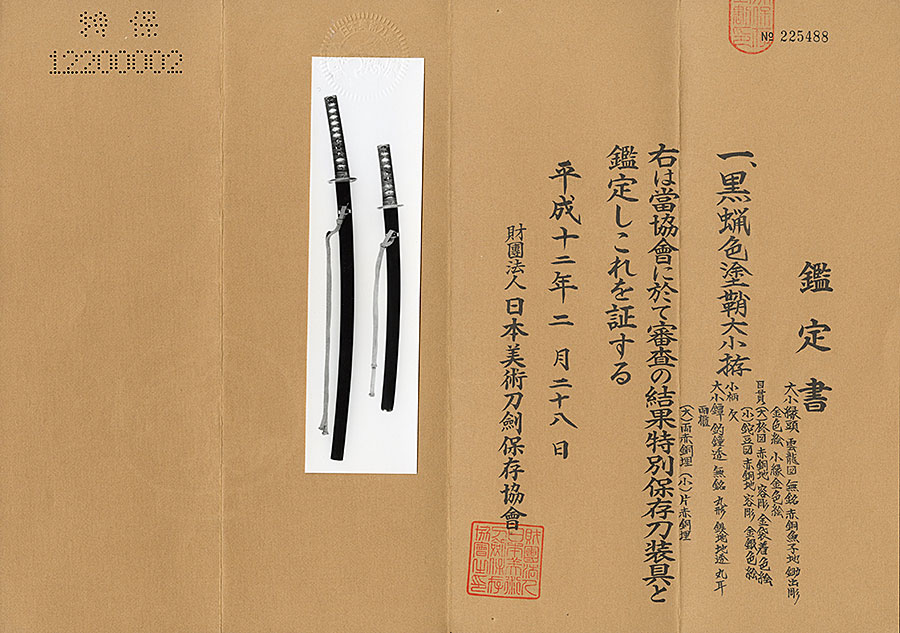
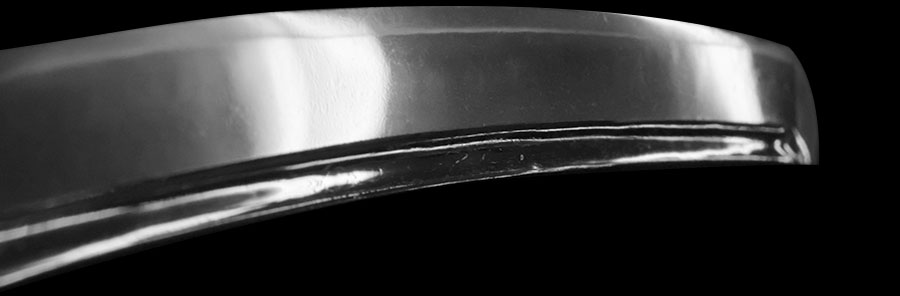
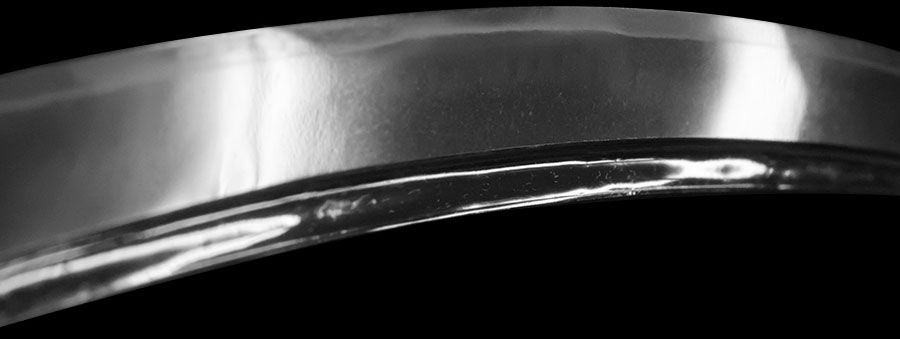
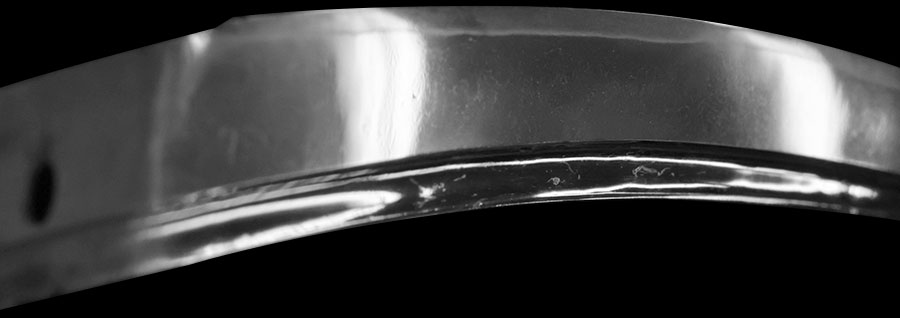
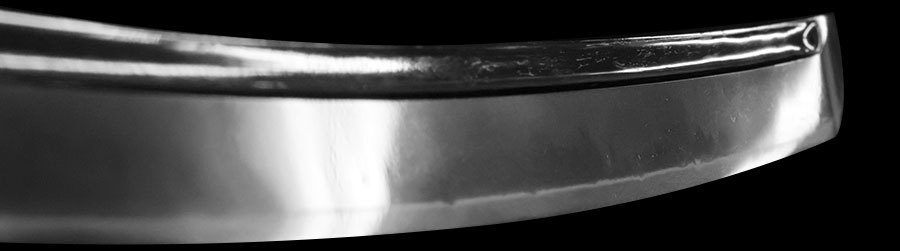
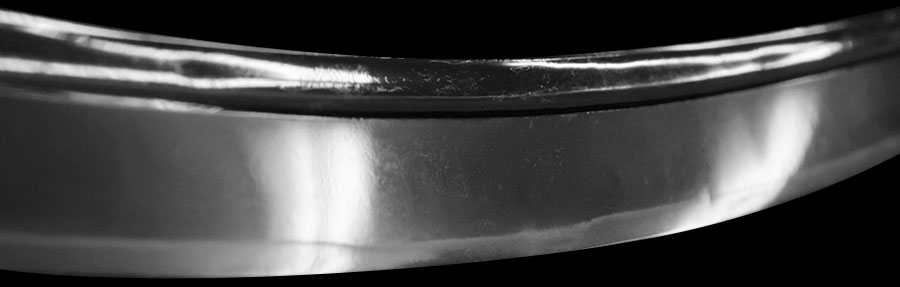
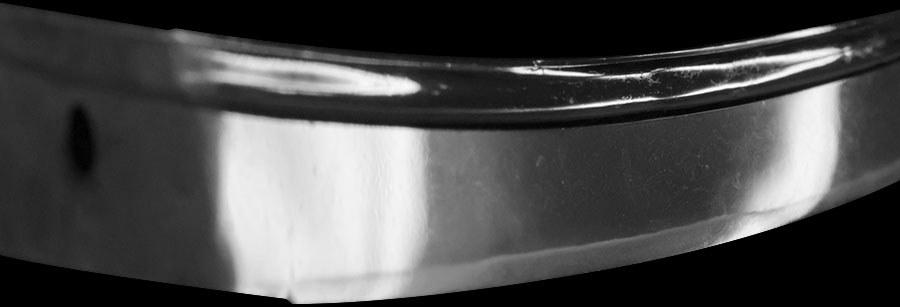
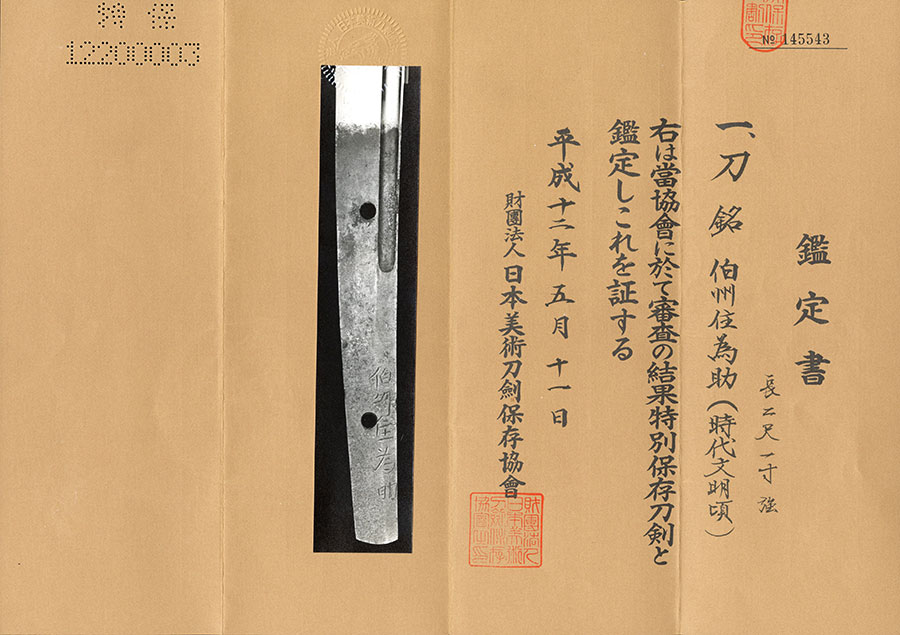
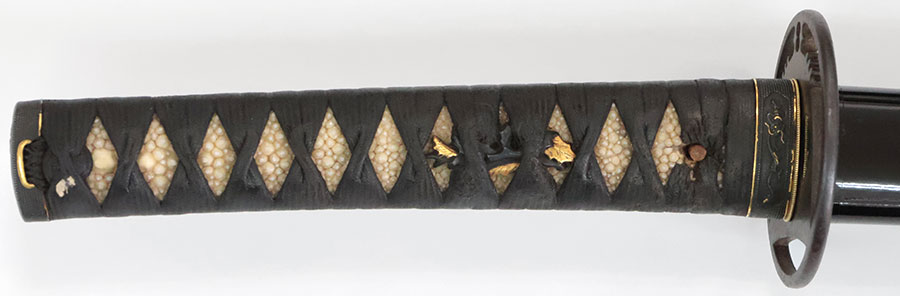
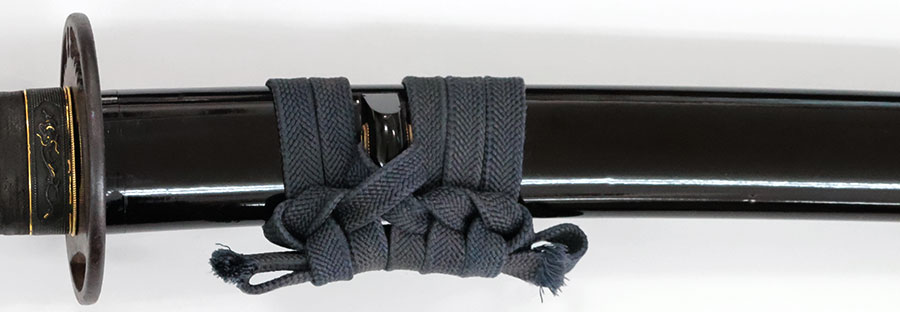
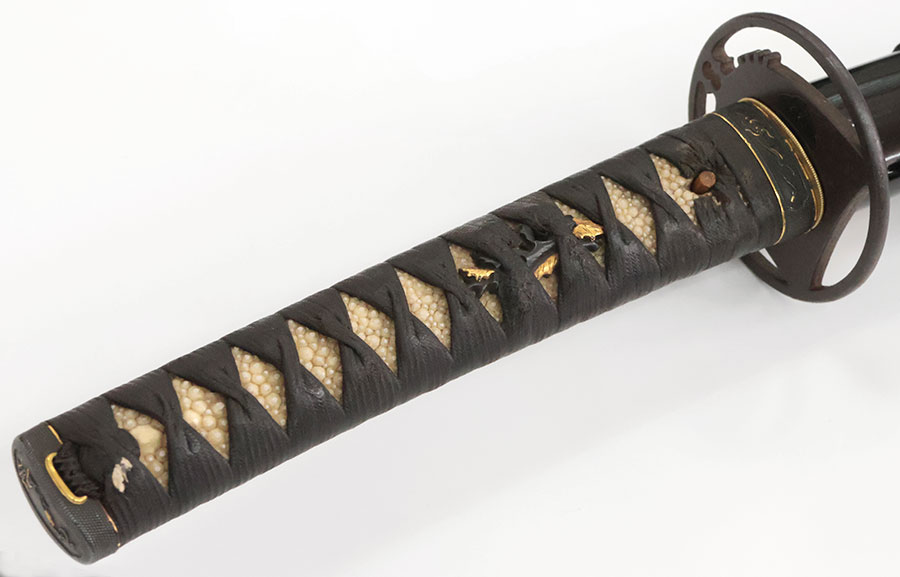
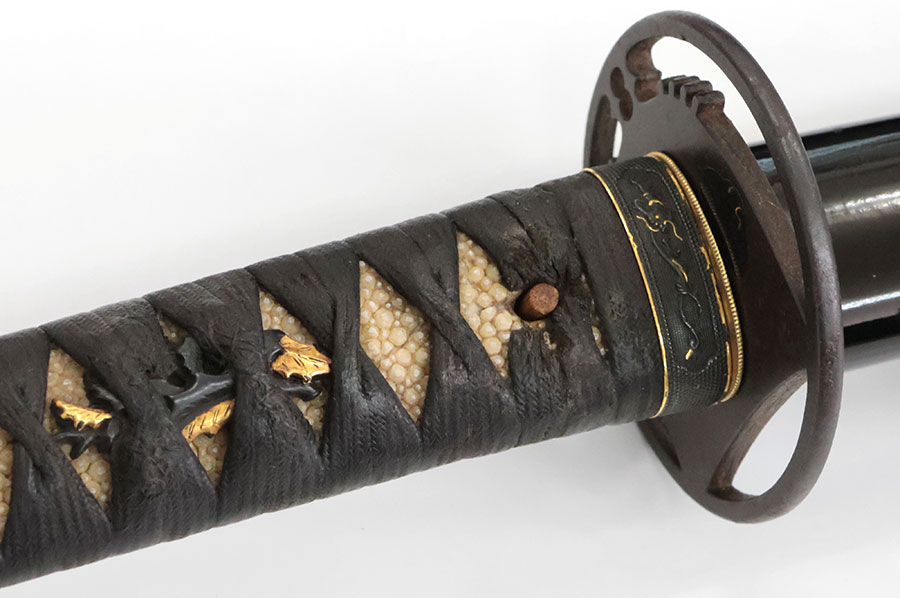
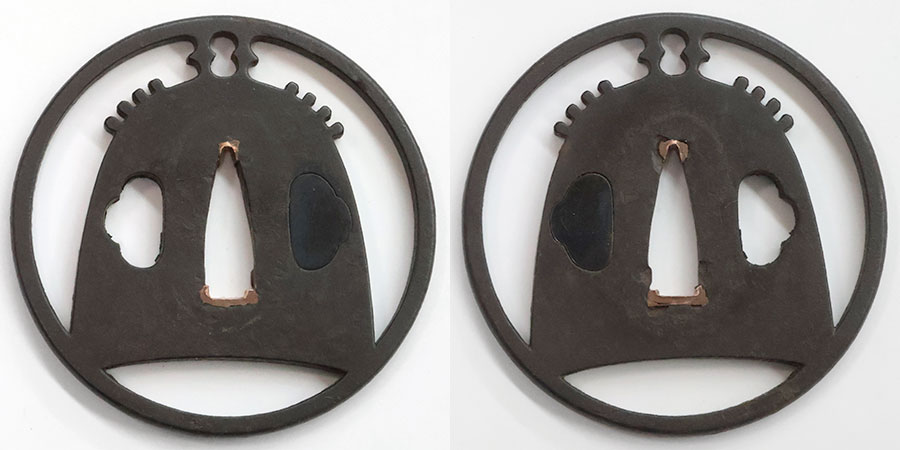
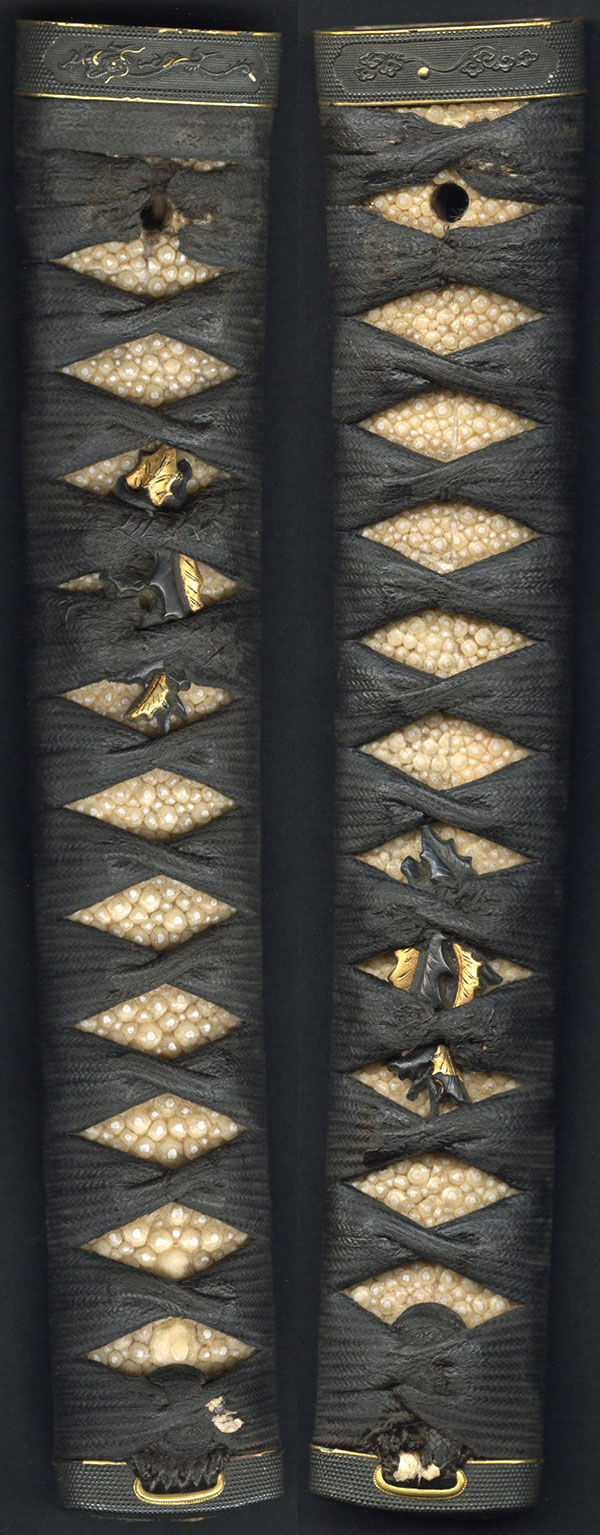
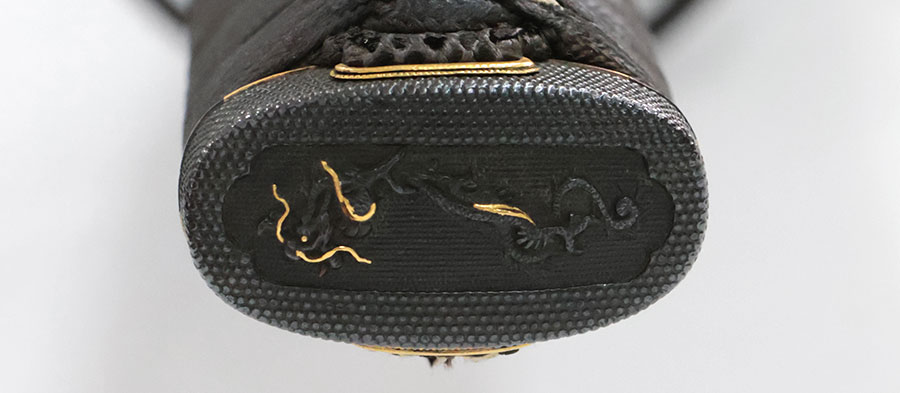
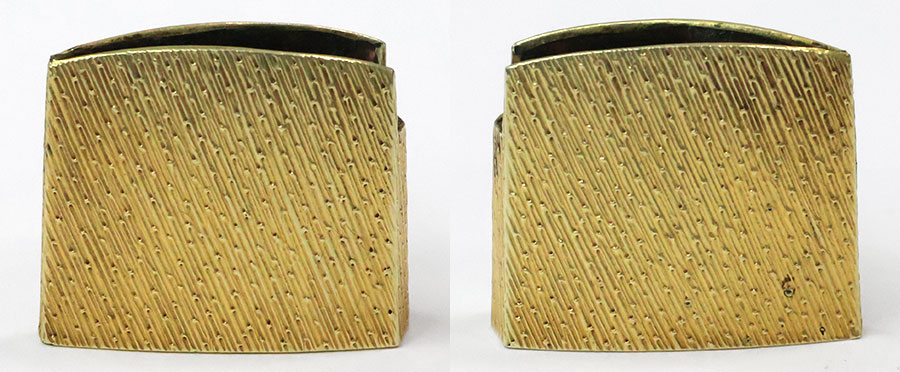
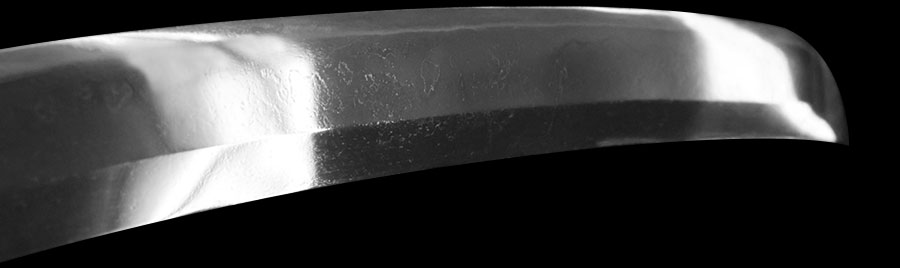
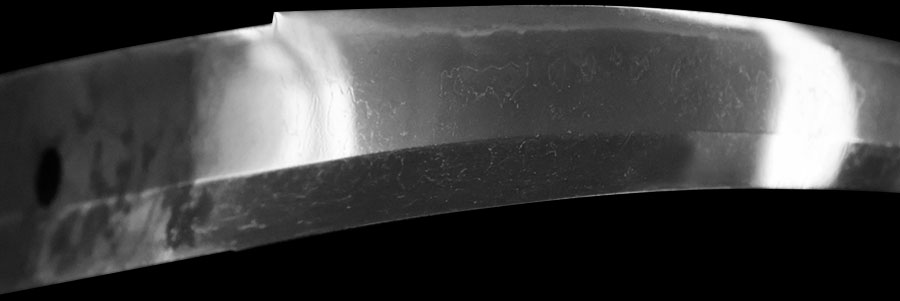
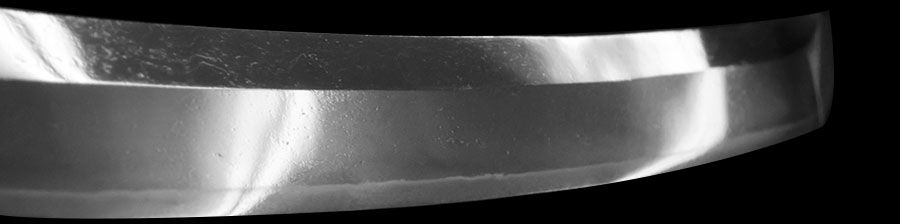
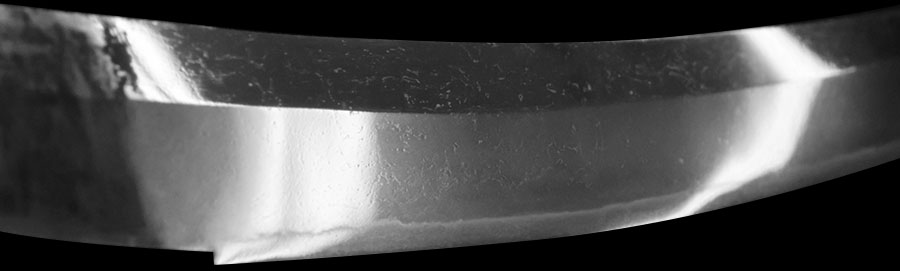
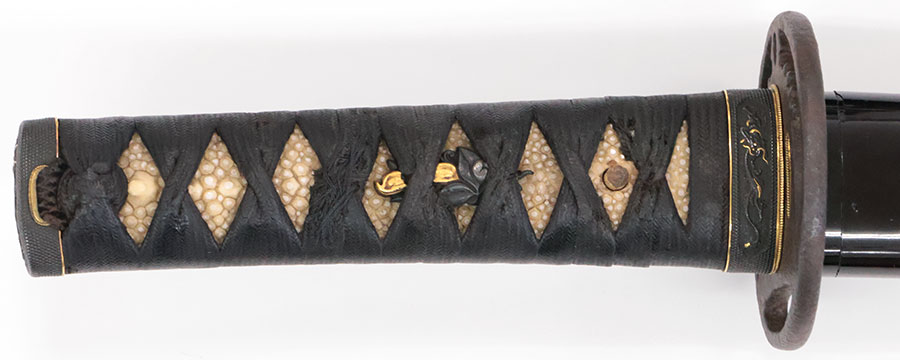
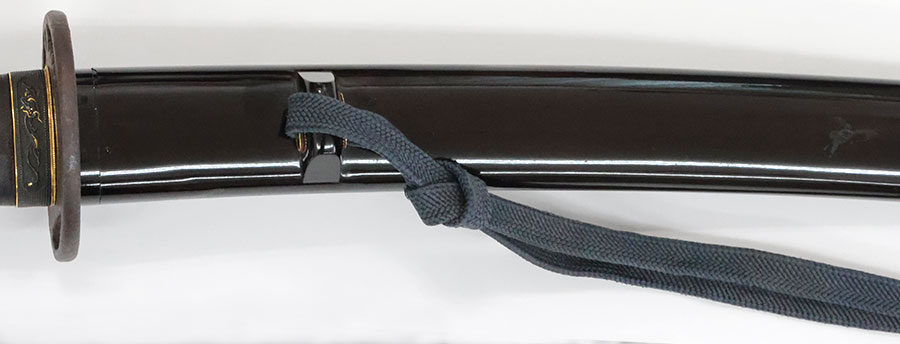
Daisho Koshirae (Tokubetsu Hozon Tosogu) It has arrived, it has arrived—a masterpiece Daisho that brings to life the image of a high-ranking Edo period samurai wearing these very swords while proceeding to the castle for an audience. The Daito, by Hakushu-ju Tamesuke, is a precious signed (Zaimei) masterpiece from the Bunmei era of the Muromachi period (circa 1469, 557 years ago). He was a descendant of Tameyoshi from the Heian period, who traced his lineage back to Hoki Yasutsuna, the origin of the Japanese sword. This blade is elegant, reminiscent of the Kamakura period Rai Kunitoshi of Yamashiro. Originally a blade of approximately 2 shaku 3 sun, a later samurai shortened it to suit his own swordsmanship as a sashiryo; it displays a fine sugata with a distinct difference between the motohaba and sakihaba. The jigane is forged in itame-hada with a vivid midare-utsuri appearing on the ji, and the bo-hi carving is skillfully executed. The hamon is in nioi-deki with konie, a bright and well-made suguha-style blade that calls to mind Rai Kunitoshi. The Wakizashi is a Sue-Mihara. As you can see, the only one capable of crafting such a masterpiece among the Mihara smiths would be the representative smith Masachika. In the sword world, he is famous for leaving works with the wonderfully witty mei: "Oogui, Jogo, Oomochikui Shikaredomo Kaji Beta Nari" (A heavy eater, a heavy drinker, and a glutton for rice cakes, yet a poor blacksmith). Let us attribute this Wakizashi to Bingo Mihara Kai Masachika. Bingo is present-day Mihara, Hiroshima Prefecture. This is an old and precious Wakizashi from the Eiroku era of the Muromachi period (circa 1563, 463 years ago). Originally approximately 1 shaku 8 sun 5 bu, it was shortened to its current sugata; the shinogi is somewhat high, and it shows a shallow sori with a difference between the motohaba and sakihaba. The jigane is forged in itame-hada with faint utsuri and chikei appearing, giving it great character. The hamon is in nioi-deki with konie, a sharply tempered suguha-style blade that looks as though it would cut exceptionally well. The Daisho Koshirae features Edo period kuro-ro-nuri (black lacquer) saya. The tsuba is a luxurious Kanayama work with a design of a temple bell (tsurigane), adding further splendor to this Daisho set. These swords have been cherished for generations in an old family, but as the owners have aged, they have entrusted them to us with the request to "pass them on at a low price to someone who will treasure them." Therefore, we are offering them at a specially discounted price. Please enjoy this precious, matched Daisho masterpiece.
 NihontoWatch
mumei · Heian · nagasa 63.6cm · sori 1.4cm


























Yamato-den · Bingo
4 pieces on the market now
| Smith | Era | Designated |
|---|---|---|
| Masamune正宗 | 1469-1487 | 0 |
| Masaoki正興 | 1521-1528 | 0 |
| Nagashige長重 | 1487-1489 | 0 |
| Kaneyasu兼安 | 1469-1487 | 0 |
| Takakane高兼 | 1504-1521 | 0 |
The Heian period (794 to 1185)
The curved, ridged tachi took its classic form in the Heian provinces while the court refined its culture in the capital. Its patrons were the military nobility whose feuds ended in the Genpei War, and whose blades became heirlooms almost at once.
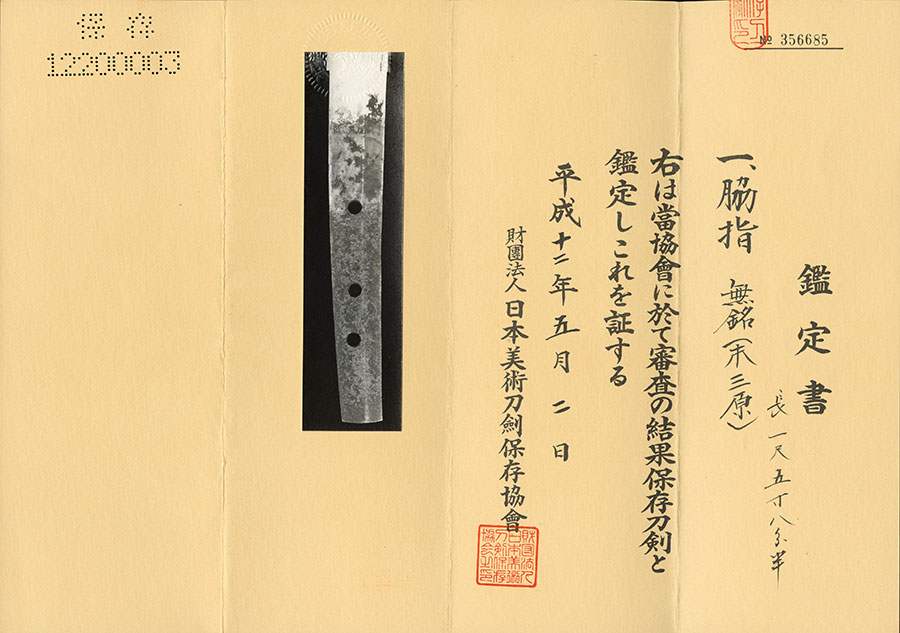
A Hozon-certified blade judged to show notably superior workmanship and a better state of preservation. The bar is higher: re-tempered blades and most unsigned Muromachi/Edo works are excluded.
The NBTHK (Nihon Bijutsu Tōken Hozon Kyōkai, the Society for the Preservation of Japanese Art Swords) is a public-interest incorporated foundation founded in 1948 and supervised by Japan’s Agency for Cultural Affairs (Bunkachō); it is based at the Japanese Sword Museum in Tokyo. Its expert panels physically examine each submitted work (shinsa) and issue a certificate (kanteishō) ranking it by artistic and historical merit. NBTHK papers are the most widely recognized standard of authentication for Japanese swords and fittings.
NBTHK official siteFor returns due to customer circumstances, the cost is the customer's responsibility. For returns due to our mis-shipment or a defective item, we bear the cost.
Daisho Koshirae (Tokubetsu Hozon Tosogu) It has arrived, it has arrived—a masterpiece Daisho that brings to life the image of a high-ranking Edo period samurai wearing these very swords while proceeding to the castle for an audience. The Daito, by Hakushu-ju Tamesuke, is a precious signed (Zaimei) masterpiece from the Bunmei era of the Muromachi period (circa 1469, 557 years ago). He was a descendant of Tameyoshi from the Heian period, who traced his lineage back to Hoki Yasutsuna, the origin of the Japanese sword. This blade is elegant, reminiscent of the Kamakura period Rai Kunitoshi of Yamashiro. Originally a blade of approximately 2 shaku 3 sun, a later samurai shortened it to suit his own swordsmanship as a sashiryo; it displays a fine sugata with a distinct difference between the motohaba and sakihaba. The jigane is forged in itame-hada with a vivid midare-utsuri appearing on the ji, and the bo-hi carving is skillfully executed. The hamon is in nioi-deki with konie, a bright and well-made suguha-style blade that calls to mind Rai Kunitoshi. The Wakizashi is a Sue-Mihara. As you can see, the only one capable of crafting such a masterpiece among the Mihara smiths would be the representative smith Masachika. In the sword world, he is famous for leaving works with the wonderfully witty mei: "Oogui, Jogo, Oomochikui Shikaredomo Kaji Beta Nari" (A heavy eater, a heavy drinker, and a glutton for rice cakes, yet a poor blacksmith). Let us attribute this Wakizashi to Bingo Mihara Kai Masachika. Bingo is present-day Mihara, Hiroshima Prefecture. This is an old and precious Wakizashi from the Eiroku era of the Muromachi period (circa 1563, 463 years ago). Originally approximately 1 shaku 8 sun 5 bu, it was shortened to its current sugata; the shinogi is somewhat high, and it shows a shallow sori with a difference between the motohaba and sakihaba. The jigane is forged in itame-hada with faint utsuri and chikei appearing, giving it great character. The hamon is in nioi-deki with konie, a sharply tempered suguha-style blade that looks as though it would cut exceptionally well. The Daisho Koshirae features Edo period kuro-ro-nuri (black lacquer) saya. The tsuba is a luxurious Kanayama work with a design of a temple bell (tsurigane), adding further splendor to this Daisho set. These swords have been cherished for generations in an old family, but as the owners have aged, they have entrusted them to us with the request to "pass them on at a low price to someone who will treasure them." Therefore, we are offering them at a specially discounted price. Please enjoy this precious, matched Daisho masterpiece.
NihontoWatchmumei · Heian · nagasa 63.6cm · sori 1.4cm
Yamato-den · Bingo
4 pieces on the market now
| Smith | Era | Designated |
|---|---|---|
| Masamune正宗 | 1469-1487 | 0 |
| Masaoki正興 | 1521-1528 | 0 |
| Nagashige長重 | 1487-1489 | 0 |
| Kaneyasu兼安 | 1469-1487 | 0 |
| Takakane高兼 | 1504-1521 | 0 |
The Heian period (794 to 1185)
The curved, ridged tachi took its classic form in the Heian provinces while the court refined its culture in the capital. Its patrons were the military nobility whose feuds ended in the Genpei War, and whose blades became heirlooms almost at once.
A Hozon-certified blade judged to show notably superior workmanship and a better state of preservation. The bar is higher: re-tempered blades and most unsigned Muromachi/Edo works are excluded.
The NBTHK (Nihon Bijutsu Tōken Hozon Kyōkai, the Society for the Preservation of Japanese Art Swords) is a public-interest incorporated foundation founded in 1948 and supervised by Japan’s Agency for Cultural Affairs (Bunkachō); it is based at the Japanese Sword Museum in Tokyo. Its expert panels physically examine each submitted work (shinsa) and issue a certificate (kanteishō) ranking it by artistic and historical merit. NBTHK papers are the most widely recognized standard of authentication for Japanese swords and fittings.
NBTHK official siteFor returns due to customer circumstances, the cost is the customer's responsibility. For returns due to our mis-shipment or a defective item, we bear the cost.