The monasteries that had sustained Yamato lost ground through the Muromachi period, and the schools thinned with them; Sue-Tegai kept the old masame manner alive in quantity. The burning of Tōdaiji’s Great Buddha hall in 1567 closed the temple age.
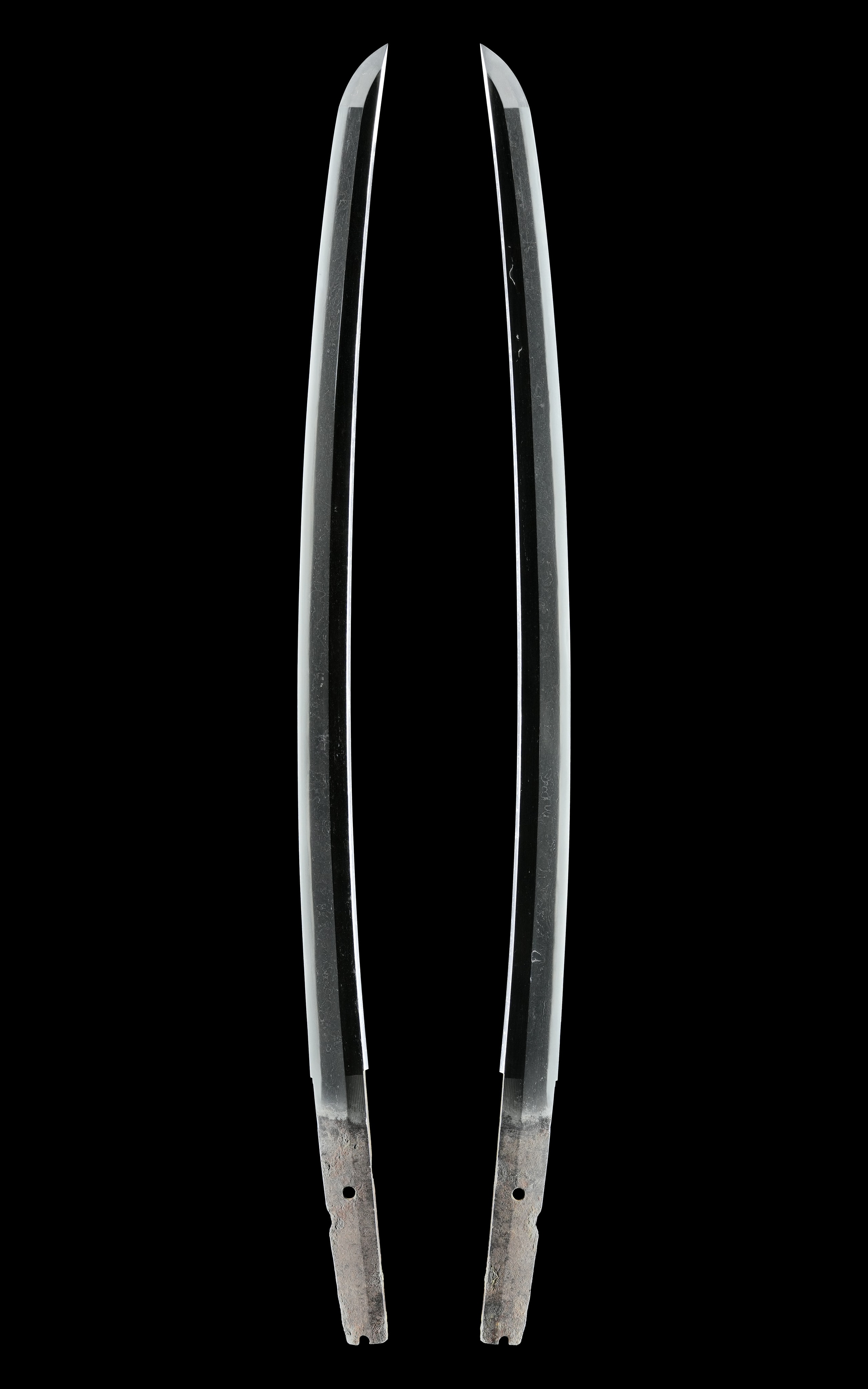
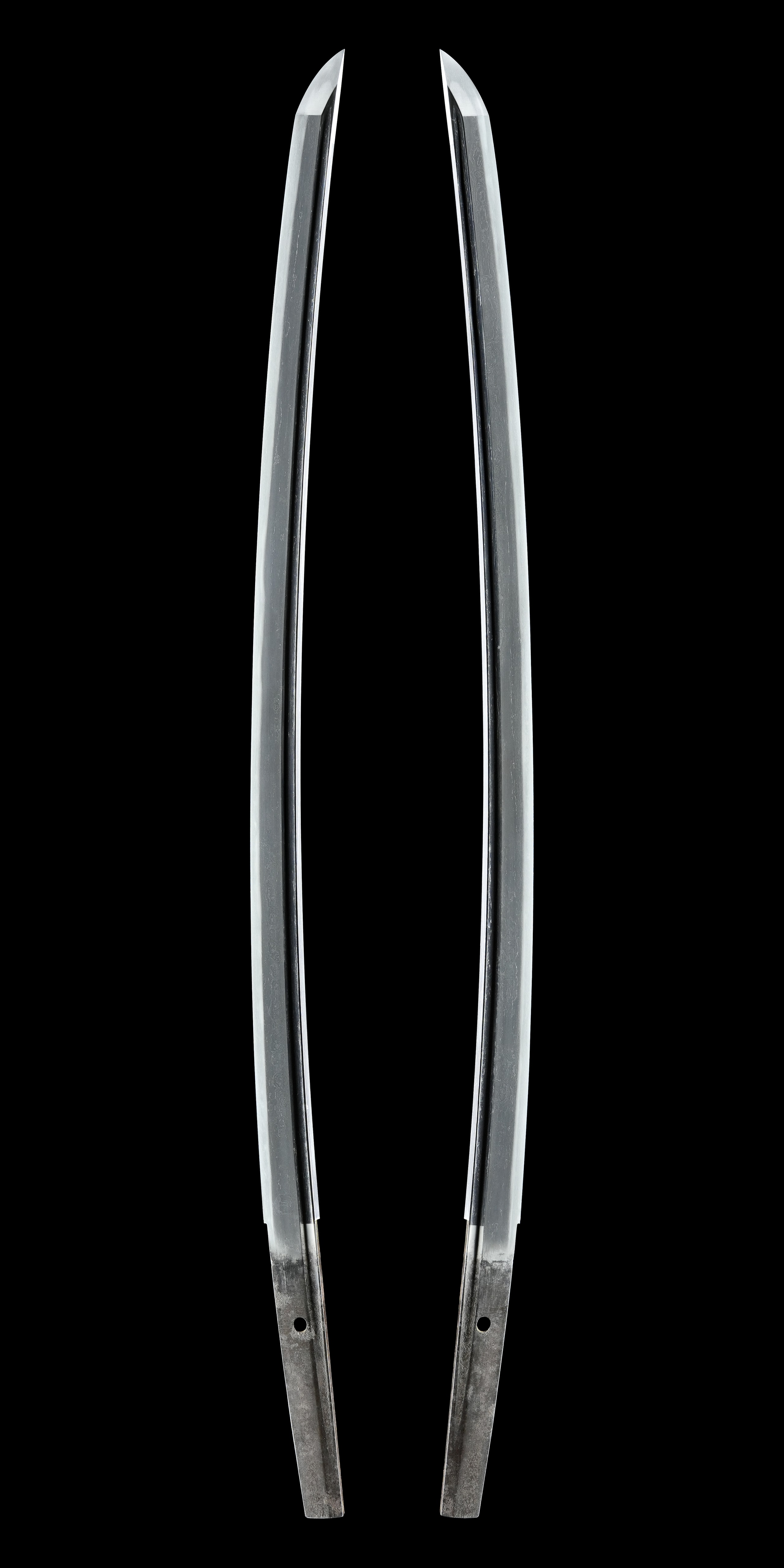
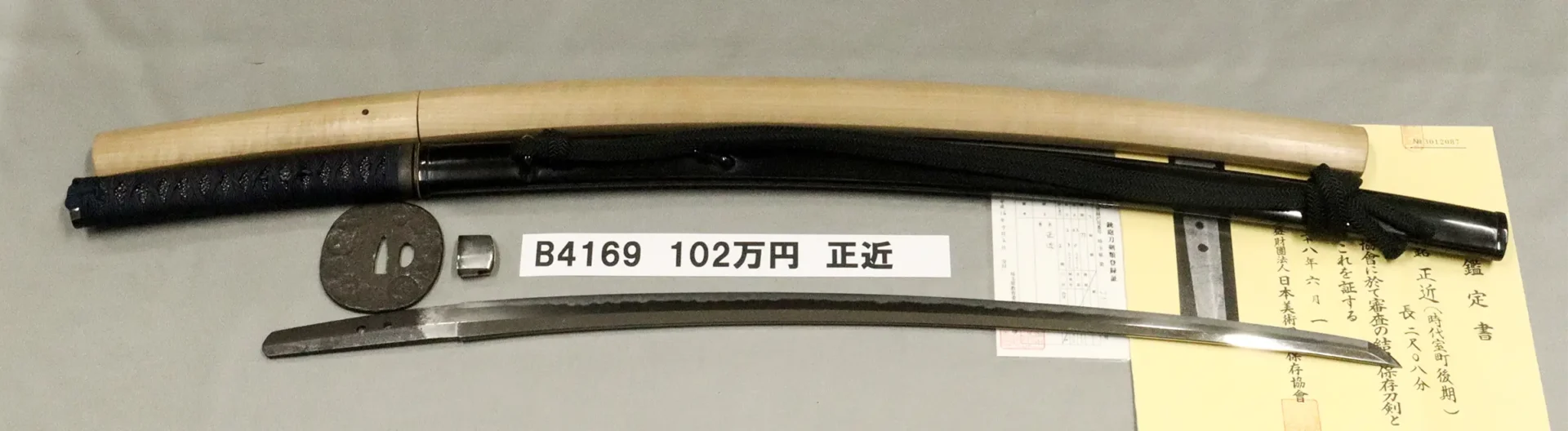
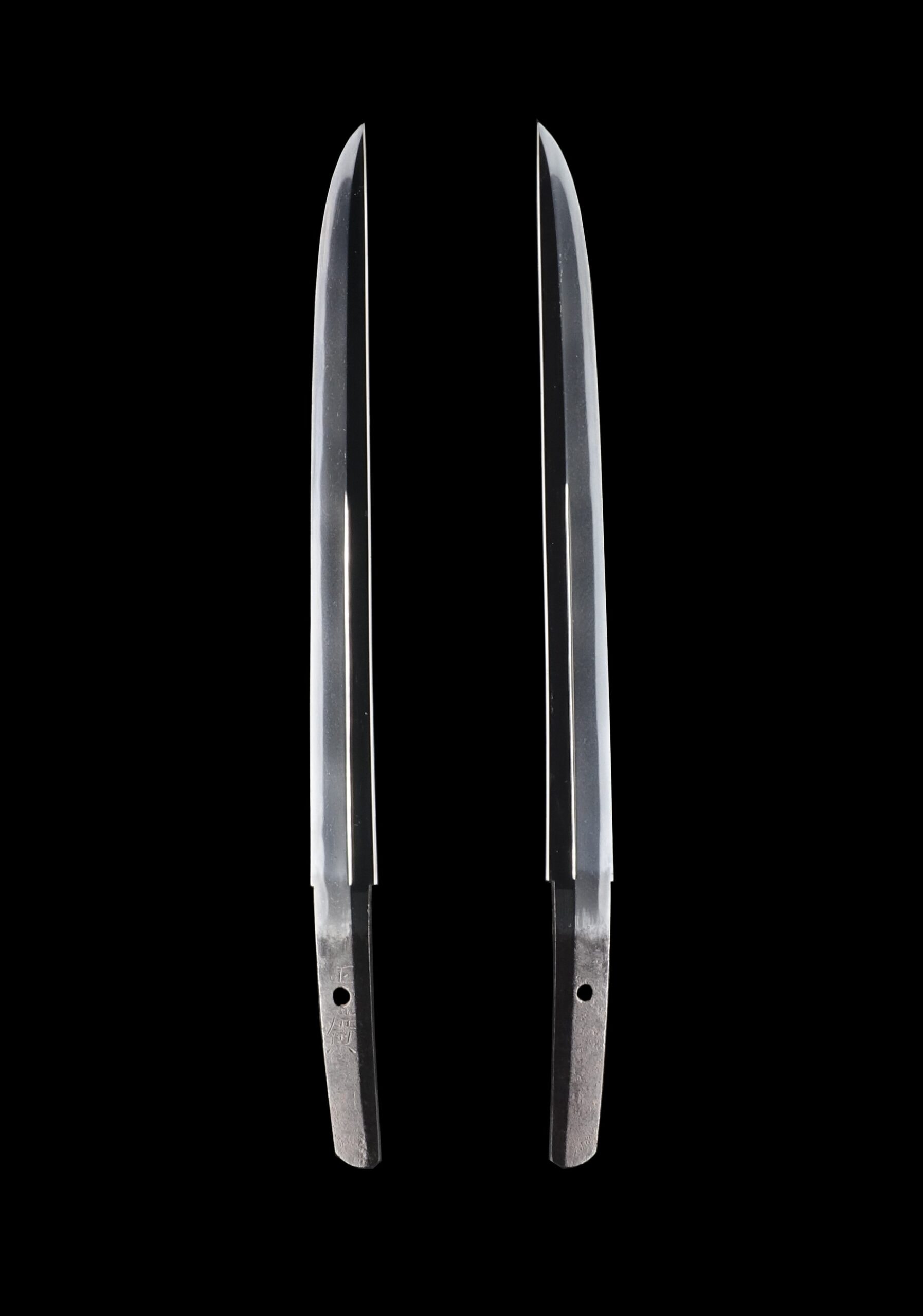
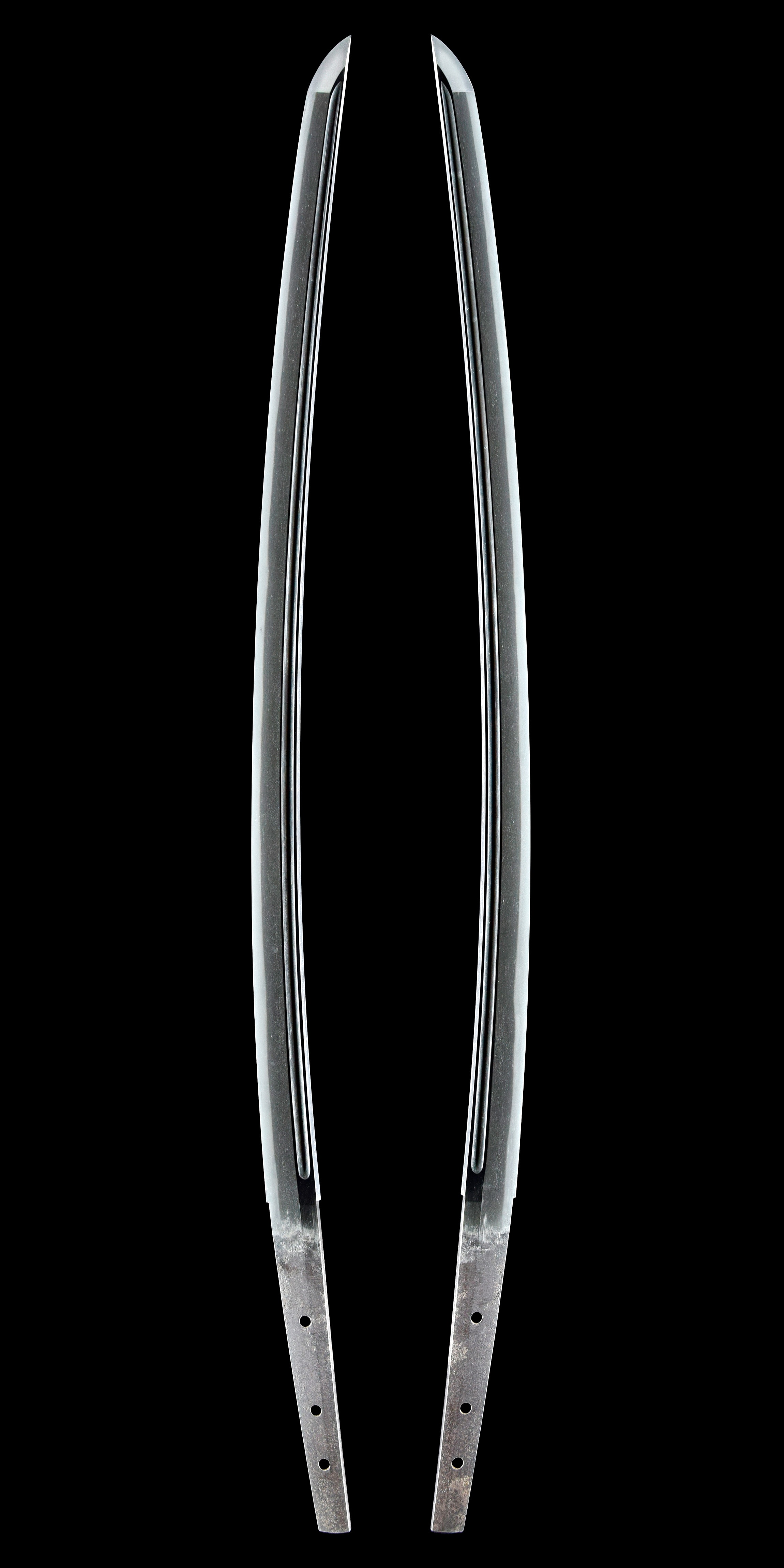
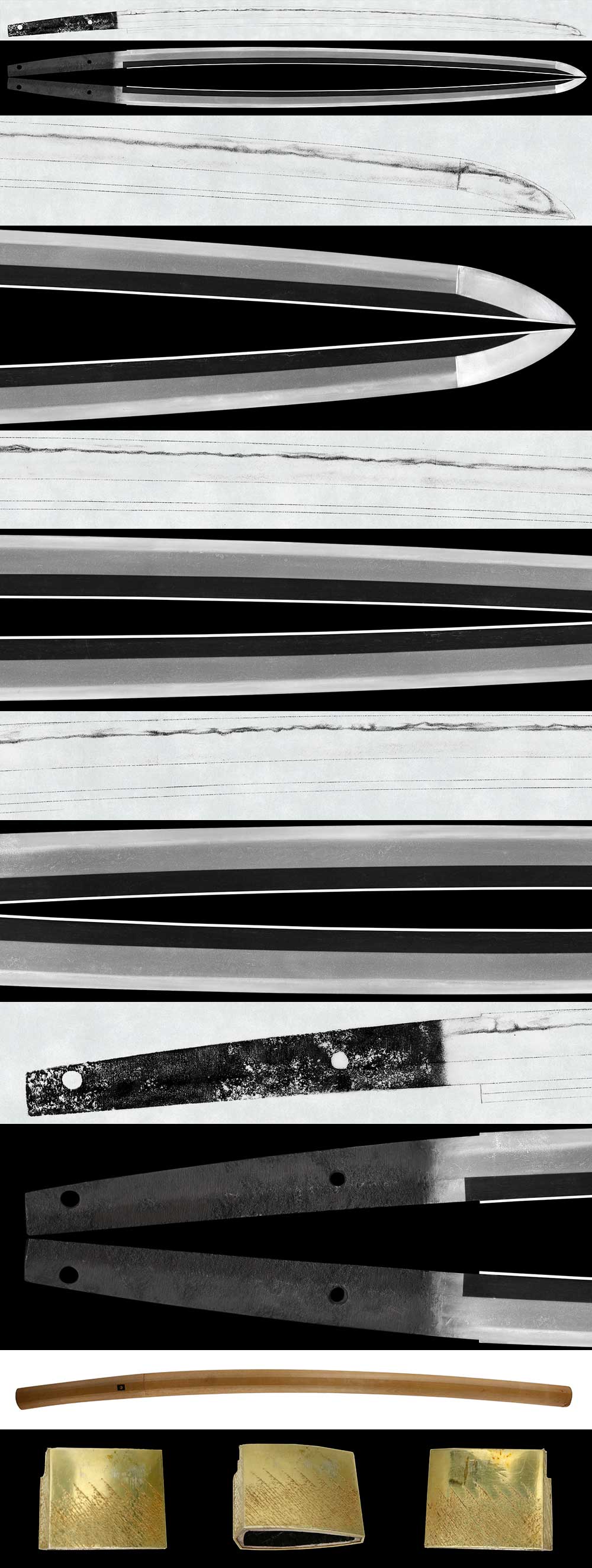
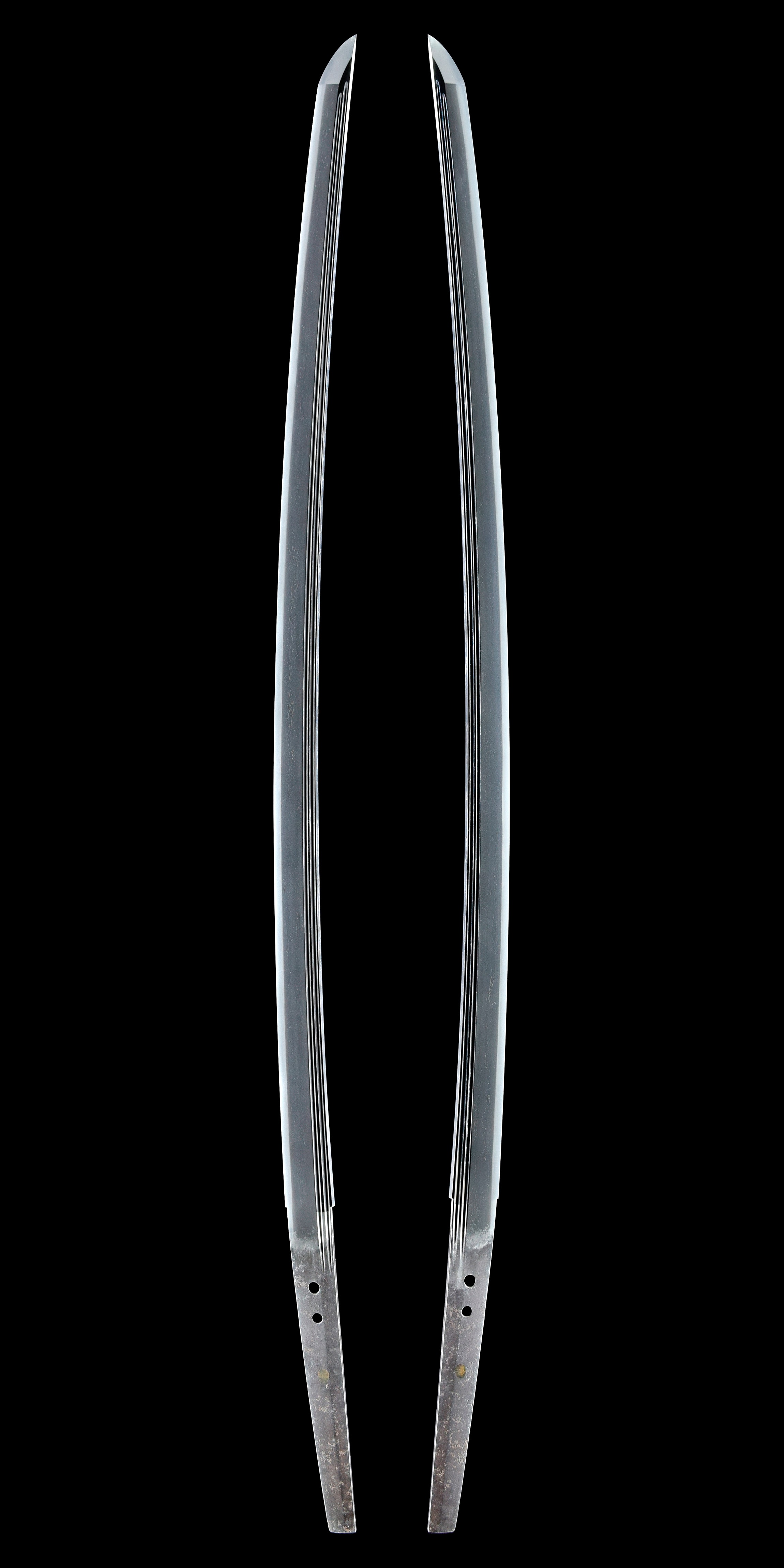
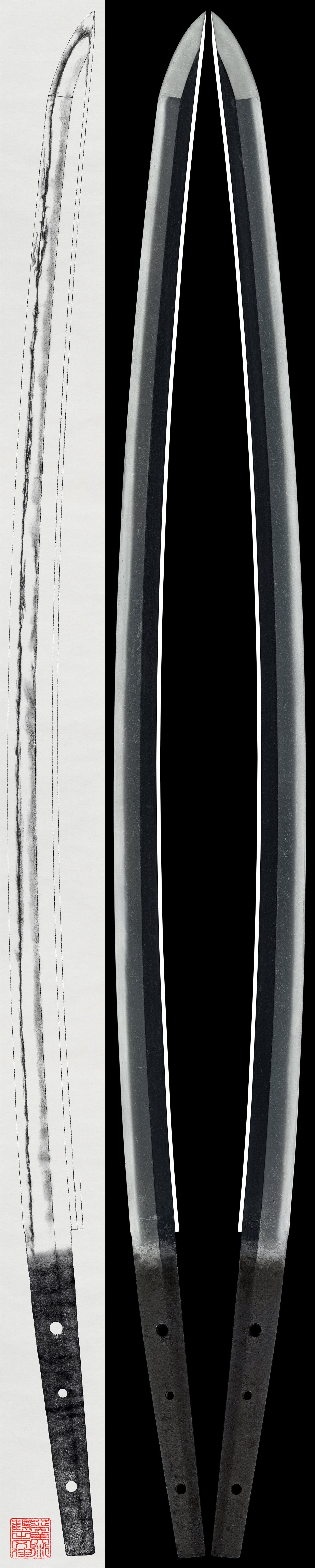
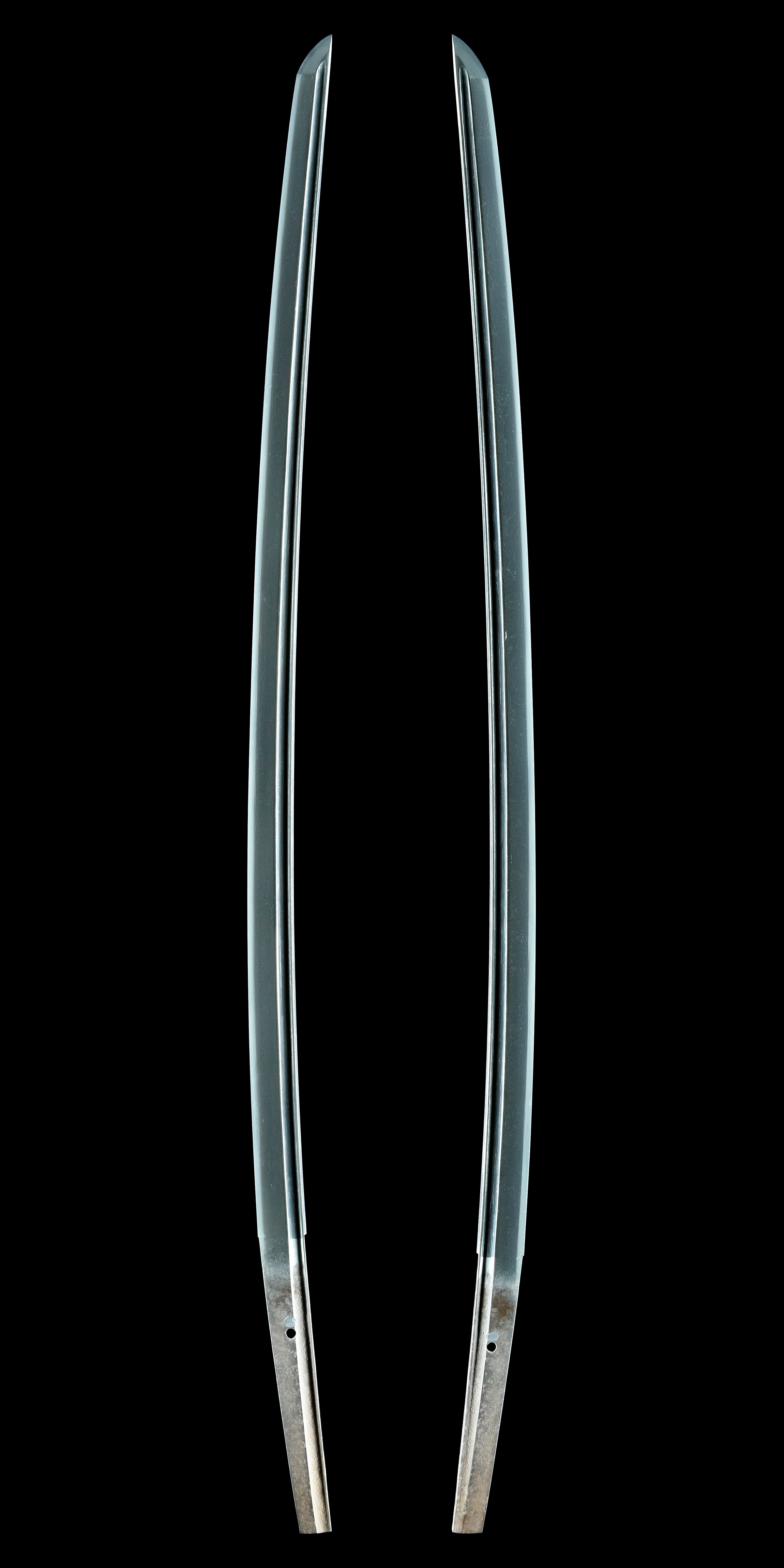
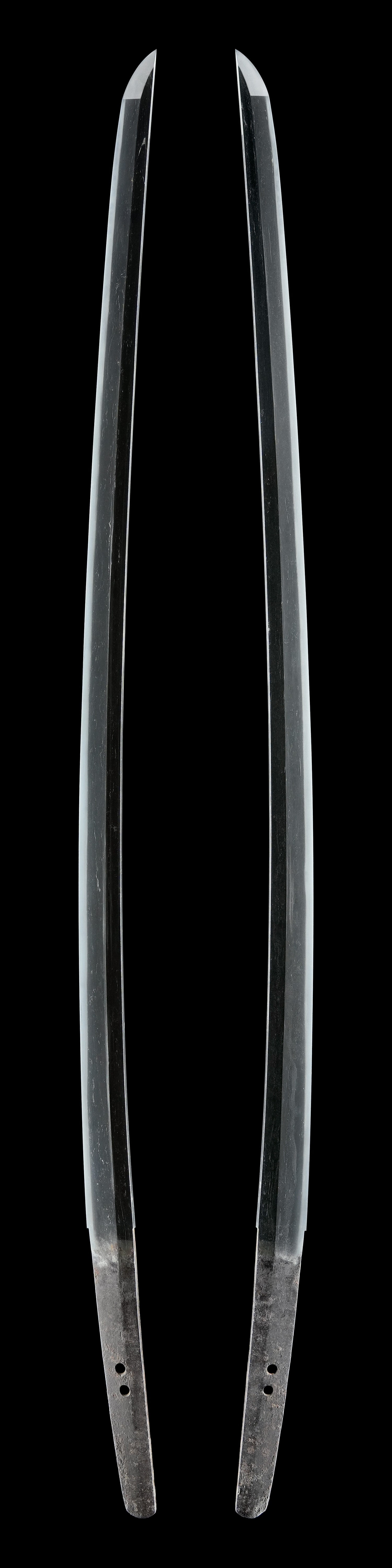
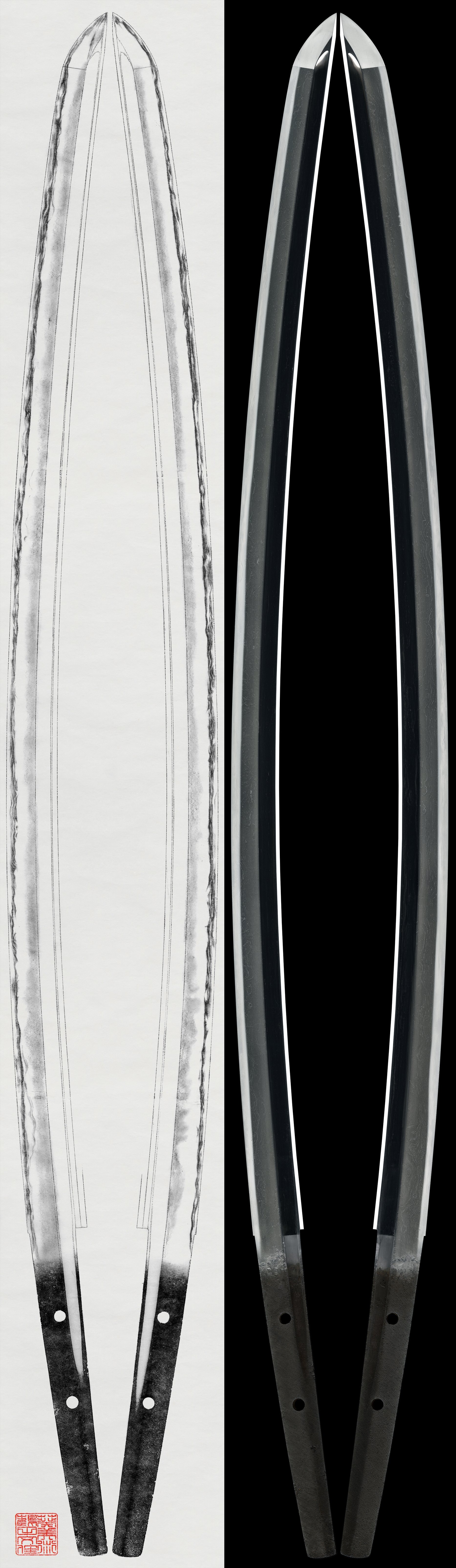
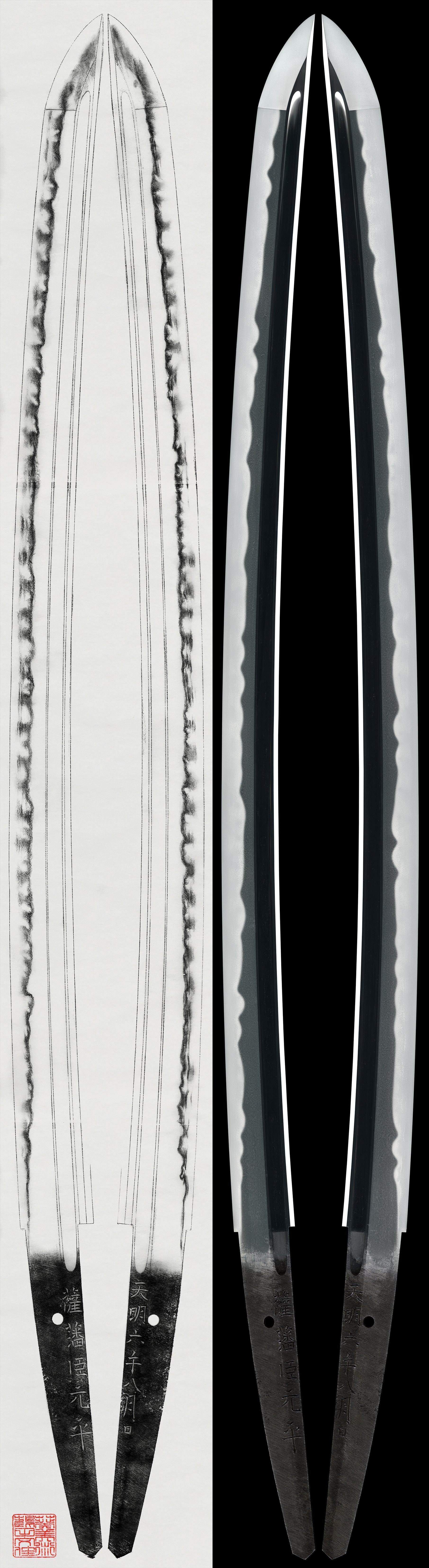
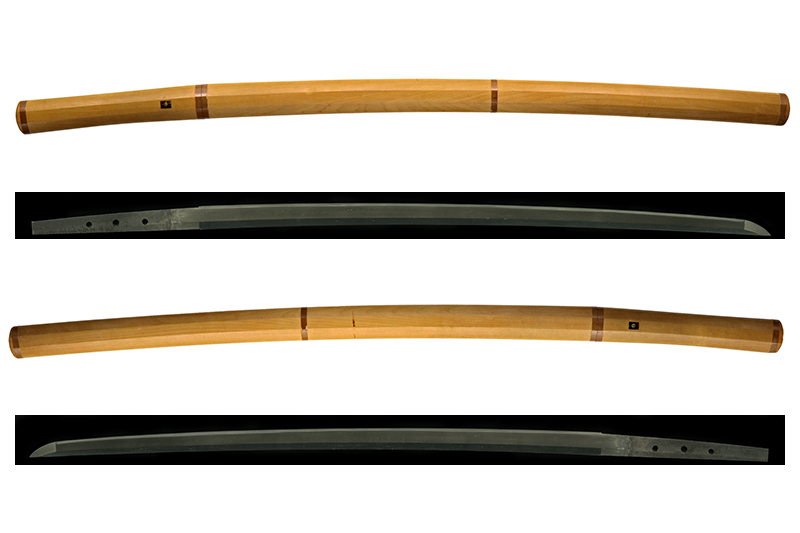
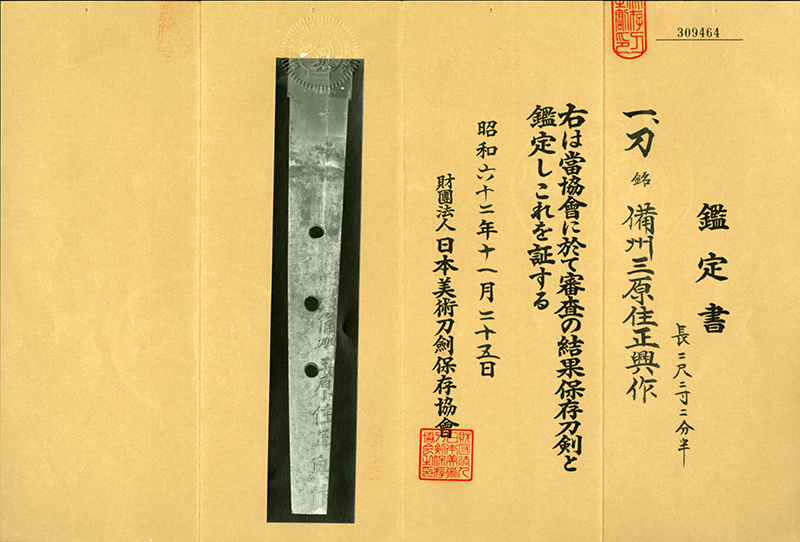
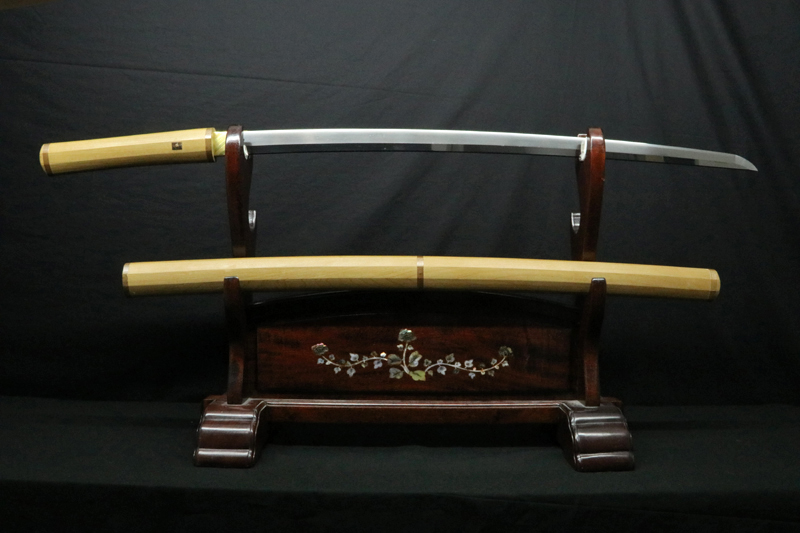
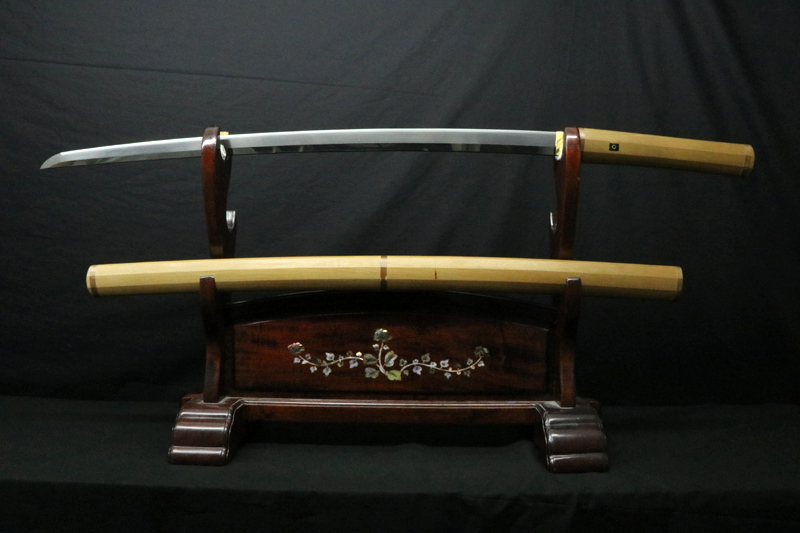
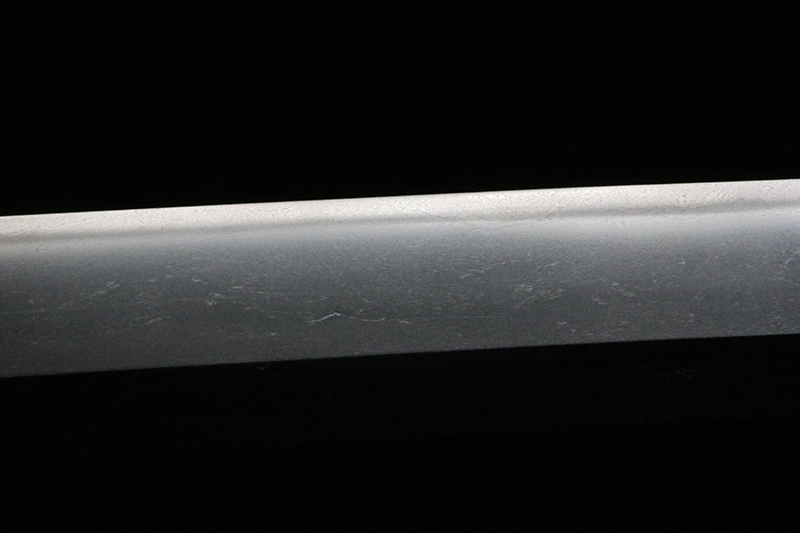
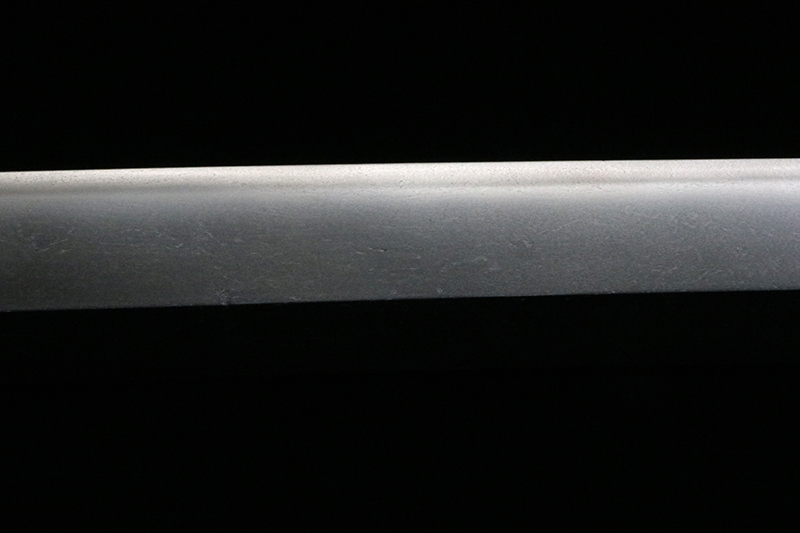
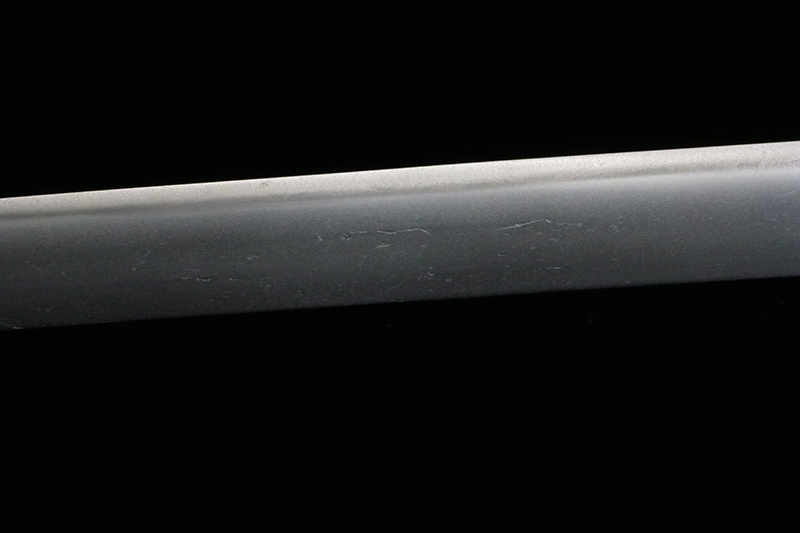
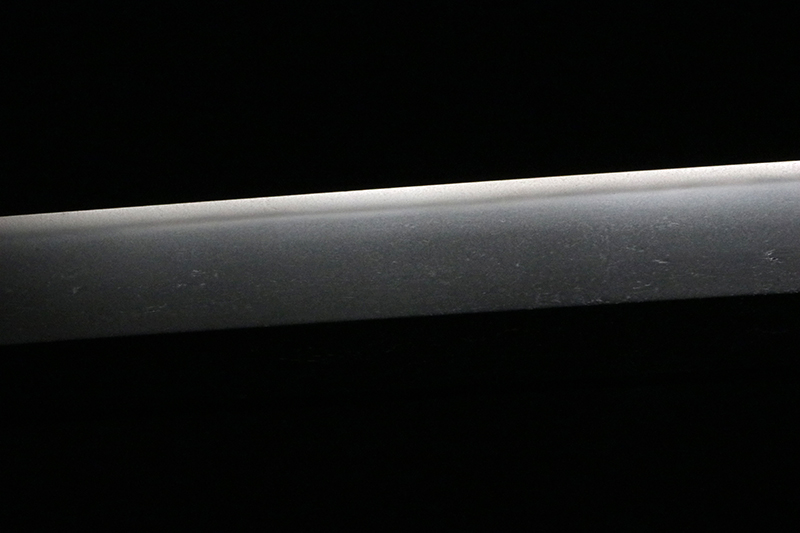
This is a katana made by Masaoki of the Mihara school in Bishu province. The blade measures 2 shaku 2 sun 2 bu and comes with a shirasaya. It has been certified as Tokubetsu Hozon.
 NihontoWatch
mei · Mihara · Taiei (1521-1528) · nagasa 67.27cm


Yamato-den · Bingo
4 pieces on the market now
| Smith | Era | Designated |
|---|---|---|
| Masamune正宗 | 1469-1487 | 0 |
| Masaoki正興 | 1521-1528 | 0 |
| Nagashige長重 | 1487-1489 | 0 |
| Kaneyasu兼安 | 1469-1487 | 0 |
| Takakane高兼 | 1504-1521 | 0 |
Yamato in the Muromachi period
The monasteries that had sustained Yamato lost ground through the Muromachi period, and the schools thinned with them; Sue-Tegai kept the old masame manner alive in quantity. The burning of Tōdaiji’s Great Buddha hall in 1567 closed the temple age.
A Hozon-certified blade judged to show notably superior workmanship and a better state of preservation. The bar is higher: re-tempered blades and most unsigned Muromachi/Edo works are excluded.
The NBTHK (Nihon Bijutsu Tōken Hozon Kyōkai, the Society for the Preservation of Japanese Art Swords) is a public-interest incorporated foundation founded in 1948 and supervised by Japan’s Agency for Cultural Affairs (Bunkachō); it is based at the Japanese Sword Museum in Tokyo. Its expert panels physically examine each submitted work (shinsa) and issue a certificate (kanteishō) ranking it by artistic and historical merit. NBTHK papers are the most widely recognized standard of authentication for Japanese swords and fittings.
NBTHK official siteThree-day cooling-off period from receipt for refund or exchange. Return shipping and transfer fees are customer responsibility. Items showing use or condition changes are non-returnable.
This is a katana made by Masaoki of the Mihara school in Bishu province. The blade measures 2 shaku 2 sun 2 bu and comes with a shirasaya. It has been certified as Tokubetsu Hozon.
NihontoWatchmei · Mihara · Taiei (1521-1528) · nagasa 67.27cm
Yamato-den · Bingo
4 pieces on the market now
| Smith | Era | Designated |
|---|---|---|
| Masamune正宗 | 1469-1487 | 0 |
| Masaoki正興 | 1521-1528 | 0 |
| Nagashige長重 | 1487-1489 | 0 |
| Kaneyasu兼安 | 1469-1487 | 0 |
| Takakane高兼 | 1504-1521 | 0 |
Yamato in the Muromachi period
The monasteries that had sustained Yamato lost ground through the Muromachi period, and the schools thinned with them; Sue-Tegai kept the old masame manner alive in quantity. The burning of Tōdaiji’s Great Buddha hall in 1567 closed the temple age.
A Hozon-certified blade judged to show notably superior workmanship and a better state of preservation. The bar is higher: re-tempered blades and most unsigned Muromachi/Edo works are excluded.
The NBTHK (Nihon Bijutsu Tōken Hozon Kyōkai, the Society for the Preservation of Japanese Art Swords) is a public-interest incorporated foundation founded in 1948 and supervised by Japan’s Agency for Cultural Affairs (Bunkachō); it is based at the Japanese Sword Museum in Tokyo. Its expert panels physically examine each submitted work (shinsa) and issue a certificate (kanteishō) ranking it by artistic and historical merit. NBTHK papers are the most widely recognized standard of authentication for Japanese swords and fittings.
NBTHK official siteThree-day cooling-off period from receipt for refund or exchange. Return shipping and transfer fees are customer responsibility. Items showing use or condition changes are non-returnable.