The monasteries that had sustained Yamato lost ground through the Muromachi period, and the schools thinned with them; Sue-Tegai kept the old masame manner alive in quantity. The burning of Tōdaiji’s Great Buddha hall in 1567 closed the temple age.
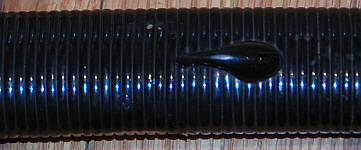
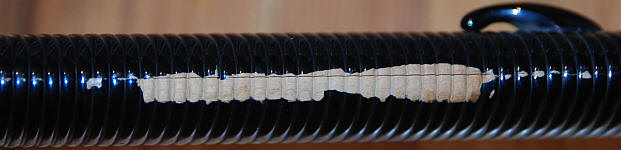
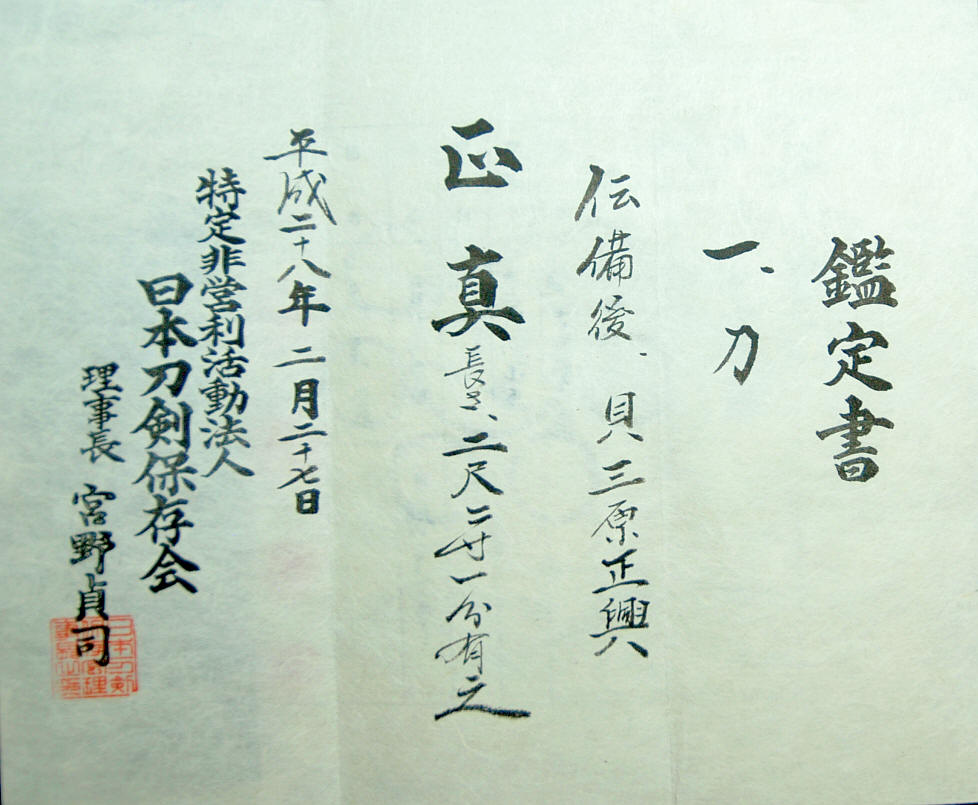
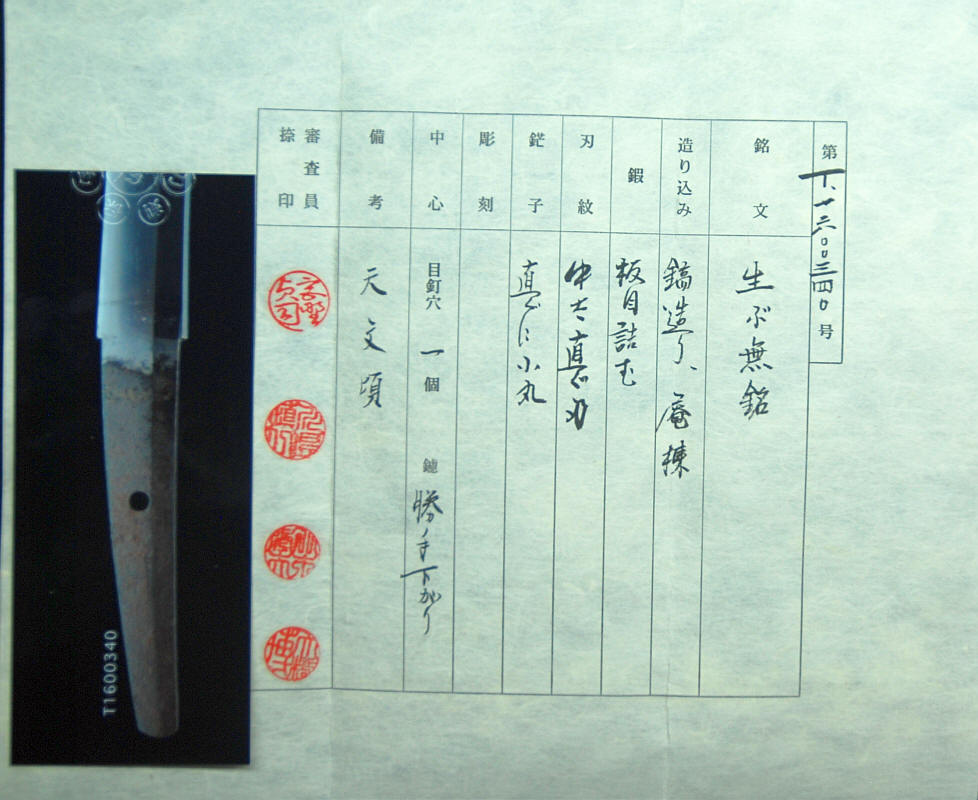
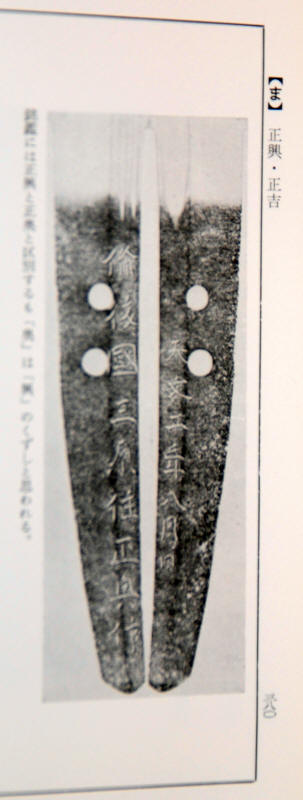
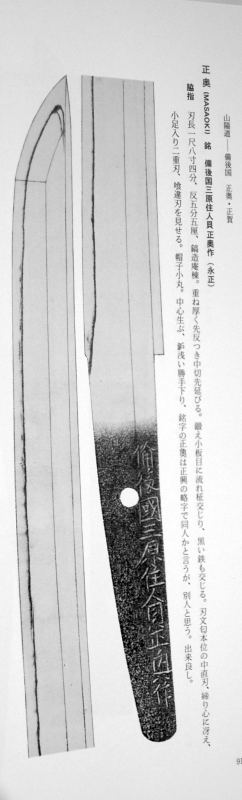
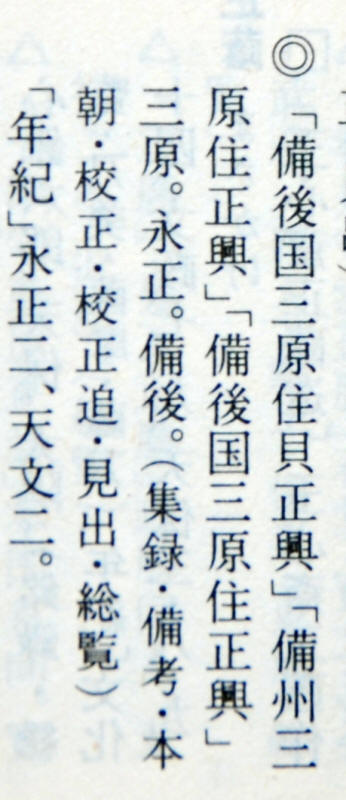
An ubu, mumei shinogizukure katana attributed to Den Bingo Kai Mihara Masaokai. Nagasa: 2. shaku 2 sun 1 bu (66.967 cm /26.36"). Motohaba: 2.964 cm. Sakihaba: 1.734 cm, Kasane: 6.7 mm Chu suguba in konie with a bright habuchi, becoming wider with gunome and midare at the monouchi. Tight itame hada packed with fine jinie.The sword is in an acceptable older polish with a few surface scratches. NTHK/NPO kanteisho. No habaki, and only a saya in the way of fittings. Judging from the very fine saya, it would seem that the rest of the kosogu, and habaki were worth keeping for themselves. A bloody shame that this wasn't left intact. References: Nihonto Meikan double circle; Nihon Toko Jiten - Koto Hen, by Fujishiro, chusaku; Nihonto Zuikan - Koto Hen; Toko Taikan rated at 2,800,000 yen Sharpness rating of wazamono. As is often the case, Tokuno's dating varies somewhat from the other references. His dating for the second generation is Daiei (1521 -1528), a few years earlier than Temmon, which starts in 1532, but certainly not a significant difference. This very fine saya needs to be restored. Note the carved wood ribbing. NTHK/NPO Kanteisho Nihon Toko Jiten - Koto Hen Nihonto Zuikan - Koto Hen Nihonto Meikan Toko Taikan
Offered by Nihonto US
This piece has sold
4 on the market
Get an email when new Sue-Mihara School work hits the market.


Yamato-den · Bingo
4 pieces on the market now
| Smith | Era | Designated |
|---|---|---|
| Masamune正宗 | 1469-1487 | 0 |
| Masaoki正興 | 1521-1528 | 0 |
| Nagashige長重 | 1487-1489 | 0 |
| Kaneyasu兼安 | 1469-1487 | 0 |
| Takakane高兼 | 1504-1521 | 0 |
Yamato in the Muromachi period
The monasteries that had sustained Yamato lost ground through the Muromachi period, and the schools thinned with them; Sue-Tegai kept the old masame manner alive in quantity. The burning of Tōdaiji’s Great Buddha hall in 1567 closed the temple age.
The NTHK’s principal certificate, issued for a blade of considerable quality. It confirms a genuine signature, or, for an unsigned (mumei) work, records the judges’ attribution to a smith or school. The paper carries a detailed worksheet with a numerical point score.
The NTHK (Nihon Tōken Hozon Kai, the Society for the Preservation of the Japanese Sword) is the oldest of Japan’s sword-appraisal bodies, founded in 1910, decades before the NBTHK. After the death of its long-serving head it divided into two successor societies, the NTHK and the NTHK-NPO, both of which continue to hold shinsa. NTHK certificates are known for a detailed worksheet that records a numerical point score alongside the judges’ written opinion, and the society is especially respected for its attribution of unsigned (mumei) work.
Three day, no penalty, inspection on every item. Returns must be in the same condition as shipped. Actual costs will be charged on returned items. No restocking fee. If you did not like the item is a good enough reason for return.