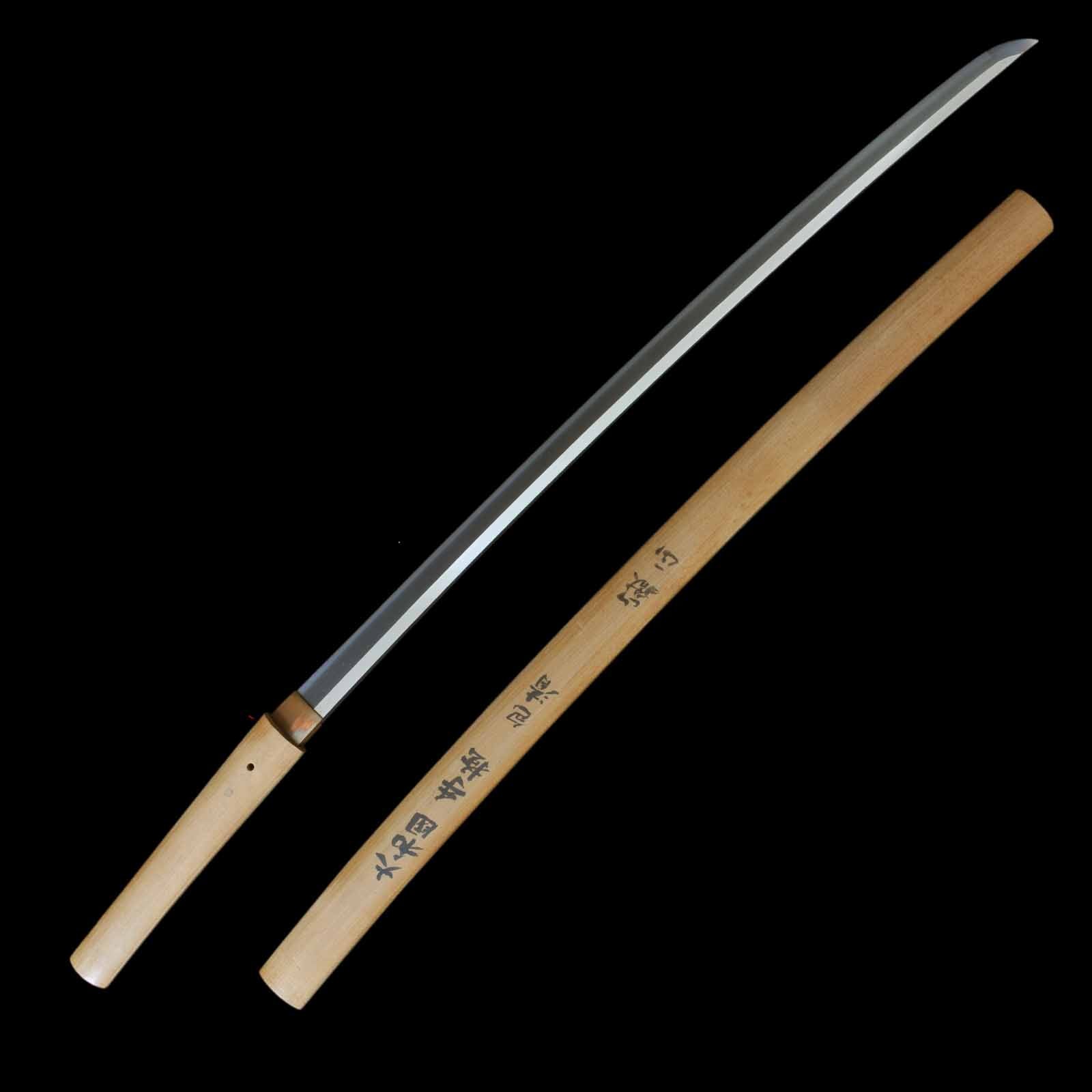
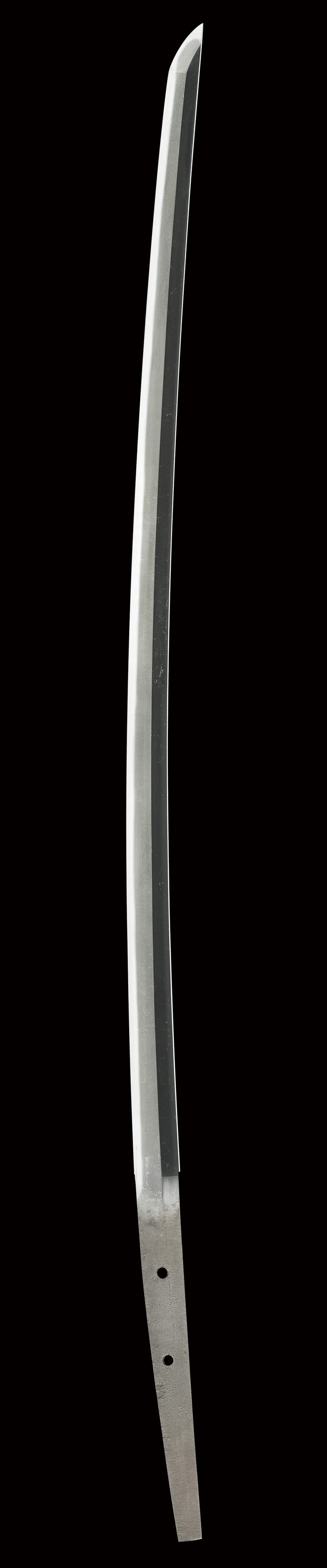
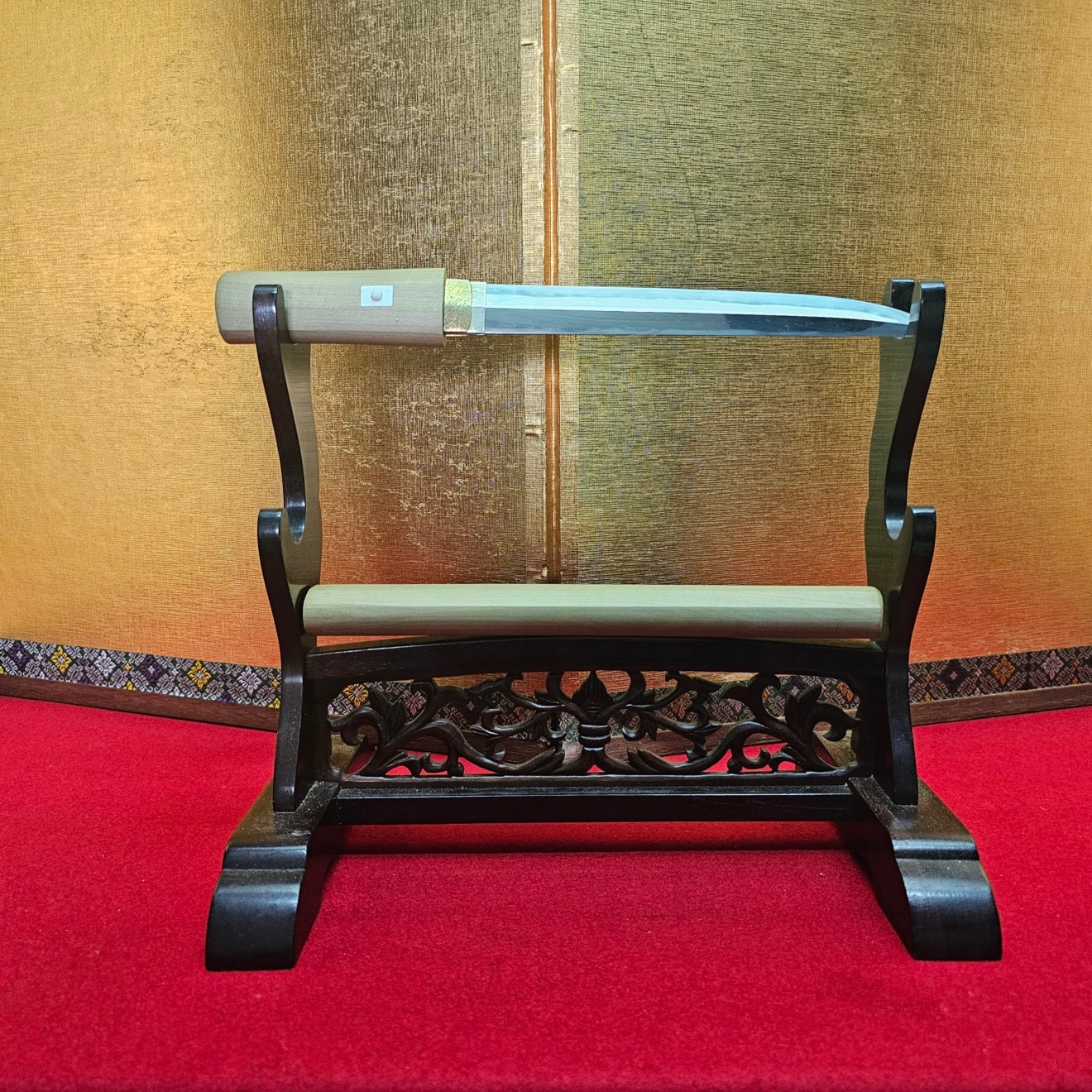
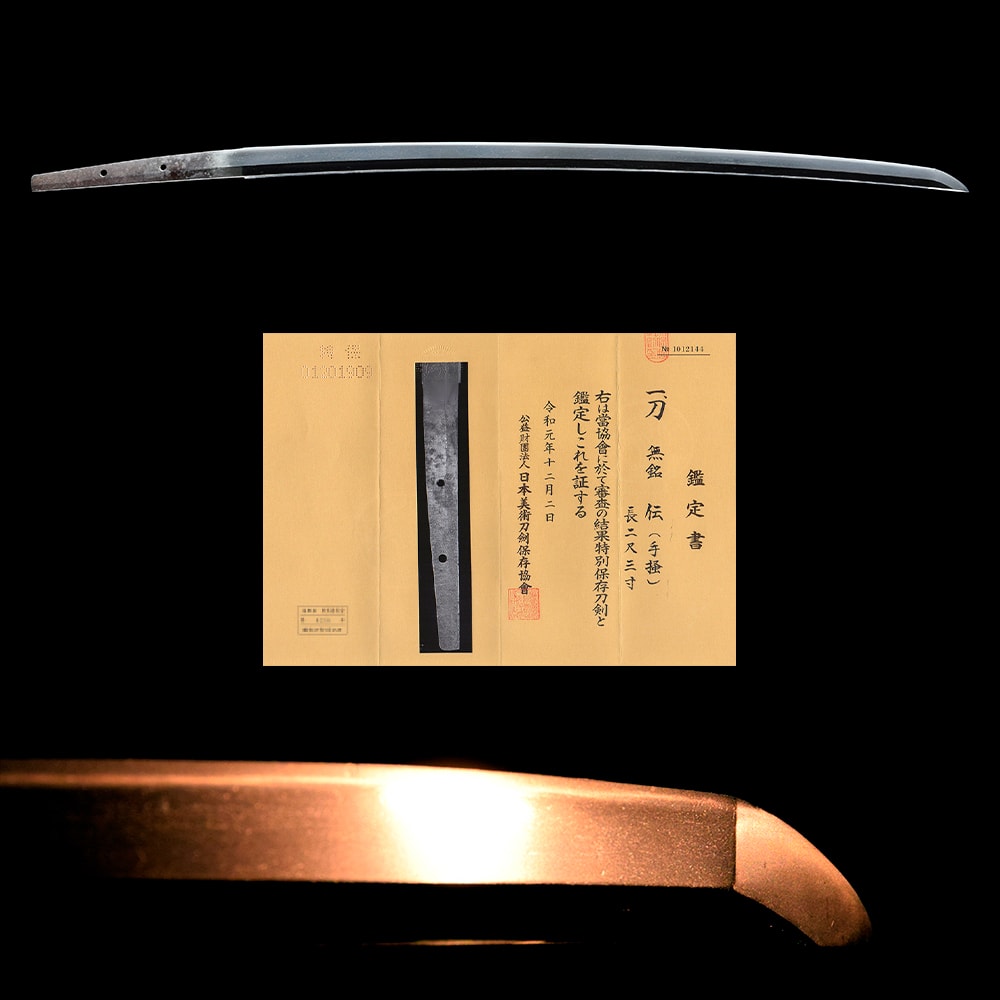
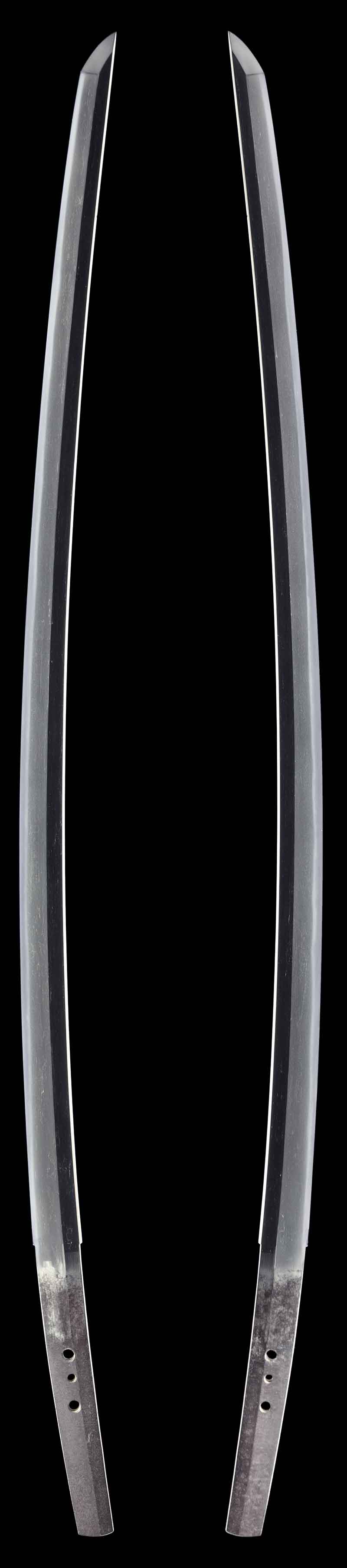
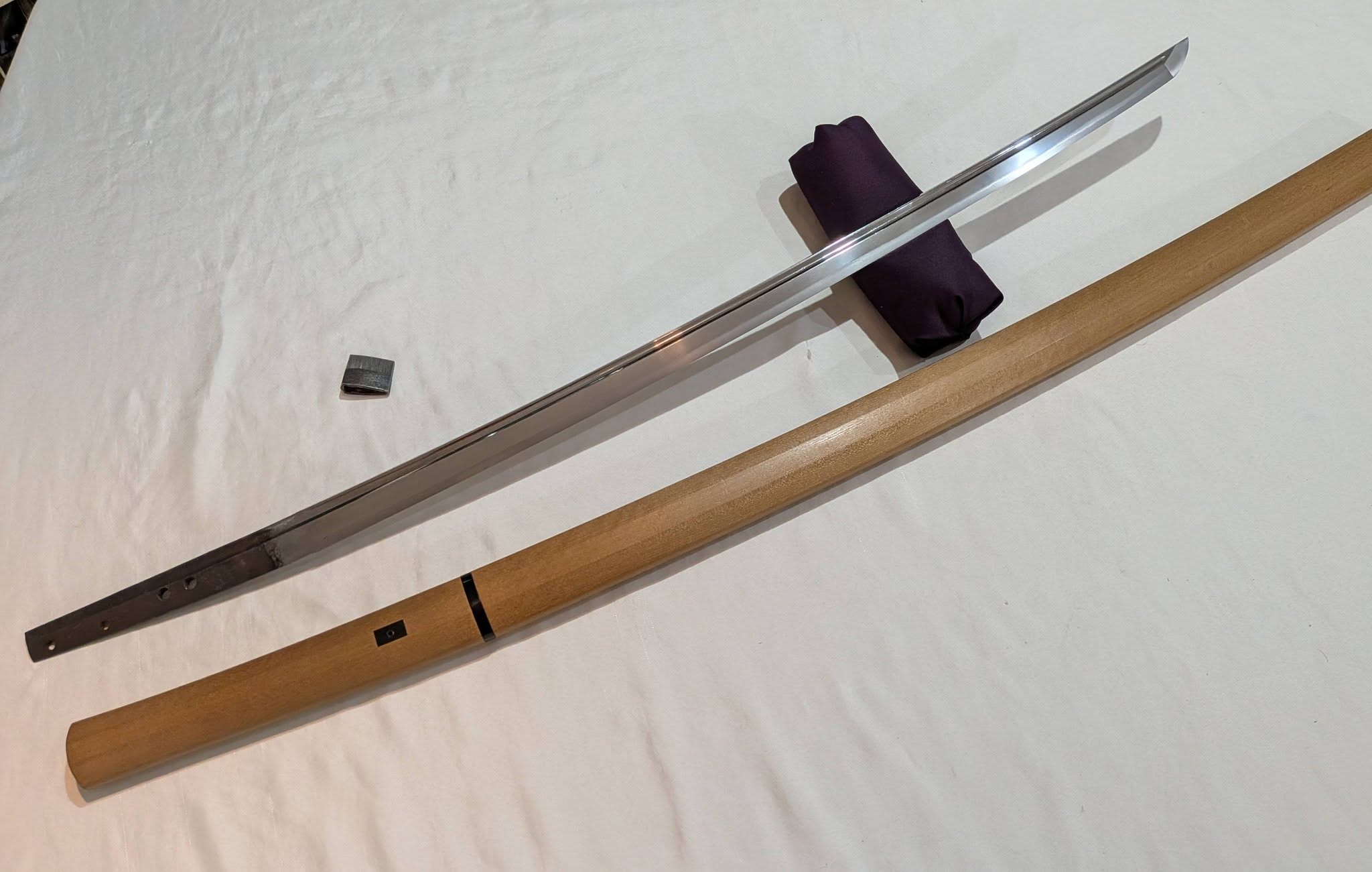
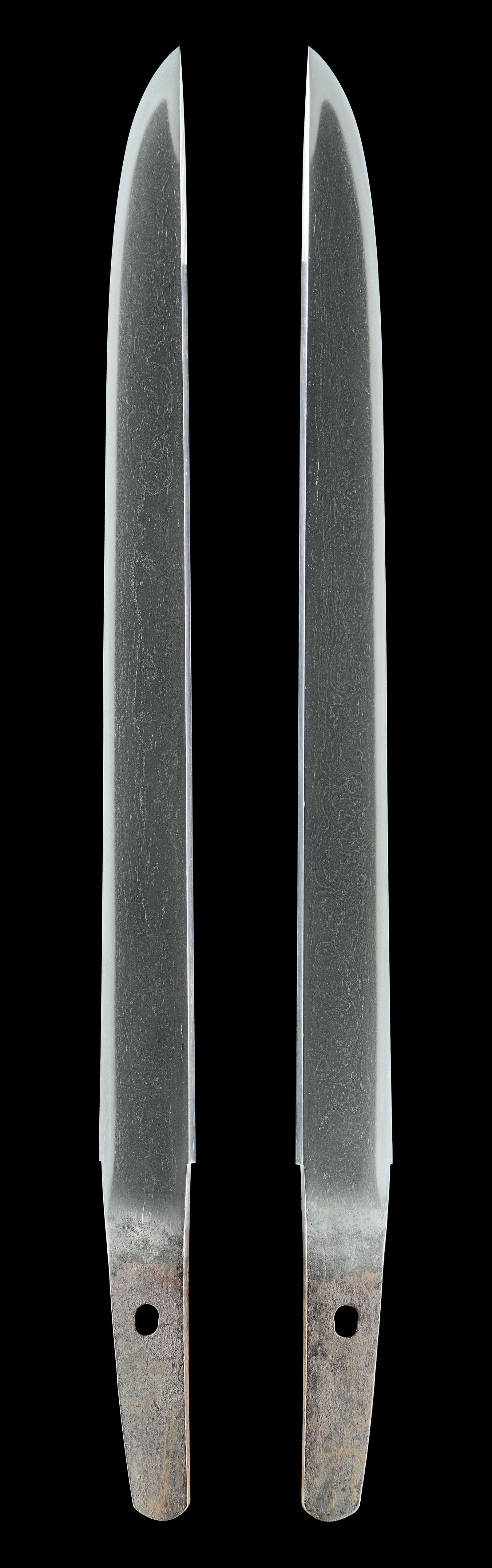
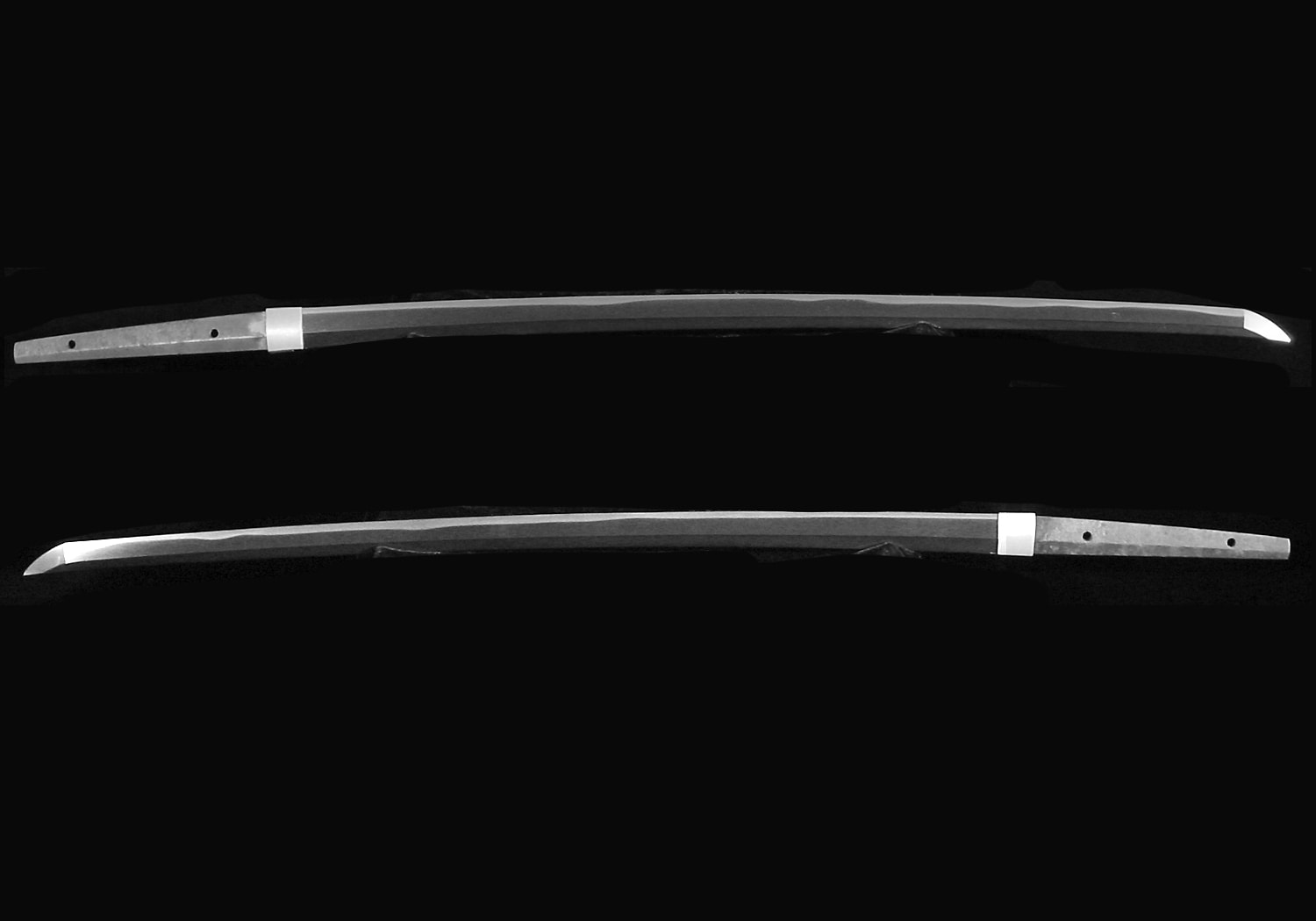
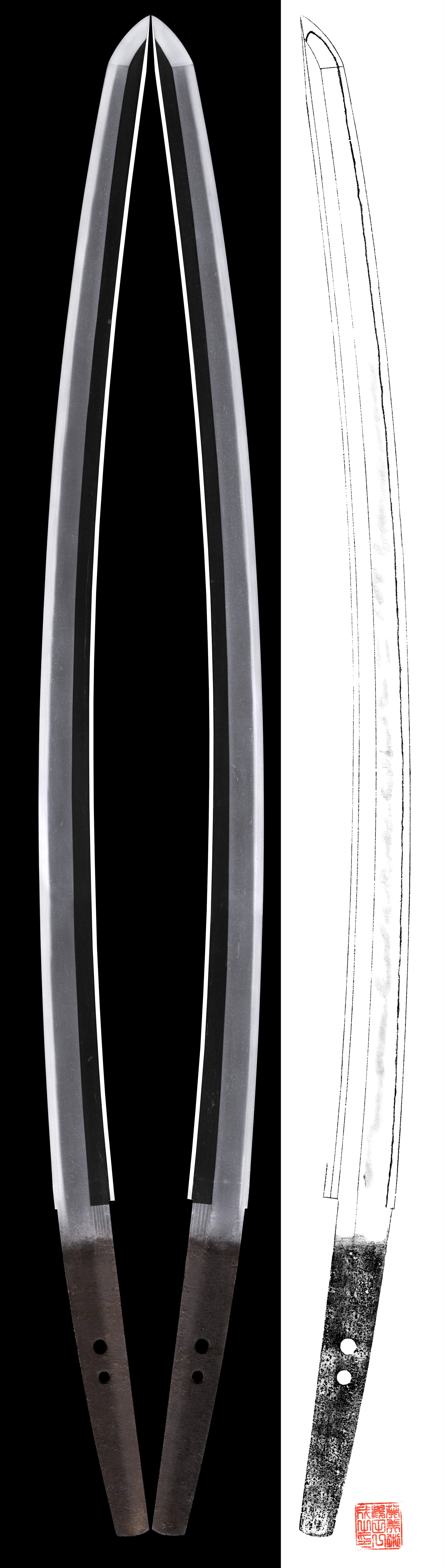
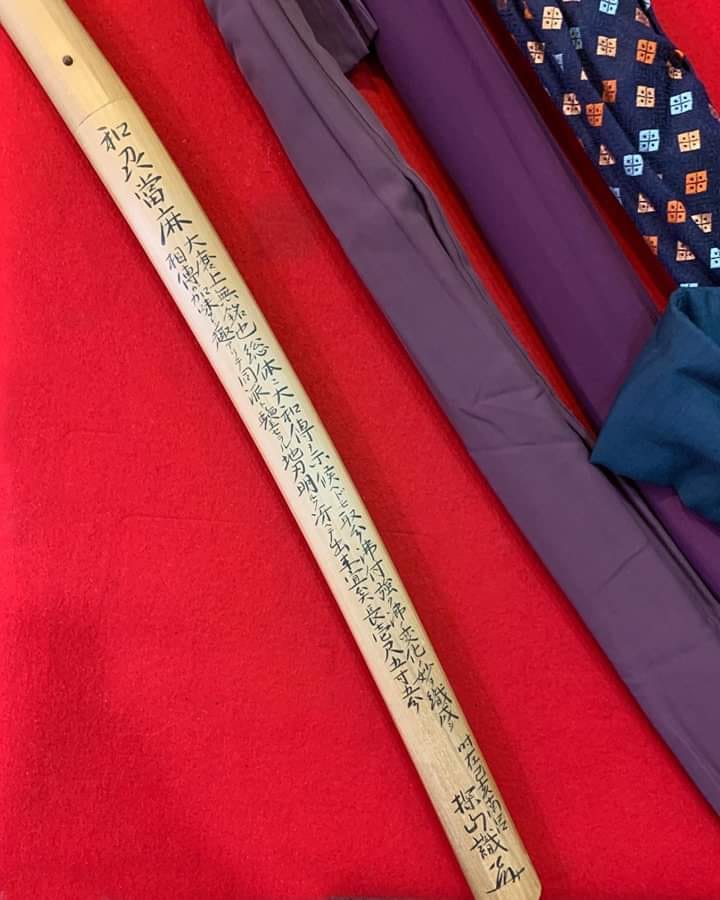
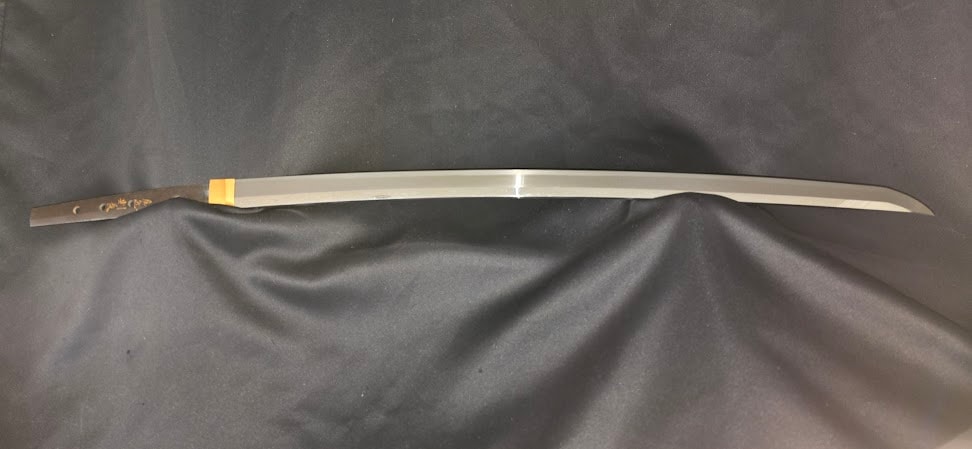
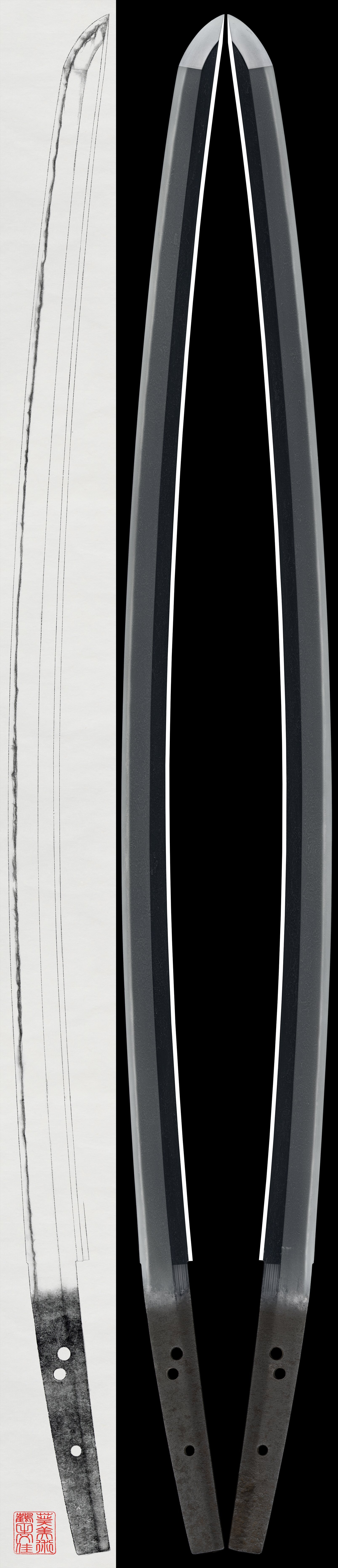
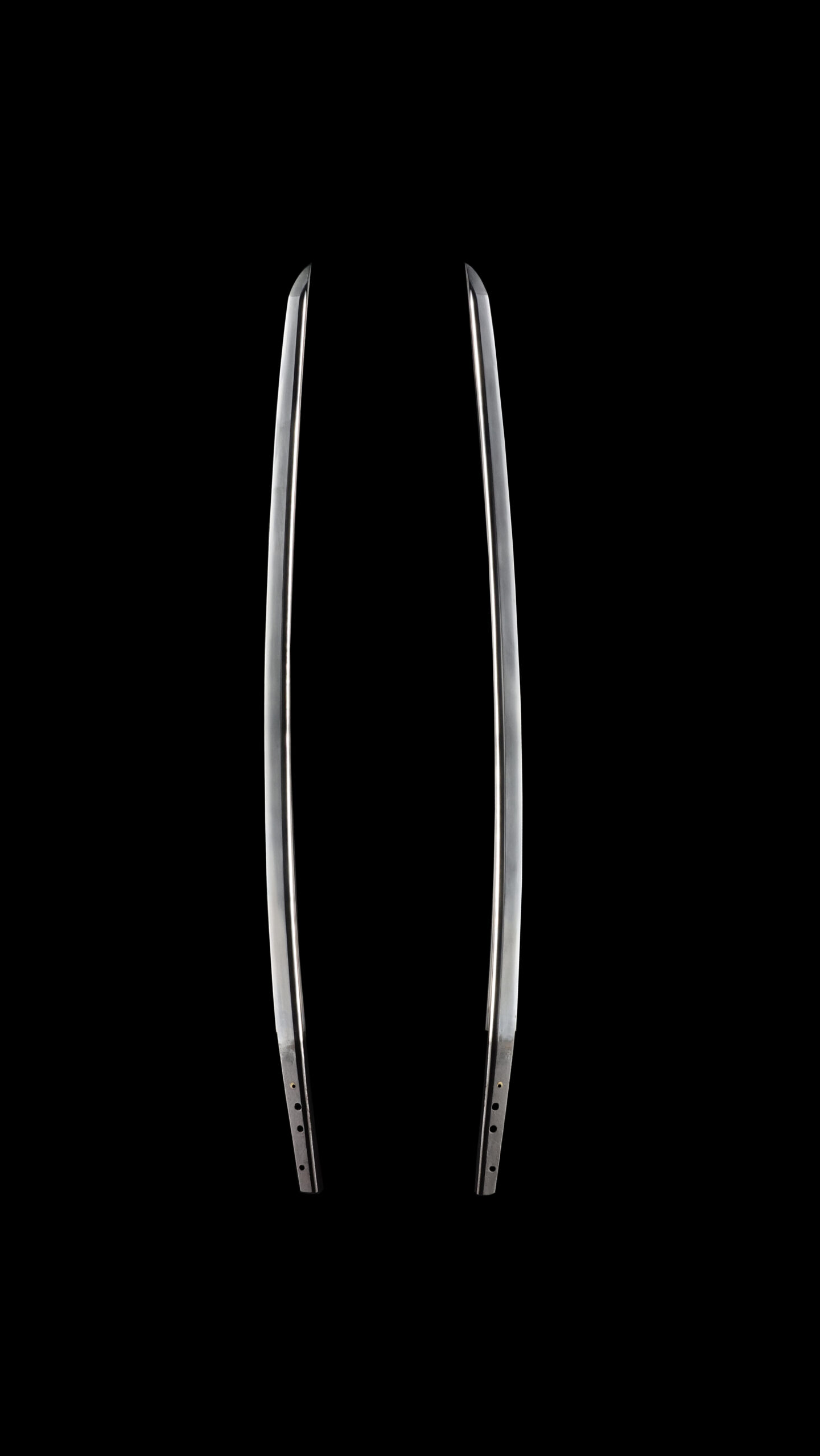
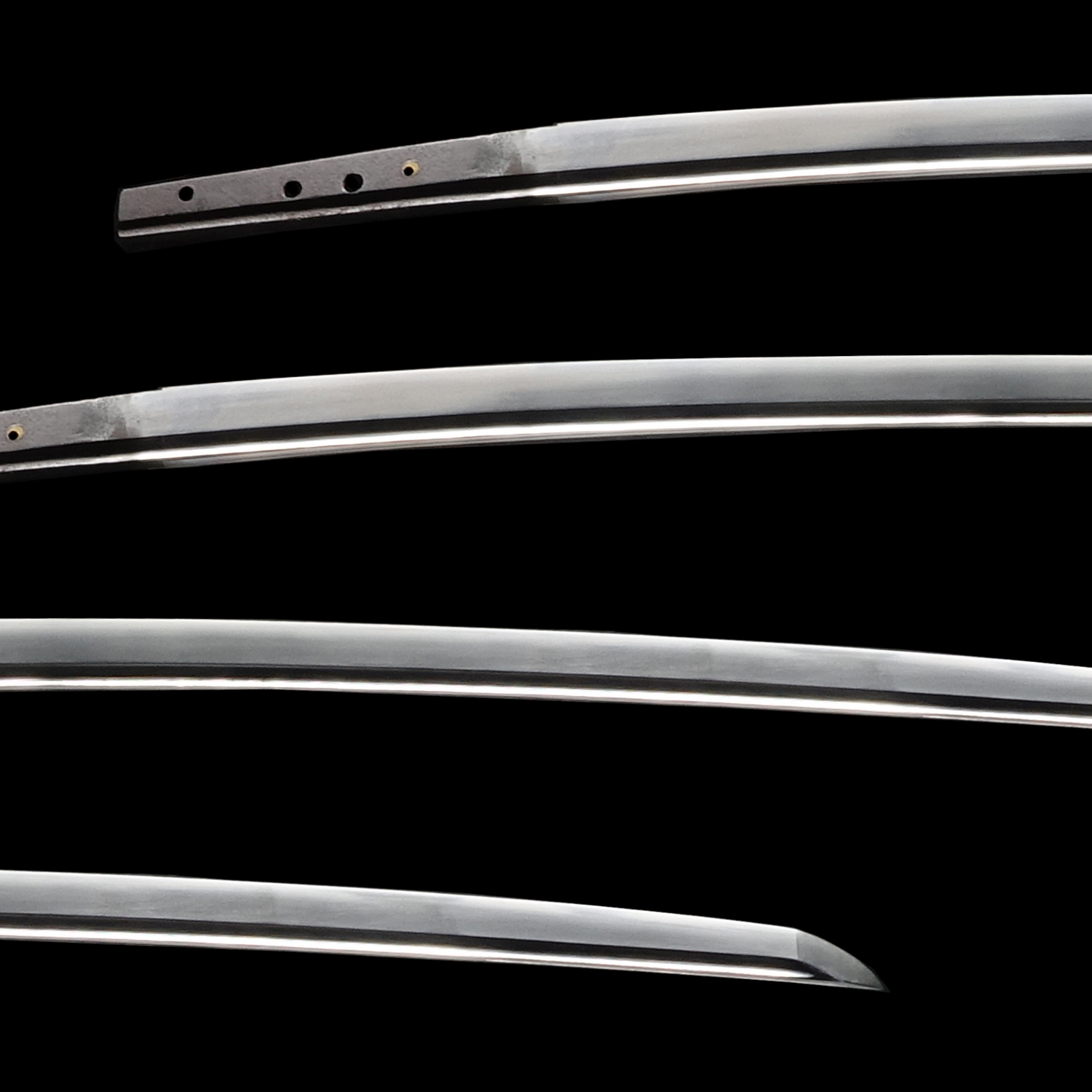
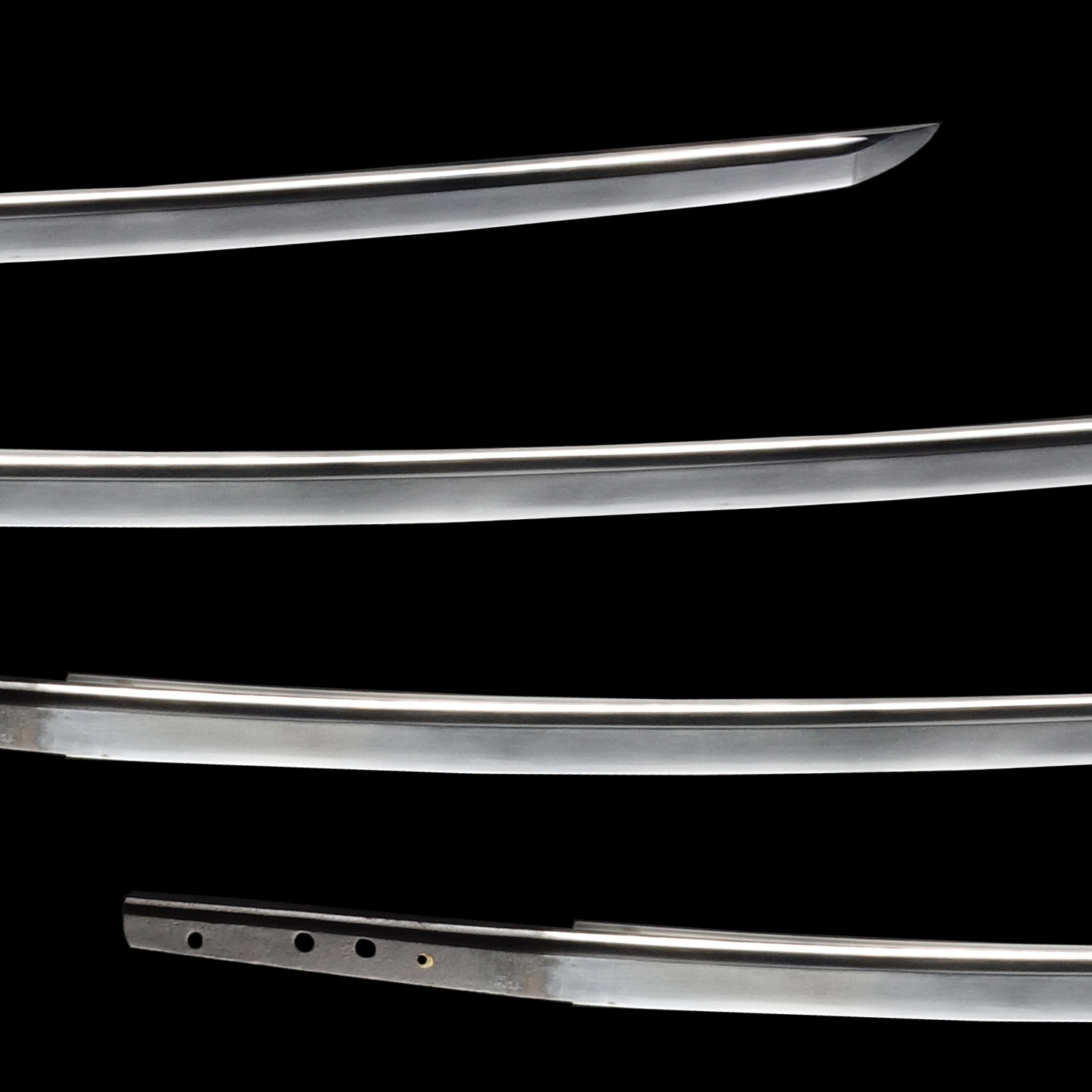
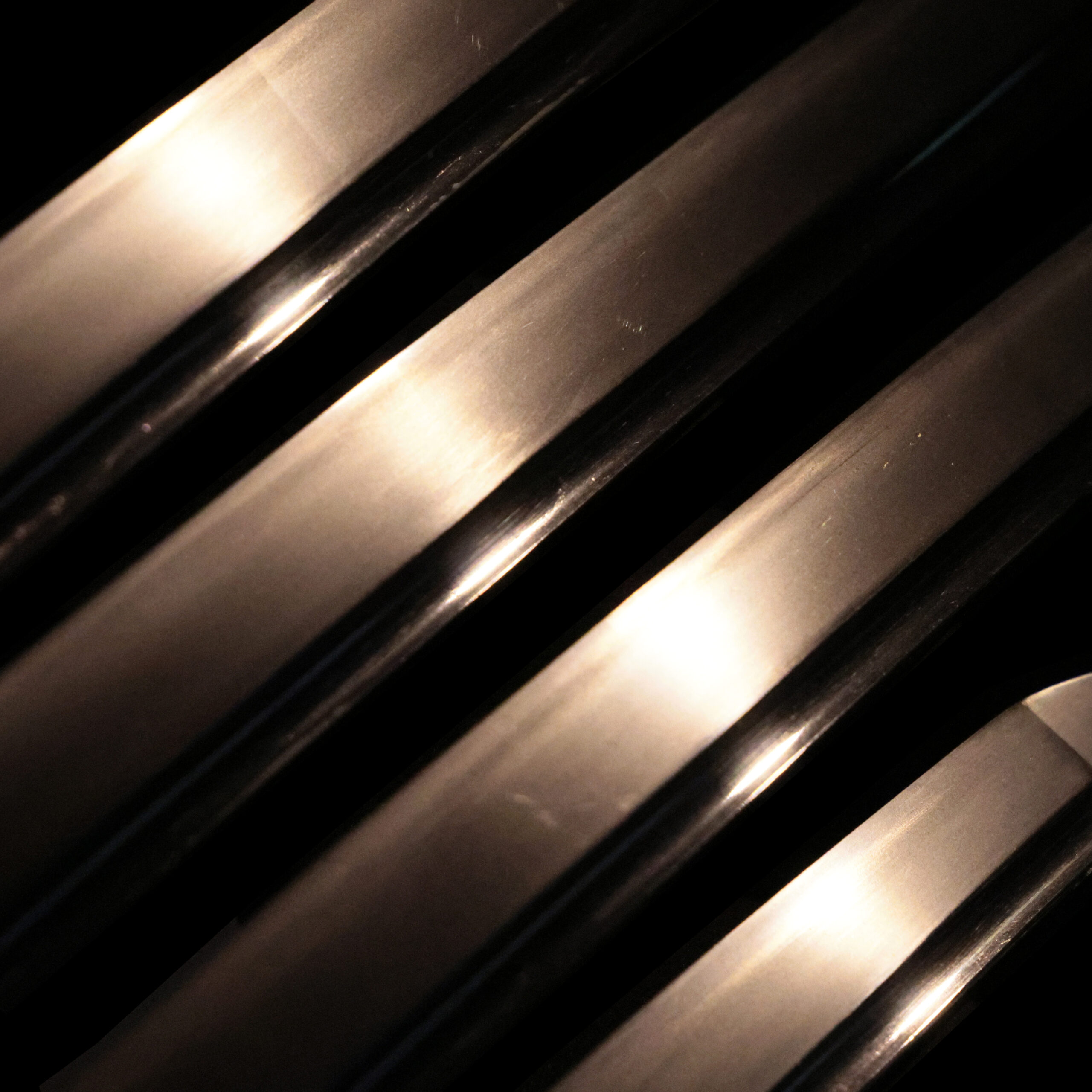
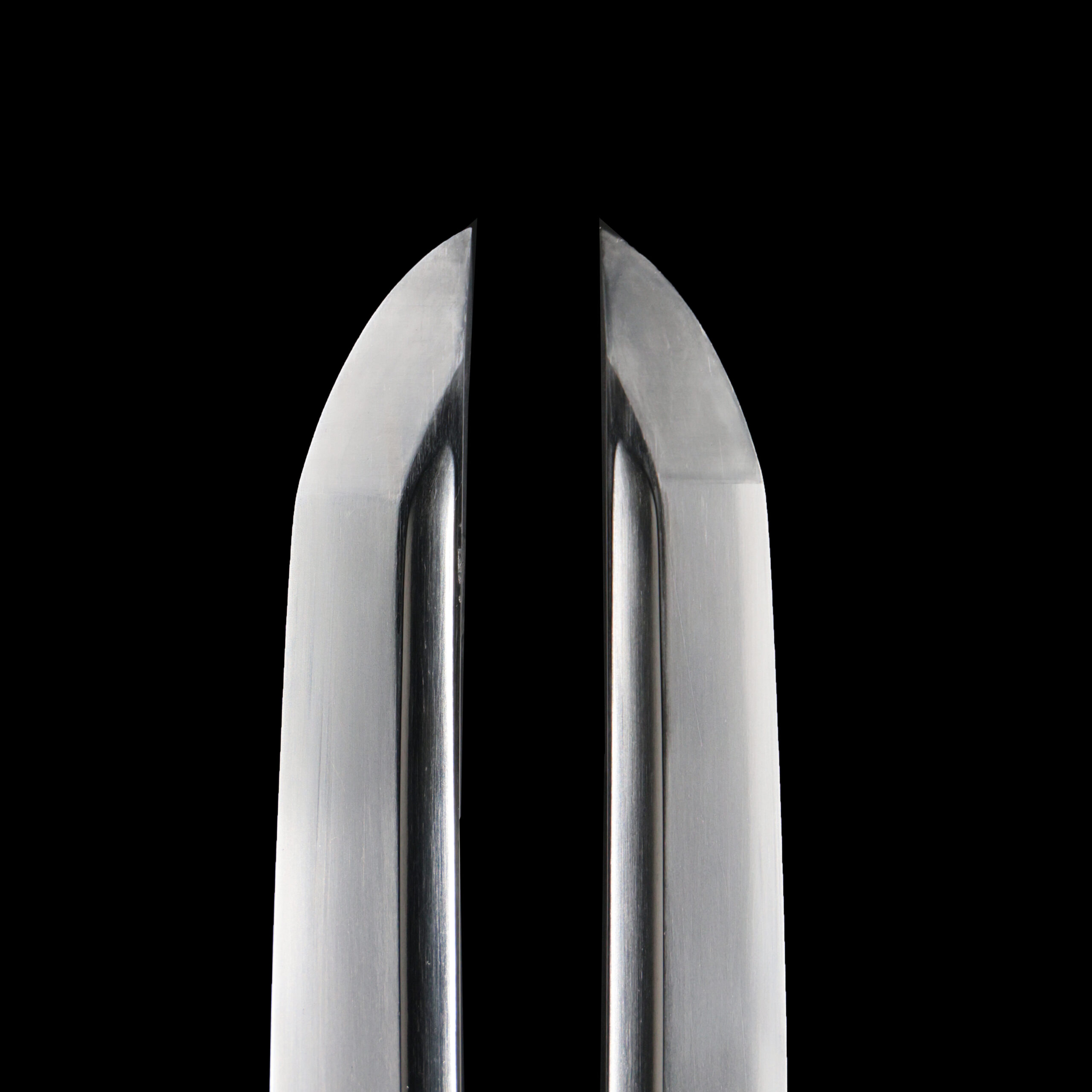
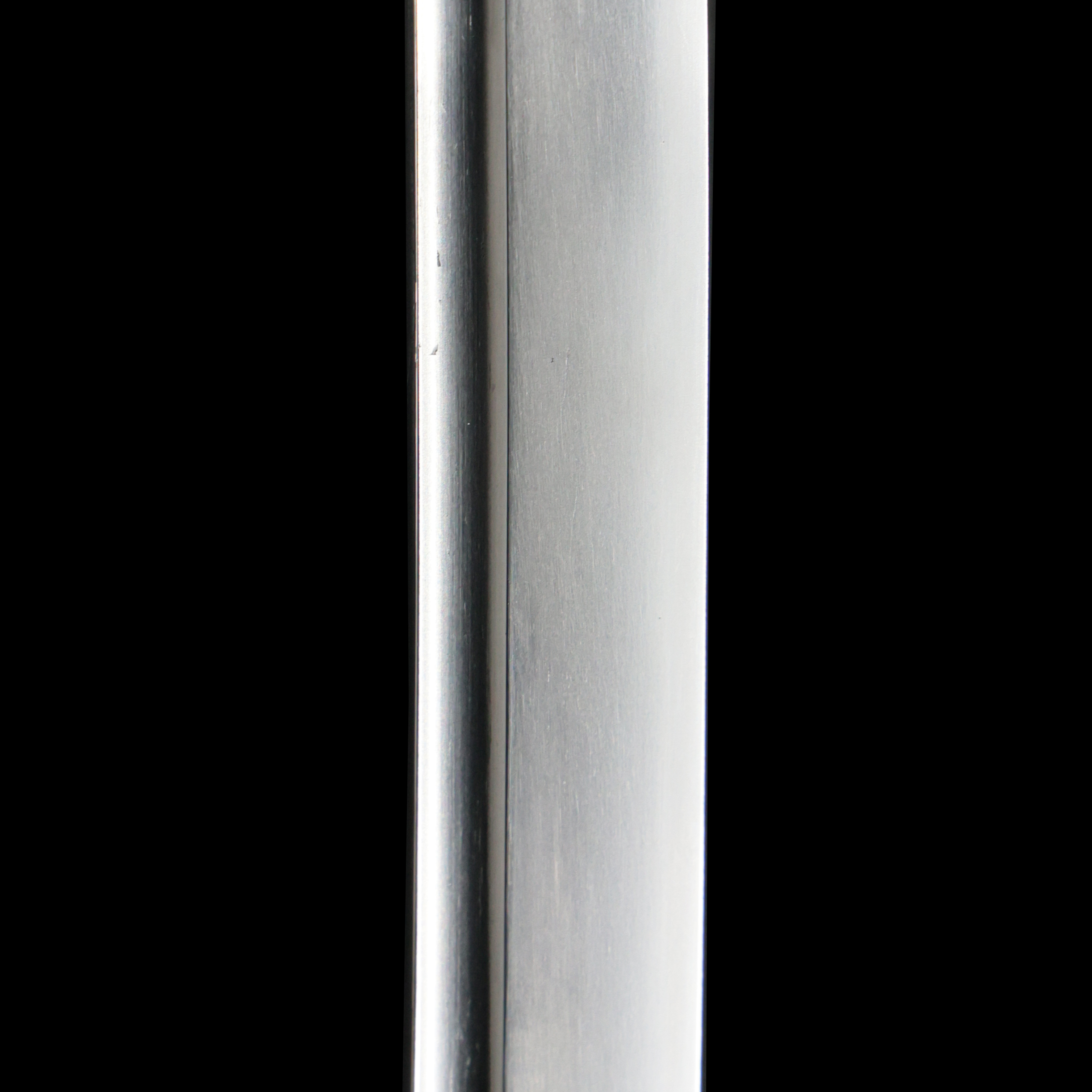
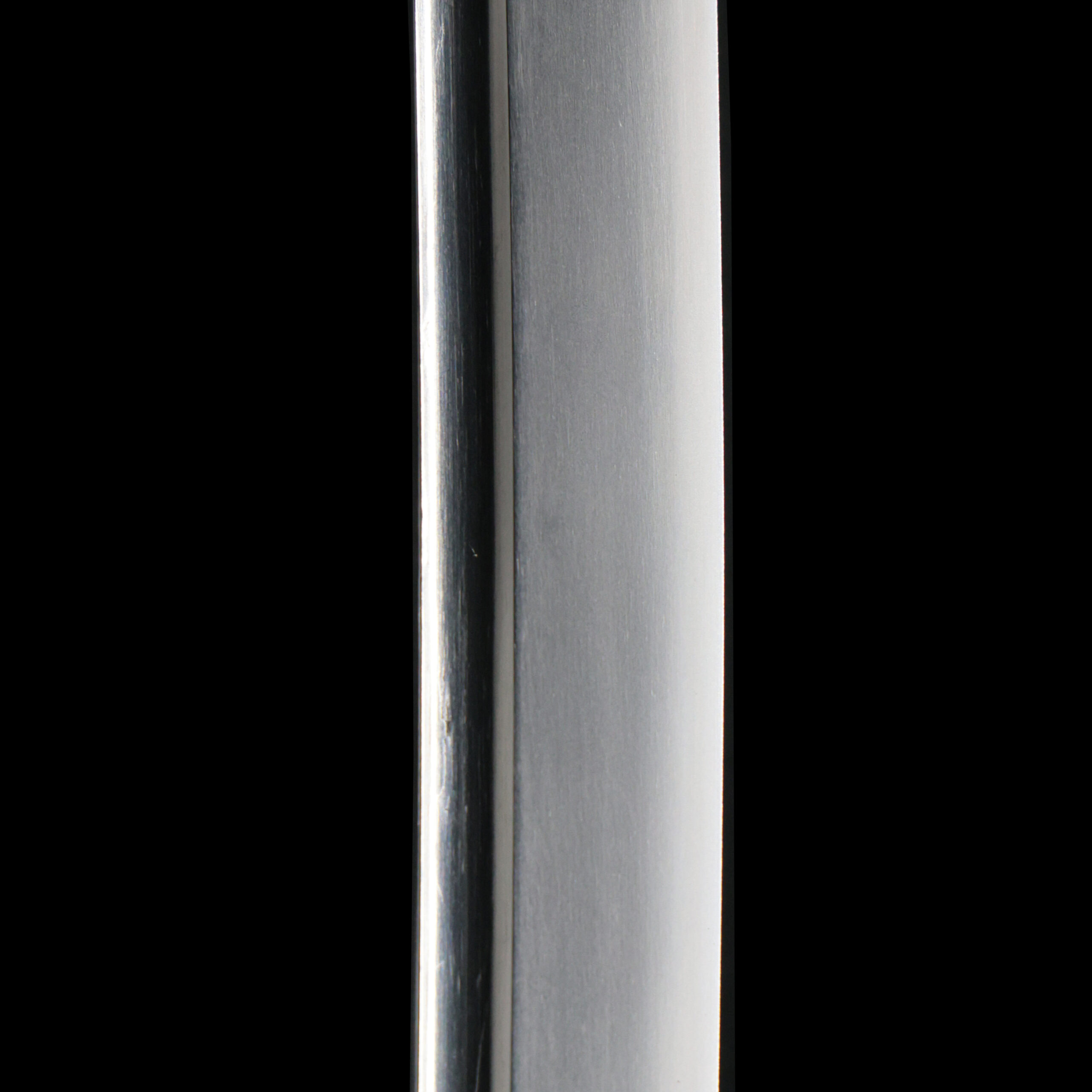
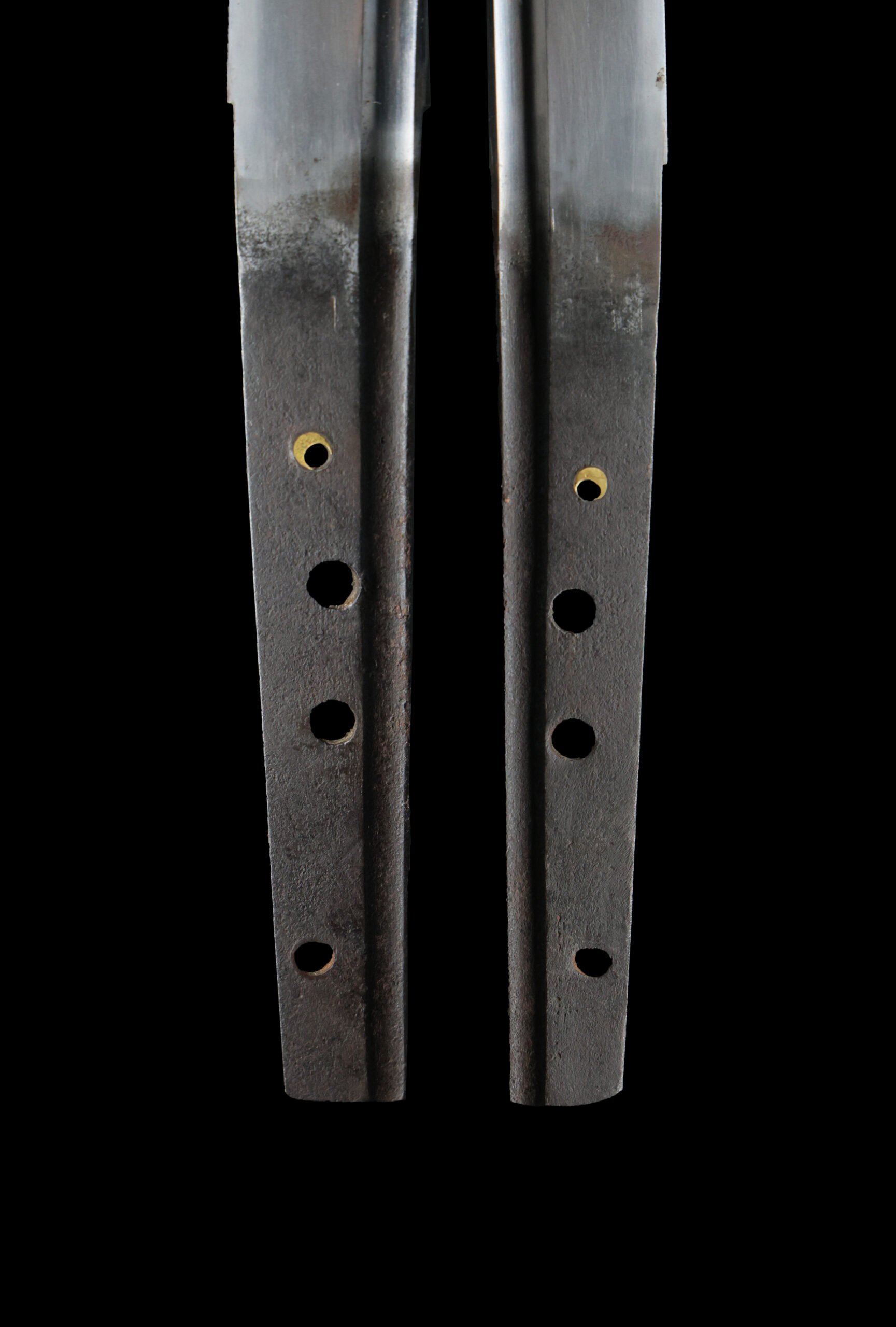
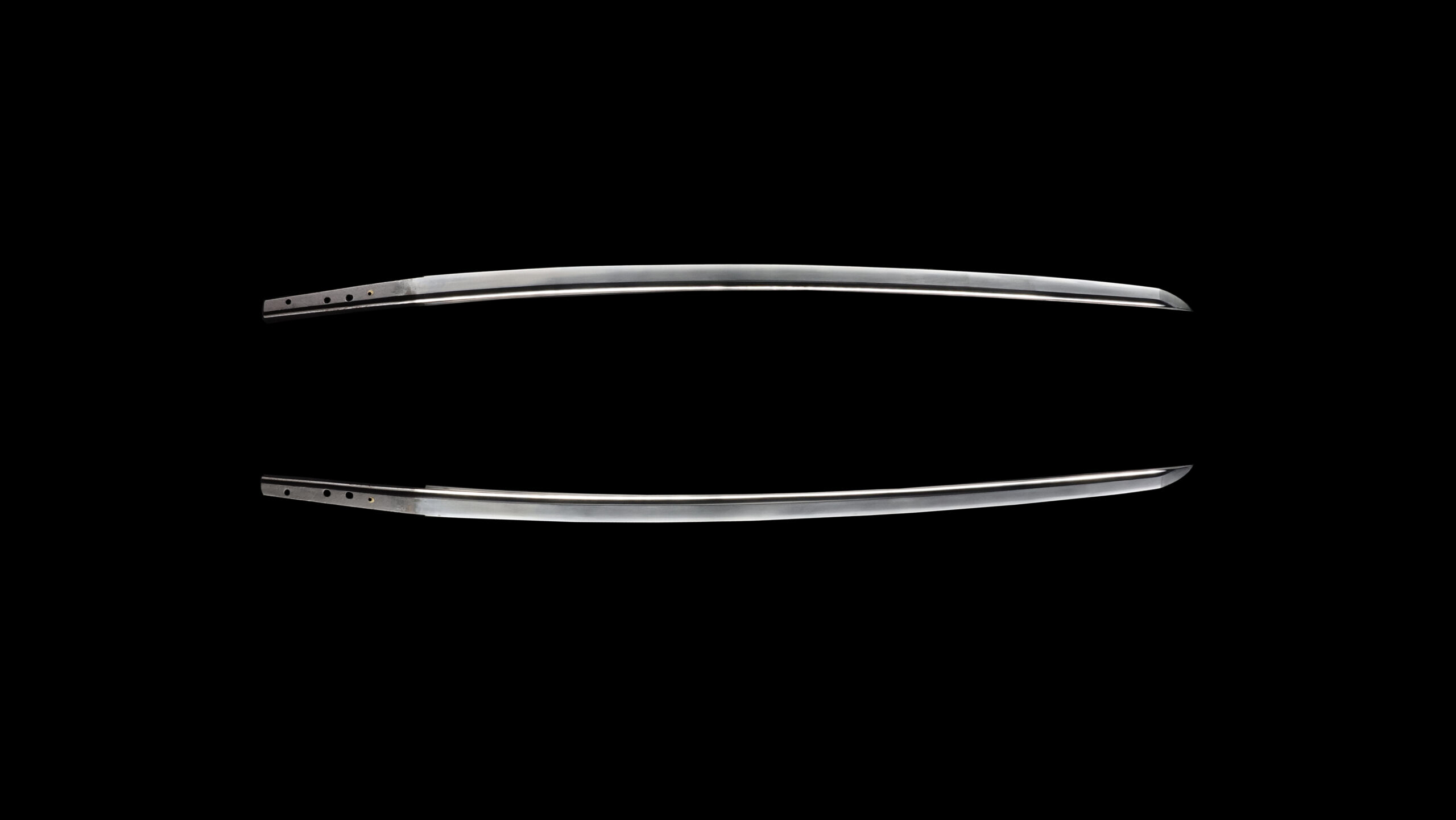
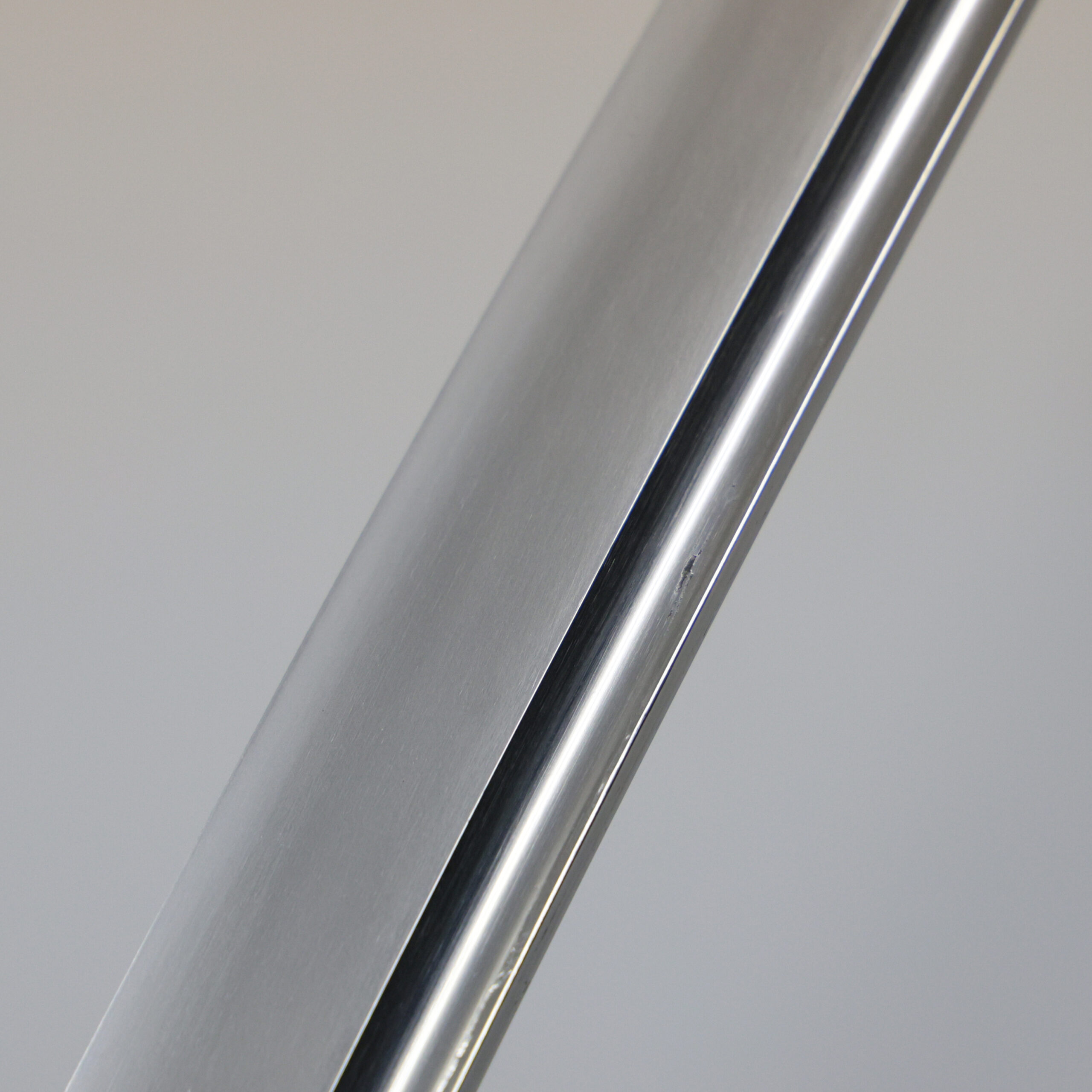
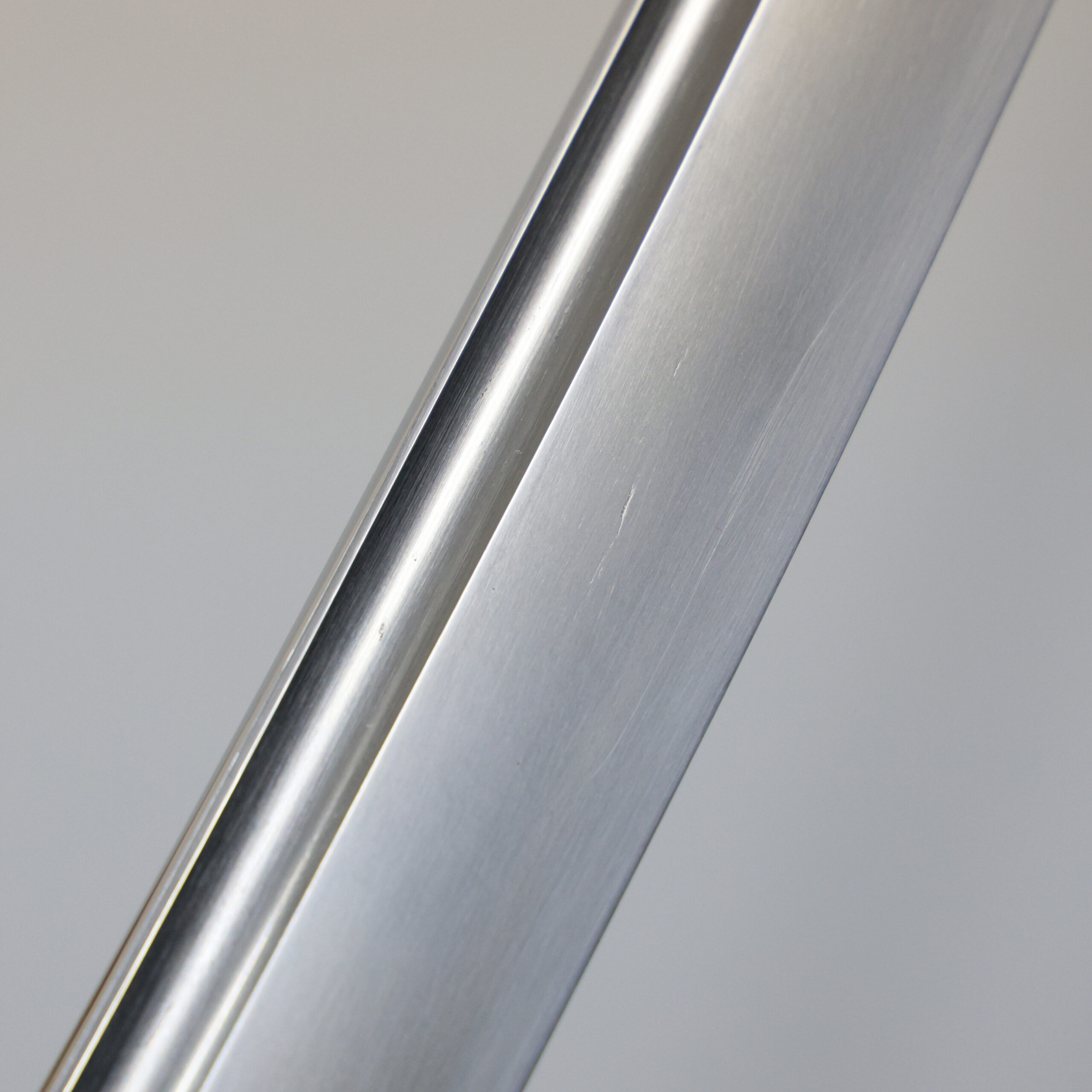
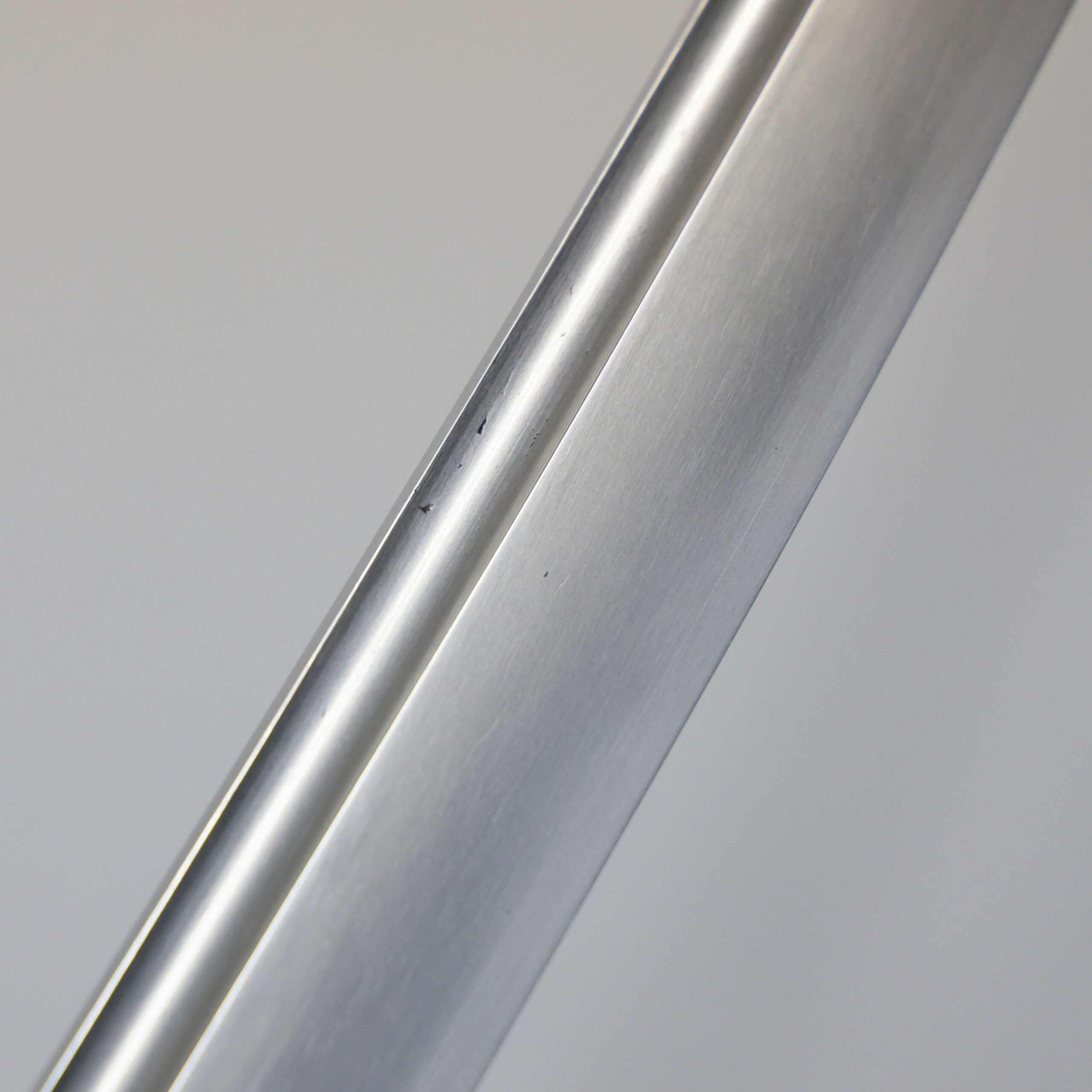
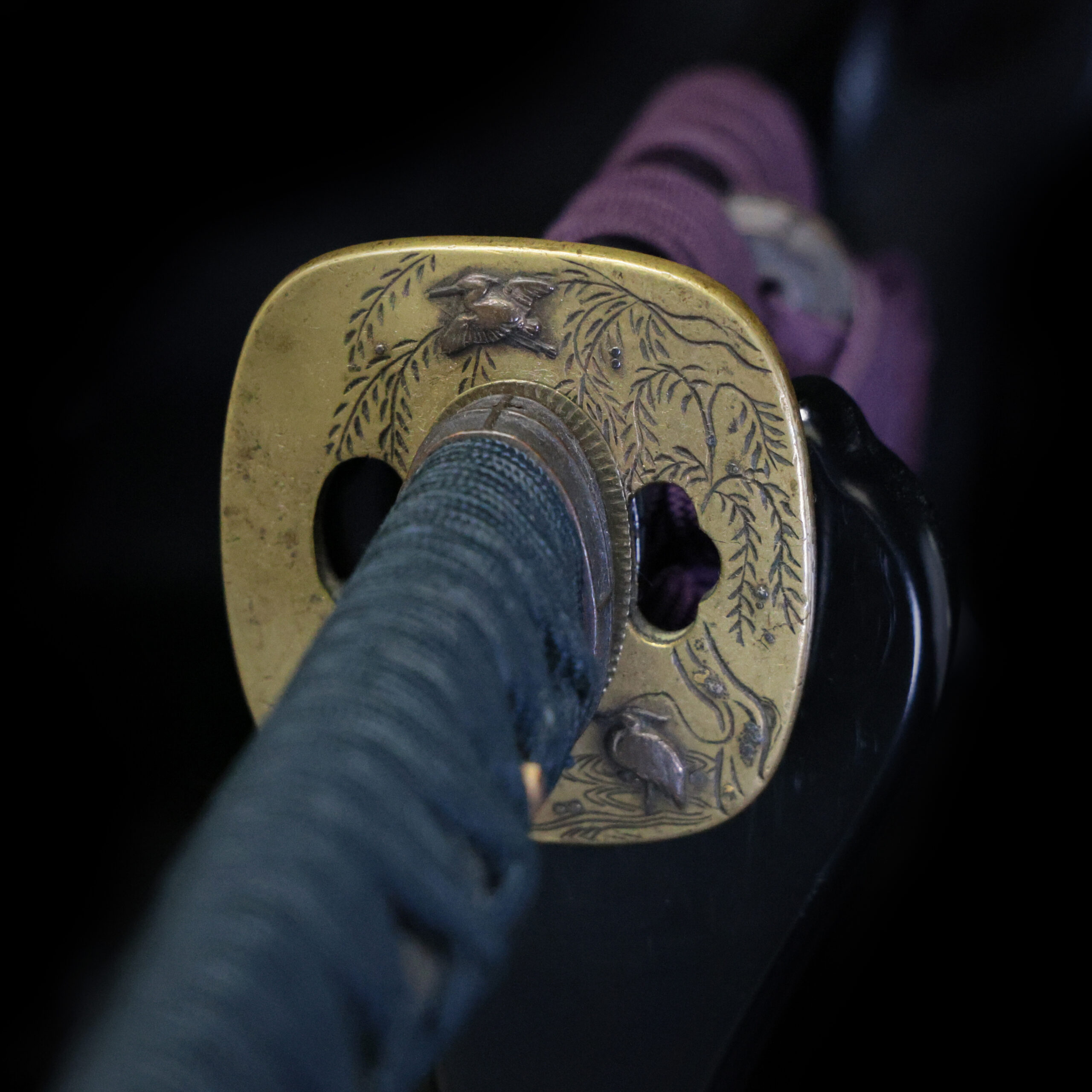
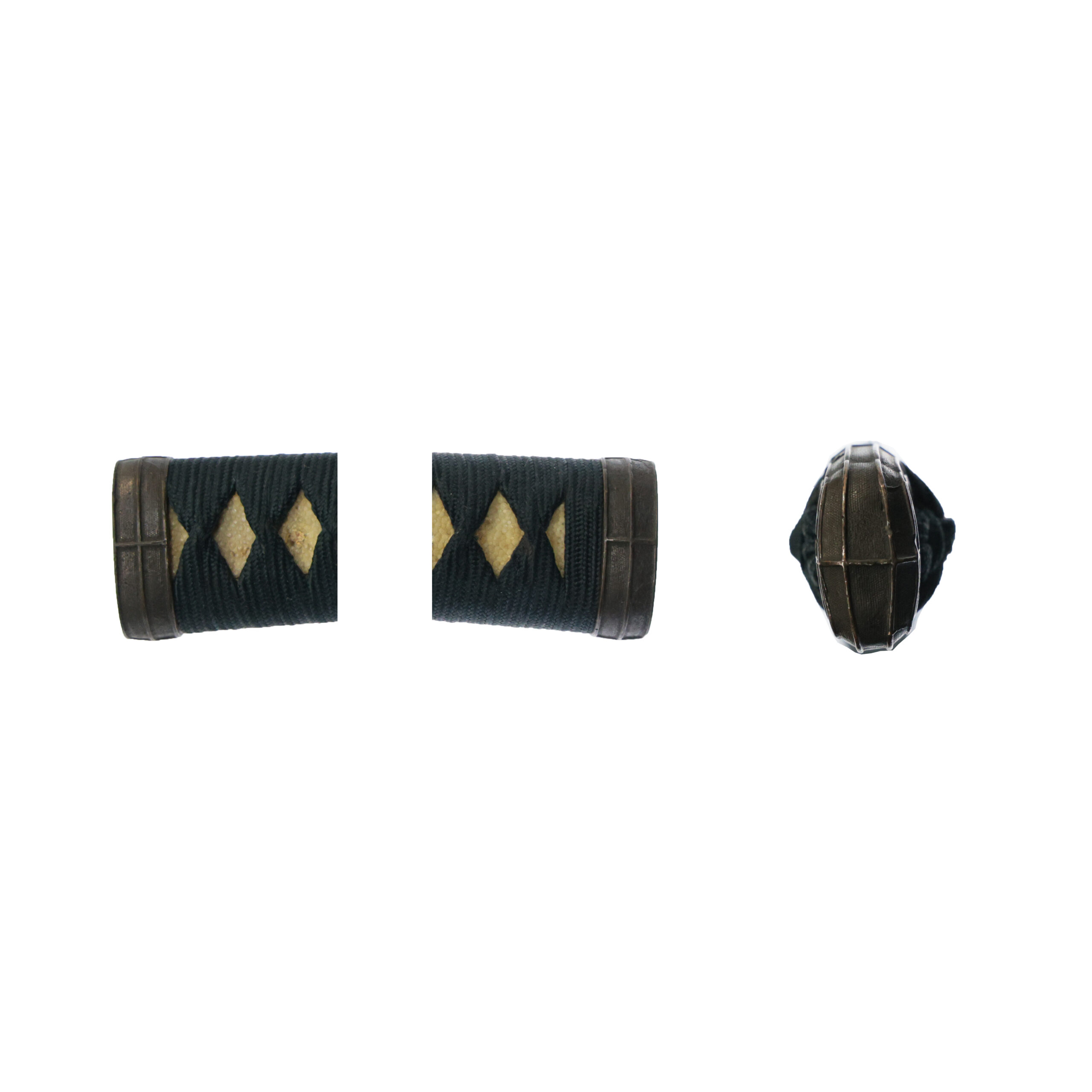
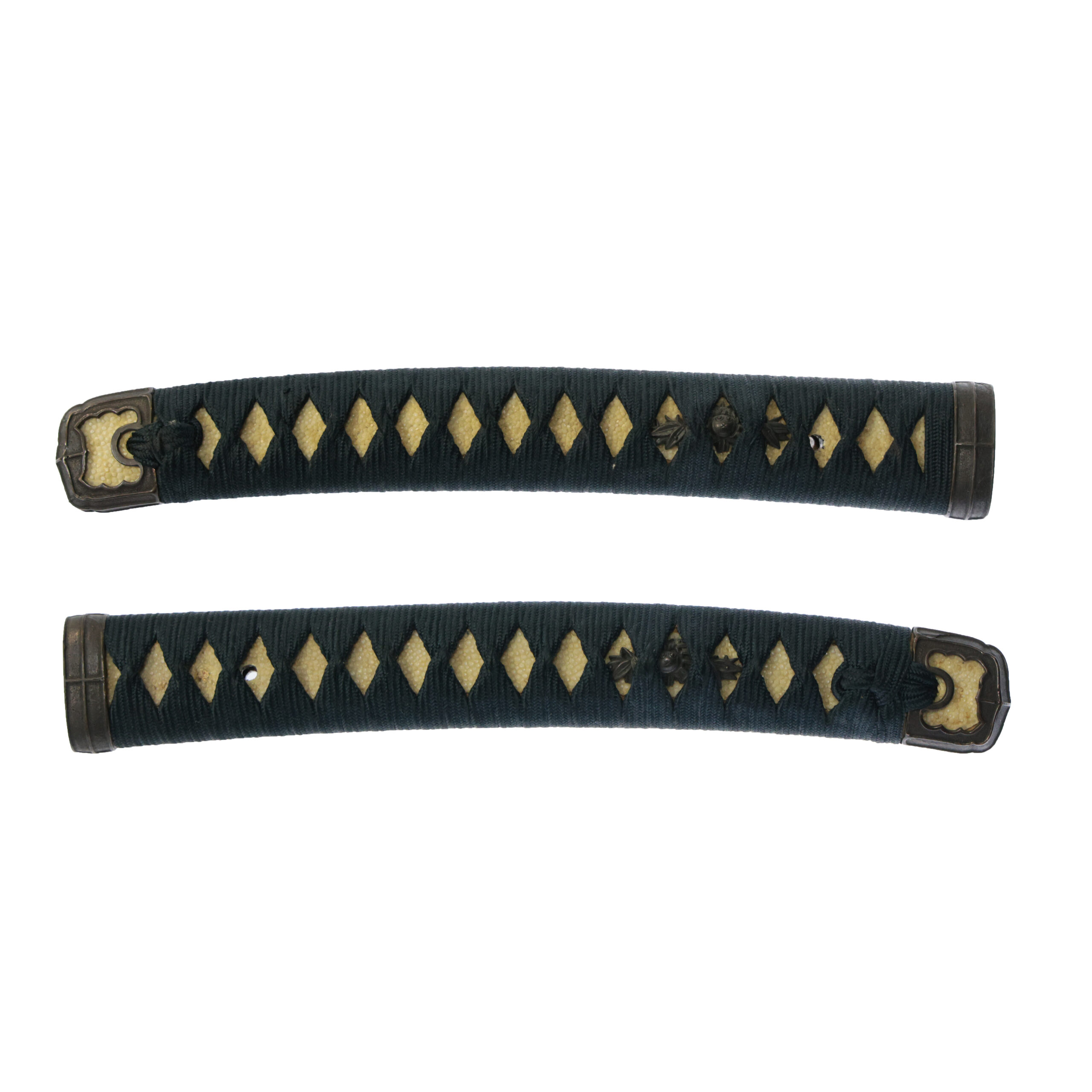
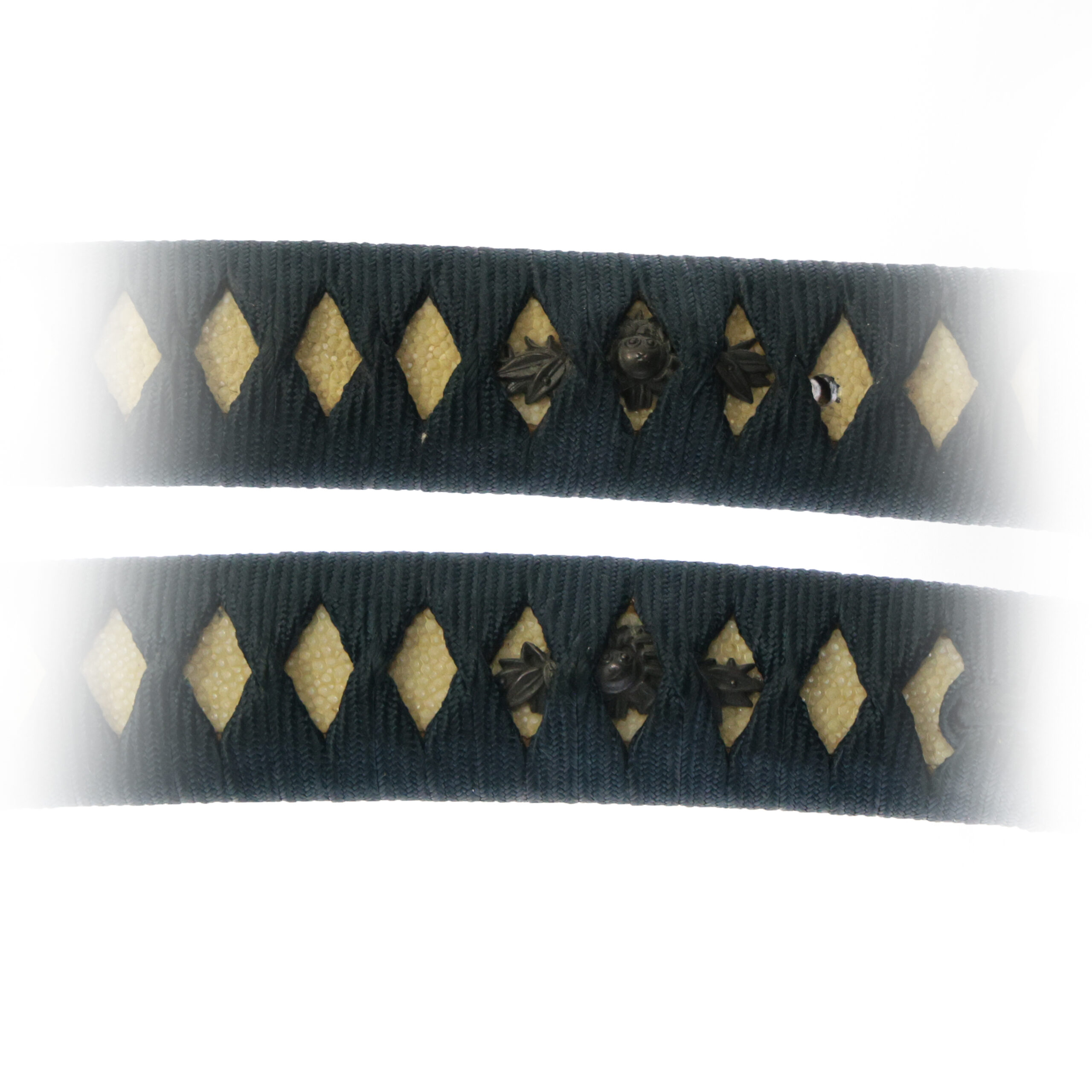
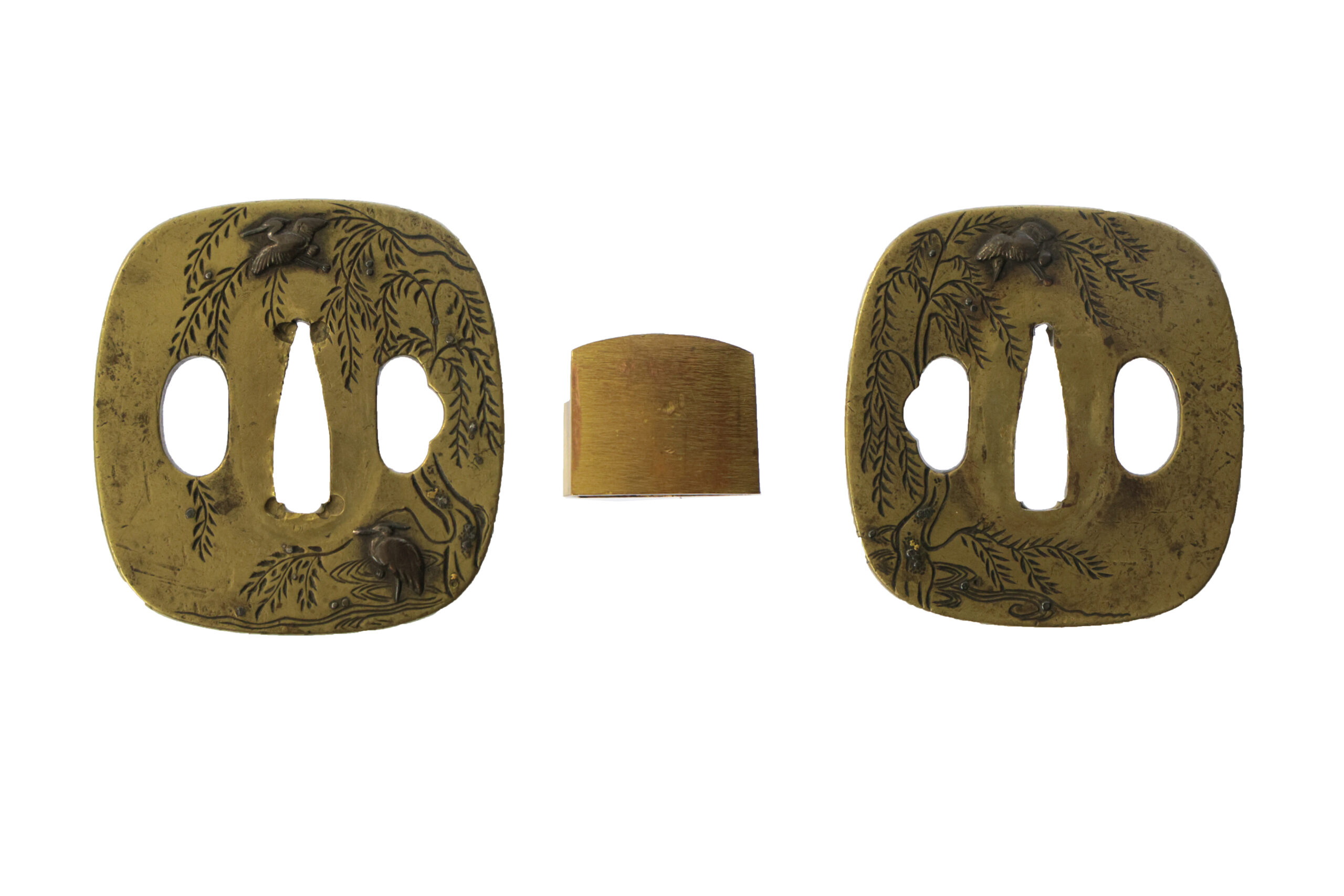
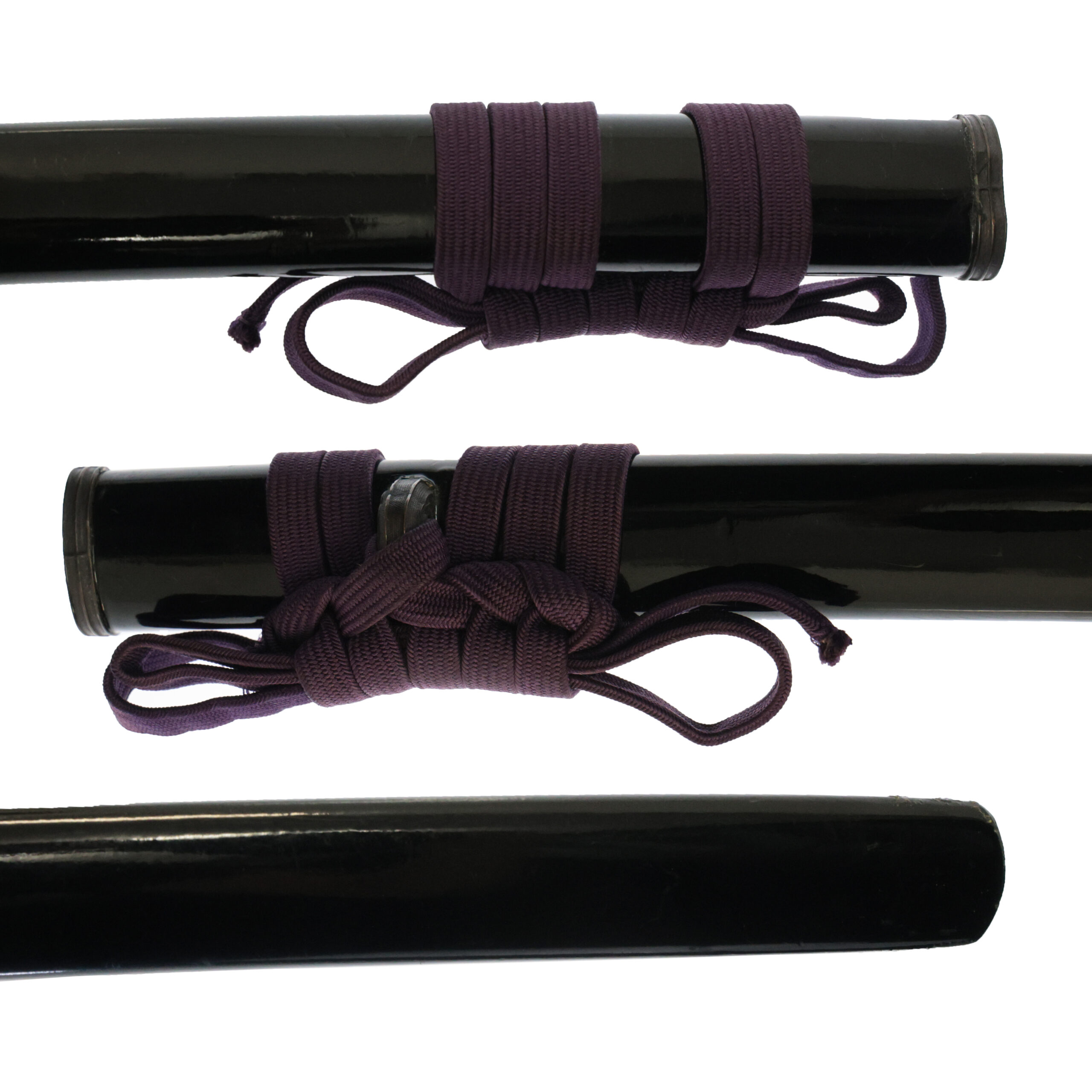
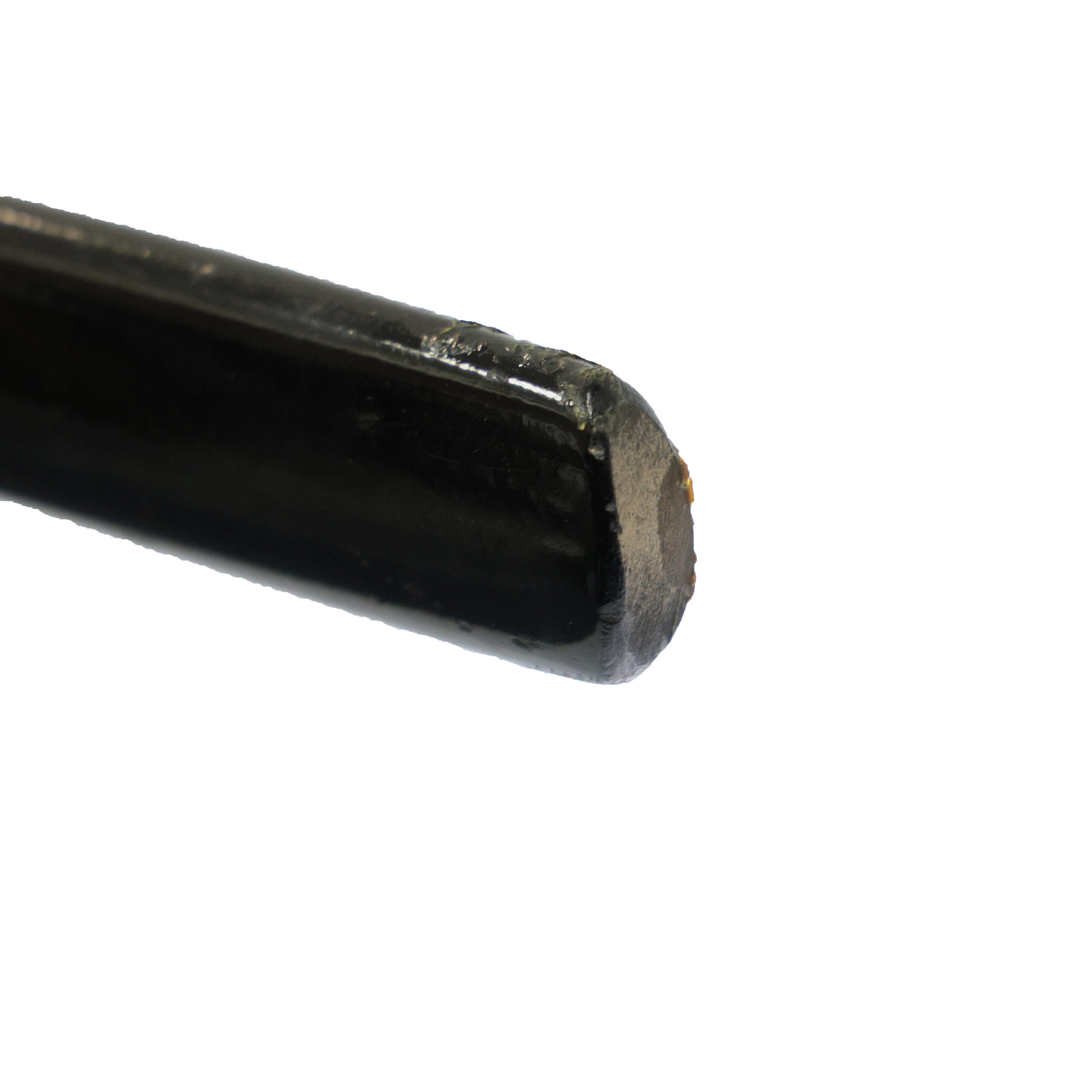
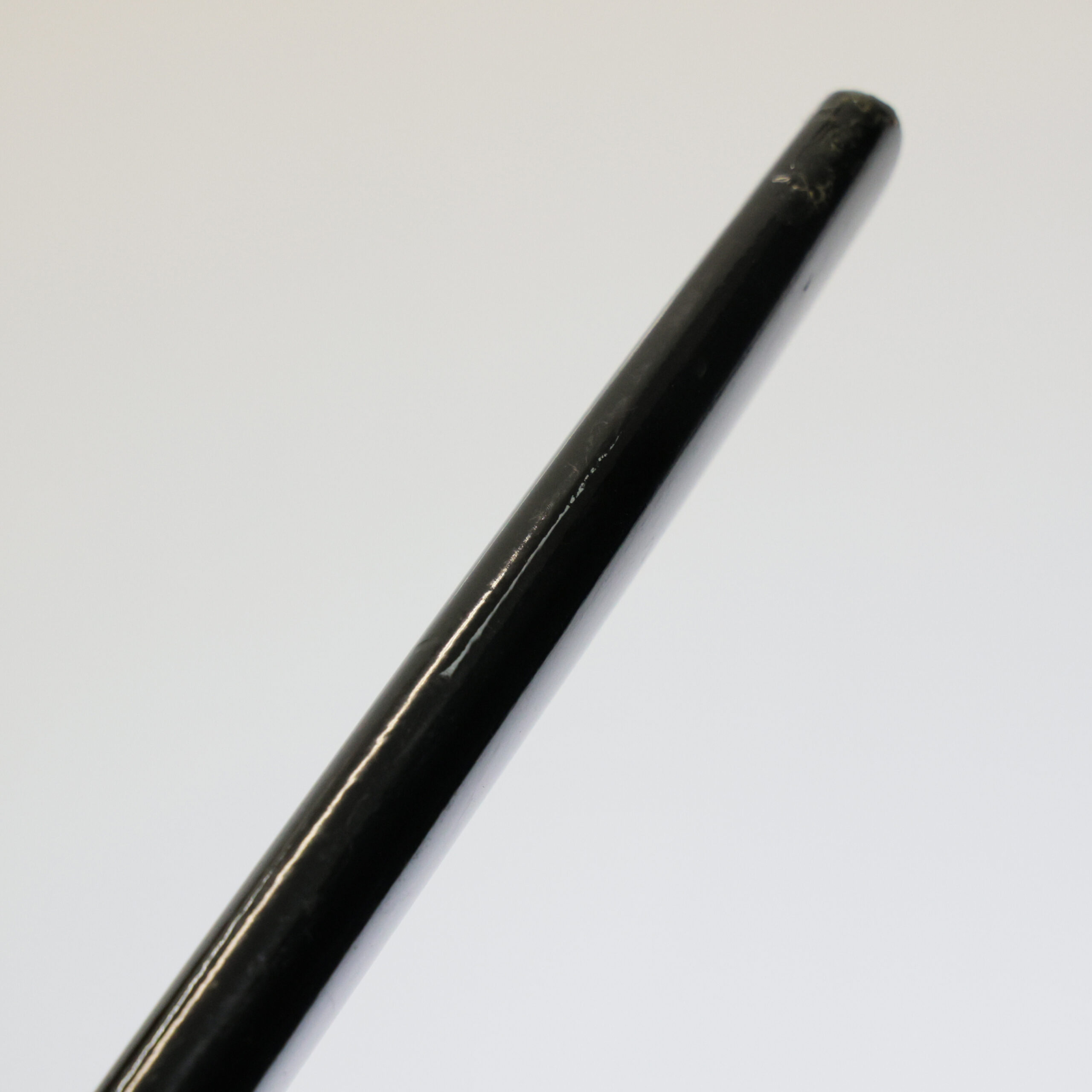
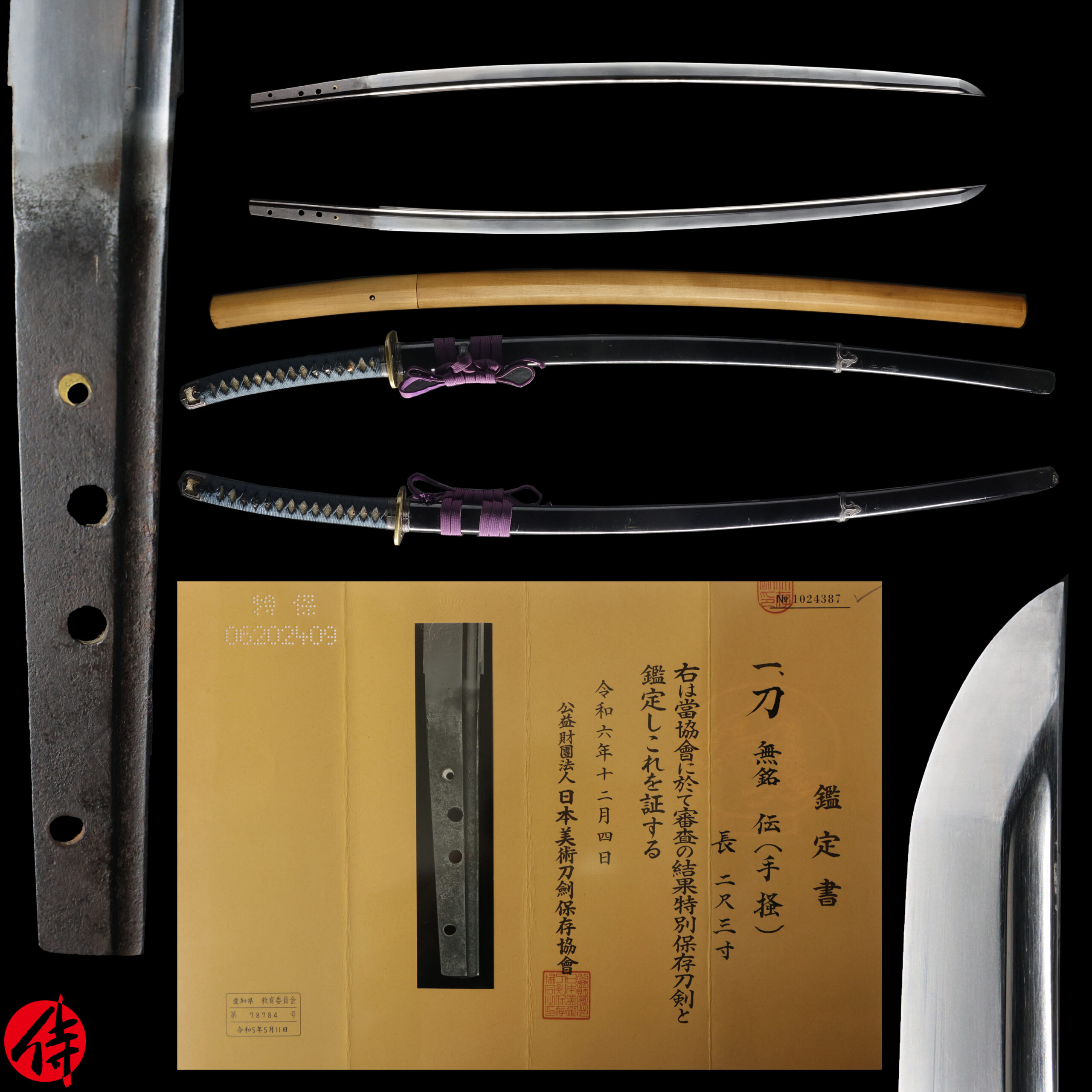
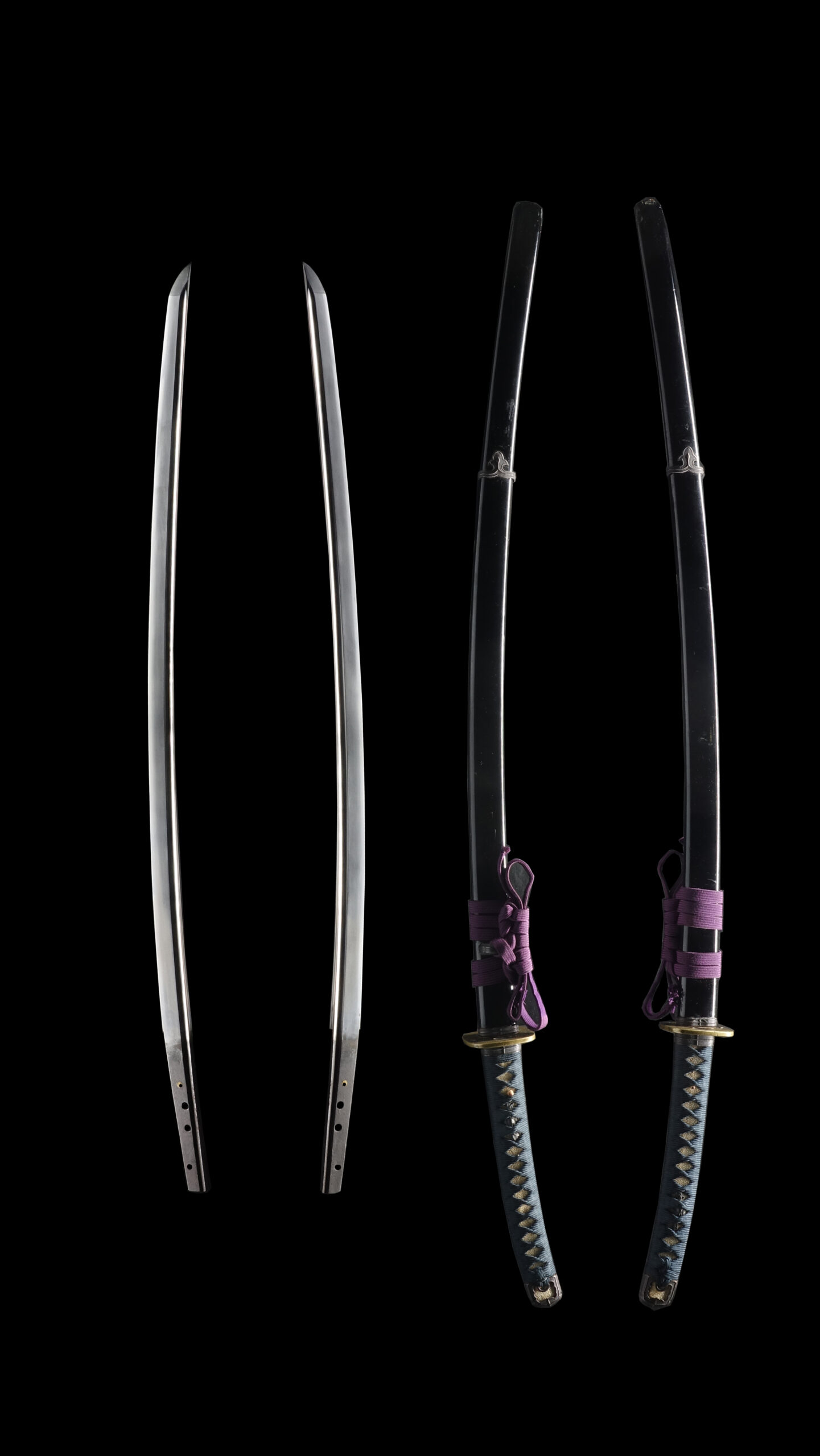
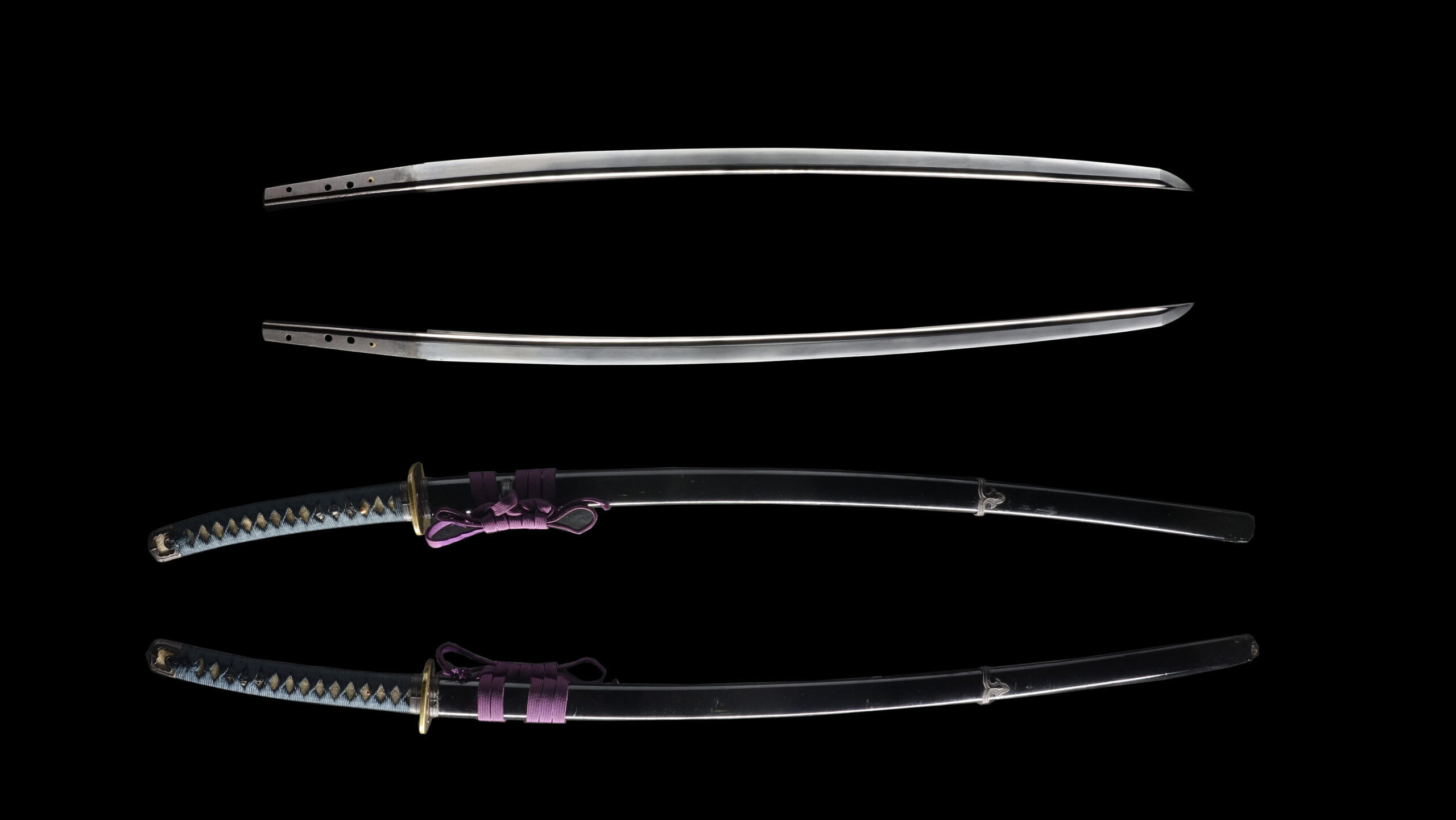
This antique Japanese Katana is attributed to the Tegai school, one of the prestigious Yamato Goha schools, and comes with an NBTHK Tokubetsu Hozon Certificate. Forged during the late Kamakura to Nanbokucho period, it exhibits a beautiful Jigane and Suguha tempering line characteristic of Yamato swords. The blade is accompanied by a Koshirae mounting featuring a crab and bamboo grass Menuki, and a heron-themed Tsuba.
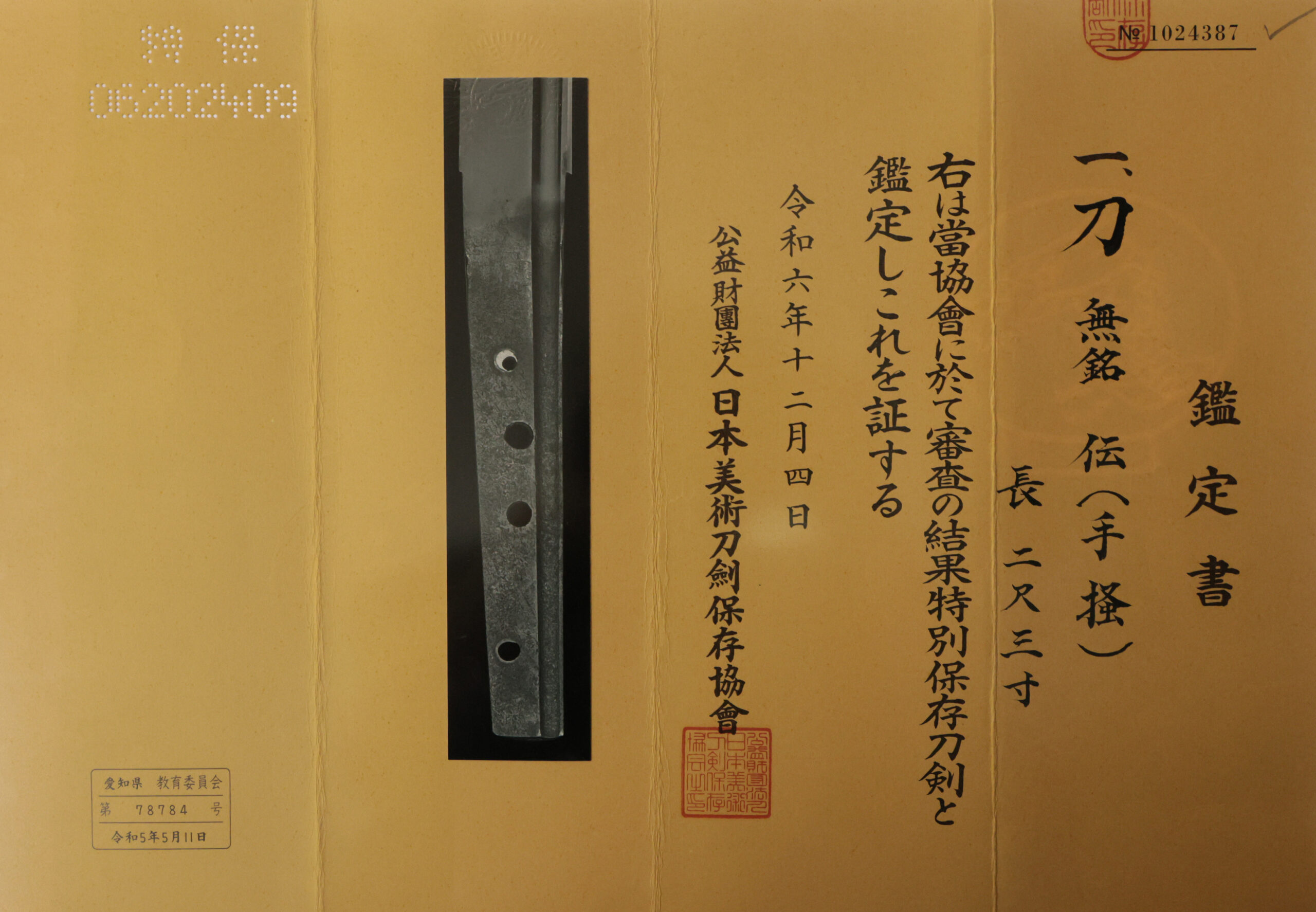
Certificate reading — 無銘(手掻)
 NihontoWatchBETA
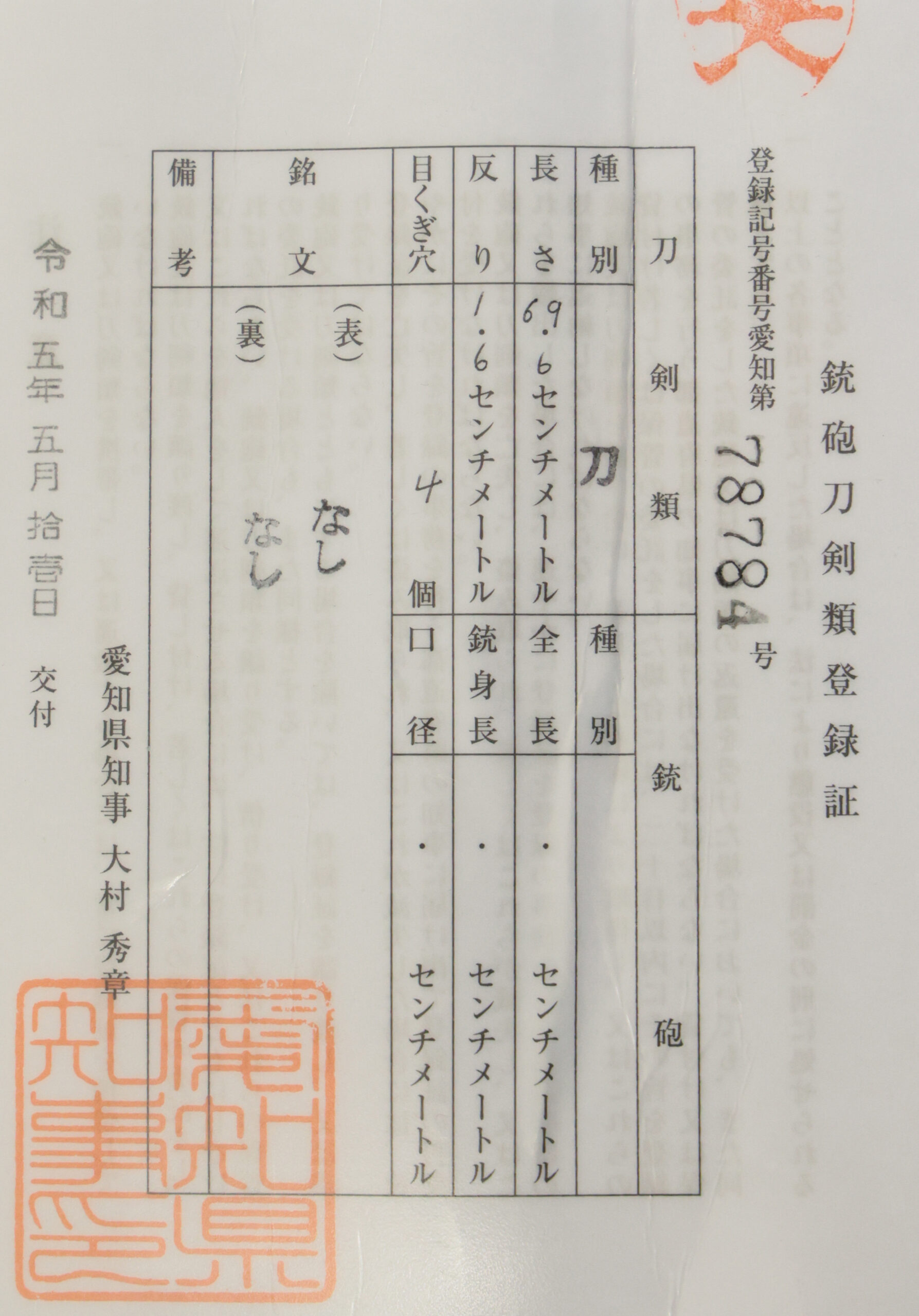
mumei · Tegai · Nanbokucho · nagasa 69.6cm · sori 1.6cm

Yamato-den · Yamato
28 pieces on the market now
Outside the Tegaimon (転害門), the western great gate of Todai-ji, a lineage of smiths forged for the temple through the closing decades of the Kamakura period, and from that monastic ground rose the Tegai school (手掻), one of the five branches of the Yamato-den. Learn more →
| Smith | Era | Designated |
|---|---|---|
| Kanenaga包永 | 1288-1312 | 63 |
| Kanekiyo包清 | 1362-1370 | 8 |
| Kanetsugu包次 | 1317-1333 | 4 |
| Kanetoshi包俊 | 1381-1384 | 4 |
| Kanezane包眞 | 1394-1428 | 3 |
A Hozon-certified blade judged to show notably superior workmanship and a better state of preservation. The bar is higher: re-tempered blades and most unsigned Muromachi/Edo works are excluded.
The NBTHK (Nihon Bijutsu Tōken Hozon Kyōkai, the Society for the Preservation of Japanese Art Swords) is a public-interest incorporated foundation founded in 1948 and supervised by Japan’s Agency for Cultural Affairs (Bunkachō); it is based at the Japanese Sword Museum in Tokyo. Its expert panels physically examine each submitted work (shinsa) and issue a certificate (kanteishō) ranking it by artistic and historical merit. NBTHK papers are the most widely recognized standard of authentication for Japanese swords and fittings.
NBTHK official siteReturns/exchanges limited to defects caused by shipping (except willful misconduct or gross negligence by the company); customers must contact within 72 hours of receiving the product.
This antique Japanese Katana is attributed to the Tegai school, one of the prestigious Yamato Goha schools, and comes with an NBTHK Tokubetsu Hozon Certificate. Forged during the late Kamakura to Nanbokucho period, it exhibits a beautiful Jigane and Suguha tempering line characteristic of Yamato swords. The blade is accompanied by a Koshirae mounting featuring a crab and bamboo grass Menuki, and a heron-themed Tsuba.
Certificate reading — 無銘(手掻)
NihontoWatchBETAmumei · Tegai · Nanbokucho · nagasa 69.6cm · sori 1.6cm
Yamato-den · Yamato
28 pieces on the market now
Outside the Tegaimon (転害門), the western great gate of Todai-ji, a lineage of smiths forged for the temple through the closing decades of the Kamakura period, and from that monastic ground rose the Tegai school (手掻), one of the five branches of the Yamato-den. Learn more →
| Smith | Era | Designated |
|---|---|---|
| Kanenaga包永 | 1288-1312 | 63 |
| Kanekiyo包清 | 1362-1370 | 8 |
| Kanetsugu包次 | 1317-1333 | 4 |
| Kanetoshi包俊 | 1381-1384 | 4 |
| Kanezane包眞 | 1394-1428 | 3 |
A Hozon-certified blade judged to show notably superior workmanship and a better state of preservation. The bar is higher: re-tempered blades and most unsigned Muromachi/Edo works are excluded.
The NBTHK (Nihon Bijutsu Tōken Hozon Kyōkai, the Society for the Preservation of Japanese Art Swords) is a public-interest incorporated foundation founded in 1948 and supervised by Japan’s Agency for Cultural Affairs (Bunkachō); it is based at the Japanese Sword Museum in Tokyo. Its expert panels physically examine each submitted work (shinsa) and issue a certificate (kanteishō) ranking it by artistic and historical merit. NBTHK papers are the most widely recognized standard of authentication for Japanese swords and fittings.
NBTHK official siteReturns/exchanges limited to defects caused by shipping (except willful misconduct or gross negligence by the company); customers must contact within 72 hours of receiving the product.