When the Southern Court made its capital at Yoshino, in Yamato itself, the province’s schools were at their height: the late Tegai line, Shikkake Norinaga, and the pure masame of Hōshō. Their technique was already spreading across the provinces.
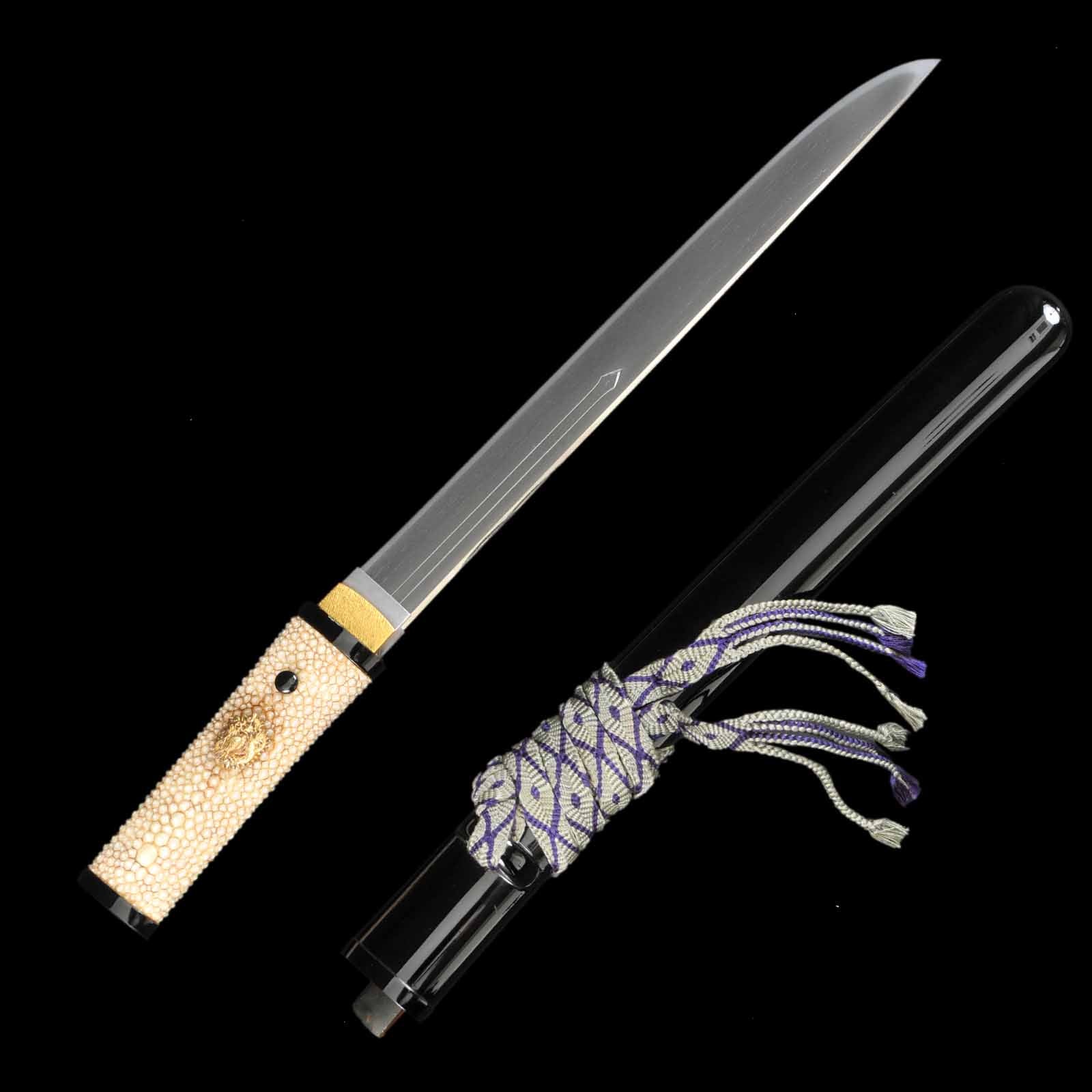
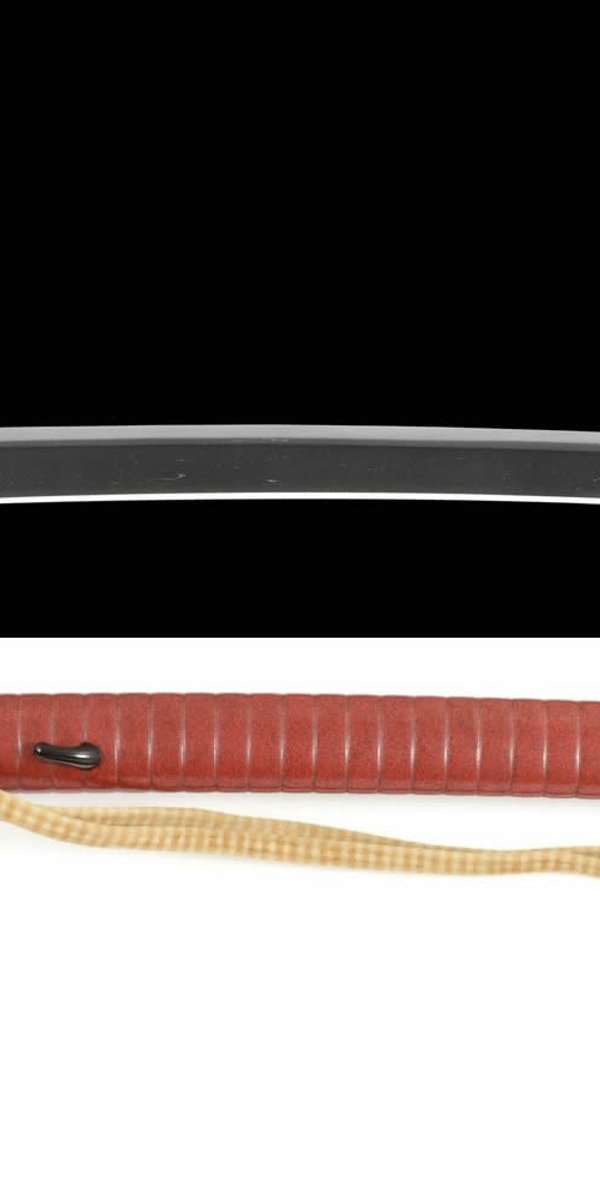
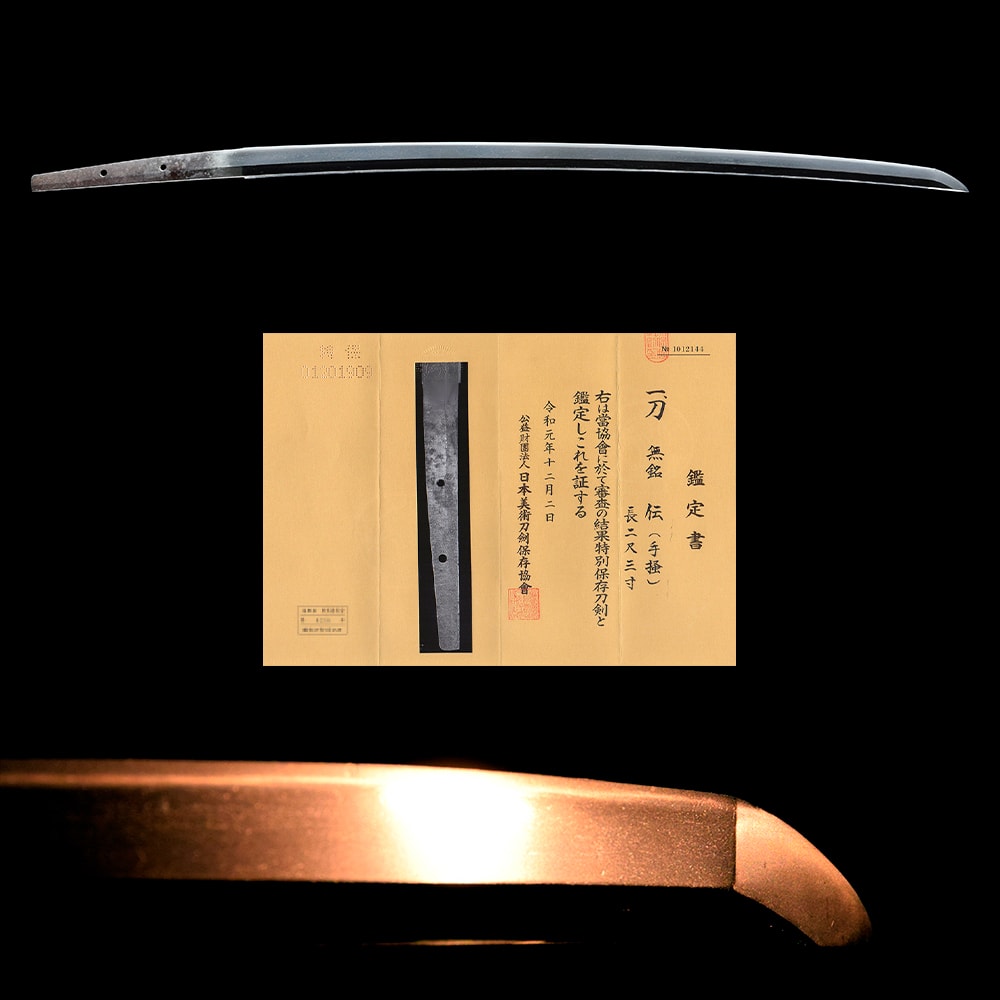
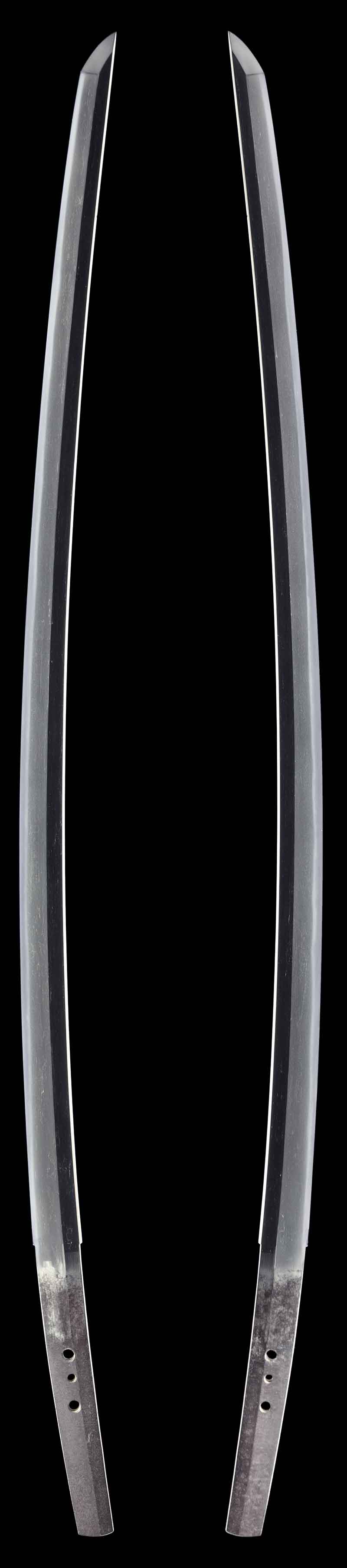
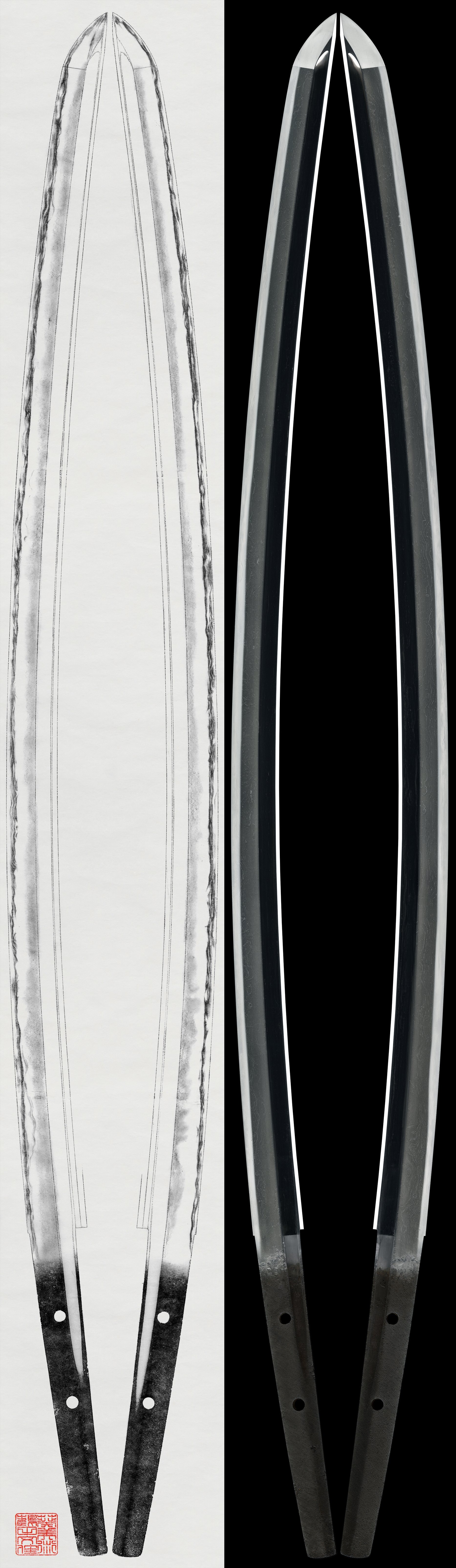
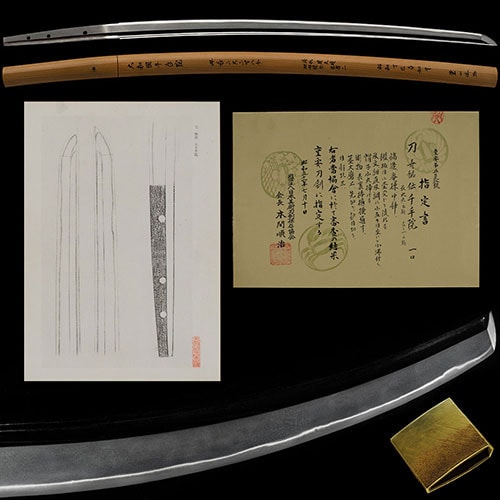
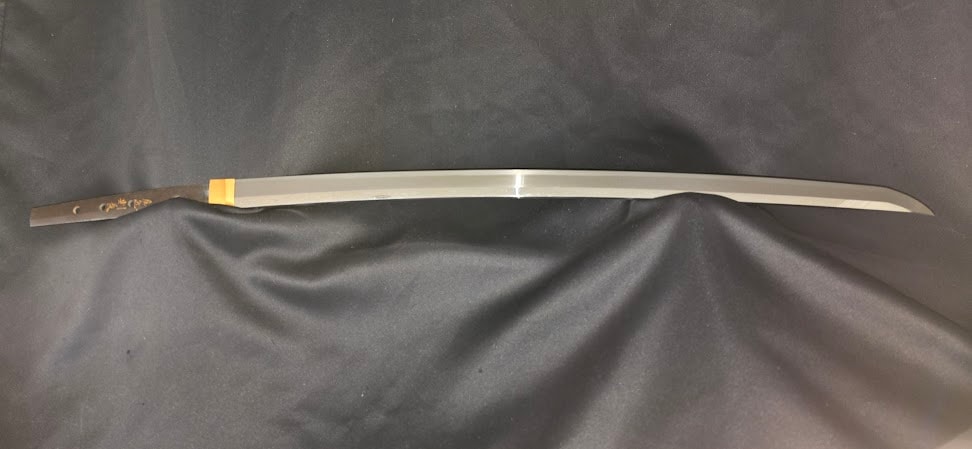
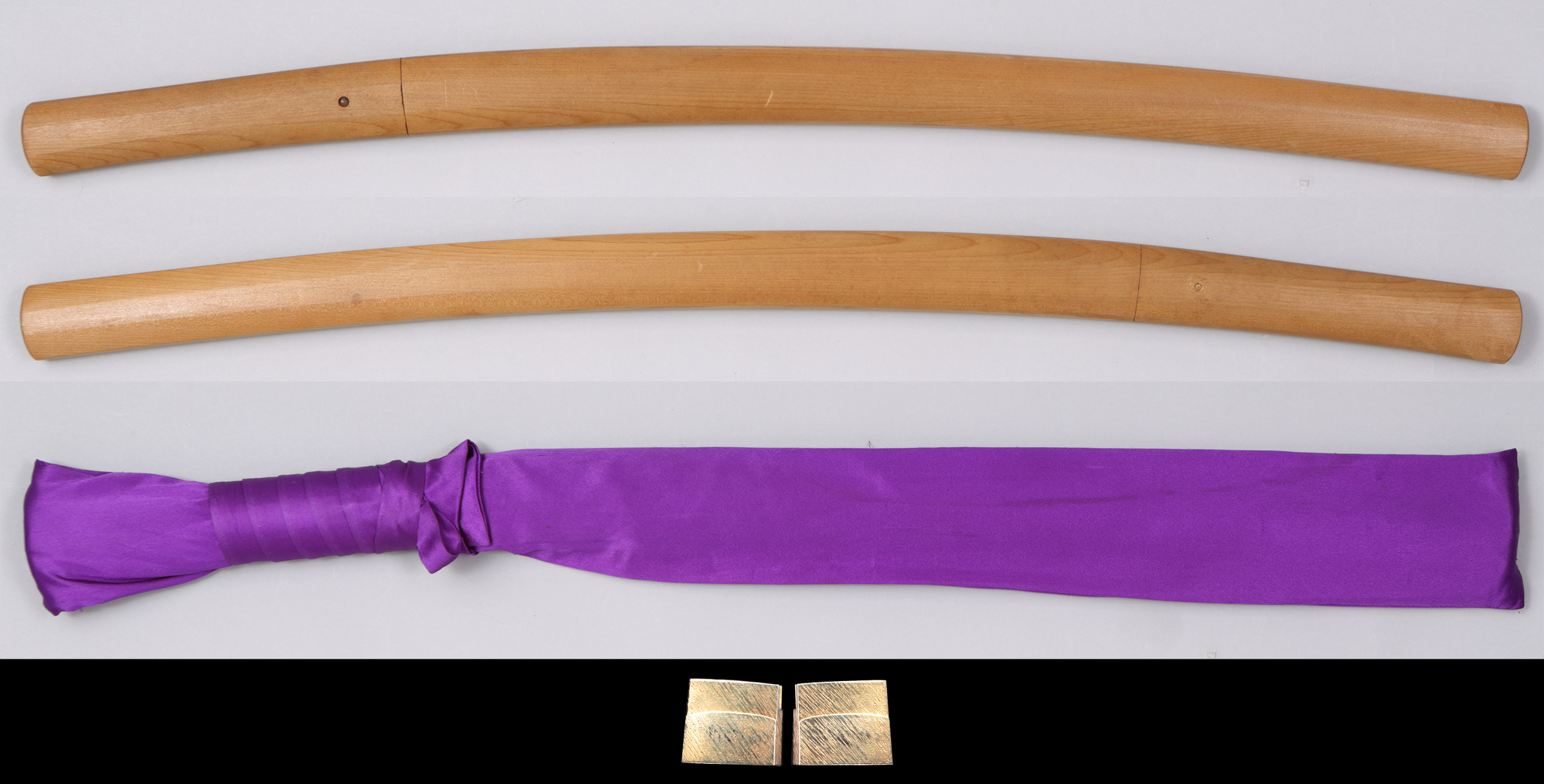
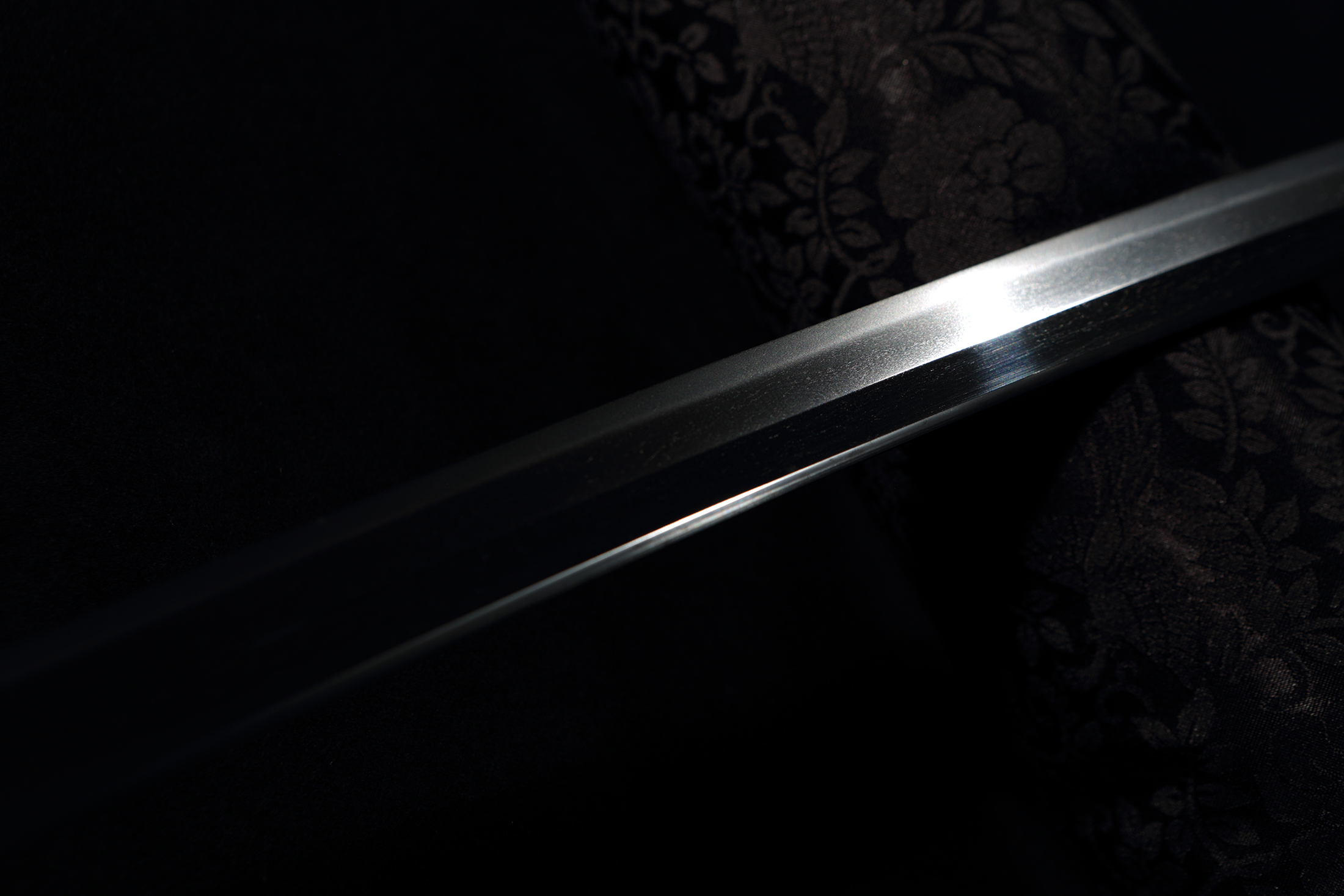
This is a mumei wakizashi attributed to Tegai Kanetoshi, a smith of the Tegai school from the Nanbokucho period. It features a charming small-sized shinogi-zukuri form with a finely forged hada and a bright, clear nie-deki hamon. The blade comes with a shirasaya and an NBTHK Tokubetsu Hozon certificate.
 NihontoWatch
mumei · Tegai · Nanbokucho · nagasa 52.7cm · sori 1.5cm


Yamato-den · Yamato
35 pieces on the market now
Outside the Tegaimon (転害門), the western great gate of Todai-ji, a lineage of smiths forged for the temple through the closing decades of the Kamakura period, and from that monastic ground rose the Tegai school (手掻), one of the five branches of the Yamato-den. The published commentary of the NBTHK names Kanenaga (包永) its founder, placing his activity around the Shoo era (1288 to 1293) while reading his own workmanship, and a tanto by an early hand of his circle dated Karyaku 4 (1329), as evidence of a beginning reaching back further into middle and late Kamakura. The school took its name from the gate by which it worked, and the long Nanto-ju and Tegai-ju signatures cut by its later smiths keep that Nara setting on record. Among the five Yamato traditions Tegai was the largest in scale, and as the Muromachi years advanced it appears to have absorbed the others so that it alone effectively continued, a span the surviving generations of Kanenaga, Kanekiyo (包清), Kanetsugu (包次), Kanetoshi (包俊), Kanesada (包貞), and Kanemasa (包真) carry from the late Kamakura into the Eisho and Kyoroku eras. A Tegai blade is read first in the steel and then along the edge. The forging is itame mixed with mokume that flows into nagare and inclines toward masame near the ha, standing open in a hada-dachi character, with thick ji-nie, chikei entering frequently, and at times a whitish shirake utsuri toward the mune. Over that ground runs a suguha base, seldom left plain, taking in shallow notare, ko-midare, and ko-gunome; the habuchi frays into hotsure, with uchinoke, kuichigai-ba, nijuba, yubashiri drifting into the ji, and sunagashi and kinsuji sweeping through. The boshi answers in kind, swept with hakikake and finishing yakizume or turning back in a small ko-maru. Within this shared vocabulary the corpus divides along the Ko-Tegai and Sue-Tegai axis.
The founder's hand, the Ko-Tegai prime, carries the strongest nie among Yamato works, round and lustrous, over a bright and clear jigane, with many tachi holding a dignified, high-toned bearing; the Meibutsu Konotegashiwa Kanenaga even tempers omote and ura differently. The later Sue-Tegai generations part company, the steel turning whitish, the nioiguchi tightening toward ko-nie, and the temper broadening at the last toward ogunome and a hitatsura tendency near Muramasa, as in the late Tegai-ju Kanekiyo blades. To kantei a Tegai blade is to place it within Yamato and then along its own line. Against Senjuin, Shikkake, Taima, and Hosho, all working the same standing masame-inclined grain under fraying suguha, Tegai is told by the strength and brightness of its nie; Honma noted of the first generation a sparkle at times recalling Awataguchi Hisakuni, and one Tokubetsu Juyo tachi was read as rivaling the upper Soshu masters. Where Hosho runs a near-pure masame and a plain edge, and where Shikkake Norinaga strings his ko-gunome into connected rows, Kanenaga holds the suguha-cho through its shallow notare and lets yubashiri, uchinoke, and nijuba play above the habuchi with unusual freedom; the Rai suguha of Yamashiro, by contrast, runs clean over a close ko-itame. Rated Jo-jo saku by Fujishiro, Kanenaga stands at the head of the school, his signed tachi (the character Kane compressed, the second vertical of Naga drawn out long) unusually numerous for so early a smith, though most survive suriage and the o-suriage mumei attributions ride on the quality of the nie. The provenance is deep, running through shrines and the Tokugawa, Date, and Hachisuka families to the Imperial Family, with recorded holders including the Tokyo National Museum and the Tokugawa Art Museum. The later names hold mainly to the Juyo register and to private and designated hands, valued as fixed reference points for the Yamato-den, where the founder's bright, heavy nie over standing Yamato steel remains the measure by which the whole school is judged. Learn more →
| Smith | Era | Designated |
|---|---|---|
| Kanenaga包永 | 1288-1312 | 62 |
| Kanekiyo包清 | 1362-1370 | 8 |
| Kanetoshi包俊 | 1381-1384 | 4 |
| Kanetsugu包次 | 1317-1333 | 4 |
| Kanekiyo包清 | 1429-1441 | 3 |
Yamato in the Nanbokuchō period
When the Southern Court made its capital at Yoshino, in Yamato itself, the province’s schools were at their height: the late Tegai line, Shikkake Norinaga, and the pure masame of Hōshō. Their technique was already spreading across the provinces.
A Hozon-certified blade judged to show notably superior workmanship and a better state of preservation. The bar is higher: re-tempered blades and most unsigned Muromachi/Edo works are excluded.
The NBTHK (Nihon Bijutsu Tōken Hozon Kyōkai, the Society for the Preservation of Japanese Art Swords) is a public-interest incorporated foundation founded in 1948 and supervised by Japan’s Agency for Cultural Affairs (Bunkachō); it is based at the Japanese Sword Museum in Tokyo. Its expert panels physically examine each submitted work (shinsa) and issue a certificate (kanteishō) ranking it by artistic and historical merit. NBTHK papers are the most widely recognized standard of authentication for Japanese swords and fittings.
NBTHK official siteIf you judge that the condition of the delivered item differs significantly from the photos or description on our site, a return is possible. However, the return shipping cost is the customer's responsibility. To use cooling-off, please apply in writing by postal mail within one week of the item's arrival. The return shipping cost is the customer's responsibility.
¥650,000
This is a mumei wakizashi attributed to Tegai Kanetoshi, a smith of the Tegai school from the Nanbokucho period. It features a charming small-sized shinogi-zukuri form with a finely forged hada and a bright, clear nie-deki hamon. The blade comes with a shirasaya and an NBTHK Tokubetsu Hozon certificate.
NihontoWatchmumei · Tegai · Nanbokucho · nagasa 52.7cm · sori 1.5cm
Yamato-den · Yamato
35 pieces on the market now
Outside the Tegaimon (転害門), the western great gate of Todai-ji, a lineage of smiths forged for the temple through the closing decades of the Kamakura period, and from that monastic ground rose the Tegai school (手掻), one of the five branches of the Yamato-den. The published commentary of the NBTHK names Kanenaga (包永) its founder, placing his activity around the Shoo era (1288 to 1293) while reading his own workmanship, and a tanto by an early hand of his circle dated Karyaku 4 (1329), as evidence of a beginning reaching back further into middle and late Kamakura. The school took its name from the gate by which it worked, and the long Nanto-ju and Tegai-ju signatures cut by its later smiths keep that Nara setting on record. Among the five Yamato traditions Tegai was the largest in scale, and as the Muromachi years advanced it appears to have absorbed the others so that it alone effectively continued, a span the surviving generations of Kanenaga, Kanekiyo (包清), Kanetsugu (包次), Kanetoshi (包俊), Kanesada (包貞), and Kanemasa (包真) carry from the late Kamakura into the Eisho and Kyoroku eras. A Tegai blade is read first in the steel and then along the edge. The forging is itame mixed with mokume that flows into nagare and inclines toward masame near the ha, standing open in a hada-dachi character, with thick ji-nie, chikei entering frequently, and at times a whitish shirake utsuri toward the mune. Over that ground runs a suguha base, seldom left plain, taking in shallow notare, ko-midare, and ko-gunome; the habuchi frays into hotsure, with uchinoke, kuichigai-ba, nijuba, yubashiri drifting into the ji, and sunagashi and kinsuji sweeping through. The boshi answers in kind, swept with hakikake and finishing yakizume or turning back in a small ko-maru. Within this shared vocabulary the corpus divides along the Ko-Tegai and Sue-Tegai axis.
The founder's hand, the Ko-Tegai prime, carries the strongest nie among Yamato works, round and lustrous, over a bright and clear jigane, with many tachi holding a dignified, high-toned bearing; the Meibutsu Konotegashiwa Kanenaga even tempers omote and ura differently. The later Sue-Tegai generations part company, the steel turning whitish, the nioiguchi tightening toward ko-nie, and the temper broadening at the last toward ogunome and a hitatsura tendency near Muramasa, as in the late Tegai-ju Kanekiyo blades. To kantei a Tegai blade is to place it within Yamato and then along its own line. Against Senjuin, Shikkake, Taima, and Hosho, all working the same standing masame-inclined grain under fraying suguha, Tegai is told by the strength and brightness of its nie; Honma noted of the first generation a sparkle at times recalling Awataguchi Hisakuni, and one Tokubetsu Juyo tachi was read as rivaling the upper Soshu masters. Where Hosho runs a near-pure masame and a plain edge, and where Shikkake Norinaga strings his ko-gunome into connected rows, Kanenaga holds the suguha-cho through its shallow notare and lets yubashiri, uchinoke, and nijuba play above the habuchi with unusual freedom; the Rai suguha of Yamashiro, by contrast, runs clean over a close ko-itame. Rated Jo-jo saku by Fujishiro, Kanenaga stands at the head of the school, his signed tachi (the character Kane compressed, the second vertical of Naga drawn out long) unusually numerous for so early a smith, though most survive suriage and the o-suriage mumei attributions ride on the quality of the nie. The provenance is deep, running through shrines and the Tokugawa, Date, and Hachisuka families to the Imperial Family, with recorded holders including the Tokyo National Museum and the Tokugawa Art Museum. The later names hold mainly to the Juyo register and to private and designated hands, valued as fixed reference points for the Yamato-den, where the founder's bright, heavy nie over standing Yamato steel remains the measure by which the whole school is judged. Learn more →
| Smith | Era | Designated |
|---|---|---|
| Kanenaga包永 | 1288-1312 | 62 |
| Kanekiyo包清 | 1362-1370 | 8 |
| Kanetoshi包俊 | 1381-1384 | 4 |
| Kanetsugu包次 | 1317-1333 | 4 |
| Kanekiyo包清 | 1429-1441 | 3 |
Yamato in the Nanbokuchō period
When the Southern Court made its capital at Yoshino, in Yamato itself, the province’s schools were at their height: the late Tegai line, Shikkake Norinaga, and the pure masame of Hōshō. Their technique was already spreading across the provinces.
A Hozon-certified blade judged to show notably superior workmanship and a better state of preservation. The bar is higher: re-tempered blades and most unsigned Muromachi/Edo works are excluded.
The NBTHK (Nihon Bijutsu Tōken Hozon Kyōkai, the Society for the Preservation of Japanese Art Swords) is a public-interest incorporated foundation founded in 1948 and supervised by Japan’s Agency for Cultural Affairs (Bunkachō); it is based at the Japanese Sword Museum in Tokyo. Its expert panels physically examine each submitted work (shinsa) and issue a certificate (kanteishō) ranking it by artistic and historical merit. NBTHK papers are the most widely recognized standard of authentication for Japanese swords and fittings.
NBTHK official siteIf you judge that the condition of the delivered item differs significantly from the photos or description on our site, a return is possible. However, the return shipping cost is the customer's responsibility. To use cooling-off, please apply in writing by postal mail within one week of the item's arrival. The return shipping cost is the customer's responsibility.
¥650,000