NihontoWatch Mon

NihontoWatchBETA

Market
Encyclopedia
NihontoWatch Mon

NihontoWatchBETA

Market
Encyclopedia

Description

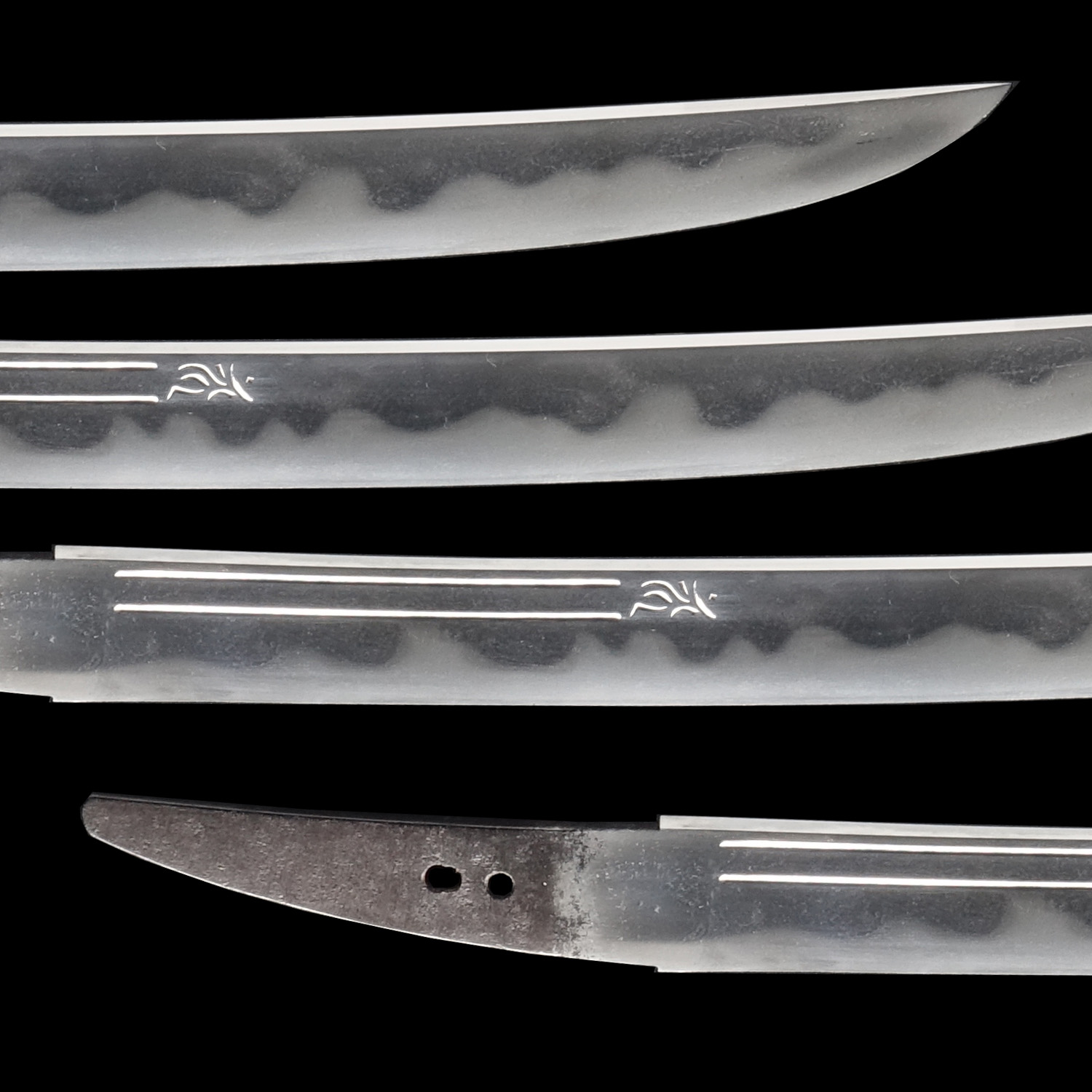
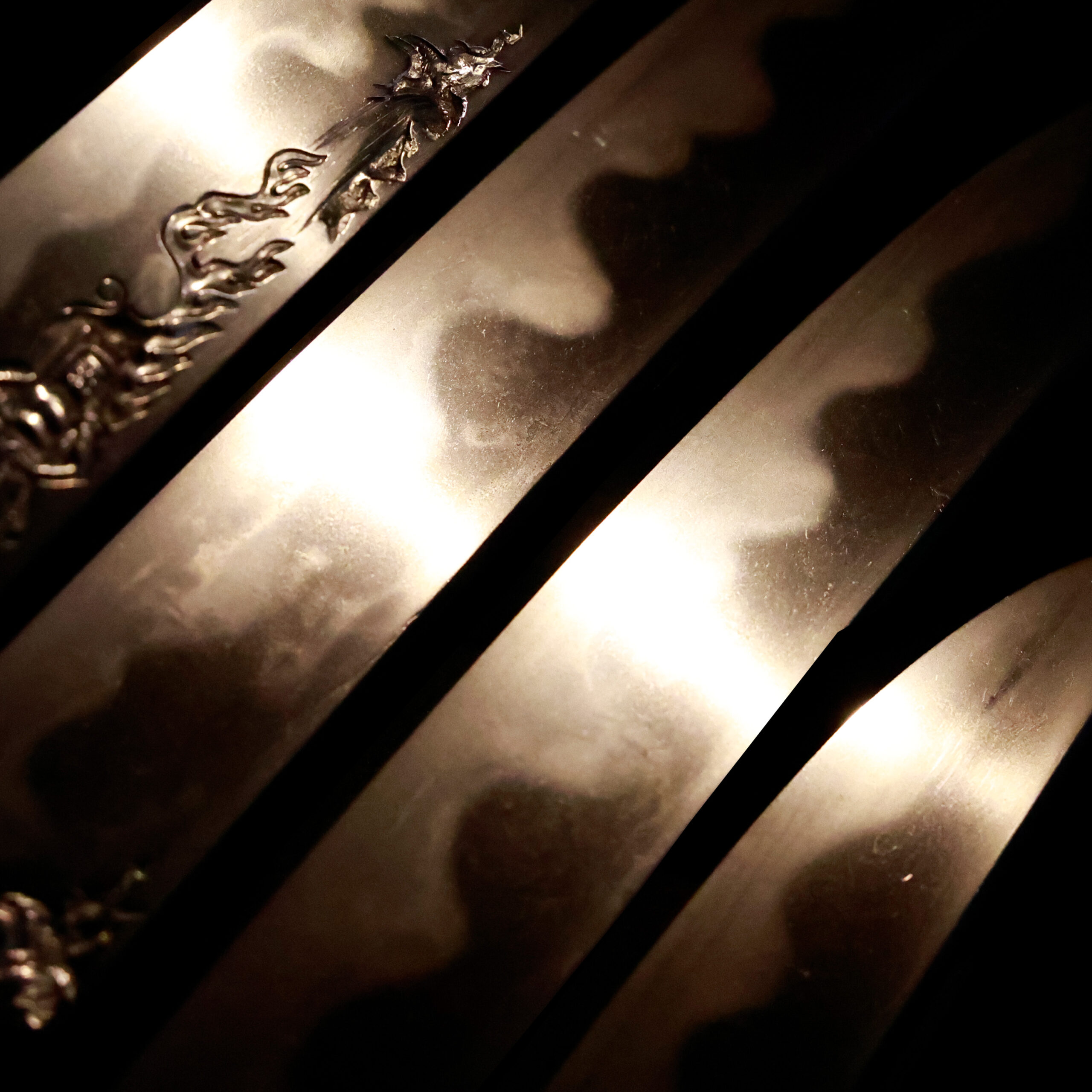
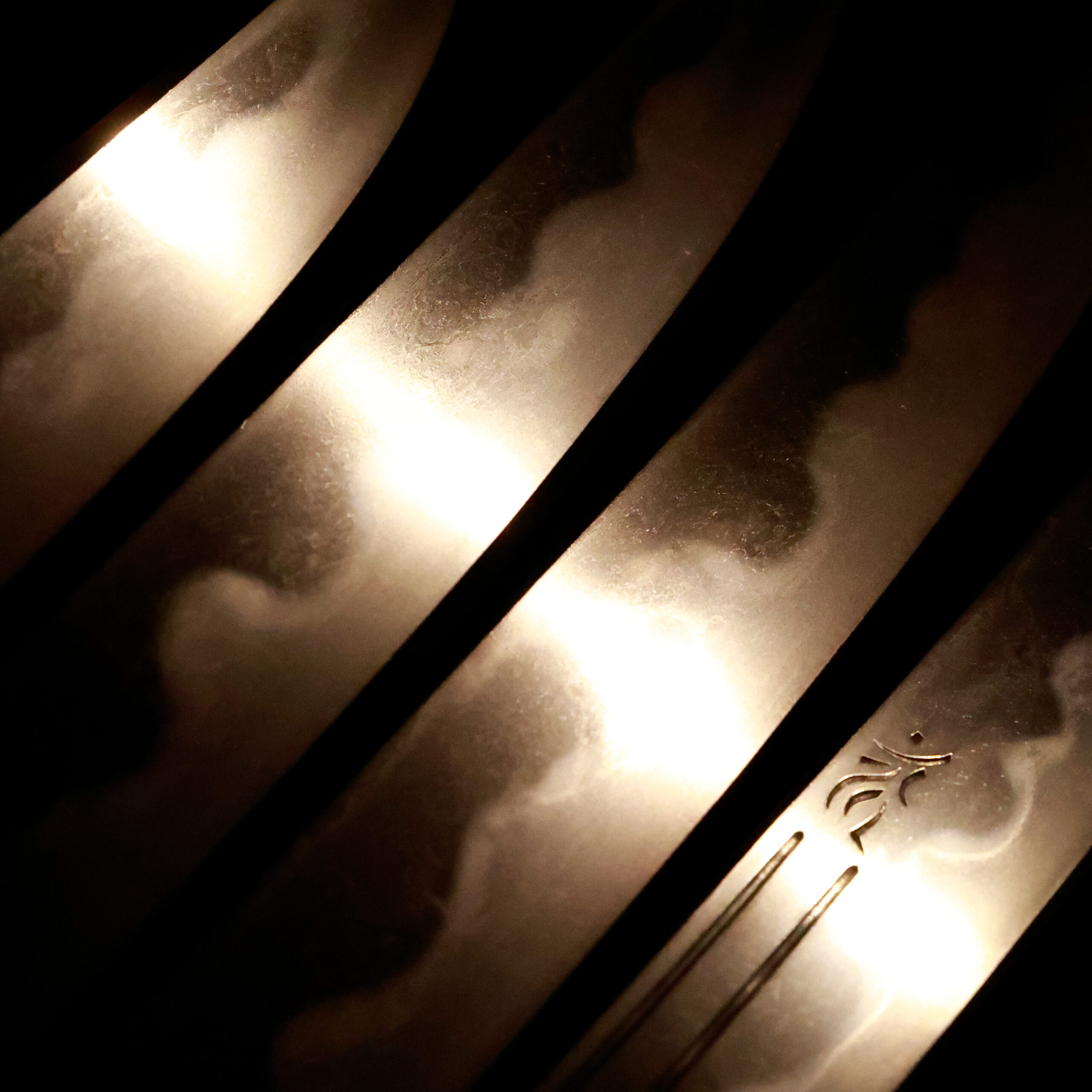
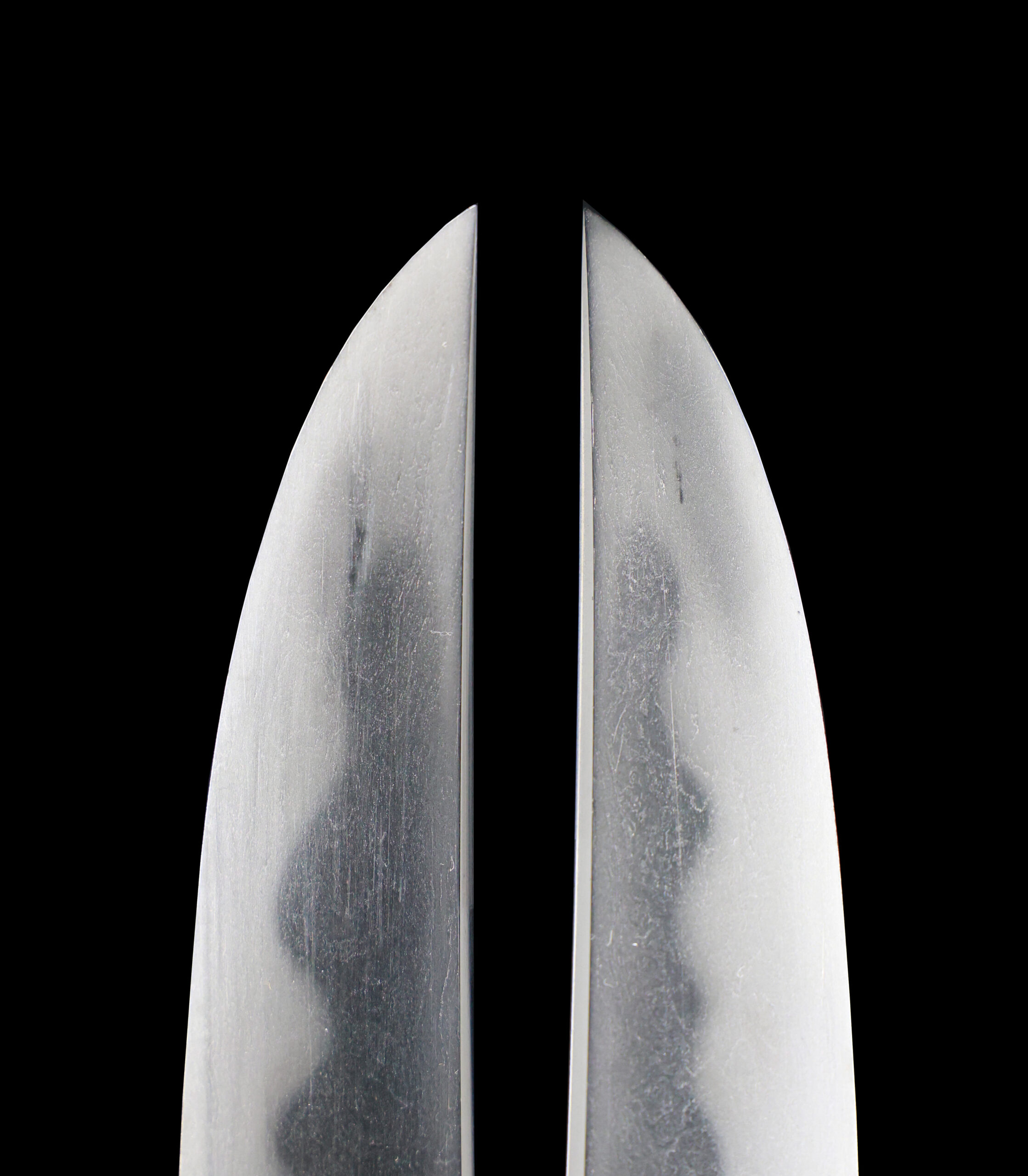
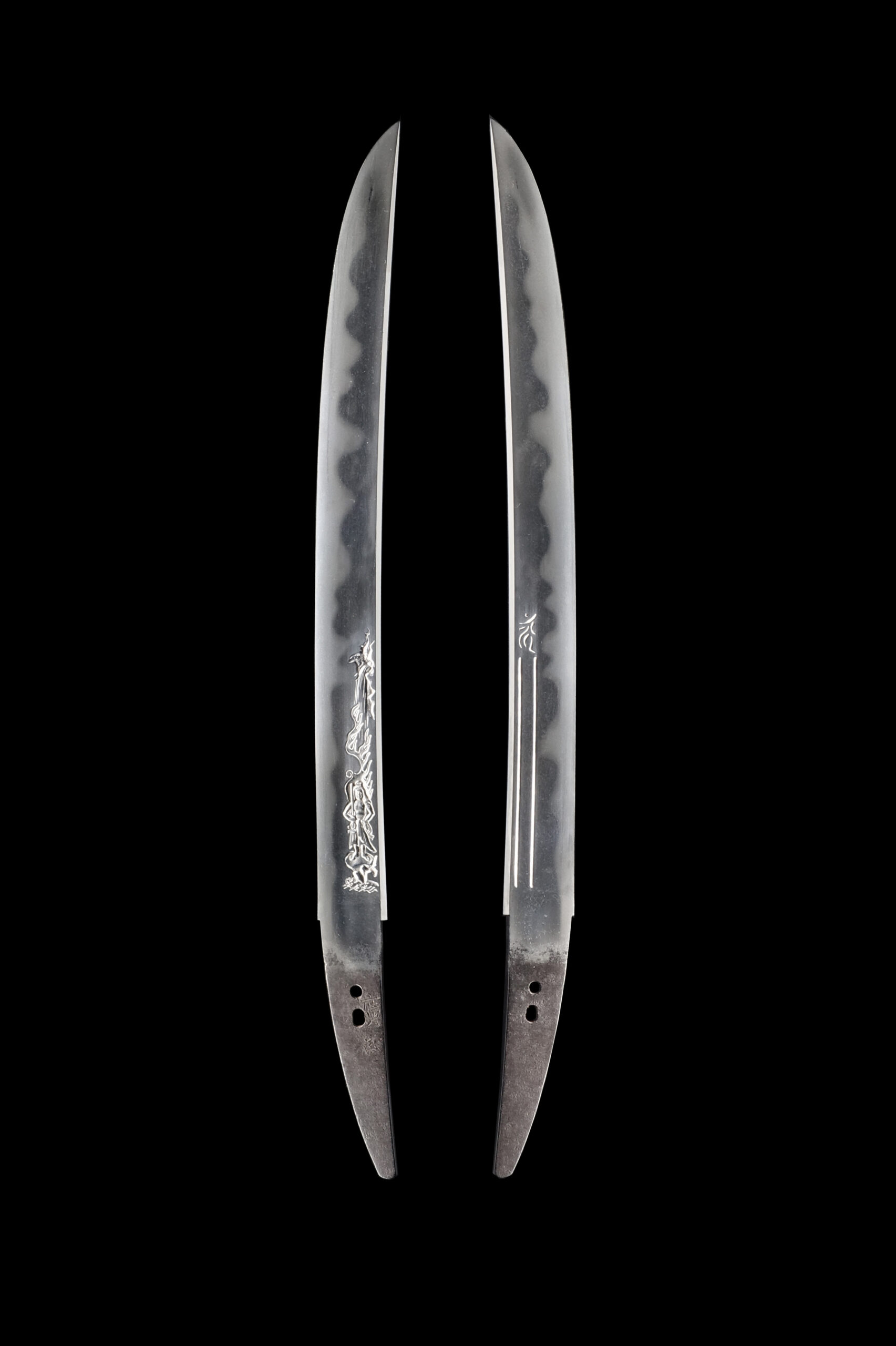
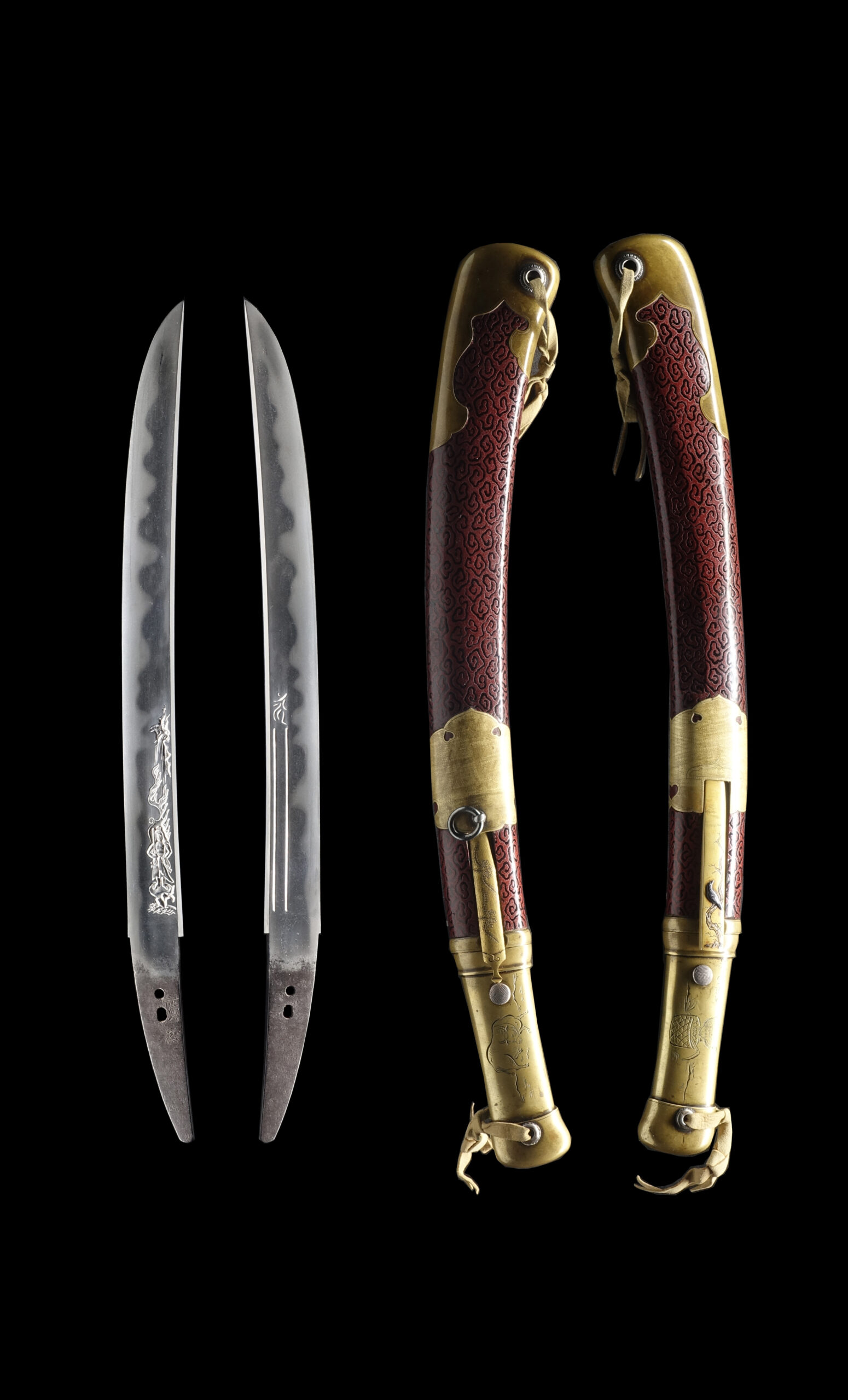
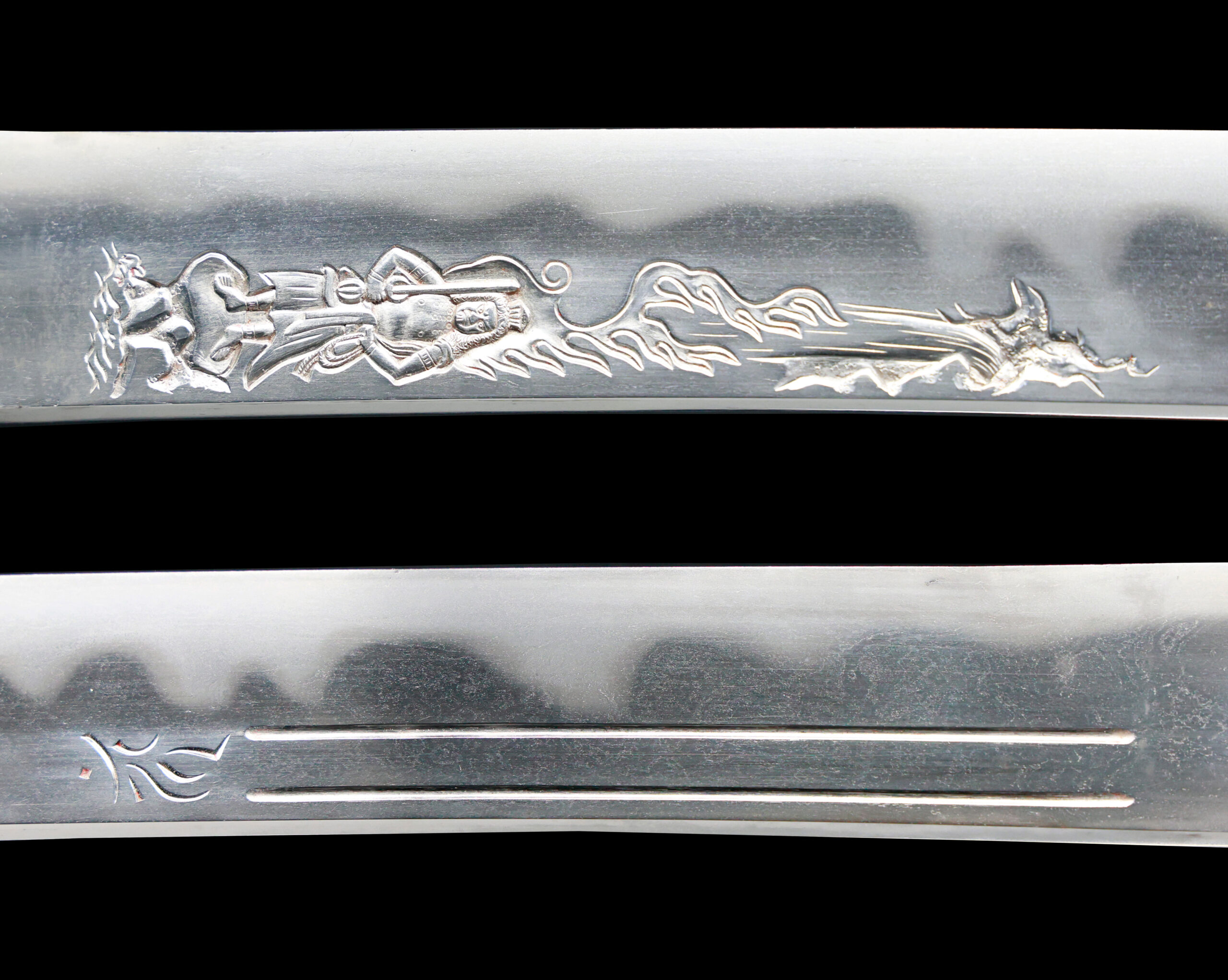
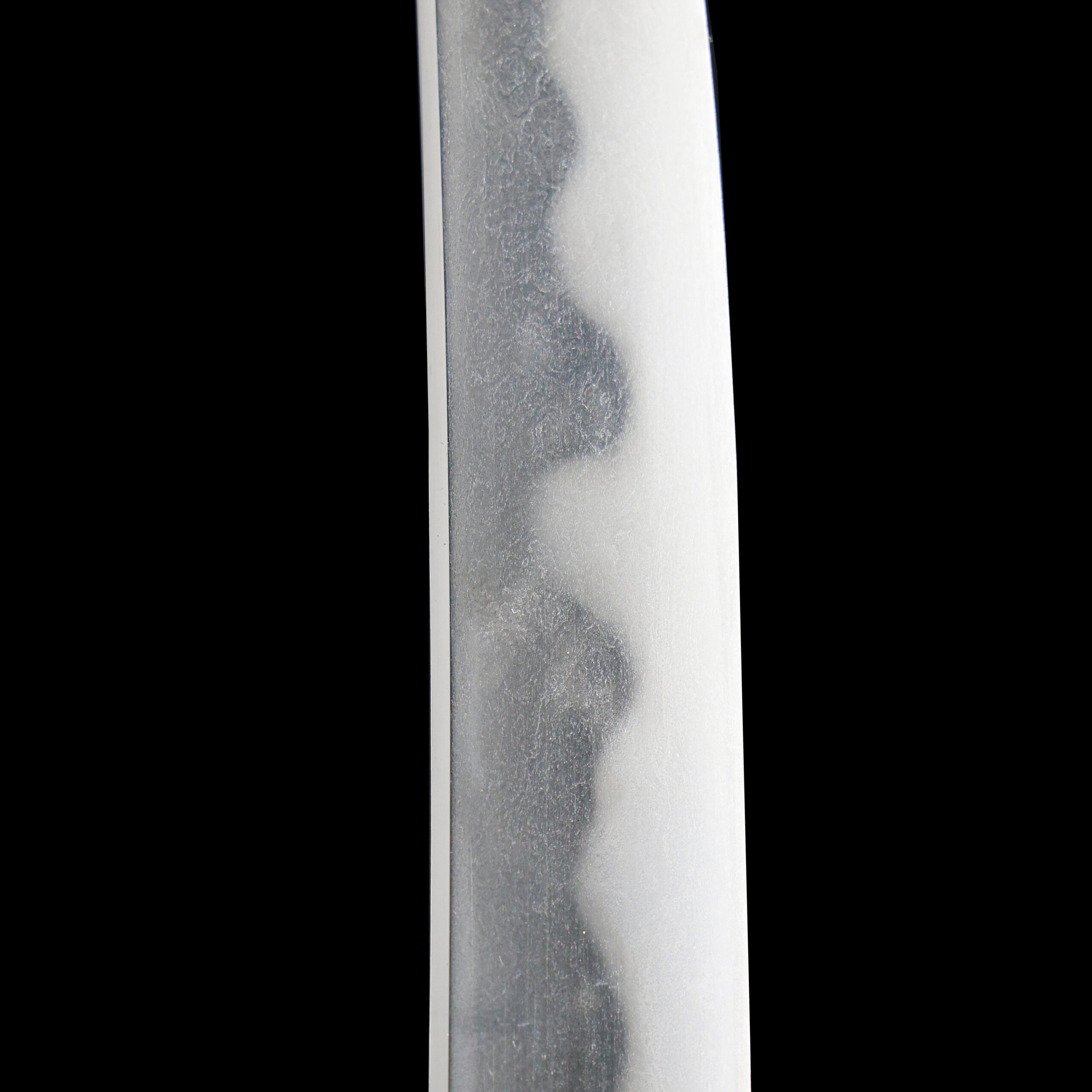
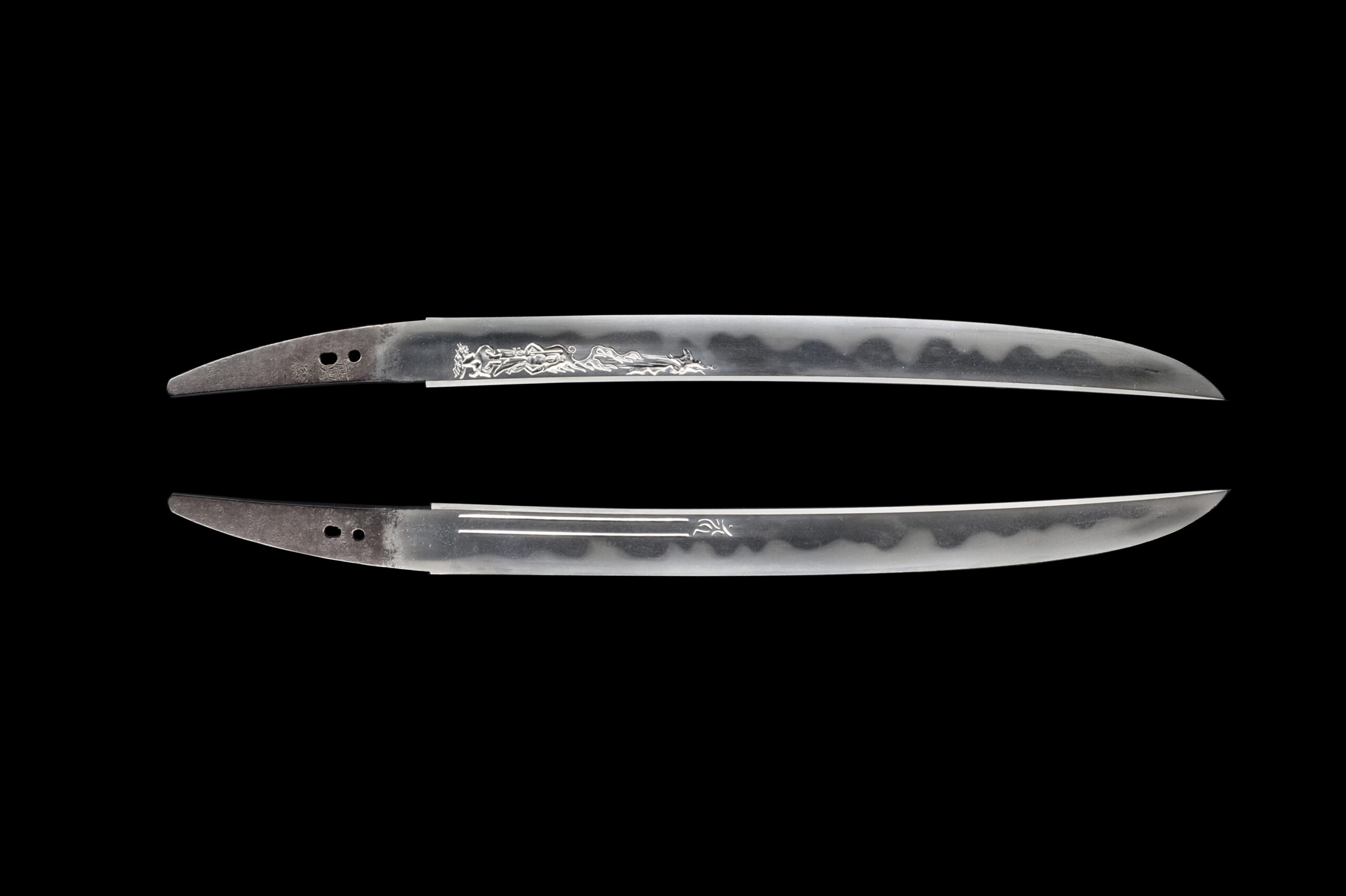
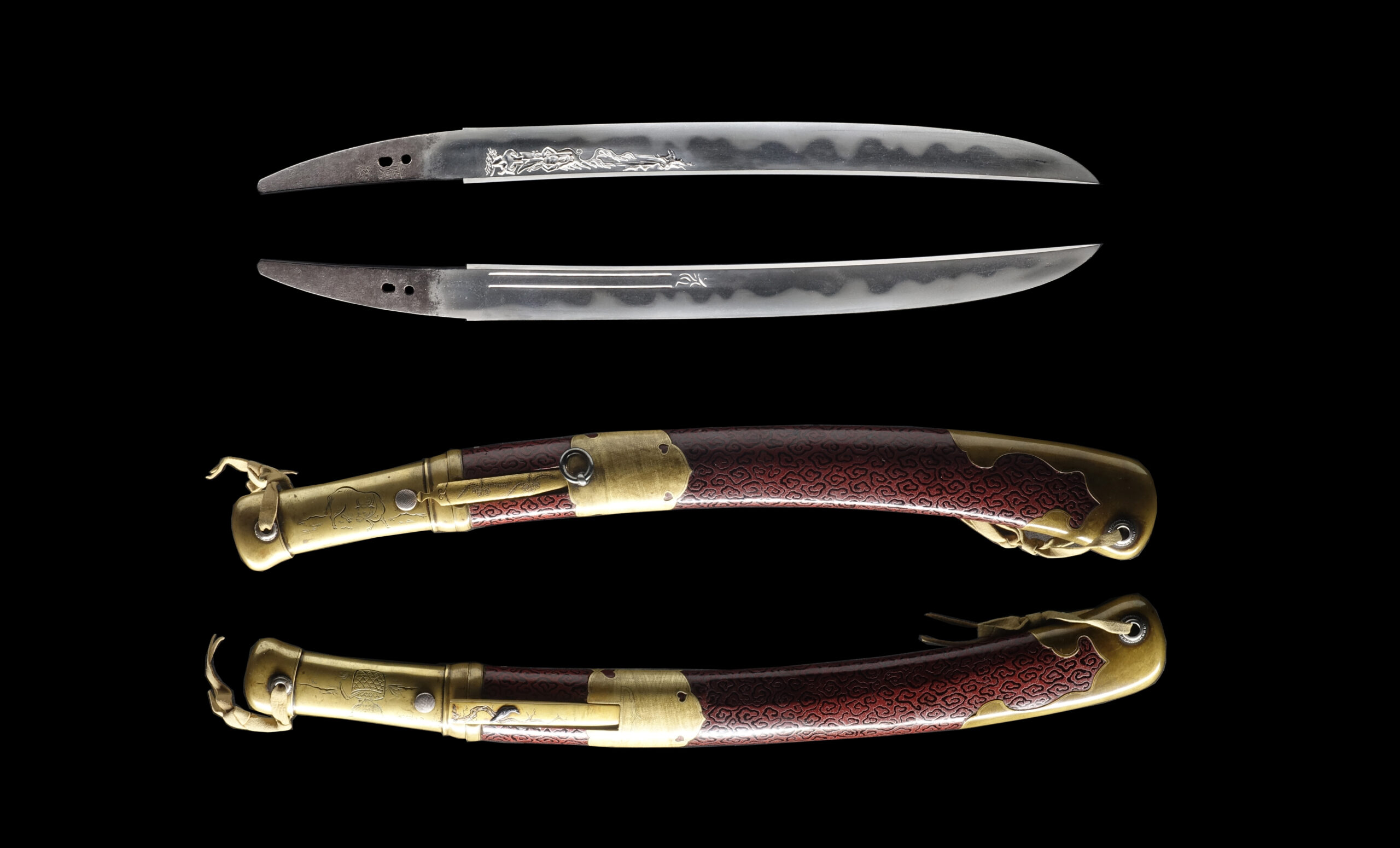
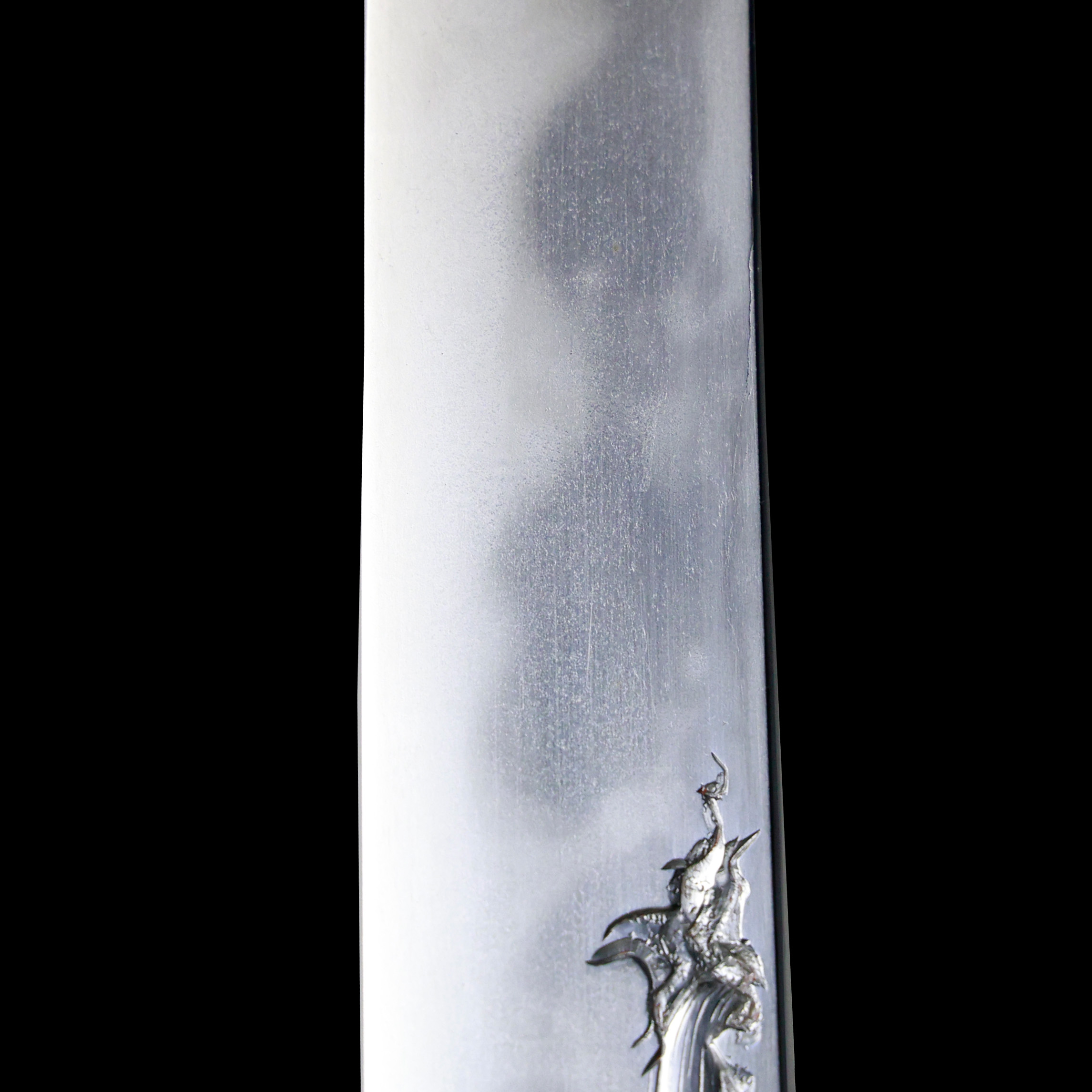
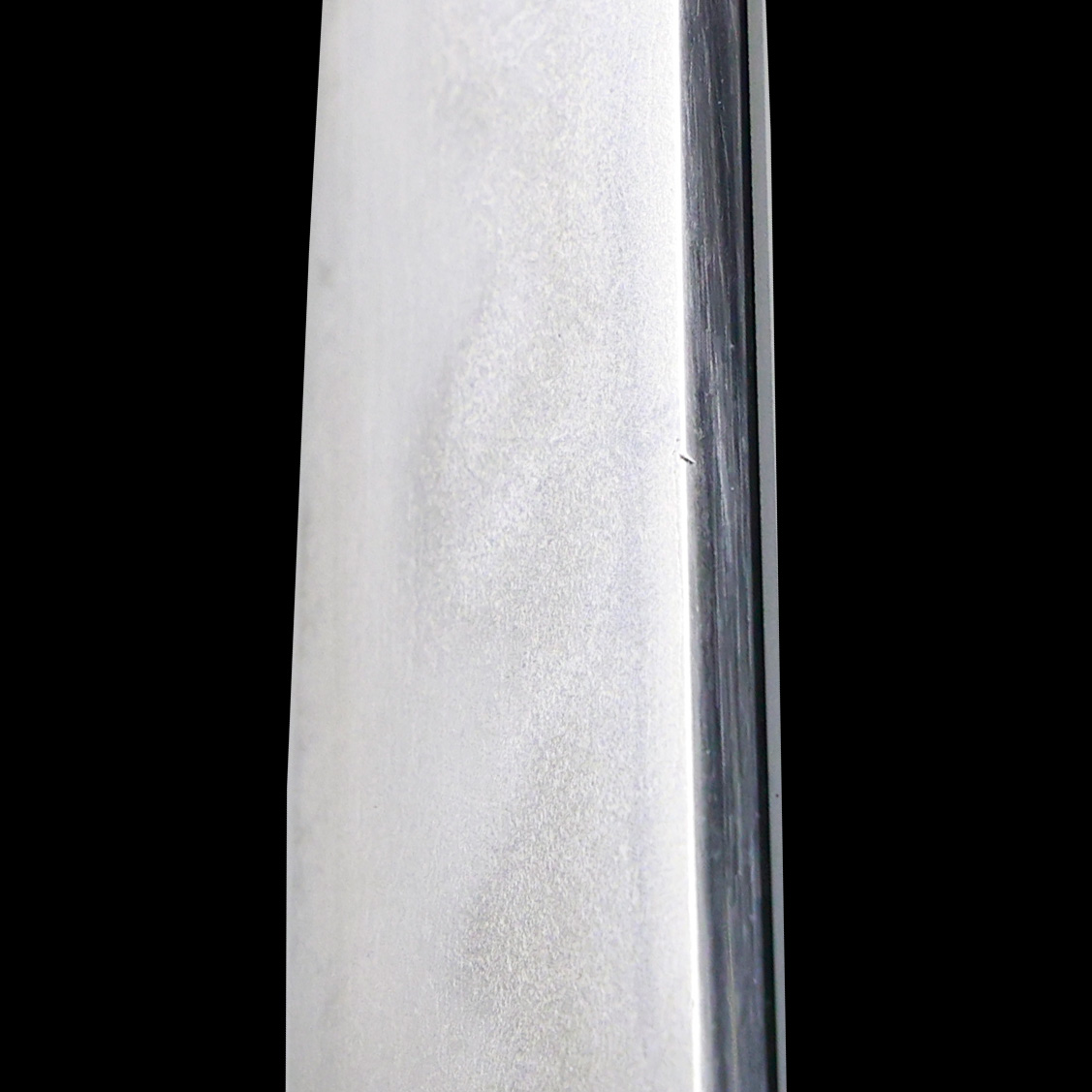
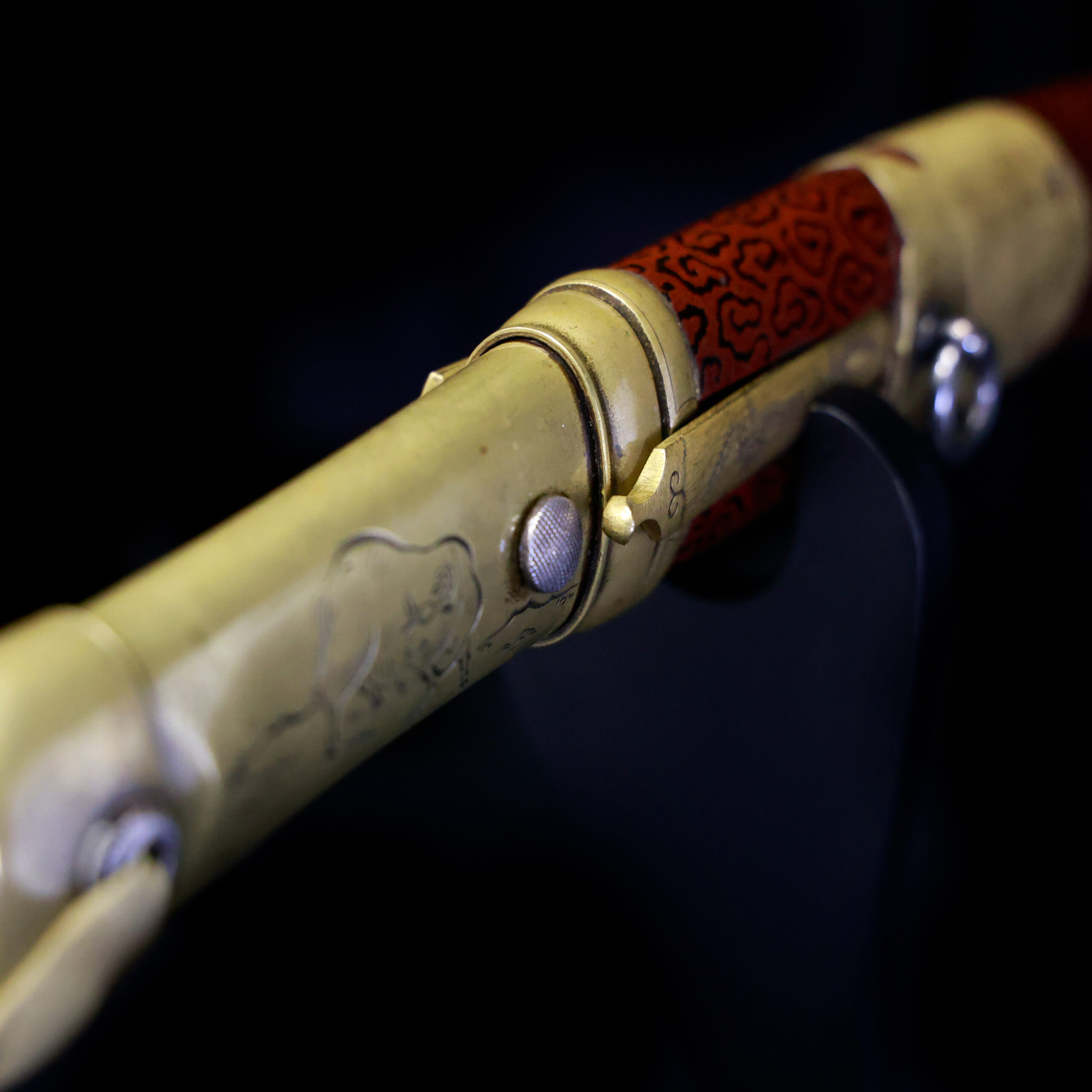
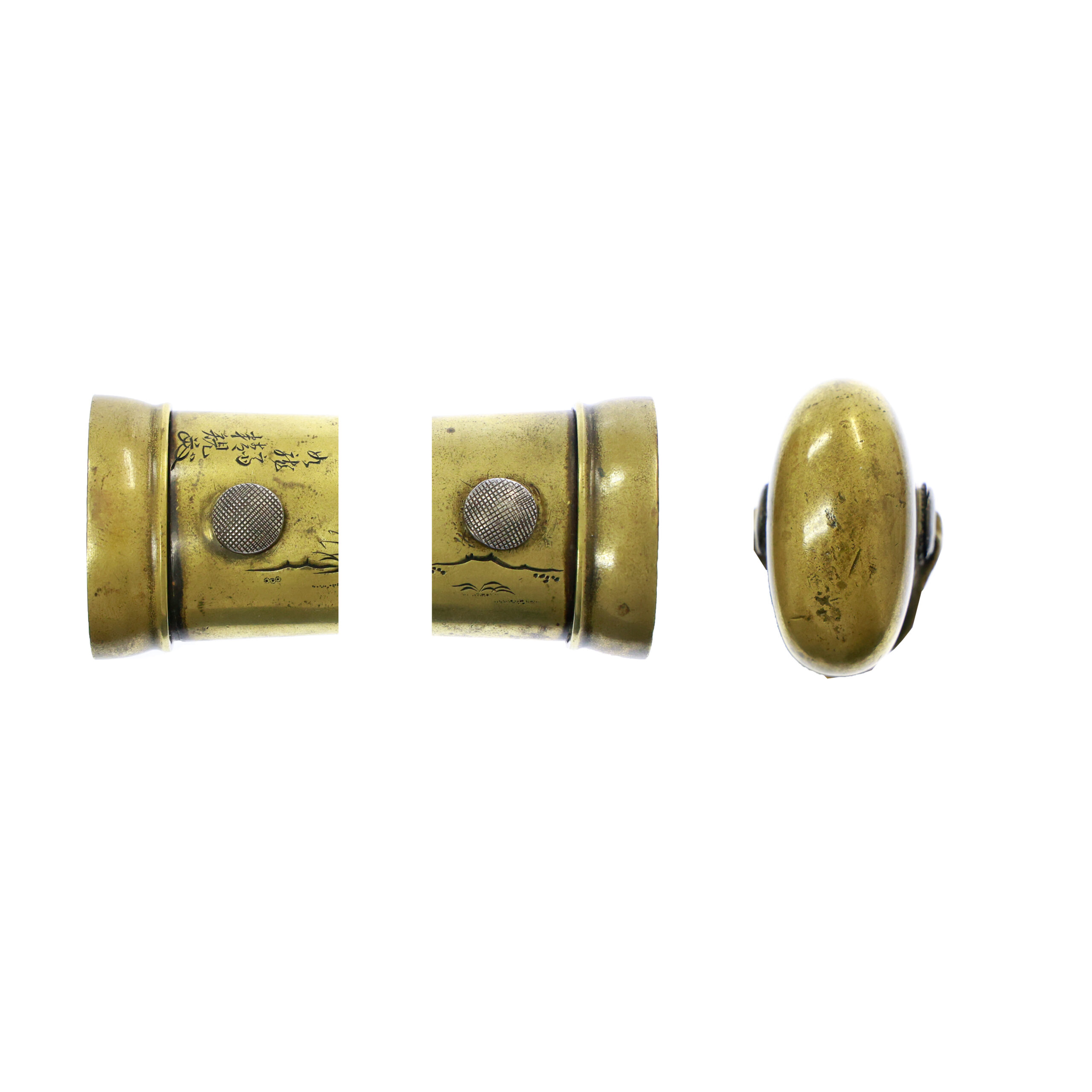
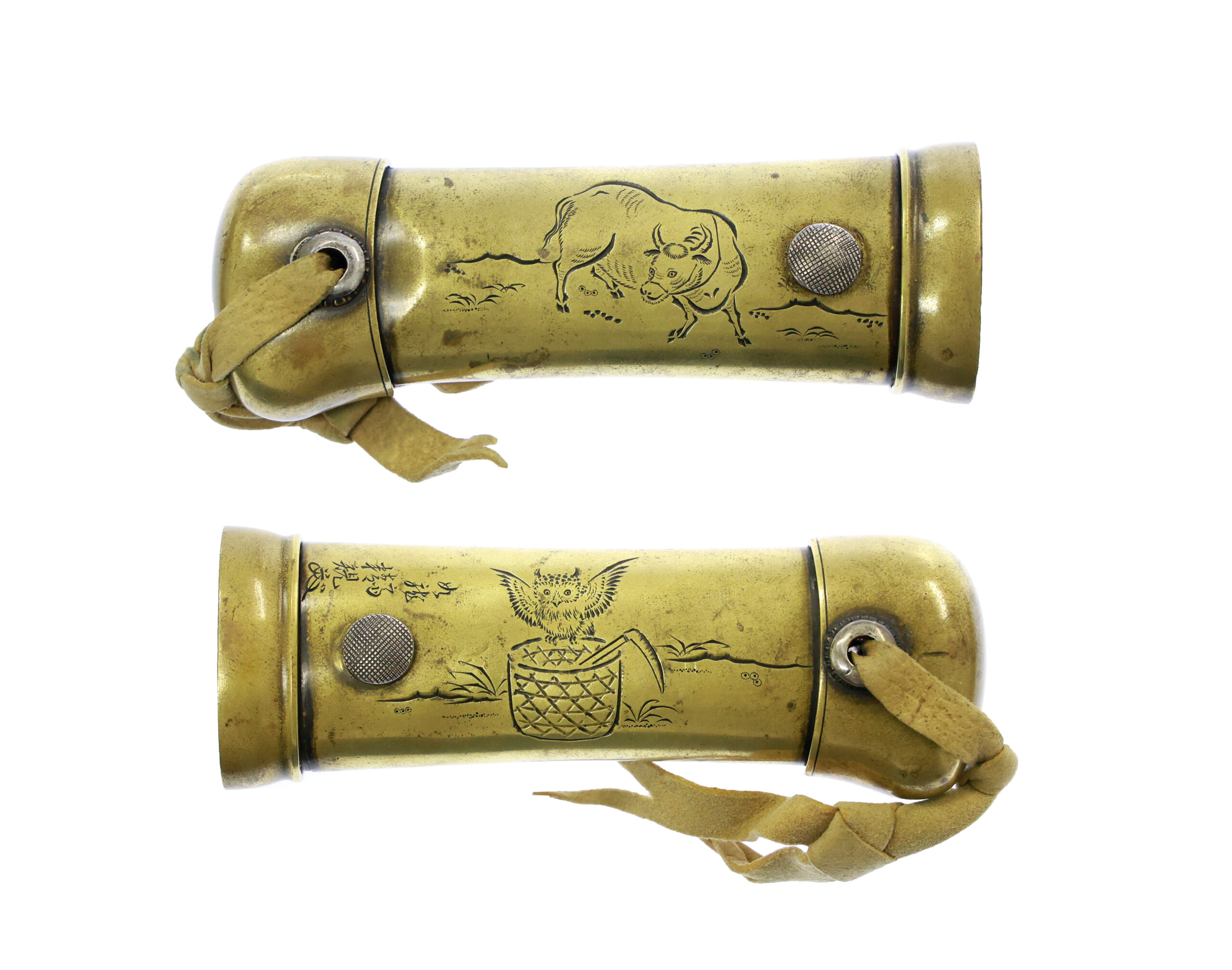
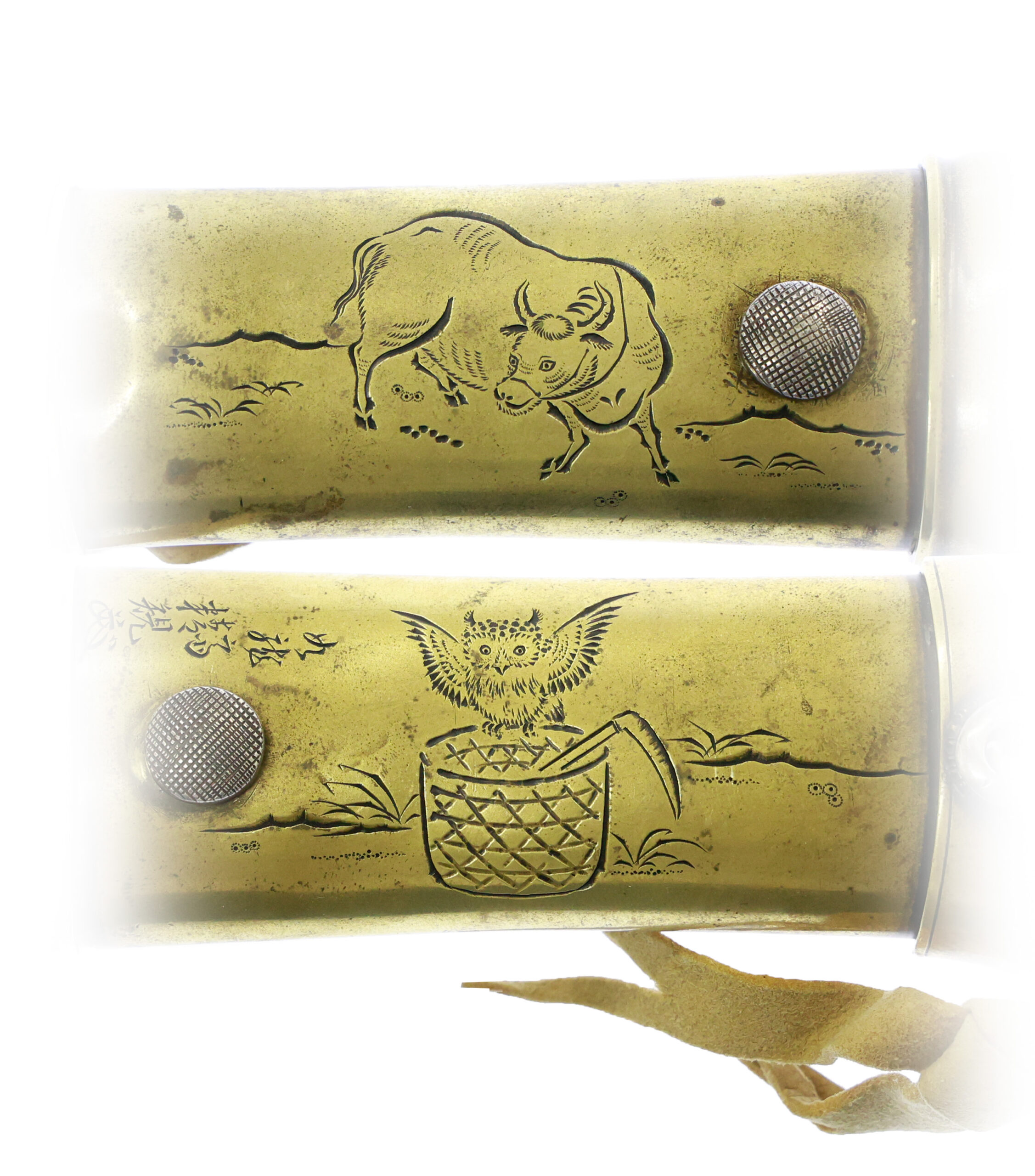
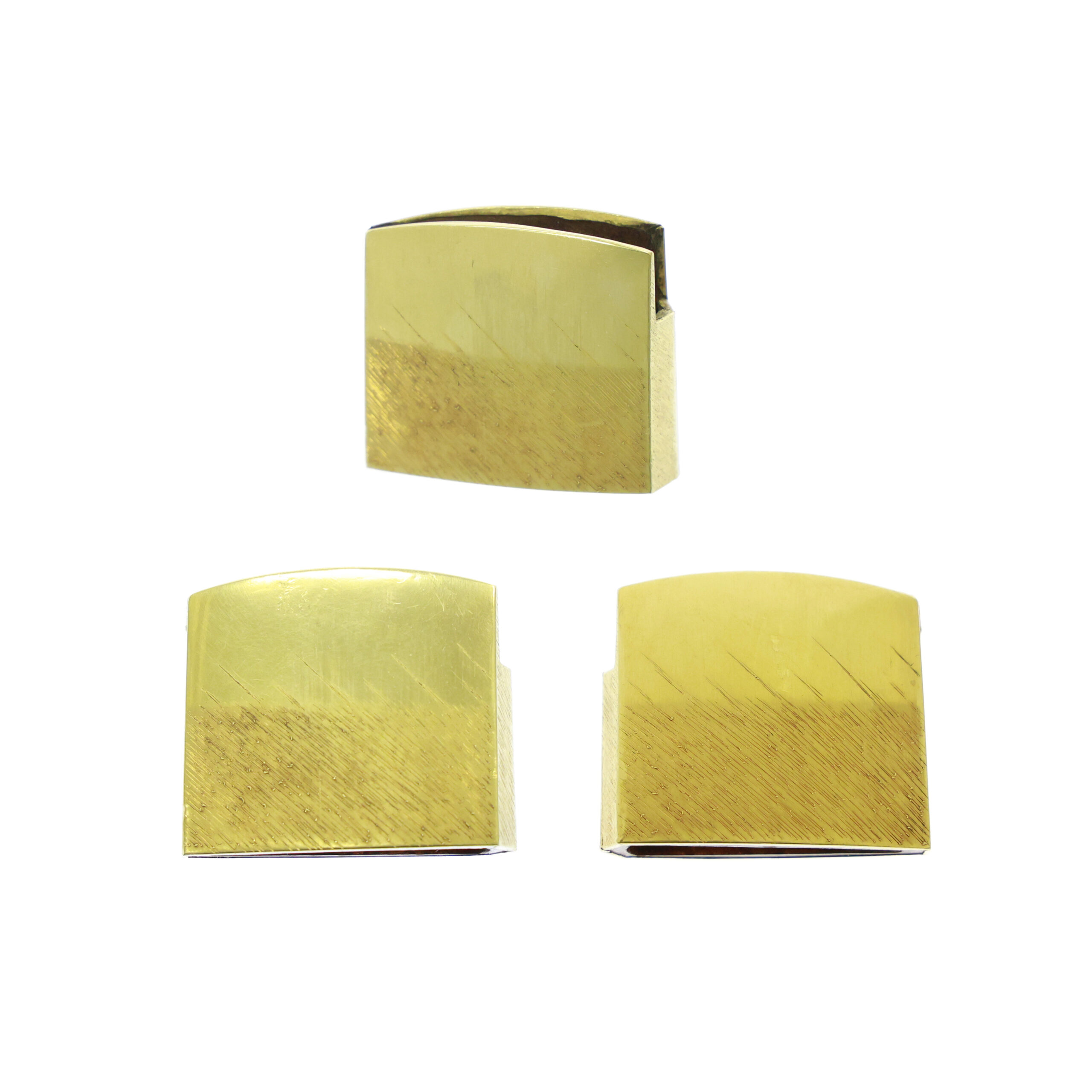
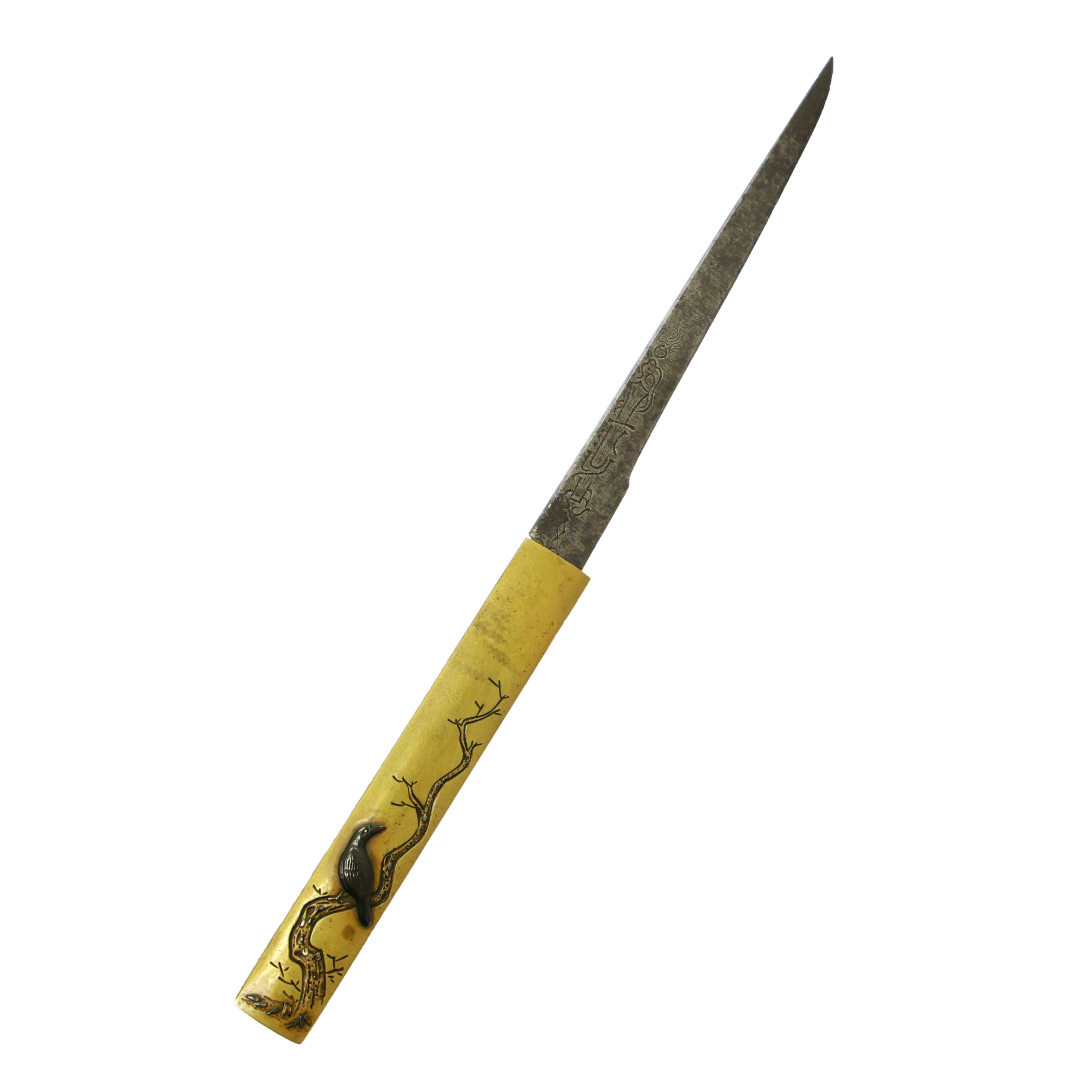
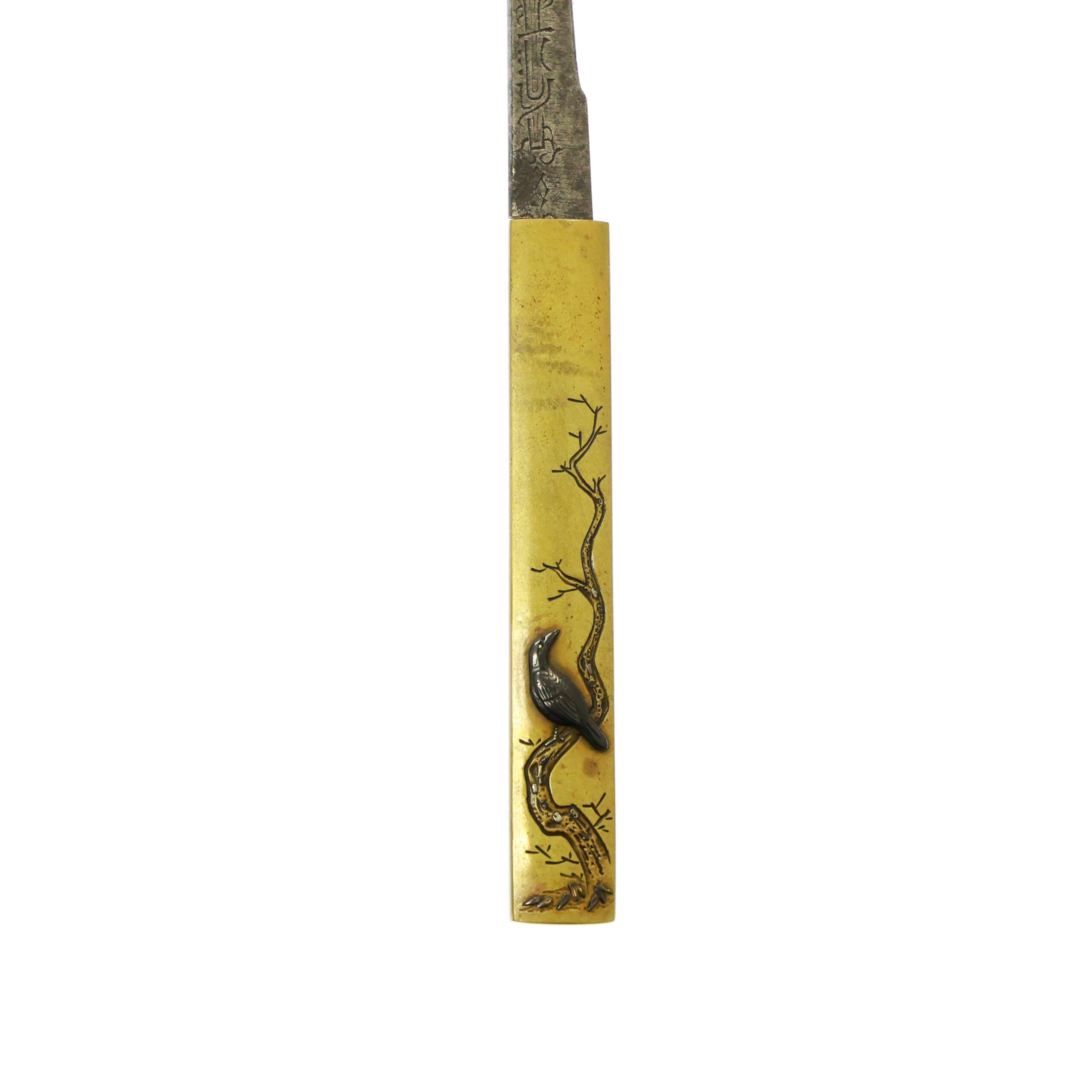
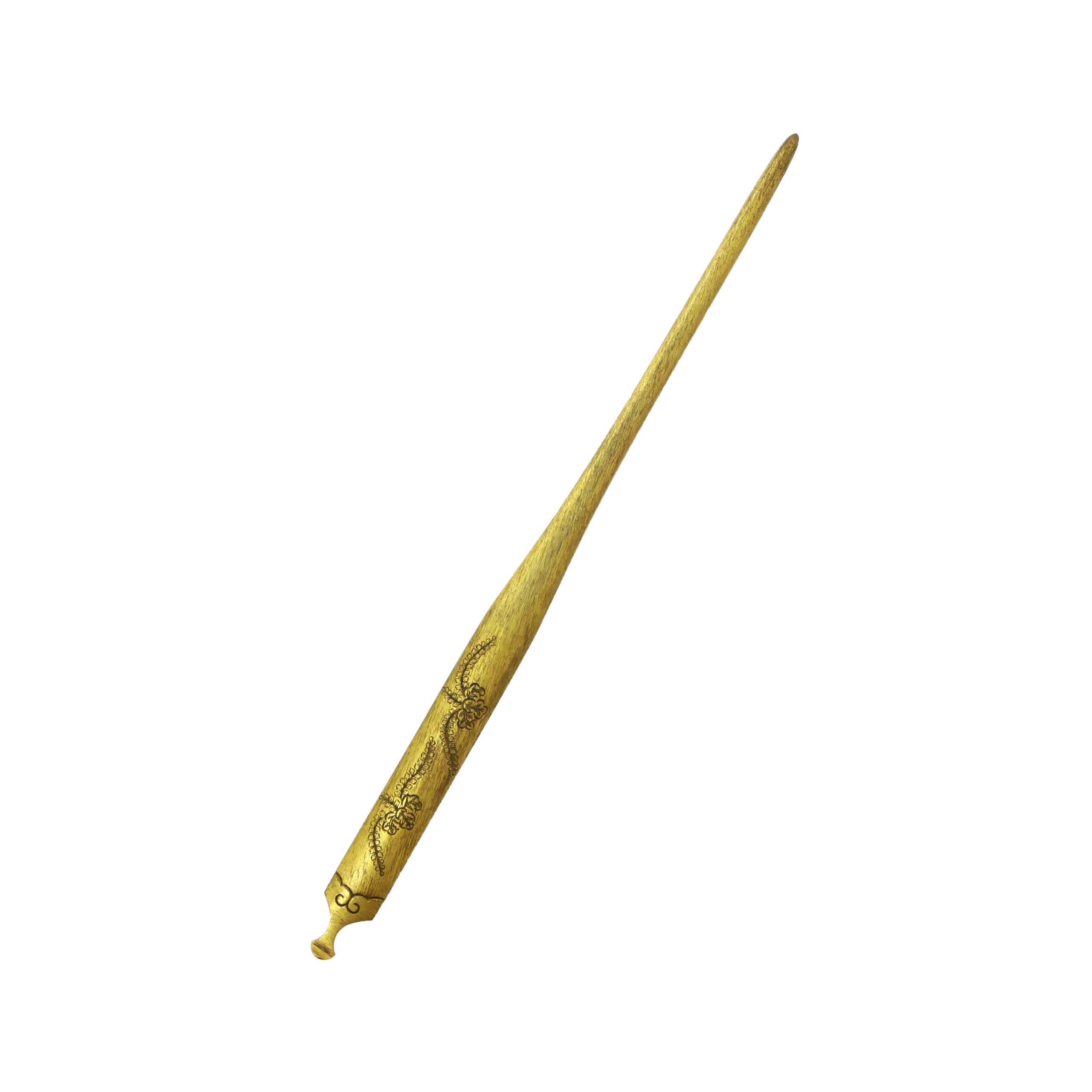
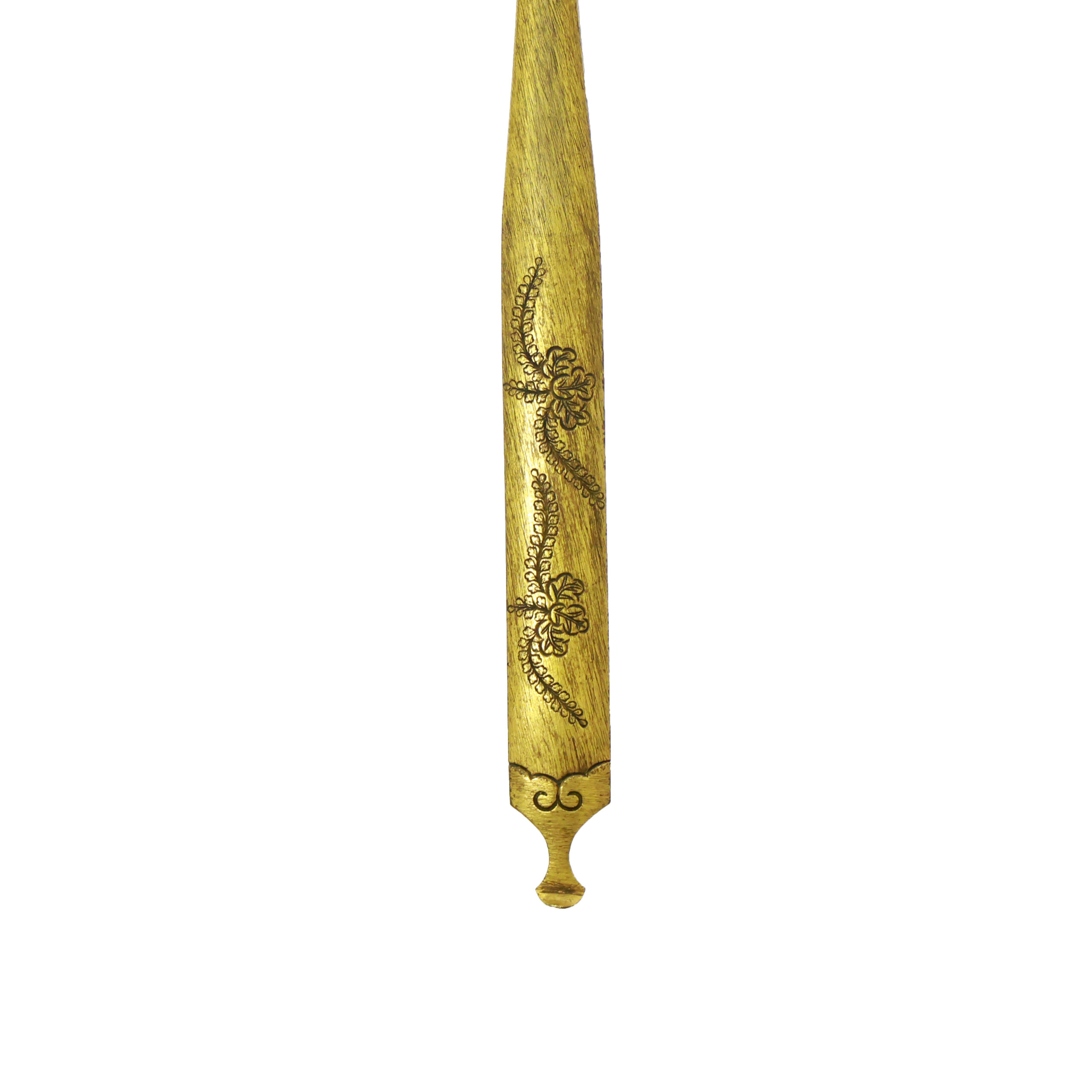
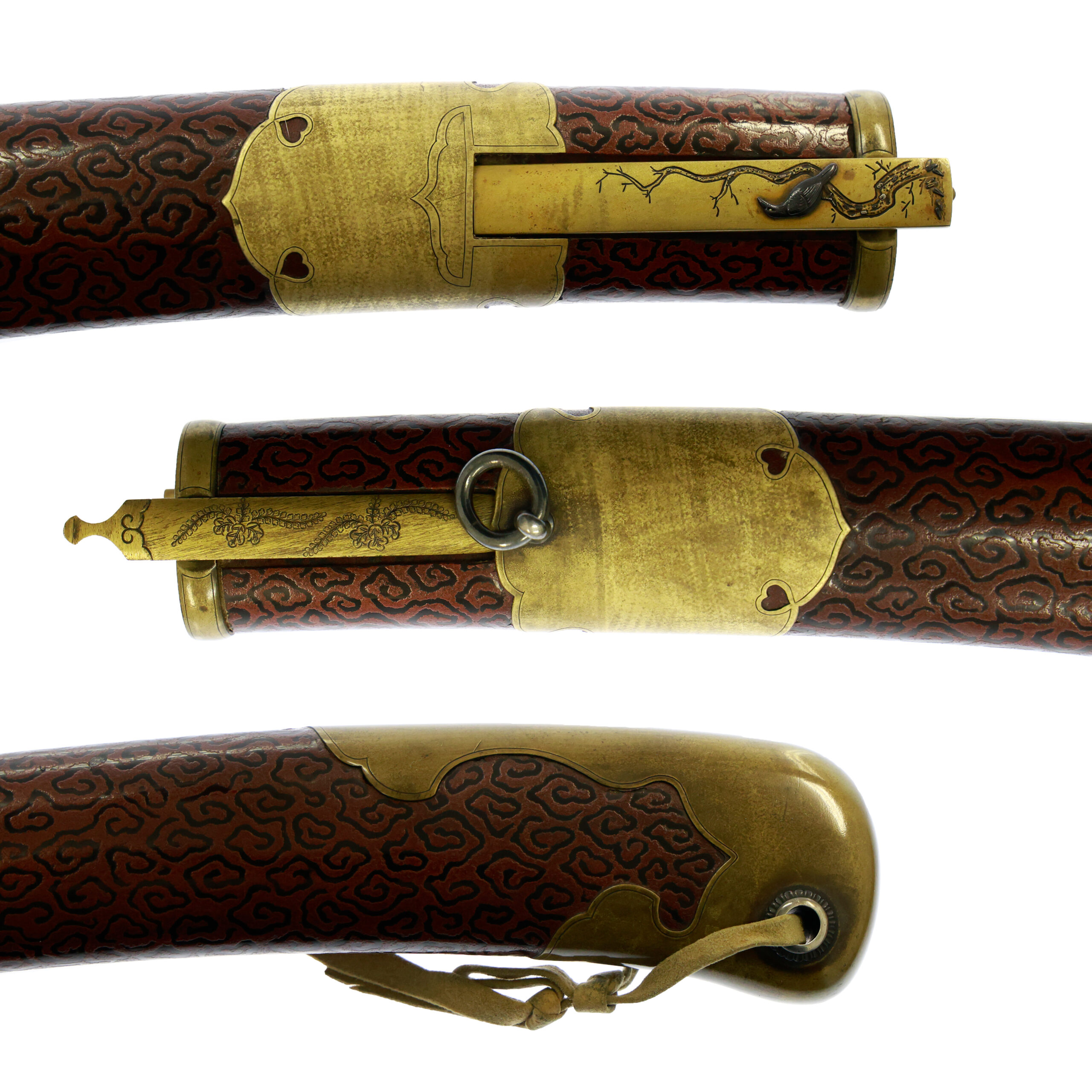
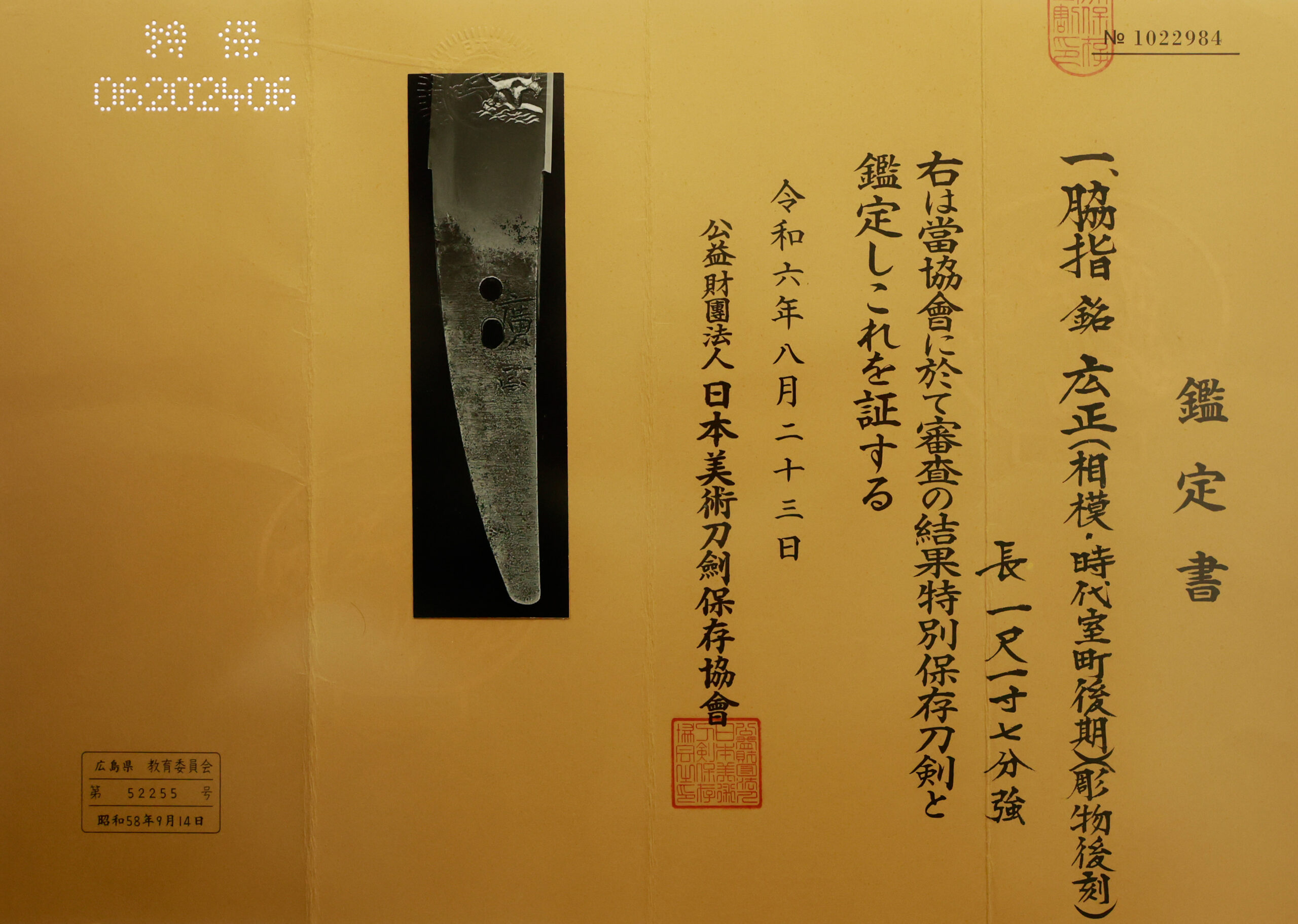
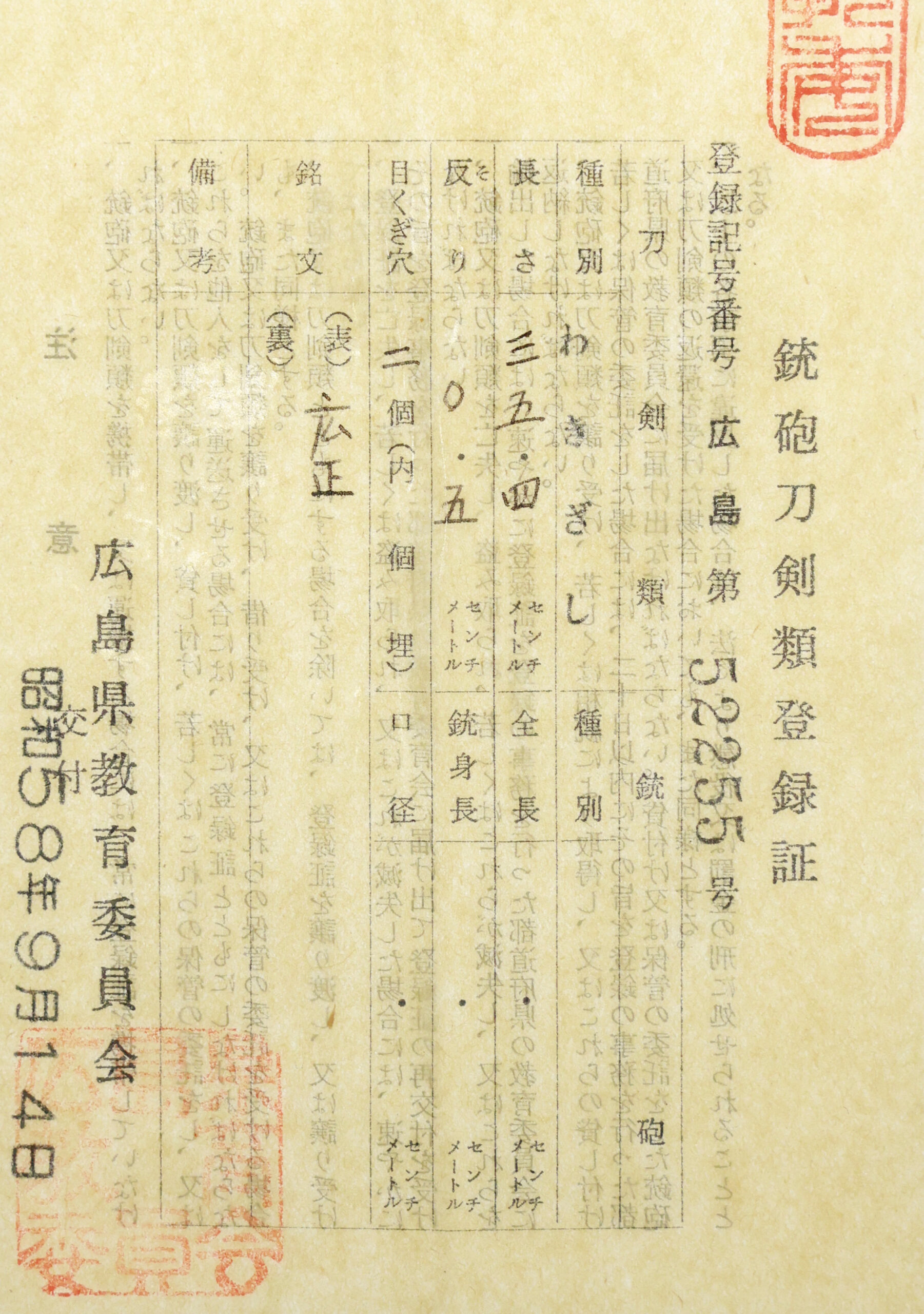
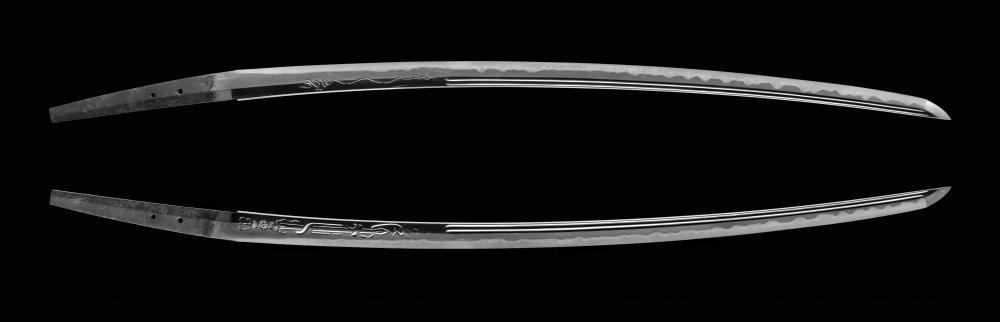
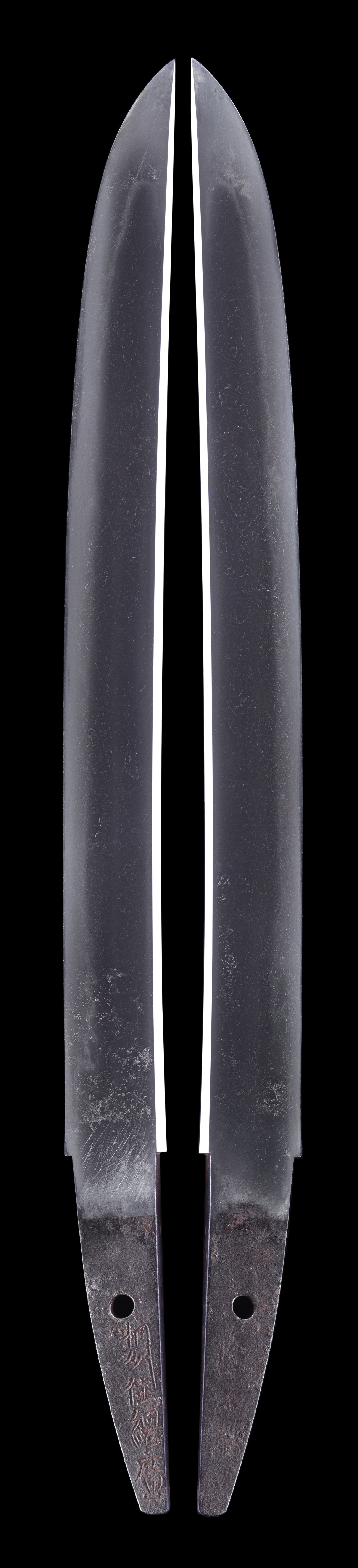
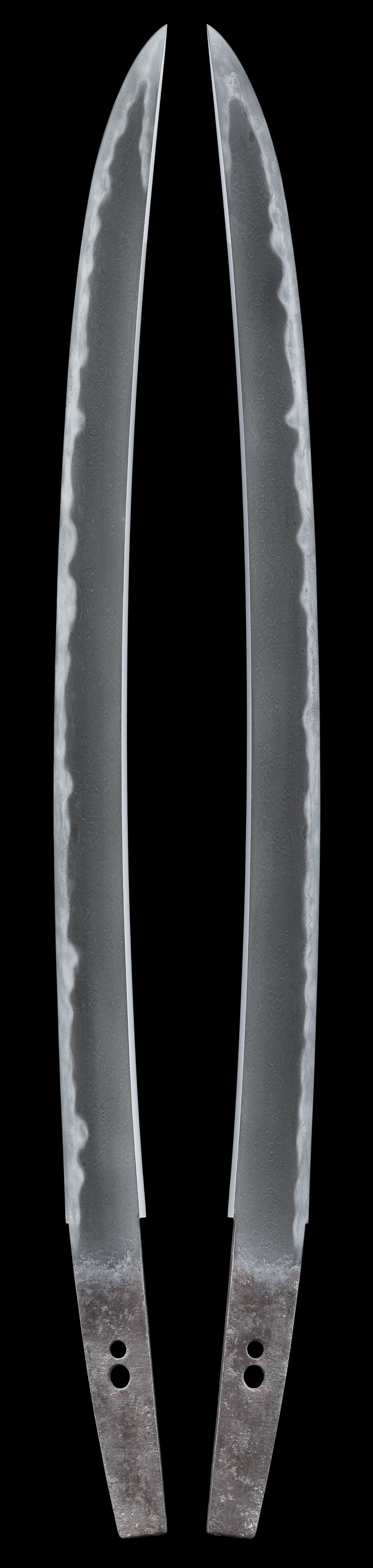
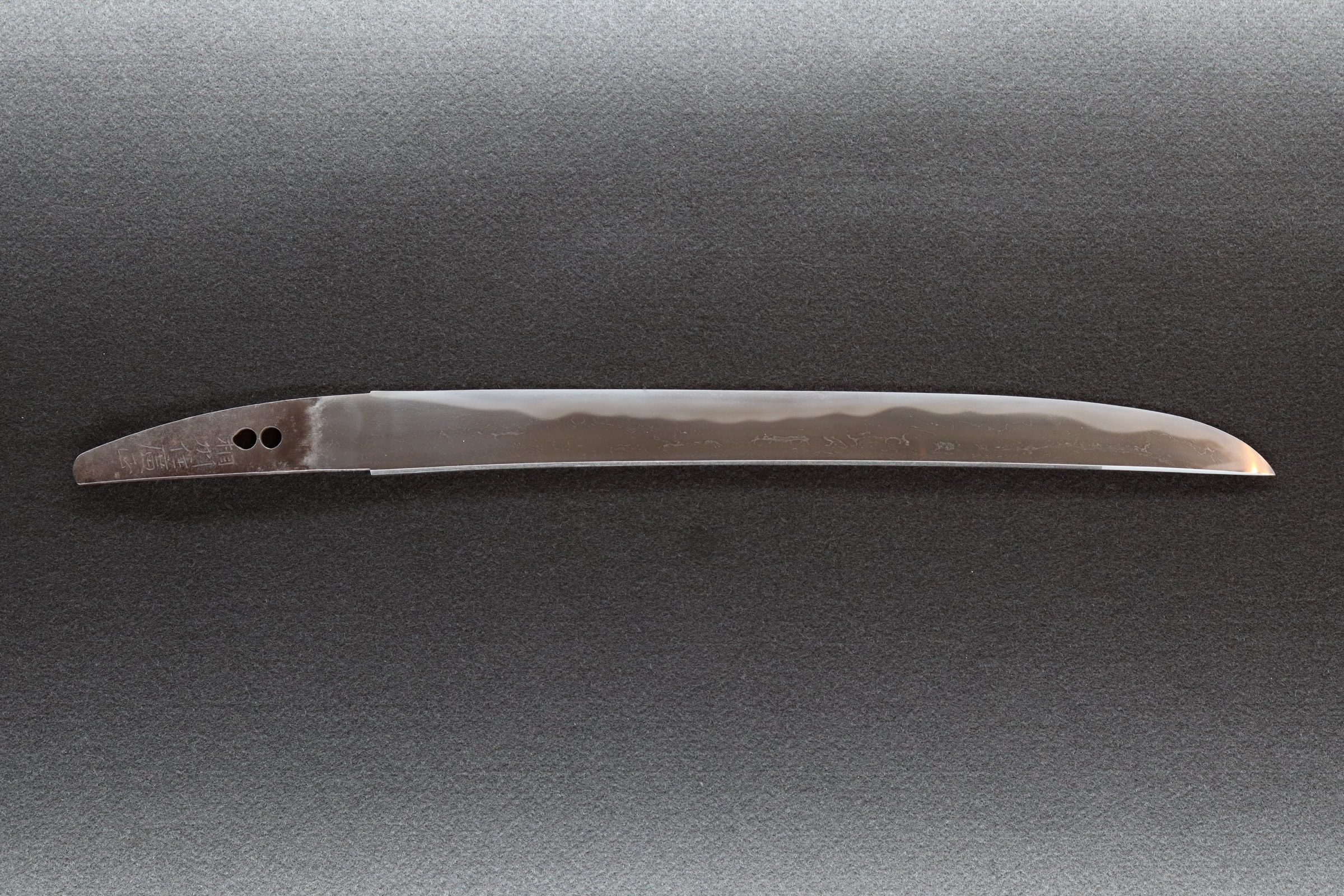
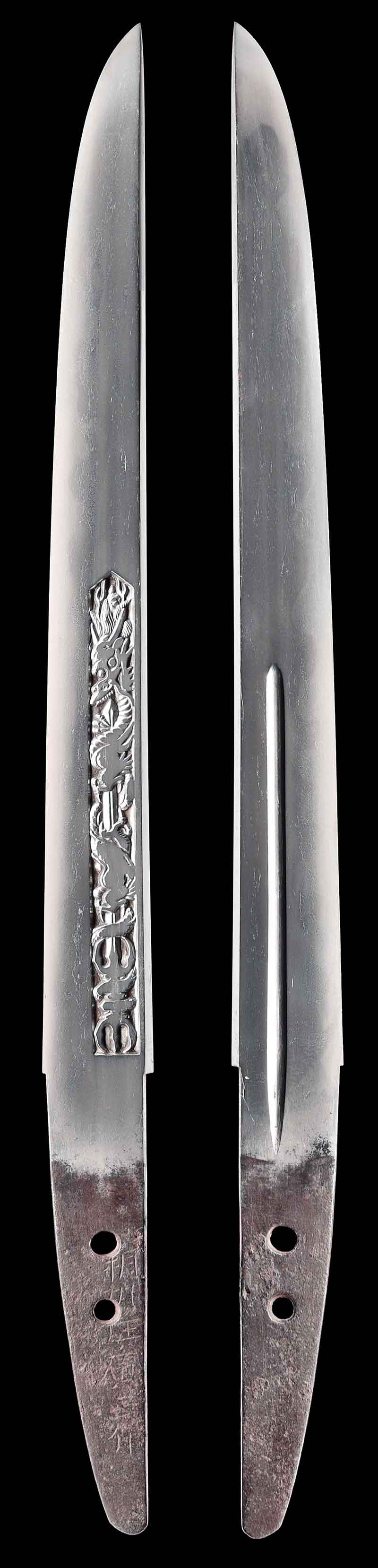
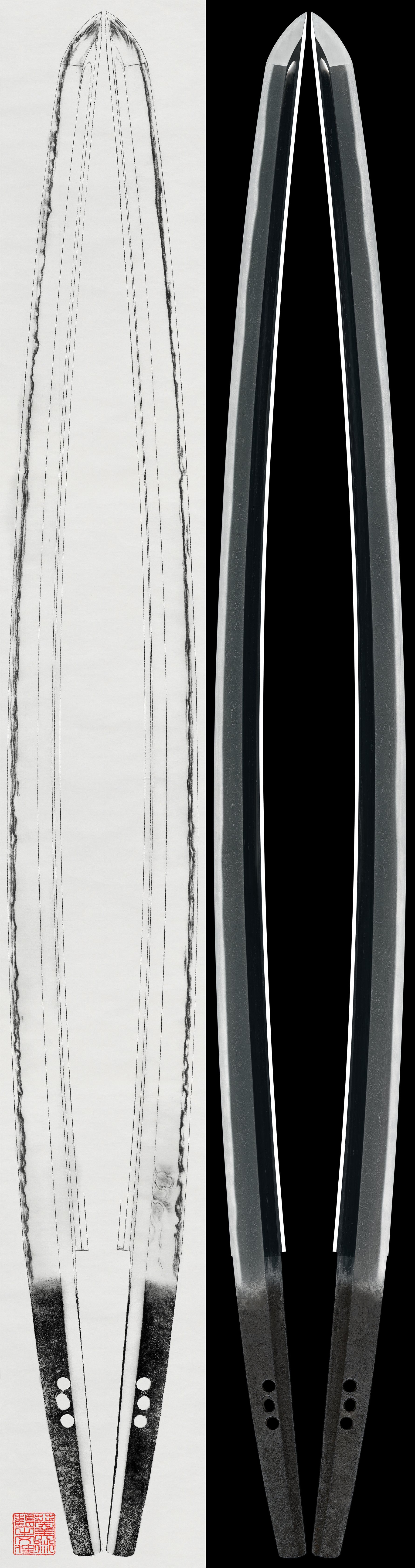
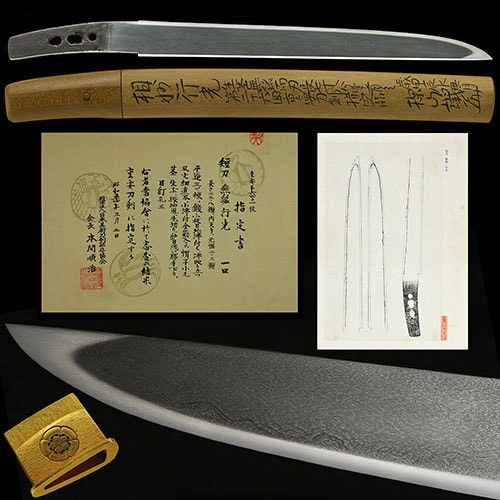
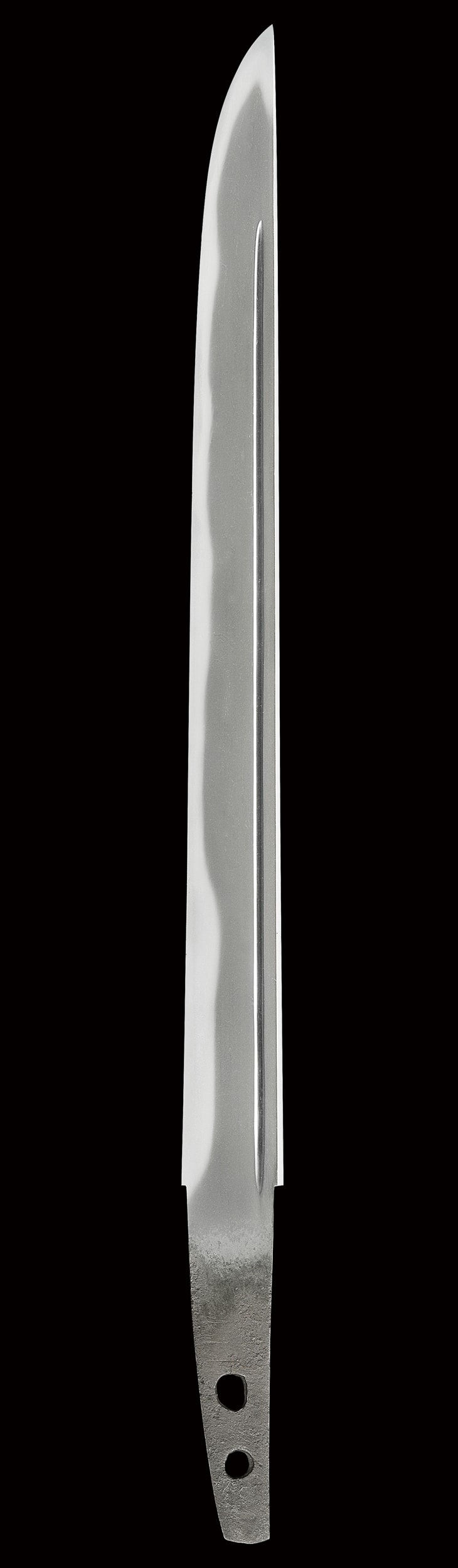
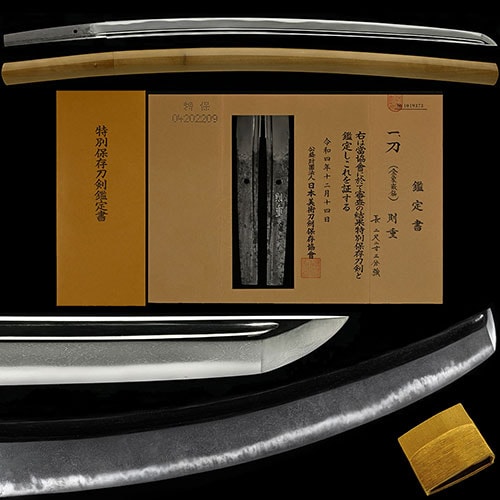
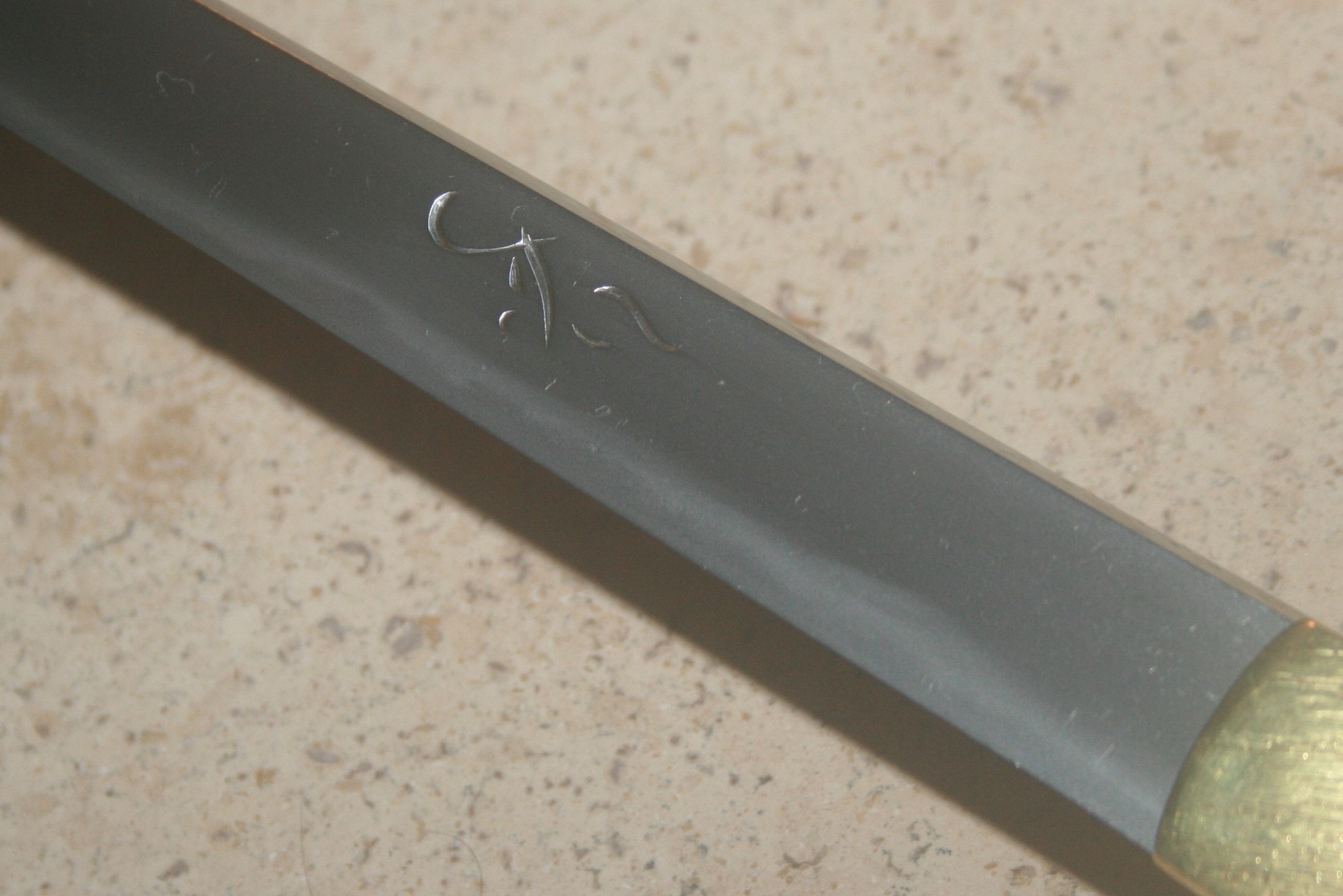
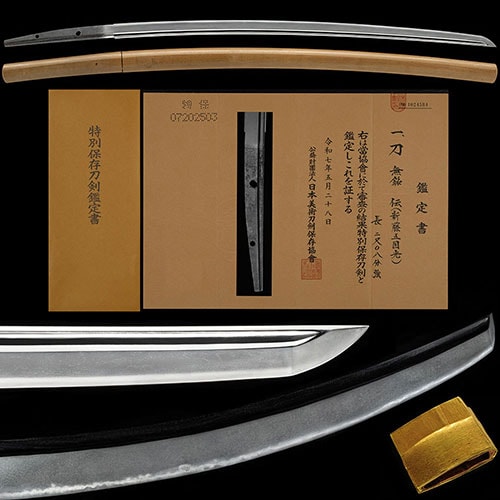
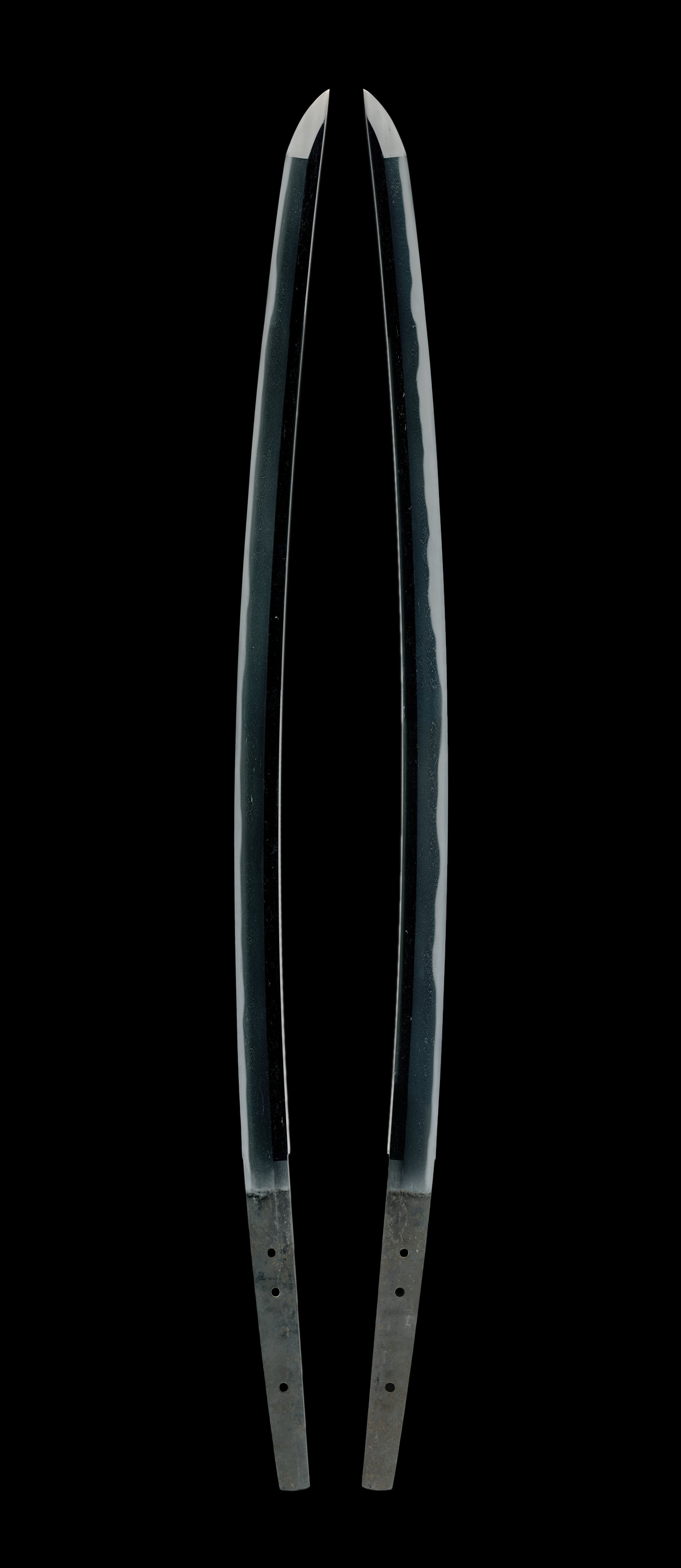
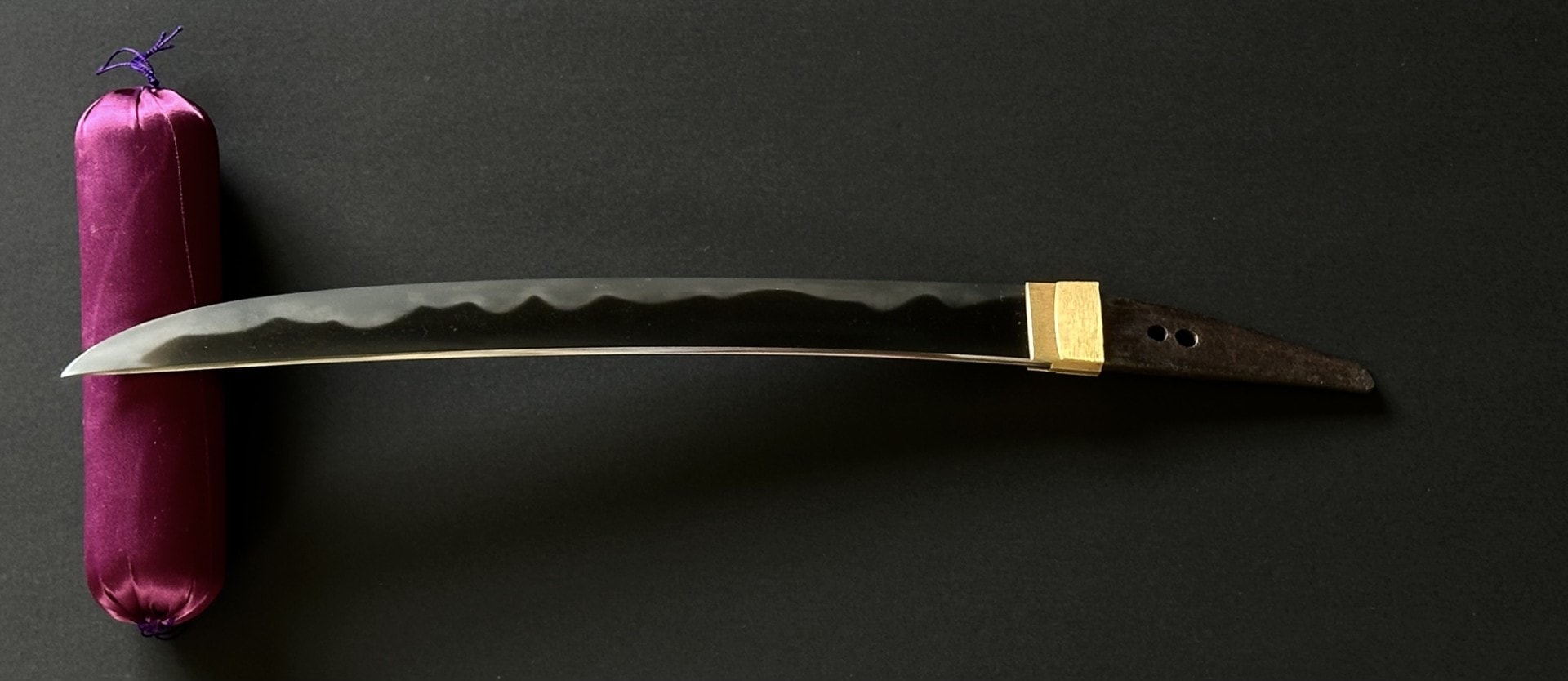
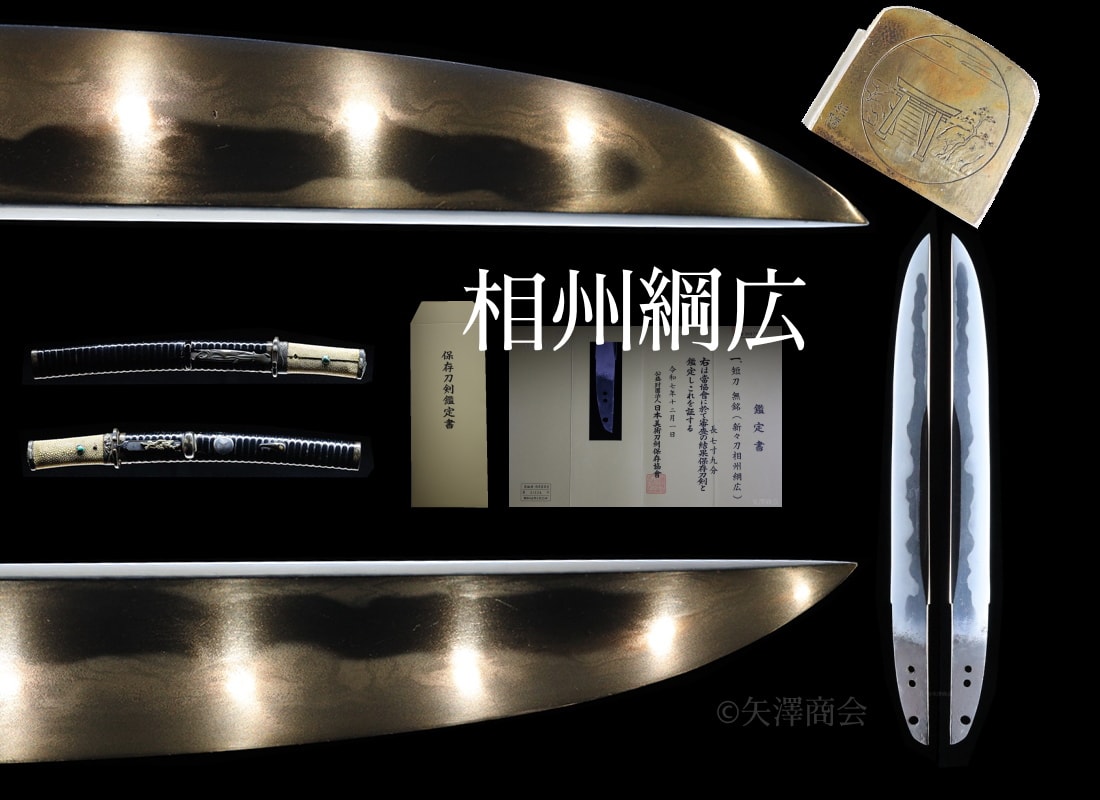
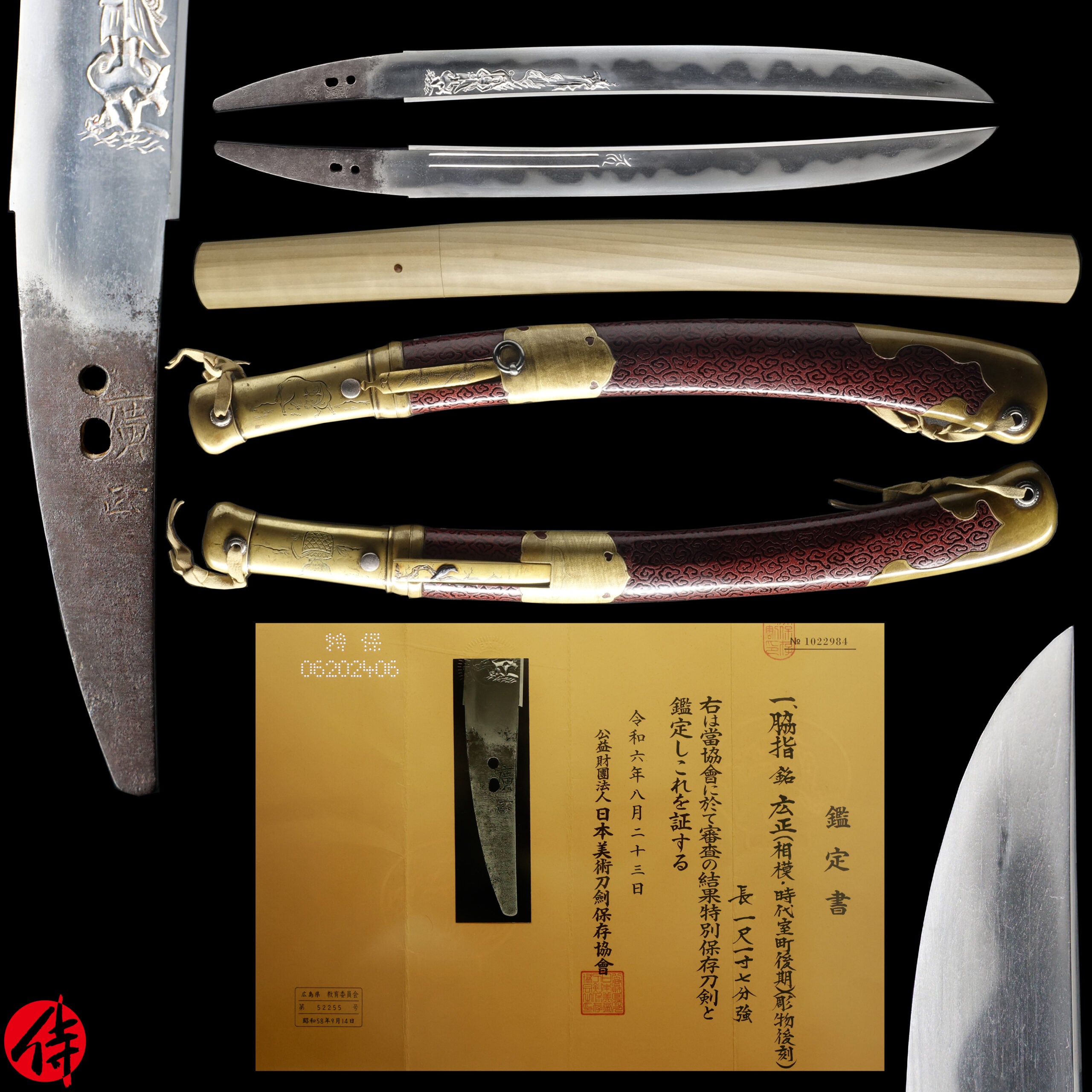
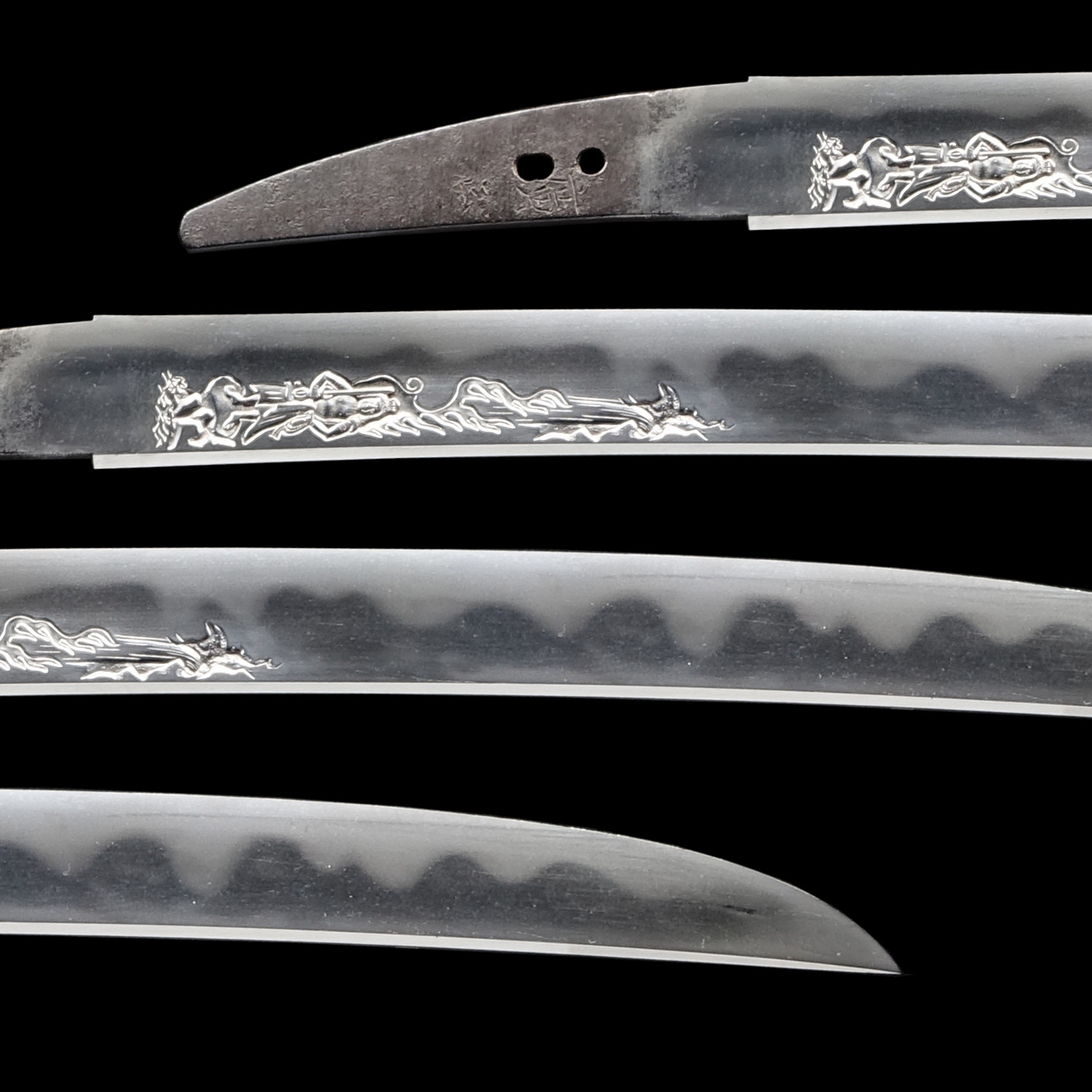
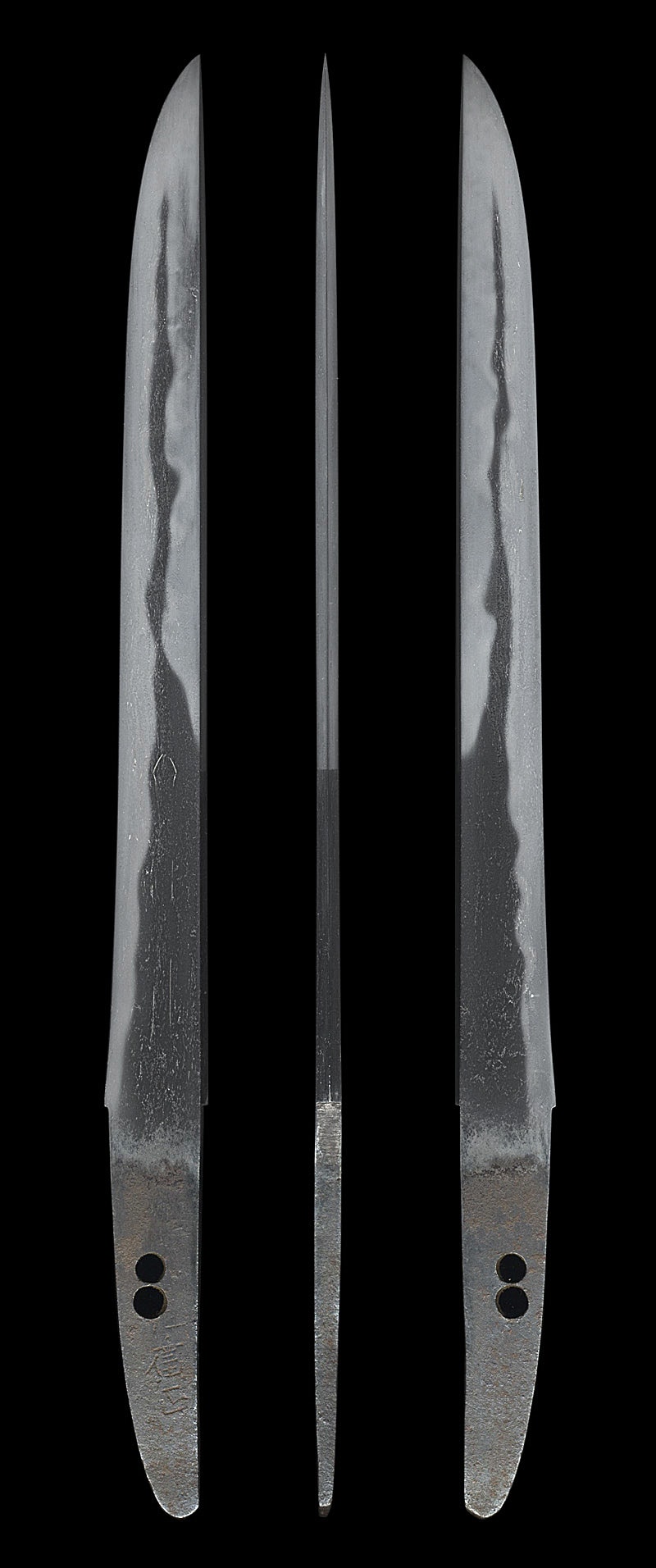
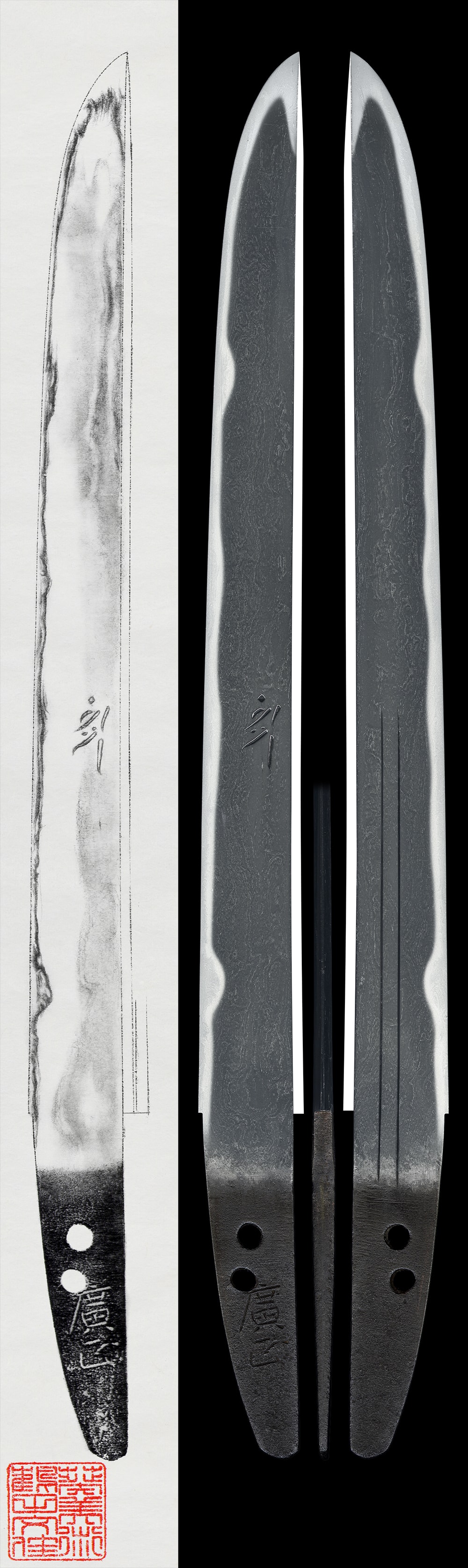
This antique Japanese Wakizashi is signed by Hiromasa and comes with an NBTHK Tokubetsu Hozon Certificate. Forged in Sagami province during the late Muromachi period, this blade features exquisite horimono carvings of Fudo Myo-O and Gomahashi with Bonji. It is accompanied by a shirasaya case, koshirae case, and a traditional sword carrying bag.

NihontoWatch MonNihontoWatchBETA
MarketEncyclopedia
Swords›Sōshū-den›Soshu›Sue-Soshu›Hiromasa›Antique Japanese Sword Wakizashi Signed by Hiromasa NBTHK Tokubetsu Hozon Certificate
wakizashiTokubetsu Hozon
Sue-Soshu Hiromasa

Antique Japanese Sword Wakizashi Signed by Hiromasa NBTHK Tokubetsu Hozon Certificate

mei · Soshu · Muromachi · nagasa 35.4cm · sori 0.5cm
SOLD
Sue-Soshu Hiromasa — 1 of 27
Sue-Soshu Hiromasa — 2 of 27
Sue-Soshu Hiromasa — 3 of 27
Sue-Soshu Hiromasa — 4 of 27
Sue-Soshu Hiromasa — 5 of 27
Sue-Soshu Hiromasa — 6 of 27
Sue-Soshu Hiromasa — 7 of 27
Sue-Soshu Hiromasa — 8 of 27
Sue-Soshu Hiromasa — 9 of 27
Sue-Soshu Hiromasa — 10 of 27
Sue-Soshu Hiromasa — 11 of 27
Sue-Soshu Hiromasa — 12 of 27
Sue-Soshu Hiromasa — 13 of 27
Sue-Soshu Hiromasa — 14 of 27
Sue-Soshu Hiromasa — 15 of 27
Sue-Soshu Hiromasa — 16 of 27
Sue-Soshu Hiromasa — 17 of 27
Sue-Soshu Hiromasa — 18 of 27
Sue-Soshu Hiromasa — 19 of 27
Sue-Soshu Hiromasa — 20 of 27
Sue-Soshu Hiromasa — 21 of 27
Sue-Soshu Hiromasa — 22 of 27
Sue-Soshu Hiromasa — 23 of 27
Sue-Soshu Hiromasa — 24 of 27
Sue-Soshu Hiromasa — 25 of 27
Sue-Soshu Hiromasa — 26 of 27
Sue-Soshu Hiromasa — 27 of 27
1 / 27
1 / 27
Sue-Soshu Hiromasa — 1 of 27Sue-Soshu Hiromasa — 2 of 27Sue-Soshu Hiromasa — 3 of 27Sue-Soshu Hiromasa — 4 of 27Sue-Soshu Hiromasa — 5 of 27Sue-Soshu Hiromasa — 6 of 27Sue-Soshu Hiromasa — 7 of 27Sue-Soshu Hiromasa — 8 of 27Sue-Soshu Hiromasa — 9 of 27Sue-Soshu Hiromasa — 10 of 27Sue-Soshu Hiromasa — 11 of 27Sue-Soshu Hiromasa — 12 of 27Sue-Soshu Hiromasa — 13 of 27Sue-Soshu Hiromasa — 14 of 27Sue-Soshu Hiromasa — 15 of 27Sue-Soshu Hiromasa — 16 of 27Sue-Soshu Hiromasa — 17 of 27Sue-Soshu Hiromasa — 18 of 27Sue-Soshu Hiromasa — 19 of 27Sue-Soshu Hiromasa — 20 of 27Sue-Soshu Hiromasa — 21 of 27Sue-Soshu Hiromasa — 22 of 27Sue-Soshu Hiromasa — 23 of 27Sue-Soshu Hiromasa — 24 of 27Sue-Soshu Hiromasa — 25 of 27Sue-Soshu Hiromasa — 26 of 27Sue-Soshu Hiromasa — 27 of 27
Measurements & details
Smith
Sue-Soshu Hiromasa
Type
Wakizashi
School
Sue-Soshu
Period
Around 1444–1456(Bunan)
Province
Sagami
Signature
Signed(100% of this smith's designated works are signed)
Measurements
Nagasa 35.4cmSori 0.5cm
Description

This antique Japanese Wakizashi is signed by Hiromasa and comes with an NBTHK Tokubetsu Hozon Certificate. Forged in Sagami province during the late Muromachi period, this blade features exquisite horimono carvings of Fudo Myo-O and Gomahashi with Bonji. It is accompanied by a shirasaya case, koshirae case, and a traditional sword carrying bag.

About the maker

Hiromasa

廣正

Sue-Soshu (the late Soshu line of Sagami; the Odawara-Soshu Hiromasa name) · Sagami · around 1444-1456

Fujishiro Jo saku

1 piece on the market now

›

Hiromasa is the mid-Muromachi Sagami smith whose few signed and dated blades fix one of the most divided names in late Soshu work. Three of his four designated swords carry a date, the tachi of Hotoku 2 in 1450 and Kosho 2 in 1456 and the wakizashi of Bunan 5 in 1448, all cut Soshu-ju Hiromasa on an unshortened tang, and it is on these dated pieces that the whole line turns. The published sources are explicit about the difficulty, observing that the Hiromasa name was borne by several generations active continuously from the Nanbokucho period through the Muromachi, each a capable hand, yet that signed examples bearing a date are exceedingly few. Their own words on one of the dated tachi run 「広正は同名が何代かあって, 南北朝期から室町時代に及んで活躍しており, それぞれに上手であるが, 現存する有銘且つ年紀のあるものは極めて少い」[[c:1]], a name worked by several hands across two centuries of which the dated survivors are the rarest. This maker is transmitted as the third-generation Hiromasa of Sagami, and he belongs to Sue-Soshu, the late Sagami line that carried the Soshu-den of Masamune and his successors Hiromitsu and Akihiro down through the Muromachi period.

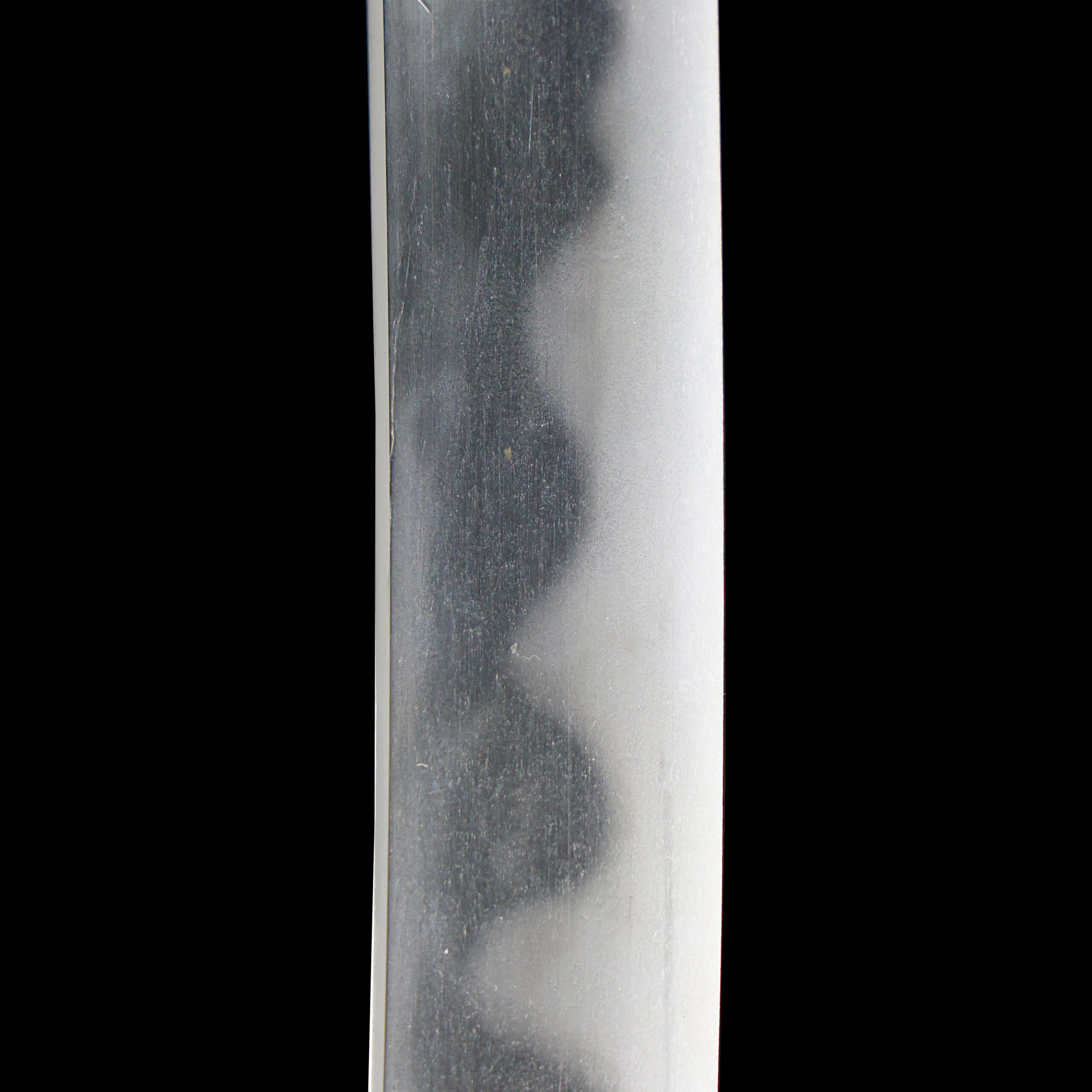
His characteristic hand is the gunome-midare that builds into hitatsura. Over the temper he scatters tobiyaki above the habuchi, and on three of the four blades these detached spots gather with yubashiri and muneyaki until the tempering spreads across the whole blade as the all-over hitatsura that the late Sagami school made its own. The nioiguchi stays tight and ko-nie adhere well, ashi and yo enter the temper, and sunagashi runs through it repeatedly, with kinsuji and a choji-like temper mixed with ko-gunome on the latest katana. This is the Soshu-den read in its Muromachi register, where the restrained suguha and ko-midare of the Kamakura founders has given way to a more demonstrative all-over manner. On the quietest of the four, the Bunan wakizashi, the tobiyaki gathers only near the monouchi rather than flooding the blade, so the same hand can be watched stepping back from full hitatsura toward a small midare with gunome.

The jigane is the standing Sagami steel from which that temper rises. He forges sometimes a tight ko-itame and sometimes an itame that stands and opens into hadadachi, at one point mixing ohada, and ji-nie adheres across it. The construction is the middle Muromachi bearing of Sagami, a shinogi-zukuri tachi or katana of standard width with sakizori and a chu-kissaki, at times grown suntsumari and deep in sori, while the wakizashi is a broad hira-zukuri grown sun-nobi with high sakizori. The boshi answers the disturbed temper, turning in midare-komi on most of the blades, standing ichimai with a long turnback on others, and on the Kosho tachi brushed in hakikake to a pointed return. Across both faces he cuts conspicuous horimono, bonji and a grass-style kurikara, and within a koshi-hi or bo-hi he sets a sanko-ken or paired gomabashi rods in raised relief, the carving fine and the relief well-raised. The published sources count this carving among the distinctive merits of every one of these blades; of the Hotoku tachi they write 「地刃に時代の様相と相州物の伝統的な作風を見せ, 彫物もまた特色あるもので見事である」[[c:2]].

Because the generations cannot be told apart with certainty, the dated and ubu-signed pieces do double duty as workmanship and as documents. The undated katana of the 25th session is judged to date to around the Hotoku era on the evidence of the others, the published sources stating plainly of the name 「年紀作は稀であり, 各代の区別は明確にし難い」[[c:3]], that dated works are rare and the several generations difficult to separate. So the record proceeds by anchoring the rest of the line to the few inscriptions that survive, and the Bunan wakizashi adds an instructive accident: its date inscription was reduced to a soko-mei on the tang reverse when a bo-hi was carved in later, legible but, in the words of the published commentary, regrettable, a detail that itself records the carving habit of the line. The hand is read as one Sagami manner across these four, not as separate styles, the variation between full hitatsura and a quieter monouchi temper being the range of a single workmanship rather than the mark of distinct masters.

Within the Sagami succession Hiromasa stands at a working centre rather than at a founding edge, the school whose technical identity is bold hitatsura over a standing itame with accomplished carving. His own midare-utsuri-free, nie-laden jiba and his pointed, disturbed boshi set him within that idiom rather than against any rival, and the published sources read each of his blades as the period itself made visible, calling the Kosho tachi 「この時代の相州物の典型的且つ代表作の一口」[[c:4]], a typical and representative example of Sagami work of its time. The line he carries is bound forward into the principal Odawara-Soshu succession, for the school commentary transmits that the first-generation Tsunahiro, active in the Tenbun era, was a descendant of Hiromasa, summoned by Hojo Ujitsuna to Odawara and granted the character tsuna to change his name, a lineage reaching into the shinshinto period. His mid-Muromachi hand, with its hitatsura and its devotional carving, stands among the foundational manners that the later Odawara smiths, Tsunahiro and Tsunaie among them, carried to the end of the feudal age.

Hiromasa is known through a small and uniformly signed designated record of four Juyo blades, the wakizashi of the 17th session, two tachi of the 18th, and the katana of the 25th, every one ubu and cut Soshu-ju Hiromasa, three of them dated. His skill is rated Jo saku in the Fujishiro ranking, and the published commentary calls his work splendid, the workmanship of the dated tachi excellent and the carvings distinctive. There are no National Treasures and no Important Cultural Properties among his blades, and no provenance is recorded for any of them, so the honest measure of his standing is the rarity itself, the few ubu and dated survivors of a name that several generations worked across two centuries. For a private collector his swords are encountered only seldom, all four at the Juyo level, none locked away as national patrimony but none coming to market with any frequency either; a signed and dated Hiromasa, of the kind the published sources hold up as the documentary anchor of the whole divided name, is among the less common things a student of late Soshu work is likely to meet, and a quiet reward when one does, for in it the Muromachi register of the Soshu-den can be read whole.

Historical importance

Where Hiromasa stands among comparable artisans: across all of nihontō, and within tradition, era, and period. The tiers (Foremost · Leading · Major · Notable) weigh official designations from the NBTHK and Japan's Agency for Cultural Affairs, together with historical honors of lasting repute such as the Sansaku and Meibutsu-chō.

随一
Foremost
屈指
Leading
有数
Major
著名
Notable

Select a lens to see how it's measured.

Designation record
4 designated works
Jūyō
4
1 work by Hiromasa on the market→
Hiromasa — full profileSue-Soshu (the late Soshu line of Sagami; the Odawara-Soshu Hiromasa name) school

Dated Works

Years he was demonstrably active, proven by signed-and-dated blades

Active period
1448–1456Editorial estimate: 1444–1456
3 of 4 designated works carry a date
1440
1450
1460
About the school

Sue-Soshu

末相州

Soshu-den · Sagami

Phase: Sue-Sōshū末相州· 1356–1868

18 pieces on the market now

›

When the great Kamakura masters had passed and the country slid into the wars of the late Muromachi, a residual Soshu-den held on in Sagami under a new patron. The Later Hojo, ruling from Odawara castle, kept smiths at hand, and it was from this orbit that the leading name of the window emerged: Tsunahiro, transmitted as a retained smith of the Odawara Hojo who took the character tsuna from Hojo Ujitsuna. Learn more →

18 recorded smiths57 designated works
Leading smiths
SmithEraDesignated
Fusamune總宗1504-15215
Tsunahiro綱廣1532-155512
Hiromasa廣正1444-14564
Kiyohira清平1673-16814
Tsunaie綱家1532-15553
Explore the Sue-Soshu school →
NBTHK Certificate
Tokubetsu Hozon Tōken特別保存刀剣
Sword Especially Worthy of Preservation
›

A Hozon-certified blade judged to show notably superior workmanship and a better state of preservation. The bar is higher: re-tempered blades and most unsigned Muromachi/Edo works are excluded.

About the NBTHK›

The NBTHK (Nihon Bijutsu Tōken Hozon Kyōkai, the Society for the Preservation of Japanese Art Swords) is a public-interest incorporated foundation founded in 1948 and supervised by Japan’s Agency for Cultural Affairs (Bunkachō); it is based at the Japanese Sword Museum in Tokyo. Its expert panels physically examine each submitted work (shinsa) and issue a certificate (kanteishō) ranking it by artistic and historical merit. NBTHK papers are the most widely recognized standard of authentication for Japanese swords and fittings.

NBTHK official site→
Seller
S
Samurai Museum
🇯🇵Ships from Japan
›
✓Verified dealersamuraimuseum.jp
✓Ships worldwide✓English supportPayPalCredit card
Return policy

Returns/exchanges limited to defects caused by shipping (except willful misconduct or gross negligence by the company); customers must contact within 72 hours of receiving the product.

View all of Samurai Museum’s listings→View this item on the dealer’s site→

More works by Sue-Soshu Hiromasa

View all →
Toushin
Hozon
Wakizashi - Hozon - by Sue-Soshu Hiromasa - Soshu ju HiromasaWakizashi - Hozon - by Sue-Soshu Hiromasa - Soshu ju Hiromasa

Wakizashi

BySue-Soshu Hiromasa
¥1,221,000

Previously sold by Sue-Soshu Hiromasa

Choshuya
Tanto - by Sue-Soshu Hiromasa - HiromasaTanto - by Sue-Soshu Hiromasa - Hiromasa
Sold

Tantō

BySue-Soshu Hiromasa
SOLD
Iida Koendo
Tokuho
Wakizashi - Tokuho - by Sue-Soshu Hiromasa - Koto Wakizashi: Soshu Ju Hiromasa - Tokubetsu Hozon TokenWakizashi - Tokuho - by Sue-Soshu Hiromasa - Koto Wakizashi: Soshu Ju Hiromasa - Tokubetsu Hozon Token
Sold

Wakizashi

BySue-Soshu Hiromasa
SOLD

More from the Sue-Soshu school

View all →
Aoi Art
Tokuho
Tanto - Tokuho - by Sue-Soshu Hiromasa - Hiromasa (Sagami, Late Muromachi Period)Tanto - Tokuho - by Sue-Soshu Hiromasa - Hiromasa (Sagami, Late Muromachi Period)

Tantō

BySue-Soshu Hiromasa
Starting Bid¥700,000
Nipponto
Katana - by Sue-Soshu Fusamune - Mumei Tanto attributed to Soshu FusamuneKatana - by Sue-Soshu Fusamune - Mumei Tanto attributed to Soshu Fusamune

Katana

BySue-Soshu Fusamune
¥190,000
Samurai Museum
Hozon
Tanto - Hozon - by Sue-Soshu School - Antique Japanese Sword Tanto Signed by Hiromasa NBTHK Hozon CertificateTanto - Hozon - by Sue-Soshu School - Antique Japanese Sword Tanto Signed by Hiromasa NBTHK Hozon Certificate

Tantō

BySue-Soshu School
¥6,036
Shoubudou
Tokuho
Tachi - Tokuho - by Sue-Soshu Hirotsugu - Hirotsugu sakuTachi - Tokuho - by Sue-Soshu Hirotsugu - Hirotsugu saku

Tachi

BySue-Soshu Hirotsugu
¥2,400,000
Hyozaemon
Tokuho
Tanto - Tokuho - by Sue-Soshu Hirotsugu - Soshu Hirotsugu - Elegant inscription, excellent workmanshipTanto - Tokuho - by Sue-Soshu Hirotsugu - Soshu Hirotsugu - Elegant inscription, excellent workmanship

Tantō

BySue-Soshu Hirotsugu
¥1,550,000
Shoubudou
Tokuho
Wakizashi - Tokuho - by Sue-Soshu School - Soshu jyu TsunahiroWakizashi - Tokuho - by Sue-Soshu School - Soshu jyu Tsunahiro

Wakizashi

BySue-Soshu School
¥2,200,000
E-sword
Hozon
Tanto - Hozon - by Sue-Soshu Hiromasa - Hiromasa (Soshu, Late Muromachi Period)Tanto - Hozon - by Sue-Soshu Hiromasa - Hiromasa (Soshu, Late Muromachi Period)

Tantō

BySue-Soshu Hiromasa
¥550,000
Shoubudou
Hozon
Tanto - Hozon - by Sue-Soshu School - Soshu jyu HiromasaTanto - Hozon - by Sue-Soshu School - Soshu jyu Hiromasa

Tantō

BySue-Soshu School
¥950,000

More from the Soshu school

View all →
Samurai Nippon
Jūyō
Katana - Jūyō - by Soshu Norishige - Mumei (Attributed to Norishige)Katana - Jūyō - by Soshu Norishige - Mumei (Attributed to Norishige)

Katana

BySoshu Norishige
Ask
Eirakudo
Tokuho
Katana - Tokuho - by Shintogo Kunimitsu - Shintogo Kunimitsu Katana - Tokubetsu Hozon TokenKatana - Tokuho - by Shintogo Kunimitsu - Shintogo Kunimitsu Katana - Tokubetsu Hozon Token

Katana

ByShintogo Kunimitsu
¥7,500,000
Aoi Art
Tokuho
Katana - Tokuho - by Gō Yoshihiro - Mumei (Unsigned) Den Go YoshihiroKatana - Tokuho - by Gō Yoshihiro - Mumei (Unsigned) Den Go Yoshihiro

Katana

ByGō Yoshihiro
¥35,000,000
Tsuruginoya
Tokujū
Katana - Tokuju - by Soshu Yukimitsu - Soshu YukimitsuKatana - Tokuju - by Soshu Yukimitsu - Soshu Yukimitsu

Katana

BySoshu Yukimitsu
Ask
Eirakudo
Jūyō
Tanto - Jūyō - by Soshu Yukimitsu - Soshu Yukimitsu - Juyo TokenTanto - Jūyō - by Soshu Yukimitsu - Soshu Yukimitsu - Juyo Token

Tantō

BySoshu Yukimitsu
Ask
Choshuya
Jūyō
Tanto - Jūyō - by Soshu Norishige - Ubu-nakago Mumei NorishigeTanto - Jūyō - by Soshu Norishige - Ubu-nakago Mumei Norishige

Tantō

BySoshu Norishige
¥6,500,000
Eirakudo
Tokuho
Katana - Tokuho - by Soshu Norishige - Norishige - Tokubetsu Hozon TokenKatana - Tokuho - by Soshu Norishige - Norishige - Tokubetsu Hozon Token

Katana

BySoshu Norishige
¥6,500,000
Samurai Nippon
Jūyō
Tanto - Jūyō - by Soshu Yukimitsu - Soshu Yukimitsu (Ubu Mumei)Tanto - Jūyō - by Soshu Yukimitsu - Soshu Yukimitsu (Ubu Mumei)

Tantō

BySoshu Yukimitsu
¥6,700,000

More from the Sōshū tradition

View all →
Toukentakarado
Tokuho
Wakizashi - Tokuho - by Sa Kunihiro - Mumei Attributed to Den Sa KunihiroWakizashi - Tokuho - by Sa Kunihiro - Mumei Attributed to Den Sa Kunihiro

Wakizashi

BySa Kunihiro
¥1,500,000
Katana Yamadaiya
Tokuho
Katana - Tokuho - by Sa Kunihiro - Tokubetsu Hozon Token: Mumei (Attributed to Sakunihiro)Katana - Tokuho - by Sa Kunihiro - Tokubetsu Hozon Token: Mumei (Attributed to Sakunihiro)

Katana

BySa Kunihiro
¥1,650,000
Choshuya
Tokuho
Katana - Tokuho - by Soshu Norishige - Unsigned (O-suriage) NorishigeKatana - Tokuho - by Soshu Norishige - Unsigned (O-suriage) Norishige

Katana

BySoshu Norishige
Ask
Mandarin Mansion
Jūyō
Tachi - Jūyō - by Soshu Yukimitsu - Sōshū YukimitsuTachi - Jūyō - by Soshu Yukimitsu - Sōshū Yukimitsu

Tachi

BySoshu Yukimitsu
Ask
Token-Net
Jūyō
Tachi - Jūyō - by Naotsuna - Sekishu Dewan Naotsuna Saku (Iwami)Tachi - Jūyō - by Naotsuna - Sekishu Dewan Naotsuna Saku (Iwami)

Tachi

ByNaotsuna
¥5,800,000
Onihonto
Tokuho
Tanto - Tokuho - by Sa Yasuyoshi - YasuyoshiTanto - Tokuho - by Sa Yasuyoshi - Yasuyoshi

Tantō

BySa Yasuyoshi
¥16,000
Aoi Art
Tokuho
Katana - Tokuho - by Shintogo Kunimitsu - Mumei (Attributed to Shintogo) - NBTHK Tokubetsu Hozon TokenKatana - Tokuho - by Shintogo Kunimitsu - Mumei (Attributed to Shintogo) - NBTHK Tokubetsu Hozon Token

Katana

ByShintogo Kunimitsu
¥7,800,000
Aoi Art
Tokuho
Katana - Tokuho - by Sa Sadayoshi - Unsigned (Attributed to Sa Sadayoshi)Katana - Tokuho - by Sa Sadayoshi - Unsigned (Attributed to Sa Sadayoshi)

Katana

BySa Sadayoshi
Starting Bid¥1,300,000

Swords

  • Katana
  • Wakizashi
  • Tantō
  • Tachi
  • Naginata
  • Yari

Fittings

  • Tsuba
  • Fuchi-Kashira
  • Kozuka
  • Menuki

Armor

  • Kabuto
  • Samurai Armor

By Certification

  • Tokujū
  • Jūyō
  • Tokuho
  • Hozon

Resources

  • Dealer Directory
  • Artist Directory
  • Glossary
  • Browse All
Nihontowatch© 2026
TermsPrivacyCookiesAbout

Description

This antique Japanese Wakizashi is signed by Hiromasa and comes with an NBTHK Tokubetsu Hozon Certificate. Forged in Sagami province during the late Muromachi period, this blade features exquisite horimono carvings of Fudo Myo-O and Gomahashi with Bonji. It is accompanied by a shirasaya case, koshirae case, and a traditional sword carrying bag.

NihontoWatch MonNihontoWatchBETA
MarketEncyclopedia
Swords›Sōshū-den›Soshu›Sue-Soshu›Hiromasa›Antique Japanese Sword Wakizashi Signed by Hiromasa NBTHK Tokubetsu Hozon Certificate
wakizashiTokubetsu Hozon
Sue-Soshu Hiromasa

Antique Japanese Sword Wakizashi Signed by Hiromasa NBTHK Tokubetsu Hozon Certificate

mei · Soshu · Muromachi · nagasa 35.4cm · sori 0.5cm
SOLD
Sue-Soshu Hiromasa — 1 of 27
Sue-Soshu Hiromasa — 2 of 27
Sue-Soshu Hiromasa — 3 of 27
Sue-Soshu Hiromasa — 4 of 27
Sue-Soshu Hiromasa — 5 of 27
Sue-Soshu Hiromasa — 6 of 27
Sue-Soshu Hiromasa — 7 of 27
Sue-Soshu Hiromasa — 8 of 27
Sue-Soshu Hiromasa — 9 of 27
Sue-Soshu Hiromasa — 10 of 27
Sue-Soshu Hiromasa — 11 of 27
Sue-Soshu Hiromasa — 12 of 27
Sue-Soshu Hiromasa — 13 of 27
Sue-Soshu Hiromasa — 14 of 27
Sue-Soshu Hiromasa — 15 of 27
Sue-Soshu Hiromasa — 16 of 27
Sue-Soshu Hiromasa — 17 of 27
Sue-Soshu Hiromasa — 18 of 27
Sue-Soshu Hiromasa — 19 of 27
Sue-Soshu Hiromasa — 20 of 27
Sue-Soshu Hiromasa — 21 of 27
Sue-Soshu Hiromasa — 22 of 27
Sue-Soshu Hiromasa — 23 of 27
Sue-Soshu Hiromasa — 24 of 27
Sue-Soshu Hiromasa — 25 of 27
Sue-Soshu Hiromasa — 26 of 27
Sue-Soshu Hiromasa — 27 of 27
1 / 27
1 / 27
Sue-Soshu Hiromasa — 1 of 27Sue-Soshu Hiromasa — 2 of 27Sue-Soshu Hiromasa — 3 of 27Sue-Soshu Hiromasa — 4 of 27Sue-Soshu Hiromasa — 5 of 27Sue-Soshu Hiromasa — 6 of 27Sue-Soshu Hiromasa — 7 of 27Sue-Soshu Hiromasa — 8 of 27Sue-Soshu Hiromasa — 9 of 27Sue-Soshu Hiromasa — 10 of 27Sue-Soshu Hiromasa — 11 of 27Sue-Soshu Hiromasa — 12 of 27Sue-Soshu Hiromasa — 13 of 27Sue-Soshu Hiromasa — 14 of 27Sue-Soshu Hiromasa — 15 of 27Sue-Soshu Hiromasa — 16 of 27Sue-Soshu Hiromasa — 17 of 27Sue-Soshu Hiromasa — 18 of 27Sue-Soshu Hiromasa — 19 of 27Sue-Soshu Hiromasa — 20 of 27Sue-Soshu Hiromasa — 21 of 27Sue-Soshu Hiromasa — 22 of 27Sue-Soshu Hiromasa — 23 of 27Sue-Soshu Hiromasa — 24 of 27Sue-Soshu Hiromasa — 25 of 27Sue-Soshu Hiromasa — 26 of 27Sue-Soshu Hiromasa — 27 of 27
Measurements & details
Smith
Sue-Soshu Hiromasa
Type
Wakizashi
School
Sue-Soshu
Period
Around 1444–1456(Bunan)
Province
Sagami
Signature
Signed(100% of this smith's designated works are signed)
Measurements
Nagasa 35.4cmSori 0.5cm
Description

This antique Japanese Wakizashi is signed by Hiromasa and comes with an NBTHK Tokubetsu Hozon Certificate. Forged in Sagami province during the late Muromachi period, this blade features exquisite horimono carvings of Fudo Myo-O and Gomahashi with Bonji. It is accompanied by a shirasaya case, koshirae case, and a traditional sword carrying bag.

About the maker

Hiromasa

廣正

Sue-Soshu (the late Soshu line of Sagami; the Odawara-Soshu Hiromasa name) · Sagami · around 1444-1456

Fujishiro Jo saku

1 piece on the market now

›

Hiromasa is the mid-Muromachi Sagami smith whose few signed and dated blades fix one of the most divided names in late Soshu work. Three of his four designated swords carry a date, the tachi of Hotoku 2 in 1450 and Kosho 2 in 1456 and the wakizashi of Bunan 5 in 1448, all cut Soshu-ju Hiromasa on an unshortened tang, and it is on these dated pieces that the whole line turns. The published sources are explicit about the difficulty, observing that the Hiromasa name was borne by several generations active continuously from the Nanbokucho period through the Muromachi, each a capable hand, yet that signed examples bearing a date are exceedingly few. Their own words on one of the dated tachi run 「広正は同名が何代かあって, 南北朝期から室町時代に及んで活躍しており, それぞれに上手であるが, 現存する有銘且つ年紀のあるものは極めて少い」[[c:1]], a name worked by several hands across two centuries of which the dated survivors are the rarest. This maker is transmitted as the third-generation Hiromasa of Sagami, and he belongs to Sue-Soshu, the late Sagami line that carried the Soshu-den of Masamune and his successors Hiromitsu and Akihiro down through the Muromachi period.

His characteristic hand is the gunome-midare that builds into hitatsura. Over the temper he scatters tobiyaki above the habuchi, and on three of the four blades these detached spots gather with yubashiri and muneyaki until the tempering spreads across the whole blade as the all-over hitatsura that the late Sagami school made its own. The nioiguchi stays tight and ko-nie adhere well, ashi and yo enter the temper, and sunagashi runs through it repeatedly, with kinsuji and a choji-like temper mixed with ko-gunome on the latest katana. This is the Soshu-den read in its Muromachi register, where the restrained suguha and ko-midare of the Kamakura founders has given way to a more demonstrative all-over manner. On the quietest of the four, the Bunan wakizashi, the tobiyaki gathers only near the monouchi rather than flooding the blade, so the same hand can be watched stepping back from full hitatsura toward a small midare with gunome.

The jigane is the standing Sagami steel from which that temper rises. He forges sometimes a tight ko-itame and sometimes an itame that stands and opens into hadadachi, at one point mixing ohada, and ji-nie adheres across it. The construction is the middle Muromachi bearing of Sagami, a shinogi-zukuri tachi or katana of standard width with sakizori and a chu-kissaki, at times grown suntsumari and deep in sori, while the wakizashi is a broad hira-zukuri grown sun-nobi with high sakizori. The boshi answers the disturbed temper, turning in midare-komi on most of the blades, standing ichimai with a long turnback on others, and on the Kosho tachi brushed in hakikake to a pointed return. Across both faces he cuts conspicuous horimono, bonji and a grass-style kurikara, and within a koshi-hi or bo-hi he sets a sanko-ken or paired gomabashi rods in raised relief, the carving fine and the relief well-raised. The published sources count this carving among the distinctive merits of every one of these blades; of the Hotoku tachi they write 「地刃に時代の様相と相州物の伝統的な作風を見せ, 彫物もまた特色あるもので見事である」[[c:2]].

Because the generations cannot be told apart with certainty, the dated and ubu-signed pieces do double duty as workmanship and as documents. The undated katana of the 25th session is judged to date to around the Hotoku era on the evidence of the others, the published sources stating plainly of the name 「年紀作は稀であり, 各代の区別は明確にし難い」[[c:3]], that dated works are rare and the several generations difficult to separate. So the record proceeds by anchoring the rest of the line to the few inscriptions that survive, and the Bunan wakizashi adds an instructive accident: its date inscription was reduced to a soko-mei on the tang reverse when a bo-hi was carved in later, legible but, in the words of the published commentary, regrettable, a detail that itself records the carving habit of the line. The hand is read as one Sagami manner across these four, not as separate styles, the variation between full hitatsura and a quieter monouchi temper being the range of a single workmanship rather than the mark of distinct masters.

Within the Sagami succession Hiromasa stands at a working centre rather than at a founding edge, the school whose technical identity is bold hitatsura over a standing itame with accomplished carving. His own midare-utsuri-free, nie-laden jiba and his pointed, disturbed boshi set him within that idiom rather than against any rival, and the published sources read each of his blades as the period itself made visible, calling the Kosho tachi 「この時代の相州物の典型的且つ代表作の一口」[[c:4]], a typical and representative example of Sagami work of its time. The line he carries is bound forward into the principal Odawara-Soshu succession, for the school commentary transmits that the first-generation Tsunahiro, active in the Tenbun era, was a descendant of Hiromasa, summoned by Hojo Ujitsuna to Odawara and granted the character tsuna to change his name, a lineage reaching into the shinshinto period. His mid-Muromachi hand, with its hitatsura and its devotional carving, stands among the foundational manners that the later Odawara smiths, Tsunahiro and Tsunaie among them, carried to the end of the feudal age.

Hiromasa is known through a small and uniformly signed designated record of four Juyo blades, the wakizashi of the 17th session, two tachi of the 18th, and the katana of the 25th, every one ubu and cut Soshu-ju Hiromasa, three of them dated. His skill is rated Jo saku in the Fujishiro ranking, and the published commentary calls his work splendid, the workmanship of the dated tachi excellent and the carvings distinctive. There are no National Treasures and no Important Cultural Properties among his blades, and no provenance is recorded for any of them, so the honest measure of his standing is the rarity itself, the few ubu and dated survivors of a name that several generations worked across two centuries. For a private collector his swords are encountered only seldom, all four at the Juyo level, none locked away as national patrimony but none coming to market with any frequency either; a signed and dated Hiromasa, of the kind the published sources hold up as the documentary anchor of the whole divided name, is among the less common things a student of late Soshu work is likely to meet, and a quiet reward when one does, for in it the Muromachi register of the Soshu-den can be read whole.

Historical importance

Where Hiromasa stands among comparable artisans: across all of nihontō, and within tradition, era, and period. The tiers (Foremost · Leading · Major · Notable) weigh official designations from the NBTHK and Japan's Agency for Cultural Affairs, together with historical honors of lasting repute such as the Sansaku and Meibutsu-chō.

随一
Foremost
屈指
Leading
有数
Major
著名
Notable

Select a lens to see how it's measured.

Designation record
4 designated works
Jūyō
4
1 work by Hiromasa on the market→
Hiromasa — full profileSue-Soshu (the late Soshu line of Sagami; the Odawara-Soshu Hiromasa name) school

Dated Works

Years he was demonstrably active, proven by signed-and-dated blades

Active period
1448–1456Editorial estimate: 1444–1456
3 of 4 designated works carry a date
1440
1450
1460
About the school

Sue-Soshu

末相州

Soshu-den · Sagami

Phase: Sue-Sōshū末相州· 1356–1868

18 pieces on the market now

›

When the great Kamakura masters had passed and the country slid into the wars of the late Muromachi, a residual Soshu-den held on in Sagami under a new patron. The Later Hojo, ruling from Odawara castle, kept smiths at hand, and it was from this orbit that the leading name of the window emerged: Tsunahiro, transmitted as a retained smith of the Odawara Hojo who took the character tsuna from Hojo Ujitsuna. Learn more →

18 recorded smiths57 designated works
Leading smiths
SmithEraDesignated
Fusamune總宗1504-15215
Tsunahiro綱廣1532-155512
Hiromasa廣正1444-14564
Kiyohira清平1673-16814
Tsunaie綱家1532-15553
Explore the Sue-Soshu school →
NBTHK Certificate
Tokubetsu Hozon Tōken特別保存刀剣
Sword Especially Worthy of Preservation
›

A Hozon-certified blade judged to show notably superior workmanship and a better state of preservation. The bar is higher: re-tempered blades and most unsigned Muromachi/Edo works are excluded.

About the NBTHK›

The NBTHK (Nihon Bijutsu Tōken Hozon Kyōkai, the Society for the Preservation of Japanese Art Swords) is a public-interest incorporated foundation founded in 1948 and supervised by Japan’s Agency for Cultural Affairs (Bunkachō); it is based at the Japanese Sword Museum in Tokyo. Its expert panels physically examine each submitted work (shinsa) and issue a certificate (kanteishō) ranking it by artistic and historical merit. NBTHK papers are the most widely recognized standard of authentication for Japanese swords and fittings.

NBTHK official site→
Seller
S
Samurai Museum
🇯🇵Ships from Japan
›
✓Verified dealersamuraimuseum.jp
✓Ships worldwide✓English supportPayPalCredit card
Return policy

Returns/exchanges limited to defects caused by shipping (except willful misconduct or gross negligence by the company); customers must contact within 72 hours of receiving the product.
View all of Samurai Museum’s listings→View this item on the dealer’s site→

More works by Sue-Soshu Hiromasa

View all →
Toushin
Hozon
Wakizashi - Hozon - by Sue-Soshu Hiromasa - Soshu ju HiromasaWakizashi - Hozon - by Sue-Soshu Hiromasa - Soshu ju Hiromasa

Wakizashi

BySue-Soshu Hiromasa
¥1,221,000

Previously sold by Sue-Soshu Hiromasa

Choshuya
Tanto - by Sue-Soshu Hiromasa - HiromasaTanto - by Sue-Soshu Hiromasa - Hiromasa
Sold

Tantō

BySue-Soshu Hiromasa
SOLD
Iida Koendo
Tokuho
Wakizashi - Tokuho - by Sue-Soshu Hiromasa - Koto Wakizashi: Soshu Ju Hiromasa - Tokubetsu Hozon TokenWakizashi - Tokuho - by Sue-Soshu Hiromasa - Koto Wakizashi: Soshu Ju Hiromasa - Tokubetsu Hozon Token
Sold

Wakizashi

BySue-Soshu Hiromasa
SOLD

More from the Sue-Soshu school

View all →
Aoi Art
Tokuho
Tanto - Tokuho - by Sue-Soshu Hiromasa - Hiromasa (Sagami, Late Muromachi Period)Tanto - Tokuho - by Sue-Soshu Hiromasa - Hiromasa (Sagami, Late Muromachi Period)

Tantō

BySue-Soshu Hiromasa
Starting Bid¥700,000
Nipponto
Katana - by Sue-Soshu Fusamune - Mumei Tanto attributed to Soshu FusamuneKatana - by Sue-Soshu Fusamune - Mumei Tanto attributed to Soshu Fusamune

Katana

BySue-Soshu Fusamune
¥190,000
Samurai Museum
Hozon
Tanto - Hozon - by Sue-Soshu School - Antique Japanese Sword Tanto Signed by Hiromasa NBTHK Hozon CertificateTanto - Hozon - by Sue-Soshu School - Antique Japanese Sword Tanto Signed by Hiromasa NBTHK Hozon Certificate

Tantō

BySue-Soshu School
¥6,036
Shoubudou
Tokuho
Tachi - Tokuho - by Sue-Soshu Hirotsugu - Hirotsugu sakuTachi - Tokuho - by Sue-Soshu Hirotsugu - Hirotsugu saku

Tachi

BySue-Soshu Hirotsugu
¥2,400,000
Hyozaemon
Tokuho
Tanto - Tokuho - by Sue-Soshu Hirotsugu - Soshu Hirotsugu - Elegant inscription, excellent workmanshipTanto - Tokuho - by Sue-Soshu Hirotsugu - Soshu Hirotsugu - Elegant inscription, excellent workmanship

Tantō

BySue-Soshu Hirotsugu
¥1,550,000
Shoubudou
Tokuho
Wakizashi - Tokuho - by Sue-Soshu School - Soshu jyu TsunahiroWakizashi - Tokuho - by Sue-Soshu School - Soshu jyu Tsunahiro

Wakizashi

BySue-Soshu School
¥2,200,000
E-sword
Hozon
Tanto - Hozon - by Sue-Soshu Hiromasa - Hiromasa (Soshu, Late Muromachi Period)Tanto - Hozon - by Sue-Soshu Hiromasa - Hiromasa (Soshu, Late Muromachi Period)

Tantō

BySue-Soshu Hiromasa
¥550,000
Shoubudou
Hozon
Tanto - Hozon - by Sue-Soshu School - Soshu jyu HiromasaTanto - Hozon - by Sue-Soshu School - Soshu jyu Hiromasa

Tantō

BySue-Soshu School
¥950,000

More from the Soshu school

View all →
Samurai Nippon
Jūyō
Katana - Jūyō - by Soshu Norishige - Mumei (Attributed to Norishige)Katana - Jūyō - by Soshu Norishige - Mumei (Attributed to Norishige)

Katana

BySoshu Norishige
Ask
Eirakudo
Tokuho
Katana - Tokuho - by Shintogo Kunimitsu - Shintogo Kunimitsu Katana - Tokubetsu Hozon TokenKatana - Tokuho - by Shintogo Kunimitsu - Shintogo Kunimitsu Katana - Tokubetsu Hozon Token

Katana

ByShintogo Kunimitsu
¥7,500,000
Aoi Art
Tokuho
Katana - Tokuho - by Gō Yoshihiro - Mumei (Unsigned) Den Go YoshihiroKatana - Tokuho - by Gō Yoshihiro - Mumei (Unsigned) Den Go Yoshihiro

Katana

ByGō Yoshihiro
¥35,000,000
Tsuruginoya
Tokujū
Katana - Tokuju - by Soshu Yukimitsu - Soshu YukimitsuKatana - Tokuju - by Soshu Yukimitsu - Soshu Yukimitsu

Katana

BySoshu Yukimitsu
Ask
Eirakudo
Jūyō
Tanto - Jūyō - by Soshu Yukimitsu - Soshu Yukimitsu - Juyo TokenTanto - Jūyō - by Soshu Yukimitsu - Soshu Yukimitsu - Juyo Token

Tantō

BySoshu Yukimitsu
Ask
Choshuya
Jūyō
Tanto - Jūyō - by Soshu Norishige - Ubu-nakago Mumei NorishigeTanto - Jūyō - by Soshu Norishige - Ubu-nakago Mumei Norishige

Tantō

BySoshu Norishige
¥6,500,000
Eirakudo
Tokuho
Katana - Tokuho - by Soshu Norishige - Norishige - Tokubetsu Hozon TokenKatana - Tokuho - by Soshu Norishige - Norishige - Tokubetsu Hozon Token

Katana

BySoshu Norishige
¥6,500,000
Samurai Nippon
Jūyō
Tanto - Jūyō - by Soshu Yukimitsu - Soshu Yukimitsu (Ubu Mumei)Tanto - Jūyō - by Soshu Yukimitsu - Soshu Yukimitsu (Ubu Mumei)

Tantō

BySoshu Yukimitsu
¥6,700,000

More from the Sōshū tradition

View all →
Toukentakarado
Tokuho
Wakizashi - Tokuho - by Sa Kunihiro - Mumei Attributed to Den Sa KunihiroWakizashi - Tokuho - by Sa Kunihiro - Mumei Attributed to Den Sa Kunihiro

Wakizashi

BySa Kunihiro
¥1,500,000
Katana Yamadaiya
Tokuho
Katana - Tokuho - by Sa Kunihiro - Tokubetsu Hozon Token: Mumei (Attributed to Sakunihiro)Katana - Tokuho - by Sa Kunihiro - Tokubetsu Hozon Token: Mumei (Attributed to Sakunihiro)

Katana

BySa Kunihiro
¥1,650,000
Choshuya
Tokuho
Katana - Tokuho - by Soshu Norishige - Unsigned (O-suriage) NorishigeKatana - Tokuho - by Soshu Norishige - Unsigned (O-suriage) Norishige

Katana

BySoshu Norishige
Ask
Mandarin Mansion
Jūyō
Tachi - Jūyō - by Soshu Yukimitsu - Sōshū YukimitsuTachi - Jūyō - by Soshu Yukimitsu - Sōshū Yukimitsu

Tachi

BySoshu Yukimitsu
Ask
Token-Net
Jūyō
Tachi - Jūyō - by Naotsuna - Sekishu Dewan Naotsuna Saku (Iwami)Tachi - Jūyō - by Naotsuna - Sekishu Dewan Naotsuna Saku (Iwami)

Tachi

ByNaotsuna
¥5,800,000
Onihonto
Tokuho
Tanto - Tokuho - by Sa Yasuyoshi - YasuyoshiTanto - Tokuho - by Sa Yasuyoshi - Yasuyoshi

Tantō

BySa Yasuyoshi
¥16,000
Aoi Art
Tokuho
Katana - Tokuho - by Shintogo Kunimitsu - Mumei (Attributed to Shintogo) - NBTHK Tokubetsu Hozon TokenKatana - Tokuho - by Shintogo Kunimitsu - Mumei (Attributed to Shintogo) - NBTHK Tokubetsu Hozon Token

Katana

ByShintogo Kunimitsu
¥7,800,000
Aoi Art
Tokuho
Katana - Tokuho - by Sa Sadayoshi - Unsigned (Attributed to Sa Sadayoshi)Katana - Tokuho - by Sa Sadayoshi - Unsigned (Attributed to Sa Sadayoshi)

Katana

BySa Sadayoshi
Starting Bid¥1,300,000

Swords

  • Katana
  • Wakizashi
  • Tantō
  • Tachi
  • Naginata
  • Yari

Fittings

  • Tsuba
  • Fuchi-Kashira
  • Kozuka
  • Menuki

Armor

  • Kabuto
  • Samurai Armor

By Certification

  • Tokujū
  • Jūyō
  • Tokuho
  • Hozon

Resources

  • Dealer Directory
  • Artist Directory
  • Glossary
  • Browse All
Nihontowatch© 2026
TermsPrivacyCookiesAbout
NihontoWatch Mon

NihontoWatchBETA

Market
Encyclopedia
NihontoWatch Mon

NihontoWatchBETA

Market
Encyclopedia