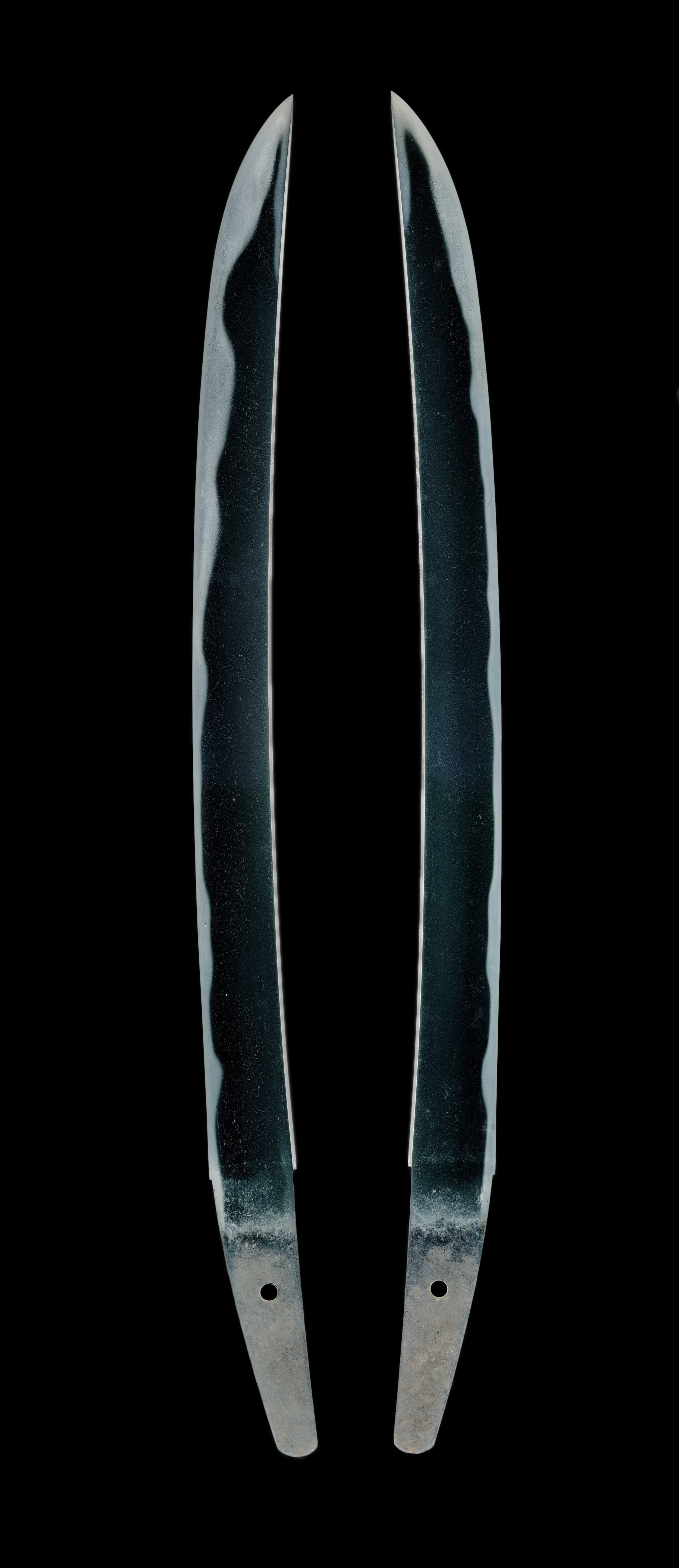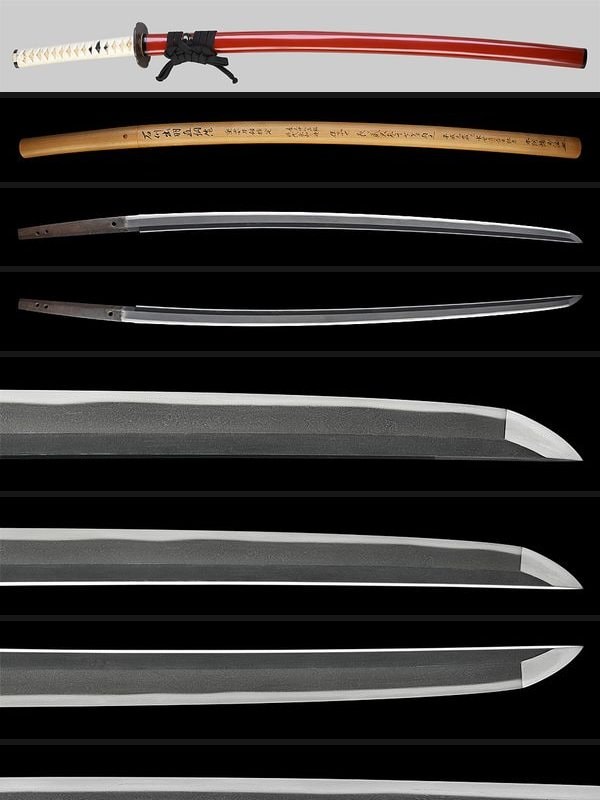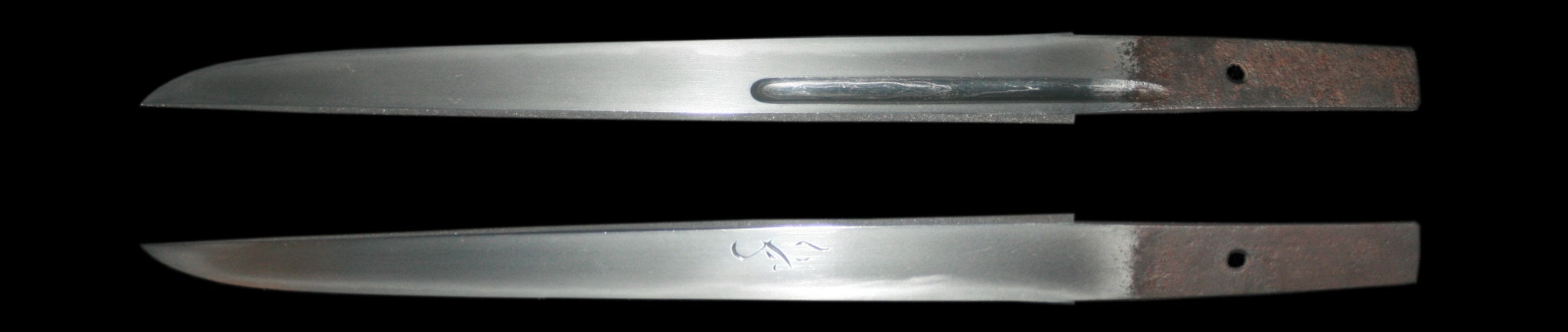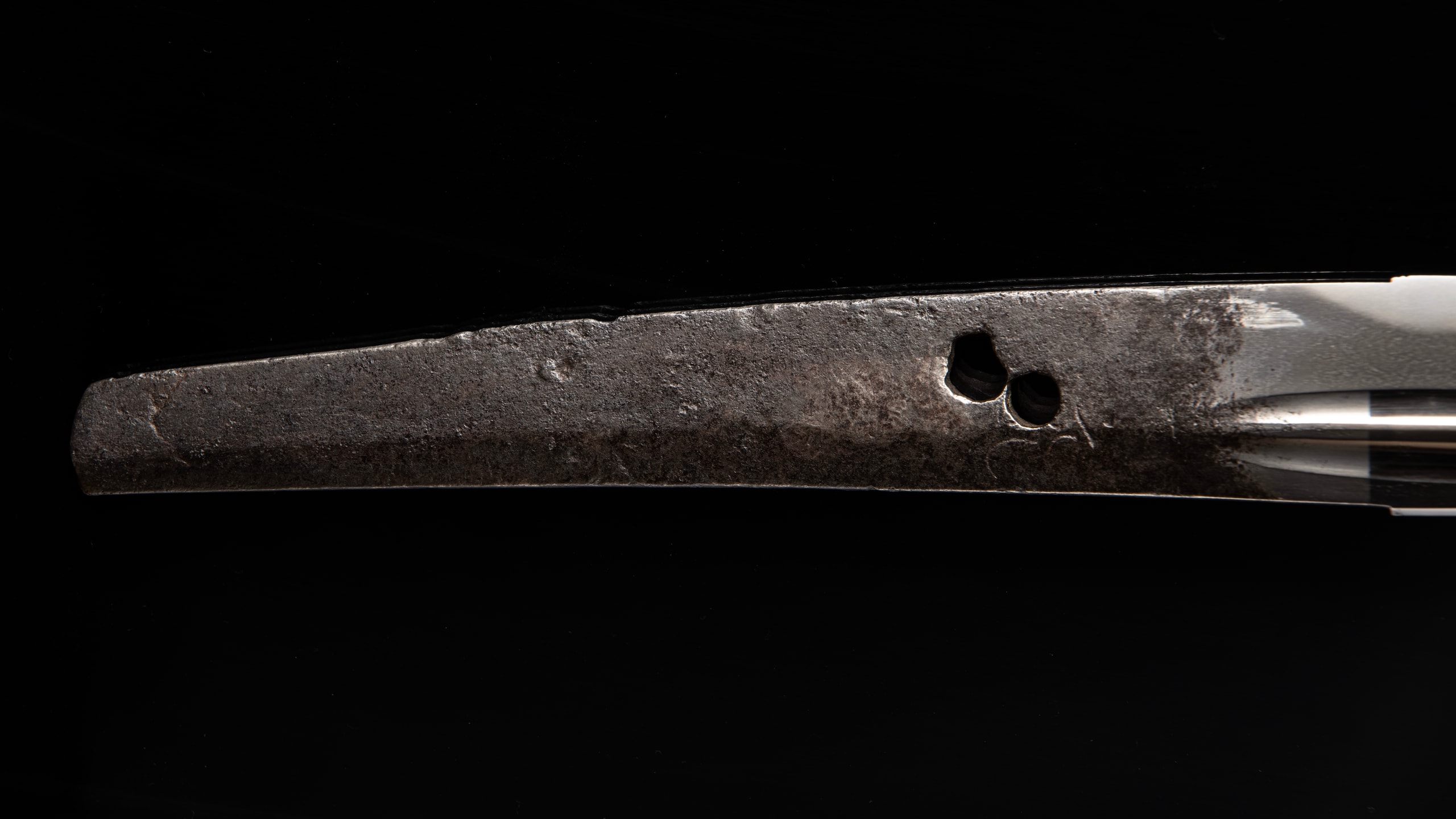
-, 57th Session — Designated October 14, 2011
, : Norishige (則重)
Measurements 72.1 cm, 1.7 cm, 3.05 cm, 2.0 cm, 3.3 cm, 18.5 cm, 0.2 cm
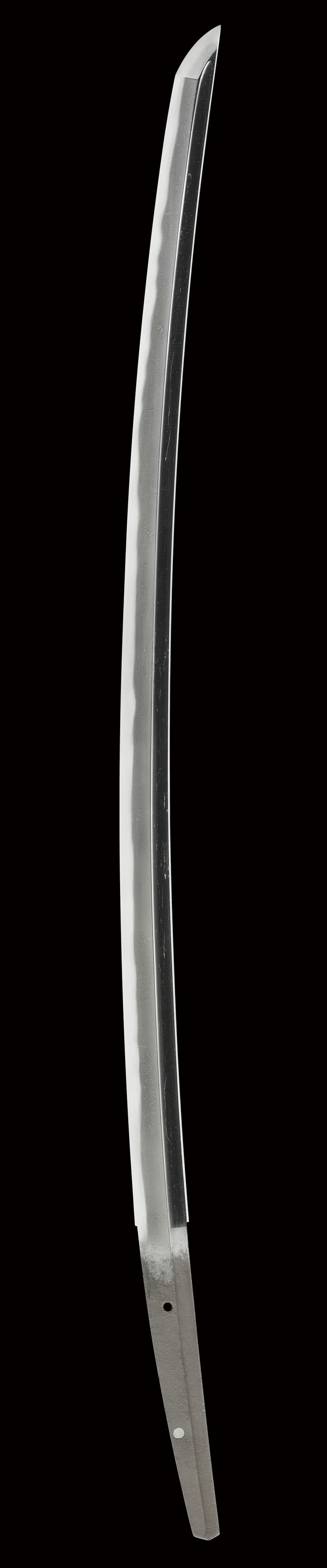
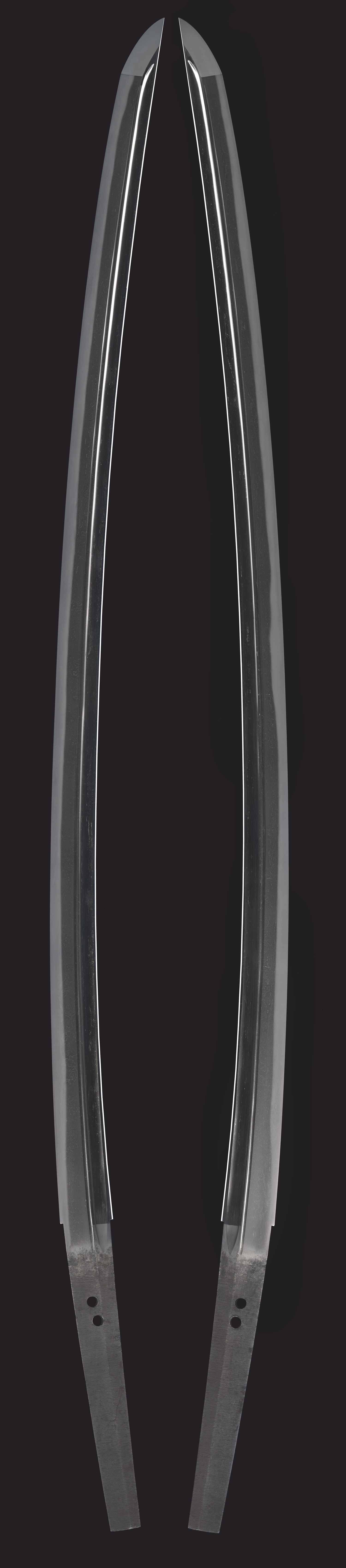
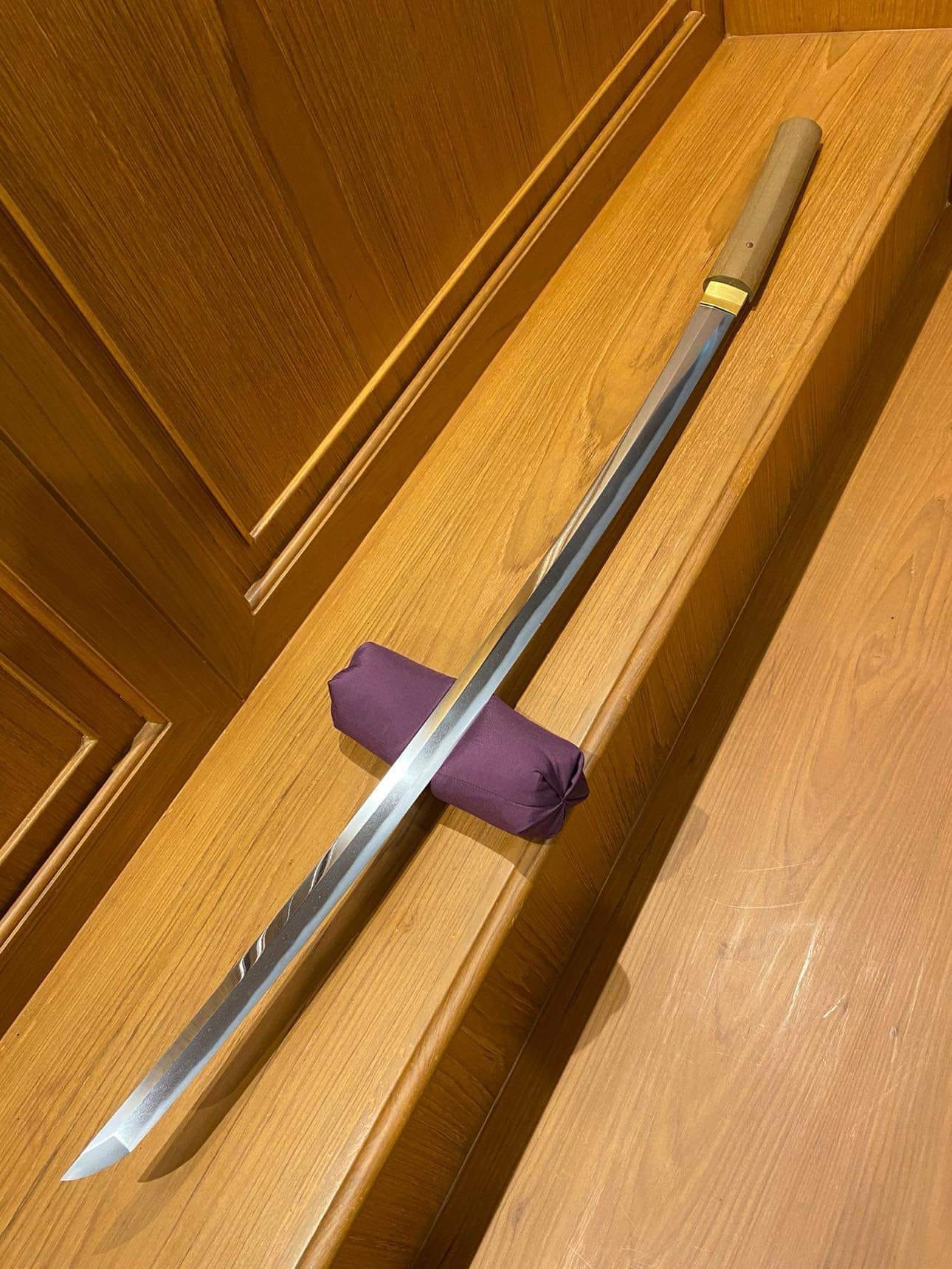
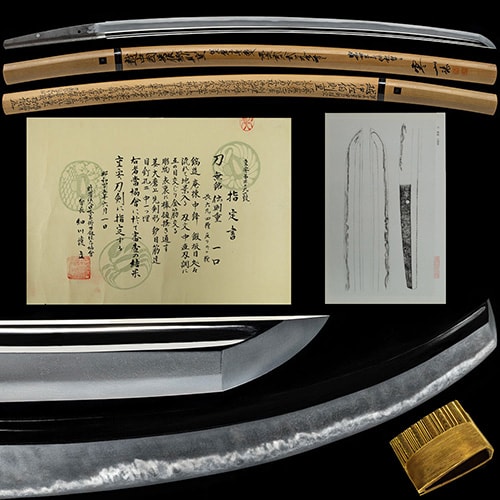
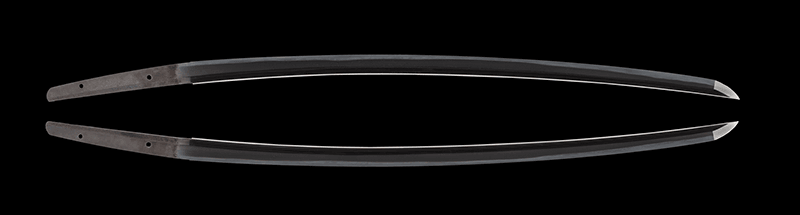
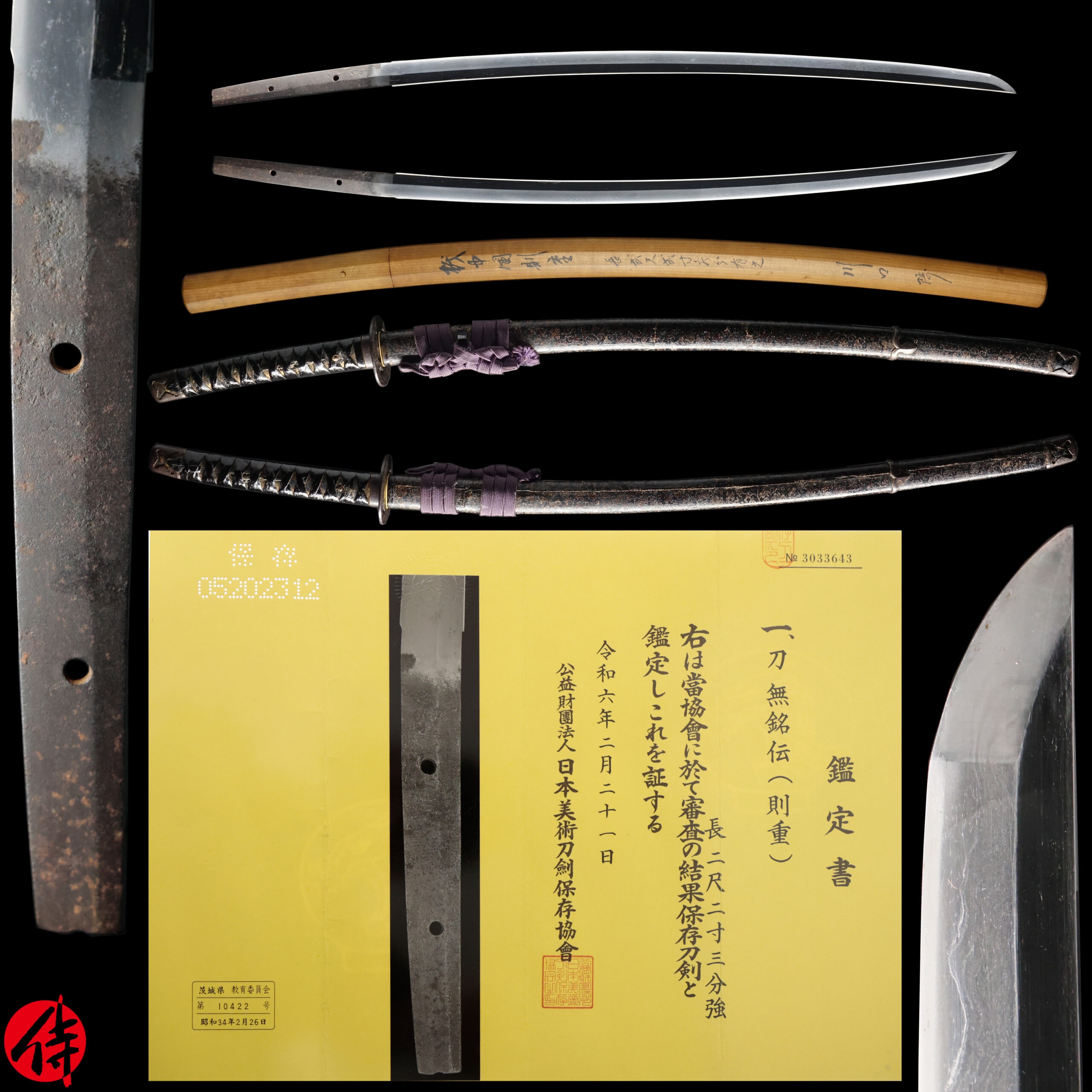
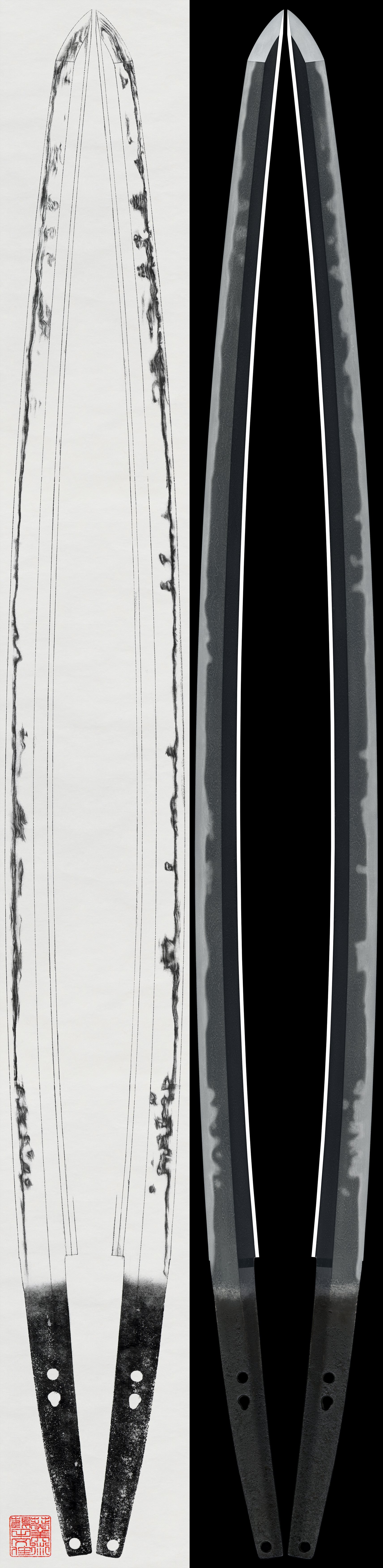
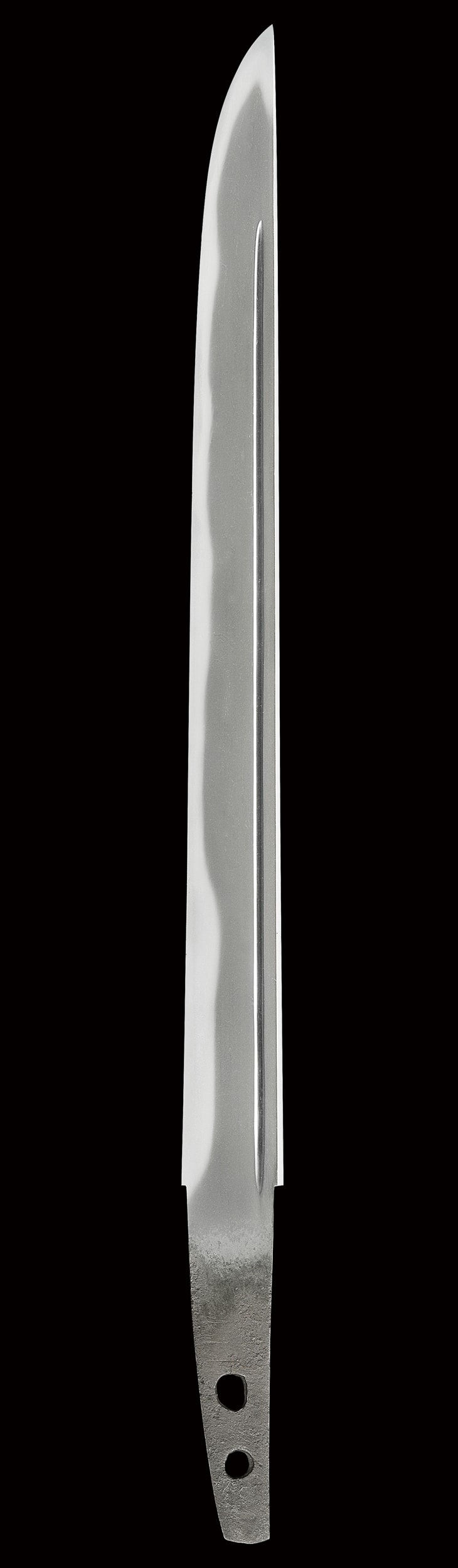
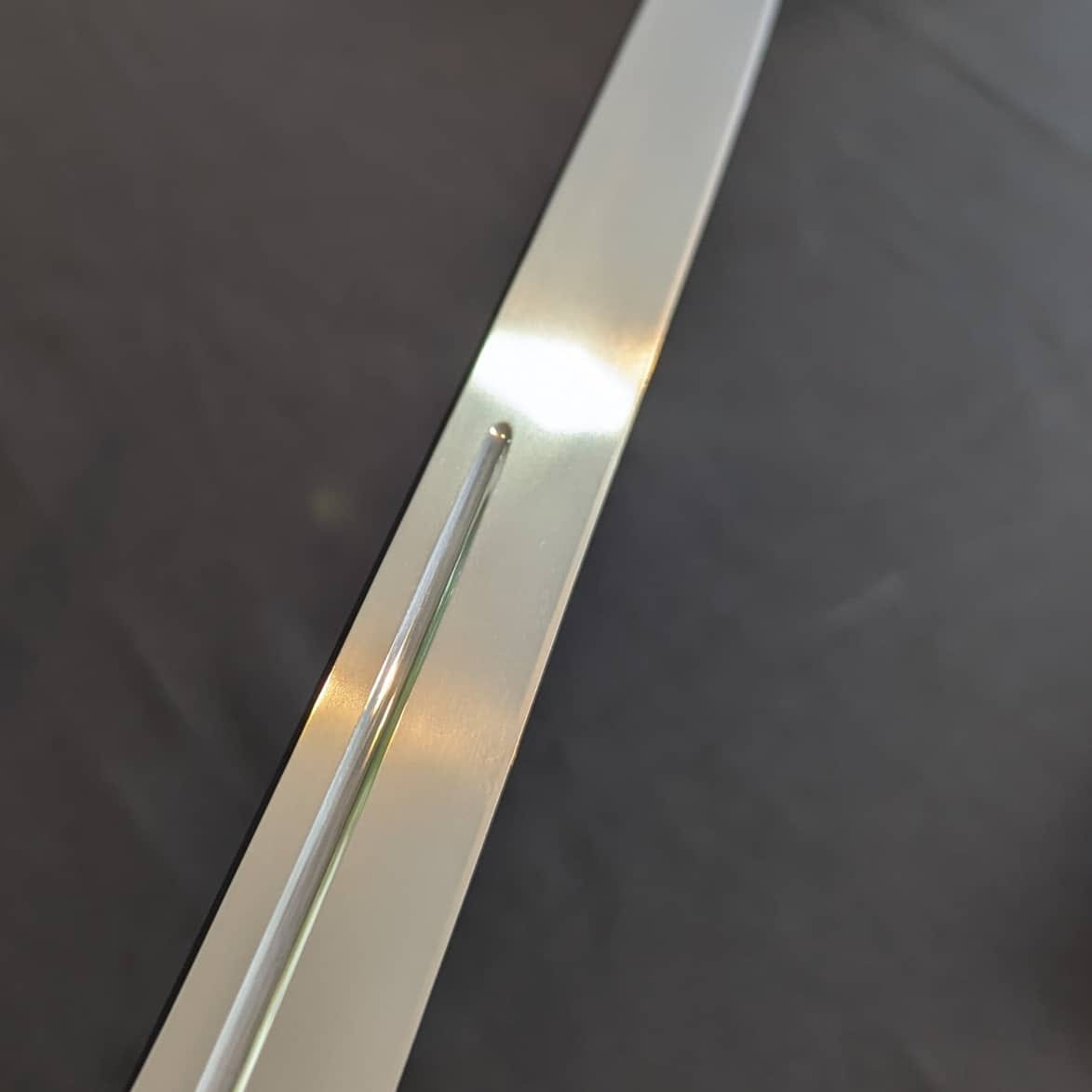
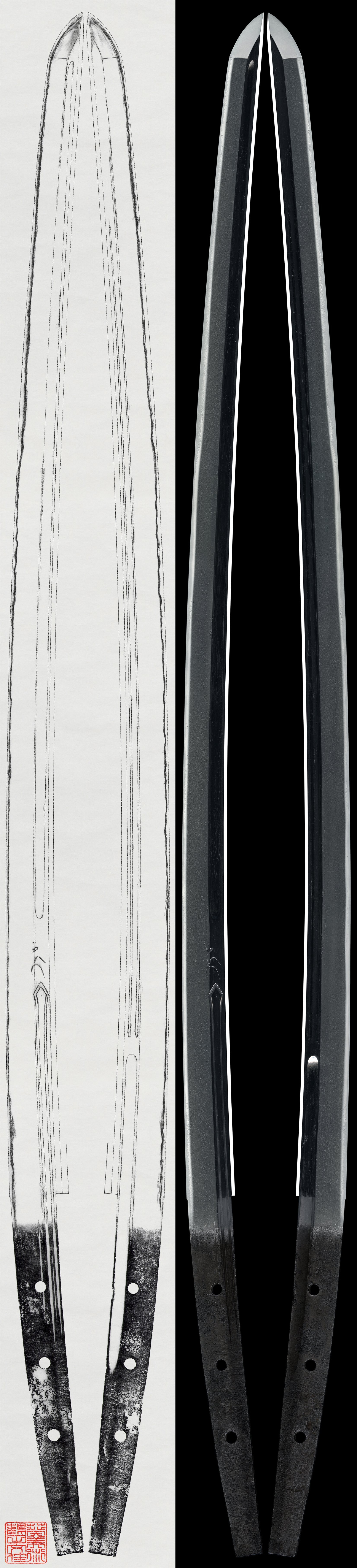
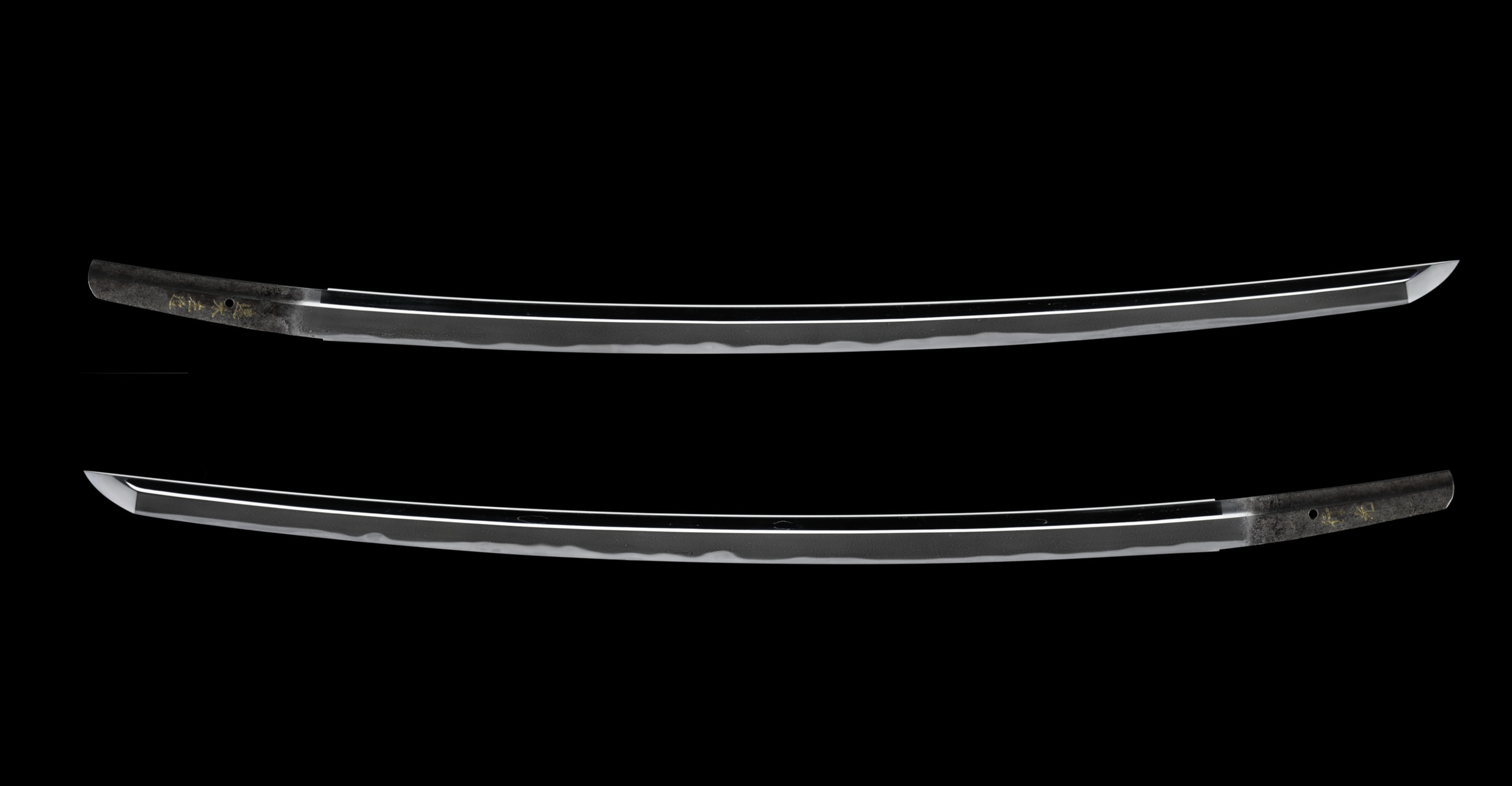
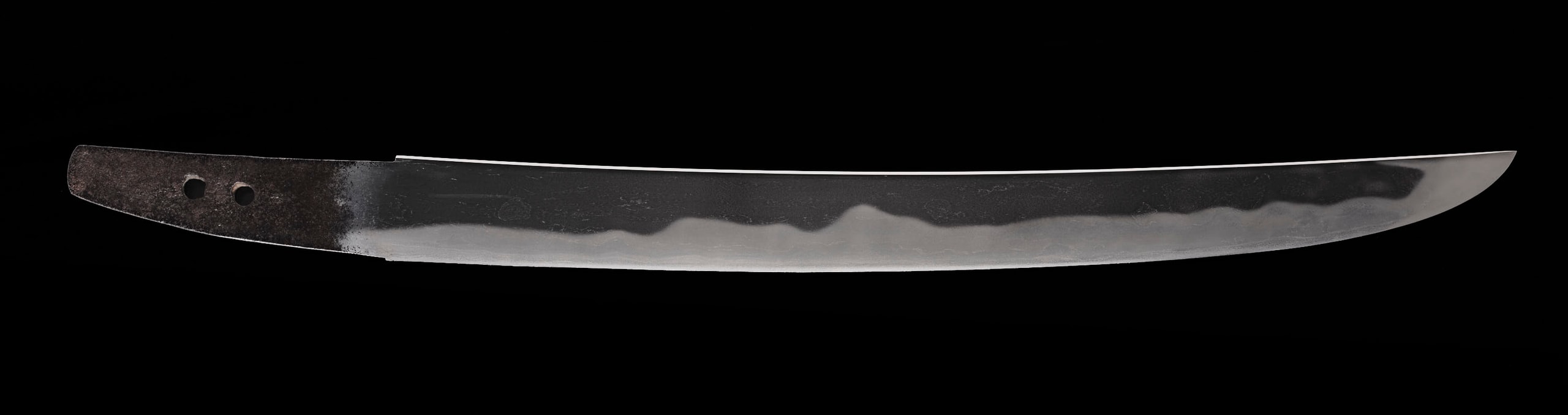
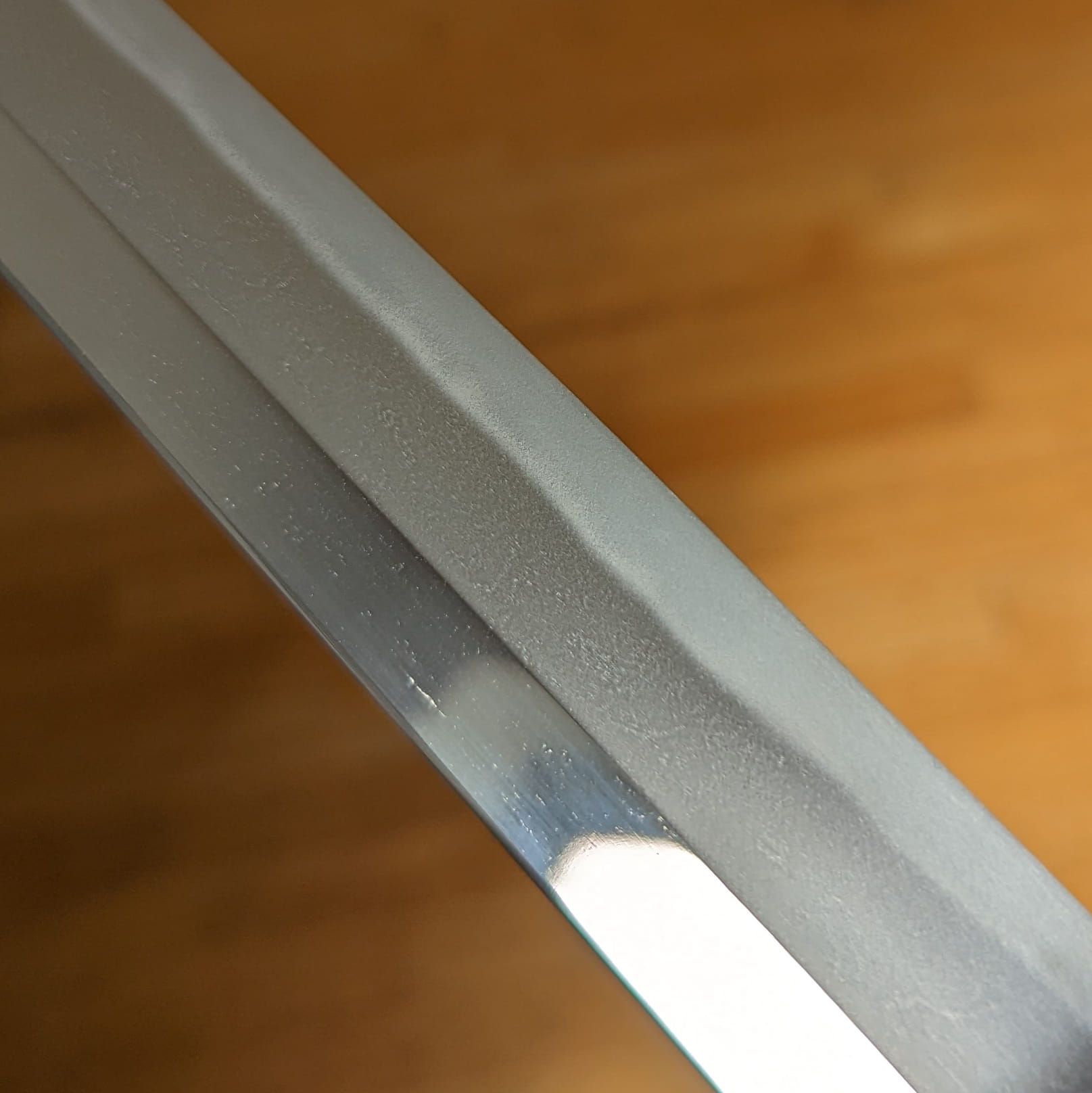
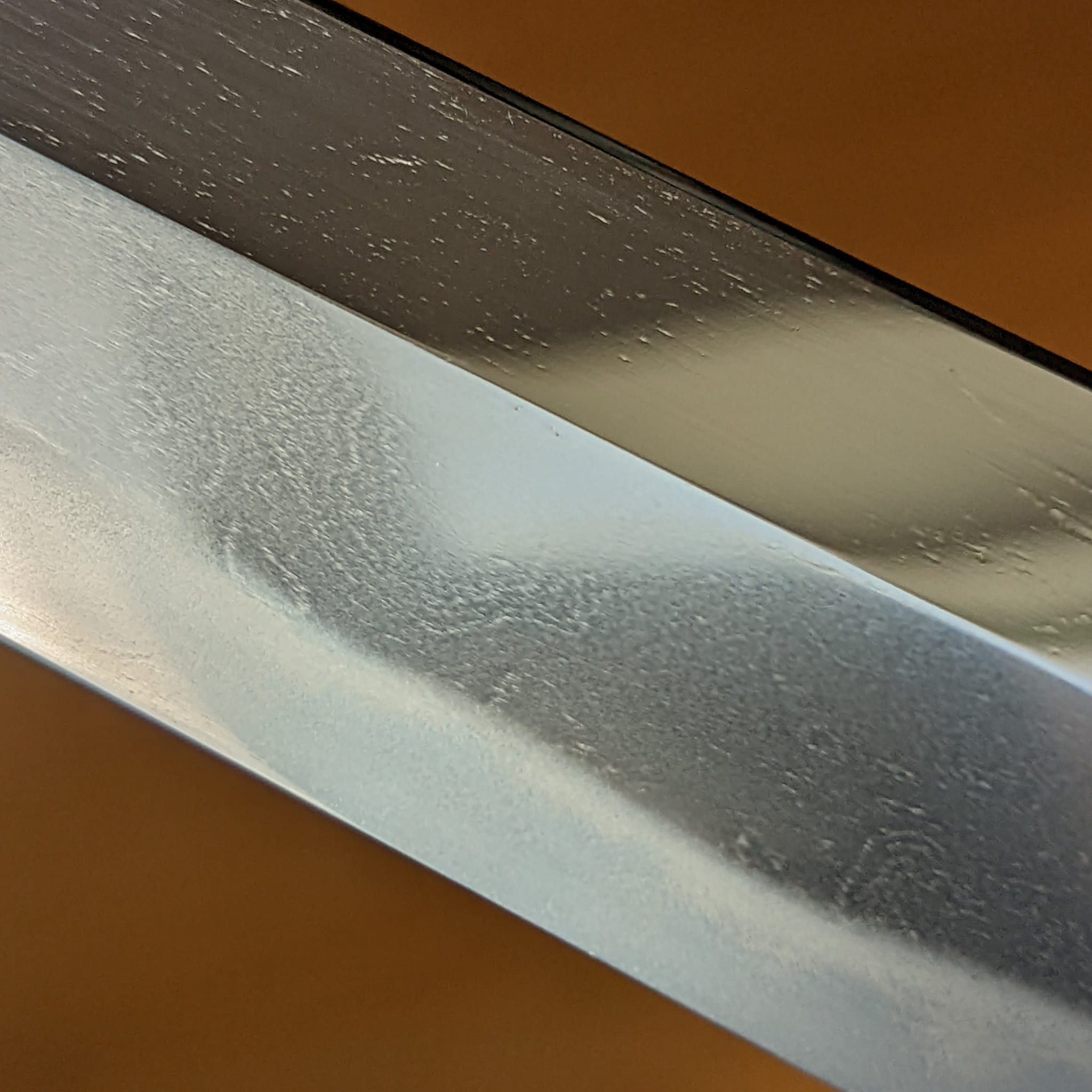
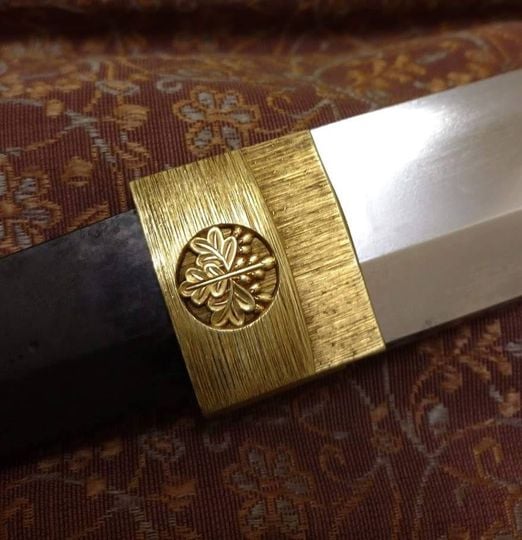
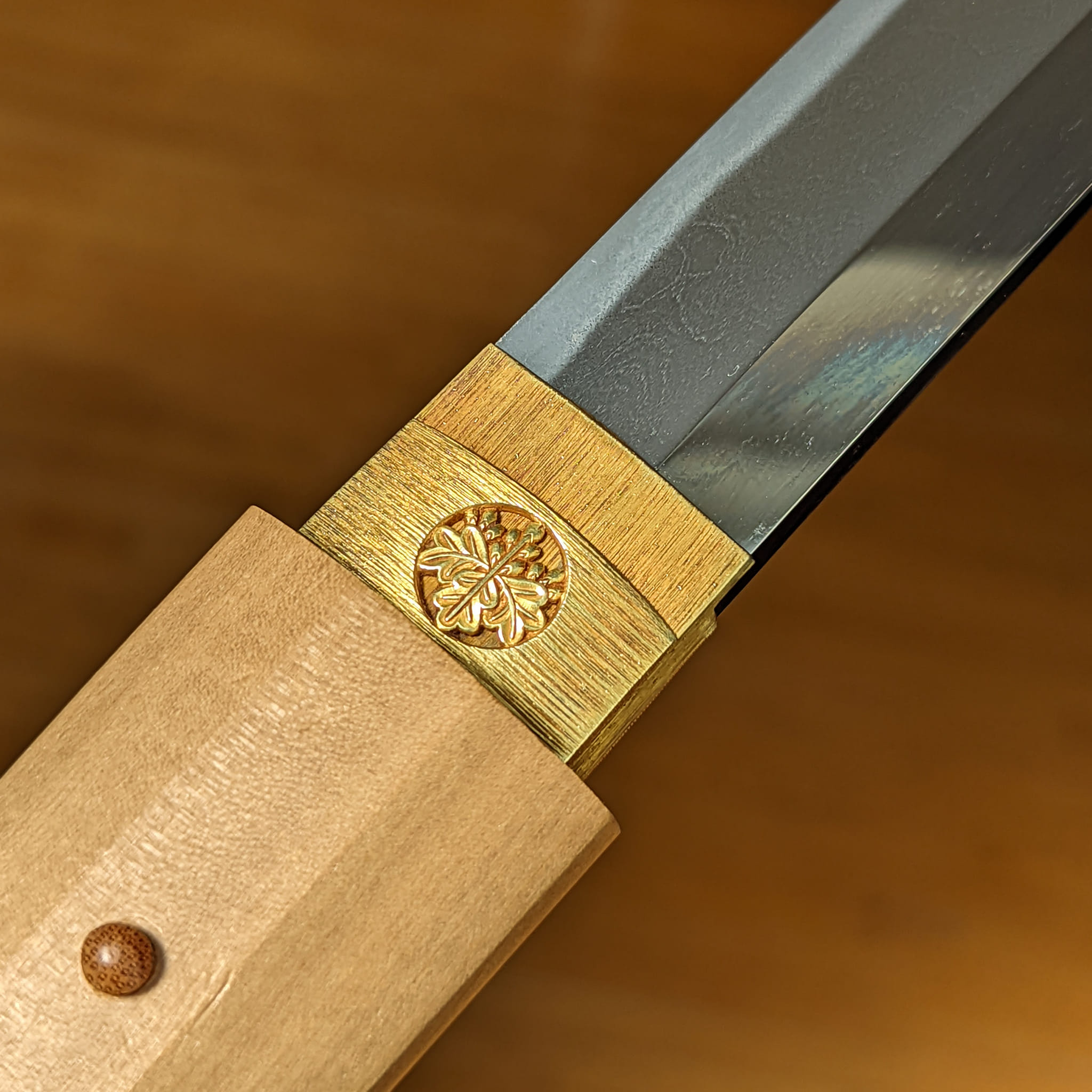
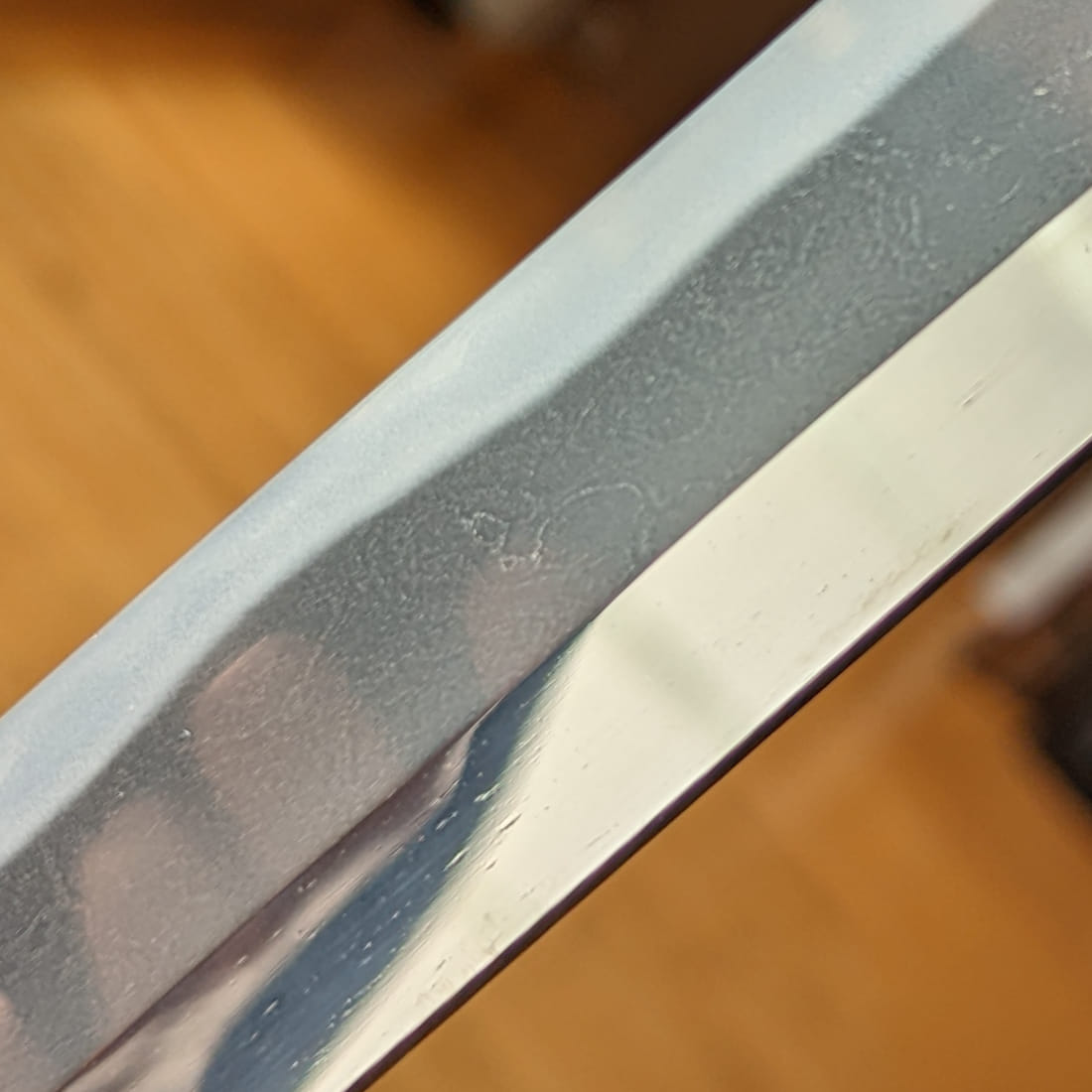
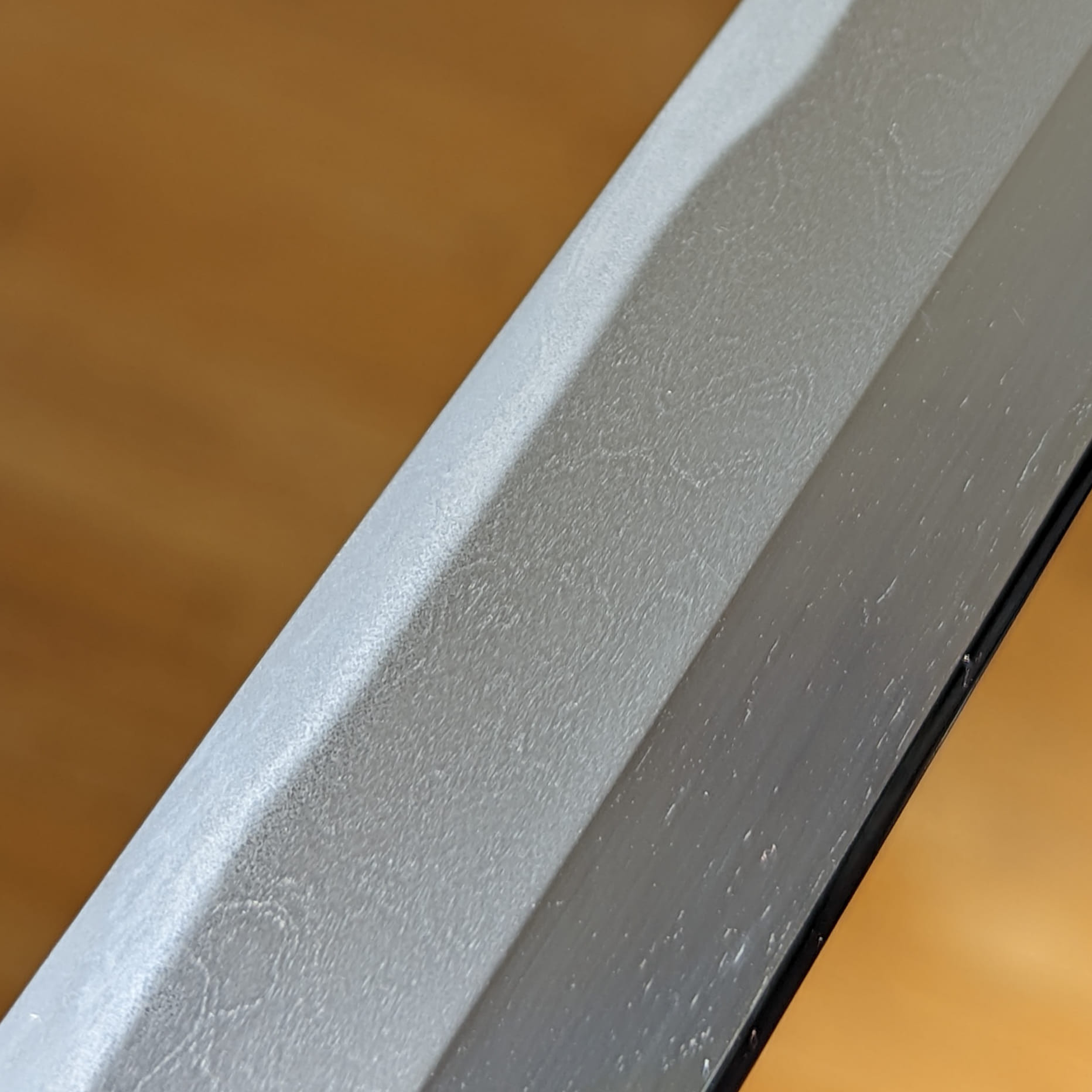
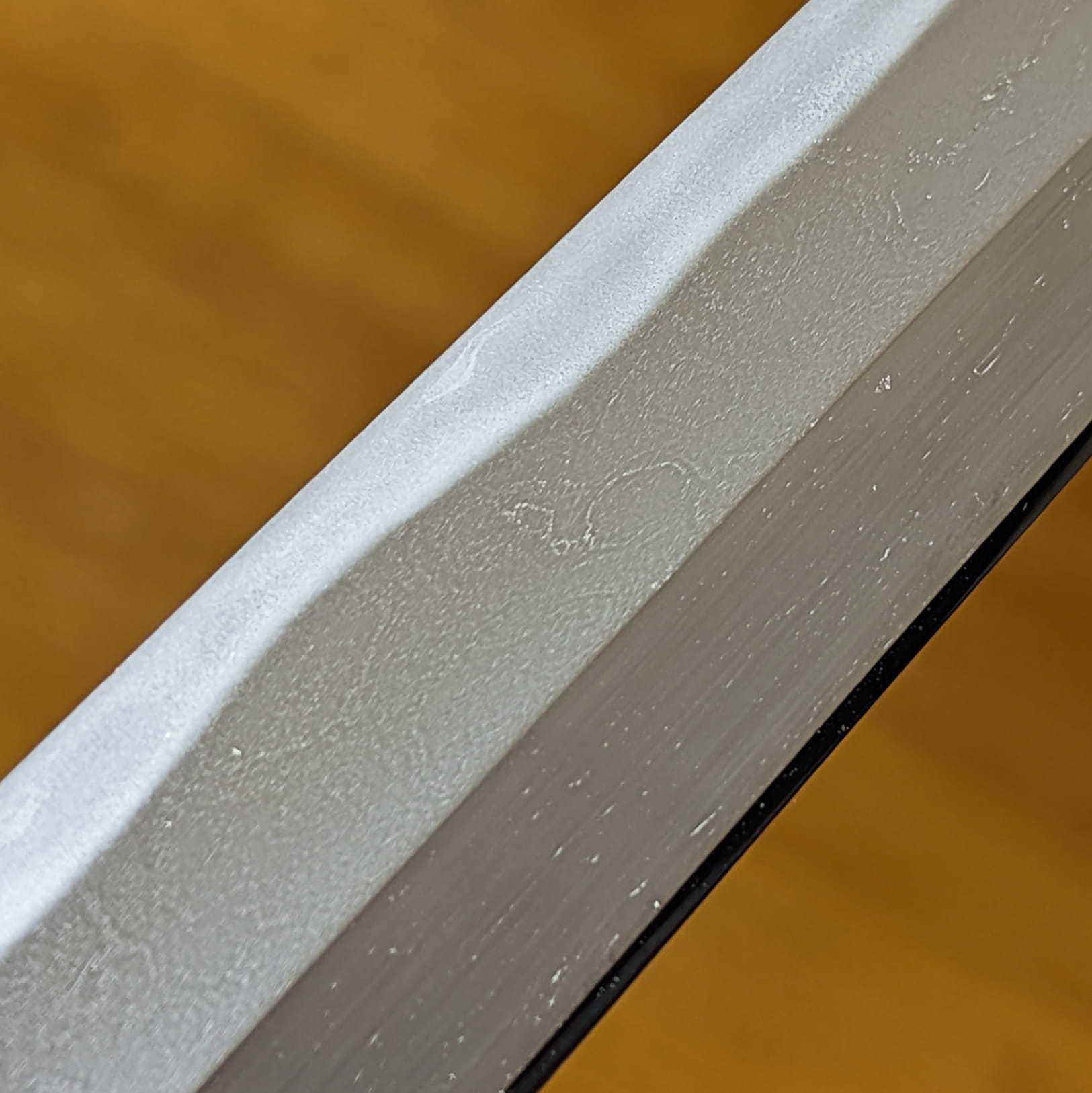
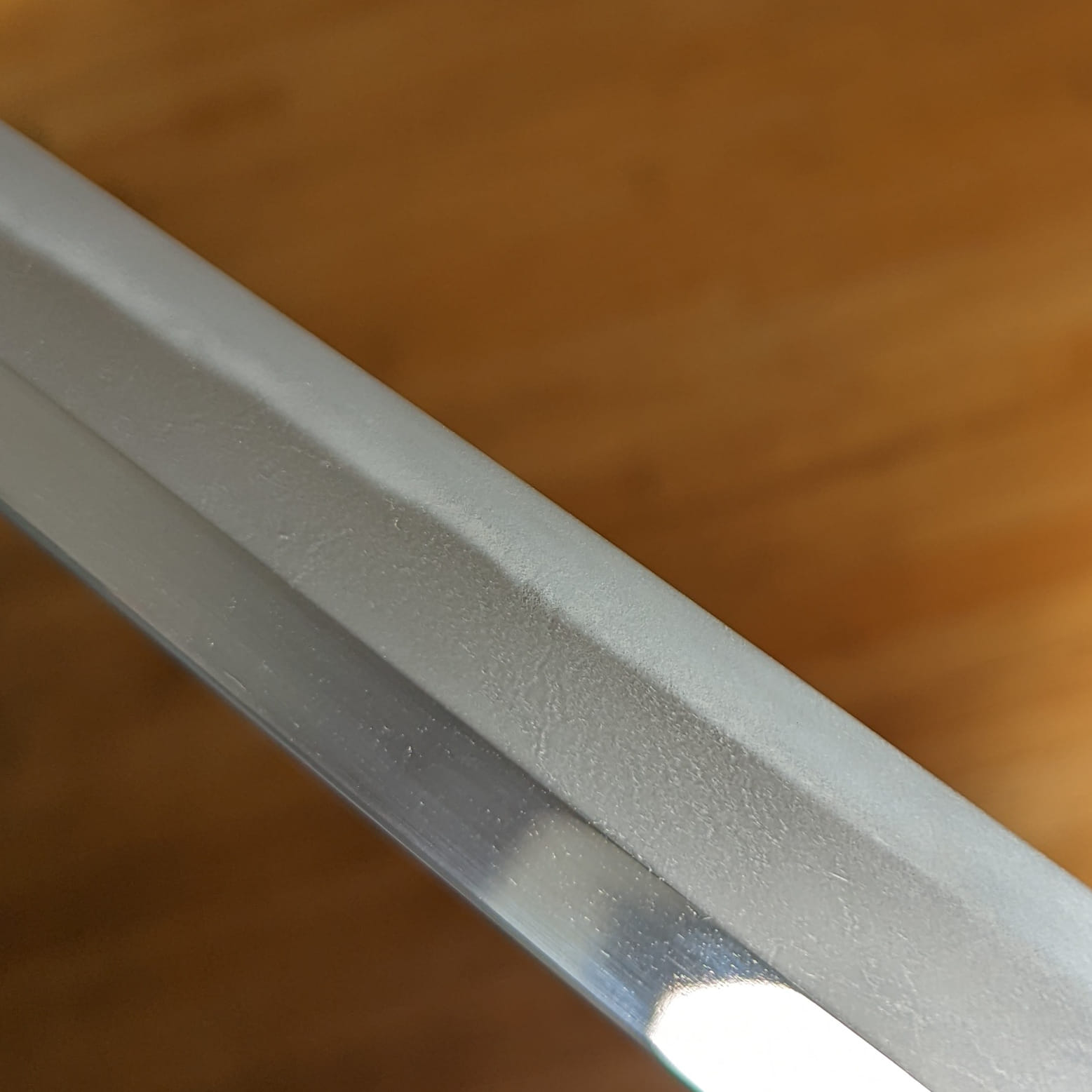
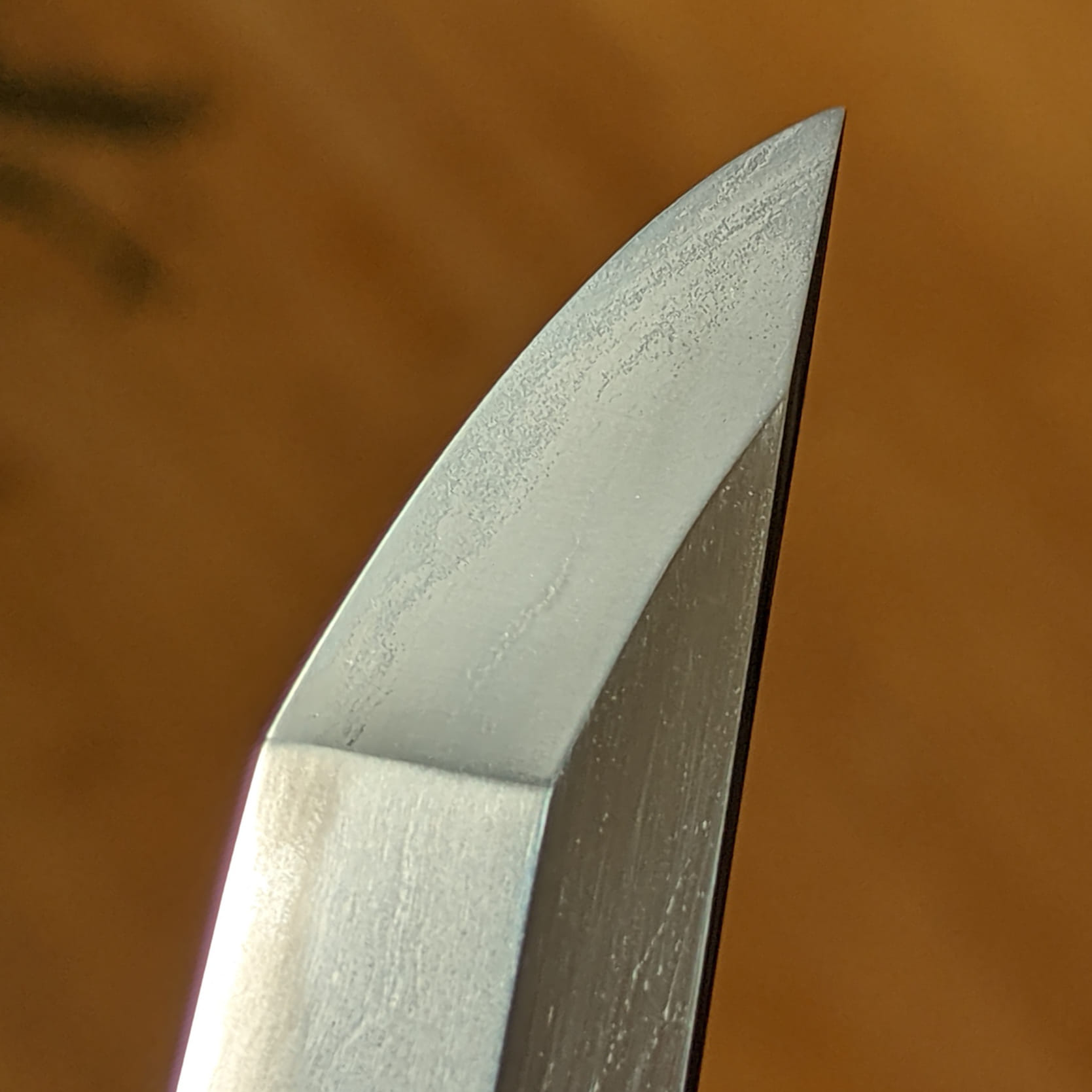
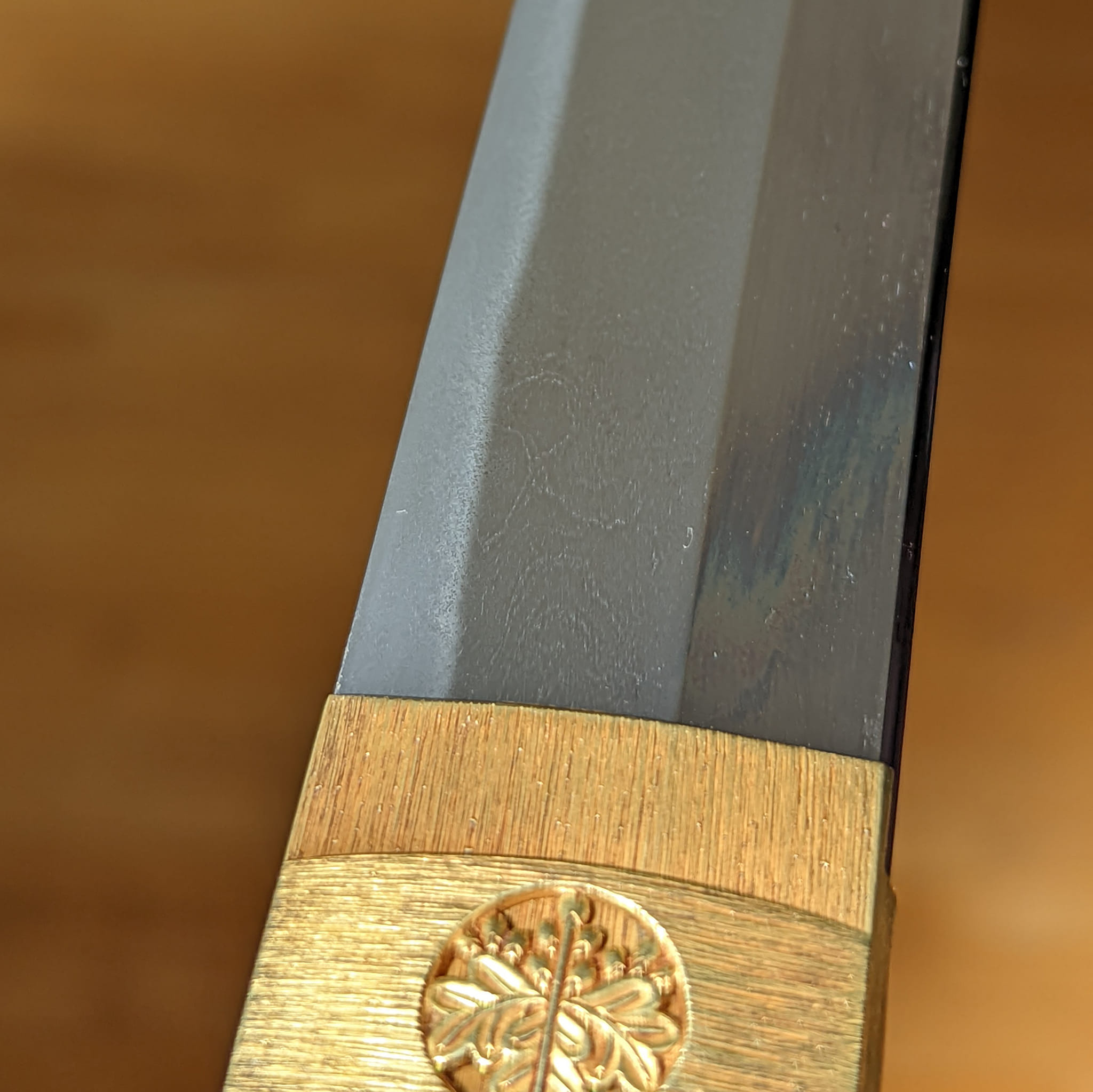
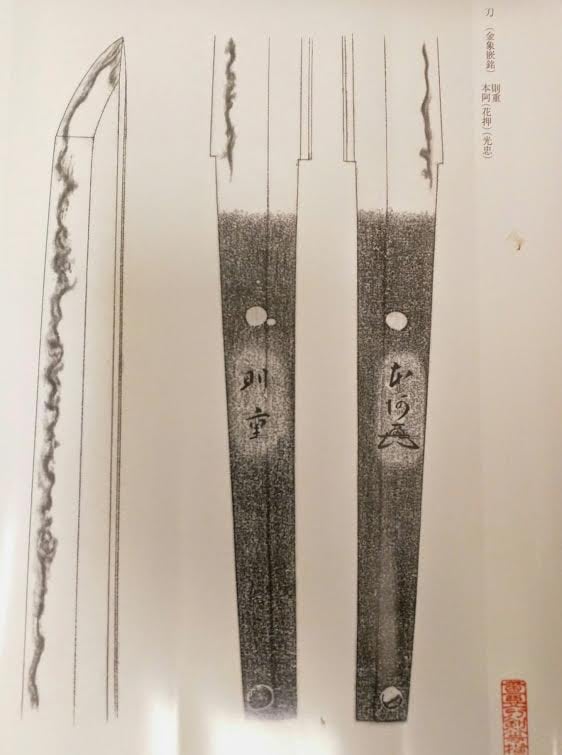
Description Keijō: , ; somewhat wide, with little difference between base and tip widths; shallow ; with a slightly extended appearance. : mixed with ; the grain stands overall, with thickly adhering and frequent . : a shallow mixed with ; and enter well; the is bright, with thickly adhering , and and appear. : shallow , tending toward a pointed turnback. : None. : ; ; ; two ; on the , below the first and approximately at the center, a gold-inlaid attribution “(則重)”; on the reverse, set somewhat toward the edge side, “Hon’ami () (光忠)”—a gold-inlaid attribution () of appraisal.
Artisan Norishige (則重)
Era Late period (early 14th century)
Explanation -period sword books such as the Kokon Meizukushi enumerate Norishige as one of the “Ten Philosophers” (Juttetsu) of Masamune. However, when one considers the shapes () found among his and , and the fact that works exist bearing production dates in the Shōwa and Gen’ō eras, it is more appropriate to accept the theory—already stated in -period sword texts—that he was a disciple of Kunimitsu. In that case, Norishige should be regarded not as Masamune’s student, but rather as a fellow disciple.
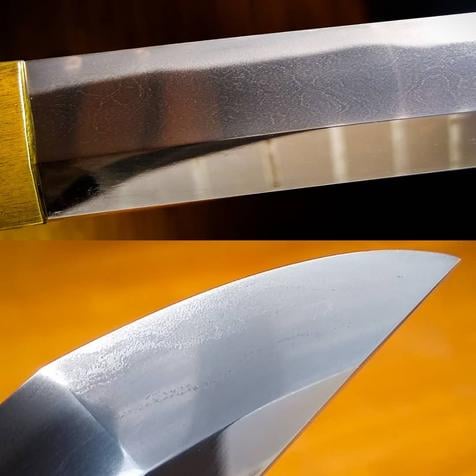
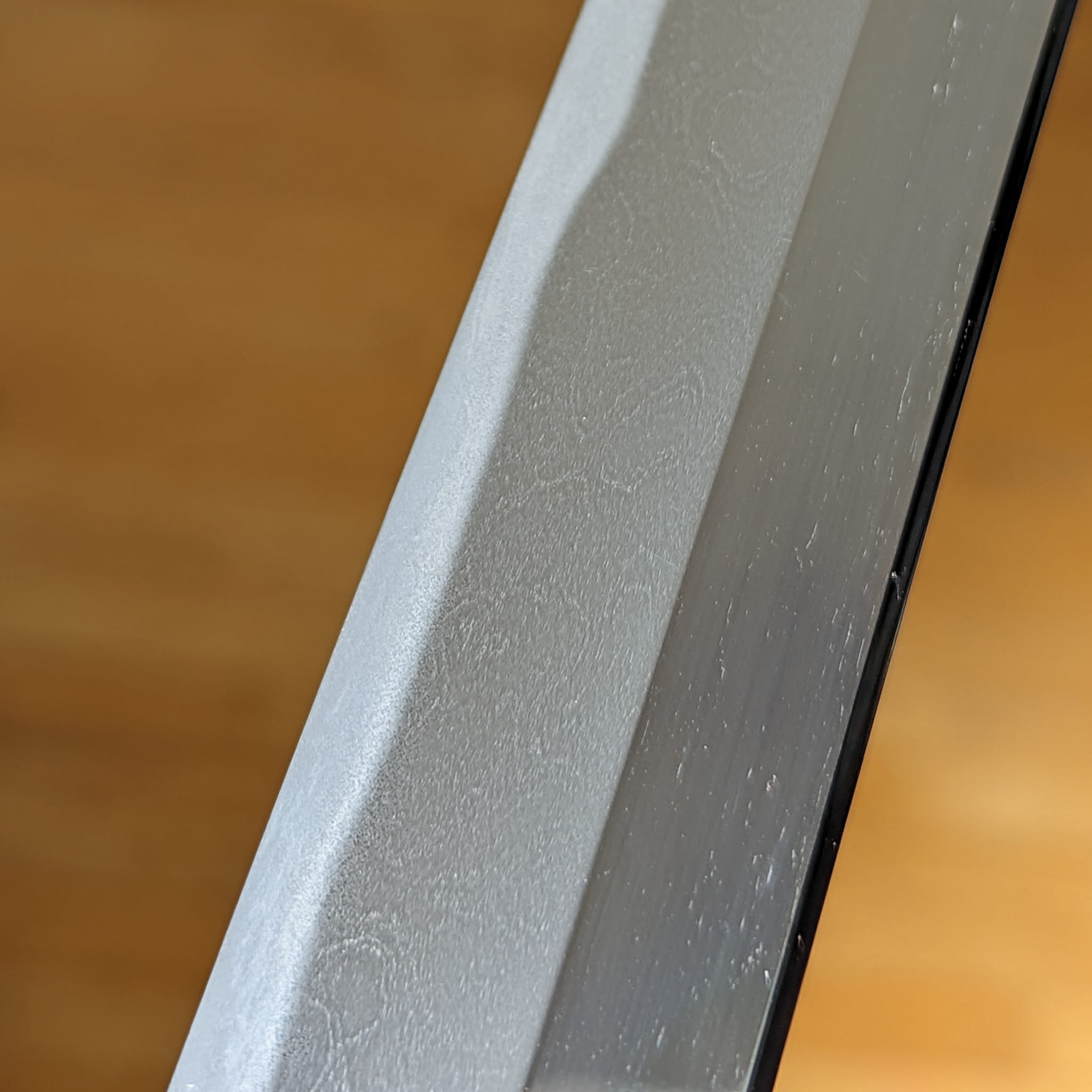
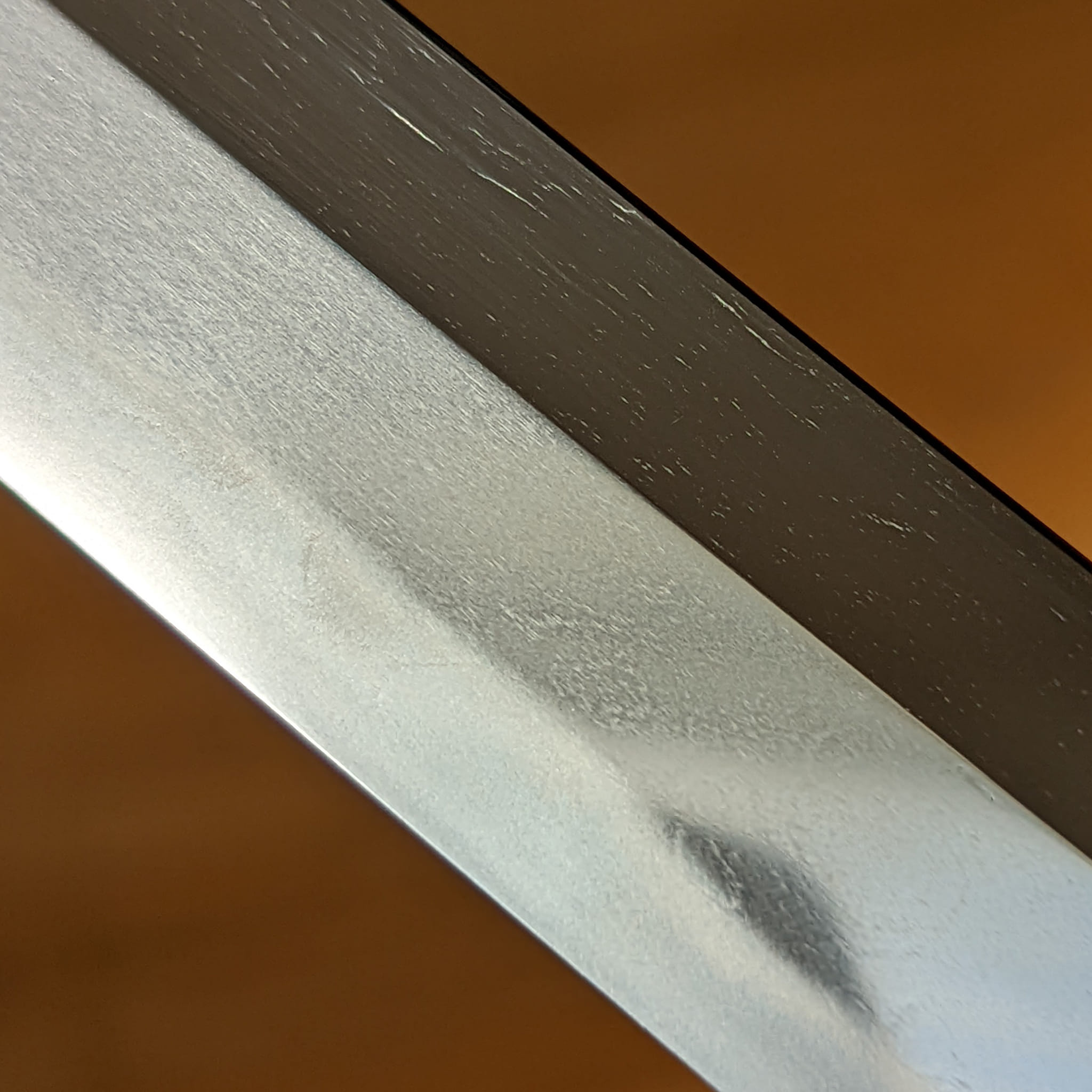
Norishige’s manner is close to that of Masamune among the foremost masters; yet compared to Masamune, he often renders changes in more openly and emphatically. His forging shows a larger, more conspicuous pattern with strongly standing grain, producing the distinctive texture referred to as (so-called “pine-bark grain”), into which bold enter conspicuously. Moreover, along the boundary of the tempered edge and within the hardened area, one can discern a variety of activities intertwined with the forged grain itself, revealing ever-changing (senpen-bankā) workings of .
In this work, the is mixed with , with standing grain overall; thick adheres and enter frequently. The is a shallow mixed with , with well-formed and ; the is bright, with thick , and accompanied by and . These features strongly manifest Norishige’s characteristic style, and the attribution by Hon’ami Kōchū is fully persuasive.
Its form, with abundant , is especially notable for being (sound and well-preserved). The standing forging takes on a -like appearance, while along the edge brilliant, strongly gleaming adheres thickly, resulting in an excellent and distinguished performance.