
NihontoWatch Mon

NihontoWatch

MarketAuctions
Encyclopedia
NihontoWatch Mon

NihontoWatch

MarketAuctions
Encyclopedia

Description

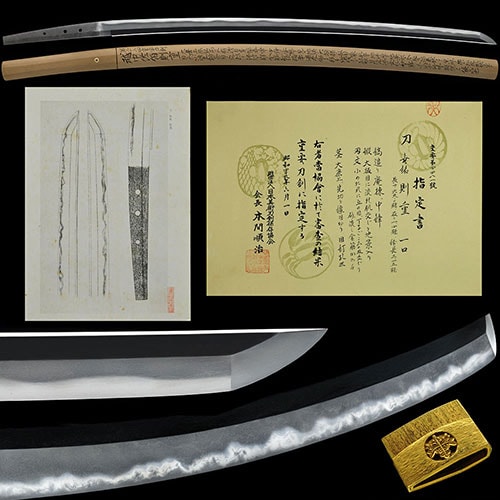
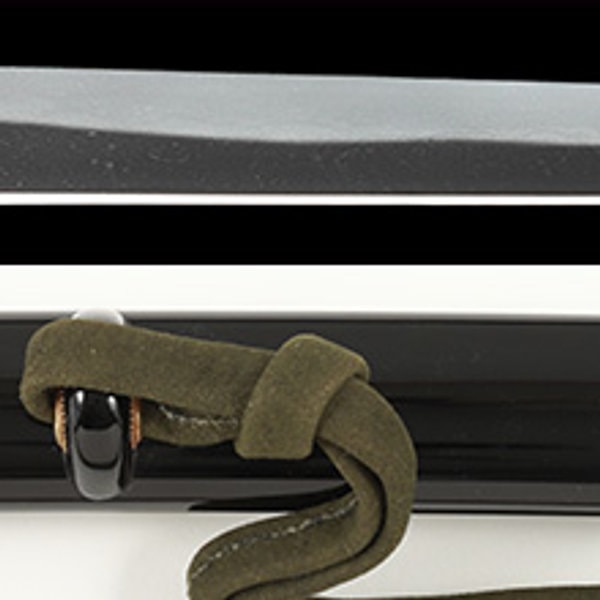
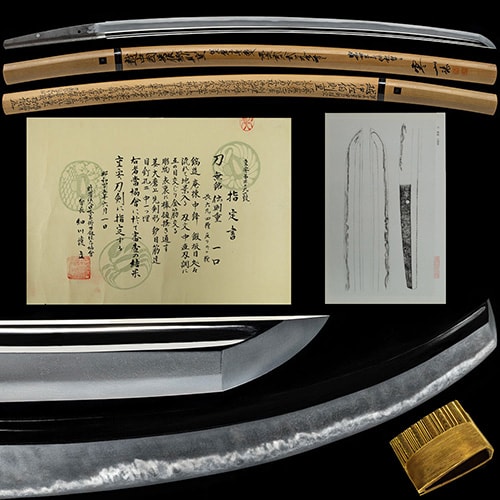
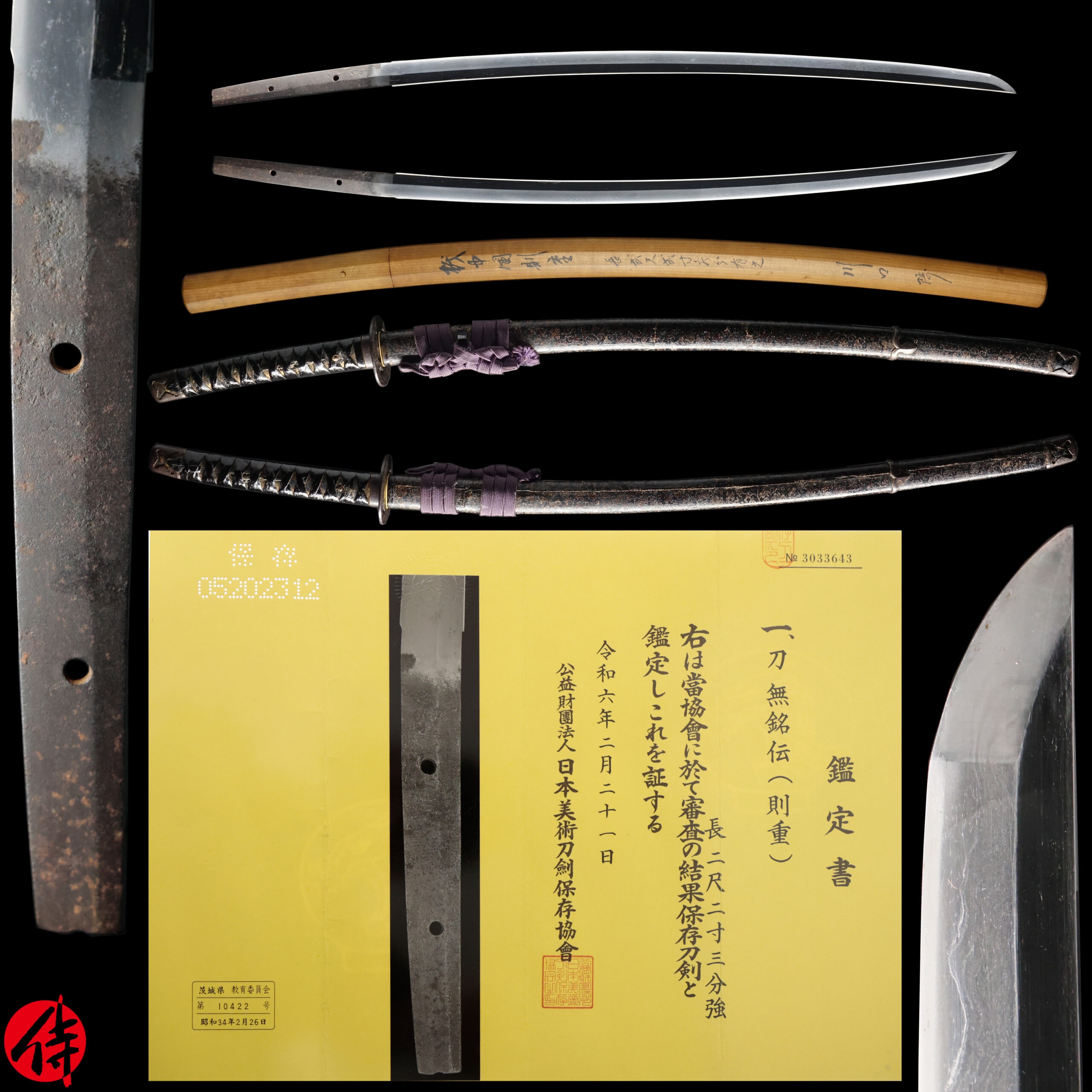
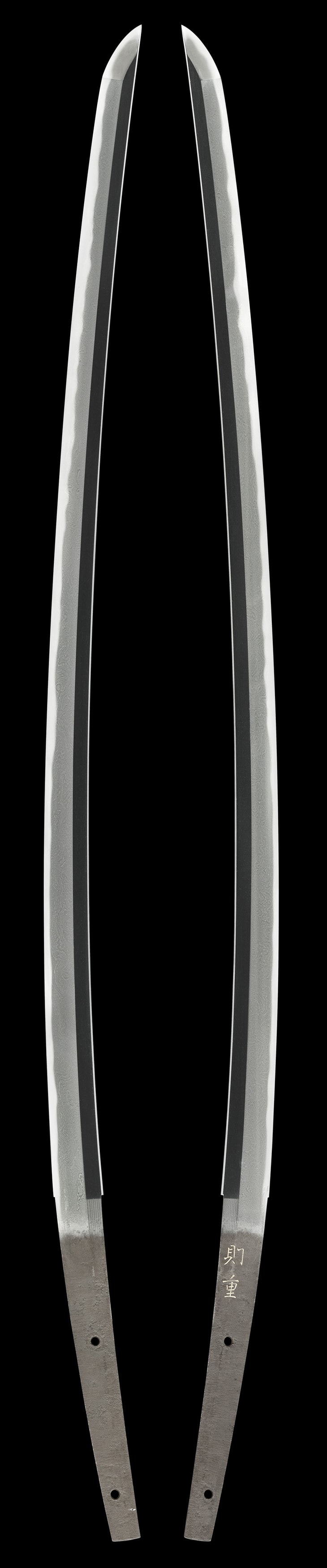
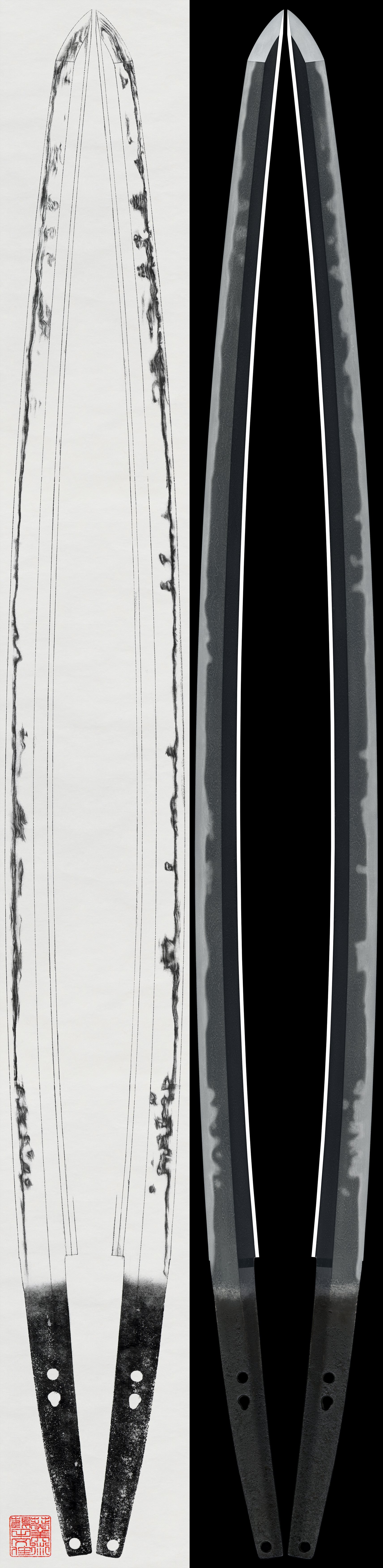
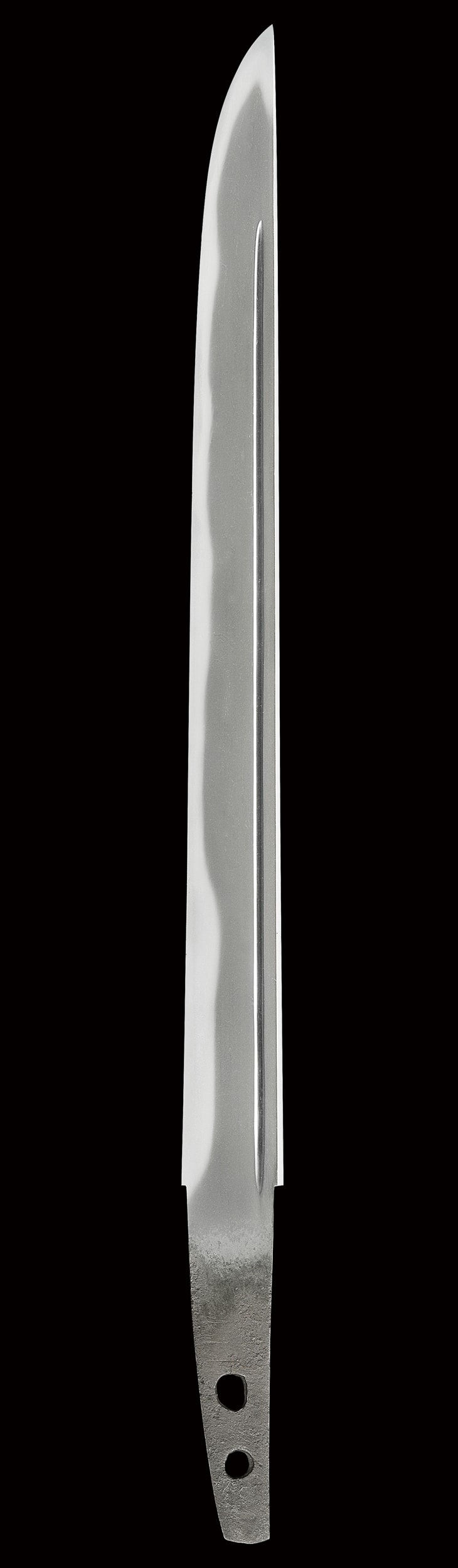
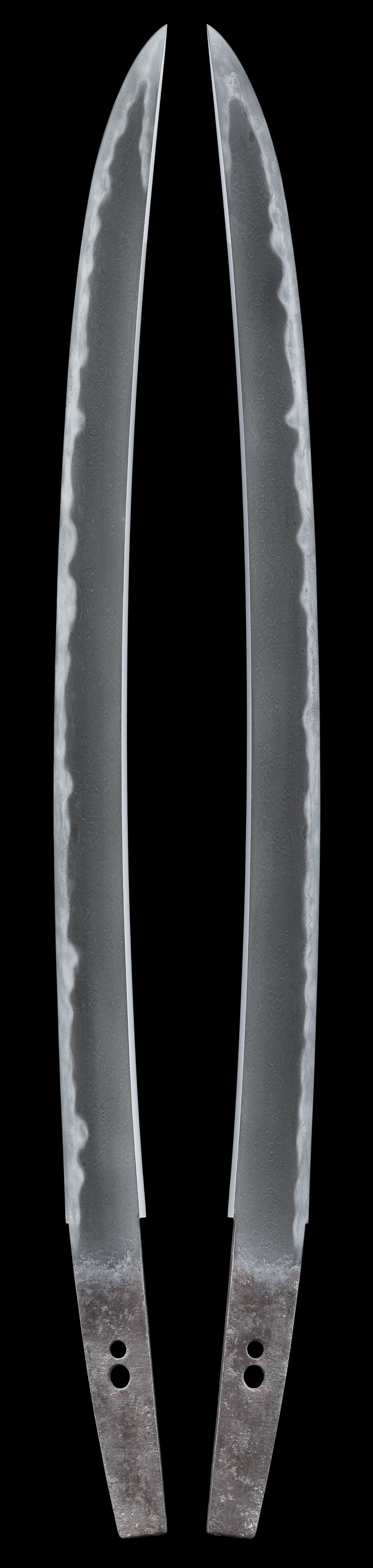
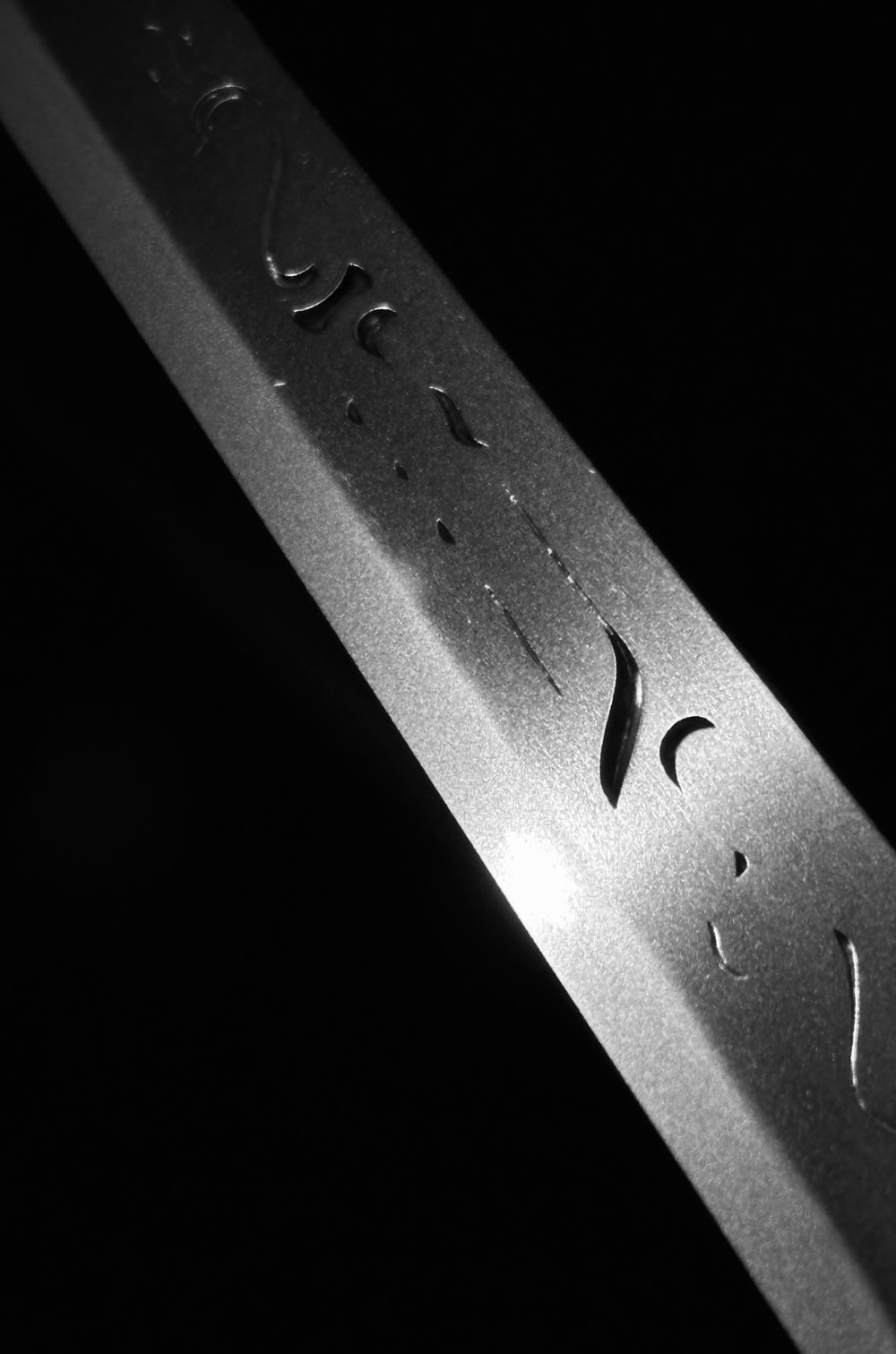
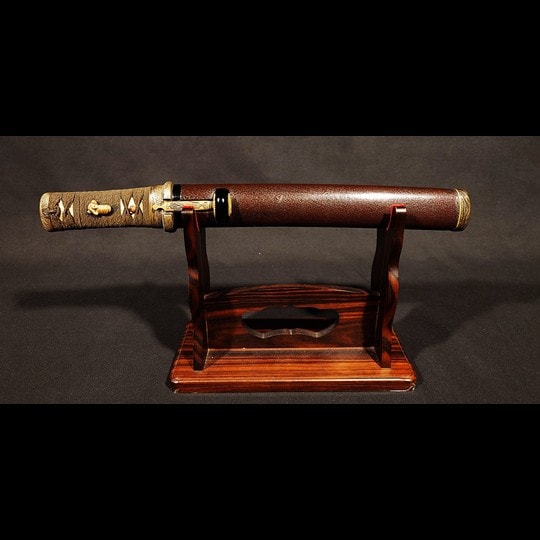
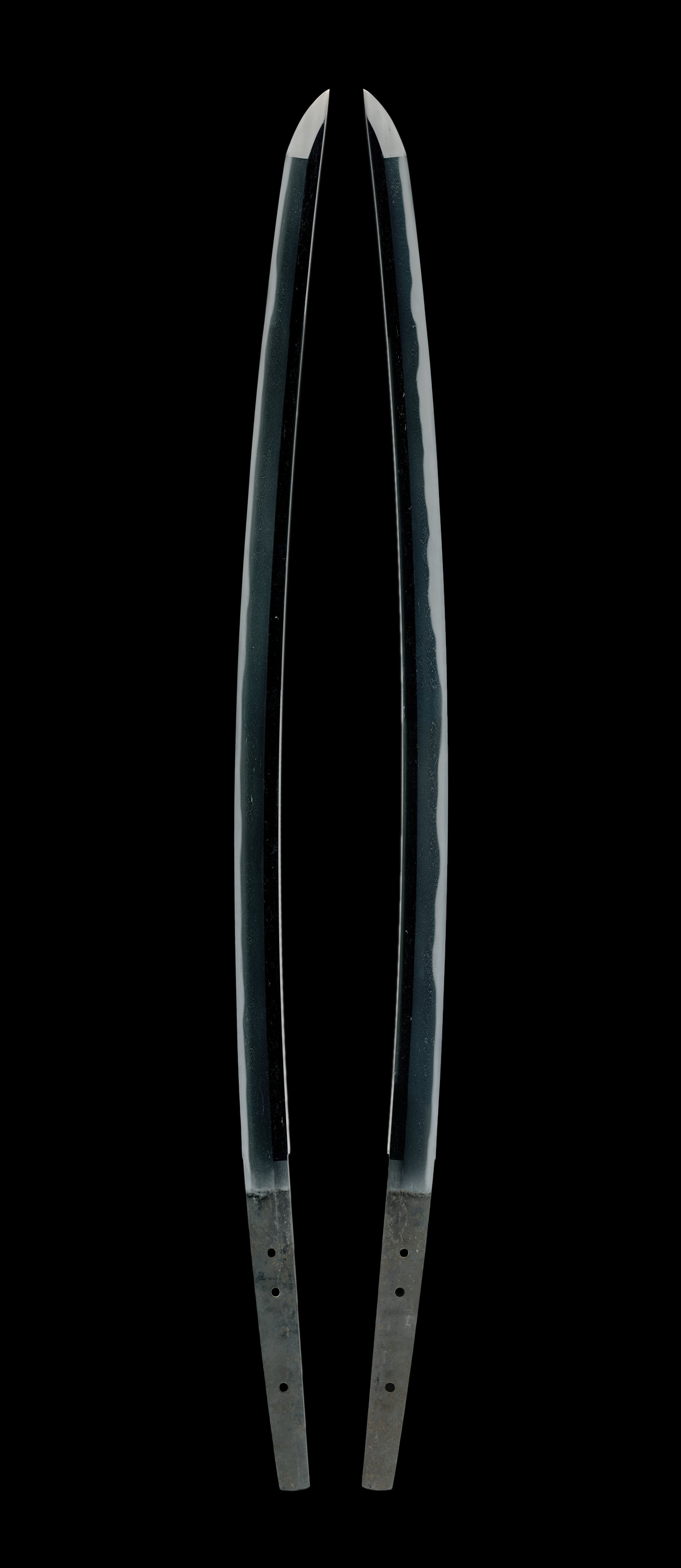
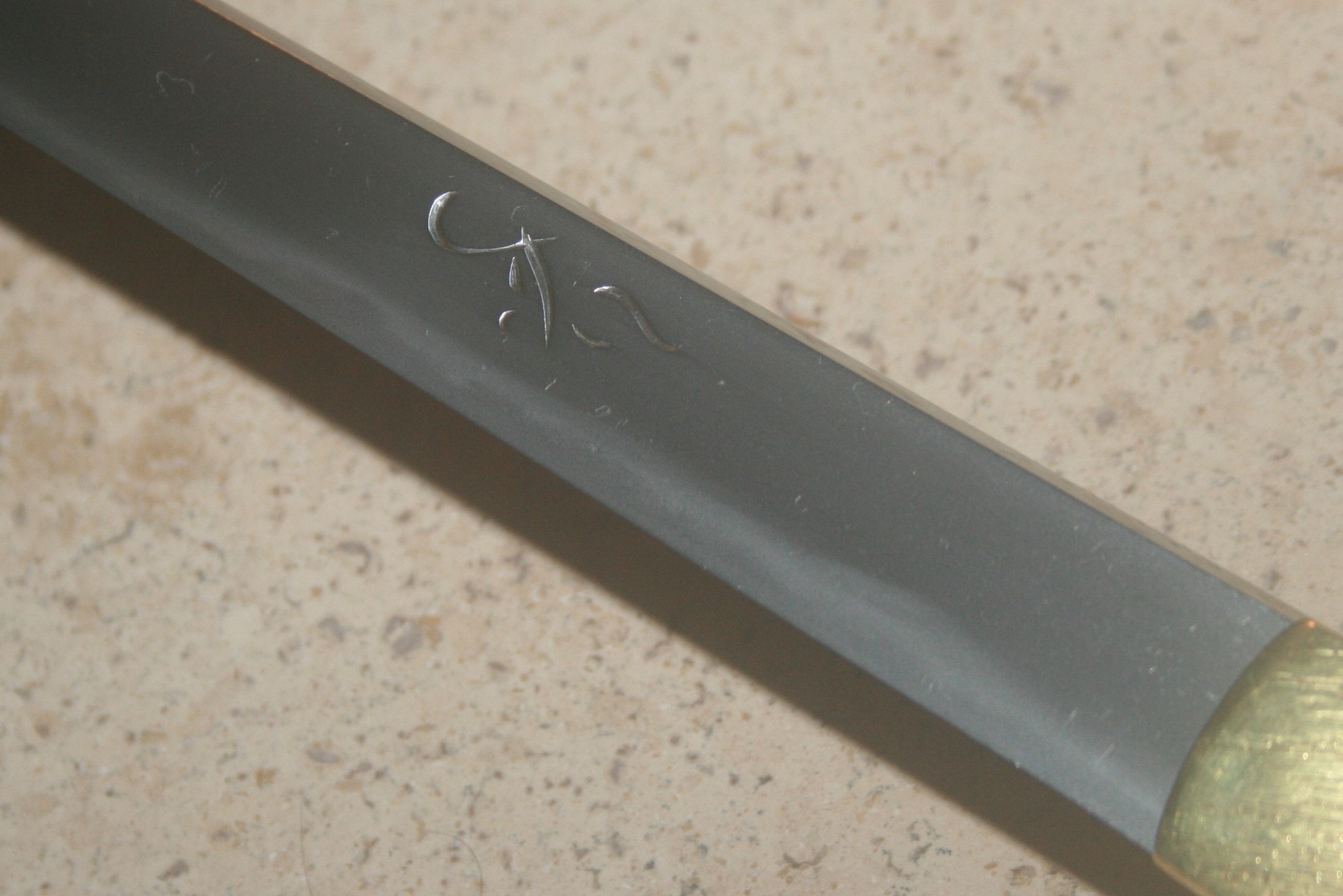
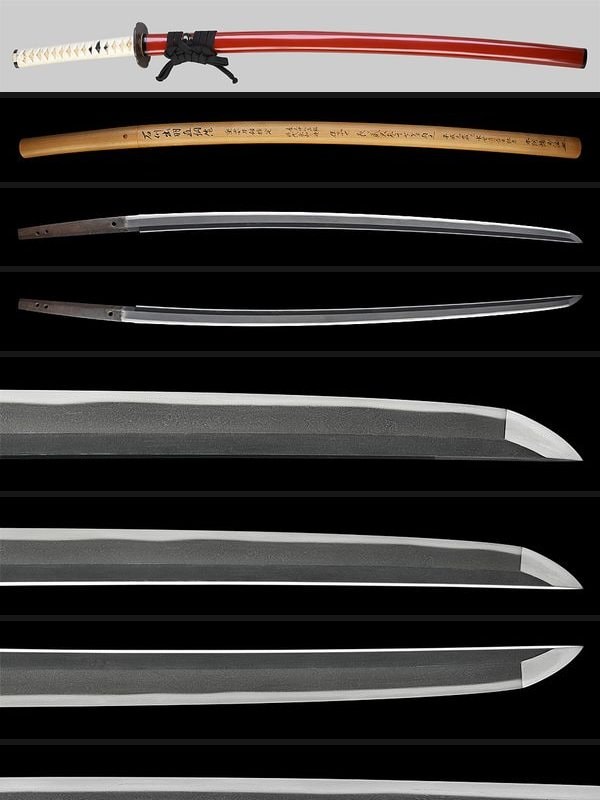
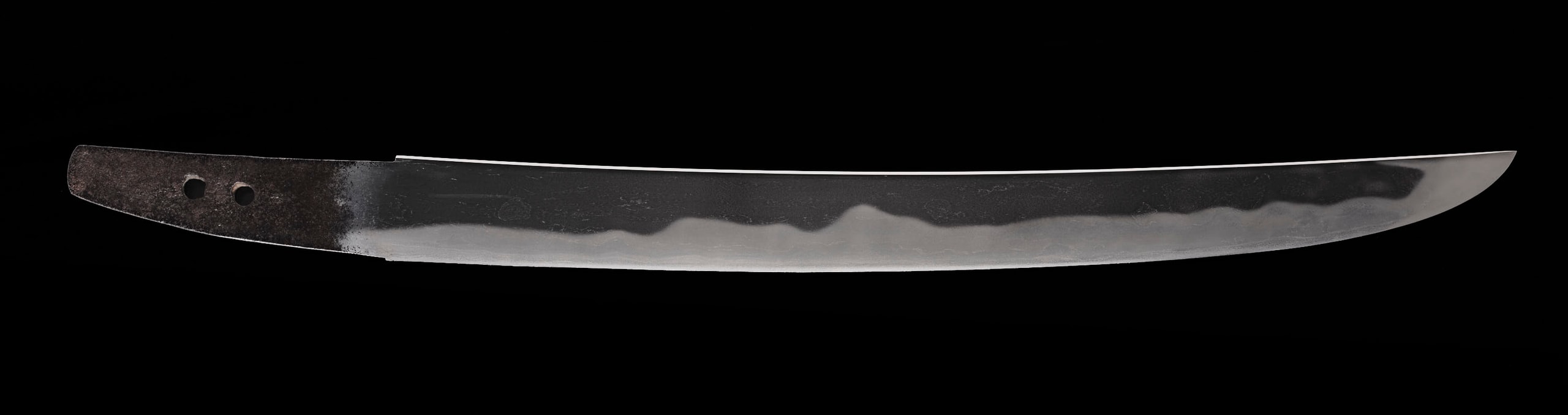
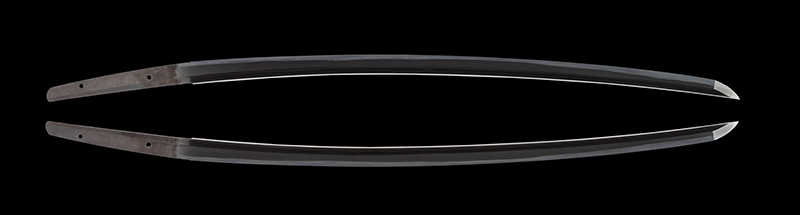
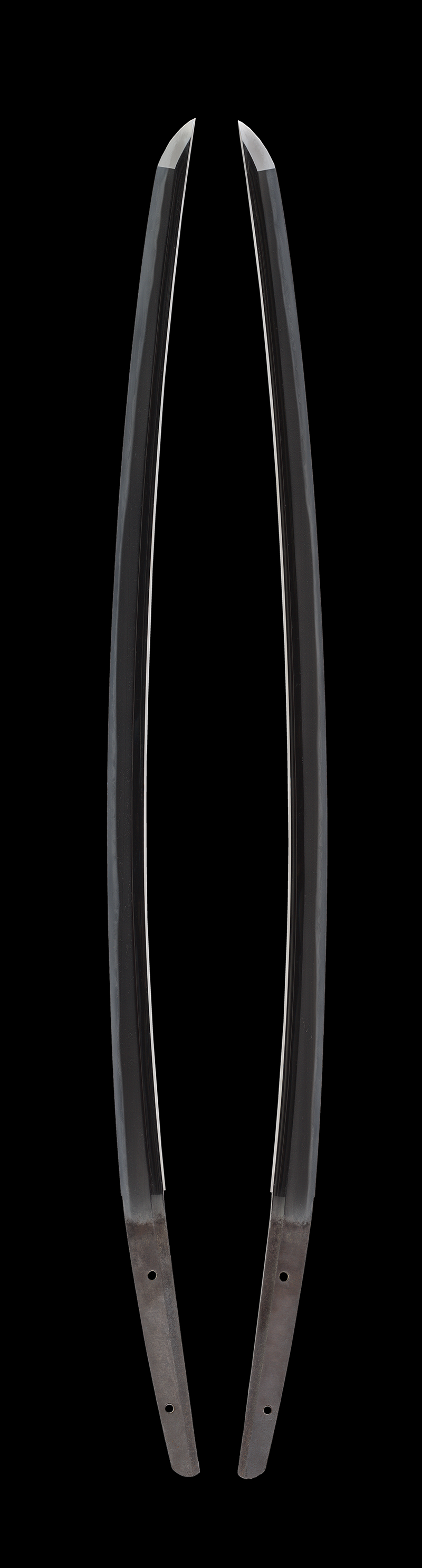
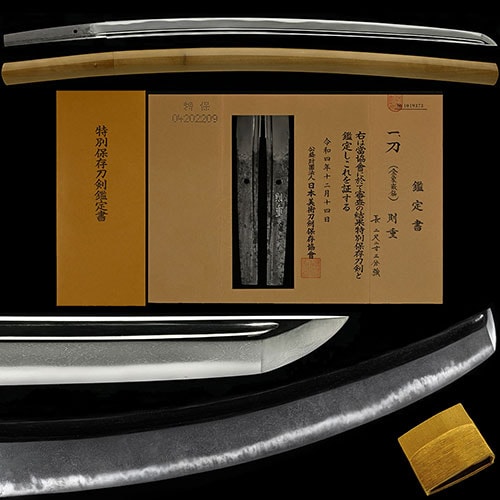
This is a Koto period katana attributed to Norishige, a smith from Etchu province during the Kamakura period. It is an o-suriage blade, yet retains a deep sori, indicating its original powerful tachi form. The blade features a distinctive 'matsukawa-hada' jigane with prominent chikei and a well-nie'd hamon with abundant kinsuji and sunagashi, showcasing the charm of the Soshu-den tradition.

NBTHK Setsumei

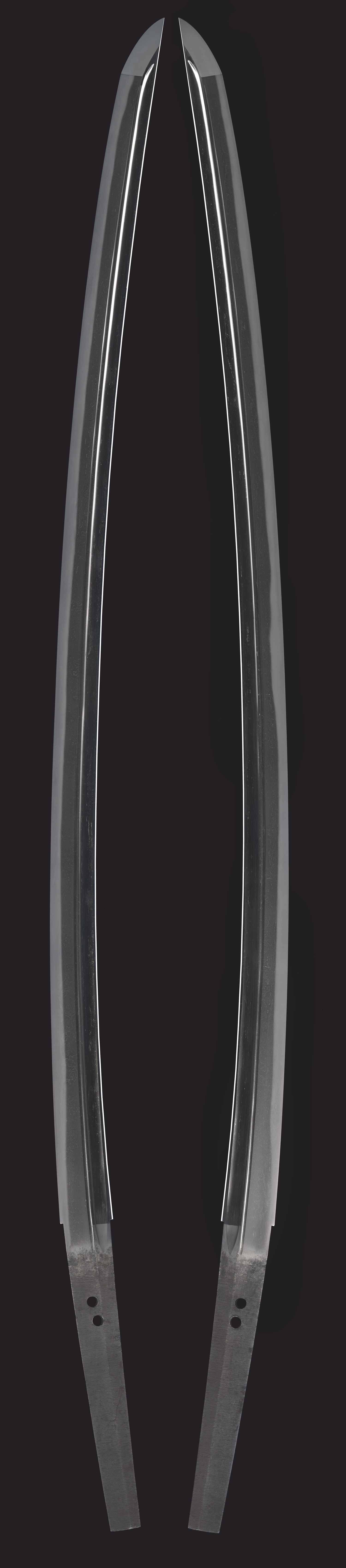
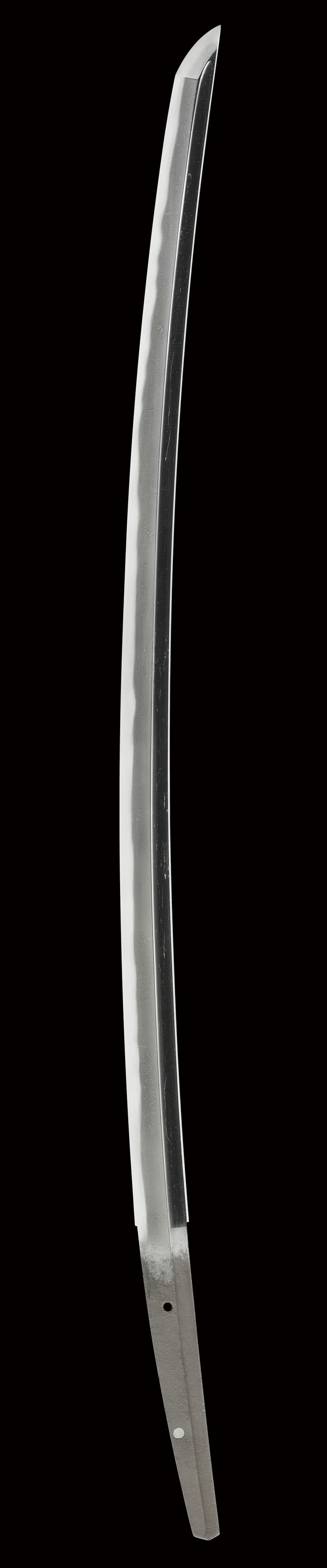
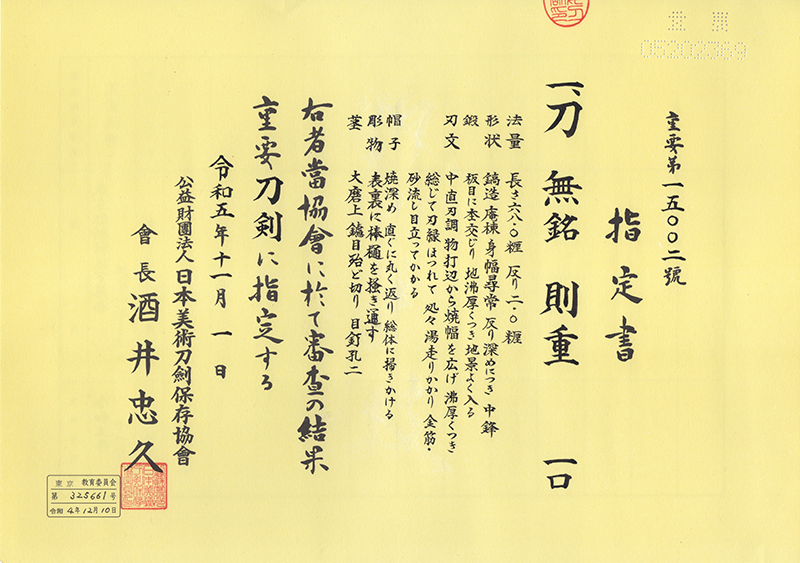
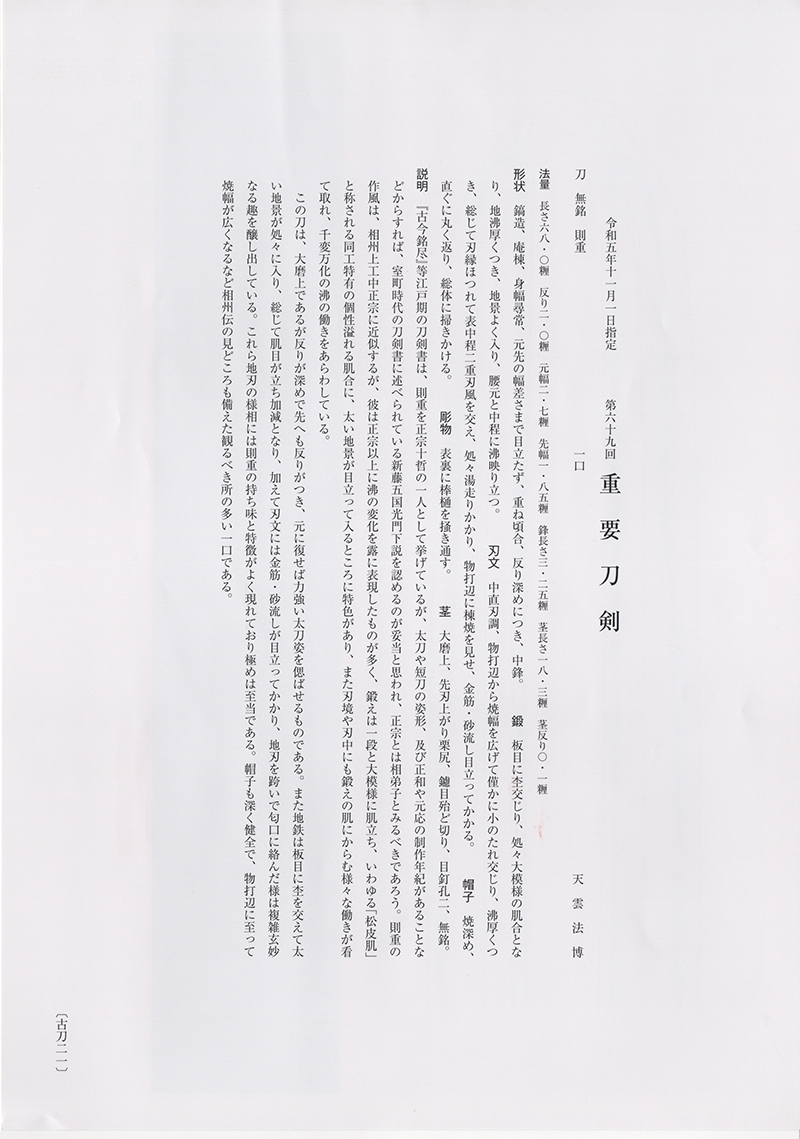
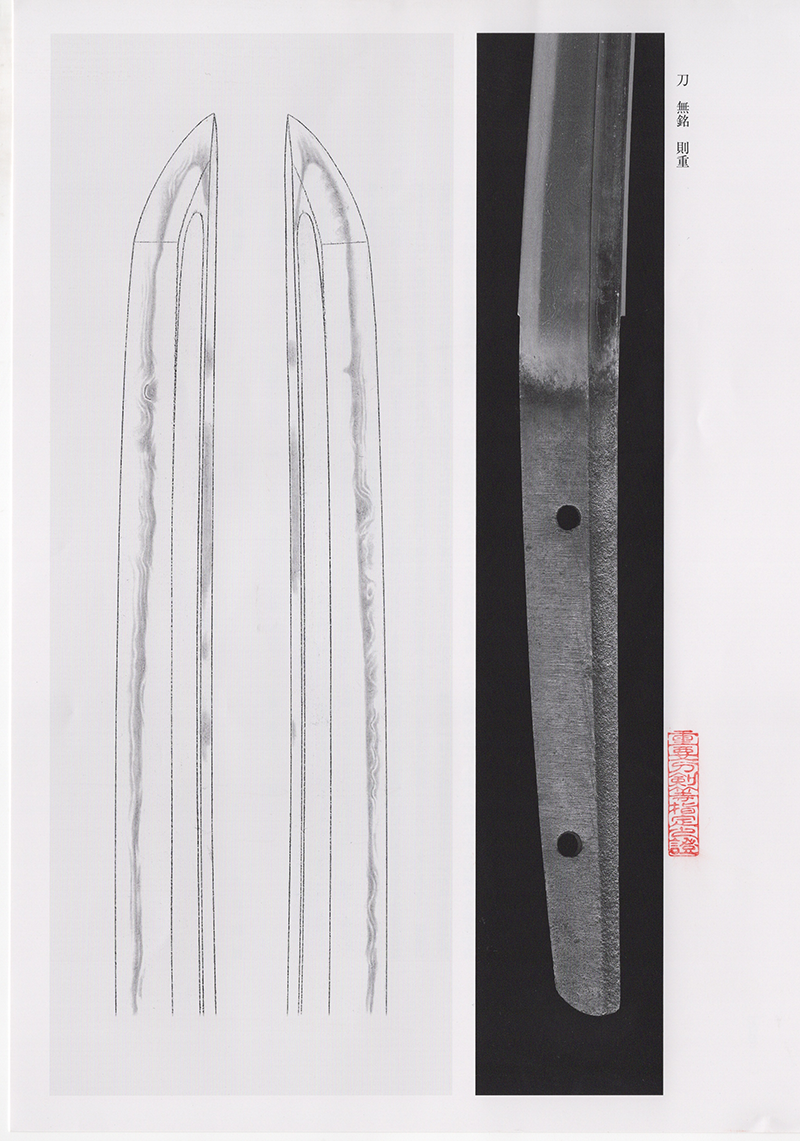
Jūyō-Tōken, 69th Session — Designated November 1, 2023 Katana, mumei: Norishige (則重) Measurements Nagasa 68.0 cm, sori 2.0 cm, motohaba 2.7 cm, sakihaba 1.85 cm, kissaki-nagasa 3.25 cm, nakago-nagasa 13.0 cm Description Keijō: Shinogi-zukuri, iori-mune; mihaba of standard width with little taper from base to tip; kasane of suitable thickness; comparatively deep sori that also carries toward the tip; chū-kissaki. Kitae: Itame-hada mixed with mokume; in places the forging becomes large-patterned; thickly covered with ji-nie; chikei enters well; nie-utsuri appears at the koshimoto and around the middle. Hamon: A chū-suguha-toned temper; from the monouchi the yakihaba widens and a slight ko-notare is mixed in; thick nie attaches; overall the habuchi shows hotsure, and on the omote around the middle a nijūba-like appearance is intermingled; in places yubashiri occurs; near the monouchi there is muneyaki; kinsuji and sunagashi are conspicuous. Bōshi: Deeply tempered; turns back in sugu and forms a rounded return; overall shows hakikake. Horimono: On both sides, bō-hi are carved through. Nakago: Greatly shortened (ō-suriage); ha-agari kurijiri; file marks are almost entirely cut away; two mekugi-ana; unsigned. Artisan Norishige (則重) Era Late Kamakura period Explanation Edo-period sword books such as the Kokon Meizukushi list Norishige as one of the “Ten Disciples of Masamune” (Masamune jittetsu). However, considering the sugata of his tachi and tantō, and the fact that extant works bear dated inscriptions from the Shōwa and Gen’ō eras, it seems appropriate to accept the view—already stated in Muromachi-period sword writings—that he was a follower of Shintōgo Kunimitsu; accordingly, he should be regarded as a fellow student of Masamune rather than Masamune’s disciple. Norishige’s manner is close to that of Masamune, the foremost master among the superior Sōshū smiths, yet many of Norishige’s works express variations in nie even more openly than Masamune’s. His forging shows the grain standing out in larger patterns, producing the highly individual texture known as “matsukawa-hada” (so-called “pine-bark grain”), in which bold chikei enter conspicuously. Moreover, within the habuchi and the interior of the hamon one can observe diverse activities that intertwine with the underlying hada, manifesting endlessly changing nie activity. This katana is greatly shortened, yet its comparatively deep curvature—continuing also toward the tip—conveys the powerful tachi form it would have had before shortening. The jihada combines itame with mokume, with thick chikei appearing here and there; overall, the grain tends to stand out. In addition, kinsuji and sunagashi are prominently seen in the hamon, and the way they span across ji and ha and entwine with the nioiguchi creates an intricate and profoundly subtle flavor. These jiba characteristics clearly display Norishige’s distinctive strengths and traits, making the attribution fully appropriate. The bōshi is also deep and healthy, and features such as the widening yakihaba toward the monouchi provide further points of interest of the Sōshū tradition. Altogether, this is a blade rich in notable qualities and well worth close appreciation.

NihontoWatch MonNihontoWatch
MarketAuctionsEncyclopedia
Swords›Sōshū-den›Soshu›Norishige›Koto Katana: Mumei (Norishige) - NBTHK Juyo Token No.69
katanaJūyō
Soshu Norishige

Koto Katana: Mumei (Norishige) - NBTHK Juyo Token No.69

mumei · Kamakura · nagasa 68cm · sori 2cm

SOLD
Soshu Norishige — 1 of 6
Soshu Norishige — 2 of 6
Soshu Norishige — 3 of 6
Soshu Norishige — 4 of 6
Soshu Norishige — 5 of 6
Soshu Norishige — 6 of 6
1 / 6
1 / 6
Soshu Norishige — 1 of 6Soshu Norishige — 2 of 6Soshu Norishige — 3 of 6Soshu Norishige — 4 of 6Soshu Norishige — 5 of 6Soshu Norishige — 6 of 6
Measurements & details
Smith
Soshu Norishige
Type
Katana
School
Soshu
Period
Around 1308–1314(Enkei)
Province
Etchu
Signature
Unsigned(29% of this smith's designated works are signed)
Measurements
Nagasa 68cmSori 2cmMotohaba 2.7cmSakihaba 1.8cmKasane 0.6cm
Description

This is a Koto period katana attributed to Norishige, a smith from Etchu province during the Kamakura period. It is an o-suriage blade, yet retains a deep sori, indicating its original powerful tachi form. The blade features a distinctive 'matsukawa-hada' jigane with prominent chikei and a well-nie'd hamon with abundant kinsuji and sunagashi, showcasing the charm of the Soshu-den tradition.

NBTHK Zufu Commentary

Juyo #69

AI translation — may contain errors

-, 69th Session — Designated November 1, 2023

, : Norishige (則重)

Measurements 68.0 cm, 2.0 cm, 2.7 cm, 1.85 cm, 3.25 cm, 13.0 cm

Description Keijō: , ; of standard width with little taper from base to tip; of suitable thickness; comparatively deep that also carries toward the tip; . : mixed with ; in places the forging becomes large-patterned; thickly covered with ; enters well; appears at the and around the middle. : A -toned temper; from the the widens and a slight is mixed in; thick attaches; overall the shows , and on the around the middle a -like appearance is intermingled; in places occurs; near the there is ; and are conspicuous. : Deeply tempered; turns back in and forms a rounded return; overall shows . : On both sides, are carved through. : Greatly shortened (); ; file marks are almost entirely cut away; two ; unsigned.

Artisan Norishige (則重)

Era Late period

Explanation -period sword books such as the Kokon Meizukushi list Norishige as one of the “Ten Disciples of Masamune” (Masamune jittetsu). However, considering the of his and , and the fact that extant works bear dated inscriptions from the Shōwa and Gen’ō eras, it seems appropriate to accept the view—already stated in -period sword writings—that he was a follower of Kunimitsu; accordingly, he should be regarded as a fellow student of Masamune rather than Masamune’s disciple.

Norishige’s manner is close to that of Masamune, the foremost master among the superior smiths, yet many of Norishige’s works express variations in even more openly than Masamune’s. His forging shows the grain standing out in larger patterns, producing the highly individual texture known as “” (so-called “pine-bark grain”), in which bold enter conspicuously. Moreover, within the and the interior of the one can observe diverse activities that intertwine with the underlying , manifesting endlessly changing activity.

This is greatly shortened, yet its comparatively deep curvature—continuing also toward the tip—conveys the powerful form it would have had before shortening. The combines with , with thick appearing here and there; overall, the grain tends to stand out. In addition, and are prominently seen in the , and the way they span across and and entwine with the creates an intricate and profoundly subtle flavor. These characteristics clearly display Norishige’s distinctive strengths and traits, making the attribution fully appropriate. The is also deep and healthy, and features such as the widening toward the provide further points of interest of the tradition. Altogether, this is a blade rich in notable qualities and well worth close appreciation.

About the maker

Norishige

則重

Soshu / Etchu · Etchu · around 1308-1314

Fujishiro Sai-jo saku · Tōken Taikan top 2%

8 pieces on the market now

›

Norishige worked in Etchū at the end of Kamakura, a pupil of Shintōgo Kunimitsu and a brother-student of Yukimitsu and Masamune, with whom he carried the Sōshū tradition to its maturity. Older texts such as the Kokon Mei Zukushi list him among Masamune's ten disciples, but the dated blades that survive, in the Shōwa, Engen and Ōan years, and the form of his tachi and tantō, lead the published sources to read him by the Muromachi-era account as a pupil of Shintōgo Kunimitsu and a brother-student of Masamune, perhaps a little the earlier of the two.

The common manner, and the one that bears his name, is matsukawa-hada (松皮肌). His itame stands boldly, often in a large pattern mixed with mokume, and through it thick chikei enter abundantly until the surface reads like the bark of a pine; the steel is dark, the ji-nie thick. The published sources place him closest of the great Sōshū hands to Masamune, yet note that he expresses the changes of nie even more openly than Masamune[[c:1]], so that the ha and the hada together show what they call the ten-thousand changes of nie[[c:2]]. The bold standing grain laced with thick chikei is the mechanism behind the pine-bark, and it runs through the great majority of his work.

Over that hada runs a notare mixed with gunome in deep nie, the nioiguchi subdued and sunken, the opposite of bright Bizen, alive with abundant kinsuji and sunagashi, with nijuba and drifting yubashiri. The bōshi is a point the older profiles got wrong: it does not merely turn back in a small round, it sweeps out strongly in hakikake into a midare-komi, at times pointed or burned through in yakizume, the brushed nie of the tip continuous with the restless ji below. The sunken nioiguchi and that swept, nie-broken bōshi are as much his signature as the bark itself.

There is a second manner, and it is the refined one the connoisseur prizes. On his rare signed tachi and his early dated signed tantō the hada does not stand as much as usual; the forging tightens to a calmer fine ko-itame, the ji and ha both quieter, the steel brighter and more clearly lit, the chikei and kinsuji more restrained. A representative signed tachi is marked as calmer in ji and ha than his usual work[[c:3]], its small-notare temper sunk over the swirling Norishige grain still legible beneath; an early signed tantō of Shōwa 3 is read as standing less, brighter, and connecting to Shintōgo Kunimitsu and Yukimitsu[[c:4]], his earlier hand. This fine, bright forging is not a lapse from the matsukawa but a distinct and highly regarded facet of him.

For recognition the two manners share the same core: thick dark chikei, a subdued sunken nioiguchi, kinsuji and sunagashi running busily, and the swept hakikake bōshi. The subdued nioiguchi parts him from the bright nioiguchi of Bizen; the openly varied nie and the heavier standing grain part him from Masamune, whose chikei runs through a tighter, quieter jigane. Where the bark is absent, on the fine signed pieces, the chikei and the sunken nioiguchi carry the attribution. Fujishiro grades him Sai-jō saku, and among all swordsmiths his Tokubetsu-Jūyō count stands near the very top.

His signed work is itself a rarity: it is mostly tantō, and signed tachi are so few that an earlier appraisal could count only two[[c:5]]; the designated corpus today holds four — two Important Cultural Properties and two Tokubetsu-Jūyō — the rest of his work ō-suriage and mumei. The named blades carry the histories of the great houses: a signed tachi passed from Toyotomi Hideyoshi's circle and through Tokugawa Tsunayoshi, who bestowed it at the Yanagisawa residence, into the Yanagisawa family, while others descended through the Shimazu, the Maeda, the Hosokawa and the Ii. A few of his own works look back to Ko-Bizen and Ko-Hōki for an archaic flavor. His pine-bark forging did not die with him; his pupil Tametsugu carried it west, where it became the mark of the later Etchū smiths.

Historical importance

Where Norishige stands among comparable artisans: across all of nihontō, and within tradition, era, and period. The tiers (Foremost · Leading · Major · Notable) weigh official designations from the NBTHK and Japan's Agency for Cultural Affairs, together with historical honors of lasting repute such as the Sansaku and Meibutsu-chō.

随一
Foremost
屈指
Leading
有数
Major
著名
Notable

Select a lens to see how it's measured.

Designation record
131 designated works
Kokuhō (National Treasure)
1
Jūyō Bunkazai
7
Jūyō Bijutsuhin
9
Tokubetsu Jūyō
30
Jūyō
84
8 works by Norishige on the market→
Norishige — full profileSoshu / Etchu school

Dated Works

Years he was demonstrably active, proven by signed-and-dated blades

Active period
1314Editorial estimate: 1308–1314
1 of 32 designated works carry a date
About the school

Soshu

相州

Soshu-den · Sagami

Phase: Sōshū相州· 1288–1385

46 pieces on the market now

›

Steel "bright and clear," with thick ji-nie and chikei entering frequently, is the constant the NBTHK returns to in nearly every blade of this phase, and it marks the moment the Soshu tradition reached its summit in Sagami. Learn more →

34 recorded smiths840 designated works
Leading smiths
SmithEraDesignated
Masamune正宗1288-129384
Sadamune貞宗1329-133186
Go Yoshihiro義弘1299-130254
Akihiro秋廣1346-137027
Kunimitsu國光1293-132269
Explore the Soshu school →
NBTHK Certificate
Jūyō Tōken重要刀剣
Important Sword
›

A blade of top-grade workmanship and condition, formally judged to rank with a nationally recognized Important Art Object (Jūyō Bijutsuhin). Awarded only at the NBTHK’s competitive annual examination.

Of Japan’s roughly 2.5 million registered swords, only 12,307 (about 1 in 203) have ever attained Jūyō.

About the NBTHK›

The NBTHK (Nihon Bijutsu Tōken Hozon Kyōkai, the Society for the Preservation of Japanese Art Swords) is a public-interest incorporated foundation founded in 1948 and supervised by Japan’s Agency for Cultural Affairs (Bunkachō); it is based at the Japanese Sword Museum in Tokyo. Its expert panels physically examine each submitted work (shinsa) and issue a certificate (kanteishō) ranking it by artistic and historical merit. NBTHK papers are the most widely recognized standard of authentication for Japanese swords and fittings.

NBTHK official site→
Seller
I
Iida Koendo
Established 1880 · 146 yrs on the market
🇯🇵Ships from Japan
›
✓Verified dealeriidakoendo.com
✓Ships worldwide✓English supportWire transfer
Return policy

Customer-initiated returns accepted within two days of arrival; return shipping paid by customer and fees non-refundable. Returns/refunds unavailable for overseas deliveries.

View all of Iida Koendo’s listings→View this item on the dealer’s site→

More works by Soshu Norishige

View all →
Samurai Nippon
Jūyō
Katana - Jūyō - by Soshu Norishige - Mumei (Attributed to Norishige)Katana - Jūyō - by Soshu Norishige - Mumei (Attributed to Norishige)

Katana

BySoshu Norishige
Ask
Nihon Art
Jūyō
Katana - Jūyō - by Soshu Norishige - Juyo Etchu Norishige Katana with Kochu KinzoganmeiKatana - Jūyō - by Soshu Norishige - Juyo Etchu Norishige Katana with Kochu Kinzoganmei

Katana

BySoshu Norishige
Ask
Choshuya
Jūyō
Tanto - Jūyō - by Soshu Norishige - Ubu-nakago Mumei NorishigeTanto - Jūyō - by Soshu Norishige - Ubu-nakago Mumei Norishige

Tantō

BySoshu Norishige
¥6,500,000
Eirakudo
Tokuho
Katana - Tokuho - by Soshu Norishige - Norishige - Tokubetsu Hozon TokenKatana - Tokuho - by Soshu Norishige - Norishige - Tokubetsu Hozon Token

Katana

BySoshu Norishige
¥6,500,000
Choshuya
Tokuho
Katana - Tokuho - by Soshu Norishige - Unsigned (O-suriage) NorishigeKatana - Tokuho - by Soshu Norishige - Unsigned (O-suriage) Norishige

Katana

BySoshu Norishige
Ask
Choshuya
Jūyō
Wakizashi - Jūyō - by Soshu Norishige - Norishige - Gaku-meiWakizashi - Jūyō - by Soshu Norishige - Norishige - Gaku-mei

Wakizashi

BySoshu Norishige
Ask
Nihontocraft
Tanto - by Soshu Norishige - Norishige Tanto with Kuge KoshiraeTanto - by Soshu Norishige - Norishige Tanto with Kuge Koshirae

Tantō

BySoshu Norishige
Ask
Eirakudo
Jūyō
Katana - Jūyō - by Soshu Norishige - Norishige - Juyo TokenKatana - Jūyō - by Soshu Norishige - Norishige - Juyo Token

Katana

BySoshu Norishige
Ask

Previously sold by Soshu Norishige

Choshuya
Tanto - by Soshu Norishige - Ubu-nakago Mumei NorishigeTanto - by Soshu Norishige - Ubu-nakago Mumei Norishige
Sold

Tantō

BySoshu Norishige
SOLD
Eirakudo
Katana - by Soshu Norishige - Norishige - Juyo TokenKatana - by Soshu Norishige - Norishige - Juyo Token
Sold

Katana

BySoshu Norishige
SOLD
Nihonto Australia
刀
by Soshu Norishige - Norishige with Tokubetsu Hozon Certificate
Sold

Norishige with Tokubetsu Hozon Certificate

BySoshu Norishige
SOLD
Katanahanbai
Jūyō
Katana - Jūyō - by Soshu Norishige - Mumei Norishige - Juyo TokenKatana - Jūyō - by Soshu Norishige - Mumei Norishige - Juyo Token
Sold

Katana

BySoshu Norishige
SOLD
Choshuya
Wakizashi - by Soshu Norishige - Norishige - Gakumei, Kinpun-mei, Blind DeerWakizashi - by Soshu Norishige - Norishige - Gakumei, Kinpun-mei, Blind Deer
Sold

Wakizashi

BySoshu Norishige
SOLD
Nihon Art
Tokuho
Katana - Tokuho - by Soshu Norishige - Etchu Gofuku NorishigeKatana - Tokuho - by Soshu Norishige - Etchu Gofuku Norishige
Sold

Katana

BySoshu Norishige
SOLD
Samurai Nippon
Jūyō
Katana - Jūyō - by Soshu Norishige - Norishige - Juyo TokenKatana - Jūyō - by Soshu Norishige - Norishige - Juyo Token
Sold

Katana

BySoshu Norishige
SOLD
Samurai Museum
Hozon
Katana - Hozon - by Soshu Norishige - Late Kamakura period Katana attributed to NorishigeKatana - Hozon - by Soshu Norishige - Late Kamakura period Katana attributed to Norishige
Sold

Katana

BySoshu Norishige
SOLD

More from the Soshu school

View all →
Eirakudo
Tokuho
Katana - Tokuho - by Shintogo Kunimitsu - Shintogo Kunimitsu - Tokubetsu Hozon TokenKatana - Tokuho - by Shintogo Kunimitsu - Shintogo Kunimitsu - Tokubetsu Hozon Token

Katana

ByShintogo Kunimitsu
¥7,500,000
Aoi Art
Tokuho
Katana - Tokuho - by Gō Yoshihiro - Mumei (Unsigned) Den Go YoshihiroKatana - Tokuho - by Gō Yoshihiro - Mumei (Unsigned) Den Go Yoshihiro

Katana

ByGō Yoshihiro
¥35,000,000
Tsuruginoya
Tokujū
Katana - Tokuju - by Soshu Yukimitsu - Soshu YukimitsuKatana - Tokuju - by Soshu Yukimitsu - Soshu Yukimitsu

Katana

BySoshu Yukimitsu
Ask
Eirakudo
Jūyō
Tanto - Jūyō - by Soshu Yukimitsu - Soshu Yukimitsu - Juyo TokenTanto - Jūyō - by Soshu Yukimitsu - Soshu Yukimitsu - Juyo Token

Tantō

BySoshu Yukimitsu
Ask
Samurai Nippon
Jūyō
Tanto - Jūyō - by Soshu Yukimitsu - Soshu Yukimitsu (Ubu Mumei)Tanto - Jūyō - by Soshu Yukimitsu - Soshu Yukimitsu (Ubu Mumei)

Tantō

BySoshu Yukimitsu
¥6,700,000
Nihon Art
Tokuho
Tanto - Tokuho - by Shintogo Kunimitsu - Shintogo Kunimitsu TantoTanto - Tokuho - by Shintogo Kunimitsu - Shintogo Kunimitsu Tanto

Tantō

ByShintogo Kunimitsu
Ask
Aoi Art
Tokuho
Katana - Tokuho - by Shintogo Kunimitsu - Mumei (Attributed to Shintogo) - NBTHK Tokubetsu Hozon TokenKatana - Tokuho - by Shintogo Kunimitsu - Mumei (Attributed to Shintogo) - NBTHK Tokubetsu Hozon Token

Katana

ByShintogo Kunimitsu
¥7,800,000
Mandarin Mansion
Jūyō
Tachi - Jūyō - by Soshu Yukimitsu - Sōshū YukimitsuTachi - Jūyō - by Soshu Yukimitsu - Sōshū Yukimitsu

Tachi

BySoshu Yukimitsu
Ask

More from the Sōshū tradition

View all →
Toukentakarado
Tokuho
Wakizashi - Tokuho - by Sa Kunihiro - Mumei Attributed to Den Sa KunihiroWakizashi - Tokuho - by Sa Kunihiro - Mumei Attributed to Den Sa Kunihiro

Wakizashi

BySa Kunihiro
¥1,500,000
Katana Yamadaiya
Tokuho
Katana - Tokuho - by Sa Kunihiro - Tokubetsu Hozon Token: Mumei (Attributed to Sakunihiro)Katana - Tokuho - by Sa Kunihiro - Tokubetsu Hozon Token: Mumei (Attributed to Sakunihiro)

Katana

BySa Kunihiro
¥1,650,000
Token-Net
Jūyō
Tachi - Jūyō - by Naotsuna - Sekishu Dewan Naotsuna Saku (Iwami)Tachi - Jūyō - by Naotsuna - Sekishu Dewan Naotsuna Saku (Iwami)

Tachi

ByNaotsuna
¥5,800,000
Onihonto
Tokuho
Tanto - Tokuho - by Sa Yasuyoshi - YasuyoshiTanto - Tokuho - by Sa Yasuyoshi - Yasuyoshi

Tantō

BySa Yasuyoshi
¥16,000
Aoi Art
Tokuho
Katana - Tokuho - by Sa Sadayoshi - Unsigned (Attributed to Sa Sadayoshi)Katana - Tokuho - by Sa Sadayoshi - Unsigned (Attributed to Sa Sadayoshi)

Katana

BySa Sadayoshi
Starting Bid¥1,300,000
Mandarin Mansion
Tokuho
Katana - Tokuho - by Soshu Tametsugu - Den TametsuguKatana - Tokuho - by Soshu Tametsugu - Den Tametsugu

Katana

BySoshu Tametsugu
¥20,000
Mandarin Mansion
Jūyō
Wakizashi - Jūyō - by Hasebe School - Juyo Den Hasebe Sunnobi TantoWakizashi - Jūyō - by Hasebe School - Juyo Den Hasebe Sunnobi Tanto

Wakizashi

ByHasebe School
¥30,000
Nipponto
Katana - by Sue-Soshu Fusamune - Mumei Tanto attributed to Soshu FusamuneKatana - by Sue-Soshu Fusamune - Mumei Tanto attributed to Soshu Fusamune

Katana

BySue-Soshu Fusamune
¥190,000

Swords

  • Katana
  • Wakizashi
  • Tantō
  • Tachi
  • Naginata
  • Yari

Fittings

  • Tsuba
  • Fuchi-Kashira
  • Kozuka
  • Menuki

By Certification

  • Tokujū
  • Jūyō
  • Tokuho
  • Hozon

Resources

  • Dealer Directory
  • Artist Directory
  • Glossary
  • Browse All
Nihontowatch© 2026
TermsPrivacyCookiesAbout

Description

This is a Koto period katana attributed to Norishige, a smith from Etchu province during the Kamakura period. It is an o-suriage blade, yet retains a deep sori, indicating its original powerful tachi form. The blade features a distinctive 'matsukawa-hada' jigane with prominent chikei and a well-nie'd hamon with abundant kinsuji and sunagashi, showcasing the charm of the Soshu-den tradition.

NBTHK Setsumei

Jūyō-Tōken, 69th Session — Designated November 1, 2023 Katana, mumei: Norishige (則重) Measurements Nagasa 68.0 cm, sori 2.0 cm, motohaba 2.7 cm, sakihaba 1.85 cm, kissaki-nagasa 3.25 cm, nakago-nagasa 13.0 cm Description Keijō: Shinogi-zukuri, iori-mune; mihaba of standard width with little taper from base to tip; kasane of suitable thickness; comparatively deep sori that also carries toward the tip; chū-kissaki. Kitae: Itame-hada mixed with mokume; in places the forging becomes large-patterned; thickly covered with ji-nie; chikei enters well; nie-utsuri appears at the koshimoto and around the middle. Hamon: A chū-suguha-toned temper; from the monouchi the yakihaba widens and a slight ko-notare is mixed in; thick nie attaches; overall the habuchi shows hotsure, and on the omote around the middle a nijūba-like appearance is intermingled; in places yubashiri occurs; near the monouchi there is muneyaki; kinsuji and sunagashi are conspicuous. Bōshi: Deeply tempered; turns back in sugu and forms a rounded return; overall shows hakikake. Horimono: On both sides, bō-hi are carved through. Nakago: Greatly shortened (ō-suriage); ha-agari kurijiri; file marks are almost entirely cut away; two mekugi-ana; unsigned. Artisan Norishige (則重) Era Late Kamakura period Explanation Edo-period sword books such as the Kokon Meizukushi list Norishige as one of the “Ten Disciples of Masamune” (Masamune jittetsu). However, considering the sugata of his tachi and tantō, and the fact that extant works bear dated inscriptions from the Shōwa and Gen’ō eras, it seems appropriate to accept the view—already stated in Muromachi-period sword writings—that he was a follower of Shintōgo Kunimitsu; accordingly, he should be regarded as a fellow student of Masamune rather than Masamune’s disciple. Norishige’s manner is close to that of Masamune, the foremost master among the superior Sōshū smiths, yet many of Norishige’s works express variations in nie even more openly than Masamune’s. His forging shows the grain standing out in larger patterns, producing the highly individual texture known as “matsukawa-hada” (so-called “pine-bark grain”), in which bold chikei enter conspicuously. Moreover, within the habuchi and the interior of the hamon one can observe diverse activities that intertwine with the underlying hada, manifesting endlessly changing nie activity. This katana is greatly shortened, yet its comparatively deep curvature—continuing also toward the tip—conveys the powerful tachi form it would have had before shortening. The jihada combines itame with mokume, with thick chikei appearing here and there; overall, the grain tends to stand out. In addition, kinsuji and sunagashi are prominently seen in the hamon, and the way they span across ji and ha and entwine with the nioiguchi creates an intricate and profoundly subtle flavor. These jiba characteristics clearly display Norishige’s distinctive strengths and traits, making the attribution fully appropriate. The bōshi is also deep and healthy, and features such as the widening yakihaba toward the monouchi provide further points of interest of the Sōshū tradition. Altogether, this is a blade rich in notable qualities and well worth close appreciation.

NihontoWatch MonNihontoWatch
MarketAuctionsEncyclopedia
Swords›Sōshū-den›Soshu›Norishige›Koto Katana: Mumei (Norishige) - NBTHK Juyo Token No.69
katanaJūyō
Soshu Norishige

Koto Katana: Mumei (Norishige) - NBTHK Juyo Token No.69

mumei · Kamakura · nagasa 68cm · sori 2cm

SOLD
Soshu Norishige — 1 of 6
Soshu Norishige — 2 of 6
Soshu Norishige — 3 of 6
Soshu Norishige — 4 of 6
Soshu Norishige — 5 of 6
Soshu Norishige — 6 of 6
1 / 6
1 / 6
Soshu Norishige — 1 of 6Soshu Norishige — 2 of 6Soshu Norishige — 3 of 6Soshu Norishige — 4 of 6Soshu Norishige — 5 of 6Soshu Norishige — 6 of 6
Measurements & details
Smith
Soshu Norishige
Type
Katana
School
Soshu
Period
Around 1308–1314(Enkei)
Province
Etchu
Signature
Unsigned(29% of this smith's designated works are signed)
Measurements
Nagasa 68cmSori 2cmMotohaba 2.7cmSakihaba 1.8cmKasane 0.6cm
Description

This is a Koto period katana attributed to Norishige, a smith from Etchu province during the Kamakura period. It is an o-suriage blade, yet retains a deep sori, indicating its original powerful tachi form. The blade features a distinctive 'matsukawa-hada' jigane with prominent chikei and a well-nie'd hamon with abundant kinsuji and sunagashi, showcasing the charm of the Soshu-den tradition.

NBTHK Zufu Commentary

Juyo #69

AI translation — may contain errors

-, 69th Session — Designated November 1, 2023

, : Norishige (則重)

Measurements 68.0 cm, 2.0 cm, 2.7 cm, 1.85 cm, 3.25 cm, 13.0 cm

Description Keijō: , ; of standard width with little taper from base to tip; of suitable thickness; comparatively deep that also carries toward the tip; . : mixed with ; in places the forging becomes large-patterned; thickly covered with ; enters well; appears at the and around the middle. : A -toned temper; from the the widens and a slight is mixed in; thick attaches; overall the shows , and on the around the middle a -like appearance is intermingled; in places occurs; near the there is ; and are conspicuous. : Deeply tempered; turns back in and forms a rounded return; overall shows . : On both sides, are carved through. : Greatly shortened (); ; file marks are almost entirely cut away; two ; unsigned.

Artisan Norishige (則重)

Era Late period

Explanation -period sword books such as the Kokon Meizukushi list Norishige as one of the “Ten Disciples of Masamune” (Masamune jittetsu). However, considering the of his and , and the fact that extant works bear dated inscriptions from the Shōwa and Gen’ō eras, it seems appropriate to accept the view—already stated in -period sword writings—that he was a follower of Kunimitsu; accordingly, he should be regarded as a fellow student of Masamune rather than Masamune’s disciple.

Norishige’s manner is close to that of Masamune, the foremost master among the superior smiths, yet many of Norishige’s works express variations in even more openly than Masamune’s. His forging shows the grain standing out in larger patterns, producing the highly individual texture known as “” (so-called “pine-bark grain”), in which bold enter conspicuously. Moreover, within the and the interior of the one can observe diverse activities that intertwine with the underlying , manifesting endlessly changing activity.

This is greatly shortened, yet its comparatively deep curvature—continuing also toward the tip—conveys the powerful form it would have had before shortening. The combines with , with thick appearing here and there; overall, the grain tends to stand out. In addition, and are prominently seen in the , and the way they span across and and entwine with the creates an intricate and profoundly subtle flavor. These characteristics clearly display Norishige’s distinctive strengths and traits, making the attribution fully appropriate. The is also deep and healthy, and features such as the widening toward the provide further points of interest of the tradition. Altogether, this is a blade rich in notable qualities and well worth close appreciation.

About the maker

Norishige

則重

Soshu / Etchu · Etchu · around 1308-1314

Fujishiro Sai-jo saku · Tōken Taikan top 2%

8 pieces on the market now

›

Norishige worked in Etchū at the end of Kamakura, a pupil of Shintōgo Kunimitsu and a brother-student of Yukimitsu and Masamune, with whom he carried the Sōshū tradition to its maturity. Older texts such as the Kokon Mei Zukushi list him among Masamune's ten disciples, but the dated blades that survive, in the Shōwa, Engen and Ōan years, and the form of his tachi and tantō, lead the published sources to read him by the Muromachi-era account as a pupil of Shintōgo Kunimitsu and a brother-student of Masamune, perhaps a little the earlier of the two.

The common manner, and the one that bears his name, is matsukawa-hada (松皮肌). His itame stands boldly, often in a large pattern mixed with mokume, and through it thick chikei enter abundantly until the surface reads like the bark of a pine; the steel is dark, the ji-nie thick. The published sources place him closest of the great Sōshū hands to Masamune, yet note that he expresses the changes of nie even more openly than Masamune[[c:1]], so that the ha and the hada together show what they call the ten-thousand changes of nie[[c:2]]. The bold standing grain laced with thick chikei is the mechanism behind the pine-bark, and it runs through the great majority of his work.

Over that hada runs a notare mixed with gunome in deep nie, the nioiguchi subdued and sunken, the opposite of bright Bizen, alive with abundant kinsuji and sunagashi, with nijuba and drifting yubashiri. The bōshi is a point the older profiles got wrong: it does not merely turn back in a small round, it sweeps out strongly in hakikake into a midare-komi, at times pointed or burned through in yakizume, the brushed nie of the tip continuous with the restless ji below. The sunken nioiguchi and that swept, nie-broken bōshi are as much his signature as the bark itself.

There is a second manner, and it is the refined one the connoisseur prizes. On his rare signed tachi and his early dated signed tantō the hada does not stand as much as usual; the forging tightens to a calmer fine ko-itame, the ji and ha both quieter, the steel brighter and more clearly lit, the chikei and kinsuji more restrained. A representative signed tachi is marked as calmer in ji and ha than his usual work[[c:3]], its small-notare temper sunk over the swirling Norishige grain still legible beneath; an early signed tantō of Shōwa 3 is read as standing less, brighter, and connecting to Shintōgo Kunimitsu and Yukimitsu[[c:4]], his earlier hand. This fine, bright forging is not a lapse from the matsukawa but a distinct and highly regarded facet of him.

For recognition the two manners share the same core: thick dark chikei, a subdued sunken nioiguchi, kinsuji and sunagashi running busily, and the swept hakikake bōshi. The subdued nioiguchi parts him from the bright nioiguchi of Bizen; the openly varied nie and the heavier standing grain part him from Masamune, whose chikei runs through a tighter, quieter jigane. Where the bark is absent, on the fine signed pieces, the chikei and the sunken nioiguchi carry the attribution. Fujishiro grades him Sai-jō saku, and among all swordsmiths his Tokubetsu-Jūyō count stands near the very top.

His signed work is itself a rarity: it is mostly tantō, and signed tachi are so few that an earlier appraisal could count only two[[c:5]]; the designated corpus today holds four — two Important Cultural Properties and two Tokubetsu-Jūyō — the rest of his work ō-suriage and mumei. The named blades carry the histories of the great houses: a signed tachi passed from Toyotomi Hideyoshi's circle and through Tokugawa Tsunayoshi, who bestowed it at the Yanagisawa residence, into the Yanagisawa family, while others descended through the Shimazu, the Maeda, the Hosokawa and the Ii. A few of his own works look back to Ko-Bizen and Ko-Hōki for an archaic flavor. His pine-bark forging did not die with him; his pupil Tametsugu carried it west, where it became the mark of the later Etchū smiths.

Historical importance

Where Norishige stands among comparable artisans: across all of nihontō, and within tradition, era, and period. The tiers (Foremost · Leading · Major · Notable) weigh official designations from the NBTHK and Japan's Agency for Cultural Affairs, together with historical honors of lasting repute such as the Sansaku and Meibutsu-chō.

随一
Foremost
屈指
Leading
有数
Major
著名
Notable

Select a lens to see how it's measured.

Designation record
131 designated works
Kokuhō (National Treasure)
1
Jūyō Bunkazai
7
Jūyō Bijutsuhin
9
Tokubetsu Jūyō
30
Jūyō
84
8 works by Norishige on the market→
Norishige — full profileSoshu / Etchu school

Dated Works

Years he was demonstrably active, proven by signed-and-dated blades

Active period
1314Editorial estimate: 1308–1314
1 of 32 designated works carry a date
About the school

Soshu

相州

Soshu-den · Sagami

Phase: Sōshū相州· 1288–1385

46 pieces on the market now

›

Steel "bright and clear," with thick ji-nie and chikei entering frequently, is the constant the NBTHK returns to in nearly every blade of this phase, and it marks the moment the Soshu tradition reached its summit in Sagami. Learn more →

34 recorded smiths840 designated works
Leading smiths
SmithEraDesignated
Masamune正宗1288-129384
Sadamune貞宗1329-133186
Go Yoshihiro義弘1299-130254
Akihiro秋廣1346-137027
Kunimitsu國光1293-132269
Explore the Soshu school →
NBTHK Certificate
Jūyō Tōken重要刀剣
Important Sword
›

A blade of top-grade workmanship and condition, formally judged to rank with a nationally recognized Important Art Object (Jūyō Bijutsuhin). Awarded only at the NBTHK’s competitive annual examination.

Of Japan’s roughly 2.5 million registered swords, only 12,307 (about 1 in 203) have ever attained Jūyō.

About the NBTHK›

The NBTHK (Nihon Bijutsu Tōken Hozon Kyōkai, the Society for the Preservation of Japanese Art Swords) is a public-interest incorporated foundation founded in 1948 and supervised by Japan’s Agency for Cultural Affairs (Bunkachō); it is based at the Japanese Sword Museum in Tokyo. Its expert panels physically examine each submitted work (shinsa) and issue a certificate (kanteishō) ranking it by artistic and historical merit. NBTHK papers are the most widely recognized standard of authentication for Japanese swords and fittings.

NBTHK official site→
Seller
I
Iida Koendo
Established 1880 · 146 yrs on the market
🇯🇵Ships from Japan
›
✓Verified dealeriidakoendo.com
✓Ships worldwide✓English supportWire transfer
Return policy

Customer-initiated returns accepted within two days of arrival; return shipping paid by customer and fees non-refundable. Returns/refunds unavailable for overseas deliveries.

View all of Iida Koendo’s listings→View this item on the dealer’s site→

More works by Soshu Norishige

View all →
Samurai Nippon
Jūyō
Katana - Jūyō - by Soshu Norishige - Mumei (Attributed to Norishige)Katana - Jūyō - by Soshu Norishige - Mumei (Attributed to Norishige)

Katana

BySoshu Norishige
Ask
Nihon Art
Jūyō
Katana - Jūyō - by Soshu Norishige - Juyo Etchu Norishige Katana with Kochu KinzoganmeiKatana - Jūyō - by Soshu Norishige - Juyo Etchu Norishige Katana with Kochu Kinzoganmei

Katana

BySoshu Norishige
Ask
Choshuya
Jūyō
Tanto - Jūyō - by Soshu Norishige - Ubu-nakago Mumei NorishigeTanto - Jūyō - by Soshu Norishige - Ubu-nakago Mumei Norishige

Tantō

BySoshu Norishige
¥6,500,000
Eirakudo
Tokuho
Katana - Tokuho - by Soshu Norishige - Norishige - Tokubetsu Hozon TokenKatana - Tokuho - by Soshu Norishige - Norishige - Tokubetsu Hozon Token

Katana

BySoshu Norishige
¥6,500,000
Choshuya
Tokuho
Katana - Tokuho - by Soshu Norishige - Unsigned (O-suriage) NorishigeKatana - Tokuho - by Soshu Norishige - Unsigned (O-suriage) Norishige

Katana

BySoshu Norishige
Ask
Choshuya
Jūyō
Wakizashi - Jūyō - by Soshu Norishige - Norishige - Gaku-meiWakizashi - Jūyō - by Soshu Norishige - Norishige - Gaku-mei

Wakizashi

BySoshu Norishige
Ask
Nihontocraft
Tanto - by Soshu Norishige - Norishige Tanto with Kuge KoshiraeTanto - by Soshu Norishige - Norishige Tanto with Kuge Koshirae

Tantō

BySoshu Norishige
Ask
Eirakudo
Jūyō
Katana - Jūyō - by Soshu Norishige - Norishige - Juyo TokenKatana - Jūyō - by Soshu Norishige - Norishige - Juyo Token

Katana

BySoshu Norishige
Ask

Previously sold by Soshu Norishige

Choshuya
Tanto - by Soshu Norishige - Ubu-nakago Mumei NorishigeTanto - by Soshu Norishige - Ubu-nakago Mumei Norishige
Sold

Tantō

BySoshu Norishige
SOLD
Eirakudo
Katana - by Soshu Norishige - Norishige - Juyo TokenKatana - by Soshu Norishige - Norishige - Juyo Token
Sold

Katana

BySoshu Norishige
SOLD
Nihonto Australia
刀
by Soshu Norishige - Norishige with Tokubetsu Hozon Certificate
Sold

Norishige with Tokubetsu Hozon Certificate

BySoshu Norishige
SOLD
Katanahanbai
Jūyō
Katana - Jūyō - by Soshu Norishige - Mumei Norishige - Juyo TokenKatana - Jūyō - by Soshu Norishige - Mumei Norishige - Juyo Token
Sold

Katana

BySoshu Norishige
SOLD
Choshuya
Wakizashi - by Soshu Norishige - Norishige - Gakumei, Kinpun-mei, Blind DeerWakizashi - by Soshu Norishige - Norishige - Gakumei, Kinpun-mei, Blind Deer
Sold

Wakizashi

BySoshu Norishige
SOLD
Nihon Art
Tokuho
Katana - Tokuho - by Soshu Norishige - Etchu Gofuku NorishigeKatana - Tokuho - by Soshu Norishige - Etchu Gofuku Norishige
Sold

Katana

BySoshu Norishige
SOLD
Samurai Nippon
Jūyō
Katana - Jūyō - by Soshu Norishige - Norishige - Juyo TokenKatana - Jūyō - by Soshu Norishige - Norishige - Juyo Token
Sold

Katana

BySoshu Norishige
SOLD
Samurai Museum
Hozon
Katana - Hozon - by Soshu Norishige - Late Kamakura period Katana attributed to NorishigeKatana - Hozon - by Soshu Norishige - Late Kamakura period Katana attributed to Norishige
Sold

Katana

BySoshu Norishige
SOLD

More from the Soshu school

View all →
Eirakudo
Tokuho
Katana - Tokuho - by Shintogo Kunimitsu - Shintogo Kunimitsu - Tokubetsu Hozon TokenKatana - Tokuho - by Shintogo Kunimitsu - Shintogo Kunimitsu - Tokubetsu Hozon Token

Katana

ByShintogo Kunimitsu
¥7,500,000
Aoi Art
Tokuho
Katana - Tokuho - by Gō Yoshihiro - Mumei (Unsigned) Den Go YoshihiroKatana - Tokuho - by Gō Yoshihiro - Mumei (Unsigned) Den Go Yoshihiro

Katana

ByGō Yoshihiro
¥35,000,000
Tsuruginoya
Tokujū
Katana - Tokuju - by Soshu Yukimitsu - Soshu YukimitsuKatana - Tokuju - by Soshu Yukimitsu - Soshu Yukimitsu

Katana

BySoshu Yukimitsu
Ask
Eirakudo
Jūyō
Tanto - Jūyō - by Soshu Yukimitsu - Soshu Yukimitsu - Juyo TokenTanto - Jūyō - by Soshu Yukimitsu - Soshu Yukimitsu - Juyo Token

Tantō

BySoshu Yukimitsu
Ask
Samurai Nippon
Jūyō
Tanto - Jūyō - by Soshu Yukimitsu - Soshu Yukimitsu (Ubu Mumei)Tanto - Jūyō - by Soshu Yukimitsu - Soshu Yukimitsu (Ubu Mumei)

Tantō

BySoshu Yukimitsu
¥6,700,000
Nihon Art
Tokuho
Tanto - Tokuho - by Shintogo Kunimitsu - Shintogo Kunimitsu TantoTanto - Tokuho - by Shintogo Kunimitsu - Shintogo Kunimitsu Tanto

Tantō

ByShintogo Kunimitsu
Ask
Aoi Art
Tokuho
Katana - Tokuho - by Shintogo Kunimitsu - Mumei (Attributed to Shintogo) - NBTHK Tokubetsu Hozon TokenKatana - Tokuho - by Shintogo Kunimitsu - Mumei (Attributed to Shintogo) - NBTHK Tokubetsu Hozon Token

Katana

ByShintogo Kunimitsu
¥7,800,000
Mandarin Mansion
Jūyō
Tachi - Jūyō - by Soshu Yukimitsu - Sōshū YukimitsuTachi - Jūyō - by Soshu Yukimitsu - Sōshū Yukimitsu

Tachi

BySoshu Yukimitsu
Ask

More from the Sōshū tradition

View all →
Toukentakarado
Tokuho
Wakizashi - Tokuho - by Sa Kunihiro - Mumei Attributed to Den Sa KunihiroWakizashi - Tokuho - by Sa Kunihiro - Mumei Attributed to Den Sa Kunihiro

Wakizashi

BySa Kunihiro
¥1,500,000
Katana Yamadaiya
Tokuho
Katana - Tokuho - by Sa Kunihiro - Tokubetsu Hozon Token: Mumei (Attributed to Sakunihiro)Katana - Tokuho - by Sa Kunihiro - Tokubetsu Hozon Token: Mumei (Attributed to Sakunihiro)

Katana

BySa Kunihiro
¥1,650,000
Token-Net
Jūyō
Tachi - Jūyō - by Naotsuna - Sekishu Dewan Naotsuna Saku (Iwami)Tachi - Jūyō - by Naotsuna - Sekishu Dewan Naotsuna Saku (Iwami)

Tachi

ByNaotsuna
¥5,800,000
Onihonto
Tokuho
Tanto - Tokuho - by Sa Yasuyoshi - YasuyoshiTanto - Tokuho - by Sa Yasuyoshi - Yasuyoshi

Tantō

BySa Yasuyoshi
¥16,000
Aoi Art
Tokuho
Katana - Tokuho - by Sa Sadayoshi - Unsigned (Attributed to Sa Sadayoshi)Katana - Tokuho - by Sa Sadayoshi - Unsigned (Attributed to Sa Sadayoshi)

Katana

BySa Sadayoshi
Starting Bid¥1,300,000
Mandarin Mansion
Tokuho
Katana - Tokuho - by Soshu Tametsugu - Den TametsuguKatana - Tokuho - by Soshu Tametsugu - Den Tametsugu

Katana

BySoshu Tametsugu
¥20,000
Mandarin Mansion
Jūyō
Wakizashi - Jūyō - by Hasebe School - Juyo Den Hasebe Sunnobi TantoWakizashi - Jūyō - by Hasebe School - Juyo Den Hasebe Sunnobi Tanto

Wakizashi

ByHasebe School
¥30,000
Nipponto
Katana - by Sue-Soshu Fusamune - Mumei Tanto attributed to Soshu FusamuneKatana - by Sue-Soshu Fusamune - Mumei Tanto attributed to Soshu Fusamune

Katana

BySue-Soshu Fusamune
¥190,000

Swords

  • Katana
  • Wakizashi
  • Tantō
  • Tachi
  • Naginata
  • Yari

Fittings

  • Tsuba
  • Fuchi-Kashira
  • Kozuka
  • Menuki

By Certification

  • Tokujū
  • Jūyō
  • Tokuho
  • Hozon

Resources

  • Dealer Directory
  • Artist Directory
  • Glossary
  • Browse All
Nihontowatch© 2026
TermsPrivacyCookiesAbout
NihontoWatch Mon

NihontoWatch

MarketAuctions
Encyclopedia
NihontoWatch Mon

NihontoWatch

MarketAuctions
Encyclopedia