Around 1800 Suishinshi Masahide argued in his writings that the craft must return to the old masters’ methods: the fukkotō revival. His greatest successor Naotane worked convincingly in Bizen and Sōshū manners that had been dead for centuries.
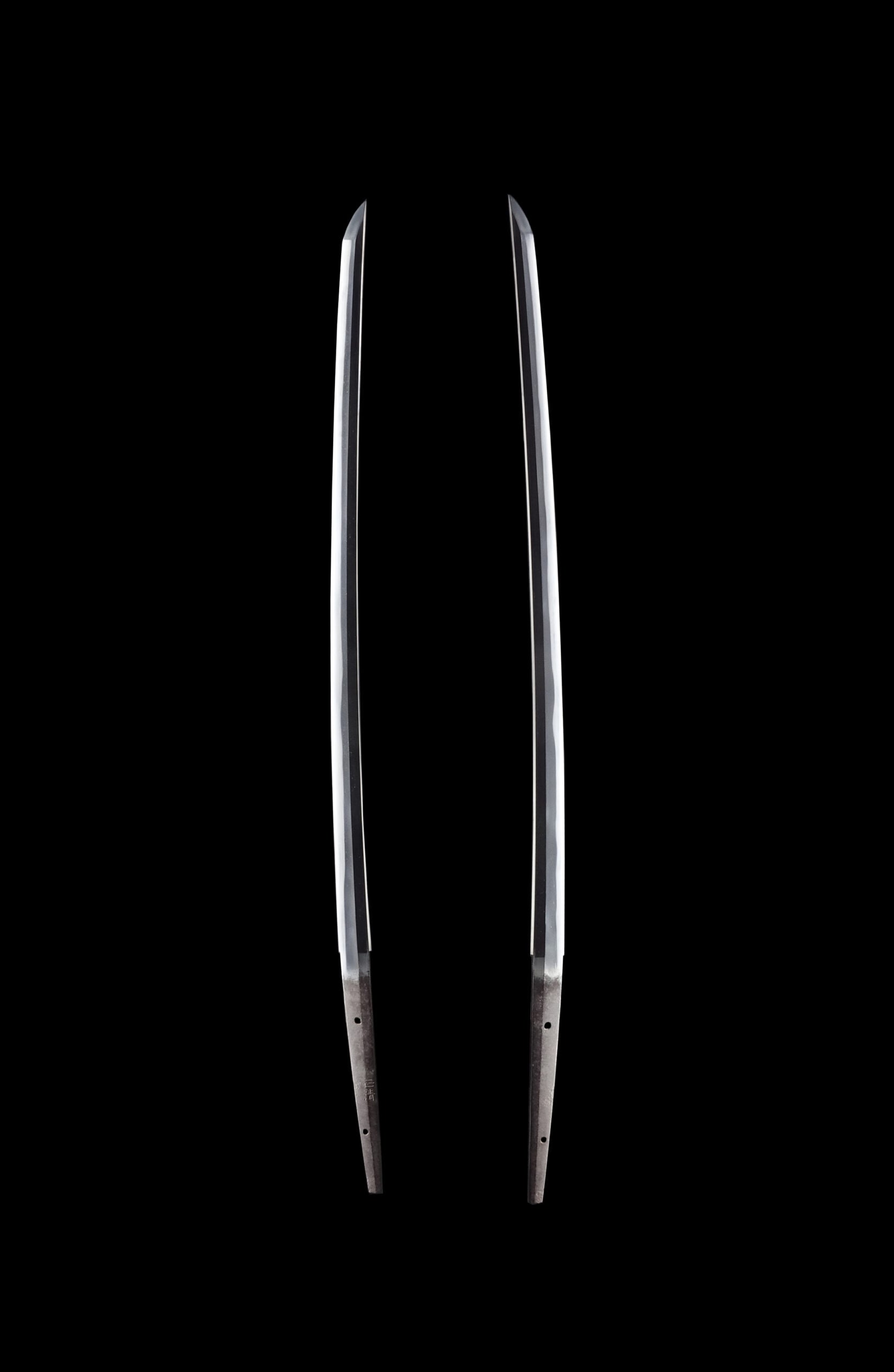
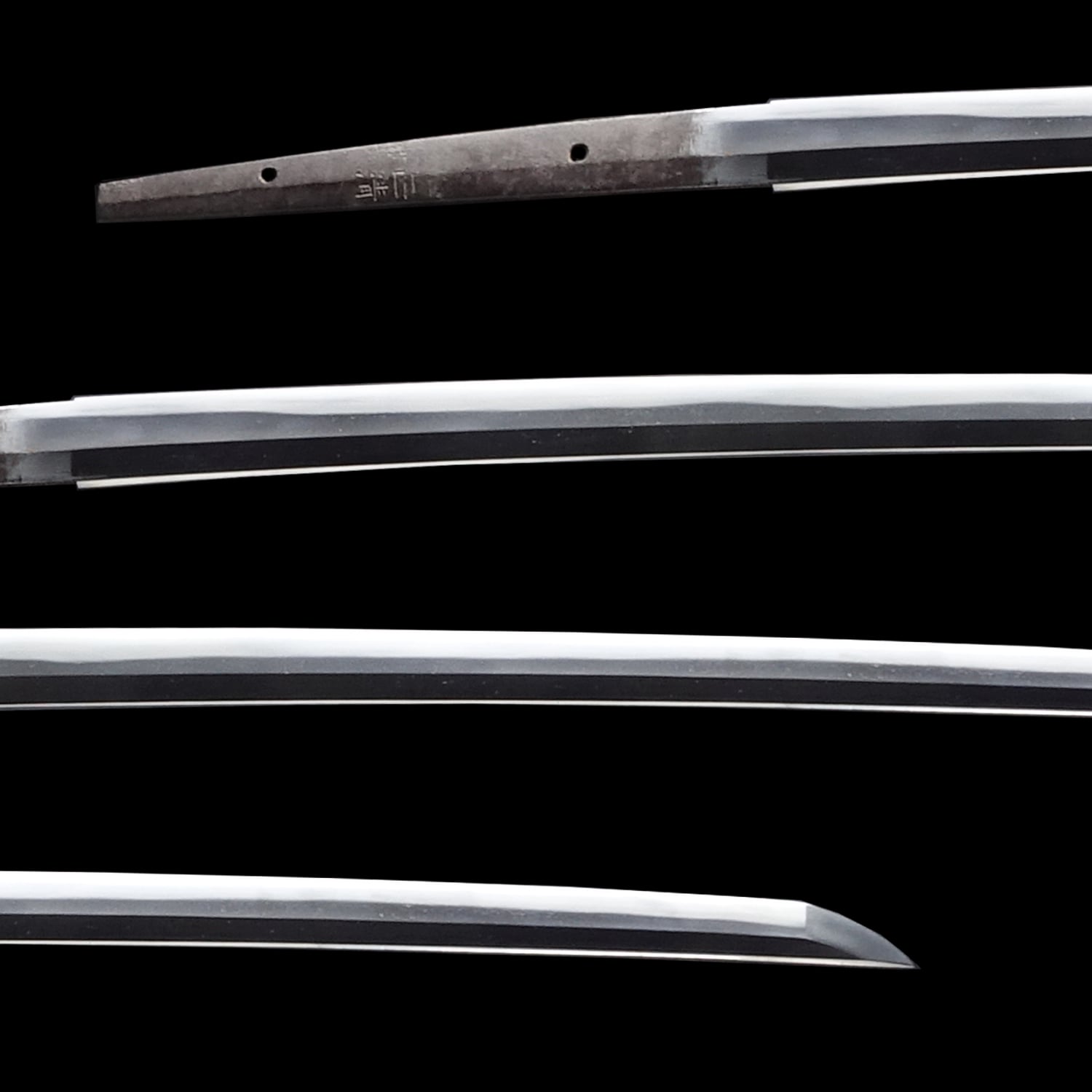
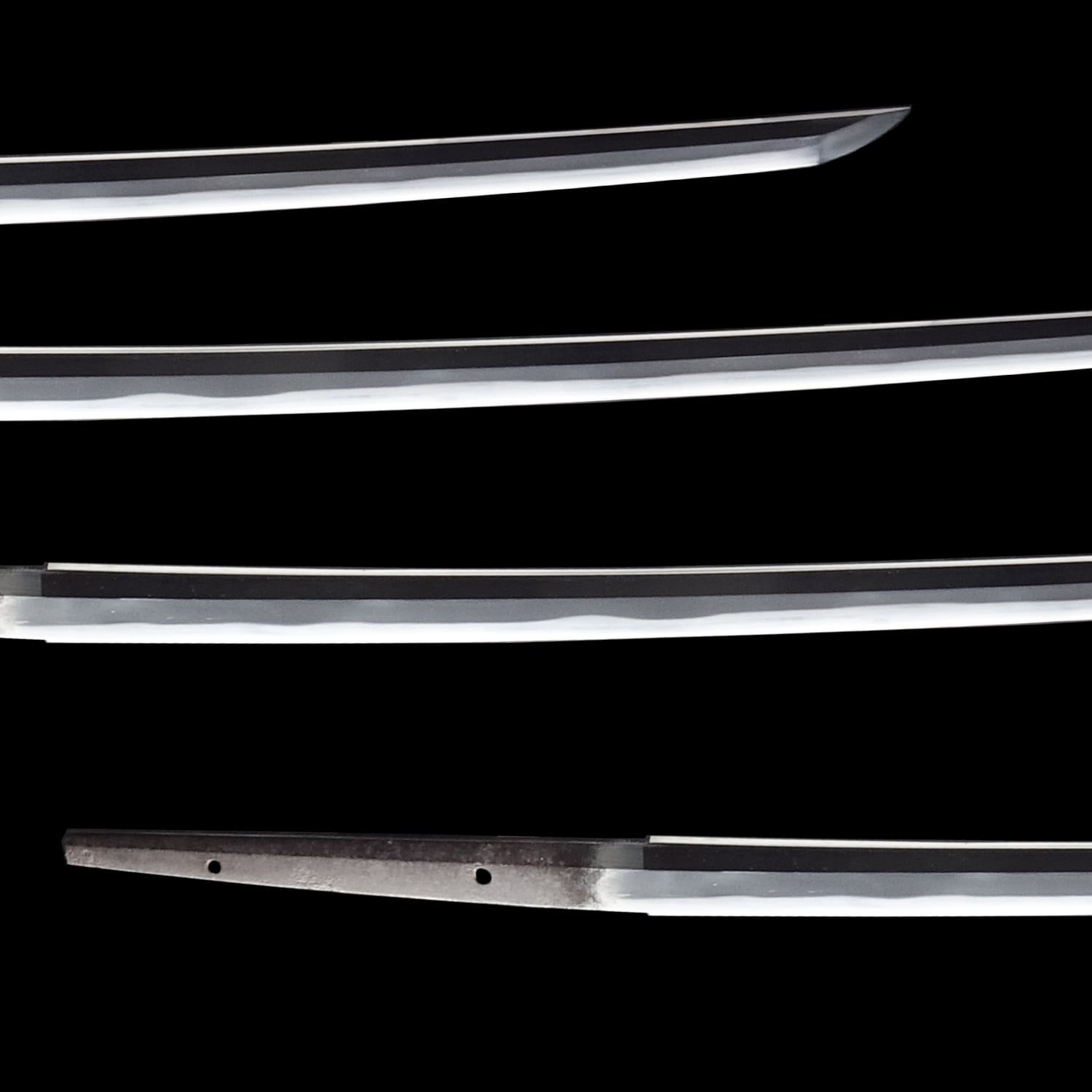
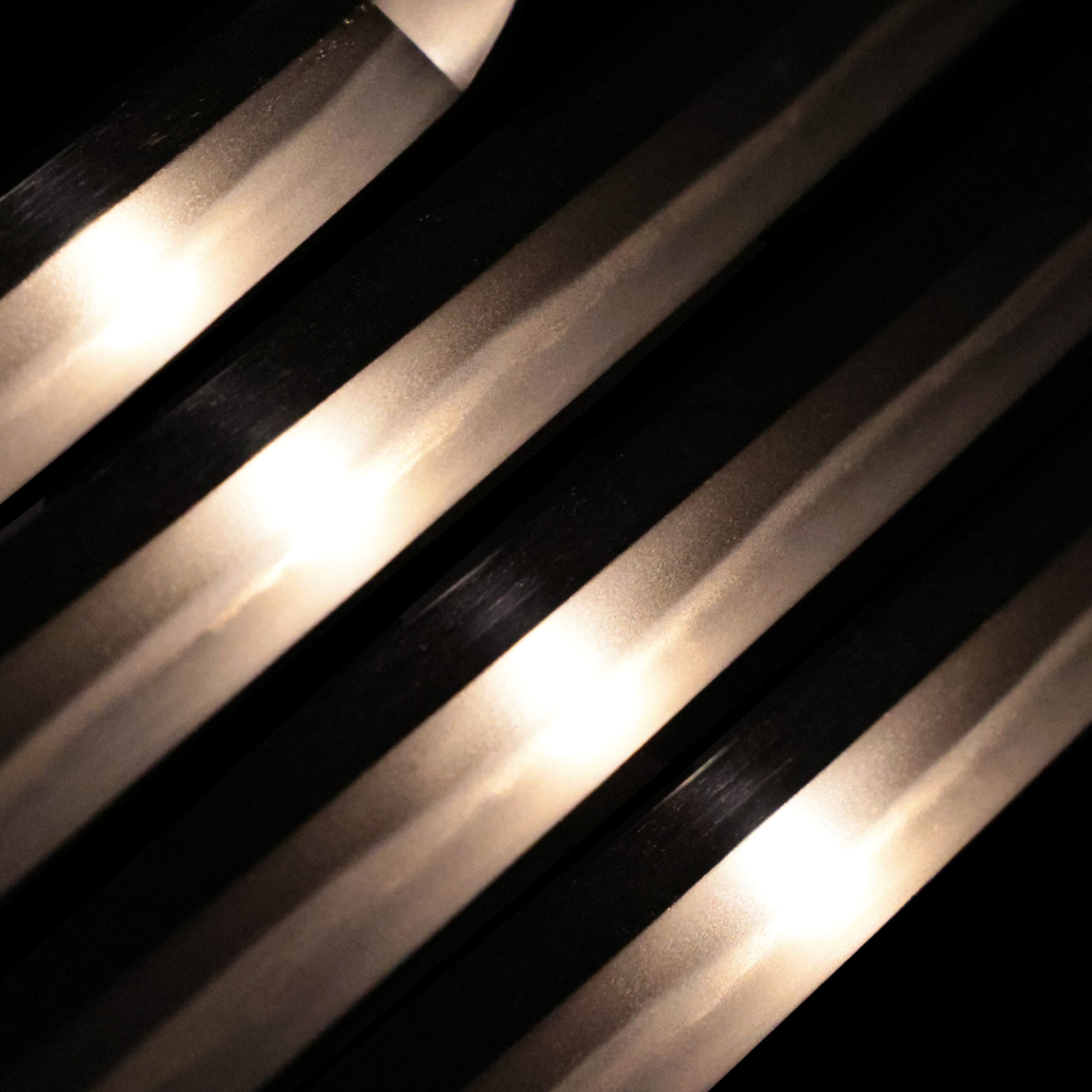
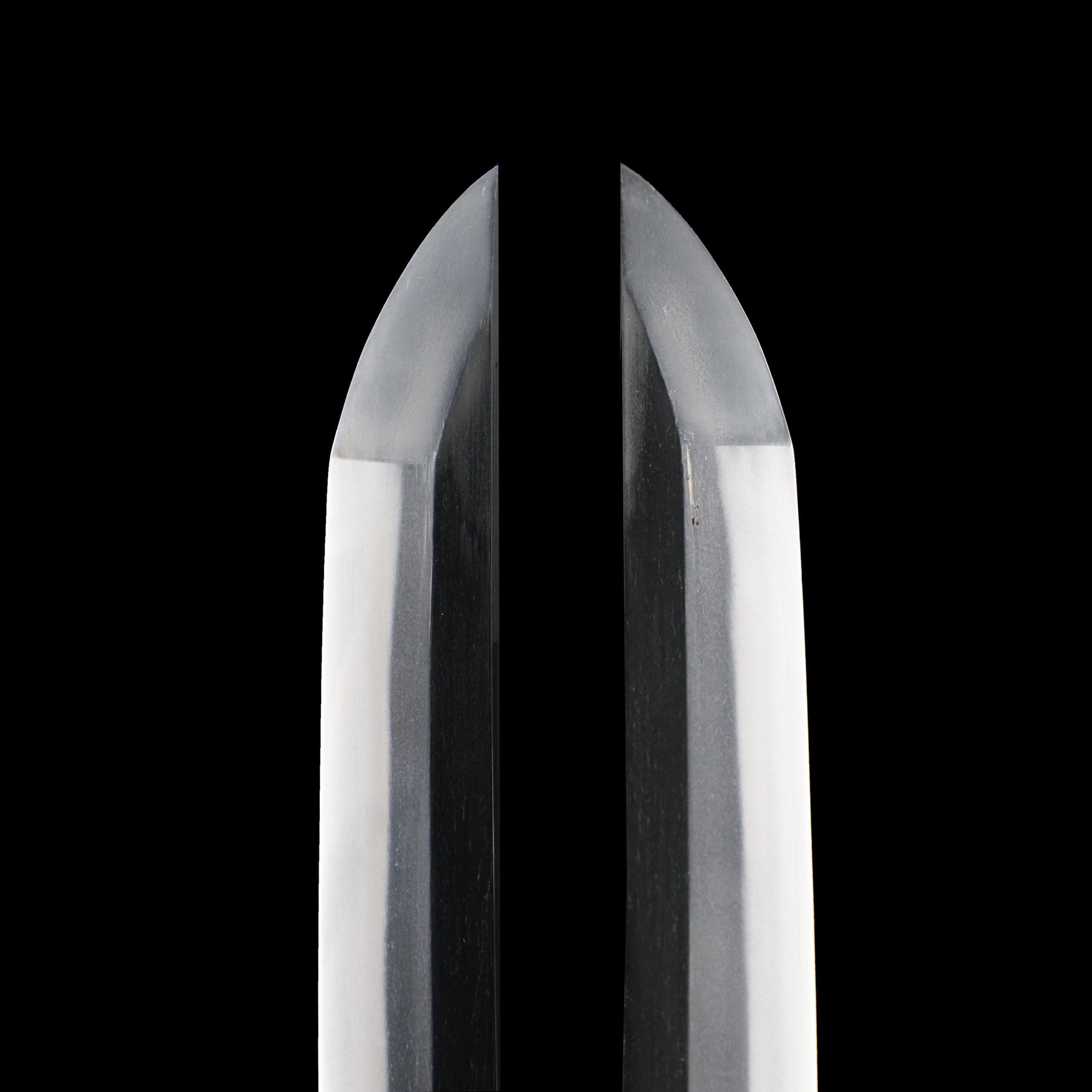
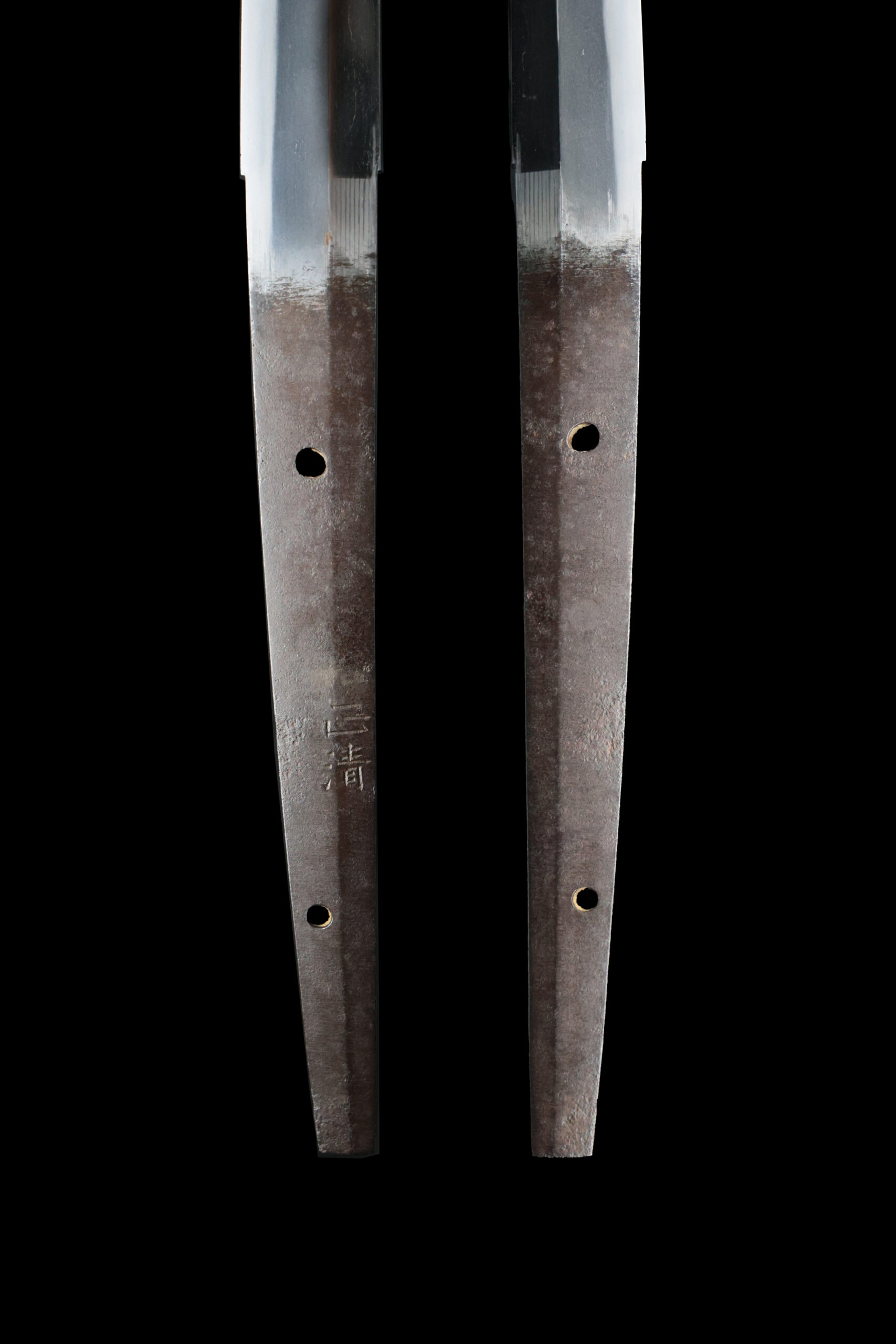
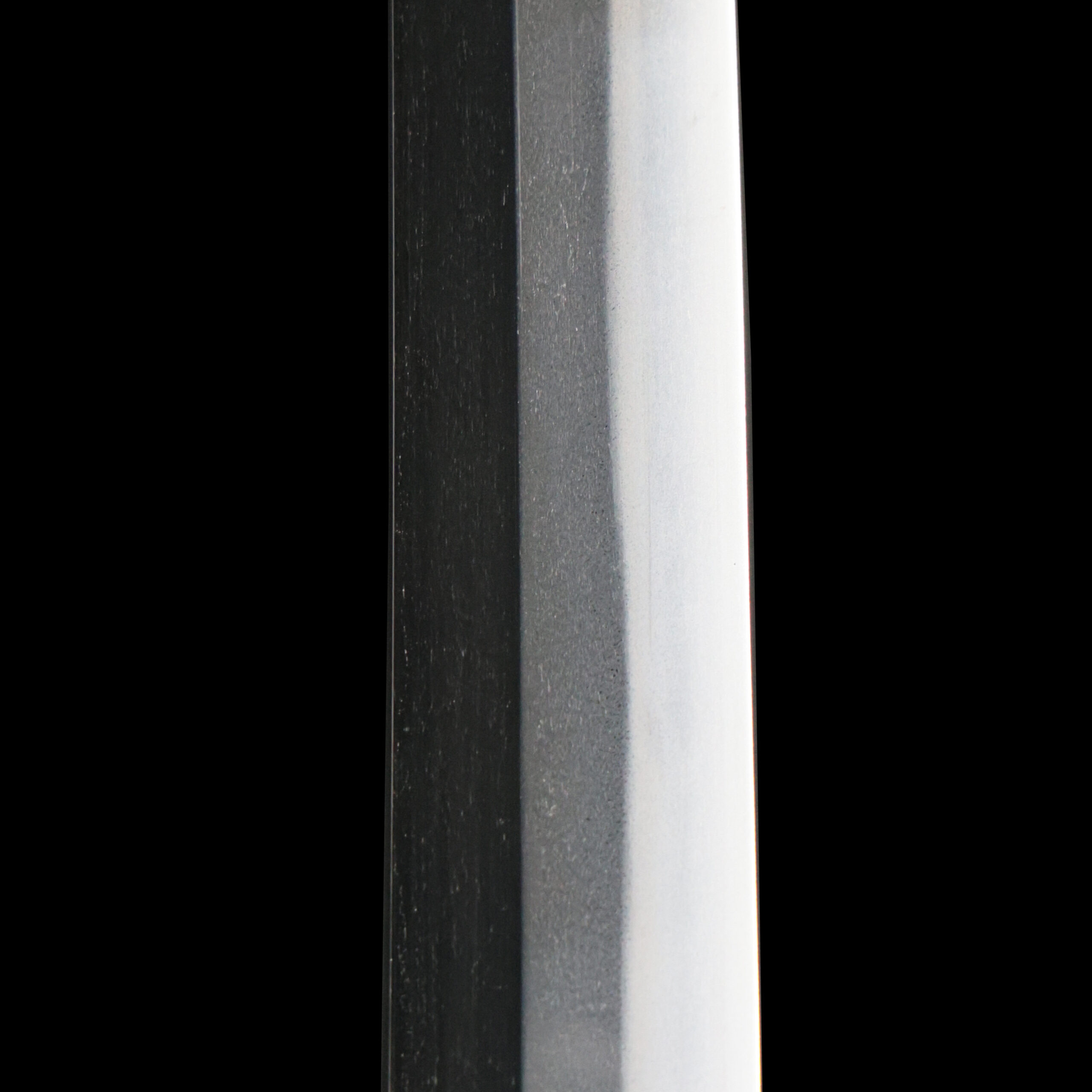
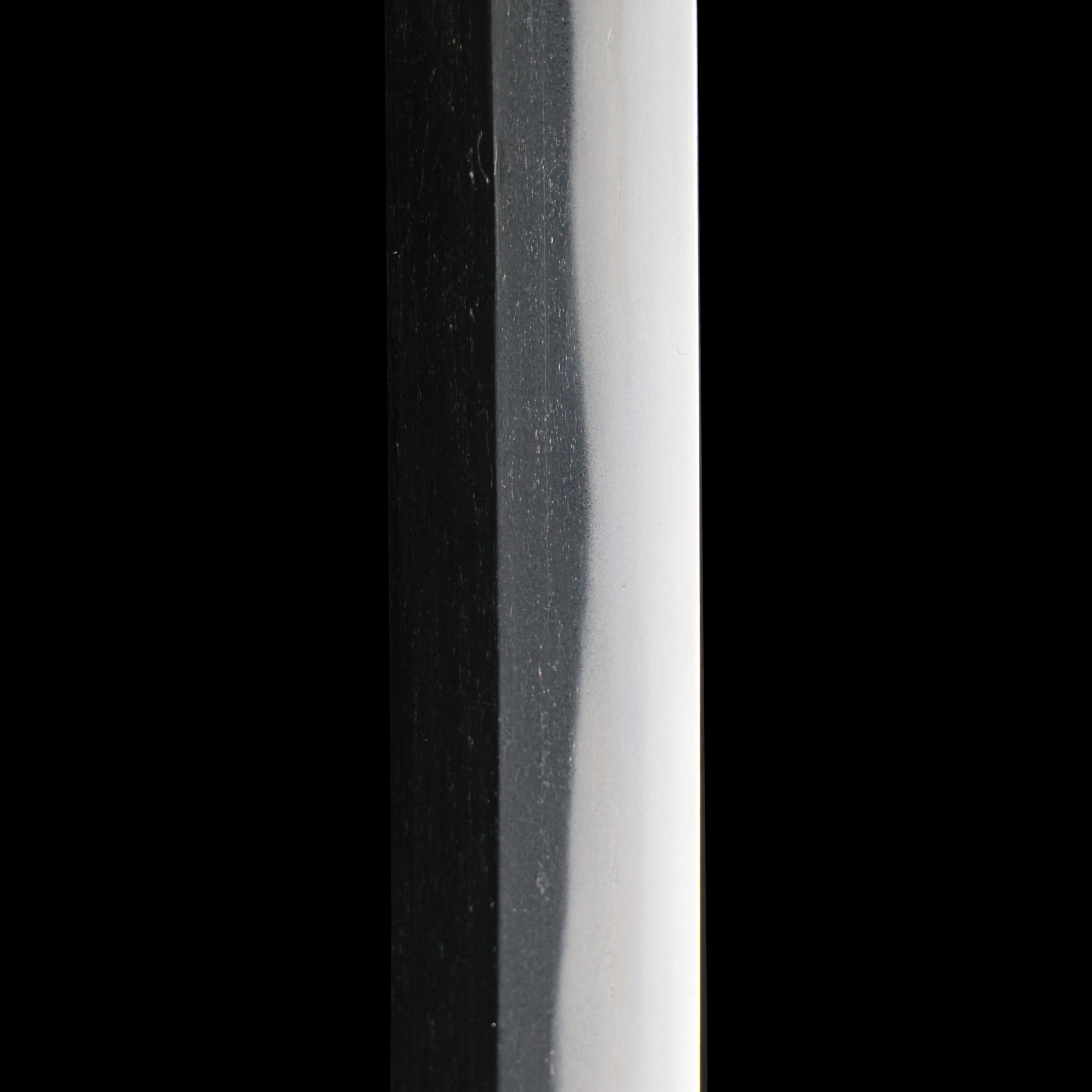
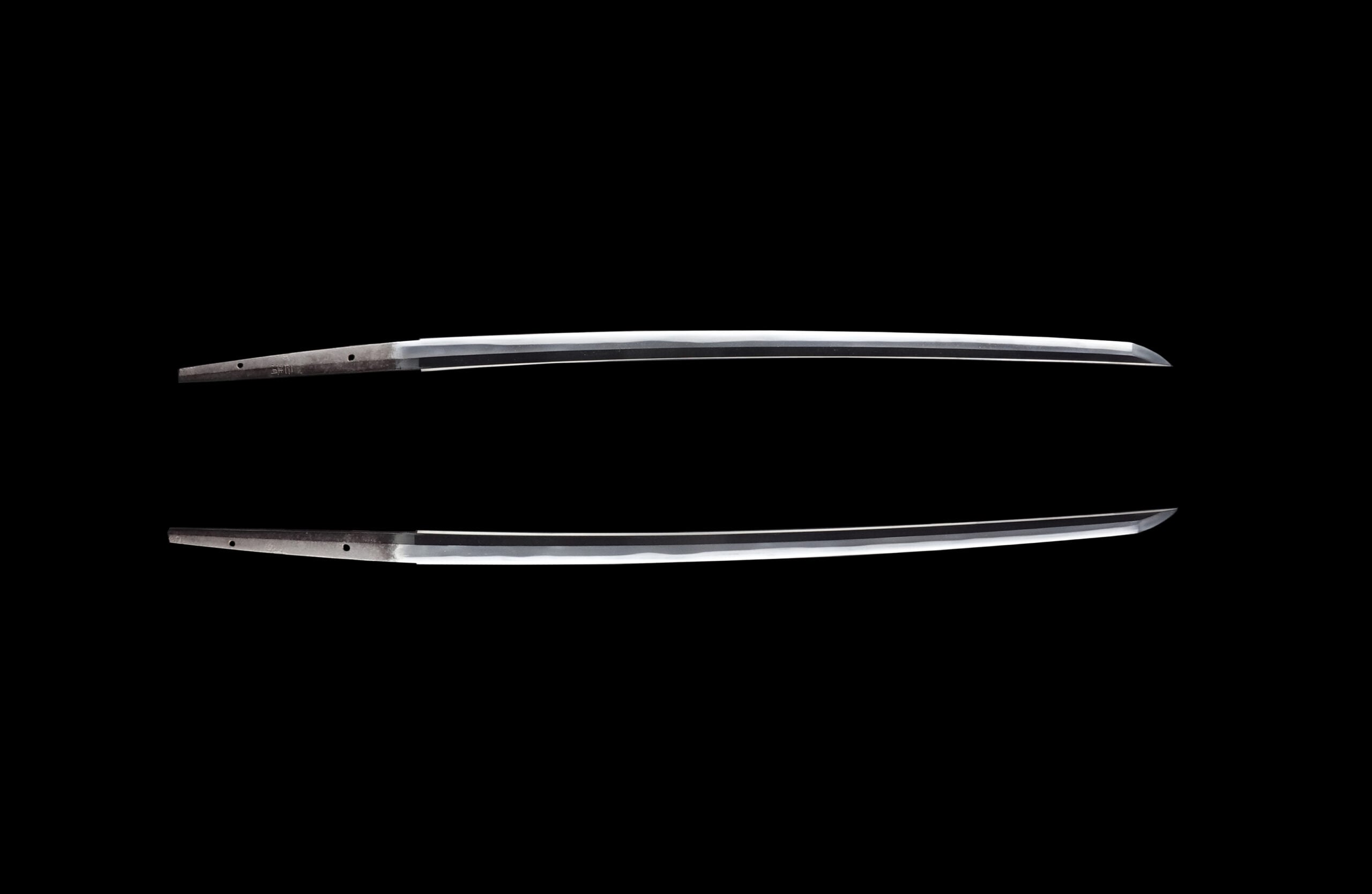
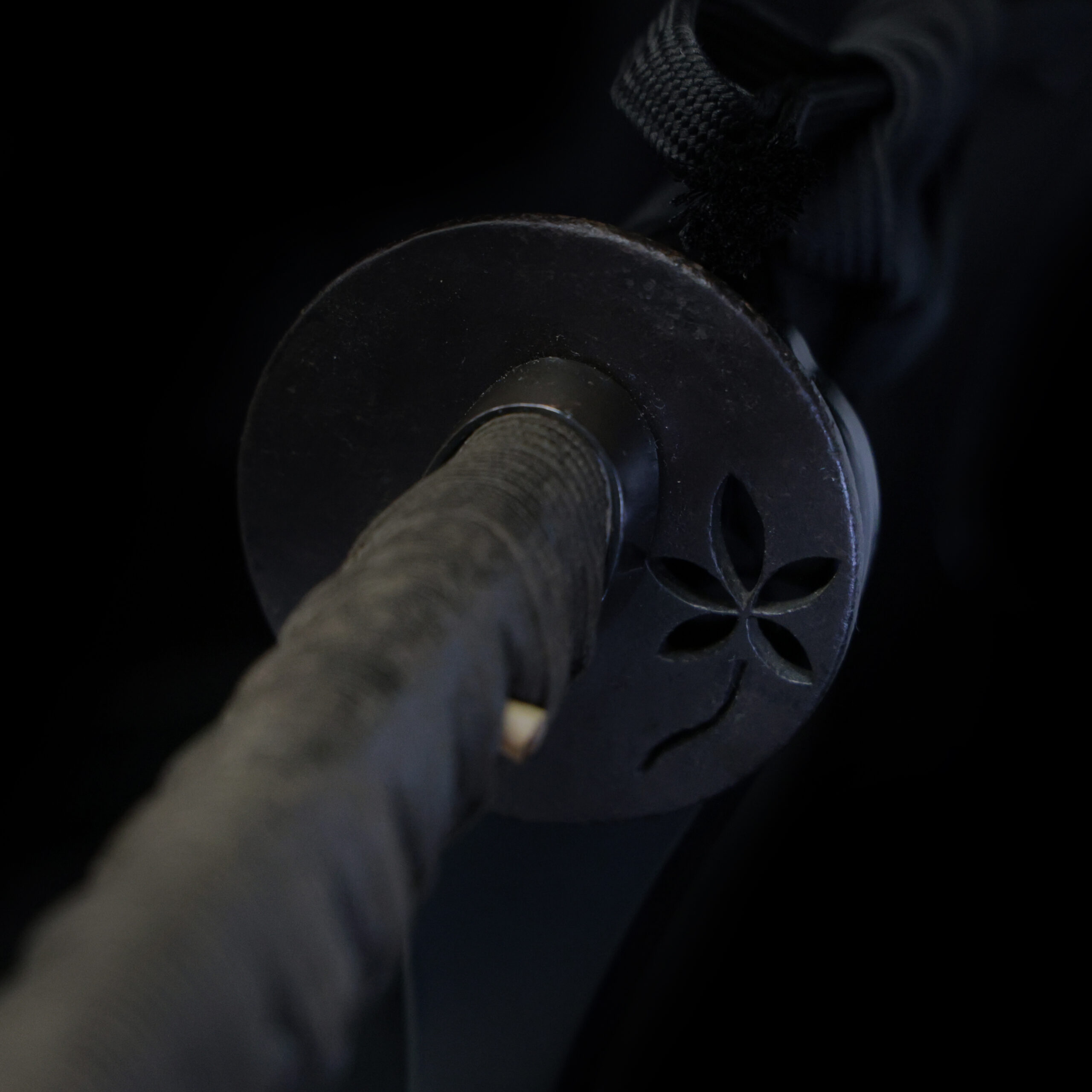
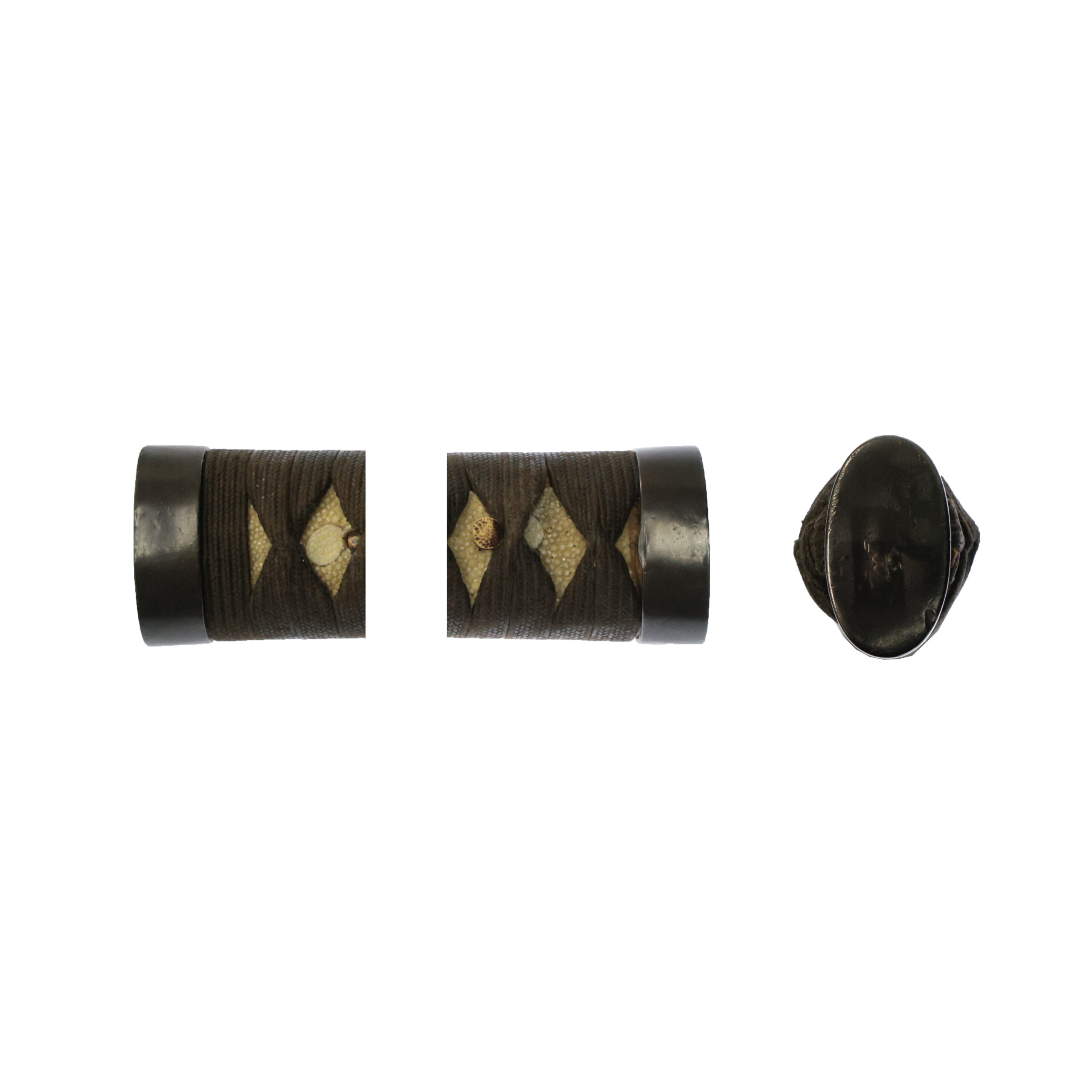
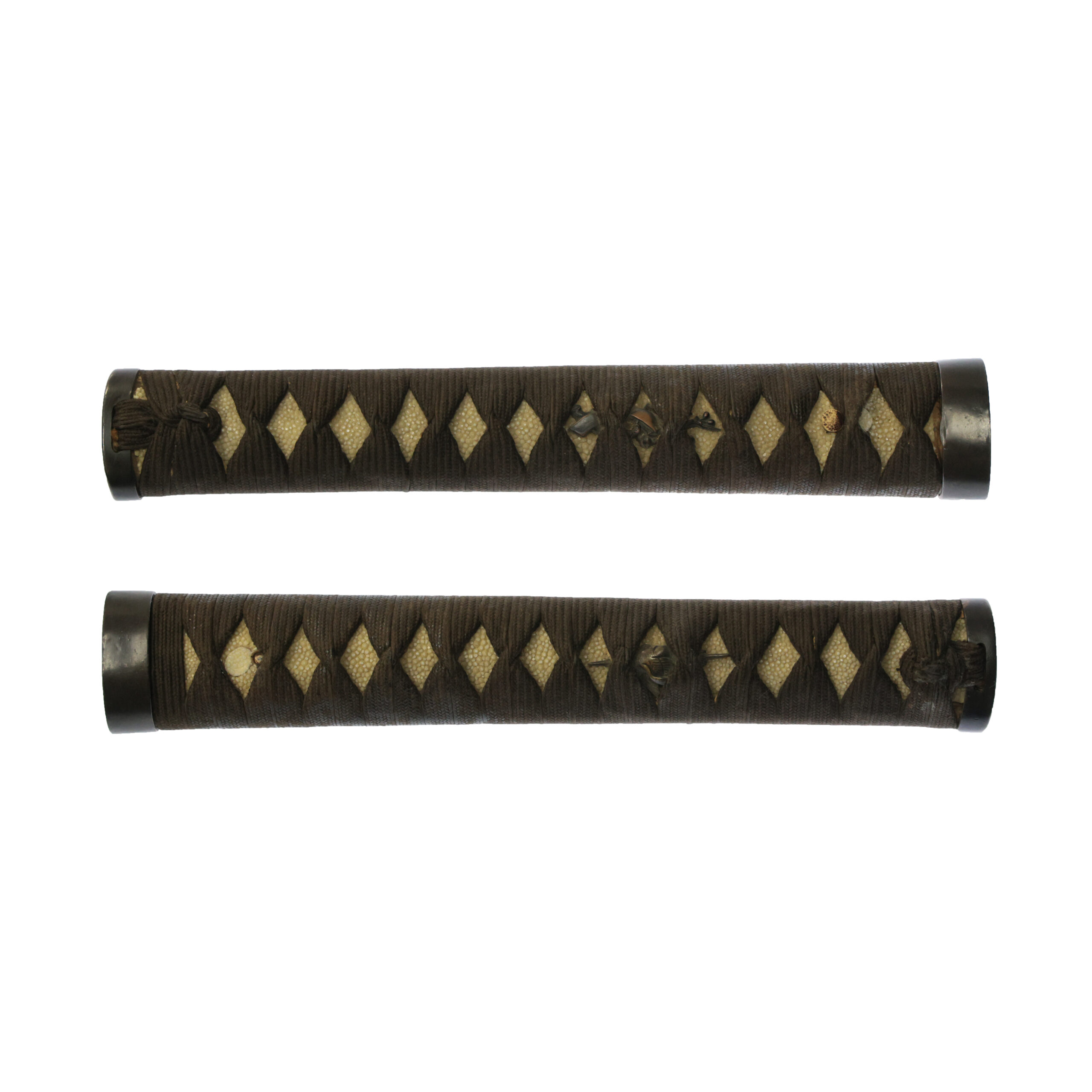
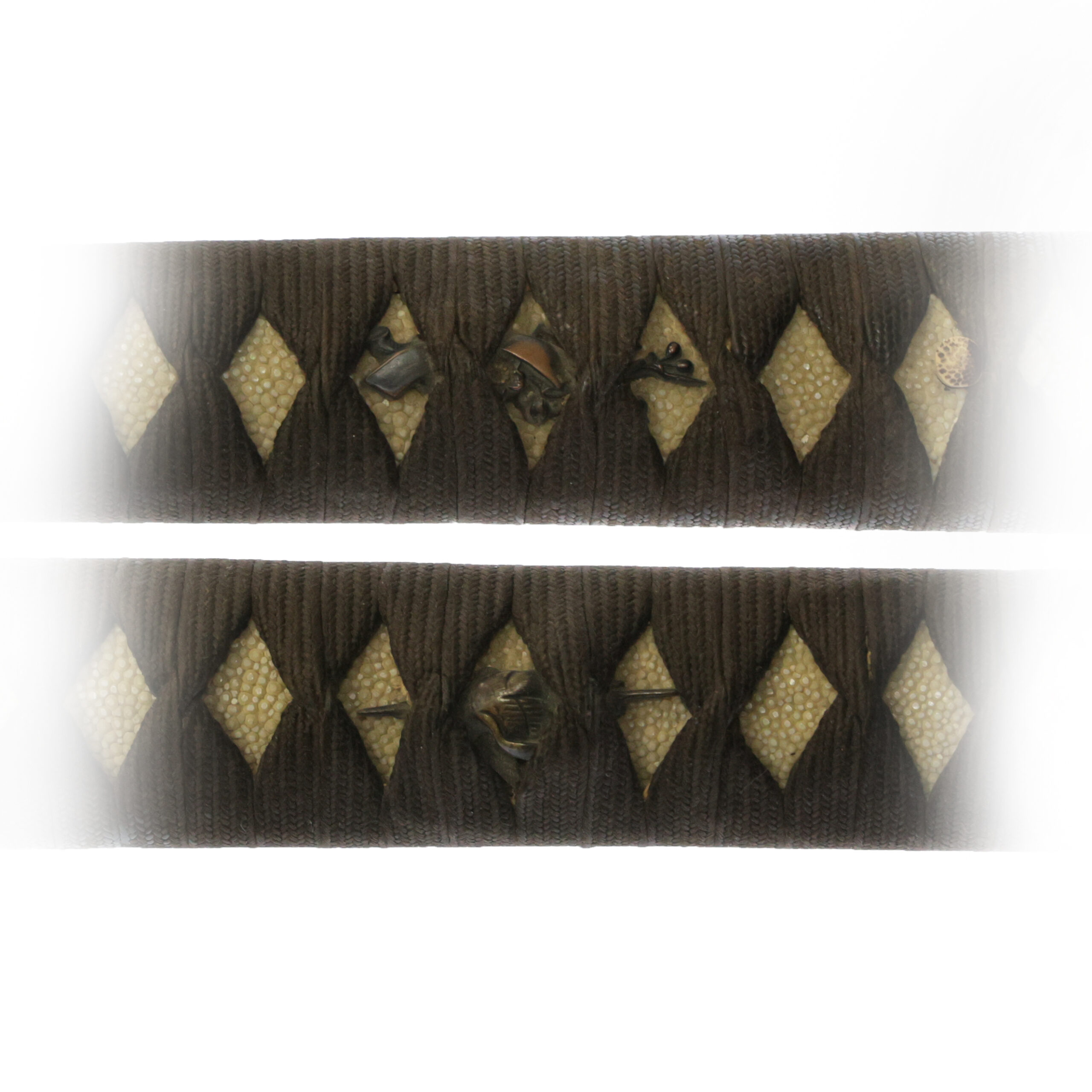
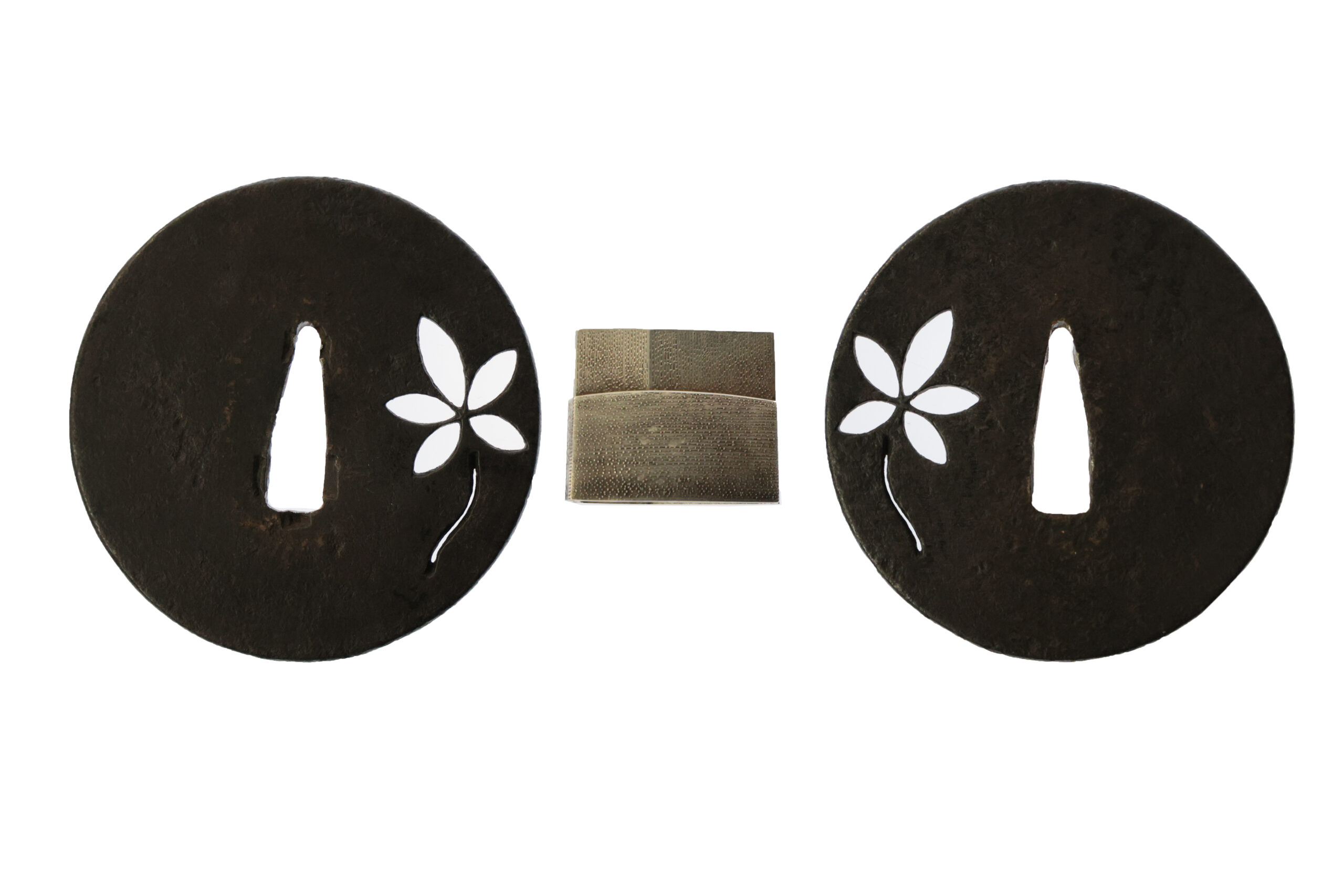
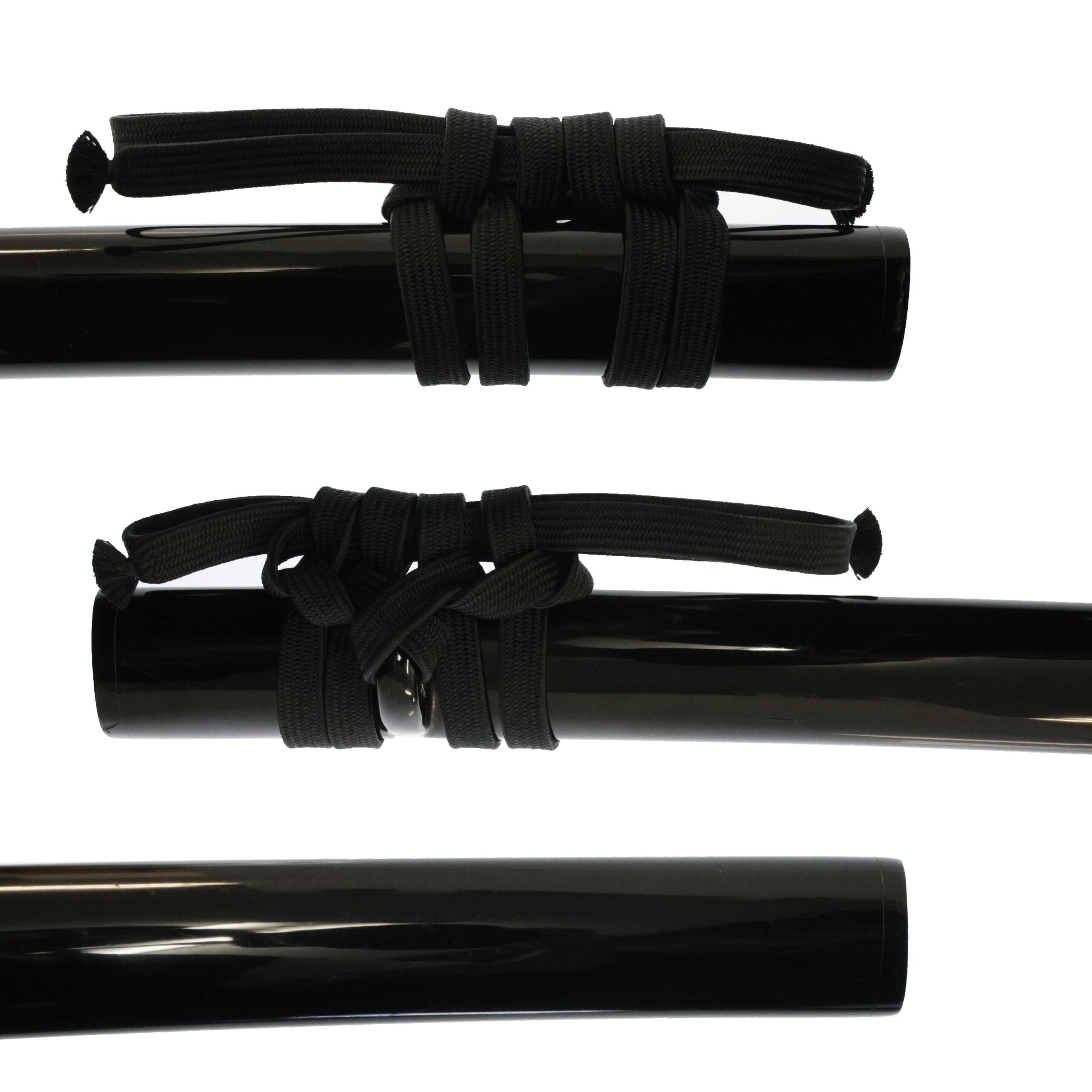
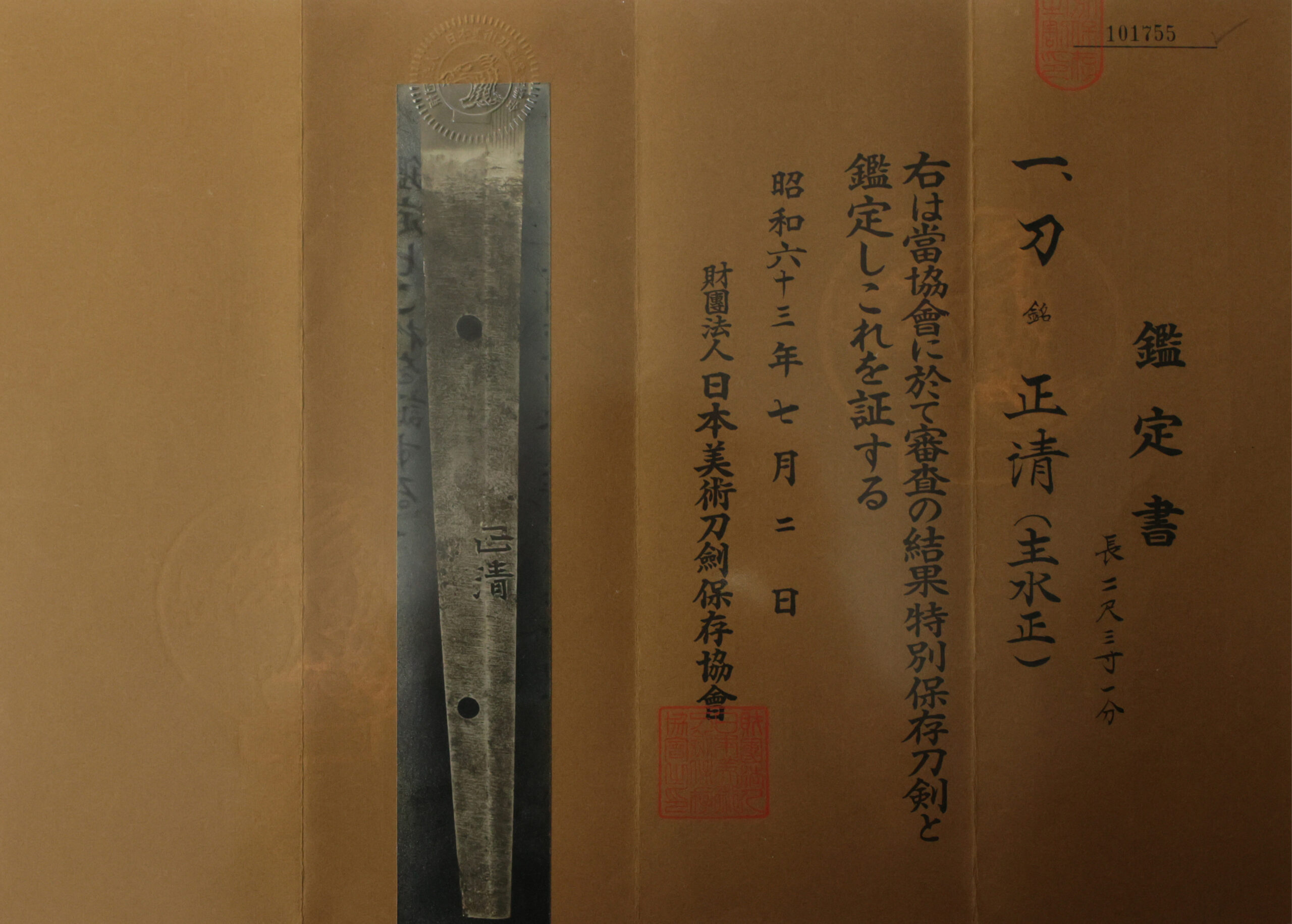
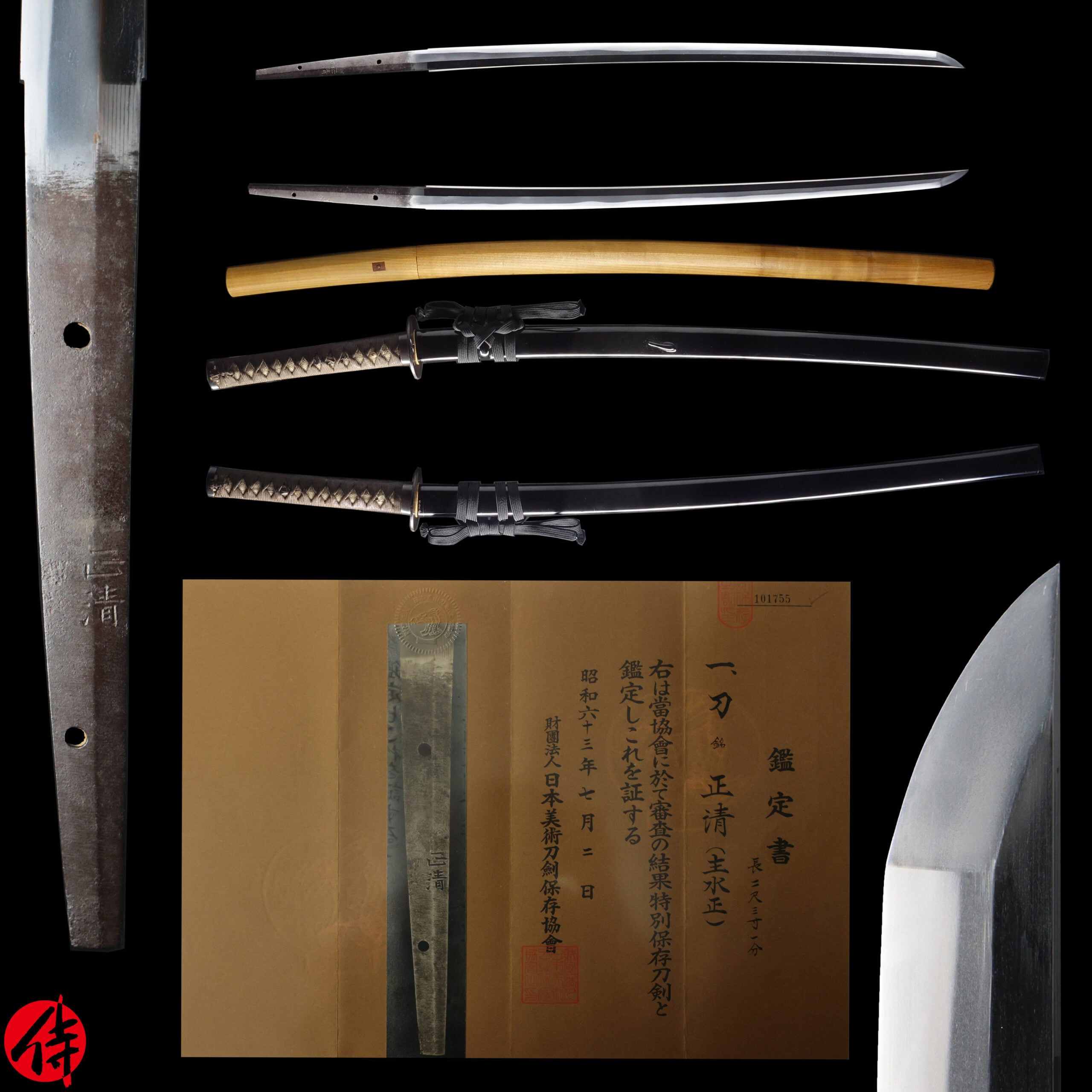
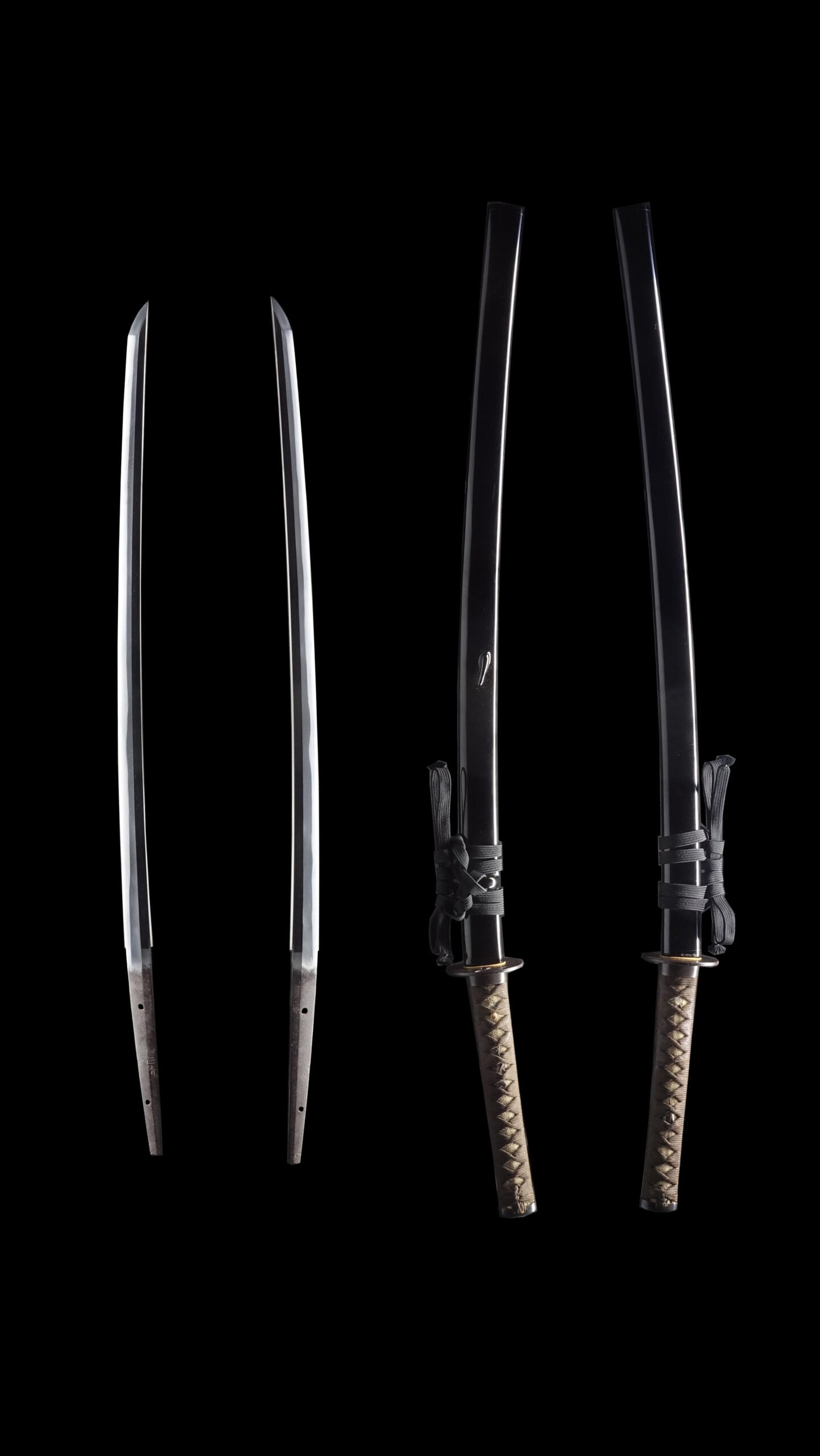
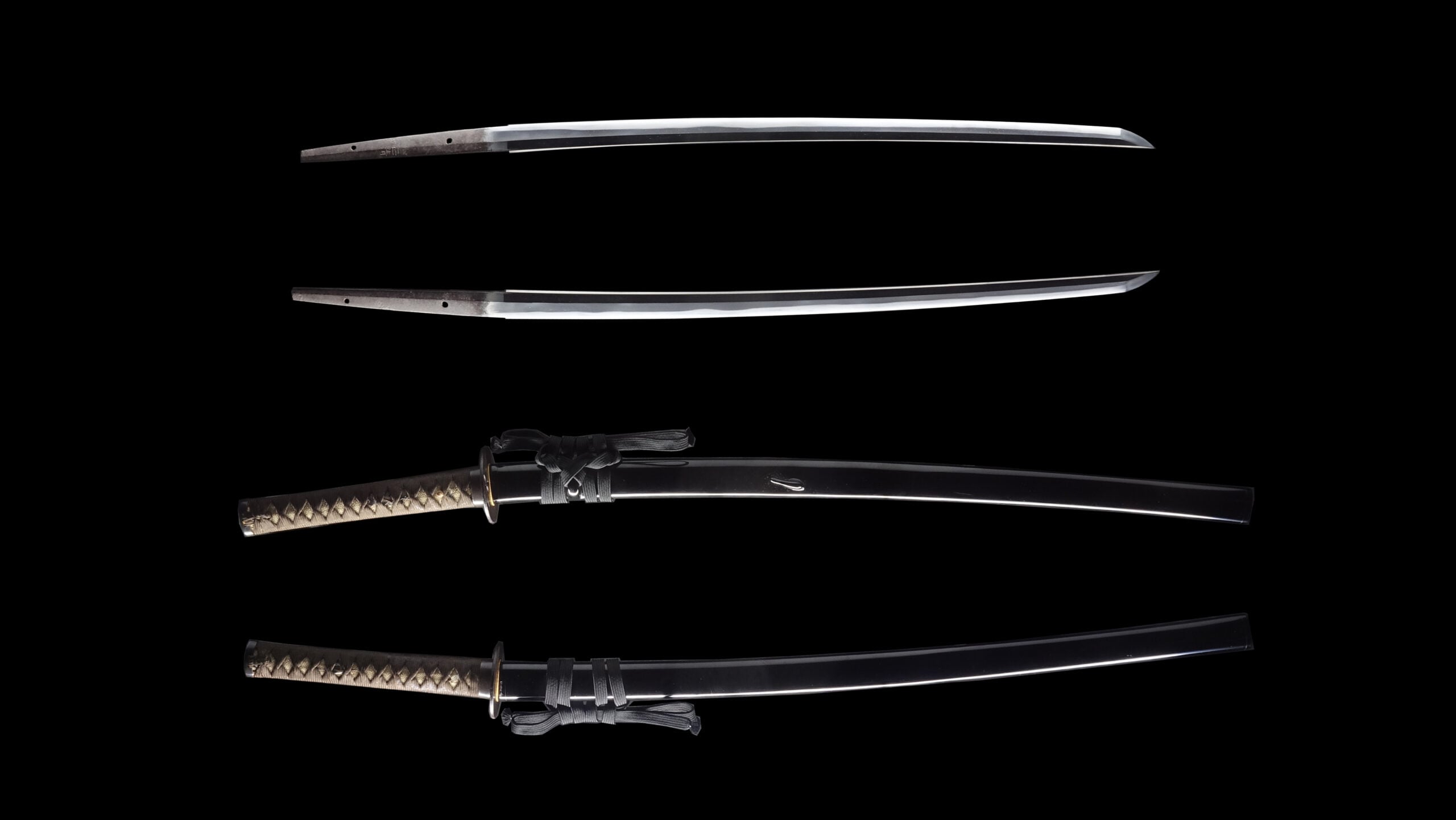
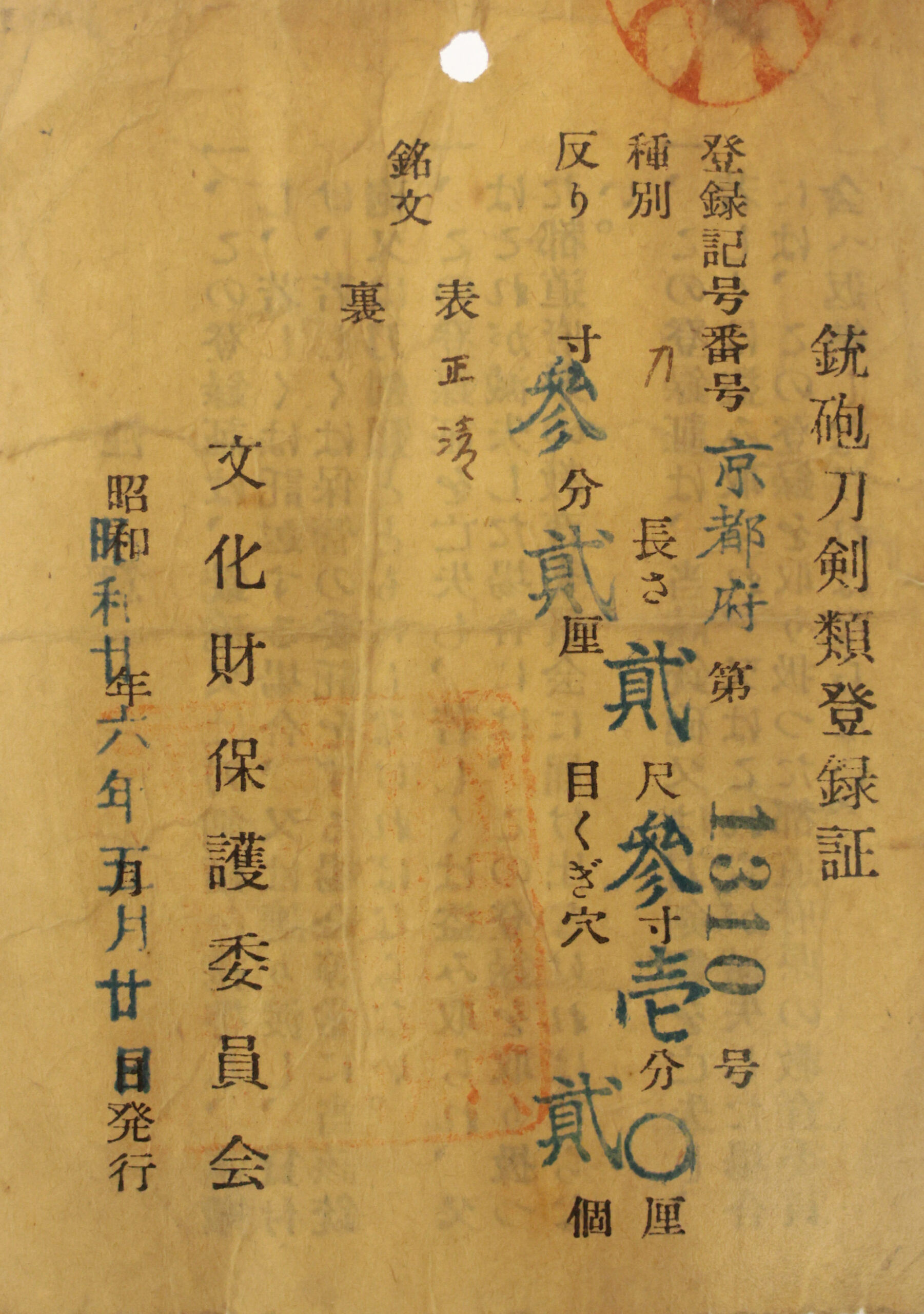
This blade was signed by Masakiyo (正清) during the mid Edo period (early 18th century) in Satsuma (present-day Kagoshima Prefecture), Japan. He was active between 1789 and 1801, and according to the appraisal certificate, he was granted the highly honorable court title Mondō no Shō (主水正) by the imperial court. Mondō no Shō Masakiyo was a swordsmith active during the Edo period and is regarded as one of the notable swordsmiths of Satsuma Province. He is especially known for participating in a sword-forging event held at Hama Goten (the Beach Palace) in Edo, present-day Tokyo, on January 16, 1721. The event was held under the patronage of Shogun Tokugawa Yoshimune and brought together selected swordsmiths from different parts of Japan. Being invited to forge swords at Hama Goten was considered a great honor and was reserved for highly respected swordsmiths of the time. Masakiyo was one of the swordsmiths selected to represent Satsuma Province, an area well known for its strong Samurai culture and sword-making tradition. Later in the same year, Masakiyo was granted permission to use the hollyhock crest associated with the Tokugawa family. On July 13, 1721, he was also granted the honorary court title “Mondō no Shō,” the name by which he is known today. Satsuma was ruled by the Shimazu family, one of the most influential samurai clans in Japanese history. As a swordsmith working in this important warrior domain and as one of the selected smiths invited to participate in the Hama Goten event under Tokugawa Yoshimune, Masakiyo holds a notable place in the history of Japanese swordsmithing. For this reason, his participation in the Hama Goten event, together with the honors he later received, remains one of the most important aspects of his historical legacy. It is appraised as a Tokubetsu Hozon Token (特別保存刀剣) issued by NBTHK (Nihon Bijutsu Touken Hozon Kyokai:日本美術刀剣保存協会). Tsuka and Menuki The bird depicted on this Fuchi Kashira appear to be herons (鷺, sagi). The heron, a beautiful water bird, was regarded as a symbol of noble character and high-ranking officials because it was believed to remain pure and unstained while standing in the muddy waters of rivers and rice fields. Herons are also frequently depicted in classical Chinese paintings as auspicious birds. For example, a composition featuring a heron together with a lotus and a drunken hibiscus symbolizes a future filled with happiness, wealth, and prosperity. On the reverse side, the design appears to depict plum blossoms (梅, ume). Plum blossoms are among the first flowers to bloom at the end of winter, and they have long symbolized perseverance, resilience, and the promise of renewal. Because they blossom despite the cold, they are admired as a symbol of strength and the ability to overcome adversity. The combination of herons and plum blossoms creates an elegant and auspicious design expressing both noble virtue and enduring prosperity. Tsuba and Habaki The flower depicted in the openwork design (sukashi-bori) of this tsuba appears to be a bellflower (kikyō, 桔梗). In ancient Japan, the bellflower was associated with fortune-telling, an act known as Kikyō-wo Uranau (吉凶を占う, “to divine good or bad fortune”). Because the pronunciation of kikyō (桔梗) resembles kikkō (吉凶, “good or bad fortune”), the flower gradually became linked with auspicious meanings and favorable outcomes. As a result, the bellflower motif came to be cherished as a symbol of good fortune, prosperity, and positive change. Saya This scabbard is covered with black lacquer. Due to its high waterproof effect, lacquer has been used since ancient times in Asia. The blade of a Japanese sword is made of iron, and moisture is the greatest enemy of iron. For the purpose of carrying the blade without degrading it, people devised a method of coating the scabbard with lacquer. To prevent not only moisture but also rain and snow from penetrating the inside of the scabbard, it was necessary to apply multiple layers of lacquer. The Nushi (塗師, lacquerers) was born precisely because advanced techniques were required to handle the complicated processes. Authentication Paper They authenticated the blade on July 2nd in the 63rd year of Showa (1988). They appraised it as Tokubetsu Hozon Touken, the blade especially worth preserving for Japanese society.
Offered by Samurai Museum
2 on the market


Ichinohira (Satsuma), shinto · Satsuma · around 1714-1736
2 pieces on the market now
Mondo-no-Sho Masakiyo is said to have been born in Kanbun 10 (1670) at Izumi-go in Satsuma. His common name was Miyahara Seiemon, and he is also said to have been called Kakudayu. He learned forging from the Satsuma domain smith Maruta Sozaemon Masafusa, signing first Kiyomitsu and later Masakiyo; Honma's inventory of the Imperial collection adds that he may have signed Kageyoshi before that, a point it calls not yet fully studied. In the first month of Kyoho 6 (1721) he was summoned with his townsman Ippei Yasuyo by the eighth shogun Tokugawa Yoshimune to forge in Edo. The bakufu granted him the right to cut the single-leaf hollyhock crest on his tang, and on the journey home the court raised him to the title Mondo-no-Sho. The published sources give his death in Kyoho 15 (1730) at sixty-one, while the Honma inventory gives sixty-six. They place him with Yasuyo as "the twin pillars of Satsuma shinto"[[c:1]].
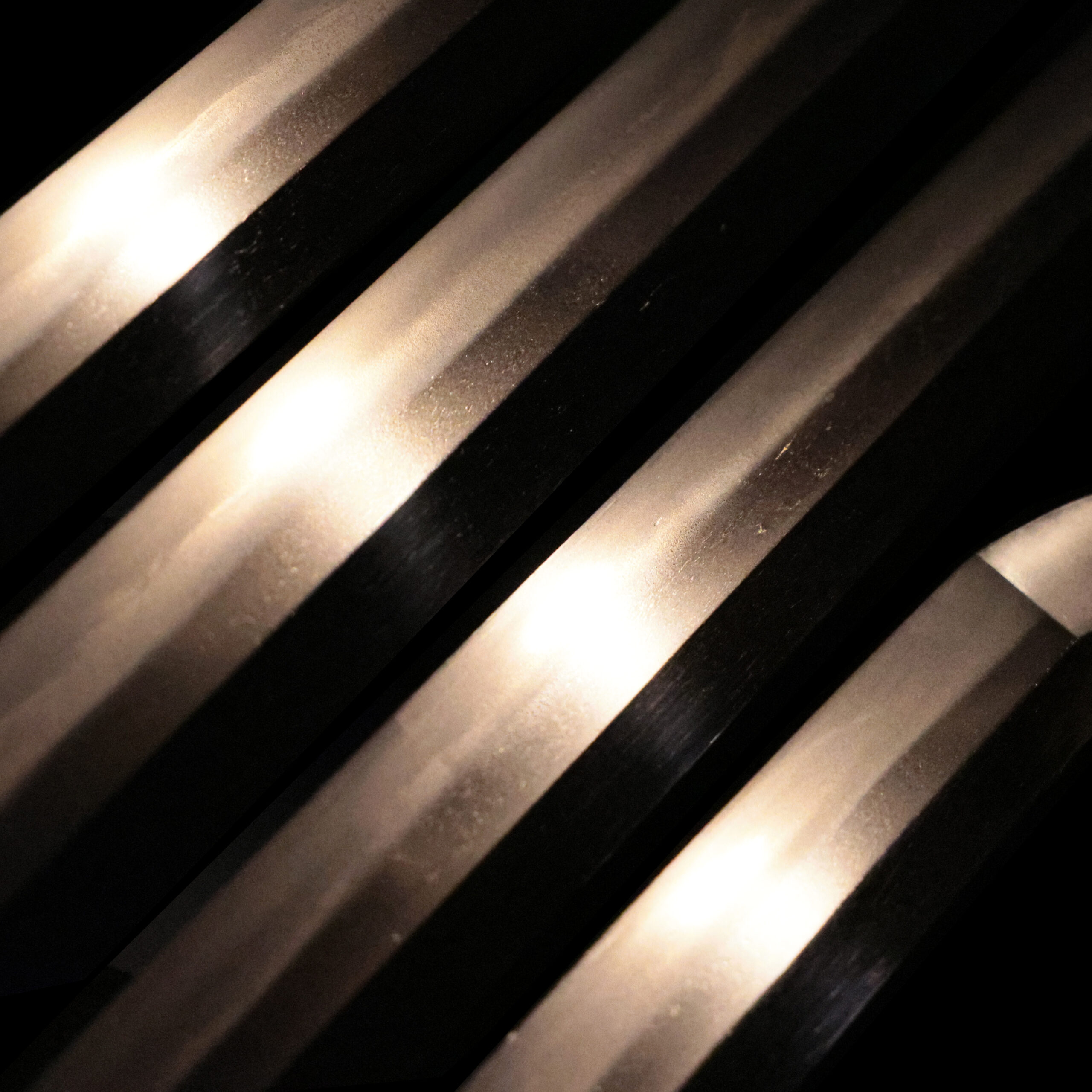
His characteristic work is the Soshu-den modelled on the old Shizu manner, which the published sources call "the Shizu-style range he handled with greatest mastery"[[c:2]]. He tempers a ko-notare into which he sets gunome, ko-gunome and pointed togariba, with ashi and yo entering. The nioi is deep and the nie thick and strong, with coarse ara-nie mixed in and gathering unevenly. Long, frequent kinsuji and nie-suji run through the ha, accompanied by sunagashi, and the nioiguchi is bright and clear, only here and there a little uneven. The Honma inventory records that some of his blades, once shortened, "have come to pass as Masamune or Shizu"[[c:3]].
The jigane is an itame that flows strongly overall and turns masame-inclined, at times standing a little with mokume mixed in, at times a tight ko-itame. It carries thick ji-nie with coarse ji-nie mixed, and the Tokubetsu Juyo commentary describes vigorous chikei of a distinctive, kawarigane-like character. The boshi runs in midare-komi or notare to a pointed return, swept with vigorous hakikake carrying long nie-suji, and turns back deeply; on some blades it ends in a ko-maru. His body is the grand Satsuma form, extremely wide with a thick kasane, ample hiraniku and an extended chu-kissaki. Of such a blade the published sources write that its robust bearing "gives the feeling of a decisive downward cut"[[c:4]].
On his most ambitious pieces the published sources single out a further feature and read it as antique. Especially in the upper half, yubashiri gather vigorously at the crests of the temper and present an appearance like nijuba. In their words, "the manner in which yubashiri are vigorously applied at the crests of the temper to produce a nijuba-like appearance conveys an impression of antique flavor"[[c:5]]. This is the upper reach of the same hand rather than a separate manner. His tang is almost always ubu, tapering to an iriyama-gata or sword-shaped tip with shallow katte-sagari file marks and a large long signature, often with the hollyhock crest and a date. Blades signed Kiyomitsu are extremely rare, and one in the Honma inventory carries a second inscription on the reverse, cut after he received his title. Those signed Satsuyo Kafu ju likewise predate the title. The inventory finds the five-character signature Mondo-no-Sho Masakiyo in greatest number and calls one such katana "a considerable masterpiece copying the Shizu manner"[[c:6]]. The published sources also note that in his later years many blades were made as daimei by his son Masachika and his pupil Masamori; the inventory reads his katana dated Kyoho 15 as a daimei by Masachika and probably Masachika's own work.
Within his province he is read against Yasuyo. Where Yasuyo often tempered a calm notare-toned suguha, Masakiyo tempered the varied Shizu-style midare, with its pointed togariba, its coarse nie and its long running kinsuji. His gathering yubashiri and the antique nijuba they form are further traits of his own. The published sources say that his best work can at times be mistaken "for old superior blades"[[c:7]].
He has no National Treasures and no Important Cultural Properties. His record runs through twenty-two blades in the Tokubetsu Juyo and Juyo tiers, one of them Tokubetsu Juyo, and four katana recorded in Honma's inventory of the Imperial collection, twenty-six designated works on record and all of them signed. His provenance reaches the great houses of his age. The Tokubetsu Juyo katana, dated Kyoho 9, was presented with a blade by Yasuyo by the Kagoshima lord Shimazu Tsuguhisa to the Minister of the Left Konoe Iehisa, who sent both smiths fine silver and a set of the Six Immortal Poets inscribed by court nobles; the documents survive. Another katana, forged in Kagoshima in Kyoho 9 on the shogun's order with Yasuyo, was presented to the bakufu the following year and long remained with the Tokugawa house. Most designated blades are held rather than traded. A fine signed Masakiyo in his Shizu-style manner comes to market only from time to time and with patience, and a dated, crest-bearing katana in his full manner remains a landmark acquisition.
Where Masakiyo stands among comparable artisans: across all of nihontō, and within tradition, era, and period. The tiers (Foremost · Leading · Major · Notable) weigh official designations from the NBTHK and Japan's Agency for Cultural Affairs, together with historical honors of lasting repute such as the Sansaku and Meibutsu-chō.
Select a lens to see how it's measured.
Years he was demonstrably active, proven by signed-and-dated blades
Yamato-den · Satsuma
32 pieces on the market now
The Satsuma school gathered the smiths of southern Kyushu under the patronage of the Shimazu, the daimyo house of Satsuma and Osumi, and the published sources read its history in two distinct flowerings rather than one continuous line. Its shinto fountainhead is Izu no Kami Masafusa, a son of the Mino smith Ujifusa who moved to Kagoshima and carried a strongly nie-laden hand into the province; the NBTHK names him the origin of Satsuma forging. From that root the early school rose to its summit in the pair the judges return to whenever they place it, Mondo-no-Sho Masakiyo and Ippei Yasuyo, the twin pillars of Satsuma shinto. Both were summoned in Kyoho 6 (1721) by the eighth shogun Tokugawa Yoshimune to forge in Edo and were granted the single-leaf hollyhock crest of the Tokugawa for their tangs, and the Ippei line continued through Yasuyo's adopted heir Yasuari. A century later a second summit formed in the shinshinto twin pillars, Oku Yamato no Kami Motohira of the Oku house and Hoki no Kami Masayuki of the Ijichi house, raised to their court titles in the same year of Kansei 1 (1789); Masayuki's name had begun as Masayoshi, and his pupil Masakage carried the manner into the Bunka and Bunsei years. The training the members record runs back through the Naminohira and Yamato roots of the early Ippei smiths, but the working idiom the school is known by is its own. That idiom is a Soshu-den read in coarse nie rather than in clove-flower, and the members describe it in a shared vocabulary. The body is broad in mihaba, thick in kasane, full in hiraniku and stoutly built, the imposing Satsuma sugata. Over a well-forged itame, often a tight ko-itame turning toward nagare or masame and carrying thick ji-nie and dark chikei, the smiths temper a notare-toned gunome-midare into which they set pointed togariba, deep in nioi with thick nie and coarse ara-nie mixed through. The feature the commentary names most often is what streams within that temper, the long kinsuji, nie-suji and sunagashi the sources call imozuru, the yam-vine of the province, vine-like nie-lines running unbroken through the ha.
The jigane takes a markedly blackish cast against which the bright nioiguchi and coarse nie stand out, and the boshi runs in midare-komi or straight, swept with hakikake and on the most vigorous work flaring to a flame-like kaen. Within this one settled manner the members divide. Masakiyo handled the varied Shizu-style midare, his yubashiri gathering at the crests of the temper into a nijuba-like, antique appearance, where Yasuyo tempered a calmer notare-toned suguha whose strength lay in the depth of its nioi and the length of its imozuru; Motohira and Masayuki carried the flamboyant gunome with its kaen boshi into the later period, while a small number of blades lean toward masame and recall the Yamato Hosho grain that the early training laid down. To kantei Satsuma work, the judges read three grounded marks together: the pointed togariba riding a notare base, the deep coarse nie with its running imozuru, and the dark, chikei-laden standing jigane, completed by the swept hakikake or kaen boshi and the broad heavy body. The tang offers further constants, almost always ubu with a bold thick-chiseled signature that frequently carries the smith's age, Motohira's funagata-narrowed kengyo point and Masayuki's bo-hi among them. Among the members the standing is high: Masakiyo and Yasuyo hold the early summit, while Motohira and Masayuki lead the shinshinto generation, the latter's pupil Masakage judged to have inherited the master's hand with notable refinement. The cutting reputation of the province, tied to its Jigen-ryu martial tradition, runs through the bold robust construction the sources call decisive in the hand. The provenance is grand for a domain school: blades presented by the Shimazu house upward to the shogun Yoshimune and to Konoe Iehisa, Minister of the Left, who returned silver and poems to the smiths, with pieces descending through the Tokugawa, the Imperial family and Shimazu branch houses such as the Kabayama. Such blades are held in long-established collections rather than traded, and a signed Satsuma work in its full vigorous Soshu-den comes to a collector only with patience. Learn more →
| Smith | Era | Designated |
|---|---|---|
| Yasuyo安代 | 1716-1736 | 18 |
| Motohira元平 | 1778-1789 | 39 |
| Masayuki正幸 | 1772-1817 | 36 |
| Masakiyo正清 | 1714-1736 | 26 |
| Yasuari安在 | 1744-1748 | 4 |
The Shinshintō revival
Around 1800 Suishinshi Masahide argued in his writings that the craft must return to the old masters’ methods: the fukkotō revival. His greatest successor Naotane worked convincingly in Bizen and Sōshū manners that had been dead for centuries.
A Hozon-certified blade judged to show notably superior workmanship and a better state of preservation. The bar is higher: re-tempered blades and most unsigned Muromachi/Edo works are excluded.
The NBTHK (Nihon Bijutsu Tōken Hozon Kyōkai, the Society for the Preservation of Japanese Art Swords) is a public-interest incorporated foundation founded in 1948 and supervised by Japan’s Agency for Cultural Affairs (Bunkachō); it is based at the Japanese Sword Museum in Tokyo. Its expert panels physically examine each submitted work (shinsa) and issue a certificate (kanteishō) ranking it by artistic and historical merit. NBTHK papers are the most widely recognized standard of authentication for Japanese swords and fittings.
NBTHK official siteReturns/exchanges limited to defects caused by shipping (except willful misconduct or gross negligence by the company); customers must contact within 72 hours of receiving the product.
¥2,750,000
Certificate reading — 銘 正清(主水正)