NihontoWatch Mon

NihontoWatch

MarketAuctions
Encyclopedia
NihontoWatch Mon

NihontoWatch

MarketAuctions
Encyclopedia

Description

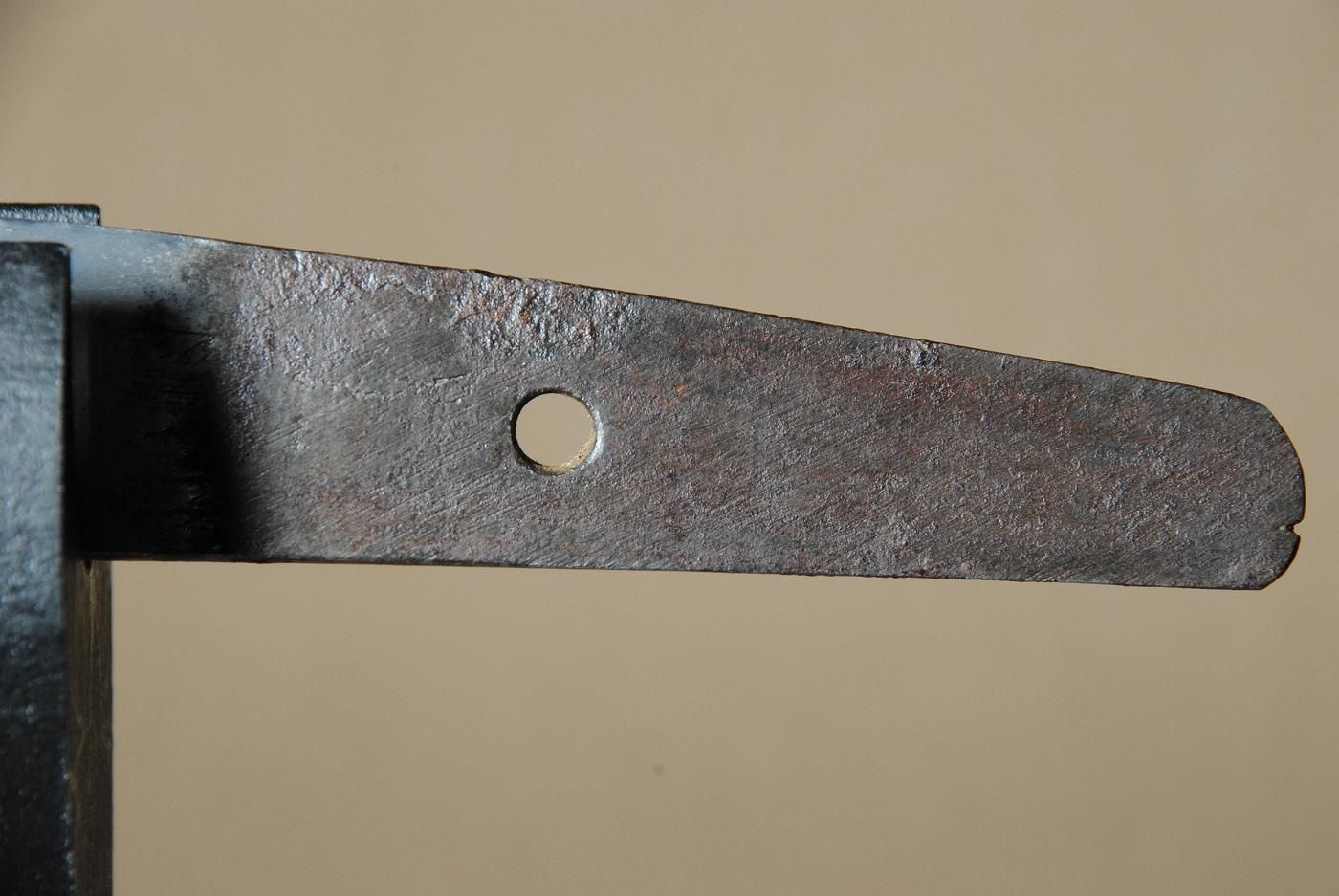
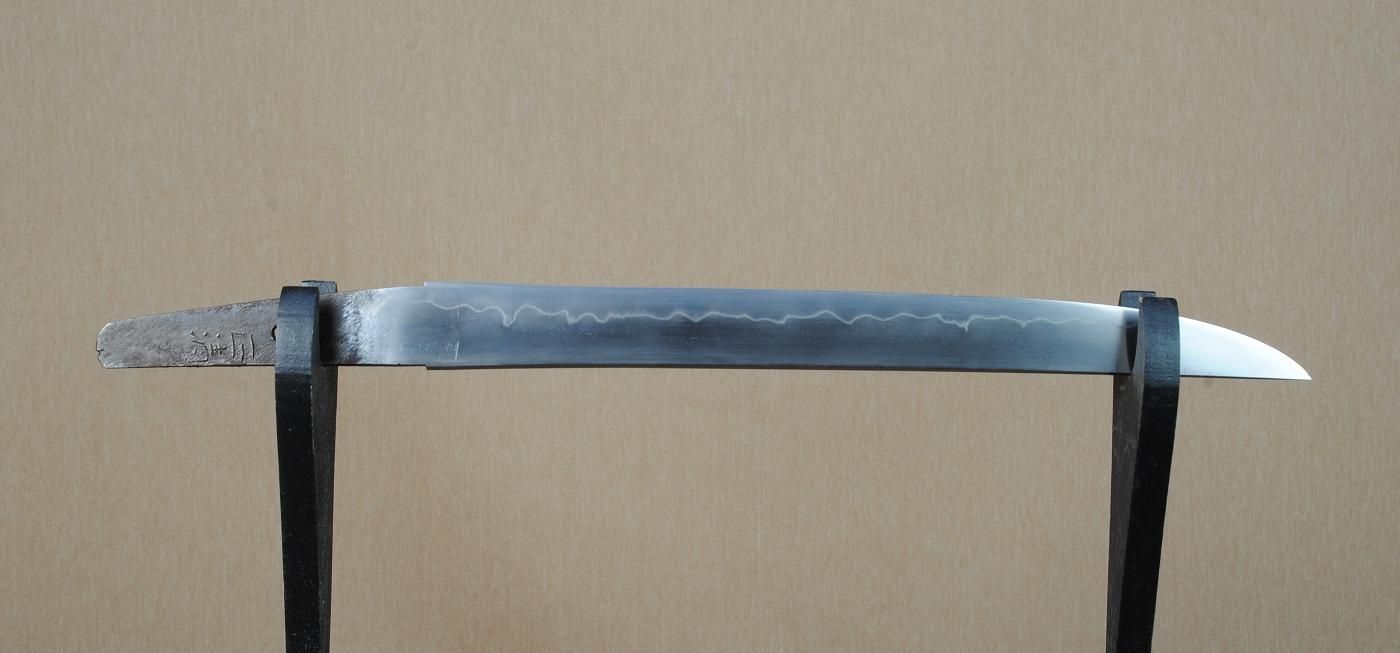
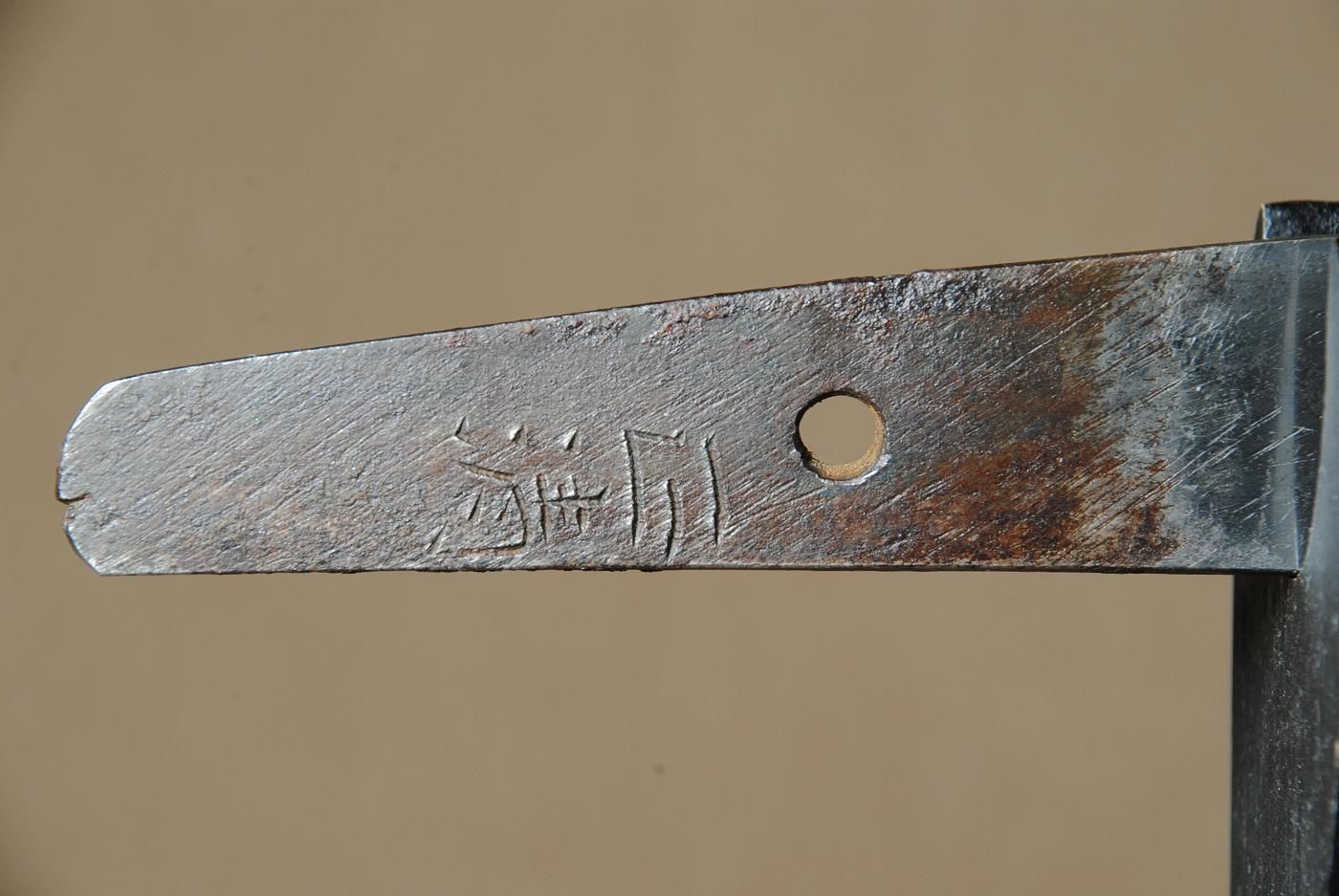
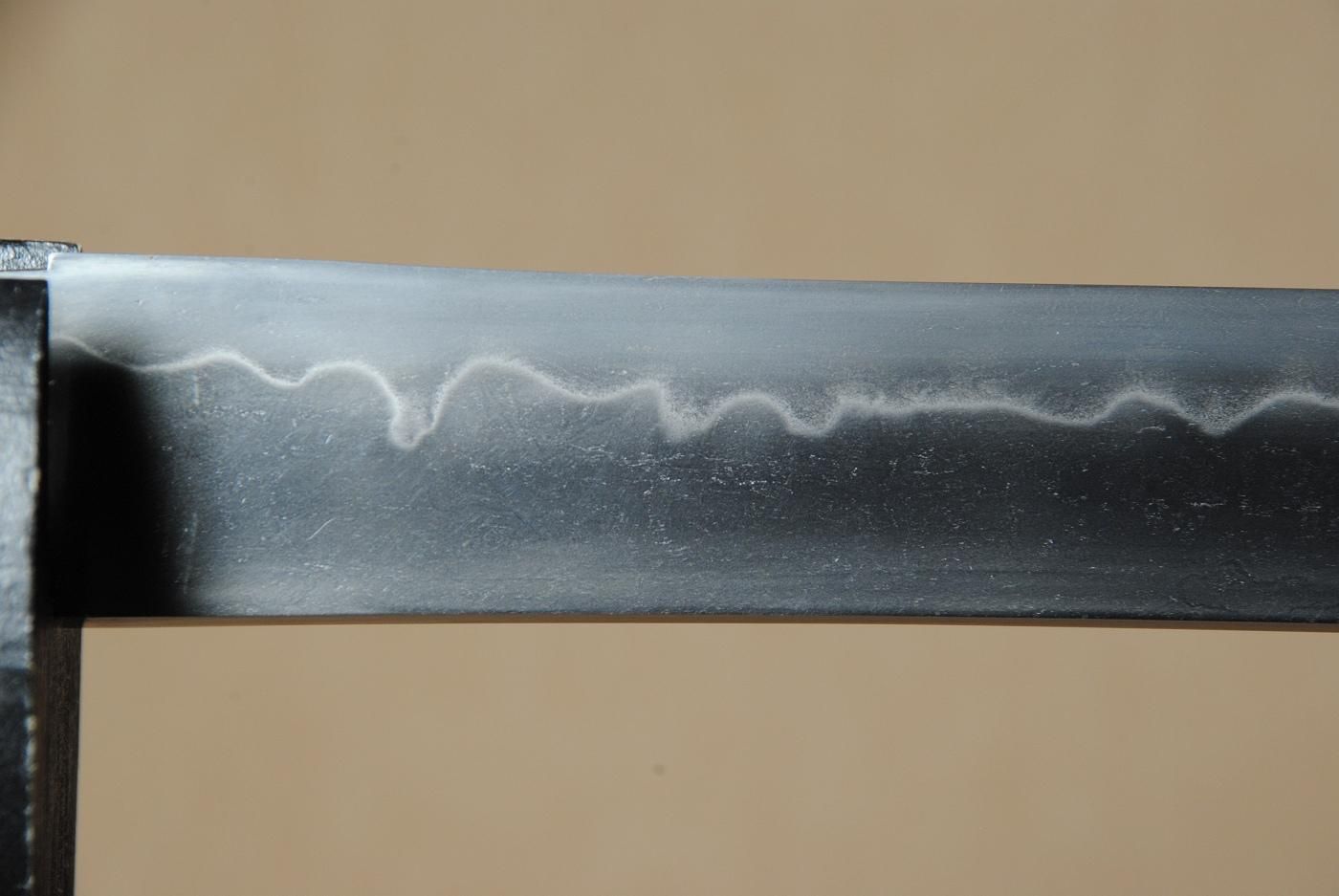
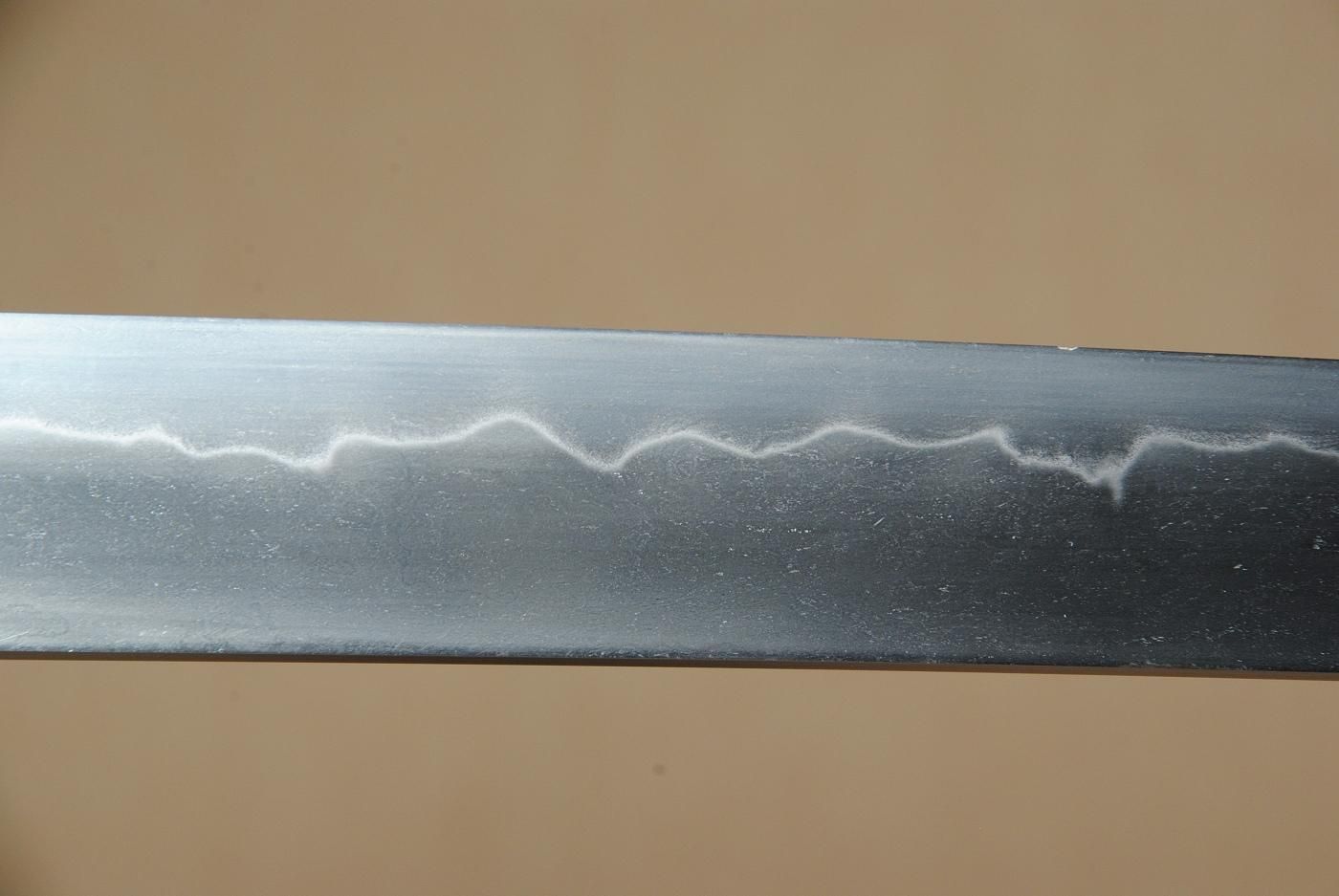
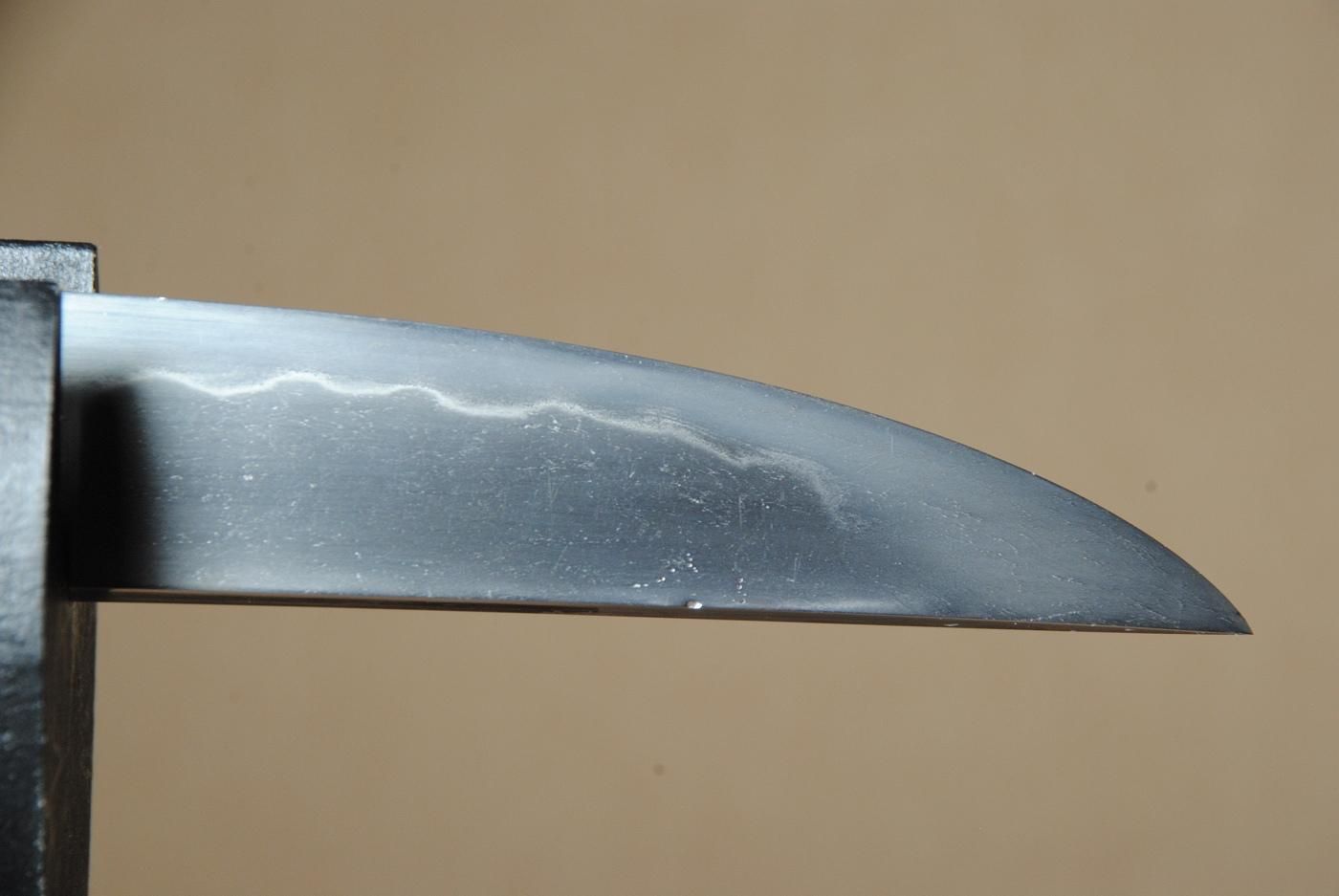
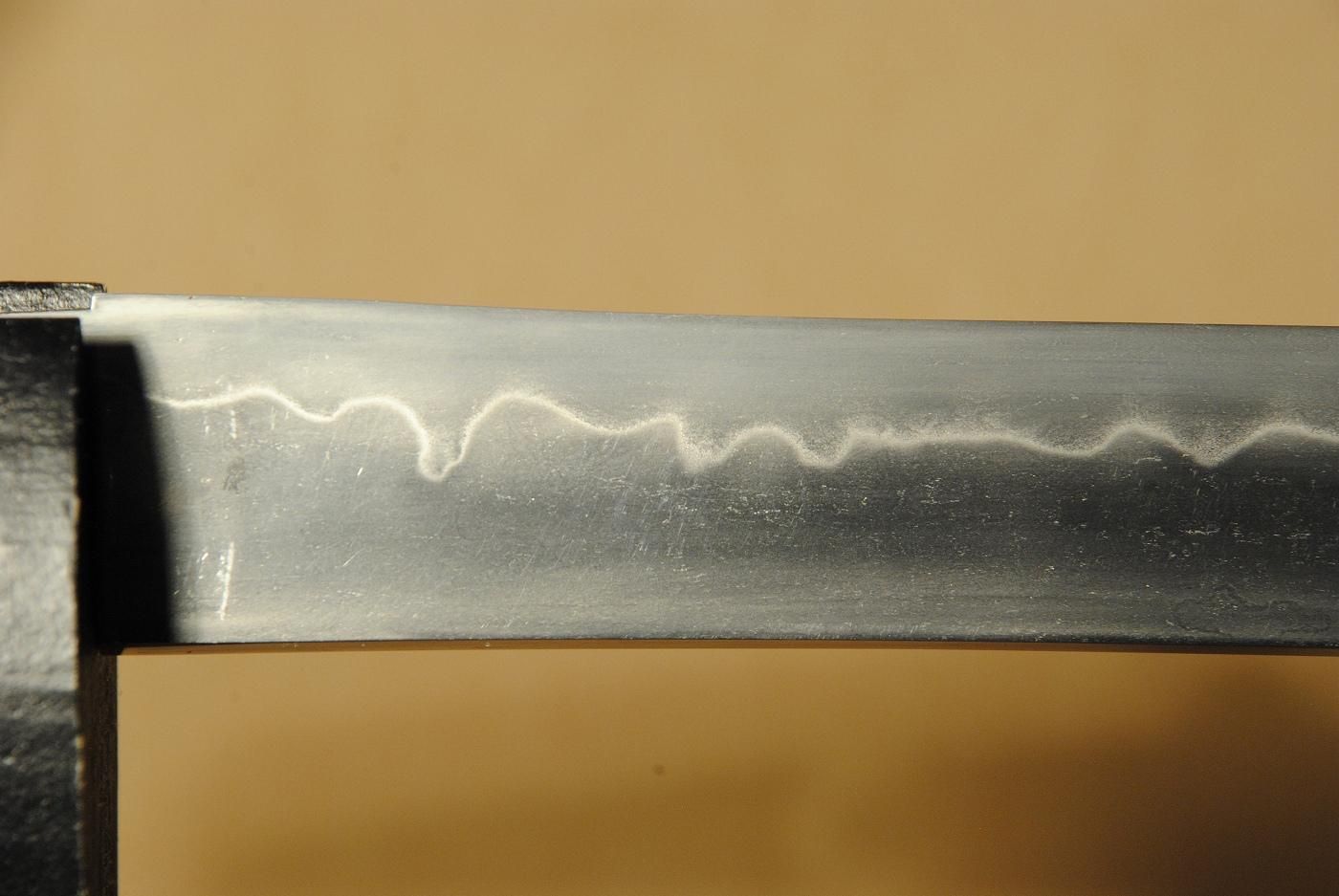
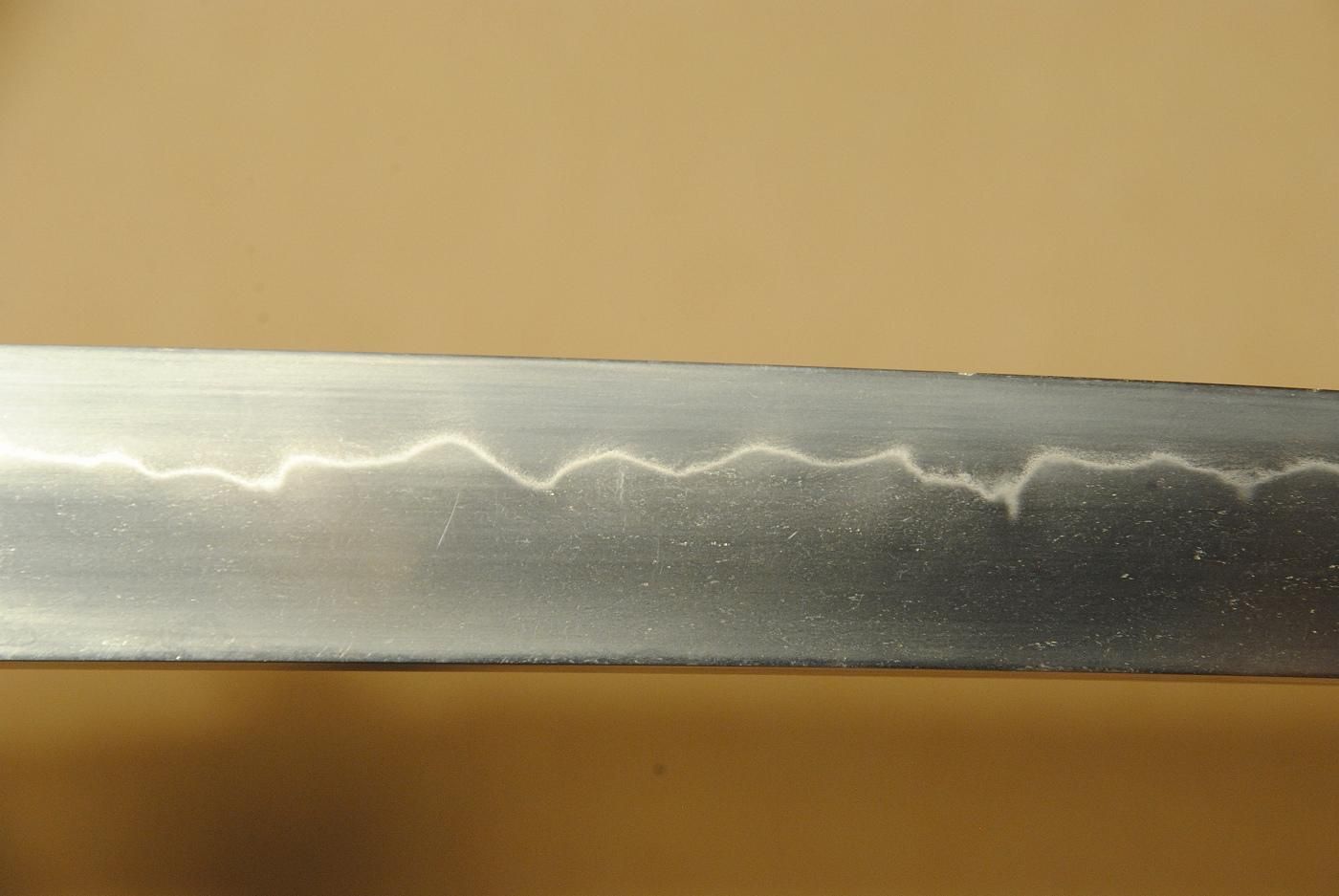
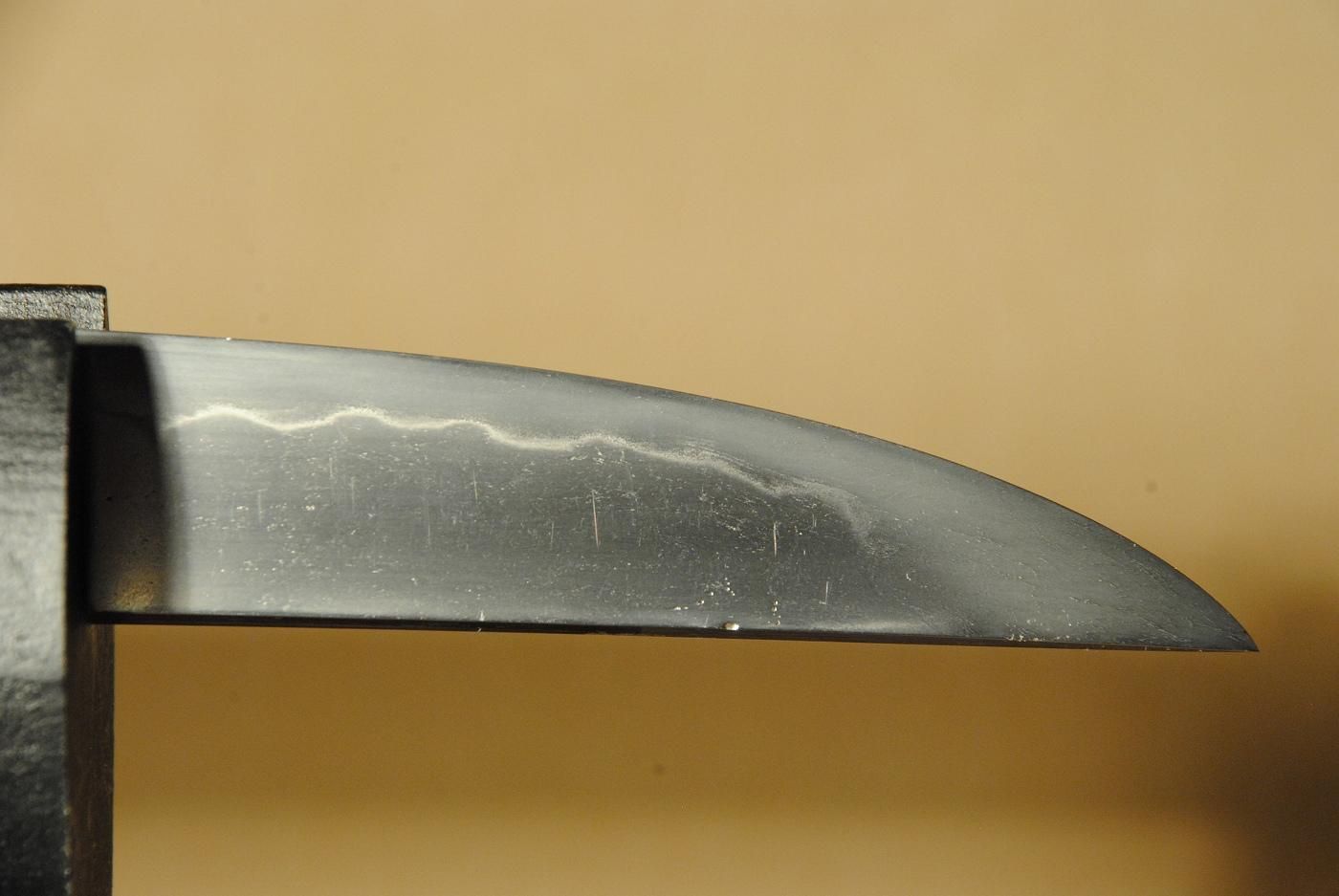
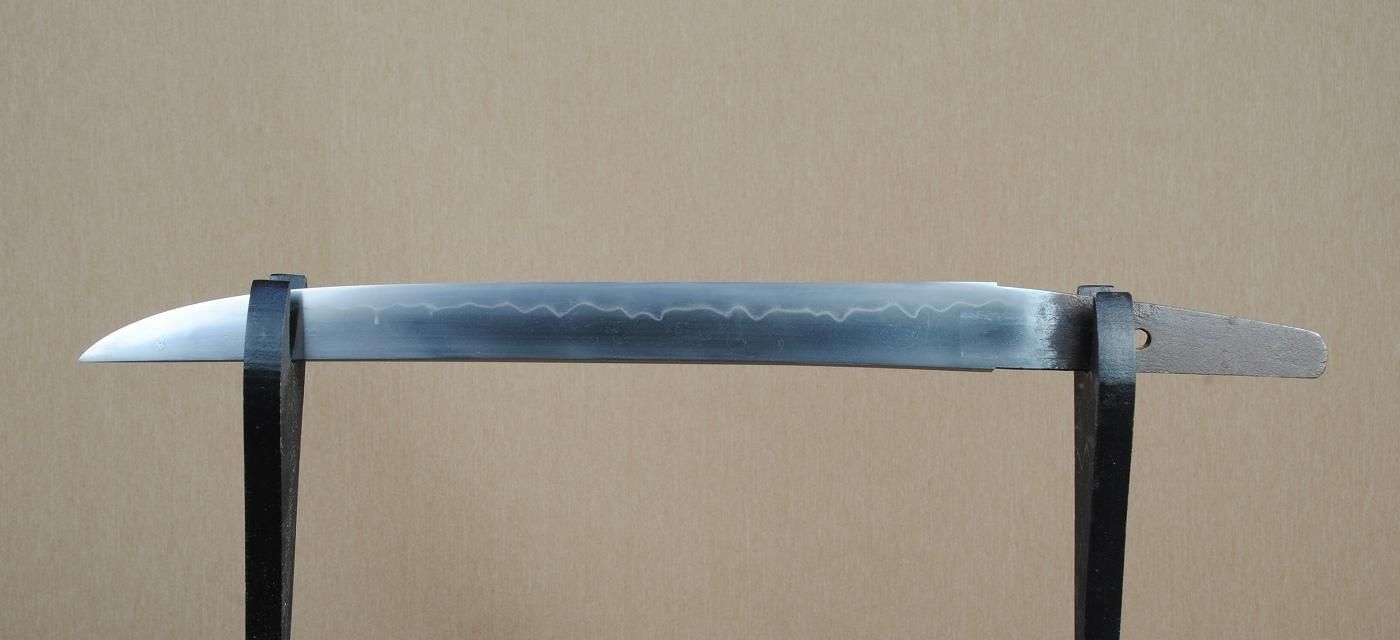
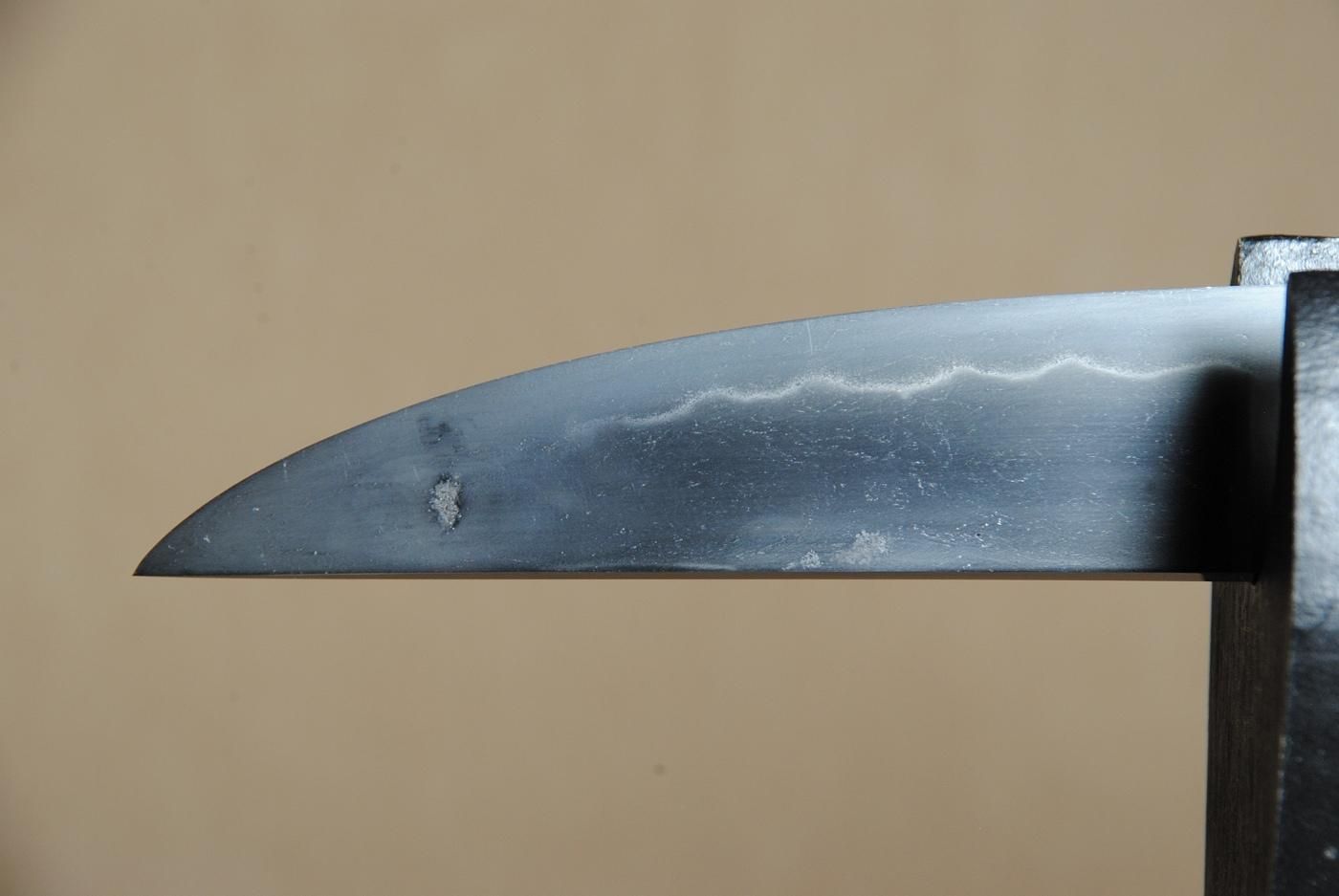
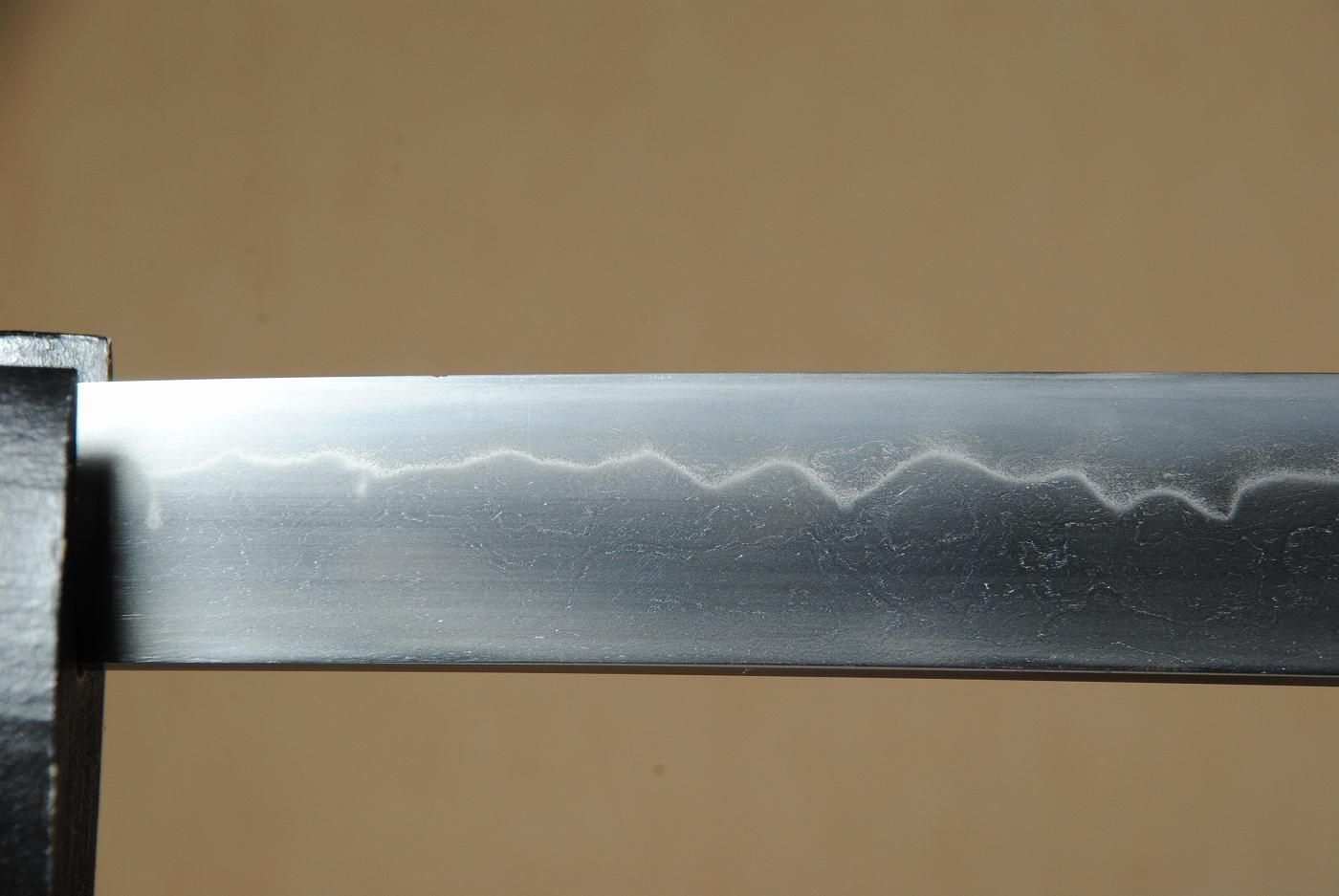
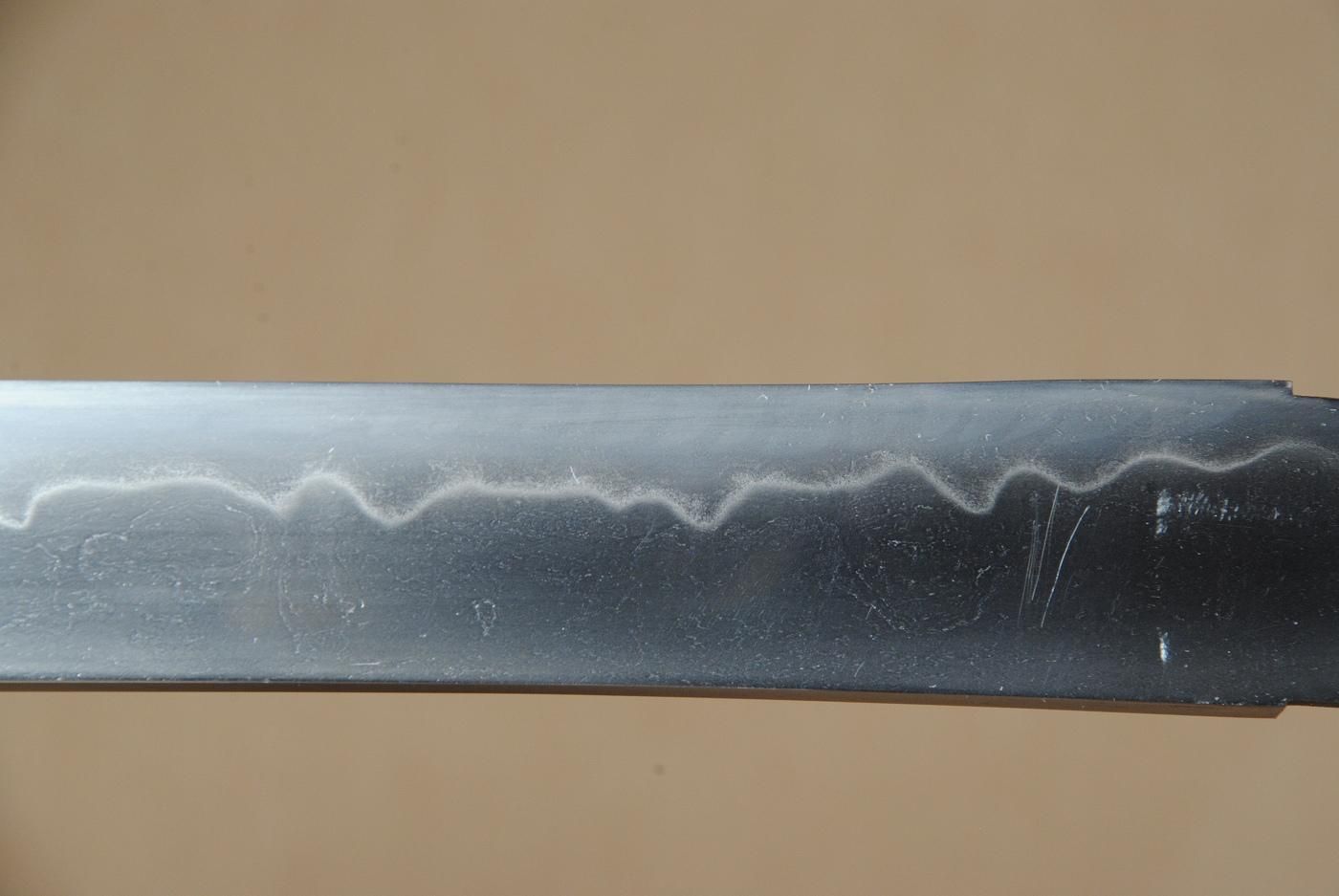
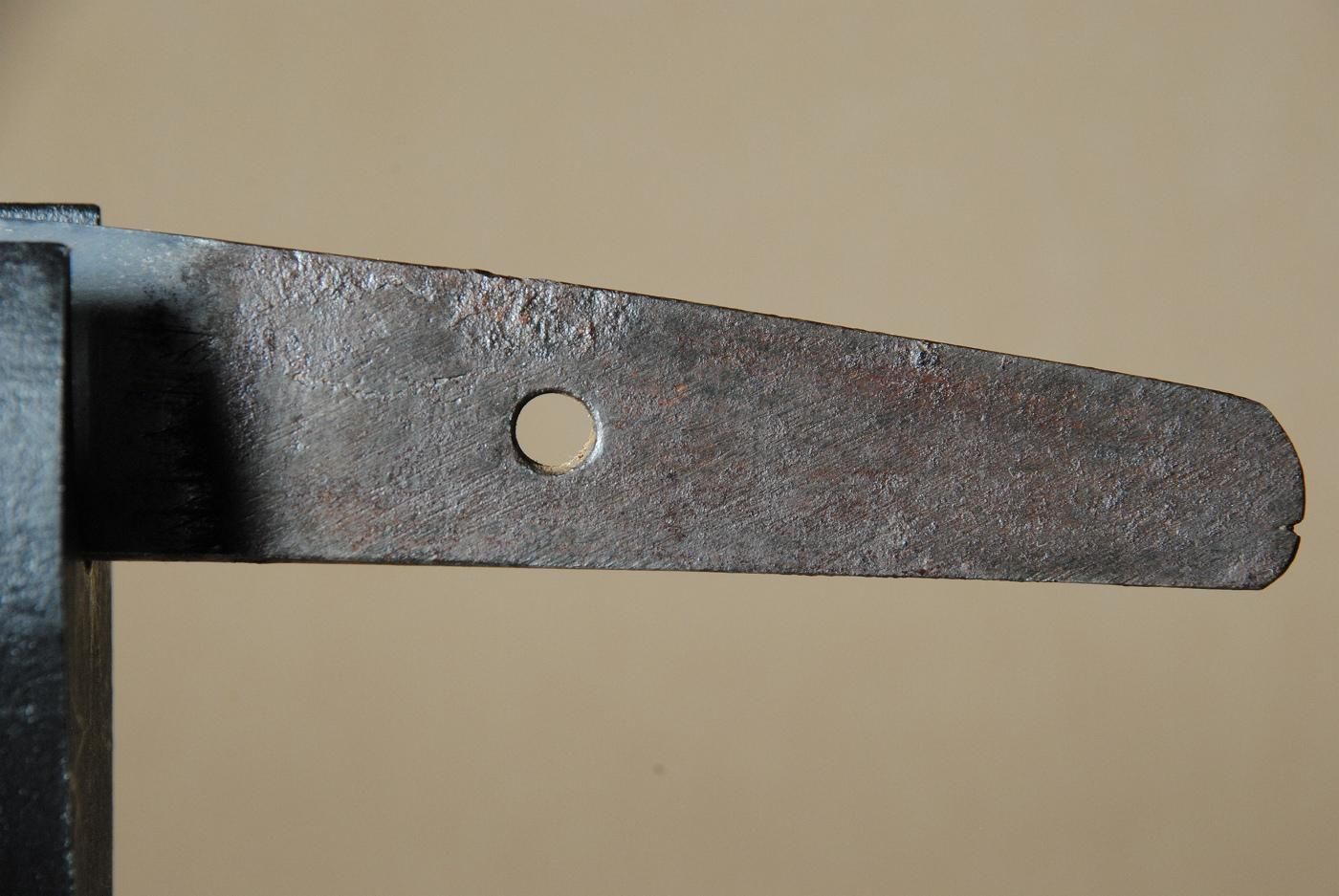
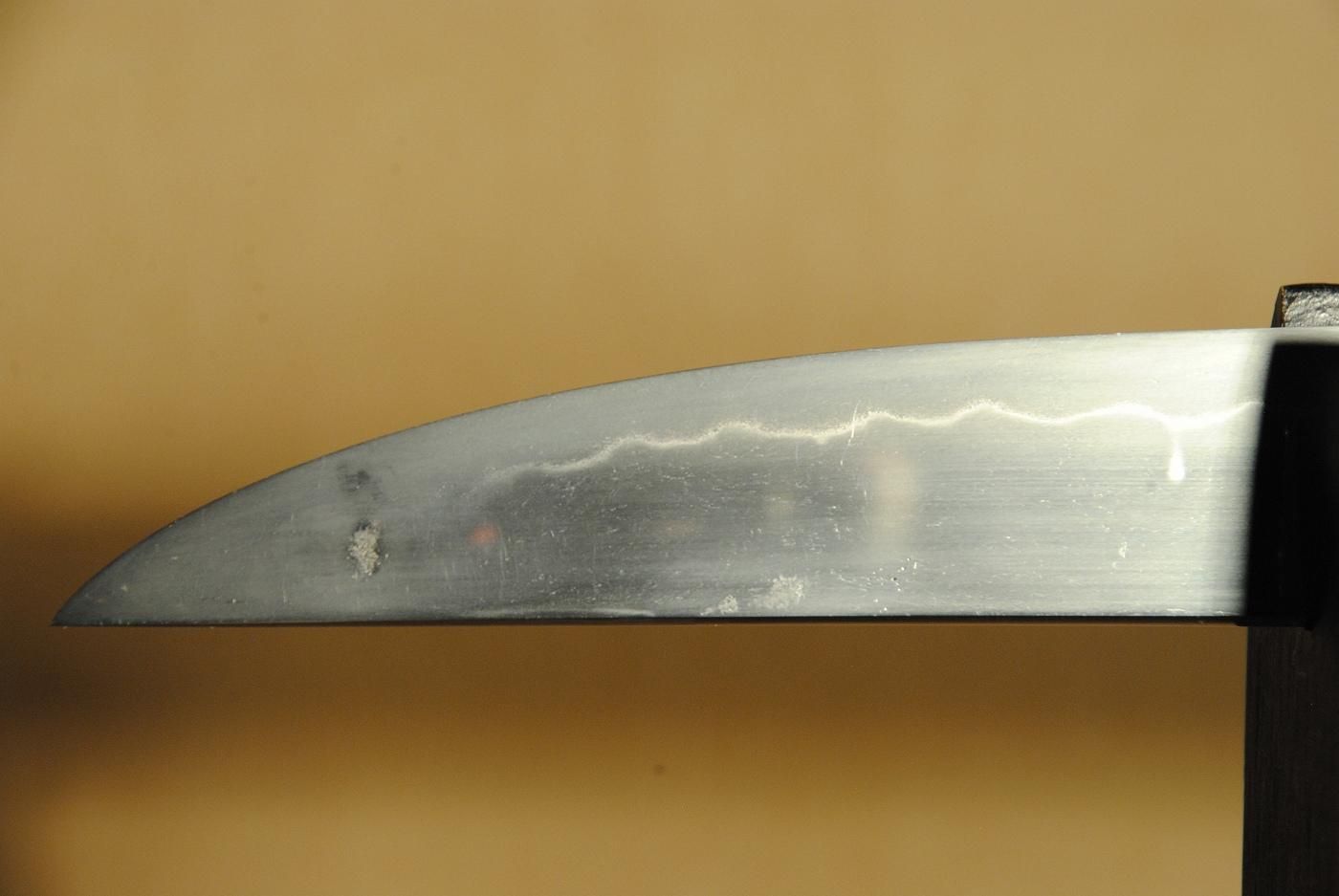
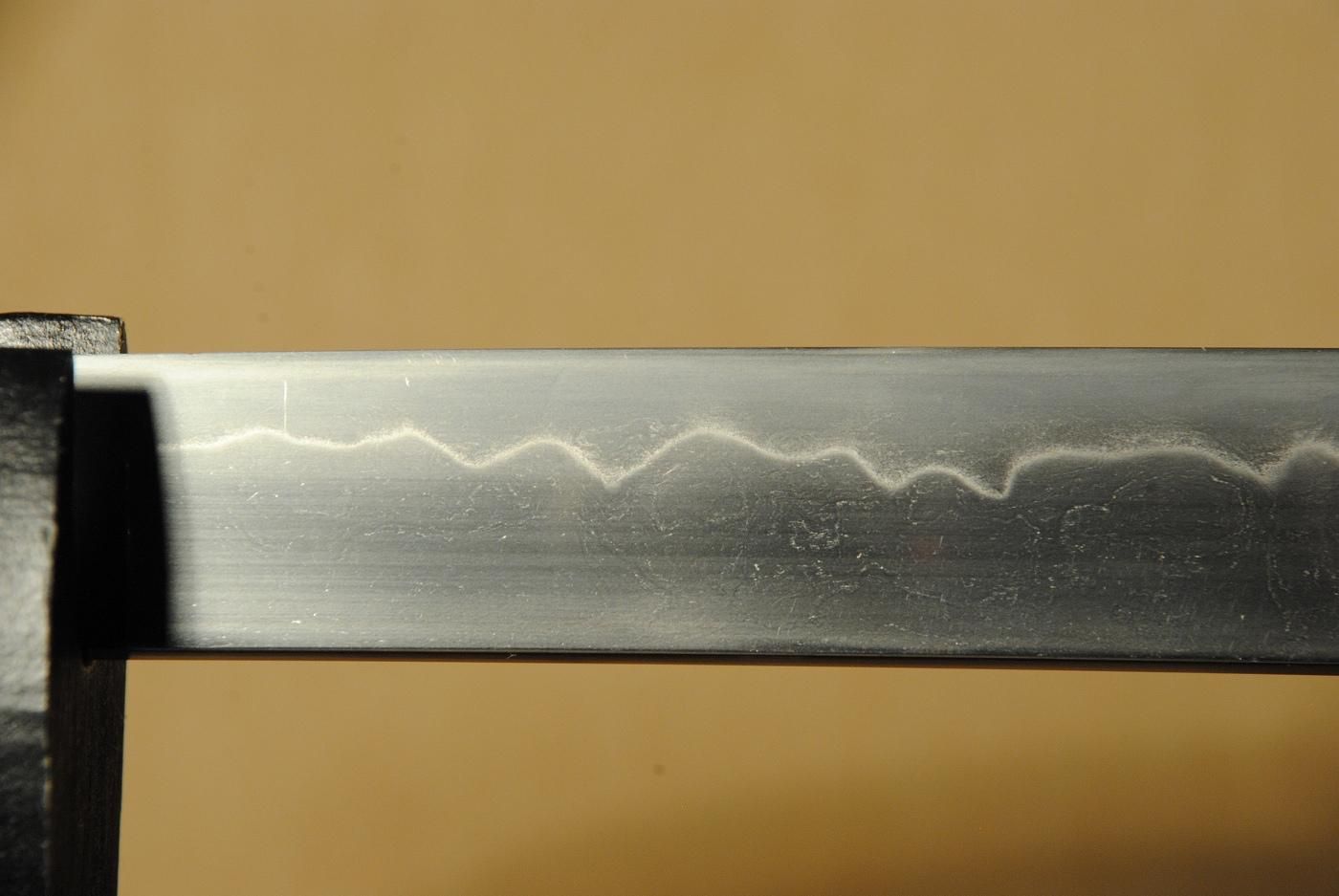
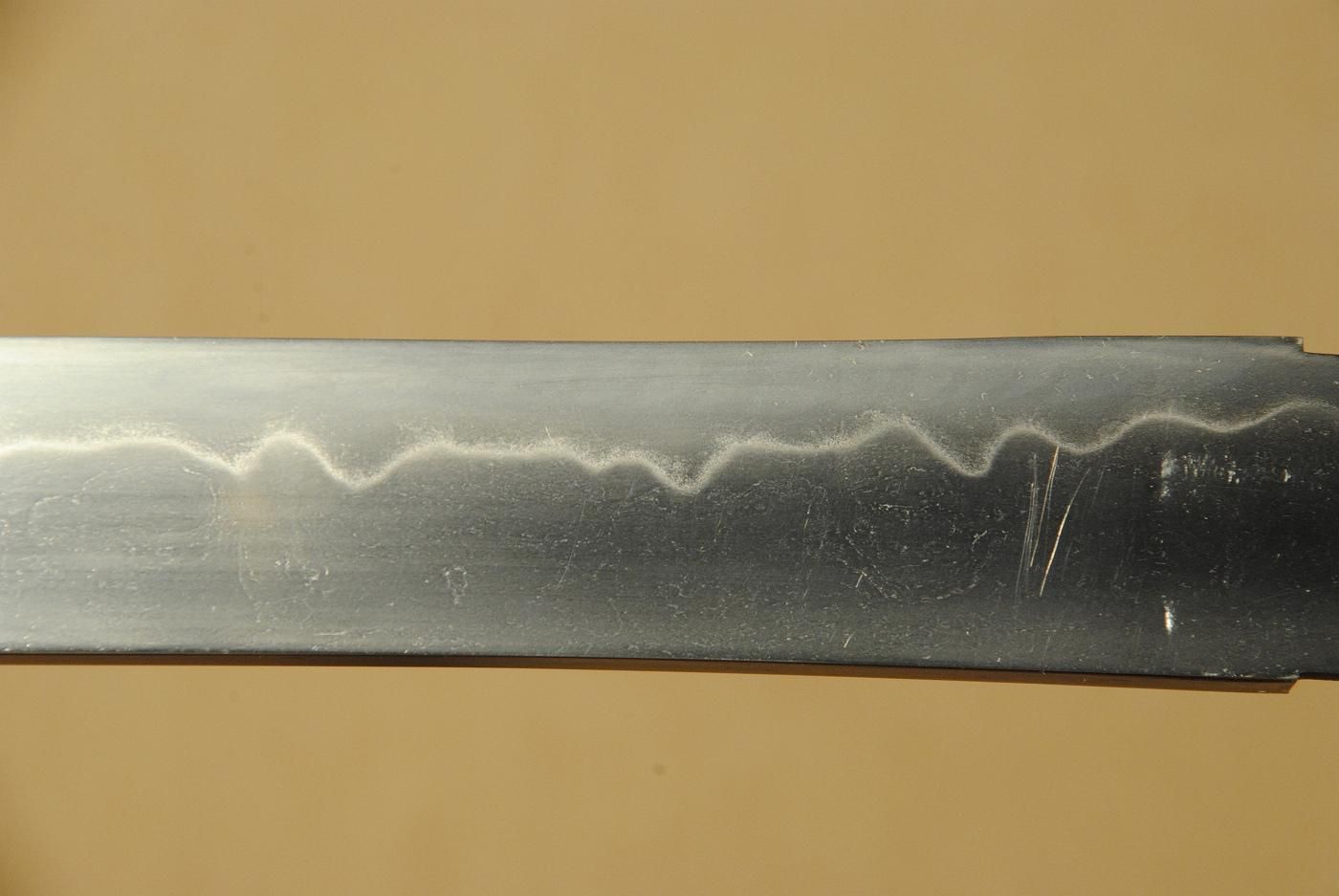
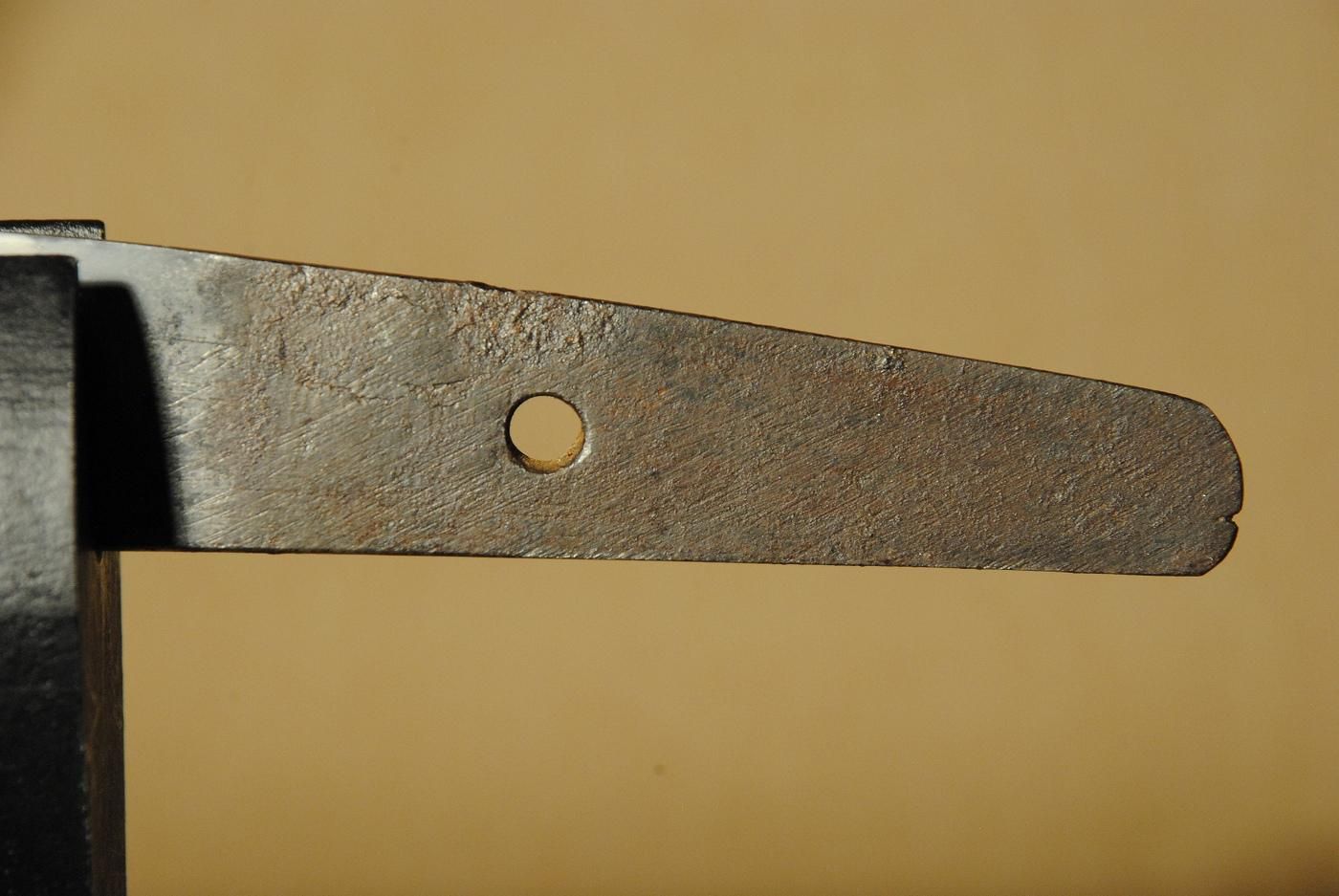
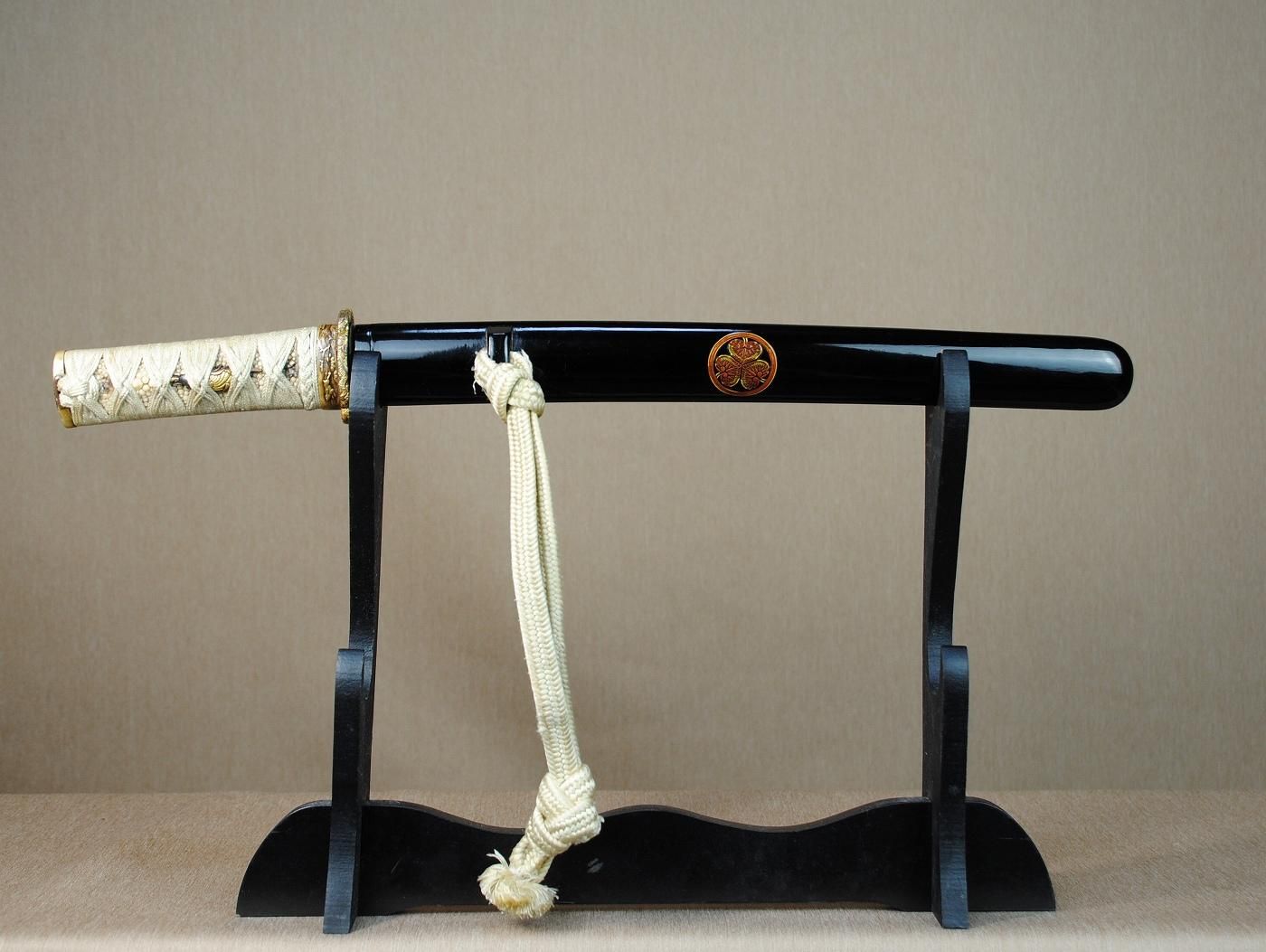
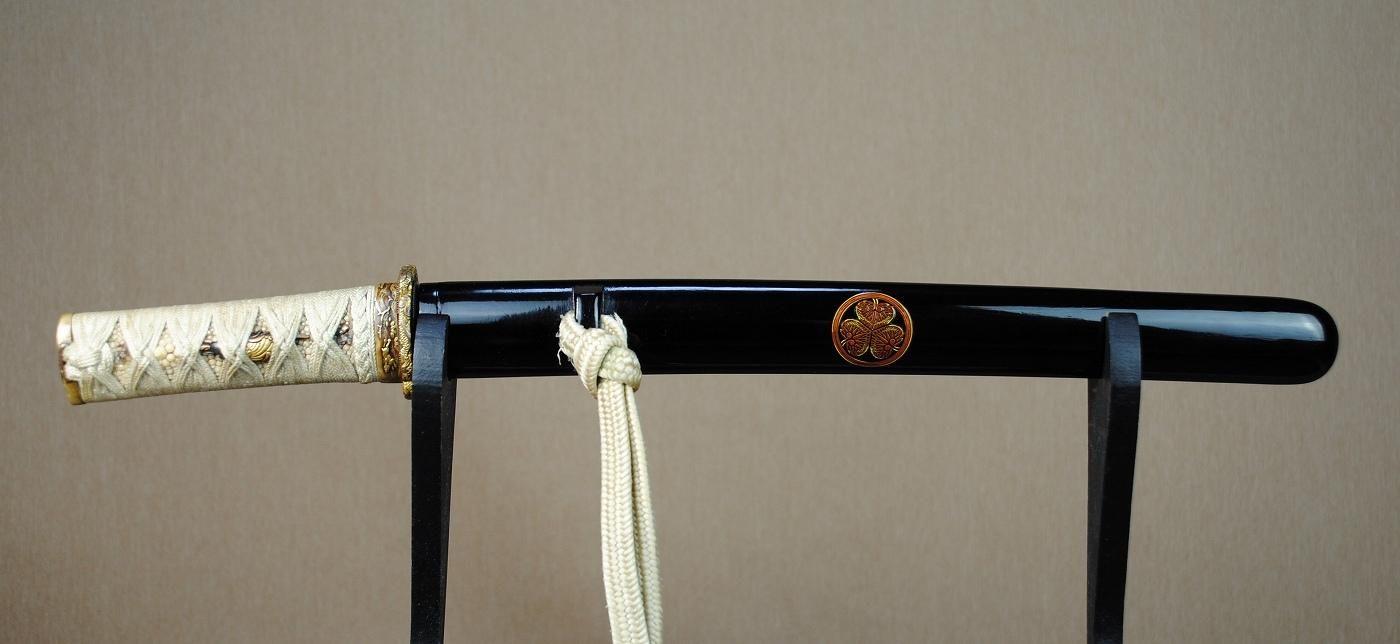
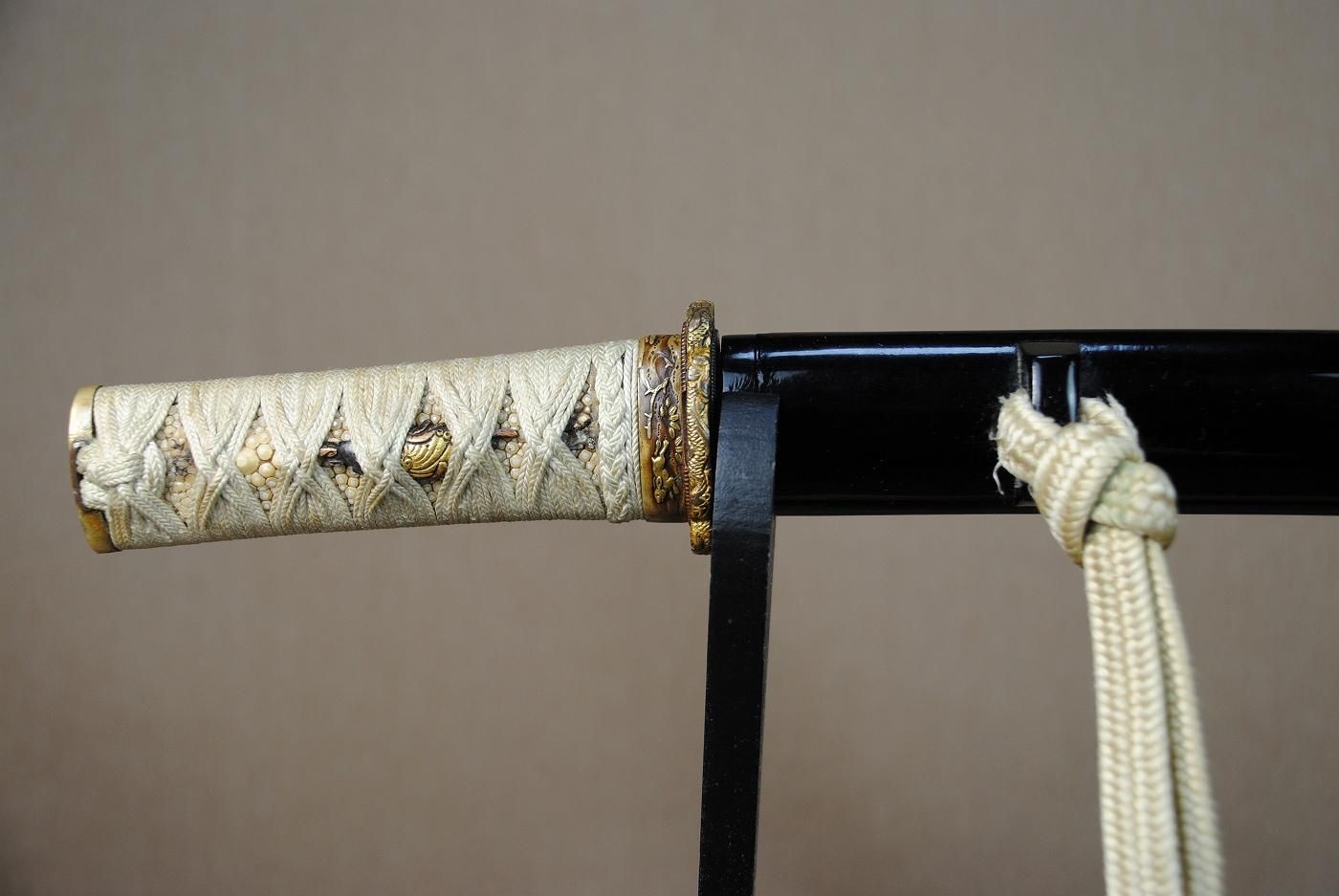
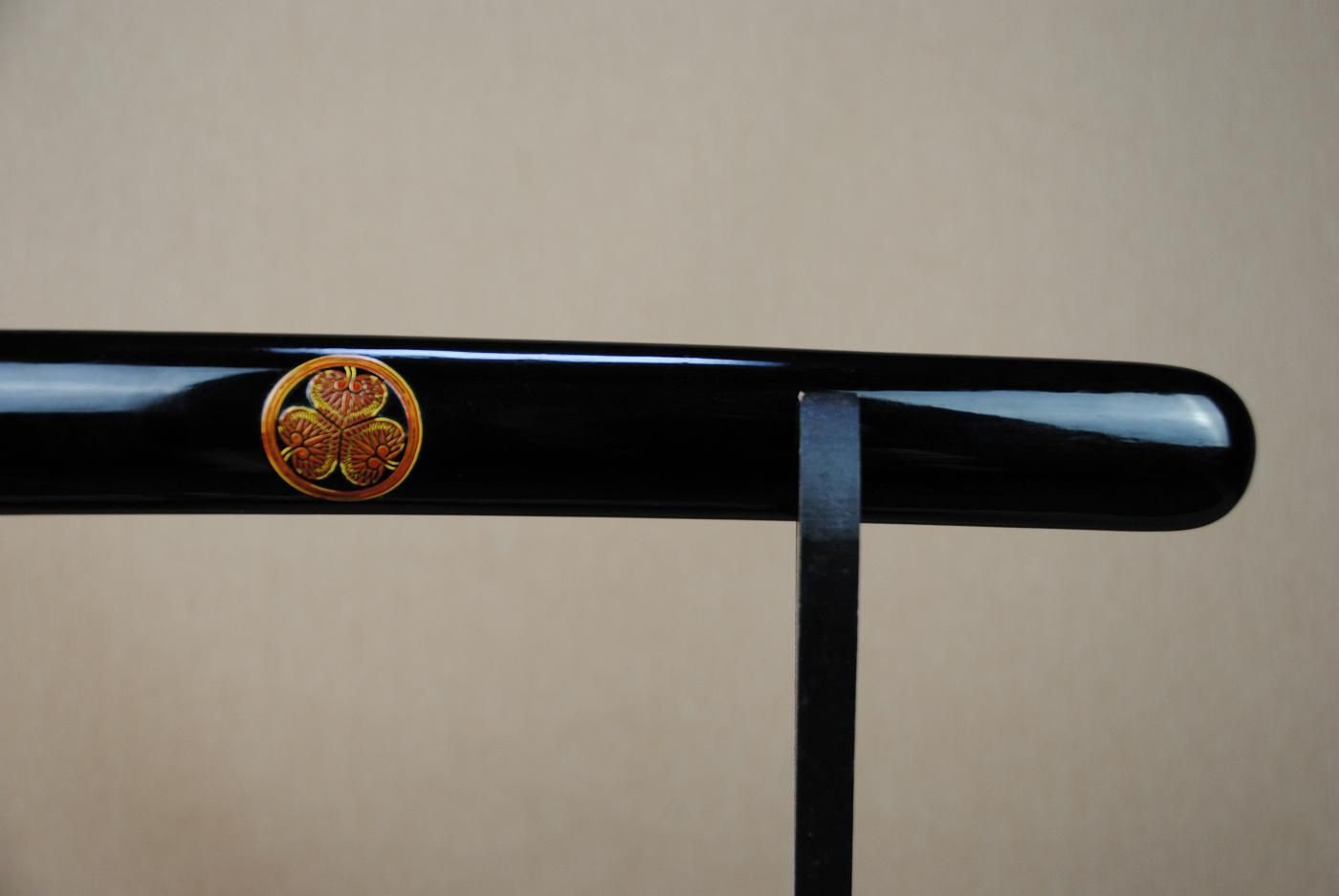
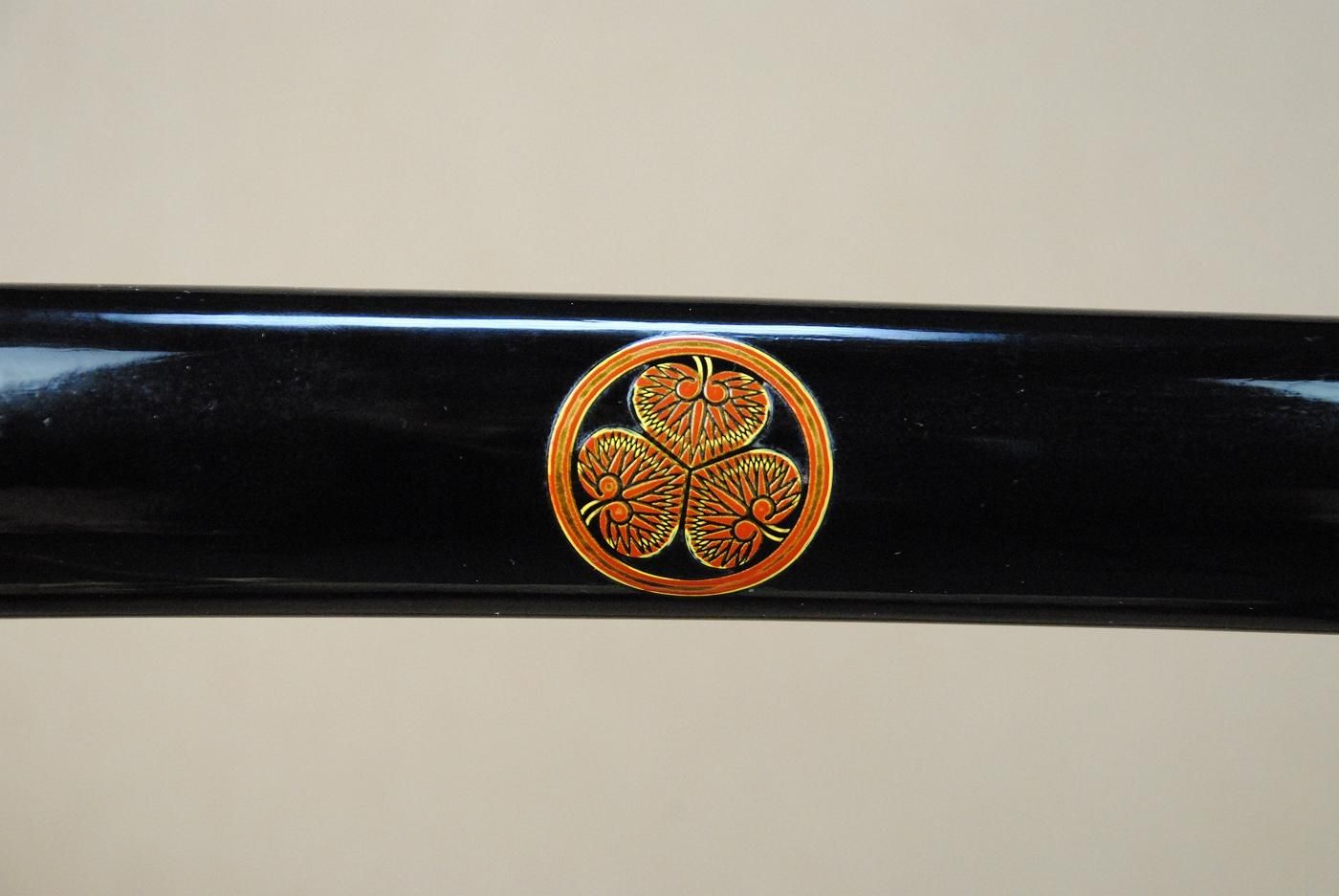
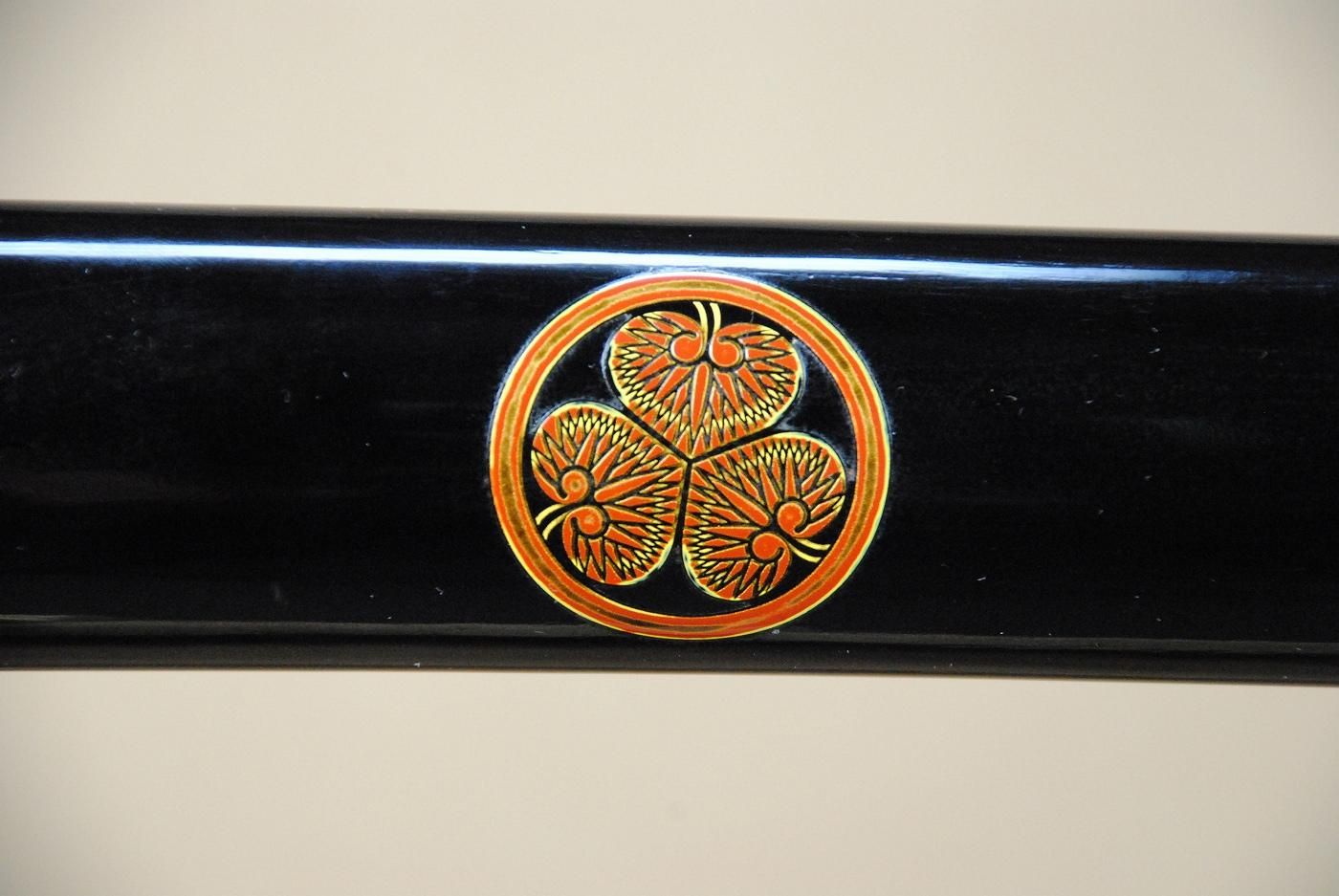
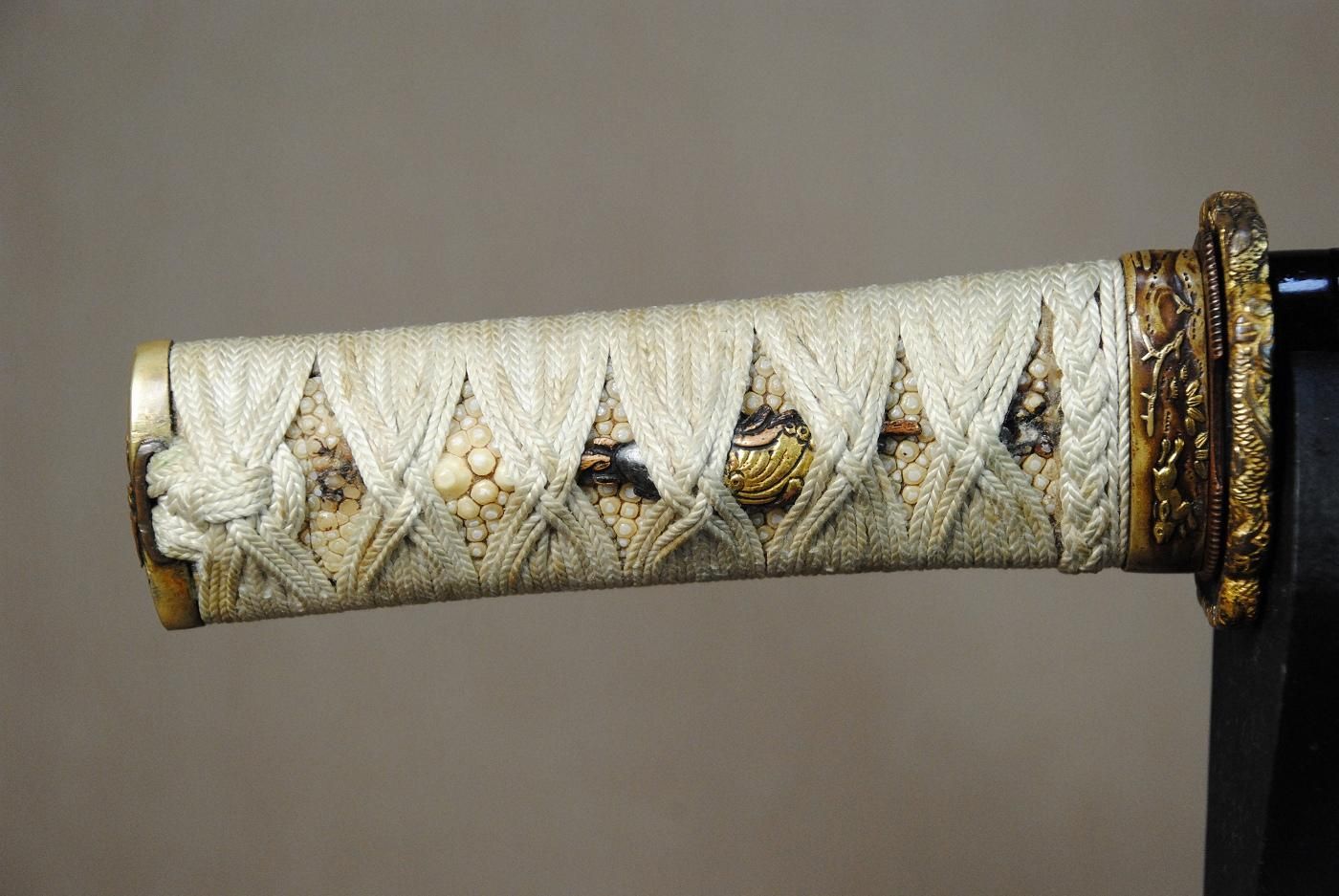
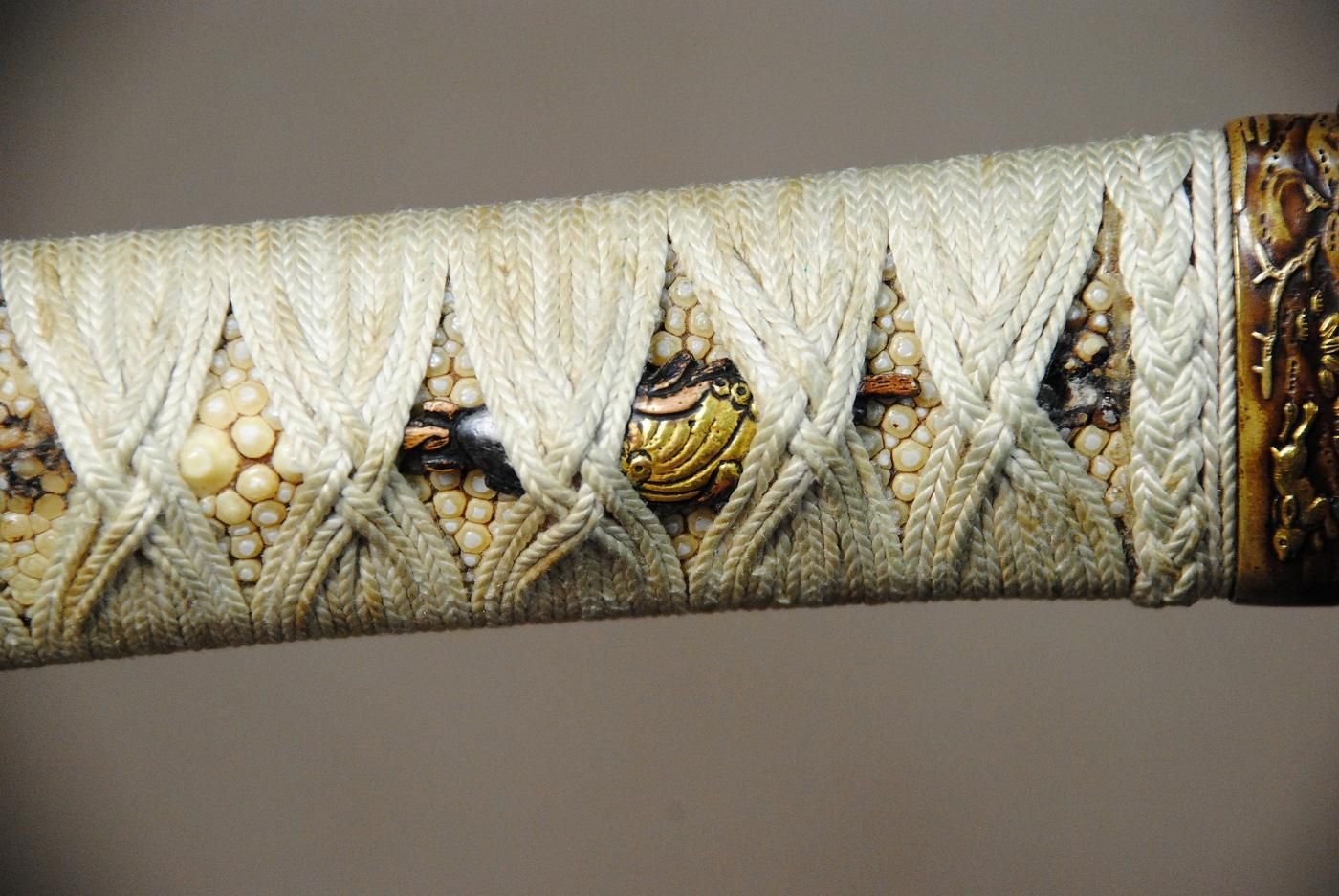
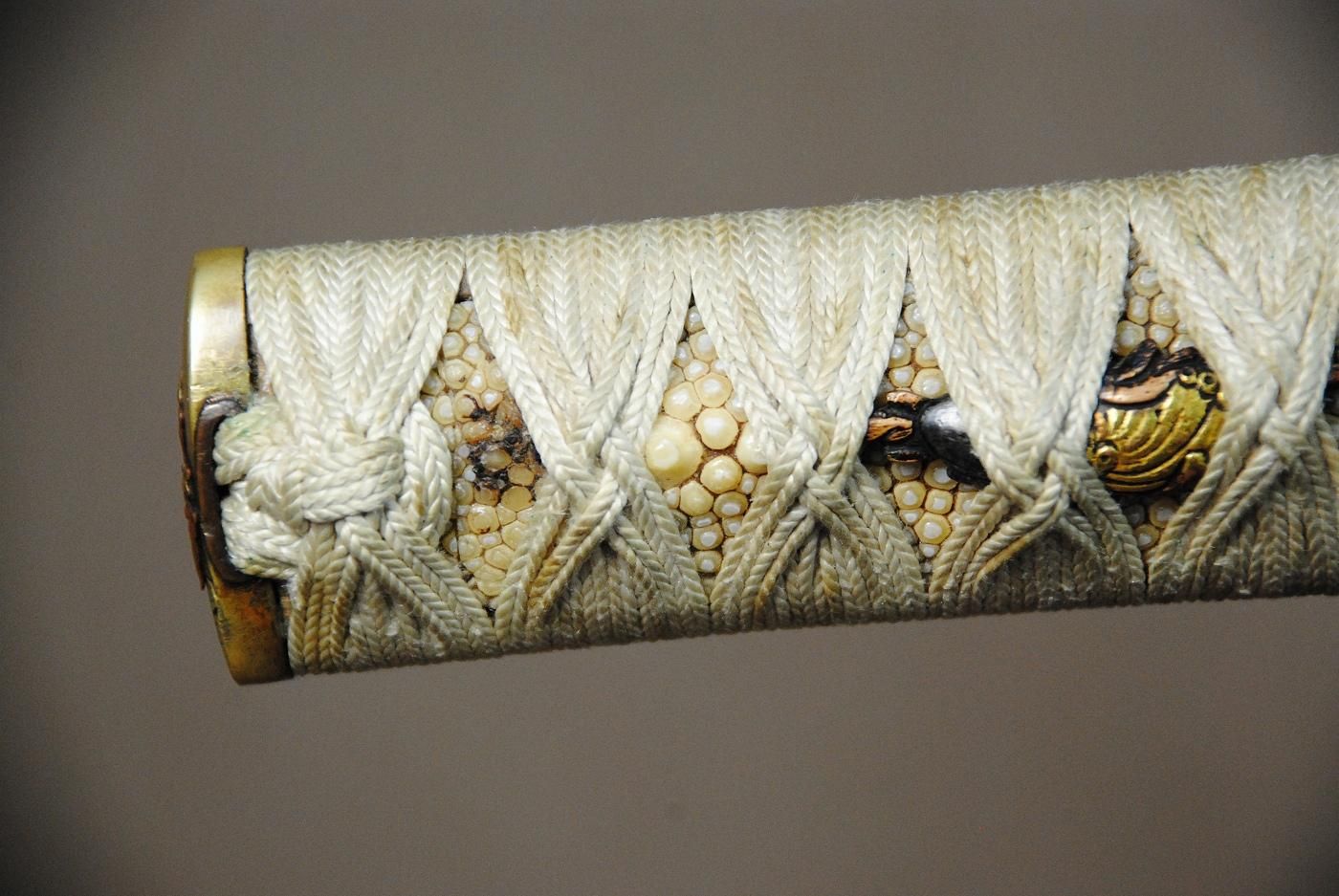
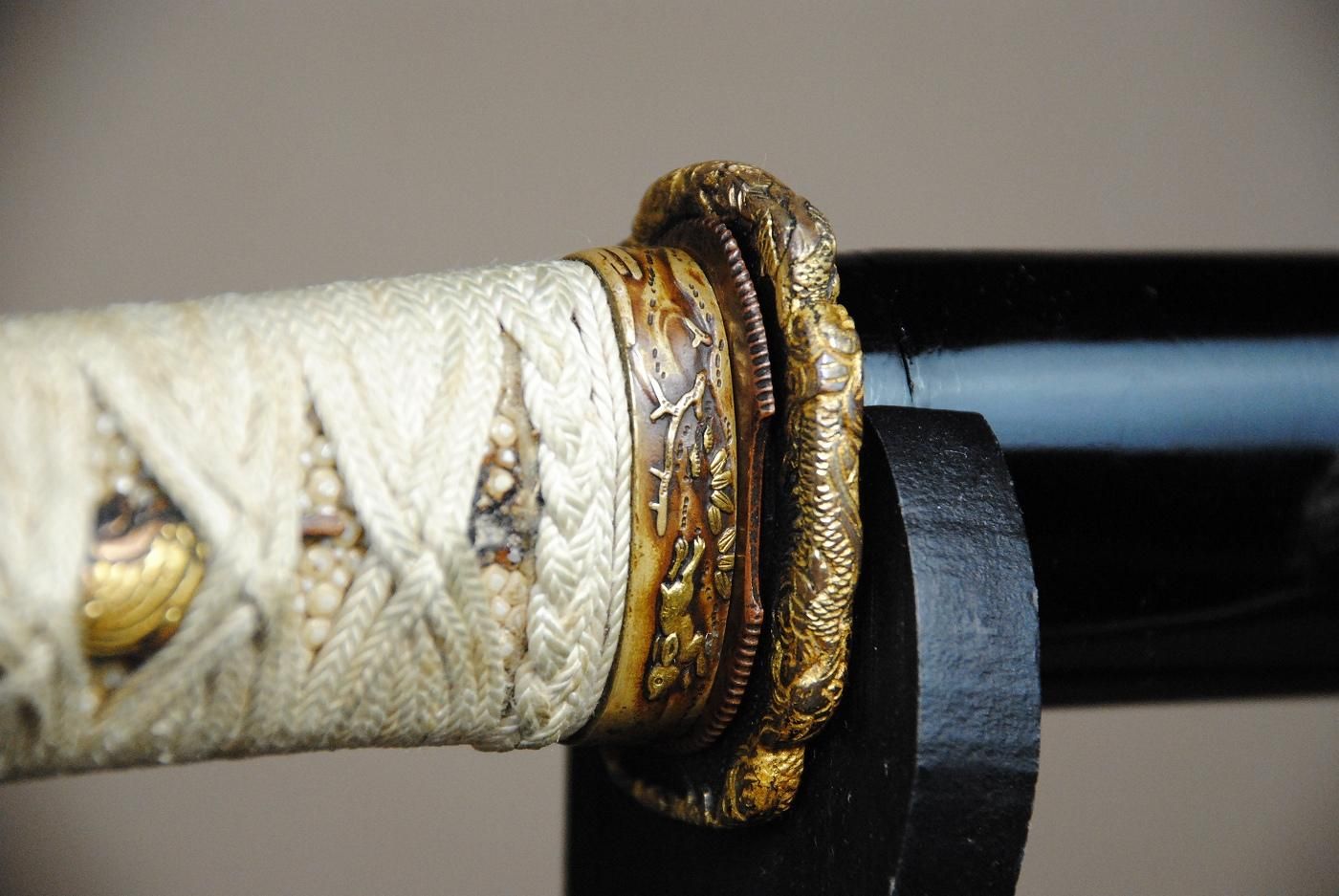
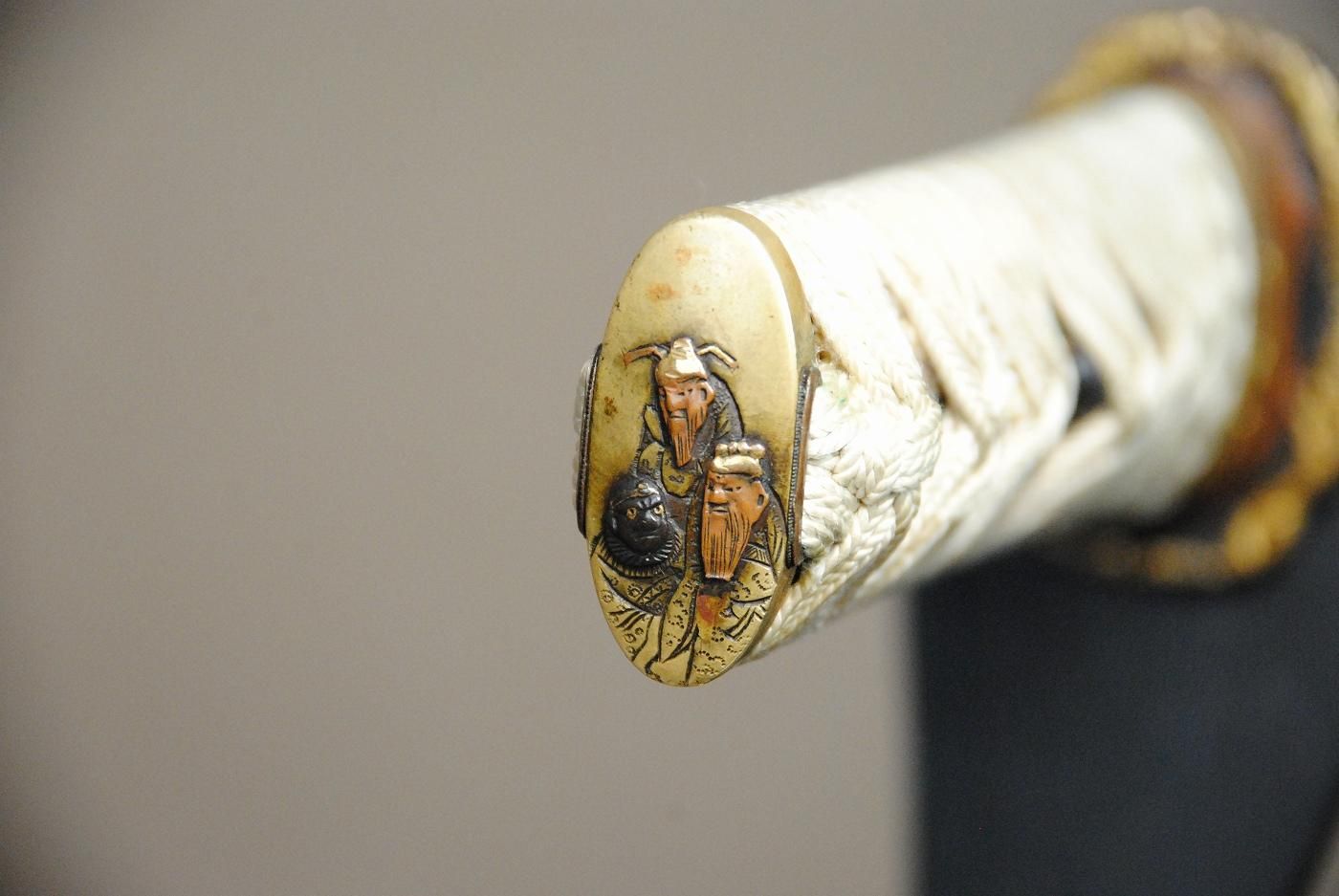
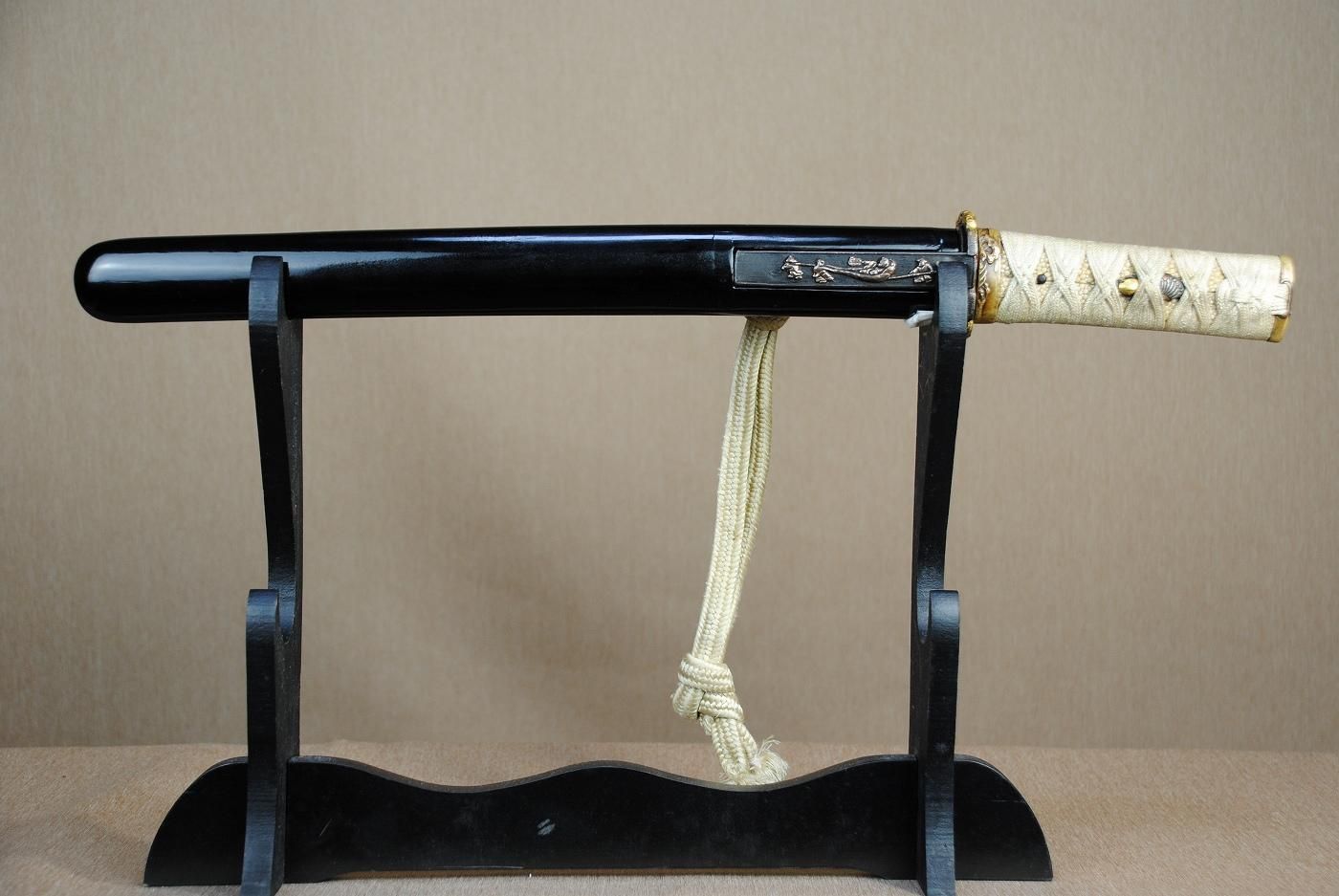
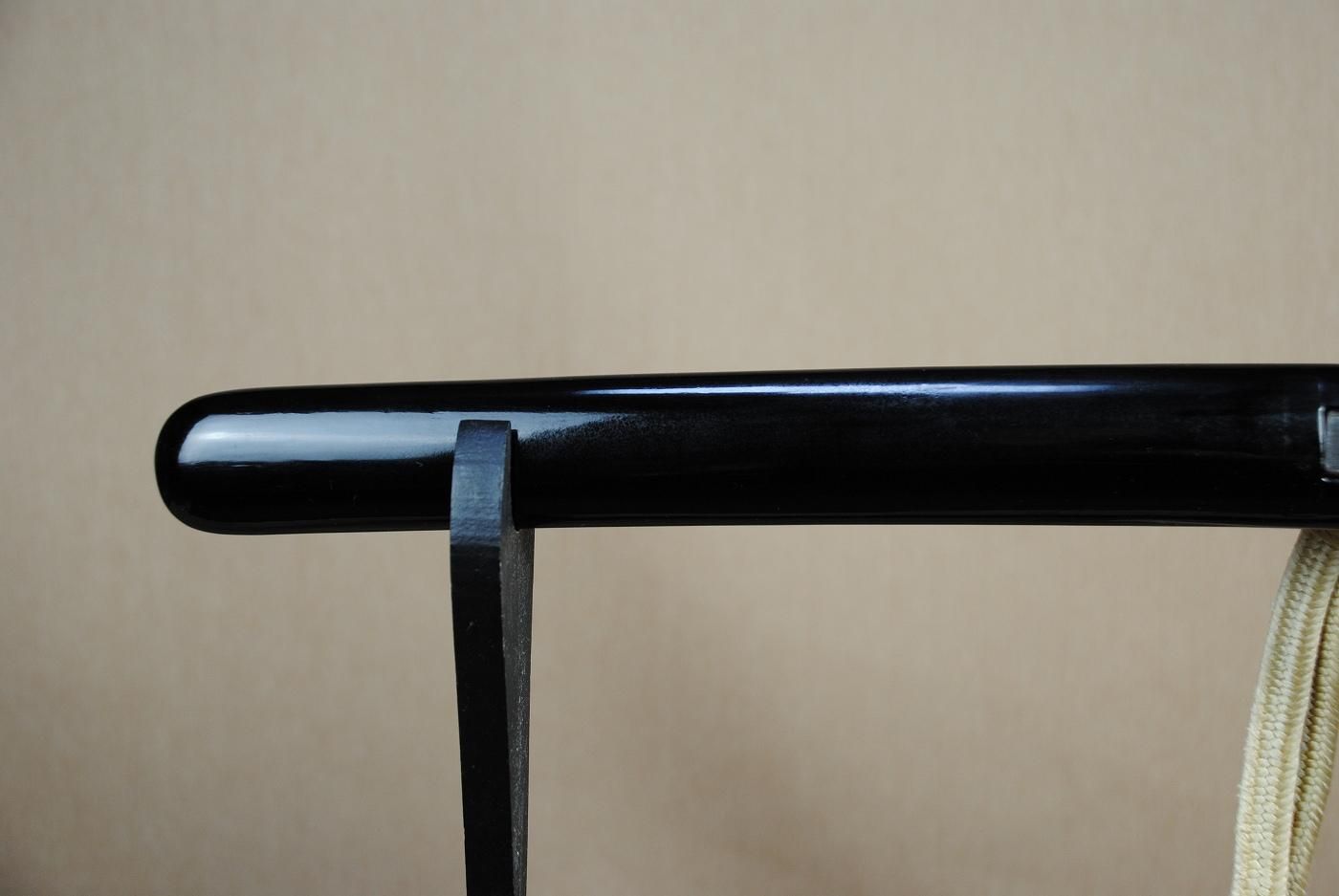
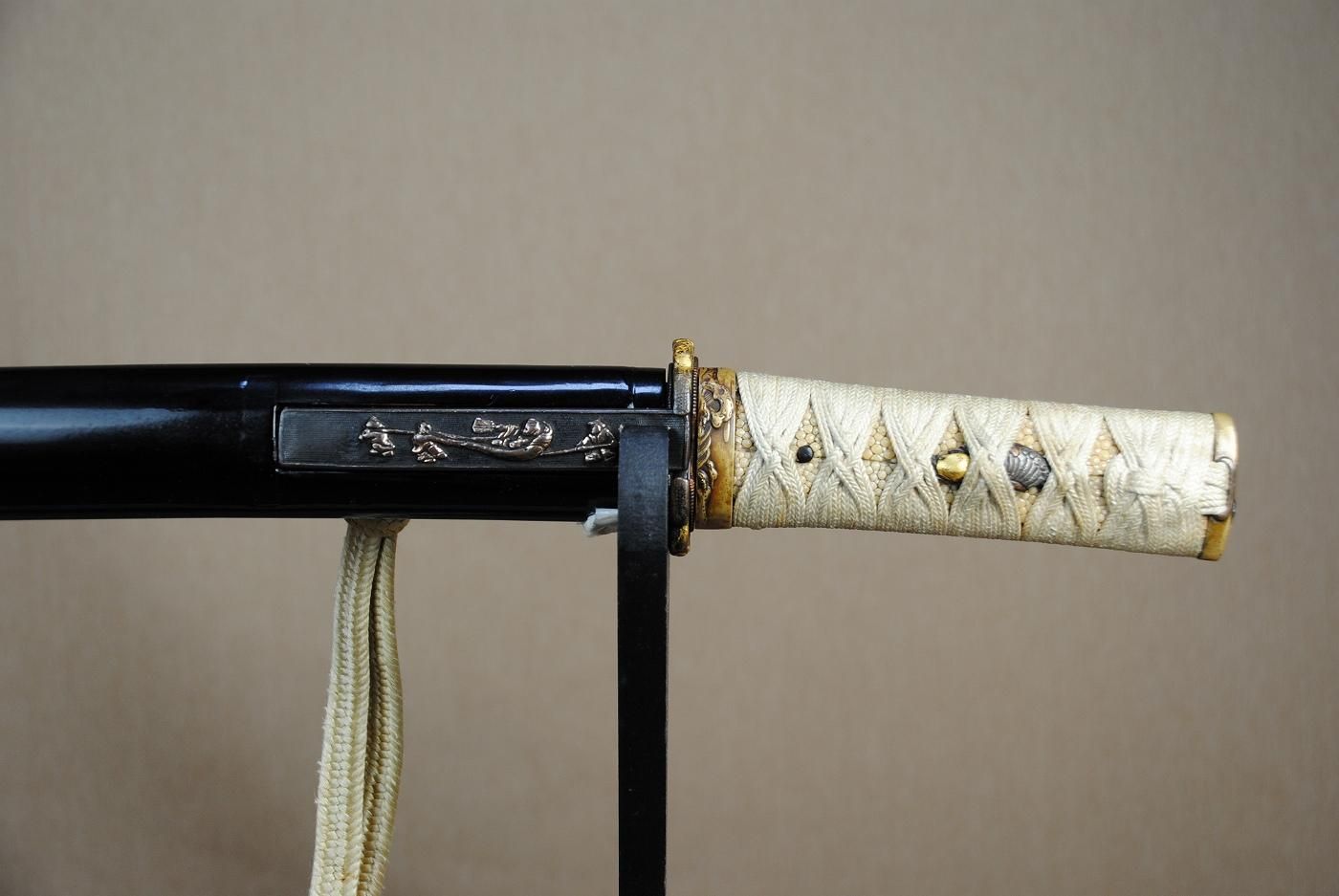
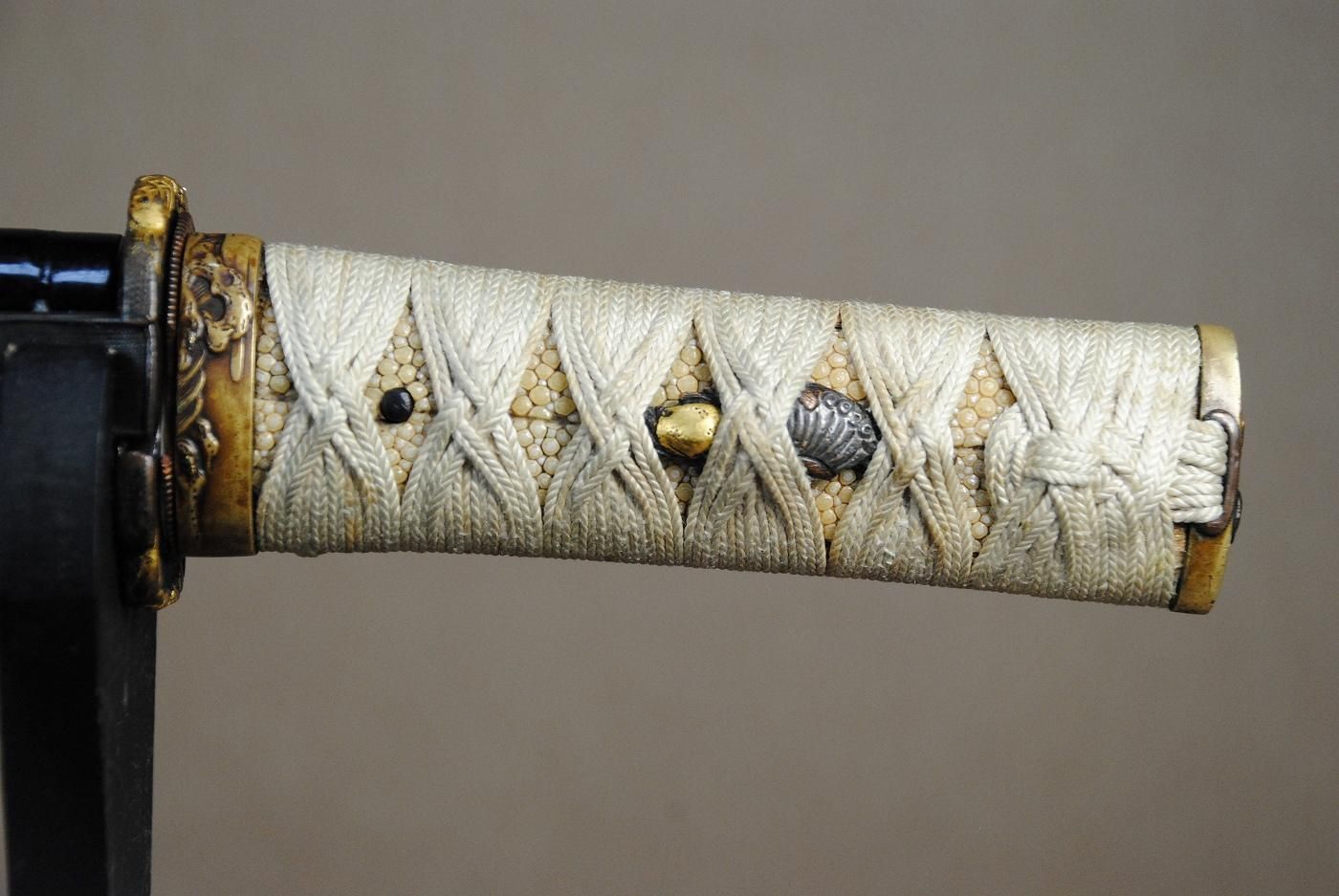
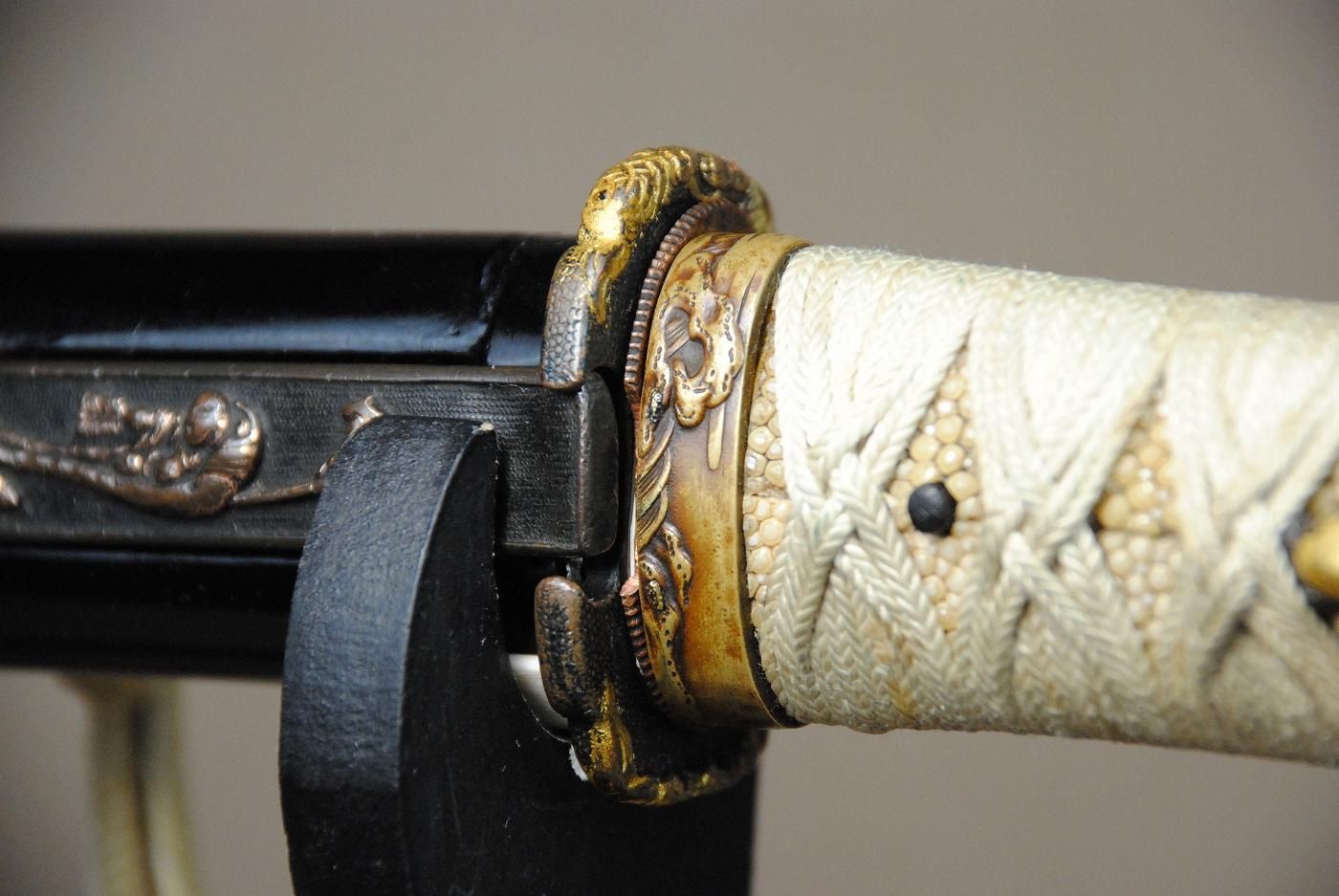
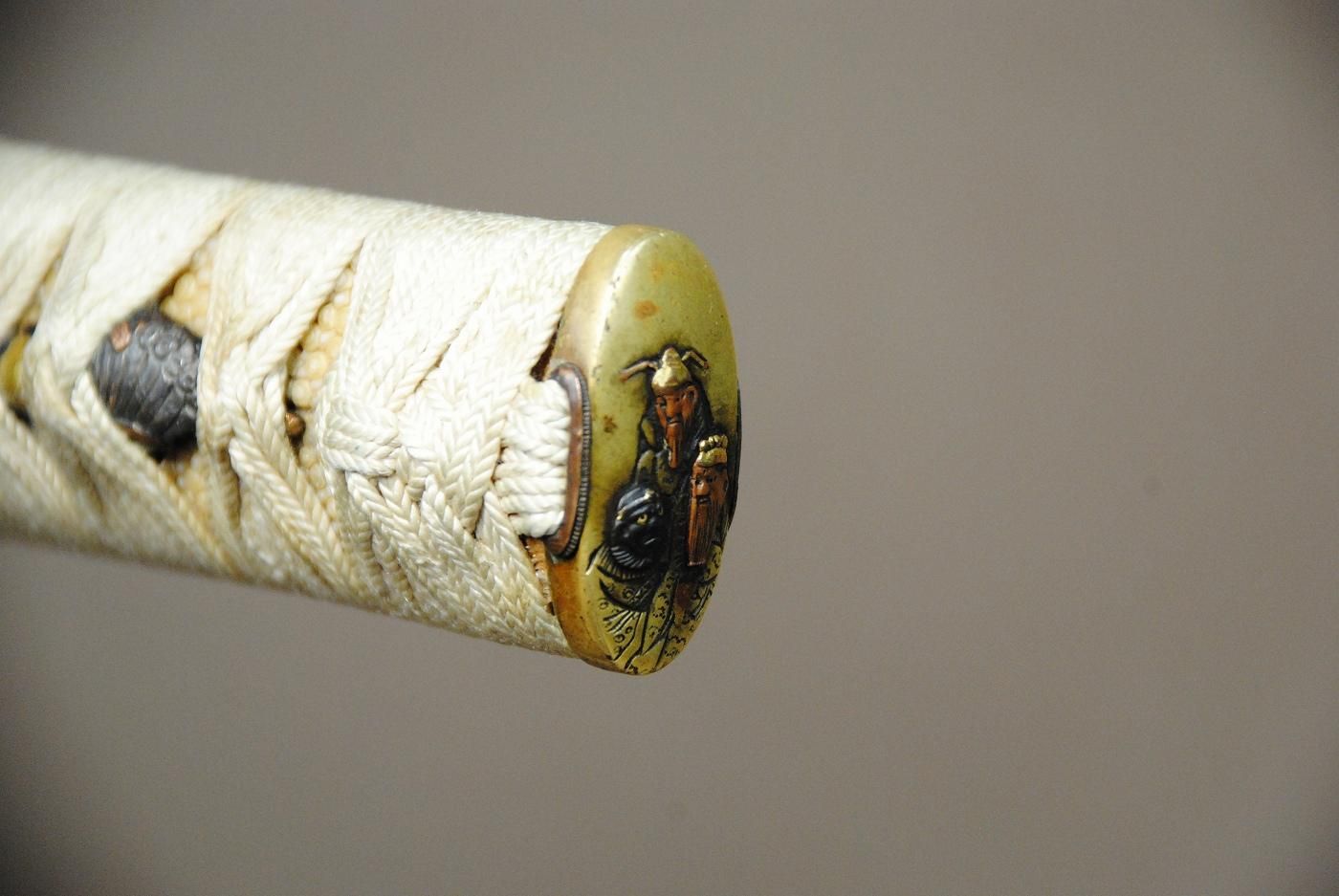
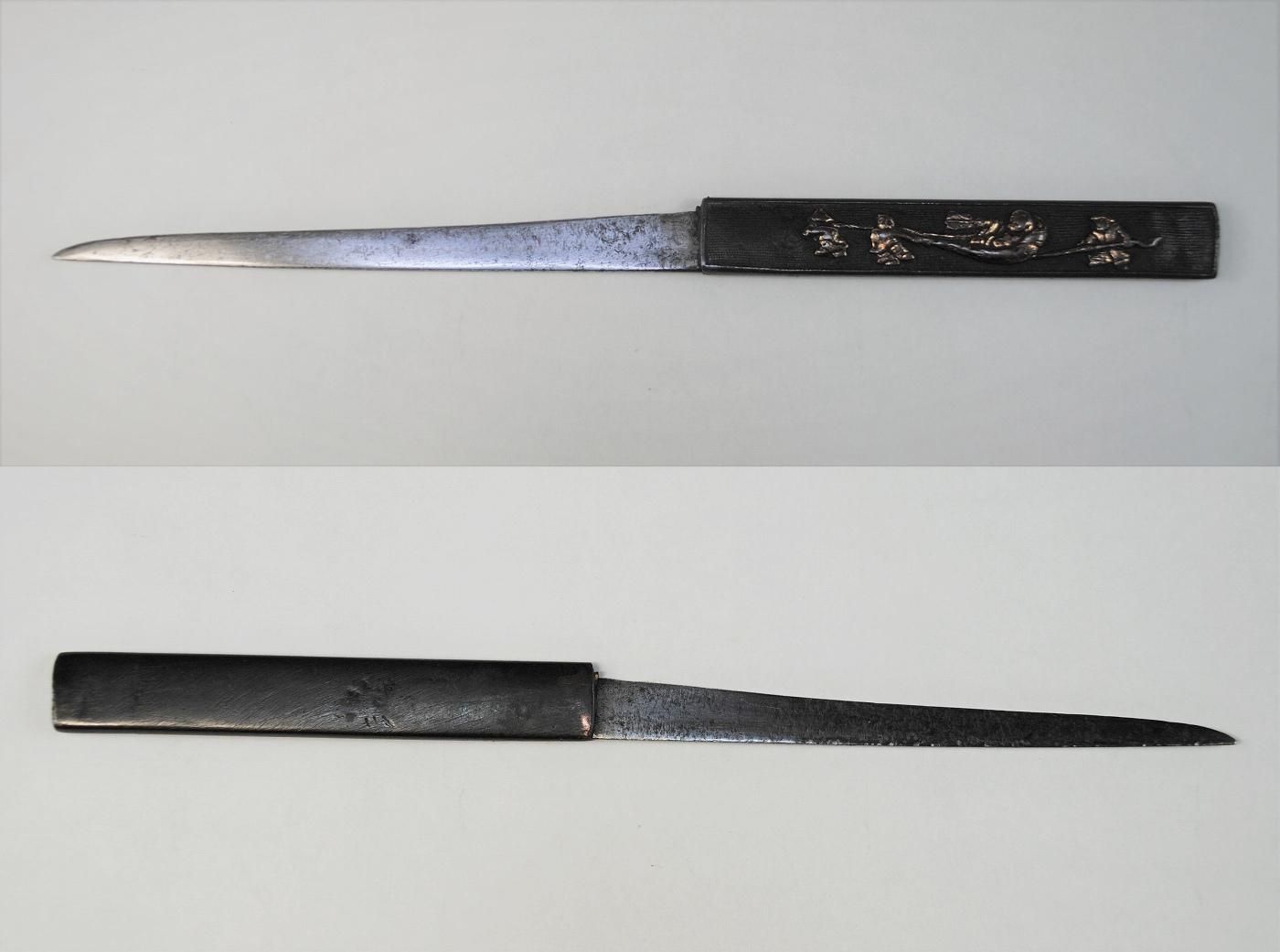
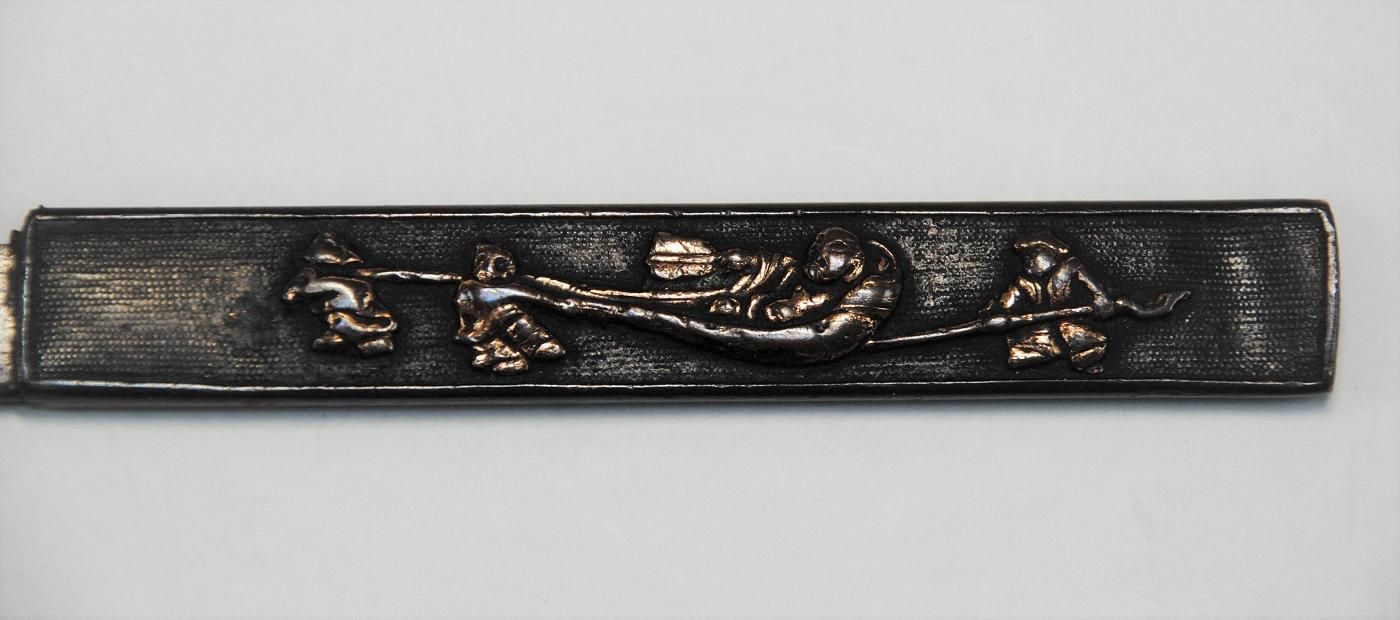
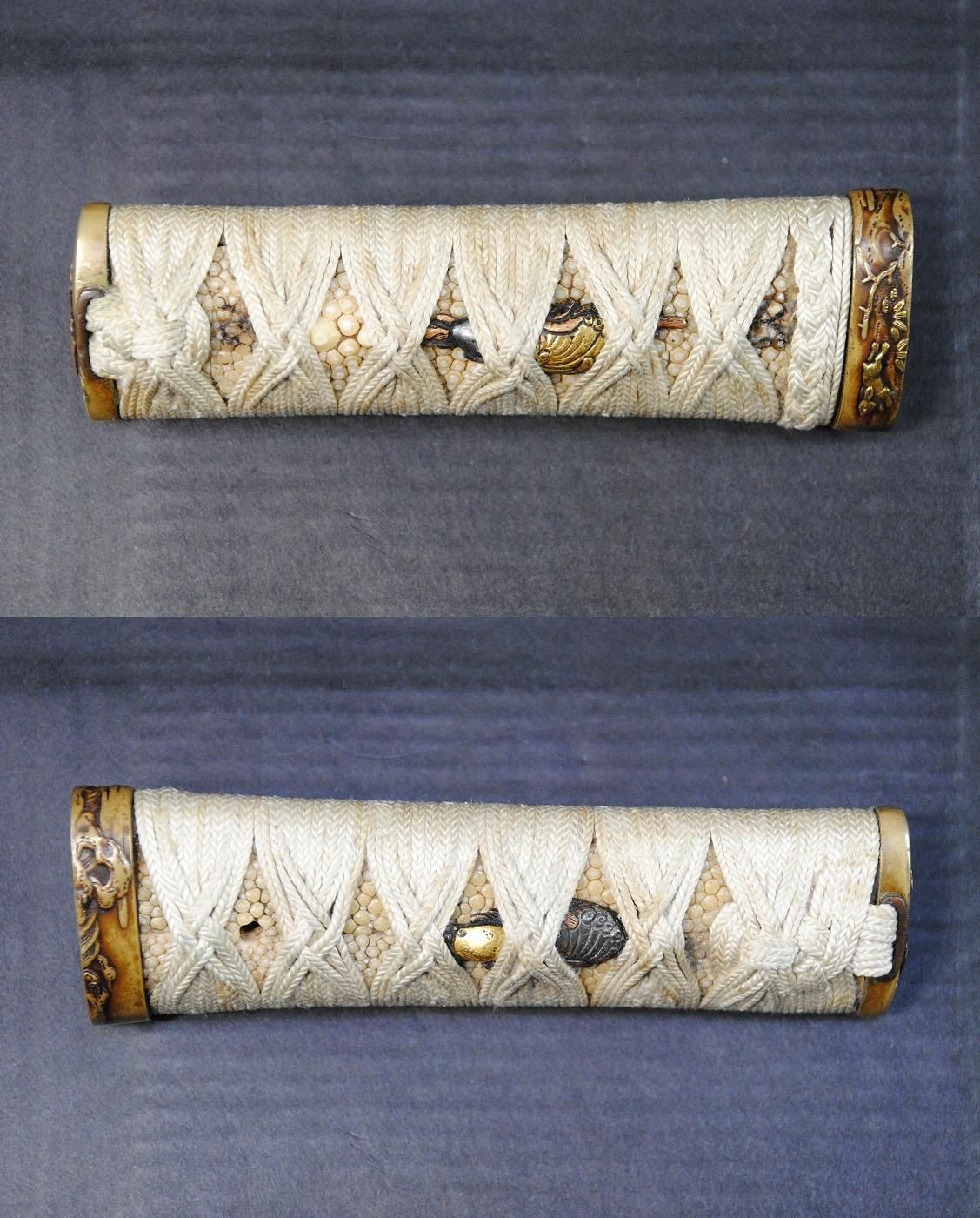
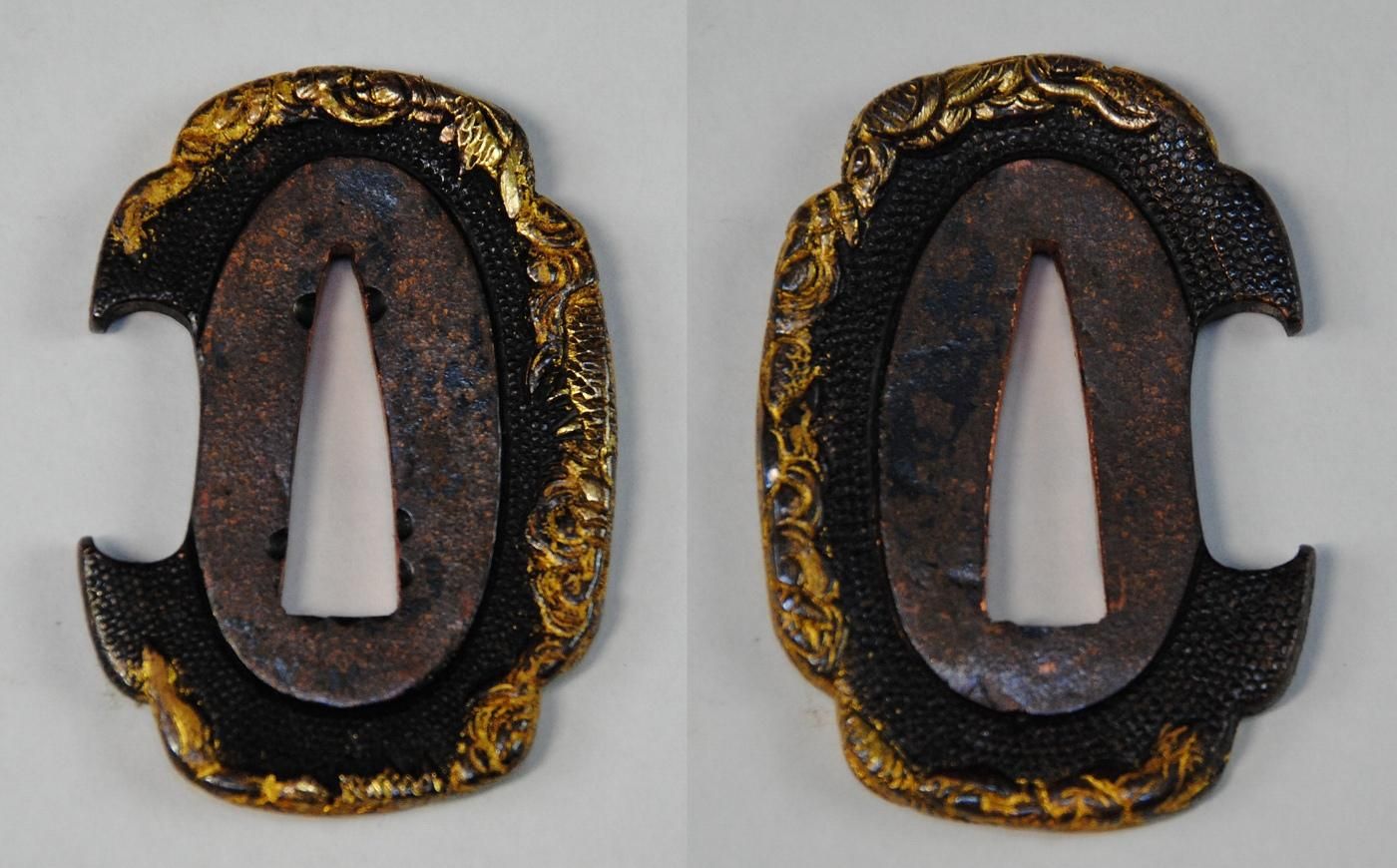
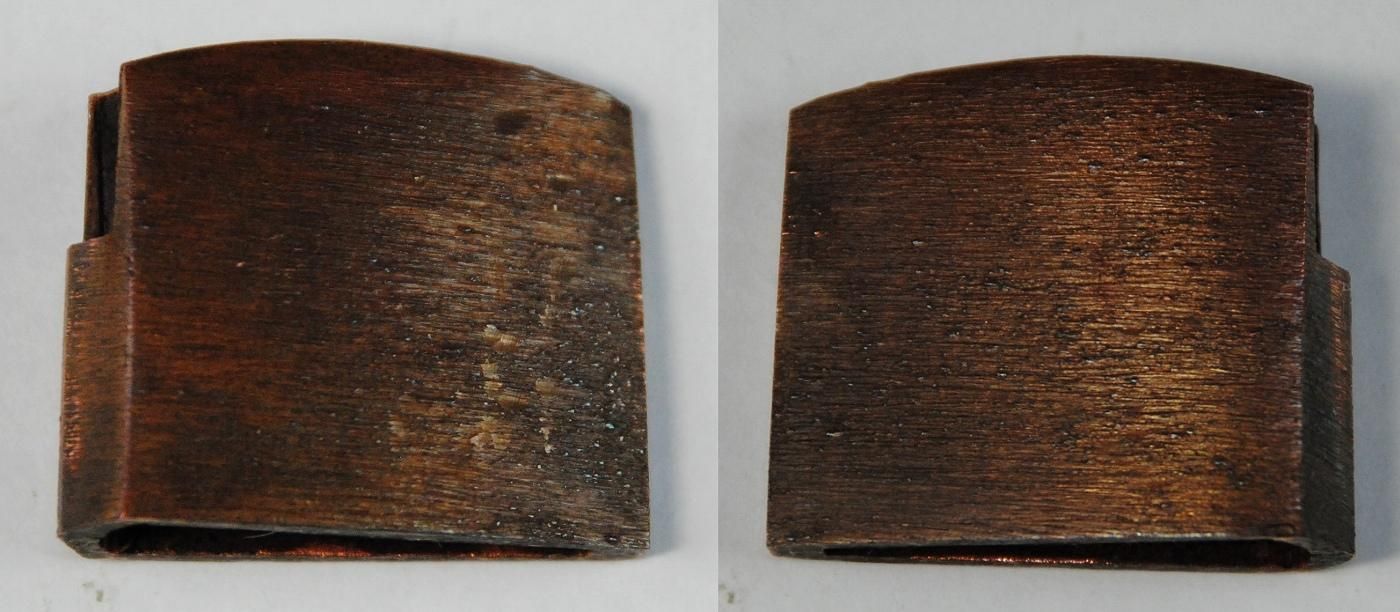
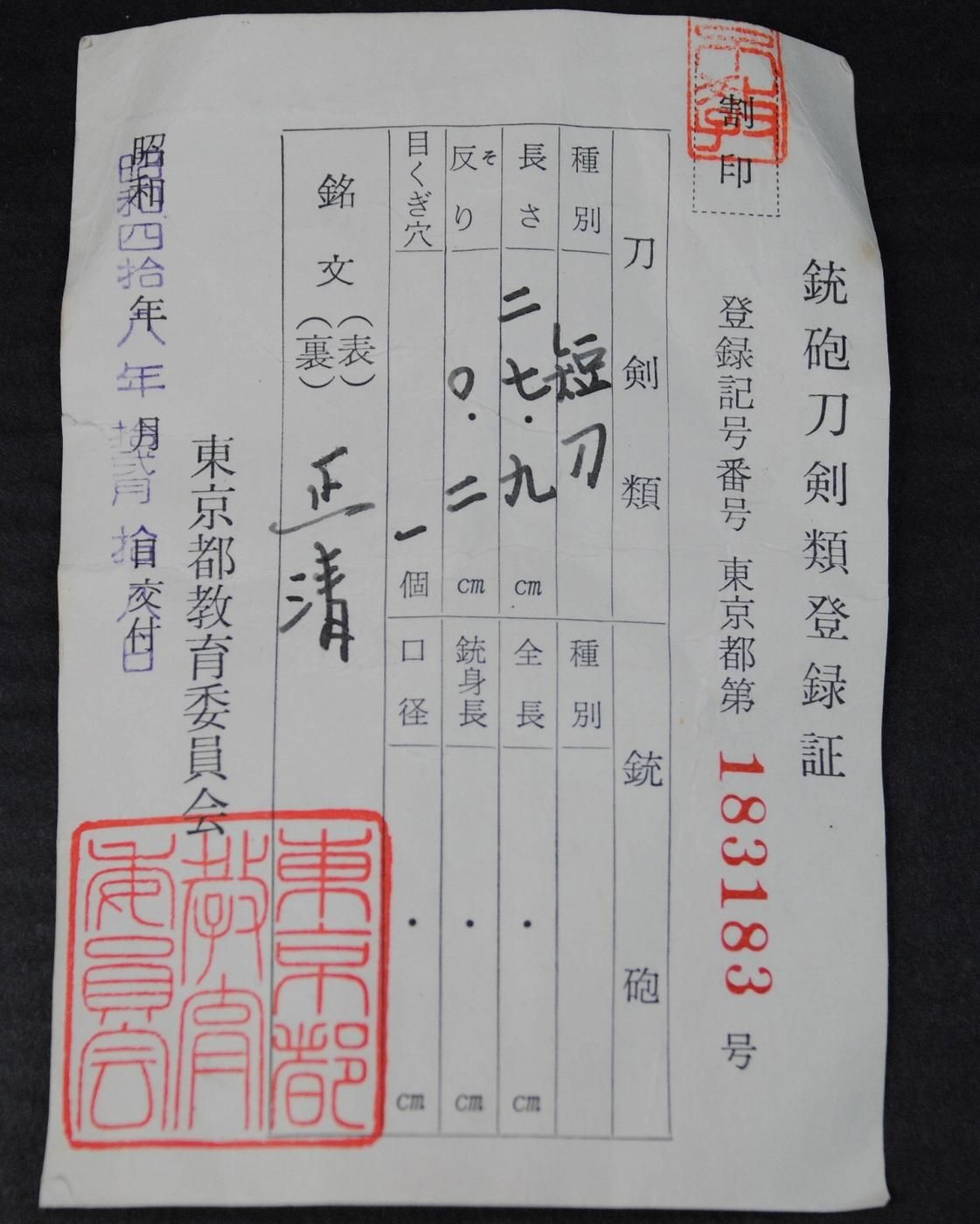
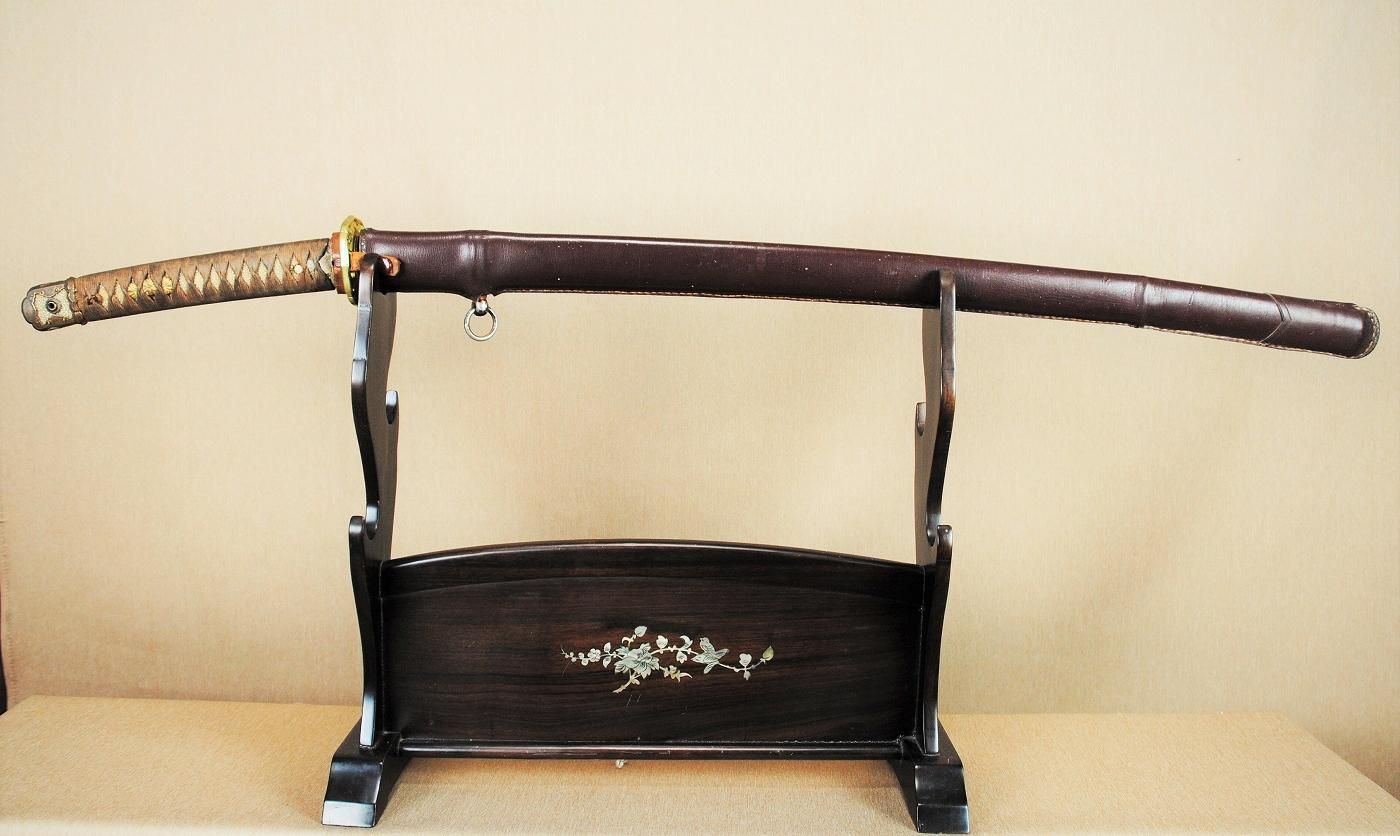
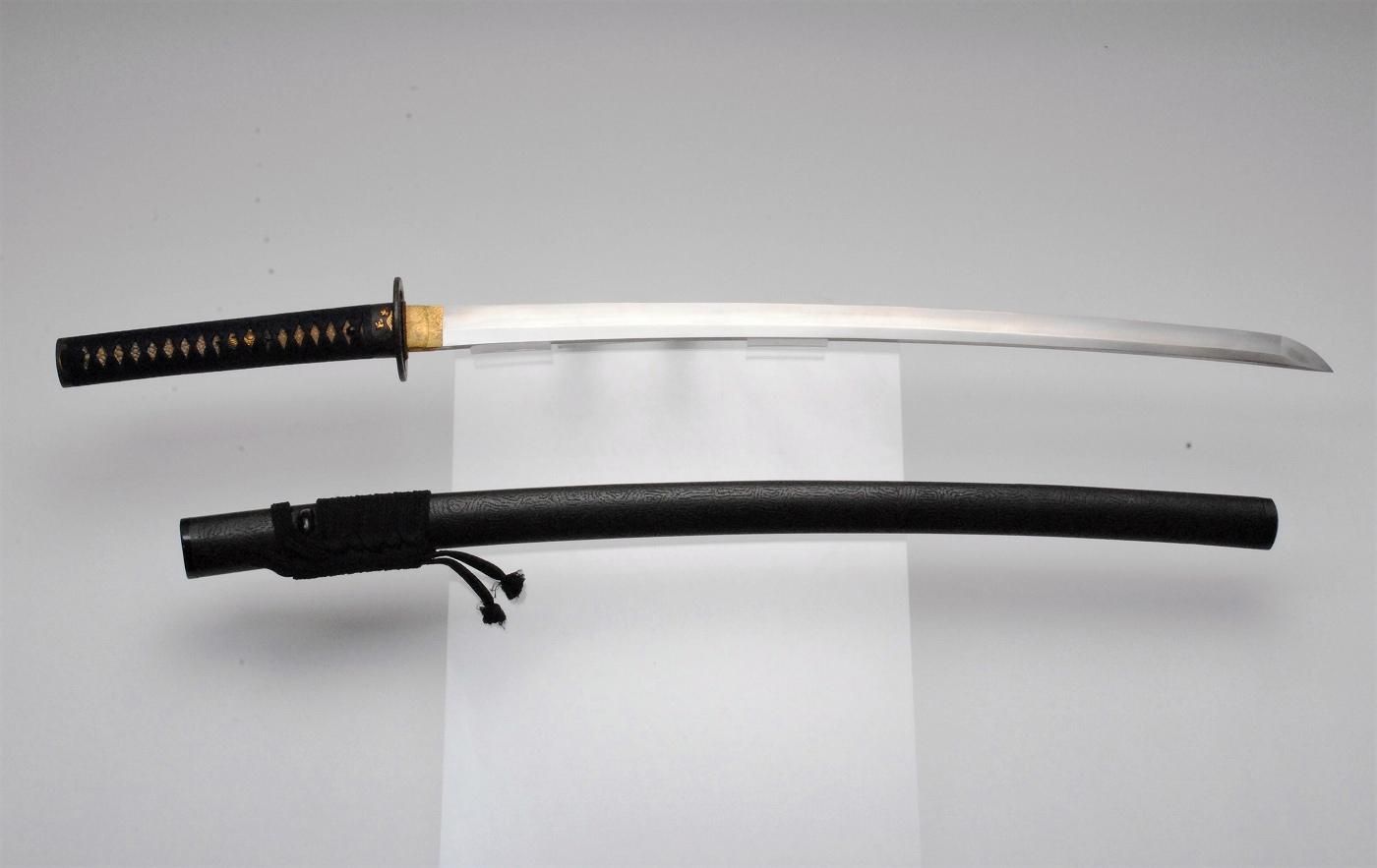
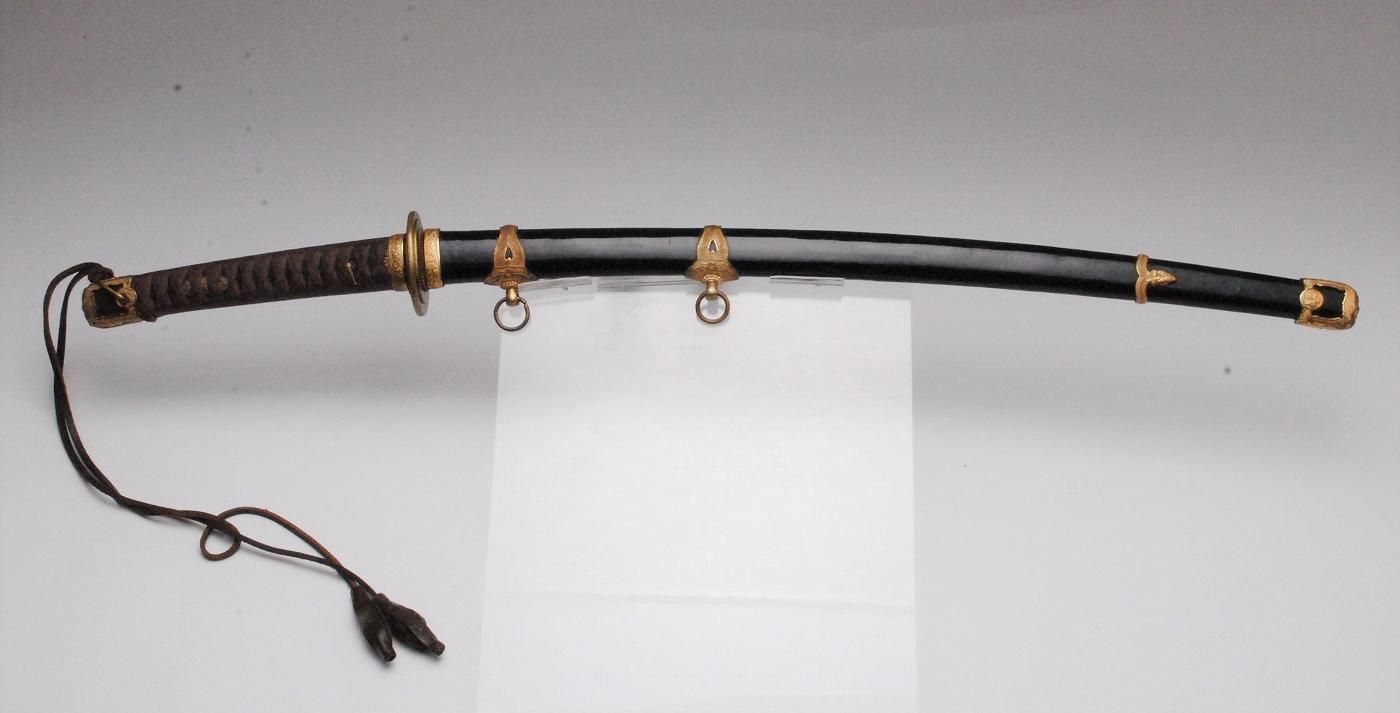
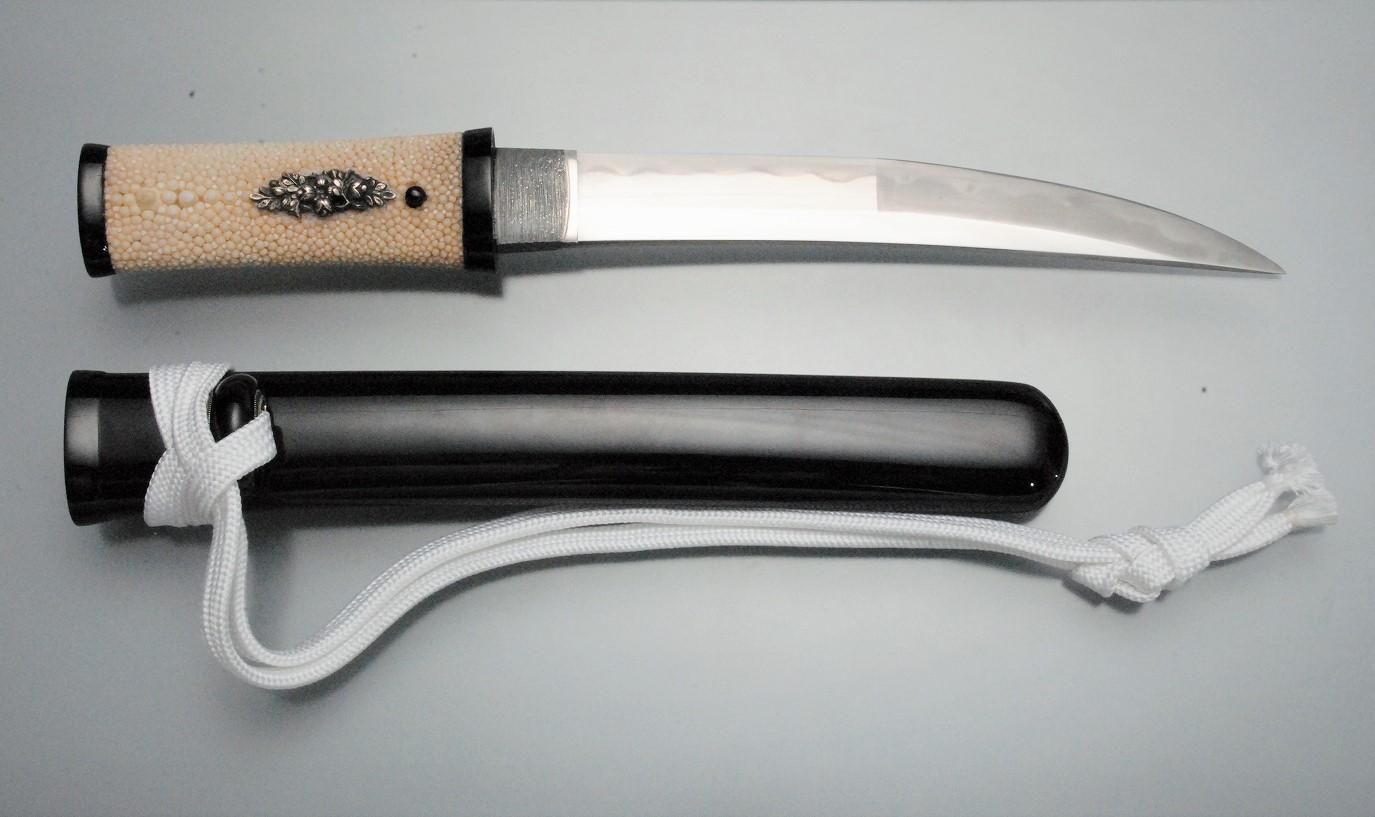
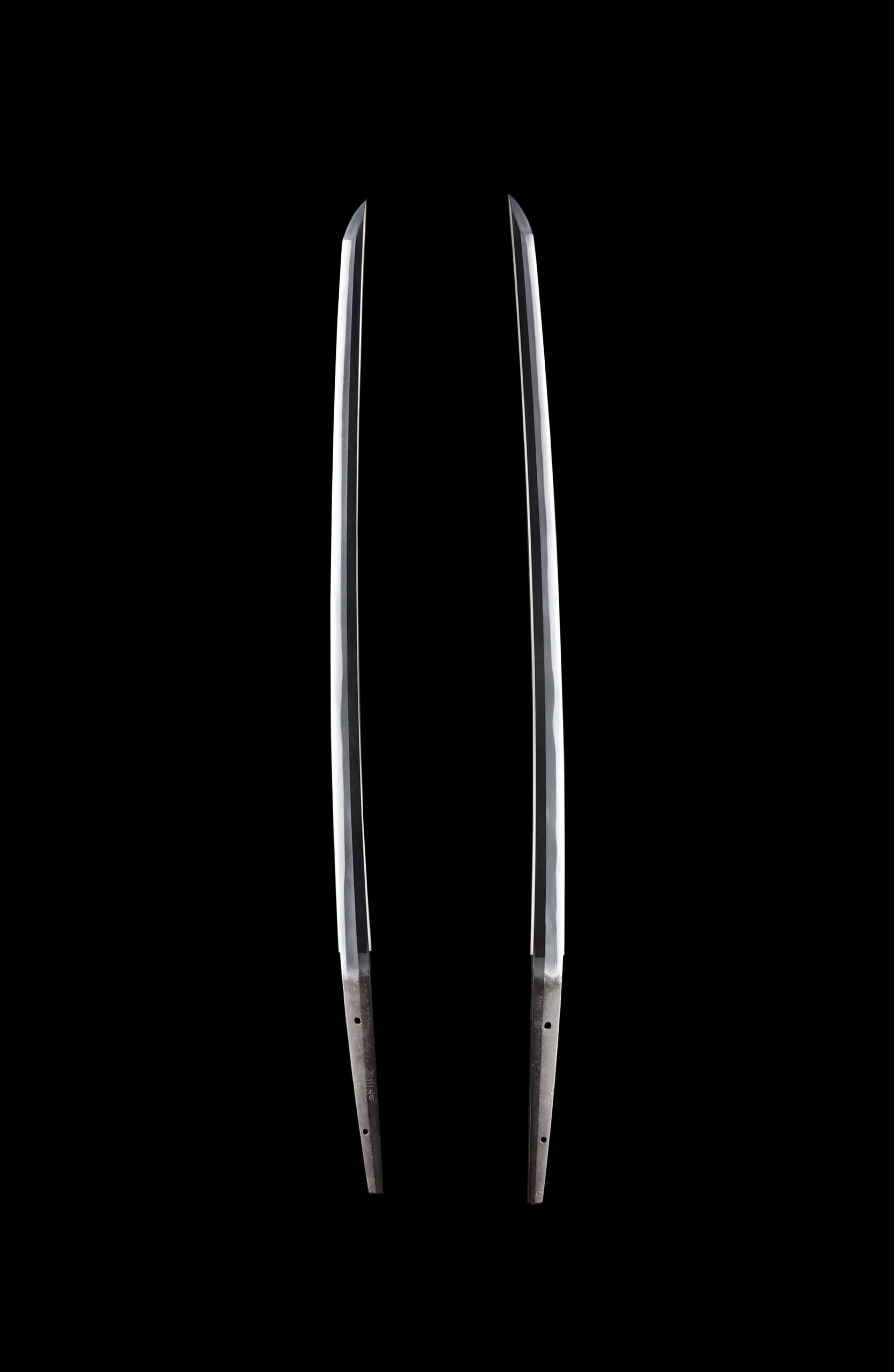
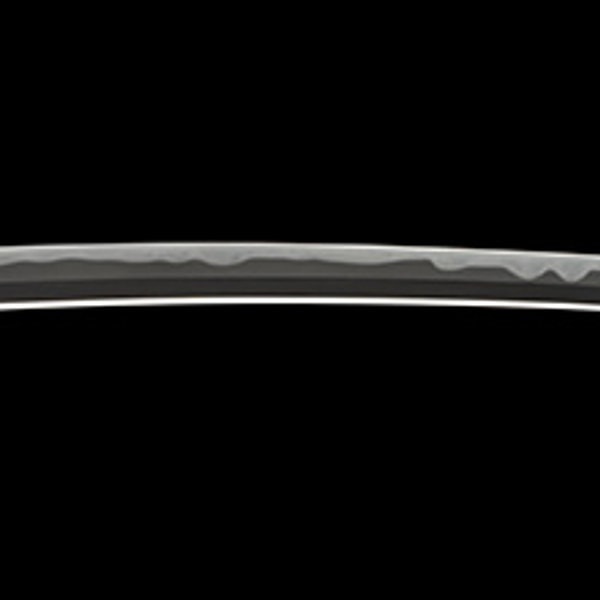
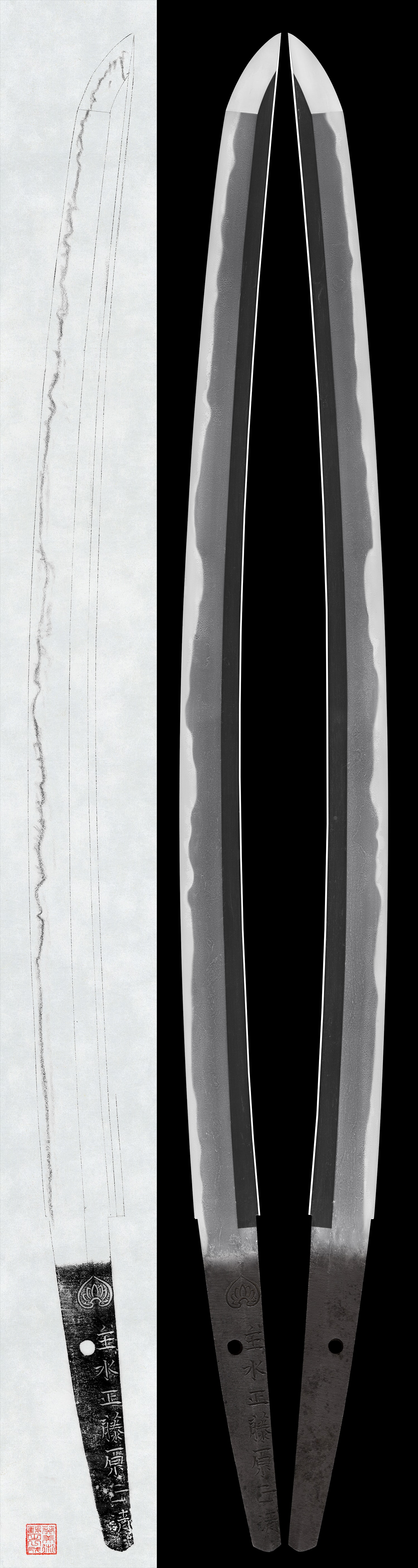
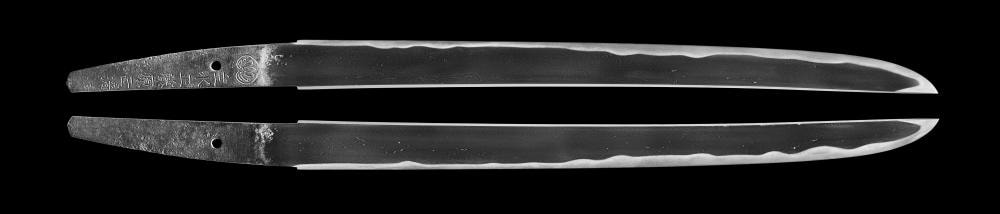
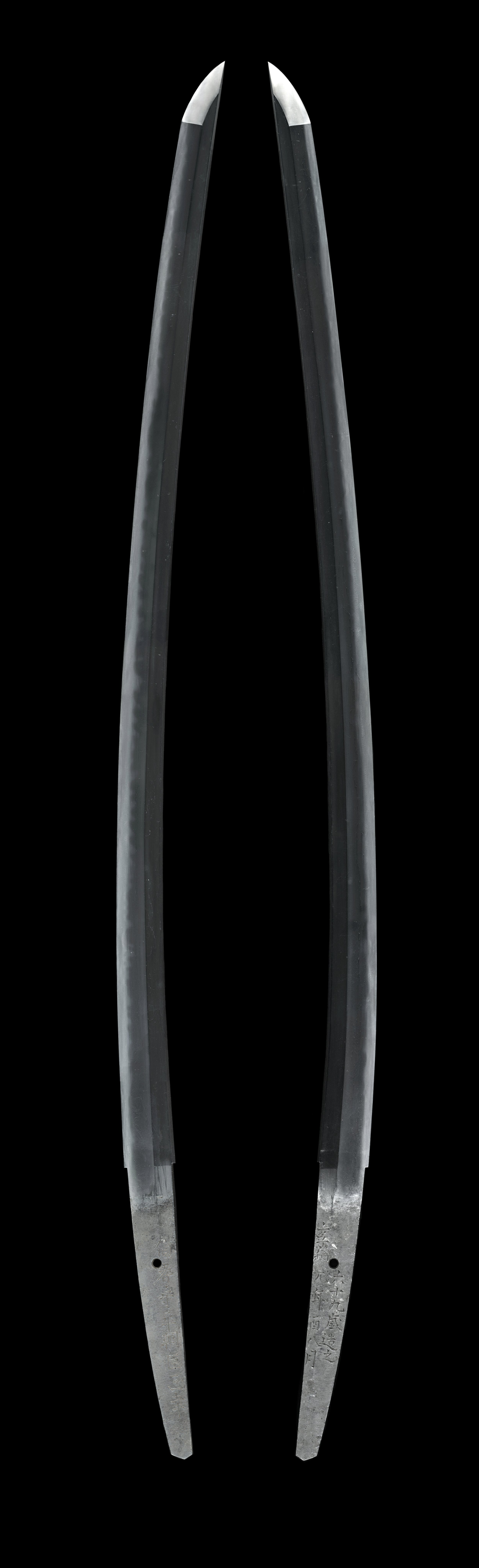
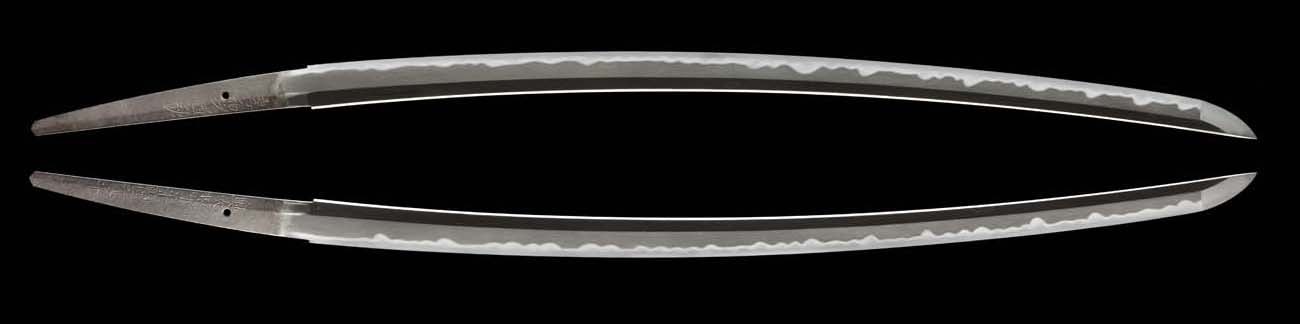
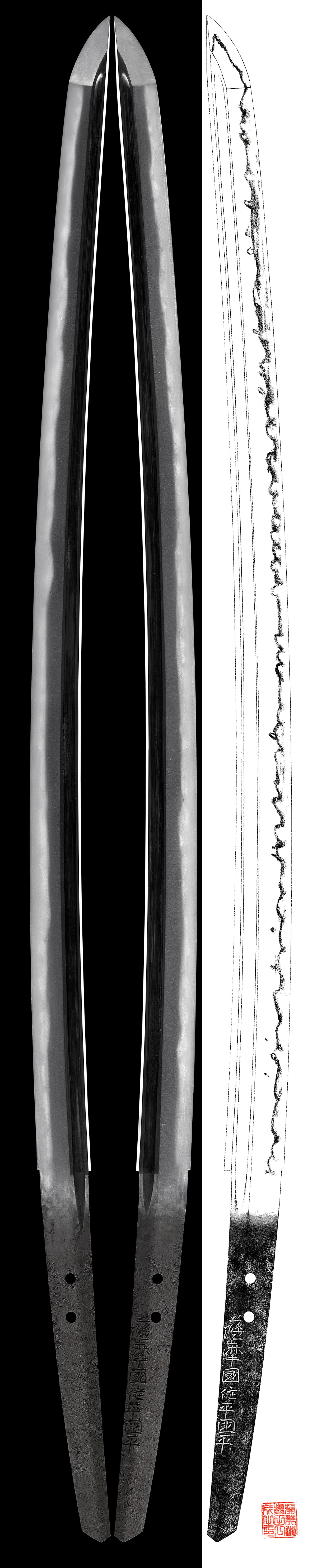
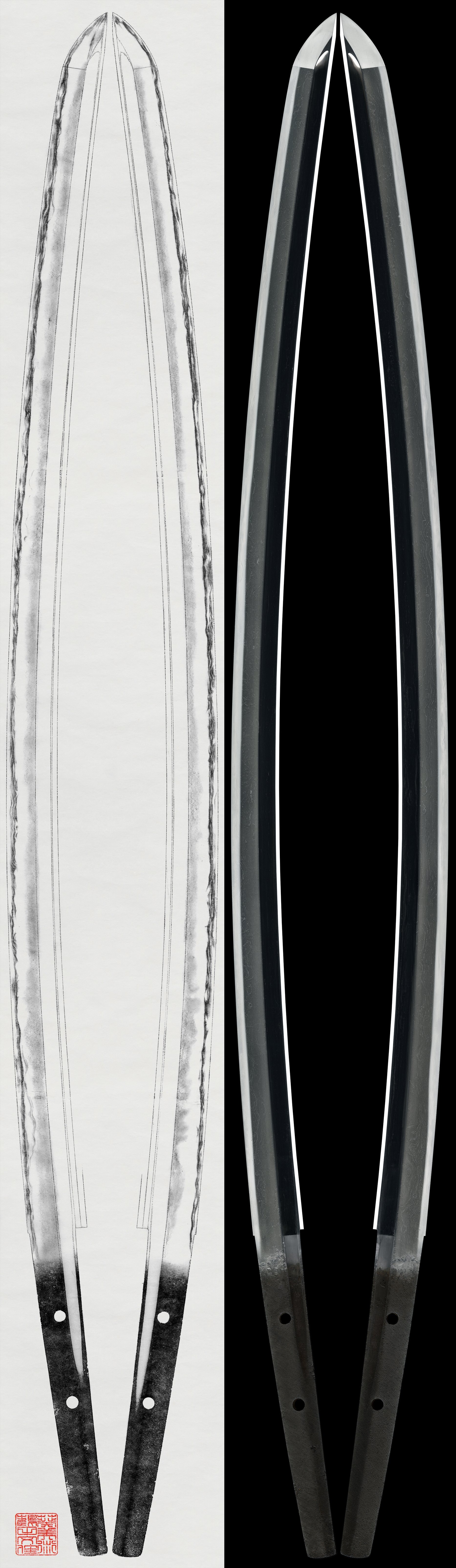
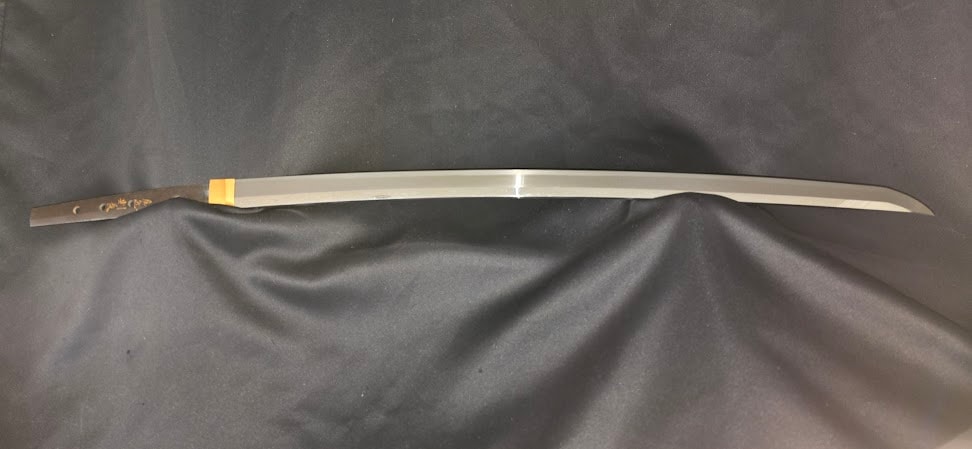
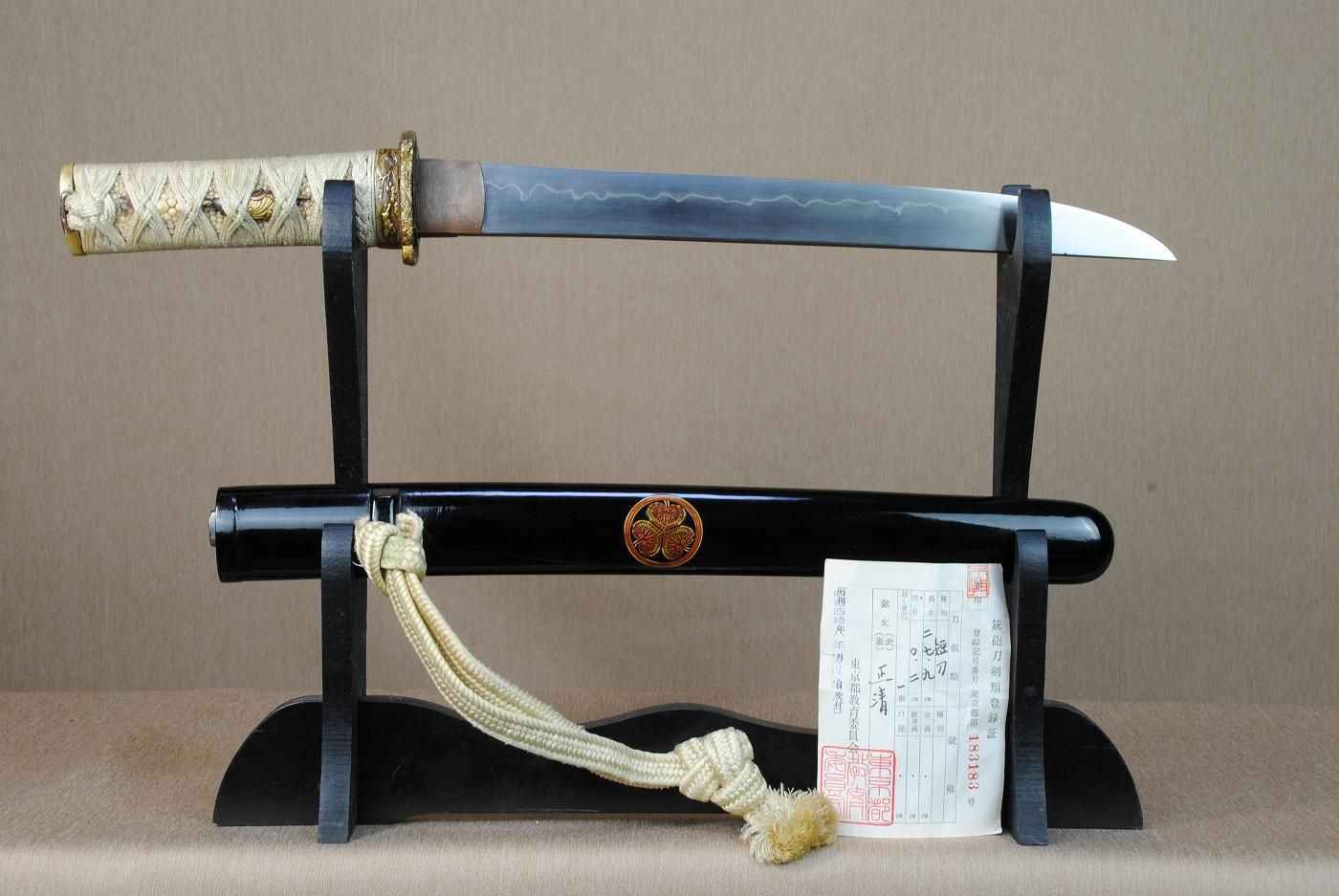
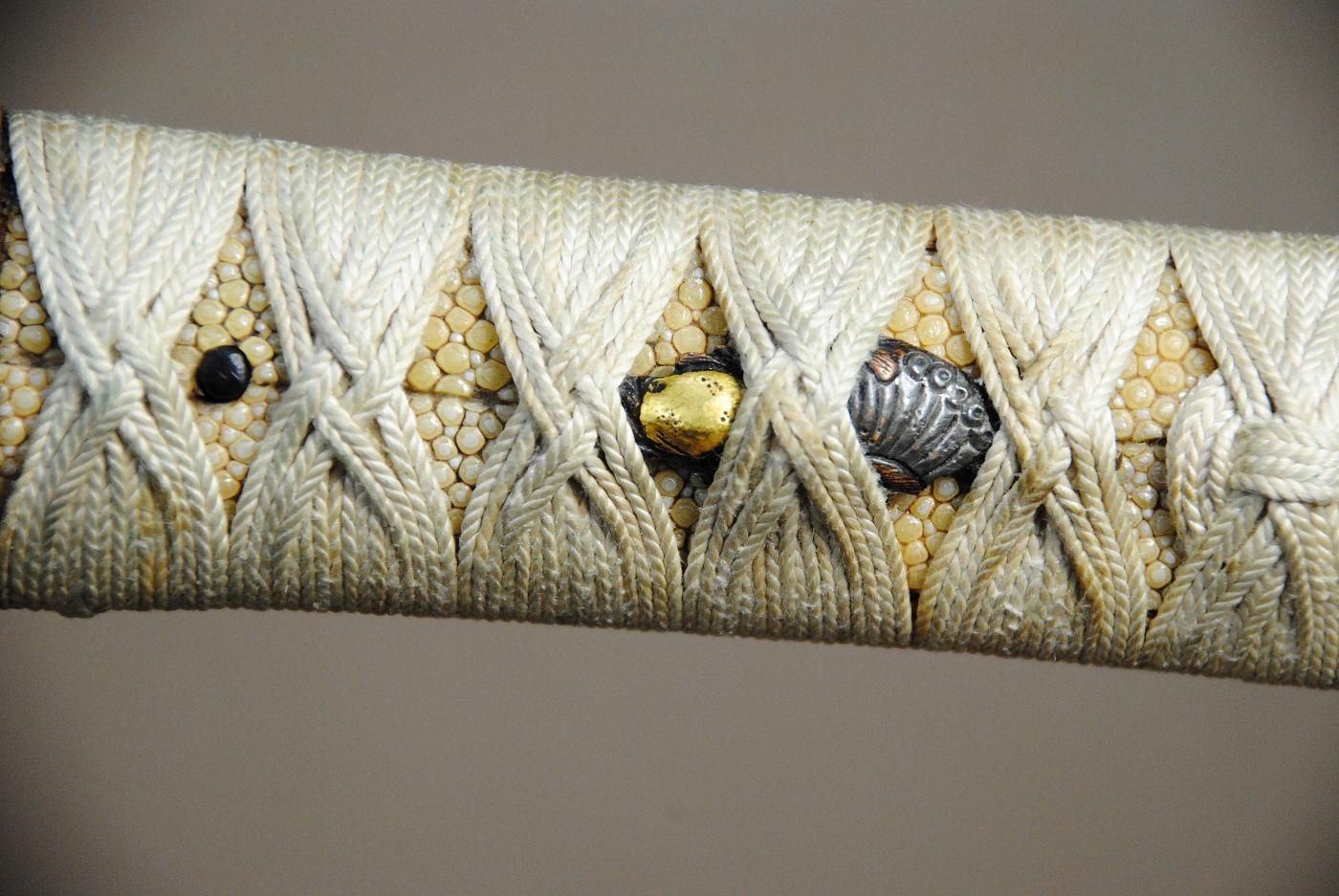
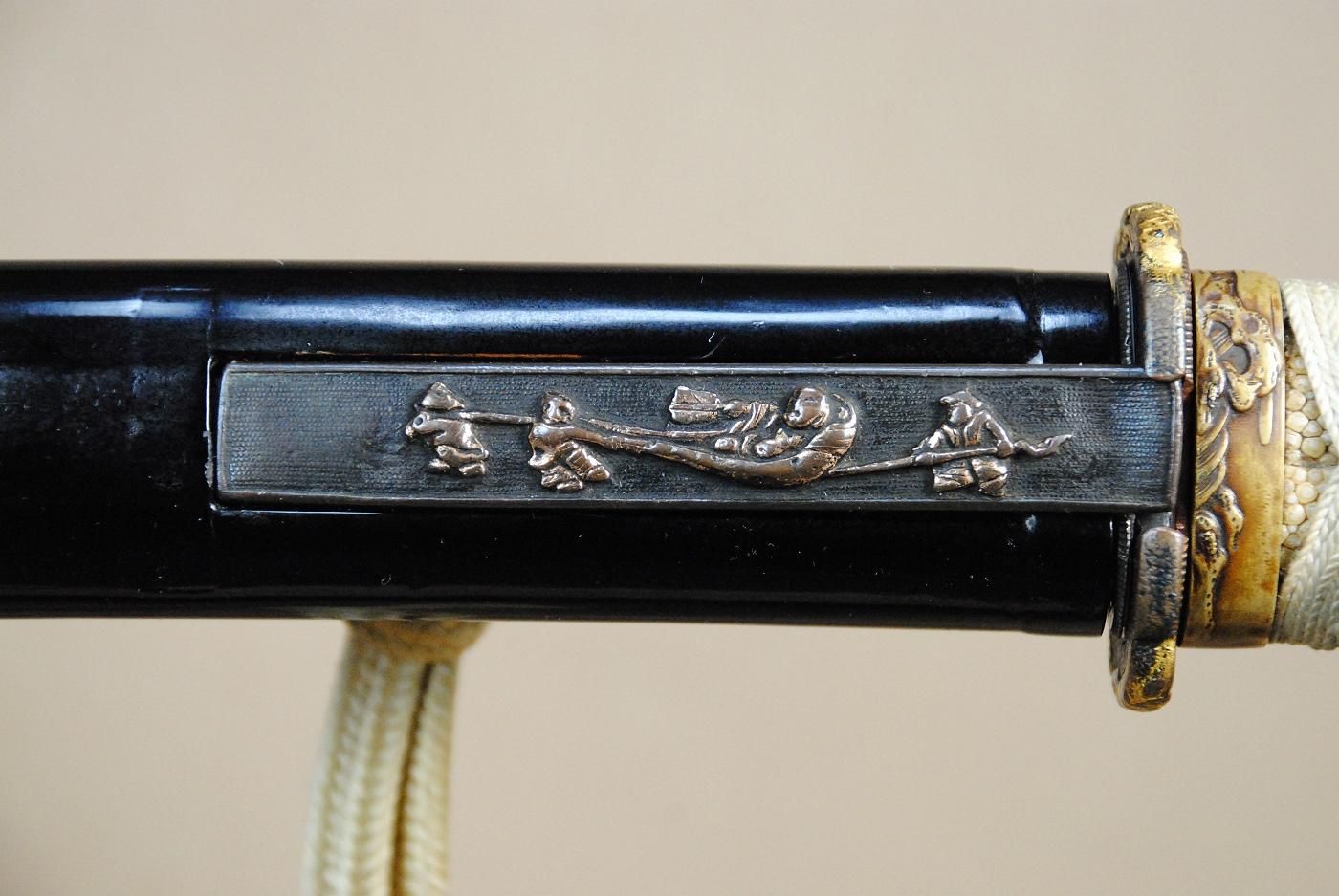
This is a tanto by Masakiyo, a smith from Satsuma province active during the Edo period. The blade is in old polish with some scratches and signs of rust removal, but the dynamic hamon and jigane can still be enjoyed. It comes with an elaborate koshirae from the Edo period.

NihontoWatch MonNihontoWatch
MarketAuctionsEncyclopedia
Swords›Yamato-den›Satsuma›Masakiyo›Tanto: Masakiyo - 27.9cm, For Appreciation and Iai Practice!!!
tanto
Satsuma Masakiyo

Tanto: Masakiyo - 27.9cm, For Appreciation and Iai Practice!!!

mei · Kyoho (1716-1736) · nagasa 27.9cm · sori 0.2cm

SOLD
Satsuma Masakiyo — 1 of 50
Satsuma Masakiyo — 2 of 50
Satsuma Masakiyo — 3 of 50
Satsuma Masakiyo — 4 of 50
Satsuma Masakiyo — 5 of 50
Satsuma Masakiyo — 6 of 50
Satsuma Masakiyo — 7 of 50
Satsuma Masakiyo — 8 of 50
Satsuma Masakiyo — 9 of 50
Satsuma Masakiyo — 10 of 50
Satsuma Masakiyo — 11 of 50
Satsuma Masakiyo — 12 of 50
Satsuma Masakiyo — 13 of 50
Satsuma Masakiyo — 14 of 50
Satsuma Masakiyo — 15 of 50
Satsuma Masakiyo — 16 of 50
Satsuma Masakiyo — 17 of 50
Satsuma Masakiyo — 18 of 50
Satsuma Masakiyo — 19 of 50
Satsuma Masakiyo — 20 of 50
Satsuma Masakiyo — 21 of 50
Satsuma Masakiyo — 22 of 50
Satsuma Masakiyo — 23 of 50
Satsuma Masakiyo — 24 of 50
Satsuma Masakiyo — 25 of 50
Satsuma Masakiyo — 26 of 50
Satsuma Masakiyo — 27 of 50
Satsuma Masakiyo — 28 of 50
Satsuma Masakiyo — 29 of 50
Satsuma Masakiyo — 30 of 50
Satsuma Masakiyo — 31 of 50
Satsuma Masakiyo — 32 of 50
Satsuma Masakiyo — 33 of 50
Satsuma Masakiyo — 34 of 50
Satsuma Masakiyo — 35 of 50
Satsuma Masakiyo — 36 of 50
Satsuma Masakiyo — 37 of 50
Satsuma Masakiyo — 38 of 50
Satsuma Masakiyo — 39 of 50
Satsuma Masakiyo — 40 of 50
Satsuma Masakiyo — 41 of 50
Satsuma Masakiyo — 42 of 50
Satsuma Masakiyo — 43 of 50
Satsuma Masakiyo — 44 of 50
Satsuma Masakiyo — 45 of 50
Satsuma Masakiyo — 46 of 50
Satsuma Masakiyo — 47 of 50
Satsuma Masakiyo — 48 of 50
Satsuma Masakiyo — 49 of 50
Satsuma Masakiyo — 50 of 50
1 / 50
1 / 50
Satsuma Masakiyo — 1 of 50Satsuma Masakiyo — 2 of 50Satsuma Masakiyo — 3 of 50Satsuma Masakiyo — 4 of 50Satsuma Masakiyo — 5 of 50Satsuma Masakiyo — 6 of 50Satsuma Masakiyo — 7 of 50Satsuma Masakiyo — 8 of 50Satsuma Masakiyo — 9 of 50Satsuma Masakiyo — 10 of 50Satsuma Masakiyo — 11 of 50Satsuma Masakiyo — 12 of 50Satsuma Masakiyo — 13 of 50Satsuma Masakiyo — 14 of 50Satsuma Masakiyo — 15 of 50Satsuma Masakiyo — 16 of 50Satsuma Masakiyo — 17 of 50Satsuma Masakiyo — 18 of 50Satsuma Masakiyo — 19 of 50Satsuma Masakiyo — 20 of 50Satsuma Masakiyo — 21 of 50Satsuma Masakiyo — 22 of 50Satsuma Masakiyo — 23 of 50Satsuma Masakiyo — 24 of 50Satsuma Masakiyo — 25 of 50Satsuma Masakiyo — 26 of 50Satsuma Masakiyo — 27 of 50Satsuma Masakiyo — 28 of 50Satsuma Masakiyo — 29 of 50Satsuma Masakiyo — 30 of 50Satsuma Masakiyo — 31 of 50Satsuma Masakiyo — 32 of 50Satsuma Masakiyo — 33 of 50Satsuma Masakiyo — 34 of 50Satsuma Masakiyo — 35 of 50Satsuma Masakiyo — 36 of 50Satsuma Masakiyo — 37 of 50Satsuma Masakiyo — 38 of 50Satsuma Masakiyo — 39 of 50Satsuma Masakiyo — 40 of 50Satsuma Masakiyo — 41 of 50Satsuma Masakiyo — 42 of 50Satsuma Masakiyo — 43 of 50Satsuma Masakiyo — 44 of 50Satsuma Masakiyo — 45 of 50Satsuma Masakiyo — 46 of 50Satsuma Masakiyo — 47 of 50Satsuma Masakiyo — 48 of 50Satsuma Masakiyo — 49 of 50Satsuma Masakiyo — 50 of 50
Measurements & details
Smith
Satsuma Masakiyo
Type
Tanto
School
Satsuma
Period
Around 1714–1736(Kyoho)
Province
Satsuma
Signature
Signed(100% of this smith's designated works are signed)
Measurements
Nagasa 27.9cmSori 0.2cmMotohaba 2.72cmSakihaba 1.83cmKasane 0.73cmWeight 378g
Description

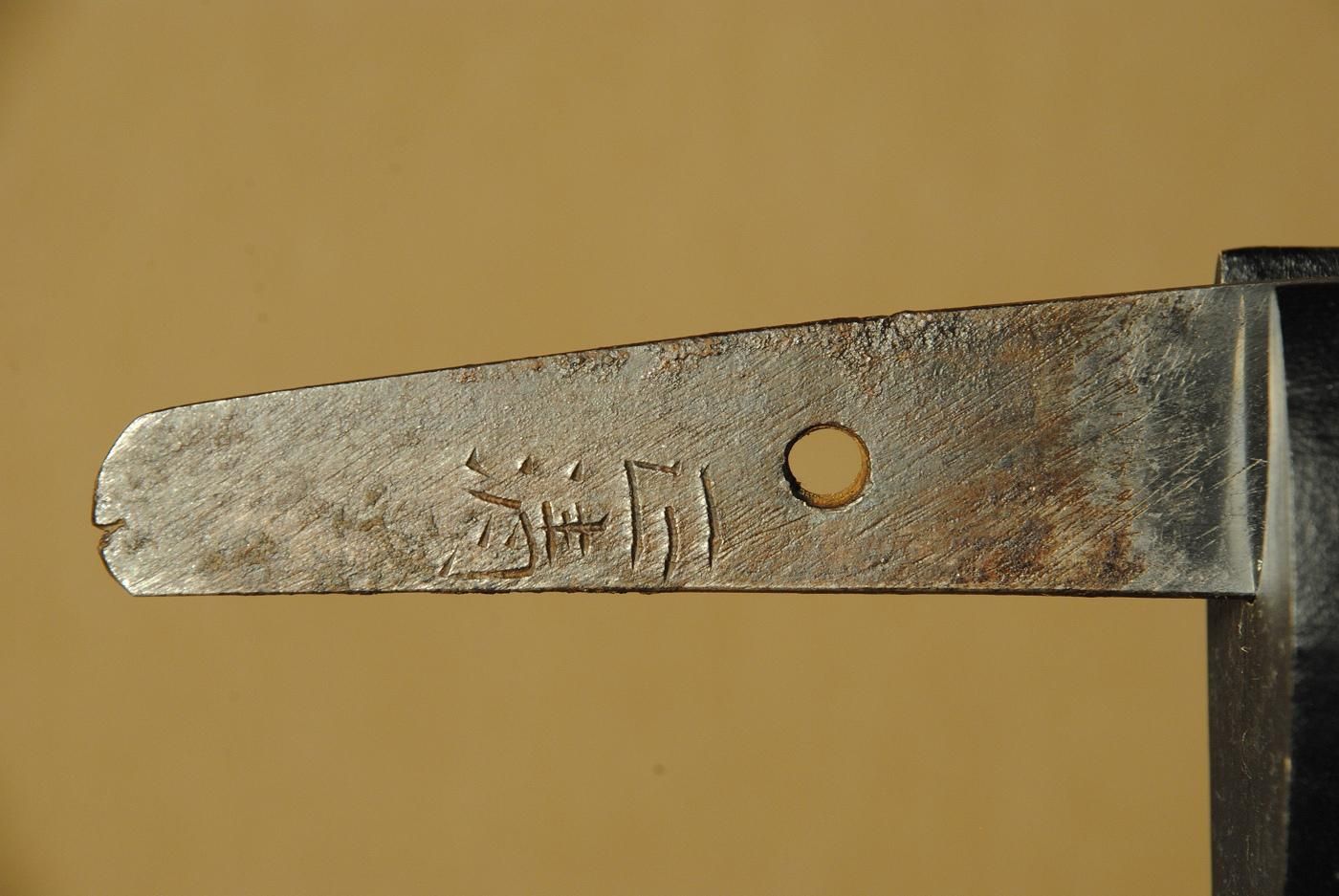
This is a tanto by Masakiyo, a smith from Satsuma province active during the Edo period. The blade is in old polish with some scratches and signs of rust removal, but the dynamic hamon and jigane can still be enjoyed. It comes with an elaborate koshirae from the Edo period.

About the maker

Masakiyo

正清

Ichinohira (Satsuma), shinto · Satsuma · around 1714-1736

1 piece on the market now

›

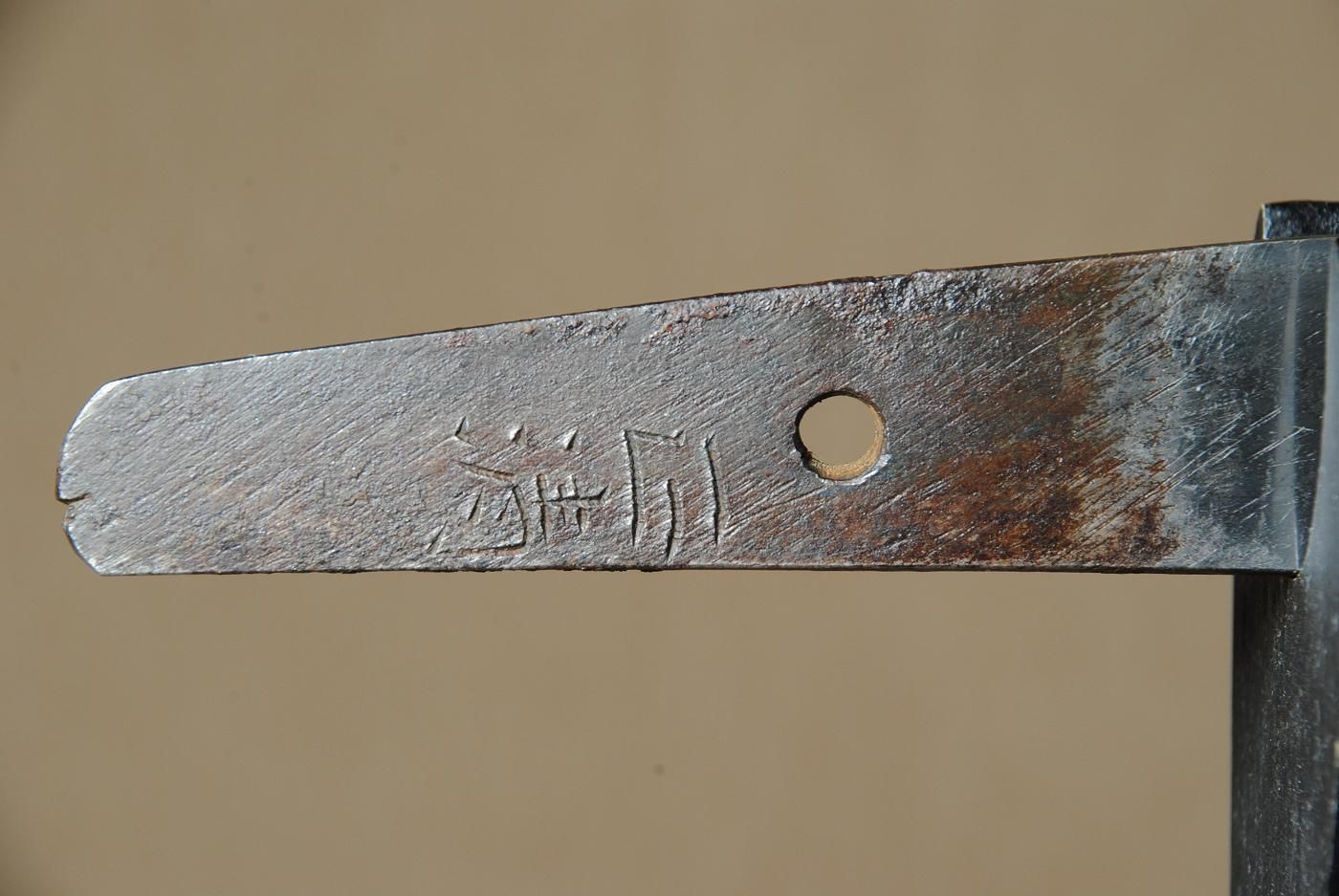
Mondo-no-Sho Masakiyo is said to have been born in Kanbun 10 (1670) at Izumi-go in Satsuma, common name Miyahara Seiemon, also called Kakudayu. He learned forging from the Satsuma domain smith Maruta Sozaemon Masafusa, first signing Kiyomitsu and later changing the name to Masakiyo. In the first month of Kyoho 6 (1721) he was summoned together with his townsman Ippei Yasuyo by the eighth shogun Tokugawa Yoshimune to forge in Edo, and his skill was such that the bakufu granted him the right to cut the single-leaf hollyhock crest of the Tokugawa on his tang. On his return journey the Imperial Court raised him to the title Mondo-no-Sho. He died in Kyoho 15 (1730) at sixty-one. The published sources frame him by a single pairing they return to whenever they place him: with Yasuyo he is, in their words, one of "the twin pillars of Satsuma shinto" (「安代と並んで薩摩新刀の双璧」)[[c:1]], and where Yasuyo often tempered a calm notare-toned suguha, Masakiyo tempered the varied, vigorous midare that became the recognized hand of the school.

His characteristic work is the Soshu-den the published sources say he handled with greatest mastery, modelled on the old Shizu manner. Over a strongly forged itame he tempers a ko-notare into which he sets gunome, ko-gunome and pointed togariba, the temper deep in nioi and the nie thick and strong with coarse ara-nie mixed in. Through the ha run long, frequent kinsuji and nie-suji with sunagashi, the streaming nie-lines of a Satsuma hand, and ashi and yo enter well. The pointed teeth set into the undulating notare are the spine of his recognition, the feature that separates his varied midareba from the level suguha of his fellow pillar. The sources name the manner plainly as "the Shizu-style working range that he most excelled in" (「最も得意とした志津風の作域」)[[c:2]], and on his finest blades they say the result comes near old superior work.

The jigane beneath is the constant. It is a well-forged itame that overall flows strongly and turns masame-inclined, at times a tighter ko-itame mixed with mokume, carrying thick ji-nie with coarse ji-nie mixed and vigorous chikei the sources liken to a distinctive metallic figuring. The steel is masame-prone precisely because the Shizu model asks for it, and the long kinsuji ride that flowing grain into the boshi, which runs in midare-komi or notare to a pointed return, swept with hakikake and turning back deeply. The nioiguchi is bright and clear and only here and there a little uneven. His body is the grand Satsuma form, extremely wide in mihaba with thick kasane and ample hiraniku, an extended chu-kissaki and a sense of funbari, and the published commentary calls such a blade bold, heroic and robust, with the feeling of a decisive downward cut.

There is a second feature the judges single out as a recognition point and read as antique. Especially in the upper half, at the crests of the temper, vigorous yubashiri gather and present an appearance like nijuba, the double temper-line of old work, while long kinsuji and nie-suji run through and sunagashi accompanies them. The sources name it directly, writing that "the manner in which yubashiri are vigorously applied at the crests of the temper to produce a nijuba-like appearance conveys an impression of antique flavor" (「焼頭に湯走り風がさかんにかかって二重刃状を呈している様には, 古色の風が感ぜられる」)[[c:3]]. This is not a separate manner but the upper reach of his characteristic hand, the nie-activity pushed to its fullest over the same flowing itame. His tang carries its own constant: almost always ubu, tapering to an iriyama-gata or sword-shaped tip with shallow katte-sagari file marks, the large long signature cut boldly, and on the blades made before the shogun a single-leaf hollyhock crest with a date. The published sources also caution the collector that in his later years many surviving blades were made as daimei by his son Masachika and his pupil Masamori, so a late Masakiyo signature is read against that workshop.

What sets him within his province is exactly the pairing the judges name and the manner they keep returning to. He is read first against his elder townsman Yasuyo, the two held together as the twin pillars of Satsuma shinto, and the distinction is precise: Yasuyo is the calm notare-toned suguha, Masakiyo the varied Shizu-style midare with its pointed togariba, its coarse nie and its long running kinsuji. His own bright deep-nioi gunome, his gathering yubashiri and the nijuba of antique flavor are the grounded traits that mark him out, not a borrowed comparison, and the published sources go so far as to say his best work can be mistaken "for old superior blades" (「往々古刀上位の作に見まがう」)[[c:4]]. He stands at the head of the Ichinohira-allied Satsuma shinto masters, the hand by which a varied Soshu-style Satsuma blade of his generation is read.

For the collector he is one of the great names of Satsuma shinto, and his work survives almost wholly ubu and signed. He has no National Treasures and no Important Cultural Properties; his record on the modern designation tiers runs through the Tokubetsu Juyo and Juyo ranks, where twenty-three of his works are held, several dated and many carrying the hollyhock crest granted before the shogun. His provenance reaches the highest houses of his age: his masterpiece katana and wakizashi, presented together with a blade by Yasuyo by the Satsuma lord Shimazu Tsuguhisa to Konoe Iehisa, Minister of the Left, who treasured them so that he sent both smiths gifts of fine silver and a set of poems of the Six Immortal Poets endorsed by court nobles, the documents still surviving; and pieces preserved with the provenance of the Tokugawa shogunal house and the Imperial family. Most designated blades, including those in private hands, are held rather than traded, and a fine signed Masakiyo of his Shizu-style Soshu-den comes to market only from time to time and with patience. His work is, comparatively, among the more findable of the first-rank shinto masters, more so than the locked heritage of the old traditions, but a dated, crest-bearing katana in his full vigorous manner remains a landmark acquisition, a document of how the Satsuma school reached its early summit.

Historical importance

Where Masakiyo stands among comparable artisans: across all of nihontō, and within tradition, era, and period. The tiers (Foremost · Leading · Major · Notable) weigh official designations from the NBTHK and Japan's Agency for Cultural Affairs, together with historical honors of lasting repute such as the Sansaku and Meibutsu-chō.

随一
Foremost
屈指
Leading
有数
Major
著名
Notable

Select a lens to see how it's measured.

Designation record
25 designated works
Gyobutsu (Imperial)
3
Tokubetsu Jūyō
1
Jūyō
21
1 work by Masakiyo on the market→
Masakiyo — full profileIchinohira (Satsuma), shinto school

Dated Works

Years he was demonstrably active, proven by signed-and-dated blades

Active period
1714–1728Editorial estimate: 1714–1736
6 of 23 designated works carry a date
1710
1720
1730
About the school

Satsuma

薩摩

Yamato-den · Satsuma

29 pieces on the market now

›

The Satsuma school gathered the smiths of southern Kyushu under the patronage of the Shimazu, the daimyo house of Satsuma and Osumi, and the published sources read its history in two distinct flowerings rather than one continuous line. Its shinto fountainhead is Izu no Kami Masafusa, a son of the Mino smith Ujifusa who moved to Kagoshima and carried a strongly nie-laden hand into the province; the NBTHK names him the origin of Satsuma forging. Learn more →

17 recorded smiths145 designated works
Leading smiths
SmithEraDesignated
Yasuyo安代1716-173619
Motohira元平1778-178938
Masayuki正幸1772-181727
Masakiyo正清1714-173625
Masayoshi正良1764-178610
Explore the Satsuma school →
Warning — certificate not found

We could not find an authenticity certificate on the seller’s listing. Japanese swords and fittings are normally papered by the NBTHK (or the NTHK). Without one, the attribution is the seller’s own assessment and has not been independently verified — treat it with caution and ask the dealer about certification before buying.

Seller
I
Ikeda Art
🇯🇵Ships from Japan
›
✓Verified dealerikedaart.net
Wire transferPayPal
Return policy

Please contact us promptly after the item's arrival. Except where the item is defective, we cannot accept returns. For returns due to customer circumstances, the cost is the customer's responsibility. In the case of a defective item, we bear the cost.

View all of Ikeda Art’s listings→View this item on the dealer’s site→

More works by Satsuma Masakiyo

View all →
Samurai Museum
Tokuho
Katana - Tokuho - by Satsuma Masakiyo - Antique Japanese Sword Katana Signed by Masakiyo NBTHK Tokubetsu Hozon CertificateKatana - Tokuho - by Satsuma Masakiyo - Antique Japanese Sword Katana Signed by Masakiyo NBTHK Tokubetsu Hozon Certificate

Katana

BySatsuma Masakiyo
¥17,789

Previously sold by Satsuma Masakiyo

Choshuya
Katana - by Satsuma Masakiyo - Mondo no Kami MasakiyoKatana - by Satsuma Masakiyo - Mondo no Kami Masakiyo
Sold

Katana

BySatsuma Masakiyo
SOLD
Aoi Art
Tokuho
Wakizashi - Tokuho - by Satsuma Masakiyo - Mondo no Sho Fujiwara Masakiyo (Ichiyo Aoi-mon) - Signed on behalf of Masamori, NBTHK Tokubetsu Hozon TokenWakizashi - Tokuho - by Satsuma Masakiyo - Mondo no Sho Fujiwara Masakiyo (Ichiyo Aoi-mon) - Signed on behalf of Masamori, NBTHK Tokubetsu Hozon Token
Sold

Wakizashi

BySatsuma Masakiyo
SOLD
World Seiyudo
Tokuho
Katana - Tokuho - by Satsuma Masakiyo - Sasshu-jyunin Masakiyo - NBTHK Tokubetsu Hozon TokenKatana - Tokuho - by Satsuma Masakiyo - Sasshu-jyunin Masakiyo - NBTHK Tokubetsu Hozon Token
Sold

Katana

BySatsuma Masakiyo
SOLD
Shoubudou
Tokuho
Wakizashi - Tokuho - by Satsuma Masakiyo - Mondonosho Fujiwara MasakiyoWakizashi - Tokuho - by Satsuma Masakiyo - Mondonosho Fujiwara Masakiyo
Sold

Wakizashi

BySatsuma Masakiyo
SOLD

More from the Satsuma school

View all →
Goushuya
Tokujū
Katana - Tokuju - by Satsuma Yasuyo - Tokubetsu Juyo Token (One-Leaf Aoi Mon) Shume no Kami Ichihei Fujiwara Ason Yasuyo, Made in Satsushu Kirei-gun on an Auspicious Day in March, Kyoho 12Katana - Tokuju - by Satsuma Yasuyo - Tokubetsu Juyo Token (One-Leaf Aoi Mon) Shume no Kami Ichihei Fujiwara Ason Yasuyo, Made in Satsushu Kirei-gun on an Auspicious Day in March, Kyoho 12

Katana

BySatsuma Yasuyo
Ask
Tsuruginoya
Jūyō
Katana - Jūyō - by Satsuma Motohira - Yamatonokami MotohiraKatana - Jūyō - by Satsuma Motohira - Yamatonokami Motohira

Katana

BySatsuma Motohira
Ask
Toukentakarado
Tokuho
Katana - Tokuho - by Satsuma Masayuki - Houki No Kami Ason MasayoshiKatana - Tokuho - by Satsuma Masayuki - Houki No Kami Ason Masayoshi

Katana

BySatsuma Masayuki
¥2,650,000
Yamasiroya
Tokuho
Katana - Tokuho - by Satsuma Motohira - Oku Yamato Kami Taira Ason MotohiraKatana - Tokuho - by Satsuma Motohira - Oku Yamato Kami Taira Ason Motohira

Katana

BySatsuma Motohira
¥3,000,000
Aoi Art
Tokuho
Katana - Tokuho - by Satsuma School - Satsuma Kuni Ju KunihiraKatana - Tokuho - by Satsuma School - Satsuma Kuni Ju Kunihira

Katana

BySatsuma School
¥900,000
Aoi Art
Tokuho
Katana - Tokuho - by Satsuma Motohira - Satsuyoshi Motohira - Tenmei 2 nen 2 gatsuhiKatana - Tokuho - by Satsuma Motohira - Satsuyoshi Motohira - Tenmei 2 nen 2 gatsuhi

Katana

BySatsuma Motohira
¥2,500,000
Sanmei
Tokuho
Wakizashi - Tokuho - by Satsuma Motohira - Satsuyo-shi Motohira - Tenmei 2ndWakizashi - Tokuho - by Satsuma Motohira - Satsuyo-shi Motohira - Tenmei 2nd

Wakizashi

BySatsuma Motohira
¥900,000
Touken Matsumoto
Tokuho
Katana - Tokuho - by Satsuma School - Okudaiwa no Kami Taira Ason MotohiraKatana - Tokuho - by Satsuma School - Okudaiwa no Kami Taira Ason Motohira

Katana

BySatsuma School
¥2,500,000

More from the Yamato tradition

View all →
Kusanagi
Tokuho
Katana - Tokuho - by Shikkake Norinaga - Shitagake School Founder, Oowazamono 1st Gen. "Shitagake Norinaga" - Tokubetsu Hozon Token AppraisalKatana - Tokuho - by Shikkake Norinaga - Shitagake School Founder, Oowazamono 1st Gen. "Shitagake Norinaga" - Tokubetsu Hozon Token Appraisal

Katana

ByShikkake Norinaga
¥1,280,000
Tsuruginoya
Jūyō
Katana - Jūyō - by Tegai Kanenaga - Tegai KanenagaKatana - Jūyō - by Tegai Kanenaga - Tegai Kanenaga

Katana

ByTegai Kanenaga
¥7,500,000
Aoi Art
Hozon
Wakizashi - Hozon - by Mihara School - Mumei (Mihara school)Wakizashi - Hozon - by Mihara School - Mumei (Mihara school)

Wakizashi

ByMihara School
Starting Bid¥250,000
Aoi Art
Jūyō
Katana - Jūyō - by Senjuin - Mumei (Senjuin)Katana - Jūyō - by Senjuin - Mumei (Senjuin)

Katana

BySenjuin
Starting Bid¥4,000,000
Aoi Art
Tokuho
Katana - Tokuho - by Tegai School - Mumei (Unsigned) (Tegai) (Koshirae: NBTHK Tokubetsu Kicho Tosogu)Katana - Tokuho - by Tegai School - Mumei (Unsigned) (Tegai) (Koshirae: NBTHK Tokubetsu Kicho Tosogu)

Katana

ByTegai School
¥2,500,000
Token-Net
Tokuho
Wakizashi - Tokuho - by Mino Senjuin School - Mumei (Echizen Kunihiro)Wakizashi - Tokuho - by Mino Senjuin School - Mumei (Echizen Kunihiro)

Wakizashi

ByMino Senjuin School
¥780,000
Choshuya
Jūyō
Katana - Jūyō - by Shikkake School - Unsigned (O-suriage), attributed to ShikkakeKatana - Jūyō - by Shikkake School - Unsigned (O-suriage), attributed to Shikkake

Katana

ByShikkake School
¥3,600,000
Touken Komachi
Tokuho
Katana - Tokuho - by Senjuin School - Senjuin - ShirasayaKatana - Tokuho - by Senjuin School - Senjuin - Shirasaya

Katana

BySenjuin School
¥880,000

Swords

  • Katana
  • Wakizashi
  • Tantō
  • Tachi
  • Naginata
  • Yari

Fittings

  • Tsuba
  • Fuchi-Kashira
  • Kozuka
  • Menuki

By Certification

  • Tokujū
  • Jūyō
  • Tokuho
  • Hozon

Resources

  • Dealer Directory
  • Artist Directory
  • Glossary
  • Browse All
Nihontowatch© 2026
TermsPrivacyCookiesAbout

Description

This is a tanto by Masakiyo, a smith from Satsuma province active during the Edo period. The blade is in old polish with some scratches and signs of rust removal, but the dynamic hamon and jigane can still be enjoyed. It comes with an elaborate koshirae from the Edo period.

NihontoWatch MonNihontoWatch
MarketAuctionsEncyclopedia
Swords›Yamato-den›Satsuma›Masakiyo›Tanto: Masakiyo - 27.9cm, For Appreciation and Iai Practice!!!
tanto
Satsuma Masakiyo

Tanto: Masakiyo - 27.9cm, For Appreciation and Iai Practice!!!

mei · Kyoho (1716-1736) · nagasa 27.9cm · sori 0.2cm

SOLD
Satsuma Masakiyo — 1 of 50
Satsuma Masakiyo — 2 of 50
Satsuma Masakiyo — 3 of 50
Satsuma Masakiyo — 4 of 50
Satsuma Masakiyo — 5 of 50
Satsuma Masakiyo — 6 of 50
Satsuma Masakiyo — 7 of 50
Satsuma Masakiyo — 8 of 50
Satsuma Masakiyo — 9 of 50
Satsuma Masakiyo — 10 of 50
Satsuma Masakiyo — 11 of 50
Satsuma Masakiyo — 12 of 50
Satsuma Masakiyo — 13 of 50
Satsuma Masakiyo — 14 of 50
Satsuma Masakiyo — 15 of 50
Satsuma Masakiyo — 16 of 50
Satsuma Masakiyo — 17 of 50
Satsuma Masakiyo — 18 of 50
Satsuma Masakiyo — 19 of 50
Satsuma Masakiyo — 20 of 50
Satsuma Masakiyo — 21 of 50
Satsuma Masakiyo — 22 of 50
Satsuma Masakiyo — 23 of 50
Satsuma Masakiyo — 24 of 50
Satsuma Masakiyo — 25 of 50
Satsuma Masakiyo — 26 of 50
Satsuma Masakiyo — 27 of 50
Satsuma Masakiyo — 28 of 50
Satsuma Masakiyo — 29 of 50
Satsuma Masakiyo — 30 of 50
Satsuma Masakiyo — 31 of 50
Satsuma Masakiyo — 32 of 50
Satsuma Masakiyo — 33 of 50
Satsuma Masakiyo — 34 of 50
Satsuma Masakiyo — 35 of 50
Satsuma Masakiyo — 36 of 50
Satsuma Masakiyo — 37 of 50
Satsuma Masakiyo — 38 of 50
Satsuma Masakiyo — 39 of 50
Satsuma Masakiyo — 40 of 50
Satsuma Masakiyo — 41 of 50
Satsuma Masakiyo — 42 of 50
Satsuma Masakiyo — 43 of 50
Satsuma Masakiyo — 44 of 50
Satsuma Masakiyo — 45 of 50
Satsuma Masakiyo — 46 of 50
Satsuma Masakiyo — 47 of 50
Satsuma Masakiyo — 48 of 50
Satsuma Masakiyo — 49 of 50
Satsuma Masakiyo — 50 of 50
1 / 50
1 / 50
Satsuma Masakiyo — 1 of 50Satsuma Masakiyo — 2 of 50Satsuma Masakiyo — 3 of 50Satsuma Masakiyo — 4 of 50Satsuma Masakiyo — 5 of 50Satsuma Masakiyo — 6 of 50Satsuma Masakiyo — 7 of 50Satsuma Masakiyo — 8 of 50Satsuma Masakiyo — 9 of 50Satsuma Masakiyo — 10 of 50Satsuma Masakiyo — 11 of 50Satsuma Masakiyo — 12 of 50Satsuma Masakiyo — 13 of 50Satsuma Masakiyo — 14 of 50Satsuma Masakiyo — 15 of 50Satsuma Masakiyo — 16 of 50Satsuma Masakiyo — 17 of 50Satsuma Masakiyo — 18 of 50Satsuma Masakiyo — 19 of 50Satsuma Masakiyo — 20 of 50Satsuma Masakiyo — 21 of 50Satsuma Masakiyo — 22 of 50Satsuma Masakiyo — 23 of 50Satsuma Masakiyo — 24 of 50Satsuma Masakiyo — 25 of 50Satsuma Masakiyo — 26 of 50Satsuma Masakiyo — 27 of 50Satsuma Masakiyo — 28 of 50Satsuma Masakiyo — 29 of 50Satsuma Masakiyo — 30 of 50Satsuma Masakiyo — 31 of 50Satsuma Masakiyo — 32 of 50Satsuma Masakiyo — 33 of 50Satsuma Masakiyo — 34 of 50Satsuma Masakiyo — 35 of 50Satsuma Masakiyo — 36 of 50Satsuma Masakiyo — 37 of 50Satsuma Masakiyo — 38 of 50Satsuma Masakiyo — 39 of 50Satsuma Masakiyo — 40 of 50Satsuma Masakiyo — 41 of 50Satsuma Masakiyo — 42 of 50Satsuma Masakiyo — 43 of 50Satsuma Masakiyo — 44 of 50Satsuma Masakiyo — 45 of 50Satsuma Masakiyo — 46 of 50Satsuma Masakiyo — 47 of 50Satsuma Masakiyo — 48 of 50Satsuma Masakiyo — 49 of 50Satsuma Masakiyo — 50 of 50
Measurements & details
Smith
Satsuma Masakiyo
Type
Tanto
School
Satsuma
Period
Around 1714–1736(Kyoho)
Province
Satsuma
Signature
Signed(100% of this smith's designated works are signed)
Measurements
Nagasa 27.9cmSori 0.2cmMotohaba 2.72cmSakihaba 1.83cmKasane 0.73cmWeight 378g
Description

This is a tanto by Masakiyo, a smith from Satsuma province active during the Edo period. The blade is in old polish with some scratches and signs of rust removal, but the dynamic hamon and jigane can still be enjoyed. It comes with an elaborate koshirae from the Edo period.

About the maker

Masakiyo

正清

Ichinohira (Satsuma), shinto · Satsuma · around 1714-1736

1 piece on the market now

›

Mondo-no-Sho Masakiyo is said to have been born in Kanbun 10 (1670) at Izumi-go in Satsuma, common name Miyahara Seiemon, also called Kakudayu. He learned forging from the Satsuma domain smith Maruta Sozaemon Masafusa, first signing Kiyomitsu and later changing the name to Masakiyo. In the first month of Kyoho 6 (1721) he was summoned together with his townsman Ippei Yasuyo by the eighth shogun Tokugawa Yoshimune to forge in Edo, and his skill was such that the bakufu granted him the right to cut the single-leaf hollyhock crest of the Tokugawa on his tang. On his return journey the Imperial Court raised him to the title Mondo-no-Sho. He died in Kyoho 15 (1730) at sixty-one. The published sources frame him by a single pairing they return to whenever they place him: with Yasuyo he is, in their words, one of "the twin pillars of Satsuma shinto" (「安代と並んで薩摩新刀の双璧」)[[c:1]], and where Yasuyo often tempered a calm notare-toned suguha, Masakiyo tempered the varied, vigorous midare that became the recognized hand of the school.

His characteristic work is the Soshu-den the published sources say he handled with greatest mastery, modelled on the old Shizu manner. Over a strongly forged itame he tempers a ko-notare into which he sets gunome, ko-gunome and pointed togariba, the temper deep in nioi and the nie thick and strong with coarse ara-nie mixed in. Through the ha run long, frequent kinsuji and nie-suji with sunagashi, the streaming nie-lines of a Satsuma hand, and ashi and yo enter well. The pointed teeth set into the undulating notare are the spine of his recognition, the feature that separates his varied midareba from the level suguha of his fellow pillar. The sources name the manner plainly as "the Shizu-style working range that he most excelled in" (「最も得意とした志津風の作域」)[[c:2]], and on his finest blades they say the result comes near old superior work.

The jigane beneath is the constant. It is a well-forged itame that overall flows strongly and turns masame-inclined, at times a tighter ko-itame mixed with mokume, carrying thick ji-nie with coarse ji-nie mixed and vigorous chikei the sources liken to a distinctive metallic figuring. The steel is masame-prone precisely because the Shizu model asks for it, and the long kinsuji ride that flowing grain into the boshi, which runs in midare-komi or notare to a pointed return, swept with hakikake and turning back deeply. The nioiguchi is bright and clear and only here and there a little uneven. His body is the grand Satsuma form, extremely wide in mihaba with thick kasane and ample hiraniku, an extended chu-kissaki and a sense of funbari, and the published commentary calls such a blade bold, heroic and robust, with the feeling of a decisive downward cut.

There is a second feature the judges single out as a recognition point and read as antique. Especially in the upper half, at the crests of the temper, vigorous yubashiri gather and present an appearance like nijuba, the double temper-line of old work, while long kinsuji and nie-suji run through and sunagashi accompanies them. The sources name it directly, writing that "the manner in which yubashiri are vigorously applied at the crests of the temper to produce a nijuba-like appearance conveys an impression of antique flavor" (「焼頭に湯走り風がさかんにかかって二重刃状を呈している様には, 古色の風が感ぜられる」)[[c:3]]. This is not a separate manner but the upper reach of his characteristic hand, the nie-activity pushed to its fullest over the same flowing itame. His tang carries its own constant: almost always ubu, tapering to an iriyama-gata or sword-shaped tip with shallow katte-sagari file marks, the large long signature cut boldly, and on the blades made before the shogun a single-leaf hollyhock crest with a date. The published sources also caution the collector that in his later years many surviving blades were made as daimei by his son Masachika and his pupil Masamori, so a late Masakiyo signature is read against that workshop.

What sets him within his province is exactly the pairing the judges name and the manner they keep returning to. He is read first against his elder townsman Yasuyo, the two held together as the twin pillars of Satsuma shinto, and the distinction is precise: Yasuyo is the calm notare-toned suguha, Masakiyo the varied Shizu-style midare with its pointed togariba, its coarse nie and its long running kinsuji. His own bright deep-nioi gunome, his gathering yubashiri and the nijuba of antique flavor are the grounded traits that mark him out, not a borrowed comparison, and the published sources go so far as to say his best work can be mistaken "for old superior blades" (「往々古刀上位の作に見まがう」)[[c:4]]. He stands at the head of the Ichinohira-allied Satsuma shinto masters, the hand by which a varied Soshu-style Satsuma blade of his generation is read.

For the collector he is one of the great names of Satsuma shinto, and his work survives almost wholly ubu and signed. He has no National Treasures and no Important Cultural Properties; his record on the modern designation tiers runs through the Tokubetsu Juyo and Juyo ranks, where twenty-three of his works are held, several dated and many carrying the hollyhock crest granted before the shogun. His provenance reaches the highest houses of his age: his masterpiece katana and wakizashi, presented together with a blade by Yasuyo by the Satsuma lord Shimazu Tsuguhisa to Konoe Iehisa, Minister of the Left, who treasured them so that he sent both smiths gifts of fine silver and a set of poems of the Six Immortal Poets endorsed by court nobles, the documents still surviving; and pieces preserved with the provenance of the Tokugawa shogunal house and the Imperial family. Most designated blades, including those in private hands, are held rather than traded, and a fine signed Masakiyo of his Shizu-style Soshu-den comes to market only from time to time and with patience. His work is, comparatively, among the more findable of the first-rank shinto masters, more so than the locked heritage of the old traditions, but a dated, crest-bearing katana in his full vigorous manner remains a landmark acquisition, a document of how the Satsuma school reached its early summit.
Historical importance

Where Masakiyo stands among comparable artisans: across all of nihontō, and within tradition, era, and period. The tiers (Foremost · Leading · Major · Notable) weigh official designations from the NBTHK and Japan's Agency for Cultural Affairs, together with historical honors of lasting repute such as the Sansaku and Meibutsu-chō.

随一
Foremost
屈指
Leading
有数
Major
著名
Notable

Select a lens to see how it's measured.

Designation record
25 designated works
Gyobutsu (Imperial)
3
Tokubetsu Jūyō
1
Jūyō
21
1 work by Masakiyo on the market→
Masakiyo — full profileIchinohira (Satsuma), shinto school

Dated Works

Years he was demonstrably active, proven by signed-and-dated blades

Active period
1714–1728Editorial estimate: 1714–1736
6 of 23 designated works carry a date
1710
1720
1730
About the school

Satsuma

薩摩

Yamato-den · Satsuma

29 pieces on the market now

›

The Satsuma school gathered the smiths of southern Kyushu under the patronage of the Shimazu, the daimyo house of Satsuma and Osumi, and the published sources read its history in two distinct flowerings rather than one continuous line. Its shinto fountainhead is Izu no Kami Masafusa, a son of the Mino smith Ujifusa who moved to Kagoshima and carried a strongly nie-laden hand into the province; the NBTHK names him the origin of Satsuma forging. Learn more →

17 recorded smiths145 designated works
Leading smiths
SmithEraDesignated
Yasuyo安代1716-173619
Motohira元平1778-178938
Masayuki正幸1772-181727
Masakiyo正清1714-173625
Masayoshi正良1764-178610
Explore the Satsuma school →
Warning — certificate not found

We could not find an authenticity certificate on the seller’s listing. Japanese swords and fittings are normally papered by the NBTHK (or the NTHK). Without one, the attribution is the seller’s own assessment and has not been independently verified — treat it with caution and ask the dealer about certification before buying.

Seller
I
Ikeda Art
🇯🇵Ships from Japan
›
✓Verified dealerikedaart.net
Wire transferPayPal
Return policy

Please contact us promptly after the item's arrival. Except where the item is defective, we cannot accept returns. For returns due to customer circumstances, the cost is the customer's responsibility. In the case of a defective item, we bear the cost.
View all of Ikeda Art’s listings→View this item on the dealer’s site→

More works by Satsuma Masakiyo

View all →
Samurai Museum
Tokuho
Katana - Tokuho - by Satsuma Masakiyo - Antique Japanese Sword Katana Signed by Masakiyo NBTHK Tokubetsu Hozon CertificateKatana - Tokuho - by Satsuma Masakiyo - Antique Japanese Sword Katana Signed by Masakiyo NBTHK Tokubetsu Hozon Certificate

Katana

BySatsuma Masakiyo
¥17,789

Previously sold by Satsuma Masakiyo

Choshuya
Katana - by Satsuma Masakiyo - Mondo no Kami MasakiyoKatana - by Satsuma Masakiyo - Mondo no Kami Masakiyo
Sold

Katana

BySatsuma Masakiyo
SOLD
Aoi Art
Tokuho
Wakizashi - Tokuho - by Satsuma Masakiyo - Mondo no Sho Fujiwara Masakiyo (Ichiyo Aoi-mon) - Signed on behalf of Masamori, NBTHK Tokubetsu Hozon TokenWakizashi - Tokuho - by Satsuma Masakiyo - Mondo no Sho Fujiwara Masakiyo (Ichiyo Aoi-mon) - Signed on behalf of Masamori, NBTHK Tokubetsu Hozon Token
Sold

Wakizashi

BySatsuma Masakiyo
SOLD
World Seiyudo
Tokuho
Katana - Tokuho - by Satsuma Masakiyo - Sasshu-jyunin Masakiyo - NBTHK Tokubetsu Hozon TokenKatana - Tokuho - by Satsuma Masakiyo - Sasshu-jyunin Masakiyo - NBTHK Tokubetsu Hozon Token
Sold

Katana

BySatsuma Masakiyo
SOLD
Shoubudou
Tokuho
Wakizashi - Tokuho - by Satsuma Masakiyo - Mondonosho Fujiwara MasakiyoWakizashi - Tokuho - by Satsuma Masakiyo - Mondonosho Fujiwara Masakiyo
Sold

Wakizashi

BySatsuma Masakiyo
SOLD

More from the Satsuma school

View all →
Goushuya
Tokujū
Katana - Tokuju - by Satsuma Yasuyo - Tokubetsu Juyo Token (One-Leaf Aoi Mon) Shume no Kami Ichihei Fujiwara Ason Yasuyo, Made in Satsushu Kirei-gun on an Auspicious Day in March, Kyoho 12Katana - Tokuju - by Satsuma Yasuyo - Tokubetsu Juyo Token (One-Leaf Aoi Mon) Shume no Kami Ichihei Fujiwara Ason Yasuyo, Made in Satsushu Kirei-gun on an Auspicious Day in March, Kyoho 12

Katana

BySatsuma Yasuyo
Ask
Tsuruginoya
Jūyō
Katana - Jūyō - by Satsuma Motohira - Yamatonokami MotohiraKatana - Jūyō - by Satsuma Motohira - Yamatonokami Motohira

Katana

BySatsuma Motohira
Ask
Toukentakarado
Tokuho
Katana - Tokuho - by Satsuma Masayuki - Houki No Kami Ason MasayoshiKatana - Tokuho - by Satsuma Masayuki - Houki No Kami Ason Masayoshi

Katana

BySatsuma Masayuki
¥2,650,000
Yamasiroya
Tokuho
Katana - Tokuho - by Satsuma Motohira - Oku Yamato Kami Taira Ason MotohiraKatana - Tokuho - by Satsuma Motohira - Oku Yamato Kami Taira Ason Motohira

Katana

BySatsuma Motohira
¥3,000,000
Aoi Art
Tokuho
Katana - Tokuho - by Satsuma School - Satsuma Kuni Ju KunihiraKatana - Tokuho - by Satsuma School - Satsuma Kuni Ju Kunihira

Katana

BySatsuma School
¥900,000
Aoi Art
Tokuho
Katana - Tokuho - by Satsuma Motohira - Satsuyoshi Motohira - Tenmei 2 nen 2 gatsuhiKatana - Tokuho - by Satsuma Motohira - Satsuyoshi Motohira - Tenmei 2 nen 2 gatsuhi

Katana

BySatsuma Motohira
¥2,500,000
Sanmei
Tokuho
Wakizashi - Tokuho - by Satsuma Motohira - Satsuyo-shi Motohira - Tenmei 2ndWakizashi - Tokuho - by Satsuma Motohira - Satsuyo-shi Motohira - Tenmei 2nd

Wakizashi

BySatsuma Motohira
¥900,000
Touken Matsumoto
Tokuho
Katana - Tokuho - by Satsuma School - Okudaiwa no Kami Taira Ason MotohiraKatana - Tokuho - by Satsuma School - Okudaiwa no Kami Taira Ason Motohira

Katana

BySatsuma School
¥2,500,000

More from the Yamato tradition

View all →
Kusanagi
Tokuho
Katana - Tokuho - by Shikkake Norinaga - Shitagake School Founder, Oowazamono 1st Gen. "Shitagake Norinaga" - Tokubetsu Hozon Token AppraisalKatana - Tokuho - by Shikkake Norinaga - Shitagake School Founder, Oowazamono 1st Gen. "Shitagake Norinaga" - Tokubetsu Hozon Token Appraisal
Katana

ByShikkake Norinaga
¥1,280,000
Tsuruginoya
Jūyō
Katana - Jūyō - by Tegai Kanenaga - Tegai KanenagaKatana - Jūyō - by Tegai Kanenaga - Tegai Kanenaga

Katana

ByTegai Kanenaga
¥7,500,000
Aoi Art
Hozon
Wakizashi - Hozon - by Mihara School - Mumei (Mihara school)Wakizashi - Hozon - by Mihara School - Mumei (Mihara school)

Wakizashi

ByMihara School
Starting Bid¥250,000
Aoi Art
Jūyō
Katana - Jūyō - by Senjuin - Mumei (Senjuin)Katana - Jūyō - by Senjuin - Mumei (Senjuin)

Katana

BySenjuin
Starting Bid¥4,000,000
Aoi Art
Tokuho
Katana - Tokuho - by Tegai School - Mumei (Unsigned) (Tegai) (Koshirae: NBTHK Tokubetsu Kicho Tosogu)Katana - Tokuho - by Tegai School - Mumei (Unsigned) (Tegai) (Koshirae: NBTHK Tokubetsu Kicho Tosogu)

Katana

ByTegai School
¥2,500,000
Token-Net
Tokuho
Wakizashi - Tokuho - by Mino Senjuin School - Mumei (Echizen Kunihiro)Wakizashi - Tokuho - by Mino Senjuin School - Mumei (Echizen Kunihiro)

Wakizashi

ByMino Senjuin School
¥780,000
Choshuya
Jūyō
Katana - Jūyō - by Shikkake School - Unsigned (O-suriage), attributed to ShikkakeKatana - Jūyō - by Shikkake School - Unsigned (O-suriage), attributed to Shikkake

Katana

ByShikkake School
¥3,600,000
Touken Komachi
Tokuho
Katana - Tokuho - by Senjuin School - Senjuin - ShirasayaKatana - Tokuho - by Senjuin School - Senjuin - Shirasaya

Katana

BySenjuin School
¥880,000

Swords

  • Katana
  • Wakizashi
  • Tantō
  • Tachi
  • Naginata
  • Yari

Fittings

  • Tsuba
  • Fuchi-Kashira
  • Kozuka
  • Menuki

By Certification

  • Tokujū
  • Jūyō
  • Tokuho
  • Hozon

Resources

  • Dealer Directory
  • Artist Directory
  • Glossary
  • Browse All
Nihontowatch© 2026
TermsPrivacyCookiesAbout
NihontoWatch Mon

NihontoWatch

MarketAuctions
Encyclopedia
NihontoWatch Mon

NihontoWatch

MarketAuctions
Encyclopedia