NihontoWatch MonNihontoWatch
Market
Encyclopedia
Kantei
NihontoWatch MonNihontoWatch
Market
Encyclopedia
Kantei

Description

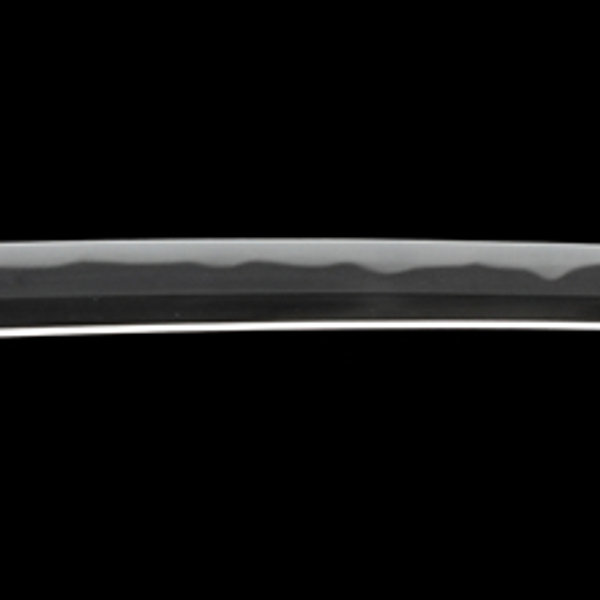
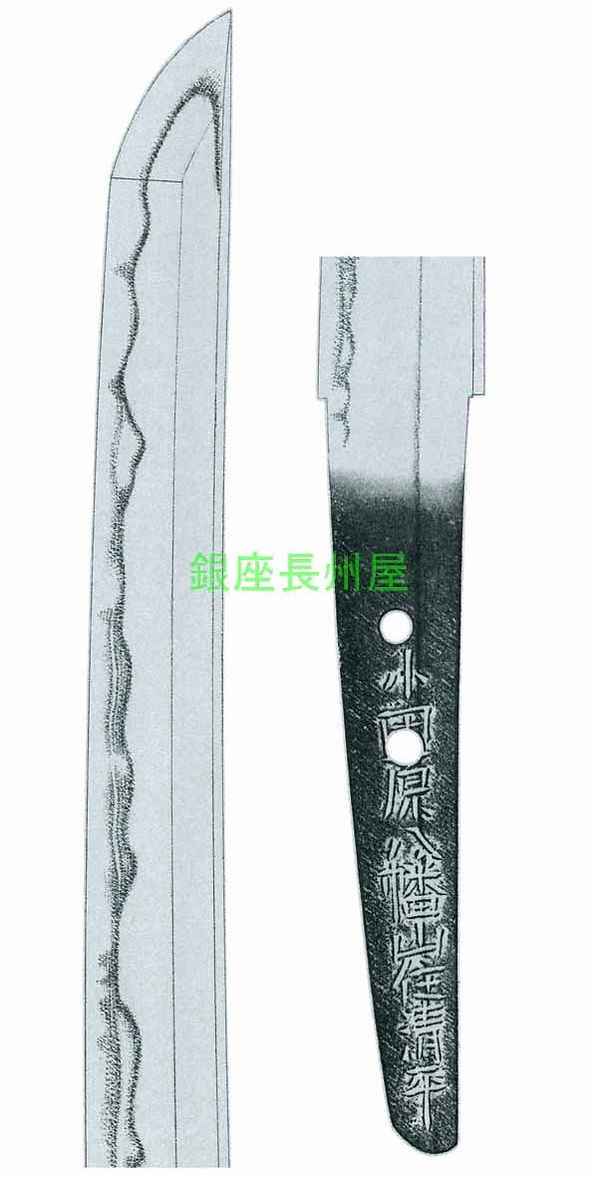
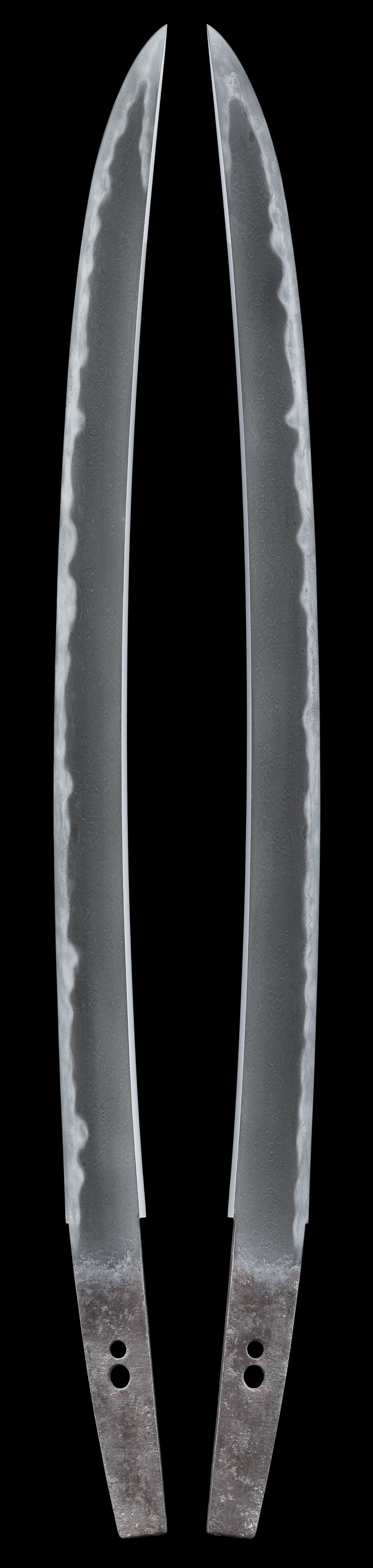
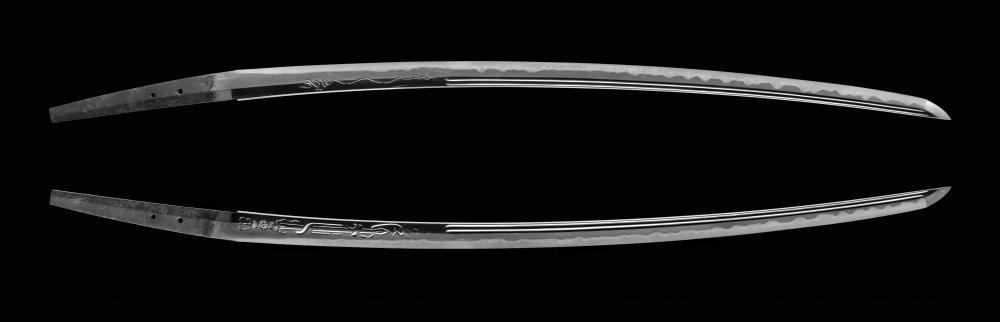
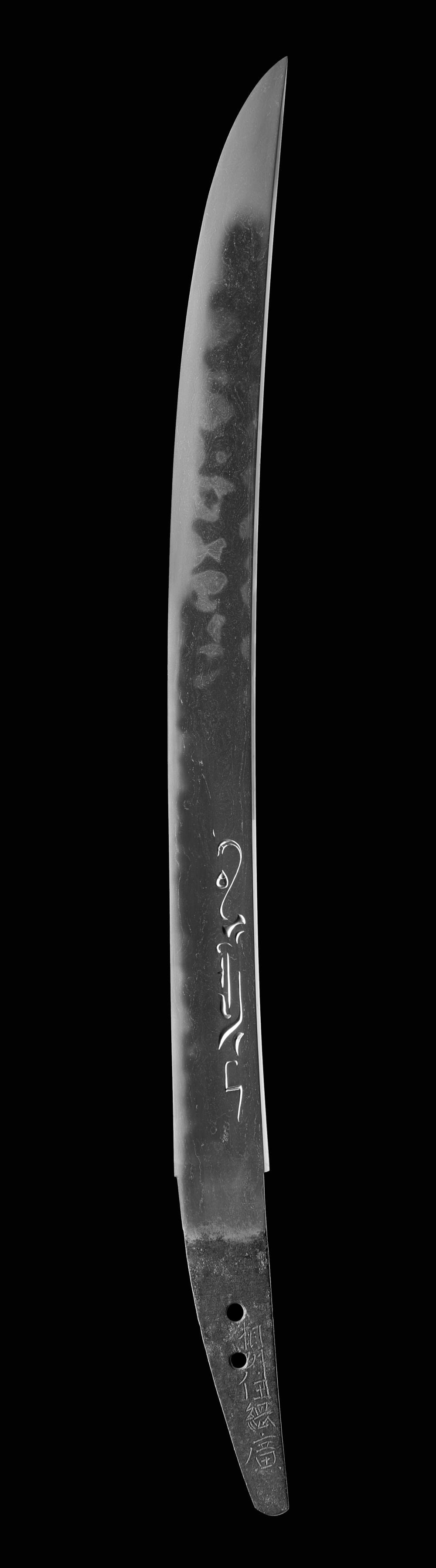
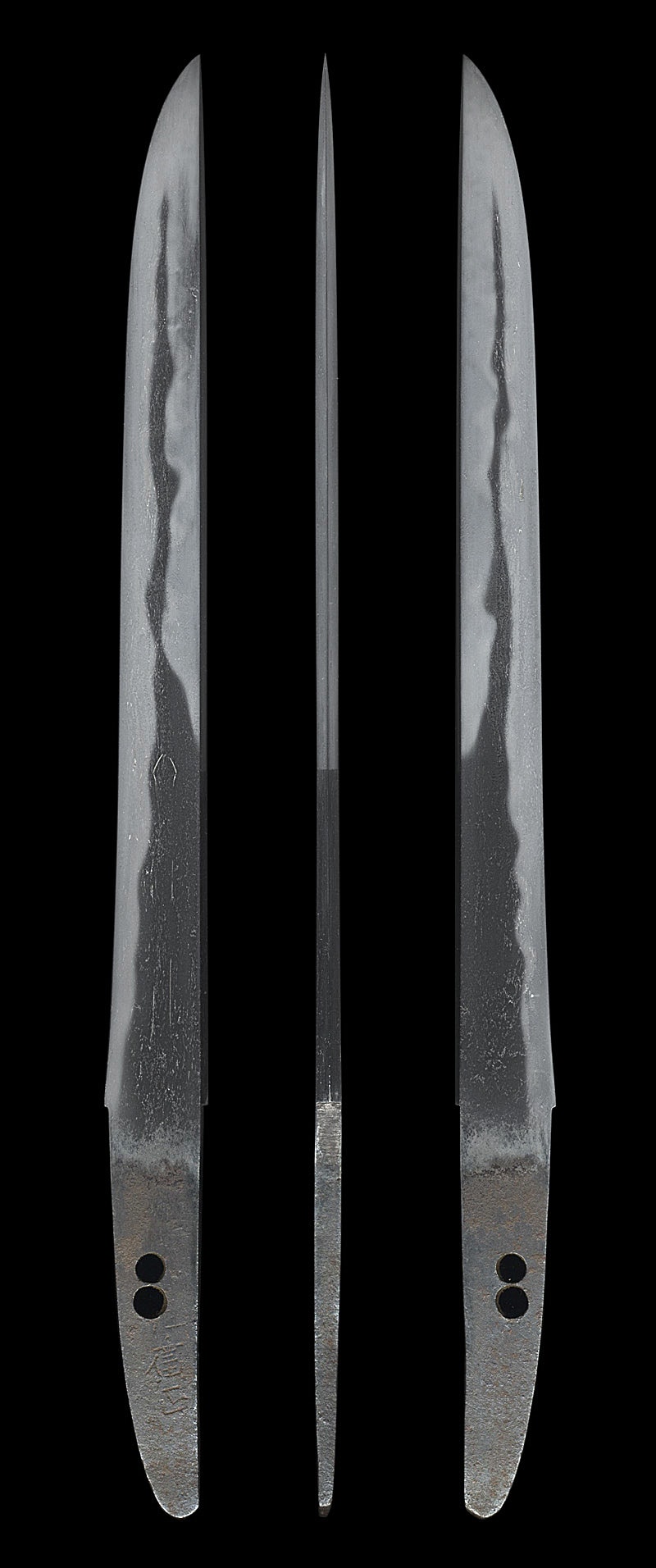
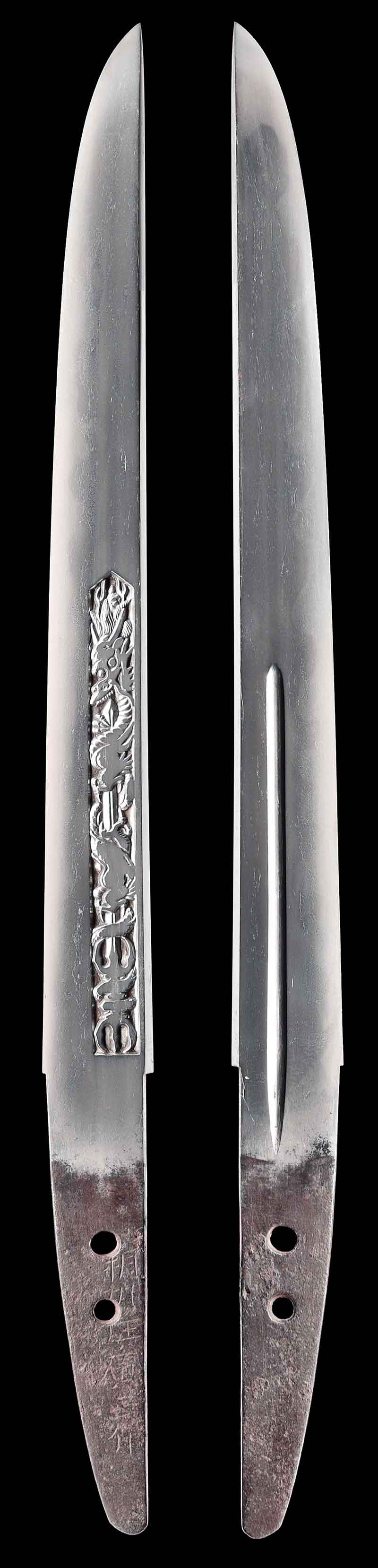
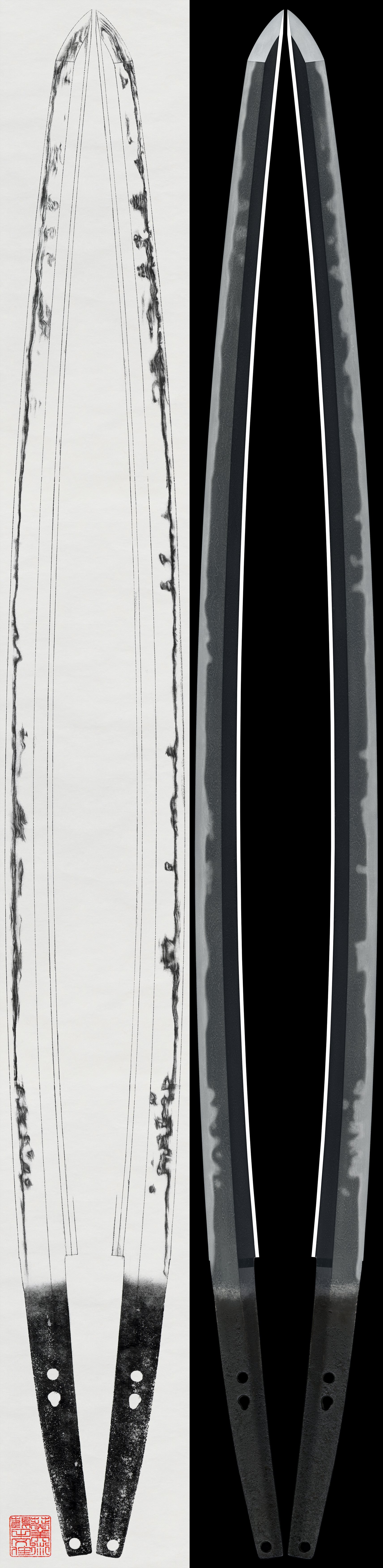
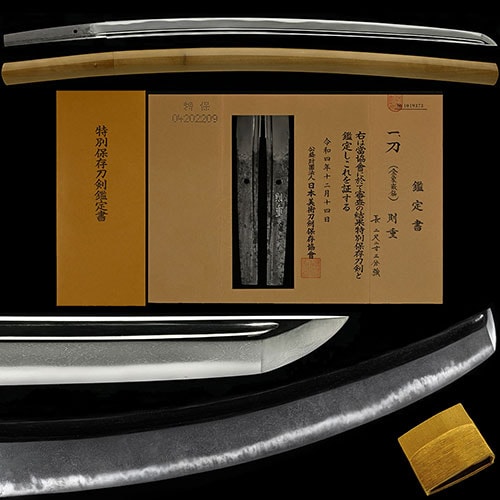
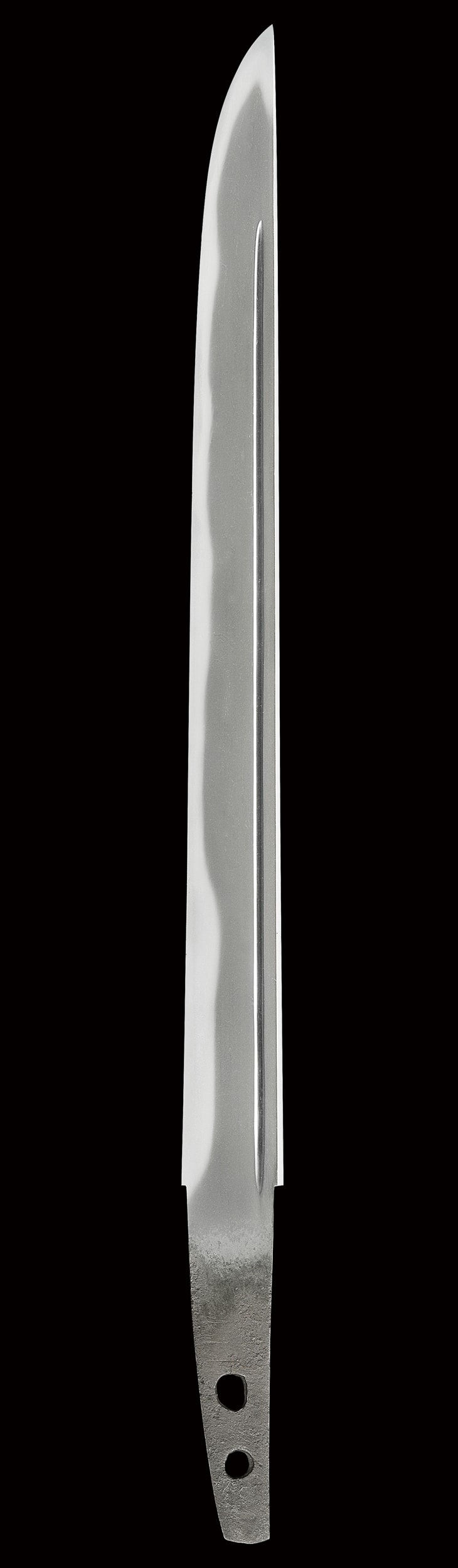
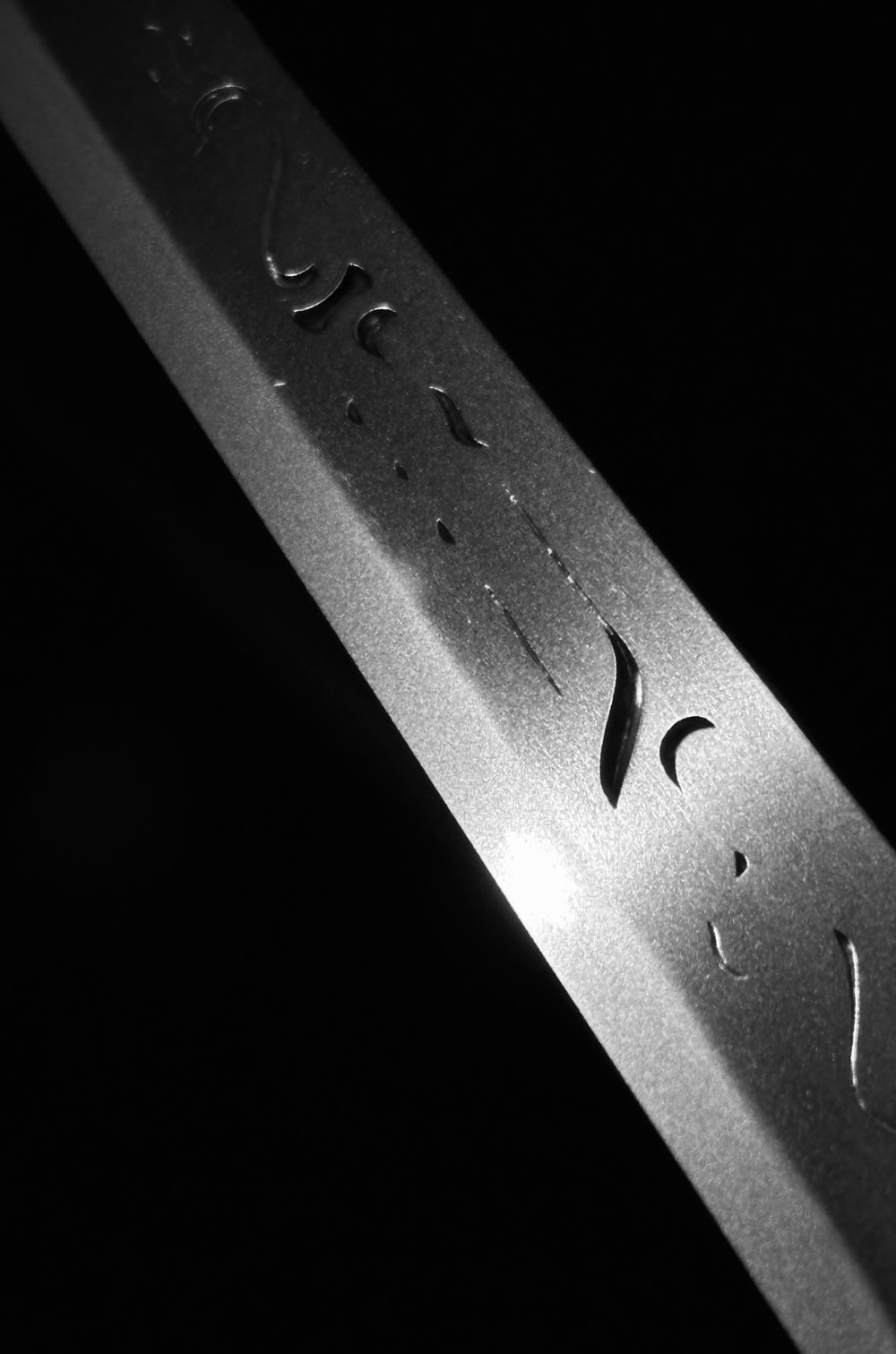
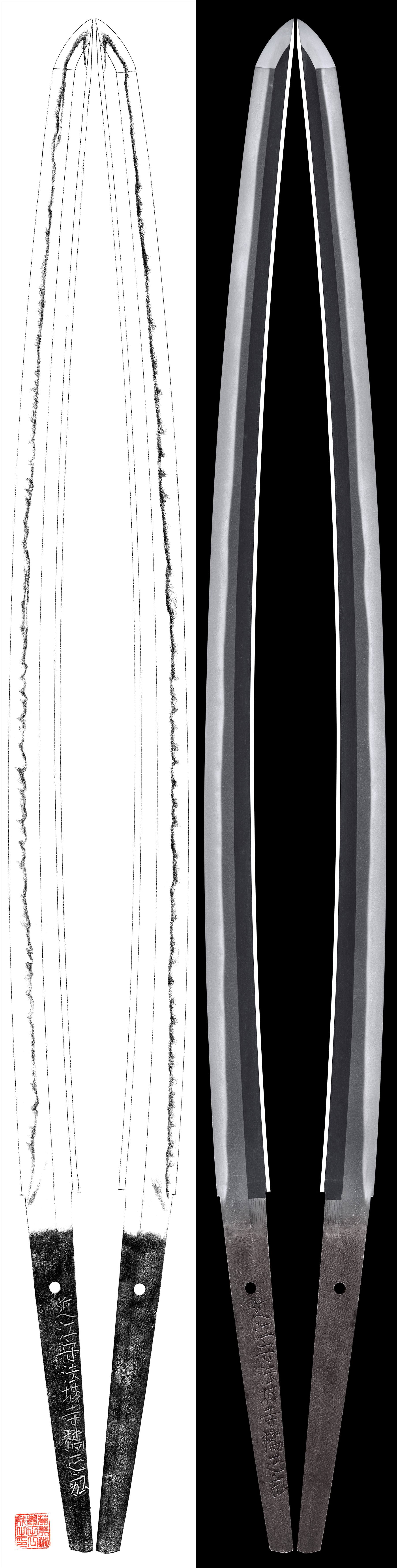
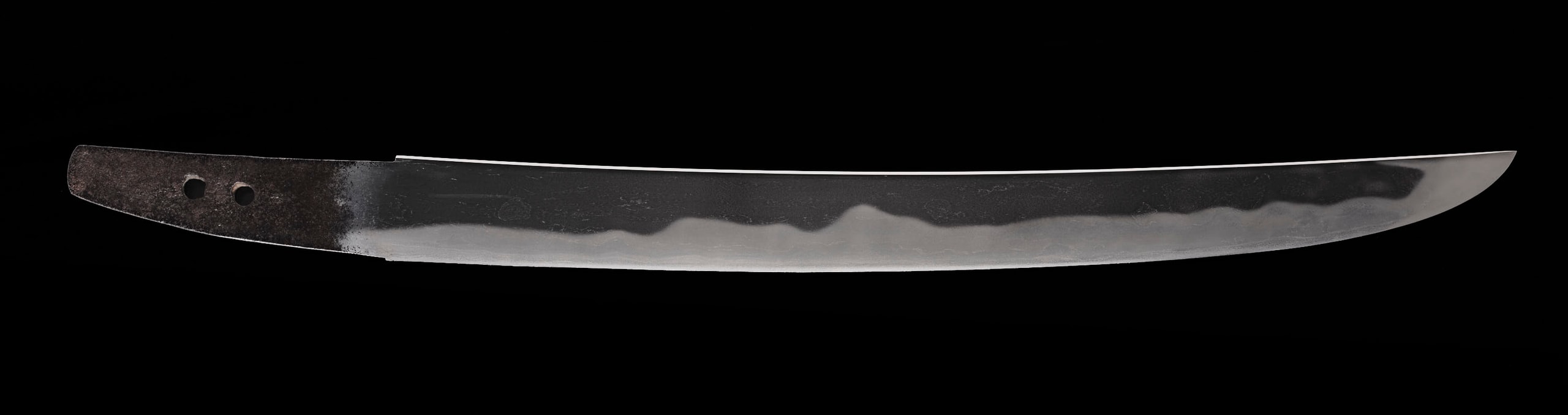
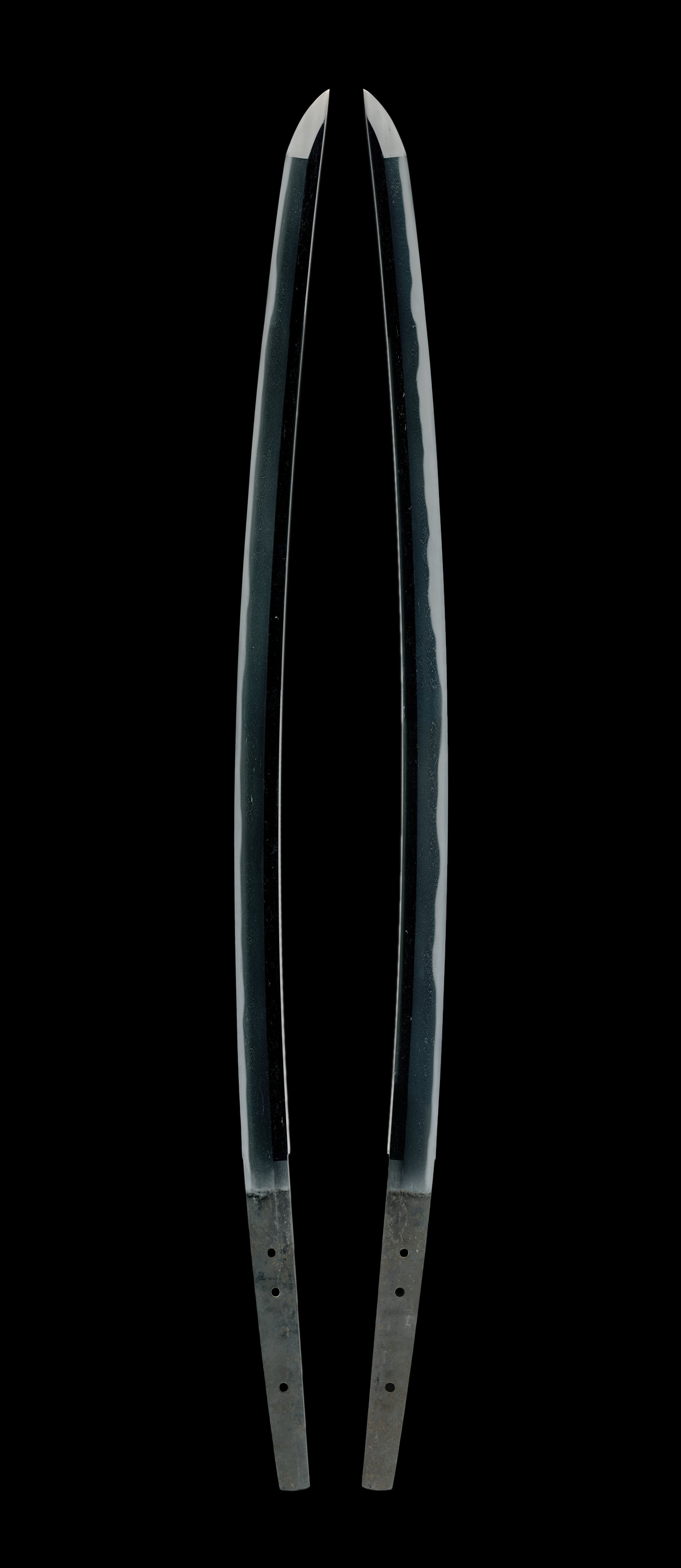
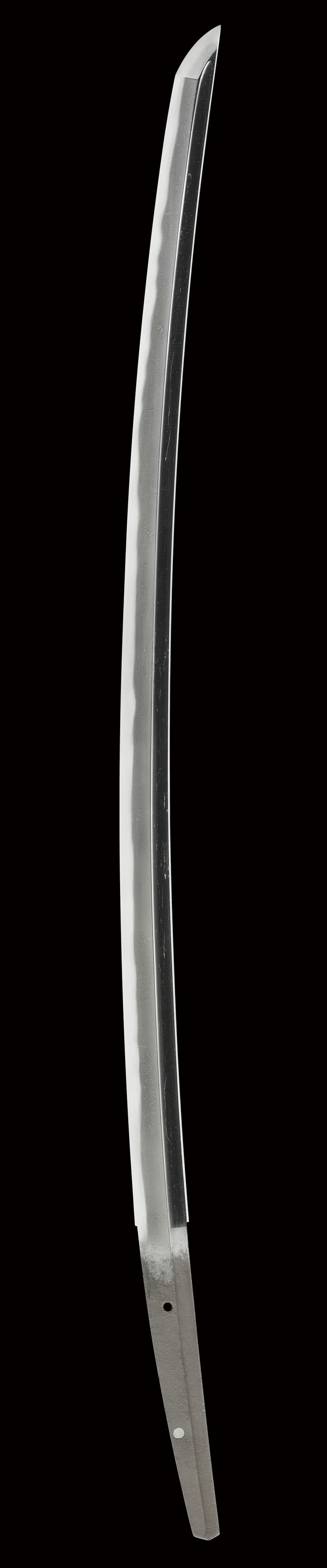
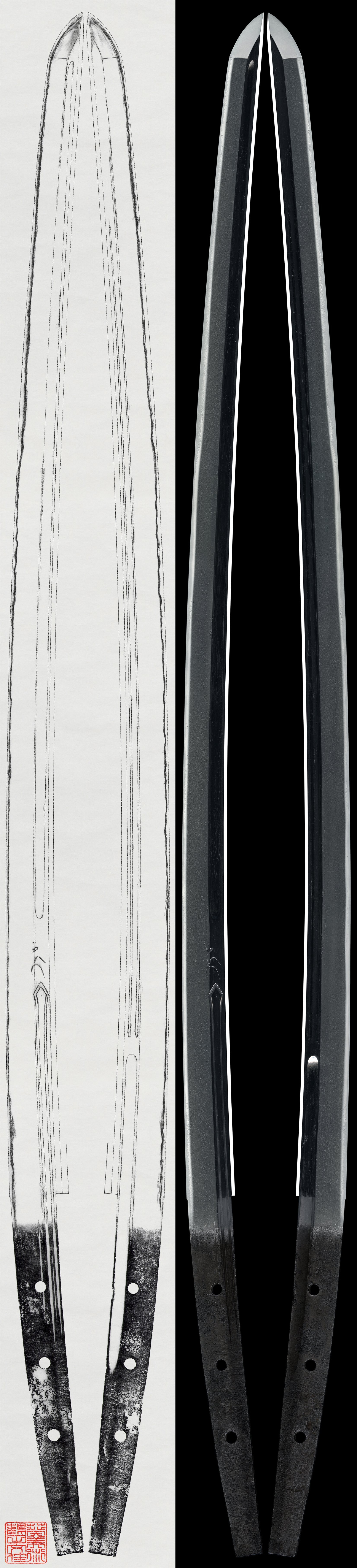
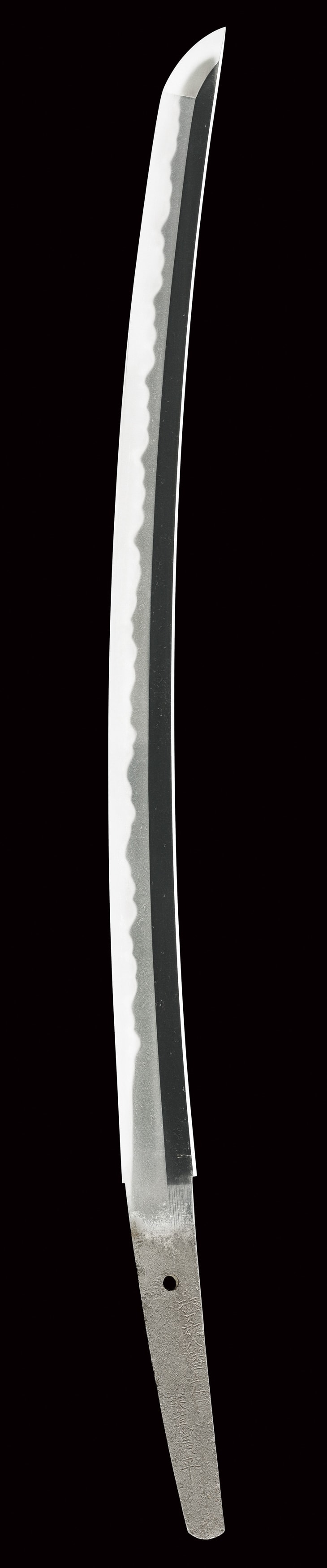
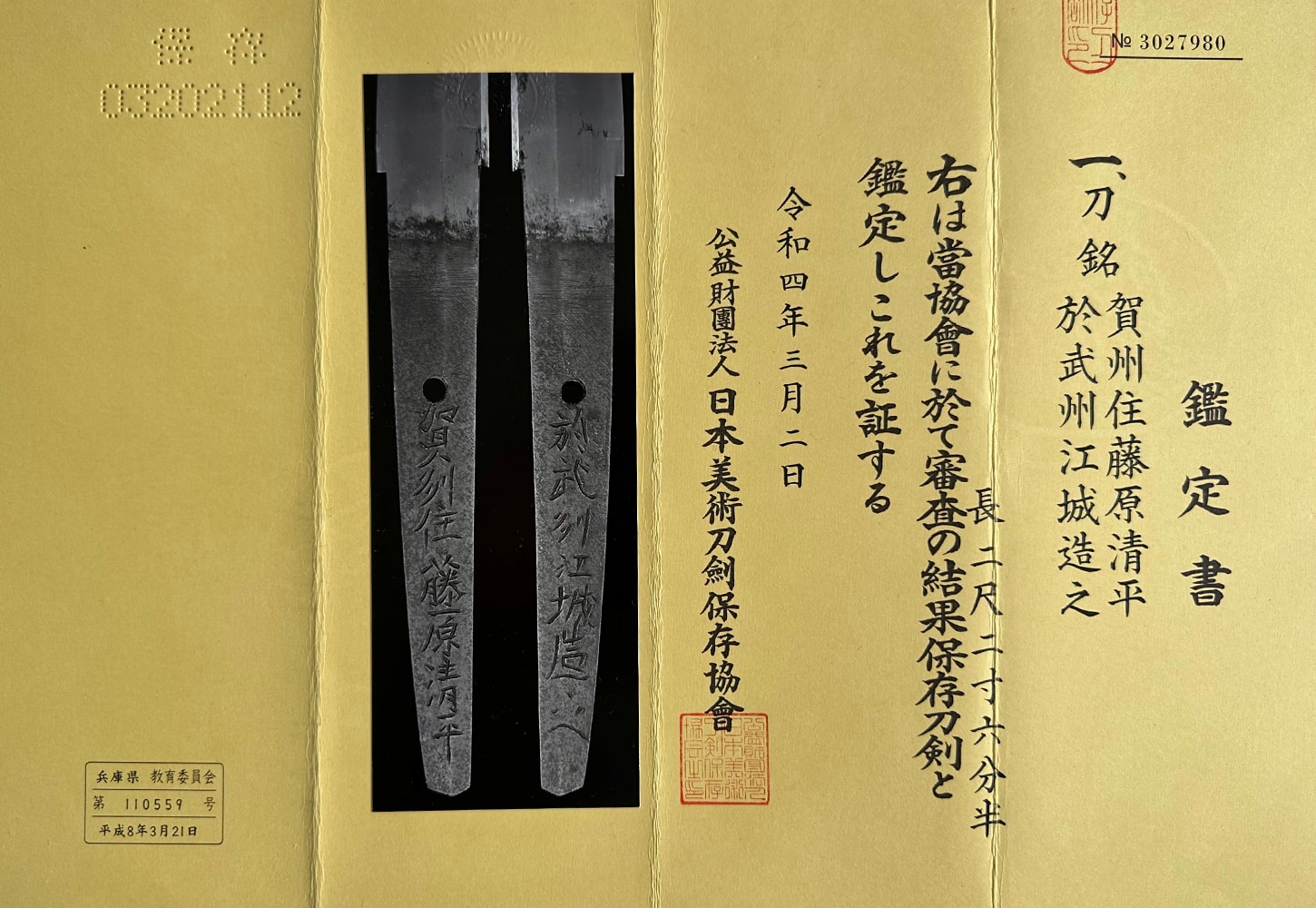
This is a wakizashi by Kiyohira, the fourth son of the master smith Kanewaka from the Kaga Shinto school. Made around the Enpo era (early Edo period) in Sagami province, it is highly regarded for its exceptional sharpness, comparable to Saijo O-wazamono rated blades. The blade features a healthy form with deep sori and thick kasane, culminating in a chu-kissaki.

NihontoWatch MonNihontoWatch
MarketEncyclopediaKantei
Swords›Sōshū-den›Soshu›Sue-Soshu›Kiyohira›Wakizashi: Odawara Hachimanyama Ju Kiyohira
wakizashi
Sue-Soshu Kiyohira

Wakizashi: Odawara Hachimanyama Ju Kiyohira

mei · Kaga · Enpo (1673-1681)

SOLD
Sue-Soshu Kiyohira (清平) · Kaga · Enpo (1673-1681)1 work for sale →
Wakizashi
Could you name the smith from the blade alone? Today’s kantei →
Sue-Soshu Kiyohira — 1 of 2
Sue-Soshu Kiyohira — 2 of 2
1 / 2
1 / 2
Sue-Soshu Kiyohira — 1 of 2Sue-Soshu Kiyohira — 2 of 2
Sue-Soshu Kiyohira (清平) · Kaga · Enpo (1673-1681)1 work for sale →
Wakizashi
Could you name the smith from the blade alone? Today’s kantei →
Measurements & details
Smith
Sue-Soshu Kiyohira
Type
Wakizashi
School
Sue-Soshu
Period
Around 1673–1681(Enpo)
Province
Sagami
Signature
Signed(100% of this smith's designated works are signed)
Description

This is a wakizashi by Kiyohira, the fourth son of the master smith Kanewaka from the Kaga Shinto school. Made around the Enpo era (early Edo period) in Sagami province, it is highly regarded for its exceptional sharpness, comparable to Saijo O-wazamono rated blades. The blade features a healthy form with deep sori and thick kasane, culminating in a chu-kissaki.

About the maker

Kiyohira

清平

Soshu-den · Sagami · around 1673-1681

Tōken Taikan top 60%

1 piece on the market now

›

Kiyohira (清平), also known as Tsujimura Gorōemon, was the fourth son of the first-generation Kashu Jinroku Kanewaka. A blade dated Genroku 2 (1689) bearing the inscription "aged seventy" establishes his birth in Genna 6 (1620). He moved to Edo around the end of the Keian era[[c:1]], and a blade dated Joo 2 (1653) already bears the inscription "made in Bushu Edo." Later retained by the Inaba family of Sagami, he signed works from Kanbun 2 (1662) onward as "resident of Odawara Hachimanyama[[c:2]]." His style is grounded in the character of Kaga workmanship inherited from his father Kanewaka and elder brother Kagehira, yet he established "an individual sphere of expression on that base."

Kiyohira's kitae characteristically shows itame-hada that overall flows and becomes masame-inclined -- a feature the NBTHK identifies as "a characteristic of this lineage." The hamon presents notare mixed with large gunome, ko-notare, and ko-gunome, with deep nioi and abundant ko-nie; ashi enter well, and sunagashi and kinsuji appear throughout. What distinguishes Kiyohira from typical Kaga production is the conspicuously stronger adherence of nie, prominent chikei and nie-suji in both ji and ha, elements tending toward pointed forms within the temper, and a bright nioiguchi. The boshi typically shows shallow notare or sugu with ko-maru and a deep return.

The NBTHK recognizes Kiyohira's finest works as "superior pieces" that are simultaneously "precious as documentary material." His utsushi of the celebrated meibutsu "Fudo Kuniyuki" -- the only known such copy by his hand -- is praised for its conscious evocation of the original through a slightly narrow yakihaba with yubashiri and nijuba overlaying the yakigashira. Gold-inlaid kinzogan cutting-test inscriptions on several works further enhance their documentary significance. Kiyohira's oeuvre represents a distinctive synthesis of the Kaga tradition with an individual intensity of nie expression that sets him apart within the broader Kanewaka lineage.

Historical importance

Where Kiyohira stands among comparable artisans: across all of nihontō, and within tradition, era, and period. The tiers (Foremost · Leading · Major · Notable) weigh official designations from the NBTHK and Japan's Agency for Cultural Affairs, together with historical honors of lasting repute such as the Sansaku and Meibutsu-chō.

随一
Foremost
屈指
Leading
有数
Major
著名
Notable

Select a lens to see how it's measured.

Designation record
4 designated works
Gyobutsu (Imperial)
1
Jūyō
3
1 work by Kiyohira on the market→
Kiyohira — full profileSoshu-den school

Study this maker →

About the school

Sue-Soshu

末相州

Soshu-den · Sagami

Phase: Sue-Sōshū末相州· 1356–1868

20 pieces on the market now

›

When the great Kamakura masters had passed and the country slid into the wars of the late Muromachi, a residual Soshu-den held on in Sagami under a new patron. The Later Hojo, ruling from Odawara castle, kept smiths at hand, and it was from this orbit that the leading name of the window emerged: Tsunahiro, transmitted as a retained smith of the Odawara Hojo who took the character tsuna from Hojo Ujitsuna. The first generation's earliest dated works fall in the Tenbun era, and the line runs forward in the conventional reckoning through Tensho, Keicho, Kan'ei, and Manji, the third generation drawn west to Tsugaru by Tamenobu to forge daisho before returning home. Around him stood a wider Sagami population working the same idiom: Hirotsugu of Kamakura, whose strongest hands cluster near the Meio and Tenbun years; Hiromasa and Soso, names carried across several indistinct generations; Masahiro, reaching back toward Joji; and the Odawara group of Yasuharu, Yasukuni, and Fusamune, the last praised above all for his carving. These smiths inherited the manner of the Nanbokucho apex at a remove of generations rather than by direct descent from the mainline of Masamune and Sadamune. The signature of the phase is the open declaration of the full temper. The forging stays itame mixed with mokume, the grain inclined to stand (hadadachi-gokoro), with ji-nie and chikei; over it the smiths ran a notare-and-gunome ground that climbs the upper half into hitatsura, tobiyaki and muneyaki firing across ji and mune, sunagashi and kinsuji threading the ha. This is the hitatsura and o-midare learned from Hiromitsu and Akihiro, but pushed toward display: the Hirotsugu katana of the 61st Juyo runs its temper so high it reaches the shinogi, mixing choji, togariba, and yahazu-gata into a demonstrative yakidaka pattern.

The contrast with the classic apex is precise and the appraisers mark it. Where Masamune raised nie to its deepest refinement over a bright, clear steel, the Sue-Soshu ji tends to shirake, a whitish cast standing in for that clarity, and the nioiguchi inclines to shizumi, a sunken or subdued quality rather than depth. The 238th Jubi record states the point plainly for the first-generation Tsunahiro: the ji and ha carry abundant nie, yet the very shape of the hamon departs from that of Hiromitsu and Akihiro. The temper is broader and busier across the surface, but it lacks the quiet command and the leaping interior activity of the original. To kantei the window is to separate this demonstrative late temper from the classic Soshu-den it imitates: a standing itame with shirake, a wide hitatsura worked with yahazu and crescent tobiyaki, a nioiguchi that sinks rather than deepens, and signatures reading Soshu-ju with full given names rather than the o-suriage mumei of the great forebears. The named hands carry the distinctions, Fusamune through his dense, precise horimono of kurikara and bonji, Tsunahiro through his crescent tobiyaki and high monouchi fire, Hirotsugu through a hitatsura vigorous enough to recall Hasebe. Provenance keeps these blades close to power: several rest in the Imperial collection at the Kunaicho, one bearing the ownership inscription of Akimoto Yoshihide of Kozuke, another the Hachiman Daibosatsu invocation of a Sengoku warrior, the Tsunahiro commission tied by its dated nakago to the Tsugaru house. Learn more →

18 recorded smiths57 designated works
Leading smiths
SmithEraDesignated
Fusamune總宗1504-15215
Tsunahiro綱廣1532-155512
Hiromasa廣正1444-14564
Tsunaie綱家1532-15553
Kiyohira清平1673-16814
Explore the Sue-Soshu school →

Historical context

The Edo period (1615 to 1868)

›

Edo was the sword’s age of connoisseurship: the Hon’ami appraisers, the shogunal register of famous blades of 1719, and a thriving literature turned the sword into an object of study even as it ceased to be drawn in war.

The Edo period (1615 to 1868) →

Warning — certificate not found

We could not find an authenticity certificate on the seller’s listing. Japanese swords and fittings are normally papered by the NBTHK (or the NTHK). Without one, the attribution is the seller’s own assessment and has not been independently verified — treat it with caution and ask the dealer about certification before buying.

Seller
C
Choshuya
🇯🇵Ships from Japan
›
✓Verified dealerwww.choshuya.co.jp
✓Ships worldwide✓English support
Return policy

If, due to our fault, the item differs significantly from its proper condition, the item may be returned. Cooling-off is within one week of the item's arrival.
View all of Choshuya’s listings→View this item on the dealer’s site→

More works by Sue-Soshu Kiyohira

View all →
Samurai Nippon
Tokubetsu Kichō
Wakizashi - Tokubetsu Kichō - by Sue-Soshu Kiyohira - Soshu Hachimanyamaju Fujiwara no Kiyohira (4th son of 1st Gen. Kanewaka)Wakizashi - Tokubetsu Kichō - by Sue-Soshu Kiyohira - Soshu Hachimanyamaju Fujiwara no Kiyohira (4th son of 1st Gen. Kanewaka)

Wakizashi

BySue-Soshu Kiyohira
¥1,100,000

Previously sold by Sue-Soshu Kiyohira

View all →
World Seiyudo
Hozon
Wakizashi - Hozon - by Sue-Soshu Kiyohira - Hachimannyama Kiyohira - NBTHK Hozon TokenWakizashi - Hozon - by Sue-Soshu Kiyohira - Hachimannyama Kiyohira - NBTHK Hozon Token
Sold

Wakizashi

BySue-Soshu Kiyohira
SOLD
Nihonto Art
Hozon
Katana - Hozon - by Sue-Soshu Kiyohira - Edo period Katana signed Kiyohira in elegant koshiraeKatana - Hozon - by Sue-Soshu Kiyohira - Edo period Katana signed Kiyohira in elegant koshirae
Sold

Katana

BySue-Soshu Kiyohira
SOLD
Samurai Nippon
Katana - by Sue-Soshu Kiyohira - Odawara Hachimanyamaju KiyohiraKatana - by Sue-Soshu Kiyohira - Odawara Hachimanyamaju Kiyohira
Sold

Katana

BySue-Soshu Kiyohira
SOLD

More from the Sue-Soshu school

View all →
Choshuya
Tokuho
Katana - Tokuho - by Sue-Soshu Tsunahiro - Soshu ju Tsunahiro (The founder)Katana - Tokuho - by Sue-Soshu Tsunahiro - Soshu ju Tsunahiro (The founder)

Katana

BySue-Soshu Tsunahiro
Ask
World Seiyudo
Tokuho
Wakizashi - Tokuho - by Sue-Soshu Masahiro - Mumei Soshu Masahiro - NBTHK Tokubetsu Hozon Token & TosoguWakizashi - Tokuho - by Sue-Soshu Masahiro - Mumei Soshu Masahiro - NBTHK Tokubetsu Hozon Token & Tosogu

Wakizashi

BySue-Soshu Masahiro
¥2,500,000
Shoubudou
Tokuho
Tachi - Tokuho - by Sue-Soshu Hirotsugu - Hirotsugu sakuTachi - Tokuho - by Sue-Soshu Hirotsugu - Hirotsugu saku

Tachi

BySue-Soshu Hirotsugu
¥2,400,000
Shoubudou
Tokuho
Wakizashi - Tokuho - by Sue-Soshu School - Soshu jyu TsunahiroWakizashi - Tokuho - by Sue-Soshu School - Soshu jyu Tsunahiro

Wakizashi

BySue-Soshu School
¥2,200,000
Yazawa Shokai
Hozon
Wakizashi - Hozon - by Sue-Soshu School - Koto Jō-saku Swordsmith Soshu Hiromasa - Blade Length 47.7cm - Old Polish - With Koshirae (Gold, Silver, Black Varied Lacquer, Gold Samegawa Tsuka-maki)Wakizashi - Hozon - by Sue-Soshu School - Koto Jō-saku Swordsmith Soshu Hiromasa - Blade Length 47.7cm - Old Polish - With Koshirae (Gold, Silver, Black Varied Lacquer, Gold Samegawa Tsuka-maki)

Wakizashi

BySue-Soshu School
¥500,000
E-sword
Hozon
Tanto - Hozon - by Sue-Soshu Hiromasa - Hiromasa (Soshu, Late Muromachi Period)Tanto - Hozon - by Sue-Soshu Hiromasa - Hiromasa (Soshu, Late Muromachi Period)

Tantō

BySue-Soshu Hiromasa
¥550,000
Toyuukai
Hozon
Wakizashi - Hozon - by Sue-Soshu Tsunahiro - Wakizashi by Sousyu-sumi Tsunahiro with NBTHK Hozon CertificateWakizashi - Hozon - by Sue-Soshu Tsunahiro - Wakizashi by Sousyu-sumi Tsunahiro with NBTHK Hozon Certificate

Wakizashi

BySue-Soshu Tsunahiro
¥400,000
Tsuruginoya
Tokuho
Tanto - Tokuho - by Sue-Soshu School - Soshu HiromasaTanto - Tokuho - by Sue-Soshu School - Soshu Hiromasa

Tantō

BySue-Soshu School
¥550,000

More from the Soshu school

View all →
Aoi Art
Tokuho
Katana - Tokuho - by Gō Yoshihiro - Mumei (Unsigned) Den Go YoshihiroKatana - Tokuho - by Gō Yoshihiro - Mumei (Unsigned) Den Go Yoshihiro

Katana

ByGō Yoshihiro
¥35,000,000
Tsuruginoya
Tokujū
Katana - Tokuju - by Soshu Yukimitsu - Soshu YukimitsuKatana - Tokuju - by Soshu Yukimitsu - Soshu Yukimitsu

Katana

BySoshu Yukimitsu
Ask
Eirakudo
Tokuho
Katana - Tokuho - by Soshu Norishige - Norishige - Tokubetsu Hozon TokenKatana - Tokuho - by Soshu Norishige - Norishige - Tokubetsu Hozon Token

Katana

BySoshu Norishige
¥6,500,000
Choshuya
Jūyō
Tanto - Jūyō - by Soshu Norishige - Ubu-nakago Mumei NorishigeTanto - Jūyō - by Soshu Norishige - Ubu-nakago Mumei Norishige

Tantō

BySoshu Norishige
¥6,500,000
Eirakudo
Jūyō
Tanto - Jūyō - by Soshu Yukimitsu - Sosyu Yukimitsu Tanto Juyo TokenTanto - Jūyō - by Soshu Yukimitsu - Sosyu Yukimitsu Tanto Juyo Token

Tantō

BySoshu Yukimitsu
Ask
Samurai Nippon
Jūyō
Tanto - Jūyō - by Soshu Yukimitsu - Soshu Yukimitsu (Ubu Mumei)Tanto - Jūyō - by Soshu Yukimitsu - Soshu Yukimitsu (Ubu Mumei)

Tantō

BySoshu Yukimitsu
¥6,700,000
Eirakudo
Tokuho
Katana - Tokuho - by Shintogo Kunimitsu - Shintogo Kunimitsu - Tokubetsu Hozon TokenKatana - Tokuho - by Shintogo Kunimitsu - Shintogo Kunimitsu - Tokubetsu Hozon Token

Katana

ByShintogo Kunimitsu
¥7,500,000
Mandarin Mansion
Jūyō
Tachi - Jūyō - by Soshu Yukimitsu - Juyo Soshu Yukimitsu TachiTachi - Jūyō - by Soshu Yukimitsu - Juyo Soshu Yukimitsu Tachi

Tachi

BySoshu Yukimitsu
Ask

More from the Sōshū tradition

View all →
Katanahanbai
Tokuho
Tanto - Tokuho - by Shimada Yoshisuke - Shimada GisukeTanto - Tokuho - by Shimada Yoshisuke - Shimada Gisuke

Tantō

ByShimada Yoshisuke
¥750,000
Aoi Art
Jūyō
Katana - Jūyō - by Hojoji Masahiro - Omi Kami Hojoji Tachibana MasahiroKatana - Jūyō - by Hojoji Masahiro - Omi Kami Hojoji Tachibana Masahiro

Katana

ByHojoji Masahiro
Starting Bid¥3,700,000
Mandarin Mansion
Jūyō
Wakizashi - Jūyō - by Hasebe School - Juyo Den Hasebe Sunnobi TantoWakizashi - Jūyō - by Hasebe School - Juyo Den Hasebe Sunnobi Tanto

Wakizashi

ByHasebe School
¥30,000
Choshuya
Tokuho
Katana - Tokuho - by Soshu Norishige - Unsigned (O-suriage) NorishigeKatana - Tokuho - by Soshu Norishige - Unsigned (O-suriage) Norishige

Katana

BySoshu Norishige
Ask
Toukentakarado
Tokuho
Katana - Tokuho - by Soshu Tametsugu - Mumei Attributed to TametsuguKatana - Tokuho - by Soshu Tametsugu - Mumei Attributed to Tametsugu

Katana

BySoshu Tametsugu
¥1,500,000
Samurai Nippon
Jūyō
Katana - Jūyō - by Soshu Norishige - Mumei (Attributed to Norishige)Katana - Jūyō - by Soshu Norishige - Mumei (Attributed to Norishige)

Katana

BySoshu Norishige
Ask
Aoi Art
Tokuho
Katana - Tokuho - by Shintogo Kunimitsu - Unsigned (Attributed to Shintogo)Katana - Tokuho - by Shintogo Kunimitsu - Unsigned (Attributed to Shintogo)

Katana

ByShintogo Kunimitsu
¥7,800,000
Onihonto
Tokuho
Tanto - Tokuho - by Sa Yasuyoshi - YasuyoshiTanto - Tokuho - by Sa Yasuyoshi - Yasuyoshi

Tantō

BySa Yasuyoshi
¥16,000

Swords

  • Katana
  • Wakizashi
  • Tantō
  • Tachi
  • Naginata
  • Yari
  • Japanese Swords
  • Samurai Swords

Fittings

  • Tsuba
  • Fuchi-Kashira
  • Kozuka
  • Menuki
  • Sword Guards (Tsuba)

Armor

  • Kabuto
  • Samurai Armor
  • All Samurai Armor

By Certification

  • Tokujū
  • Jūyō
  • Tokuho
  • Hozon

Resources

  • Dealer Directory
  • Artist Directory
  • The Daily Kantei
  • Glossary
  • Browse All
Nihontowatch© 2026
TermsPrivacyCookiesAbout
Sold

Description

This is a wakizashi by Kiyohira, the fourth son of the master smith Kanewaka from the Kaga Shinto school. Made around the Enpo era (early Edo period) in Sagami province, it is highly regarded for its exceptional sharpness, comparable to Saijo O-wazamono rated blades. The blade features a healthy form with deep sori and thick kasane, culminating in a chu-kissaki.

NihontoWatch MonNihontoWatch
MarketEncyclopediaKantei
Swords›Sōshū-den›Soshu›Sue-Soshu›Kiyohira›Wakizashi: Odawara Hachimanyama Ju Kiyohira
wakizashi
Sue-Soshu Kiyohira

Wakizashi: Odawara Hachimanyama Ju Kiyohira

mei · Kaga · Enpo (1673-1681)

SOLD
Sue-Soshu Kiyohira (清平) · Kaga · Enpo (1673-1681)1 work for sale →
Wakizashi
Could you name the smith from the blade alone? Today’s kantei →
Sue-Soshu Kiyohira — 1 of 2
Sue-Soshu Kiyohira — 2 of 2
1 / 2
1 / 2
Sue-Soshu Kiyohira — 1 of 2Sue-Soshu Kiyohira — 2 of 2
Sue-Soshu Kiyohira (清平) · Kaga · Enpo (1673-1681)1 work for sale →
Wakizashi
Could you name the smith from the blade alone? Today’s kantei →
Measurements & details
Smith
Sue-Soshu Kiyohira
Type
Wakizashi
School
Sue-Soshu
Period
Around 1673–1681(Enpo)
Province
Sagami
Signature
Signed(100% of this smith's designated works are signed)
Description

This is a wakizashi by Kiyohira, the fourth son of the master smith Kanewaka from the Kaga Shinto school. Made around the Enpo era (early Edo period) in Sagami province, it is highly regarded for its exceptional sharpness, comparable to Saijo O-wazamono rated blades. The blade features a healthy form with deep sori and thick kasane, culminating in a chu-kissaki.

About the maker

Kiyohira

清平

Soshu-den · Sagami · around 1673-1681

Tōken Taikan top 60%

1 piece on the market now

›

Kiyohira (清平), also known as Tsujimura Gorōemon, was the fourth son of the first-generation Kashu Jinroku Kanewaka. A blade dated Genroku 2 (1689) bearing the inscription "aged seventy" establishes his birth in Genna 6 (1620). He moved to Edo around the end of the Keian era[[c:1]], and a blade dated Joo 2 (1653) already bears the inscription "made in Bushu Edo." Later retained by the Inaba family of Sagami, he signed works from Kanbun 2 (1662) onward as "resident of Odawara Hachimanyama[[c:2]]." His style is grounded in the character of Kaga workmanship inherited from his father Kanewaka and elder brother Kagehira, yet he established "an individual sphere of expression on that base."

Kiyohira's kitae characteristically shows itame-hada that overall flows and becomes masame-inclined -- a feature the NBTHK identifies as "a characteristic of this lineage." The hamon presents notare mixed with large gunome, ko-notare, and ko-gunome, with deep nioi and abundant ko-nie; ashi enter well, and sunagashi and kinsuji appear throughout. What distinguishes Kiyohira from typical Kaga production is the conspicuously stronger adherence of nie, prominent chikei and nie-suji in both ji and ha, elements tending toward pointed forms within the temper, and a bright nioiguchi. The boshi typically shows shallow notare or sugu with ko-maru and a deep return.

The NBTHK recognizes Kiyohira's finest works as "superior pieces" that are simultaneously "precious as documentary material." His utsushi of the celebrated meibutsu "Fudo Kuniyuki" -- the only known such copy by his hand -- is praised for its conscious evocation of the original through a slightly narrow yakihaba with yubashiri and nijuba overlaying the yakigashira. Gold-inlaid kinzogan cutting-test inscriptions on several works further enhance their documentary significance. Kiyohira's oeuvre represents a distinctive synthesis of the Kaga tradition with an individual intensity of nie expression that sets him apart within the broader Kanewaka lineage.

Historical importance

Where Kiyohira stands among comparable artisans: across all of nihontō, and within tradition, era, and period. The tiers (Foremost · Leading · Major · Notable) weigh official designations from the NBTHK and Japan's Agency for Cultural Affairs, together with historical honors of lasting repute such as the Sansaku and Meibutsu-chō.

随一
Foremost
屈指
Leading
有数
Major
著名
Notable

Select a lens to see how it's measured.

Designation record
4 designated works
Gyobutsu (Imperial)
1
Jūyō
3
1 work by Kiyohira on the market→
Kiyohira — full profileSoshu-den school

Study this maker →

About the school

Sue-Soshu

末相州

Soshu-den · Sagami

Phase: Sue-Sōshū末相州· 1356–1868

20 pieces on the market now

›

When the great Kamakura masters had passed and the country slid into the wars of the late Muromachi, a residual Soshu-den held on in Sagami under a new patron. The Later Hojo, ruling from Odawara castle, kept smiths at hand, and it was from this orbit that the leading name of the window emerged: Tsunahiro, transmitted as a retained smith of the Odawara Hojo who took the character tsuna from Hojo Ujitsuna. The first generation's earliest dated works fall in the Tenbun era, and the line runs forward in the conventional reckoning through Tensho, Keicho, Kan'ei, and Manji, the third generation drawn west to Tsugaru by Tamenobu to forge daisho before returning home. Around him stood a wider Sagami population working the same idiom: Hirotsugu of Kamakura, whose strongest hands cluster near the Meio and Tenbun years; Hiromasa and Soso, names carried across several indistinct generations; Masahiro, reaching back toward Joji; and the Odawara group of Yasuharu, Yasukuni, and Fusamune, the last praised above all for his carving. These smiths inherited the manner of the Nanbokucho apex at a remove of generations rather than by direct descent from the mainline of Masamune and Sadamune. The signature of the phase is the open declaration of the full temper. The forging stays itame mixed with mokume, the grain inclined to stand (hadadachi-gokoro), with ji-nie and chikei; over it the smiths ran a notare-and-gunome ground that climbs the upper half into hitatsura, tobiyaki and muneyaki firing across ji and mune, sunagashi and kinsuji threading the ha. This is the hitatsura and o-midare learned from Hiromitsu and Akihiro, but pushed toward display: the Hirotsugu katana of the 61st Juyo runs its temper so high it reaches the shinogi, mixing choji, togariba, and yahazu-gata into a demonstrative yakidaka pattern.

The contrast with the classic apex is precise and the appraisers mark it. Where Masamune raised nie to its deepest refinement over a bright, clear steel, the Sue-Soshu ji tends to shirake, a whitish cast standing in for that clarity, and the nioiguchi inclines to shizumi, a sunken or subdued quality rather than depth. The 238th Jubi record states the point plainly for the first-generation Tsunahiro: the ji and ha carry abundant nie, yet the very shape of the hamon departs from that of Hiromitsu and Akihiro. The temper is broader and busier across the surface, but it lacks the quiet command and the leaping interior activity of the original. To kantei the window is to separate this demonstrative late temper from the classic Soshu-den it imitates: a standing itame with shirake, a wide hitatsura worked with yahazu and crescent tobiyaki, a nioiguchi that sinks rather than deepens, and signatures reading Soshu-ju with full given names rather than the o-suriage mumei of the great forebears. The named hands carry the distinctions, Fusamune through his dense, precise horimono of kurikara and bonji, Tsunahiro through his crescent tobiyaki and high monouchi fire, Hirotsugu through a hitatsura vigorous enough to recall Hasebe. Provenance keeps these blades close to power: several rest in the Imperial collection at the Kunaicho, one bearing the ownership inscription of Akimoto Yoshihide of Kozuke, another the Hachiman Daibosatsu invocation of a Sengoku warrior, the Tsunahiro commission tied by its dated nakago to the Tsugaru house. Learn more →

18 recorded smiths57 designated works
Leading smiths
SmithEraDesignated
Fusamune總宗1504-15215
Tsunahiro綱廣1532-155512
Hiromasa廣正1444-14564
Tsunaie綱家1532-15553
Kiyohira清平1673-16814
Explore the Sue-Soshu school →

Historical context

The Edo period (1615 to 1868)

›

Edo was the sword’s age of connoisseurship: the Hon’ami appraisers, the shogunal register of famous blades of 1719, and a thriving literature turned the sword into an object of study even as it ceased to be drawn in war.

The Edo period (1615 to 1868) →

Warning — certificate not found

We could not find an authenticity certificate on the seller’s listing. Japanese swords and fittings are normally papered by the NBTHK (or the NTHK). Without one, the attribution is the seller’s own assessment and has not been independently verified — treat it with caution and ask the dealer about certification before buying.

Seller
C
Choshuya
🇯🇵Ships from Japan
›
✓Verified dealerwww.choshuya.co.jp
✓Ships worldwide✓English support
Return policy

If, due to our fault, the item differs significantly from its proper condition, the item may be returned. Cooling-off is within one week of the item's arrival.
View all of Choshuya’s listings→View this item on the dealer’s site→

More works by Sue-Soshu Kiyohira

View all →
Samurai Nippon
Tokubetsu Kichō
Wakizashi - Tokubetsu Kichō - by Sue-Soshu Kiyohira - Soshu Hachimanyamaju Fujiwara no Kiyohira (4th son of 1st Gen. Kanewaka)Wakizashi - Tokubetsu Kichō - by Sue-Soshu Kiyohira - Soshu Hachimanyamaju Fujiwara no Kiyohira (4th son of 1st Gen. Kanewaka)

Wakizashi

BySue-Soshu Kiyohira
¥1,100,000

Previously sold by Sue-Soshu Kiyohira

View all →
World Seiyudo
Hozon
Wakizashi - Hozon - by Sue-Soshu Kiyohira - Hachimannyama Kiyohira - NBTHK Hozon TokenWakizashi - Hozon - by Sue-Soshu Kiyohira - Hachimannyama Kiyohira - NBTHK Hozon Token
Sold

Wakizashi

BySue-Soshu Kiyohira
SOLD
Nihonto Art
Hozon
Katana - Hozon - by Sue-Soshu Kiyohira - Edo period Katana signed Kiyohira in elegant koshiraeKatana - Hozon - by Sue-Soshu Kiyohira - Edo period Katana signed Kiyohira in elegant koshirae
Sold

Katana

BySue-Soshu Kiyohira
SOLD
Samurai Nippon
Katana - by Sue-Soshu Kiyohira - Odawara Hachimanyamaju KiyohiraKatana - by Sue-Soshu Kiyohira - Odawara Hachimanyamaju Kiyohira
Sold

Katana

BySue-Soshu Kiyohira
SOLD

More from the Sue-Soshu school

View all →
Choshuya
Tokuho
Katana - Tokuho - by Sue-Soshu Tsunahiro - Soshu ju Tsunahiro (The founder)Katana - Tokuho - by Sue-Soshu Tsunahiro - Soshu ju Tsunahiro (The founder)

Katana

BySue-Soshu Tsunahiro
Ask
World Seiyudo
Tokuho
Wakizashi - Tokuho - by Sue-Soshu Masahiro - Mumei Soshu Masahiro - NBTHK Tokubetsu Hozon Token & TosoguWakizashi - Tokuho - by Sue-Soshu Masahiro - Mumei Soshu Masahiro - NBTHK Tokubetsu Hozon Token & Tosogu

Wakizashi

BySue-Soshu Masahiro
¥2,500,000
Shoubudou
Tokuho
Tachi - Tokuho - by Sue-Soshu Hirotsugu - Hirotsugu sakuTachi - Tokuho - by Sue-Soshu Hirotsugu - Hirotsugu saku

Tachi

BySue-Soshu Hirotsugu
¥2,400,000
Shoubudou
Tokuho
Wakizashi - Tokuho - by Sue-Soshu School - Soshu jyu TsunahiroWakizashi - Tokuho - by Sue-Soshu School - Soshu jyu Tsunahiro

Wakizashi

BySue-Soshu School
¥2,200,000
Yazawa Shokai
Hozon
Wakizashi - Hozon - by Sue-Soshu School - Koto Jō-saku Swordsmith Soshu Hiromasa - Blade Length 47.7cm - Old Polish - With Koshirae (Gold, Silver, Black Varied Lacquer, Gold Samegawa Tsuka-maki)Wakizashi - Hozon - by Sue-Soshu School - Koto Jō-saku Swordsmith Soshu Hiromasa - Blade Length 47.7cm - Old Polish - With Koshirae (Gold, Silver, Black Varied Lacquer, Gold Samegawa Tsuka-maki)

Wakizashi

BySue-Soshu School
¥500,000
E-sword
Hozon
Tanto - Hozon - by Sue-Soshu Hiromasa - Hiromasa (Soshu, Late Muromachi Period)Tanto - Hozon - by Sue-Soshu Hiromasa - Hiromasa (Soshu, Late Muromachi Period)

Tantō

BySue-Soshu Hiromasa
¥550,000
Toyuukai
Hozon
Wakizashi - Hozon - by Sue-Soshu Tsunahiro - Wakizashi by Sousyu-sumi Tsunahiro with NBTHK Hozon CertificateWakizashi - Hozon - by Sue-Soshu Tsunahiro - Wakizashi by Sousyu-sumi Tsunahiro with NBTHK Hozon Certificate

Wakizashi

BySue-Soshu Tsunahiro
¥400,000
Tsuruginoya
Tokuho
Tanto - Tokuho - by Sue-Soshu School - Soshu HiromasaTanto - Tokuho - by Sue-Soshu School - Soshu Hiromasa

Tantō

BySue-Soshu School
¥550,000

More from the Soshu school

View all →
Aoi Art
Tokuho
Katana - Tokuho - by Gō Yoshihiro - Mumei (Unsigned) Den Go YoshihiroKatana - Tokuho - by Gō Yoshihiro - Mumei (Unsigned) Den Go Yoshihiro

Katana

ByGō Yoshihiro
¥35,000,000
Tsuruginoya
Tokujū
Katana - Tokuju - by Soshu Yukimitsu - Soshu YukimitsuKatana - Tokuju - by Soshu Yukimitsu - Soshu Yukimitsu

Katana

BySoshu Yukimitsu
Ask
Eirakudo
Tokuho
Katana - Tokuho - by Soshu Norishige - Norishige - Tokubetsu Hozon TokenKatana - Tokuho - by Soshu Norishige - Norishige - Tokubetsu Hozon Token

Katana

BySoshu Norishige
¥6,500,000
Choshuya
Jūyō
Tanto - Jūyō - by Soshu Norishige - Ubu-nakago Mumei NorishigeTanto - Jūyō - by Soshu Norishige - Ubu-nakago Mumei Norishige

Tantō

BySoshu Norishige
¥6,500,000
Eirakudo
Jūyō
Tanto - Jūyō - by Soshu Yukimitsu - Sosyu Yukimitsu Tanto Juyo TokenTanto - Jūyō - by Soshu Yukimitsu - Sosyu Yukimitsu Tanto Juyo Token

Tantō

BySoshu Yukimitsu
Ask
Samurai Nippon
Jūyō
Tanto - Jūyō - by Soshu Yukimitsu - Soshu Yukimitsu (Ubu Mumei)Tanto - Jūyō - by Soshu Yukimitsu - Soshu Yukimitsu (Ubu Mumei)

Tantō

BySoshu Yukimitsu
¥6,700,000
Eirakudo
Tokuho
Katana - Tokuho - by Shintogo Kunimitsu - Shintogo Kunimitsu - Tokubetsu Hozon TokenKatana - Tokuho - by Shintogo Kunimitsu - Shintogo Kunimitsu - Tokubetsu Hozon Token

Katana

ByShintogo Kunimitsu
¥7,500,000
Mandarin Mansion
Jūyō
Tachi - Jūyō - by Soshu Yukimitsu - Juyo Soshu Yukimitsu TachiTachi - Jūyō - by Soshu Yukimitsu - Juyo Soshu Yukimitsu Tachi

Tachi

BySoshu Yukimitsu
Ask

More from the Sōshū tradition

View all →
Katanahanbai
Tokuho
Tanto - Tokuho - by Shimada Yoshisuke - Shimada GisukeTanto - Tokuho - by Shimada Yoshisuke - Shimada Gisuke

Tantō

ByShimada Yoshisuke
¥750,000
Aoi Art
Jūyō
Katana - Jūyō - by Hojoji Masahiro - Omi Kami Hojoji Tachibana MasahiroKatana - Jūyō - by Hojoji Masahiro - Omi Kami Hojoji Tachibana Masahiro

Katana

ByHojoji Masahiro
Starting Bid¥3,700,000
Mandarin Mansion
Jūyō
Wakizashi - Jūyō - by Hasebe School - Juyo Den Hasebe Sunnobi TantoWakizashi - Jūyō - by Hasebe School - Juyo Den Hasebe Sunnobi Tanto

Wakizashi

ByHasebe School
¥30,000
Choshuya
Tokuho
Katana - Tokuho - by Soshu Norishige - Unsigned (O-suriage) NorishigeKatana - Tokuho - by Soshu Norishige - Unsigned (O-suriage) Norishige

Katana

BySoshu Norishige
Ask
Toukentakarado
Tokuho
Katana - Tokuho - by Soshu Tametsugu - Mumei Attributed to TametsuguKatana - Tokuho - by Soshu Tametsugu - Mumei Attributed to Tametsugu

Katana

BySoshu Tametsugu
¥1,500,000
Samurai Nippon
Jūyō
Katana - Jūyō - by Soshu Norishige - Mumei (Attributed to Norishige)Katana - Jūyō - by Soshu Norishige - Mumei (Attributed to Norishige)

Katana

BySoshu Norishige
Ask
Aoi Art
Tokuho
Katana - Tokuho - by Shintogo Kunimitsu - Unsigned (Attributed to Shintogo)Katana - Tokuho - by Shintogo Kunimitsu - Unsigned (Attributed to Shintogo)

Katana

ByShintogo Kunimitsu
¥7,800,000
Onihonto
Tokuho
Tanto - Tokuho - by Sa Yasuyoshi - YasuyoshiTanto - Tokuho - by Sa Yasuyoshi - Yasuyoshi

Tantō

BySa Yasuyoshi
¥16,000

Swords

  • Katana
  • Wakizashi
  • Tantō
  • Tachi
  • Naginata
  • Yari
  • Japanese Swords
  • Samurai Swords

Fittings

  • Tsuba
  • Fuchi-Kashira
  • Kozuka
  • Menuki
  • Sword Guards (Tsuba)

Armor

  • Kabuto
  • Samurai Armor
  • All Samurai Armor

By Certification

  • Tokujū
  • Jūyō
  • Tokuho
  • Hozon

Resources

  • Dealer Directory
  • Artist Directory
  • The Daily Kantei
  • Glossary
  • Browse All
Nihontowatch© 2026
TermsPrivacyCookiesAbout
Sold
NihontoWatch MonNihontoWatch
Market
Encyclopedia
Kantei
NihontoWatch MonNihontoWatch
Market
Encyclopedia
Kantei