War at home and trade abroad made Muromachi Bizen the busiest forge region in Japan: a century of Sengoku demand after the Ōnin War, and export missions to Ming China carrying blades by the tens of thousands.
 NihontoWatchNihontoWatch
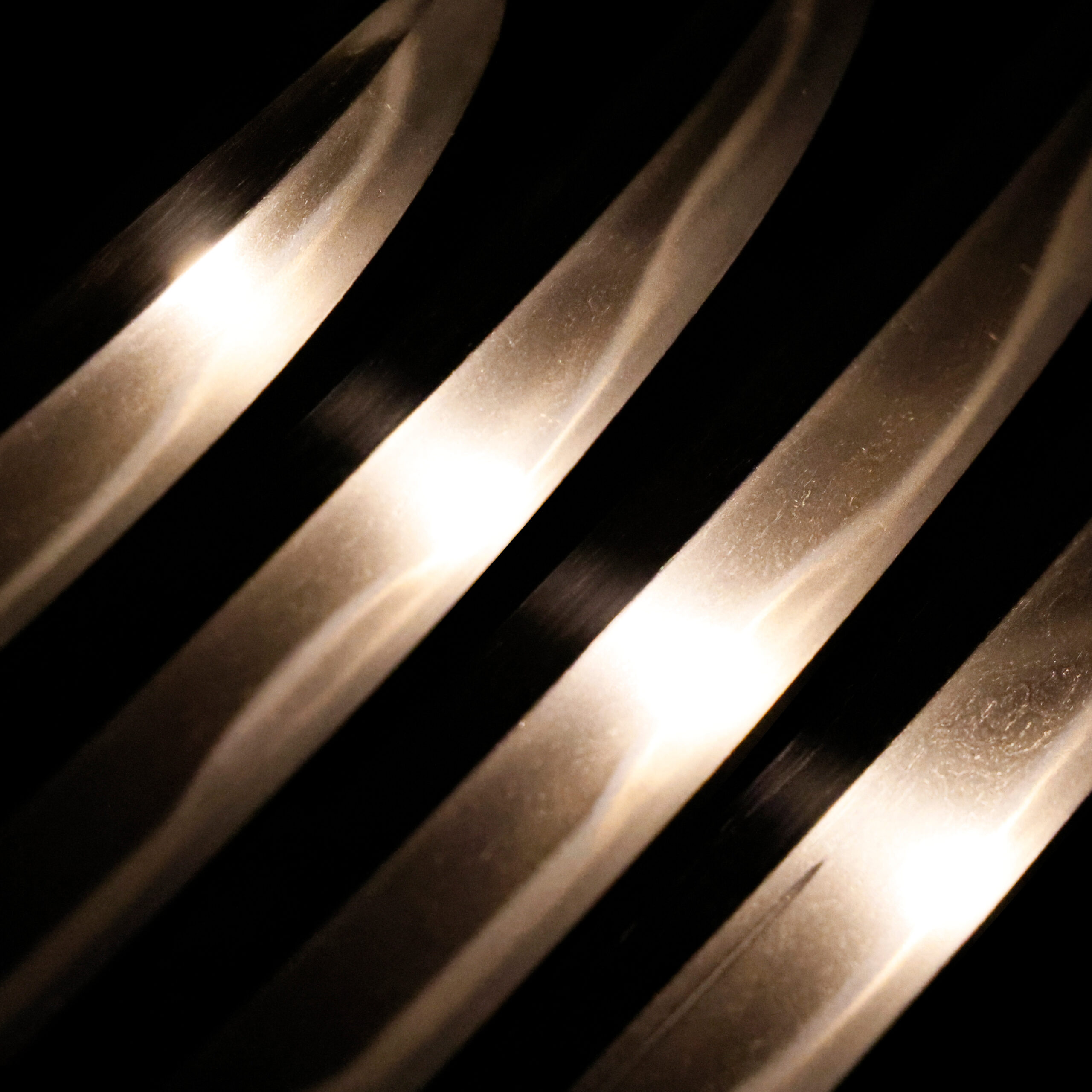
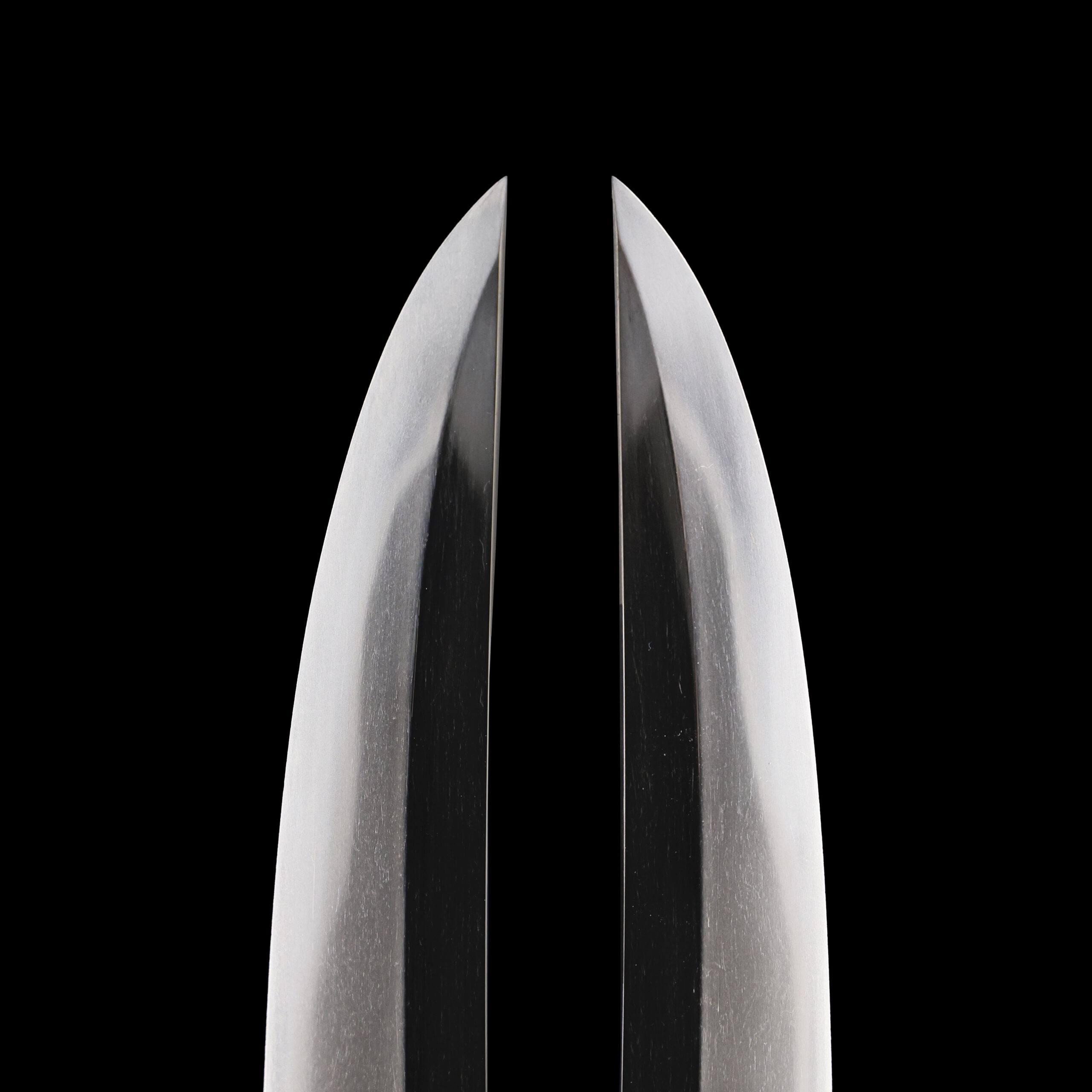
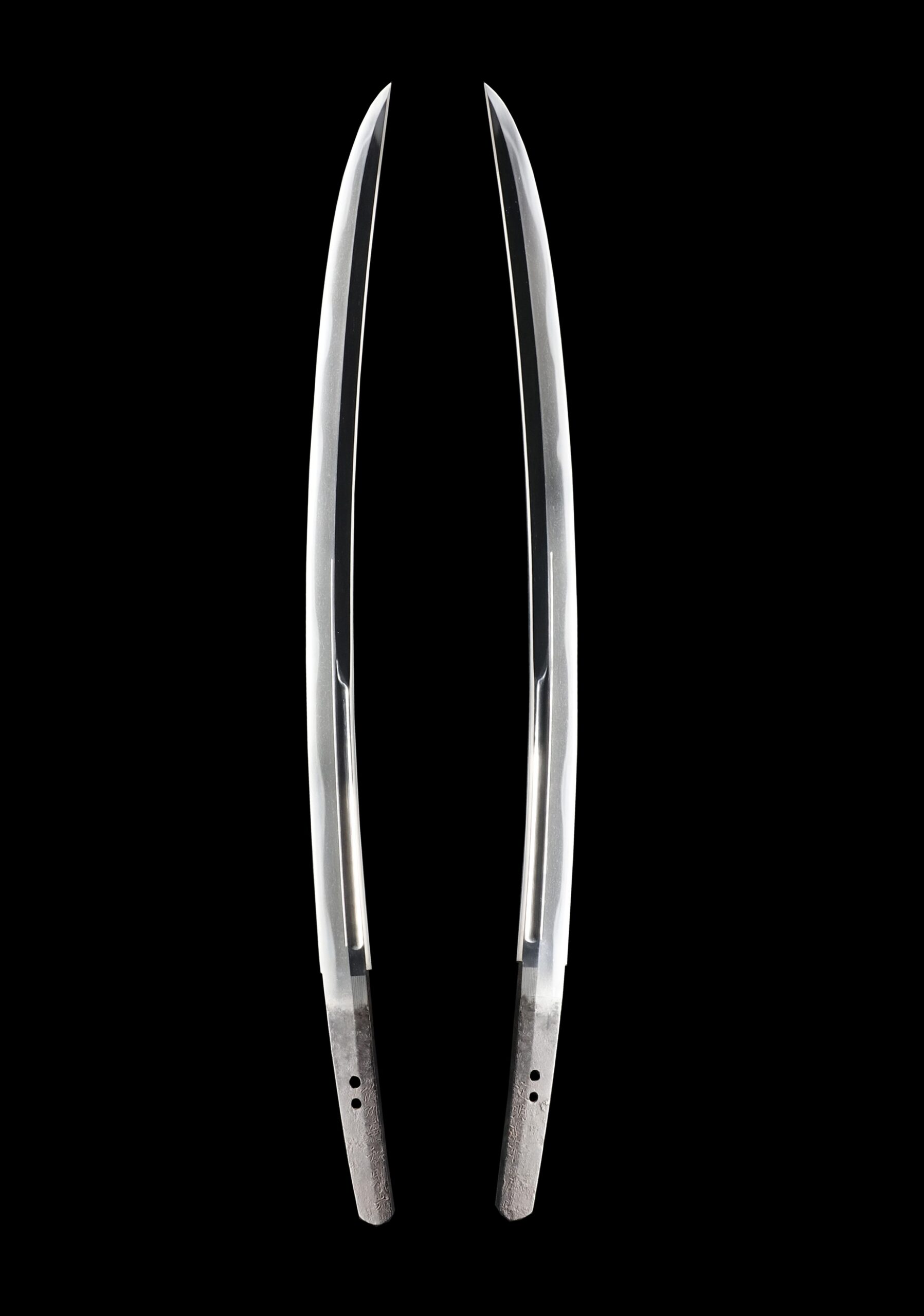
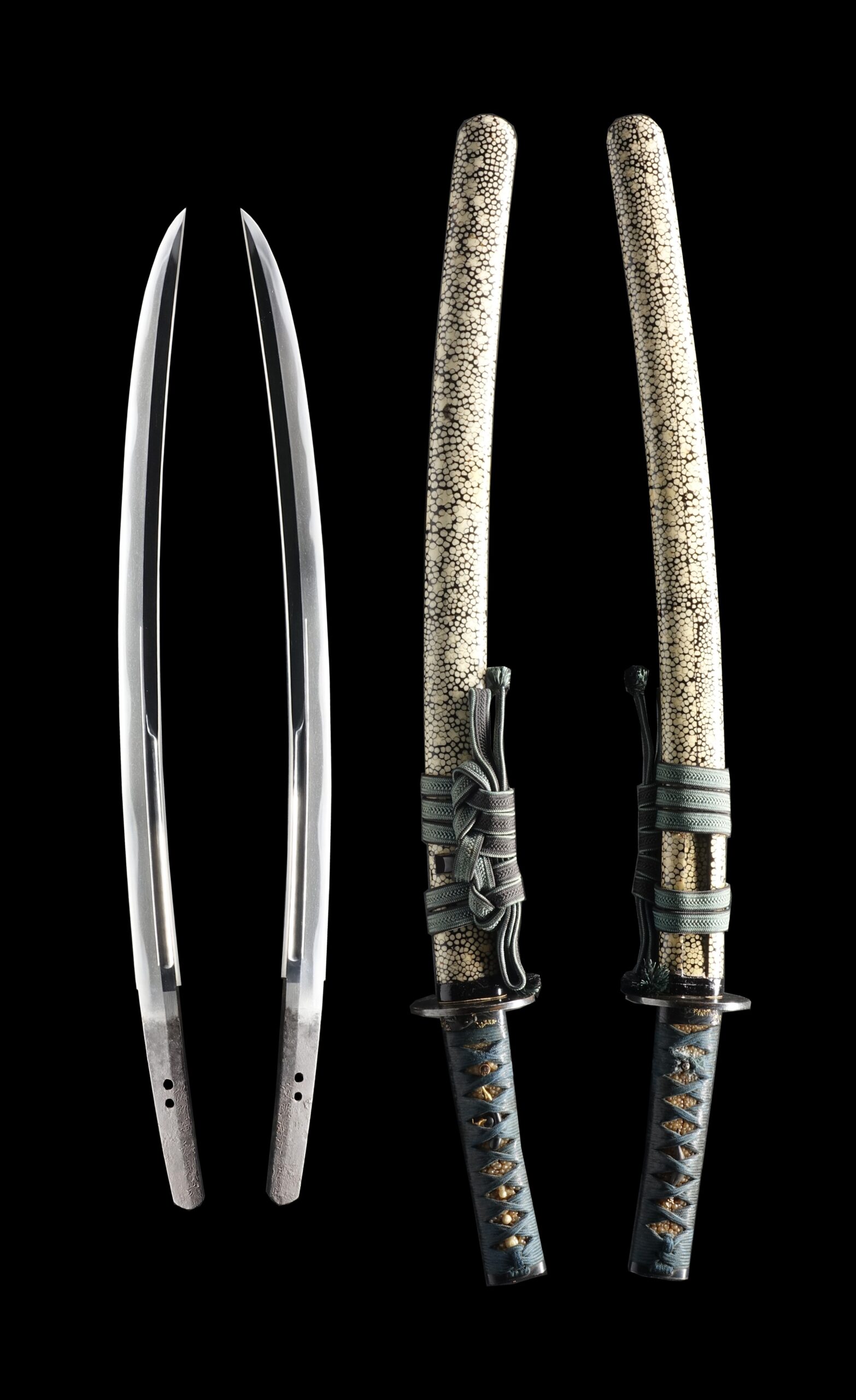
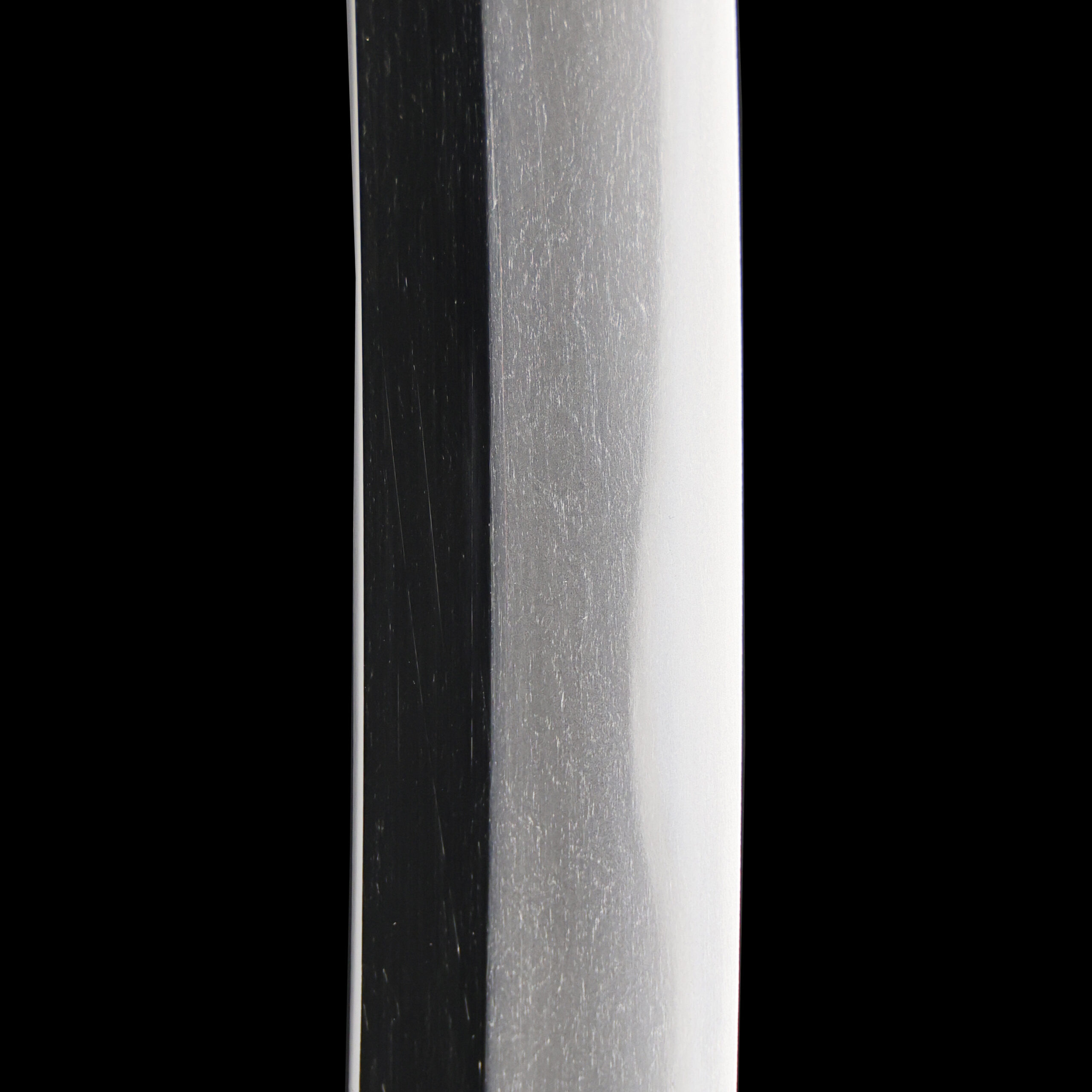
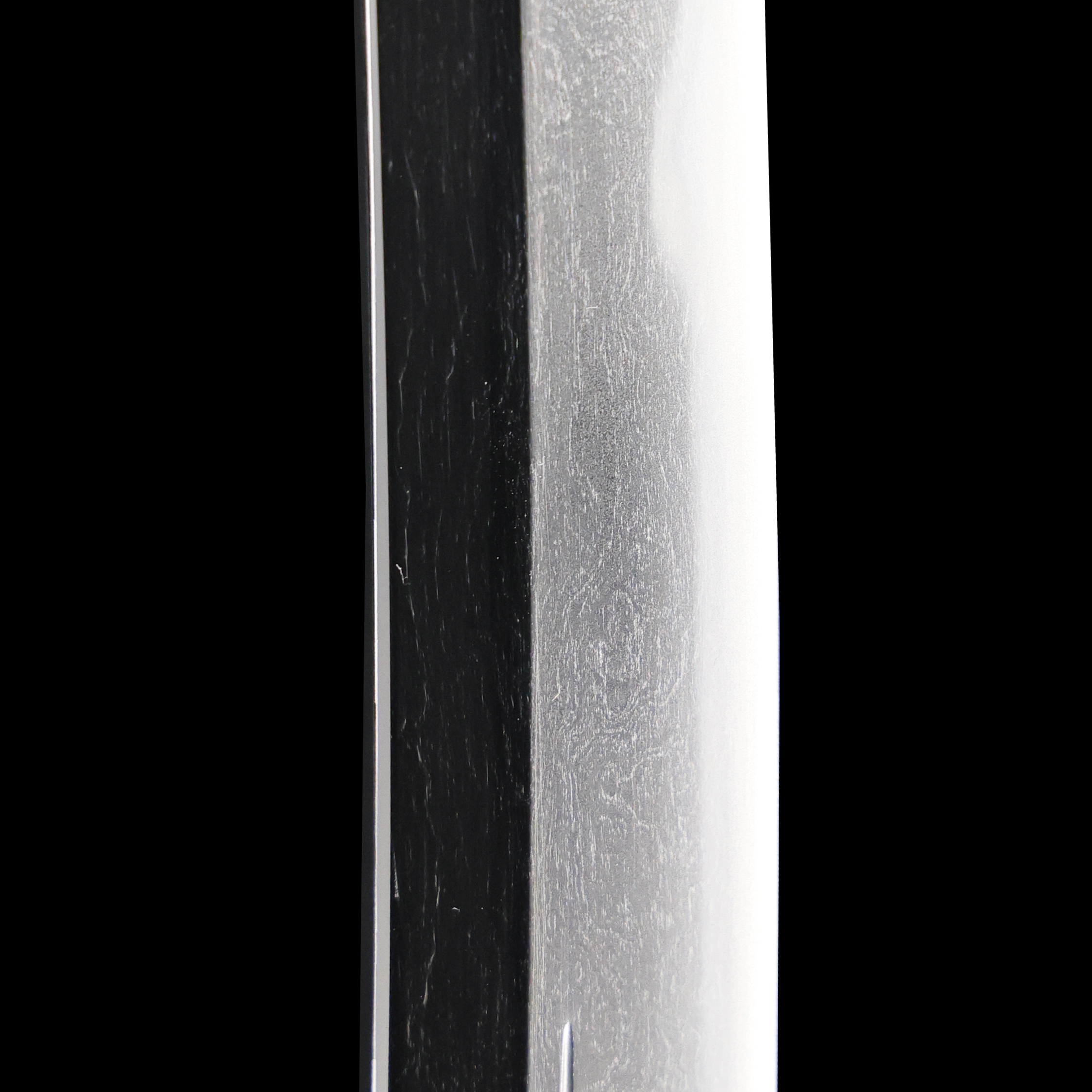
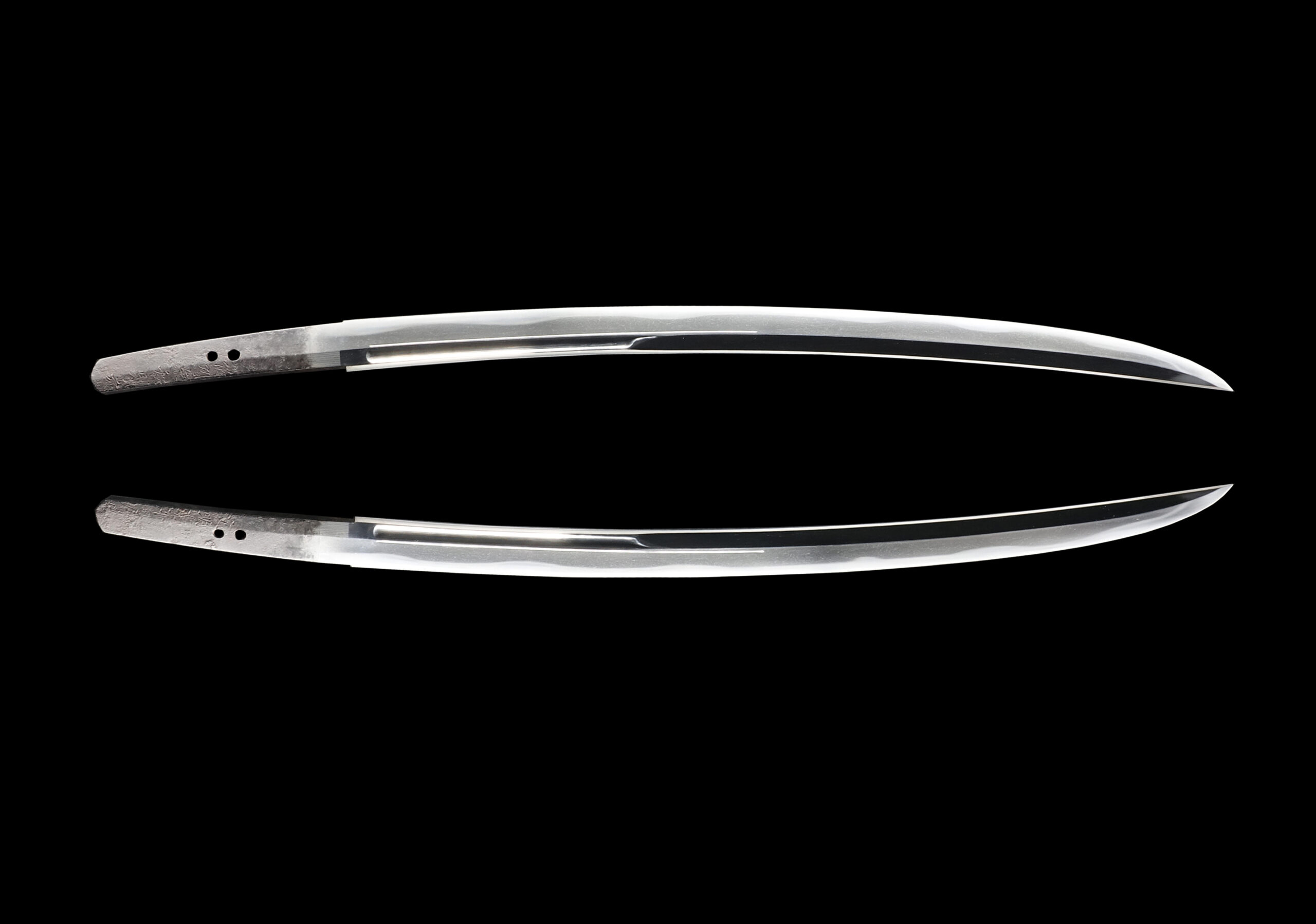
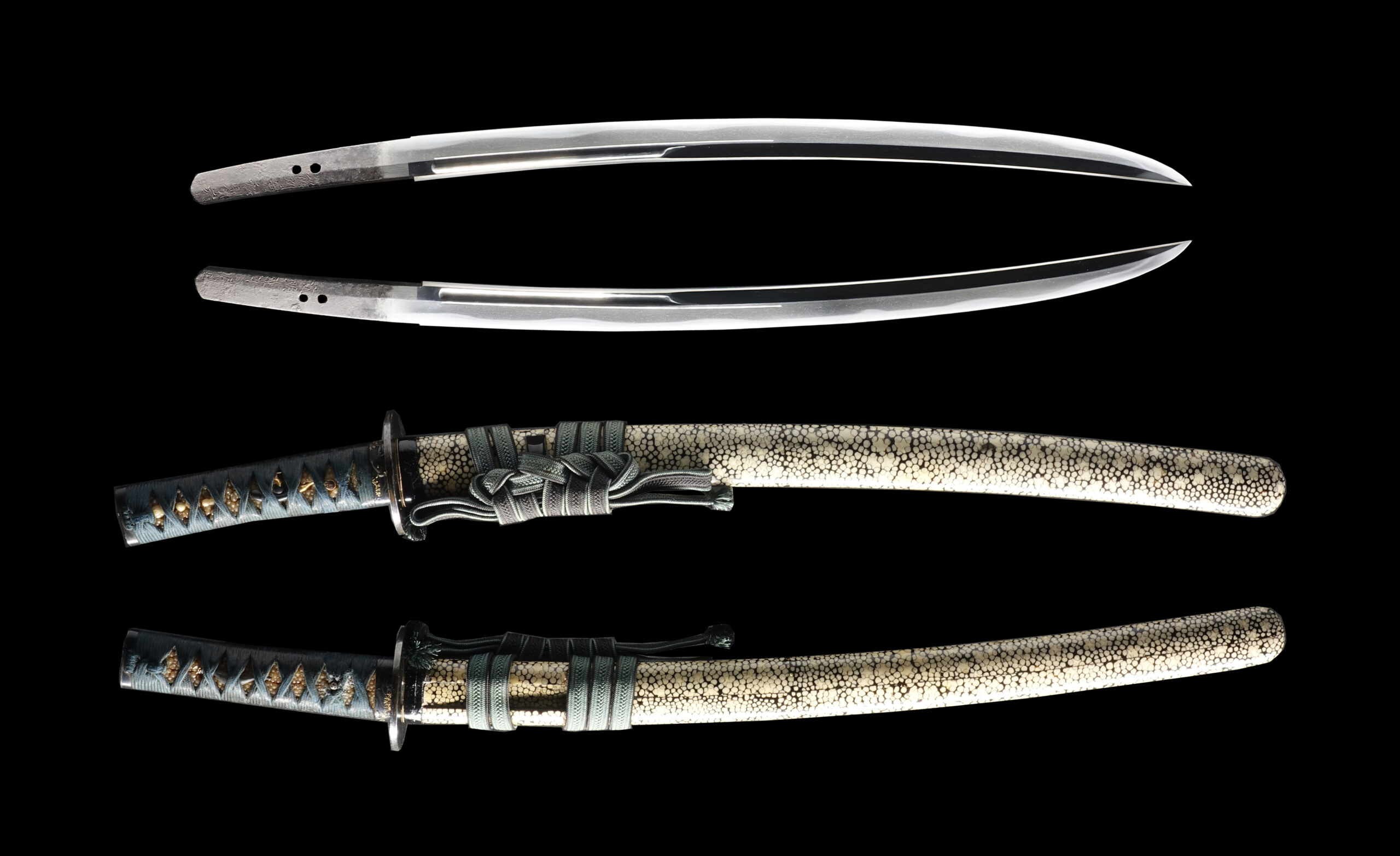
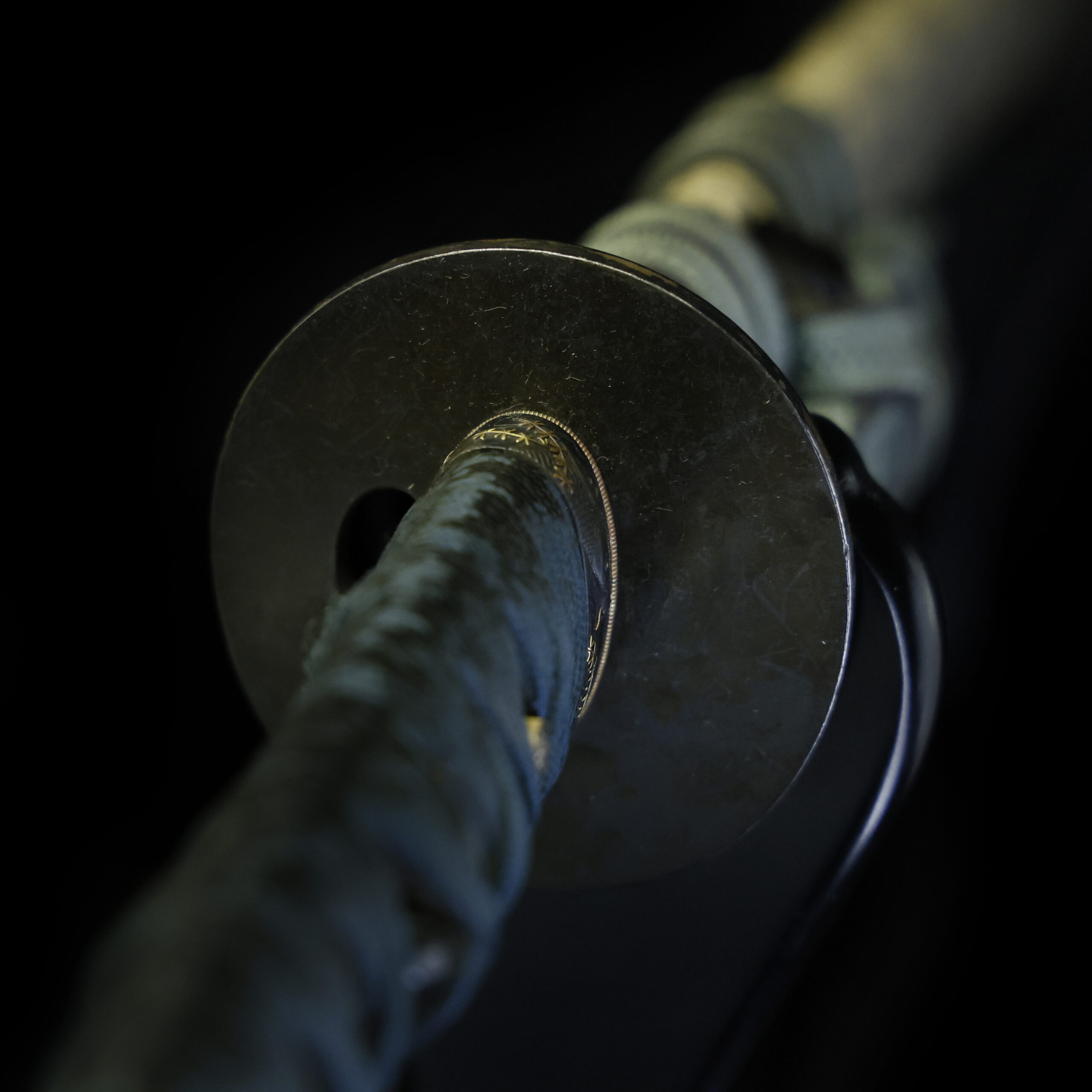
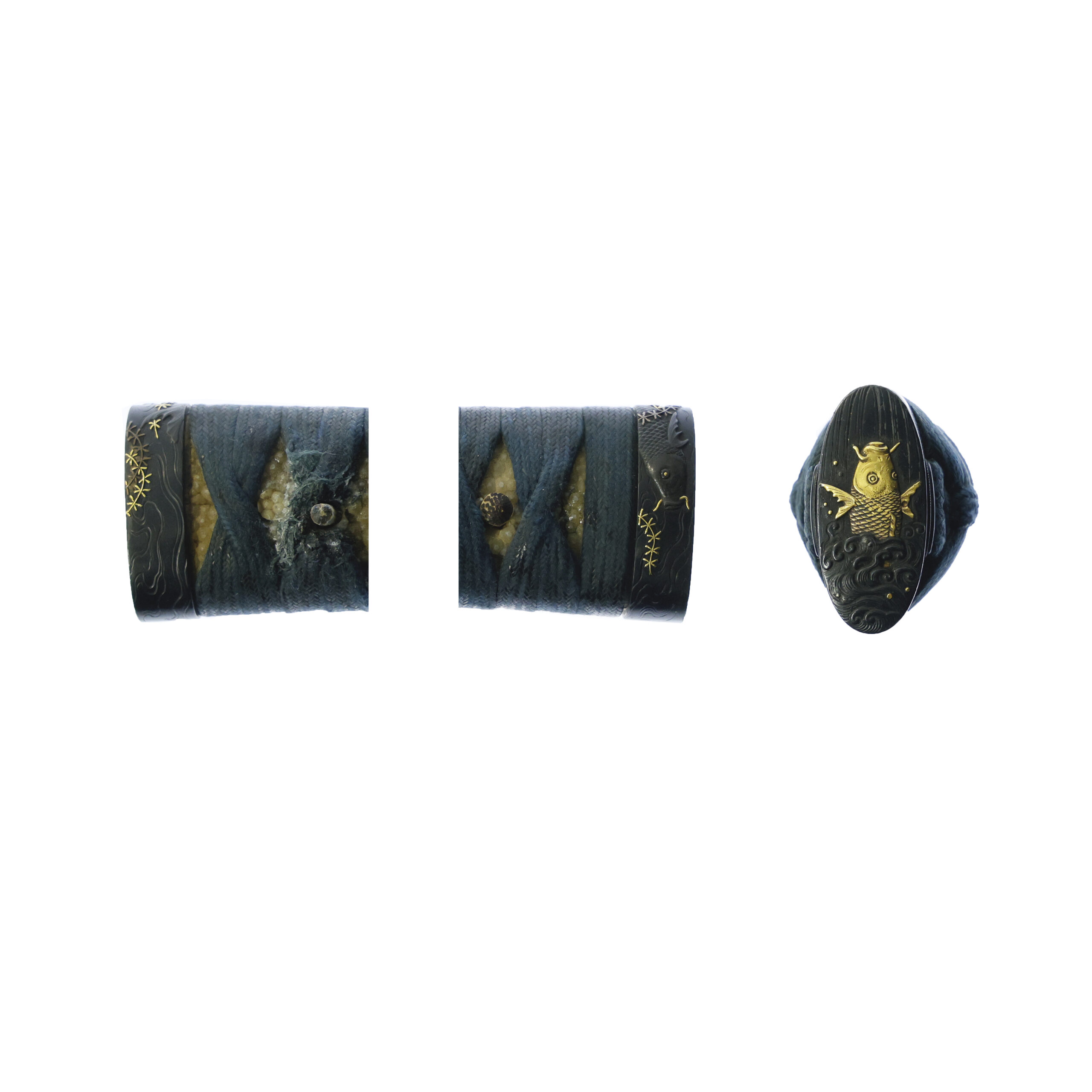
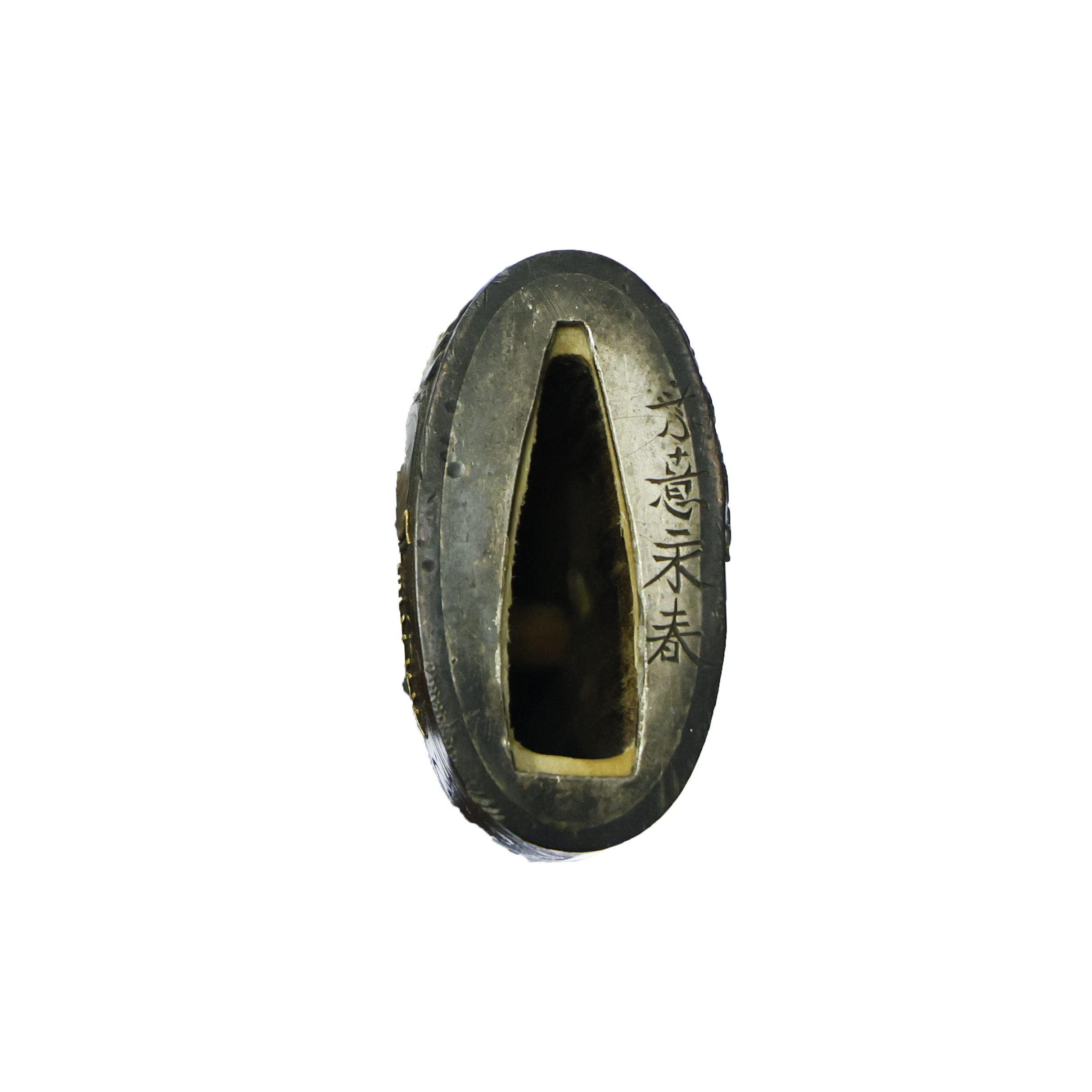
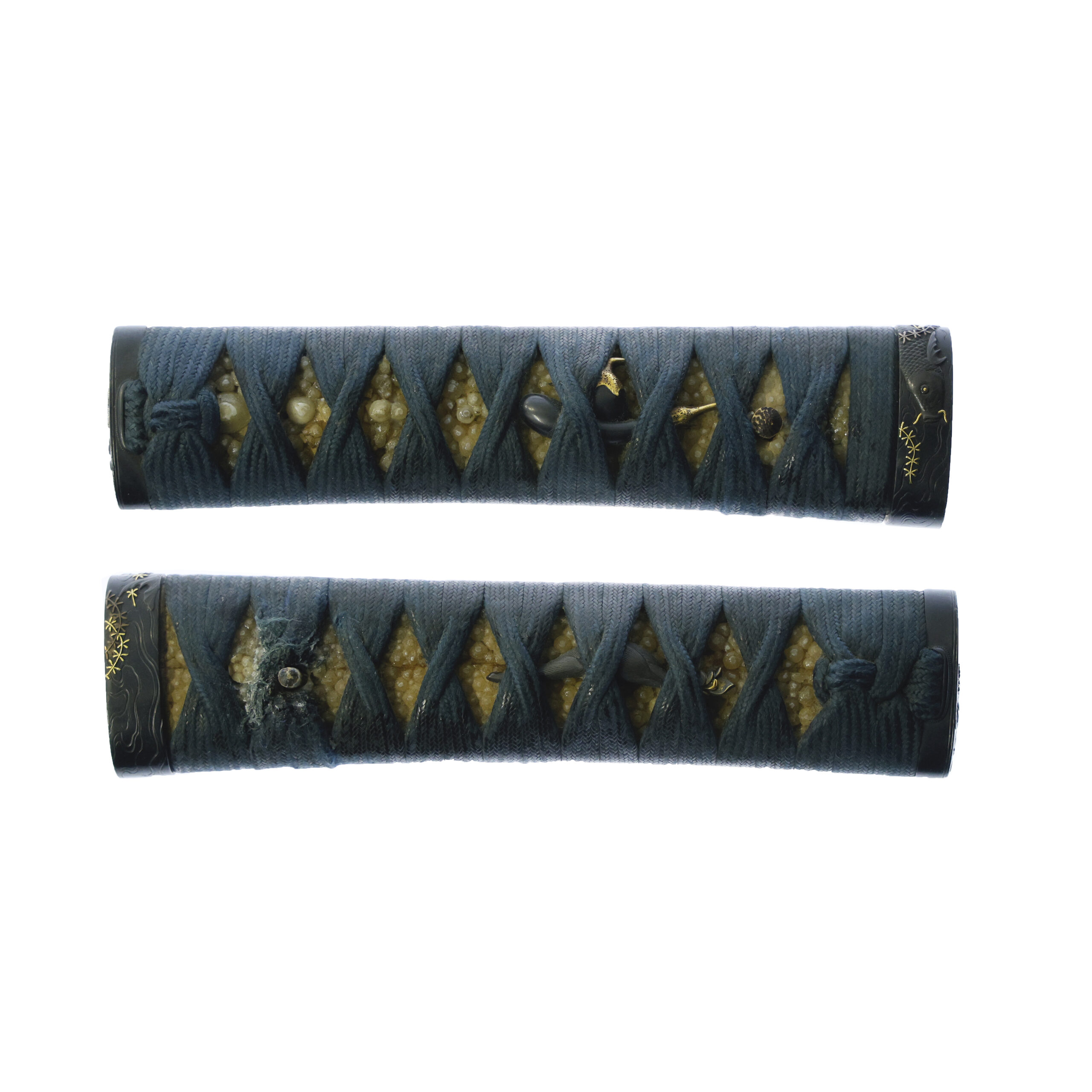
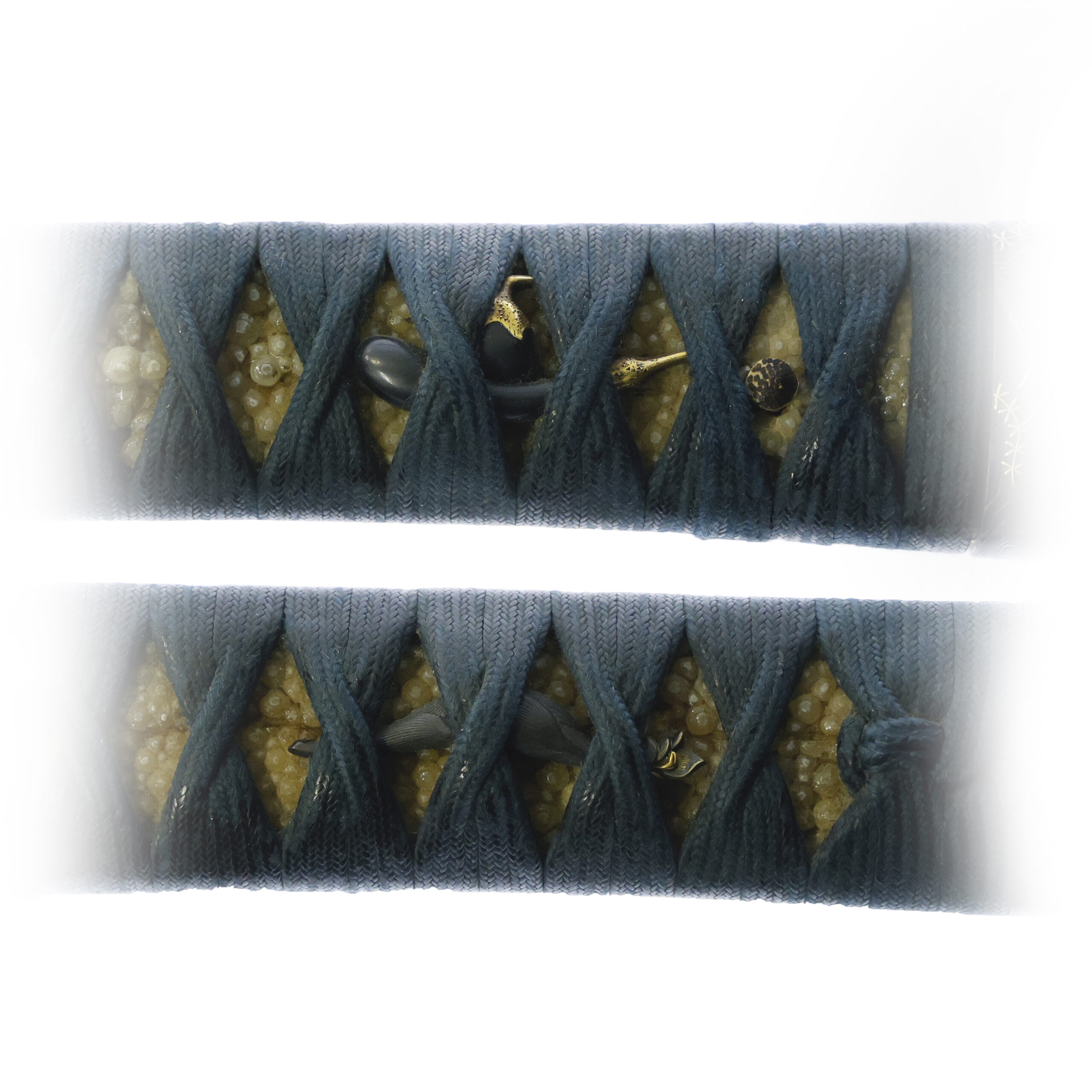
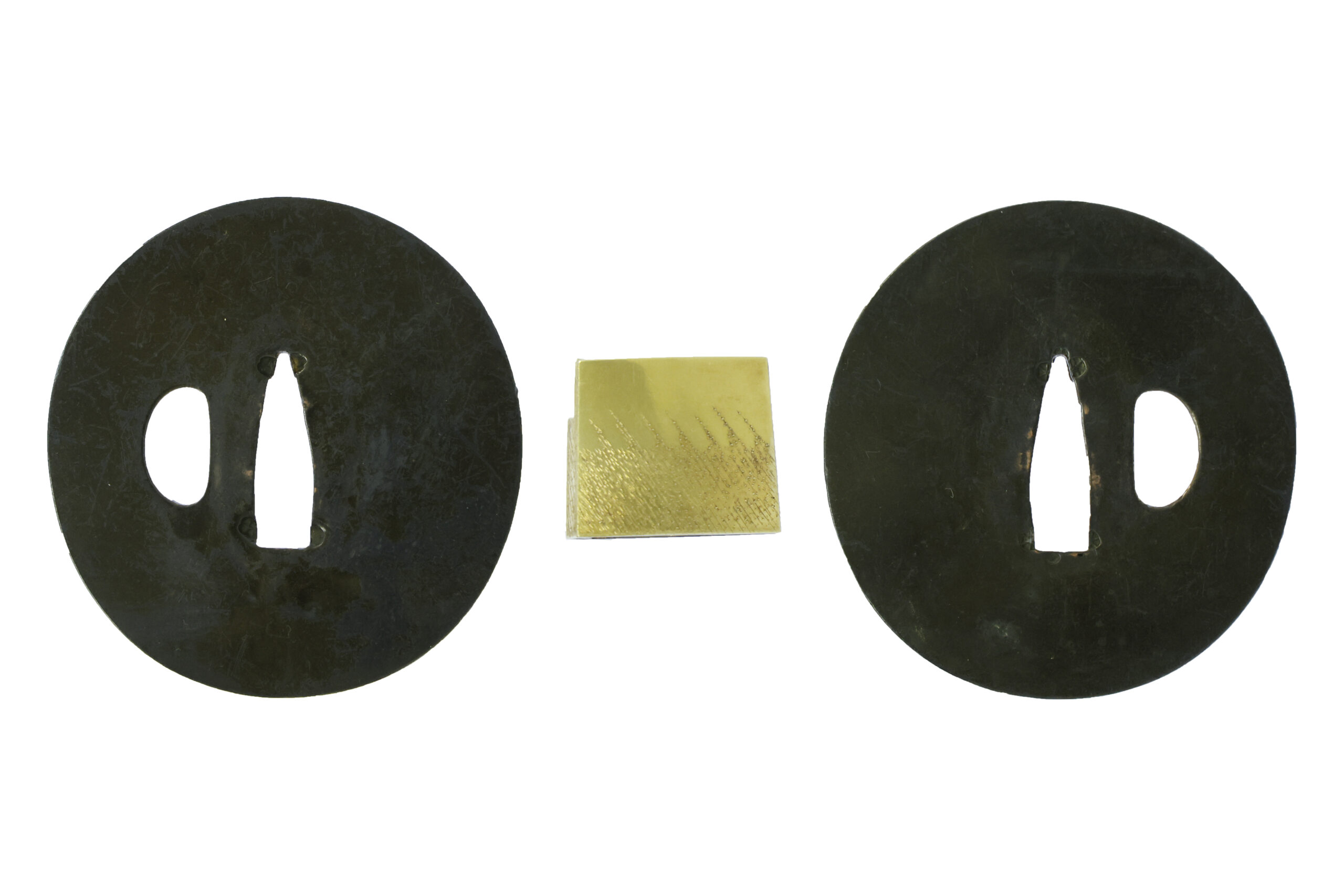
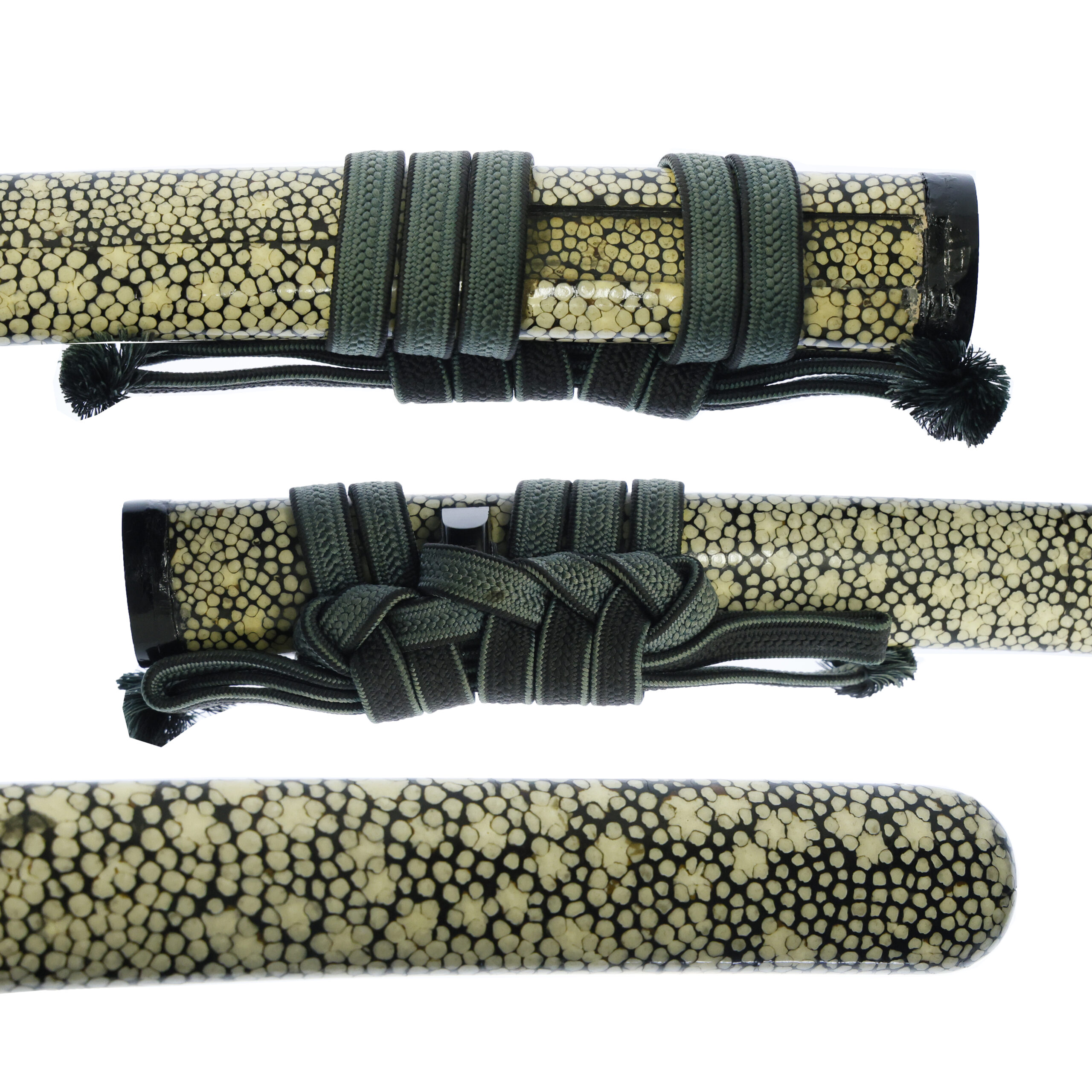
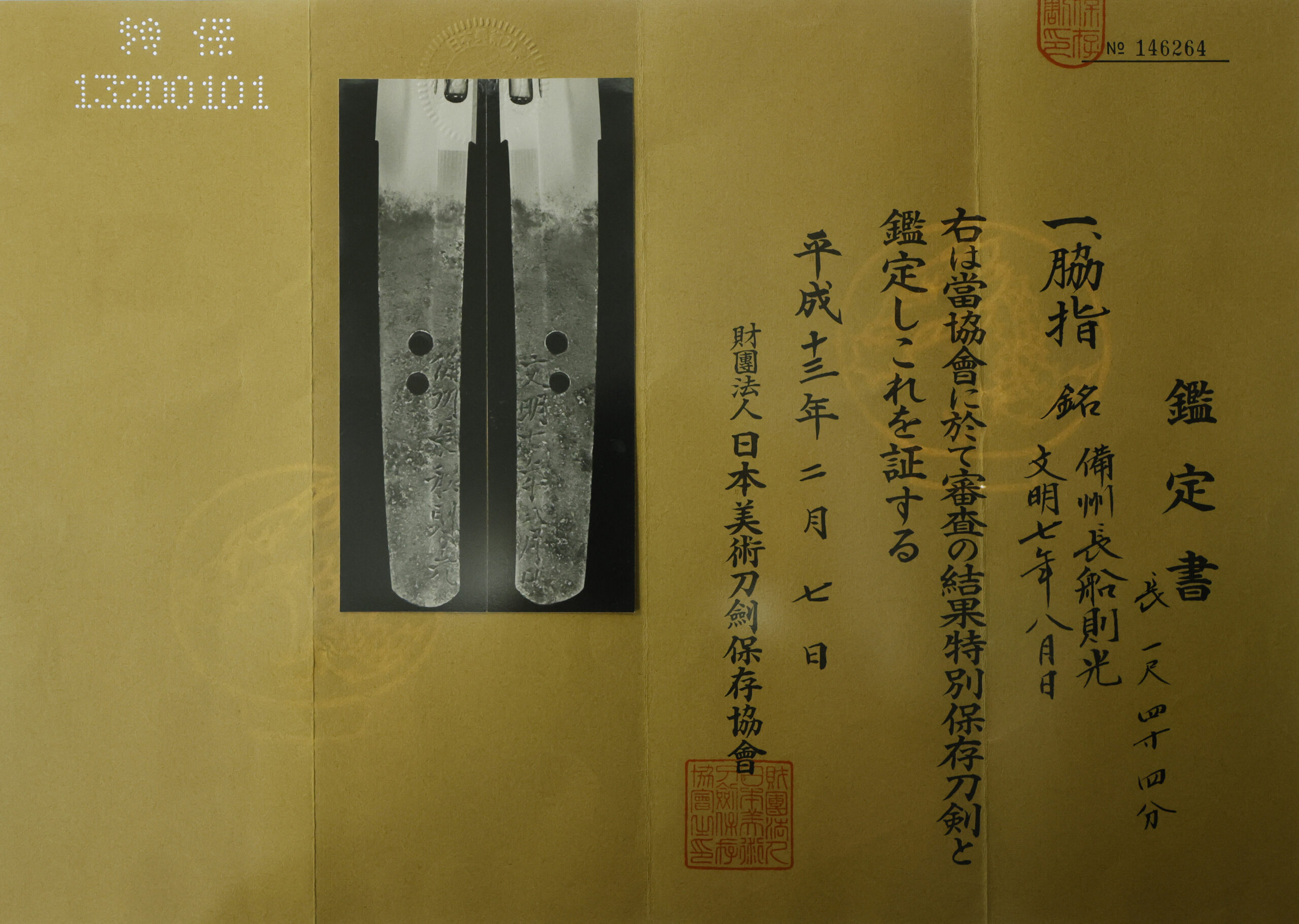
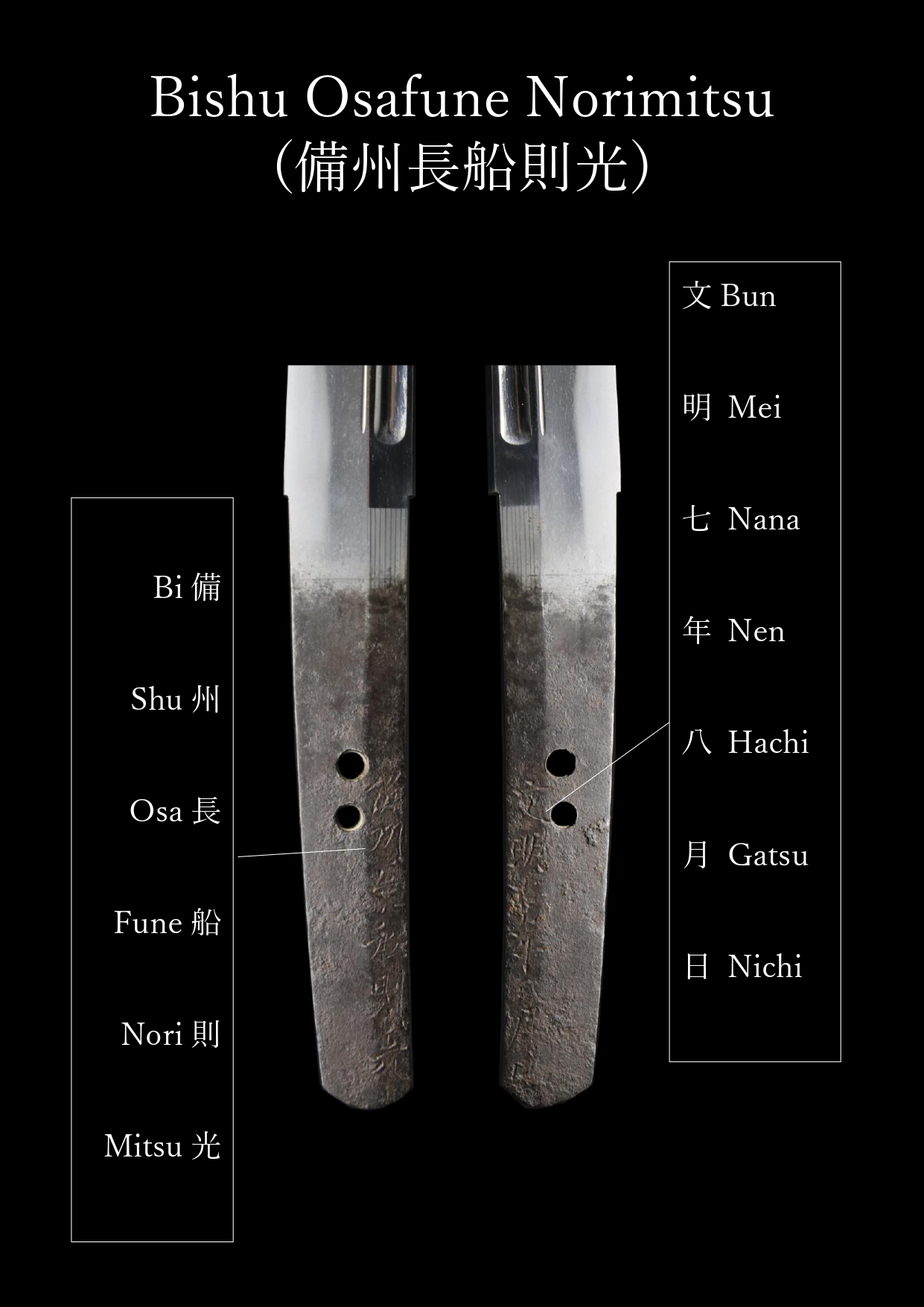
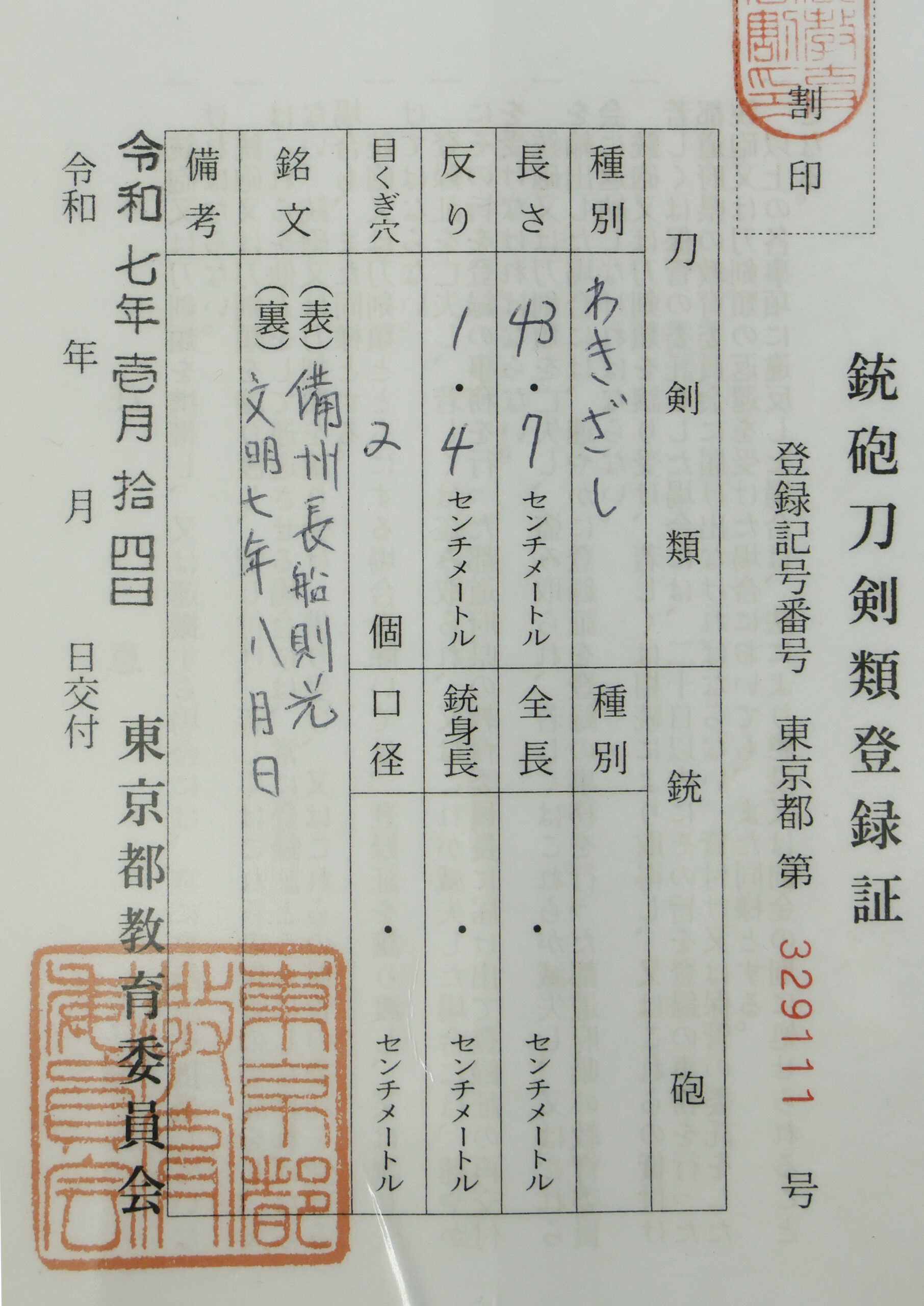
This blade was signed by Bishu Osafune Norimitsu (備州長船則光) in the 7th year of the Bunmei era (1475: Late Muromachi period). Bishu(備州)is a larger area in today’s Okayama&Hiroshima prefecture. Bishu consists of Bizen(備前), Bitchu(備中), and Bingo (備後). Osafune is the name of the prestigious school located in Bizen province. The maker’s name , Norimitsu, lasted more than 10 generations (Late Kamakura- The end of Muromachi period). Based on the year this blade was forged and the active period of other generations, it was signed by the 6th-gen Norimitsu, also known as Bishu Osafune Goro Zaemon no Jo Norimitsu. He is one of the most famous Norimitsu. The swordsmiths in Bizen produced many swords during the Muromachi period, as it was in the middle of the Sengoku period(Warring State period). The demand for weapons increased among strong feudal lords. It would be nice to have a piece forged in the warring state period when there was so much rivalry between warlords. It was possible that this blade was ordered by a Samurai and he might have carried it in a battlefield. The History of Bizen Osafune School It is said that Osafune school was founded by Mitsutada (光忠), who was active during the mid-Kamakura period. Bizen Osafune school was the biggest one of all other schools in Bizen province, and they received many orders from feudal lords or renowned Samurai. They were called Osafunemono and beloved by Samurai warriors. Among the swordsmiths who belonged to this school, Nagamitsu, Sanenaga, and Kagemitsu are known as Osafune Sansaku, the three renowned Osafune swordsmiths. There are also four other prominent swordsmiths who were from Bizen Osafune school. They are called Osafune Shiten-no, the four masters of Osafune school. Their names are Nagamitsu, Kanemitsu, Nagayoshi, and Motoshige. BIZEN is located near the Chugoku Mountains, where iron sands, one of the essential materials for making Japanese swords, were abundant. Furthermore, BIZEN swordsmiths had close access to Yoshi River, where they could find water and charcoal. This geological location contributed to the swordsmiths forging high-quality refined blades. We presume BIZEN was quite active in sword-forging from ancient times. It is said that BIZEN DEN was created by groups of swordsmiths there during the late Heian era (Late 12th century ). These ancient swordsmiths in Bizen province are called Ko-Bizen (Old Bizen) swordsmiths. By inheriting the sword forging techniques from Ko-Bizen swordsmiths, the Bizen Osafune school flourished from the mid-Kamakura period. It is appraised as a Tokubetsu Hozon Token (特別保存刀剣) issued by NBTHK (Nihon Bijutsu Touken Hozon Kyokai: 日本美術刀剣保存協会). Kissaki You can see interesting Kissaki (tip of the blade) called Shobu Zukuri (菖蒲造り) on this Katana blade. There is no Yokote on this blade. Yokote is the borderline between the tip and cutting edge. We are confident you will appreciate the elegant look of this blade. Fuchi-Kashira This fuchi-kashira (hilt collar and pommel) features the image of a carp (鯉, koi). According to an old Chinese legend, many fish attempted to swim upstream and leap over a waterfall called the Dragon Gate (Ryumon) on the Yellow River. In the end, only the koi succeeded, and it was transformed into a dragon that soared into the sky. This tale gave rise to the motif of “koi no taki-nobori” (a carp climbing a waterfall), which came to symbolize perseverance, success, and the achievement of great ambitions. The legend of the Dragon Gate carries the message that with effort, confidence, and determination, one can rise to greatness. In Japan, this motif has long been associated with prayers for children’s growth and success in life. Samurai families may have chosen this design in hopes that their sons would become distinguished warriors and rise through the ranks. Tsuka and Menuki One side of the menuki features a nasu (茄子, eggplant) and its leaves. In Japanese culture, the eggplant is regarded as a symbol of good fortune and success. A traditional expression—”Ichi-Fuji, Ni-Taka, San-Nasubi” (“First Mt. Fuji, second a hawk, third an eggplant”)—refers to the three auspicious things to see in the first dream of the New Year. This phrase is associated with positive meanings: nasu also means “to accomplish” or “to achieve” in Japanese. For this reason, the eggplant has been widely used as a motif symbolizing wish fulfillment and personal success. The other side features a myōga (茗荷, Japanese ginger), a plant often used in traditional family crests. Myōga is believed to possess protective qualities, warding off evil and bringing spiritual clarity. It has long been associated with health and safe living in Japanese folklore. By incorporating this motif into sword fittings, the artisan may have wished for protection, wellbeing, or spiritual strength for the sword’s owner. Saya The scabbard features a traditional finish known as samegawa togidashi (鮫皮研ぎ出し), or polished ray skin. In this technique, ray skin is applied to the surface of the scabbard and then coated with lacquer. After the lacquer hardens, the surface is carefully polished to partially expose the natural texture and nodules of the ray skin beneath. This method not only highlights the unique pattern of the skin, but also enhances both the durability and aesthetic refinement of the scabbard. Authentication Paper They authenticated the blade on February 7th in the 13th year of Heisei (2001). They appraised it as Tokubetsu Hozon Touken, the blade especially worth preserving for Japanese society.
Offered by Samurai Museum
This piece has sold
Get an email when a new Osafune Norimitsu piece hits the market.

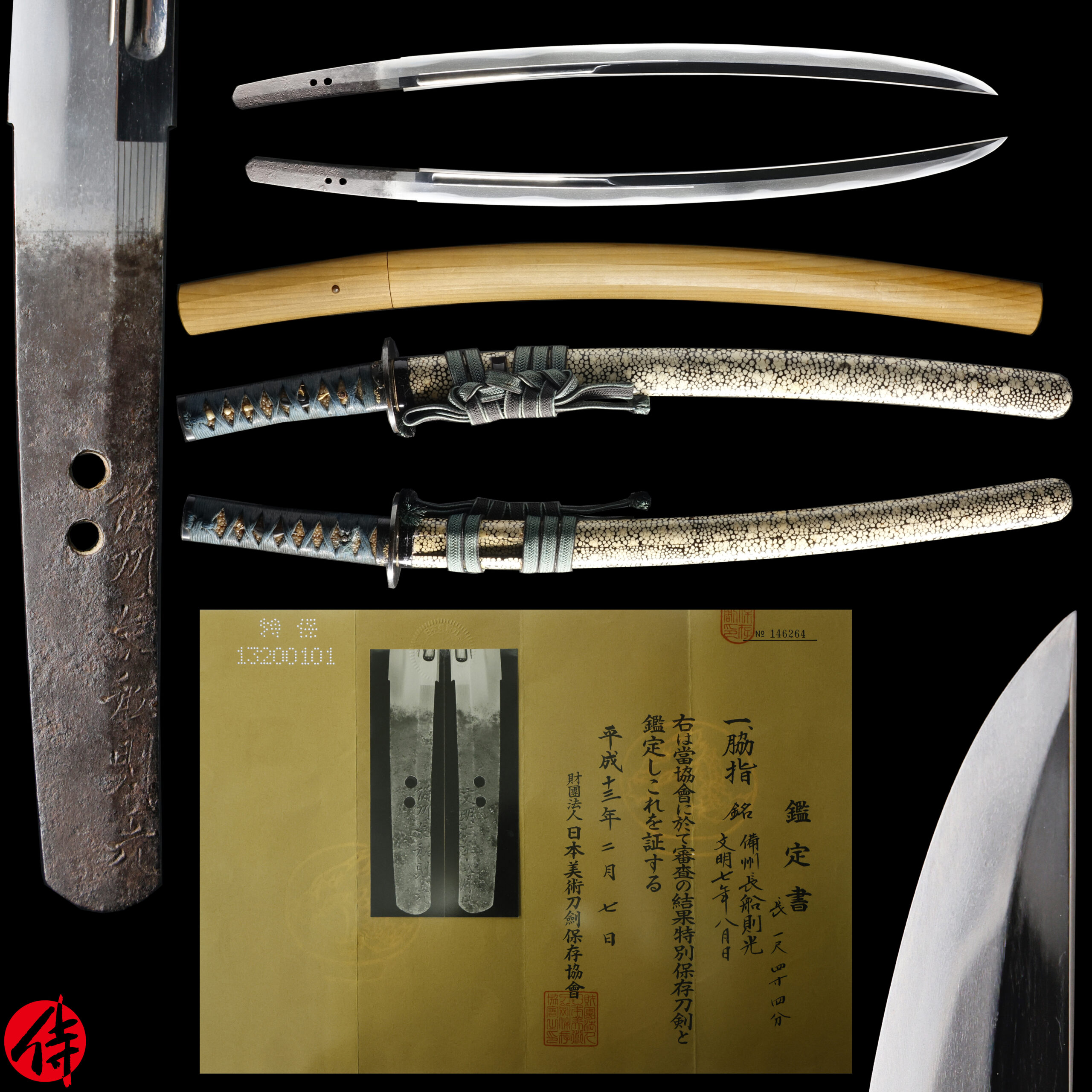
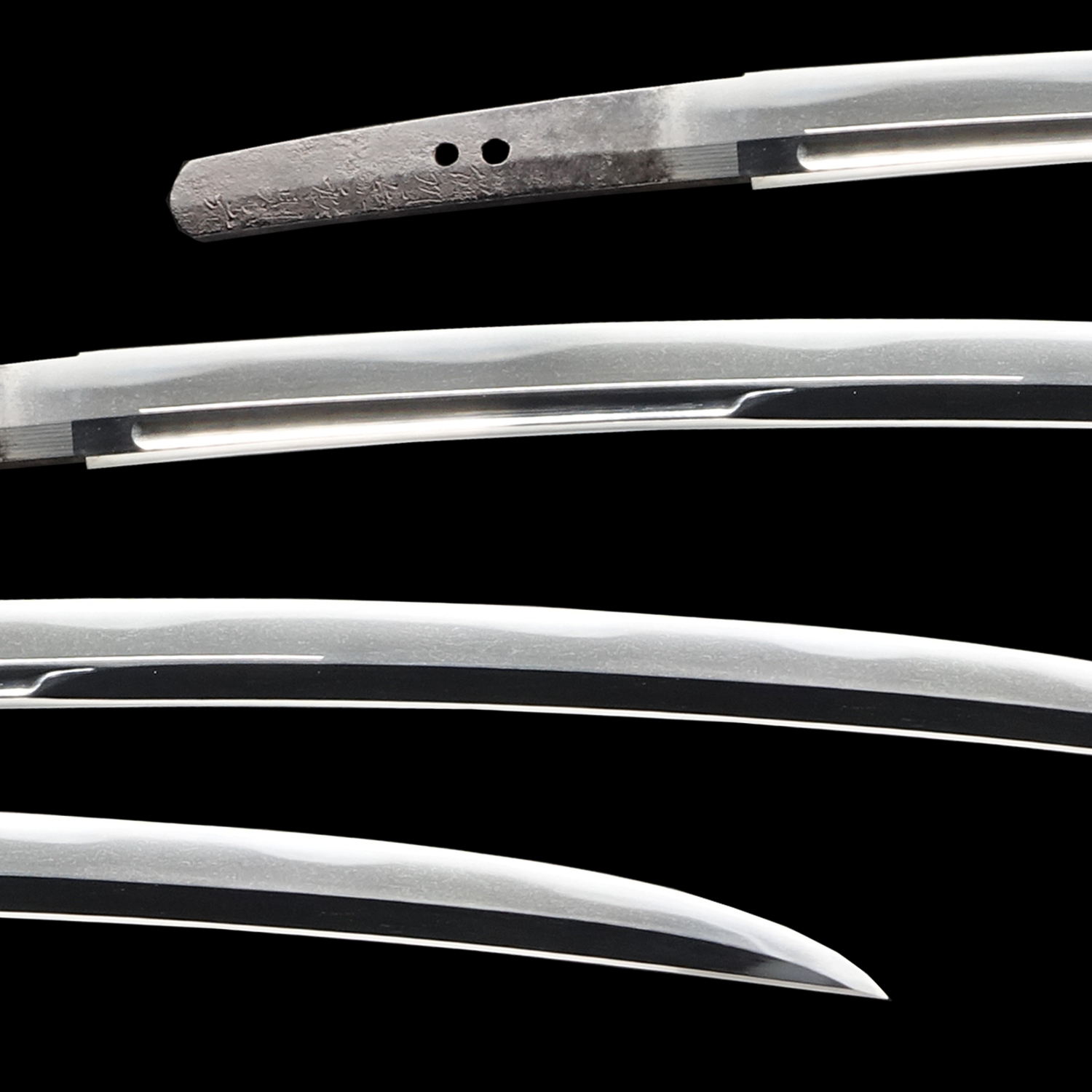
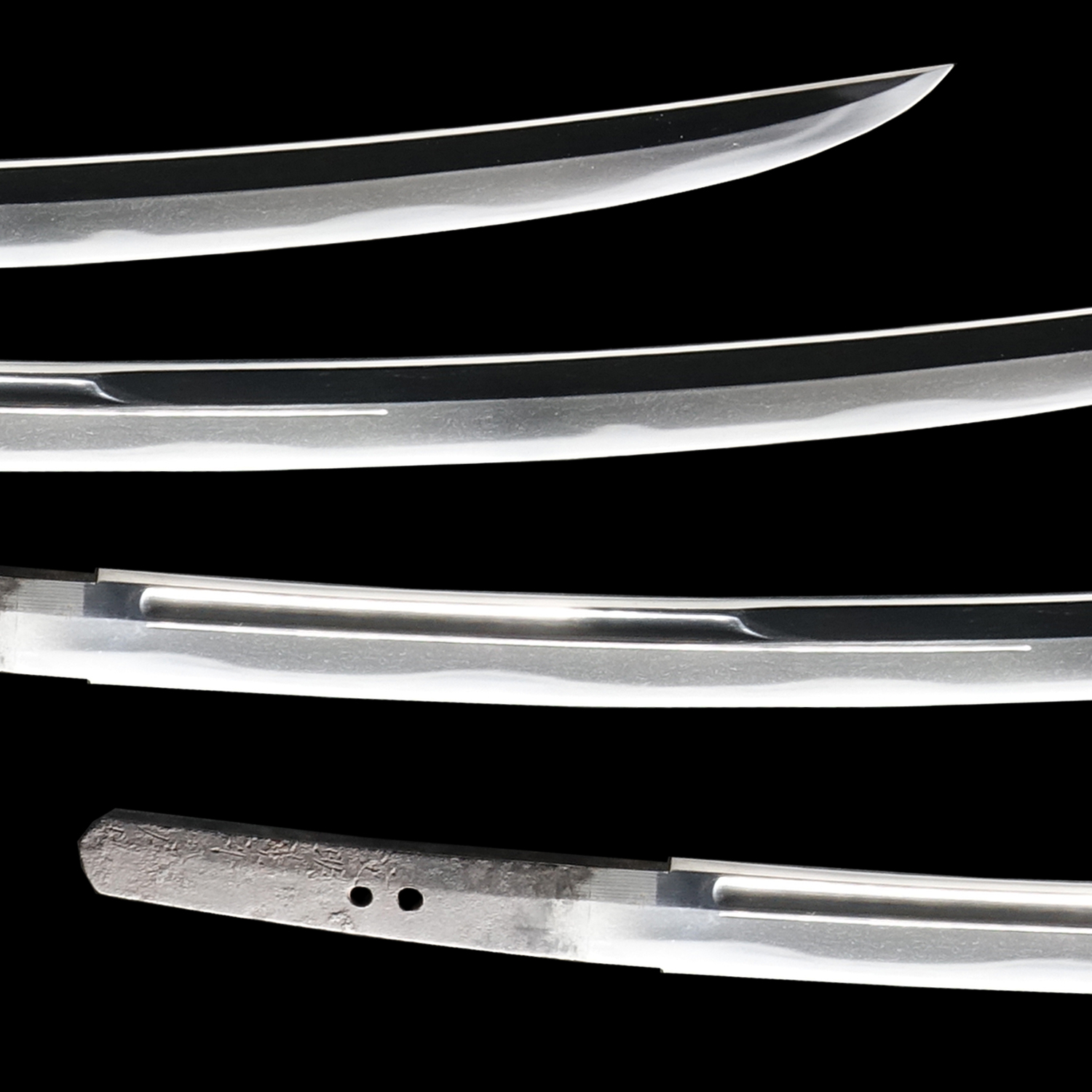
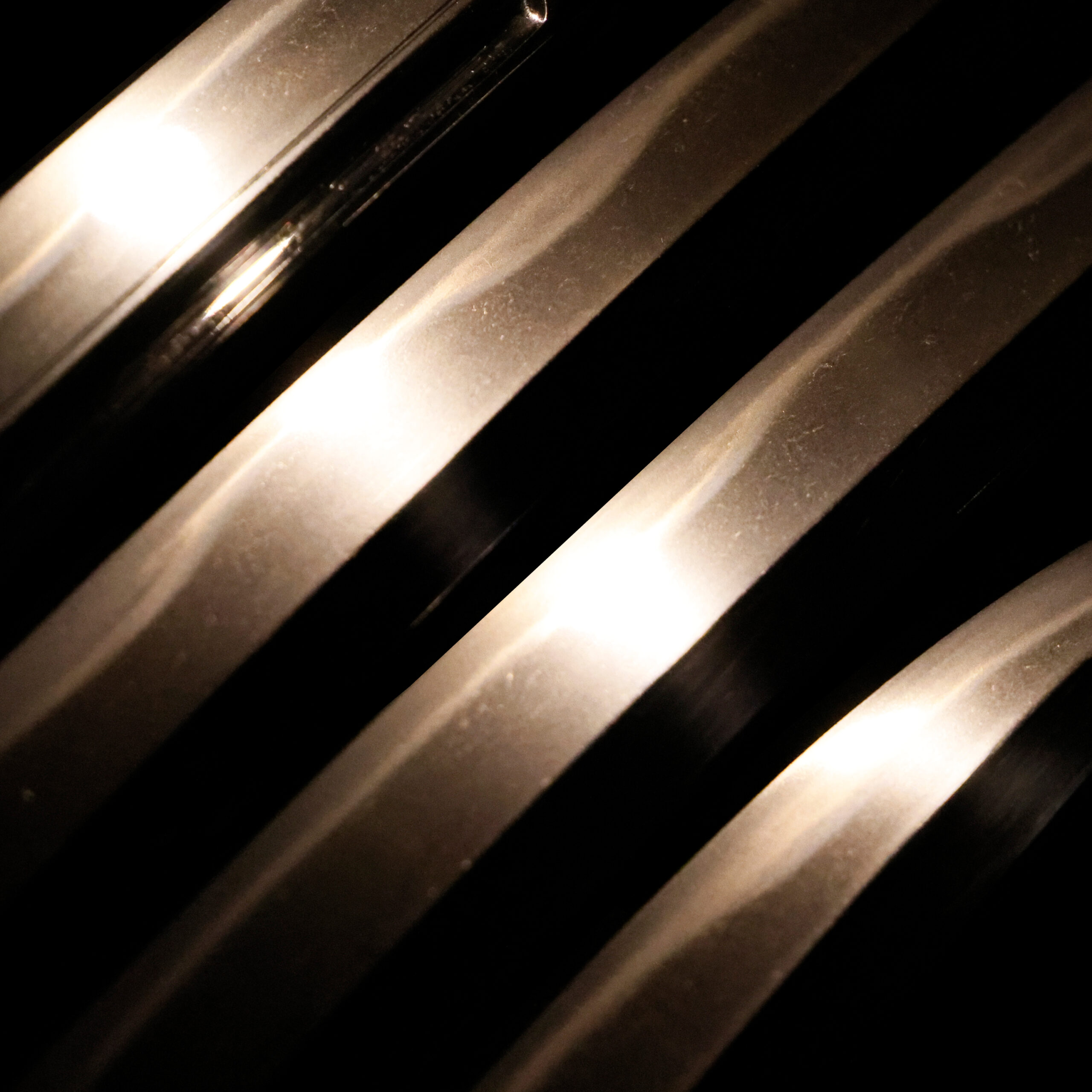
Bizen-den · Bizen · around 1462-1487
Fujishiro Jo-jo saku
4 pieces on the market now
Norimitsu belongs to the Osafune lineage of Bizen Province and is traditionally identified as a student of Osafune Nagamitsu. The earliest extant works bearing the Norimitsu signature date to the Kagen era of the late Kamakura period, and the name was transmitted through numerous generations down to the close of the Muromachi period — a span encompassing perhaps more than ten successive smiths. The most celebrated works are those dated to the Kansho era, and the smith active in the Bunmei era occupies a position of particular scholarly interest, as the NBTHK notes there "remains room for research as to whether it was made by the same individual as Kansho Norimitsu or by the next generation." Critically, the Kansho-to-Bunmei-era Norimitsu stands between the Oei-era masters Morimitsu and Yasumitsu on one hand, and the later Sue-Bizen smiths Katsumitsu and Sukesada on the other, displaying an intermediate style that bridges these two periods.
Norimitsu's sword work characteristically employs itame-hada with midare-utsuri standing out in the jihada, and his hamon alternates between two principal modes: a koshi-biraki gunome-midare showing a fukushiki-like double-structured tendency with ashi and yo entering freely, and a chu-suguha with a tightened nioiguchi and frequent ko-choji ashi. The bosshi typically enters midare-komi, often with asymmetrical treatments between omote and ura. His forging in masame-hada on spear works, with nie-laden suguha and hotsure, follows the long-established convention for older spears and is acknowledged as distinct from his characteristic Osafune manner. His blades frequently display bo-utsuri or midare-utsuri, and bo-hi with soe-hi or kaku-dome terminations are regularly encountered.
The NBTHK repeatedly characterizes Norimitsu's productions as displaying "good workmanship in both ji and ha" and as "orthodox and straightforward." His signed, ubu examples are valued as material that "conspicuously reveals distinctive features in both the jihada and the tempered edge," and his work constitutes, in the Board's assessment, "valuable source material for the study of Bizen smiths of this period." His yari, among the earliest bearing Bunmei-era dates, are commended as "orderly and well made" and recognized as representative spears of the Muromachi period. Across all forms — tachi, katana, tanto, and yari — Norimitsu's oeuvre documents the evolving character of mid-Muromachi Bizen craftsmanship with scholarly precision.
Where Norimitsu stands among comparable artisans: across all of nihontō, and within tradition, era, and period. The tiers (Foremost · Leading · Major · Notable) weigh official designations from the NBTHK and Japan's Agency for Cultural Affairs, together with historical honors of lasting repute such as the Sansaku and Meibutsu-chō.
Select a lens to see how it's measured.
Years he was demonstrably active, proven by signed-and-dated blades
Bizen-den · Bizen
Phase: Sue-Bizen末備前· 1441–1596
186 pieces on the market now
The last great chapter of Osafune unfolds in the Eisho and Tenbun years of the late Muromachi, when the riverside workshop turned its accumulated craft toward an age of constant war. Where Oei-Bizen had looked backward, reviving the tachi shape and the choji temper of the Kamakura masters under Yasumitsu and Morimitsu, Sue-Bizen faces forward into Sengoku demand. The leading hands carry the same family characters one generation further: the Sukesada group, headed by Yosazaemon-no-jo Sukesada and the Hikobee-jo Sukesada said to be his father, alongside Katsumitsu (often Jirozaemon-no-jo), Munemitsu, Tadamitsu of the Heiroemon-jo line, and the Kiyomitsu smiths Magoemon-no-jo and Gorozaemon-no-jo. The setsumei draw a sharp line through their output. Commissioned blades, chumon-uchi, were signed with full zokumyo, dated, and frequently inscribed with the name of the ordering party, as on the Katsumitsu and Sadamitsu naginata of Meio 8 made for the Miyake of Kojima, a house that fed into the Ukita. Below them ran the bulk trade of kazu-uchimono, the arms that supplied the warring provinces, and it is the chumon-uchi masters that the designations preserve. What the steel does in this window is distinct from every earlier Osafune register. The shape is the uchigatana: wide mihaba with thick kasane, pronounced sakizori, an extended chu-kissaki or o-kissaki, and a short nakago suited to the katate-uchi one-handed draw, a body unlike the koshizori tachi of Ko-Osafune or the broad Nanbokucho profile of Soden-Bizen. The forging tightens into ko-itame over which a midare-utsuri stands faintly rather than vividly, weaker than the bright reflection of the founding generation.
The signature temper is the open-waisted koshi-no-hiraita gunome, splitting at the heads into fukushiki compound midare and mixed with togariba and choji; it is nioi-based with ko-nie and a bright nioiguchi, with ashi, yo, kinsuji and small tobiyaki worked through. Against this, Soden-Bizen had pushed Soshu nie and notare, while the founders had tempered flamboyant choji over a vivid utsuri. Two specialties branch off the gunome base: the Kiyomitsu and Tadamitsu suguha, calm and tightly forged, and the hitatsura of high-tempered pieces with long muneyaki and yubashiri, seen in the warlord-smiths Akamatsu Masanori and Ishikawa Yukihisa. To kantei a Sue-Bizen blade is to read the body first and the temper second. The compact uchigatana sugata with thick kasane and a short tang fixes the late-Muromachi date; the faint utsuri over dense ko-itame keeps it in Bizen; the open-waisted compound gunome names the group. The masters then separate by hand: Katsumitsu is set apart by the abundant choji he folds into the gunome, yielding a more florid, brilliant dekiguchi than his peers; Tadamitsu and the Kiyomitsu smiths are read out by their suguha, with Magoemon-no-jo's itame standing in mokume to distinguish his ground. The cutting reputation is documented directly, as on the Hikobee-jo Sukesada katana of Keicho 5 carrying a tameshi inscription naming the tester Ichihara Hachibee. Provenance threads through the supplementary signatures: Masanori's reward blades cut for his retainers, the Miyake names tying the workshop to the Ukita, and the Shinjuro Sukesada whose few large works may have ended in the Tensho flood. The horimono carried from the mainline, bonji with rendai, Fudo Myoo, and shrine dedications, persist on these blades as a final mark of the line. Learn more →
| Smith | Era | Designated |
|---|---|---|
| Mitsutada光忠 | 1238-1239 | 60 |
| Nagamitsu長光 | 1274-1304 | 254 |
| Kagemitsu景光 | 1303-1336 | 142 |
| Sanenaga眞長 | 1299-1309 | 68 |
| Kanemitsu兼光 | 1323-1370 | 235 |
Bizen in the Muromachi period
War at home and trade abroad made Muromachi Bizen the busiest forge region in Japan: a century of Sengoku demand after the Ōnin War, and export missions to Ming China carrying blades by the tens of thousands.
A Hozon-certified blade judged to show notably superior workmanship and a better state of preservation. The bar is higher: re-tempered blades and most unsigned Muromachi/Edo works are excluded.
The NBTHK (Nihon Bijutsu Tōken Hozon Kyōkai, the Society for the Preservation of Japanese Art Swords) is a public-interest incorporated foundation founded in 1948 and supervised by Japan’s Agency for Cultural Affairs (Bunkachō); it is based at the Japanese Sword Museum in Tokyo. Its expert panels physically examine each submitted work (shinsa) and issue a certificate (kanteishō) ranking it by artistic and historical merit. NBTHK papers are the most widely recognized standard of authentication for Japanese swords and fittings.
NBTHK official siteReturns/exchanges limited to defects caused by shipping (except willful misconduct or gross negligence by the company); customers must contact within 72 hours of receiving the product.