NihontoWatch MonNihontoWatch
Market
Encyclopedia
Kantei
NihontoWatch MonNihontoWatch
Market
Encyclopedia
Kantei

Description

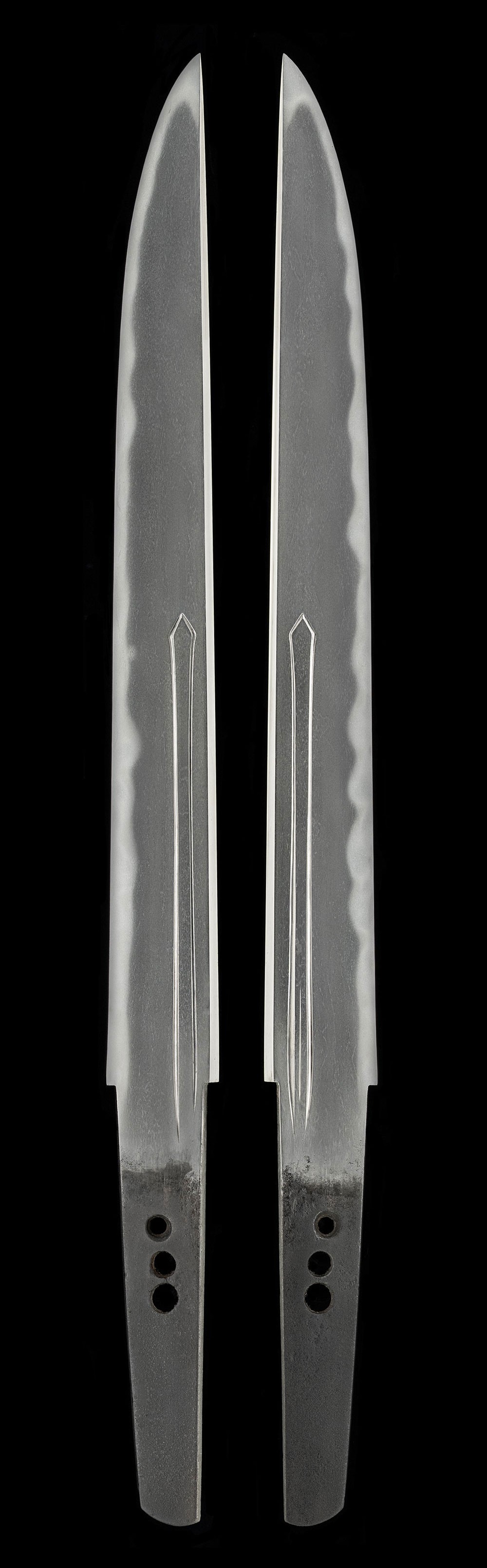
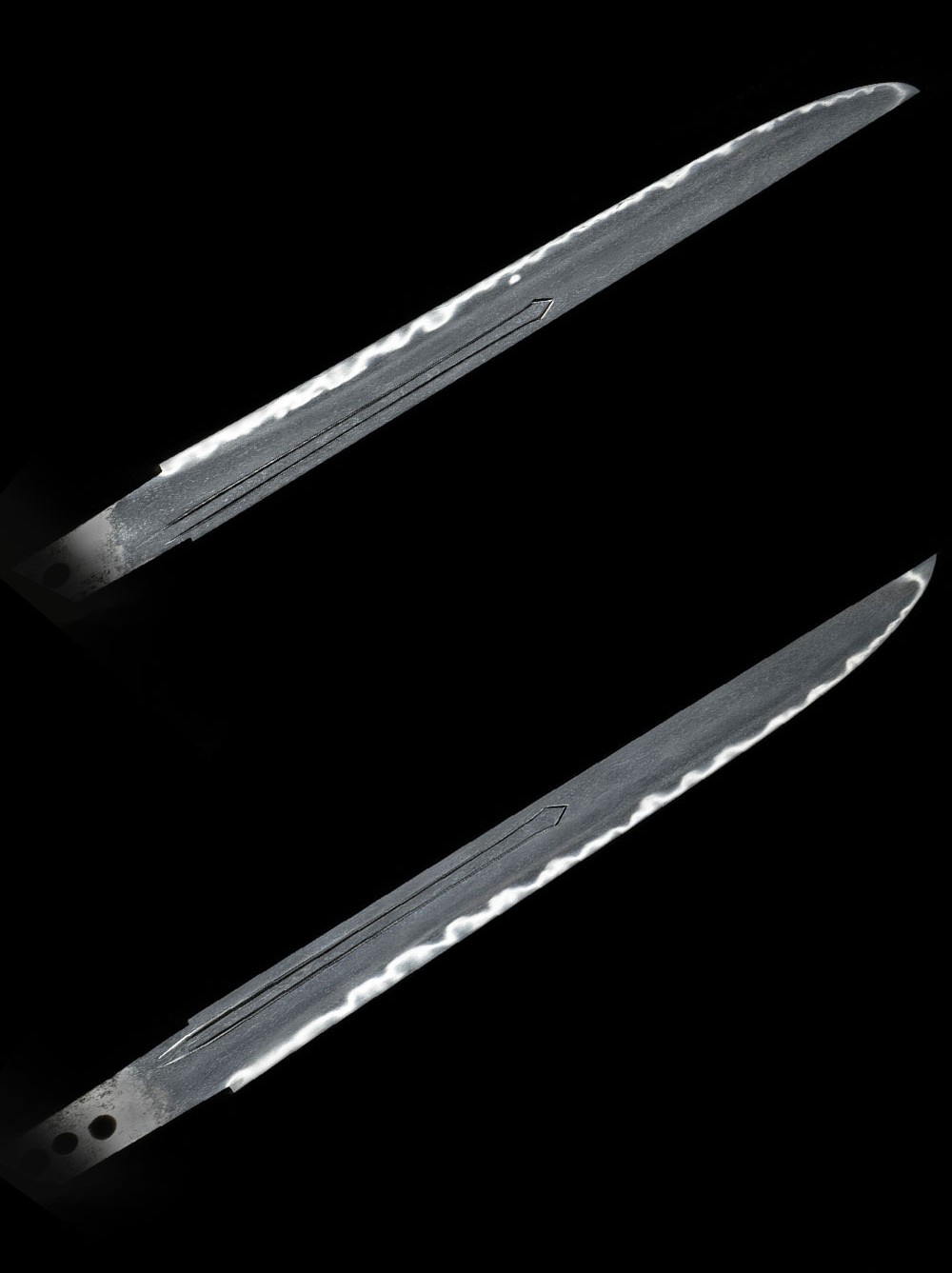
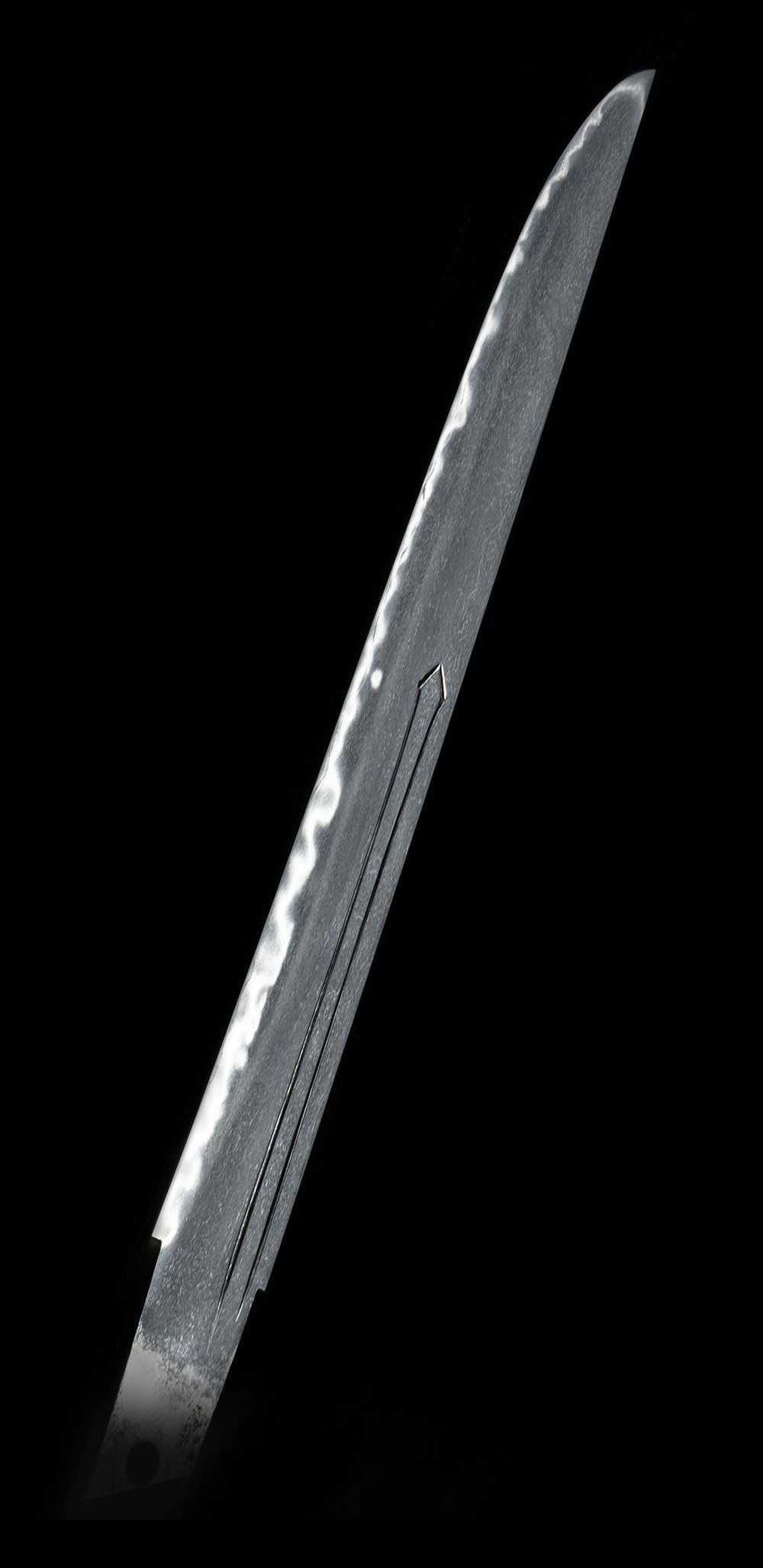
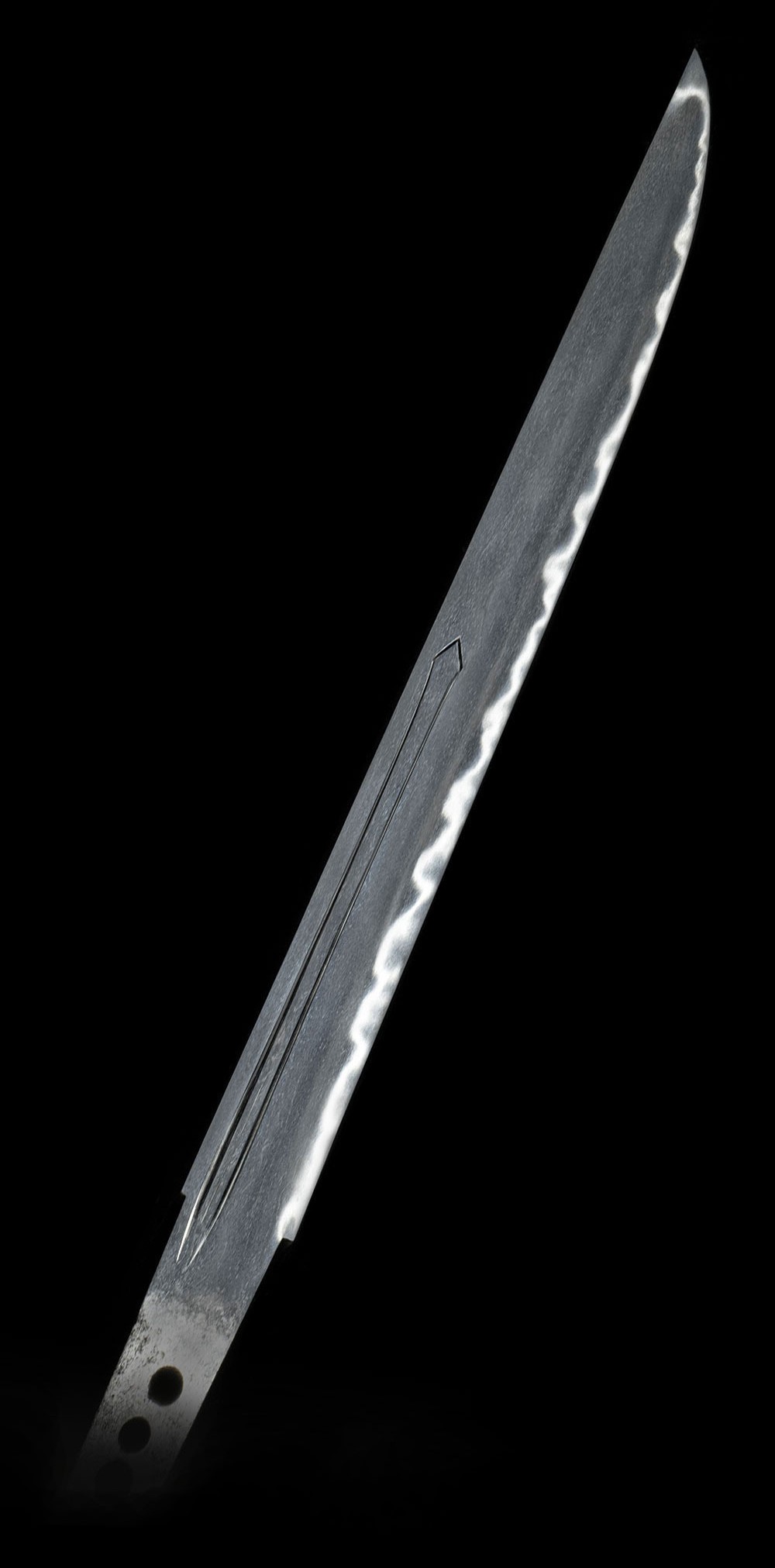
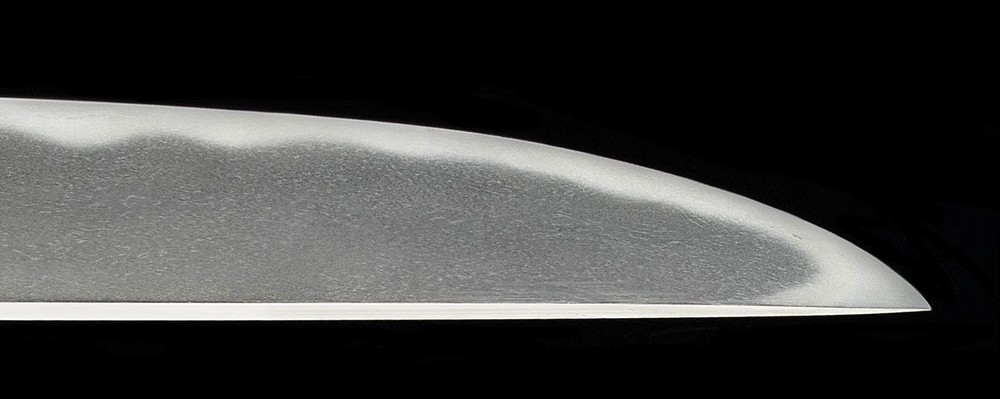
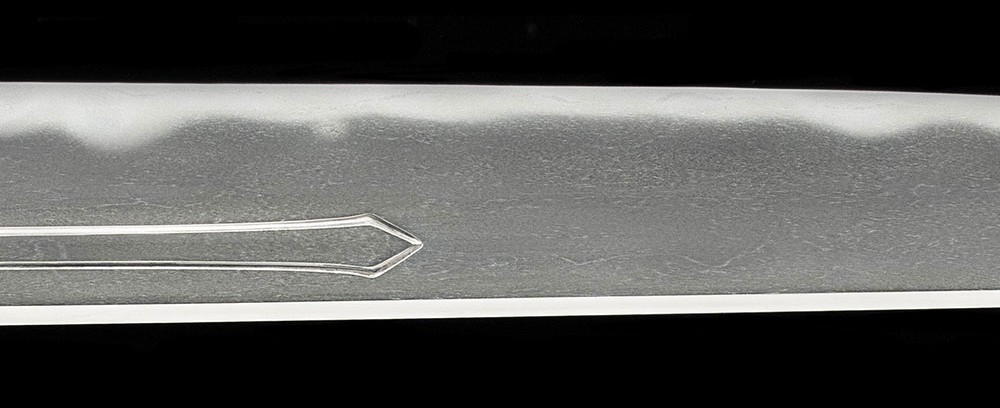
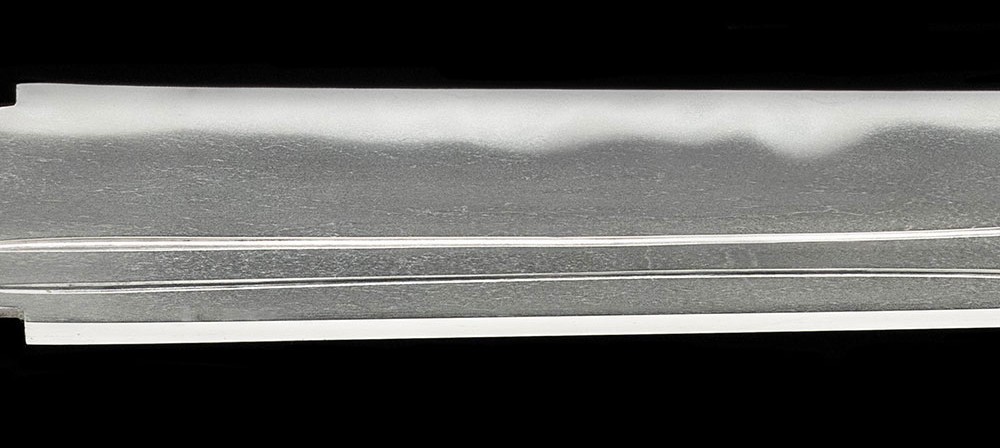
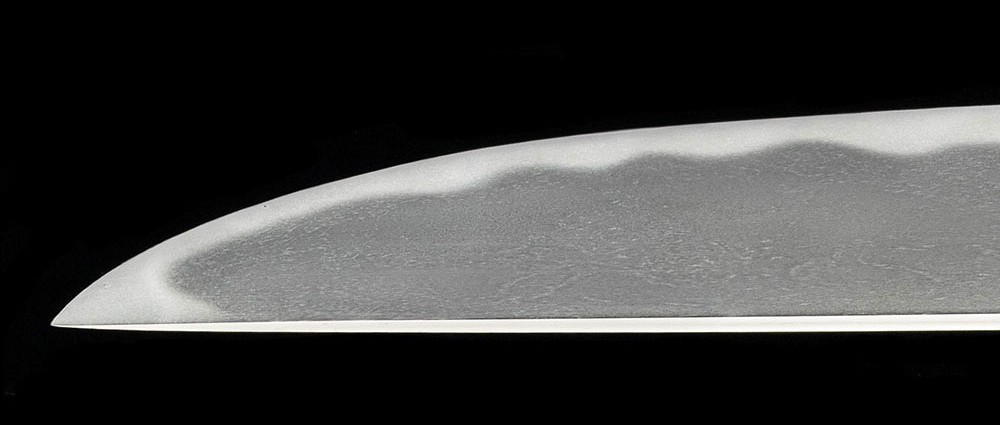
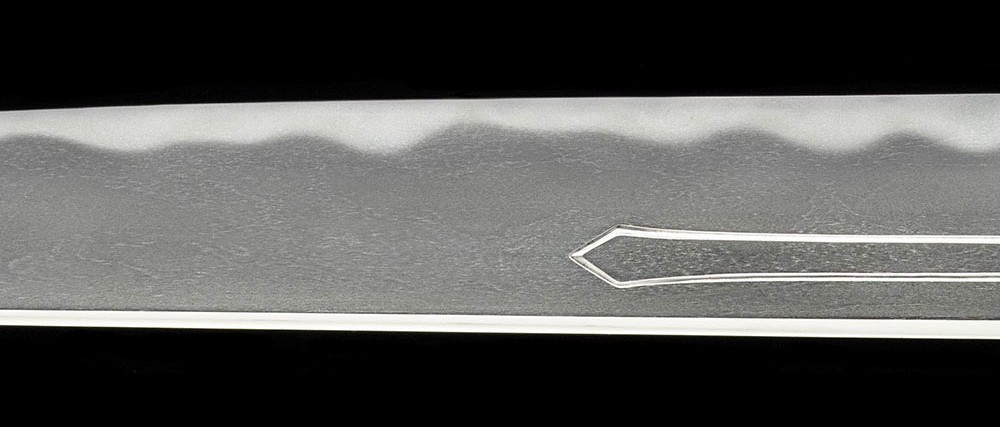
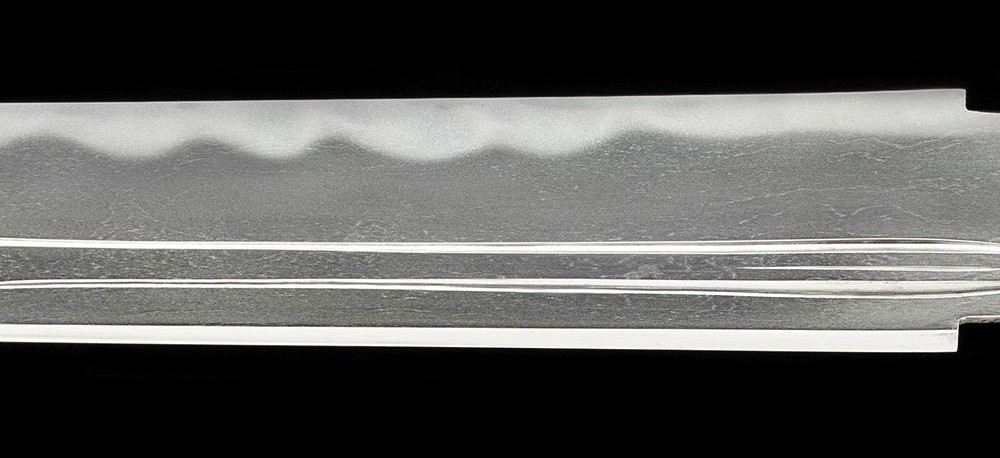
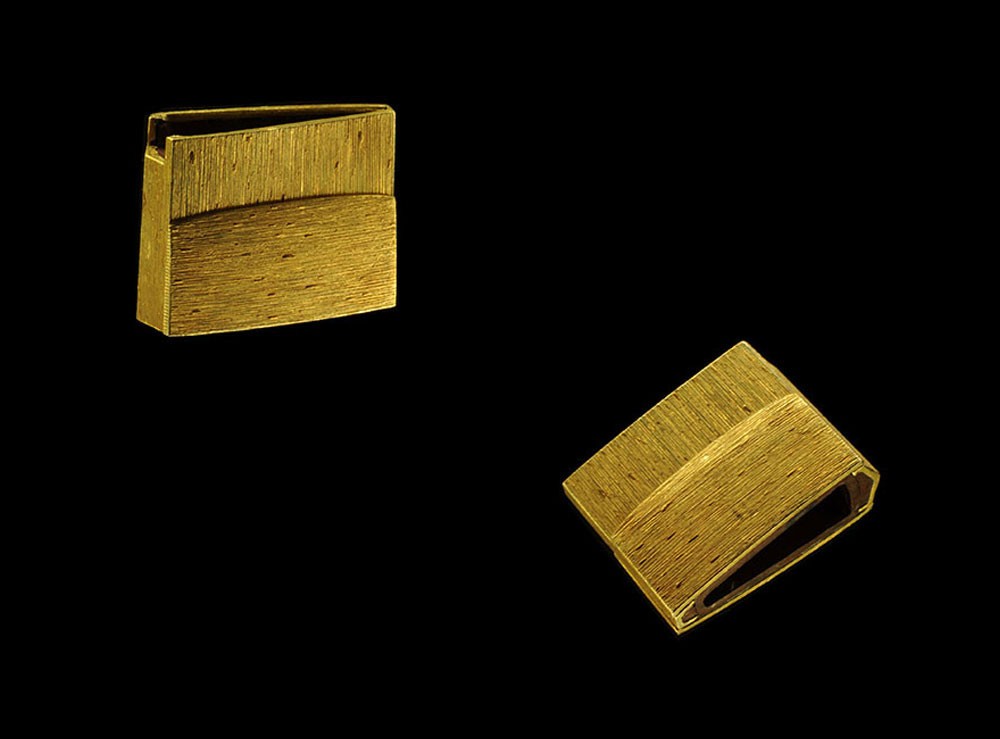
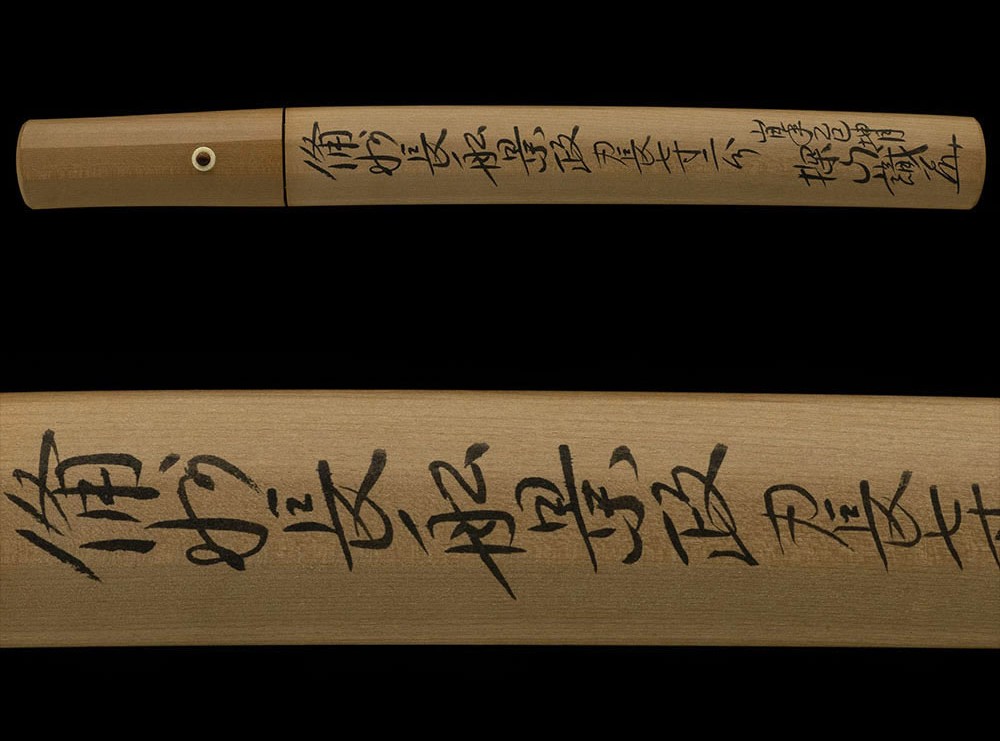
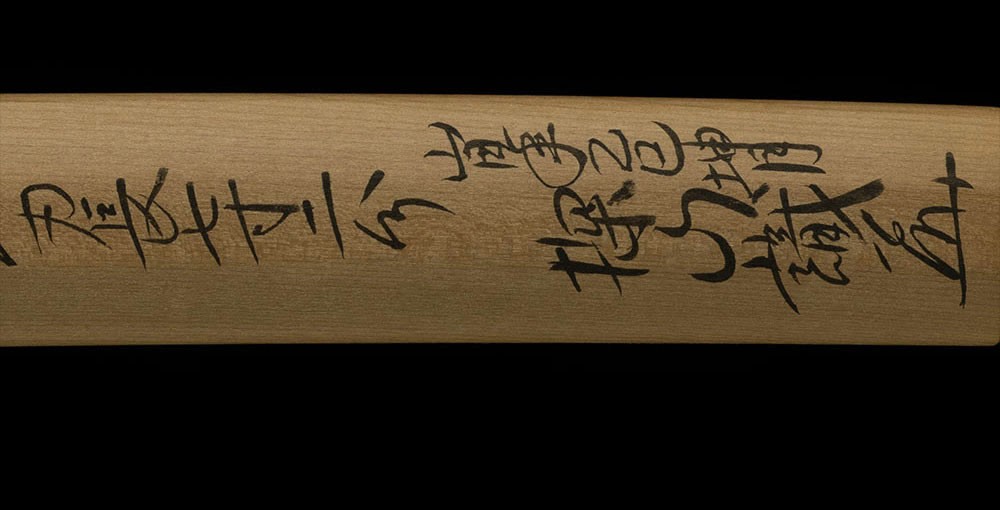
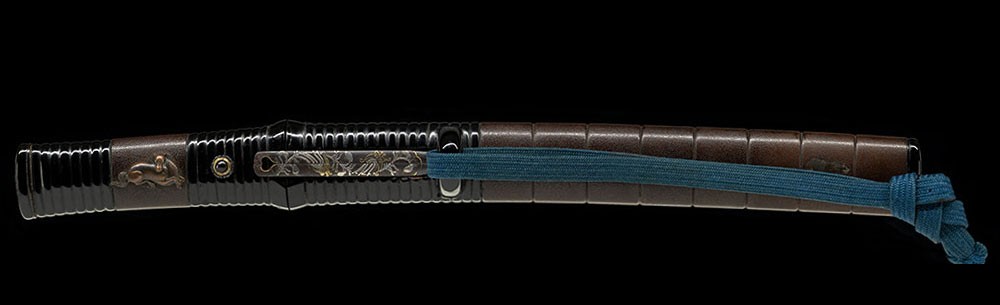
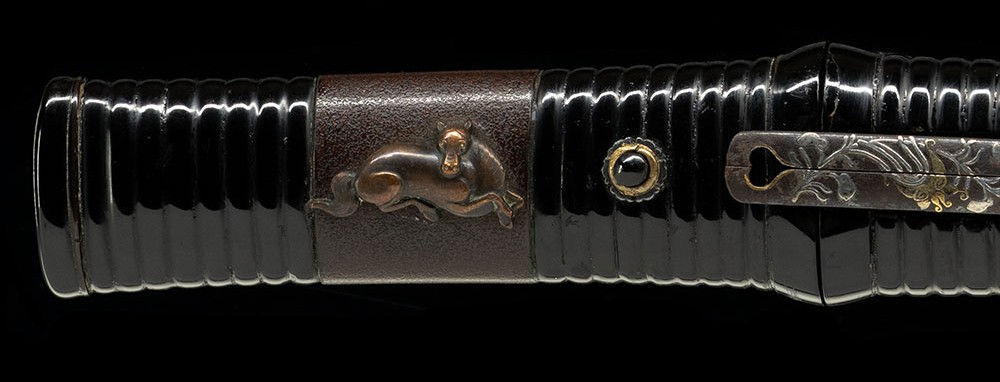
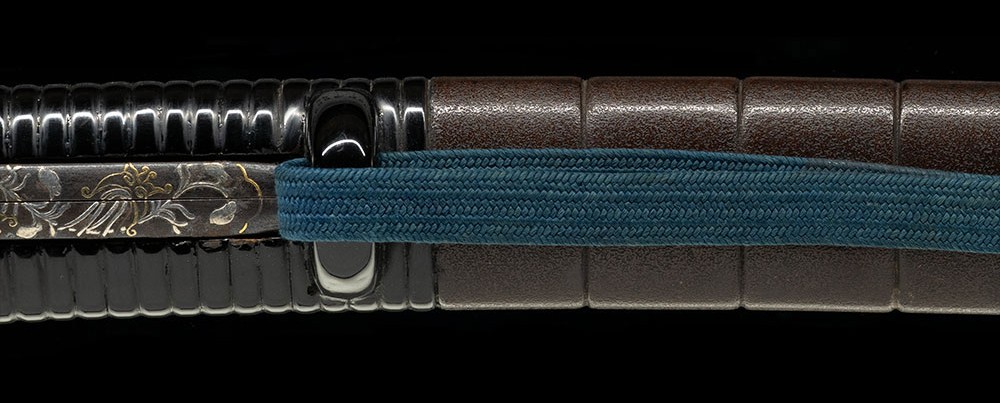
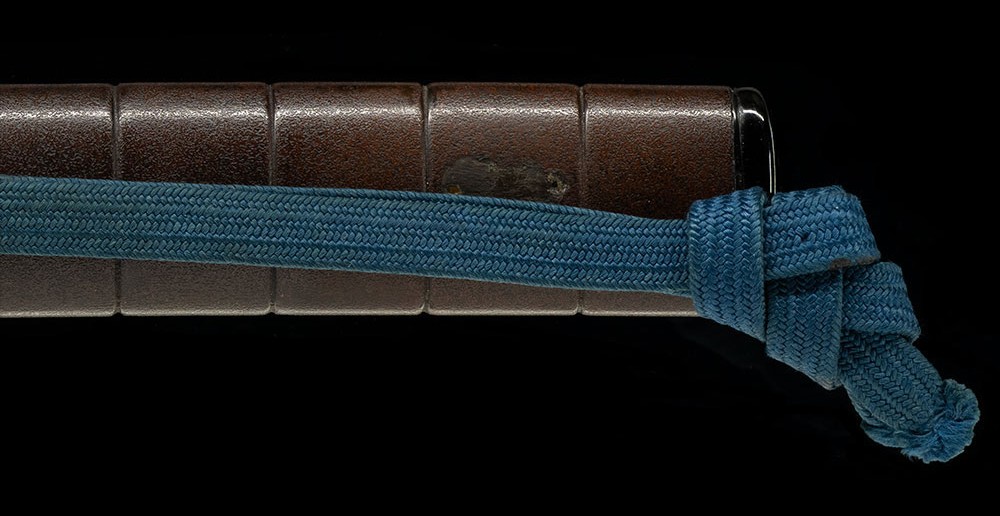
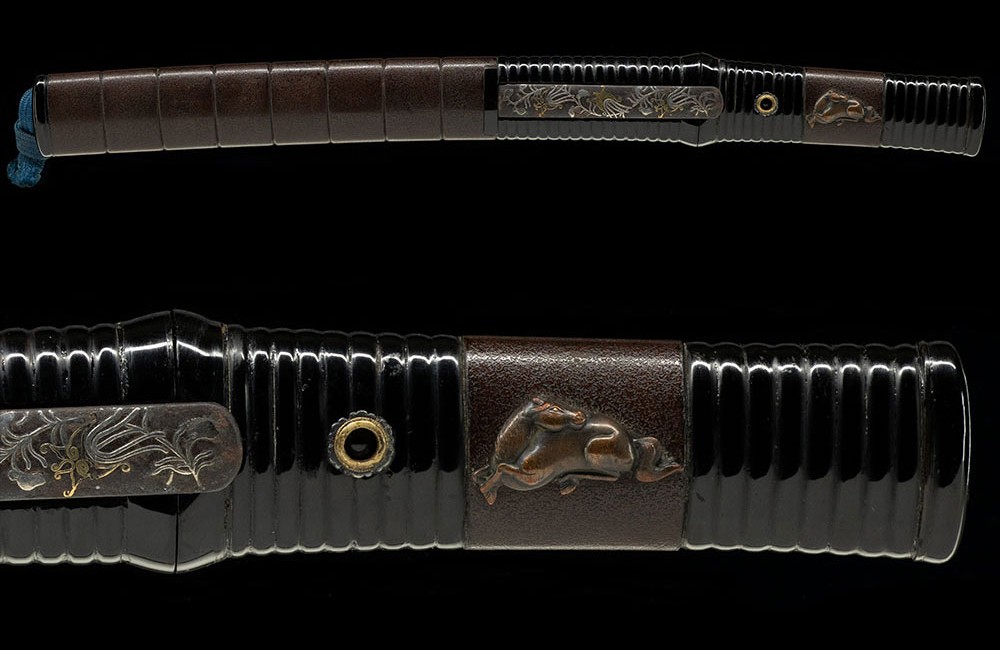
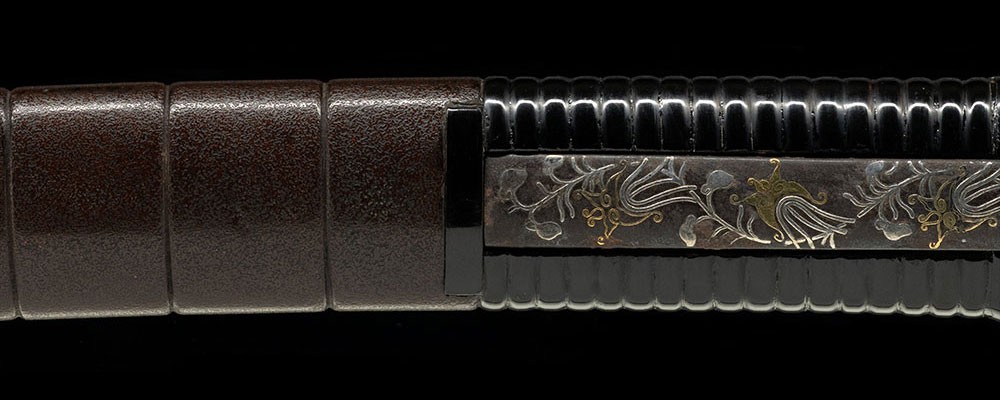
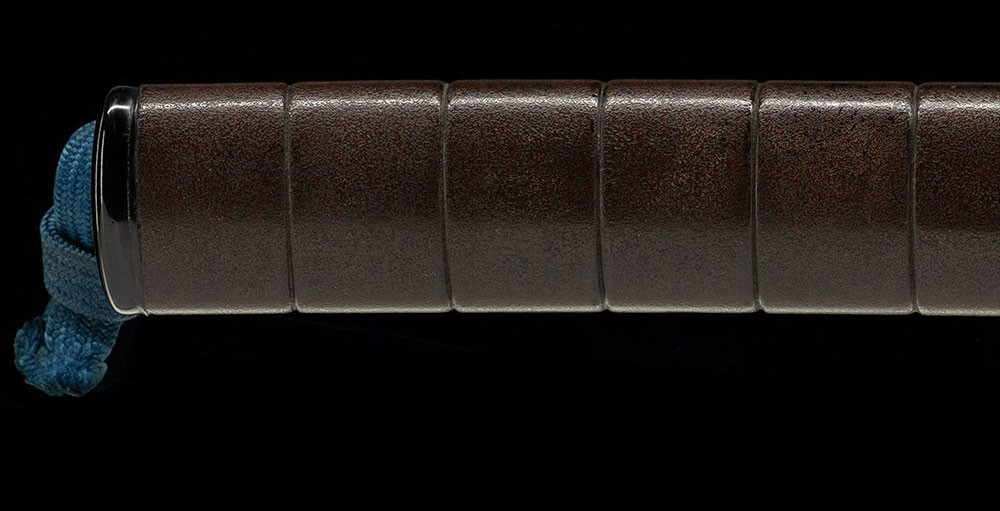
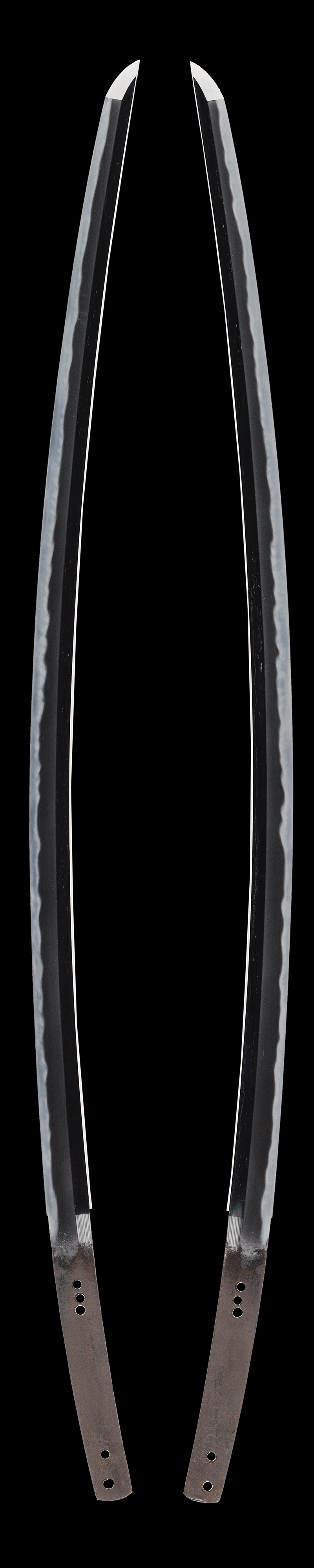
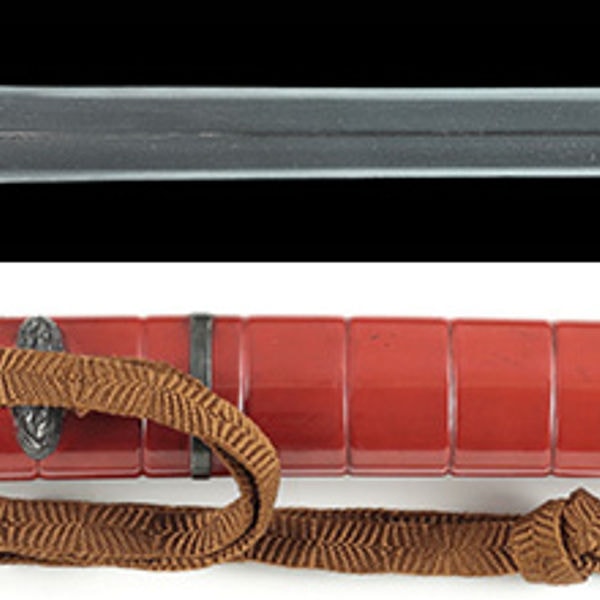
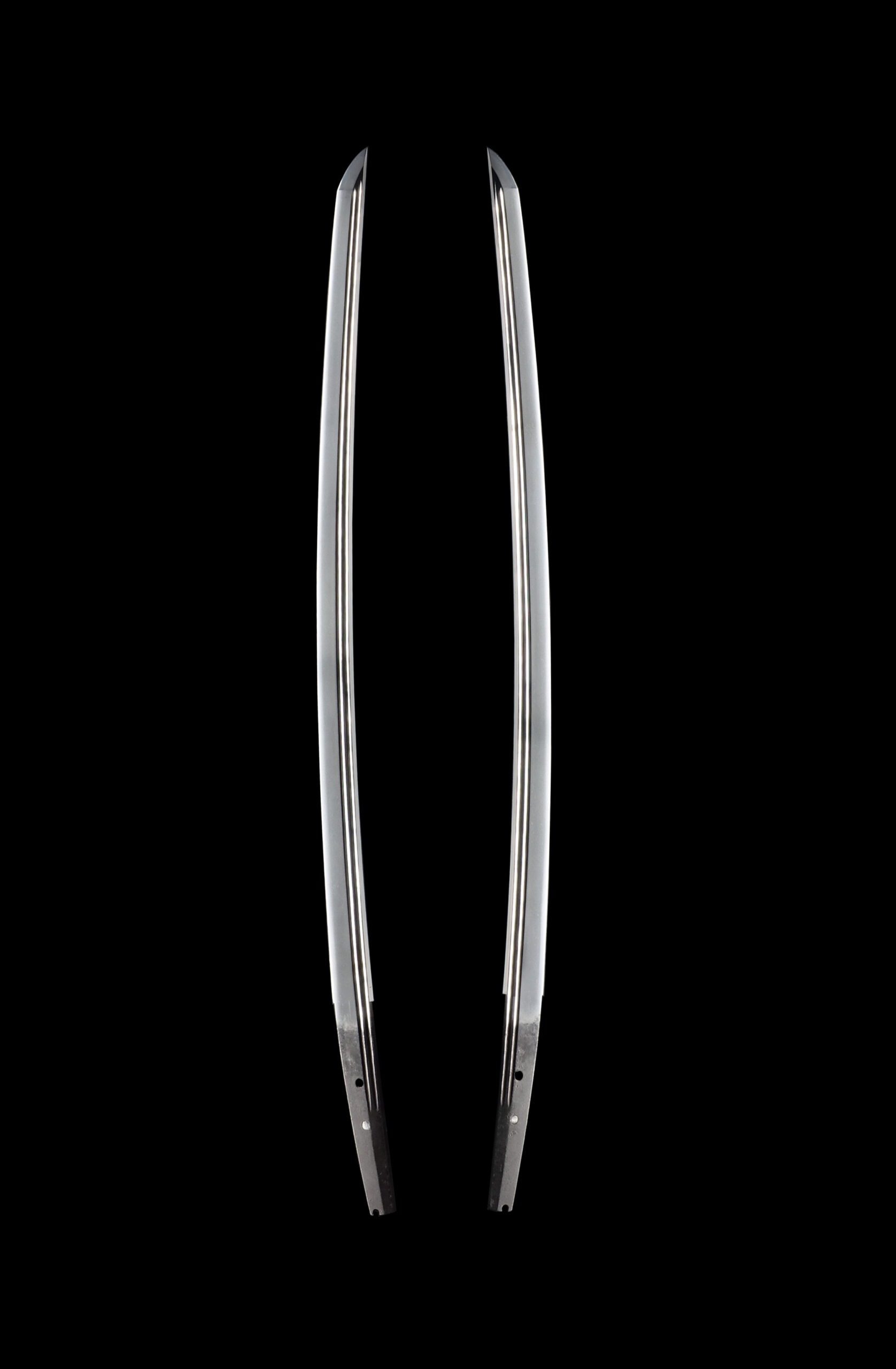
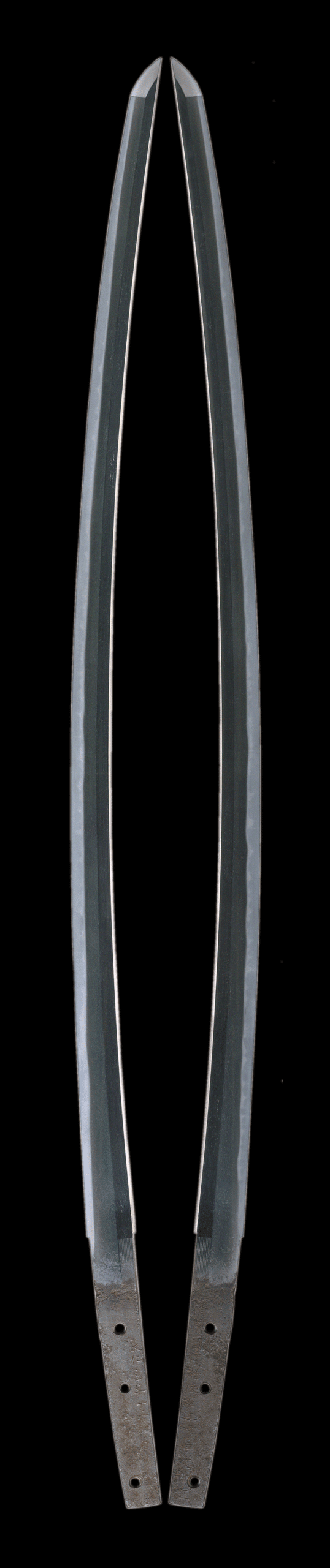
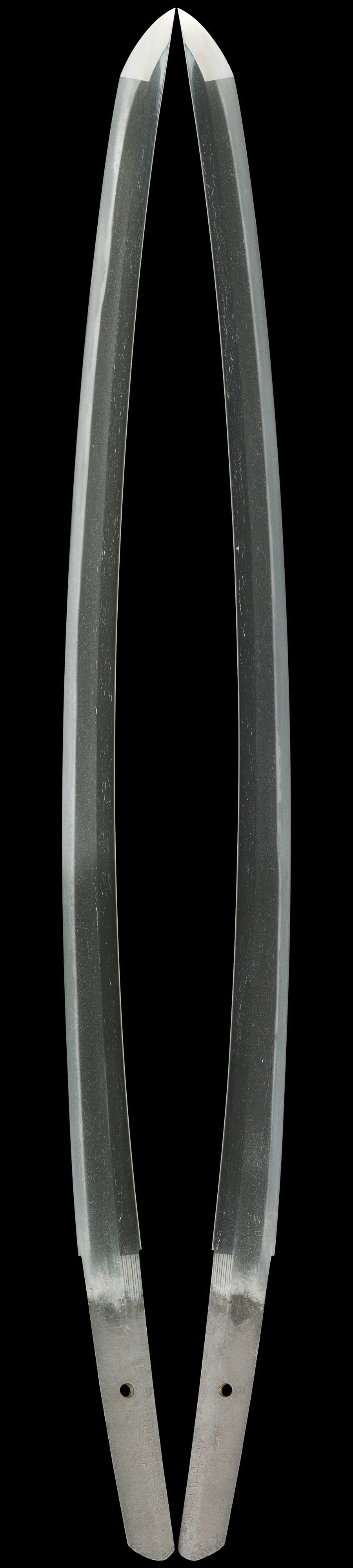
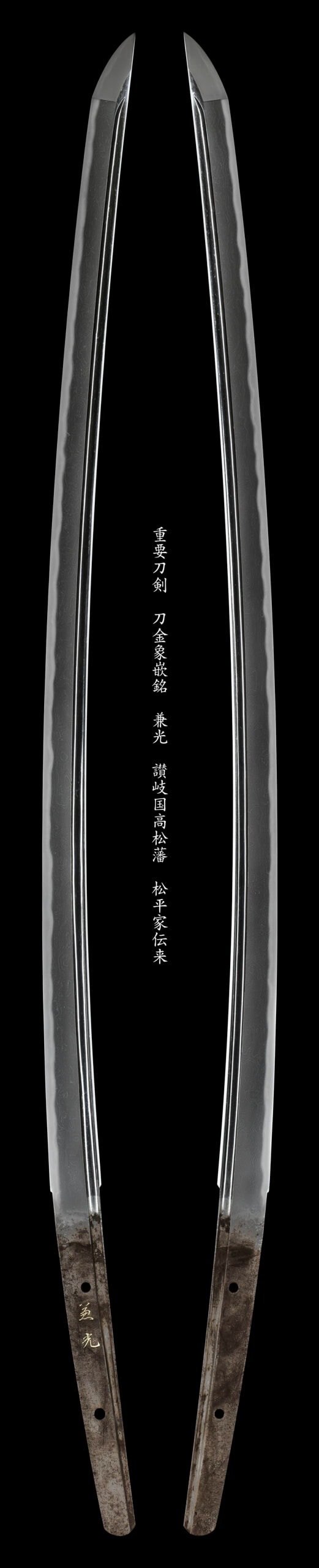
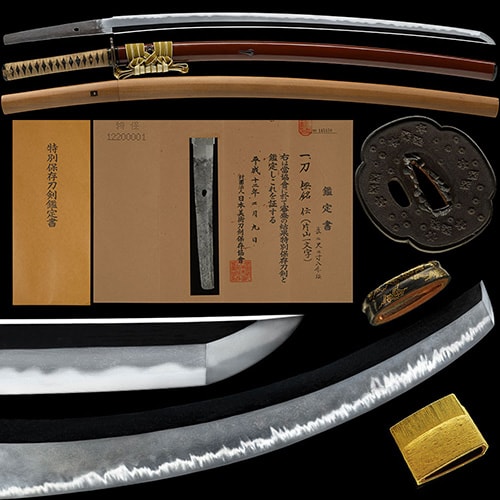
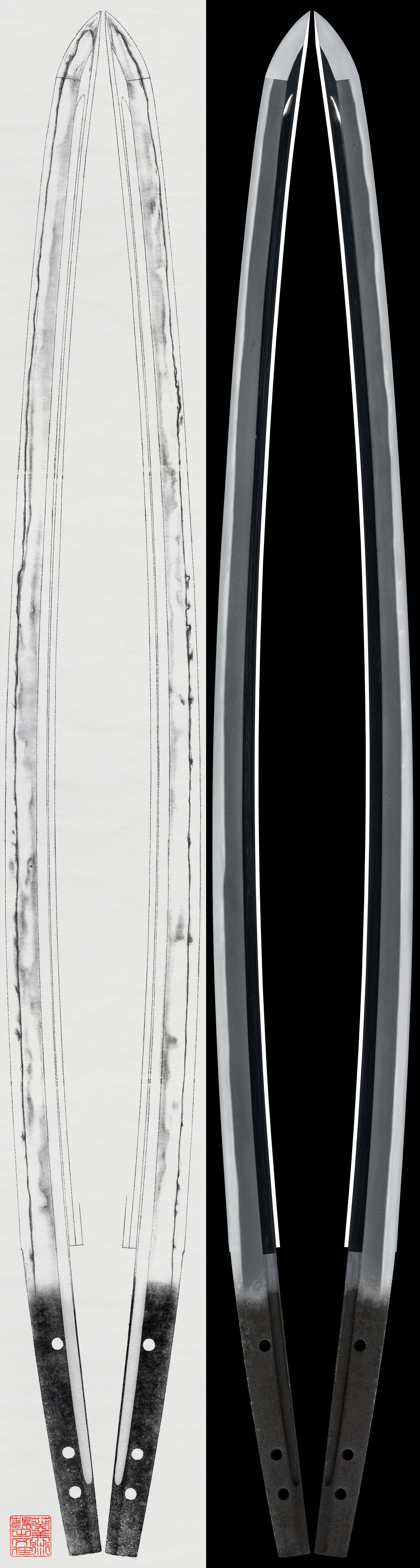
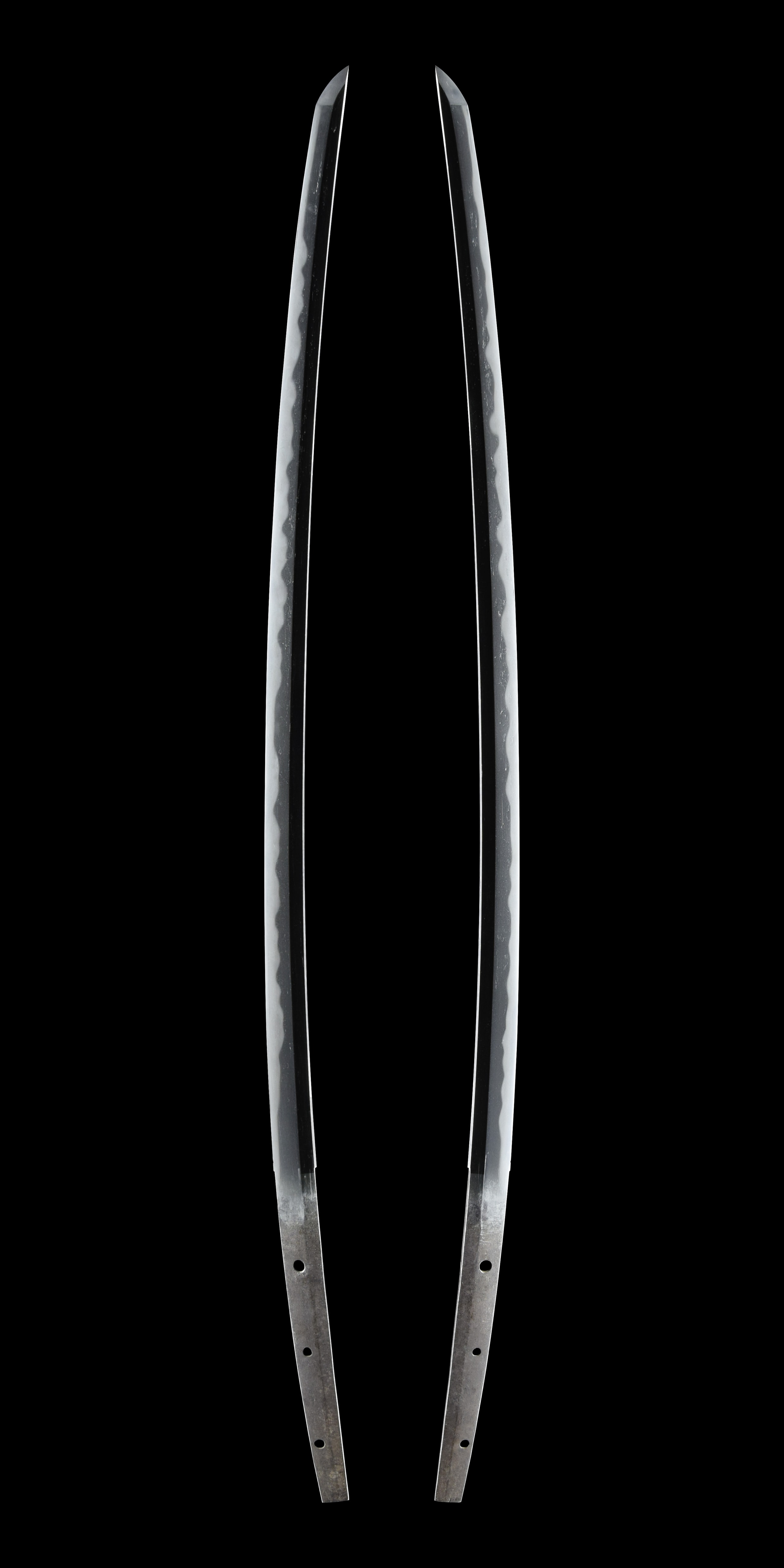
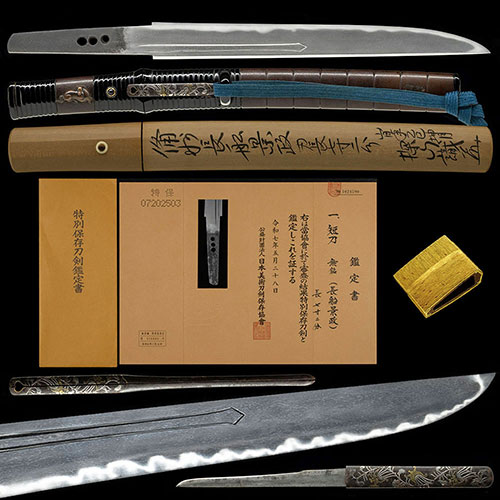
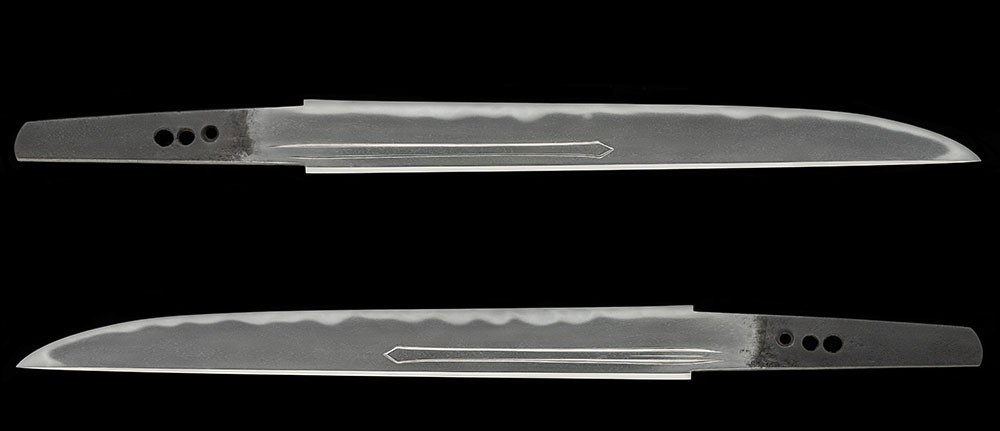
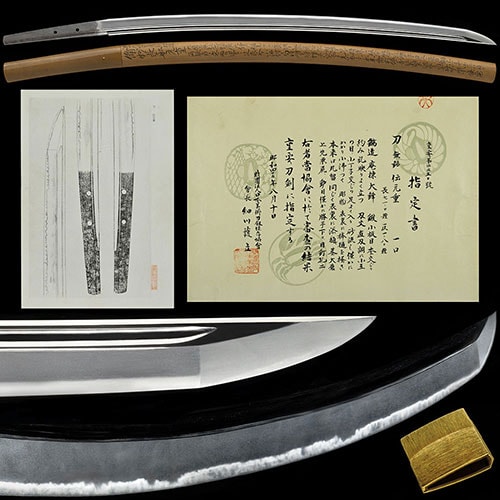
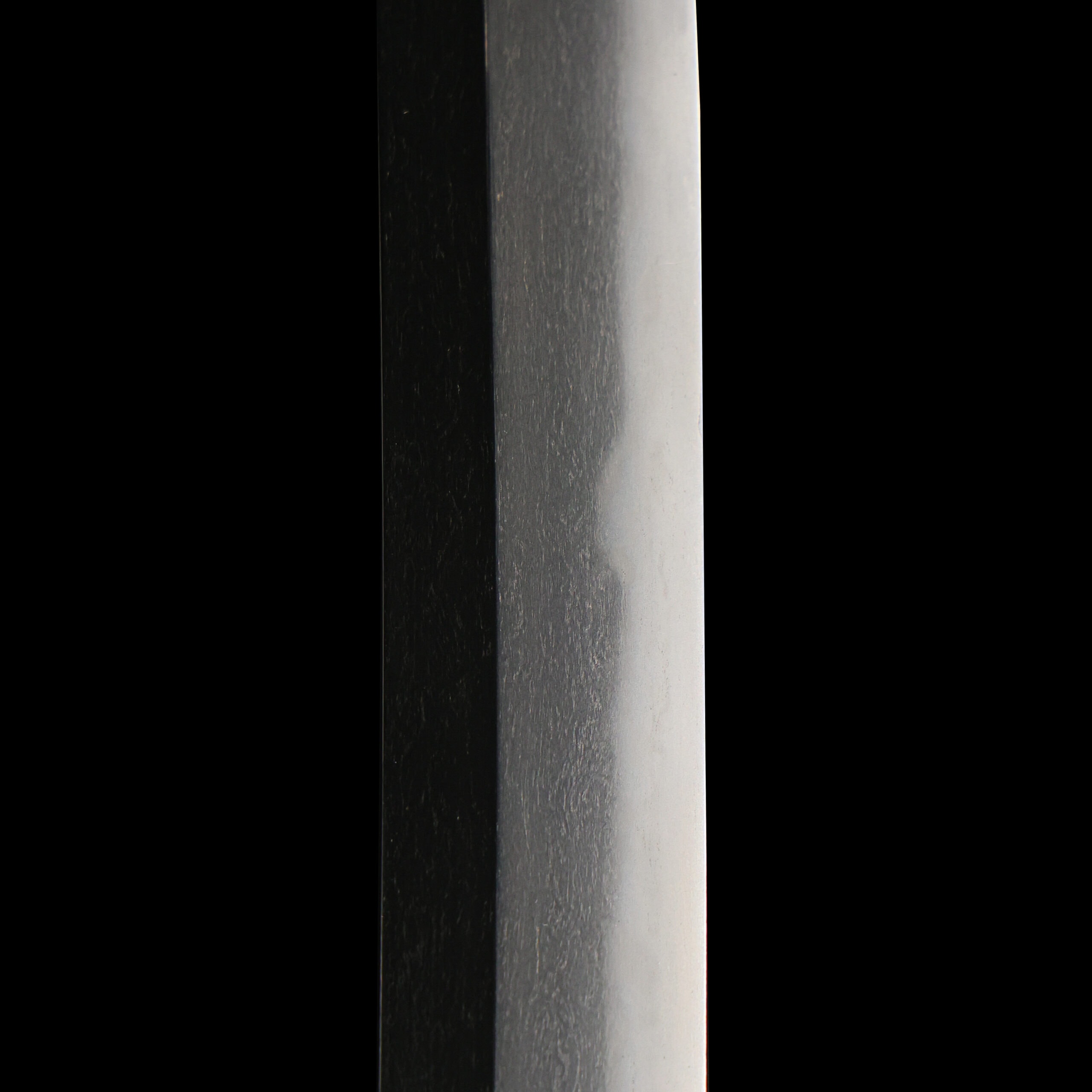
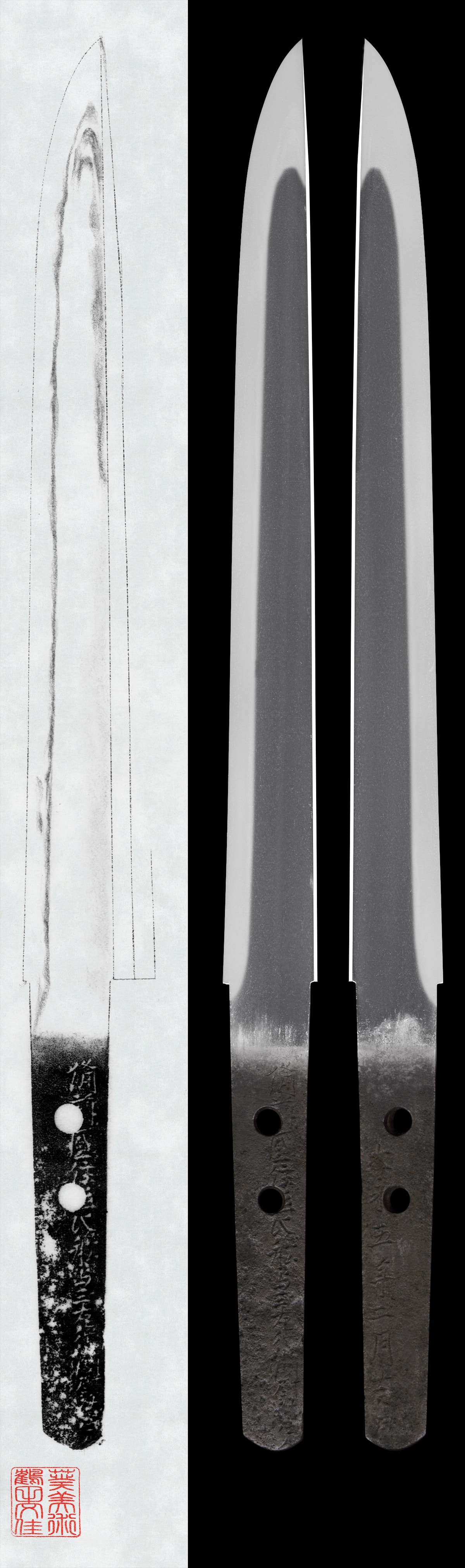
This is an elegant, small-sized Uchizori Tanto by Kagemasa, son of Nagamitsu and younger brother of Kagemitsu, active in the late Kamakura period. It features a beautiful Jigane with small-Itamehada mixed with Itamehada and Sugu-Utsuritatsu. The Hamon is a masterpiece with Kado-Gunome mixed with Kataochi-Gunome and Chouji, abundant Ashi and You, fine Nie, and long, thick Kinsuji, all contributing to a bright and clear Nioikuchi. It comes with a Jidai Aikuchi Koshirae from the Edo period.

Certificate Reading

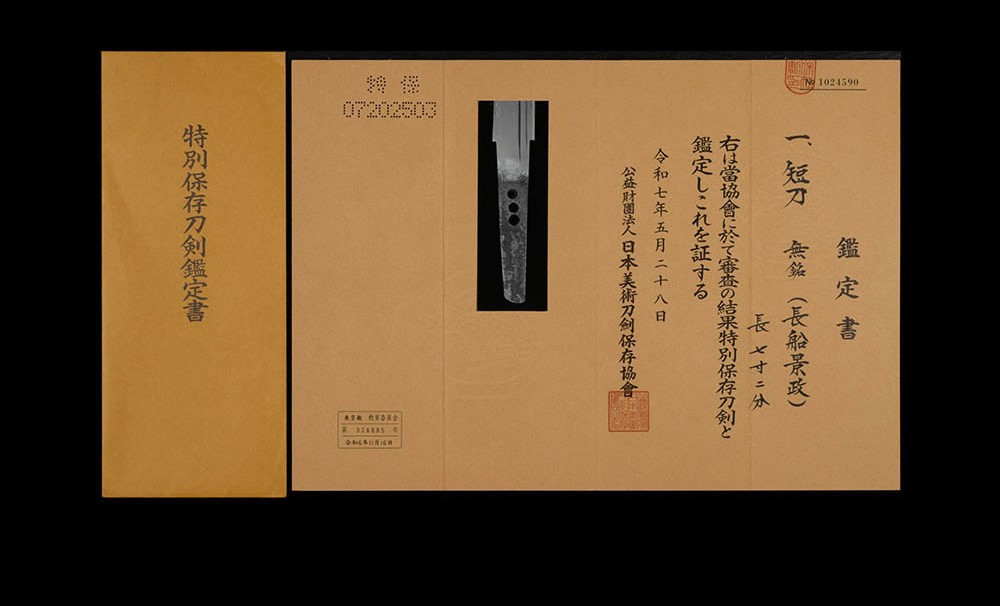
Certificate reading — 無銘(長船景政)

NihontoWatch MonNihontoWatch
MarketEncyclopediaKantei
Swords›Bizen-den›Osafune›Ko-Osafune›Kagemasa›Kagemasa Tanto - Tokubetsu Hozon Token
tantoTokubetsu Hozon
Osafune Kagemasa

Kagemasa Tanto - Tokubetsu Hozon Token

mei · Bunpo (1317-1319) · nagasa 21.8cm

¥1,800,000
Visit seller website →
Osafune Kagemasa (景政) · Bunpo (1317-1319)2 works for sale →
Tanto
Could you name the smith from the blade alone? Today’s kantei →
Osafune Kagemasa — 1 of 23
Osafune Kagemasa — 2 of 23
Osafune Kagemasa — 3 of 23
Osafune Kagemasa — 4 of 23
Osafune Kagemasa — 5 of 23
Osafune Kagemasa — 6 of 23
Osafune Kagemasa — 7 of 23
Osafune Kagemasa — 8 of 23
Osafune Kagemasa — 9 of 23
Osafune Kagemasa — 10 of 23
Osafune Kagemasa — 11 of 23
Osafune Kagemasa — 12 of 23
Osafune Kagemasa — 13 of 23
Osafune Kagemasa — 14 of 23
Osafune Kagemasa — 15 of 23
Osafune Kagemasa — 16 of 23
Osafune Kagemasa — 17 of 23
Osafune Kagemasa — 18 of 23
Osafune Kagemasa — 19 of 23
Osafune Kagemasa — 20 of 23
Osafune Kagemasa — 21 of 23
Osafune Kagemasa — 22 of 23
Osafune Kagemasa — 23 of 23
1 / 23
1 / 23
Osafune Kagemasa — 1 of 23Osafune Kagemasa — 2 of 23Osafune Kagemasa — 3 of 23Osafune Kagemasa — 4 of 23Osafune Kagemasa — 5 of 23Osafune Kagemasa — 6 of 23Osafune Kagemasa — 7 of 23Osafune Kagemasa — 8 of 23Osafune Kagemasa — 9 of 23Osafune Kagemasa — 10 of 23Osafune Kagemasa — 11 of 23Osafune Kagemasa — 12 of 23Osafune Kagemasa — 13 of 23Osafune Kagemasa — 14 of 23Osafune Kagemasa — 15 of 23Osafune Kagemasa — 16 of 23Osafune Kagemasa — 17 of 23Osafune Kagemasa — 18 of 23Osafune Kagemasa — 19 of 23Osafune Kagemasa — 20 of 23Osafune Kagemasa — 21 of 23Osafune Kagemasa — 22 of 23Osafune Kagemasa — 23 of 23
Osafune Kagemasa (景政) · Bunpo (1317-1319)2 works for sale →
Tanto
Could you name the smith from the blade alone? Today’s kantei →
Measurements & details
Smith
Osafune Kagemasa
Type
Tanto
School
Osafune
Period
Around 1317–1327(Bunpo)
Province
Bizen
Signature
Signed(50% of this smith's designated works are signed)
Measurements
Nagasa 21.8cmMotohaba 2.4cmKasane 0.52cmWeight 117g
Description

This is an elegant, small-sized Uchizori Tanto by Kagemasa, son of Nagamitsu and younger brother of Kagemitsu, active in the late Kamakura period. It features a beautiful Jigane with small-Itamehada mixed with Itamehada and Sugu-Utsuritatsu. The Hamon is a masterpiece with Kado-Gunome mixed with Kataochi-Gunome and Chouji, abundant Ashi and You, fine Nie, and long, thick Kinsuji, all contributing to a bright and clear Nioikuchi. It comes with a Jidai Aikuchi Koshirae from the Edo period.

About the maker

Kagemasa

景政

Osafune (Bizen) · Bizen · around 1317-1327

Fujishiro Jo-jo saku · Tōken Taikan top 8%

2 pieces on the market now

›

Kagemasa of Osafune, who styled himself Shinshi Saburō, is a mainline Bizen smith of the late Kamakura period whose place in the school is fixed less by his pedigree than by his company. The published sources are candid that his genealogy is not clearly known, telling him variously as Kagemitsu's pupil or his younger brother; what settles the matter is a collaborative tachi he made jointly with Kagemitsu bearing dates of the Shōchū and Karyaku eras, one of them an Imperial gyobutsu and one designated kokuhō. From those joint pieces he is read as a smith who stood in extremely close relation to Kagemitsu, and the surviving dated works run across Bunpō, Shōchū, Karyaku and Kenmu, so that the Jūyō-Bijutsuhin commentary can say plainly that he was "clearly a disciple within the Kagemitsu line"[[c:1]]. His latest date, Ryakuō 3 (1340), carries his hand into the earliest Nanbokuchō generation of Osafune.

His characteristic hand is Kagemitsu's manner brought one half-step short of Kagemitsu's order. Over a finely forged ko-itame he tempers a midare built on angular kaku-gunome and kataochi-style gunome, mixed with ko-gunome, small togariba and a little ko-chōji, the whole inclining in saka-gakari, the reverse-slant of the late Osafune mainline. Ashi and yō enter the ha, fine kinsuji and sunagashi run through it, and the nioiguchi is bright with ko-nie. On the Tokubetsu-Jūyō tachi signed in orikaeshi-mei the published sources gather these features into a single judgment, that "in both ji and ha the distinctive traits of Kagemasa are well expressed"[[c:2]]. The 68th Jūyō tachi sharpens it further, finding his own points of interest precisely where he departs from his model, in that he "mixes an even greater variety of tempering forms than Kagemitsu"[[c:3]] and in "a somewhat stronger degree of variation within the midare, which is where Kagemasa's points of interest emerge"[[c:4]].

The jigane is the proper mainline Osafune steel and the firmest part of his identity. The forging is a closely packed ko-itame, at times mixed with mokume or running a little toward nagare and masame; very fine ji-nie lies on it thickly, fine chikei enter, and over this stands a vivid midare-utsuri, which the sources call the bright, well-refined steel of a "finely wrought forging in the manner of the mainline Osafune"[[c:5]]. The bōshi answers the ha: a midare-komi or notare-komi turning in ko-maru, and on the dated and ubu tachi it takes the sansaku-like form the school shares, so that the cap too "calls Kagemitsu to mind." The steel can tend slightly dark, and the utsuri is the constant that holds across signed and unsigned alike.

The corpus draws two registers and a temporal arc. On tachi the kaku and kataochi-gunome core prevails; on tantō and ken he turns instead to a quiet suguha. The Jūyō-Bijutsuhin tantō of Karyaku 2 (1327) shows an orderly gunome in ko-nie that, set against Kagemitsu, is "larger, opening at the base, mixed with a kataochi tendency"[[c:6]], and carries a sankō-tsuka-ken and gomabashi among its Buddhist carvings; his signed ken runs a narrow hoso-suguha with kinsuji, sunagashi and a nijūba-like yubashiri. Across the period the dated tachi move from Bunpō through Ryakuō 3, the latest reaching the first Nanbokuchō years, and the published sources read a deliberate restraint into them: on more than one blade the ha "shows a slight kozumi-gokoro, a subtly subdued tendency, and this too marks a point of interest in Kagemasa"[[c:7]].

His standing in the school is defined against Kagemitsu at every turn, and the comparison is the whole of the connoisseurship. The published sources are consistent that in rank he yields a little to Kagemitsu while in style he stands very close, skillful and faithful; the 4th Tokubetsu-Jūyō tachi, its signature cut away below the character Kage, is judged beyond doubt his because the workmanship "rivals Kagemitsu"[[c:8]]. It is exactly this small shortfall that does the appraising: a mumei blade that reads like Kagemitsu but stops a touch short of his finish is given to Kagemasa, and most of his surviving work is mumei attributed on that reasoning, eleven signed pieces against eleven unsigned in the official record. He worked, the sources note, in the kataochi-gunome and suguha that were Kagemitsu's own specialties, which is why the two are so hard to part and why his bright midare-utsuri and the slightly freer play of his midare are made to carry the distinction.

Fujishiro grades him Jō-jō saku. Twenty designated works stand on the official record, four in the Tokubetsu-Jūyō tier and sixteen Jūyō, with the Jūyō-Bijutsuhin tantō above them; signed examples are so few that each is treated as study material, the published sources valuing one ubu, single-mekugi-ana tachi dated Ryakuō 3 as "excellent material for research on this smith" and his rare signed ken as a piece prized "for understanding the workmanship of a smith whose signed pieces are scarce"[[c:9]], one "filled with archaic grace and refined dignity"[[c:10]]. Provenance is recorded against three of his blades, among them the tantō once held by Ide Hiroshi of Tokyo and a tachi transmitted in the Sakai family of Wakasa; one signed tachi is now in the Hakutsuru Museum, the rest held in private hands of recorded whereabouts. A Kagemasa is not beyond a collector's reach as the most exalted Osafune names are, his blades sitting in the Tokubetsu-Jūyō and Jūyō tiers rather than held in perpetuity in the museum and shrine collections that hold the school's highest designations; but with so small a signed corpus and so few coming to market, an example appears only from time to time, and a signed, dated, ubu tachi is a landmark when it does.

Historical importance

Where Kagemasa stands among comparable artisans: across all of nihontō, and within tradition, era, and period. The tiers (Foremost · Leading · Major · Notable) weigh official designations from the NBTHK and Japan's Agency for Cultural Affairs, together with historical honors of lasting repute such as the Sansaku and Meibutsu-chō.

随一
Foremost
屈指
Leading
有数
Major
著名
Notable

Select a lens to see how it's measured.

Designation record
22 designated works
Jūyō Bijutsuhin
1
Gyobutsu (Imperial)
1
Tokubetsu Jūyō
4
Jūyō
16
2 works by Kagemasa on the market→
Kagemasa — full profileOsafune (Bizen) school

Dated Works

Years he was demonstrably active, proven by signed-and-dated blades

Active period
1317–1327
2 of 10 designated works carry a date
1310
1320
1330

Study this maker →

About the school

Osafune

長船

Bizen-den · Bizen

Phase: Ko-Osafune古長船· 1238–1335

235 pieces on the market now

›

Three smiths working at the village of Osafune across the second half of the thirteenth century set the terms for every Bizen blade that followed: Mitsutada the founder, his son Nagamitsu, and the closely related Sanenaga, the Sansaku triumvirate whose work opens this phase. Their window runs from the mid-Kamakura period into the early fourteenth century, when leadership passed to Nagamitsu's son Kagemitsu, the third-generation head whose dated tachi, naginata, and tanto carry the phase to its close around the Kenmu years. The setsumei repeatedly fix Kagemitsu by genealogy and date, citing pieces inscribed from Gen'o 1 (1319) and Genko 1 (1321) through Shochu and Kenmu (1325 to 1334); these ubu or lightly shortened, date-bearing blades are what give the founding chapter its firm chronological spine and separate it from the workshop-broad output of the later Nanbokucho and Oei generations. This is the orthodox mainline before the school fanned out: the generation that built the standard, not the ones that later reinterpreted it. The constructional signature of the phase is a tightly packed ko-itame, at times mixed with mokume, carrying fine ji-nie in dense particles, fine chikei, and a vivid midare-utsuri that the examiners single out again and again; one Kagemitsu tachi even pushes the utsuri toward a striped, Aoe-like dan-utsuri with reverse-slanting dark bands. Against the Ko-Bizen root, with its standing jifu-utsuri and thicker ha-nie, this phase reads as more refined and more tightly controlled in the ji. The temper marks the phase's internal turn.

Where Nagamitsu and Mitsutada favored flamboyant choji-midare, Kagemitsu pulls the hand inward to a suguha-based temper carrying ko-gunome, ko-choji, and angular elements, often with a reverse (saka-gakari) tendency, in a nioi-dominant, bright nioiguchi; the setsumei credit him specifically with perfecting kata-ochi gunome, the dropped-shoulder pattern repeatedly named as his completion. The boshi is the gentle sansaku-boshi, a shallow midare-komi or notare turning back in ko-maru. None of this is the powerful nie, scattered tobiyaki, and Soshu-den drama of the later Soden-Bizen, nor the open gunome and pointed candlewick boshi of the Oei revival; it is calmer, nioi-bound, and date-anchored. A collector separates this phase by its named masters and the kantei points the setsumei make explicit: kata-ochi gunome and the sansaku-boshi read Kagemitsu, while reverse-slanting jihan-utsuri and certain boshi forms let the examiners assign proxy daimei hands such as Chikakage and the collaborator Kagemasa, the latter named in a Shochu 2 (1325) joint tachi dedicated to Chichibu Shrine. Tanto are a discriminator in their own right, surviving in number for Kagemitsu where they are scarce for Nagamitsu, including the kanmuri-otoshi and hira-zukuri pieces with devotional bonji and kurikara carvings. Provenance present in the sample carries weight: a Kagemitsu tachi transmitted in the Chikuzen Kuroda family with its old scabbard, an orikaeshi-mei katana recorded in the Shimazu line, and tanto and tachi held in the Imperial collection where Kagemitsu is ranked beside Yoshimitsu, Shintogo Kunishige, and Samonji. These are the works that define the founding core against everything Osafune later became. Learn more →

113 recorded smiths2013 designated works
Leading smiths
SmithEraDesignated
Mitsutada光忠1238-123960
Nagamitsu長光1274-1304244
Kagemitsu景光1303-1336143
Kanemitsu兼光1323-1370231
Sanenaga眞長1299-130964
Explore the Osafune school →

Historical context

Bizen in the Kamakura period

›

Kamakura was Bizen’s summit. Tradition places Ichimonji smiths among Go-Toba’s goban kaji, Mitsutada founded the Osafune line at mid-century, and orders flowed from the court and the warrior government alike. No province holds more National Treasure blades.

Bizen in the Kamakura period →

NBTHK Certificate
Tokubetsu Hozon Tōken特別保存刀剣
Sword Especially Worthy of Preservation
›

A Hozon-certified blade judged to show notably superior workmanship and a better state of preservation. The bar is higher: re-tempered blades and most unsigned Muromachi/Edo works are excluded.

Unsigned (attr. Osafune Kagemasa)
As written on the certificate
About the NBTHK›

The NBTHK (Nihon Bijutsu Tōken Hozon Kyōkai, the Society for the Preservation of Japanese Art Swords) is a public-interest incorporated foundation founded in 1948 and supervised by Japan’s Agency for Cultural Affairs (Bunkachō); it is based at the Japanese Sword Museum in Tokyo. Its expert panels physically examine each submitted work (shinsa) and issue a certificate (kanteishō) ranking it by artistic and historical merit. NBTHK papers are the most widely recognized standard of authentication for Japanese swords and fittings.

NBTHK official site→
Seller
E
Eirakudo
🇯🇵Ships from Japan
›
✓Verified dealereirakudo.shop
Settles in JPY
✓Ships worldwide✓English supportWire transferCredit card
Return policy

Returns/exchanges/cancellations not accepted after shipment except for significant defects; if defective, return/exchange possible within 3 days of arrival (return shipping paid by customer).

View all of Eirakudo’s listings→View this item on the dealer’s site→

More works by Osafune Kagemasa

View all →
Iida Koendo
Jūyō
Tachi - Jūyō - by Osafune Kagemasa - Bishu Osafune Kagemasa - NBTHK Juyo Token No.68Tachi - Jūyō - by Osafune Kagemasa - Bishu Osafune Kagemasa - NBTHK Juyo Token No.68

Tachi

ByOsafune Kagemasa
¥16,500,000

Previously sold by Osafune Kagemasa

View all →
Tosa Touken Do
Tokujū
Tachi - Tokuju - by Osafune Kagemasa - Ko Osafune KagemasaTachi - Tokuju - by Osafune Kagemasa - Ko Osafune Kagemasa
Sold

Tachi

ByOsafune Kagemasa
SOLD
Choshuya
Tachi - by Osafune Kagemasa - Mei: Bishu Osafune ju KagemasaTachi - by Osafune Kagemasa - Mei: Bishu Osafune ju Kagemasa
Sold

Tachi

ByOsafune Kagemasa
SOLD

More Ko-Osafune works

View all →
Aoi Art
Jūyō Bijutsuhin
Daisho - Jubi - by Osafune Nagamitsu - Dai Sho: Katana (Important Art Object): Mumei (Attributed to Nagamitsu) / Wakizashi: Mumei (Attributed to Sekishu Naotsuna)Daisho - Jubi - by Osafune Nagamitsu - Dai Sho: Katana (Important Art Object): Mumei (Attributed to Nagamitsu) / Wakizashi: Mumei (Attributed to Sekishu Naotsuna)

Daishō

ByOsafune Nagamitsu
Ask
Nihonto.com
Jūyō
Tanto - Jūyō - by Osafune Kagemitsu - Juyo Tanto by Bizen KagemitsuTanto - Jūyō - by Osafune Kagemitsu - Juyo Tanto by Bizen Kagemitsu

Tantō

ByOsafune Kagemitsu
¥89,500
Samurai Museum
Tokuho
Wakizashi - Tokuho - by Osafune Kagemitsu - Antique Japanese Sword Wakizashi Attributed to Den Osafune Kagemitsu NBTHK Tokubetsu Hozon CertificateWakizashi - Tokuho - by Osafune Kagemitsu - Antique Japanese Sword Wakizashi Attributed to Den Osafune Kagemitsu NBTHK Tokubetsu Hozon Certificate

Wakizashi

ByOsafune Kagemitsu
¥20,730
Iida Koendo
Jūyō
Tachi - Jūyō - by Osafune Nagamitsu - NagamitsuTachi - Jūyō - by Osafune Nagamitsu - Nagamitsu

Tachi

ByOsafune Nagamitsu
¥33,000,000
Iida Koendo
Jūyō
Tachi - Jūyō - by Osafune Nagamitsu - Bizenkoku Osafune ju Sakonshogen Nagamitsu tsukuru, Einin Gannen Junigatsu HiTachi - Jūyō - by Osafune Nagamitsu - Bizenkoku Osafune ju Sakonshogen Nagamitsu tsukuru, Einin Gannen Junigatsu Hi

Tachi

ByOsafune Nagamitsu
¥55,000,000
Token Bizenya
Jūyō
Katana - Jūyō - by Osafune Sanenaga - Mumei SanenagaKatana - Jūyō - by Osafune Sanenaga - Mumei Sanenaga

Katana

ByOsafune Sanenaga
Ask
Eirakudo
Tokuho
Tachi - Tokuho - by Osafune Sanenaga - Sanenaga Tachi - Tokubetsu Hozon TokenTachi - Tokuho - by Osafune Sanenaga - Sanenaga Tachi - Tokubetsu Hozon Token

Tachi

ByOsafune Sanenaga
¥7,500,000
Hyozaemon
Jūyō
Tachi - Jūyō - by Osafune Kagemitsu - Tachi by Osafune KagemitsuTachi - Jūyō - by Osafune Kagemitsu - Tachi by Osafune Kagemitsu

Tachi

ByOsafune Kagemitsu
Ask

More from the Osafune school

View all →
Touken Matsumoto
Hozon
Wakizashi - Hozon - by Sukesada School - Bishu Osafune Sukesada, Eisho Juninen NigatsujitsuWakizashi - Hozon - by Sukesada School - Bishu Osafune Sukesada, Eisho Juninen Nigatsujitsu

Wakizashi

BySukesada School
¥650,000
Eirakudo
Jūyō
Katana - Jūyō - by Motoshige - Motoshige - Juyo TokenKatana - Jūyō - by Motoshige - Motoshige - Juyo Token

Katana

ByMotoshige
¥6,000,000
Samurai Museum
Katana - by Osafune Kanemitsu - Antique Japanese Sword Katana Attributed to Den Osafune Kanemitsu NTHK Yushu Saku Kanteisho CertificateKatana - by Osafune Kanemitsu - Antique Japanese Sword Katana Attributed to Den Osafune Kanemitsu NTHK Yushu Saku Kanteisho Certificate

Katana

ByOsafune Kanemitsu
¥27,856
Aoi Art
Tokuho
Tanto - Tokuho - by Sukesada - Bizen Kuni Ju Osafune Yozaemon-no-jo Sukesada Dated: A lucky day in the second month of Daiei 5 (1525)Tanto - Tokuho - by Sukesada - Bizen Kuni Ju Osafune Yozaemon-no-jo Sukesada Dated: A lucky day in the second month of Daiei 5 (1525)

Tantō

BySukesada
Starting Bid¥1,850,000
Goushuya
Jūyō
Katana - Jūyō - by Osafune Kanemitsu - Kanemitsu with Gold Inlay InscriptionKatana - Jūyō - by Osafune Kanemitsu - Kanemitsu with Gold Inlay Inscription

Katana

ByOsafune Kanemitsu
Ask
Aoi Art
Tokuho
Katana - Tokuho - by Osafune Shigezane - Mumei (Osafune Shigezane)Katana - Tokuho - by Osafune Shigezane - Mumei (Osafune Shigezane)

Katana

ByOsafune Shigezane
Starting Bid¥1,650,000
Touken Matsumoto
Tokuho
Katana - Tokuho - by Sukesada School - Bishu Osafune SukesadaKatana - Tokuho - by Sukesada School - Bishu Osafune Sukesada

Katana

BySukesada School
¥650,000
Nihonto Australia
Tokujū
Katana - Tokuju - by Chogi Yoshikage - A Tokubetsu Juyo Masterpiece Yoshikage KatanaKatana - Tokuju - by Chogi Yoshikage - A Tokubetsu Juyo Masterpiece Yoshikage Katana

Katana

ByChogi Yoshikage
Ask

More from the Bizen tradition

View all →
Tsuruginoya
Jūyō
Katana - Jūyō - by Fukuoka Ichimonji School - Mumei Fukuoka IchimonjiKatana - Jūyō - by Fukuoka Ichimonji School - Mumei Fukuoka Ichimonji

Katana

ByFukuoka Ichimonji School
Ask
Hyozaemon
Tokuho
Tokuho - by Fukuoka Ichimonji Yoshifusa - Naginata Naoshi Wakizashi by Fukuoka Ichimonji Yoshifusa, a Master of IchimonjiTokuho - by Fukuoka Ichimonji Yoshifusa - Naginata Naoshi Wakizashi by Fukuoka Ichimonji Yoshifusa, a Master of Ichimonji

Naginata Naoshi Wakizashi by Fukuoka Ichimonji Yoshifusa, a Master of Ichimonji

ByFukuoka Ichimonji Yoshifusa
Ask
Eirakudo
Tokuho
Katana - Tokuho - by Katayama Ichimonji School - Katayama Ichimonji - Tokubetsu Hozon TokenKatana - Tokuho - by Katayama Ichimonji School - Katayama Ichimonji - Tokubetsu Hozon Token

Katana

ByKatayama Ichimonji School
¥4,500,000
Eirakudo
Jūyō
Katana - Jūyō - by Omiya Morikage - Ohmiya Morikage - Juyo TokenKatana - Jūyō - by Omiya Morikage - Ohmiya Morikage - Juyo Token

Katana

ByOmiya Morikage
¥4,000,000
Goushuya
Jūyō Bijutsuhin
Tachi - Jubi - by Ukai Unsho - Kumoio - From the collection of the Okouchi family, lord of Otaki Domain, Kazusa ProvinceTachi - Jubi - by Ukai Unsho - Kumoio - From the collection of the Okouchi family, lord of Otaki Domain, Kazusa Province

Tachi

ByUkai Unsho
Ask
Aoi Art
Jūyō
Katana - Jūyō - by Aoe School - Mumei (Aoe school)Katana - Jūyō - by Aoe School - Mumei (Aoe school)

Katana

ByAoe School
¥3,200,000
World Seiyudo
Jūyō
Katana - Jūyō - by Kozori Moromitsu - Bishu Osafune Moromitsu - NBTHK Juyo Token / Tokubetsu Hozon TosoguKatana - Jūyō - by Kozori Moromitsu - Bishu Osafune Moromitsu - NBTHK Juyo Token / Tokubetsu Hozon Tosogu

Katana

ByKozori Moromitsu
¥9,500,000
Toushin
Katana - by Ichimonji School - Mumei (Hatakeda Mitsumori) (Bizen no kuni Yoshioka Ichimonji Sukemitsu)Katana - by Ichimonji School - Mumei (Hatakeda Mitsumori) (Bizen no kuni Yoshioka Ichimonji Sukemitsu)

Katana

ByIchimonji School
¥1,210,000

Swords

  • Katana
  • Wakizashi
  • Tantō
  • Tachi
  • Naginata
  • Yari
  • Japanese Swords
  • Samurai Swords

Fittings

  • Tsuba
  • Fuchi-Kashira
  • Kozuka
  • Menuki
  • Sword Guards (Tsuba)

Armor

  • Kabuto
  • Samurai Armor
  • All Samurai Armor

By Certification

  • Tokujū
  • Jūyō
  • Tokuho
  • Hozon

Resources

  • Dealer Directory
  • Artist Directory
  • The Daily Kantei
  • Glossary
  • Browse All
Nihontowatch© 2026
TermsPrivacyCookiesAbout

¥1,800,000

View on Eirakudo

Description

This is an elegant, small-sized Uchizori Tanto by Kagemasa, son of Nagamitsu and younger brother of Kagemitsu, active in the late Kamakura period. It features a beautiful Jigane with small-Itamehada mixed with Itamehada and Sugu-Utsuritatsu. The Hamon is a masterpiece with Kado-Gunome mixed with Kataochi-Gunome and Chouji, abundant Ashi and You, fine Nie, and long, thick Kinsuji, all contributing to a bright and clear Nioikuchi. It comes with a Jidai Aikuchi Koshirae from the Edo period.

Certificate Reading

Certificate reading — 無銘(長船景政)

NihontoWatch MonNihontoWatch
MarketEncyclopediaKantei
Swords›Bizen-den›Osafune›Ko-Osafune›Kagemasa›Kagemasa Tanto - Tokubetsu Hozon Token
tantoTokubetsu Hozon
Osafune Kagemasa

Kagemasa Tanto - Tokubetsu Hozon Token

mei · Bunpo (1317-1319) · nagasa 21.8cm

¥1,800,000
Visit seller website →
Osafune Kagemasa (景政) · Bunpo (1317-1319)2 works for sale →
Tanto
Could you name the smith from the blade alone? Today’s kantei →
Osafune Kagemasa — 1 of 23
Osafune Kagemasa — 2 of 23
Osafune Kagemasa — 3 of 23
Osafune Kagemasa — 4 of 23
Osafune Kagemasa — 5 of 23
Osafune Kagemasa — 6 of 23
Osafune Kagemasa — 7 of 23
Osafune Kagemasa — 8 of 23
Osafune Kagemasa — 9 of 23
Osafune Kagemasa — 10 of 23
Osafune Kagemasa — 11 of 23
Osafune Kagemasa — 12 of 23
Osafune Kagemasa — 13 of 23
Osafune Kagemasa — 14 of 23
Osafune Kagemasa — 15 of 23
Osafune Kagemasa — 16 of 23
Osafune Kagemasa — 17 of 23
Osafune Kagemasa — 18 of 23
Osafune Kagemasa — 19 of 23
Osafune Kagemasa — 20 of 23
Osafune Kagemasa — 21 of 23
Osafune Kagemasa — 22 of 23
Osafune Kagemasa — 23 of 23
1 / 23
1 / 23
Osafune Kagemasa — 1 of 23Osafune Kagemasa — 2 of 23Osafune Kagemasa — 3 of 23Osafune Kagemasa — 4 of 23Osafune Kagemasa — 5 of 23Osafune Kagemasa — 6 of 23Osafune Kagemasa — 7 of 23Osafune Kagemasa — 8 of 23Osafune Kagemasa — 9 of 23Osafune Kagemasa — 10 of 23Osafune Kagemasa — 11 of 23Osafune Kagemasa — 12 of 23Osafune Kagemasa — 13 of 23Osafune Kagemasa — 14 of 23Osafune Kagemasa — 15 of 23Osafune Kagemasa — 16 of 23Osafune Kagemasa — 17 of 23Osafune Kagemasa — 18 of 23Osafune Kagemasa — 19 of 23Osafune Kagemasa — 20 of 23Osafune Kagemasa — 21 of 23Osafune Kagemasa — 22 of 23Osafune Kagemasa — 23 of 23
Osafune Kagemasa (景政) · Bunpo (1317-1319)2 works for sale →
Tanto
Could you name the smith from the blade alone? Today’s kantei →
Measurements & details
Smith
Osafune Kagemasa
Type
Tanto
School
Osafune
Period
Around 1317–1327(Bunpo)
Province
Bizen
Signature
Signed(50% of this smith's designated works are signed)
Measurements
Nagasa 21.8cmMotohaba 2.4cmKasane 0.52cmWeight 117g
Description

This is an elegant, small-sized Uchizori Tanto by Kagemasa, son of Nagamitsu and younger brother of Kagemitsu, active in the late Kamakura period. It features a beautiful Jigane with small-Itamehada mixed with Itamehada and Sugu-Utsuritatsu. The Hamon is a masterpiece with Kado-Gunome mixed with Kataochi-Gunome and Chouji, abundant Ashi and You, fine Nie, and long, thick Kinsuji, all contributing to a bright and clear Nioikuchi. It comes with a Jidai Aikuchi Koshirae from the Edo period.

About the maker

Kagemasa

景政

Osafune (Bizen) · Bizen · around 1317-1327

Fujishiro Jo-jo saku · Tōken Taikan top 8%

2 pieces on the market now

›

Kagemasa of Osafune, who styled himself Shinshi Saburō, is a mainline Bizen smith of the late Kamakura period whose place in the school is fixed less by his pedigree than by his company. The published sources are candid that his genealogy is not clearly known, telling him variously as Kagemitsu's pupil or his younger brother; what settles the matter is a collaborative tachi he made jointly with Kagemitsu bearing dates of the Shōchū and Karyaku eras, one of them an Imperial gyobutsu and one designated kokuhō. From those joint pieces he is read as a smith who stood in extremely close relation to Kagemitsu, and the surviving dated works run across Bunpō, Shōchū, Karyaku and Kenmu, so that the Jūyō-Bijutsuhin commentary can say plainly that he was "clearly a disciple within the Kagemitsu line"[[c:1]]. His latest date, Ryakuō 3 (1340), carries his hand into the earliest Nanbokuchō generation of Osafune.

His characteristic hand is Kagemitsu's manner brought one half-step short of Kagemitsu's order. Over a finely forged ko-itame he tempers a midare built on angular kaku-gunome and kataochi-style gunome, mixed with ko-gunome, small togariba and a little ko-chōji, the whole inclining in saka-gakari, the reverse-slant of the late Osafune mainline. Ashi and yō enter the ha, fine kinsuji and sunagashi run through it, and the nioiguchi is bright with ko-nie. On the Tokubetsu-Jūyō tachi signed in orikaeshi-mei the published sources gather these features into a single judgment, that "in both ji and ha the distinctive traits of Kagemasa are well expressed"[[c:2]]. The 68th Jūyō tachi sharpens it further, finding his own points of interest precisely where he departs from his model, in that he "mixes an even greater variety of tempering forms than Kagemitsu"[[c:3]] and in "a somewhat stronger degree of variation within the midare, which is where Kagemasa's points of interest emerge"[[c:4]].

The jigane is the proper mainline Osafune steel and the firmest part of his identity. The forging is a closely packed ko-itame, at times mixed with mokume or running a little toward nagare and masame; very fine ji-nie lies on it thickly, fine chikei enter, and over this stands a vivid midare-utsuri, which the sources call the bright, well-refined steel of a "finely wrought forging in the manner of the mainline Osafune"[[c:5]]. The bōshi answers the ha: a midare-komi or notare-komi turning in ko-maru, and on the dated and ubu tachi it takes the sansaku-like form the school shares, so that the cap too "calls Kagemitsu to mind." The steel can tend slightly dark, and the utsuri is the constant that holds across signed and unsigned alike.

The corpus draws two registers and a temporal arc. On tachi the kaku and kataochi-gunome core prevails; on tantō and ken he turns instead to a quiet suguha. The Jūyō-Bijutsuhin tantō of Karyaku 2 (1327) shows an orderly gunome in ko-nie that, set against Kagemitsu, is "larger, opening at the base, mixed with a kataochi tendency"[[c:6]], and carries a sankō-tsuka-ken and gomabashi among its Buddhist carvings; his signed ken runs a narrow hoso-suguha with kinsuji, sunagashi and a nijūba-like yubashiri. Across the period the dated tachi move from Bunpō through Ryakuō 3, the latest reaching the first Nanbokuchō years, and the published sources read a deliberate restraint into them: on more than one blade the ha "shows a slight kozumi-gokoro, a subtly subdued tendency, and this too marks a point of interest in Kagemasa"[[c:7]].

His standing in the school is defined against Kagemitsu at every turn, and the comparison is the whole of the connoisseurship. The published sources are consistent that in rank he yields a little to Kagemitsu while in style he stands very close, skillful and faithful; the 4th Tokubetsu-Jūyō tachi, its signature cut away below the character Kage, is judged beyond doubt his because the workmanship "rivals Kagemitsu"[[c:8]]. It is exactly this small shortfall that does the appraising: a mumei blade that reads like Kagemitsu but stops a touch short of his finish is given to Kagemasa, and most of his surviving work is mumei attributed on that reasoning, eleven signed pieces against eleven unsigned in the official record. He worked, the sources note, in the kataochi-gunome and suguha that were Kagemitsu's own specialties, which is why the two are so hard to part and why his bright midare-utsuri and the slightly freer play of his midare are made to carry the distinction.

Fujishiro grades him Jō-jō saku. Twenty designated works stand on the official record, four in the Tokubetsu-Jūyō tier and sixteen Jūyō, with the Jūyō-Bijutsuhin tantō above them; signed examples are so few that each is treated as study material, the published sources valuing one ubu, single-mekugi-ana tachi dated Ryakuō 3 as "excellent material for research on this smith" and his rare signed ken as a piece prized "for understanding the workmanship of a smith whose signed pieces are scarce"[[c:9]], one "filled with archaic grace and refined dignity"[[c:10]]. Provenance is recorded against three of his blades, among them the tantō once held by Ide Hiroshi of Tokyo and a tachi transmitted in the Sakai family of Wakasa; one signed tachi is now in the Hakutsuru Museum, the rest held in private hands of recorded whereabouts. A Kagemasa is not beyond a collector's reach as the most exalted Osafune names are, his blades sitting in the Tokubetsu-Jūyō and Jūyō tiers rather than held in perpetuity in the museum and shrine collections that hold the school's highest designations; but with so small a signed corpus and so few coming to market, an example appears only from time to time, and a signed, dated, ubu tachi is a landmark when it does.
Historical importance

Where Kagemasa stands among comparable artisans: across all of nihontō, and within tradition, era, and period. The tiers (Foremost · Leading · Major · Notable) weigh official designations from the NBTHK and Japan's Agency for Cultural Affairs, together with historical honors of lasting repute such as the Sansaku and Meibutsu-chō.

随一
Foremost
屈指
Leading
有数
Major
著名
Notable

Select a lens to see how it's measured.

Designation record
22 designated works
Jūyō Bijutsuhin
1
Gyobutsu (Imperial)
1
Tokubetsu Jūyō
4
Jūyō
16
2 works by Kagemasa on the market→
Kagemasa — full profileOsafune (Bizen) school

Dated Works

Years he was demonstrably active, proven by signed-and-dated blades

Active period
1317–1327
2 of 10 designated works carry a date
1310
1320
1330

Study this maker →

About the school

Osafune

長船

Bizen-den · Bizen

Phase: Ko-Osafune古長船· 1238–1335

235 pieces on the market now

›

Three smiths working at the village of Osafune across the second half of the thirteenth century set the terms for every Bizen blade that followed: Mitsutada the founder, his son Nagamitsu, and the closely related Sanenaga, the Sansaku triumvirate whose work opens this phase. Their window runs from the mid-Kamakura period into the early fourteenth century, when leadership passed to Nagamitsu's son Kagemitsu, the third-generation head whose dated tachi, naginata, and tanto carry the phase to its close around the Kenmu years. The setsumei repeatedly fix Kagemitsu by genealogy and date, citing pieces inscribed from Gen'o 1 (1319) and Genko 1 (1321) through Shochu and Kenmu (1325 to 1334); these ubu or lightly shortened, date-bearing blades are what give the founding chapter its firm chronological spine and separate it from the workshop-broad output of the later Nanbokucho and Oei generations. This is the orthodox mainline before the school fanned out: the generation that built the standard, not the ones that later reinterpreted it. The constructional signature of the phase is a tightly packed ko-itame, at times mixed with mokume, carrying fine ji-nie in dense particles, fine chikei, and a vivid midare-utsuri that the examiners single out again and again; one Kagemitsu tachi even pushes the utsuri toward a striped, Aoe-like dan-utsuri with reverse-slanting dark bands. Against the Ko-Bizen root, with its standing jifu-utsuri and thicker ha-nie, this phase reads as more refined and more tightly controlled in the ji. The temper marks the phase's internal turn.

Where Nagamitsu and Mitsutada favored flamboyant choji-midare, Kagemitsu pulls the hand inward to a suguha-based temper carrying ko-gunome, ko-choji, and angular elements, often with a reverse (saka-gakari) tendency, in a nioi-dominant, bright nioiguchi; the setsumei credit him specifically with perfecting kata-ochi gunome, the dropped-shoulder pattern repeatedly named as his completion. The boshi is the gentle sansaku-boshi, a shallow midare-komi or notare turning back in ko-maru. None of this is the powerful nie, scattered tobiyaki, and Soshu-den drama of the later Soden-Bizen, nor the open gunome and pointed candlewick boshi of the Oei revival; it is calmer, nioi-bound, and date-anchored. A collector separates this phase by its named masters and the kantei points the setsumei make explicit: kata-ochi gunome and the sansaku-boshi read Kagemitsu, while reverse-slanting jihan-utsuri and certain boshi forms let the examiners assign proxy daimei hands such as Chikakage and the collaborator Kagemasa, the latter named in a Shochu 2 (1325) joint tachi dedicated to Chichibu Shrine. Tanto are a discriminator in their own right, surviving in number for Kagemitsu where they are scarce for Nagamitsu, including the kanmuri-otoshi and hira-zukuri pieces with devotional bonji and kurikara carvings. Provenance present in the sample carries weight: a Kagemitsu tachi transmitted in the Chikuzen Kuroda family with its old scabbard, an orikaeshi-mei katana recorded in the Shimazu line, and tanto and tachi held in the Imperial collection where Kagemitsu is ranked beside Yoshimitsu, Shintogo Kunishige, and Samonji. These are the works that define the founding core against everything Osafune later became. Learn more →

113 recorded smiths2013 designated works
Leading smiths
SmithEraDesignated
Mitsutada光忠1238-123960
Nagamitsu長光1274-1304244
Kagemitsu景光1303-1336143
Kanemitsu兼光1323-1370231
Sanenaga眞長1299-130964
Explore the Osafune school →

Historical context

Bizen in the Kamakura period

›

Kamakura was Bizen’s summit. Tradition places Ichimonji smiths among Go-Toba’s goban kaji, Mitsutada founded the Osafune line at mid-century, and orders flowed from the court and the warrior government alike. No province holds more National Treasure blades.
Bizen in the Kamakura period →

NBTHK Certificate
Tokubetsu Hozon Tōken特別保存刀剣
Sword Especially Worthy of Preservation
›

A Hozon-certified blade judged to show notably superior workmanship and a better state of preservation. The bar is higher: re-tempered blades and most unsigned Muromachi/Edo works are excluded.

Unsigned (attr. Osafune Kagemasa)
As written on the certificate
About the NBTHK›

The NBTHK (Nihon Bijutsu Tōken Hozon Kyōkai, the Society for the Preservation of Japanese Art Swords) is a public-interest incorporated foundation founded in 1948 and supervised by Japan’s Agency for Cultural Affairs (Bunkachō); it is based at the Japanese Sword Museum in Tokyo. Its expert panels physically examine each submitted work (shinsa) and issue a certificate (kanteishō) ranking it by artistic and historical merit. NBTHK papers are the most widely recognized standard of authentication for Japanese swords and fittings.
NBTHK official site→
Seller
E
Eirakudo
🇯🇵Ships from Japan
›
✓Verified dealereirakudo.shop
Settles in JPY
✓Ships worldwide✓English supportWire transferCredit card
Return policy

Returns/exchanges/cancellations not accepted after shipment except for significant defects; if defective, return/exchange possible within 3 days of arrival (return shipping paid by customer).
View all of Eirakudo’s listings→View this item on the dealer’s site→

More works by Osafune Kagemasa

View all →
Iida Koendo
Jūyō
Tachi - Jūyō - by Osafune Kagemasa - Bishu Osafune Kagemasa - NBTHK Juyo Token No.68Tachi - Jūyō - by Osafune Kagemasa - Bishu Osafune Kagemasa - NBTHK Juyo Token No.68

Tachi

ByOsafune Kagemasa
¥16,500,000

Previously sold by Osafune Kagemasa

View all →
Tosa Touken Do
Tokujū
Tachi - Tokuju - by Osafune Kagemasa - Ko Osafune KagemasaTachi - Tokuju - by Osafune Kagemasa - Ko Osafune Kagemasa
Sold

Tachi

ByOsafune Kagemasa
SOLD
Choshuya
Tachi - by Osafune Kagemasa - Mei: Bishu Osafune ju KagemasaTachi - by Osafune Kagemasa - Mei: Bishu Osafune ju Kagemasa
Sold

Tachi

ByOsafune Kagemasa
SOLD

More Ko-Osafune works

View all →
Aoi Art
Jūyō Bijutsuhin
Daisho - Jubi - by Osafune Nagamitsu - Dai Sho: Katana (Important Art Object): Mumei (Attributed to Nagamitsu) / Wakizashi: Mumei (Attributed to Sekishu Naotsuna)Daisho - Jubi - by Osafune Nagamitsu - Dai Sho: Katana (Important Art Object): Mumei (Attributed to Nagamitsu) / Wakizashi: Mumei (Attributed to Sekishu Naotsuna)

Daishō

ByOsafune Nagamitsu
Ask
Nihonto.com
Jūyō
Tanto - Jūyō - by Osafune Kagemitsu - Juyo Tanto by Bizen KagemitsuTanto - Jūyō - by Osafune Kagemitsu - Juyo Tanto by Bizen Kagemitsu

Tantō

ByOsafune Kagemitsu
¥89,500
Samurai Museum
Tokuho
Wakizashi - Tokuho - by Osafune Kagemitsu - Antique Japanese Sword Wakizashi Attributed to Den Osafune Kagemitsu NBTHK Tokubetsu Hozon CertificateWakizashi - Tokuho - by Osafune Kagemitsu - Antique Japanese Sword Wakizashi Attributed to Den Osafune Kagemitsu NBTHK Tokubetsu Hozon Certificate

Wakizashi

ByOsafune Kagemitsu
¥20,730
Iida Koendo
Jūyō
Tachi - Jūyō - by Osafune Nagamitsu - NagamitsuTachi - Jūyō - by Osafune Nagamitsu - Nagamitsu

Tachi

ByOsafune Nagamitsu
¥33,000,000
Iida Koendo
Jūyō
Tachi - Jūyō - by Osafune Nagamitsu - Bizenkoku Osafune ju Sakonshogen Nagamitsu tsukuru, Einin Gannen Junigatsu HiTachi - Jūyō - by Osafune Nagamitsu - Bizenkoku Osafune ju Sakonshogen Nagamitsu tsukuru, Einin Gannen Junigatsu Hi

Tachi

ByOsafune Nagamitsu
¥55,000,000
Token Bizenya
Jūyō
Katana - Jūyō - by Osafune Sanenaga - Mumei SanenagaKatana - Jūyō - by Osafune Sanenaga - Mumei Sanenaga

Katana

ByOsafune Sanenaga
Ask
Eirakudo
Tokuho
Tachi - Tokuho - by Osafune Sanenaga - Sanenaga Tachi - Tokubetsu Hozon TokenTachi - Tokuho - by Osafune Sanenaga - Sanenaga Tachi - Tokubetsu Hozon Token

Tachi

ByOsafune Sanenaga
¥7,500,000
Hyozaemon
Jūyō
Tachi - Jūyō - by Osafune Kagemitsu - Tachi by Osafune KagemitsuTachi - Jūyō - by Osafune Kagemitsu - Tachi by Osafune Kagemitsu

Tachi

ByOsafune Kagemitsu
Ask

More from the Osafune school

View all →
Touken Matsumoto
Hozon
Wakizashi - Hozon - by Sukesada School - Bishu Osafune Sukesada, Eisho Juninen NigatsujitsuWakizashi - Hozon - by Sukesada School - Bishu Osafune Sukesada, Eisho Juninen Nigatsujitsu

Wakizashi

BySukesada School
¥650,000
Eirakudo
Jūyō
Katana - Jūyō - by Motoshige - Motoshige - Juyo TokenKatana - Jūyō - by Motoshige - Motoshige - Juyo Token

Katana

ByMotoshige
¥6,000,000
Samurai Museum
Katana - by Osafune Kanemitsu - Antique Japanese Sword Katana Attributed to Den Osafune Kanemitsu NTHK Yushu Saku Kanteisho CertificateKatana - by Osafune Kanemitsu - Antique Japanese Sword Katana Attributed to Den Osafune Kanemitsu NTHK Yushu Saku Kanteisho Certificate

Katana

ByOsafune Kanemitsu
¥27,856
Aoi Art
Tokuho
Tanto - Tokuho - by Sukesada - Bizen Kuni Ju Osafune Yozaemon-no-jo Sukesada Dated: A lucky day in the second month of Daiei 5 (1525)Tanto - Tokuho - by Sukesada - Bizen Kuni Ju Osafune Yozaemon-no-jo Sukesada Dated: A lucky day in the second month of Daiei 5 (1525)

Tantō

BySukesada
Starting Bid¥1,850,000
Goushuya
Jūyō
Katana - Jūyō - by Osafune Kanemitsu - Kanemitsu with Gold Inlay InscriptionKatana - Jūyō - by Osafune Kanemitsu - Kanemitsu with Gold Inlay Inscription

Katana

ByOsafune Kanemitsu
Ask
Aoi Art
Tokuho
Katana - Tokuho - by Osafune Shigezane - Mumei (Osafune Shigezane)Katana - Tokuho - by Osafune Shigezane - Mumei (Osafune Shigezane)

Katana

ByOsafune Shigezane
Starting Bid¥1,650,000
Touken Matsumoto
Tokuho
Katana - Tokuho - by Sukesada School - Bishu Osafune SukesadaKatana - Tokuho - by Sukesada School - Bishu Osafune Sukesada

Katana

BySukesada School
¥650,000
Nihonto Australia
Tokujū
Katana - Tokuju - by Chogi Yoshikage - A Tokubetsu Juyo Masterpiece Yoshikage KatanaKatana - Tokuju - by Chogi Yoshikage - A Tokubetsu Juyo Masterpiece Yoshikage Katana

Katana

ByChogi Yoshikage
Ask

More from the Bizen tradition

View all →
Tsuruginoya
Jūyō
Katana - Jūyō - by Fukuoka Ichimonji School - Mumei Fukuoka IchimonjiKatana - Jūyō - by Fukuoka Ichimonji School - Mumei Fukuoka Ichimonji

Katana

ByFukuoka Ichimonji School
Ask
Hyozaemon
Tokuho
Tokuho - by Fukuoka Ichimonji Yoshifusa - Naginata Naoshi Wakizashi by Fukuoka Ichimonji Yoshifusa, a Master of IchimonjiTokuho - by Fukuoka Ichimonji Yoshifusa - Naginata Naoshi Wakizashi by Fukuoka Ichimonji Yoshifusa, a Master of Ichimonji

Naginata Naoshi Wakizashi by Fukuoka Ichimonji Yoshifusa, a Master of Ichimonji

ByFukuoka Ichimonji Yoshifusa
Ask
Eirakudo
Tokuho
Katana - Tokuho - by Katayama Ichimonji School - Katayama Ichimonji - Tokubetsu Hozon TokenKatana - Tokuho - by Katayama Ichimonji School - Katayama Ichimonji - Tokubetsu Hozon Token

Katana

ByKatayama Ichimonji School
¥4,500,000
Eirakudo
Jūyō
Katana - Jūyō - by Omiya Morikage - Ohmiya Morikage - Juyo TokenKatana - Jūyō - by Omiya Morikage - Ohmiya Morikage - Juyo Token

Katana

ByOmiya Morikage
¥4,000,000
Goushuya
Jūyō Bijutsuhin
Tachi - Jubi - by Ukai Unsho - Kumoio - From the collection of the Okouchi family, lord of Otaki Domain, Kazusa ProvinceTachi - Jubi - by Ukai Unsho - Kumoio - From the collection of the Okouchi family, lord of Otaki Domain, Kazusa Province

Tachi

ByUkai Unsho
Ask
Aoi Art
Jūyō
Katana - Jūyō - by Aoe School - Mumei (Aoe school)Katana - Jūyō - by Aoe School - Mumei (Aoe school)

Katana

ByAoe School
¥3,200,000
World Seiyudo
Jūyō
Katana - Jūyō - by Kozori Moromitsu - Bishu Osafune Moromitsu - NBTHK Juyo Token / Tokubetsu Hozon TosoguKatana - Jūyō - by Kozori Moromitsu - Bishu Osafune Moromitsu - NBTHK Juyo Token / Tokubetsu Hozon Tosogu

Katana

ByKozori Moromitsu
¥9,500,000
Toushin
Katana - by Ichimonji School - Mumei (Hatakeda Mitsumori) (Bizen no kuni Yoshioka Ichimonji Sukemitsu)Katana - by Ichimonji School - Mumei (Hatakeda Mitsumori) (Bizen no kuni Yoshioka Ichimonji Sukemitsu)

Katana

ByIchimonji School
¥1,210,000

Swords

  • Katana
  • Wakizashi
  • Tantō
  • Tachi
  • Naginata
  • Yari
  • Japanese Swords
  • Samurai Swords

Fittings

  • Tsuba
  • Fuchi-Kashira
  • Kozuka
  • Menuki
  • Sword Guards (Tsuba)

Armor

  • Kabuto
  • Samurai Armor
  • All Samurai Armor

By Certification

  • Tokujū
  • Jūyō
  • Tokuho
  • Hozon

Resources

  • Dealer Directory
  • Artist Directory
  • The Daily Kantei
  • Glossary
  • Browse All
Nihontowatch© 2026
TermsPrivacyCookiesAbout

¥1,800,000

View on Eirakudo
NihontoWatch MonNihontoWatch
Market
Encyclopedia
Kantei
NihontoWatch MonNihontoWatch
Market
Encyclopedia
Kantei