肥前刀は藩営の産業である。鍋島家は1596年頃、忠吉を京の埋忠明寿のもとに学ばせ、帰国したその工を核に公認の一門を築いた。小糠肌で名高いその作は、九代にわたり明治まで続いている。
 NihontoWatchNihontoWatch
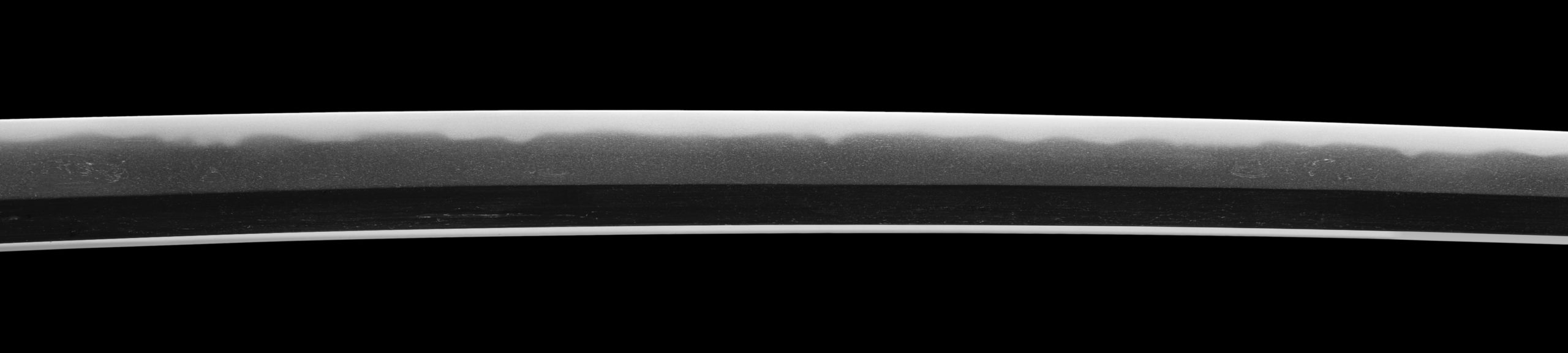
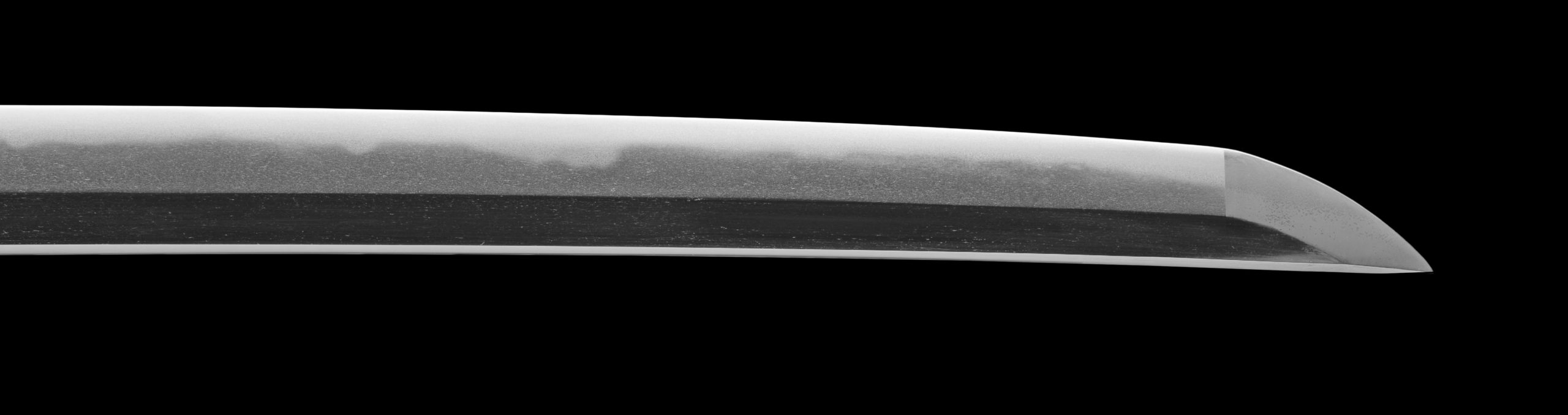
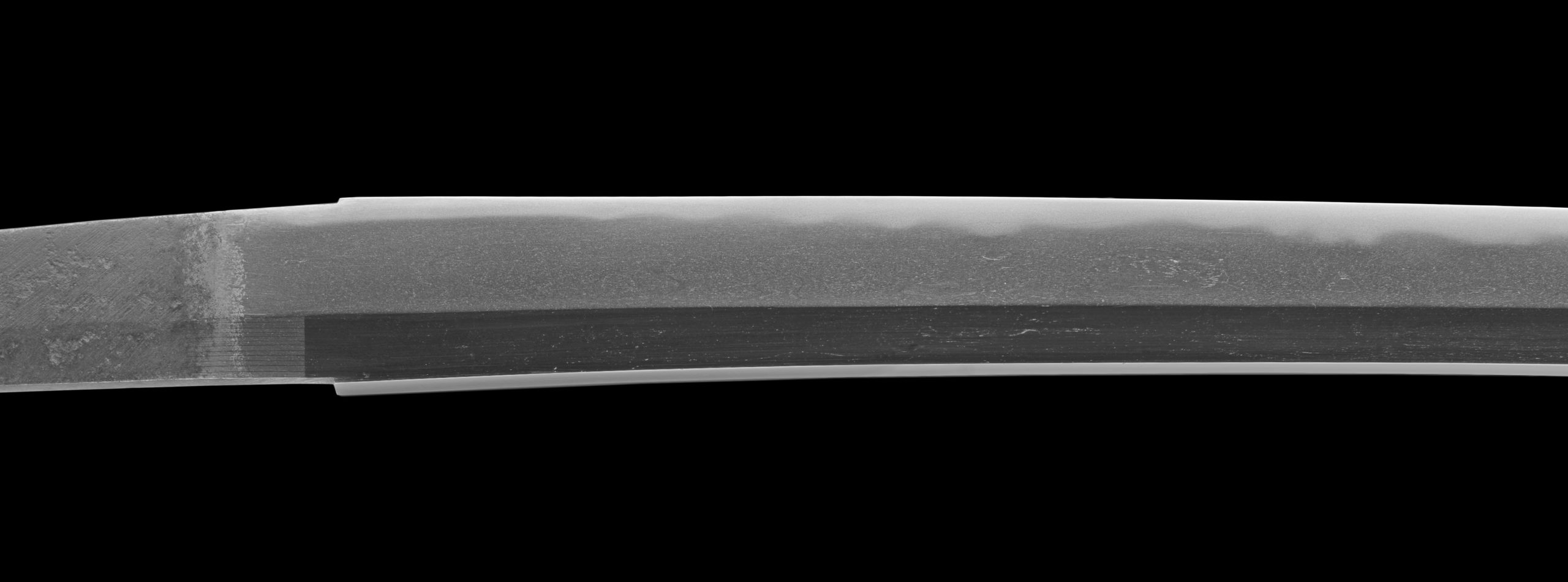
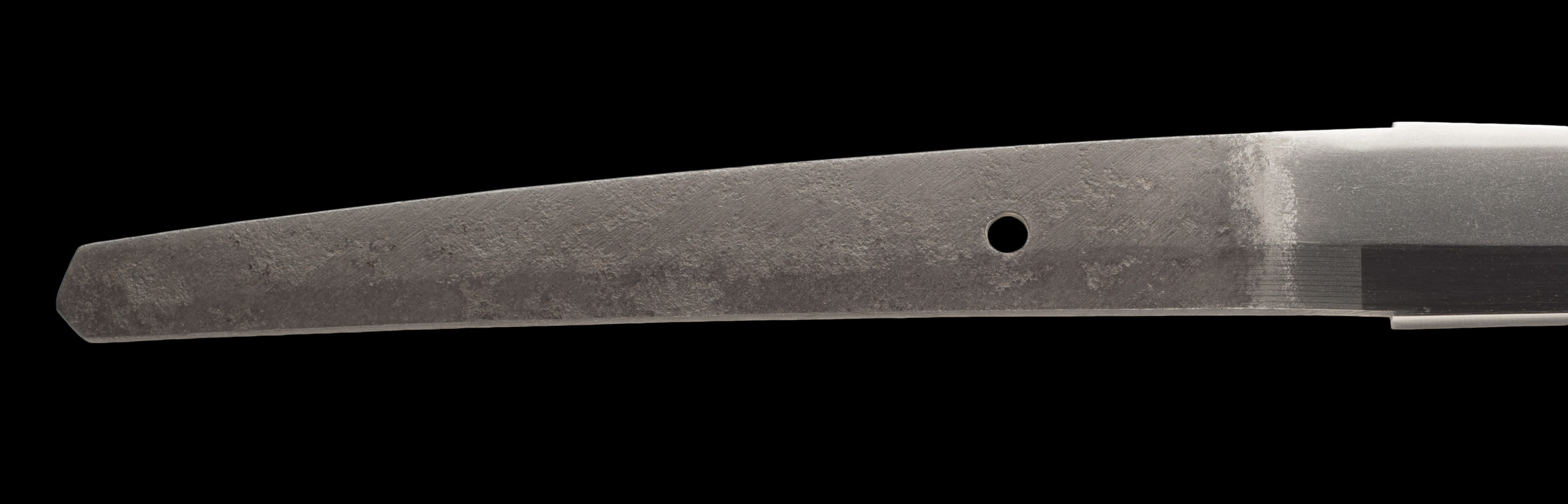
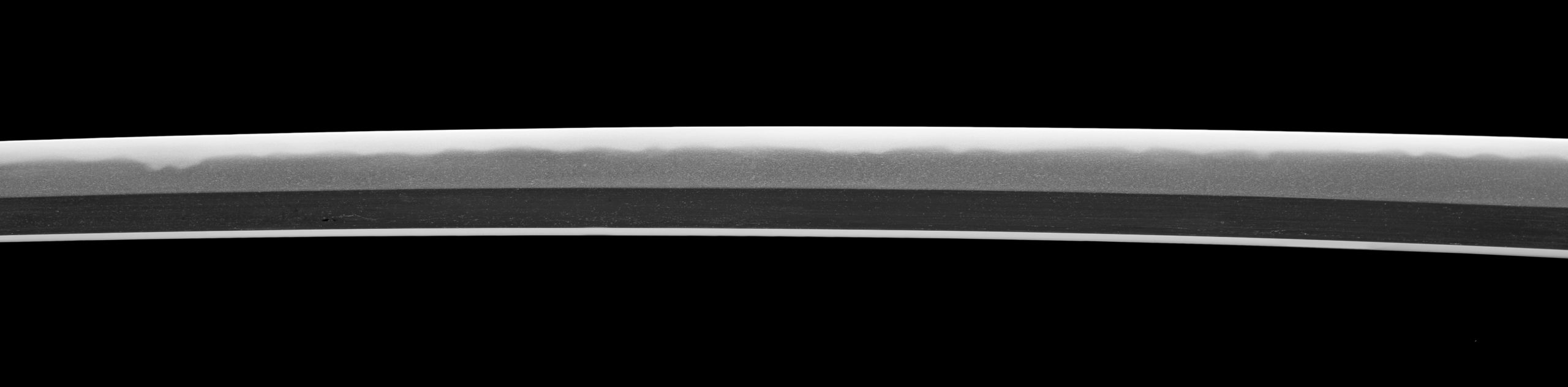
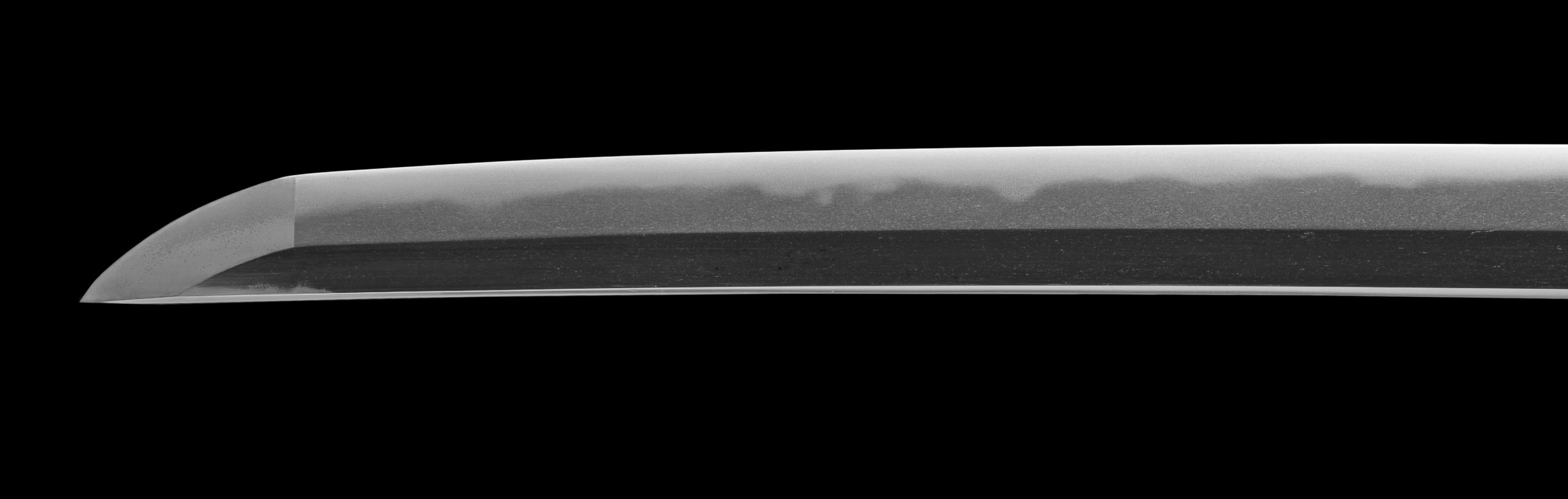
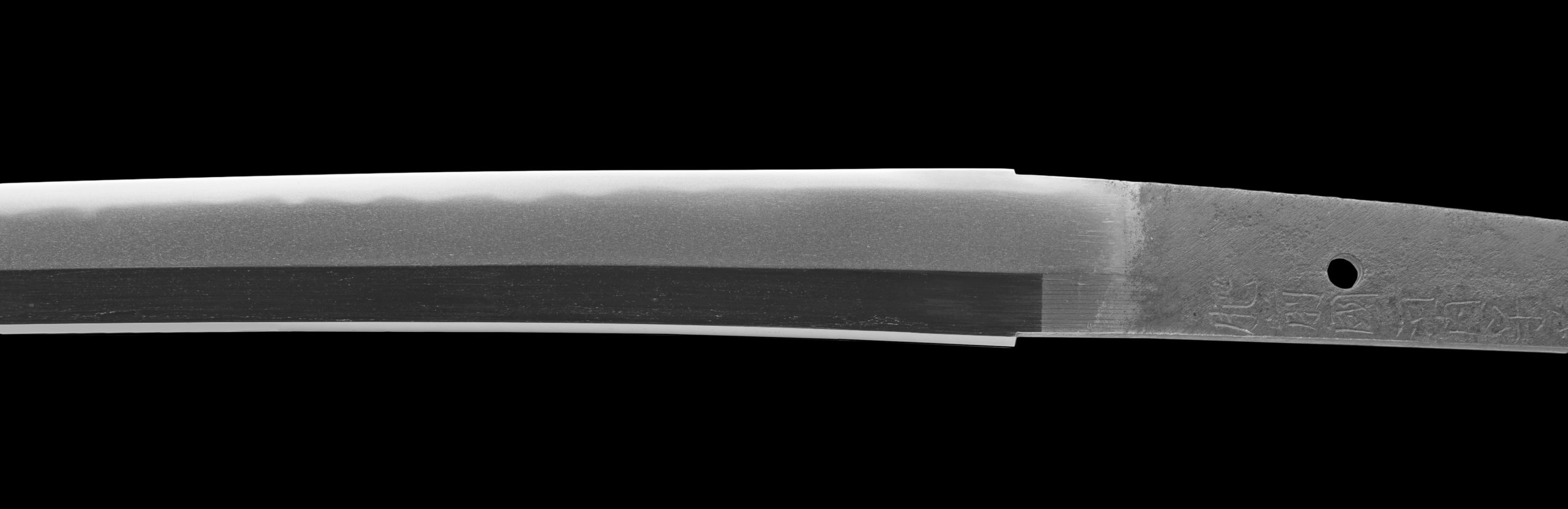
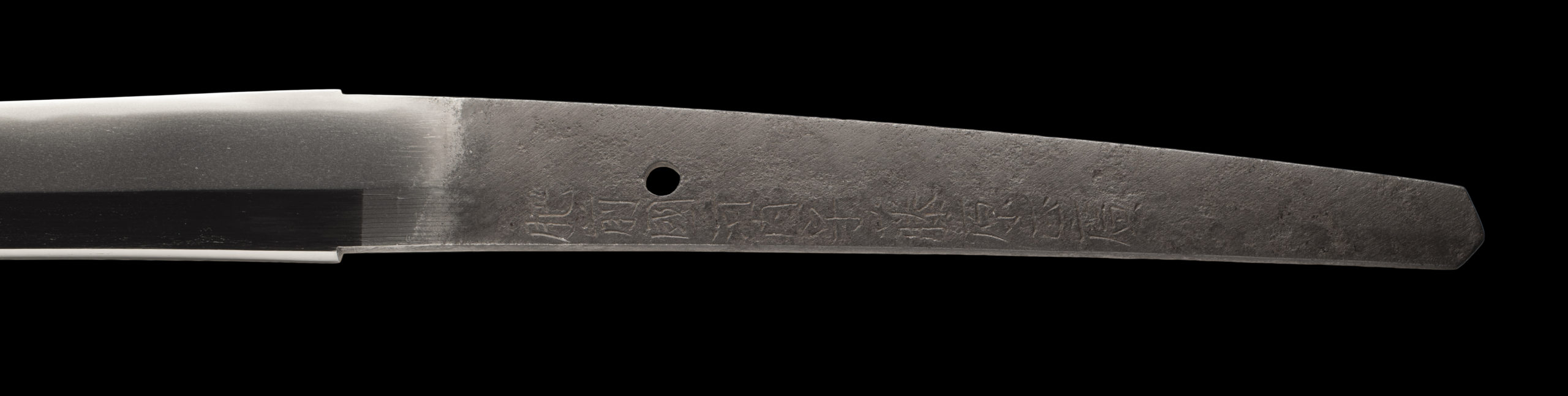
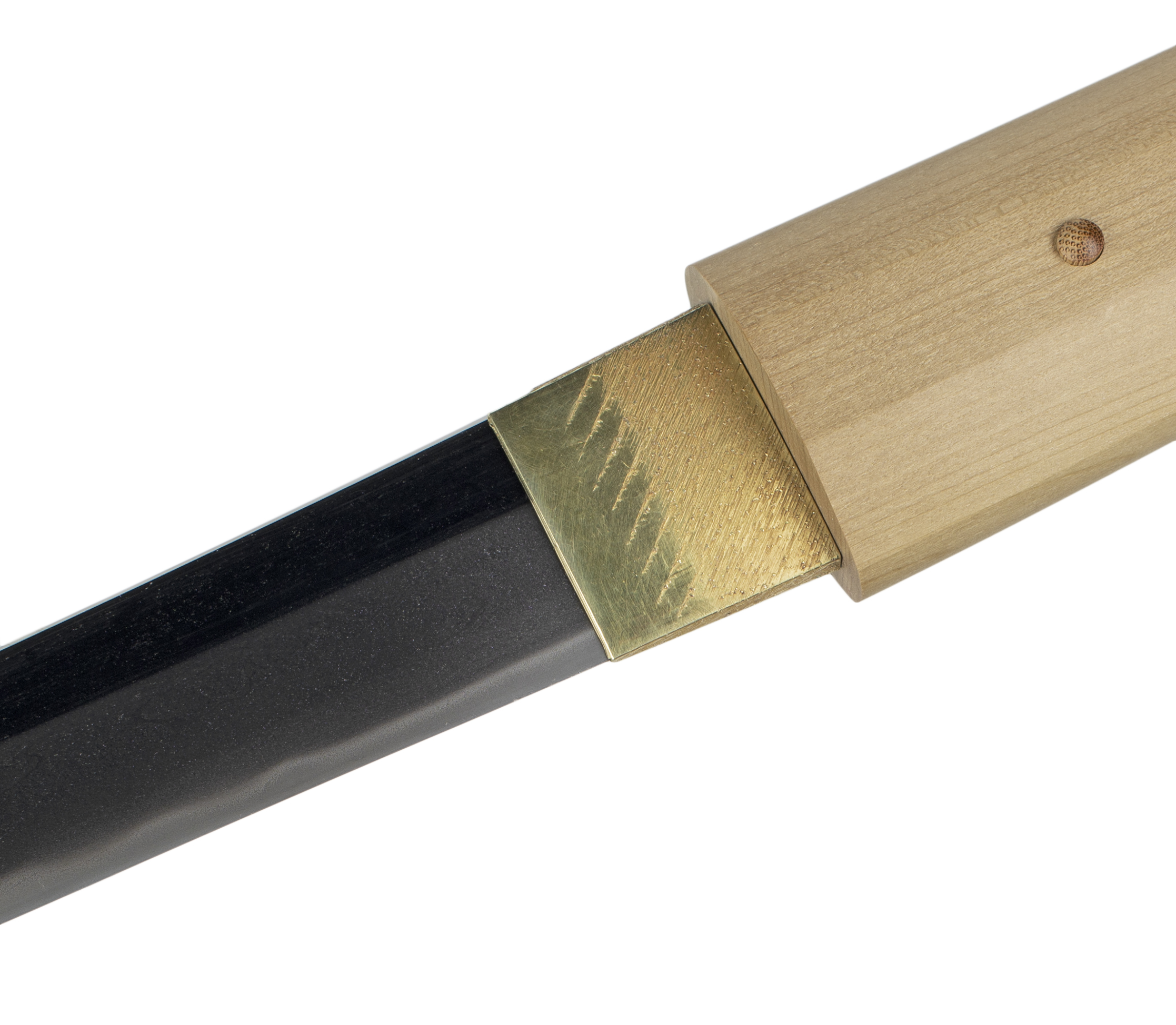
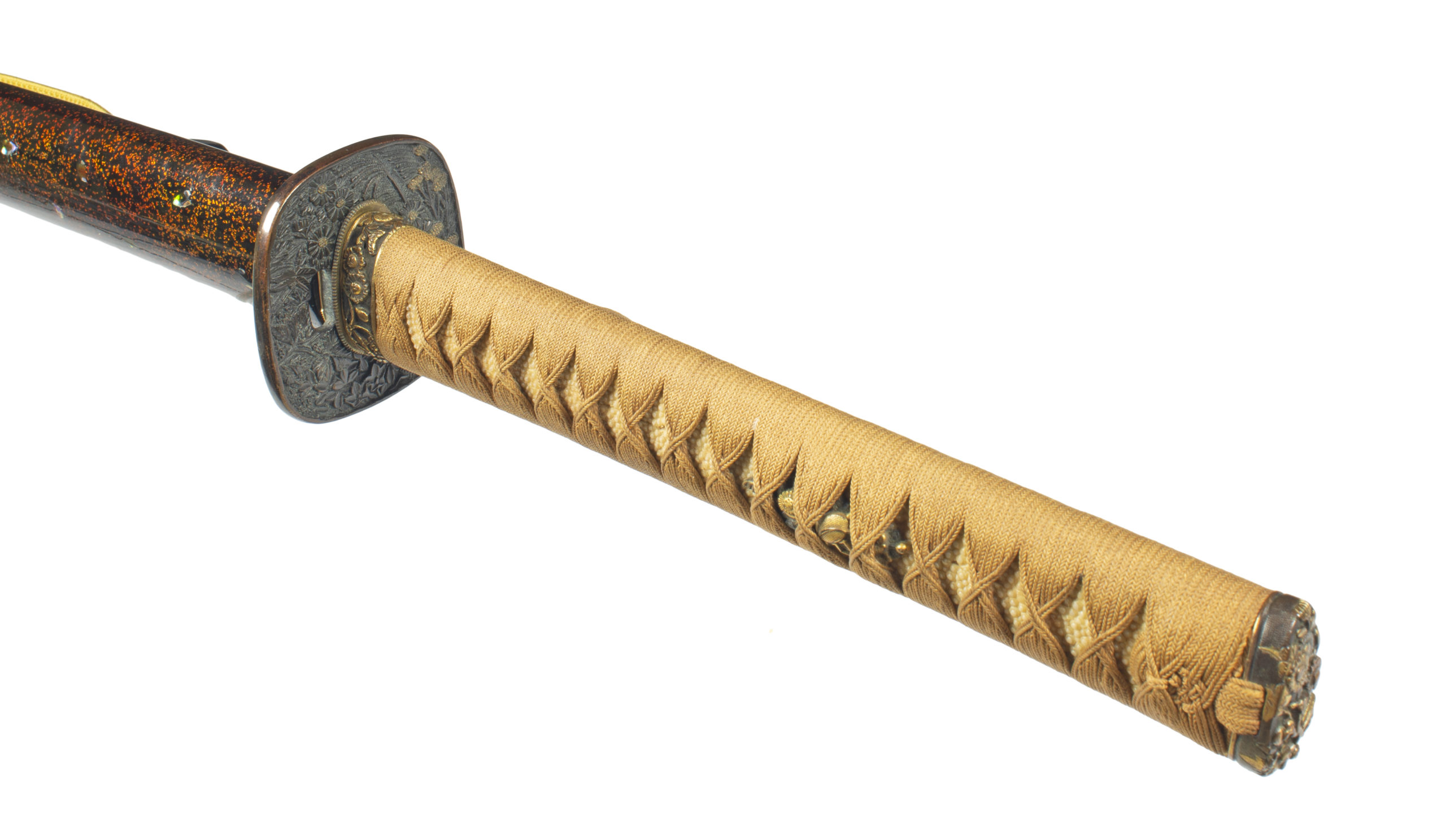
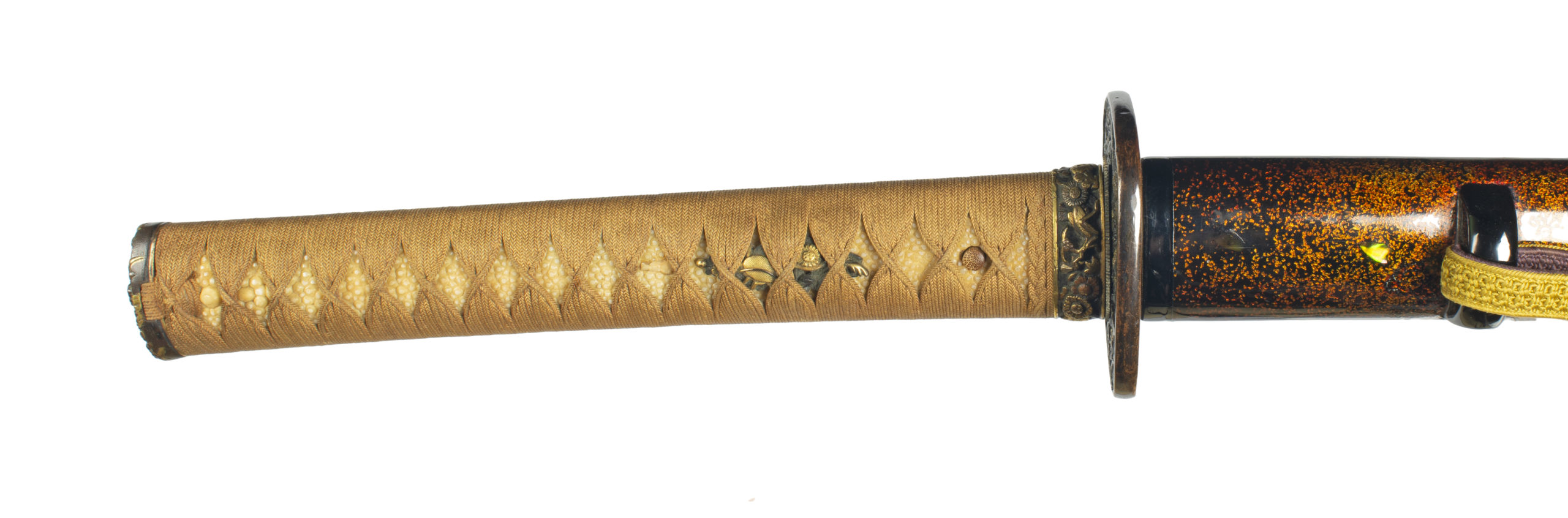
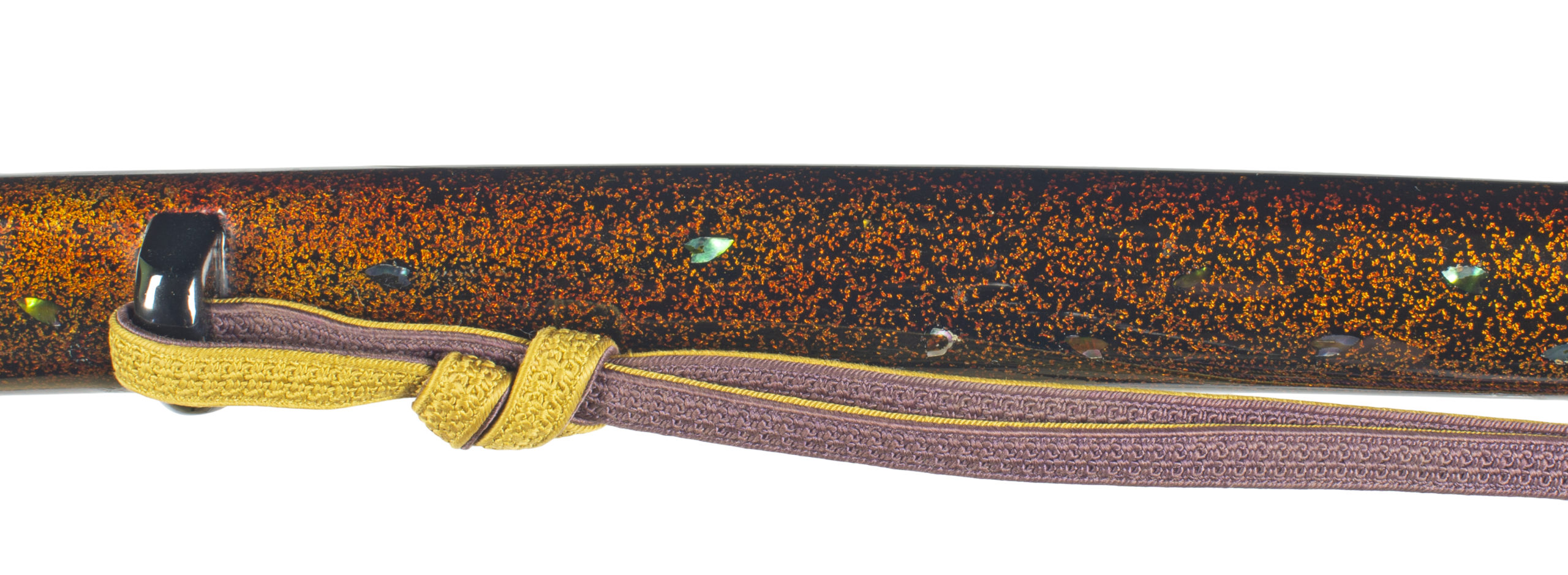
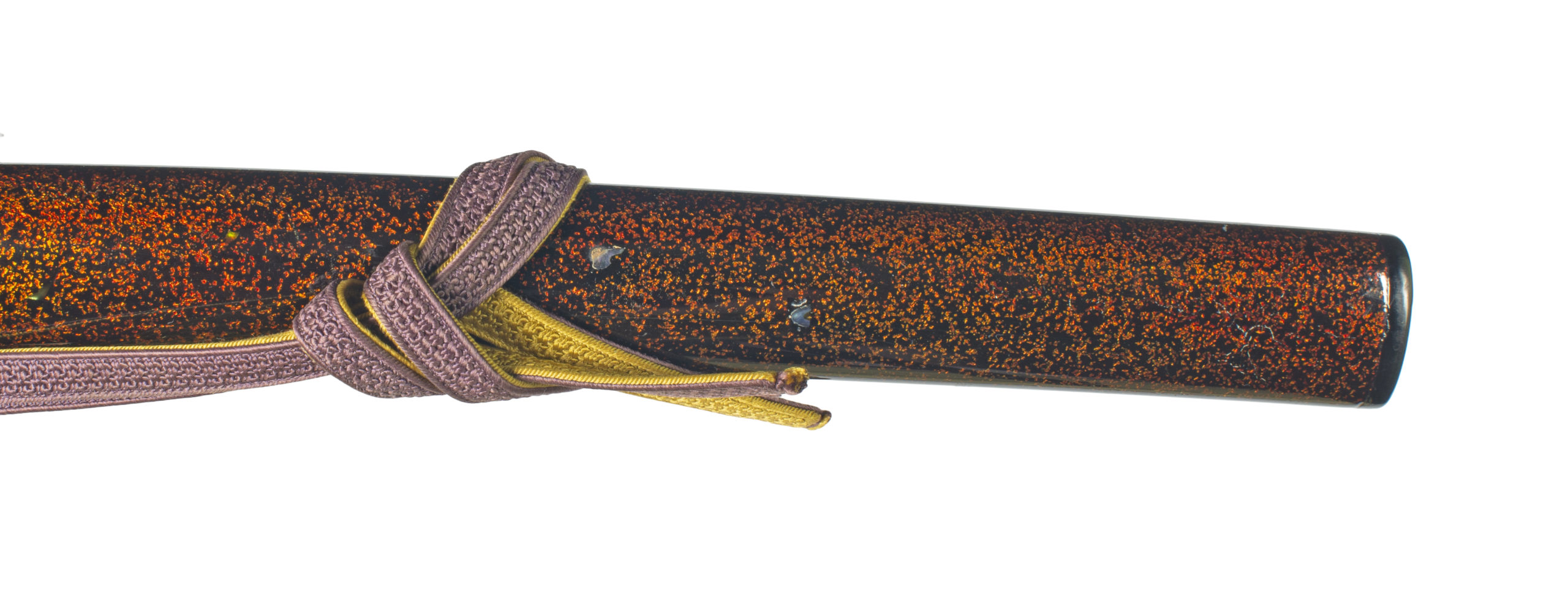
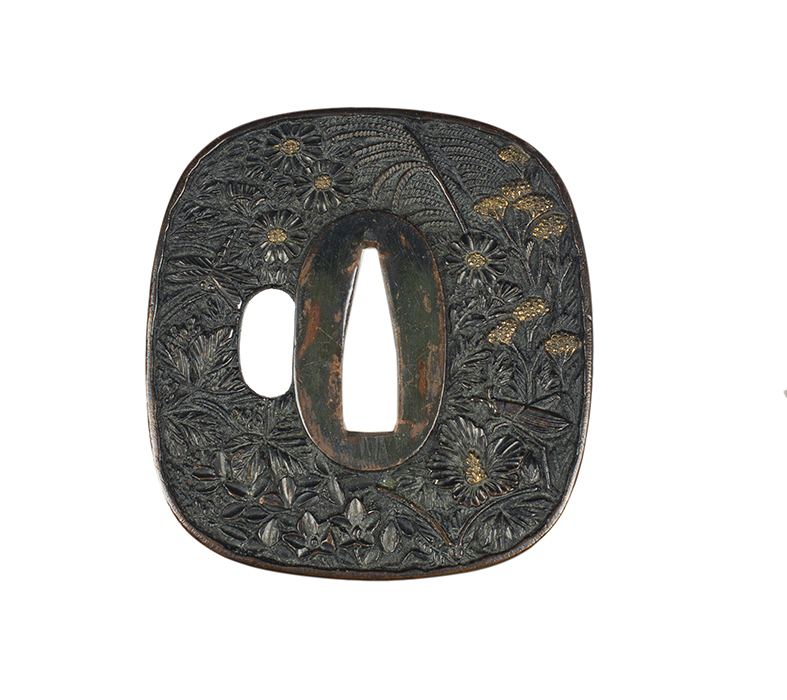
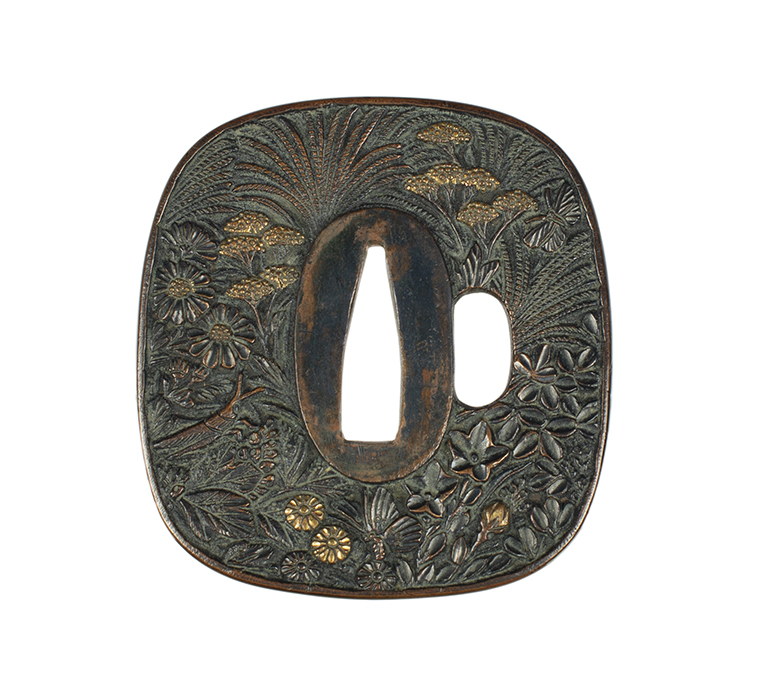
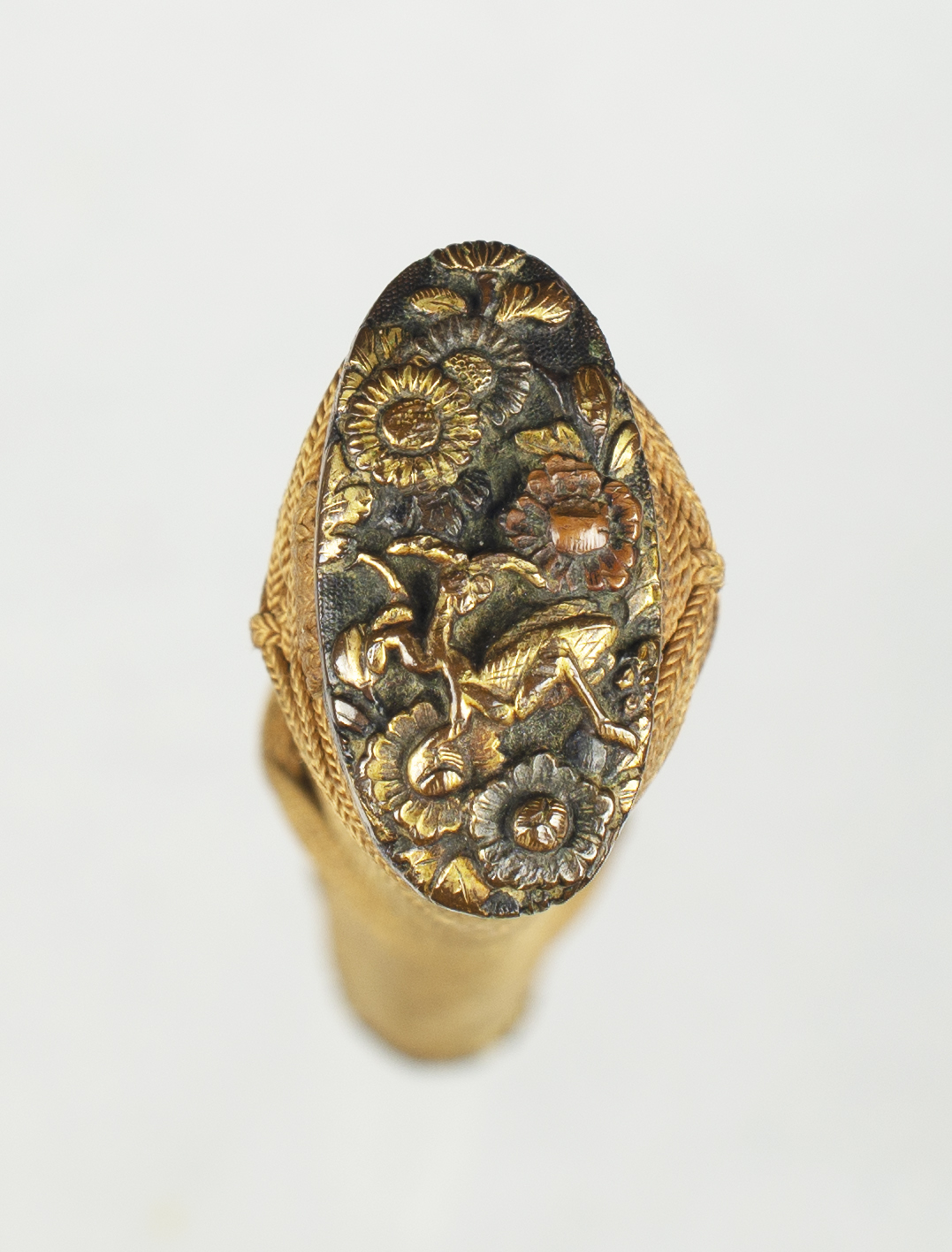
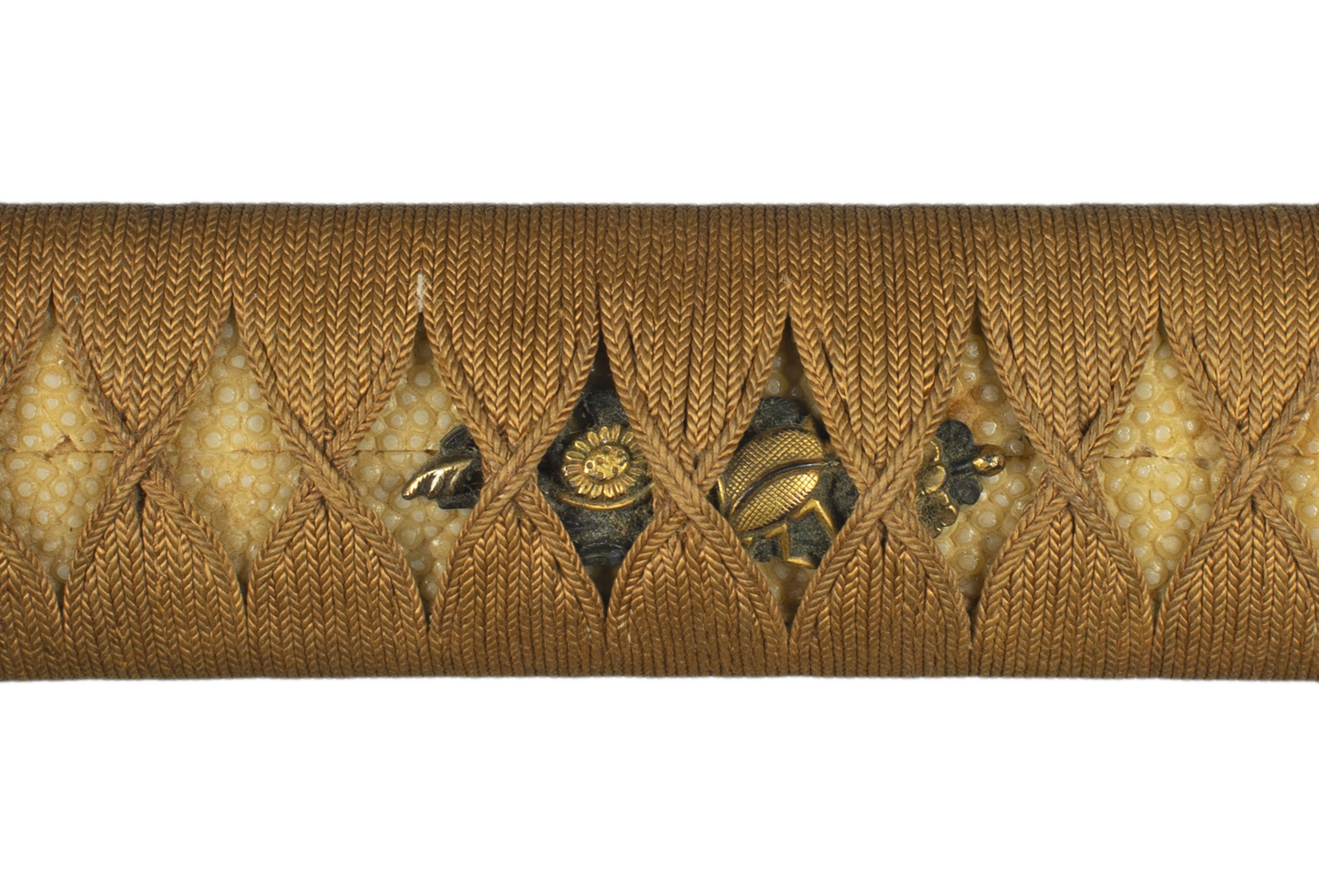
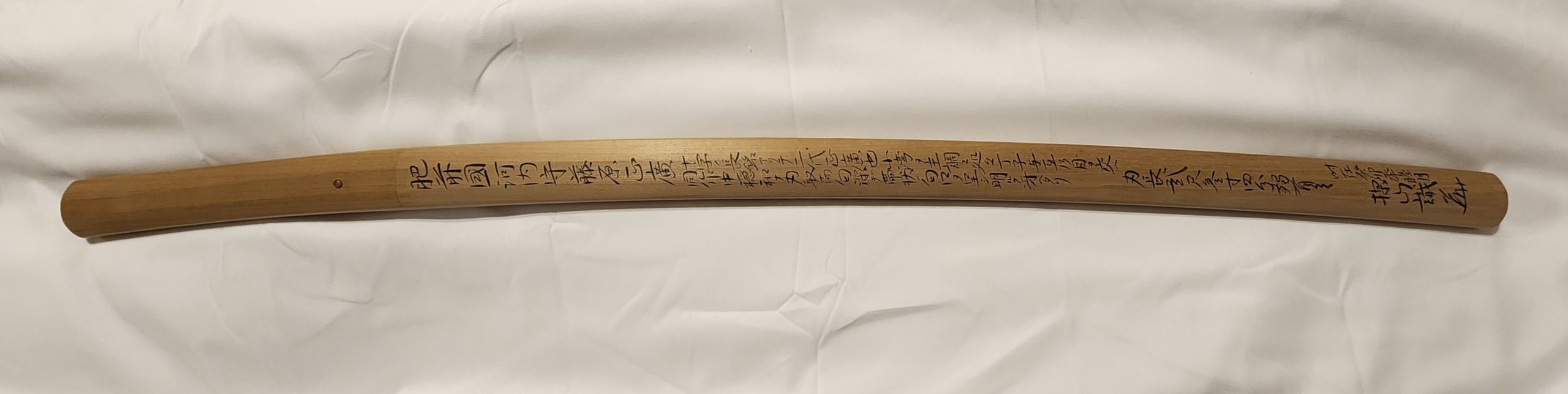
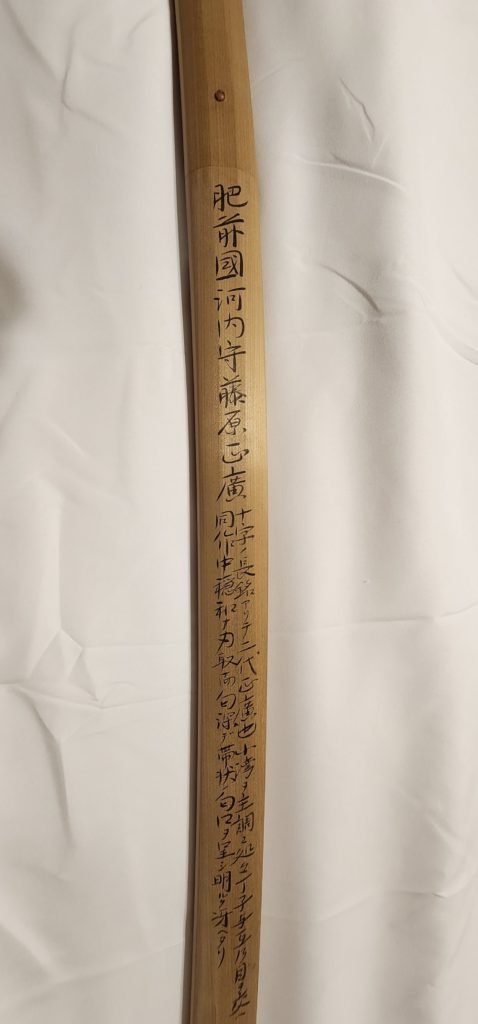
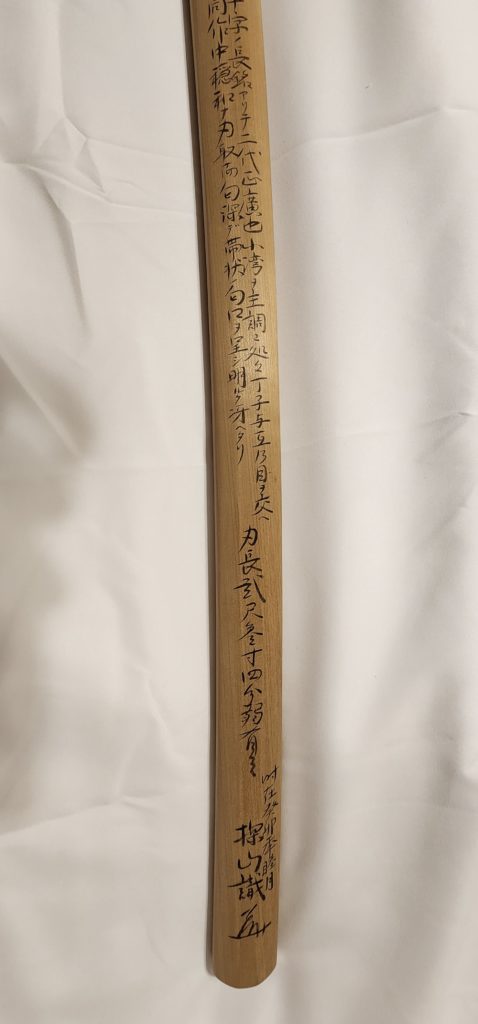
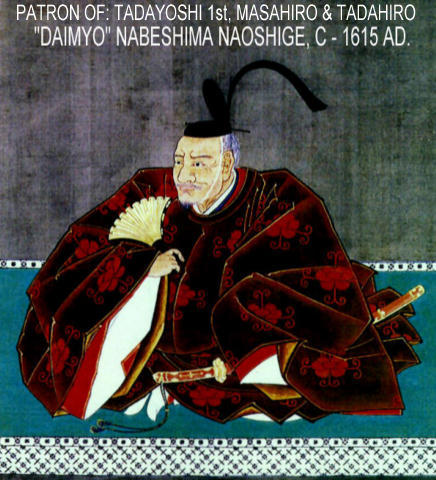
nidai / 2nd GEN., HIZEN MASAHIRO NBTHK Tokubetsu Hozon Rated “upper class” (Jo – Saku) Tanobe Michihiro (Tanzan) sensei sayagaki Fittings: Mino Goto school with flowers and praying mantis Saya: with Gold-speckled nashiji lacquer and diverse mother-in-pearl accents Hizen no Kuni Kawachi no Kami Fujiwara Masahiro (肥前國河内守藤原正廣) 2nd Generation/ nidai This is a Hizen Masahiro nidai (2nd generation) signed Hizen no Kuni Kawachi no Kami Fujiwara Masahiro (肥前國河内守藤原正廣). This was made in 1665 or later before his death, we know this to be true because Masahiro nidai received a new title of Kawachi no Kami on April 13th, 1665 in the same year of his fathers passing. He is rated Jo-saku (superior made). He was first called Sadenji and he used the name of Masanaga (正永) when he started making swords. He worked under his father Shodai Masahiro. His name civilian name was Hashimoto Yashichirō. This blade has the sayagaki of Tanobe Michihiro (Tanzan) sensei. With certificates of NBTHK Tokubetsu Hozon on the blade, and a NTHK-npo certificate on the superb koshirae. Nagasa- 70.85 cm ~ 27.89″ Sori- 1.3 cm ~ 1/2″ Motohaba (width)- 3.15 cm ~ 1 1/4″ Nakago- UBU (unaltered) Smith Ratings: Hawley’s- score of 50, reference MAS173 Toko Taikan- ¥5M, page 578 Fujishiro’s – Jo Saku (superior made), reference S334 Sayagaki: 肥前國河内守藤原正廣 十字ノ長銘アリテ二代正廣也小湾ヲ主調ニ処々丁子与互乃目ヲ交ヘ同作中穏和ナ刃取而匂深デ帯状ノ匂口ヲ呈シ明ルク冴ヘタリ 刃長弐尺参寸四分弱有之 時在癸卯秊睦月 探山識「花押」 Jūji no naga-mei arite nidai Masahiro nari. Ko-notare o shuchō ni tokorodokoro chōji yo gunome o majie dōsaku-chū onwa na hadori shikamo nioi fukaku de obi-jō no nioiguchi o teishi akaruku saetari. Nagasa ni-shaku san-sun yon-bu jaku kore ari Jizai mizunoto-usagidoshi mutsuki Tanzan shirusu + kaō Kawachi no Kami Fujiwara Masahiro from Hizen Province This blade bears a naga-mei consisting of ten characters and is a work of the second generation. It shows a ko-notare-based hamon that is mixed with chōji and gunome in places and that is relatively calm for the smith. The nioiguchi is wide, of the typical belt shape, and is furthermore bright and clear. Blade length ~ 70.85 cm Written by Tanzan [Tanobe Michihiro] in January in the year of the hare of this era (2023) + monogram. Koshirae- Kin madara-nashiji-nuri aogai-raden saya uchigatana-koshirae (金斑梨地塗青貝螺鈿鞘打刀拵) – Uchigatana-koshirae with saya in gold-speckled nashiji lacquer and diverse mother-in-pearl accents. “mounted on tsunagi” Fittings- Mino Goto school Fuchi mei- Ichiryū Dairi + kaō (一柳・大里「花押」) Mounting- Hilt covered in white same and wrapped jabaramaki style with brown cord. Fuchigashira of shakudō with nanako ground and iroe accents, depicting autumnal vegetation and insects. Menuki of shakudō and in katachibori with iroe accents, depicting autumnal vegetation and insects. Tsuba of angular shape with rounded corners, one hitsu-ana, of shakudō and with takabori relief and iroe accents, depicting autumnal vegetation and insects. Habaki- Kinkise koshi Yūjō, A gold foil habaki with design originally made by Yūjō Reference information from – Index of Japanese sword smiths By Markus Sesko Available for purchase – click here. Masahiro (正広), 2nd gen., Kanbun (寛文, 1661-1673), Hizen – „Hizen no Kuni Masanaga“ (肥前国正永), „Hizen-jū Musashi no Kami Fujiwara Masanaga“ (肥前住武蔵守藤原正永), „Hishū Saga-jū Fujiwara Masahiro“ (肥州佐賀住藤原正広), „Hizen no Kuni Kawachi no Kami Fujiwara Masahiro“ (肥前国河内守藤原正広), civilian name „Hashimoto Yashichirō“ (橋本弥七郎), he also beared the first name „Sadenjirō“ (左伝次郎), son of the 1st gen. Masahiro (正広), he received the honorary title „Musashi no Daijō“ on the 19th say of the tenth month Manji three (万治, 1660), this title was upgraded to „Musashi no Kami“ on the 28th day of the ninth month Kanbun one (1661) but was changed on the 13th day of the fourth month Kanbun five (1665) to „Kawachi no Kami“, with this he changed his name from „Masanaga“ (正永) to „Masahiro“ (正広), he died on the sixth day of the eighth month Genroku twelve (元禄, 1699) at the age of 73, suguha, notare mixed with ko-gunome-ashi, gunome-midare, sometimes also picturesque hamon interpretations, wakizashi are mostly signed with the prefix „Hishū“ (肥州) The school of Tadayoshi in Hizen was started by Shodai (1st) Tadayoshi around 1598, who studied under Umetada Myoju. “Shodai Masahiro” was a student, and “great grandson of Shodai Tadayoshi”, his father Yoshinobu also assisted in his teachings. Masahiro started signing swords using the name Masanaga. (Masahiro also used to sign swords for Tadayoshi when he became ill (dai mei). “Lord Nabeshima” had seen the skill he had and told him he should start signing his works as Masahiro. (given the character “hiro” by the lord). He eventually had his own line of students working under him, even training Nidai Tadahiro (2nd). The swords of Hizen were among the most popular in Japans history, with orders being placed from all over the country; some being gifted to foreign dignitaries from the Shogun. The Tadayoshi name lived for close to 300 years, finally ending with 9th generation in 1880. The Hizen schools notable characteristics were that all katana were signed tachi mei, with wakizashi and tanto signed katana mei. The preferred style of hamon was suguba, midare and notare (with some examples of choji-midare) with brilliant nie; (The mainline Tadayoshi smiths mastered the Rai school style of suguba hamon). Hada was typically very tightly forged ko-mokume (often referred to nashiji hada). The sori of their swords was considered nearly perfect for cutting among the samurai. In the late 16th century, the feudal lord Nabeshima Naoshige would write a set of wall inscriptions for his followers. Historians describe the wall inscriptions as “Everyday wisdom, rather than house laws proper” Lord Nabeshima’s written works also include a mention of bushido: “Bushido is in being crazy to die. Fifty or more could not kill one such a man” In 1584, Nabeshima Naoshige was the chief retainer for the Lord of Hizen until he was killed in battle by the forces of the powerful Shimazu Clan. After his lord’s death, Nabeshima became the true leader of the fiefdom and fought against the Shimazu again in 1587. A Sengoku era warlord, Nabeshima distinguished himself in battle by killing hundreds of men. He was later sent on Hideyoshi’s Korean campaigns where he struck up a friendship with Kato Kiyomasa and upon his return to Hizen, Tokugawa Ieyasu. At Sekigahara, Lord Nabeshima’s son, Katsushige, was convinced to take sides against Tokugawa Ieyasu. Nabeshima wisely recalled him to attack Tokugawa’s enemies in Kyushu, thus saving the clan from disaster. Historians describe Nabeshima as “a survivor and a man of quick intelligence” who saved his domain from invasion several times. His actions and sayings are immortalized in the third chapter of the Hagakure by writer Tsunetomo Yamamoto, a close attendant of Nabeshima Naoshige’s grandson, Mitsushige. Kantei-Sho (鑑定書) – Appraisal No 1009821 (肥前国河内守藤原正広) – “Kawachi no Kami Fujiwara Masahiro from Hizen province” nagasa ~ 70.9 cm According to the result of the shinsa committee of our society, we judge this work as authentic and rank it as Tokubetsu-Hozon Tōken. December 10, 2018 [Foundation] Nihon Bijutsu Tōken Hozon Kyōkai, NBTHK (日本美術刀劍保存協會) Koshirae (拵え) Kin madara-nashiji-nuri aogai-raden saya uchigatana-koshirae (金斑梨地塗青貝螺鈿鞘打刀拵) – Uchigatana-koshirae with saya in gold-speckled nashiji lacquer and diverse mother-in-pearl accents Shōshin (正真) – Authentic Heisei 30 nen 9 gatsu 16 nichi (平成三十年九月十六日) – September 16, 2018 Non-Profit Organization (特定非営利活動法人) Nihon Tōken Hozon Kai (日本刀剣保存会) – NTHK Board Chairman (理事長): Miyano Teiji (宮野貞司) No 9337 meibun (銘文) – Signature: unsigned tsukurikomi (造り込み) – Shape: n/a shitaji (下地) – Foundation: n/a zugara (図柄) – Motif: n/a hori (彫り) – Carvings: n/a sunpō (寸法) – Measurements: 106 cm koshirae (拵え) – Mounting: Hilt covered in white same and wrapped jabaramaki style with brown cord. Fuchigashira of shakudō with nanako ground and iroe accents, depicting autumnal vegetation and insects. Menuki of shakudō and in katachibori with iroe accents, depicting autumnal vegetation and insects. Tsuba of angular shape with rounded corners, one hitsu-ana, of shakudō and with takabori relief and iroe accents, depicting autumnal vegetation and insects. bikō (備考) – Remarks: late Edo period shinsa’in natsu’in (審査員捺印) – Seals of Judges: 6 seals









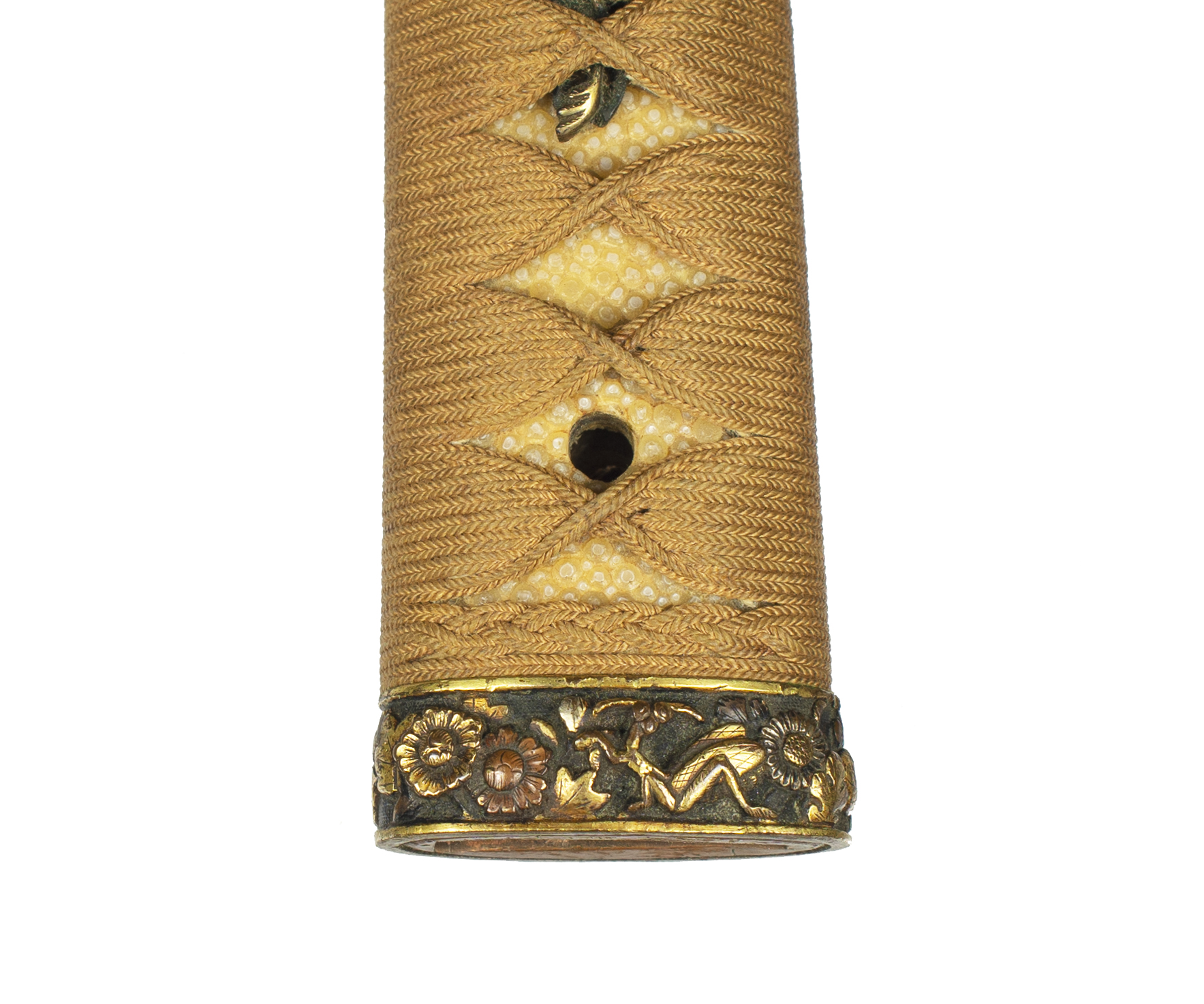
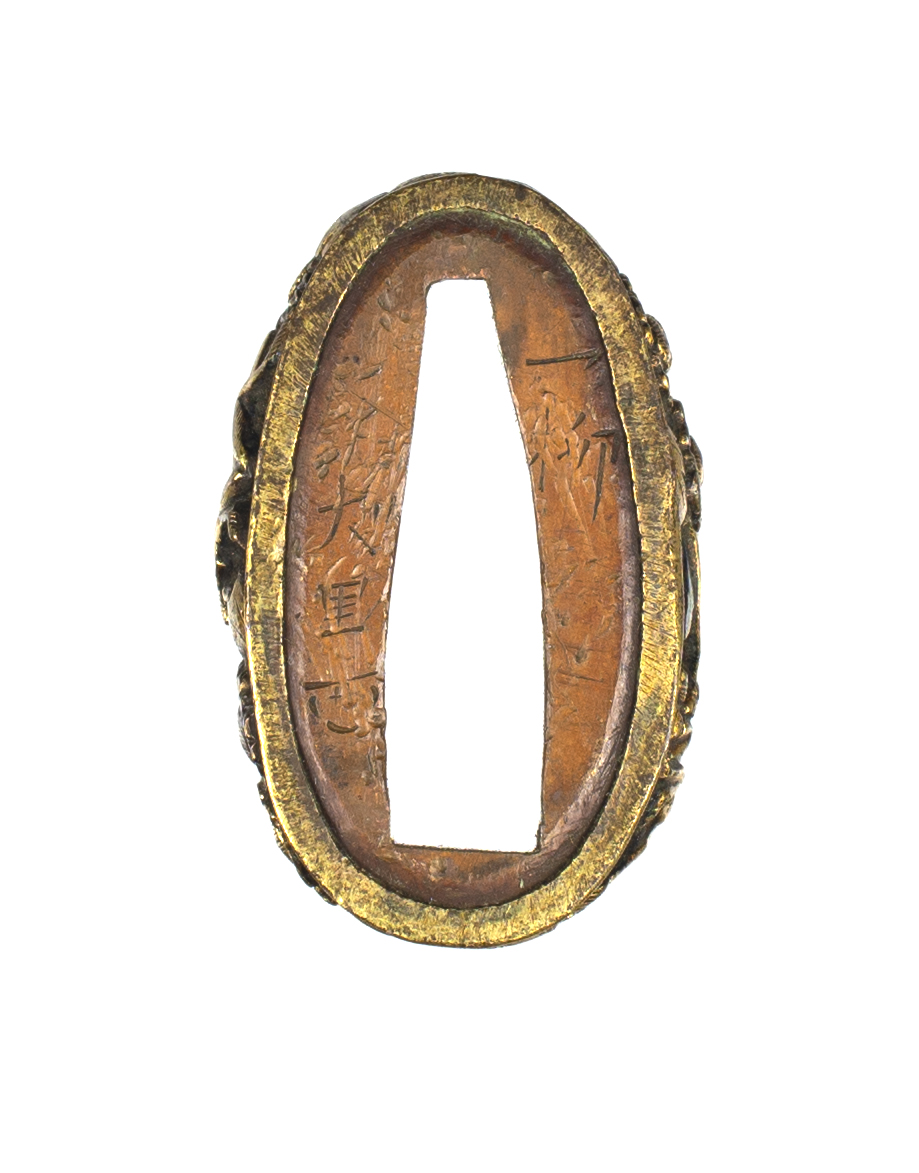
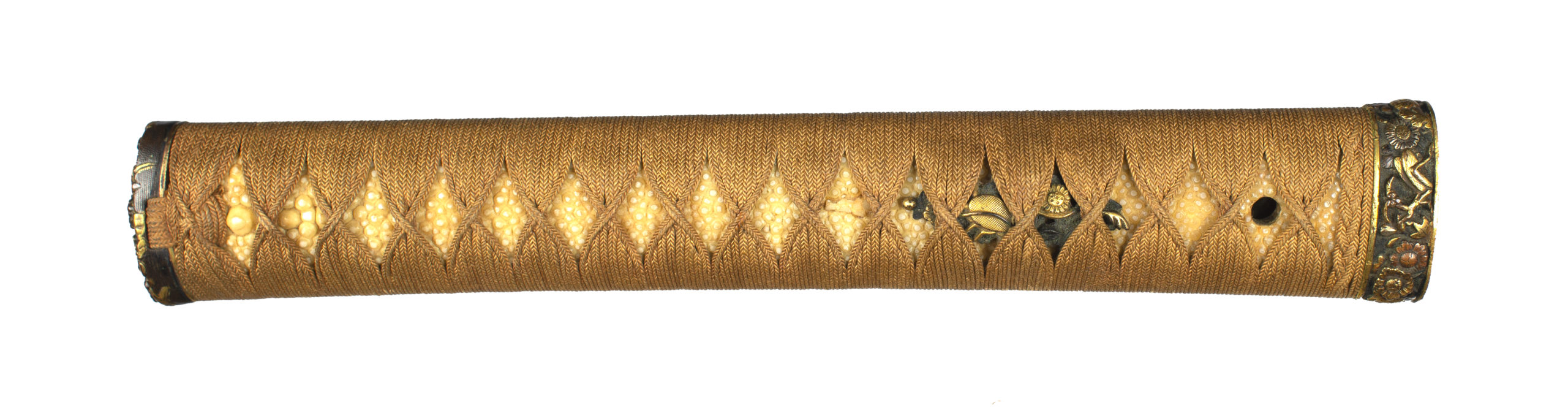
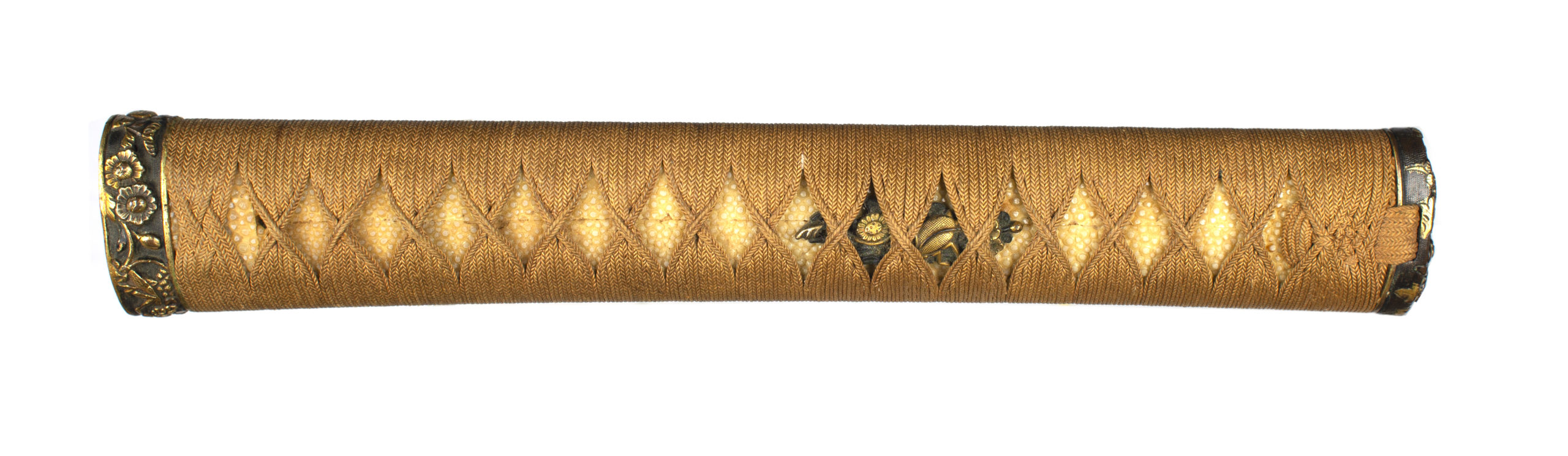
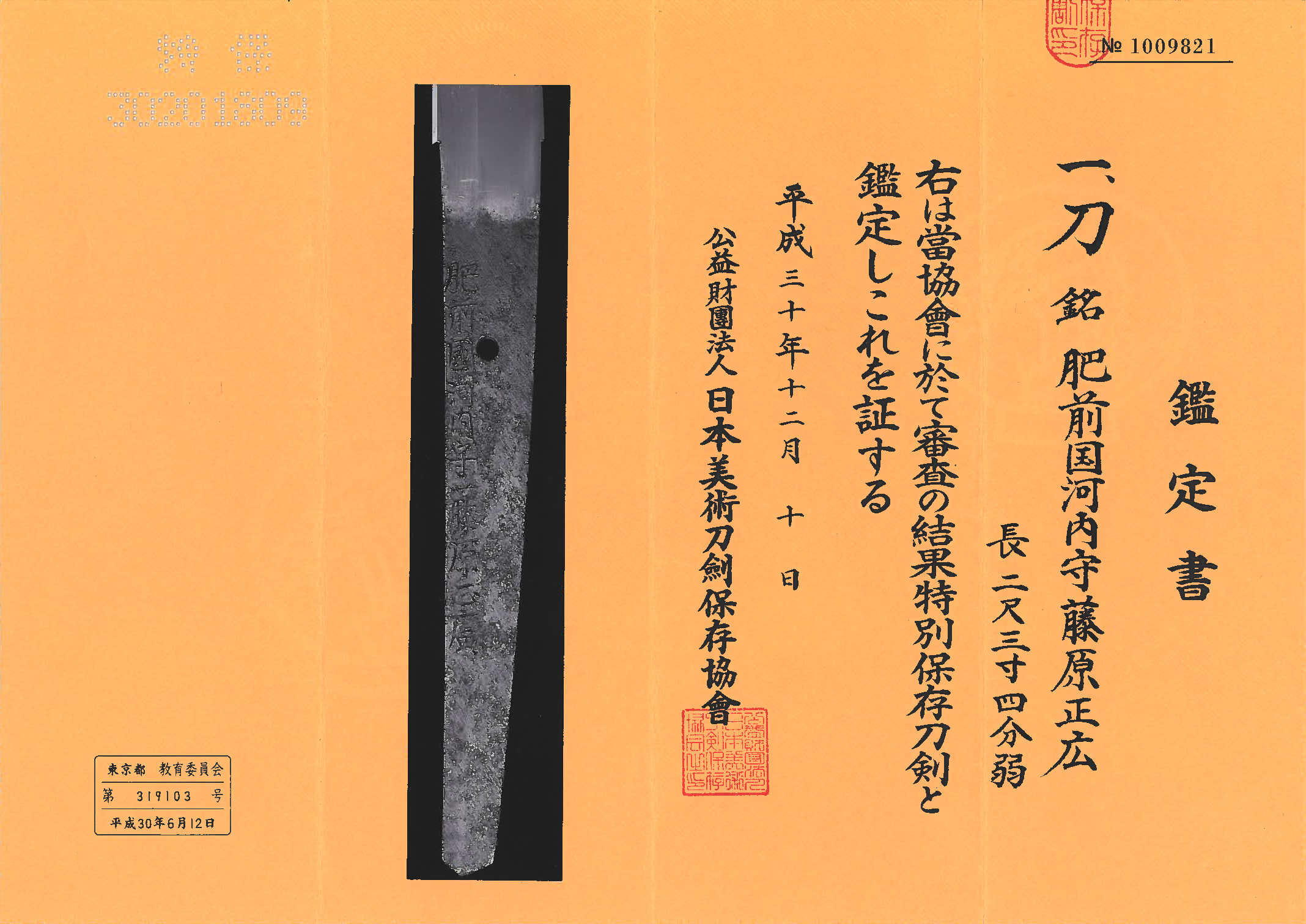
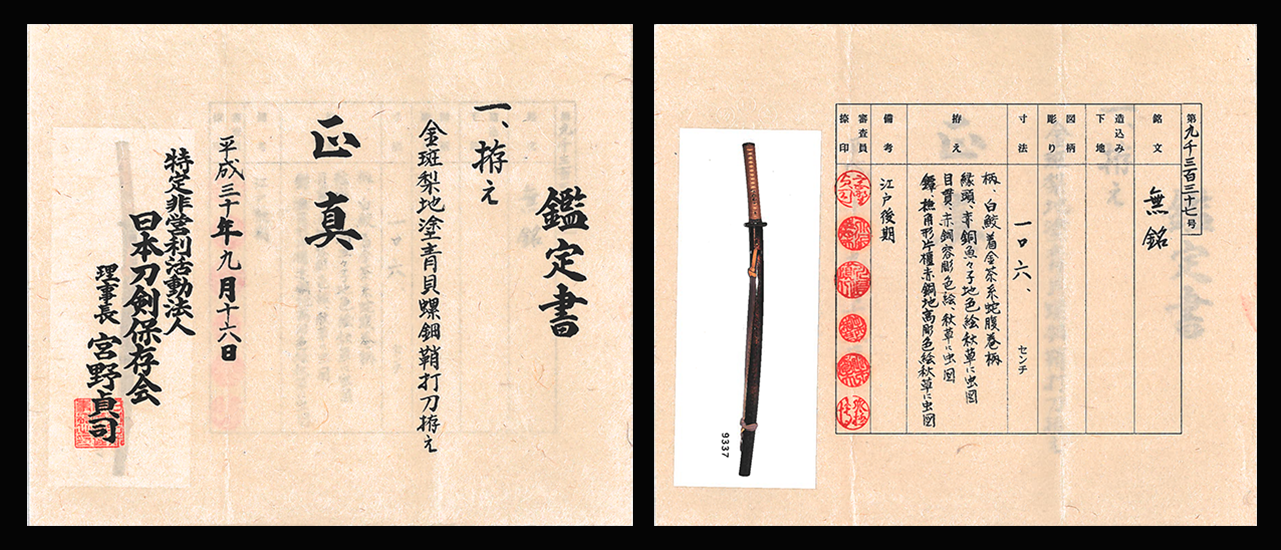
販売店の記載のまま
(翻訳なし)
Hizen Tadayoshi main line, second-generation Masahiro (Saga) · 肥前 · 1658-1661頃
藤代 上作 · 刀剣大鑑 上位26%
現在3点販売中
二代正広は初代河内大掾正広の子で、寛永四年に生まれ、初め佐伝次と称した。父の在世中は武蔵守正永と銘し、万治三年に武蔵大掾を受領、翌寛文元年に武蔵守に転じた。寛文五年二月五日、彼が三十九歳の時に父が歿し、同年四月十三日に河内守に転じている。正広銘の襲名については、口宣案に「武蔵守藤原正広、宜任河内守」[[c:1]]とあることから、説明書は「おそらく初代正広歿後すぐのことであろう」[[c:6]]とする。元禄十二年、七十三歳で歿した。父と同じく本家の協力者の一人であったとみられる。
説明書は本工を父に極めて近いものとして読む。直刃・乱刃ともに父につぐ上手で、「殆んど甲乙つけがたいものがある」[[c:7]]と記し、作柄は直刃・乱れ刃ともに初代正広さながらで、技術は父に劣らないとする。なかでも乱れ刃を得意とし、焼幅を広く取って華やかな丁子乱れを展開するところは「正に彼の独壇場である」[[c:8]]と評される。
その乱れ刃は丁子を主調に互の目を交え、焼幅広く大模様に乱れるものである。刃中に頭の丸い互の目や矢筈風の刃を交える点に、二代正広の刃取りの特徴が窺えるとされる。足・葉よく入り、匂深く沸厚くつき、処々谷に沸が凝り、金筋・砂流しがさかんにかかる。飛焼を交えるものもあり、ある一刀は「同作中最も華やかな出来を示したもの」[[c:9]]とされる。傍肥前の諸工と同じく、元に直ぐの焼出しを見せることもある。地鉄は小板目肌がよくつみ、地沸が微塵に厚くついて地景が細かに入り、肥前刀特有の米糠肌状と記される作が多く、頑健な一刀では肌目が立つとされる。帽子は直ぐに小丸に返る。
直刃は本工のもう一つの作域であり、説明書は「初代正広よりも直刃の作品が多く見られることにも注意したい」[[c:10]]と特に記す。直刃の作は乱れ刃より少ないものの父よりは多く見られ、出来にむらがなく総じて優れているという。典型の中直刃の刀では地がねが一段とよく約むとされ、匂深の中直刃の一刀は直刃を得意とした本家の作を見るようであるという。常々の直刃より一際匂深く沸厚くつき、働きの豊富な二口の刀には「或種の放胆さが窺えて」[[c:11]]と評される。姿は身幅広く重ね厚く、手持ちの重い頑健なものが多く、時に鋒が延びて大鋒となる。
初・二代の別は銘に見る。二代は「肥前国河内守藤原正広」[[c:12]]と切るものが最も多く、中には「藤氏」と切ったものもある。説明書は「藤」と「廣」の字形に父子の相違を挙げ、二代の「廣」は一画多いとする。彫物は極めて少なく、寛文十二年紀の一刀には後に信国美直が彫物を施し、寛文十三年の山野勘十郎の截断銘を伴う。
藤代の極めは上作。国宝・重要文化財はなく、その記録は重要刀剣の位にあり、指定を受けた作は二十六口である。大きく乱れ刃を焼き、日月等の飛焼を交えた一刀は最高の出来とされ「肥前刀を代表する一刀である」[[c:13]]と称えられ、山野勘十郎久英の截断金象嵌銘と「継小袖」の号を有する。別の一刀には「剪風」の号らしき試し銘があり、説明書は肥前刀に試し銘のあるものは極めて稀であると記す。寛文七年紀の脇指はその年紀が好資料とされる。来歴の記録は乏しく、在銘の重要刀剣が市に現れるのは時折のことである。
正廣の位置づけを、日本刀全体および伝法・時代・時期ごとに示します。各区分(随一・屈指・有数・著名)は、NBTHK および文化庁による指定に加え、三作や名物帳などの歴史的栄誉を加味したものです。
各項目を選ぶと評価方法が表示されます。
新刀 · 肥前
現在107点販売中
肥前派は、肥前佐賀の城下を中心に興った新刀期の一流であり、その祖は橋本新左衛門と称した初代忠吉である。資料によれば、初代は鍋島家の抱え工として、慶長元年に藩命により彫工宗長とともに上洛して京の埋忠明寿の門に入り、忠吉は鍛刀を、宗長は彫技を学んだという。同三年に帰国して佐賀城下に住し、鍋島藩の庇護のもとに一門は大いに栄えた。年紀は慶長五年に始まり、元和十年には再び上洛して武蔵大掾を受領し、名を忠吉から忠広に、氏を源から藤原に改めている。この改名は同一の手の変遷であって別人ではない。初代の嫡子たる二代近江大掾忠広は六十有余年に及ぶ作刀生活を送って肥前最多作の工となり、本家の忠吉銘は土佐守家を経て三代陸奥守忠吉へと返上襲名されて、上三代の本流を成した。これと並んで、初代の門人や身内から、播磨大掾忠国の系、河内大掾正広に発する正広の系、出羽守行広の系といった分家、すなわち傍肥前と汎称される諸工が興り、代を重ねて佐賀の工房は確立された。 一門の共通する作風は、まずその地鉄に表れる。よく約んだ小板目を緻密に鍛え、地沸が微塵に厚く均しくつき、地景が細かに頻りに入って、かね明るく冴える。資料はこれを肥前特有の米糠肌と名指し、他派の出さない細かく明るい肌であるとする。この精良な地の上に、本家の本領たる中直刃を焼く。浅くのたれごころを帯び、処々に小互の目を交え、小足・葉が入り、匂深く小沸が細かについて締まり明るく、帽子は直ぐに小丸へ静かに返る。本来狙った来一門の直刃に対しては、匂口がより締まって明るく、鍛えに覇気がある点で分かれると説く。一方、初代の初期作には直江志津・古作大和物・来一門・鎌倉名工を狙った多様な写し物があり、掃きかけの帽子など本家の通則の例外も見える。代や系統による差異も資料の支持する範囲で明らかである。二代忠広と三代忠吉は本家本領の静かな直刃を継ぎ、なかでも三代は祖父初代を想わせる強く精美な鍛えを身上とする。これに対し傍肥前の諸工は華やかな乱れ刃を好み、正広は丁子を主調とした乱れに互の目を交え、行広は竪長の足長丁子乱れを焼き、忠国は一門の中で最も砂流しが目立つ足長丁子をあらわした。本家が直刃で読まれるのに対し、傍系はその精良な地を覇気ある乱刃へ運んだのである。 肥前刀の鑑定の勘所は、何よりこの米糠肌にある。明るく冴えた小糠肌の上に締まった直刃を焼くという組合せこそ、収集家が肥前刀を求める核心であり、地鉄と刃文が相俟って同派同定の眼目を成す。さらに銘振りもまた鑑定の一部をなし、本家は刀に指裏すなわち太刀銘に切るのを常とし、五字銘・住人銘・受領銘の別が時期を語る。主要刀工の格は資料の伝える通りで、初代忠吉は藤代の極めで最上作、二代忠広・三代忠吉や正広・行広は上々作ないし上作に位置づけられる。代表作には鍋島家伝来の作が多く、来歴には尾張徳川家・佐竹家・皇室などの名が録され、初代の一口には師明寿の添銘が遺り、忠国・正広の作には山野加右衛門ら截断銘を金象嵌に帯びるものがあって、手のみならず刃味の証となる。指定を受けた作の多くは旧蔵家や公の収蔵に永く蔵されて市に現れることは少なく、傍系の作も折にふれて世に出るにとどまる。されば在銘の肥前忠吉は手の届かぬものではないが、祖その人の作や、最も精美な米糠肌に直刃を焼いた一口が現れることは時折のことであり、現れれば肥前刀の一里塚というべきものである。 詳しく見る →
肥前 藩営の刀
肥前刀は藩営の産業である。鍋島家は1596年頃、忠吉を京の埋忠明寿のもとに学ばせ、帰国したその工を核に公認の一門を築いた。小糠肌で名高いその作は、九代にわたり明治まで続いている。
保存刀剣のうち、出来が一層優れ、保存状態も良好と認められたものです。再刃や、室町・江戸期の多くの無銘作は対象外となり、保存刀剣より高い基準が課されます。
日本美術刀剣保存協会(NBTHK)は、1948年に設立され、文化庁の監督を受ける公益財団法人で、東京・刀剣博物館に本部を置きます。専門の審査員が出品作を直接審査し、美術的・歴史的価値に応じた鑑定書を発行します。NBTHKの鑑定書は、日本刀および刀装具の真正性を示す最も広く認知された基準です。
NBTHK公式サイト24 hour inspection period for all Antique items (USA only); all sales final on International orders.
$17,500